

 Mountain Bike (MTB)
 Gravel Bike
 All-Terrain Bike (ATB)
 Fat Bike


Neuhaus Solstice Review: Disappearing Act



What do we actually want from a mountain bike? After hundreds of miles on the Neuhaus Solstice, Logan kept arriving at the same answer. It didn’t involve a certain spec sheet or a particular geometry, but something far simpler. Read on for his full review of the Neuhaus Solstice, an uncomplicated steel hardtail that quietly excels at many things…
PUBLISHED Jun 9, 2026
Hardtails have plateaued. I’m sure people have made that claim plenty of times during the four-decade history of mountain bikes, but there are so many great options now. Choosing one is more difficult than ever. Part of my job when reviewing bikes is helping people make decisions, and that got me thinking about a broader question as I started penning my Neuhaus Solstice review: what do we, as individuals, actually want from a mountain bike? I mean that question in the purest sense—not frame material, geometry charts, or feature lists.

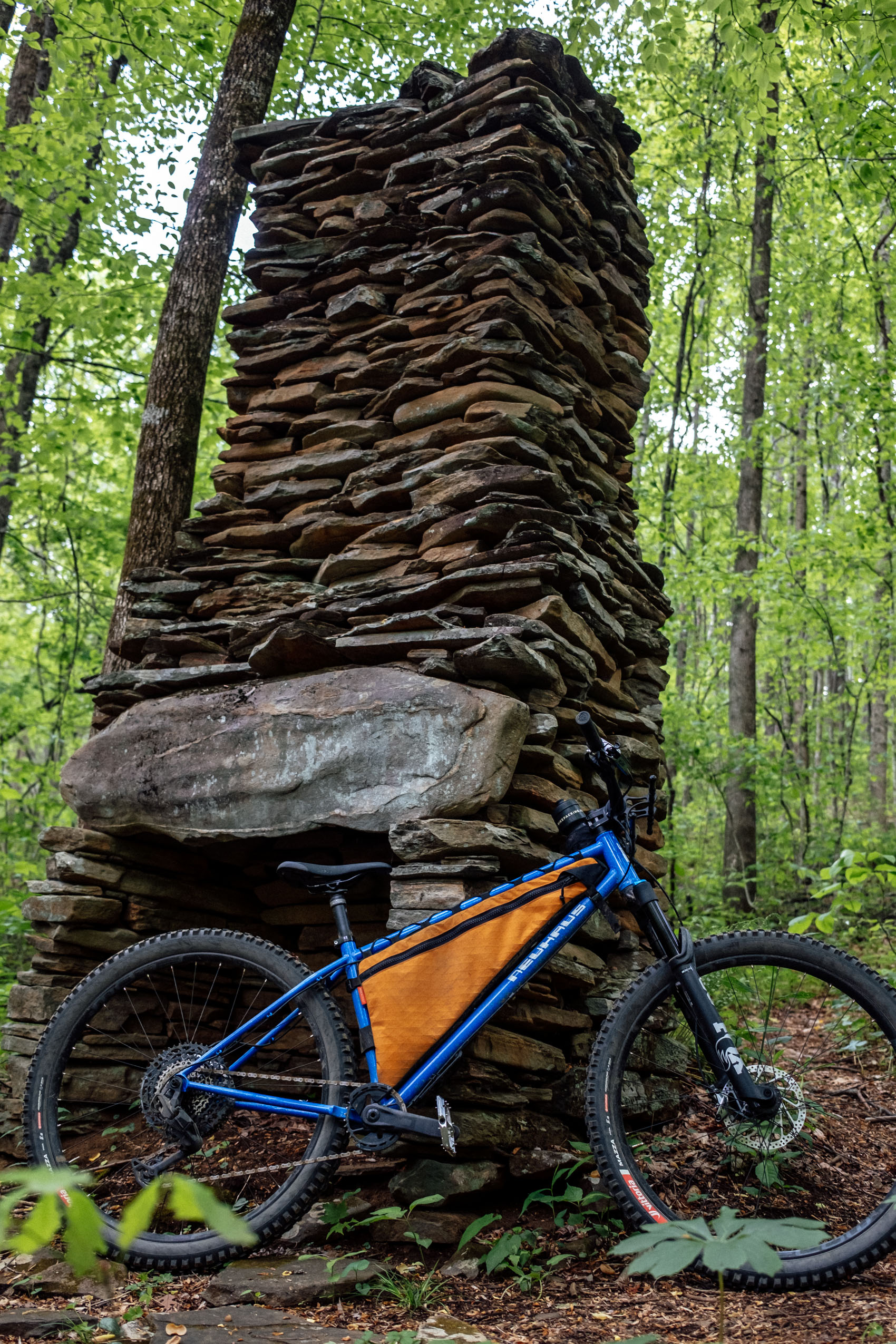
The answer will differ for everyone, or at least vary slightly among those of us with similar preferences. For me, when boiled down, I want the bike to disappear beneath me. On the best rides, I stop thinking about shifting performance, brake noise, tire pressure, or whether the bike feels cumbersome, twitchy, harsh, overbuilt, or undergunned. I want it to fade from my awareness and become an extension of my body—something that moves in complete lockstep with the trail. I suppose that speaks to what I’m ultimately after in cycling, particularly singletrack mountain biking: a sense of meditation, flow, or harmony with the terrain. Is that too much to ask from a bicycle? I don’t believe so. I’ve experienced that feeling a handful of times, usually on bikes I’ve owned and ridden for years. Most recently, I caught glimpses of it on the Neuhaus Solstice. Not every ride, but enough to take notice, and ultimately enough to lead me to make a decision on someone else’s behalf. Read on for details and my full review.






Neuhaus Solstice in a Nutshell
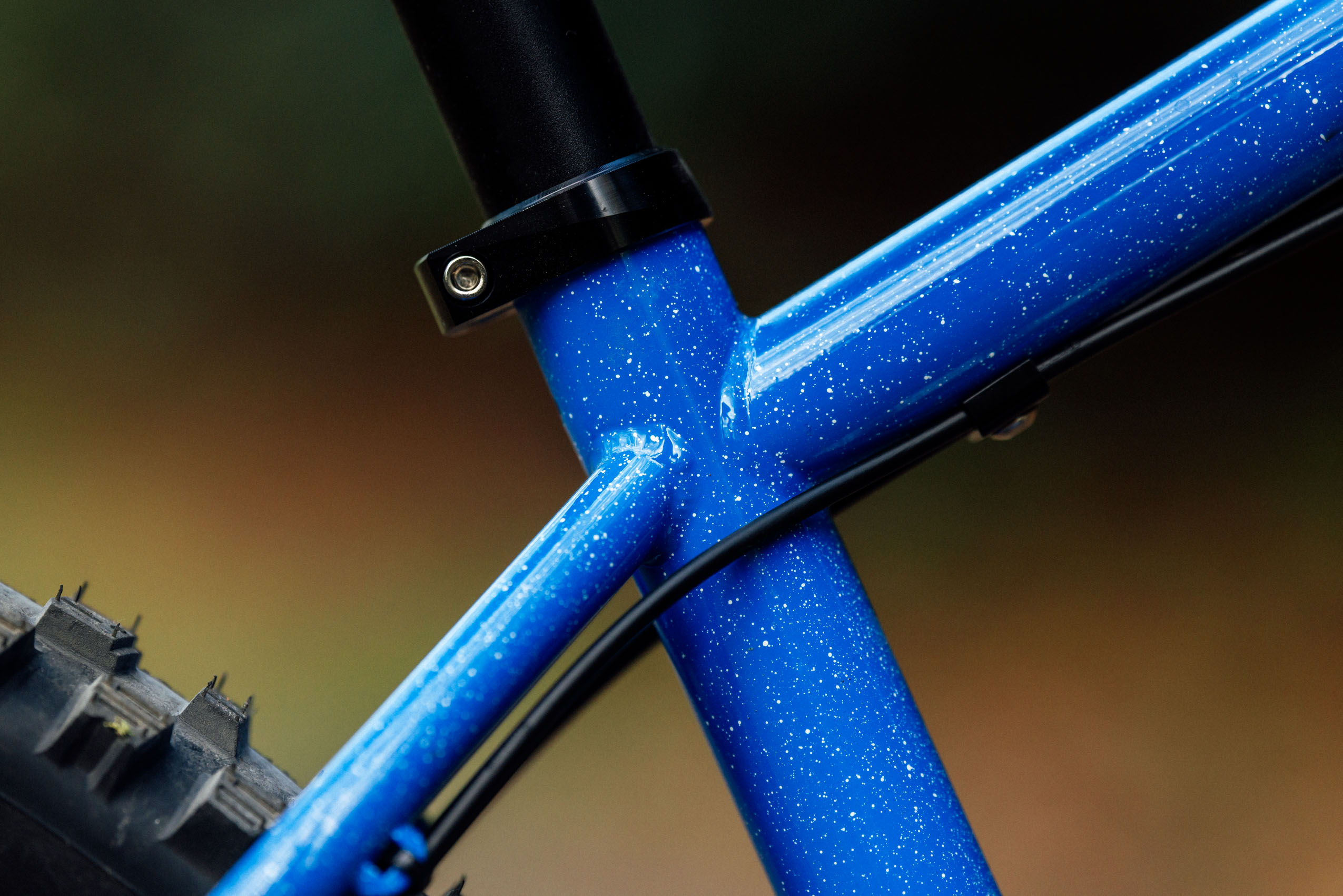
Often with new bikes we review, there’s a novel consumer hook: some radical geometry choice, a fresh feature set, or standout details conceived to pique buyer interest. Aside from a unique paint job, there’s nothing particularly sticky about the Neuhaus Solstice. It’s a fairly straightforward steel hardtail with relatively modern angles and measurements that sit squarely in the conservative middle of the trail bike geometry spectrum. Still, given the amazing experience I had with the Hummingbird, the Solstice was at the top of my list of bikes to review this year.


I’ve known about and anticipated it for a while, but the Solstice is still brand new. It was announced in March of this year, and the full batch of frames just arrived a couple of days ago. Despite being “released” after the Hummingbird I reviewed, the Solstice is ironically the first bike Neuhaus made. For some context, owner and framebuilder Nick Neuhaus founded Neuhaus Metalworks in 2021 alongside design engineer and 3D-printing specialist Daniel Yang. Nick’s premier bike under the brand was the Solstice Mullet, a rowdy hardtail that suited his riding preferences at the time. Nick says it excelled in that role, but they quickly recognized the need to anchor the lineup around a more balanced, “civilized” trail hardtail. That led to the development of a couple of other bikes prior to the re-release of the Solstice.


While the Solstice soldiered on in their lineup as a custom frame during that period, Neuhaus phased it out before launching the Hummingbird Core, a business move that shifted the brand’s strategy at the beginning of 2025. Until that point, every Neuhaus frame was handmade in the United States, delivering the full custom-bike experience—along with the associated cost. The Core marked a transition to Taiwan-built batch production, allowing Neuhaus to bring its carefully refined designs to a broader audience at a significantly more accessible price point. As of this April, that includes the retooled Solstice Core that I’ve now put several hundred miles on.
The Solstice is Neuhaus’s third Taiwan-made frame, which was rolled out shortly after the Nova32, adding a slightly more aggressive hardtail to the brand’s range. It’s designed around a 130mm travel fork, compared to a 120mm fork on the Hummingbird, and it has a 1° slacker head tube angle at 65°. The Solstice has a fixed UDH dropout, whereas the Hummingbird has a sliding dropout. Its 4130 Chromoly steel chassis is designed for 29-inch tires between 2.1″ and 2.6″ wide and has boost hub spacing, a threaded BSA 73mm bottom bracket, a tapered IS42/52 head tube, and a 31.6mm seatpost. Each size has two bottle mounts inside the main triangle, a third under the downtube, and the seat tube bosses leave room for long seatpost insertion thanks to Neuhaus’ clever bottle bracket.
Build Kit
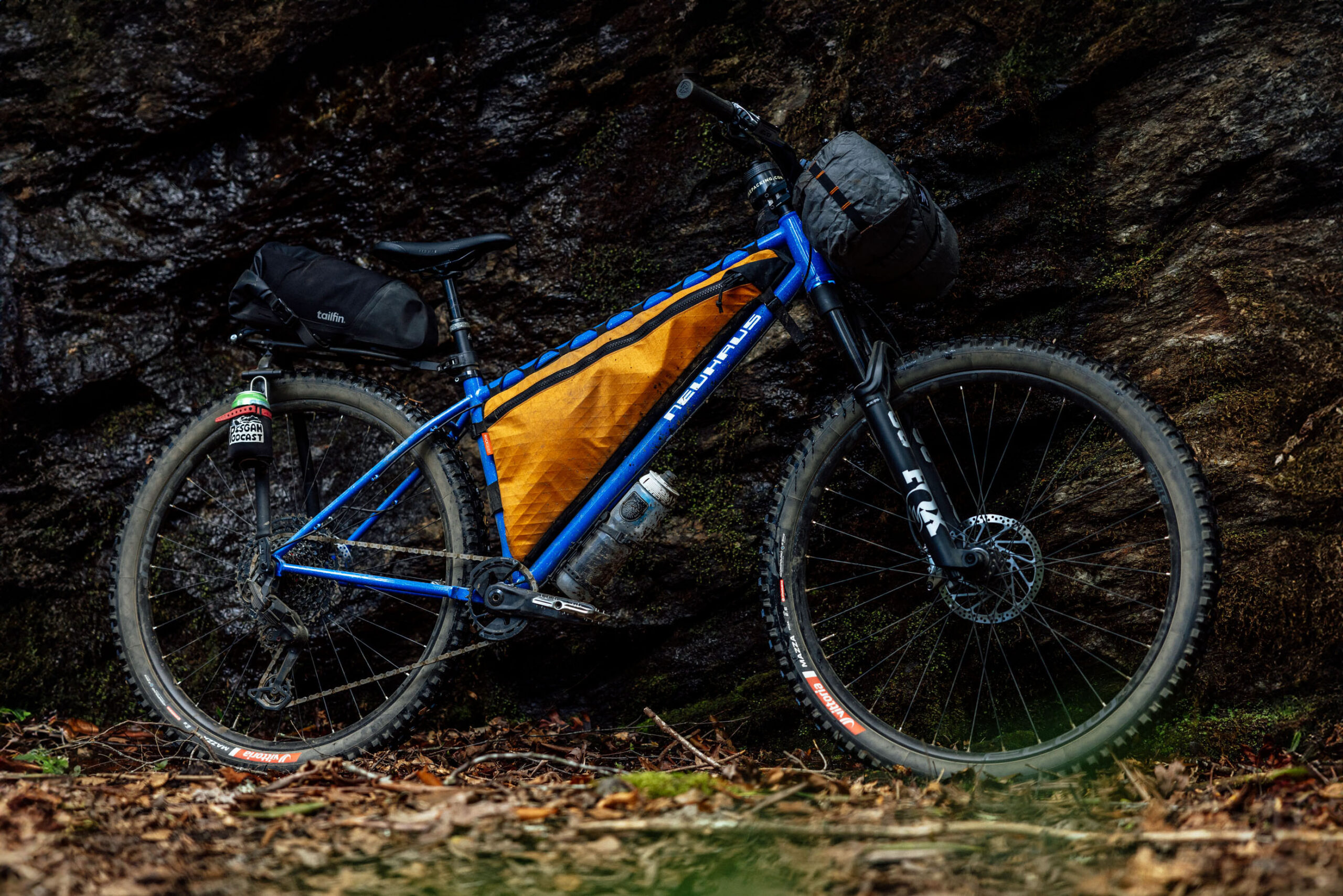
With the release of the Solstice, Neuhaus shifted focus to what they call “House Builds.” The idea is to offer the bike as a frame or with parts aimed at high value and high performance—components that they would put on their personal bikes. It’s available for purchase as a frame, a frame/fork combo, or a complete with one or two House Builds: Eagle 70 or Shimano XT. All come with a custom-ish Fox 36SL. I tested the Eagle 70 build.

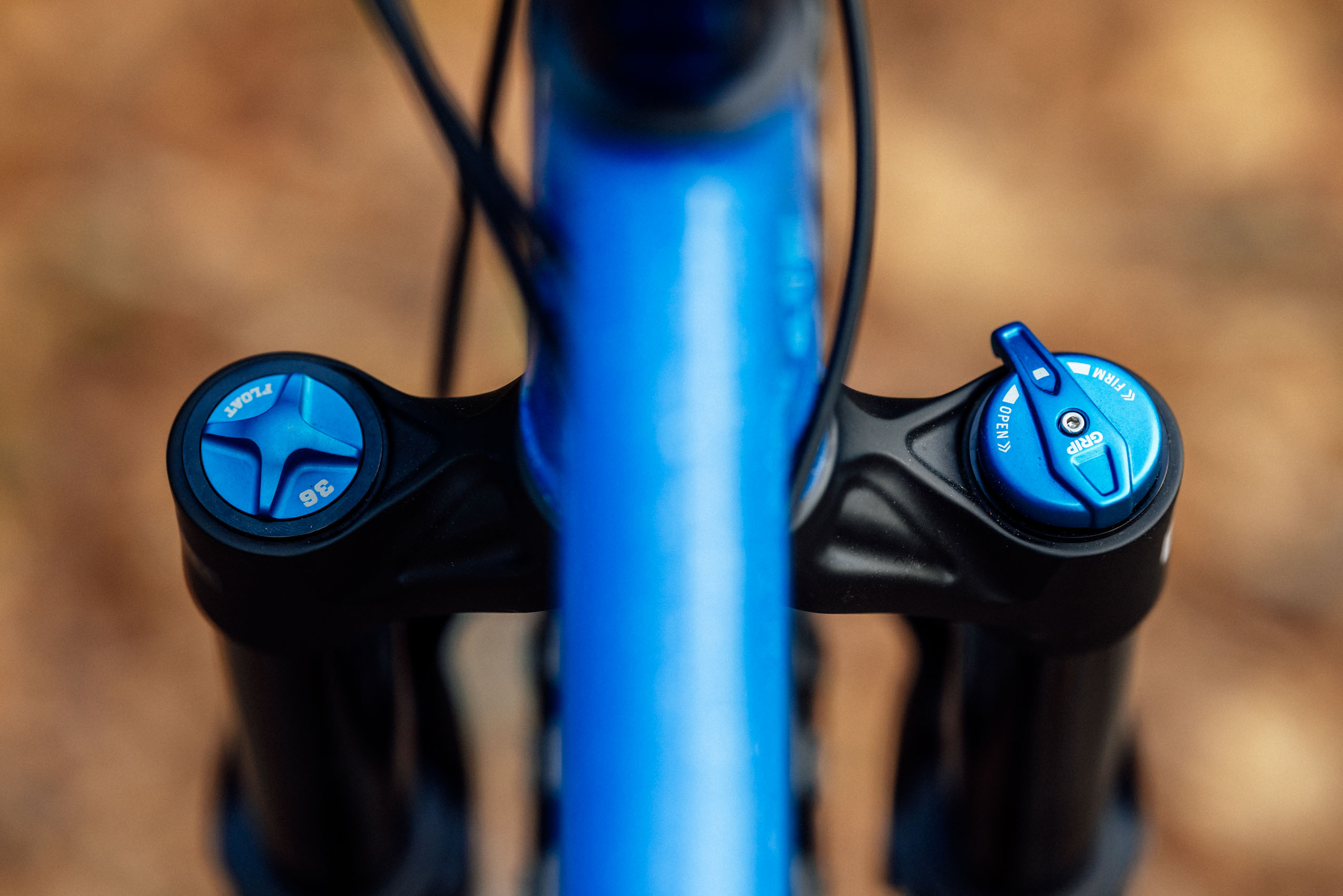
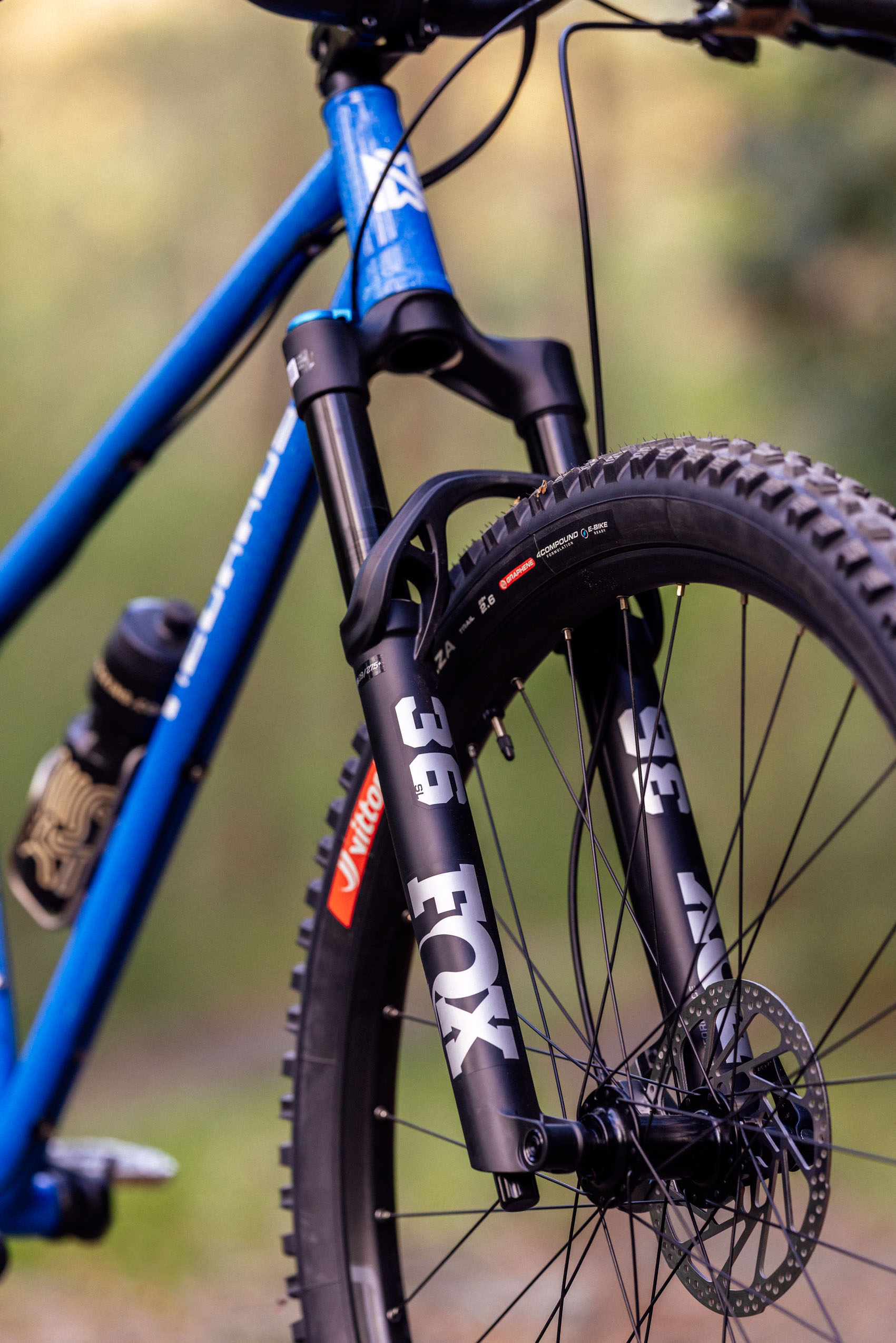
On both builds, Neuhaus made a couple of smart cornerstone choices. The easy route would have been speccing the Solstice with an off-the-shelf 130mm 34 or Pike, but they committed to a batch of 36SLs, lowered from 140 to 130mm. They don’t cost more than their smaller stanchioned siblings, but they require an up-front investment from the brand. Generally, it’s a solid fork; it felt a little too bouncy out of the box, despite dialing down the rebound and tweaking the pressure. Releasing all the air and incrementally adding it back while equalizing the positive and negative chambers helped. This fork also had a break-in time, and now the Grip damper feels just as good as the Grip X on the high-end Factory 36SL I reviewed. The Performance is heavier, of course, but it’s a good value.
- Frame: Neuhaus Solstice, Large
- Fork: Fox 36SL Performance, 130mm
- Wheels: Stans Flow S2
- Front Tire: Vittoria Mazza 29 x 2.6″
- Rear Tire: Vittoria Mazza 29 x 2.6″
- Crankset: SRAM Eagle 70, 32t, 170mm
- Derailleur: SRAM Eagle 70 Transmission
- Shifter: SRAM Eagle 70
- Cassette: SRAM XS-1270, 10-52
- Bottom Bracket: SRAM DUB
- Handlebar: PNW Range
- Stem: PNW
- Grips: Race Face
- Headset: IS
- Brakes: TRP EVO Pro Silver
- Rotors: 180mm (front and rear)
- Saddle: WTB Silverado
- Seatpost: PNW Range 200mm
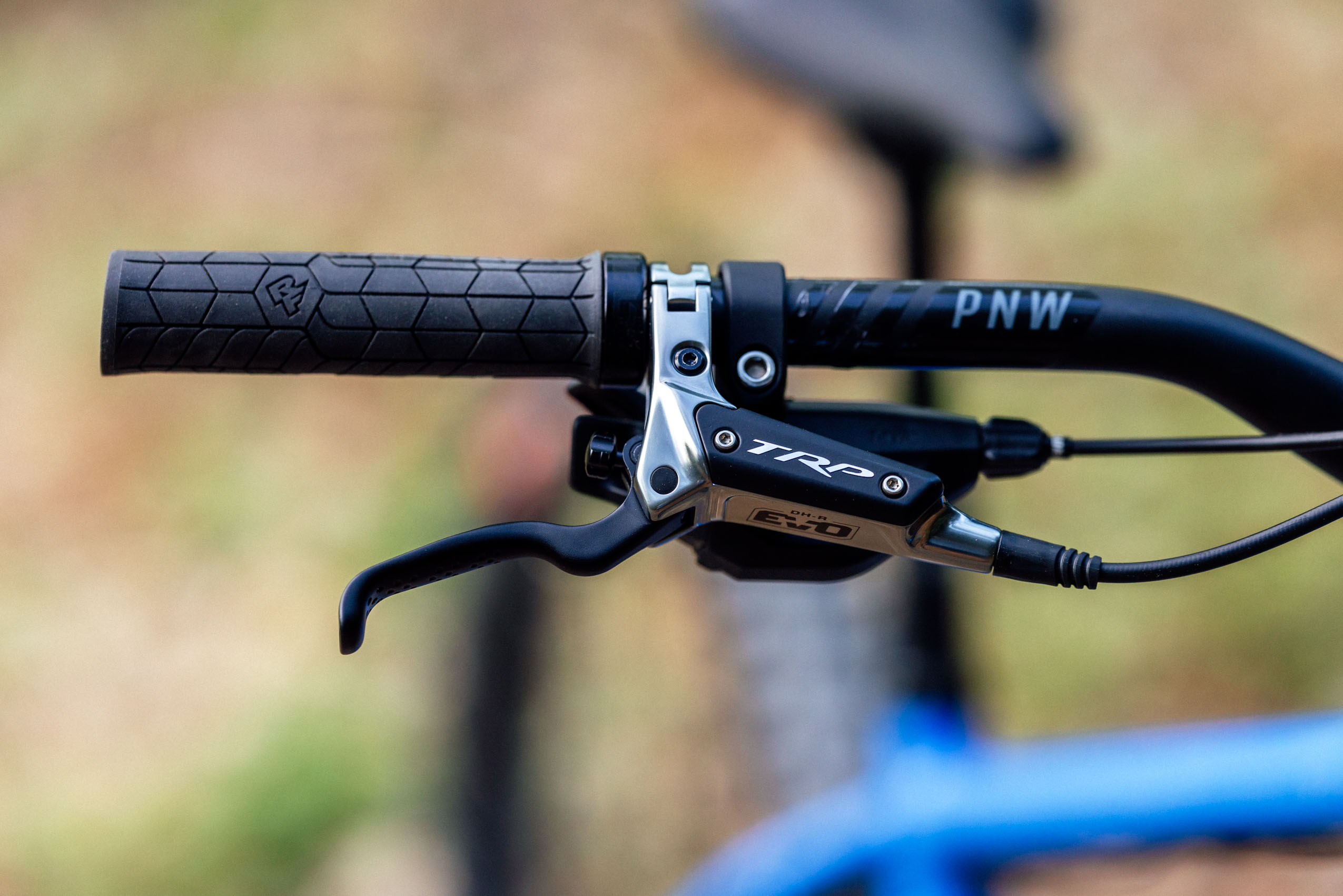
Neuhaus had the same idea with the brakes. The $600 non-big-S TRP EVO Pro brakeset might seem like overkill for a stock build, but brakes help define how a bike rides, and they saw this as a worthy investment. I found them to be consistent, powerful, and excellent for this bike. Bonus points for the nice silver finish.




There were a few things I didn’t like about the Eagle 70 build kit. One overarching downside is that it’s a little heavy. This size large without pedals tipped my scale at just under 32 pounds. That’s not absurdly heavy, but I think a sub-30-pound build would better fit this bike’s demeanor. The Eagle 70 group is the main culprit, but it also came with two chunky 29 x 2.6” Vittoria Mazza tires. Not only is the Mazza slow, but it also weighs nearly 1,200 grams. That said, Neuhaus specs the Martello on the final build, which should shave off a couple hundred grams and be faster. I haven’t tried the Martello, but I still think a slightly smaller 2.5” Teravail Clifty would be a much better tire for this bike.
Backcountry Pedigree
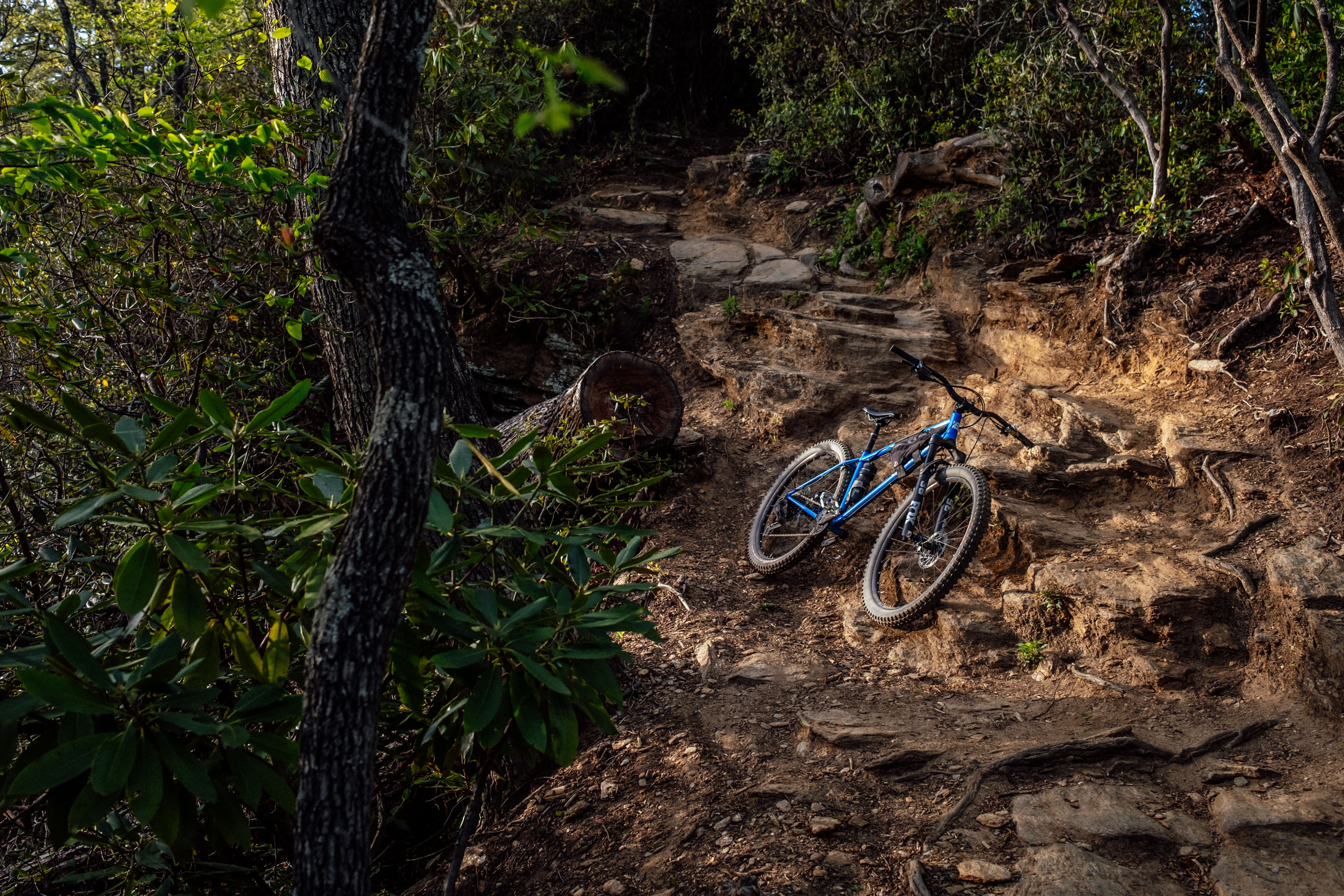
On the surface, I initially thought the Neuhaus Solstice had a little bit of an identity crisis. Its name comes from a black-diamond rated trail in Marin County, local to Nick and Daniel. It’s a winding, chunky 1.3-mile slice of singletrack that quickly drops nearly 900 feet through a wooded fall line composed of what appears to be pucker-inducing rocky chutes and root-strewn switchbacks. I rode the Solstice down a few hair-raising black-diamond trails that I believe have a similar disposition, and I’m sure it would do fine on this trail, but with a 130mm fork and relatively modest angles, I can think of more fitting trails from which to draw naming inspiration.
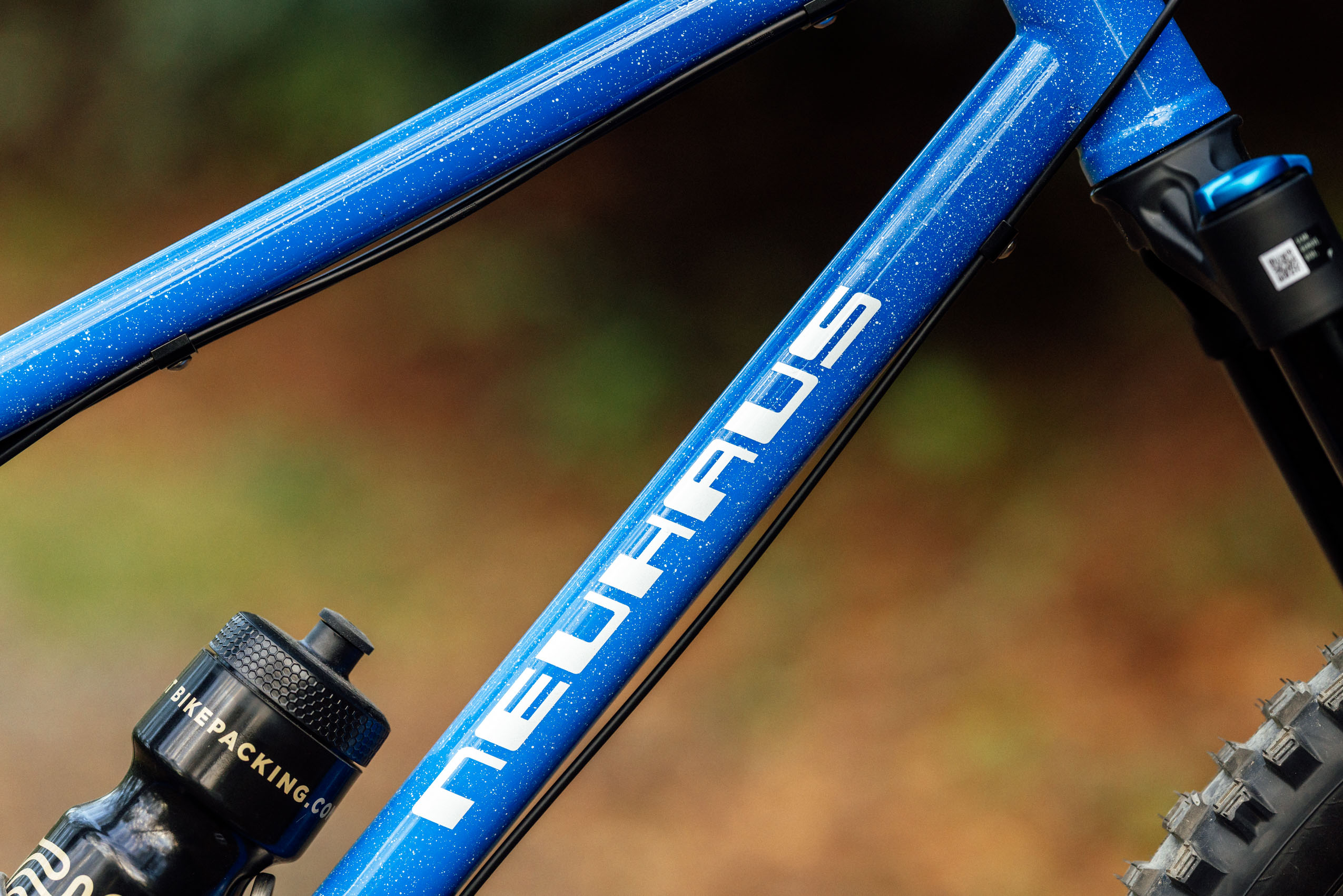
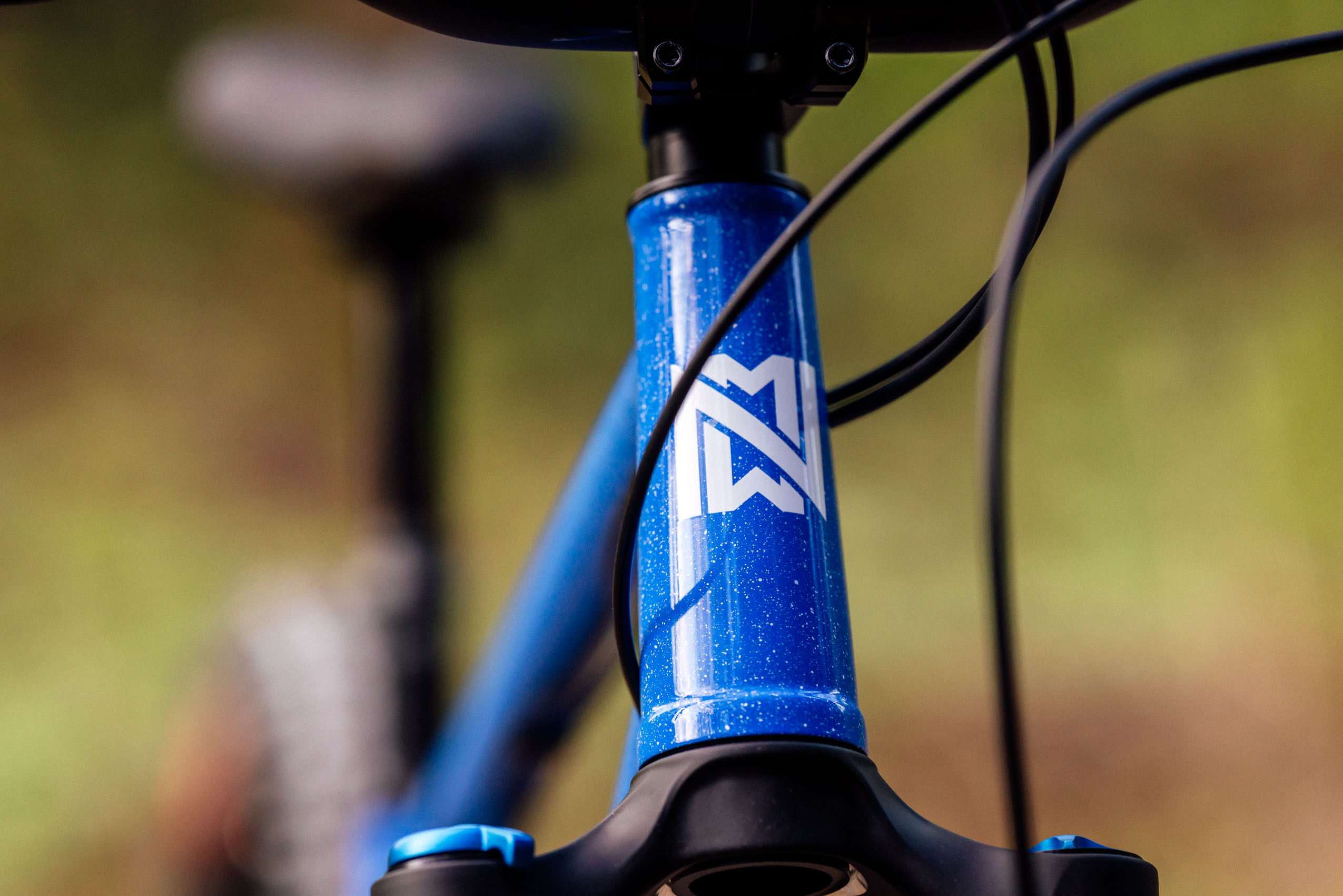
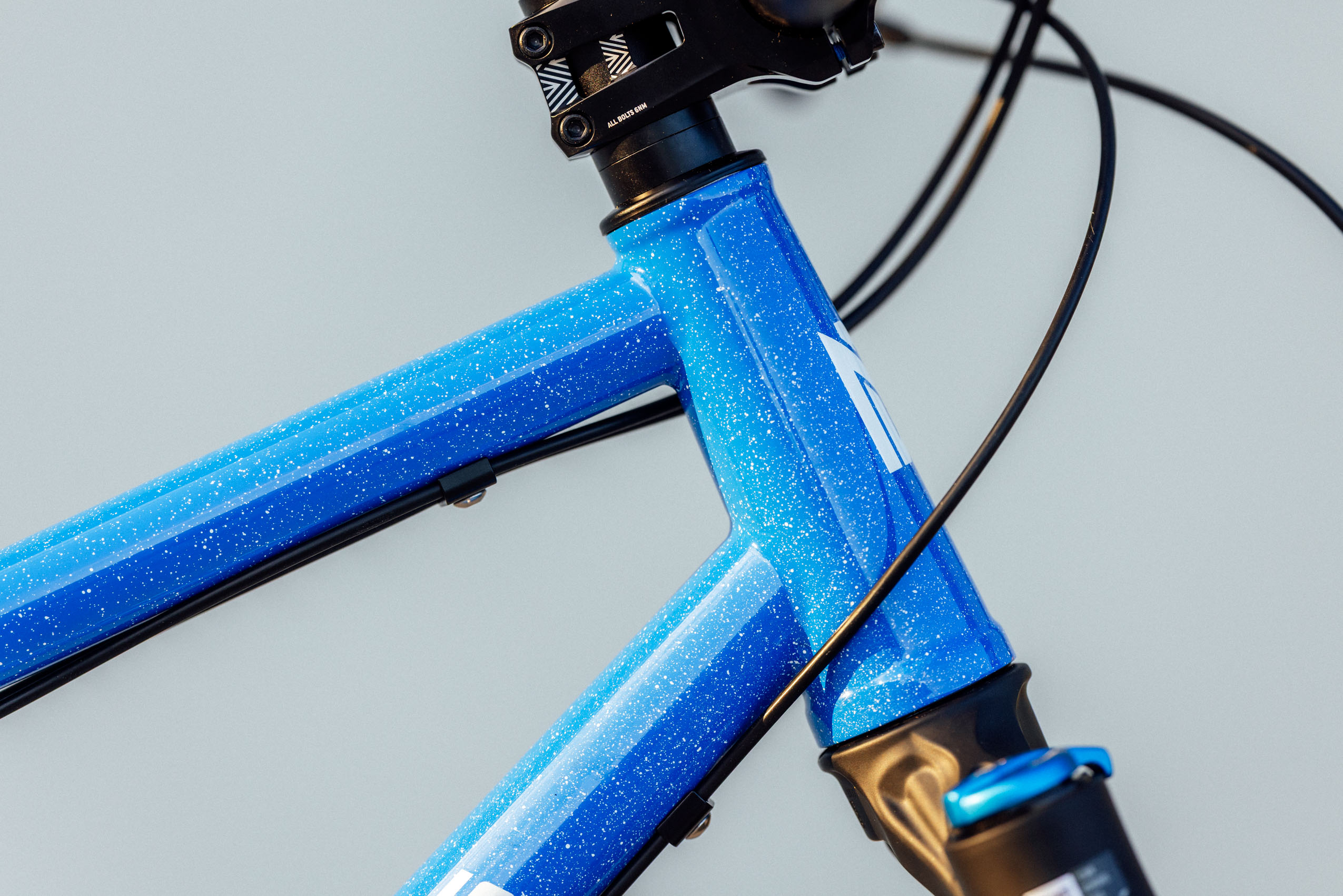
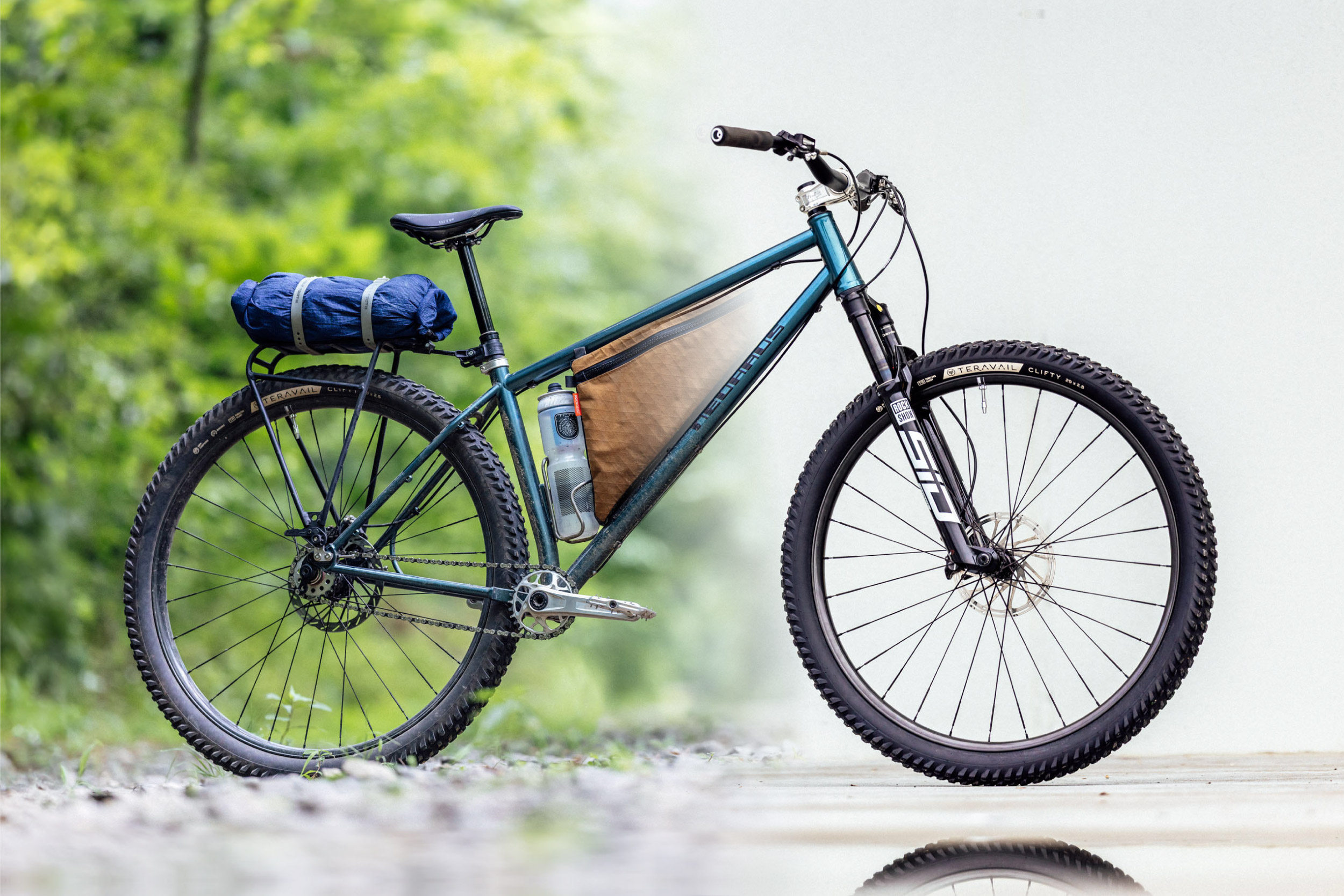
Moreover, it seems like the bike doesn’t conceptually match its own “enamel blue” finish. The unique paint scheme pays homage to those iconic white-flecked blue mugs, which alone might suggest that the Solstice is made for camping. While I did some of that on the Solstice too, it’s not a purpose-built bikepacking bike (more later). With all that said, some research on the history of this finish helped inform my own creative interpretation.
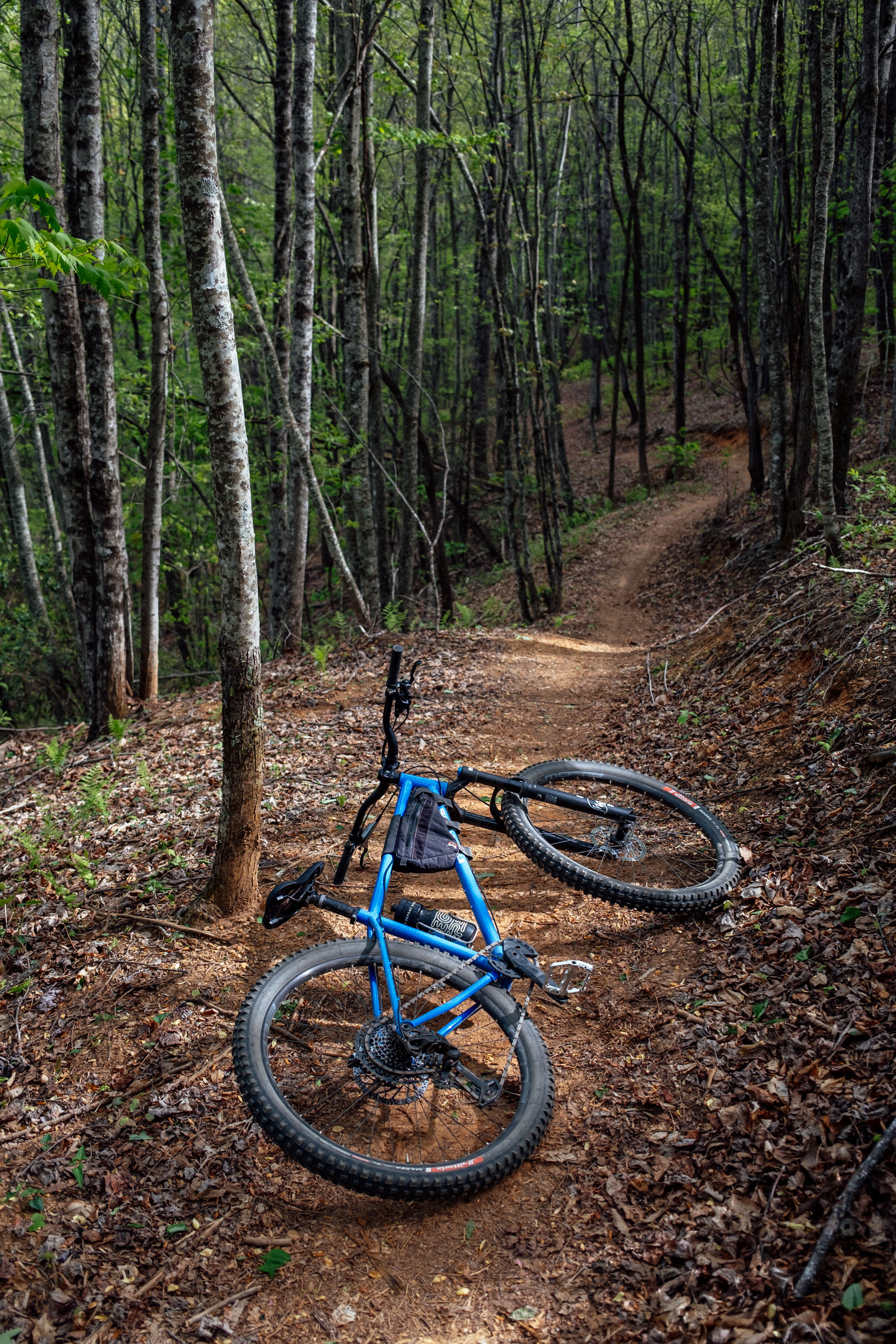
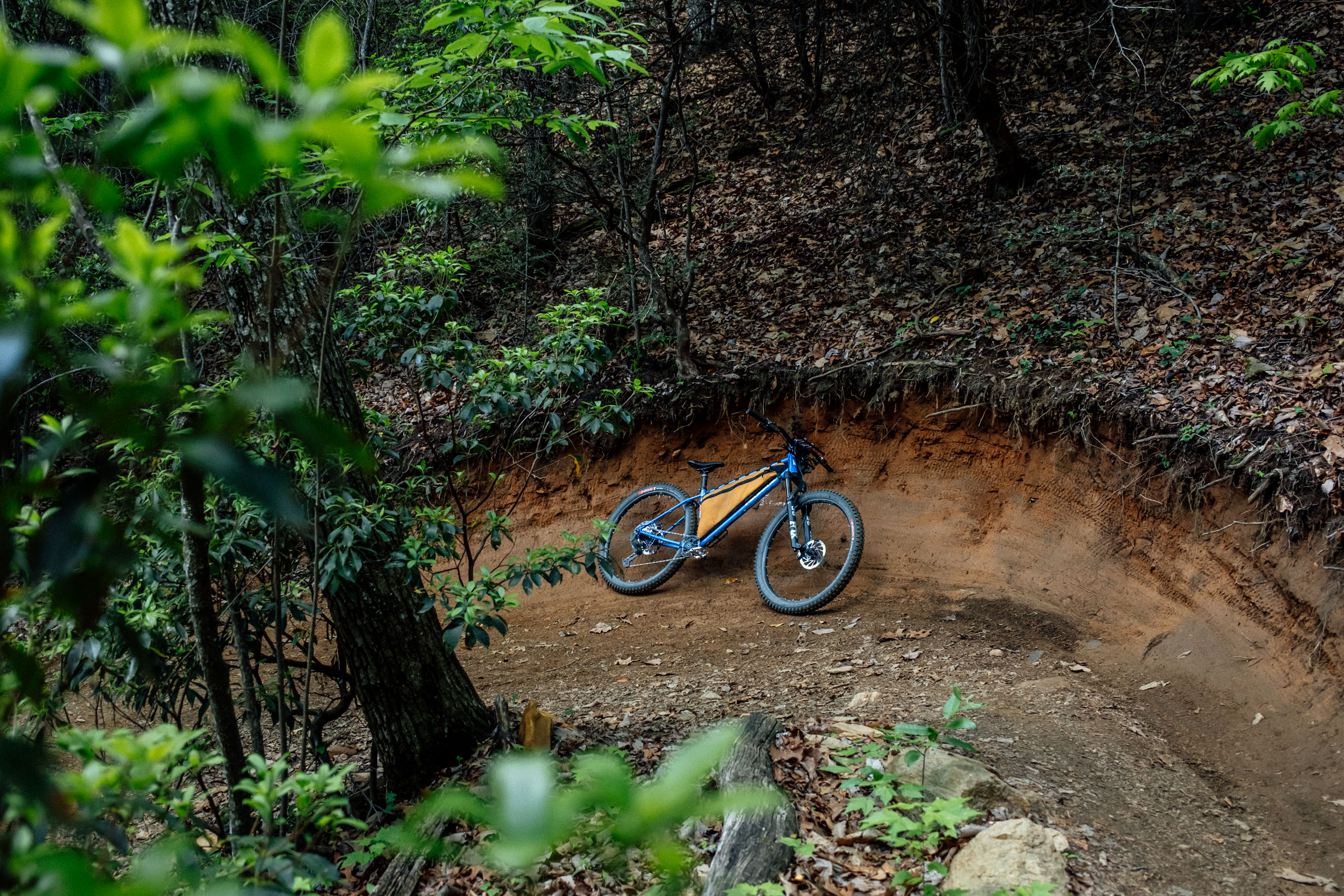

Blue enamel-stamped steel camp mugs apparently became an essential in World War I mess kits because of their low weight and durability. After the war, thousands of returning veterans repurposed this utilitarian vessel for camping and outdoor pursuits, helping cement the enamel mug as a backcountry talisman. The blue speckled finish wasn’t initially an aesthetic choice but a byproduct of the manufacturing process, which became known for its toughness and durability. That little history lesson made the perfect analogy for an opinion I had brewing after a few big rides on the Solstice—a great lightweight frame that thrives on long, rugged backcountry rides.

Hardtails can beat you up in the backcountry, especially on extended rough singletrack rides. The Solstice is genuinely the least fatiguing hardtail I’ve ridden, even more so than the Hummingbird. Some of that can be attributed to its very supple frame. Both the Hummingbird and the Solstice are built with smaller 32mm top tubes to allow the front triangle to twist a little, adding to a more forgiving ride quality. Neuhaus also uses small 19mm round chainstays instead of ~22mm ovalized stays common on other bikes. The Solstice has a heat-treated, non-size-specific, quad- and triple-butted tubeset with a thick butt on the downtube next to the head tube to serve as an internal gusset. It’s all 4130, but between the butting, tube sizes, and heat treatment, it feels like a boutique frame with a lively and forgiving feel.


Credit for its backcountry prowess is also owed to the geometry. By and large, the Neuhaus Solstice is a trail-centric bike, but it’s still relatively conservative when compared with many of the more aggressive trail hardtails I’ve tried. It has a one or two-centimeter shorter front-center, and it’s not quite as slack, knocking a degree or two off bikes like the Cotic BFe, Moxie, and Bird Forge. That geometric difference has a meaningful effect on rider position and weight distribution, beneficial to long-ride comfort. A slightly shorter front-center paired with a longer rear-center naturally biases more weight toward the front wheel and fork, reducing the load transmitted through the rigid rear end, thus making the bike feel more supple. “A 5% weight shift to the front wheel means 5% less force through the bike’s rigid rear end,” Yang mentioned when I asked about their geometry preferences.
| Size | M | ML | L | XL |
|---|---|---|---|---|
| Rider Height | 5’7–5’9 | 5’9–5’11 | 5’11–6’1 | 6’1–6’3 |
| Saddle Height | 690-730 | 720-760 | 750-790 | 780-820 |
| Stack | 619 | 637 | 656 | 665 |
| Reach | 450 | 460 | 475 | 490 |
| Effective TT | 621 | 637 | 657 | 674 |
| Seat Tube Length | 380 | 400 | 420 | 440 |
| Seat Tube Angle | 74.5 | 74.5 | 74.5 | 74.5 |
| Head Tube Angle | 65 | 65 | 65 | 65 |
| Wheel Base | 1183 | 1206 | 1229 | 1259 |
| Chainstay | 425 | 430 | 430 | 440 |
| BB Drop | 56 | 56 | 56 | 56 |
| Min Steerer | 160 | 180 | 200 | 210 |
| Travel | 130 | 130 | 130 | 130 |
It’s still a fairly long bike, especially compared to the Hummingbird, but it also has a relatively tall stack height—particularly on larger sizes—which is another important factor in helping engage the back more naturally rather than keeping riders in a hunched riding position, which can be exhausting. I’m 6’0” tall, and the large fits me like a glove.
“Aggressive” Riding (vs. others)
Getting back to the bike’s namesake, the Solstice performs admirably on steep and rowdy trails, too. It’s not as fearless or unflinching as a bigger bike like the Esker Smokey, Pipedream Moxie, or Cotic BFe—listed in order of sheer downhill prowess—but it’s not too far off, especially from the latter. A couple weekends ago, I had the chance to ride a new-to-me black diamond trail that had a few steep, techy surprises. I never once hesitated or felt mismatched with the trail. Better yet, I cleaned a nasty climb/traverse on another trail that’s thwarted me in the past. It has several tricky, off-camber root gardens that the Solstice tackled in stride. It’s a nimble-feeling bike for stuff like this, exhibiting natural but quick steering—especially for its class—which gives it the ability to maneuver promptly and power over obstacles. Long, mixed-terrain, singletrack-heavy rides like that one are where it shows its range, which I’d consider to be wider than any other hardtail I’ve ridden.
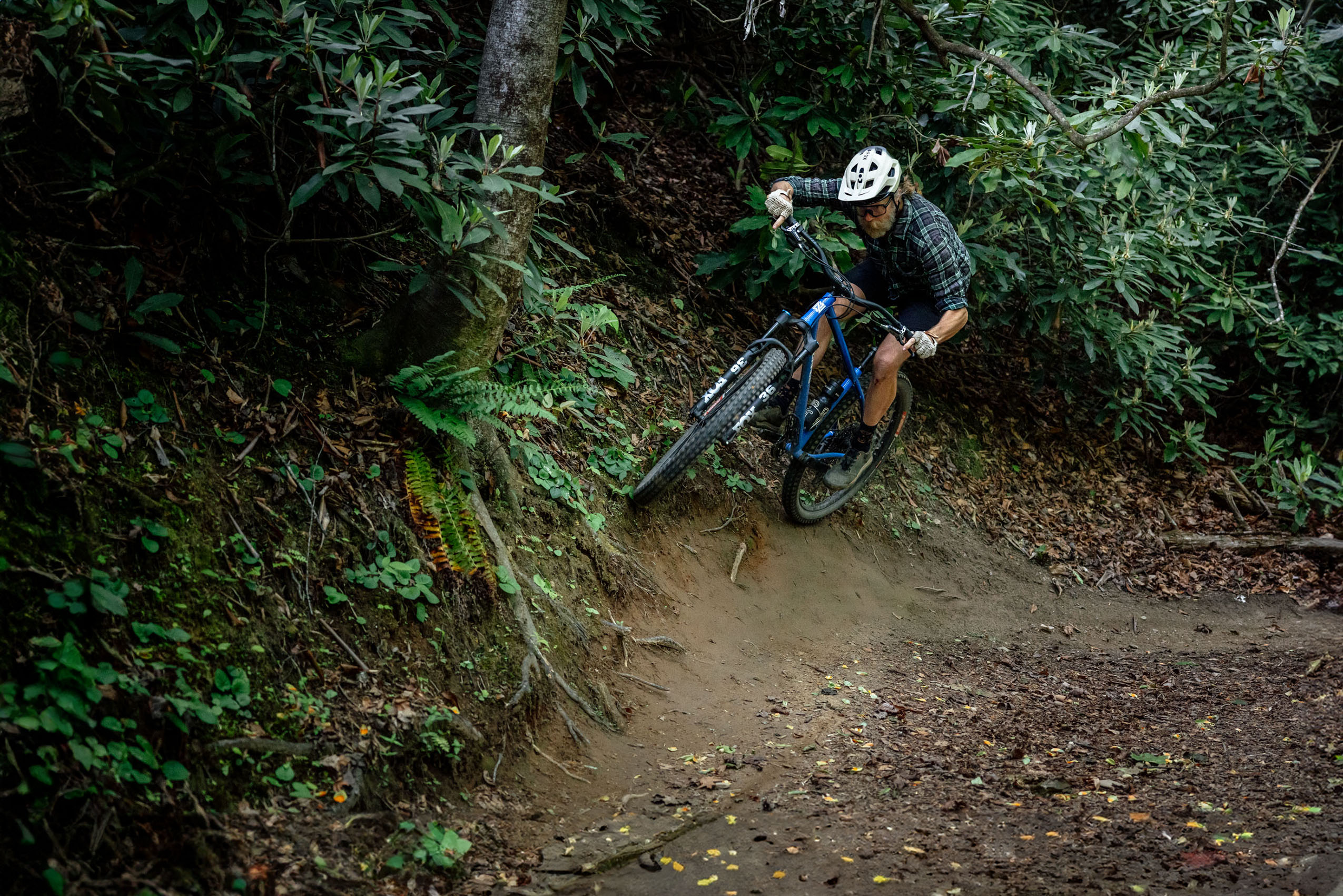
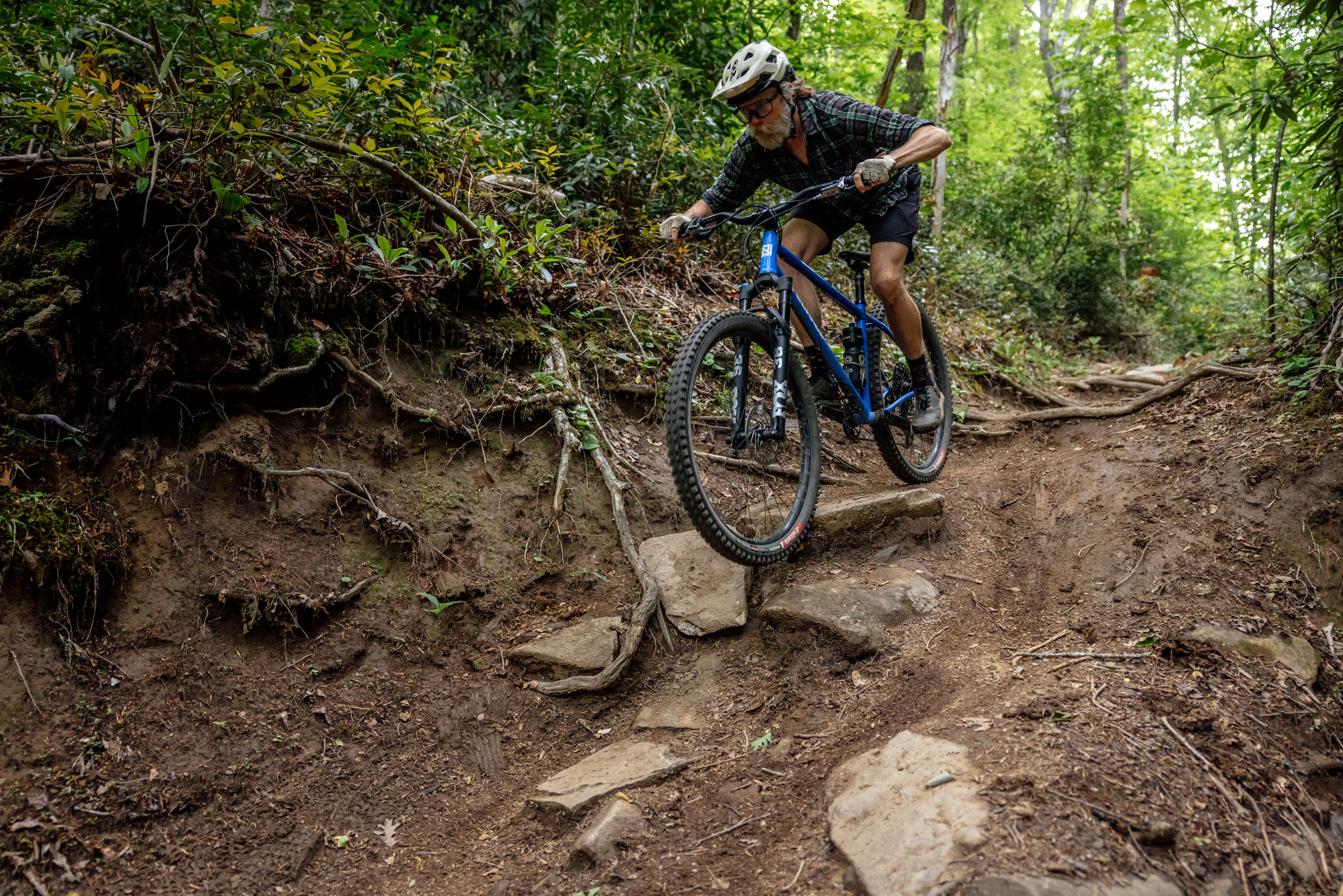
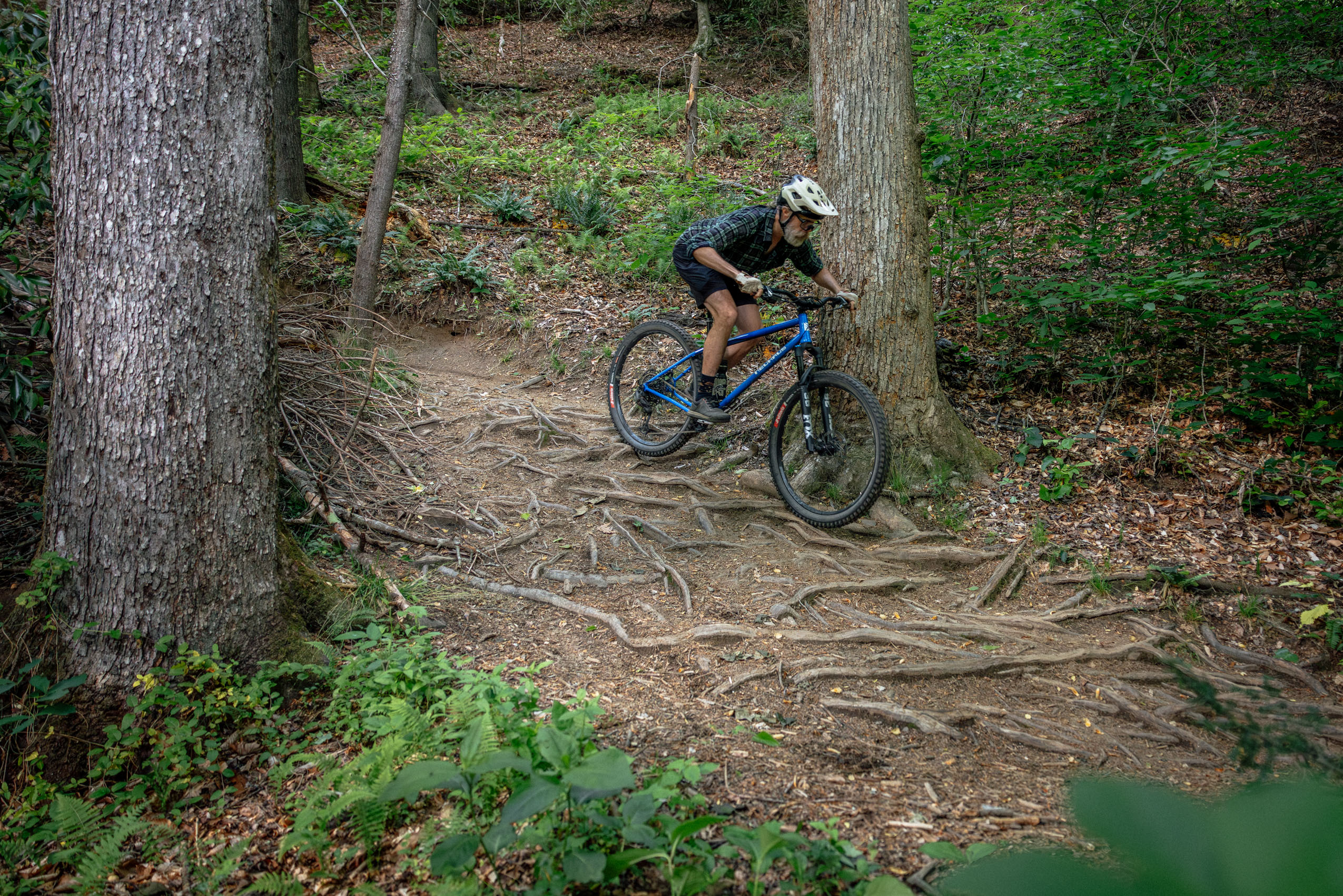

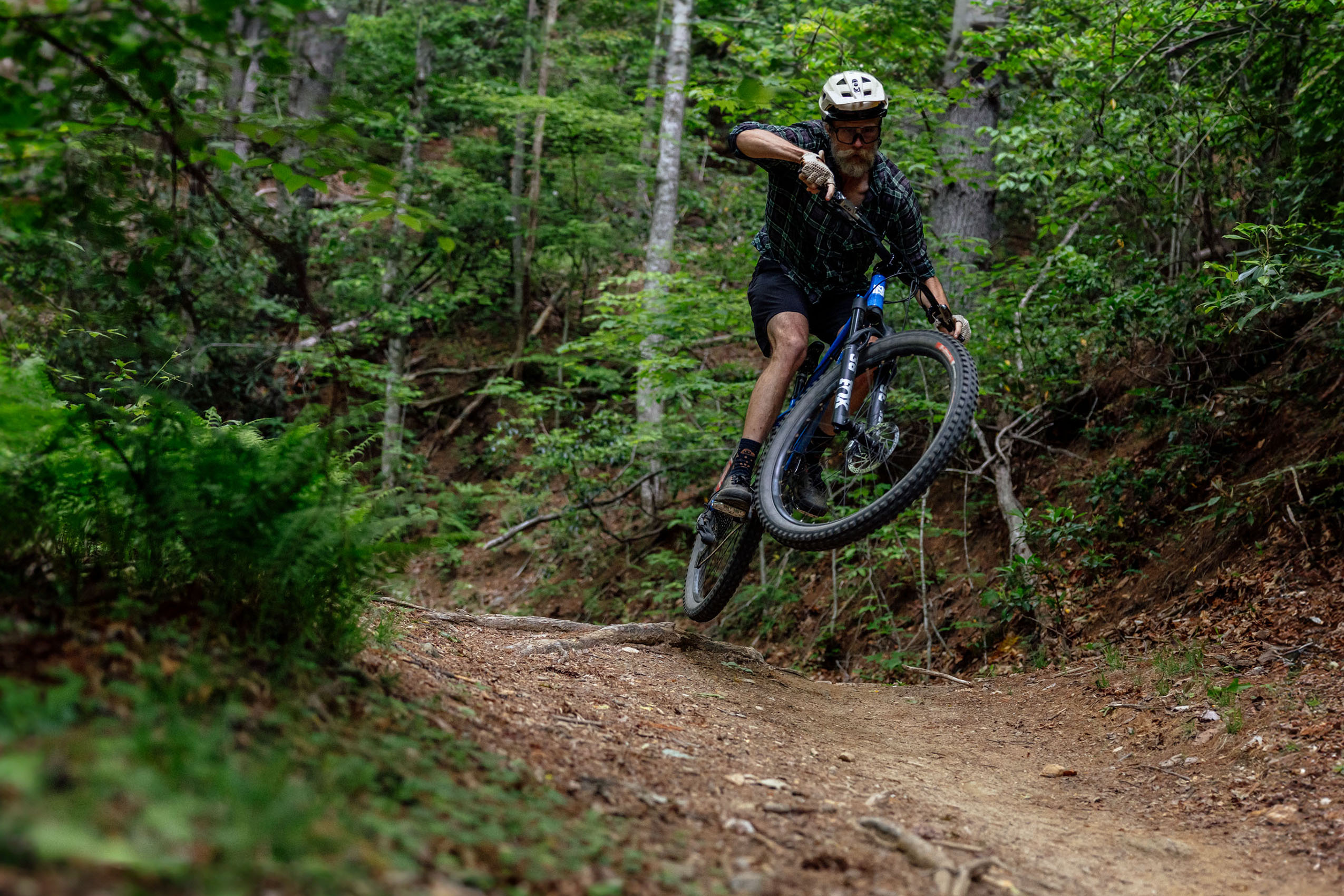
Compared to the Hummingbird, which surprised me with its genre-defying confidence and composure, the Solstice is more gutsy on steep terrain and technical descents. The Hummingbird is only slightly more reserved than the Solstice, with a 1° steeper head tube, 10mm less travel, 5-10mm shorter reach, and a 20mm longer seat tube. But these little changes add up to a different vibe, albeit more of a dawn vs. morning difference than a day vs. night one. If I had to describe the Neuhaus Hummingbird in a sentence, I’d say it’s a cross-country hardtail that can go above and beyond its objective ethos. Conversely, the Solstice is a slightly more progressive trail hardtail that can comfortably operate a level or two below what it’s made to do. I realize that’s kind of an odd-sounding statement that might come off as negative, but that’s not at all my intent. I think of the Solstice as a backward-compatible forward-thinking trail bike. NOTE: Neuhaus specifies geometry without suspension sag; projected 20% sagged numbers are in parenthesis in the chart below.
| Bike | Solstice | Hummingbird | BFe | SolarisMax | Forge | Moxie |
|---|---|---|---|---|---|---|
| REACH | 475 (484) | 470 (483) | 491 | 481 | 496 | 510 |
| STACK | 656 (647) | 652 (642) | 655 | 629 | 672 | 642 |
| EFFECTIVE TT LENGTH | 657 | 651 | 671 | 651 | 655 | 650 |
| HEAD TUBE ANGLE | 65 (66.1) | 66 (67) | 64.7° | 65.7° | 65.8° | 64° |
| SEAT TUBE ANGLE | 74.5 (75.6) | 74.5 (75.5) | 74.7° | 75° | 76.8° | 77.5° |
| SEAT TUBE LENGTH | 420 | 440 | 471 | 460 | 445 | 420 |
| HEAD TUBE LENGTH | 140 | 140 | 130 | 120 | 120 | 105 |
| CHAINSTAY LENGTH | 430 | 420-435 | 445 | 444 | 435 | 425-441 |
| WHEELBASE | 1229 (1220) | 1200 (1190) | 1256 | 1229 | 1242 | 1264-1280 |
| BOTTOM BRACKET DROP | 56 (62) | 56 (64) | 67 | 60 | 87 | 64 |
Among the long lineage of trail hardtails I’ve reviewed, I’d place the Solstice squarely in between the Neuhaus Hummingbird and the Cotic BFe. The Cotic is a little more like a big Cadillac with its longer chainstay and lengthier wheelbase. Plus, it’s built around a 140-160mm fork. They are fairly similar in approach, however, both sport a seat tube angle that’s not over-the-top steep.


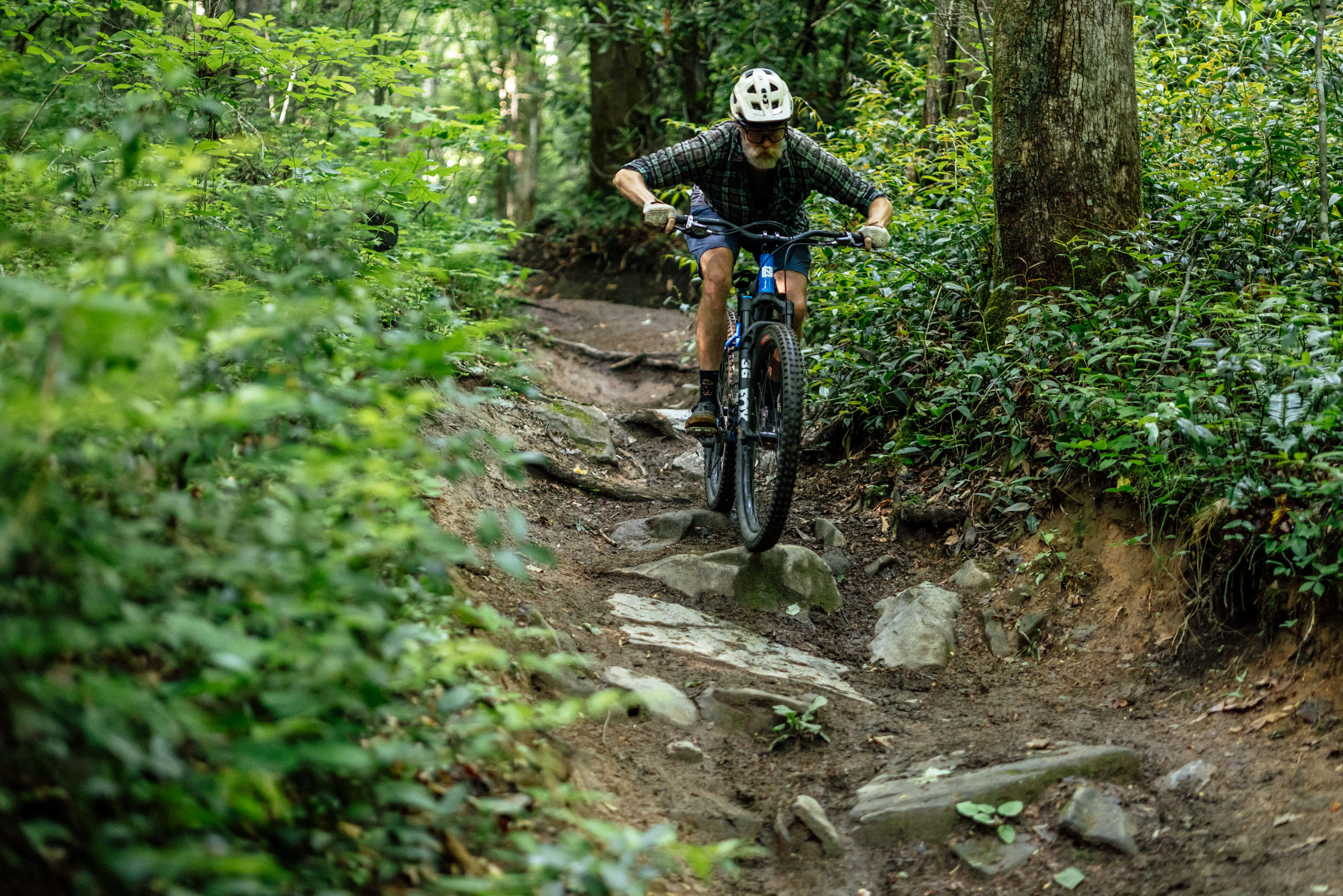
All that said, one quality that sets the Neuhaus Solstice apart from other hardtails in this genre is its light handling and playful demeanor. It has some significant geometry differences from bikes like the Forge, BFe, and Moxie. The steeper head tube angle plays a significant role in speeding up the steering, but it also has fairly short chainstays, which helps give it a more nimble and quick vibe. That brings up one of my only complaints about the Solstice: I wish Neuhaus had used the same sliding dropout as the Hummingbird. A 430-445mm dropout position would make this bike the bee’s knees. I get it, though. Neuhaus mentioned they wanted to spare weight and complexity on the Solstice, as well as offer the ability to run a direct mount transmission derailleur.
Not Bikepacking
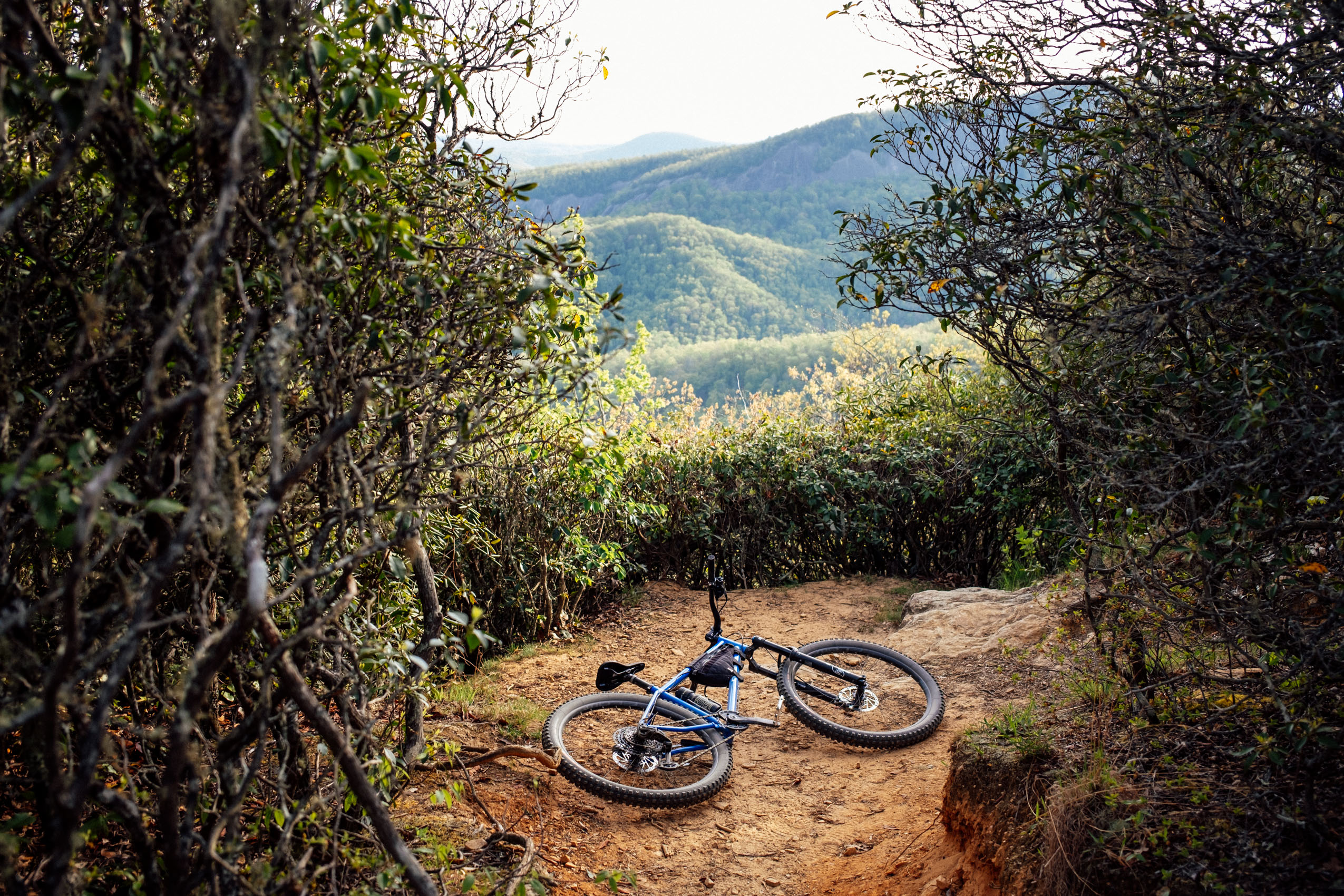
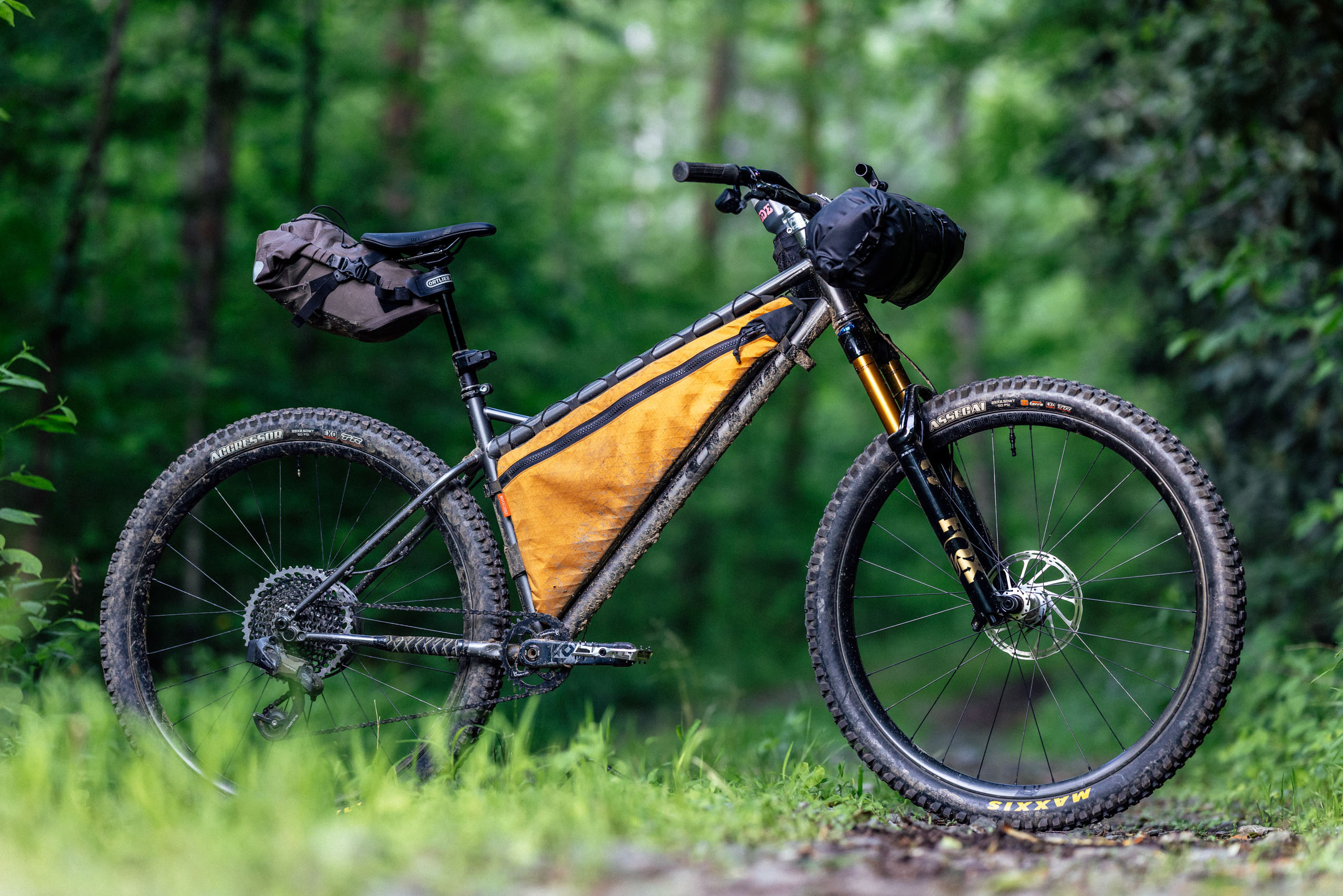
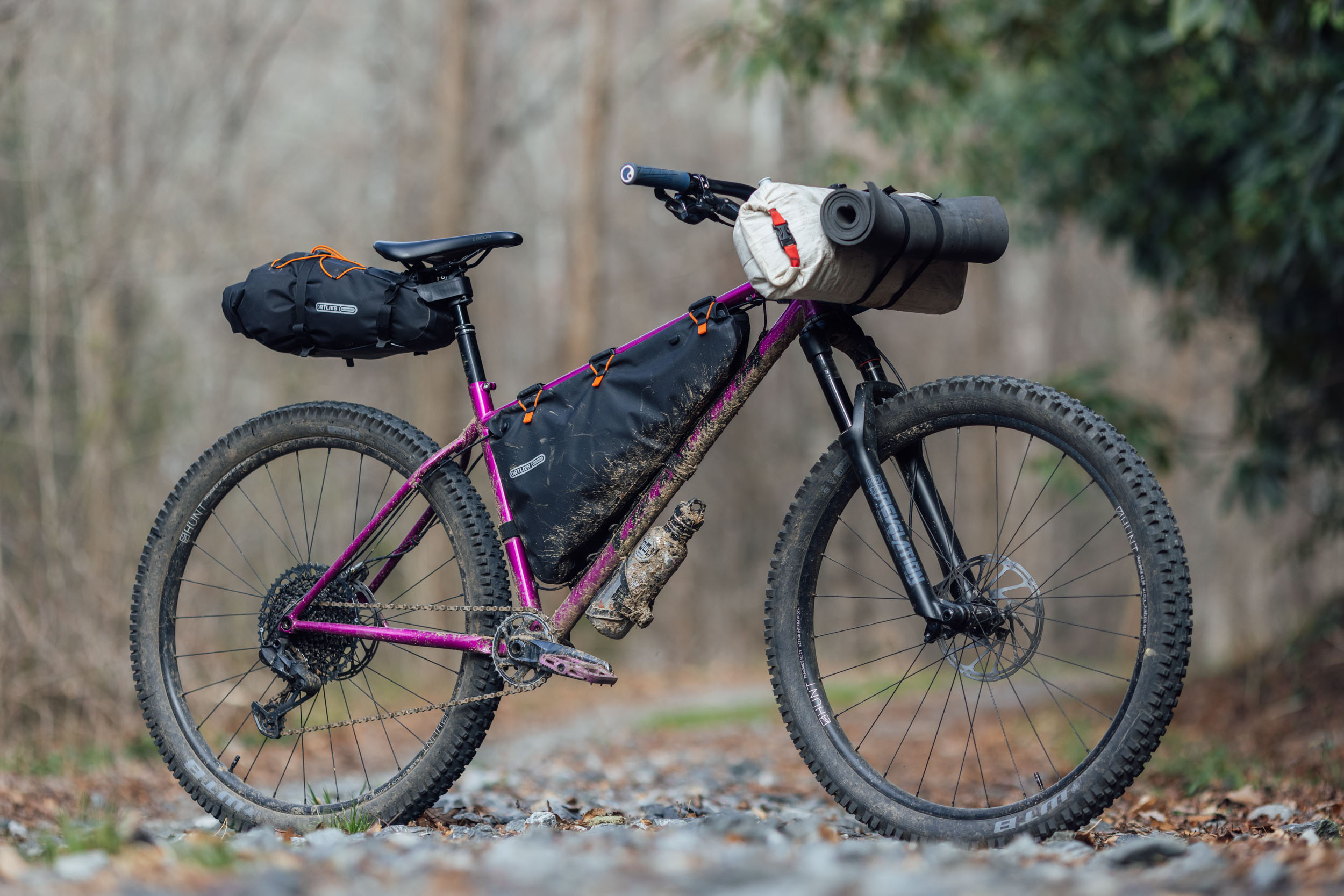
In full transparency, the first and most revealing bikepacking trip I took on the Neuhaus Solstice was no bike “camping” trip at all. What began as an overnighter to my favorite scenic spot ended up being a really long backcountry day ride. I set out for one of my most cherished campsites armed with a full kit, including a couple of meals, two tall-boy cans, a full Aeropress coffee setup, a colder weather sleep system, and of course, the camp chair that I planned on melting into during an extended forest bathing session looking over the layered Appalachian Mountains.


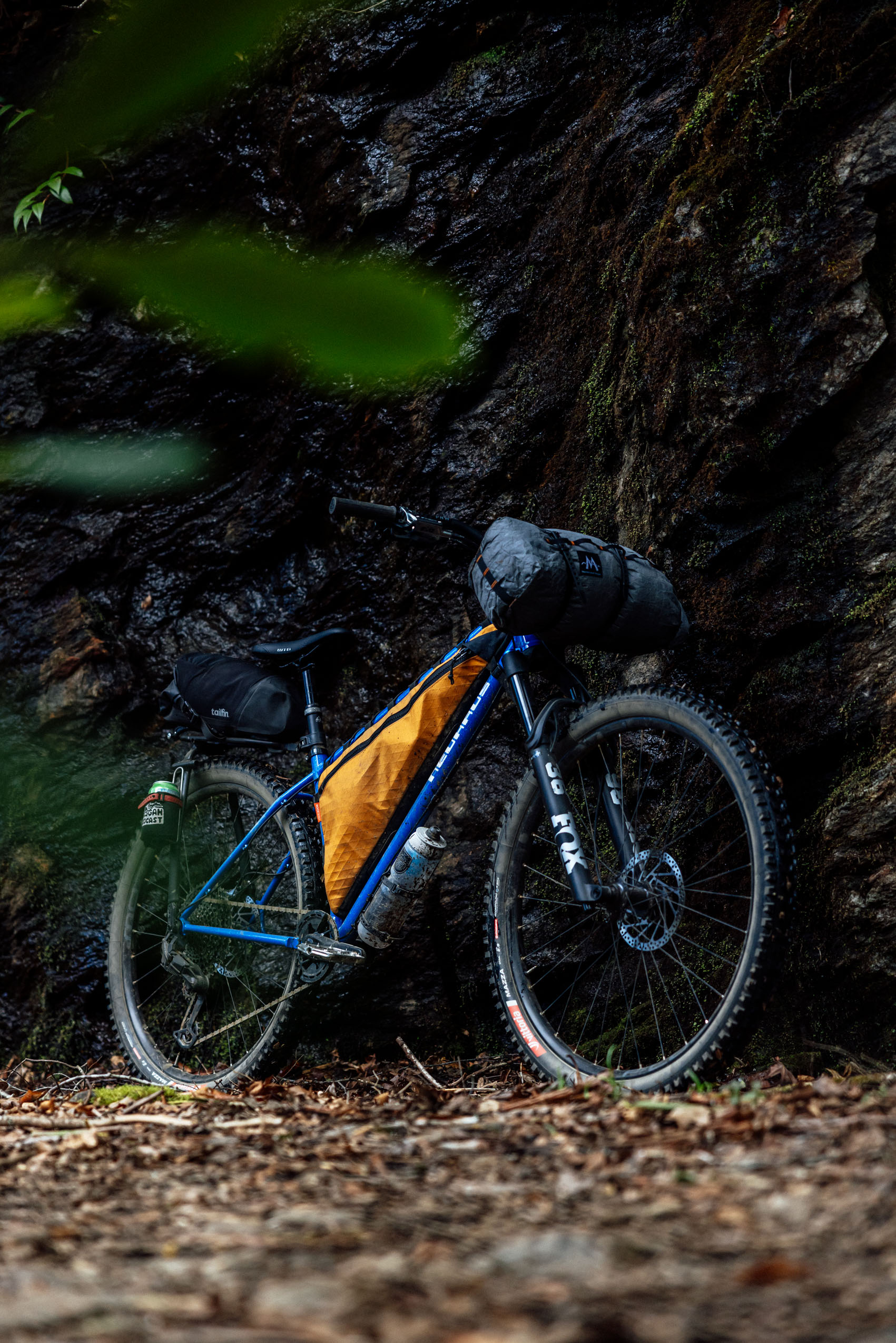
The robust ride to said spot involves a long gravel climb, some single and doubletrack, more gravel, a big hike-a-bike, and a final challenging climb-descent-climb on singletrack to a rock slab overlook. Throughout that ride, I was impressed by how calm and comfortable the Solstice was when loaded down. It was a heavy kit, and although the frame is supple and even a little bit flexy in its front-center, the bike remained poised, solid, and still nimble and peppy while climbing. I cleaned more of the climb than expected, even.


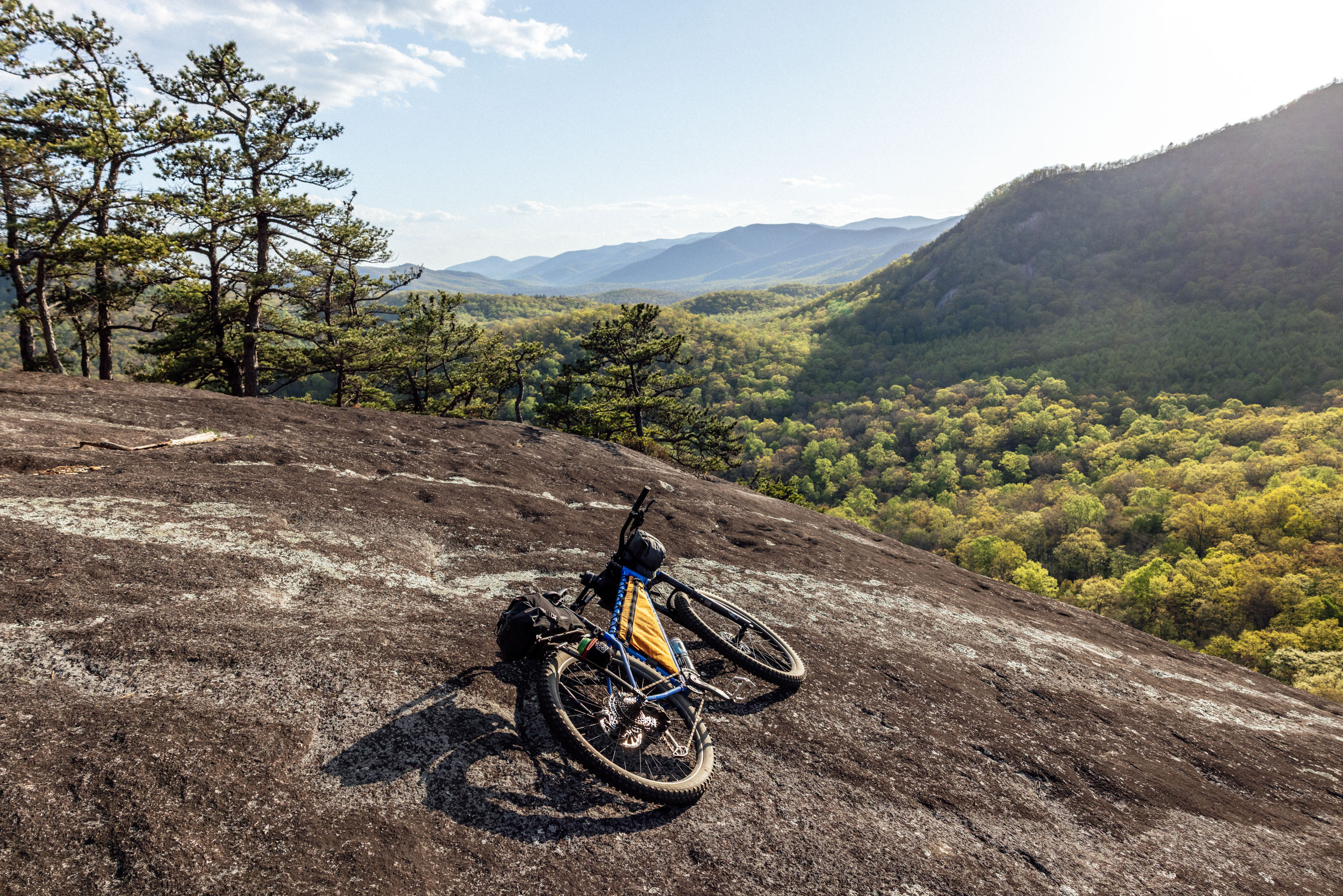
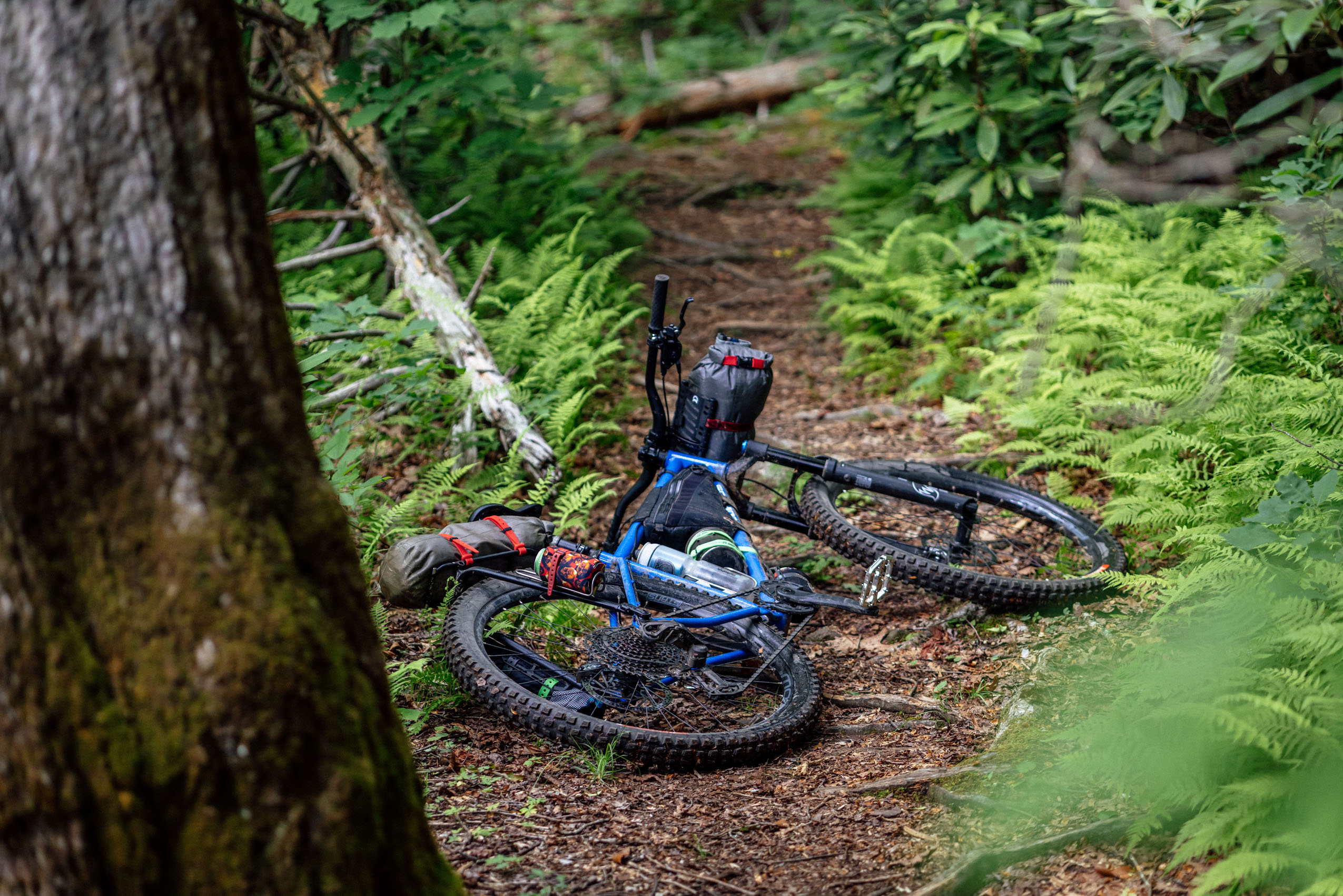
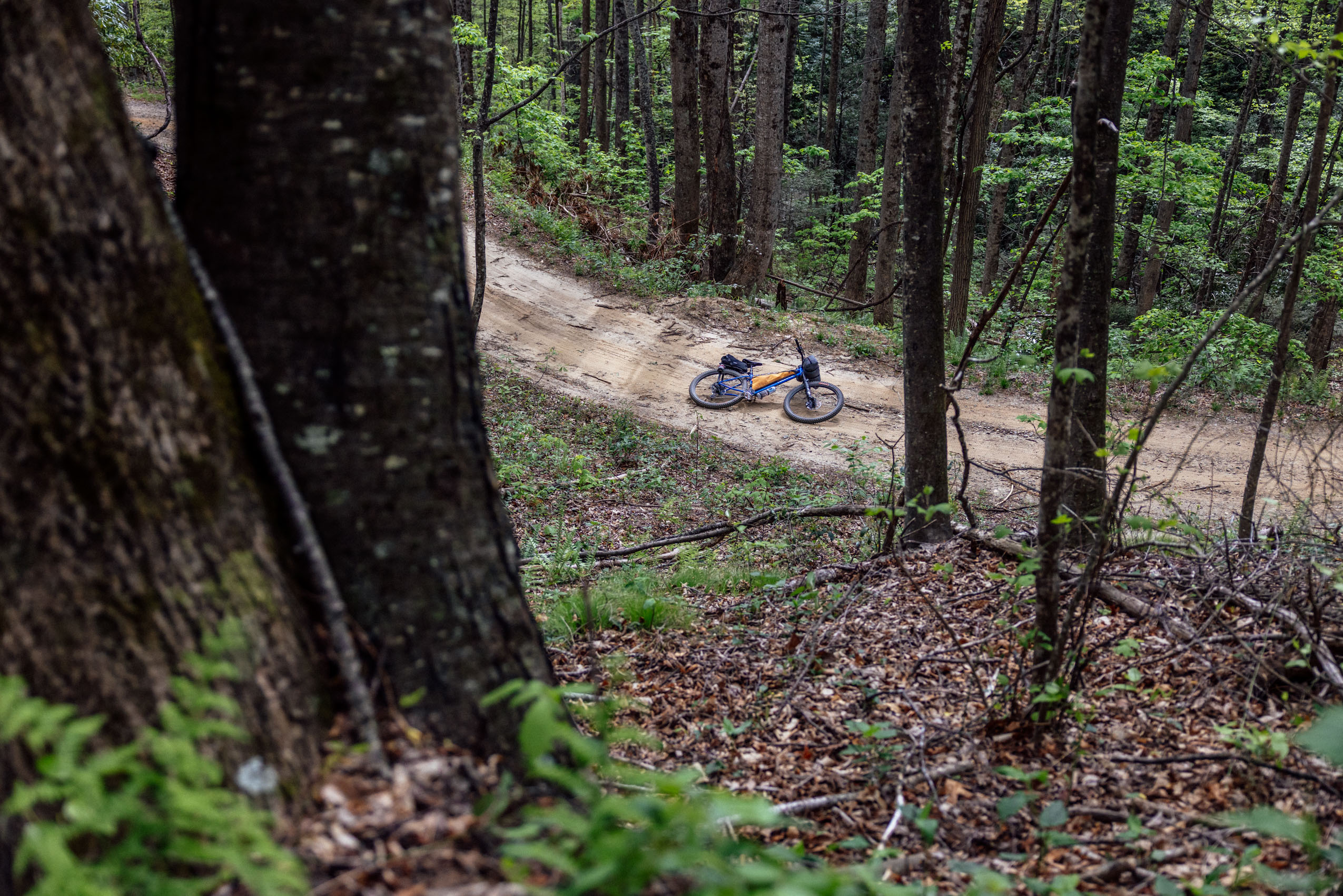
Unfortunately, my plans were thwarted once I got to the spot. There’s only room for a few people, and there was already a couple posted up with a massive Coleman tent, a hammock, and a yard sale of backpacks and supplies strewn all over the place. I was equally disappointed and surprised. It was a weeknight, and there have never been campers there on the two dozen times I’ve visited over the years. I decided to press on and descend one of my favorite sections of Pisgah backcountry singletrack back down toward the creek. Maybe I’d find a spot by the water and settle there. It was approaching dusk by the time I dropped down, and I’d been looking forward to camping at that viewpoint all week. I reluctantly decided to just pedal back to town. If Pisgah Social was still open, I’d have a beer and a burger, and then just get a good night’s sleep in my own bed.

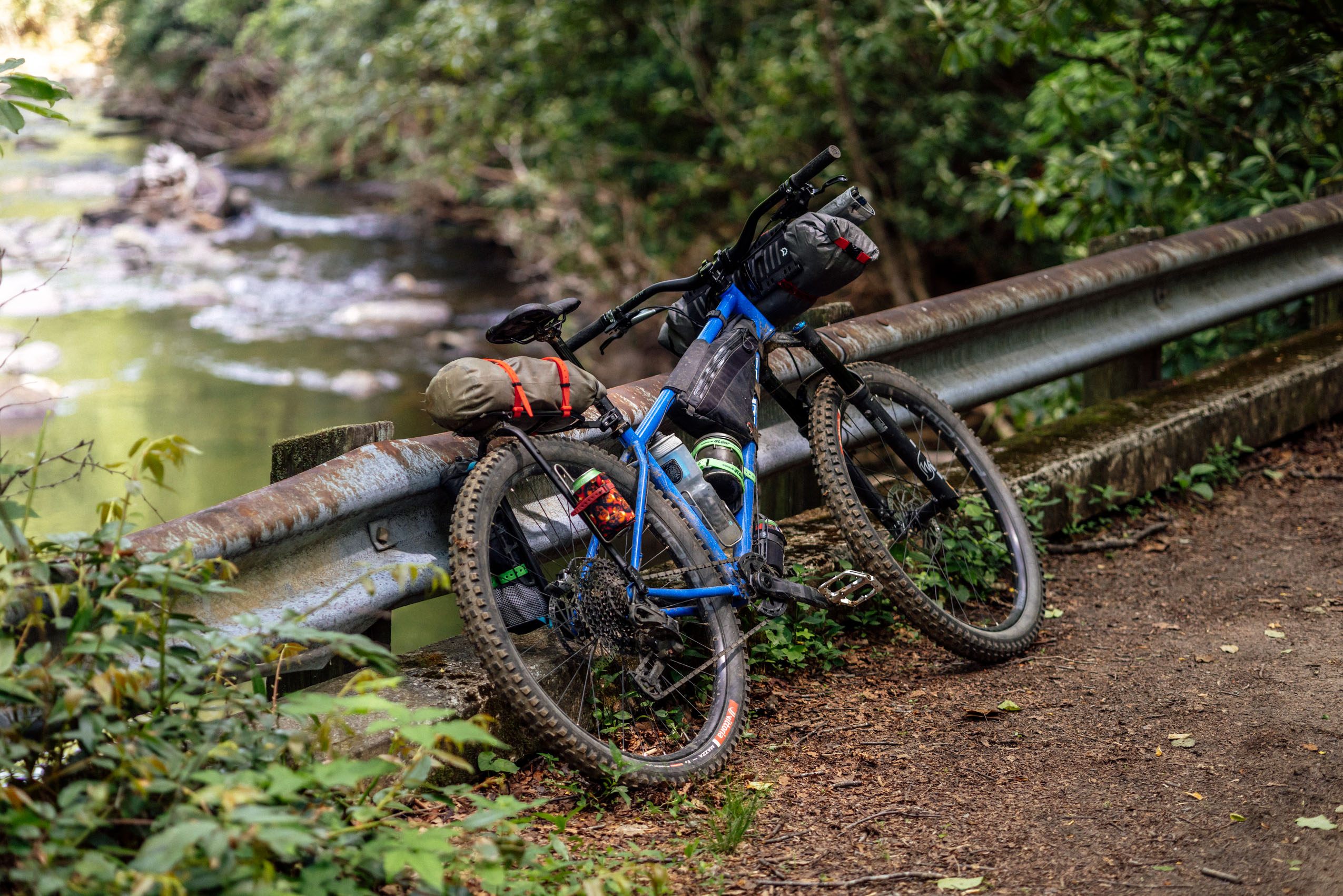
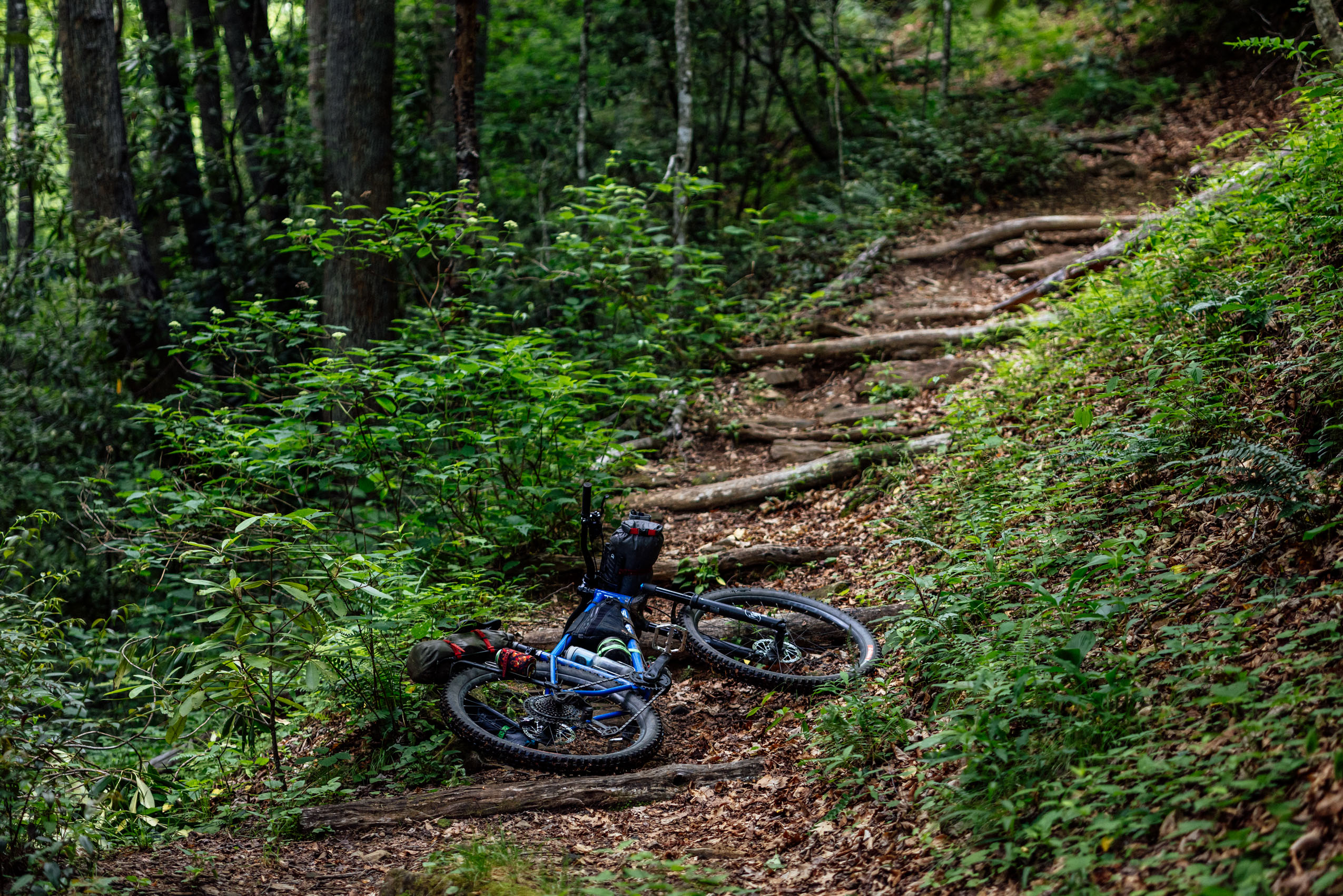

I pedaled on in the crisp spring air and dusk light. It was a beautiful ride, and the bike disappeared beneath me. It was dark by the time I got back to town, and even after that massive effort to get there and back, I felt like I could have kept pedaling all night. That ride alone summarized what makes the Solstice special. It’s pretty much good at everything a mixed-terrain route can toss at you. It feels at home on gravel, doubletrack, and technical and steep trails, and even when loaded to the gills. As a result, it melts into the background, allowing you to enjoy the ride. I’m pretty sure that’s what most of us want out of a bicycle.
Decisions, Decisions
After riding this large loaner Neuhaus Solstice for a couple of weeks, I talked my partner Virginia into buying one. She hasn’t gotten a new bike since the COVID-19 pandemic, and she’s been waiting for the right one to come along. Virginia likes to make her own decisions, but she loved the paint scheme and look of it, and once I convinced her of how well it rides, we proceeded to put together an absolute dream build around a medium frame. I won’t dig too far into it as we’ll be doing a more in-depth article about it later, but the final bike weighs 26.66 pounds without pedals. She loves it!

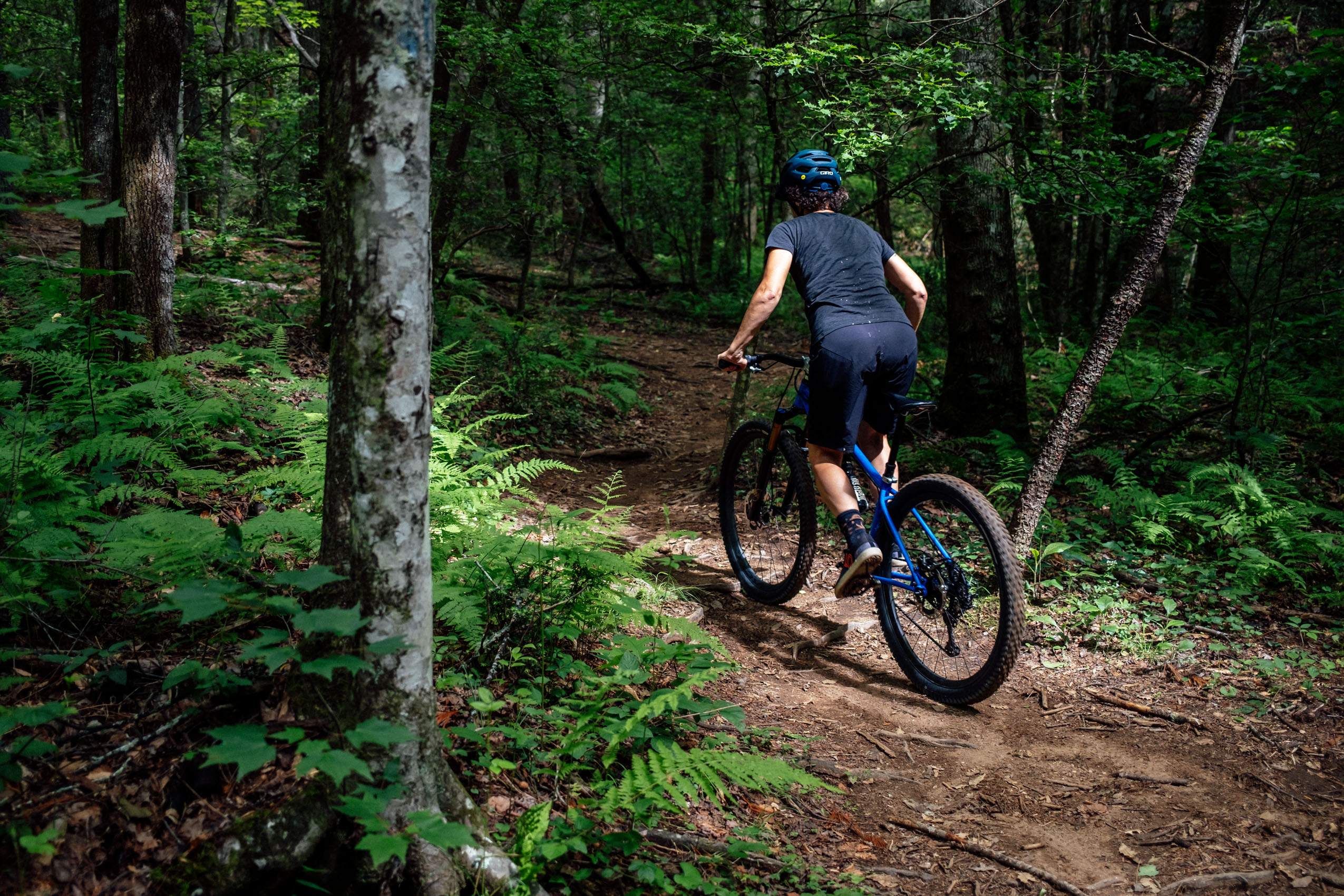
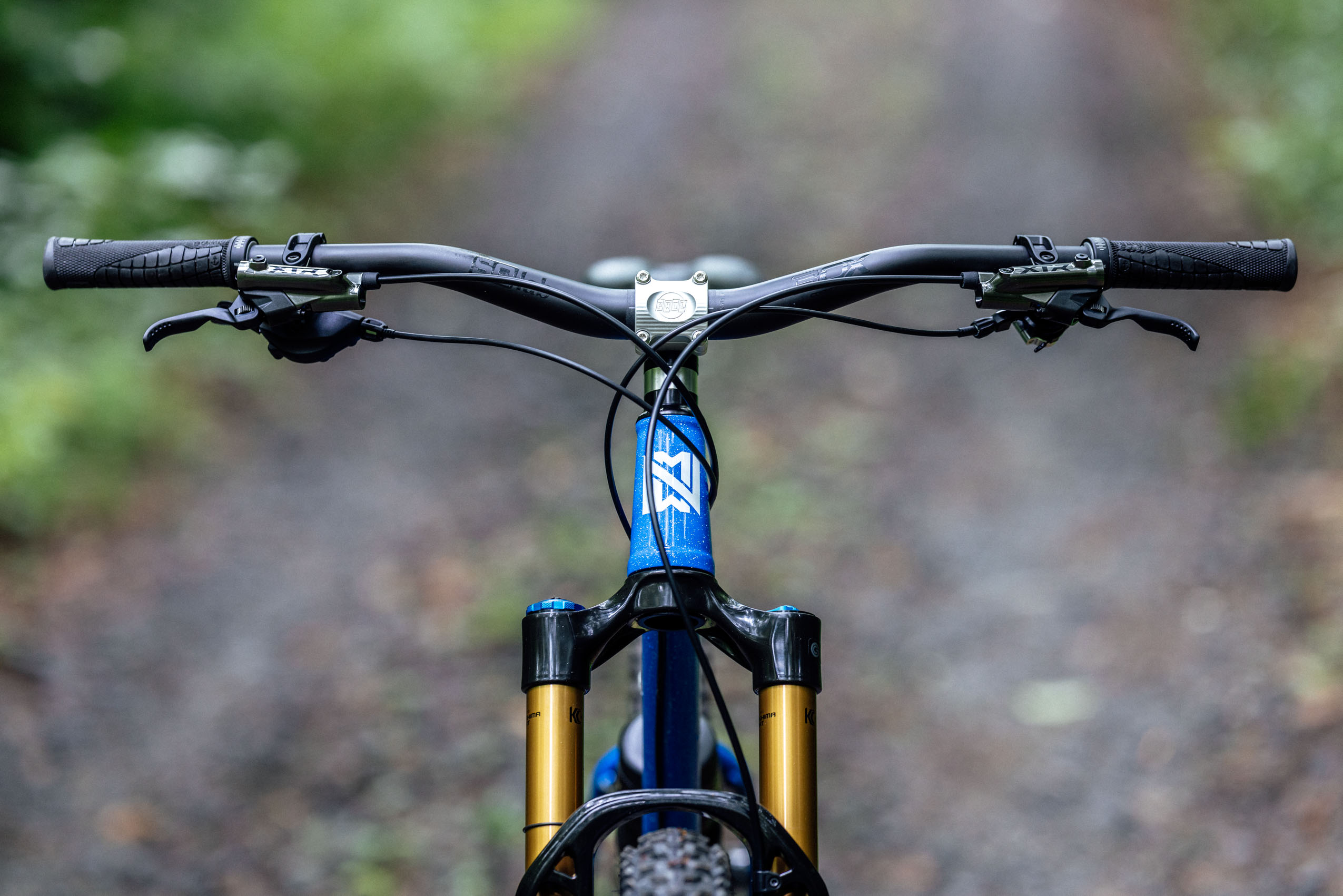


It’s worth noting a few discoveries and differences between sizes, a couple of which are downsides. Virginia is 5’7” tall, which puts her in the size range for a medium—note that Neuhaus doesn’t offer anything smaller. Despite having short legs and a long torso, we were able to build it with a 180mm OneUp post, the longest dropper she’s been able to fit on any bike to date. There’s still a couple of centimeters of exposed post, too. That made me realize that I wish Neuhaus had made the seat tube a centimeter longer at this size. That would have provided enough room to fit a normal 700/750ml bottle on the seat tube; right now, you can only squeeze in a shorty 500ml bottle. Additionally, the bolt that holds the cable guide at the front of the triangle is almost impossible to access, even with a ball-end Allen key. Moving that back a couple of centimeters would be ideal.
- Model/Size Tested: Neuhaus Solstice, Size Large, Eagle 70
- Actual Weight: 14.38 kg (31.71 pounds)
- Place of Manufacture: Taiwan
- Price: $3,699
- Manufacturer’s Details: Neuhaus Metalworks
Pros
- Incredibly supple yet lively frame that comes across as less fatiguing on long rides
- Camp mug paint job is lovely
- No visual/external gussets!
- Nice geometry that makes for a true, trail-centric all-rounder without any real weaknesses
- Retains a lively, quick feel, but still maintains its composure
- Also makes a great trail-forward light bikepacking bike
- Bottle bracket is great; should be a design standard on hardtails
Cons
- The Hummingbird’s sliding dropout would have crowned this bike
- Heavy tires and drivetrain
- Front eyelet on the top tube is challenging to access on medium frame
- Size medium seat tube bottle mount can’t fit a typical 700/750ml bottle
- XL size might be a little too flexy for heavier riders or super heavy loads
Wrap Up
With all the hardtails I’ve reviewed over the years, it’s been a constant learning experience. Every bike teaches me something new about geometry, materials, ride feel, or my own preferences, and what the Neuhaus Solstice reinforced is that capability alone doesn’t necessarily make a bike great. It isn’t chasing extremes, and there’s nothing about this 4130 chromoly frame that’s particularly unusual or special. Its geometry is relatively normal and it doesn’t have many bells and whistles. On paper, that might not sound particularly exciting. On the trail, however, it all comes together in a way that feels unusually refined.
The Solstice confidently handles terrain that some might suggest requires a more aggressive bike, all while remaining remarkably comfortable and approachable the rest of the time. That makes it one of the widest-ranging hardtails I’ve ridden, equally happy pedaling well into the dusk, carrying camping gear into the backcountry, or tackling technical singletrack. Riding it loaded only amplifies its strengths: it’s supple, it’s stable when loaded, particularly when climbing, and it’s confident when the going gets steep and rough. More importantly, it repeatedly achieved something I rarely experience with review bikes—it disappeared beneath me, a reminder that the bikes we connect with most are often the ones we stop thinking about altogether.
Further Reading
Make sure to dig into these related articles for more info...



Please keep the conversation civil, constructive, and inclusive, or your comment will be removed.