The Local Overnighters Project is a unified effort to document and map one-night bikepacking routes all over the world—by locals, in their own backyards.
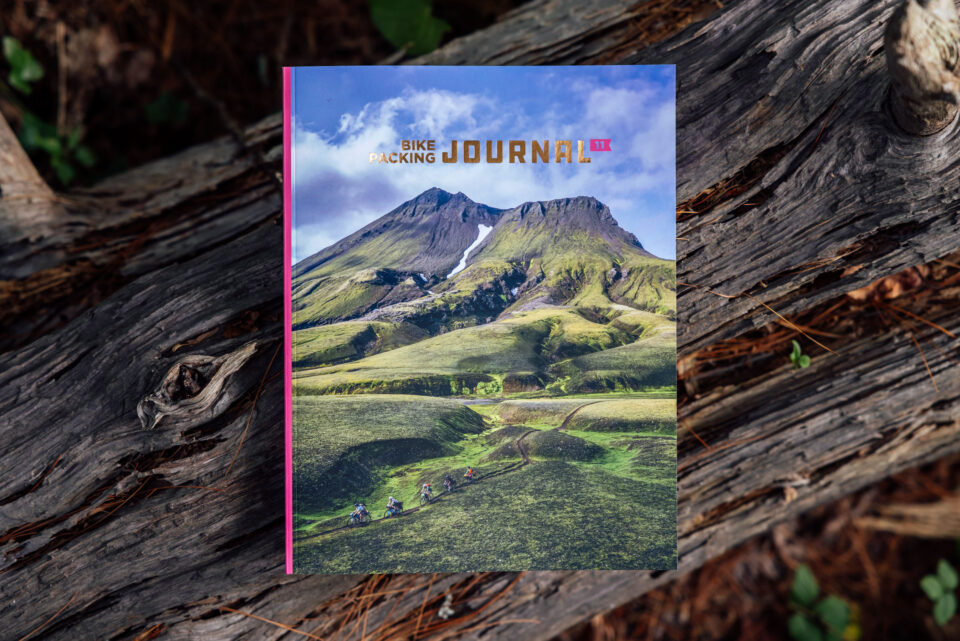
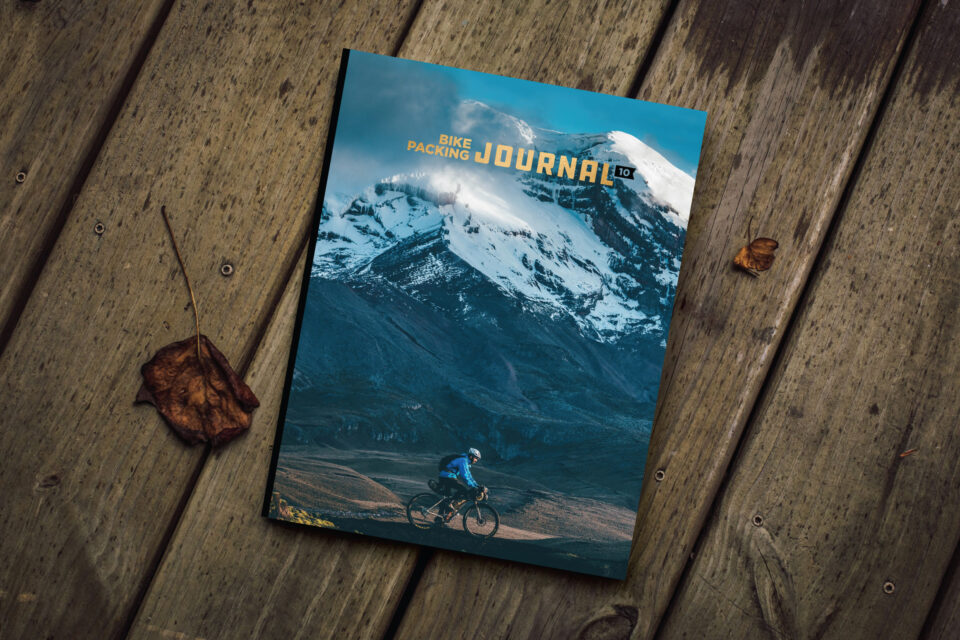
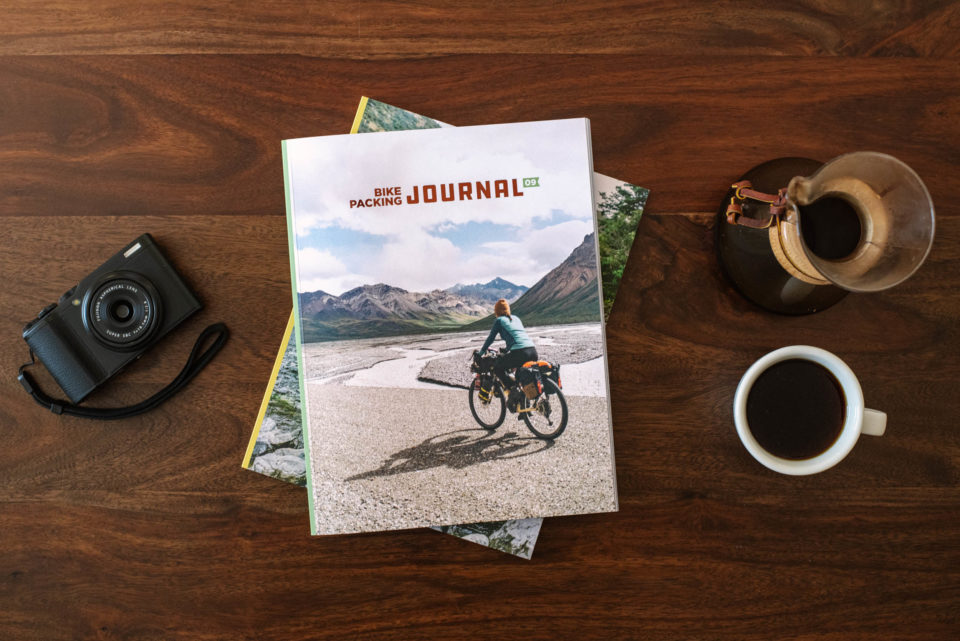
The Bikepacking Journal is our biannual printed publication. Each issue features a collection of inspiring writing and beautiful photography. Find details on the three most recent issues below, join the Bikepacking Collective to get it in the mail (anywhere in the world), or click here to find a collection of selected stories in digital format.
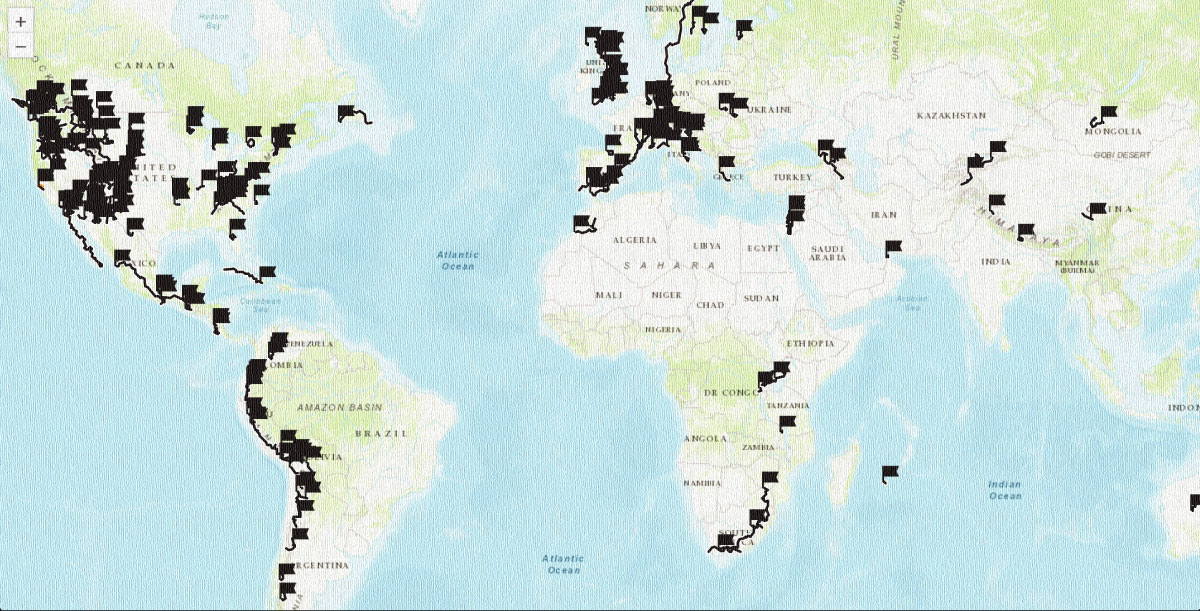
We take great pride in managing the first and largest network of bikepacking routes on the web. The project was started back in late 2013 and has grown into the foremost resource for original and open source bikepacking trips. We welcome the best bikepacking routes ranging from sub-24 hour overnighters to multi-month odysseys.
Subject
Submit Your Route
We are looking for the best quality bikepacking routes to inspire and enable folks to get out and explore the world in a sustainable way, on two wheels. If you have a route you’d highly recommend, read the requirements below and fill out this form. If selected, we’ll need a detailed guide of the route, including highlights, details, logistical info, high quality photos, and a GPX track. We’ll carefully review every submission, but we ask that only serious applicants submit proposals to us. Routes should be largely original, well planned, highly compelling, and accompanied by proper mapping and a strong set of photos.
GRAVEL, ATB, SINGLETRACK, OR FAT BIKE routes are acceptable, but routes should be comprised of at least 50% unpaved surfaces, give or take. We prefer routes are over 75% off pavement. Any surfaced roads should be free from major traffic. Use greenways, cycle-specific paths, and dedicated bike lanes.
KEEP IT LEGAL. Every route we publish must be entirely legally accessible. Each road and trail must allow bicycles. Keep the same in mind for campsites too.
POINTS OF INTEREST (POIs). Make sure your route has documentation of exact coordinates for feature locations. Include places and areas of cultural and indigenous importance/significance, water refills, resupply, geographical features, scenic viewpoints, local eateries and pubs, and more. The final route should have plenty of useful POIs noted on the map.
A GOOD ROUTE HAS A NICE RHYTHM of surfaces. Keep in mind the ratio of singletrack and gravel, or dirt and tarmac. Also, space out the suffering to reward ratio.
GOOD CAMPSITES or lodging options are a must for a worthy bikepacking route and are best placed where it will be natural and fitting to end a day’s ride. Having these types of milestones helps balance the route.
CONSIDER WHERE IT STARTS AND ENDS. Making a loop from a safe starting point is critical. You should also consider starting it at a landmark, bike shop, and/or area with a good place to leave a vehicle. If your route is linear in nature, think about ways of making it accessible via public transportation, or have good spots to park cars for a shuttle.
PUBLIC LANDS AND CONSERVATION. Make a special point to highlight the places on the route that are threatened, in need of protection, and should be preserved. We place a special importance on using bikepacking as a means for conservation projects and awareness.
ROUTE PHOTOGRAPHY. Inspiring, high-quality photography is important to us. Your route needs to include photos taken on a decent camera (a step above a mobile phone). Photos should cover several aspects of the route including trail shots, riding shots, camping photos, landscapes, and other interesting details (tips here). Every route should have 25-50 photos, but we like to have more to select from. The majority of photos should be in landscape orientation and the resolution should be at least 3000px wide for the final versions.



 Mountain Bike (MTB)
 Gravel Bike
 All-Terrain Bike (ATB)
 Fat Bike