

 Mountain Bike (MTB)
 Gravel Bike
 All-Terrain Bike (ATB)
 Fat Bike


The Rodeo Labs Flaanimal 6.0 Steel: A Long-Winded Development Story


Rodeo Labs owner-operator Stephen Fitzgerald has never been shy about sharing his motivations around product development. Insistent on riding his way into new designs rather than allowing industry pressures to take the wheel, the brand’s new Flaanimal enjoyed an interesting and lengthy development process. In his latest feature, Stephen discusses everything that went into their new bike and the reason behind the changes…
PUBLISHED Apr 11, 2026
Bike launches. They’re full of fanfare, hype, and a certain beating of the drums of industry. Something new has arrived. Gotta get that new-new. Your life is about to get better—provided you get one. The bike you already own, the one you were pretty damn happy with until about five minutes ago, is it still as good as it was five minutes ago? TLDR: Yes, it is. You should skip reading this, take it for a ride, and banish any doubt.


I have a strange relationship with BIKEPACKING.com. But, to be clear, one that I enjoy. I run Rodeo Labs, a bike company. More than just selling bikes, I really love riding them, and I really, really love writing, but I get to do the latter very little.
As a bike company, Rodeo does an absolutely terrible job of interfacing with the media. We don’t do anything at all in the way of press releases, ever. I remember another outlet asked me to send them a press release once, and I didn’t even know how to format it. We buy very few ads, and we send very few bikes out for review. This isn’t a strategy so much as a lack of one. We’re too small and too busy. BIKEPACKING.com, however, has always been staffed by a strange and kind group of people who keep an eye on the small companies and reach out for more information whenever they see something interesting happening.
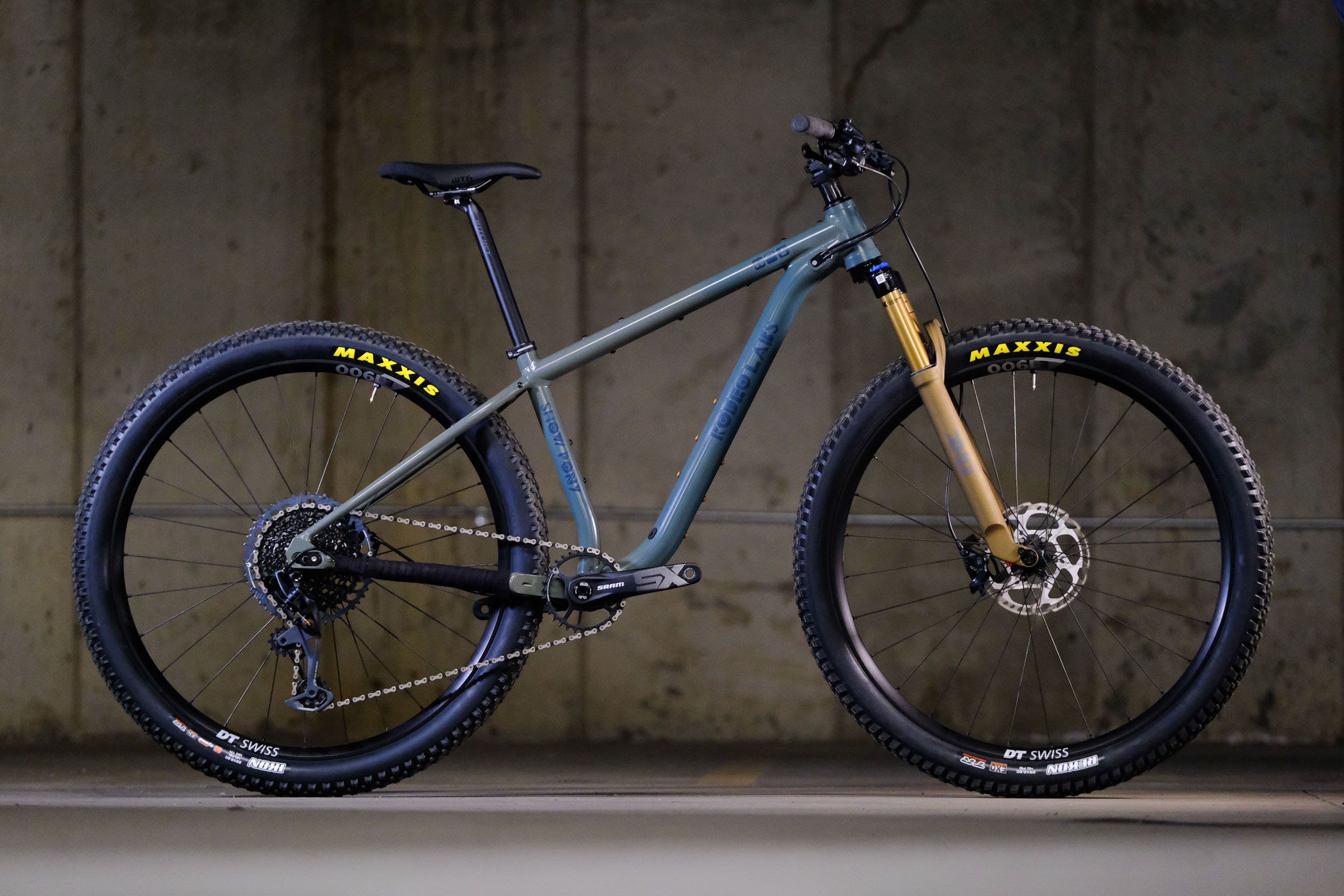

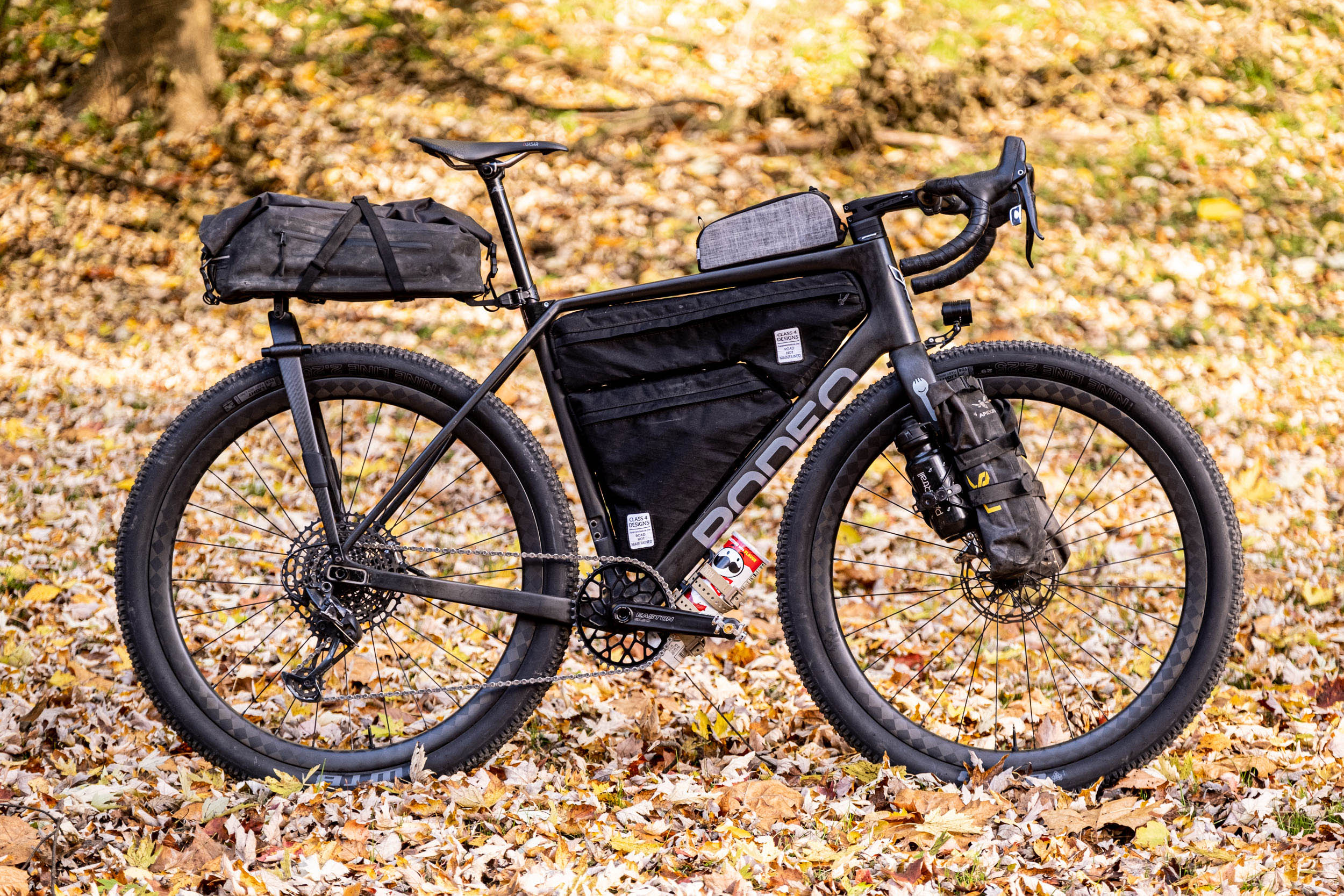
In the past, we would launch a bike or product, and almost instantly, Miles would be in my DMs with “Can I get more info about that?” Not sure how to respond, I would reply “I’ll write something up”, usually in the form of a long-winded manifesto like this one. This site has shared a fair number of those launch pieces before, which we’re quite grateful for. In more recent years, I’ve been allowed to put some distance between myself and commerce and share some writing about bikepacking trips, adventures, and even putting on an ultra race. That’s the good stuff.
My point, which I will now arrive at, is that I occupy a strange place on this site. Sometimes I’m here to share my love for bike adventures and stories about riding. I’m also here today to tell you about a bike that Rodeo Labs and I are releasing. For clarity, that’s who I’m referring to when I say “we.” How’s that for a spectacular conflict of interest? Nothing I will write here could be more biased. Can I tell you about my baby? Would you like to see some photos of my baby? Can I tell you about some cute things that my baby can do?
On the flip side of that bias, I promise to be straight with you. I’ll try to be a bit unvarnished and to give a good look behind the curtain about how babies, or at least bikes, are made. If your BS detector goes off, call me out in the comments, and we can chat it out.
Background on the Flaanimal 6.0 Steel
Many months ago, I was driving with Cade Reichenberger, who was our engineer at the time. We were talking about updates that we were working on for our steel Flaanimal. The 5.0 version of the frame has been on the market, essentially unchanged in its design, since 2020. A six-year run for a frameset is, I think, quite a thing in this industry. Product cycles tend to be closer to two, maybe three years. After all, one must refresh the product regularly to keep people interested and to keep specs up to date. The 6.0 version of the Titanium Flaanimal had already been on the market for about 9 months, and the obvious thing to do when updating the steel version would be to say, “let’s do it again, but in steel”.


That was actually the plan for a while. The Ti 6.0 checks every box we could think of in terms of what we wanted to put into the design and feature set of a bike. That doesn’t mean it’s the right bike for everyone, or the perfect bike for anyone, but we’re quite proud of it. Instead of feeling good about rolling everything straight into steel, I had some disquiet about this new bike project. We hadn’t re-evaluated the bike’s use case or geometry in so long. “Gravel”, the amorphous genre that I won’t even attempt to define, has really grown and evolved in recent years. Cade and I were talking about this when he summarized his thoughts with something approximating this painful sentence: “Flaanimal is basically obsolete”.
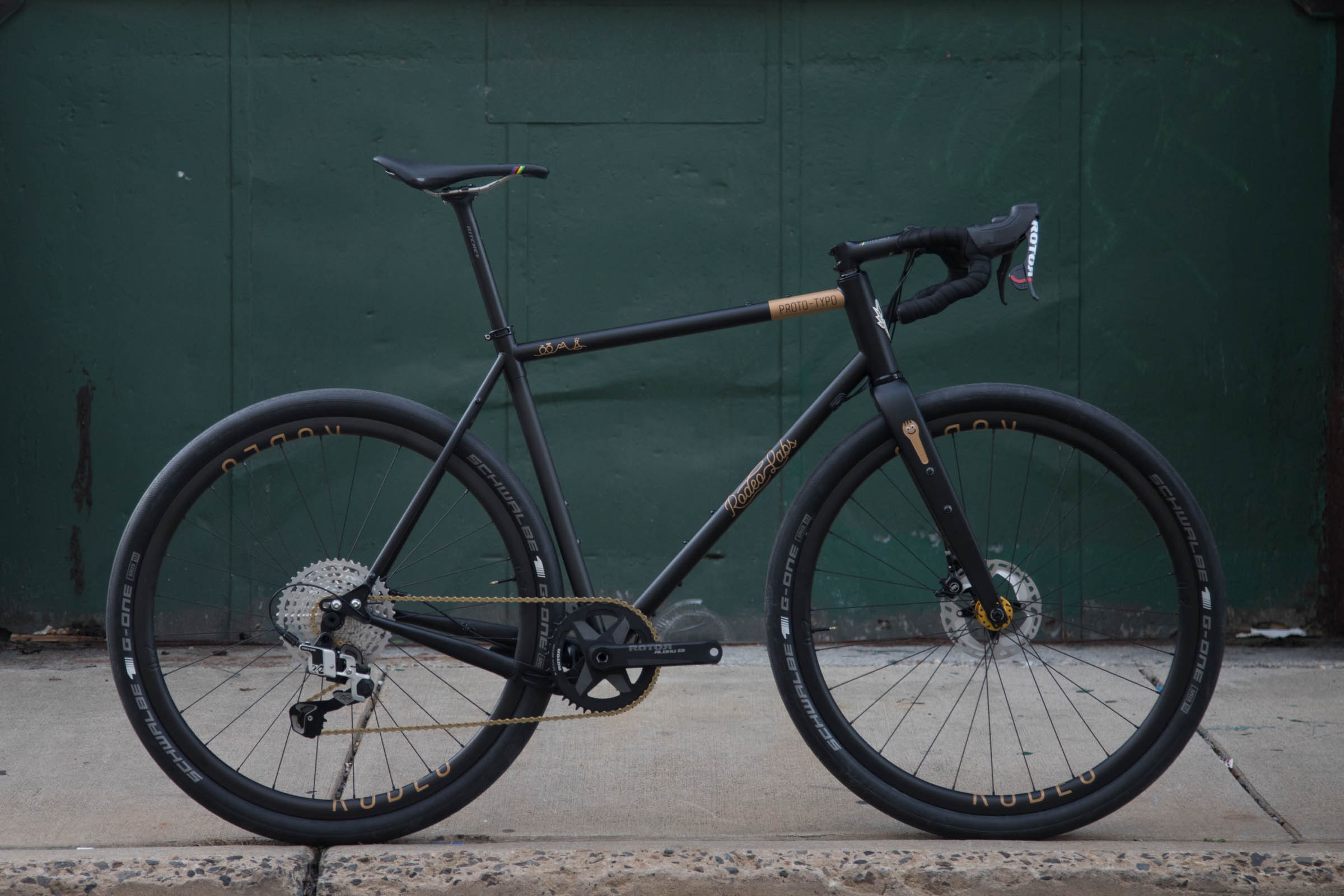

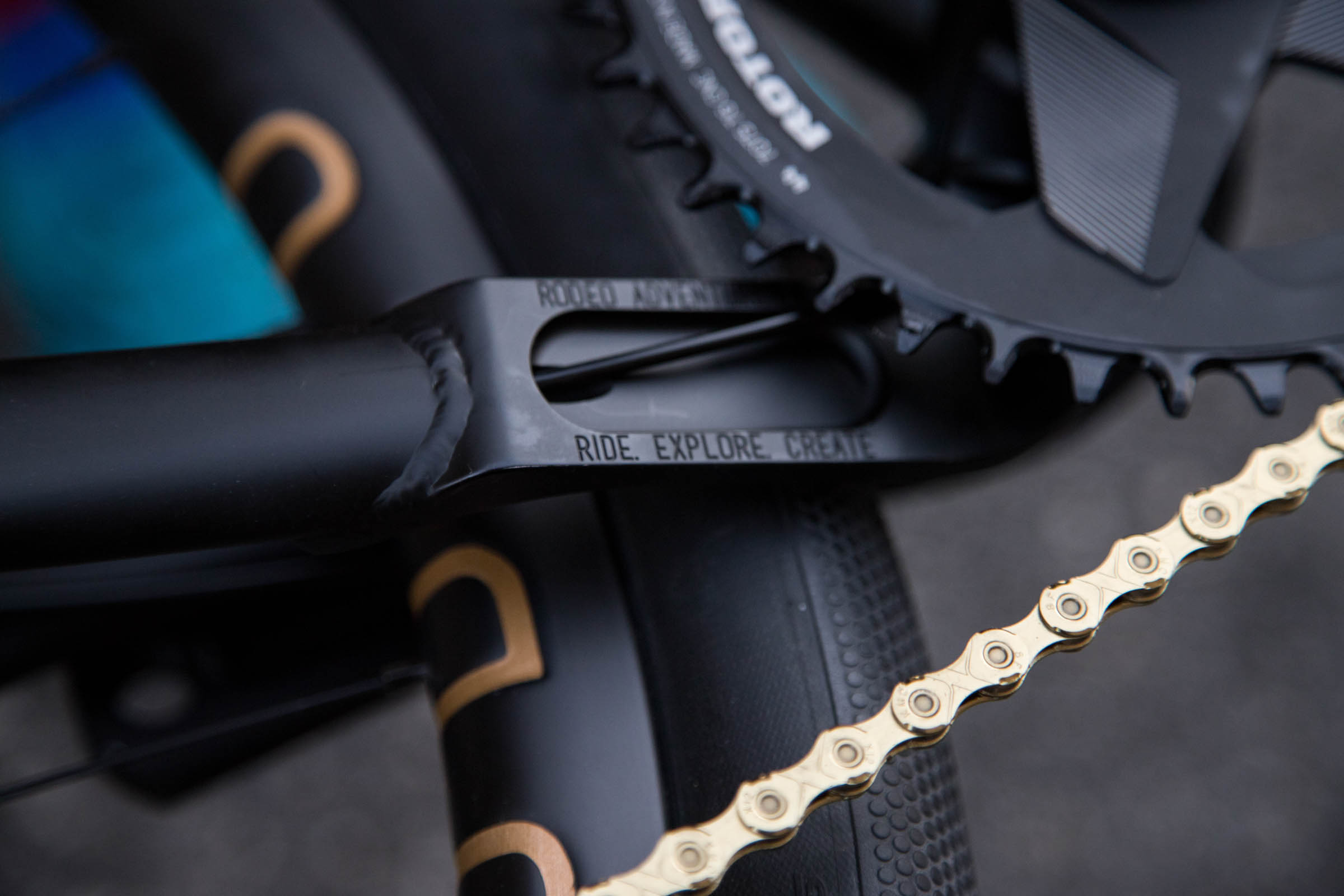
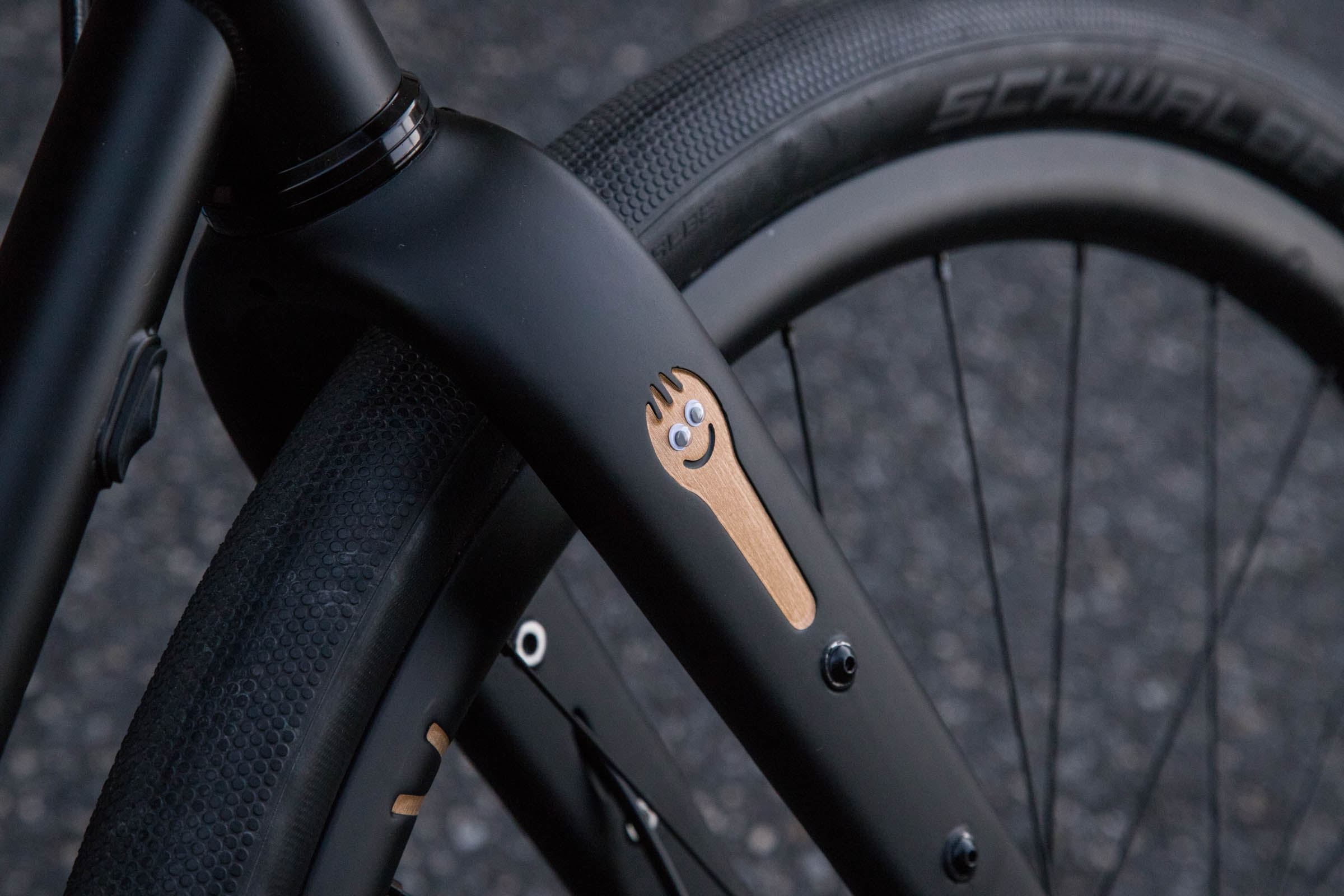
I was a bit shocked by the statement. The 6.0 Ti was selling briskly, and the 5.0 steel was doing the same. So many people were riding them daily, and notching memories, adventures, and accomplishments on them. What’s obsolete about that?
The statement hung in the air, and so did my disquiet. Bikes were evolving, and it wasn’t up to me to fight it or to try to hold back the tide.
We have arrived at the point in bikes where there truly is an uninterrupted continuum of options, from track bikes to downhill-racing mountain bikes. There is nary a micro segment or crack in that continuum that hasn’t been filled or claimed by a bike model or bike brand. What a time to be alive! Think about it: You can ride a track bike on the track, or you can build a tracklocross bike off-road. How far is a tracklocross bike from a gravel bike? How far is a gravel bike from a road bike? How far is a full suspension gravel bike from a mountain bike? How far is a drop bar hardtail mountain bike from a gravel bike? How far is a Trek Supercaliber from a Trek Checkout? The Silk Road Mountain Race has been raced on a cargo bike. Let’s not even get into people bikepacking on tall bikes.

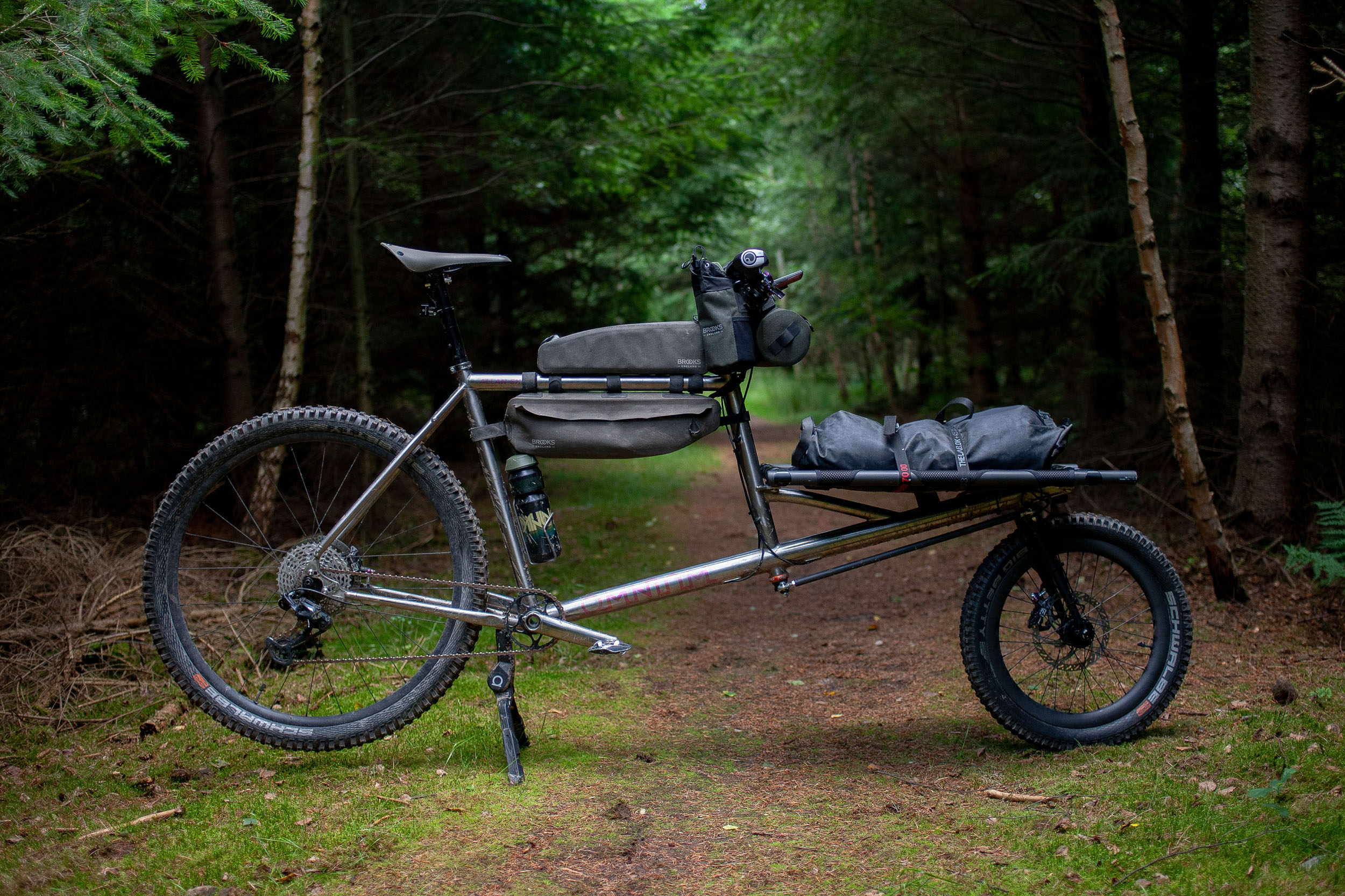


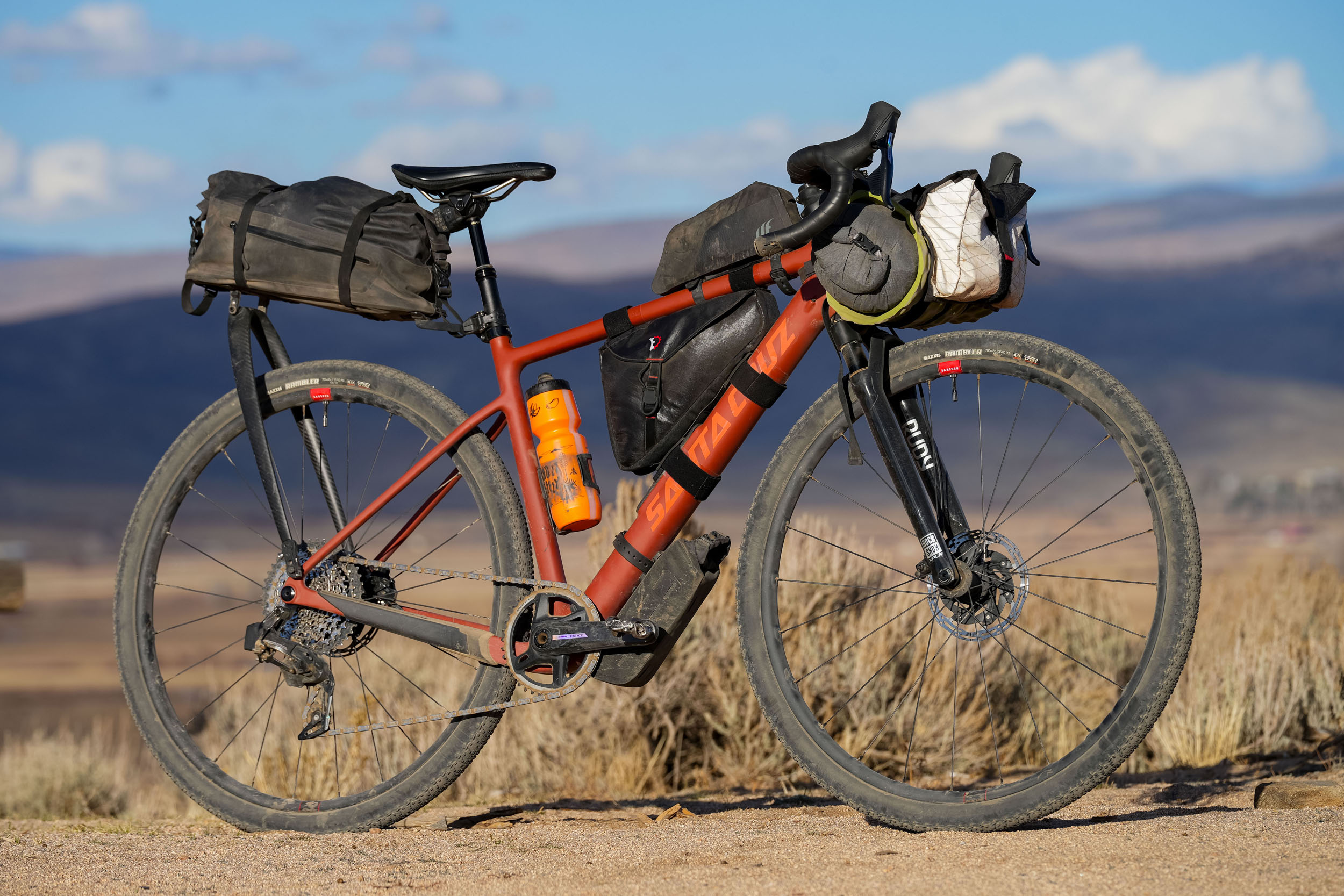

All of cycling has been entirely deconstructed, tossed into a blender, and reassembled a la Frankenstein, into every bike type imaginable. 650 B may be dead, but you can buy a Brompton with even smaller wheels in a gravel spec. Velo Orange makes a Neutrino Mini Velo with fat tires. WHAT IS IT FOR?! Doesn’t matter. It exists, and I’ll bet it’s fun. If you have a mood, a subculture, a vibe, or a fetish, someone makes and sells a bike to match it.
“Get a mountain bike”! Come the cries (even from other editors on this website)
“Grave bikes are just hybrids”. Echos back from across the internet.
John Tomac was a prophet, and couldn’t care less.
Entire data centers are consumed by subreddits arguing about what makes a bike good or bad.
You know what’s less controversial than bike genres and bike design? Politics and religion.
Is a six-year-old bike design obsolete because of the passing of time, because of the progress that the industry has made, or is it merely at the furthest part of its elliptical orbit before it slingshots back into red-hot relevance a la the 26” Stumpjumper from 1994?
All of this swirls around in my head constantly. Bigger brands project and plan new products at least three years out. Can you imagine trying to peer into the Seeing Stone to divinate what knee-jerk thing the industry will settle on next? (Here’s a hint: I hope you aren’t tired of hearing about 32” bikes because 2027 is going to get painful, or fun, depending on your 32” inclinations).
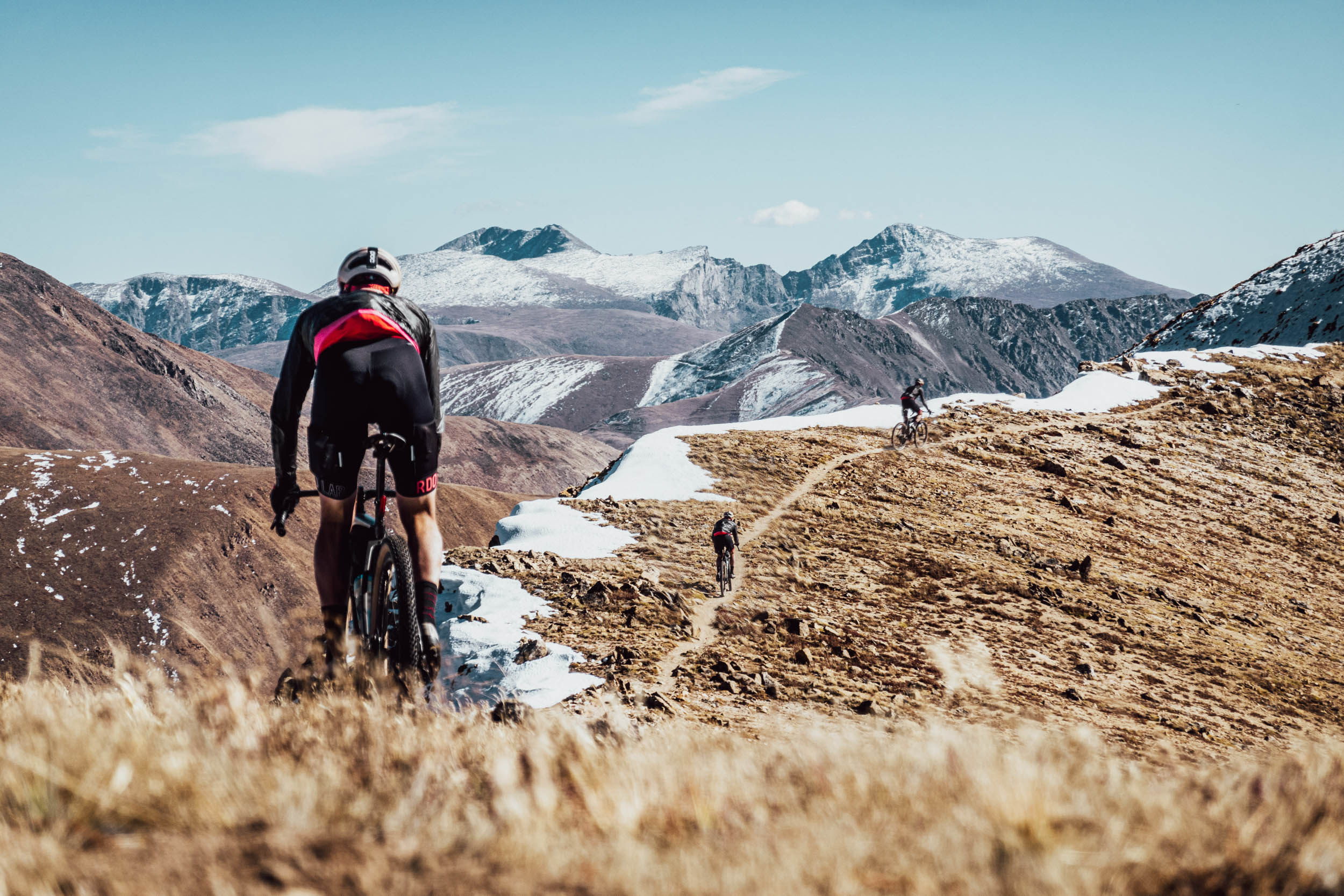
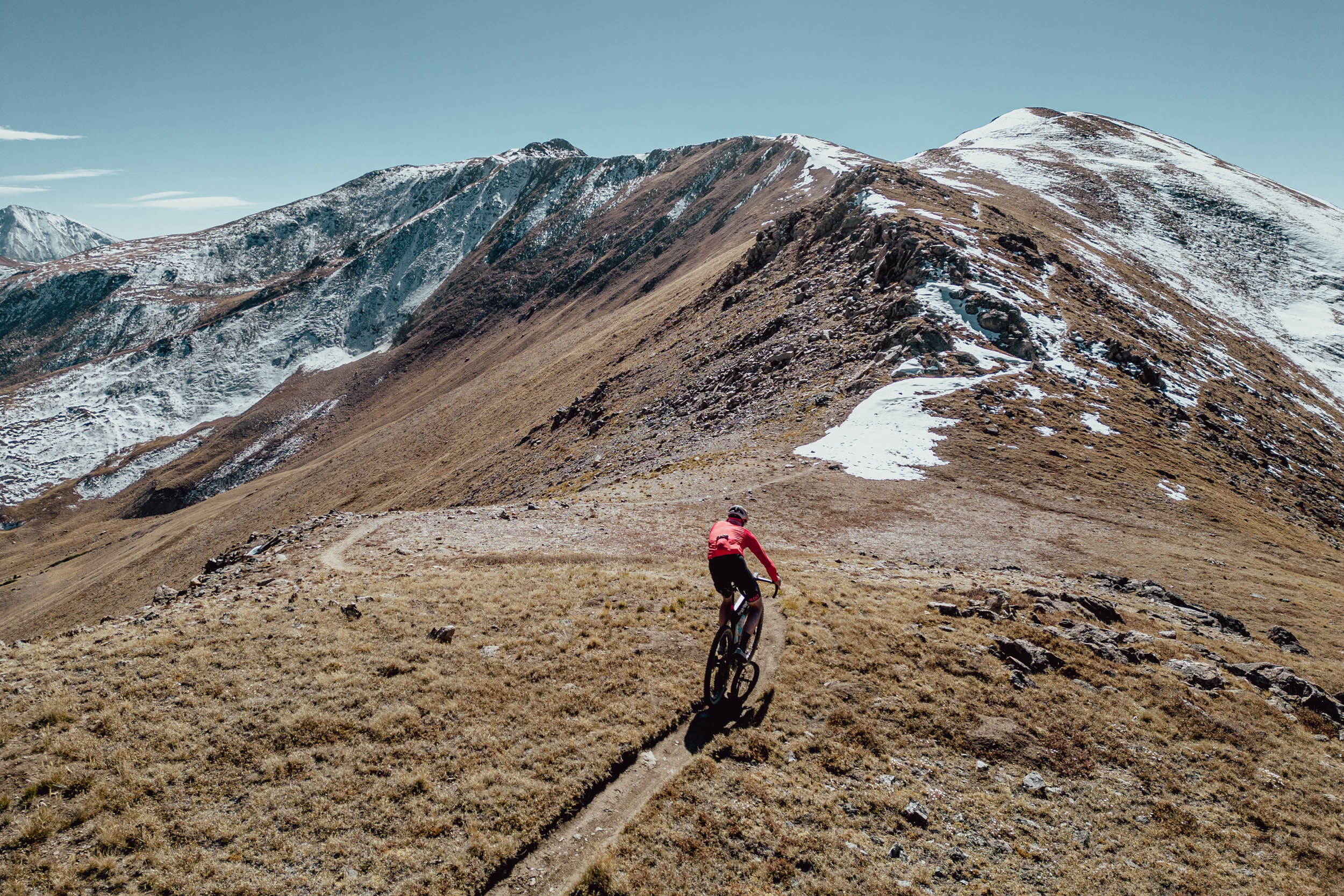
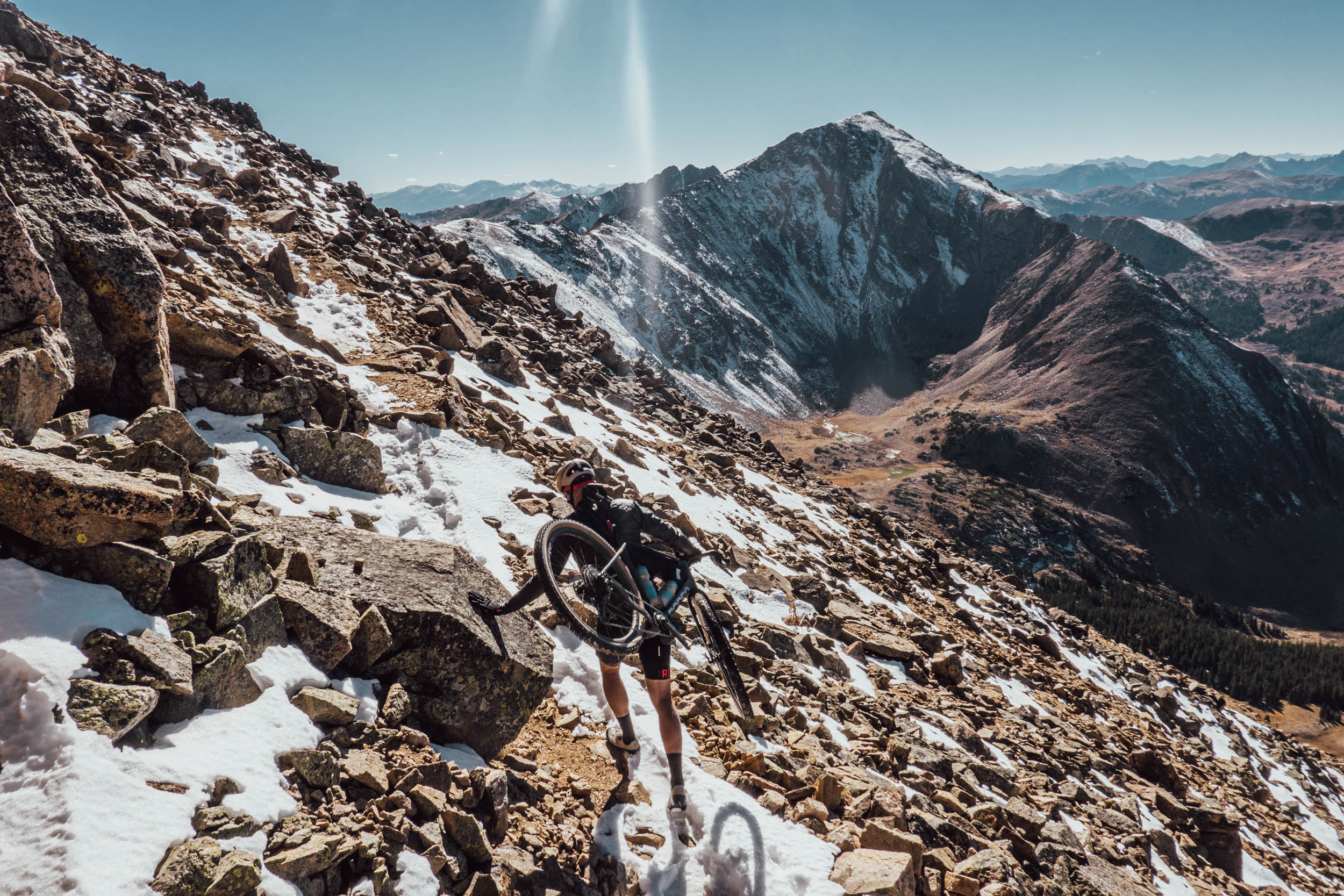
I needed to put all of this thinking aside. The answers aren’t found in a Seeing Stone. The answers aren’t found in a boardroom. For me, the answers come from going on long rides, across all terrains, deep into the mountains, and beyond. The answers also come from our customers, who gift us with feedback and inspiration nonstop. You, me, they. We’re all cyclists. We know what works because we ride. We know what needs to change or improve because we ride. If we don’t ride and ride relentlessly, we are blind. Everything else is hype.
The Flaanimal 5 is a great bike. I’ll never cease being proud of it. Still, the anxiety I felt about what should come next was a conviction that the next version of our steel bike wanted to be optimized for the most ambitious and adventurous end of the gravel/adventure spectrum. I’ve always wanted to design bikes that could do it all, but we all know that no one bike can truly do that. The wider the spectrum you want to cover with a bike’s design, the more compromises it will need to make.
Our bikes have long been at the bleeding edge of tire clearances for nearly a decade now. When 40mm tires were big, and wow, did that seem big, we were there. When it went up to 50mm, we were there. When 650 x 2.1”, then 2.2”, then 2.4” hit, we were there. 650 faded, sadly. 700 x 2.1” arrived, then more recently 2.25” hit; those tires could be fit into our frames and forks as well. Often it was a bit of a stretch to cram ‘em in there, but I can’t argue with what people have accomplished on them. (Flaanimal 5 won Tour Divide in 2021 on 700 x 2.1” tires squeezed into that rear triangle, even though I couldn’t recommend that to a customer). People always pushed the limits. Would it ever end?


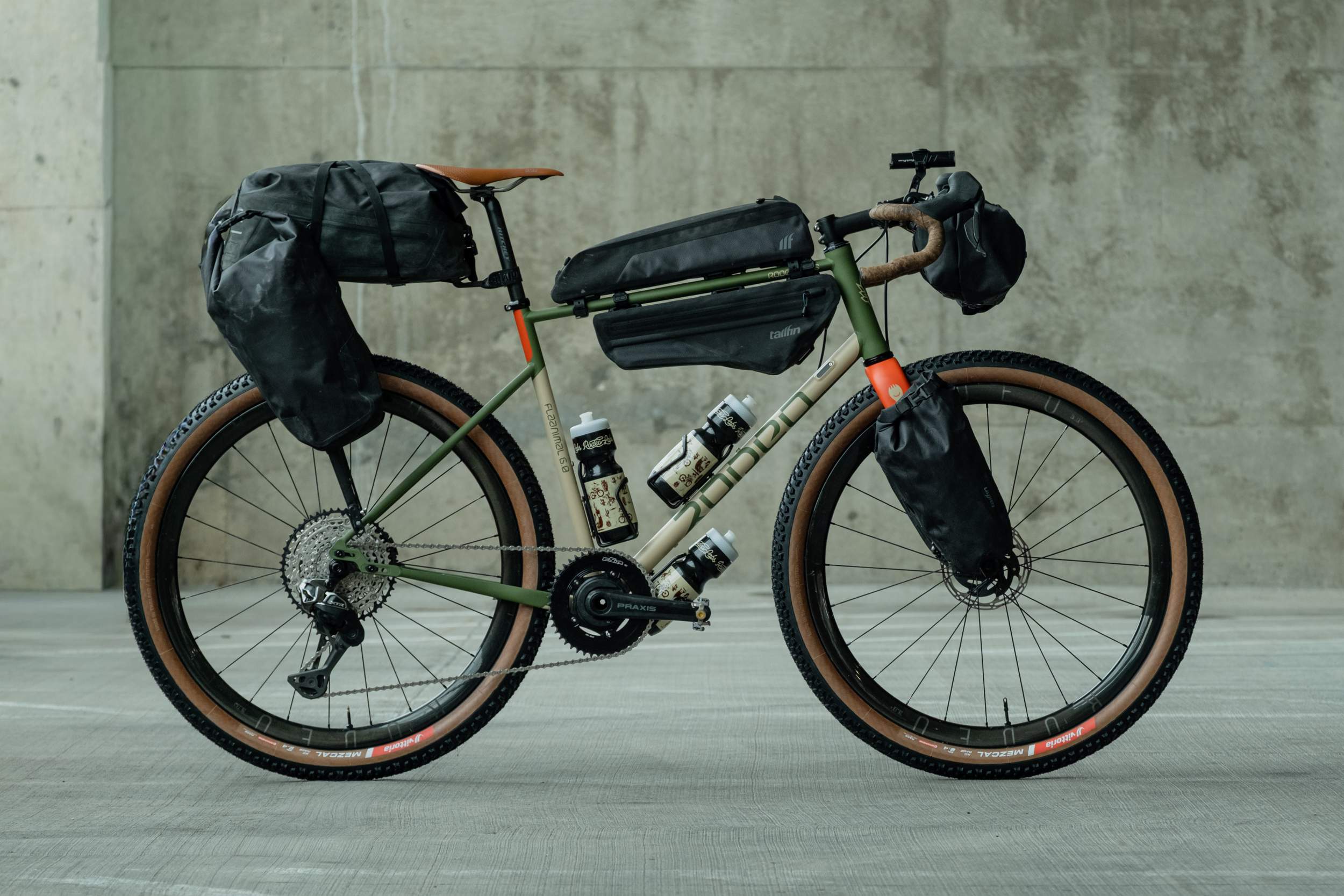


Why were these tires necessary at all? Or rather, are these tires necessary at all? You tell me! Only you know what kind of tires your bike needs. In my opinion, most people can still get along really nicely between 40mm and 50mm. But back to that holding back the tide thing: Big tires have arrived, and many in the sport have embraced them. Who’s to thank? Who’s to blame? The YouTube influencers, the bike racers, the tire rolling resistance testers, and yes, even the bikepackers. Fat tires aren’t going anywhere. We can bitch about it in the comments, or we can throw a set on and have a good laugh at how fun, fast, and comfortable they can be.
For the next version of the steel Flaanimal, the thought finally took shape and landed: It was time to really optimize the bike for all things fat, and for more ambitious riding. To do so would mean leaving behind the DNA that made the bikes more native on the pavement: Namely, steeper head tubes, shorter stack, shorter wheelbases, and a lower fork offset. That all scared me a bit. It was a big thing to shift away from where we’ve been for so long, and from what has worked well for Flaanimal riders for so long. Would changes in geometry yield a sluggish schooner of a bike? Would the bike end up being a cartoonish caricature of what it was in the beginning? Drew, our product development lead, along with a Rodeo friend and engineer in California, worked quite hard on the new geo and had confidence that all our decisions would converge on a progressive, fun steed.
Of course, there was only one way to find out how numbers translate to a real-world feel. We had to make some bikes!


To test our ideas, we created three different prototypes with three different geometries. One version used all of our updated design details, but with our original frame geometry from 5.0. A second version used the more progressive geometry, again with updated design details and features. The final version, dubbed “El Bastardo”, used new geometry, updated features, and radically dropped the seat stays, meant to ask and answer some questions we had about ride feel.
We rode all three and compared feedback. The first version was indeed still snappy and responsive, and it felt very familiar to previous Rodeo bikes. Power transfer was way up, features were better across the board, and it handled predictably. I took it on road rides, raced cyclocross on it, and visited plenty of gravel loops and trails. The second, El Bastardo, was so absurd-looking that I thought for sure it would ride poorly and feel like an unpredictable noodle. Surprisingly, it felt very stable, cornered well, and was confidence-inspiring off-road, especially with super-large tires.
One small problem: El Bastardo was so radical-looking that people actually got angry when they saw it. It occurred to me that even if the bike rode well, we were probably going to cut our potential customer base in half right out of the gate on aesthetics alone. That was too big a risk. Interestingly, we thought the super dropped stays would absorb bumps better through seat tube flexation, but the thicker tube butting required to prevent the seat tube from folding under large impacts canceled out the additional suppleness of the design. This left the third prototype for consideration. It ended up being the best of all worlds for the intended use. The handling felt great, the feature set was there, and the bike felt very at home the harder I partied on it. Option three became the obvious choice to move forward with. I was excited. 6.0 Steel is an entirely new bike, and after thousands of miles of test riding, I know directly from the experience of riding it that we’ve accomplished what we set out to do.
I’ve given you the broad strokes about the bike, but what about the nitty-gritty details of what’s changed? Let’s touch on some of that.
Geometry
I’ve mentioned it, but this bike is a whole new animal in terms of geometry. To make the bike better for long distances and in rough terrain, we made key changes. We brought the stack up. Gone is the more slammed head tube position from previous versions. I’m a little sad to see that go personally, but we heard over and over from people who wanted to get higher up in endurance situations, and we listened. The stack increased 17mm on average across sizes, and if you use an EC44 / 52 upper headset cup / bearing, you can gain another 15mm of stack, optionally bringing the 6.0 32mm higher than the 5.0 base stack. We’ve slackened the head tube angle across all sizes. This changed the handling, of course, and it also moved the front tire away from the rider’s toes, lowering the potential for toe overlap when running those huge tires in particular.
Flaanimal 6.0 Steel Geo
| Size (CM) | 49 | 52 | 54 | 56 | 59 | 61 |
|---|---|---|---|---|---|---|
| Effective TT Length | 510 | 528 | 543 | 564 | 580 | 605 |
| Reach | 377 | 385 | 395 | 406 | 418 | 436 |
| Wheelbase | 1025 | 1041 | 1058 | 1076 | 1095 | 1123 |
| CS Length | 435 | 435 | 435 | 435 | 435 | 435 |
| Effective ST Angle | 76 | 75.5 | 75.5 | 75 | 75 | 75 |
| ST Length | 445 | 473 | 493 | 513 | 533 | 563 |
| HT Angle | 70 | 70 | 70 | 70 | 70 | 70 |
| HT Length | 100 | 122 | 142 | 162 | 184 | 212 |
| Fork Length | 398 | 398 | 398 | 398 | 398 | 398 |
| Fork Rake | 50 | 50 | 50 | 50 | 50 | 50 |
| BB Drop | 75 | 75 | 73 | 73 | 70 | 70 |
| Stack | 532 | 553 | 570 | 589 | 606 | 633 |
We’ve made a 50mm fork the default offset across all sizes. Previously, we ran 50mm on smaller sizes and 45mm on larger sizes. Now all sizes get 50mm. This also helps to move the tire away from the rider’s toes. We lengthened the top tube slightly across all sizes, again with a nod to eliminating toe overlap. We steepened the seat tube angle slightly, bringing the rider slightly forward. Interestingly, the steeper seat tube, combined with the longer, slacker head tube, largely left the bike’s reach unaffected. The front end of Flaanimal 6 Steel may be longer, but your fit and stem length will likely stay the same.


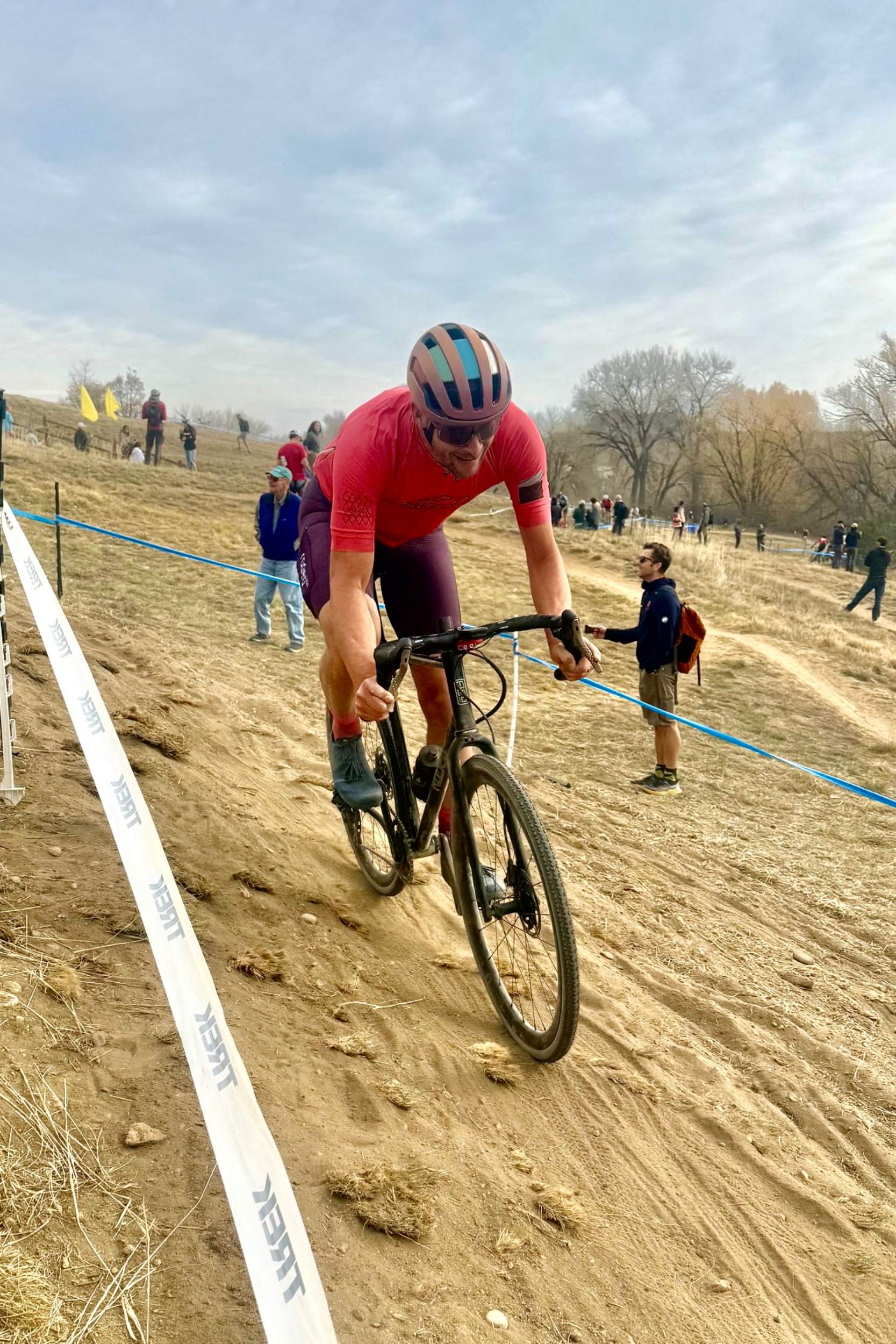
Yes, we finally did it, we lowered the bottom bracket ever so slightly. Between 5mm and 10mm, depending on the size. This is something for all you people out there who have been shouting at us about BB drop for over a decade. Keep in mind, though, that we still believe in healthy bottom-bracket and crankset clearance, so our BB remains higher than many others. We have zero apologies about that, and our thinking has proven itself in real-world riding. Industry consensus and trends be damned: We ride our bikes on trails, and we hate pedal strikes. The lower BB (partially) offsets the additional height that comes from running larger tires. Bonus: 6.0 Steel is still high enough to be 650b-compatible. We never stopped loving 650b tires, especially fat ones.
Spork 4.0
Our 6.0 Ti frame has always had clearance for a 700×2.4 (60mm) tire, but we’ve never had a fork to match that clearance, so there wasn’t much to discuss. A new steel frame was fresh motivation to revisit our fork design and to eek a bit more function out of it. We did not want to suspension correct our 6.0 frame for a number of reasons, but you can definitely put a gravel suspension fork on it if you like. We still wanted to design the frameset primarily around a 400mm axle to crown, though. The question of how much tire clearance we could get out of a 400mm axle to crown fork loomed large, because large tires don’t just get fatter, they get taller. This requires a much more condensed and refined fork crown design.


Drew put in a lot of work in CAD and kept the 3d printer running for hours and hours while solving this packaging dilemma. Once we had a design complete, we had an additional back-and-forth with tooling and carbon layup engineers on how to get enough material into the right places to meet our ambitious goals. In the end, we got what we wanted. The Spork 4 easily fits a 700 x 2.4” tire. We did fudge the axle to crown by a few mm, but not so much that the fork isn’t also backward compatible with countless existing gravel frames on the market.
Part of bike design is simply asking yourself, “Is this the best we can do?” over and over. We kept looking at the fork, wanting to make it the most capable and feature-rich gravel adventure fork on the market. That isn’t a marketing blip; that’s just the genuine goal that we had for the Spork 4 project. To that end, we circled back around and dove into dynamo features again. We improved the internal dynamo wire routing options through the fork legs and the fork crown, extending into the steer tube. If you can imagine a wiring configuration you want to achieve with Spork 4, I’m pretty sure it can accommodate it. We even went so far as to make it fully (optionally) compatible with Son’s Self-Connecting dynamo dropout system. When Spork 4 hits the market later this year, it will be the only carbon Son Self-Connecting compatible fork available for aftermarket purchase.
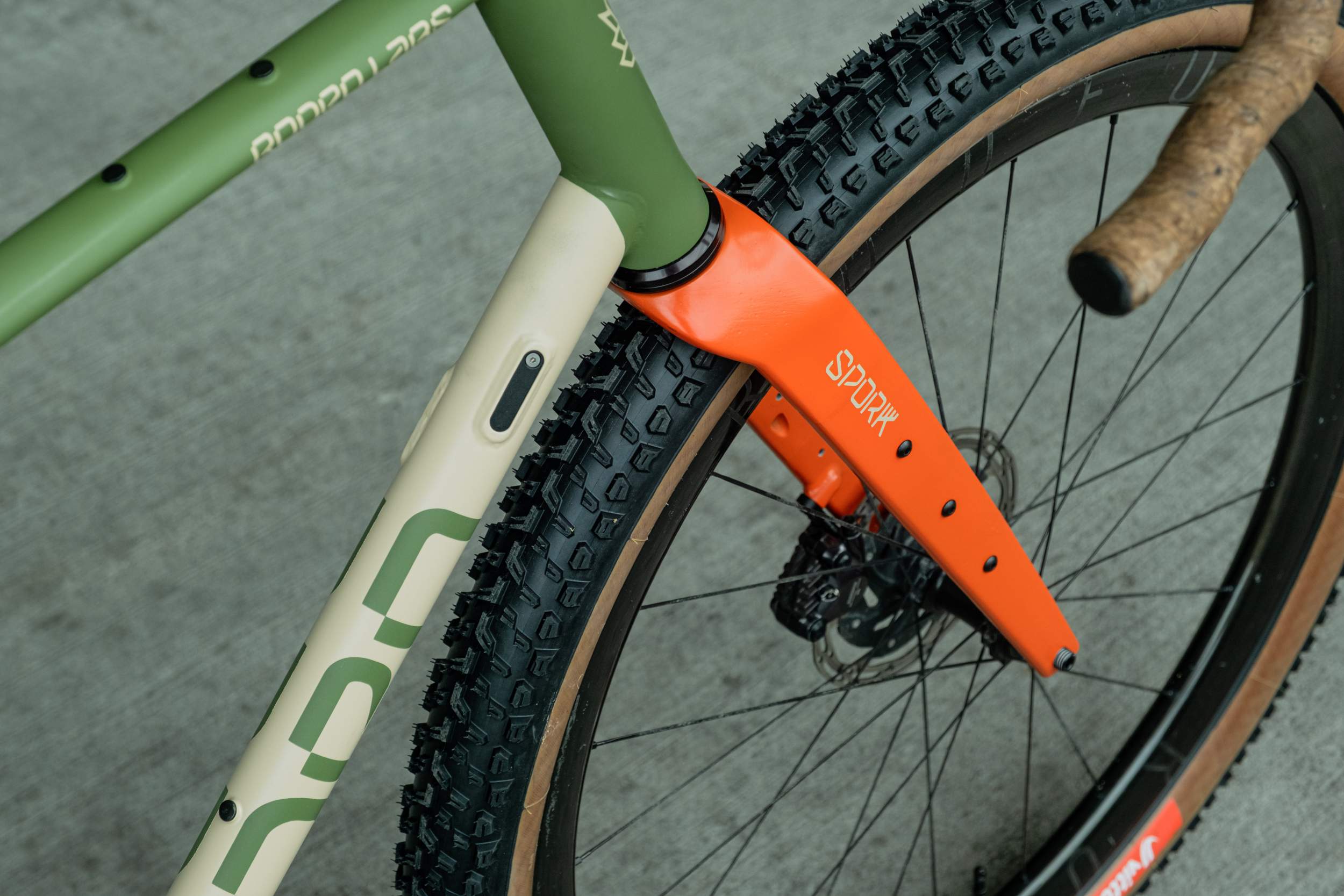
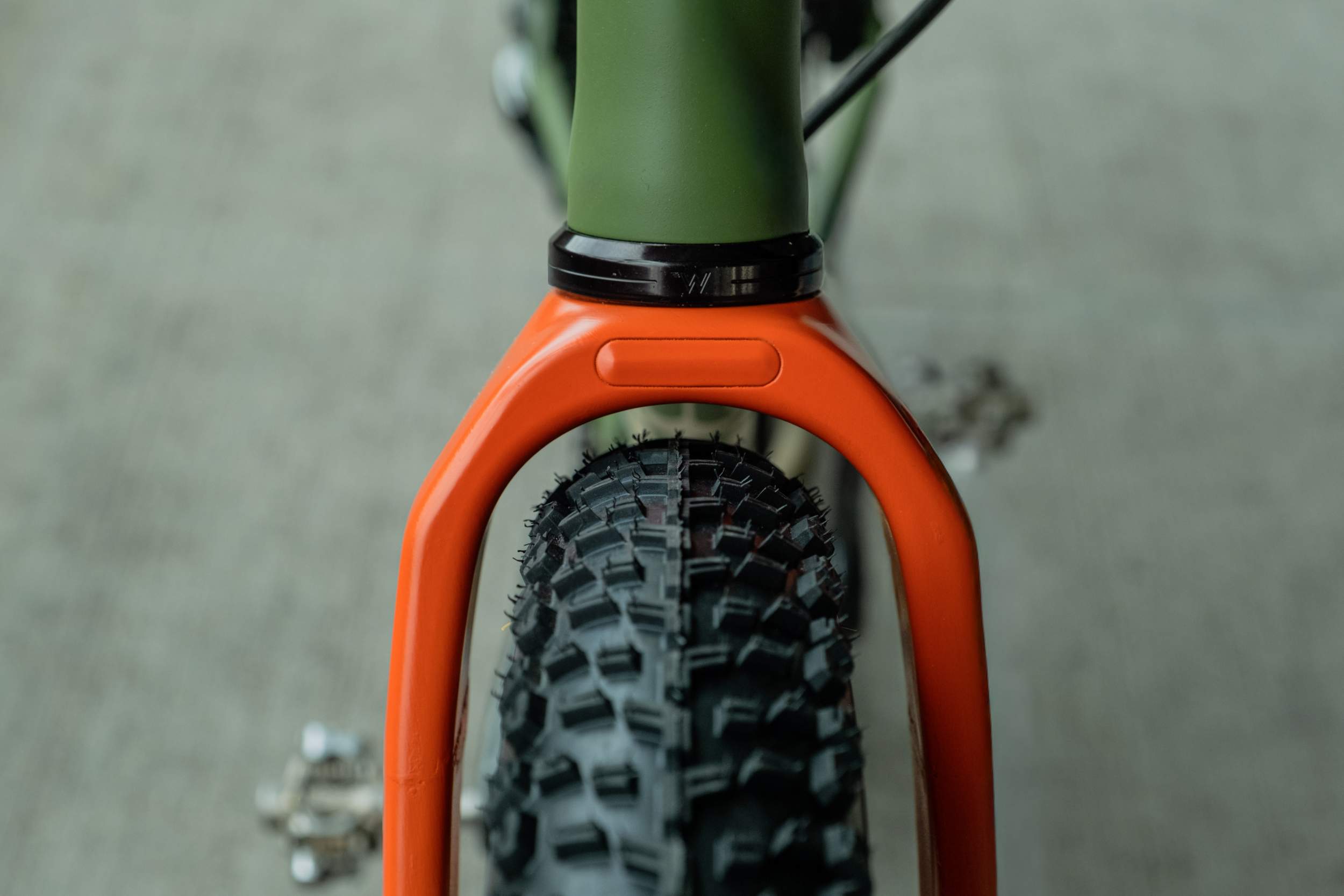

While we were in there, we also decided to finally say yes to all those people who want to run 180mm rotors on their forks, so we made the fork 160mm native and 180mm-compatible. The frame is also compatible with 160 and 180mm rotors.
Spork 4 also features a d-shaped steer tube, allowing fully hidden cable routing without resorting to proprietary headset and stem systems. Yes, I know this particular website audience probably hates headset routing, so in your case, just pretend that the D-shaped steer tube merely allows you to run your dynamo wire from your hub, up the fork, up the steer tube, and out through your stem to the light that you have mounted up there. The d-shape steer tube is 100% backward-compatible with all existing stems and headsets designed for traditional round steer tubes. Still don’t like D-shaped steerers? Just run Spork 3, it’s $100 cheaper, you luddite!
Lockjaw 2 dropouts
For the first time in our history, we’ve standardized every frame we make around identical adjustable dropout hardware. We’re big believers in sliding dropouts because they fundamentally make a frame more versatile and adaptable to a wider range of riders and uses. With sliding dropouts, you can adjust wheelbase and handling.
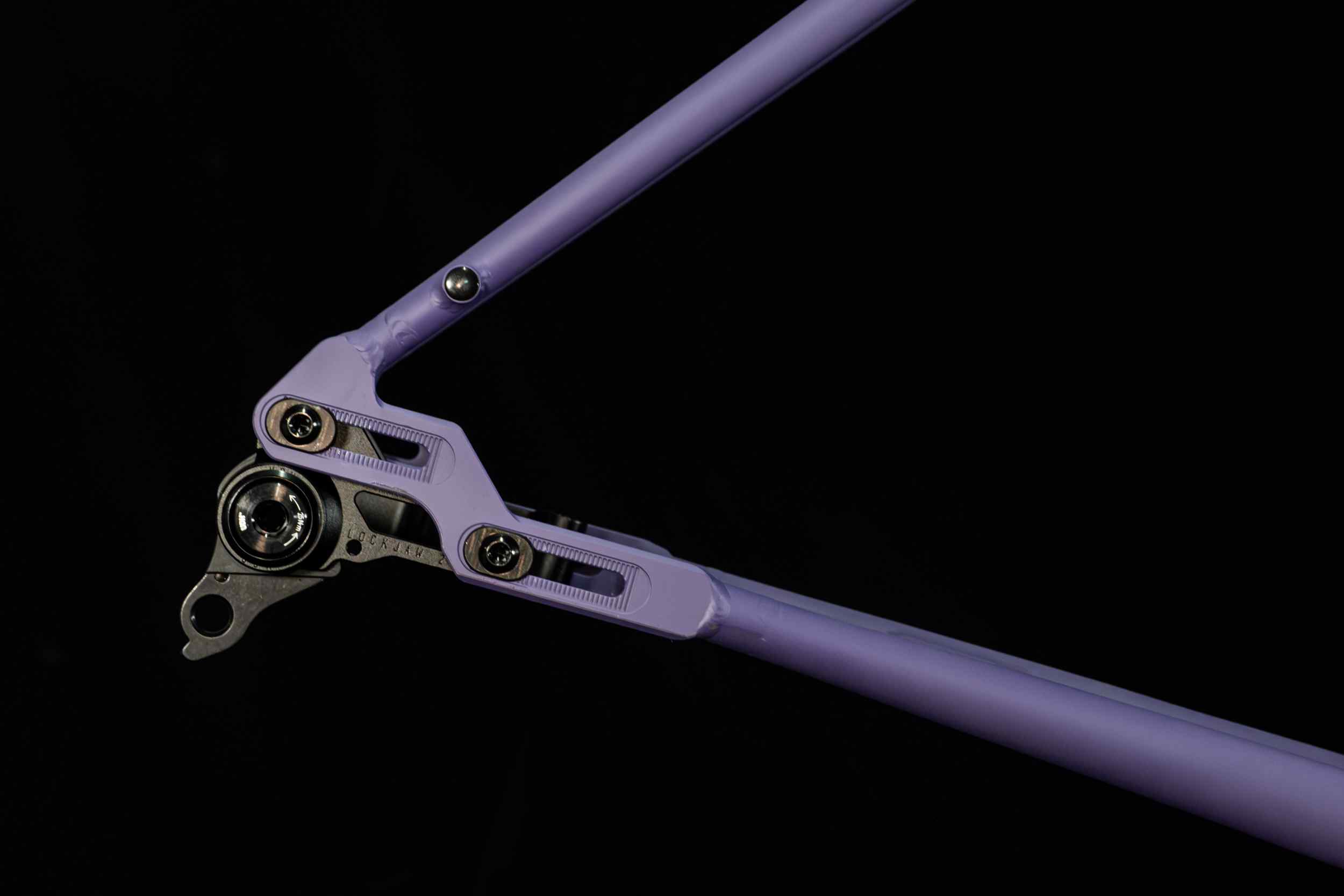

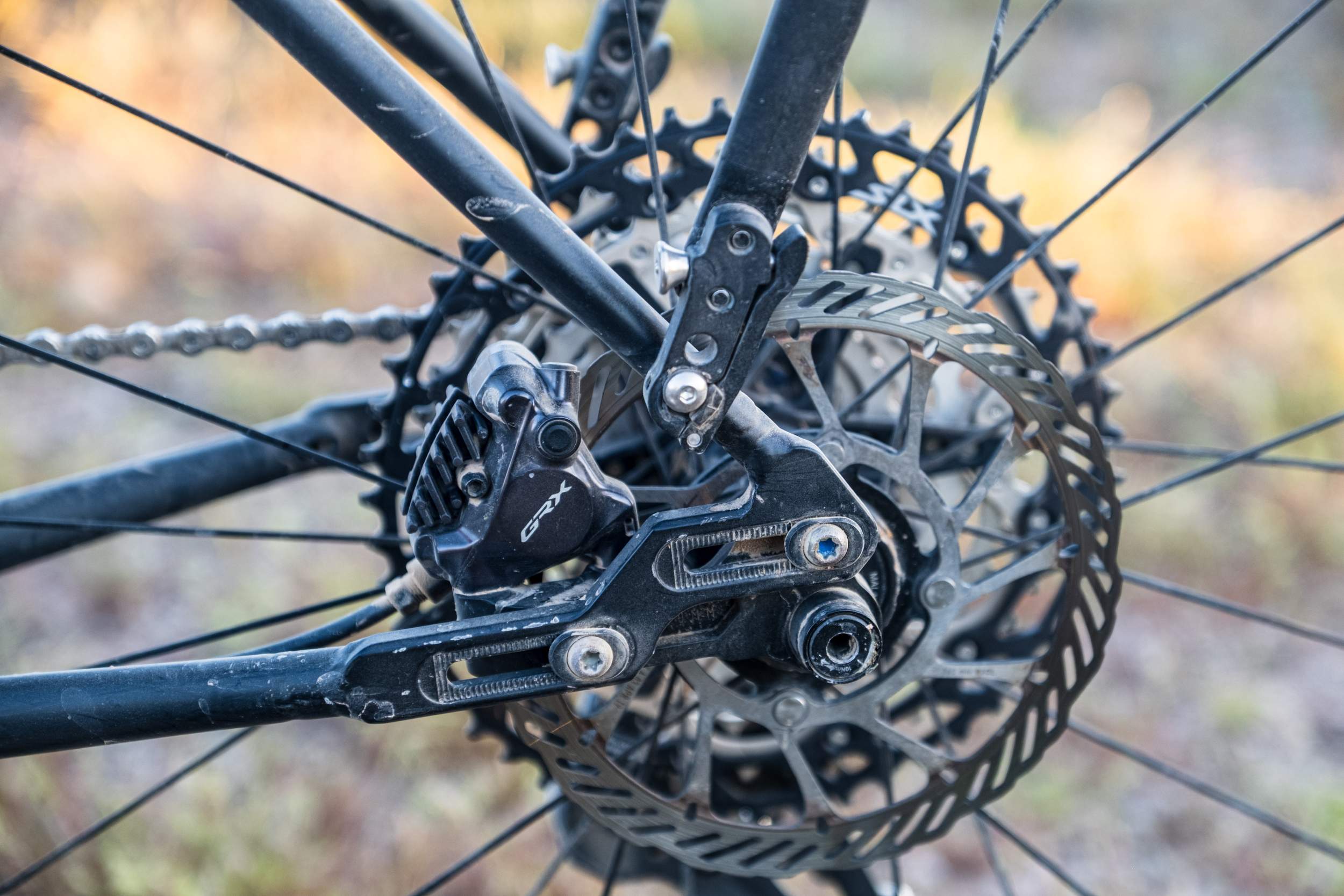
You can also use sliders to set up the bike for native singlespeed use with no chain tensioner needed. Sliders also allow for the wheel to be moved back in the frame, where there is more room for those huge tires. Sliders also potentially future-proof a frame design. Case in point: the Flaanimal 5 was quickly adapted to UDH because the slider system allowed us to update the hardware without updating the entire frame.
100% steel
Flaanimal 5 was a very ambitious frame when it was conceived and released. We used a CNC-machined yoke to allow greater tire clearance, but it added significant weight, so we offset that with a bonded carbon seat tube and head tube sleeve. The inclusion of carbon on a steel frame was primarily functional, but it also became a distinctive design detail for the bike and a statement of the engineering intent. No other production frame integrated carbon seat and head tubes then or now. I won’t lie, though, those carbon bits were tough to integrate into manufacturing, and they were hard to get perfect.
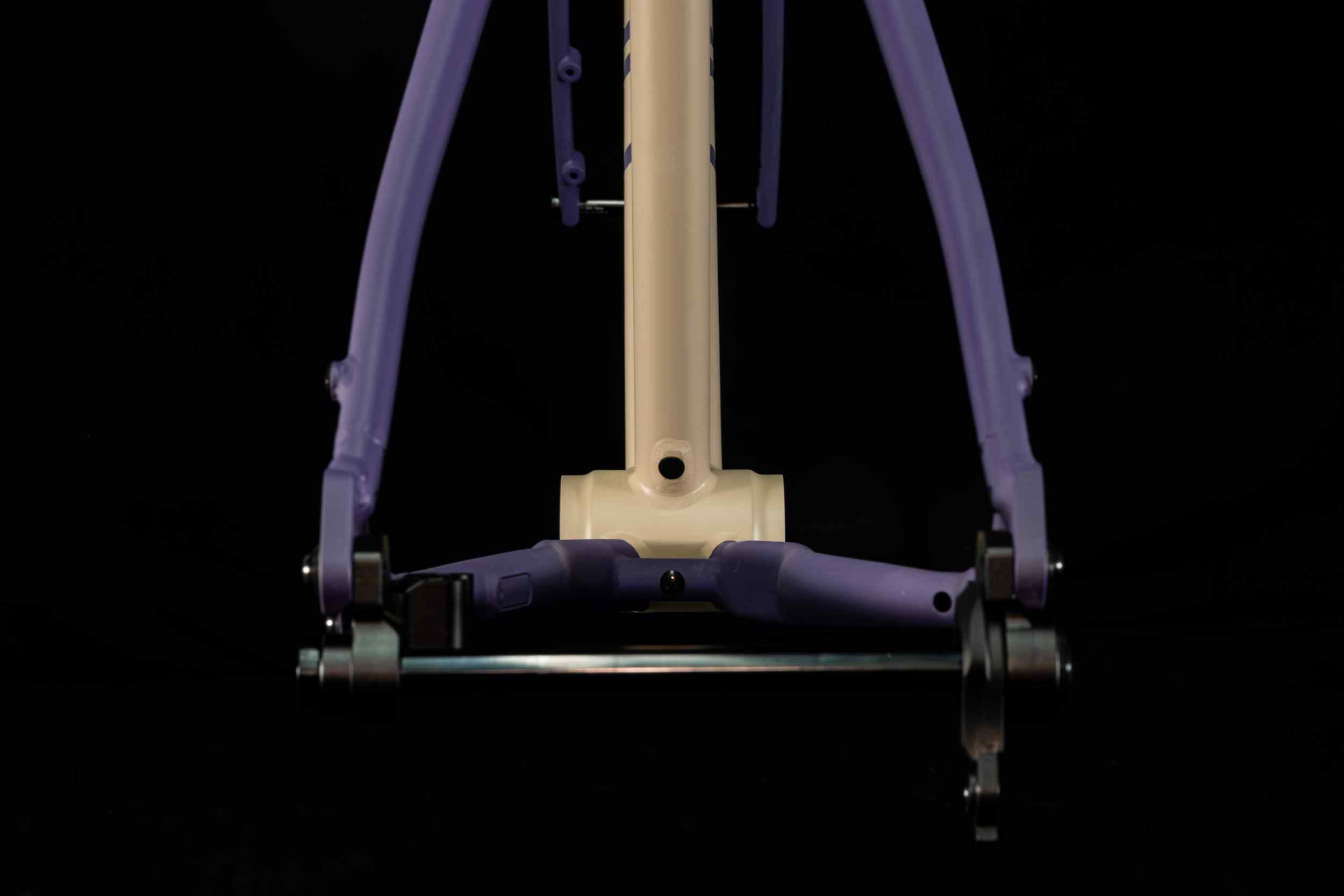


We learned a lot about how much we could contour metal tubes on the 6.0 titanium frame, and we rolled that knowledge into the new steel version. For 6.0 steel, we removed the CNC-machined yoke from the frame. We no longer needed the carbon tubes to offset that weight. Some, including myself, will miss what a clever bike the steel/carbon 5.0 was, but others will appreciate that 6.0 steel is once again a 100% steel bike.
The Keg BB
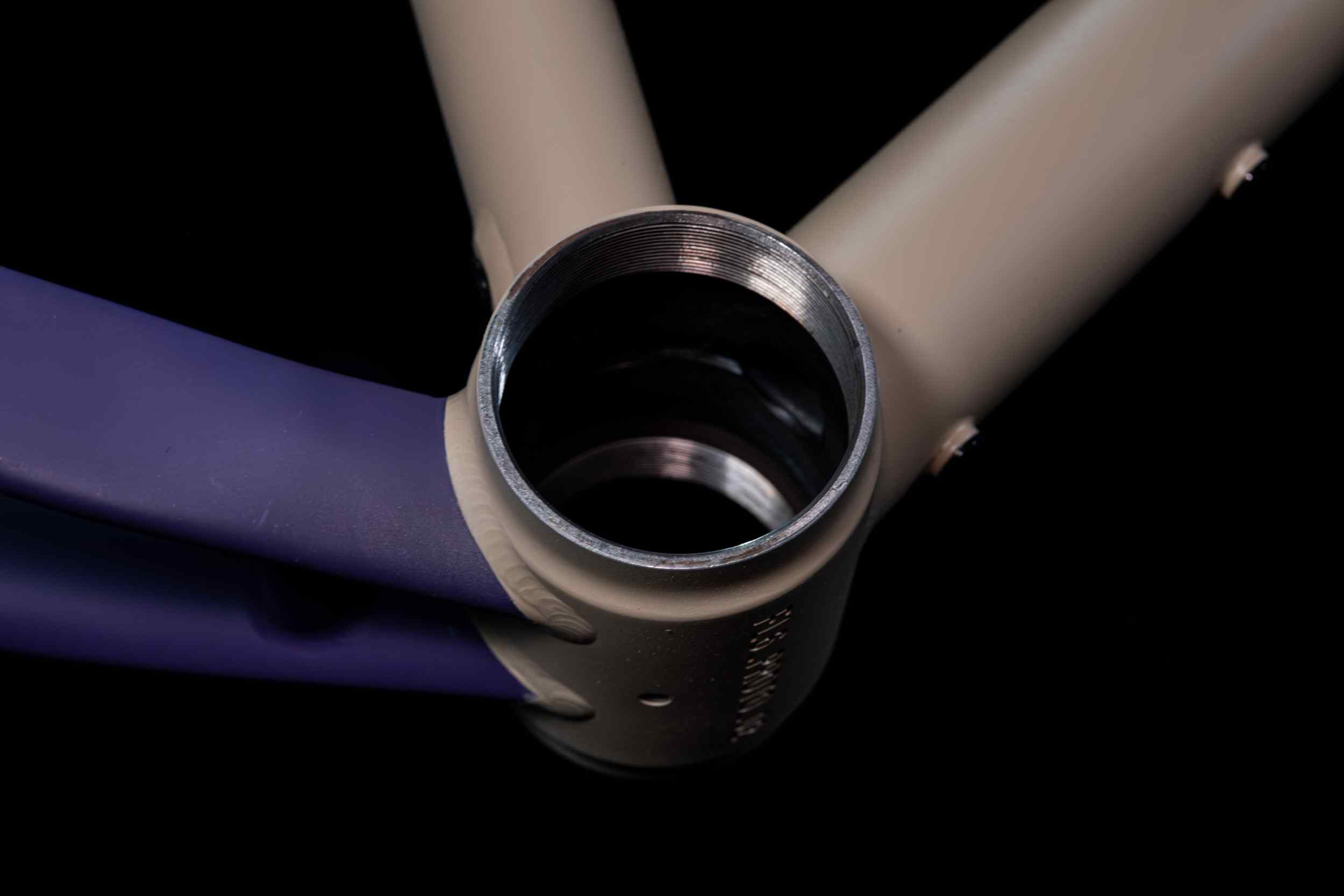
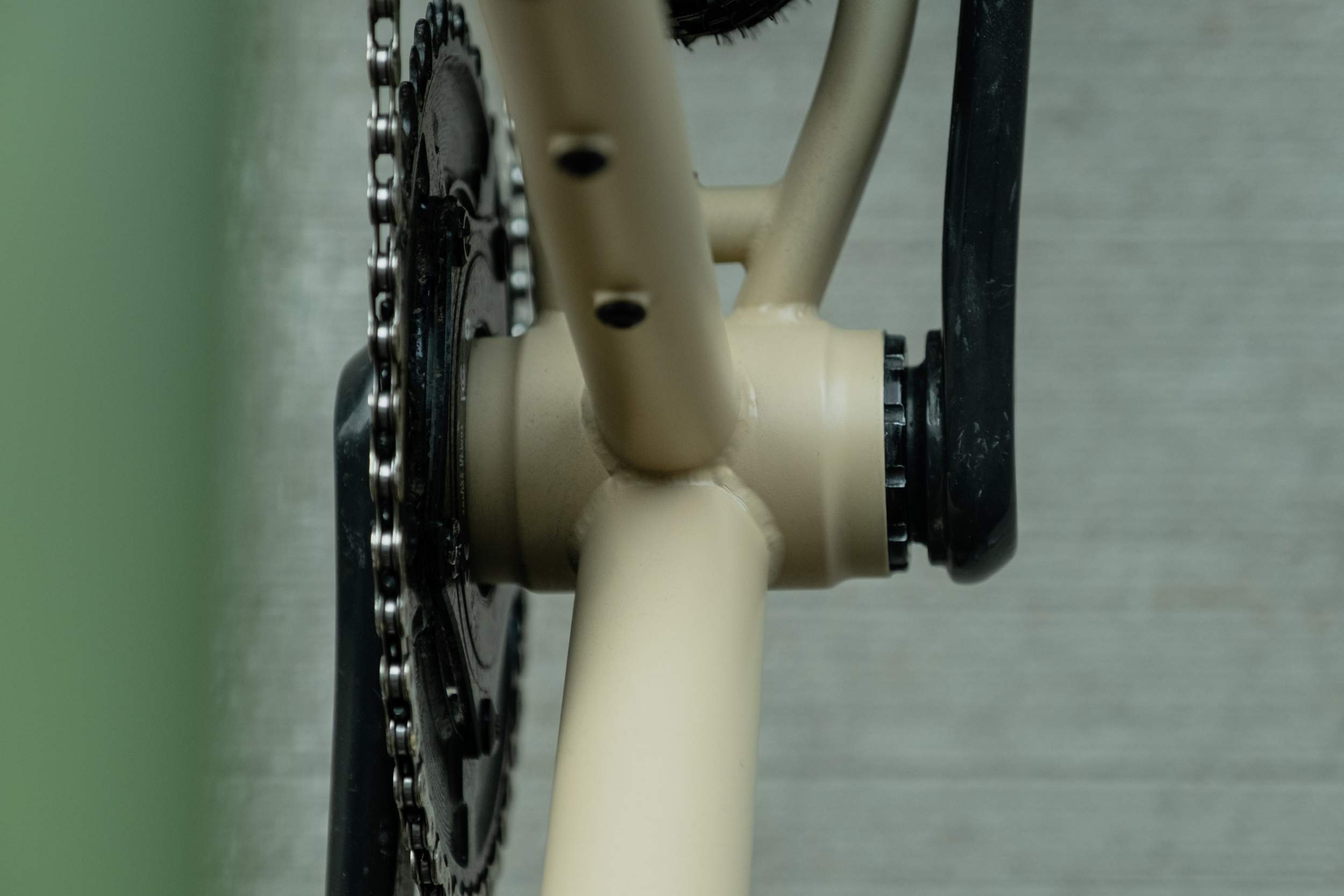
The Keg bottom bracket design is carried over directly from the 6.0 Titanium. The idea is simple: by flaring the bottom bracket shell, we created additional internal volume for easier cable routing and compatibility with any T47 bottom bracket sleeve or crank spindle size. Other thoughtful design details allow for easy housing pass-through angles into the chainstays, and a pass-through for mechanical dropper post routing as well, should you choose to party that hard.

Tube shaping
Every tube on Flaanimal 6.0 is custom-shaped, contoured, butted, or machined to our design and specification. There is simply no off-the-shelf component in its construction. The head tube has an elegant hourglass taper, and the top tube is ovalized along its entire run. The chain stays are shaped within a millimeter of their lives to give the same clearance we achieved on the titanium frame, without the need for expensive 3D printing.
So, is it any good?
This post could never be an impartial review, so let’s not go there. But I can tell you how the bike behaves compared to our old geometry. Just this week, I’ve gone back and forth between older geometry and 6.0 geometry to get a fresh sense of both. Right as you start riding, you absolutely notice the difference in handling. The front end is a little slower, and resists turning just a hair bit more than the previous geometry. I think the body is intuitively expecting to lean a certain way when turning and for the bike to respond in an equal-and-opposite way. When the bike reacts differently, your brain goes “whoa!”. But as you ride the bike more and more, your brain goes, “Oh, I get it now, this is how I weight and lean into a turn now.” After that point, the bike feels to me like pretty much every other bike I’ve ever owned and ridden for a spell: It’s just normal.


As the final pre-launch test, I took the 6.0 steel to the 400-mile East Texas Showdown race. The race is a mix of legitimately chunky gravel, soul-killing sarlac pits, and miles of sweet, sultry pavement. I put 40mm Challenge Getaway XP tires on the bike because they’ve done me well in mixed conditions in the past. Once again, I could feel the geo shift from larger tires, but I immediately got used to it. I even mounted aero bars, which I loved and will never forgive myself for. I rode at or off the front of the race for the first 170 miles, setting a number of segment KOMs in the process. I don’t say this to brag, but that pace was devastatingly irresponsible and unsustainable. I soon detonated and faded further back in the pack. But for those glorious miles, I did manage to answer that initial fear that I had about this new 6.0 direction. Would the bike still feel connected to its original multi-surface DNA? Yes, it would, and yes, it did. Did the bike feel like a caricature of its former self with the new geometry? No, it didn’t. Would the bike feel fast if I asked it to be that? Yes, it liked to giddyup.
Can you have your cake and eat it too with these multi-genre bike platforms? Depends on what type of cake you like, I guess.
Cost
There is a lot to say about the cost of bikes these days. I could write an entire other piece about just this one topic someday. But to wrap this one up, it’s worth touching on what the 6.0 Steel actually costs. When we launched the first retail Flaanimal, 3.0, the frameset was about $1,275. That was in 2017. Cut to 5.0, and it debuted at $1,475. During the COVID supply chain shocks in 2022, we increased the price to where it is today: $1,550. Since then, we haven’t touched the cost, even with cumulative retail inflation from 2020 to 2026 rising just over 26%. If we applied inflation to the retail price, Flaanimal 5.0 would currently cost $1,850. In case you’re wondering, yes, we absolutely ate the difference, and we’re a net less profitable company than we’ve ever been because of it. Let’s not even get into how painful tariffs have been. I don’t say this to seem noble, but I am trying to give some real-world insight on how it looks behind the scenes around here. There is always a tension between value and profitability. There is also always a tension between profitability and the ethics of what bikes “should” cost.
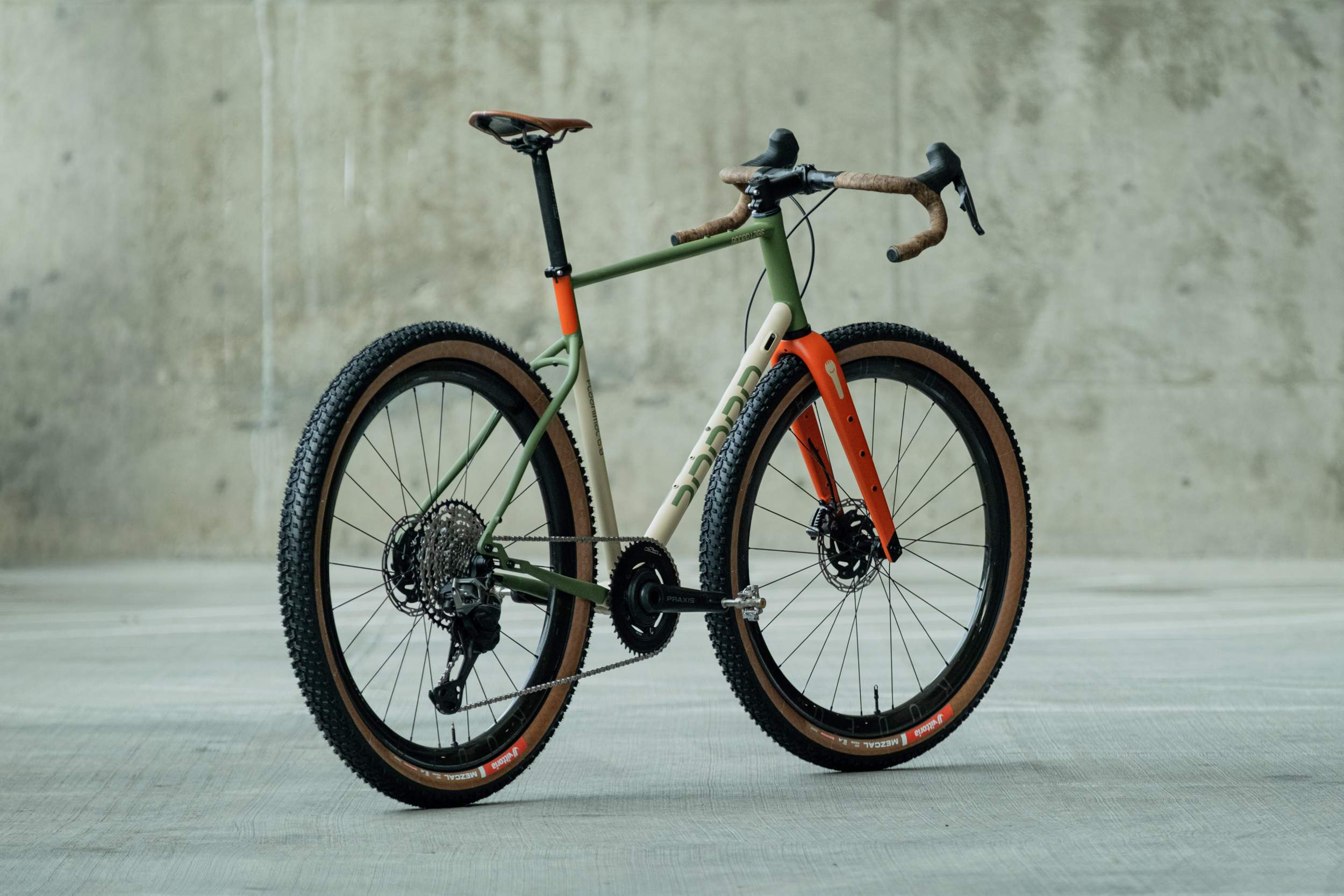
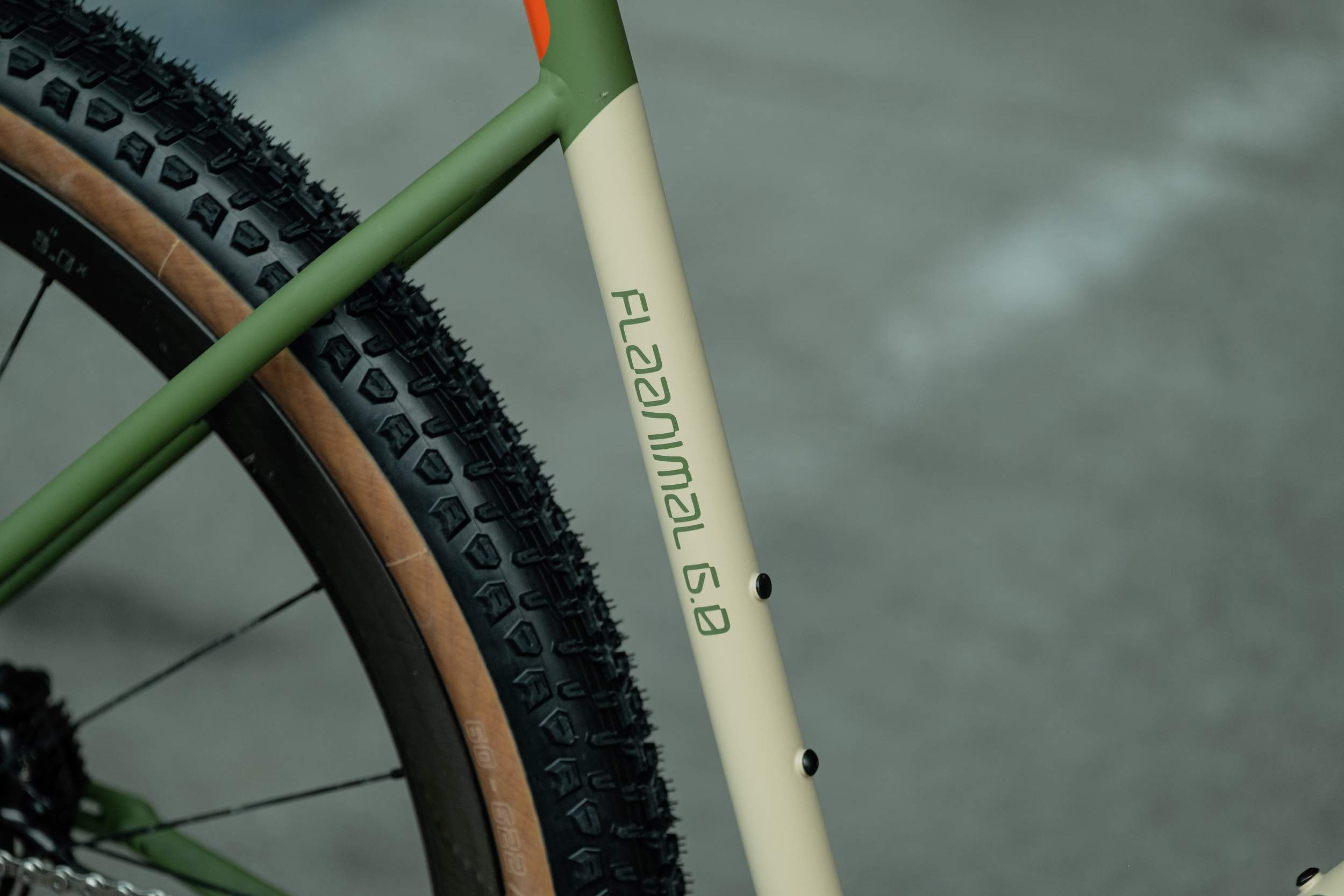

I’m incredibly proud of how much value we’ve packed into the steel Flaanimal 6.0, relative to its capabilities and to the price of our carbon and titanium frames, which cost $3,050 and $3,500, respectively. At this moment, the steel frame is the most capable and least expensive bike we make. (Carbon and Ti will play various forms of catch-up soon enough).
We are raising the price of 6.0. The base Naked frame, paired with our Spork 3, will retail for $1,650. If you opt for it with Spork 4, the price will go up by $100. I feel pretty damn good about that. Yes, you can tick a lot of options, opt for paint-to-order colors, and spec it to the gills. If you do, the price will quickly shoot upwards of .75 S-Works. But you don’t have to splurge if you are only looking for a tool.
I expect that most customers will pick up a base spec frameset, move over their existing parts, and be making new memories on one heck of a party bike in short order. The idea of that makes me smile.
Timeline
Speaking of short order, 6.0 steel has been in production for a couple of months now. If all goes according to plan, and nothing ever does, we’ll be shipping the first 6.0 framesets in late May to mid June. That’s as tight a window as I can give you. The world is a fickle place right now.
Flaanimal 6 steel took about a year longer than it should have to ideate, design, and put into production, but I think we used that time well by asking big questions about what this bike should be in its next chapter. It definitely grew up a lot during that time. I can’t wait to see where people take it next.
Further Reading
Make sure to dig into these related articles for more info...


Please keep the conversation civil, constructive, and inclusive, or your comment will be removed.