

 Mountain Bike (MTB)
 Gravel Bike
 All-Terrain Bike (ATB)
 Fat Bike

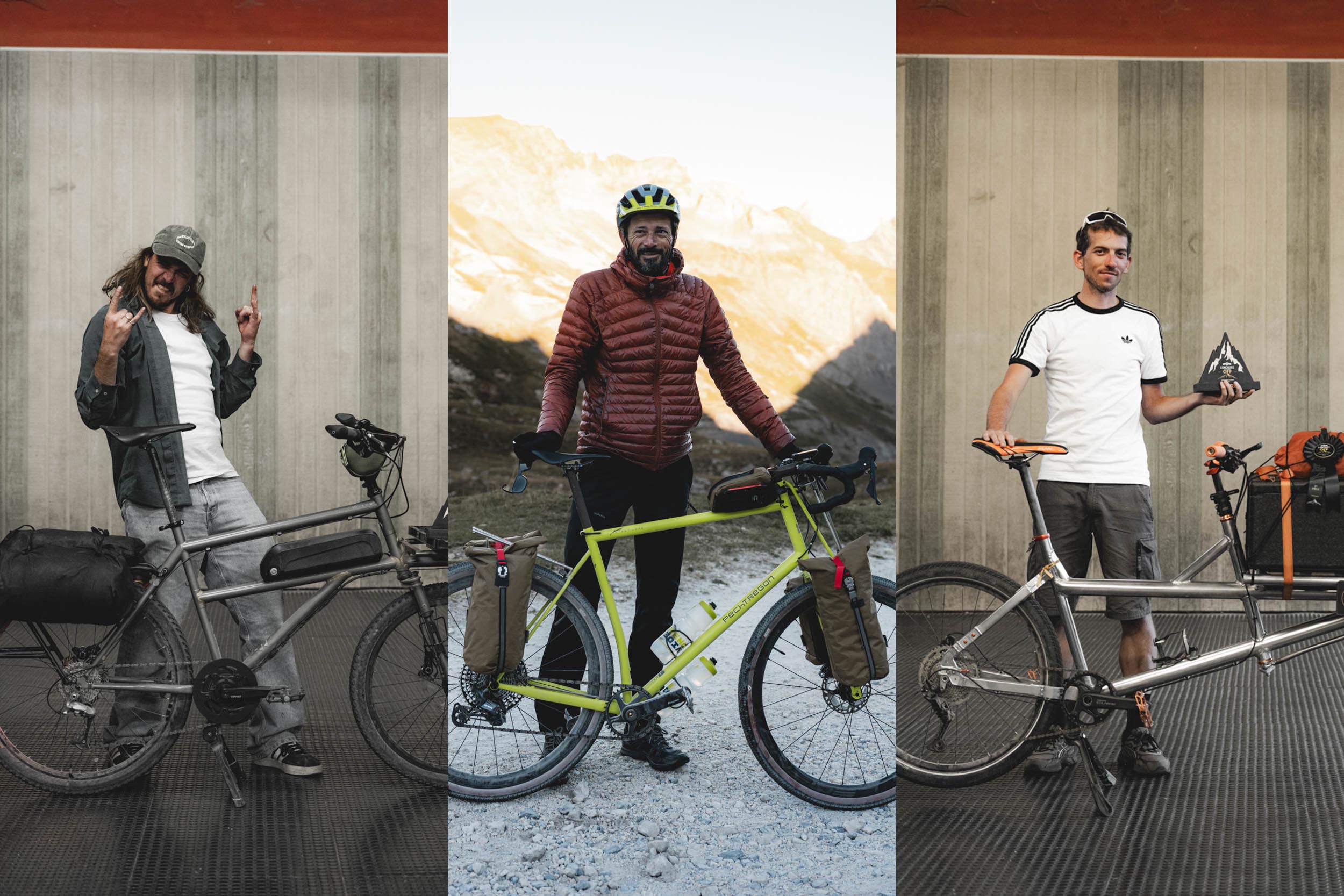
A Look at the Winning Bikes of Concours de Machines 2026


The 2026 edition of the storied Concours de Machines took place last month in the mountains of Savoy, France, bringing together many of the country’s most creative and talented framebuilders. All were tasked with creating a uniquely versatile bike to tackle an ambitious real-world challenge. Learn more and see the winning builds from the general and cargo categories here…
PUBLISHED Oct 20, 2026
Cet article est également disponible en français; photos by Agathe Girard of ZAG Pictures
From September 24 to 27, 2026, the Concours de Machines reached new heights in Saint-Michel-de-Maurienne, Savoy, with a distinctive edition. At the foot of the Col du Galibier, an international jury with complementary perspectives, a design brief centered on accessibility, and a Concours OFF dedicated to cargo bikes opened up new possibilities for handmade bicycles. Seven bikes in the main competition and twelve cargo bikes in the OFF shared an alpine adventure, with two separate design briefs and one question: “How can a single bicycle do more?”
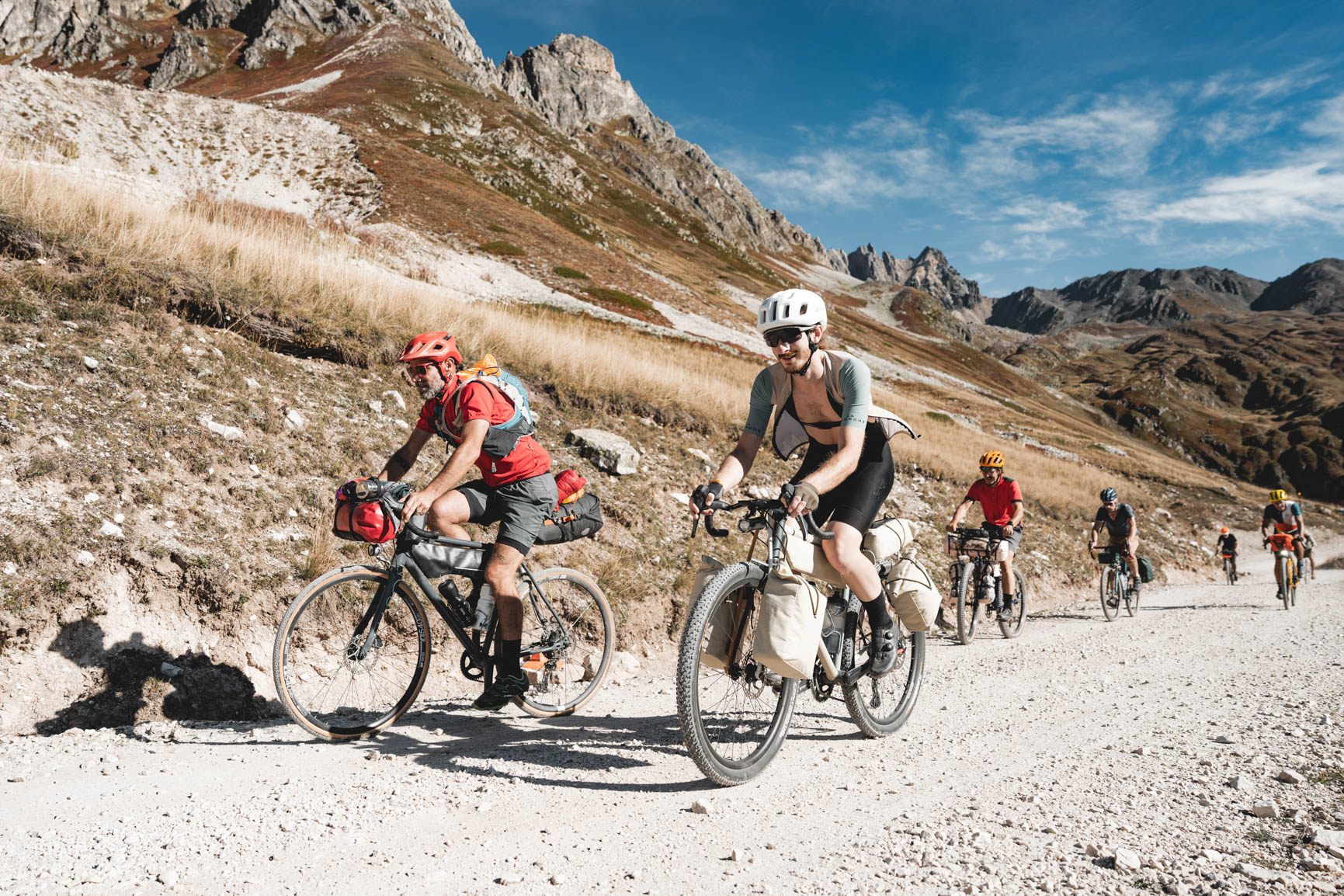
One Bike, Multiple Uses
“Multiple Personalities and Simplicity” was the main competition’s theme, challenging builders to create a bike that could switch from a road setup to one suited to dirt tracks and loaded travel. It had to retain its efficiency on tarmac while accommodating wider tires and the luggage needed for a night outdoors. The conversion had to take less than 20 minutes. Road configurations were limited to 8.8 kilograms, with tires no wider than 32mm; off-road tires had to be at least 40mm wide.
Accessibility added a practical requirement. Working in partnership with the French Handisport Federation, the Concours asked builders to rethink how luggage could be handled with one hand. An operation often treated as an afterthought became a design challenge in its own right: where to grab a bag, how to attach it, how to release it, and how to secure it. Several solutions could find applications on everyday bikes.
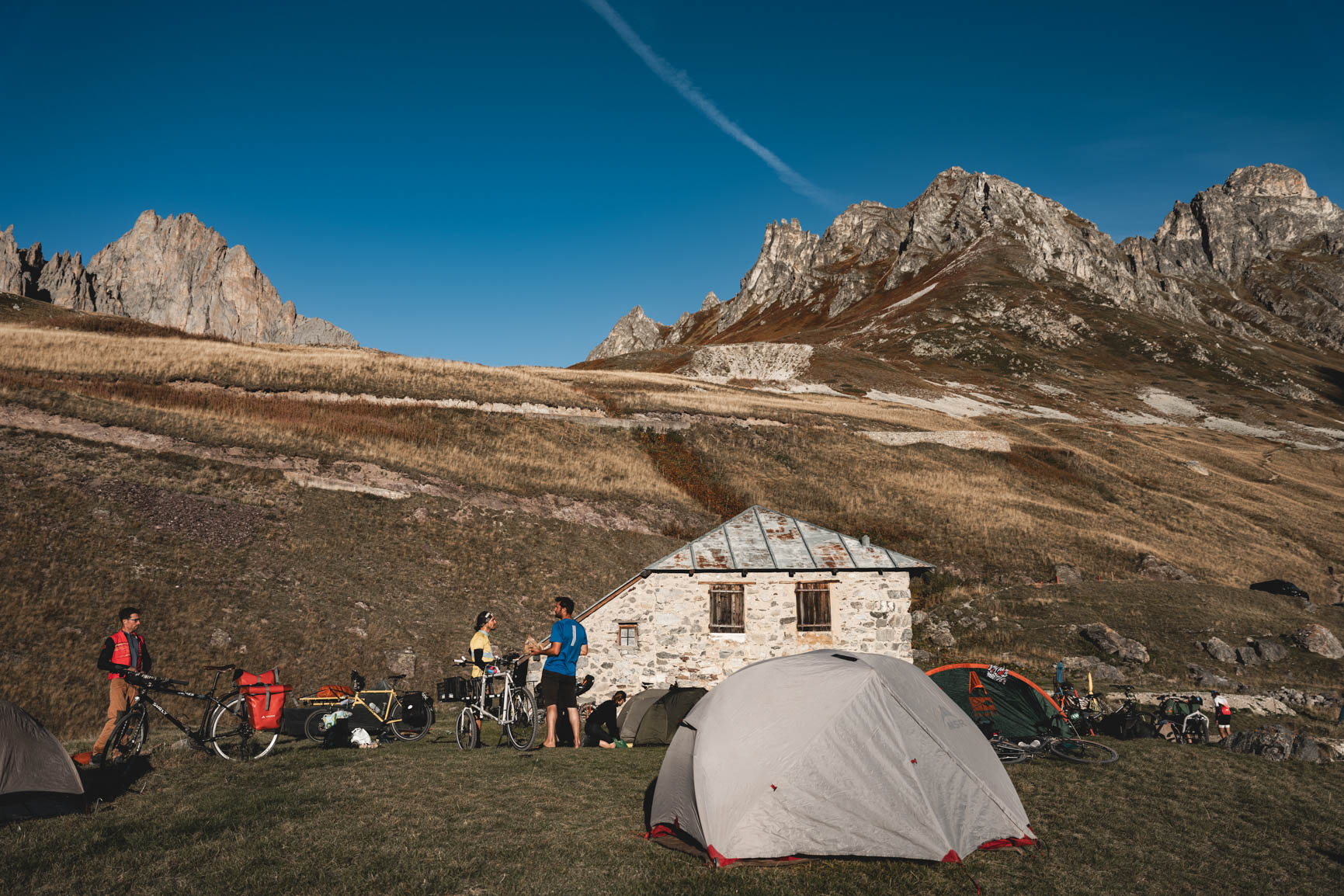

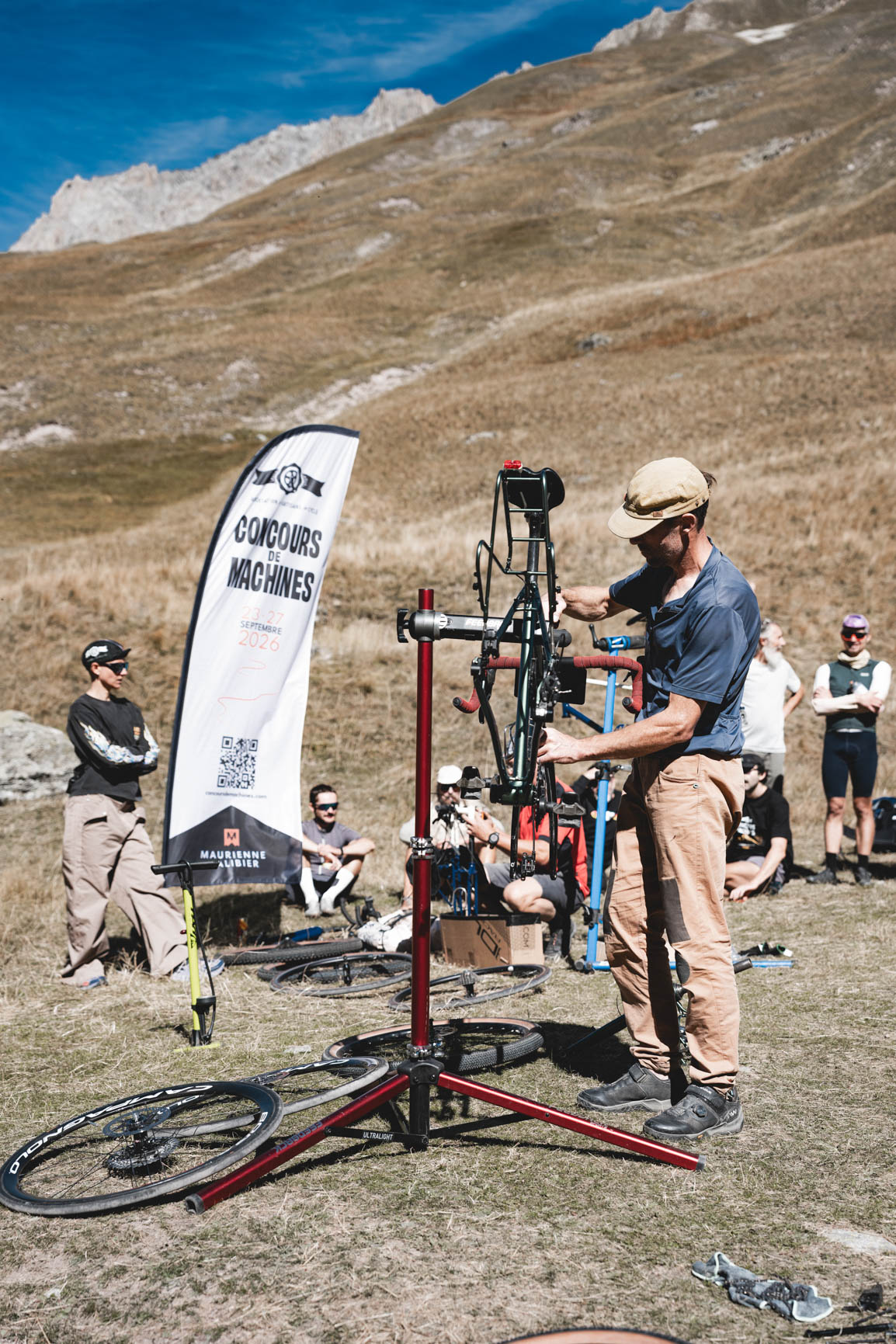
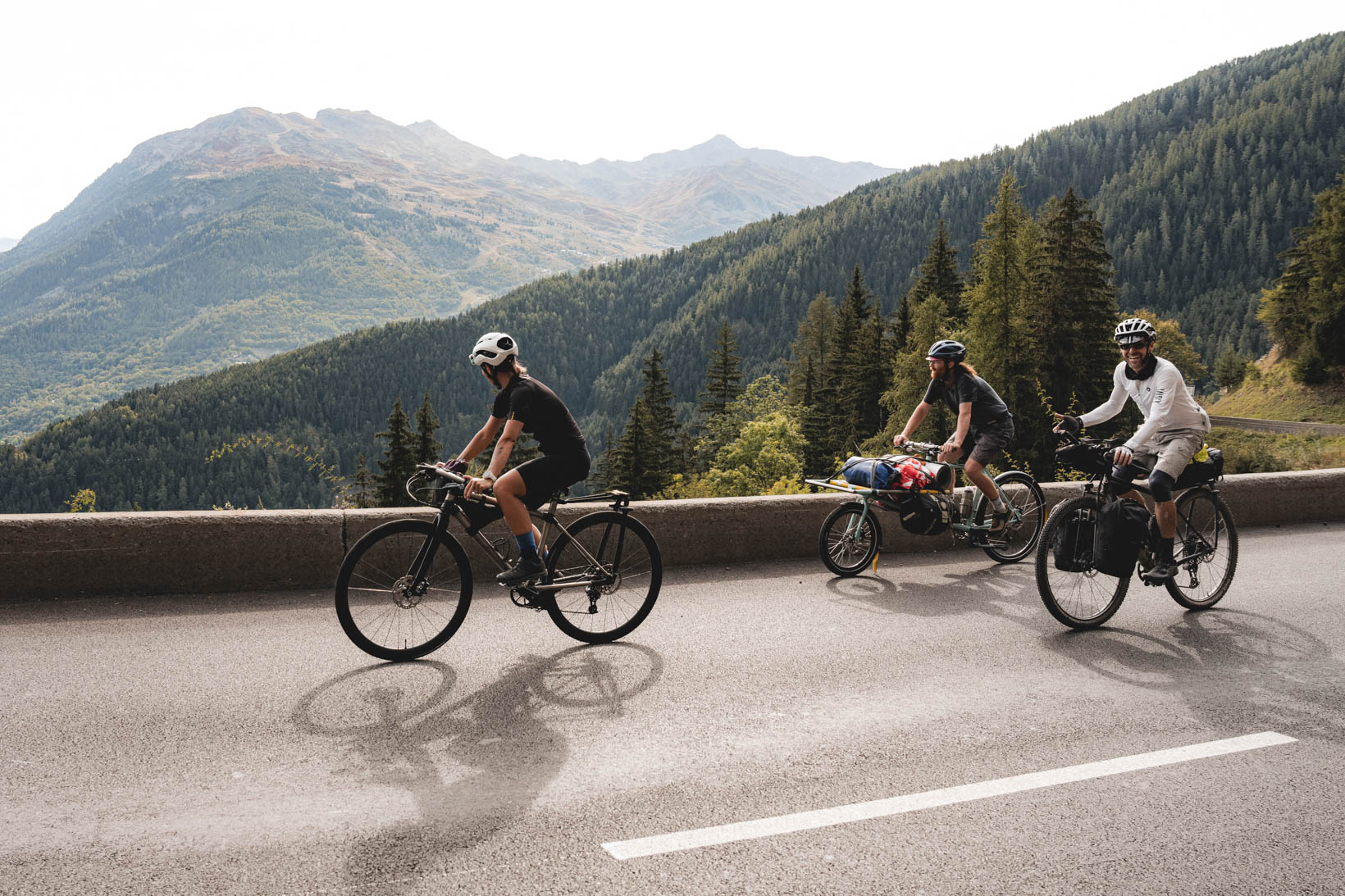
Maurienne provided a demanding testing ground. Following technical inspections and discussions with the juries, the riders headed for the Galibier. For the main competition, the descent to Plan Lachat preceded the bike conversions, followed by the climb toward Les Rochilles and Lac du Grand Ban, then an overnight camp at Les Mottets. The cargo bikes followed an adapted route before joining the shared camp.
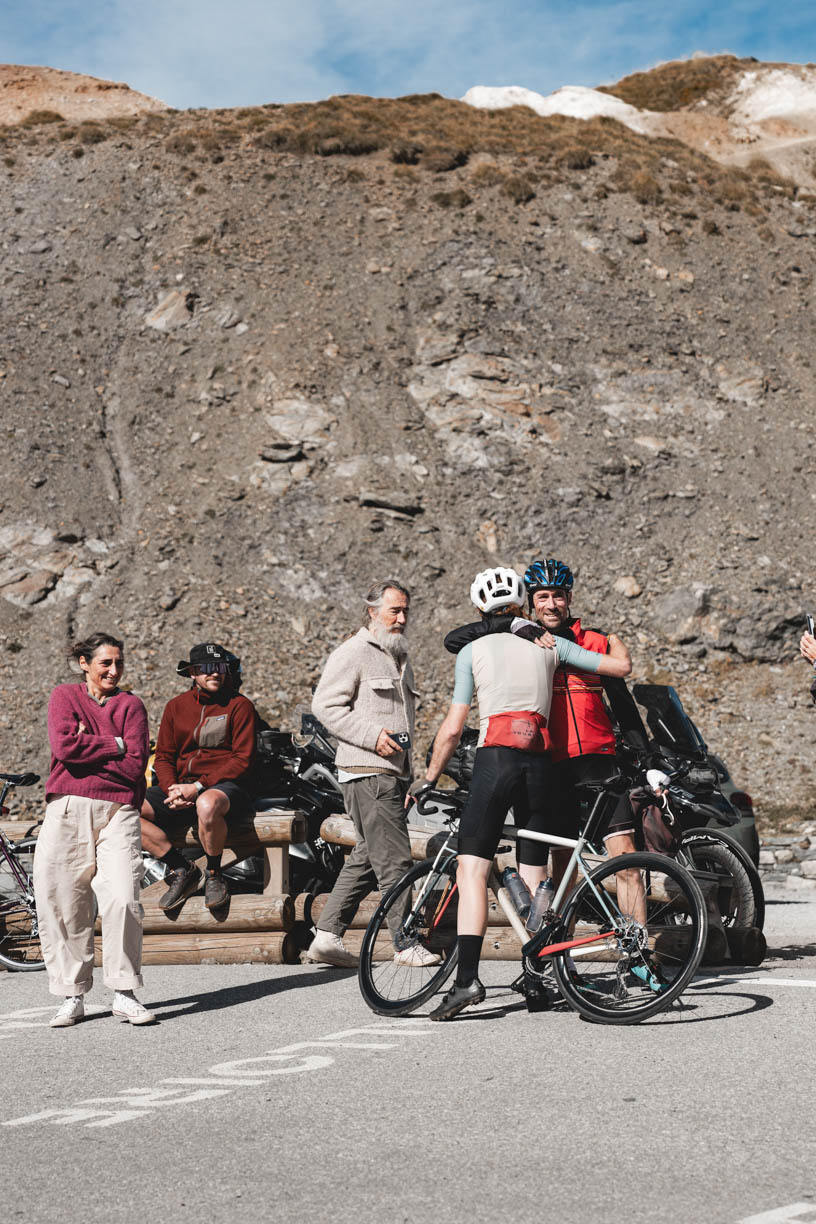
Everyone made it over the pass. JuM Cycles was the first main-competition bike to reach the summit and won the Prix du Galibier. Nicolas Crémoux, riding the Virvolt/Stolen Manufacture build, was the first cargo rider to the top. Across this succession of roads and mountain tracks, switching configurations served an immediate purpose. The 2026 route and routes from previous editions are available on OpenRunner.


A Jury with Complementary Perspectives
American Ronnie Romance, Spanish framebuilder Andrés Arregui Velázquez, Paralympic champion Marie Patouillet, and James Batstone, Head of Future Product Research at Brompton, brought their unique experiences to judging the bikes. Their complementary expertise in riding, fabrication, accessibility, and product development informed discussions about design and in-use performance.
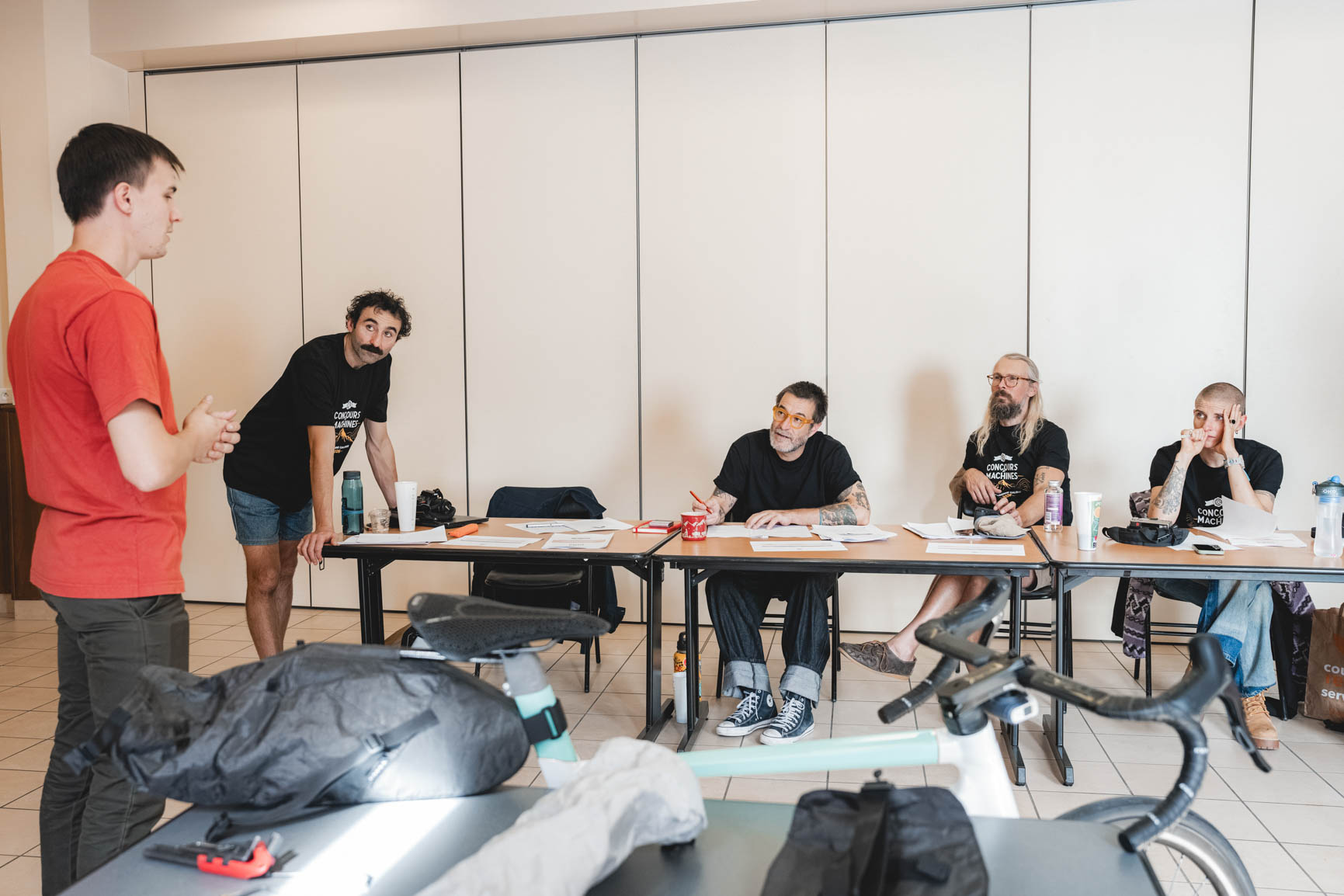

Every jury member rode both the main-competition bikes and the OFF cargo bikes. They also took time to speak with the entrants. These tests and conversations gave builders expert feedback and an opportunity to consider their design decisions through different riding experiences and perspectives. Marie Patouillet also presented the award for the best luggage solution, recognizing the work on accessibility. Will Butler-Adams supported the event as honorary chairman. Brompton’s involvement included mentoring the first-prize winner.
The three main-competition podium bikes offer different answers to the same challenge: balancing two types of terrain while making each operation easier.
First Prize: PechTregon Cycles – L’Antilope
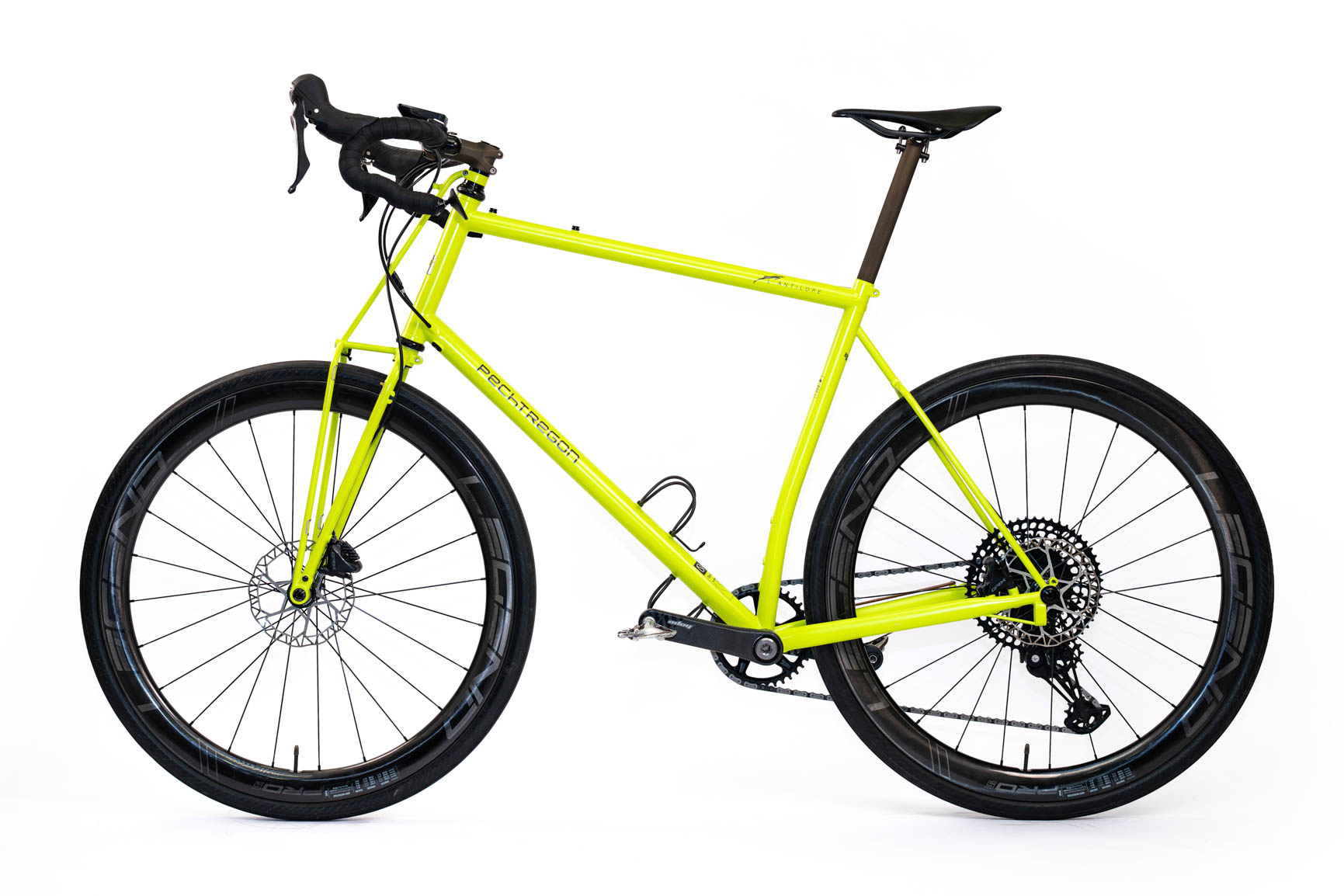
Built by Matthieu Chollet and ridden by Pierre-Louis Nollet, L’Antilope won first prize and the best luggage solution award. The technical commission weighed it at 8.7 kilograms in road configuration. At Plan Lachat, Pierre-Louis converted it in an officially timed four minutes and two seconds. The name comes from Matthieu’s customer and rider, a trail runner whose friends call him “the Antelope of Quercy.”


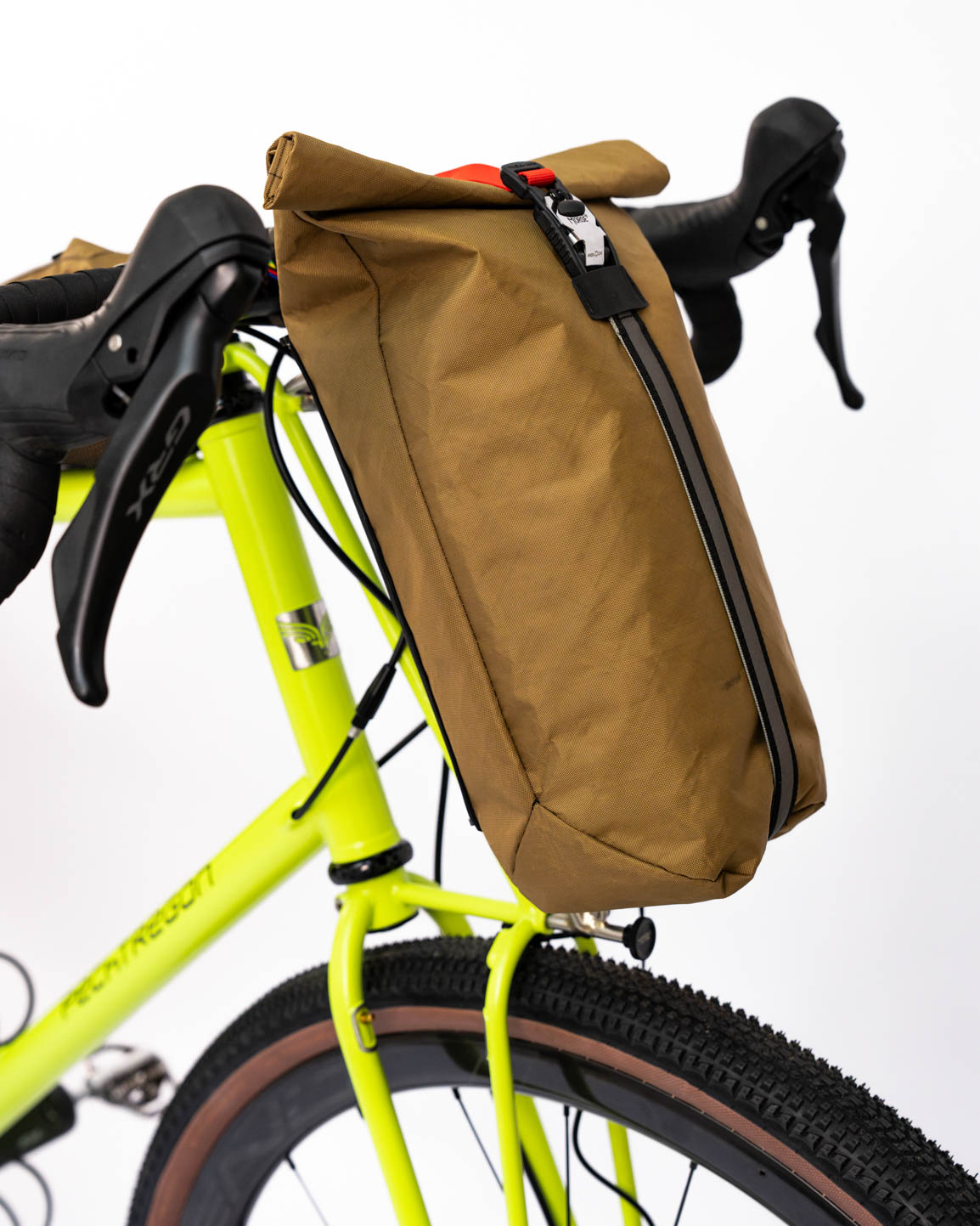
Its clean, athletic road silhouette gives little indication of its carrying capacity in touring mode. Matthieu sums up his approach: “What makes me proudest of this bike is having considered disability from the outset and found this luggage solution.”
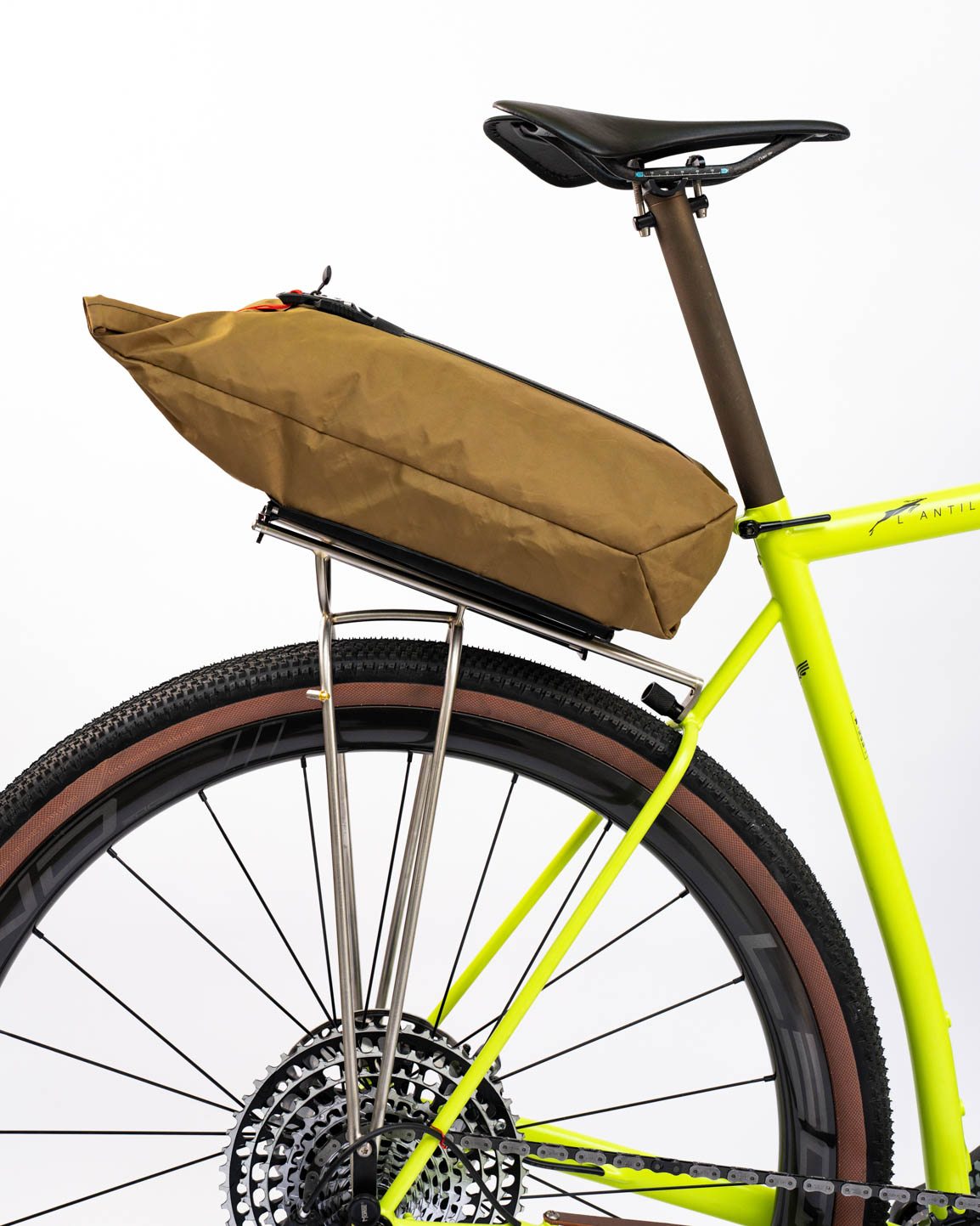
His answer is Morse, the brand he created around One Hand Équipments (O.H.é). Both bags and their supports can be fitted and removed with one hand. The same module attaches to any of the six mounting points. Inspired by the Morse taper used in machine tools, the system includes a safety lock that prevents luggage from lifting out when the bike hits a bump. By Marion et Quentin made the bags.


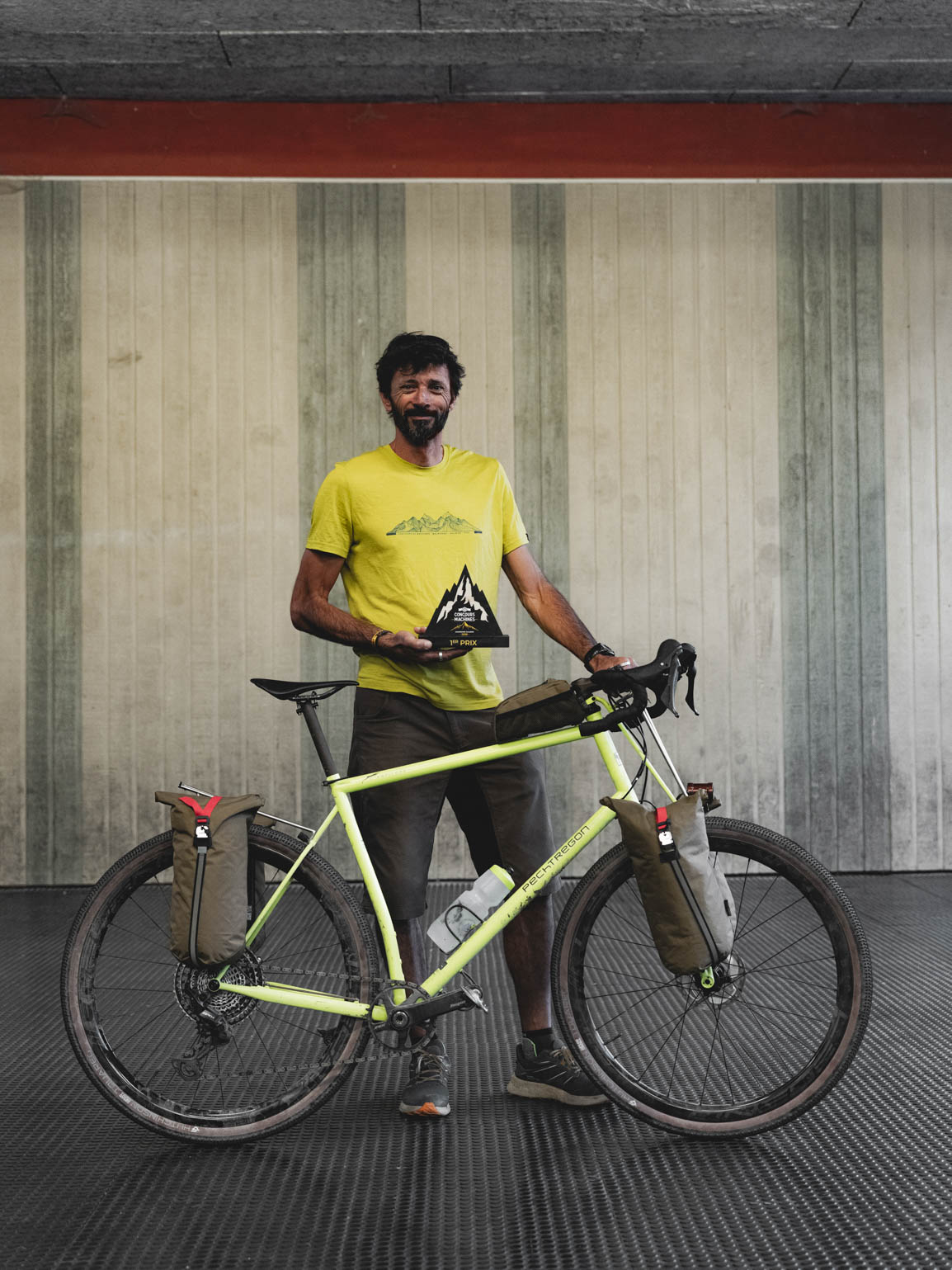
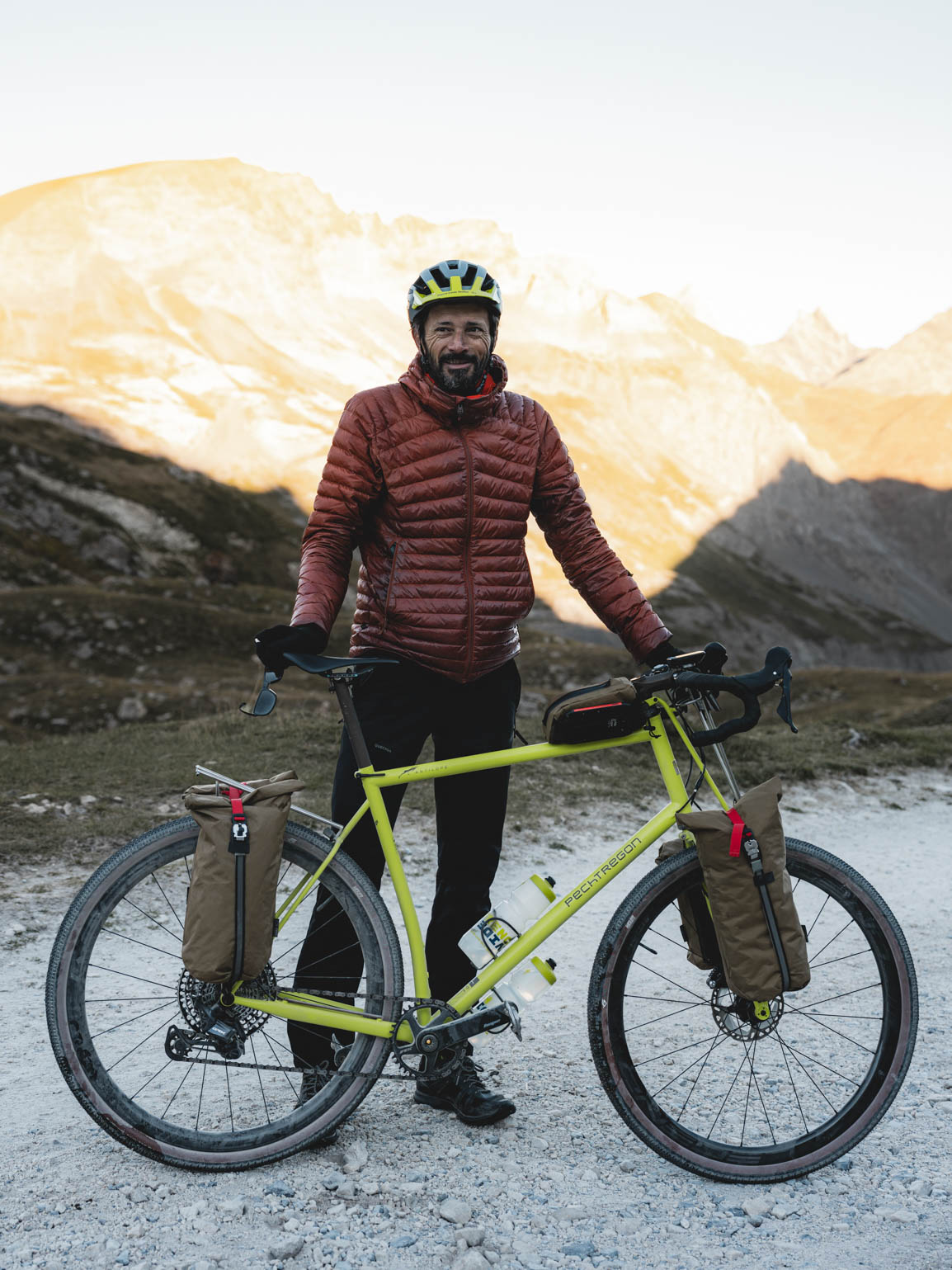
Wheel changes follow the same practical approach. The Legend Wheels Dual rear hub keeps the cassette and chain on the bike when you remove the wheel, while the SON SL front hub automatically reconnects the lighting circuit. An accessible double-ended 4/5mm Allen key and hand-operated knobs simplify adjustments. A mechanical Shimano GRX 1x drivetrain, integrated rear light, and internal routing for shifter cables, brake lines, and lighting wires complete the build.

The first prize gives Matthieu access to Brompton’s mentorship: three remote sessions with Will Butler-Adams and a visit to the factory and testing laboratory in London.
Second Prize: La Fourche Cycles – A Coherent Patchwork
At 23, Tom Even, a craftsperson and designer trained at the École Boulle, presented only the third bike built under the La Fourche Cycles name. It represents more than 350 hours of work and won second prize, the craftsmanship award, and the builders’ choice award.


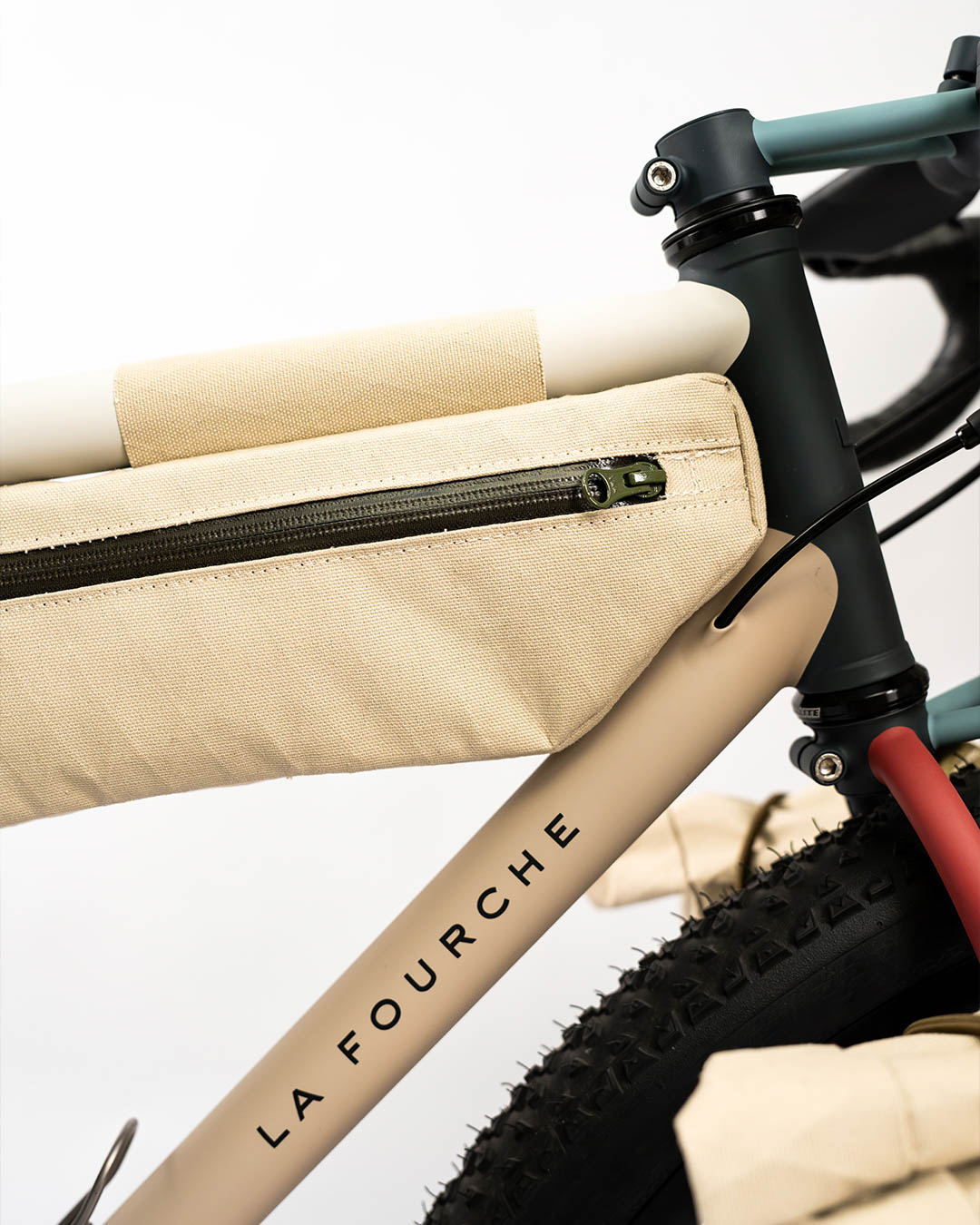
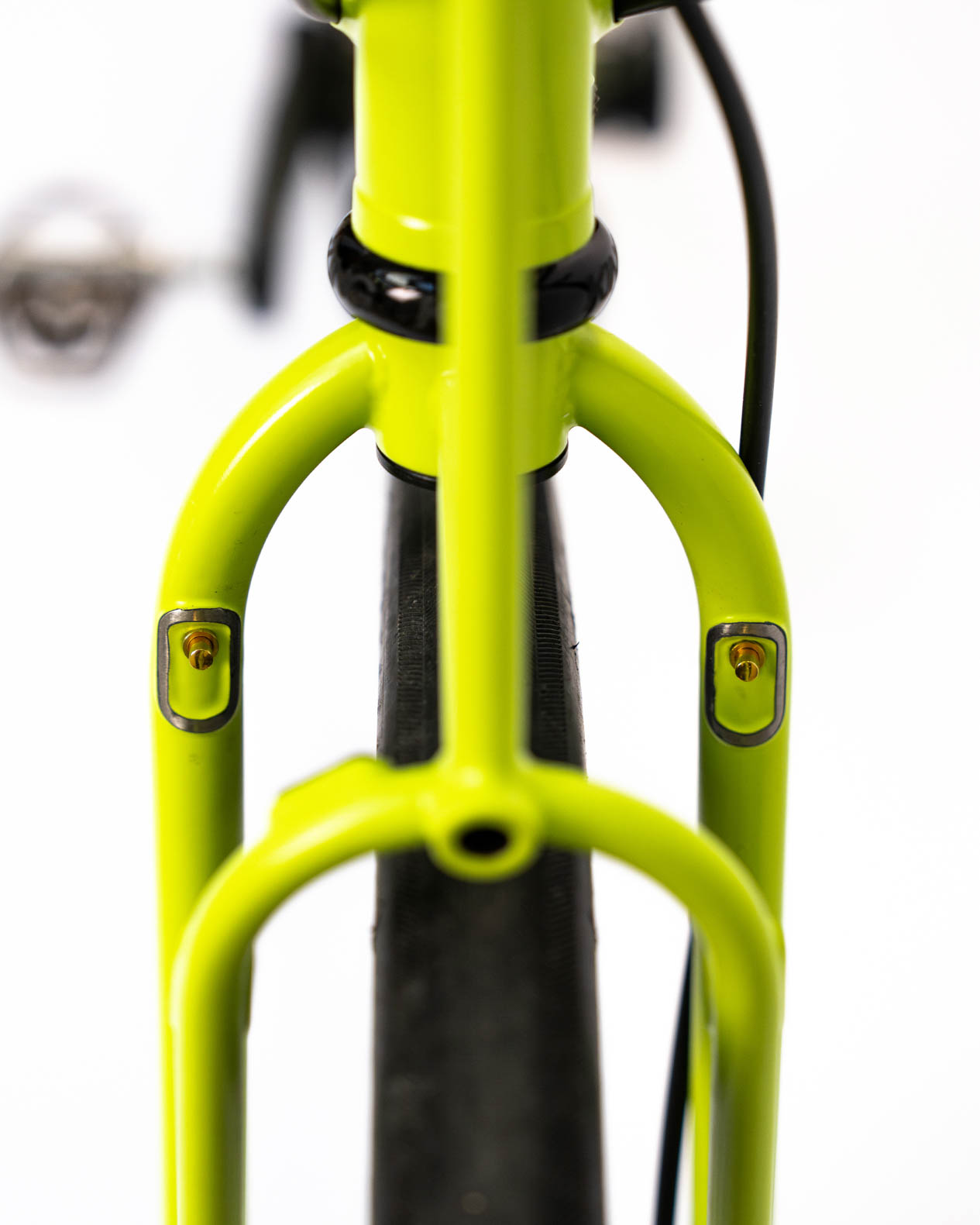
The Columbus steel frame combines fillet-brazed and silver-brazed joints, meticulously filed and hand-sanded. Its one-piece truss fork and stem assembly gives it a distinctive profile. The patchwork concept runs through both the colors and the combination of components drawn from various cycling disciplines. The technical commission recorded a road weight of 8.4 kilograms and a conversion time of 7 minutes and 19 seconds.


Tom retained a fixed geometry, changing only the wheels: 700 x 32mm on the road and 27.5 x 2.2 inches off-road. Although the rims differ in diameter, the overall wheel-and-tire diameters stay close enough to limit handling changes. Mechanical Shimano GRX shifters and derailleurs work with SRAM cassettes and 48/32-tooth chainrings. Swapping the wheels also changes the cassette without requiring a different chain.


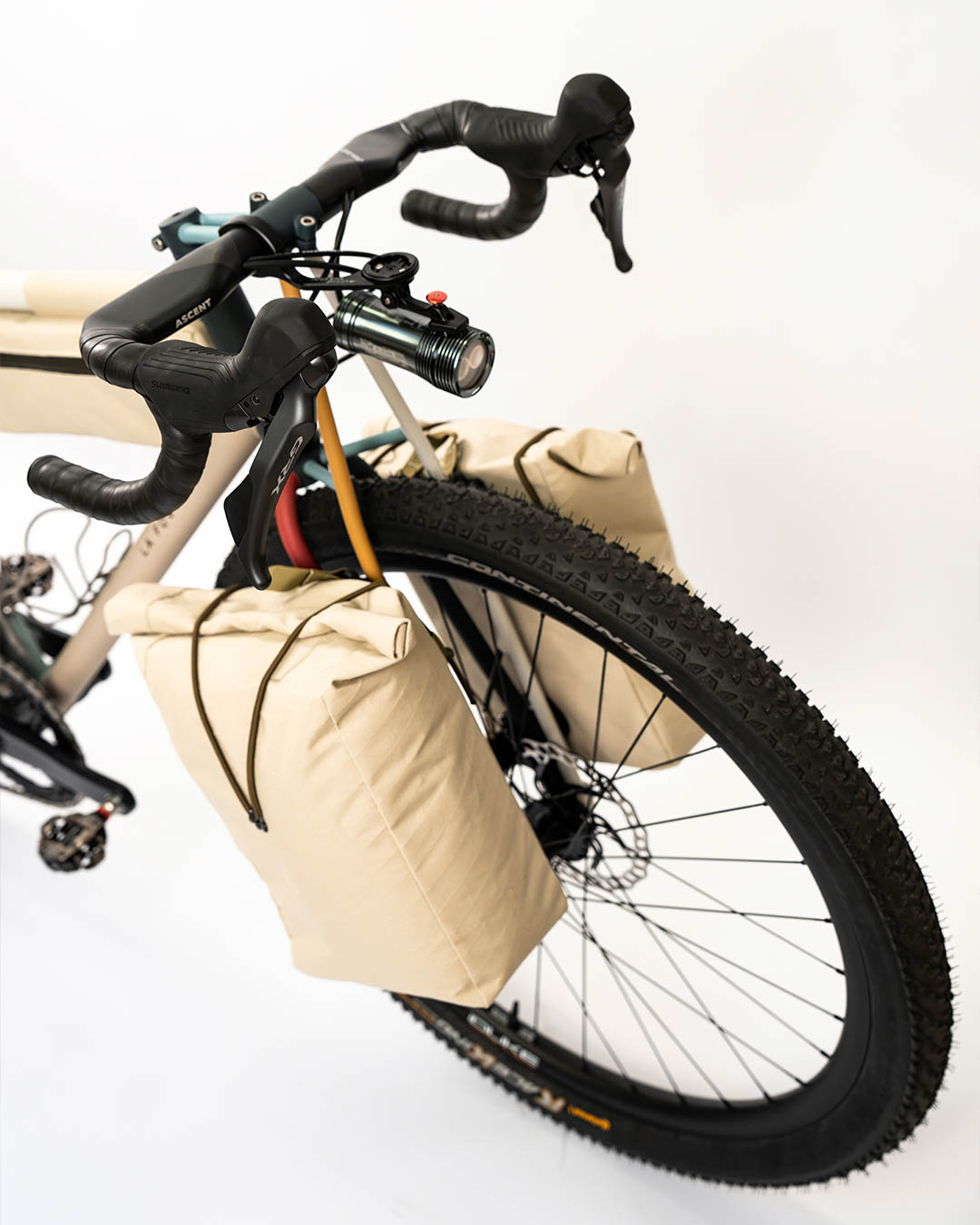
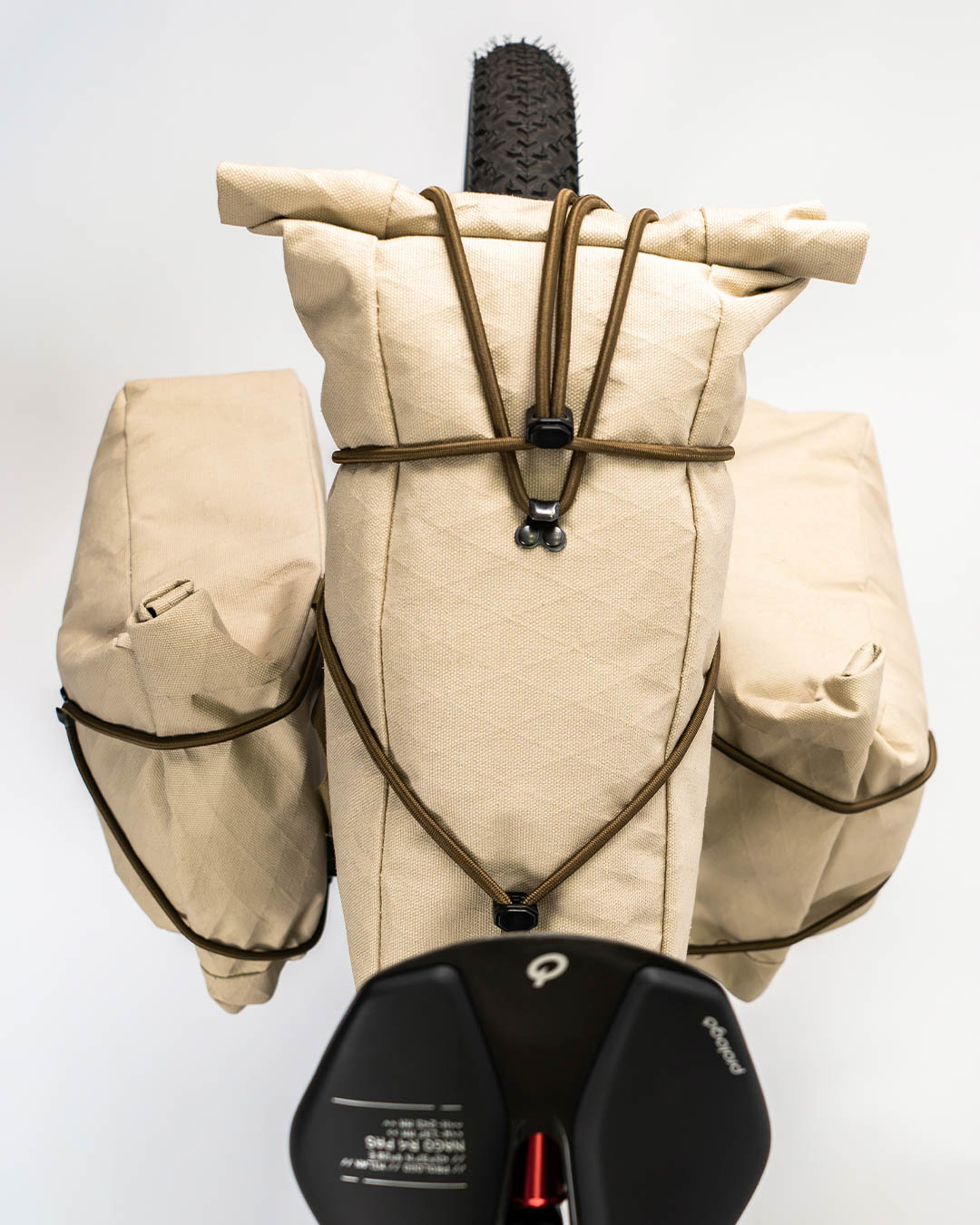
For the luggage, Tom worked with Louis Segré of Gamory Cycles and Arthur Richard of Studio Ricochet. They developed the mounting system together, with Gamory making the bags. The side bags use magnetic Fidlock fittings and a release arrangement that enables one-handed removal. The attention paid to fabrication, finish, and the relationship between the frame and its equipment helps explain this bike’s place on the podium.
Third Prize: ARPEGE – A New Direction for Gravel
Silvio Garnier Gaume started with a blank page and designed his bike to keep the efficiency and feel of a road bike while adding control, traction, and comfort on rougher ground. At its heart is a new rear suspension system developed by ARPÈGE, with a patent application in progress. Offering around 20mm of travel, it aims to absorb impacts without turning the bike into a mountain bike. The system is intended for the brand’s future high-end gravel model.


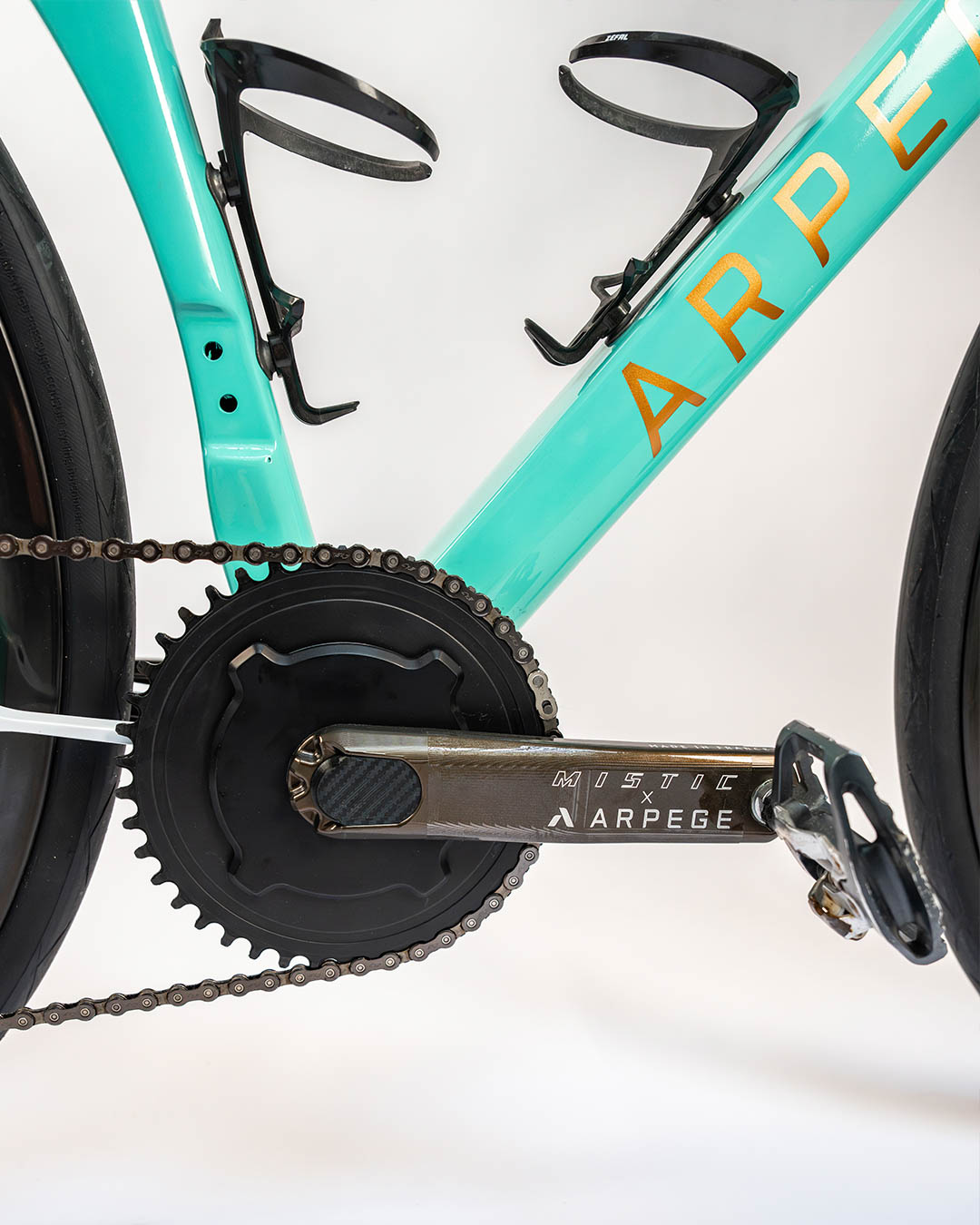
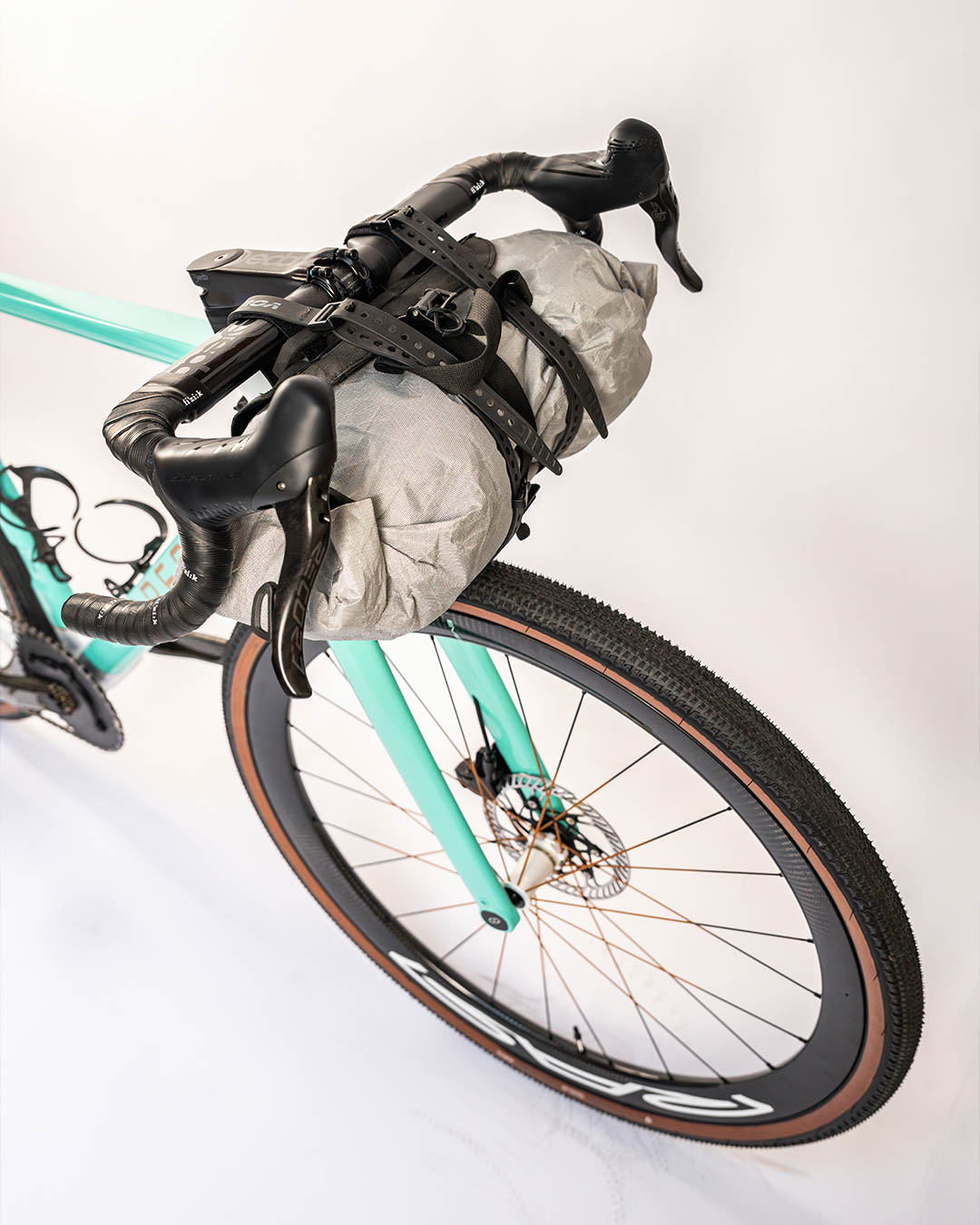
Switching to dirt requires two operations: changing the wheels and releasing the suspension. Tire width increases from 28 to 40mm, while the frame, riding position, and drivetrain remain unchanged. The technical commission recorded 8.7 kilograms in road configuration and a conversion time of 5 minutes and 40 seconds. The build uses a 13-speed Campagnolo Record X 1x drivetrain. Its saddlebag, made by Copra Bikepacking, uses a dedicated ARPÈGE mounting system for one-handed attachment and removal. Avalanche Cycles painted the bike.

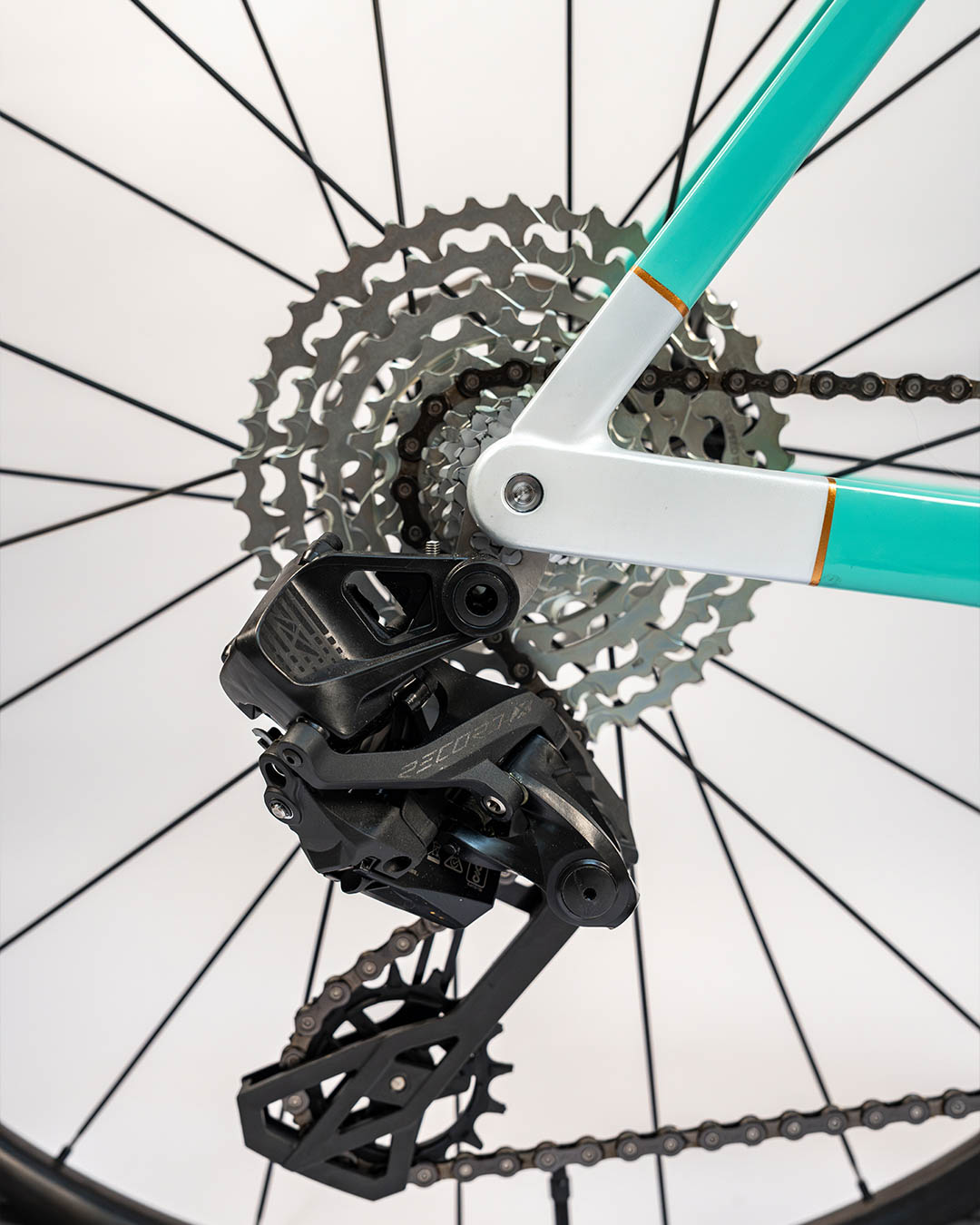


The project echoes Silvio’s beginnings: while still at school, he designed and built a full-suspension mountain bike for the Megavalanche. Nearly 20 years later, suspension is central to his work again, this time in a different context. The schedule was tight, with frame fabrication beginning only on September 10. The finished bike took third prize and the public’s choice award.
Concours OFF: Carrying Loads to New Heights
The dozen OFF cargo bikes extended the discussion to carrying capacity and versatility. They shared the alpine adventure with distinct transport challenges: protecting fragile food, controlling a loaded bike, maneuvering at low speed, and handling mountain tracks.
The OFF jury, including Gauthier Urbain of Les Boîtes à Vélo France and Juliette Gervaux of La Dérailleuse cycle repair workshop in Grenoble, recognized solutions to these needs. The three podium bikes illustrate varied approaches: an aluminum prototype, a mountain bike converted into a cargo bike, and a flexible load platform.
First Prize OFF: ALFA2M – A Prototype Shaped by Use
Samuel Gérard’s non-assisted cargo bike weighs 21.2 kilograms. Still a prototype, it came to the Concours to be tested and ridden. The jury particularly appreciated its dedicated setup for carrying the main-competition bikes’ spare wheels, its cooler and net for fragile goods, and its low-speed handling when loaded. Its geometry and tires suited the varied terrain. The bike accommodates riders from 1.6 to 1.9 meters tall. A low top tube makes mounting easier, a decision also rooted in family experience; Samuel built an electric version of the same model for his father, whose hip prosthesis makes access to the bike particularly important. Here, accessibility directly shapes the frame.

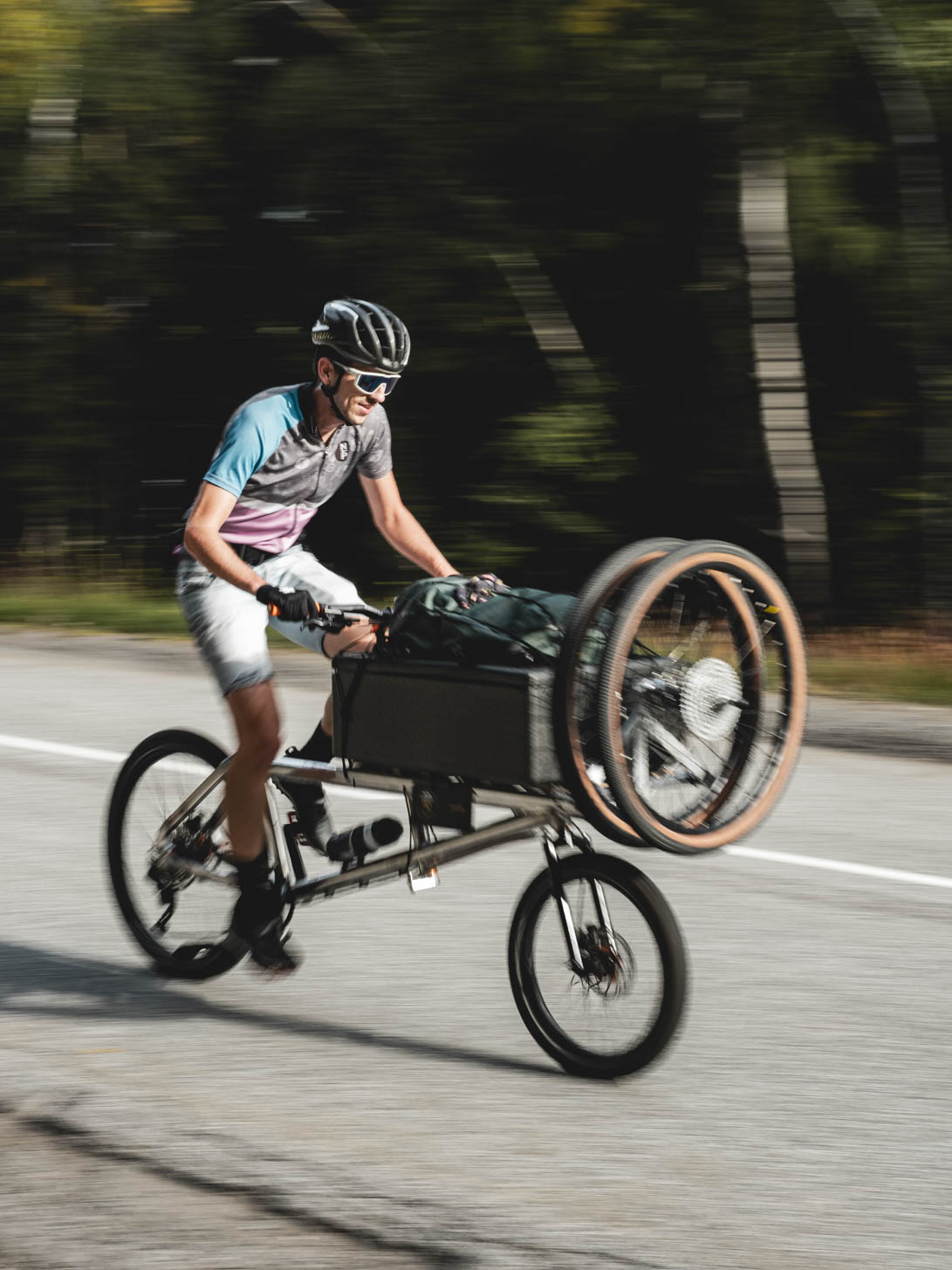

Finished the day before departure, the prototype carried Samuel to the Galibier summit alongside electric cargo bikes. Outside the scoring criteria, the jury also noted the finish and the choice of aluminum in relation to French industrial manufacturing capabilities.
Second Prize OFF: Nicolas Cremoux – A Mountain Bike Reimagined
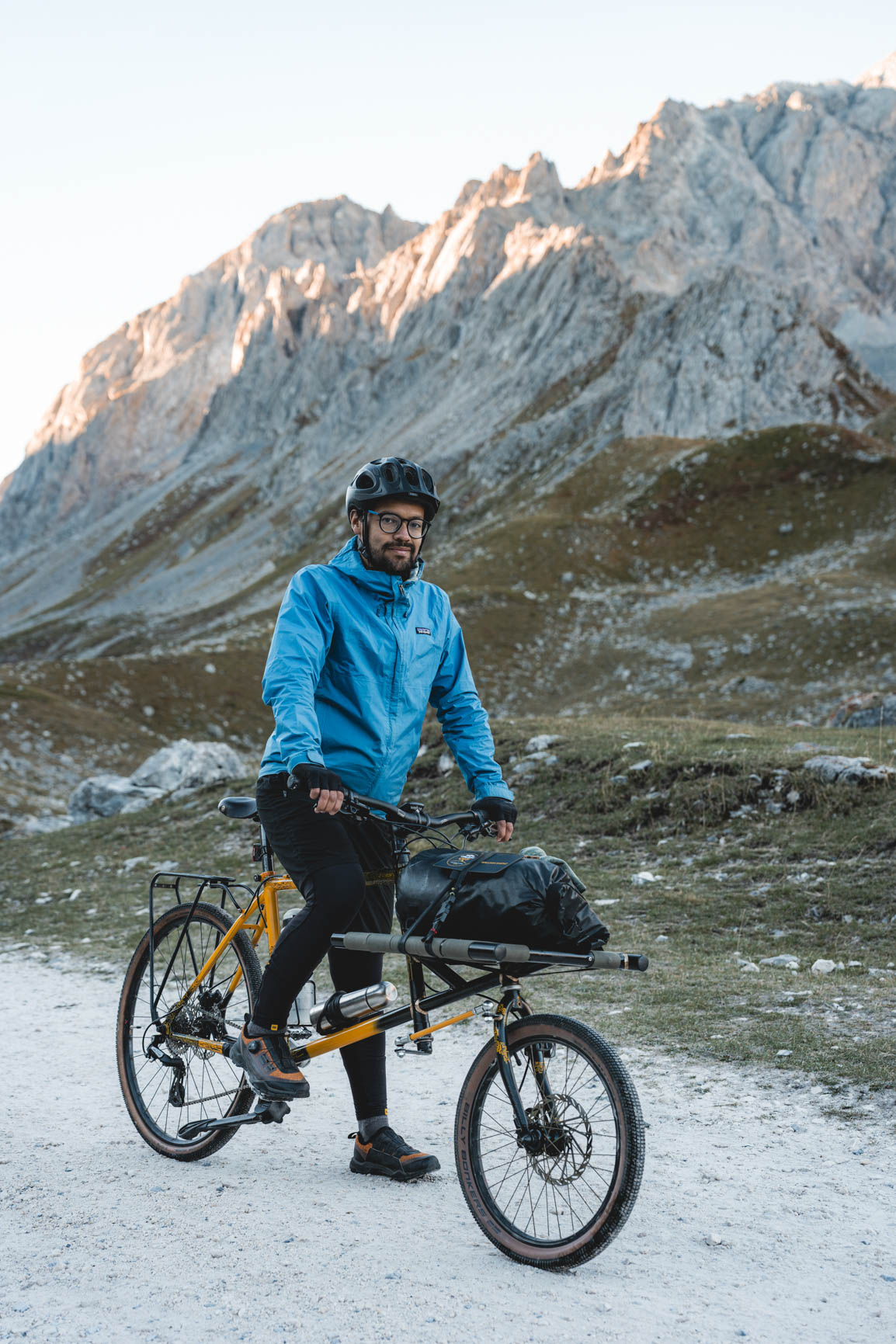
Nicolas Crémoux wanted an On-One Inbred 26-inch frame, a British mountain bike that particularly appealed to him. Stolen Manufacture converted it into a cargo bike, while Nicolas, who works at Virvolt, contributed his electric-assistance expertise. The first cargo bike to the Galibier summit, it weighs 30.3 kilograms and retains a detail of its British origins: the brake levers are configured in the traditional British way.
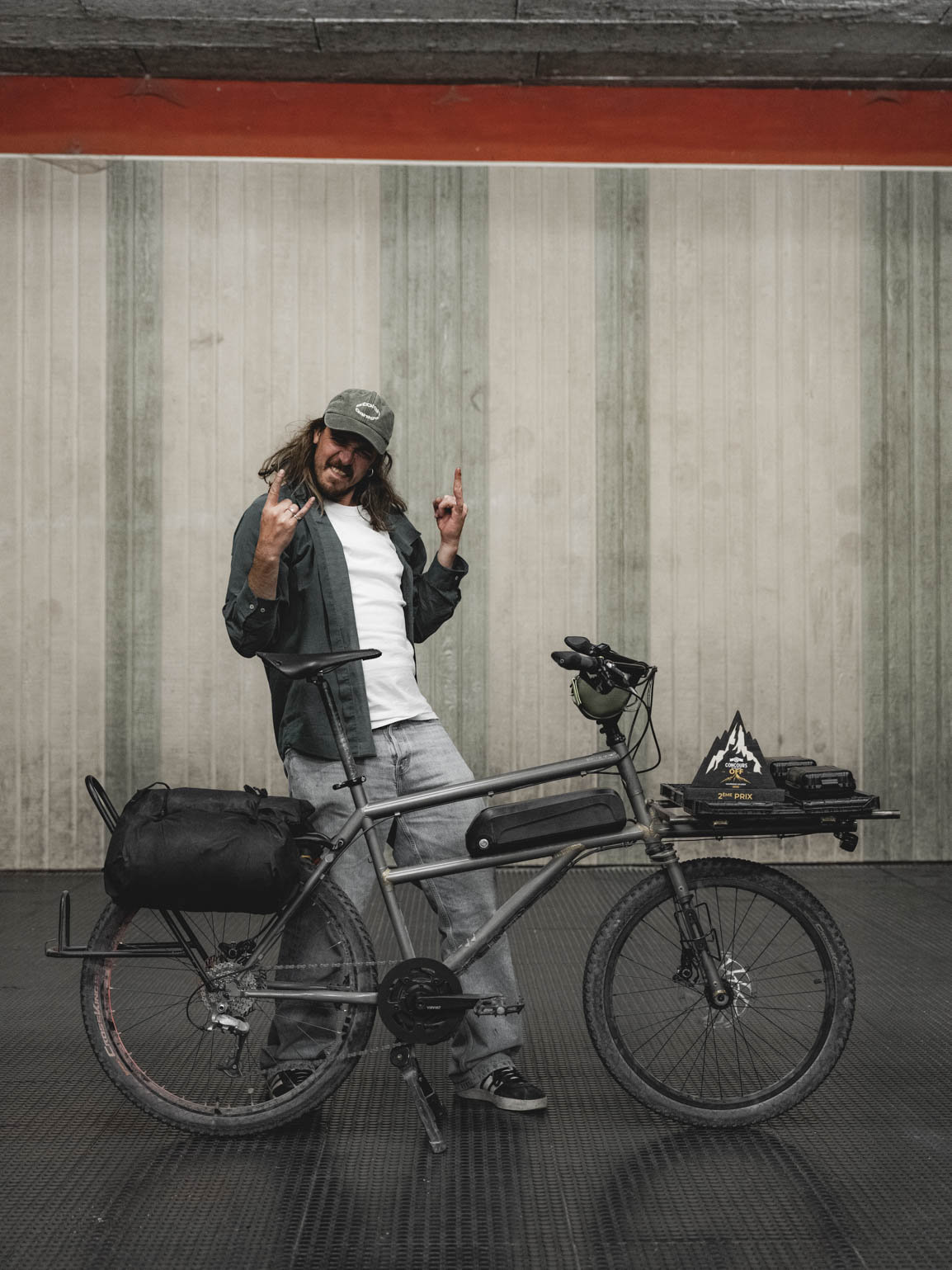

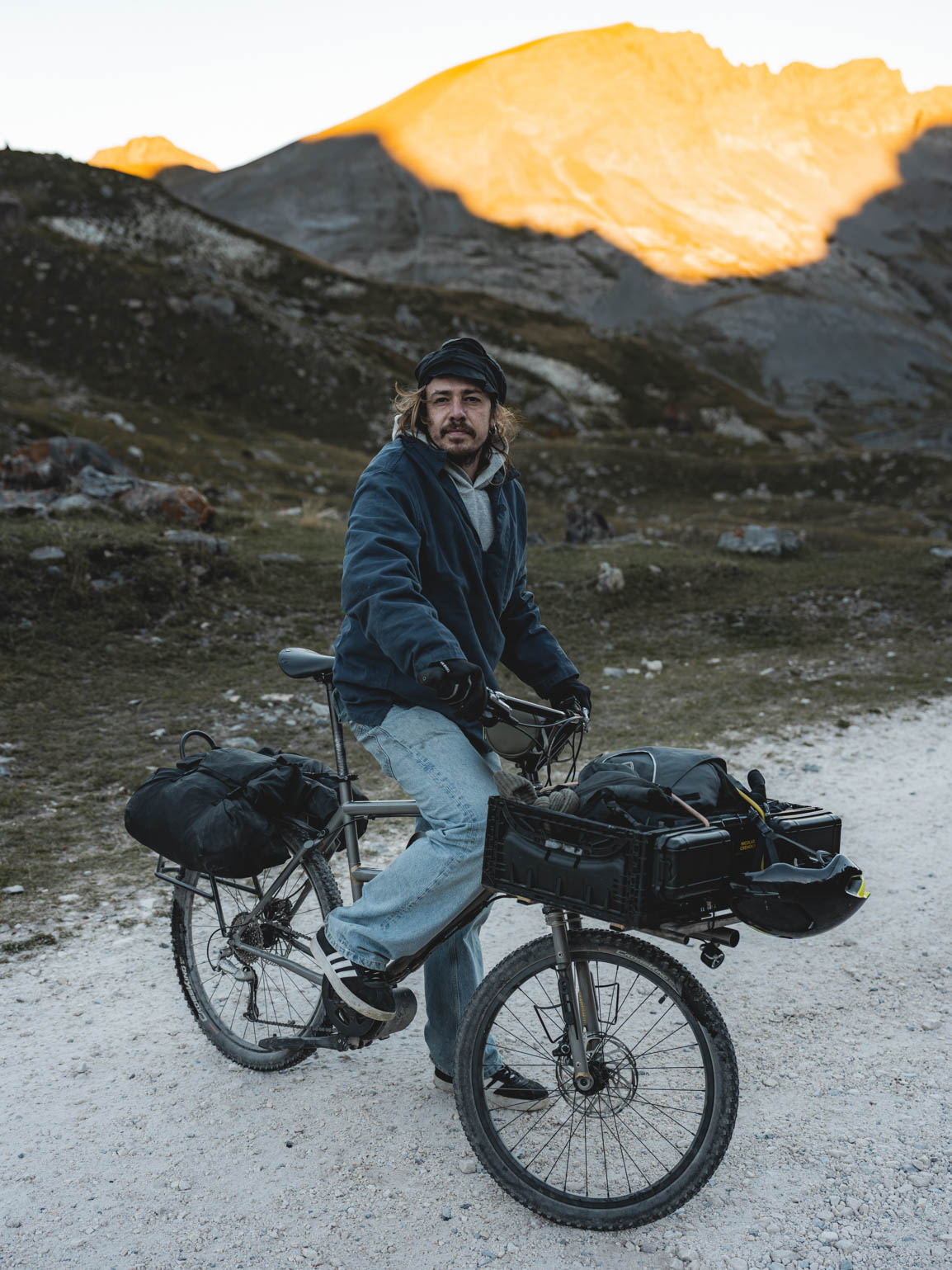
The jury recognized the practical crate for food, battery range, and ability to tackle all manner of terrain. Electric assistance helped control the bike on tracks and at low speeds while increasing its load capacity. Nicolas also packed parts and tools for common motor-system repairs. His project gives an existing mountain bike frame a new purpose, backed by the means to keep it running.
Third Prize OFF: Cosmo Cargo – A Softer Approach to Loads
Hugo Lallement works in cycle logistics in Besançon. His non-assisted Cosmo Cargo weighs 19.7 kilograms and is also based on an upcycled mountain bike frame. Its fabric platform provides more cushioning for fragile goods than a rigid board. The jury appreciated this loading approach, the terrain-suited tires, low-speed handling, and accommodation for riders of various sizes. Disco paint gives it an unmistakable finish.


Cosmo’s work goes beyond this prototype: the same model can be configured to carry an infant car seat or adapted into a tandem with a pedaling position at the front. The Galibier ascent demonstrated Hugo’s and his bike’s capabilities. At the awards, however, he would have preferred the recognition to be shared among all the entrants; such was the importance of the collective experience.
Ideas and Connections Beyond the Concours
This edition reached new heights, both on the Galibier and in its ambitions. The international jury, accessibility brief, and Concours OFF shifted the boundaries, bringing together communities and riding practices that too rarely meet. On the road, around the bikes, and at camp, connections formed with a shared desire to keep them alive beyond the event.

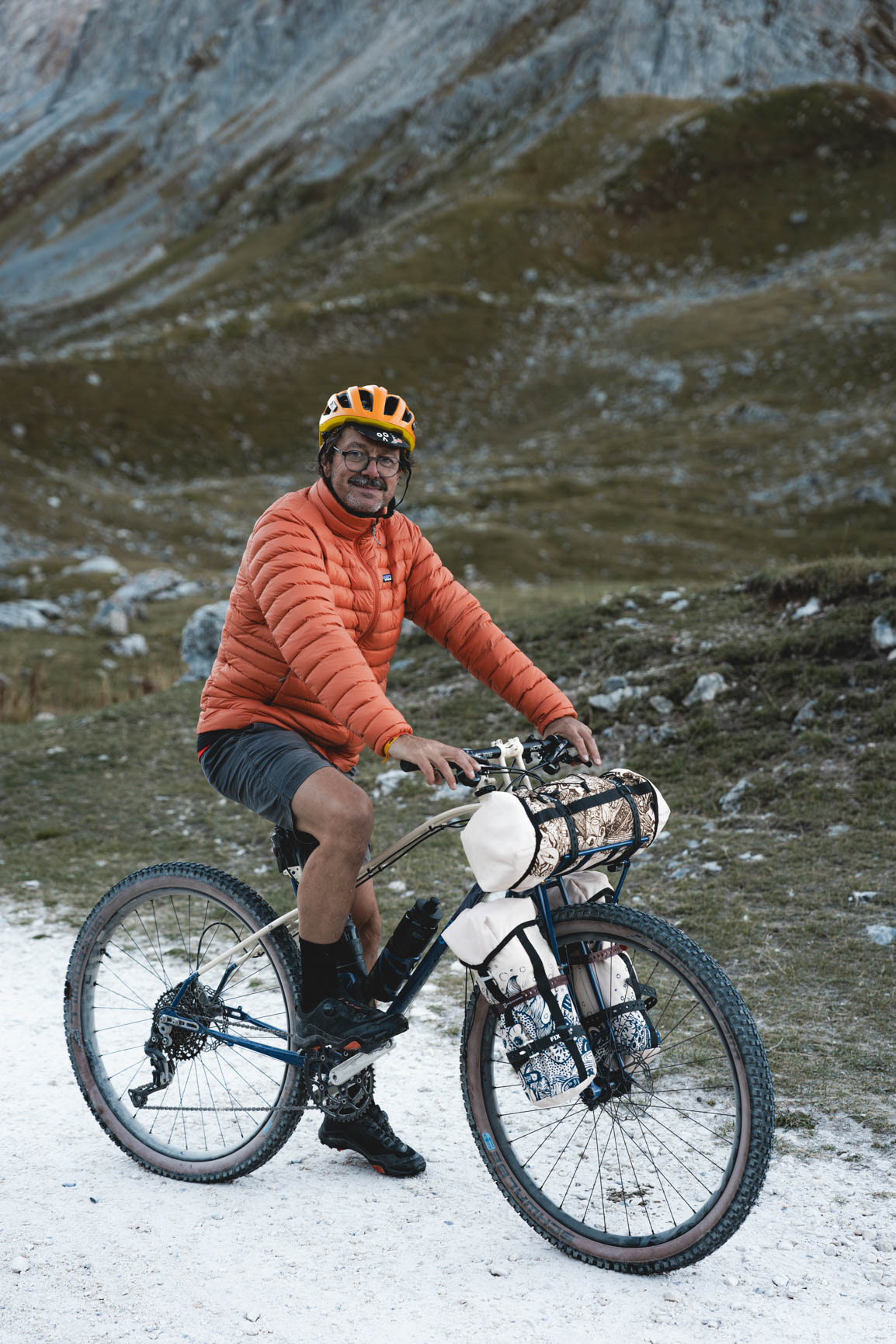
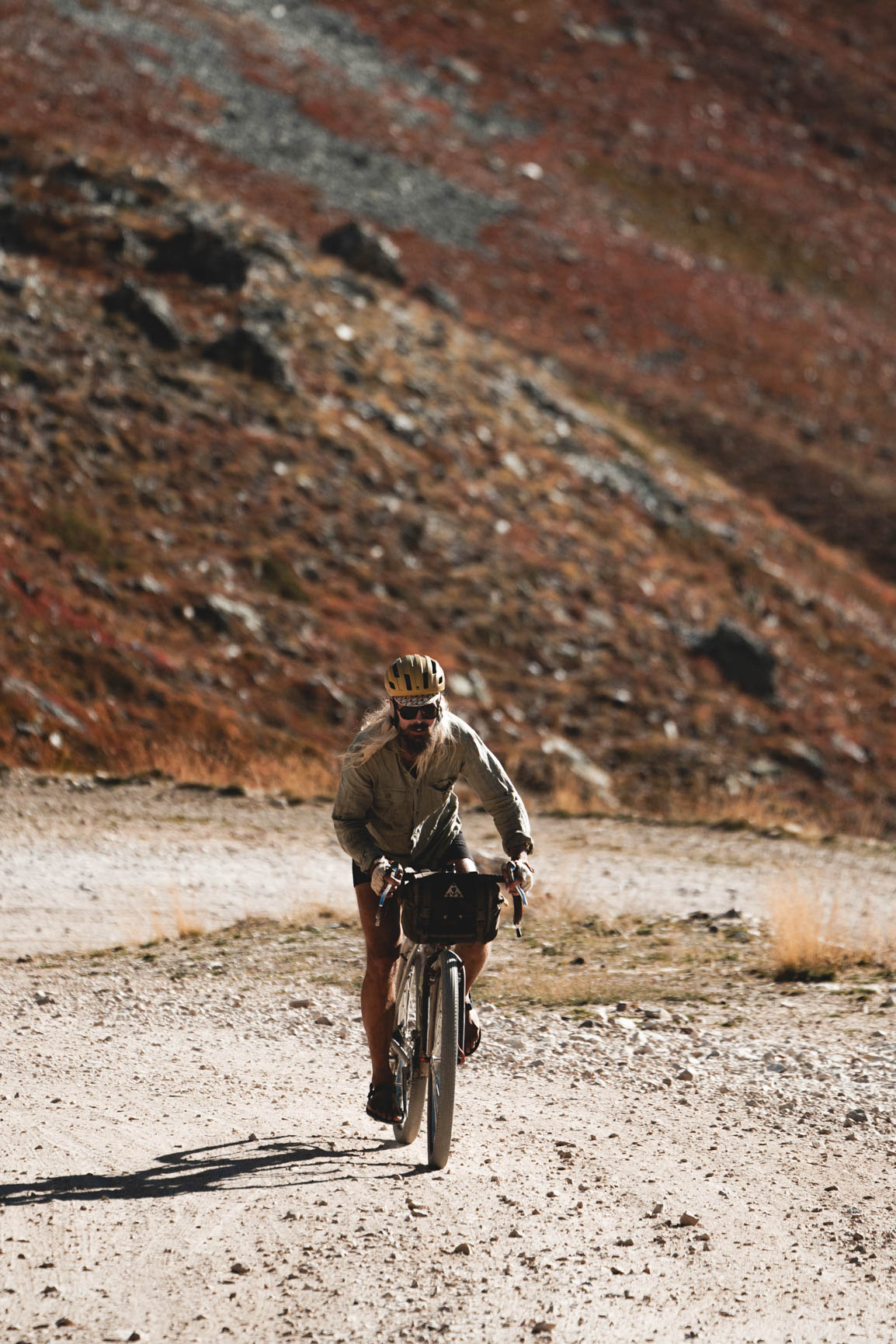
The bikes presented in Maurienne suggest directions for future bicycles. The encounters point toward new collaborations. A technical and human success, this edition’s influence will continue to unfold long after the event.
You can learn more about the event at ConcoursdeMachines.com.
Further Reading
Make sure to dig into these related articles for more info...


Please keep the conversation civil, constructive, and inclusive, or your comment will be removed.