


 Mountain Bike (MTB)
 Gravel Bike
 All-Terrain Bike (ATB)
 Fat Bike



Vittoria Mezcal Review




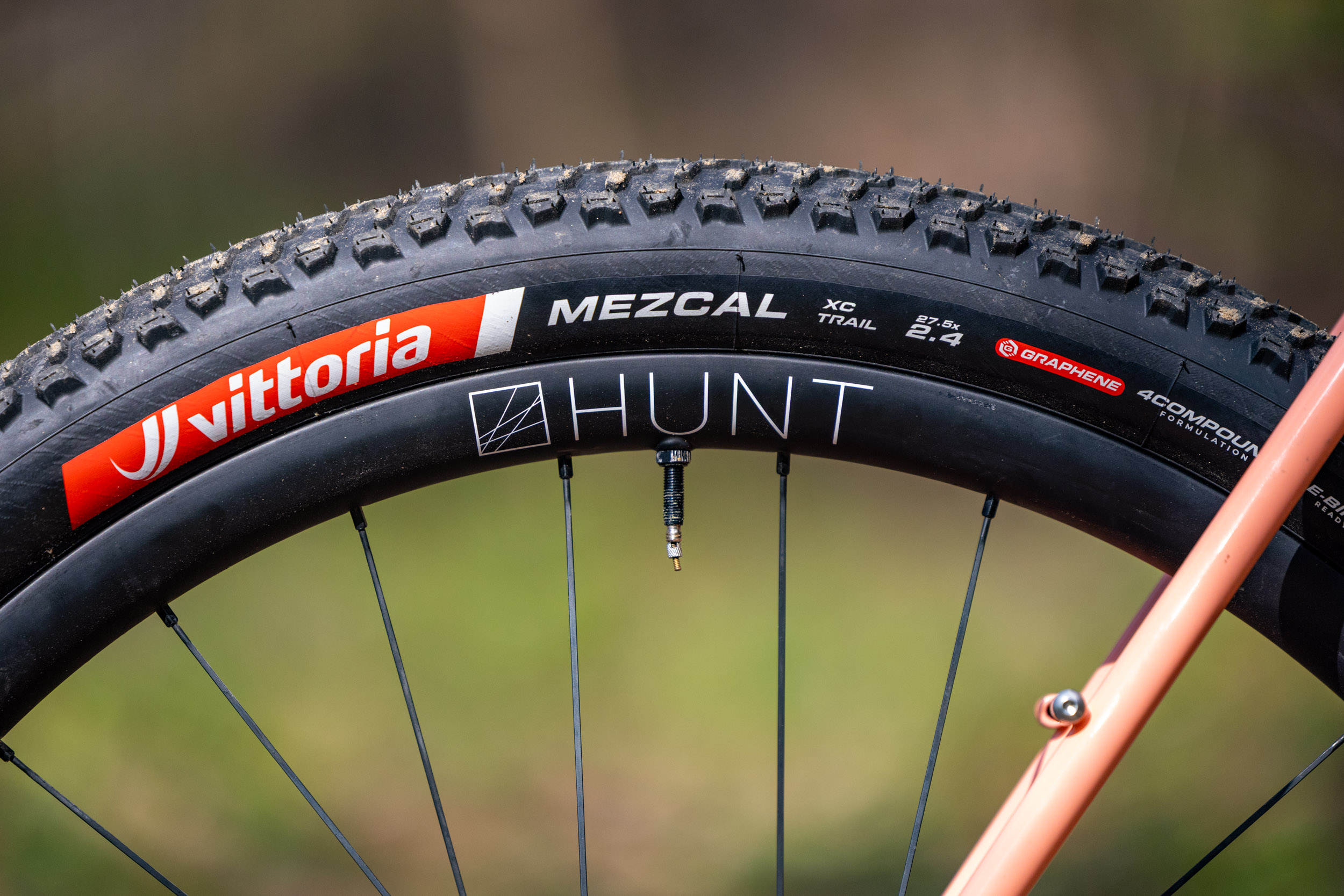
The go-to option for riders taking on the Tour Divide, the Vittoria Mezcal has a reputation for offering an ideal balance of speed and grip and is one of the brand’s most recognizable models. Last fall, Vittoria released a new version of the tire, expanding its compounds with new XC Race, XC Trail, and Adventure models. Nic spent the past six months on the Mezcals and shares his in-depth review below…
PUBLISHED Jun 24, 2026
Riding photos by Holden Mathis
Tires are a funny thing. I can’t count how many times a friend has said something along the lines of, “I’m really loving these Xs,” only to be met by another person saying, “Those are some of the worst tires I’ve ever used.” As riders, we rely on anecdotal experiences to inform our choices and generally end up with a diverse collection of components, even when riding the same roads and trails. So, when a consistent choice arises from a multitude of events and races, it’s worth noting.
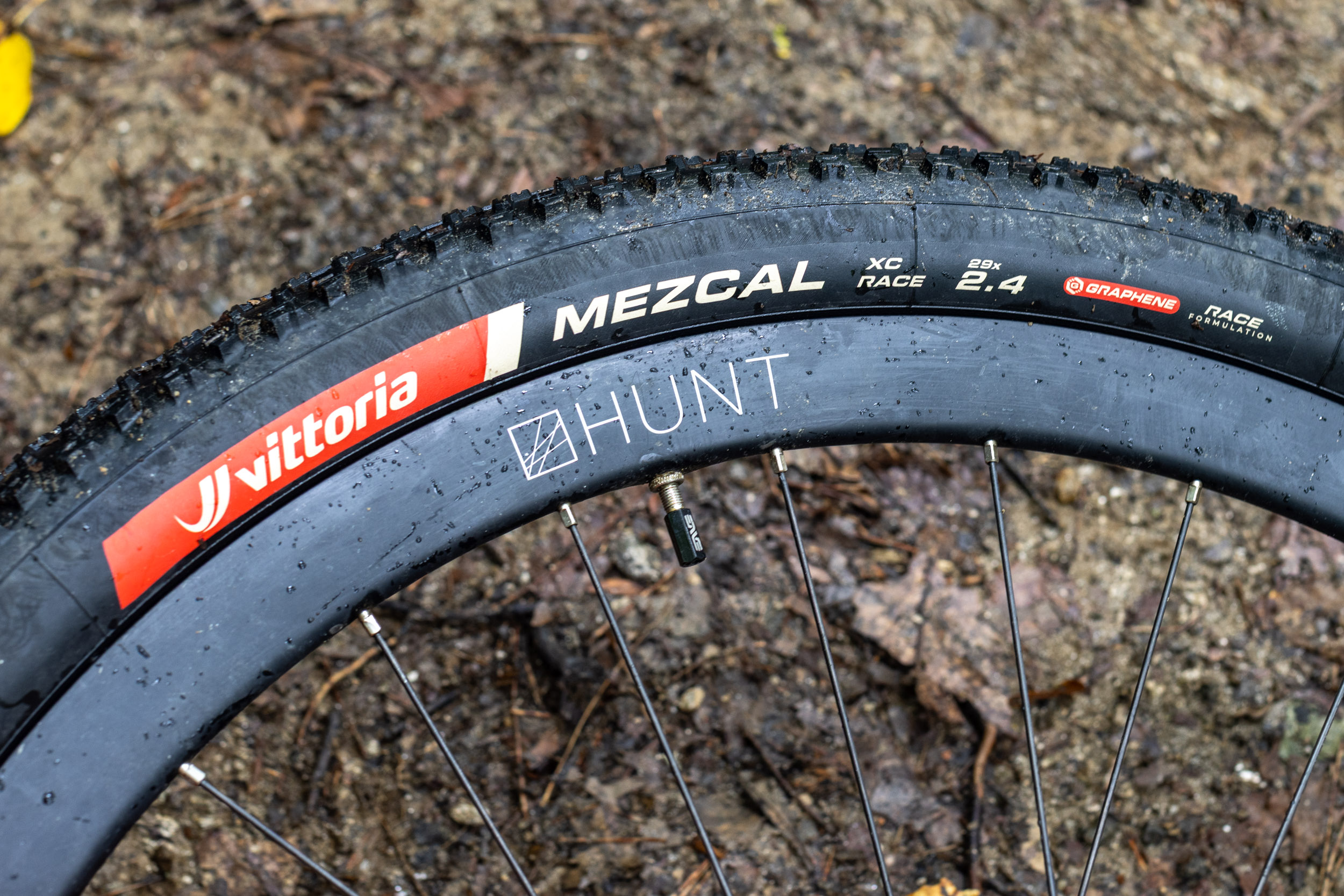
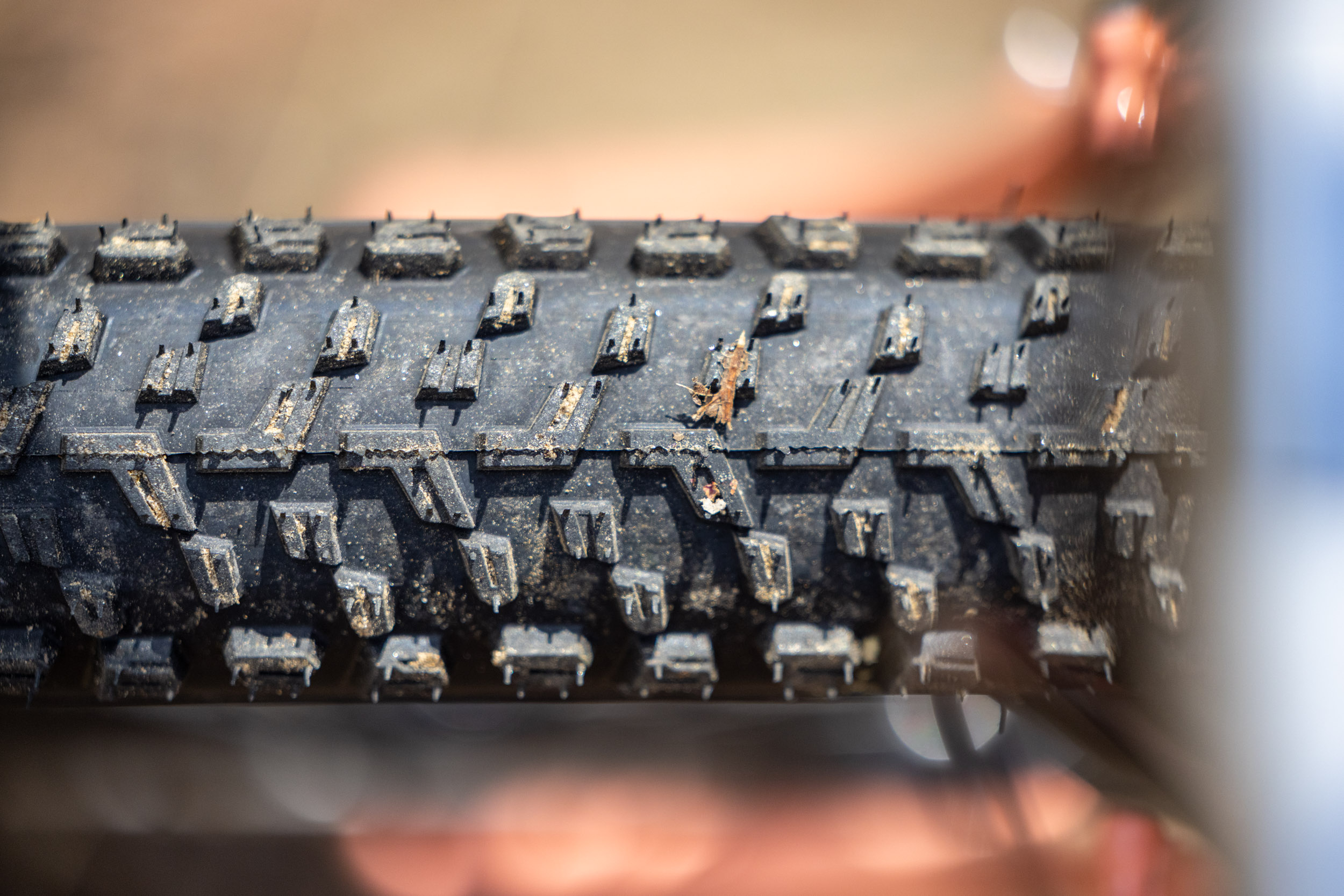
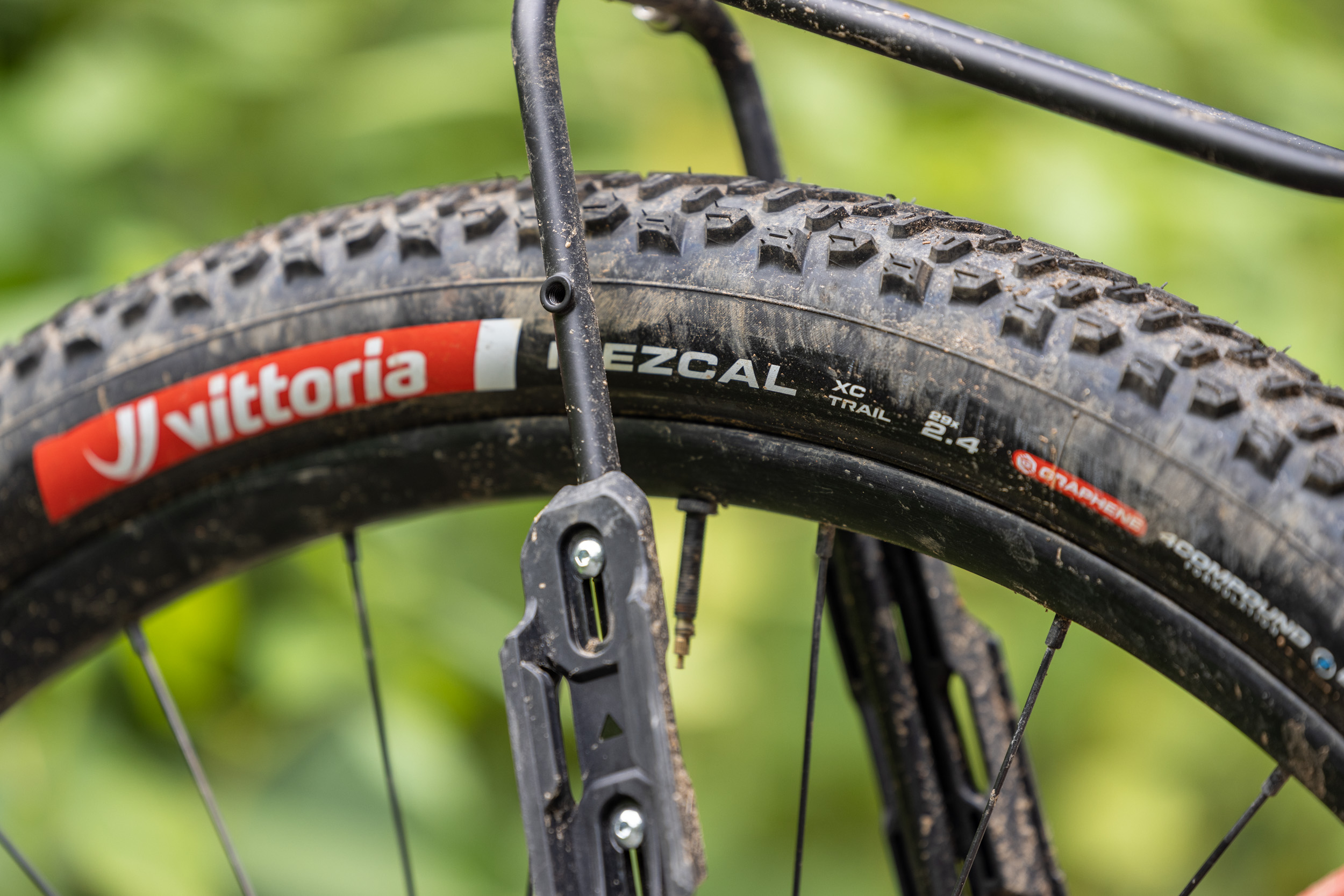
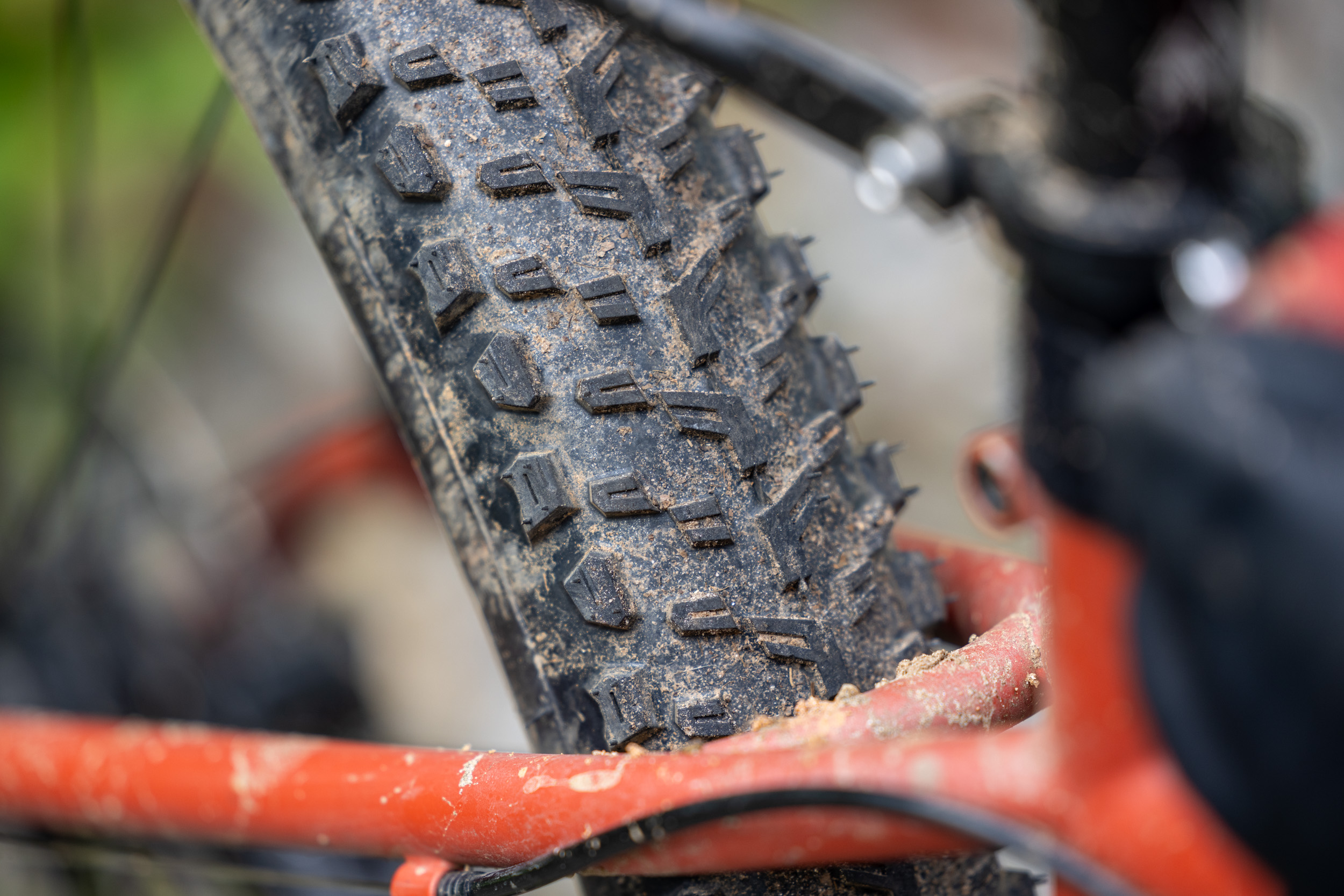
Looking at our race rig roundups over the last few years, the Vittoria Mezcal has dominated the 2,700-mile Tour Divide and a variety of other big events. From single-speeders to pros and amateurs, this fast-rolling XC-oriented tire has established itself as one of the most versatile off-road options in the industry.
In the fall of 2025, Vittoria updated its tire line and released a new series of compounds. Though the tread pattern remains the same, the compounds used in the three versions of the Mezcal differ. I tested the XC Race and XC Trail to get a better sense of whether these new compounds alter their reputation as one of the best all-around tires ever.
History, Design, and Changes
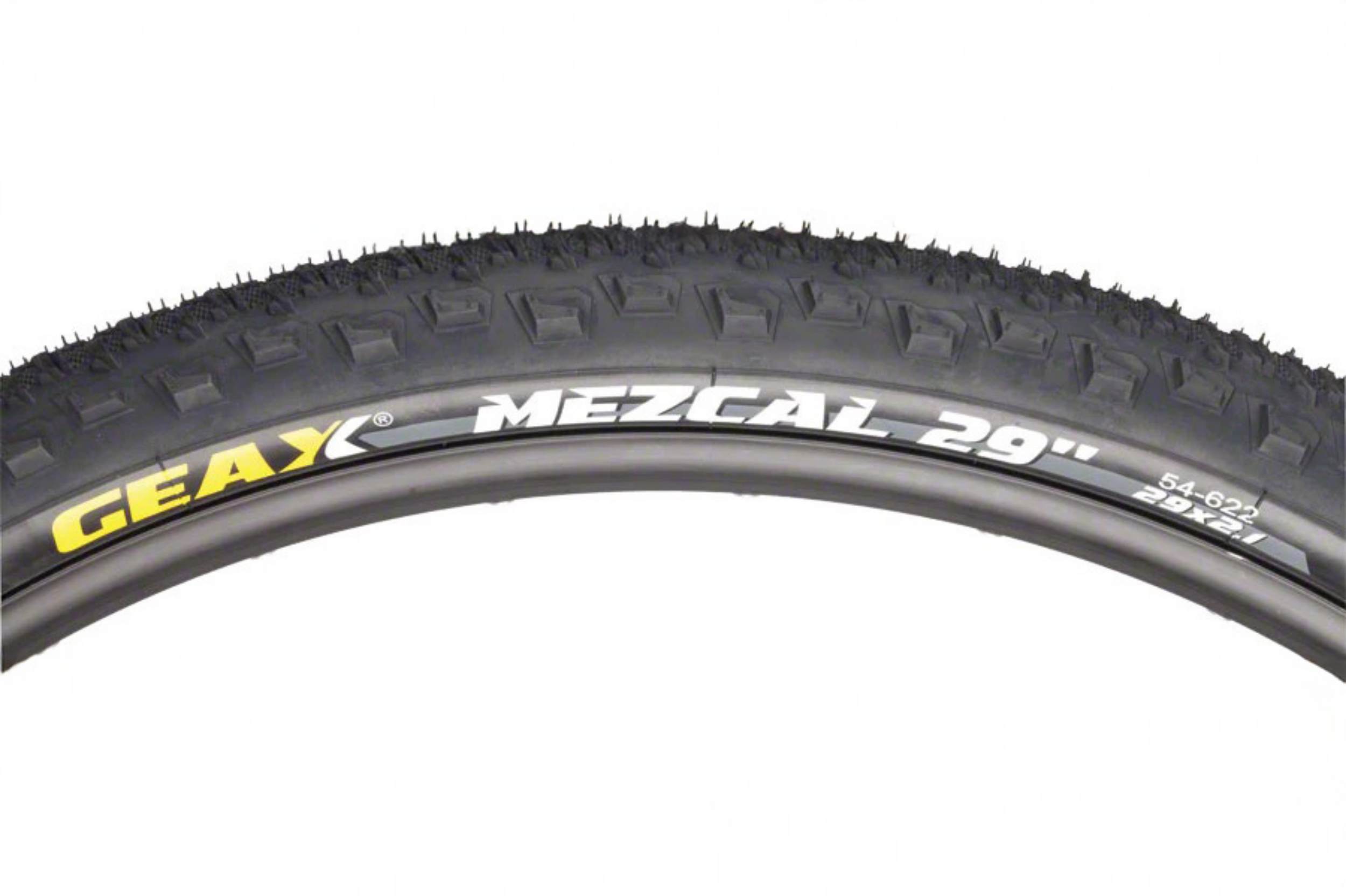
The history of the Mezcal is extensive, as its origins date back to when Vittoria had an offshoot brand, Geax. Although Geax made a tire with the same name, its tread and compound are a significant departure from the tire most are familiar with today. The current iteration takes small elements from the original design, such as its pronounced side knobs, but it was completely reworked by Ken Avery, Vittoria’s current senior vice president of product development.
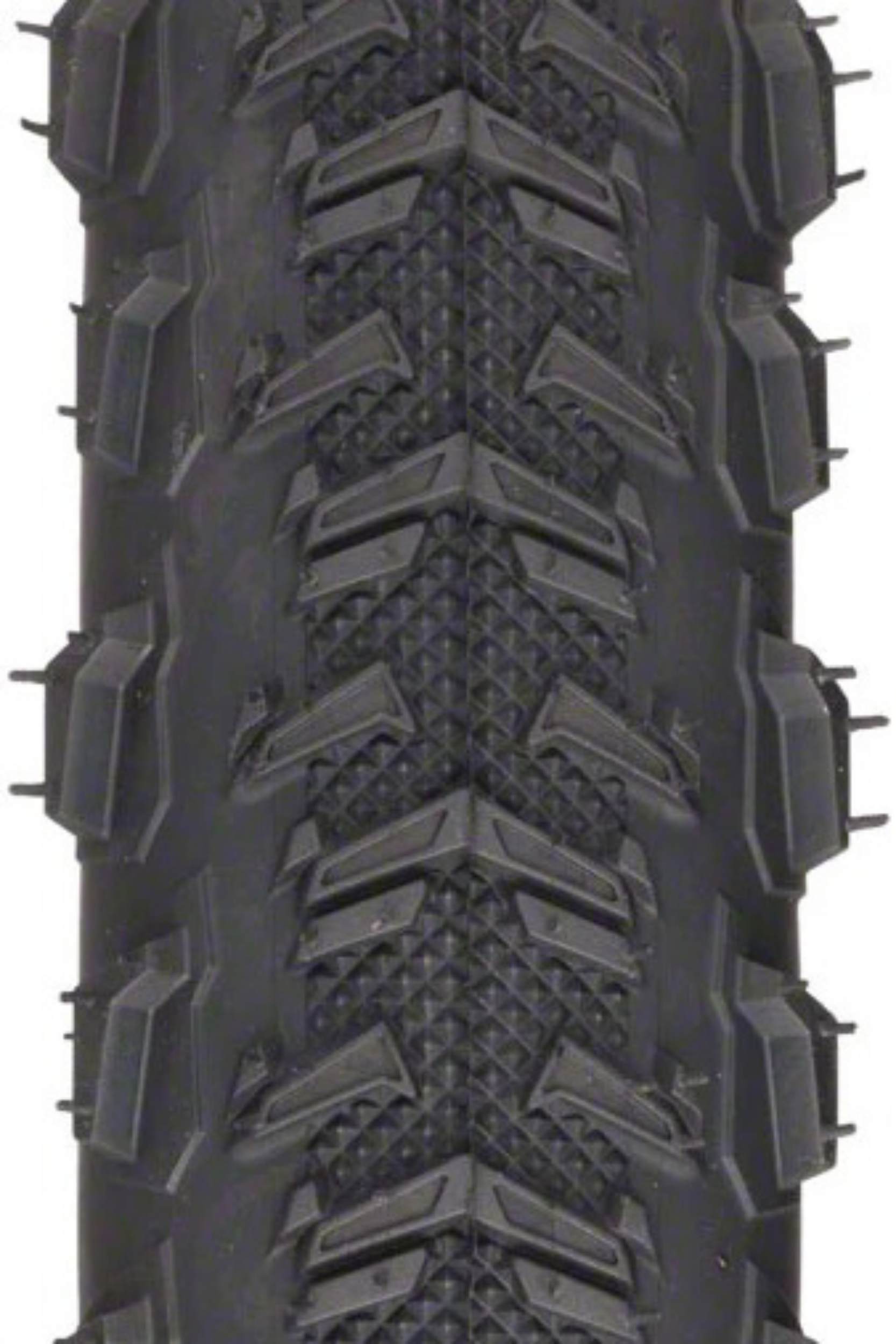
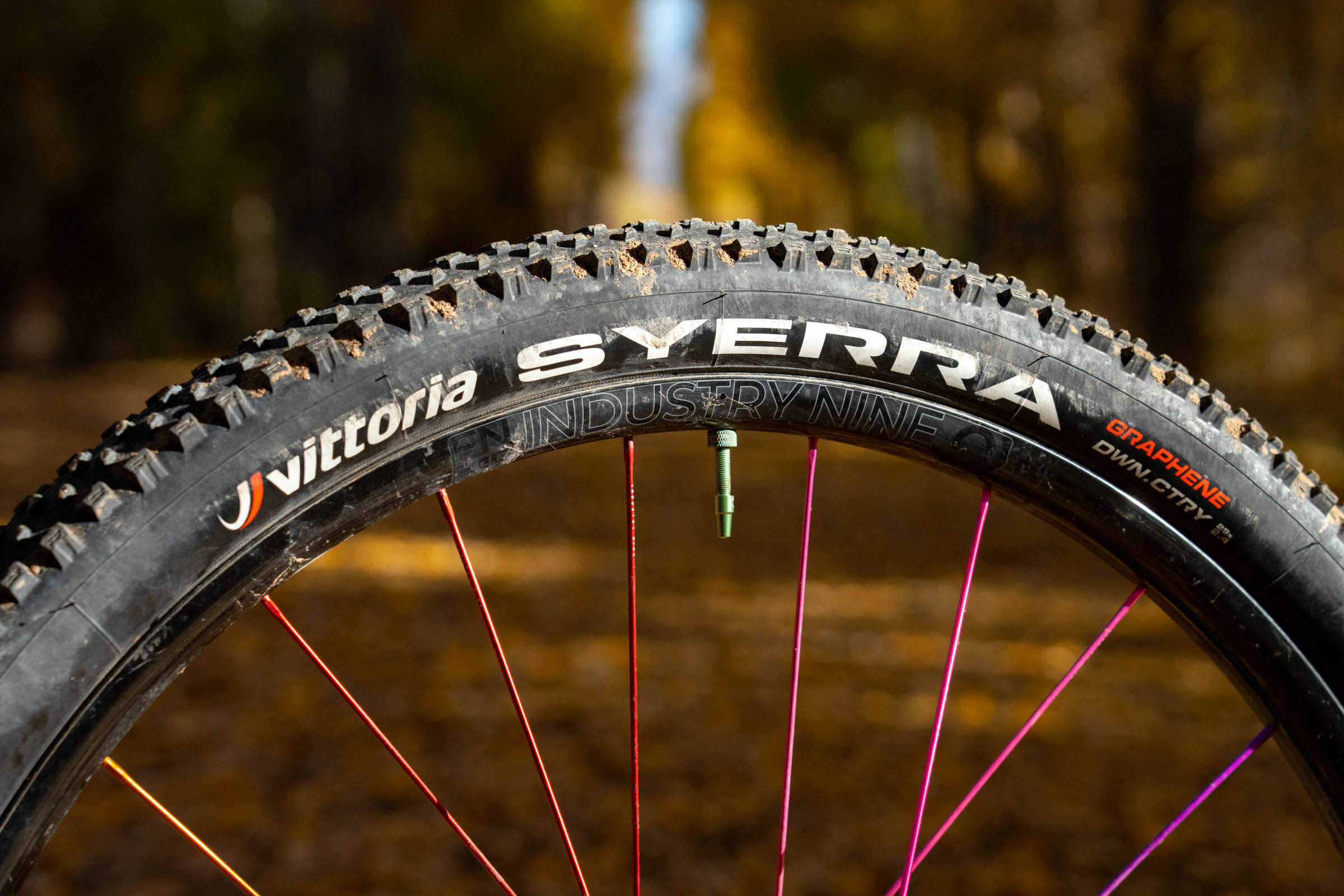
Like most Vittoria tires, the Mezcal’s design centers on its interlocking tread. I’ll get into my conversation with Ken about this below, but the basic idea is that Vittoria believes this design ensures performance and consistency. While other tires have distinct tread areas, the interlocking pattern on the Mezcal extends across the entire tread, overlapping and bridging the tread elements throughout the rolling area. More specifically, the Mezcal’s V-shaped tread pattern and varying knob sizes across its center, mid-tread, and edges help it deliver a consistent experience in almost any terrain, not just on trails or gravel roads. With certain features on the mid and side knobs helping with tire drift, braking, and overall traction, the Mezcal is designed to be what Ken hopes is a great “all-rounder” rather than “inherently mediocre,” something he says can be hard to avoid when making a mixed-terrain tire.
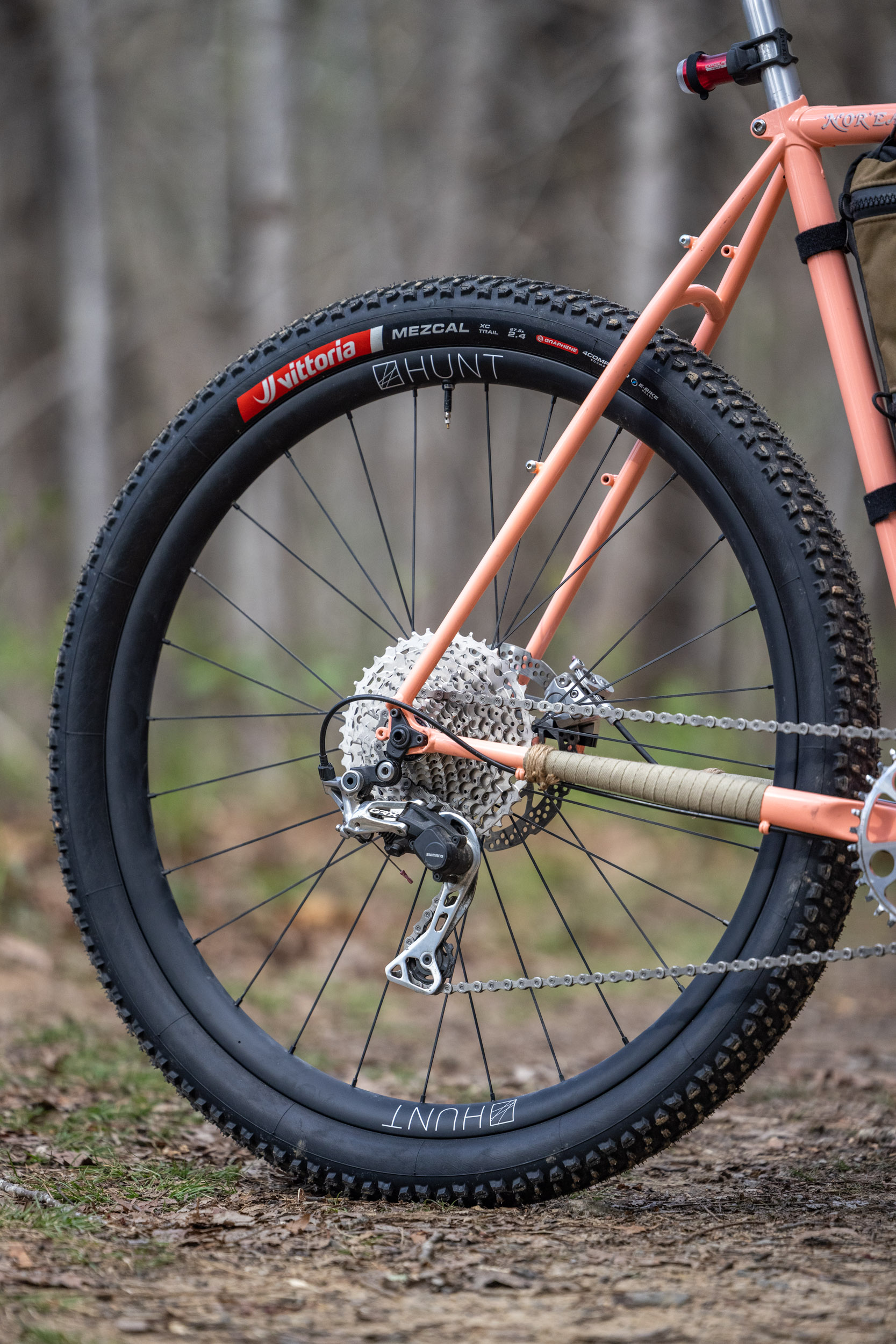
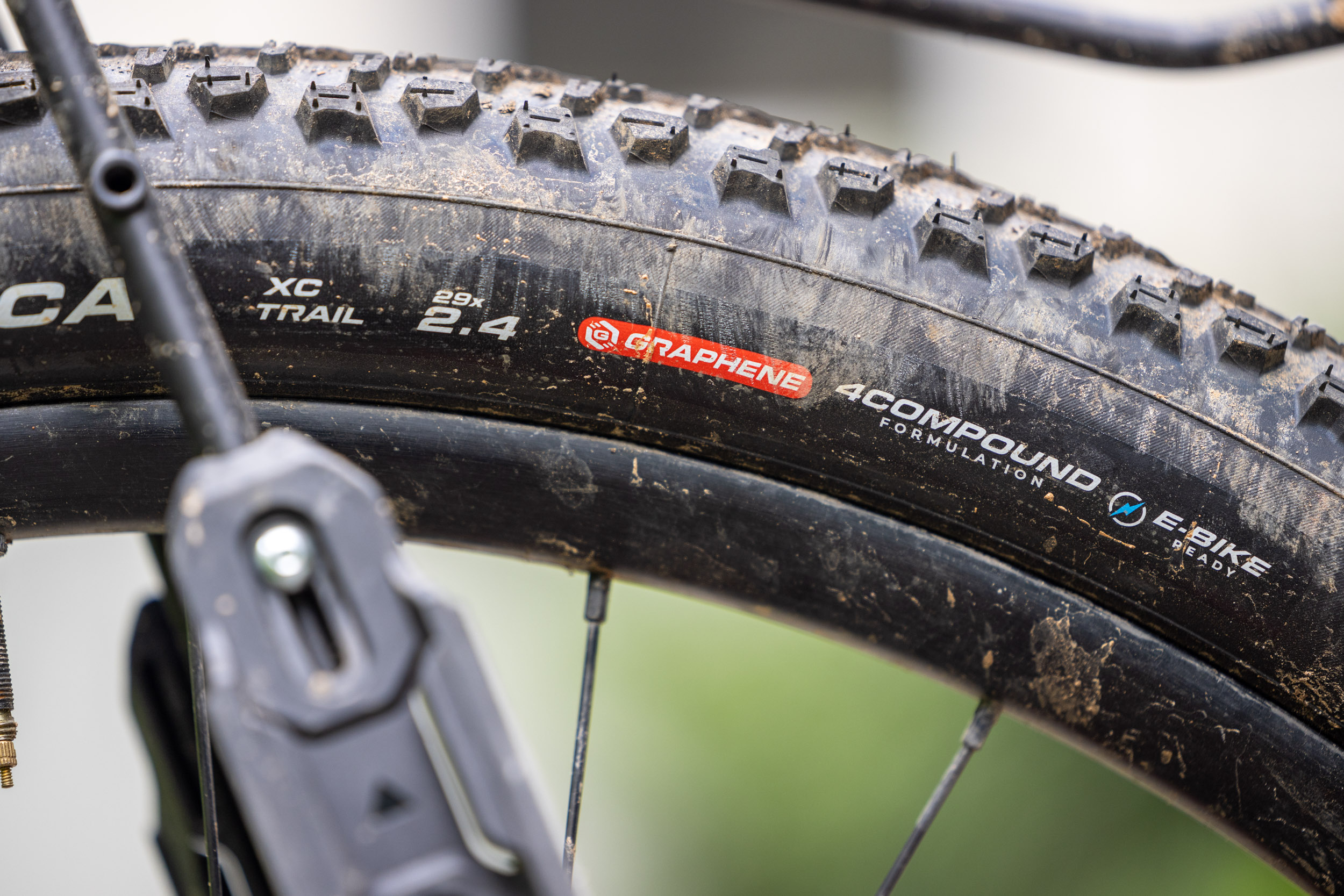

Though its tread remains unchanged, Vittoria updated their tire terrain classification some time ago, introducing a more granular spectrum. Instead of the dry, mixed, wet scale that was once based on the progression of a cross-country season, the brand now has a range from hardpack to mud, with three further terrain classifications in between. Not only does this denote a change in the granularity of the casings across their mountain bike tire line, but also where and how they intend the tires to be used. Fittingly, the Mezcal is smack dab in the middle, right above “mixed,” with the tire’s function emphasizing rolling fast on tough terrain. There are three versions of the current Mezcal: XC, XC Race, and XC Trail. In my time with these tires, I put significant mileage on both the XC Race and XC Trail variants. The XC Adventure is a budget-focused option that’s nearly $30 cheaper and has a less supple compound, while the XC Trail and Race feature the 60TPI casing.

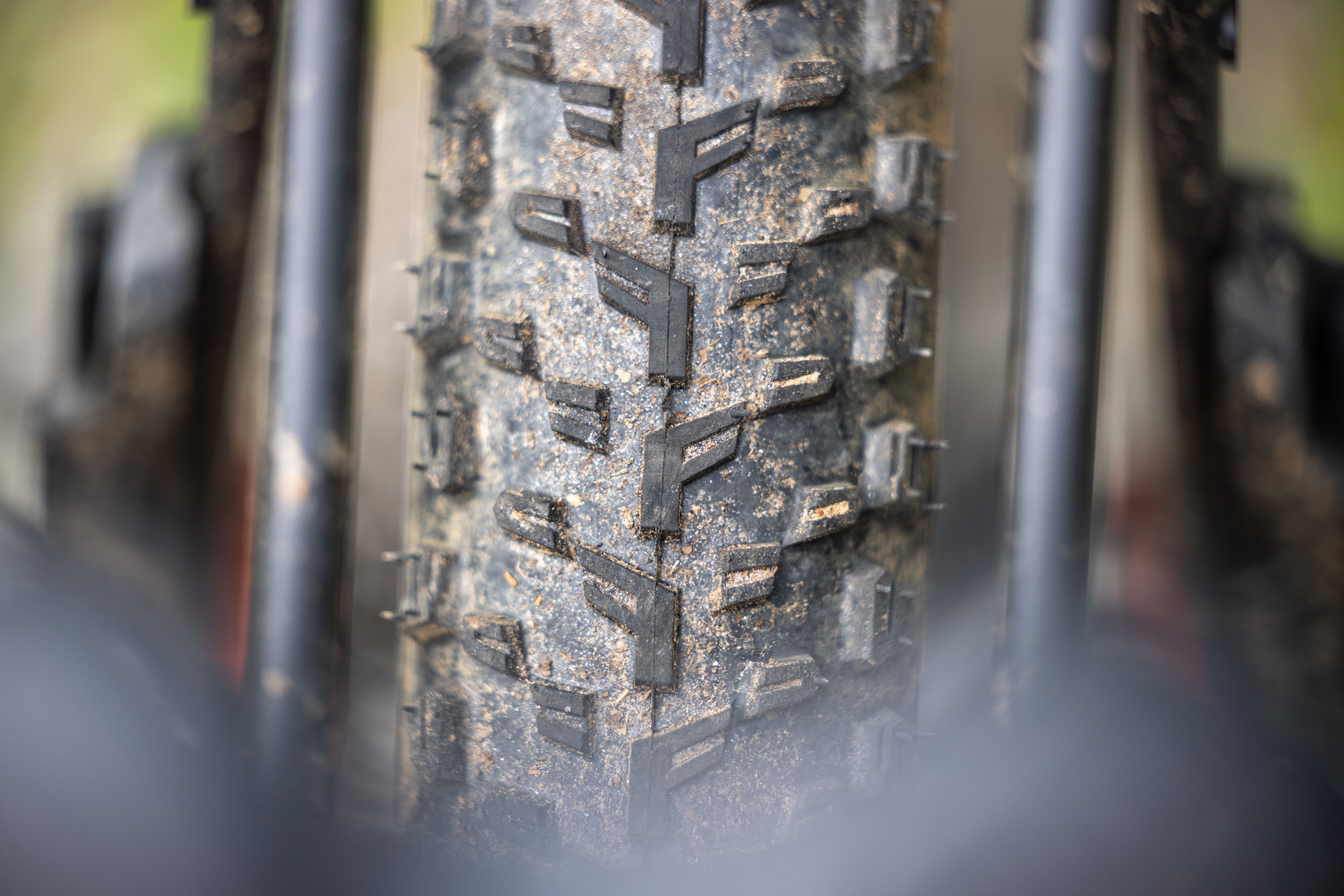
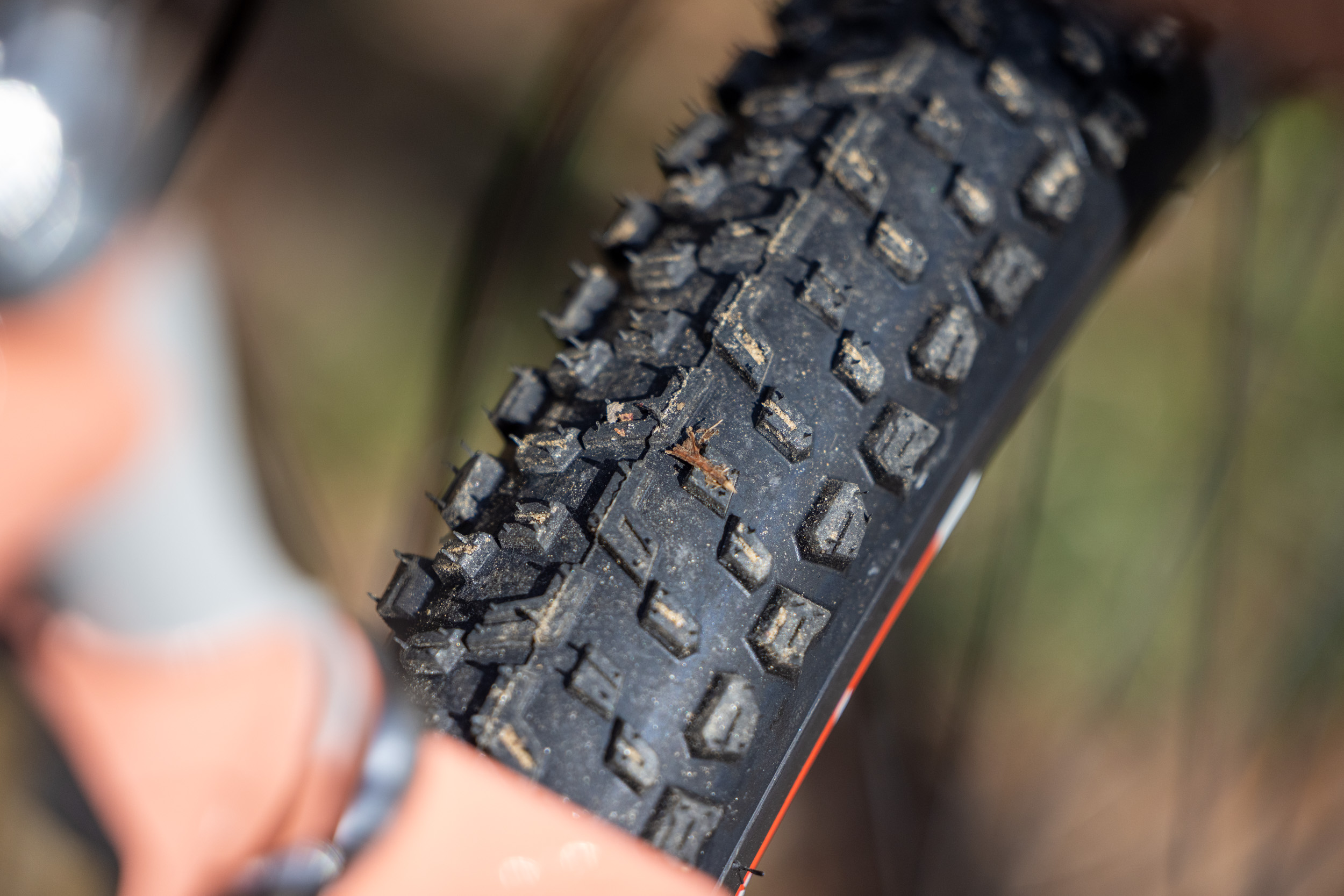
Not all high TPI tires are created equally. Vittoria’s use of a uniform 60TPI casing isn’t the same as other offerings on the market. With a softer tread cap and stiffer sidewall casing, the overall package of the XC Race and Trail models is designed to work in concert to deliver a consistent experience, rather than a disjointed combination of soft sidewalls and hard tread.
Performance
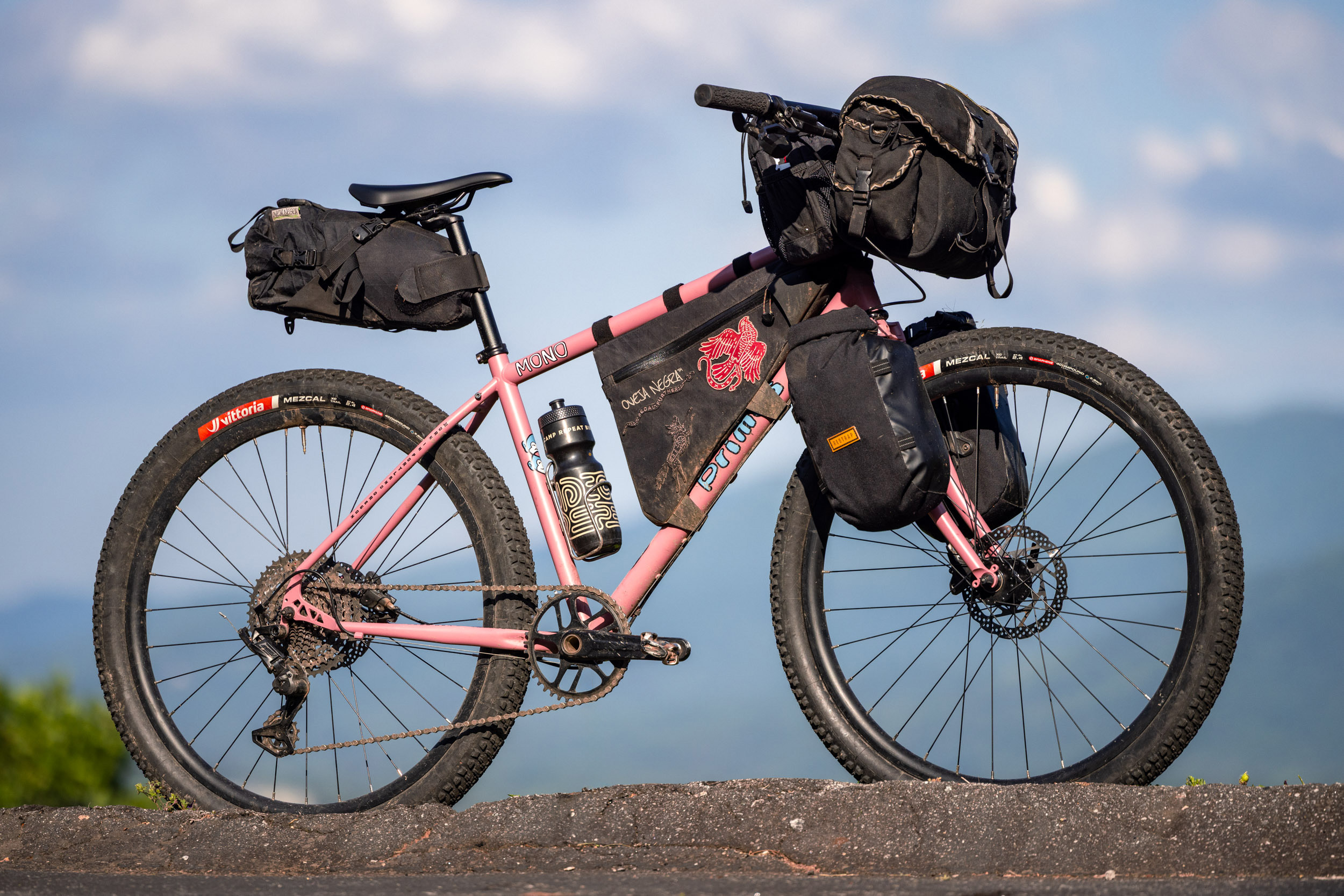
Given the tire’s legacy in the space, I thought it only right to try it in multiple formats. Over six months, I rode the Mezcals on two bikes, each with a different wheel size. The Primos Mono saw some serious loaded and unloaded miles with the 27.5” x 2.4” XC Race version of the tire, and my Ritchey P-29er hosted a Peyote/Mezcal mullet experiment.
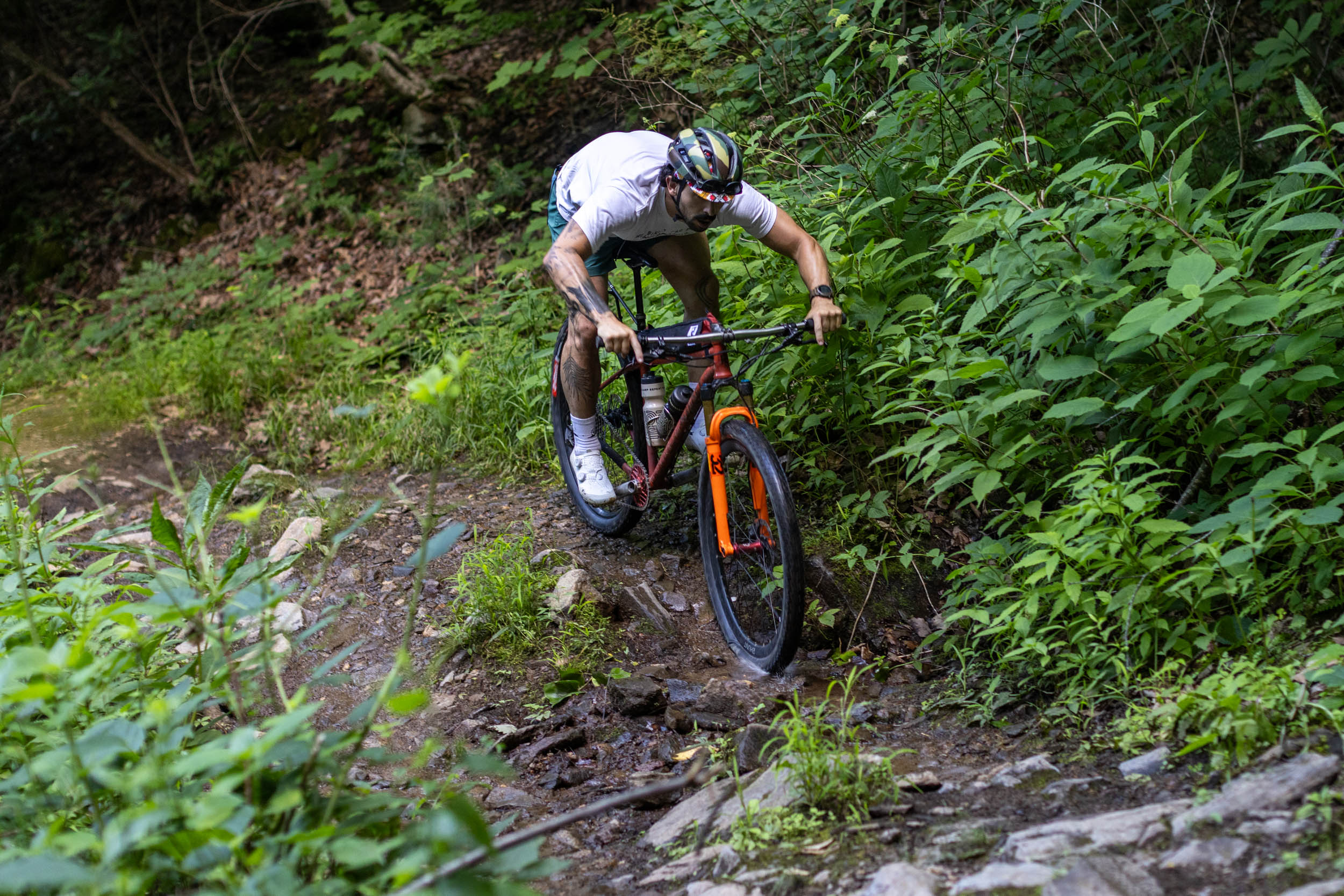
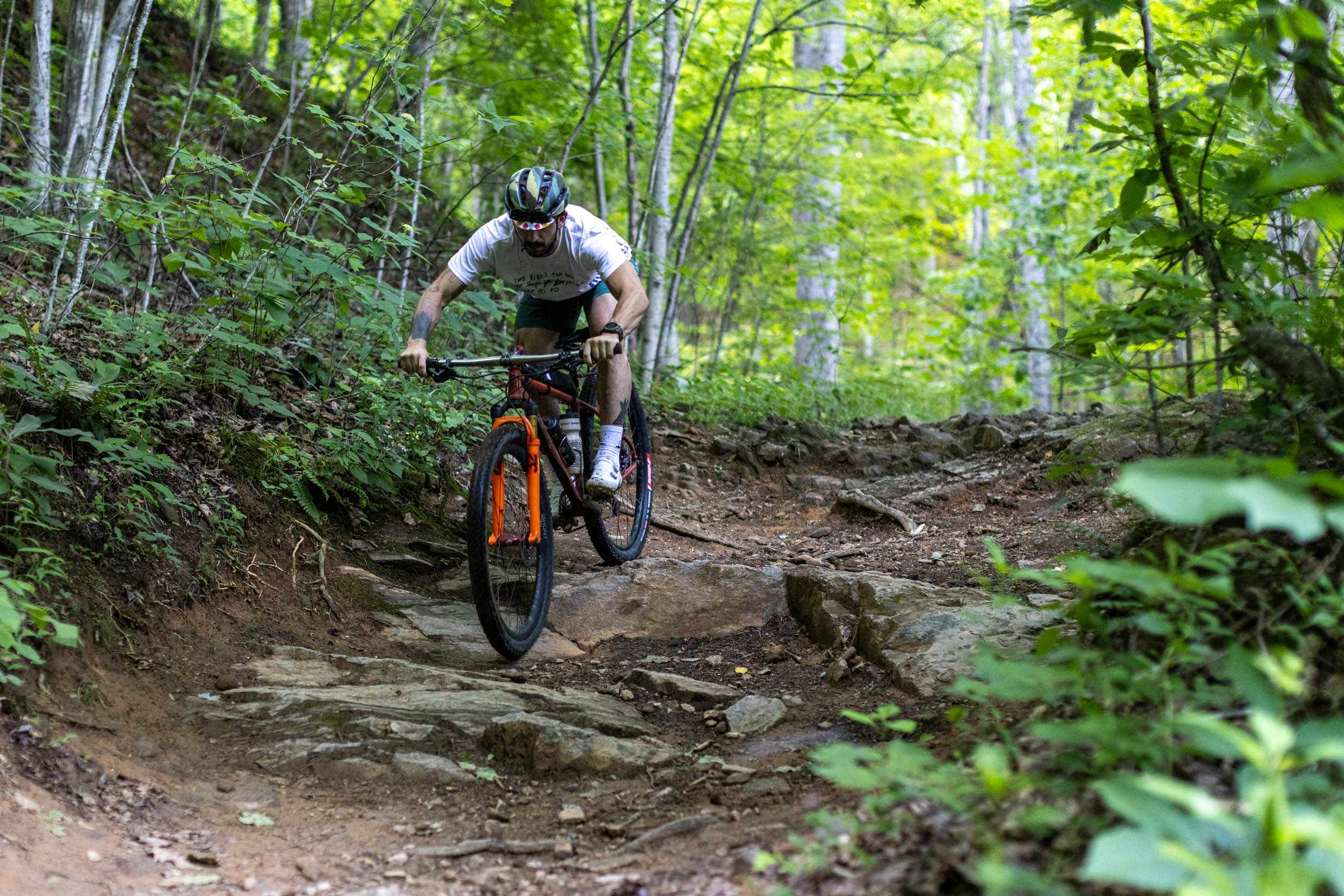
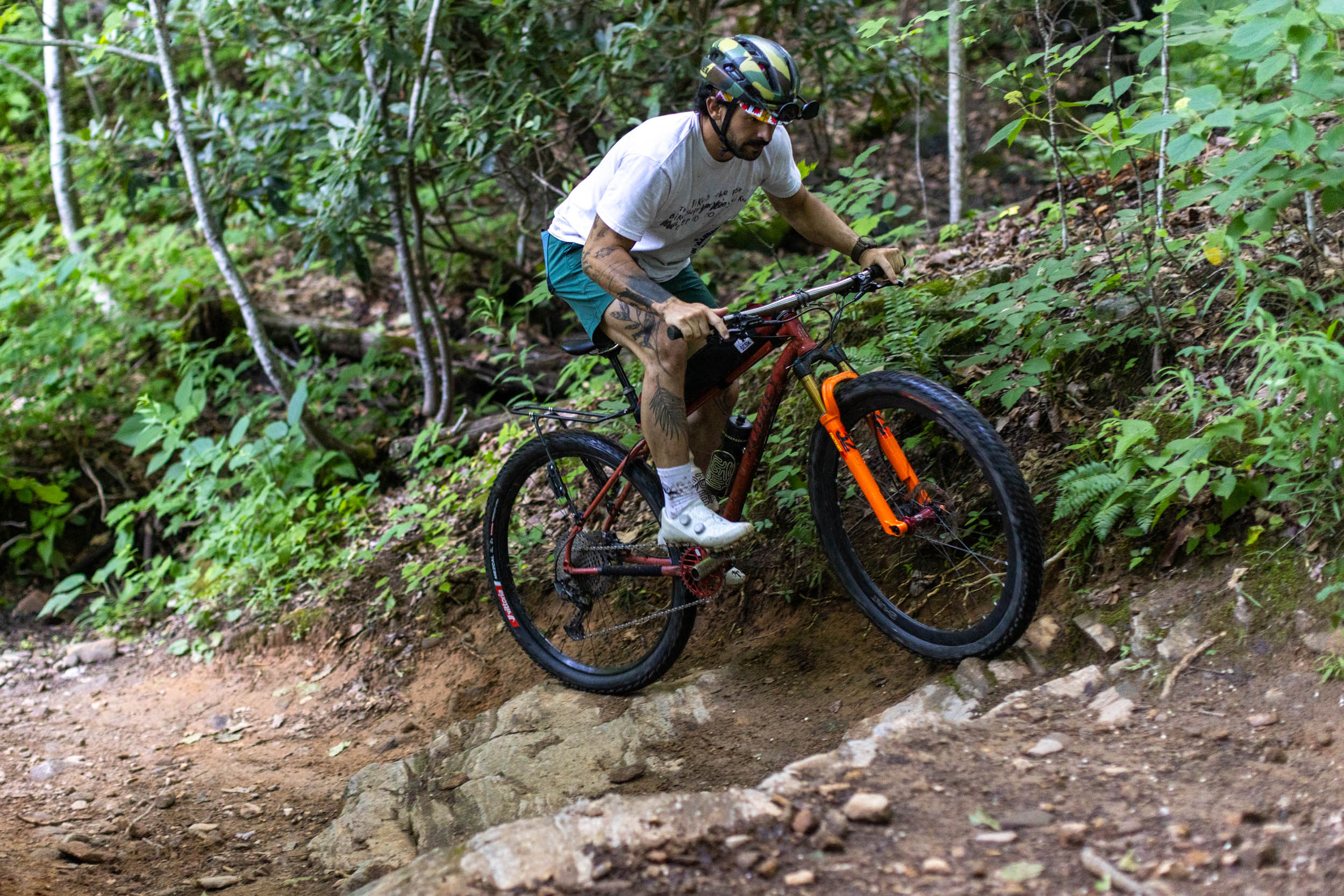
On the Primos, the Mezcals transformed the bike’s capability. Though they had tough shoes to fill coming off my favored Continental Cross Kings, the Mezcals in the 2.4” width provided more stability and traction than what I’ve found with the Cross Kings. Though Continentals are more supple, the grip on a variety of features, like roots and rocks, is unmatched with the Mezcals. The tradeoff comes in the form of rolling resistance. Slower than the Cross Kings on the road and on hardpack surfaces, I was a little disappointed by how much less fast I felt on the Mezcals.
I thought this might’ve been down to the Primos. It wasn’t a quick or light bike by any stretch of the imagination, but I’d tried three sets of rubber on the bike, and the Mezcals felt the slowest. In addition to my own feelings, a reader commented that the new Mezcal was slower than the older version when we announced the lineup last year. The numbers hold up on BicycleRollingResistance.com, as the new XC Race Mezcal is reportedly 3 watts slower, from 23.1 to 20.1, compared to the old Mezcal.
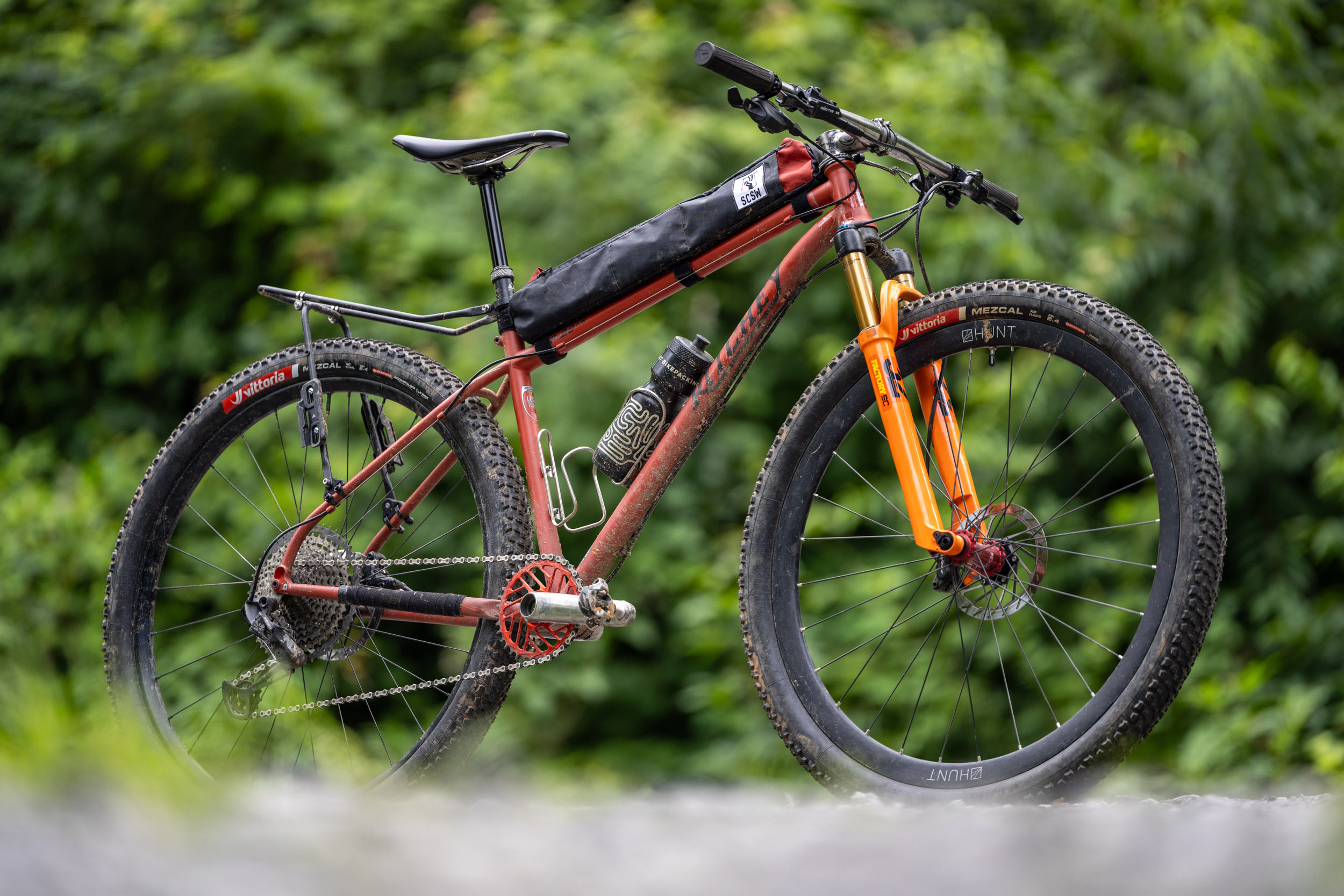

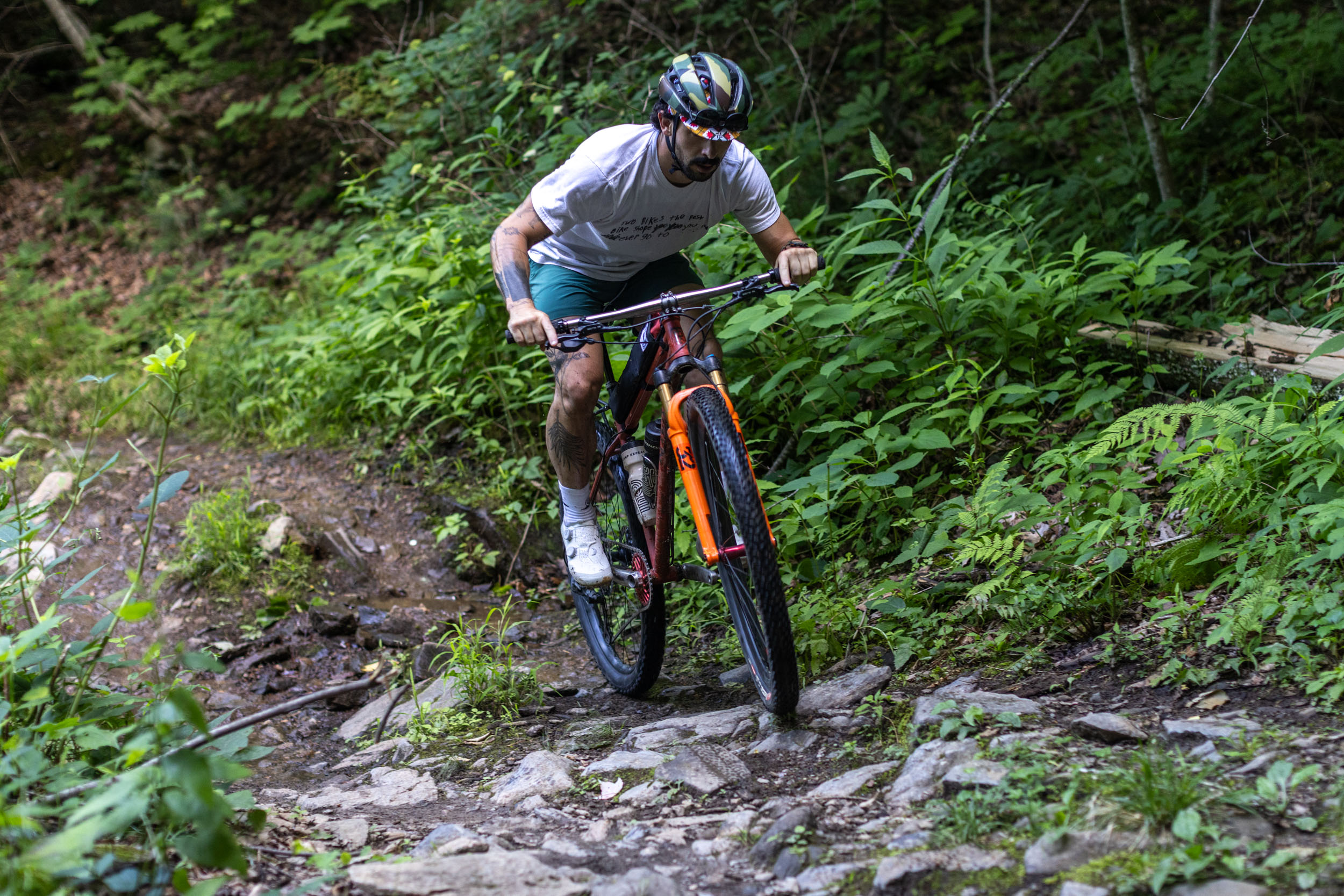
Having only run the new Mezcal, I can’t say whether it’s discernibly slower than the older version. But, after running the latest Mezcal on my Crust Nor’Easter for a brief stint, followed by over 1,000 miles on my Ritchey P-29er, I can confidently say these only felt slightly draggier than comparable tires in the same space, such as the Continental Race King, Cross King, and Barzo. I don’t run a ton of “full” tread designs because I like to split my time between hardpack surfaces and true dirt trails almost equally. Tires like the Peyote, for example, excel in that context. But the Mezcal felt fast when on mixed terrain and even pavement. For those of us who aren’t shaving our legs and counting grams, the current Mezcal is plenty quick, especially given its performance on the dirt.
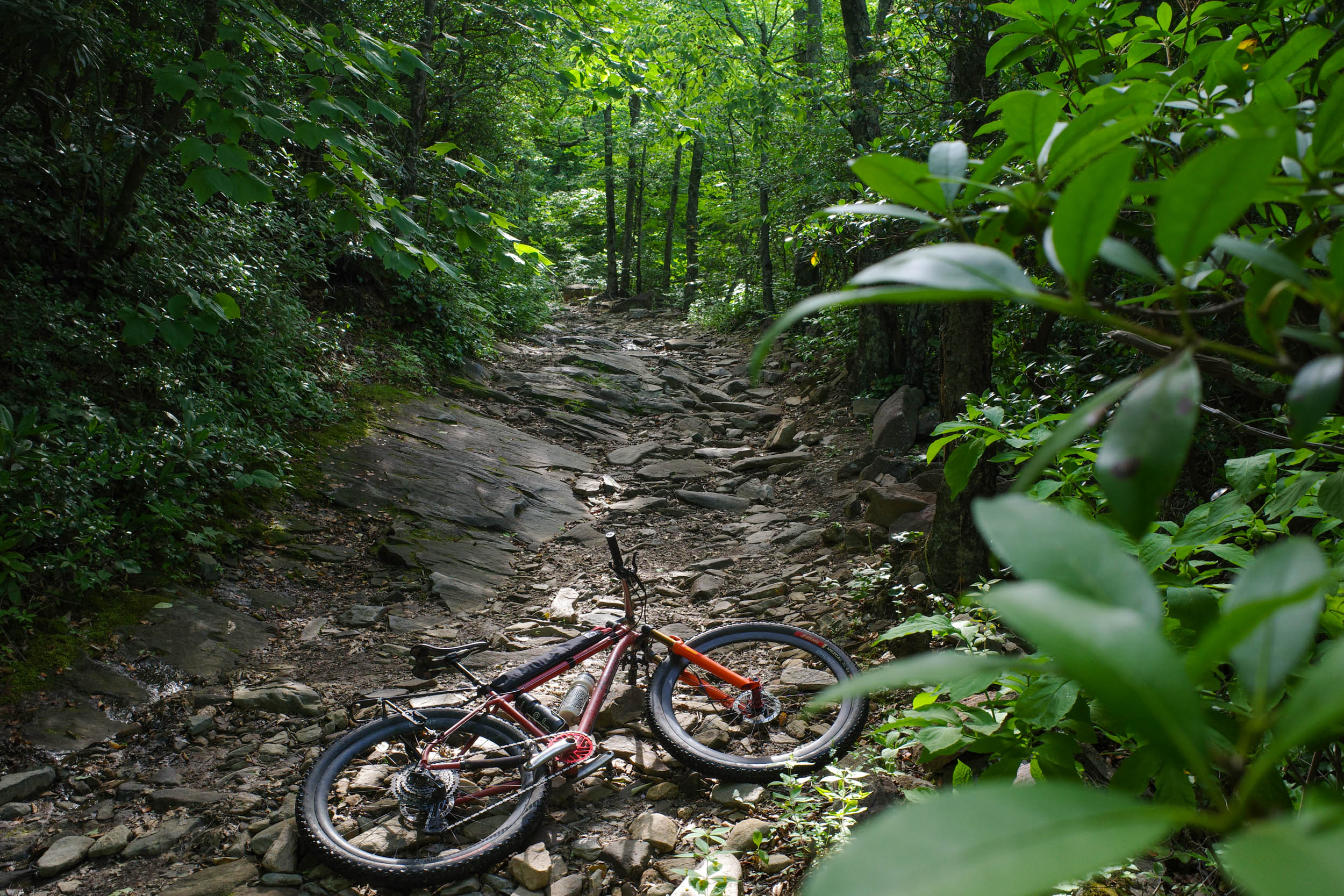
To that end, my experiment with the tire as a mullet system illuminated where the Peyote ends and the Mezcal begins. Just after a fresh rain, I took my P-29er up one of the rockiest and most brutal dirt climbs in Western North Carolina. Old Mitchell Toll Road is more dried-out river bed than double or singletrack, and it delivered on its technical promise on a steamy day in early summer. The XC Race compound deformed over tough roots and rock, keeping me stable and secure, and I hucked and shucked the bike through an interminable rock garden. Where the Mezcal gripped, the Peyote often slipped, but the combination of the two has worked well on long days when I need just a bit more up front to hook into turns and loose gravel.
I eventually blew out my rear tire on some ancient boulder, but I was really happy with the tires’ overall performance and would recommend this combo as the perfect, fast, dirt-focused duo. The Mezcal is similar to the Peyote in that it’s a speed-oriented tire. Though it has a full tread, it would be a mistake to expect it to perform like some aggressive, full-tread designs, such as the Teravail Clifty. As I’ve said, it’s a true mixed-terrain tire that I believe excels beyond its category. Not a full-tread design that is fast.
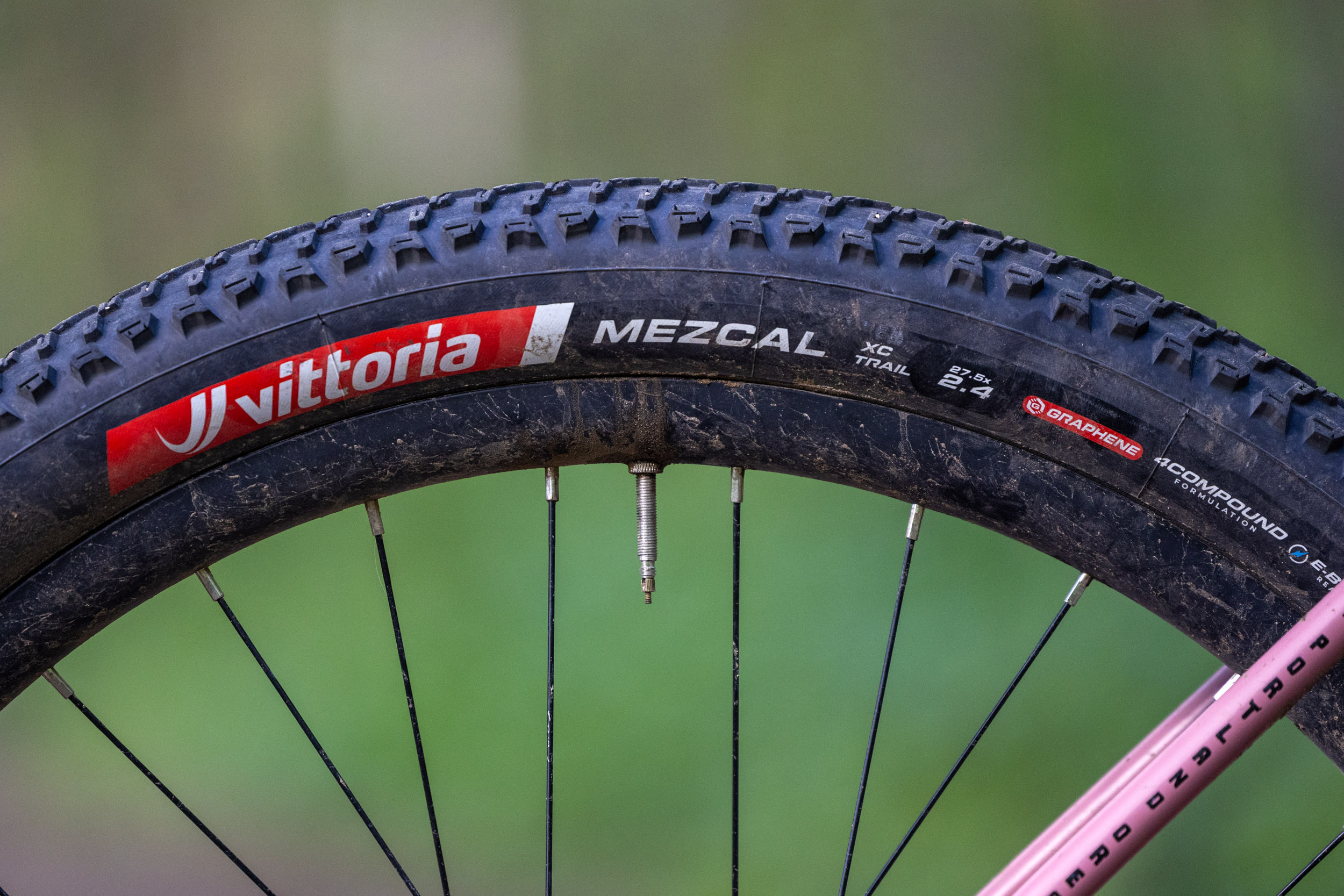
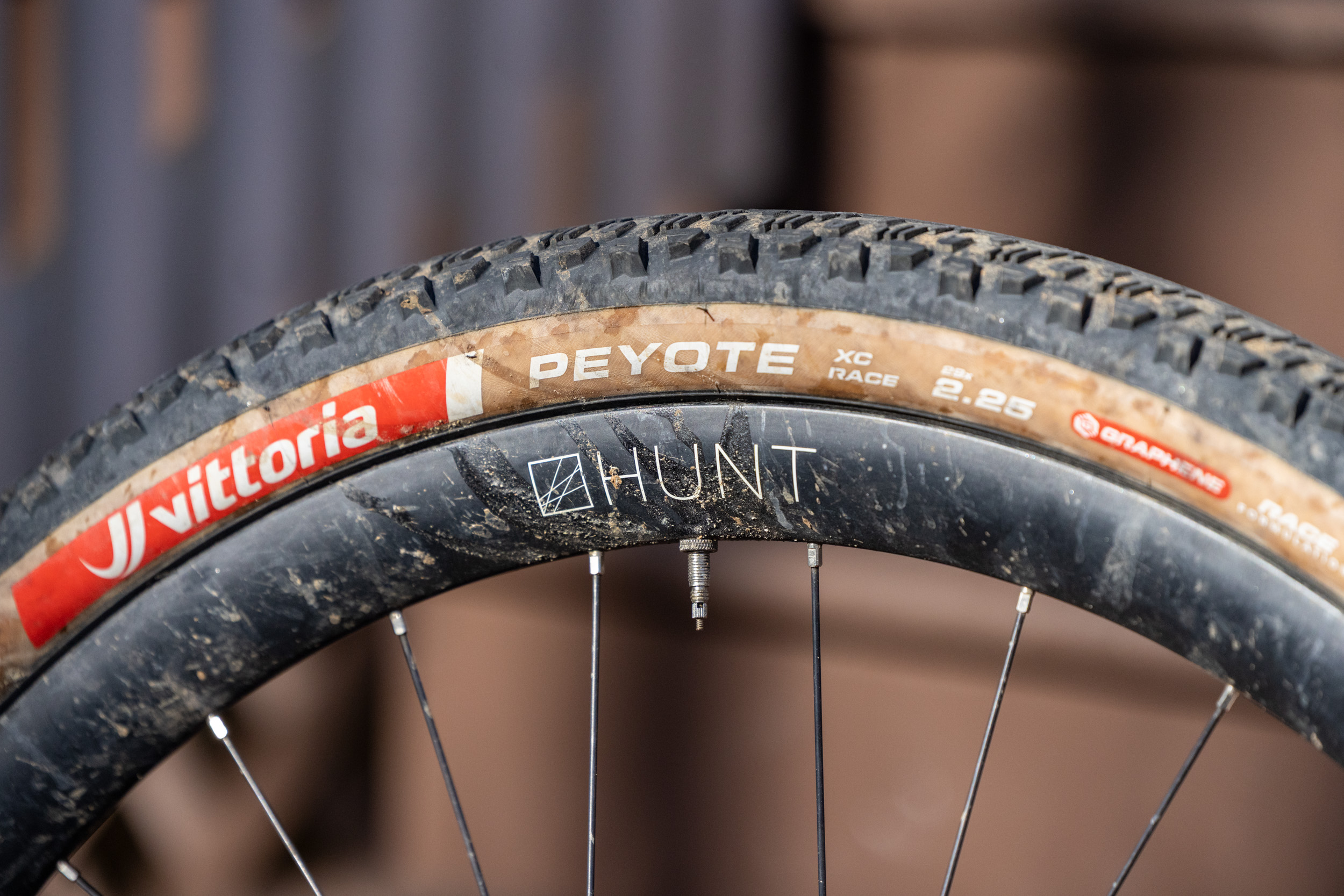
Despite most of my miles being on the XC Race compound, I still had a good amount of time on the XC Trail compound. It doesn’t differ significantly, as the tread and TPI are the same. The only change is that there are two layers of 60 TPI threads, with an updated 4C protection compound. Supposedly, this increases grip and tire deformity. I can’t say it was easily discernible to me, as the grip on the XC Race was more than sufficient. That said, this compound is said to last longer than the XC Race, which could be a boon for those seeking maximum mileage from an already long-lasting tire.
Inside Insight
To get a better idea of how the current Mezcal came to be, I spoke to Ken about the Vittoria design. As he tells it, his remit when joining Vittoria was to incorporate Geax into the company and create a series of dirt-focused models that could compete. Ken is at least partially responsible for some of the most popular tires on the market and has nearly 40 years of product, design, and riding experience.
“I’m not just sitting in a cubicle creating designs I hope riders will use. I know what a rider goes through, because I’ve ridden and raced at a high level myself. So, I try to bring that into my designs.” Speaking with Ken was like pulling from a well of extensive insight. Though I always try to be wary of marketing-driven justifications, it was hard not to align some of my positive experiences with Ken’s explanations for why Mezcal is so beloved.
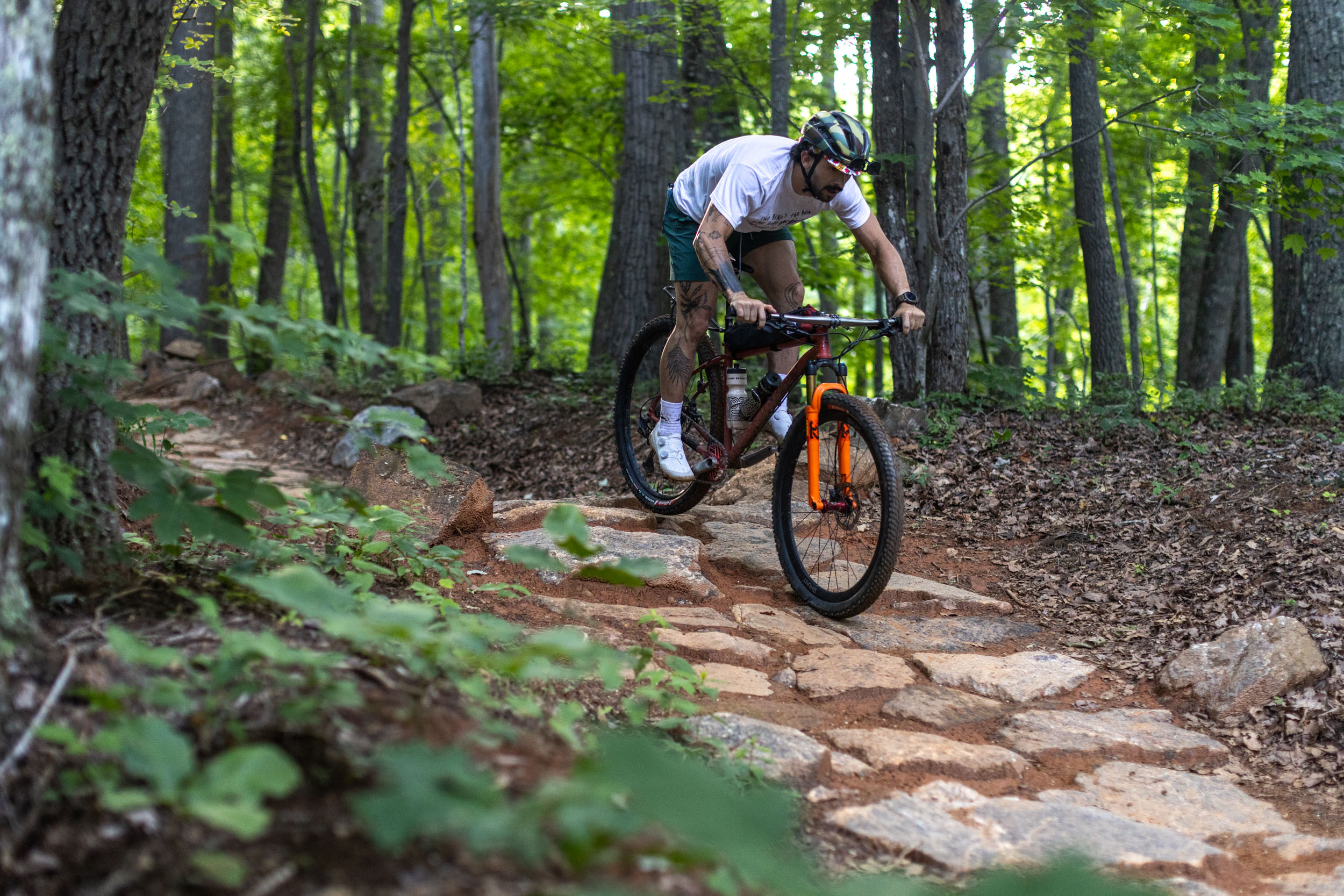
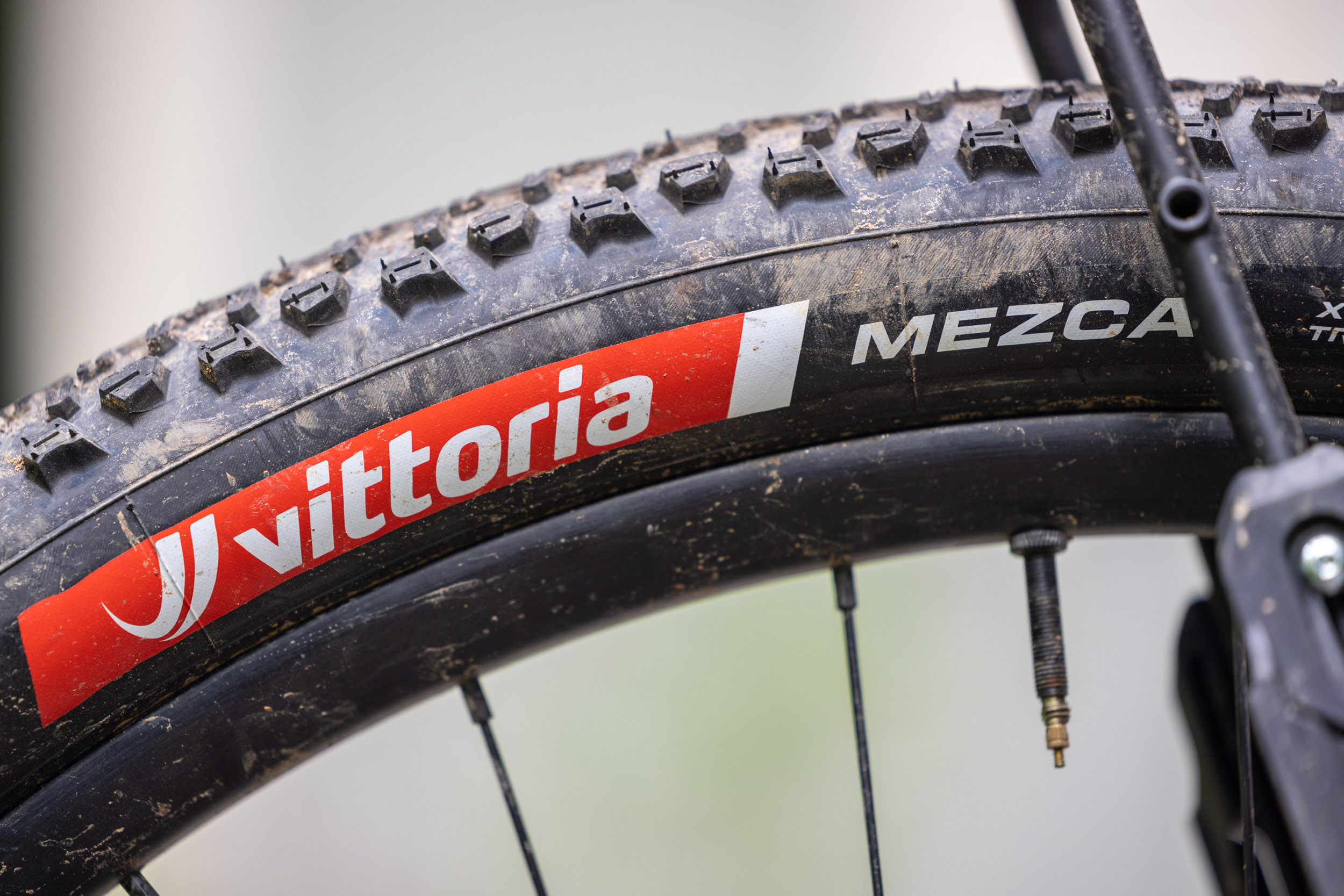
As Ken put it, “The ‘big magic’ behind the Mezcal is the interlocking tread design. You have a row of what are often V-shaped rubber pieces, followed by a space. Our belief at Vittoria is that the interlocking pattern used on the Mezcal and elsewhere creates a uniform experience, ensuring consistency in grip, cornering, rolling, and braking. In addition to smaller details like ramps within the sipes of the V-shape pattern, everything in the tread design adds up to a stable yet fast-rolling tire that has performed well across a number of disciplines. I mean, it’s won all three XC World Cup titles, UNBOUND, and Tour Divide. There’s no faking that.”
Ken also detailed how the V-shape design specifically affects a rider’s forward momentum when turning. The flat element of the V-shape naturally opposes the immediate forward momentum when the tire is turned, pushing the rider in the pointed direction. It’s something he went to great lengths to illustrate, but also a sensation I felt I understood because it aligned with my experience of the Mezcal. Obviously, the V-shape isn’t exclusive to Vittoria, as many tires on the market feature tread patterns arranged in a general V-formation for this very reason. But, in addition to the interlocking design and other small elements, it’s part of what makes the Mezcal such a good option for mixed terrain.
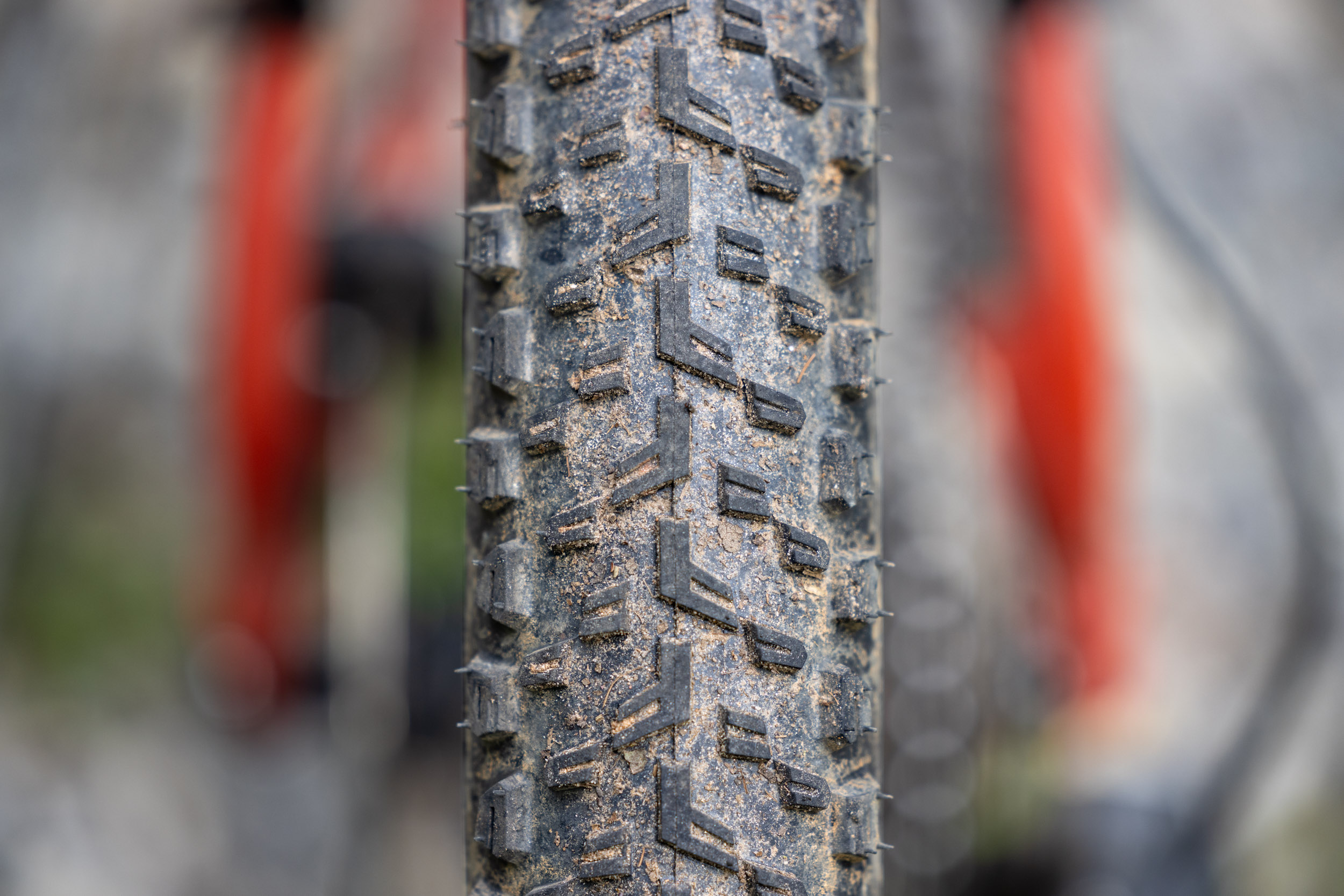


Digging into the casings, readers might be familiar with thread-per-inch counts and generally recognize a higher TPI as a “good” in tire-speak. But, as Ken explained, it’s not so simple. In his words, “We think about the tire system as a whole. Part of that is because we own our manufacturing. It’s not a plug-and-play system with a production partner. So, when updating the tire lineup, we thought about how the sidewall casing interacts with the often much thicker tread cap. In essence, by making the tread elements slightly softer and stiffening the casing, you get a more uniform experience across the tire—not just supple sidewalls and a hard tread cap. Supple tires with high TPI counts may very well maintain thin, soft strands on their sidewalls. But that can create a ‘wiggly’ and inconsistent sensation when pressured down on uneven terrain. We employ a uniform 60 TPI throughout the sidewall and tread cap, which we think gives us ample protection and performance as the tire deforms more consistently.”
Ken also spoke to smaller design elements in the tread design, such as intentional debris exits, ramp and step designs on the inner and outer knobs for braking and traction performance, and a variety of other small changes. While it’s obvious he has his biases, everything he said lined up with my experience while running the tire. When I spoke to him, I’d already formed my opinions on the tire after many rides and adventures, but it was nice to get an idea of what inspired a design I’d thoroughly enjoyed.
- Model Tested: XC Race, XC TRail
- Actual Weight: 748 grams (26.38 oz) for 29 x 2.4” XC Race
- Place of Manufacture: Thailand
- Price: $106 at Jenson USA
- Manufacturer’s Details: Vittoria Tires
Pros
- Long-lasting
- Grippy, even in wet conditions
- Fast for a full-tread tire
- Puncture resistant
- Performs well across a variety of surfaces
Cons
- Slightly slower than the old Mezcal
- Less grippy than some true, full-tread mountain bike tires
Wrap Up
Creating a solid mixed-terrain tire is easier said than done. Finding the perfect mix of grip, speed, traction, and feel can result in a tire that’s okay at most things but excels at nothing. In my time with the Vittoria Mezcal, I found that it strikes that difficult balance exceedingly well. Though not a trail-specific tire, it hooks up in rough conditions well and still feels fast on more consistent terrain. After 1,000+ miles, I feel the Mezcal deserves recognition as one of the most versatile dirt tires in the category, with newly added compounds only adding to its versatility and making an already good option into something great.
Further Reading
Make sure to dig into these related articles for more info...

Please keep the conversation civil, constructive, and inclusive, or your comment will be removed.