

 Mountain Bike (MTB)
 Gravel Bike
 All-Terrain Bike (ATB)
 Fat Bike

Wizard Works Badjelly Review: Modern Magic, Old-School Charm




Can a traditionally styled handlebar bag deliver off-road performance without losing its charm? After more than a year with the Wizard Works Badjelly, Logan digs in to see how its new sizing, waterproof construction, and thoughtful details balance form and function and stack up against the competition. Read his review here…
PUBLISHED Oct 6, 2026
I’m all for classically styled bags, as long as form doesn’t completely quash function. Bags that lean into a vintage or traditional aesthetic can sometimes be too heavy, too bulky, not particularly stable, or simply not waterproof. For me, rock-solid stability for chunky off-road riding is crucial, and while plenty of folks might not care about keeping all their gear dry—or think they don’t, until it matters—I’d rather my handlebar bag not soak through in a downpour.
The recently redesigned Wizard Works Badjelly sets out to bridge the divide between classic looks and modern capability. I’ve been testing one for well over a year to see how it stacks up against other top-opening bags. Read on for my full review.

Behind the Name
Named after Spike Milligan’s 1973 children’s tale Badjelly the Witch, the Wizard Works Badjelly was released in 2025 and replaced the Shazam!, the brand’s previous top-opening handlebar/saddlebag. The name change stemmed from legal issues, but with some significant upgrades, the Badjelly is unique enough to warrant a fresh name.

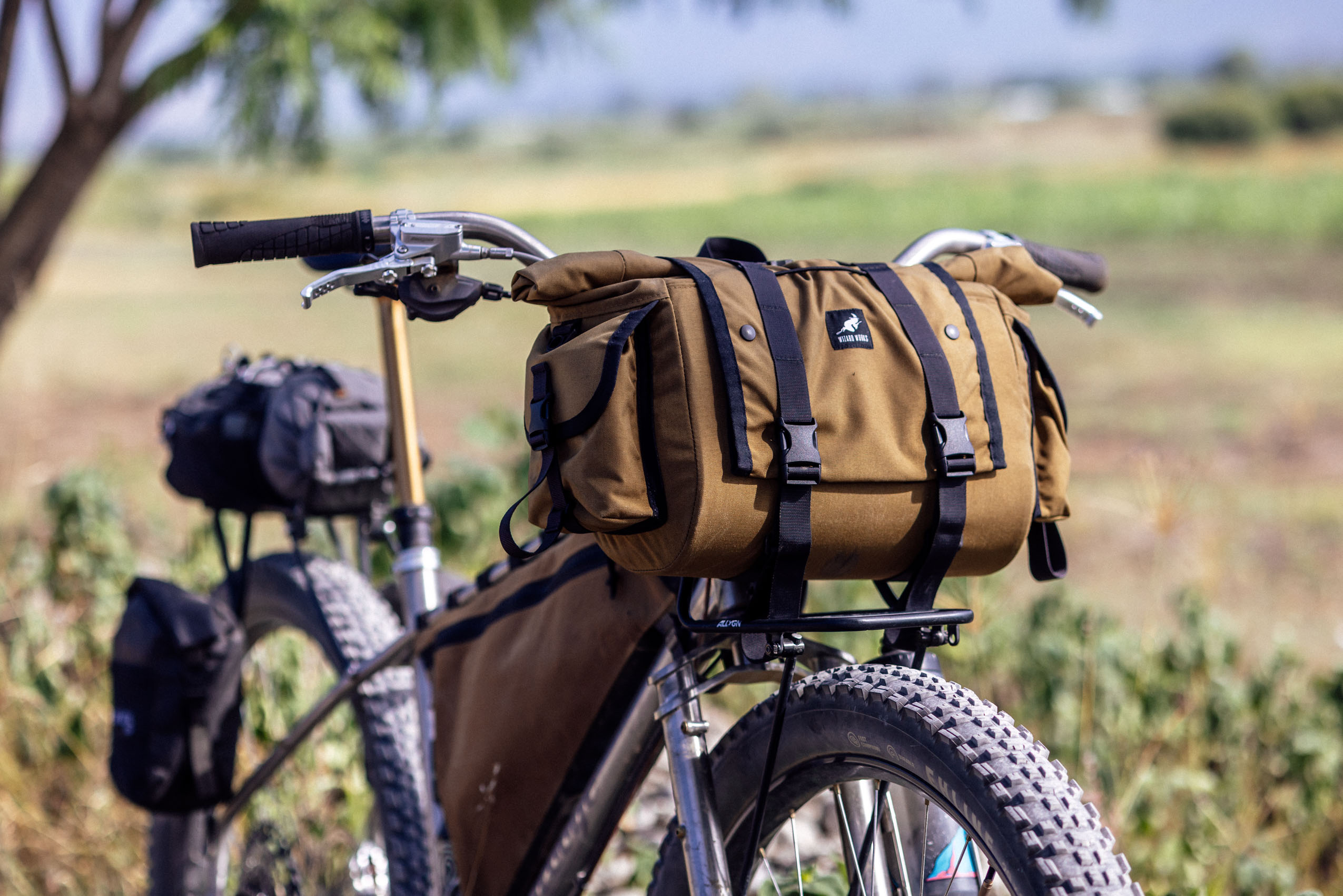
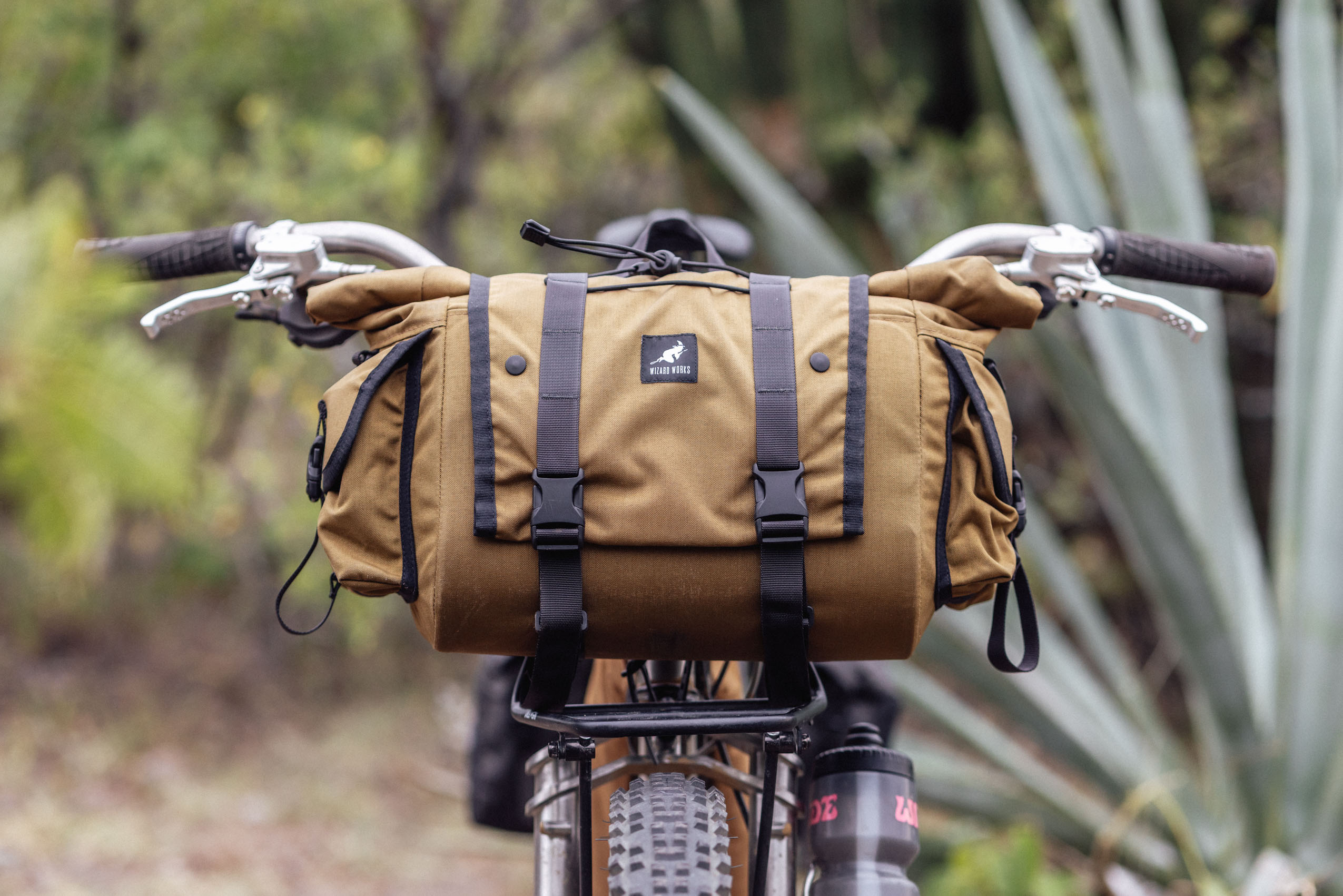
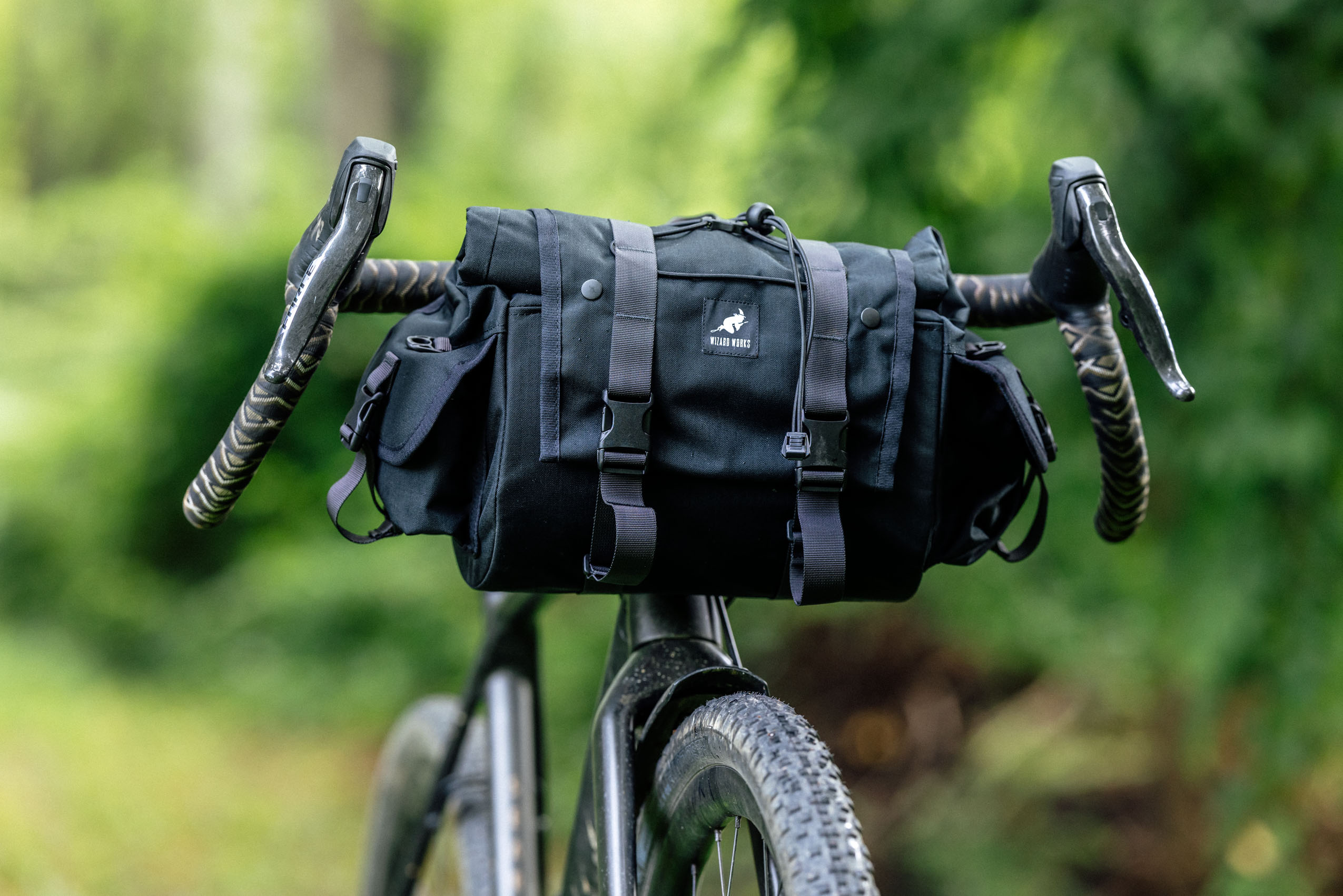
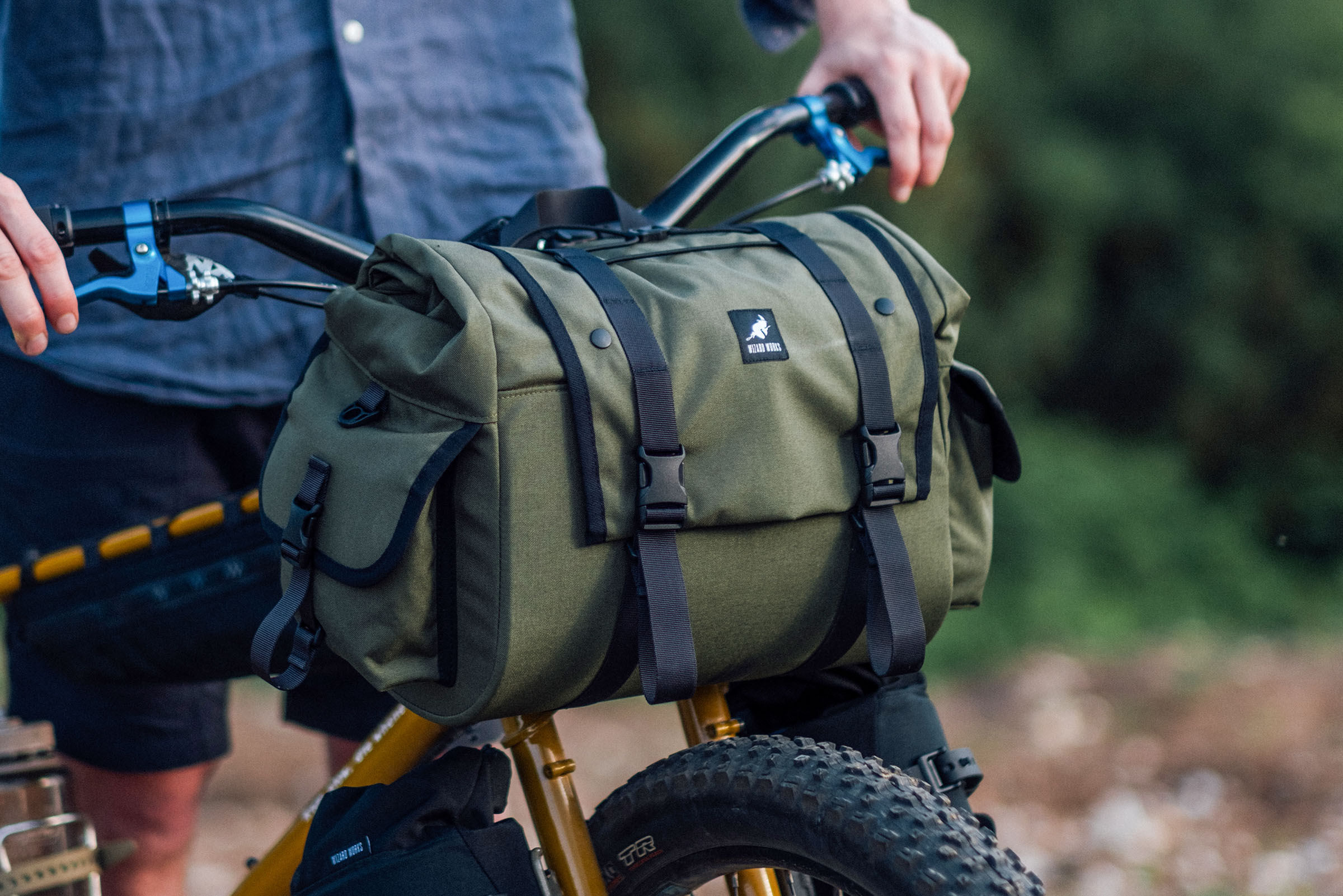
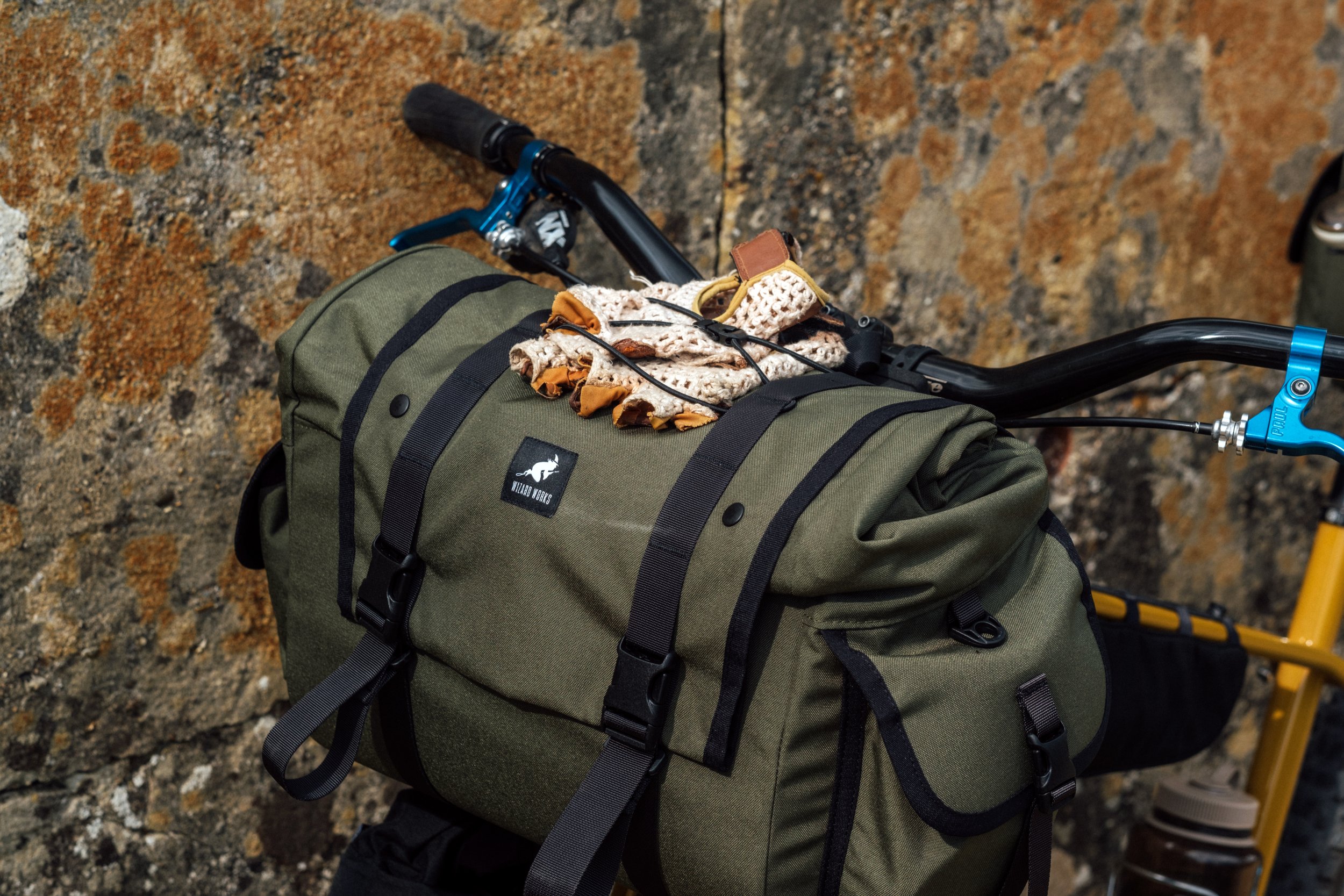
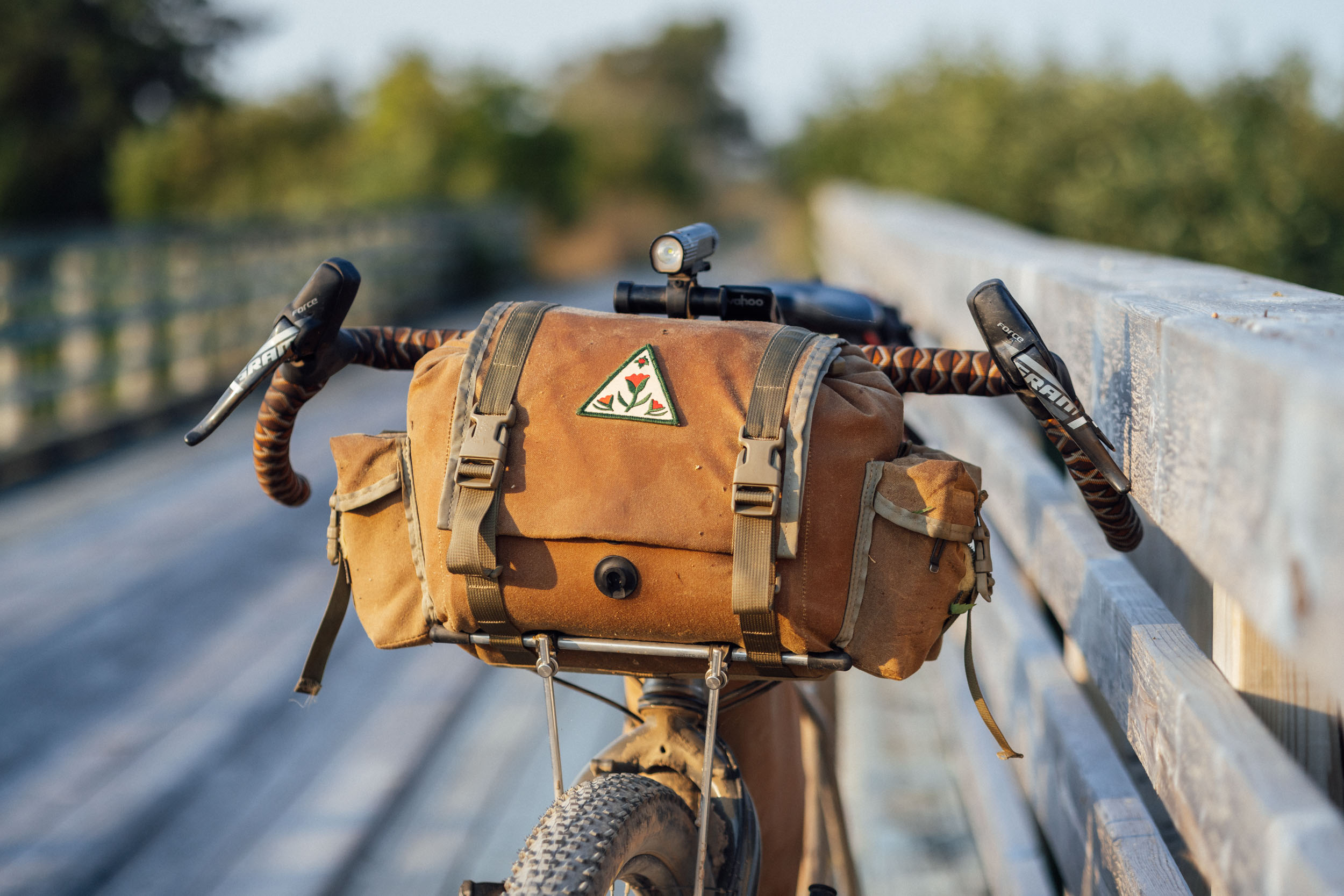
In summary, the Badjelly feels like an appropriately curious mashup of traditional style and modern function. Outside, it has all the charm of a classic British saddlebag, with a generous flap, a boxy aesthetic, an earthy color palette, and a dash of the slightly eccentric personality we’ve come to expect from Wizard Works. But some modern magic hides beneath the storybook exterior. A fully seam-taped waterproof liner and a host of thoughtful technical details transform the Badjelly into something a little more adept than its traditional silhouette lets on.
What’s Changed
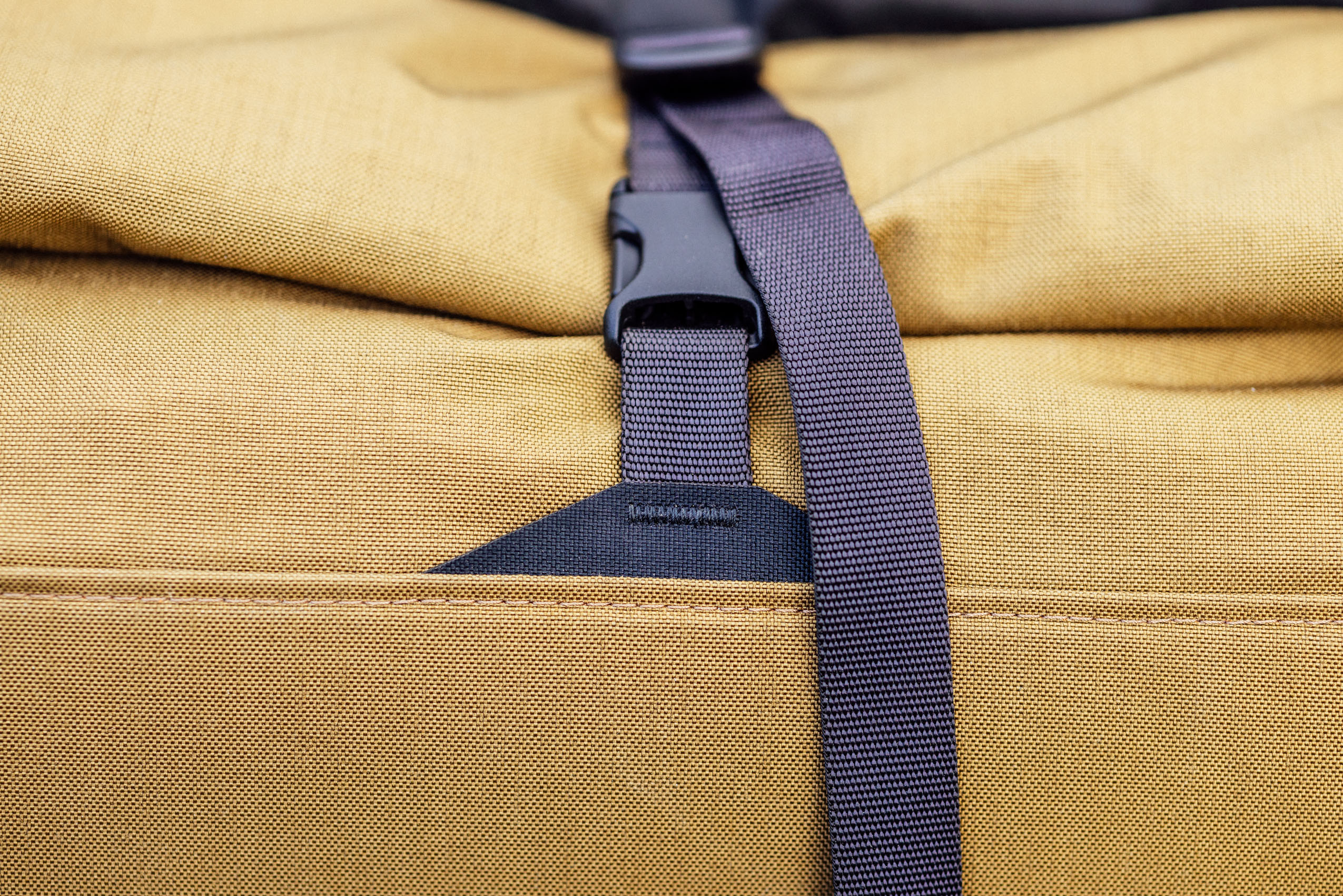
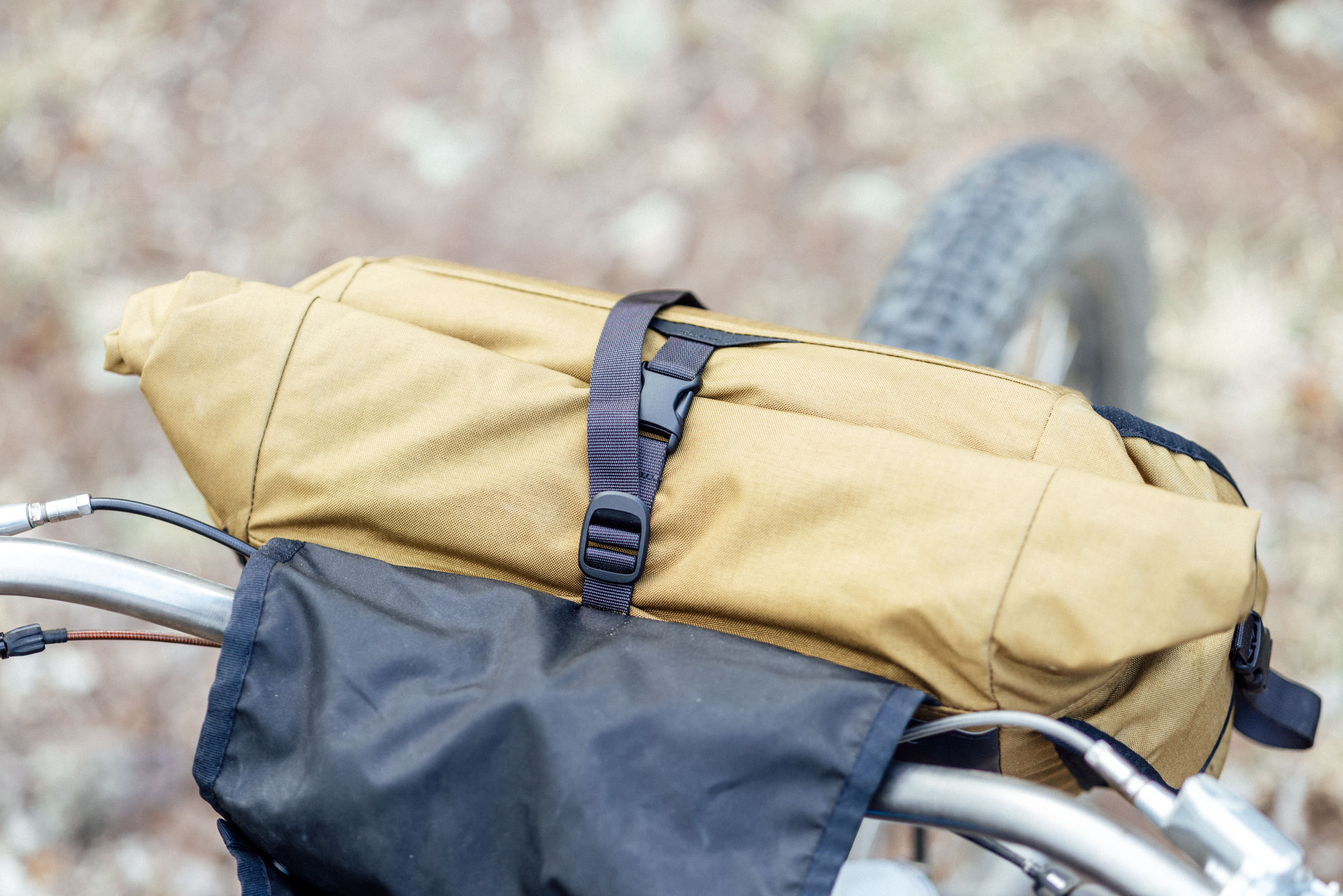
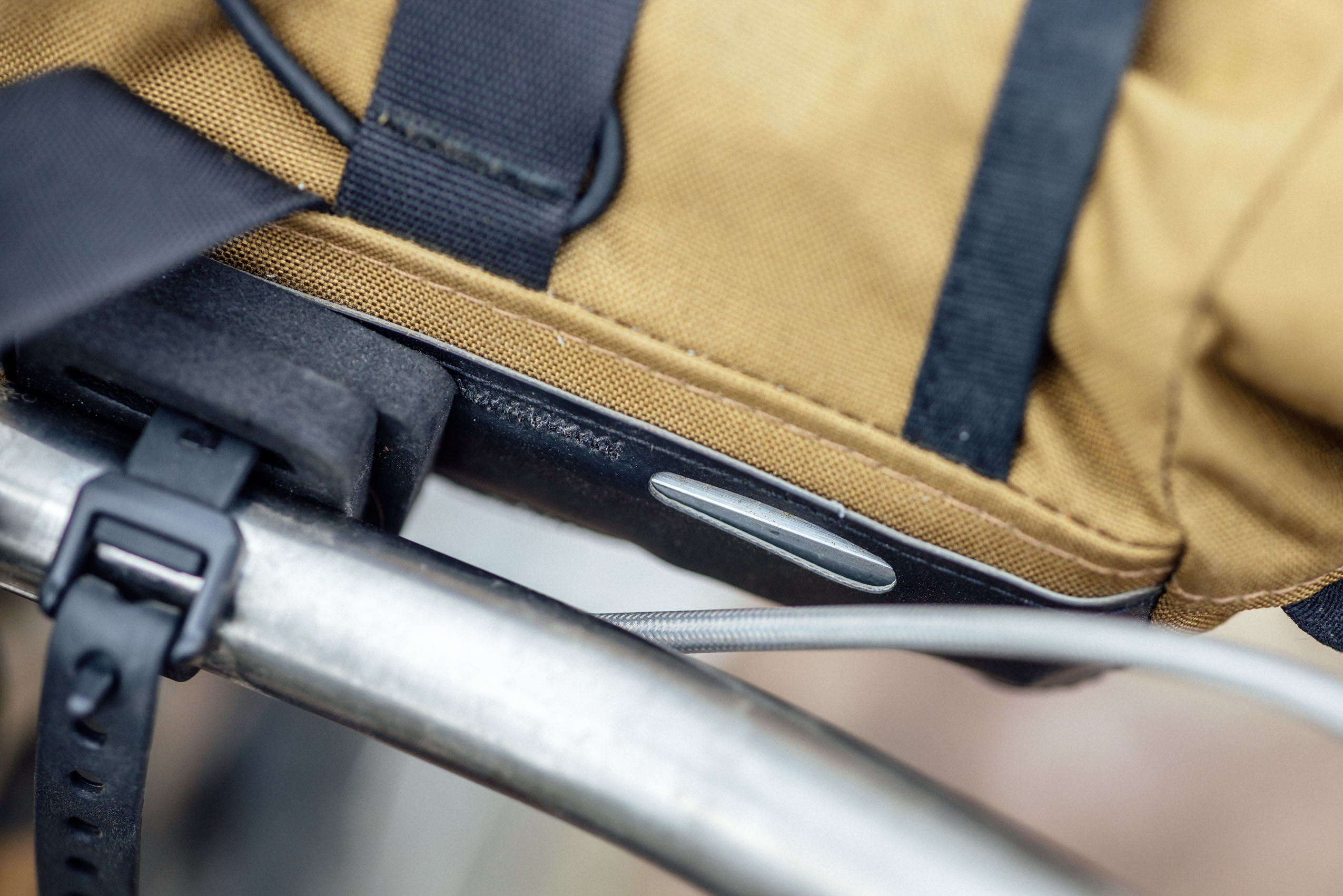
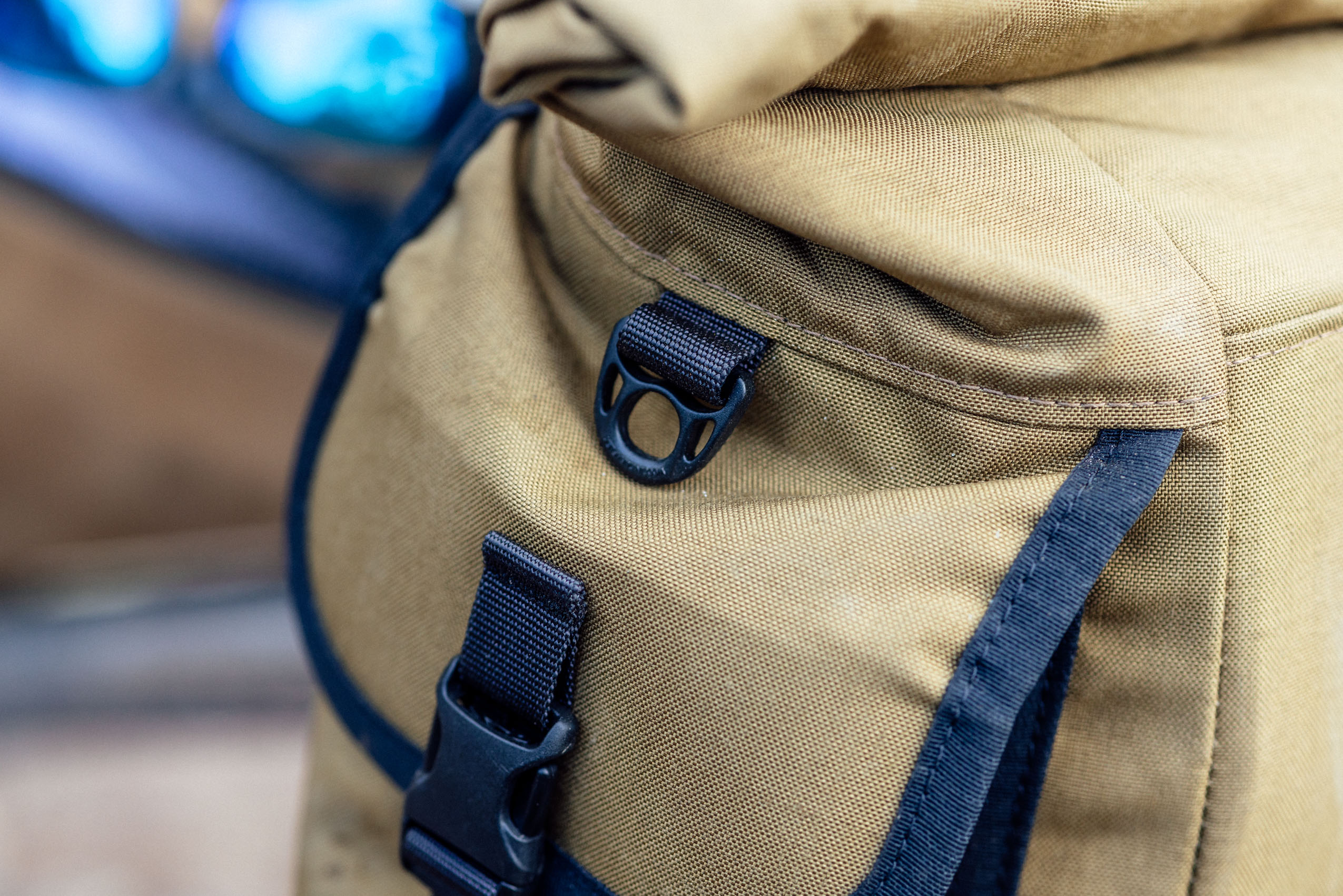
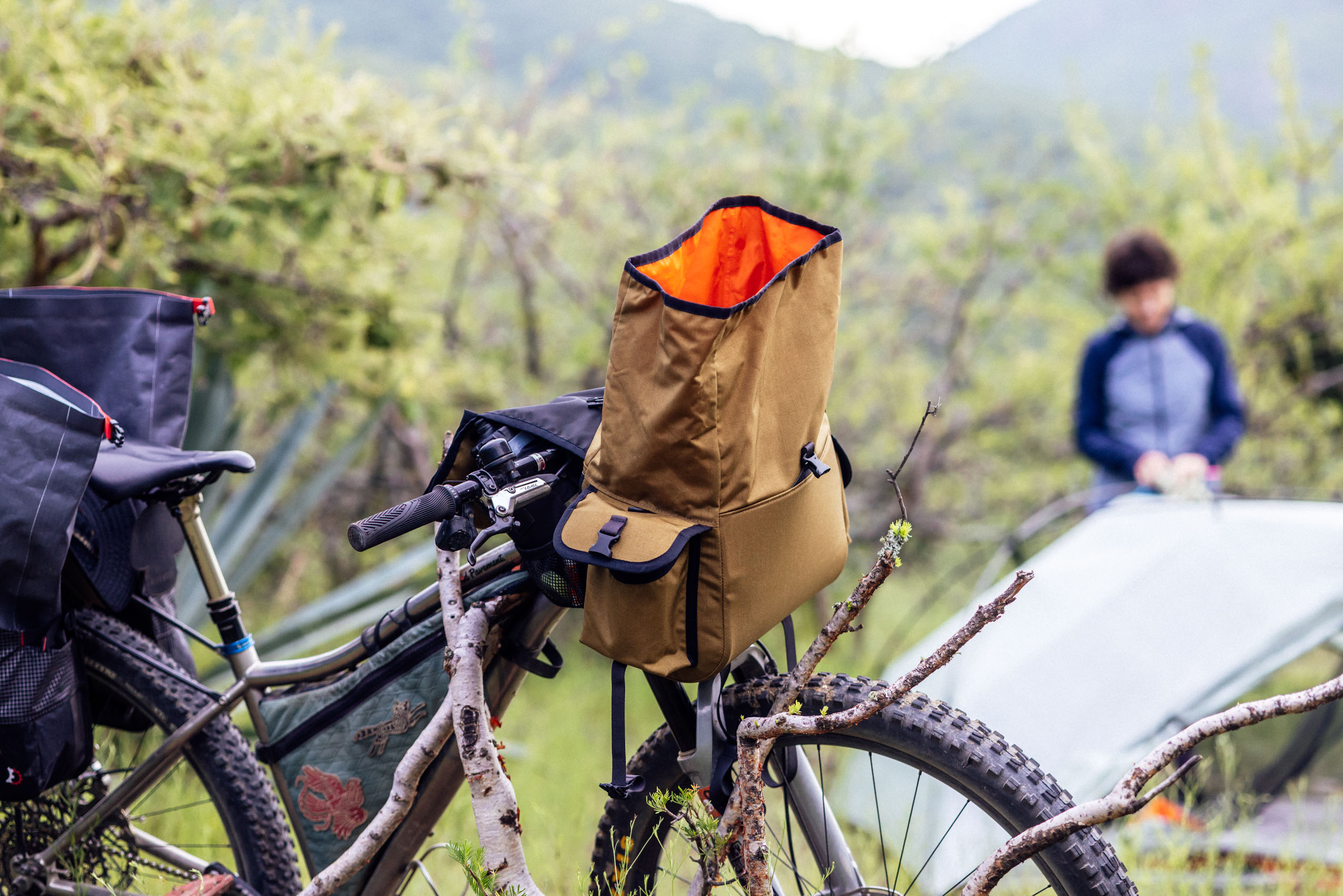
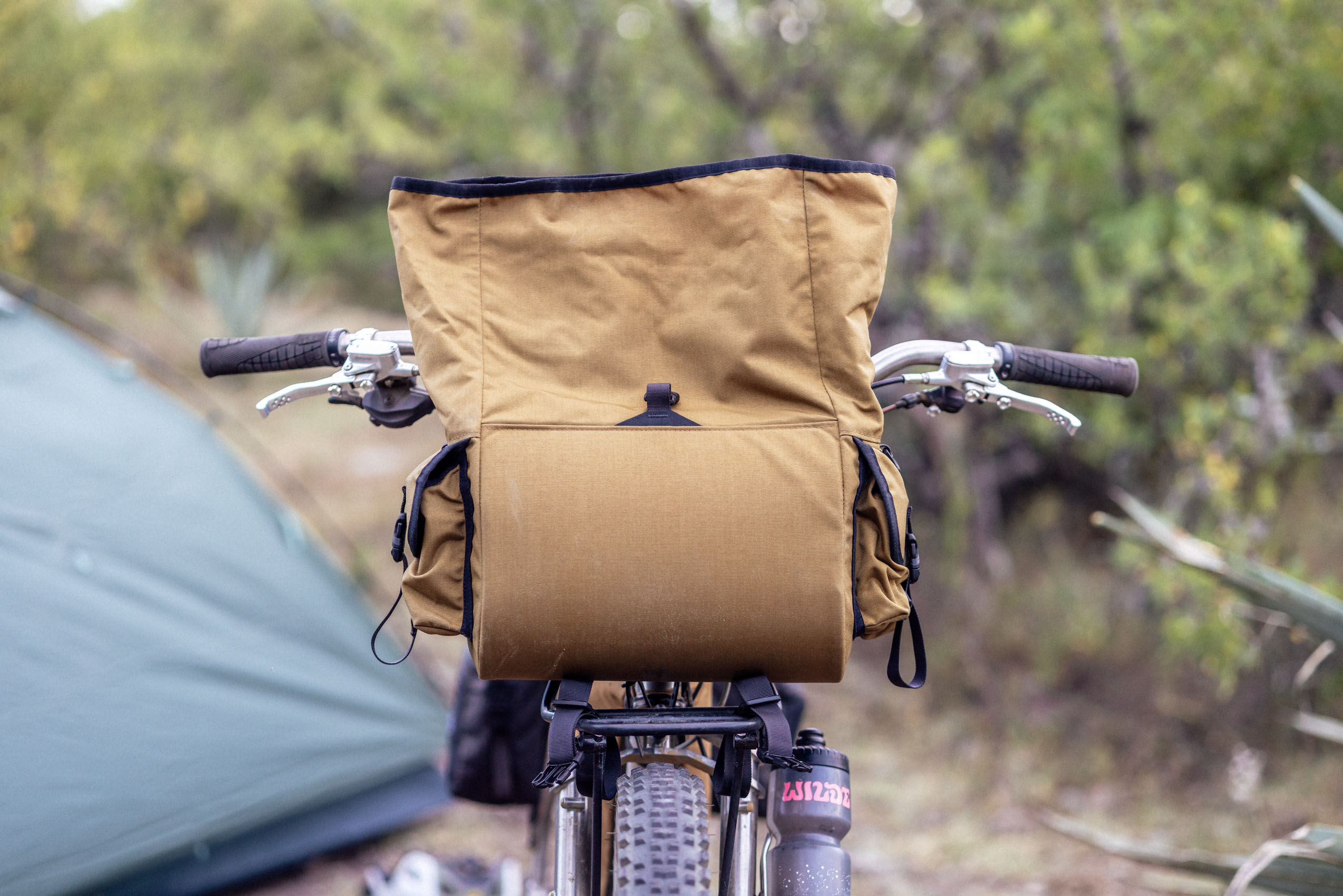
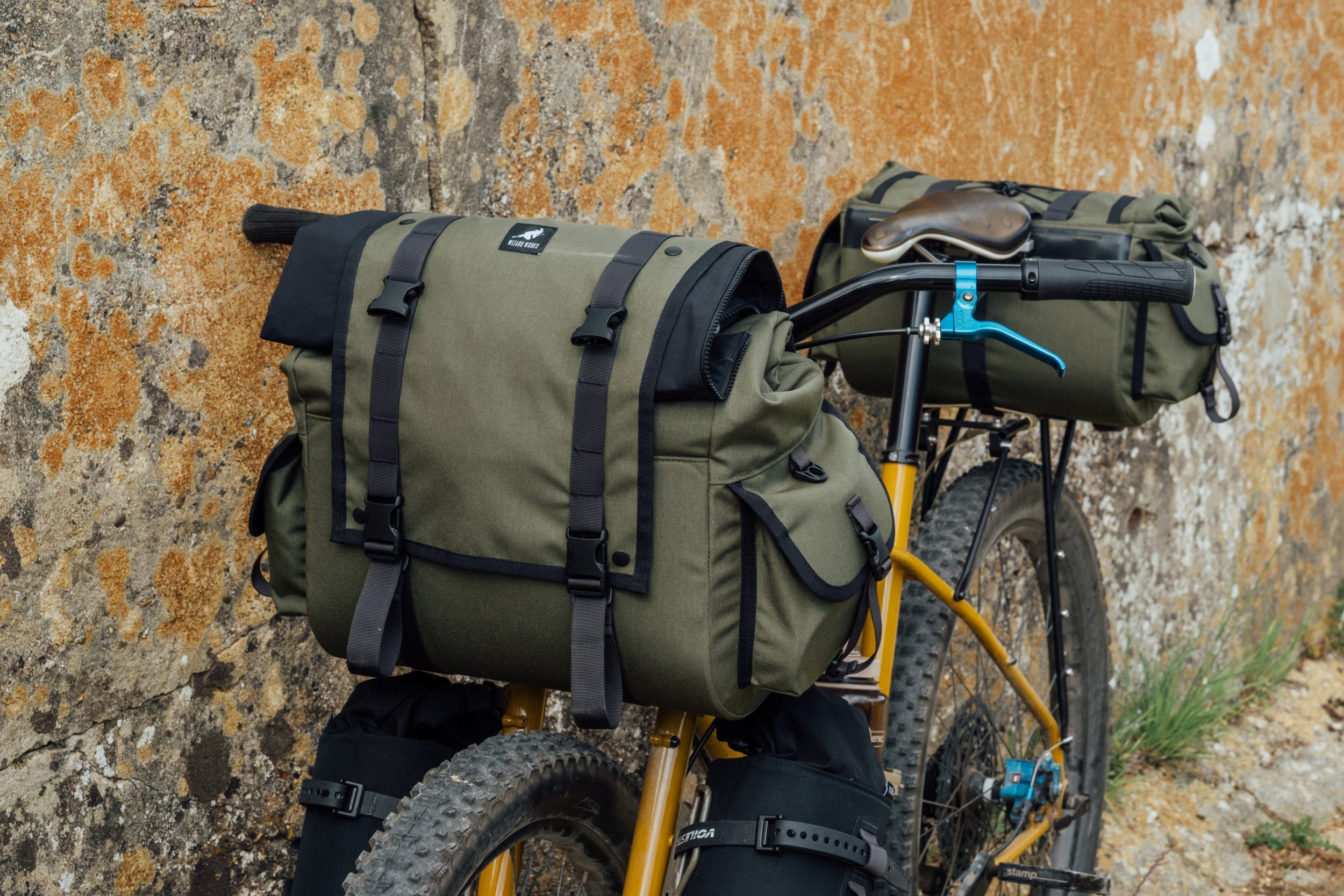
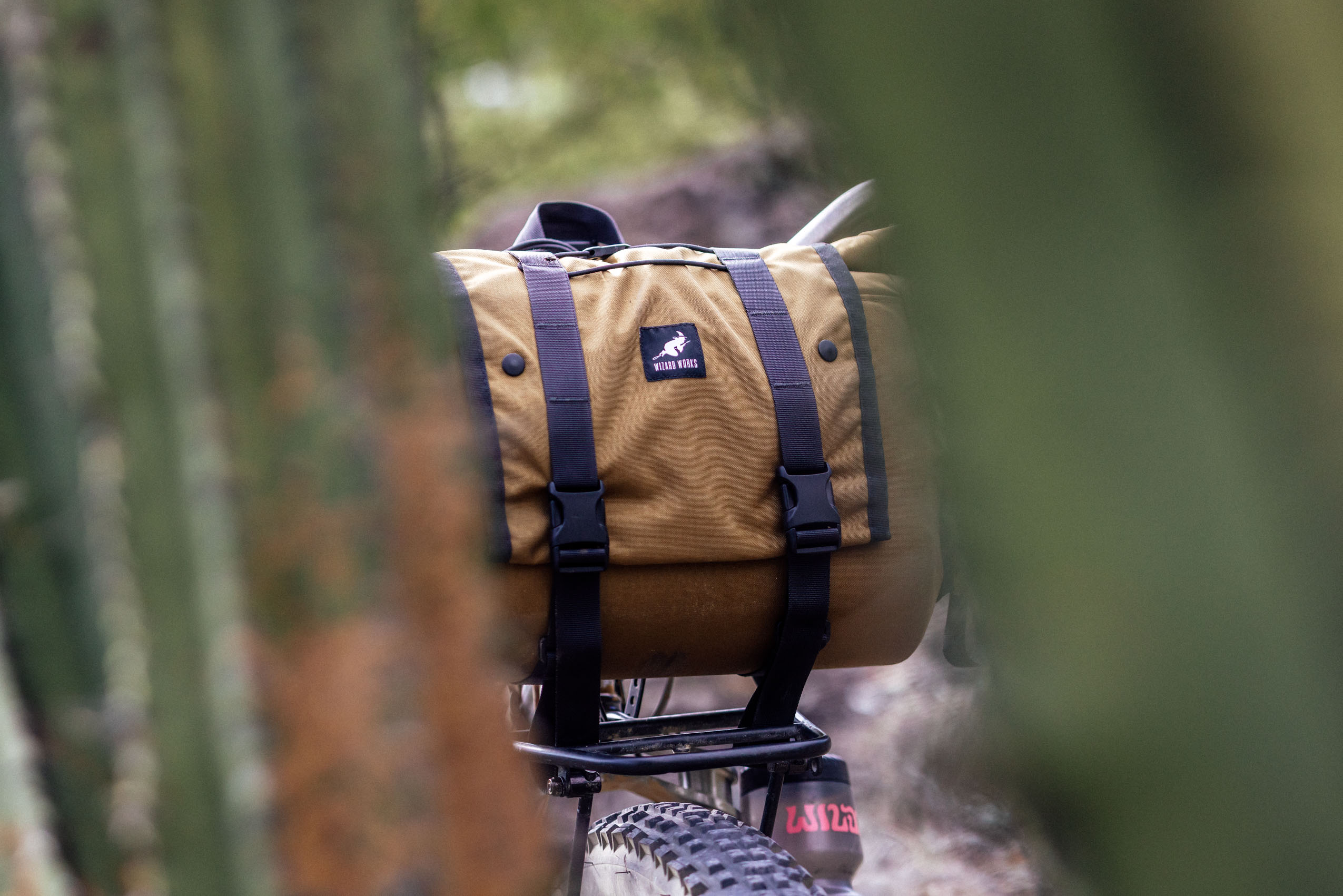
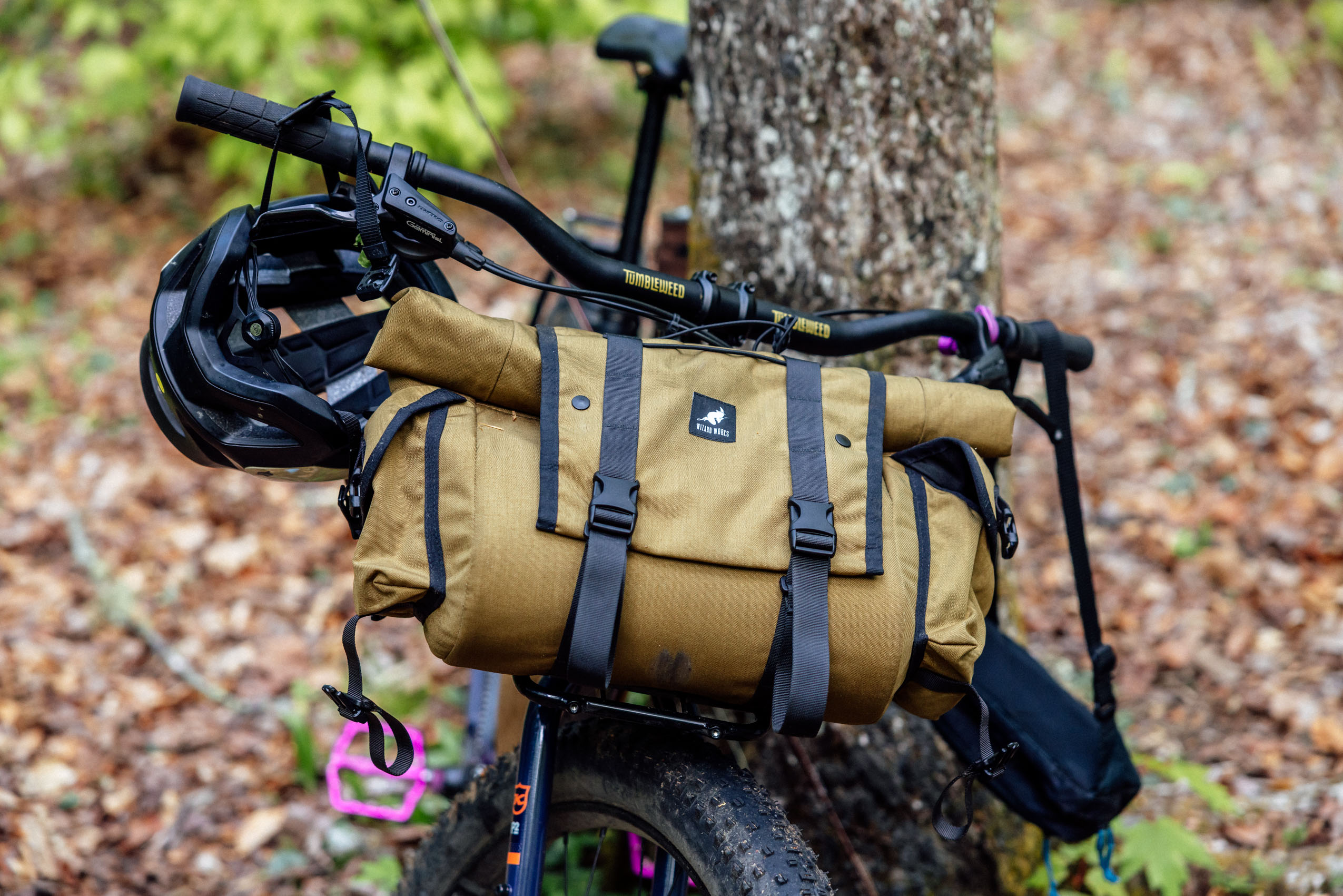
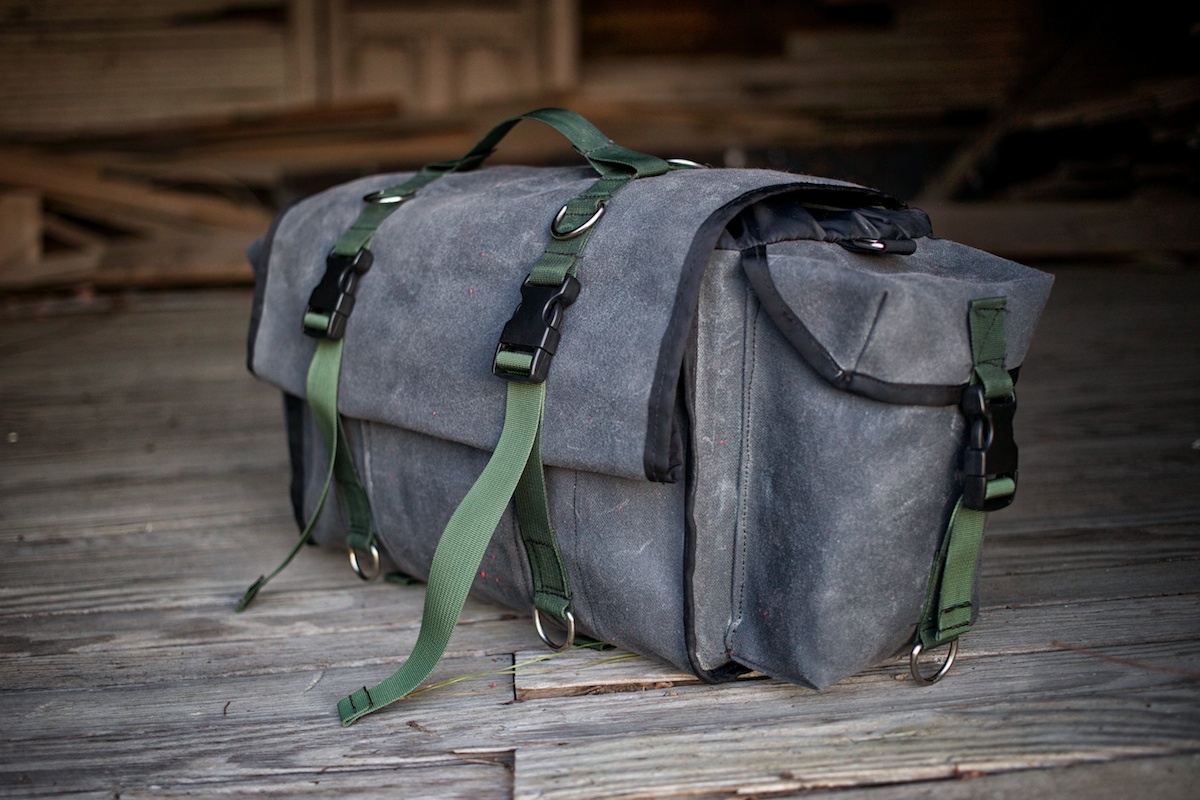
The Badjelly looks a lot like the Shazam, but there are a couple of significant differences and a few subtle ones. Like the Shazam, the Badjelly uses a roll-top closure and an expandable long flap, but the redesigned body now tapers toward the bag’s front to provide additional clearance for hands and shifters when used with drop bars. It’s only a two-centimeter difference, but it’s notable in the U-formed internal plastic sheet that establishes the bag’s shape. Other updates include two internal drop pockets (one on each side), a bungee cord on top for stashing layers or other essentials, and a new Hypalon-enclosed aluminum attachment bar for looping the included Voilé Nano straps. A new webbing strap that routes over the roll-top and beneath the flap helps cinch everything down and keep the load secure.


Sizing
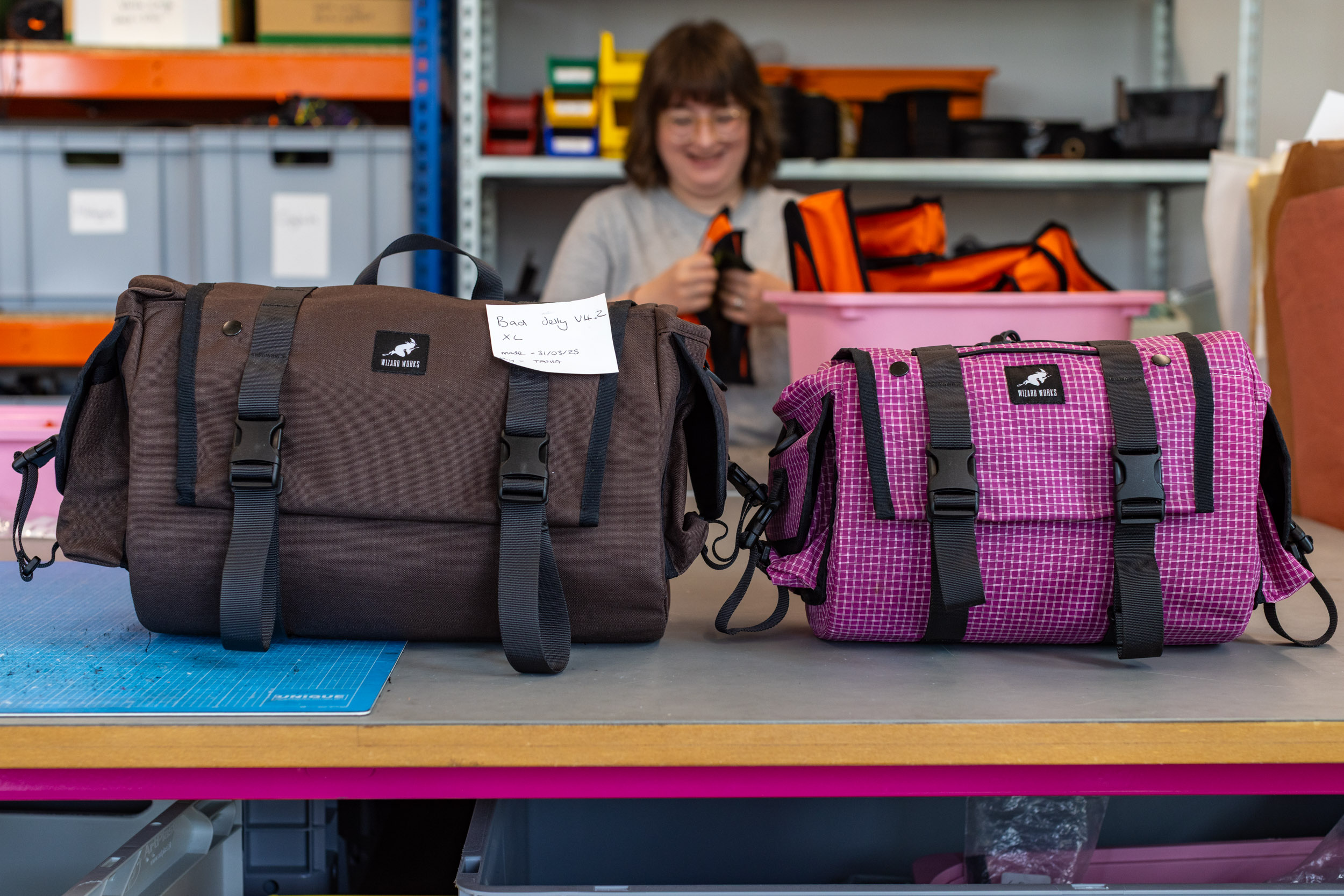
One of the major changes is in the sizing. Across the board, the Wizard Works Badjelly comes in larger sizes than the Shazam, with deeper, reshaped main compartments that increase carrying capacity across the range. The small grew from 9 to 10 liters, the medium from 14 to 15 liters, and the new large size offers a substantial 19 liters of storage. That brings to mind one of my complaints about this style of bag: they can often be a little too large. For example, although I really liked both of these bags, the old BXB Goldback I had was massive, and the Fab’s Chest (which is oddly the small size) was too big for most of my trips and many of the bikes I ride. Plus, the waxed canvas used in both of these bags makes them a tad too heavy. For the record, they both make smaller versions in lighter X-Pac now. However, the larger sizes weren’t necessarily a downside with the Badjelly, which I’ll explain a little later.

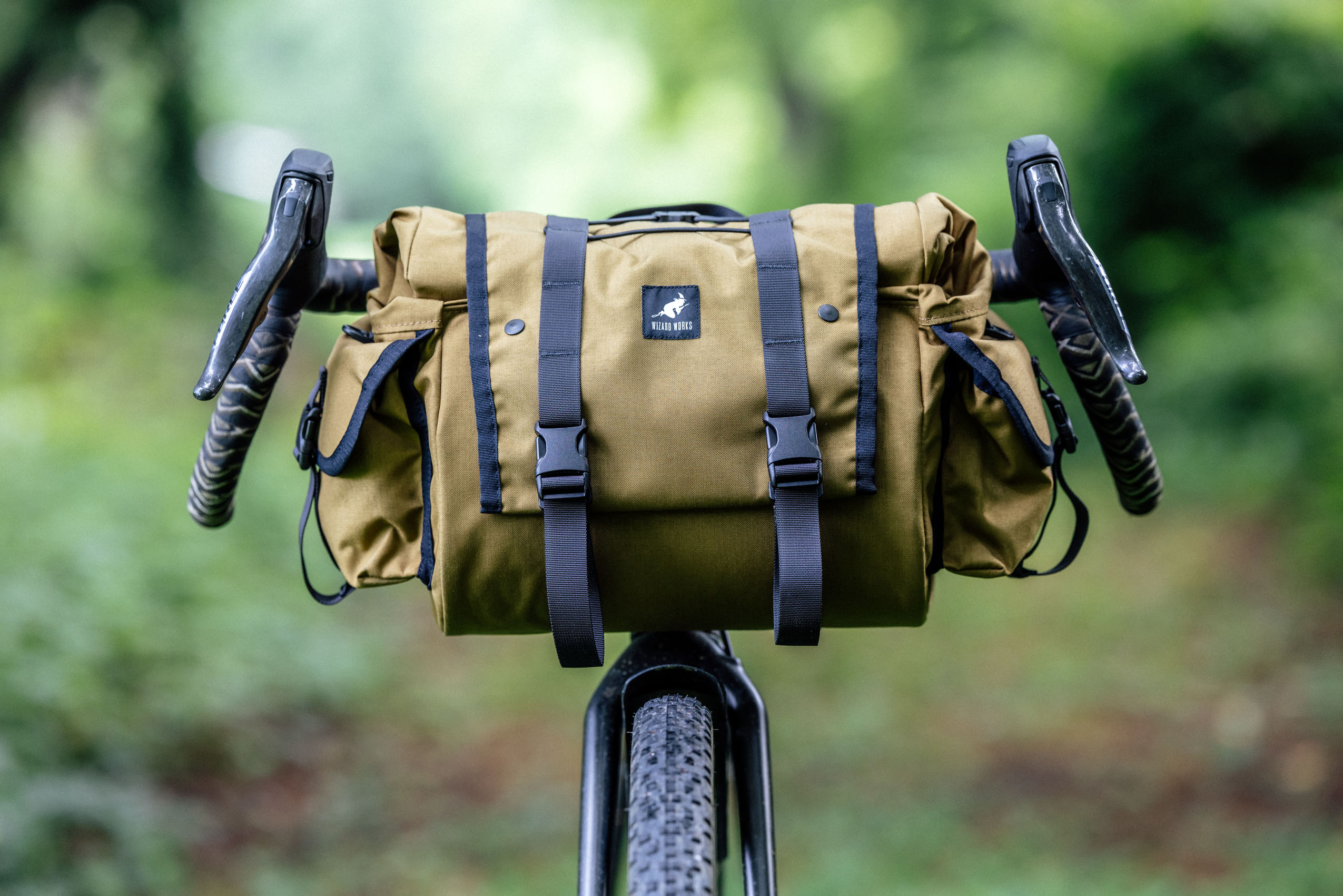
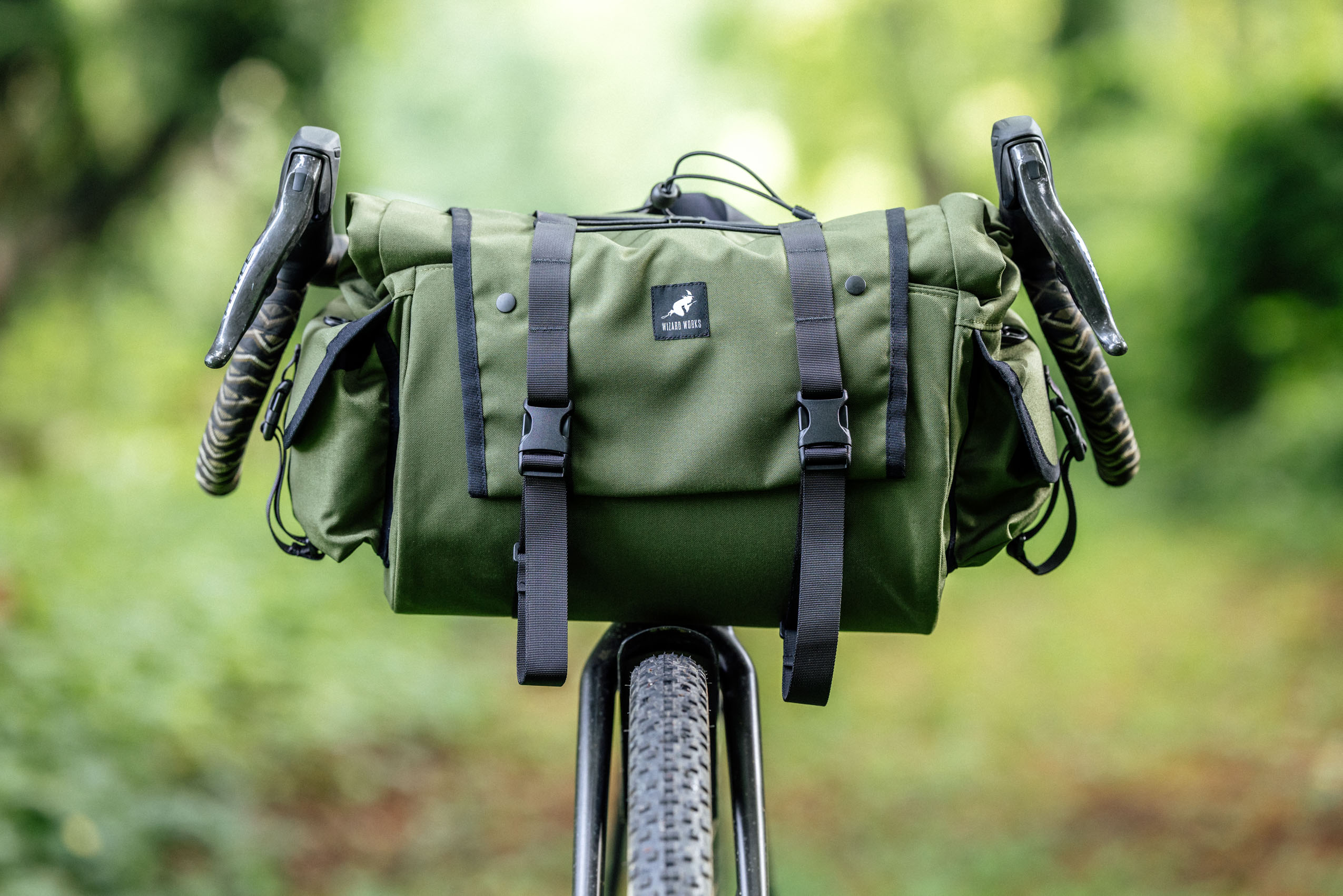


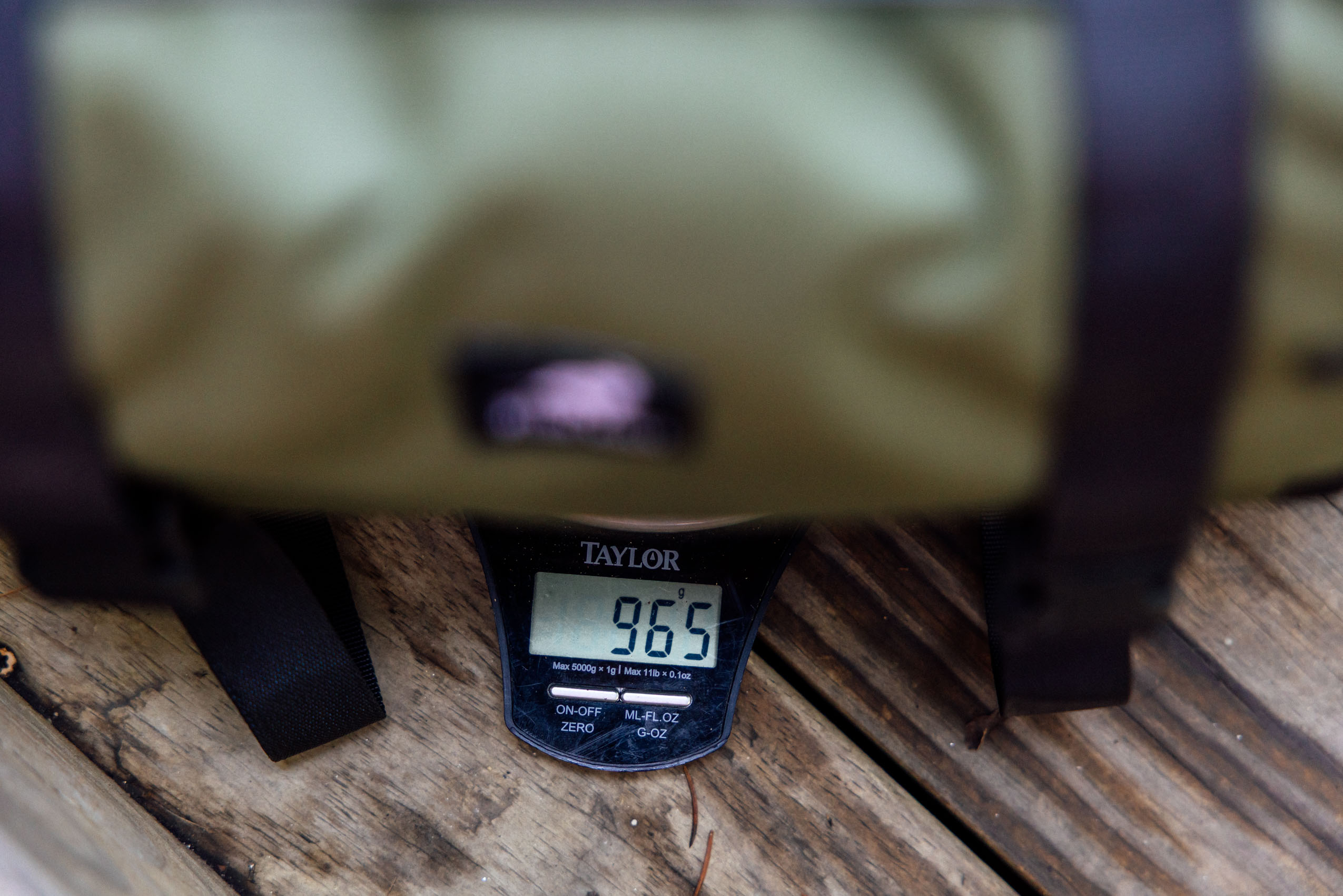
The size small Badjelly measures 29cm wide x 24cm high x 17cm deep (37cm wide with the side pockets fully loaded) and weighs 705 grams. The medium measures 31 x 29 x 18cm (39cm wide with full side pockets) and weighs 839 grams, while the large measures 36 x 30 x 20cm (44cm wide with full side pockets) and weighs 965 grams. None feel heavy in hand, and the comparable medium size falls squarely in between the 597-gram Swift Zeitgeist and the roughly 1,000-gram small Fab’s Chest (X-Pac version). Note that the Zeitgeist is the only one of the three without a secondary internal liner, which makes it lighter by sacrificing water resistance.
The Three Bears
I tried all three Badjelly sizes. They all have their place. Wizard Works put together a detailed fit guide (https://www.wizard.works/product-information/badjelly-fit-guide/) that covers various scenarios to help folks decide on the best size for their bike, but the key number is the vertical clearance. The small takes up 26cm of vertical space from the center of the bars, while the medium and large take about 30 and 31, respectively.
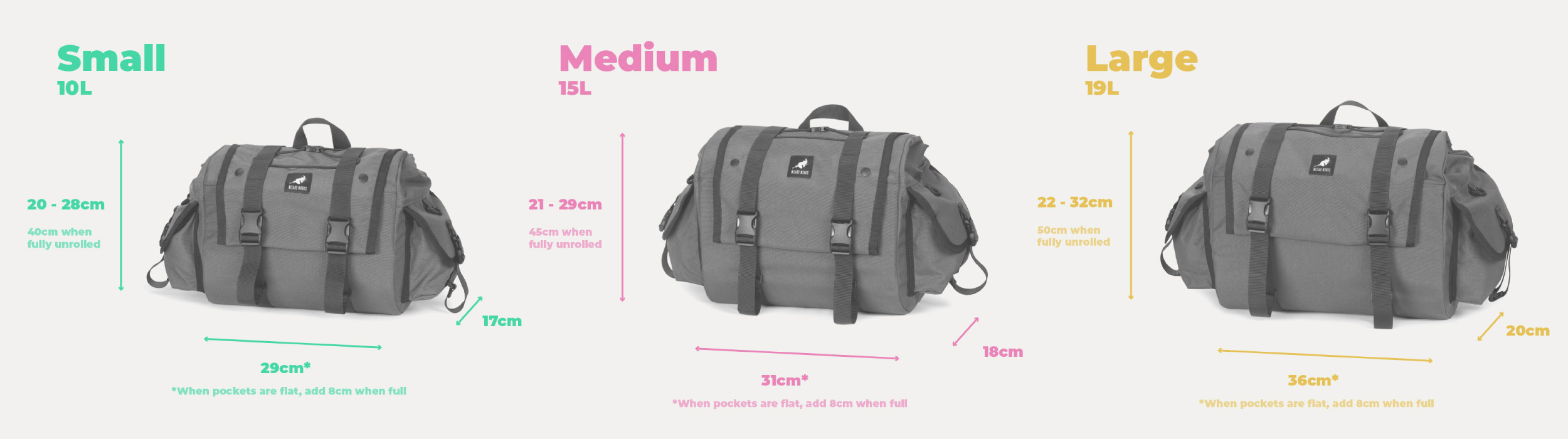
The small option seems like it’s best for anyone who wants a more compact bag up front, or for folks running a suspension fork. It holds a surprising amount of gear, but it’s noticeably smaller than the Swift Zeitgeist, which offers 12 liters of storage and requires a claimed clearance requirement of 28cm from the center of the handlebar to the top of the front. On the flip side, the large version feels a little too chunky for me—similar to the Fab’s Chest and the old Goldback. For all those reasons, I used the medium-sized (14L) Badjelly most.

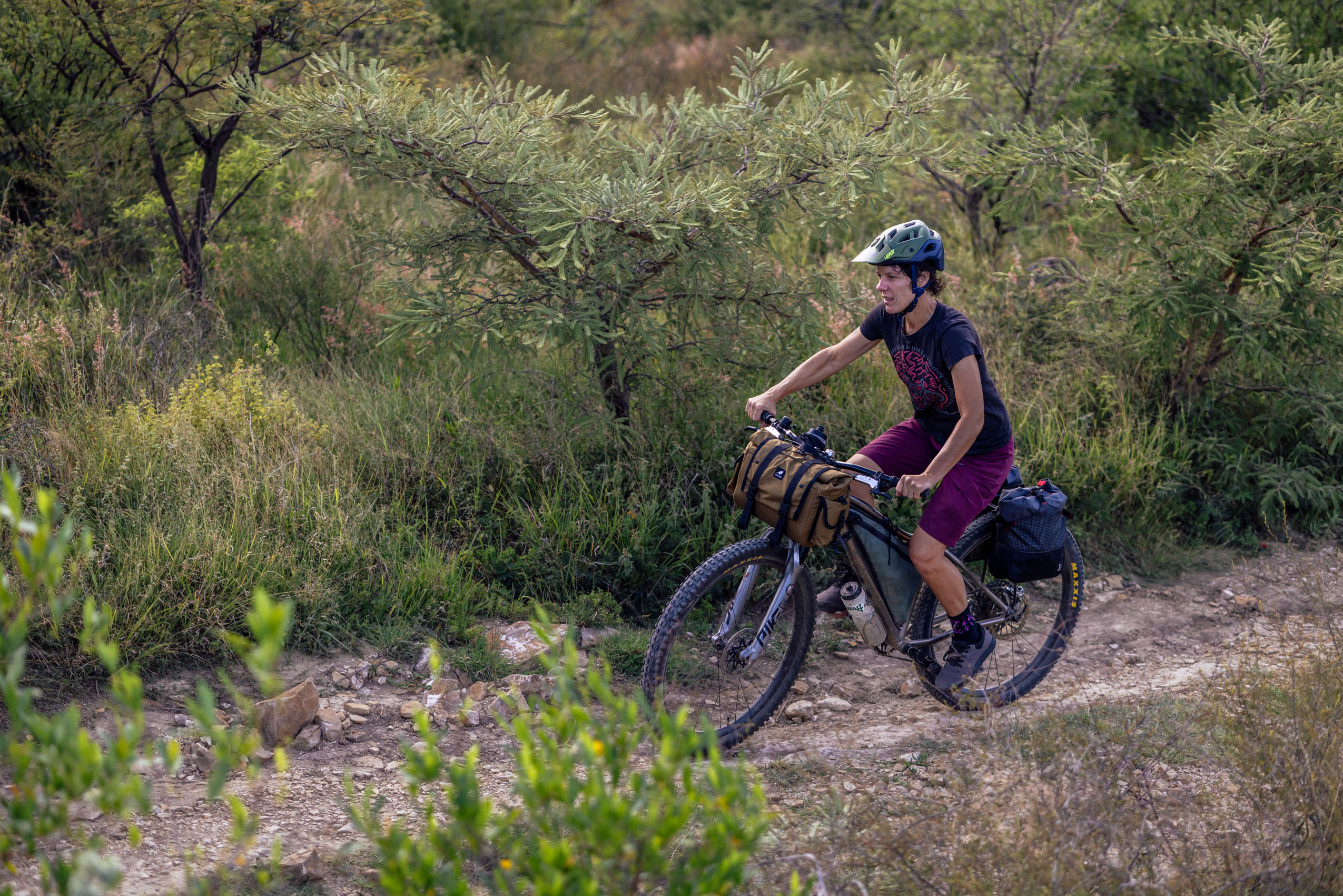
To me, it’s the Goldilocks of the three, with the perfect amount of packing space. It fit all three rigid bikes I used it on, including a relatively low-stack gravel bike with 46cm bars. We also ran it on a mid-stack hardtail (the Wayward) with a 130mm fork. There was a little rub under hard compression on drops and large impacts, but it generally worked well. I still think the small is the better option for bikes with a suspension fork, though.

Wizard Works Badjelly vs. Others
On paper, here’s how the Badjelly stacks up next to a few other bags I’ve used. As mentioned, the medium is the most relevant for comparison, but I also included the small, since there’s some crossover.
| Model | Badjelly (Small) | Badjelly (Medium) | Fabs Chest (Small) | Swift Zeitgeist | Goldback (11W) |
|---|---|---|---|---|---|
| Volume | 10L | 15L | — | 12L | 22L |
| Main Compartment Width |
11.4″
29cm
|
12.2″
31cm
|
10.5″
27cm
|
12″
30cm
|
11″
28cm
|
| Main Compartment Depth |
6.7″
17cm
|
7″
18cm
|
9″
23cm
|
7″
18cm
|
8″
20cm
|
| Vertical Spacing Required |
10″
26cm
|
11.8″
30cm
|
10.5″
27cm
|
11″
28cm
|
10.5″
27cm
|
| Weight | 705g | 839g | ~1,000g | 590g | 670g |
| Price | ~$277 | ~$290 | $320 | $215 | $255 |
As you can see in the comparison chart, Badjelly’s main compartment is a little wider than most, which I think is a worthy upside. With the Fabs Chest and Goldback, I’ve had a hard time squeezing in longer items, such as tents and camp chairs. Note that clearance numbers are from each manufacturer; I think they’re all very close, but the numbers for the Fab’s Chest and BXB Goldback seem a little liberal; the versions I tested were as tall or taller than the medium Badjelly.
The Quest for Waterproofing
The other major upgrade to the Badjelly lies under the hood—or under the flap. When it was released last year, Badjelly ushered in a new era for Wizard Works. The Badjelly, Figwit Cargo Cage Bag, Alakazam Basket Bag, and their new frame bag all became 100% waterproof using seam-taped-in-house liners.
As Nic discovered during his visit to the brand’s London shop, waterproofing had been in Wizard Works’s sights from the beginning. When co-founder Harry Major first started making bags in a Vancouver bedroom in 2016, he hoped he could build something lighter and more waterproof than the bags he’d used while cycle touring. The reality proved considerably more difficult. By 2022, though, waterproofing had become the company’s obvious next step. Based in the notoriously wet UK, Wizard Works wanted to better serve its local riding community while preserving the stitched construction and distinctive aesthetic that set its bags apart from the more technical look of welded waterproof bags.

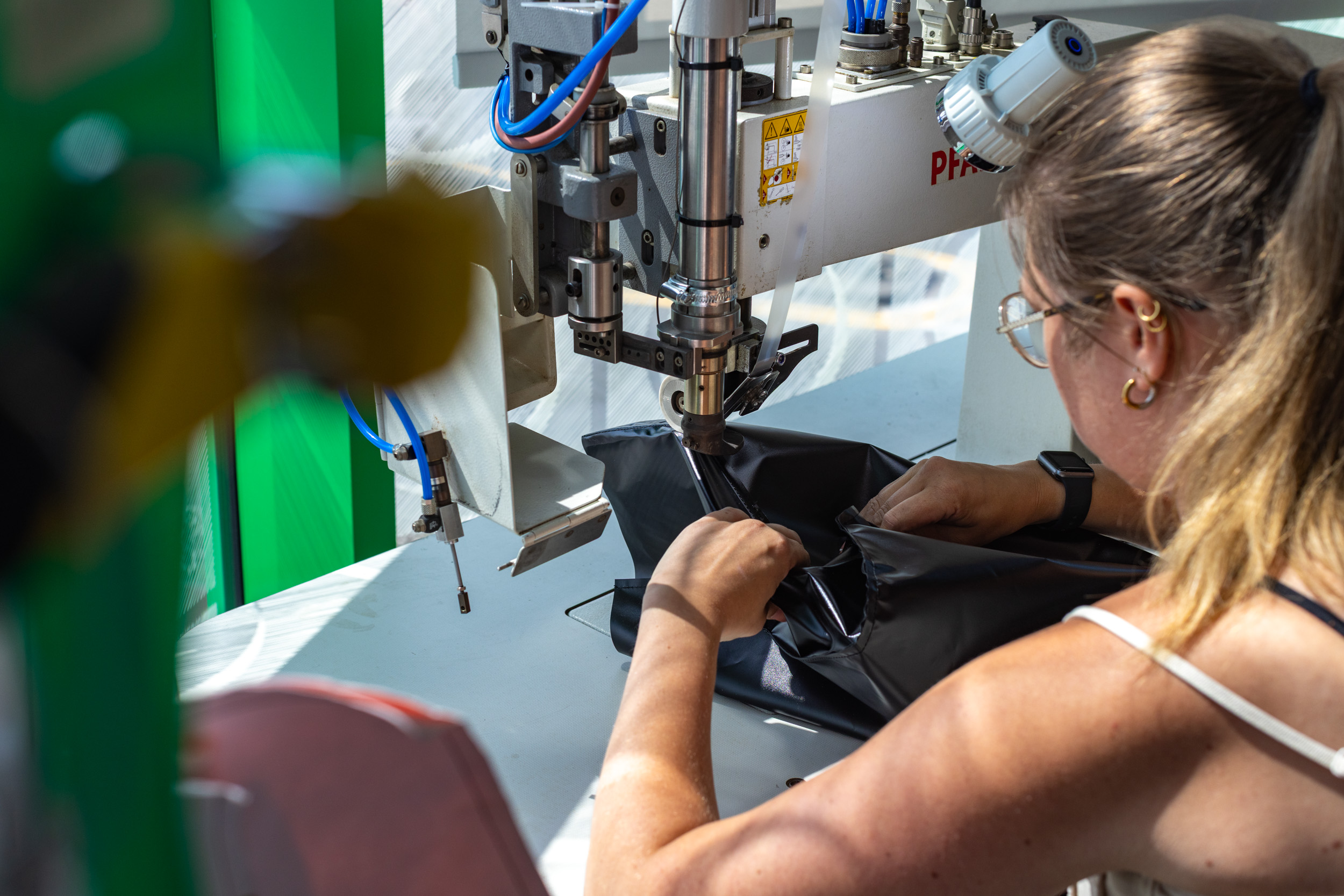

Initially, Wizard Works planned to outsource waterproof liner production to another UK manufacturer. When that partner went out of business—and other potential suppliers raised the same long-term reliability concerns—the team reconsidered. Rather than make waterproofing dependent on another small company, they decided to bring the process in-house. The arrival of a secondhand seam-taping machine finally made that possible. It’s a significant investment for such a small workshop, but one that represents more than a new product feature. Wizard Works can now develop and manufacture waterproof bags on its own terms, while adding another specialist manufacturing skill to the knowledge it is working to keep alive in the UK.
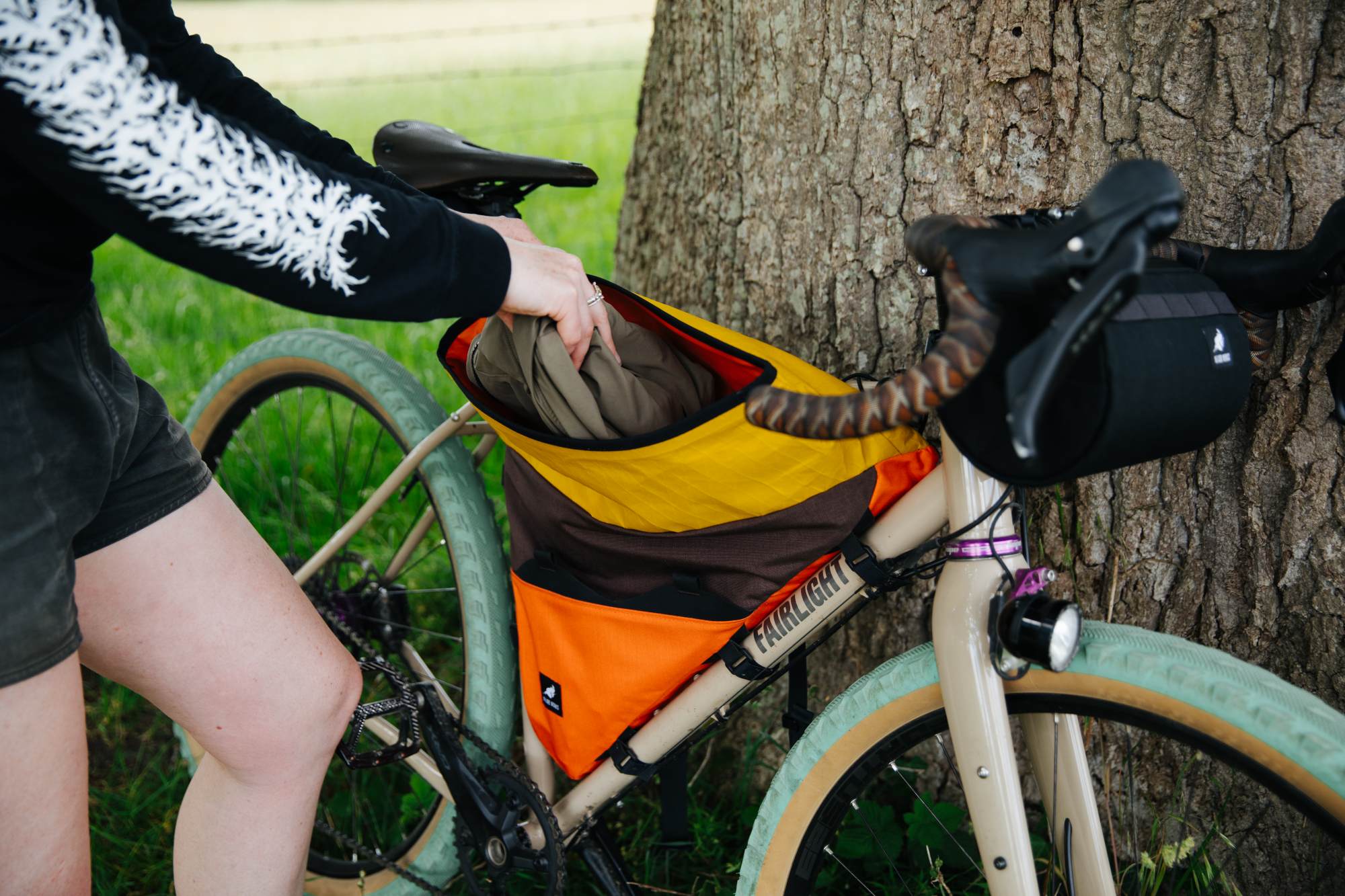

Long story short, Wizard Works uses a seam-taped liner made from 210-denier nylon with a TPU laminate on the back and a C0 DWR (zero toxic fluorocarbons) finish on the front. According to Harry, laminates offer better water resistance than coatings because they’re a continuous “barrier” sheet attached to the back of the material, as opposed to coatings, which are a liquid painted on the fabric’s backside.
Does it Need to Be Waterproof?
I’ve gone back and forth about which bags need to be waterproof in my bikepacking kit. There’s something to be said for having one or two breathable pieces in the mix. Technical welded-waterproof bags are usually made out of PU-coated materials, which are truly waterproof, but much like a plastic bag, they don’t allow moisture or air to move through them like stitched bags. That’s good in some ways, but it can also result in clammy, moist contents that never dry out when things are packed sweaty or damp. The beauty of bags stitched from cotton duck cloth or Cordura is that they allow some air permeability, so when they’re left in the sun, things inside can dry out to some degree, or at least the bag fabric can dry out and wick the moisture to the outside.
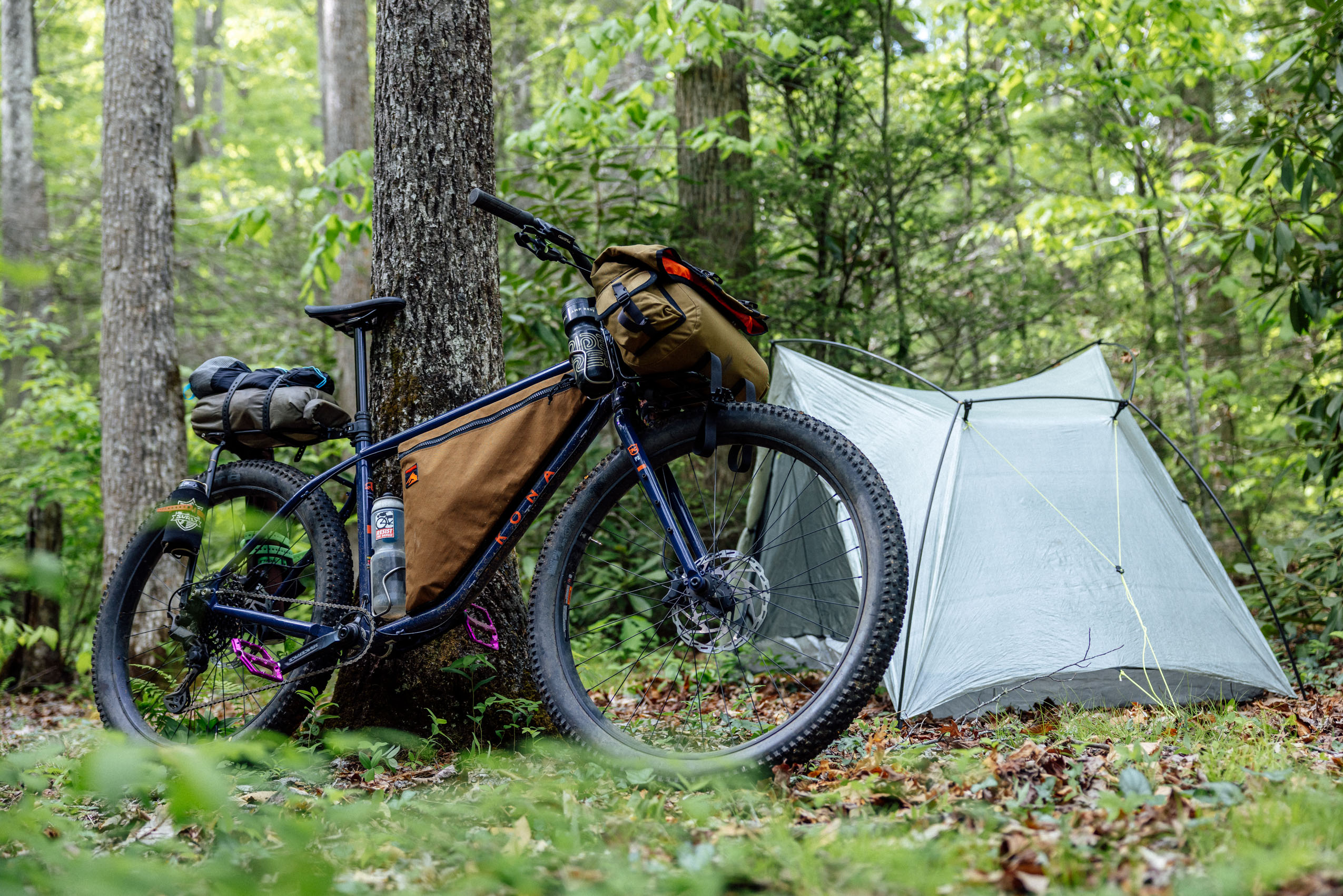
Still, as I mentioned in my intro, having a waterproof front bag has become a priority for my kit. I always use that spot to store my relatively ultralight sleep kit: quilt, pad, and tent—usually alongside a puffy and other layers to fill in the gaps. While some of those things are usually in their own stuff sacks, I’d rather not worry about them getting soaked after a downpour, particularly on a longer tour. I’m all too familiar with the “mid-day yard sale” process of splaying gear out in the sun to dry it out after being soaked to the bone.
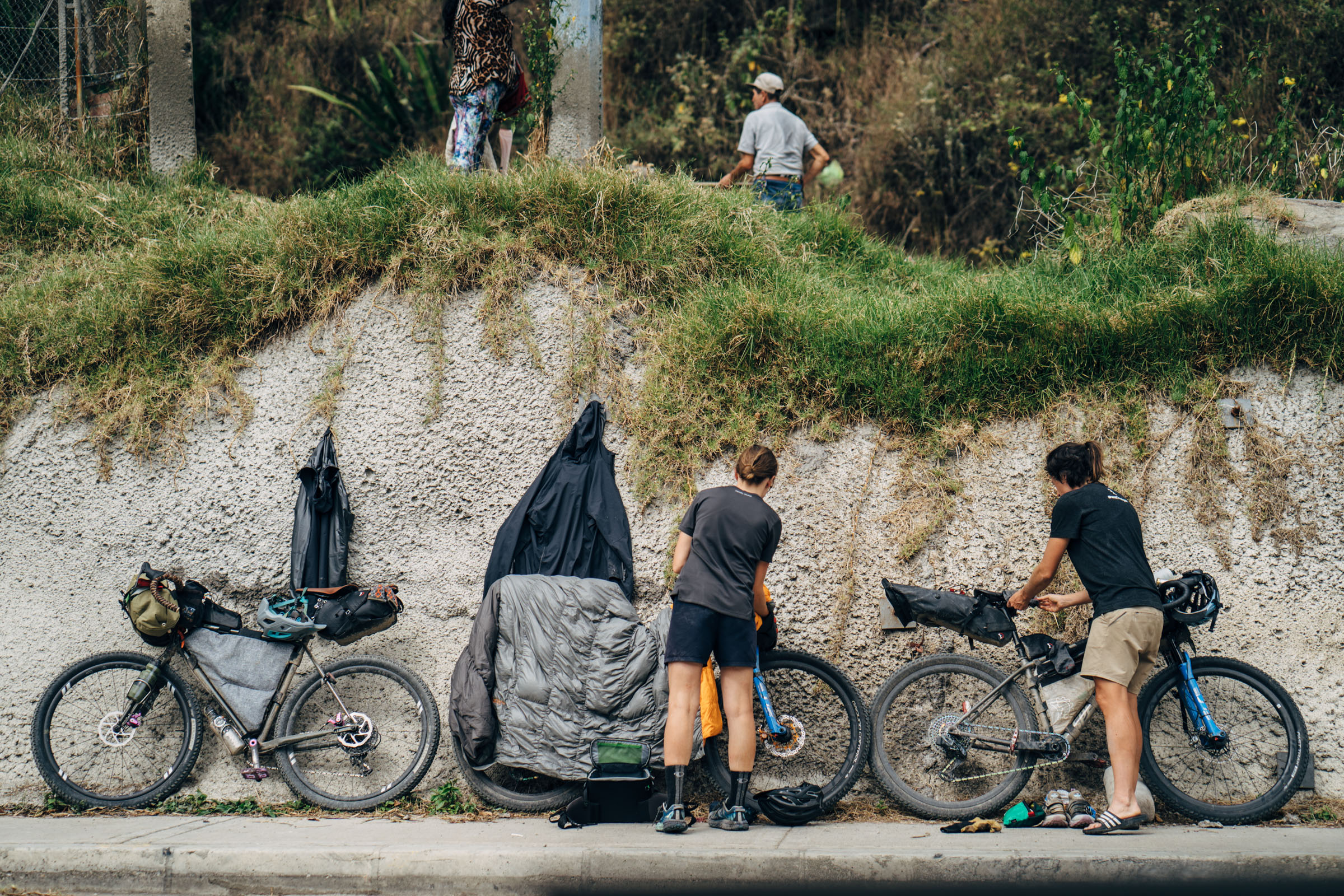



In the past, I’ve used multiple dry bags or trash bags as liners in non-waterproof bags. Frankly, I’d much rather stuff things directly into the main bag and not worry about secondary containers for absolutely everything. When I use a more technical welded-waterproof roll, the down quilt gets stuffed directly into it, and it’s comforting to know the bag will keep it from getting drenched. That gets tricky with a top-opening bag, however. Some, like the Fabio’s Chest, are highly water-resistant, but since almost all of them are stitched, they eventually soak through and/or wick moisture.
On the Trail and to the Market
Fortunately, I haven’t ridden in a big downpour in a while. But I have tested the Badjelly’s waterproof capability in a somewhat controlled environment: with a hose, flat-out drenching the bag. Suffice to say, nothing inside got wet. Plus, going back to my breathability argument, things that are packed into it when damp don’t seem to make the inside of the bag as “clammy” as I’ve experienced with technical welded bags—particularly after being left in the sun. That said, when you roll the top opening on the Badjelly, it allows a little air to escape from the stitch holes in the binding and from the opening since it can’t roll as tightly as a welded, single-layer waterproof fabric bag.
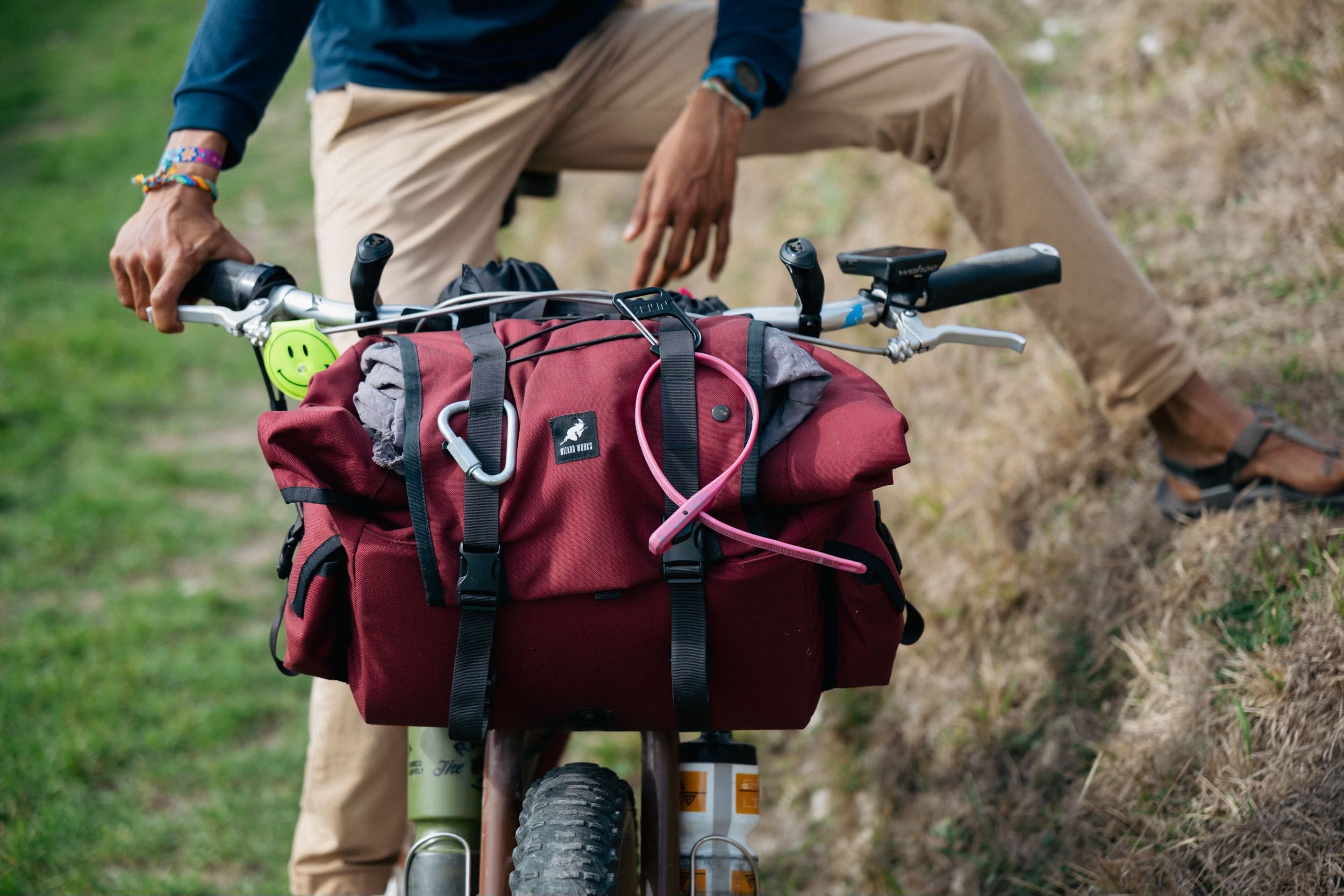
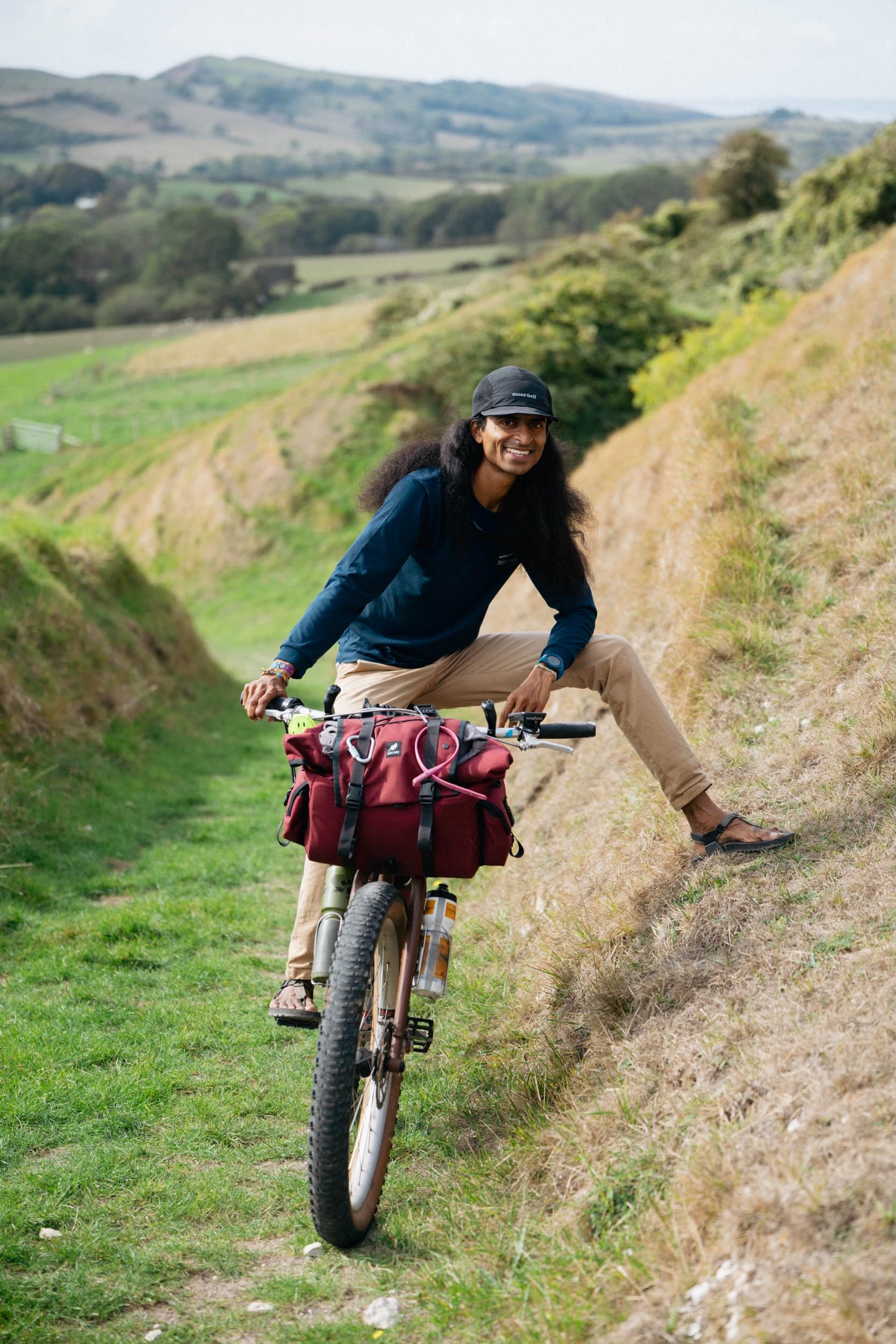
In use, I’ve been really impressed with the BadJelly—clearly, since we recognized it in our Gear of the Year Awards at the end of last year. All the proportions of the Badjelly seem spot on, from the length of the roll-top to the volume of the main bag body, and from the size of the side pockets to the bag’s overall shape. I never wanted to change anything about the size, shape, or overall structure of the medium bag. That’s pretty rare. With most bags I try, there’s usually some measurement I wish was slightly longer, wider, deeper, or different in some way.
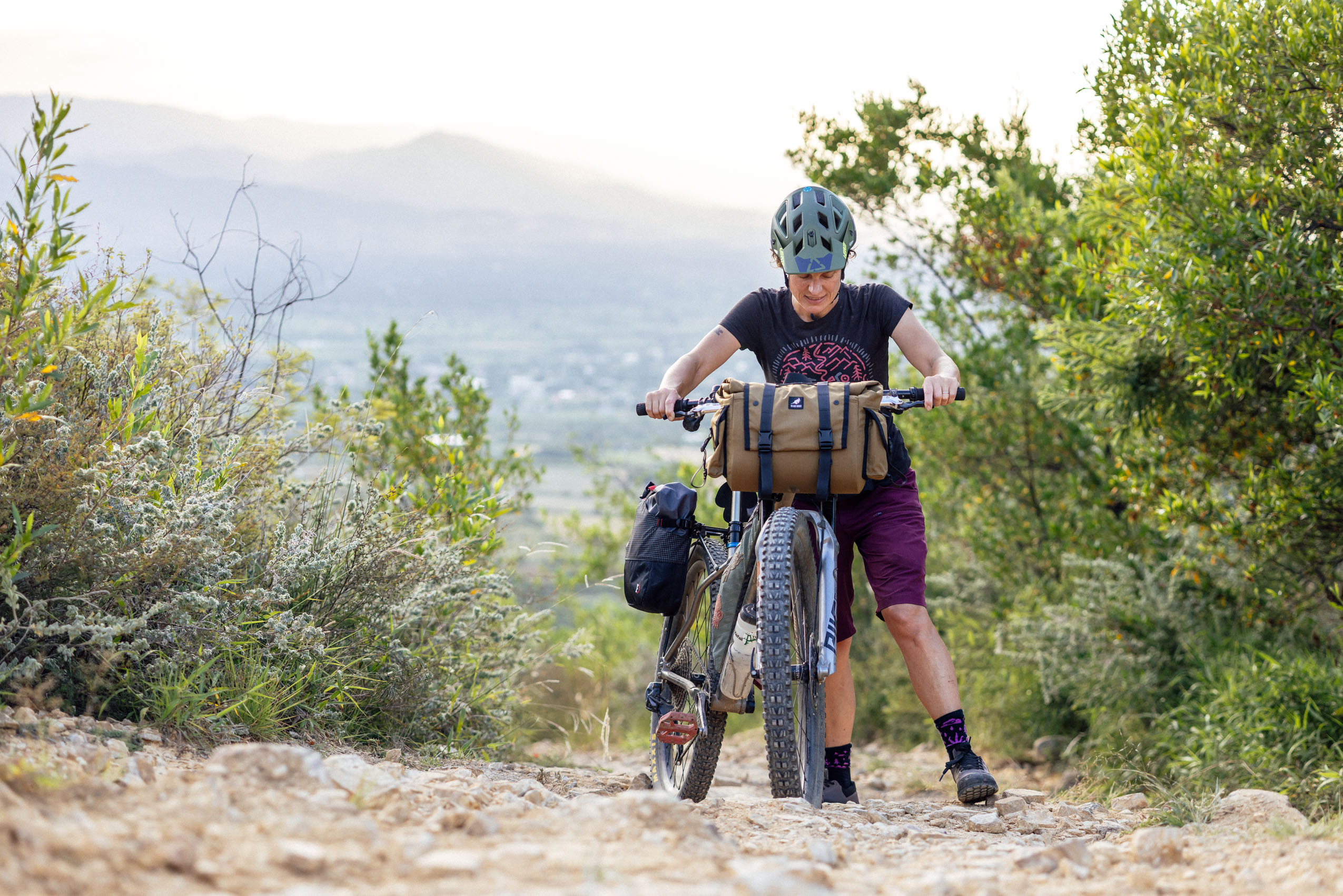

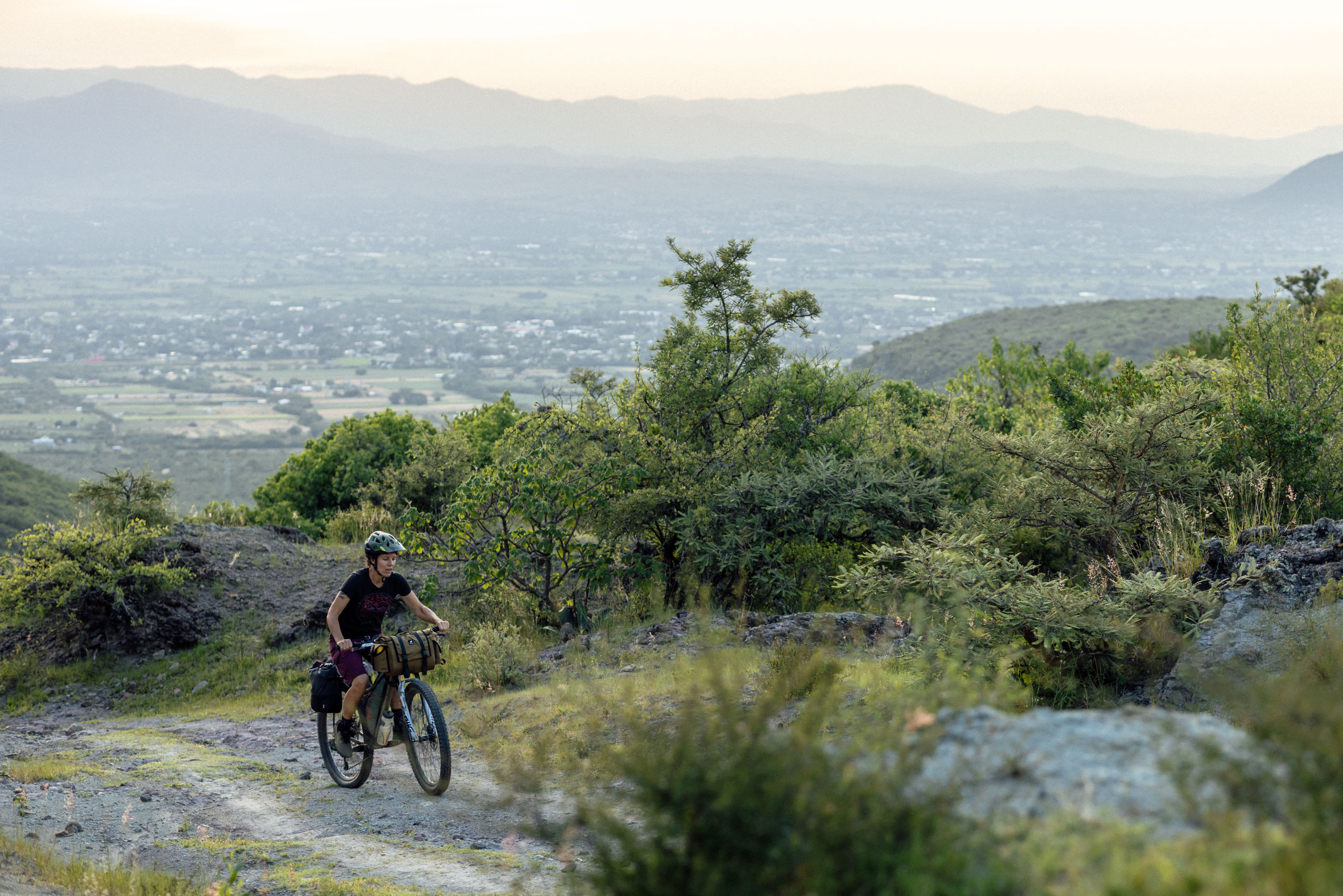
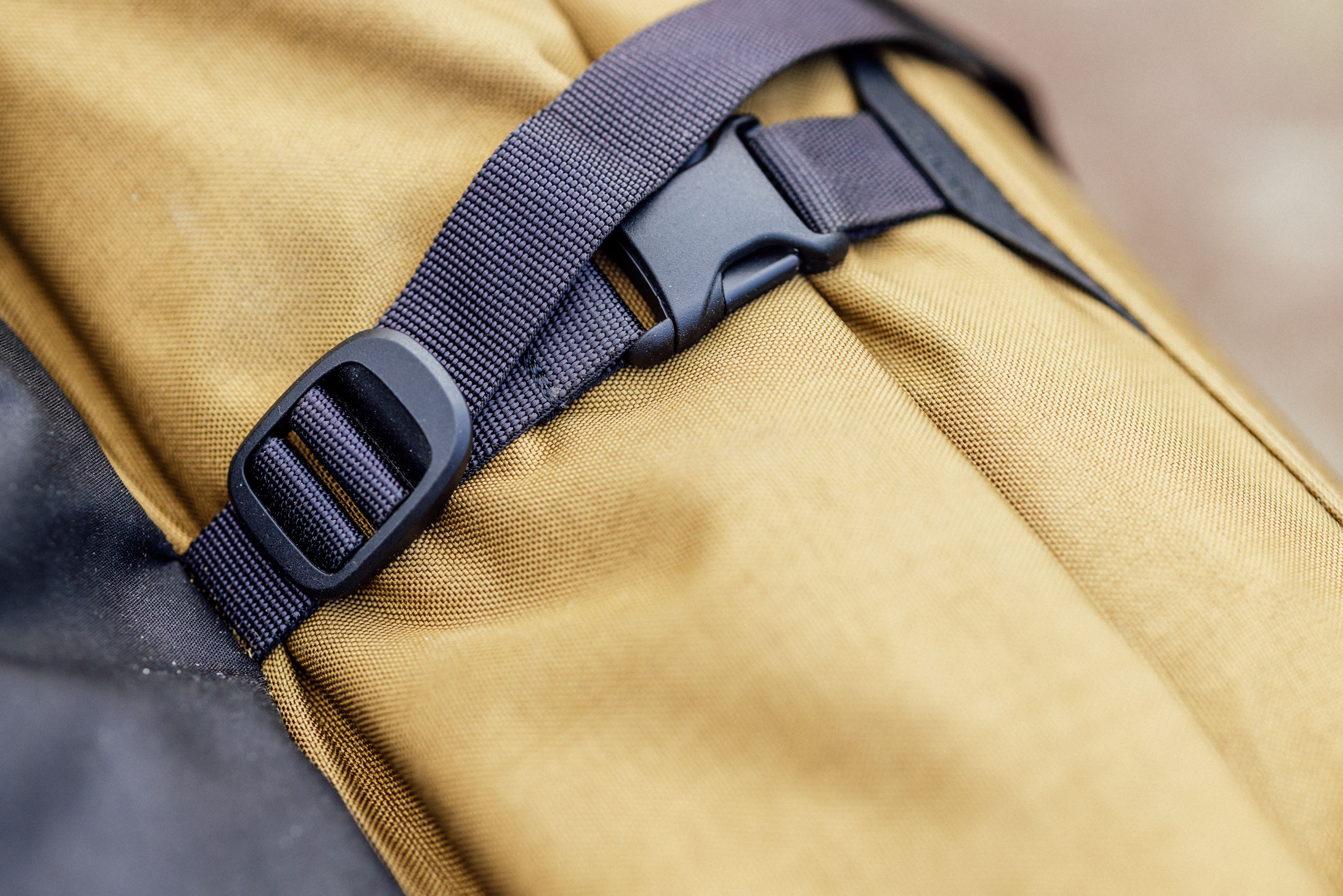
I wouldn’t call it the most stable bag; careful packing and firmly cinching the straps are key to making it rock solid. But when dialed in—and particularly when supported by a mini-rack—it’s plenty stable for all variety of off-road riding. My one complaint is that Wizard Works didn’t use split-back buckles on the bag, so you can’t move them up and down the webbing ladder to get a better fit with smaller loads. That should be an easy upgrade, however.
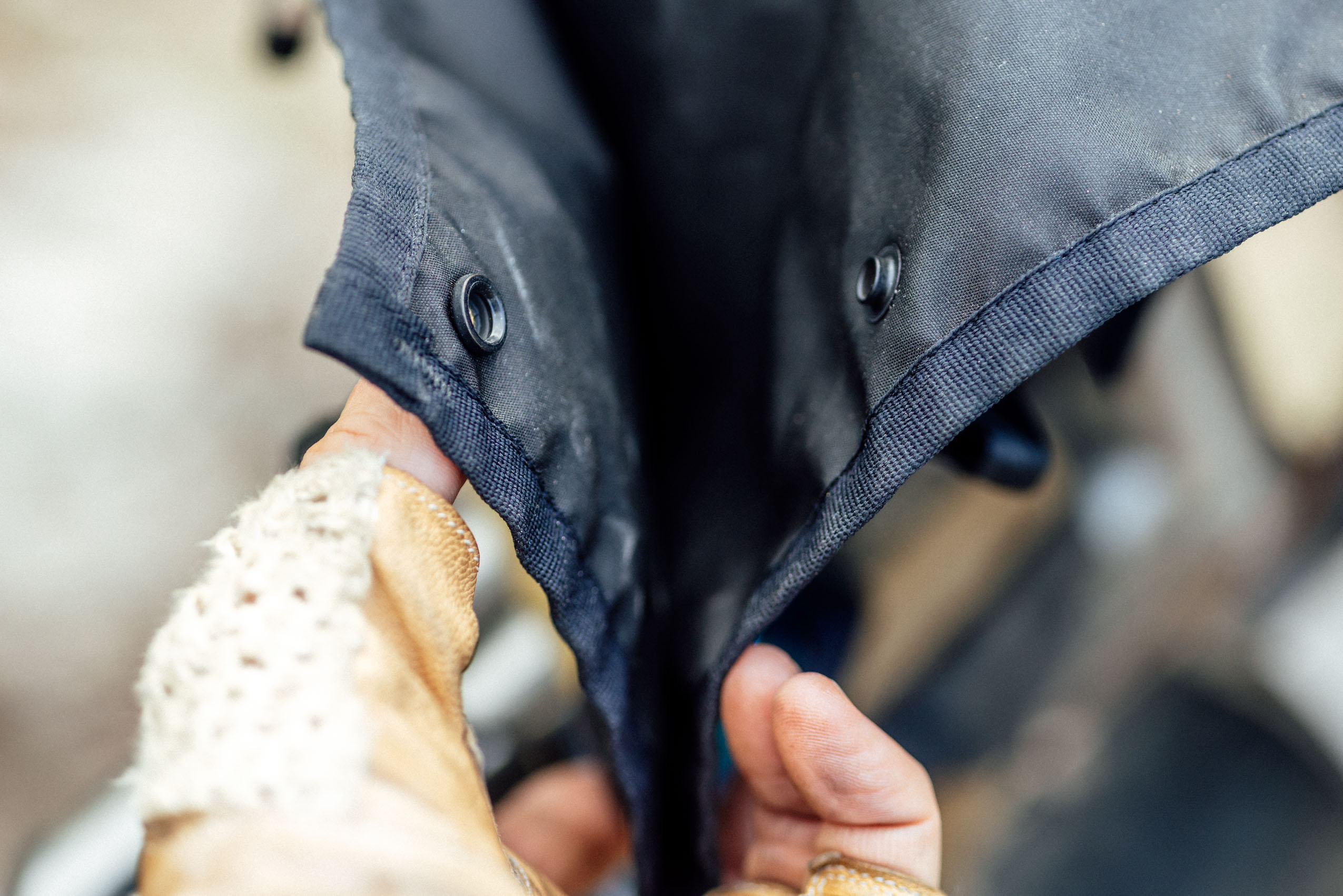
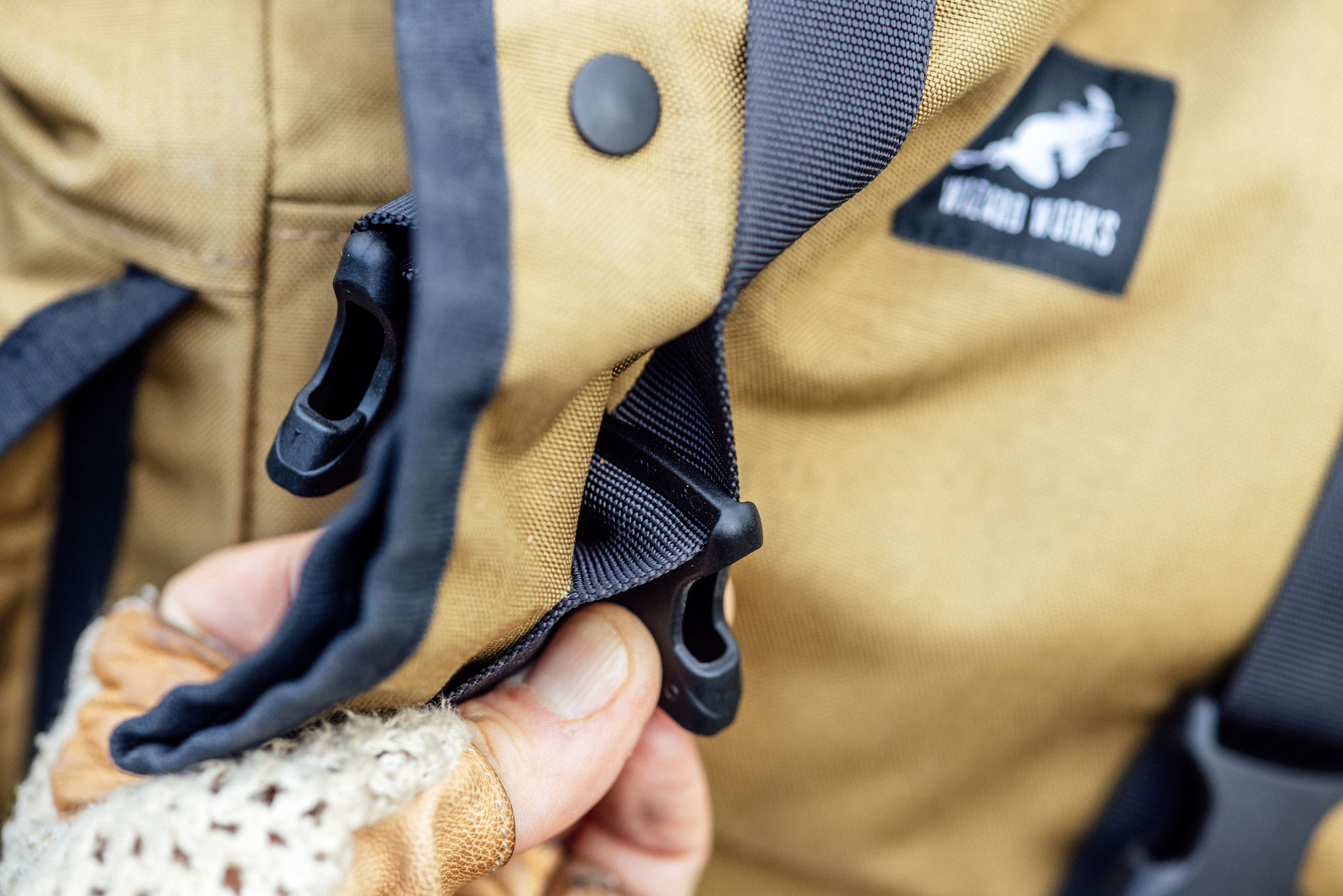
As for durability, I don’t have a multi-month saga on the Badjelly, but I’ve used it on many overnighters and have had it on my ATB for countless day rides and market trips, carrying everything from papayas and pineapples to full grocery loads. It’s been a while since I used a bag made from anything other than X-Pac, so I was admittedly concerned with its lightweight Cordura construction. However, it still looks almost brand new with no signs of abrasion or wear. Cordura is generally more durable than X-Pac when it comes to surface abrasion and long-term rough handling, which helps explain it. Plus, it’s waterproof, so that’s one less concern when out on a multi-day trip.


- Model/Size Tested: Wizard Works Badjelly (medium/tan)
- Actual Weight: 839 grams
- Place of Manufacture: London, England
- Price: £220
- Manufacturer’s Details: Wizard Works
Pros
- Clean design with a nice classic aesthetic
- Waterproof, or very very water resistant
- Useful compartment layout with well-proportioned pockets and a bungee accessory
- Three sizes that should fit a broad array of bikes and uses
- Relatively lightweight Cordura construction is surprisingly durable
- Comes in Tan, Olive, Black, and Splatter
Cons
- Two larger sizes might be too deep for low-stack bikes with a suspension fork
- Roll-top isn’t as quick to access as a drawstring closure
- Not quite as stable as more technical bags
- Receiving buckles can’t be repositioned
Wrap Up
When considering handlebar bags, the Badjelly occupies an interesting middle ground. It has the charm and practicality of a traditional top-opening saddlebag, but Wizard Works addressed one of the biggest compromises that often comes with this style: weather protection. The seam-taped liner means I can pack my sleep kit, puffy, and other stuff directly into it without juggling dry bags or worrying about an afternoon downpour. Plus, it has useful expandable space, like nicely proportioned side pockets, a bungee accessory, and an expandable roll-top design that retain the character and versatility that make this type of bag so appealing in the first place.
After more than a year with the Badjelly, I’ve also been pleasantly surprised with its durability and proportions. The medium, in particular, hits a sweet spot: roomy without feeling too chunky, wide enough for awkward gear, and versatile for everything from loaded bikepacking trips to day rides and runs to my local vegetable market in Oaxaca. It isn’t the most stable handlebar bag I’ve used, and I’d still like to see adjustable split-back buckles to dial in the strap length for smaller loads, but that’s a relatively minor complaint. Once properly cinched, especially with a small support rack, it’s plenty secure off-road.
Ultimately, the Wizard Works Badjelly bridges the gap between classic form and modern function without sacrificing much of either. If you like the accessibility, expandable capacity, and timeless look of a traditional top-opening bag but want genuine waterproofing and thoughtful details, the Badjelly is an excellent option that’s made in London by a small business.
Further Reading
Make sure to dig into these related articles for more info...



Please keep the conversation civil, constructive, and inclusive, or your comment will be removed.