

 Mountain Bike (MTB)
 Gravel Bike
 All-Terrain Bike (ATB)
 Fat Bike


2026 Taurus Mountain Race: The Race with No Finishers

Josh Ibbett lined up for the inaugural Taurus Mountain Race in Türkiye last month, braving the grueling conditions that ultimately forced the event to be canceled. In this piece, he recounts his ride through the muddy mountains and shares how he unknowingly kept pedaling well after the race was officially called off. Find his story and a 30-minute video recap here…
PUBLISHED Nov 6, 2026
The much-anticipated inaugural edition of the Taurus mountain race took place in October, and I had been looking forward to it for a long time. The latest addition to the Mountain Race series was touted as a “mini Silk Road,” starting in Antalya and finishing in Erdemli, with a route that arced through Türkiye’s Taurus Mountains.
The draw of a first-edition race pulled in a strong, competitive field but also left many questions unanswered. What would the terrain be like? How regular was resupply? How long would it take? And what would the high mountains bring us in autumn?
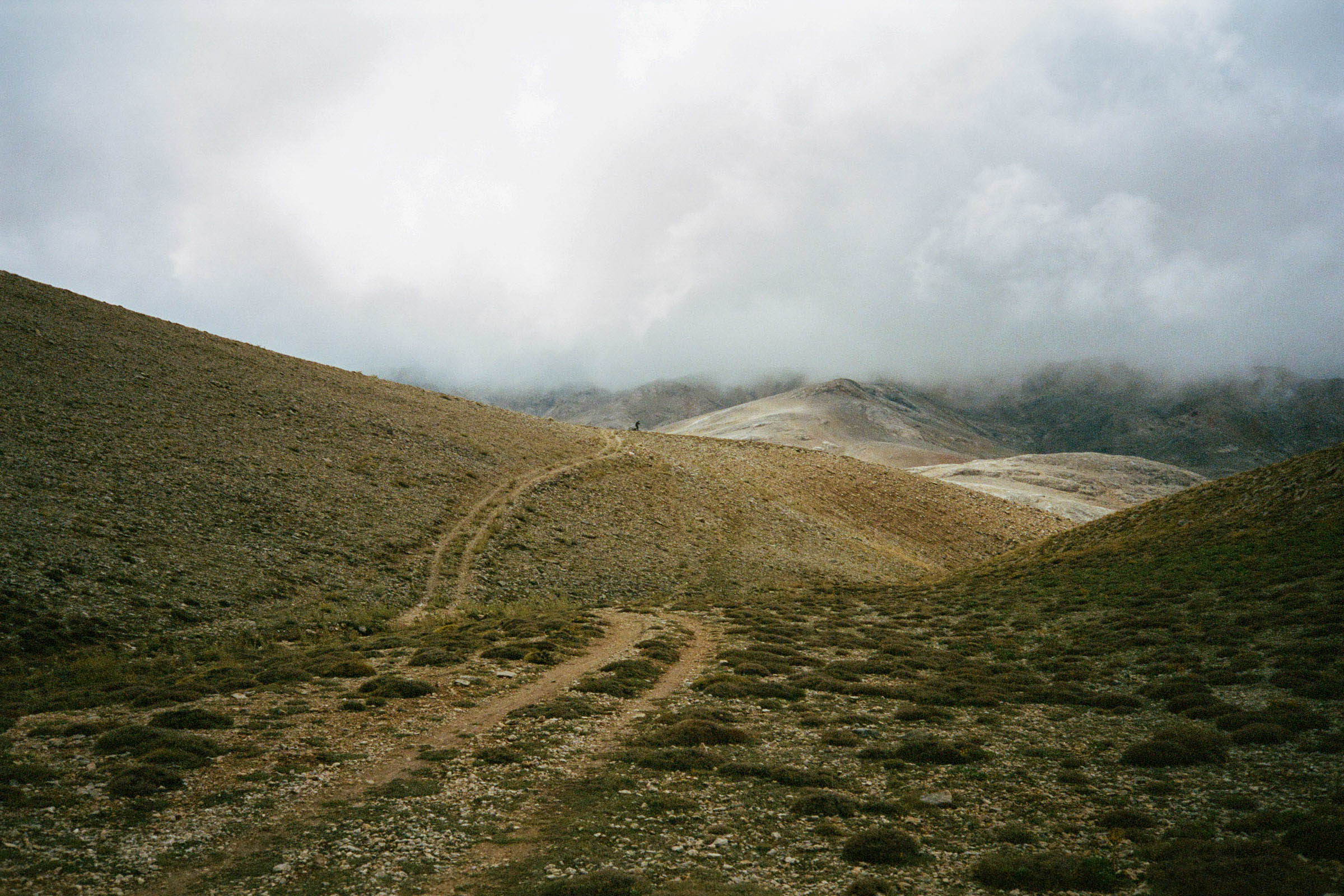
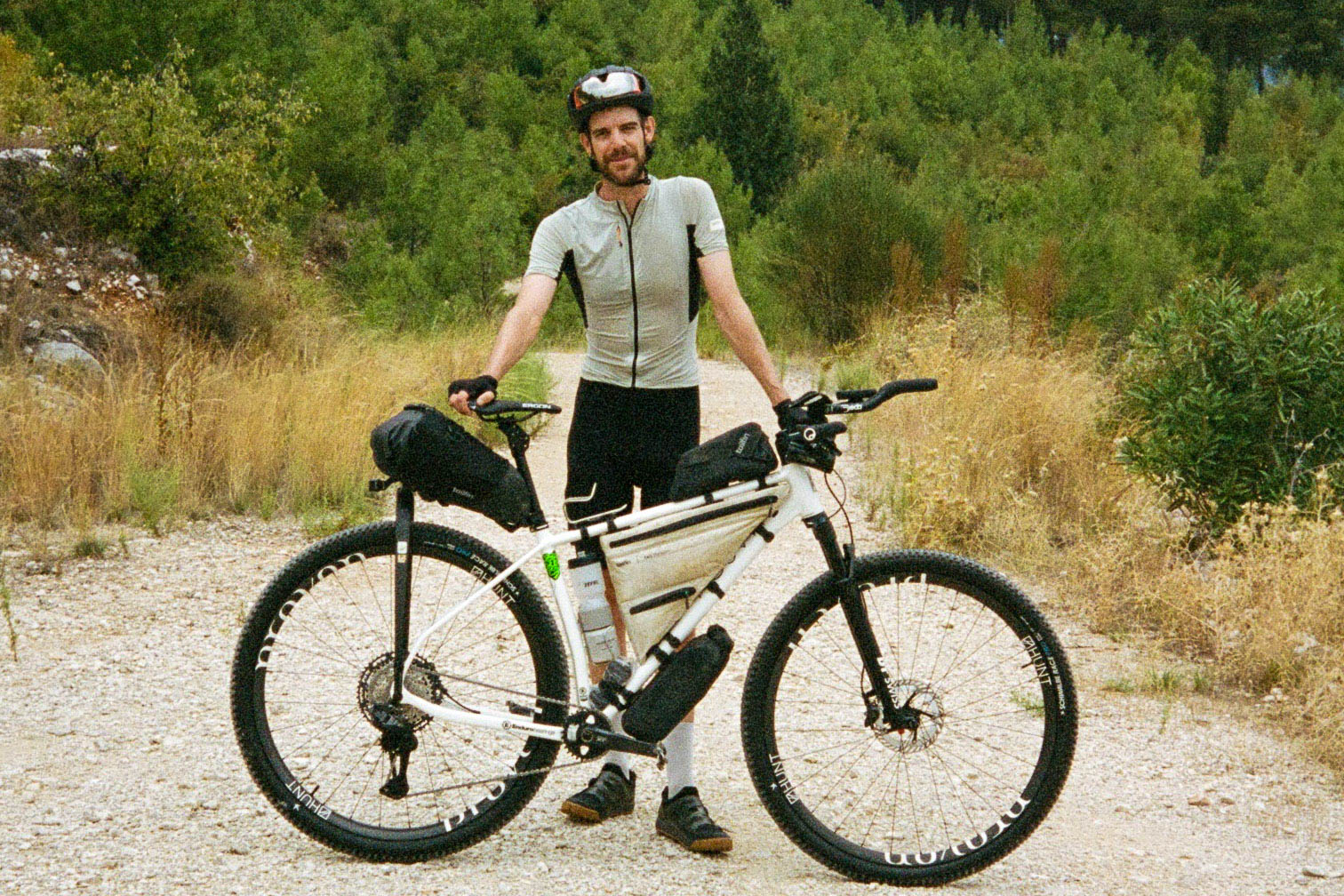
From my previous bikepacking trip in Türkiye, which began in Antalya, I suspected it would be tougher than many expected, so I packed a little more thoroughly than usual. I decided I’d rather bring more gear than take risks in the mountains, although starting a race with a brand-new bike and wheel size probably went against that decision; I had just taken delivery of a new Mason Cycles 32-inch prototype that needed a thorough test.
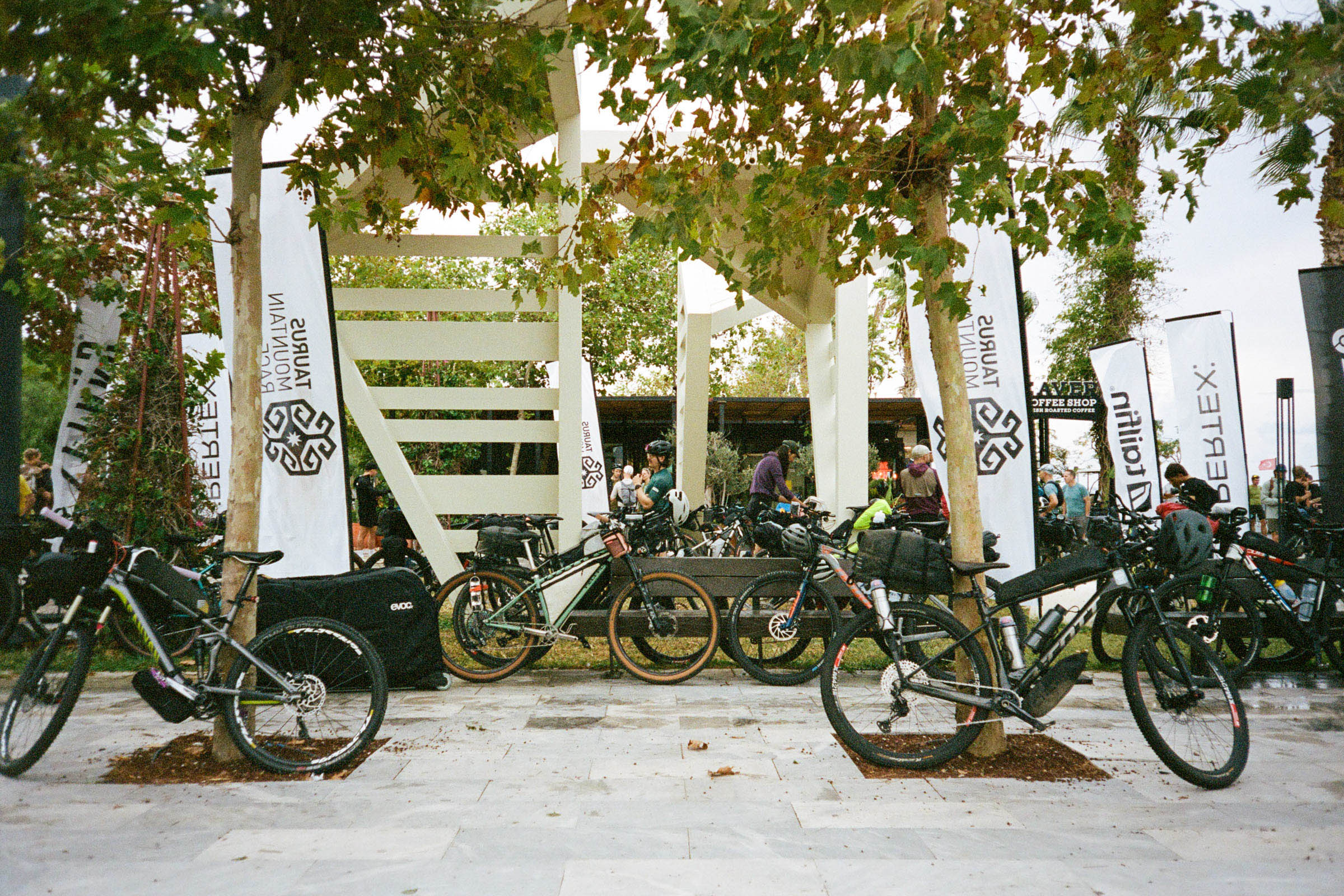
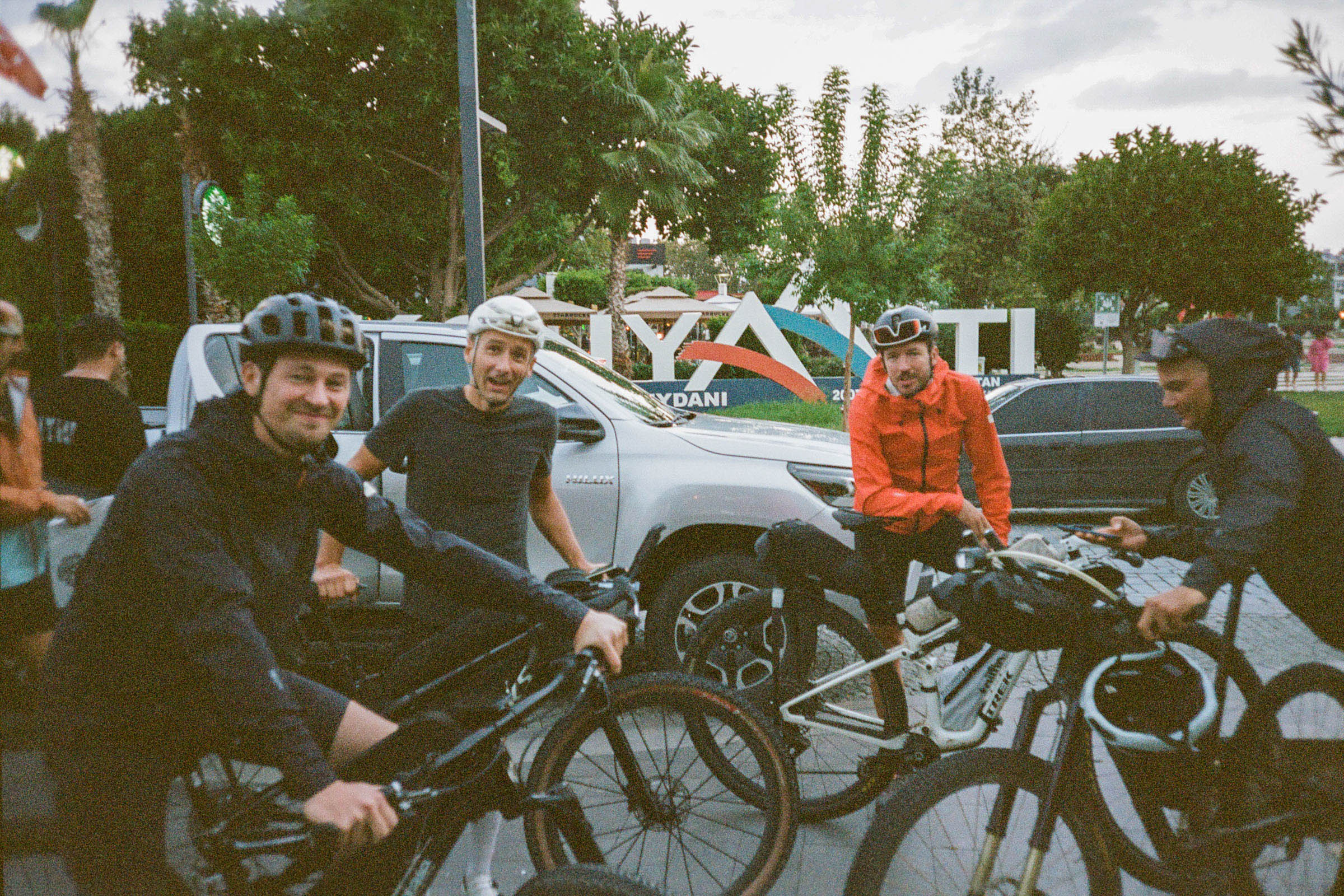
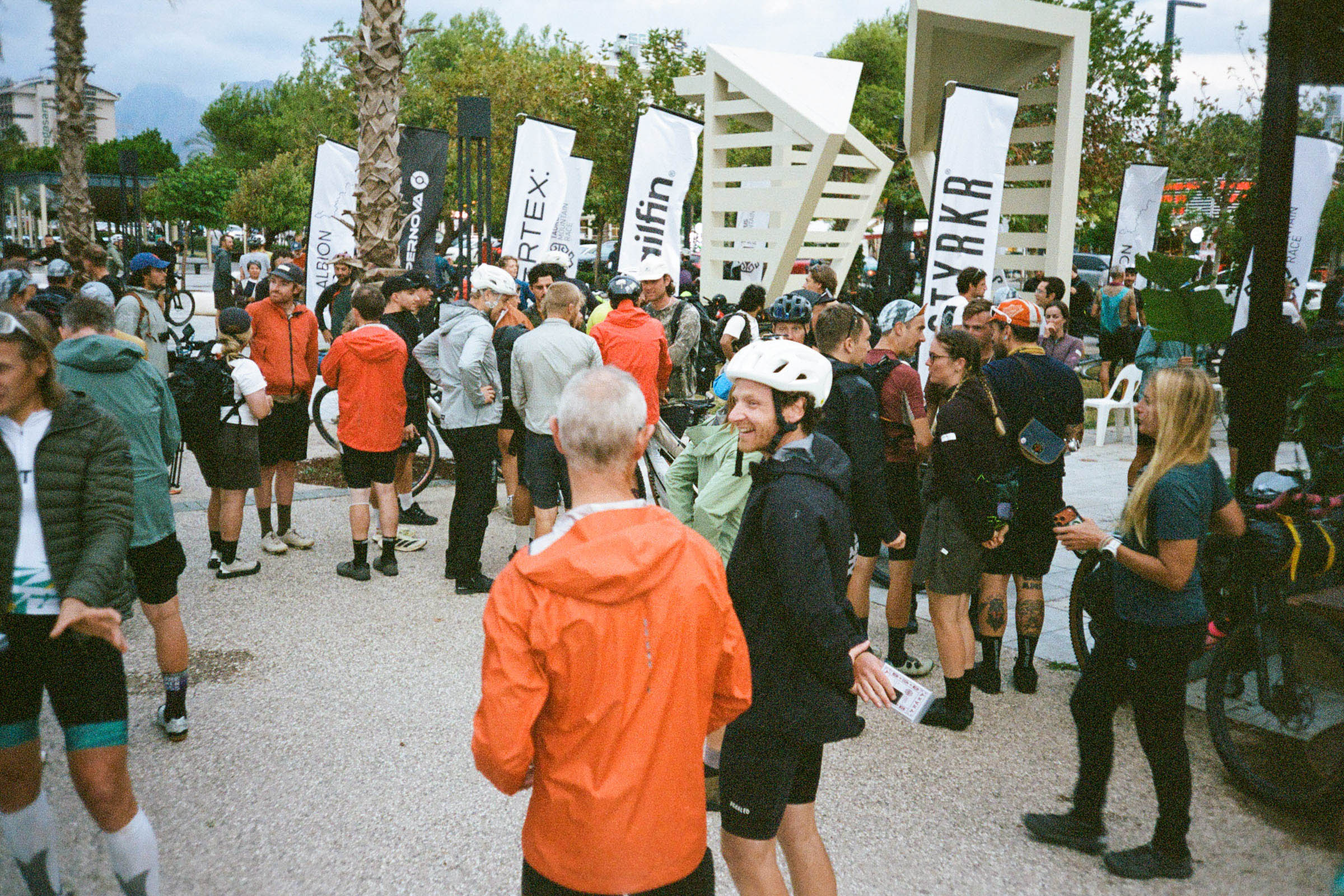
My pre-race hunch that it wouldn’t be sunny skies and dusty trails was confirmed as race day dawned with torrential rain, and I was glad to have a tent and a dry set of kit tucked away in my bags. Despite the rain on the first day, it wasn’t particularly cold as we worked out around the hills surrounding Antalya; the sun even made a brief appearance. But as night arrived, storms rolled in, and a tense couple of hours began, counting the gaps between lightning and rumbles of thunder. I never counted less than five seconds, so I guess that means we were relatively safe as we hiked up a gorge before descending to the first checkpoint.
The warm fire at checkpoint one was welcome, and a pile of damp shoes soon grew in front of the flames. Almost all the riders who reached the first checkpoint opted to stay that night; after a day of being wet, it was nice to be dry for at least a few hours. However, quality sleep was not on the agenda, as accommodation consisted of floor space in a large room. Fewer than 10 people were asleep on the floor when I laid out my sleeping bag at 11:30 p.m., but when I woke at 2 a.m., I found myself surrounded by other racers crammed into every inch of the floor, with someone already eagerly waiting for my spot. It was time to pull on my damp kit and continue.
The weather had cleared overnight, and the second day started with a long climb. Dawn revealed the first sightings of the big mountains and a taste of what was to come: mud. The overnight rain had saturated the track, so I found myself stuck—it was peanut butter time. Although it was only a short stretch, it was frustrating and time-consuming to clean off all the mud and push/carry the bike to firmer ground. It wasn’t as bad as it could have been, though, and I was soon back on my way.


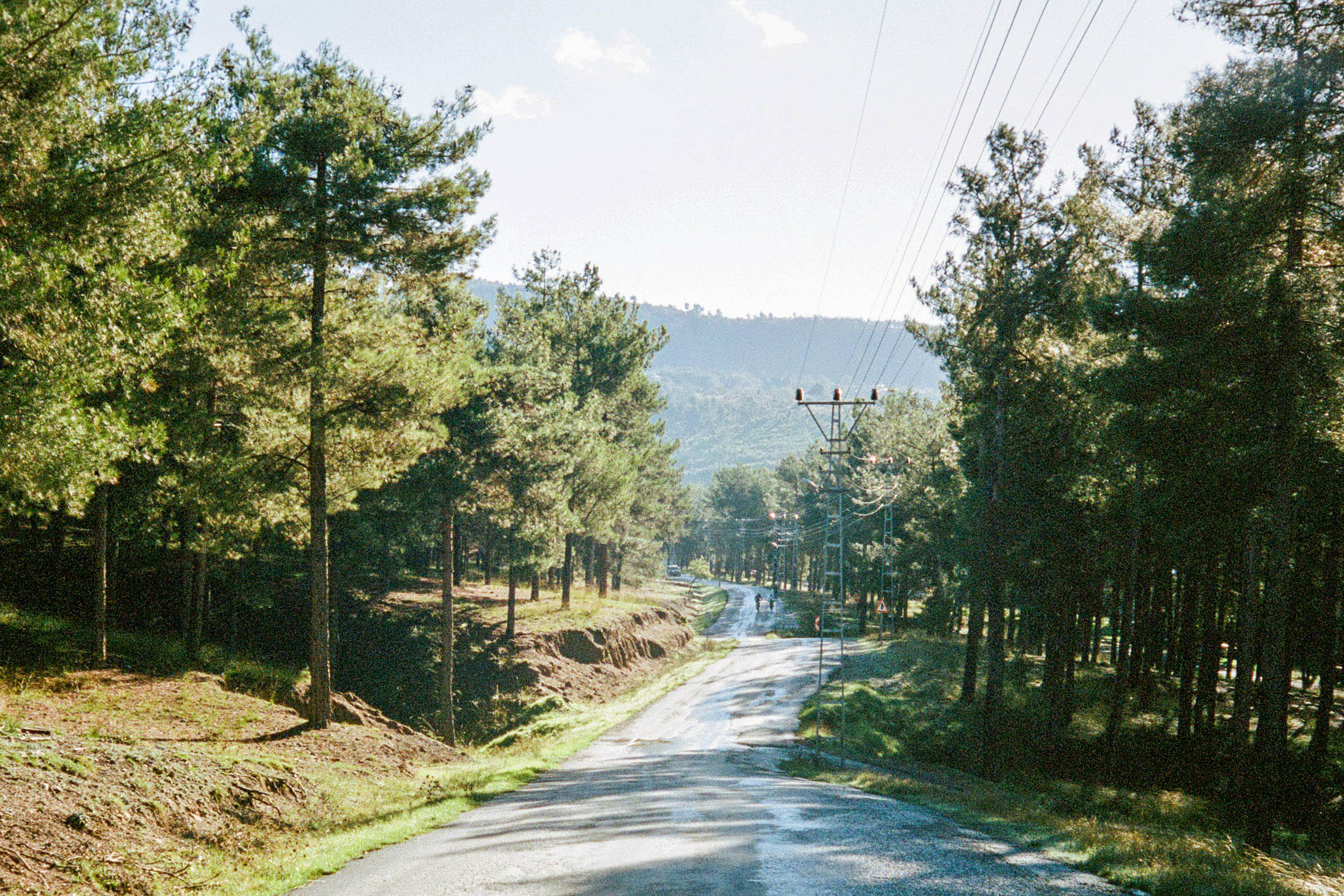
From this point on, the route climbed into the mountains proper, with significant sections around 2,000 metres and never dropping much below 1,000 metres. The rain had stopped for much of the day, and the mountain views were spectacular. However, a constant wind whipped across the plateaus we were crossing. A couple of storms floated in the far distance, but since they weren’t close, I thought nothing more… until I hit the mud again.
The storms had been dumping rain on the trails ahead, so by the time I reached them, they had deteriorated into a muddy mess. Thankfully, there was enough standing water to keep the wheels clear and rolling, but from time to time, the road would dip, revealing a pit of peanut-butter mud. It was becoming clear this race would test my patience and perseverance. By 11 p.m., I’d pushed both to the limit, so I flung my muddy, clogged bike on the floor and set up my tent for a sleep.

At 3 a.m., I packed my gear and found my bike still caked in mud and the trail still sticky. Nothing was going to change until the sun had a chance to dry things out, but with another few hours until dawn, I had nothing to do but push. I found a fountain to clean the bike, then promptly rode straight into another mud patch, and the cycle started again. I spent the next hours pushing my bike through the grass at the side of the track, scraping mud with a stick, and stamping my shoes to clear my cleats. I made it just six miles in three hours when dawn finally arrived. With the first light came some tarmac and finally some forward momentum. Although there was more mud, large sections were rideable, and by then I was getting well-practiced with my mudstick.
Mud wasn’t the only challenge; resupply proved much tougher than anticipated. While many of the small mountain villages the route passes through are bustling in the summer, winter is a different story. Since temperatures had dropped, the villages emptied, and local shops had little resupply. Lunch on day three of the race consisted of a bag of crisps and a litre of orange juice, with chocolate bars and cookies stuffed into frame bags to fuel the rest of the day as I worked my way towards checkpoint two.
The afternoon’s challenge was a long climb back up to 2,000 metres with another plateau to cross. Thankfully, there was no mud, as the plateau was home to many wind turbines and power infrastructure, including well-surfaced roads. The wind was picking up, so despite the sun making a rare appearance, I was layered up and looking forward to the sanctuary of the checkpoint, which I reached later that evening.

At checkpoint two, I ate my first real meal since the first checkpoint on day one, so I took my time and ate two dinners. I knew this was the point where the race would get tough, with a series of 3,000-meter passes and high plateaus to cross. Many riders decided to sleep at the checkpoint, which was based at an abandoned school. Since I had eaten well, felt good, and had a tent to sleep in, I was keen to push on and make some progress while the roads were dry and mud-free. I rode another three hours before pitching my tent in a small orchard at the foot of the next plateau.
After breakfast of a peanut butter and jelly sandwich I picked up at the checkpoint, I packed up gear and headed on up onto the plateau. Until this point, the terrain, though high and exposed at times, had not been super remote. However, today was the day things began to get wild. Little did I know it would become much wilder than I’d imagined!
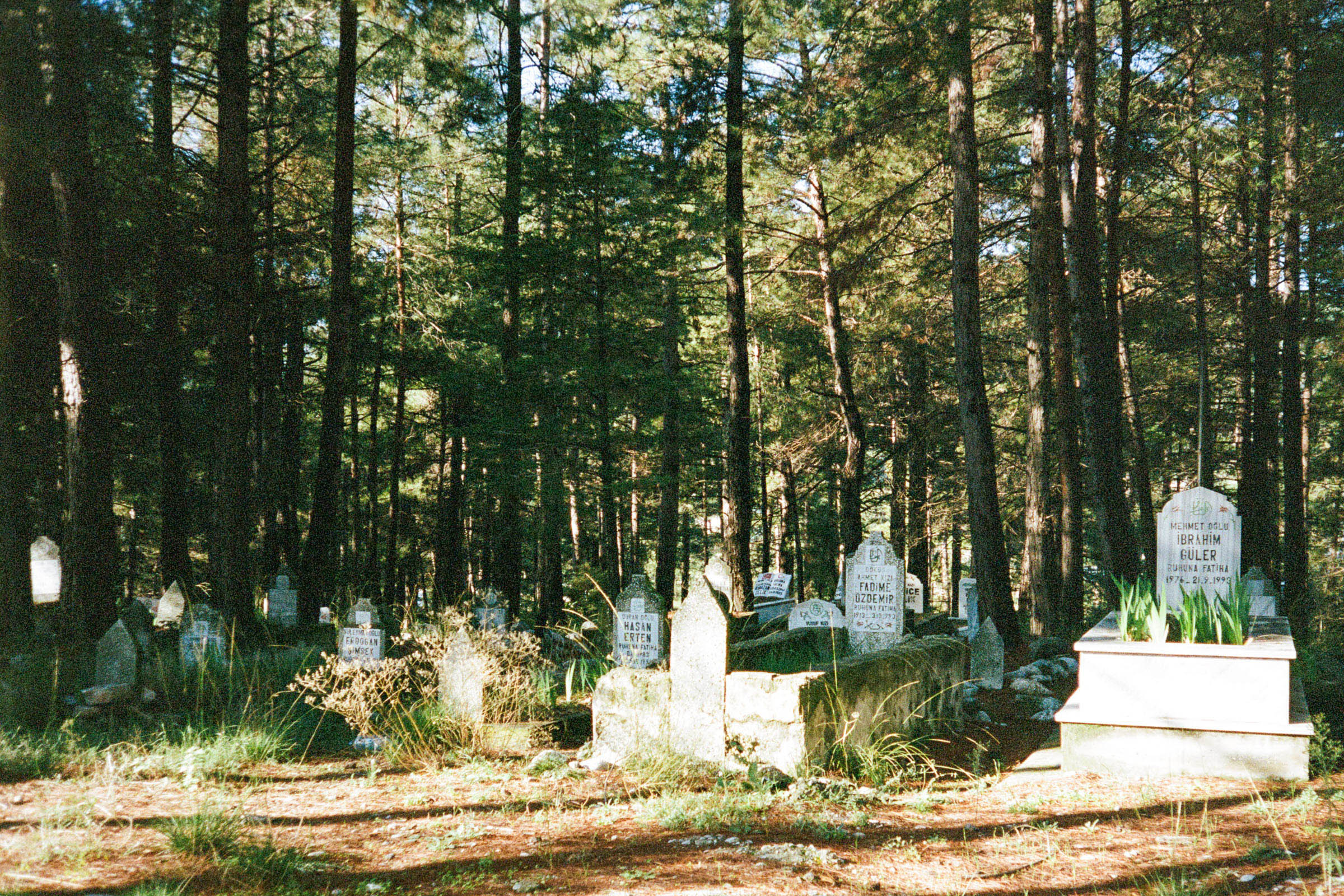
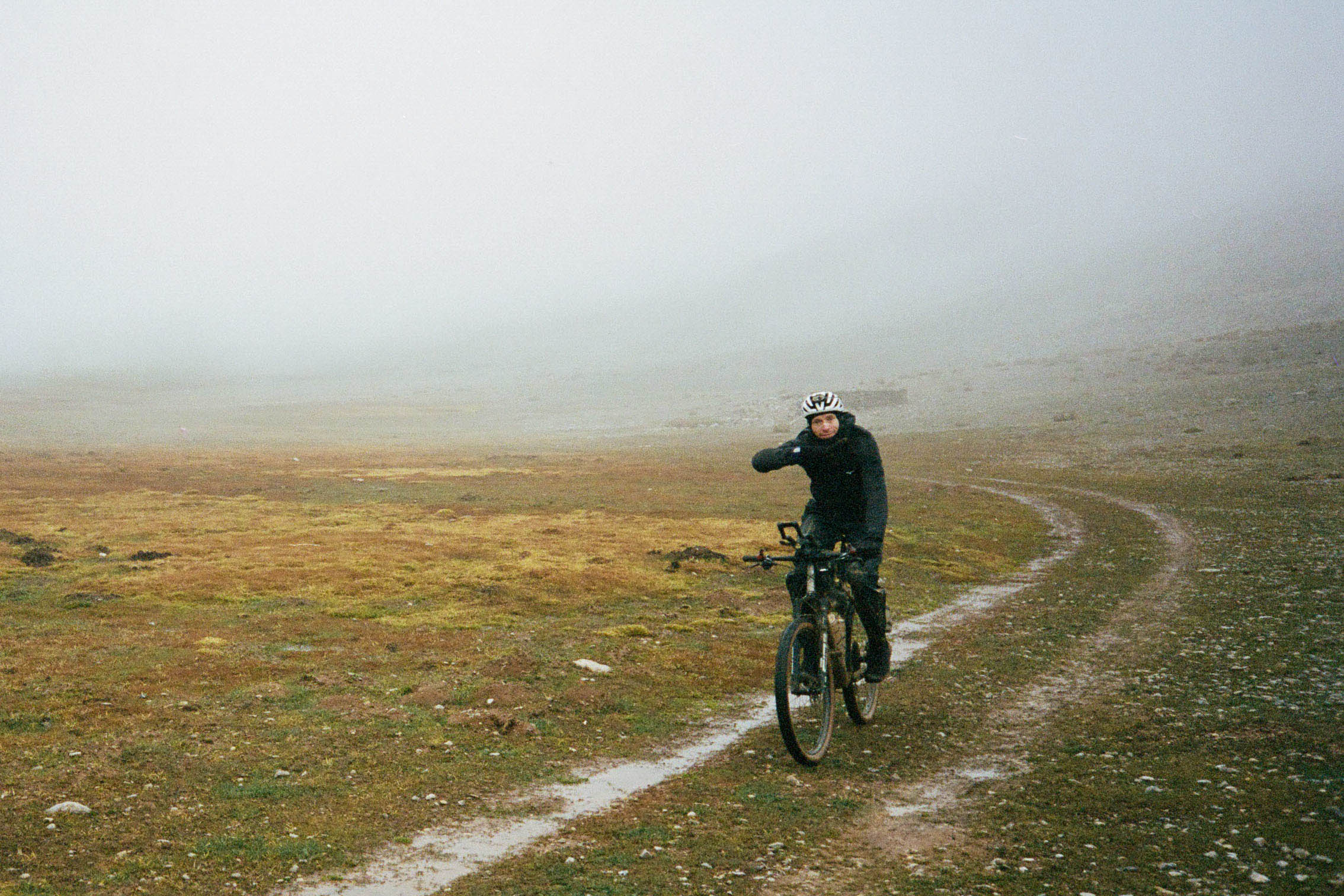
The wind had been blowing for the past 24 hours, but by the fourth morning of the race, it had cranked up a notch. As I climbed higher, it began to rain, very lightly at first, but soon it became heavier. That’s when I made my crucial mistake of the day: I didn’t put on my rain pants and gloves soon enough, and as conditions deteriorated, my gloves and leg warmers became soaked. The driving wind quickly started to steal the heat from my body.
The 2,000-metre plateau I found myself on was home to a mine, and we were cycling along the access road, which vehicles driving to and fro had turned into wet, muddy slush. Thankfully, it was raining hard enough that the mud wasn’t sticking. Still, nowhere could I hide from the wind, and it began to dawn on me that I could easily end up in a dangerous situation. The only thing to do was to keep riding to stay warm and hope I could find shelter.

Eventually, I turned off the mining road onto a small pass that would take me up onto the plateau proper. It crossed my mind to keep going along the mining road and try to drop to a lower elevation, but I was only just warm enough, so I decided to climb, if anything, to generate more body heat. I also took the opportunity of a small break in the rain to strip off my wet gear, add more insulating layers under my rain jacket, and finally take off my sodden winter gloves and empty the rain that had worked into them.
The extra layer made a world of difference; however, I was heading into a conundrum. To keep warm, I needed to ride uphill, but riding uphill was taking me to even higher elevations. Staying where I was in the exposed wind seemed like the greater risk, so I hoped that by crossing the pass I might find a little more shelter in the lee of the mountains on the other side. Before I reached the summit, I saw a bike leant up against an abandoned shepherd’s hut, so I decided to take shelter and reassess the situation.
Inside, I found Samuel Tonello, and Ulrich Bartholomew soon joined us, all in the same cold, wet condition. Sheltering from the wind was enough to get a little more heat back into my body, and I took the time to eat as much as I could. The problem with being so wet and cold is that it’s hard to eat, which is exactly what you need to be doing in those conditions to keep moving and get warm again. I was still wet and still cold, but I’d regained feeling in my hands, so I had to decide: was I going to sit it out or carry on?
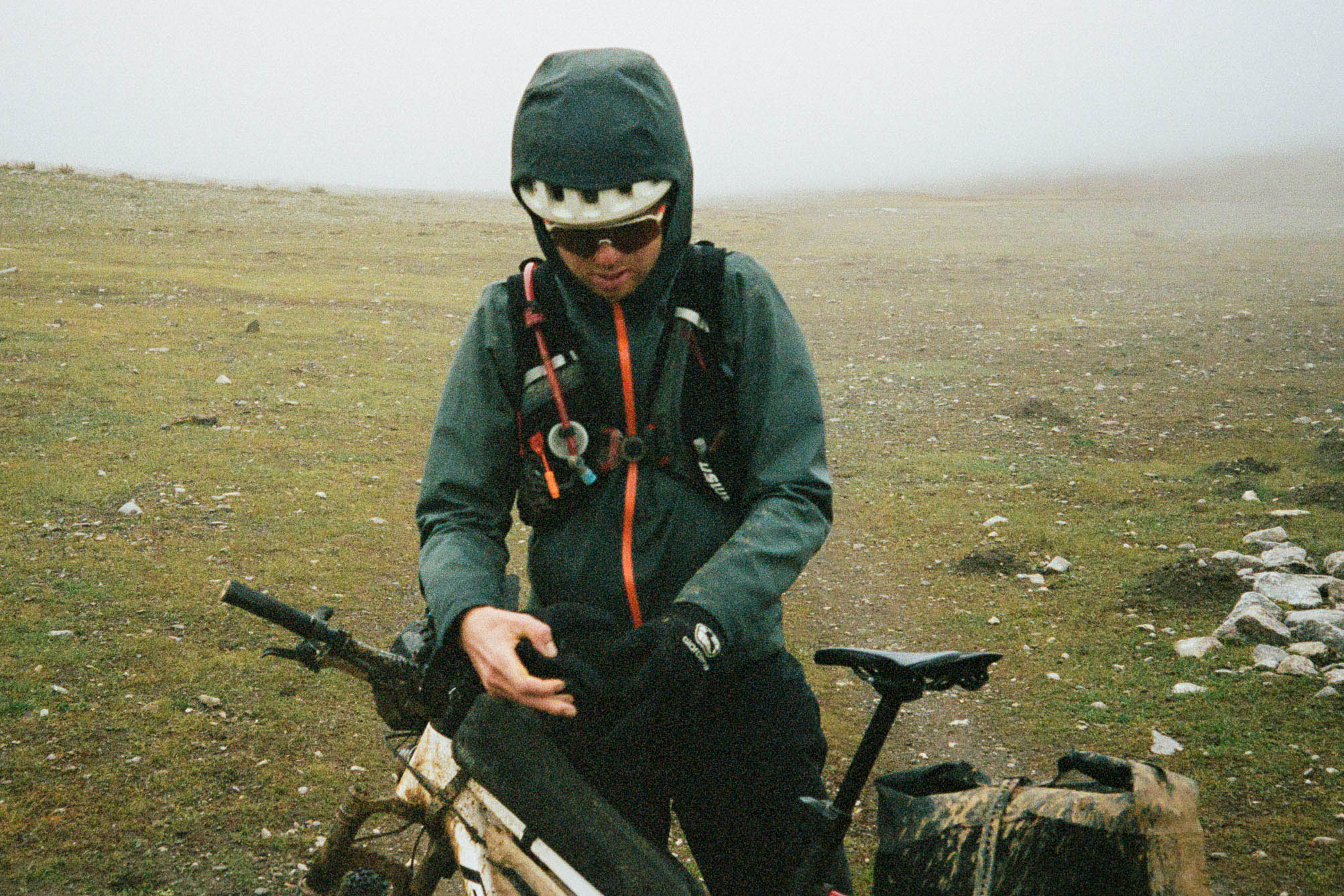
I made a deal with myself to try to carry on and ride up the pass, primarily to get warm. If I wasn’t warm by the top, I told myself I’d cut my losses and head back down to the shelter of the shepherd’s hut, change into my dry shorts and base layer, and sit out the storm until conditions improved. But by the top, I was warm and had caught a couple of other riders, Chris and Adrien, so we committed to pushing on together. My hunch that there would be a little more shelter behind the mountain was not exactly correct. Thankfully, our route across the plateau regularly changed direction and undulated, so we could generate some body heat by climbing.
The three of us all acknowledged that it was a sketchy situation with limited margin for error, so we made sure we were in sight of each other in case anything happened. The target was a small bothy marked on the map at the far side of the 2,600-metre plateau we were now crossing. Despite the incredibly high winds, the rain was intermittent for a couple of hours, which made things slightly easier. Still, it was a hard afternoon of riding and pushing into the wind. As the afternoon wore on, the rain came back with a vengeance, creating sections of mud and boggy terrain. It was manageable if we could keep moving, but at times it was stop-and-start, with energy levels dwindling after a hard day and not enough food.

Finally, after what seemed like an eternity, I reached the foot of the pass, which led off the plateau to the mountain hut that had been the day’s target. As I approached, I could see a race control car parked on top of the pass. Given the very wild and exposed location, I assumed the photographers wanted some images of our suffering. But when I reached the car, I found it abandoned and precariously balanced on the side of the mountain, the road having given way beneath it. A landslide had weakened the track, and the crew in the car were very lucky that it beached on the road rather than tumbled down into the ravine below.
By this point, I had dropped a few minutes behind Chris and Adrien, and when I reached the mountain hut, I found it abandoned. I took shelter for a few minutes, ate some more food, and pedalled onto the descent. Finally, as I headed into the shelter of the mountain and out of the wind, the temperature began to rise. It had been a wild day, and I had felt like I was in survival mode to make it through. As I began to relax, knowing I’d made it, the fatigue, both mental and physical, began to hit.

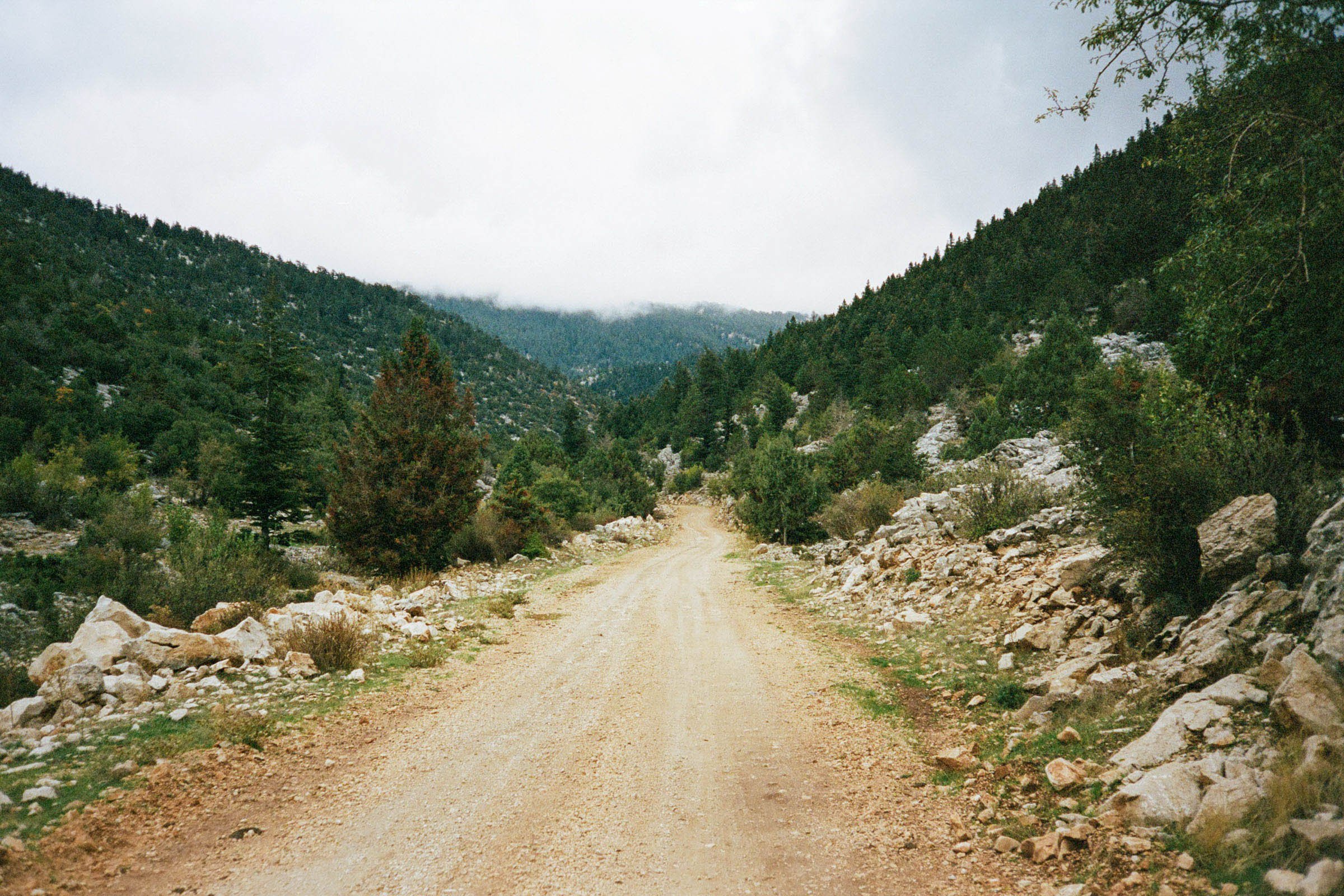
As night drew in during the long descent, I ran various plans through my mind. I knew I’d used a lot of energy that day and was a little shaken by the experience, so I decided that I’d resupply in the next village and stop early to set up my tent and rest. As I was firming up the plan in my mind, I saw headlights coming up the mountain. A little unusual, I thought, given that the road led onto a remote plateau shrouded in a storm. The two men in the car stopped, so I thought I’d better say hello, and they appeared to be police.
After a couple of minutes of charades, the kind you use when neither of you speaks the other’s language, I was passed a phone with an English voice on the end of it. It took a couple of seconds to realise I was speaking to Chris Trees, the father of Nelson, the race organiser. He informed me that the race had been stopped and I should continue down the mountain to the road where the police would meet me and escort me to safety.
At this point, I was relieved that I could stop early, but I assumed that “race stopped” meant that it would be paused and resume. When I found Chris, he told me the race had been fully canceled since 7 a.m. that morning, about when it started to rain on me. I’d had no phone signal all day to get the message, and even if I did, my hands were too cold to turn on my phone and use it. It was a relief to know that I wouldn’t have to put myself through another experience like that in the coming days, although part of me was a little disappointed that I’d made it through the toughest moment of the race to no avail. Given the wild conditions, the stuck control car, and the communication problems, I totally accepted that the race had to be canceled.
Other riders had also continued onto the plateau, hadn’t made it over, and were now enduring a freezing night at altitude. The car I passed on the way down the mountain was the mountain rescue crew heading up to account for riders who hadn’t received the cancellation message that morning. The seriousness of the situation was beginning to sink in, and it was a relief to be down, safe, and ultimately know that no one was hurt.
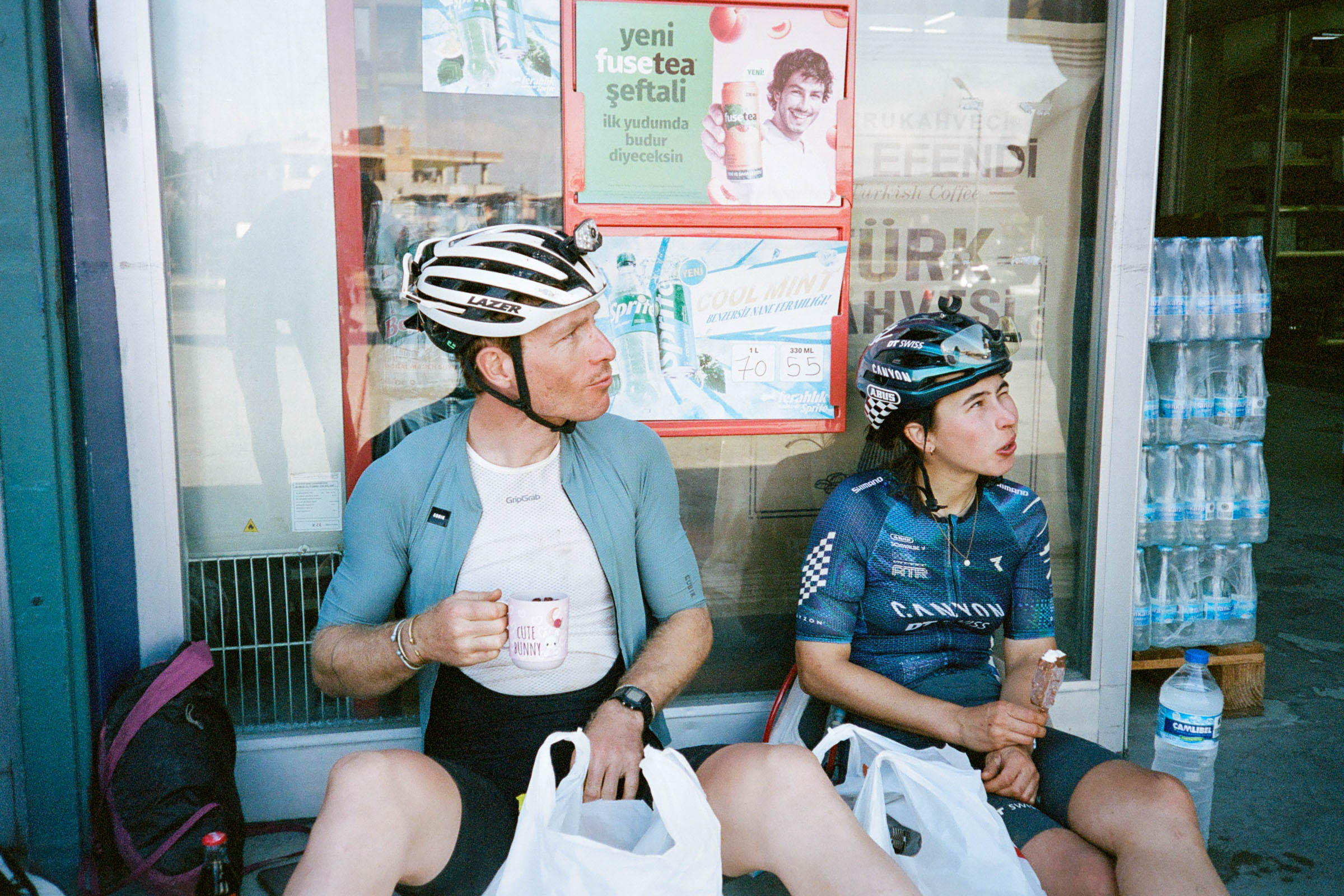
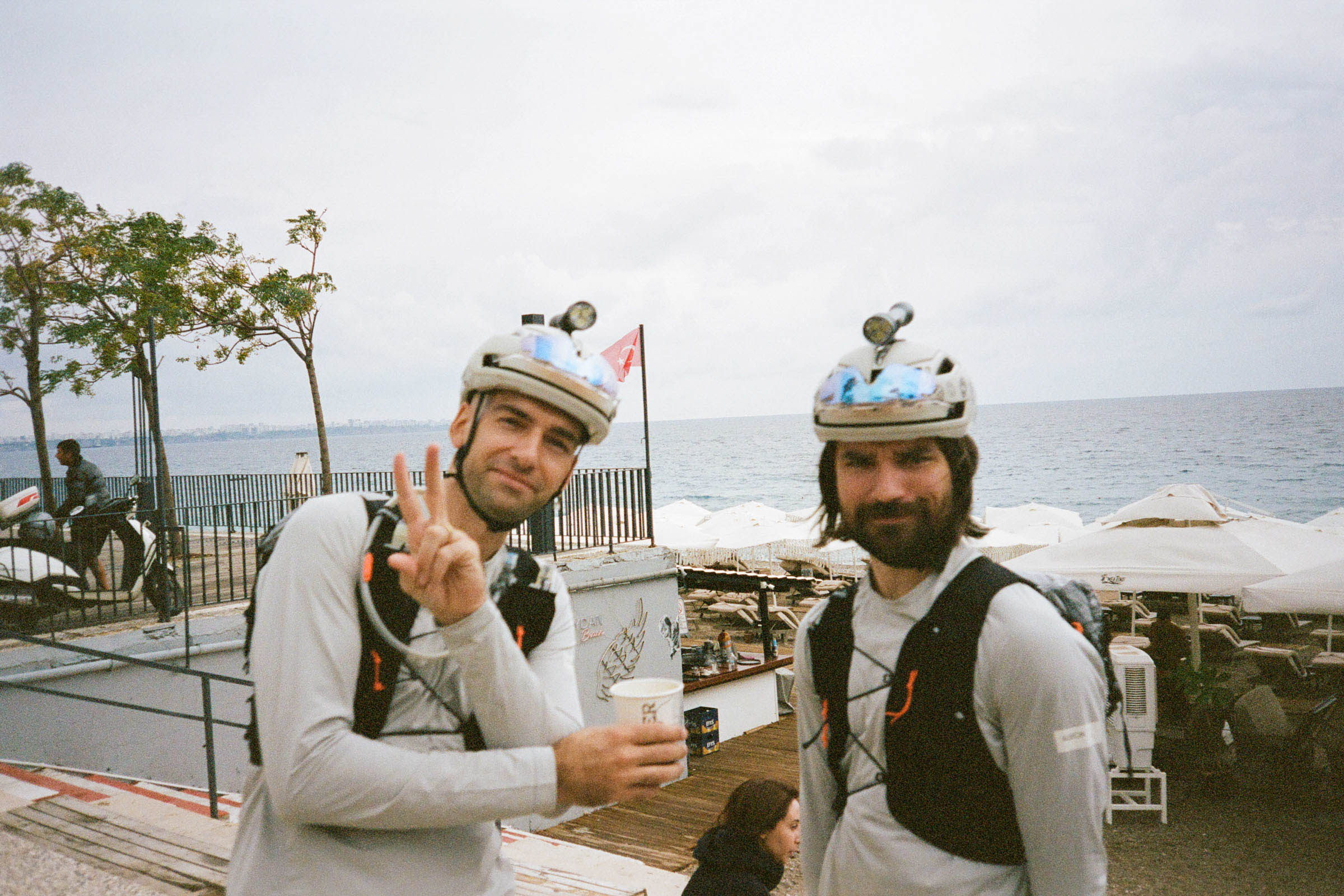
Upon reflection, it is a shame the race had to be stopped, but that’s the risk you take in the high mountains. The Mountain Race Series is a bike race to some, but for most of the field, it is an adventure and a challenge to head into wild terrain and experience new cultures, all with some structure and, importantly, a safety net in case of emergency. The point at which this safety net no longer functions—in this instance, with a stranded control car, limited communications, and mountain rescue teams active—leaves no other option but to stop it for everyone’s safety. It’s a real shame, but it’s important to remember that it’s just a bike ride. For my part, I expect I’ll be back in the Taurus Mountains next year.
Further Reading
Make sure to dig into these related articles for more info...



Please keep the conversation civil, constructive, and inclusive, or your comment will be removed.