

 Mountain Bike (MTB)
 Gravel Bike
 All-Terrain Bike (ATB)
 Fat Bike




Inside South City Stitchworks: Made in St. Louis


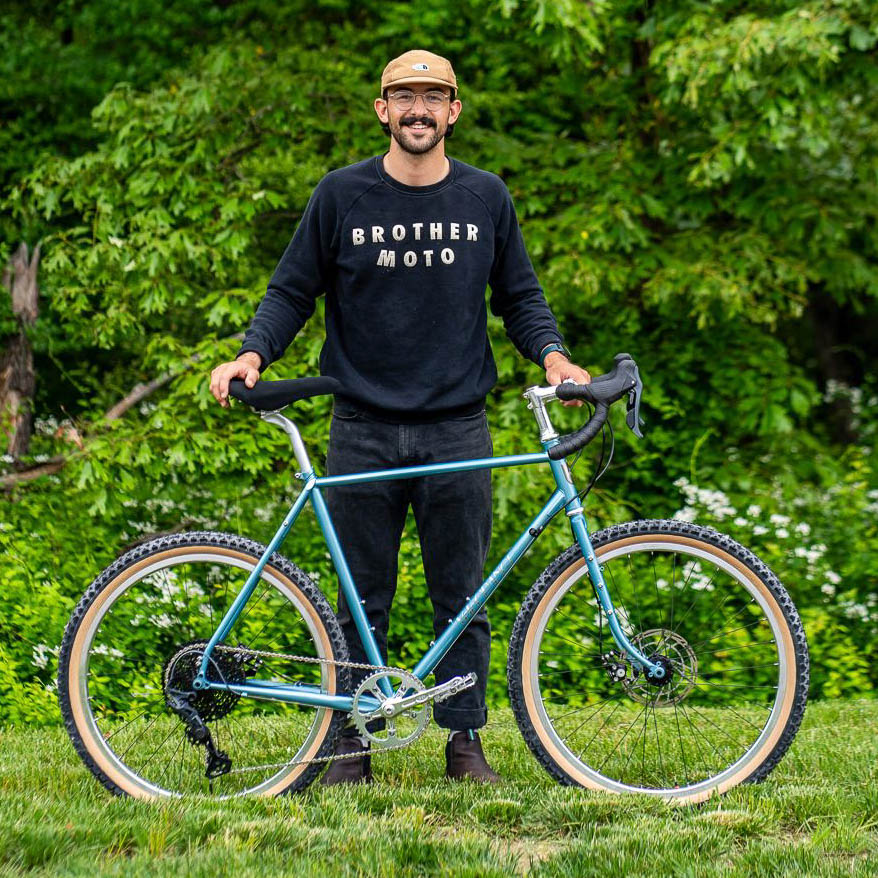
During a recent visit to St. Louis, Missouri, Nic stopped by the small, eclectic South City Stitchworks shop. As one of the more unique bag makers to make a big splash in the last few years, Nic was curious to learn how founder Zach Smith and his brand got started. This Field Trip dives deep into Zach’s origin story, motivations, and history as a maker. Dive in below…
PUBLISHED Oct 21, 2026
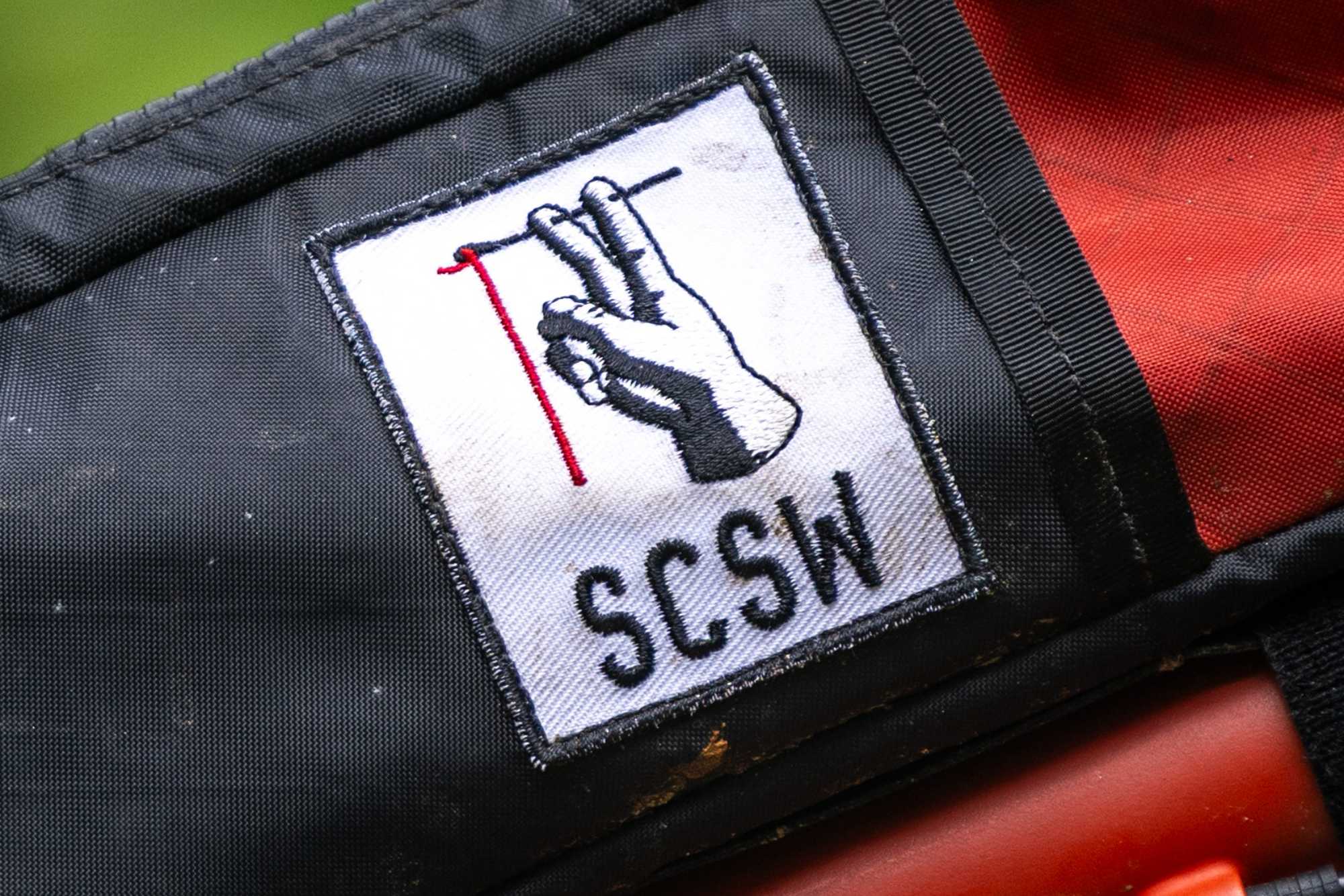
I remember the first time I started to recognize the logo. A limp hand, like a peace sign. They were seemingly everywhere. Every time I opened Instagram and scrolled past a bike check for some race out in the middle of nowhere. Every time I saw a new bike build. Every time I saw someone doing something cool in the far reaches of the Earth. Each “Rigs of” post seemed to feature an increasing number of oddly shaped, custom bags of all make and manner. They all donned this strange logo. From bikepackers pushing for FKTs and race wins to local legends and weekend warriors, South City Stitchworks (SCSW) was omnipresent.


Sitting across from Zach Smith at Blue City Deli during a visit to St. Louis, he forgave me for thinking it was some genius guerrilla marketing campaign. He laughed as we waited in a busy lunch rush line.
“Ha. No, it was totally organic.”
After ordering lunch amid small talk, we sat in a booth at the busy diner and dug into both the sandwiches and SCSW.
“Working with athletes like Andrew Onermaa and Hannah Simon has helped me immensely. I don’t get as much riding as I used to, so getting their feedback on products, designs, and how they come together has been instrumental. For example, Andrew’s rig took five months of chopping and changing to get the bike ready for his Tour Divide run. Obviously it worked out for both of us. He put in an incredible effort, and I was able to make some changes to one of our most successful products, the Love Handles. People like him have been crucial to the brand.”


As we worked through lunch, I peppered him with personal and professional curiosities.
“So it wasn’t a concentrated plan to get your bags in specific places with specific people?”
“No,” he laughed. “Andrew and Hannah Simon—these people are all just friends. When SCSW started to take off, I wanted to support them, so I sat down and calculated the gross every month. I did the math, and Venmo’d a percentage of that month’s profits to the athletes I sponsored. I also made their bags, but the main idea was to support them. I don’t know if I can do it every year, but I liked doing it.”
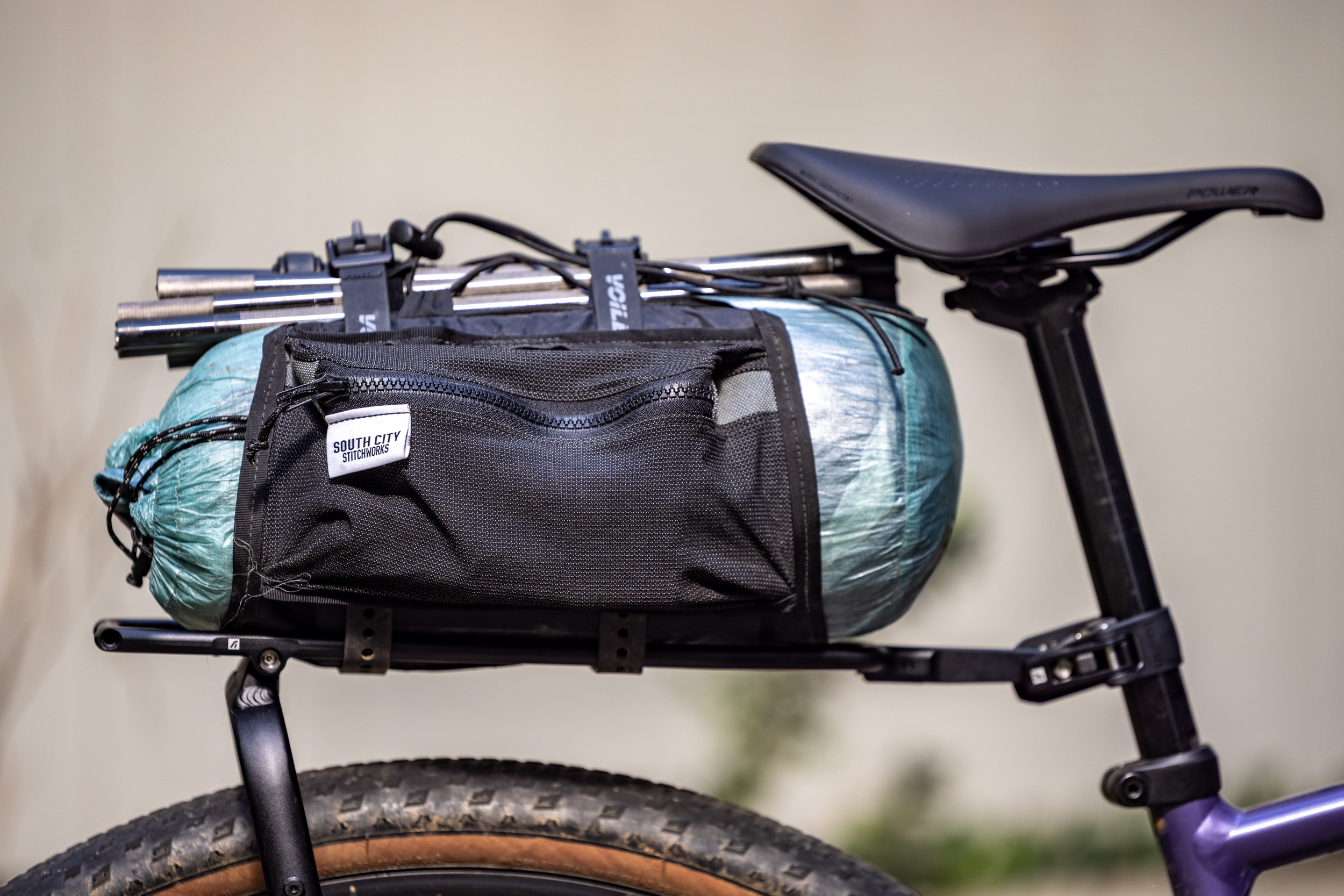
It was an honest and revealing piece of calculus. One that vague declarations of brand sponsorship or support often obscure. With an inside look at the industry, I know “support” means something different for every athlete. Hearing that a small brand still in its infancy stepped up to materially support friends and riders was a testament to Zach’s character. After spending some time with the Love Handles, I can confidently say the bag reflects that mix of craftsmanship and ideation at the pointy end of bikepacking. It’s minimal but effective.
Impressed by the design’s clever simplicity, I was curious to understand the brand’s origins. After all, I came into the bikepacking space long after many of the brands you see on the site. I respect those with long, storied histories in the modern era, but like me, SCSW was a newer player. Having tracked his rise from obscurity, I wanted to know more. Where did SCSW come from? Who is Zach Smith? And why did he start?
We finished our sandwiches and kept talking as we pedaled toward his shop.



“I went to school for photojournalism, actually. But I didn’t quite love it, so I eventually moved to St. Louis, thinking I would only be here a year or two. Soon after, I met my wife at a local coffee shop…”
He slowed his pedals and pointed left as we zipped through St. Louis’s South City Quarter.
“We got married right under that tree over there.”
The city is clearly as much a part of his brand as his love of design and his desire to create a worthwhile product.
“St. Louis is such a great place for startups like mine. It has cheap rent. I ride bikes with my kid to school. It doesn’t put the same pressure on you as some other cities might. I mean, I started in our house with a plastic fold-out table and one machine doing every stitch. Whenever I could get a moment away from a crying baby and my other duties, that’s what I did.”
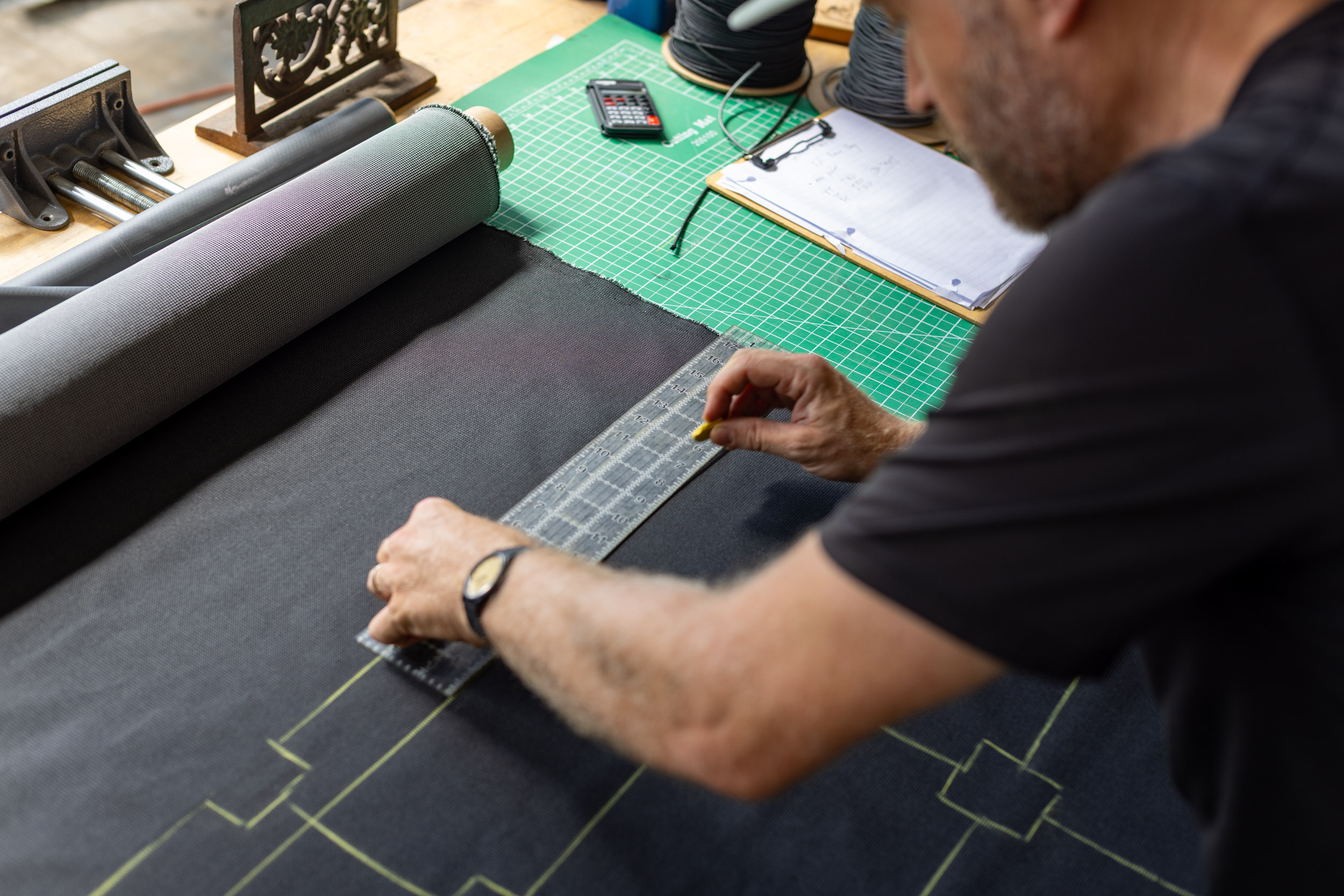
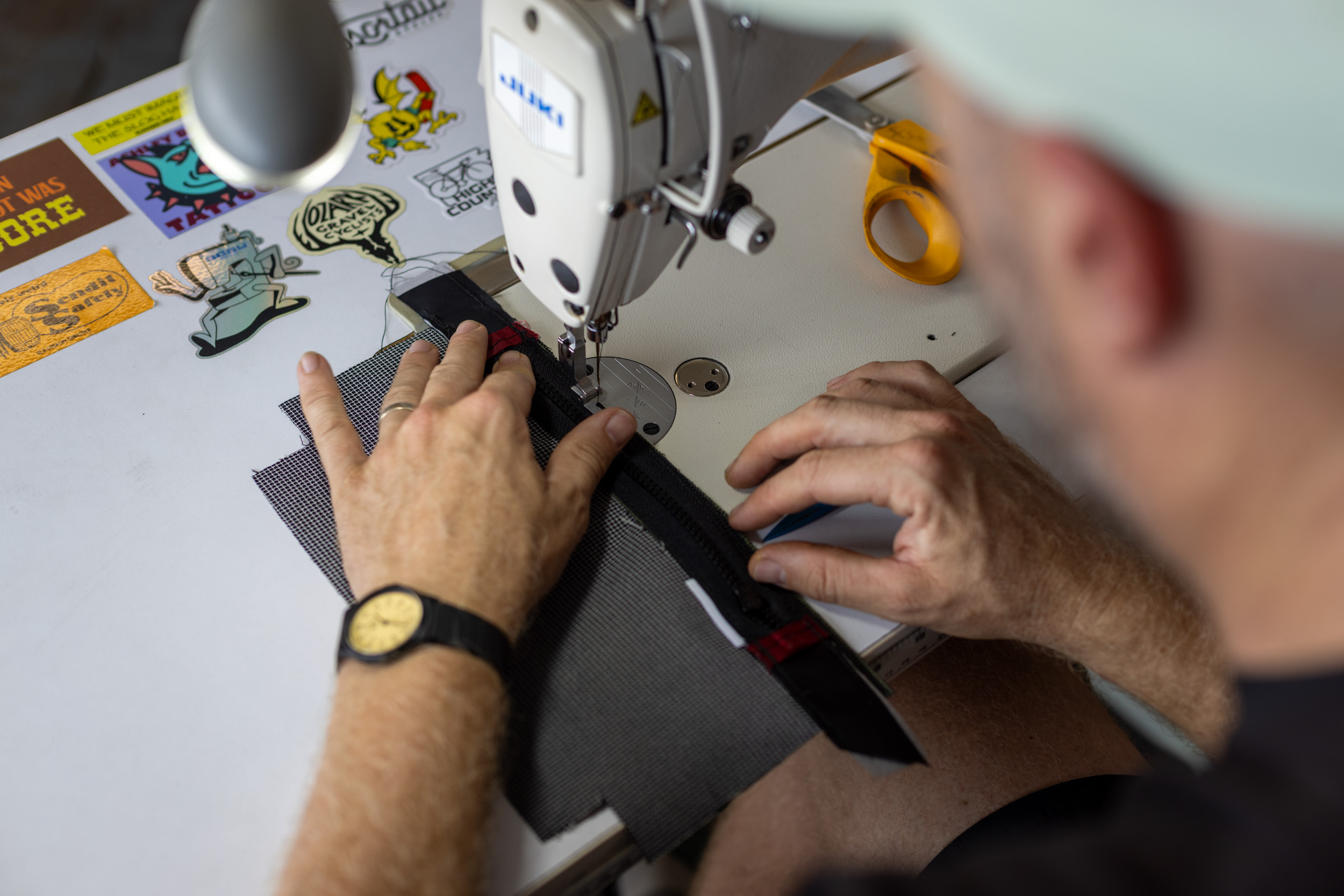
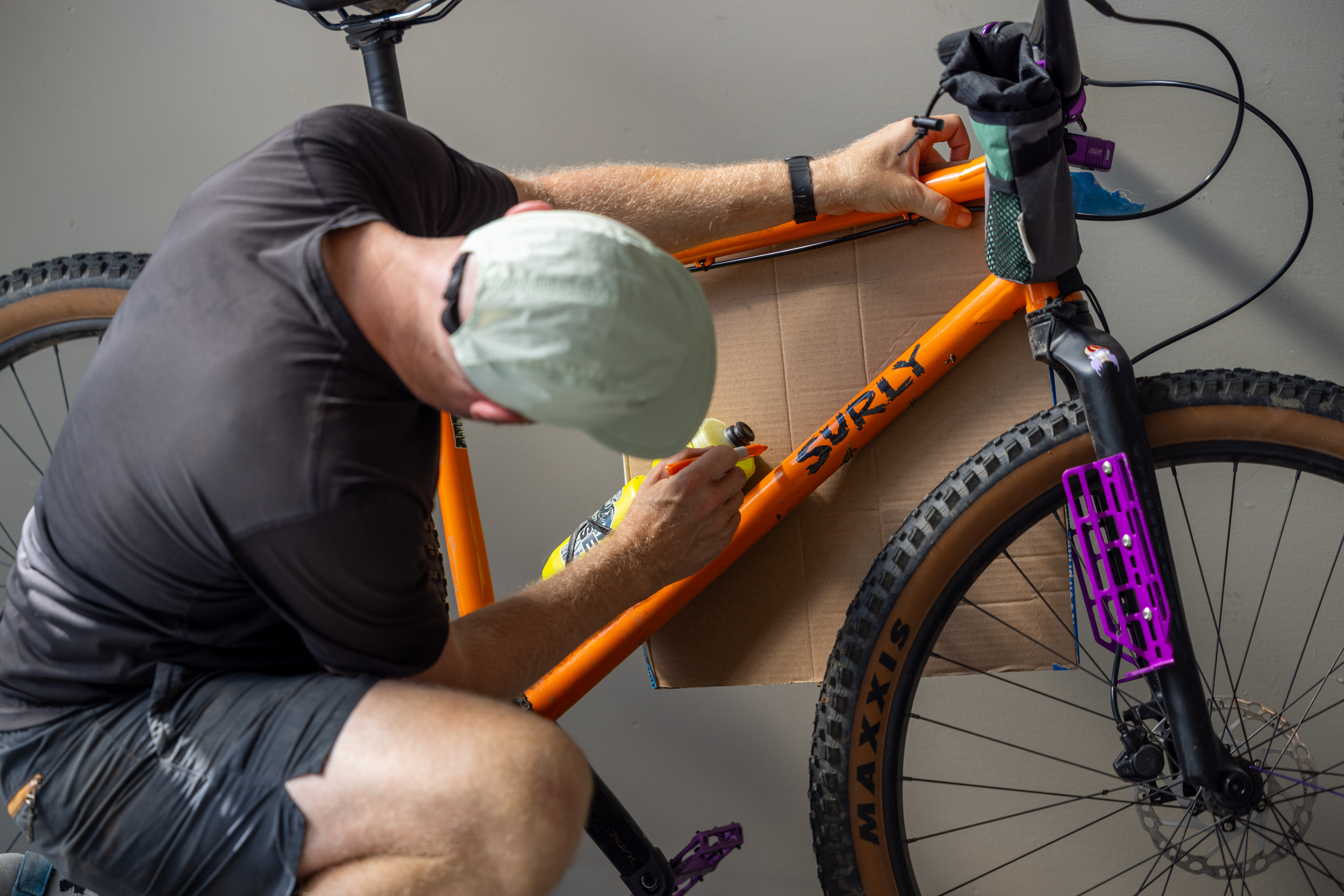
Zach wants to keep elements of SCSW’s origin story private, but, in essence, a family loss sparked a need to do something. Stuck in the house after leaving his teaching job, he took a class with John Campbell of Alpine Luddites on making bags. After making his first frame bag, he chased the bug. He liked working with his hands, and his presence as a bag maker in the St. Louis bike scene quickly took off. With cheap rent and a few friends, he soon shared space with fellow St. Louisan Matt Steward. Matt is central to the St. Louis bike community and a mutual friend of mine and Zach’s.
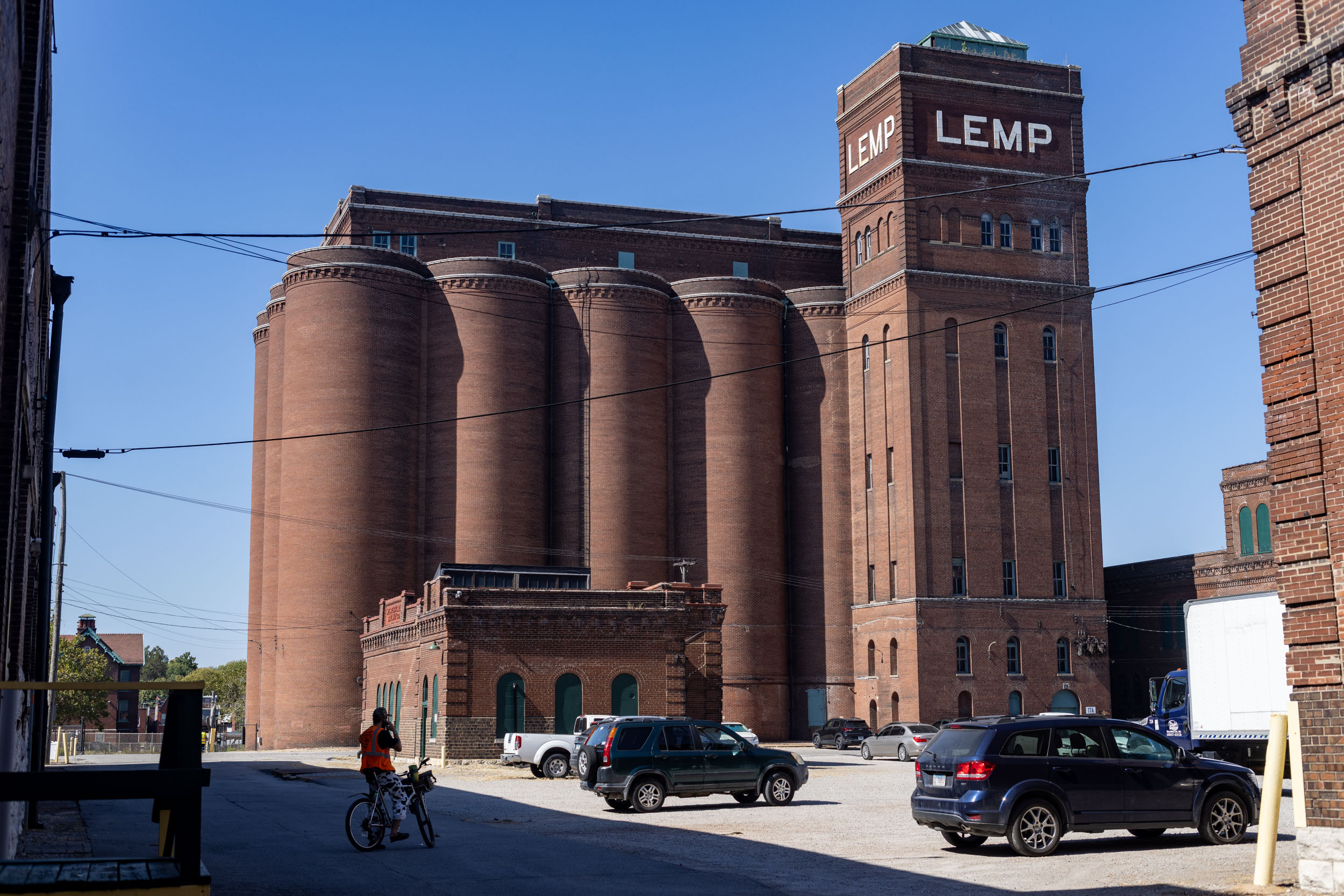
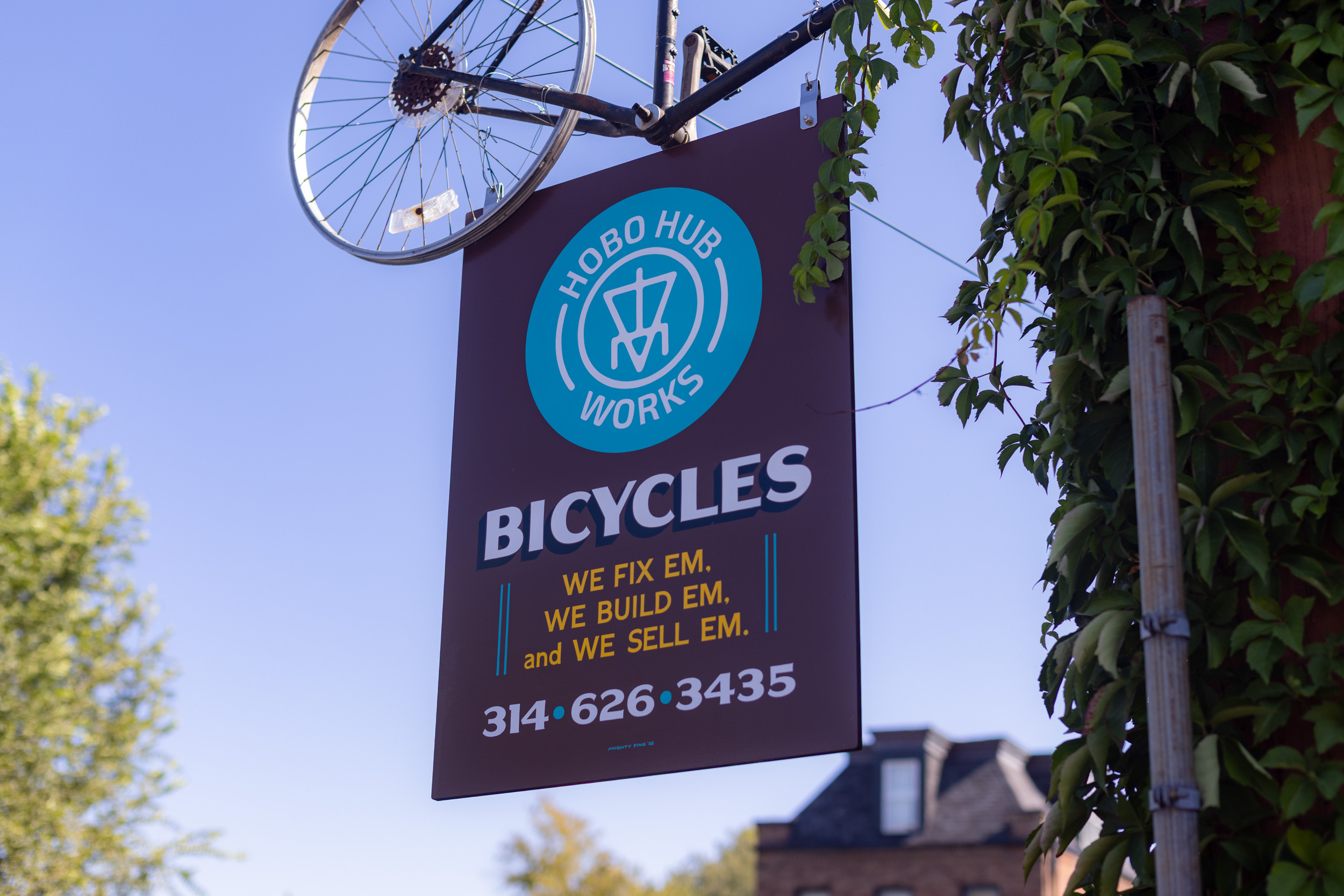
Matt owns a shop, Hobo Hub Works, that specializes in taking Facebook finds and other bikes potentially destined for the junkyard. Having owned and managed bike shops before moving to St. Louis, he rented an incredibly cool spot in the town’s old Lemp brewery. The shop sat beside grain silos the size of old skyscrapers, but at times it was hard to justify given the lack of foot traffic. After meeting through the city’s bike scene, Zach’s rise to prominence as a bag maker let him split the space and eventually take it over when Matt moved to a new location this past summer.
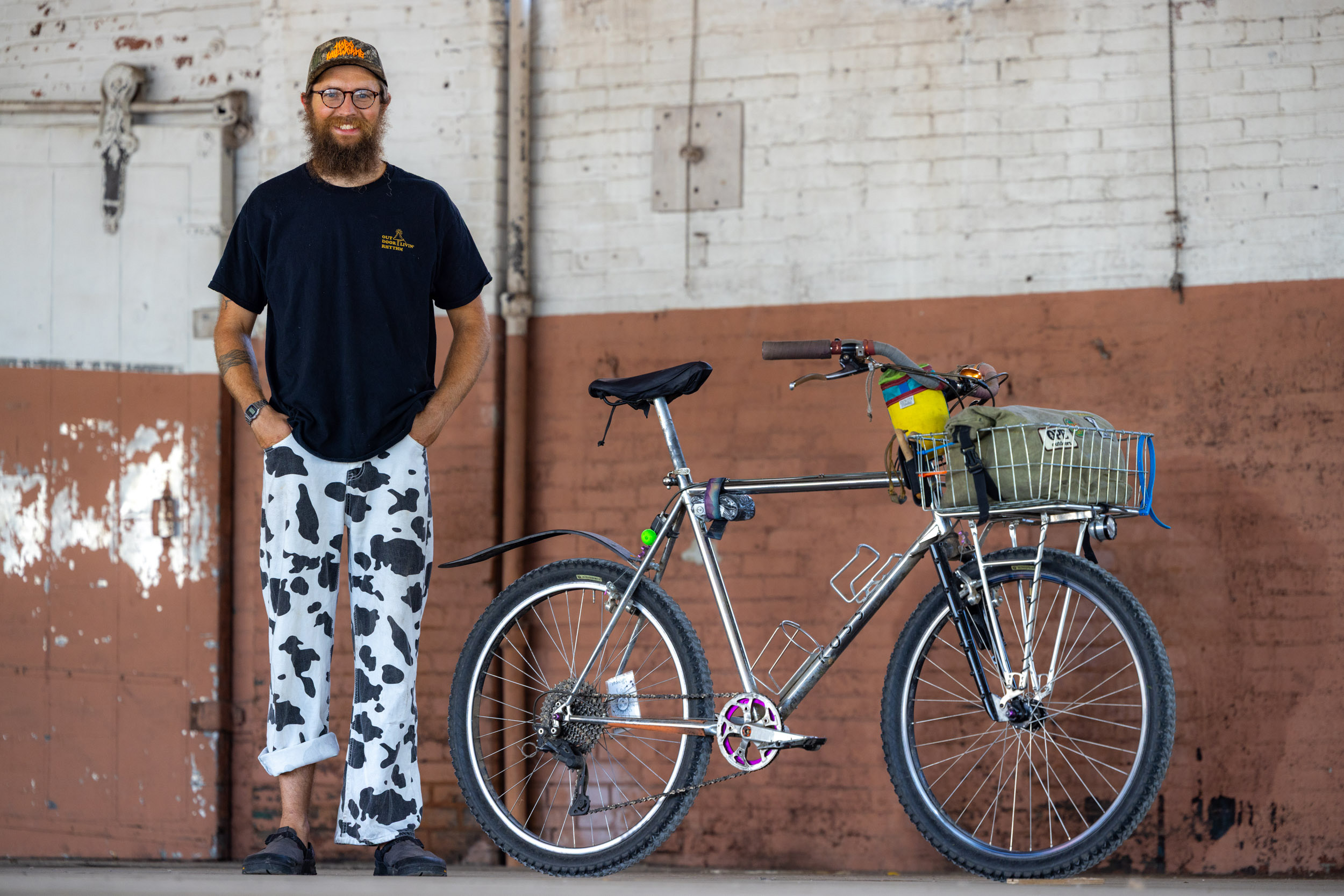
The Lemp brewery is a fascinating piece of American history. During the city’s heyday, it was one of the world’s largest breweries. It still sits atop a series of caves that once kept the beer cool before modern refrigeration. Eventually, it became a shoe factory. Its brick construction, a St. Louis hallmark, meant even the white bricks on the smokestack could be rearranged and reused to reflect its new status. As a modern craftsman, the partially abandoned building seems like a perfect fit for someone who holds handmade craftsmanship so close to their small brand.
“The last 18 months have felt different for me. I’ve hired two people part-time to help with some stuff, and I’d like to have certain ‘production’ bags consistently in stock. I’m passionate about doing all the custom work myself and putting a lifetime guarantee on those bags. I can personally guarantee the quality because I made them. I’ve never had someone send something back, and I take pride in that,” Zach said.
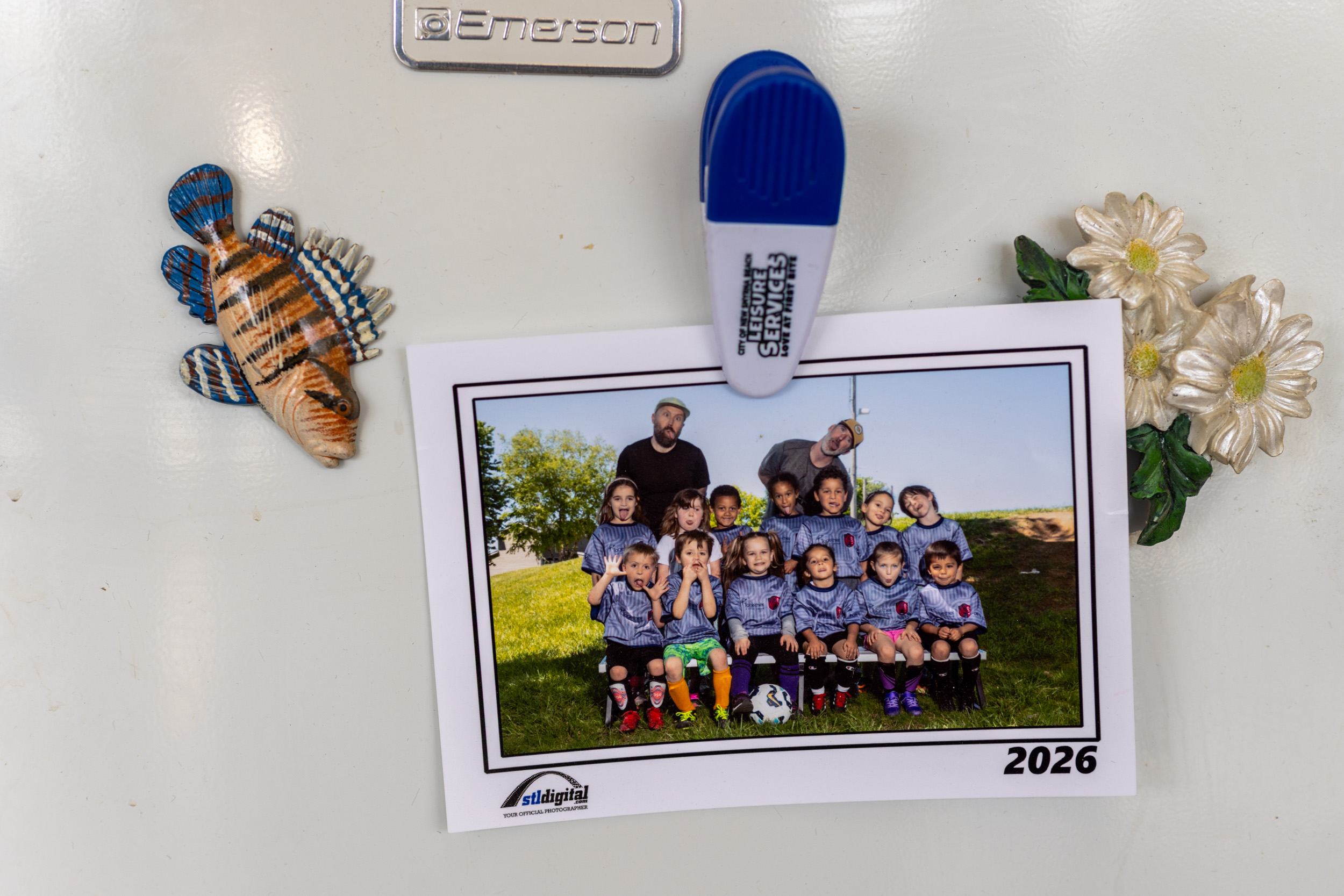

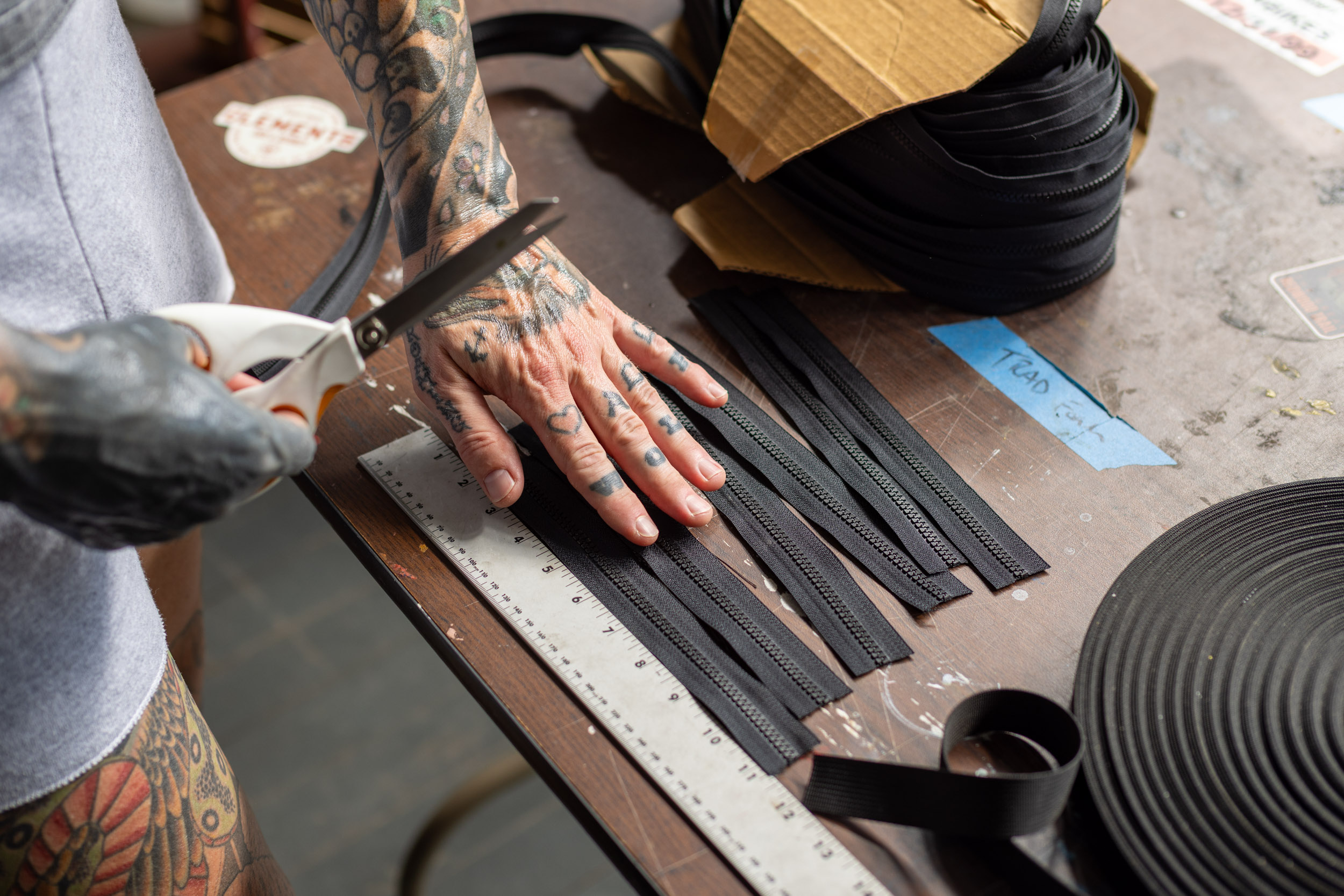

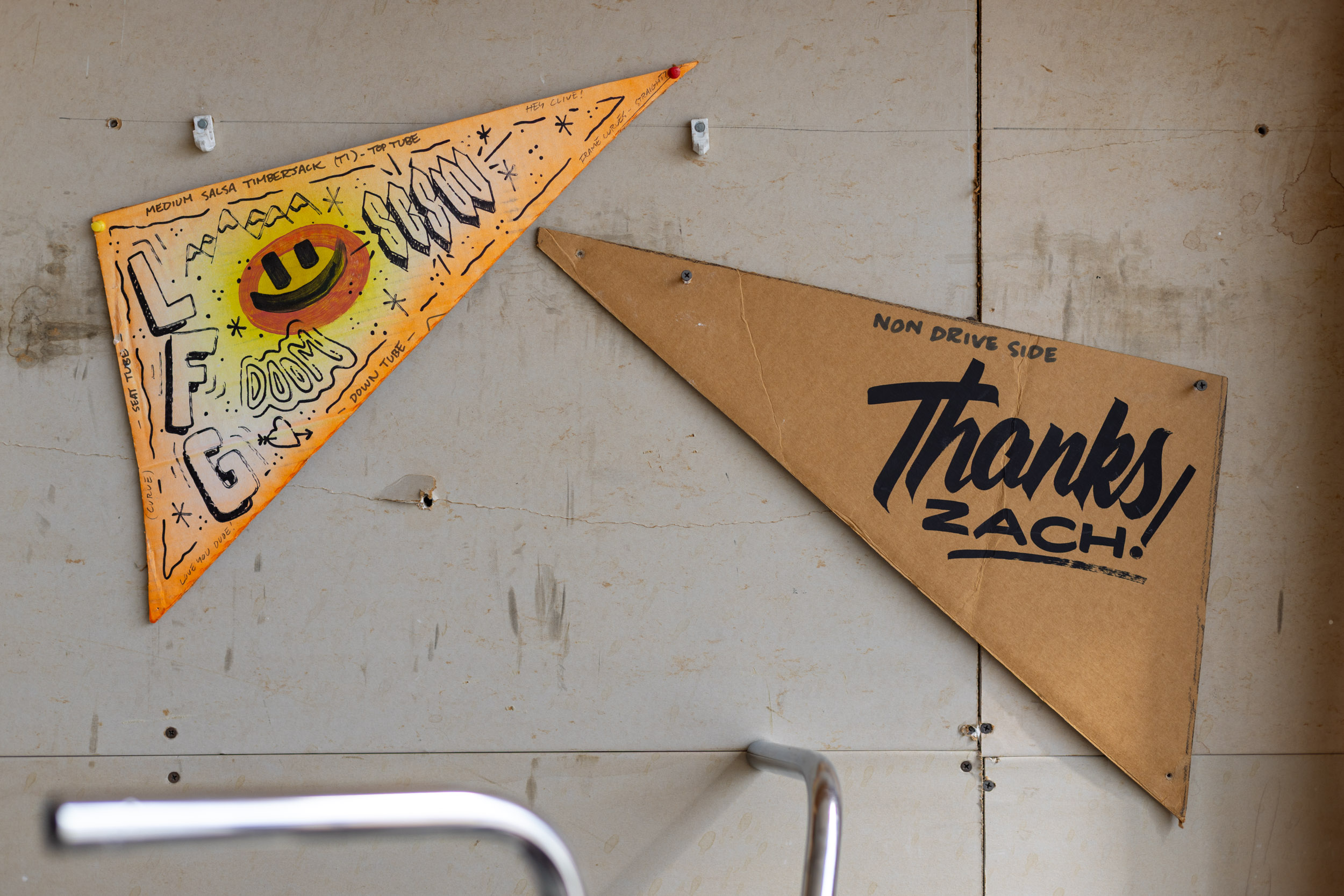
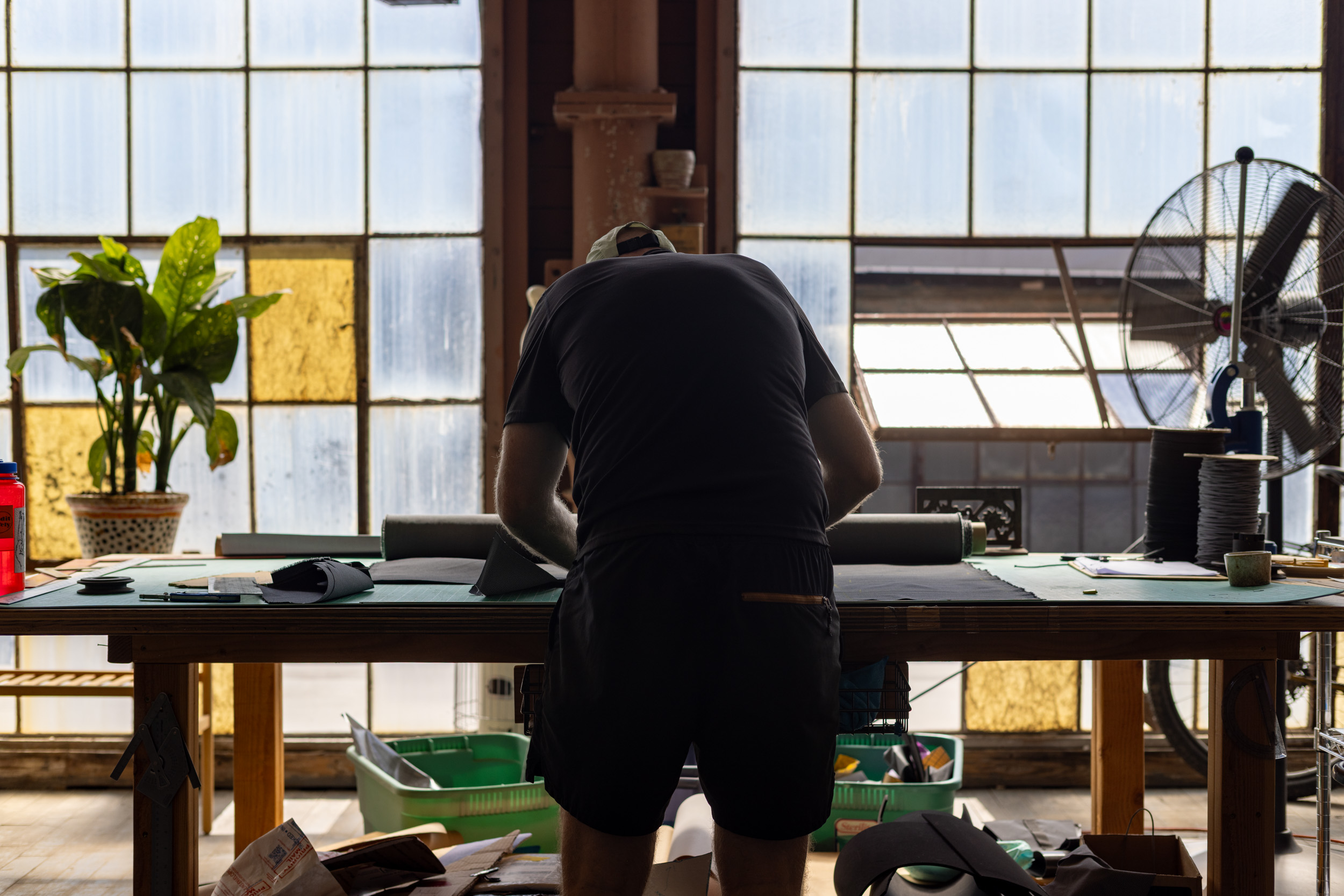
We were now in the softly lit corridors of the Lemp building. It was a sweltering fall day in St. Louis, but the heat did little to distract me from our conversation. Zach continued making cuts for all kinds of bags.
“Those Rigs of articles are so useful for guys like me. They let you see how people are using things and why. I’ve gotten a few ideas from those, and I’ve taken inspiration from a lot of what I see there. As I said before, I don’t get as much riding in as I used to—especially with SCSW growing—so it’s important to find new ways to keep things fresh. Ideally, I’d like to expand and stop just short of the size of someone like Rockgeist. I really admire what they do. Making custom bags is so time-consuming and often doesn’t make financial sense. With the release of some stock options and more people around to help, I hope I can make things work financially while still focusing on the custom stuff. That’s what really stokes me up. It takes time, but I love the relationship I have with the customer. People text me pictures of their bags mid-ride all the time, and it makes me so happy. I get to see where they go. It’s like a small part of me is on the ride too. That’s a big part of why I love this.”
From his relationships with customers to his experiences with friends and racers, Zach emphasized how much others have helped him along the way. He didn’t position the brand as a self-centered venture defined by his skill as a craftsman. He acknowledged and understood his role in the equation. When asked about coming up with new ideas for bags, Zach said, “Other people are really useful. I don’t need to always be the one creating something from scratch. I’m comfortable in my role as a craftsperson.” I have my ideas and my say. I make tweaks and revisions, but much of this is built on contributions from others that I’ve built on. That makes a lot of these products great, and it comes from an authentic place.”
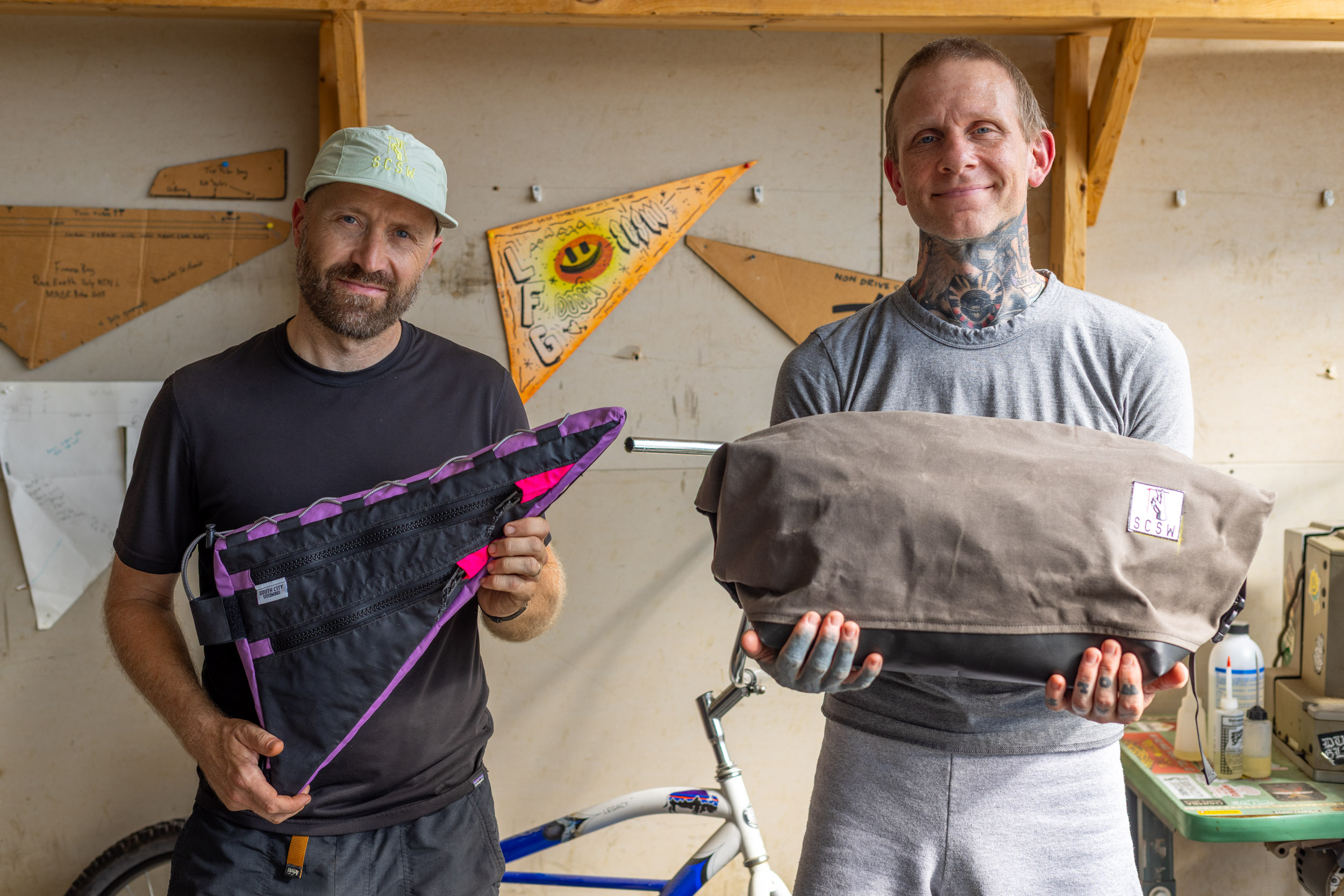
Of course, all this exists within the wider context of a struggling industry. We’ve seen the downturn in the bike economy take all kinds of victims. Whether it’s costs, burnout, or the mix of those inextricably intertwined elements, companies big and small haven’t been immune to ever-changing tariffs, material costs, and other hurdles. Despite SCSW’s success, Zach has felt it too.
When asked how he’s handled these changes, Zach said, “Plain and simple, fabrics cost 30 percent more than they did two years ago. When I see my bag in a Gear Index like your Rack-Top Bag one, I’m stoked. I’m honored to be among makers whom I look up to. But I also see that people immediately make a direct comparison to a bag or company that can charge significantly less than me. That’s just the reality, and I don’t think anyone is getting rich. I hope people see the value in whatever they choose. For me, I’m a small company that can make something specifically for any one person, and you can develop a relationship with my employees and me. I’m proud to pay two part-time craftspeople. I’ve been approached by makers overseas before. People say they could make my stuff way cheaper and at a larger scale. I would much rather give someone I know a job than just see a bigger margin for myself. I think that’s something worth investing in.”

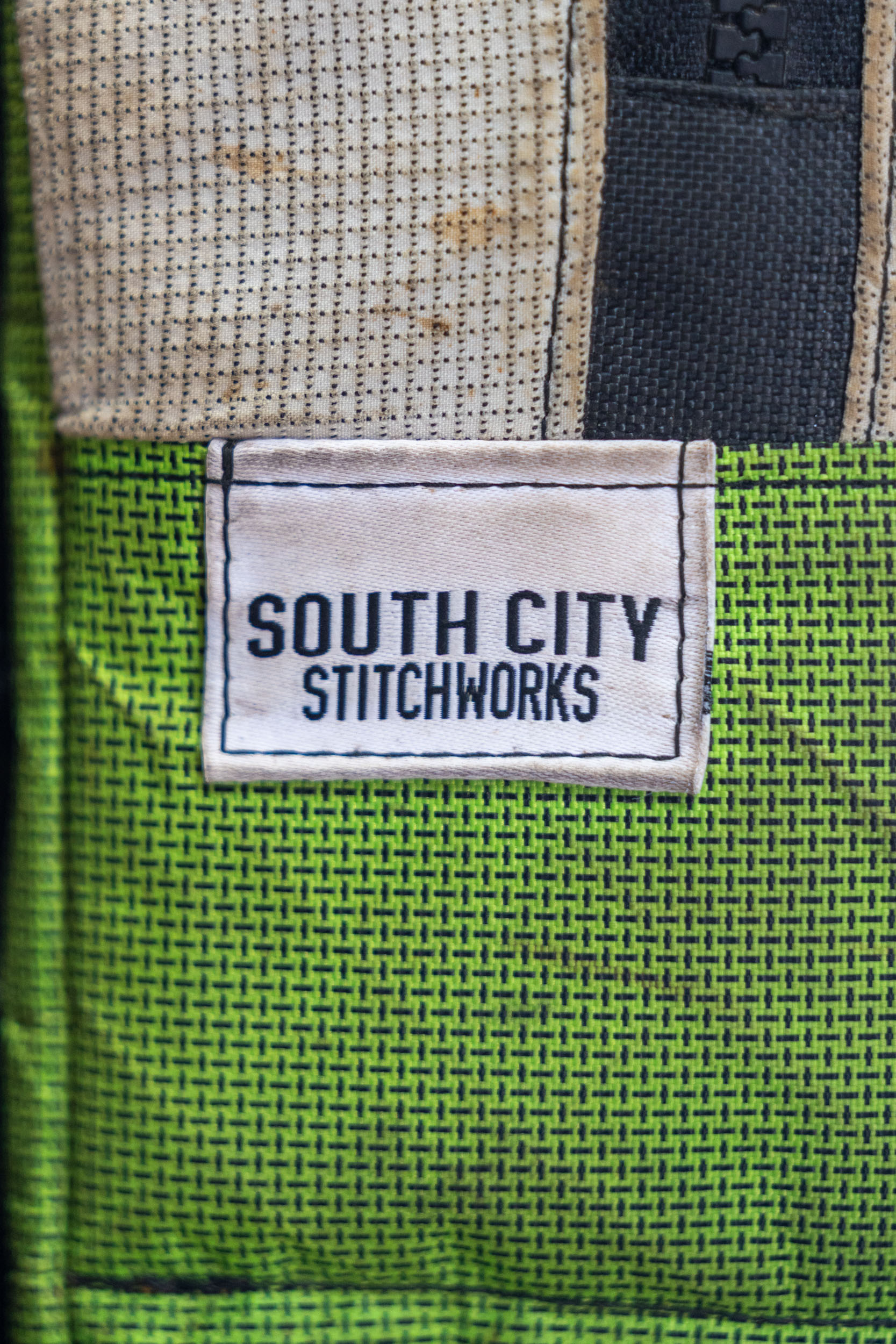
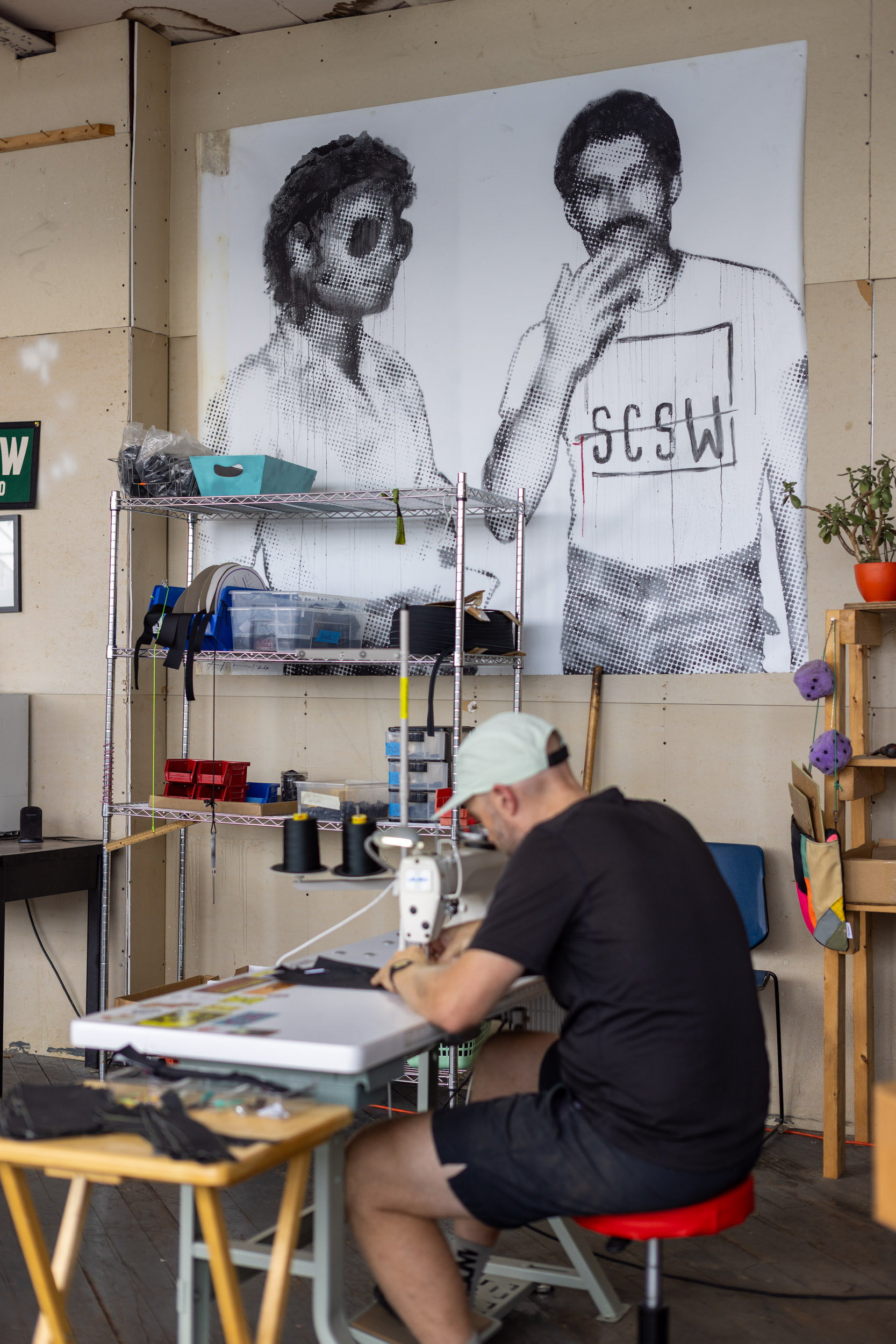
Zach’s earnest nature is endearing. He’s far from the first person to start a brand on a whim, but he clearly has an eye and hand for quality design. In a world where brands and companies seem to pop up and disappear, it’s nice to hear from someone who has done little else but put their best foot forward and try something new without expecting anything in return. No subversive guerrilla marketing campaigns. No fancy new tech gimmick. Just a guy who chased a passion and gives back to the community that lifted him up in the first place.
Further Reading
Make sure to dig into these related articles for more info...



Please keep the conversation civil, constructive, and inclusive, or your comment will be removed.