

 Mountain Bike (MTB)
 Gravel Bike
 All-Terrain Bike (ATB)
 Fat Bike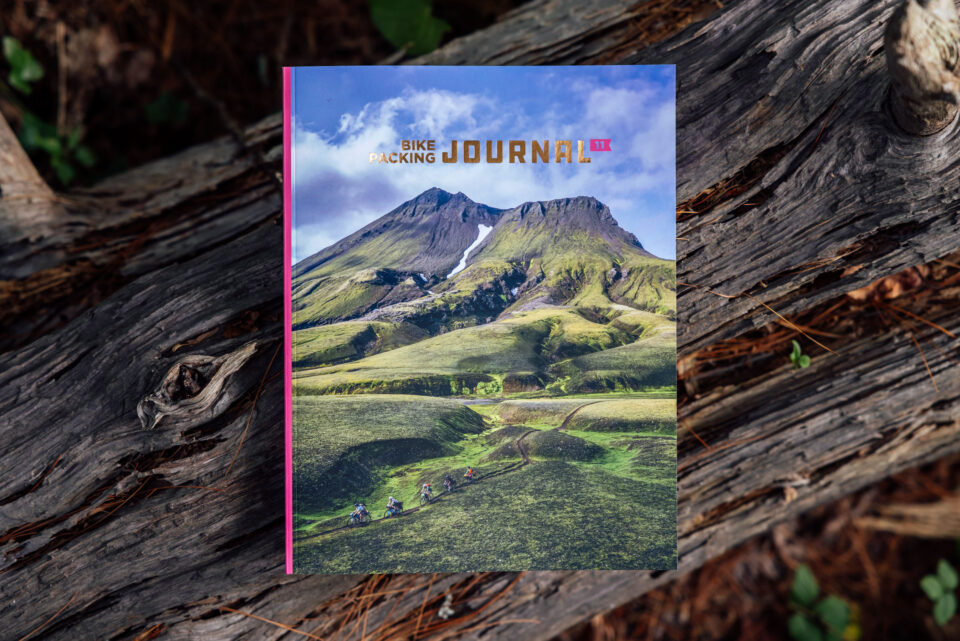


Rider’s Lens: Sergi Ricart’s Creative Andean Journey


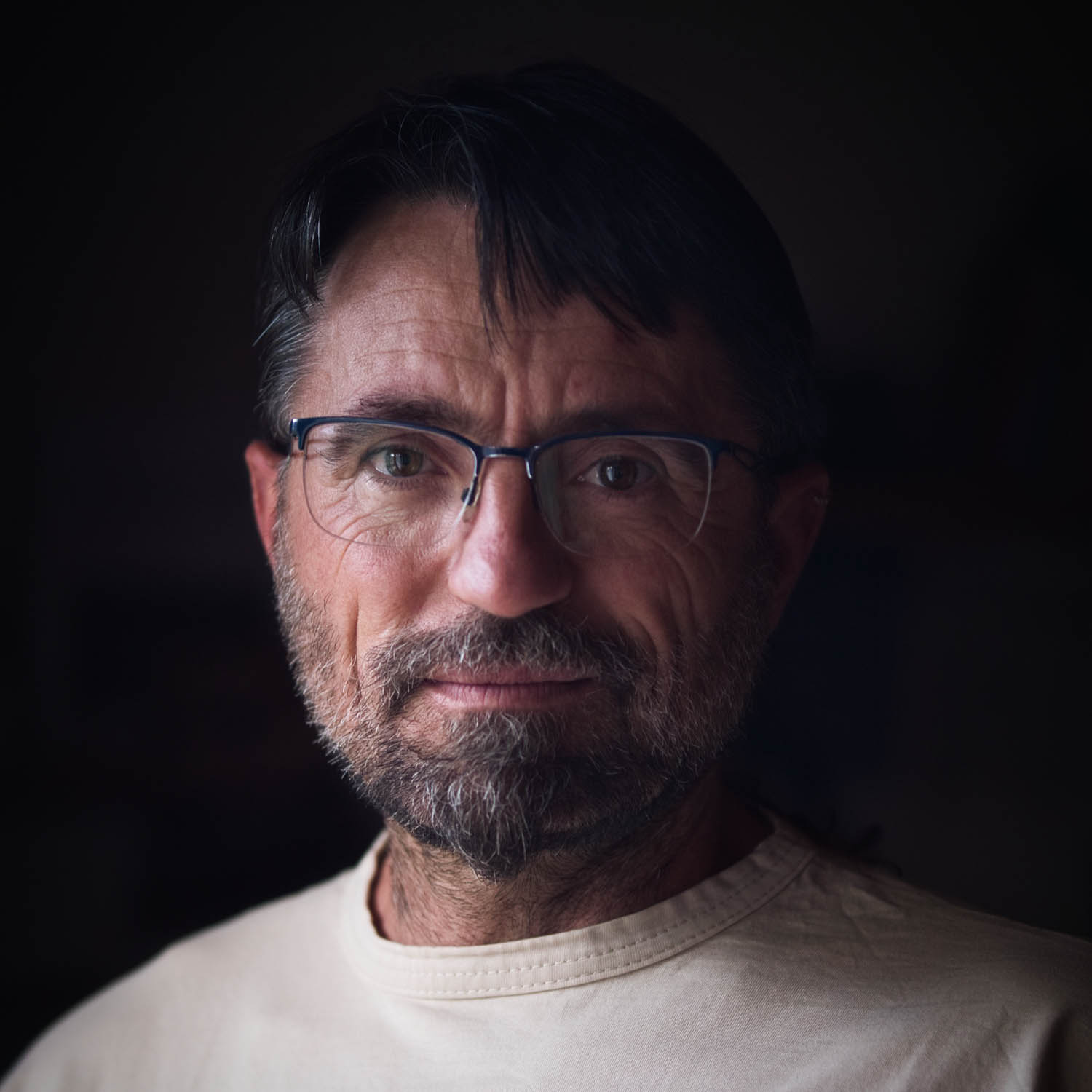
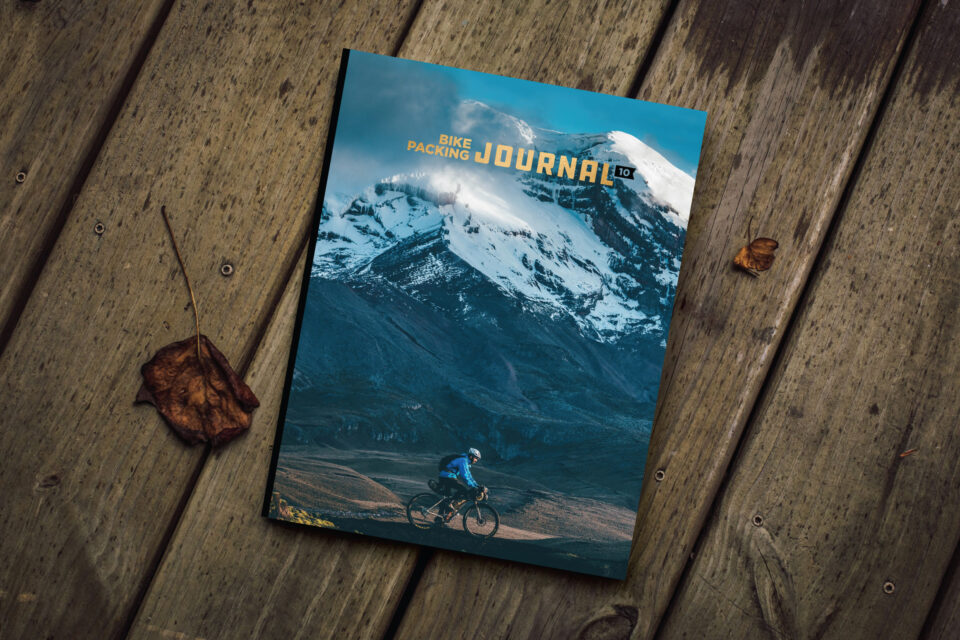
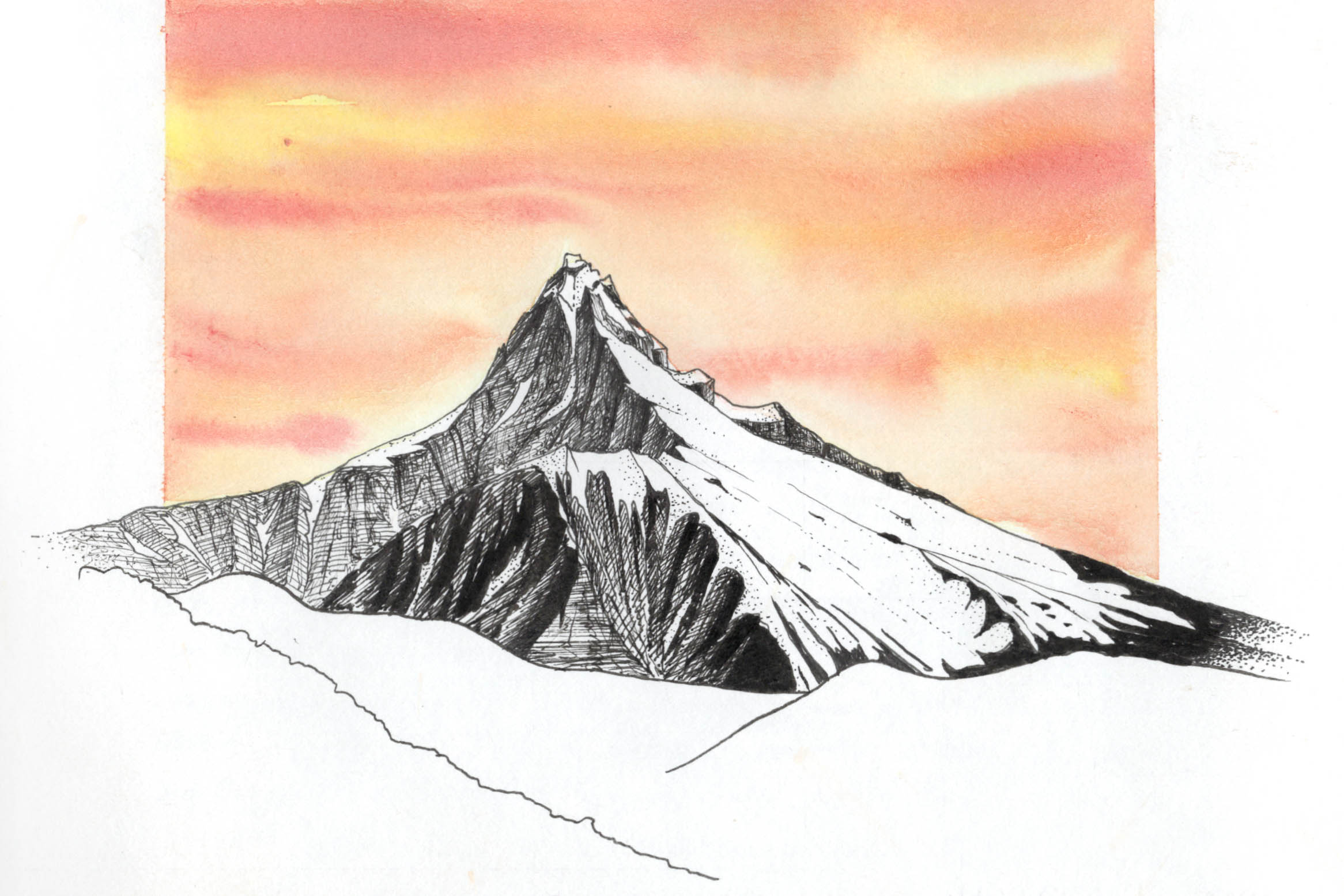
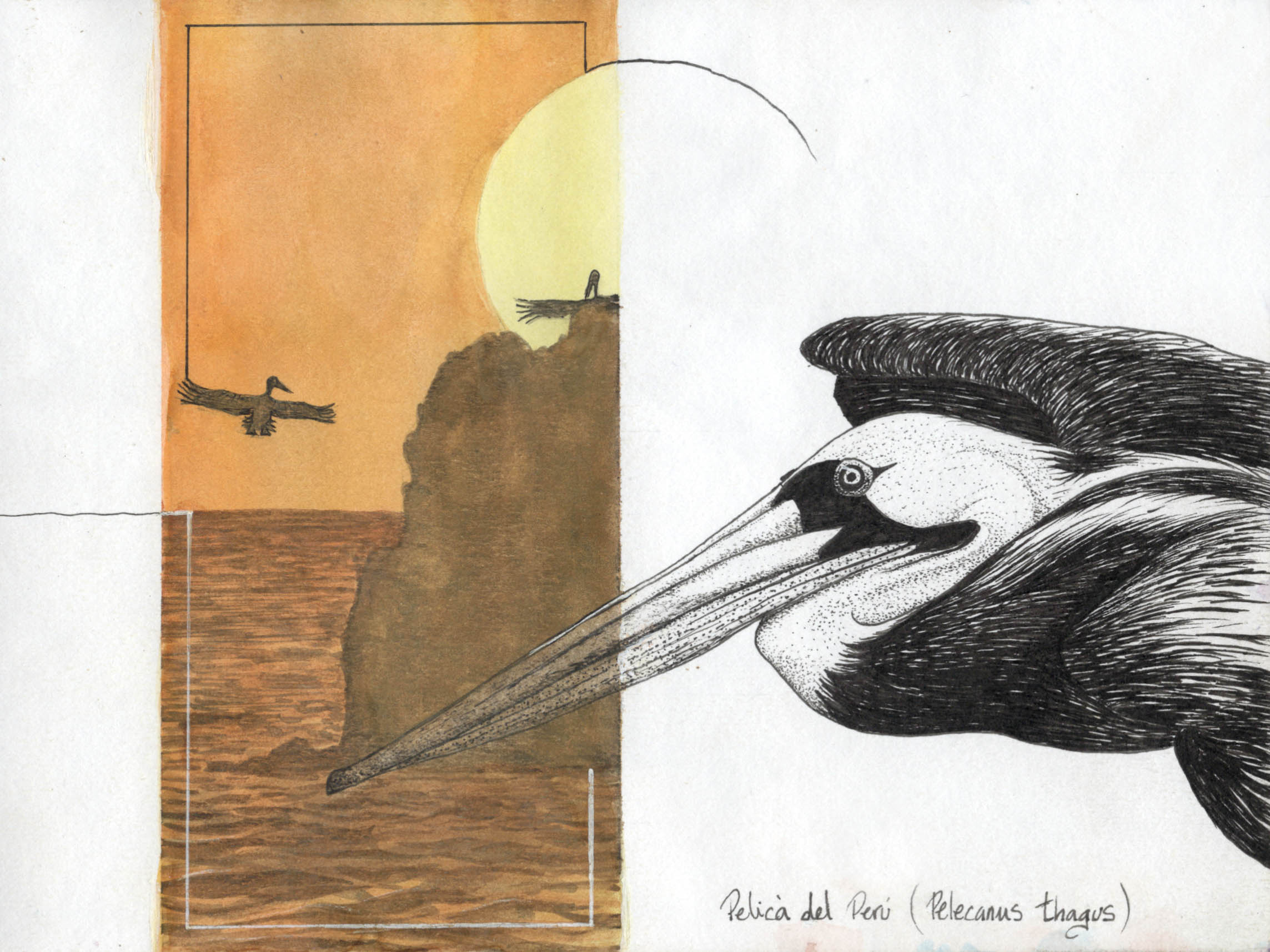
In this unique edition of Rider’s Lens, we present a blend of images and illustrations from mountain guide, photographer, and filmmaker Sergi Ricart’s 9,000-kilometer solo bikepacking journey along the Andes Mountains. Spanning the Caribbean to Tierra del Fuego in Patagonia, discover a selection of Sergi’s work from remote 5,000-meter peaks and isolated dirt roads throughout the continent here…
PUBLISHED Jul 29, 2026
I am Mediterranean. Well, sure, I’ve spent my whole life among the peaks of the Pyrenees—climbing the pine trees as a child, scrambling the rocky ridges when I was older, lying on the dry grass of September afternoons, guiding my clients with a rope in my hand—but it has been on the southern side of these mountains that my path has unfolded. The one of stone villages that face the midday sun. The one of the clear skies and cold nights. The one where that sea, distant and close at once, tempers both climate and character.
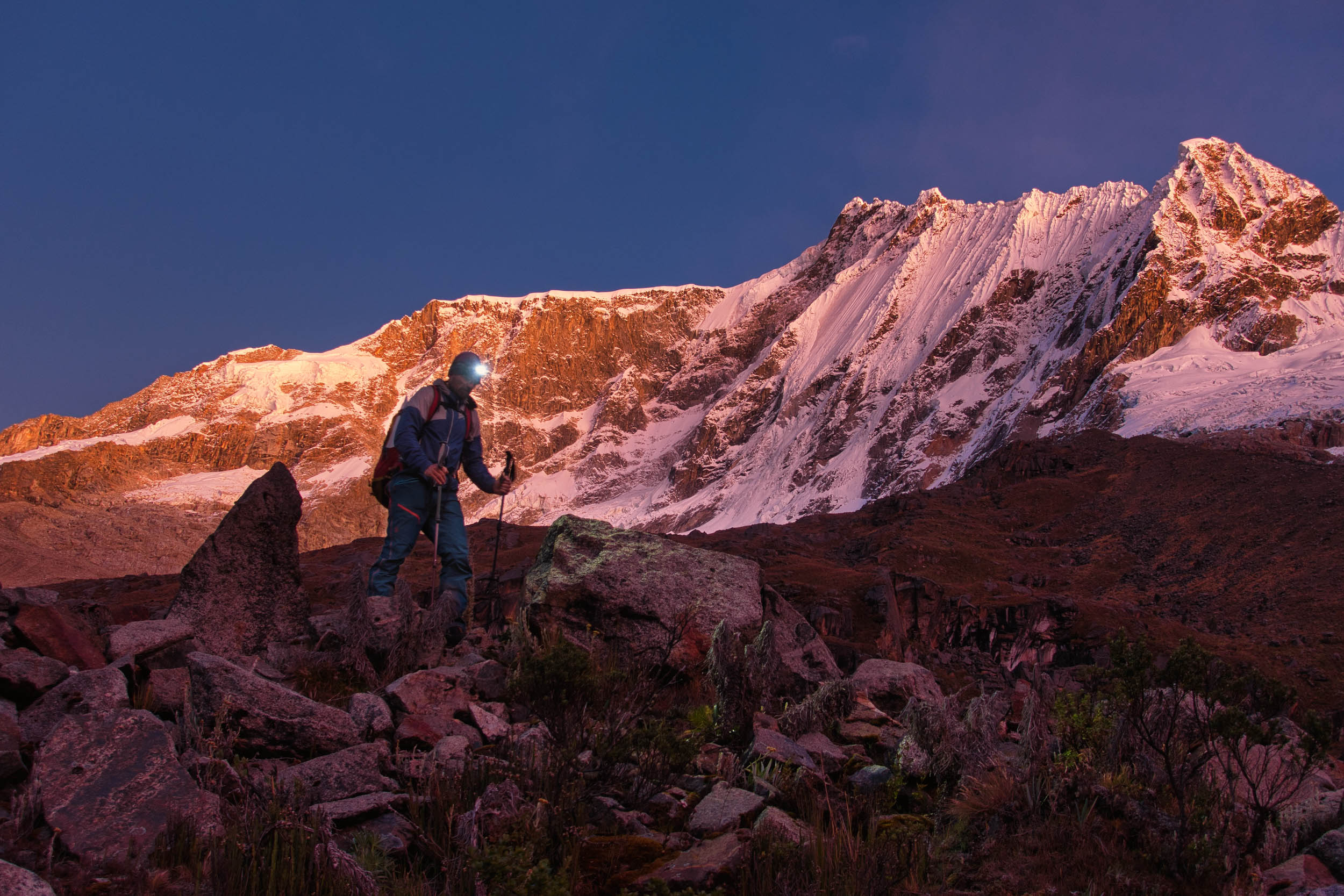
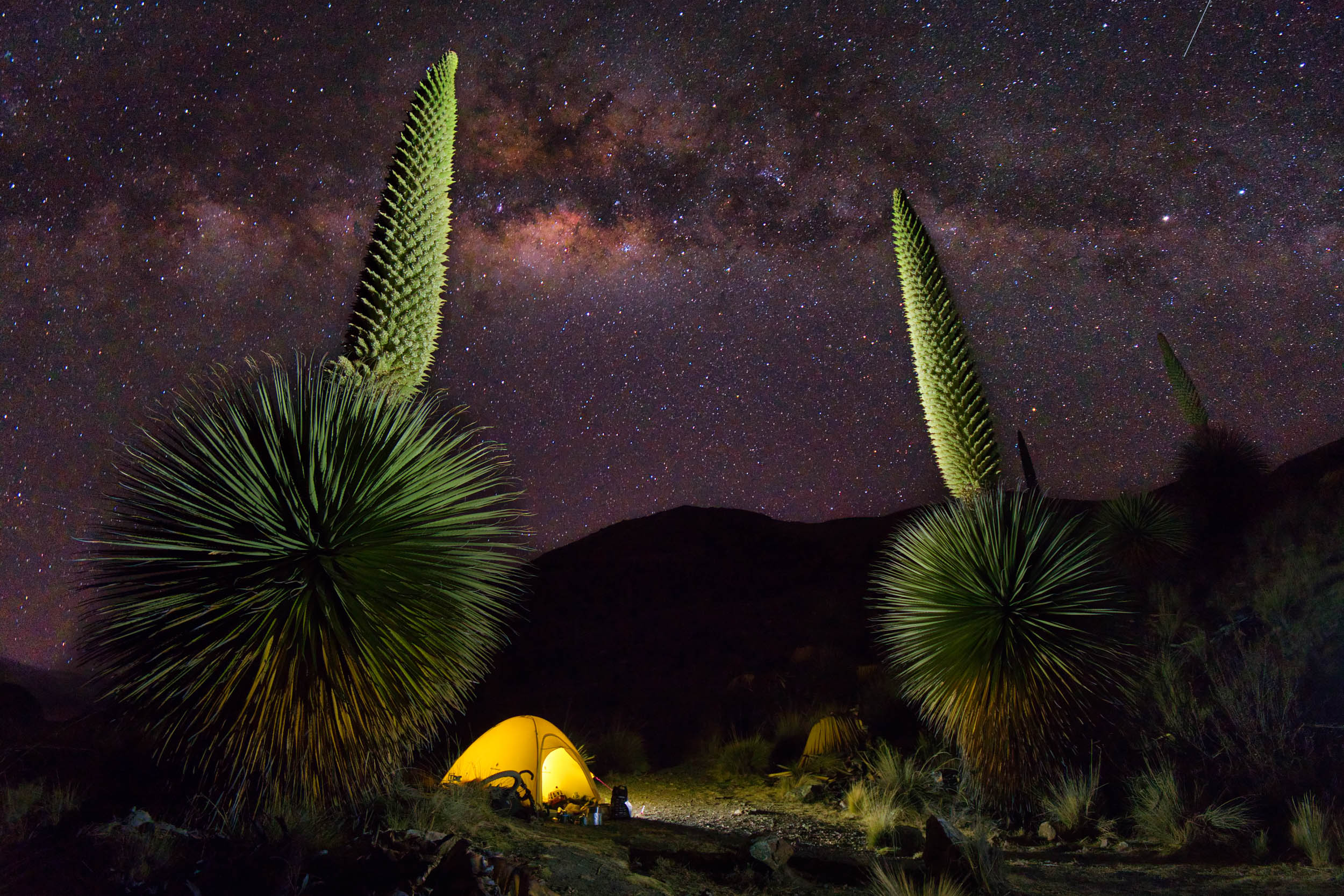
So, when people ask me how I plan my trips, I tell them that almost all I care about is that, wherever I go, the sun shines. The Scots always laugh. And then, I let the planet trace my paths. They often end up having the name of a river, a mountain range, or some living line sculpted by the forces of the earth, along which I spend long seasons.
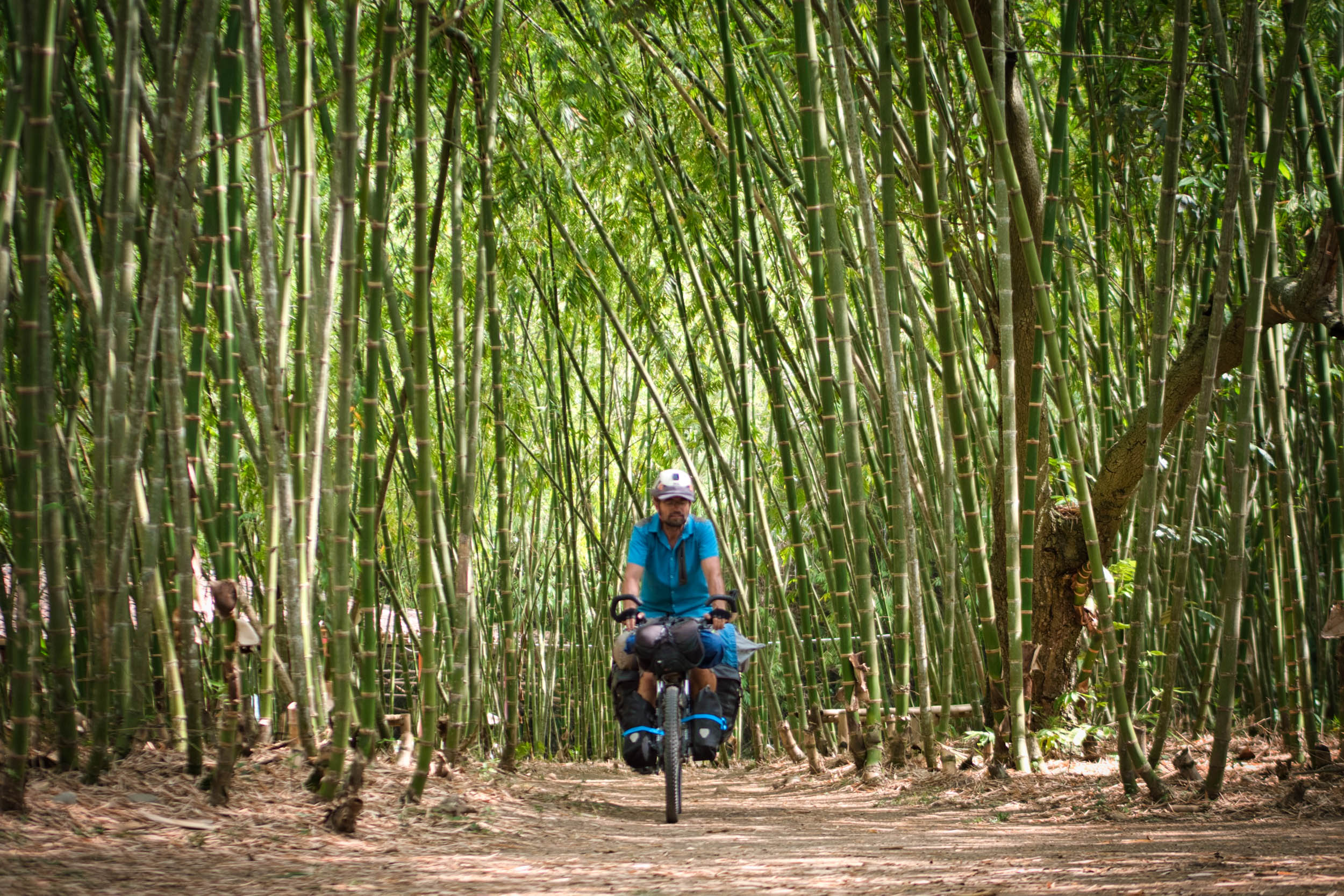
The first fallen leaves announced the arrival of autumn 2023 in the Vall de Boí. I was beginning to regain the physical and mental strength that a short but devastating train of workplace bullying had run over a few months earlier. I was clear that, if I wanted to undertake the long journey I had decided to postpone by betting on certain doubts, I either had to wait until the following spring to continue exploring the Asian mountains, or be adaptable and radically change my plans. Uncertainty is best combatted with flexibility and creativity, and I was certain I didn’t want to ignore my intuition again, which was pushing me to set off.
OF DESERTS AND GIFTS
At Punta Gallinas Cape, in the Colombian Guajira, at the feet of the rusty creaks of its humble lighthouse, the world is born. All of South America rests to the south of this windy, sandy point that gazes out at the Caribbean Sea, amid a dreadful, beautiful and terrible nothingness, guarded by the Wayuu Indigenous people.

The wind tousled my hair. My eyes wide open. The compass stared fixedly south. A positive and powerful force was bubbling inside me. Up to this point, I had dragged around a cardboard box containing my disassembled bike, panniers, and a mountain of junk that, piled up, made for a funny sight and must have made me the living antithesis of bikepacking. Bikeloading suited me better.
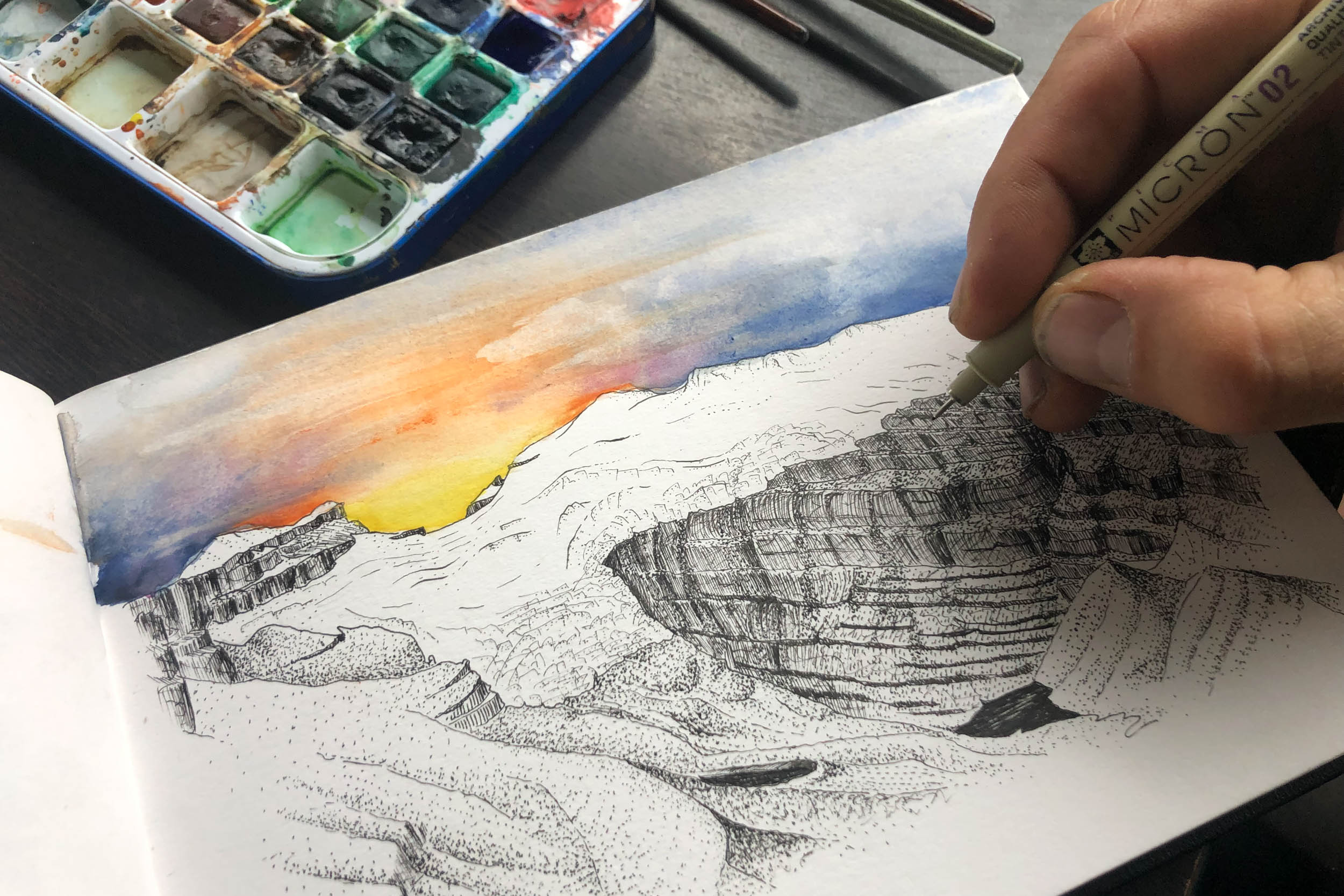
I had cameras and lenses, a tripod, notebooks, watercolors, a sleeping bag, a tent, a few pairs of underwear, a trimmed toothbrush, and an old backpack piled with crampons, ice axes, ropes, and mountaineering boots. About 50 kilos of assorted colourful gear to carry on the back of a cheap but reliable bike with which I hoped to cross the Andes—from the Caribbean to Patagonia—trying to immerse myself in its glacial and high mountain territories through alpinism and art.

My bicycle, which already knew me well, groaned a little under the heavy load but soon smiled when, caressing its mane, I took the first pedal stroke. It knew well that we always have a good time together. The Caribbean dawn whispered its magenta-toned secrets in my ear and gently pushed me to begin what would become the longest and most significant journey of my life.
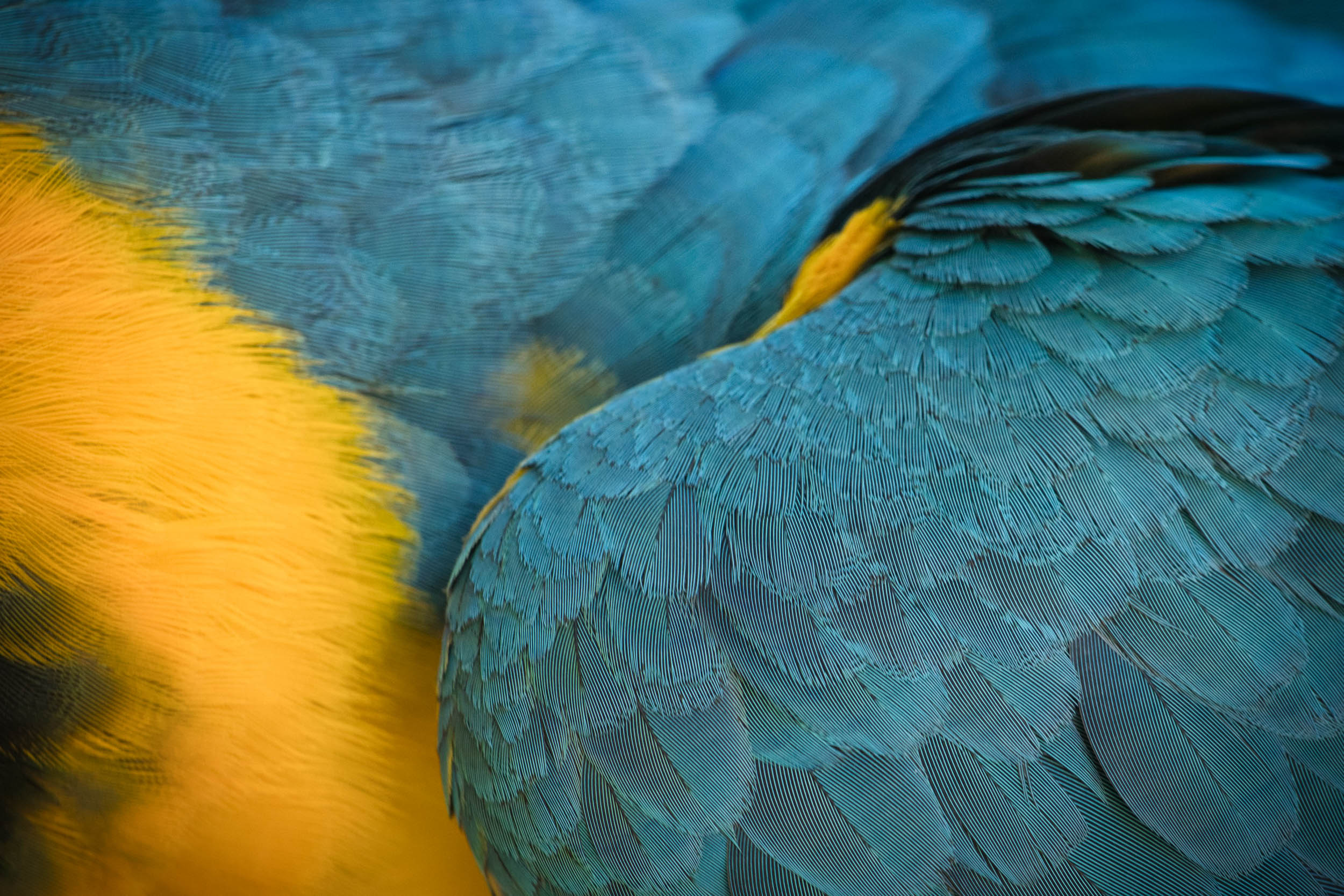
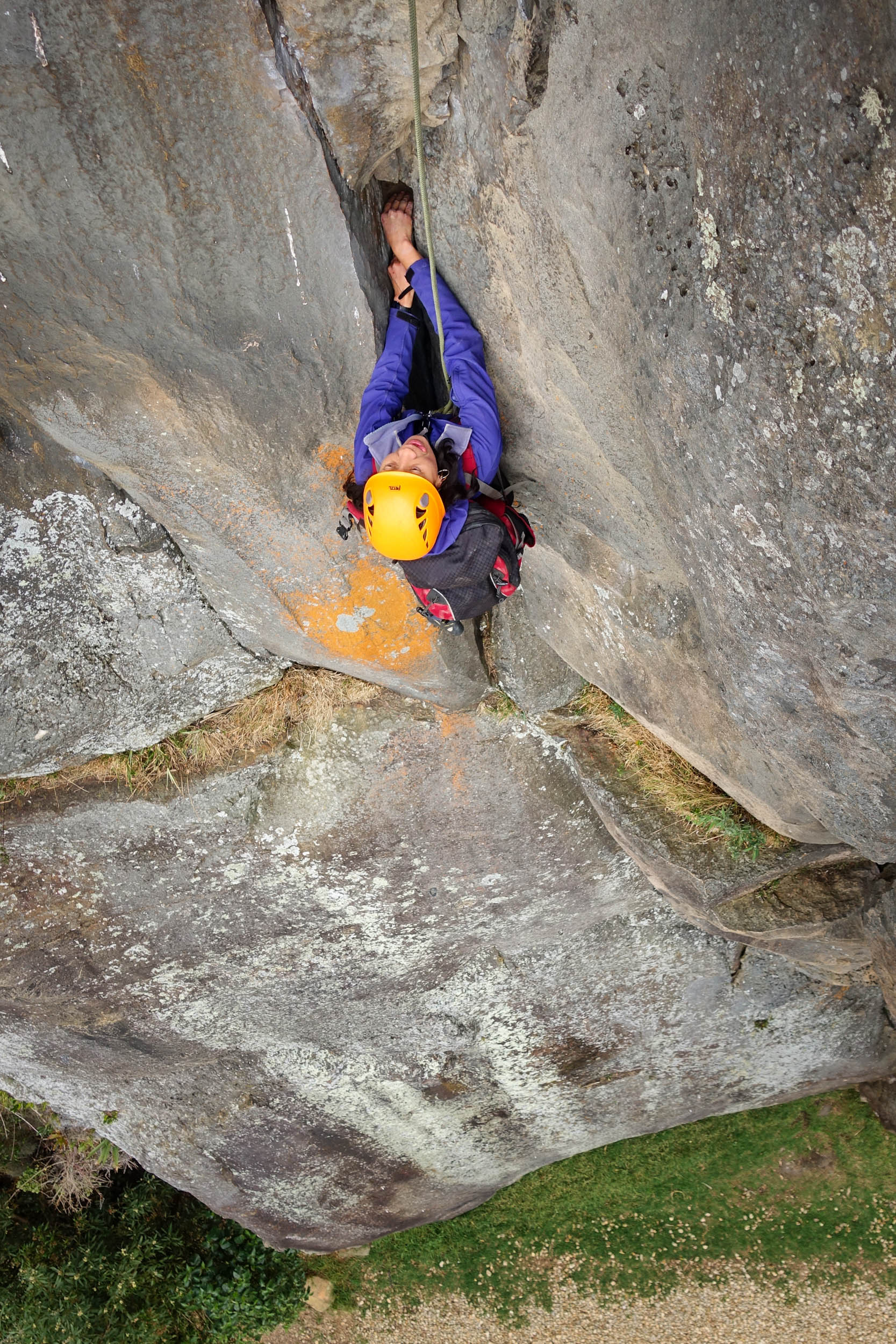
The first weeks were a gift, a time of care, of calm rhythms. A month filled with hammocks under palm trees and breathing without haste, to end by blowing out candles on the day I arrived where I wanted to arrive. Under a shriveled shadow of the road, I wiped the sweat from my forehead and eyes. In a green but torrid landscape, the mountains of the Serranía del Perijá, on the border with Venezuela, rose modestly to give me my birthday gift: the birth of the Andes.
LETTING GO
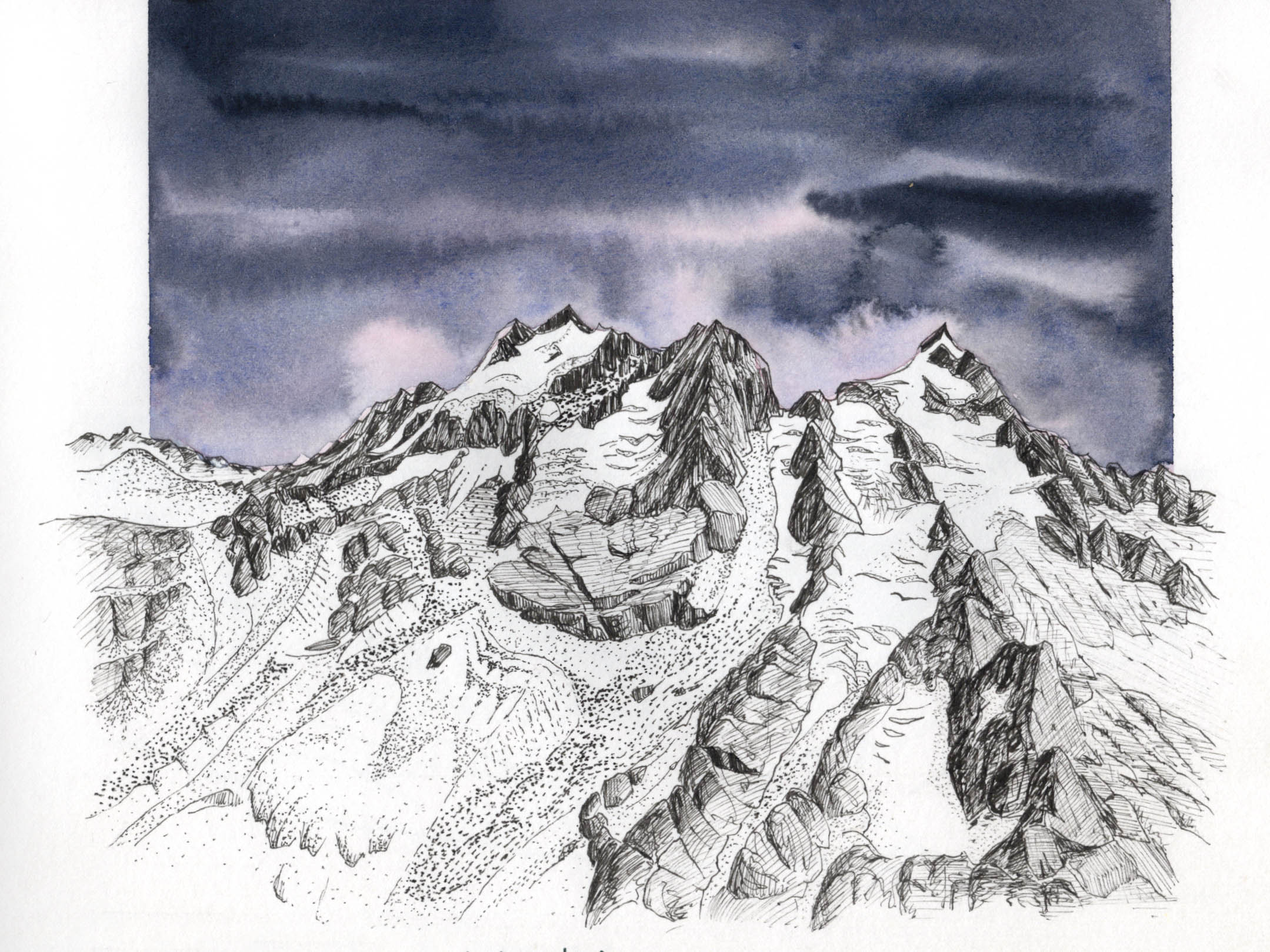
I had just descended from climbing San Pablín Sur, at 5,300 meters high, in the Sierra Nevada del Cocuy. Hummingbirds fluttered here and there, with their precise, vibrant flight, resting on the cottony leaves of an army of frailejones. Backlit, the glacier that had welcomed me that morning and a sun that dripped, low and warm, over the rocky walls enclosing the cirque where I was camped. The whole scene was wonderful.
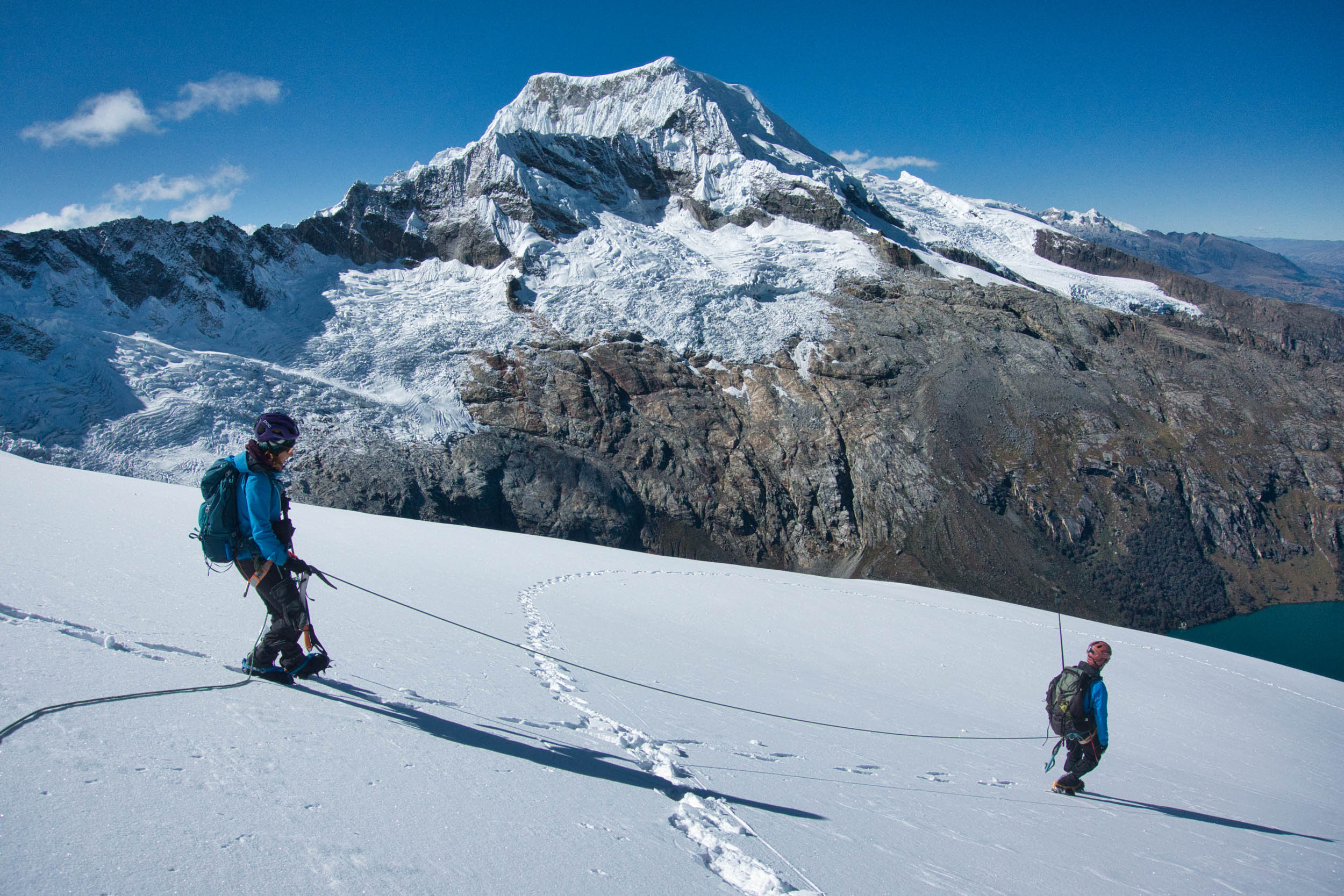
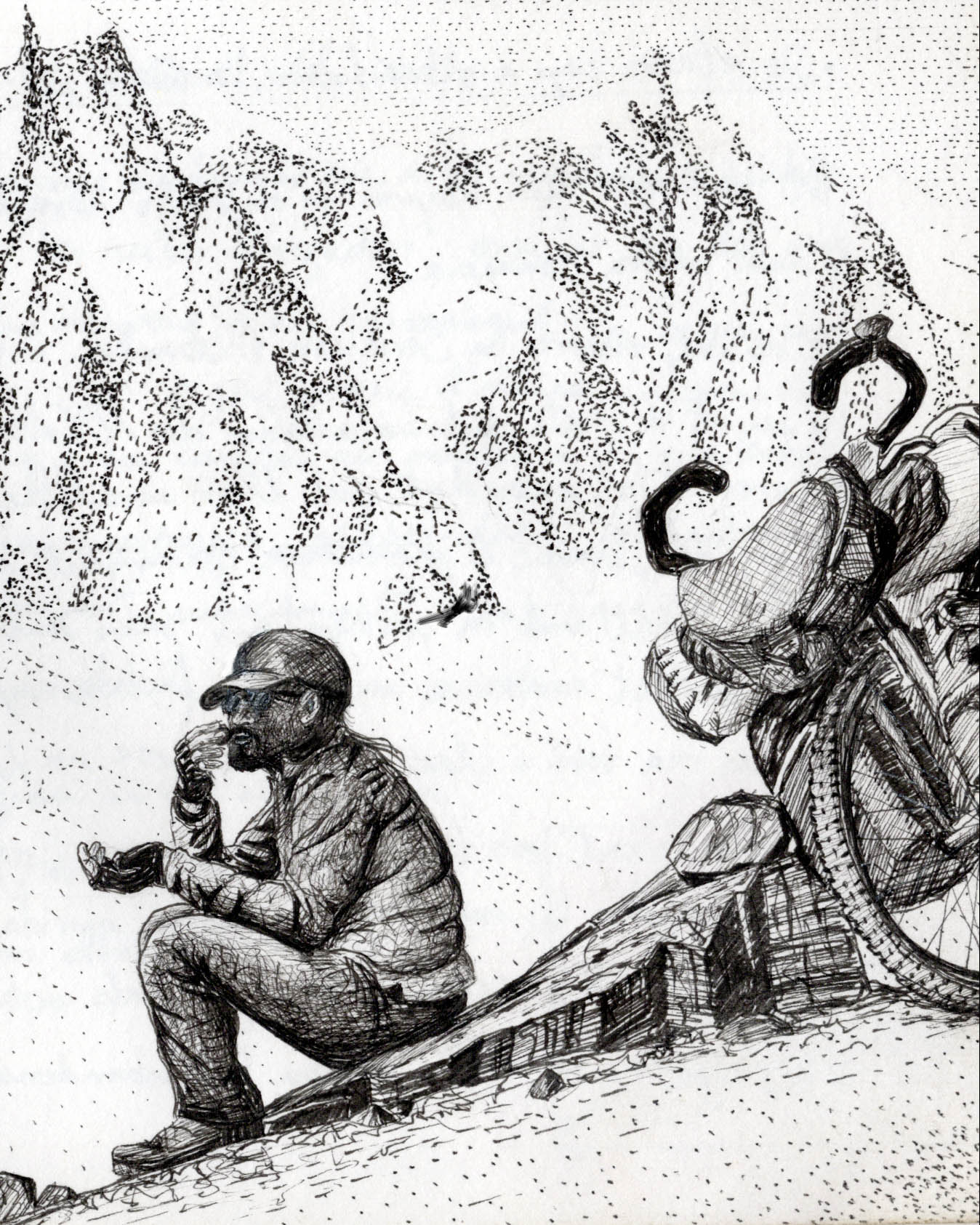

That night, lying in the tent, with tired legs, I started doing some calculations in my head. It was early March. Knowing my pace with a heavy bike and roughly figuring out the time it would take me to reach the south of the continent, I sensed that I had to make a decision: Either forget about many stops and experiences like this one if I wanted to pursue the romantic dream of cycling the range in its entirety, or skip some sections by bus if I prioritized having time to venture into remote mountain territories, stop in small villages, and dedicate time and calm to the creative side while connecting, one by one, the many ranges that make up the greater Andes.
That dilemma unsettled me for a few days. I felt that skipping stretches was like cheating. But with the time I had, I understood that I had to choose one approach or the other; it made no sense to get lost in a thousand hypotheses of unfeasible options. I only needed to honestly listen to myself, accept the decision, and then let go. And, frankly, it was clear.

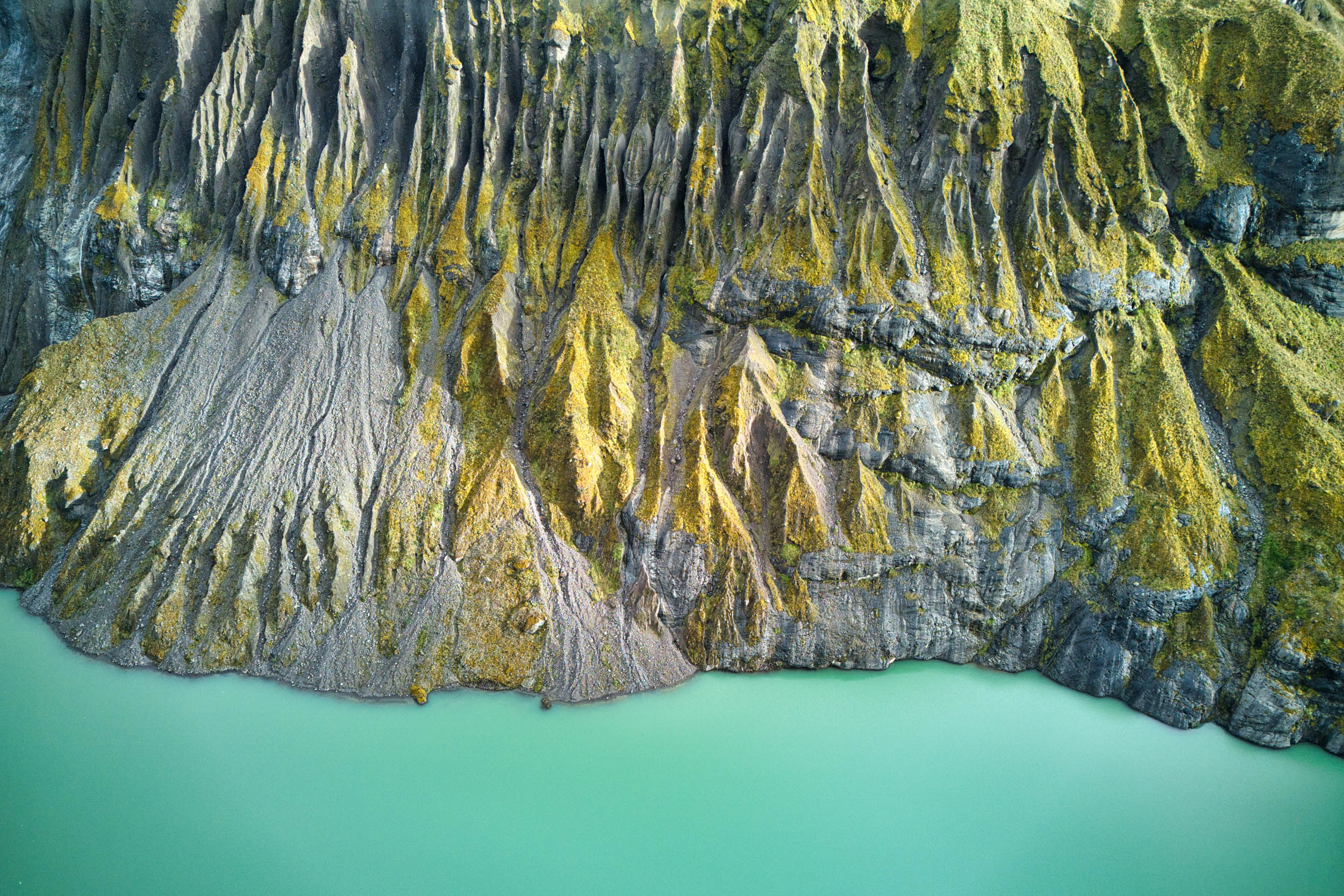

Then and then, I probably made the best decision of the whole trip, one that would possibly end up saving it: crossing the Andes had to be not only a long journey but also broad and deep. After having admired the eastern, central, and western ranges of Colombia, I had to make the first jump to the border to avoid overstaying my visa. Once I got over my little grief, I felt liberated. The increase in trip quality was already evident.
OF CALENDARS AND NO CALENDARS
The seasonal timing fit almost perfectly. From January to March, Colombia offered good conditions. Ecuador, on the other hand, was the least ideal, and I knew that during April and May I would have to get wet. But then the dry, cold winter of Peru and Bolivia would greet me. That way, I could reach the arid zones of northern Chile and Argentina by October or November, and have the beginning of the year to travel through the southern part of the continent before autumn arrived and the snows made things too difficult. I had time, although I couldn’t rest on my laurels either, knowing my way of traveling and many kilometers separating me from Patagonia.

I recognize that one of the premises I wanted to embrace was the annihilation of the calendar. In practice, given the scale of the undertaking, the liberation was never total.
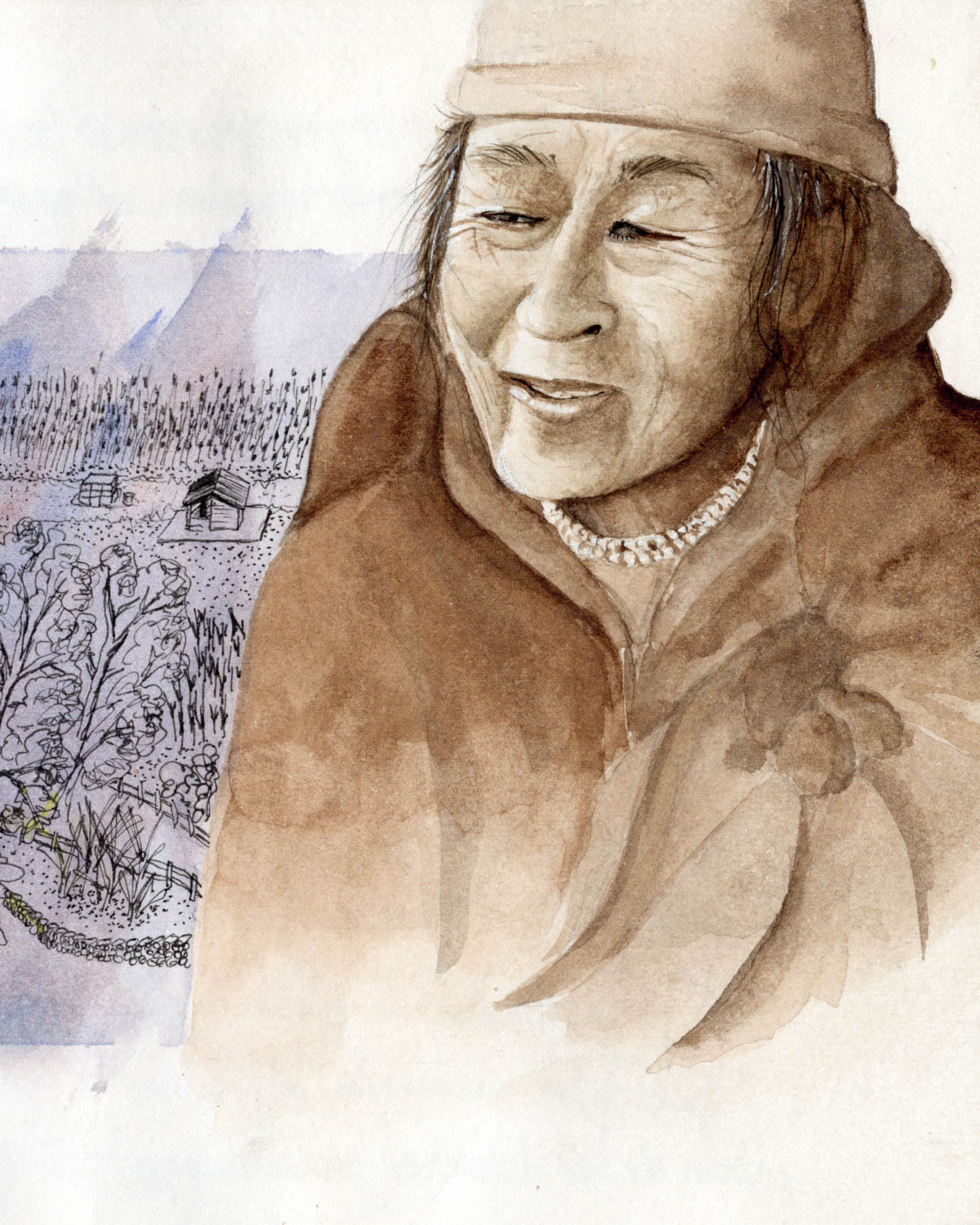
Like Colombia, Ecuador was also incredible. On the bad-weather days, never too many, I rested and nurtured my illustrated travel journal. I spent one of those cloudy days at tia Nacha’s hostel. While drawing, I watched the small, wrinkled grandmother, who only spoke Quechua, walking at a snail’s pace as she pulled her only cow to the field. There, she unsheathed her machete and, with four precise strokes, cut down a dozen corn plants. She skillfully sifted them and, loaded on her bent back, slowly returned to the farm.
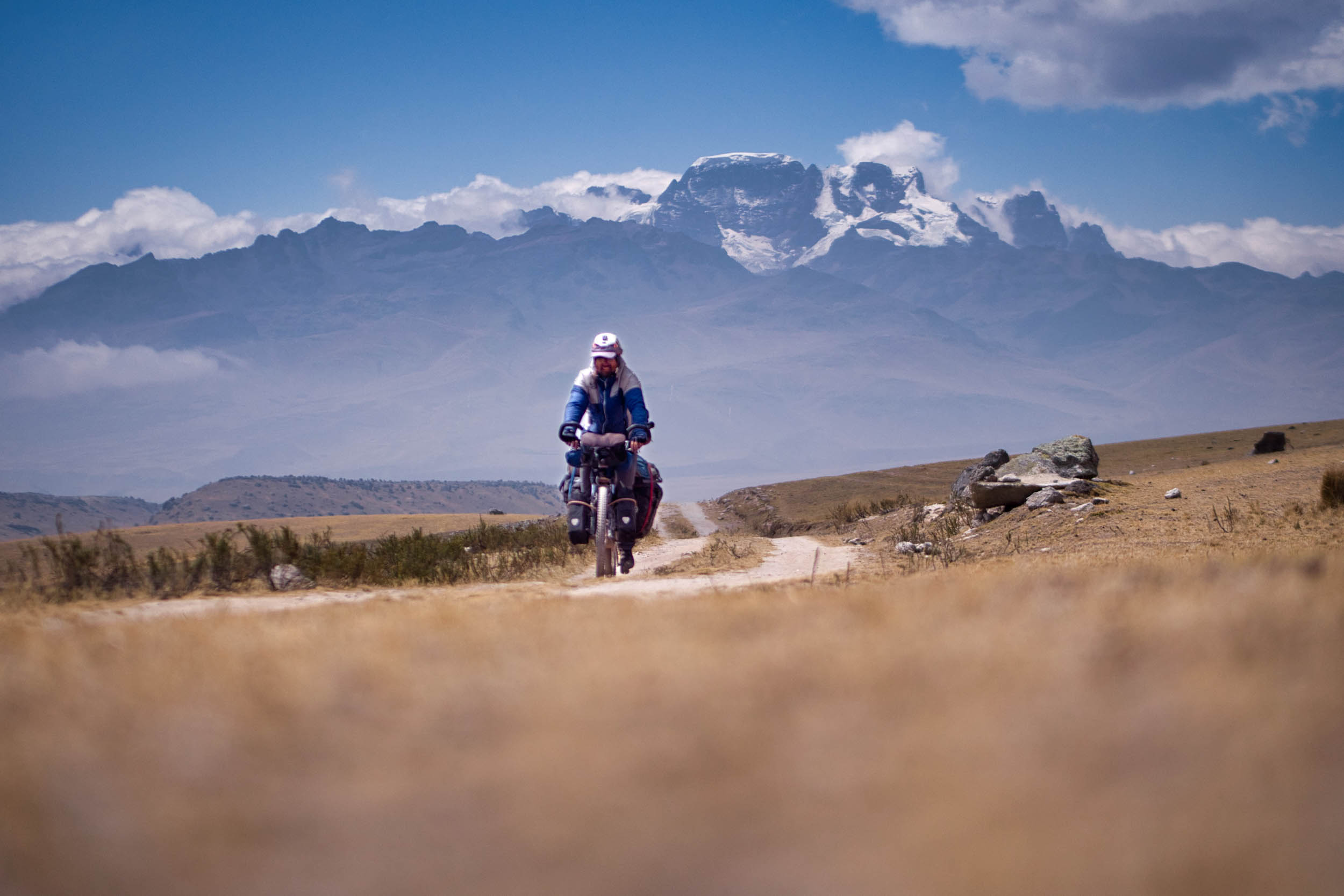
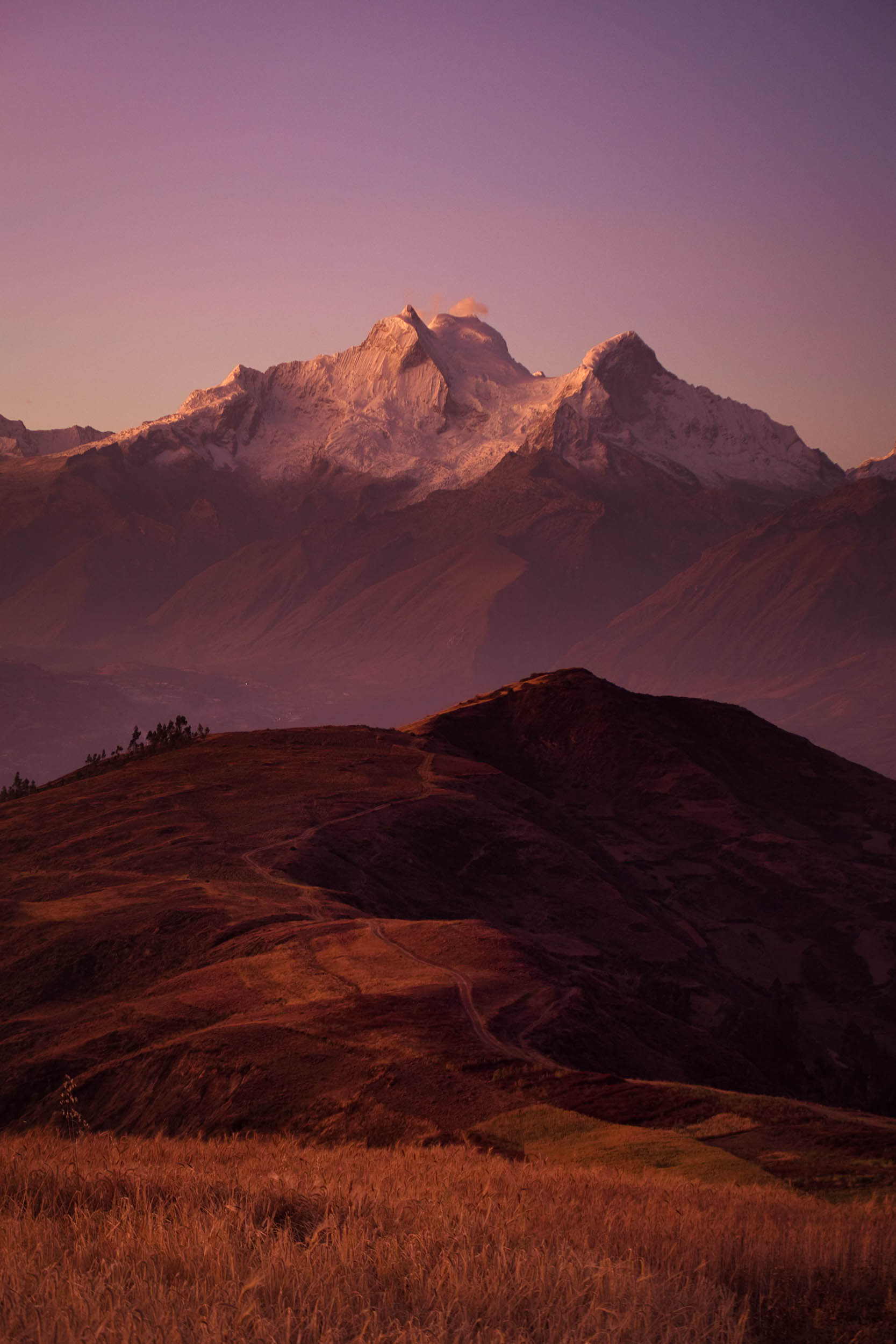
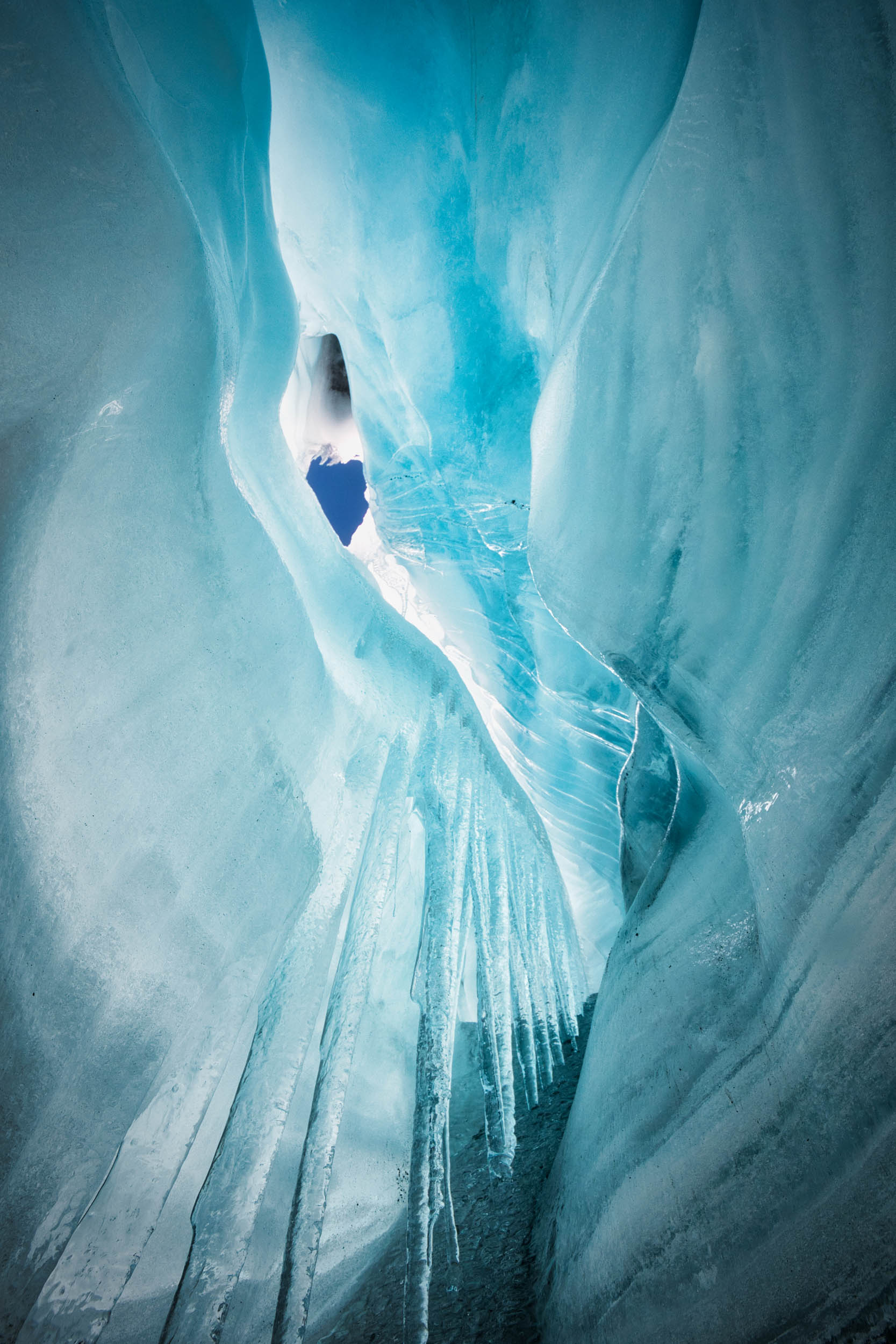

I kept riding through a kind of walk of fame. On both sides, the great volcanoes tipped their hats in greeting, so from time to time I went to visit them. I climbed to chat with Illiniza Norte, 5,100 meters high, on a distracted morning. I joined 40 guides and firefighters in a rescue at Cayambe peak. I taught an avalanche course on the beautiful crevassed slopes of Antisana. I pedaled frozen and soaked under the rain and fog of Cotopaxi and Chimborazo. I got covered in mud up to my nose at the feet of the beautiful Altar.

The Ecuadorians who inhabited this path of mine were the national version of a mother. It wasn’t just kindness they radiated. It was care.
“A little more soup, my son?” they’d ask.
“No, thanks, seño; I must continue.”
BETWEEN RENUNCIATIONS AND PERSEVERANCE
It was June. The heat weighed down at the bottom of the Tablachaca river gorge. After days of cycling through the Peruvian highlands among llamas and alpacas, nights in down jackets and mornings with gloves and frost, I was now grateful to bask for a while among the cacti. I had already crossed the river once, which flowed strongly, carrying first the saddlebags and backpacks, careful not to stumble and end up drifting downstream with everything, and now I was crossing again with the unloaded bike. If all went well, I would reach the dreamed Huaraz in a few days.

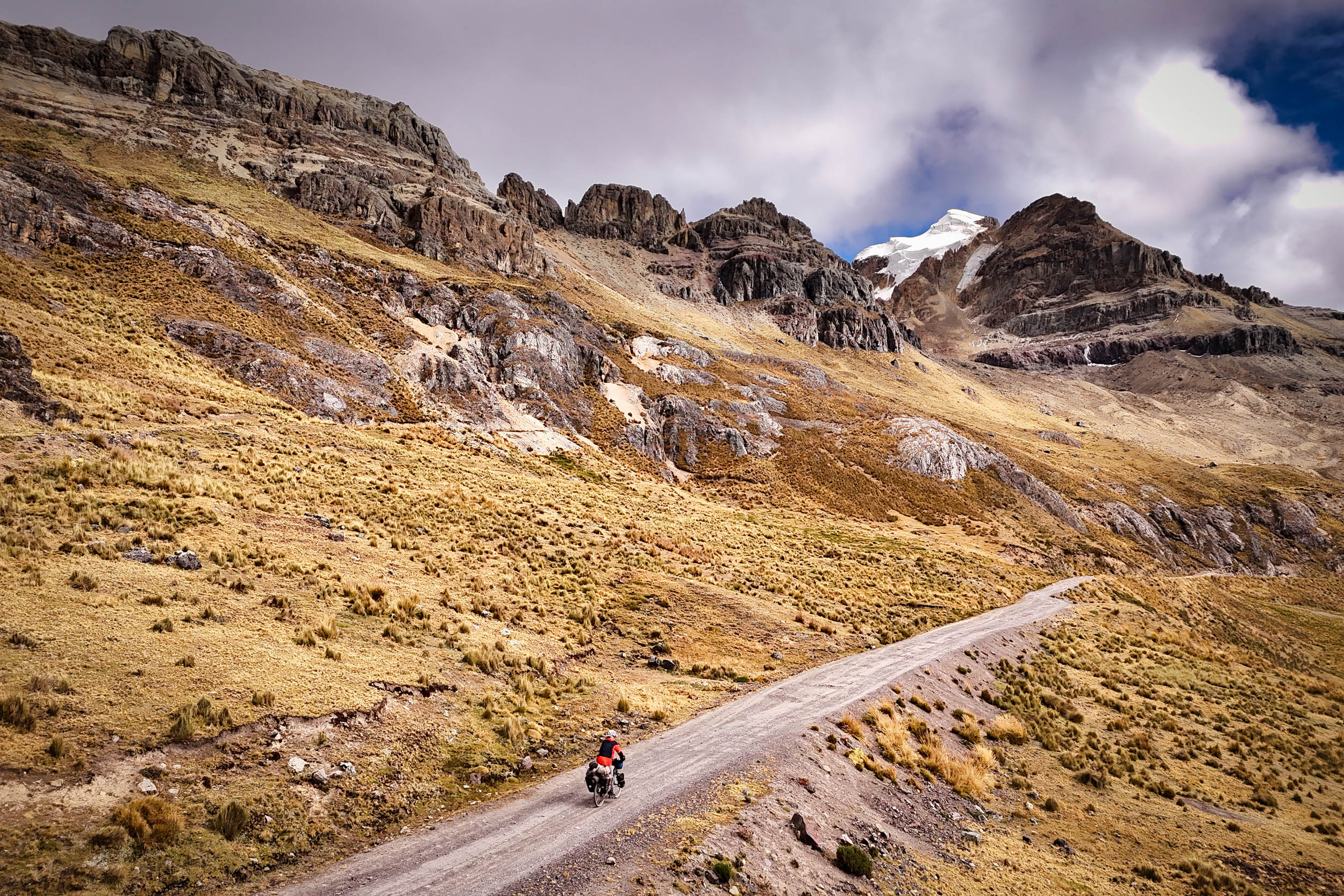
A little over a month later, I had almost gotten used to the fact that some of the most beautiful and emblematic mountains in the world had become the daily backdrop during my time in the Cordillera Blanca and Huayhuash.
While preparing breakfast, I waited for the first sun, warming my hands alternately with the cup of coffee and taking the opportunity to perfect the magic trick of transforming a campsite mess into a loaded, well-organized bike. A dose of routine that helped balance the immense proportions of improvisation that this fabulous outdoor life entailed. But I never ceased to be surprised by the two full hours I needed, day after day, to perform the ritual of turning chaos into order.

Behind me were already the days when the peaks of Huascarán and Chopicalqui greeted us as we reached the summit of Chequiaraju, or the Nevado Copa watching over me while I attempted alone to open a new route on a modest neighboring peak, or the Yerupajá and Siula emerging from the mists as I circled the Huayhuash range on foot. For days, I had been linking the series of glacial ranges that cross the fascinating path of the Great Peruvian Divide. Up there, far away, I could see the umpteenth 4,800-meter pass on this route that would be my menu of the day.

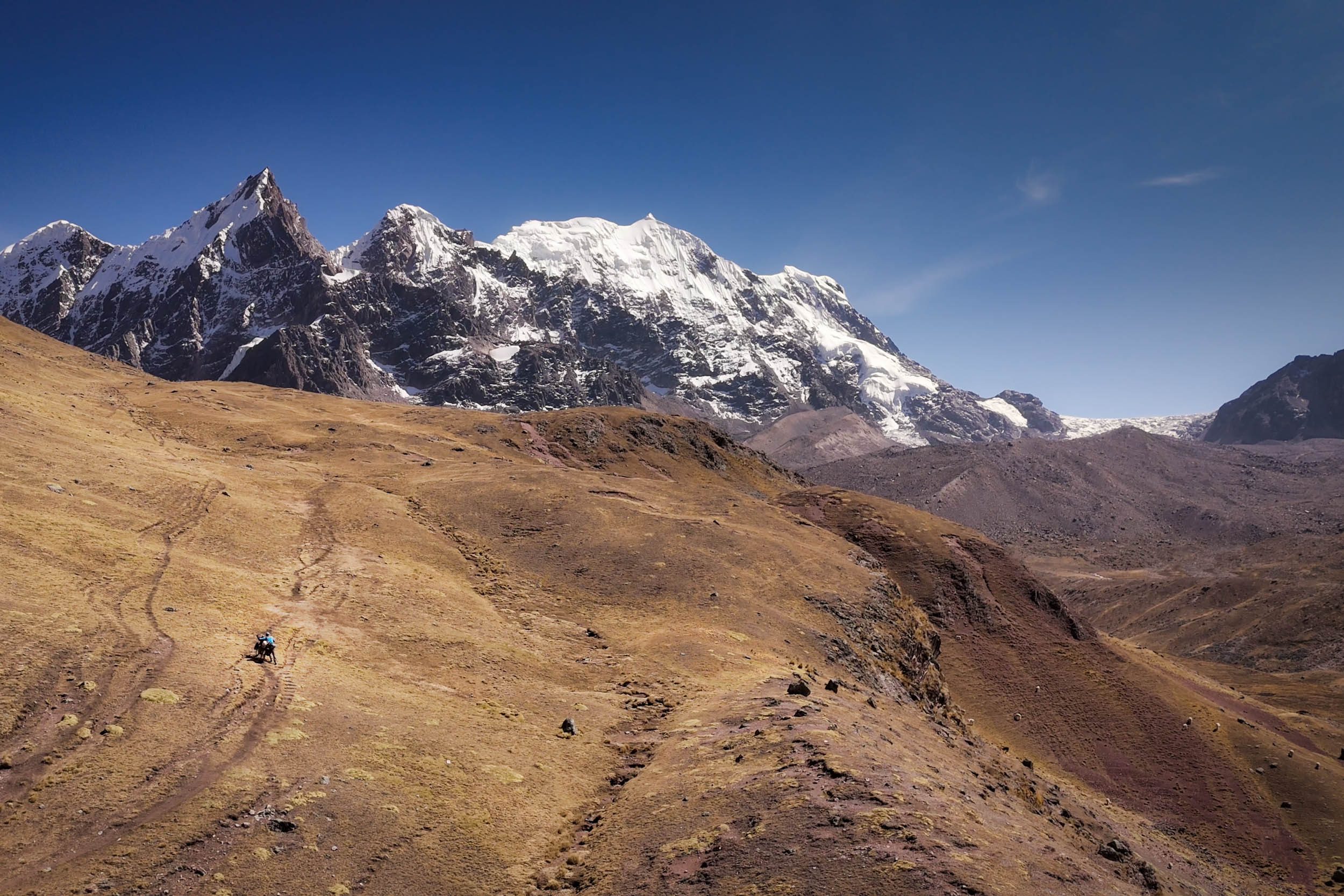
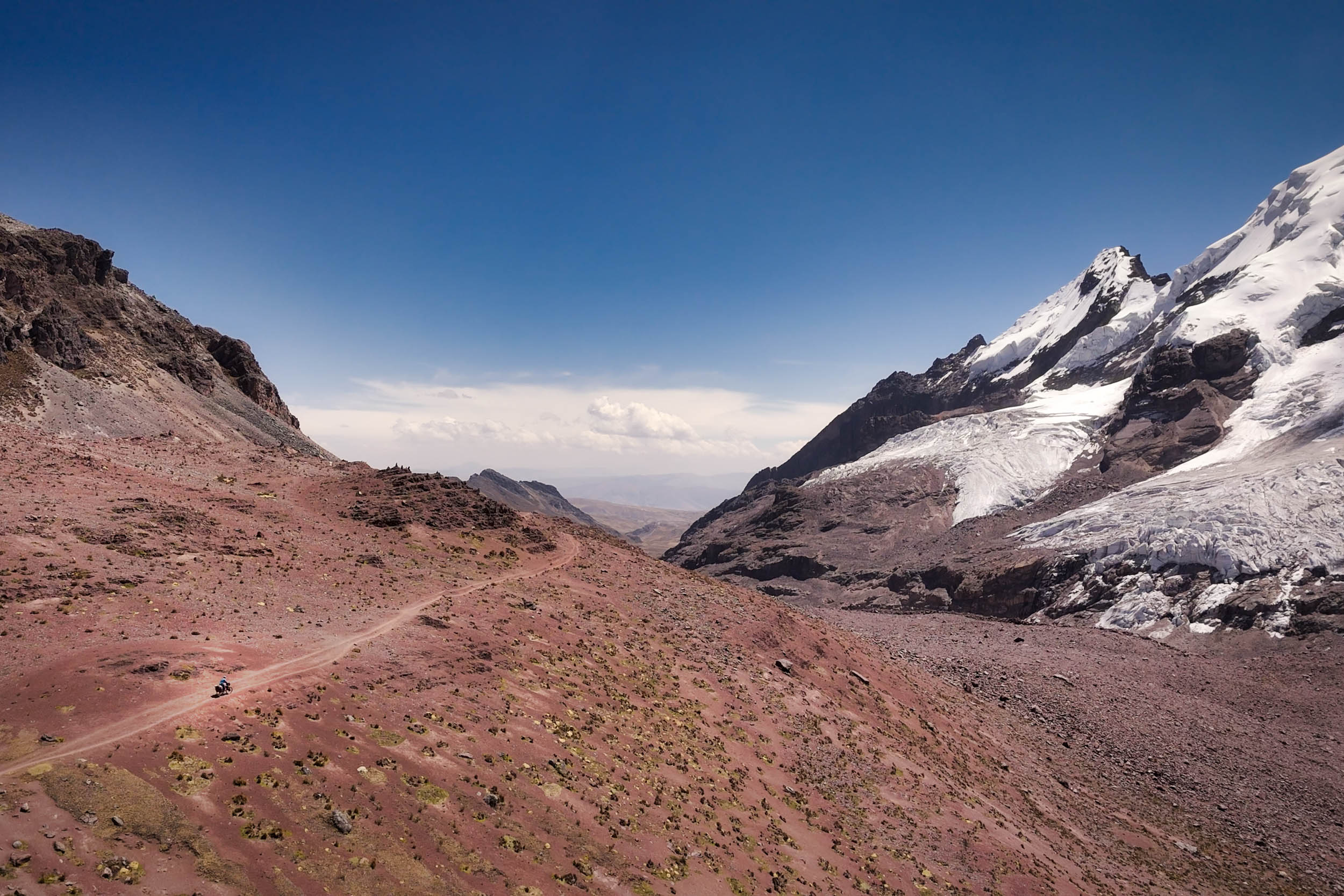
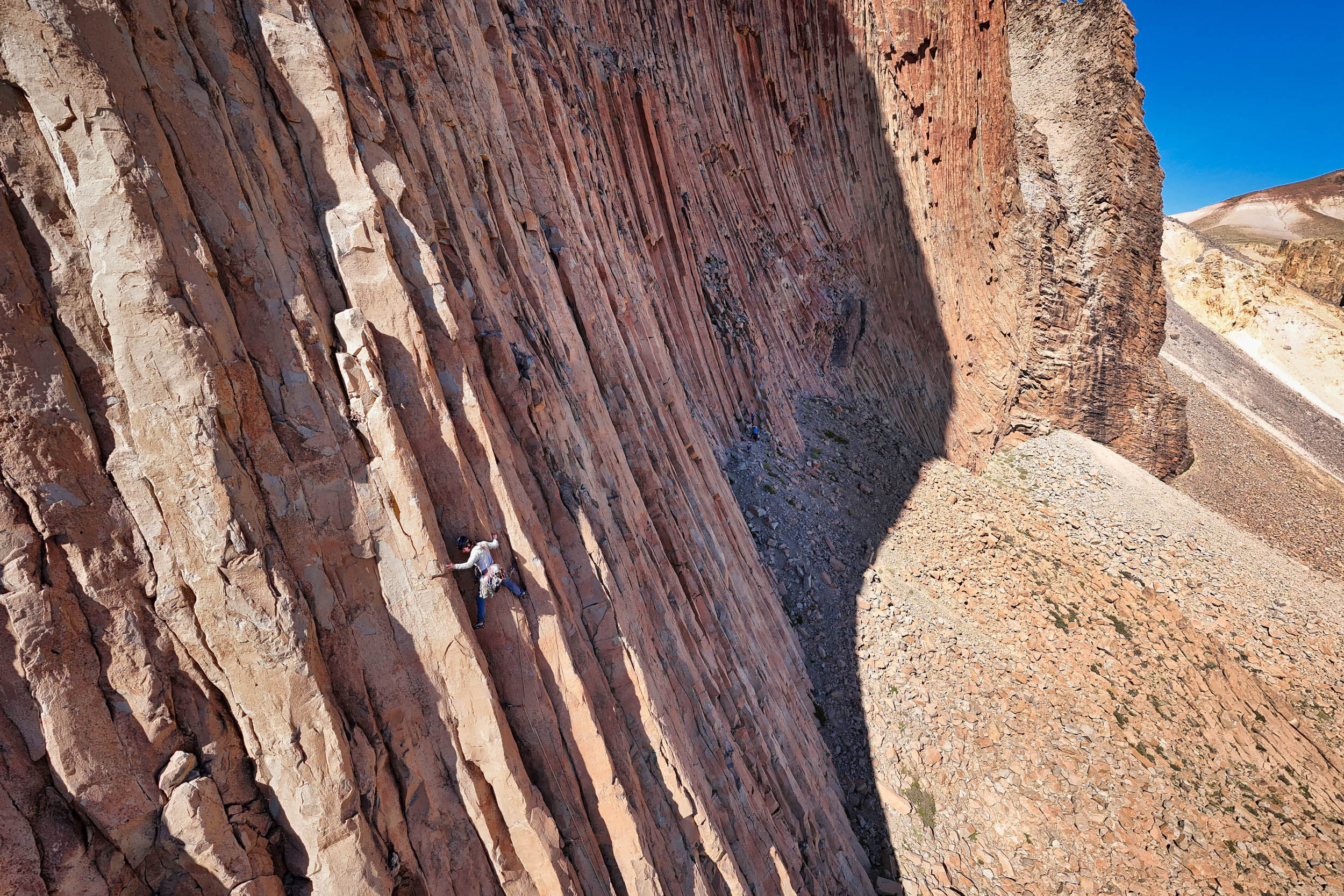
Further south, in the heart of the Vilcanota range, I found myself again pushing the bike up impossible slopes trying to cross a 5,100-meter pass at the feet of Nevado Ausangate. Thankfully, a few days earlier, from Cusco, I had sent my mountaineering backpack ahead near the Bolivian border after withdrawing from two solo attempts on peaks in the Vilcabamba and Urubamba ranges. This trick, which I had started to put into practice back in Colombia, had saved me from carrying it for long stretches of the journey.
And there I was, panting and giving it my all, having cycled at most 20% of the entire mountain traverse. Huge seracs hung from the 6,000-meter peaks surrounding me. A shepherdess was gathering a large herd of alpacas. The sun was mild and kind.
PANCAKES AND PRECIPICES
The ninth month of the journey was approaching, the longest I had ever traveled. In the past, after seven or eight months on the road, I almost always began to feel the weariness. But the philosophy I decided to subscribe to at the start of this trip—slowing down, respecting my own pace, alternating periods of intense effort on the bike or in the mountains with times of rest and creation—had kept my motivation and energy alive to keep crossing the Andes.
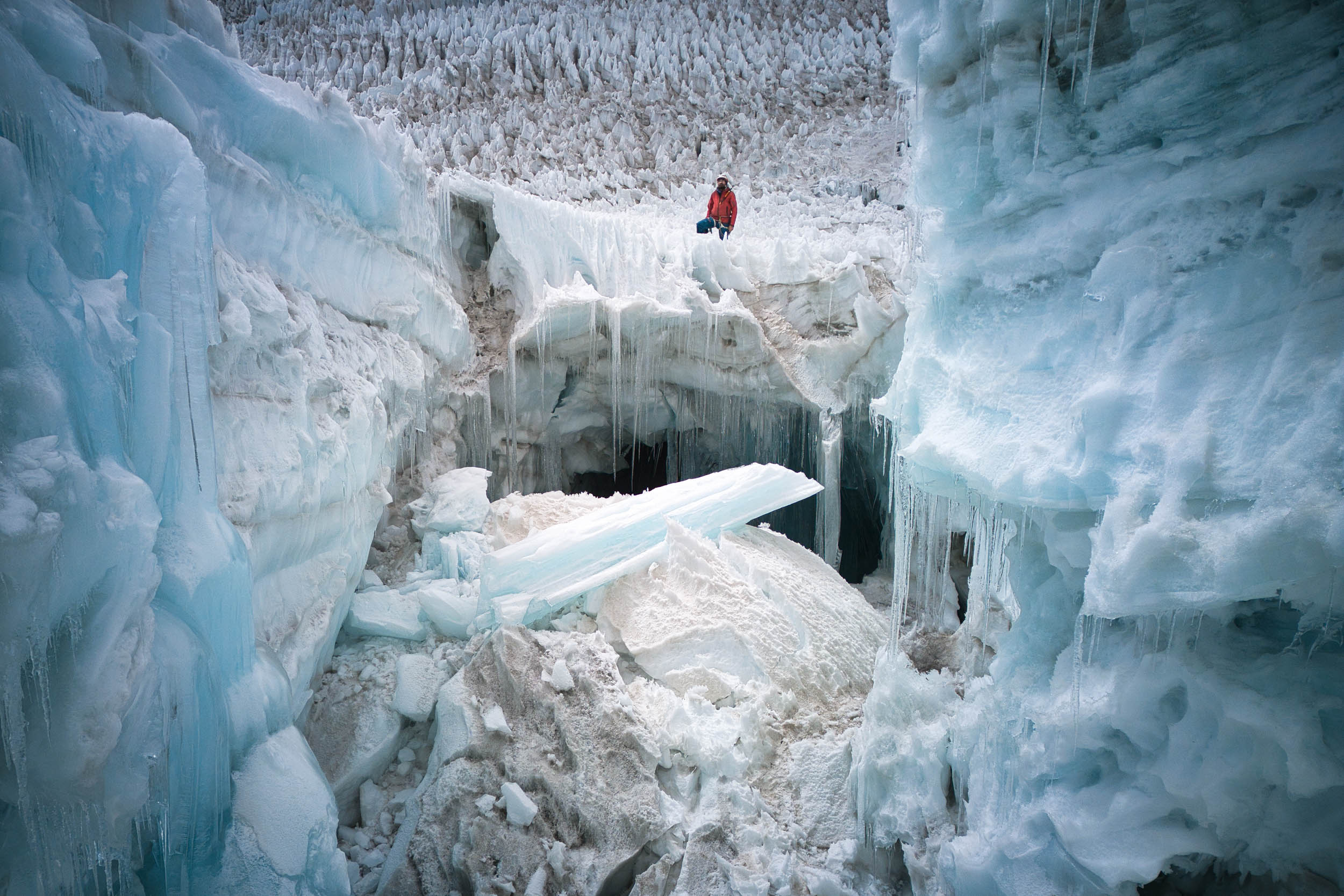

At the hostel in Peñas, Camille was smiling less than usual today as she prepared oat pancakes. This tiny village, nestled between Lake Titicaca and Bolivia’s Cordillera Real, welcomed a group of cycle travelers, climbers, and other wanderers who let the days pass while the country was engulfed in chaos of strikes and blockades. We cooked, drew, climbed nearby walls, and drank wine while chatting about the world and life in a mix of Italian, German, Catalan, French, and Spanish.
The day before, just as dawn was breaking, Camille’s rented crampons kept failing as we climbed the first slopes of Pakokiuta. At one point, she had to turn back, full of frustration, while I continued carefully toward the summit.


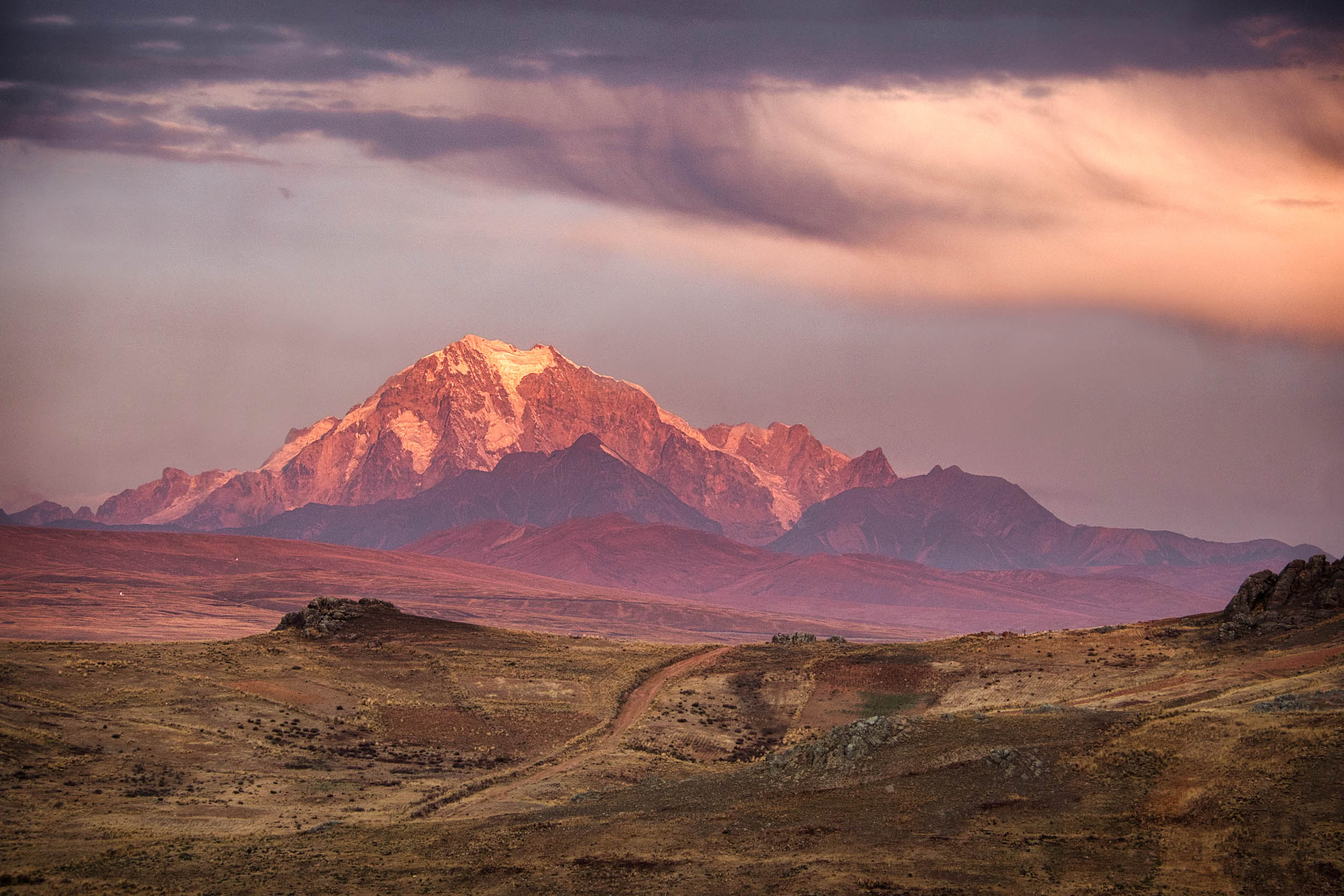
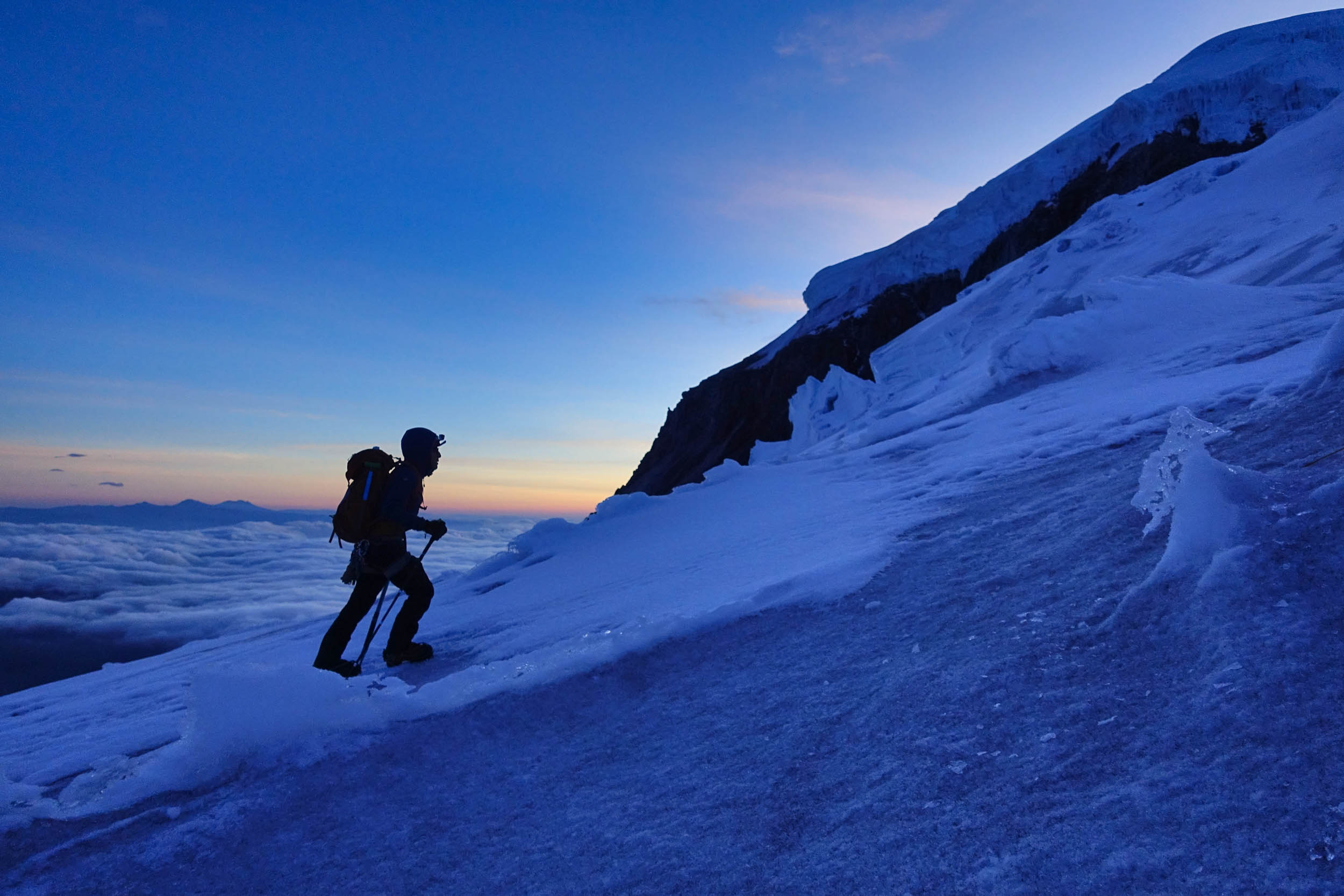
There, alone among those blue precipices—never vertical, but steep enough not to absolve me of any mistake—the spirit transformed, shedding ego and soaking in the attentive reading of immediate reality and the wise management of a radical present. A sea of peaks spread out on both sides, and for me, only they and the next swing of the ice axe existed.
DOCTORATE IN SOLITUDE
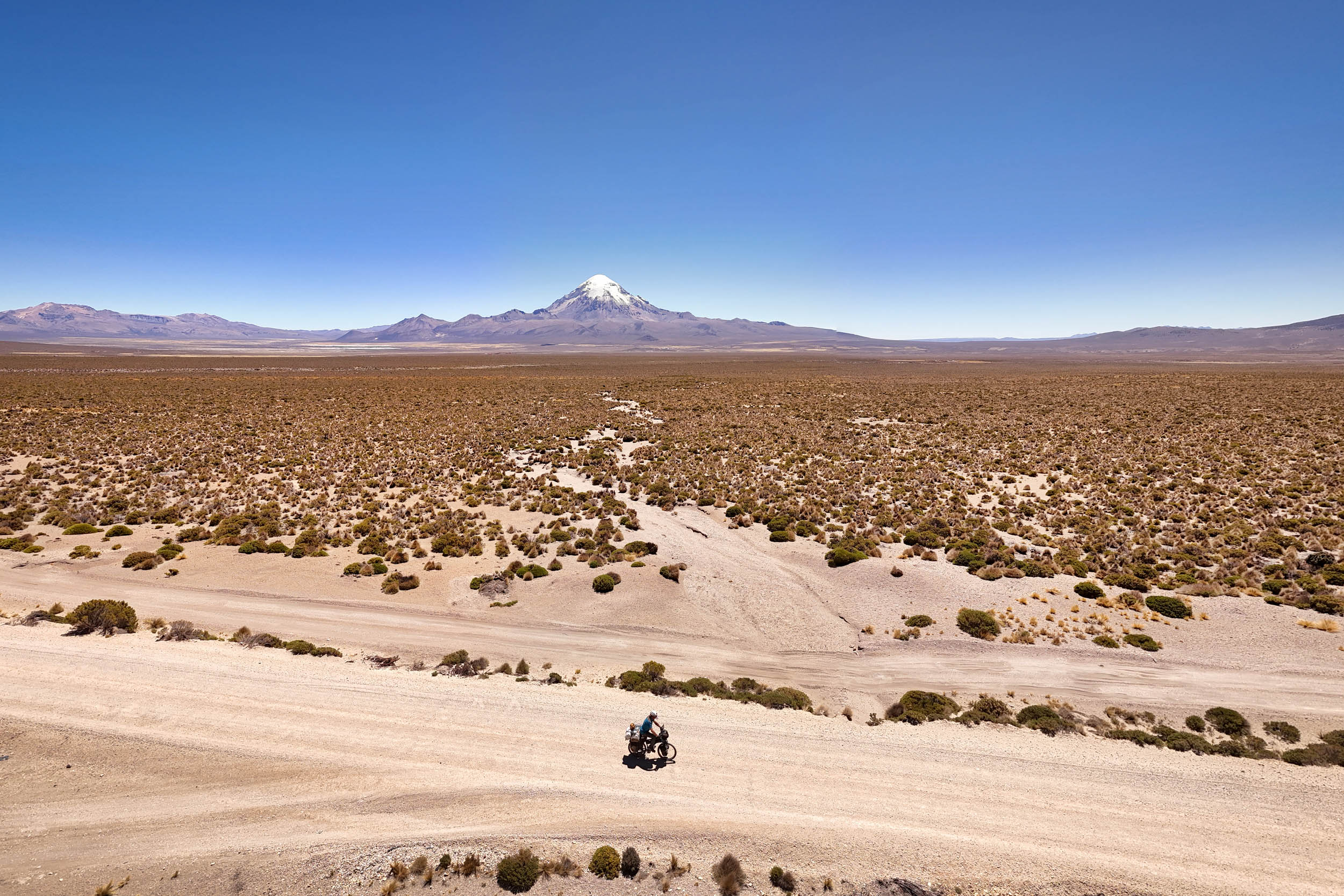
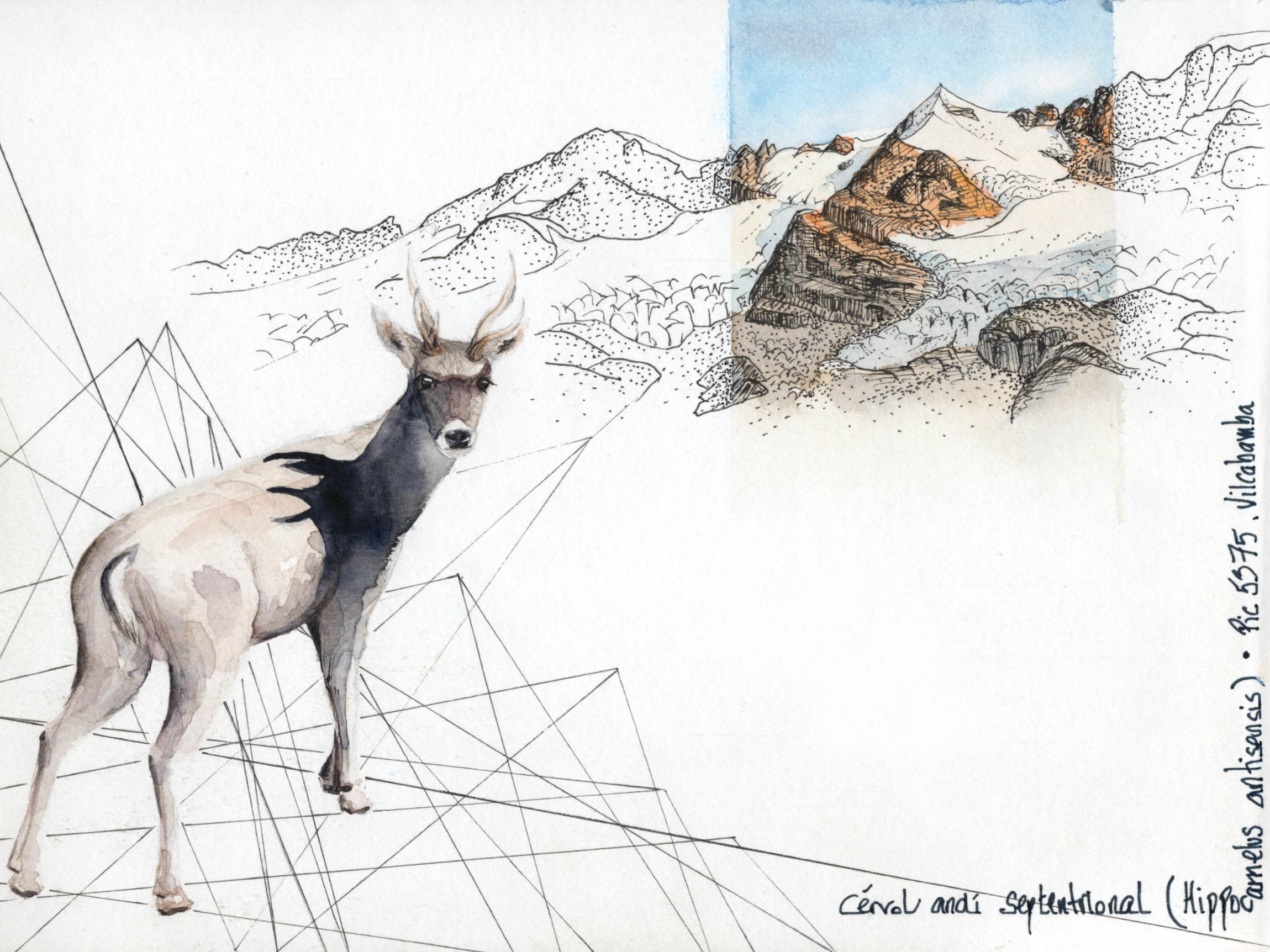
I had ridden almost 1,000 kilometers through the deserts and salt flats of southern Bolivia and northern Chile. The air was blowing wildly today, and I hadn’t been able to stop until I found an old abandoned cattle settlement that provided me shelter. Two colossal volcanoes rose to the west, isolated, and a long row of arid, sunbaked peaks separated me from Bolivia.
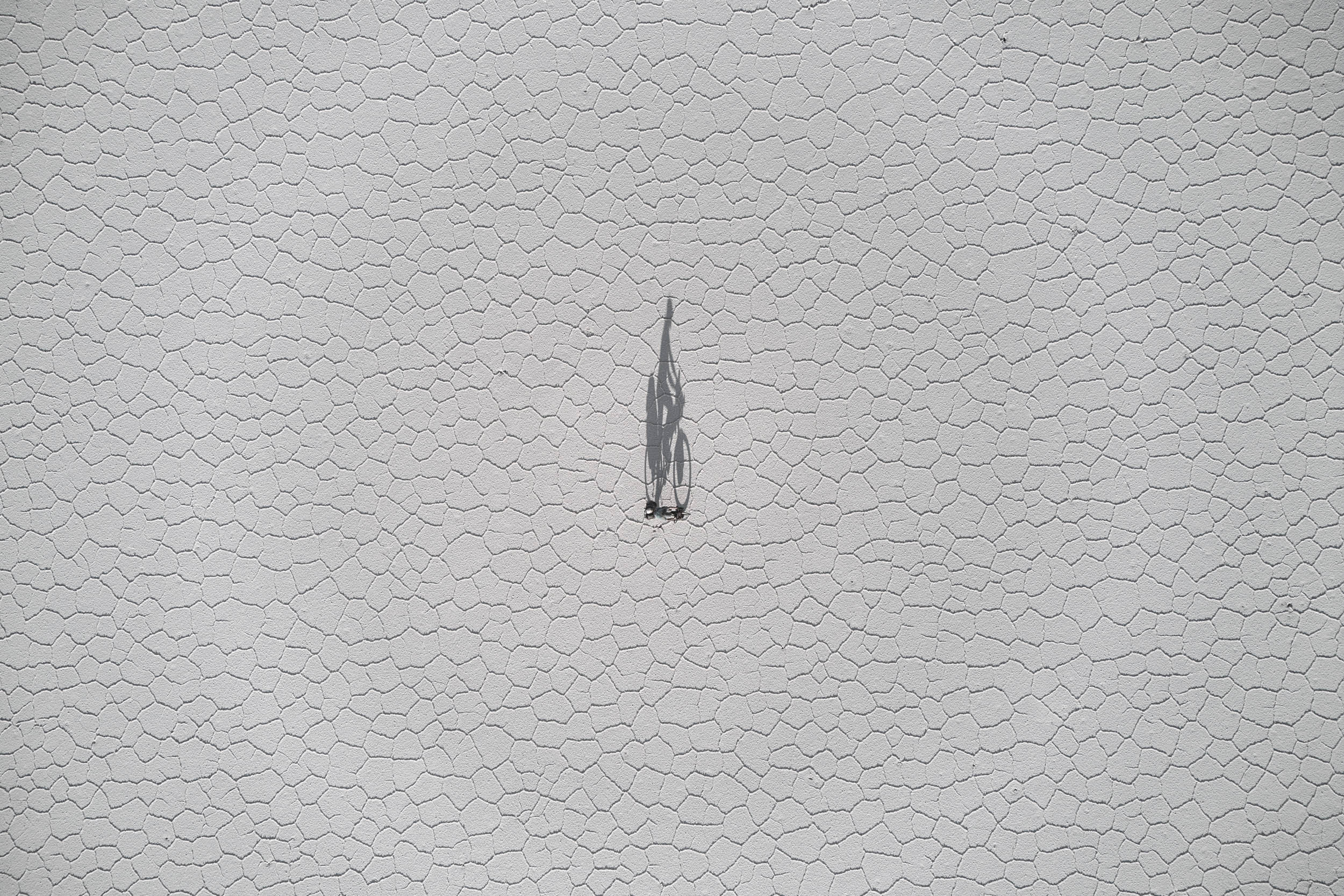
The sand had been so deep that I even had to push my bike down a steep descent. I didn’t know how I would have managed if the track I had taken after the pass had been a dead end and I had to turn back, carrying little water and even less strength. Now I was exhausted but satisfied. The light was a golden orange. The tent, between the walls, didn’t shake. Dinner was already simmering in the pot. And I remained submerged in the silent space of solitude.
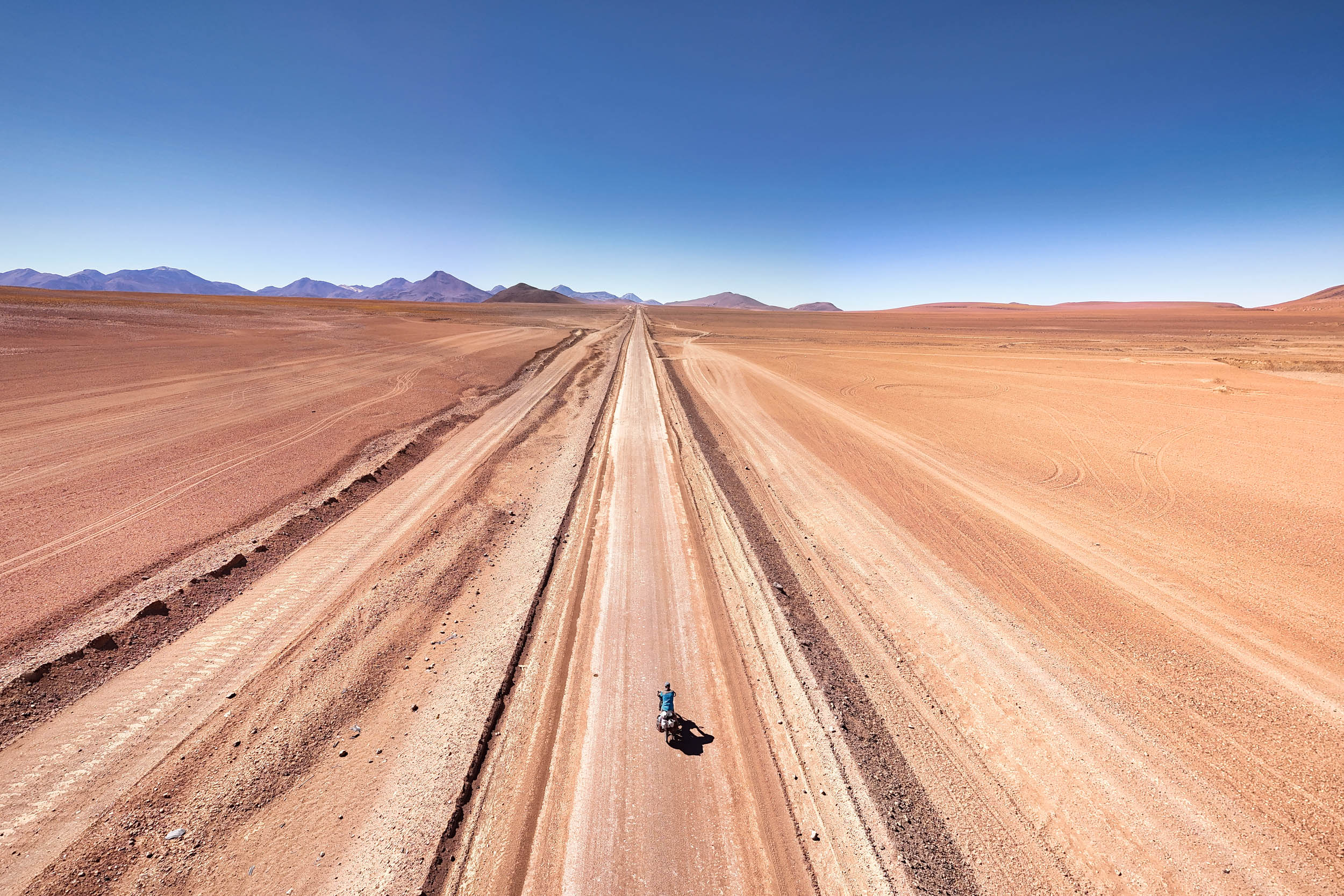

The loneliness I felt was a curious and strange animal, both teacher and lesson at once. A character to be reckoned with and best treated well, but never taken too seriously. I could never have imagined the utter solitude I would face on this journey. I had been alone for months, almost a year. The occasional company that had enriched my days had been of crossed paths, but not shared stretches.

Often, this total freedom fascinated me. Other times, the weight of having to decide absolutely everything exhausted me. Most of the time, I was nourished by intimate and personal experience. But for some fleeting moments, it all seemed like an extravagant and senseless theater.
FROM GREEN TO WIND
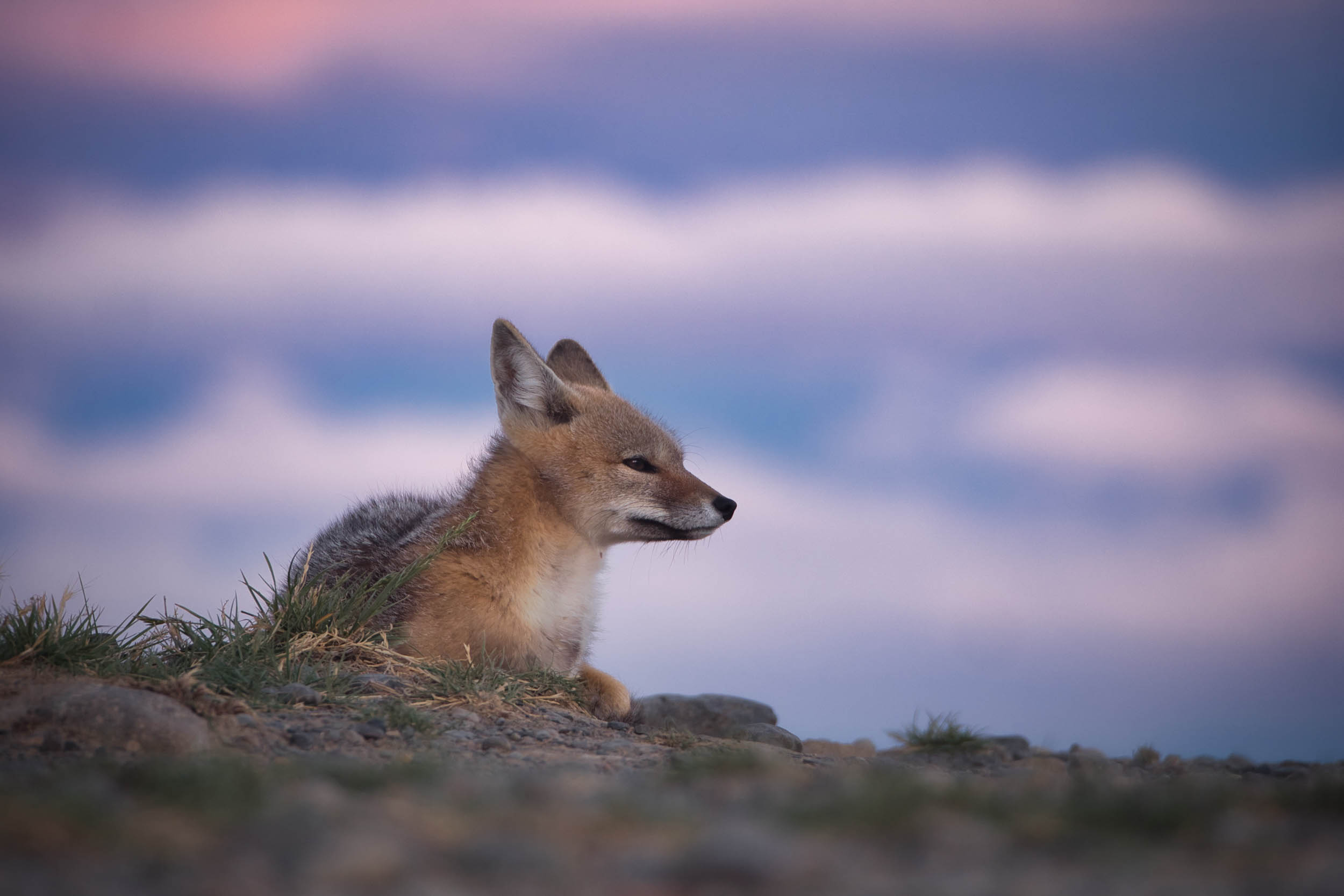
The last 10 or 12 weeks had been a blessing. After so many months in the dry high plateaus, deserts, and salt flats, the time for green and water had arrived. The trails through the forests, the camps by the river, the hanging glaciers, the curious wildlife… had been a balm. Like a return home. Because I am a child of the forests.

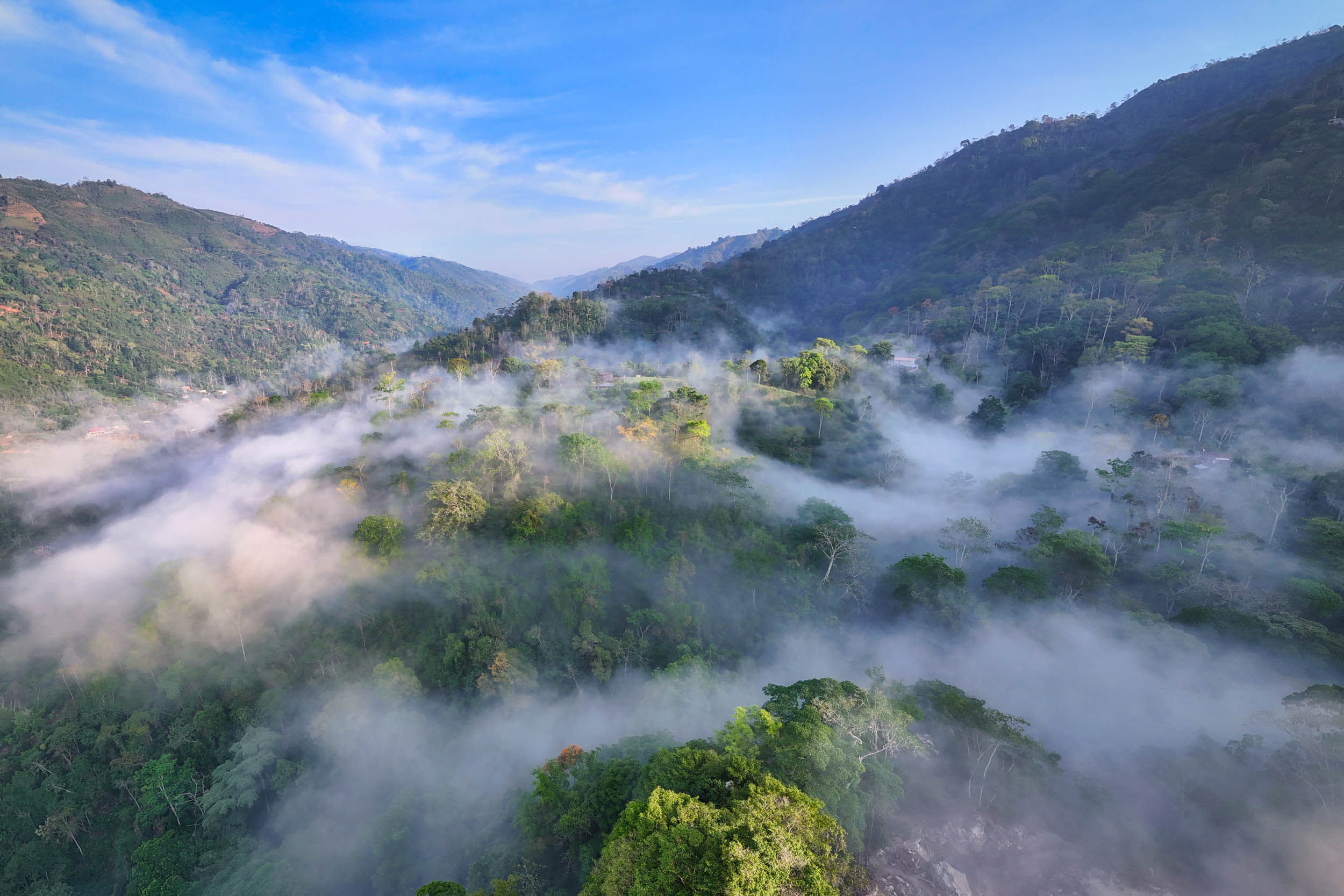
Chile’s Carretera Austral had also gifted me the comfort of company, long conversations by the firelight, kilometers of shared riding and laughing, dark chocolate in exchange for a sip of wine. Now, on the other side of the mountain range, I watched the ferry sail away, navigating the almost mythical toponymy of the Strait of Magellan on its return to the continent.

And I looked down at my feet. I was finally on the Island of Tierra del Fuego. The final chapter. The land of the old Selk’nam and Yagan peoples, of the unleashed wind, of the light lying low like the trees. In these territories, cycling was like sailing, and the cartography of roads was as important as the map of winds or the search for shelter.
The leaves were beginning to turn red. I stroked the mane of my two-wheeled friend. The end of the world was already near.
Further Reading
Make sure to dig into these related articles for more info...



Please keep the conversation civil, constructive, and inclusive, or your comment will be removed.