

 Singletrack/MTB
 Gravel/All-road
 Dirt-road Touring
 Fat-bike


Bassi x Keystone Belmont Review: Play the Hits



After a year of riding bikes outside of his typical scope, Nic was excited to jump back on something more familiar. With plenty of time on road and randoneuring-inspired gravel bikes, the Bassi x Keystone Belmont presented an opportunity to see if the bikes he once favored are still relevant to him today. Learn more about this unique collaboration in his review below…
PUBLISHED Jan 15, 2026
Riding shots by Luis Espel
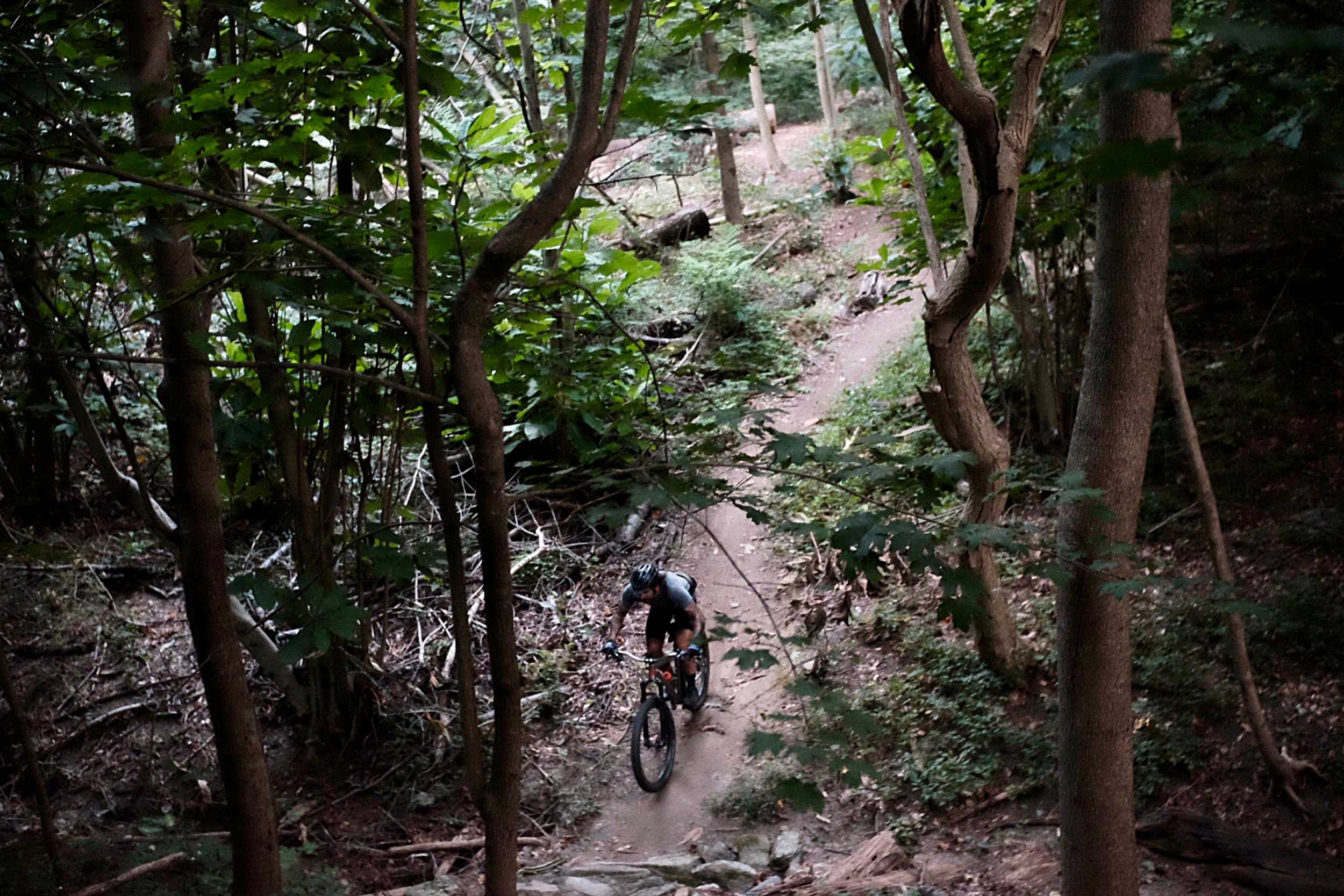
In 2024, I went on one of my favorite multi-day bikepacking trips. Starting in central Washington, D.C, I followed the Chesapeake and Ohio Canal towpath before continuing along the Great Allegheny Passage. It was far from the most engaging ride, but it encapsulated much of what I’ve come to love about the East Coast: rolling river valleys, endless green, and approachable, varied terrain. The bike I used for that trip, the Velo Orange Polyvalent, has a low-trail, randonneuring-oriented geometry. It was consistent with the bikes I rode back then and perfect for the long, straight, non-technical riding that route offers in spades.


Trips like the journey on the C&O and GAP trails, as well as the long, dirt-seeking rides I sought out weekly back in Florida, built an appreciation for fat tire, randonneuring-inspired bikes. From their ease of use on trails and paved surfaces to exciting character on chunky gravel and sand roads, I was convinced it was the only kind of bike I’d ever need. Some years later, I find myself reaching for models cut from a different cloth. As much for the sake of variety as to account for new terrain and riding styles, my taste has evolved beyond road-inspired gravel bikes. But, like an album from high school that you just can’t stop listening to, I sometimes find myself yearning for the days of yore. As out of place as they may be in my current stable, such bikes still beckon from the most romantic corners of my brain. In my time with the Bassi x Keystone Belmont, I fulfilled the urge to revisit the style of bike I used to find so much joy in and found out whether it holds up to the increasingly technical realities of my current environment.



My affinity for randonneuring bikes is what initially drew me to the Bassi Belmont. Consequently, it’s also what allowed Bassi and Keystone Bikes to collaborate. Local to Philadelphia, Keystone has become known for throwing the best post-Philly Bike Expo parties. The two shops met a few years back at one of their signature gatherings. After spending some time together, they realized they meshed well and began discussing the possibility of collaborating on a bike. “Bikes are a way of experiencing places. For us, it only makes sense to design it through that lens… All of the models we have, from the Coyote to the Montreal and the Rachel, are named after places we’ve experienced,” said Simon of Bassi Bikes.

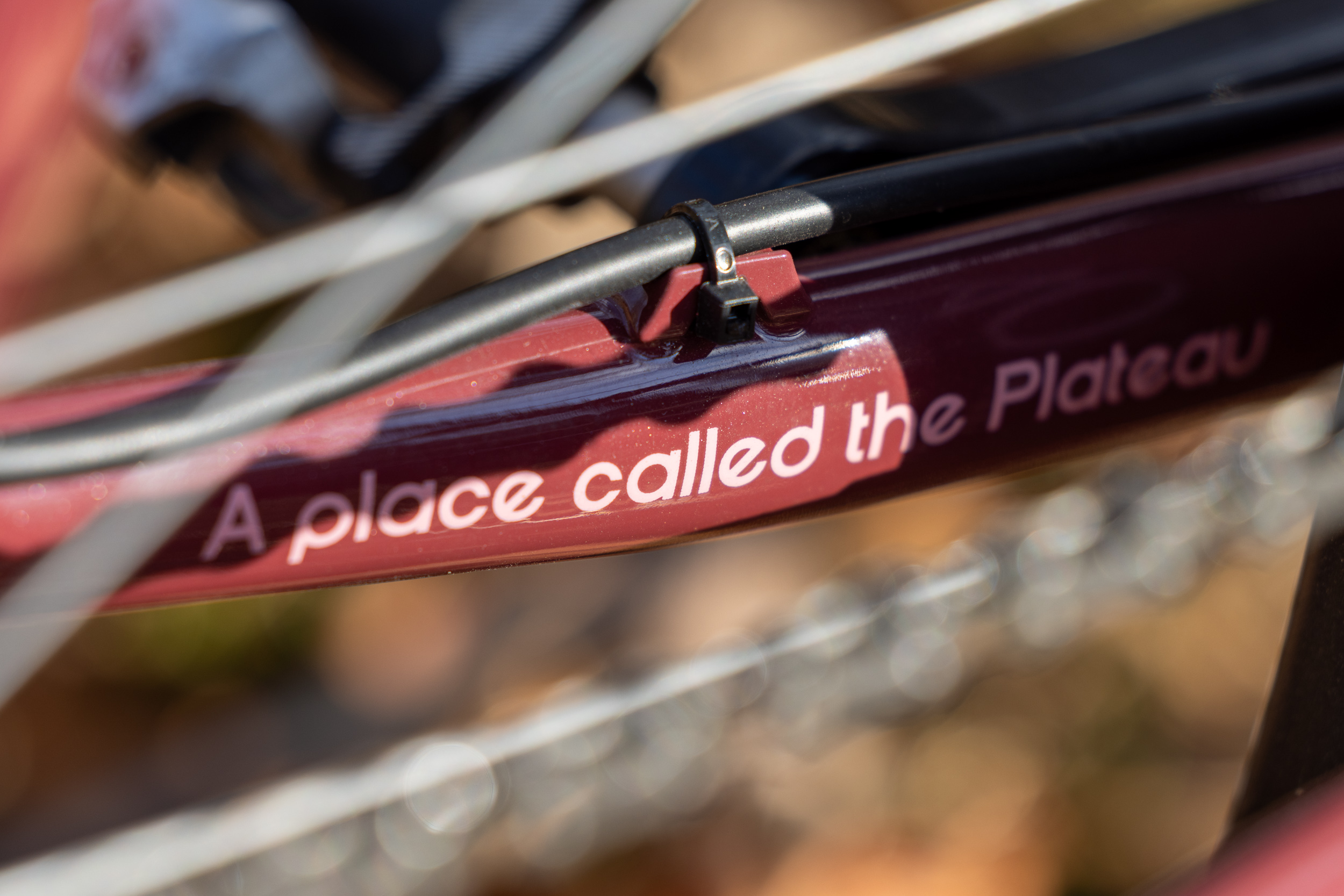
As Zack Rachel, one of the co-owners at Keystone, tells it, the Belmont Plateau is an area near and dear to all Philadelphians. “A place called the plateau” features on the non-driveside chainstay of the bike, a callback to The Fresh Prince of Bel-Air star Will Smith’s smash hit, “Summertime.” Popular with gravel and mountain bikers alike, it served as the start for many brevets and randonneuring events the staff at Keystone have taken part in. Given Bassi was looking to fill the road-centric tourer slot in their lineup, the collaboration between the two shops felt logical. Combining the riding experience of those at Keystone with the production know-how of the folks at Bassi resulted in the Belmont, a randonneuring-inspired bike for everyone.
Build Kit
Aside from filling a gap in the lineup, Bassi and Keystone created the Belmont because they felt similarly about their dealings with larger companies. For those who aren’t familiar with the brand, Bassi Bikes is an offshoot of C&L Cycles, a bike shop much like Keystone. Like any modern shop, they sell products from larger, multinational brands. Balancing margin and stock management with the realities of a retail shop is a complex equation. Creating a bike they knew would serve their customer base was an easier and more fulfilling process than working with massive brands. It not only lets them in on the design process but also allows them to fit a readily available stock build they feel is appropriate.



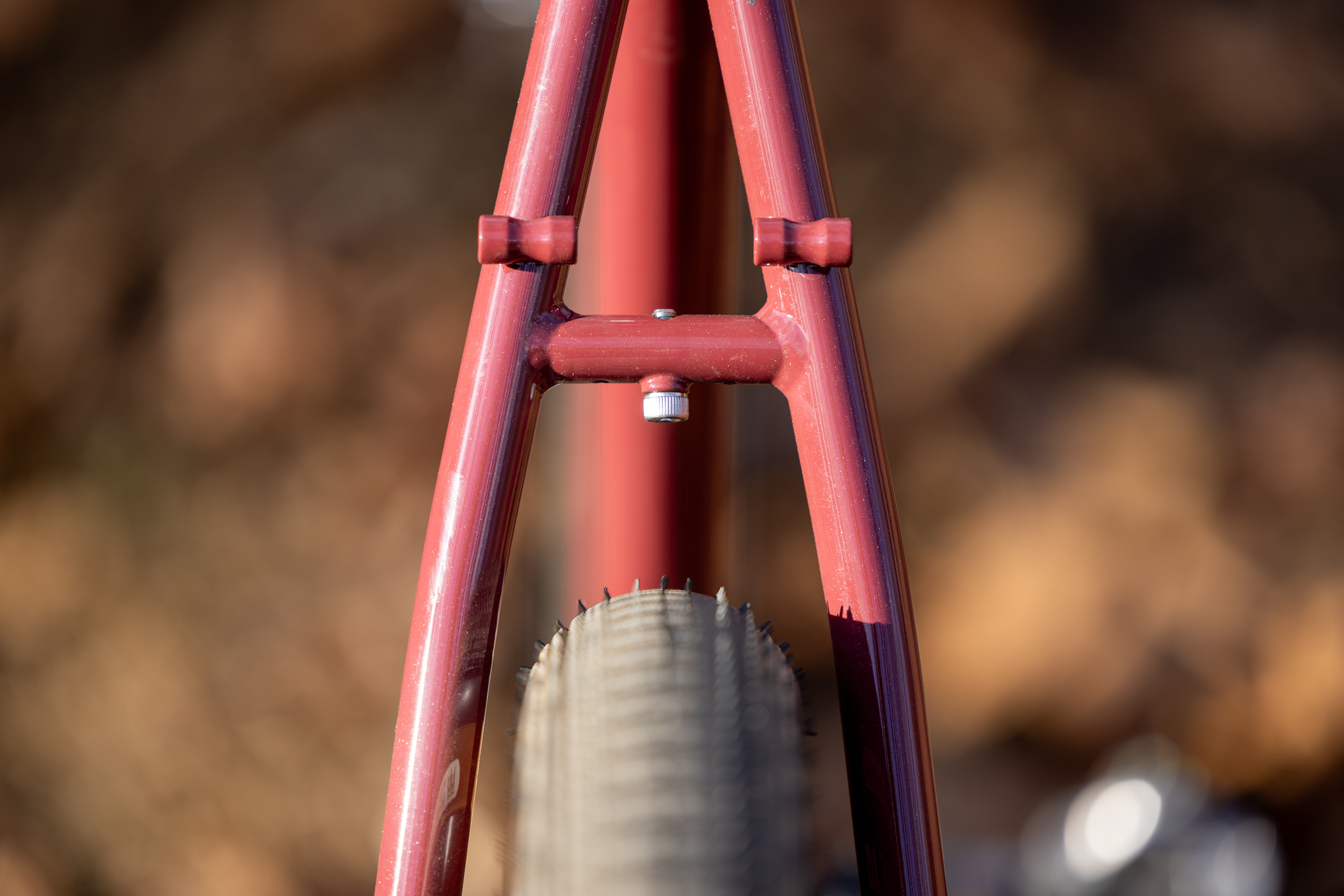



- Frame: Bassi x Keystone Belmont
- Crankset: Bassi Classic Compact Double Crankset
- Derailleur: microSHIFT Sword 2×10
- Shifter: microSHIFT Sword
- Cassette: 10-36T
- Wheelset: DT Swiss G1800 Spline 650b
- Tires: GravelKing SS, 650b x 48mm
- Headset: Bassi J-27 Headset
- Handlebar: Velo Orange Nouveau Randonneur, 44cm
- Saddle: Bassi Rachel Saddle D2-Tech
- Seatpost: Bassi x Keystone aluminum straight seatpost
- Brake Levers: microSHIFT Sword
- Brake Calipers: TRP Spyre
- Rotors: Shimano Deore 160mm
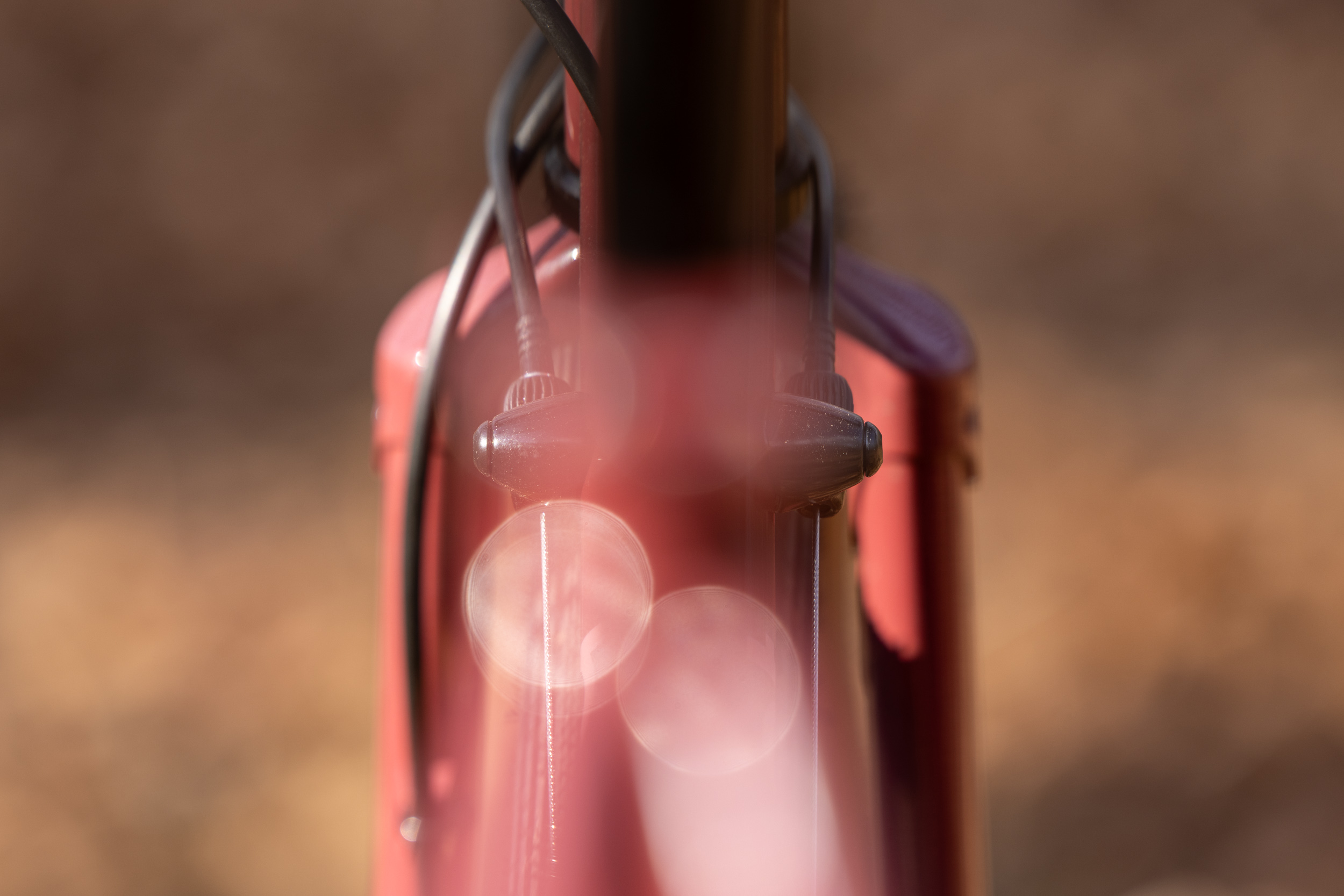
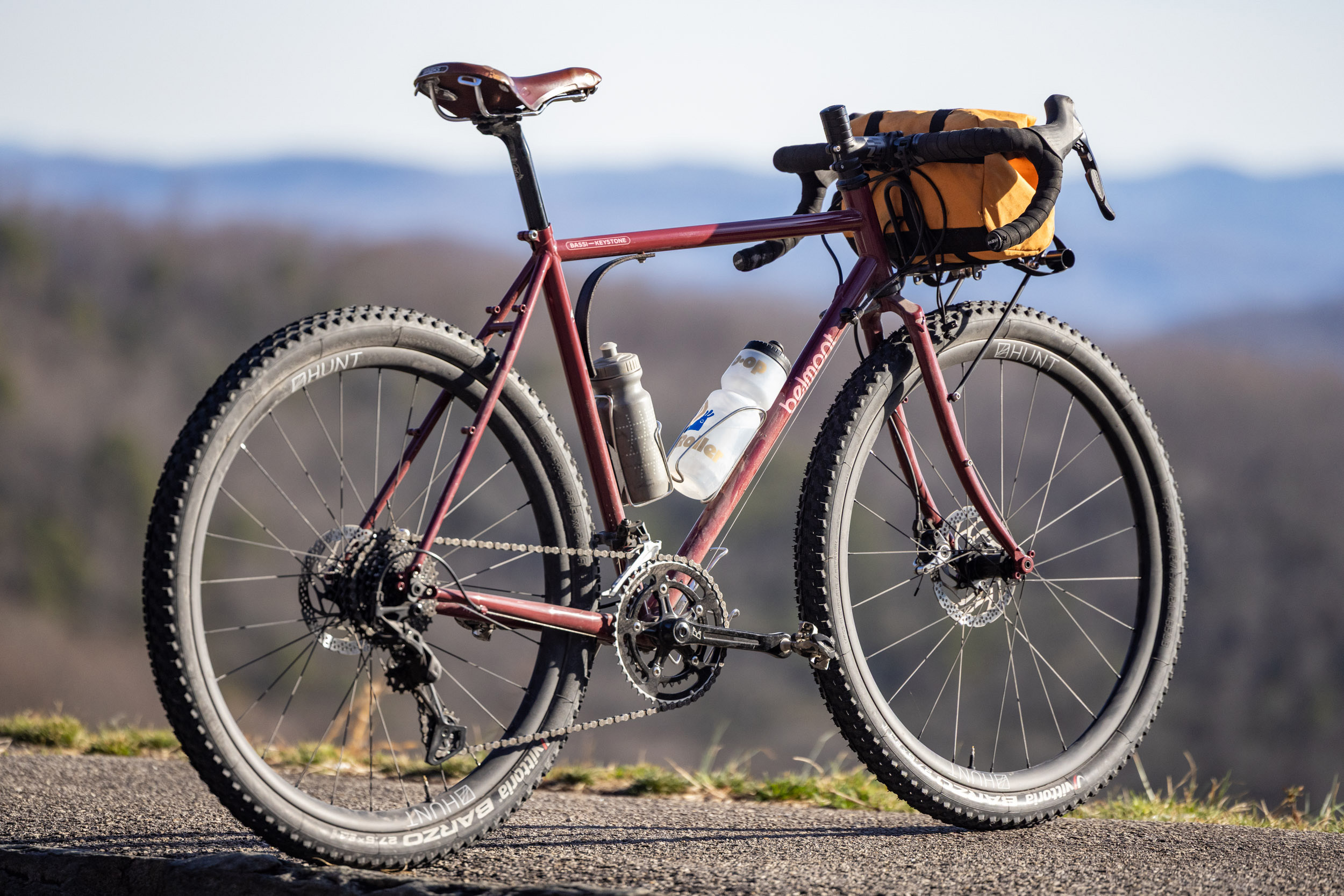
Though I changed a few parts in the stock build to better suit my purposes, it’s a modest, affordable setup that doesn’t require much alteration. The TRP Spyre brakes are fit for purpose, the microSHIFT Sword 2x drivetrain was flawless despite my use on technical singletrack, and the larger diameter of the Velo Orange Nouveau handlebars provided some extra padding against rough vibrations. I’ve spent plenty of time on the GravelKing SS tires and find they just don’t cut the mustard on anything other than the smoothest gravel roads, so some Vittoria Barzos helped in making it a bit more amenable for riding in Pisgah.


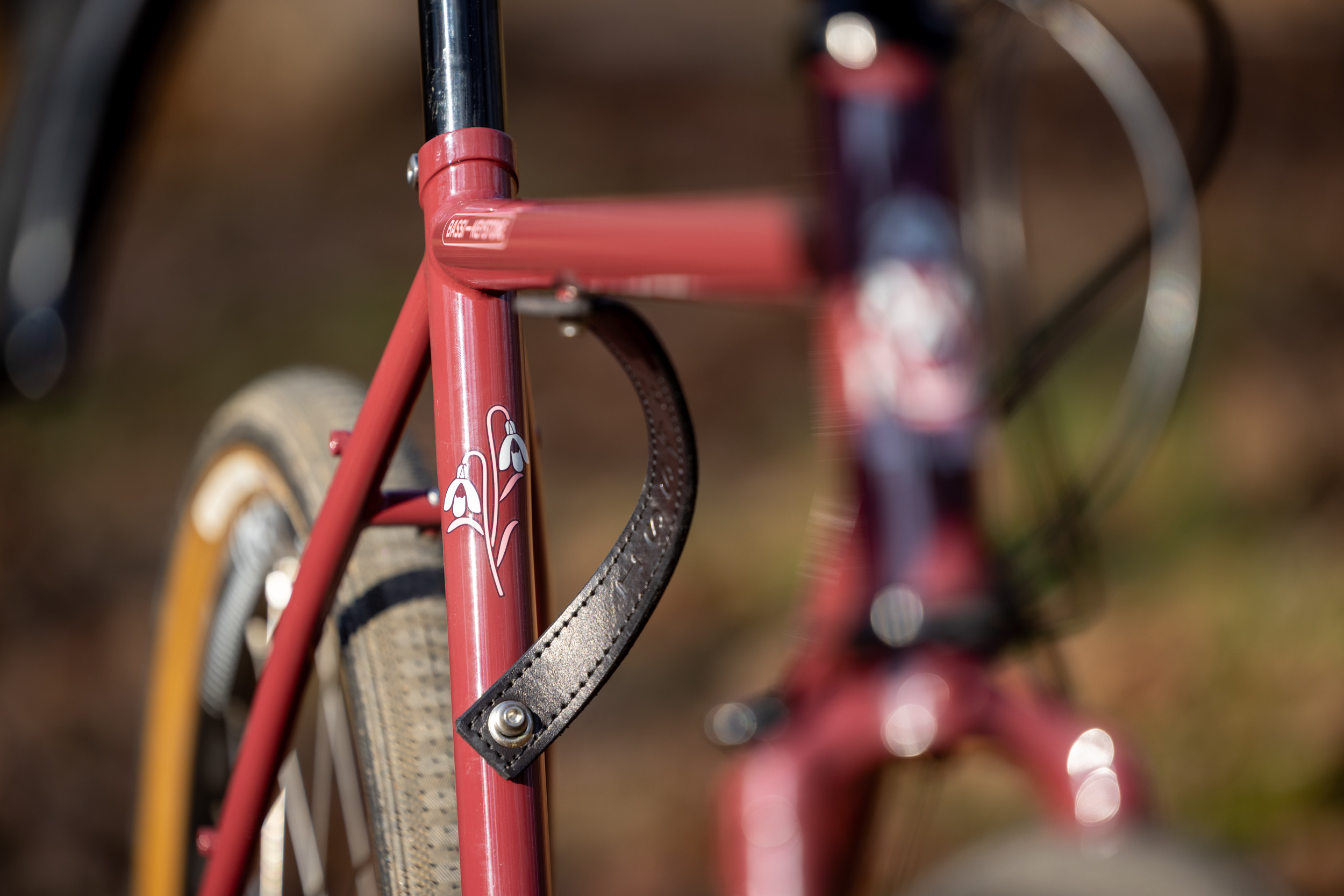
A unique feature that adds some sentimental practicality to the bike is the leather portage strap that bolts onto the upper area of the inner triangle. Handmade just a few doors down from the C&L shop in Montreal by a retired leatherworker they’ve established a good relationship with, it’s a mainstay of the brand. Meant to conjure images of the wrought-iron staircases many Bassi employees use to reach their inner-city apartments, the strap provides greater comfort and control when portaging through tight corners and over rocks, logs, and other obstacles. The mounting points can also serve as attachment points for bolt-on framebags if users decide to ditch the strap. It’s a nice touch that grounds the bike in the place it was incepted.
Handling and Geometry
Despite the appreciation for randonneuring, the Belmont’s geometry is a departure from true low-trail bikes that have defined the category. It’s not a million miles away with a trail number in the low 60s, but the bike handles much more like a modern gravel bike. For long brevets like Paris-Brest-Paris, low-trail geometry shines because of the comfort and handling required for what is often less engaging riding. Best when used with a front load, it’s not necessarily for everyone. “From a retail background, low-trail bikes really wig people out… Overall, we wanted to create something that was accessible for a wider range of riders, and not just someone looking for light tubing and a low trail number,” said Simon of Bassi.


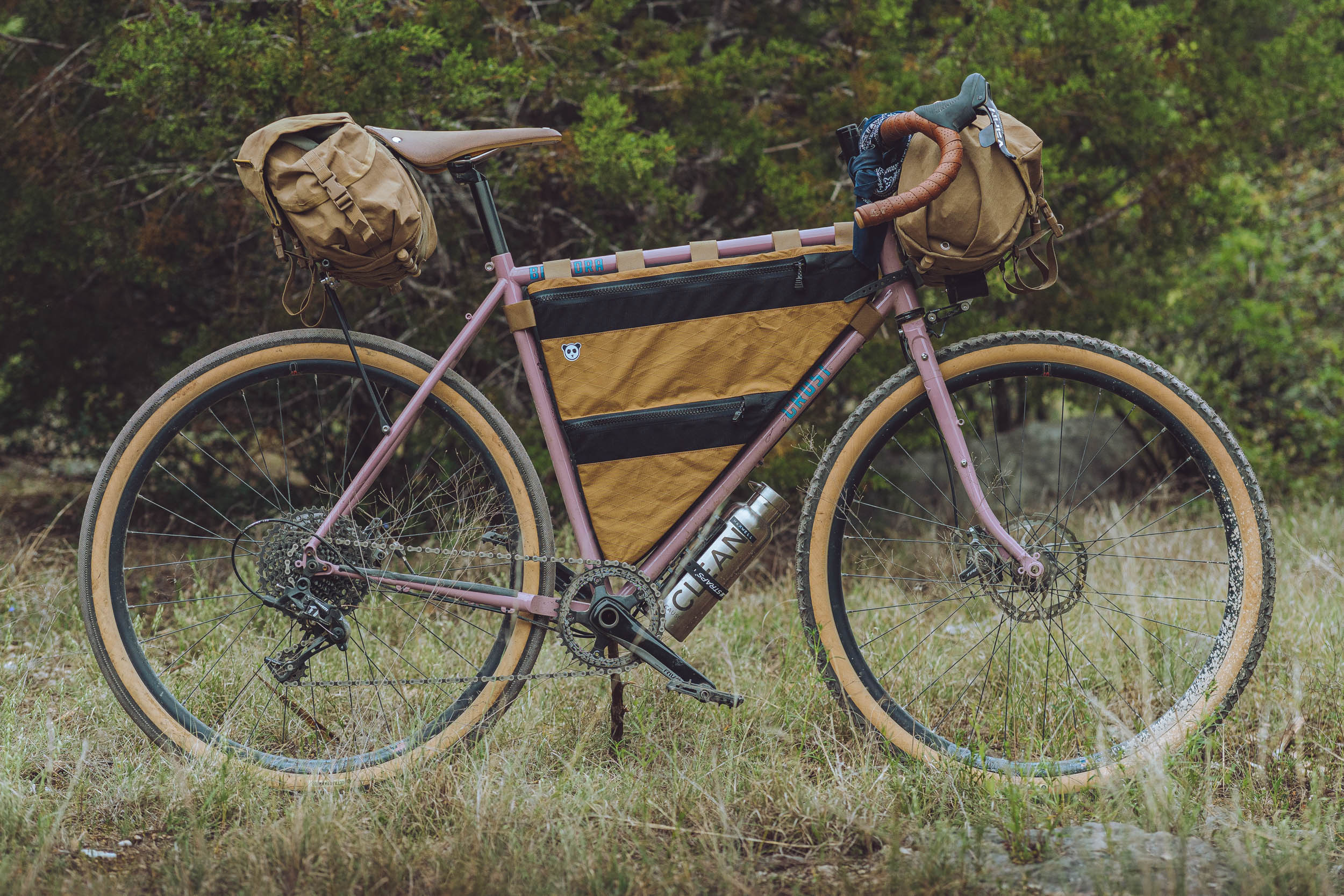
The adjustments to the geometry, such as the higher stack and mid-trail value, result in a more refined experience than others in the same space. Splitting the difference between the Crust Bombora and the Velo Orange Polyvalent, the off-road handling characteristics are more well-behaved and easier to wrangle. Where the longer chainstays and wheelbase offer a smoother ride compared to the Bombora, the higher trail of the Belmont makes it far snappier than the Polyvalent on tight, twisting trails. Similar to the light tubing used in the main triangle of the Bombora, the Belmont employs a lighter and nimbler lugged fork. This makes for a very responsive, satisfying ride when leaning into turns and punching through gravel.
| Metric | Bassi x Keystone Belmont | Velo Orange Polyvalent | Crust Bombora | Fairlight Secan 3.0 |
|---|---|---|---|---|
| Stack | 565 | 558 | 576 | 558 |
| Reach | 380 | 369 | 382 | 388 |
| Top Tube Length (Ef.) | 547 | 550 | 559.9 | 550 |
| Head Angle | 71 | 73 | 71 | 70.5 |
| Seat tube angle | 73.5 | 72 | 73 | 74 |
| Fork Offset | 55 | 60 | 48 | 50 |
| Trail | 60.7 | 42.8 | 68.1 | 69.3 |
| BB drop | 67 | 67 | 64 | 77 |
| Chainstay length | 430 | 435 | 420 | 425 |
| Wheelbase | 1034 | 1002 | 1023 | 1036 |
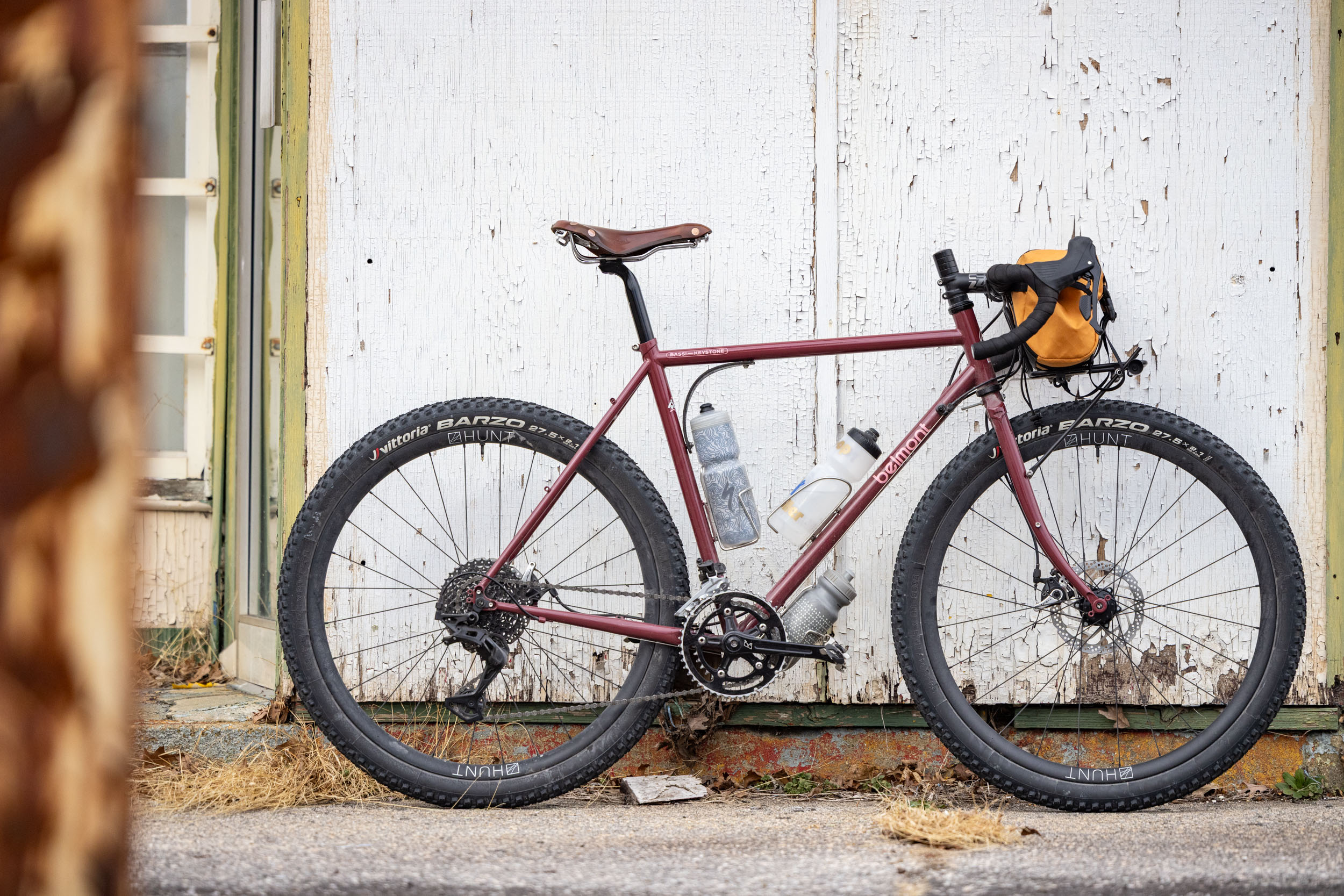


On the road, the bike shines with a light load at the front and tires that let its sturdy yet supple tubing sing. Because the axle-to-crown is suited to both 700c and 650b wheelsets, the Belmont feels like a true road-inspired machine that can handle rough terrain relatively well. One of my biggest complaints with the bikes from Crust and Velo Orange mentioned above is their lack of versatility across different wheel sizes. The Bombora and Polyvalent are arguably 650b-specific, with the former feeling unstable at the larger wheel size and the latter unable to run 700c wheels altogether. Despite spending most of my test period with a 650b wheelset, a few spirited rides on 700 x 48mm Rene Herse Hatcher Pass tires made me nostalgic for my road riding days of old. With versatility across multiple wheel sizes and more agreeable handling, the Belmont addresses some of the genre’s shortcomings and offers a less niche option than a true low-trail bike.
Tubing and Ride Feel
The well-rounded nature of the Belmont comes together through several key factors. By combining a bottom bracket drop consistent with those in the same category with a more neutral trail number, the bike feels stable without the quirks and eccentricities that typically come with low trail. Shimmying and some instability can also be derived from the lighter tubesets used in traditional randonneuring bikes, and that’s entirely absent here. Though I wouldn’t say the double-butted chromoly tubing used on the Belmont is the lightest I’ve ever ridden, it’s much closer to something you’d find on a Fairlight than a Surly.

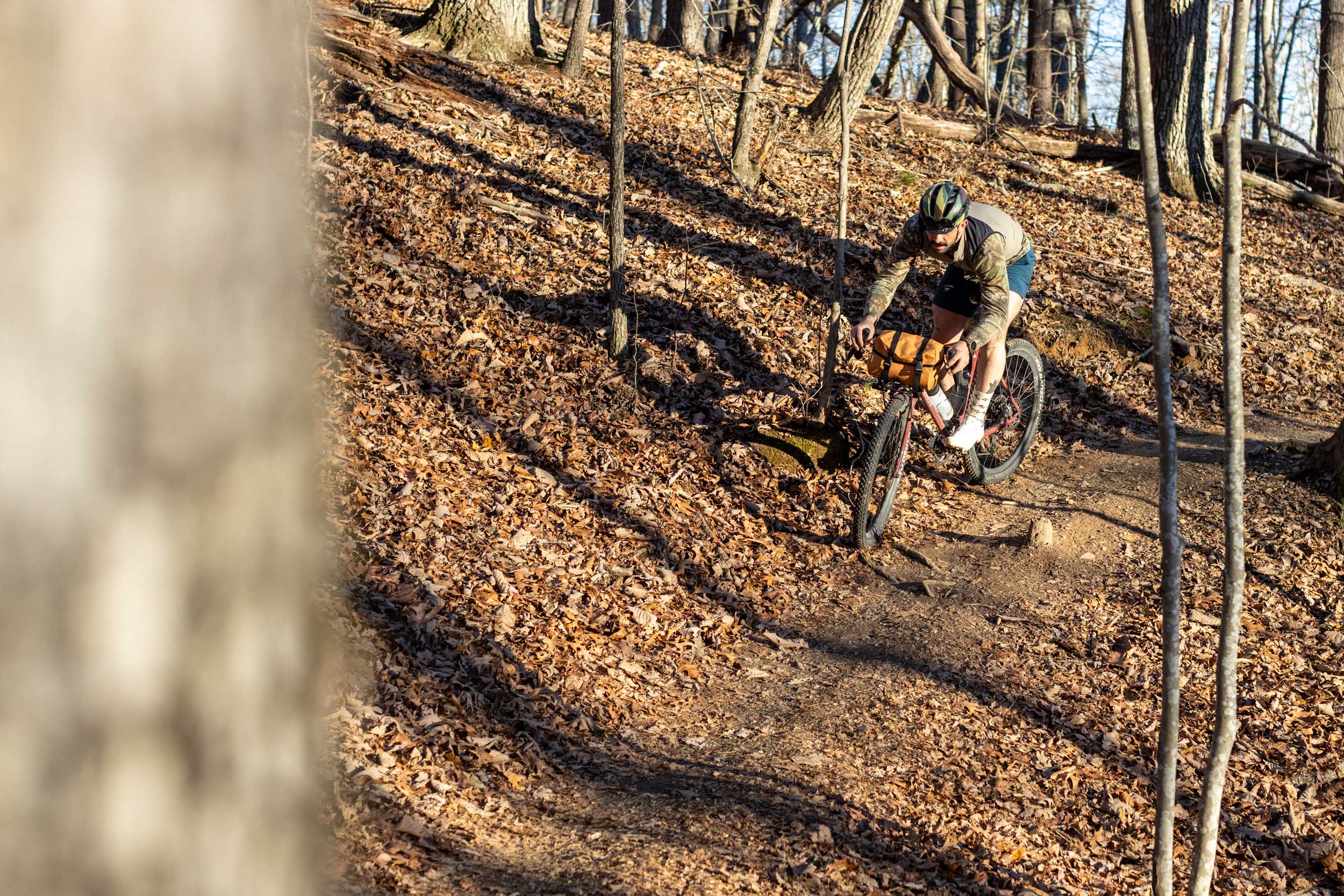
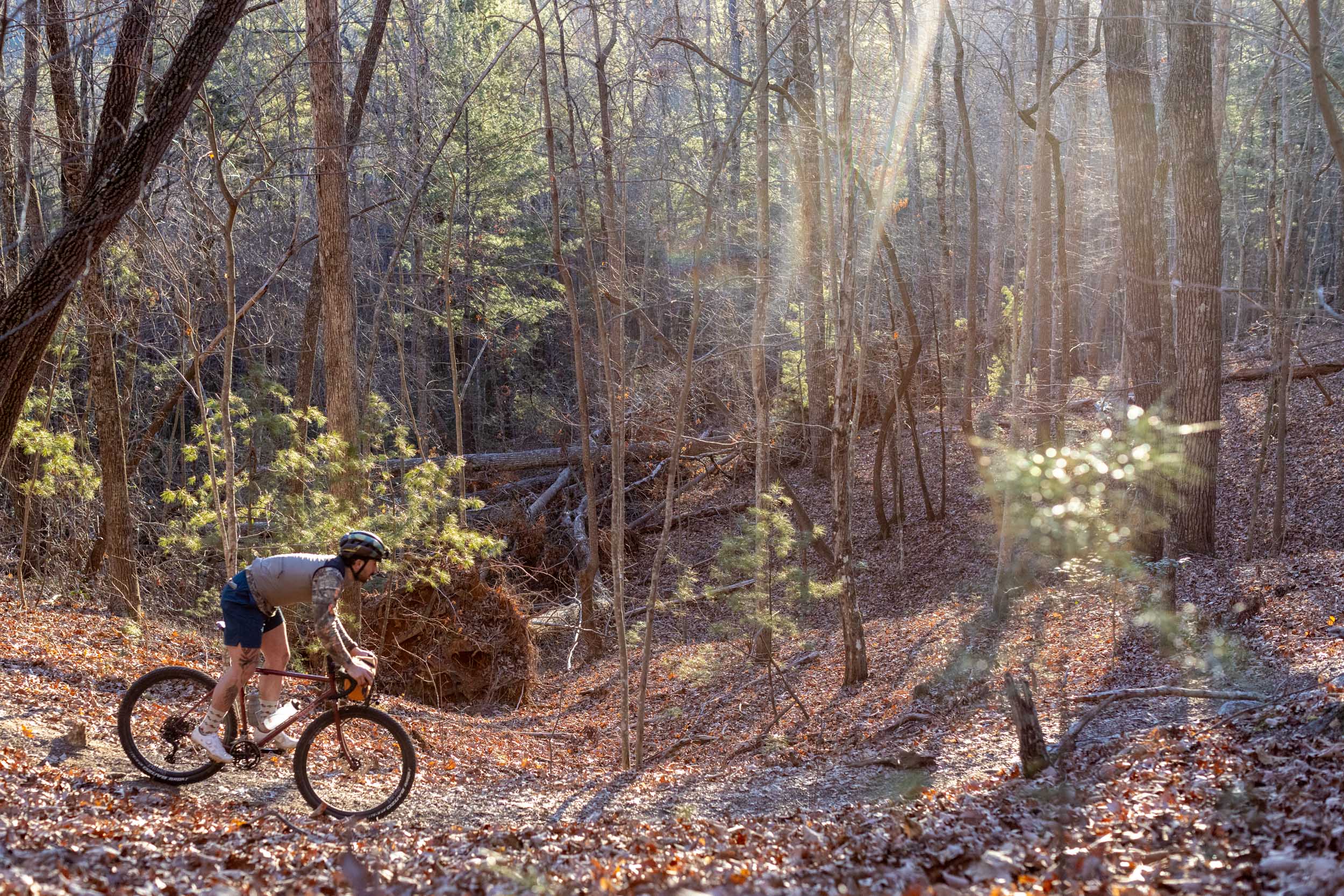
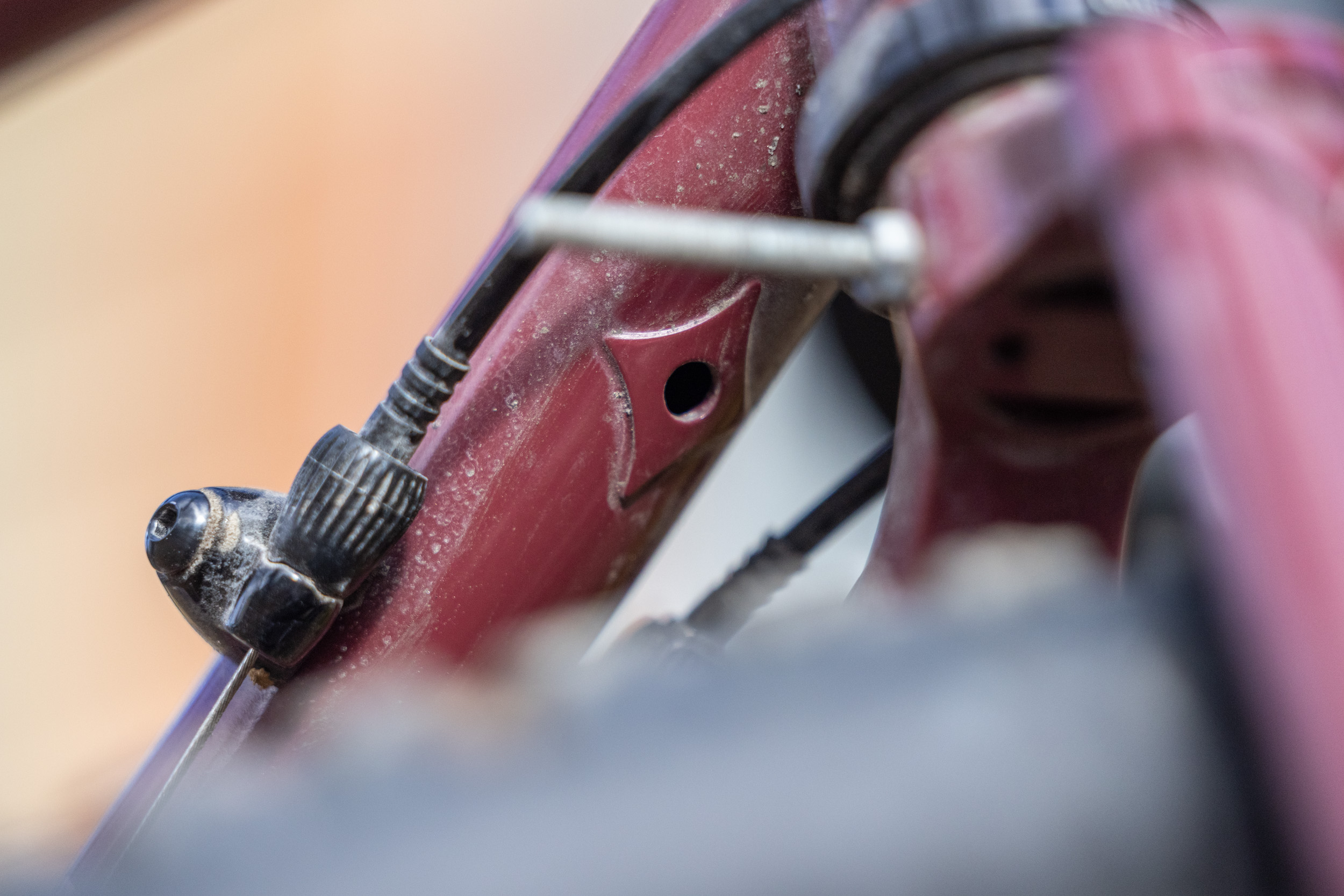
Zack and Simon spoke to the multifaceted nature of the tubing choice. With both bike shops located in large, urban centers, they wanted users to be able to lock their bikes up anywhere without fear of denting an overly delicate tubeset. Using typical widths and diameters across the entire frame, they oversized the downtube for better ride quality and because they had special design interests in that area. Using a sleeved, partially internal routing design for the rear brake, the bike also features full internal dynamo routing and out-of-the-box compatibility with downtube shifters.


Some might see that as an antiquated feature to design around in 2026, but it’s something they valued for a few reasons. Not only is it one of the more affordable ways to build up a bike, but it’s also consistent with traditional randonneuring rigs. The partially internal brake routing made accounting for downtube shifters easier, so they went in that direction. I’ve had some struggles with partially internal systems in the past, so I prefer fully external routing. That said, it’s nice they went through the extra effort and expense of adding a sleeve, and there were no issues during my test period.
Sizing and Fit
At the Keystone x Bassi booth, I had the opportunity to swing a leg over the large size of the Belmont. In the short pedal around the test area, it felt consistent with the slightly oversized bikes I’d run in the past. I have long arms for my height, so it’s something I’ve always preferred, given that bikes in this category tend to have shorter reach numbers. Sizing up within reason always yielded a much larger main triangle, allowing for more storage without much compromise in handling. However, with more engaging riding directly out my door, I went for the medium (53.5cm) Belmont to keep things nimble and sporty. The bike fit fine and felt at home on roads and light singletrack, but part of me wishes I had gone for the large.

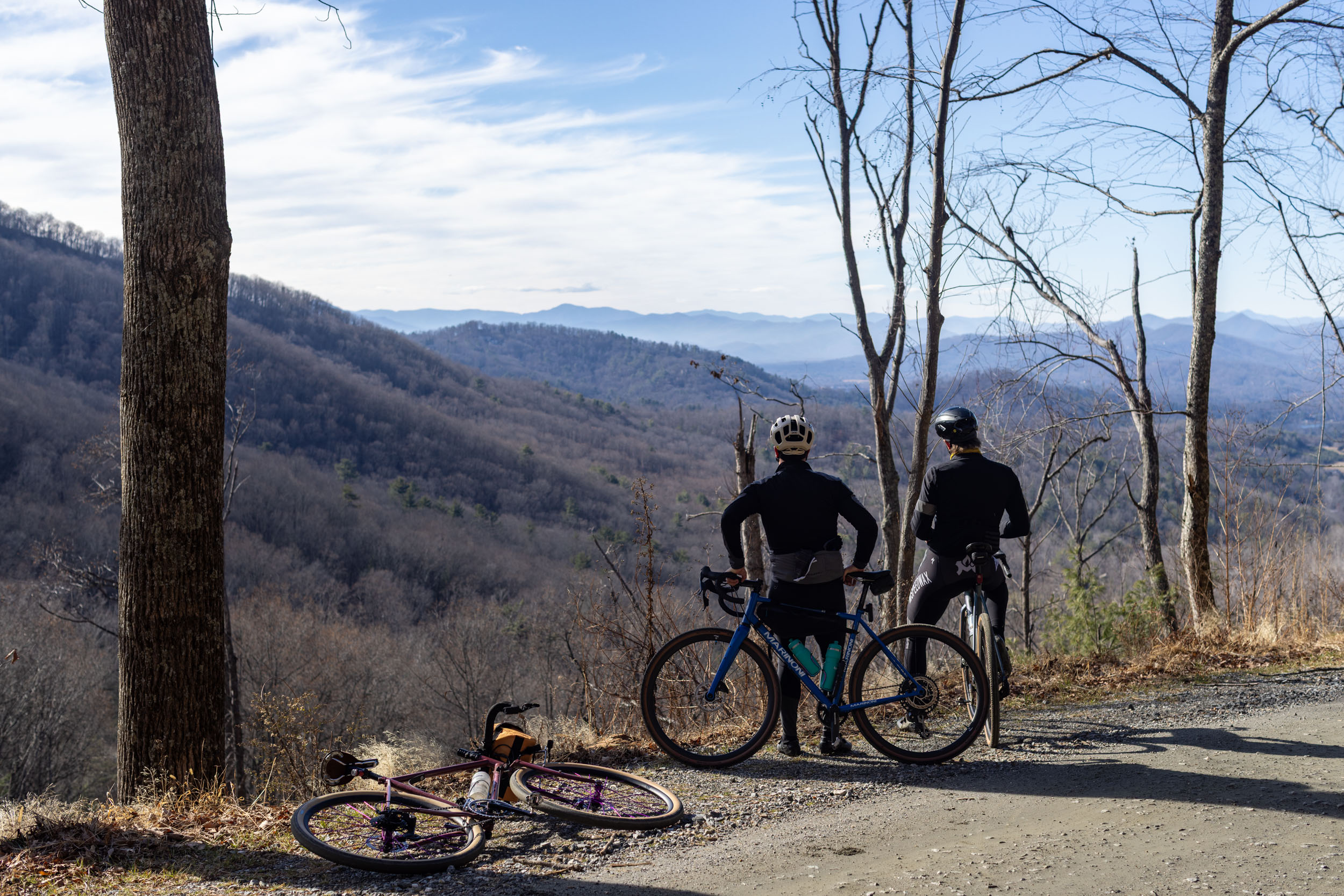

It’s more a matter of preference and circumstance, but because the handling characteristics of the Belmont are so much easier to work with on technical terrain, I think I would’ve really benefitted from the greater bag clearance and storage space a larger frame provides. If you’re anything like me and fall between sizes, know you can choose either one depending on how and where you like to ride. For those looking to push their limits, a smaller size works well in most situations, but for anyone who rides bike paths, roads, and smooth gravel more consistently and wants more room for their gear, a large size is a viable option.
Bikepacking with the Belmont
The only area I wasn’t overly convinced by with the Belmont is when bikepacking in rough terrain. Though it’s by no means bad when laden with gear, a proper low-trail bike will handle a heavy front load better because of its geometry and intended use. It also lacks certain mounts that would’ve made equipping racks easier. Simon and Zack said this was intentional, as they feel the bike doesn’t ride well when overloaded with gear. “When you load the bike up with mounts, you signal to the user that they should be putting tons of gear on it. That’s not something we felt was appropriate here,” they told me.
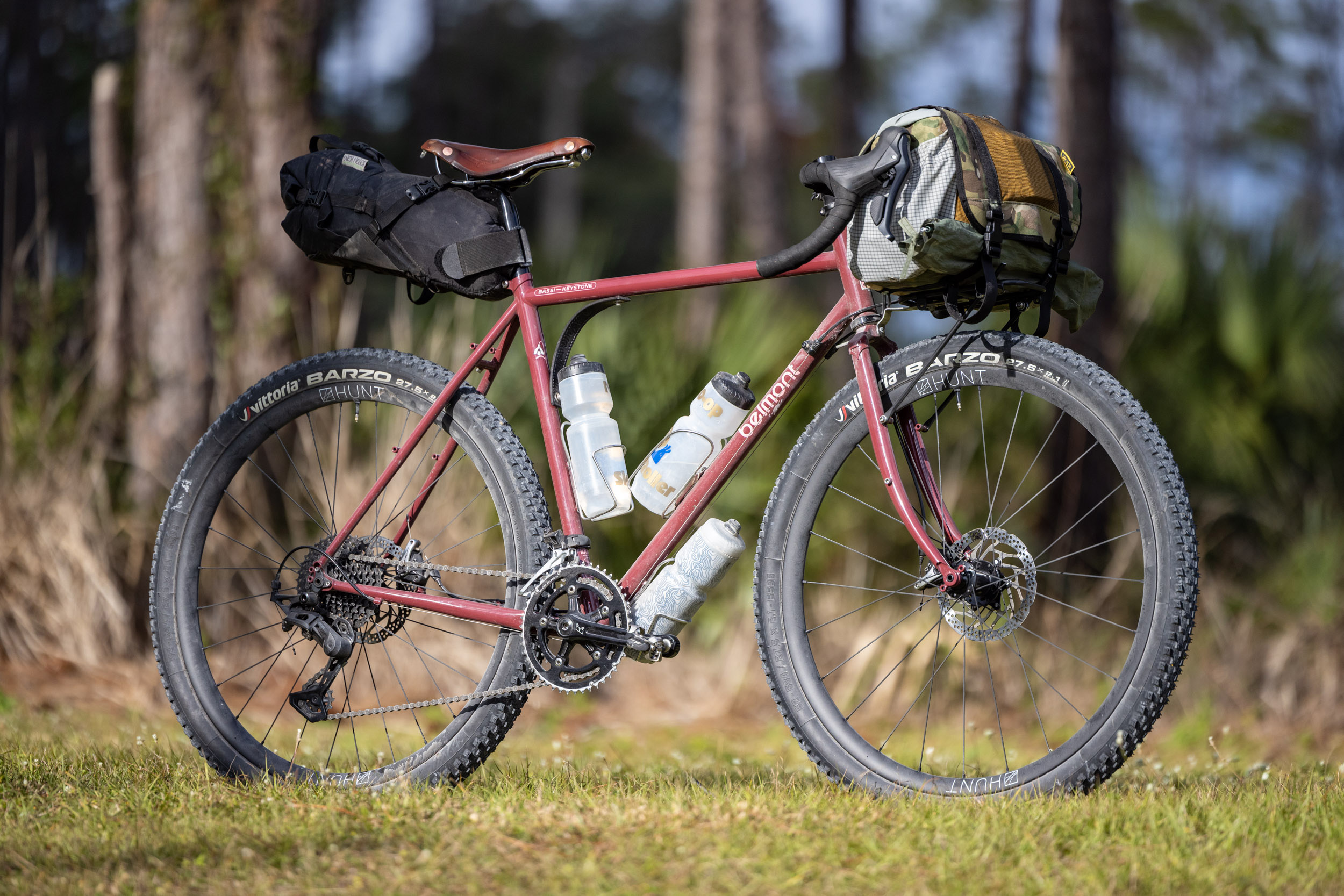
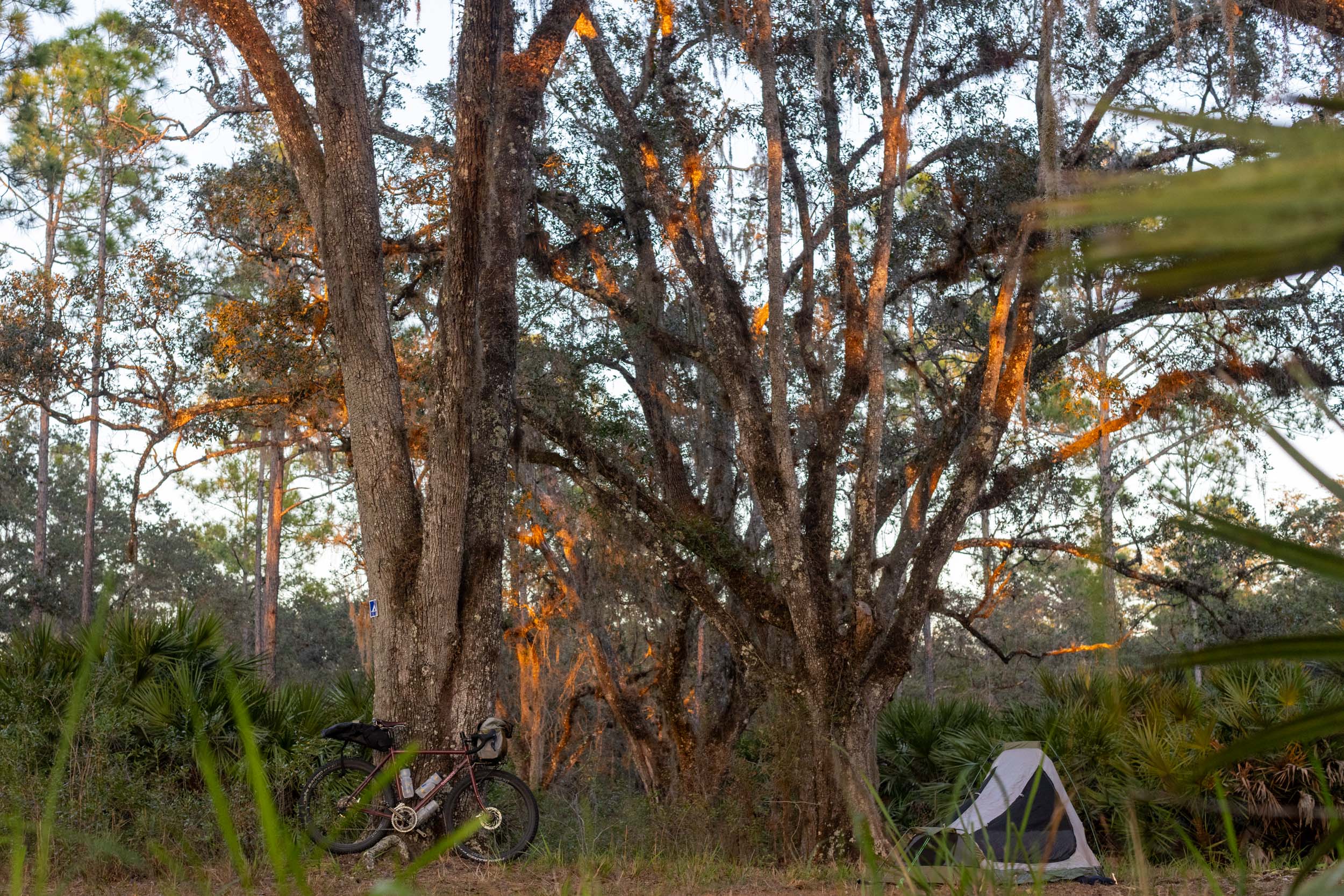


In my tests with the Belmont, I used my Oveja Negra seatpack and loaded most of my kit in a large BxB Piccolo front bag. The Belmont handled the front load well enough, but I’d agree with Zack and Simon that this bike shines when the weight is more evenly distributed. It maintains more of its unloaded ride quality when the load is lighter and is much more enjoyable to bikepack with when there’s no strong bias in either direction. I would’ve liked to see them spec more well-placed mounts to open up more rack options in the rear, and I would’ve really appreciated some three-pack mounts at the fork blades. This isn’t necessarily the idea behind the Belmont, as both Zack and Simon made it clear that this is their road-oriented tourer, not something ready to take on a rough and remote backcountry tour. Still, more flexibility is always appreciated.


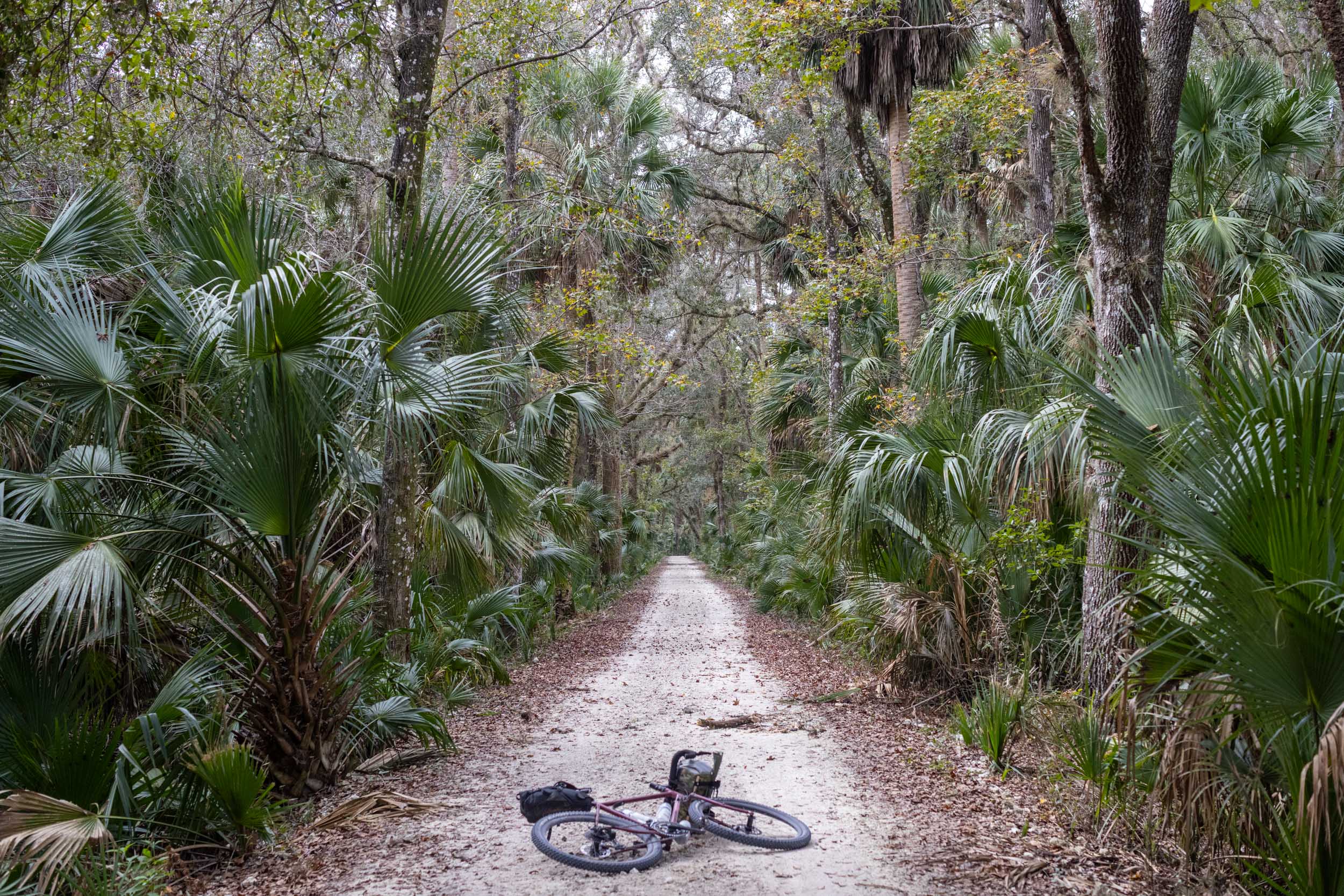
Funnily enough, most of my testing with a fully loaded Belmont was in my home state of Florida. As I spoke about in our Good Night 2025 Roundup, it wasn’t the greatest experience. Returning home provided a sobering look at just how unrelenting the development of wild spaces is in Central Florida. It wasn’t the rose-tinted nostalgic trip I was hoping for. That said, none of the negatives experienced there were because of the bike. If anything, revisiting the silhouette the Belmont is based around was a fun reminder that while returning to the past can sometimes yield disappointment, timeless design is precisely that. By tweaking the geometry and eccentricities consistent with the bikes I used to love, Bassi and Keystone have created something modern, approachable, and fit for purpose. That’s rose-tinted enough for me.
- Model Tested: Bassi x Keystone Belmont, Wine, 53.5cm
- Actual Weight: 28.8lbs
- Place of Manufacture: Taiwan
- Price: $1,050 at Keystone
- Manufacturer’s Details: Bassi
Pros
- The light tubing and nimble fork are a joy to ride.
- Ample clearance at 650b x 2.1 or 700 x 48mm makes this a true modern gravel bike.
- The geometry adjustments combine traditional aesthetics with modern handling for a satisfying, well-rounded experience.
- The higher stack height will please those looking for something less aggressive in this category.
- The solid, well-specced build kit doesn’t require much adjustment out of the box.
Cons
- It’s missing some key rack mounts that would make it better suited to bikepacking.
- The low bottom bracket is rewarding on roads but troublesome on trails.
- The partially internal routing for the rear brake cable will be a detractor for some.
Wrap Up
These days, collaborations are often overwrought. From the overused Instagram feature to brand partnerships that seem like cash grabs, it makes sense for customers across industries to be wary. However, the Bassi x Keystone Belmont feels like an appropriate partnership. Harnessing years of experience completing local and world-renowned randonneuring events with the manufacturing expertise needed for overseas production runs, the partnership between Bassi and Keystone is anything but superfluous.
A world tourer it is not, but the Belmont presents an interesting use case. With aesthetics that appeal to the classically minded and handling that makes it more approachable, this modern randonneuring-inspired frame gives riders a fun, versatile experience. I initially doubted the bike’s ability to hold its own in my mountainous home of western North Carolina, but discovered that the Belmont can do most things quite well. It’s as appropriate at a local gravel ride as it is a brevet or overnighter. With a few unique touches, it’s a model grounded in the partnership that created it, and it emanates a sense of character that sets it apart from the crowd.

Further Reading
Make sure to dig into these related articles for more info...

Please keep the conversation civil, constructive, and inclusive, or your comment will be removed.