

 Singletrack/MTB
 Gravel/All-road
 Dirt-road Touring
 Fat-bike


Esker Smokey Review: Seven Surprises


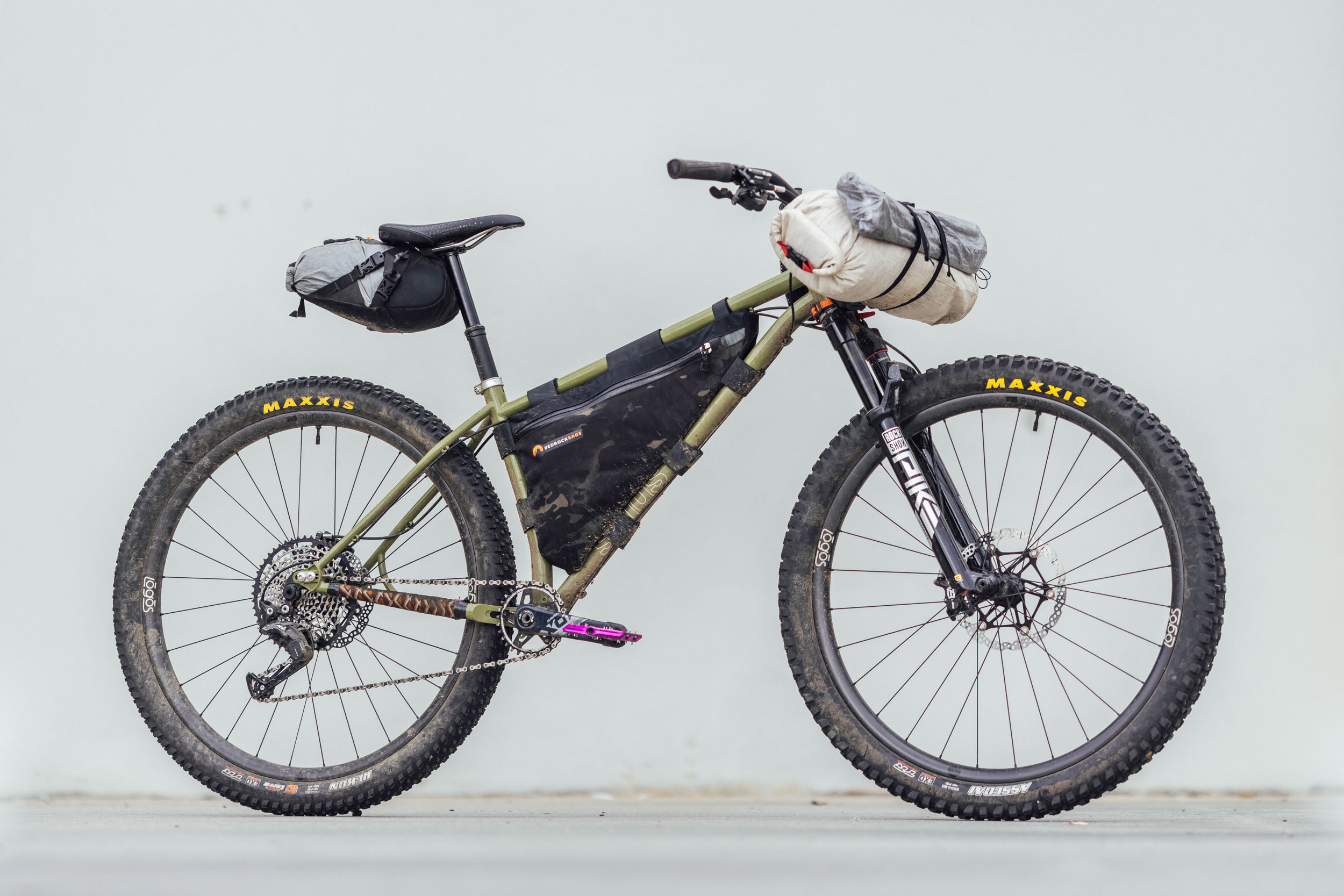
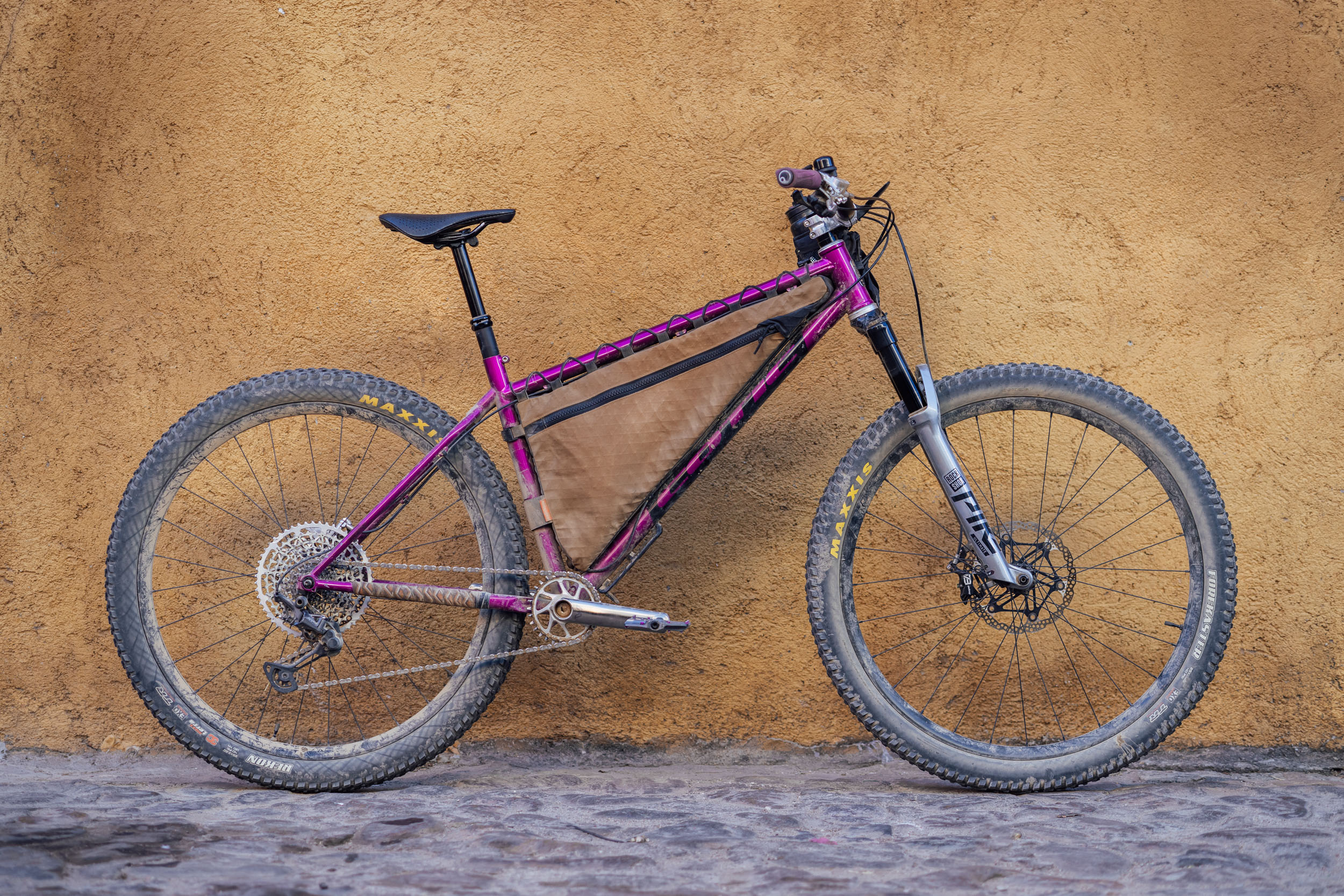
The Esker Smokey is an unapologetically aggressive steel hardtail built around a 160mm fork and geometry that leans hard into modern trail riding. After months of pedaling it on everything from rough singletrack to loaded backcountry scrabble, Logan shares a series of surprises and weighs in on who it’s for…
PUBLISHED Feb 10, 2026
The Esker Smokey is the brand’s longest and slackest hardtail, and one of only two bikes in their lineup labeled for “rowdy” use. I’m sure a few of you are wondering what a raucous 160mm-travel hardtail is doing on a bikepacking website, and I hear you. I had the same skepticism when it came out in the summer of 2024. At that moment in the time-space continuum, I was convinced that I knew the perfect formula for a hardtail, and that details like a short-travel fork, a relatively light steel frame, a low bottom bracket, and a not-too steep seat tube were the way. The Smokey didn’t fit that mold, so I ignored it. And to be completely transparent, I was later kind of pushed into reviewing it. A friend of mine kept nudging me on, repeating, “You gotta try the Smokey,” over the course of several months. I had my doubts.
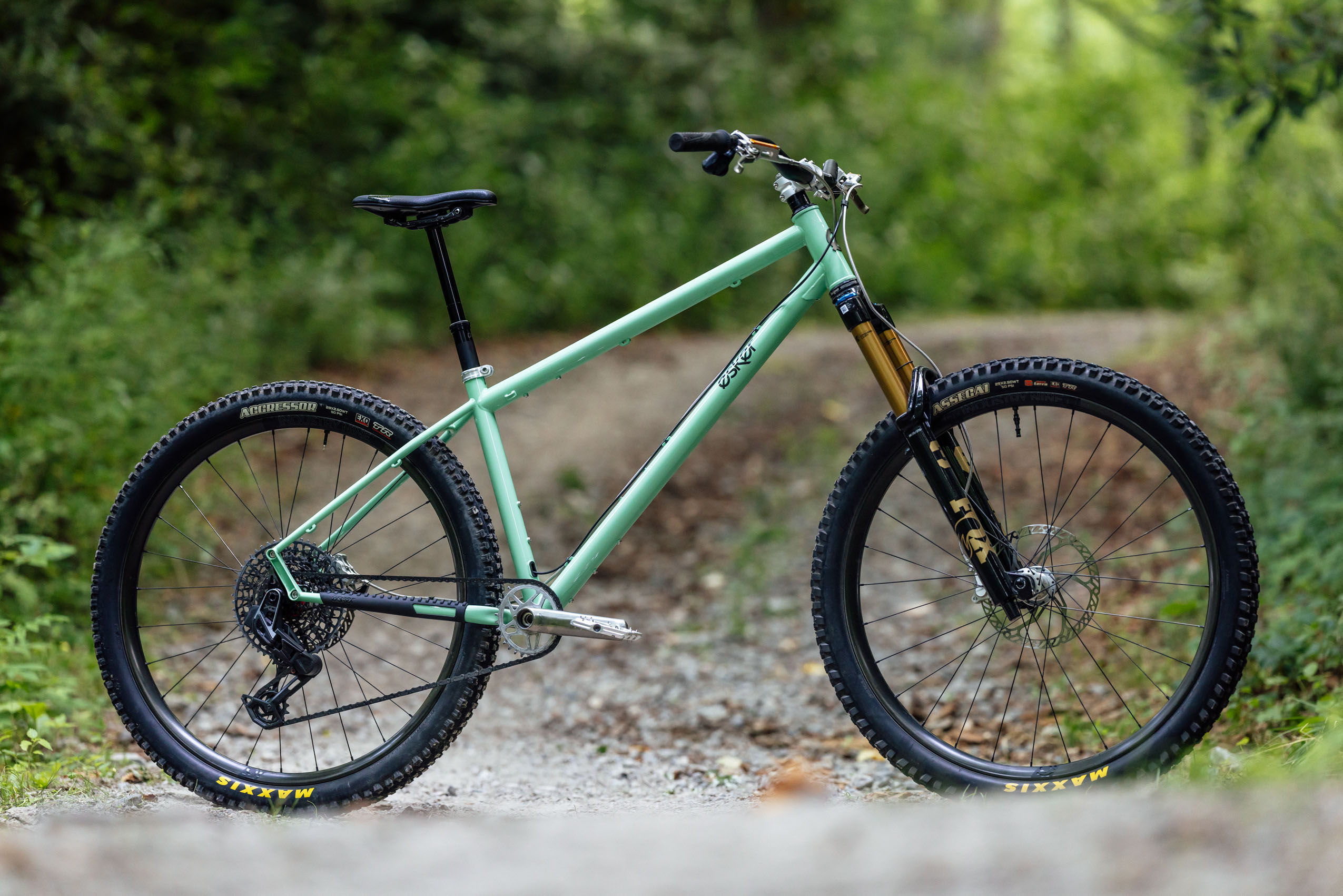
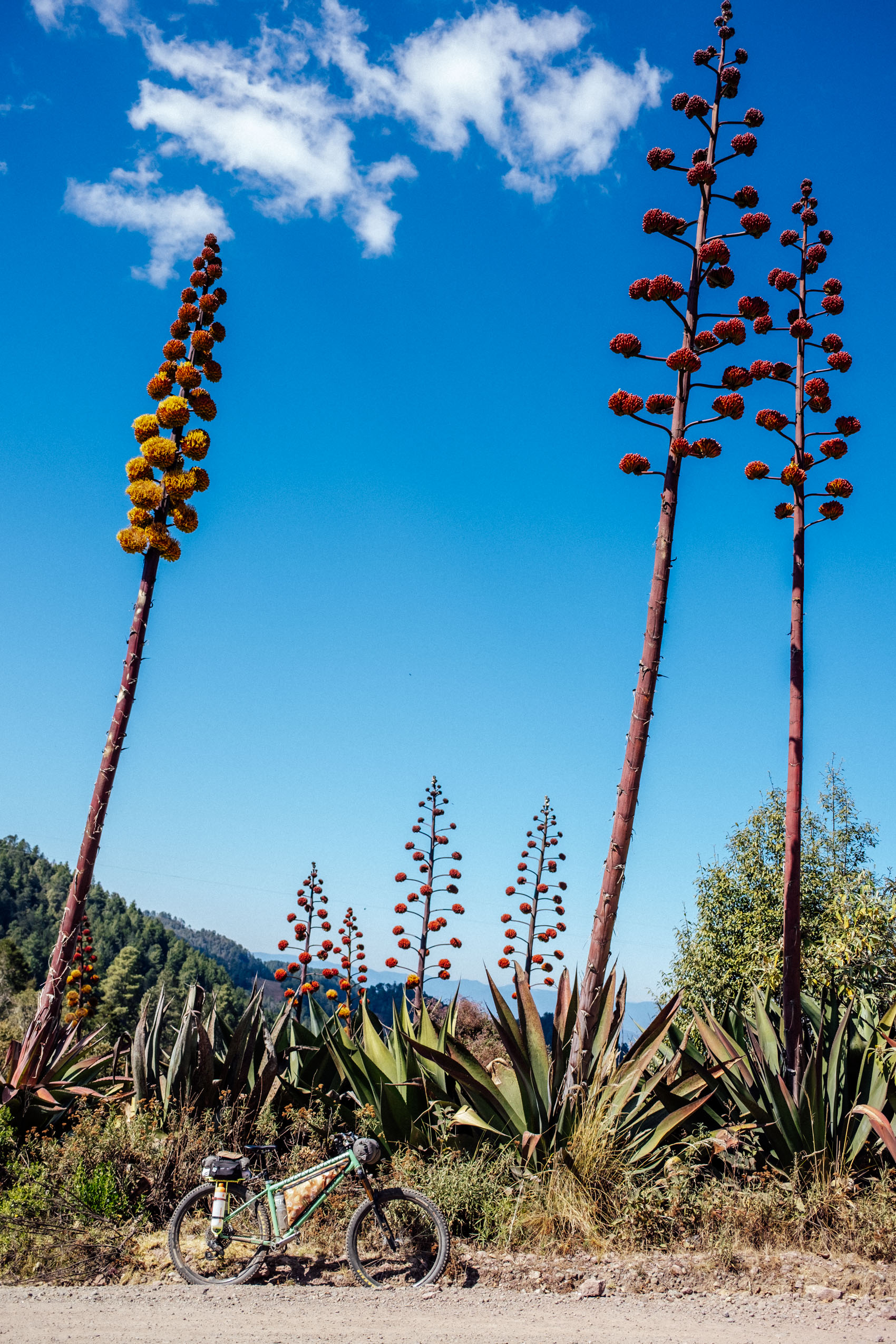
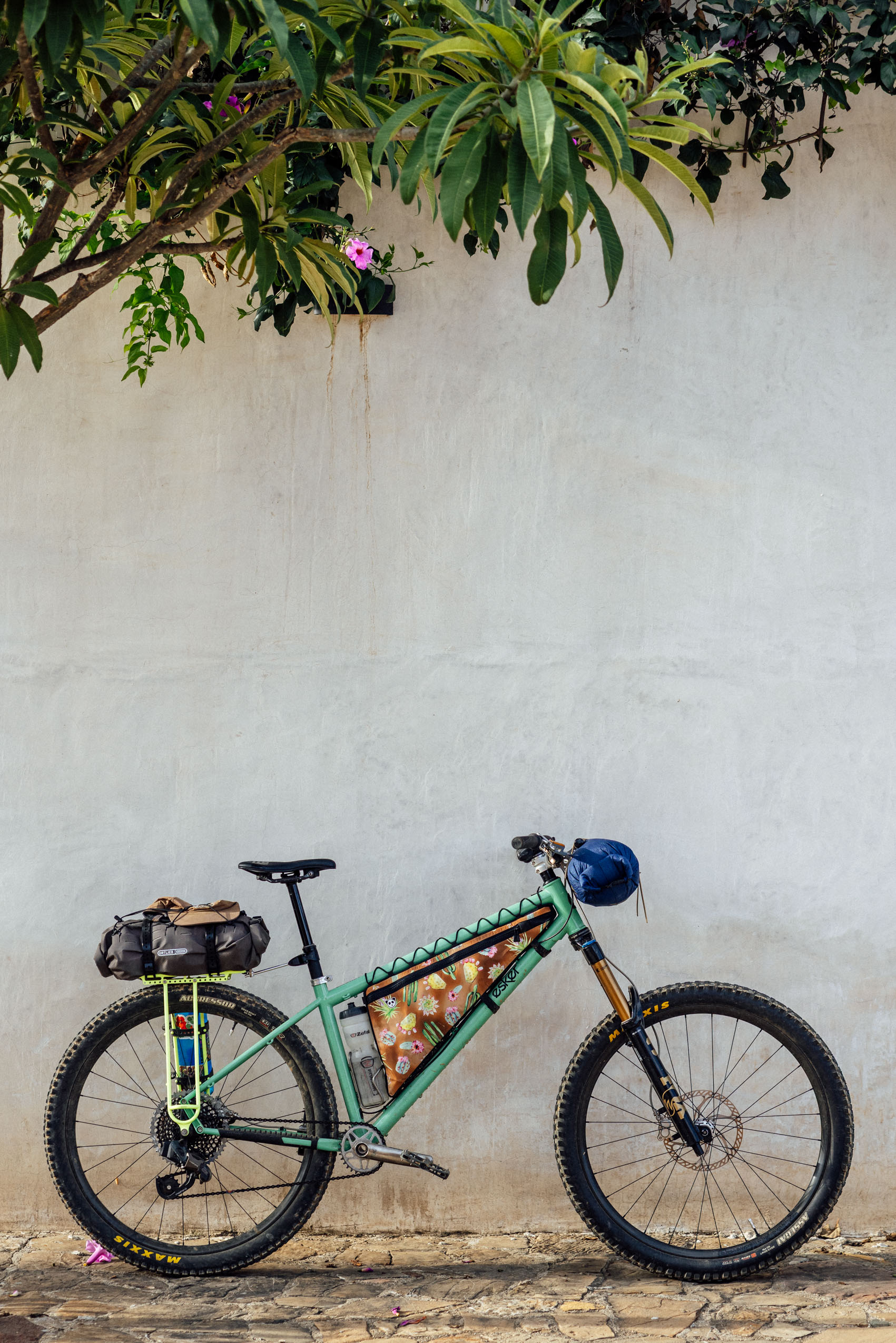

During half a year of riding trails and bikepacking with the Esker Smokey, I ate my words. There were many pleasant surprises and things about this bike that debunked my hardtail preconceptions, and I ultimately fell in love with it, especially in a particular place. As such, I’m going to approach this review a little differently by analyzing it through a lens of surprises, peeling away the layers to uncover why it’s become one of my favorite trail hardtails to date.
1. Too Much Might Be the Right Amount
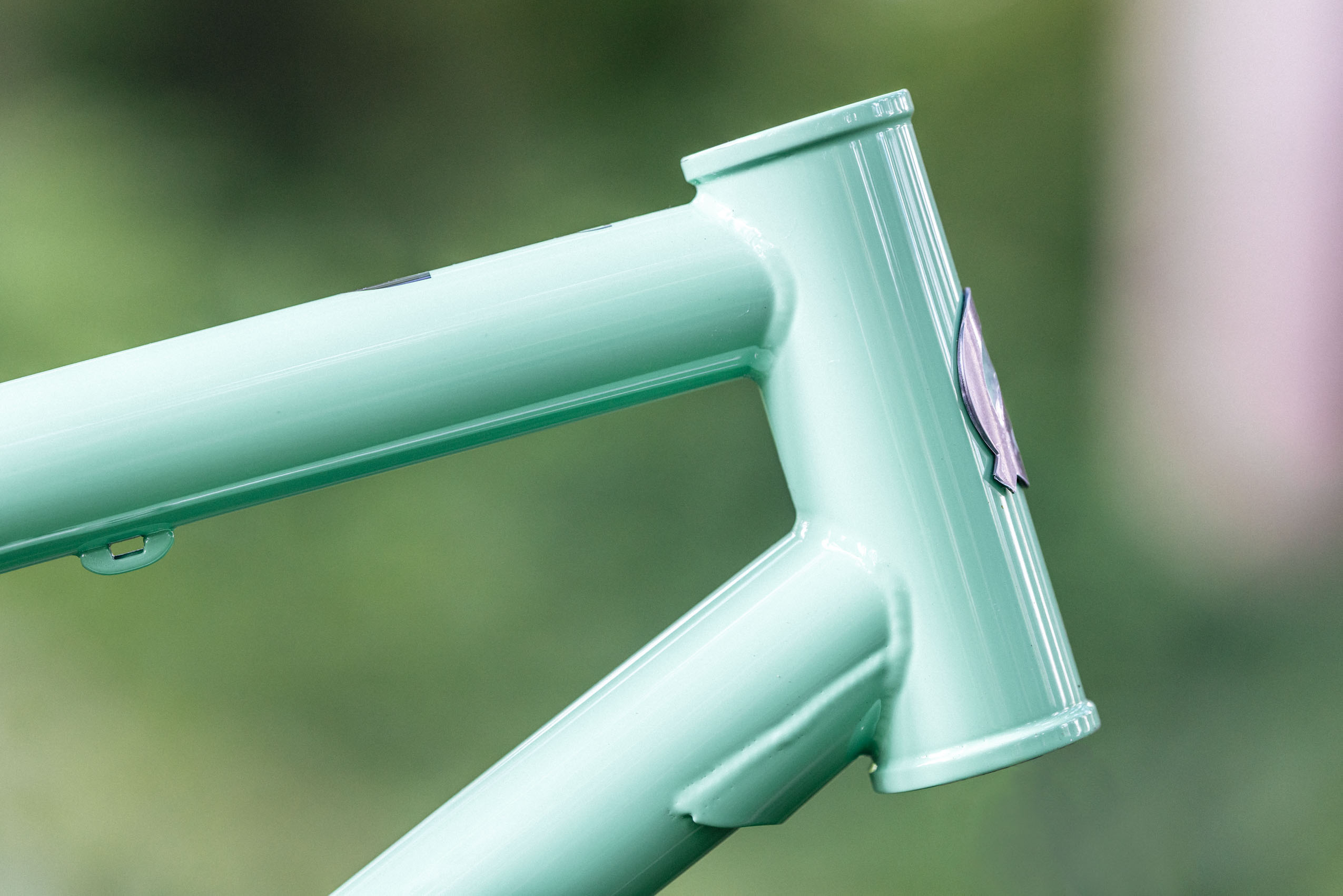
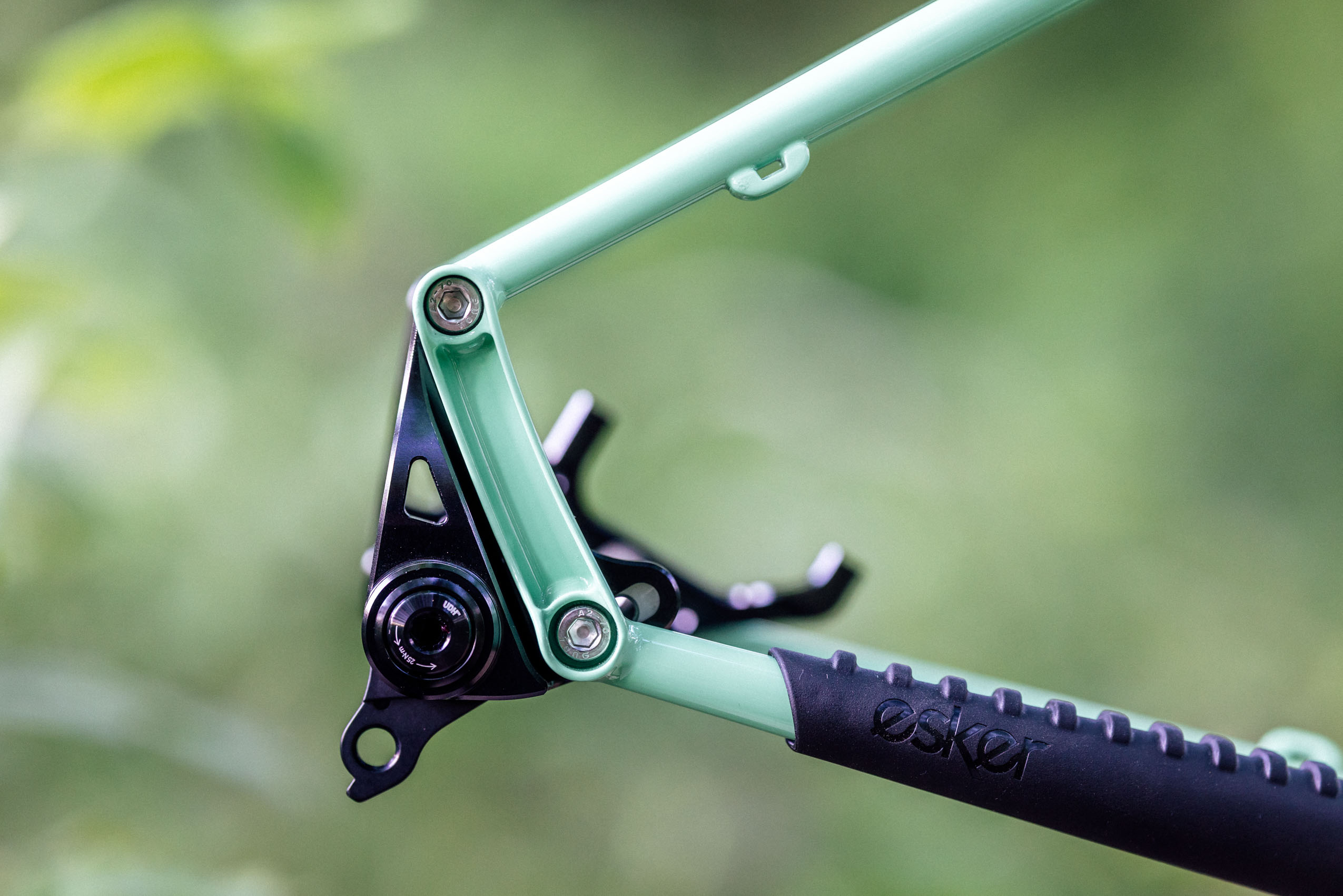
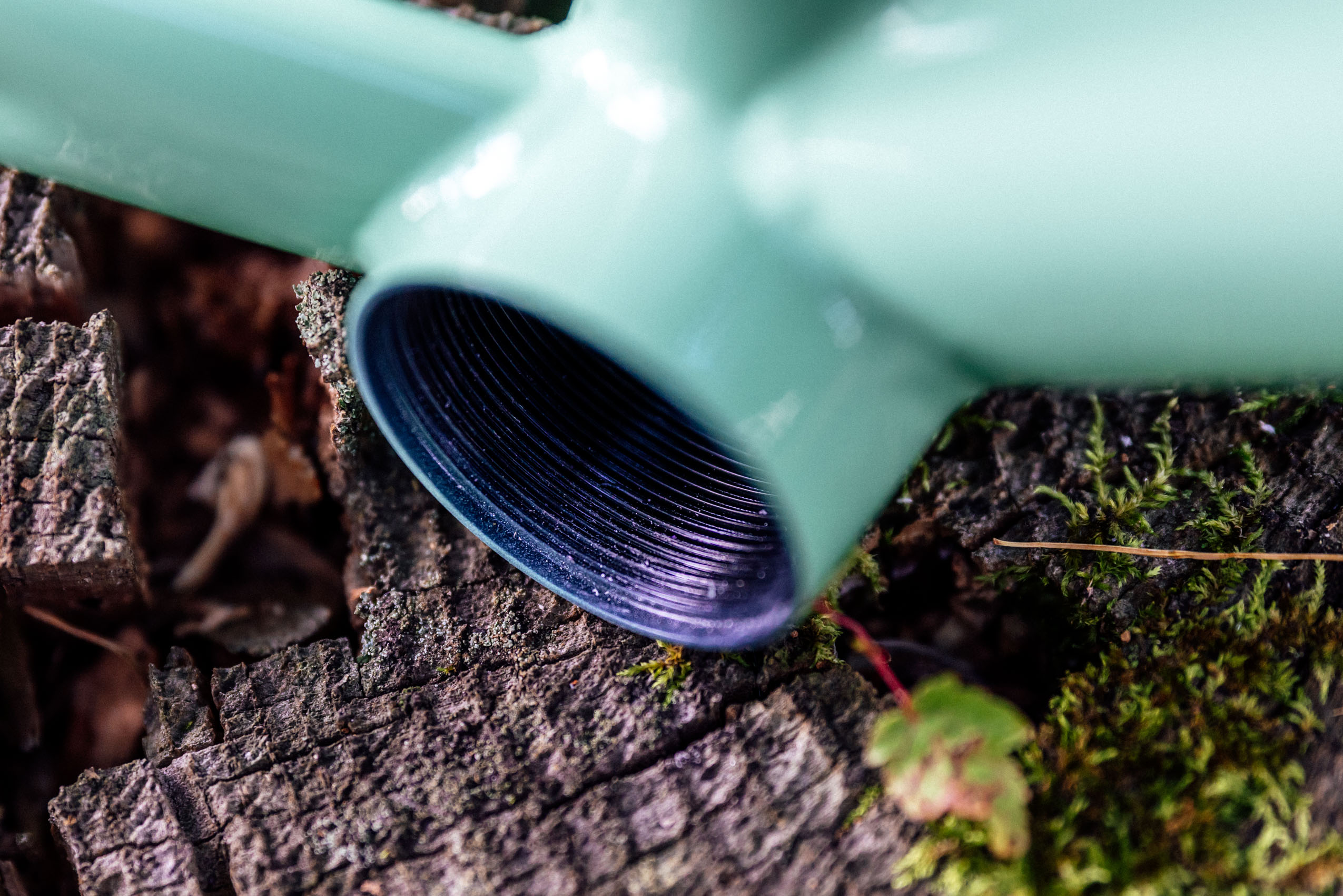
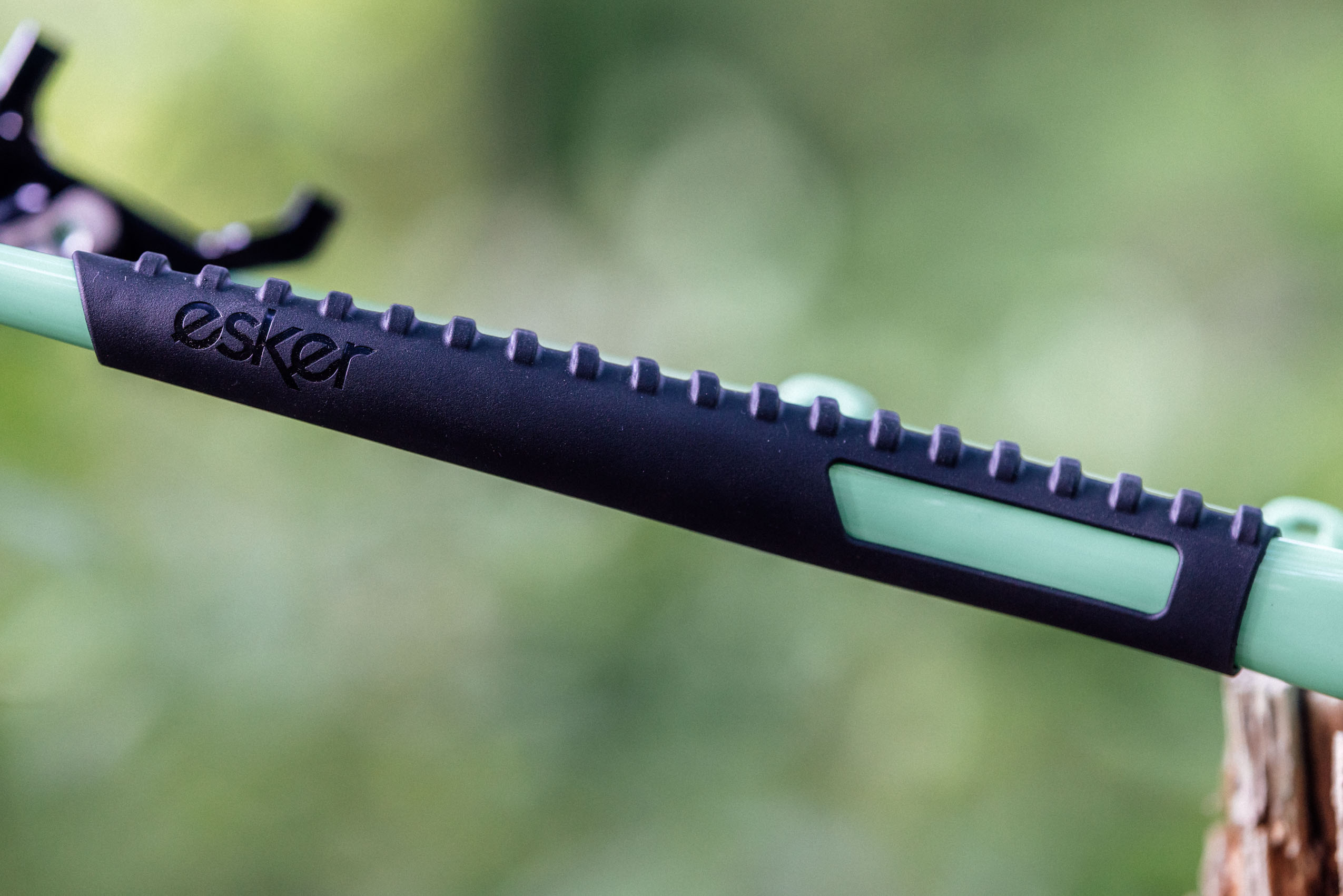
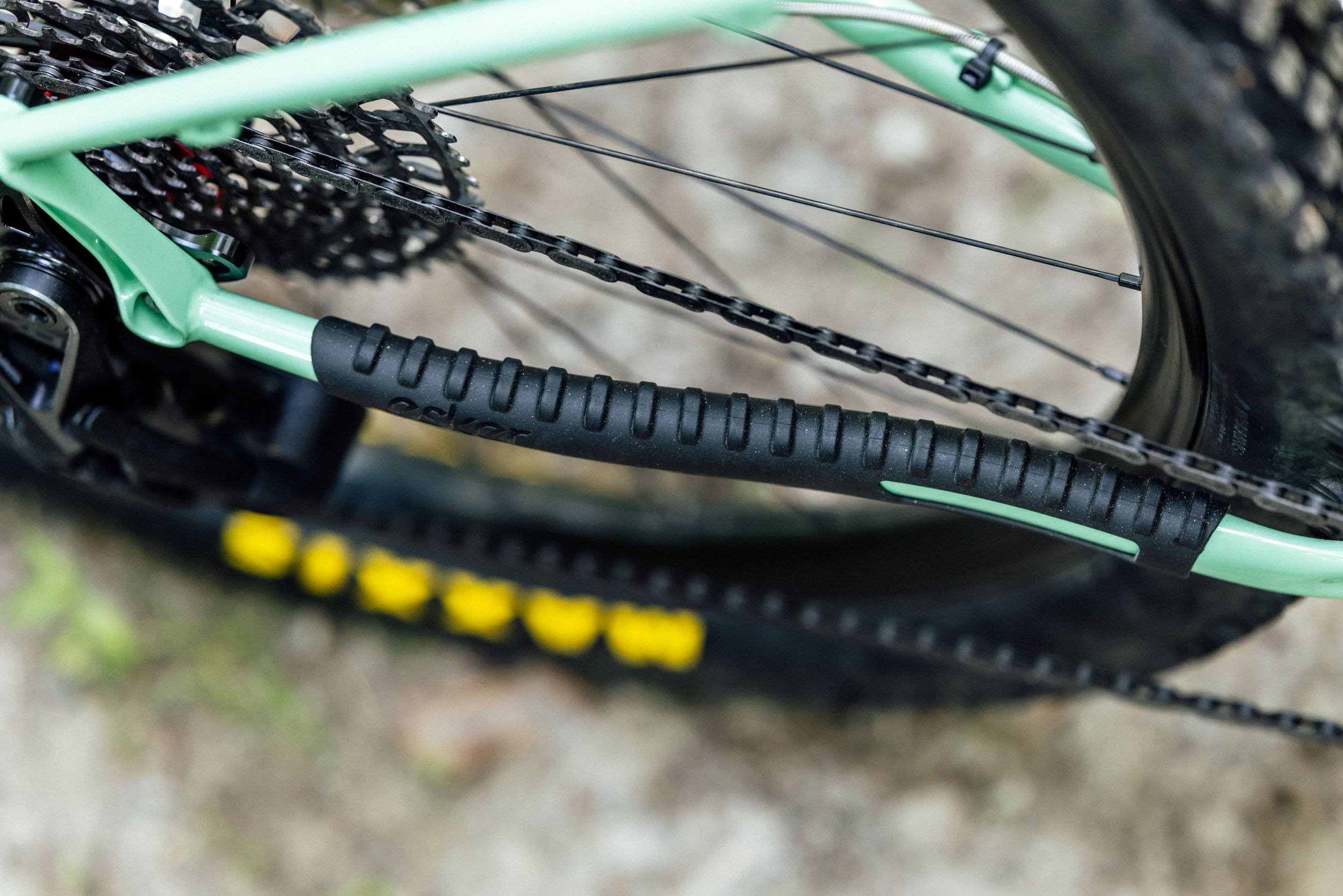
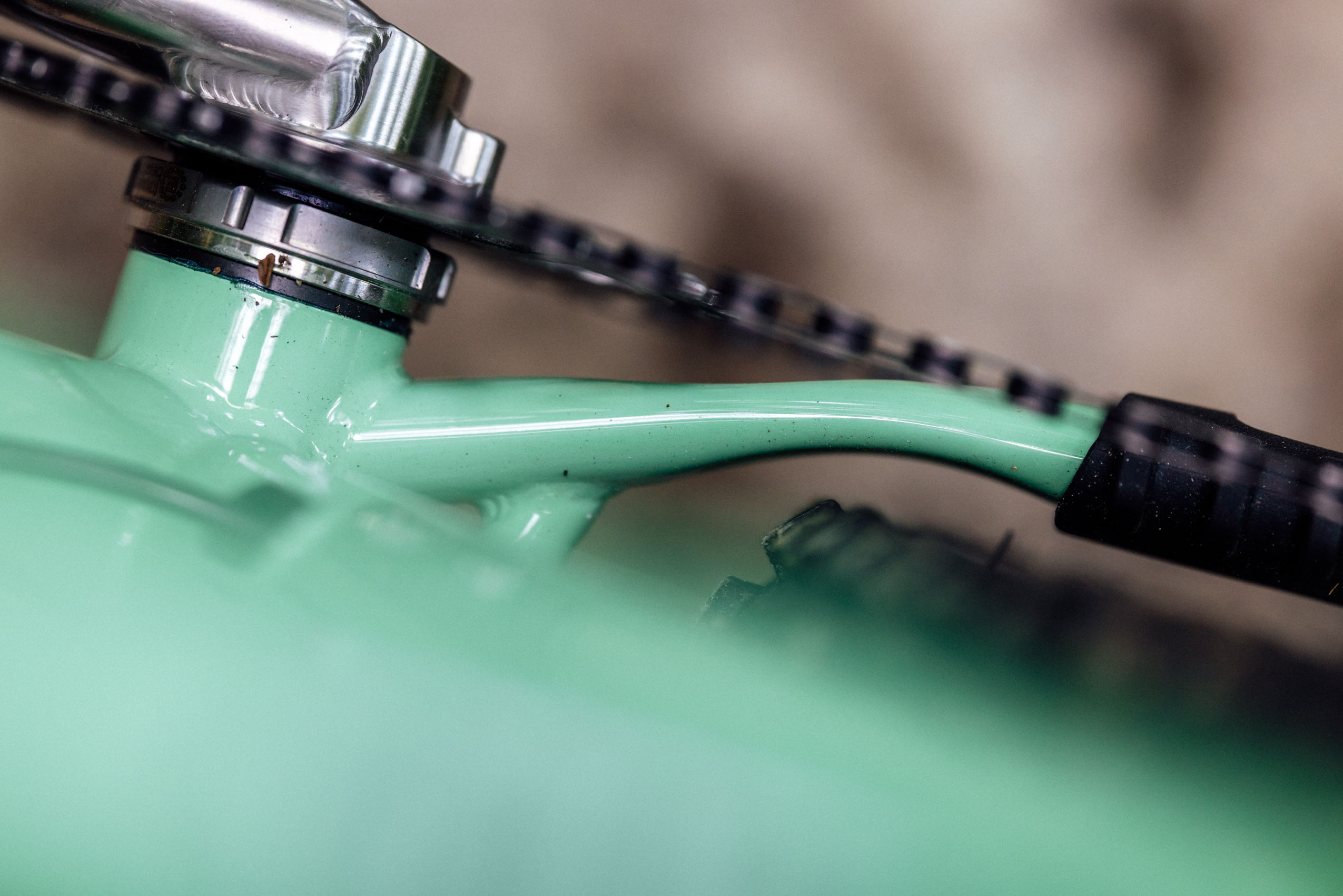
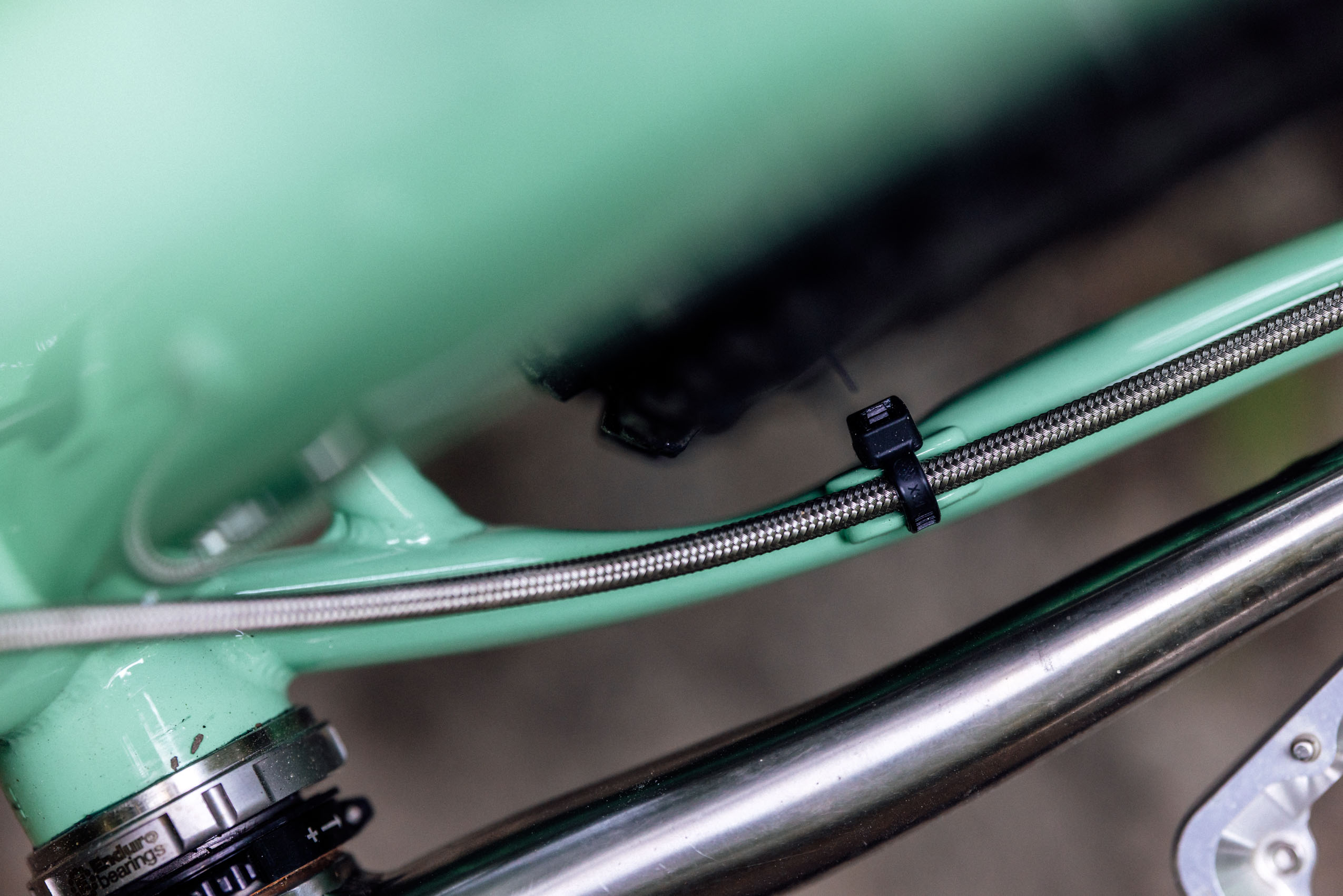
Broadly speaking, the Smokey packs many considered features and specs into a relatively simple bicycle. It’s built to clear 29 × 2.6″ tires with a size-specific 4130 double-butted chromoly tubeset (which is more interesting than it sounds; I’ll dig into that later), and it adds practical touches like ED coating to prevent rust, external cable routing, a threaded BB, a 44mm head tube, and four bottle/accessory mounts. Esker’s Portage dropouts provide wheelbase adjustability, singlespeed readiness, future upgrade options, and they’re UDH-compatible. The geometry is aggressive but not too far beyond others I’ve tried in the category. These are all things I can gel with. However, one spec was a roadblock. Well, two. The Smokey is designed around a 160mm fork, and with a straight (not effective) seat tube that hits ~78° at sag, it’s not a bike you want to underfork. Throw a 140mm Pike or 36 SL on there, and you’re staring at an 80°-plus pogostick of a seat tube angle—too much for my liking.


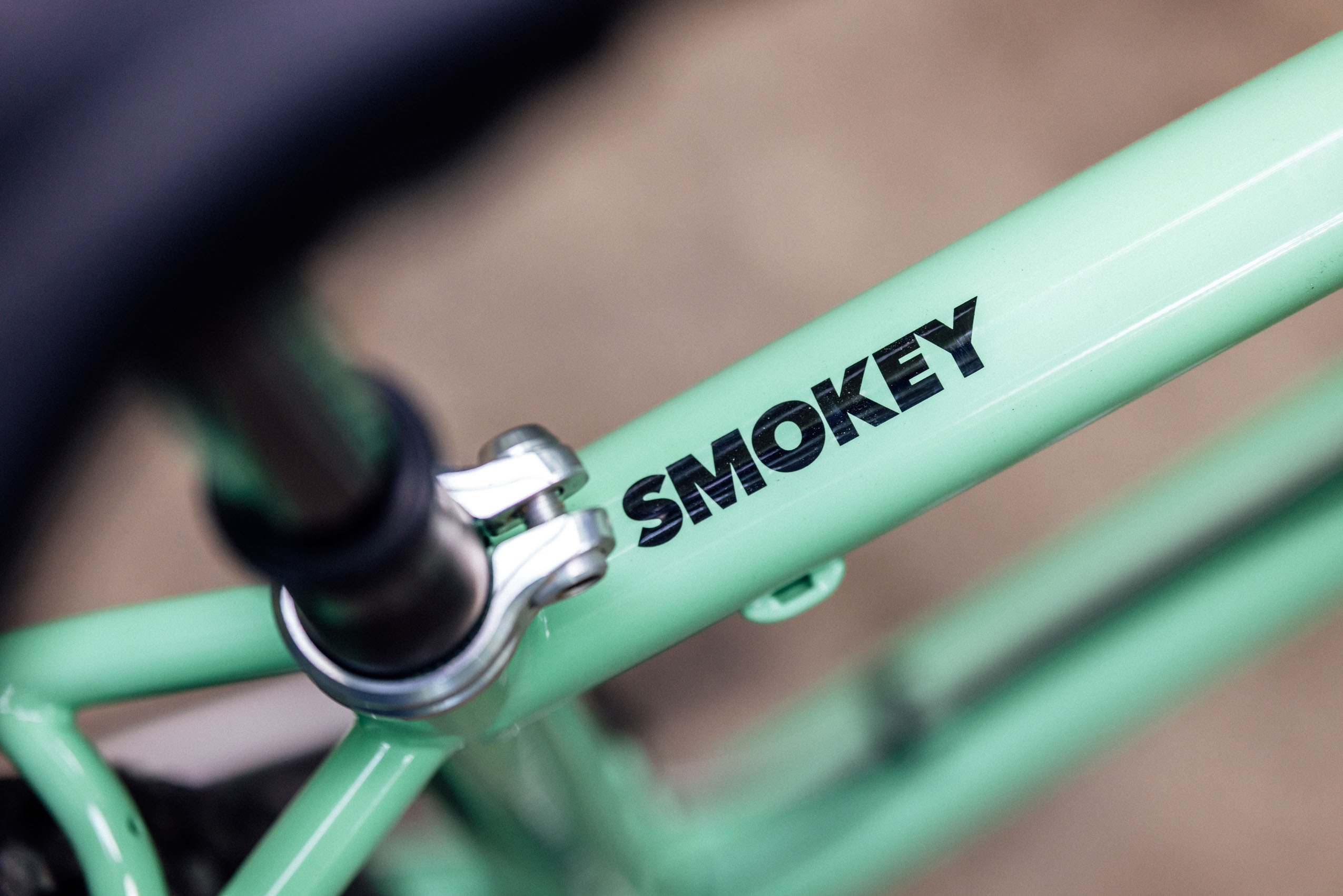



On top of that, I’d convinced myself 140mm was the sweet spot for a trail hardtail, and anything longer was simply too much. When you think about it, by their very nature, hardtails aren’t meant to be that aggressive, and increasing front travel introduces more geometry variance, resulting in wider swings in seat tube angle, head angle, and bottom-bracket drop as the fork compresses. That can add sloppiness on climbs—an inherit hardtail strength compared to full-squishers—and occasional unpredictability when riding downhill, where those angles shift dramatically.

Some of these opinions were formed during my review period with the Transition TransAm. It had a relatively harsh frame, so the steep seat tube angle made for an especially uncomfortable ride, particularly annoying when just spinning along on bumpy trails. I never had a problem with the seat tube angle on the Smokey, even when just pedaling on small-bump-strewn flats.
| Size | S1/SM | S2/MD | S3/LG | S4/XL |
|---|---|---|---|---|
| Effective TT Length | 571 | 608 | 639 | 679 |
| Reach | 441 | 473 | 501 | 531 |
| Stack | 612 | 622 | 646 | 688 |
| HT Angle | 64.5 | 64.5 | 64.5 | 64.5 |
| HT Length | 90 | 100 | 127 | 174 |
| Effective ST Angle | 77 | 77 | 77 | 77 |
| ST Length | 375 | 410 | 440 | 475 |
| Max Seat Tube Insertion | 255 | 240 | 280 | 305 |
| Chainstay Length | 440-454 | 440-454 | 440-454 | 440-454 |
| Fork Offset | 44 | 44 | 44 | 44 |
| Fork Length | 530 | 530 | 530 | 530 |
| BB Drop | 60 | 60 | 60 | 60 |
| Wheelbase – Forward Position | 1178 | 1217 | 1254 | 1304 |
| Stem Length | 35 | 35 | 35 | 35 |
| Estimated Rider Height | 5’3″-5’7″ | 5’6″-5’10” | 5’9″-6’1″ | 6’0″-6’4″ |
The TransAm’s other downside was the 34mm stanchion-ed Marzocchi Z2 fork that it came with. It generally felt unstable. Noodly, for lack of a better term. I fiddled with the pressure and limited adjustment dials and got it to where I could live with it, but I never jived with it as a “longer” 150mm fork. The Fox 36 I have on the Smokey tells another story. It took a few rides before I got it completely dialed, but once I did, I was smitten with the extra 20mm of travel. It was composed and firm on the top end, which helped maintain poise when climbing and on relatively mellow descents. It didn’t feel like it had too much variance, and it never made the Smokey feel off its game. Then, when pushed on more aggressive and chunky downhills, it came to life, proving the extra 20mm of travel’s worth. I ultimately tossed my “140mm max” opinion out the window because of this combo.
2. More Metal ≠ Swingset Vibes
The other (slightly theoretical) reason my ideal hardtail was in the 130–140mm range was based on the tubeset. The “bigger” the bike (i.e., longer travel and more aggressive intent), the burlier the frame needs to be. Esker’s Hayduke and Japhy use triple- and quad-butted tubes that are notably lighter. By contrast, the Smokey is built on a double-butted chassis to make it tougher since it’s built for bigger hits and rougher trails. That means it has just one thin section of tubing, rather than two or three, to reduce weight and imbue the frame with flex. Testing played a role in this. In ISO testing, the “fork” test is a frontal push/pull: a dummy fork at the designed length is installed, the frame is fixtured, and 100,000 push/pull cycles are applied at the axle location. The frame must complete all 100,000 cycles without cracking. As fork travel increases, overall fork length grows, creating a longer lever arm on the head tube, effectively making the test—and the real-world demands—harsher on “bigger” bikes. Thus, more robust tubing needs to be used in the frame’s construction.
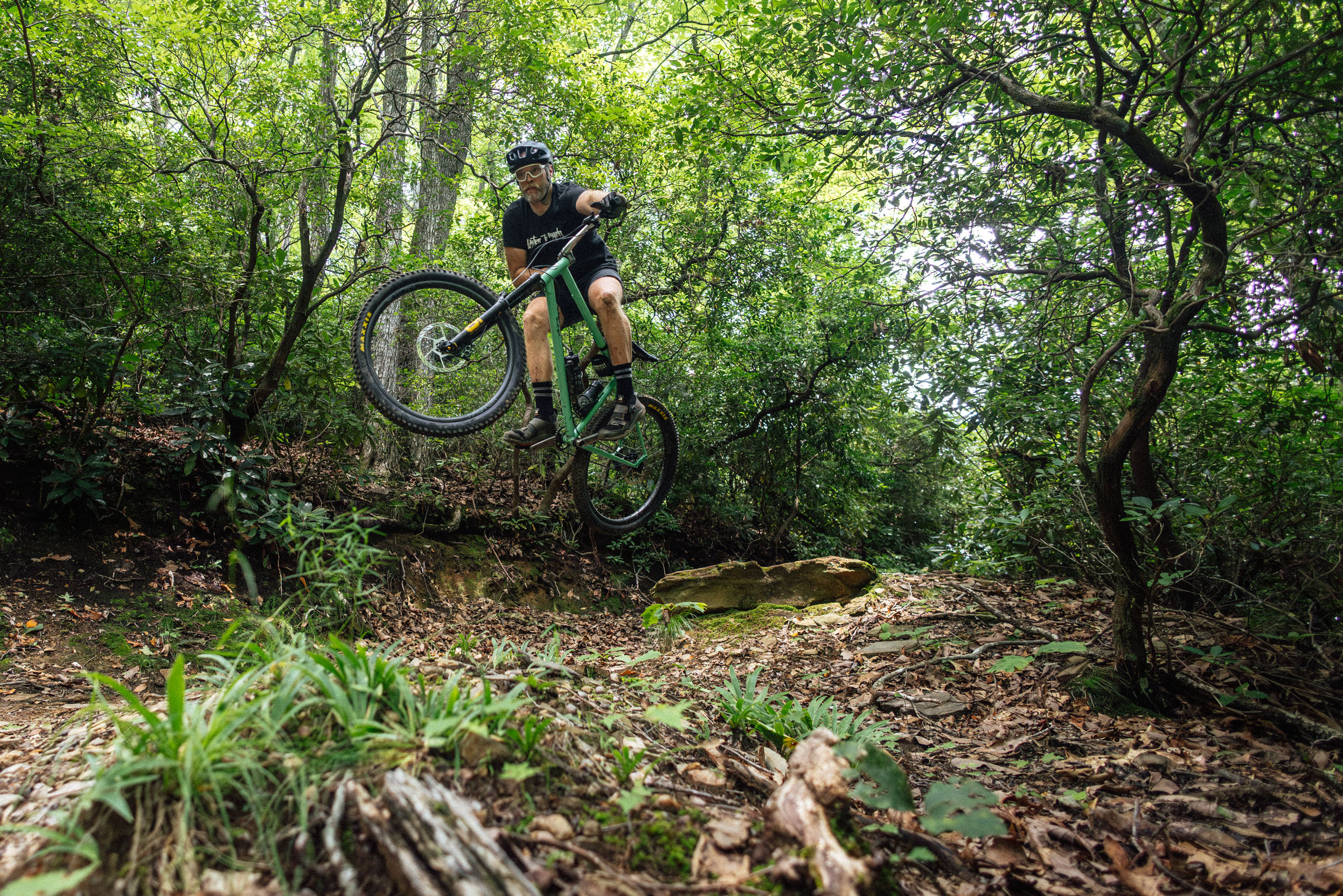
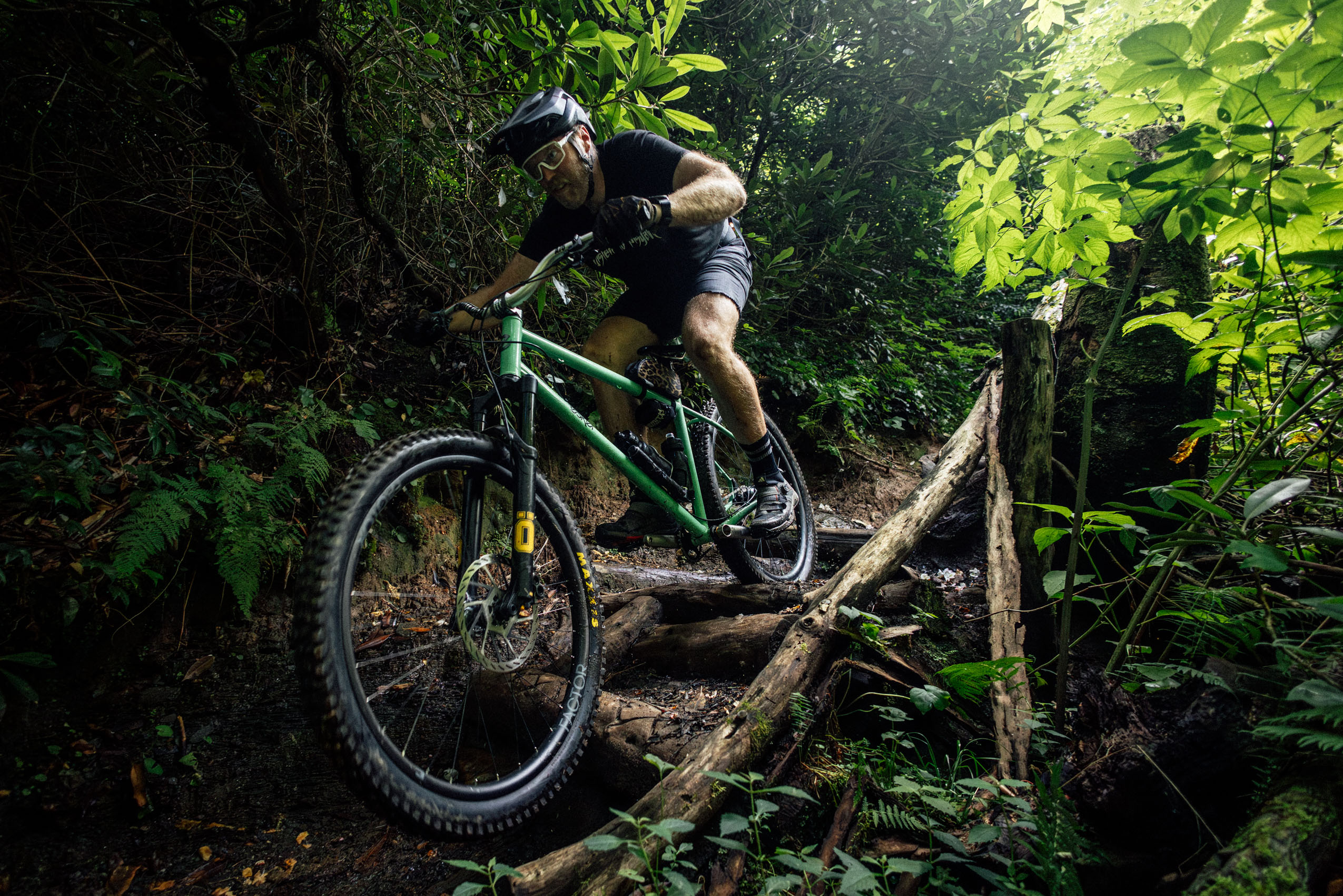
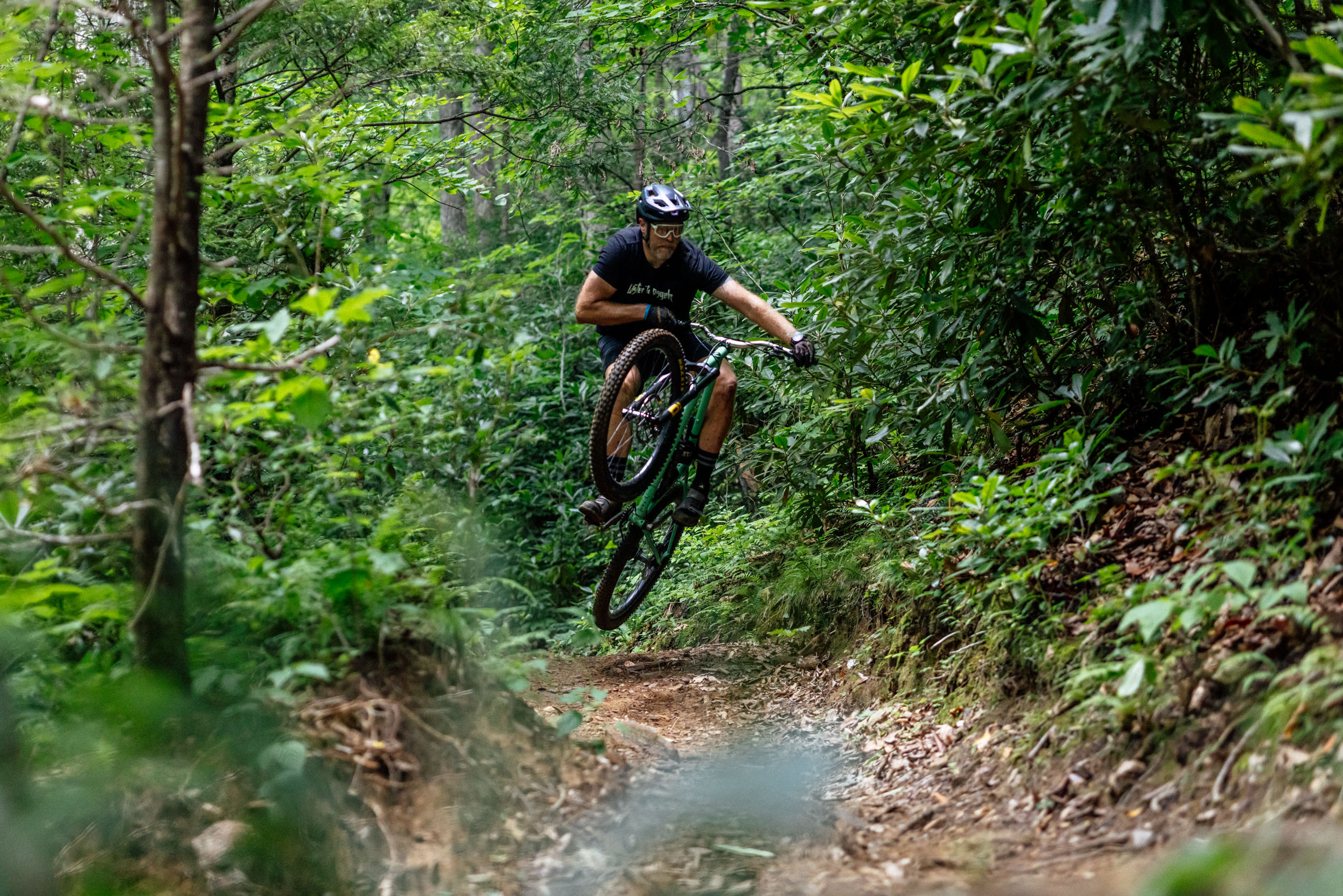
All that considered, the Smokey frame isn’t light. On my trusty Topeak Prepstand Pro scale, it weighed 3.50 kilograms (7.71 pounds), including the seat clamp. Logically, I expected the Smokey to feel harsh given its minimum 160mm fork specification. Of course, everything is relative, so I was comparing it to similar bikes I’ve tested. The Bird Forge frame weighed roughly 6.5 pounds, and the Cotic BFe comes in around 2.99 kilograms (6.6 pounds)—both designed around 140–160mm forks. In contrast, shorter-travel, steel “all-mountain” hardtails like the Pipedream Sirius S5 and Cotic SolarisMAX typically land in the 5.8 to 6.2 pound range, respectively.

I was quickly proven wrong once I hit the trail. The Smokey didn’t feel dramatically different from the BFe or the Bird Forge. It’s likely not going to be as supple as the lighter Hayduke or Japhy, two bikes I’ve never tried, but it wasn’t harsh and does an excellent job at absorbing hits like a good-quality steel hardtail frame should. I’d describe it simply as a frame that feels well designed: quick, lively, and far less punishing than I expected.
I asked Esker’s owner and frame designer, Tim Krueger, to explain why. According to Tim, beneath the Smokey’s understated, sheep’s-clothing 4130 tubeset are several details that contribute to its ride quality. While seamless 4130 tubing might sound basic, it actually begins life as a solid ingot that’s drawn into tubes using mandrels that form the final profile. Esker uses a custom set of mandrels at the factory that produces their tubesets. That alone isn’t entirely unique, but Tim’s 25 years of experience designing steel frames have resulted in a few proprietary refinements.
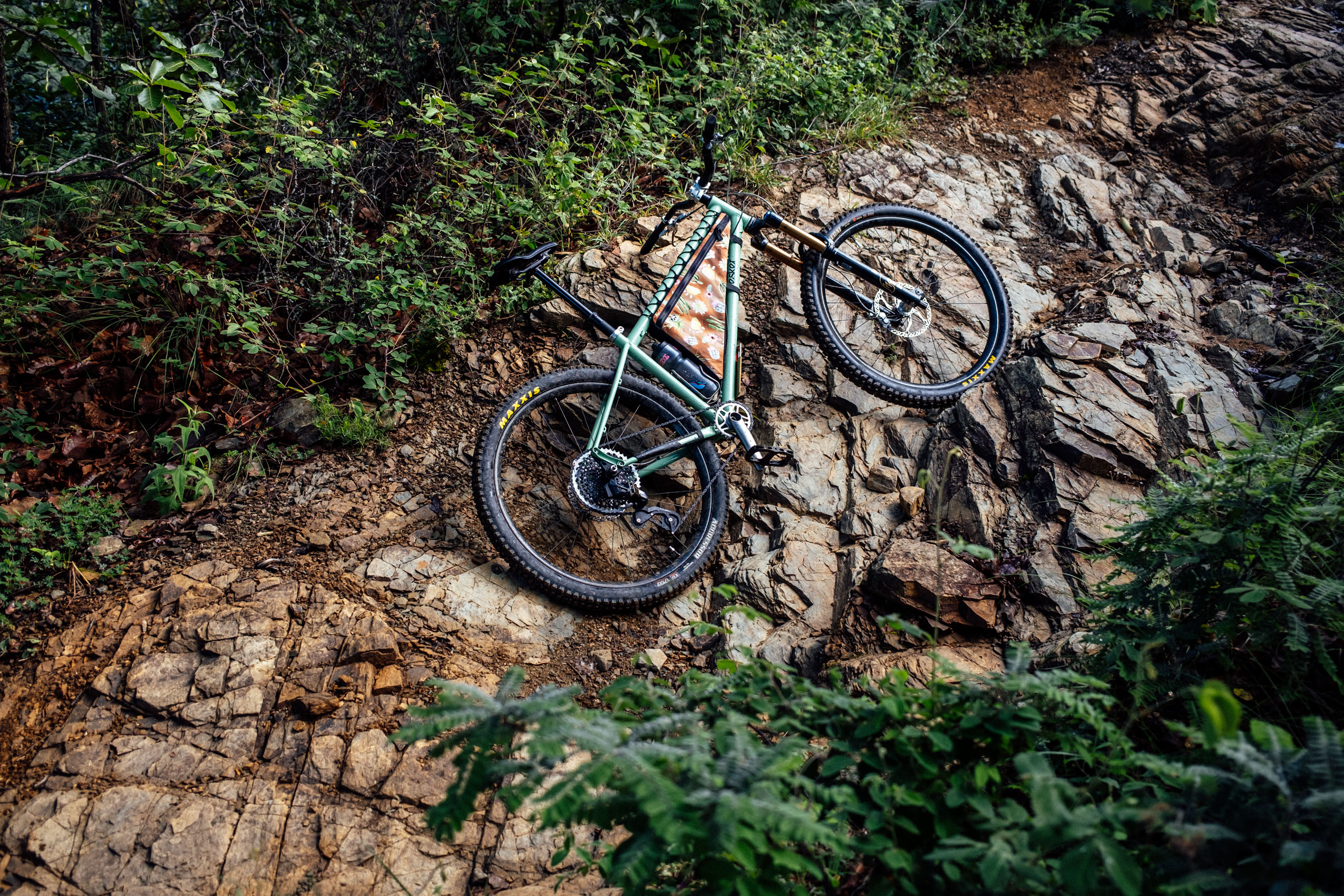
A couple of the techniques he was willing to share are straightforward but thoughtfully applied. One is selective heat treating—for example, in the chainstays—which increases strength and durability while allowing thinner walls in specific areas. The result is improved ride quality and more controlled frame feel. Another is size-specific tubing, which allows Esker to minimize the butted sections of each tube. Non–size-specific butted tubes often include a short thin-wall section paired with a long butted section that can be cut to length, which obviously affects smaller frames more adversely. But even on a size large frame, this can result in an overly long butted area, which can contribute to a deadened ride feel.
3. Seven Ways to Win
Despite it having a heavier frame than the four aggressive hardtails I tested previously, the Smokey felt the speediest of them all. This might have been the biggest shocker. I remember weighing out the options for tires when I was planning the build and thinking that the notoriously sludgy 2.5” Assegai up front paired with the relatively heavy Aggressor rear might make a slow bike even slower. Still, I decided to go for it in order to maximize traction and confidence. Even with that collection of lugs, the Smokey struck me as incredibly quick and spry.
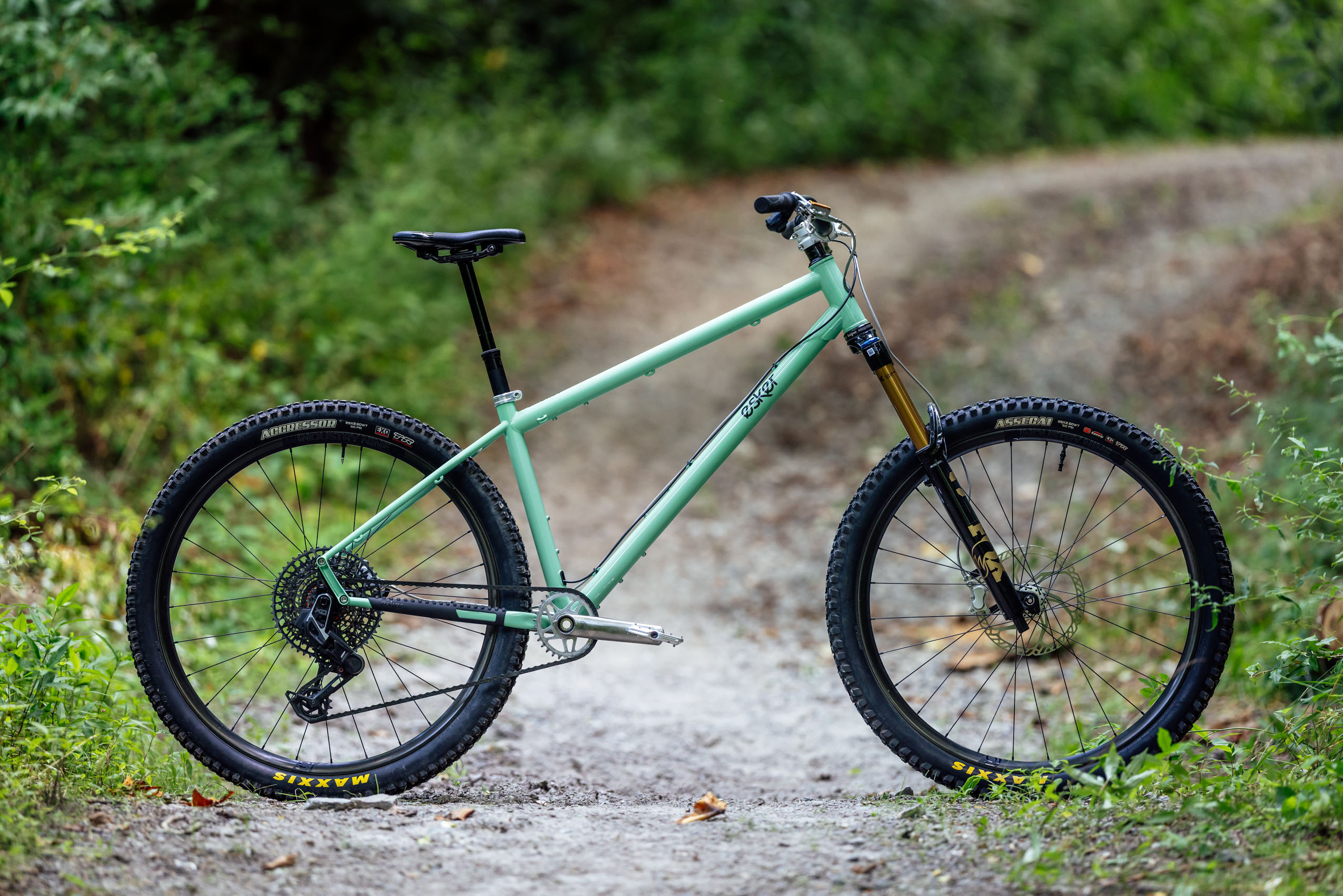


The proof is in the pudding. On one occasion, I managed to land myself on the third-place podium in a local XC race that was mostly on dirt roads. That’s not to say the Smokey is fit for cross-country racing, but if you’re one who considers slow and syrupy to be extra-shitty characteristics in a trail bike, the Smokey defies that in spades.
Perhaps that’s its high-ish bottom bracket or finely tuned frame, but it’s worth noting that I built the Smokey around a pretty svelte kit. Not everyone will have the privilege of outfitting a 4130 steel frame with titanium cranks, fancy brakes, and carbon rims. The total build listed below weighed 15 kilograms (33.07 pounds) with the frame bag and a set of Wolf Tooth Waveform pedals, so probably around 14.3-ish kilograms without pedals and bag.
- Frame: Esker Smokey, Size S3/Large
- Fork: Fox 36 Factory GRIP X2, 160mm
- Front Hub: Industry Nine
- Rear Hub: Industry Nine Hydra
- Rims: Industry Nine Enduro C
- Front Tire: Maxxis Assegai, 29 x 2.5
- Rear Tire: Maxxis Aggressor, 29 x 2.5
- Crankset: Cane Creek eeWings, 165mm
- Derailleur: SRAM AXS Eagle GX with Madrone Upgrade
- Shifter: SRAM AXS Pod
- Cassette: SRAM Eagle GX
- Bottom Bracket: Enduro
- Handlebar: Stooge Moto Bars, 800mm
- Stem: Paul Boxcar 35mm
- Grips: PNW Loam
- Headset: Hope
- Brakes: Trickstuff Maxima
- Saddle: BikeYoke Sagma
- Seatpost: OneUp V3 210mm
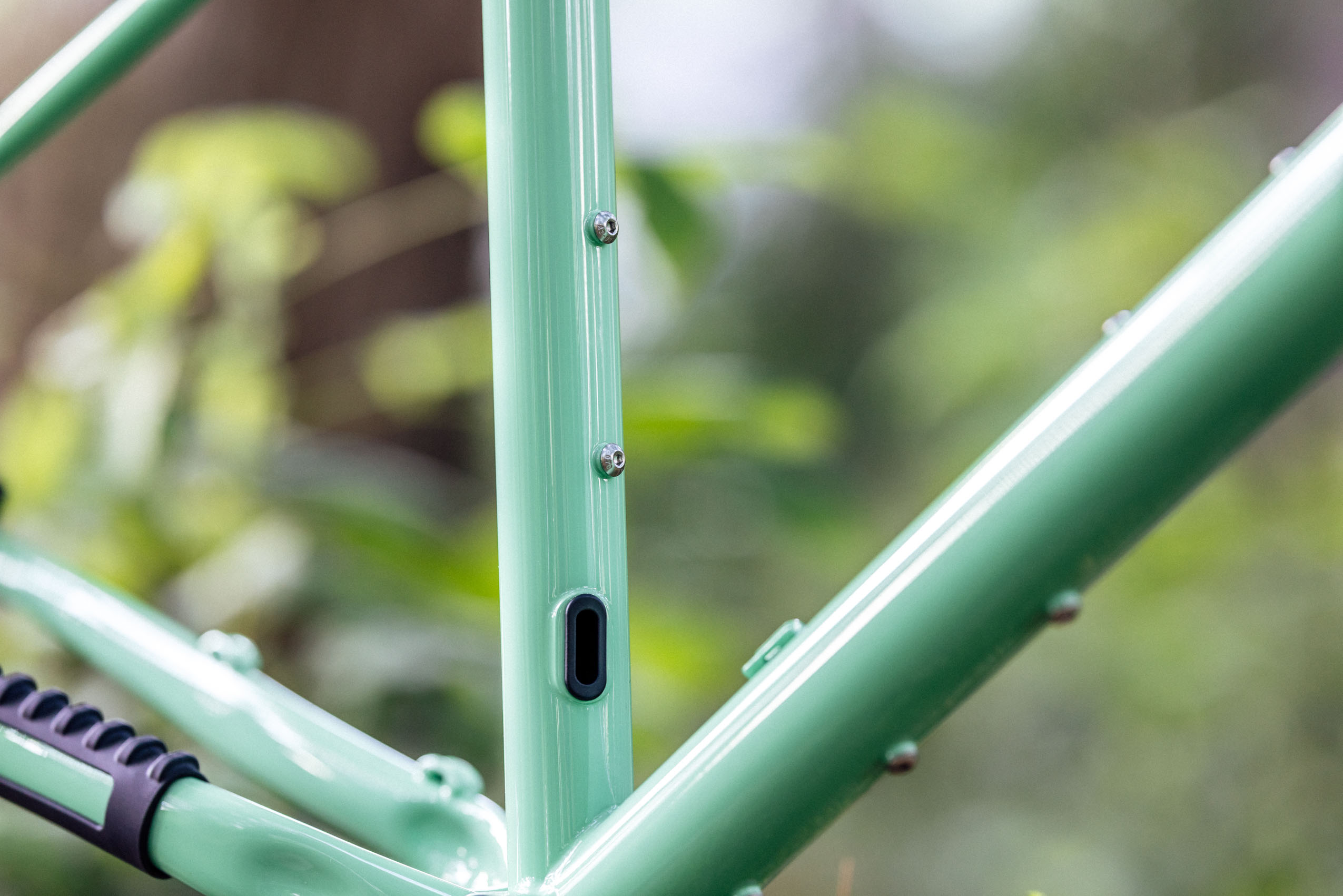
Some of you might find this pretty hilarious, but one limitation for the build kit that bummed me out is that I was only able to fit a 210mm dropper post on the Smokey due to the seat tube bottle cage bolts. I wanted to fit it with a 240mm post, which I loved on the Neuhaus Hummingbird, but that was a no-go.
4. The Perfect Bike for…
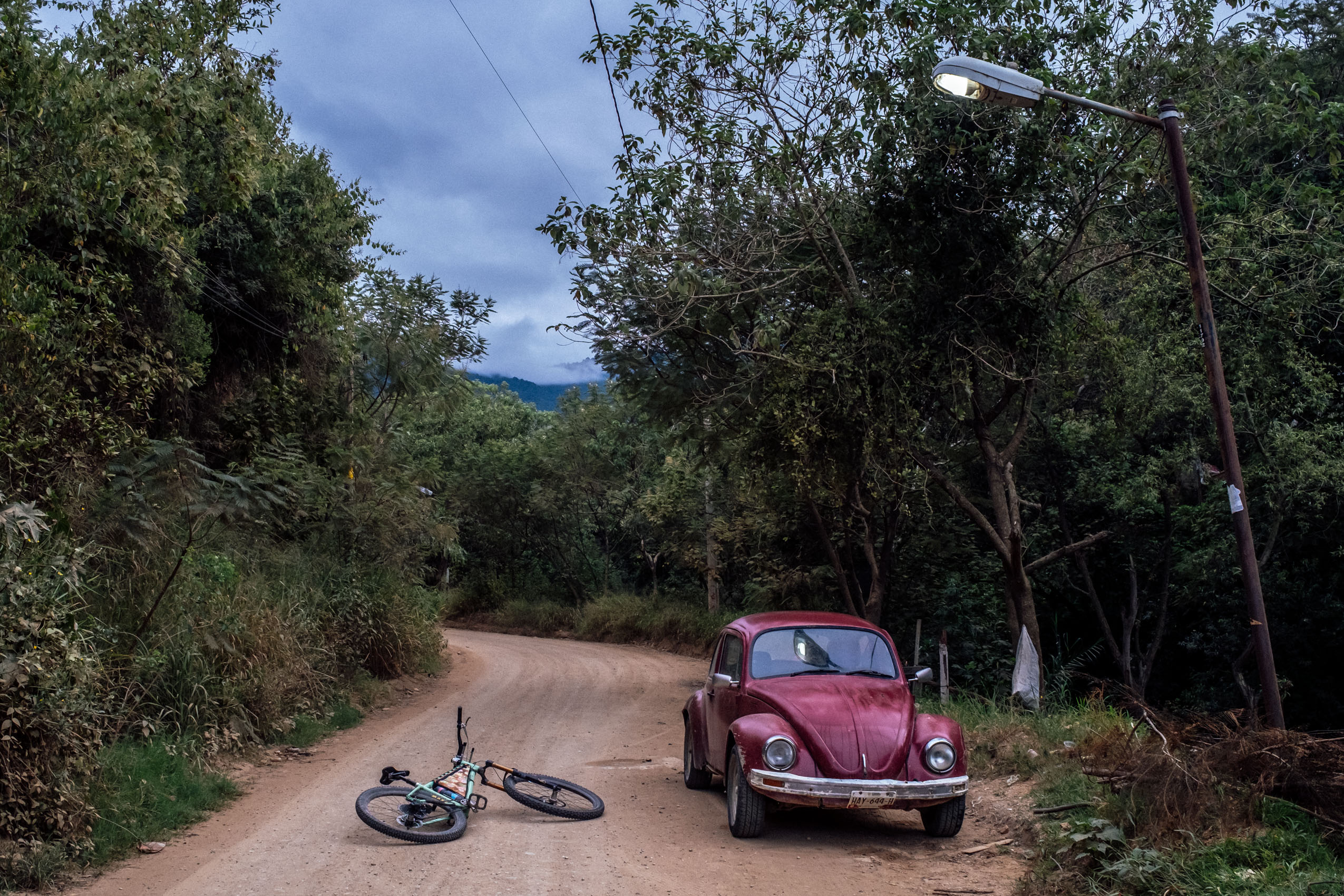
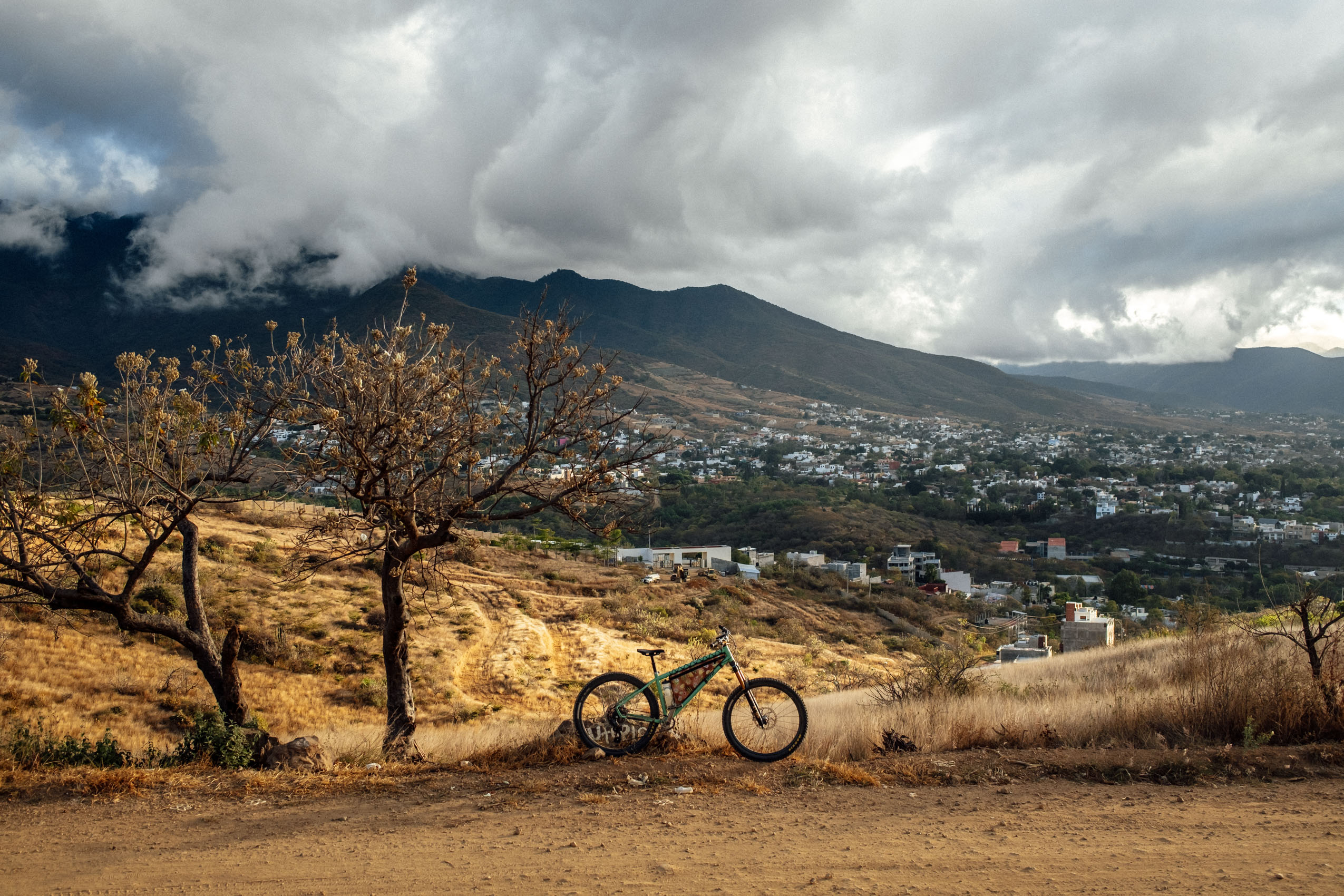
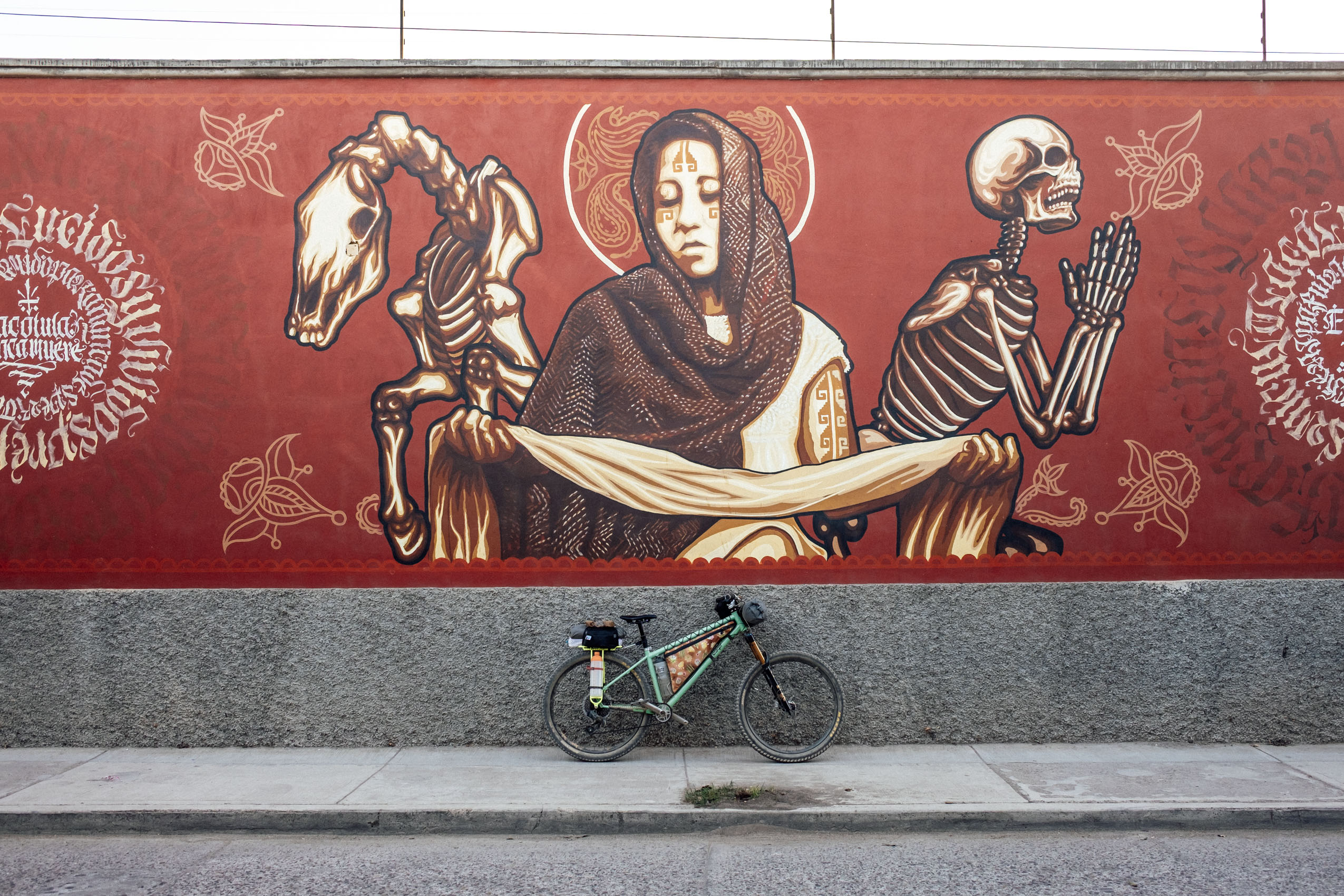
I’ve spent a lot of time mulling over the perfect bike for Oaxaca. It’s kind of a tricky place as there’s a ton of great dirt road riding and bikepacking, and then there’s the singletrack in the Sierra Norte, which is raw, steep, sketchy, and loose. Having a bike that’s comfy to just pedal on two-track is nice, but then you’re kind of left puckered on the gnarly trails. Every year I come down here, I usually bring a bike that’s a little more aggressive than the last. I went from the Nordest Sardinha, which for all intents and purposes is more of a dirt-touring bike, to a 120mm fork-shod Cotic SolarisMax, to the ultra-aggressive Pipedream Moxie, and then to the Bird Forge. The Smokey’s not really more aggressive than the Moxie or Forge, which you can see in the comparison below, but I’d consider it slightly bigger based on the fork.
| Bike | Smokey | BFe | Forge | Trans AM | Moxie |
|---|---|---|---|---|---|
| REACH | 501 | 491 | 496 | 485 | 510 |
| STACK | 646 | 655 | 672 | 646 | 642 |
| EFFECTIVE TT LENGTH | 639 | 671 | 655 | 640 | 650 |
| HEAD TUBE ANGLE | 64.5° | 64.7° | 65.8° | 64° | 64° (64.7) |
| SEAT TUBE ANGLE | 77° | 74.7° | 76.8° | 76.5° | 77.5° (76.6) |
| SEAT TUBE LENGTH | 440 | 471 | 445 | 430 | 420 |
| HEAD TUBE LENGTH | 127 | 130 | 120 | 110 | 105 |
| CHAINSTAY LENGTH | 440-454 | 445 | 435 | 425-437 | 425-441 |
| WHEELBASE | 1254-1268 | 1256 | 1242 | 1246-1258 | 1264-1280 |
| BOTTOM BRACKET DROP | 60 | 67 | 87 | 50 | 64 |
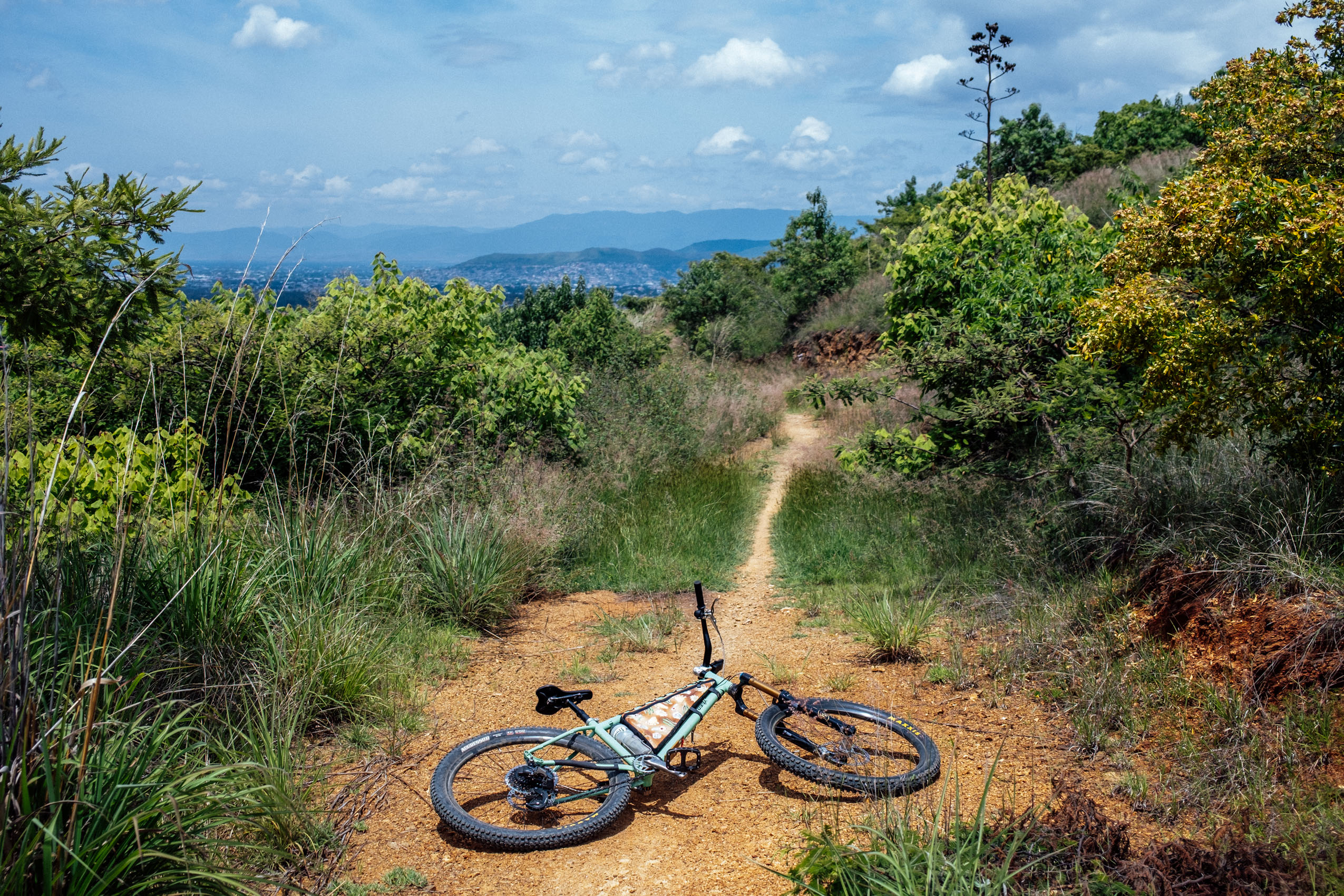
In summary, the Smokey shines on the trails here. Not just going down, where it’s a true beast. I also found it to be pretty adept at climbing. There’s a trail wends up into the Sierra that I try to do up-and-back partway one or two times a week. It’s pretty challenging as it racks up 2,500 feet of climbing from town in just a few miles, and it has a few technical puzzles that sometimes get dabbed. I cleaned the whole thing the first time I rode it on the Smokey.

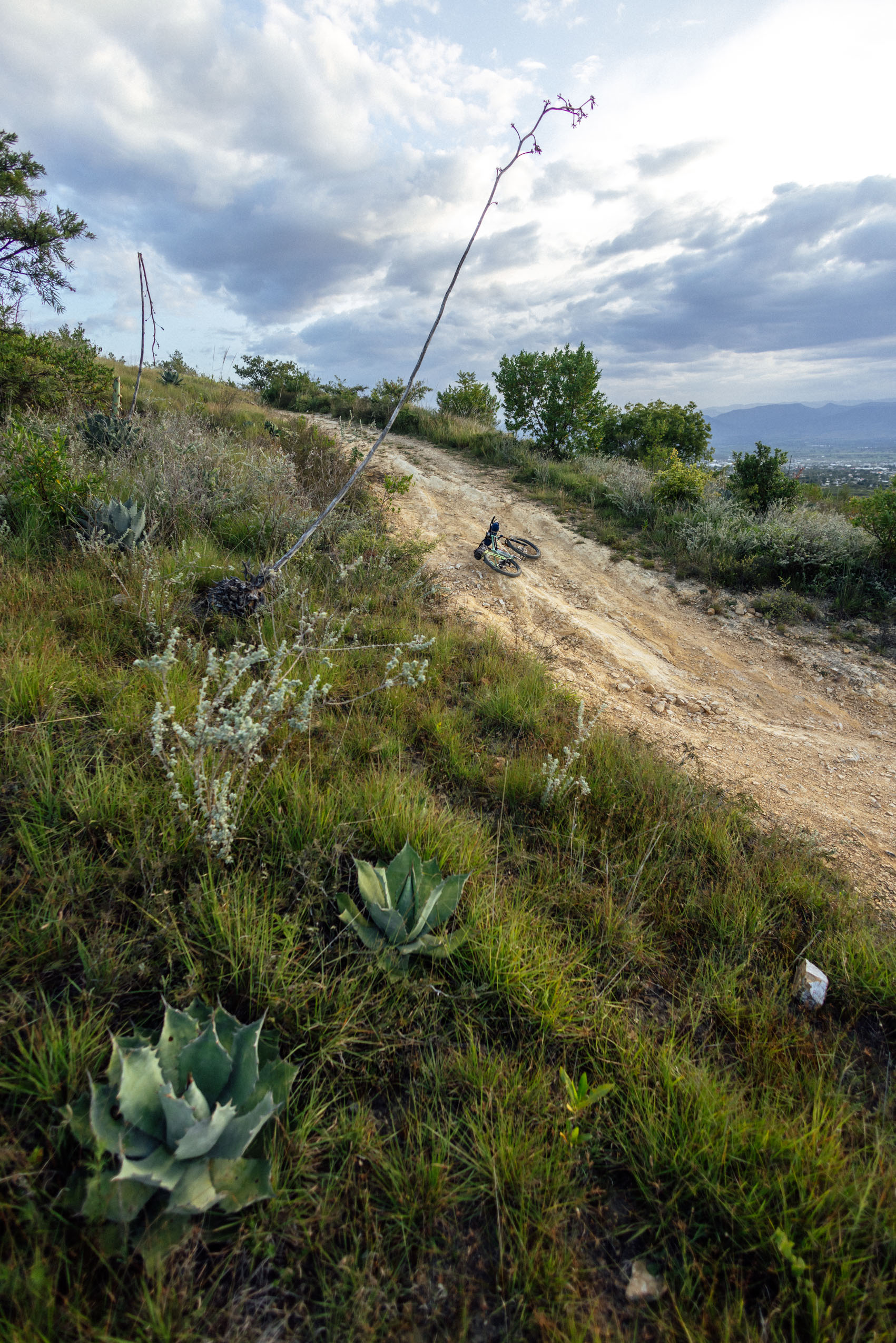
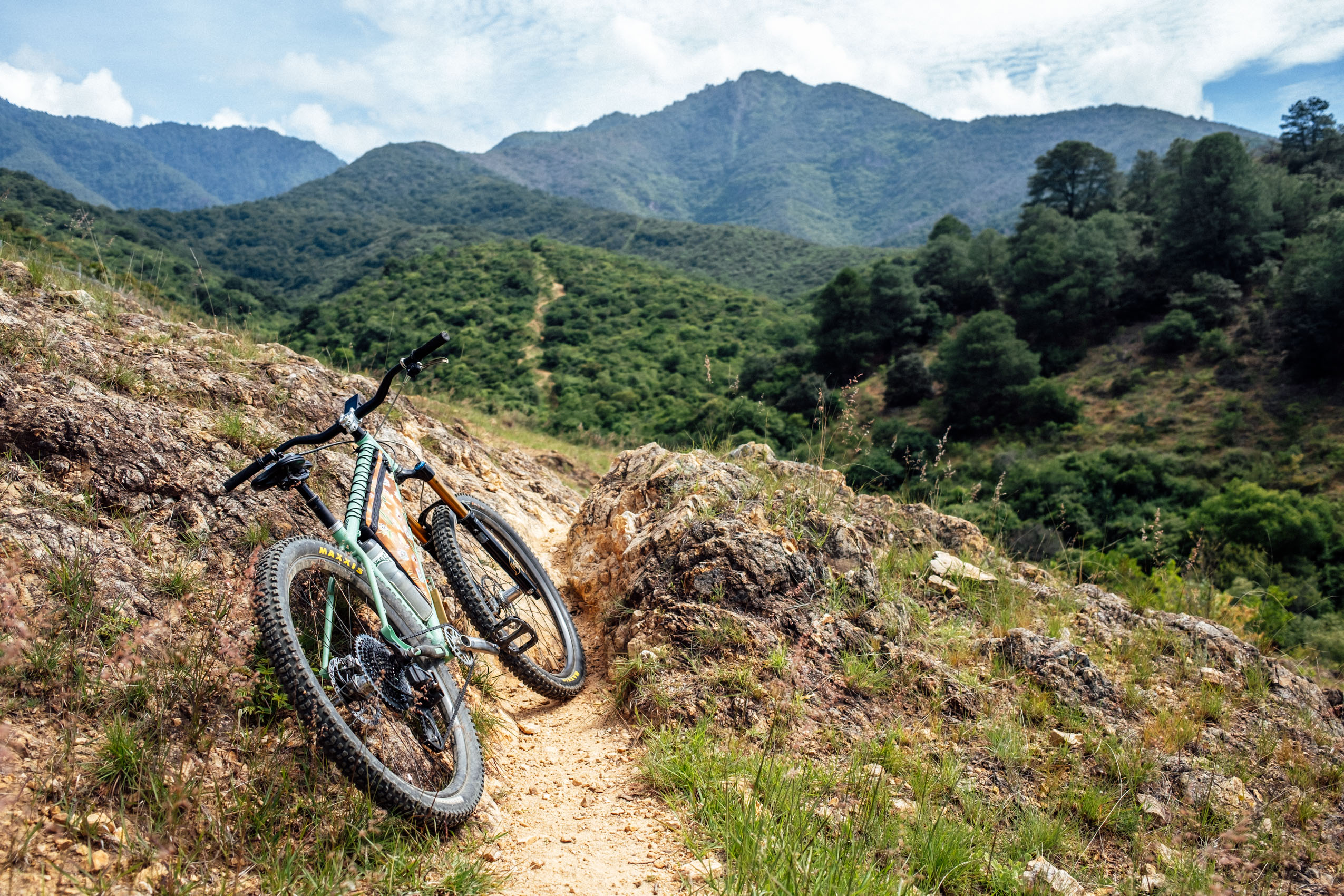
With its relatively high stack, I had to get over the fork when wrenching up technical elements, but not in an uncomfortable way. It’s the nature of the bike. I also owe some of the Smokey’s climbing prowess credit to its high bottom bracket (combined with 165mm cranks), which lends itself to smashing through obstacle gardens while maintaining speed without as much risk of slamming the pedals on rocks. It’s a great combo, making the Smokey the ideal tool for the steep stuff. Time and again, I found myself saying that it’s the perfect bike for Oaxaca’s trails.
5. Seven Downward Slopes
The high-ish BB is also a godsend on many of the rutted downhills here. There are eight or ten ways to descend back into the Oaxaca Valley from the Sierra Norte on singletrack. But, to keep in my Iron Maiden-themed review motif, let’s just say there are seven. Each of these “long trails” is steep, tough, and has several scary sections that are out of or just on the edge of my comfort zone. They also have wild neck-deep ruts formed by the water channeling down from the mountains. And where there’s big man-eating ruts, there are also smaller pedal-chomping ones. The two significant crashes I’ve had here involved clipping a pedal while cornering on a descent. Part of that can be credited to poor form on my part, but I place some of the blame on low-bottom-bracketed British hardtails. I’ve avoided that fate on the Smokey. Knock on wood.
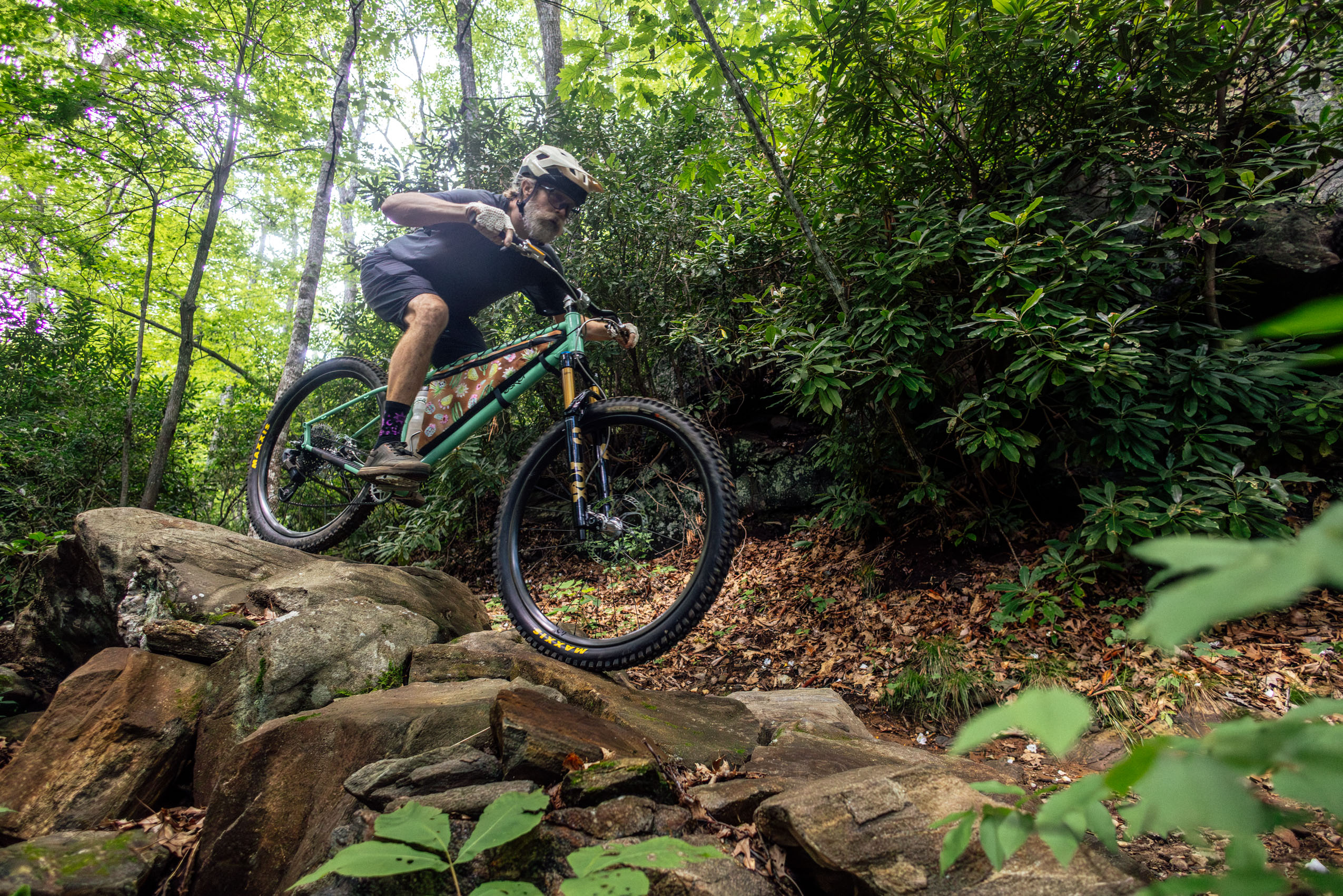

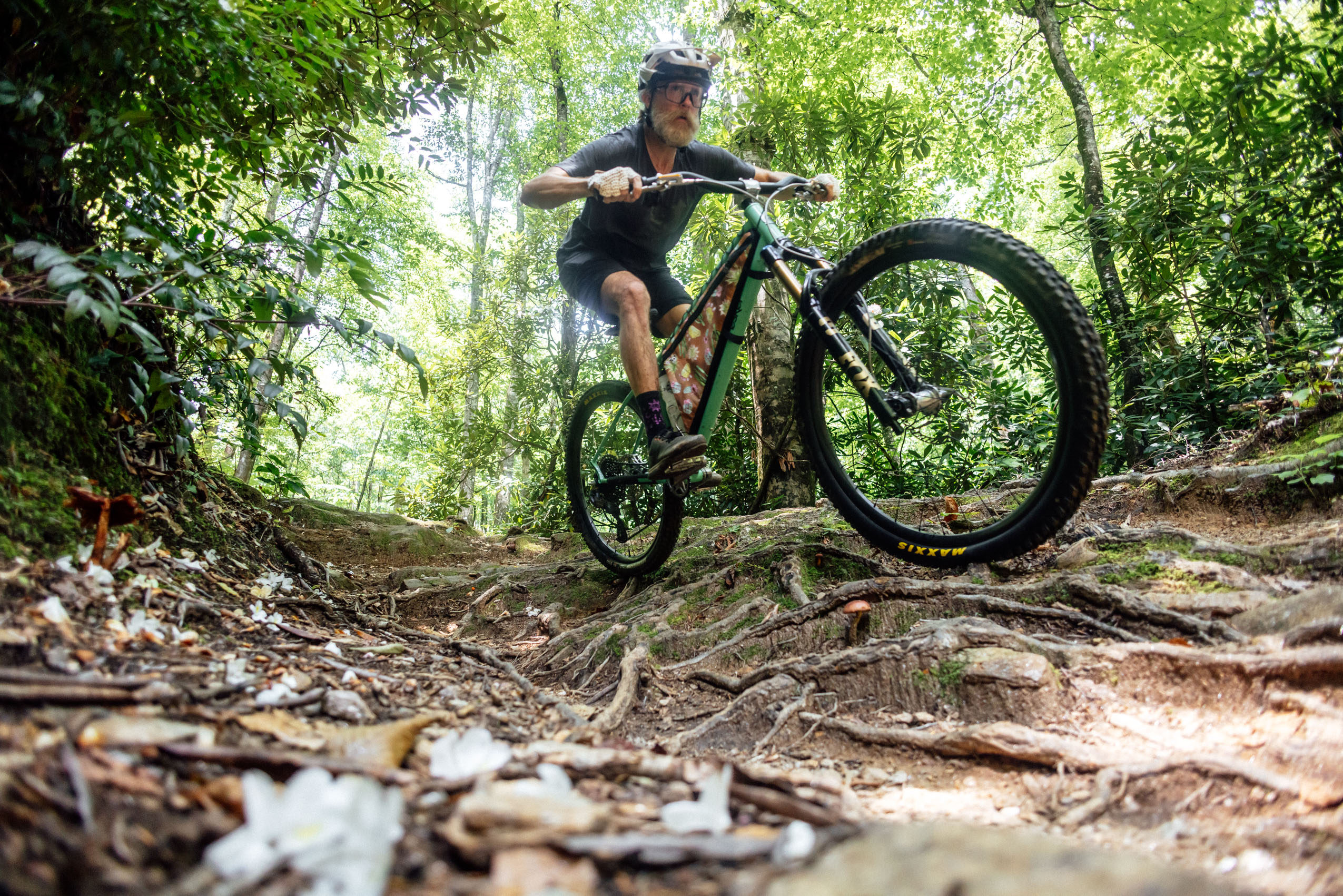
Even more impressive is how confident the Smokey is as a descender. It’s hard to outwit the Pipedream Moxie in this category, but it comes close. The stout 160mm fork, paired with the 64.5° head tube, makes it truly unflappable. You simply point it down, let it go, and hope your brakes work when you need them. Long story short, I was able to clean many more of these long trails than I had on other bikes.


6. …Until It Isn’t
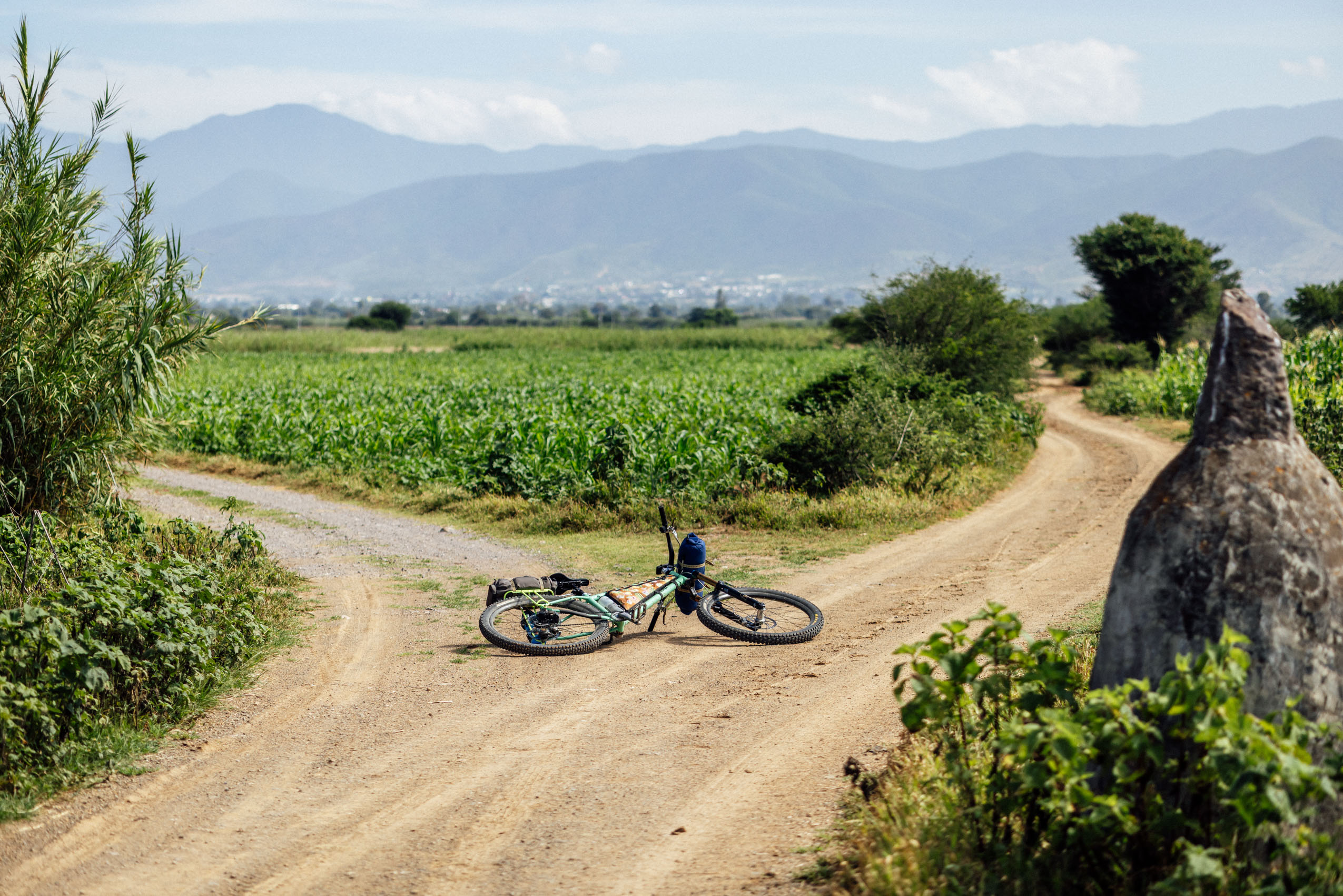
There’s always a catch. I found that the Smokey’s Achilles heel in this zone to be long-semi-steep climbs. Of course, that’s universally not where this type of bike shines. Fighting the front end on steep upward gravel grinds is a common trait among aggressive trail hardtails, and the same statement can largely be applied across the board. I wouldn’t say that this characteristic is any more significant on the Smokey than it was on the Moxie or Bird Forge, but the Smokey’s higher BB and lengthy stance might amplify the feel a hair. This Smokey is incredibly long, as you can see in the comparison chart. The upside is that it’s also wildly stable as a result, so pedaling along more mellow climbs is quite pleasant. It’s only the steep gravel ascents where I took issue.


7. It’s Actually Bikepacking Friendly
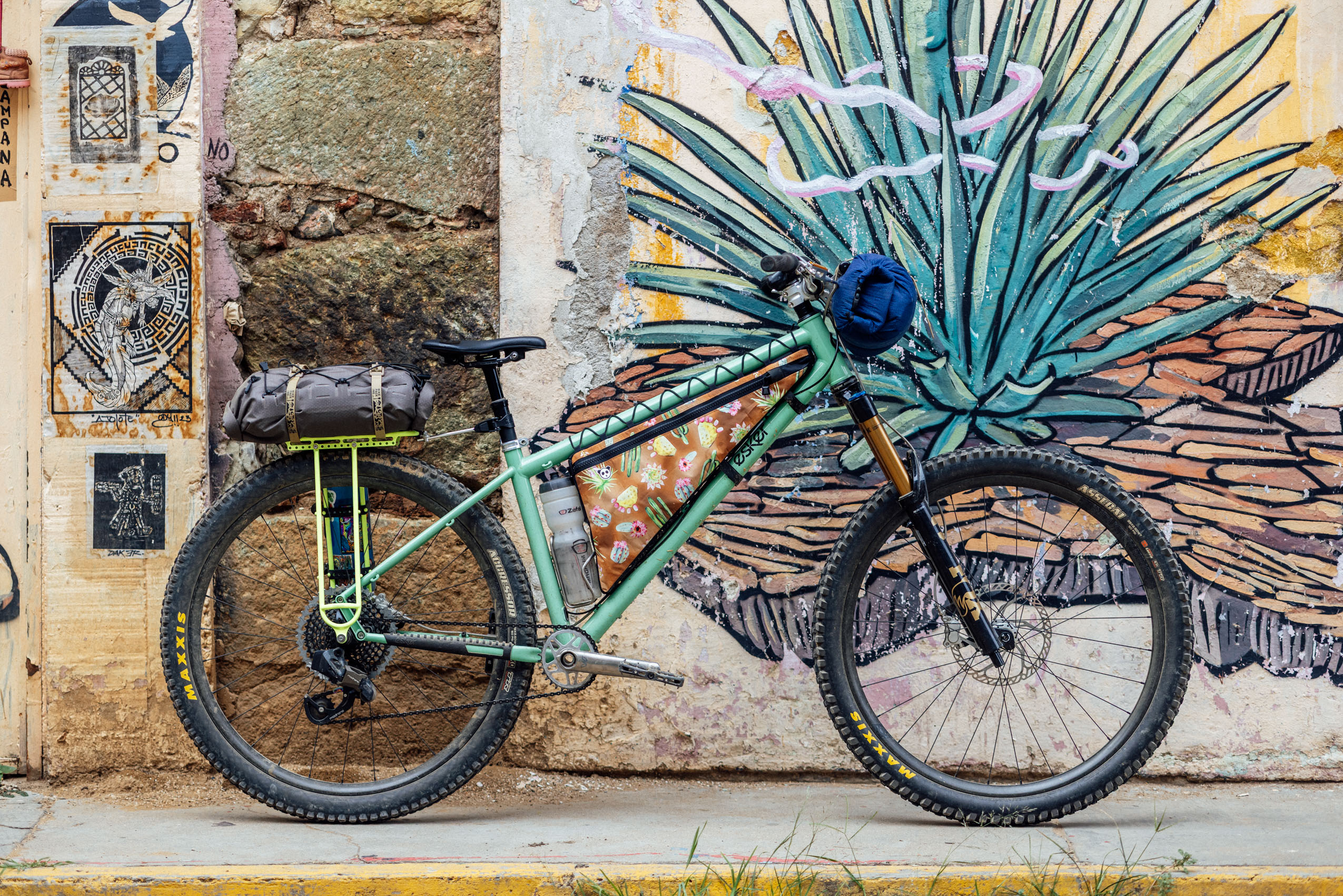
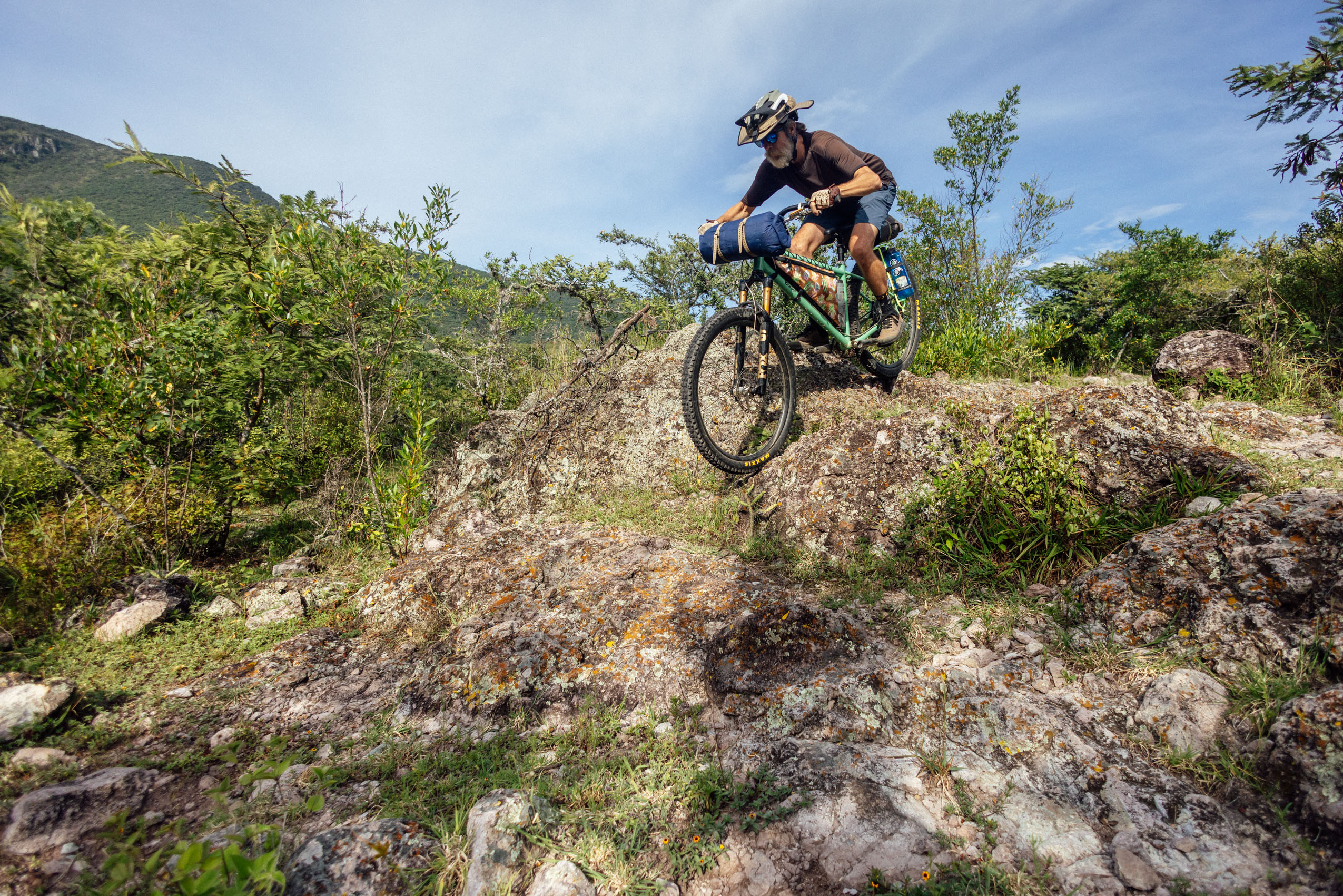
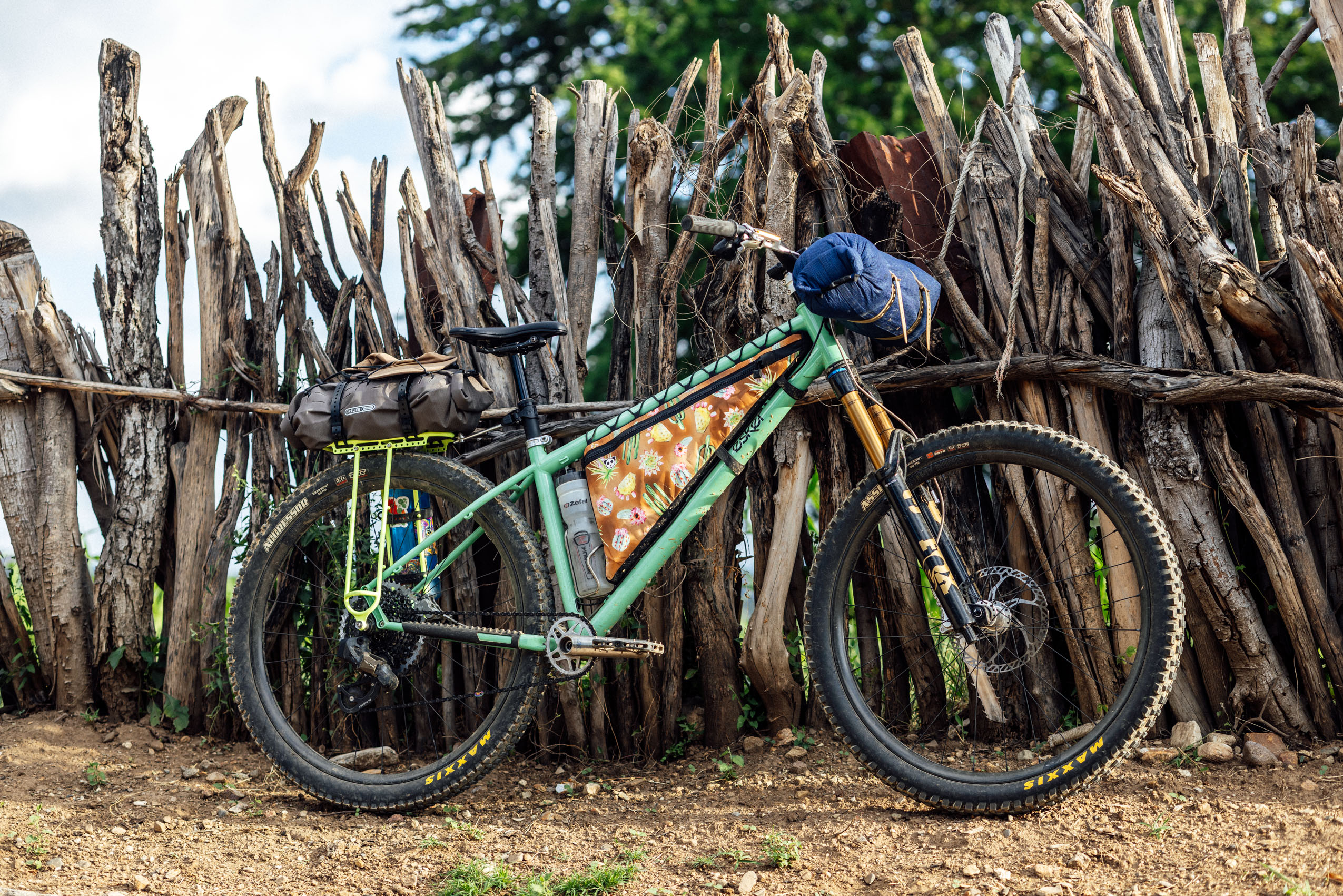
At the same time, the Smokey’s moderate stack height makes it comfortable on longer rides, especially when paired with the Stooge Moto bar’s 50mm rise. The riding position feels slightly less stretched out than the Moxie, which I appreciated over long days. As a result, I found it to be a very capable bikepacking bike, one that doesn’t sacrifice ride quality in the name of downhill performance as much as some other bikes do. The Smokey’s snappy feel, stable handling, and forgiving frame all contribute to that balance. Plus, the frame’s adequate triangle space and provisions for bottle cages round out the details.
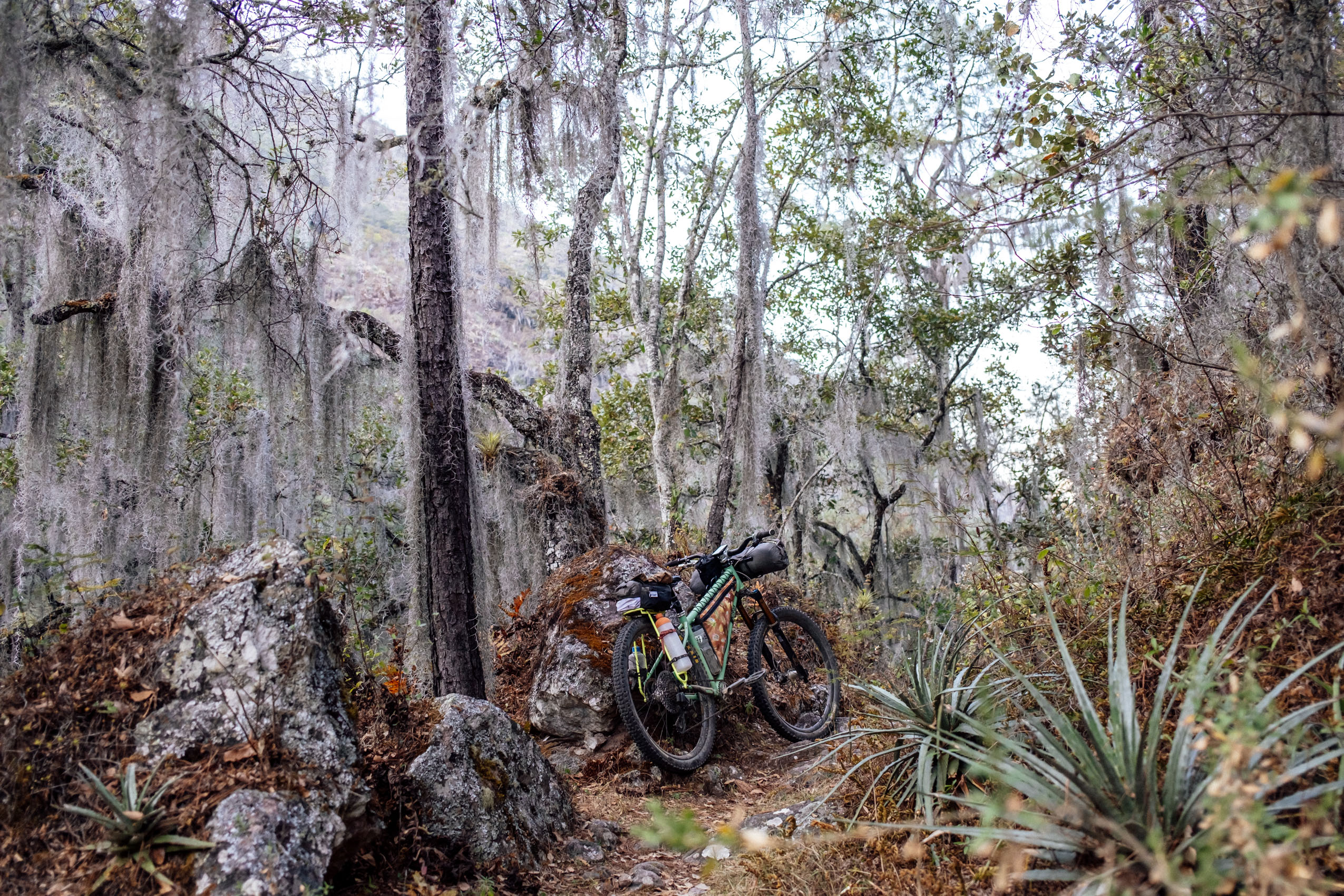
The balance is especially noticeable on routes that mix in more technical trail sections, making the Smokey a great all-around trail bike that can double as a weekend bikepacking machine. And I have to assign some of the glory to the higher-end Fox 36, which performs admirably under load, helping the frame retain its snappy, poised, and confident demeanor even when fully packed. Bonus points that the Smokey also has a solid set of mounting provisions, including good main triangle space, three bottle/accessory mounts in the triangle, and a three-pack mount on the underside of the downtube.
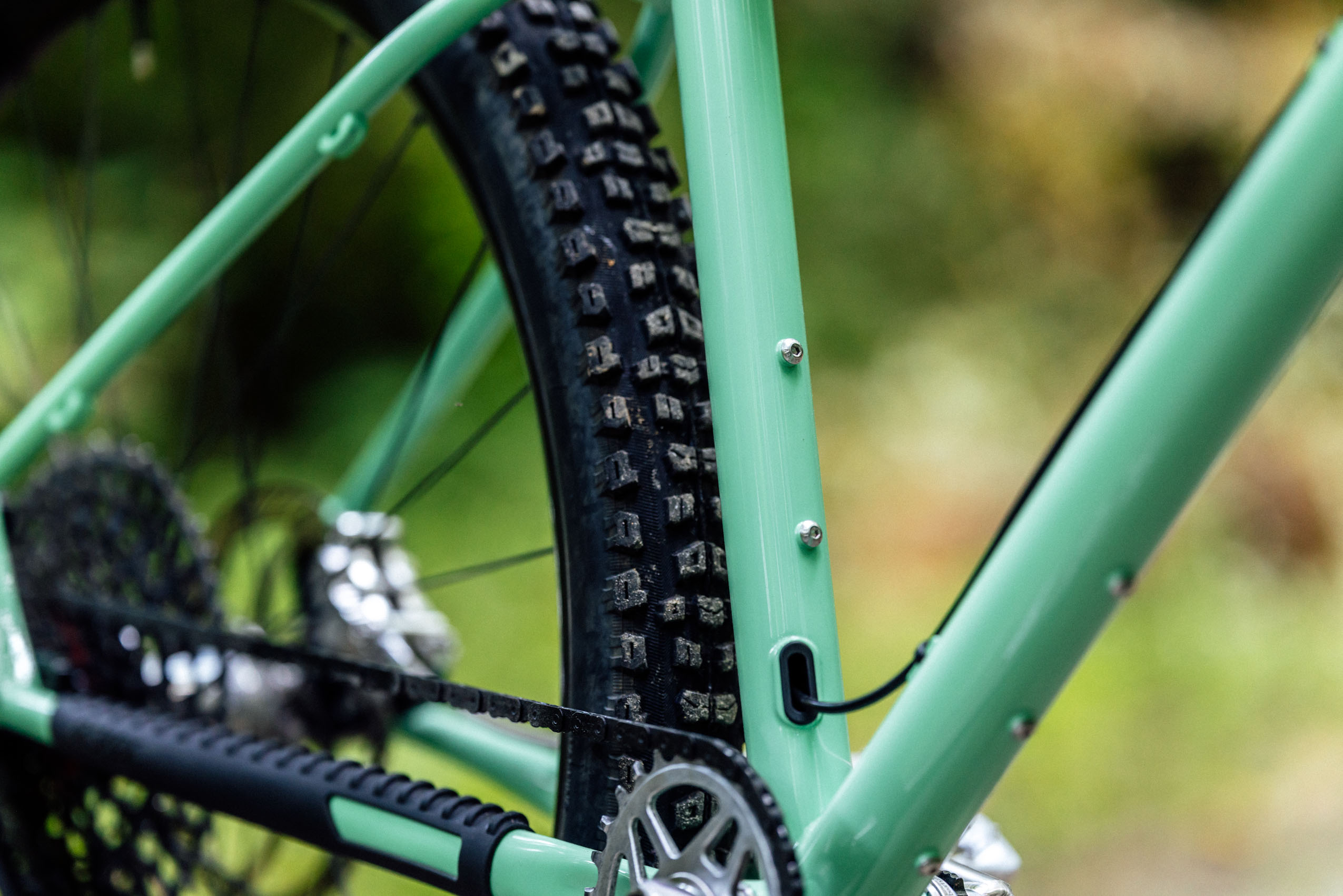
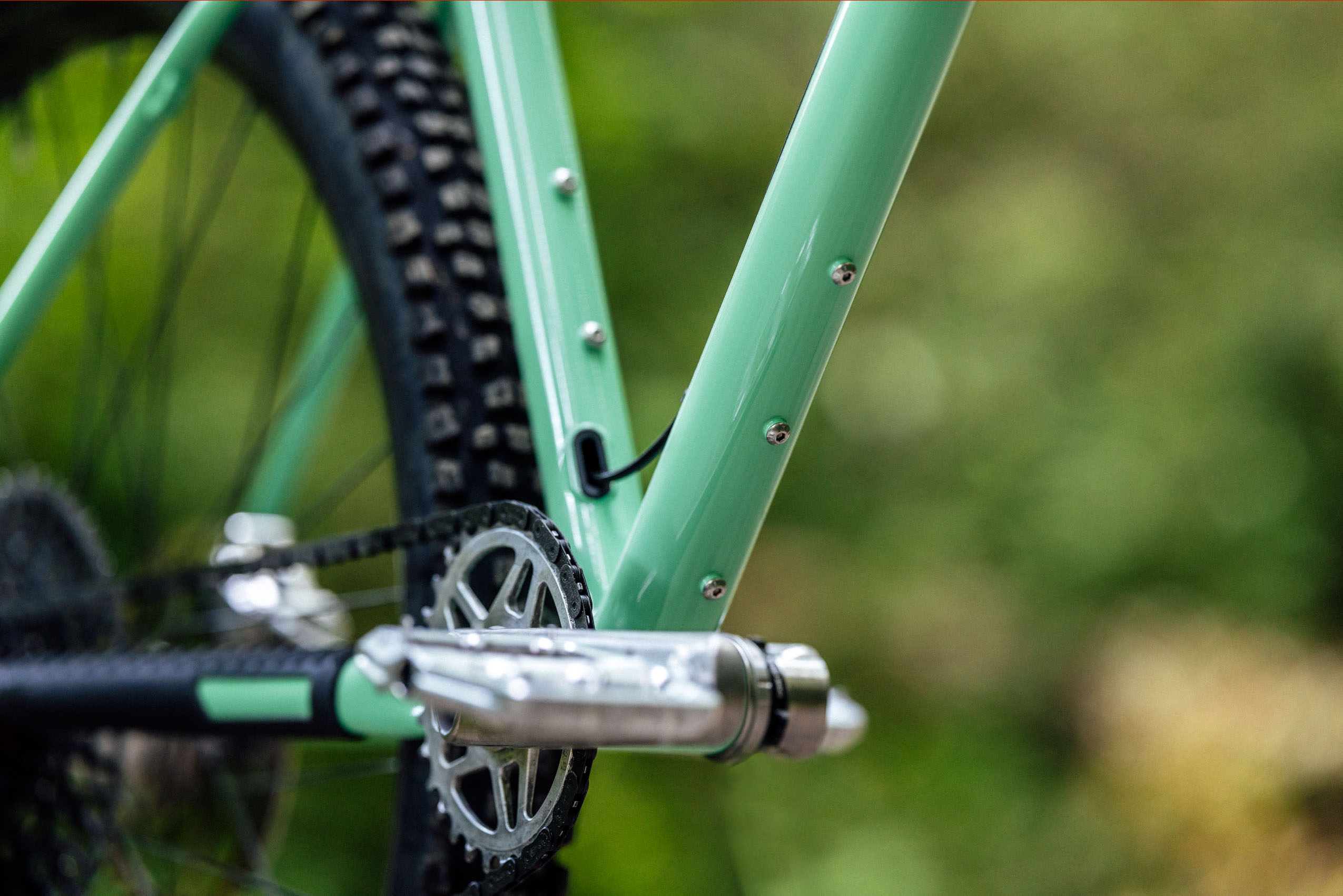
I did run into one small bikepacking-related hiccup. When attempting to mount the new Restrap Switch Rack—which we’ll be reviewing soon—the capped rear dropout prevented the thru-axle from passing cleanly through the insert. I was able to find a workaround, but it’s worth noting for anyone planning to run that setup.

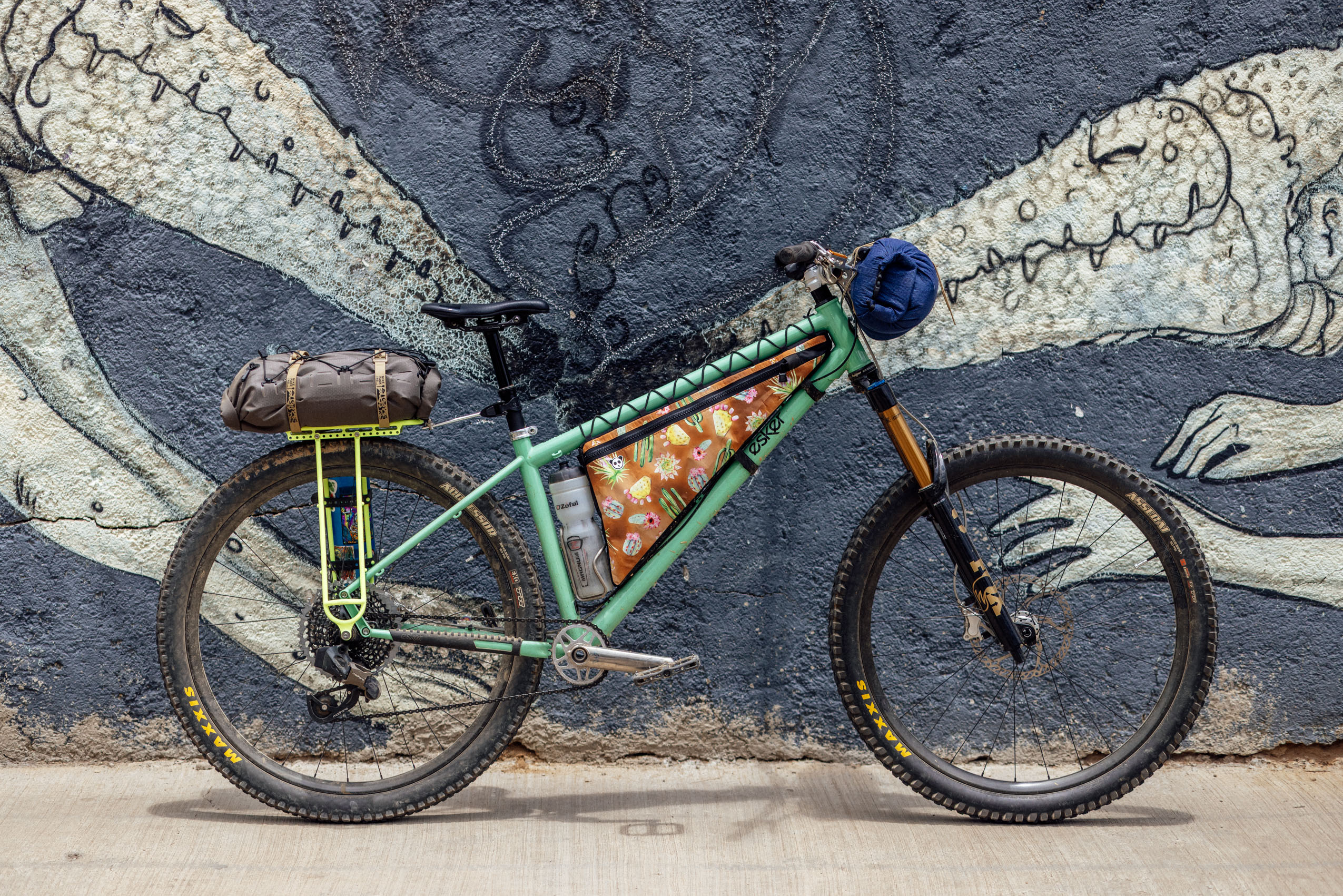
- Model/Size Tested: Esker Smokey, Size S3/Large
- Actual Weight (frame): 3.50 kilograms (7.71 pounds)
- Place of Manufacture: Taiwan
- Price: $1,000 (frame)
- Manufacturer’s Details: Esker Cycles
Pros
- Much faster (and quicker) feeling than expected
- Frame feels solid but not harsh
- Long and slack stance inspires an incredible level of confidence
- Bottom bracket is a little higher than other comparable bikes, which is great for rutted/rocky trails
- Lovely green color fits its desert home
- Nice frame details, such as three pairs of in-triangle bottle mounts and a three-pack underneath
Cons
- Heavy frame
- The capped dropout can prohibit the use of some new axle-mount racks
- Can’t fit a long dropper post because of seat tube bottle mounts
- It’s sold out
Wrap Up
The Esker Smokey ultimately challenged nearly every assumption I had about what makes a great hardtail. On paper, it’s easy to write it off as too much bike: too much fork, too much frame, too aggressive to be practical outside of smashing downhill trails. But in practice, it’s a remarkably balanced and thoughtfully executed machine. It climbs better than its numbers suggest, descends with incredible confidence, and, most importantly, feels lively and engaging rather than overbuilt or dull. It’s a good example of a bike that successfully leans into the “rowdy hardtail” category without sacrificing the vibe that draws many of us to steel hardtails in the first place.
Sure, it won’t be the perfect choice for folks who prioritize steep gravel climbs or mixed-terrain rides, but it makes a compelling case for riders who want one bike that can handle technical trail riding, rough backcountry routes, and big days linking everything together. If you had asked me a year ago whether a 160mm steel hardtail belonged anywhere near a bikepacking conversation, I probably would’ve said no. But after six months on the Smokey, especially riding in places like Oaxaca, I’m convinced otherwise.
Further Reading
Make sure to dig into these related articles for more info...

Please keep the conversation civil, constructive, and inclusive, or your comment will be removed.