

 Mountain Bike (MTB)
 Gravel Bike
 All-Terrain Bike (ATB)
 Fat Bike


Otso Fenrir Steel Review: Earth From Sky



Otso’s mythical drop-bar mountain bike, the Fenrir, is once again changing its spots. Now available in chromoly steel, the Minnesota brand has ported its fabled steed into a more approachable build material. With only minor geometry and spec changes, does this do-it-all bike keep its legendary status in a less alluring material? Find out in our full Otso Fenrir Steel review…
PUBLISHED May 7, 2026
Riding shots by Joe Redbeard
When Logan and Neil reviewed prior iterations of the Otso Fenrir, they painted grand pictures of their test period. Neil set the scene atop a mountain pass in Colorado, and Logan drew on the bike’s Norse-mythological origin to illustrate its multifaceted capabilities. A few years on, the Minnesota-based brand has now lowered the bar to entry on its legendary steed. Introducing a chromoly steel version to the titanium and stainless steel lineup, the Fenrir is largely the same beast you’ve seen before, but at a more affordable price point.
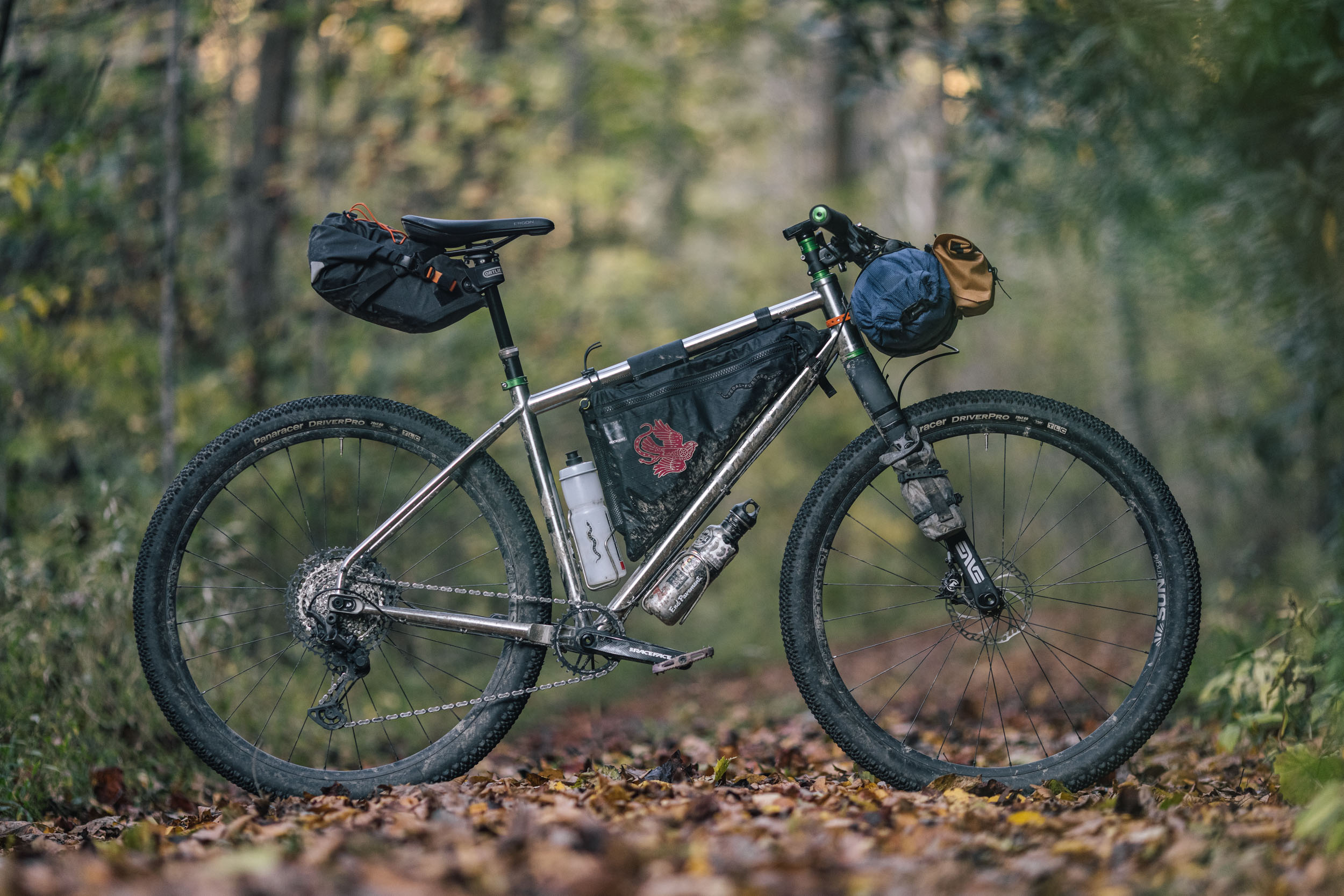

Having read and watched their reviews long before I joined the team, I thought I had a clear idea of what the Fenrir was like. A capable bikepacking rig that could summit a mountain pass and traverse a rushing river. However, this rigid ATB remained a fabled frame that sat beyond my budget. I had taken on the concepts of this modern myth and decided it was beyond my scope. So, when Otso reached out asking if I’d review the new steel model, I was excited to reopen the story.
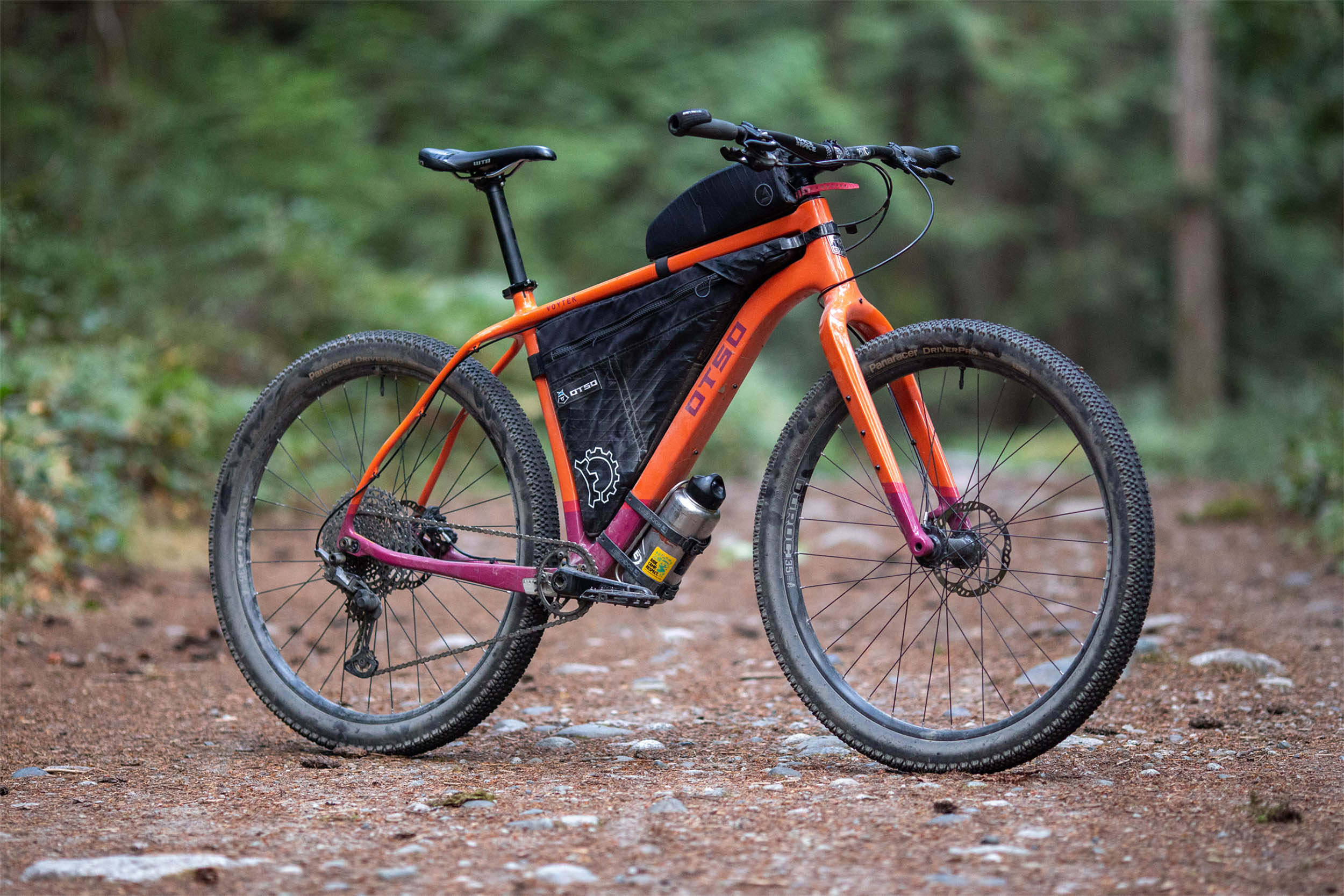
Ditching their adjustable Tuning Chip, opting for a fork of their own making, and, of course, re-orienting the tubing for chromoly, the new Otso Fenrir Steel is made to be an adventurer for the everyday rider. After a few months and over a thousand miles with this fantastical figure, my experiences with the bike collided with my previously held beliefs. Now, I decide whether the tale is as good on new tubing and where it fits into my experience while bikepacking and tackling more challenging terrain.
Edits to a Classic
As stated, the latest version of the Fenrir is similar but differs slightly from the stainless steel and titanium versions it follows. As with most of its recent frame updates, the brand is doing away with its signature Tuning Chip system in favor of UDH compatibility. Although recent Dispatches announcing these changes have seen commenters voice some frustration around that decision, the brand is surefooted in this consequential change. Per Kurt Stafki, marketing director at Wolf Tooth, “The decision to move to UDH from [our] Tuning Chip was not taken lightly. We were seeing more requests from folks asking for compatibility with modern UDH drivetrains than we were seeing sales for our singlespeed Tuning Chip adapter. Once we had that data, the decision was a little easier.”


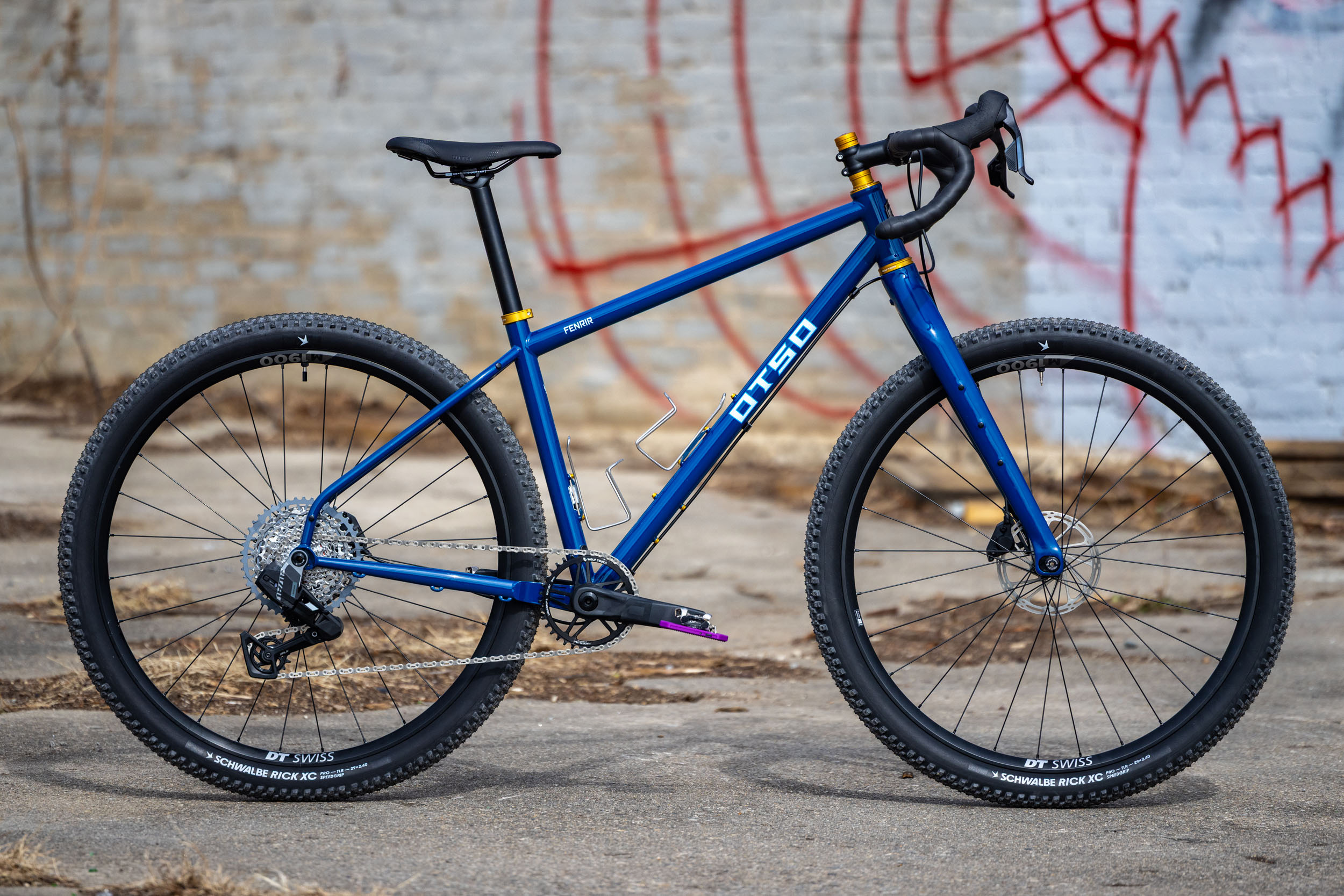


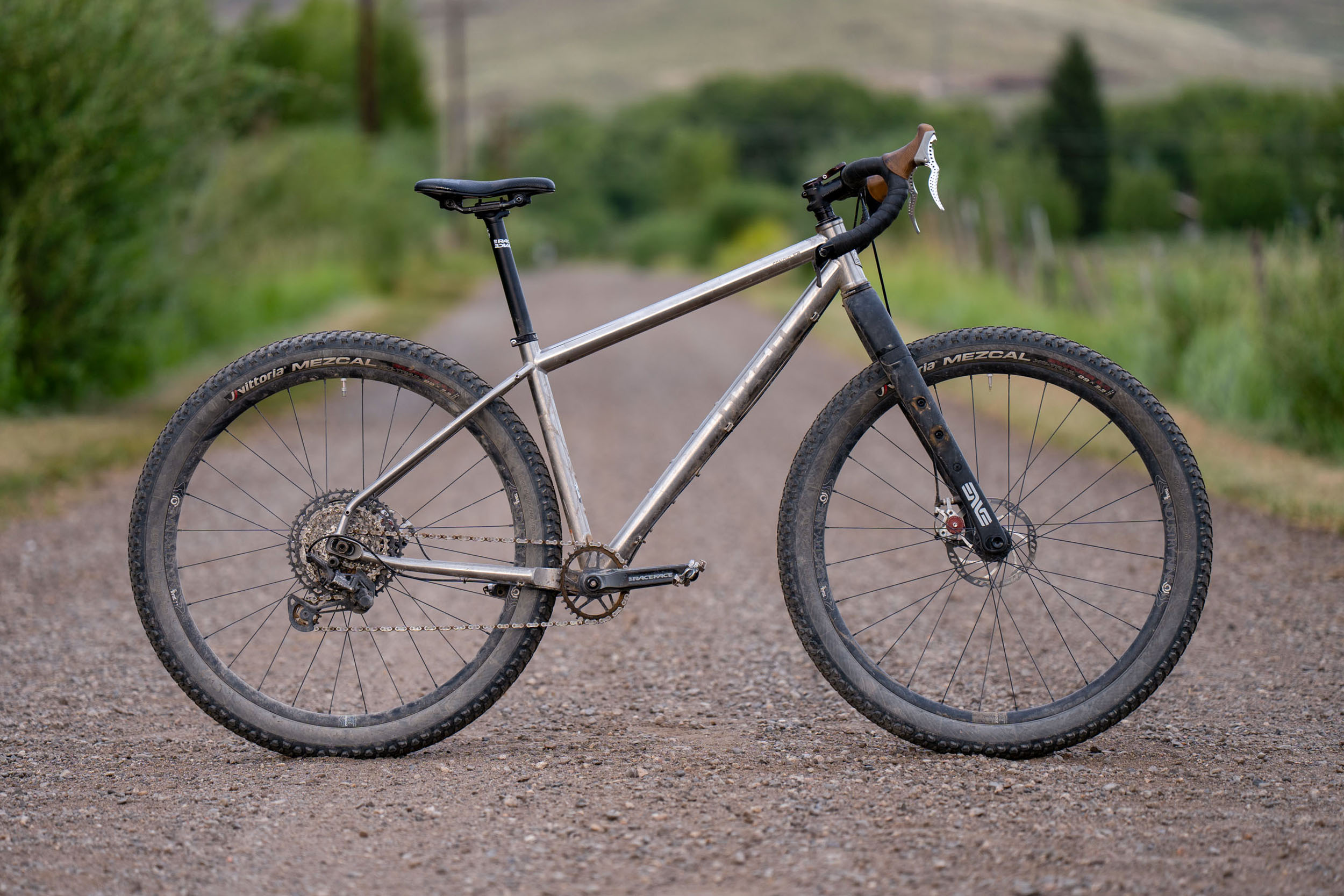
There is still some modularity baked into the bike, however. The fork features 7.5mm of offset adjustment via a flippable chip and uses a removable brake-mount system, so users can run flat-mount or post-mount brakes without having to purchase a whole new fork. The Lithic carbon fork features a 495mm axle-to-crown measurement (making ita 110-120mm suspension fork replacement), clearance for 29 x 3.0” tires, three-pack mounts on either fork blade, and external cable routing. It also has a threaded fork crown eyelet that Otso says is not for racks. I’ll get into the ride feel below, but having ridden the previously specced ENVE Mountain fork, I can already say the new Lithic fork is more comfortable.


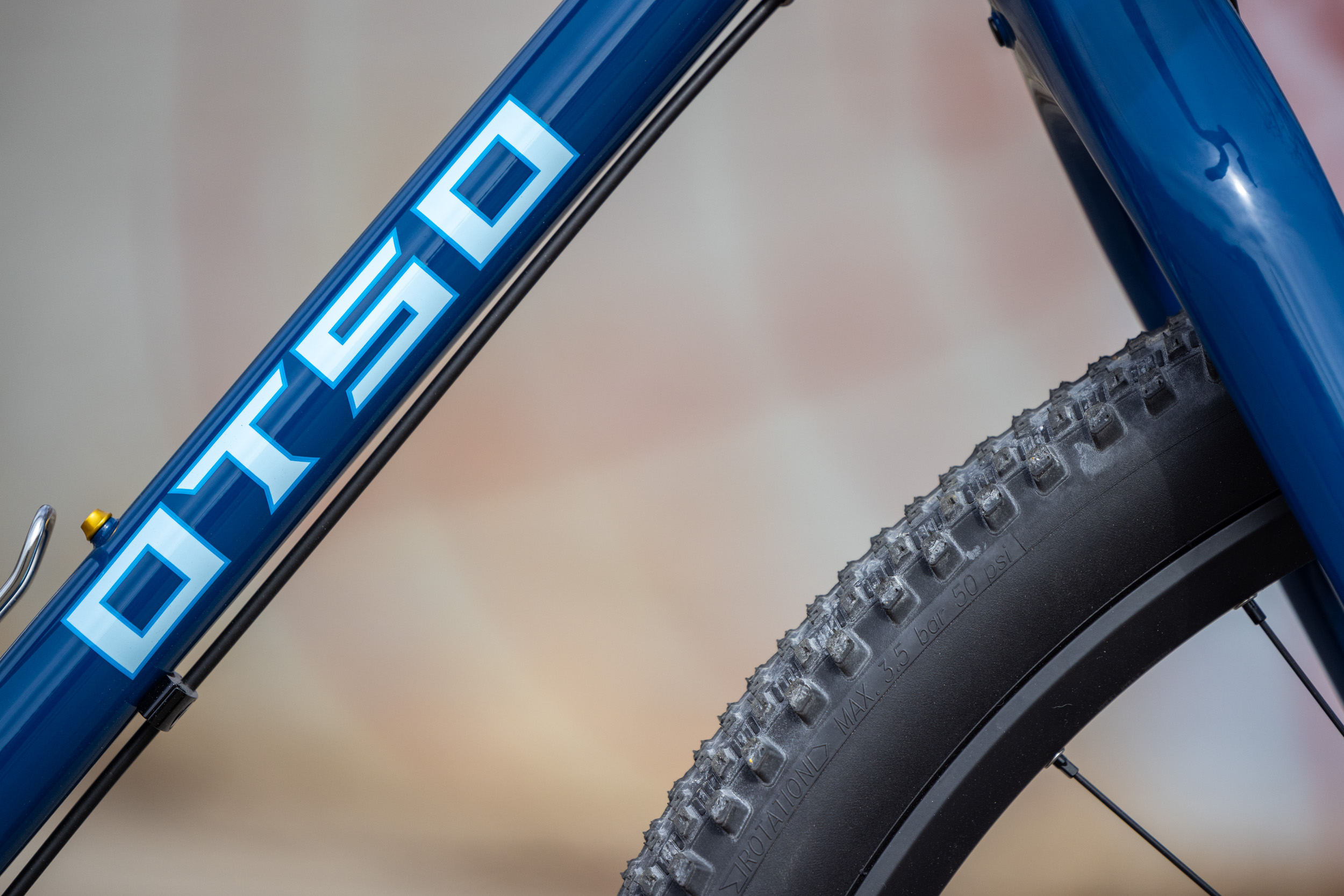


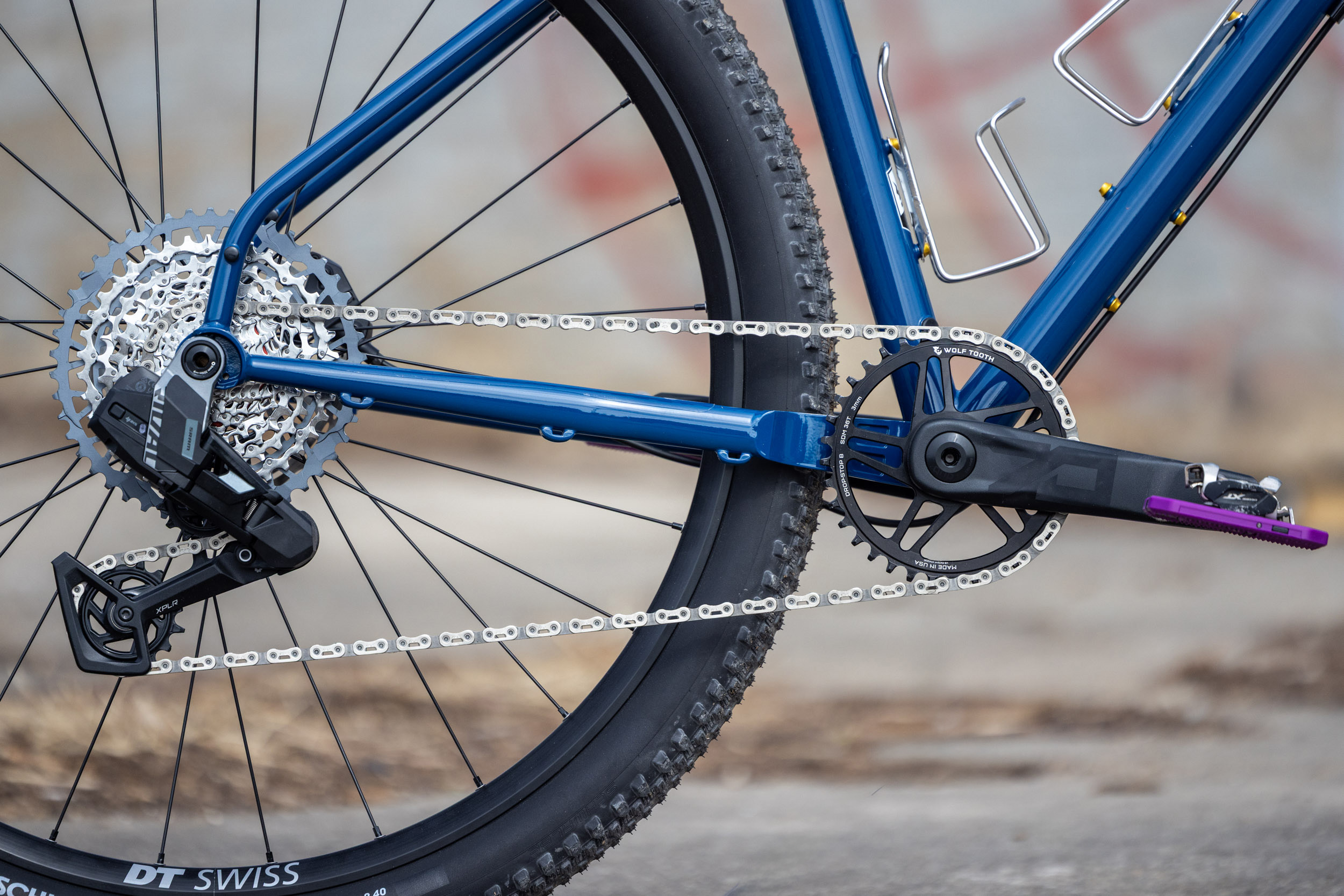
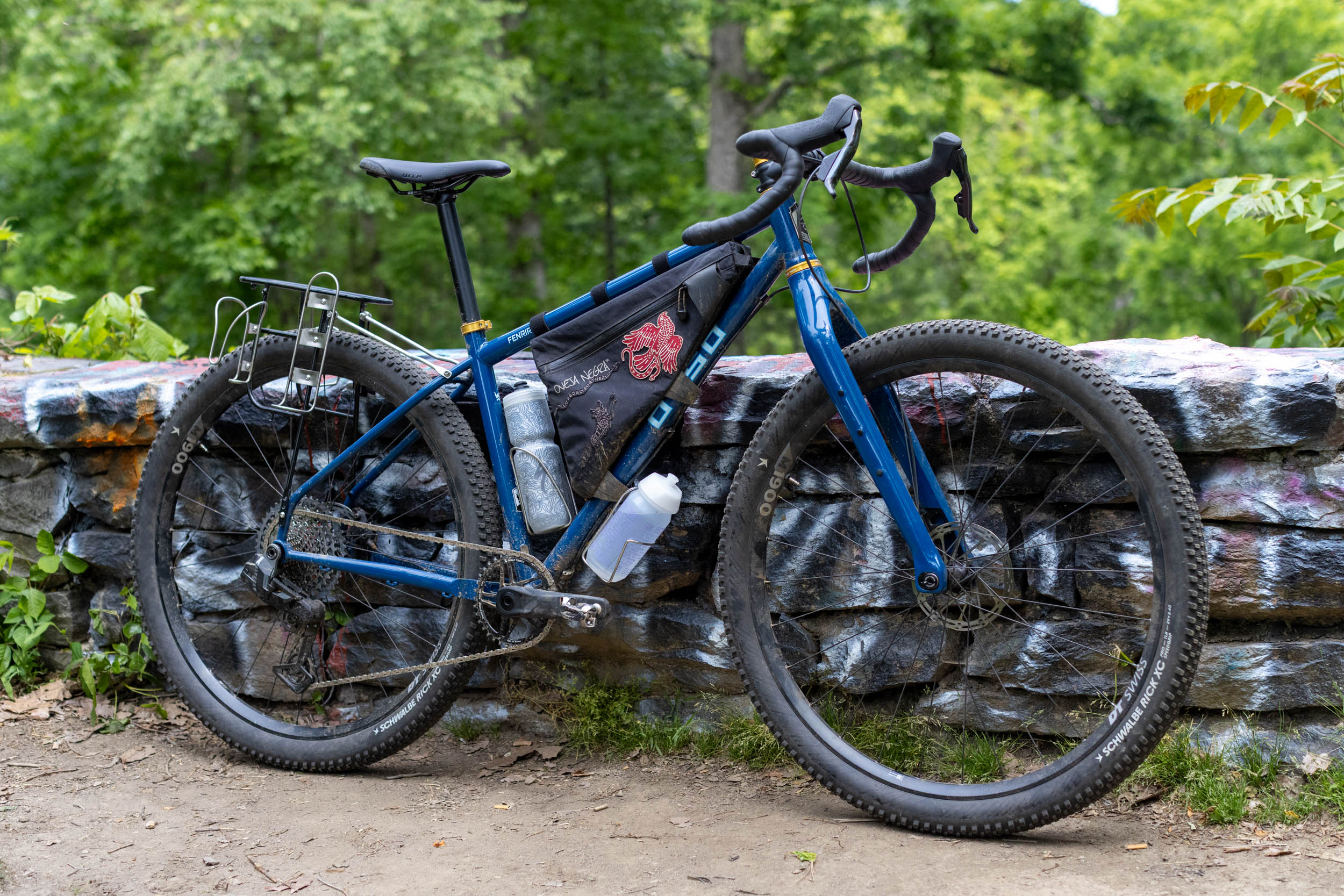
Aside from the obvious material change, the Fenrir is geometrically identical to past iterations, save for the chainstays, which are fixed at 440mm. My build kit is more similar to the one Neil reviewed, complete with drop bars and 2.4” Schwalbe tires. The only other change is that the four bosses on the underside of the downtube have been reduced to just two, but Kurt told me later versions of the bike will have a full three-pack mount in that position. The bike still has internal dropper routing on the seat tube, external cable guides, Boost spacing, a 73mm threaded bottom bracket, and follows the same standards as the prior models. This pre-production version is also without a chainstay protector, which the production version will have.
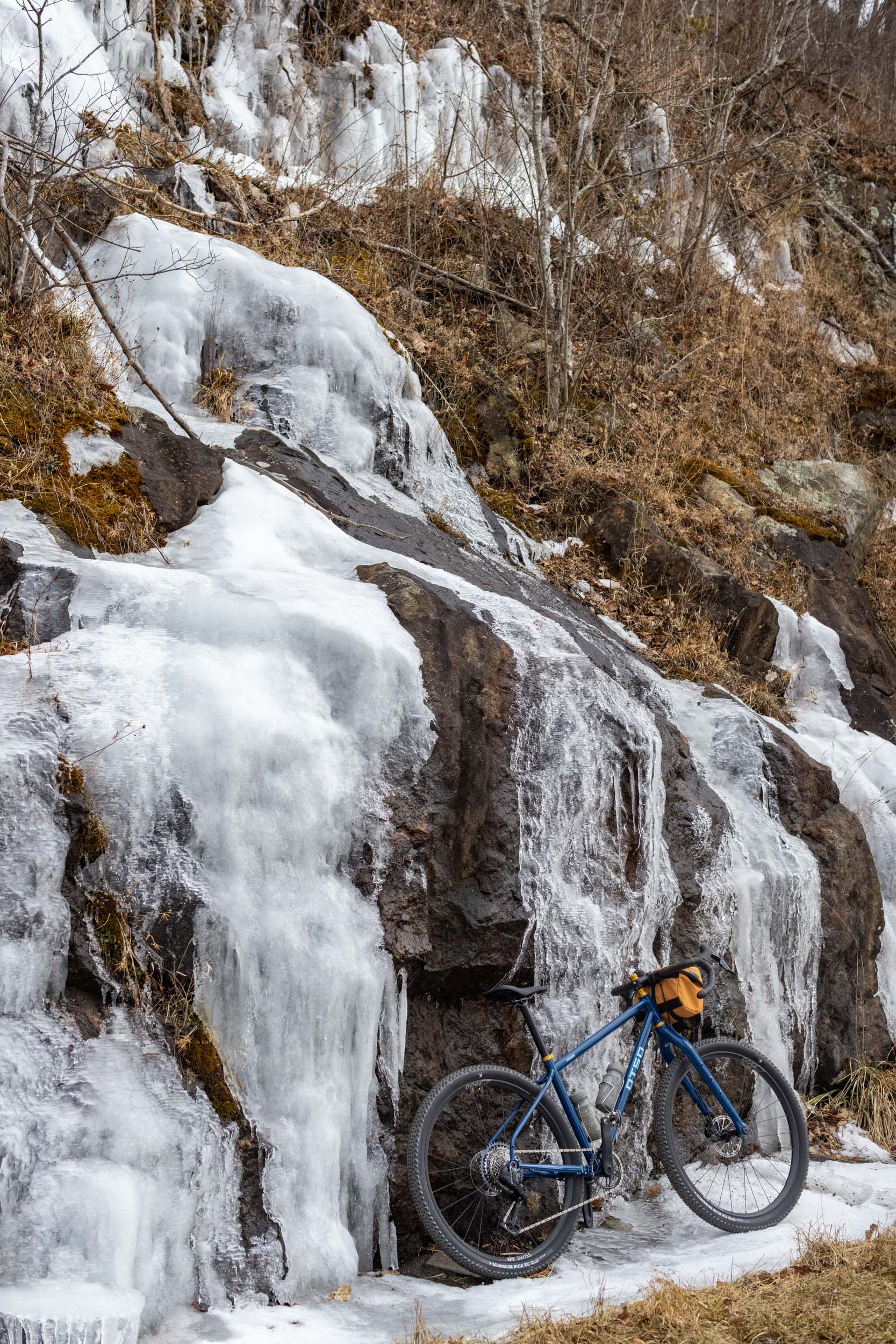
Being a very different rider from both Logan and Neil, I was intrigued when the Fenrir arrived at my doorstep in the depths of winter. I have different tastes in bikes from most of the team, and while I’ve come around to trying new things that better suit the environment in Western North Carolina, this is by far the slackest and most adventurous drop-bar bike design I’ve ever spent serious time with.
Otso Fenrir Steel Build Kit
- Frame: Otso Fenrir, Medium, Indigo
- Fork: Lithic Carbon Fork
- Crankset: SRAM Rival, 36T
- Derailleur: SRAM RIVAL AXS XPLR
- Shifter: SRAM RIVAL AXS XPLR
- Cassette: SRAM RIVAL AXS XPLR 10-46T
- Bottom Bracket: SRAM DUB
- Wheels: DT Swiss M1900, DT Swiss 370 hubs
- Tires: Schwalbe Rick XC, 29 x 2.4″
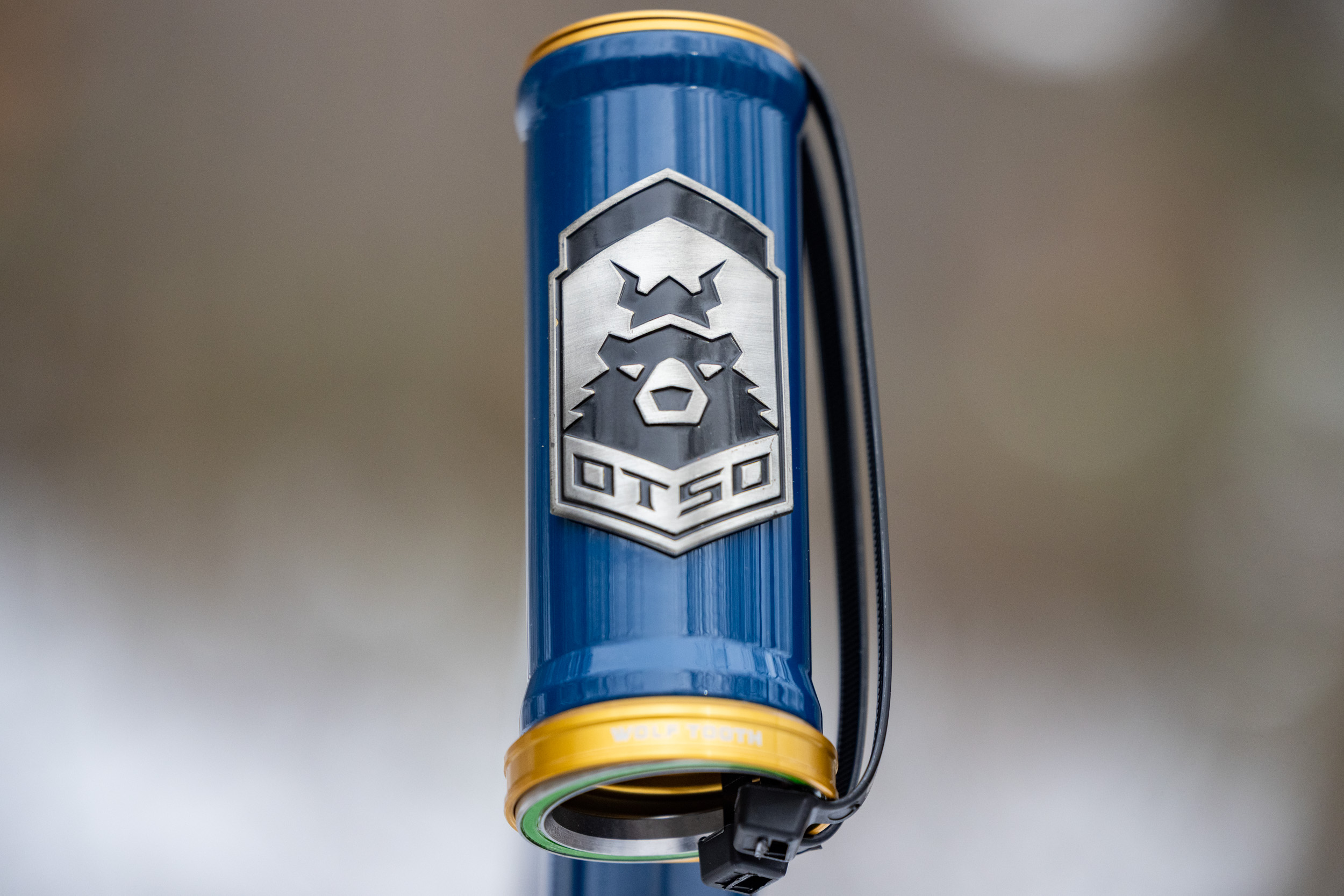
- Headset: Wolf Tooth ZS headset
- Handlebar: ENVE Gravel IN-Route Handlebar, 46cm
- Stem: 70mm alloy
- Saddle: WTB Solano
- Seatpost: Zero setback alloy
- Seat Clamp: Wolf Tooth
- Brake Levers: SRAM RIVAL AXS XPLR
- Brake Calipers: SRAM RIVAL, hydraulic
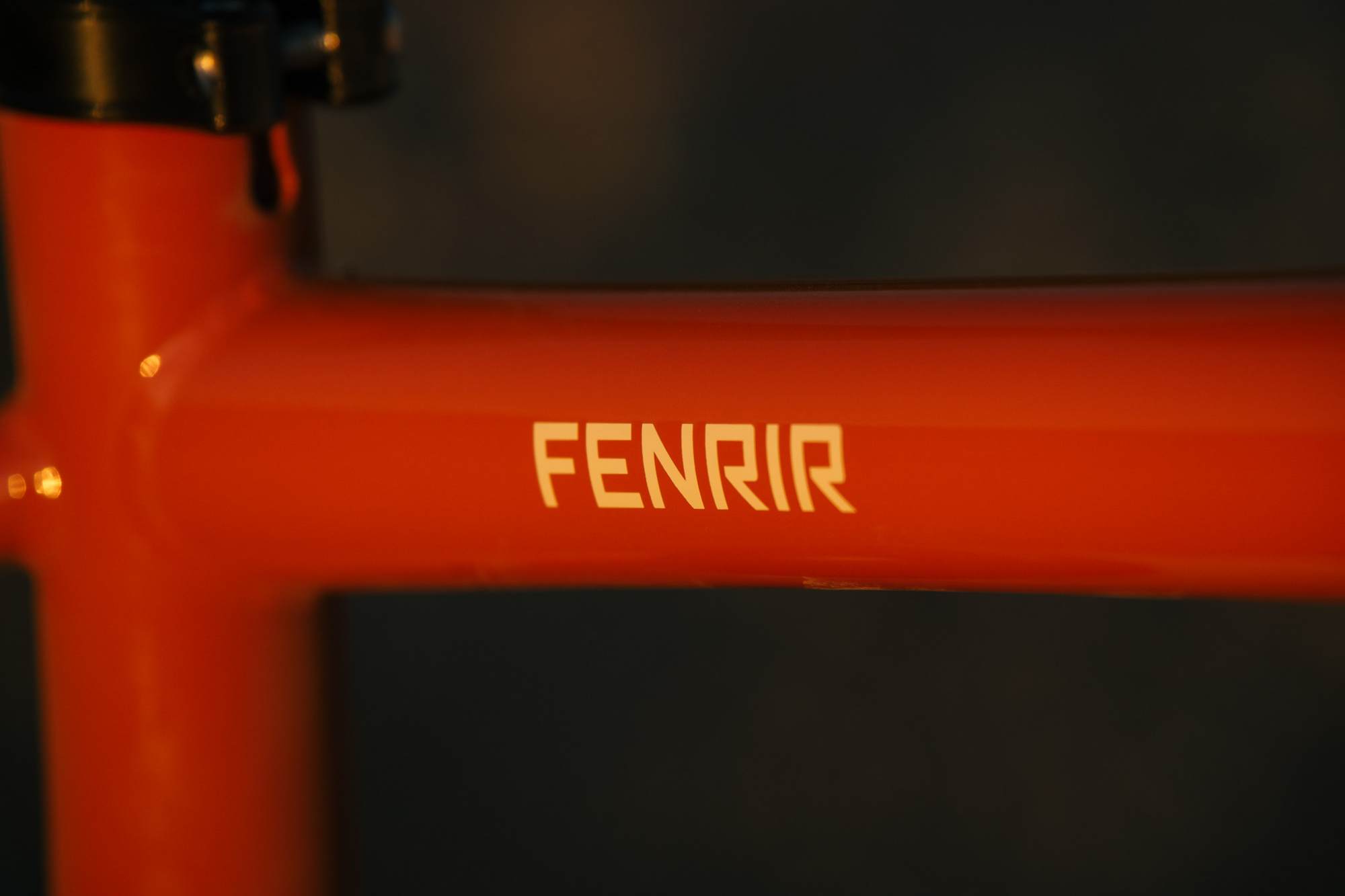

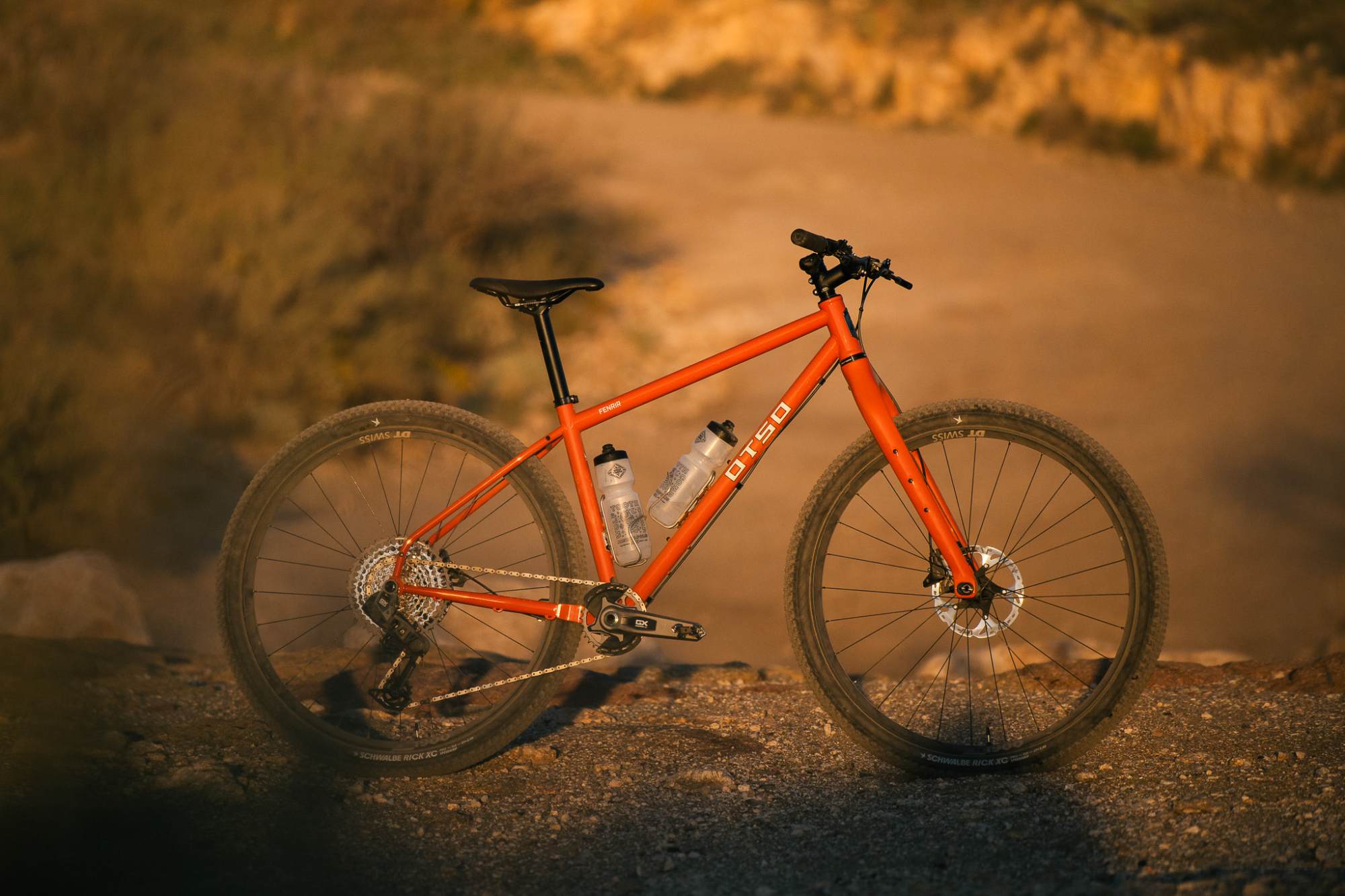
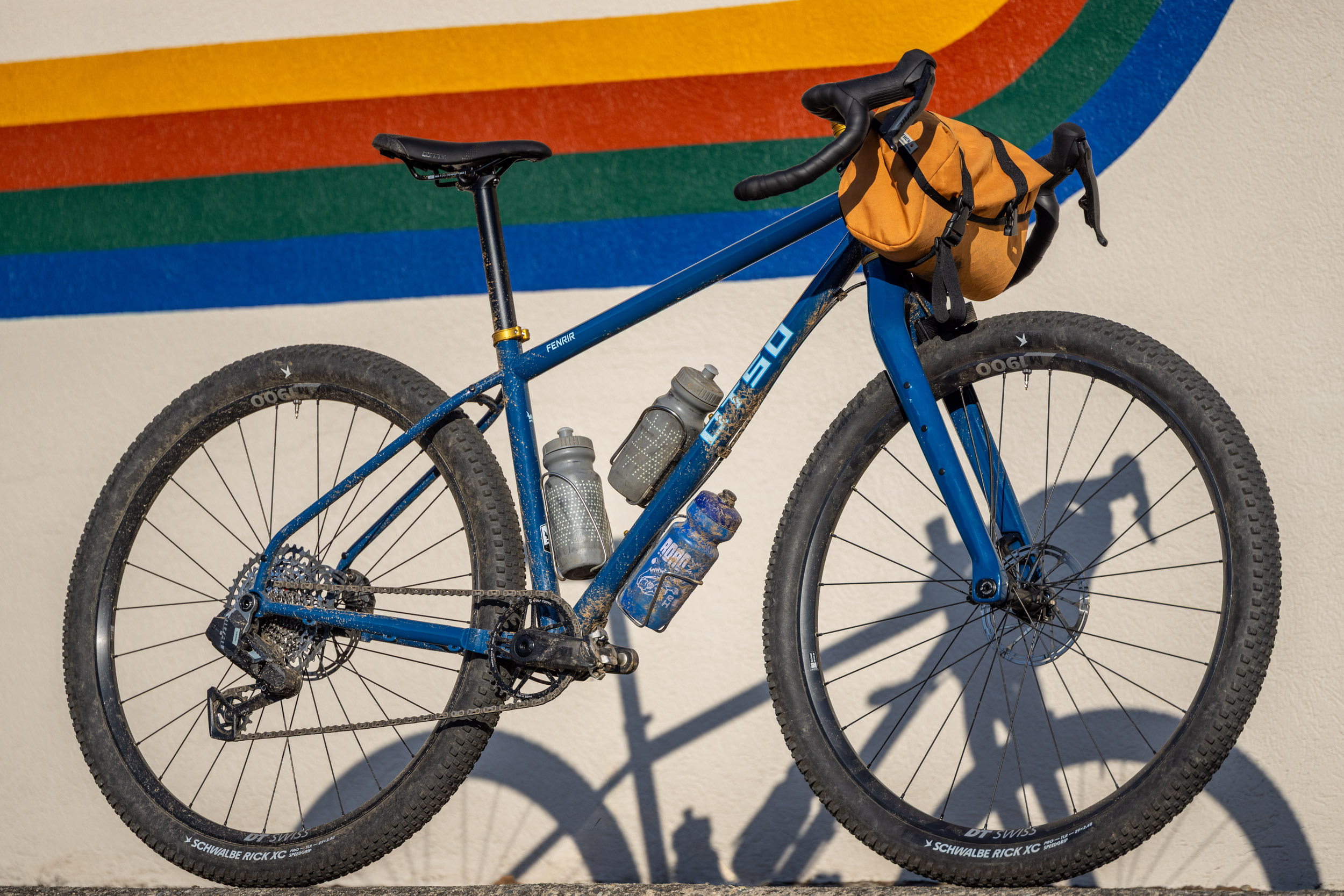
I received the Fenrir as a frame with a SRAM AXS build kit, the process of assembling it was simple and came together in just a few hours. Some elements, like the ENVE carbon bars and electronic shifting, were rich for my taste. But overall, the chosen components are solid and performed well during my time with the bike. The build listed here is one of four complete kits Otso offers through its site. The sole mechanical option is a Shimano SLX build; the others use SRAM’s APEX, RIVAL, and FORCE AXS systems. The complete offerings start at $3,200, with the frameset retailing at $1,950. The new steel version comes in Indigo, the color pictured throughout, or Pumpkin Orange, as seen just above.
With the steel completes sitting a few hundred dollars below the cost of the titanium frame, the steel Fenrir presents interesting value. I didn’t get any information about the bike’s cost until just before publication, and I was a little surprised to see the frameset at nearly $2,000. It seems a solid deal when purchased as a whole, but less so for just the frame. Still, it’s a much more approachable option than the titanium and now-retired stainless steel versions, and, as I’ll speak to, is well worth the price.
Horned Horror
One of the most intriguing aspects of the Fenrir is its versatility in build style. Though I was initially torn between flat bars or drops, I ultimately opted for the latter because I’m more familiar with drop bars, and I wanted some familiarity with an otherwise unfamiliar bike. I don’t regret the decision and believe this bike can bridge the gap between riding styles due to its more flexible fit. The Fenrir felt like one of the most capable drop-bar bikes I’ve ever ridden, but it always left me wondering if I would’ve been happier on challenging terrain with flat bars. As Logan said, it’s long for a drop-bar bike and short for a flat-bar bike, with a 416mm reach on the medium size I tested. This dichotomy of position is what Otso intended, and, given my flexibility, I could go either way.



That said, though I haven’t tried the Fenrir with flat bars, I think it’s best with drops. I could see a case for using flat bars on a challenging multi-day trip with tons of singletrack and difficult features, but in everyday use, the drop bars make it feel quick enough on smoother surfaces, while its high trail and stack provide confidence when things get rough. Running drop bars on this style of bike yielded some surprising results, given my gravel-y history. When underbiking on other drop-bar bikes, I simply accept the forward-leaning position, go slow, and use my body to make it through the roots and rocks I’m trying to get over when things get steep. While the drop-bar Fenrir allows for a similarly aggressive position, the slack front end, coupled with the high 623mm stack height, makes it easier to get out of awkward, potentially ride-ending ruts.
Otso Fenrir Steel Geo
| Size | SM | MD | LG | XL |
|---|---|---|---|---|
| Effective TT Length | 565 | 583 | 600 | 618 |
| Reach | 403 | 416 | 428 | 441 |
| Wheelbase | 1110 | 1130 | 1150 | 1170 |
| Rear Center | 440 | 440 | 440 | 440 |
| Effective ST Angle | 75 | 75 | 75 | 75 |
| ST Length | 400 | 450 | 490 | 530 |
| HT Angle | 68 | 68 | 68 | 68 |
| HT Length | 100 | 120 | 140 | 160 |
| Axle-to-Crown | 495 | 495 | 495 | 495 |
| BB Drop | 68 | 68 | 68 | 68 |
| Stack | 605 | 623 | 642 | 660 |

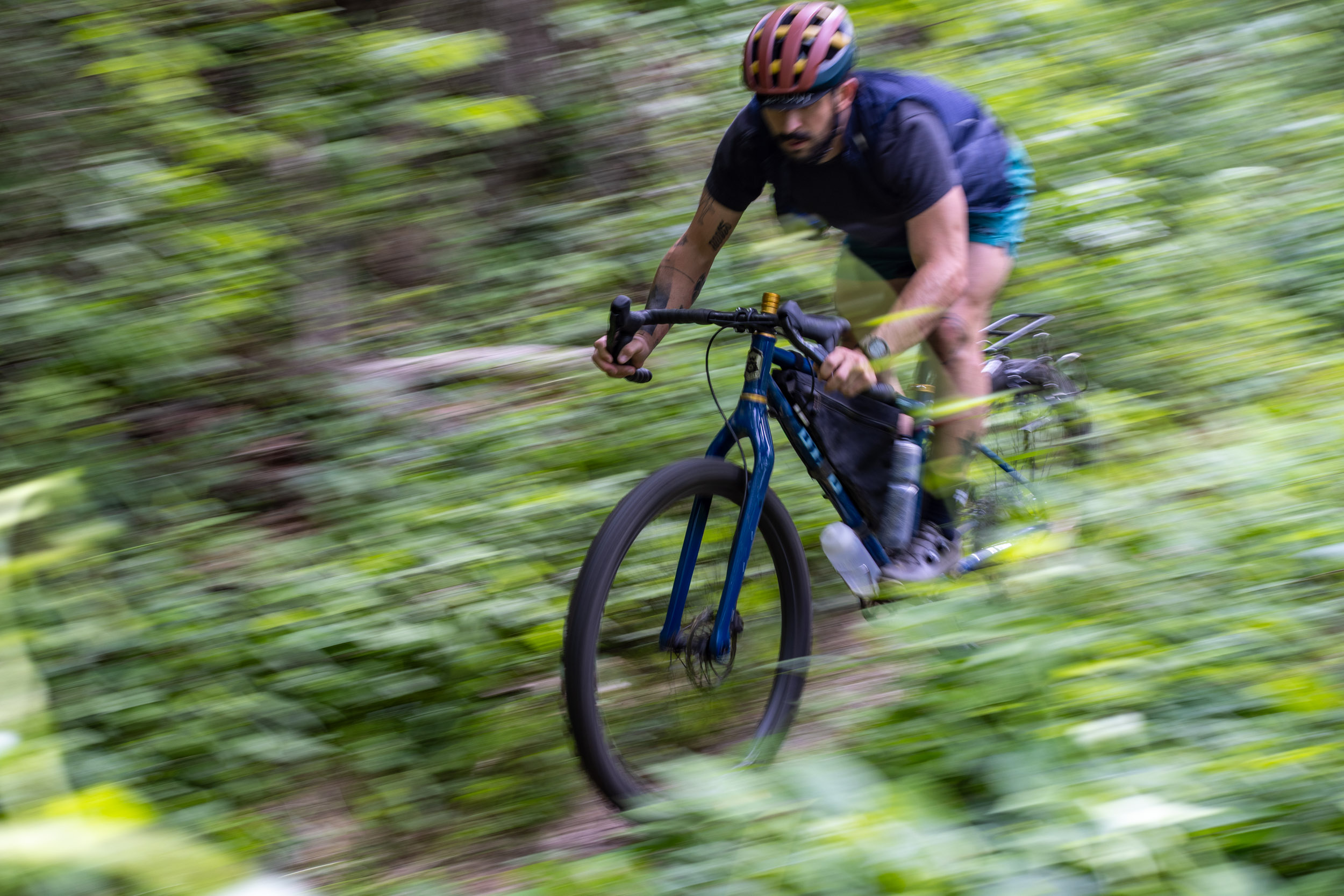

Part of this is down to the 46cm carbon ENVE bars that came stock, as well as the quick, easy-to-actuate shifting on the SRAM RIVAL AXS drivetrain. With a 36T chainring and a wide-range cassette, the shifting experience was crisp and nearly issue-free during my test period. The brakes left something to be desired, as they tended to fade on long, harsh descents, especially when loaded. Other than that, the WTB Solano saddle was plush, much like the 29 x 2.4” Schwalbe Rick XC tires. Though if I had to make one swap out of the box, it would be for something with more bite.
Feed the Beast
As for ride feel, the Fenrir blew me out of the water. The double-butted, 4130 chromoly steel tubeset is one of the most comfortable I’ve felt on a bike in this mold, and it truly impressed with its soft, supple ride. It’s not the lightest or flexiest tubing I’ve put miles on, but what’s specced feels appropriate for the rough trails the bike is intended for. The tubing is also size-specific, so each of its four sizes should ride the same. I’d argue it doesn’t really sing until you’ve taken it on some chunderous doubletrack. Early on in my test period, I rode the bike on a closed-to-cars section of the Blue Ridge Parkway and felt uninspired. It wasn’t until I took it on some dirt-centric local loops that the Fenrir really started to come alive. The bike doesn’t have the same harshness I’ve experienced on other rigid, fat-tire bikes when going off rock ledges or skittering quickly onto sprawling root systems. In all the right ways, it feels plush in the harshest settings.


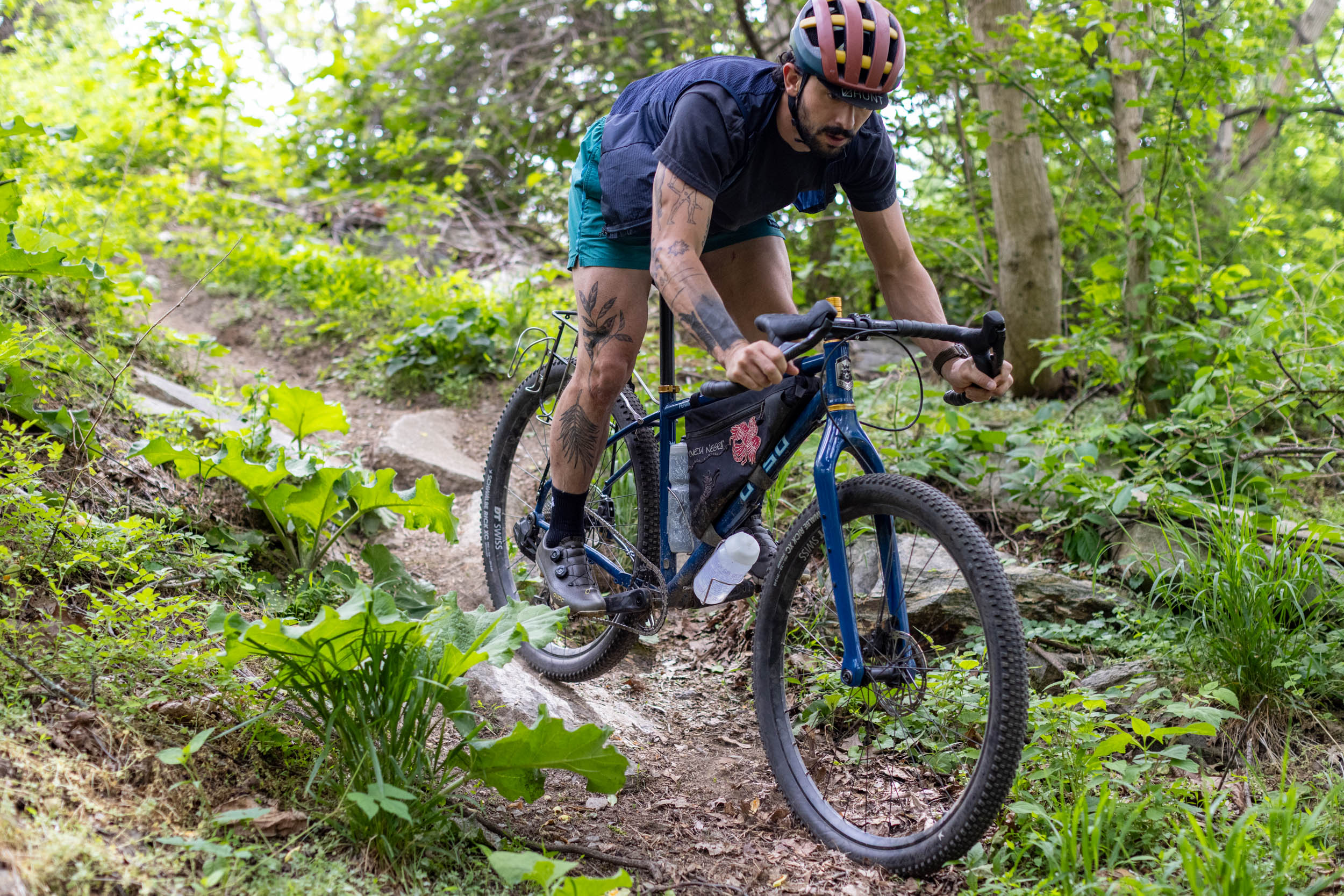

Of course, it’s not all down to the tubing. The geometry let me do things I didn’t think possible. I’m always trying to push my limits and take on new challenges in an environment that’s still new to me, and the Fenrir fits the bill for that, at times, treacherous task. I differ from Logan’s experience of the bike being uneasy as a climber, as I was able to summit some of the most technical terrain I’d ever dared to on a drop-bar bike. Granted, he’s ridden more bikes suited to the techy stuff, but for someone coming from aggressive, road-inspired gravel bikes with limiting geometry on trail, I found the Fenrir gave me tons of confidence and flexibility in line choice while climbing and descending.
More specifically, Logan mentioned the high stack height made the bike feel “over-forked” during his time with the Fenrir. I can see that being the case with flat bars, but the position my slammed drop-bar fit created made it perfect for tough ascents. The bike naturally puts the rider’s weight more toward the rear. So, it’s easy to pick up the front end, place the tire, and then lean forward again to get the necessary grip to keep it moving. I don’t own a 31.8mm dropper, but it never felt necessary on the Fenrir, as I was able to maneuver the bike comfortably with a rigid seatpost.


The Fenrir was most memorable during brutal excursions along old mining roads and on more intentionally crafted trails. Even when following friends riding full-suspension bikes or hardtails, the Fenrir took it all in stride. The 68-degree head tube angle made it easy and relatively inconsequential to pick a different line and quickly change course if it wasn’t the right move, while the 440mm chainstays kept it stable and secure without being sluggish. Sure, the occasionally unwieldy nature of a head tube and fork offset this far out requires some taming, especially with chainstays that aren’t all that long by comparison, but once you get the hang of it, it feels like riding a beast that can do anything.
It’s a handling characteristic that shines once it’s under control and put to good use on the dirt, but, as written, the Fenrir doesn’t shine on smooth surfaces. There’s nothing explicitly wrong with it on the paved sections between more exciting terrain, but it’s not a fast, gravel race-oriented bike by any means. I would often find myself putting in the same effort that usually results in a 15-16 miles-per-hour average pace on flat, paved roads, only to look down and see something closer to 11-12 miles per hour. The tubing, tires, and geometry liven up on doubletrack and fire roads, and, though I haven’t meaningfully ridden one, the inertia this bike builds when it gets going is what I imagine a 32er to feel like.


Though the adjustability of the Tuning Chip, and by extension, its native singlespeed-ability, will be missed, I think Otso hit the mark with the final chainstay position on the new steel version. The Tuning chip allowed for either a 450 or 430mm fixed position, with a separate chip providing the 440mm option seen on this version. It might seem they’re just splitting the difference, but I think Otso intentionally selected this position to provide the perfect balance of playfulness and stability on varied terrain.
While Out Bikepacking
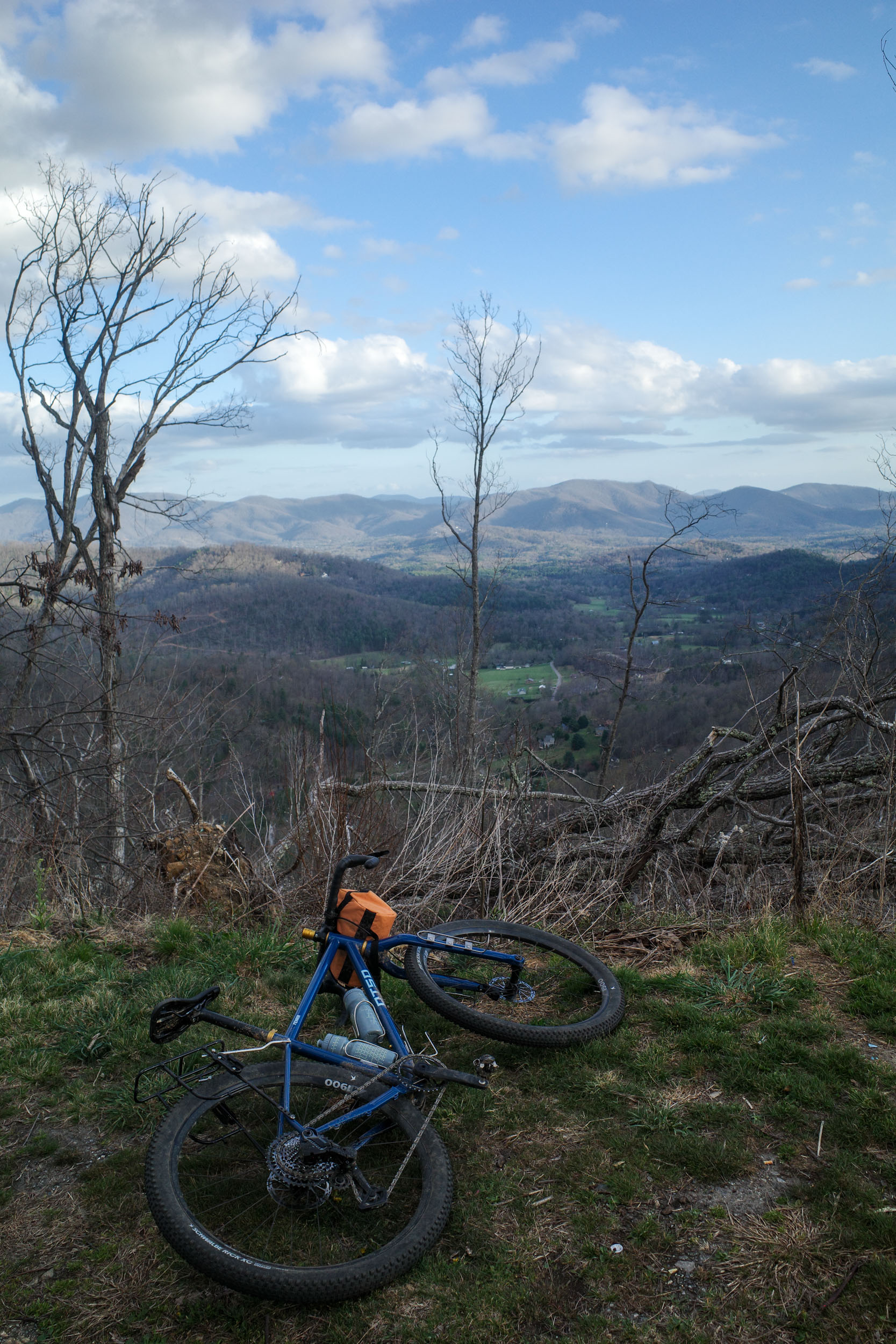
With two sets of mounts on the rear triangle, sets of four-pack and two-pack mounts on the downtube, and three-pack mounts on both fork blades, it’s clear the Fenrir is meant to be heavily loaded. While I didn’t max out its potential, I packed more than necessary on the nights I slept under the stars. With most of the weight in the rear, the bike was confident and assured on all of the trails and steep gravel roads I took it on. But what struck me most was the contrast in ride before and after bikepacking.

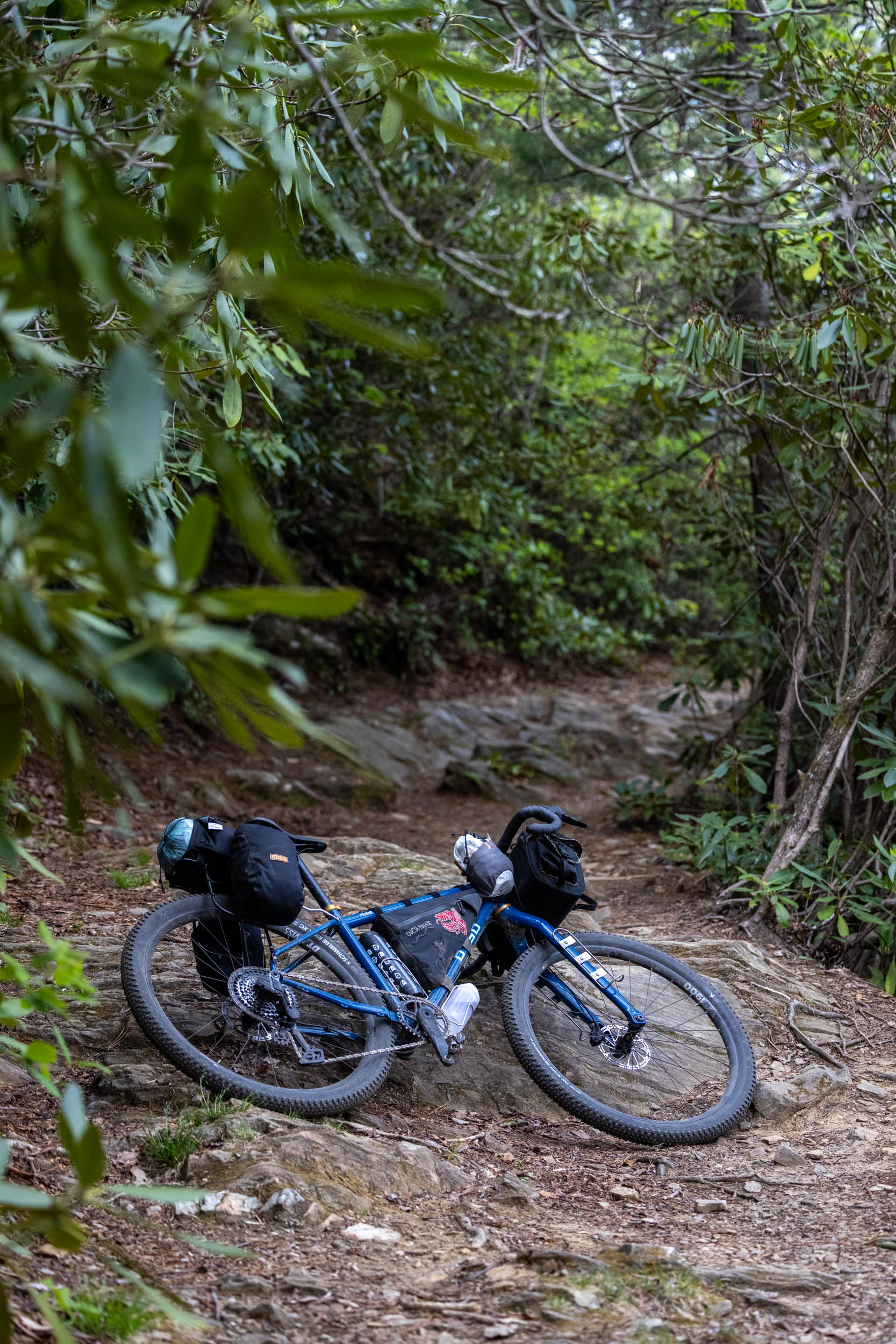
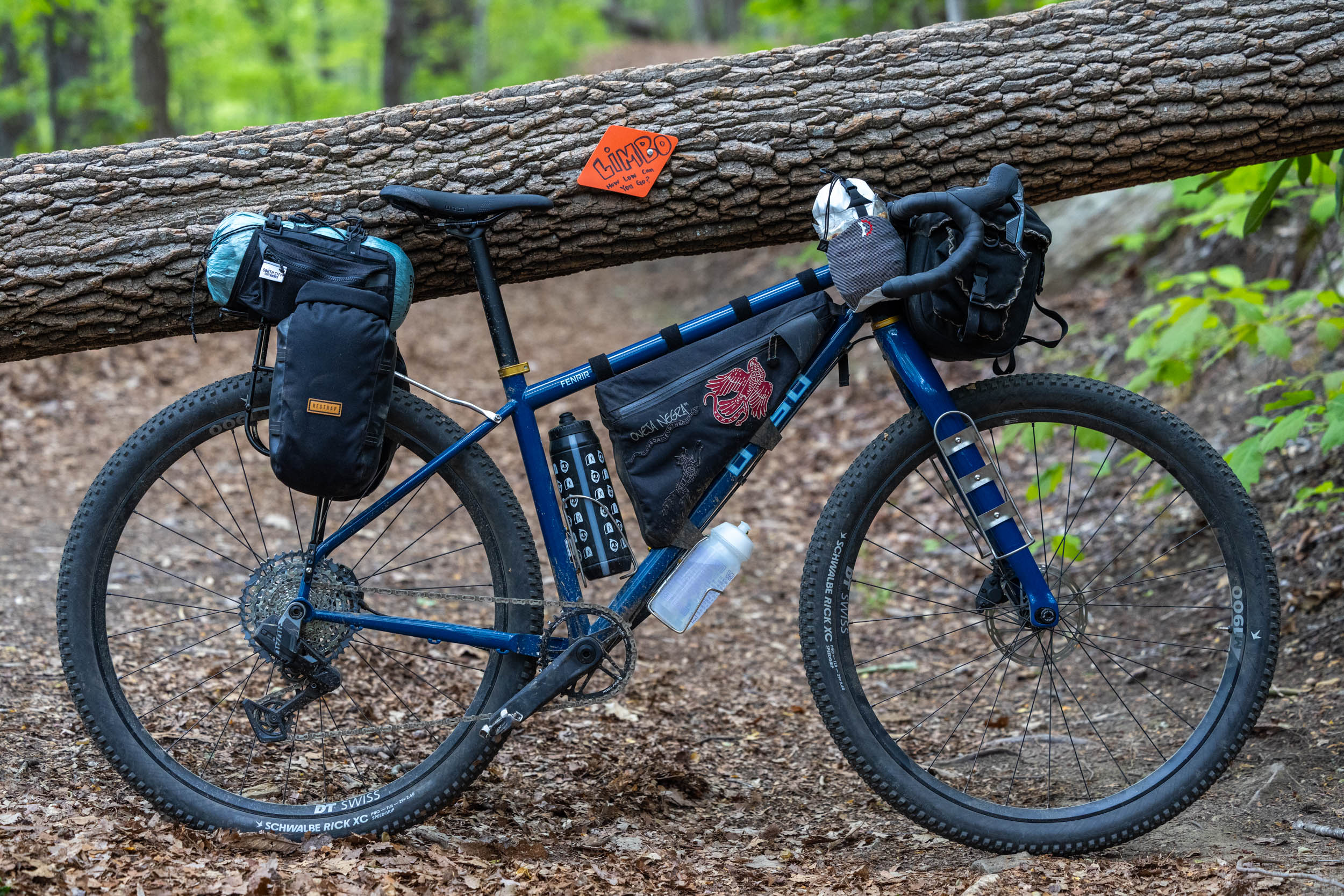
Since I received the bike in the middle of winter, most of my riding was unloaded or with a light load. But after some nights out, the bike felt odd on all its future endeavors. Obviously, most bikes change in feel when unladen. But my contrasting experience went beyond the typical adjustment from bikepacking to unloaded riding. The tubeset isn’t muted by bags. Rather, it growls louder. The bike holds its line more confidently and bashes through obstacles without hesitation. Despite a fully loaded Swift Zeitgeist at the front, picking my way through trails was still more than comfortable. It even felt more rewarding with the extra heft, as the front end could feel wild without a load.
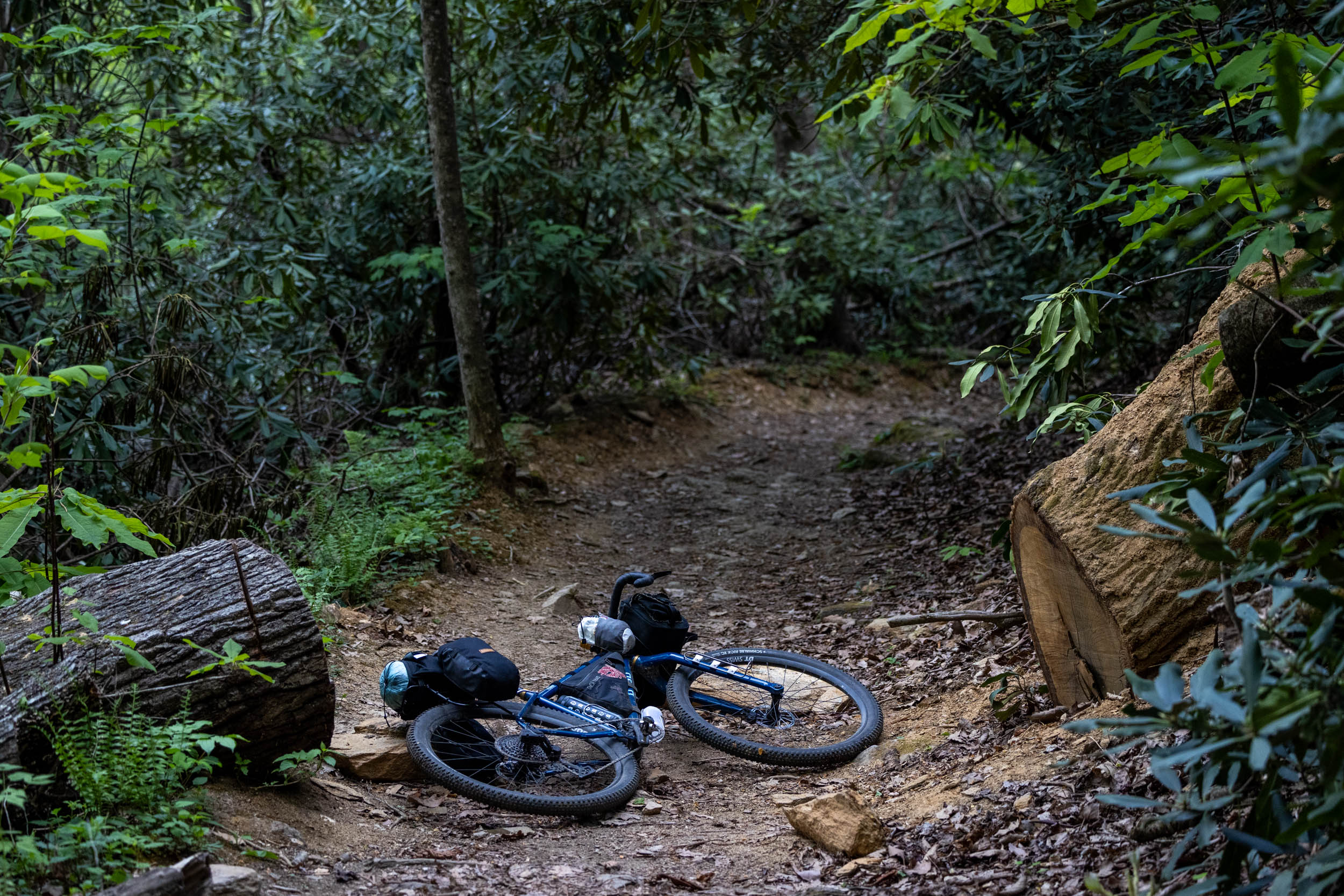

With a 68mm bottom bracket drop, the bike feels planted enough to take on the extra weight without drastically changing the ride feel. If I were to take the Fenrir on a loaded multi-day trip, I would use the extra tire clearance to beef up its capability with rubber closer to a full three inches and enjoy what was already a very spritely ride.
- Model Tested: Otso Fenrir Steel, Medium
- Actual Weight: 27.8 pounds (12.6 kilograms)
- Place of Manufacture: Taiwan
- Price: $1,950 (Frameset)
- Manufacturer’s Details: Otso Cycles
Pros
- A great drop-bar mountain bike gets more affordable
- Tubing feels supple and capable
- Geometry is confidence-inspiring
- Lithic fork is capable and comfortable
- Solid number of mounts and a good bikepacking bike
Cons
- Some will lament the loss of the Tuning Chip
- High stack height won’t be for everyone
- $1,950 is still expensive for a frameset
- Could use a three-pack mount on the underside of the downtube
Wrap Up
One of the best and most interesting books I’ve ever read was When They Severed Earth From Sky. It details how preliterate societies passed down information about important events through mythological narratives. To say the same about a bike review would be overstating its importance. However, I think it’s fair to say my experience on bikes like the Fenrir is colored by the tales told about them before.
As the Fenrir has evolved across build materials, it’s clear it has impressed and impacted those who have ridden it. Some, like me, may have previously put that down to its more exotic frame material. But, having now spent some real time with the bike, I can confidently say that is very much not the case. Even in chromoly steel, the Fenrir’s do-it-all geometry fully covers the range most bikes struggle to attempt. As both a light-duty mountain bike and a heavy-metal gravel bike, this capable, mythologically inspired offering from Otso isn’t just worth a third full-length review but also recognition as one of the definitive steeds of a genre.
Further Reading
Make sure to dig into these related articles for more info...

Please keep the conversation civil, constructive, and inclusive, or your comment will be removed.