

 Mountain Bike (MTB)
 Gravel Bike
 All-Terrain Bike (ATB)
 Fat Bike


Revel Ranger V3 Review: Faster, Slacker, and More Capable



Revel has once again updated their full-suspension, cross-country platform, the Ranger. Now in its third iteration, Neil spent time with V3 and compared it to his experience with the prior model and with other XC-style bikes. For more on how this fun, fast, full-suspension bike fared both on trail and as a bikepacking machine, find his Revel Ranger V3 review below…
PUBLISHED Jun 2, 2026
Today, Revel launched the newest iteration of its Ranger model, the Revel Ranger V3. It’s their first major geometry update to the Ranger since the V2 was released in April of 2023. So, what’s changed over the last three years? I pedaled it for a month, on everything from a bikepacking trip to all-day rides and quick hour-long spins. Find my full thoughts in the video below, followed by a written version of my impressions.
What’s the same?
First and foremost, the Ranger V3 is still Revel’s fast, XC-style carbon full-suspension bike. It’s one that thrives on the race course, doesn’t hold back when you’re going fast with friends, and is ideal for all-day adventures and a quick after-work lap. While it’s very much Revel’s fastest full-suspension bike, the Ranger has always leaned into being more than a pure cross-country machine. It doesn’t shy away from descents, and though it’s not going to replace your medium- or long-travel trail bike, you could argue it covers the hardtail or XC bike slot for long days where efficiency matters.
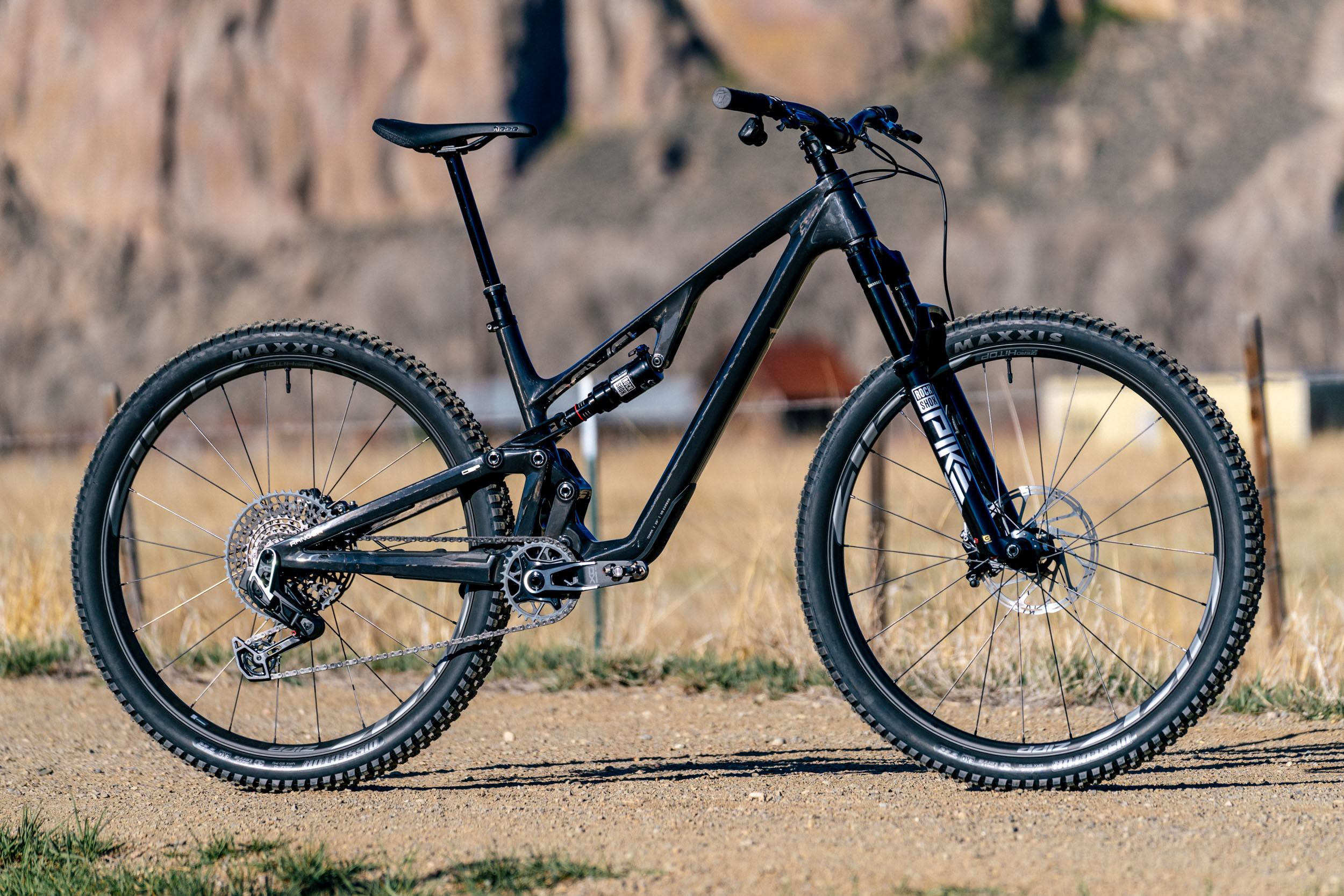
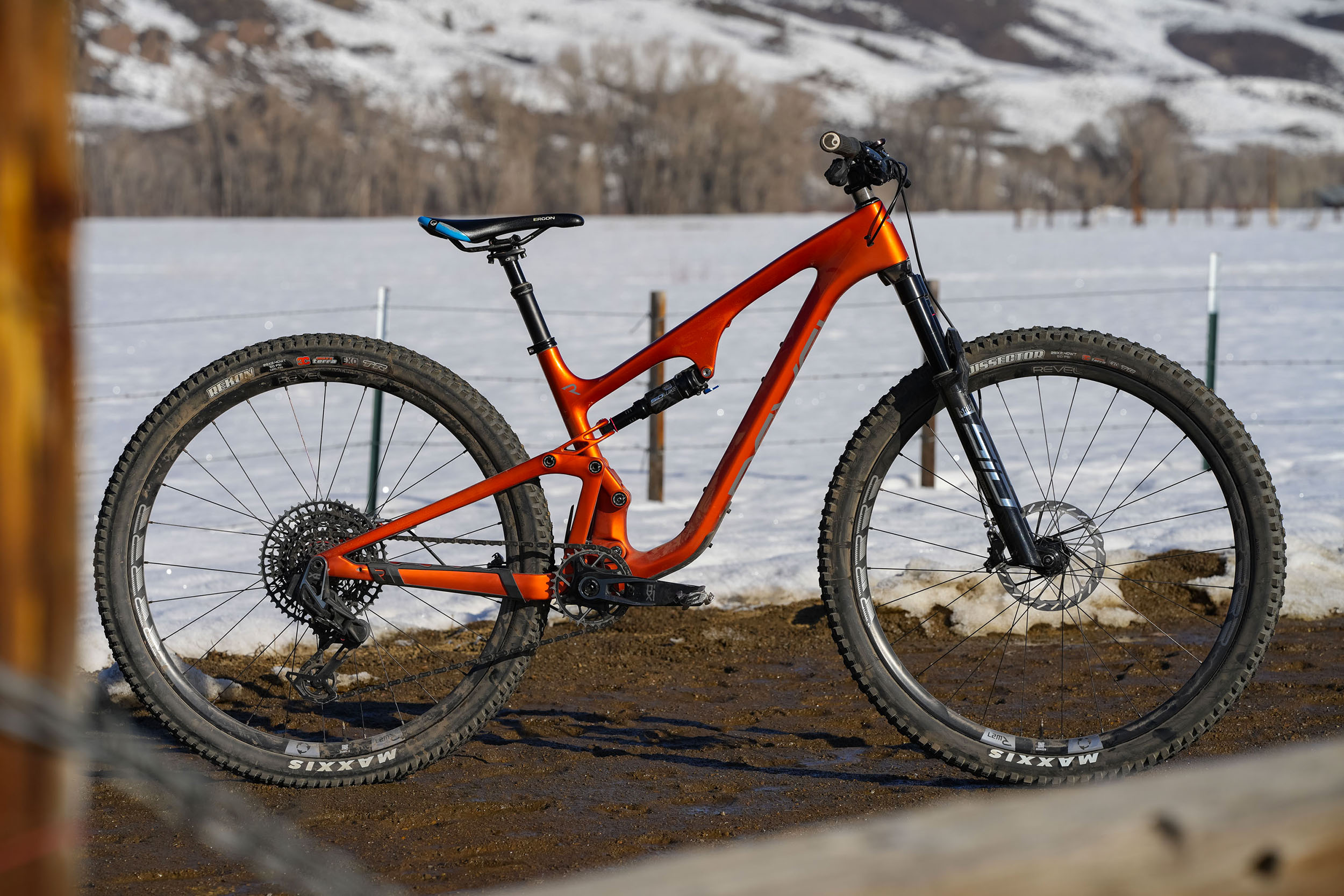

Overall, it looks pretty similar to the last version. The frame shapes might be a little sharper and more modern than the rounded look on the V2, but the basic layout is similar. You get the same vertical shock orientation and the Canfield Balance Formula suspension platform found on all Revel full-suspension bikes. I spoke about this in my review of the V2, but the Canfield Balance Formula, or CBF, is Revel’s licensed suspension platform designed to keep the bike’s pedaling and braking behavior consistent throughout the travel by placing the suspension’s instant center in a specific relationship to the chainring and drivetrain forces.
In simple terms, it tries to balance anti-squat so the bike pedals efficiently without relying heavily on shock compression damping, while still allowing the suspension to remain active over bumps, under braking, and deeper in the travel. The target is to create the “magic carpet” feel Revel often talks about: good traction, minimal pedal bob, and a suspension feel that stays supportive without feeling harsh or locked out. Just like the V2 and the Revel Rascal I reviewed in 2025, I love the sensation the CBF provides, and that’s consistent with the V3.

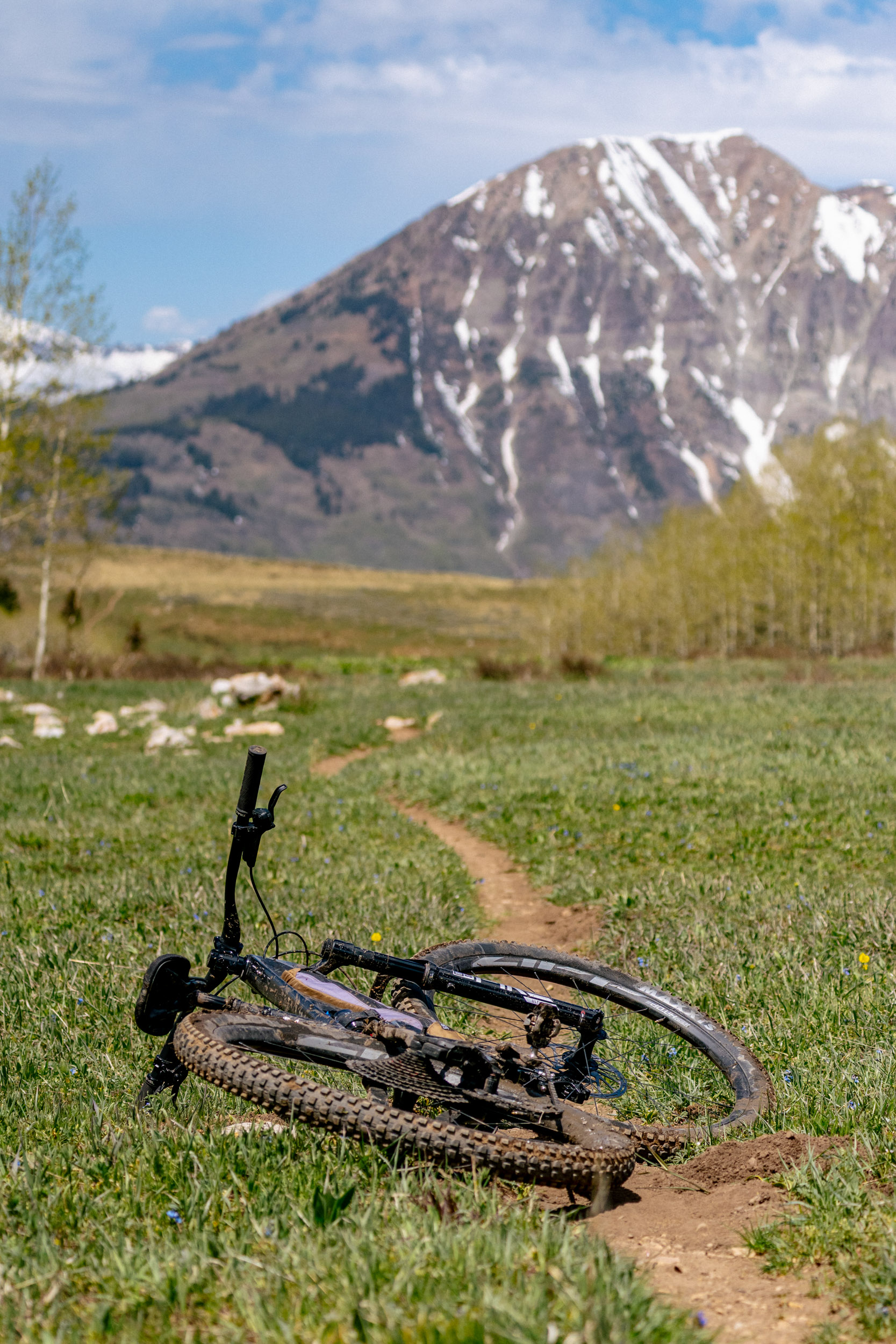
The Ranger V3 comes in four sizes, ranging from small to extra large. It maintains boost spacing and 29 x 2.6” tire clearance, along with internal routing, a threaded BSA bottom bracket, 31.6mm seatpost diameter, and UDH-compatible dropouts. The V3 also comes with a 180mm direct-mount rear rotor, up from 160mm on the previous version, a sign of where this bike is headed. It’s still true to the ethos of the original Ranger, but it’s clearly a more capable bike.
What’s new on the Revel Ranger V3
The second version of the Ranger was a short-travel bike that leaned more toward trail than pure XC. The geometry updates to the V3 push the Ranger further in that direction. Or maybe more accurately, it follows in the direction XC-style bikes are headed: more capable and more confident without completely sacrificing pedaling efficiency.


Starting with the linkage, the bike gets a refined layout, with the lower link now sitting inside the frame. That, paired with redesigned hardware, helps create a stiffer and lighter overall bike. In fact, Revel says there is an average weight savings of 200 grams across the size, in part due to this change. It also helps protect the linkage from the elements, and my testing found that to be the case. With the Ranger still using the CBF, the kinematics have also been updated. As Revel puts it, the suspension has “been specifically refined for what a downcountry bike should feel like,” and it’s now more progressive than the previous two versions.
The travel increases from 115mm in the rear and 120mm up front to 120mm in the rear and 130mm up front. The head tube angle slackens by nearly 2°, from 67.5° to 65.7°. The reach has grown by 10-17mm, depending on size; the stack rises slightly, and the wheelbase jumps by up to 47mm on the extra-large. The medium size I tested measures 1,207mm, which is a 37mm increase over the same size of the previous version. Revel has also introduced proportional chainstay sizing on the V3, something we’ve seen more of across the industry over the last few years to help with weight distribution and more consistent handling from size to size. The small and medium share 435mm chainstays, the large bumps up to 437mm, and the XL lands at 439mm.


Other changes include a steeper seat tube angle of 77° and a shorter effective top tube length across all sizes. That should help compensate for the longer front end and keep the seated position from feeling too stretched out, but I’ll share more on how that translates to ride quality in a different section. Finally, the bottom bracket is now 1mm lower, at 338mm, with a 41mm bottom bracket drop.
In short, the new Ranger looks less like a light downcountry bike and more like a proper modern short-travel trail bike. Whether that’s a good thing probably depends on what you liked about the old Ranger. But in reality, what Revel has done here is make the Ranger more approachable to more people, on more rides, and across more terrain. On paper, the geometry should make the bike feel more planted, give riders more confidence at speed, and generally make it more fun. But, did they actually pull that off?
Sizing
Before we get into overall ride thoughts, I want to talk about bike fit and how it translates to time on the trail, because for many buyers, this is one of the most important parts of the equation, especially if you’re built like me. I’m 5’9.5”, have a 32” inseam, and a +2 ape index. To say I’m a tweener for most bike brands is an understatement. In fact, sizing is often the most frustrating part of looking at geometry charts and trying to figure out which size I should ride. Frankly, I lose sleep over it. For a long time, I’ve been a medium on Revel bikes, but a few things have changed since I reviewed the previous Ranger: modern geometry, my riding style, and what I want out of a bike.


After my time with the Ranger V3, I feel like I could have ridden a large. The medium wasn’t a bad fit. It was still rideable and efficient, maintaining the quick, responsive feel you’d expect from a Ranger. But when the trail got steeper or faster, I felt a little too far over the front of the fork. A longer stem could have helped, but overall, what I really wanted was a bit more reach, a bit more room between my hands and feet, and a little more bike in front of me. Three years ago, aboard the V2 Ranger, I didn’t necessarily feel the same way. But when I reviewed the Revel Rascal last year, the medium almost felt like my ideal travel-to-speed ratio. It was still nimble, it pedaled well, and it could handle nearly everything I threw at it. So, in reality, I probably should have taken that hint. If I wanted a similar feeling on this shorter-travel, less-capable bike, sizing up might have made sense.
Revel Ranger V3 Geometry
| Size | SM | MD | LG | XL |
|---|---|---|---|---|
| Effective TT Length | 580 | 607 | 629 | 665 |
| Reach | 440 | 465 | 485 | 515 |
| Wheelbase | 1178 | 1207 | 1234 | 1270 |
| CS Length | 435 | 435 | 435 | 435 |
| Effective ST Angle | 77 | 77 | 77 | 77 |
| ST Length | 410 | 415 | 420 | 425 |
| HT Angle | 65.7 | 65.7 | 65.7 | 65.7 |
| HT Length | 95 | 106 | 117 | 128 |
| Fork Offset (mm) | 44 | 44 | 44 | 44 |
| BB Drop | 41 | 41 | 41 | 41 |
| Stack | 605 | 615 | 625 | 635 |
Of course, sizing up would come with its own tradeoffs. The large would give me more reach and a longer wheelbase, which I think would help with confidence and body position on descents, but it would also take away a little bit of that snappy, compact feel that makes a short-travel bike like this so fun in the first place. Obviously, that won’t be the case for everyone. If you prioritize quick handling, tight singletrack, and that more traditional XC feel, the medium might still be the right call. But with where I’m at in my riding style and bike preferences, I think I would have gone with a large on this Ranger.
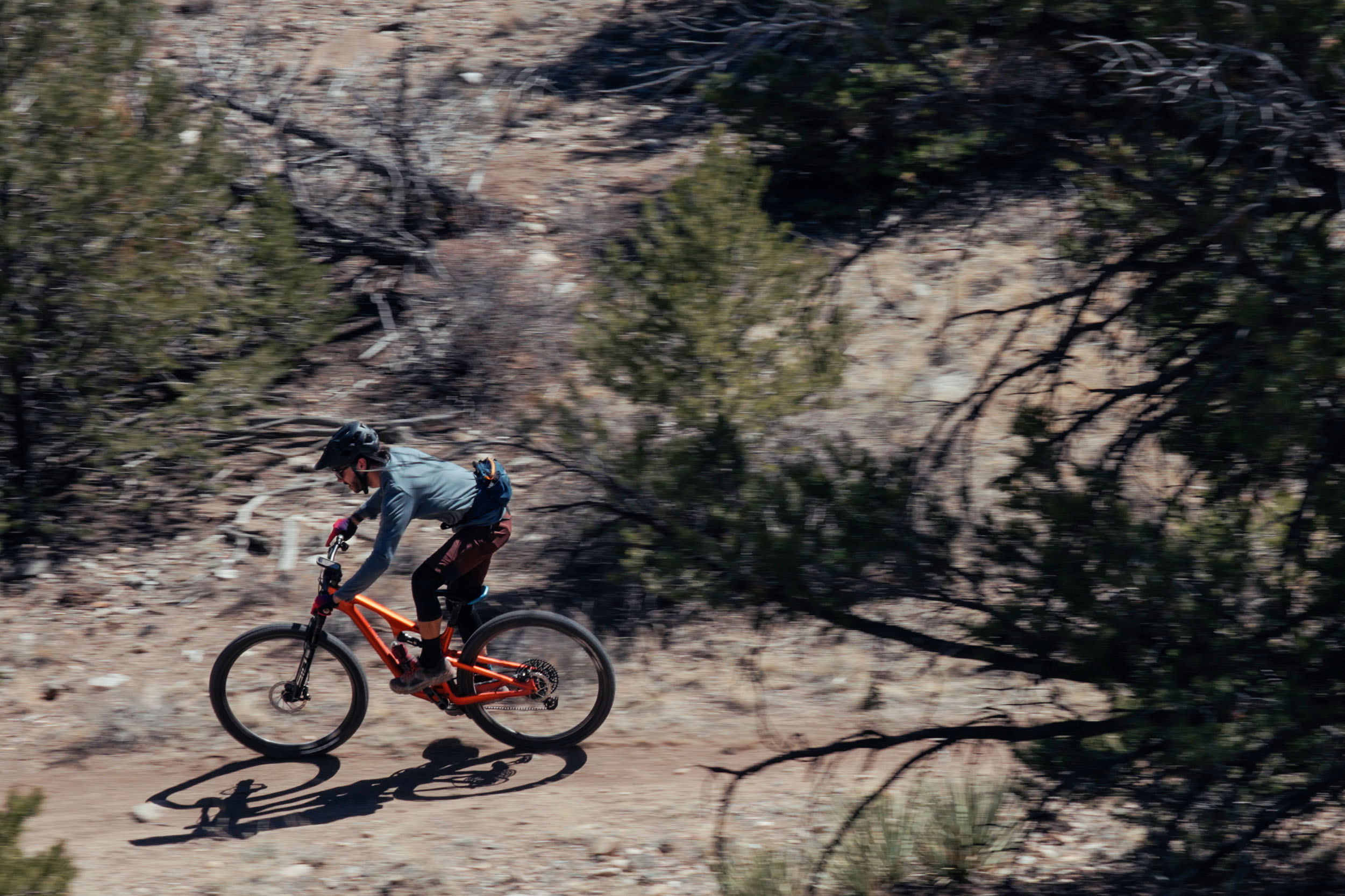


This is where I think a fifth size could help. Not because Revel’s sizing is off, but because there are a lot of riders around that 5’9” to 5’10” mark who are stuck between sizes, especially as bikes get longer, steeper, and more capable. I’m biased here, but a true medium-large would make this decision much easier.
Tuning and Detailed Ride Thoughts
Leaning more into the ride thoughts, I really like this bike. It feels primed for all-day adventures where efficiency is key, but it doesn’t fall apart when the trail gets rough or the descents get a little more rowdy. For reference, I ran the rear shock at roughly 177 PSI, which translated to around 30 percent sag. On the 11-click RockShox SID rebound, I settled at five clicks from slow, and that felt like the sweet spot for my weight and riding style. It managed longer, faster descents well without taking away from that planted, grounded, and snappy feeling the CBF platform provides on climbs. I also kept the low-speed compression adjust at zero but occasionally put it in the “+” position, which helped the rear end feel a bit stiffer on those long, slogging climbs.

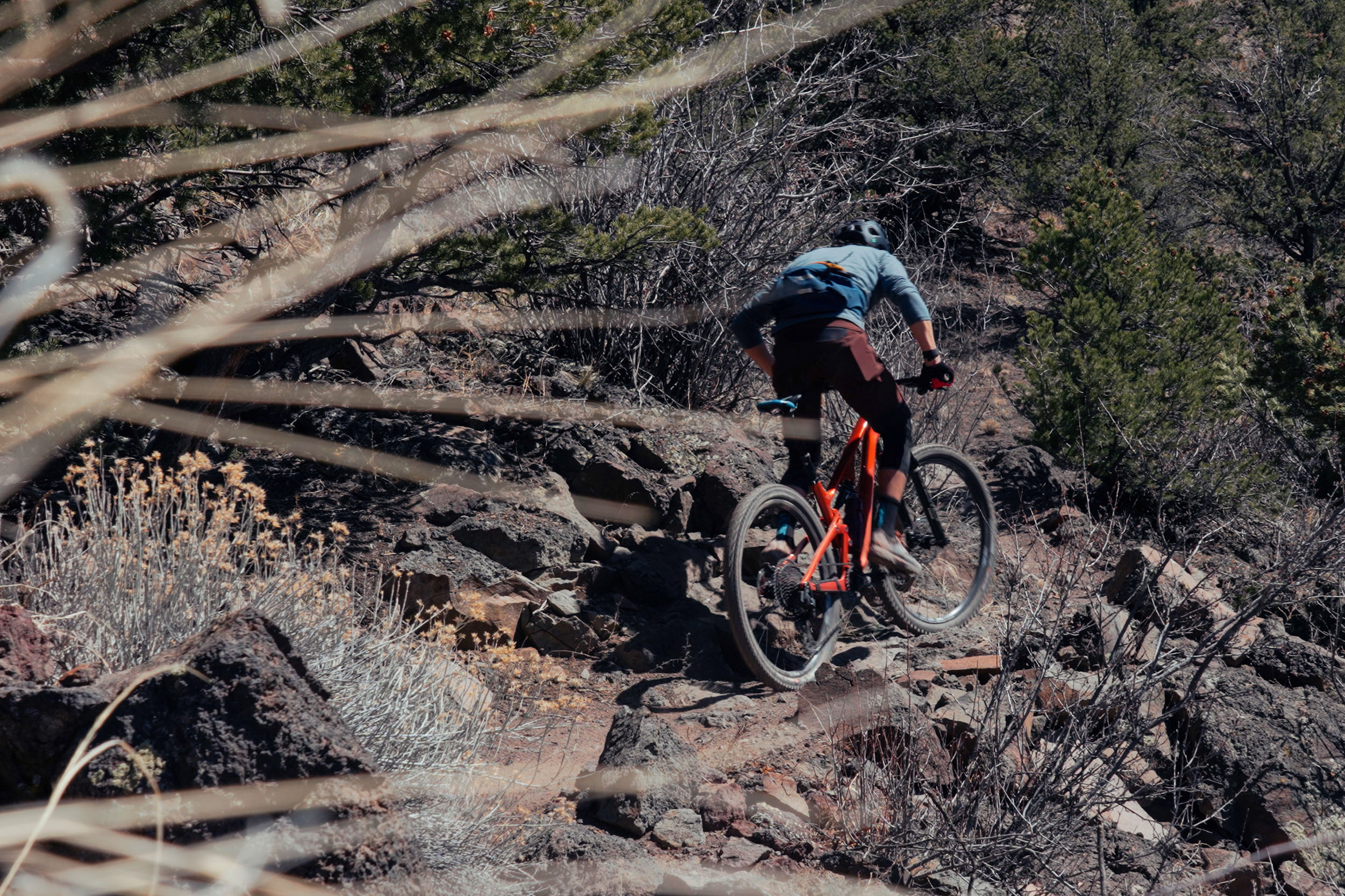
Speaking of climbing, the V3 is right at home going uphill. I felt comfortable settling in on hour-plus climbs, but it also handled short, punchy efforts well. It stands out in technical terrain, too. The rear wheel has a way of hugging the rocks, and when you need to focus on a tough move and put down a little more power, the rear end almost feels like it helps spring you up and over. I’ve spent time on DW-link and Split Pivot bikes, and found them to be incredibly efficient platforms. That said, I don’t think they feel quite as good on those really high-power technical moves as CBF does. Just as important, the rear end feels very active under light-to-moderate braking. Obviously, if you’re fully hammering on the brakes, that’s going to change how any bike rides. But when I was feathering the brakes through a rock garden descent, the Ranger did a tremendous job of keeping that grippy, comfortable rear-end feel.




Paired with the increased wheelbase, slacker front end, and overall geometry changes, I found myself spending less time on the brakes and more time playing around on the trail. One thing I changed right away was the front-end height. Like the Spearfish I rode last year, I prefer to be a little closer to the trail on a bike like this. As a result, I trimmed about 20mm of steerer tube and lowered the stem, which helped me feel a bit more connected to the front end. It also extended my effective reach ever so slightly. I’d argue it may have given me around 6mm of effective reach. Over the course of a four-hour ride, I never felt like the bike was working against me. There were times when I got going a little too fast and had to reel it back in, and maybe a little more overall length would have helped there. But even on steep, fast, and fun descents, the Ranger held its own for what a short-travel bike should handle. On climbs, the bike feels made for the up-and-downs. It positioned me nicely in the middle of the bike, and I never felt like I had to stand up or shift my weight forward just to keep the front tire planted. For an all-day bike, the Ranger V3 is exactly what you want.
All told, what this bike does well is no-nonsense efficiency. From A to B, it’s going to get you there quickly. It tackles chunky terrain as well as a short-travel bike can, handles descending and braking better than the previous version, and, as I found out, it even manages a load surprisingly well.
While Out Bikepacking
Like always, I loaded the Ranger up for a night under the stars. Although it was just an overnighter, I wanted to see how the V3 pedaled with a load. Whether the engineers at Revel—or any bike brand for that matter—realize it or not, loading up a bike usually makes it feel pretty darn great. But, how would the V3 feel given all the complexities I’ve already mentioned?
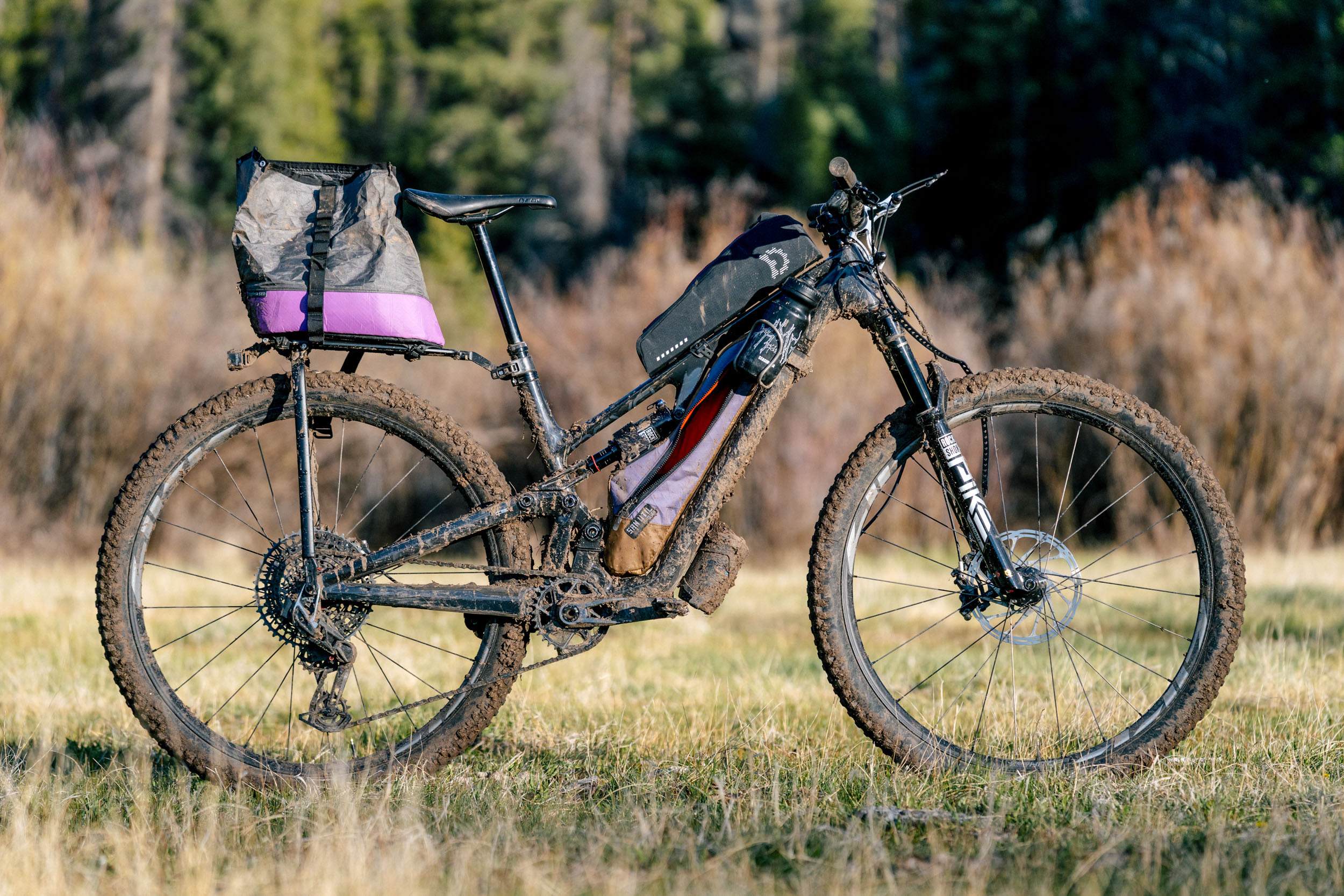

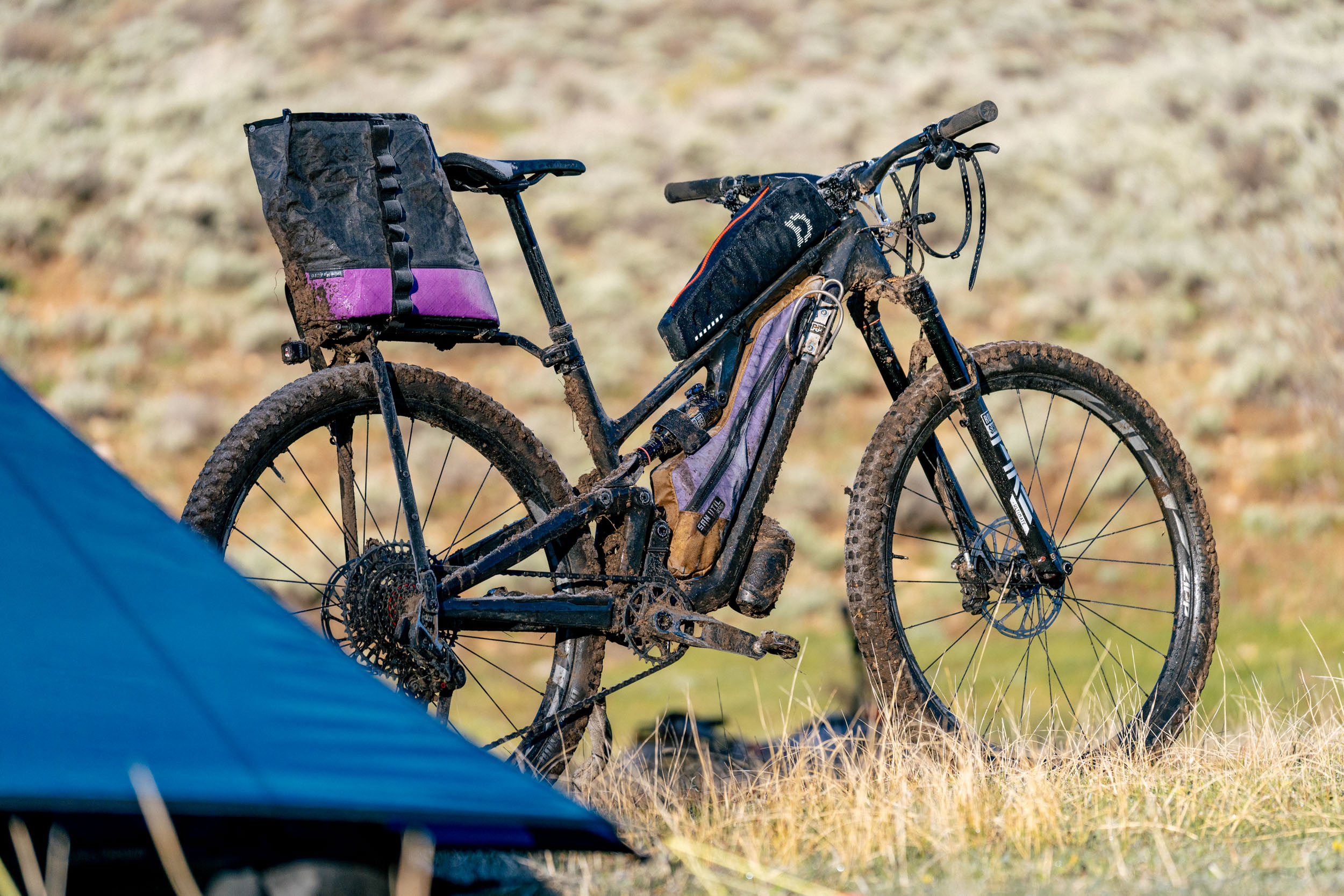
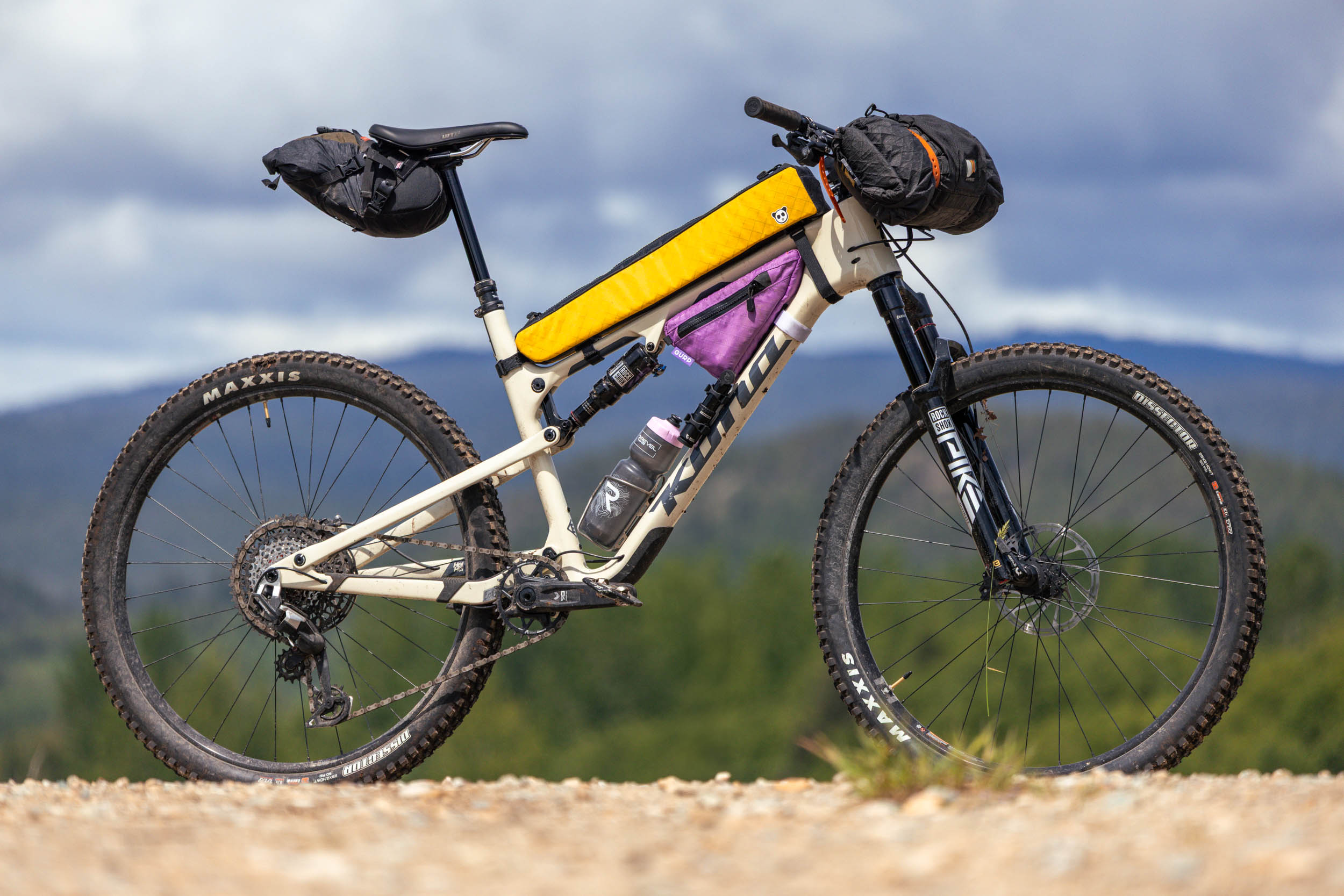
For starters, the front triangle feels slightly smaller, likely due to the steeper seat tube and sloping top tube. That said, there’s still enough room for two bottles or a bottle and a small tool keg. You could also commission someone to build a frame bag and optimize that space even more, which is exactly what I did. I had San Util build a frame bag specifically for this bike, and it made the space way more usable. I was able to fit my bikepacking dopp kit, which holds a bunch of random essentials, my stove kit, and a few other small odds and ends, including a trowel and pump.
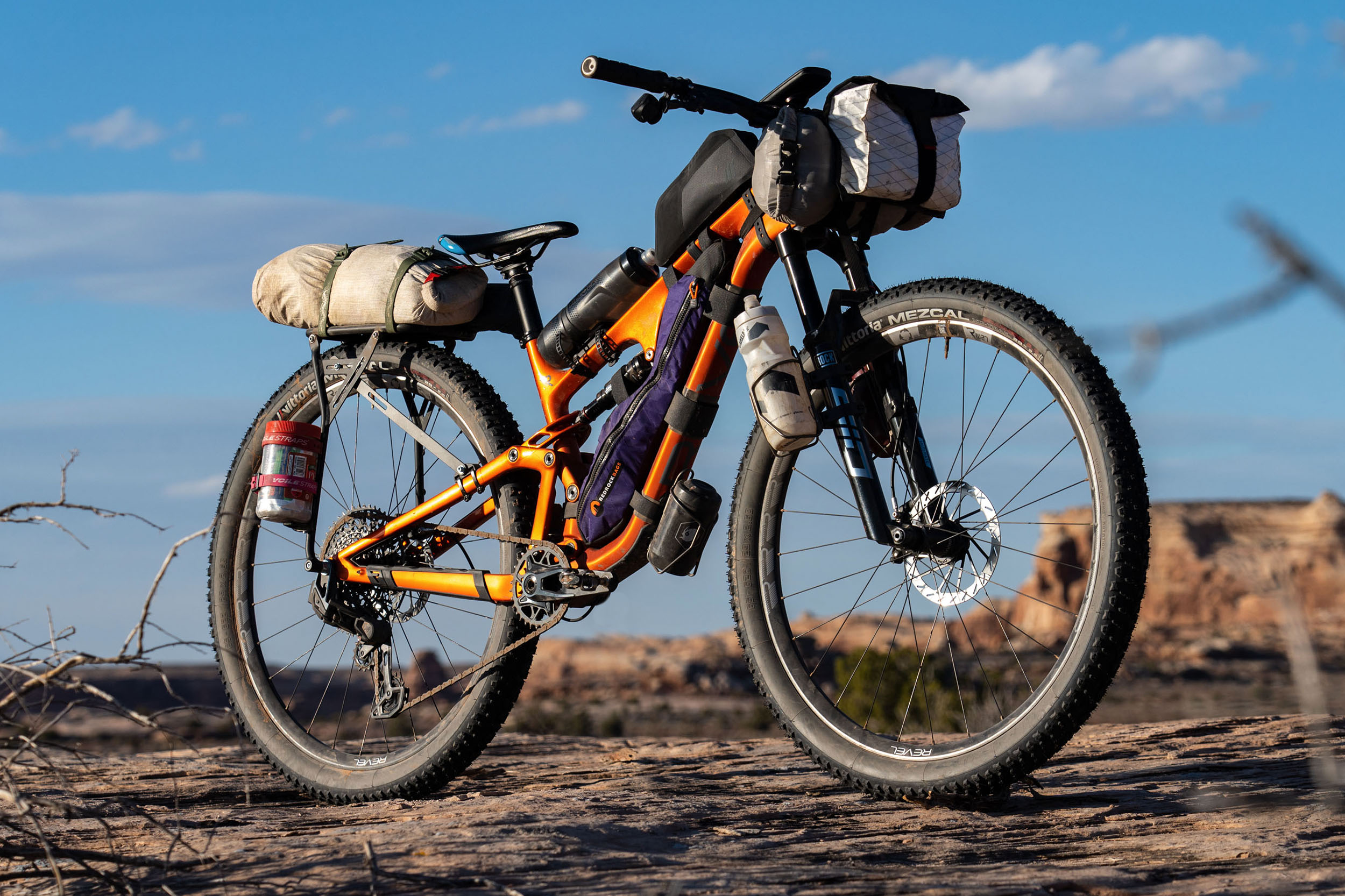
Adam does a great job making bags, and this one is no different. It fit like a glove, and he even made it direct-mount wherever possible, using the frame’s mounting points, while also adding a non-drive-side pocket for chain lube, batteries, and my wallet. I also threw on and tested the new Tailfin Journey rack, which, to my surprise, turned out to be an excellent rack for a full-suspension bike. But overall, the Ranger fared well on a very sloppy bikepacking trip. I tested the mud clearance, which I seem to do with all Revel bikes at this point. I tested the V2 Ranger in 2023 on my Sloppy Joe route, and then again on this route with the new bike. One thing I noticed is that, despite the V2 also having clearance for 2.6” tires, the clearance on this new Ranger seems better.

After testing it with a load, I can confidently say the V3 felt good. It would make a great singletrack-oriented bikepacking rig, and it performed better than many other bikes I’ve tested in this category. I went fairly light with my setup since I’m dialing in gear for the Colorado Trail. I tend to pack lighter when I’m riding singletrack or rugged terrain that involves a bit of hike-a-bike. But it was still a full load with a tent, sleeping bag, and all the usual overnight gear.
The extra weight gave the bike an even more grounded feel. Plus, with a load on the bike, it still maintained its agility and maneuverability. With regard to the sizing conundrum I mentioned earlier, I think loading a bike can make the smaller size make more sense. That said, I still think I would have been just fine on the large too.
Specs and Pricing
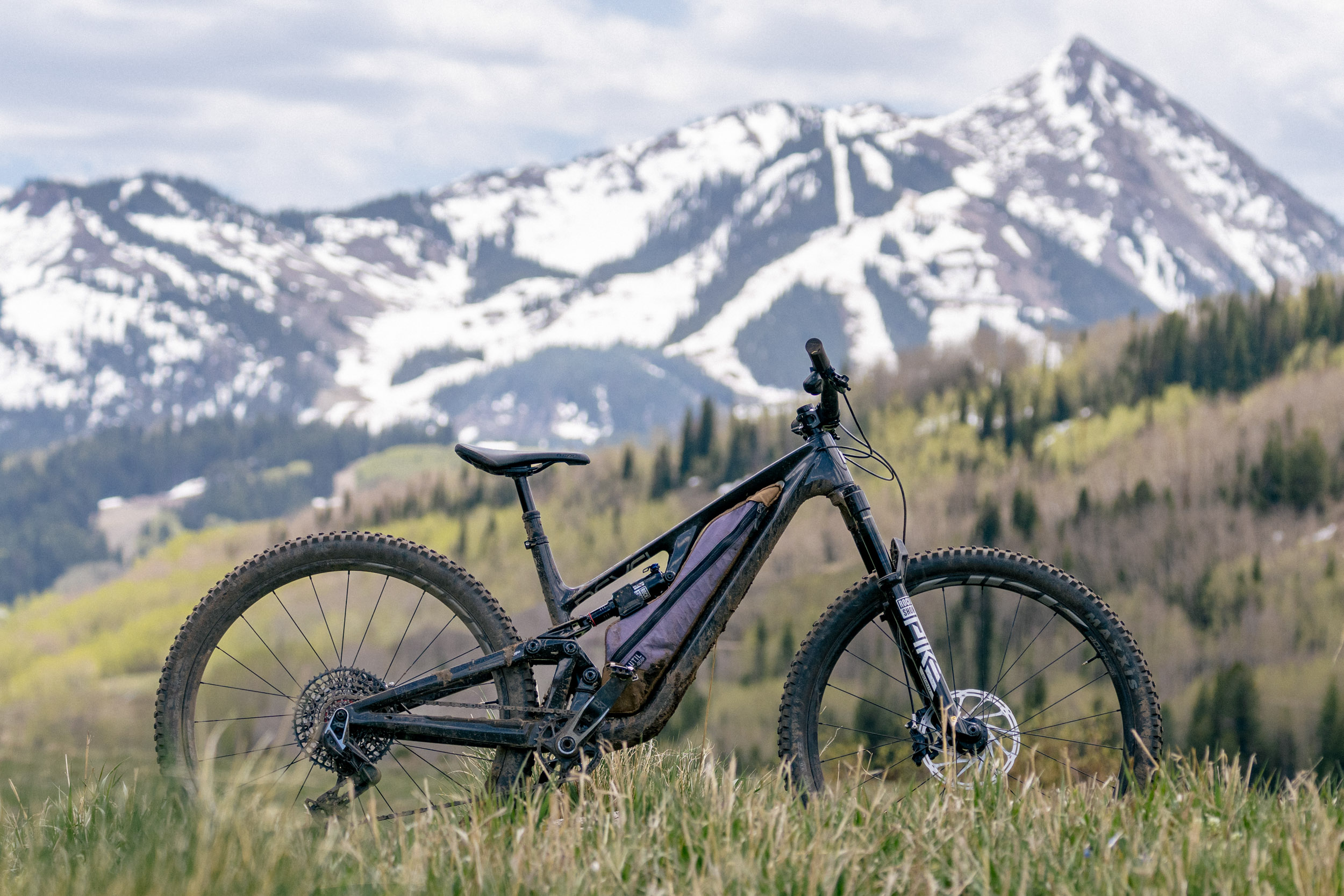
The Ranger V3 comes in a variety of specs and two colors: Red Zeppelin and the all-black model pictured here, dubbed Steezy. There are four build options, starting with a frame-only option at $3,699, the SRAM Eagle 90 build at $5,599, the SRAM XO Eagle Transmission build at $6,599, and the SRAM XX Eagle Transmission build at $10,199. I tested the XO Eagle Transmission build, which came in at 28.5 pounds at the end of my test period and includes a bunch of beautiful Colorado dirt.
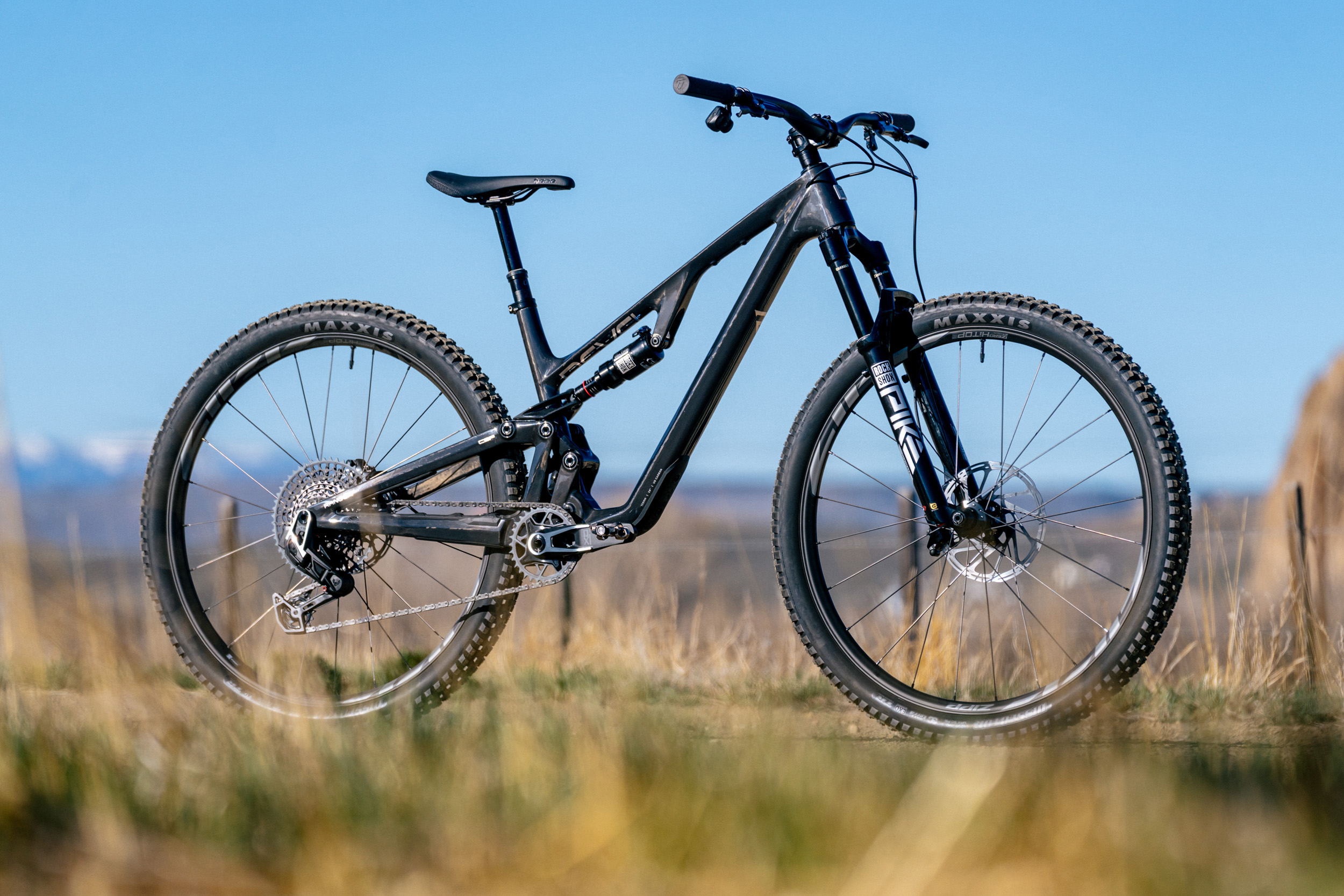


I enjoyed most of what came on this complete spec, but a few specific things stood out. First, the crank length. I would have loved to see Revel change crank lengths based on frame size. I’ve gotten used to 165mm cranks over the last few months and like that extra 5mm of clearance. When I got on this bike, I noticed the 170s pretty quickly, both in how they felt and in a few pedal strikes. I was hesitant about shorter cranks at first, but now I think every bike should probably run them, or at the very least, crank length should be proportional to size. On the Ranger, all sizes come with 170mm cranks.
Revel Ranger V3 Build Kit
- Frame: Revel Ranger V3 Carbon, 120mm CBF suspension
- Fork: RockShox Pike Ultimate, 130mm
- Crankset: SRAM XO Eagle Transmission, 170mm
- Derailleur: SRAM XO Eagle Transmission
- Shifter: SRAM AXS Pod Controller
- Cassette: SRAM Eagle Transmission 10-52T
- Bottom Bracket: BSA threaded
- Front Wheel: Zipp 1Zero HiTop S
- Rear Wheel: Zipp 1Zero HiTop S
- Front Tire: Maxxis Dissector 29 x 2.4″
- Rear Tire: Maxxis Dissector 29 x 2.4″
- Headset: FSA
- Handlebar: OneUp Carbon Bar V2
- Stem: Revel 40mm
- Grips: Revel
- Saddle: SDG Saddle
- Seatpost: OneUp V3 Dropper, 190mm production spec on Medium
- Seat Clamp: Revel
- Dropper Lever: OneUp Dropper Lever
- Brake Levers: SRAM Motive Silver
- Brake Calipers: SRAM Motive Silver
- Rotors: 180mm rear direct-mount rotor; front 203mm
After years of riding Transmission, it gets the job done, but now that other companies are popping up with different lever options, I hope SRAM updates the shifter down the road. Of course, this only matters to a small percentage of folks, but Transmission can be a pain in the butt to run with a rack unless you have the right adapters. That being said, after two bad brake sets from SRAM, the DB8 and DB6 brakes, my experience with the Motive Silver brakes was much more enjoyable. The bite point is consistent, and they were very strong when I needed them. The Motives still had the ability to feather when I didn’t want all of that power at once. I was very impressed with them and would buy them in a heartbeat.
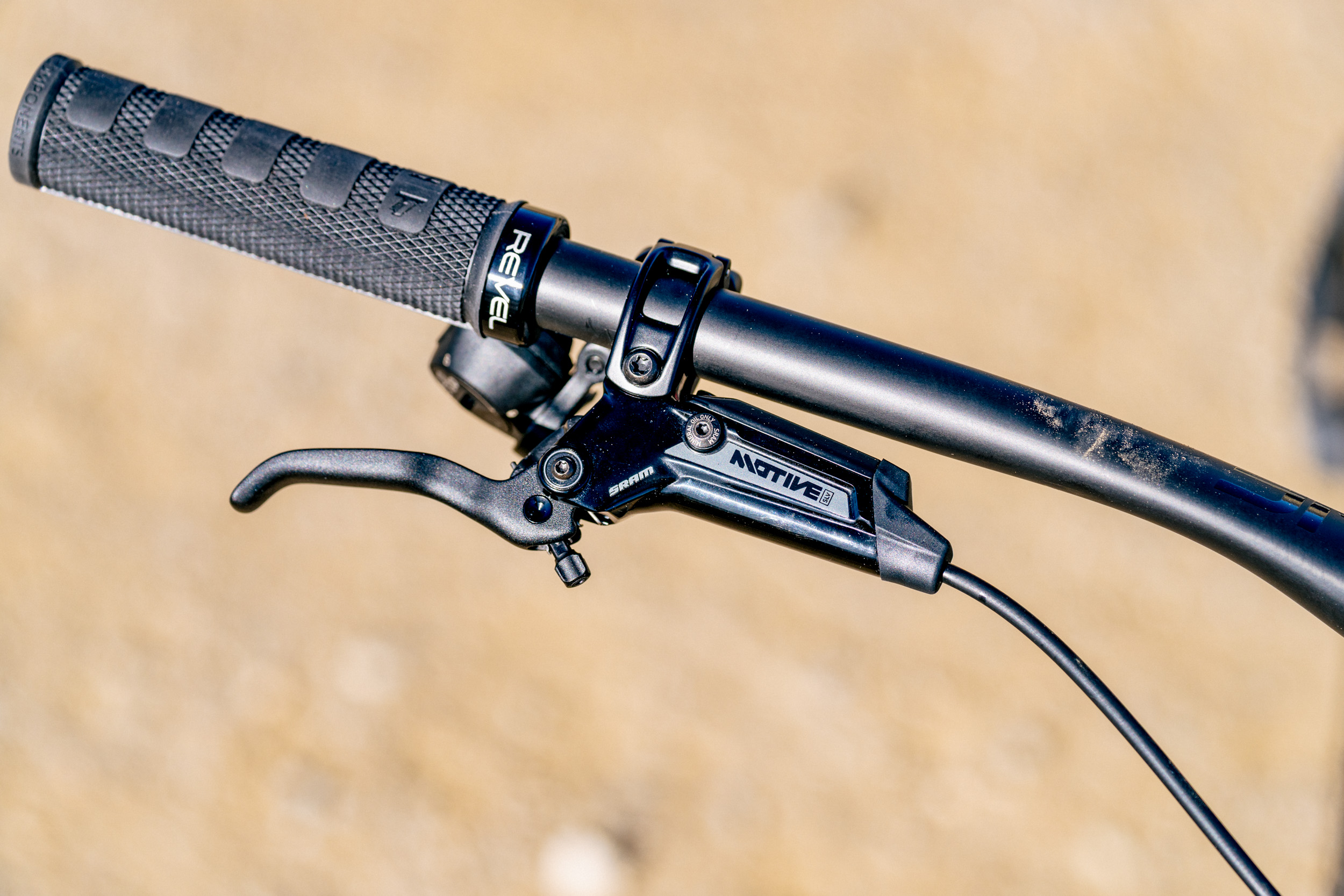




Another standout component is the OneUp carbon bar. This is the V2 version, and I’ve spent a bit of time on the original version and absolutely loved it. You can feel the compliance and flex in the bar over washboards or trail chatter, which adds noticeable comfort without being over the top. The one downside is the clamping area. Because of the ovalized shape and limited mounting area, they don’t work well with every handlebar harness. I got the new V2 Blue Ridge to work, but some other systems with limited adjustability may not play well with it.
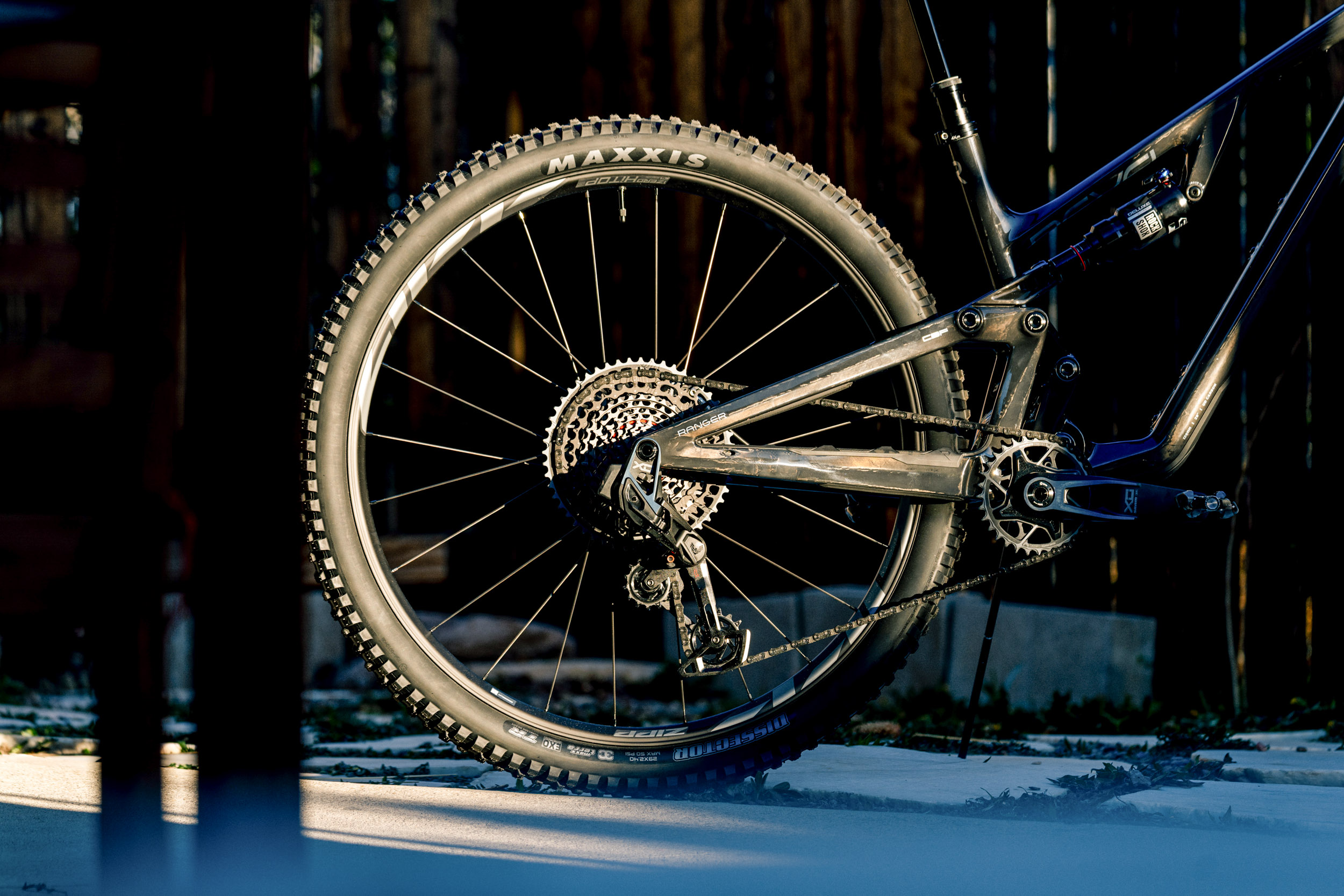
The other big win, in my eyes, is the Maxxis Dissector 2.4” tires. It’s an unconventional but pretty awesome spec choice for this style of bike. It’s a softer and slower-rolling tire, so if pure speed or racing is your priority, you might want to swap the rear tire, or maybe both. But I never felt the urge to. I love this tire, and I think it’s great for sloppy adventures or rides where you really want to feel that grip. I also love the blacked-out, stealthy Maxxis logos. More of that, please, Maxxis. It makes the whole bike look a lot cleaner. Finally, the dropper. This bike came with a OneUp 210mm dropper on the medium, although I was told production bikes will come with 190mm droppers. Either way, that’s a lot of drop, and it gives you a ton of room to maneuver when the going gets steep, tight, and technical. Depending on the build, the small bikes have 150mm of dropper, and the XL goes up to 240mm.

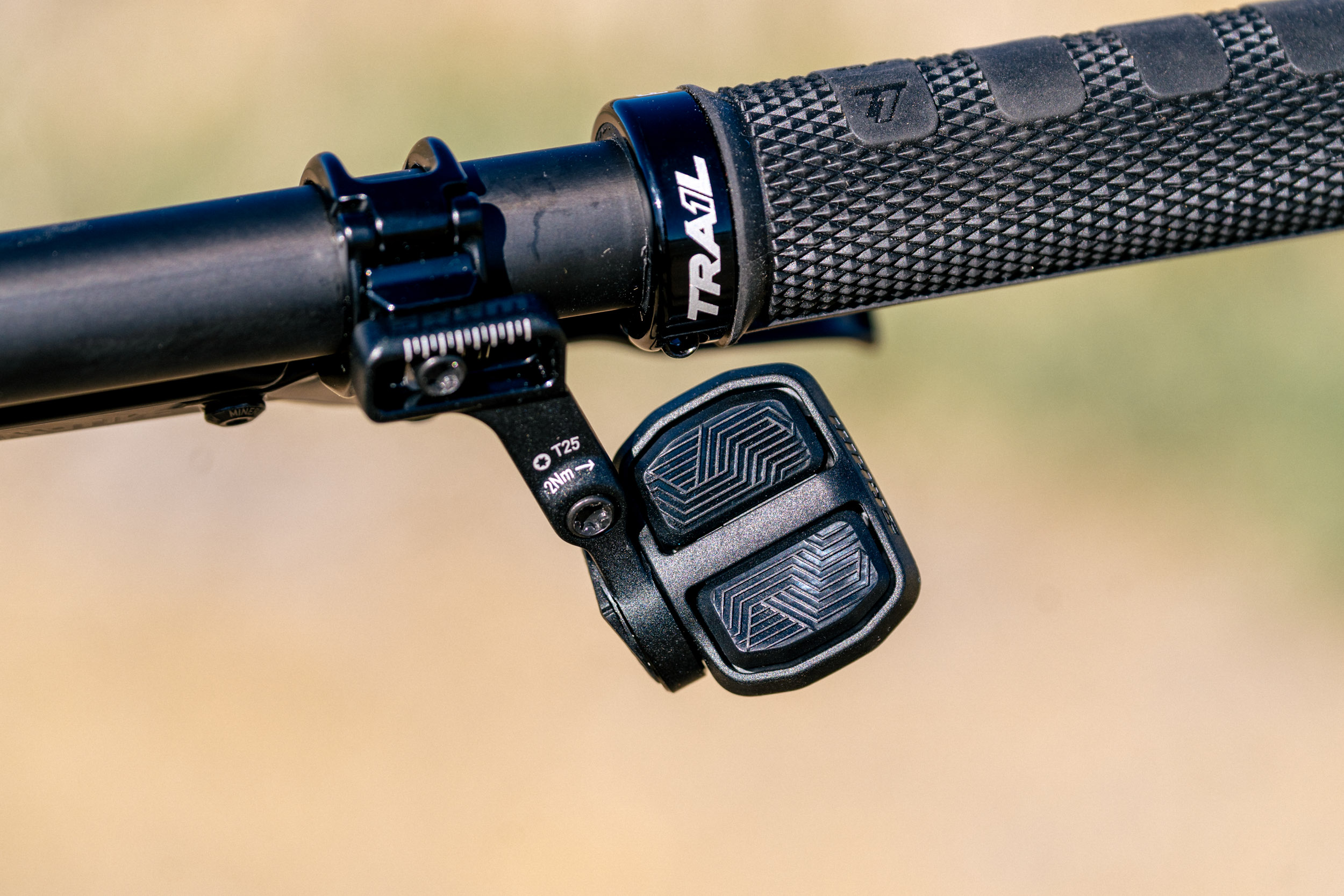

Rounding out the build, the Pike Ultimate fork is a nice choice. It’s easy to adjust to your preferences, and it feels like a great fork for heavier trail duty without being overly heavy or overly flexy. It inspires confidence, and I think it makes a lot of sense here over the SID Ultimate that was on the previous Ranger. The bike comes with Zipp 1Zero HiTop wheels. These are nice and help keep weight down while maintaining stiffness, with a hookless, asymmetric 30mm internal rim. Overall, it’s a very solid build, with only a few spec choices I’d change.
- Model Tested: Revel Ranger V3, Medium
- Actual Weight: 28.5 pounds (12.92 kilograms)
- Place of Manufacture: Vietnam
- Price: $6,600
- Manufacturer’s Details: Revel Bikes
Pros
- Excellent CBF suspension: efficient climbing, active braking, great traction
- More capable geometry without losing the Ranger’s quick feel
- Handles bikepacking loads well, and still has good frame storage
- Still 2.6″ clearance with ample mud clearance
- Big dropper compatibility
- Love the Dissector tire spec
Cons
- Premium pricing with no real budget option
- Tricky sizing for tweeners
- 170mm cranks on all sizes
- Transmission complicates rack use
- Lots of bearings that will eventually need to be replaced
Wrap Up
The new version of the Revel Ranger is a product of some pretty serious changes. It feels much more capable on trail, but it doesn’t lose the quick, responsive, and efficient feel the Ranger line is known for. The CBF platform remains excellent and remains one of my favorite suspension layouts for this style of bike.
That said, this is a premium offering, and the pricing reflects that. There are a lot of links, bearings, hardware, and details packed into this frame, and while that helps create a refined ride, it also means this is far from a budget short-travel option.
I think riders who loved the sharper, more XC-like feel of the previous Ranger may find this one a little more trail-oriented. It’s longer, slacker, planted, and more confident at speed. For me, that’s mostly a good thing, but as a result, I wanted to be on a longer bike, so I wouldn’t mind an additional size to help create a better fit for the average rider.
Candidly, it’s just good to see Revel still here. After Adam Miller sold the company, things seemed to go sideways for a bit, but he has since bought it back. If this Ranger is any indication of what’s next, I’d say Revel is on the right track.
I’d love to hear your thoughts on the new Ranger and these shorter-travel trail bikes. Are they replacing hardtails and XC bikes for many riders, or are they establishing a completely new category? Be sure to let me know in the Conversation below.
Further Reading
Make sure to dig into these related articles for more info...


Please keep the conversation civil, constructive, and inclusive, or your comment will be removed.