

 Mountain Bike (MTB)
 Gravel Bike
 All-Terrain Bike (ATB)
 Fat Bike



Cane Creek Invert Review: Suspension of Disbelief



Largely averse to trendy tech, Nic took a cautious look at the “world’s first gravel suspension fork,” the Cane Creek Invert, a sleek, limited-travel suspension fork—now with optional Invert Cargo Mounts. After months of riding trails and gravel roads, find his review here. Plus, watch Neil’s long-term video review with more on the cargo mounting accessory…
PUBLISHED Nov 13, 2025
Riding shots by Joe Redbeard
True to its name, the Cane Creek Invert is an inverted suspension fork offering 30 to 40mm of travel. Dubbed the “world’s first gravel fork” by Cane Creek, the Invert is available in two iterations: one with a lockout mechanism and one without. Utilizing stanchions at the bottom of the fork to provide tunable travel in a lightweight package via a progressive air spring, the fork houses its suspension design within an aluminum and carbon fiber package, aesthetically distinguishing it from most other forks. When I spoke to Will Hart of Cane Creek about the Invert, he was a bit tongue-in-cheek about the marketing used to promote the product, saying, “With [the] Invert, we really wanted to design a fork specifically for the needs of gravel bikes, not borrow ideas, concepts, and design from the mountain bike world. So much of mountain bike fork tech is optimized for a completely different type of riding.”


As someone who generally avoids added complexity, new technology, and components primarily geared toward performance, I had many questions going into my time with the Invert. Having ridden a number of gravel bikes over the last few years, I was hesitant about the onset of travel in a space I didn’t think needed it. However, my thousand or so miles yielded an experience that left me feeling conflicted about a suspension category I once thought redundant.
Specs
Both models of the Invert, the SL and CS, are built around a carbon fiber crown and steerer bonded to aluminum uppers. The one-piece lowers are forged with machined 30mm stanchions, integrated hidden brake caliper bolts, and a 12 x 100mm thru axle. Each version of the fork comes in a 30 and 40mm travel option and uses flat-mount brakes, has clearance for 700 x 50mm (29 x 2.0″) tires, and fits a 1 1/8″ tapered steerer tube.


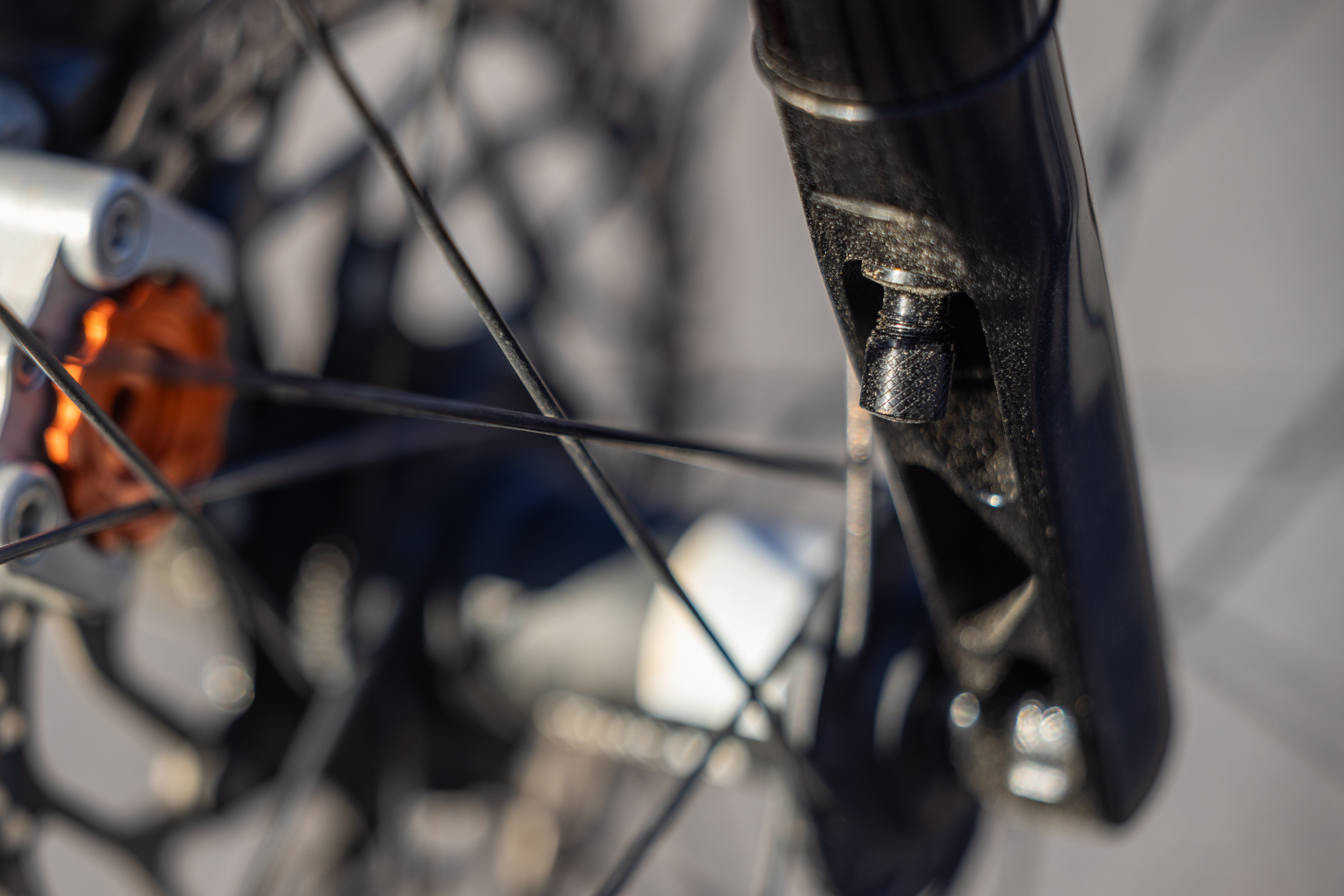

The idea behind using an inverted fork is that it reduces the amount of unsprung weight the suspension system is responsible for moving. Because less upward force is required to move it from the trail, inverted forks are said to be more sensitive than traditional suspension forks. In addition to that peculiarity, those familiar with suspension will likely wonder about the lack of a damper. As I understand it, dampers in suspension forks work to control the action of the suspension fork, both assisting and countering it to smooth out travel. I’ll get to how this felt in a different section, but know that the Cane Creek Invert is undamped and entirely reliant on its inner, adjustable air spring.
Where it sits
In my opinion, the Cane Creek Invert, with its sleek carbon fiber upper and inverted suspension system, isn’t vastly different from the rest of the options on the market. As far as the actual “first” goes, it seems Cannondale’s Lefty Oliver was the earliest modern gravel fork to market, though the now-updated iteration of Rock Shox’s Rudy XPLR was the primary option with wide-ranging compatibility. Released in April of 2024, the Invert is much closer to the first iteration of the Rudy XPLR fork, with similar travel options and tire clearances. Now dwarfed by the recently released Rudy XPLR Ultimate, the Invert sits in an increasingly crowded field.


Evolving rapidly over the last few years, developing suspension for gravel seems like trying to hit an ever-shifting target. Where some argue riders should simply be on a cross-country mountain bike, if they’re running suspension at all, others can’t seem to decide at what tire width and travel length gravel suspension should start and end. Considering the other available options, the Invert in 2025 falls somewhere in the middle of the available travel ranges and tire widths, the standout areas being in weight and the subjective measure of aesthetics.
| Model | Price | Travel | Lockout | Starting Weight |
|---|---|---|---|---|
| Cane Creek Invert CS | $1,199 | 30/40mm | Yes | 1,203 grams |
| RockShox Rudy XL | $929 | 50/60mm | Yes | 1,370 grams |
| MRP Baxter | $989 | 40/60mm | Yes | 1,680 grams |
| Fox 32 TC Factory | $999 | 40/50mm | Yes | 1,320 grams |
With a 50mm maximum tire width and 40mm of maximum travel, I believe Cane Creek is defining its idea of gravel through the Invert’s chosen limitations. Though I don’t necessarily agree with the limit, a straw poll and some asking around confirmed what might’ve been informed by market research and internal debates at the North Carolina-based company. For me, 50mm is the bare minimum someone should be running for what I consider gravel. But, as we know, that definition varies significantly across both the nation of its inception and the wider global gravel space.


Pisgah can be challenging on any bike, even when staying off rated trails and sticking to gravel roads. Between the roots, rocks, dropoffs, and steep terrain, 50mm feels a little light in the tire department when there are tons of good options in the 2.1 and 2.2” range. With gravel bikes moving toward those kinds of clearances, running a 2” + tire on a road-inspired gravel bike isn’t as niche as it once was. Having to downsize to a 50mm tire when I run 2.25” on any gravel bike that can fit them felt odd. Considering the scope of 50mm tire options, most offerings in this size are semi-slick or have relatively small knobs, which I haven’t found to be particularly impressive. More pronounced treads and greater widths yield better performance on mixed surfaces, and there isn’t a tire at this size I’ve found truly sufficient for the kind of riding I want to do on the Invert. Because of this, I ended up running the Rene Herse Fleecer Ridge tires for a good portion of my test period. They’re a stated 55mm in width, but they only measured out to 53 on my Teravail Circos rims and never got close to making any contact with the crown or fork blades while riding. It’s not something I recommend, as it’s far more consequential to exceed a manufacturers maximum width on a suspension fork, but it did improve the riding characteristics of the fork through the larger knobs and added width.
In Use
From the off, however, the Invert performed exceptionally well. I’ve never found even the longest days in the saddle to be too abusive on my body, so I didn’t expect to see a ton of benefit from a limited travel fork. After all, my time in Pisgah riding rigid was fun if not entirely free of issues without a suspension fork—why would I need to add complexity to that experience? With the Invert, however, I felt much more confident on the rough, rooty trails and singletrack that dot inner-Asheville’s limited dirt roads, as well as the forest Cane Creek proudly calls home. Cutty, less-than-legal systems that are too narrow and lacking the technical terrain to run a hardtail on are where I feel the fork shines the most, but the added plushness of a suspension fork also smoothed things out on the gravel roads and trails.


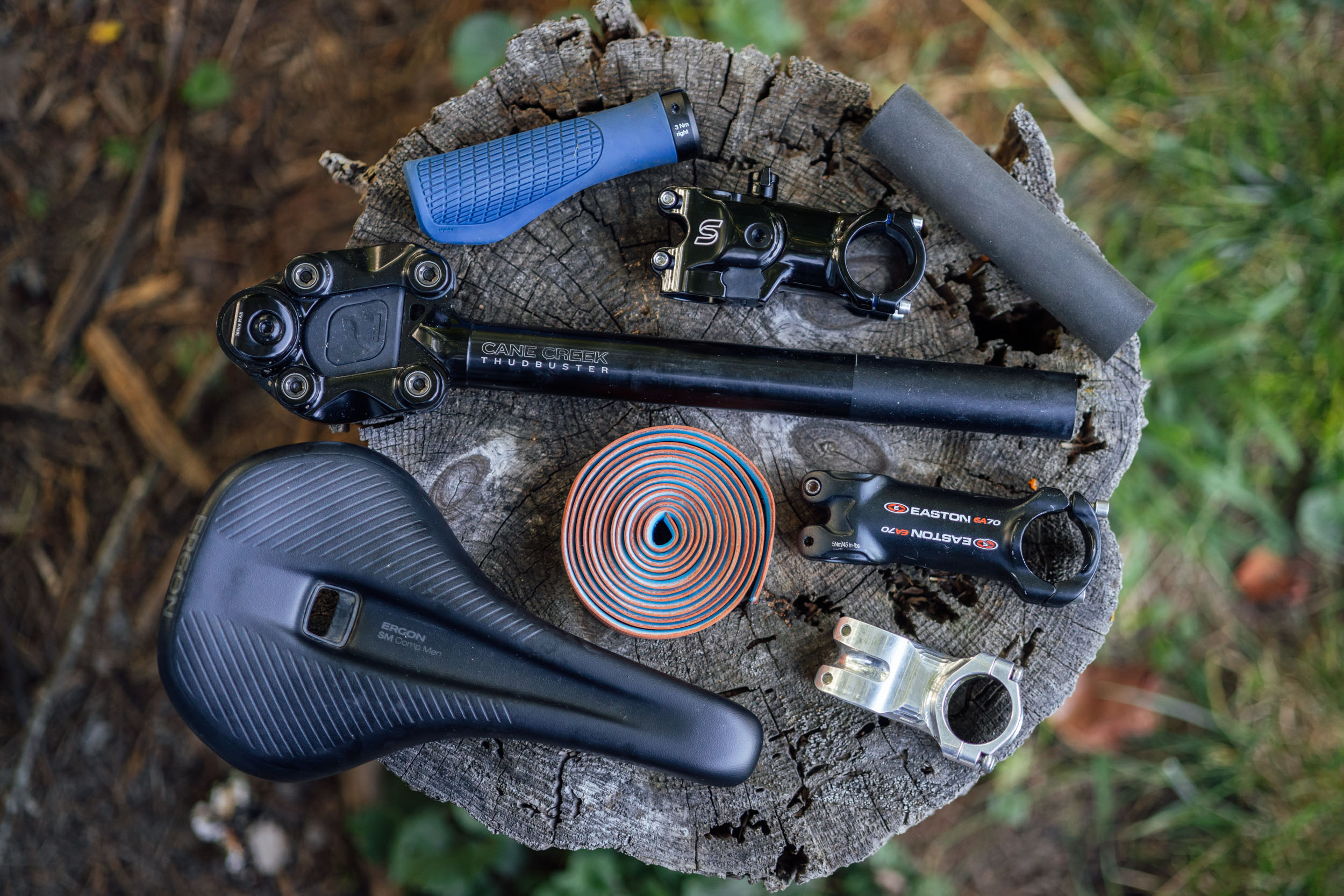
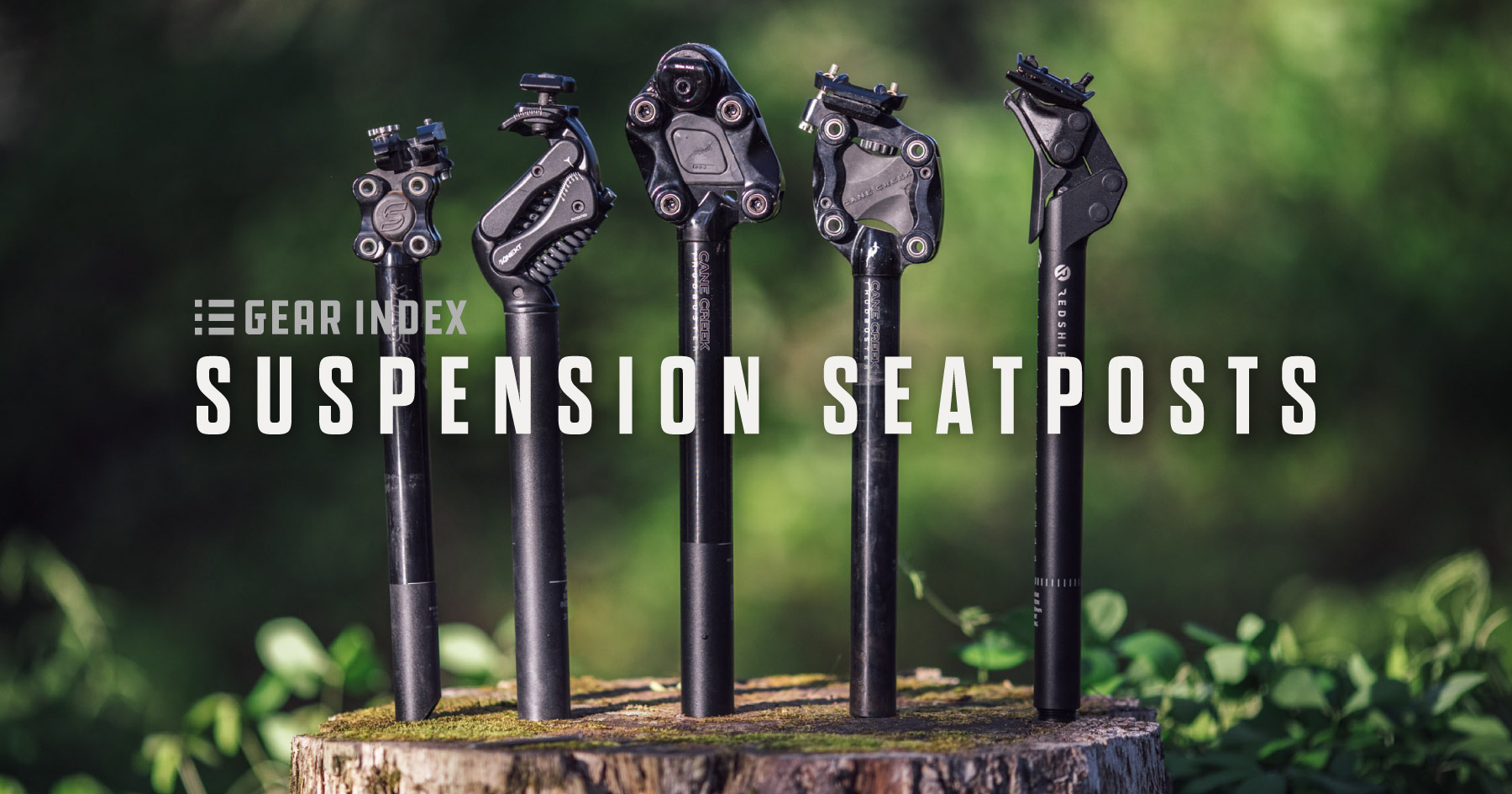
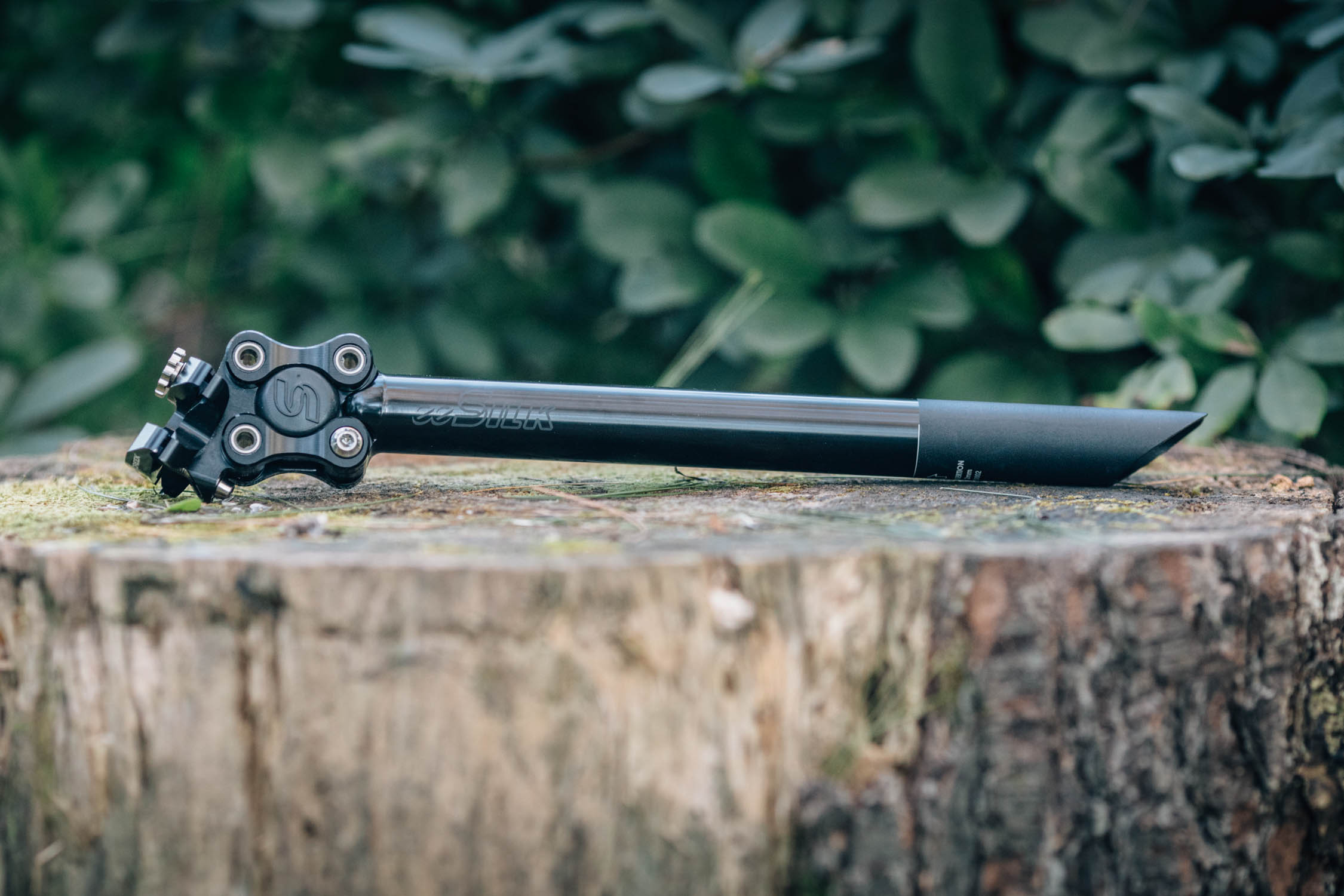
That said, a quasi-philosophical question sat in the back of my mind when I first encountered the Invert. Gravel suspension systems like Cane Creek’s eeSilk seatpost, Redshift’s suspension stem, and others were different in the sense that they didn’t incorporate a ton of meaningful travel but are nonetheless “suspension” systems marketed with the explicit purpose of making things more comfortable. To my estimation, suspension in the traditional sense wasn’t made for smoothing things out—that’s simply an added benefit. Keeping the wheels on the ground for the sake of going faster and learning the skill of riding with suspension has allowed far more talented riders to clear trails I wonder how anyone has ever walked, let alone ridden through.


So, I thought: is the Invert another comfort device? Or one made to allow the most talented gravel riders to go harder and faster? When I posed the question to Will, he drew a line on the whiteboard in his office, noting comfort and performance at opposite ends. With some caveats, Will placed the Invert with a bias toward performance, noting that it aimed to do a little of both but wasn’t solely focused on making a gravel ride less harsh. My experience of the fork, perhaps framed by that answer, has been precisely that. Once a suspension novice, much like myself, learns to ride with travel, terrain takes on a whole new dimension. It’s not necessarily massive. Clearing an absurd rock feature probably isn’t going to be in the Invert’s wheelhouse, but the sections of trail that required more delicate dancing and mindfulness are now just blasted through when I leave the fork open.
On the opposing end of the spectrum, I thought that the Invert would feel like overkill in situations where I wasn’t loaded down or just going for a quick two-hour ride with limited dirt. To my surprise, the Invert didn’t feel like anything more than a bit of extra weight, and it’s a component I’d happily retain on any bike I want to be more adventurous with.
Little Switch, Big Change
The Invert model I tested was equipped with a fork-blade-mounted lockout. Dubbed the “Climb Switch,” the lockout made a massive difference in how the fork felt across road, trail, and everything in between. So much so that I’m a bit unsure of the viability of the Invert SL— the version that forgoes the Climb Switch. Although the maximum travel is reduced from 40 to 30mm on the SL, climbing with the lockout left open felt cumbersome, unwieldy, and inefficient. Similar to the difference felt on a traditional mountain bike fork equipped with a lockout, I’d say the Climb Switch is an all but necessary feature of the Invert, as it makes long road sections and climbing much more consistent with the experience of a rigid fork. You can still feel the fork move slightly through its travel when the lockout is closed, but it requires significant force to move and remains responsive even during twists and turns, where the fork is subjected to considerable torsional load.


That sense of solid responsiveness and adequate stiffness was a relief, as my research had led me to believe that the con of inverted suspension forks is a potential lack of torsional stiffness. Though I can see how that might be the case with longer-travel forks, I think the limited range and high-quality carbon fiber construction in the upper helps this fork feel phenomenal on both rough gravel descents and smooth pavement when really leaning in and looking for an energetic return. With the lockout closed for smooth pavement, it was a joy to tackle descents at speed, making for some fast and fun downhills.
The Climb Switch itself was apparently painstakingly designed with the satisfying tactile feel of a high-fidelity pen as inspiration, and it delivers a solid, easily discernible click when actuated. Given the placement of the button, however, use of the Switch is best done when stopped. It’s certainly not impossible to quickly hit on the go. Still, the lack of a lever—which I understand has its own complications in developing—makes it slightly more arduous than a traditional mountain bike fork lockout. It’s a minor complaint, as I was able to adjust it several times while riding, but it’s worth noting for more risk-averse folks.

As I touched on earlier, the Invert is an undamped fork that relies entirely on the air spring. Even with limited experience with suspension forks, I could discern the lack of a damper in how the travel responded when in the open position. However, this is another area where I feel the nature of a short-travel fork lessens the consequences of atypical design. While there’s certainly more of a palpable “on/off” feeling between modes, the fork didn’t feel like a pogo stick and responded how I wanted it to on sections of washboard and inconsistent terrain.
Conceptual Critiques
When I covered Philly Bike Expo earlier this year, Robert Vander Veur of Luma Cycles swore that gravel suspension was the future and that most gravel bikes moving forward would either come with or be specced for some form of suspension. As I visited expos, events, builders, and shops throughout the year, I couldn’t say I feel the industry has reached the same conclusion. Though that is undoubtedly the case with many of the newer models we’ve seen from Specialized and similar brands, I’m not as confident about the long-term proliferation of gravel suspension forks for several reasons. For one, the proper use of modern gravel suspension—which typically features around 30 to 60mm of travel—technically requires a geometry adjustment. While it isn’t all that significant in the grand scheme of things, the long and low positions consistent with bikes designed for gravel racing would be compromised by accounting for a higher front end.


So, as a user, you’re faced with the decision of running a heavier and more complex system for the sake of comfort or one that’s more simplistic, aerodynamic, and consistent with most existing bikes on the market. In race scenarios, the logic is that a more comfortable overall ride would enable higher performance throughout an event. Although I don’t imagine much of our readership—or the general bike population—is overly concerned with how much an expensive fork will move them up or down the finishers list, I believe this is primarily where this fork’s target demographic lies. In that specific context, the Invert is right at home. It performs exceptionally well at making a gravel bike more viable on technical terrain and may very well make a difference in an event that straddles the line between gravel and light cross-country mountain biking.
From a bikepacking perspective, I think most would agree that simplifying their bike is always better. Whether it’s just an overnighter or something longer, more moving parts equate to a greater potential for mechanicals. While we’re not strangers to suspension-oriented bikepacking, 30 or 40mm of suspension appears like too little of an added benefit to risk potential issues. In my experiences, loaded riding was certainly softened by the fork, and the added weight actually made the undamped experience of the open setting a little less stark than when riding unloaded. When out for day rides, the difference between having the lockout open and closed was drastic. I only used the open setting if the terrain was really rough and there were tons of roots and rocks I couldn’t immediately avoid. However, when I added a full overnighter’s worth of weight, leaving the switch open for everything except climbs, it felt fine.


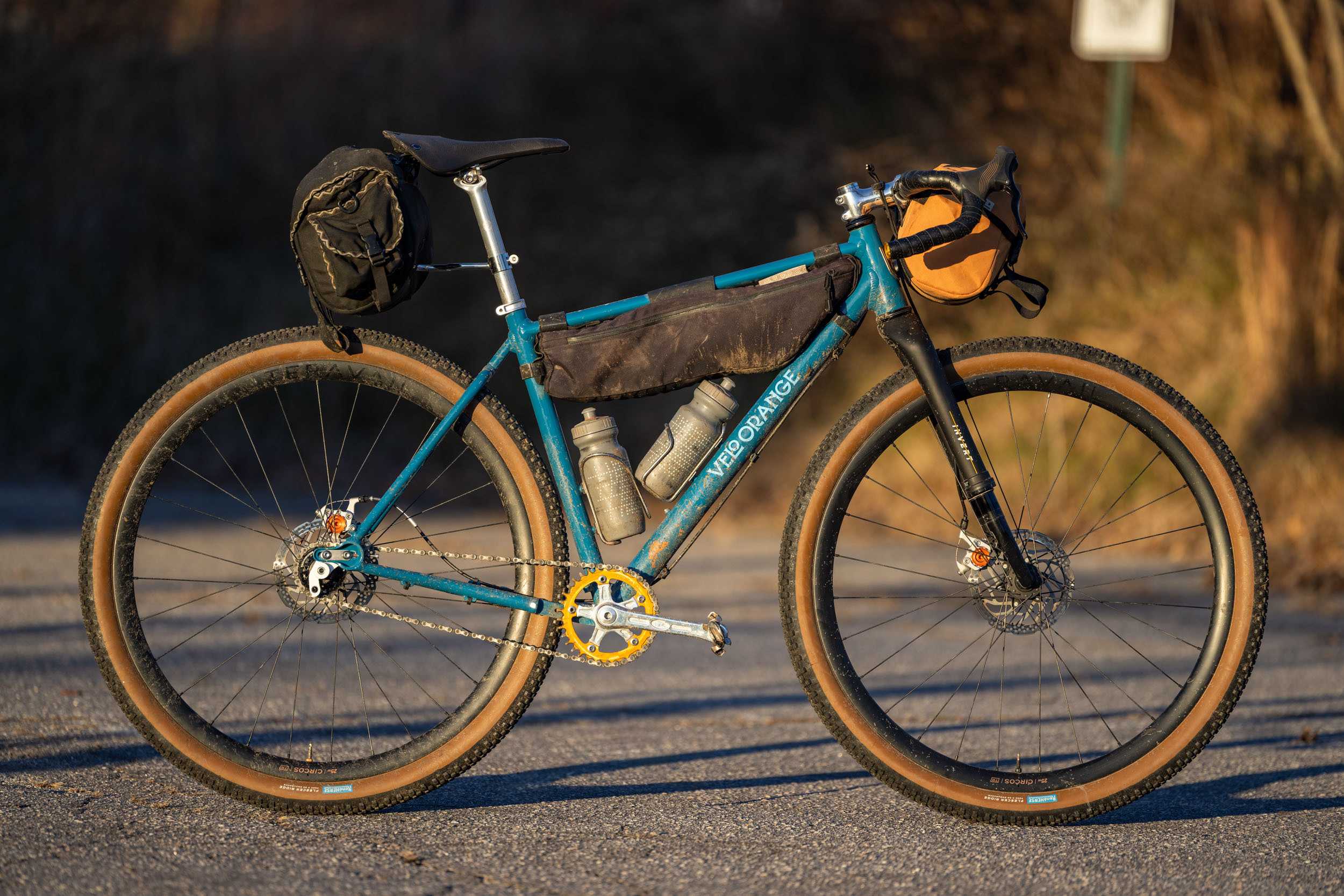
With all that said, tire choice also plays a big role in the type of riding style and terrain users are going to take on. Would a rigid fork that clears 2.25” tires be better for bikepacking? Especially since mounting cages, bags, and racks to the fork would be a more seamless experience? Perhaps. For fast-packing, races, and day riding, the fork shines. So much so that it has changed my perception of gravel suspension as a whole. But for the devoted bikepacker, I’m not sure the Invert provides much benefit given it will likely require people to downsize from much larger, bikepacking-oriented tire widths. While I didn’t get much time with them due to illness and availability, the release of Cane Creek’s new Cargo Cages for the Invert does make it a more attractive option to bikepackers. With a four pound capacity on either leg, it could be great for adding something light like a bivvy or lightweight sleep system to make better use of the front end. Neil had a chance to try them out and you can find more in his video as well as the box out below.
Cane Creek Invert Cargo Mounts
By Neil Beltchenko

Launched today, the new Invert Cargo Mounts attaches to the upper portion of the fork, allowing you to mount cargo cages or standard bottle cages for extra carrying capacity. The best part is that the weight is supported by the upper, so you’re not adding mass to the lower portion of the fork that needs to compress and rebound. That is a significant upside with an inverted fork, particularly in terms of ride quality and overall fork feel. Each fork leg supports a maximum of four pounds and comes with three-pack mounts. For reference, one liter of water weighs about 2.2 pounds. I wouldn’t put much more than that on the fork at one time, as that’s a lot of weight on the front.


The cage utilizes the channels in the seal head, which are filled with rubber rings. Those rings are removable, and the lower portion of the mount fits into the channel, which helps align the mount perfectly on the fork and create a snug fit. The upper portion of the cage uses a rubber filler ring to allow the mount to attach higher on the fork. From there, you tighten the hardware into the barrel nut, and you’re set. No movement and extra capacity, a win-win.


The cage allows you to mount cargo directly at a 90-degree angle from the bike or tilt the cage slightly back toward the rider for easier access to bottles. This concept is not entirely new. The MRP Baxter has two pack mounts on the lowers, and DT Swiss made their F 132 ONE fork with three-pack accessory mounts, although that fork is only paired with select Canyon bikes. Overall, this add-on is a clever use of space, dramatically expanding the versatility of the Invert.


There’s also the Achilles’ heel in the fork’s design—the price. At a few hundred dollars more expensive than some other, increasingly capable suspension-oriented offerings, the sleeker, cleaner look of the Invert is what I understand puts it at a higher price point. To a certain extent, companies like Fox and RockShox are benefiting from existing production lines and economies of scale, as their forks are similar to those with larger travel options. The same kinds of parts can be borrowed from other areas of the production line, allowing them to achieve lower prices while maintaining a similar level of performance. I’ll happily agree that the Cane Creek Invert is the best-looking and lightest suspension fork on the market, but the $1,200 price point is hard to swallow, especially when some newly released forks, such as the RockShox Rudy XPLR Ultimate, clear larger tires and offer more travel.
Final thoughts
Ultimately, I found my time with Invert to be a mixed bag. Through the quality of its construction and performance, I no longer see gravel suspension as an entirely unnecessary add-on to the space. When executed as well as the Invert is, I can see a use for bikes that are either natively equipped or eventually add on something like this fork. While I wish the clearances were a little more accommodating to tire sizes that work better on rough gravel, perhaps more experimentation with the 50mm width, along with some new tires entering the space, would make the Invert, as it currently stands, a more viable option.


With all that said, it’s difficult to see past what is the most expensive option for gravel suspension on the market. Despite the Invert 30 and 40mm SLs (no lockout) coming closer to price parity with options from RockShox and Fox, omitting the Climb Switch seems like a bad idea, given where and how most gravel cyclists typically ride. The fork also adds what some might deem as unnecessary complexity to what have historically been rigid bikes, with a recommended service interval of 100 hours. If I’m lucky, I get about 25+ hours on the bike per month, excluding commuting ventures to the coffee shop, friends’ houses, and the grocery store. Adding a service bill to the bike in my stable that doesn’t currently incur much extra cost is something to consider. After all, I average roughly 25 hours on the bike not including gravel events and bikepacking races that could very well range anywhere between 6-20+ hours of riding in and of themselves. Will Hart of Cane Creek did mention that because the fork doesn’t have a damper, the service recommended at 100 hours is much simpler than forks that have one. Topping up the splash oil is all that needs to be done before re-greasing the air spring at 400 hours.
- Model Tested: Cane Creek Invert CS, 40mm
- Actual Weight: 1,203 grams
- Place of Manufacture: Taiwan; assembled in Fletcher, North Carolina
- Price: $1,199 at Jenson USA
- Manufacturer’s Details: Cane Creek
Pros
- Currently the lightest suspension fork on the market.
- Suspension performance is really nice and makes sense given where the space is going.
- Climb Switch makes it a viable full-time fork, and not just something users might put on for specific purposes.
- Range of travel is meaningful but not intimidating for someone new to suspension.
- Looks nice.
Cons
- More expensive than any other fork on the market.
- Lacks the tire clearance that other companies are starting to build into their gravel suspension forks.
- Iterations that don’t include a Climb Switch seem limited and are still quite expensive.
- The addition of the recently released cargo cages is nice, but they’re also expensive at $100 for the pair, and the entire package is still limited from a bikepacking perspective.
Wrap Up
Performance-focused cyclists, fast and light bikepackers, and riders looking to take their gravel bikes to their absolute limit will find something worthwhile in the Invert. If mountain bike tires are too big for your existing bike or just something you can’t stomach, this lightweight, sleek-looking suspension system might be the perfect option for your target event or just as an add-on to complete your gravel bike. However, the existing limitations, price point, and added complexity might reasonably give pause to those whose bikes span a larger focus than just performance.
Cane Creek Invert Review Video
By Neil Beltchenko
Suspension on gravel bikes isn’t essential, but it can make them noticeably more capable and comfortable, especially on washboard and chattery singletrack. Cane Creek’s Invert leans into that idea with an inverted layout (stiffer up top, lighter lowers), a clean carbon/aluminum chassis, and short-travel options (30 or 40mm) in two variants: SL (lighter) and CS (with a firm “Climb Switch”). Unusually, it runs damper-free, which keeps things simple and light for the small amounts of travel typical in gravel. It’s flat mount, 12 x 100, rated to 250-pound riders, and officially clears 50mm tires. Watch the full review video below after a year of use.
Setting up the Cane Creek Invert is straightforward. You cut the steerer, bolt it on, and set air pressure to ~95–100% of your fully kitted body weight; with no rebound or compression dials, tuning is essentially one variable. On the trail, the Invert fulfills what it’s meant to accomplish. It smooths rough surfaces, reduces hand and upper-body fatigue, and the CS mode gives a convincingly rigid feel on climbs and smooth sections. There are drawbacks, though. The 50mm tire clearance feels tight on modern “big-tire” gravel builds, and without a damper, the rebound can feel a touch fast in rough, slow-speed hits. Maintenance is easy (a simple oil service with a BB tool), and after a year of use, it’s proven durable and trouble-free, making it a compelling—if niche—upgrade for rides where comfort and control on mixed terrain is warranted.

Pros
- Provides increased confidence and comfort.
- Lightweight for its class.
- Inverted fork looks great on gravel bikes.
- Simple maintenance.
- Innovative cargo mounts.
- CS lockout mode is very rigid.
Cons
- Limited tire clearance.
- Not a budget fork, so don’t expect budget prices.
- CS button is tough to press with weight on the front.
- Wheel install can be finicky due to rotating stanchions.
- Would have appreciated rebound adjust.
Neil’s Final Thoughts
In the end, is suspension worth it on a gravel bike? Absolutely. Alongside a dropper post, it’s one of the biggest upgrades you can make. It smooths out rough terrain, boosts comfort, and can give a familiar bike a fresh feel. Paired with cargo mounts and the benefits of the inverted design—not to mention the overall look—the Invert has made a lot of sense for both bikepacking and day rides and has held up well over a year of use. That said, two things still stand out to me: tire clearance and price.
The 30 and 40mm SL forks retail for $1,099.99, and the 30 and 40mm CS forks are $1,199.99. Cane Creek has held pricing since launch and says it doesn’t intend to raise prices due to tariffs, effectively absorbing that cost. It’s still a premium ask, but a compelling one for a uniquely executed fork from a relatively small company. Production parts are made in Taiwan and assembled at Cane Creek’s facility in Fletcher, North Carolina. The cargo mounts run $99.99 per pair, and if you plan to bikepack with this fork, I’d grab them.
Further Reading
Make sure to dig into these related articles for more info...


Please keep the conversation civil, constructive, and inclusive, or your comment will be removed.