

 Singletrack/MTB
 Gravel/All-road
 Dirt-road Touring
 Fat-bike




COROS Nomad Review: No More, No Less





With so much technology integrated into our daily lives, it can be challenging to know which devices actually enhance our outdoor experience. From activity trackers to GPS devices, tech has inextricably changed outdoor recreation, for better and worse. In his COROS Nomad review, Nic tries to determine whether this sports watch is a meaningful companion for his time outside…
PUBLISHED Feb 12, 2026
For many, technology has changed roles in the last few years. Once an asset for navigating everyday life, so much of what we’re marketed today ends up feeling like a reluctant requirement. From smartphones to the increasingly sinister apps and devices that dominate our professional and recreational experiences, we’ve long since exited the age of tech-romanticism and catapulted into the era of “enshitification.” Though there are many reasons for this, more often than not, the screens we once invited into our lives are used to siphon our information and serve us advertisements. Still, technology isn’t all bad. There are plenty of things we use daily that serve as valuable tools to help us be more efficient toward professional and personal goals. Not merely for the sake of producing more at work or performing better at a race, technology, when used sparingly, can still be more of a help than a hindrance.

The outdoor-oriented COROS Nomad watch measures 47.8 x 47.8 x 16.4mm and weighs 50 grams with the adjustable nylon band. For reference, my wrist is 7.5” in diameter, and the size standard nylon band size fits well, with plenty of room for adjustment. The watch face is made of scratch-resistant, hardened mineral glass, while the body is made of fiber-reinforced polymer and aluminum. At $350 USD, the Nomad is priced in line with other watches in the same space, such as the Suunto Race S ($350) and the Garmin Instinct 3 ($400).
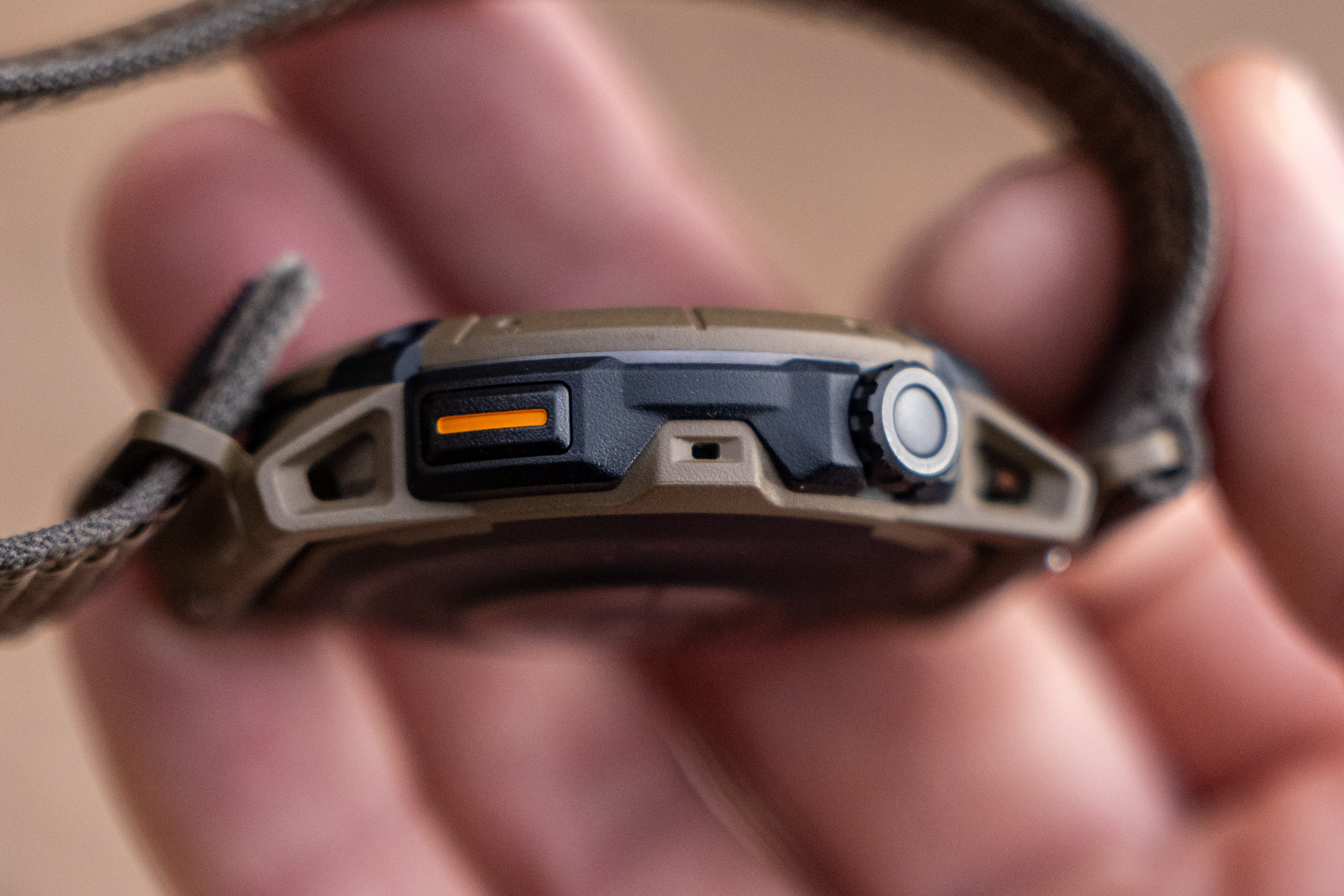
With a lockable touchscreen as the customizable digital watch face, the watch has three physical buttons on its sides. One is a rotating stainless steel button, slightly offset from the body, and the other two are basic, single-click buttons. The Nomad boasts five atmospheres of waterproofing, reads your heart rate and other diagnostics through an optical heart rate monitor on the back of the watch face, and can pair with chest straps, music devices, and even cameras. It will automatically link with any other COROS device paired with the same app on the user’s phone to enable optimal tracking.
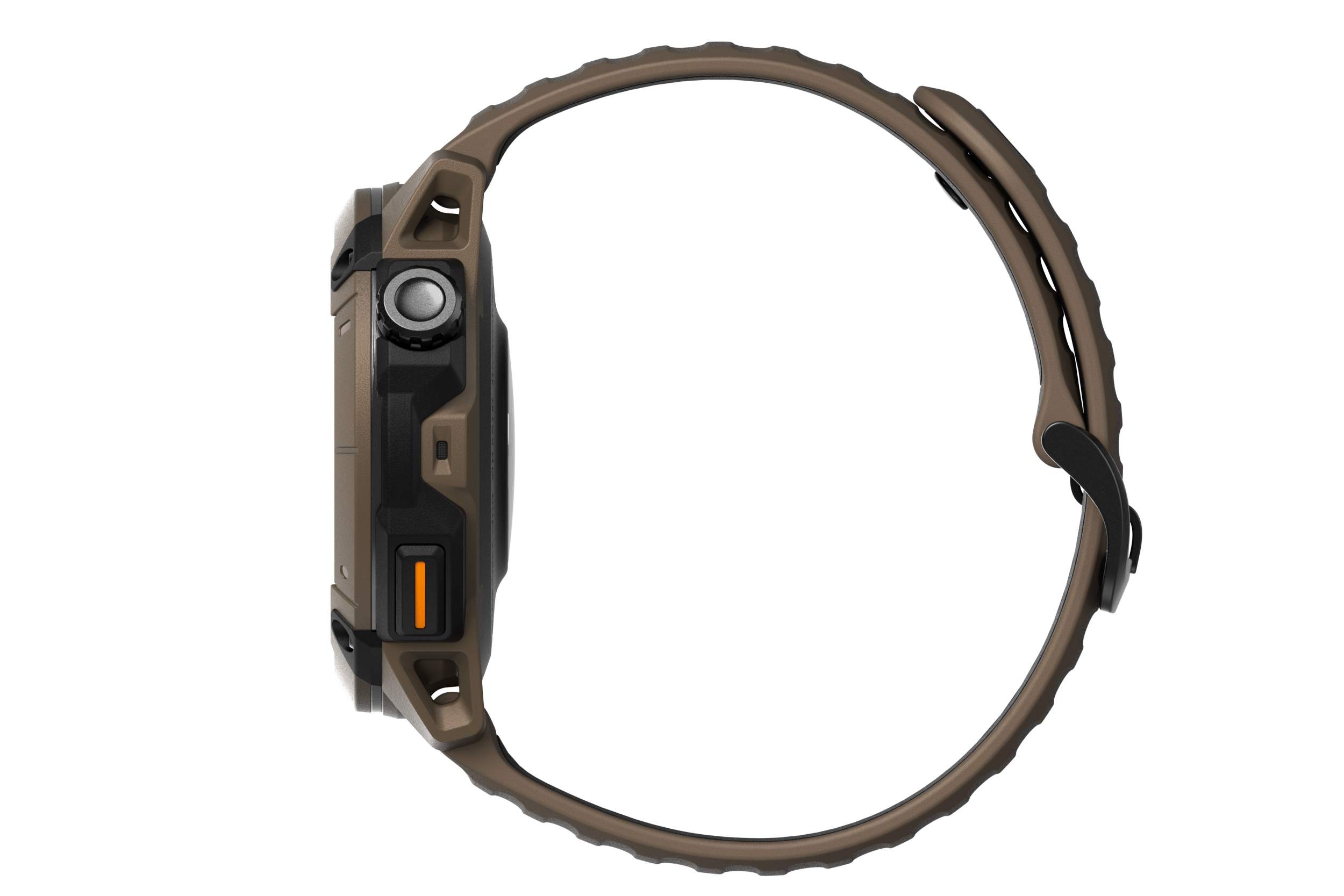
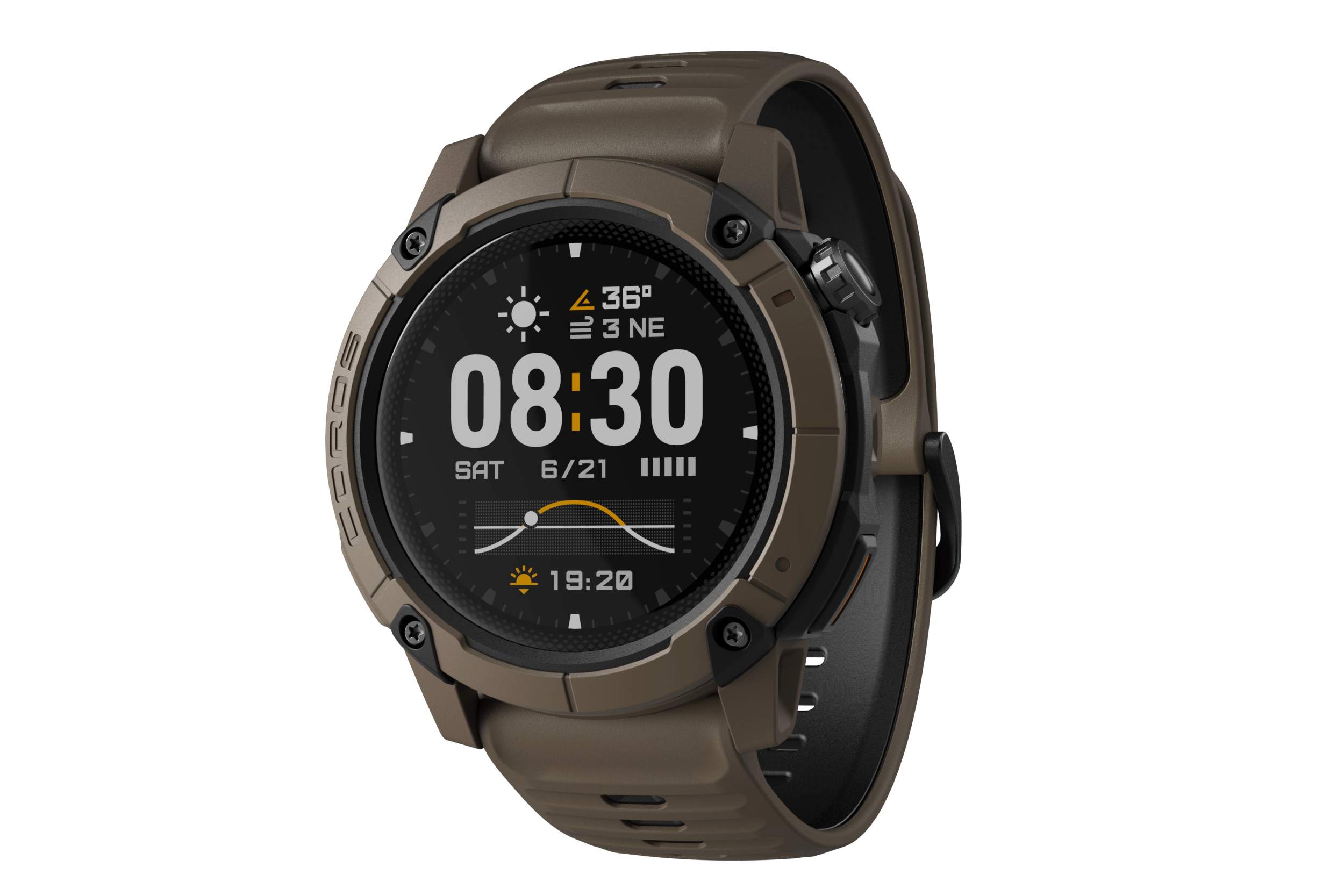
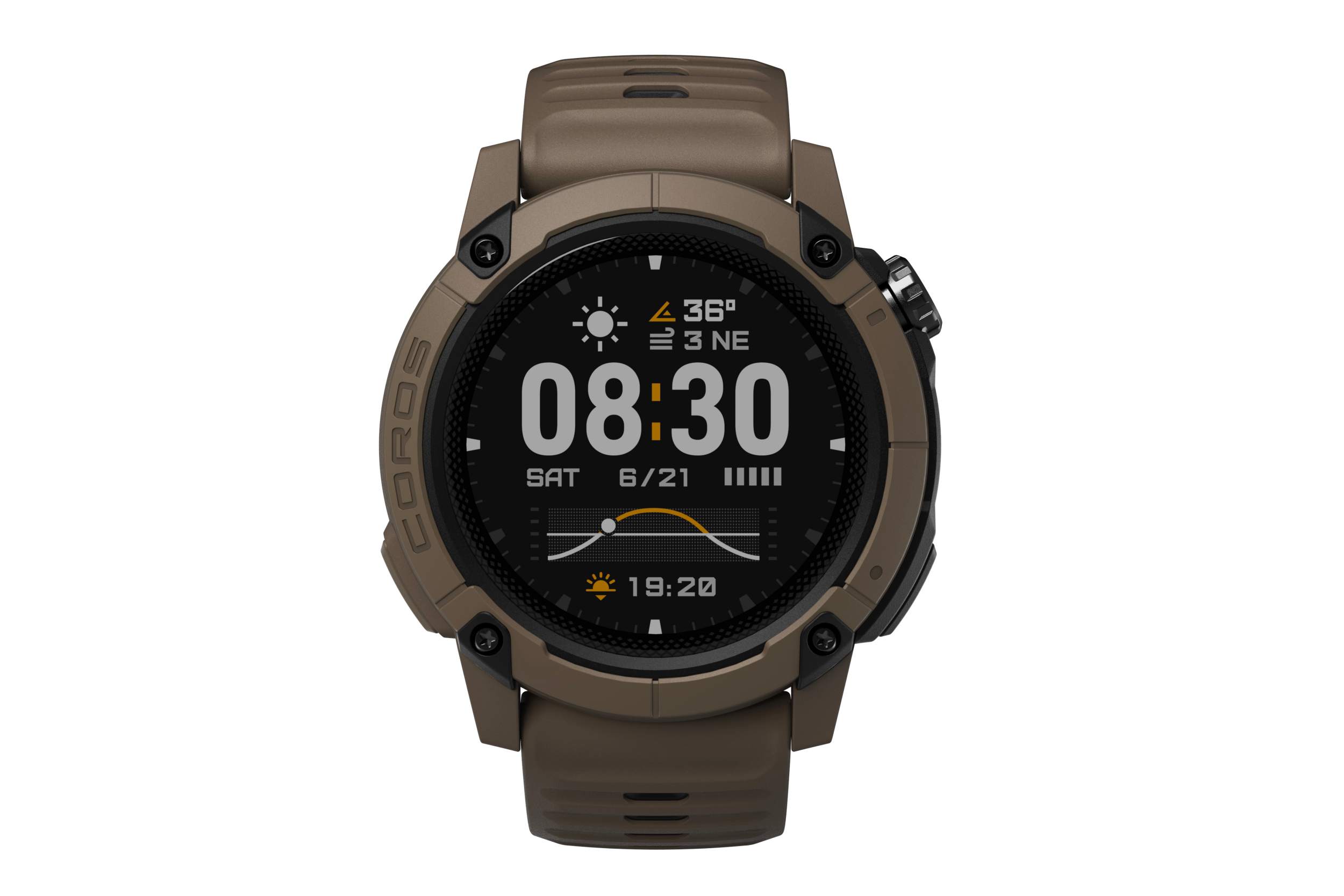

The Nomad has 25 unique features available via the secondary button on its face. Some feel a little underwhelming, such as the flashlight, which only illuminates the watch face and doesn’t have an external bulb. Still, most provide some value to the user, even if it isn’t immediately apparent. From a compass to satellite detection signals and wellness checks, it’s jam-packed with most things someone who ventures outdoors might need or find useful. Complete with modes for almost any activity, the Nomad has a few key traits that set it apart from the crowd.
Battery life
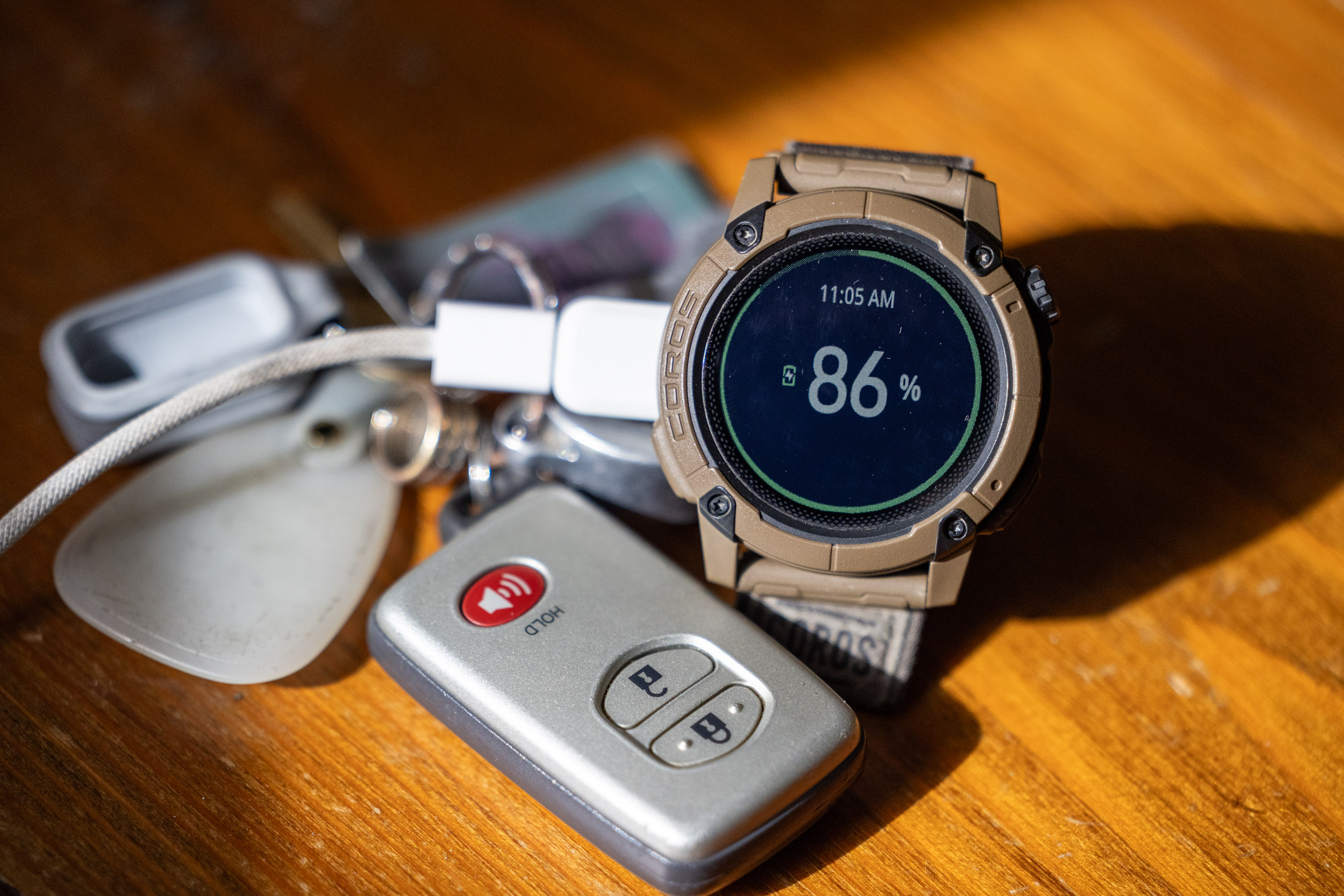
Like most COROS products, the Nomad has exceptional battery life. The company claims 22 days of use under normal functionality, which is consistent with what I’ve experienced in the months since receiving the watch. However, continuously using data-tracking modes reduces the time between charges. Given that I typically record between three and five activities per week, whether short 30-45 minute runs or several hours of riding, the watch generally lasts about two weeks before running low. Minor uses, like the stopwatch for plank sessions or my daily AeroPress, didn’t seem to affect it much. Generally, the Nomad will serve anyone who wants long battery life and high-fidelity data tracking, delivering nearly 50 hours of battery life in a single session.
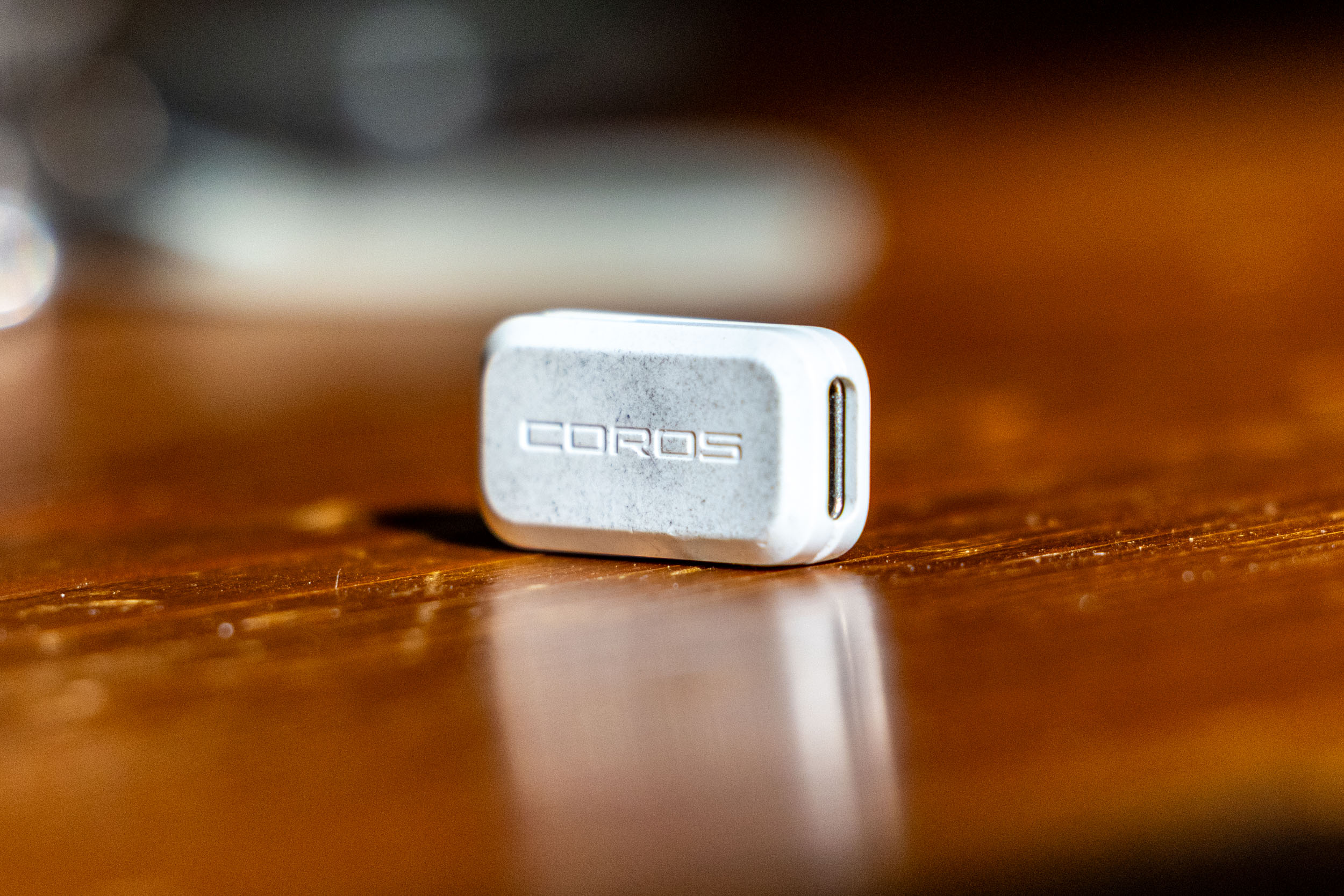
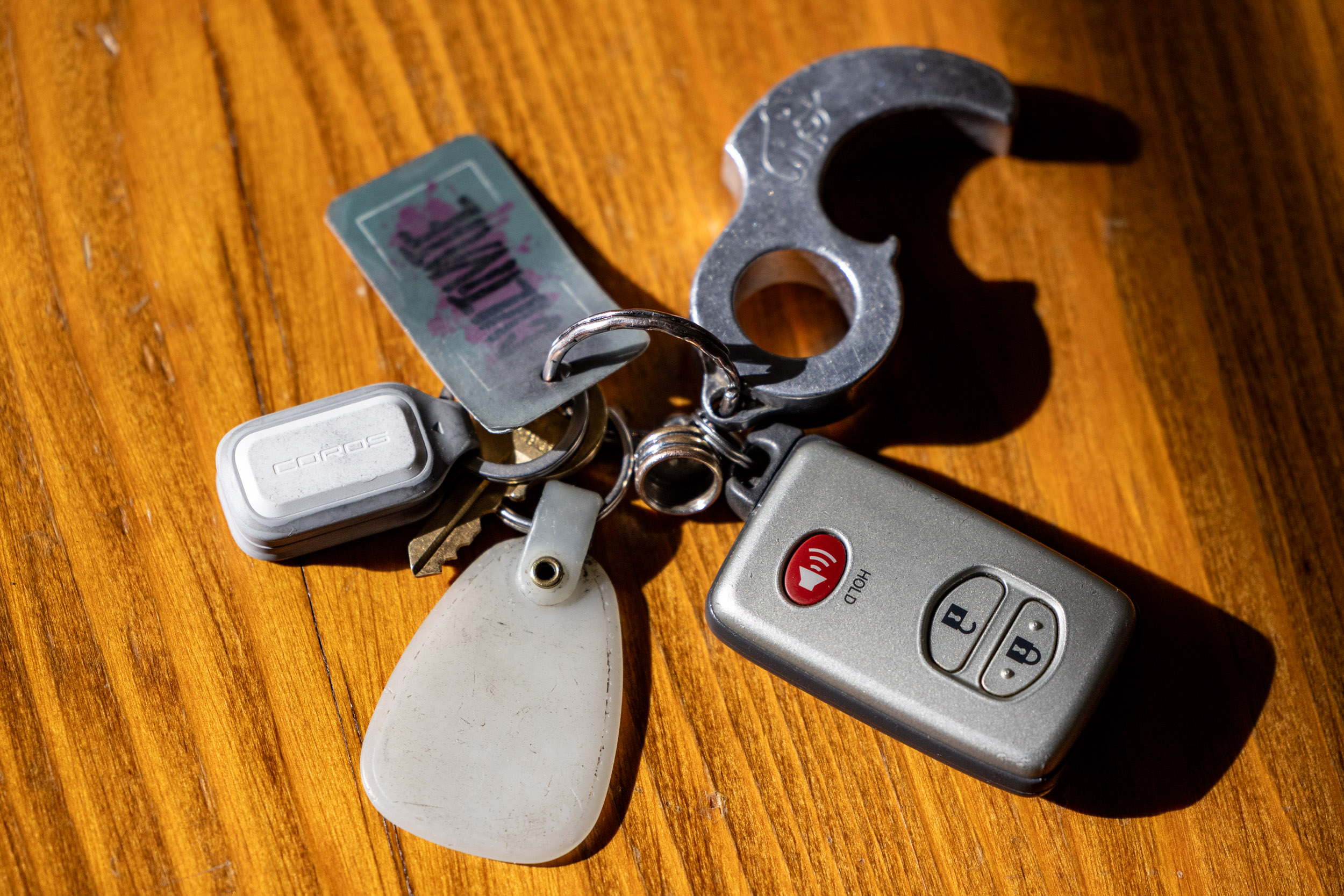
Relatedly, one of the best battery-oriented features of the Nomad is its charging. We’re all familiar with the mess of brand-specific wires that can accompany electronic products nowadays. Proprietary charging systems and cables you can’t find anywhere except a specific company’s site are all too common in this space and have caused more than a few headaches. Although the Nomad’s charging port isn’t universal, the charging fob’s design makes it much easier to live with. The USB-C charging fob nestles inside a TPU casing that conveniently attaches to your keys. Because of this, I never once lost the capacity to charge my watch, as USB-C charging cables and ports are relatively ubiquitous today. It’s a much better system than those on other watches I’ve used, such as the Suunto Peak5, which had a specific cable I couldn’t lose if I ever wanted to use the watch again.
Mapping and Wayfinding
Given that my prior experience comes from watches that lacked detailed maps, I was blown away by the Nomad’s mapping capabilities. The watch is considered a leader in this category because of the depth and accessibility of its mapping, and I’d venture to say it would impress anyone, regardless of background or familiarity with this kind of watch. Aside from the ability to load routes onto the device, the active map feature, accessible via the action button during any recorded activity, was an invaluable tool for cycling, hiking, and trail running. The map allows users to zoom to a granular level and pan across a large, offline-accessible area. Though the system’s standard maps have served me well, specific zones can be highlighted and downloaded for future trips through the COROS app.

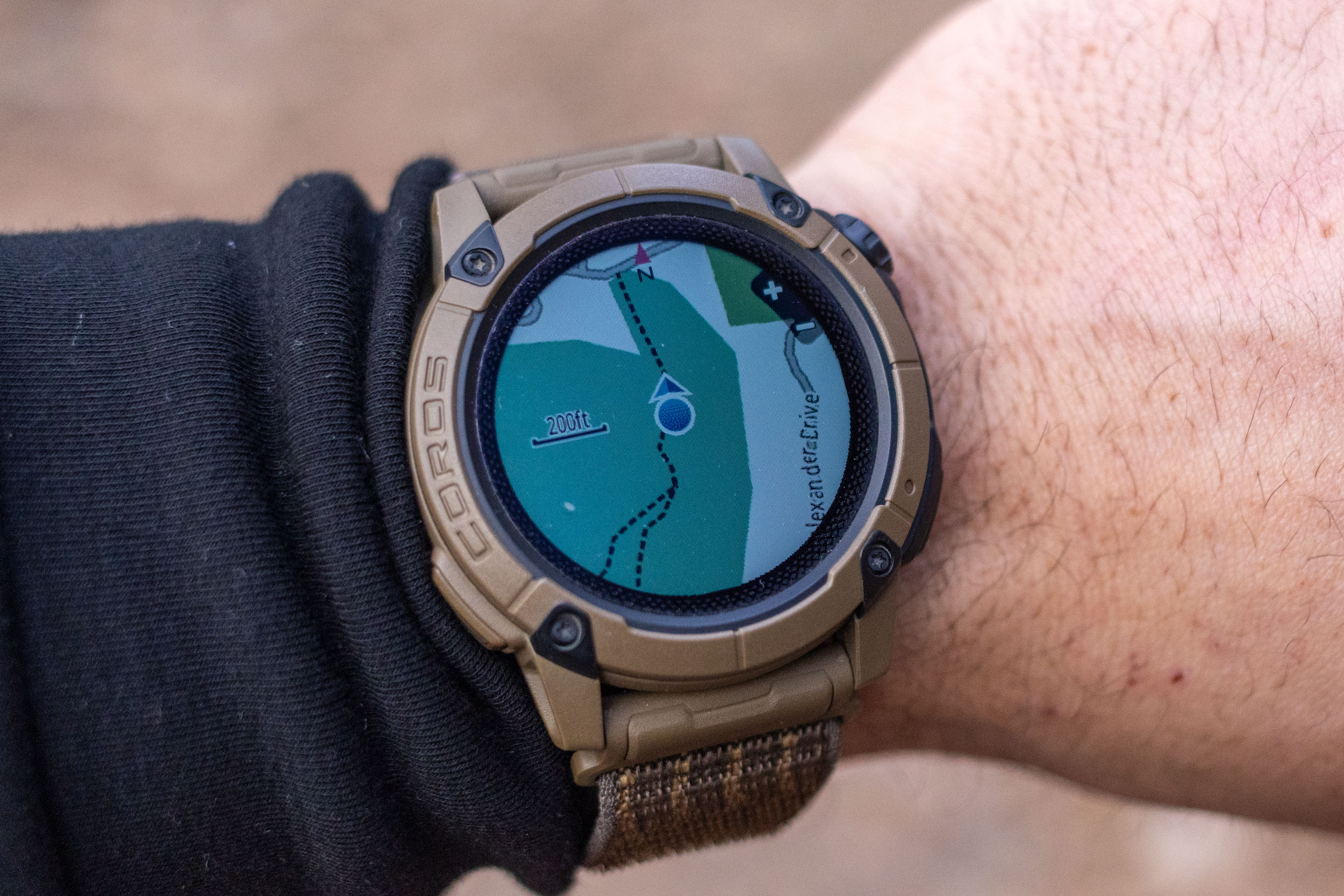
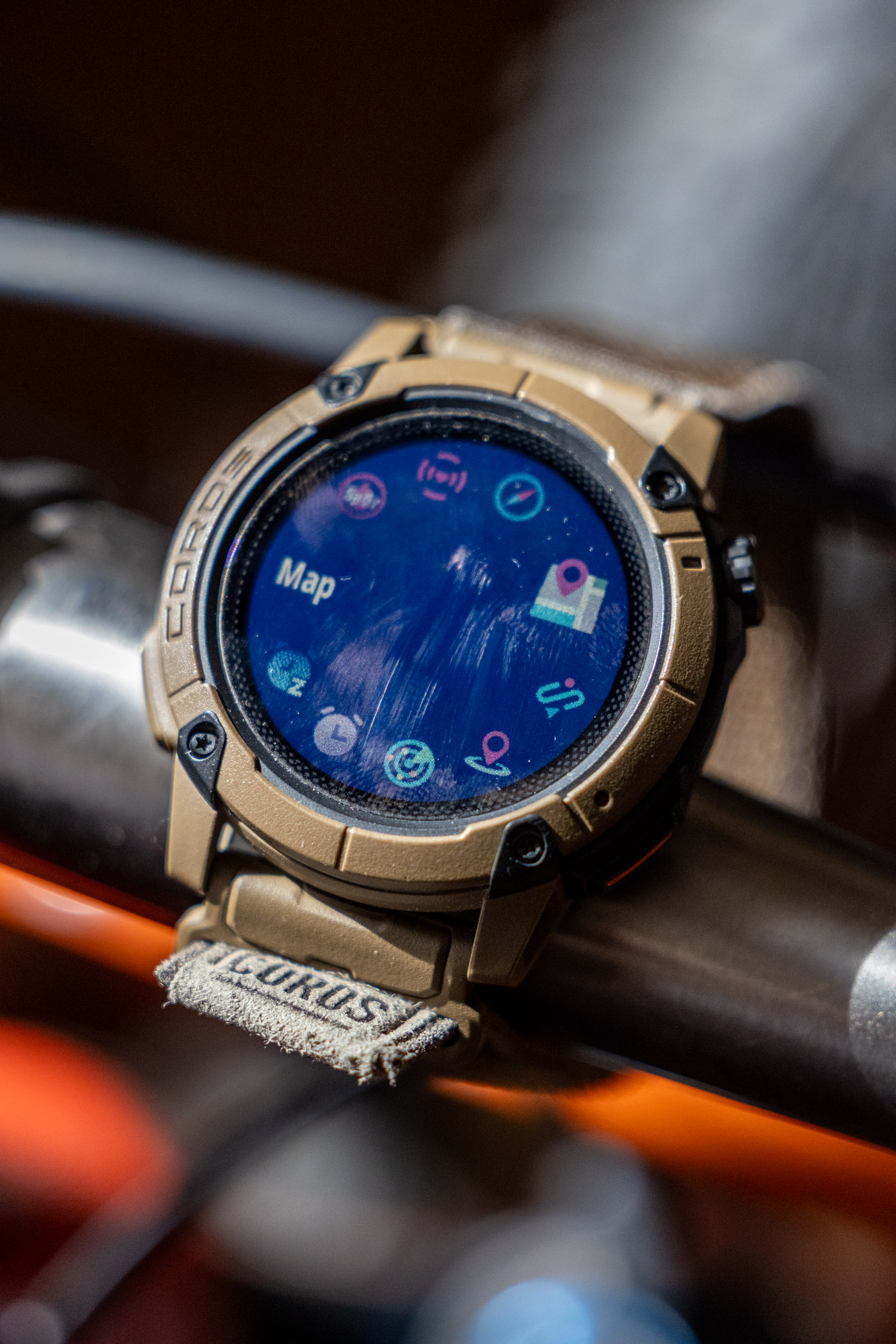
Trail names and points of interest, such as mountain summits, are clearly and legibly presented in the map interface and easy to use for anyone with even the most basic level of tech literacy. The same mapping feature is also accessible outside activity-tracking mode, making it a useful tool for walks around town. Again, the standout feature is that street and trail names are visible at certain depths on the map, which is great for wayfinding and when there is no defined route. During a tracked activity, a line indicating the activity’s start point is visible and marked with a green dot. Still new to the Carolinas, I use this feature to great effect almost every time I’m out in Pisgah or the Black Mountain Range, where I constantly discover new trails and ways to connect them.
Health Tracking and the COROS App
Like many other watches, the Nomad displays health metrics within its UI, but they are ideally viewed in the COROS phone app. The watch automatically tracks sleep data, heart rate variability, resting heart rate, and steps, and it compiles these metrics into a set of general scores that reflect overall performance and recovery. Obviously, part of this equation is how much and how often one records an activity. Still, a lot of what’s factored into these general scores comes from passively recorded health data from sleep and inactive periods.

Sleep can be rated from “poor” to “great” based on how much deep, light, REM, and awake time the watch recorded during the period it assumes the user was resting. The element I like about this, compared to prior watches, is that it limits the gamification of the sleep score by keeping it almost entirely in the app. Past watches would alert me to a percentage score as soon as they detected I was awake, creating anxiety about whether I was getting enough rest. The Nomad simply performs its normal function and leaves all quantification to the app.
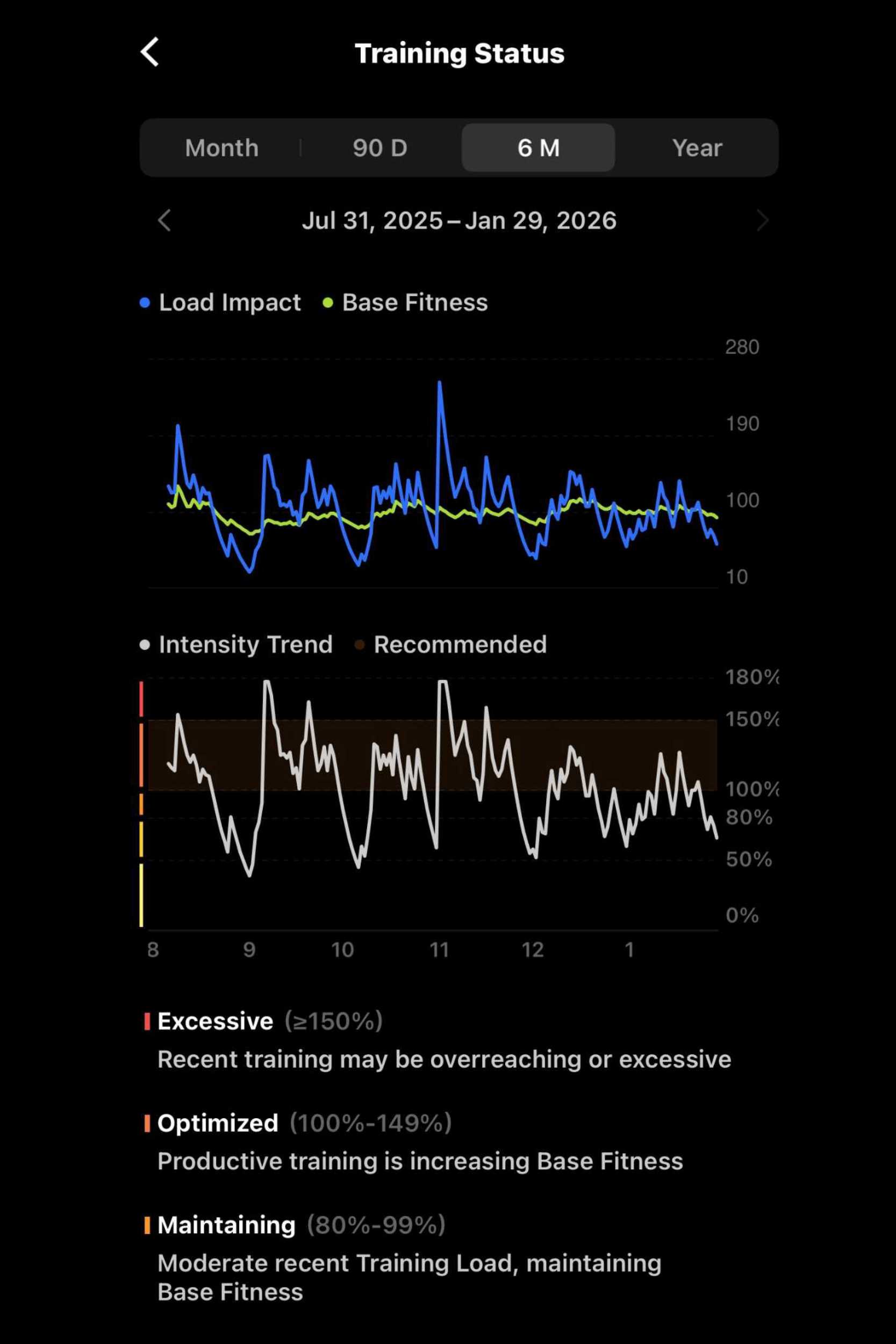


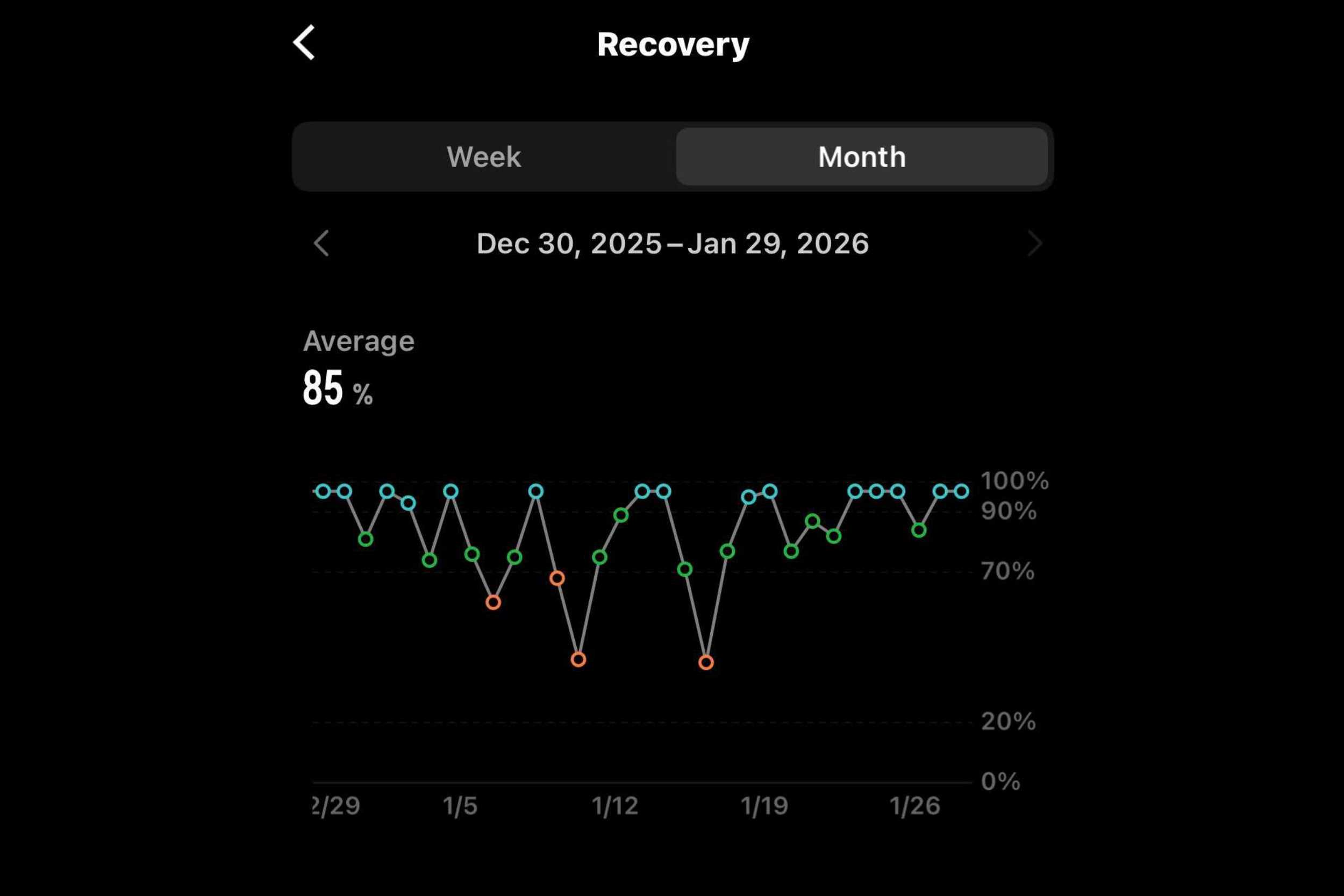
The application is easy to navigate and feels more like an in-depth companion to the metrics the watch records than a place the user needs to visit to access basic functionality. Most of the watch’s settings can be adjusted on the watch itself, and the only time I use the app is to review long-term health data compiled over months or when the device needs to interact with another system, such as RWGPS or Strava. It’s relatively uninvasive, informative, and well laid-out.
When friends or others interested in tracking their health metrics reach out asking for recommendations, I always say that the upfront cost of a device like the Nomad delivers much more value and peace of mind than paid subscription services. I’ve previously used WHOOP and device-agnostic systems like what’s available through Strava, and I’ve yet to find a paid service that offers metrics that are a meaningful departure from those in a device’s native applications. The COROS is no different, and I’ve been happy with the app and the way the watch tracks and quantifies my data.
Outdoor Asset
As mentioned, the Nomad’s mapping capability has been one of its most valuable features. Much more viable on a run or hike than on a bike, the mapping system’s granularity is a fantastic addition for someone like me. I don’t typically plan many of my rides and simply like to link specific sections, trails, and roads together while exploring. The wide zoom offers a bird’s-eye view of potential throughways I’ve yet to venture into, and given I stop and survey the land often during rides, it’s not a hang-up to wayfind through the watch interface. However, because it’s a wearable, I’d say the Nomad isn’t a reliable turn-by-turn navigation system for cyclists accustomed to large screens on their computers. The difficulty of seeing the watch face while traveling at speed makes it too dangerous to rely on while traversing technical terrain. If you’re truly averse to cycling computers, you could strap the watch to the handlebars and call it a day, but it’s not ideal, as you lose a lot of its functionality.
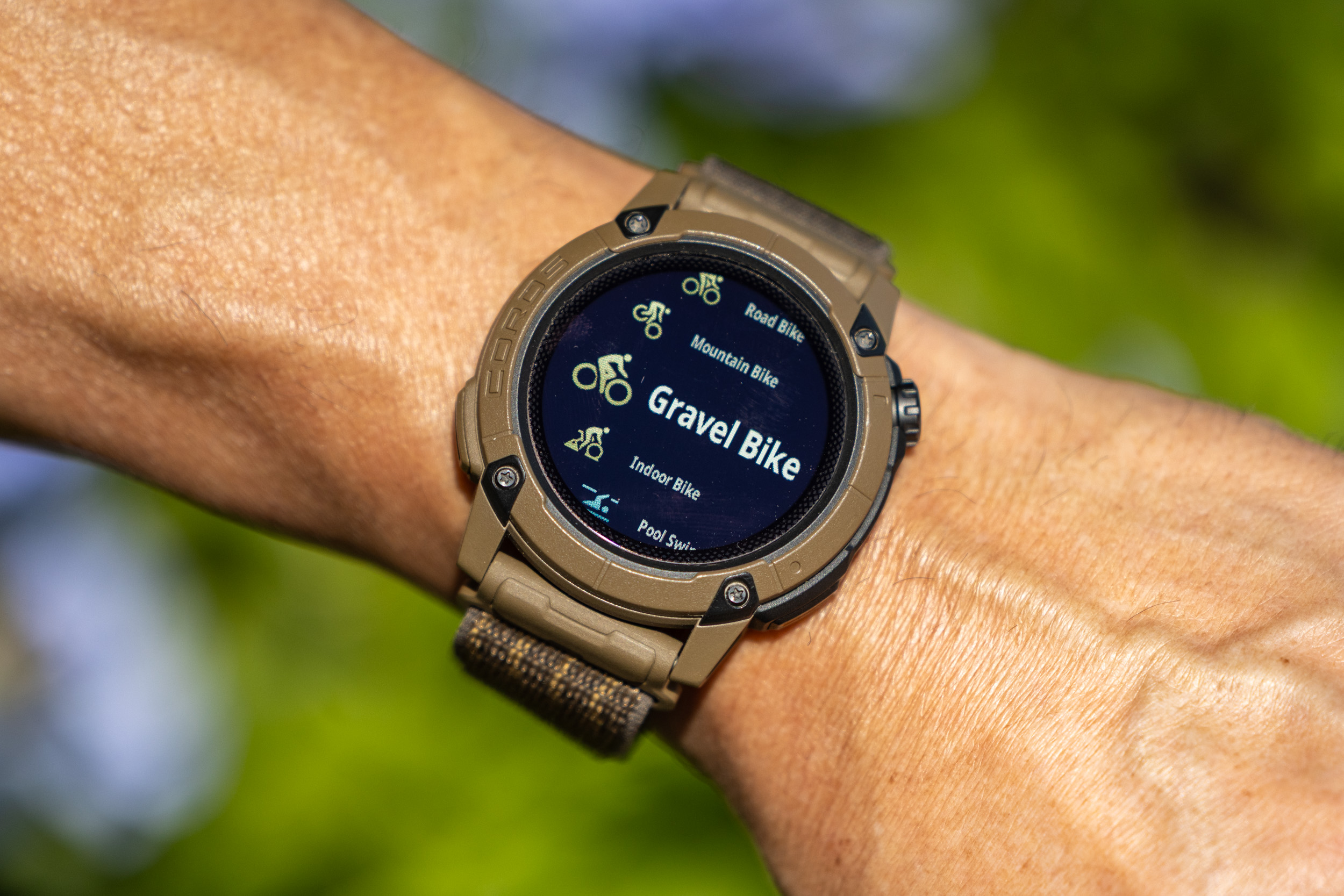


Other than that, the specificity users can apply to any activity is impressive. From changing the speed at which the auto-pause kicks in to my personal favorite, the resume later function, which lets you return to normal watch use while an activity is indefinitely paused, the Nomad offers a level of customization and livability unlike any other watch I’ve used. Unhappy with the layout of the metrics of your most common activity? You can customize every widget and display icon across the 50+ unique preset activity settings. If you’d prefer to start from scratch, you can create a custom activity and design the display from the ground up.


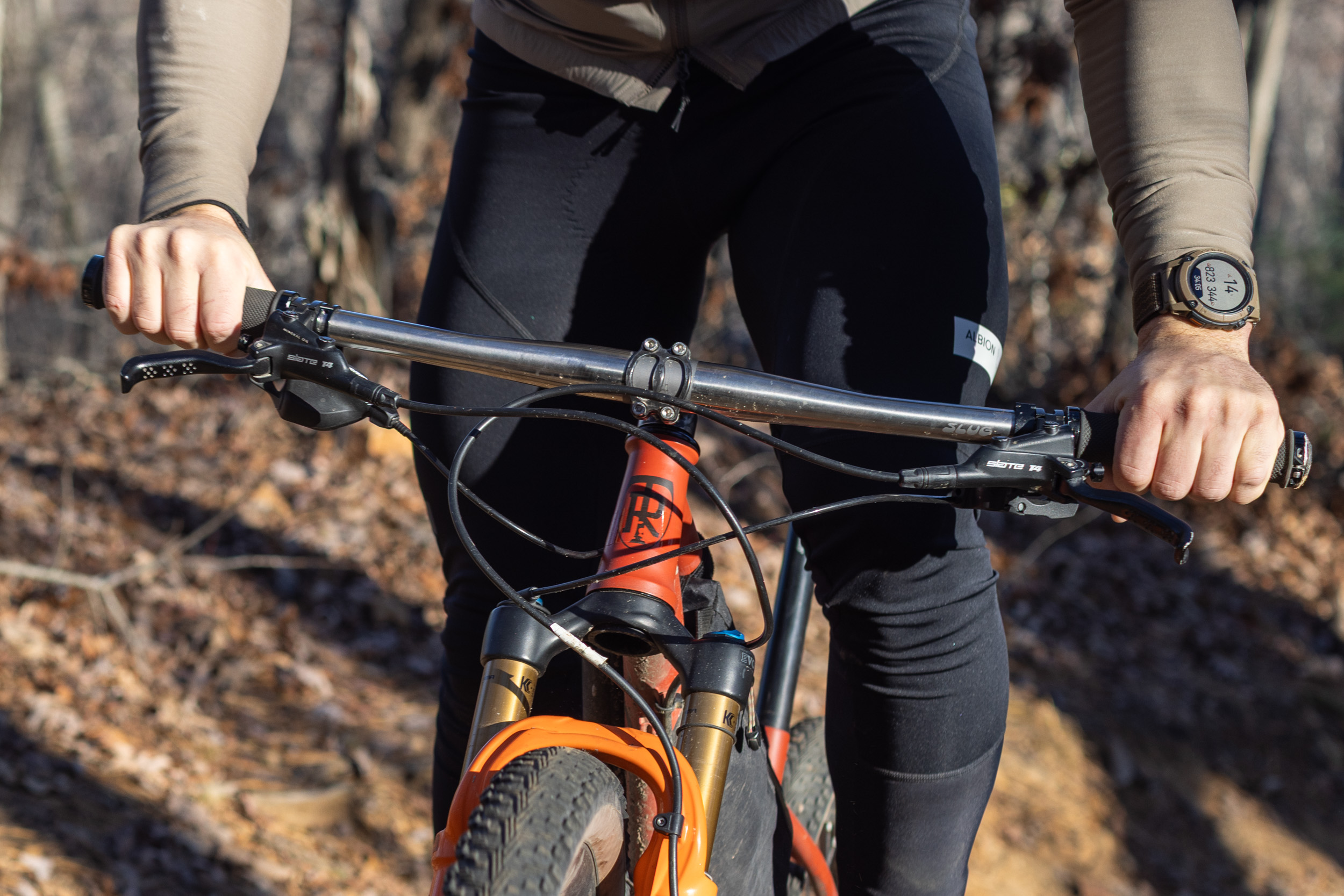
Though other devices offer similar features, the Nomad’s battery life, price, mapping, and durability make it an easy pick for anyone looking for an all-in-one outdoor device. Its features are helpful and non-invasive, the app has never tried to get me to subscribe to anything, and most of the time, it goes unnoticed.
Flaws and Things I’d Change
If it wasn’t clear, I’m thrilled with the performance and additions the Nomad has made to my outdoor life, but there are a few things I would change. The main button is high-quality and nicely offset from the watch, so it doesn’t squeeze or pinch skin and hair. However, I would argue that it actuates a little too easily. When manually pausing an activity, the device will remain on a page with a series of options until one is selected. “Resume,” “Resume later,” “Finish,” and “Details” are all functions on said page. Despite the finish function requiring a three-second hold to actuate, I ended three different rides halfway through because I pushed the button while holding it against my back. On very rough singletrack, the main button also tends to rotate, scrolling between screens. It’s not the most consequential thing in the world, but it is a little annoying.


Second, the band materials both have slight issues. The standard silicon option supplied with the watch never fit my wrist well and would either be too tight or too loose for comfort. Eventually, I got my hands on the more adjustable and comfortable nylon band option, which resolved this issue. However, because the included nylon band is somewhat absorbent, taking a shower or jumping into a lake always resulted in a long, annoying period during which the band stayed wet. Given that the watch is waterproof and can be subject to significant moisture, I expected it to perform better. I’ll likely end up swapping it out for a metal bracelet or comfier rubber strap.
- Model Tested: COROS Nomad, Brown
- Actual Weight: 50 grams (1.76 oz)
- Place of Manufacture: China
- Price: $350 at COROS
- Manufacturer’s Details: COROS
Pros
- A truly functional sport watch that provides adequate tracking and outdoor features worthy of the price tag.
- Integrated app is informative, easy to use, and well-organized.
- The ability to create custom activities along with the granular customization of the presets is impressive.
- Long-lasting battery is consistent with other products from COROS.
- The maps are precise and useful for wayfinding.
Cons
- The main button rotates and actuates too easily.
- Not a replacement for a cycling computer, just an addition.
- The included watch bands have some issues.
Wrap Up
With an ever-growing desire to simplify my life while also maintaining the flexibility offered by modern technology, the COROS Nomad has struck the right balance. More a help than a hindrance in getting away from the anxieties of my day-to-day life, the level of customization and quality-of-life features on this sports watch have genuinely enhanced my outdoor experiences. Folks looking to replace their cycling computer or remove technology altogether may be underwhelmed or overwhelmed by the Nomad’s functionality, but I think it’s a tool with just enough technology to help without so much that it becomes a hindrance.
Further Reading
Make sure to dig into these related articles for more info...


Please keep the conversation civil, constructive, and inclusive, or your comment will be removed.