

 Mountain Bike (MTB)
 Gravel Bike
 All-Terrain Bike (ATB)
 Fat Bike


Cumulus Mosquito Bivi Review: Cowboy Glamping




After a year of cowboy glamping with the Poland-made Cumulus Mosquito Bivi, Josh Meissner reviews the minimalist, non-waterproof shelter and explains why he loves bug bivy bags for bikepacking. Find his long-term review here…
PUBLISHED May 20, 2026
I’m a big believer in bug bivy bags for bikepacking. A lightweight sack that keeps drafts and insects out, it’s all I bring on overnighters in good weather. As it deploys and packs up in seconds, I much prefer it over the hassle of setting up a tent, to the point that I’ve brought both on multi-month tours. Many others and I find that a thin nylon skin can add just enough physical and psychological comfort for a sound sleep under nature’s canopy.
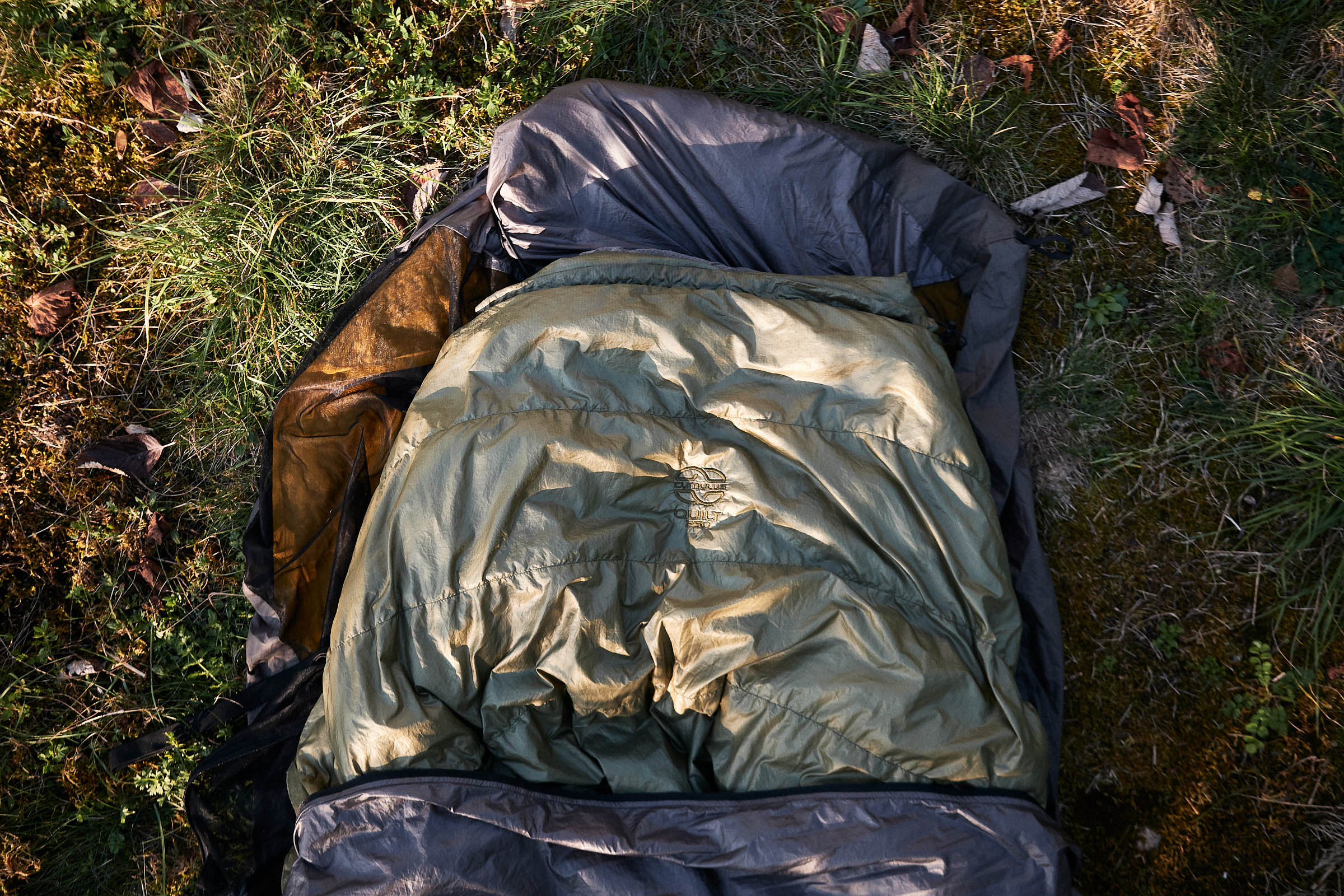

While the bug bivy is well-known and loved—especially by thru-hikers in North America—there were few commercial options available in Europe until Cumulus released their Mosquito Bivi in 2025. After a year of bikepacking and hiking with it in eastern Germany, the Alps, and Czechia on trips of up to three weeks, I want to share my overwhelmingly positive impressions, both general and specific to this high-end bug bivy bag.

A Bevy of Benefits
To get it out of the way, the Cumulus Mosquito Bivi and similar nylon bags aren’t waterproof. For my usage, I consider that a feature, not a fault. Sleeping in a waterproof bivy bag in the rain is miserable in my experience. Even when it’s not raining, they don’t breathe well. They’re nearly as heavy and pricey as some tents yet offer far less comfort and protection. I’d much rather try to find some sort of shelter or pitch a tent or tarp if there’s a chance of rain.

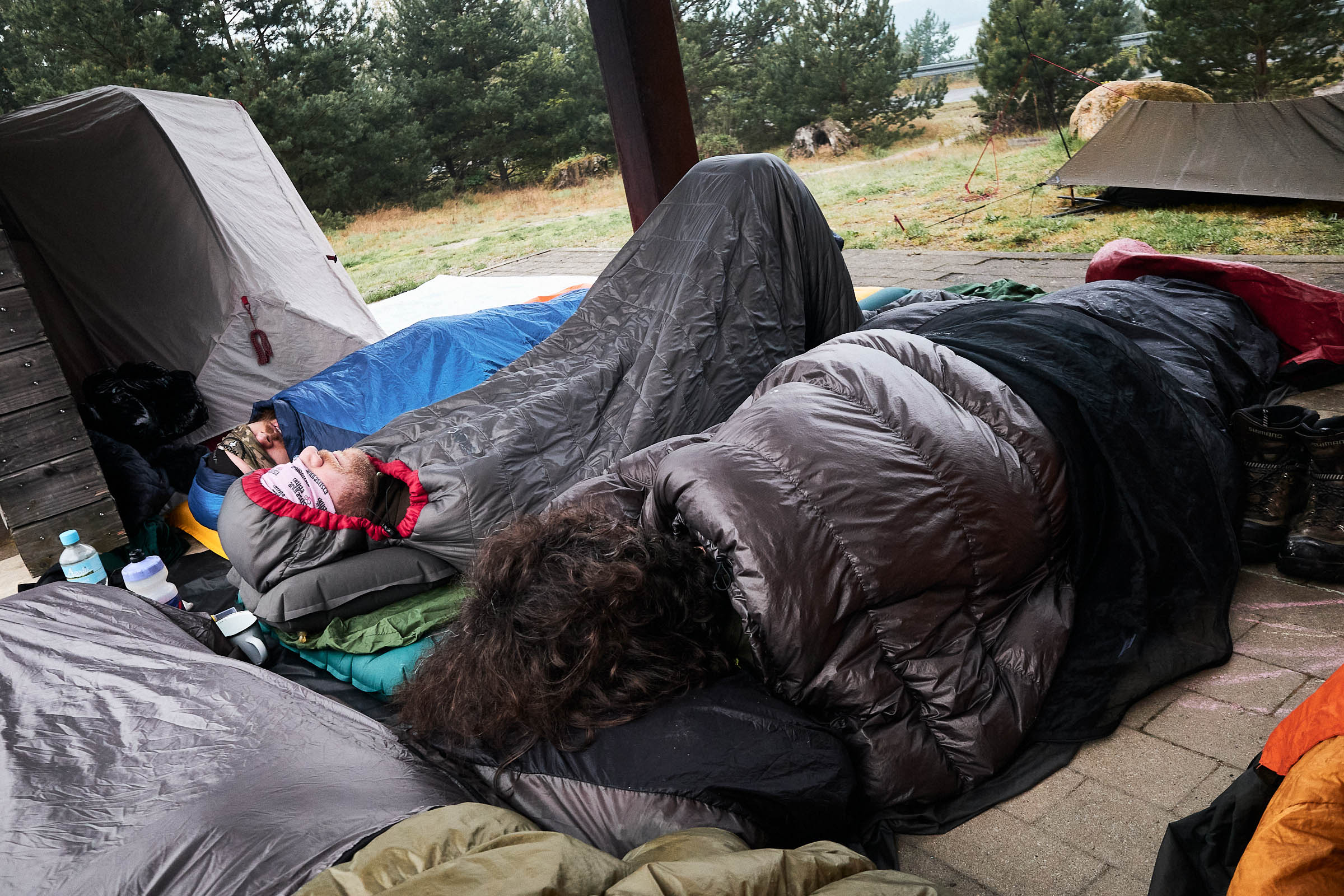
So, what’s the point of a non-waterproof bivy bag? I would say it’s a combination of benefits. The bag seals out insects and drafts, which quilt sleepers will especially appreciate. It protects your sleeping bag and pad from dirt, abrasion, and moisture from below, keeping your gear cleaner and drier (though it won’t eliminate condensation). It can replace a groundsheet in most cases. As noted, the barrier provides psychological comfort, paper-thin as it may be.


Crucially for me, the bivy bag needs almost no time to deploy and pack up. Its small footprint fits odd spots, and the low profile is suited for wild camping in contentious areas. Perhaps it’s something that needs to be experienced to be fully understood. Many of my bikepacking friends have converted to the bivy life, and we’re constantly loaning out our bug bivies to folks who don’t own one yet.
Cumulus Mosquito Bivi Overview
Coming in at 159€, the Cumulus Mosquito Bivi represents the high end of the market, built in Poland from name-brand fabrics and hardware and featuring a sophisticated design. After around 40 nights in mine, I can detect no faults or meaningful signs of wear, as I’d expect from a Cumulus product. If you do have issues, you’re covered by their lifetime warranty and responsive customer service.

I found the silicone-coated polyester floor overbuilt for soft forest floors, though those in areas with thorny brush or sharp rocks may well appreciate the more robust fabric. The Pertex Quantum ripstop top fabric provides a silky swaddling effect when lying in the bivy on hot nights without a sleeping bag. A dual YKK side zipper separates the ripstop body from the midge-proof micro-mesh, providing easy entry and exit on the right-hand side.
The mesh can be lifted off the head area via a tie-out and included elastic cord. It works with a trekking pole, a handlebar, a tarp rideline, a low branch, or a suitable stick. This provides spaces to read or prop yourself up on an elbow, though you can’t sit up in this style of shelter. In practice, I don’t usually bother to zip up or suspend the net unless the bugs are out in force.


The triangular nylon panel above the head acts as a wind shield if you orient yourself with your head into the breeze. To help with this, webbing loops at the corners allow them to be staked out; I find two stakes at the top are usually enough. There’s no tie-out to lift up the footbox like the head area.

The tapered footprint with a roomy cut fits large ultralight air mats and winter sleeping bags without issue. The generous size and relatively robust floor fabric mean the bare Mosquito weighs 243 grams on my scale, around 35 grams heavier than the Borah Gear Ultralight Bivy I previously used for years. Compressed, it’s about the size of an orange.
While Out Bivvying
As mentioned, I think the bug bivy is an ideal shelter for bikepacking overnighters and shorter trips when and where the weather is predictable. The only smaller package would be no shelter at all. It’s a really slick setup, and Cumulus nailed it with their high-end commercial option. I highly recommend it within the parameters I’ve described and look forward to hopefully a decade or more of regular use. If you’re looking for the most minimal bug bivy that’s tailored to your setup, custom is still the way to go.
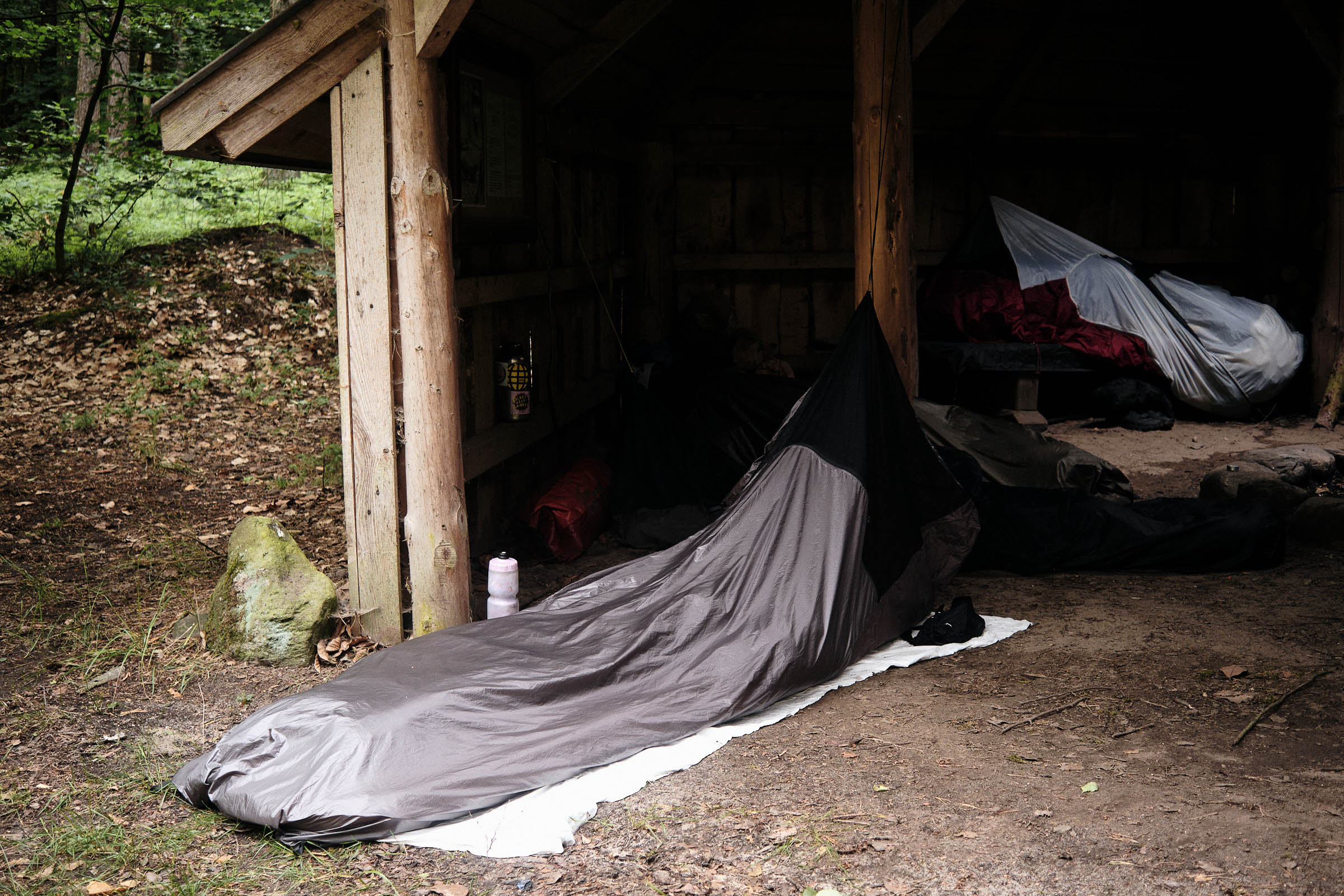
Coupled with a tarp, you’ve got a modular all-weather sleep system, though admittedly a more austere one than a traditional tent setup. I’ve been using the Cumulus bug bivy in combination with their matching one-person Larch tarp on trips where rain is in the forecast. I won’t provide a full review here, but suffice to say I’m very happy with the combo. My proper tent sees little usage these days.


I think a big driver of that is the high user-friendliness of the Cumulus tarp. Its included line locks and curved, catenary cut make a clean setup easier to achieve compared to a minimalist flat tarp, at the cost of setup flexibility. This trade-off in favor of usability over maximum weight savings—similar to the Mosquito Bivi—seems ideal for someone like me who wants a straightforward setup when rain clouds are on the horizon but otherwise prefers to sleep with as little as possible between me and the environment.

- Model/Size Tested: Cumulus Mosquito Bivi
- Actual Weight: 235 grams (claimed and actual)
- Place of Manufacture: Poland
- Price: €159/$149/£115
- Manufacturer’s Details: Cumulus.Equipment
Pros
- Light, small, and easy to deploy and pack up
- Keeps insects and drafts out
- Provides meaningful psychological comfort
- Bivy and tarp combo is more versatile than a tent setup
- High-quality fabric and hardware and sophisticated design
- Lifetime warranty
Cons
- Not waterproof, needs a tarp for all-weather setup
- Can seem pricey when compared to a tent
- Slightly heavier than custom bug bivy bags
Wrap Up
The bug bivy is by far my most-used shelter type precisely because of its lightweight, non-waterproof nature. Providing unmatched versatility in a minimal package, it’s ideal for ultralight overnighters and hut-to-hut tours as well as longer trips when combined with a tarp or tent. The Cumulus Mosquito Bivi is a sophisticated option that I struggle to find any particular faults with after a year of regular usage. I highly recommend it.
Further Reading
Make sure to dig into these related articles for more info...



Please keep the conversation civil, constructive, and inclusive, or your comment will be removed.