


 Mountain Bike (MTB)
 Gravel Bike
 All-Terrain Bike (ATB)
 Fat Bike

Giro Empire SRC Review: The Electric Acid Clipless Test




With more gravel-oriented clipless shoes hitting the market in recent years, Nic decided to take a look at the Giro Empire SRC—a revamped version of the brand’s storied VR90 model. After 3,000+ miles, he learned a lot more than just how these clipless shoes performed when attached to a pedal. Read on for the full long-term review and see how they stood up to “feet made of acid”…
PUBLISHED Sep 30, 2025
Finding the right pair of cycling shoes can be a challenging experience. If you’re solely in it for utility, there are tons of options that will fit your needs. Heck, if you’re not bound by the constraints of clipless pedals, there are a myriad of bike and non-bike-specific options that are entirely fit for purpose. That said, I’m not so easily satisfied. Unlike the majority of my colleagues, I largely ride clipped in. While I’ve had more than my fair share of unclipped miles, once I got used to clipping in, I never really clipped out. Even short rides down to the coffee shop typically entail clipless shoes or a slightly awkward but entirely doable spin with Vans atop my trusty Shimano SPDs. For this review of the Giro Empire SRC, I took a look at how these shoes performed not just on the bike, but off it as well.

Clipless Caveat
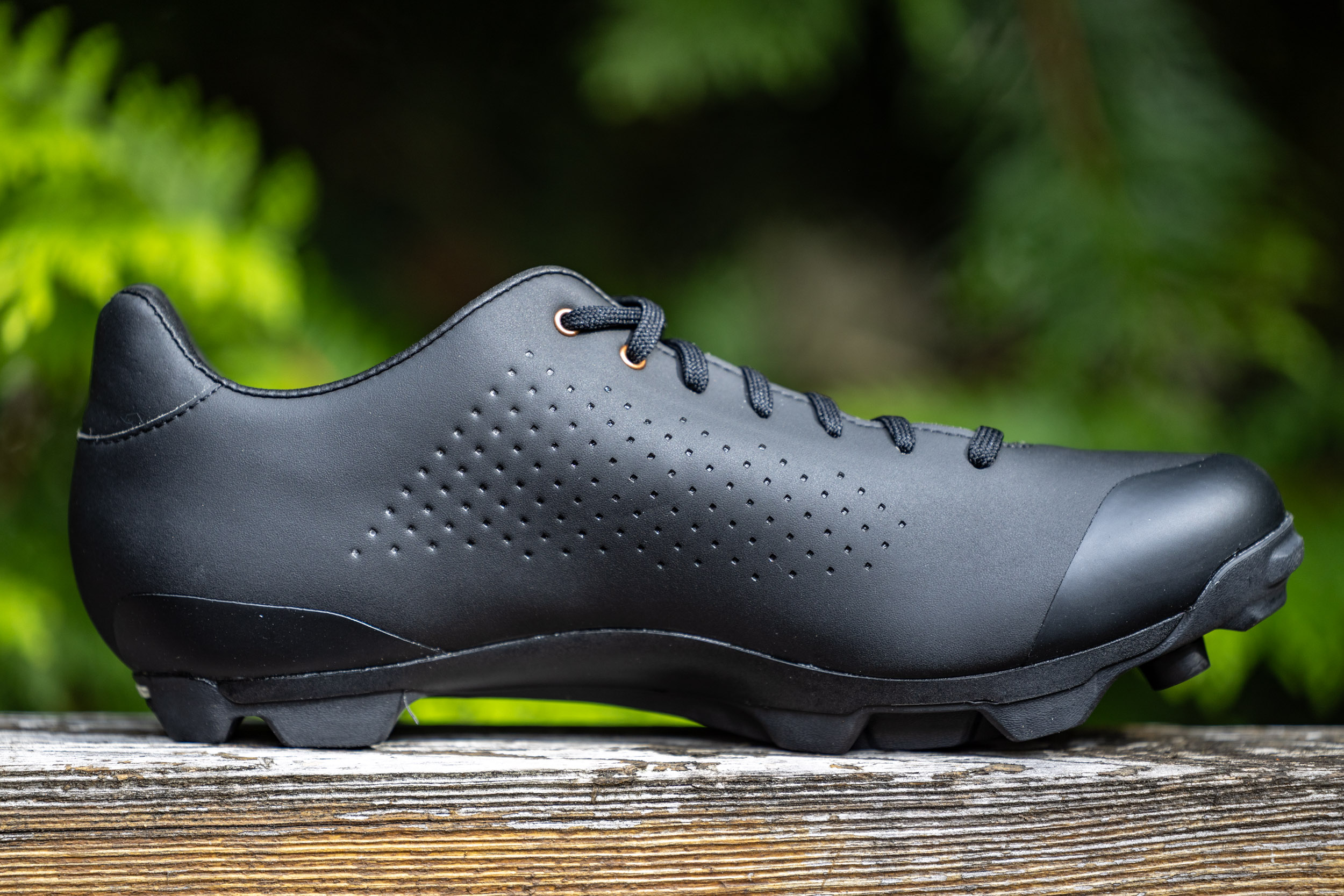
As I insinuated above, I much prefer clipping in. Whether it’s the control, better power transfer available through the hardwired connection and upstroke, or the simplicity of knowing a specific pair of my shoes is solely designated for cycling, clipless systems have been seamlessly integrated into my life. However, riding clipless is not without caveats. While mountain bike-oriented clipless shoes tend to be better suited for hike-a-bike and walking, I’ve never been fond of the aesthetic that comes with most market offerings. Everyone’s got their taste, but I’ve always found them a bit chunky and overbuilt for my purposes. Although I’m no roadie, the aesthetic of a classic cycling shoe is something I think makes a lot of sense, and one I find a great deal of comfort in.
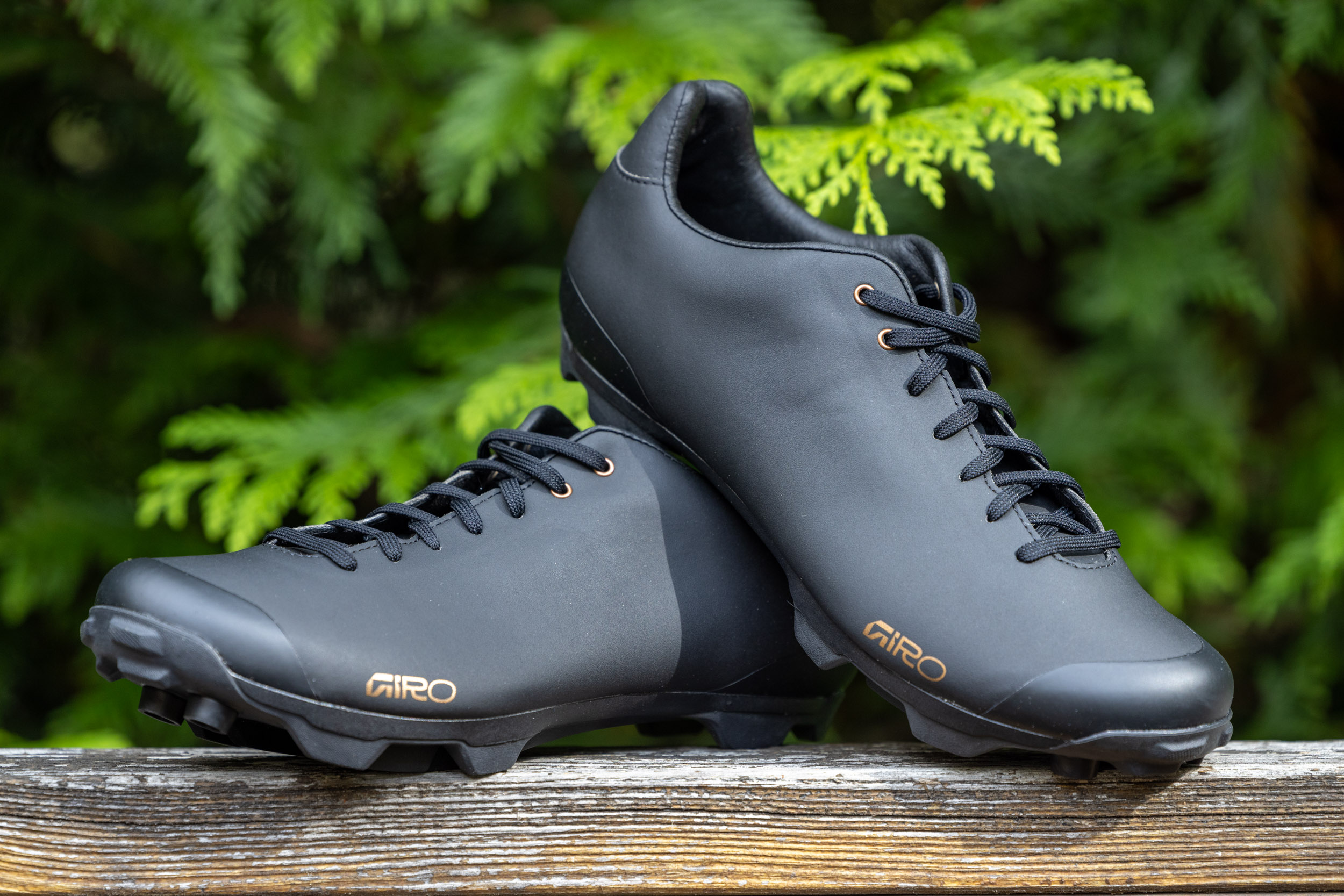
With the proliferation of the gravel category, a burgeoning middle ground of mixed-terrain cycling shoes has expanded over the last few years, resulting in an increasing number of options available that fit into my functional and aesthetic niche. I reached out to Giro to review the Empire SRC not only because it checked all the boxes I set, but also because its predecessor, the VR90, is a model I had some experience with and had garnered a reputation for being extremely comfortable and versatile for all types of rides. Both the VR90 and Empire SRC are sleek, road-style gravel shoes built around an SPD or two-bolt mounting system, leaving ample room for a grippy outsole and a tread pattern that makes sense for walking on uneven terrain.


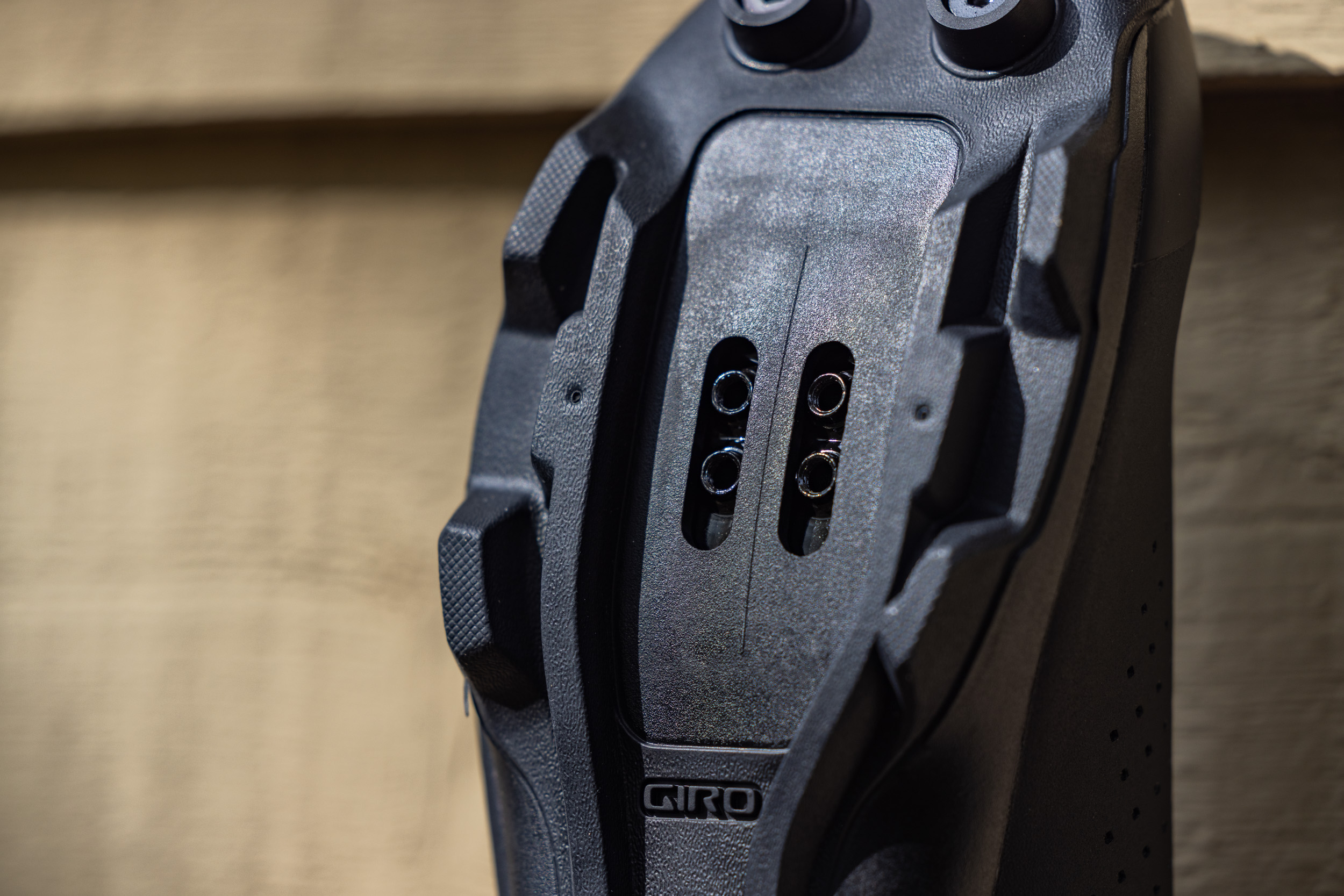
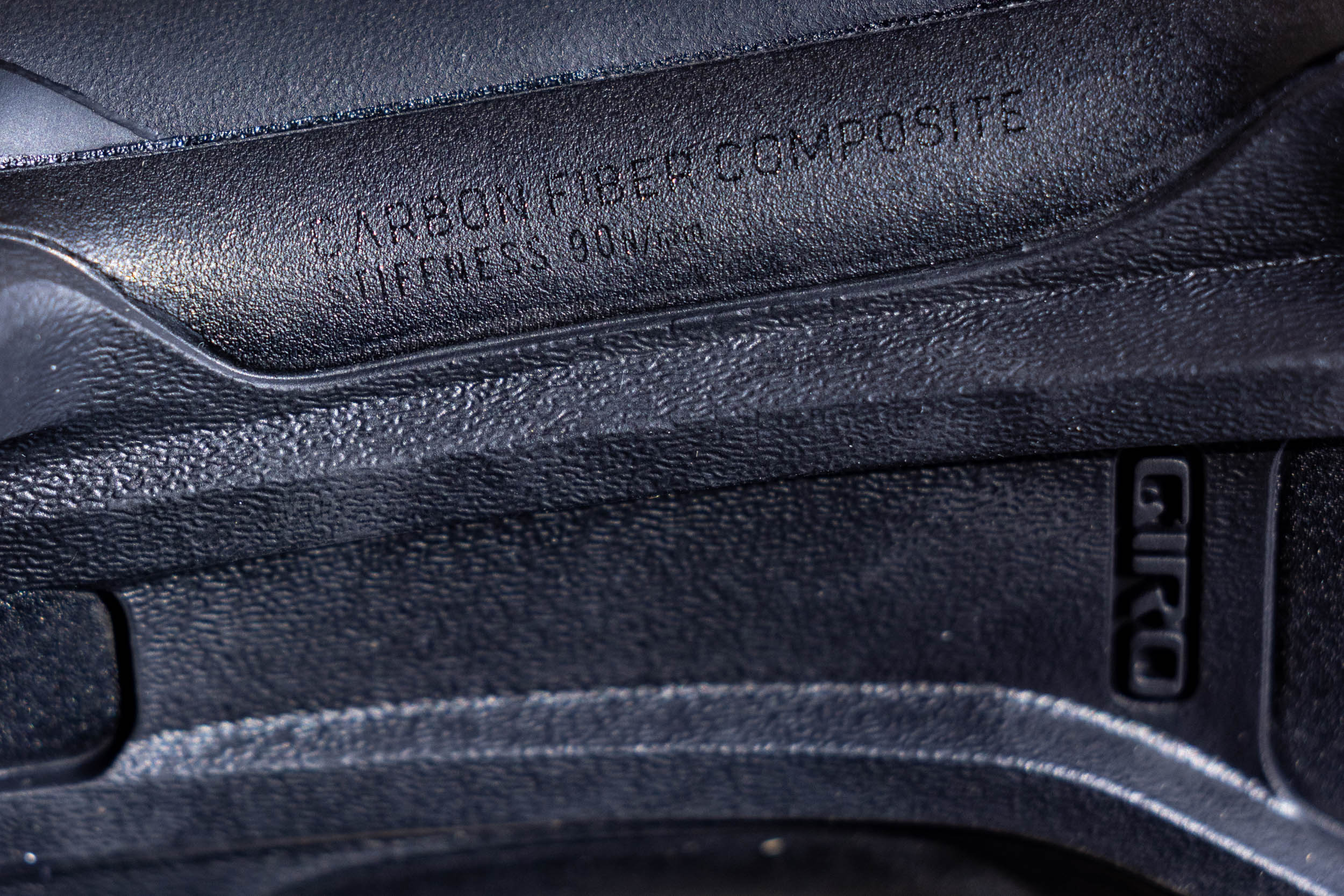
From a technical standpoint, the Empire SRCs are consistent with most in the category. They use a carbon fiber soleplate to achieve the most weight-efficient means of stiffness, and they got this part of the design exactly right. Stiff they may be, these shoes have just enough flex to make hike-a-bike sections a thoughtless experience and pedaling a rewarding one. I’m not one to be too sensitive to an extremely stiff sole, but I’d say these hit a sweet spot and leave nothing to be desired when on the bike. Power transfer is solid, and there’s plenty of adjustment available when it comes to cleat position, with the industry-standard slots for vertical placement and two cleat positions per shoe. When walking or during steep hike-a-bike sections, this seemingly innocuous tread pattern performed exceptionally well. Even without the provided cyclocross-style spikes, the shoes had plenty of grip on the wet, slick rock that we have in abundance in the Pisgah National Forest. There were a number of occasions during my time with the original pair that I looked at a steep, flat rock and thought, “There’s no way I can get up that without slipping; I’d better be careful,” only to find a miraculous amount of grip in the soles.
Some of that performance is likely down to my rock climbing days, where I learned how to put the majority of my weight on a dime-sized area and not slip, but—still! These shoes never faltered, even when and where I expected them to. While the tread is a bit slick on smooth surfaces when fresh out of the box, the harsh rubber softens and breaks in as you wear it, creating something quite comfortable, forgiving, and grippy.
Sole Specifics
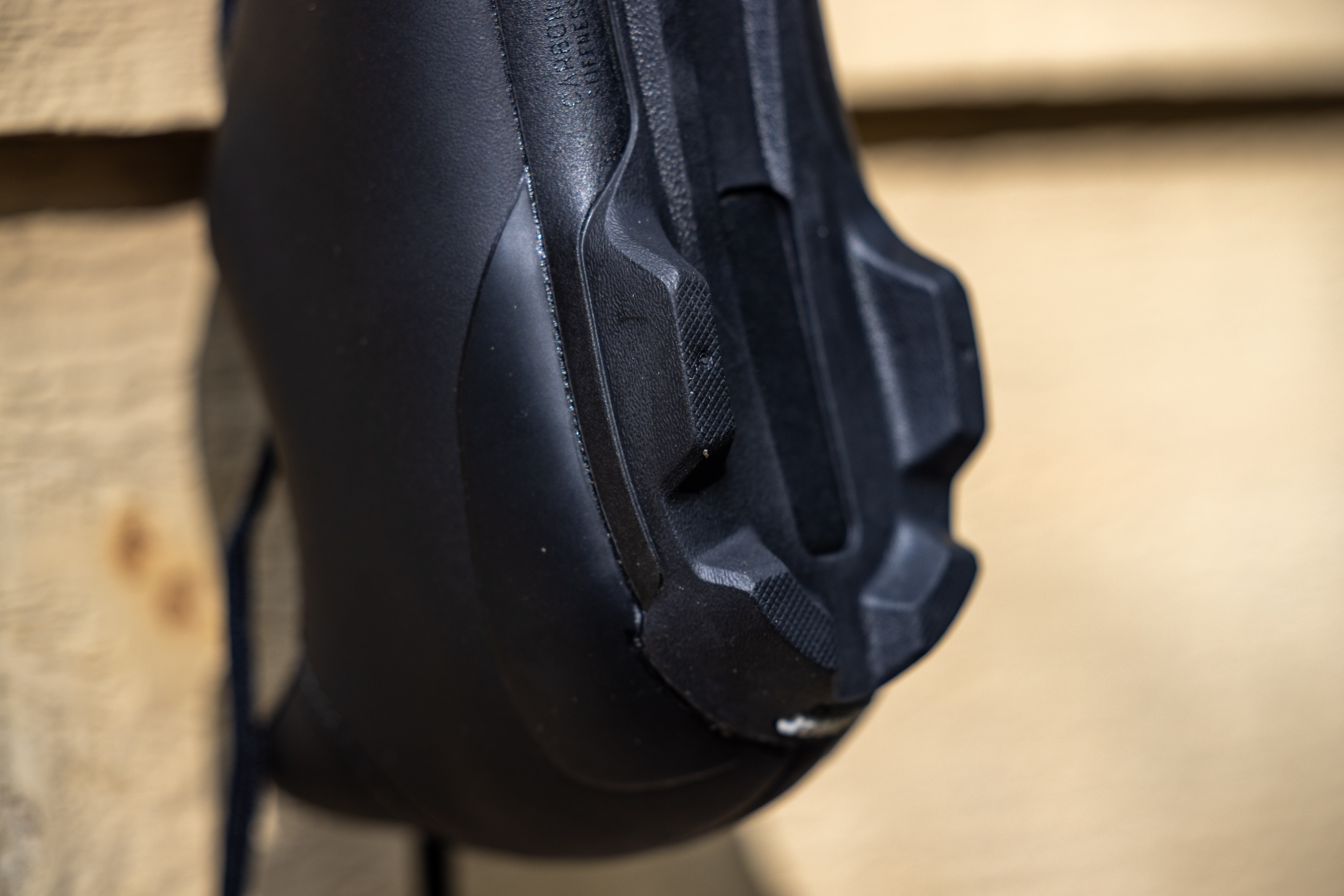
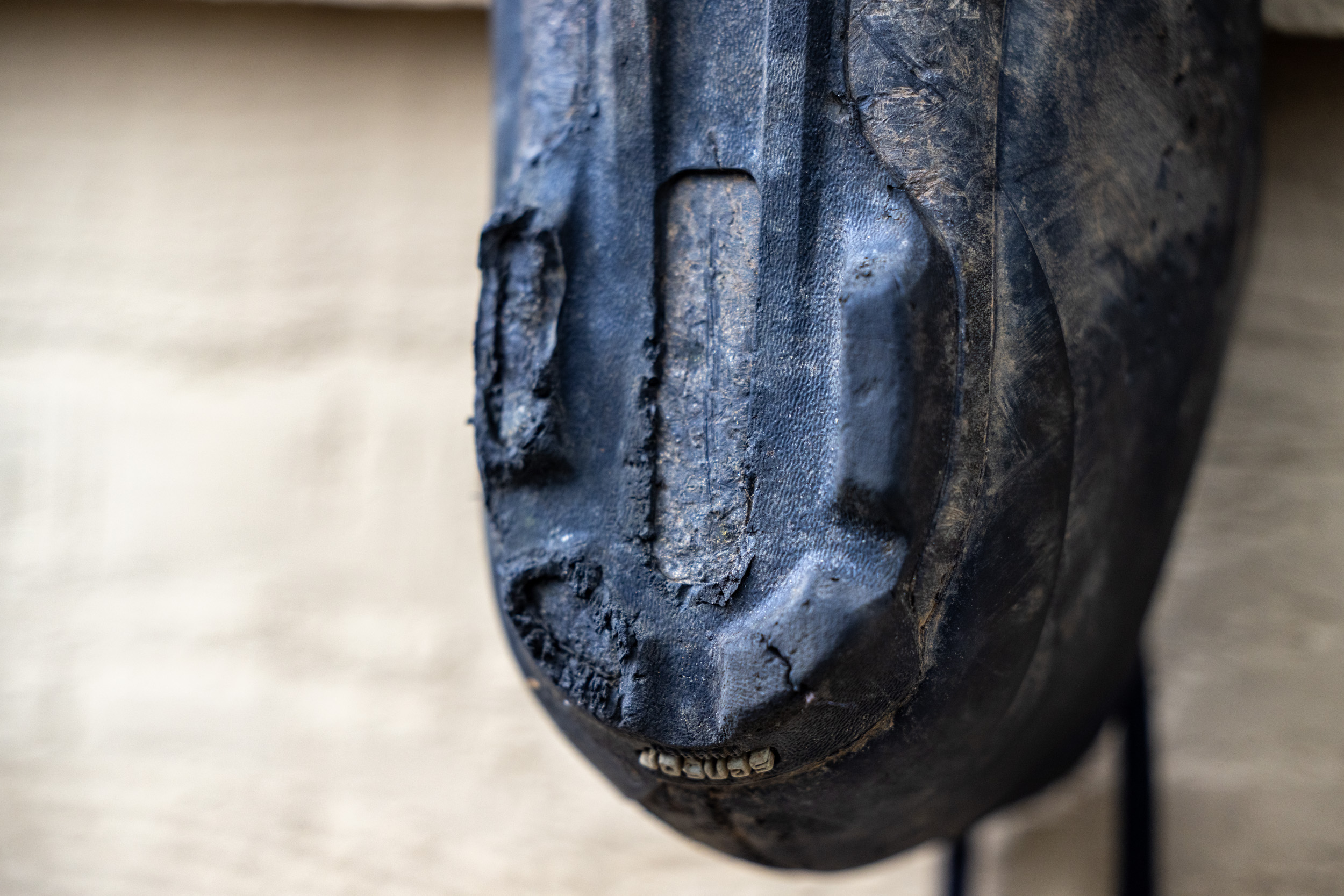
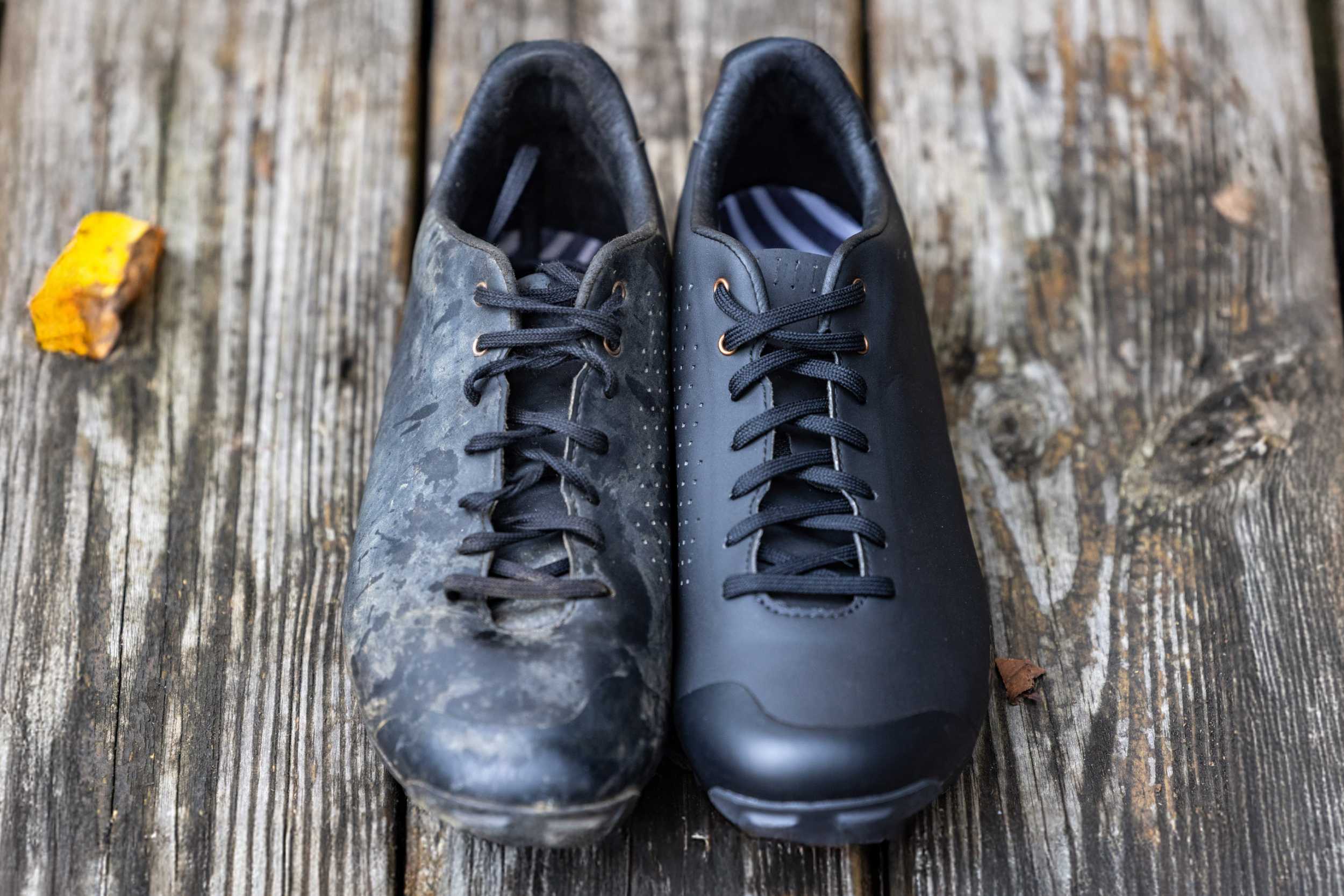
Another element of the Giro Empire SRC’s design that works well is the means by which the outsole attaches to the upper. Because modern shoe design requires adhesion between the upper and sole, cycling shoes, much like athletic cleats in various sports, can experience some degree of separation through regular use. I used to work in the soccer space, and it’s something I encountered a fair bit with modern cleats, and the same is true in cycling shoes. Although sole separation is generally something you see in other, cheaper, lower-quality pairs of shoes, it’s still entirely possible due to the forces applied to the shoes, particularly when single-speeding. When the grade gets steep, I’m using every portion of the pedal stroke to move the gear along, and the strain that puts on a shoe is not something a poorly constructed pair can withstand.
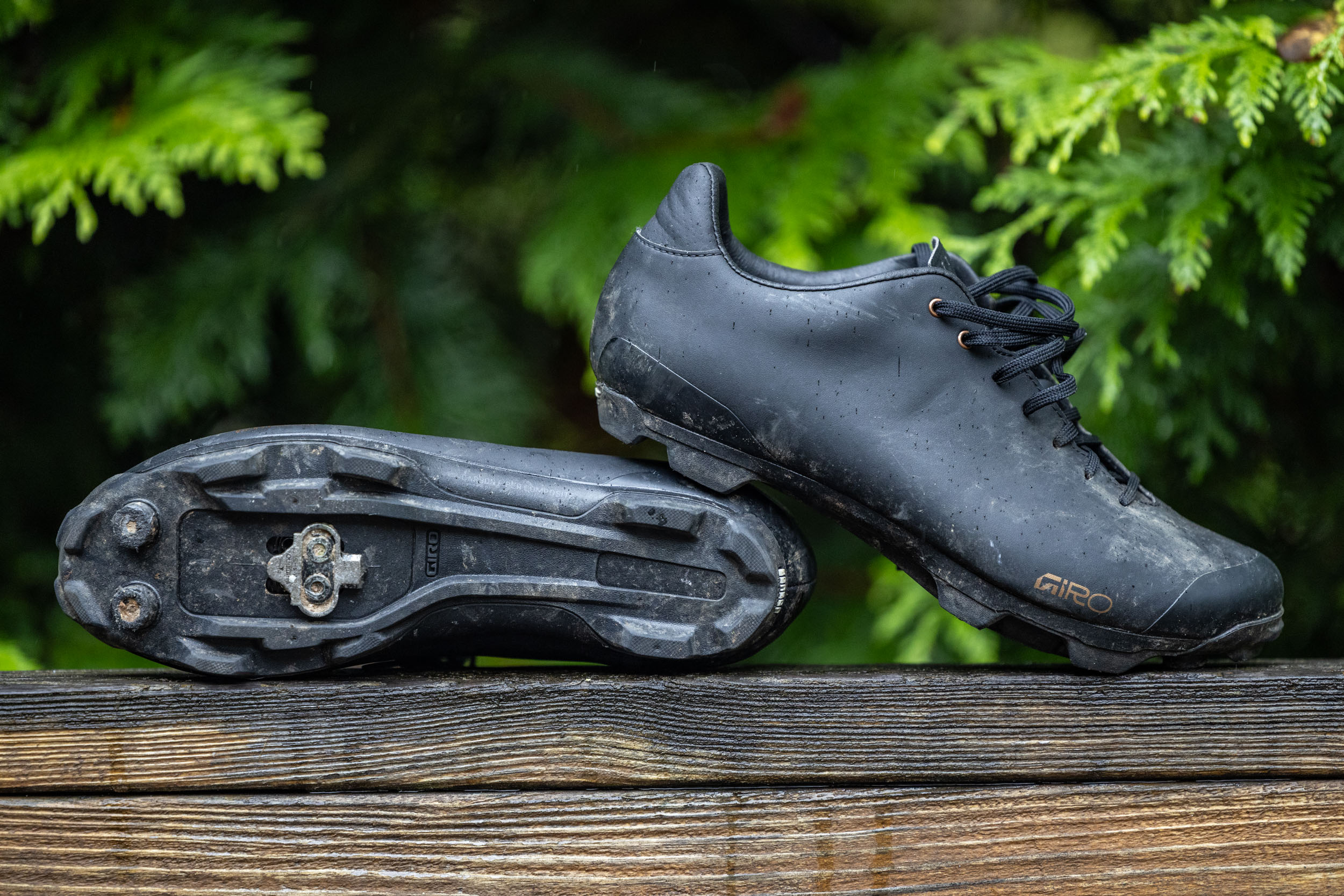
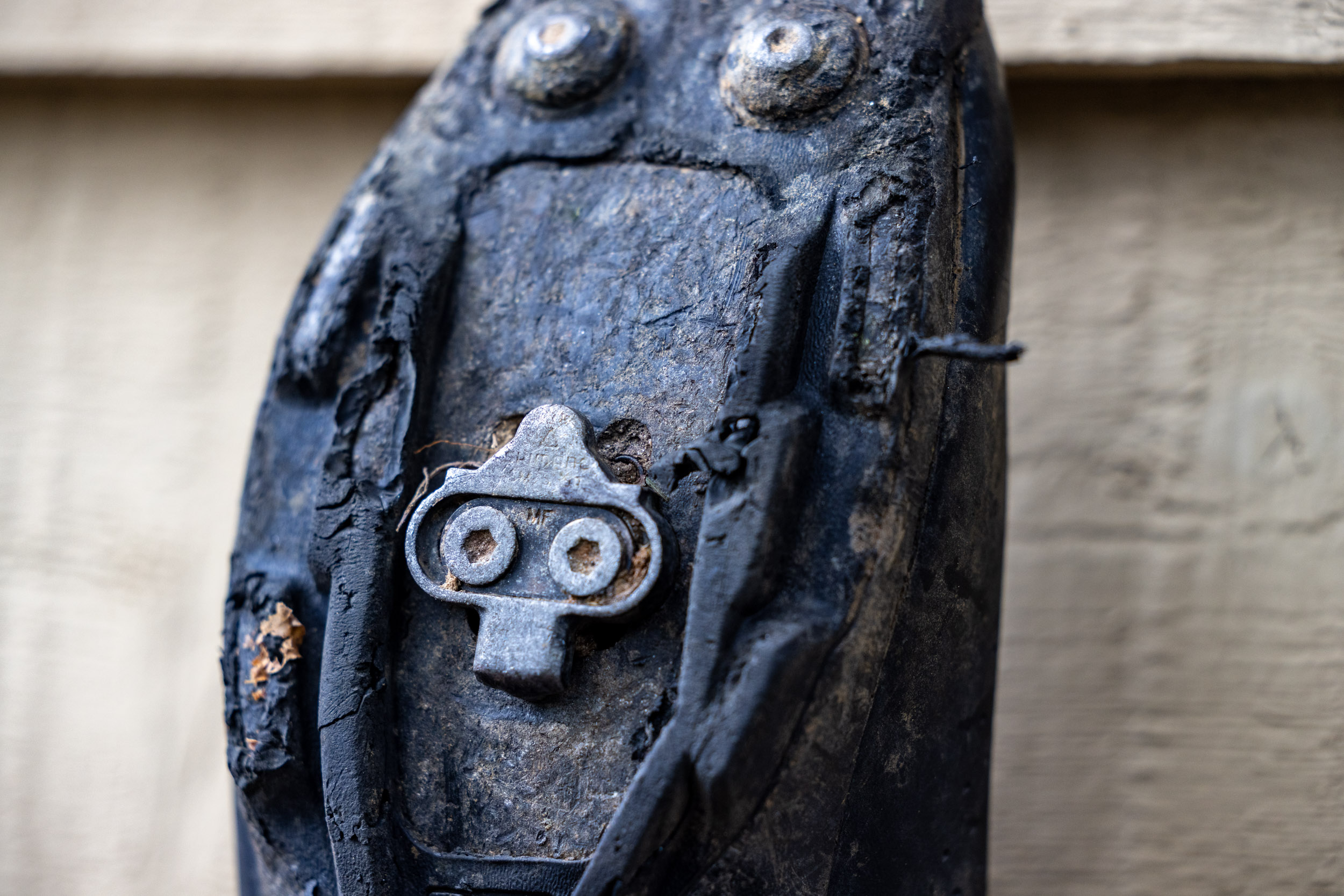
Similar to some of the other options I’ve spent time with, like the QUOC grand tourer lace and Escape shoes, the outsole features an added “bonding” on the exterior that not only reinforces the link between the upper and the sole, but limits damage or water ingress that might catalyze the separation process. As seen in the pair of Empire SRCs that I rode for just over 3,000 miles, while there is significant deterioration to the sole and tread pattern, the bond between the two main parts of the shoe is entirely intact, with almost no damage to the upper.


Speaking to that lengthy test period, it’s worth mentioning that while the initial test pair looks worse for wear—I really put these shoes through the wringer. From Mountain Cat 100 to Pisgah MonsterCross, several overnighters, more than a few challenging day-rides with plenty of hike-a-bike, several rainstorms, creek crossings, nights outdoors, and a few drying sessions in my oven, these Giro Empire SRCs have seen a lot. In addition to the sheer amount of abuse, I tend to have a one-track mind when it comes to essential riding gear, and when I find something I like, I stick to it. Growing up, my mom used to describe my ability to destroy pairs of shoes in an idiom that likely makes more sense in Spanish, but one that loosely translates to, “boy, you have feet made of acid.”
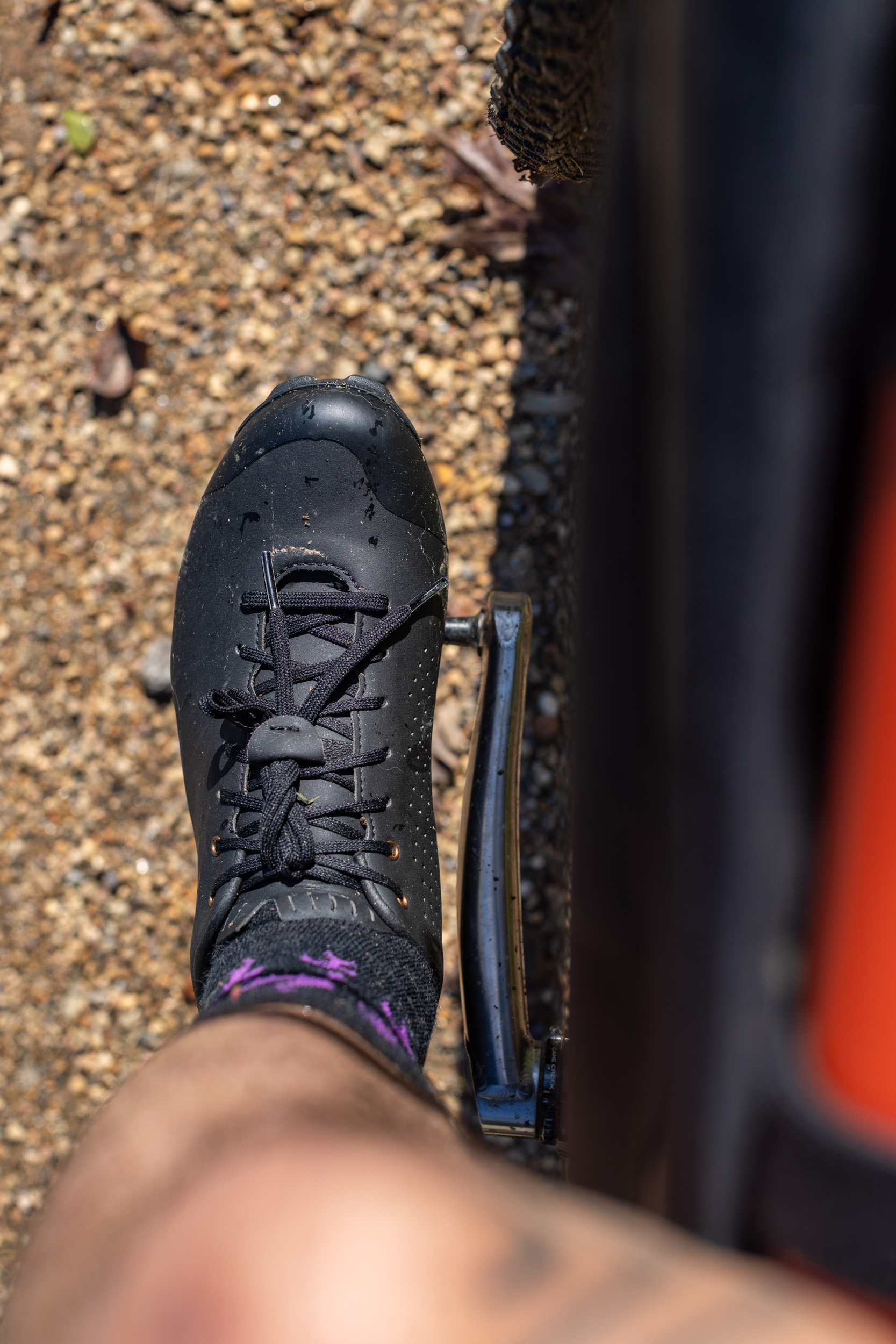
The synthetic leather upper of the Empire SRC molded to the shape of my foot make the SRCs easy to use as both daily drivers and the go-to option for an overnighter or long ride.Perhaps the highest mark I can give a cycling shoe is that it doubles as both a good riding and an acceptable camp shoe. Packing an extra pair for a night outdoors is something I find incredibly annoying and space inefficient, so making a pair work for camp is typically the solution I tend toward, unless they’re exceedingly uncomfortable. Not only was I more than okay with using these once parked for the night, but I often found myself forgetting to take them off as I continued my tasks indoors after any day ride. While individual fit and feel are specific to the user, I really got on with this pair. To make matters even better, the Giro Empire SRCs also come with three different levels of arch support—small, medium, and large—so that users can adjust to their foot shape and contour. The medium level is pre-installed into the shoe, but if you find yourself needing more or less, the supplied foam insert is a nice touch that increases the comfort of an already agreeable shoe.
As for durability, any shoe I’ve used for the same amount of time/mileage looks about the same. While I often lament the fact that shoes of this kind tend to fall apart at the sole, rendering them essentially unusable once the tread is destroyed, I feel like I got a decent amount of life out of this pair.
Clipless Critiques
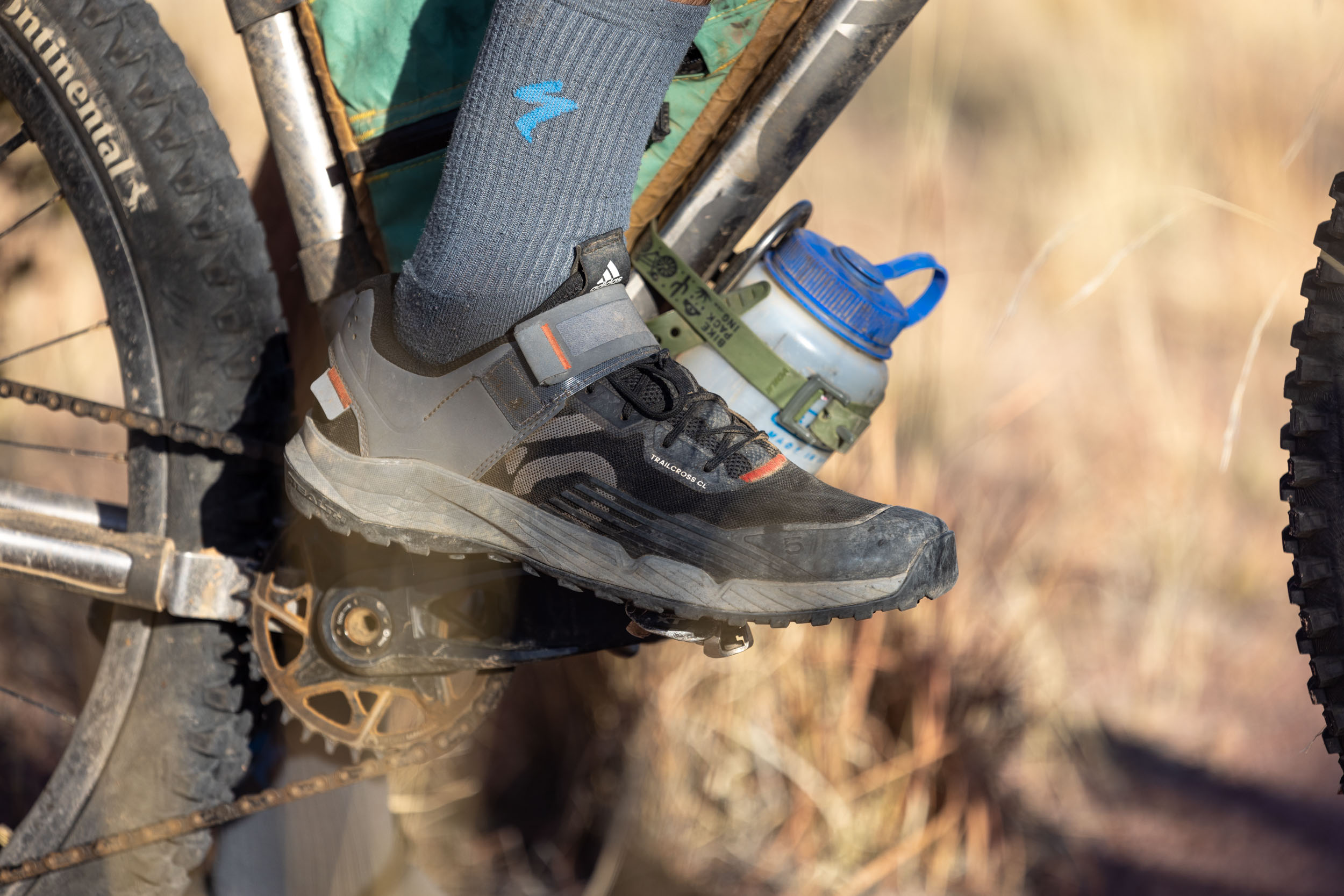
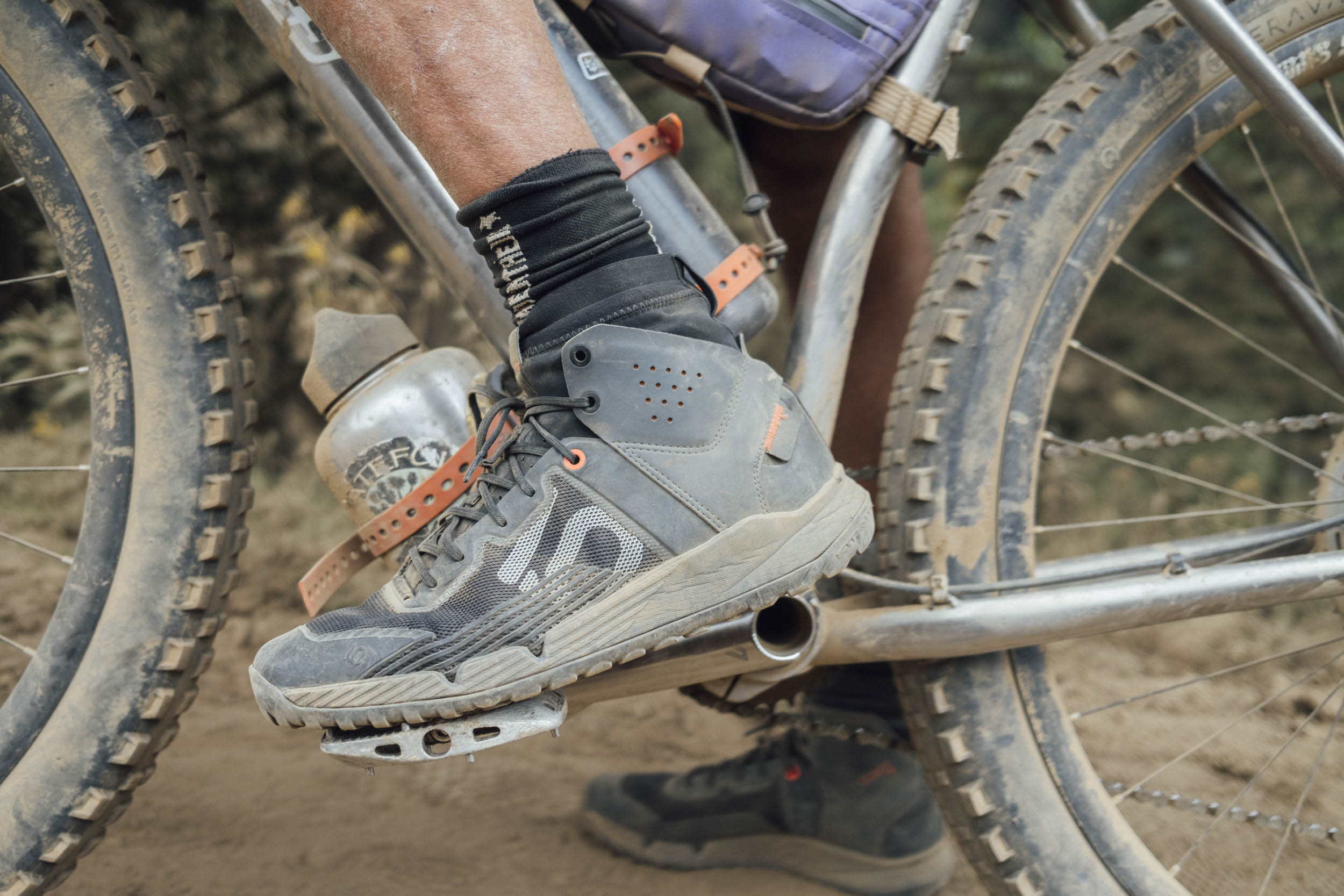
Of course, Giro Empire SRC isn’t the perfect shoe, and the areas where it falters are if you’re looking for something to truly be agile on trails. I had a fairly flawless experience when it came to navigating technical terrain, but if I wasn’t able to clear a feature or section on the bike, I was considering each step pretty carefully, meaning I wasn’t exactly stepping carelessly into rock gardens and technical sections of trail. Imagining these will stand in as a mountain bike shoe, like the Five Ten Trailcross CL, for example, just isn’t practical. In addition, although the grip and comfort improved throughout my time using the Giro Empire SRC, the shoe obviously lost some performance when portions of the tread and sole had snapped or melted off. This exposed a smooth, carbon sole plate, which isn’t great for grip.
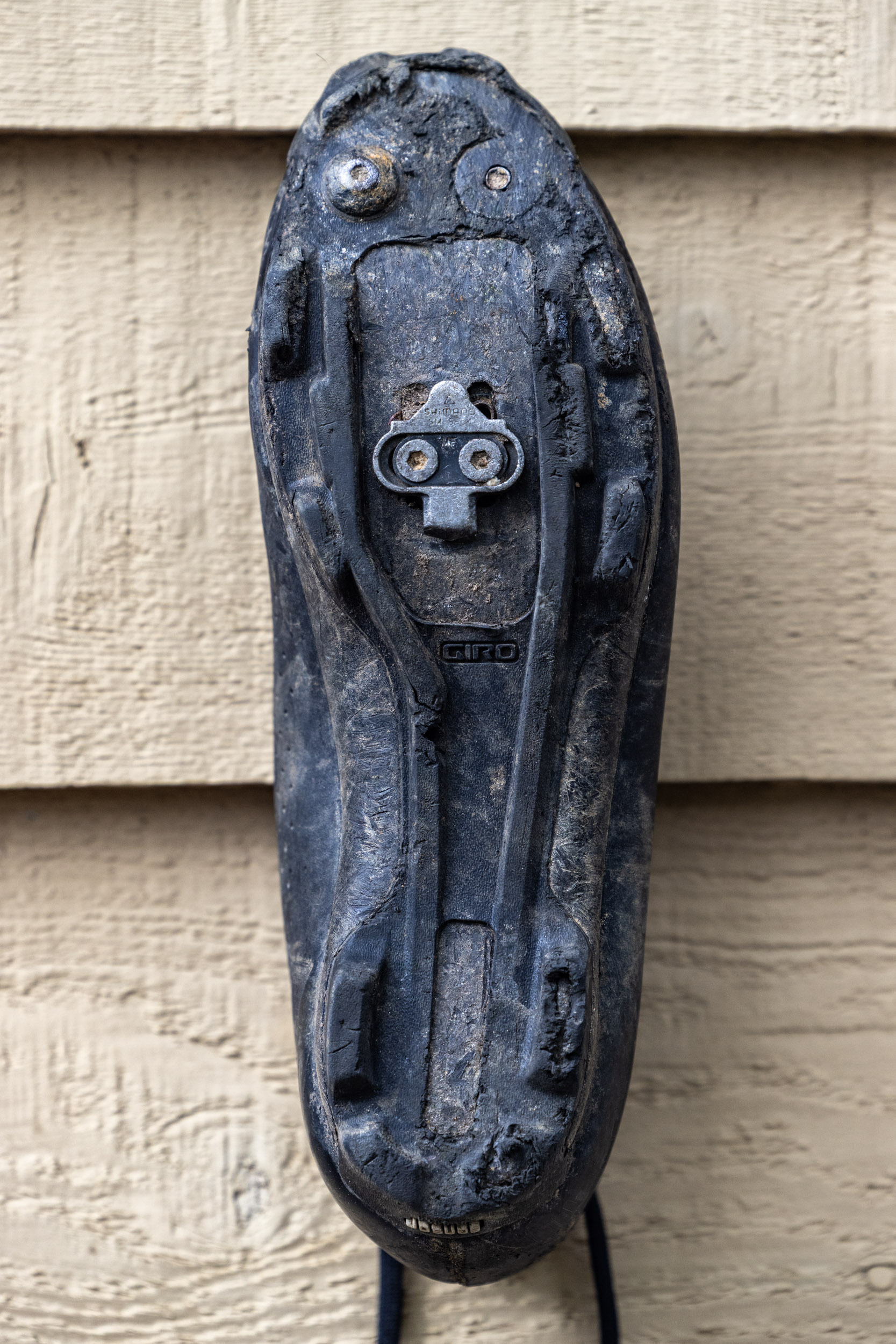

Another element of this tread design that’s consistent with shoes in the same category, such as the QUOC Escape off-road, is that once the tread is worn, cleat stability is compromised. I attribute this to the fact that the tread pattern serves a multifaceted purpose, providing both grip and security, while also being a structural component of the cleat position. This means that once the area near the cleat gets worn away, the shoes become a lot more “jiggly.” This is a common issue with many shoes in this category. However, after recently posting about Shimano’s new RX910 S-PHYRE shoe, it appears that problems like this have been addressed through a replaceable TPU cleat contact system. It’s a slightly unfair critique since these were released long before the new Shimanos, but a frustrating issue for a shoe that costs as much as this one does.

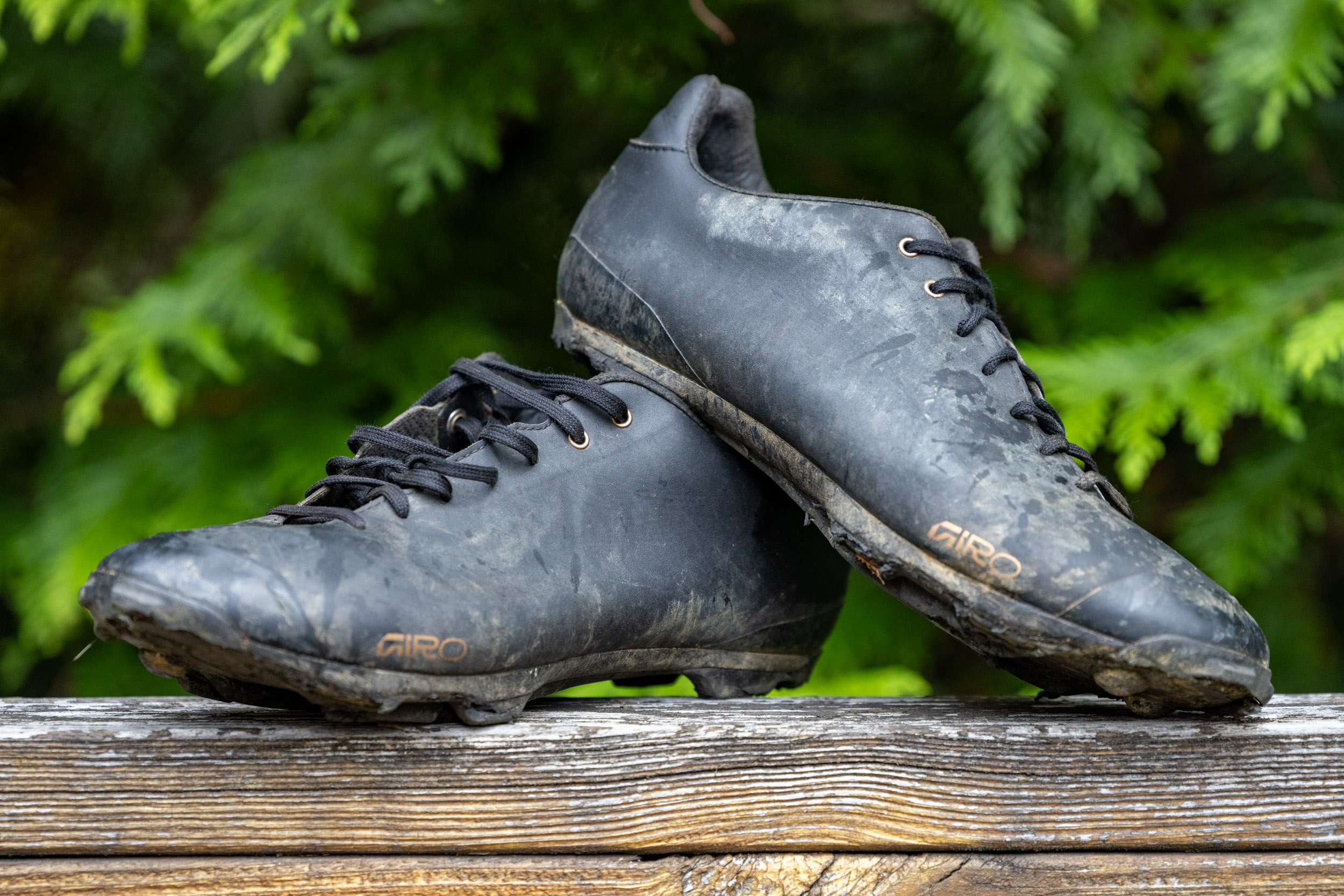
The other problem I faced with the Giro Empire SRCs is with the synthetic leather. The varying compounds and thickness across the wide range of gravel shoes I’ve used have differing properties, strengths, and weaknesses, but I can concretely say that these are not only the most comfortable out-of-the-box shoes, they’re also the ones that fared the worst in wet weather. Once sodden, the shoes never really returned to their natural state, even after being fully dried. With them being soaked twice over, I think the synthetic leather material simply took on too much moisture and failed to regain the original strucutre. The new pair I received toward the end of my time with the original pair feels quite different in terms of upper elasticity and feel. This difference was noticeable from the first unexpected rainstorm. Again, it’s hard to ding the shoes for their lack of structure after so much abuse, but getting caught out in the weather does happen. Though I wouldn’t say it completely ruined the shoes, the integrity of the shoe as a whole was compromised, which is tough to swallow at this price point.
- Model Tested: Giro Empire SRC (Black)
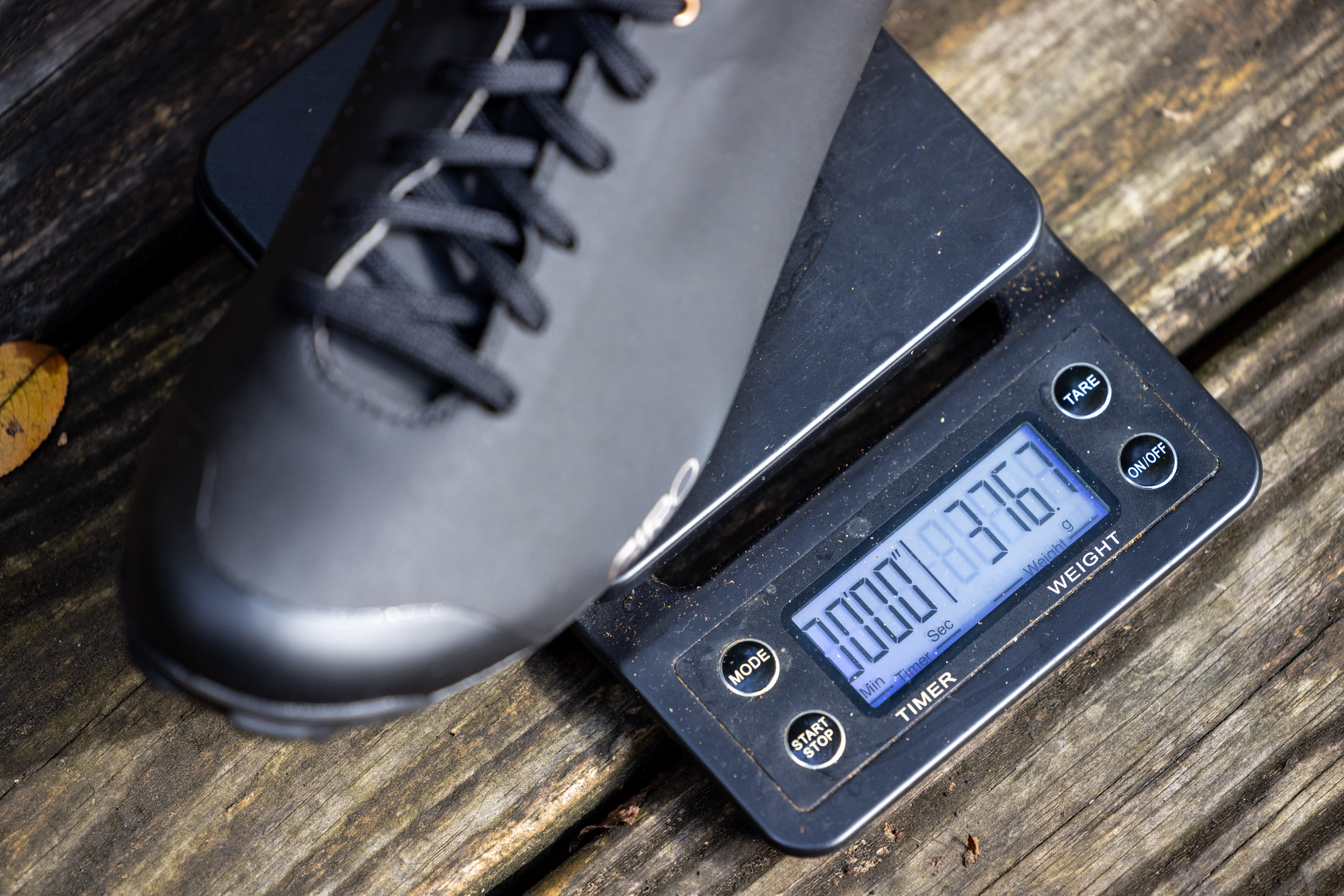
- Actual Weight: 367 grams (12.94 oz)
- Price: $375 at Backcountry
- Manufacturer’s Details: Giro
Pros
- Extremely comfortable out of the box.
- Great grip and performance from the tread pattern.
- Laces are best.
- High-quality materials all around.
- Sleek, dare I say, sexy, aesthetic.
Cons
- The sole does fall apart after 1000+ miles of hard use.
- Synthetic leather isn’t weatherproof.
- Very pricey.
- The cleat fitment system could be improved upon.
Wrap Up
Though the price of these clipless shoes can’t be overlooked, there are only a few, if any, options I’ve tried within the same category that are quite as comfortable, easy to walk in, and sleek. Despite wishing the tread and outsole lasted longer, I can’t fault them for wearing down as they did. With admirable longevity, these gravel shoes fit the bill for the multitude of situations I put them in, and they served my specific style niche in exactly the right way. If this type of shoe is your style, and you’re looking for a sole pair of shoes to take on a bikepacking trip to forego the annoyance of packing an extra pair, you can’t go wrong with Giro Empire SRC.
Further Reading
Make sure to dig into these related articles for more info...
Please keep the conversation civil, constructive, and inclusive, or your comment will be removed.