


 Mountain Bike (MTB)
 Gravel Bike
 All-Terrain Bike (ATB)
 Fat Bike


Paul Klamper Brake Review: American Classic


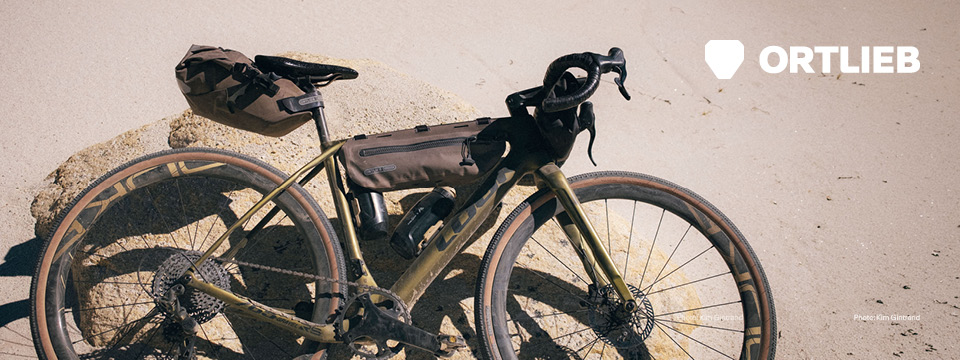


Having used many of the high-quality mechanical disc brakes on the market, Nic sought to round out his experience with the top-end Paul Klamper. In his review of the lauded, mechanically actuated disc brake, he walks through the benefits and drawbacks of the American-made caliper and whether its design still stands out a decade after its release…
PUBLISHED Feb 24, 2026
Mechanical brakes might seem like antiquated technology in 2026. With hydraulic systems coming standard on most mid to upper-tier groupsets, their ease and convenience have convinced many cyclists of their set-and-forget nature. However, for some of us, mechanical brakes are simply easier to work with. Whether it’s their adjustability, straightforward maintenance, or simplistic design, mechanical brakes offer unique benefits in an increasingly hydraulic landscape.
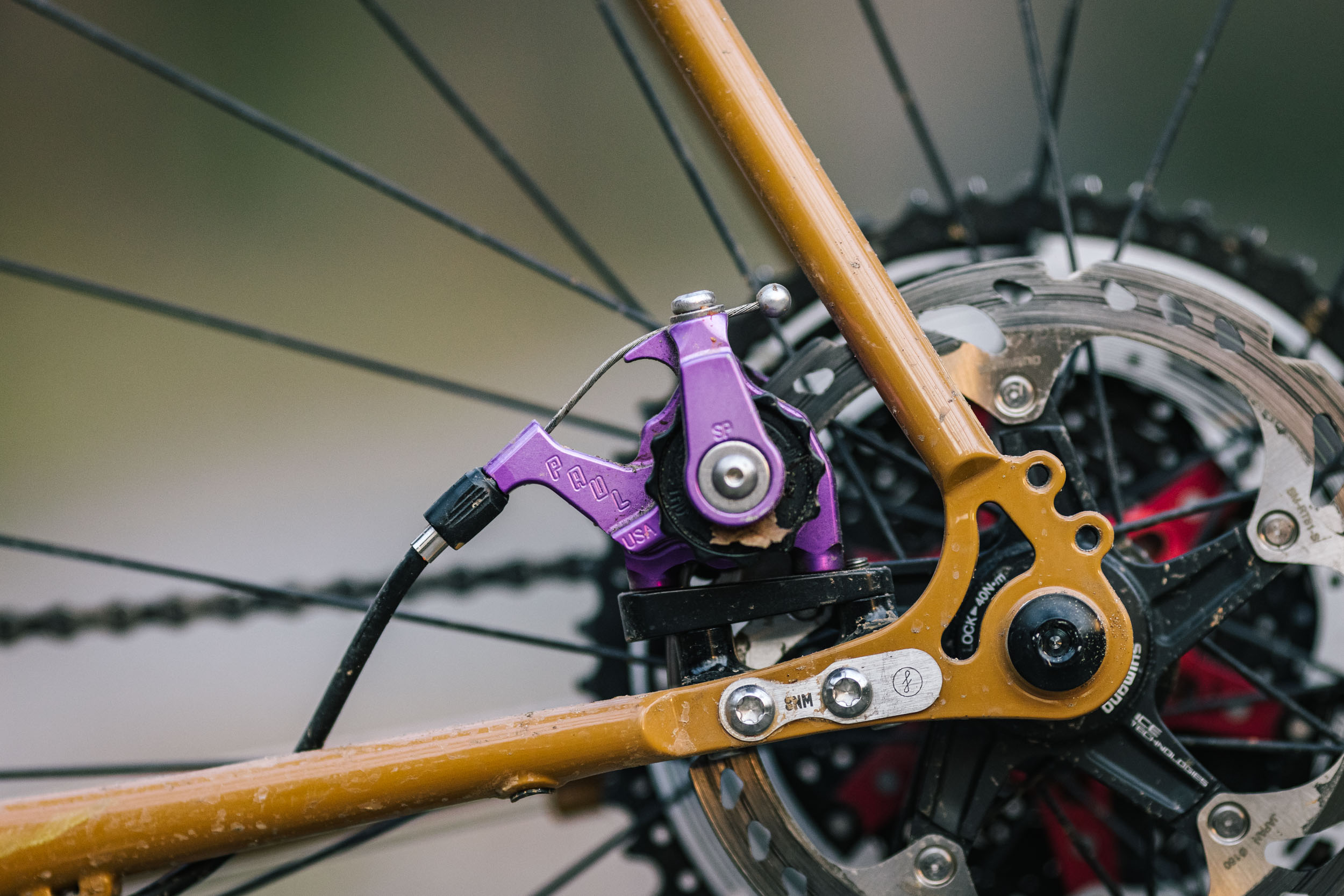
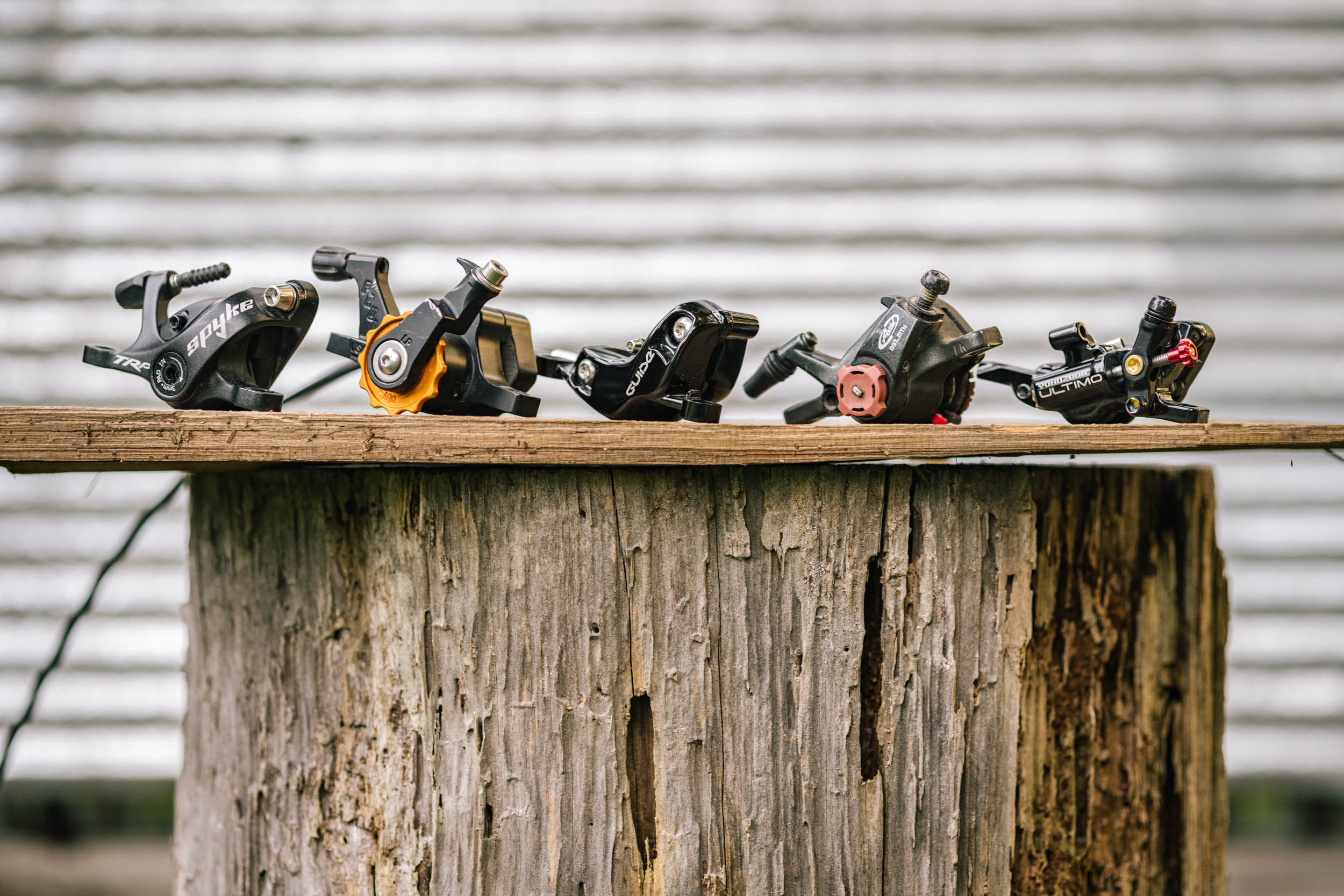
Given my experience with most high-quality mechanical options on the market, the one I still had no experience with heading into the fall of 2025 was the Paul Klamper. The Klamper’s reputation precedes its large, unmistakable silhouette. Designed, manufactured, and assembled in Chico, California, the Klamper is the only high-quality mechanical disc brake made in the United States. Its main body is milled from 6061 Aluminum, with certain internal components comprised of heat-treated 12L14 steel. Amassing a horde of loyal fans who swear by the brake’s power, longevity, and repairability, the Klamper has become a classic. With rivals like the Growtac Equals, TRP Spyres, BB7s, and other compelling choices, the Klampers required a full test for comparison.
Design
Moreso than other components, the look and function of a brake is defined by its internal design. Where the Growtacs and TRP Spyres maintain a slender caliper body due to their actuation method, the Klamper has oversized internals and therefore a larger caliper. The brake actuates via an external lever arm that pushes a needle-bearing onto a piston, which is surrounded by and engaged with a high-quality, US-made spring. It’s a simple means of pad actuation, one clearly demonstrated in a video from Paul Components:
The single-sided, oversized design of the Klamper improves upon the layout and function of brakes like the Avid BB7 by upgrading and tweaking the internals. Aside from an uptick in the quality of these cooperative parts, the main replacements that necessitate a larger caliper body are the plastic thrust washer for a needle roller bearing and the Klamper’s internal steel pistons. The pistons are heat-treated, use round ball bearings to engage both the pad and the spring, and are extremely durable. The needle roller bearing improves the thrust washer’s heat resistance and reduces friction during both actuation and brake return. As a result of these changes, the Paul Klampers are some of the largest brake calipers on the market.


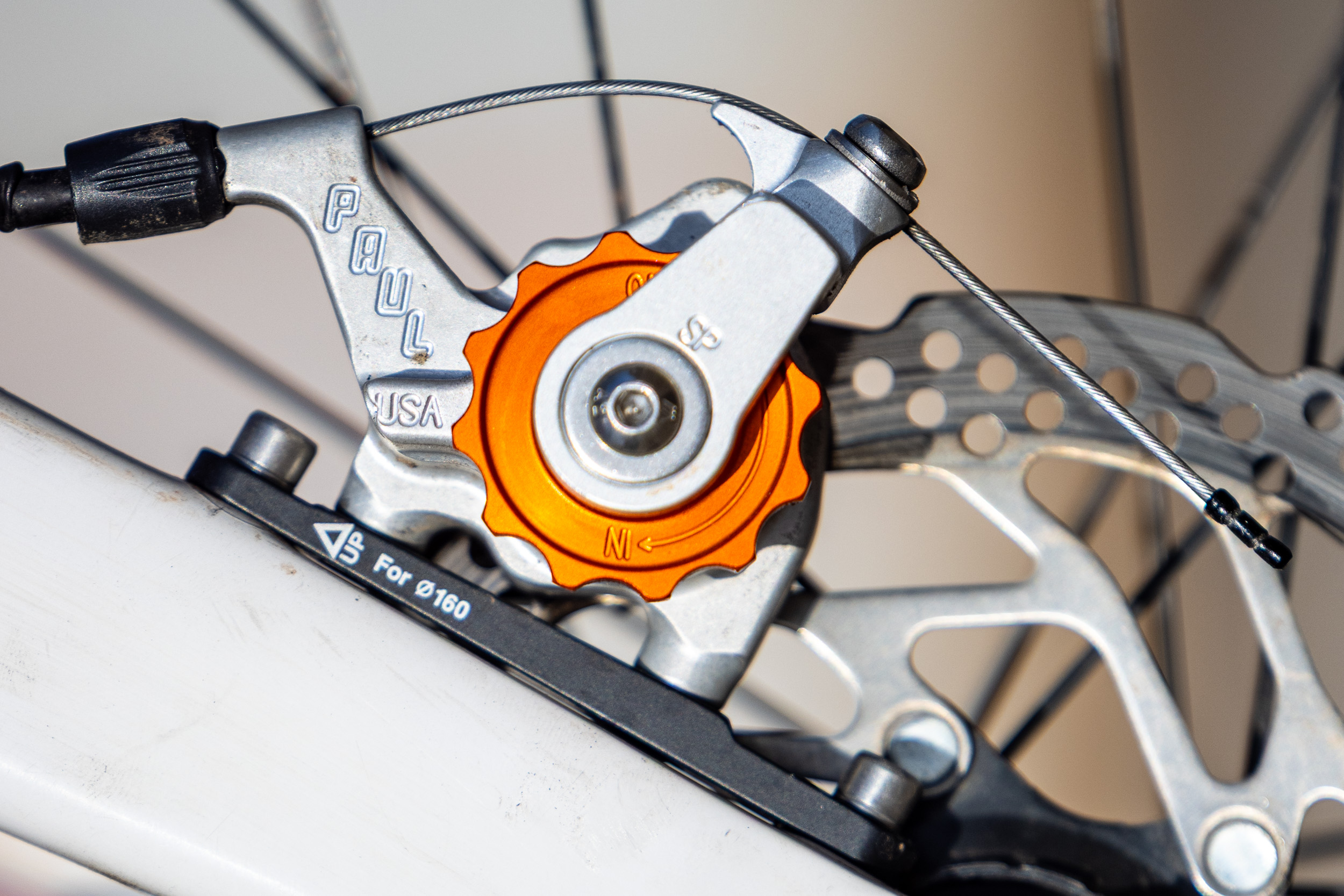
Designed around accessibility, the Paul Klamper can be fully disassembled using the keys and wrenches on a standard multi-tool. That sense of access is extended to the pads, as the Klampers are oriented around the Avid Elixir pad shape, a design commonly found in bike shops worldwide. Paul Price of Paul Components was also committed to making a brake that is easy to adjust, based on his less-than-ideal experience with other calipers that require an Allen wrench in hard-to-reach places. The large, rotating knob that defines the Klamper’s silhouette is part of that design philosophy, as it’s easy to reach and can be turned by hand or with an Allen wrench. It also has an internal screw that adjusts the force required to turn the knob. Some have noted the knobs being overly tight out of the box. Though that wasn’t something I experienced, adjustment is easy through these small screws.
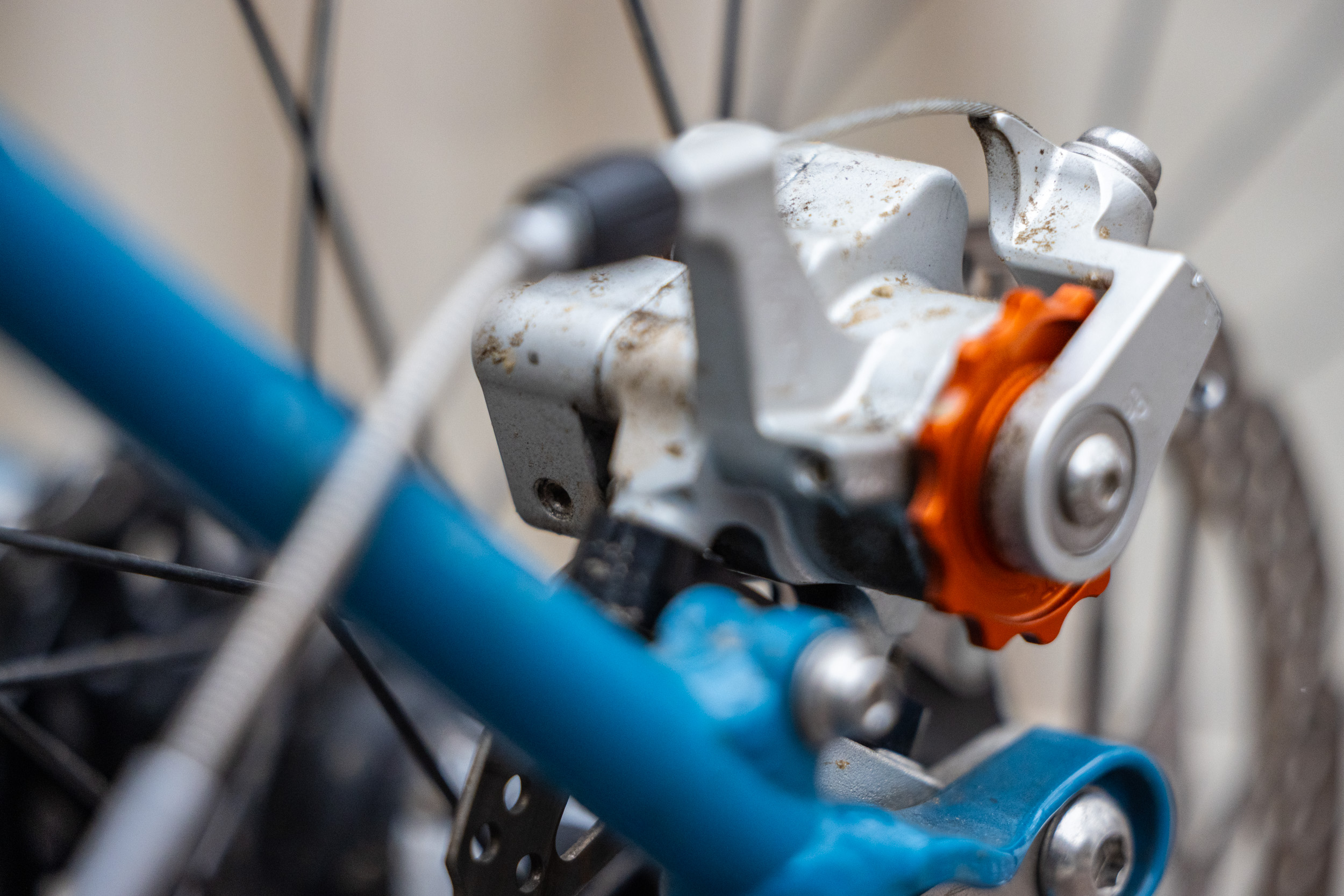
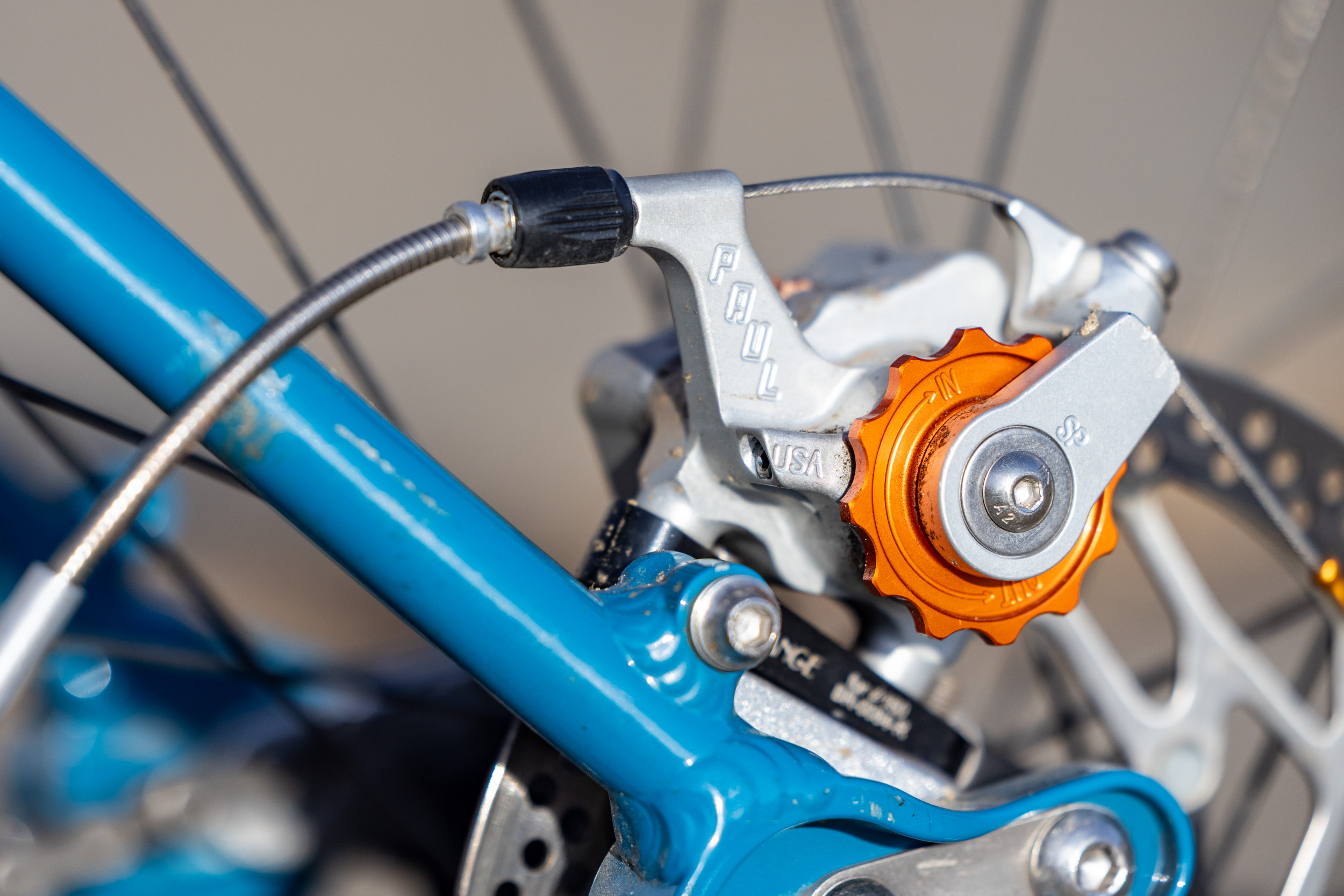
Originally released in 2015, the Klamper was well ahead of its time in terms of design and functionality. With stopping power that rivals some hydraulic systems, the brake’s functionality has made it a modern legend. Available in both flat and post-mount versions, Paul’s desire to make this brake even more practical for its users extends to its modularity, as both short and long pull arms are offered. This allows users to run either lever throw without committing to another expensive caliper, with the arms only costing $33 USD.
Setup
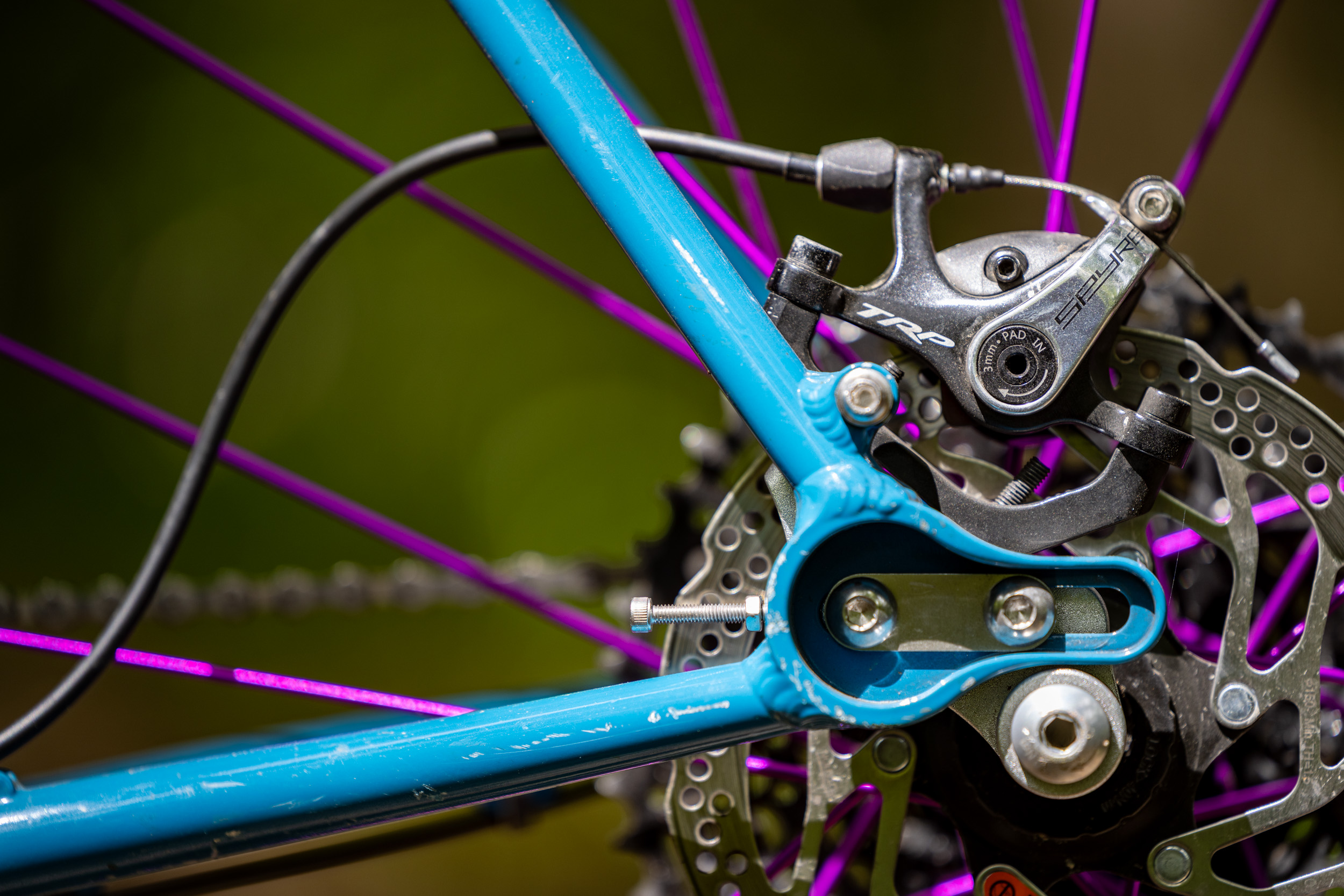
Despite its well-thought-out internal design, the Klampers can be challenging to install. Because the caliper body is so large in comparison to others, it isn’t ideal for all frames. For example, on the Velo Orange Chessie, the rear brake is obstructed by the chainstay, making it a difficult fit because of the larger caliper body. A non-issue for every other caliper I’ve tested, I had to install this v-brake noodle to achieve decent performance from the rear brake. Otherwise, the system felt squishy and unresponsive. After installing the noodle, the brake responded well and gained the typical level of performance comparable to the front end. It’s an issue that isn’t exclusive to the Chessie, as other frames I’ve ridden likely wouldn’t work well either. Nearly any frame optimized for internal brake routing makes the path to the rear brake too tight a fit for the Klampers, in addition to those that simply don’t have much space in the rear brake area.
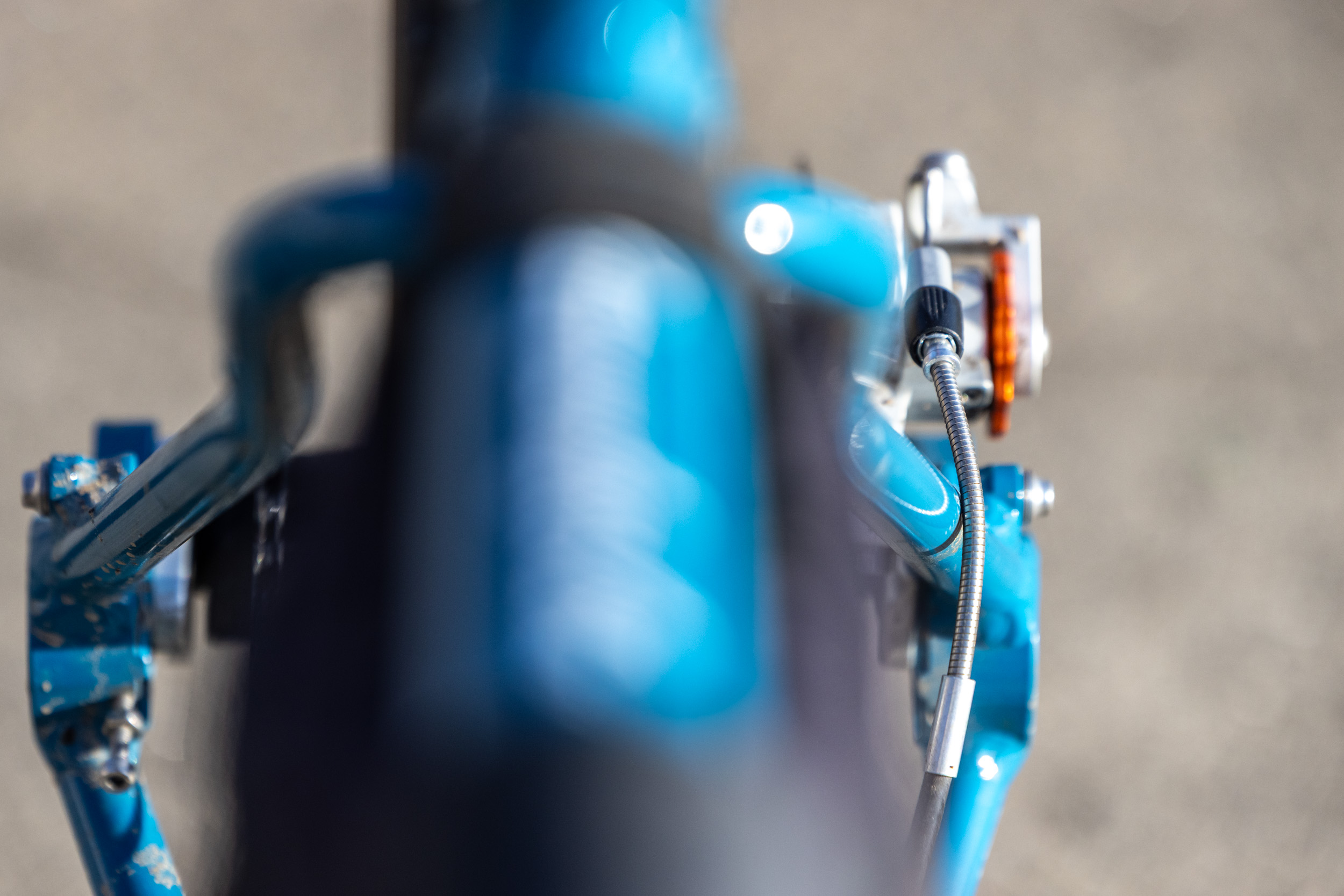
The other eccentricity in setting up the Klampers is the use of housing. I’d heard from others who used them that compressionless housing, usually the best option for brake feel on mechanical calipers, wasn’t recommended. Because the return spring had issues interacting with the compressionless housing, some recommended foregoing it in favor of standard braided housing. Having written off non-compressionless housing, I was hesitant to use standard housing again because of how big a difference it made with the least powerful mechanical options. Nevertheless, to try and get an idea of both use cases, I used standard housing on the front caliper and compressionless on the rear.
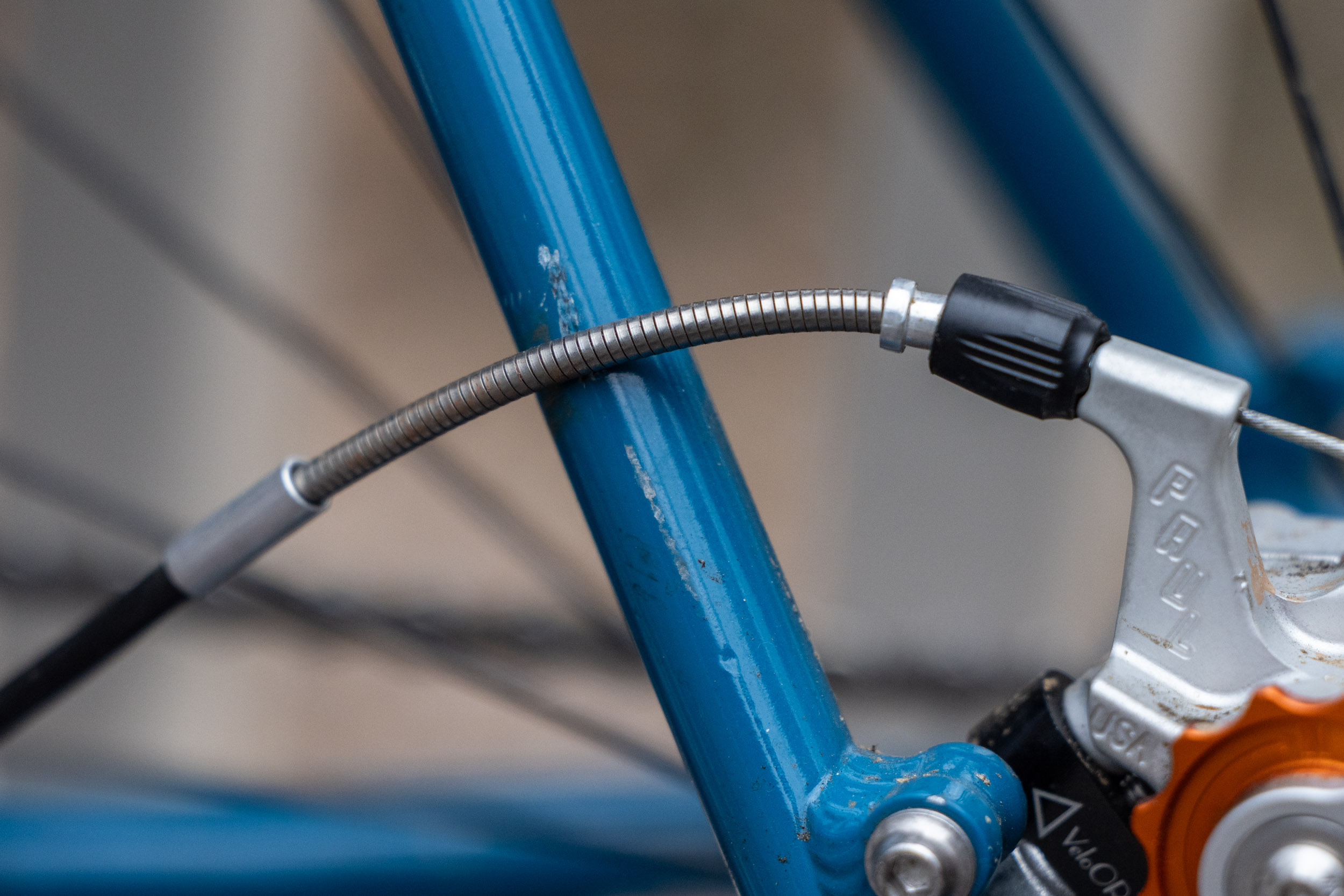

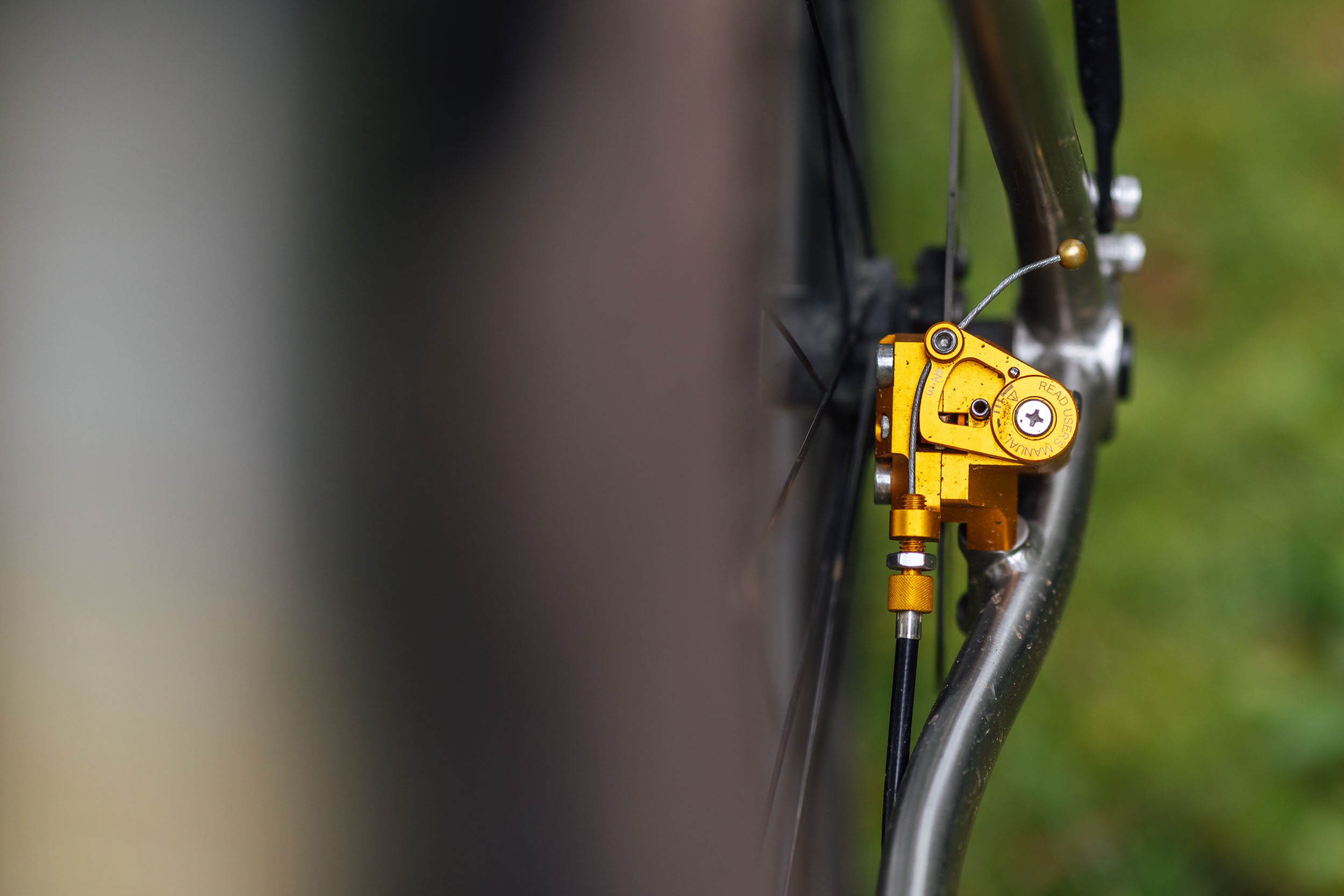
Spacing issues and housing decisions aside, setting up the Klamper is standard fare. The cable is routed through an indentation on the top of the lever arm, with the crush washer and pinch bolt slightly offset from the cable’s path. It’s an aspect I enjoyed about the Klamper because it’s much easier to set up and adjust. With other options, like the Growtacs, the cable is routed through a small hole and then secured, which can make routing challenging. Travis from Paul Components gave me some tips on biasing the pad for optimal performance, which worked like a charm. He told me to bias the rotor toward the stationary pad and dial in the active side as I see fit. Once bedded in, the calipers worked as expected and provided no issues. Others I spoke to have noted that some pads jiggle when they’re first installed, but the stock pads I was provided with in my calipers were rock-solid.
Clamping the Klampers
From the outset, the Klampers lived up to their reputation. Consistent with the braking power I experienced with the Growtac Equals, the Klampers are extremely powerful and more than capable of locking up either wheel within half a lever throw. In my six-plus months with the Klampers, I tested them in a variety of conditions and situations, using both drop and flat-bar levers. The brake feel is strong, consistent, and incredibly responsive in its return action. As noted above, I used a combination of housings to determine whether there was an issue with compressionless, given what others had said. Over a thousand miles, I never had any failures or problems with the compressionless housing used on the rear caliper. It felt almost indistinguishable from the front. Granted, the front caliper on a mechanical setup will always perform better, due to the lack of distance and bends required to route it. Still, both brakes felt equally powerful.
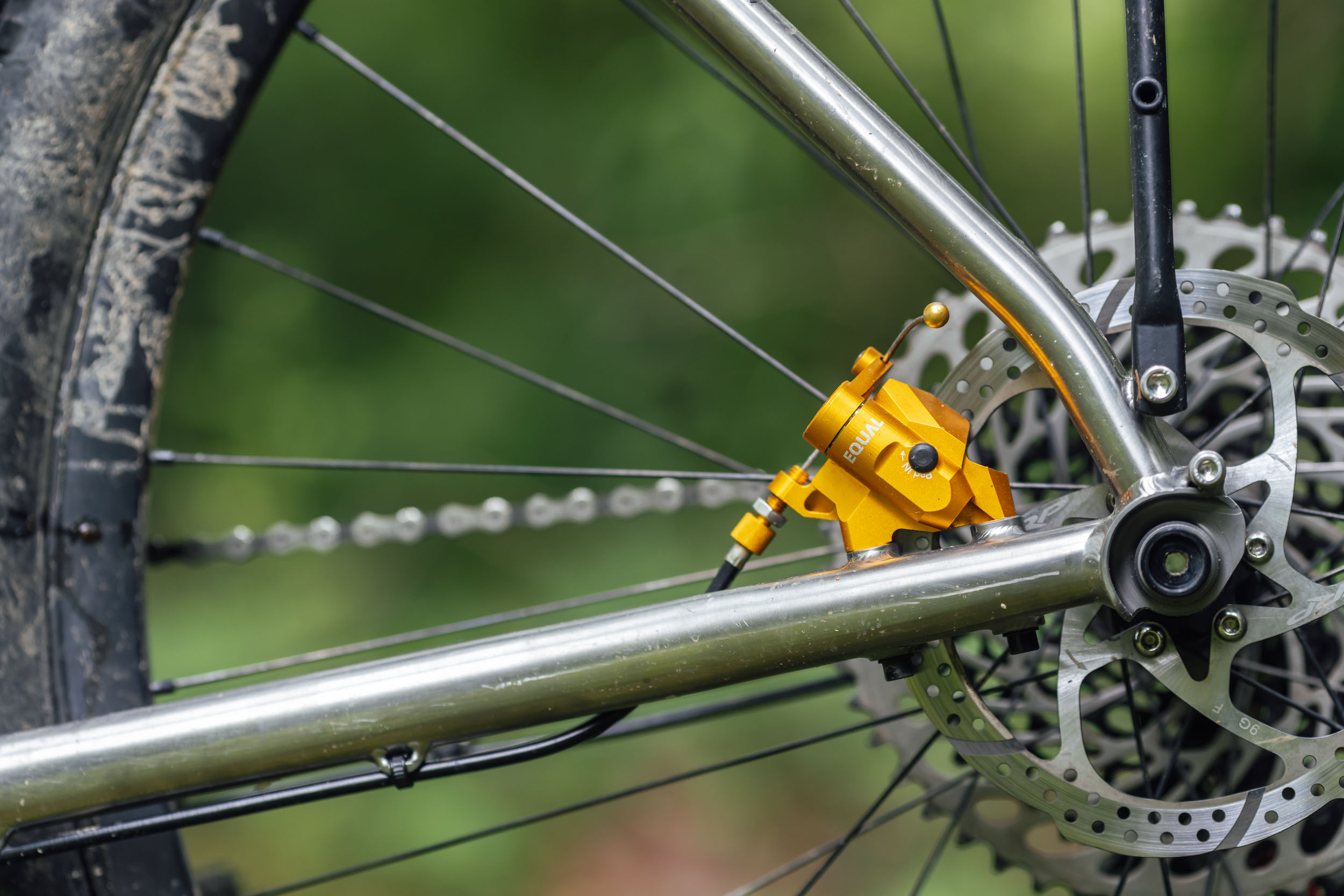

What shocked me most about the Klampers was the modulation I could achieve when I switched to a flat-bar setup. As I’ve discussed in other reviews, a big part of getting the most out of a mechanical setup is through its leverage. Switching to flat-bar levers is a surefire way to make even the least powerful options feel better, thanks to the purchase flat-bar levers provide in the braking action. With the Klampers, switching from drops to flat bars was like adding jet fuel to a well-ventilated fire. Not only did the brakes feel even stronger than before, but the modulation across the lever stroke was legitimately discernible. Instead of just an on/off feeling, there are three distinct “zones” you can push the calipers into. One being a bare rub, the second a more pronounced slowing, and the last a full-throttle squeal. It’s not as cleanly broken up as I’m describing, but for the sake of communicating that modulation is possible, the lever throw feels like it can be divided as such.
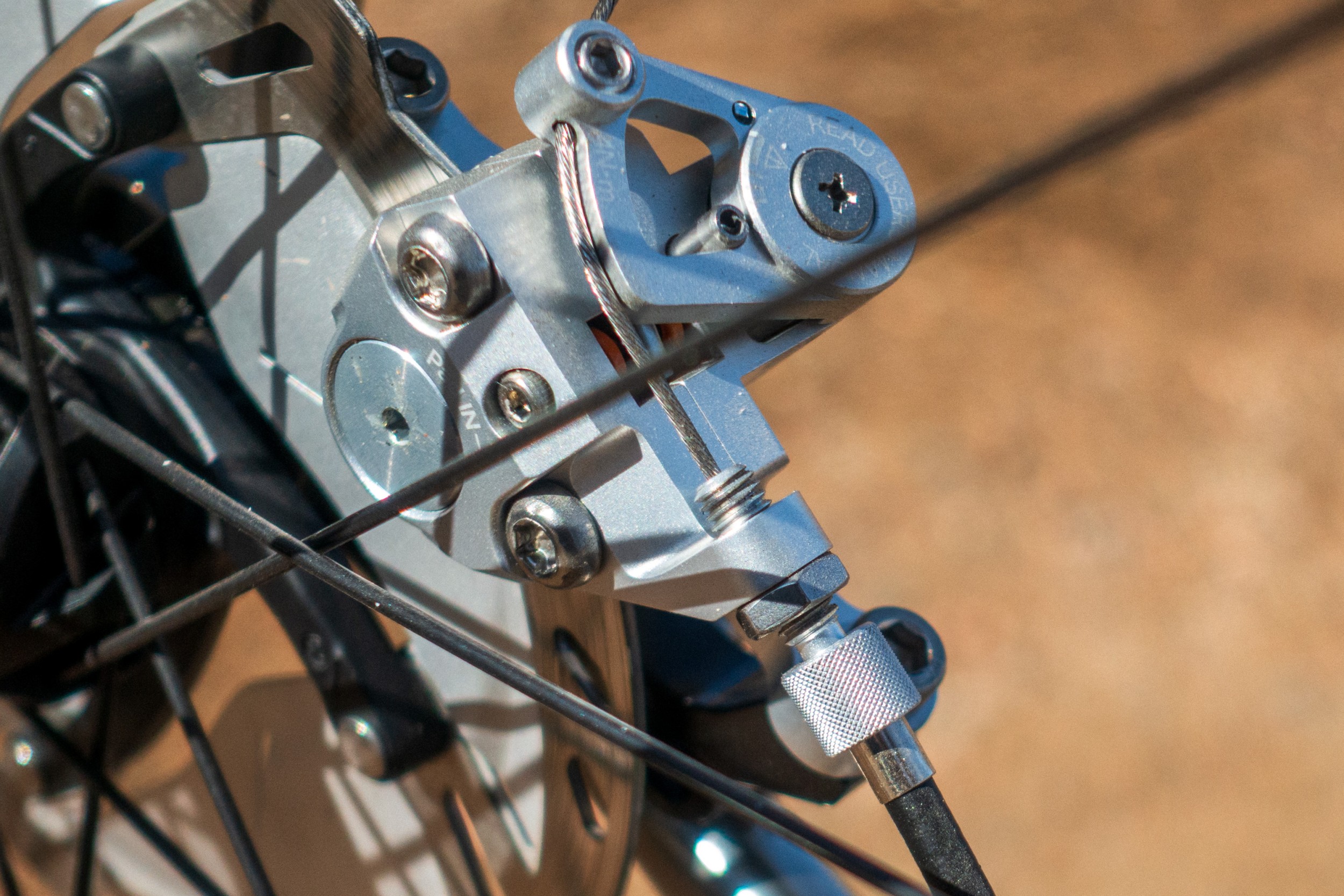
This contrasts with my experience with the Growtac Equals, which are more distinctive in their braking action. Though modulation is possible on the Growtacs, it requires tweaking with the pad engagement distance and the cam actuation point. I like a strong, hard brake feel from the very start of the lever action, so I’ve never found as much modulation with those as I did on the Klampers. Both are highly adjustable, but the Klampers allowed for greater brake modulation out of the box.
Use and Experience
Aside from daily use, one of the standout experiences I had with the Klampers was during my 208-mile ride at Mega Mid South late last year. More than bedded in by the time the race started, I’d swapped them over from the Cane Creek Invert and onto the Rodeo Labs 3.0 carbon spork for my attempt at the FKT. In the past, the dusty, sometimes treacherously muddy conditions in Stillwater have destroyed tires, bags, zippers, rotors, and chains, so I was nervous as to what could happen on the unforgiving terrain of northeastern Oklahoma. Though my body didn’t fare too well and I ended up scratching, the brakes were faultless across this massive ride. Even after picking up a few pounds of red clay, a simple wash had the brakes working like new.


As mentioned, my 600+ miles in these conditions have caused shifters and other components to fail due to dust ingress. When dry, it’s a fine, coarse sand that seems to cause internal issues in small components. When wet, it turns to cement. Yet, somehow, the Klampers experienced no problems whatsoever—something I attribute to their simple design and lack of sensitive parts. Where the Growtac caliper, for example, has a rubber grommet to keep dust and dirt out, as well as a sealed upper caliper body, the Klamper has a brutish exterior with openings at the top and bottom of the caliper for the pads. There is no zone where users need to be overly careful or avoid contamination aside from the usual. Dust and dirt can easily escape the clamping area and are easy to clean with a hose.
Where They Sit
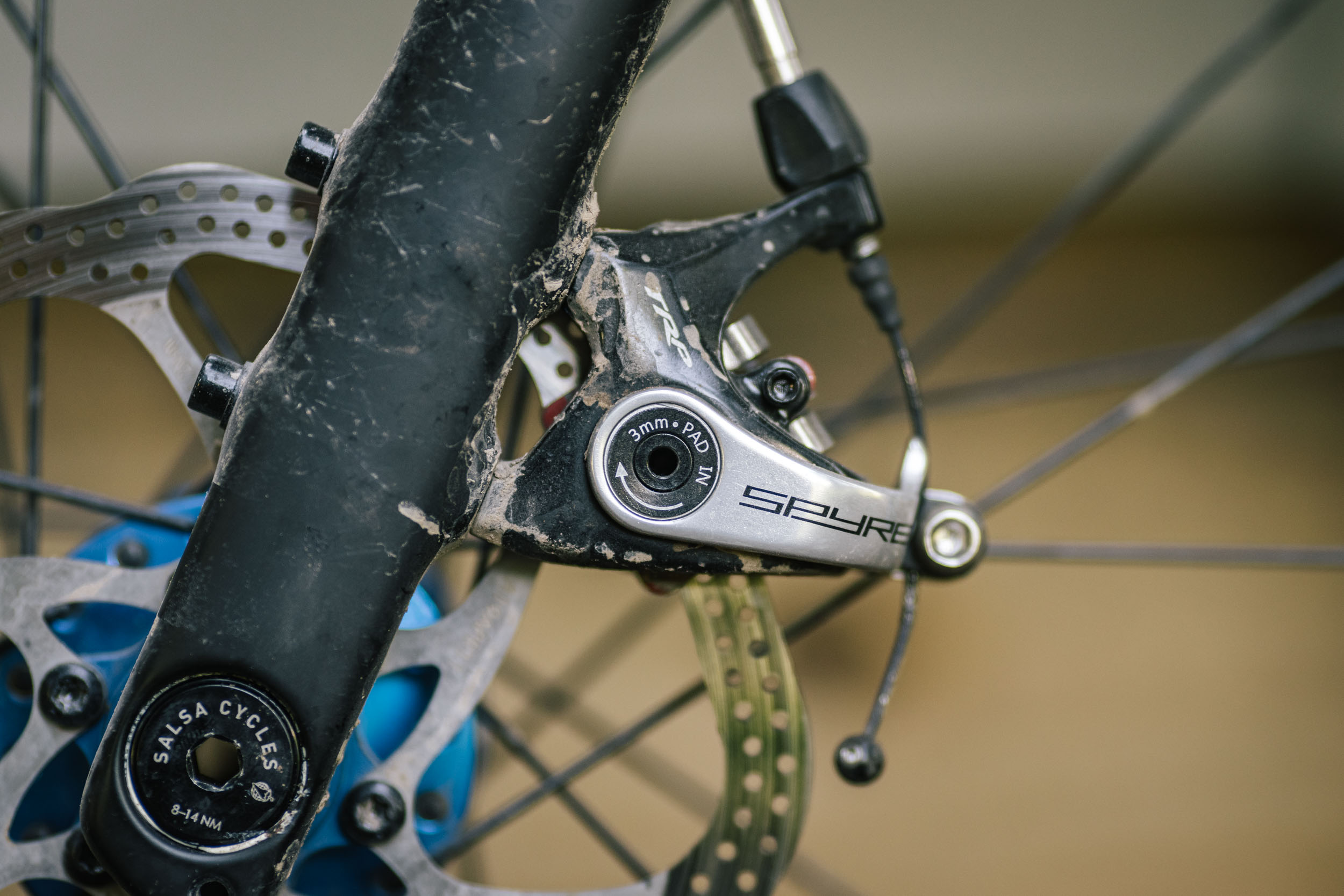
After taking a look at most of the viable, readily available mechanical options on the market, I believe the Klampers and Growtacs sit in a category of their own. In my experience, brakes like the TRP Spyres and Avid BB7s didn’t perform as well as the Klampers and Growtacs. They produce a less satisfying brake return feel, require more frequent adjustment, and aren’t anywhere near as powerful in their initial action. That isn’t to say you can’t or shouldn’t run them, rather that, in my opinion, the Klampers and Growtacs are the two highest-quality options for mechanical brakes. Some may prefer the slightly softer feel of the BB7 and TRP Spyre / Spyke due to their greater capacity for modulation, but my preference for a strong brake force and return action makes them a less-than-ideal option.


Within that conversation, it’s worth mentioning that I don’t see these two options as excessively expensive. While pricey, both the Growtacs and Klampers are fantastic options for those who prefer mechanical actuation. It’s not necessarily as simple as saying there’s a diminishing return on money spent when compared to more budget-friendly offerings. These two brakes stand in a class of their own in build quality, performance, longevity, and feel, and the price reflects that performance.
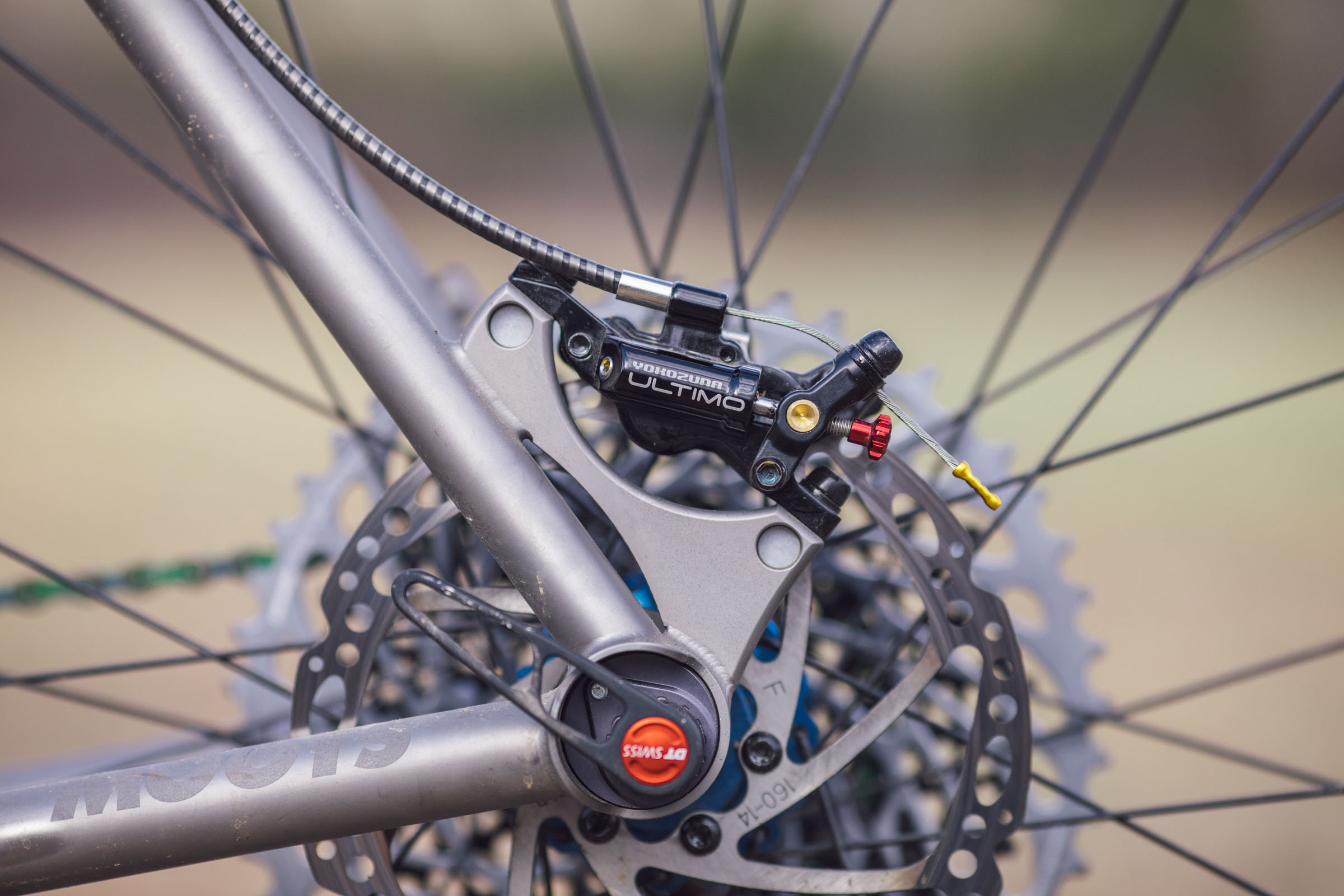
As for the two high-end options, I see them as equals. They both have minor benefits over the other, like Growtac’s stepless adjustment over the notched system of the Klamper, but it depends on which church you pray to. For example, some might want the granularity of a stepless adjustment, while others might want the ease of turning a knob. Some may value the made-in-the-USA element, whereas others might not care and see the higher value proposition of Growtac’s pricing, which includes two calipers and multiple housings in the complete system. The only area in which the Growtac outshines the Klamper is in its size and compatibility with most, if not all, frames.
- Model Tested: Paul Klamper, Short Pull
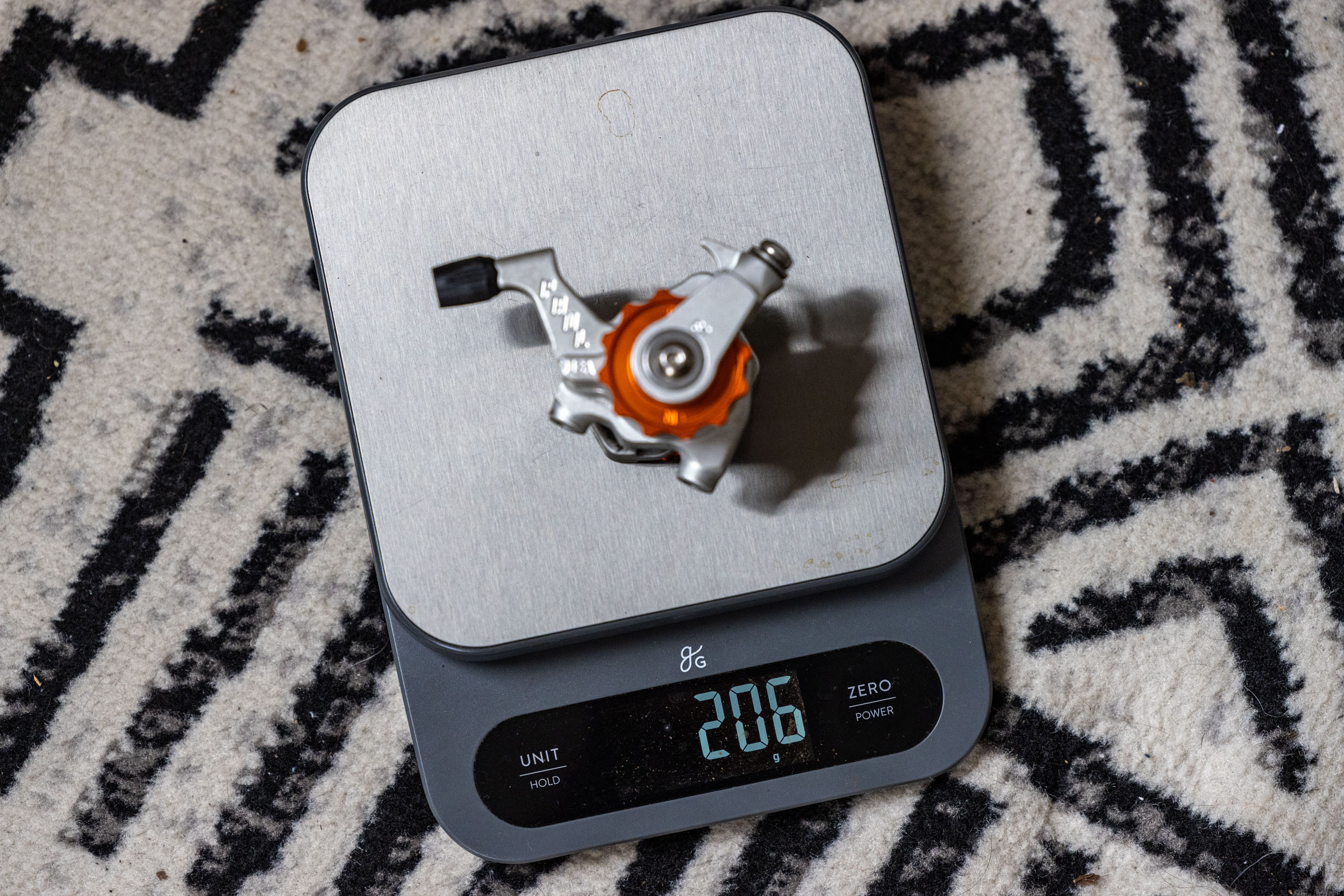
- Actual Weight: 206 grams (7.26 oz) with pads installed
- Place of Manufacture: Chico, California
- Price: $225 at Angry Catfish
- Manufacturer’s Details: Paul Component Engineering
Pros
- One of the best mechanical brakes on the market.
- Powerful, but still offers some degree of modulation.
- Relatively easy setup and use.
- Great brake feel with both standard and compressionless housing.
- Durable, long-lasting, and modular design that can be repaired and used almost anywhere.
- Offered in short and long-pull variants, as well as with interchangeable arms.
- More tariff-proof than other options.
Cons
- Will not fit all frames due to its size.
- Expensive and sold as single calipers with no housing.
- The notched adjustment might not offer the granularity some are looking for.
Wrap Up
The Paul Klamper has a storied reputation for a reason. It’s one of the best mechanical disc brakes ever made, and its simple yet powerful design has kept it a viable option over a decade after its initial release. With a few running changes over those years to maintain quality, it’s fair to say Paul has created an all-time component. Though rivals like the Growtac Equal offer one or two benefits to offset the Klampers’ limited shortcomings, this US-made brake remains at the top of the pile in terms of power, brake feel, adjustability, and ease of use.

Further Reading
Make sure to dig into these related articles for more info...

Please keep the conversation civil, constructive, and inclusive, or your comment will be removed.