


 Mountain Bike (MTB)
 Gravel Bike
 All-Terrain Bike (ATB)
 Fat Bike



Shimano Deore Review: Why Pay More?




Electronic drivetrains dominated the headlines a few years ago, but resistance to new technology and ever-increasing prices have driven demand for simple, effective mechanical groupsets. Neil spent a rigorous test period with Shimano’s new Deore system to see whether it can really compete with other modern groupsets. Find his full video and written reviews below…
PUBLISHED Oct 16, 2026
In June of this year, Shimano introduced its new mechanical Deore and XT groupsets, bringing much of the technology found in its latest wireless Di2 systems to more affordable, cable-actuated drivetrains. I’ve been riding the new Deore group extensively over the last several months, putting it through demanding conditions, including a week on the Colorado Trail, plenty of singletrack, and some very wet, muddy riding.
All told, that’s 575 miles. It’s not the longest test period, but it doesn’t account for the riding hours I put into this groupset. Looking back, it’s more saddle time than I’ve put into just about any drivetrain I’ve reviewed. So, how does this relatively affordable mechanical groupset stack up against Shimano’s more expensive offerings? Dive into the full video review below, followed by the written version, to find out.
Brief Deore Overview and History
After Shimano’s much-anticipated launch of wireless electronic mountain bike groupsets last year, much of that technology quickly made its way into a mechanical drivetrain. While electronic shifting has become increasingly popular, plenty of folks still prefer the simplicity of cable and housing. Still, I love testing all kinds of drivetrains. I reviewed the new XTR Di2 group last summer. I was impressed by what it offered, but there’s something refreshing about a modern mechanical drivetrain, especially given the potential for easier repairs and lower consumable replacement costs.
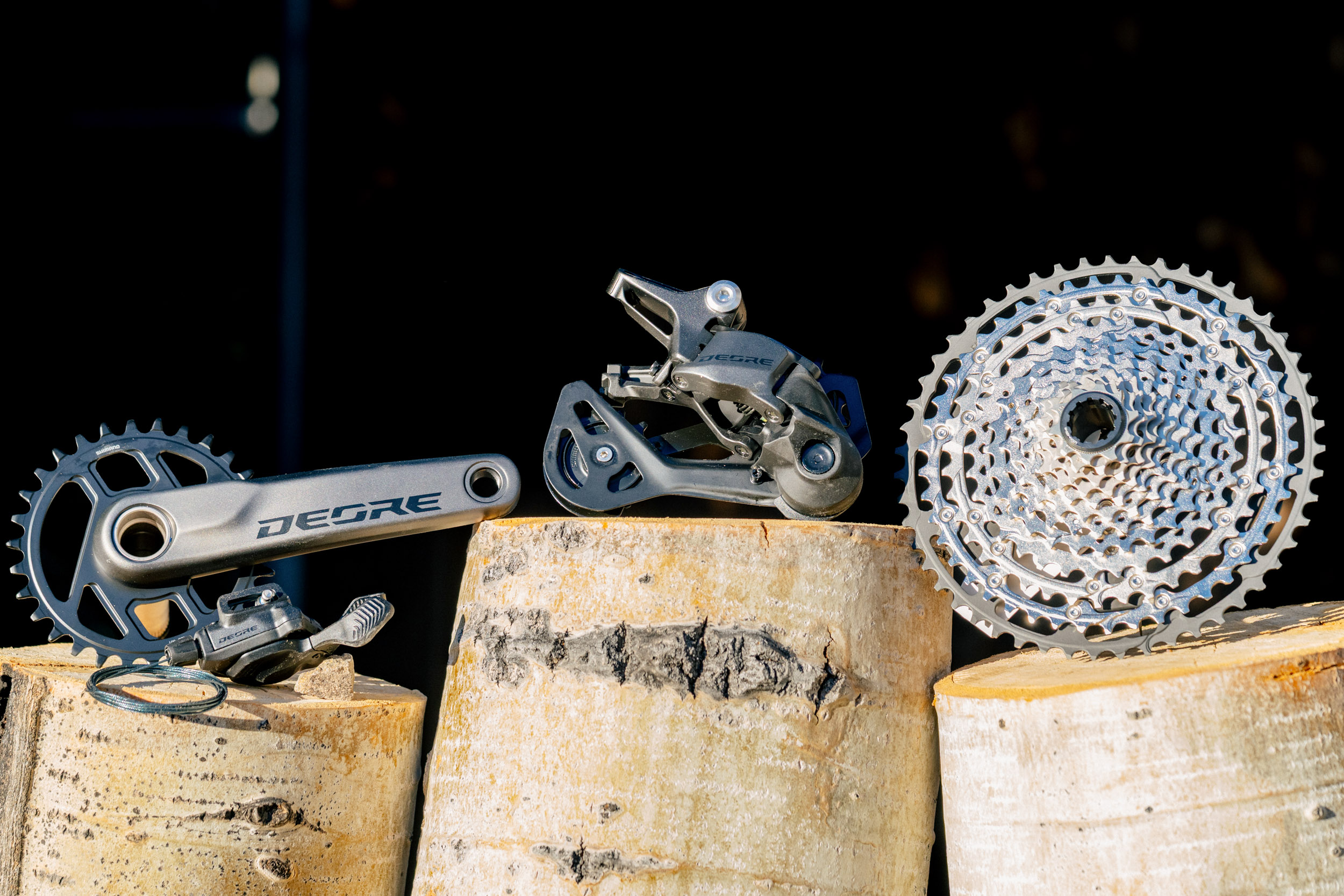
Before we get into the details of the new groupset, however, I want to rewind. Shimano first introduced its Deore line back in 1980, not as a mountain bike groupset, but as a dedicated touring component group. At the time, touring cyclists often mixed and matched components to get the gearing and durability they needed. Shimano saw an opportunity to offer a more complete system designed around those demands. The original group included some interesting components, such as the unusual Dyna-Drive pedals, which used an oversized axle design that positioned the rider’s foot lower relative to the pedal spindle.
As mountain biking took off throughout the 1980s, Deore evolved alongside it. Shimano introduced Deore XT, and eventually the original Deore name became associated with more accessible mountain bike components. I’ve never considered Deore a cheap groupset. Over the years, it’s benefited from tremendous trickle-down technology from Shimano’s premium offerings, often delivering much of the same shifting and braking performance with simpler materials, a bit more weight, and a substantially lower price.

That’s what we’re seeing with the new Deore M7200 and M6200 components. Although Shimano’s naming structure is still confusing, as the 7000 series was traditionally reserved for SLX, the new Deore derailleur and cassette carry the M7200 designation, while the crankset, shifter, brakes, and more affordable derailleur fall under M6200. It’s not the most straightforward naming convention, but hopefully Shimano continues to simplify things. For now, Deore sits below XT and XTR, bringing much of that higher-end technology to a more affordable price point, with CUES offering even more budget-friendly options.
Specs
Rear Derailleur
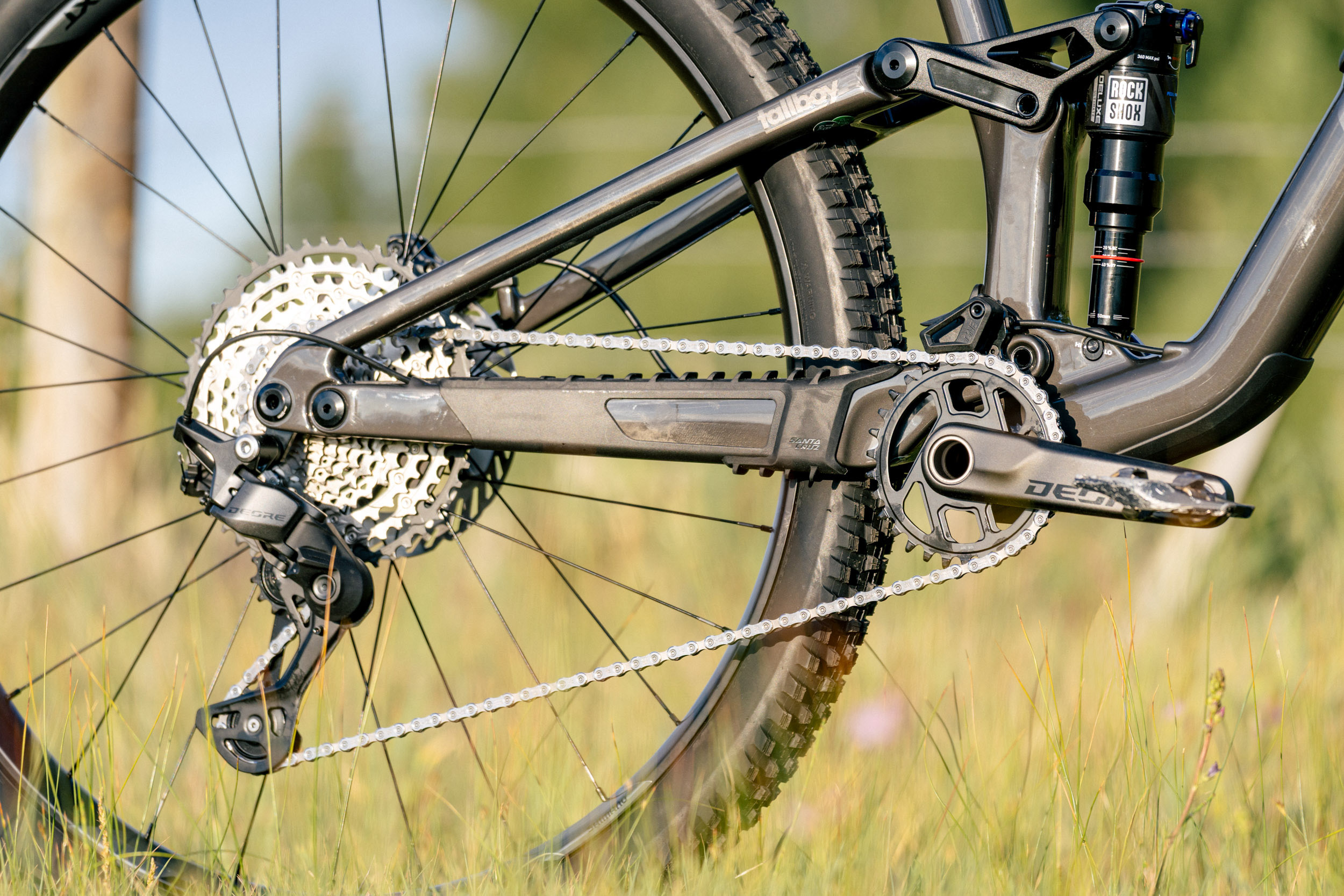
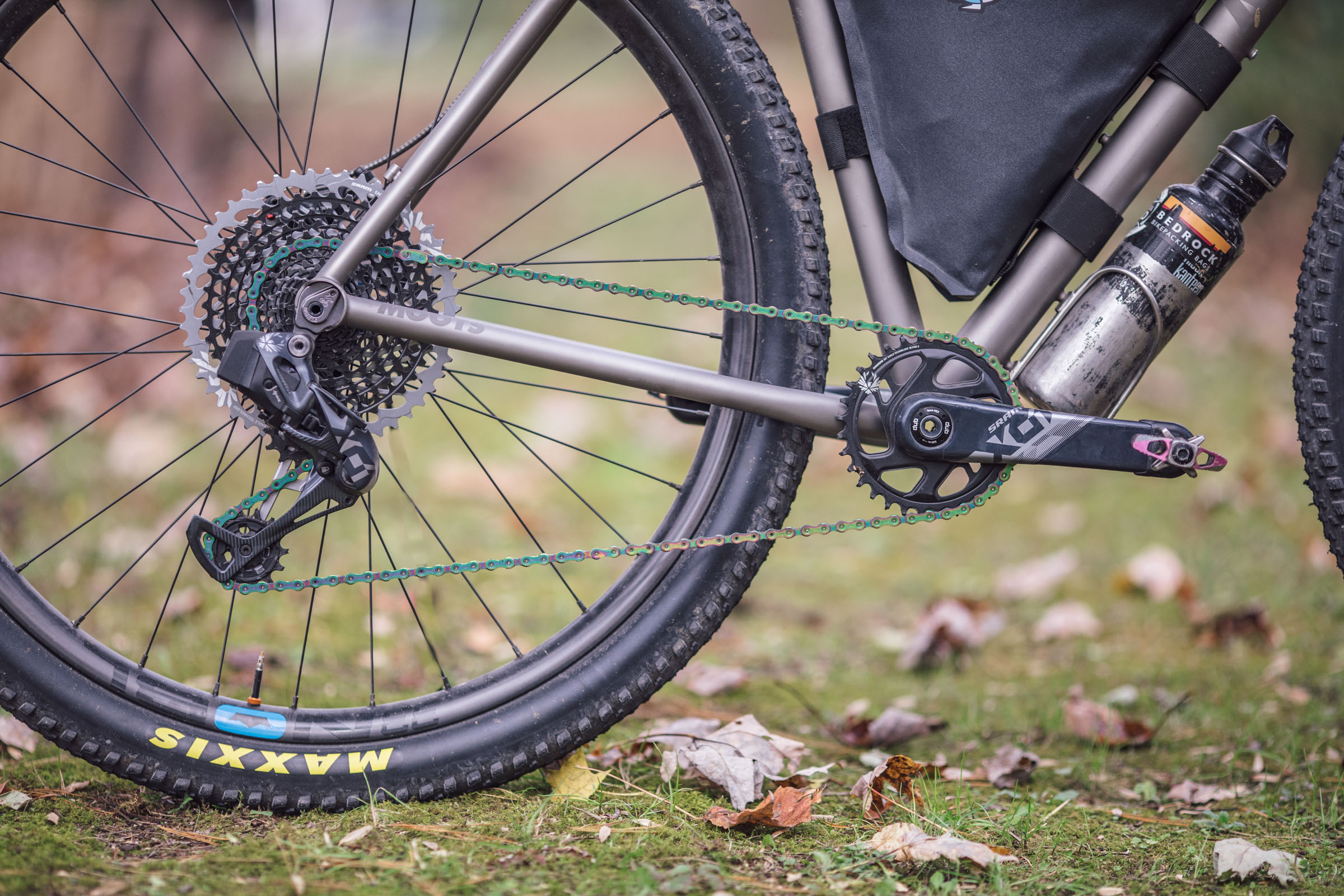
Starting at the rear of the bike, the biggest update is the new Deore M7200 rear derailleur. Like Shimano’s recently introduced electronic derailleurs, it features the new SHADOW ES design, which uses a low-profile, wedge-shaped body to reduce the likelihood of catching trail obstacles. It also incorporates a redesigned chain-stabilizing system with a dual-spring mechanism that replaces the Clutch found on previous derailleurs. The new derailleur also features wider, reinforced linkage and a steel pulley cage. It’s not particularly light, but durability is clearly a priority here. And unlike some modern drivetrain systems, it still attaches to a traditional derailleur hanger, something I know plenty of riders appreciate.
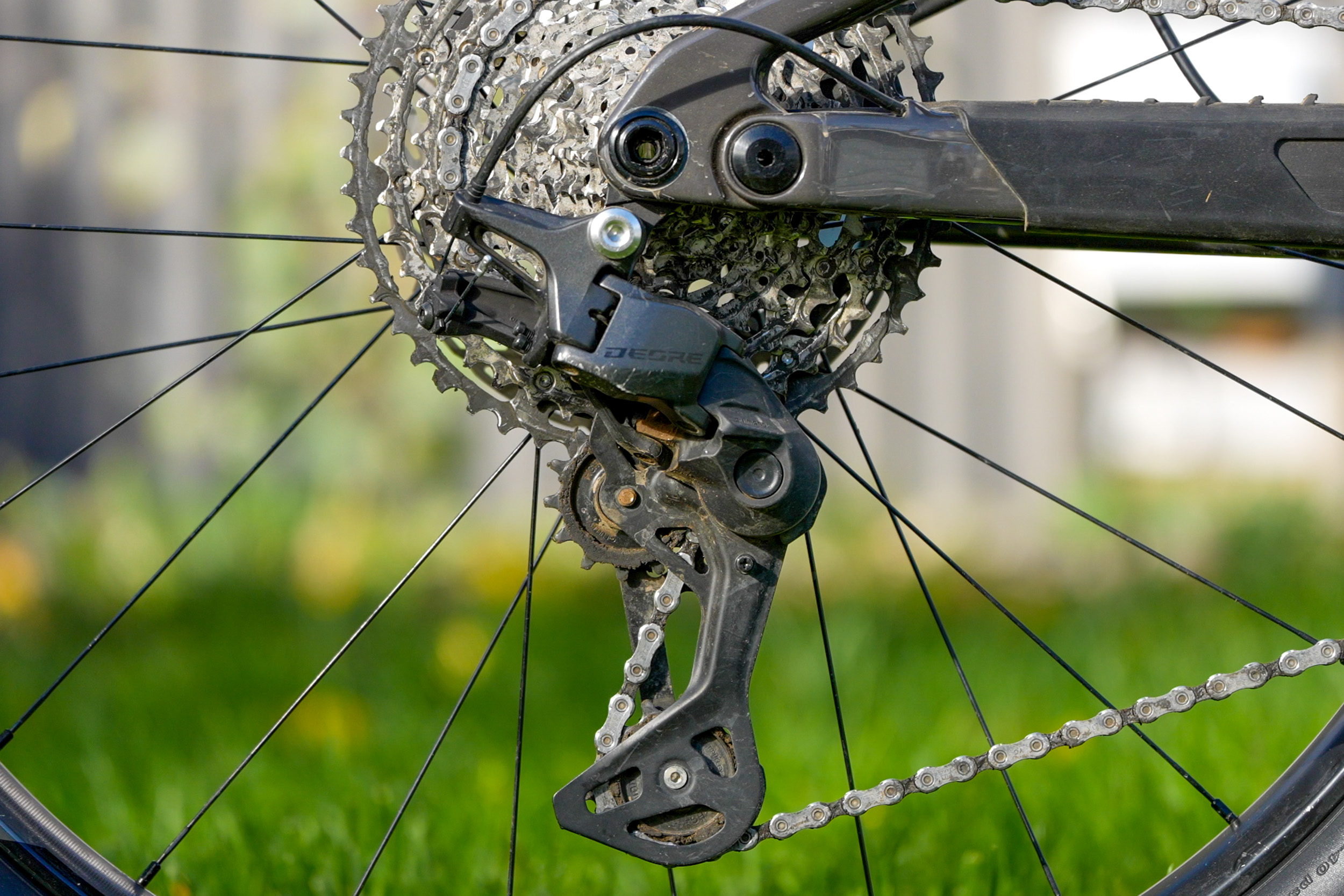


The new Deore lineup has three mechanical derailleur options. The M7200 I’m testing is designed around a 12-speed HYPERGLIDE+ cassette and costs $100. There’s also an 11-speed LINKGLIDE version, the M7230, for the same price, and a more affordable M6200 derailleur, a 12-speed derailleur that retains the traditional SHADOW+ clutch design for $65. My M7200 derailleur weighs 429 grams. And while it’s certainly not light, that’s become the norm with modern derailleurs, where beefier construction often improves overall durability.
| Group | XT | XTR | GX AXS | GX T2 | X0 T2 | X01 AXS | Deore |
|---|---|---|---|---|---|---|---|
| Derailleur | 282g | 240g | 452g | 489g | 470g | 390g | 429g |
| Shifter | 135g | 112g | 80g | 70g | 48g | 82g | 129g |
| Crankset | 645g | 595g | 635g | 734g | 623g | 471g | 717g |
| Cassette | 473g | 367g | 453g | 446g | 381g | 354g | 504g |
| Chain | 252g | 242g | 244g | 284g | 262g | 260g | 249g |
| Totals | 1787g | 1556g | 1874g | 2023g | 1784g | 1557g | 2028g |
Cassette
Paired with the new derailleur is an updated 12-speed HYPERGLIDE+ cassette in two versions. Both offer a 10-51-tooth range and use Shimano’s MICRO SPLINE freehub interface. The more affordable M6200 cassette costs $140 and uses steel cogs throughout; the M7200 cassette costs $180 and replaces the largest 51-tooth steel cog with a lighter aluminum version.
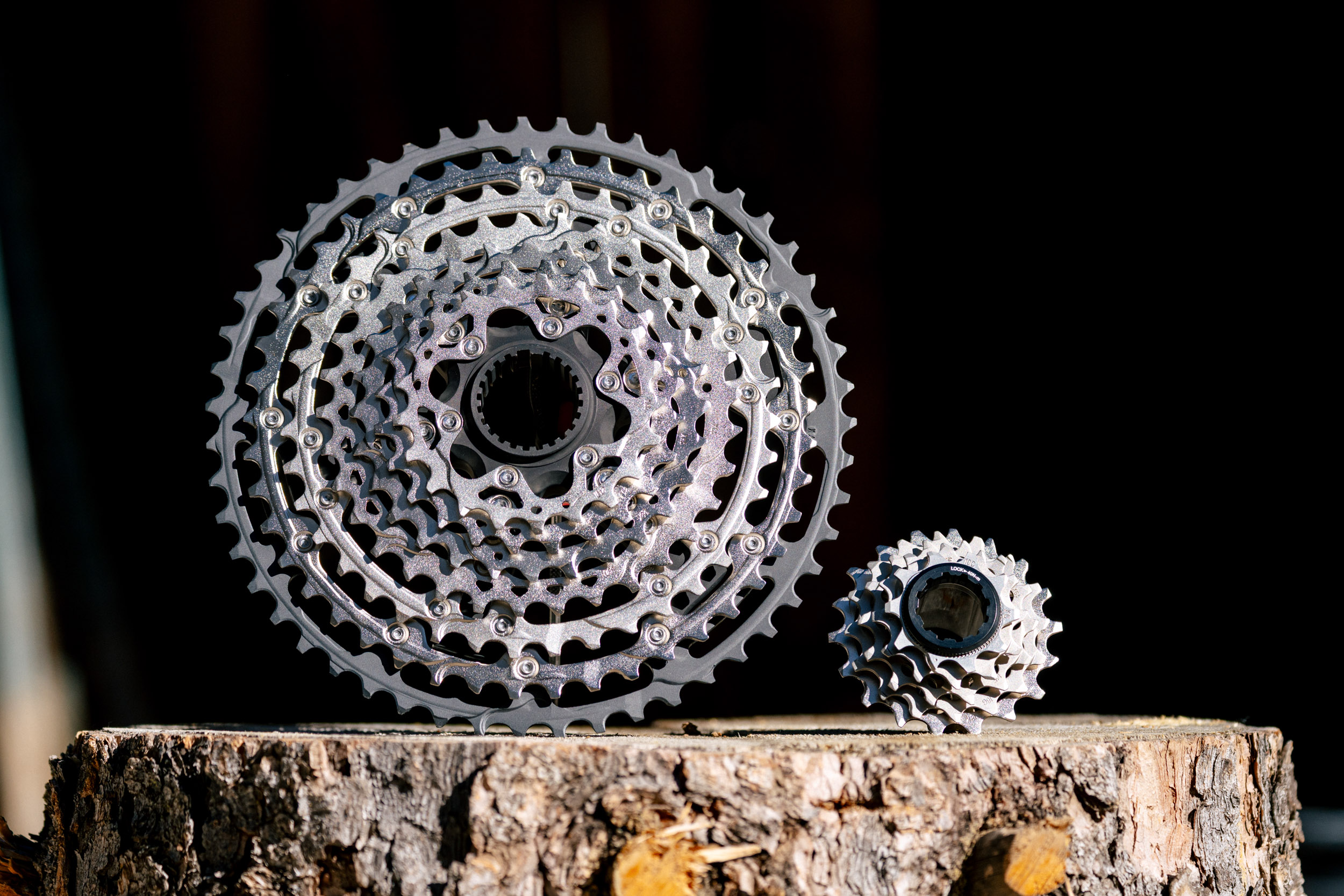
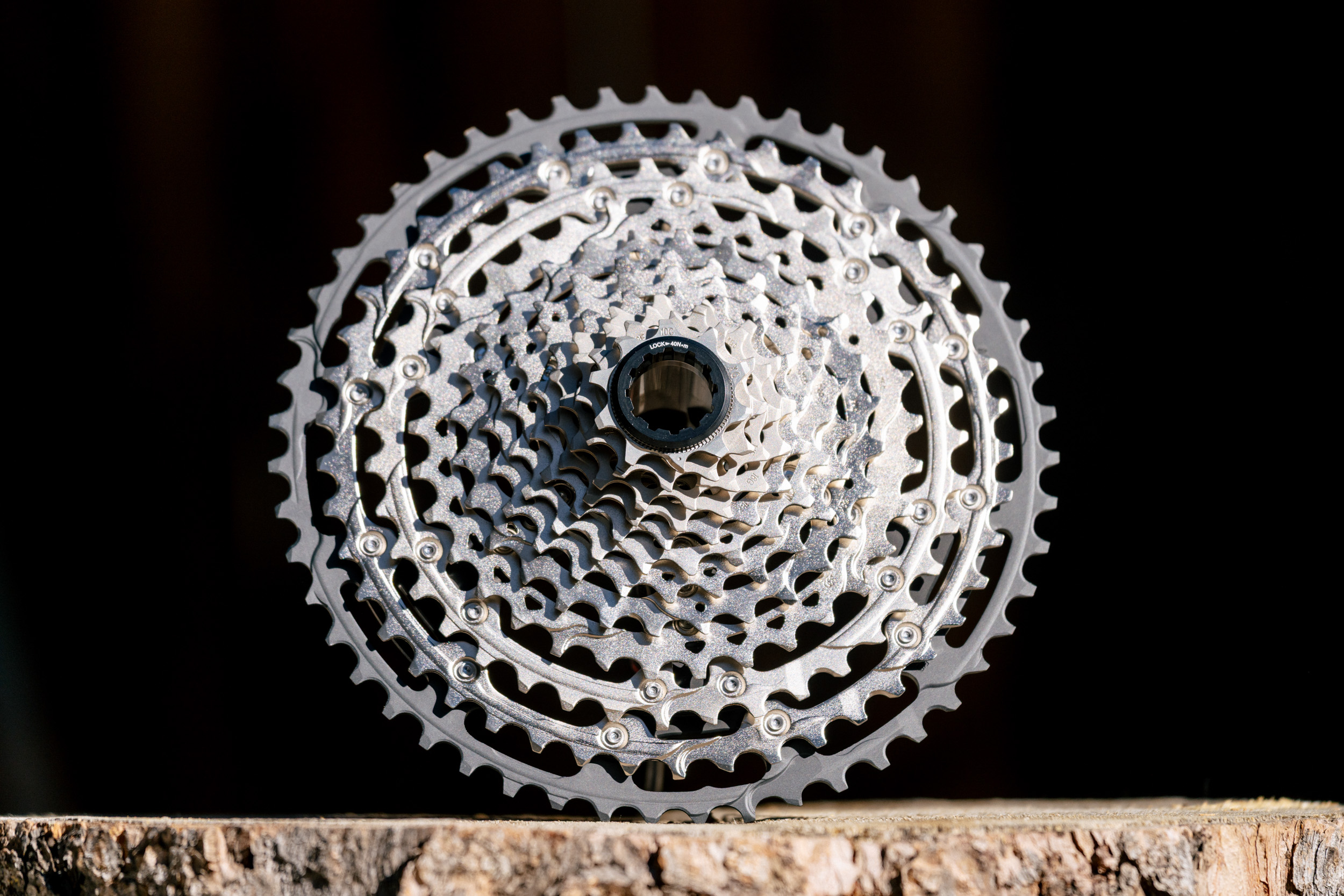
I tested the M7200 cassette, which weighed 504 grams. These cassettes are optimized for the new generation of derailleurs, but they’re still part of Shimano’s existing 12-speed HYPERGLIDE+ ecosystem. That means you can mix and match compatible components, including older Deore cassettes—or even lighter XT and XTR cassettes—if you want to save weight down the road. That’s something I appreciate. You’re not locked into one component level when something wears out or you decide to upgrade.
Crankset
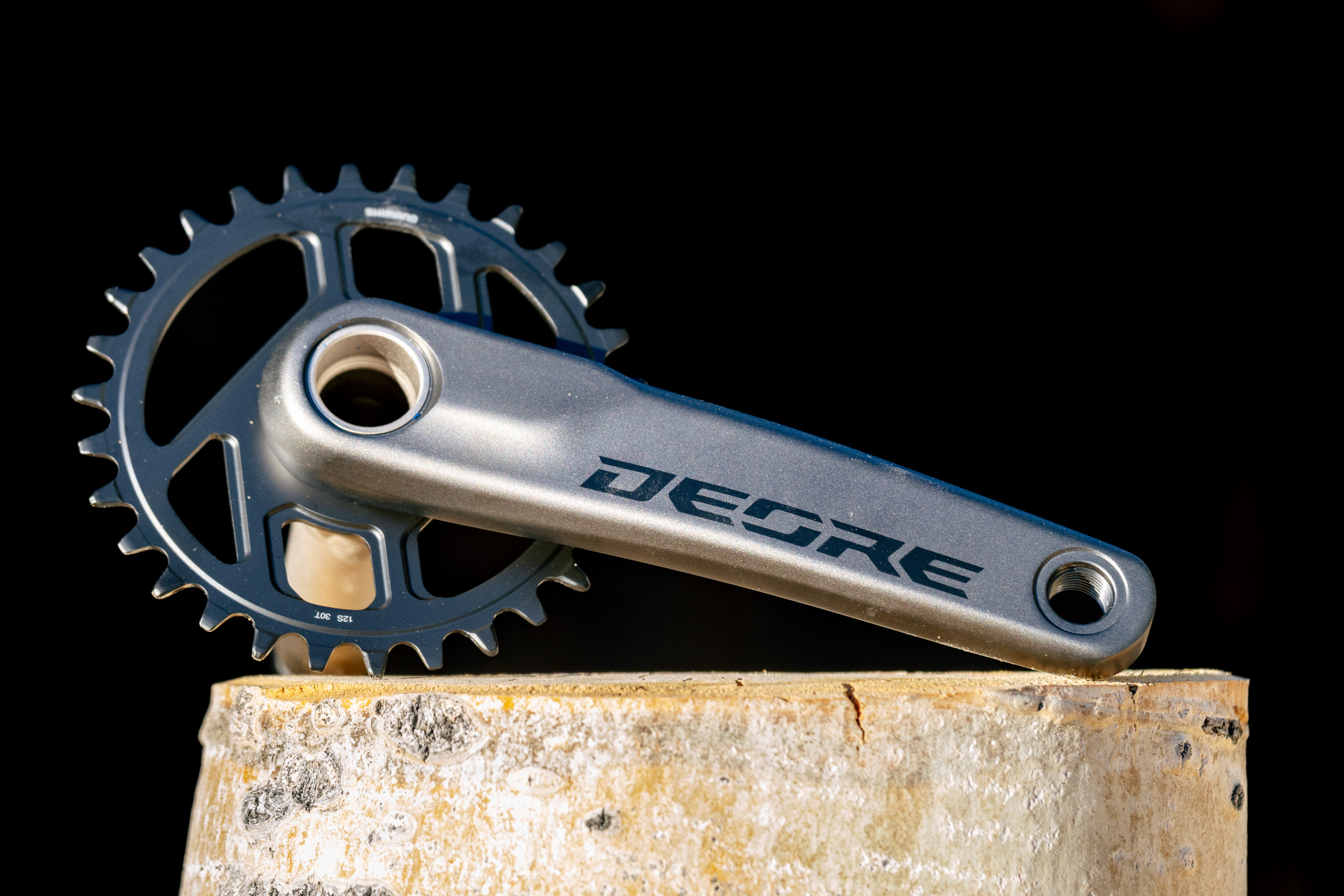
The crankset also received a refresh, although its basic functionality remains familiar. The FC-M6200 crank uses a two-piece construction with a 24mm steel spindle, a 55mm chainline, and a 176mm Q-factor. It also features an updated look and a direct-mount steel chainring with Shimano’s Dynamic Chain Engagement tooth profile.

Chainrings are available in 30- and 32-tooth options, and Shimano offers three crank lengths: 165, 170, and 175mm. I went with the 165mm crankset, and I started with the 32-tooth chainring, which came in at 717 grams. At $100, it’s a straightforward option, and though it’s not the lightest crankset on the market, its simplicity is easy to appreciate.
Shifter
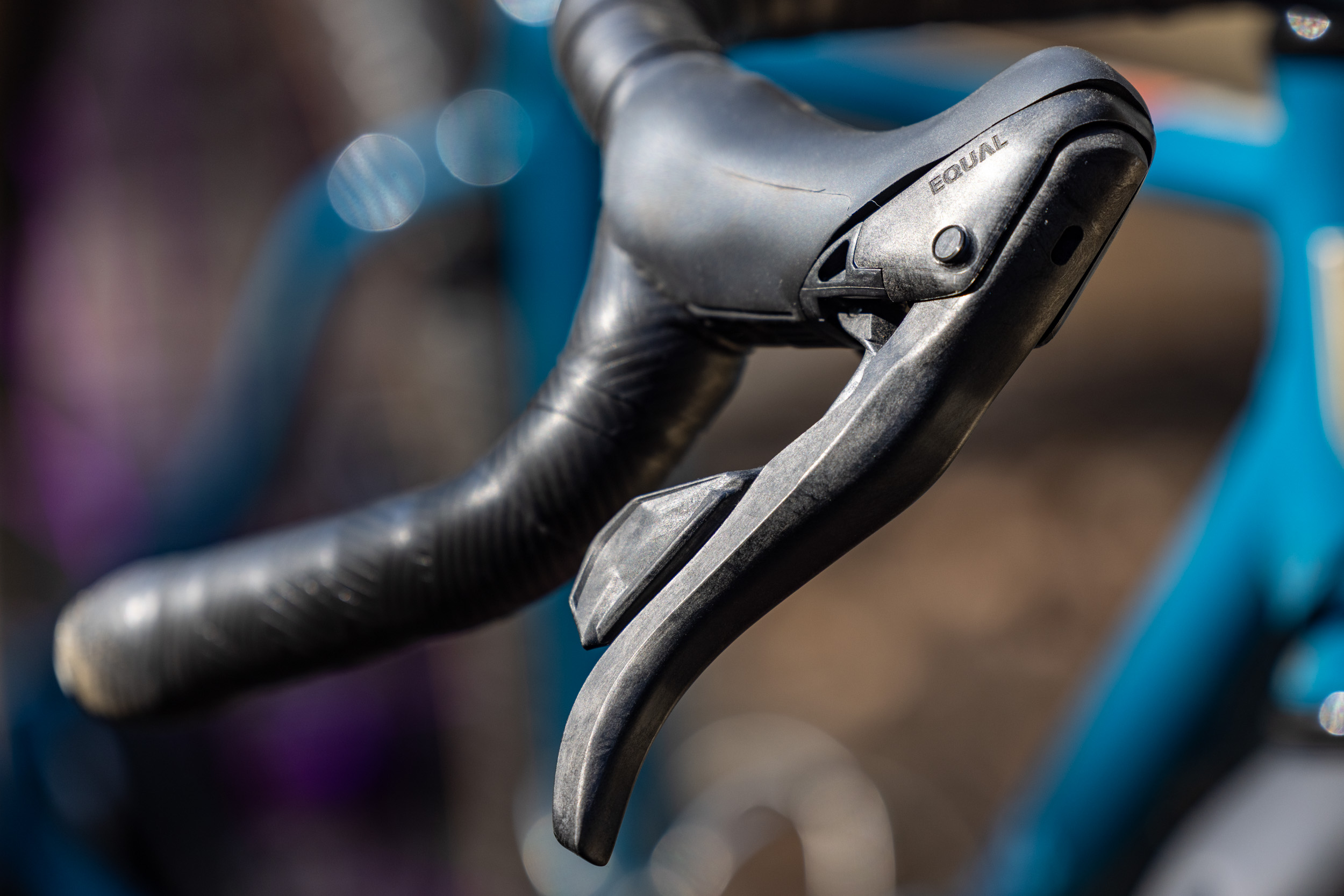
The shifter is another component that received a substantial update. The shifter ergonomics were one of my favorite parts of Shimano’s new electronic groupsets. While this mechanical version is obviously quite different, it still carries over much of that attention to lever shape and positioning. The new SL-M6200 shifter features Shimano’s familiar RAPIDFIRE PLUS system and 2-WAY RELEASE, which is one of the best shifting features on the market. You can release cable tension with either your thumb or index finger and shift up to three gears with a single main-trigger stroke.

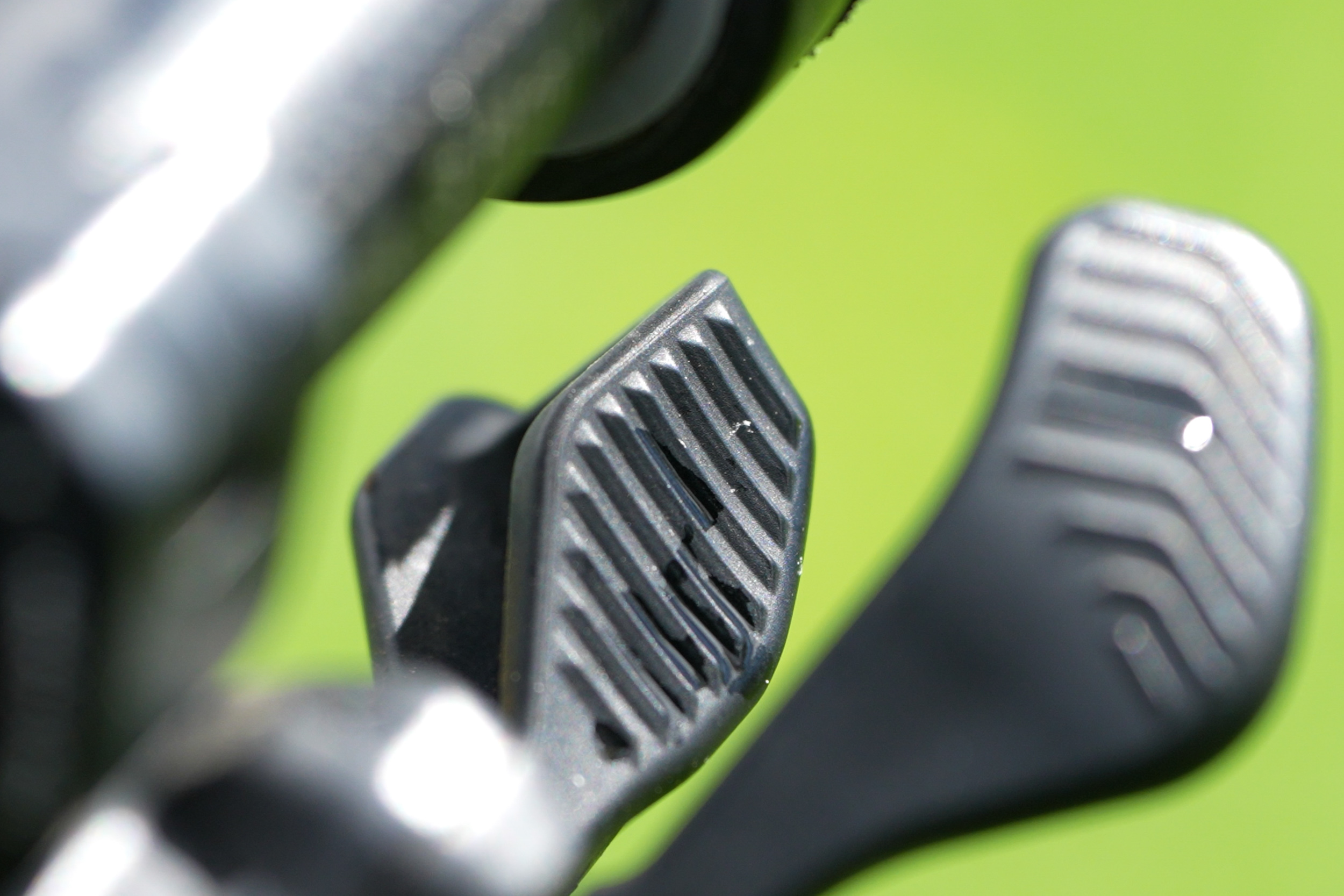
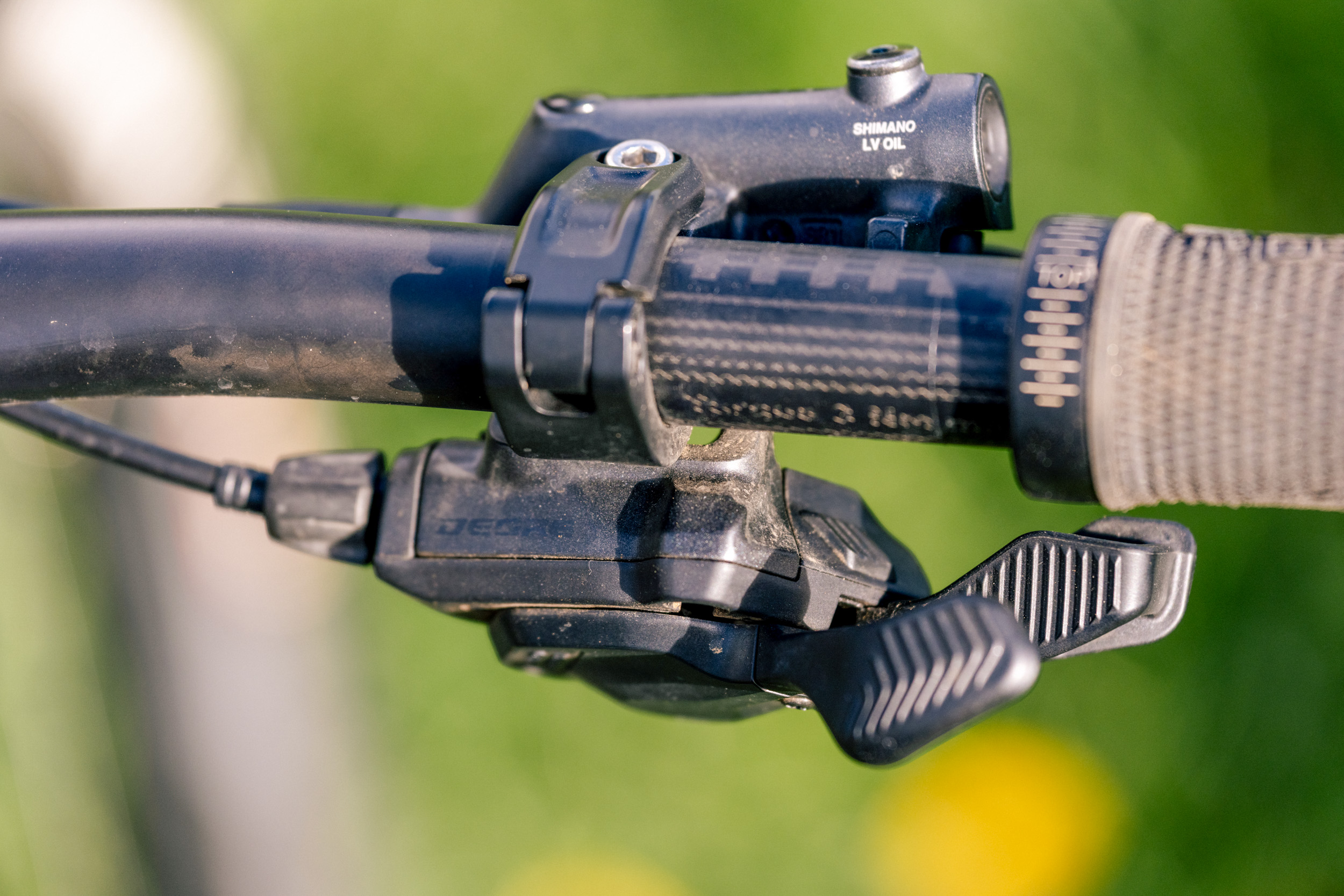
Shimano also offers an 11-speed LINKGLIDE version and a single-shift option intended for certain e-bike applications. All three versions have a suggested retail price of $30, and the shifter I tested weighed 129 grams with the cable. It’s a relatively simple component, but as I’ll get into shortly, I think it’s one of the strongest parts of this entire system.
Brakes
Finally, we have the brakes, and these might be the most exciting components in the new Deore lineup. Shimano brought much of the technology introduced with the latest XTR and XT brakes down to the Deore level. That includes a redesigned brake lever with SERVO WAVE technology, which changes the leverage ratio throughout the lever stroke to help balance pad clearance, braking power, and modulation.
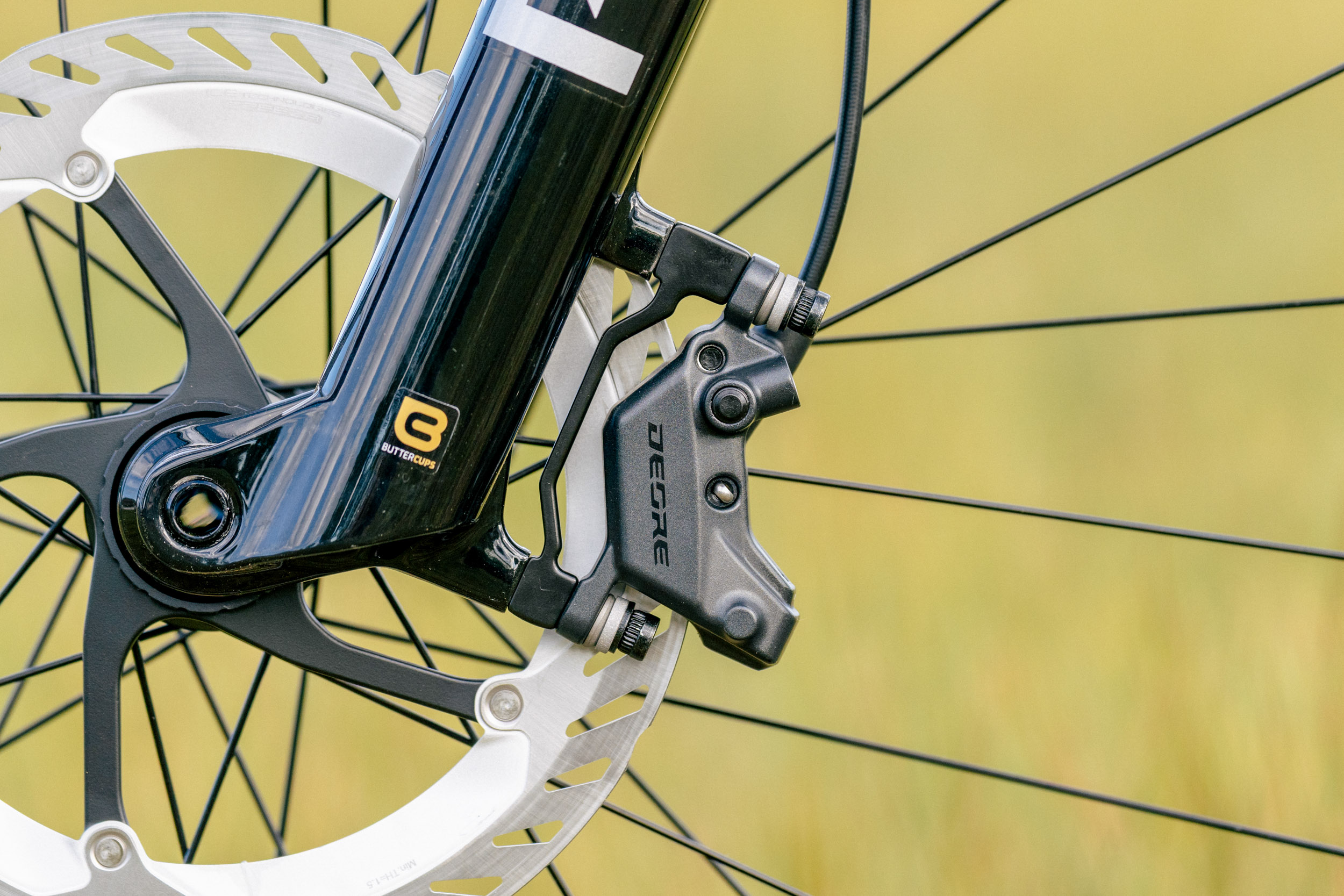
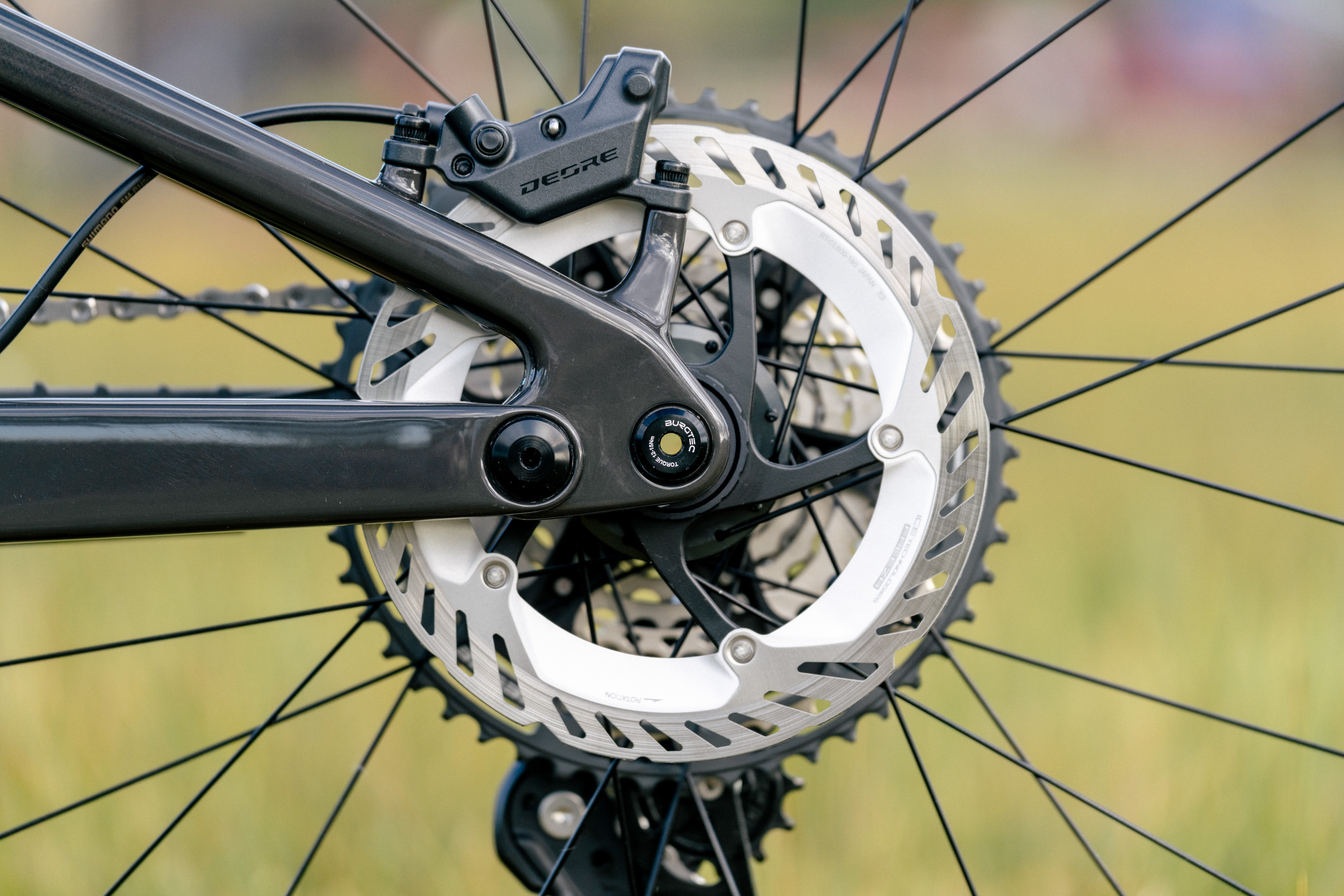
Shimano has long been known for powerful brakes, but they’ve also had a reputation for a fairly pronounced initial bite. This new design aims to deliver that power more controllably and predictably. The other major update is Shimano’s new low-viscosity mineral oil. This fluid is designed to maintain more consistent performance across a wider temperature range, which matters on long, demanding descents when heat builds in the braking system. Paired with updated caliper seals designed for more consistent piston retraction, Shimano has made some meaningful changes here.

The levers also get that new appearance, with the brake hose running more parallel to the handlebar. I like the cleaner look, and I’ve found the routing can work better with certain handlebar bag systems. There are two options: a two-piston setup aimed more at cross-country riding, priced at $120 for the front and $125 for the rear, and a four-piston option for trail and enduro riding, priced at $155 and $160, respectively. I tested the four-piston version, which weighed 641 grams, with uncut brake lines. As I’ll explain in a moment, these brakes left a strong impression on me.
| Group | XT | XTR | GX AXS | GX T2 | X0 T2 | Deore |
|---|---|---|---|---|---|---|
| Derailleur | $145 | $270 | $390 | $400 | $550 | $100 |
| Shifter | $60 | $165 | $150 | $150 | $150 | $30 |
| Crankset | $185 | $310 | $199 | $200 | $300 | $100 |
| Cassette | $195 | $500 | $231 | $250 | $400 | $180 |
| Chain | $60 | $85 | $36 | $50 | $100 | $40 |
| Totals | $645 | $1330 | $1006 | $650 | $1500 | $450 |
Installation
Before getting into the ride experience, I want to talk briefly about installation. I installed this entire system on my Santa Cruz Tallboy, and because I got the components before launch, I worked somewhat blind, without all the documentation now available online. But even so, the process was refreshingly straightforward. At a time when modern drivetrains seem increasingly complicated, installing a relatively traditional mechanical system felt nice.
The crankset uses Shimano’s familiar installation process, which is pretty easy once you’ve done it a time or two. I also appreciate the shifter’s cable access and routing. It’s clean, intuitive, and easy to work with. The system came with an OPTISLICK shift cable but no housing, so I used some basic Jagwire housing I already had on hand. That combination worked great during installation and has continued to work well throughout my time with the system.
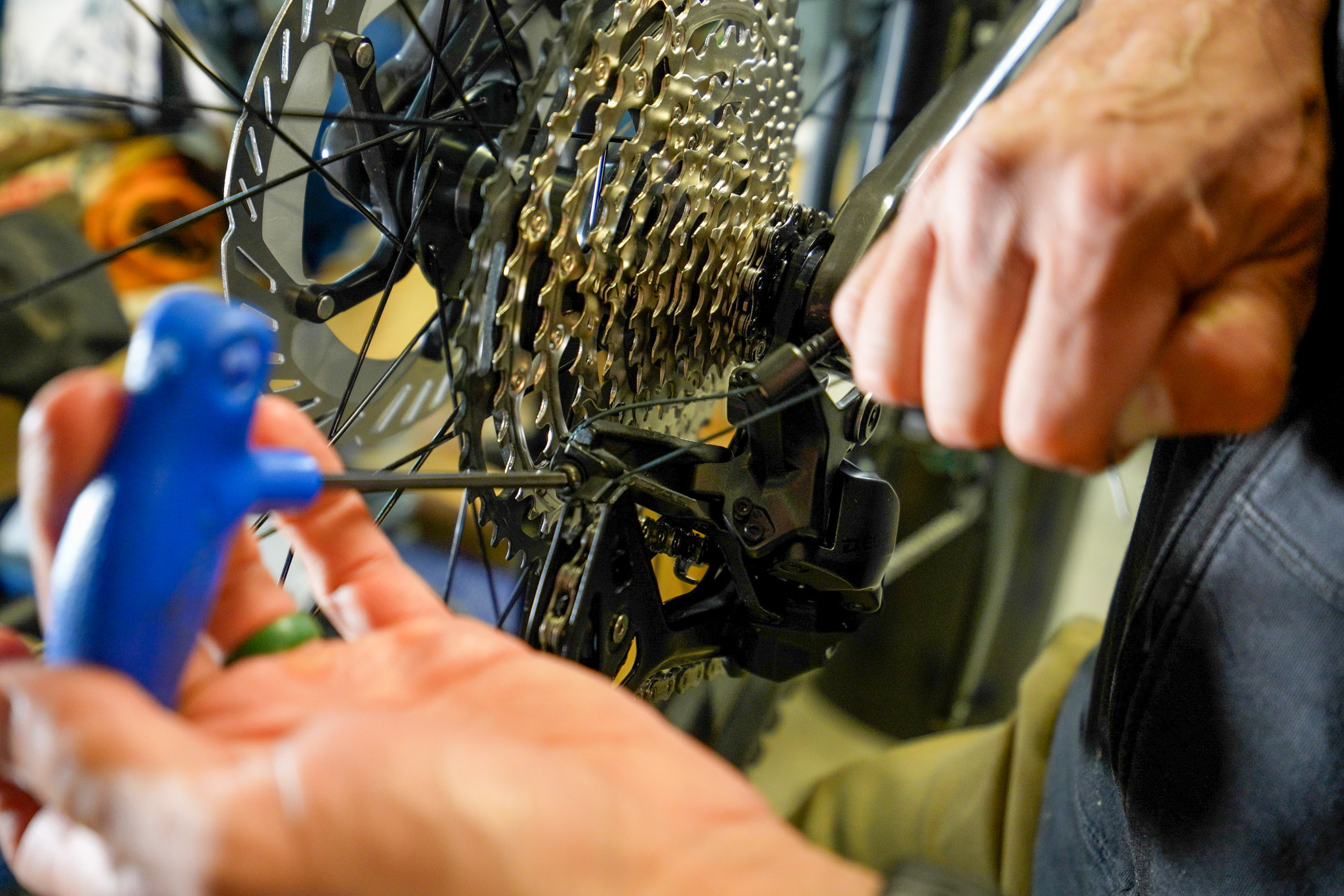

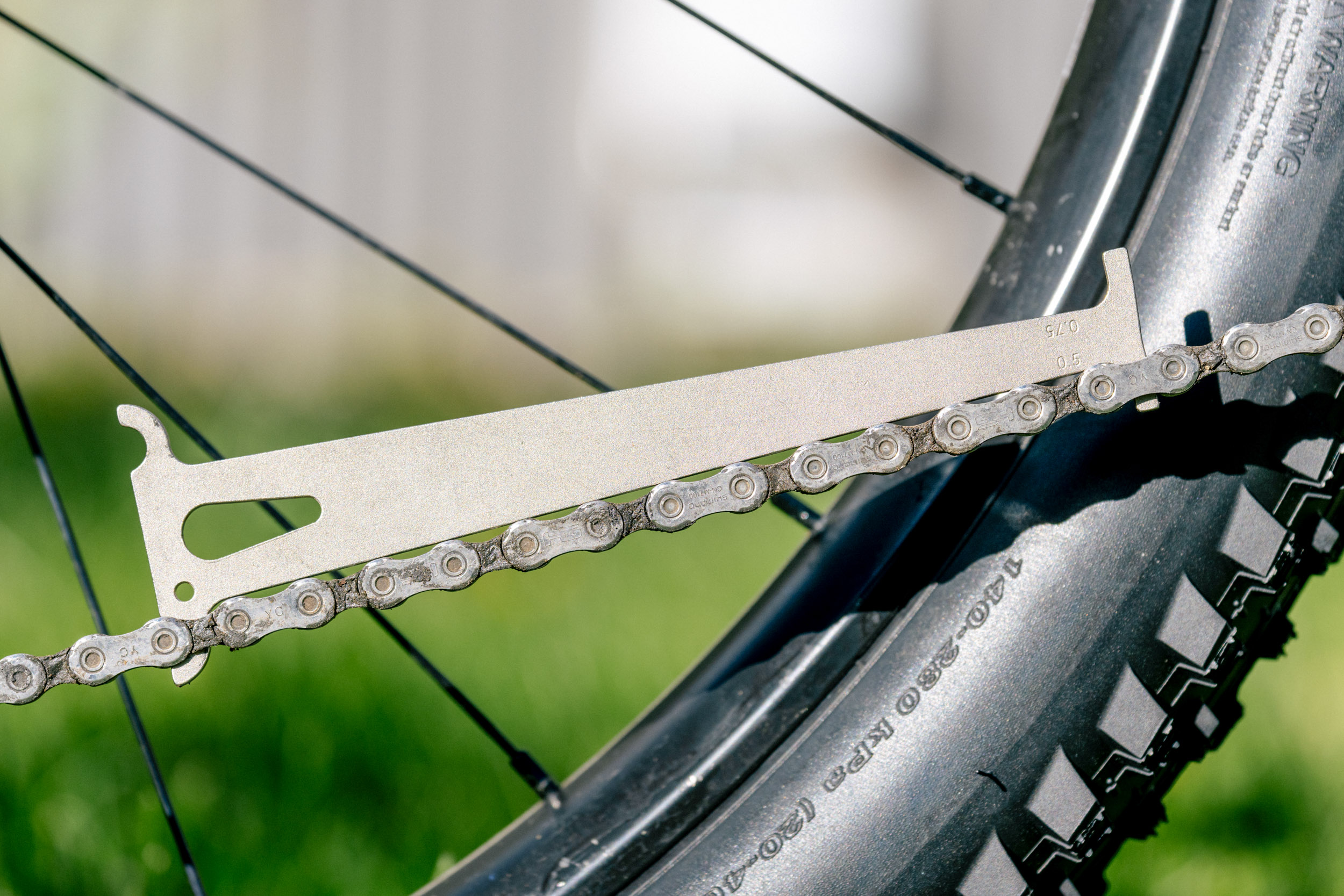
The derailleur installation was also easy. Mount the derailleur, size the chain to Shimano’s specifications, set the limit screws, adjust cable tension, and use the derailleur’s cage indicators to dial in the B-gap. Mechanical shifting obviously requires a little more setup than some of today’s electronic systems, and you’re dealing with the usual variables of cables and housing. But overall, I found the installation refreshingly simple.
As for the brakes, I’ve used Shimano brakes a bunch in the past, and they’re super easy to install. Nothing really has changed with the low-viscosity oil, other than needing two different types of oil for their brakes now, but that’s how it is these days with these manufacturers. Let’s just hope they found a fluid that was used as long as their mineral oil formula.
Ride Impressions
Colorado Trail Worthy?
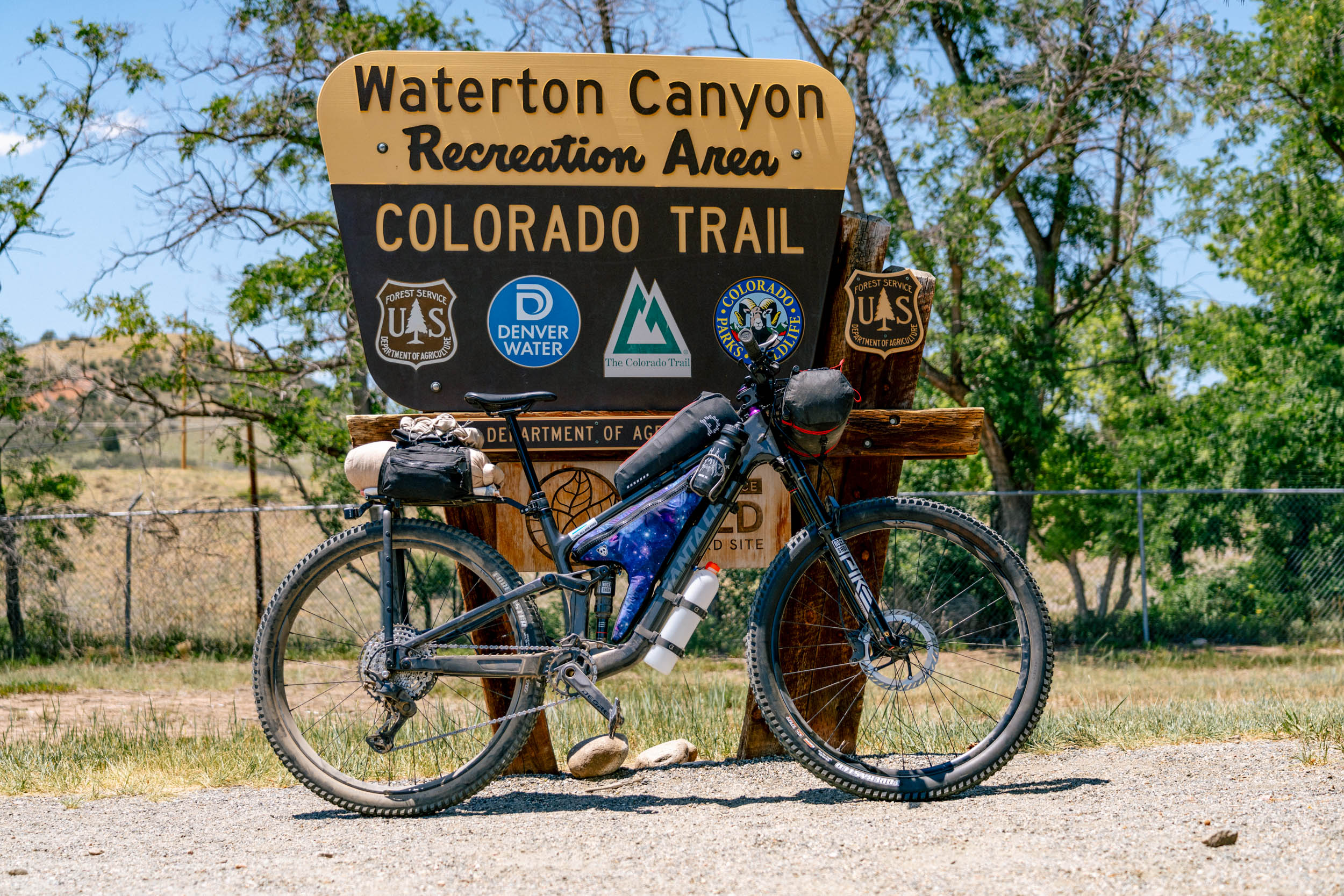
I did most of my initial testing on the Colorado Trail. I installed the group, took just a handful of rides, then headed out for a week with some friends, pedaling from Waterton Canyon to Highway 114. I’ll admit, the bike wasn’t light. I was carrying relatively lightweight camping gear, but bikes and components seem to have gotten heavier over the years. I generally don’t obsess over that, but I did have a few moments during the trip when I wondered how much those extra grams added up. A heavier crank here, a heavier derailleur there, and suddenly you’ve got a bike that’s a fair bit heavier than it might be with more premium components.


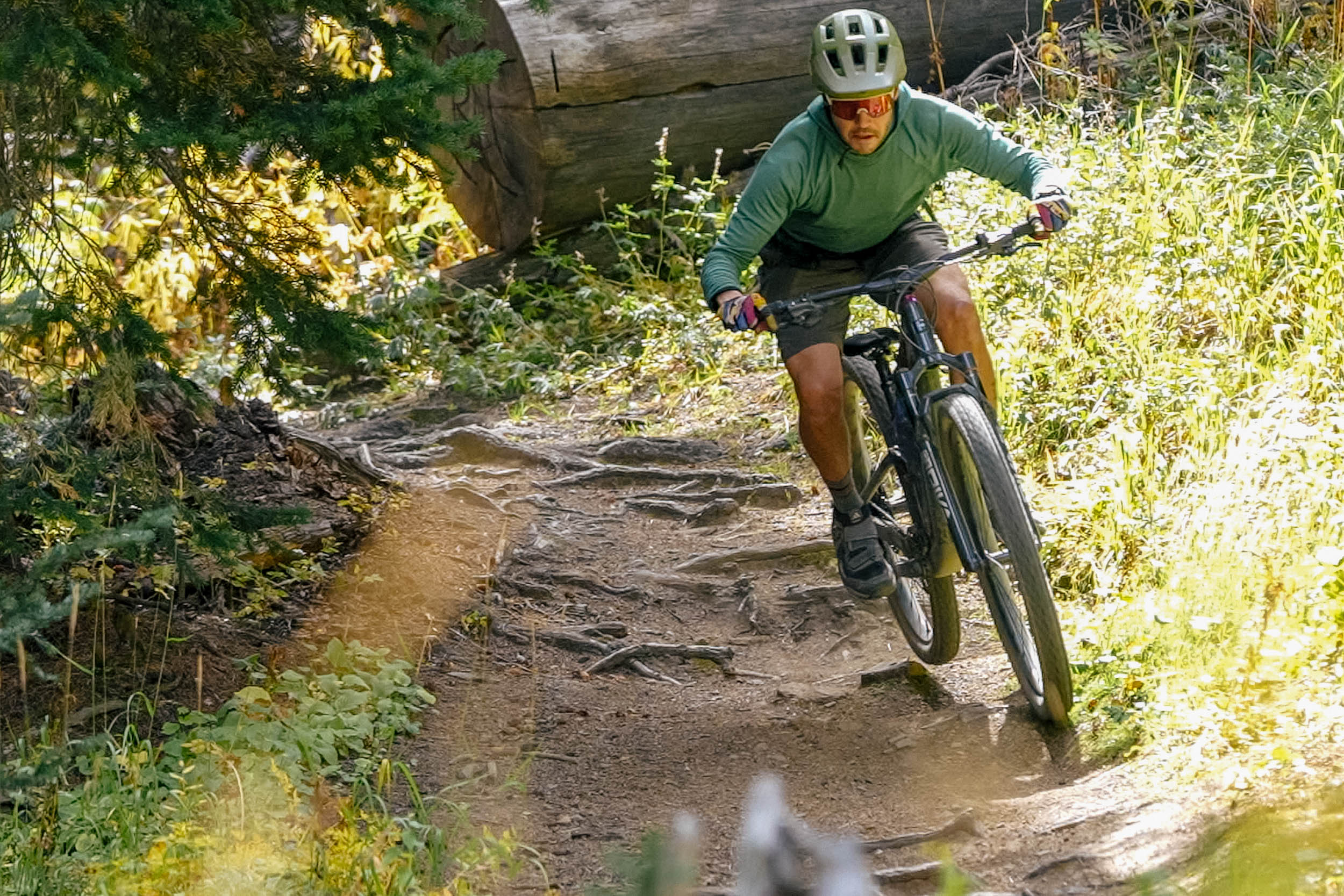

Did that prevent me from having a good time? Absolutely not. But when you’re spending long days climbing and pushing through the Colorado mountains on a loaded bike, weight is still worth considering. And this is ultimately where groups like XT and XTR have an advantage. You can spend considerably more to save weight, but whether it’s worth it depends on your priorities. Deore is clearly aimed at riders who want high-level performance without paying premium prices. And when it comes to that performance, I was impressed.
Shifting Performance
Shifting is obviously a huge component of what makes or breaks a drivetrain. After all, unless you’re a singlespeeder, finding the right gear quickly and consistently is an important part of riding. Right away, the new Deore shifter felt fantastic. The trigger paddles have small textured ridges that keep your fingers planted, and their position and shape make them easy to find without thinking. Shimano has always done a great job with mechanical shifting feel, and that continues here. The lever action is light, shifts are crisp, and the overall ergonomics make the experience feel almost effortless.
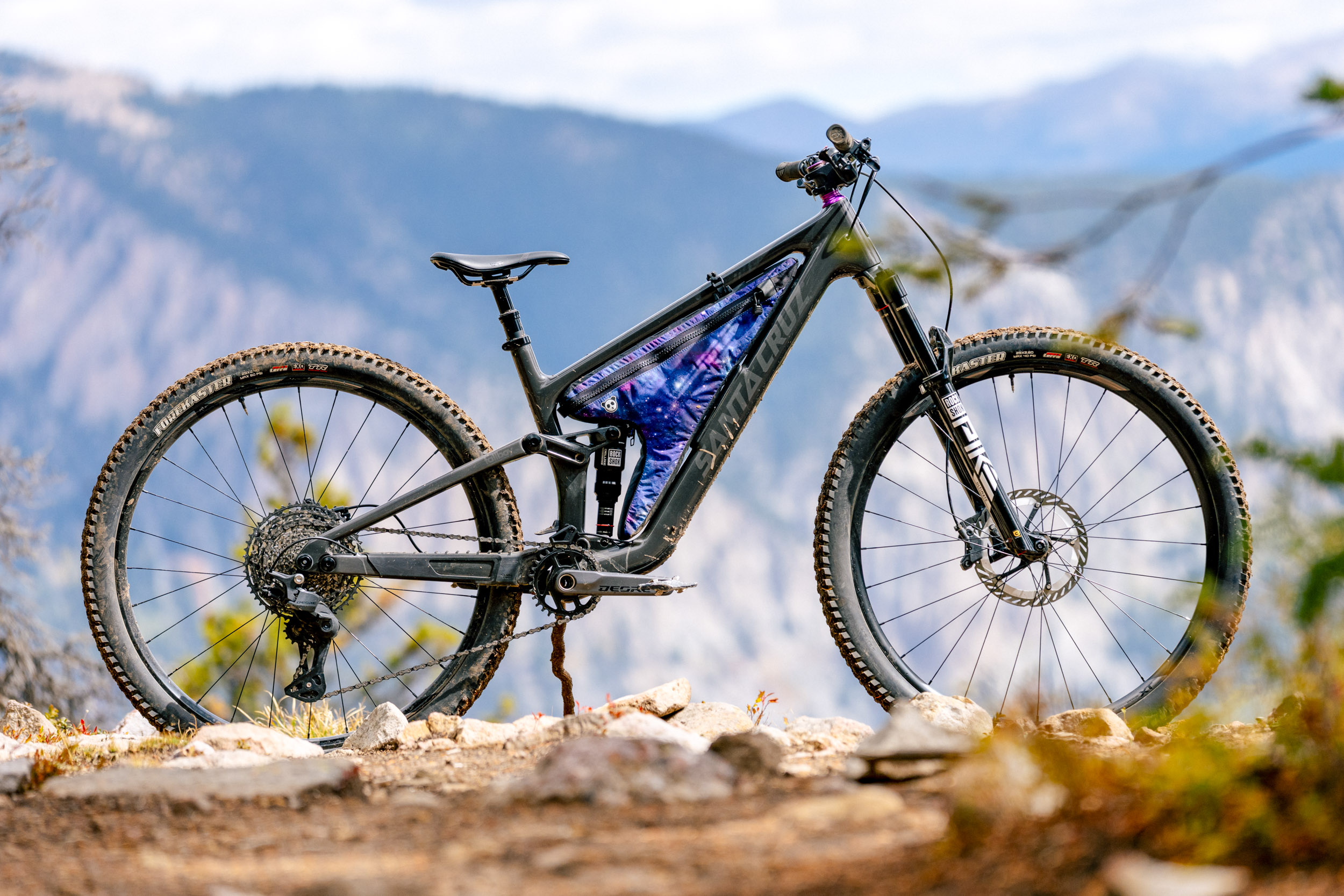
During my time on the Colorado Trail, I had multiple days with more than 10 hours of riding. Repeated shifting adds up, especially when you’re constantly searching for the right gear. While I think electronic shifting can help reduce that fatigue over the long run, I never experienced any discomfort or frustration with this system. On the other hand, the SRAM Eagle 90 system makes my thumb hurt on long rides.

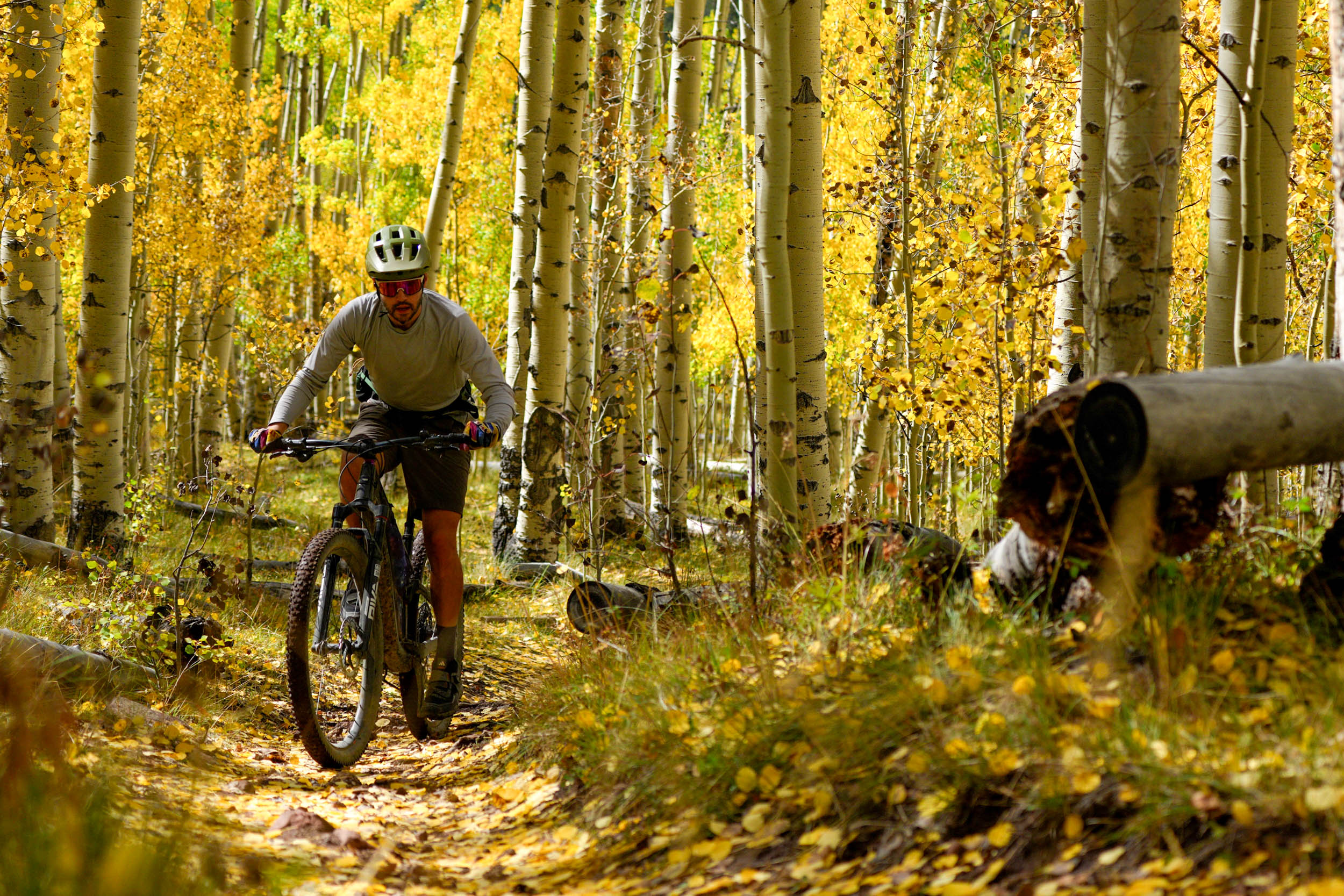
Paired with RAPIDFIRE PLUS and 2-WAY RELEASE, the system delivers a pleasant experience. Being able to dump several gears when the terrain suddenly gets steep, or release a gear using my index finger while riding from a different position is something I’ve appreciated about Shimano for years. Those little details make a difference, especially during long days in the saddle. And then there’s HYPERGLIDE+. I’ve long considered Shimano’s shifting under load among the best, though experienced some seizing with the clutch on the Shadow+ system in the past. That stellar sense of performance continues with this updated derailleur. The shifts are fast, precise, and remarkably consistent, even when you’re putting down a good amount of power.
Chain Tension and Chain Slap
Entering the review period, I was particularly curious about chain control. Shimano’s new electronic drivetrains received some criticism for chain slap, and with the updated SHADOW ES design making its way into these mechanical groups, I wanted to see how it performed. And the results were interesting.
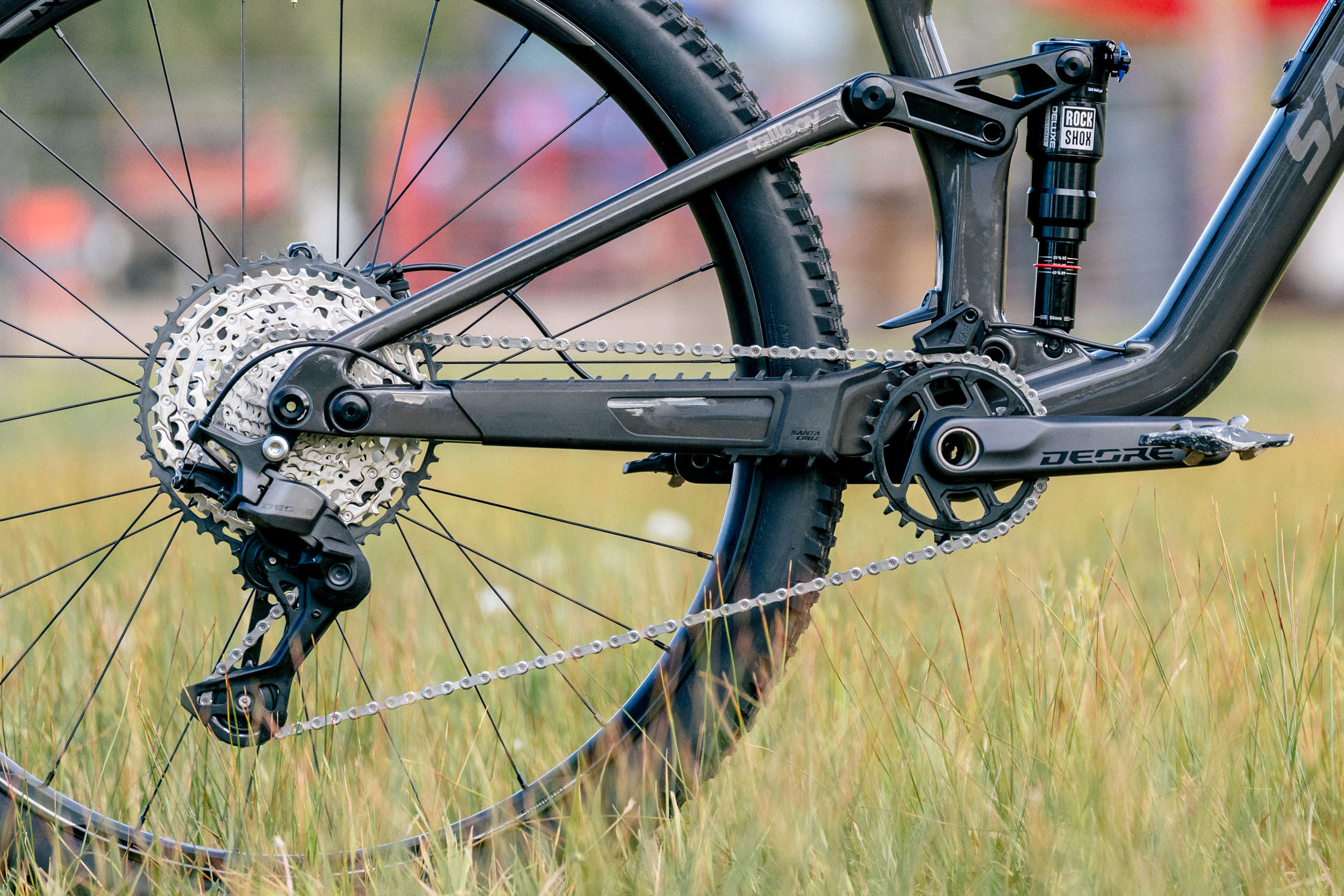
On particularly rough descents and big hits, I occasionally noticed what felt like a thump coming from the rear of the bike. It wasn’t always an obvious chain slap. At times, it felt more like the derailleur cage rebounding after a hard impact, though I suspect the chain contacting the chainstay was also part of what I felt. The Santa Cruz Tallboy has a pretty beefy chainstay protector that does a good job of muting the noise, but I could still feel something back there. The odd part was that it wasn’t consistent. I noticed it most in certain combinations of rear suspension movement and cassette position, often when riding in the smaller or middle cogs.

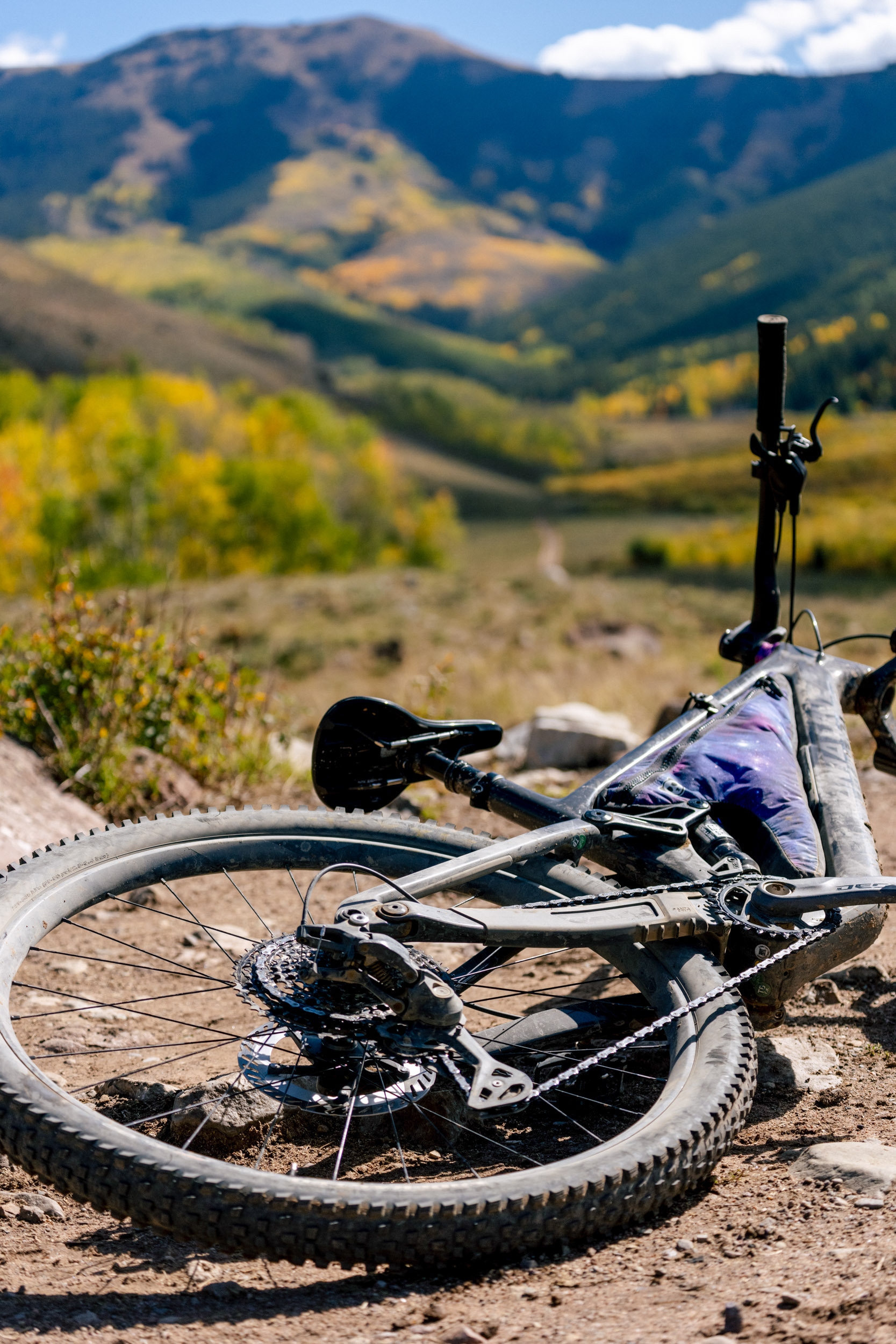
To be clear, I never dropped a chain during my testing. And that includes some pretty rough, loaded bikepacking descents and plenty of aggressive singletrack riding. Still, I think Shimano has room to improve here. Compared to some competing drivetrains I’ve ridden, the chain and derailleur feel a little less controlled when things get particularly rough. It’s more of an annoyance than a serious performance issue for me, but it’s worth mentioning. I also wonder how much of that sensation comes from the heavier steel cage and the overall mass of the derailleur and chain. I didn’t notice it as much on the XTR Di2 system I tested, but that was on a different bike, so it’s hard to draw a direct comparison.
Performance in Mud and Wet Conditions
Another element that impressed was how well the system kept shifting in messy conditions. We had an incredibly dry start to my testing period, so most of those early rides involved dust, dry trail, and the occasional creek crossing. Then the rain arrived, and we’ve had some exceptionally wet, muddy rides this fall. That time gave me good opportunities to see how the drivetrain performed as dirt, grit, and moisture worked their way into everything. Throughout, the shifting remained precise and predictable. I didn’t experience any meaningful deterioration in shift quality, and even with wet gloves and muddy hands, the textured shifter paddles remained easy to use.
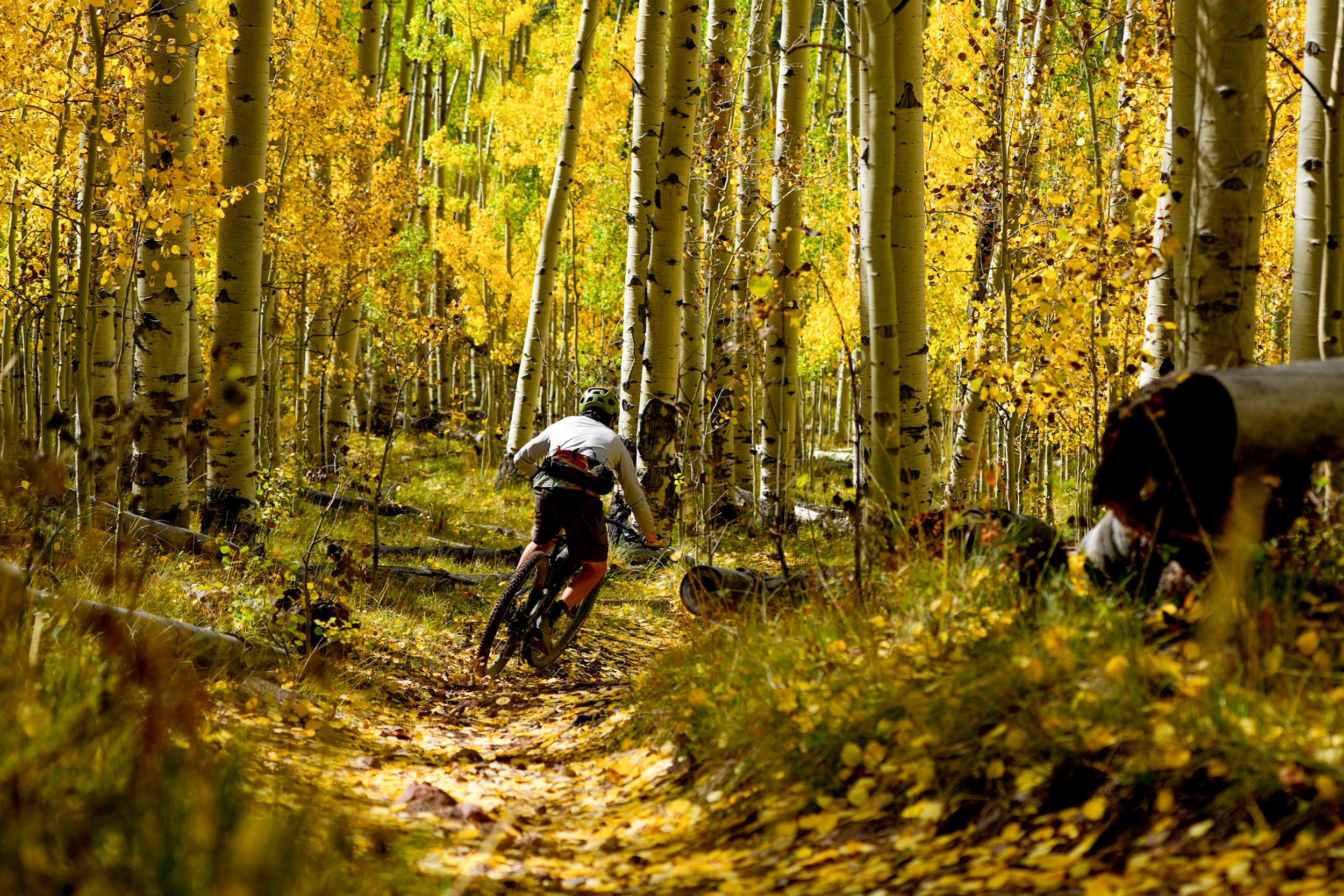
Obviously, any mechanical drivetrain can eventually suffer from contaminated cables or housing, and this isn’t a substitute for truly long-term year+ durability testing. But after months of riding through a pretty broad range of conditions, the Deore system has continued to perform extremely well with just one or two barrel adjustments. Just for kicks, I was curious how much my chain had worn after so many rough miles. Turns out, I’m due for a replacement. After what I’d call half a season of riding, nearly 600 miles and a whole lot of hours in the saddle, the chain is clearly past the 0.5% wear mark and nearing 0.75%. Had I let it get that far, I’d be a little concerned about excessive cassette wear, but I think I caught it in time.
Gear Range and Cassette Spacing
I shift a lot. Probably more than the average rider, if I had to guess. I like finding the right gear for the terrain and my cadence, and I’ve always appreciated Shimano’s cassette spacing. The 10-51-tooth range provides plenty of climbing gears while still offering a reasonably tall gear for faster riding. But more important to me is how those gears are distributed. If one gear isn’t quite right, I can usually shift up or down and find something that feels comfortable almost immediately. I’m rarely struggling to find the ideal ratio.
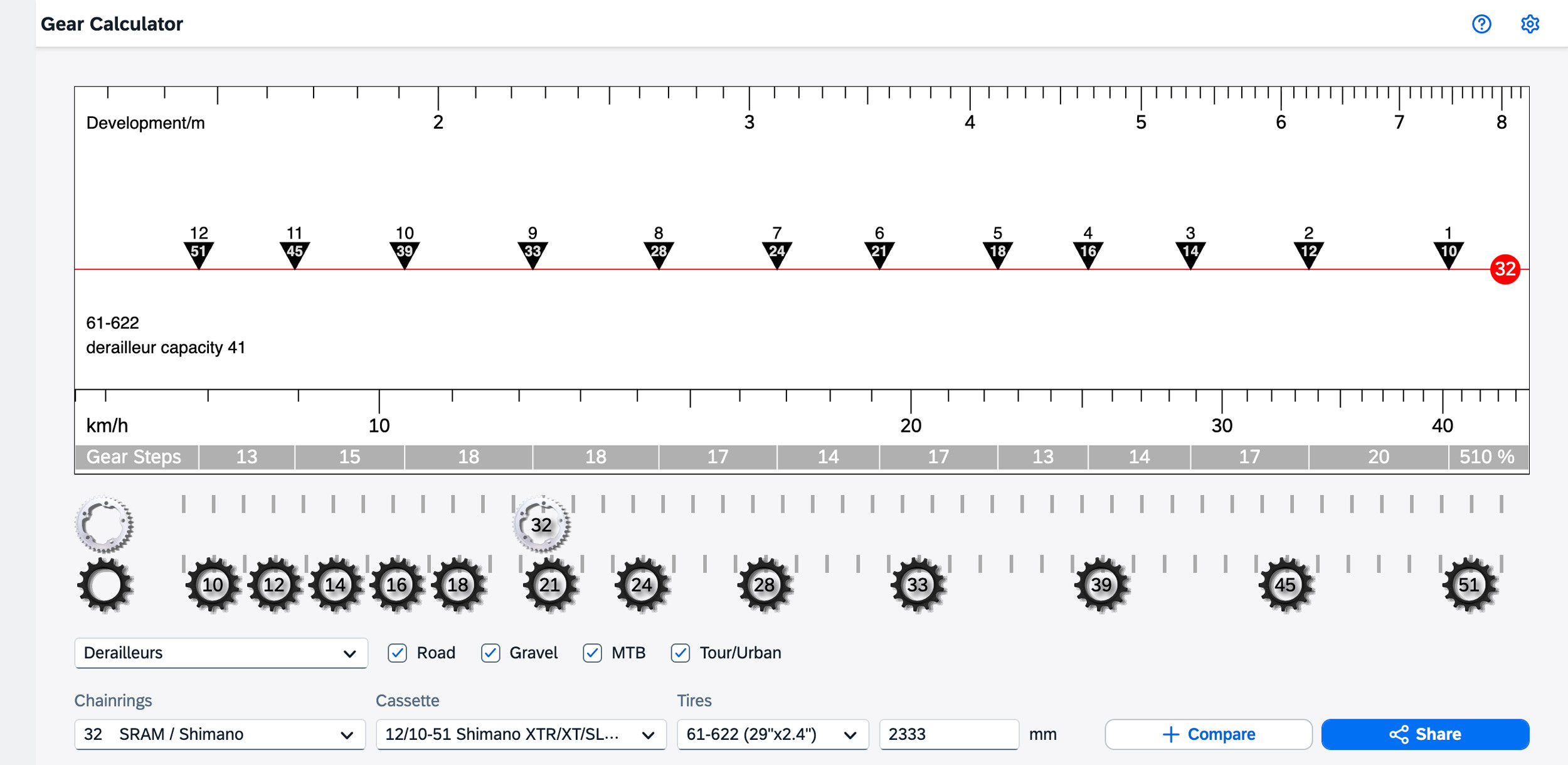
That’s something I think gets overlooked when we’re constantly talking about adding more gears to drivetrains. Do I need 13 speeds? I don’t think so. Would I be perfectly happy with 10 or 11? Absolutely. But there’s something about Shimano’s 510% range and cog spacing that just works for me. I can stay in the zone, think less about shifting, and spend more time focusing on the trail. And testing this driver back-to-back with the *Microshift MX*, the low gears feel clearly different: the cassette isn’t built around a bailout gear, but is proportional and incremental for the steep climbs I find on.
Brake Performance
I tested Shimano’s latest XTR brakes last year, but I didn’t get nearly as much time on them as I have with these new Deore brakes. And Shimano bringing this performance down to this price point is welcome. But even better, these might be the most exciting components in the new Deore lineup. One of the best tests came on the Colorado Trail, where I descended from around 12,000 feet to 8,000 feet on a loaded bike. That’s a significant amount of descending, and the type of riding where brake consistency becomes really important.

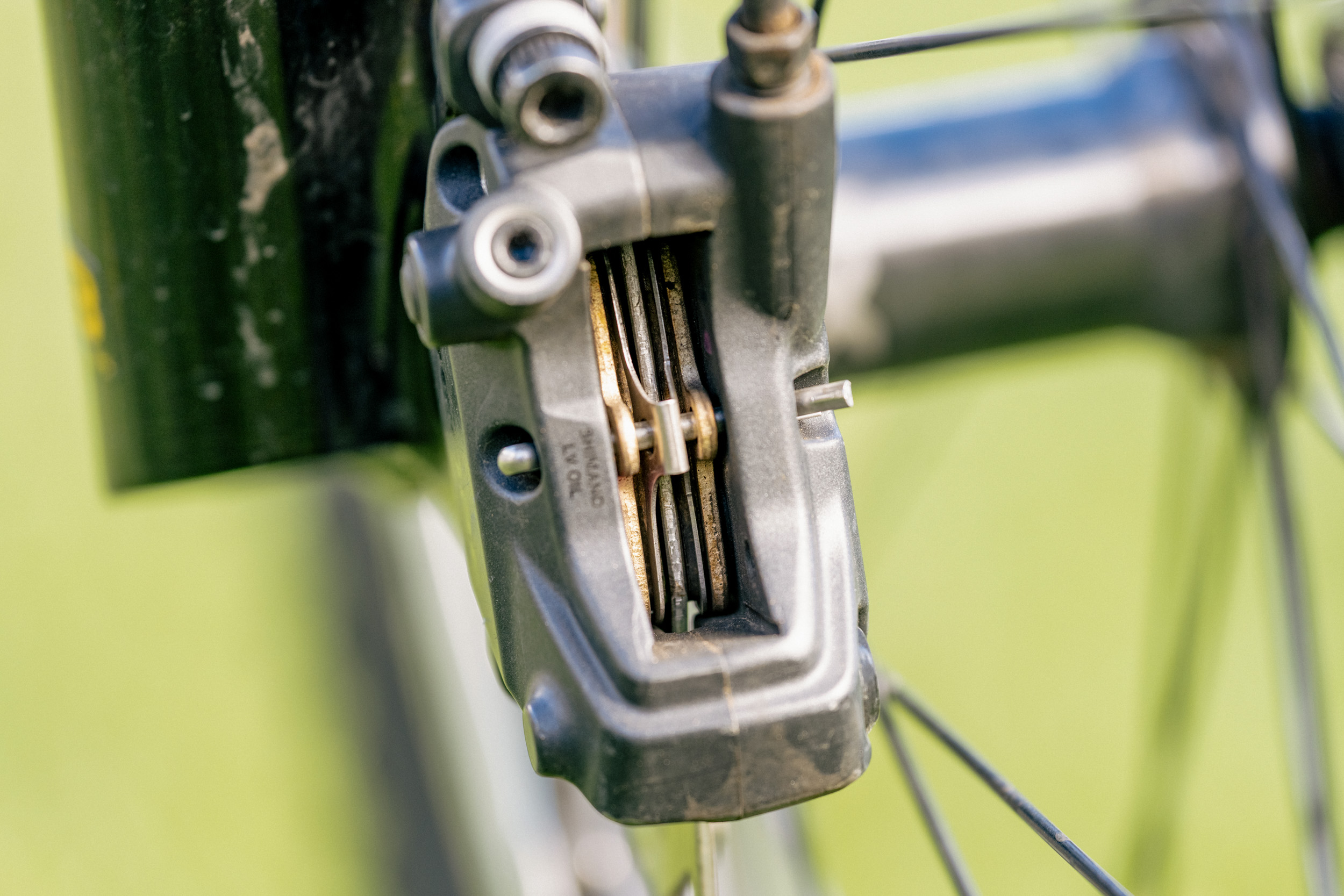
From top to bottom, I found the lever feel remarkably consistent. It wasn’t perfect. I occasionally noticed the lever firming up slightly toward the bottom of a particularly long descent. But compared to some previous Shimano brakes I’ve used, the change in lever feel was relatively minor. And that’s something I really appreciate. The new low-viscosity mineral oil and updated caliper design are intended to improve consistency across a broader temperature range, and my experience lines up with that goal. Of course, I can’t isolate exactly how much of that improvement comes from the fluid versus the caliper or lever design, but as a complete system, these brakes performed extremely well.

Another thing that stood out was the ergonomics. On long, steep descents, poorly designed brake levers can create finger fatigue surprisingly quickly. But I rarely thought about hand discomfort with these new Deore levers. The shape, leverage, and overall feel worked well for me. That said, Shimano’s brakes still have a relatively strong initial bite. While I think the new design has reduced the abrupt on / off feel of some previous brakes, they’re still more aggressive at the start of the lever stroke than certain competing systems. You get used to it, but if you’re coming from a brake with a softer initial bite, there’s definitely an adjustment period.
As for durability, after 575 miles, the pads have about half of their life left. I also experienced some squealing, likely from contamination on the rear rotor or pads. Rather than replacing everything immediately, I wanted to see how the system continued to perform. To my surprise, while the noise remained, I didn’t notice a significant change in braking power or lever feel. That’s not to say contamination is harmless or something you should ignore, but in this case, braking performance stayed consistent despite the noise. So I’ll just replace them when the pads wear out.
- Model Tested: Shimano Deore M7200
- Actual Weight: 1,274 grams
- Price: $313.97 at Around the Cycle
- Manufacturer’s Details: Shimano
Pros
- Crisp, effortless, and precise shifting
- Excellent shifter ergonomics with RAPIDFIRE PLUS and 2-WAY RELEASE
- Powerful brakes with consistent performance on long descents
- Excellent value for the performance
- Compatibility with all HYPERGLIDE+ components
Cons
- Heavy overall
- Noticeable chain slap and cage movement on rough descents
- Aggressive initial brake bite takes some getting used to
- New low-viscosity mineral oil is another thing
- Looks good, but could do without the massive Deore logo on cranks
Wrap Up
When we talk about a drivetrain’s value, a few things stand out: cost, weight, durability, and performance. Over the years, I’ve ridden some incredibly high-performing drivetrains that also cost a lot of money. So I was curious whether a relatively affordable mechanical groupset could handle the same demanding riding I typically throw at much more expensive components. And after months of testing, I think the answer is a pretty convincing yes.
Is it perfect? No. Chain slap remains my biggest complaint, and I noticed it more on this drivetrain than on Shimano’s electronic XTR system. There’s also the weight. At 2,056 grams with the 277-gram chain, this certainly isn’t a lightweight group, but it’s nearly just as light as Eagle 90 while saving some money. But is that weight really what’s holding me back? The shifting is fast, precise, and remarkably easy on the hands; the gearing works exceptionally well for my riding, and the brakes have been some of my favorite components to test this year.
I also appreciate the compatibility across much of Shimano’s 12-speed HYPERGLIDE+ ecosystem, letting you mix and match GRX with flat-bar setups or upgrade individual components to XT or XTR as they wear out, without replacing the entire drivetrain. At about $400 to $440 for the drivetrain (including the chain) and another $315 for the four-piston brakes, the complete system comes in around $755, excluding rotors and a few smaller parts. In today’s mountain bike component market, that actually feels like a fair shake.
Ultimately, this groupset reminds me you don’t need to spend a fortune to get excellent performance. Sure, I’d appreciate a little less weight and better chain control, but neither has taken away from how much I’ve enjoyed riding this system. And while the latest and greatest technology is always exciting, a simple, well-executed mechanical drivetrain still has a lot to love.
Further Reading
Make sure to dig into these related articles for more info...


Please keep the conversation civil, constructive, and inclusive, or your comment will be removed.