

 Mountain Bike (MTB)
 Gravel Bike
 All-Terrain Bike (ATB)
 Fat Bike

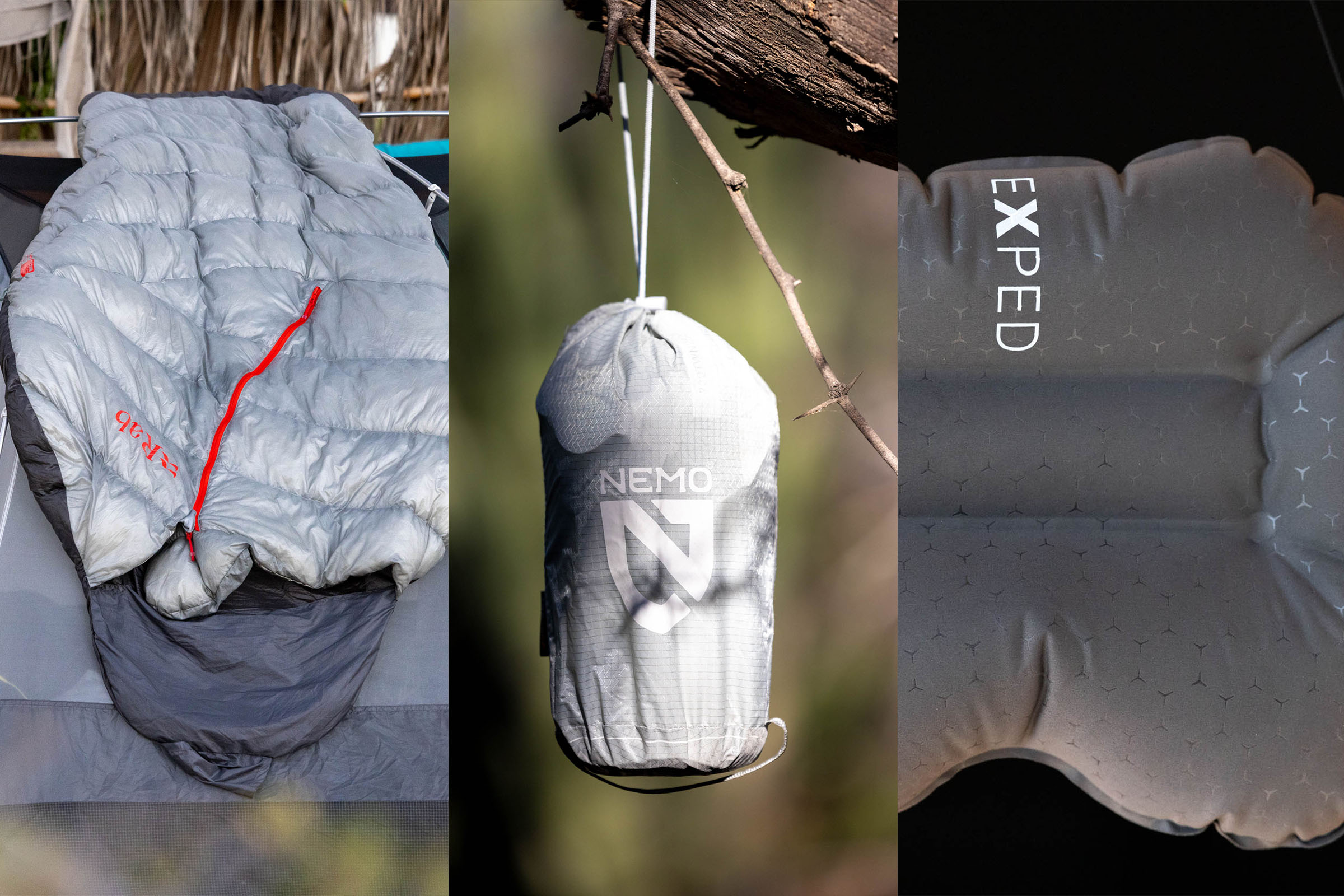
A 720-Gram Ultralight and Compact Summer Sleep Kit


In preparation for a season of warm-weather bikepacking, Miles schemed up the lightest, most compact camping system possible. He landed on a 720-gram kit consisting of the Rab Mythic Ultra 120 sleeping bag, Nemo Tensor Elite sleeping pad, and Exped Ultra Pillow. Find mini reviews of all three, reflections on packing strategies, and thoughts on why ultralight doesn’t need to mean uncomfortable here…
PUBLISHED Jun 30, 2026
When I first started bikepacking, I was obsessed with finding the lightest, most compact camping gear. It’s the bulkiest part of any kit, making it a great place to invest if you’re trying to reduce overall pack size. Many of my earlier trips were overambitious, which I blame on my trying to prove myself as a bikepacker. Having bulky camping gear would have ruined me in those days. Thankfully, most of my gear was highly compressible and picked up second-hand at reasonable prices, making for a tight, minimal kit.
A decade of bikepacking later, my packing strategies and priorities have shifted. Instead of riding alone, I usually ride with Emily, and we carry a larger two-person tent, sometimes a double-wide sleeping pad, and a few other creature comforts to keep us comfy and cozy at night. It’s been a while since I’ve used a super-lightweight sleeping kit, so I thought it would be a good time to revisit my old packing habits and see what an ultralight, ultra-packable sleep kit could look like in 2026. Was there a good reason for Therm-a-Rest to discontinue the tiny Uberlite sleeping pad? Do lightweight sleeping bags even keep you warm? Is there still a place for gear like this, even for folks who prioritize having a good night’s sleep? Is the meaning of life only truly discovered when your sleeping bag, sleeping pad, and pillow weigh 1.5 pounds? Let’s find out.
The 720-Gram Sleep Kit
I didn’t intentionally piece together this sleep kit. When I was gathering gear to test in Baja, I wasn’t thinking about everything working as a cohesive system. It was sort of a happy, ultralight accident.
The Rab Mythic Ultra 120 sleeping bag caught my eye due to its weight, interesting false-bottom/pad sleeve, high-fill-power down insulation, and a relatively versatile 32°F (0°C) lower-comfort rating. The Nemo Tensor Elite sleeping pad came out last year and is apparently the lightest sleeping pad the brand has ever made, with an R-value of 2.4 and total weight of just 215-240 grams, depending on size. I’ve had good experiences with Exped gear in the past, so I rounded out my kit with the Exped Ultra Pillow, weighing a hair over 50 grams.
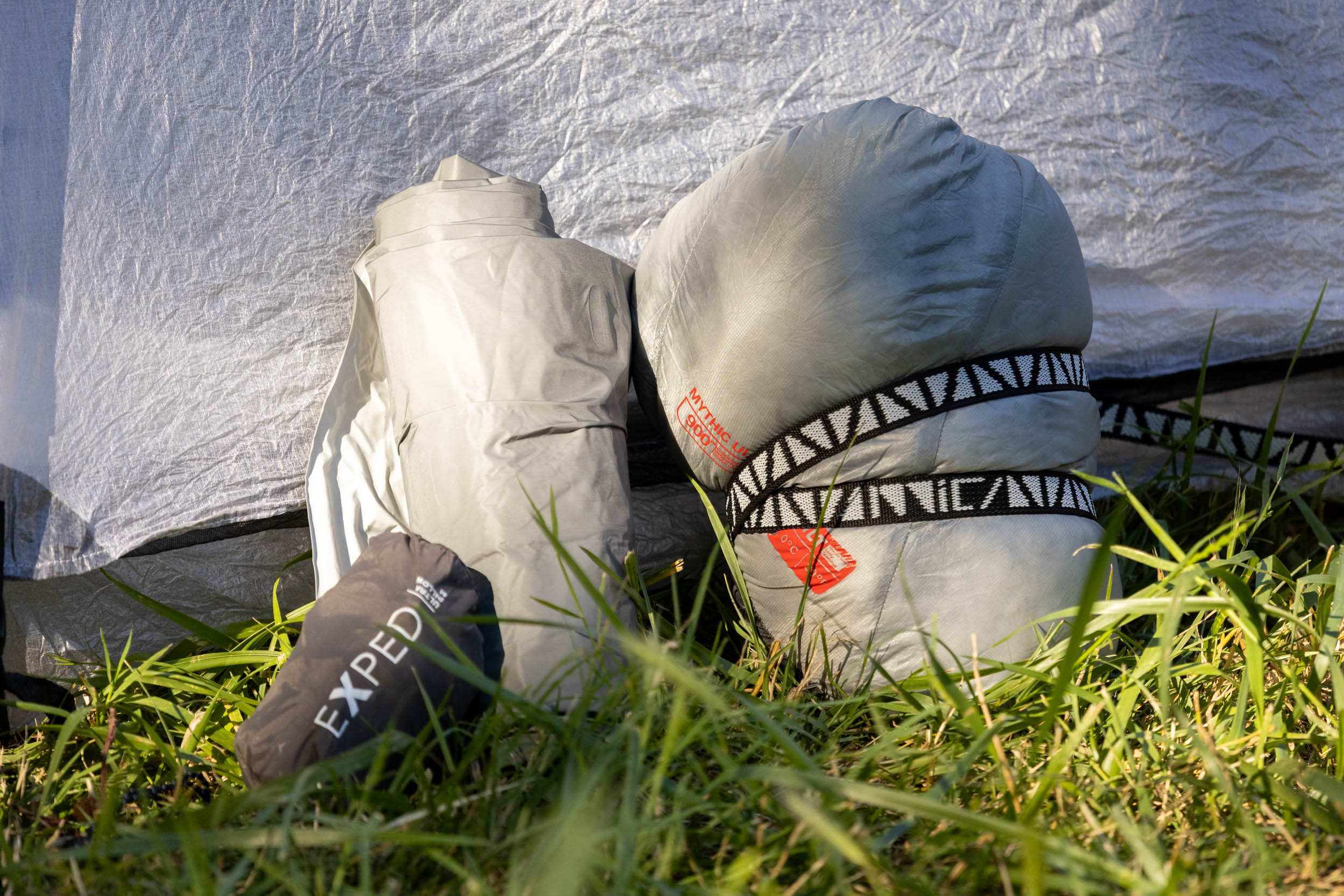
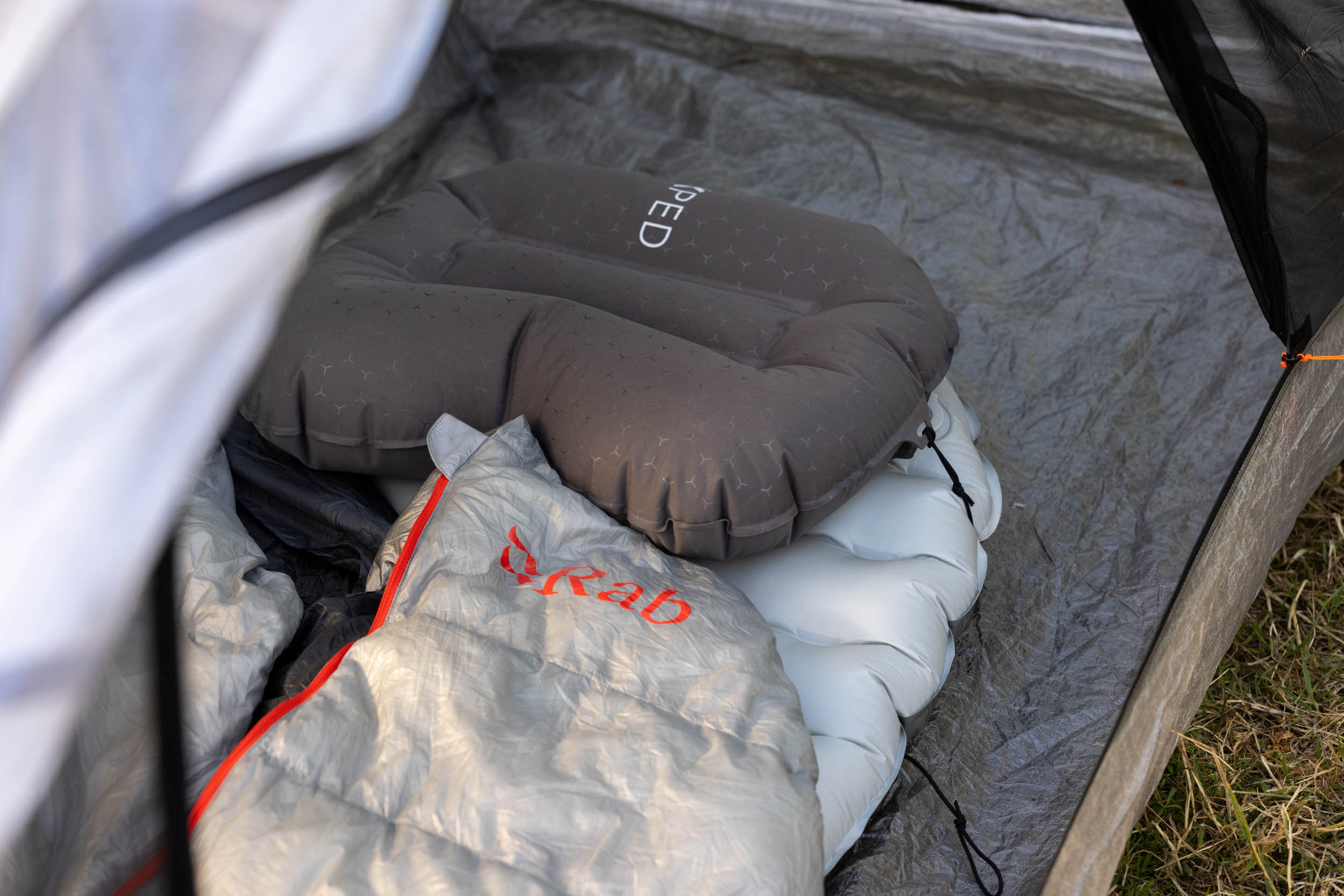
Over the last four months, I’ve used each item in various sleep kits, depending on the weather and nighttime lows, but for the most part, I’ve used them together. The kit’s biggest test was during our ride on Baja’s Cape Loop. Not only is everything trying to destroy your gear in the desert, but I also had to convince myself that modern ultralight gear would be comfortable enough for a seven-day bikepacking trip.
It’s hard to know the precise total volume of the three items, but I’d estimate that, when compressed, it’s possible to squish the kit down to about two to three liters. In the summer, I normally use a 7-11 liter bag on my bars or on a rack. As such, I can easily pack my entire sleep system, a lightweight tent, and my clothing with room to spare.
Rab Mythic Ultra 120
The Rab Mythic Ultra 120 exists in what I’ll call the “unbelievably light” category of high-end sleeping bags. Unfortunately, between the time Rab sent it to me and today, it has been removed from their product line. I’m guessing it was just too light for human use. It was replaced by the new Mythic Down sleeping bag, which weighs 500 grams, compared to the 339 grams of the Mythic Ultra 120.
The Mythic Ultra 120 shaves any excess features to prioritize weight and pack size. It features a lightweight 10-denier ripstop nylon outer fabric with a featherweight interior liner fabric that’s finished with Rab’s heat-reflective technology, which they call TILT (Thermo Ionic Lining Technology). It’s designed to improve heat retention without compromising weight, breathability, or pack size. It’s insulated with 900-fill-power European Goose Down treated with a Nikwax Fluorocarbon-Free hydrophobic finish.
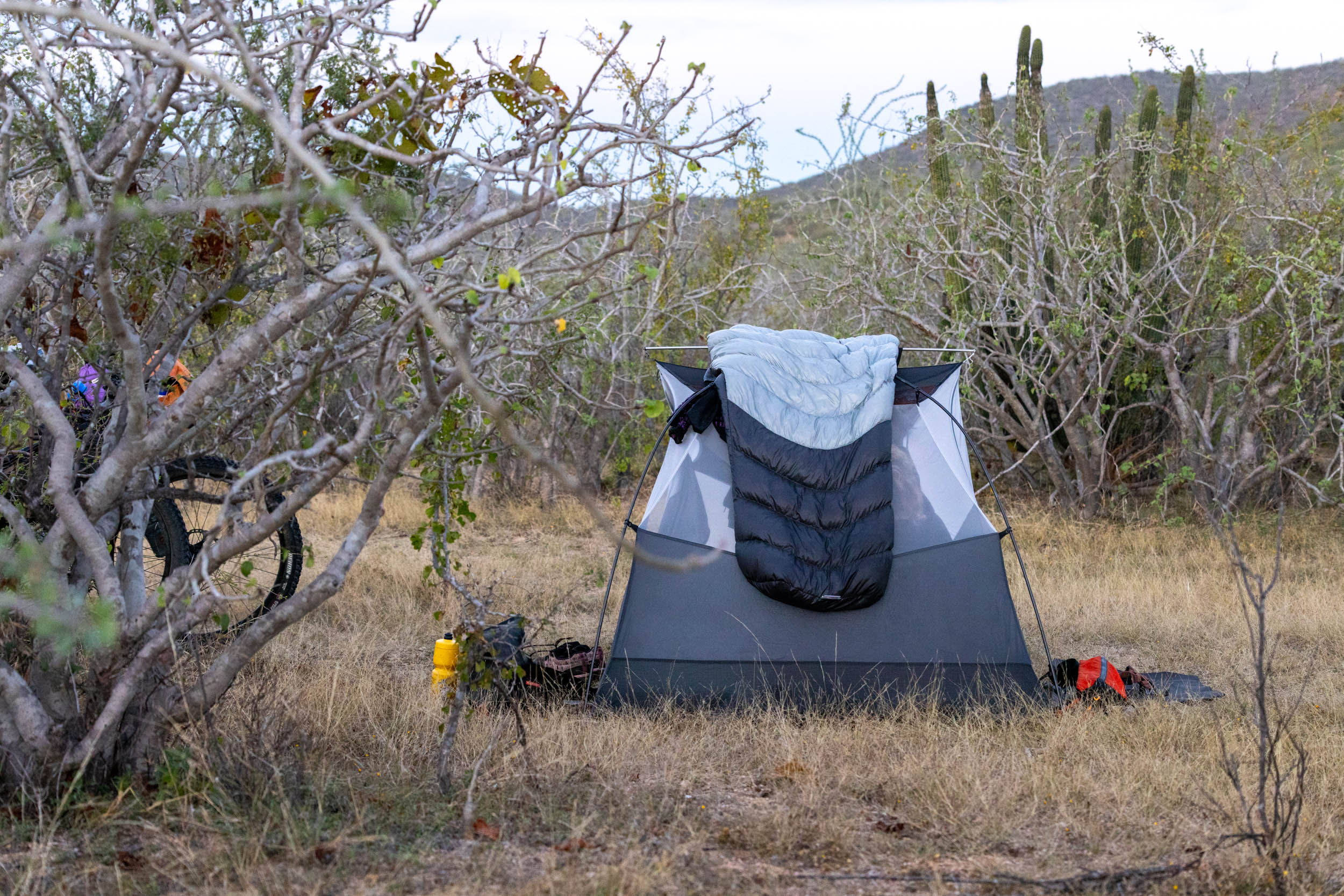
The bag has a short diagonal zipper that runs across the front, and an insulated hood is omitted; in its place is a pillow sleeve that can be packed with extra clothing to make a makeshift pillow. I promised myself a long time ago that I wouldn’t go bikepacking without a camp pillow, so I opted to use a dedicated pillow instead. Still, it’s a handy feature.
Similar to the Timmermade Wren sleeping bag I tested a few years back (and still use), the Myhtic Ultra 120 has no insulation on the upper half of the backside. Timmermade calls this a false-bottom design, as it’s more of a hybrid sleeping bag/quilt construction, which is great if you’re looking to cut excess weight. On the underside of the bag are two pad sleeves, designed to slip over and around the pad to keep the bag in place. They are quite minimal, with no way to adjust them for different pads, so I usually opted not to use them.
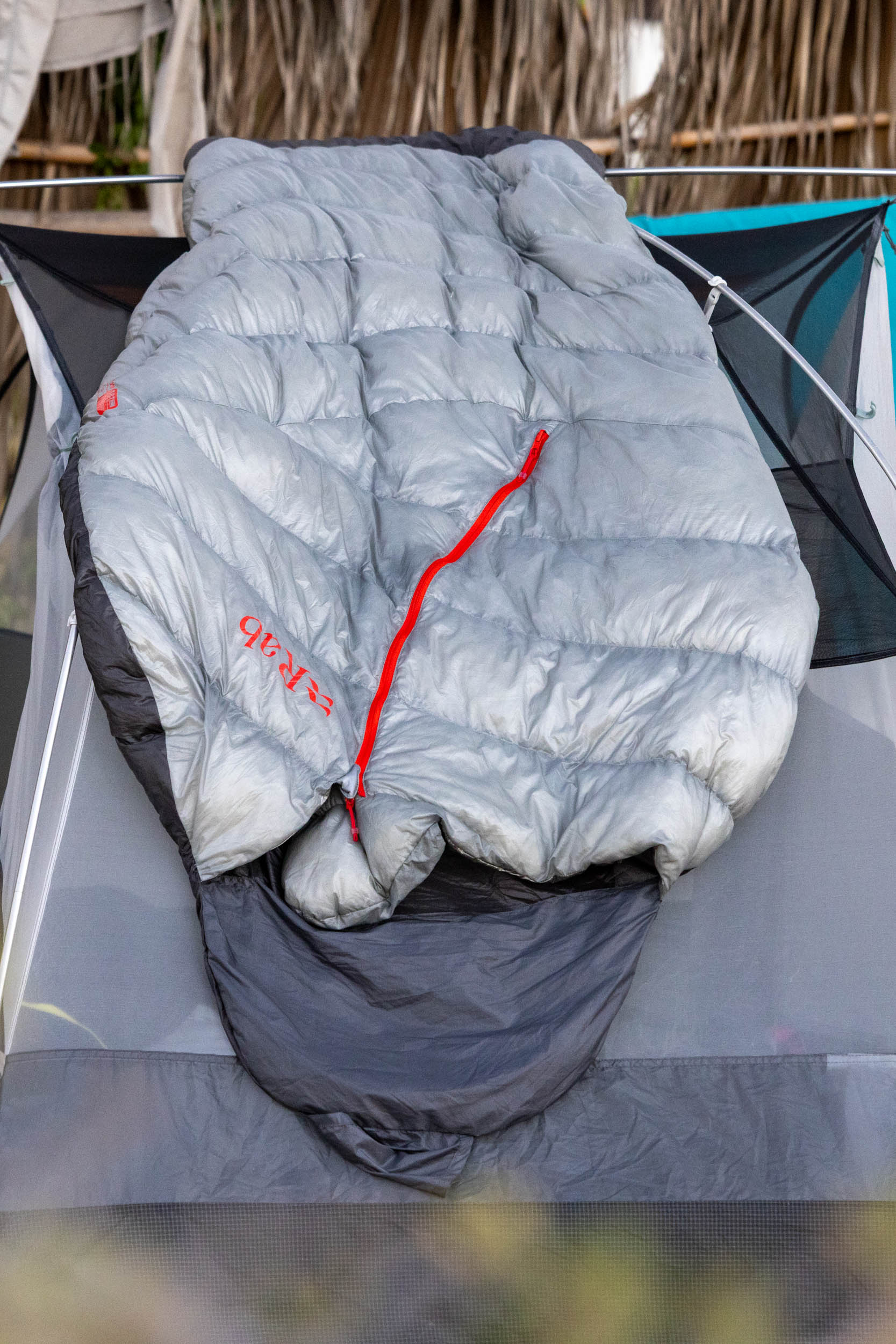
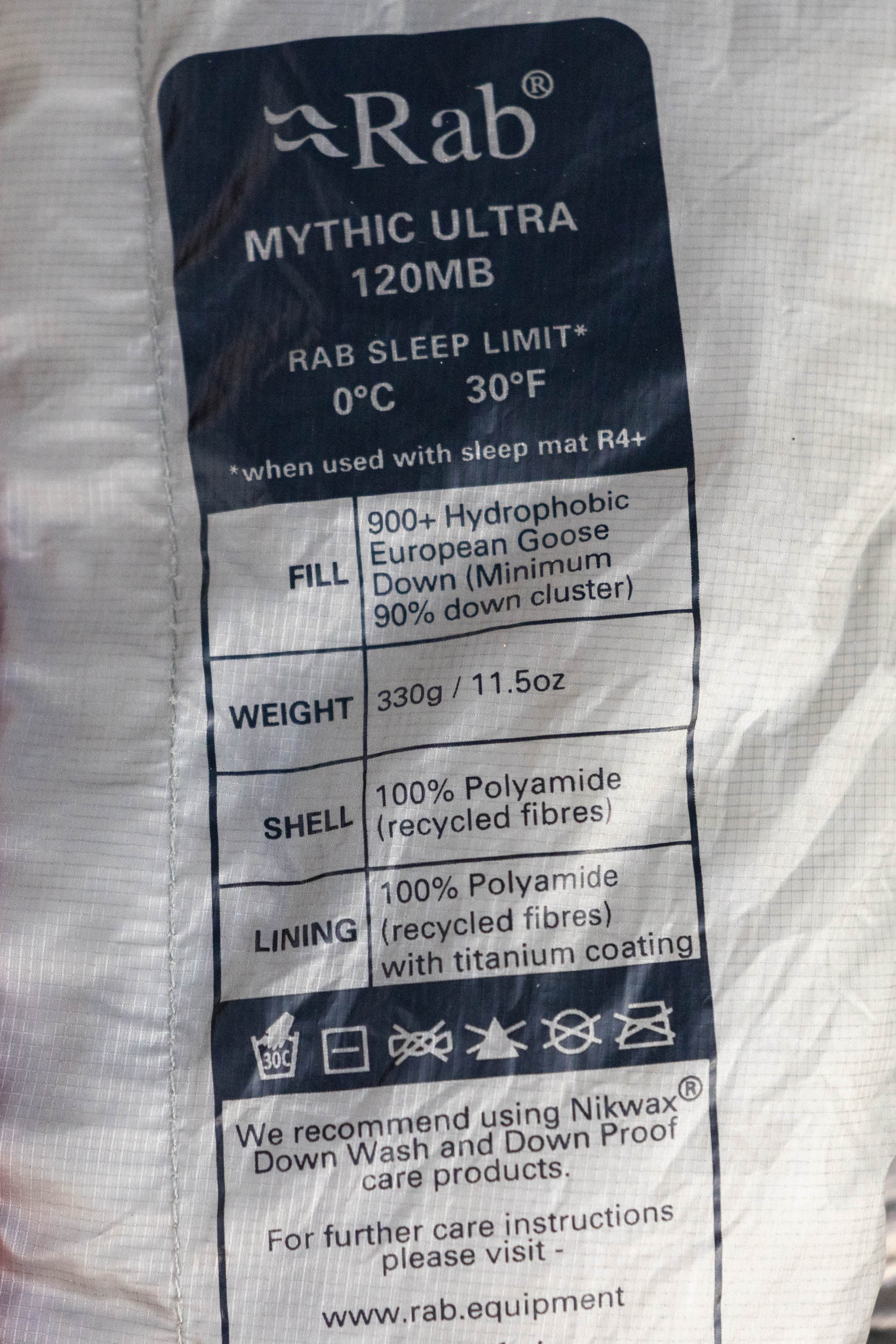
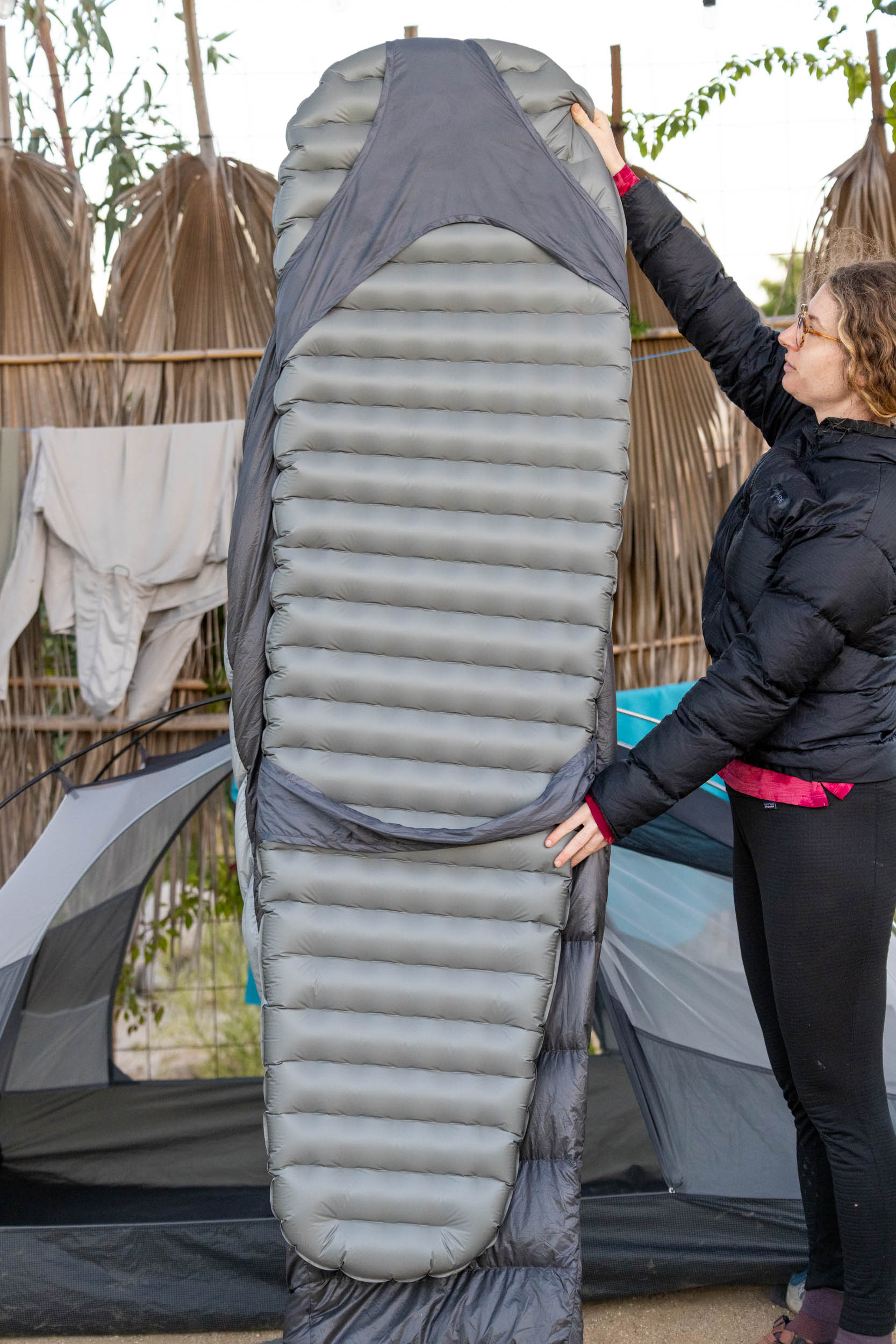
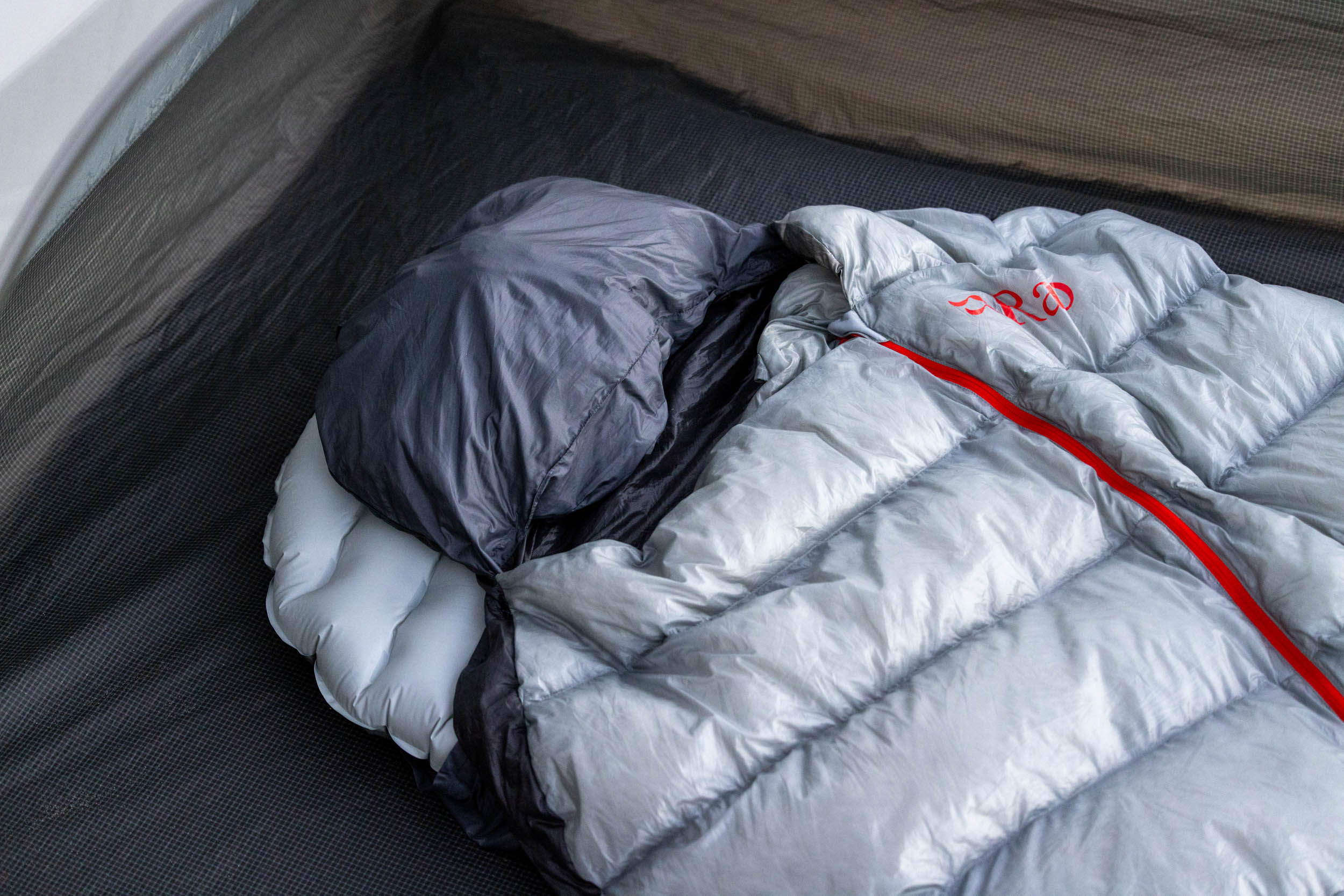
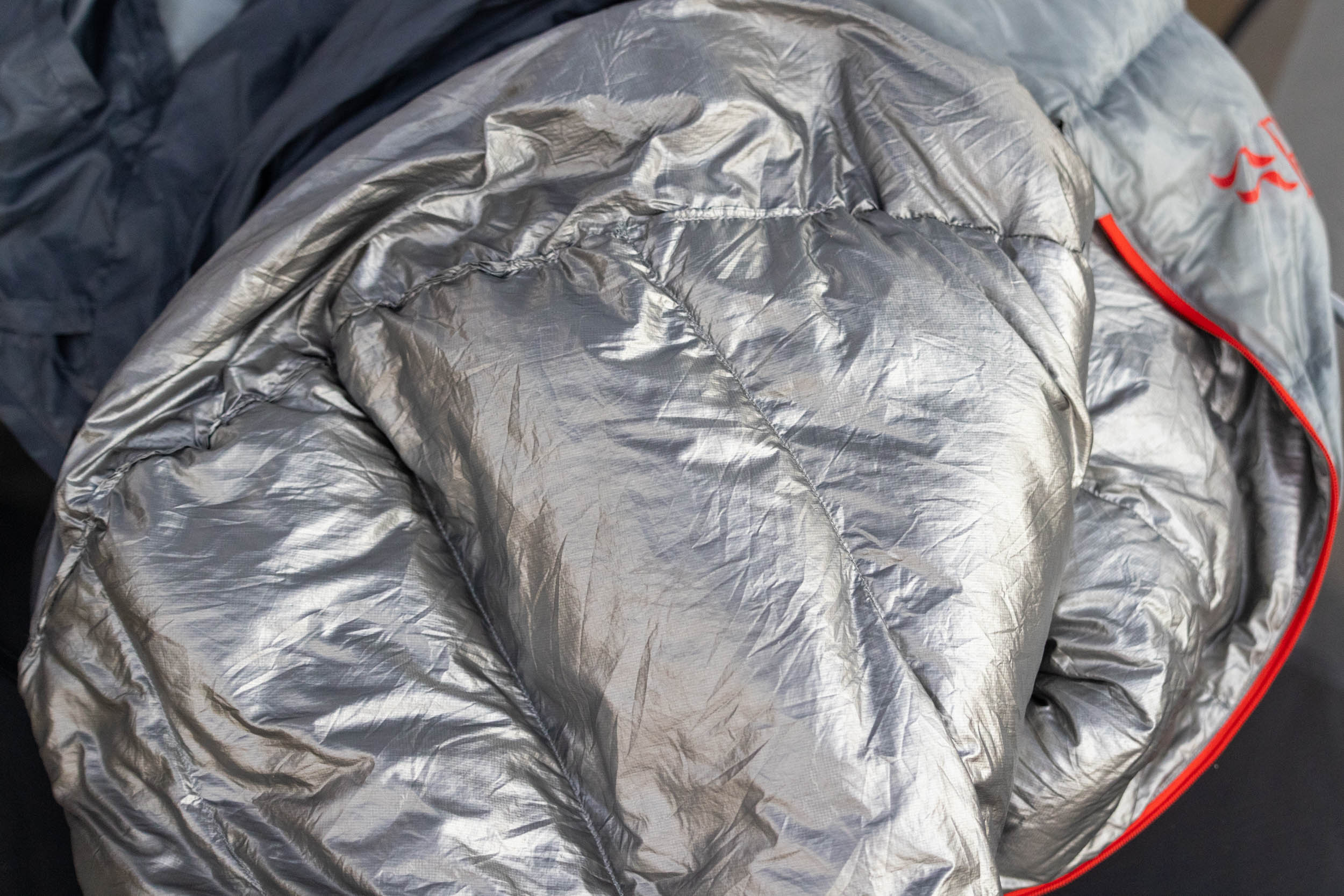
I’ve logged a few dozen nights out in the sleeping bag over the winter in Baja and this spring in British Columbia. There’s no question that minimal bags like the Mythic Ultra 120 are best suited for warm nights, and the 32°F (0°C) limit seems like a stretch without additional layers. For me, the lower limit was closer to 45°F (7°C), and even then, I sometimes needed to wrap a down puffy around my shoulders to keep warm. On cooler nights, the pad sleeves proved useful for keeping the insulation in the right spots. The ultralight exterior fabric was quite slippery on the sleeping pads I used it with, so the pad sleeves helped me stay on top of my pad at night.
Since the Mythic Ultra 120 isn’t available through Rab anymore, some comparably ultralight options include the Sea to Summit Spark series or the Western Mountaineering FlyLite I reviewed a few years ago. If pack size and weight are your biggest concerns, finding a Mythic Ultra 120 for sale online is a realistic option. I still prefer the Western Mountaineering FlyLite as my warm-weather sleeping bag, with its fully insulated construction and hood.
- Material: 10-denier ripstop nylon, 900 Fill-Power Down
- Weight: 339 grams (no bag)
- Place of Manufacture: UK
- Price: $460 USD
- Manufacturer’s Details: Rab (Mythic Ultra 20°F)
Nemo Tensor Elite Sleeping Pad
I’ve been enjoying long, rectangular sleeping pads recently, so resorting to my old ways with an ultralight mummy sleeping pad gave pause at first. When I got my first Therm-a-Rest Uberlite sleeping pad, I remember thinking it was too light and small. What was the catch? It turns out there was one, as the baffles on mine started to fail. The pad was eventually dropped from the lineup, presumably because of the number of warranty returns.
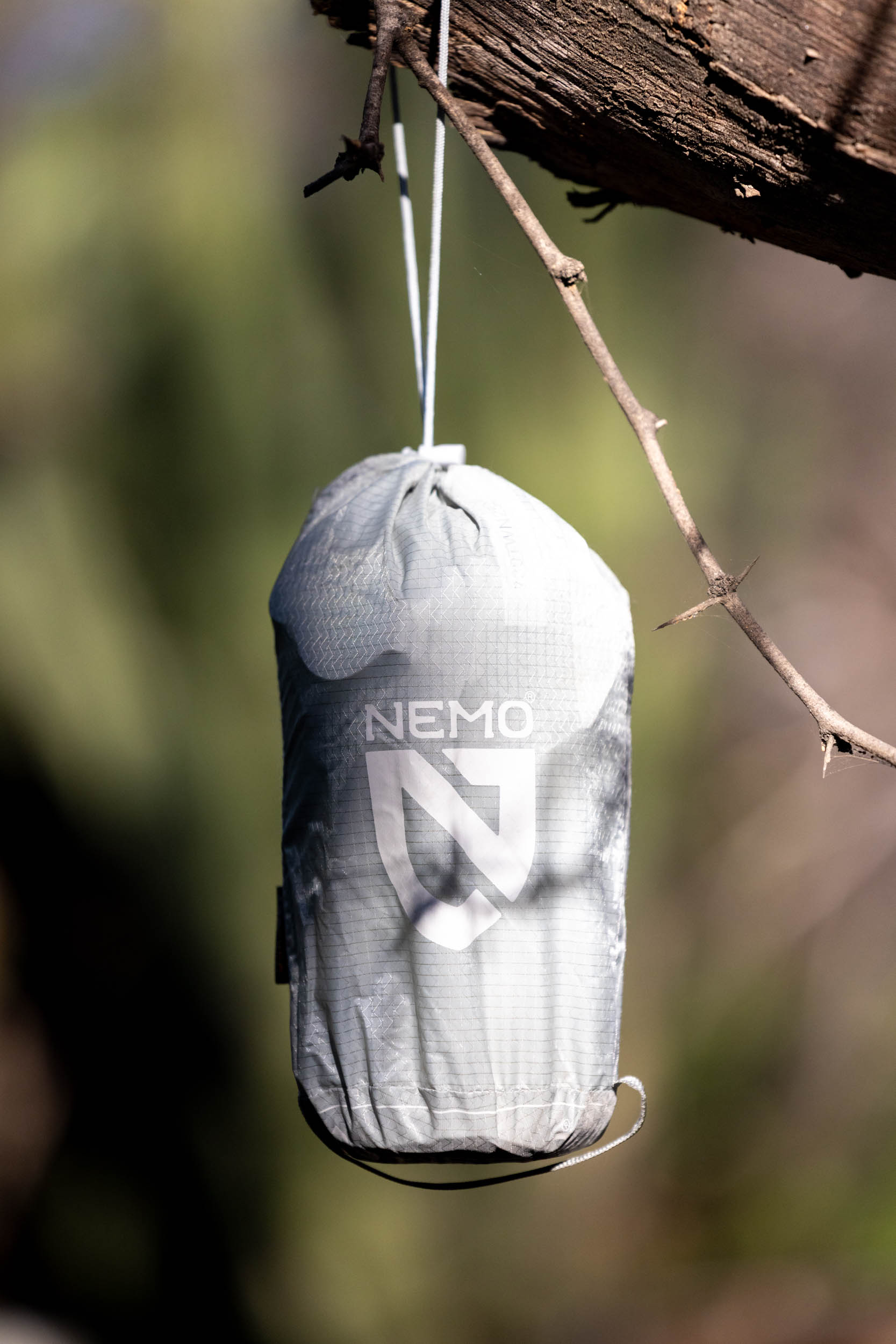
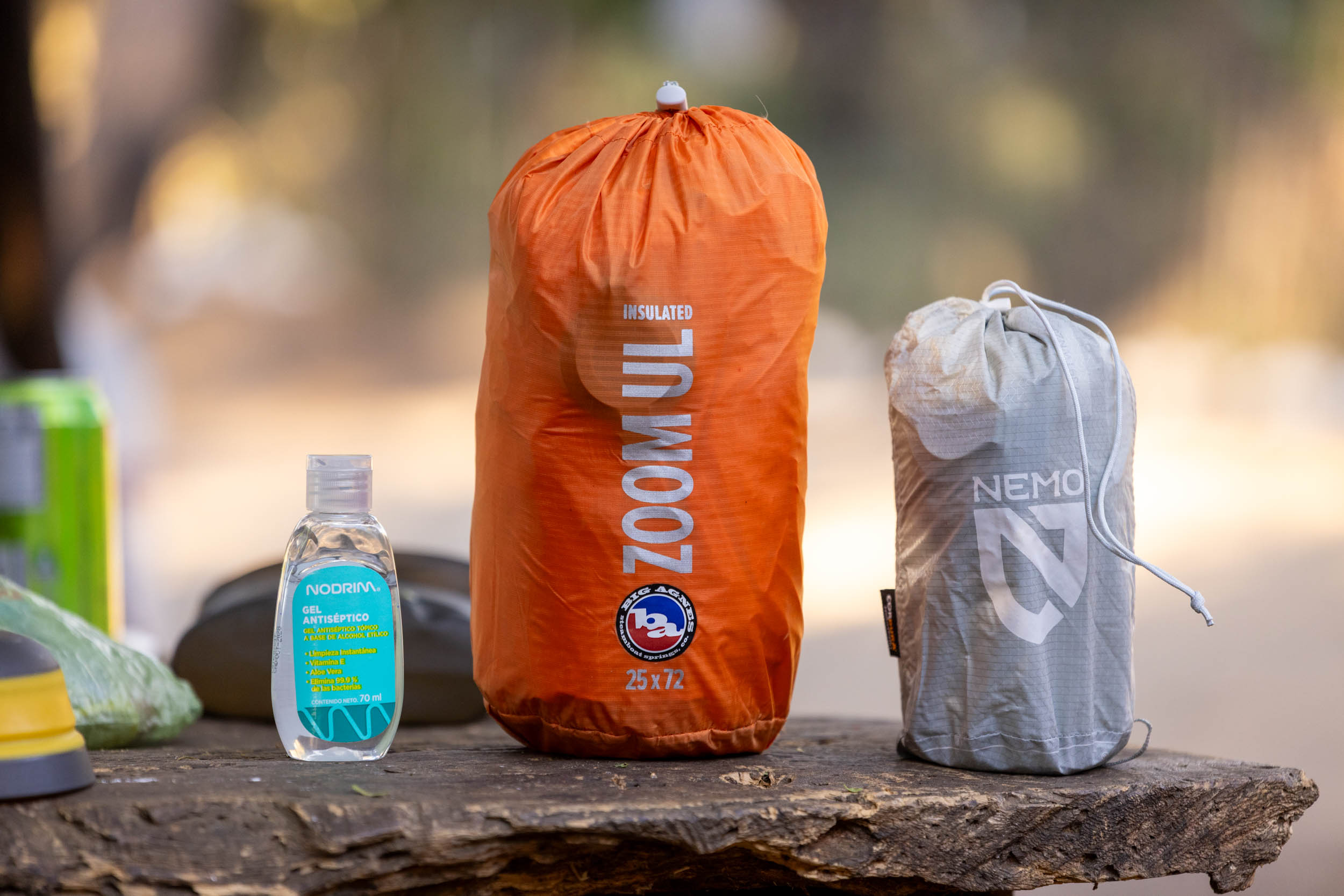
The Nemo Tensor Elite is the brand’s lightest sleeping pad to date, so I was skeptical and slightly worried I’d be left sleeping on the ground. It took some courage to stuff it into my bags for the Baja Cape Loop, a route where inflatable items generally go to die. The regular mummy version weighs just 240 grams and packs down to just 5.5 x 3.0” (14 x 8cm), or about the size of a pop can. An R-value of 2.4, assisted by an interior aluminized film, means it’s really only suitable for warm-weather campouts. The exterior fabric is a paper-thin 10-denier Cordura nylon ripstop that is impressively light and pliable but not nearly as fragile-feeling as the Uberlite.
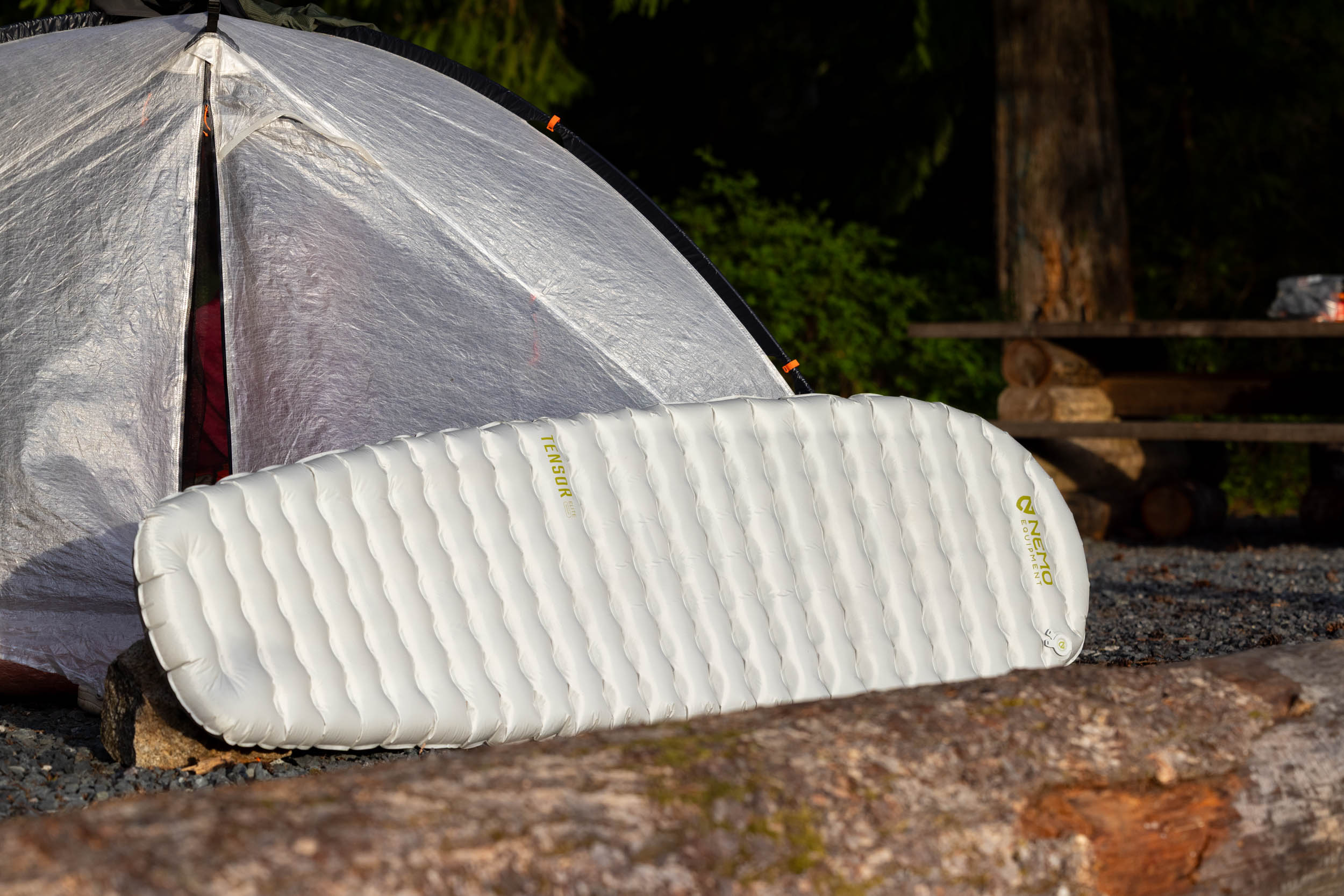

On the inside, the Tensor Elite uses Nemo’s Apex baffle system, which replaces traditional rectangular baffles with a combination of low-stretch, die-cut trusses and suspended layers of thermal film. The result is a sleeping pad that’s impressively light, surprisingly stable, and less crunchy or noisy than some ultralight sleeping pads. At three inches thick when inflated, I sometimes missed my plush Big Agnes Zoom UL, but it’s enough to dial in the pressure and get a good night’s sleep.
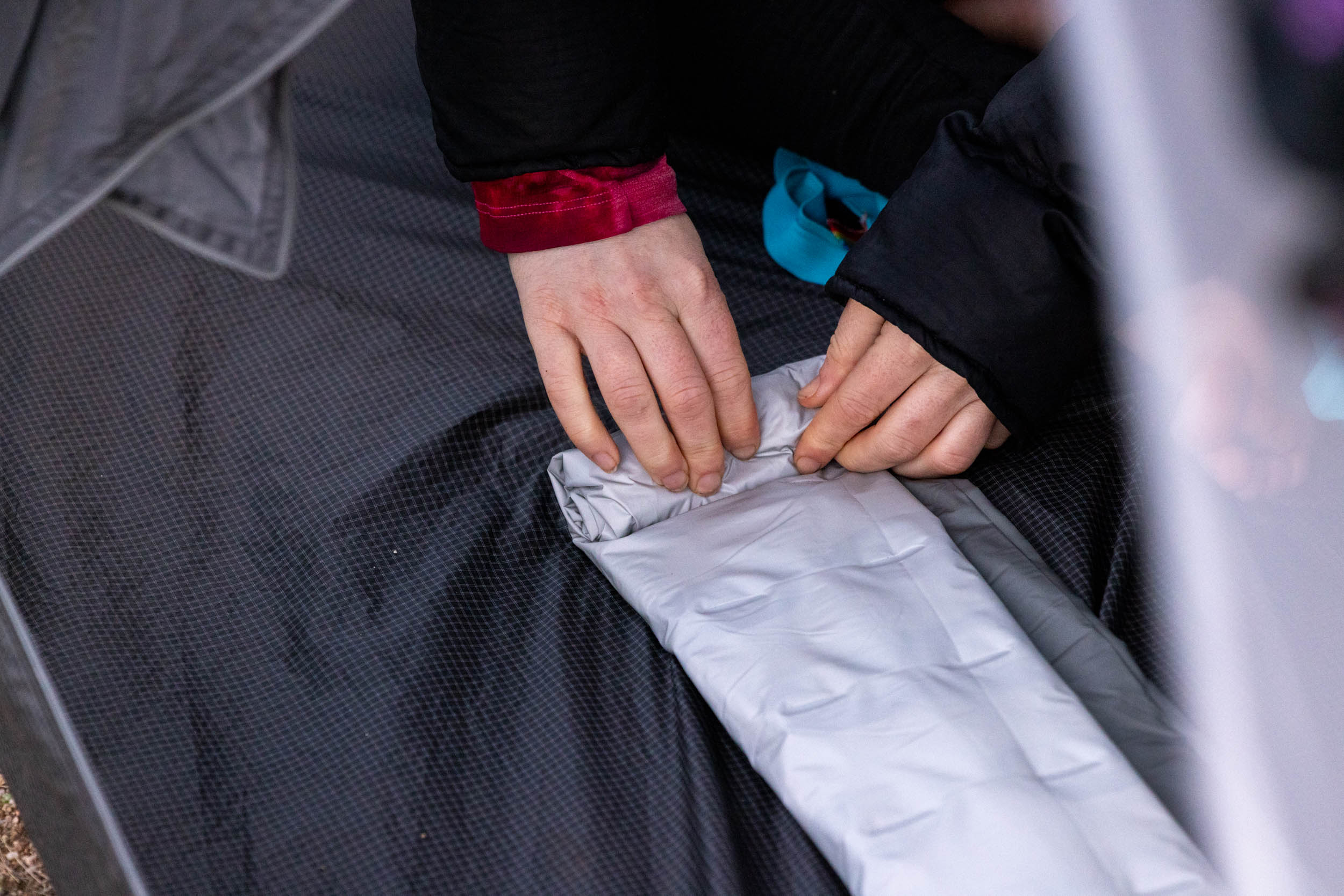
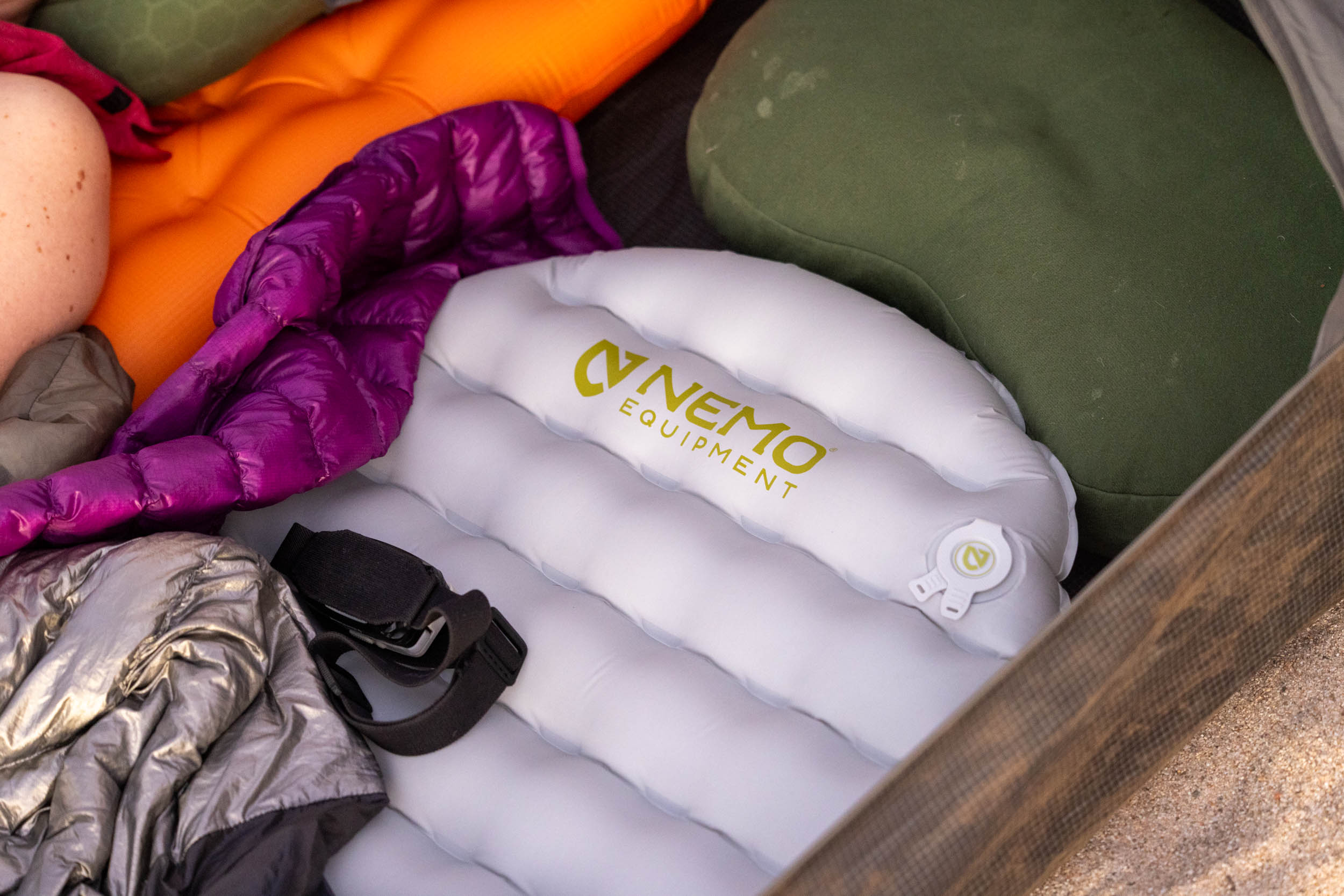
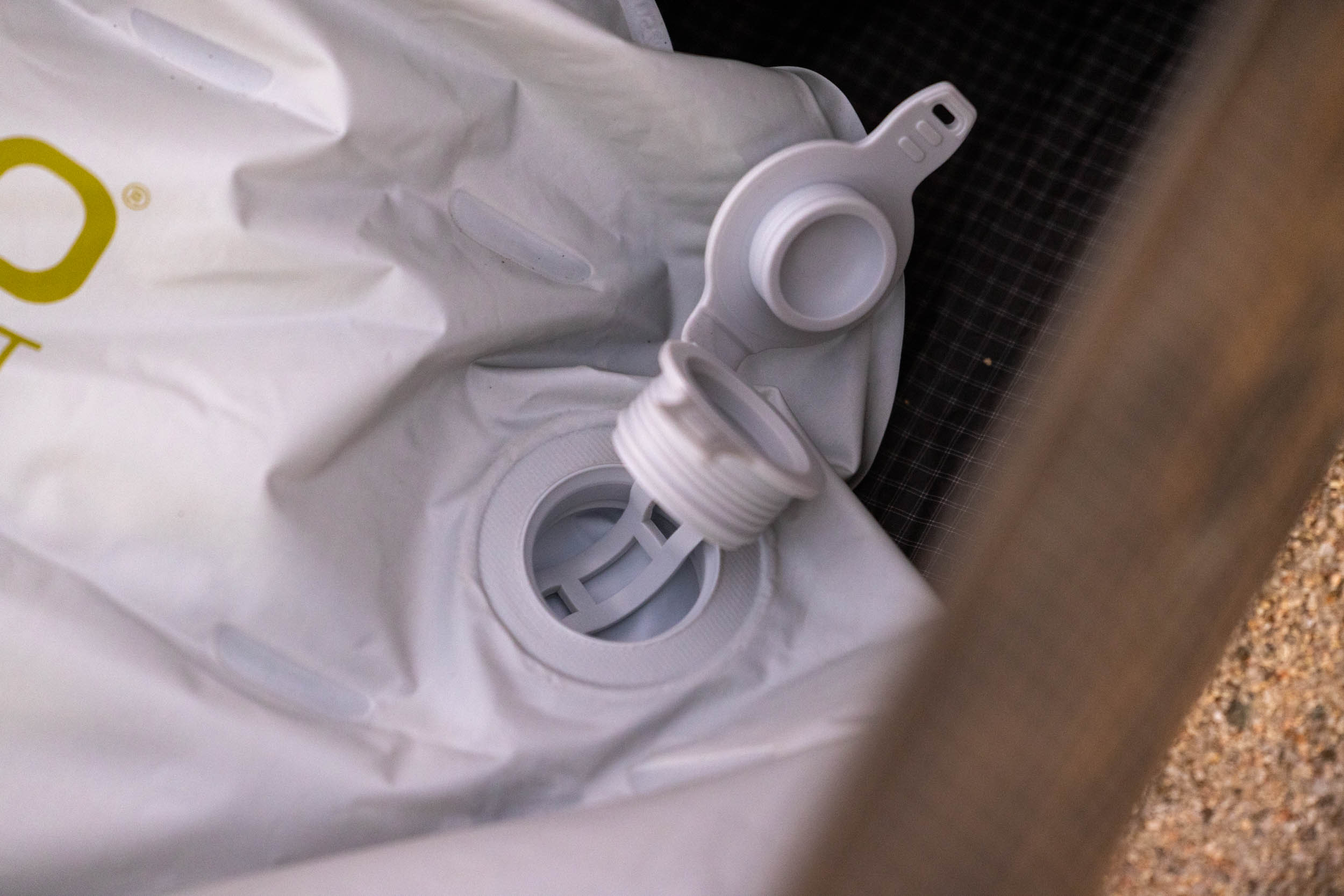

Nemo includes a Vortex pump sack for easy, condensation-free inflation. It takes only four or five sack fills to inflate the pad, which means less time faffing around and more time relaxing at camp. As with the Rab sleeping bag, the exterior fabric can be slick when paired with some sleeping bags. It’s important to find a level camping spot, and some folks might want to add a dozen or so blobs of silicone on the bottom of the pad to keep it from sliding around inside the tent. I used this hack on my original Therm-a-Rest NeoAir, and it works surprisingly well.
I’ve been really impressed with the Tensor Elite. After a week of bikepacking in Baja, an overnighter in Arizona, and some local campouts back home this spring, I have yet to puncture it and haven’t had any durability issues. It packs down incredibly small, but I’d probably reach for the wide mummy version next time for added comfort.
- Material: 10D Cordura Nylon Ripstop, Aluminized Film
- Weight: 328 grams (with bag and pump)
- Place of Manufacture: Taiwan
- Price: $230 USD
- Manufacturer’s Details: Nemo Equipment
Exped Ultra Pillow
A pillow is one of those things that’s easy to eliminate if reducing your pack list is the ultimate goal. It’s also an item I simply can’t go without. I’ve used ultra-minimal stuff sacks that you fill with clothes, and they work, but they aren’t great. I’ve also used featherweight inflatable options, but they normally make my ear go numb when I sleep on my side. For the last few years, I’ve enjoyed my Exped MegaPillow for its size and soft exterior, but the minimalist in me has always known there was probably something better out there.
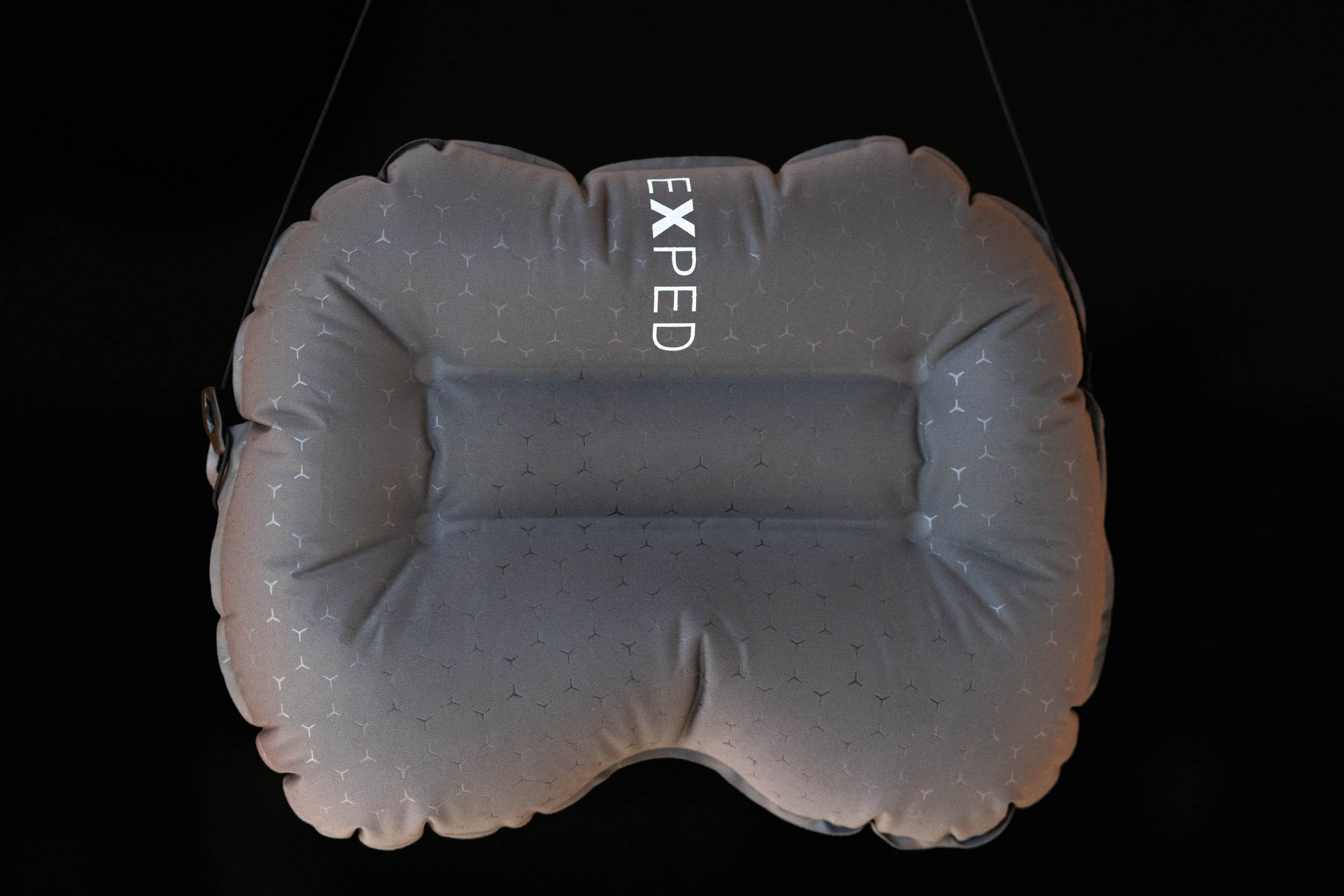
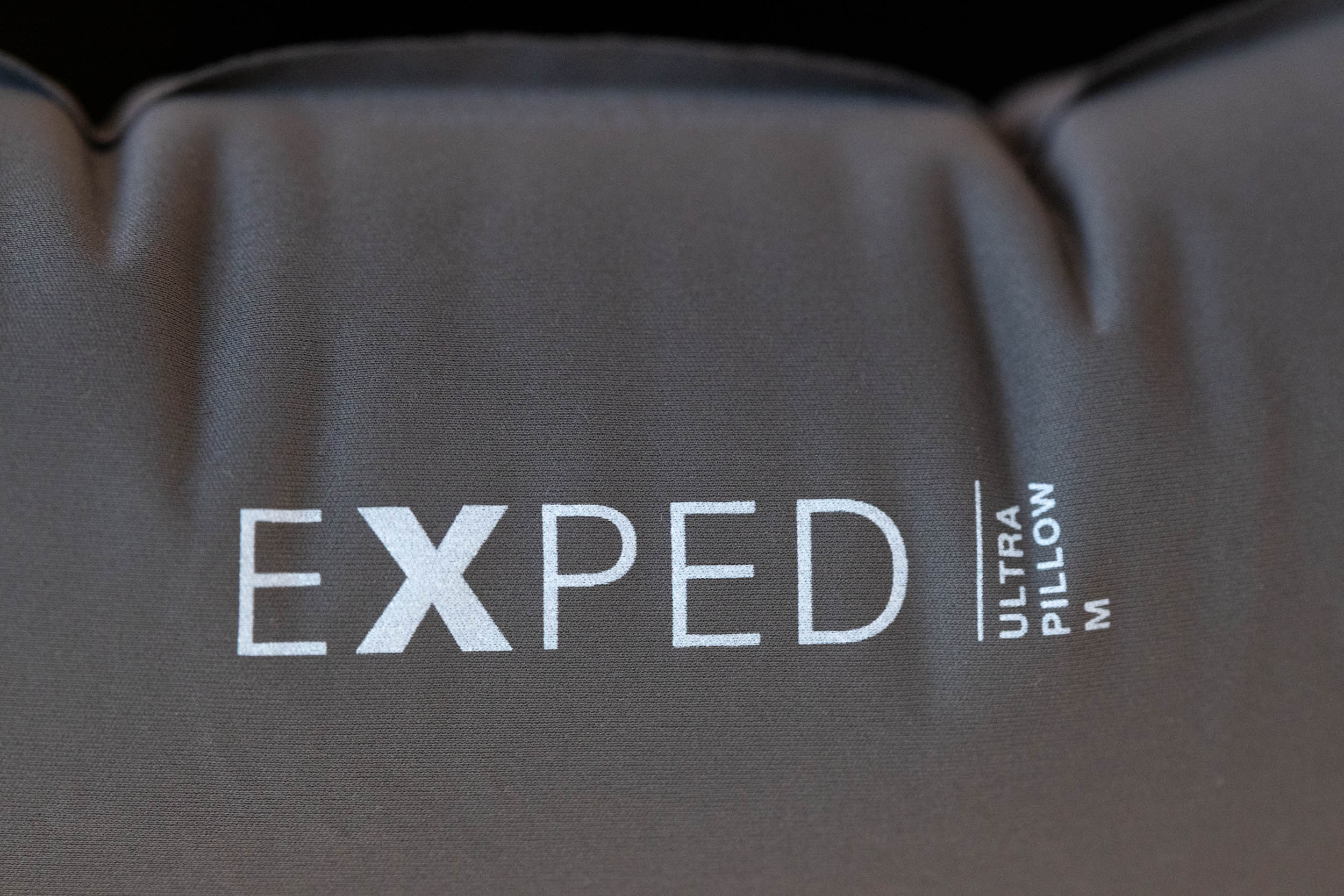
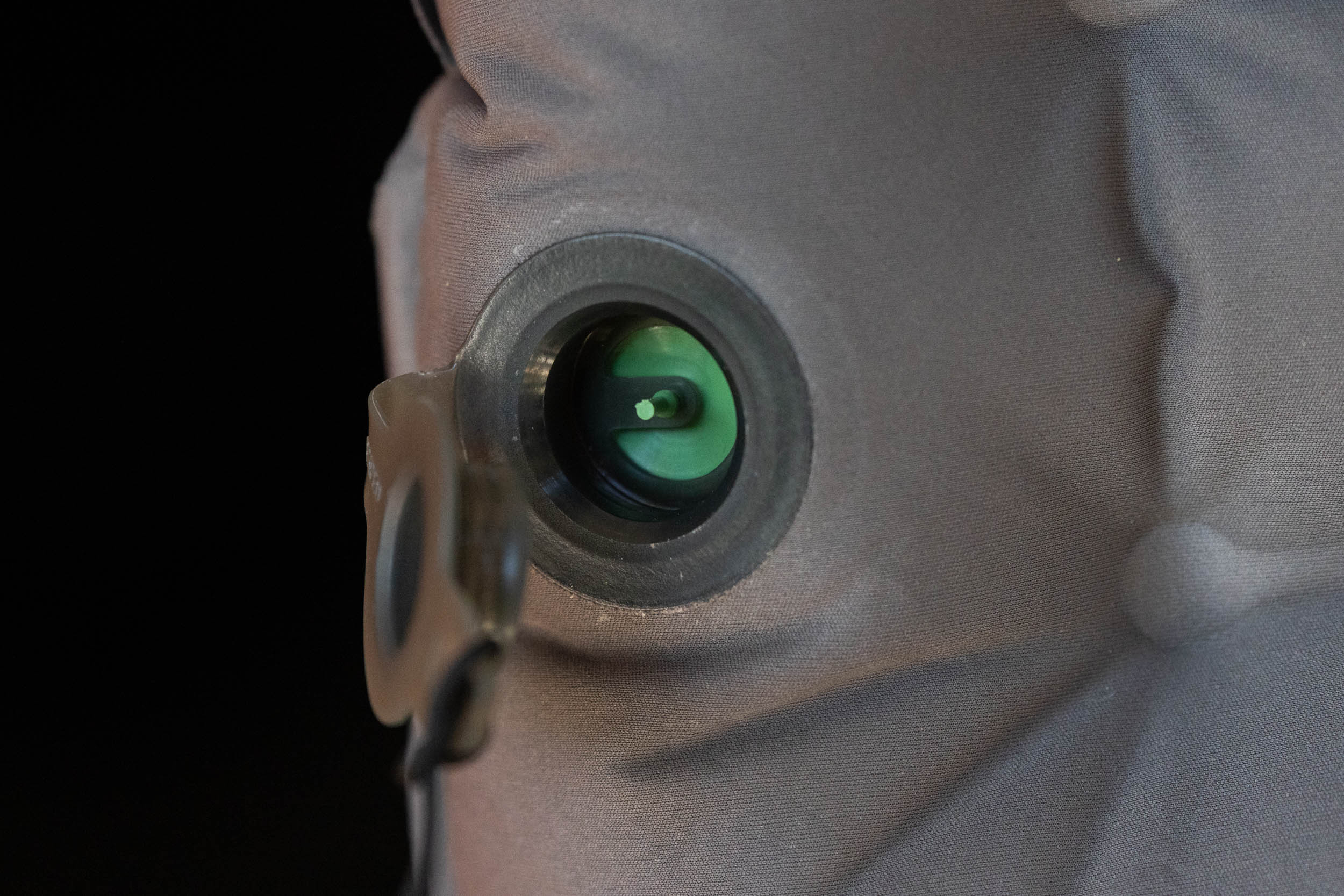
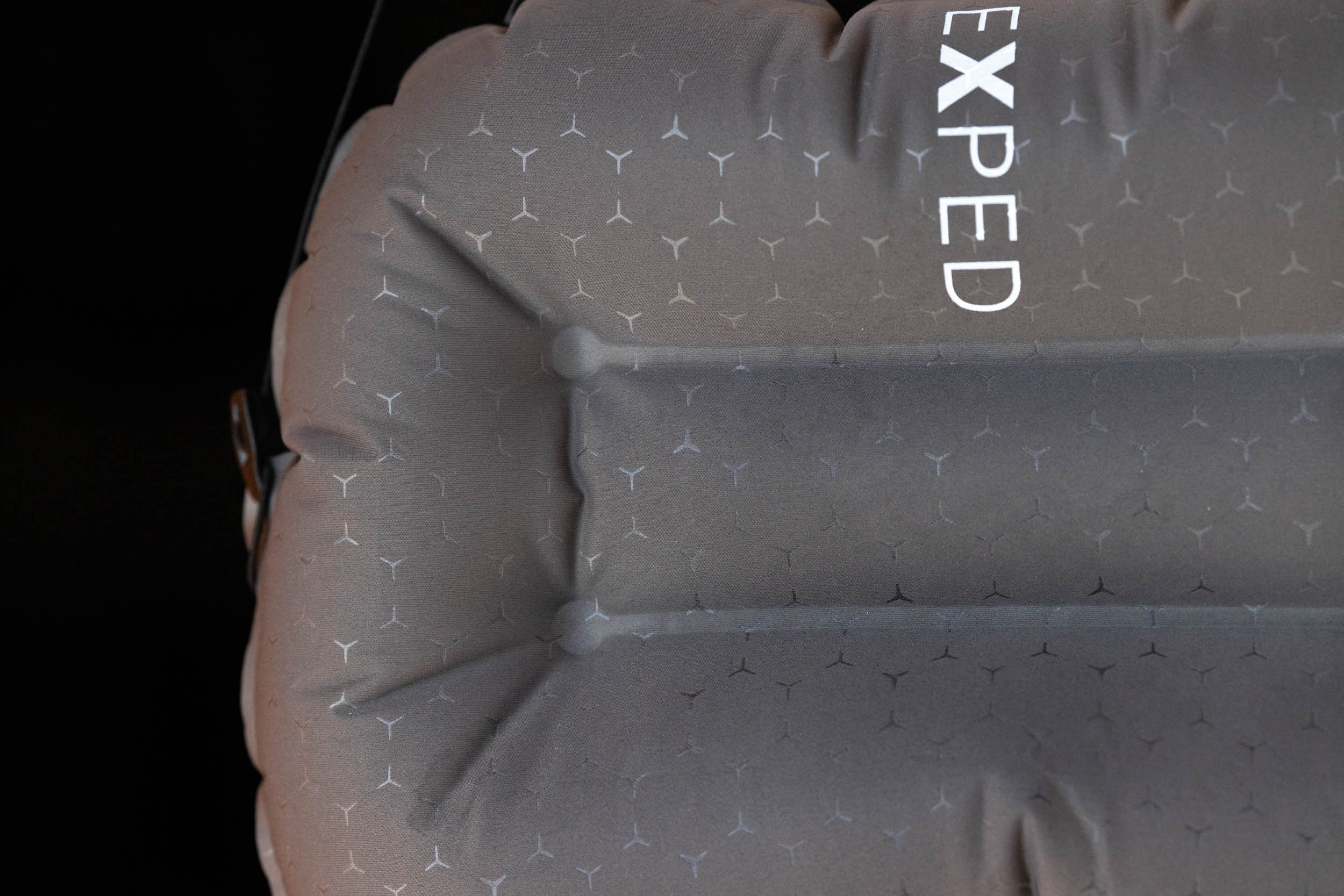
The Ultra Pillow weighs a measly 56 grams and packs down to the size of an egg. It’s so insignificant that I was nervous about bringing it as my only pillow on the Cape Loop. I was envisioning back-to-back sleepless nights, tossing and turning in the Mexican heat, wishing I had packed my larger pillow.
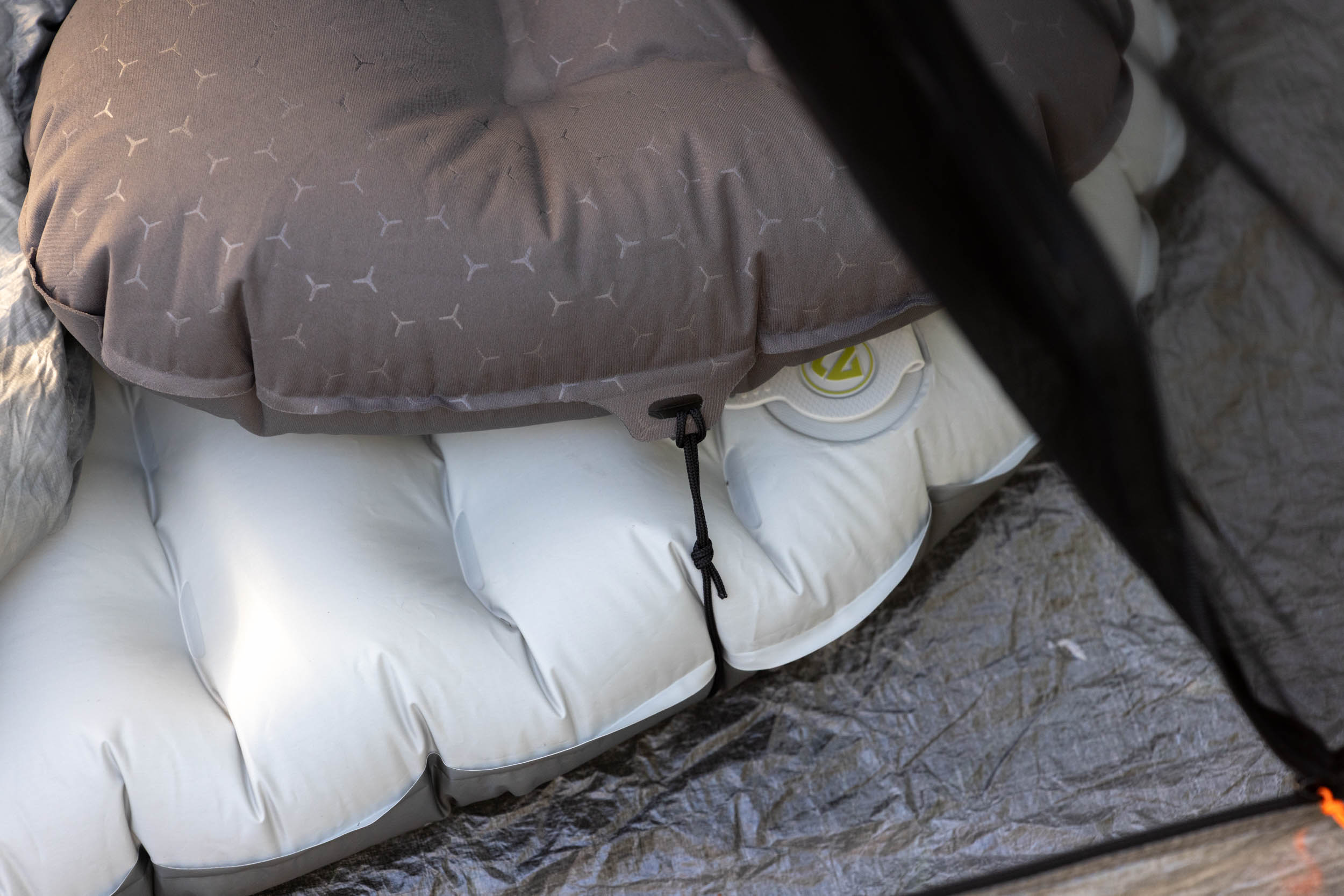
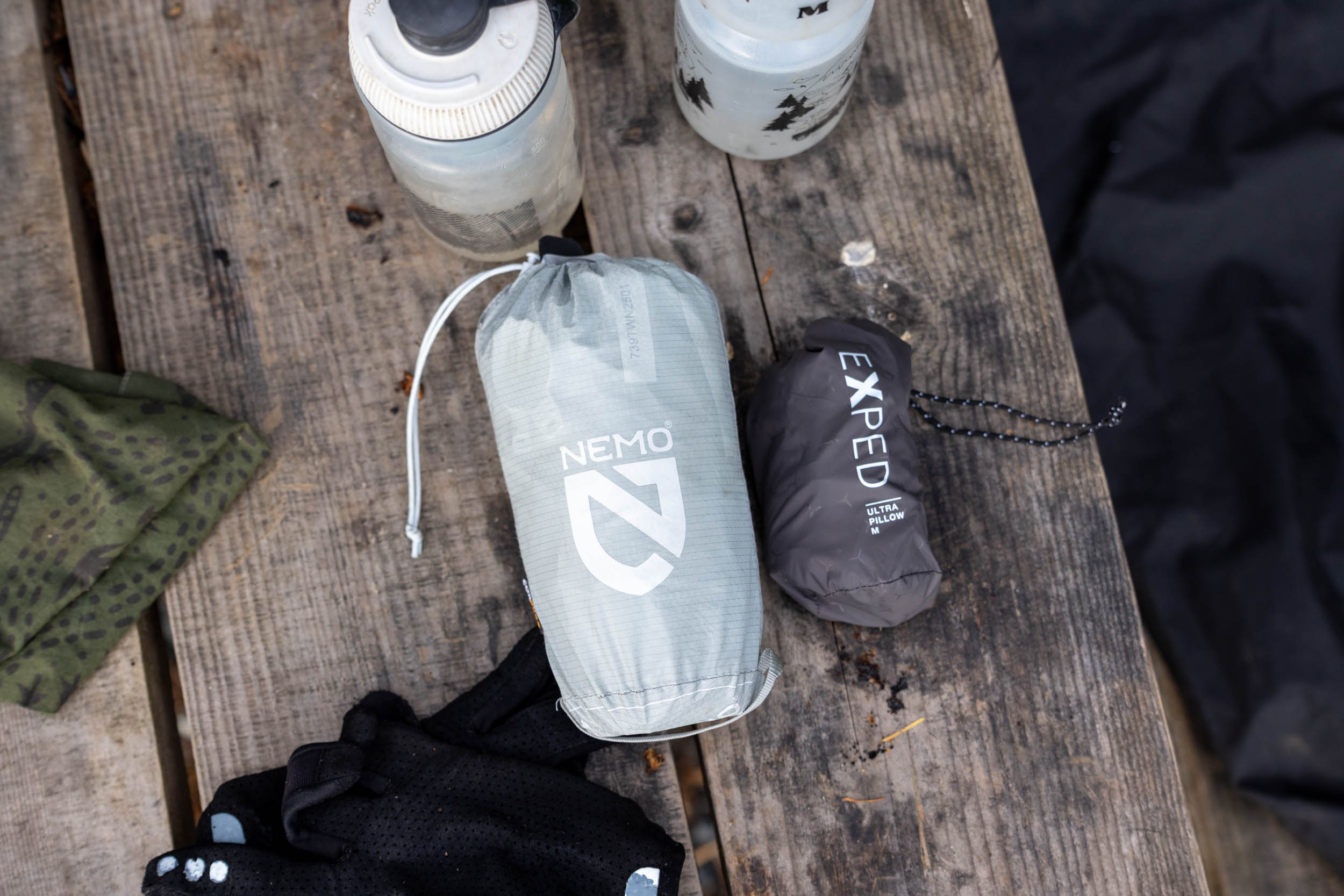
I didn’t go in completely blind, however. There are a few specific features I’ve come to appreciate when picking a camp pillow, and the Ultra Pillow ticks the important boxes. First, it has a curved anatomical shape that cradles the head and neck in a natural, comfortable way. Second, in the center of the pillow is a recessed area that helps prevent your ear from getting crushed if you’re a side sleeper. I opted for the smaller medium version, which is narrower than the large model, and I was impressed with how comfortable it was. It has a nifty little cord and eyelets on each side, so you can attach it to your sleeping pad. At $44, I think it’s money well spent for anyone looking to shed weight without sacrificing comfort.
- Material: 20 D recycled stretch polyester, TPU Polyether film laminate
- Weight: 56 grams (with bag)
- Place of Manufacture: Taiwan
- Price: $44 USD
- Manufacturer’s Details: Exped
Wrap Up
Together, the sleeping pad, pillow, and sleeping bag weigh just 723 grams (1.6 pounds). All that’s missing is a lightweight tent, which I decided to leave out because I regularly switch between single- and two-person tents, depending on the trip. Thankfully, there are plenty of great options available, many of which we’ve reviewed here. I’m currently testing the new Hyperlite CrossPeak 1 tent, which would only add 813 grams (1.8 pounds) to the kit, bringing the total to a mere 1,536 grams (3.8 pounds). A complete sleep kit weighing less than four pounds is nothing short of remarkable, considering these items are usually some of the heaviest and bulkiest gear we carry.
There are likely other options out there that shed even more weight and reduce pack size, but so far I’ve been impressed by the comfort each item offers and how small they pack when used together or as components in a different sleep kit. If there’s one thing I’ve learned over the years, it’s that a lighter, tightly packed bikepacking rig will always ride better than a heavy, bulky setup. Not all trips allow for this, but for warm-weather rides when I want my setup to be as minimal as possible, this configuration seems hard to beat.
Further Reading
Make sure to dig into these related articles for more info...


Please keep the conversation civil, constructive, and inclusive, or your comment will be removed.