

 Singletrack/MTB
 Gravel/All-road
 Dirt-road Touring
 Fat-bike



Vittoria Peyote Review: Quite the Trip




With dozens of options cropping up in the gravel and XC space over the last few years, Nic has spent significant time trying to find the ideal tire that’s light, durable, fast, and offers plenty of grip. In his Vittoria Peyote review, he finds out whether these XC race tires tick all the boxes…
PUBLISHED Feb 12, 2026
Riding shots by Luis Espel
If there’s one conversation that has consistently dominated the gravel space in the last few years, it’s tires. From optimal pressures to casings and their effects on overall rolling resistance, the genre’s obsession with performance has sparked debate over which tires are best. Due to professional racer Dylan Johnson’s extensive testing and research on the subject, the 2.25” Continental Race King became the gravel tire du jour. Renamed the Dubnital in mid-2025, most riders opted for the tire because of its extremely fast casing and decent puncture protection.
Some, like me, were influenced toward the Race Kings as much by style as substance. After seeing Matt Whitehead’s Crust Nor’Easter in early 2020 (and failing to find any Speed Kings on eBay), it dawned on me that I could outfit my Bombora with similarly large rubber. After putting a few thousand miles on 650b x 2.25” Race Kings, I not only fell in love with the soon-to-be-discontinued tire but also with the 2.25” size in general. Providing plenty of grip without a discernible loss in speed, the 2.25” width felt like the perfect size for the kind of riding I desired: varied, unpredictable, and inconsistent. It’s a description I’d say fits my riding to a tee, and a lens I judge any tire through. When Vittoria launched their Peyote tire, the combination of a quick-looking tread and race casing piqued my interest. In my review of the Vittoria Peyotes, I dig into whether these new XC Race tires fit the goldilocks zone that any good gravel tire should.
Peyote Power
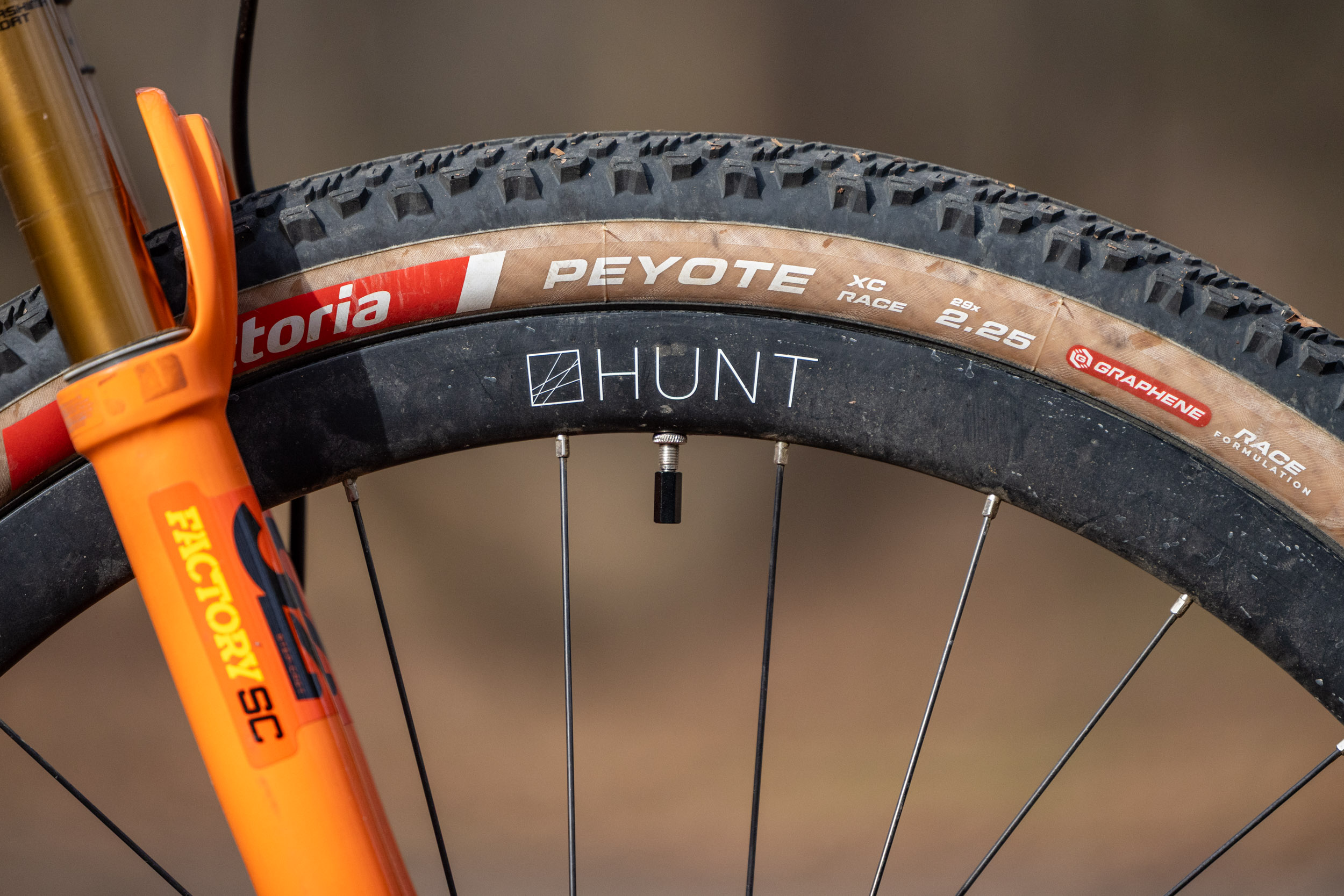
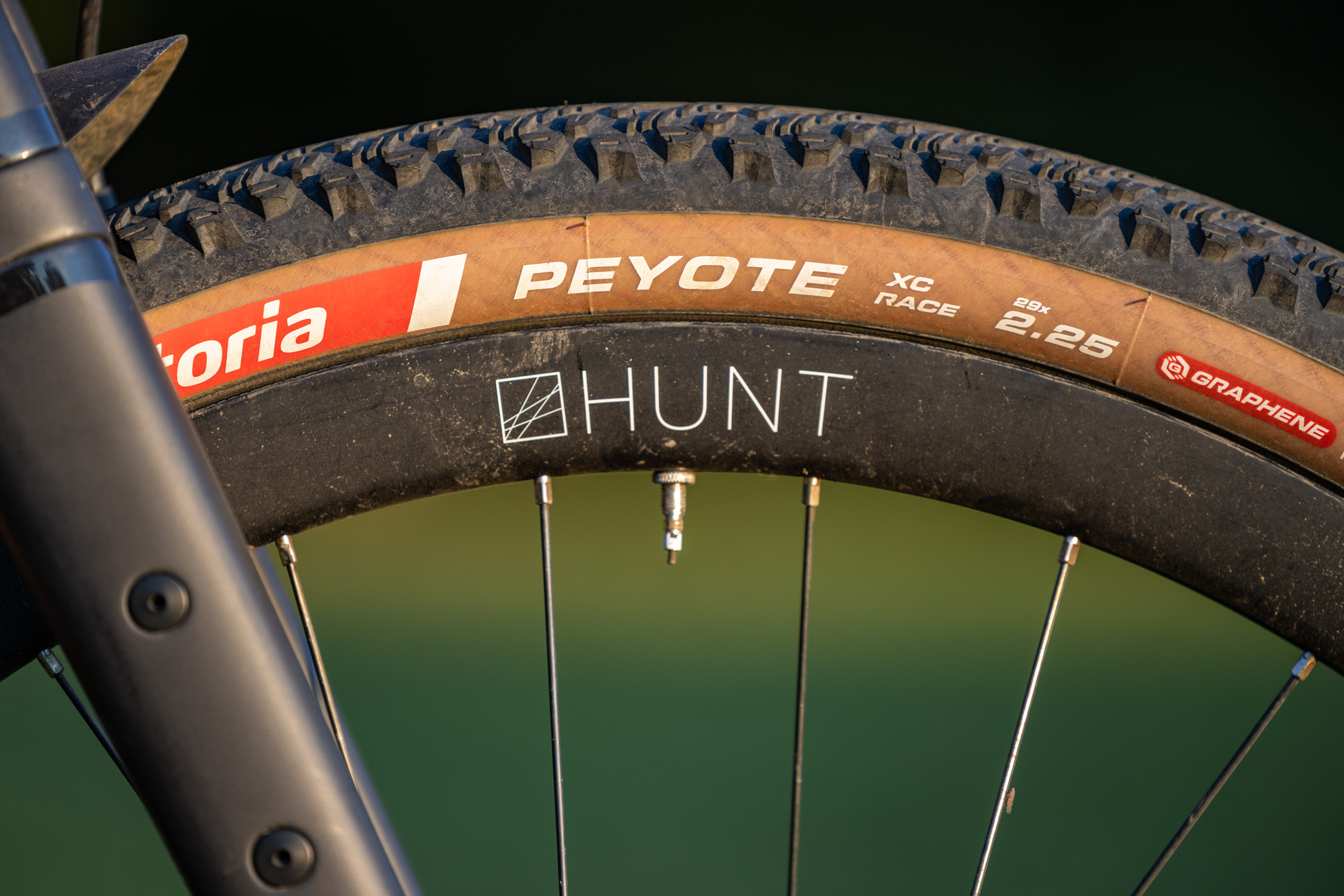
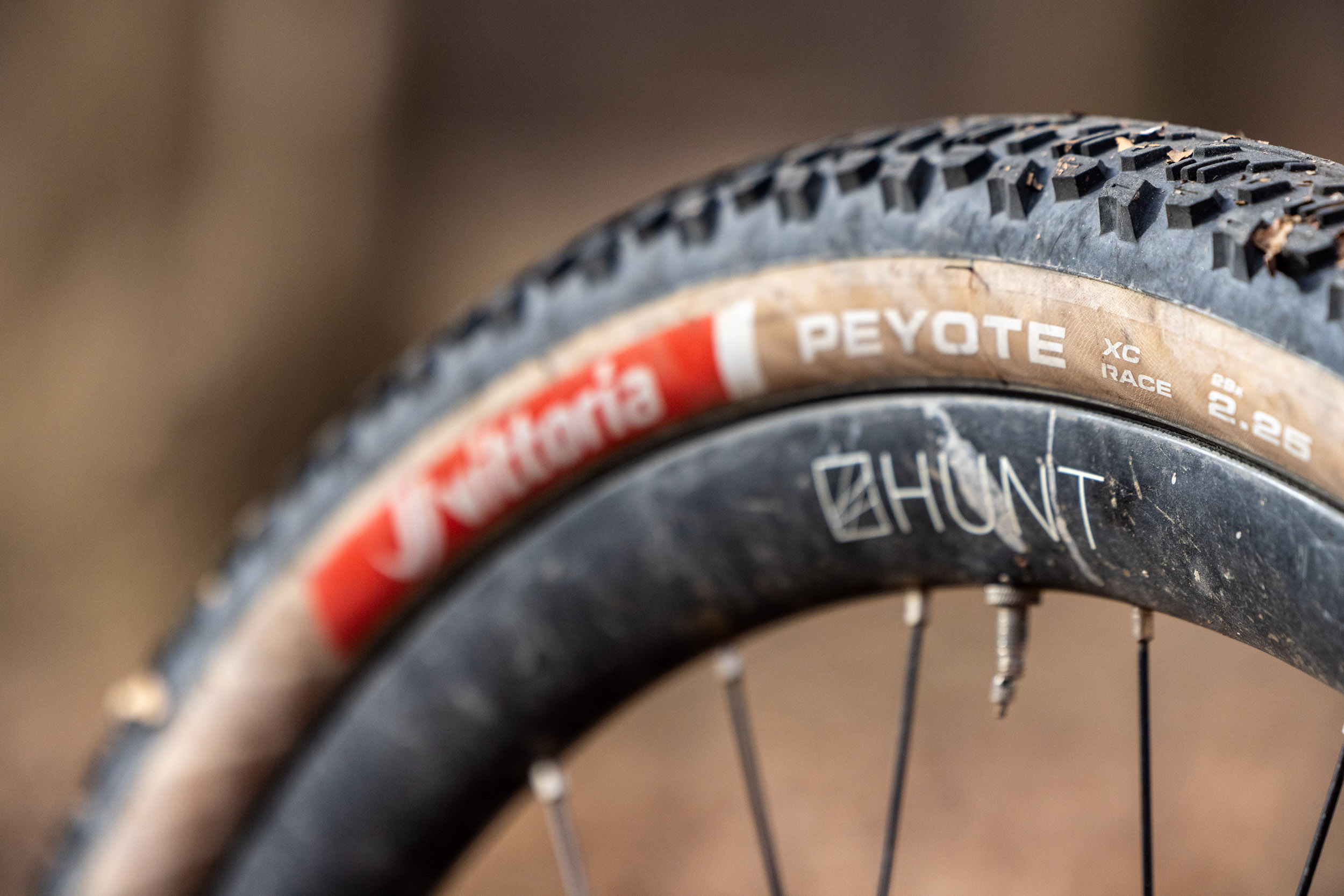
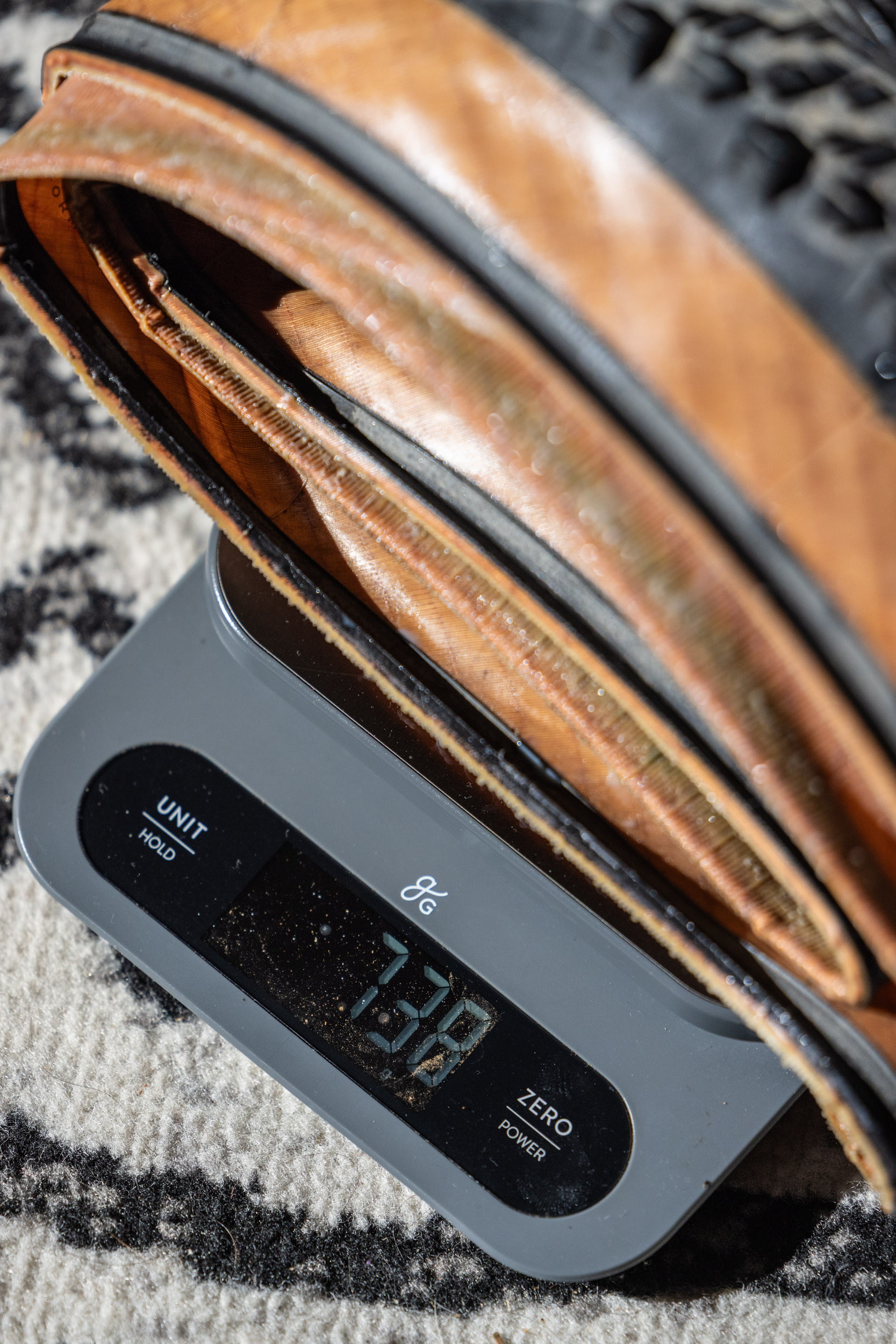
Released in spring 2024, the new Vittoria Peyote features a significant update from prior iterations of the tire. With a new race casing and V-shaped tread designed to shed mud from the center, the Peyote is positioned as the brand’s fastest and least gravity-oriented mountain bike offering. Available in 29 x 2.25” and 2.4” widths, their XC Race compound is the more expensive of the two Peyotes. The XC Trail is slightly less costly and available in a broader range of widths, 2.1” through 2.6”, but is a whopping 150 grams heavier. In my testing, the Peyotes measured out to a 2.2” width on 25mm internal rims and came in at 738 grams—48 grams above their advertised 690 gram weight.
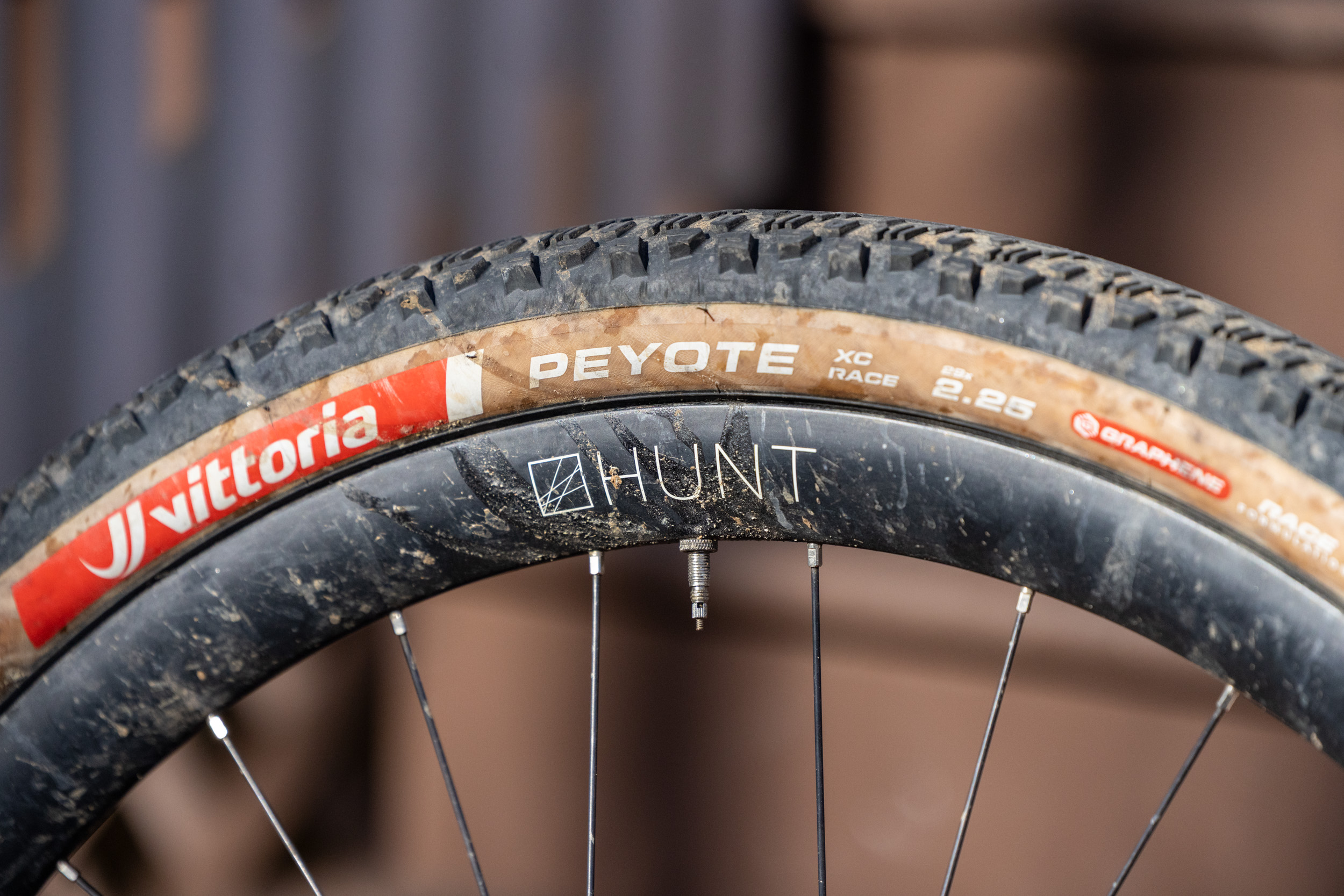
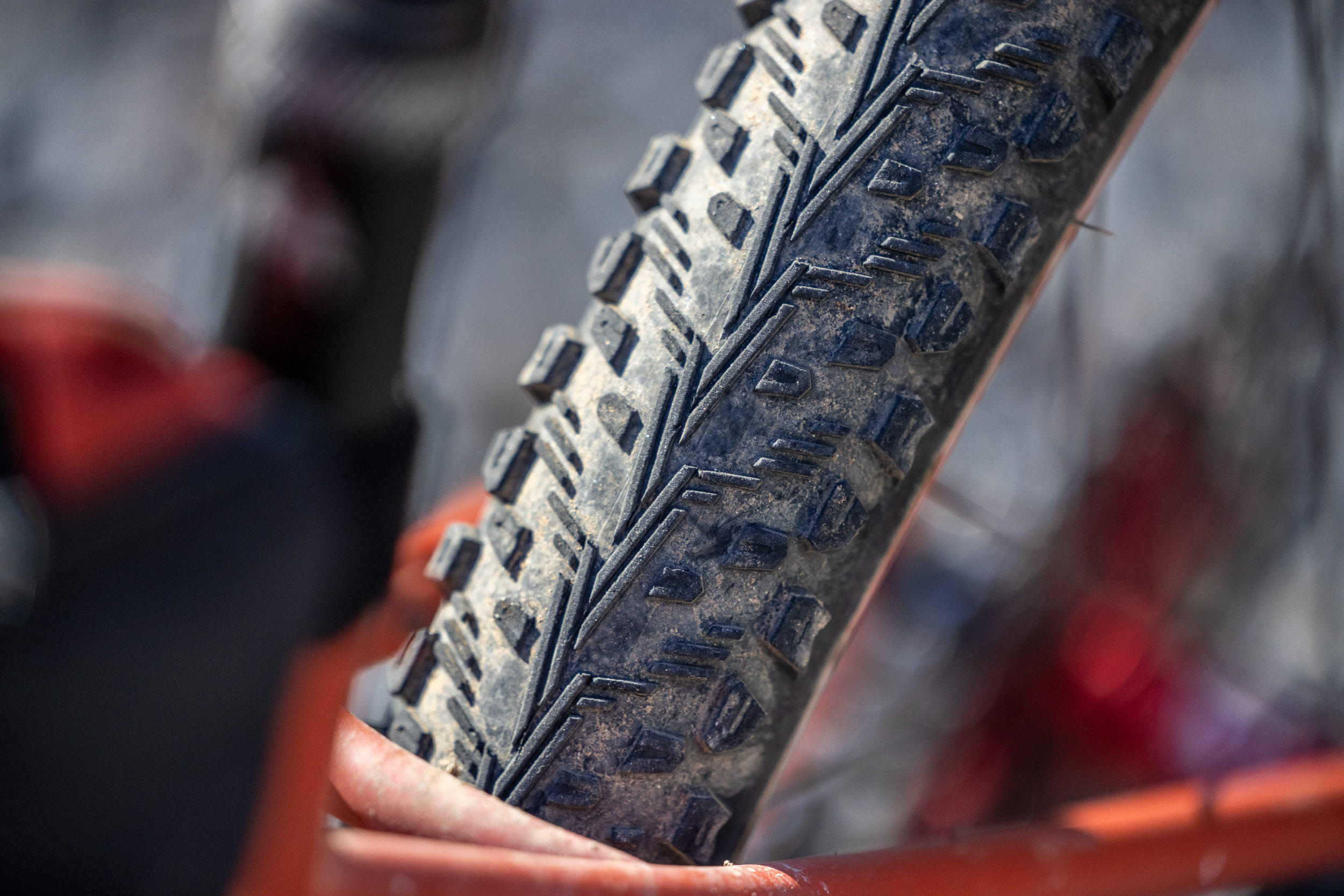
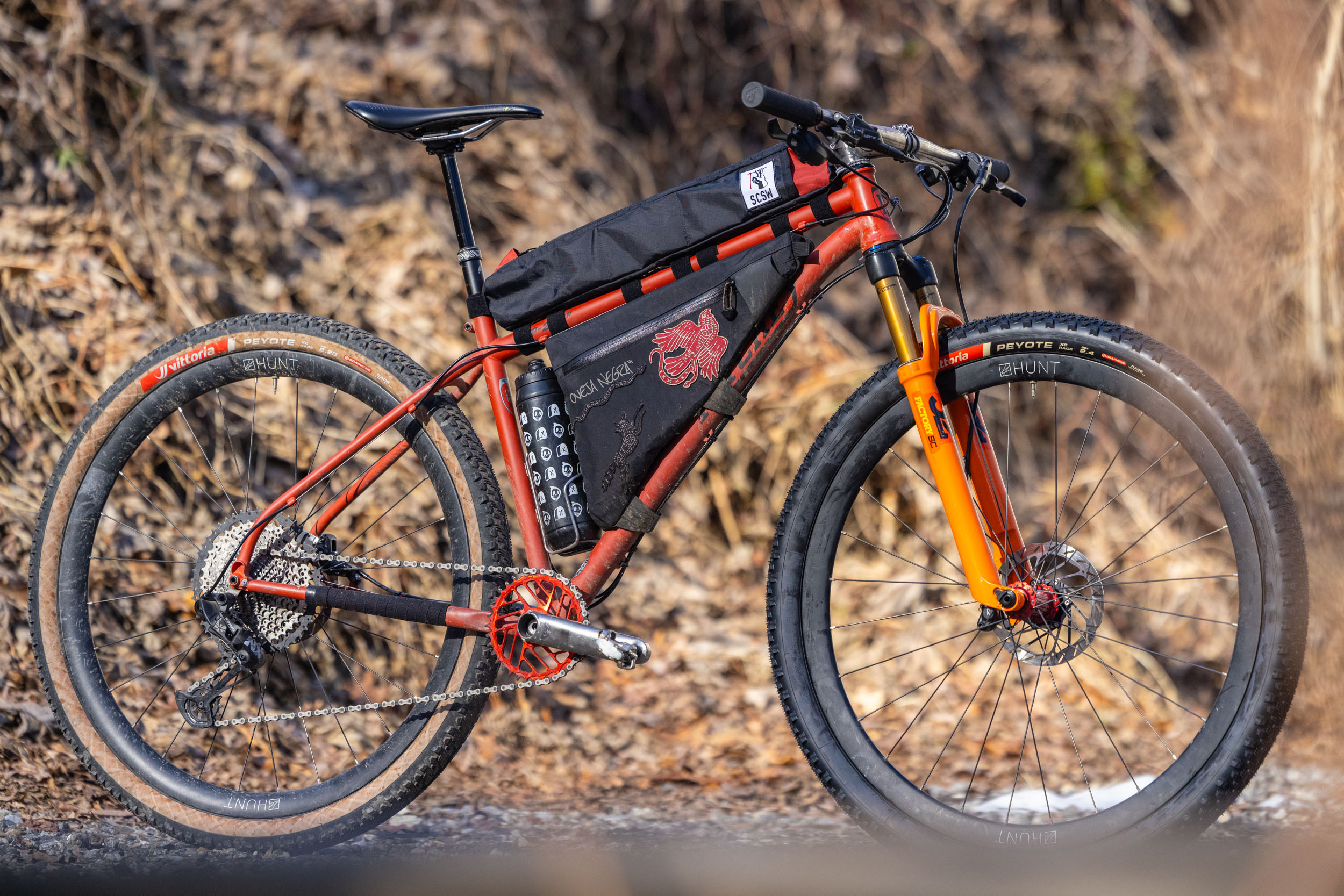
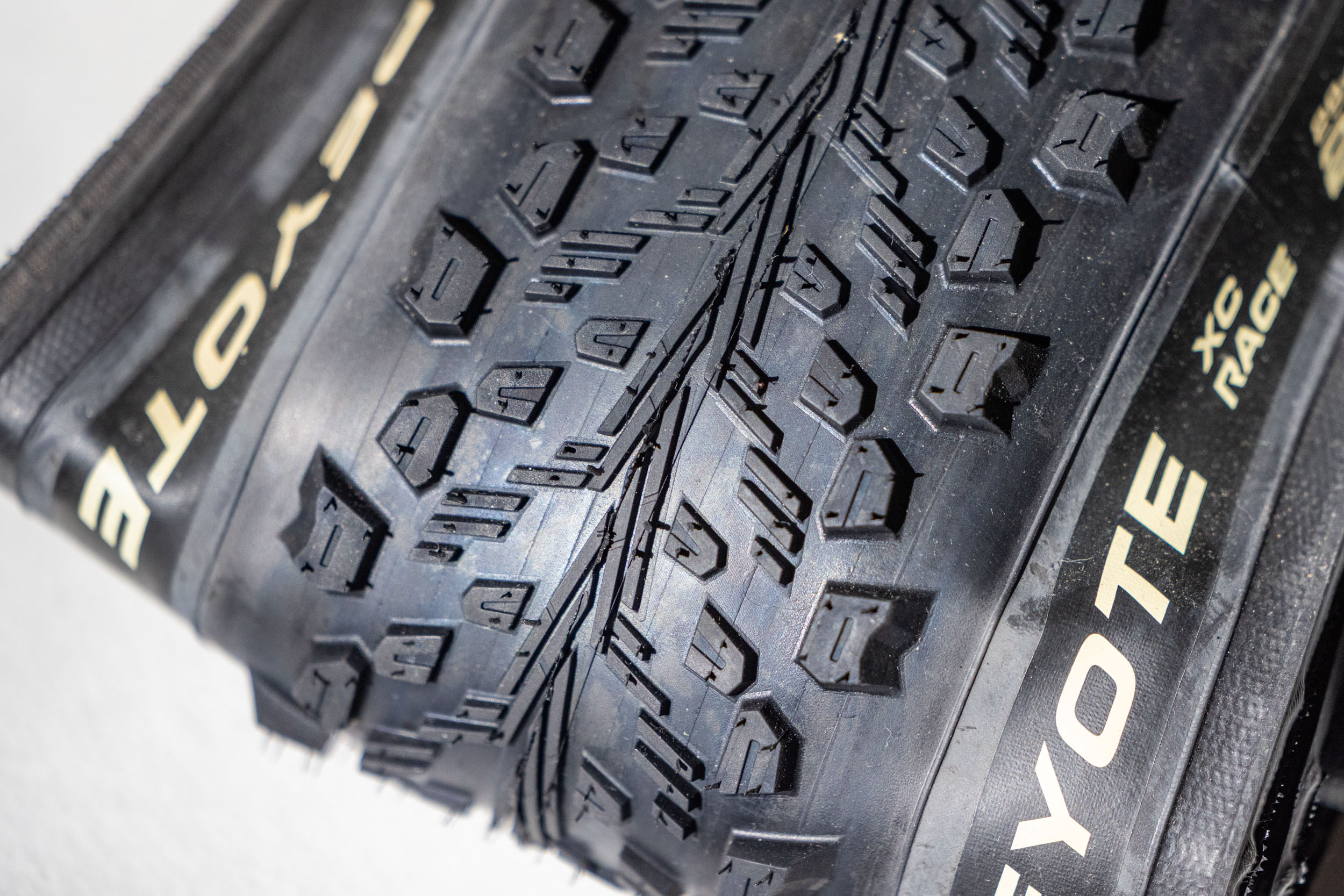
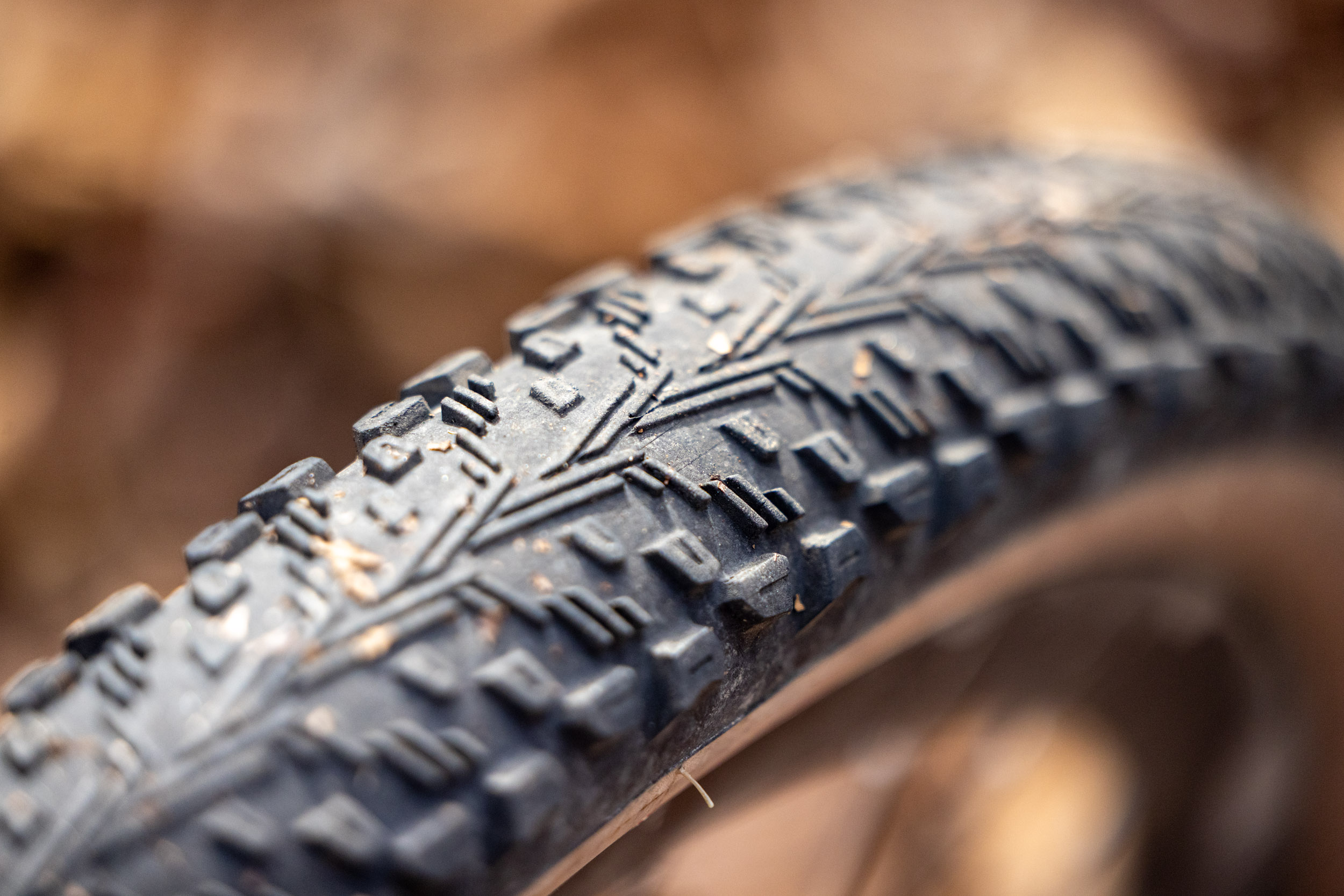
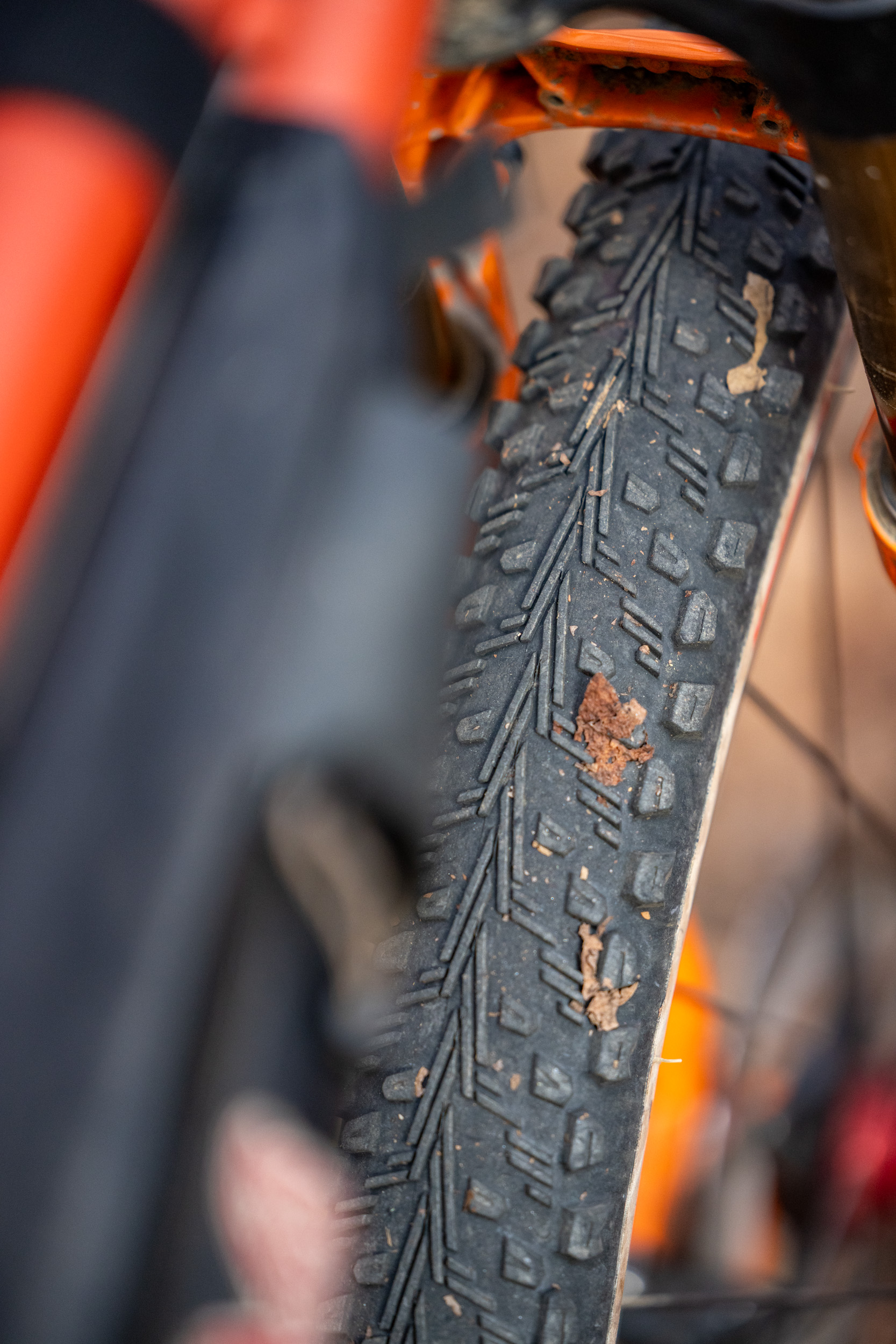
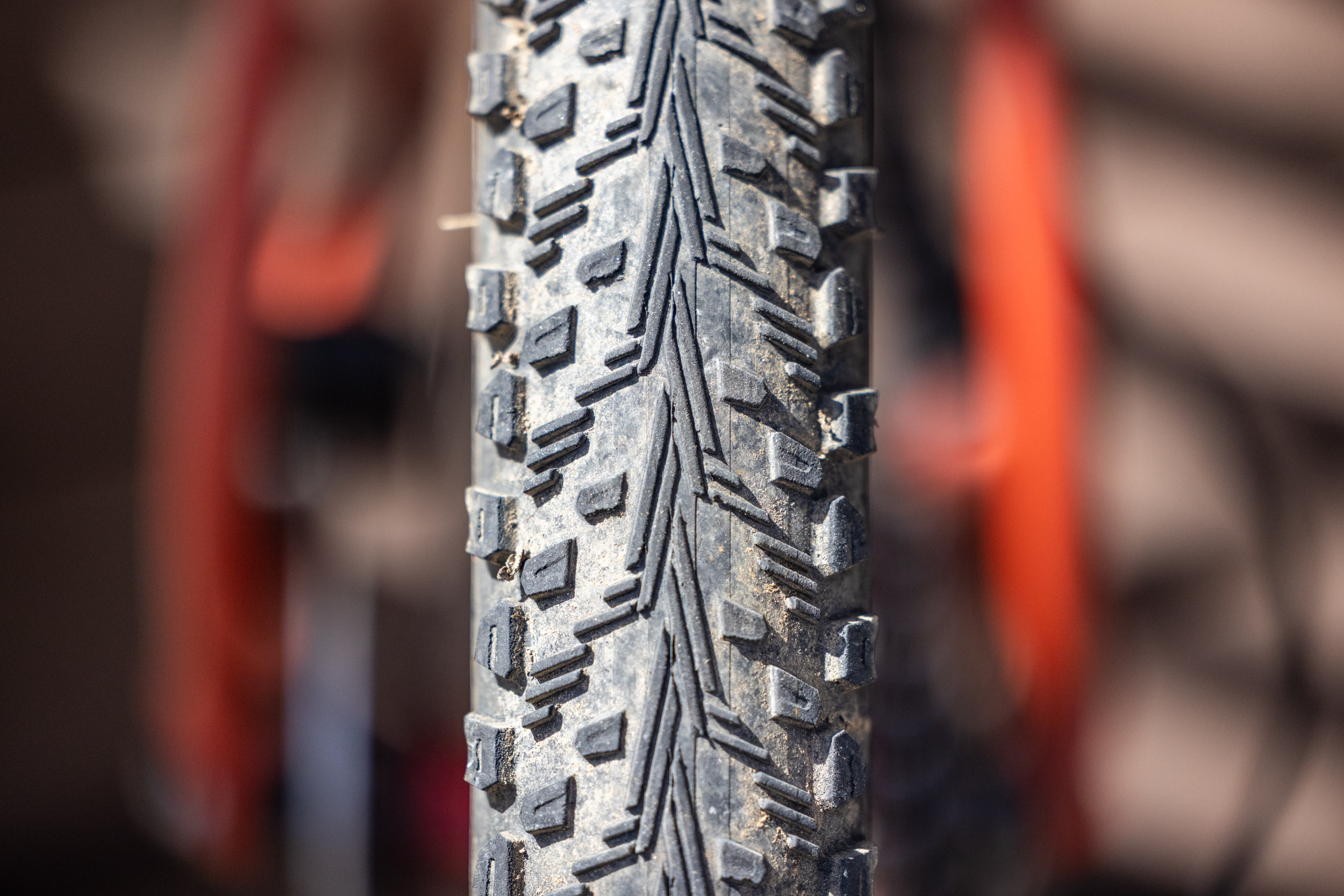
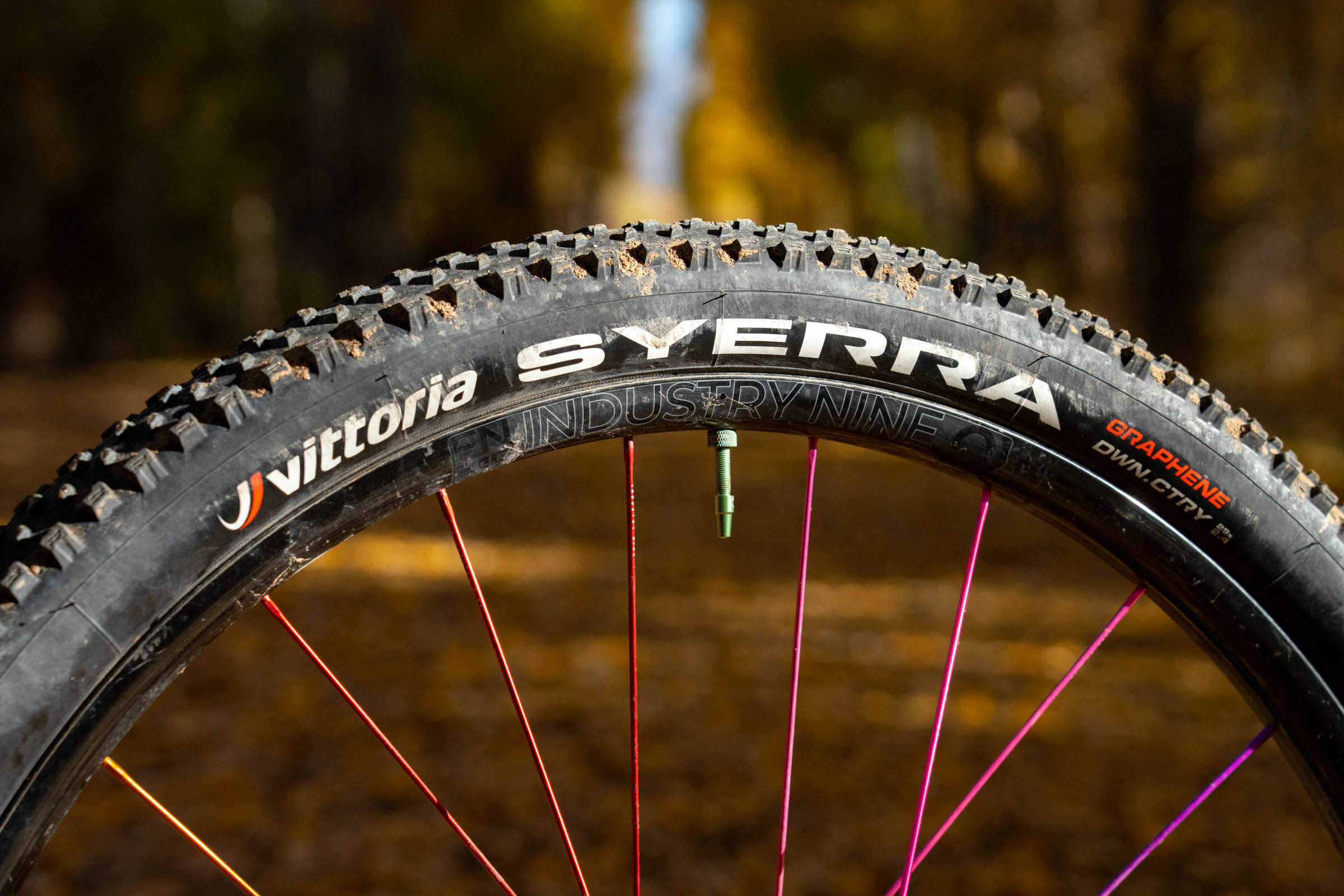
Along with the V-shaped center tread, the Peyotes feature large, slightly offset lugs on the very edges of the tire. Smaller transition lugs dot the space between the main centerline and the edge lugs, creating a varied directional pattern across the surface. It’s not too dissimilar from other tread patterns I’ve spent a lot of time with, such as the Teravail Rutland and Continental Race Kings. But the element making the biggest difference here is the V-shaped center tread. With less height and more surface area than many other center tread lines, the V-shape is something of a double-edged sword. In my experience, it doesn’t wear down as quickly as other center tread lines, and it sheds mud and persistent dirt more effectively than other designs. However, the grip through the center of the tread, particularly in the rear when slowing quickly, doesn’t match that of other options in the same category.
Despite my best efforts, the Peyotes skitter across the surface on aggressive downhill terrain, such as the middle and lower sections of the Black Mountain trails here in Pisgah National Forest. It’s nothing quite as bad as I experienced with something like the Rutland, but it’s clearly not ideal in scenarios where braking traction is critical. The same is true when climbing out of the saddle on exceptionally steep grades, something that had the pit in my stomach opening up when I raced these tires to a third-place singlespeed finish at the 2025 Pisgah Monstercross race. Though I tend to lean a little too far forward on steep climbs, these break traction more than other tires in the same category, especially as the tread wears down.


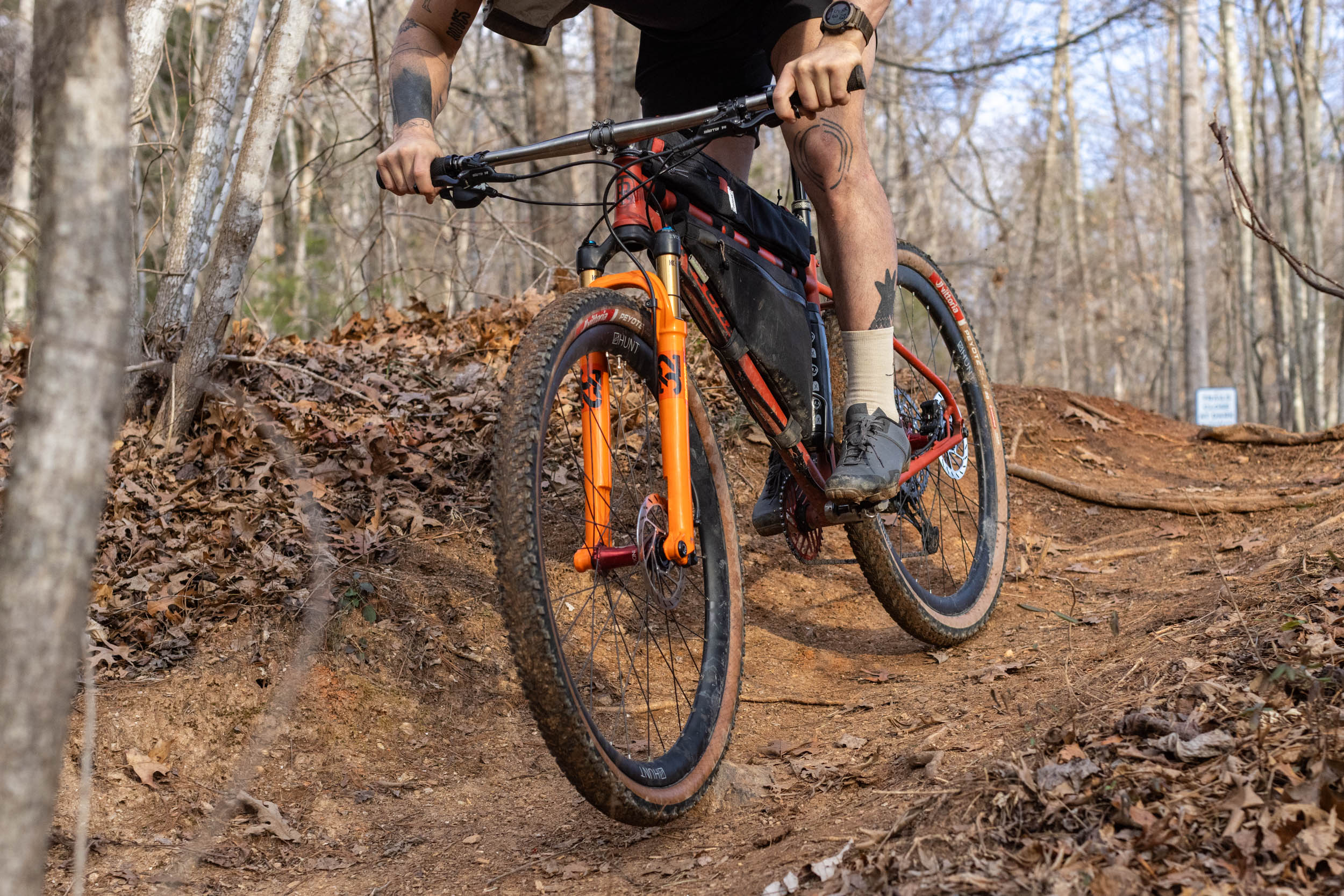
That said, I want to make a distinction between the performance of the pure centerline tread and that of the side lugs. A little taller than other offerings, the side lugs make a notable difference in traction. So much so that I was able to eliminate some traction braking moments on repeat runs by simply leaning the bike a bit further into the lugs. It’s only applicable in situations where an upcoming turn allows for the space to really lean, but it made me realize how much the transition and side lugs are doing. It’s also notable in rooty sections, where the casing fully deforms over the uneven, slippery surface and pushes through without issue. Despite my traction-breaking experiences on dry, fast terrain, I never slipped or lost confidence on roots and rocks. Part of that is undoubtedly down to the casing, but I believe both the lugs and softer XC race casing are working in tandem to deliver solid performance here.
The Peyotes are also among the fastest-feeling tires on hardpack and paved surfaces. Anyone who rides a lot of mixed terrain will likely admit to succumbing to some sort of efficiency anxiety when they hear or feel their tires grinding against hard surfaces. That uncomfortable feeling is absent with this version of the Peyotes, as I never felt overly draggy when bridging dirt sections via the Blue Ridge Parkway or a backcountry road. In my opinion, 2.25” tires are incredibly fun to ride pavement on, and the Peyotes are no exception.
Coming Down
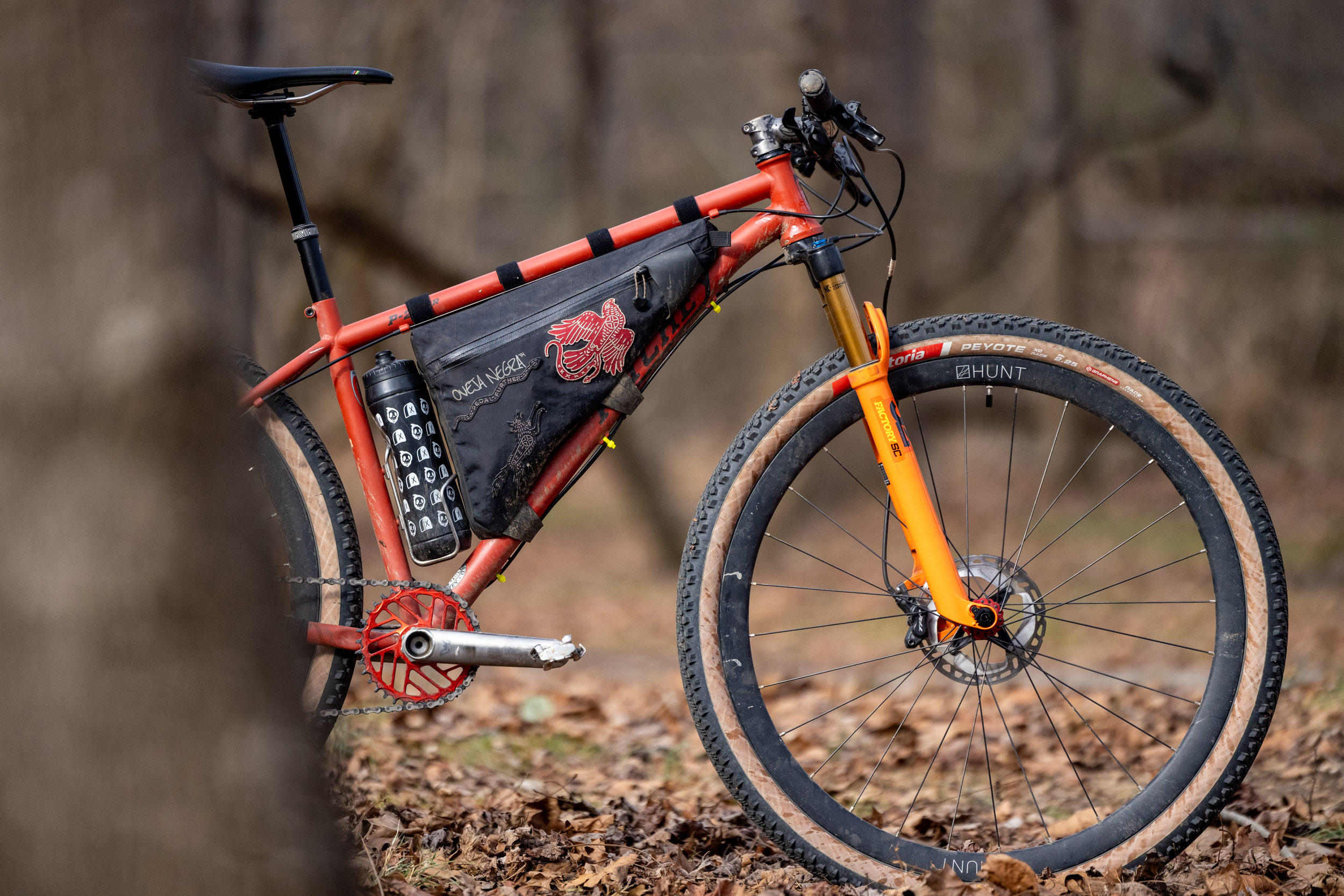
One trend I’ve always been hesitant about is ultra-light casing tires. Growing up and riding in Orlando, so much of what they’re subject to is the worst part of the pavement. From glass to car accident detritus, it’s not a nice place for a tire to be. It’s so bad that I would routinely get punctures in the short, .98-mile commute from my job to my apartment. As a result, I pretty much swore off lighter casings. Things are much better here in Asheville, but I still have my doubts. With a 60TPI “race” casing on the Peyote, it’s far from the most fragile tire on the market. I imagine much of what makes the tire feel as fast as it does is the rubber compound, as Vittoria emphasizes its use in fast, race-like scenarios.
In my time with the Peyotes, I experienced just one puncture on the lower section of the Black Mountain trails. It was dry, rocky, and well into my test period with the tires, so it’s not something I was surprised by, given how many hard miles I’d already put them through. I really pushed the limits of what I was capable of on that day, so a squishy feeling by the time I hit the parking lot wasn’t a shock. However, the puncture occurred in the center of the tread, rather than a sidewall slash where the rubber is thinner, which was a surprise. That said, over many months and different pressures, on trails and big days out in the forest, I never experienced the uncomfortable, squirmy sensation associated with lighter casings. It was more than a comfortable ride when I had the pressure dialed in (22 PSI felt good at around 175 pounds), and I was more than happy with the amount of use I’ve gotten out of the tires. The tread is still in great shape after just over a thousand miles on this set, and I could easily go another few hundred with similar performance.
During my time testing the Vittoria Peyotes, I used them on both my Ritchey P-29er and Velo Orange Chessie. While the latter is undoubtedly a gravel bike, the former is a traditional cross-country bike that I’ve used in various setups. The point being, these tires, like my riding style, fall somewhere between lighter cross-country mountain biking and gravel. With both bikes, these tires influenced me to lean more into areas they weren’t necessarily optimized for. Taking on mountain bike trails with the Chessie and hitting a bit more road with the P-29er, my willingness to take on terrain outside either bike’s intended range is a sign of a well-rounded tire.
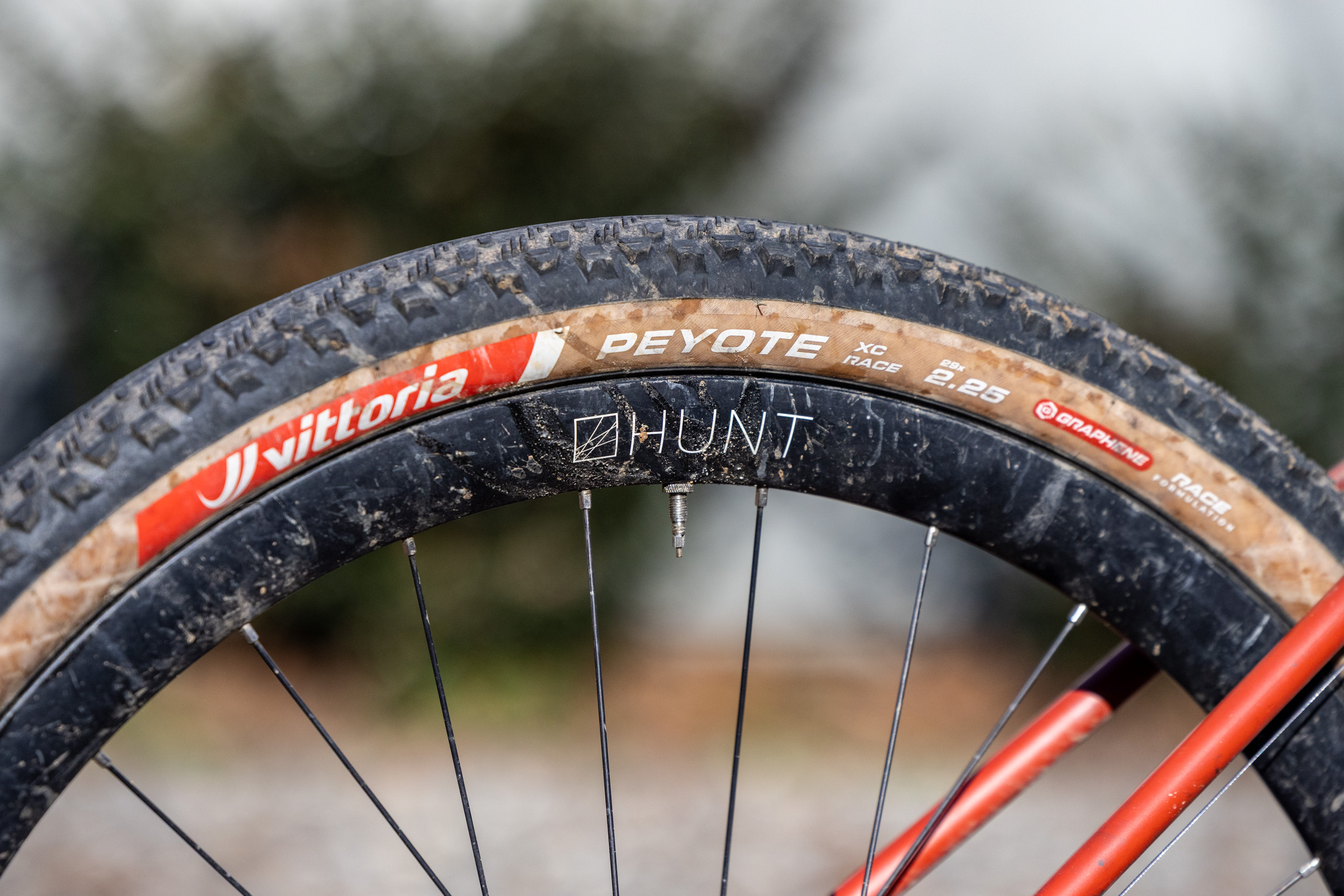
- Model Tested: Vittoria Peyote XC Race 29 x 2.25”
- Actual Weight: 737 grams
- Price: $106 at Vittoria
- Manufacturer’s Details: Vittoria
Pros
- A light and fast all-rounder that will satisfy most gravel/XC purposes.
- Aggressive side lugs make a big difference.
- V-shaped center tread line works to eliminate mud and stubborn dirt.
- Vittoria’s race compound is supple without being overly fragile.
- Long-lasting.
Cons
- There isn’t a ton of traction through the center tread.
- Not cheap at $106.
- Widths are limited in the XC Race casing.
- Heavier than advertised.
Wrap Up
After more than 1,000 miles on the Vittoria Peyotes, I am more than satisfied with my experience. While they haven’t unseated the Race Kings as my favorite tire of all time, their combination of a fast compound with decent grip has made for a tire I don’t have to worry about on my longest days from the door. Though there are better options for specific trails and scenarios, what’s best about the Peyote is its ability to deliver as an all-rounder. That may be an amorphous term that means something different to everyone, but earning that title in the rough, rooty, rocky terrain of Western North Carolina is hard-fought. Sturdy enough to stand on its own, there’s a case for pairing the Peyote with some of Vittoria’s more aggressive treads for the perfect combination. But, for anyone looking for a tire to push the limits of the gravel or lite-XC bike, the Vittoria Peyote offers a well-rounded profile.
Further Reading
Make sure to dig into these related articles for more info...


Please keep the conversation civil, constructive, and inclusive, or your comment will be removed.