

 Singletrack/MTB
 Gravel/All-road
 Dirt-road Touring
 Fat-bike

What I’d Do Differently (If I Didn’t Work in the Bike Industry)


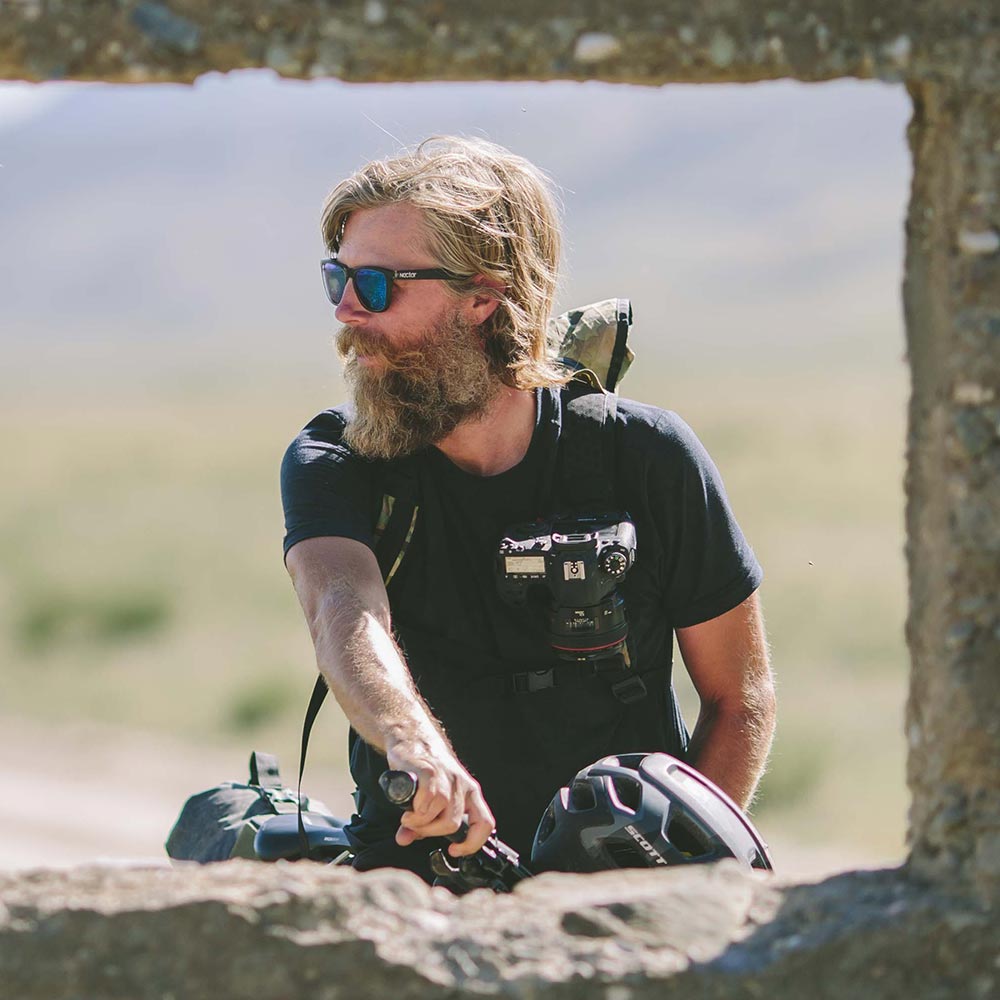
In this opinion[ated] piece, BIKEPACKING.com’s founding editor offers a candid peek at what he’d do differently if he didn’t work in the bike industry. Find his thoughts on what bikes and gear he’d be using (and which he wouldn’t) if he didn’t have access to or the need to try the latest and greatest here…
PUBLISHED Mar 24, 2026
If I had to sum up my goal as a writer here on the site, it’s to create useful, interesting resources for readers that share what I learn from new experiences—all shaped by 15 years of bikepacking and touring. A big part of that involves experimenting by spending time on a wide range of new and different bikes, components, bags, clothing, and camping gear. Access to loaner, discounted, and occasionally free gear helps make that possible, but as I’ve written many times, it has no bearing on what we review or how we review it. Properly testing gear takes time and effort, and while I genuinely enjoy trying new things and sharing what I learn, it’s not usually as glamorous as it might seem. Our thorough testing standards don’t make it easy, either. It’s a job, and more often than not, I’d rather just ride my bike and use my kit instead of evaluating the latest gravel-plus full-suspension bikes, 14.5-speed drivetrains, or niche ATB-specific semi-rigid fork panniers.
About a year ago, when I started this article, I was chatting with a teammate who was praising the benefits of electric drivetrains. The conversation eventually shifted to the cost of replacing high-wear parts. I might have been in a particularly grouchy mood, but my curmudgeonly response was, “If I weren’t a professional bike gear reviewer, I’d probably spend the rest of my days riding singlespeed steel hardtails and rigid plus bikes.” That off-the-cuff comment stuck with me. After letting it simmer, I started jotting down a list of confessions—what I’d actually change if I didn’t work in bikes. So, without further buildup, here’s what I’d do differently if my job didn’t revolve around testing new gear and I didn’t have special access to it:
1. Horde Hyperglide 11-speed, or…
After drawing my singlespeed line in the sand in the conversation mentioned above, I went on to say, “…it has fewer parts, less maintenance, and is just not as annoying. And for times when I wanted to ride a geared bike, I’d stock up on enough Shimano 1×11 XT HyperGlide components to last the rest of my days.” I still think XT HG represents the pinnacle of affordable, dependable off-road 1x drivetrains. It has its drawbacks, but it’s easy to maintain, replacement parts are inexpensive, and it simply works. If I had hung up my hat that day, I would’ve ordered a couple dozen 11–46T cassettes, along with XT derailleurs and shifters. Done.
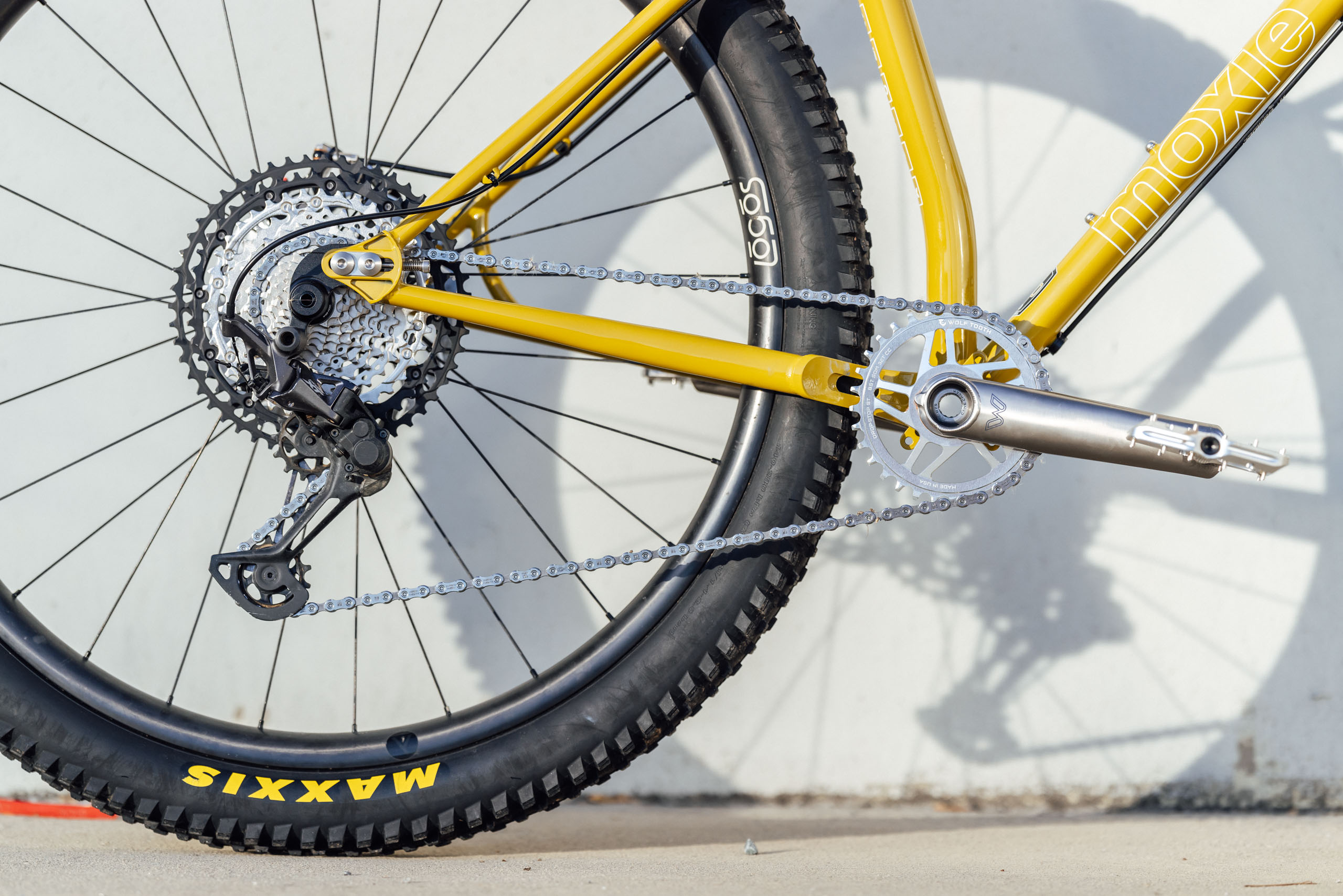
That said, this highlights one of my underlying frustrations with this job: the bike industry’s revolving-door approach to product development. Standards and component baselines come and go, and the focus often isn’t on what’s functional, dependable, or widely serviceable, but on what drives upgrades. When I first started writing this, after Linkglide was released and CUES entered the picture, it seemed like 11-speed HyperGlide might go the way of the dodo. But it’s still hanging on. Those 11-46T cassettes and friction-clutch derailleurs I’d theoretically stockpiled are still out there. Since then, I’ve also developed a soft spot for 12-speed XT. That’s what I’m running on most of my geared bikes now, so maybe I’ve changed my tune a bit—and if the end were near, 2026 me might start stockpiling that instead.
2. Ride My Bike
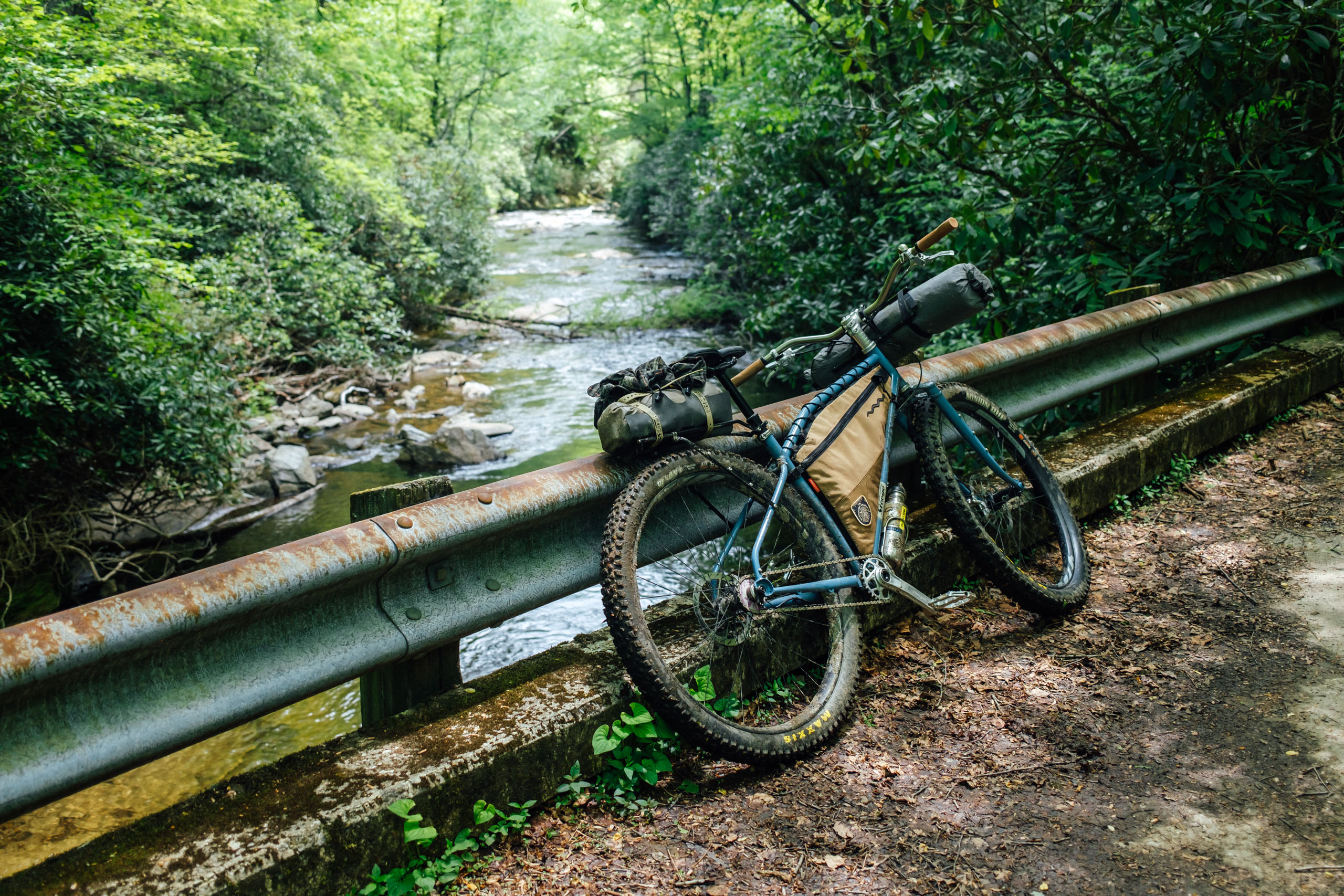
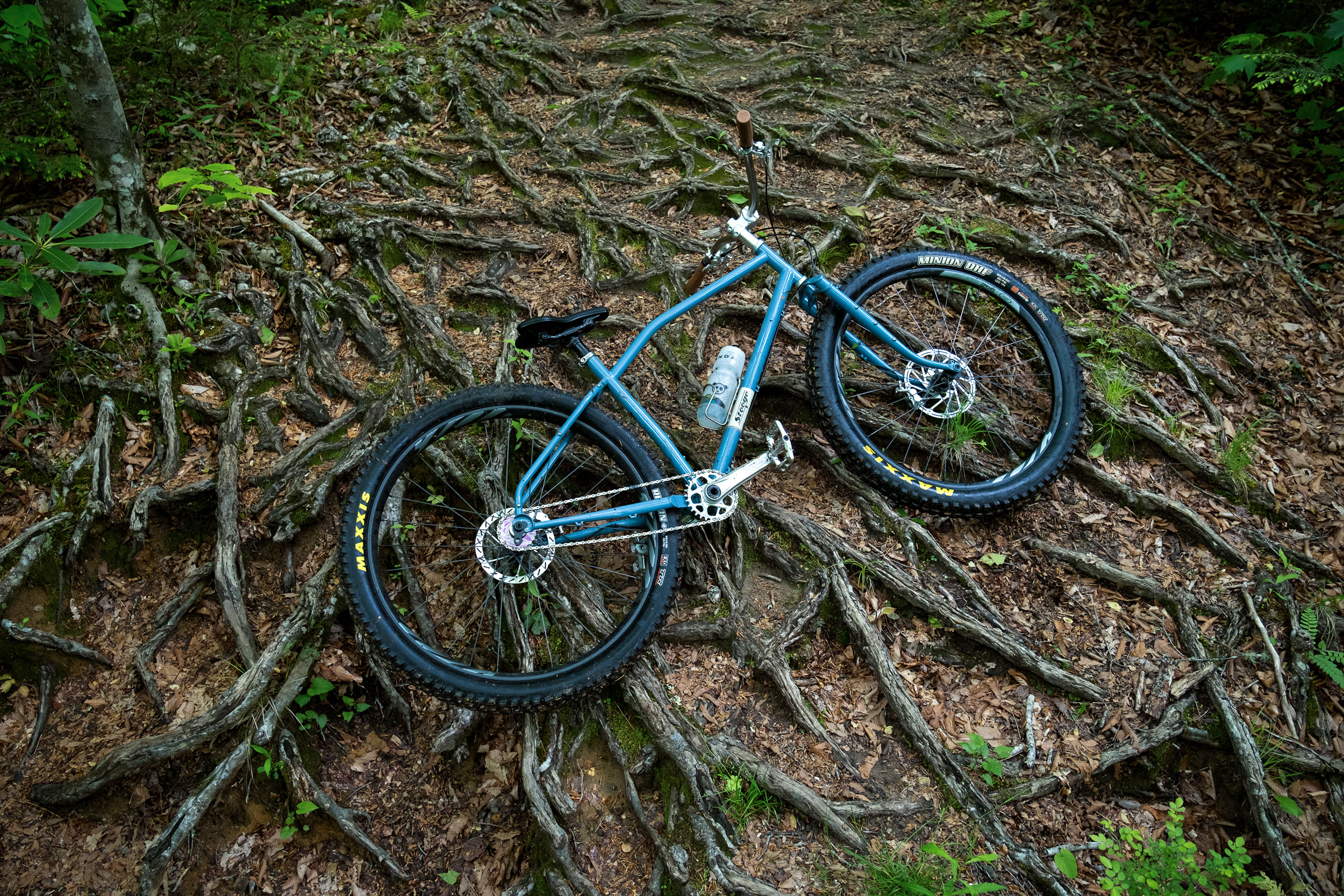
I get to test-ride a lot of great bikes, but I have to admit, there are occasions when I just want to ride my bike. It’s kind of funny how liberating it feels to saddle up on one of my personal bikes after a string of test rigs. It almost seems like I’m taking a break and getting in some free time. Over the past year, the bike I’ve missed the most is my rigid singlespeed Stooge Dirt Tracker, which I’d consider the cornerstone of my collection.

3. Thin the Stable
Speaking of collections, remember that survey where we asked readers how many bikes they own? It made my head spin seeing hundreds of respondents claiming fleets of 10, 11, 12, or 13+ bikes. I own well over 10 bikes myself and often catch myself dreaming about the day I’m down to just one or two.
For one, there’s something special about having a single bicycle. It becomes an extension of yourself, and you get to know all of its strengths and quirks. No matter where you ride it, there are no surprises. If you get bored, you can always refresh it with new parts, and it’s much easier to keep track of component wear.

Second, managing a deep bench of bikes is expensive and time-consuming. As Lucas wrote about in The Problem with N+1, it requires a steady flow of part swaps and maintenance, which ultimately takes time away from actually riding. I’d rather have the bikes I truly “need” and use regularly. As it stands, I often have bare frames or partially built bikes lying around or hanging from the rafters. Many have been stripped for parts to build something else for a test or experiment. That process can be fun, but it can also turn into a stressful mess.
I’d love to pare things down to four bikes—which, not coincidentally, was the most popular answer in that survey. My ideal fleet would consist of a dedicated rigid bikepacking bike, an aggressive trail hardtail, a rigid singlespeed, and an all-around hardtail. That pretty much covers all the riding I care about. All of them can handle trail riding and bikepacking. Done.
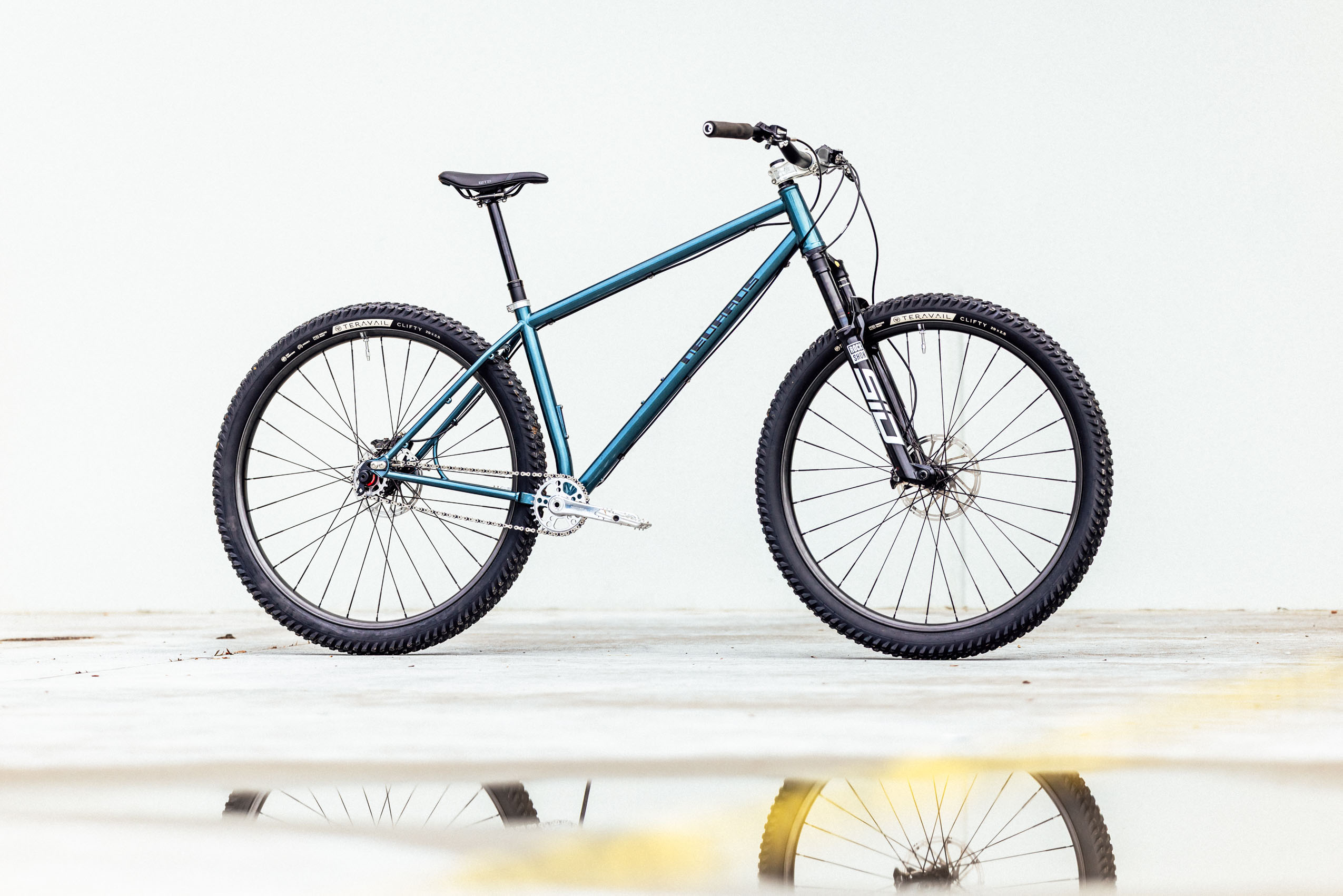
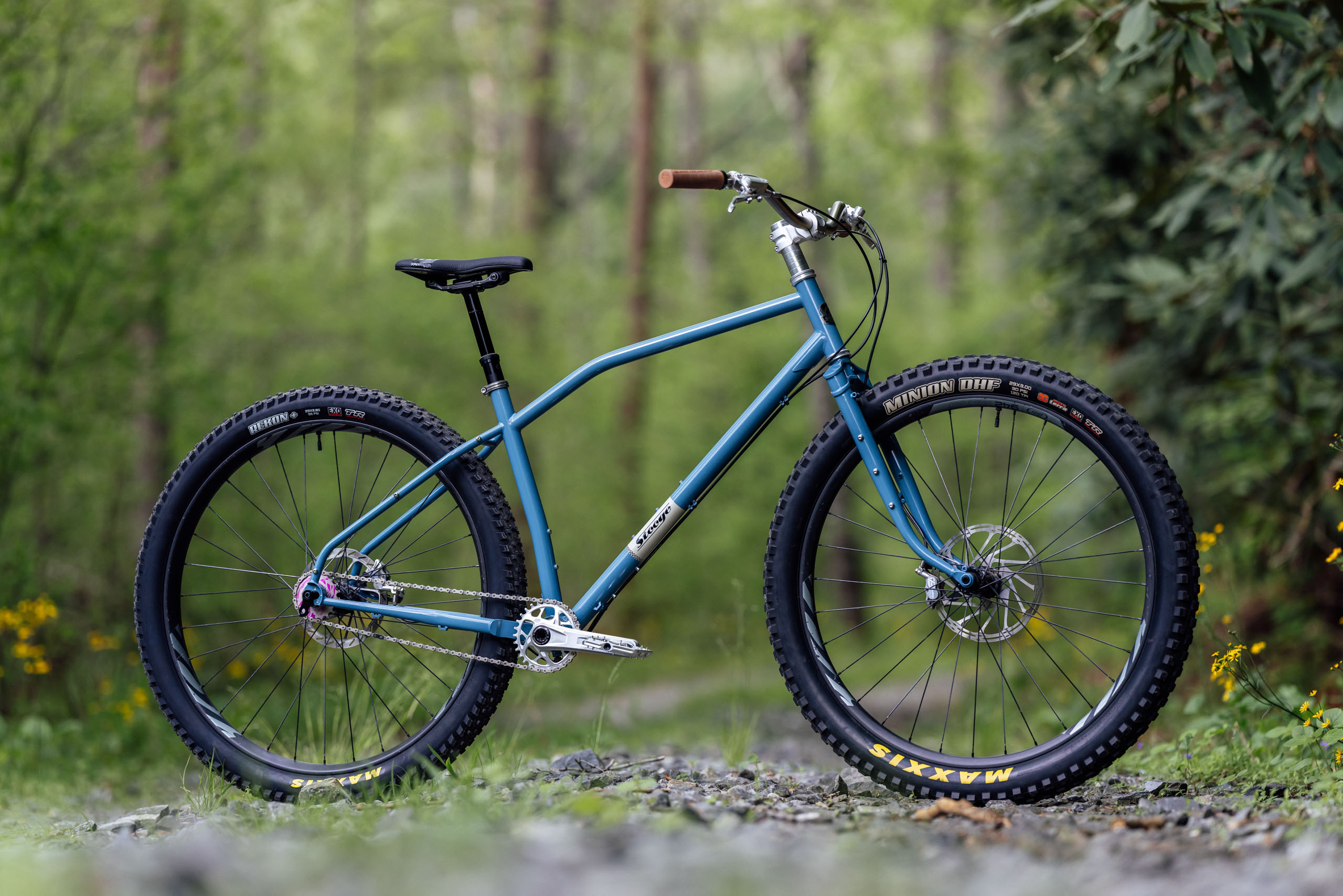
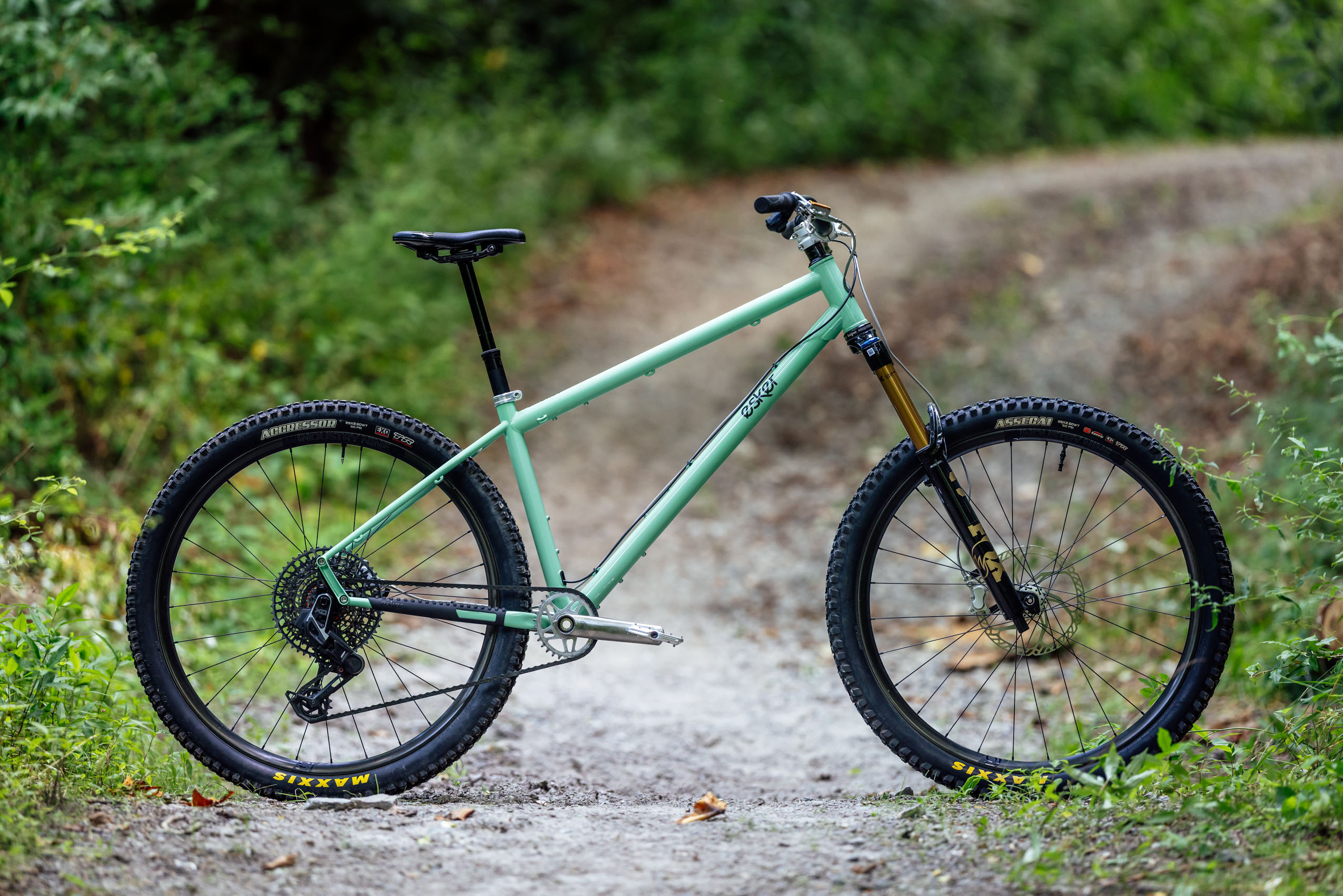

Right now, that quiver—which I could happily ride for the rest of my days—includes a Neuhaus Hummingbird (singlespeed hardtail), a Stooge Dirt Tracker (rigid singlespeed), and an Esker Smokey (aggressive trail hardtail). I’m currently between bikes for the dedicated rigid bikepacking slot, though the Stooge Mk7 is filling that role for now. I have a couple more on the way that might end up competing for that spot.
4. Say No To Drop Bars
Those keeping score will notice there’s no drop-bar bike in that roster. That’s correct; I wouldn’t own drop bars or a drop-bar bike if it weren’t part of the job. I realize that might come off as a bit brash and could rub some folks the wrong way, especially considering I regularly review drop-bar bikes—and sometimes even enjoy doing so. But broadly speaking, I think of it as part of the job. After all, many of you (probably more than half of our readers) ride gravel bikes and drop-bar mountain bikes and love them, so it’s important for me to stay engaged with that side of cycling.
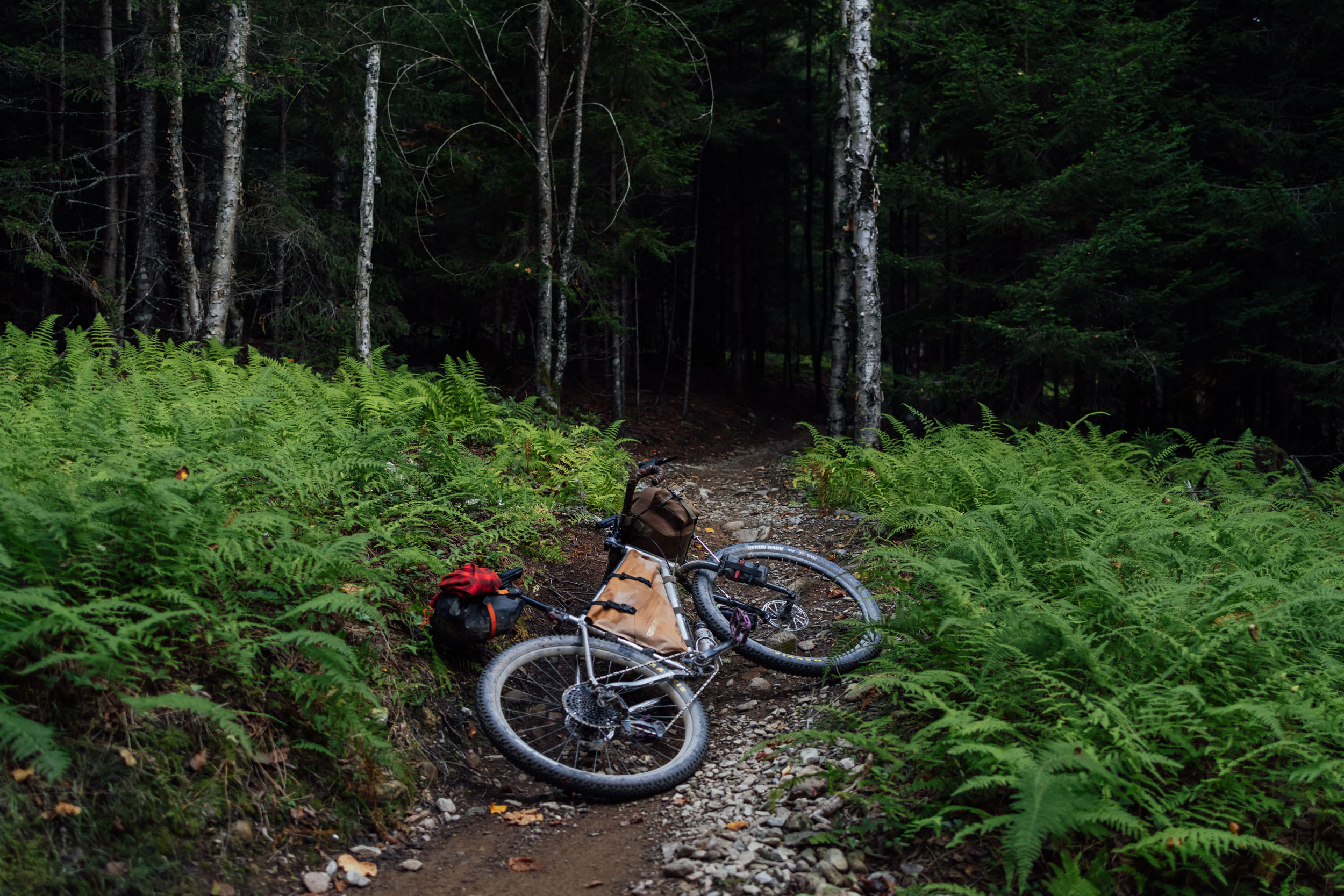
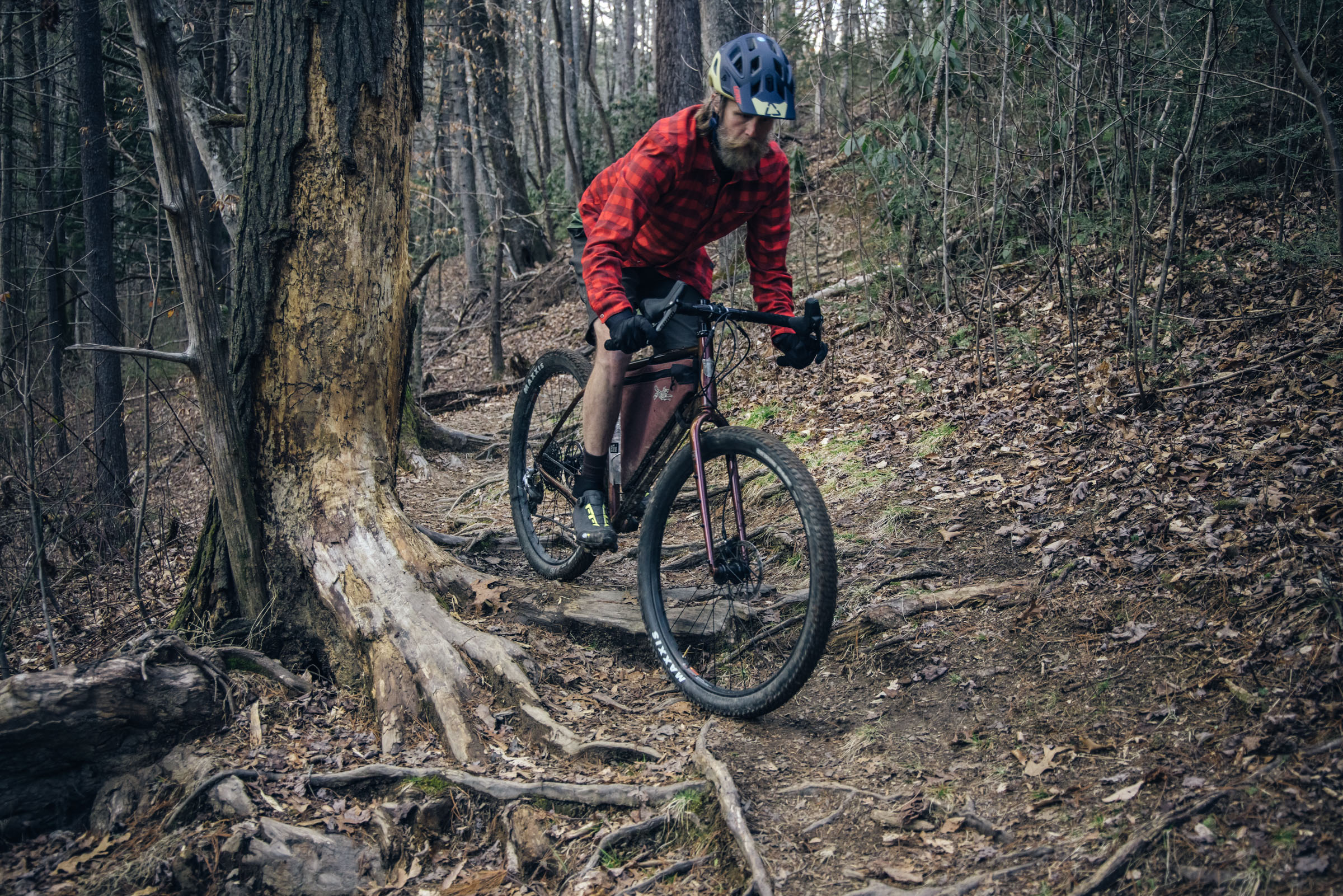
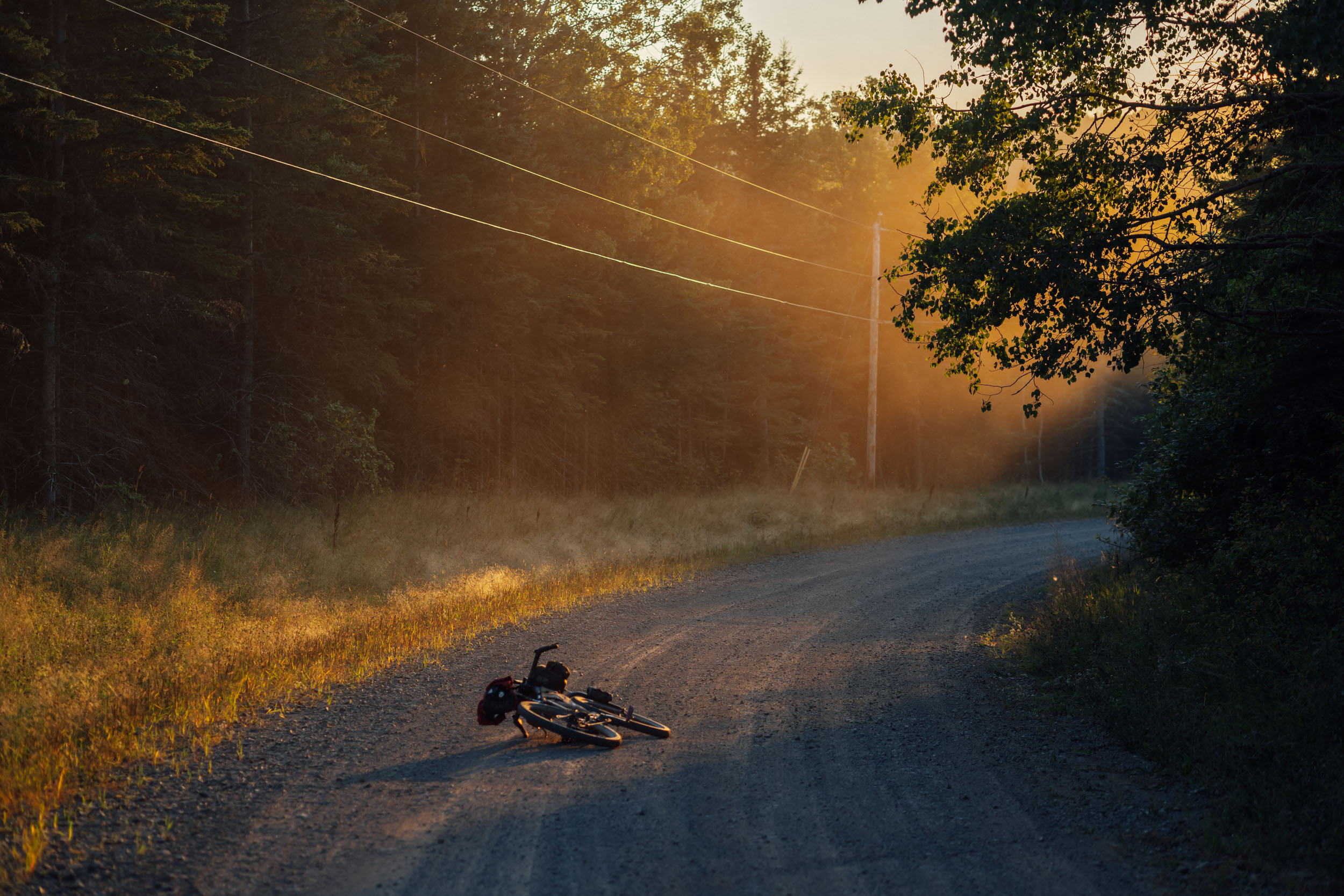
Still, drops just aren’t my bag. I’ve ridden flat-bar bikes across Africa, through Latin America, and beyond without issue, but during several long trips on bikes like the Cutthroat, Stargazer, and Gorilla Monsoon, I developed severe nerve issues in my hands. I know that runs counter to the common belief that drop bars offer more hand positions and help prevent that kind of discomfort, but that hasn’t been my experience. And to head off the comments, it’s not a fit issue. Beyond that, they simply don’t align with my riding style or offer the same level of enjoyment. No judgment, though. Different strokes for different folks.
5. Probably Not Buy a Titanium Bike
I don’t currently have any titanium bikes, and if I weren’t working in the bike industry, I probably wouldn’t buy one. I like the idea of titanium as much as anyone, but for most applications, I don’t think it justifies the added cost. Without access to industry discounts or loaners, I likely wouldn’t bother.
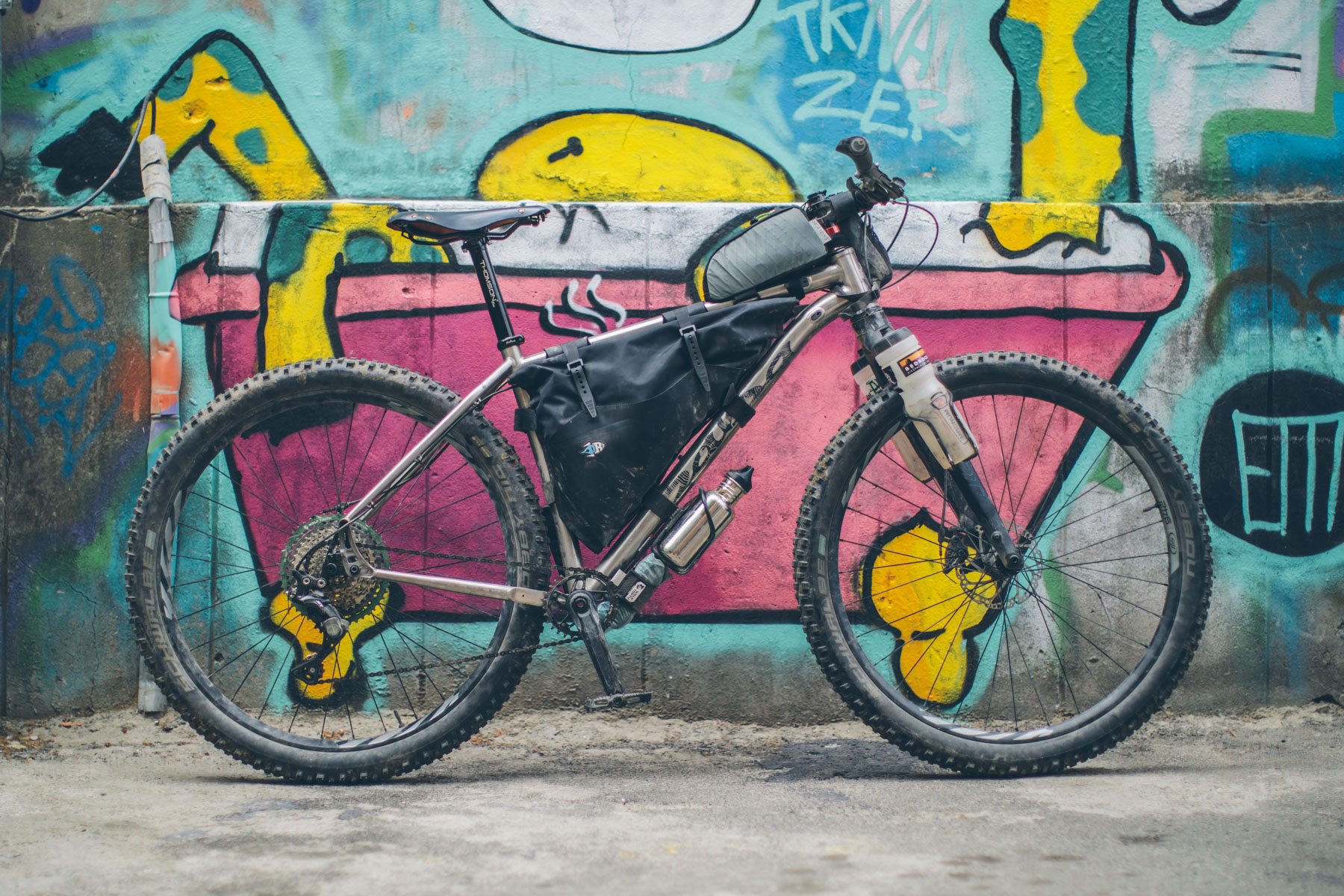
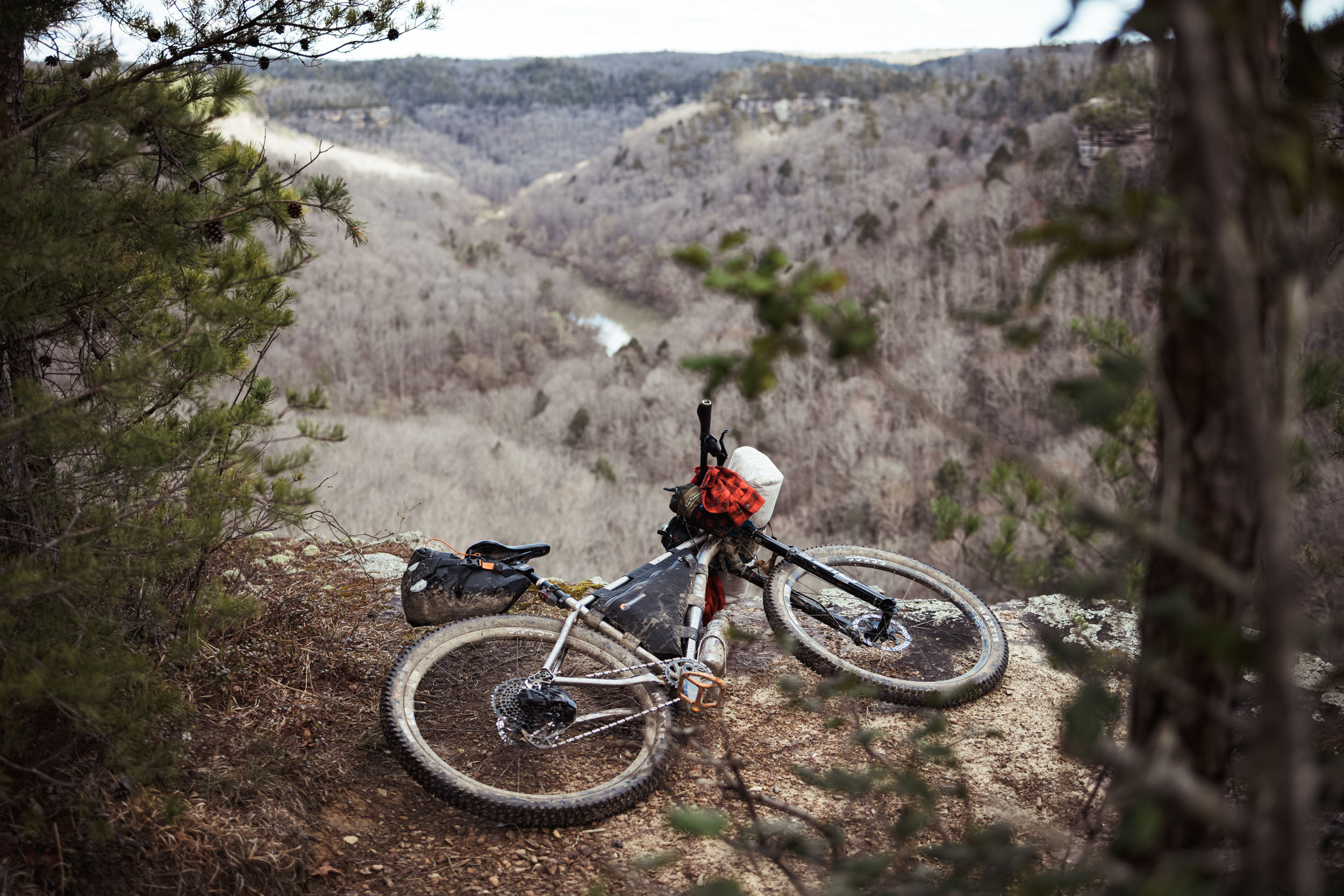
Plus, of the 100-some bikes I’ve ridden and tested, titanium is the only frame material I’ve managed to crack. There’s less of a margin for error with Ti tubesets, and according to several bike shop veterans I know, fractured titanium frames aren’t uncommon compared to steel. Steel, on the other hand, just keeps going, and when it’s well-designed, it can be plenty light with a ride quality that’s every bit as lovely as titanium. Still, as long as I’m in this line of work, I’ll probably end up on another titanium bike at some point—and likely enjoy it.
6. Still Invest in Ti
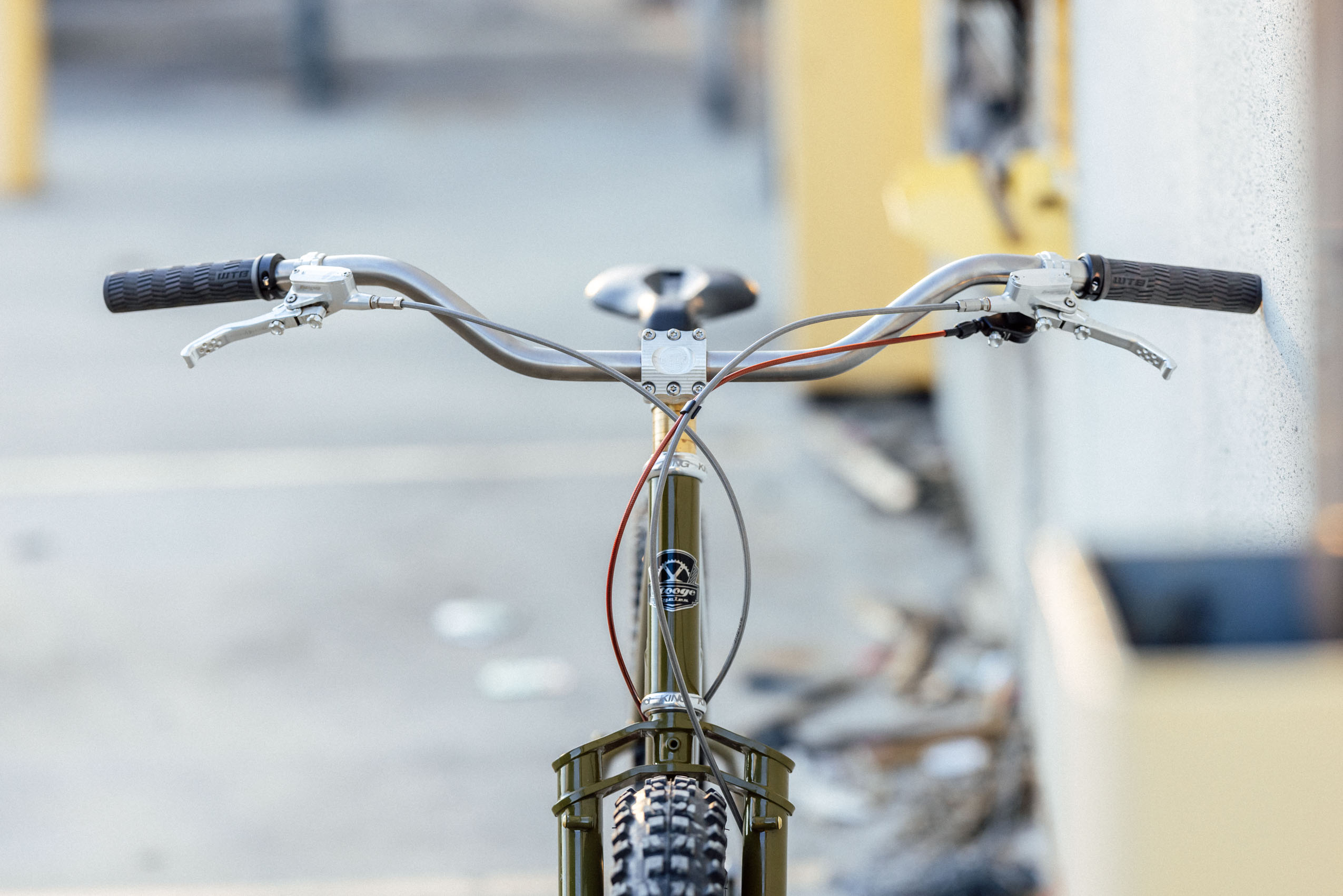
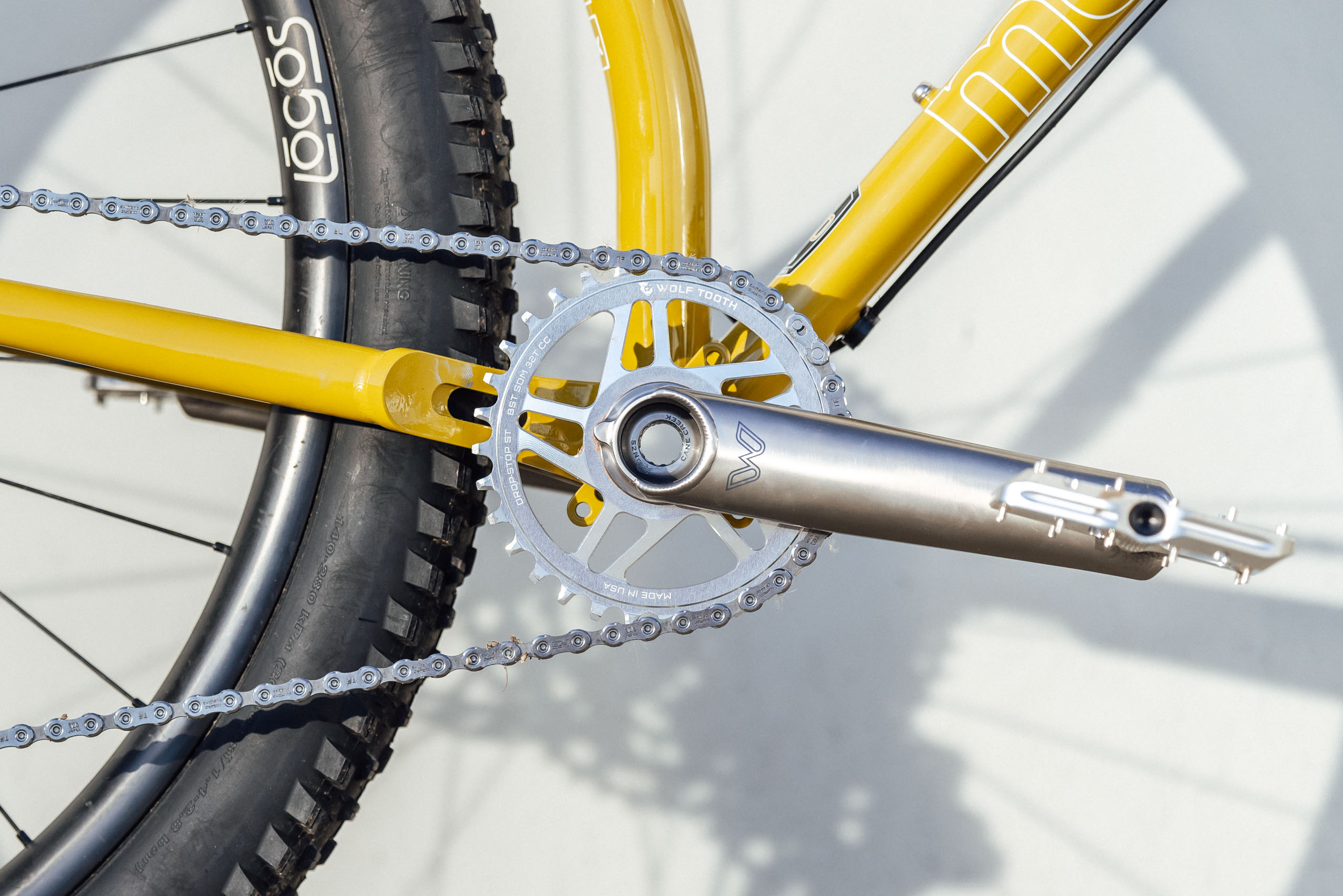
Even if I wouldn’t shell out the coin to pay full price for a titanium bike frame, there are a couple of titanium parts that I find to be well worth the indulgent expenditure. One is cranks. I’m already invested in a couple of pairs of eeWings, but I’d be happy to equip my fleet of four forever bikes with them. I also love my titanium Doom bars, and I really want a Ti truss fork for my Dirt Tracker.
7. Only Ride British Bikes
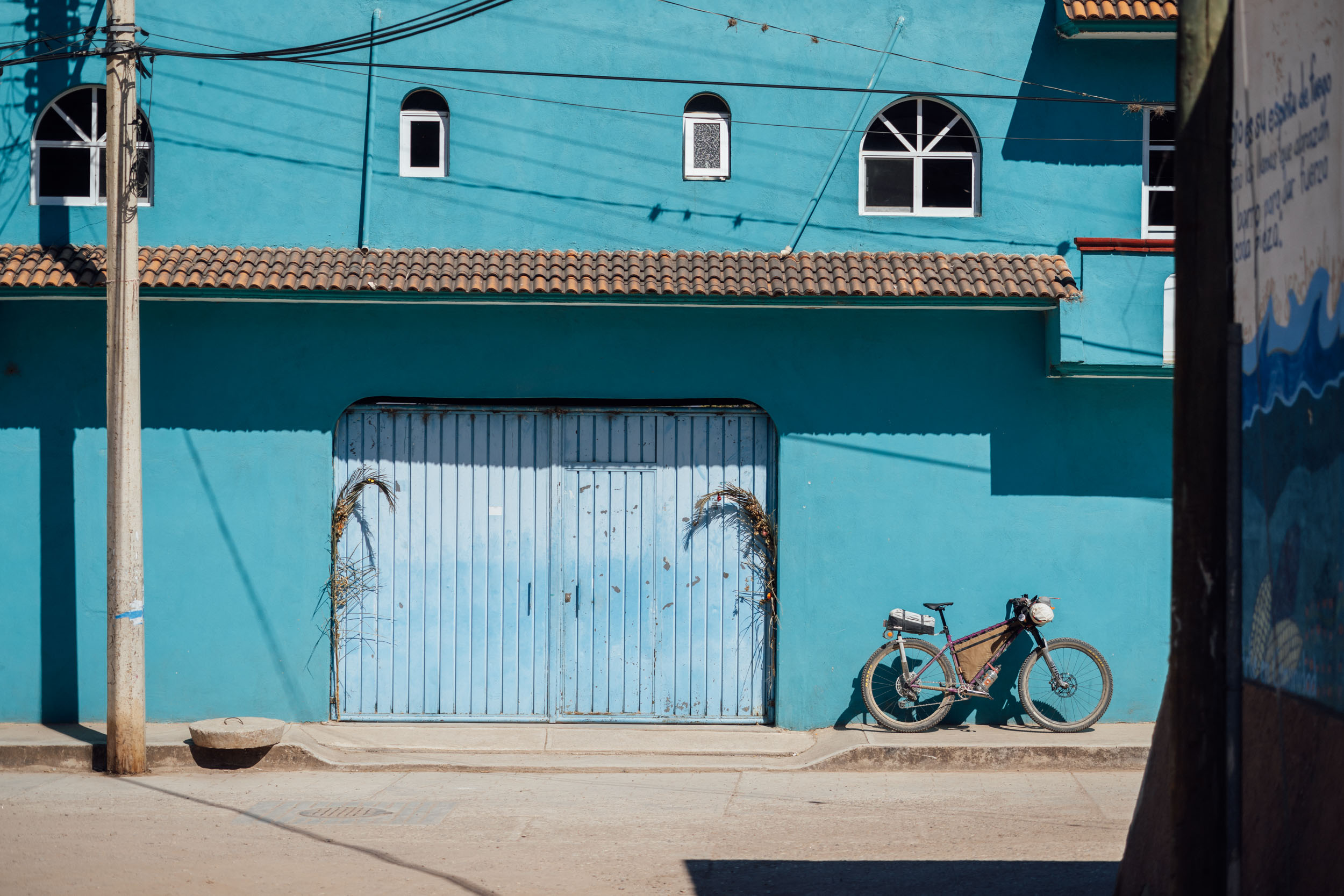
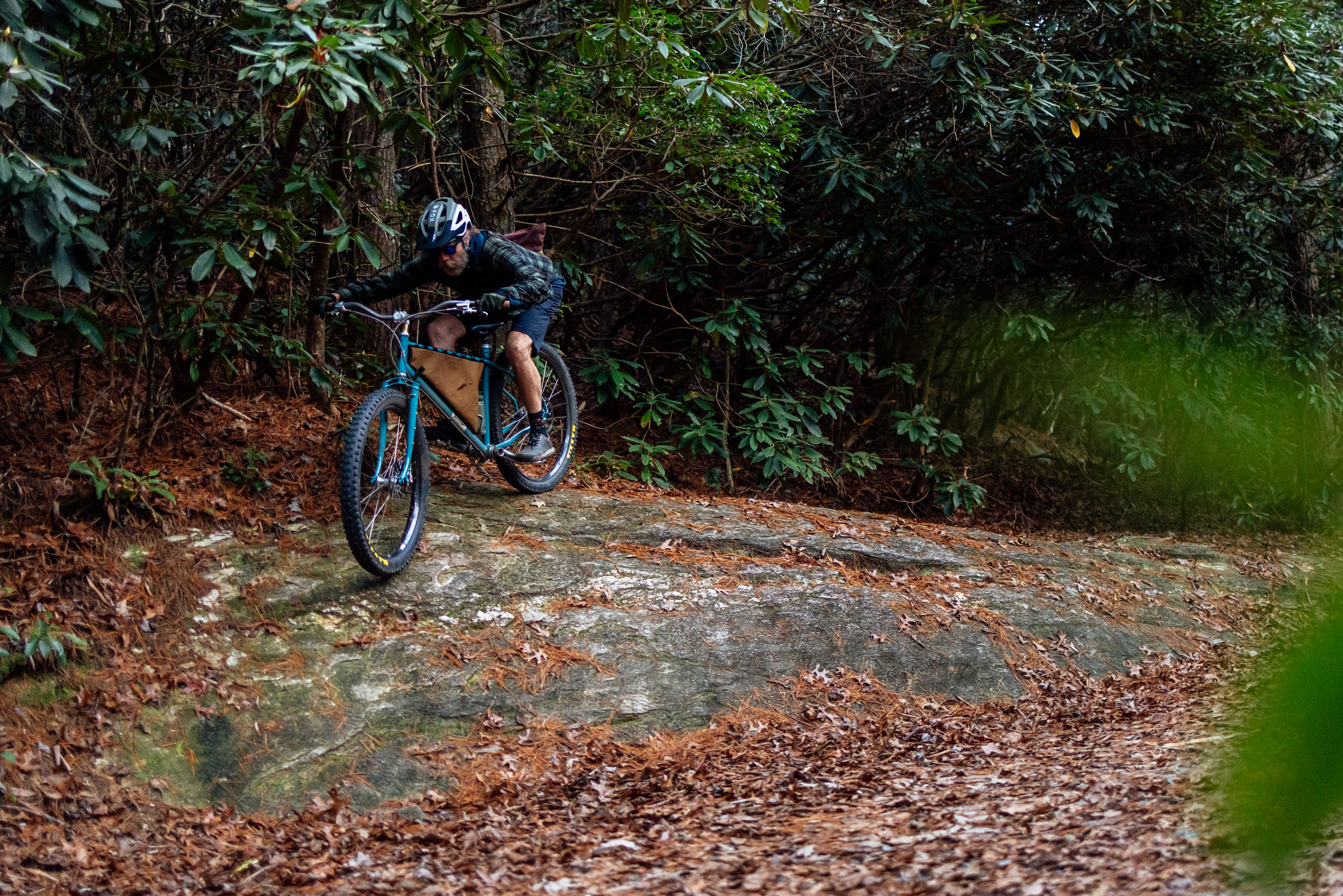
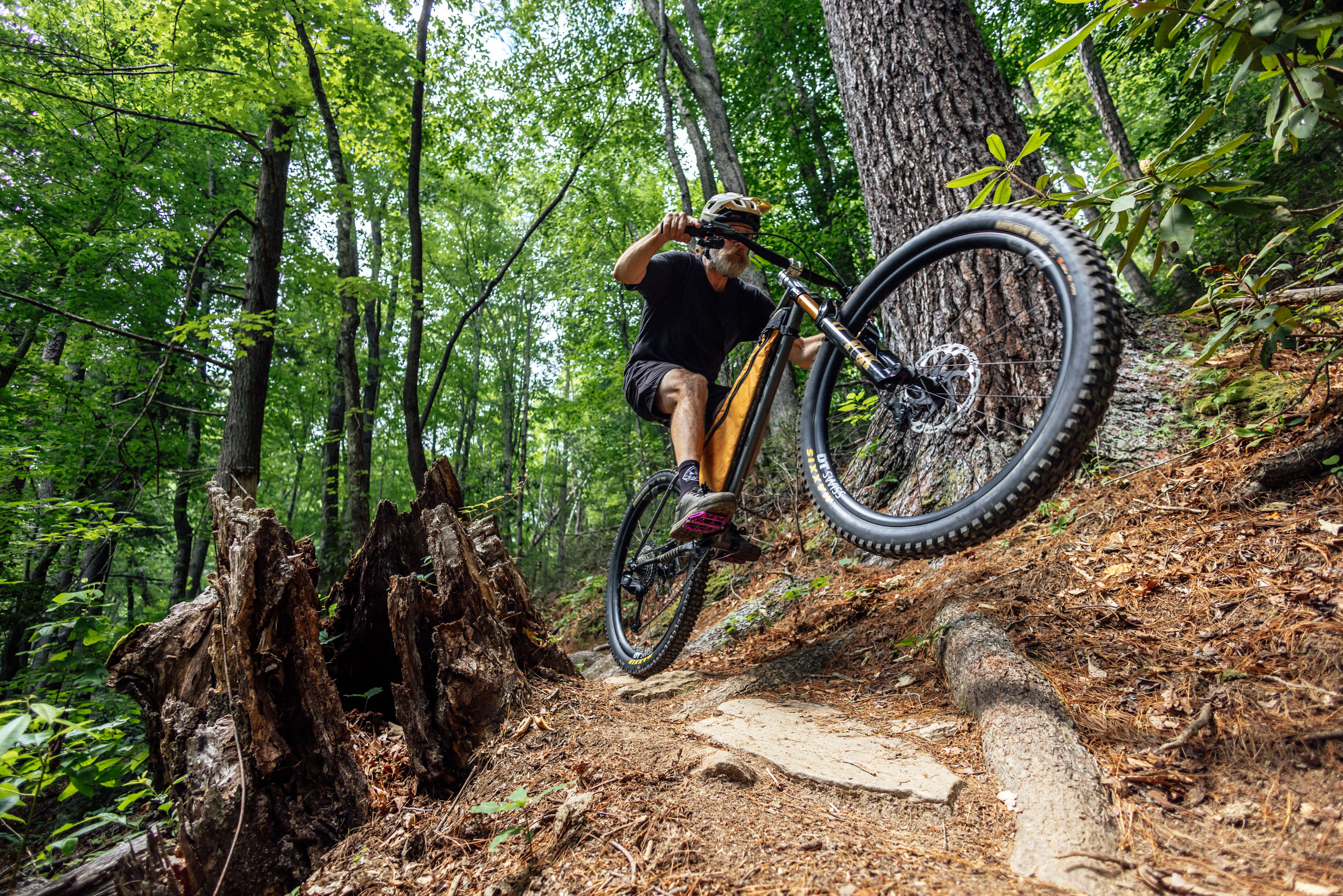
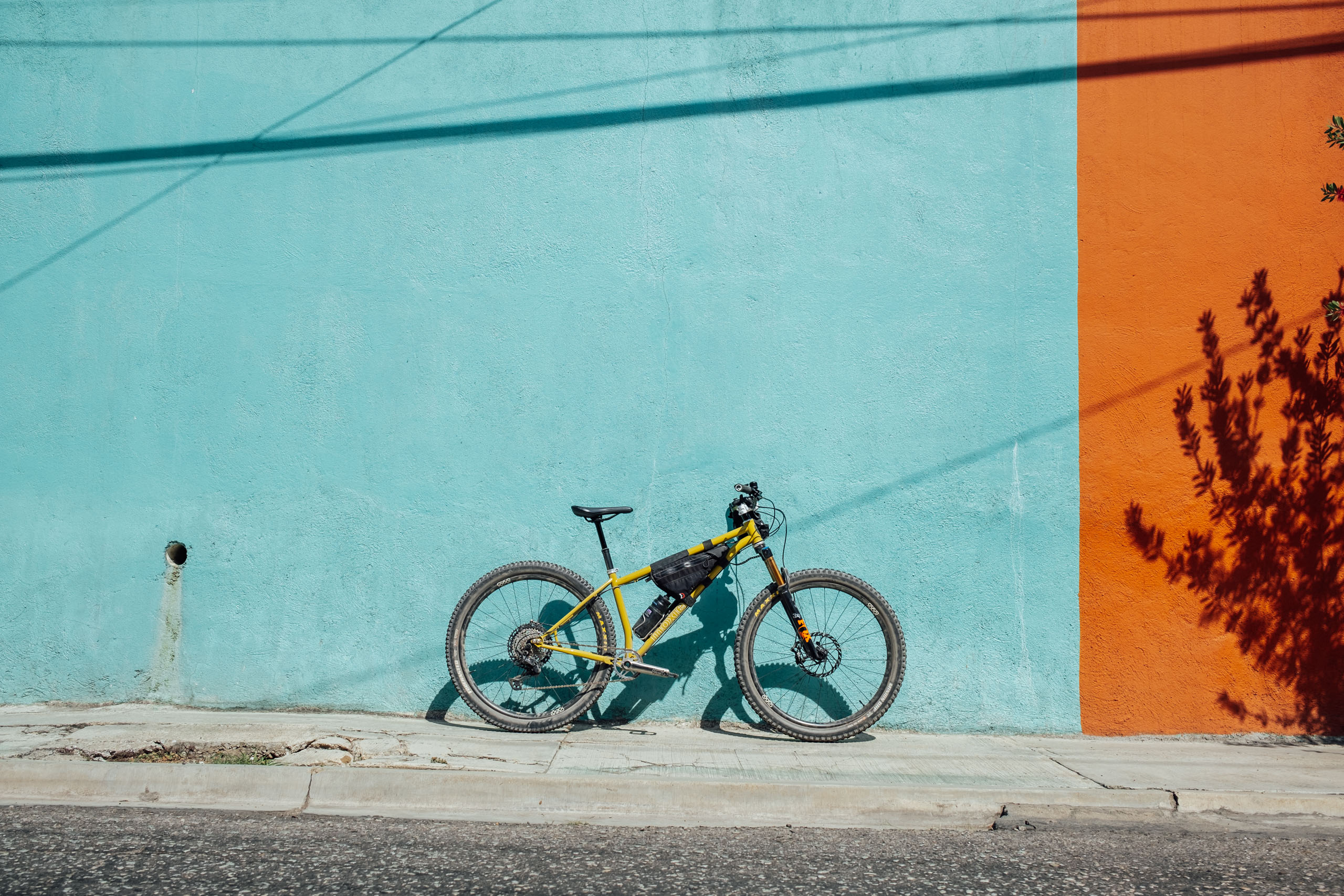
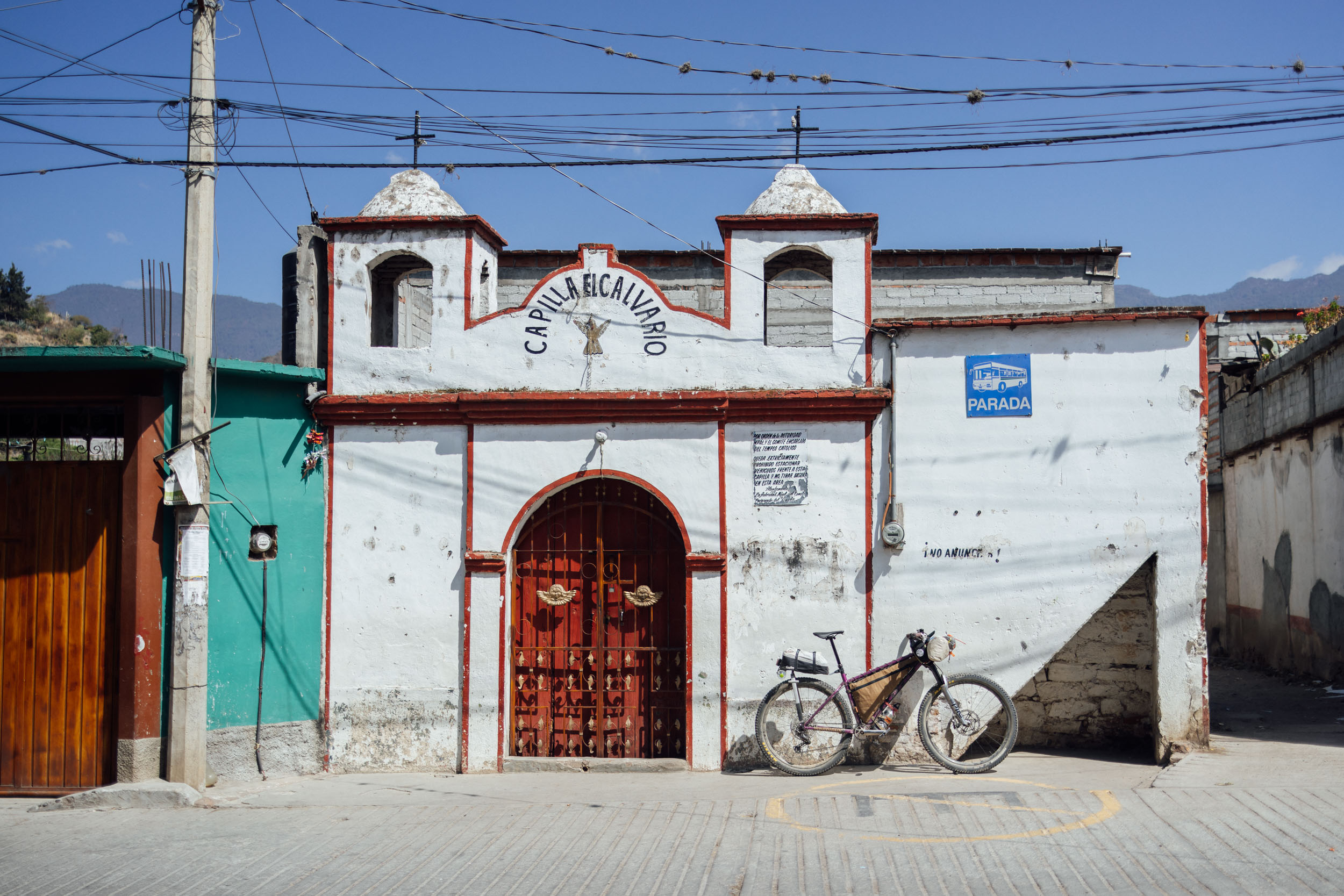
I’m not British, but I feel like I’ve developed a certain rapport with UK-designed steel hardtails and rigid bikes over the last six or seven years. When I first started penning this piece, “Only Own British Bikes” was one of the items on the list. I found that the Cotics, Pipedreams, and others exist on a slightly higher plane than other hardtails I tried. Brits unraveled the mysteries of functional progressive geometry first, and they seem to know how to dial in a steel tubeset, too. That being said, the Americans are catching up. Two of my all-time favorites are the Hummingbird and Smokey, and both have refined geometry and tubing specs that compete with the best British steel bikes. With that, let’s just say that at least half of my dream fleet would be British.
8. Still Buy Dyneema Tents
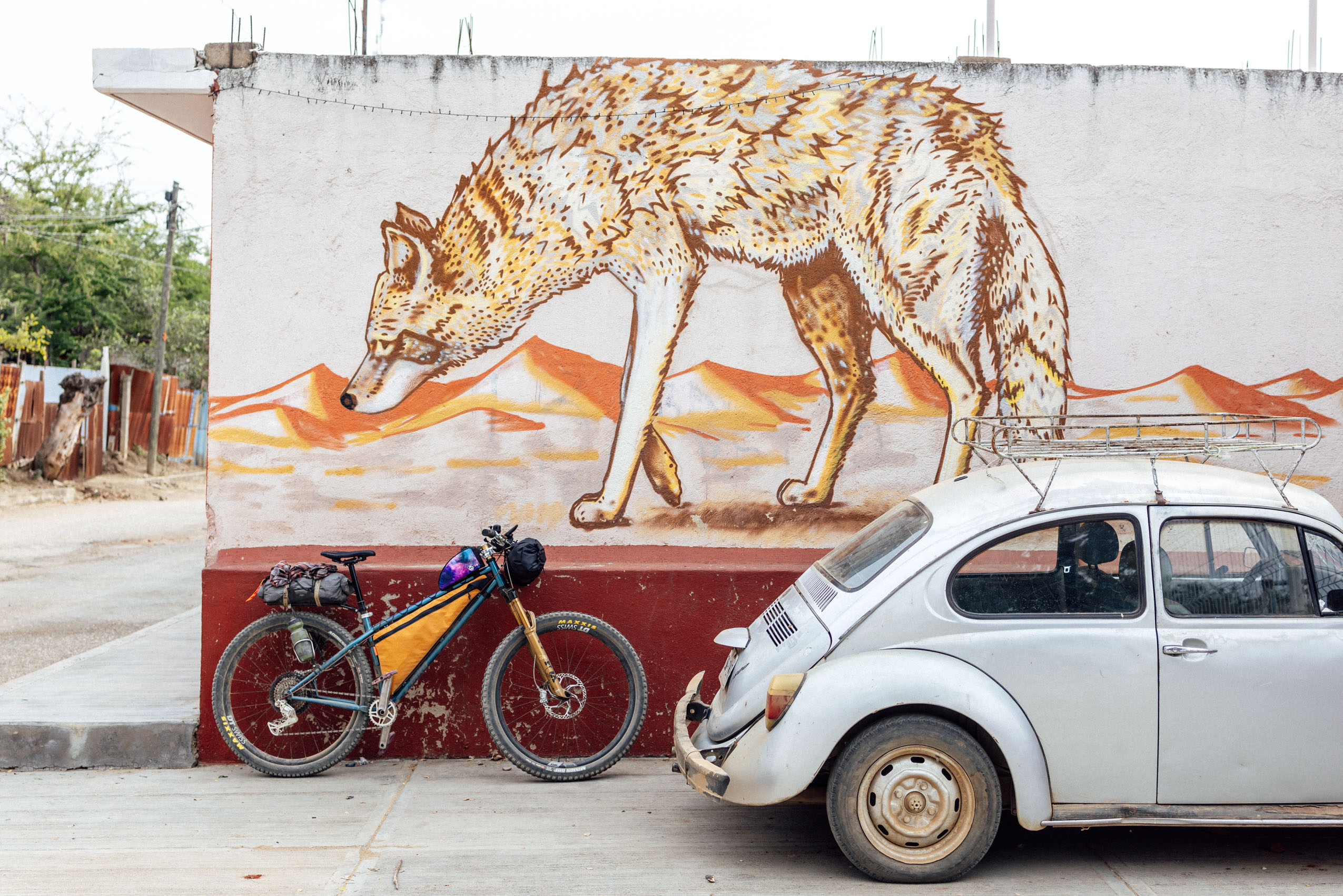
Dyneema is kind of the titanium of fabrics. It’s far more expensive than sil- or poly-nylon. It’s also not as durable, with a lifespan that some experts claim is half of what nylon fabrics can endure (depending on DCF thickness and care). Still, I think it’s worth the extra cash, and if my loaner review sample surplus were to vanish, I wouldn’t hesitate to pay full price for a DCF tent. I find the weight and simplicity of single-wall DCF shelters make them far superior to comparable double-wall nylon tents for bikepacking. The ability to have a roughly 1-kilogram, 3-person tent for my partner and me that weighs half as much as a similar model in sil-nylon makes a huge difference, especially since I almost always carry my sleep system on the handlebars.

9. Be Happily Set in My Ways
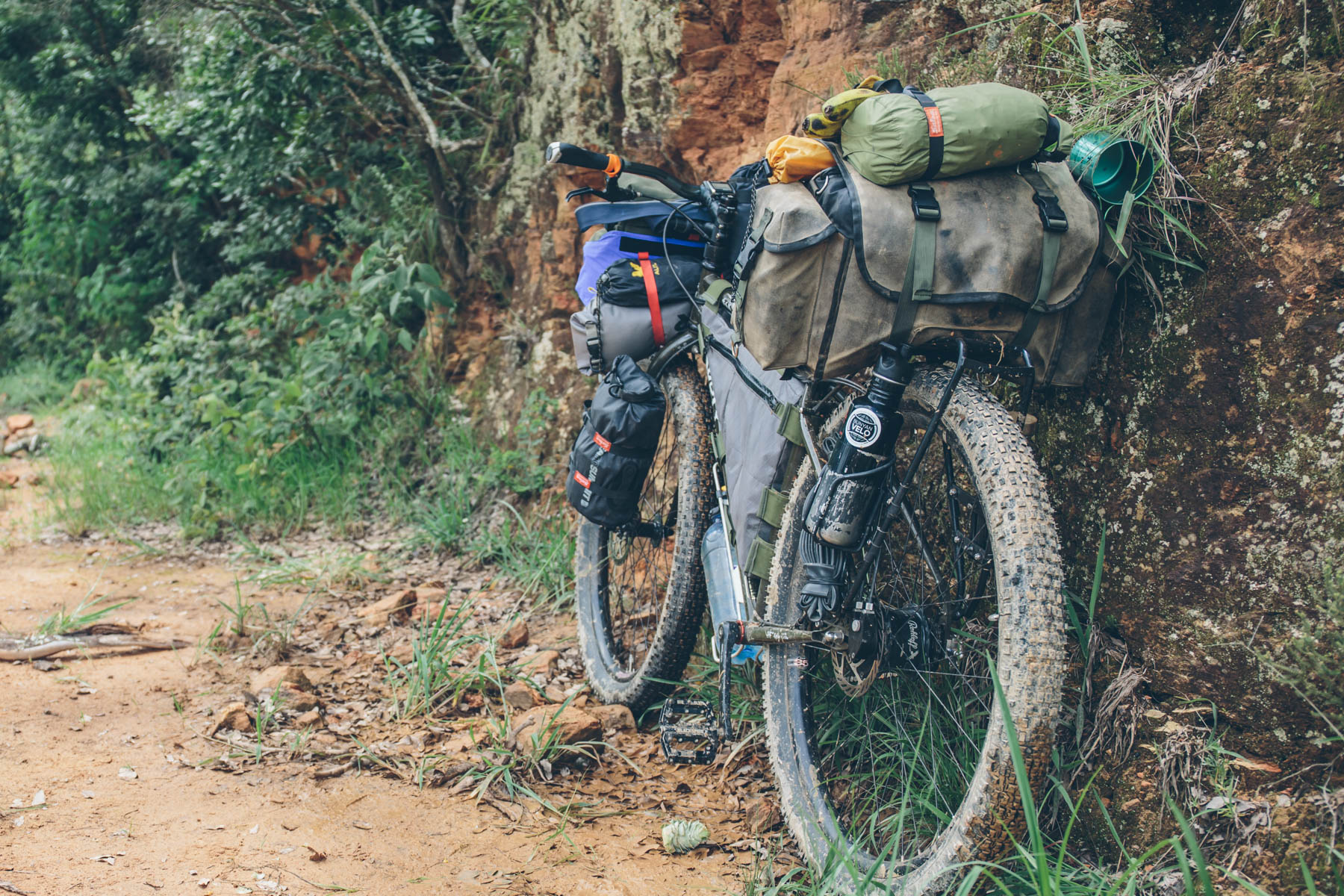
I truly enjoy trying out different tents, bike bags, and gear setups and sharing what I learn. However, much like with bikes, there are plenty of times when I just want to lean into familiar comfort, packing my favorite tent into a go-to top-opening handlebar bag, loading the rest into a dry bag on a rear rack, and heading out, leaving the unfamiliar gear at home.
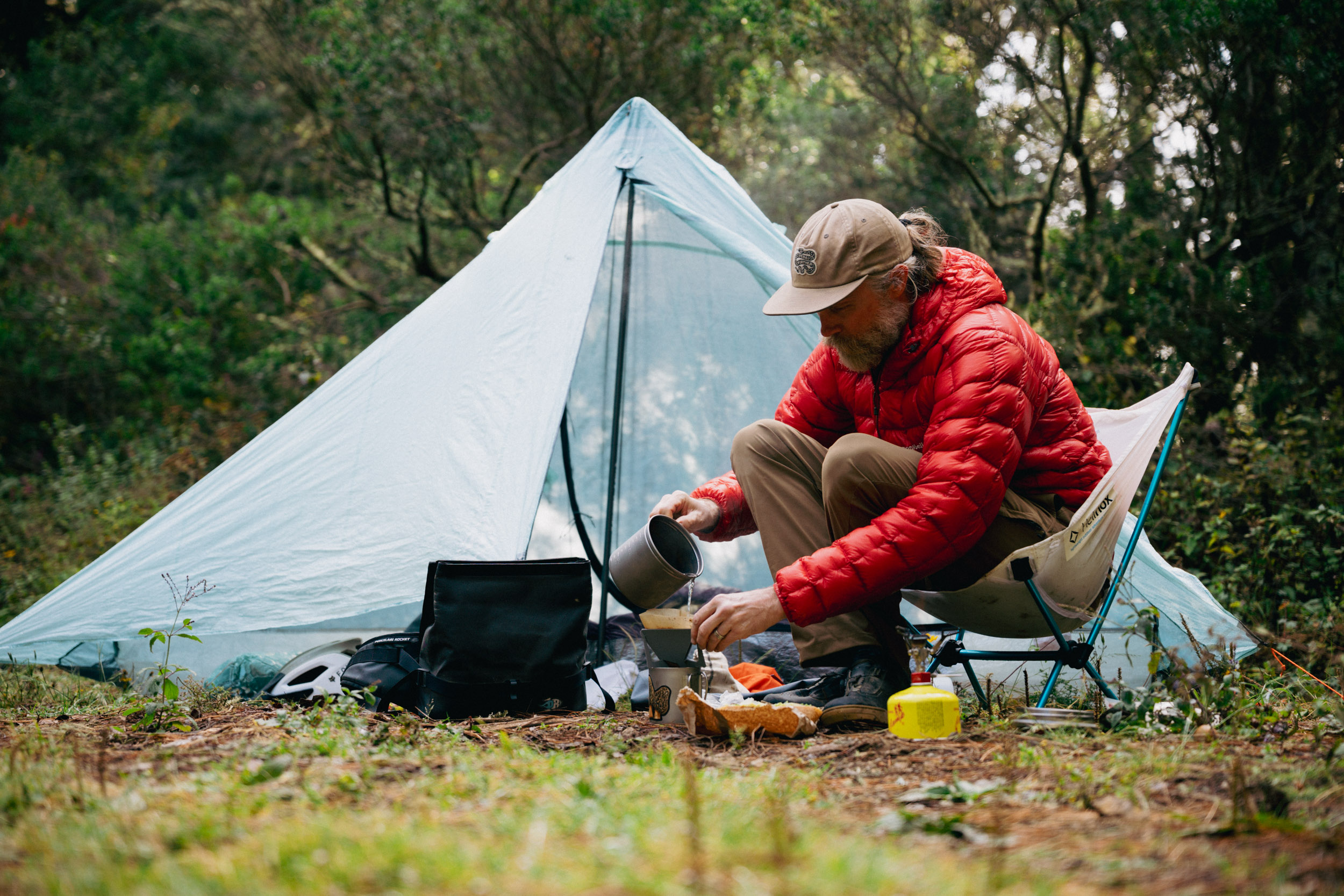
There’s a certain old-hat contentment in using well-worn, trusted kit. It’s intuitive, easy to set up, and carries the same rhythm as being on a long tour. I still have a handful of items that’ve been in regular rotation since 2012, and when I have to leave them behind in favor of new gear I’m testing, it always feels like something’s missing.
10. Not Have an Instagram Account
I’ll dive into this a little more in a future piece, but I don’t think I’d have an Instagram account if it weren’t part of the job. I generally have a love/hate (mostly hate) relationship with it. Once a simple, in-the-moment photo platform, it’s now an addictive, AI-cluttered, profit-driven funnel that centralizes attention and undermines hard work and original content. Of course, we’re stuck in a Catch-22, as our traffic depends on Meta’s platforms even as algorithms bury off-platform links and siphon conversation and engagement into their own platforms. All this plays a big role in the “slow death of media.”
11. Maybe Buy Another Rohloff
I built my first dedicated touring bike with a Rohloff internally geared hub back in 2011-12, determined to make that Surly Troll as bombproof as possible. I ran that same hub on multiple bikes and several long, multi-month trips, but once I started testing drivetrains and components, it’s been derailleurs ever since.
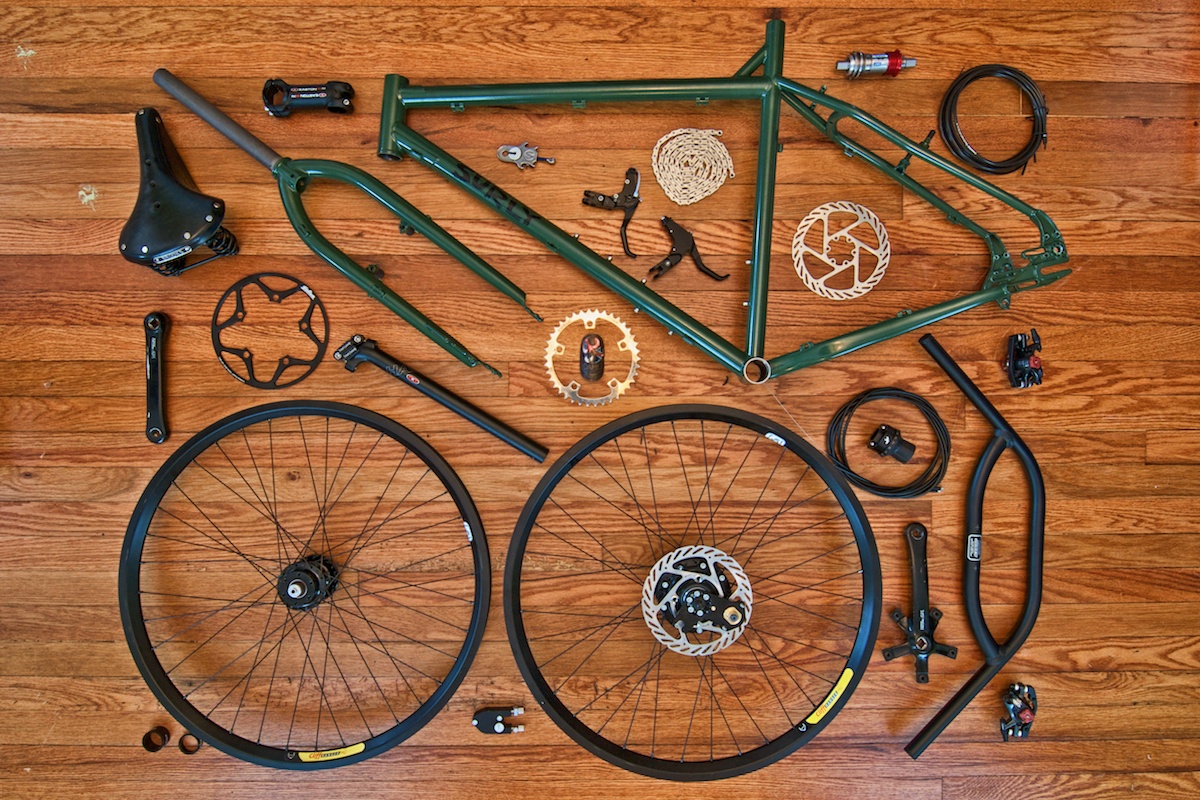

I don’t mind them, but the Rohloff offers a few unmatched advantages for certain styles of rides, particularly big ones. It’s nearly maintenance-free and eliminates the constant churn of chains and cassettes, but the best thing about it is that it removes the worry of bending or snapping a derailleur or hanger when tossing your bike onto buses or trains. In my experience, it’s still the most truly indestructible drivetrain out there.
12. Still Have a Shitload of Handlebars
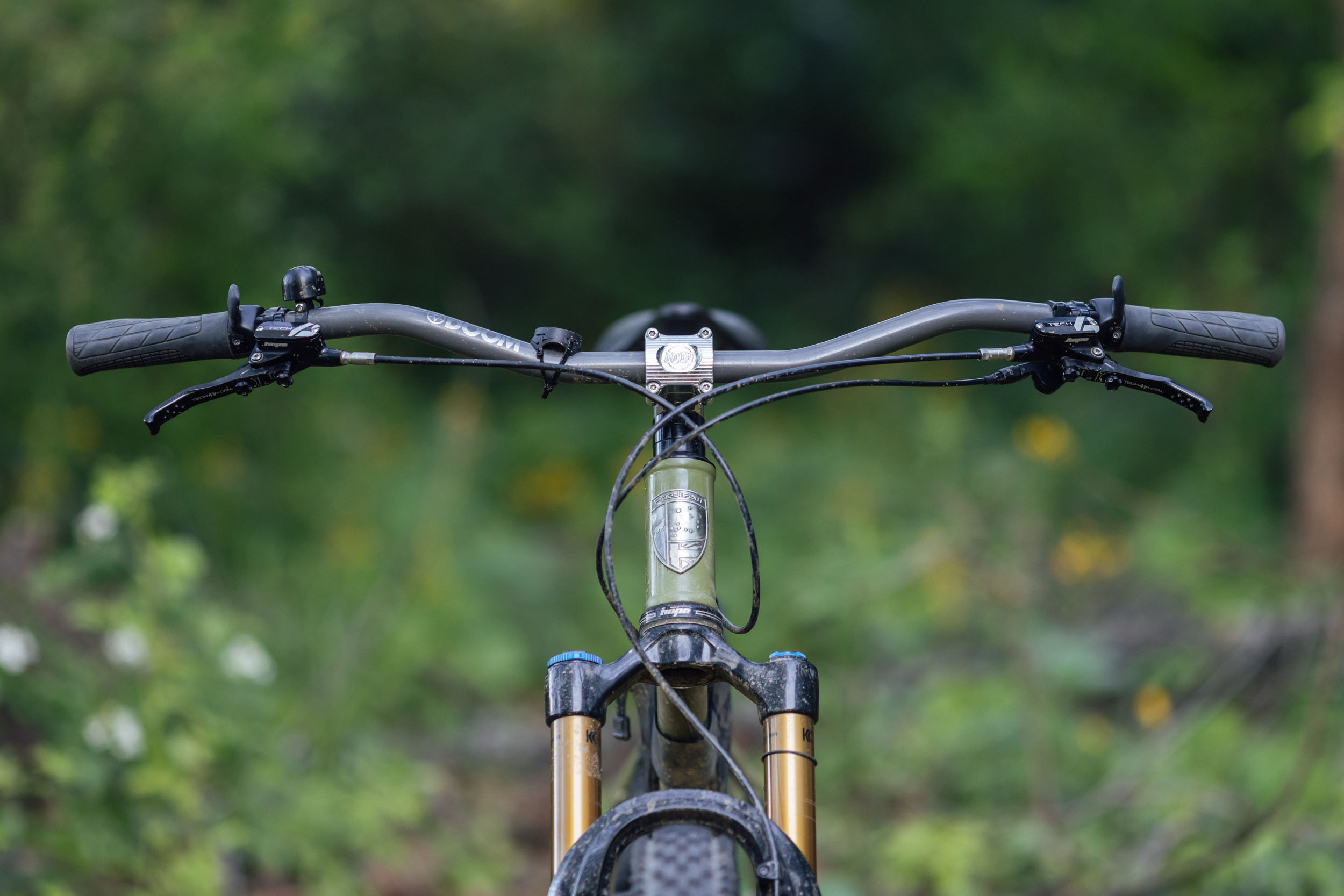
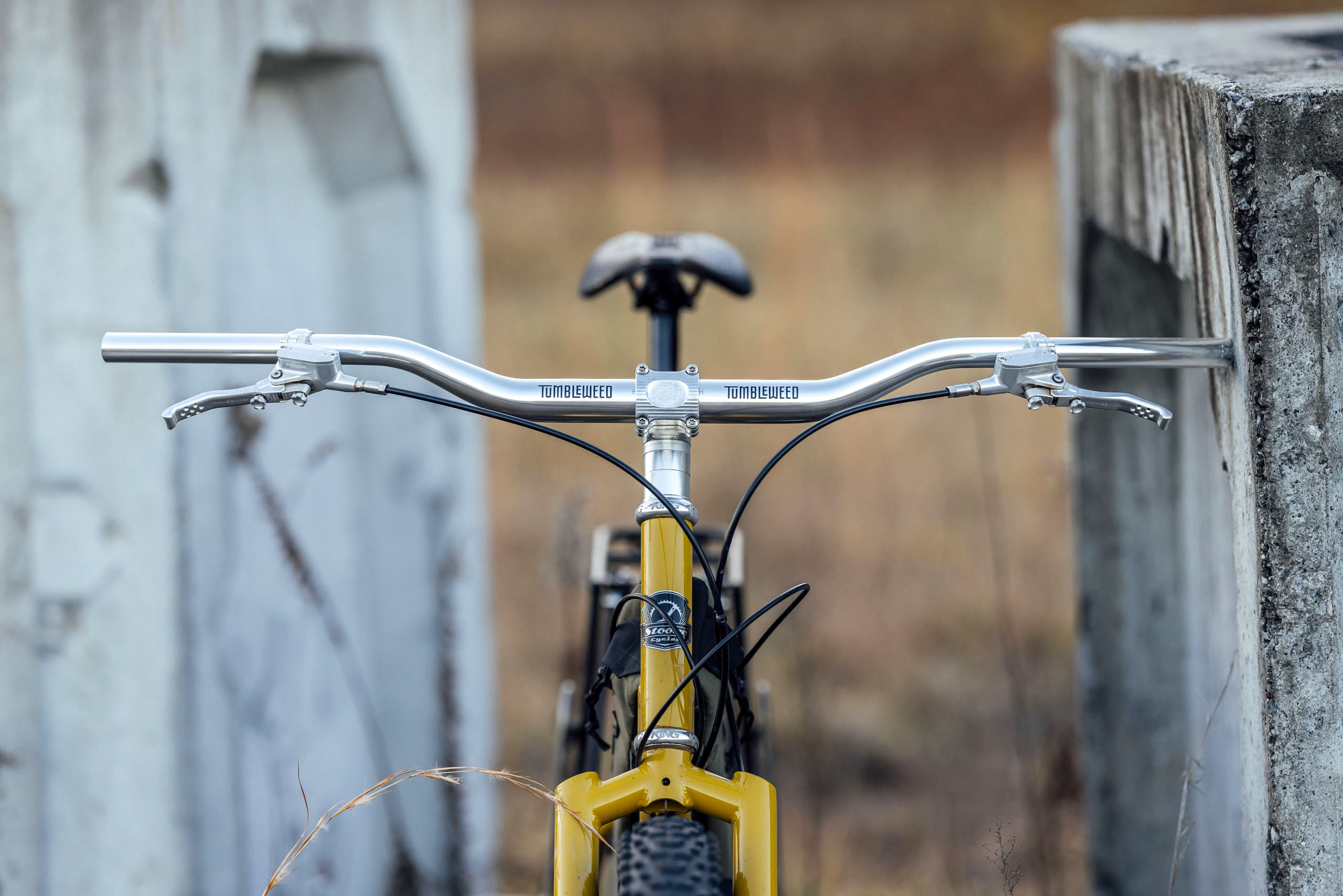
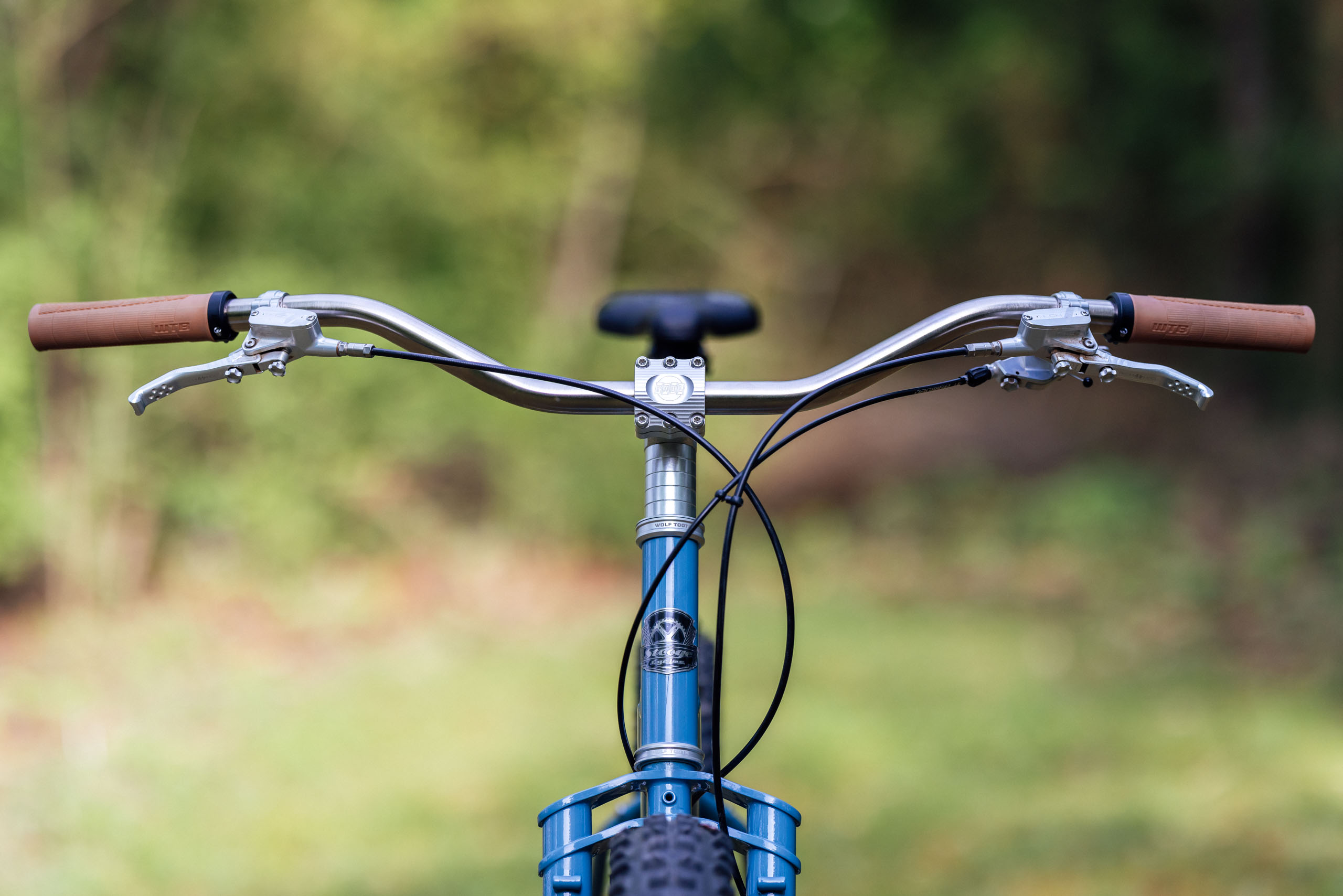
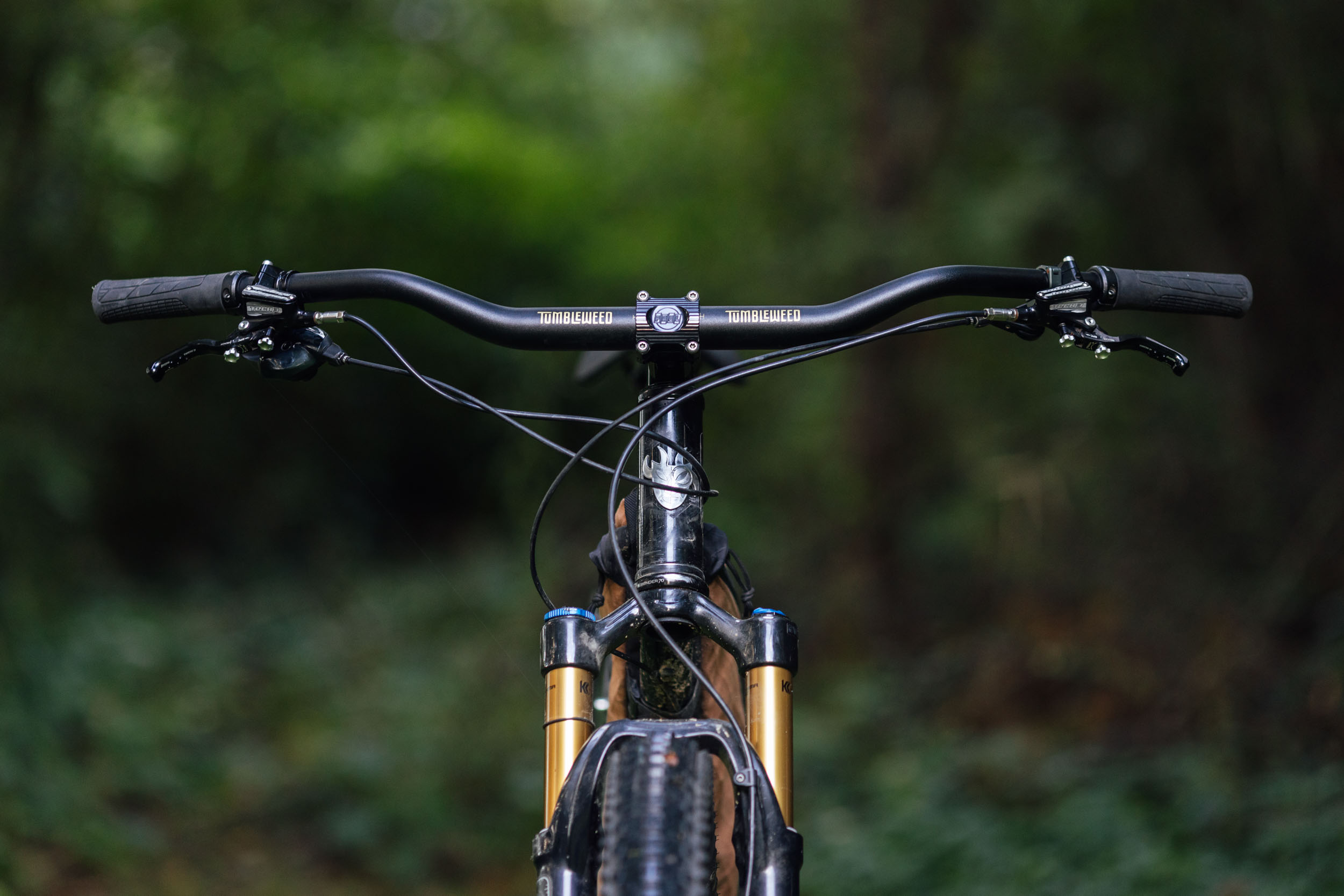
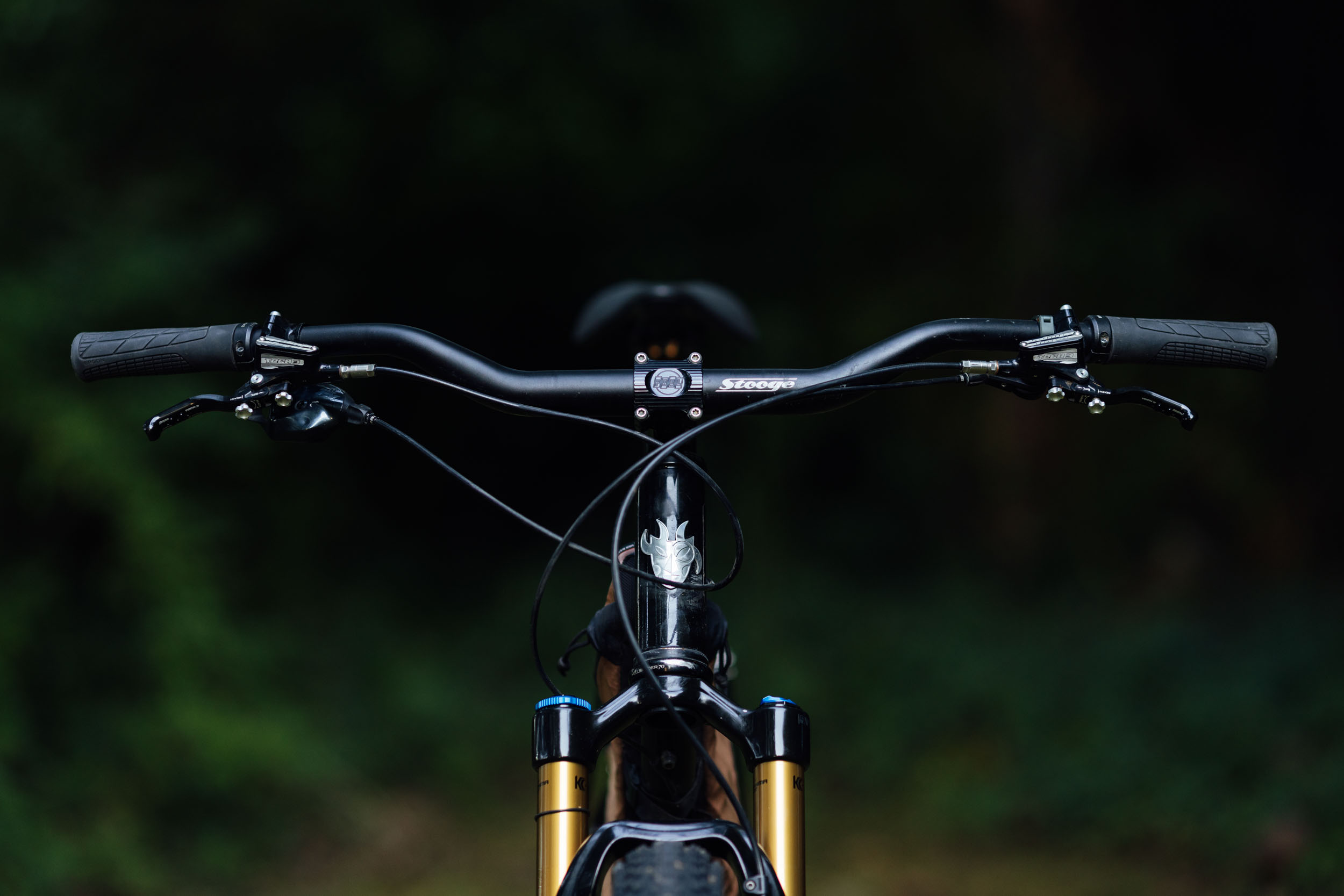
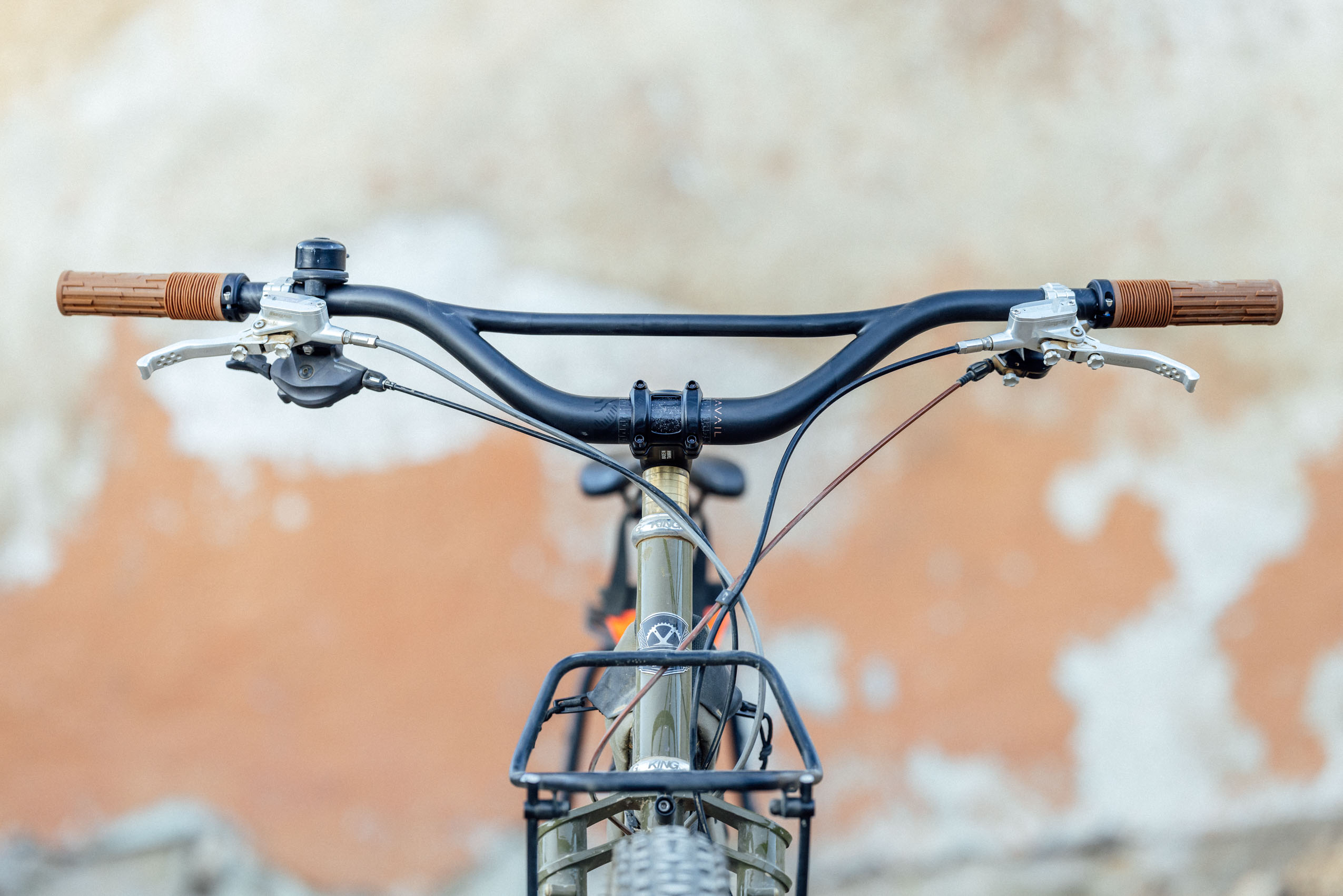
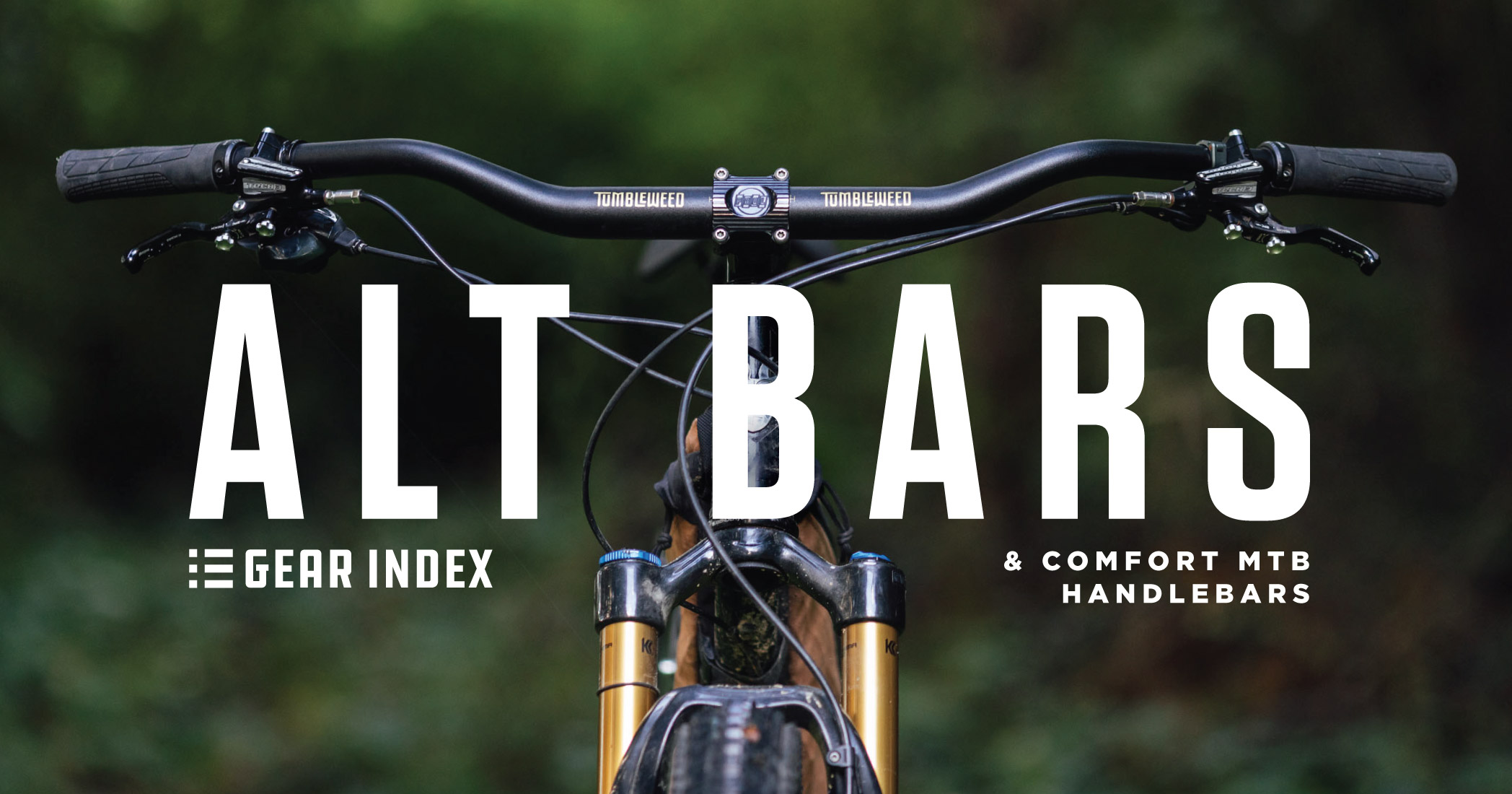
The amount of gear I’ve amassed over the last 15 years is a little ridiculous. I’ve donated some, sold a bunch through the Bike Camp Co-op, and still have more to move along, but there are certain things I hang onto for test comparisons, bike fitting, and general tinkering. I have countless stems, tents, camp stoves, sleeping bags, and more frame bags than I can justify. Out of all of it, though, handlebars are probably the one category I’d keep around even if bike testing wasn’t part of my life. I haven’t done a proper count in a while, but at one point I had around 30, and I don’t see that number shrinking anytime soon.
13. Finally Get a Custom Bike
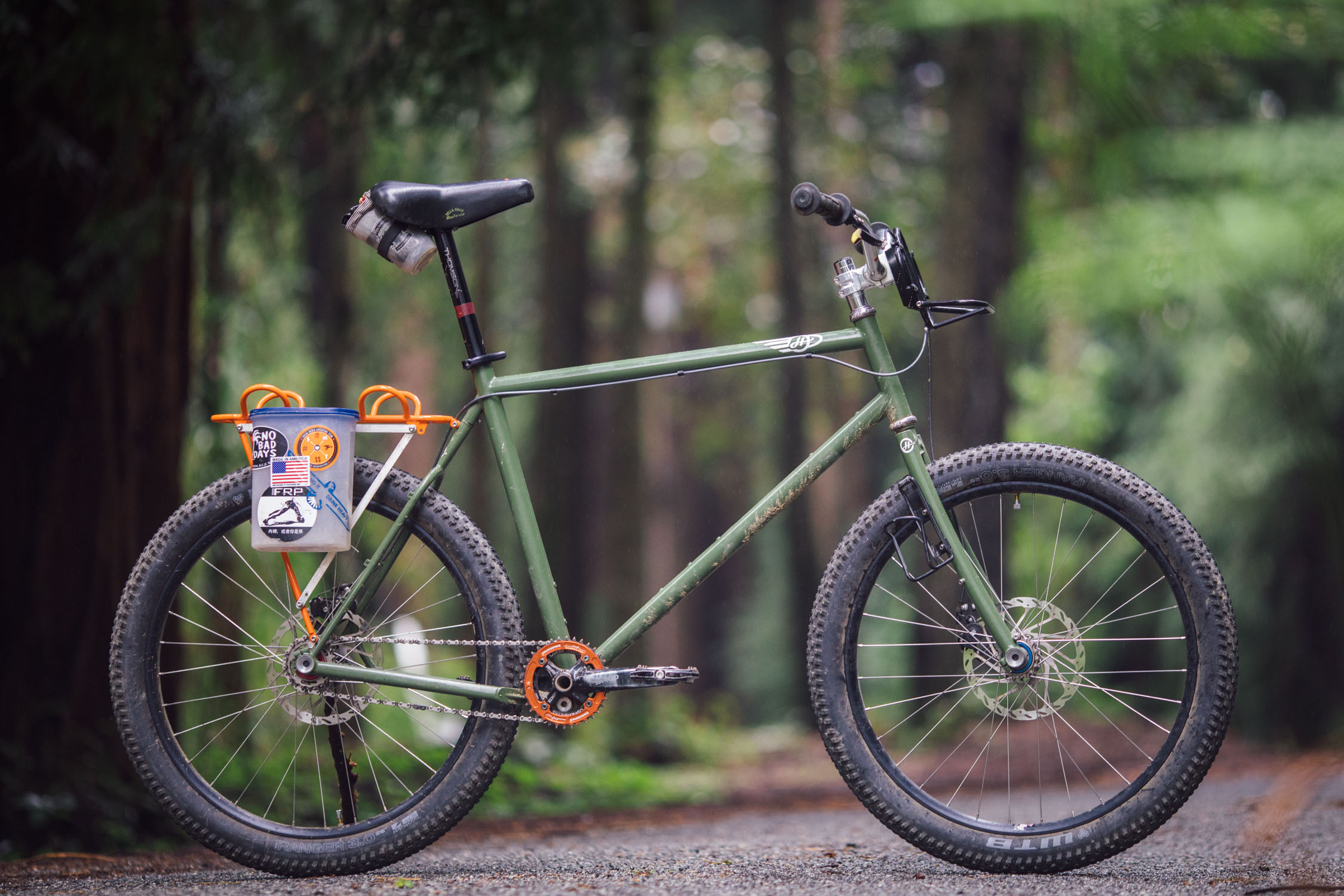
I’ve been meaning to have a custom frame built for close to a decade. I’m not entirely sure what’s held me back, but if I didn’t have a steady stream of interesting bikes to review, I’d probably have pulled the trigger by now, likely on a dedicated rigid bikepacking rig. Part of the hesitation is that my preferences are always evolving. Just when I think I’ve nailed down the perfect “forever” trail hardtail, something I’m testing shifts my perspective. Still, I like to think that one day I’ll commit—maybe to the weird, plus-tire, dogpacking mullet bike that’s been floating around in my head for a couple of years.
14. Make Things
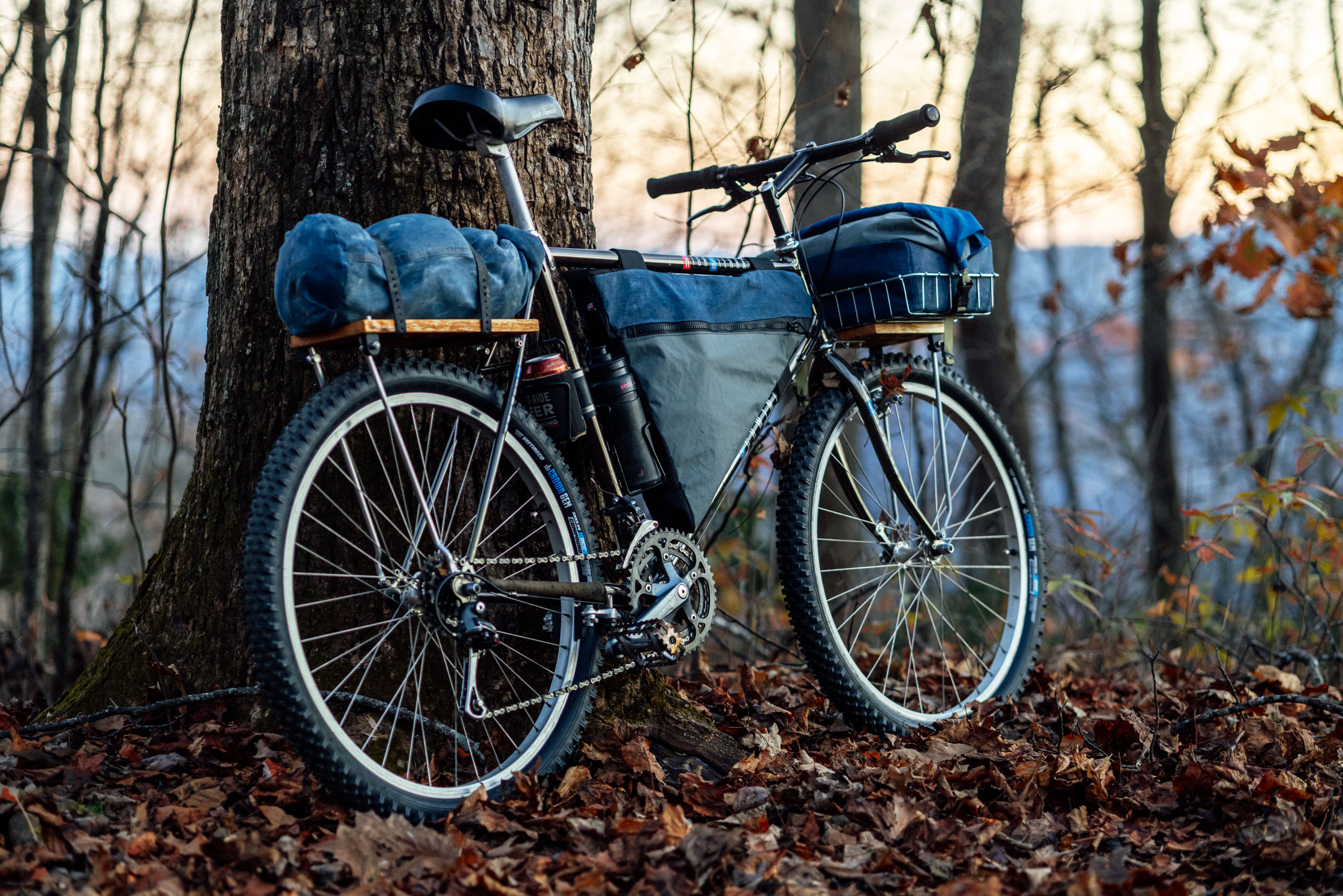
Last but not least, if I weren’t constantly testing new gear made by others, I’d spend more time making my own. Back in 2013, I built most of the bags I took on tour, and I found that there’s something deeply satisfying about using gear I made myself. It changes your relationship with it. You understand every stitch, every compromise, and every quirk. Plus, you make it based on your particular needs, which gives its own set of nuances. These days, I don’t make nearly as much as I’d like, but I’m proud that we’ve built out a solid MYOBG (Make Your Own Bikepacking Gear) library here on BIKEPACKING.com. If anything, it’s a reminder that at the heart of these consumer-based gear decisions is something much simpler that centers on the self-supported, human-powered spirit behind it all.
Further Reading
Make sure to dig into these related articles for more info...


Please keep the conversation civil, constructive, and inclusive, or your comment will be removed.