

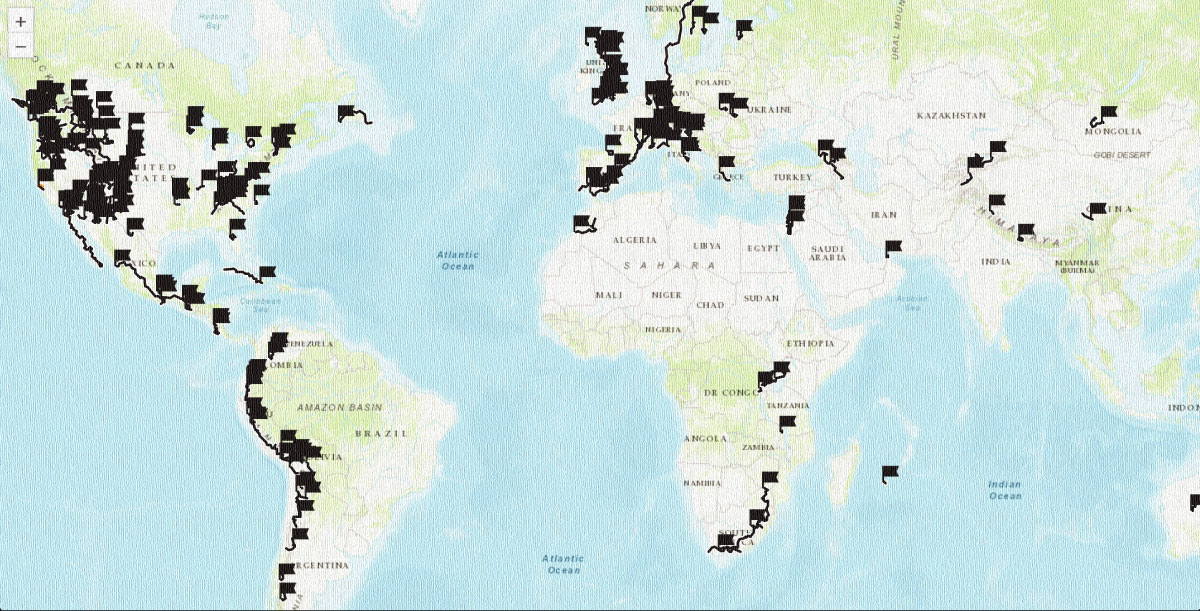
 Mountain Bike (MTB)
 Gravel Bike
 All-Terrain Bike (ATB)
 Fat Bike

Alma Andina: A Journey Into the Soul of the Andes

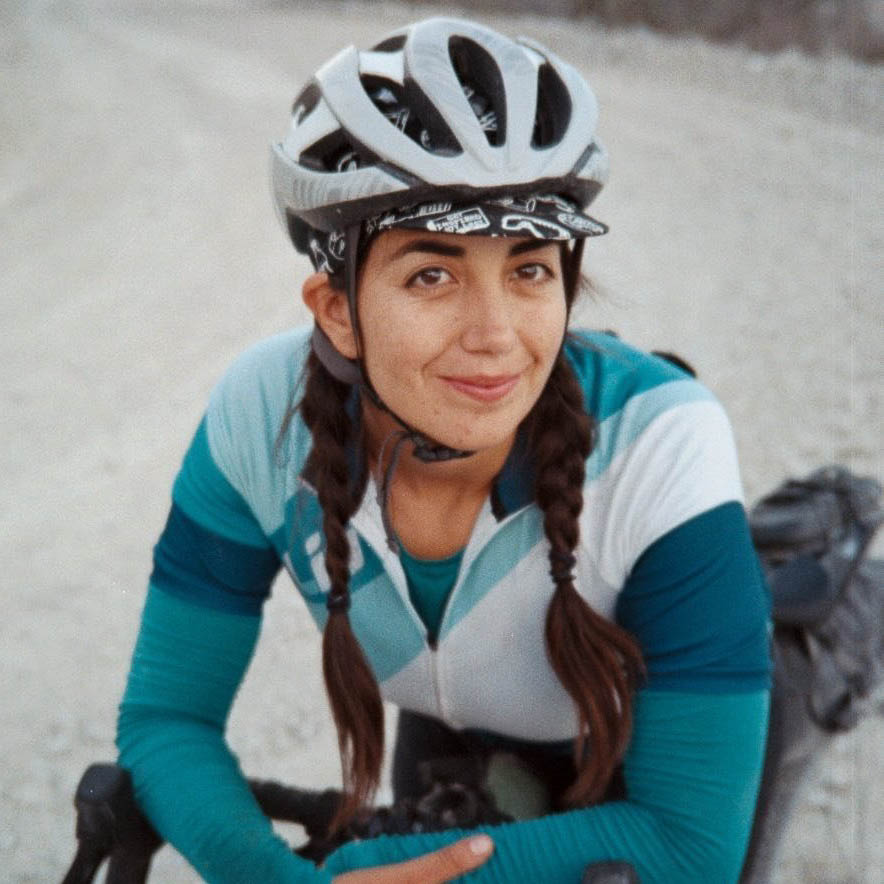
High in the Peruvian Andes, the 620-kilometer Alma Andina pushed Poli Berber across 5,000-meter passes, remote dirt roads, and far beyond the race she’d imagined. When altitude, exhaustion, and a failed derailleur threatened to end her ride, she discovered that moving forward sometimes means letting go of the plan. Find her written recap, a route map, and a video made along the way here…
PUBLISHED Oct 3, 2026
This summer, I returned to Peru for the second time. This time, I went to race Alma Andina, a grassroots ultracycling race organized by Peruvian rider Luigi Acosta. The route was 620 kilometers (385 miles) with around 10,000 meters (32,800 feet) of elevation gain, roughly 65% on pavement and 35% on dirt. For me, that sounded like a good distance. It was long enough to be a proper ultra but still seemed reasonable for where I was at the time.
Earlier this year, I went through a difficult period with my kidneys, and my recovery had been slow. I was only recently starting to feel comfortable pushing myself on the bike again. I wanted to race, but I wasn’t looking for something unnecessarily brutal. Alma Andina’s 620 kilometers felt like a good balance: long enough to challenge me, but not so long that I would be putting myself through something I wasn’t ready for.
Only 20 riders were on the start list, and just four of us were women. My partner, Cooper, and I were the only foreigners. I was excited by the race’s small, local character and the chance to share the road with more Peruvian riders, many of them Andean shredders.
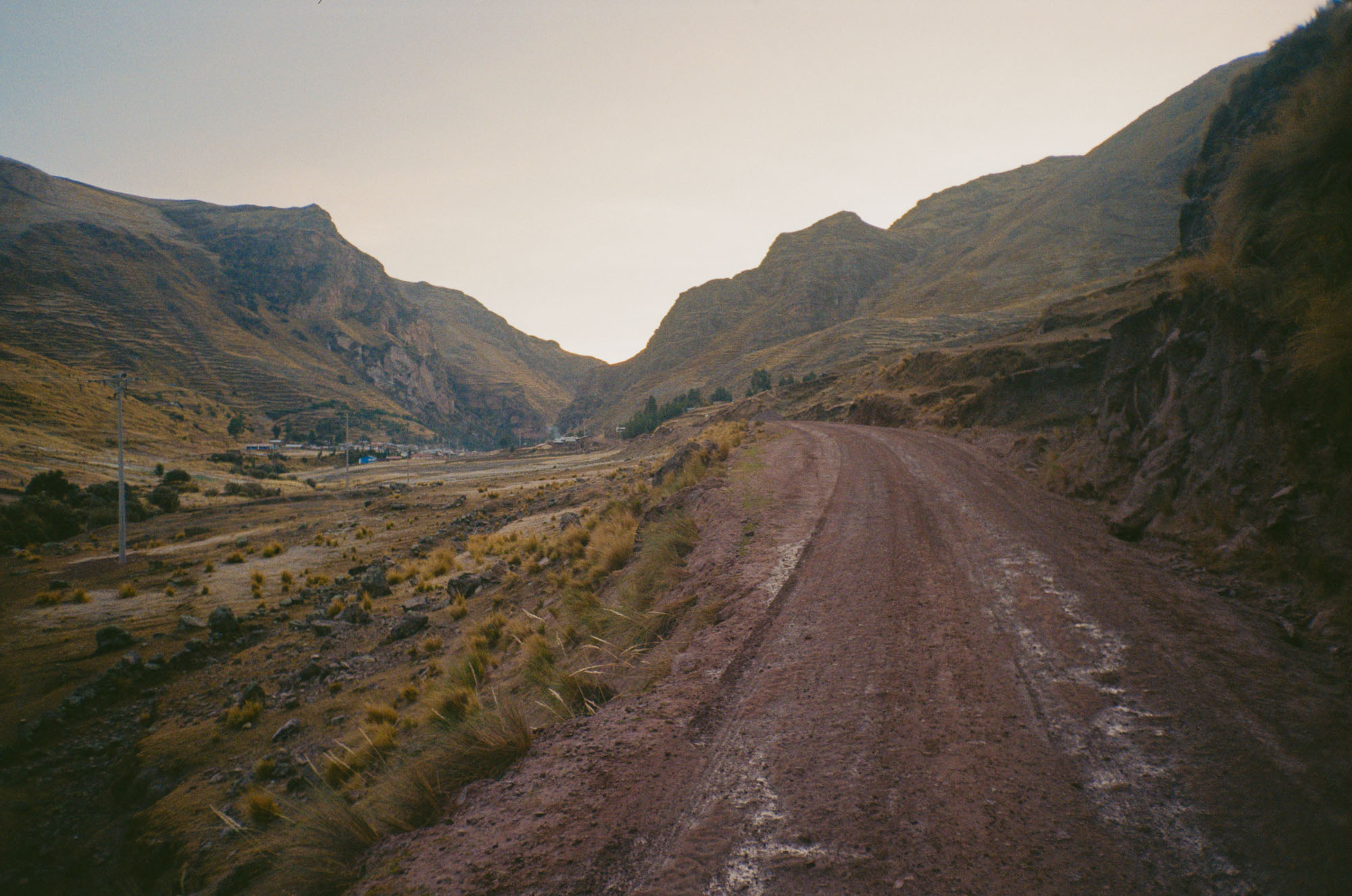
For me, it also marked a first. This was the first time I was racing as a solo woman outside Mexico. I had spent a lot of time learning how to be self-sufficient on the bike, but feeling truly confident out there on my own has been a process. So, even before the start, I knew this race would mean more to me than just another finish.
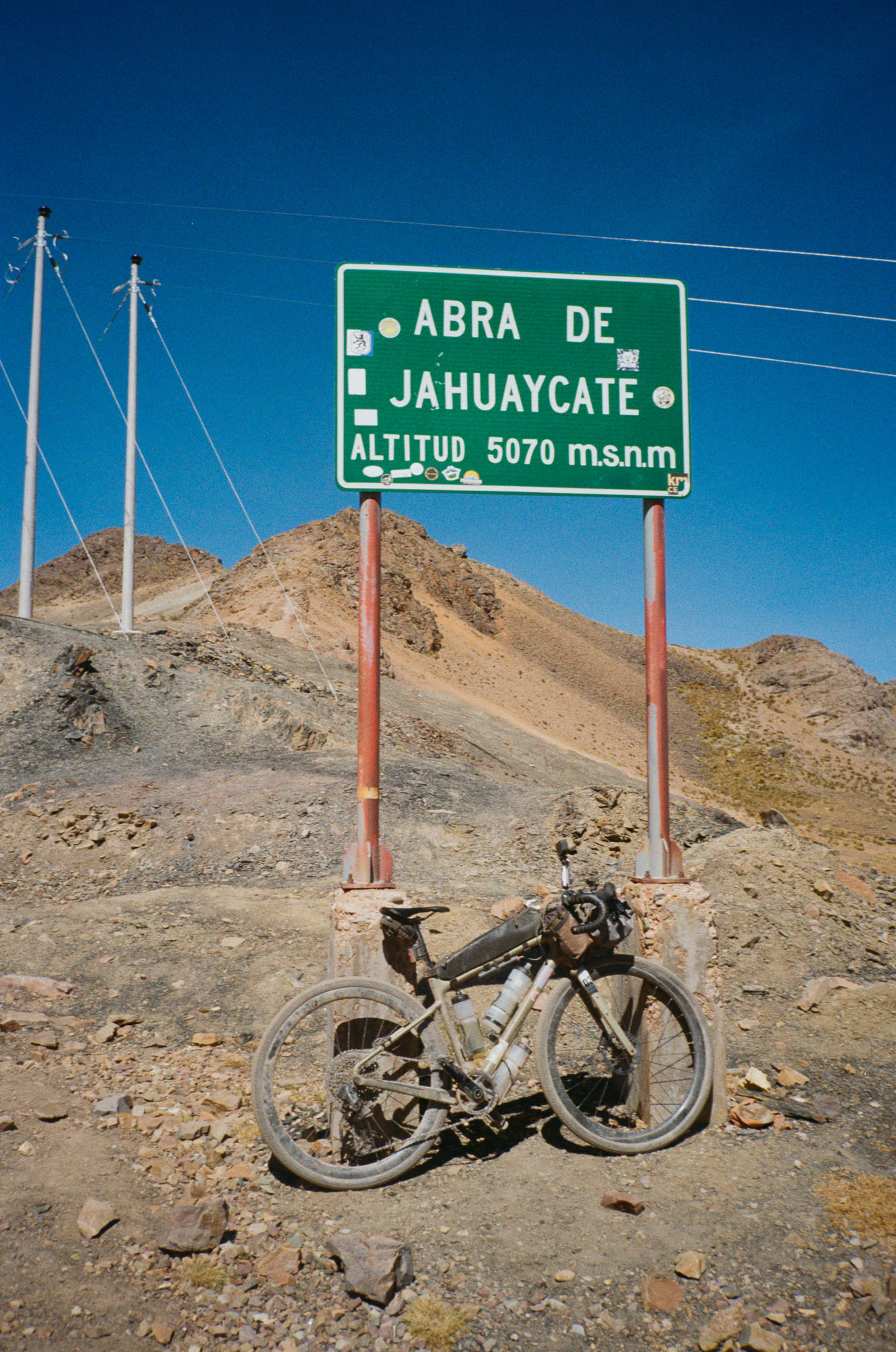
The route started and finished in Cuzco, tracing a large figure-eight around the Ausangate area, home to one of the region’s sacred mountains. It would take us through some of the highest and most remote sections of the Andes, including Abra de Jahuaycate at 5,070 meters (16,634 feet), followed by roughly 20 kilometers of high plateau above 4,900 meters (16,000 feet).
Alma Andina means “Andean Soul” in English. I liked the name, but I didn’t really think much about it at the time. By the end of the race, though, I would understand it a little differently.
Setting the Tone for a Challenging Race
Day 1: Cuzco to Ocongate
The race started on July 19 at 4 a.m. It was cold when we left Cuzco, and it only got colder as we climbed out of the city. The first climb was relatively fast, taking us up and over the pass before the descent toward Pisac. As the sun started to come up, I could finally see the Inca walls around Pisac from the climb. It was one of those moments when you have to remind yourself to look up from the road. The mountains were beautiful.
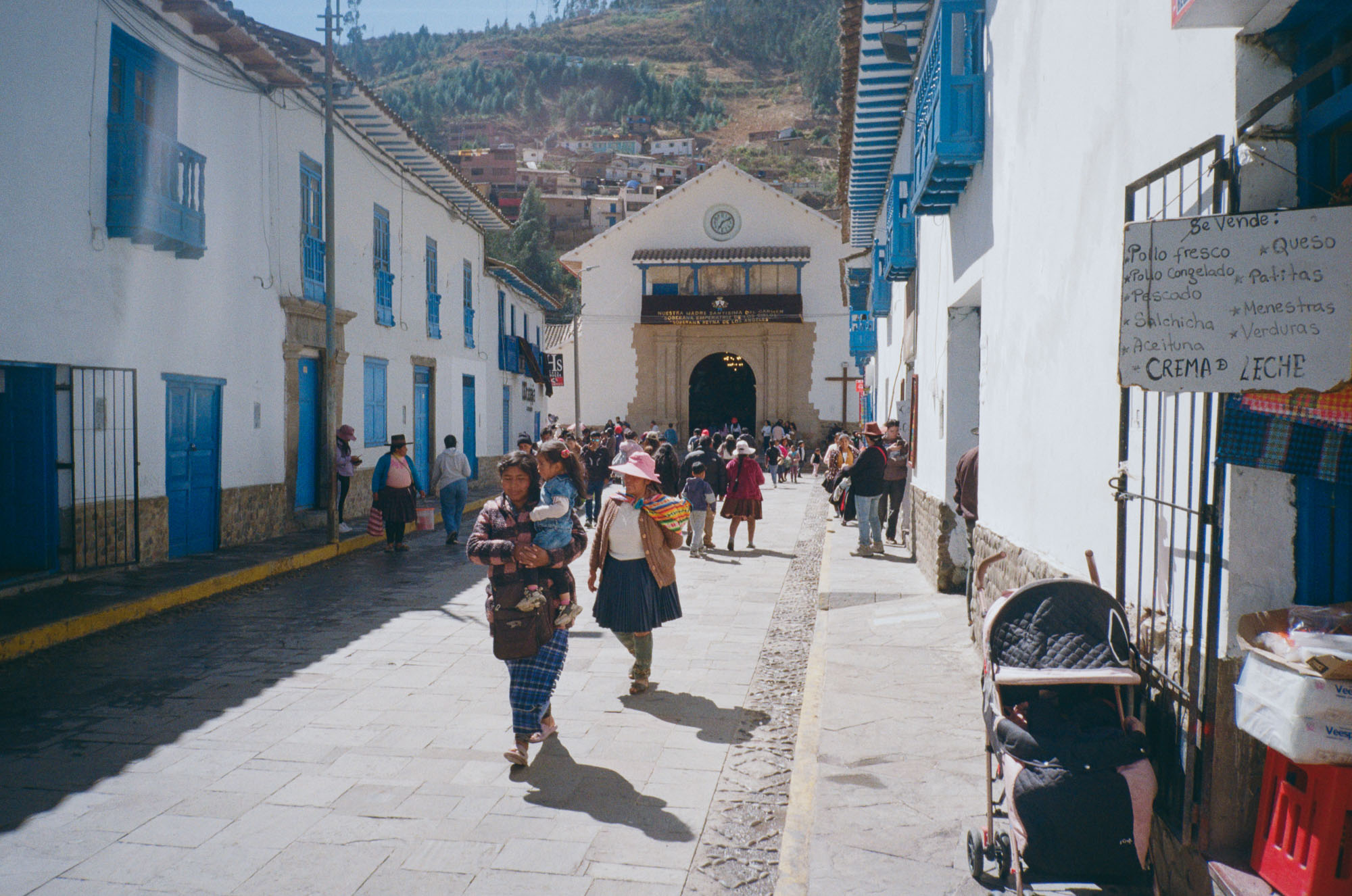
From there, I continued climbing toward Abra de Chahuaytire, the first pass above 4,000 meters (13,123 feet). I hadn’t had much time to acclimatize before the race, so I was doing whatever I could to cope with the altitude: staying hydrated, chewing coca leaves, and hoping for the best. And, surprisingly, I was doing great. For a while, I was even leading the race. I was the first woman to reach the pass, and then began the descent toward Paucartambo, a beautiful small town with white-and-blue details throughout its streets.
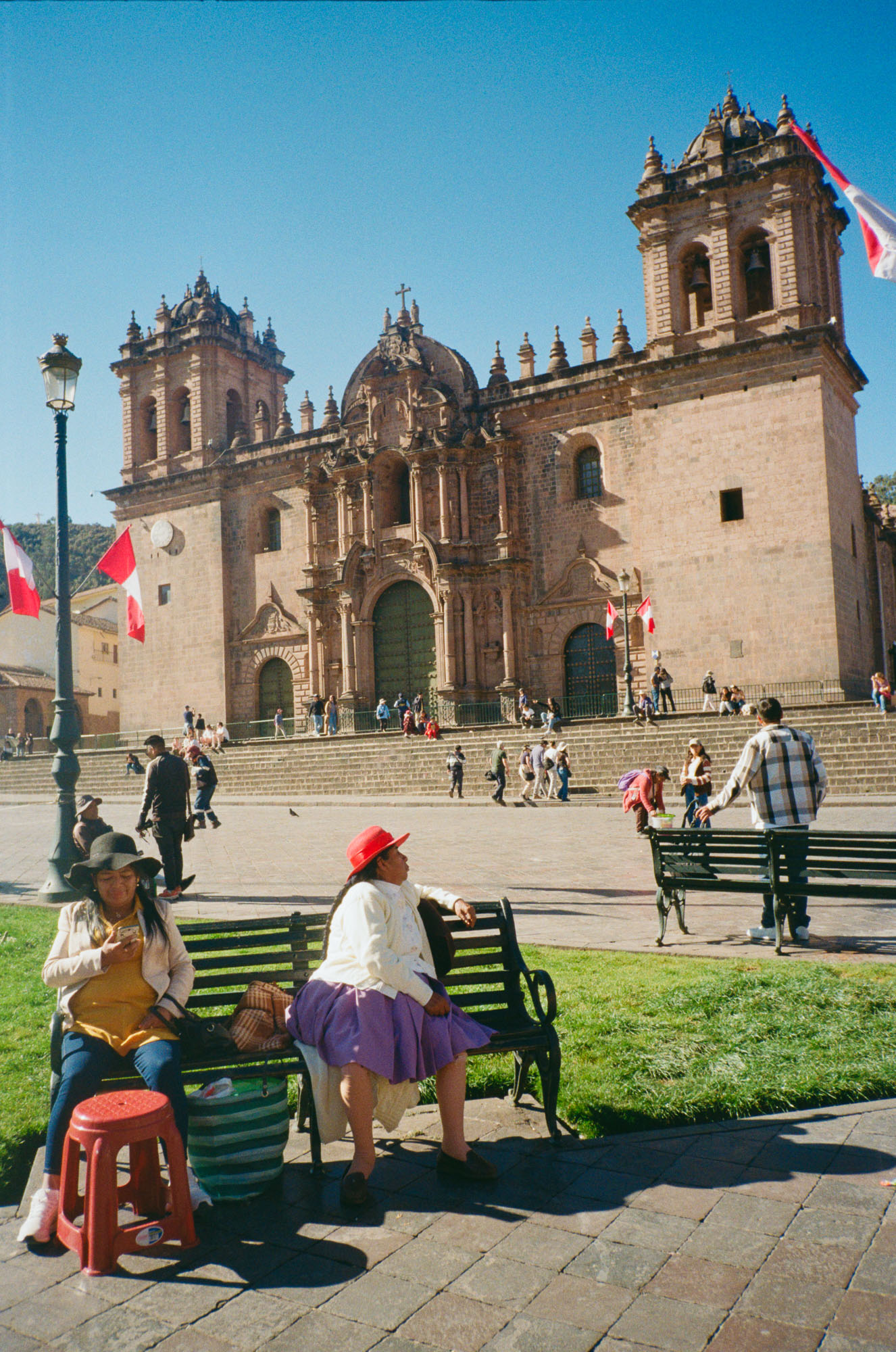
Getting into Paucartambo was absolute madness. The town was celebrating the Virgen del Carmen festival, so people, traffic, music, and activity were everywhere. After hours of riding through quiet mountain roads, suddenly finding myself in the middle of all that chaos was quite the change of pace. And this is where I made my first mistake.
By the time I reached Paucartambo, it was already noon. I was hungry, but instead of stopping for a proper meal, I felt the pressure of knowing the other women were behind me. I bought some juice and cookies, grabbed my bike, and kept going. Looking back, I probably should have stopped. That section from Paucartambo to Ocongate felt endless.
Most of it was a dirt road, with relentless ups and downs that slowly wore me down. The road was incredibly dusty, and by then, I was starting to feel the accumulated fatigue. The best part of the whole stretch was probably seeing Ausangate Peak in the distance. Other than that, the climbing felt brutal. It took me the entire afternoon to reach Ocongate, and I finally arrived around sunset.
To make things a little harder, I was on my period, and it was still pretty intense. I wanted to keep moving and make more progress, but all I could think about was taking a shower and washing my bib shorts.
I stopped for a chicken soup and a Coke, and took some time to think about my options. I had already been carrying a lot of sleep deprivation from the trip from Mexico, the layover in Lima, and then the flight to Cuzco. I could push a little farther that night, but I knew I was already tired.
So, I decided to stay in Ocongate and get some rest. My thinking was simple: a few hours of sleep now might give me a better push over the next few days. While I was eating my soup, I ran into Cooper. He was completely cooked. He had crashed and hurt his knee near Paucartambo, so he was also looking for somewhere to stop for the night.
Finding a room turned out to be another challenge. Almost everything was either full or didn’t have a hot shower. After searching for a while, we finally found the last available room with a bathroom and a shower. We shared the room, took very long showers, and went to sleep without setting an alarm for the next morning.
A Much-Needed Recovery Day
Day 2: Ocongate to Pitumarca
I woke up around 7 a.m. and started getting ready to leave. When I looked at Cooper, though, it was obvious he was in really rough shape. Between the altitude, his injured knee, and what looked like the beginning of the flu, he was struggling. I suggested he stay in Ocongate for at least another day. There was no point in risking his health.
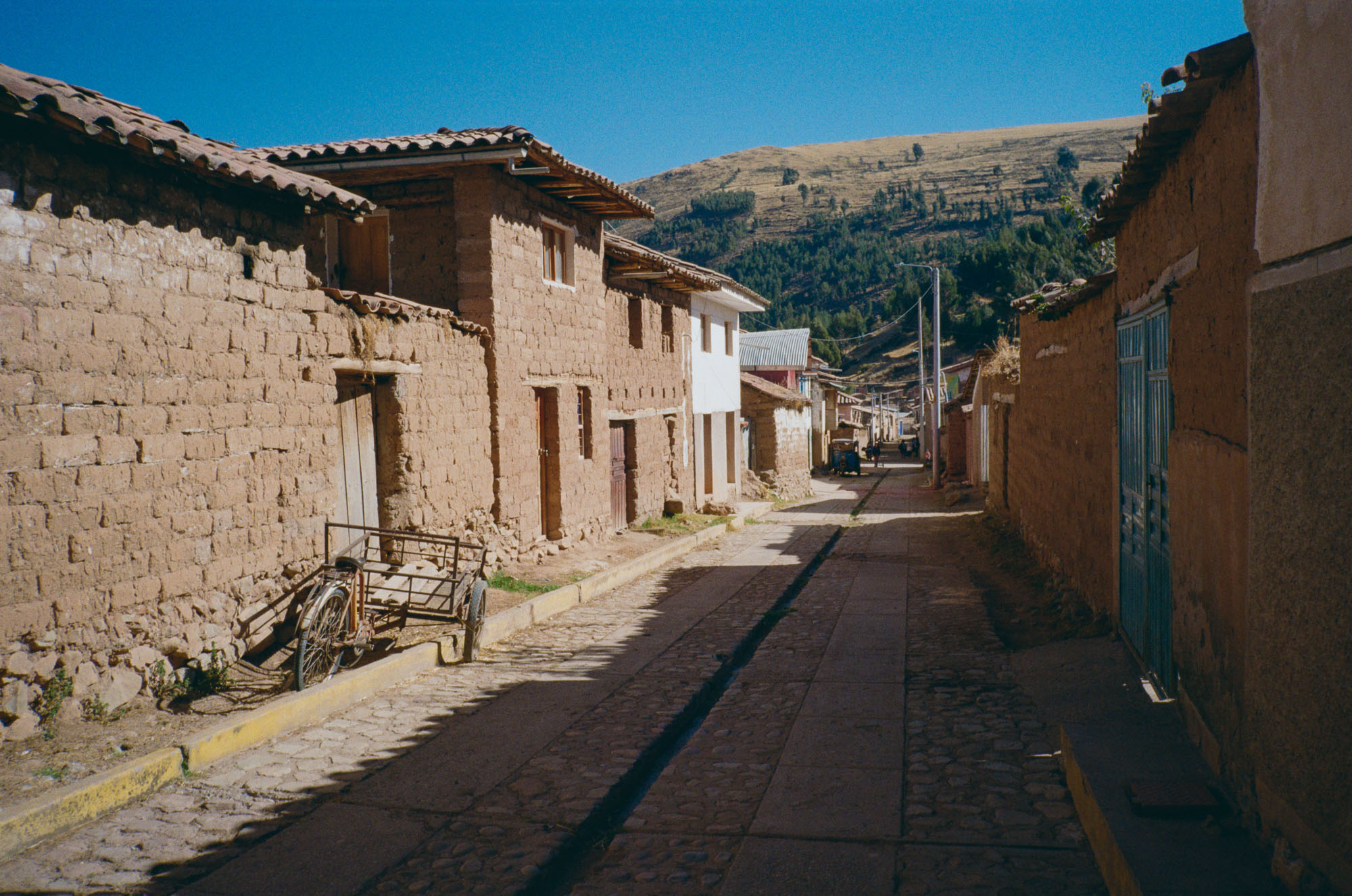
I headed into town to get breakfast and watched Ocongate slowly wake up. I found a woman with a small food cart and had what turned out to be one of the best meals of the race: potatoes, rice, and a boiled egg for five soles. I sat there for a while talking with her while the town came to life around us.
I finally left around 8:30 a.m., once the sun was properly out. I felt rested and noticeably better than the day before. I had also decided to keep day two relatively easy. The plan was to ride only as far as Pitumarca, about 110 kilometers (68 miles), and spend the night at the foot of the mountains. The following morning, I would wake up in the middle of the night and tackle the high plateau and the 5,000-meter (16,400-foot) pass.
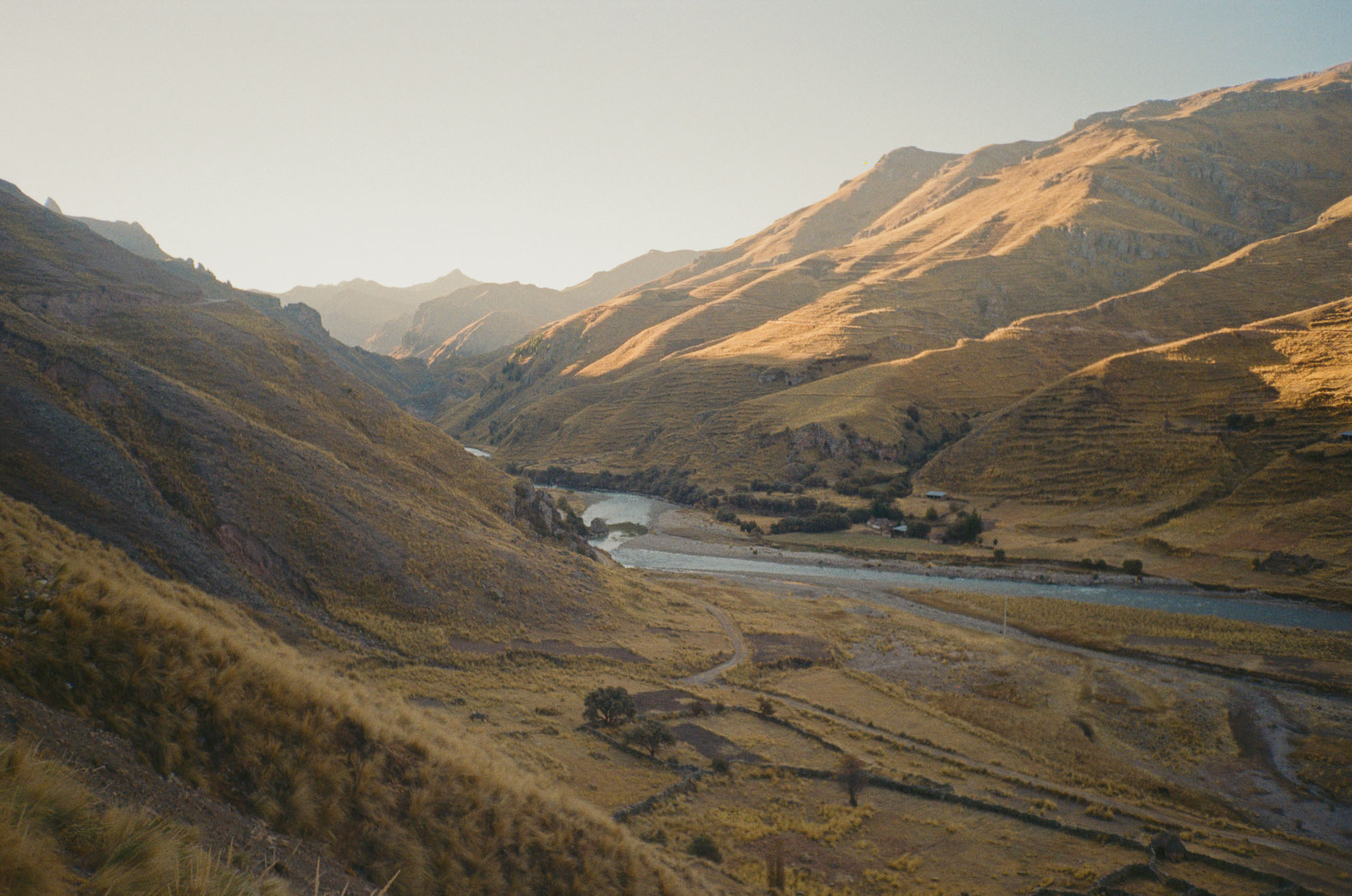
Day two would be easy. Day three, I would give it everything. I wouldn’t see Cooper again until we were back in Cuzco. He had his own odyssey to get there. The ride from Ocongate to Pitumarca was fairly uneventful. It was mostly paved road, lots of sun, and not much to report. I followed a river for much of the way, with beautiful views along the road, and ran into a few other competitors.
The only thing that caught my attention was my electronic derailleur starting to act up. I always carry a fully charged spare battery, so I swapped it out, but it still wasn’t responding properly. I checked the shifters and realized one of them didn’t seem to be working either. I replaced its battery, tried again, and somehow everything started working. It was strange, but it seemed fine, so I kept going.
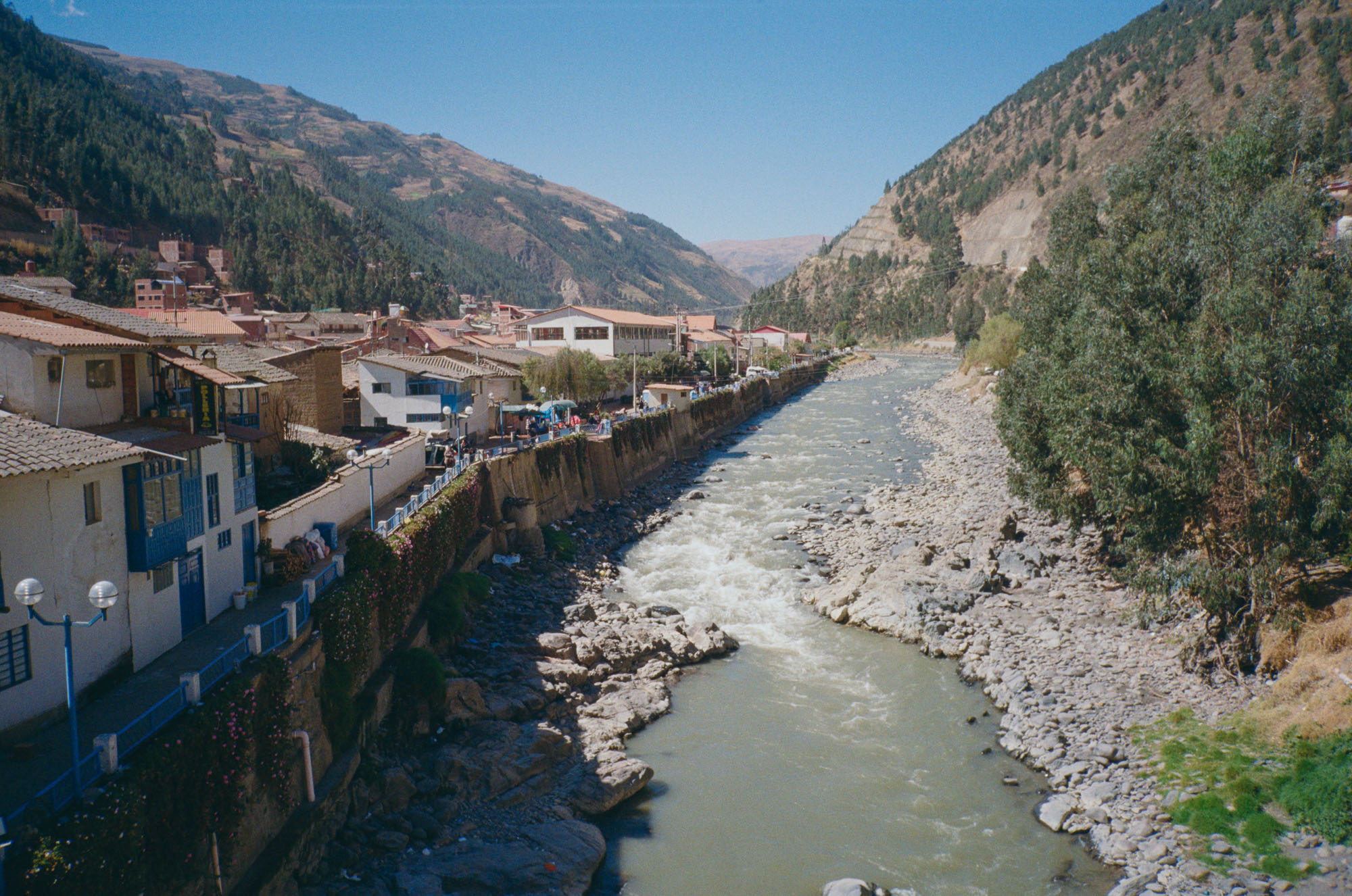
Other than that, it was mostly a matter of surviving the heat coming off the road and putting in the kilometers. I reached Pitumarca around 5 p.m., ate a proper meal, and started getting ready for the night. The plan was to be asleep by 7 p.m. at the latest. I wanted to wake up around 2 a.m. and start the real challenge: crossing the high plateau at 5,000 meters (16,400 feet).
Views of Ausangate, Altitude Sickness, and the Unexpected
Day 3: Pitumarca to Sicuani
I woke up at 2 a.m. and started getting ready to leave. It took me a little while to fully come to and get moving, but once I stepped outside, I realized just how cold it was. I put on every layer I had brought with me, and I was very happy I had packed my puffy pants and jacket. I finally left around 3:30 a.m. and started climbing.
The road was quiet and dark. All I could hear was the river beside me, with the occasional dog barking somewhere in the distance. Something about being completely alone on that dirt road felt beautiful. I slipped into some kind of trance. I listened to Colombian cumbia and just kept climbing. I wasn’t really thinking about much.
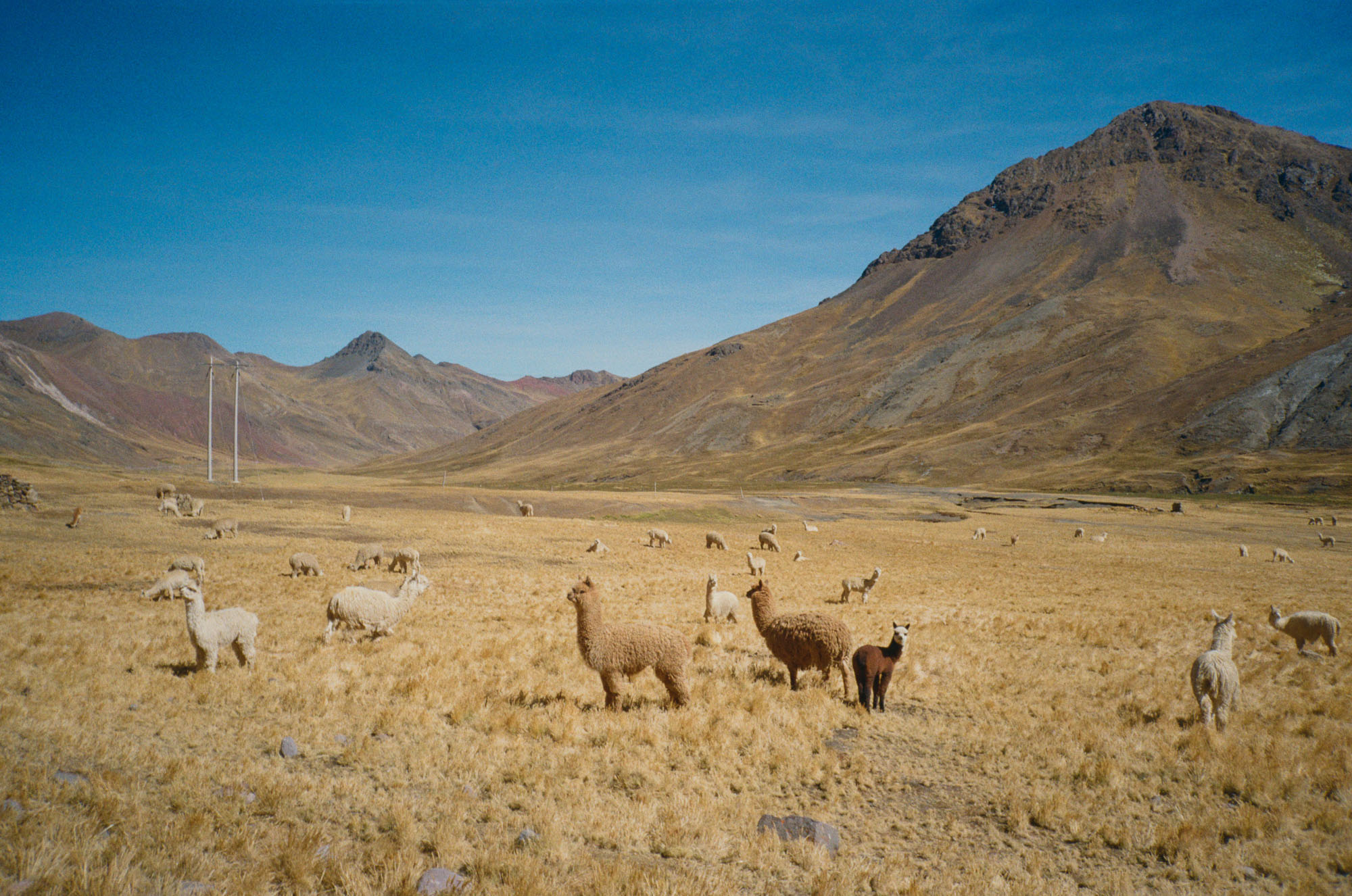
Eventually, it was 7 a.m., which felt like the coldest part of the morning. The wind had already wrecked my lips. I stopped in Chilca to restock and prepare for what was ahead. I was getting closer and closer to 5,000 meters (16,400 feet). I also ran into the video crew at the little shop in Chilca. We talked for a few minutes before I continued climbing. From there, it felt like I had entered a world of alpacas.
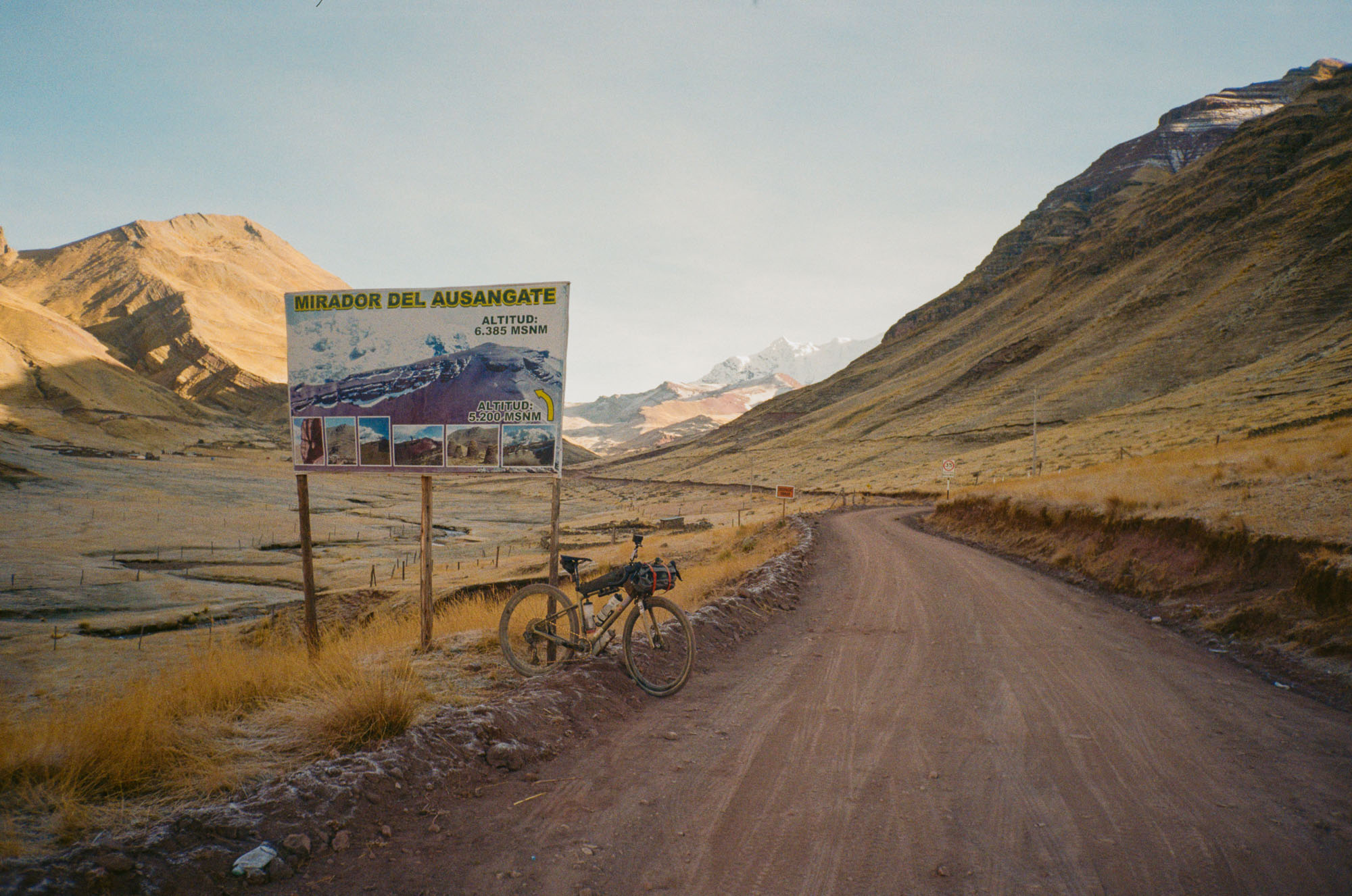
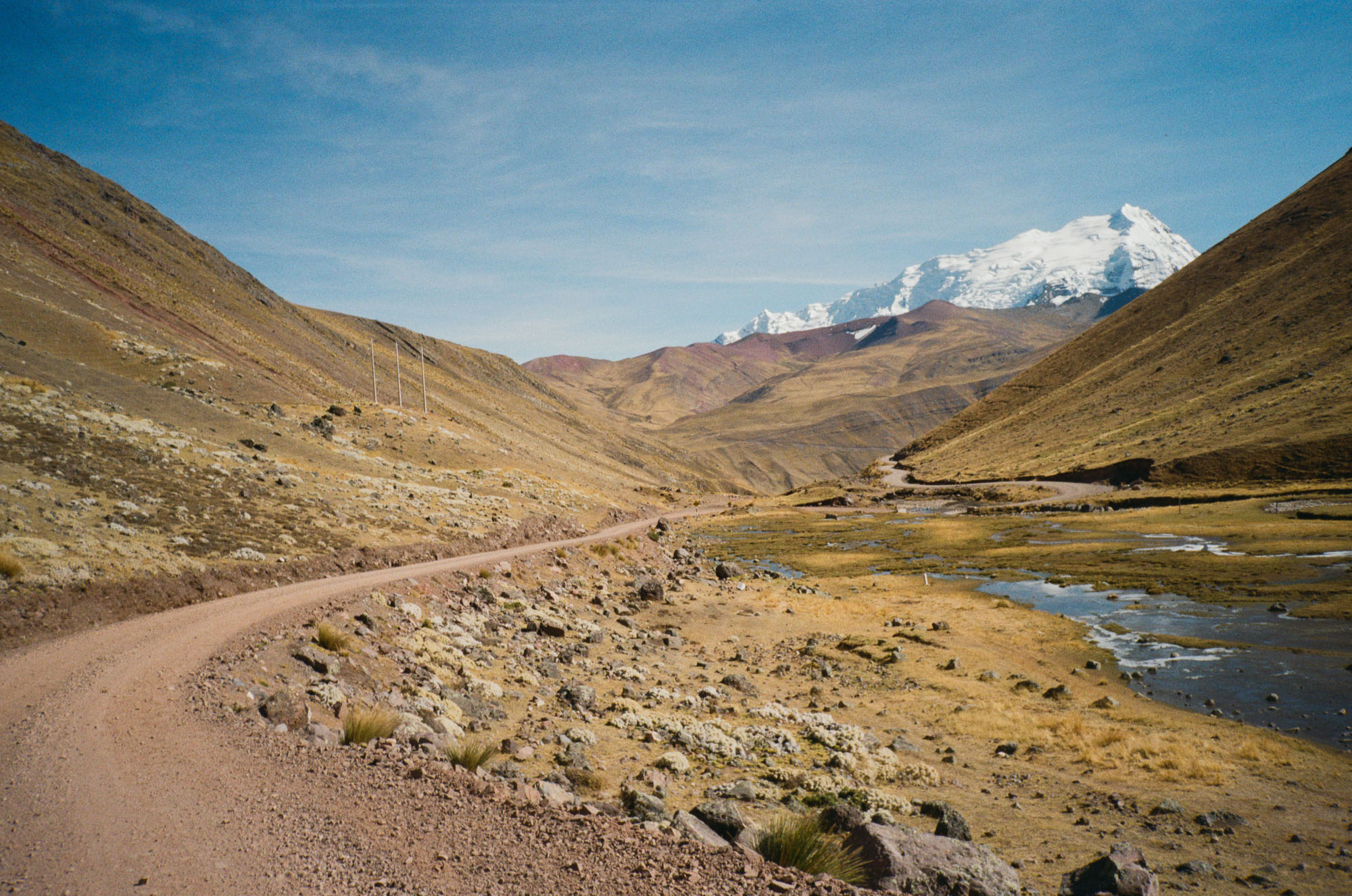
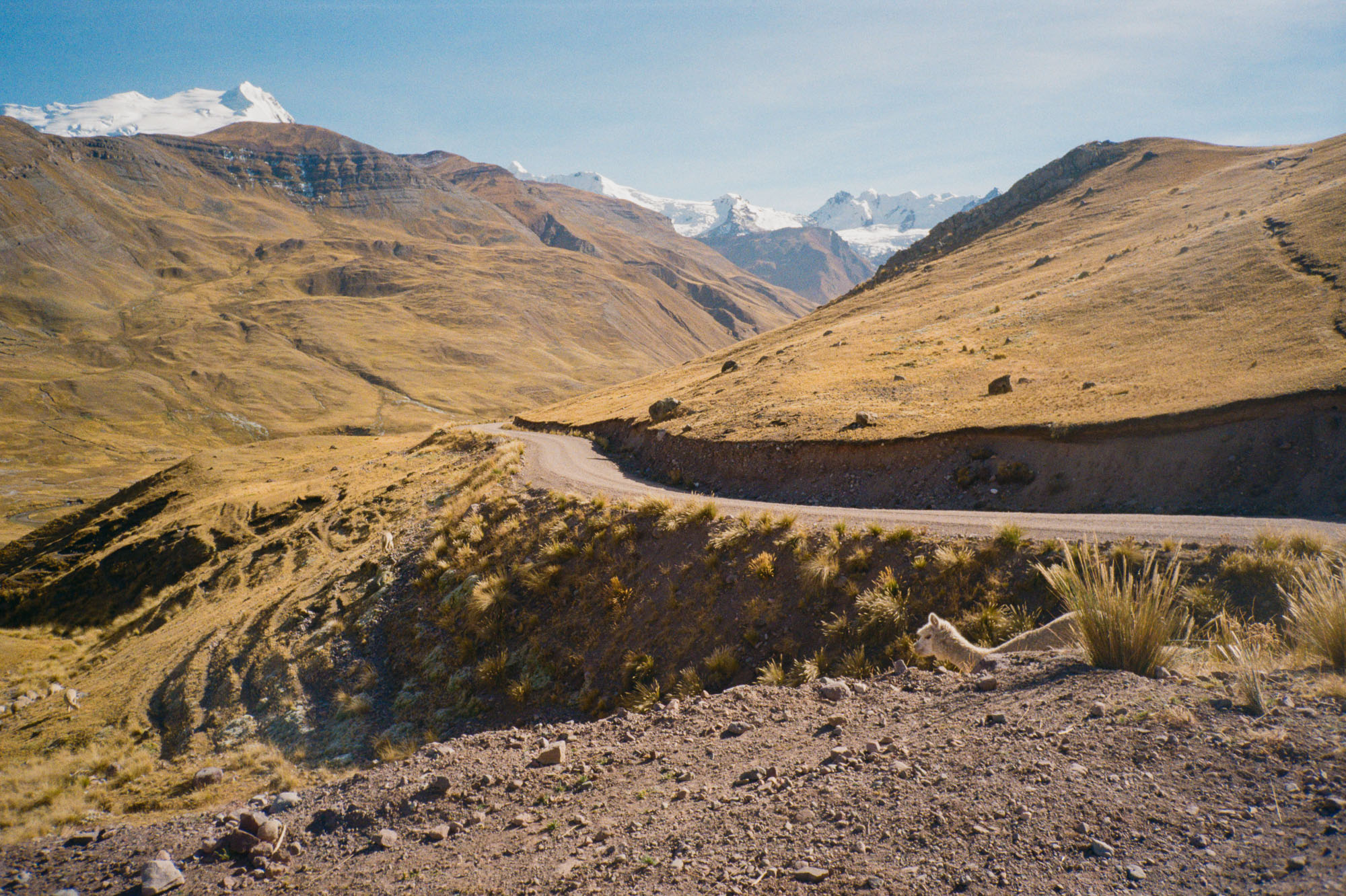
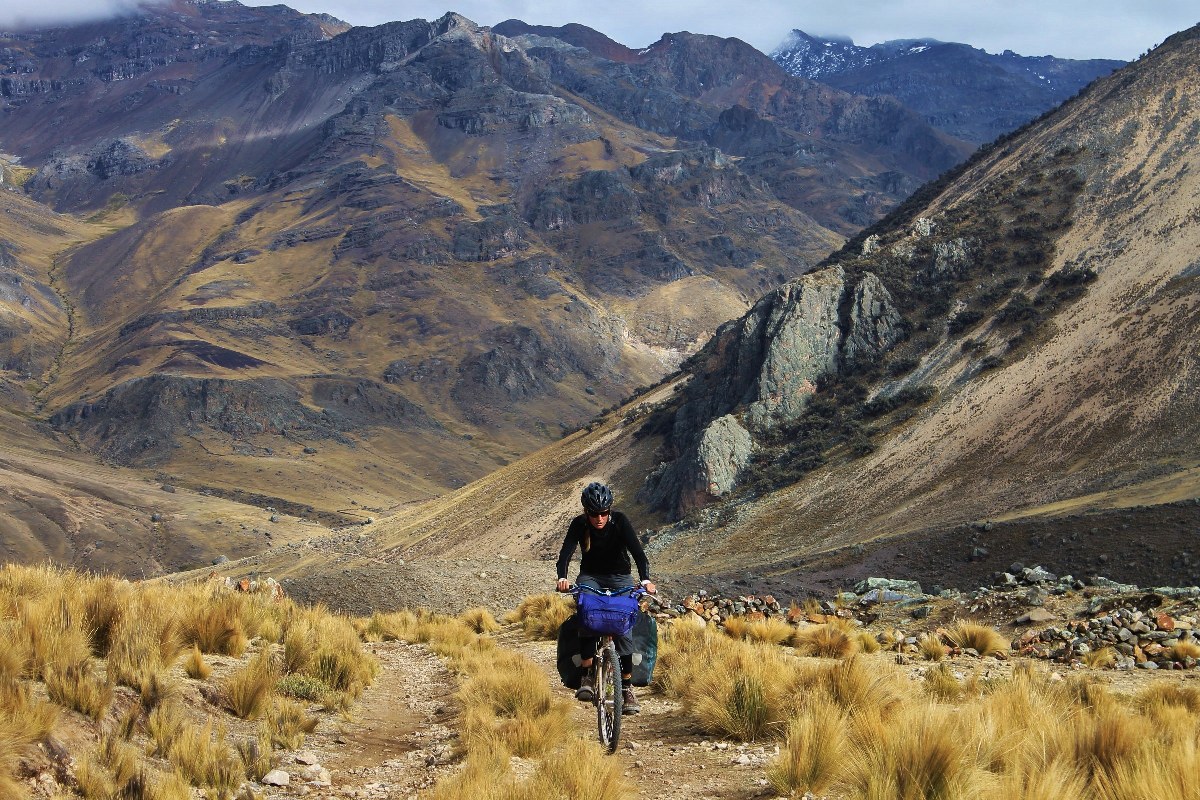
The landscape was incredible. Ausangate Peak and other huge mountains surrounded the valleys, and the higher I climbed, the harder it became to keep moving. I kept chewing coca leaves, hoping they would help with the altitude. The scenery was so beautiful that I would suddenly find myself crying. I felt incredibly lucky to be there. Sometimes I walked, sometimes I rode very slowly, just trying to keep moving forward.
I had never been above 4,700 meters (15,400) before. Once I crossed that threshold, everything felt different. I was in a kind of hyperfocus. I was cold and hot at the same time, exhausted but completely determined to keep climbing. Around 10:30 a.m., I finally reached Abra de Jahuaycate at 5,070 meters (16,634 feet). I thanked the mountain for letting me arrive in such good weather.
I cried a little and thought about my dad. I always think of him in places like this. I miss being able to tell him about my adventures and hearing him ask me about them. I miss him a lot. Rest in peace, Dad. I stayed there for a moment, letting myself feel whatever I needed to feel. The race organization was there too, and we exchanged a few words. It was strangely comforting to see other people in the middle of what felt like nowhere.
Eventually, I kept going. I thought the next section would be easier because the major climb was behind me. I was wrong. It was an enormous high plateau, with constant little climbs and descents that kept us around 4,900 meters (16,000 feet) for hours. In the distance, I could see the Quelccaya Glacier. I started stopping more and more. I felt heavy and dizzy.
It was beautiful and brutal at the same time. At some point, I think I started hallucinating. For some reason, I suddenly felt an intense urge to turn around and go back down. But there wasn’t really anywhere to go. The road kept rolling up and down, with false flats that seemed to go on forever.
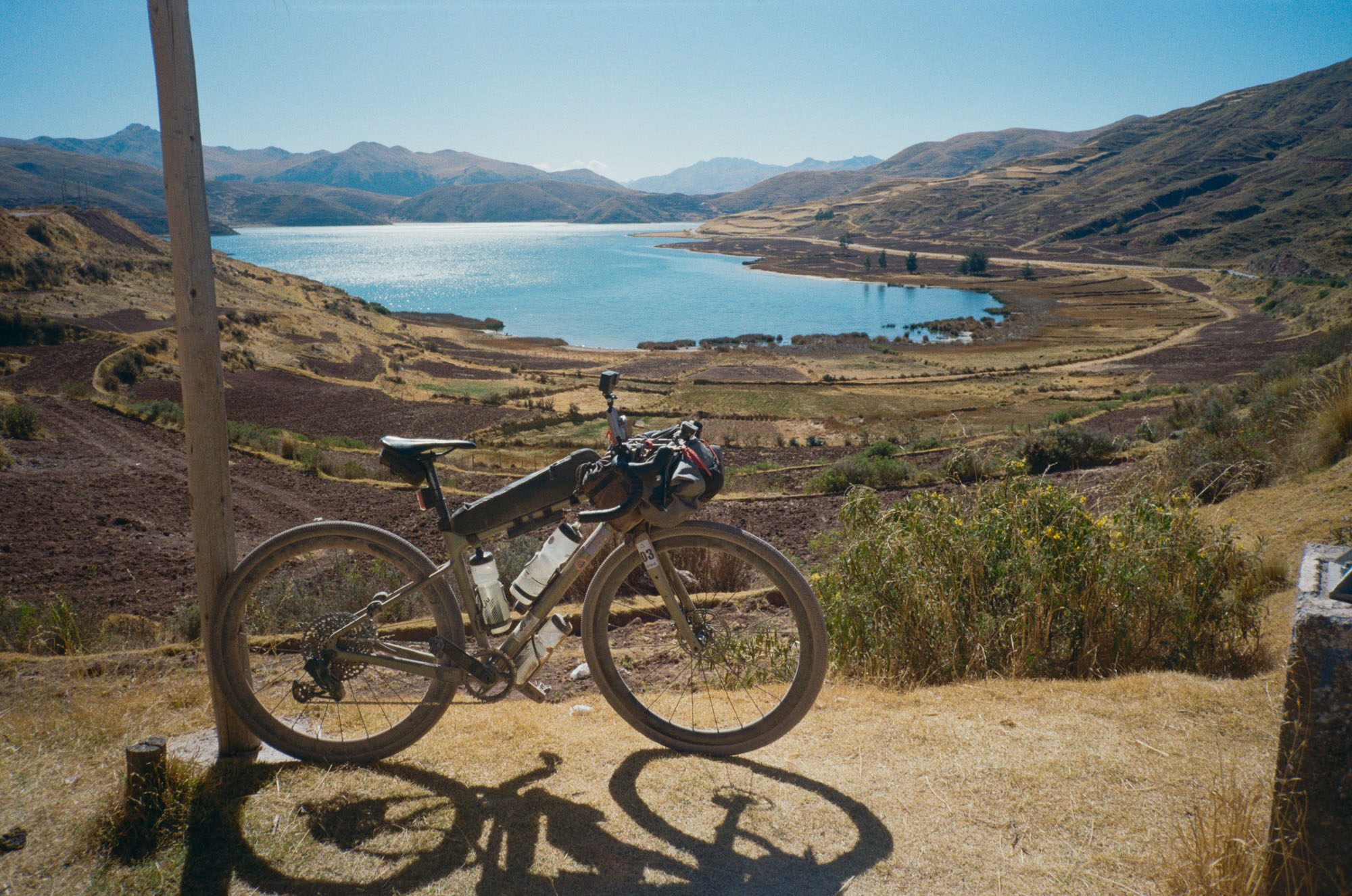
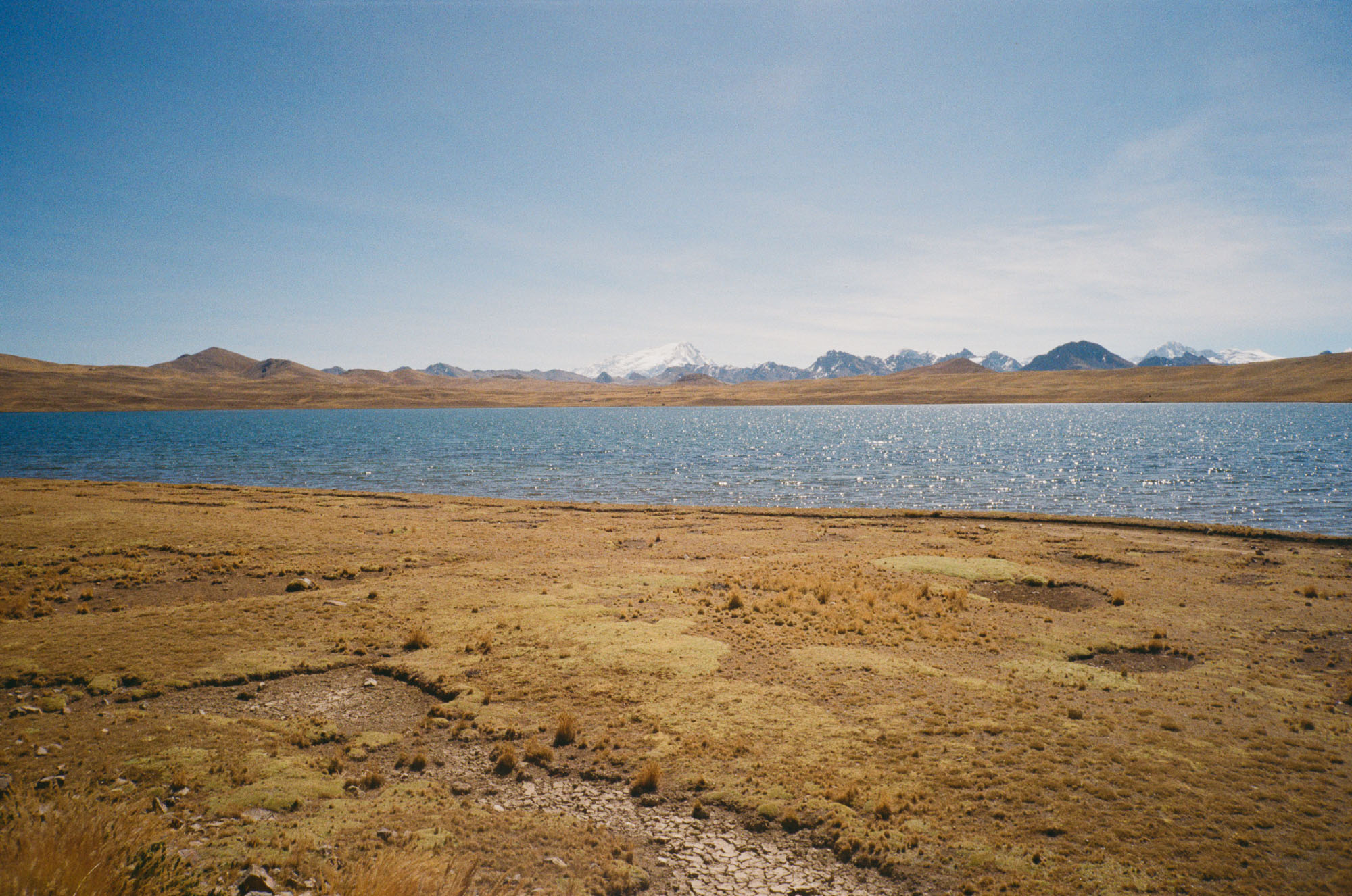
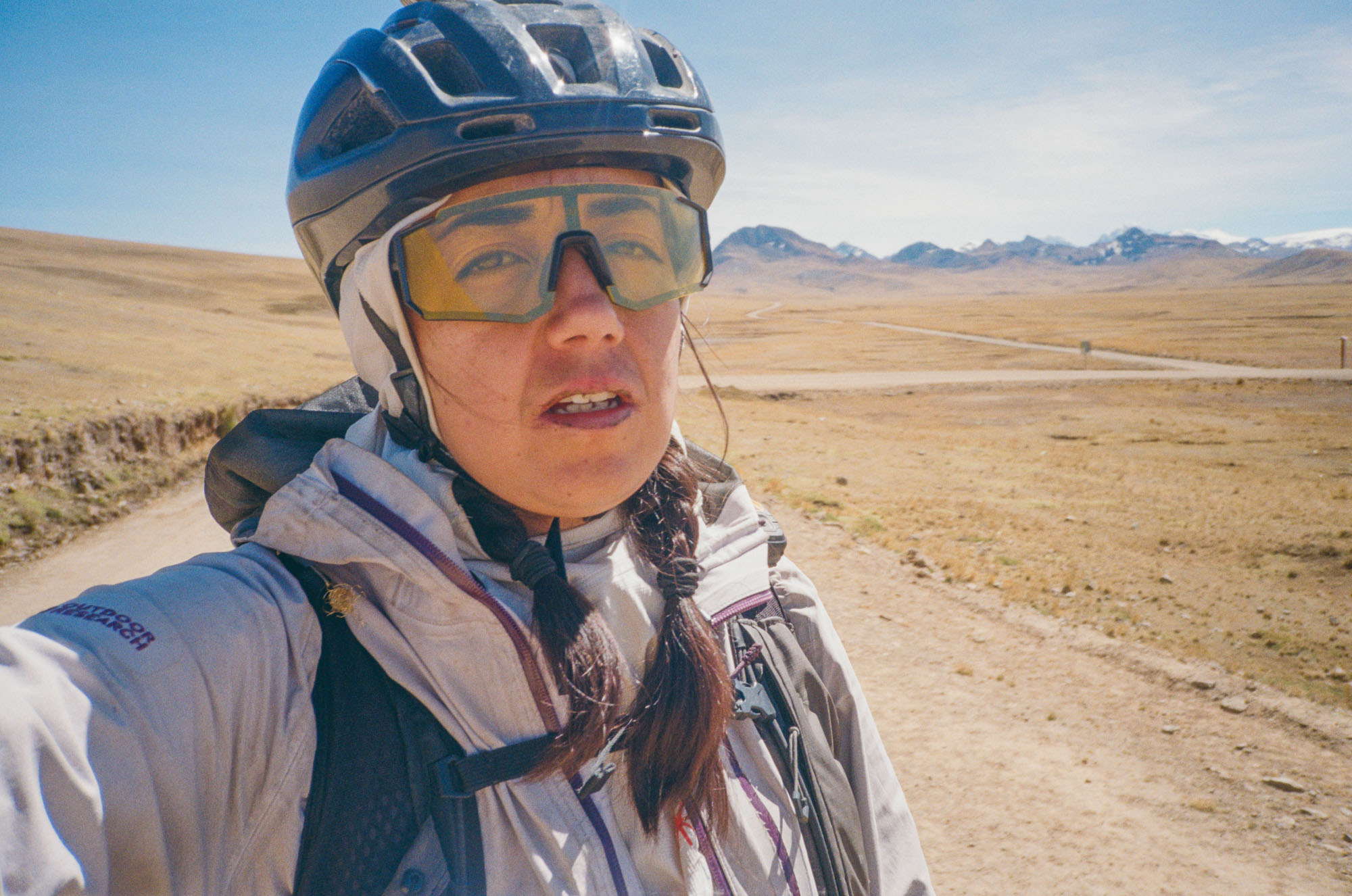
Eventually, around 1:30 p.m., I reached a beautiful lake. Finally, the descent was about to begin. I had been carrying an avocado sandwich for exactly this moment. I sat down next to the lake, ate it, and started the descent. It was rough. And, in hindsight, bringing my gravel bike with 40mm tires was probably not my brightest decision. The bike bounced constantly over the loose dirt and rocks, and after a while my hands were killing me.
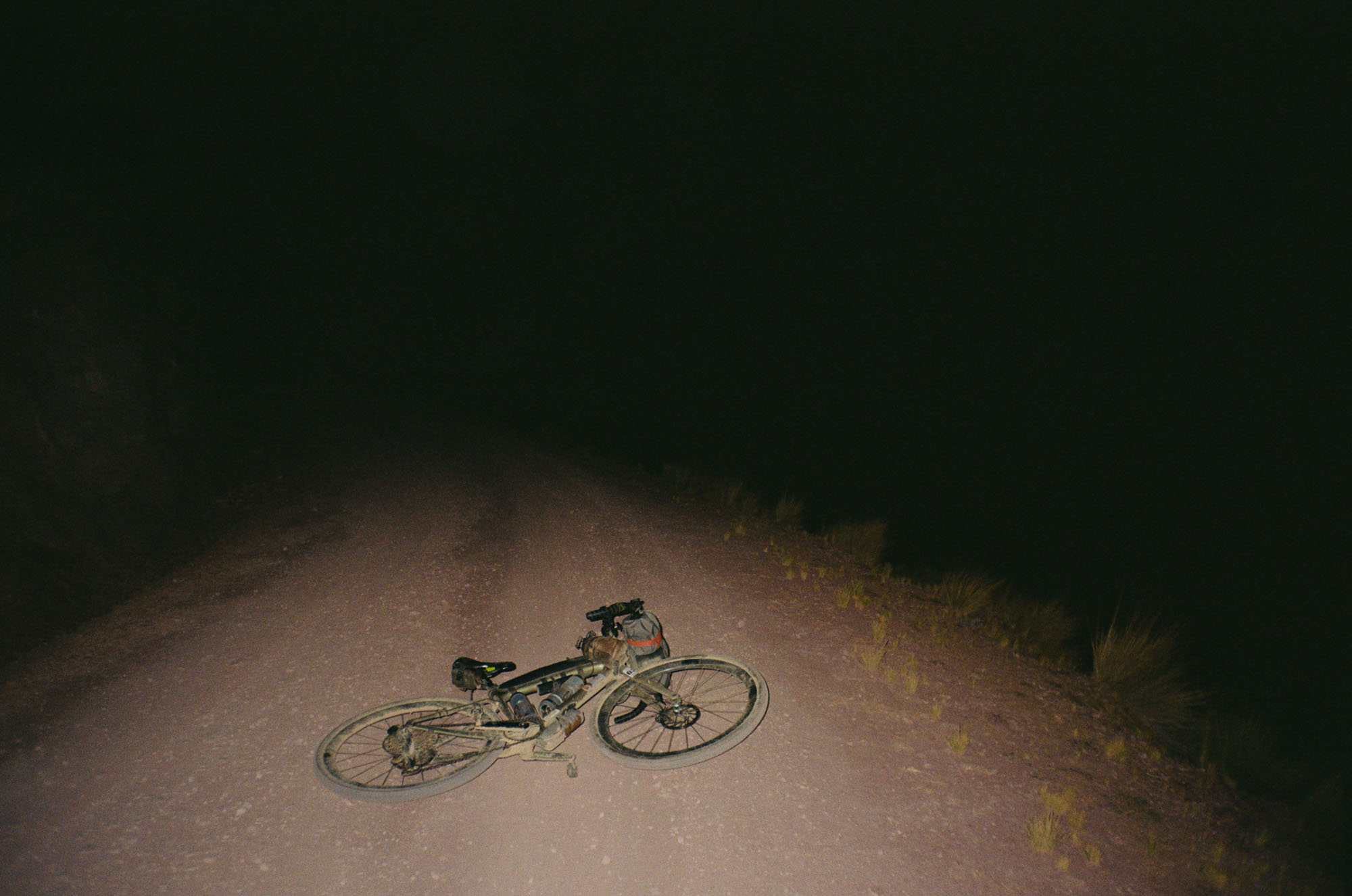
Then, around 4:00 p.m., something happened that I absolutely did not expect. My electronic derailleur stopped shifting. It didn’t respond to anything. I couldn’t understand what was happening. I had put in a freshly charged battery that morning. The weird thing was that I still had another 200-meter climb ahead of me, and suddenly my bike wasn’t cooperating at all.
I was in shock. I was hungry, exhausted, and completely overwhelmed. I went back to a small shop I had passed earlier, sat down for a while, drank some water, and cried. I couldn’t really process what was happening. There was no internet. There wasn’t much around me: just a mountain valley, a few buildings, and livestock. So I decided to walk, and I did so for about two hours.
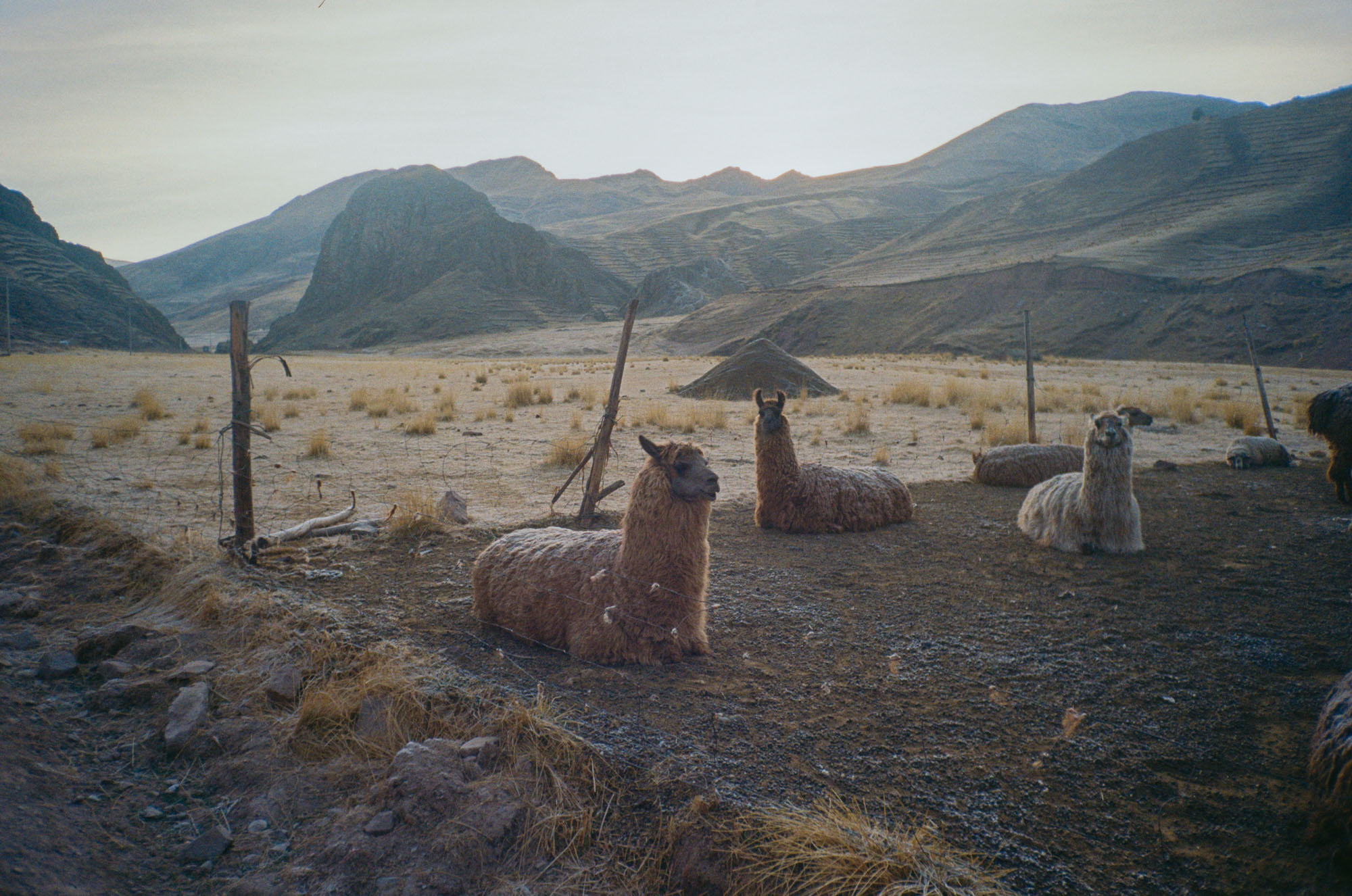
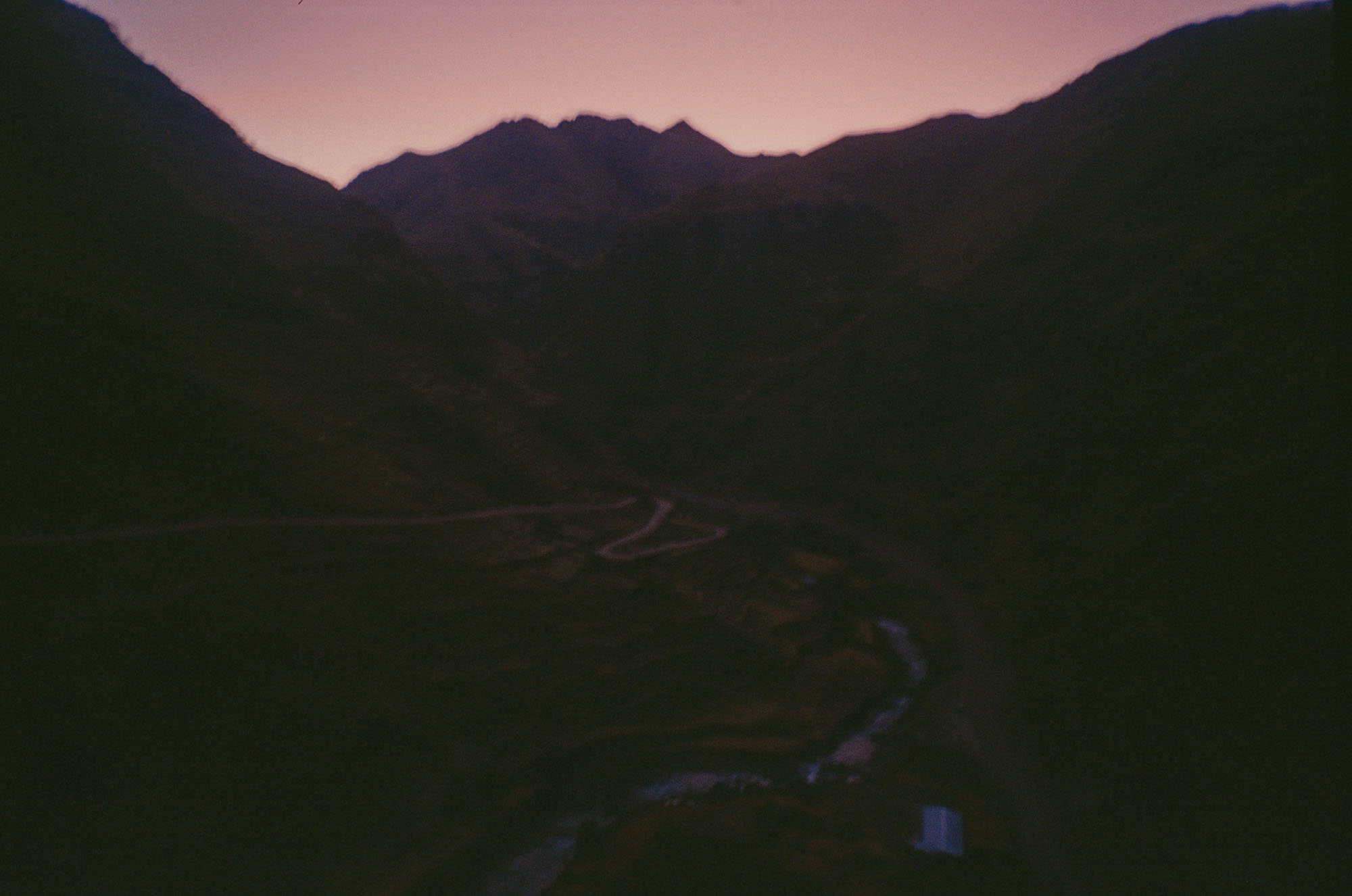

At some point, I came across Cecilia, who was riding in third place. She was actually coming back down the climb I was walking up. I stopped her and told her she was going the wrong way. She started crying. We cried together. The fatigue, the mistake, and everything else must have caught up with her. She turned around and continued climbing into the route.
I kept walking, and eventually, I could see the sun starting to set over the mountains. It was beautiful, but I felt completely defeated. As I walked, I started thinking about the derailleur problem, and something suddenly occurred to me: maybe it wasn’t the battery.
For context, my trip to Peru had been rushed. I flew standby, so I didn’t really know if I’d make the flight, and somewhere along the way, I lost my charging cables. I only realized it after arriving in Cuzco, so the day before the race I bought a new Micro USB cable at a technology market. I used it to charge some of my devices, and everything appeared fully charged. But earlier that day, when I tried to turn on my light, I realized that something was wrong. It showed a full battery, but it wouldn’t actually turn on.
Maybe the cable hadn’t been charging my batteries properly after all. And if that was the case, both of my derailleur batteries might have been affected too. I felt stupid. And embarrassed about the whole situation. I kept thinking I could have avoided all of this if I had just known better. But I didn’t. I guess that’s how you learn. I let myself feel whatever I needed to feel, but there was nothing I could do about it anymore.
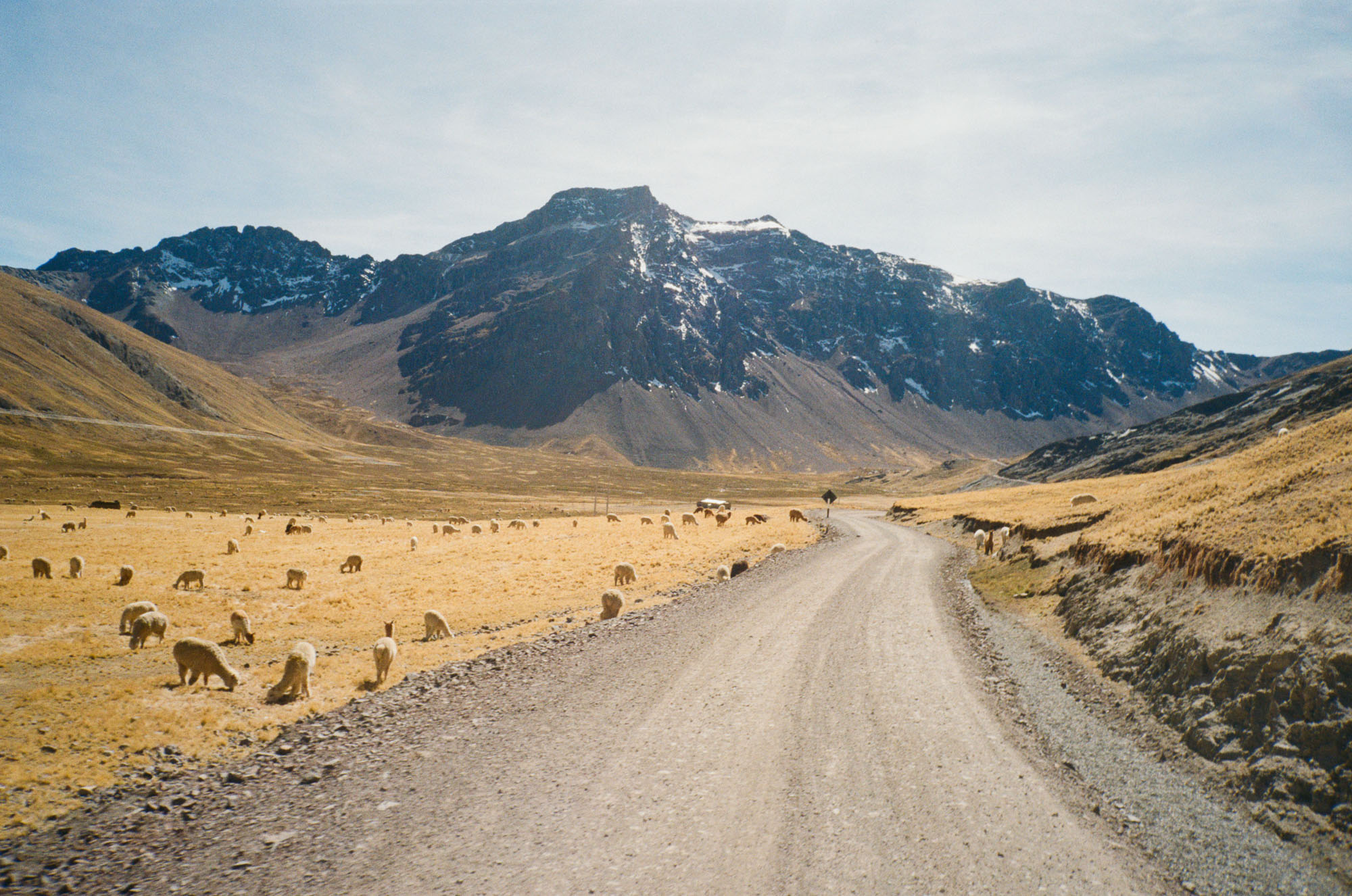
I eventually made it to the long descent toward the highway. By then, it was almost dark, and my lights hadn’t charged properly, so I had to descend with very little light. When I finally reached the highway, I had another decision to make: I could continue another 35 kilometers (22 miles) to Combapata, or take a short detour of about 5 kilometers (3 miles) to Sicuani, which looked like a much larger town.
I went to Sicuani. Honestly, I was thinking about quitting. I felt defeated and ashamed. That day was supposed to be my big push, the 24-hour effort I had been preparing for. Instead, I had spent hours walking because my bike had stopped working. For the first time, I thought: maybe this is my first DNF. And strangely, I was okay with it.
I arrived at a large hotel in Sicuani, but there was no hot water. I didn’t even bother showering. Everything seemed closed for food, and I didn’t have the energy to look farther. So I ate another avocado sandwich that I had been saving for “my big push” and went to sleep. I woke up several times during the night, but eventually slept until around 7:30 a.m.
Endless Expectations
Day Four: Back to Cuzco
After feeling so defeated by everything that had happened, I found out that Cecilia had DNF’d. I had been seriously considering doing the same, but now, if I finished, I would be the third woman. Frankly, I didn’t feel like I deserved it.
I spent a long time thinking about it. I talked to my family and a few friends, and many of them encouraged me to keep going. What did I really have to lose? The plan hadn’t gone the way I expected, but I was already there, and I only had about 200 kilometers left. I had already made it through the hardest part.
After going back and forth in my head for a long time, I decided I might as well try to solve the problem. In Sicuani, I went looking for another Micro USB cable and managed to find one. I didn’t have much hope that it would work, but I connected the derailleur battery charger to my power bank and waited.
By then, I was so disconnected from how the race was supposed to go that I wasn’t really documenting anything anymore. I just wanted to figure out what to do next and whether it was really worth continuing after what had happened, especially if it meant delaying my arrival by another day.
After a while, I checked the battery, and it had charged, and the light turned on again. I tested it, and somehow, it seemed to be working! I still couldn’t really understand what had happened, but at least I had a functioning bike again. After overthinking it and still feeling kind of silly about the whole situation, I finally let it go.
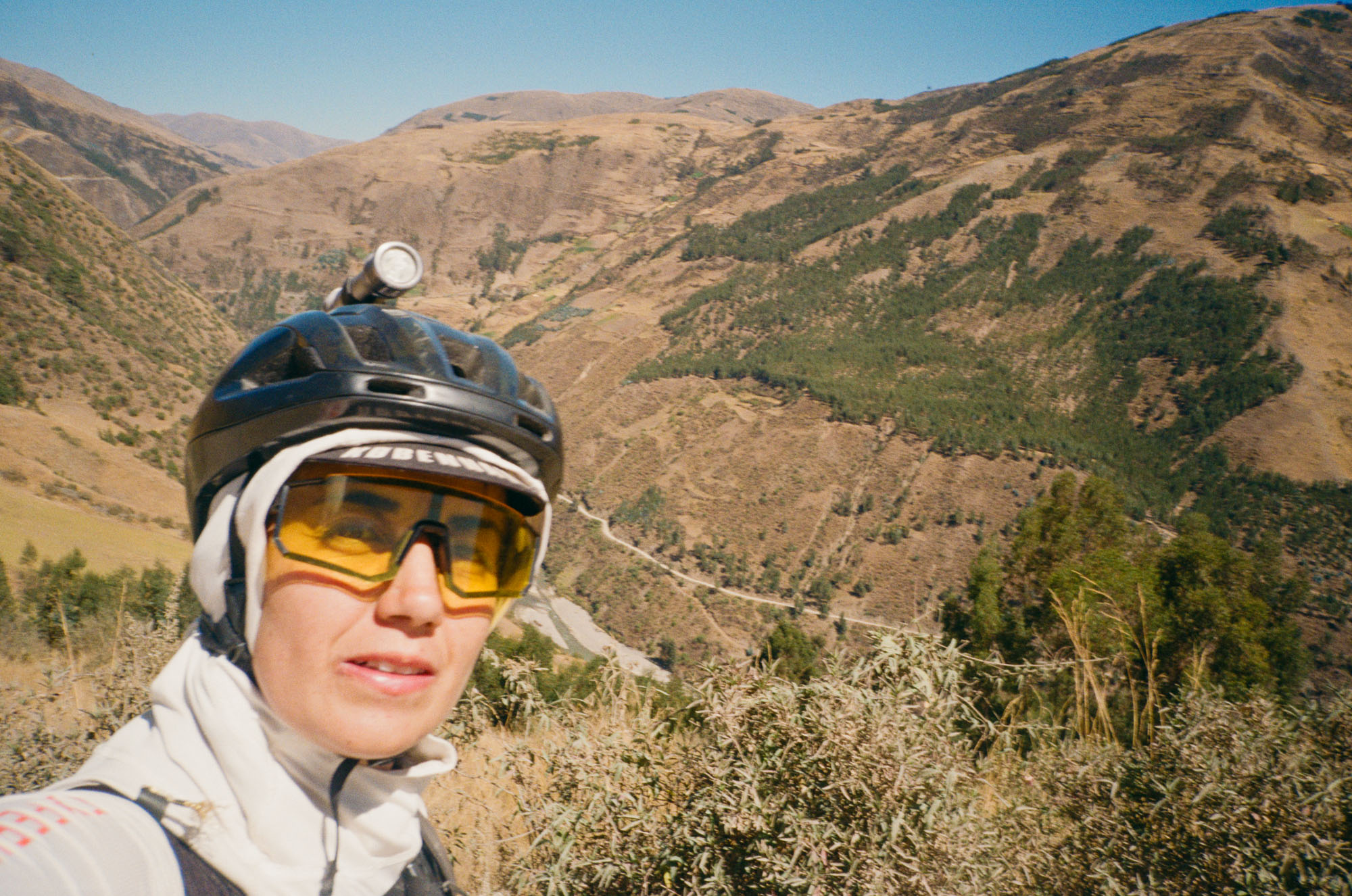
Around 10:30 a.m., I got back on the road. I only had the lagoon circuit left. I had expected it to be much faster, but it turned out to be beautiful. I passed through the town of Túpac Amaru, named after Túpac Amaru II, the Indigenous leader who led one of the largest rebellions against Spanish colonial rule in the Andes in the late 18th century.
I tried to enjoy those last 200 kilometers as much as I could.
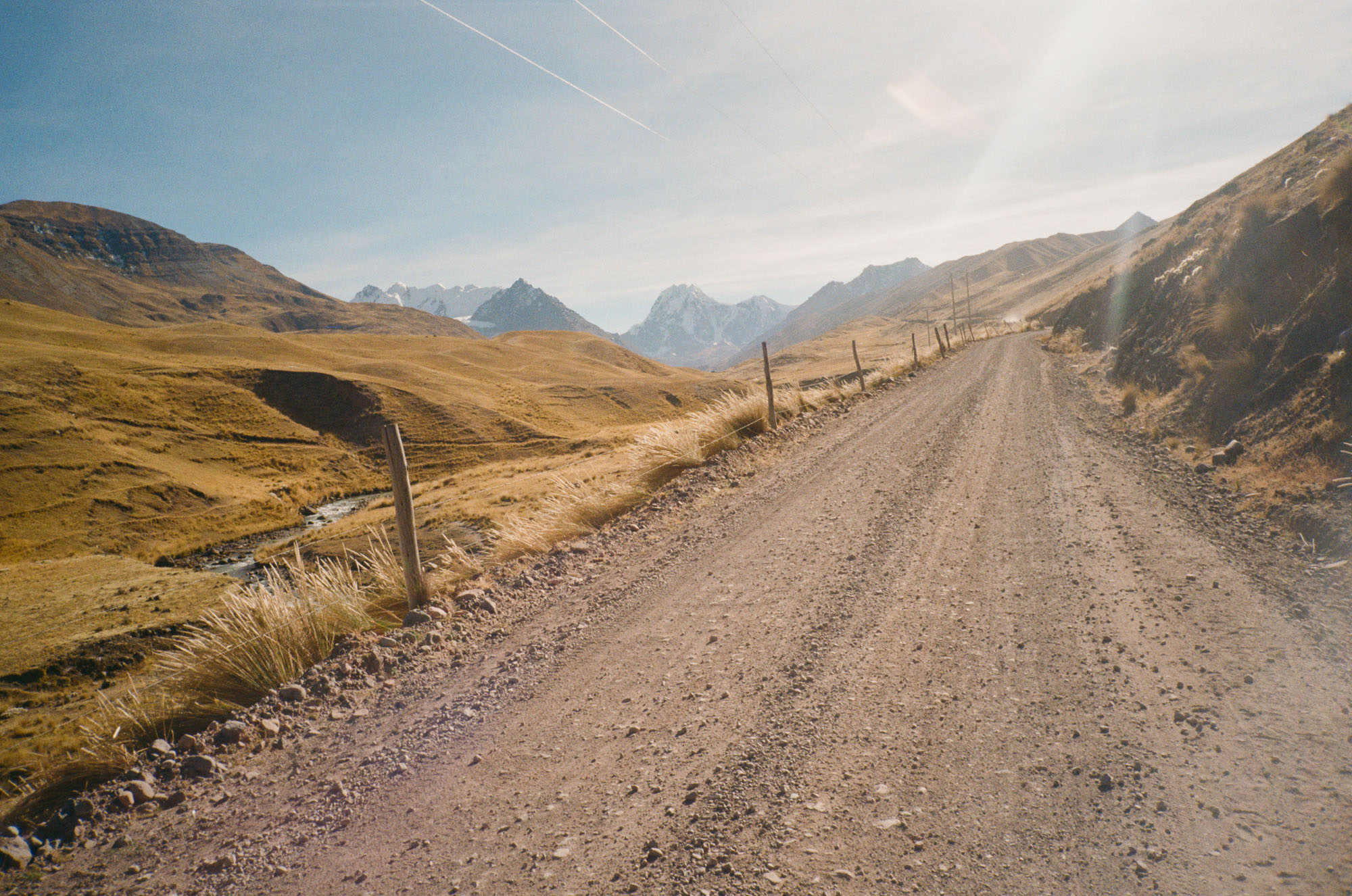
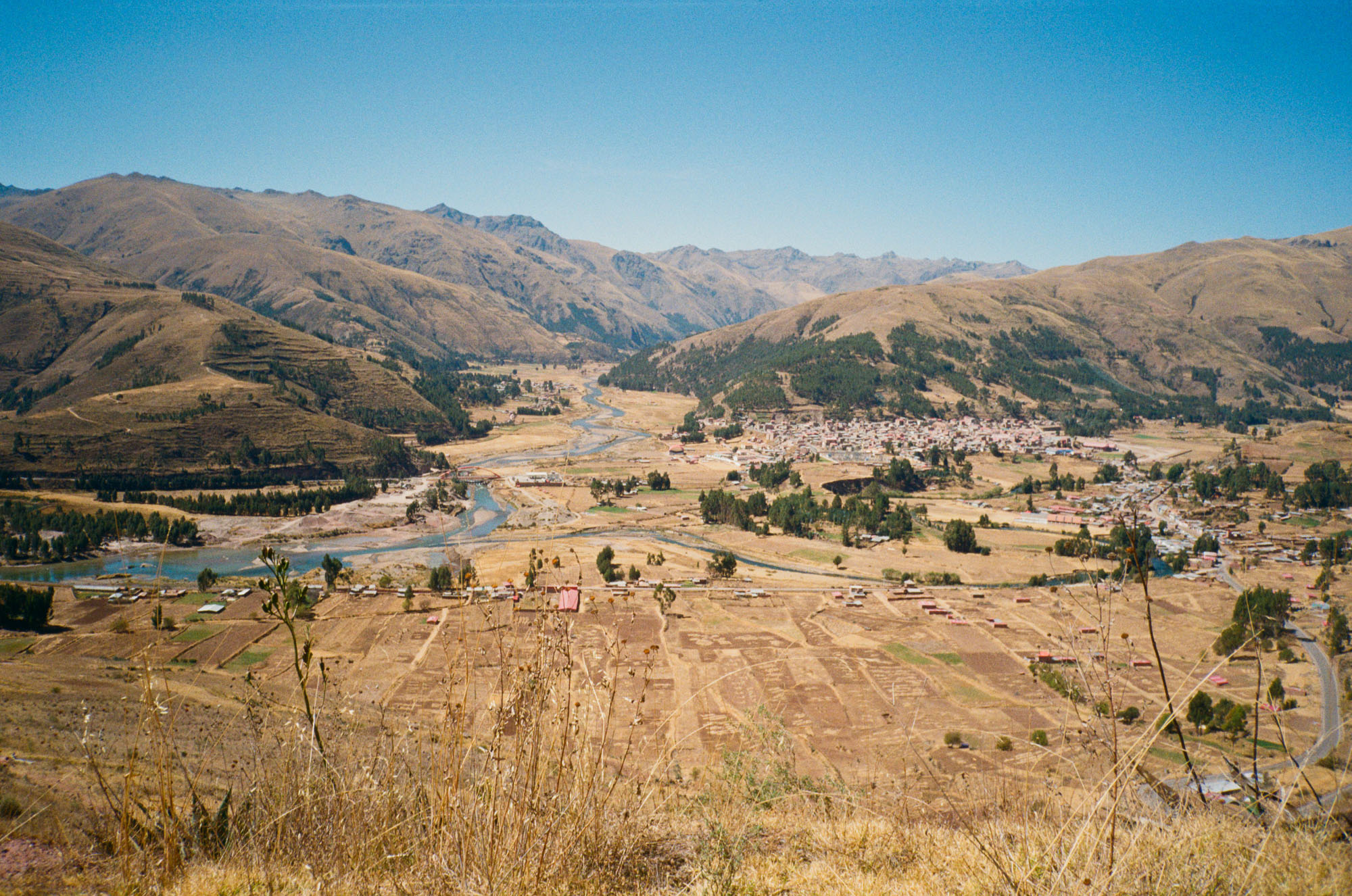
I stopped as little as possible. I was very much on my own, riding at my own pace. Eventually, I reached the ugly highway section that I had ridden in the opposite direction earlier in the race. It was getting dark again, and I just wanted to get through it. I reached Urcos around 8 p.m.
Luigi, the race organizer, messaged me to ask if I was going to make it to Cuzco that night.
“Yes,” I told him.
I couldn’t wait any longer. From Urcos to Cuzco, I barely stopped. I only pulled over at a small shop to buy some coca leaves and kept going. When I reached Pisac, I couldn’t believe it. I was almost there. I only had the climb to Abra de Corao left. Except it felt endless.
It was around 11 p.m., and it was incredibly cold. At some point, the police caught up with me and told me to get in their vehicle because it was dangerous to keep riding at night. I thanked them, but told them no. I wanted to keep going. So I kept climbing.
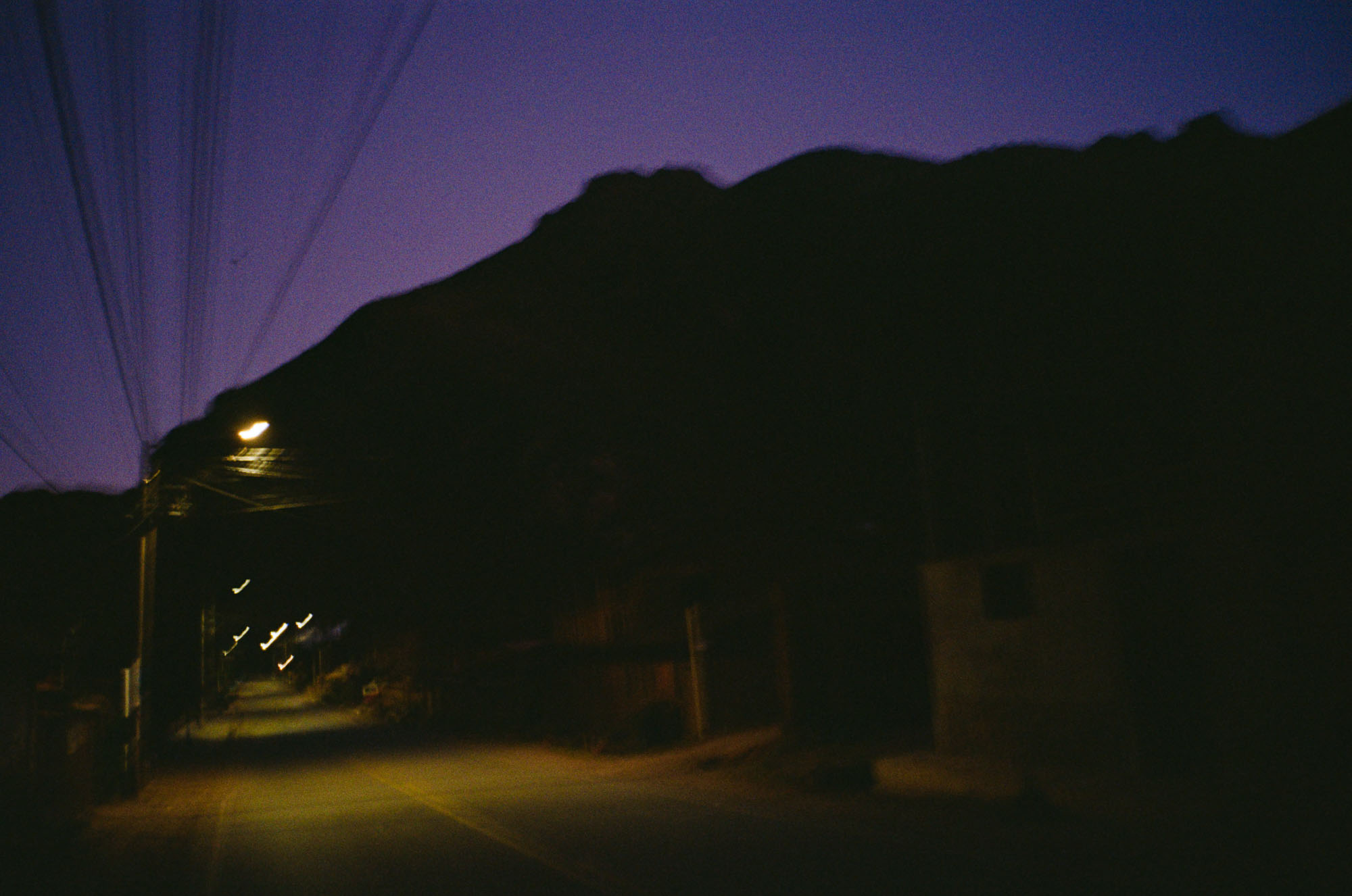
I was freezing. This time, even all my layers weren’t enough. I was starting to fall asleep on the bike, and I was getting a little fed up with it all. I was so close, but I was also exhausted, freezing, and in pain. The climb to Abra de Corao felt endless. Eventually, I made it to the top. By then, my cycling computer had died, my power bank was empty, and my front lights were barely putting out any light.
But none of that mattered anymore because Cuzco was downhill. I knew the route back by heart, so I just went for it. Around 1 a.m., after 92 hours on the road, I finally arrived in Cuzco, finishing third. Some riders and race organizers were there waiting for me. It was a beautiful way to finish: seeing people there to receive me, thousands of kilometers and a whole country away from home.
What Alma Andina Taught Me
I don’t know why I thought this race would be easier and quicker; 620 kilometers (385 miles) doesn’t sound that intimidating. But add mountain passes above 5,000 meters (16,400 feet), hours riding above 4,900 meters (16,000 feet), and long stretches of remote dirt roads, and it becomes a completely different challenge.
Despite everything that happened, I’m okay with how the race turned out. More than anything, I reaffirmed to myself that I can solve problems. Things won’t always go the way you planned. Your bike can break, your body can struggle, you can make mistakes, and sometimes the best thing you can do is stop, reassess, and change the plan.
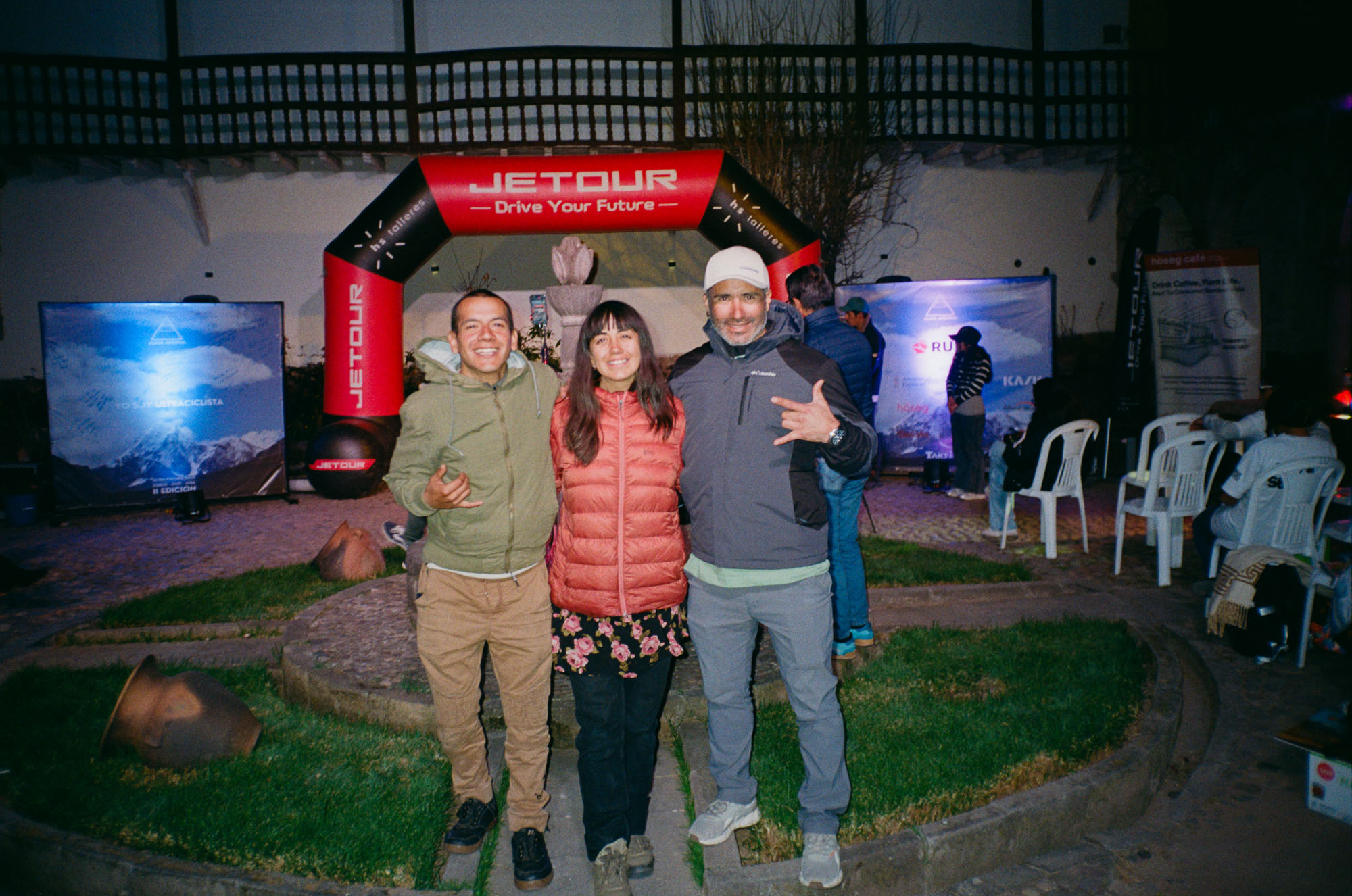
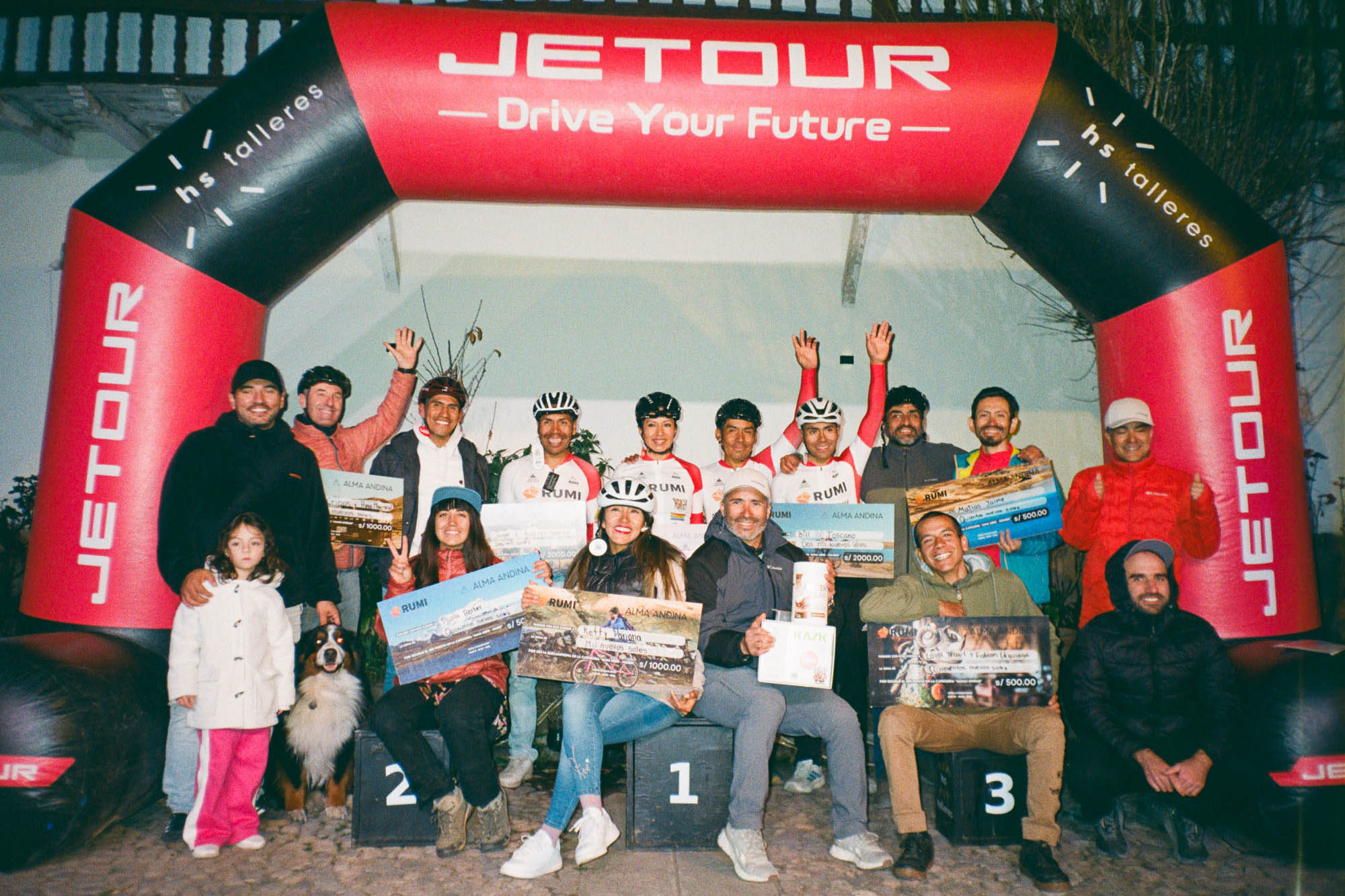
I also learned that pushing harder isn’t always the answer. Sometimes you need to rest before deciding that you’re done. And sometimes you need to put your ego aside, allow yourself to be vulnerable, and accept that the race you imagined isn’t the race you’re going to have.
I’m glad I could get past the embarrassment I felt about what happened and keep going. I almost had my first DNF, although I don’t think there’s anything wrong with not finishing. But for me, something valuable was realizing I could step away from the expectations I had put on myself and figure things out as I went. Maybe that’s what Alma Andina came to mean to me: learning to adapt to what the Andes throw at you, letting go of the plan when you need to, and finding a way forward anyway.
I think that’s what I love most about ultras. You never really know what’s going to happen. You don’t always get the race you wanted, but somewhere along the way, you discover what you actually needed to learn and what you’re capable of.
Further Reading
Make sure to dig into these related articles for more info...
Please keep the conversation civil, constructive, and inclusive, or your comment will be removed.