

 Mountain Bike (MTB)
 Gravel Bike
 All-Terrain Bike (ATB)
 Fat Bike

Chasing Windrider: Memories of Iohan Gueorguiev

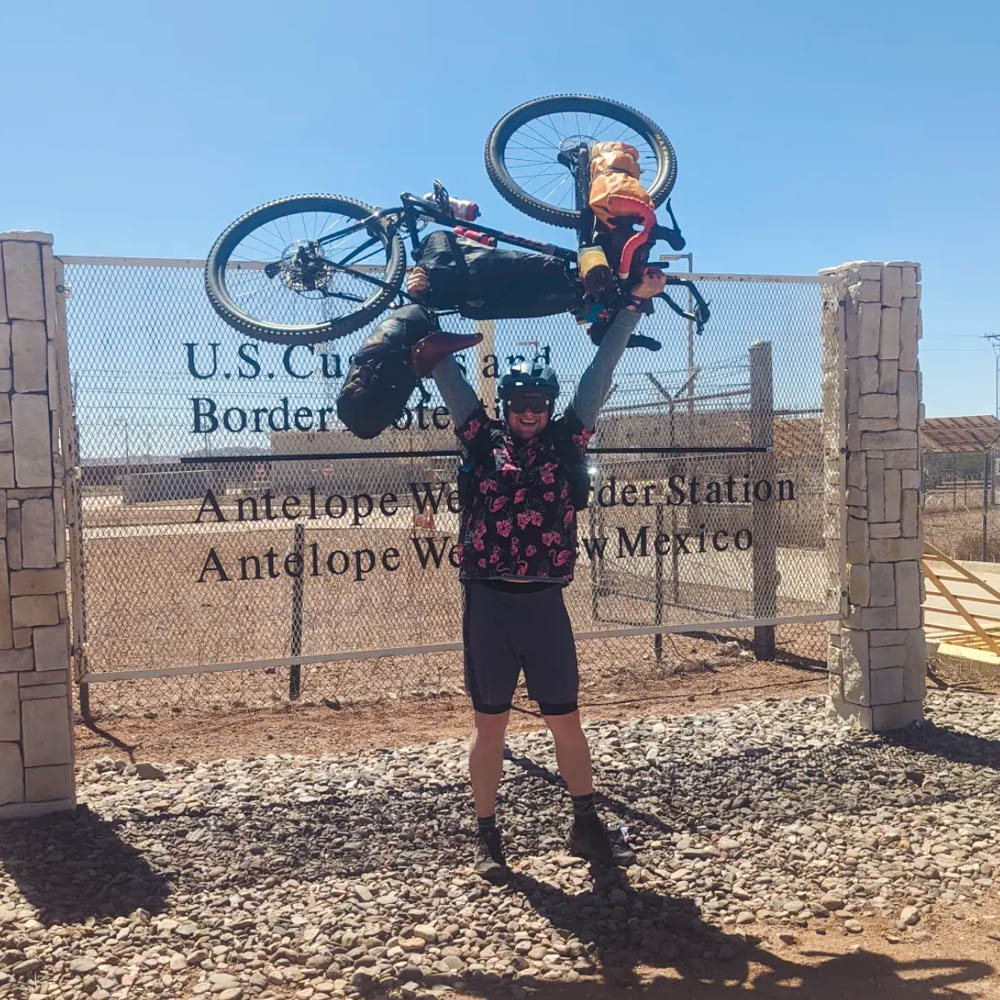
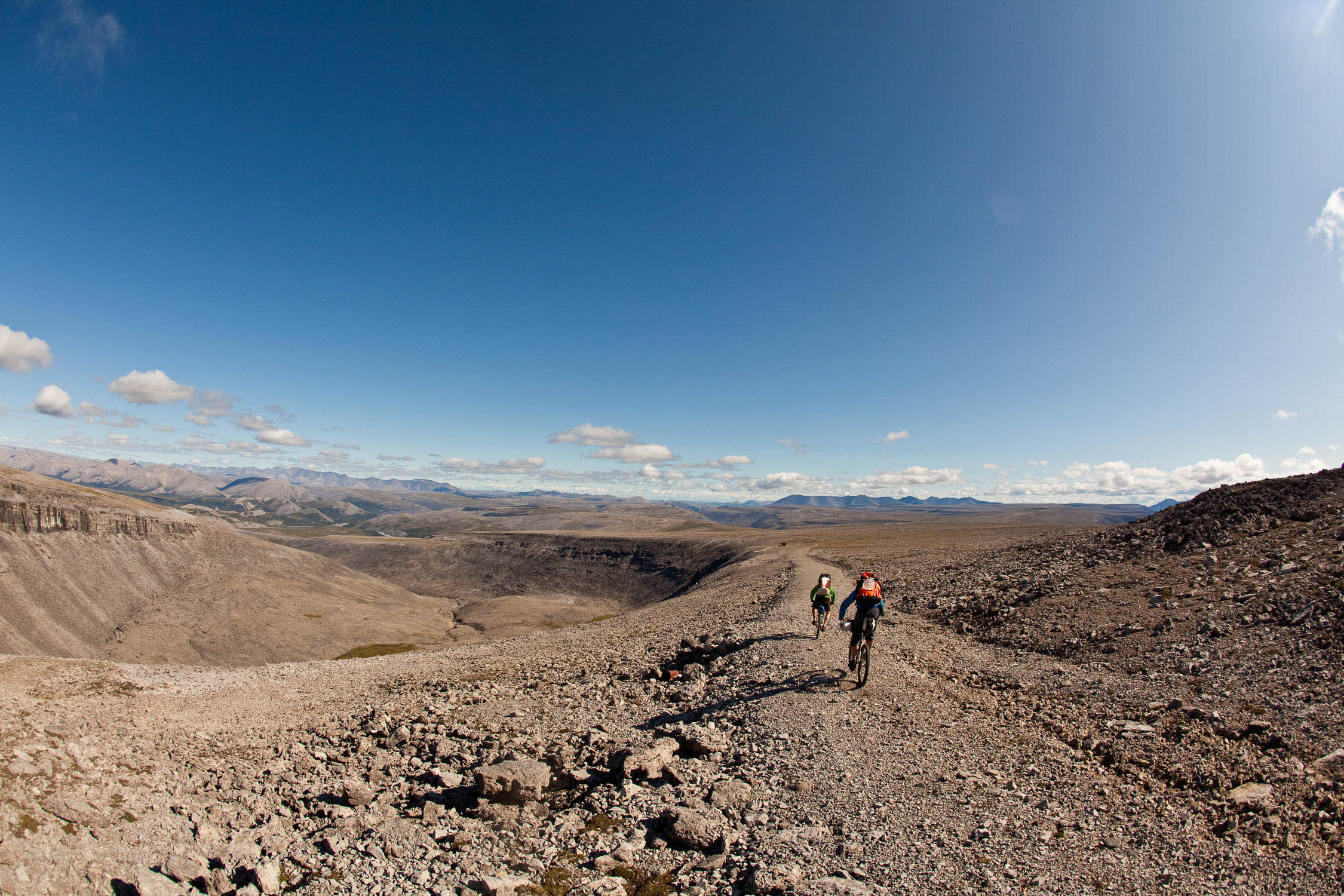
Set on Canada’s remote Canol Trail through the Yukon and Northwest Territories, this time-traveling piece weaves the past and present with memories of the late Iohan Gueorguiev. In it, author Brad Roach shares glimpses of Iohan’s legend and later retraces a path they once shared to spread some of his ashes. Read it here…
PUBLISHED Sep 23, 2026
Additional photos by Ryan Creary and Mark Hillary
“From the moment we are born to the time we continue on our spirit journey, we are involved in the creation of the story of our time here. It is what we arrive with. It is all we leave behind. We are not the things we accumulate. We are not the things we deem important. We are story.”
—Richard Wagamese
May 5, 2016
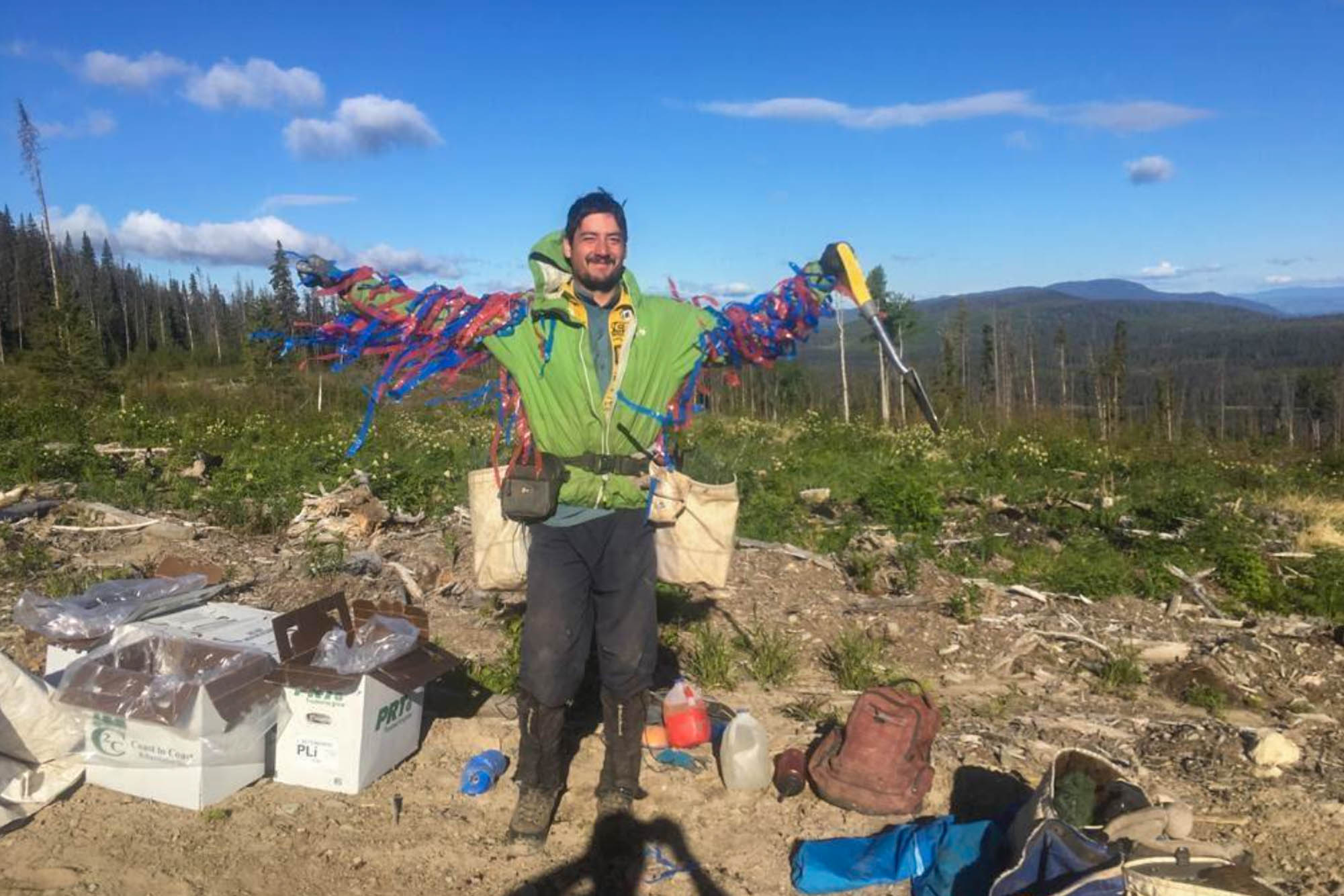
This story begins at Takysie Lake Campground, in a remote part of British Columbia. Iohan Gueorguiev arrives here every spring, planting trees to fund his human-powered trip across the Americas. During a dance-off party in bush camp, he rides a bicycle strapped with flagging tape and live fireworks down a steep gravel embankment, earning the nickname “Windrider.”
August 13, 2023
Iohan, Mark, and I have 14 days to pedal, hike, and paddle over 1,000 kilometers from Norman Wells, Northwest Territories, to Whitehorse, Yukon. Iohan, along with the bikes and camping equipment, has been sucked into the air-travel vortex. Cell service is down because of the Yellowknife fires, and smoke wafts through the air, carrying the peaty smell of fossil fuel. The tin buildings, hardened by the harsh environment, are quiet. A man drives down the main street on an ATV, a glass bong sitting on his lap.
June, 1942
On the Pacific Front of WWII, the Japanese move to get a foothold in the North Pacific, invading the Aleutian Islands and attacking oil tankers. On the defensive, the US grows eager to secure land-based petroleum. The Canol is the ambitious pipeline project to supply northern fuel for WWII war machines. With work crews and heavy machinery, humankind tries to center-punch an oil pipeline through some of the most remote and rugged terrain on the planet.

July 1, 2016
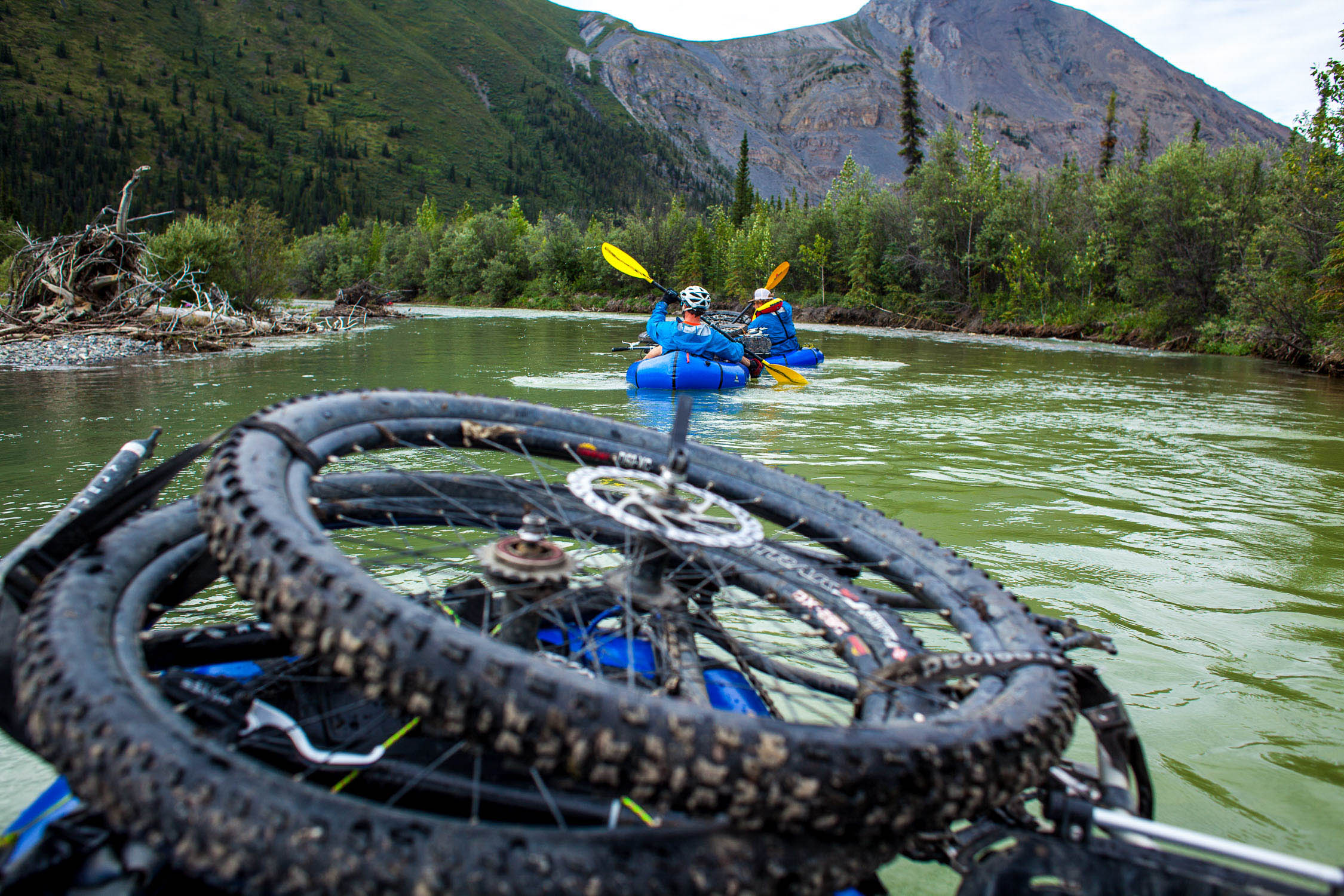
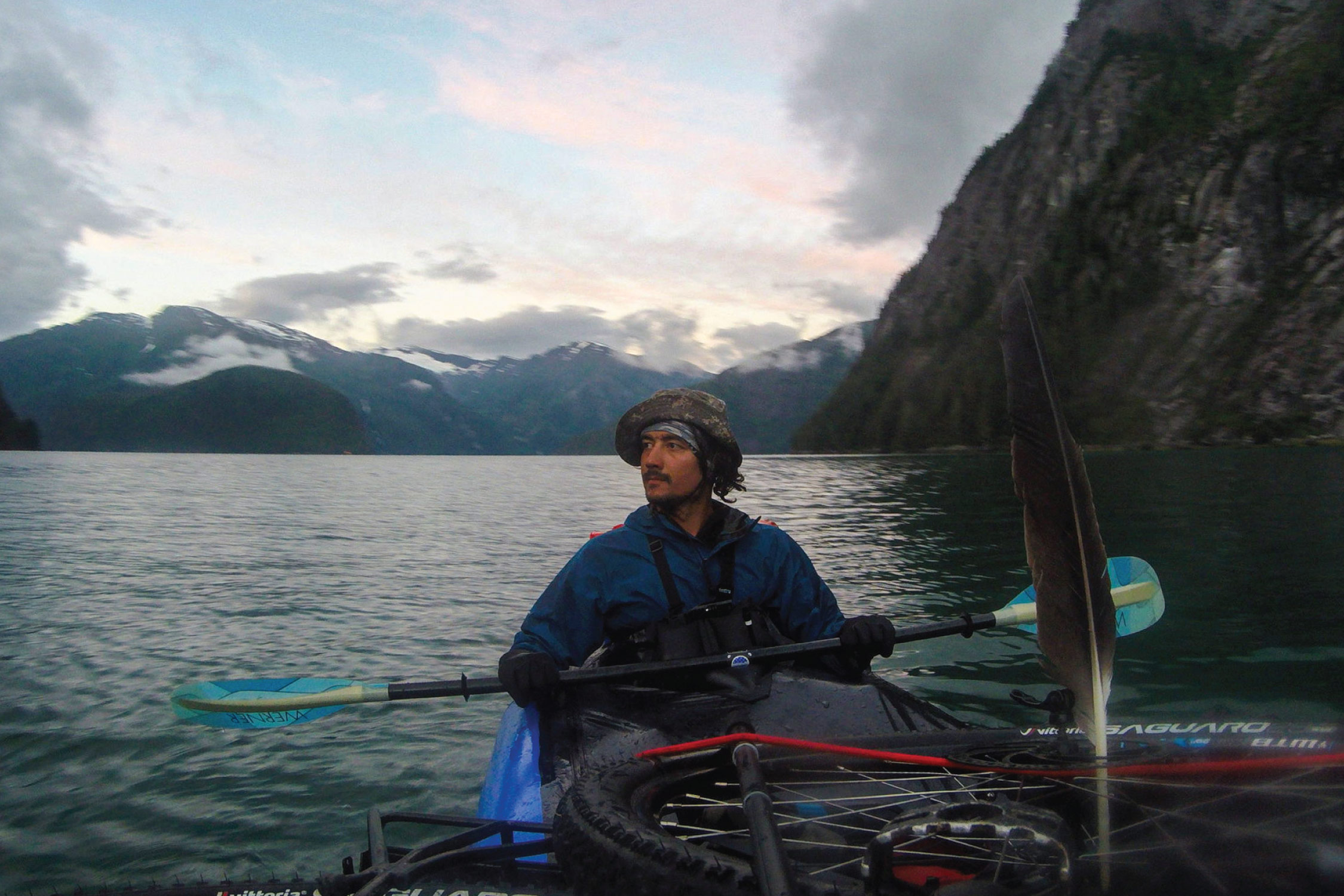
Planting his last tree, Iohan is eager to return to the wilderness while most planters, bug-bitten and stained with mineral soil, are ready for a respite from it. He picks up his mountain bike and packraft (a small inflatable boat strapped to his bike), loads it with food and camping gear, and embarks on weeks of wilderness travel without resupply.
Pedaling westward on logging roads to Ootsa Lake, then paddling to the end of the lake, Iohan bushwhacks for 20 kilometers, reaching the ghost town of Kemano, the hydroelectric hub of the Nechako Reservoir. From there, with very little paddling experience, Iohan braves 130 kilometers of the Douglas Channel to Kitimat, desperately fighting strong tidal currents in the North Pacific Ocean. Landing ashore, he continues north along the Cassiar Highway.
August 14, 2023
Iohan and the bikes arrive at noon, and we head toward the trailhead. Crossing the Deho (Mackenzie) River, we pass artificial islands with names like Moose and Rampart, their pumpjacks pulling crude black gold out of the river. Landing on a beach, the steel four-inch pipe is visible as it climbs out of the river, disappearing in a tangle of willow.
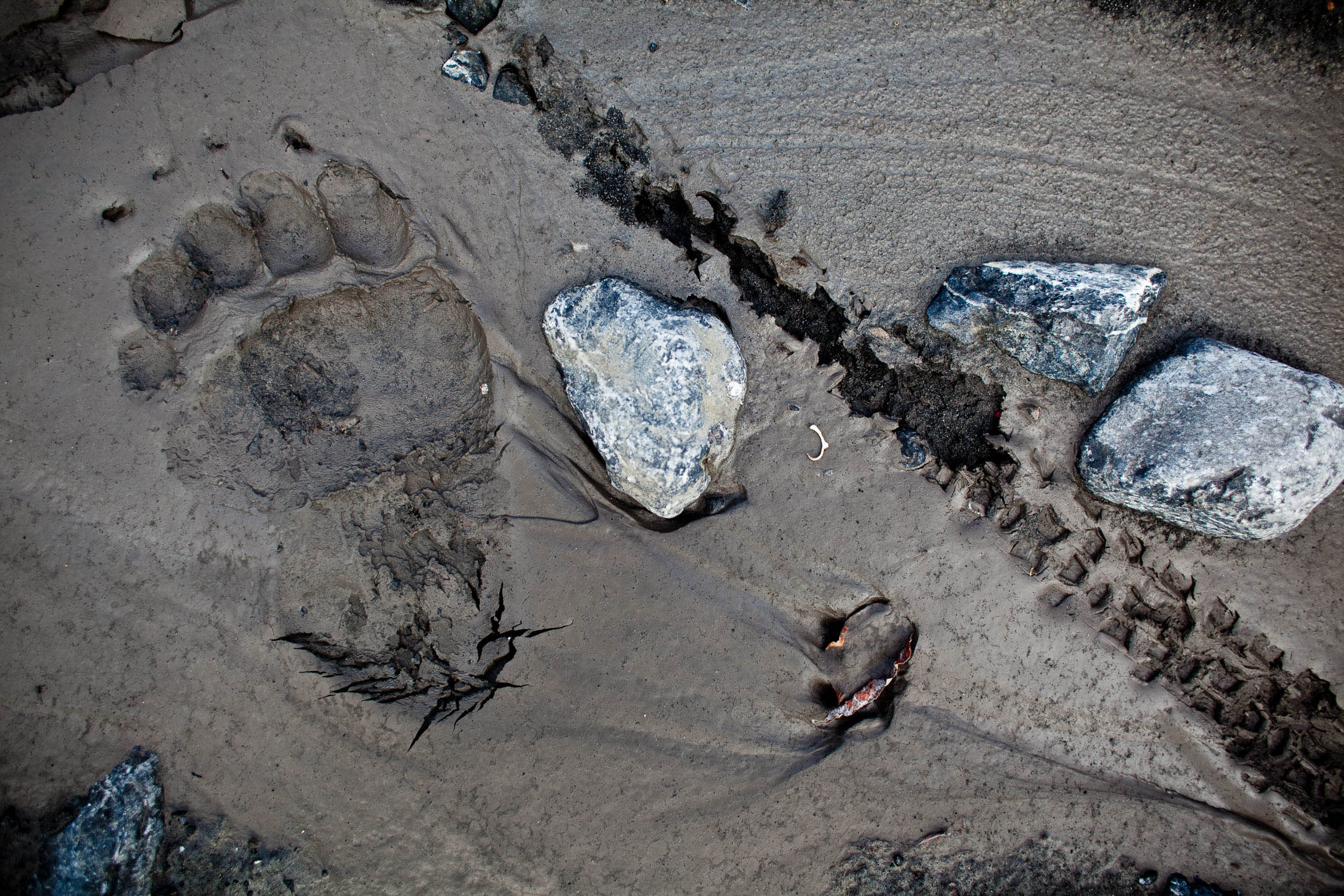
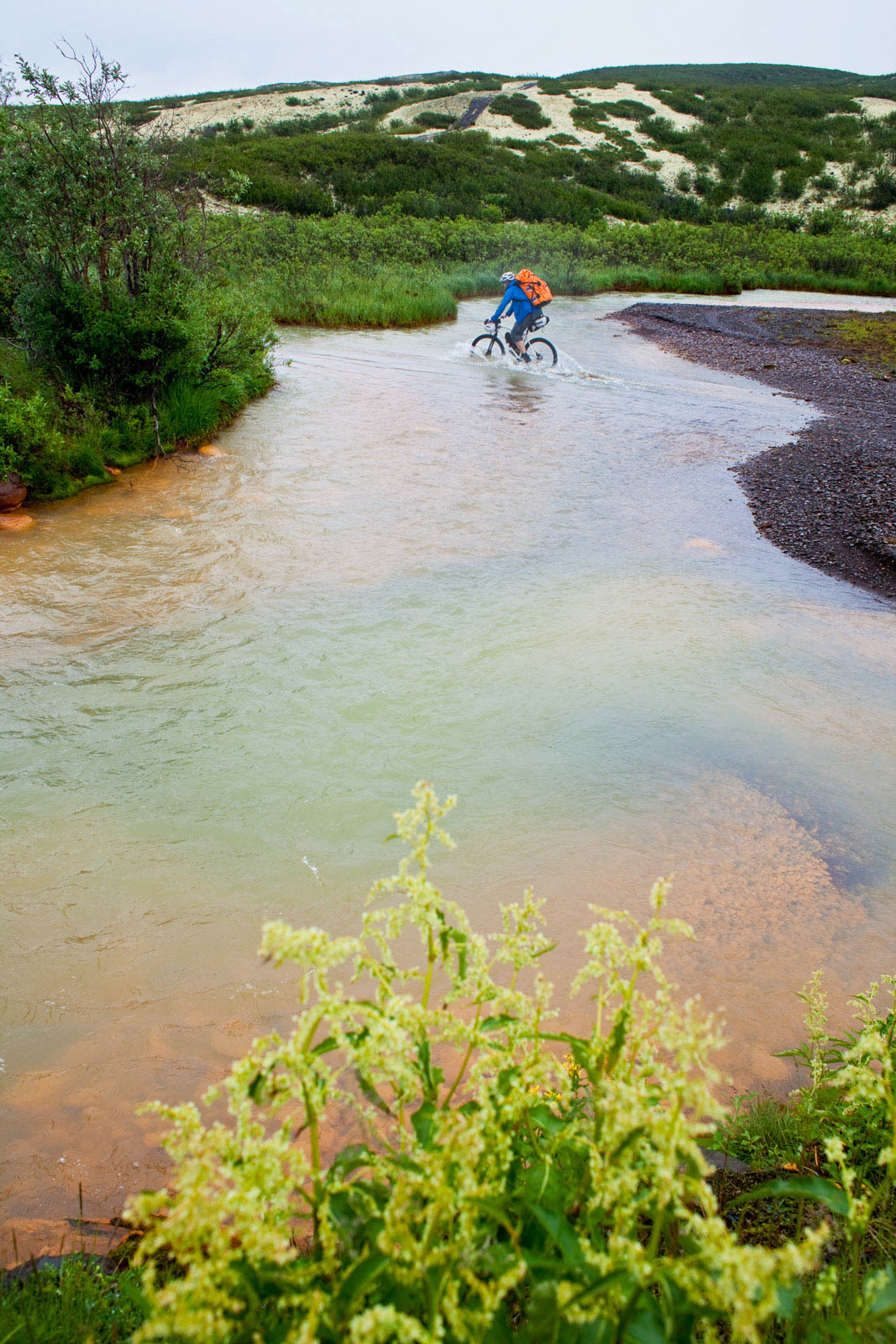
Pushing forward, the weight of a two-week traverse slows our progress. We meet a bear, unwilling to yield the trail to us. The bear bluff-charges, stands, and whuffs before acquiescing. We push into the evening, struggling through waist-deep swamp crossings, the muskeg surface slick with oil.
October, 1942
After failed aerial survey attempts, the path through the Shúhta (Mackenzie Mountains) would be drawn overland. The US War Department needed the help of the Sahtu Dene, who knew the passageways through the harsh landscape. The Sahtu mapped this line through the Shúhta through stories, passed down through generations. Following game movements, the Sahtu guides travel with surveyors in tow, stopping for long periods to hunt. The survey party grows reliant on harvesting animals, risking starvation as winter grows more ferocious, with temperatures below -70°C.
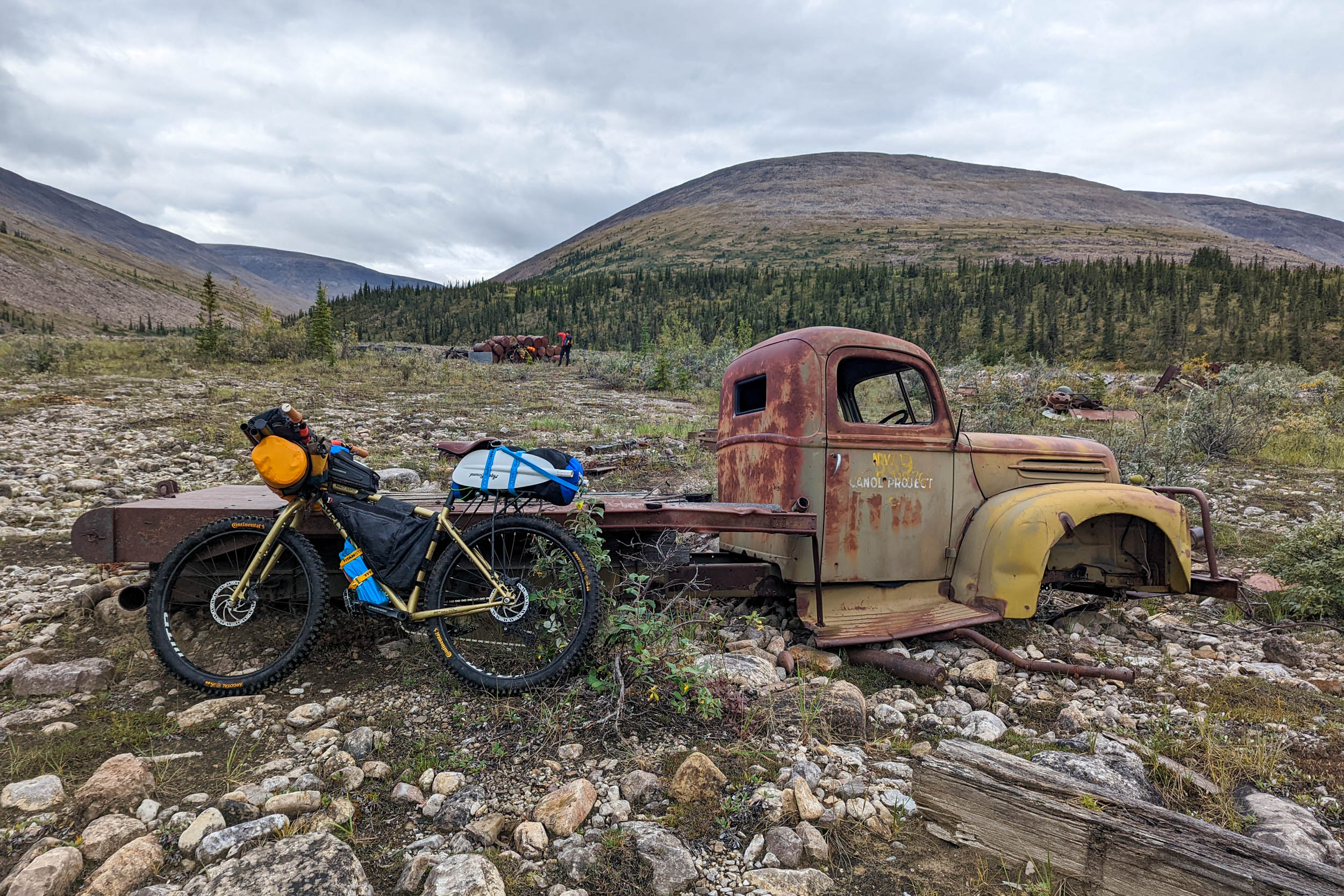
August 10, 2016
Iohan loads up at Johnson Crossing and begins his northeast journey toward Norman Wells. He makes steady progress pedaling—wading smaller rivers and paddling the larger ones. At one point, wolves surround him. He stands off with a bull caribou, fear in his voice as the caribou edges closer, unwilling to give up the trail.
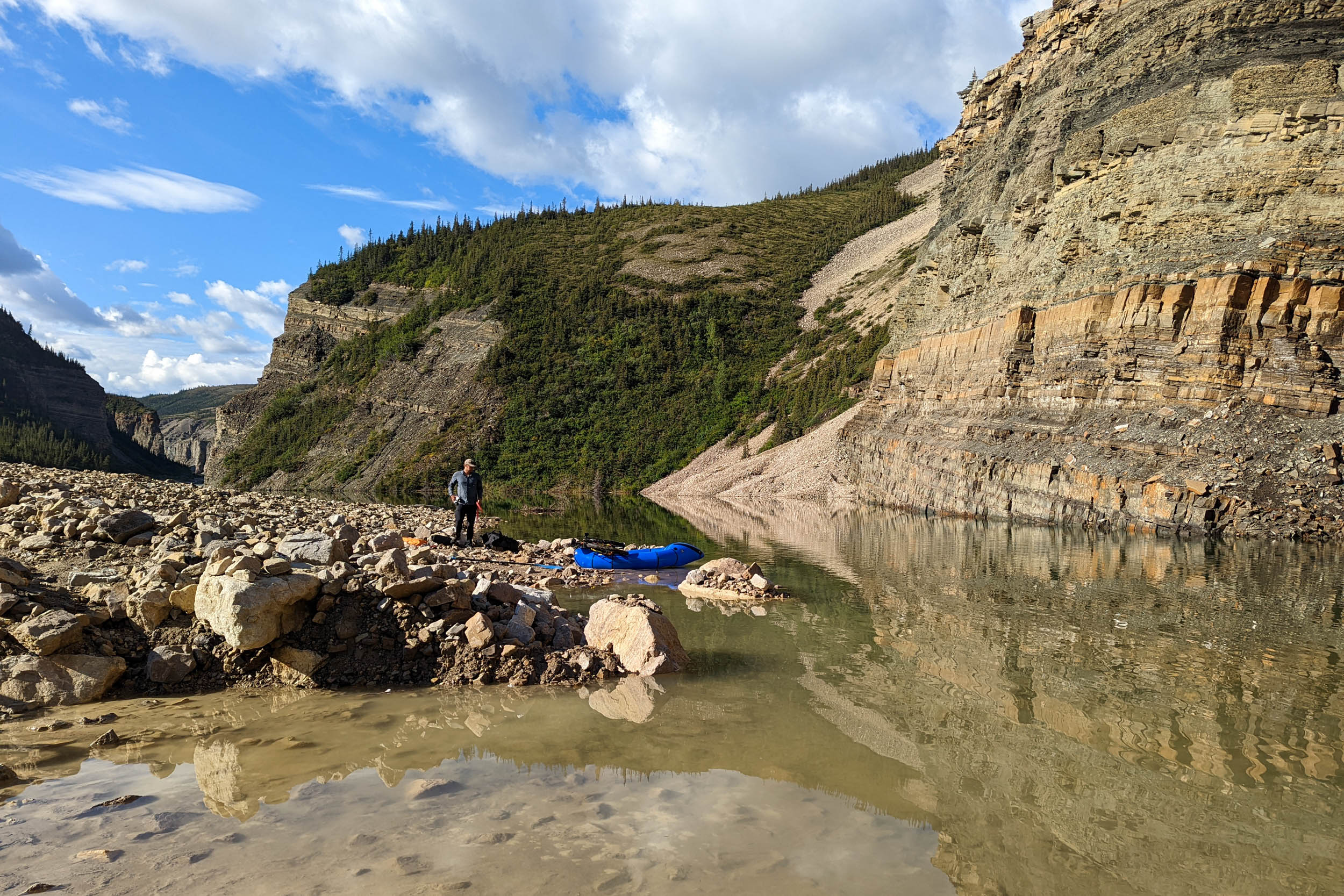
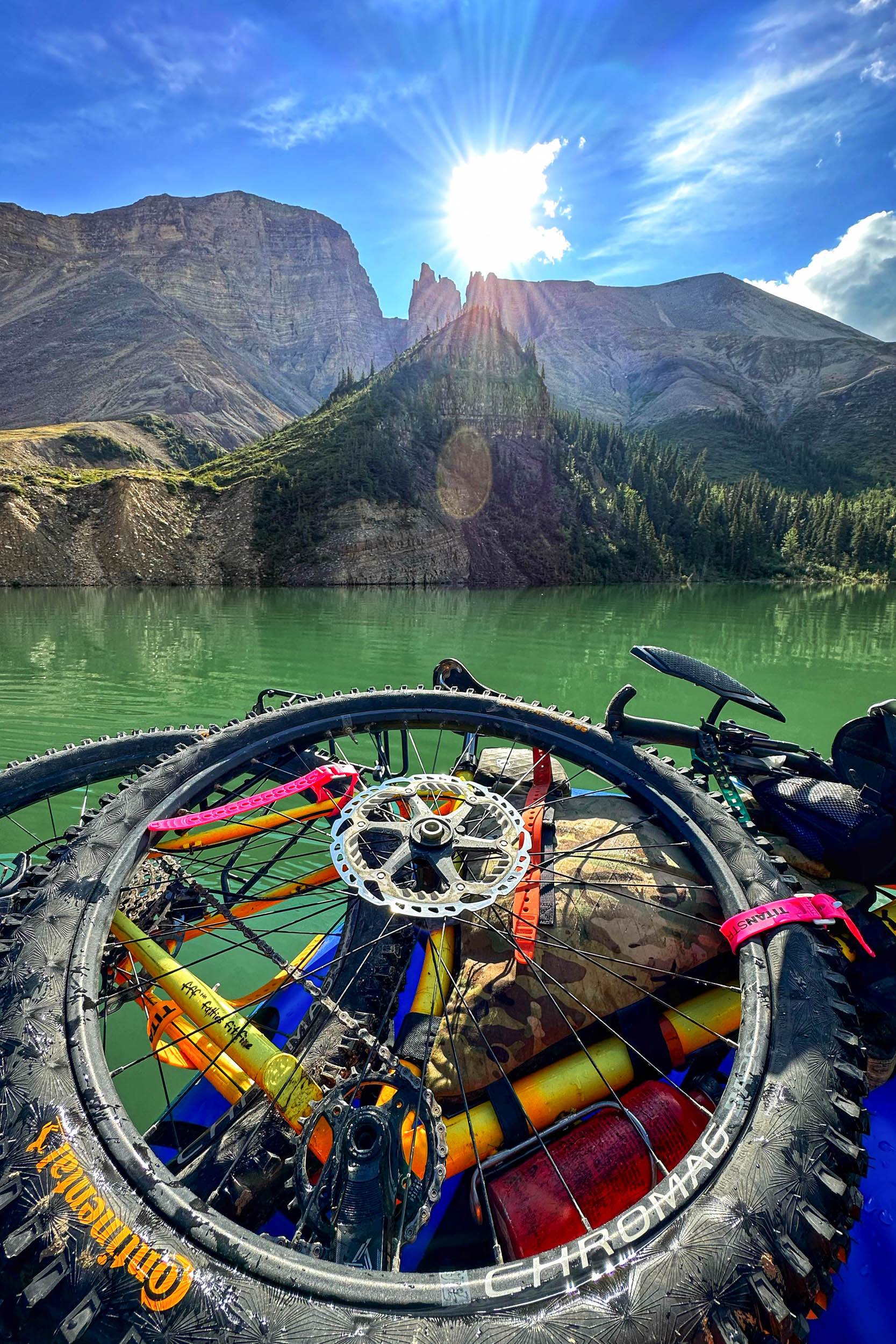
Quonset huts and other infrastructure are frequent, and Iohan stops to sleep in these remnants. He notices graffiti at the mile 108 Quonset, “Hotel Canol,” and sees a group of hikers ahead of him. As only a few people attempt the trail every year, he is eager to catch them. A master of his own time and purpose, Iohan makes his way over the Plains of Abraham high point toward the Little Keele River.
August 16, 2023
Dodo Canyon’s massive rock walls light up in the cool dawn. An alluvial glacier of sorts, the canyon is carved by seasonal ice floes up to 20 feet deep. This swath of hydrological gusto doesn’t match the relatively tiny Dodo Creek, which picks its way through the broad, barren corridor. In a deep rock pool, we catch the first Arctic grayling, supplementing our basic rations.

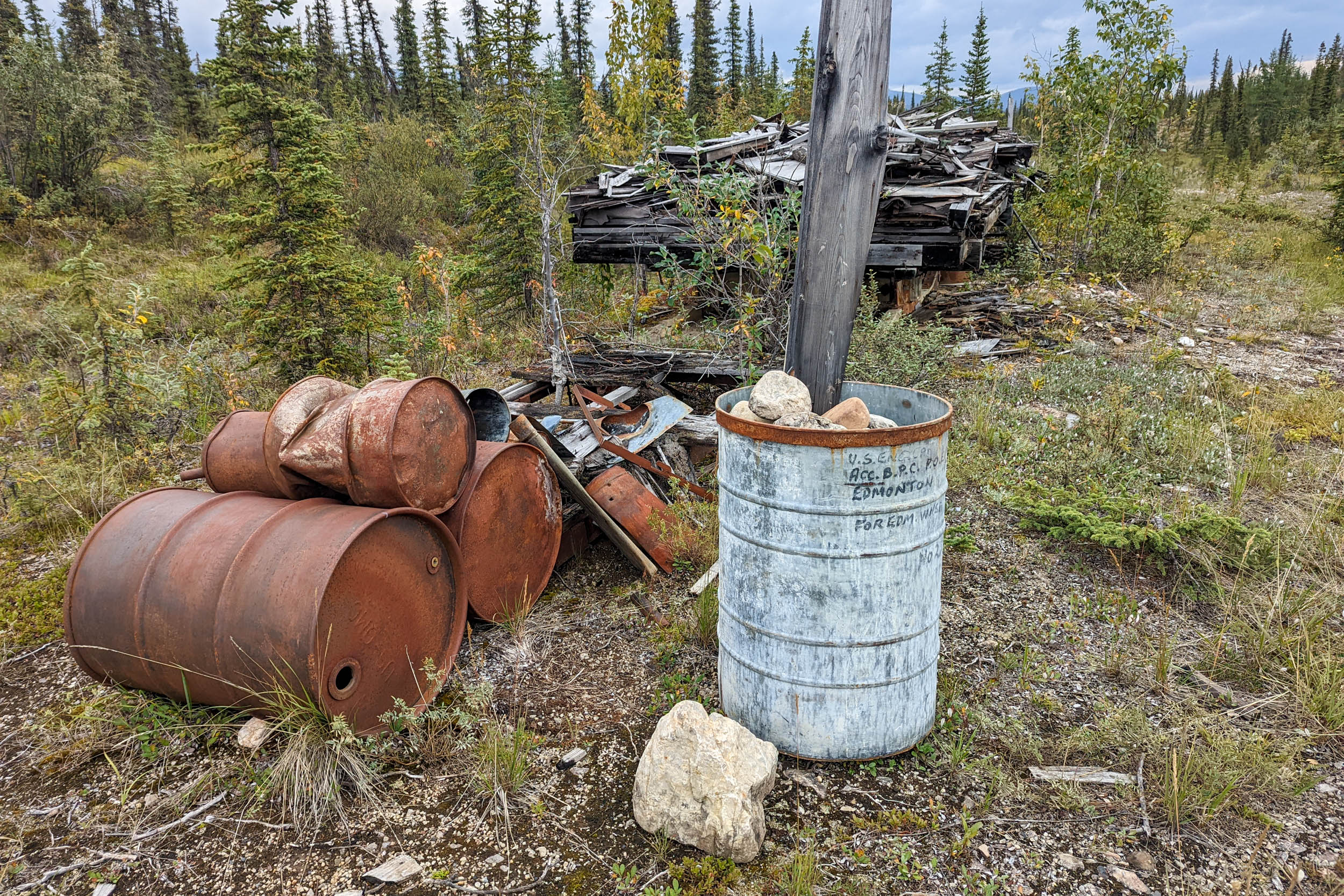
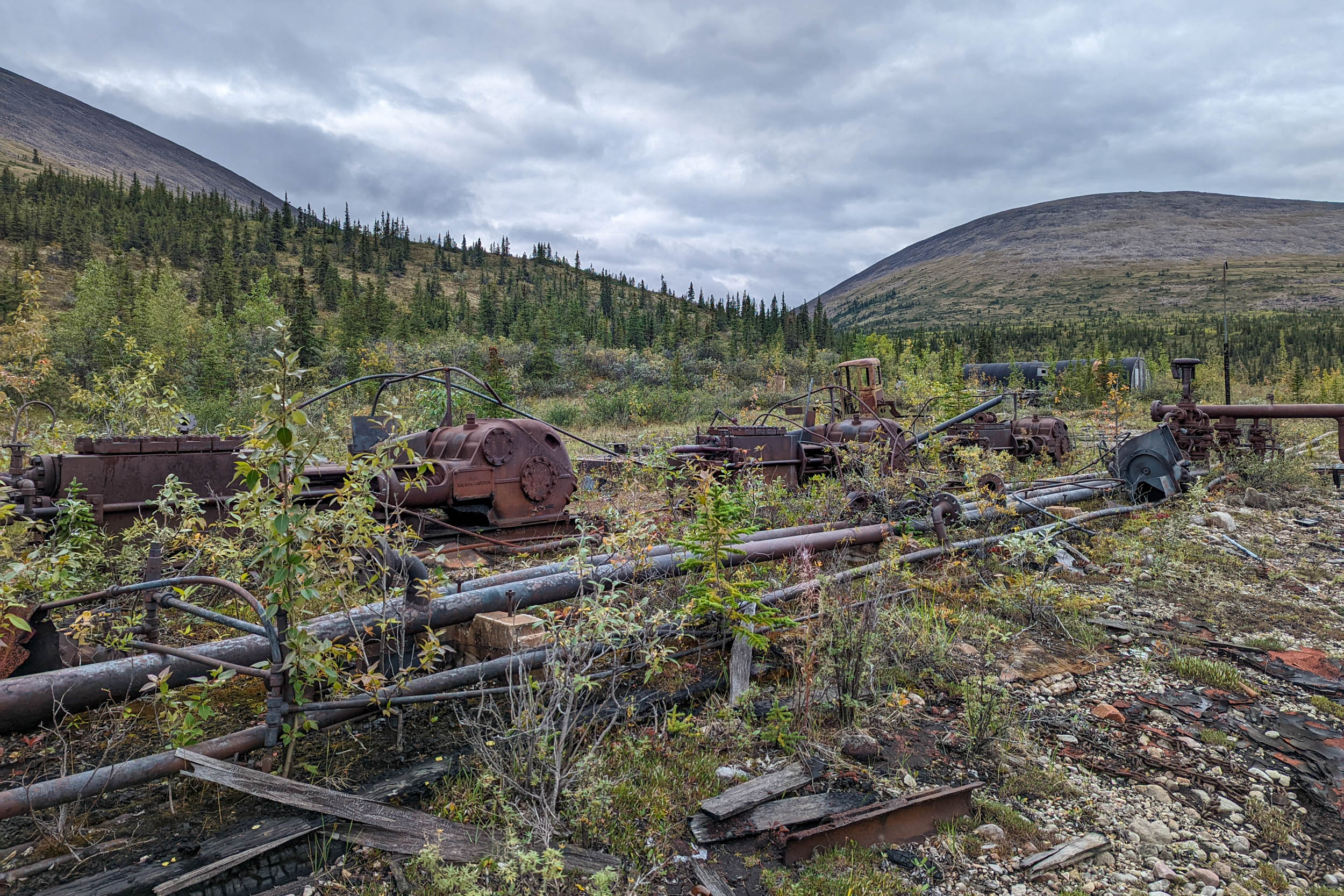
By evening, we arrive at the Mile 35 Pumphouse. The human structure is jarring after 25 kilometers of empty terrain. Among the old buildings are stacks of WWII-era jeeps and barrels, battered by the elements. After leaving the pumphouse, the barrens swallow the route once more.
August 25, 2016
Iohan catches the hikers at Little Keele, but it is not a happy moment. A hiker has drowned, swept into the canyon below. Their companion had their map, emergency satellite communicator, and other crucial items. Stranded, the hikers battle with the grief of their lost friend and the danger of their current situation. In this emergency, Iohan pushes on, covering our two and a half days of travel in one and organizing the rescue.
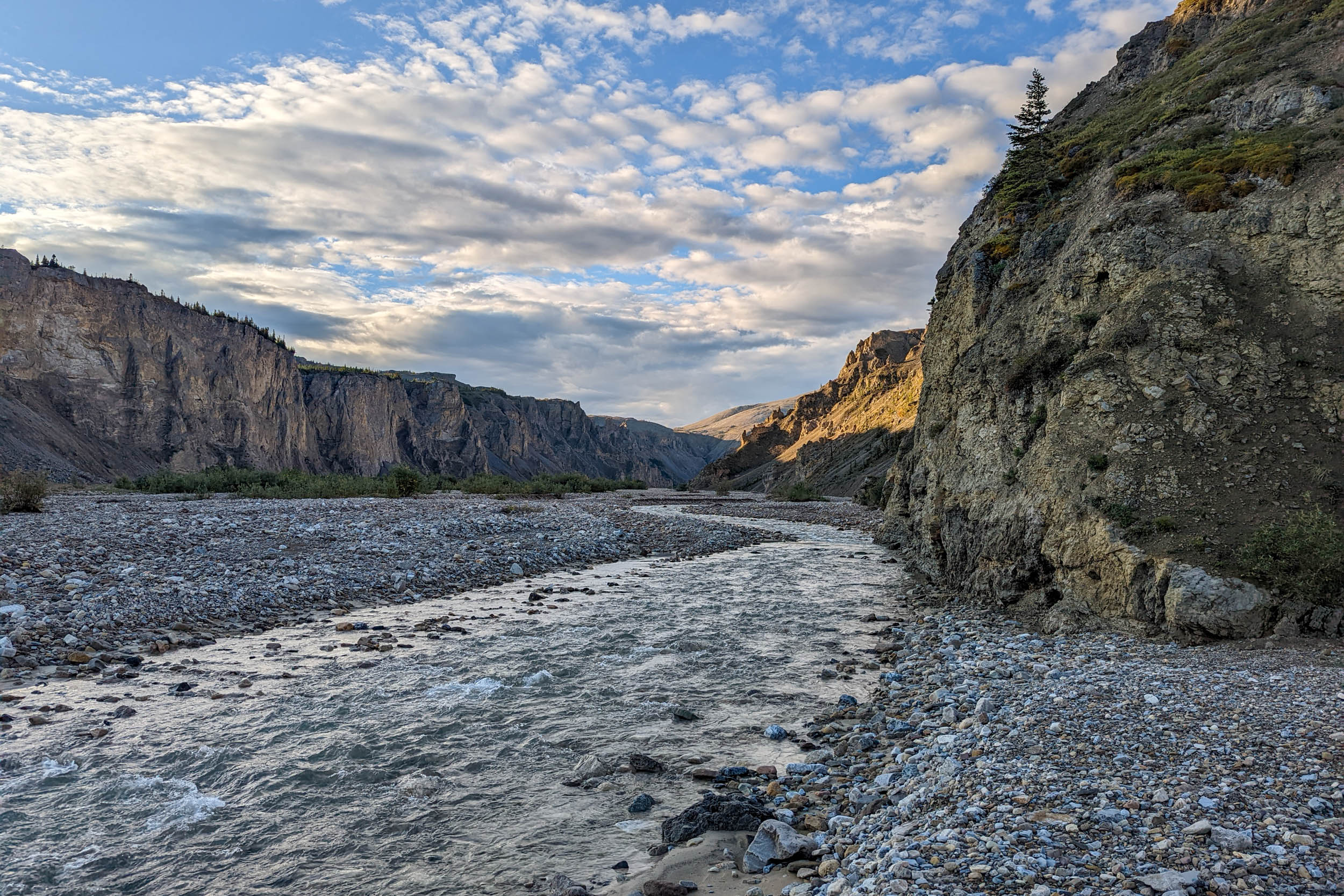
After the rescue, Iohan begins a 600-kilometer solo paddle of the Deho River, fighting headwinds and tough currents with his heavily loaded packraft. Arriving in Inuvik, he travels down the Dempster Highway, a route he had already taken at the beginning of his transcontinental mission from Tuktoyaktuk, Canada, to Ushuaia, Argentina. Winter arrives in September, stopping him in his tracks. Hailing a ride, he heads south, flying to Panama. He will paddle around the Darien Gap to Colombia, then continue to the southern tip of the Americas.
August 18, 2023
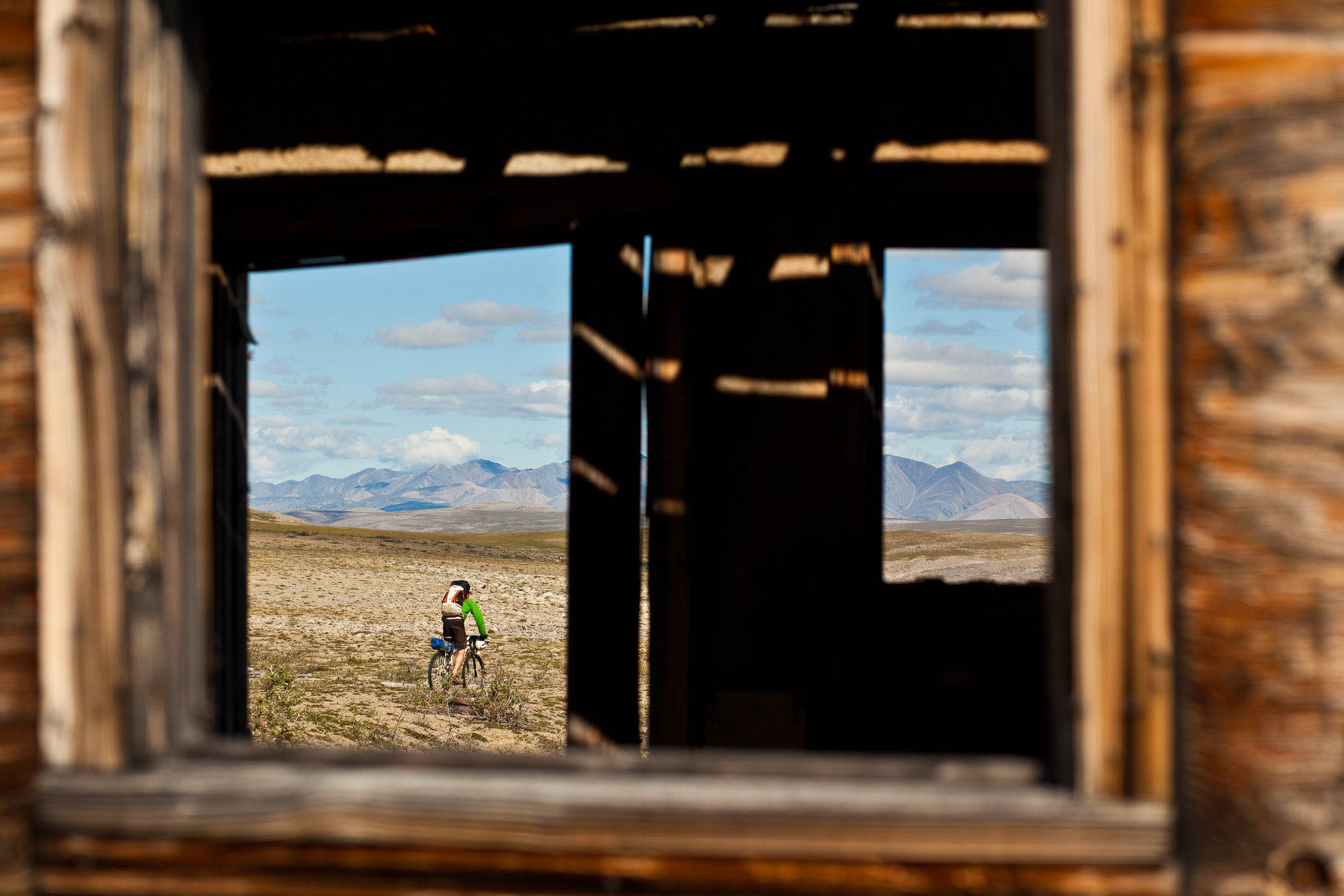
The Plains of Abraham stretch into the horizon. The desolate beauty of 1,800 meters in the Arctic feels like another planet. Here, the road, the abandoned machines with their caboose trains, and the mileposts are still intact. The bitter cold that rules this environment captures and preserves the human-borne interlopers.
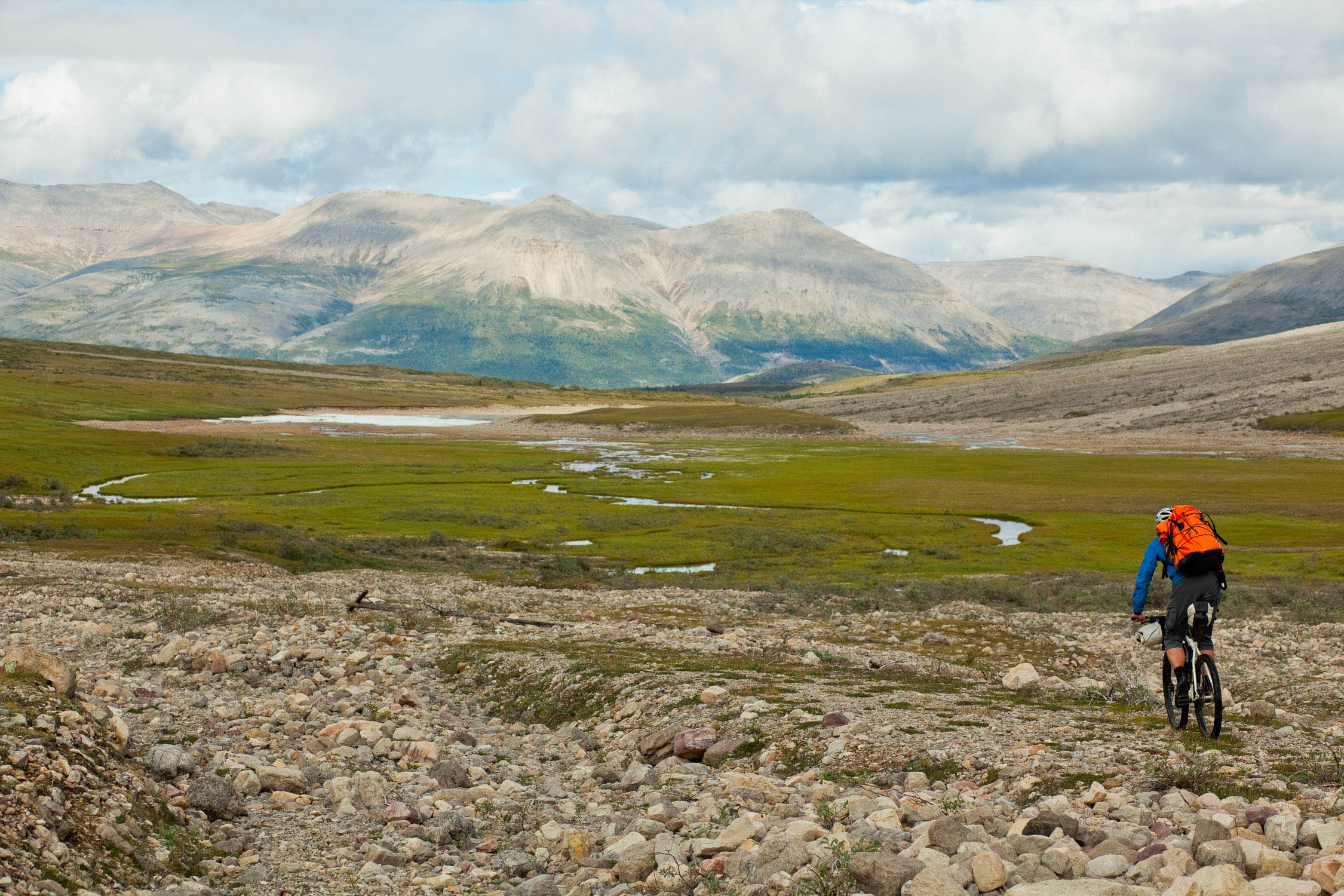
At the high point, the road drops dramatically into the Carcajou Valley. I thank Iohan for bringing me here to this place, releasing his ashes. Windrider takes to the plains, and I watch him travel through this magical landscape for hundreds of meters. Down to two, Mark and I drop into the valley, a beautiful and long descent on a rare stretch of good roadbed.
December, 1944
Bulldozers pull trains of 10 x 24 x 9-foot cabooses over the Plains of Abraham, with six laborers living in each. Every day, they hand-dig holes in the frozen ground and build the road, lifting telephone poles to hang telegraph wire on. Behind them, welders join the pipe in the frigid cold. Many workers, making the journey to help the war effort, struggle with the poor living conditions and brutally hard labor.
August 20, 2023
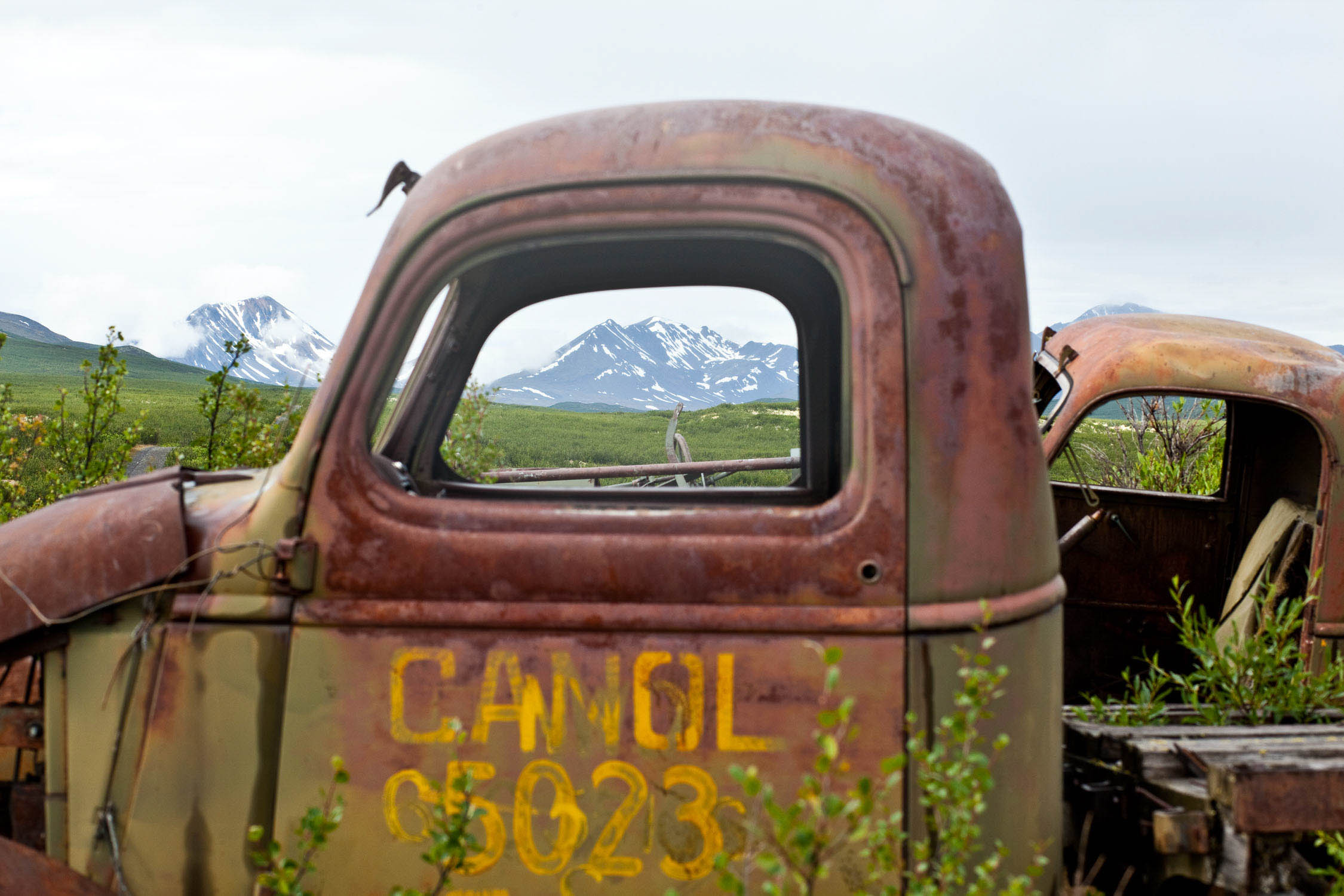
Mark and I push our bikes through the thick brush for hours before the wide Twitya River crossing. Hiding in the thick foliage, patina hues of old army jeeps with CANOL CONVOY written on them slowly sink into the earth. If the Axis and Allies had both gained nuclear weapons and humanity had destroyed itself, the world would look like the Canol. Only our pollution and trash would be signs that humans had ever existed.
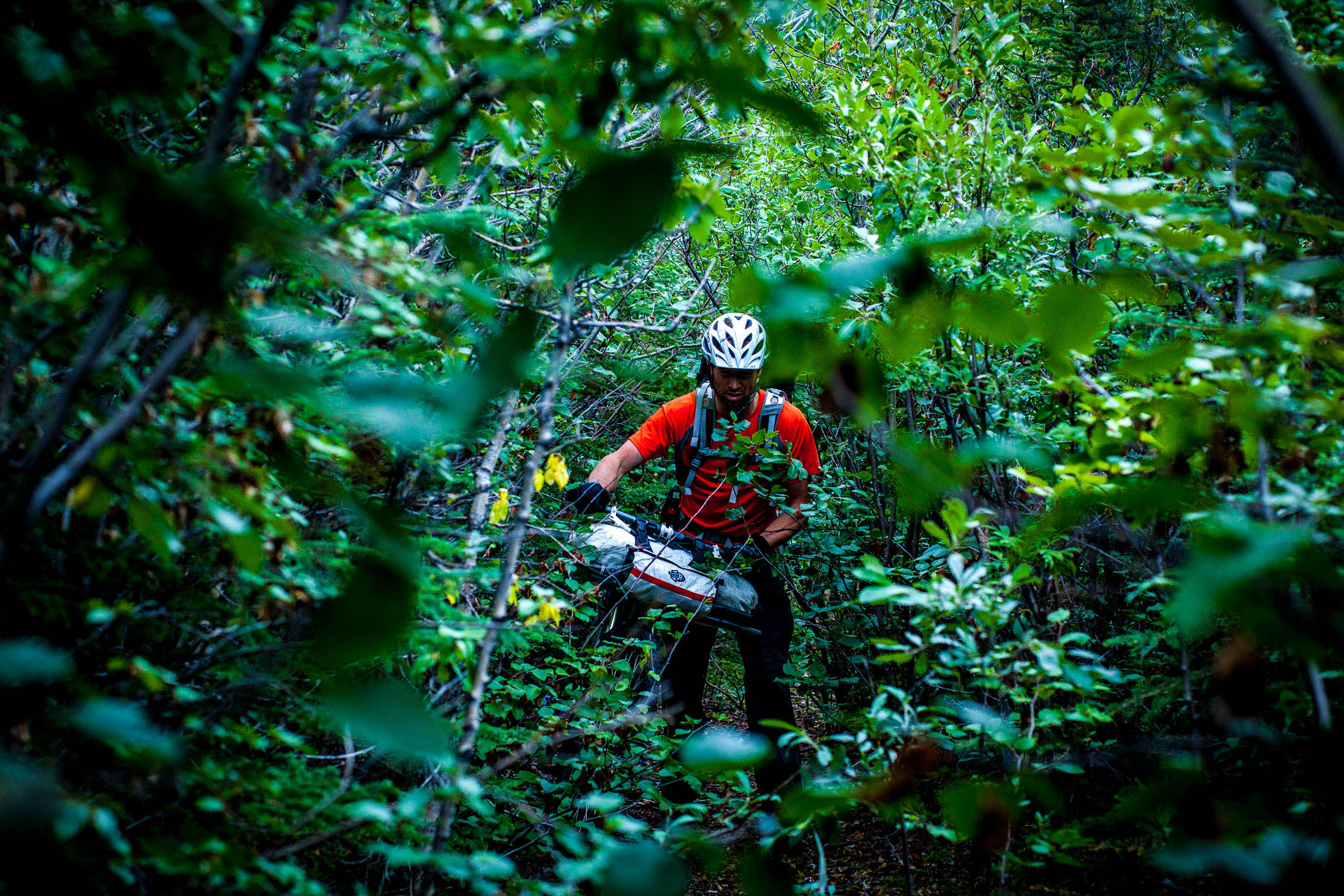
Telegraph wire hidden in the brush snares Mark’s bike, breaking it. A tense hour of repair follows. A few zip ties and wire get Mark rolling, but with 700 kilometers to go, morale is low. A section of trail eaten by the muskeg compounds this as we wade through a thick swamp with some of the worst pollution of the trip. Discarded oil barrels float on the swamp, the human impact on the environment an 80-year-old slap in the face.
March, 1945
Some 46,000 barrels of crude spilled in the first nine months of operation. Pipeline and road maintenance proved hugely expensive. With the end of the war in sight, safe tanker travel spelled the end for the Canol Project. By June 1945, salvage was underway, and the project was over. The Yukon maintained the Canol, with exploration and industrial aspirations to keep the road open. The Northwest Territories abandoned the road, and it quickly became impassable. Because the area is so remote, it was easier to leave everything behind.
August 22, 2023
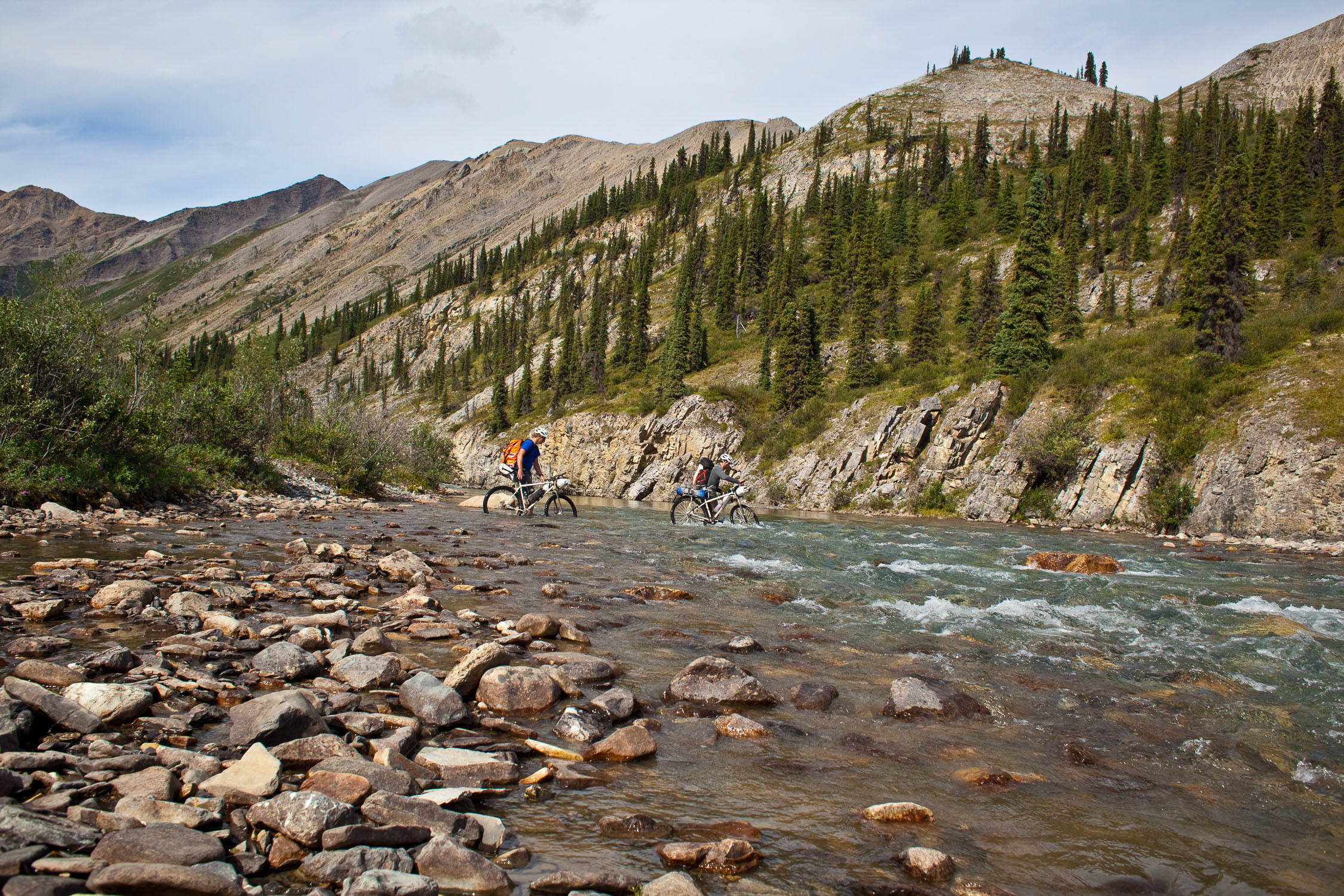
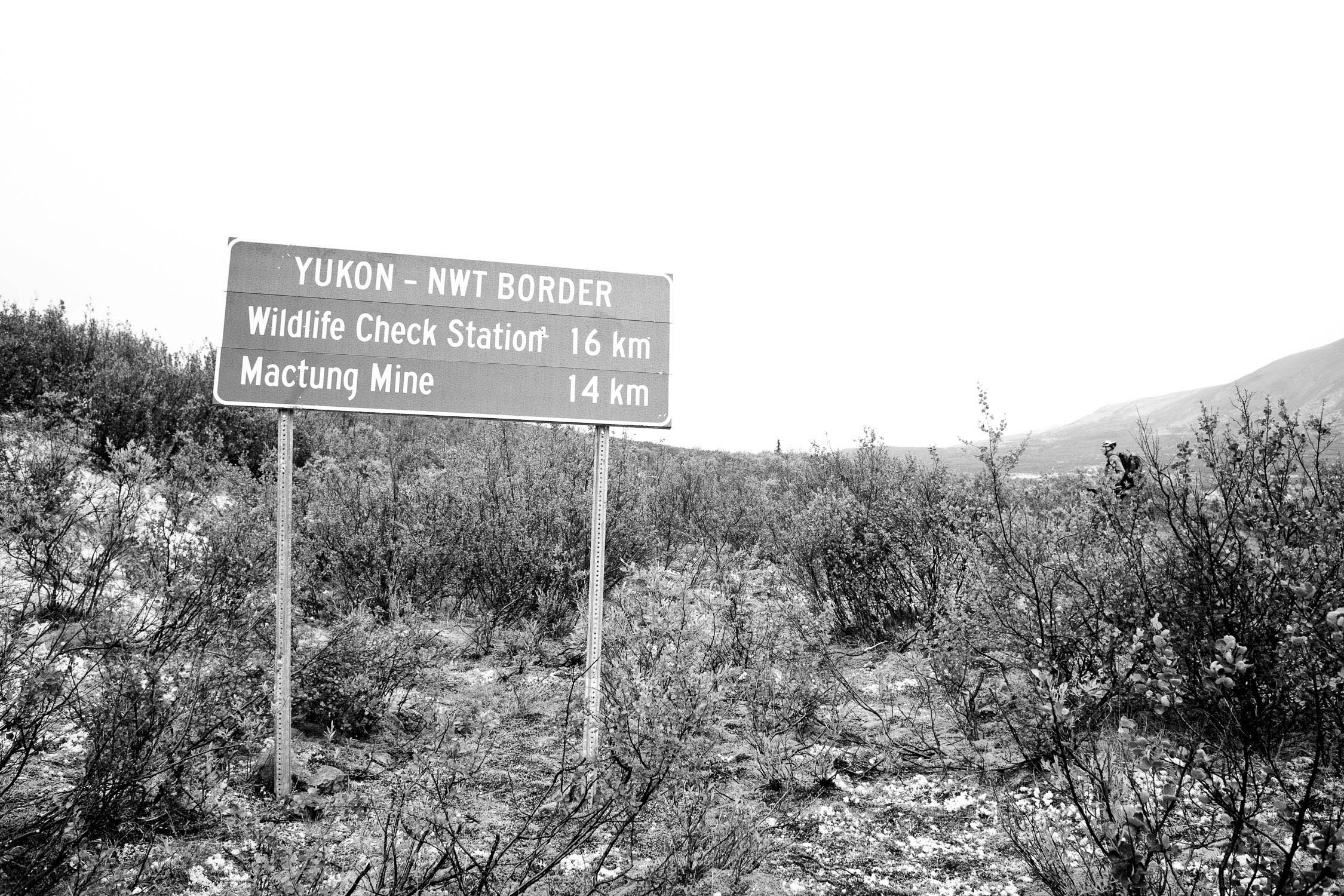
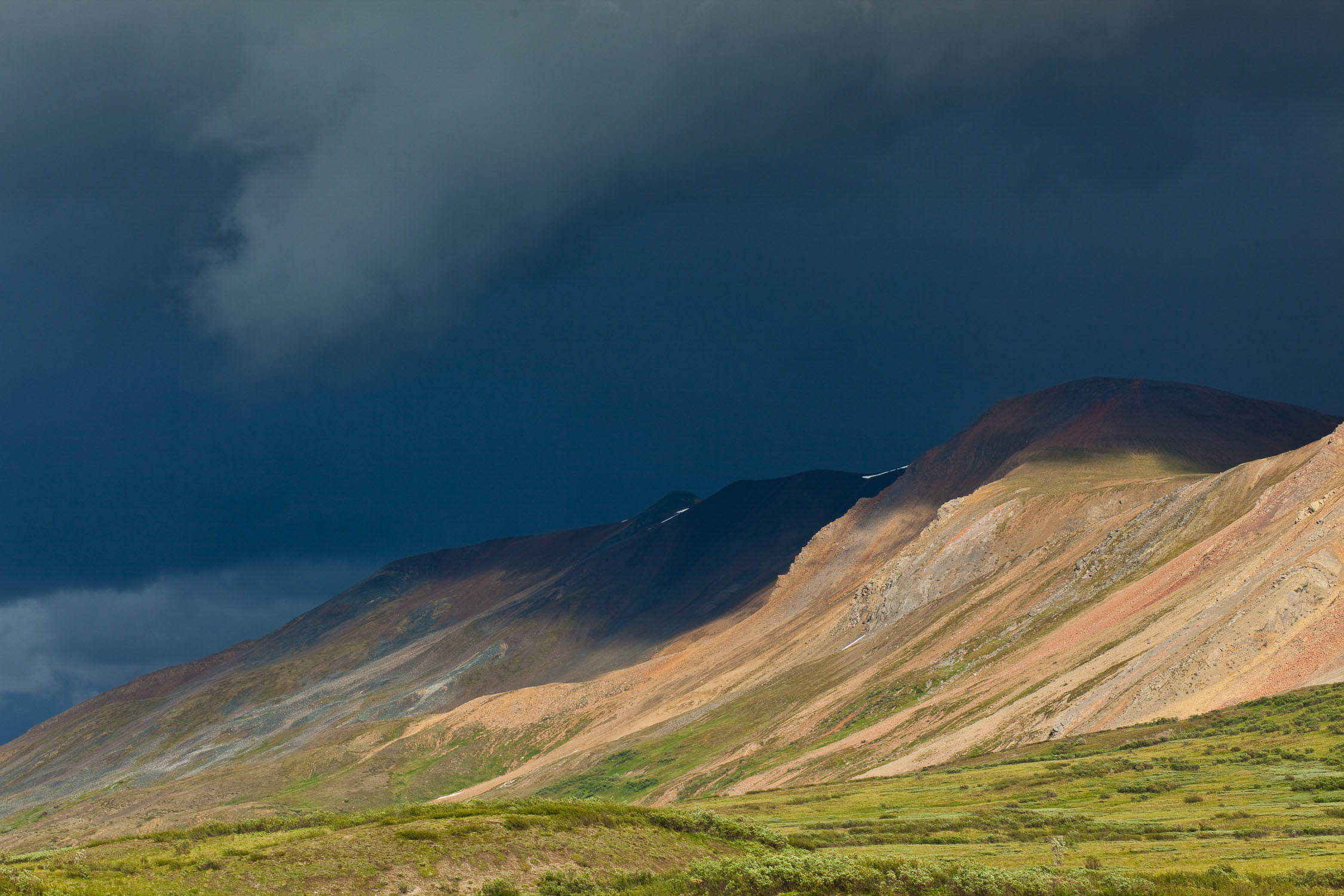
Waking to rich dawn colors, we continue our ride. Hundreds of ptarmigan flush from the brush, surrounding us as we descend to the mile 222 trailhead, where an airstrip indicates our journey would now be on a drivable gravel road. From here, occasional traffic could help us if we had a mechanical or injury. A few miles later, we cross the Yukon border and over our first bridge of the trip. The wet feet, a constant since Norman Wells, would now be dry.
August 27, 2022
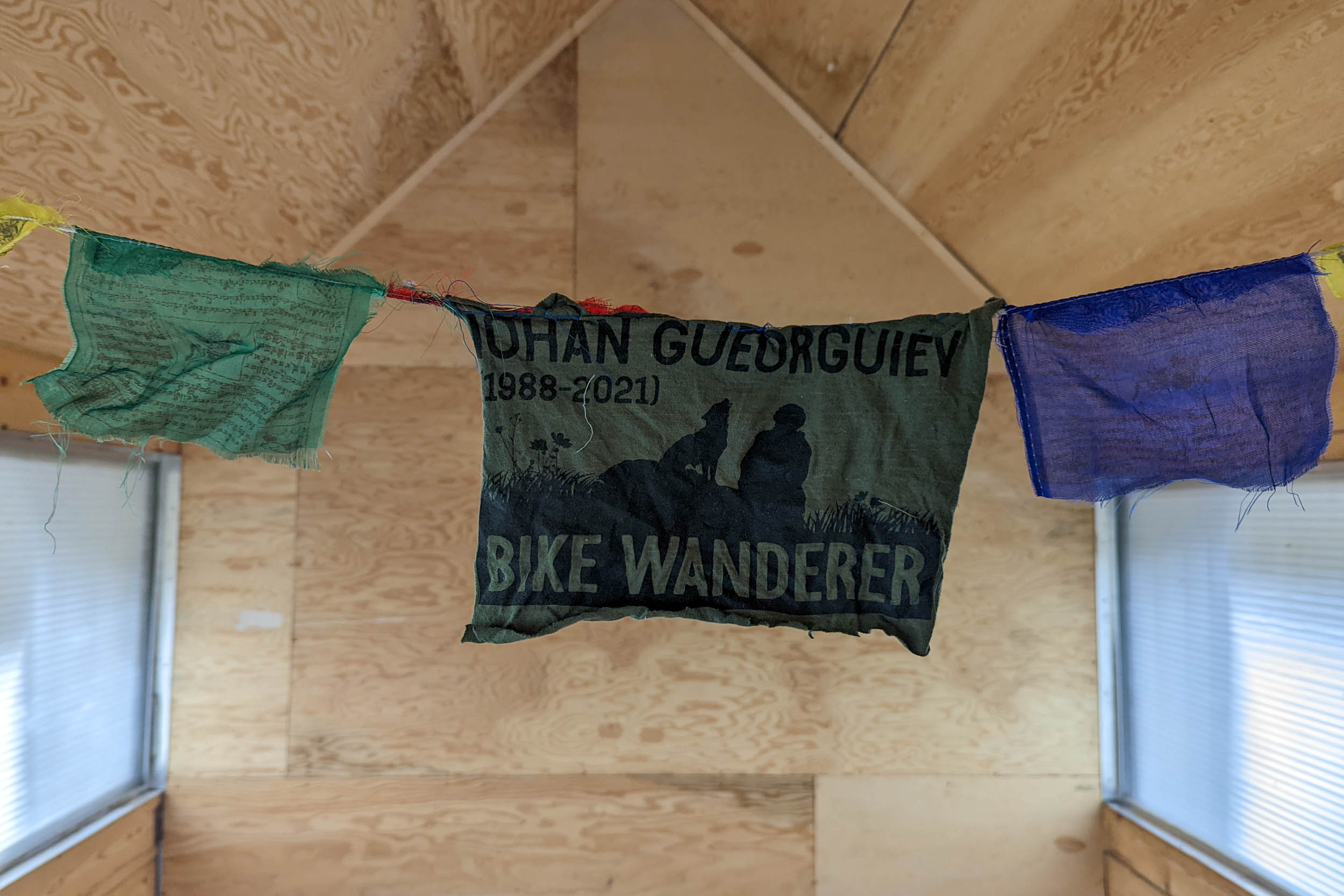
Lightning flickers outside the memorial at the Old Mayook schoolhouse. Adventure cyclists, treeplanters, people who met Iohan during his travels, and those whose lives his videos impacted share stories of Iohan, his spirit inspiring us to see the world in the same way. During the memorial, Iohan’s ashes are shared. Once more, he travels to remote patches of wilderness around the world.
August 23-28, 2023
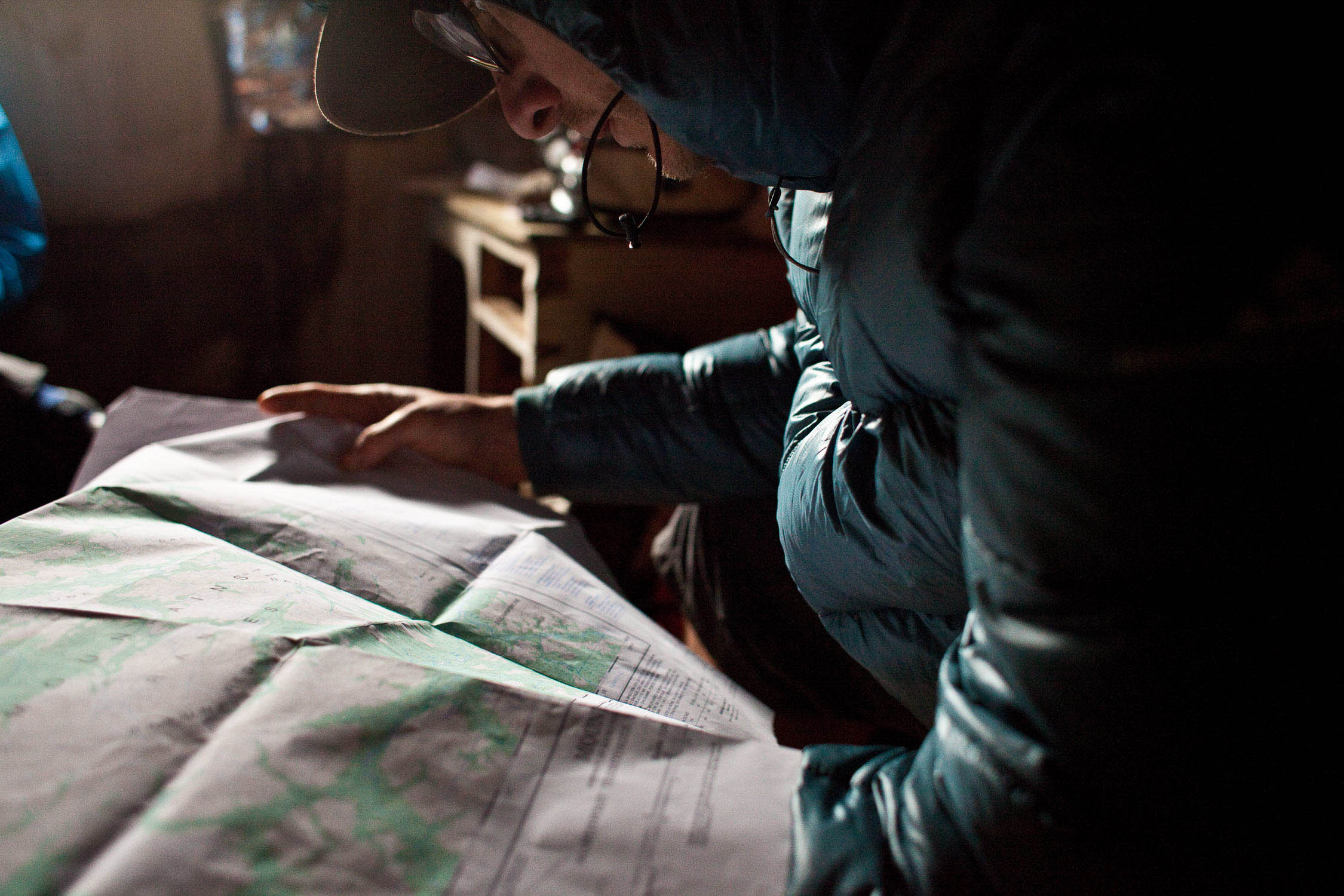
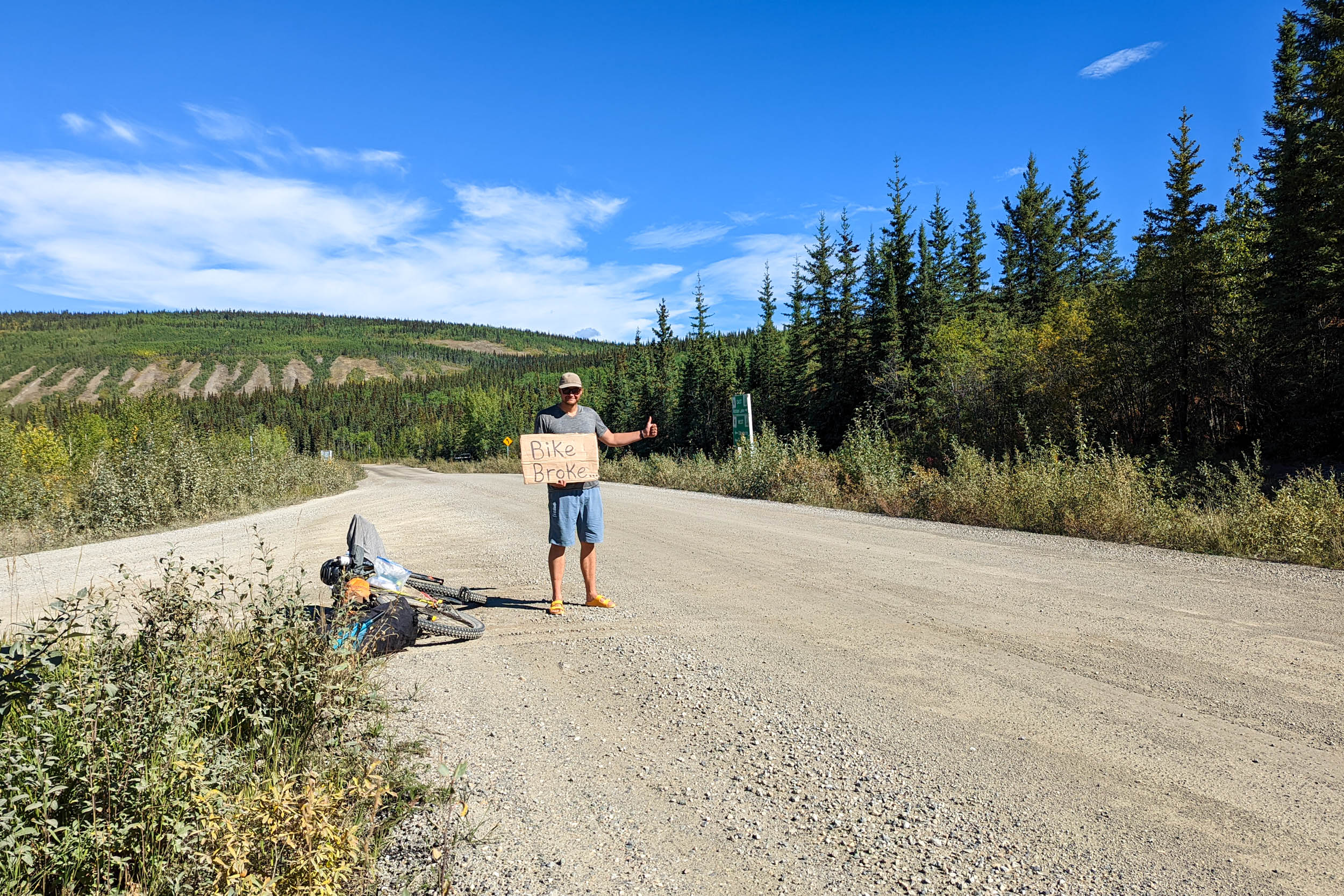
The Canol Road becomes a gravel grind. The mountainous barrens give way to undulating boreal forest that stretches to the horizon. Riding our bikes instead of pushing them, we cover the same distance in two days as we did in the previous eight, but progress still feels slow. Mark’s bike protests more as we push forward. Arriving at the small village of Ross River, we reach our first resupply, and with a broken bike, Mark hitchhikes to Whitehorse. What had started as a group of three had become one.
Riding in the solitary wilderness gives me more respect for Iohan’s achievements, unsupported and solo. Even in the relatively civilized South Canol, with its couple of vehicles a day, the sense of isolation and vulnerability is palpable. I think about how lucky I was to have met Mark, an accomplished adventurer, who told me he was interested in the Canol the same month that I had learned of Iohan’s death. Like Iohan, he had biked the length of the Americas and spoke of how hard reintegrating was after the trip. I think of my uncle, an avid cyclist who had helped plan the trip. He passed away suddenly not long ago. His bags are on my bike.

Silence and solitude made me reflect on our mortality, what we leave behind. What Iohan left, what I will leave. On a remote trail in the Arctic with little traffic, there are thousands of stories, many intertwined with one another. It was these stories, the human-powered journeys through the Shúhta, that existed long before the Canol. While rusty relics remain, marring the beauty of the Sahtu trail, the stories we leave behind often permeate the land without pollution or patina-hued trash.
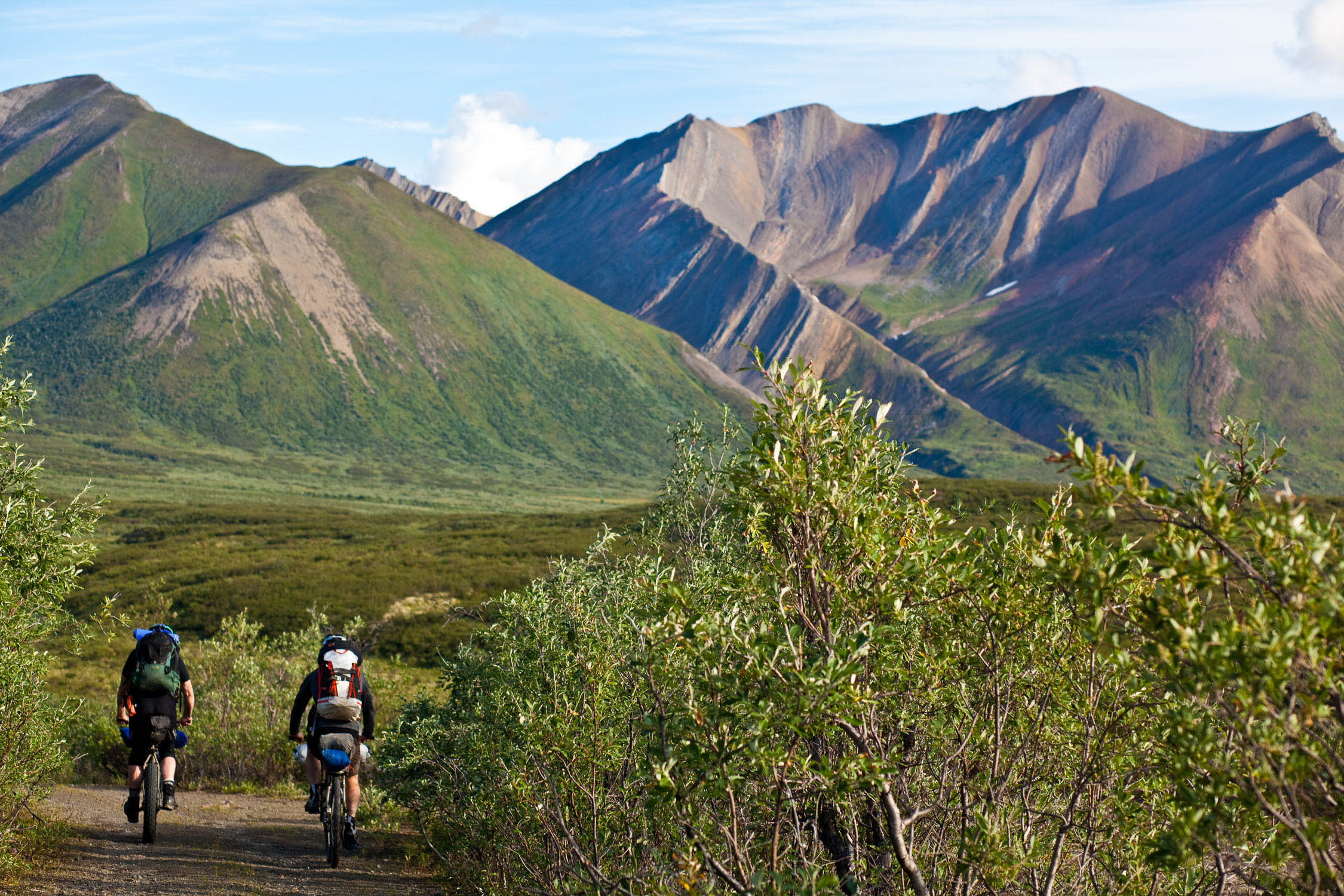
I felt connected to these stories as I wrote my own across the remote, unforgiving landscape. Turning off the Canol Road, I felt sadness bubble up as my story joined the others in the past. I thought about Iohan becoming Windrider on the Plains of Abraham, the simplicity of movement from start to finish, the moments of doubt, worry, and contentment, and I felt gratitude for these wild places that accept our stories.
Further Reading
Make sure to dig into these related articles for more info...
Please keep the conversation civil, constructive, and inclusive, or your comment will be removed.