

 Mountain Bike (MTB)
 Gravel Bike
 All-Terrain Bike (ATB)
 Fat Bike

El Piri 2026: Bikepacking the Pyrenees on a ’90s Mountain Bike

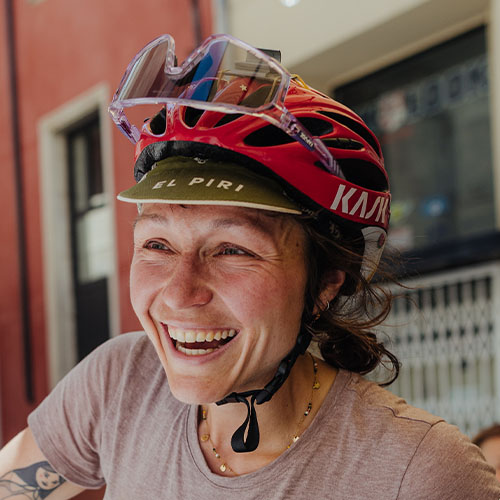
The L’esperit del Bikepacking Startline Bursary aims to increase diversity by providing financial assistance and gear to underrepresented riders at their events. Gabrielle Antoine was a recipient of this year’s El Piri bursary, and she completed the 800-kilometer route across the Pyrenees on her restored 26-inch mountain bike. Find her heartfelt written recap and photos from the journey here…
PUBLISHED Jul 16, 2026
Words by Gabrielle Antoine, photos by Carina Gasia and Benno Sellin
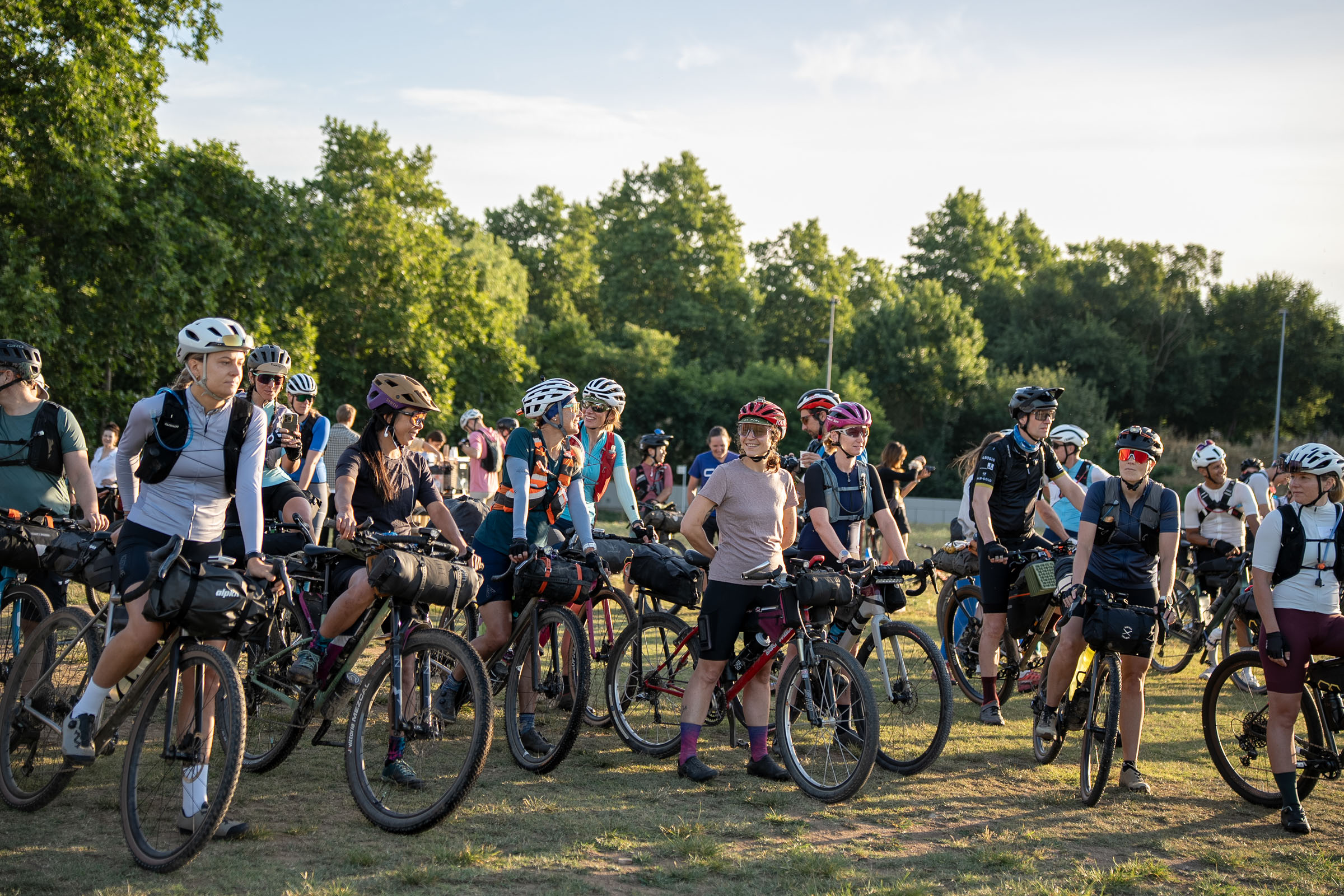
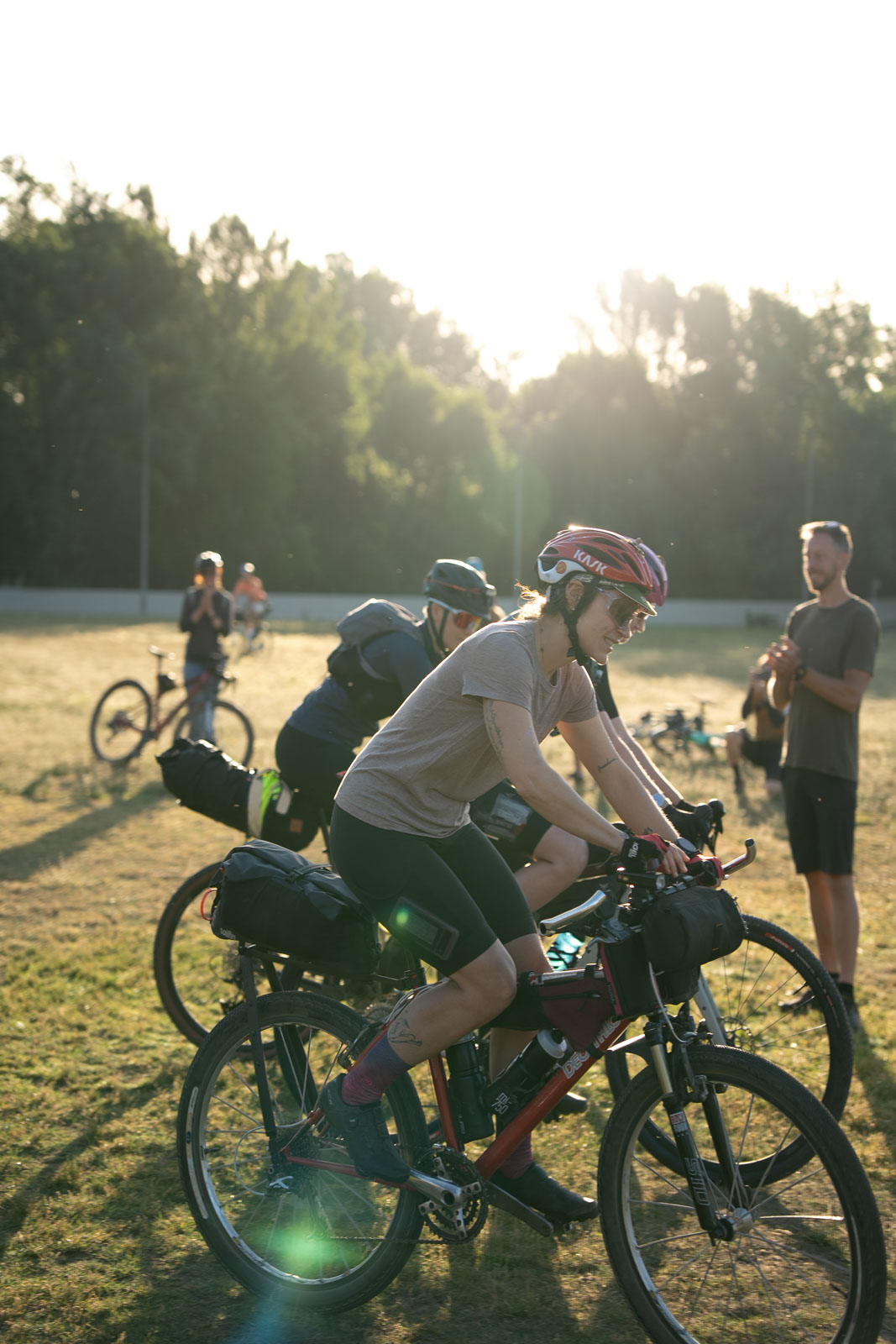
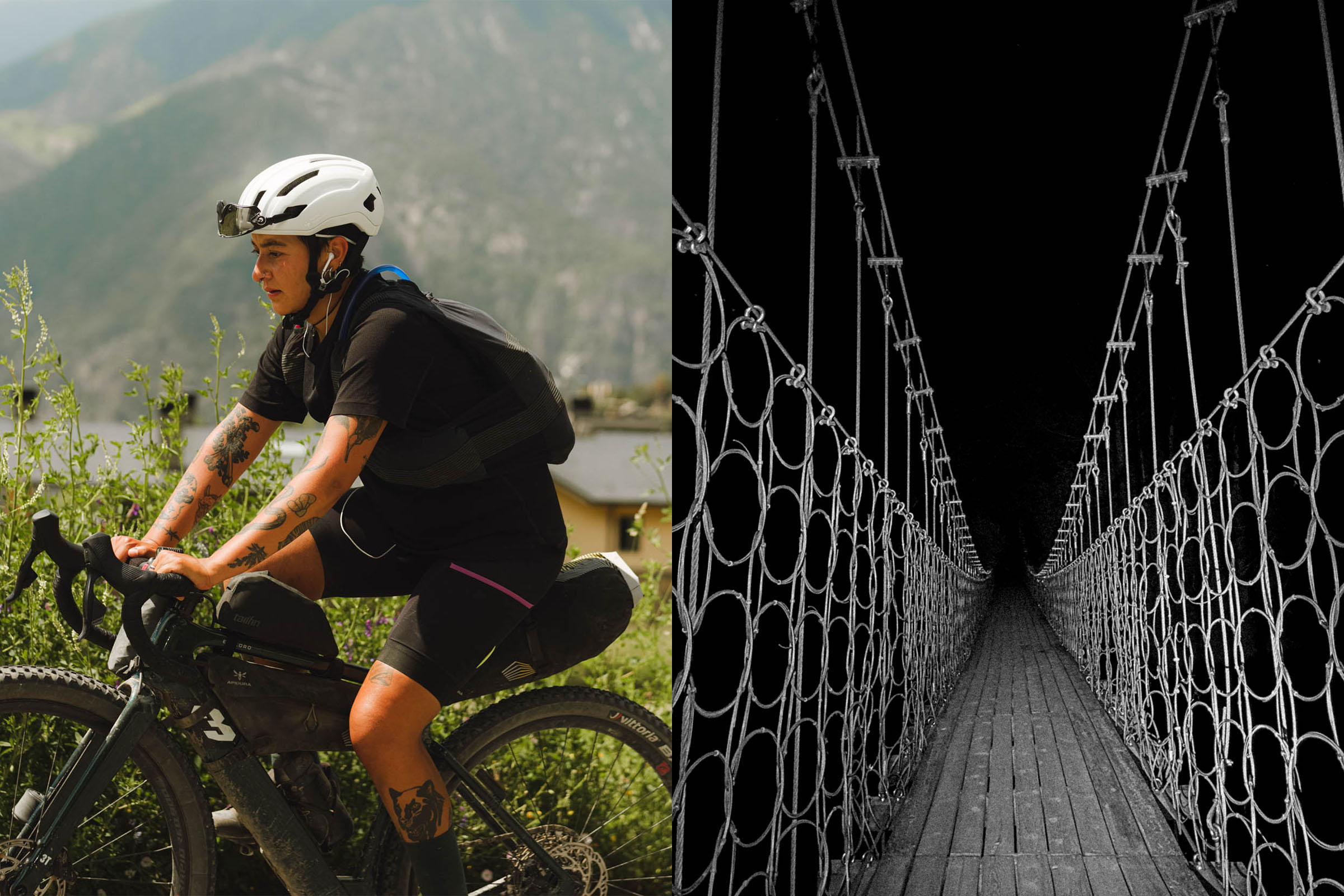
This June, I took part in El Piri as a bursary rider, with funding from the organizers and Tailfin. El Piri is not a race but a self-supported event designed to celebrate the wild beauty of the Catalan natural parks while encouraging each rider to push their own limits. It was an experience that will forever shape the way I ride and I approach bikepacking.
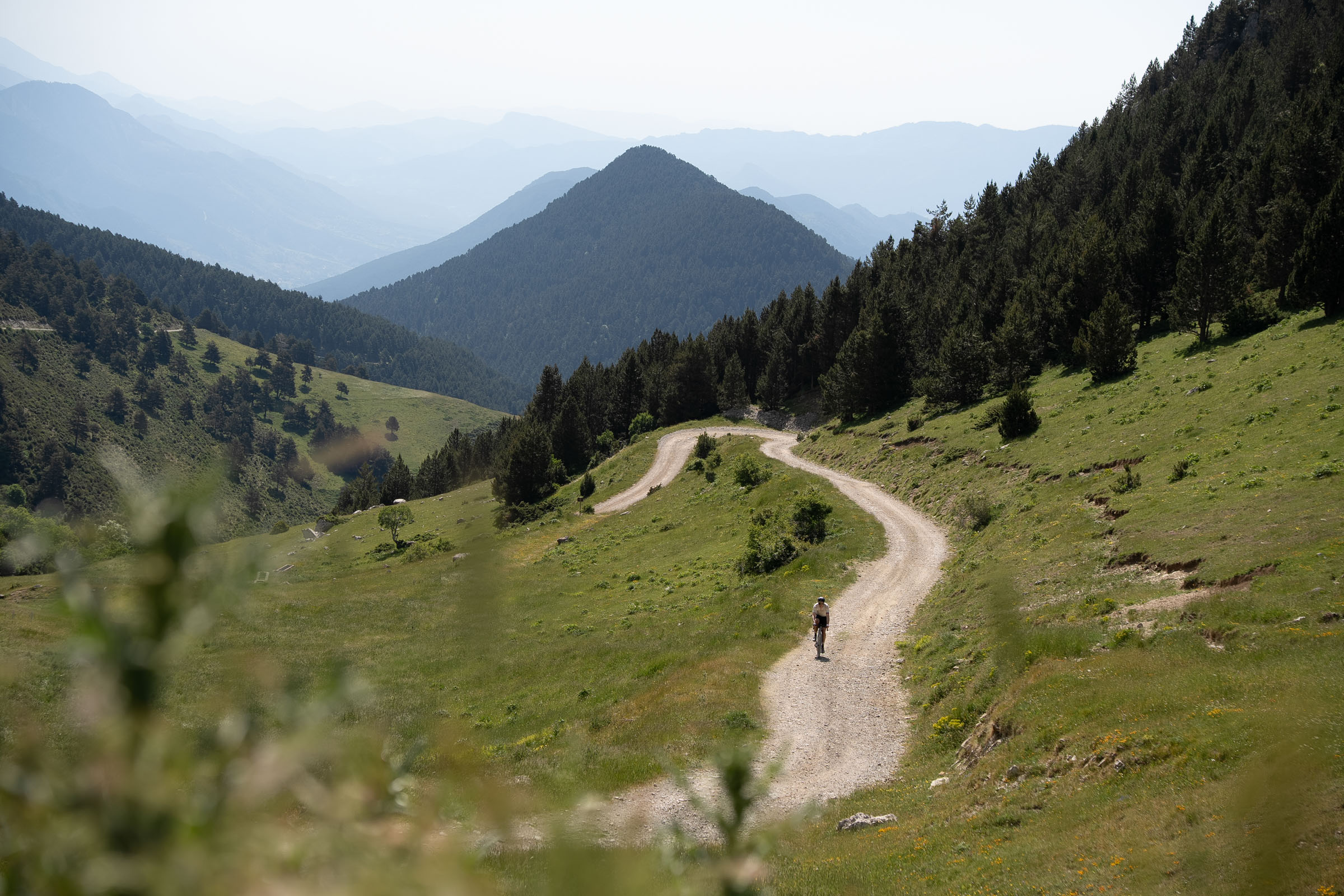
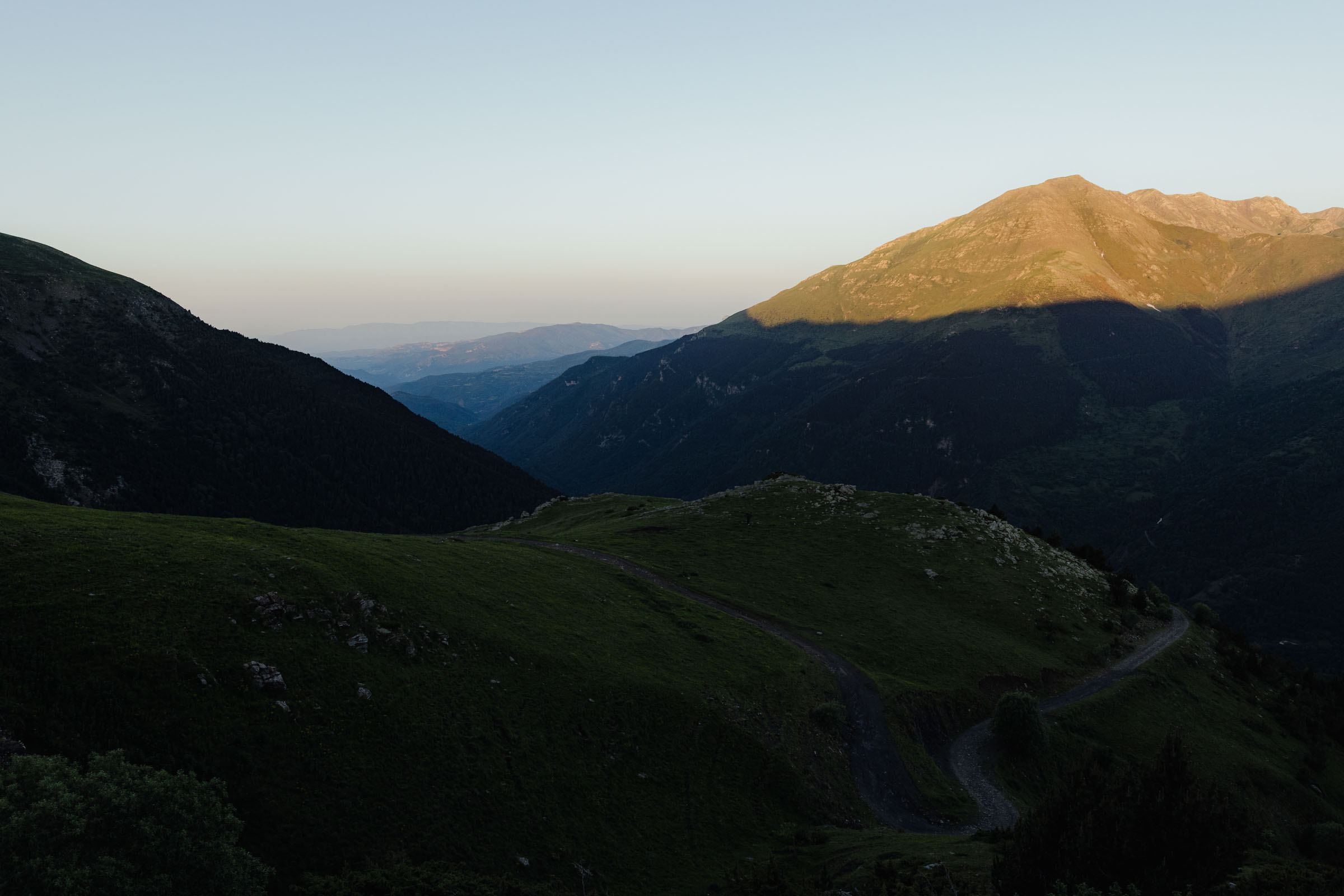
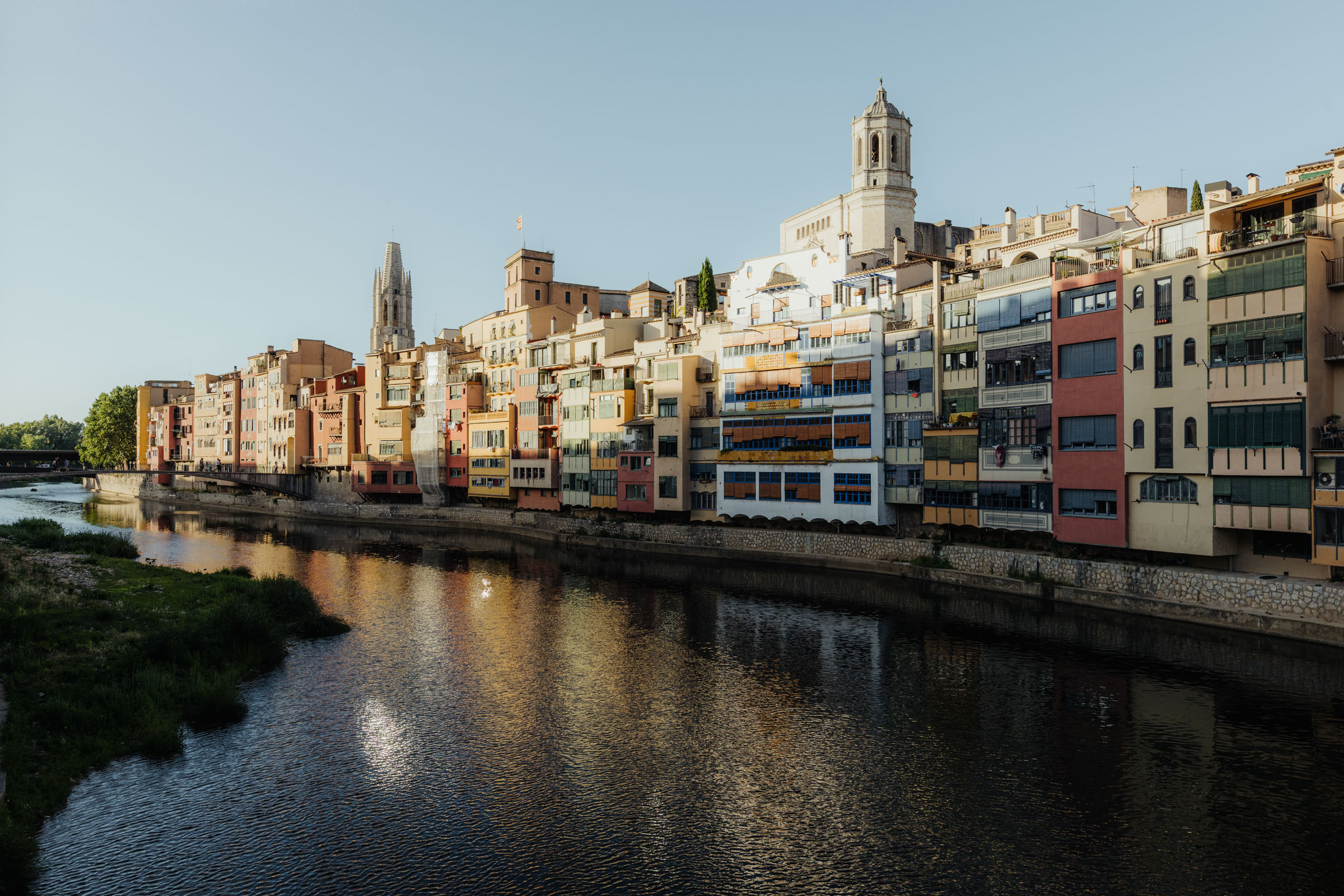
The region is a gravel paradise. The route heads straight into the heart of the Catalan Pyrenees, crossing the Cadí-Moixeró Natural Park before continuing through the Alt Pirineu Natural Park and into Andorra, with its notoriously steep climbs. Along the way, it passes iconic landmarks such as the Church of Sant Romà de Sau, whose bell tower rises from the waters of the reservoir, and charming Catalan villages like Camprodon.
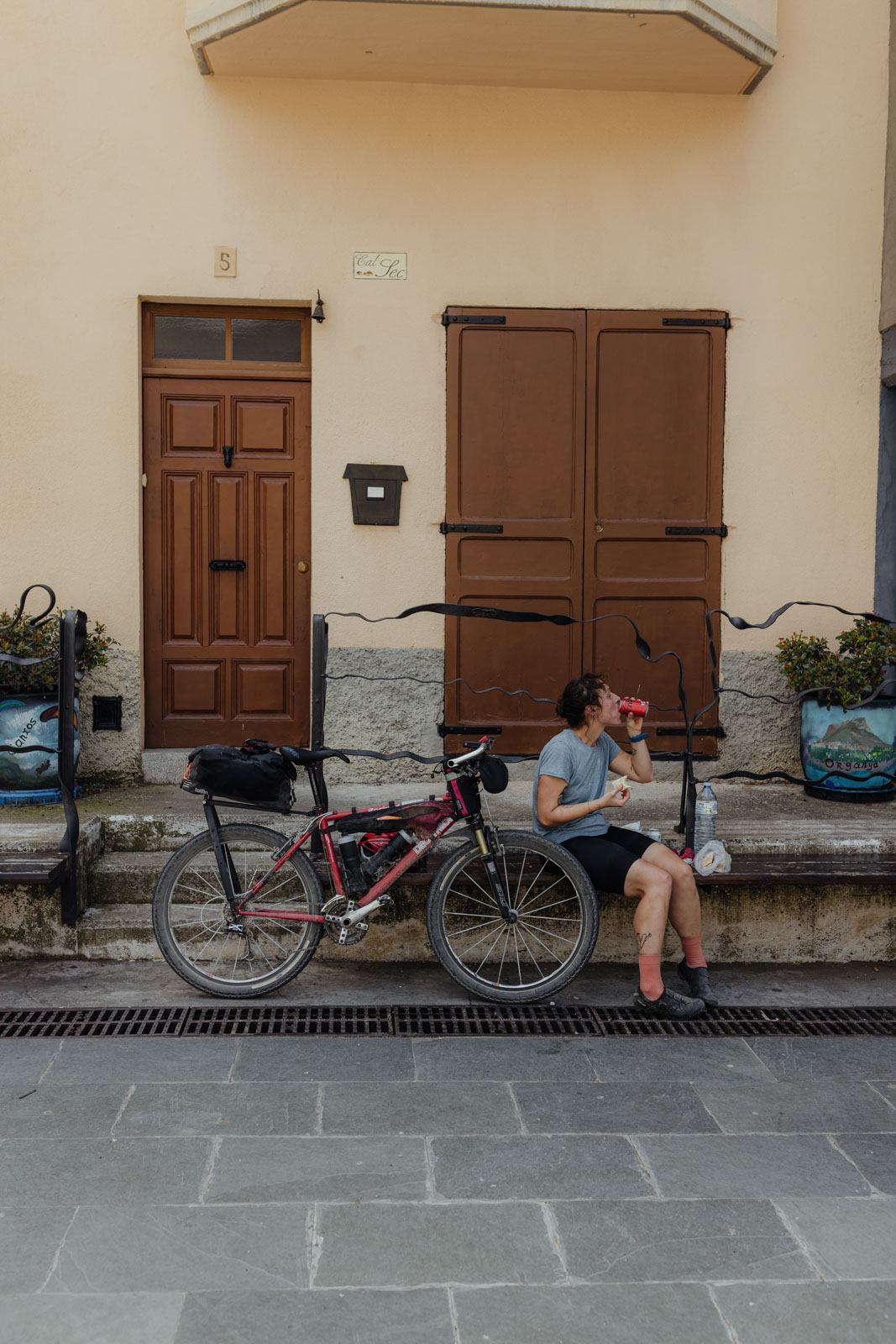
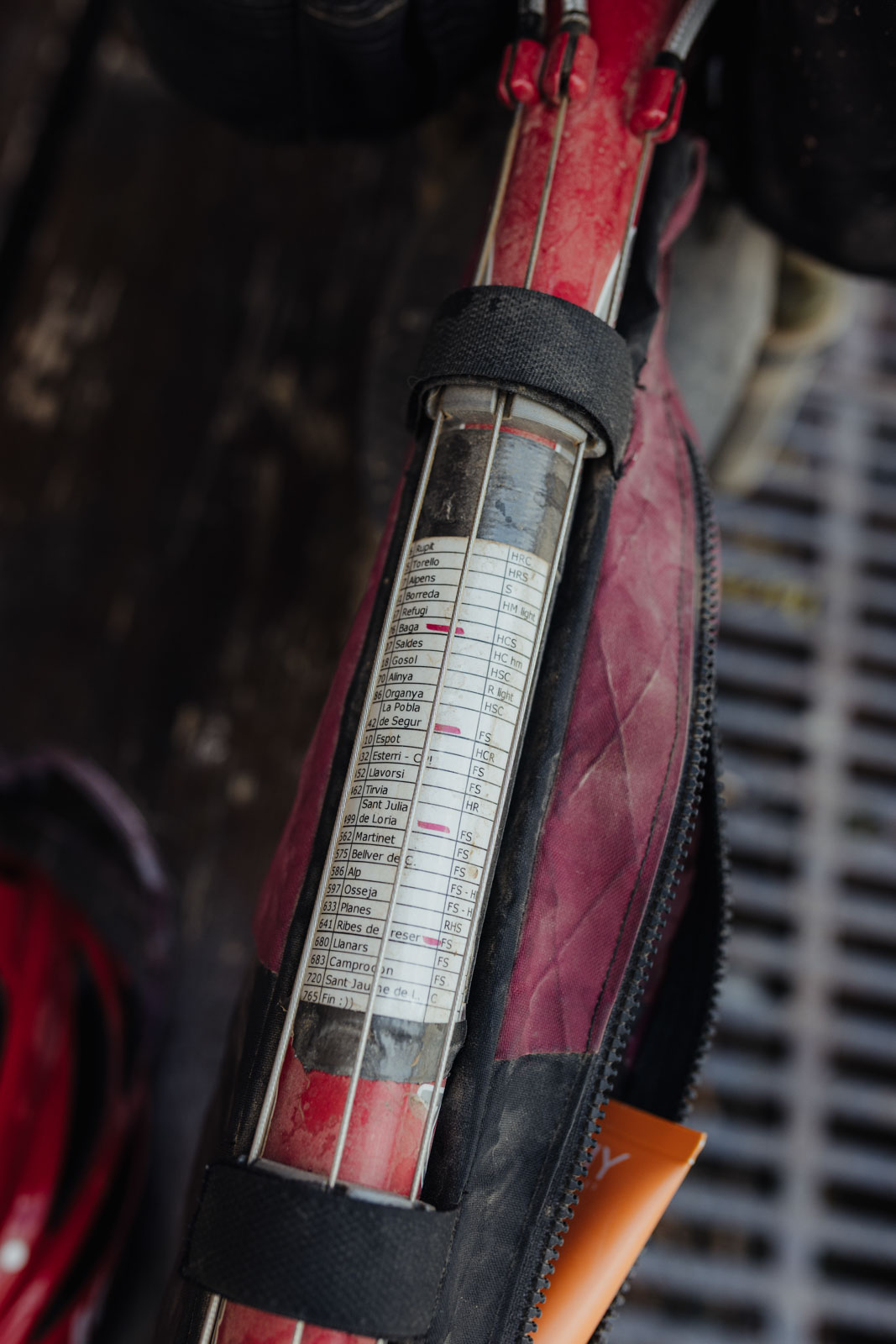
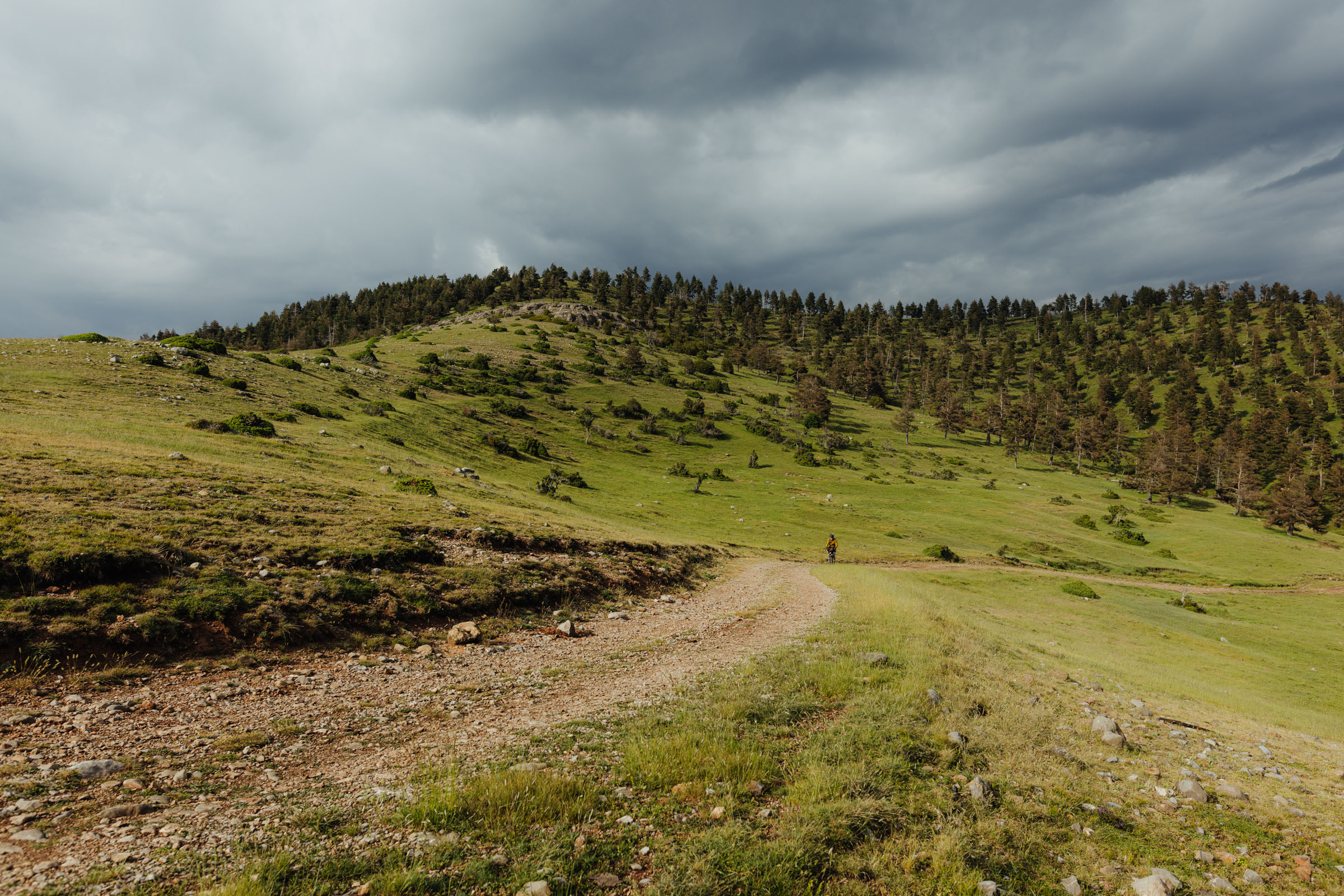
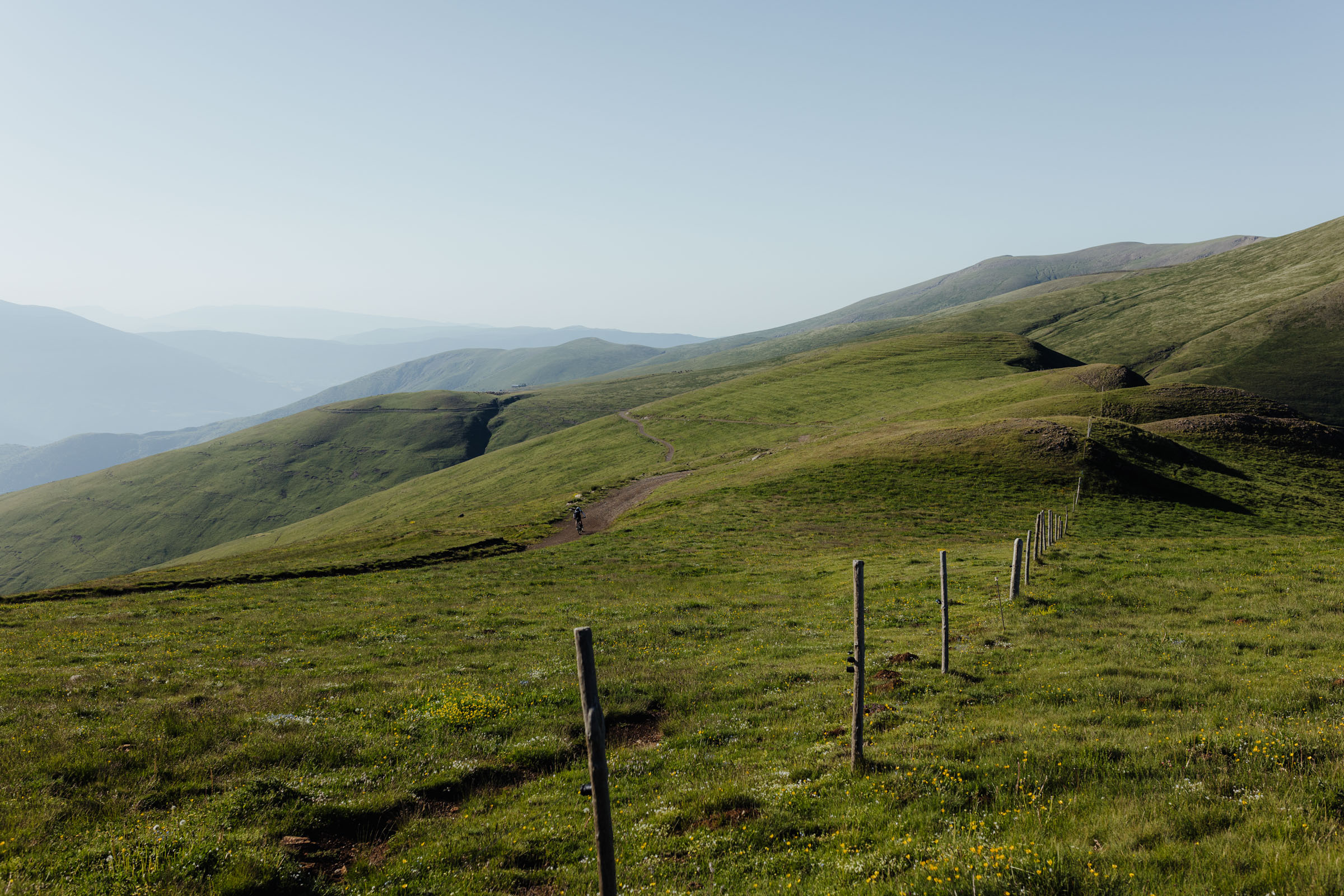
At 2,265 metres, the Colletó de la Portella is the highest point of the route, complete with alpine meadows, proud snow-capped peaks, and playful descents towards the ski slopes of Espot, where silent chairlifts stand frozen against the mountainside.
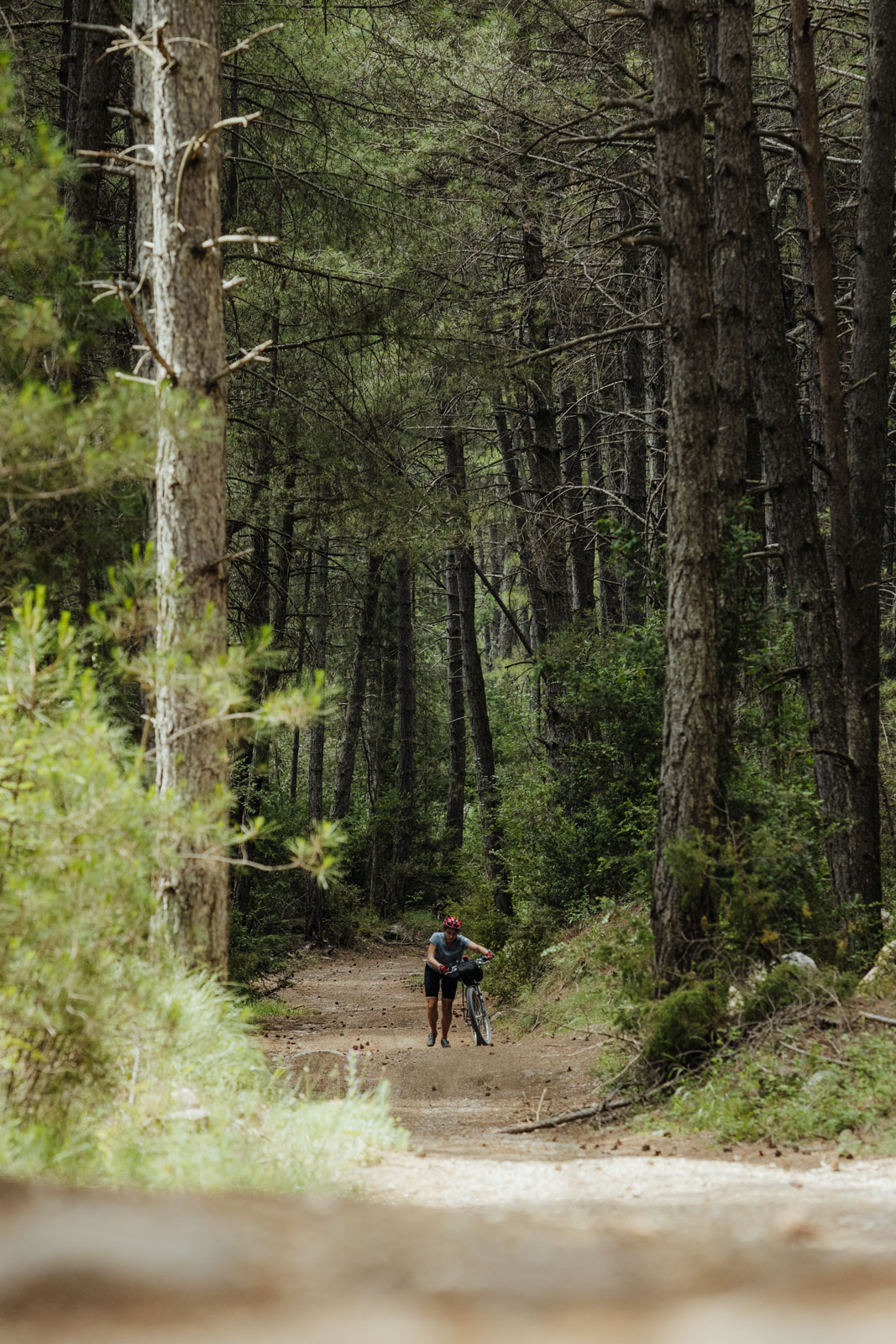
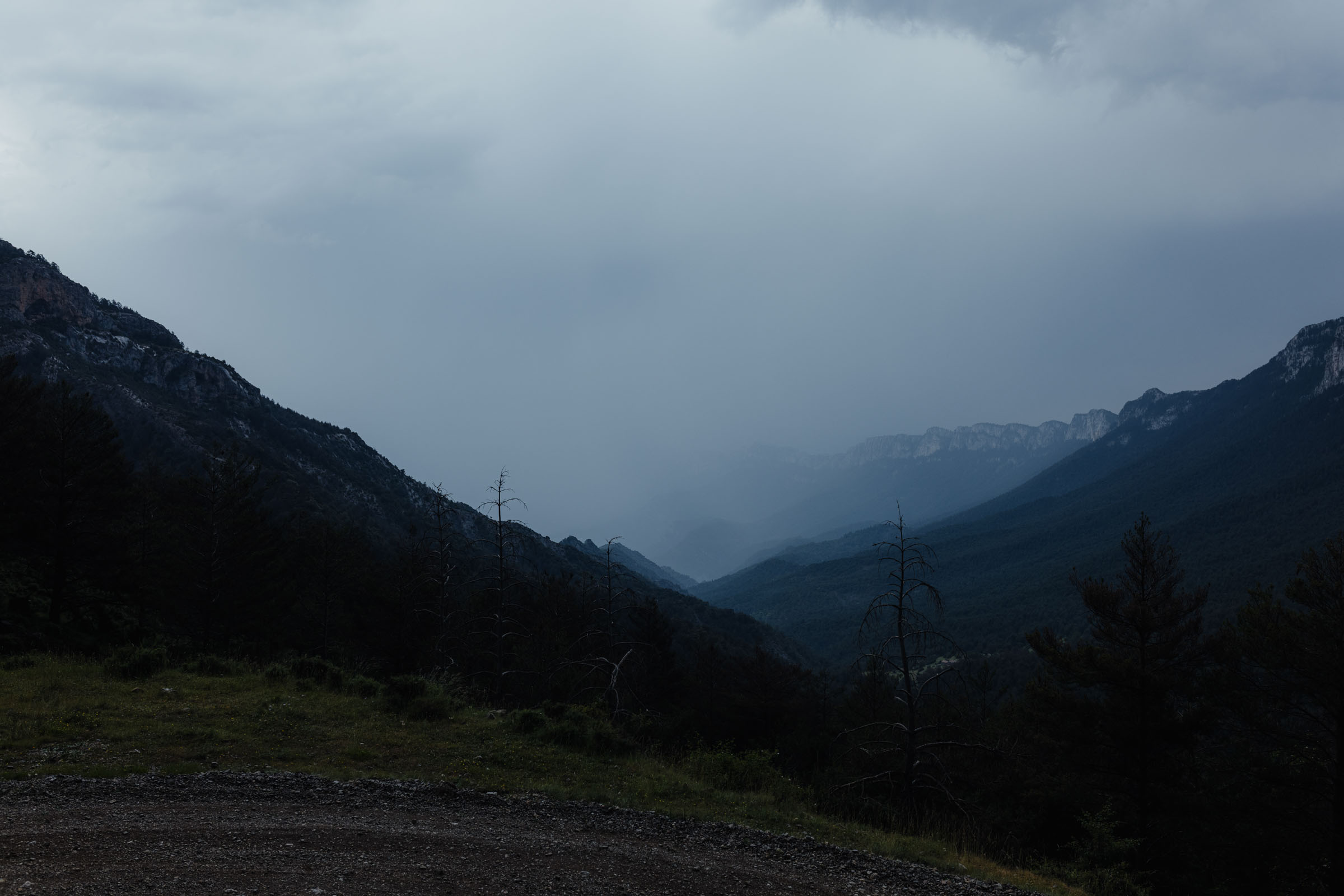
However, the climb to Prat Muntaner Pass was the most unforgettable, despite the stormy downpours. I felt deeply connected to the landscape’s vastness through the scent of wet earth, the apocalyptic atmosphere, and the rumble of thunder overhead. At the top, I had the great surprise of bumping into the media team, and my spirits were immediately lifted.
Miraculously, the storm began to clear as I started to descend. The mountain rewarded me with a descent down the opposite side, warmed by the sun, through landscapes of limestone cliffs, red rock, and the shimmering waters of the Pantà de Sant Antoni reservoir below La Pobla de Segur. I couldn’t quite believe what I was seeing, what I was feeling, what I was experiencing. I think back on the journey that has brought me to this moment—not just today, but in the months and years leading up to it.


It has not always been straightforward. I had spent a long time looking for the flame that would help me reconnect with myself and the world around me, in search of moments like this. Six years ago, I moved from Paris to Nantes. I bought an old bike, simply to discover the region, and set myself what felt like an enormous challenge: riding to the Atlantic coast. I had no tools, no pump, and very little idea what I was doing. It was summer, brutally hot, and I suffered all the way there. But in that moment I understood: this is me.
I began to meet people who were riding distances that, at first, seemed completely beyond me. I joined them, changed bikes, and completed my first 100-kilometre ride, then my first 200-kilometre ride.

Around the same time, we launched “Les Rayonnant·es”, a cycling group promoting a more inclusive cycling culture and supporting women and other underrepresented people to become more confident on bikes, alongside other FLINTA (Female, Lesbian, Intersex, Non-binary, Trans, Agender) people. Meanwhile, I began participating in ultra-cycling events, including Desertus Bikus, and fell in love with the difficulty, the reward, the joy, the people, the moments.
My mother was central to the early part of that story. She raised me alone, and I saw her fight to provide what was necessary, giving me strength when times got tough. Those values helped me build myself and remain part of why I find myself here, championing women’s voices and images.
Bikepacking gave me a way to meet myself, meet other people, discover new places, and experience freedom. It became a way to express values that were already part of me. Riding and taking action through cycling helped me affirm my belief in the strength of women. It was not about being strong for a woman; it was about being strong.
In time, I applied for the El Piri bursary. It appealed to me because it focused on supporting underrepresented people, fairness, and representation. It felt connected to the values I had lived by and to the idea of sharing and defending them. El Piri also offered the kind of riding I love, with off-road terrain, mountains, a demanding route, beautiful landscapes, and a philosophy of empowerment.
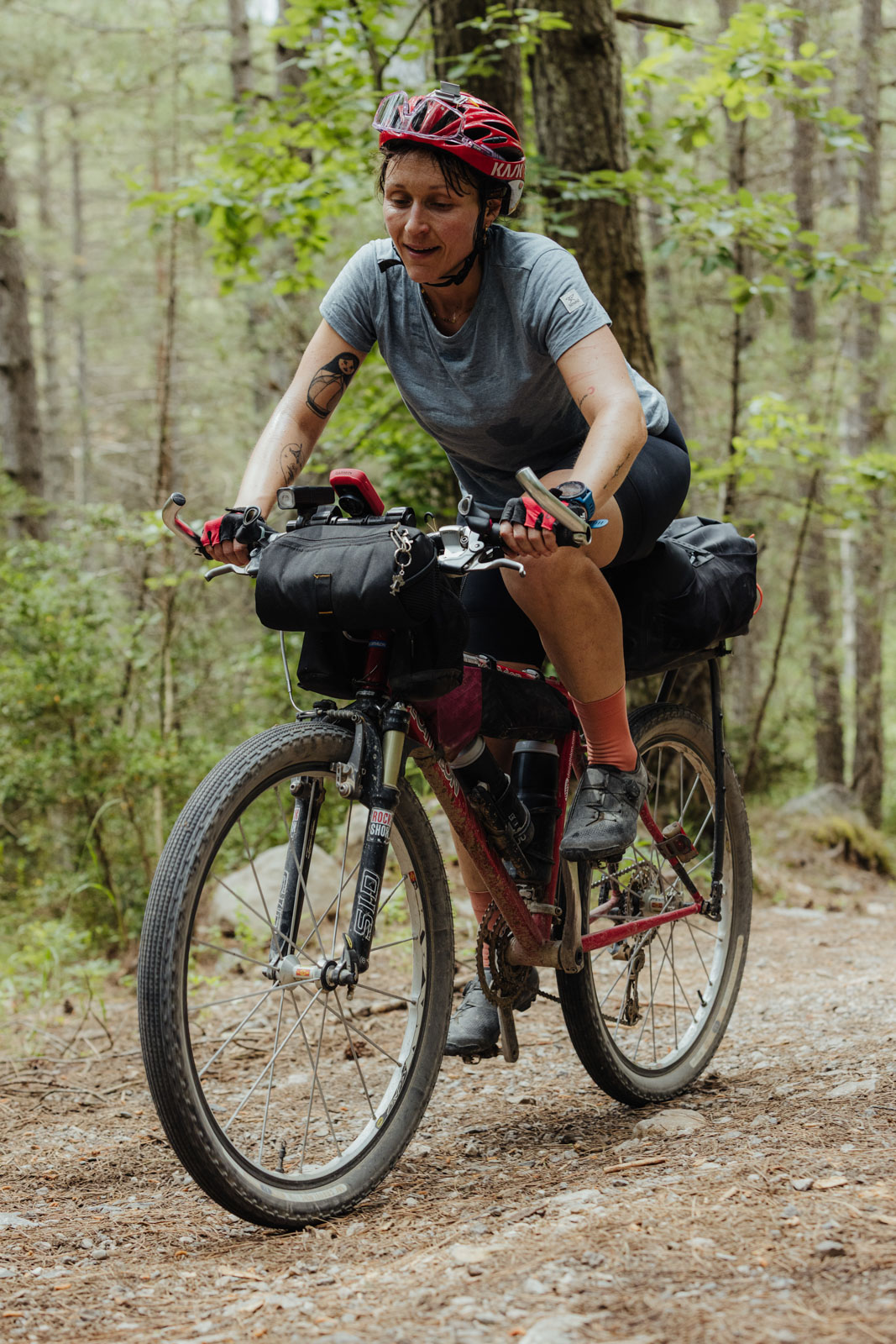
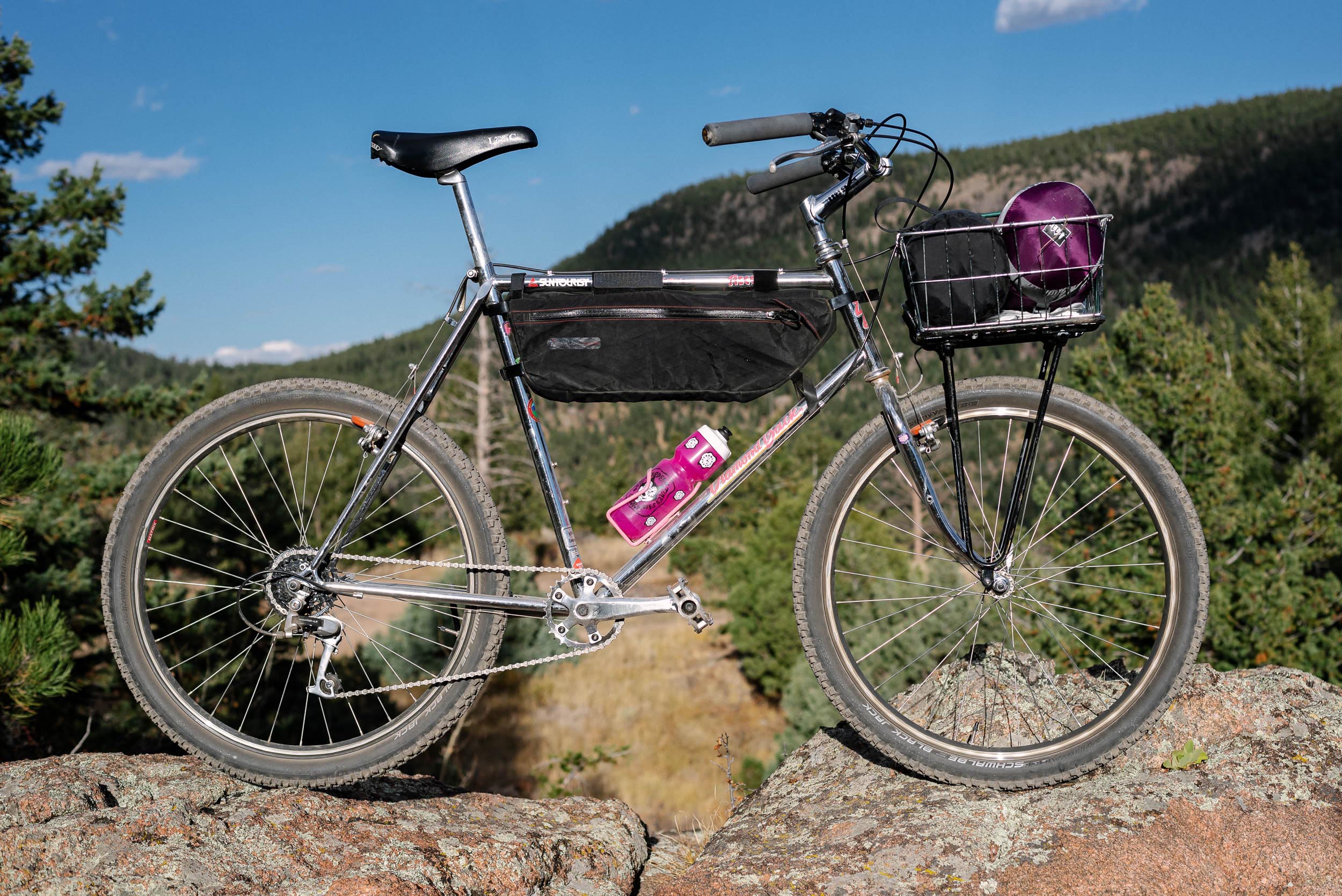
For the event, I wanted to ride a revived vintage bike; a Rockrider 740 from the 1990s, with 26-inch wheels and V-brakes. I like to spend time fixing old bikes, making my own food pouches, and giving things a second life, and I wanted to show that it is possible to do big things like El Piri with second-hand gear like my old Rockrider.
Cycling can become a race of material products and consumerism, with expensive bikes, equipment, aerodynamic whatever, and integrated everything. I wanted to make a different point: that you can start basic, repair what you have, and be just fine, while also using less and thinking more about the world we share. Individual responsibility is only one part of the broader responsibility that we have to the environment and to each other, but it is significant.

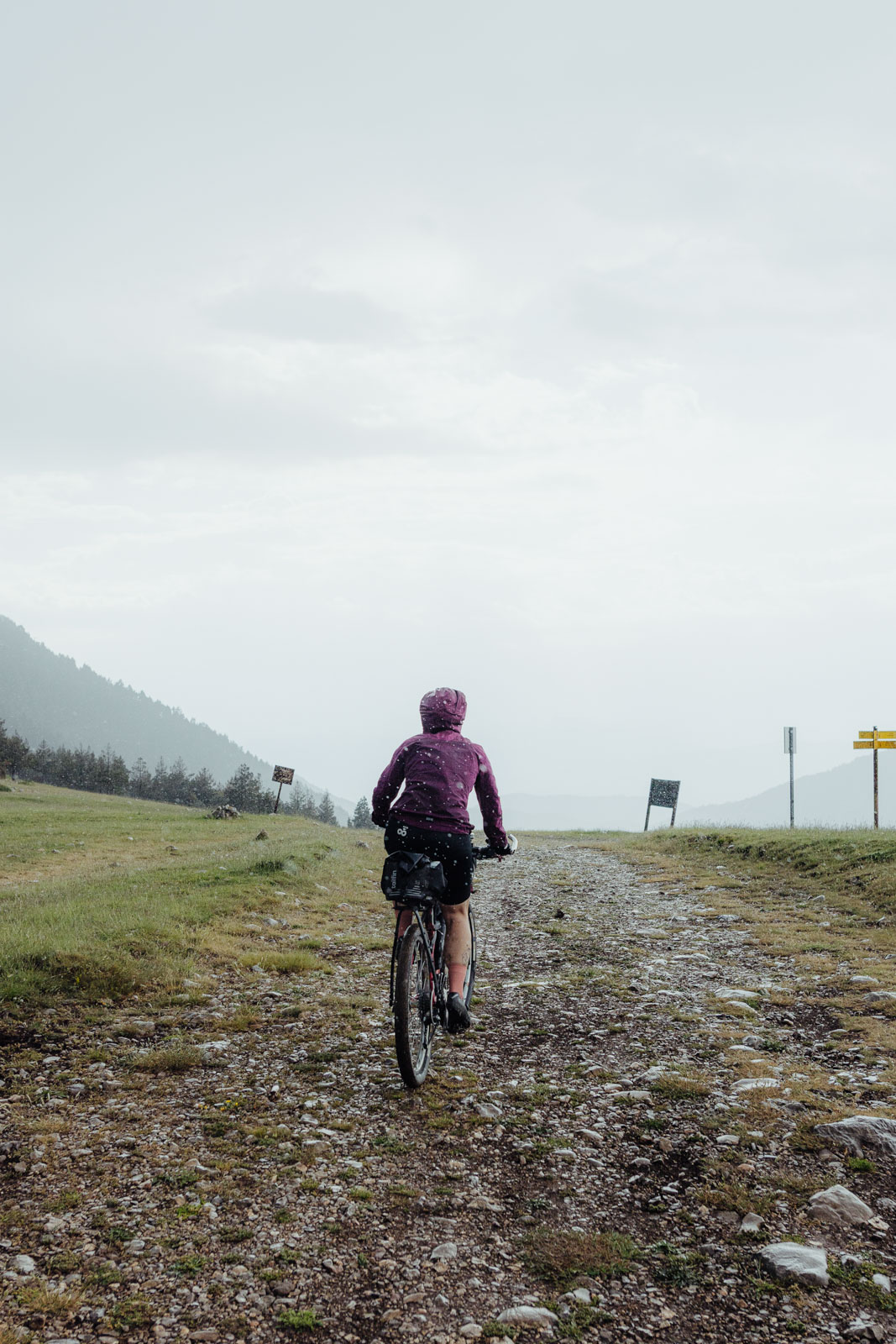

On top of Prat Muntaner, in the rain, mud, thunder, and sun, these values were tested to their core. And over the course of the rest of the route, on tough trails, over long mountain passes, and long hours in the saddle or pushing my bike, the test would continue. Fixing my brakes in the dark before dawn. Riding through my period, which came on the last day. This wasn’t going to be easy, but I was strong, and I was going to do it—because of stars, butterflies, wildflowers, and the spirit of the El Piri community—in awe and fulfillment. The hardest part, the first step, was already behind me.
There’s something strange about crying and smiling with joy at the same time, and the finish line was a massive explosion of emotions. Completing this extraordinary adventure was beyond anything I had ever imagined possible for myself.
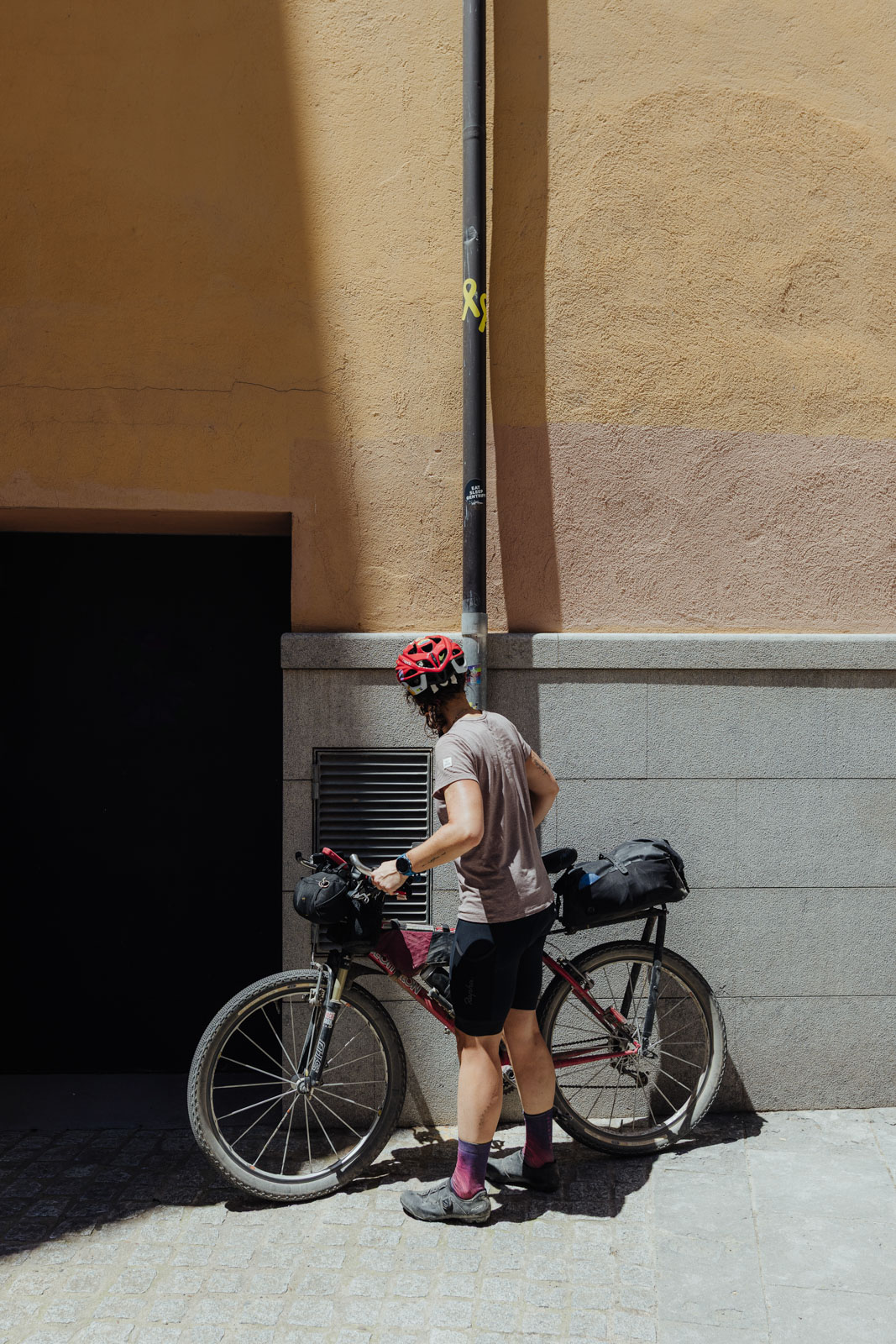
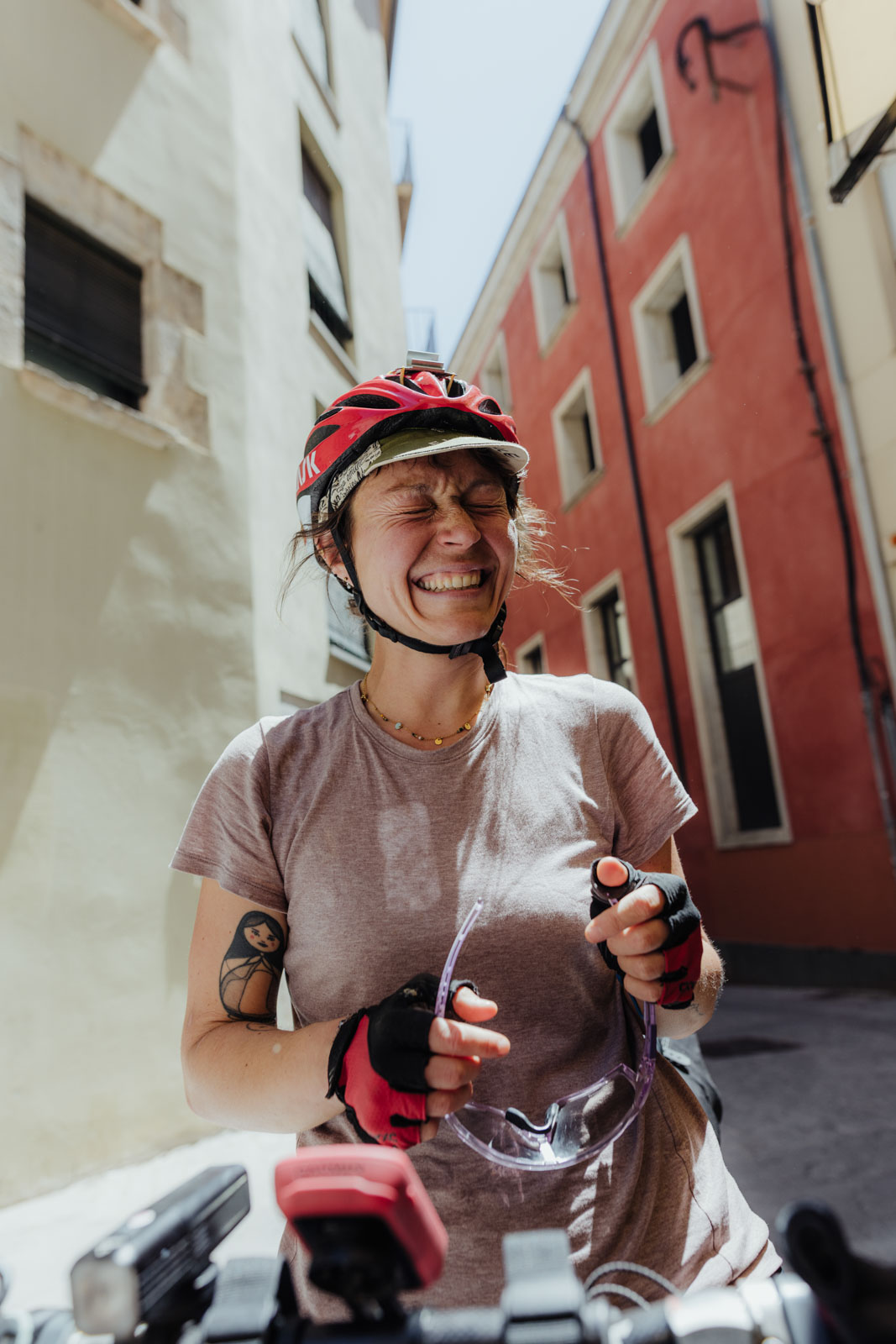
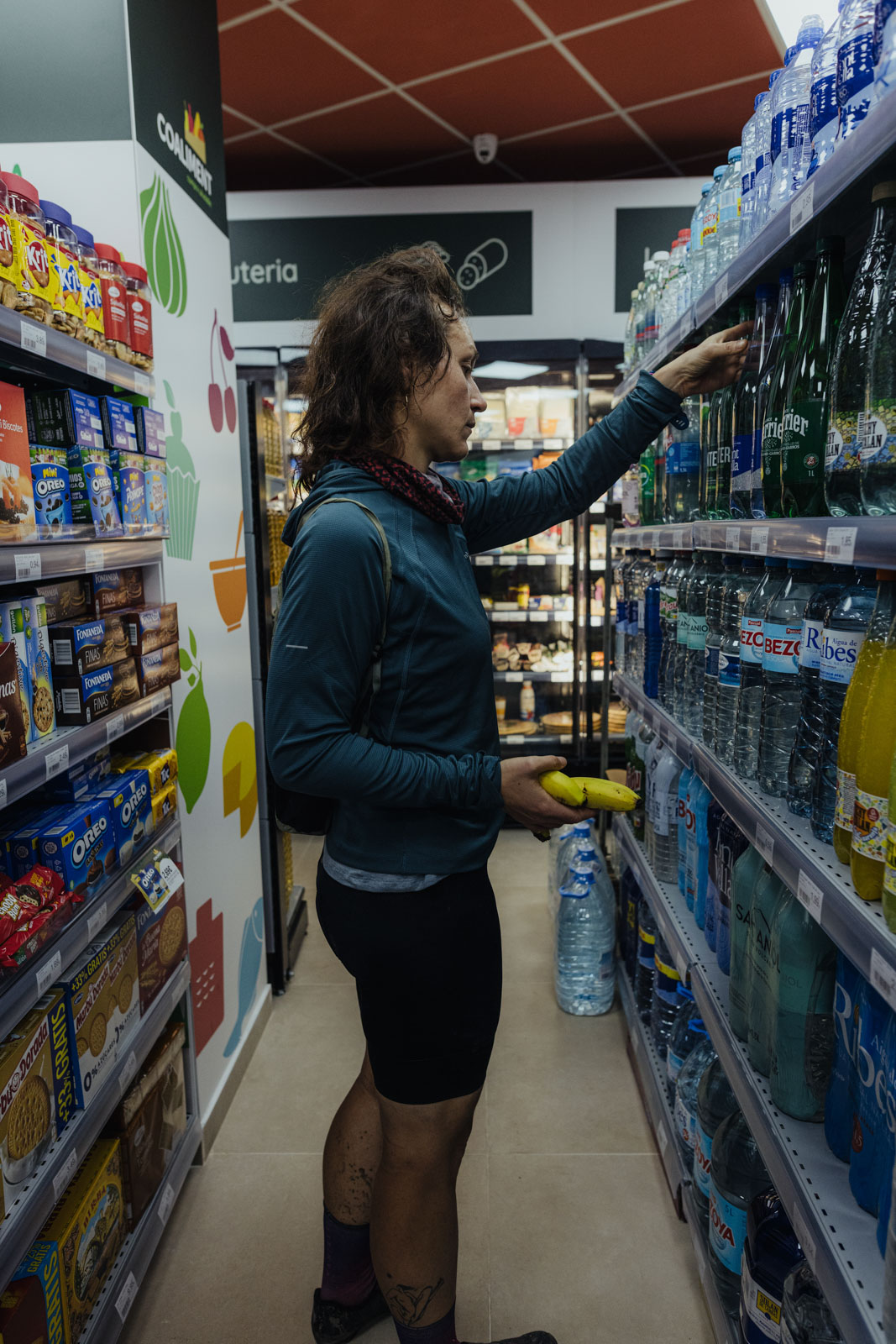
The experience reminded me of the immense power that event organizers have to foster a more inclusive culture, which has given me more strength than ever to help and encourage more FLINTA people to believe in themselves and to make their dreams come true. It’s the greatest gift you can give yourself.
Further Reading
Make sure to dig into these related articles for more info...



Please keep the conversation civil, constructive, and inclusive, or your comment will be removed.