

 Mountain Bike (MTB)
 Gravel Bike
 All-Terrain Bike (ATB)
 Fat Bike

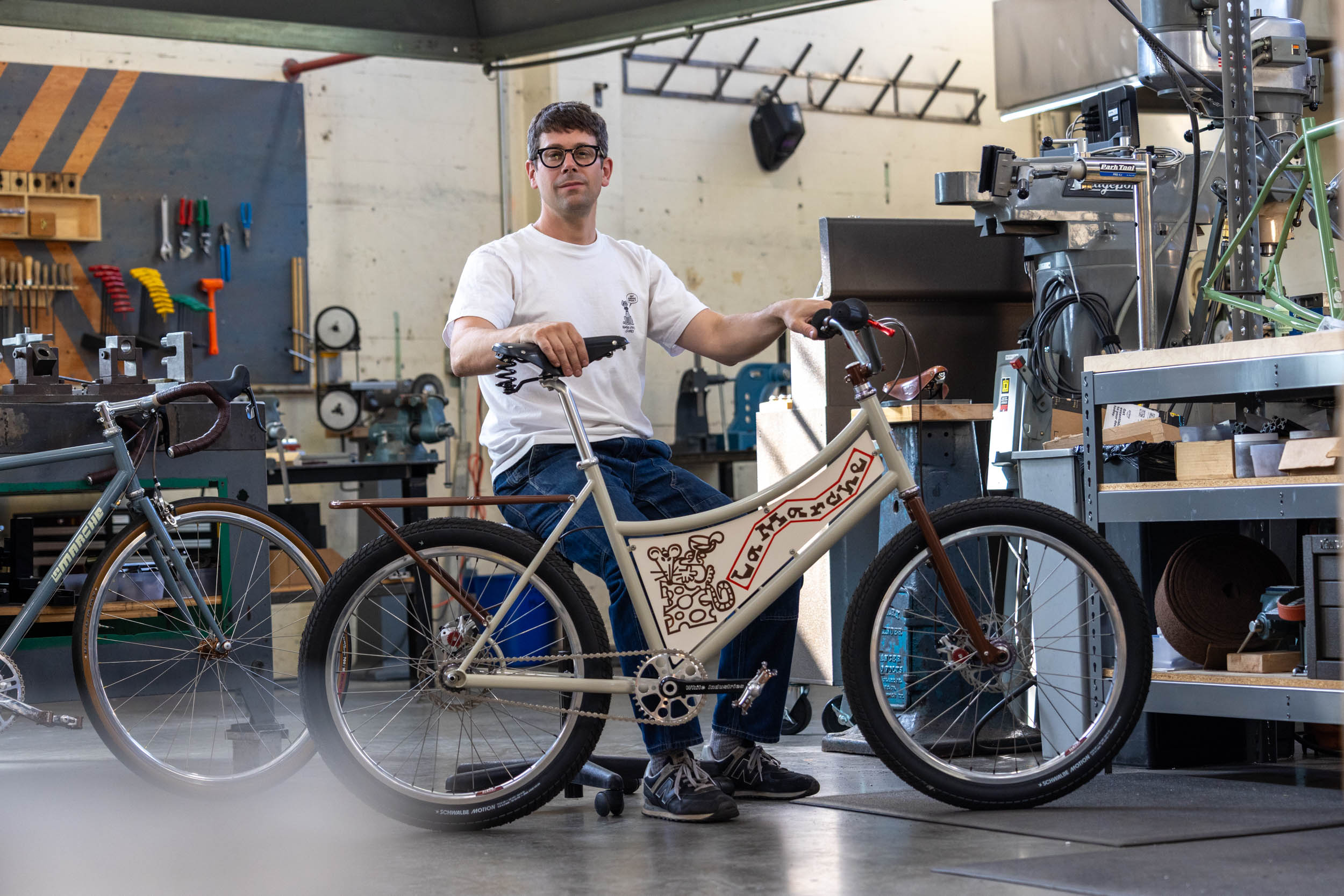
Pre-MADE 2026: An Afternoon with La Marche Bike Co.


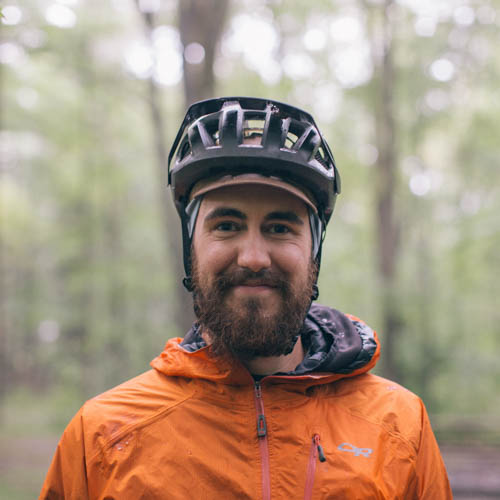
After five years of custom framebuilding in Philadelphia, Tom La Marche of La Marche Bike Co. picked up his life and moved to Portland. Ahead of this year’s MADE bike show, we stopped by his shop inside the Chris King factory to chat about his involvement with Firsthand Framebuilding, the downsides of new technology, and keeping bikes fun. Find that, photos from our visit, and an early look at the bikes he’ll be displaying at the MADE show this weekend here…
PUBLISHED Aug 20, 2026

We’ve caught up with Tom La Marche of La Marche Bike Co. at every MADE bike show. He’s one of the few builders who’s been in attendance every year since the expo’s debut in 2023. His commitment to his craft is undeniable: In 2023, he drove across the country from Philadelphia to attend; in 2024, he shared a booth with Brooks; and last year, he teamed up with Firsthand Framebuilding here in Portland. Although he always brings a fresh build, nothing Tom does seems over-the-top or showy just for attention. Like his brand, Tom is cool and collected.
Tom has worked as a stuntman and has jumped between bike shops most of his life, but he really got his start in framebuilding after working for Horse Cycles and Stinner Cycles. He launched his own custom bicycle brand in 2020 while living in Philadelphia. About a year ago, Tom uprooted his life and moved to Portland, Oregon. He had been visiting the West Coast for years and knew he wanted to call it home eventually. He appreciates the easy access to the outdoors, the riding, and the livelier framebuilding scene.
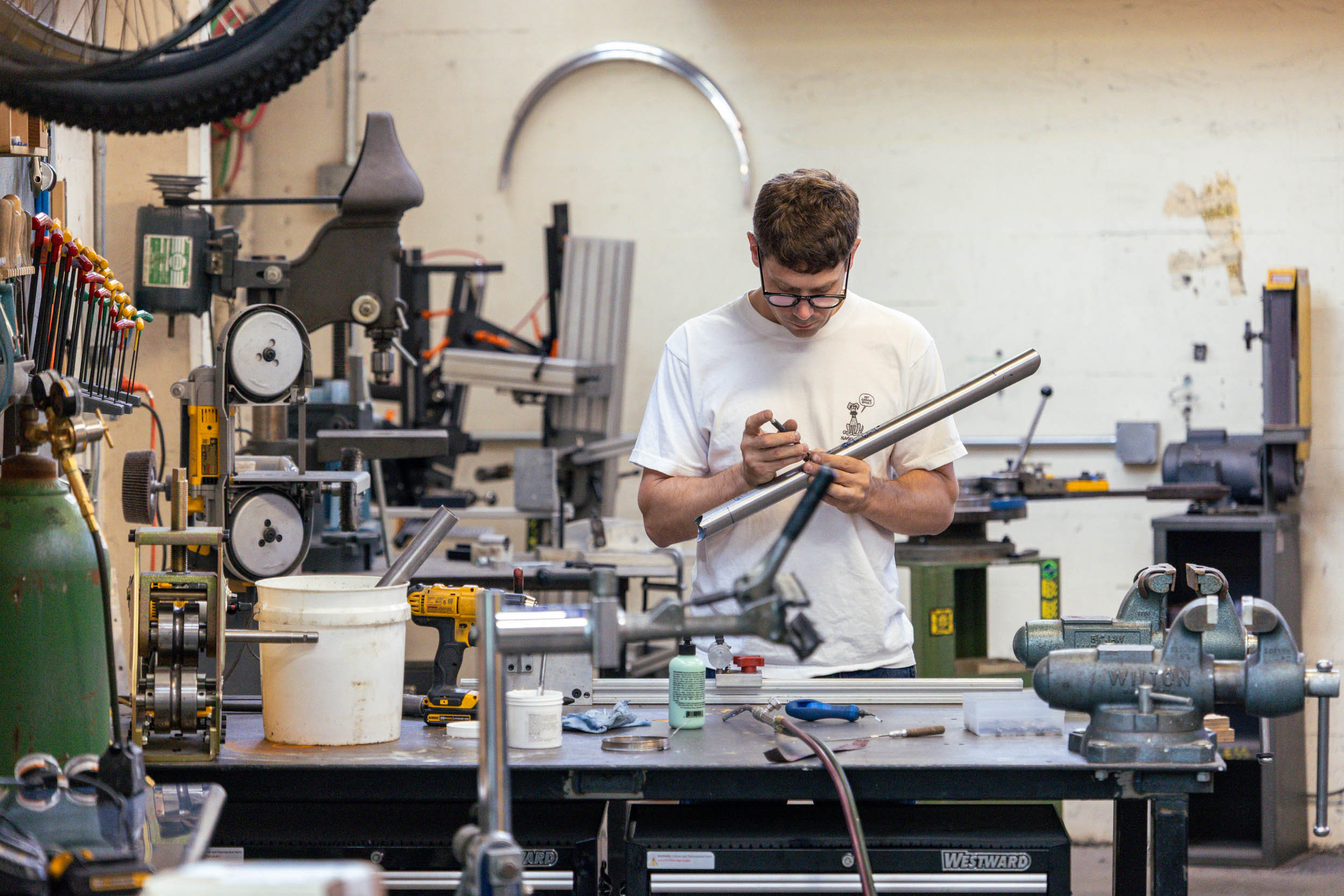
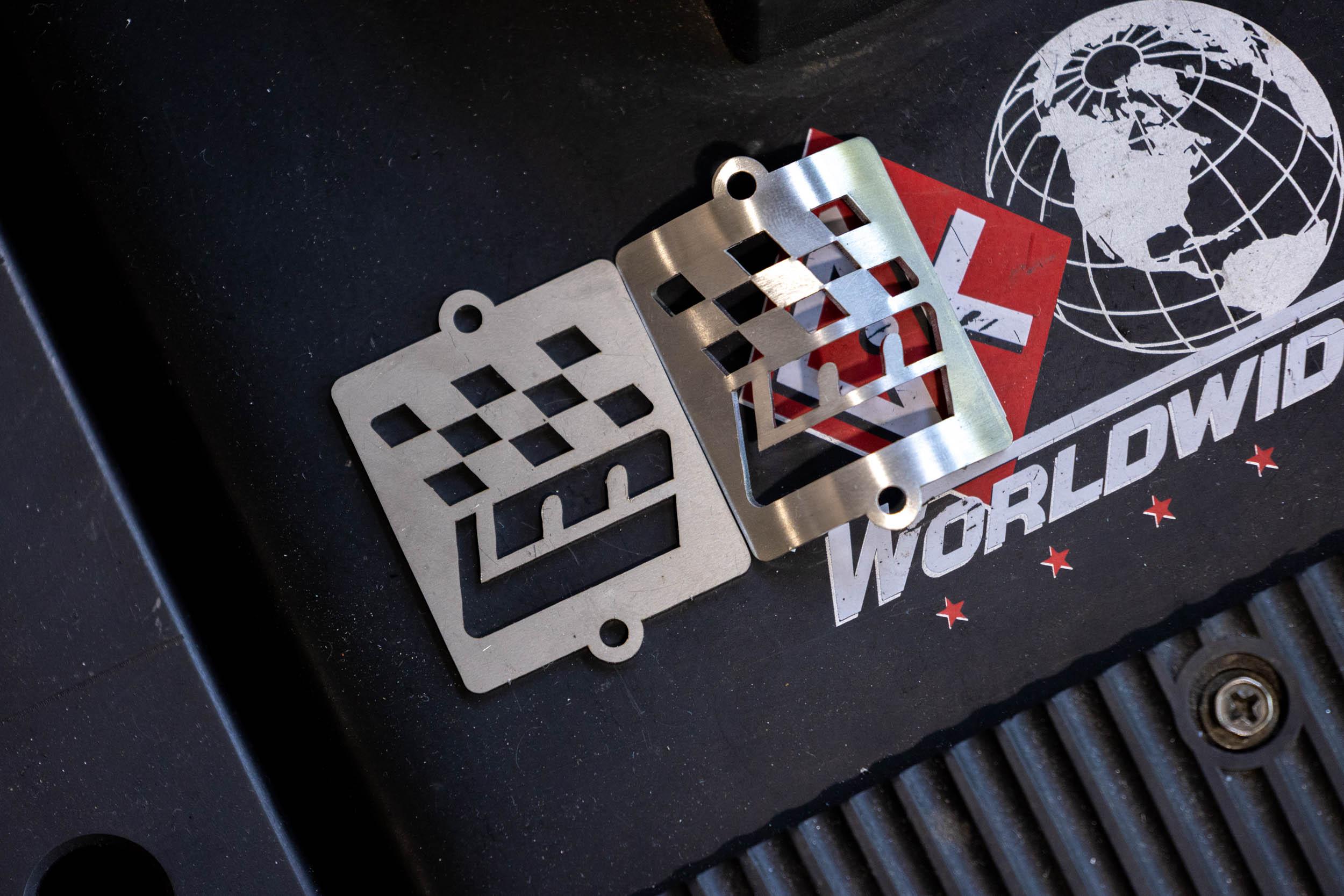
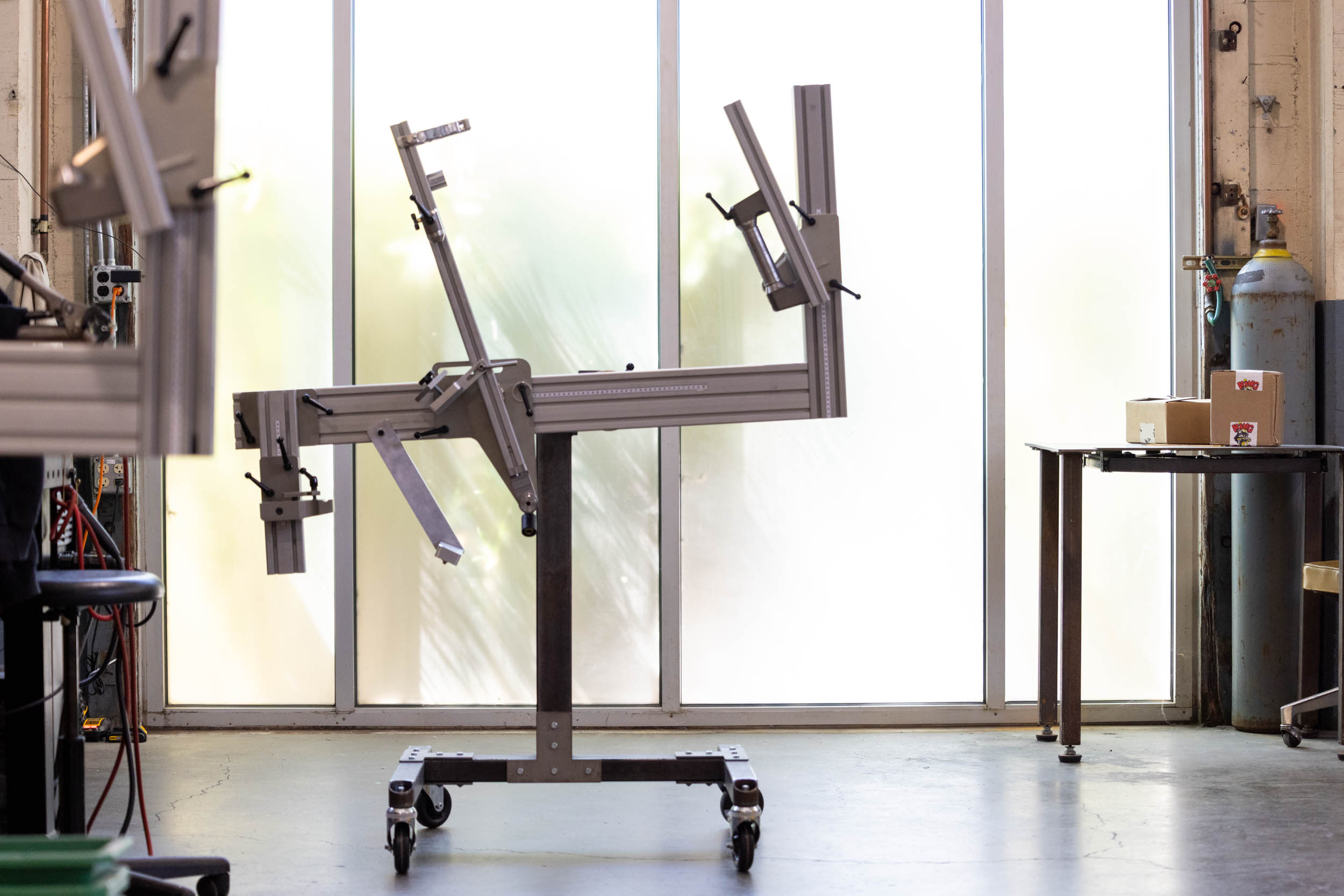
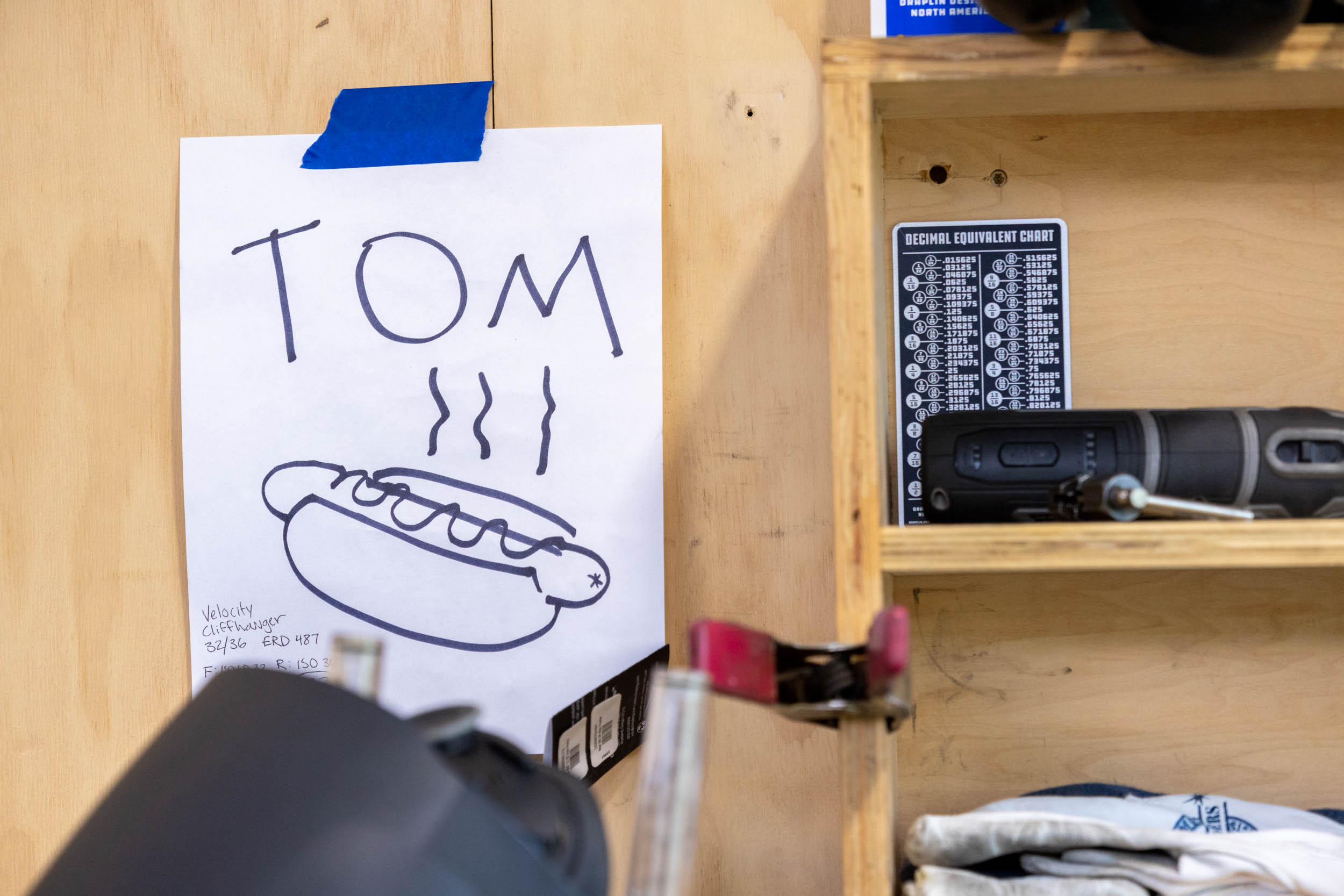
The idea of moving to Portland was planted by Chris Blandford two years ago, when he mentioned to Tom that he wanted to start a framebuilding school and asked if Tom was interested in being involved. “Of course I was,” Tom explained. “And it came to fruition much quicker than I had anticipated.” At the time, Chris was renting an area inside the Chris King building, and there was a framebuilding space with Tom’s name on it. That was enough to convince him to pack up everything and make the move.
Last year, not long after the MADE bike show, Firsthand—which took over the distribution contract for Reynolds tubing in North America—announced its framebuilding school plans, and the small team has been busy getting ready for their first wave of classes. Class registration opened this summer, and Tom has been working with Chris designing the tools and class processes they’ll implement in the school. Chris is renovating a new building near the MADE venue at Ziddel Yards in South Portland, and Tom will be one of the teachers once it’s up and running in 2027.

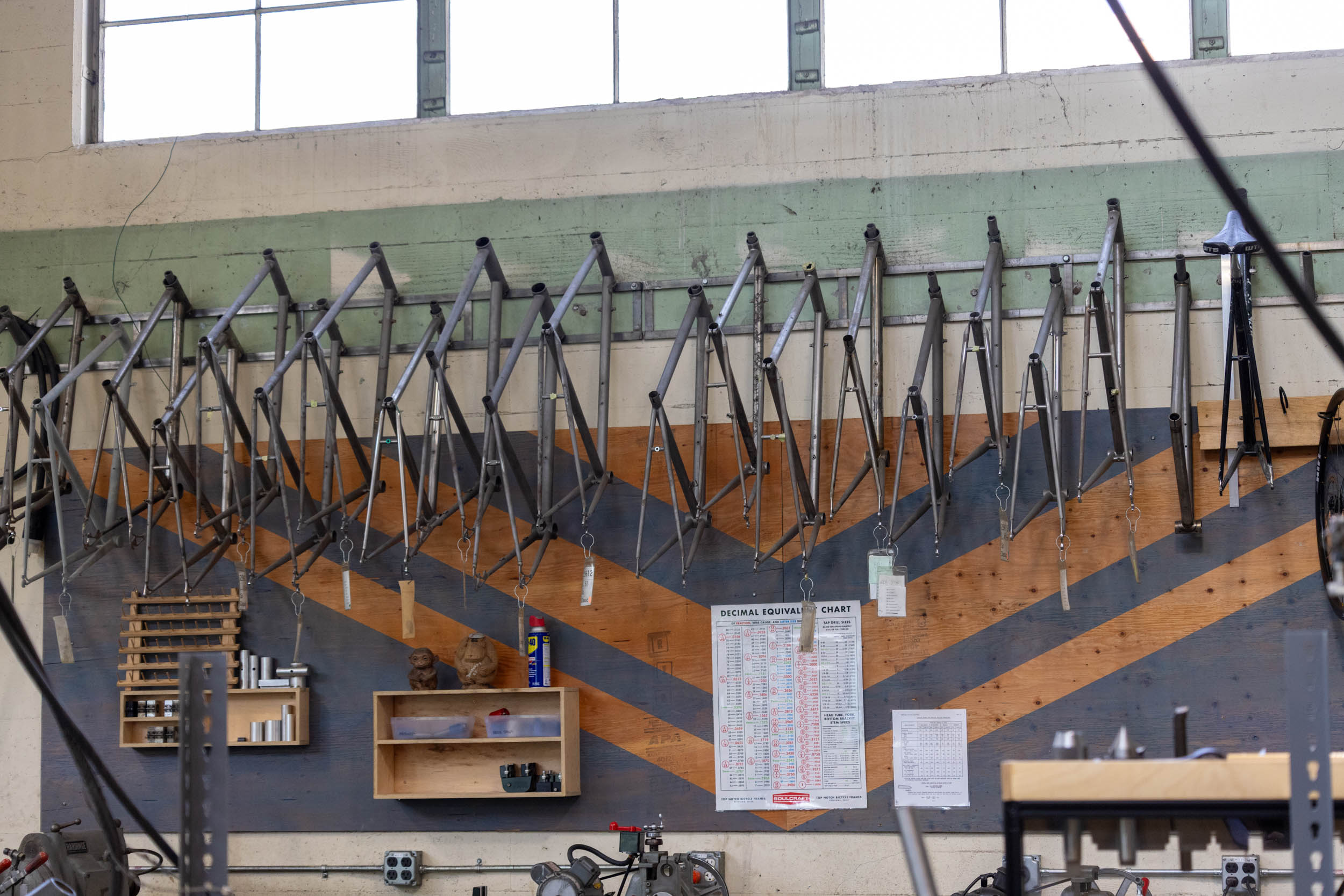
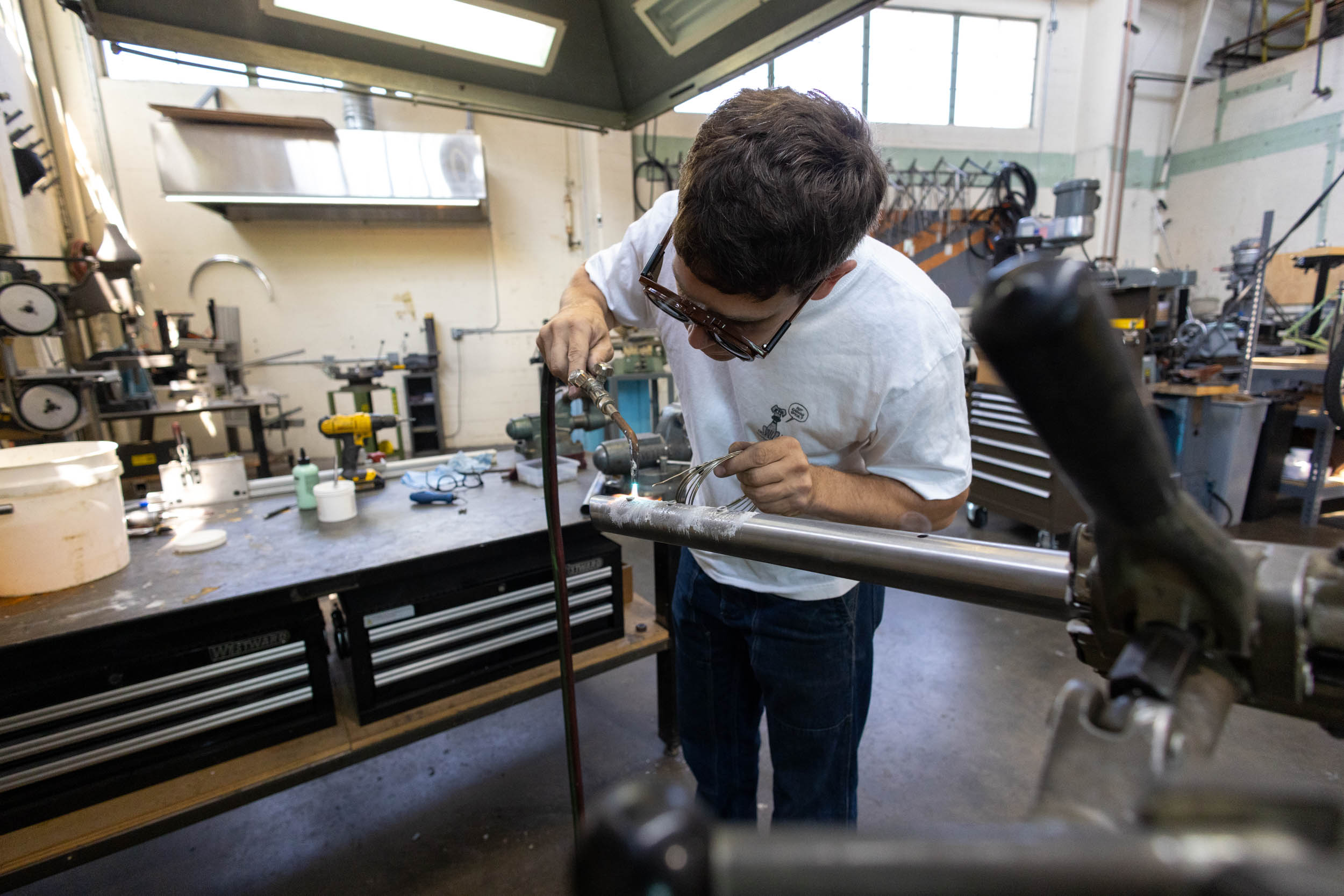


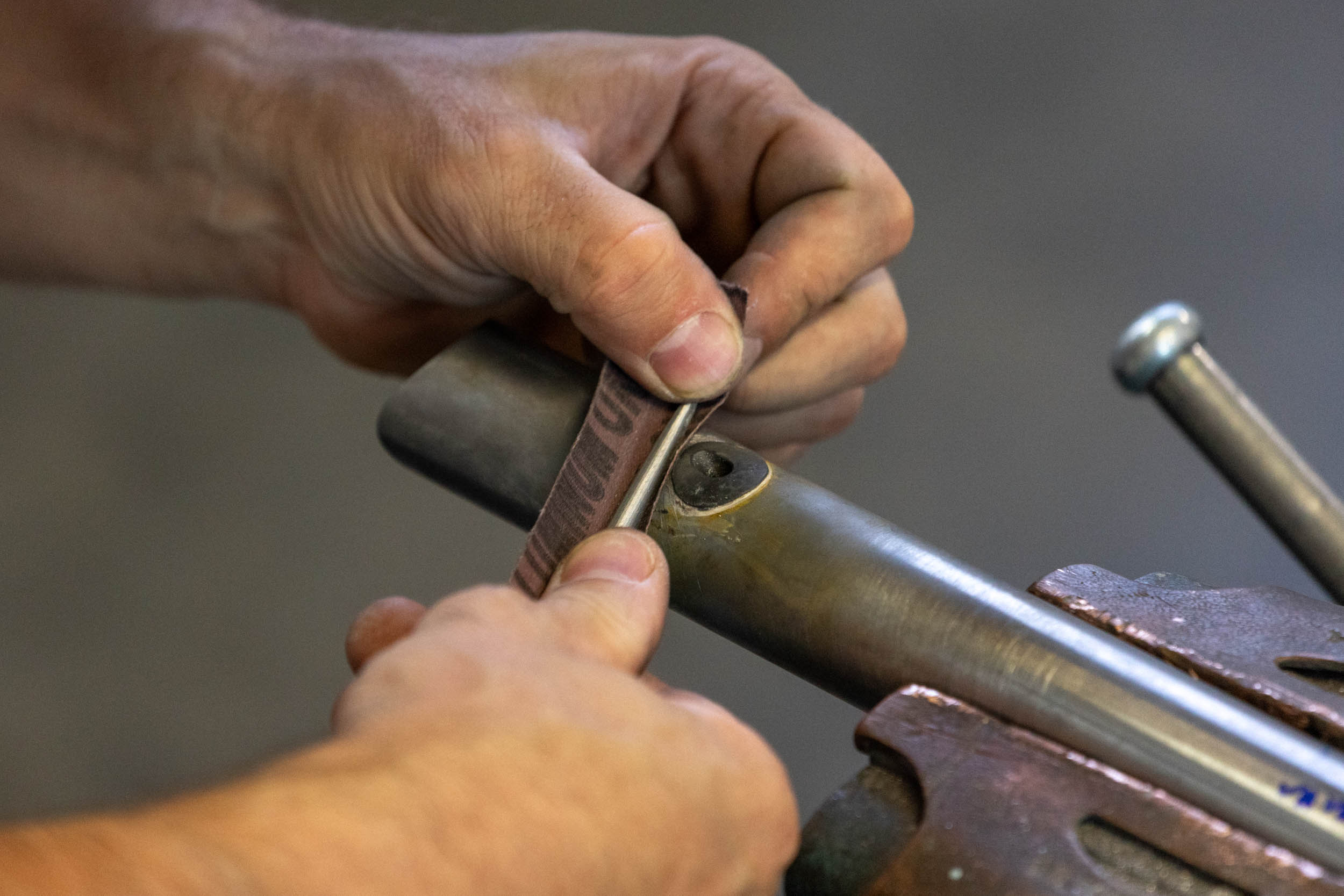
Part of what drew Tom to get involved with Firsthand Framebuilding was the excitement that nothing like this currently exists in the United States. Some framebuilders teach out of their homes, which is an excellent resource, but Chris wants to offer something on a much larger scale. “I think there needs to be a place for continued education in a more formal environment,” Tom said. “There will be great teachers with a lot to offer, who will make it a world-class experience, so I’m happy to be a part of it.”
Six Years of La Marche
Much has changed since Tom launched La Marche Bike Co., and he’s not sure it’s all for the best. The introduction of 3D-printed components has really shifted what’s possible with bicycle design and fabrication, as well as what customers expect. There are more options and standards than ever before, and there’s pressure for framebuilders to keep on top of them; otherwise, they might lose customers. “A lot of people want the latest and greatest, whether it makes sense or not.”
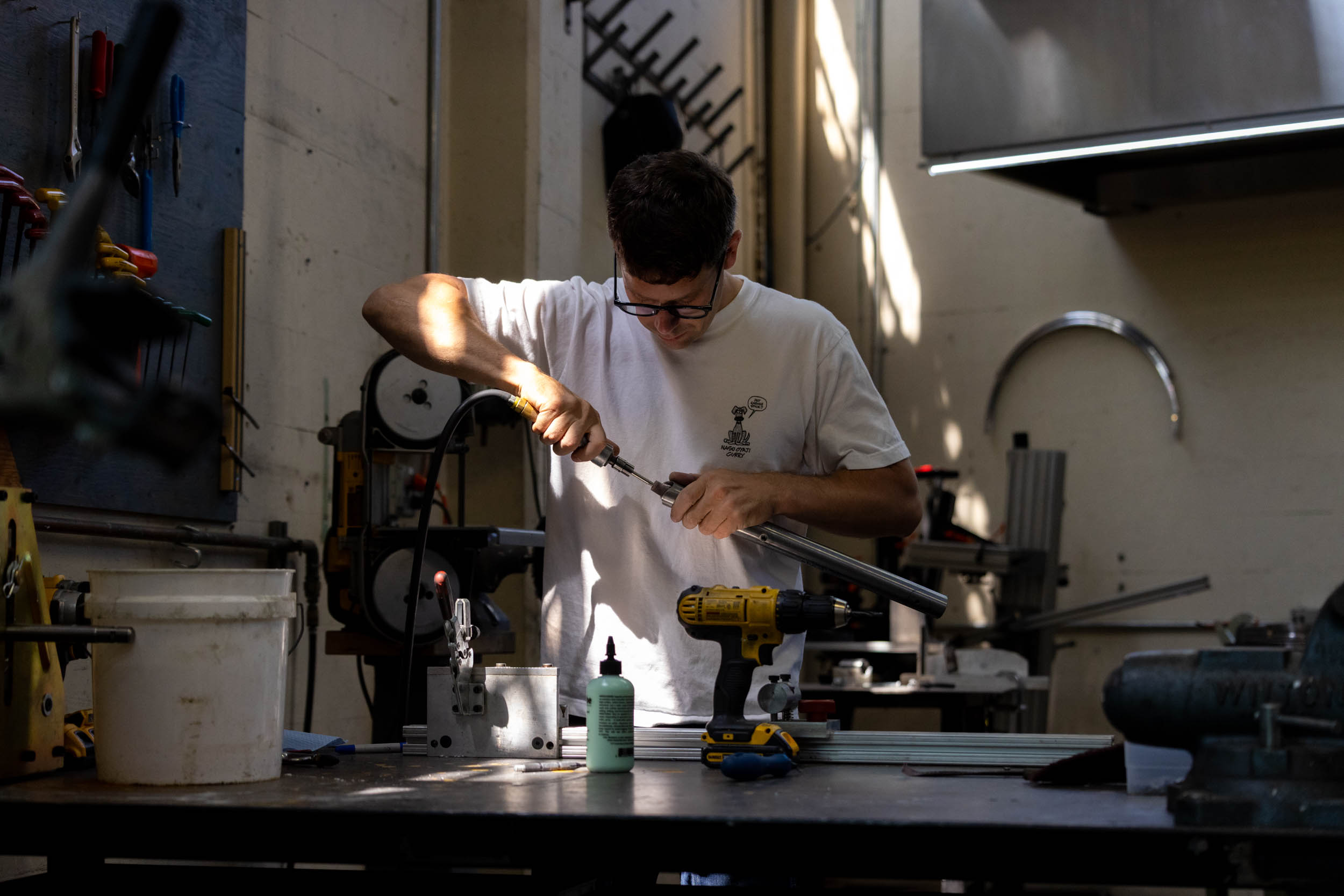
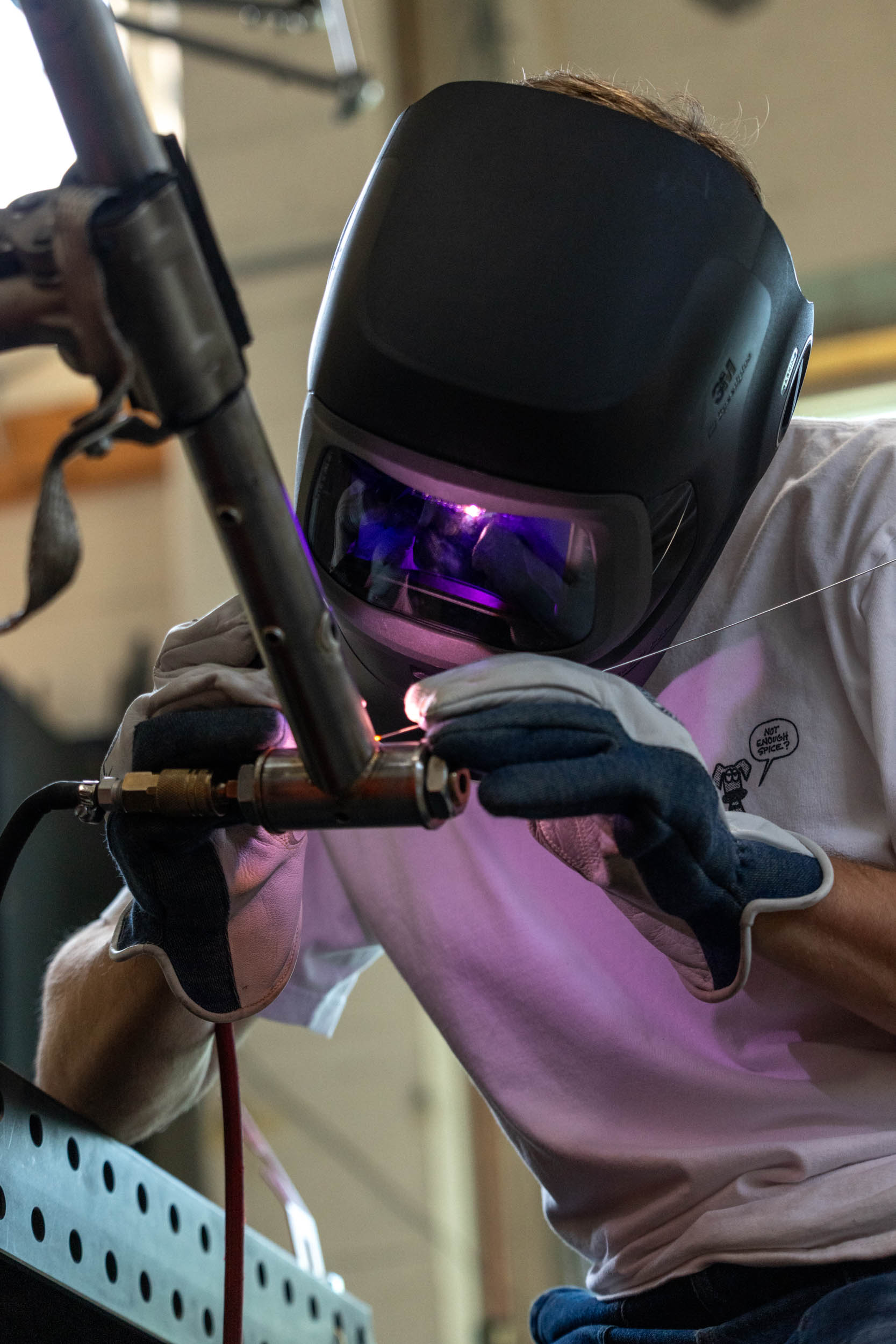

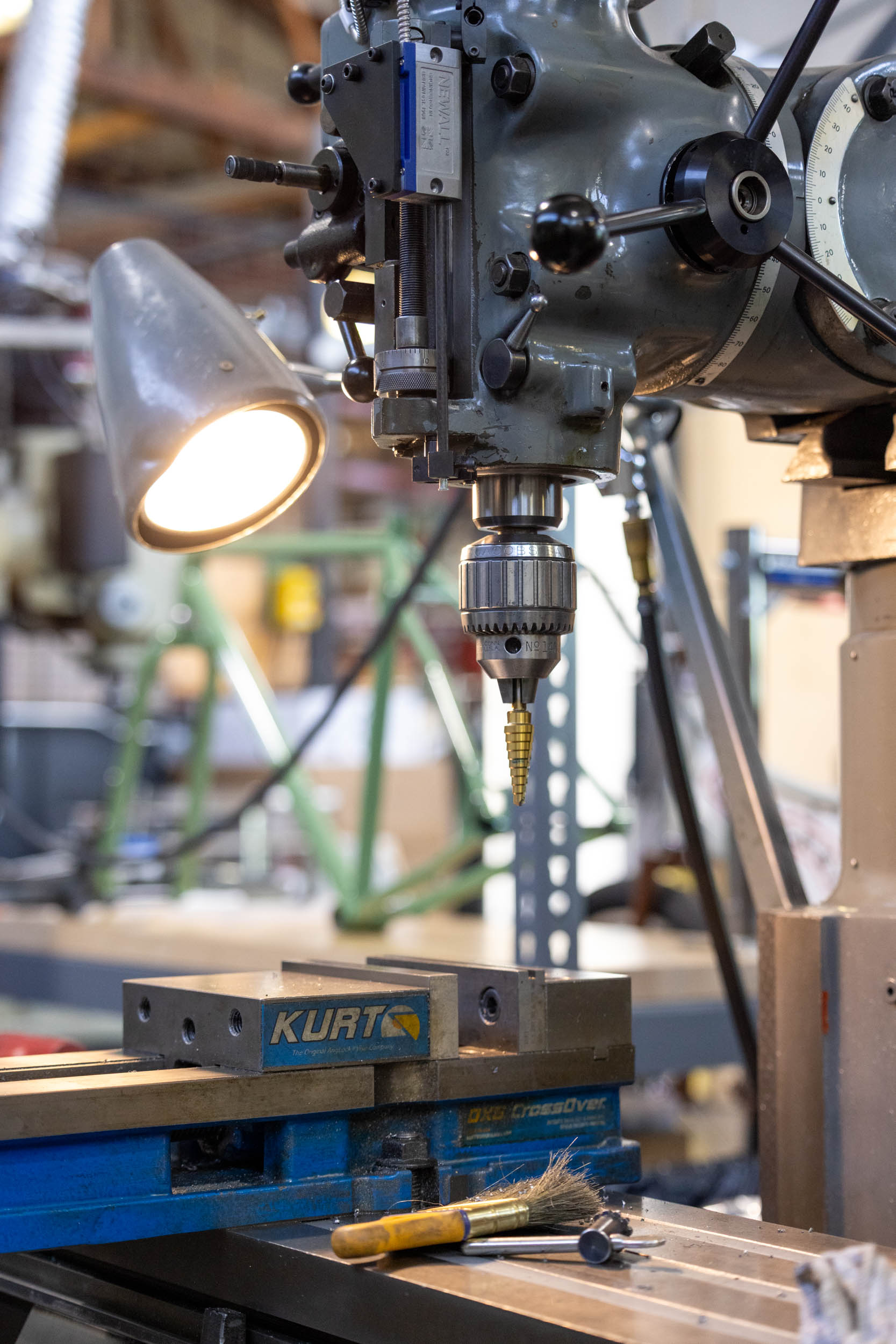
Tom explained that the customer is evolving just as fast as the technology. In the past, someone would purchase a custom bicycle from a framebuilder because they wanted something from that particular builder. It would be custom-sized for them, but not necessarily 100% custom from the ground up. It was common for framebuilders to have their own road or mountain bike designs and then tailor them for each customer. Tom feels customers expect more now, especially with so many possible features, specs, and standards, and that’s a lot for one-person shops to manage.
Tom thinks there’s real benefit in new framebuilders starting simple and focusing on a specific bike style with a set collection of specs, rather than taking on every possible bike style and option. “People aren’t really getting that introduction to framebuilding anymore,” Tom said. “They are skipping the basics, and going straight into fully internally routed drivetrains, UDH, and flat-mount brakes. Basically the most complicated bike you can build.” Tom doesn’t think adding complicated features and high-end specs is a great way to learn, and he doesn’t necessarily believe they make a great bike, either.


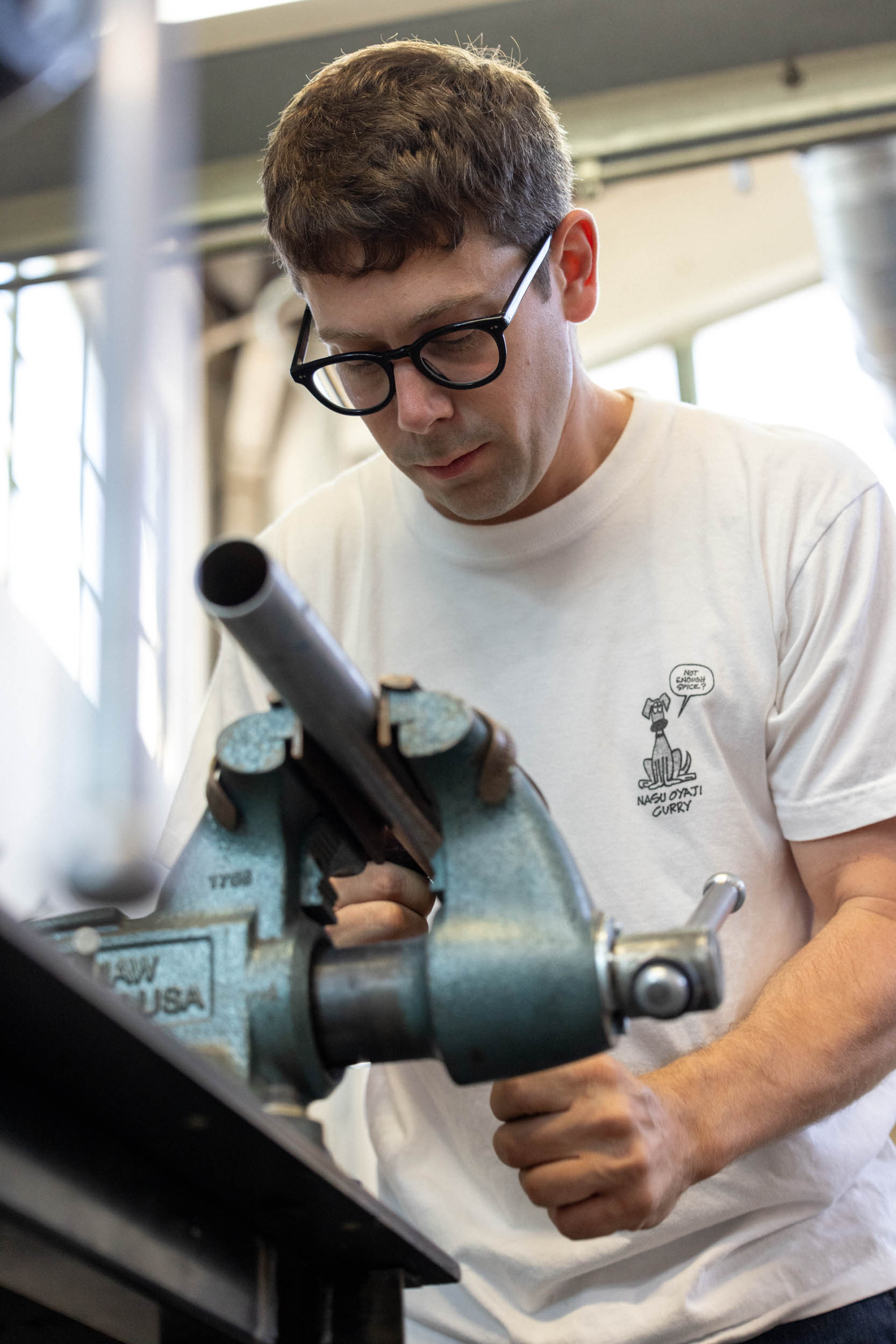
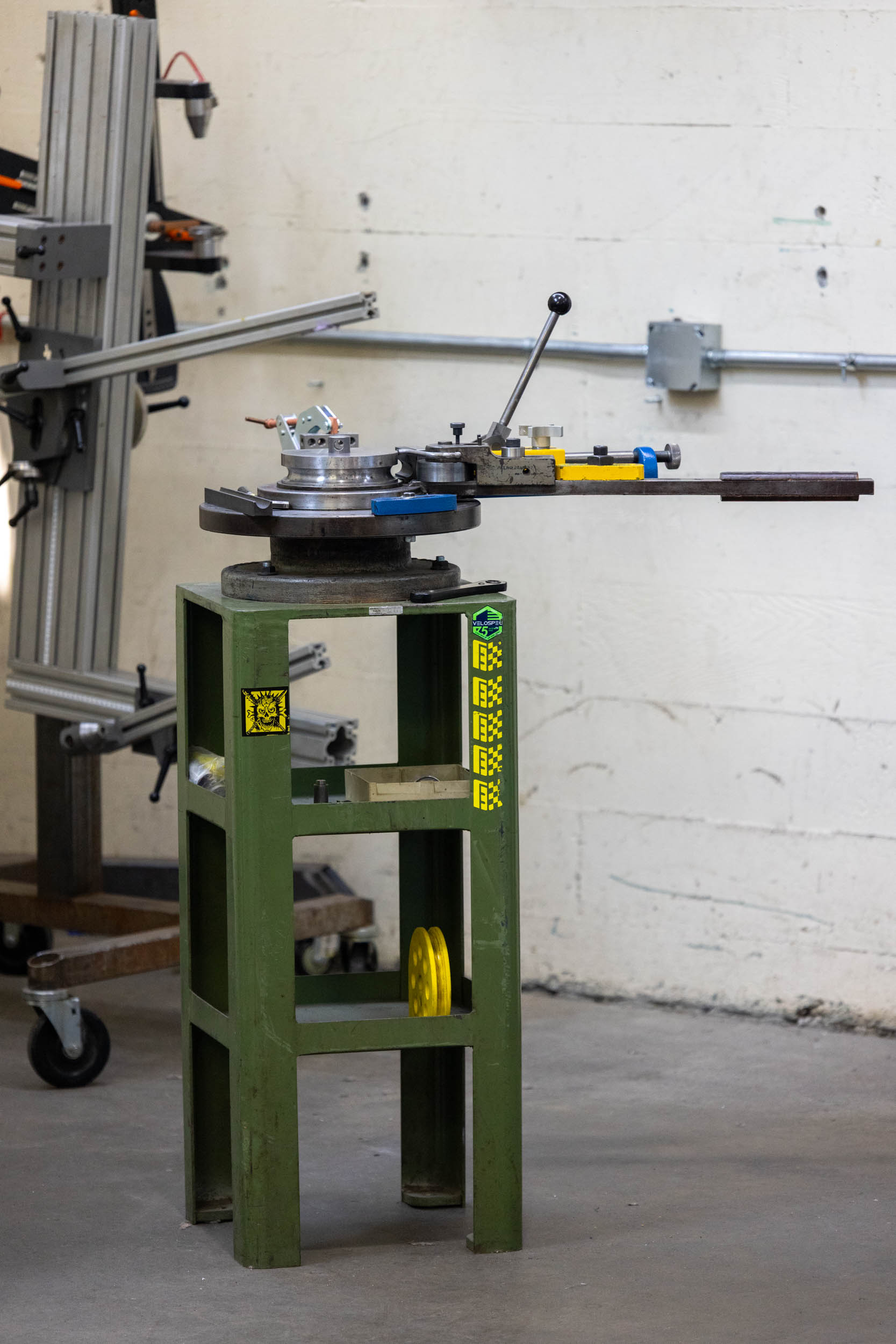

With all the options today, being a framebuilder in 2026 is time-consuming. Tom would love to work toward offering a handful of models, still hand-built and welded by him, but not fully custom from the ground up. Offering a small-batch run of bikes would take some of the pressure off the fully custom bikes and open up the conversation about bringing in a shop hand or someone to assist with the fabrication. That’s a ways off, however, and for now, he’s amped up for his work at Firsthand Framebuilding.
When it comes down to it, Tom is most excited about riding bikes, and thankfully, he’s been doing a lot more of it since moving to Portland.
La Marche Step-Thru 24″
Tom’s main bike for the MADE bike show this year isn’t brimming with new tech and features. He has been obsessed with Honda Trail 90 lightweight motorcycles, and they partially inspired the step-thru 24-inch bike he designed. Tom was recently on a trip to Japan and was also inspired by the mamachari (which translates to “mama’s chariot”) bikes he saw there. They are a type of city/utility bicycle, often kitted out with baskets and kid carriers, and Tom envisions his version with a basket strapped to the back, zipping around the city to run errands.
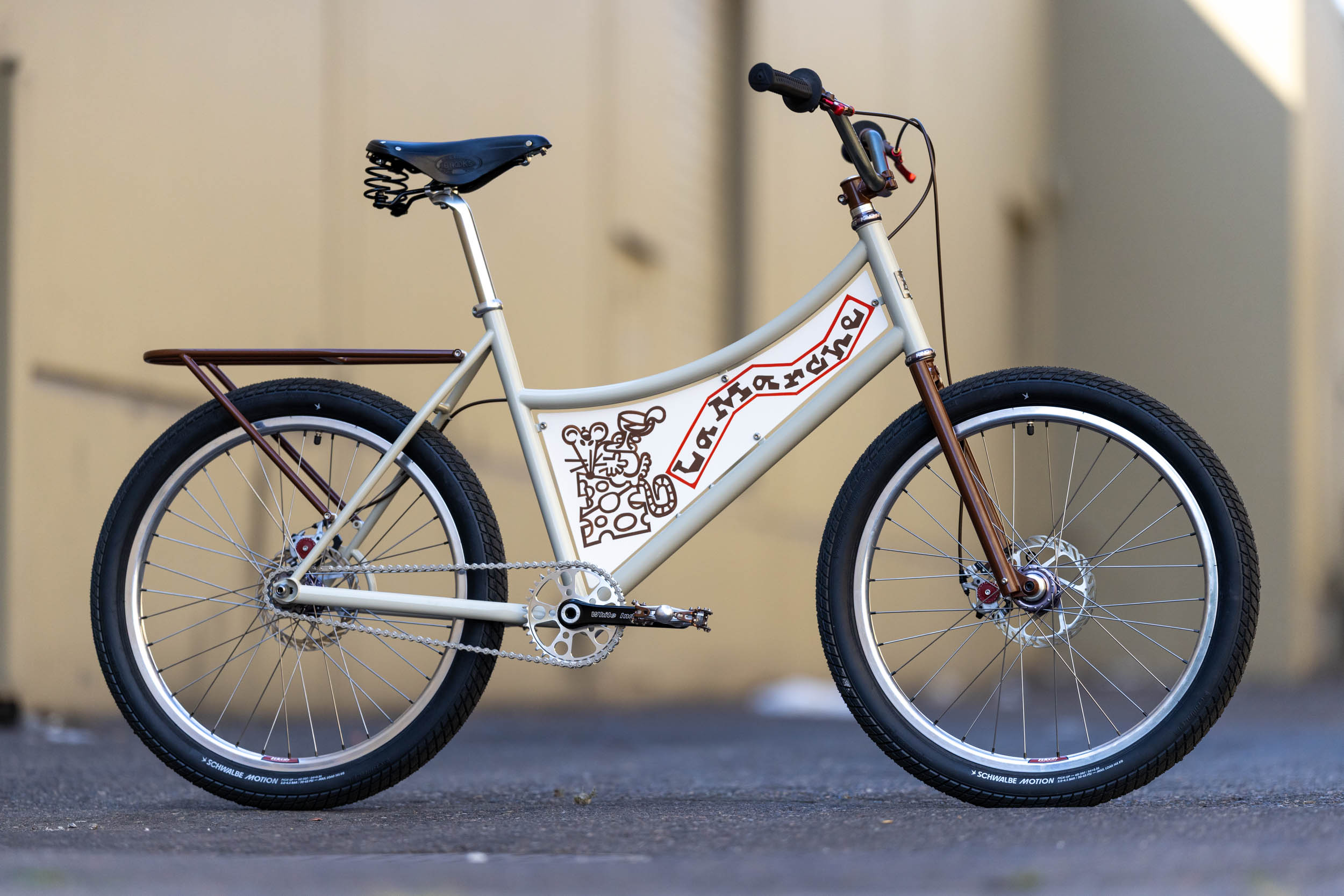
It’s a singlespeed with disc brakes, finished with a comfy Brooks Flyer saddle and some massive Nitto bars from Blue Lug. Despite its simplicity, Tom put a significant amount of time into it. The bike has a custom rear rack and a handbuilt stem and fork, and the artwork on the main triangle panel was hand-painted by Bill Rebholz, an artist in Los Angeles who has designed some of Tom’s merch.
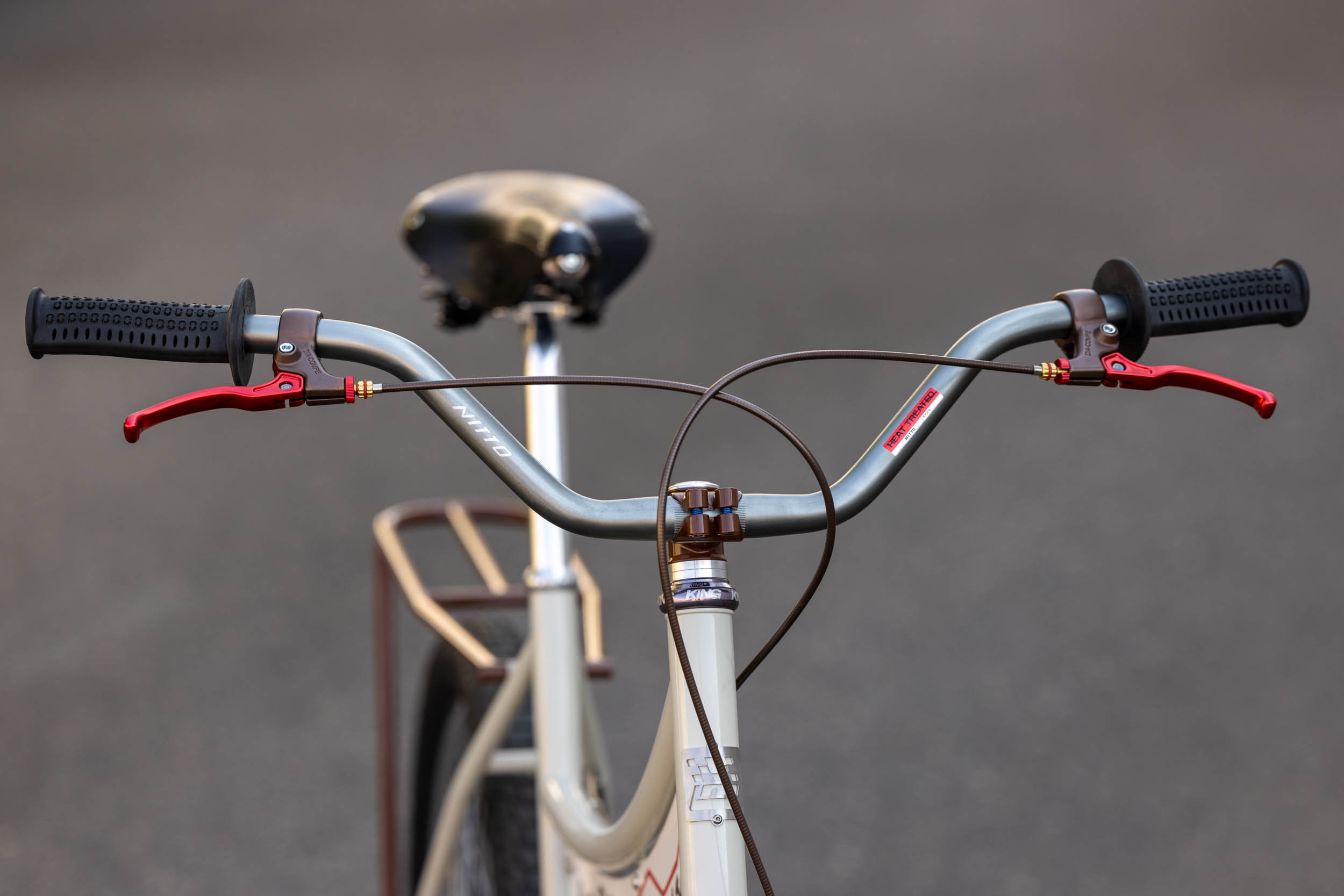

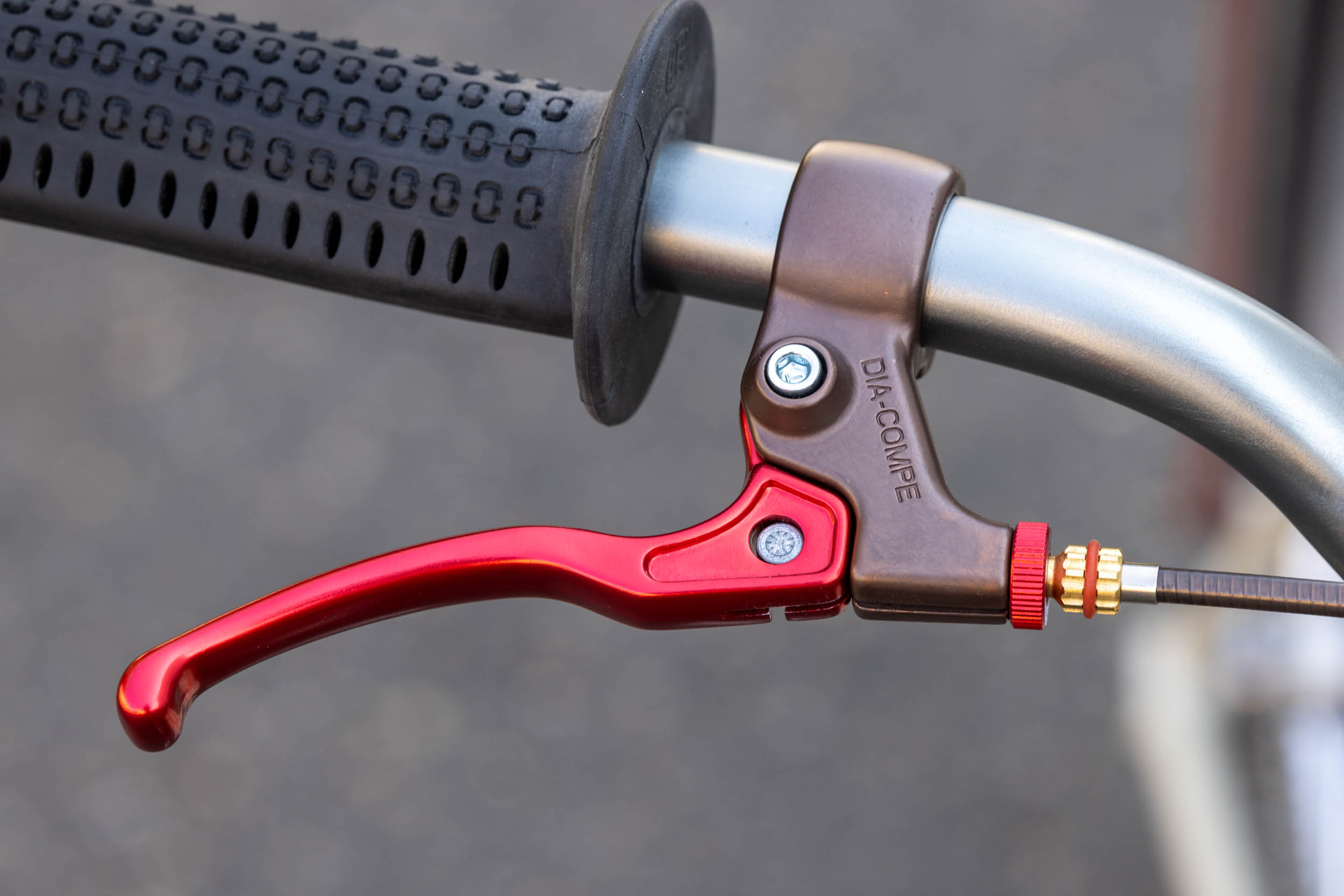
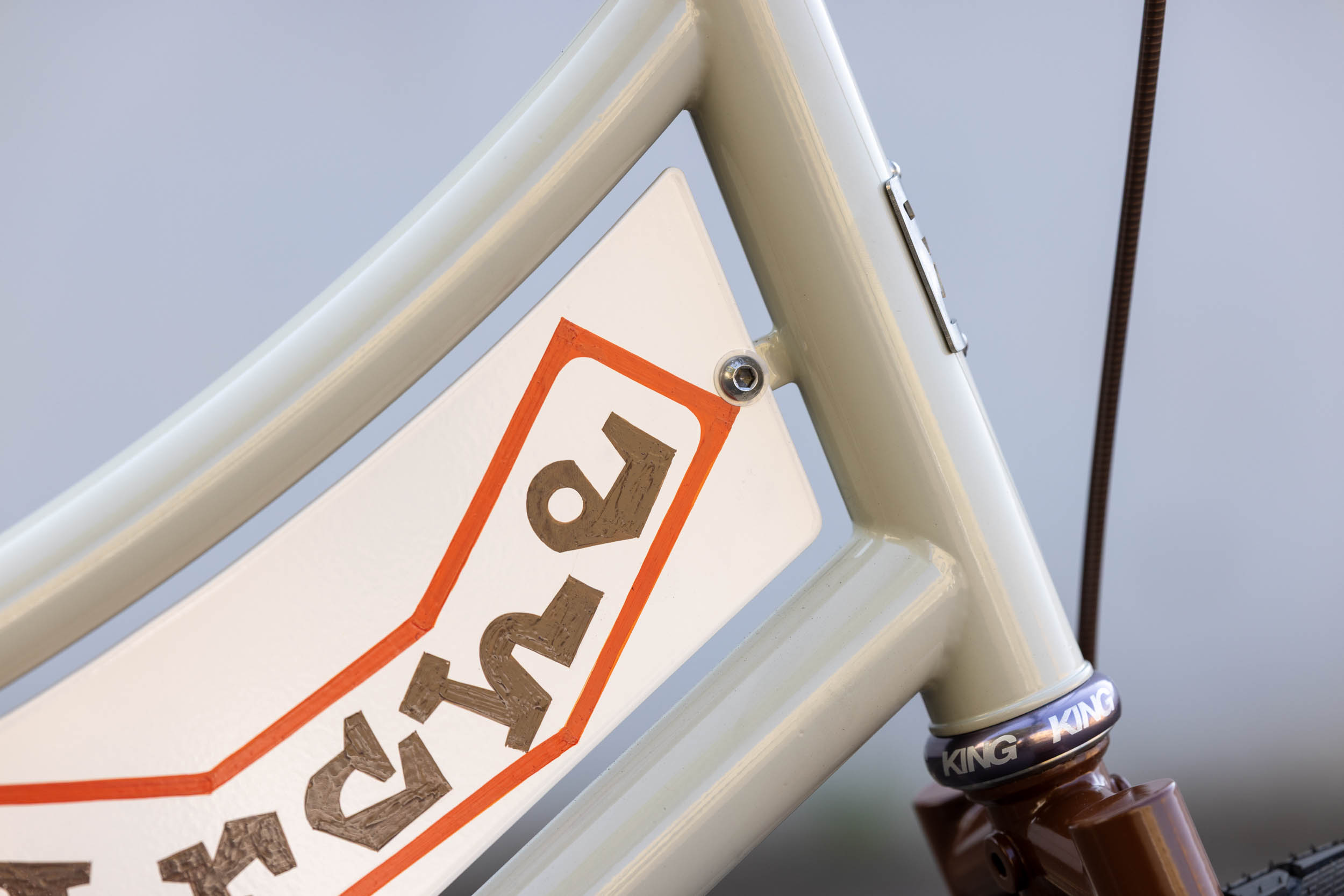
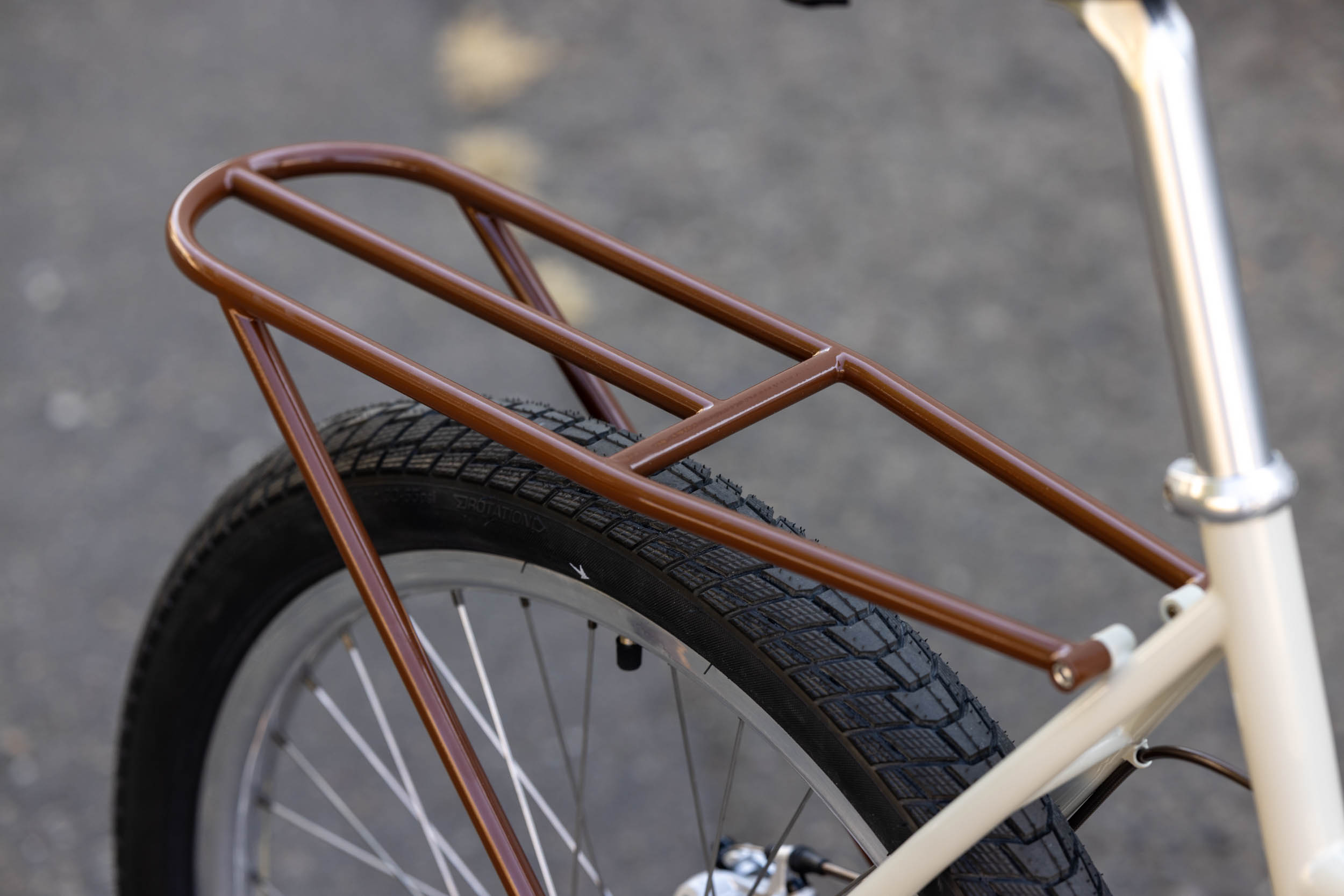
Like any good show bike, it has a high-end build kit featuring parts from Chris King, White Industries, SimWorks, and Nitto. The best part? Tom’s 24-inch step-thru bike is for sale! He hasn’t set a price yet, but it will be on display all weekend. If you’re interested, let him know.
La Marche Dirt Jumper
Tom’s dirt jumper has some street influence, including a higher bottom bracket than most dirt jumpers use now, as well as a fairly short rear end. He built it up with a short-travel Marzocchi Bomber fork, and although it has playful street geometry, it’s also a hoot to ride on the trails.
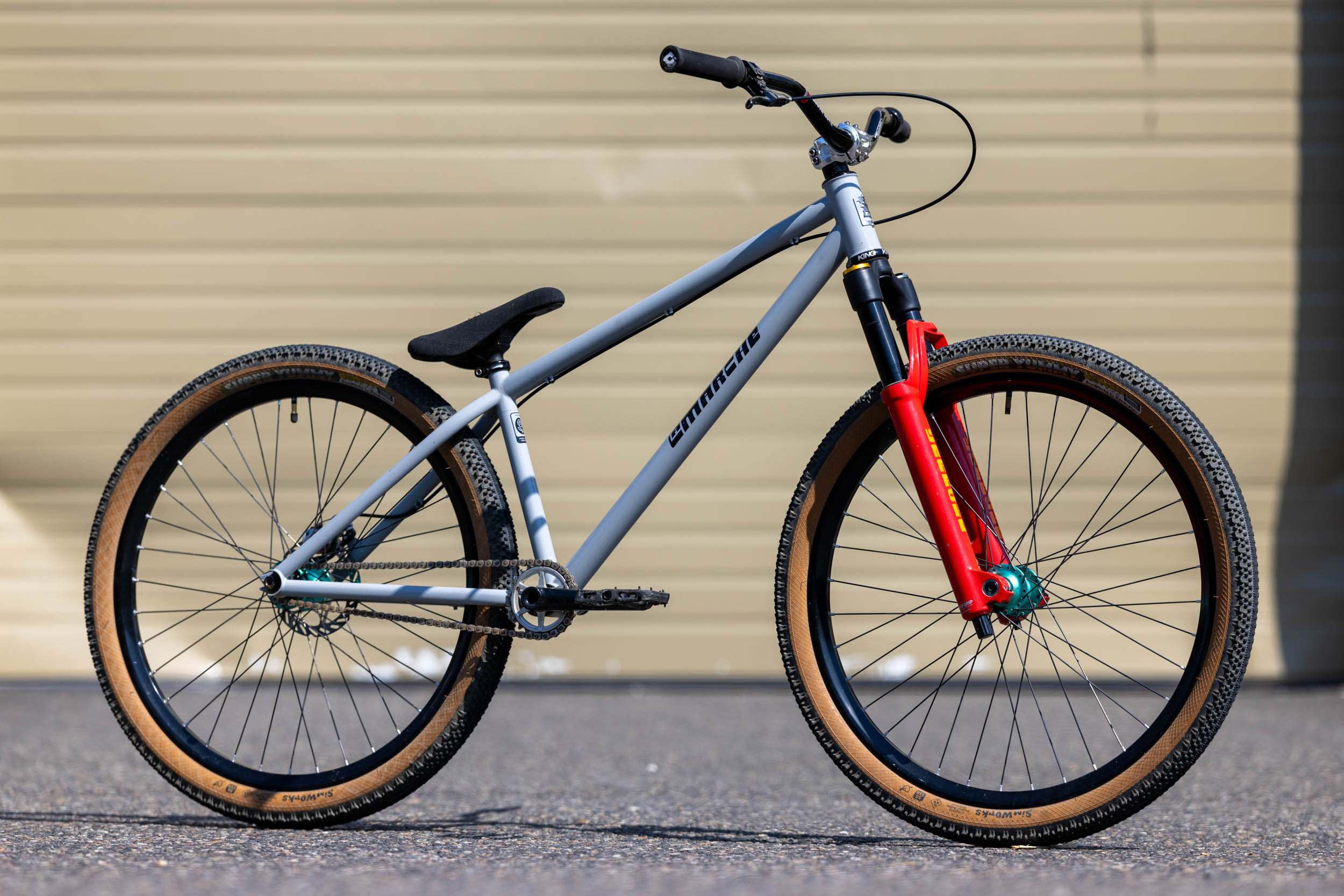
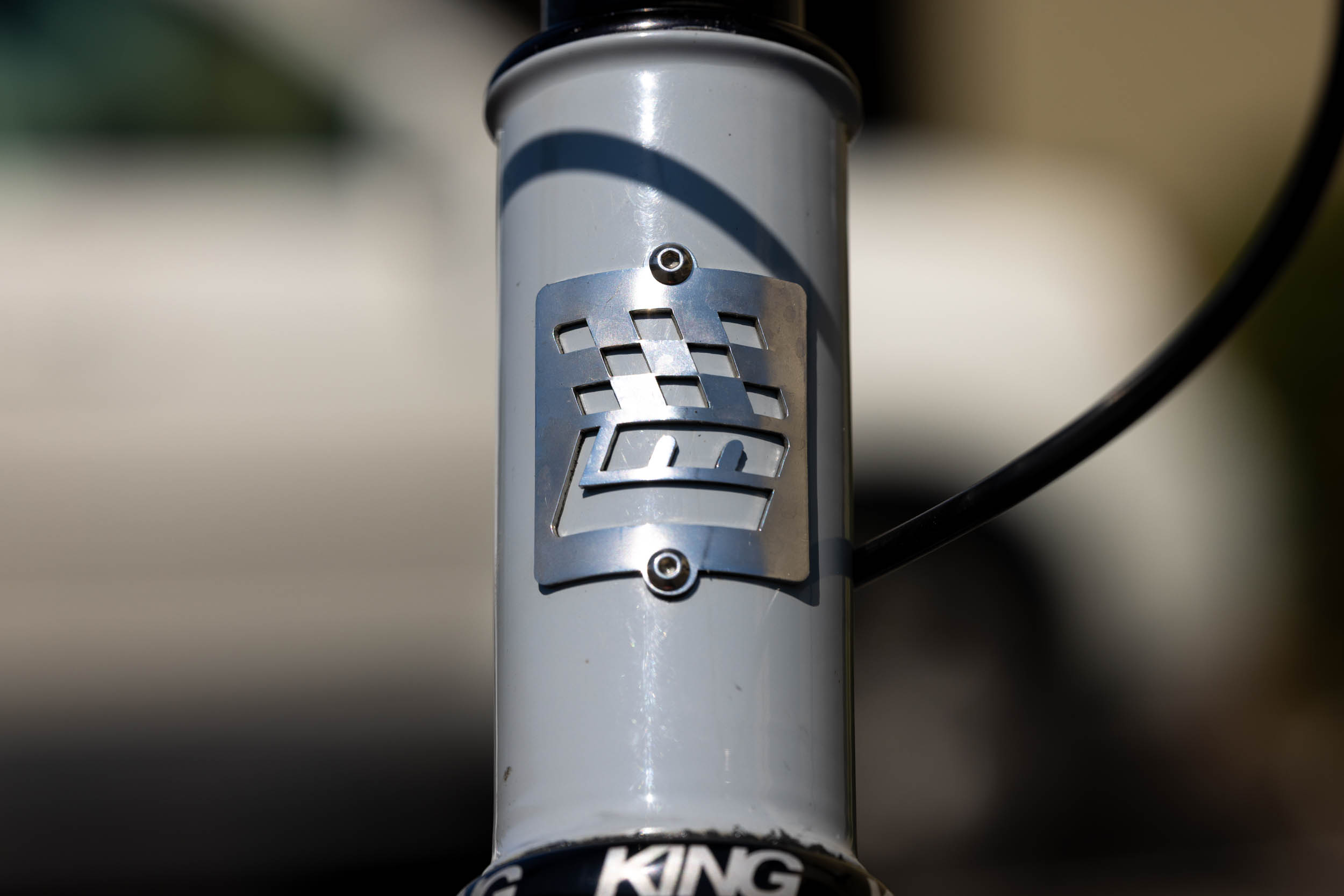
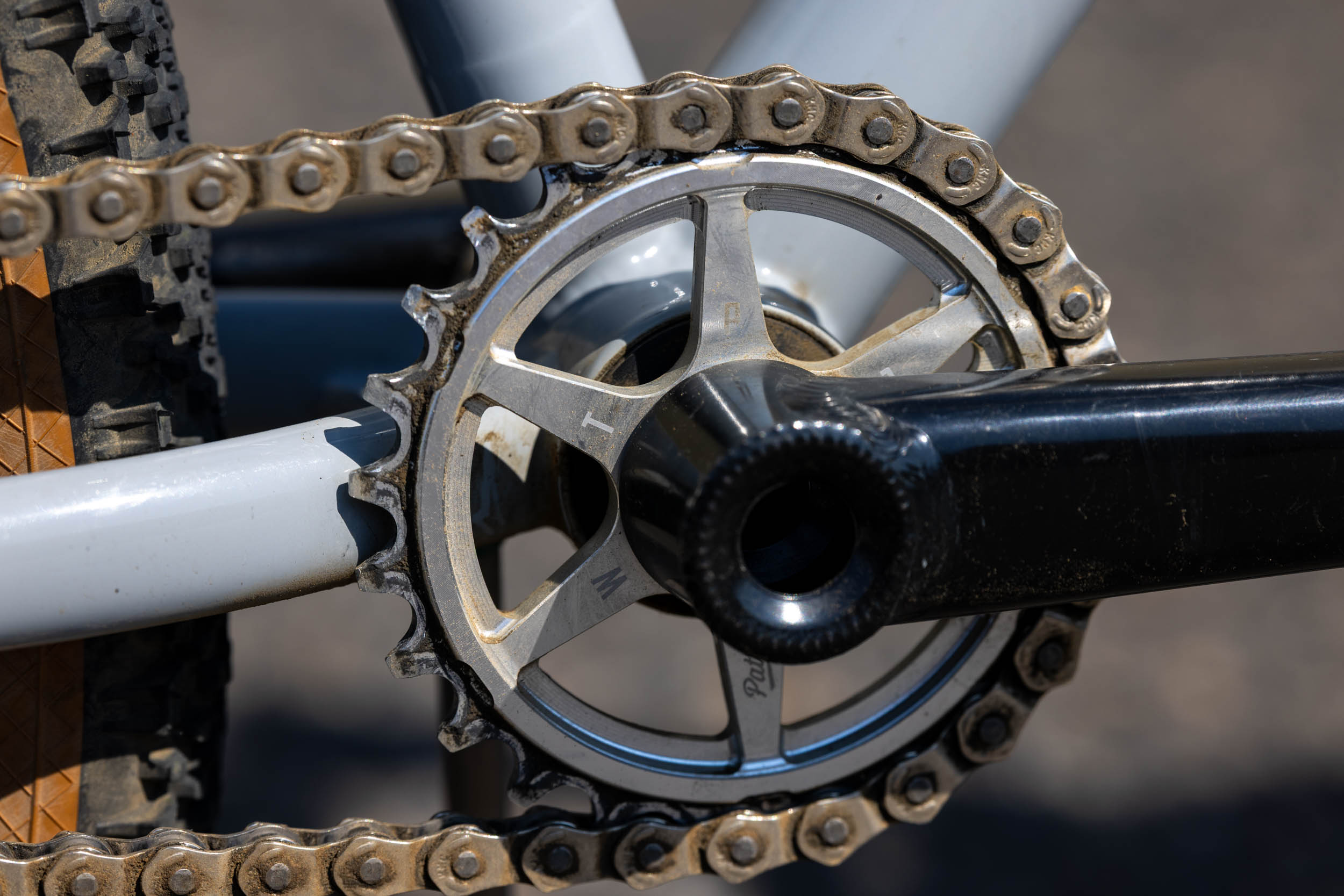
The frame has an interesting mix of BMX and mountain bike standards, such as a BMX mid bottom bracket for three-piece cranks but a 135mm-spaced rear end for mountain bike hubs. It uses a 1-inch seatpost and an oversized head tube so he can run a suspension fork.
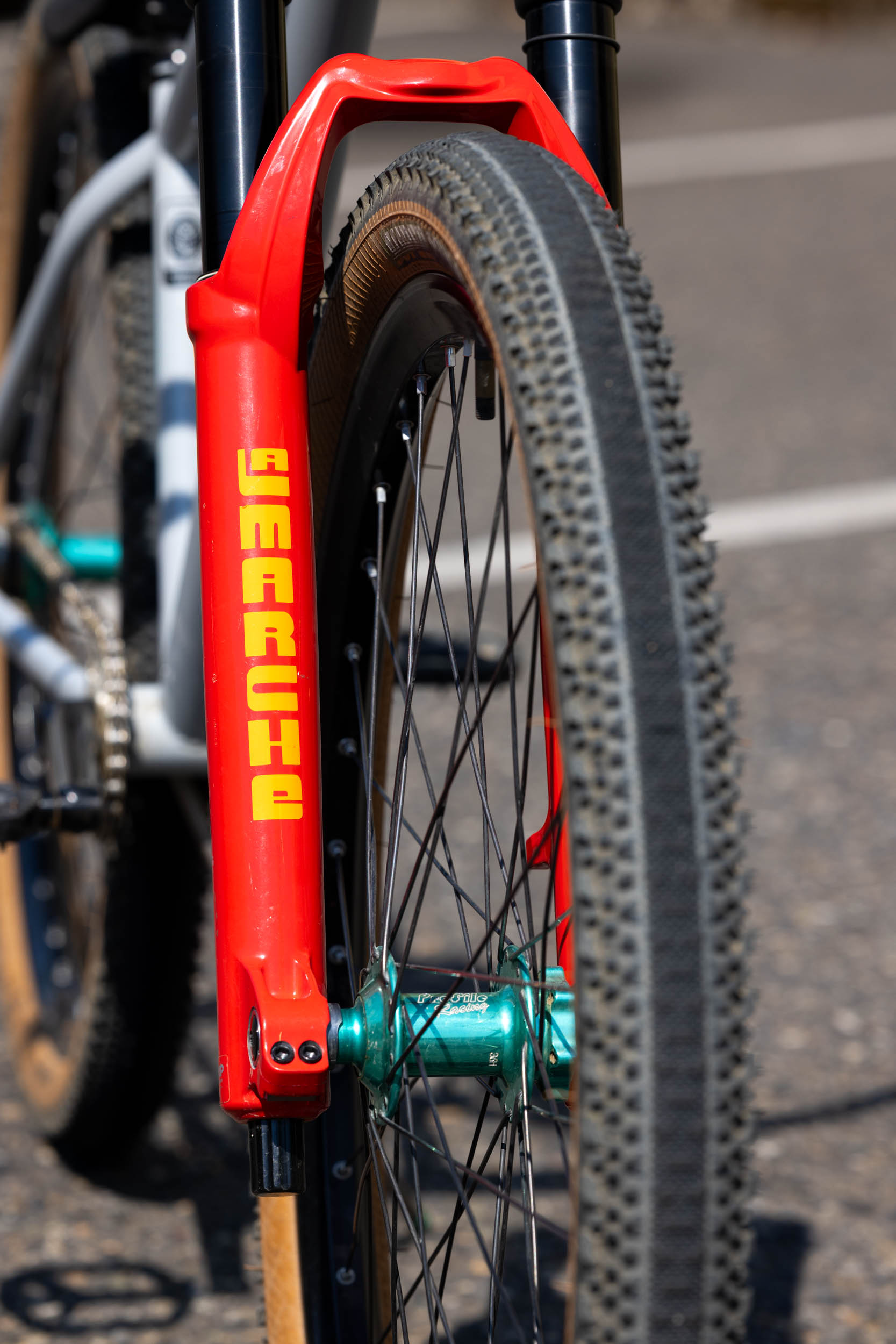
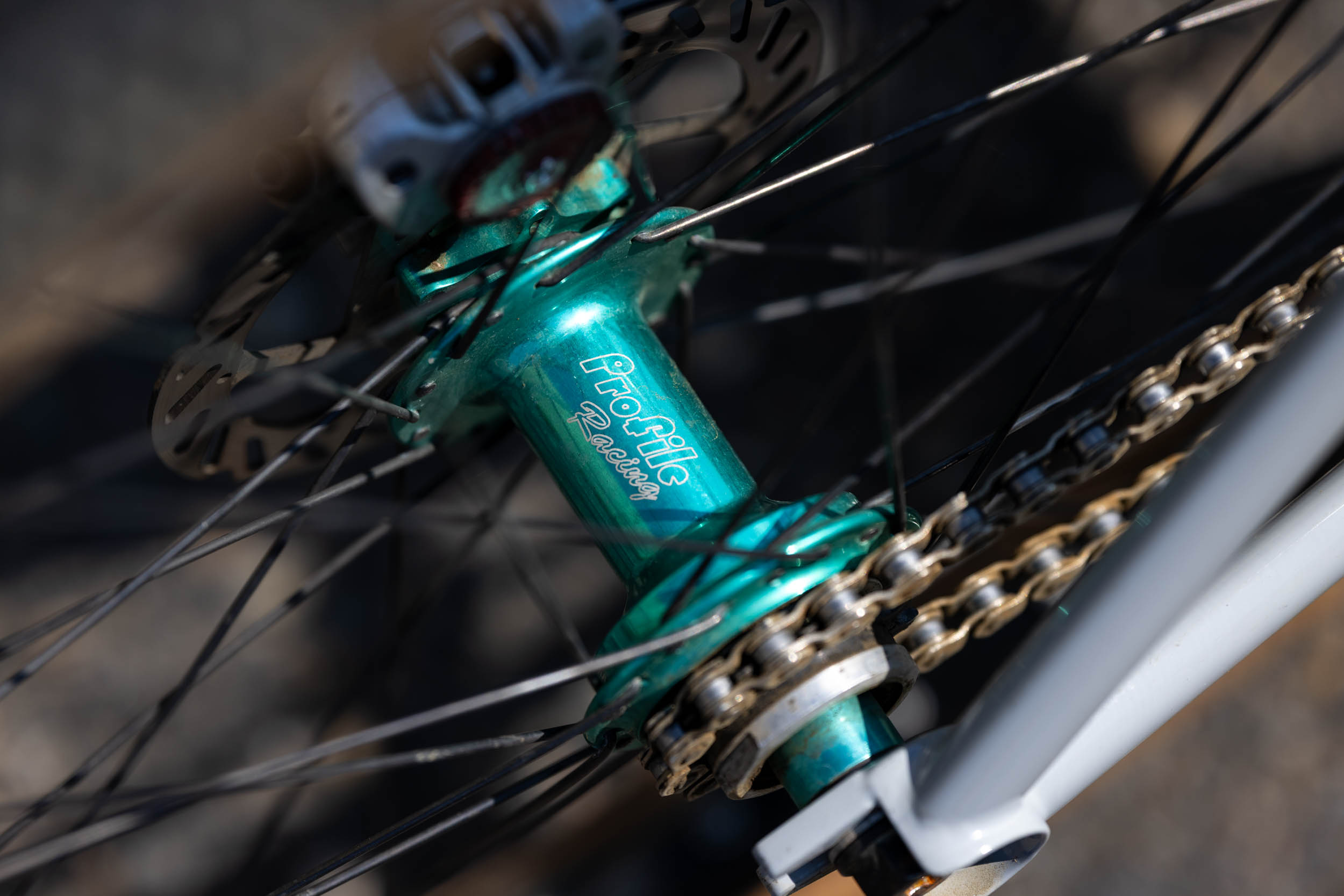
I’ve always appreciated Tom’s color-blocking, with the fork and frame being mismatched, and his dirt jumper is another stunning example of this. There’s something so playful and approachable about the colors he uses, and I asked him what drives this. He explained it’s hard to pin down. He draws inspiration from industrial areas like the Chris King factory, as well as from beat-up paint jobs and old shipping containers. “It’s more of a feel, and I try to convey that in the bikes.” Tom has an evolving catalog of colors and photos he pulls from, and he has seen so many powder coats that he knows which ones look good and which don’t. All of Tom’s bikes are powder-coated locally in Portland.
La Marche Track Bike
Tom referred to his fixie as his “commuter, fat tire, track bike,” but in reality, it’s not really a track bike at all. He built a few prototypes but found a few things he didn’t like, so this most recent iteration was finished only a few months ago, just in time for MADE. It’s an oddball, with a 135mm-spaced mountain bike rear end and a slightly more standard chainline to accommodate larger tires, as a 120mm rear end wouldn’t have been wide enough.

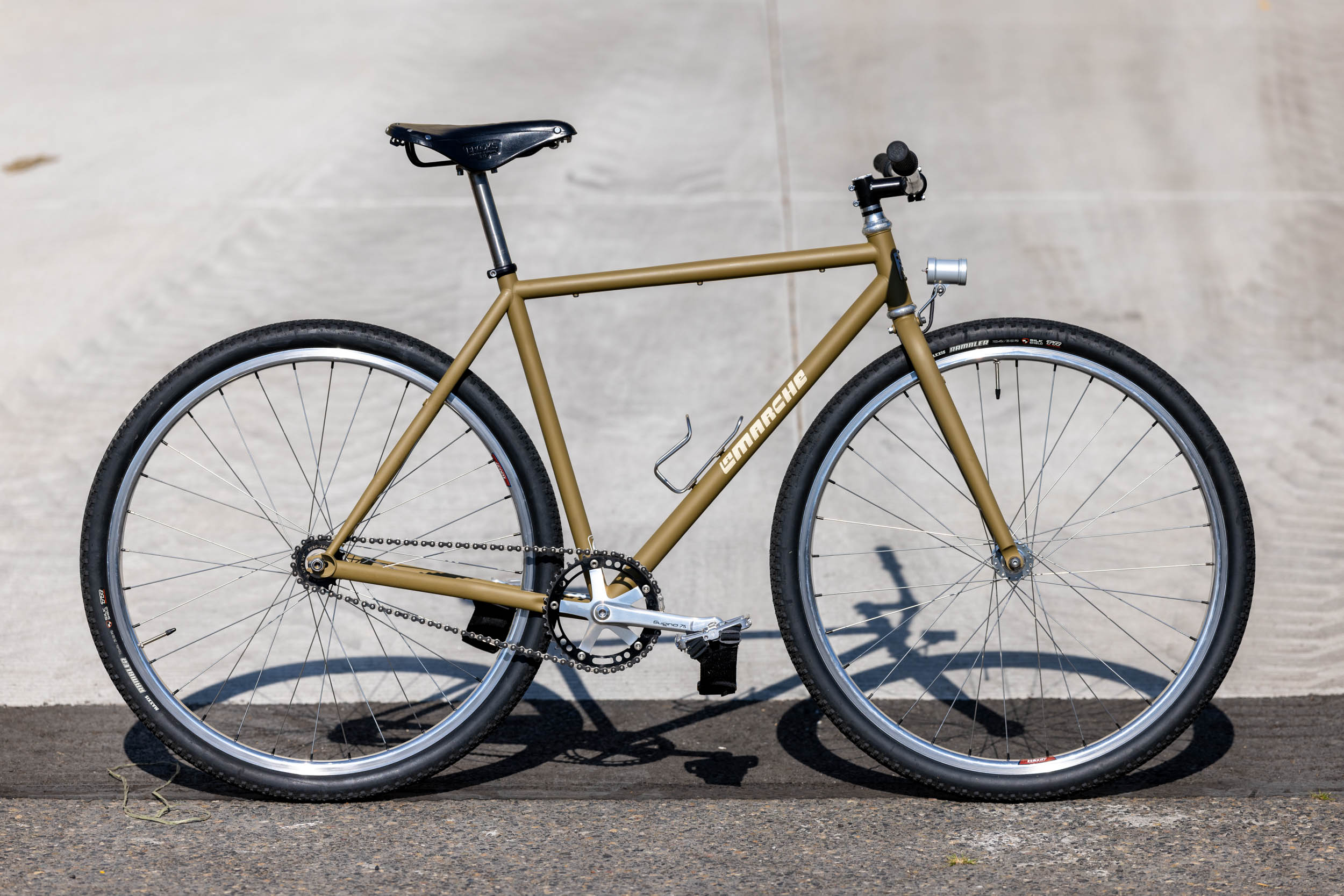
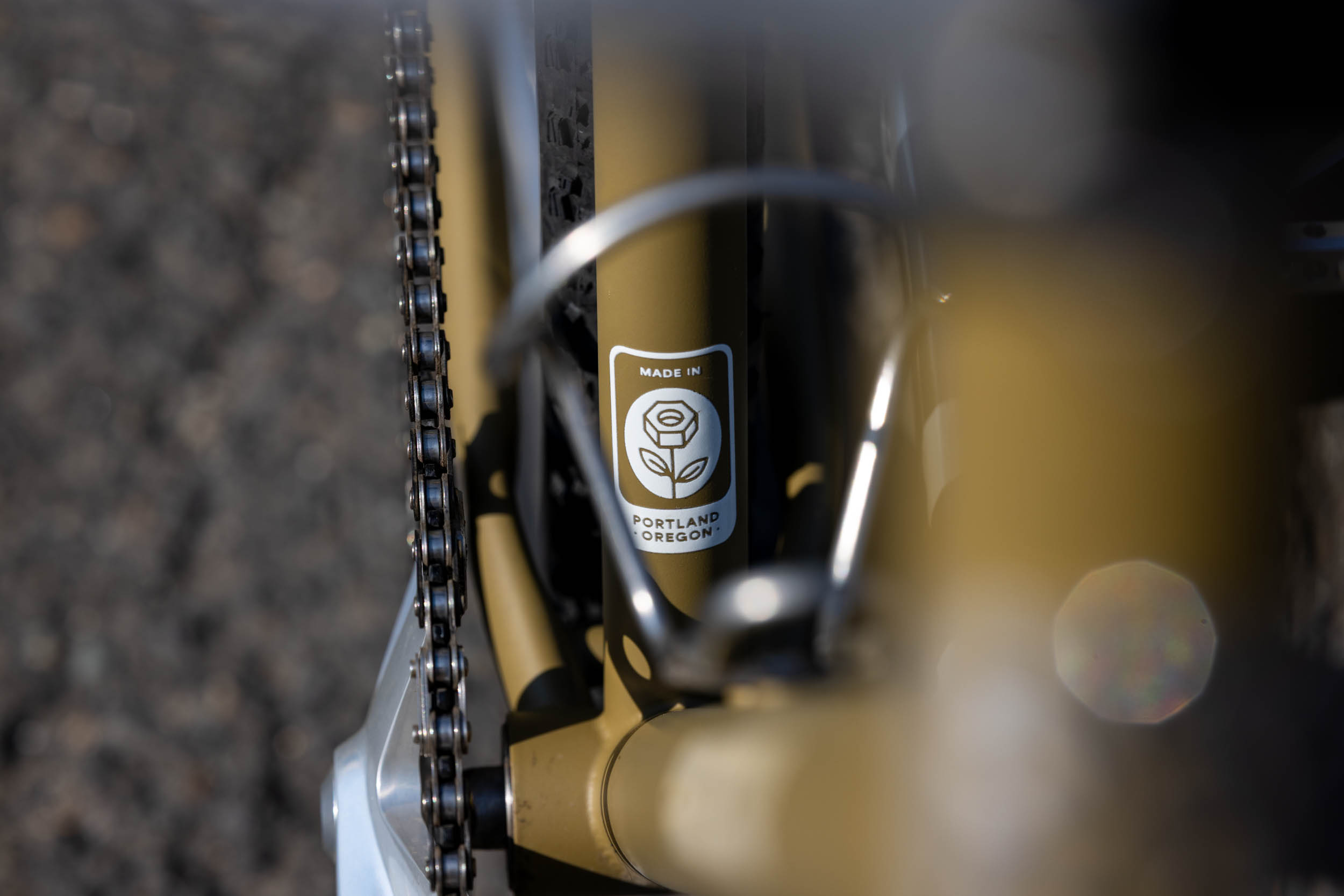
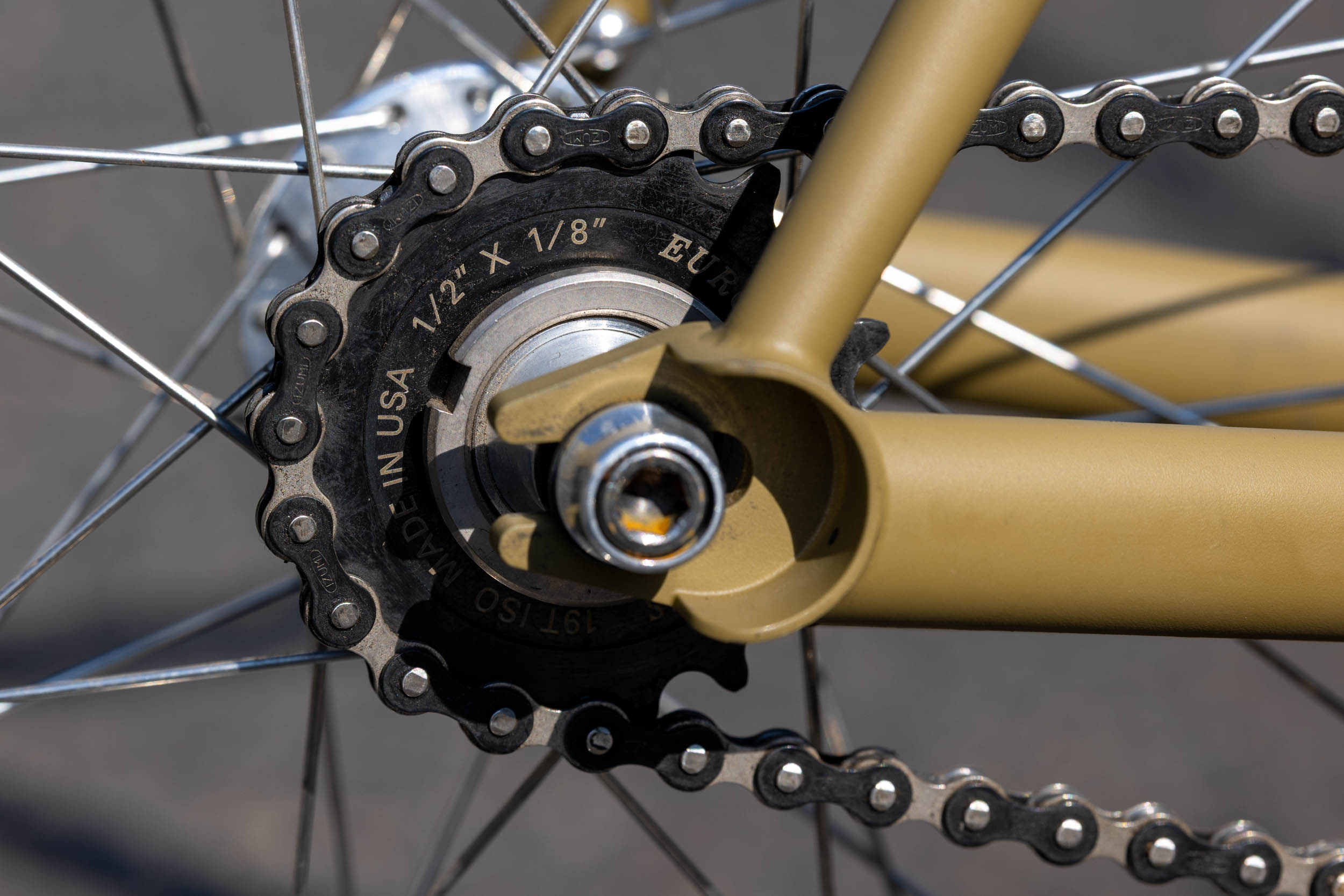

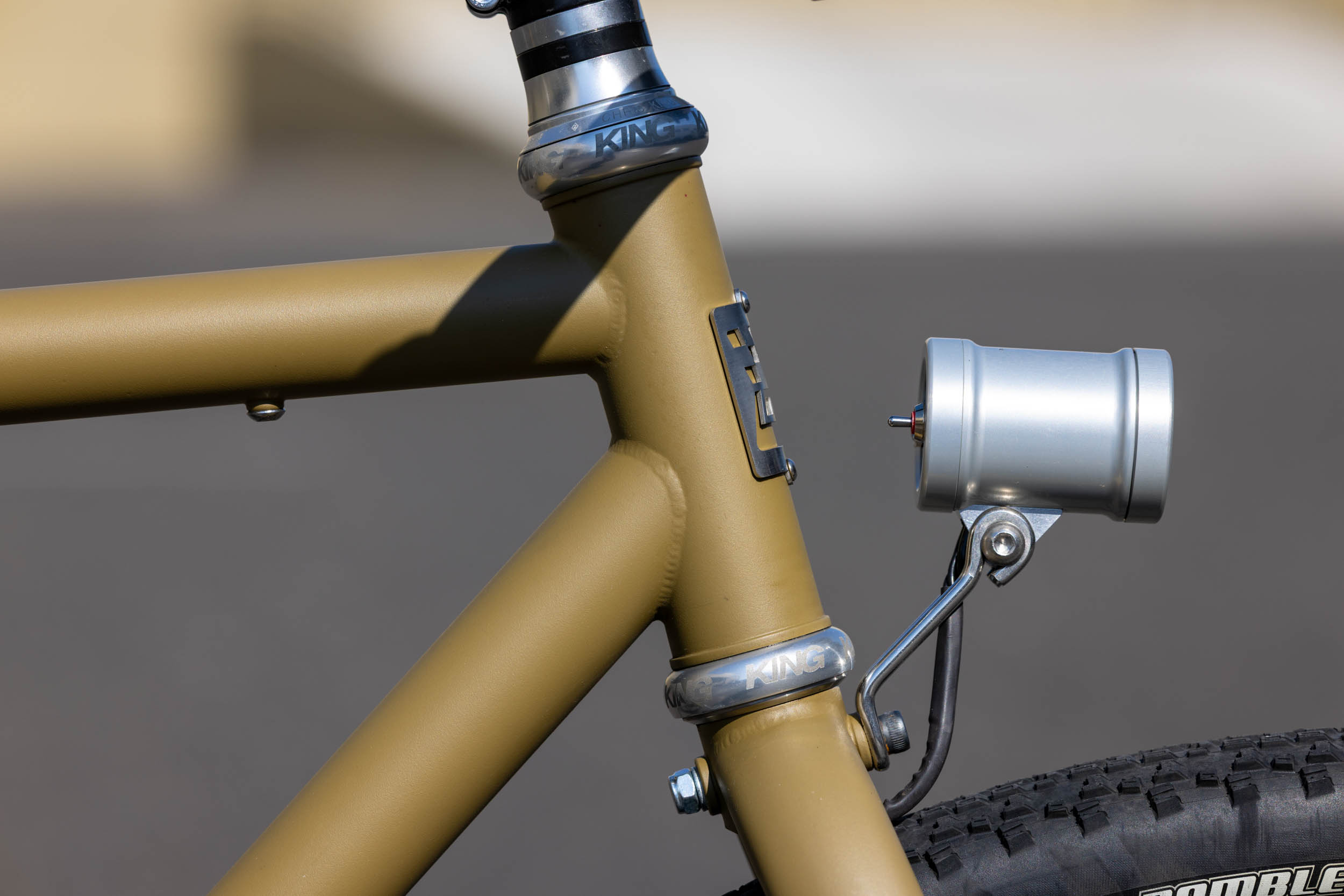
Tom’s track bike has removable canti studs on the fork and bosses under the top tube for cable guides. It can be set up singlespeed or brakeless and maintains a very clean look. The Sinewave dynamo light wiring is integrated into the side of the fork leg, and there are fender eyelets hidden inside the fork legs to keep them out of sight when not in use.
La Marche Mullet Hardtail
Given Tom’s background in BMX riding, it’s not surprising to see his trail bike drawing influence from smaller, more playful bikes. It’s built up as a mullet, with a 29-inch front wheel, a 27.5-inch rear wheel, and a 140mm fork lowered to 130mm to give him more standover clearance.
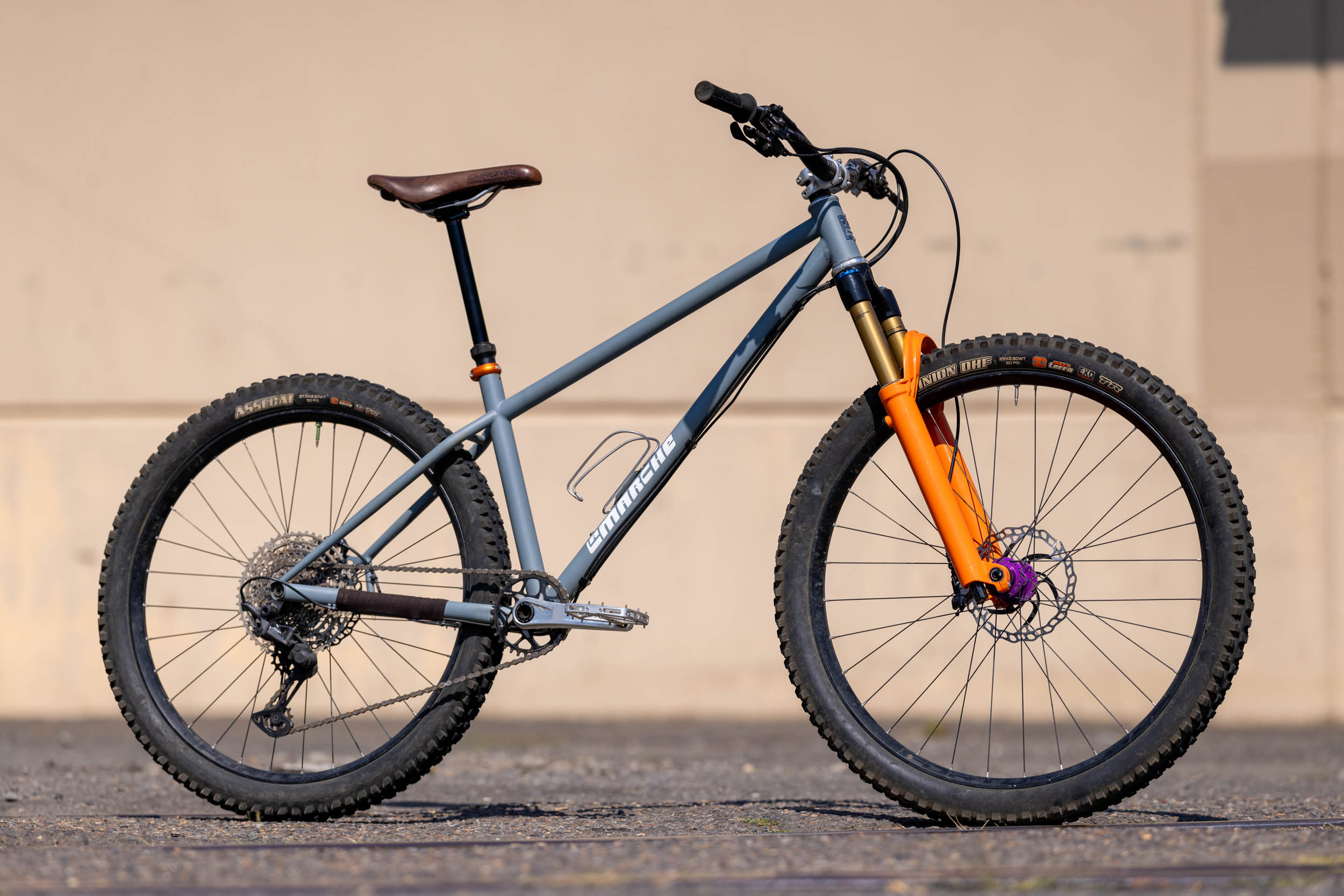

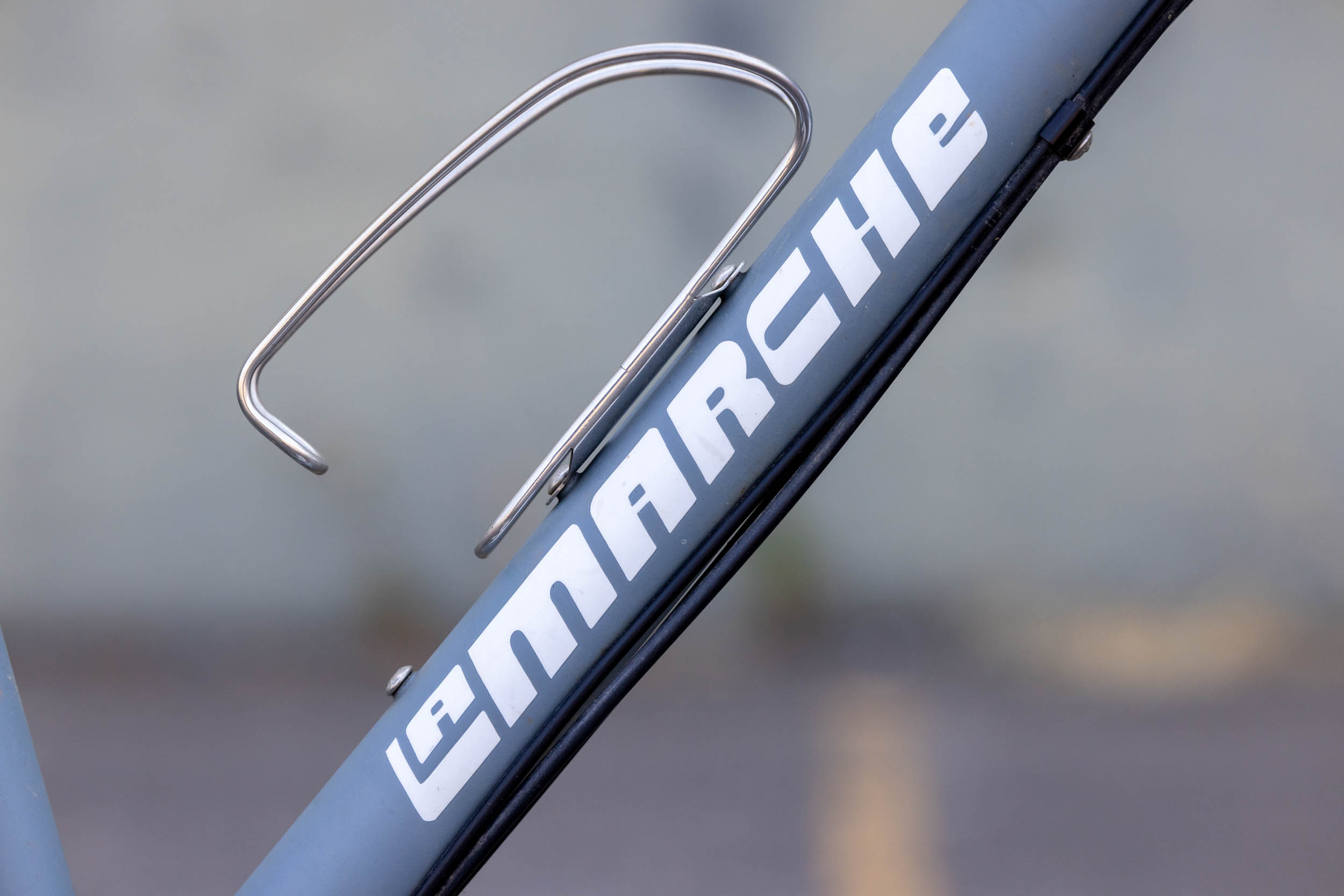
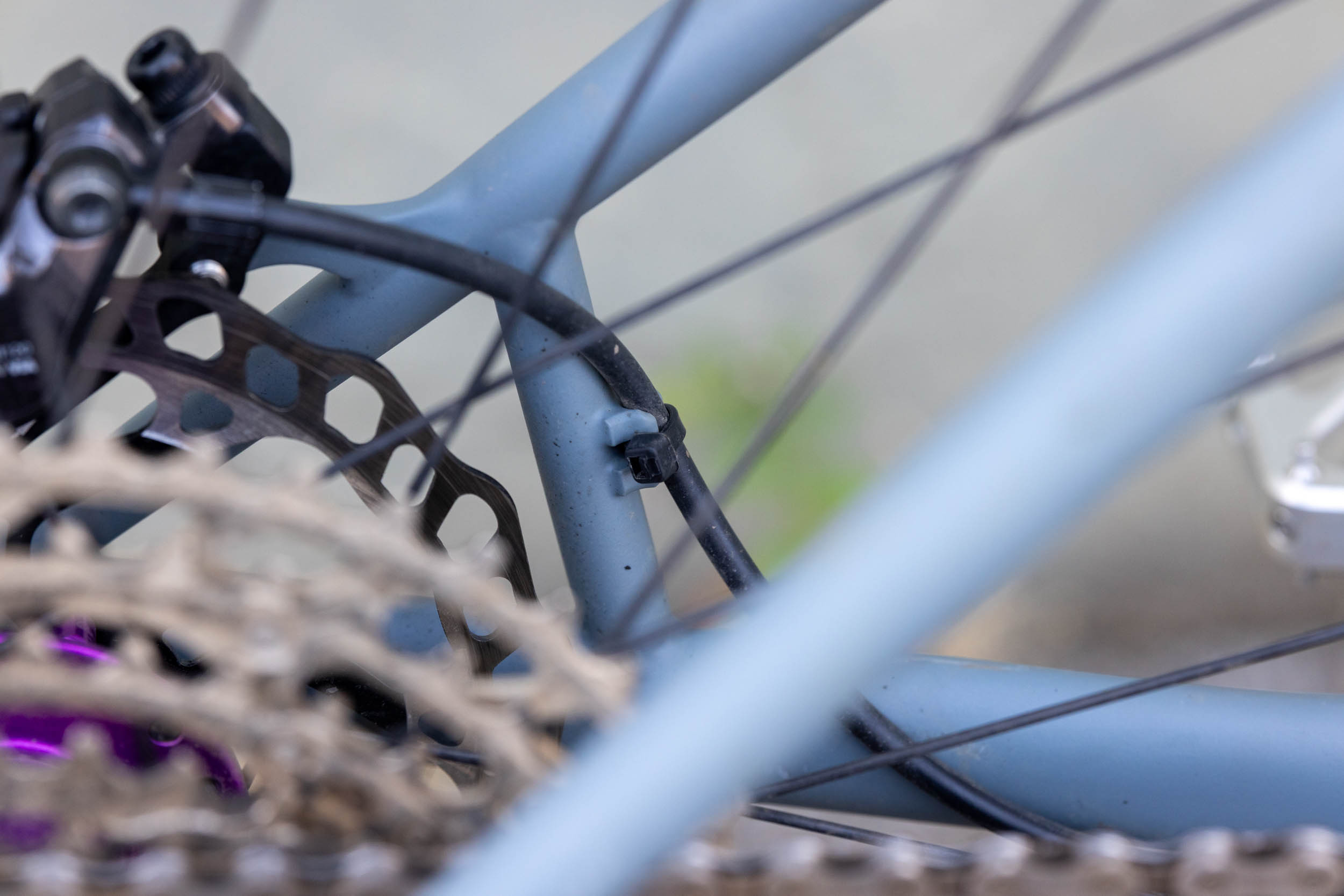
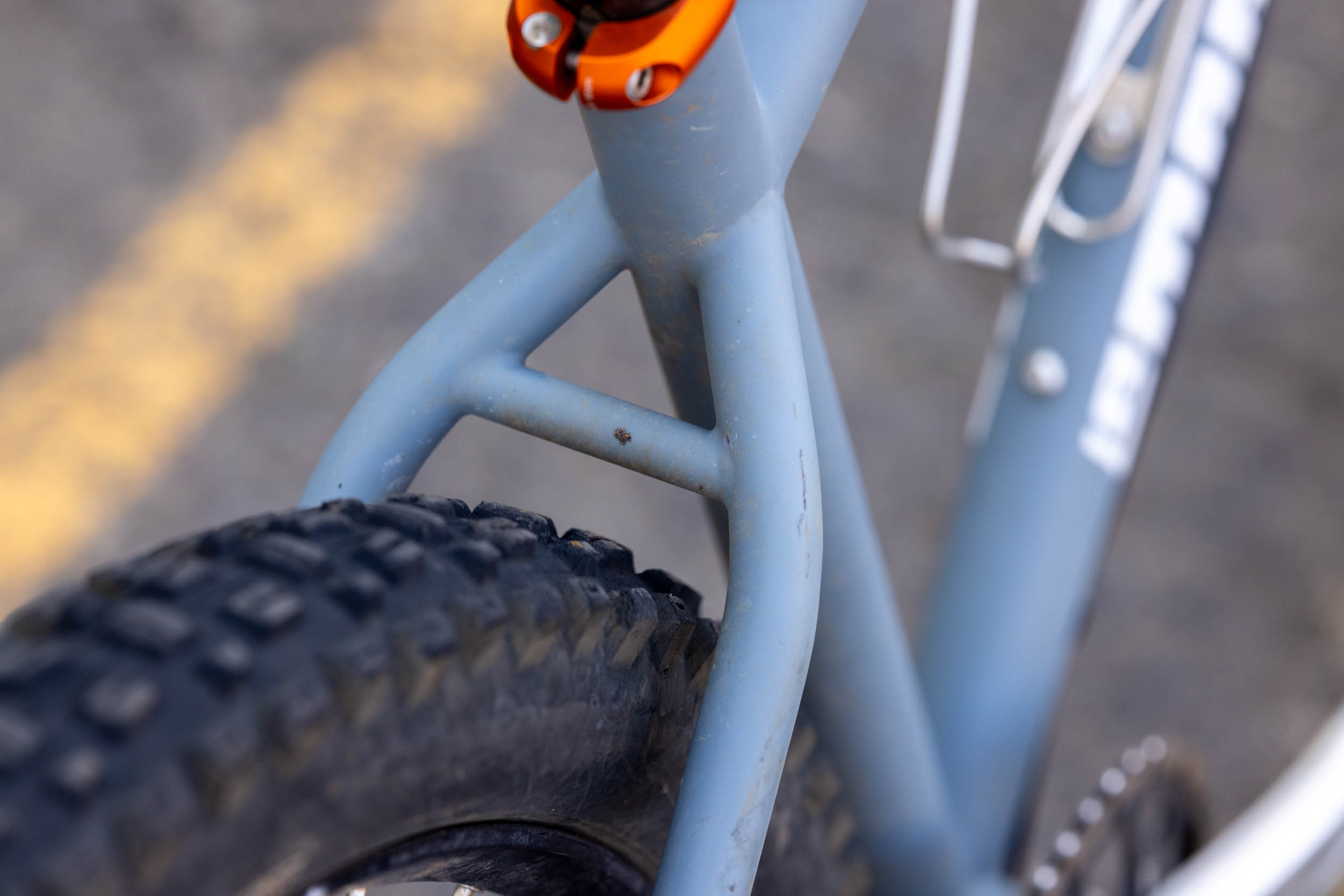
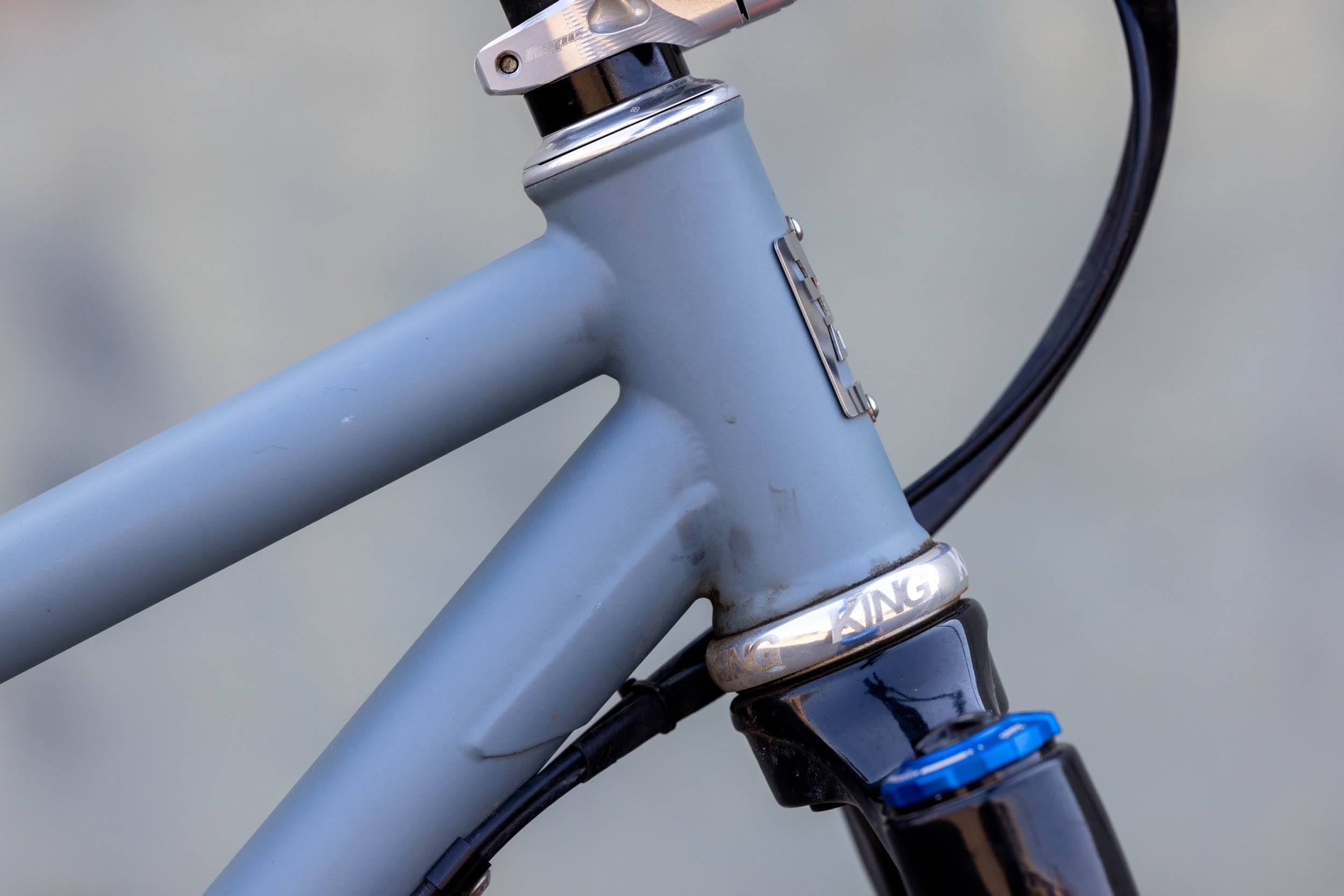
It’s slack and “low-slung,” as Tom puts it, because he likes to ride it like a BMX bike on the trails, whipping it around without worry. The lower standover height really helps him achieve that ride quality, and if customers want to prioritize specs like that, he’s always eager to make it happen.
La Marche “Terracotta Hot Dog” Rigid 29er
Tom’s rigid 29er was on display at last year’s MADE bike show and carries the same BMX-oriented influence that runs through all his bikes but with a slightly more subdued flair. It was for sale, but Tom recently got out for a longer mountain bike ride in Winthrop, Washington, and fell in love with it.
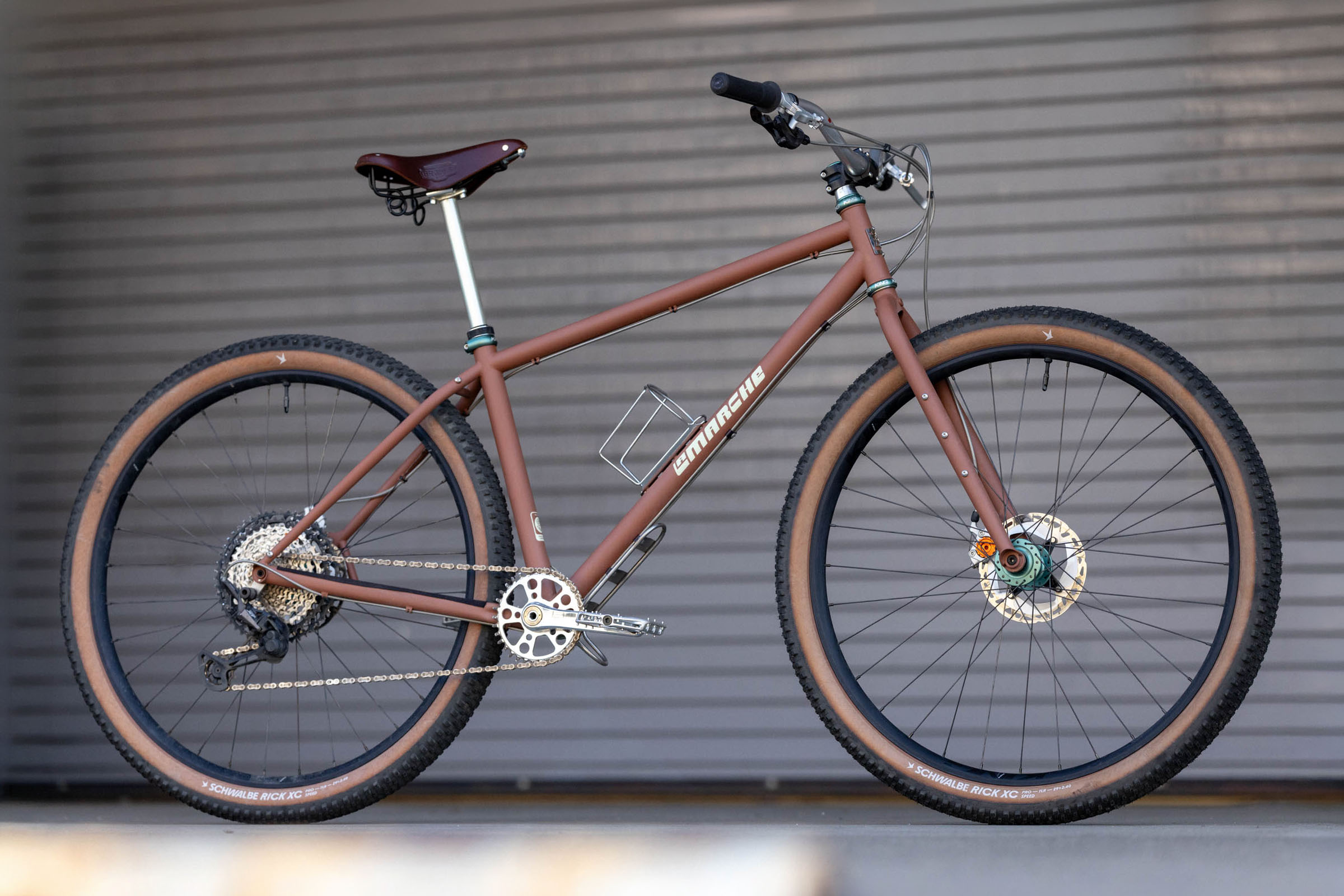
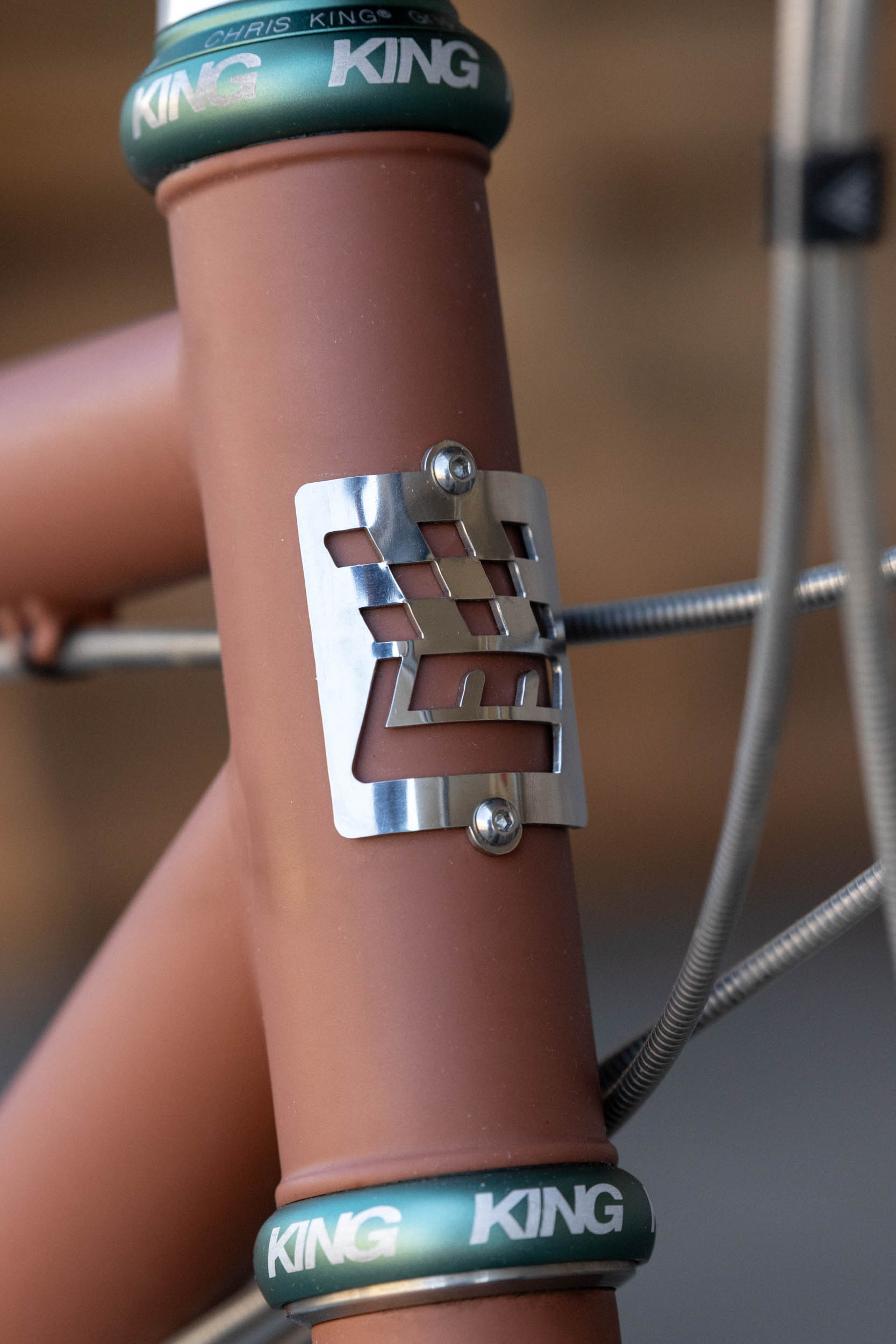
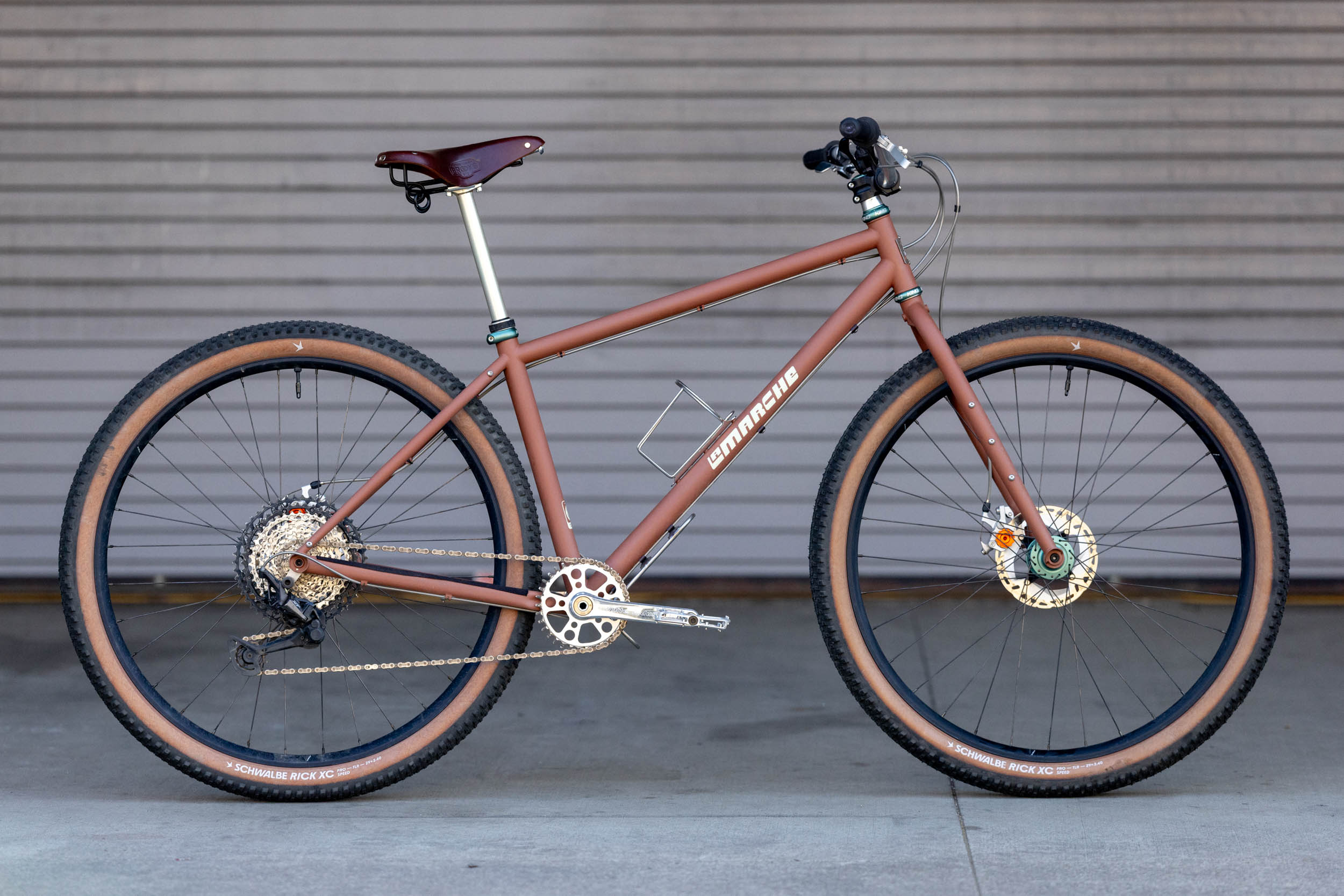
It’s designed to be a comfortable do-it-all bike but was purposely kept simple for bikepacking applications. The 440mm chainstays aren’t the shortest, but that was intentional considering its purpose. Tom is still able to move the bike around and manual it with the dropper slammed. The fork is made with nice Reynolds blades, which are super compliant on bumpy roads.
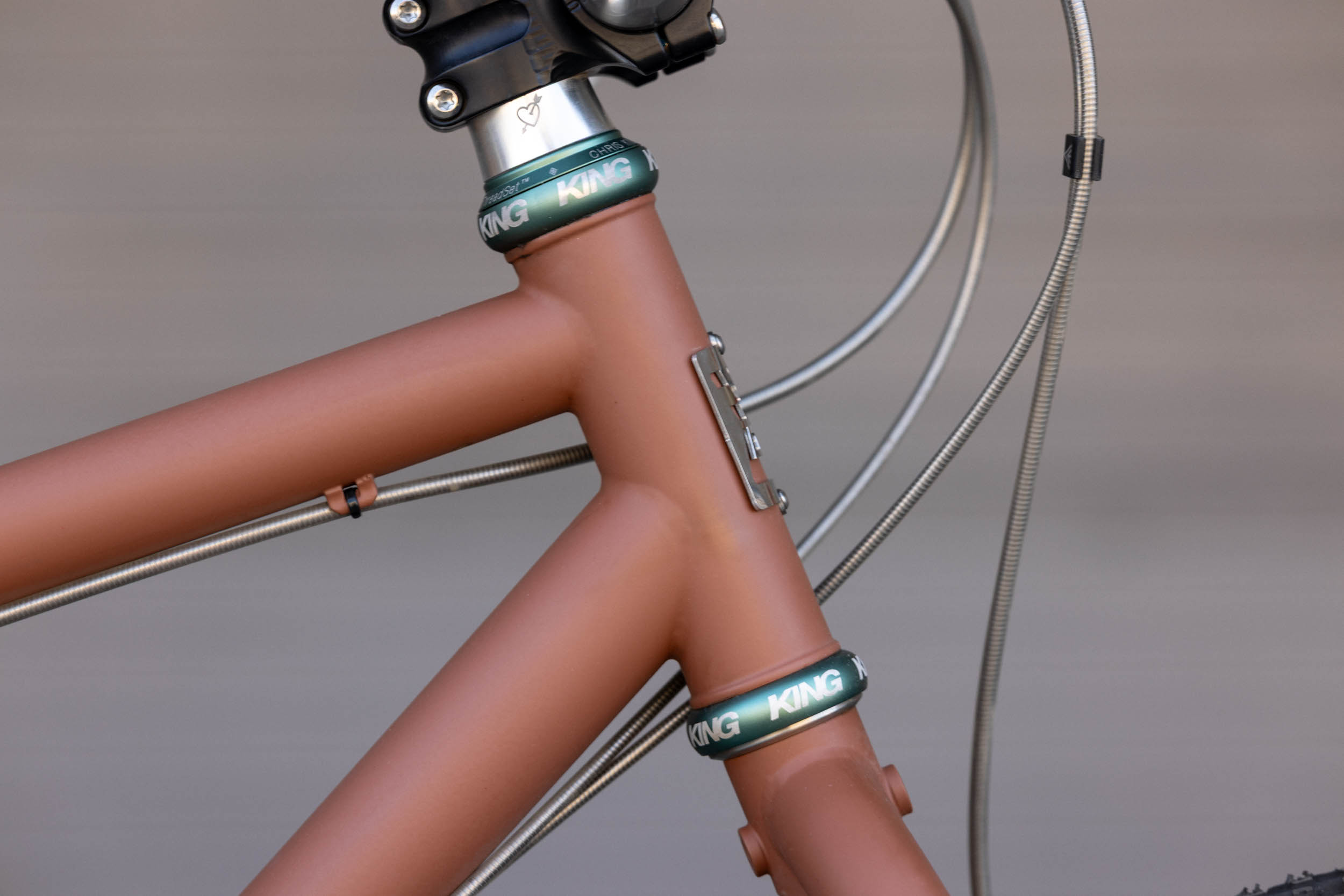
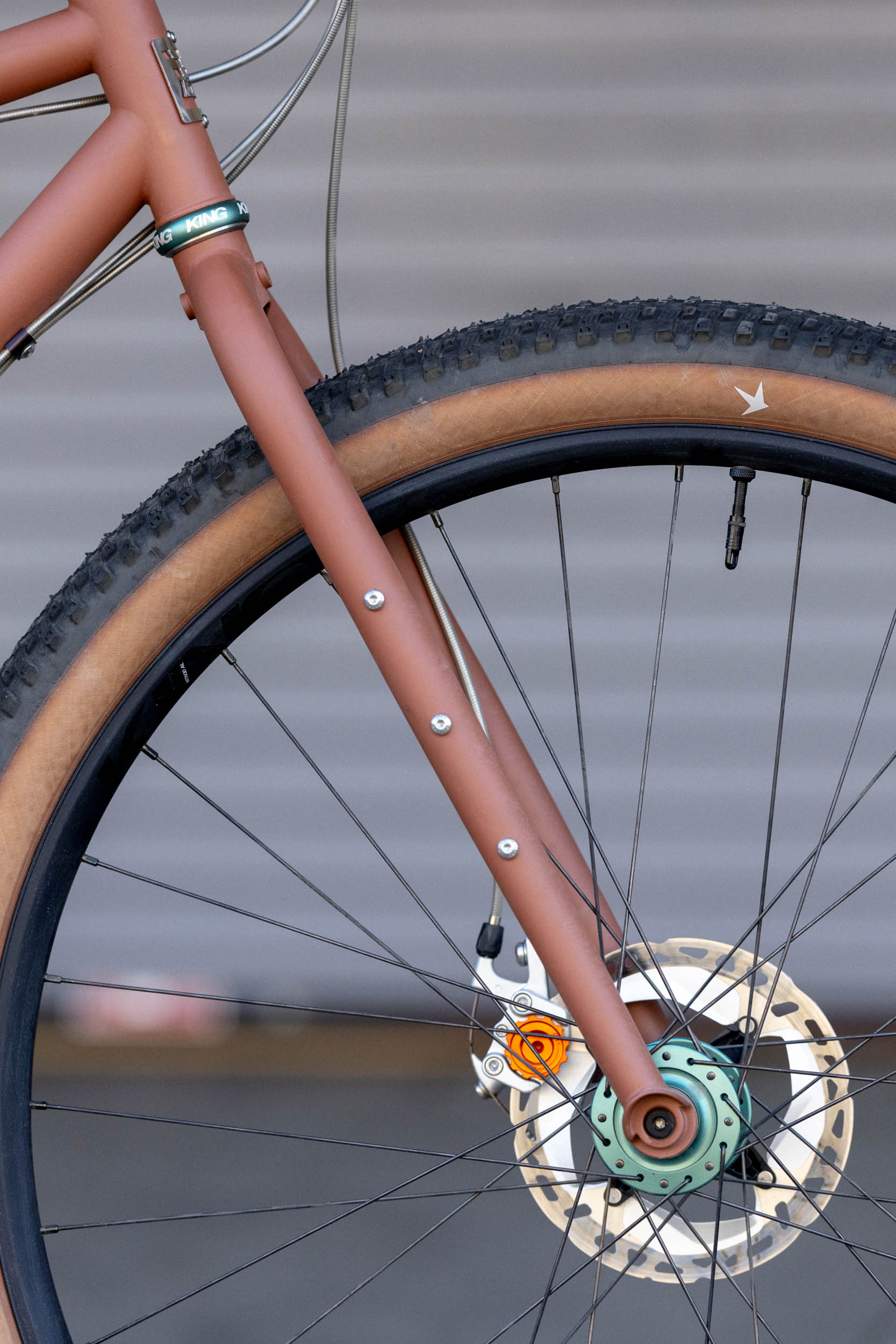
The build features some comfortable Hunter bars, a collection of Chris King components in jade, White Industries cranks, and a polished PNW dropper post. He’s not sure how much the complete bike weighs, but it ended up being surprisingly light. He’s eager to get the bike a frame bag for longer rides and bikepacking.
Final Thoughts
When I asked Tom if he came home from his trip to Japan with any fresh ideas or inspiration, he explained that he was inspired by how people of all types and ages ride bikes regularly. “You’d see children riding along, and then folks in their 90s riding in the rain with an umbrella.” Tom believes that riding transportation is a fantastic reason to be into bikes. He explained it sometimes feels like the scene in the US is centered around the product and the purchase, rather than the experience itself.
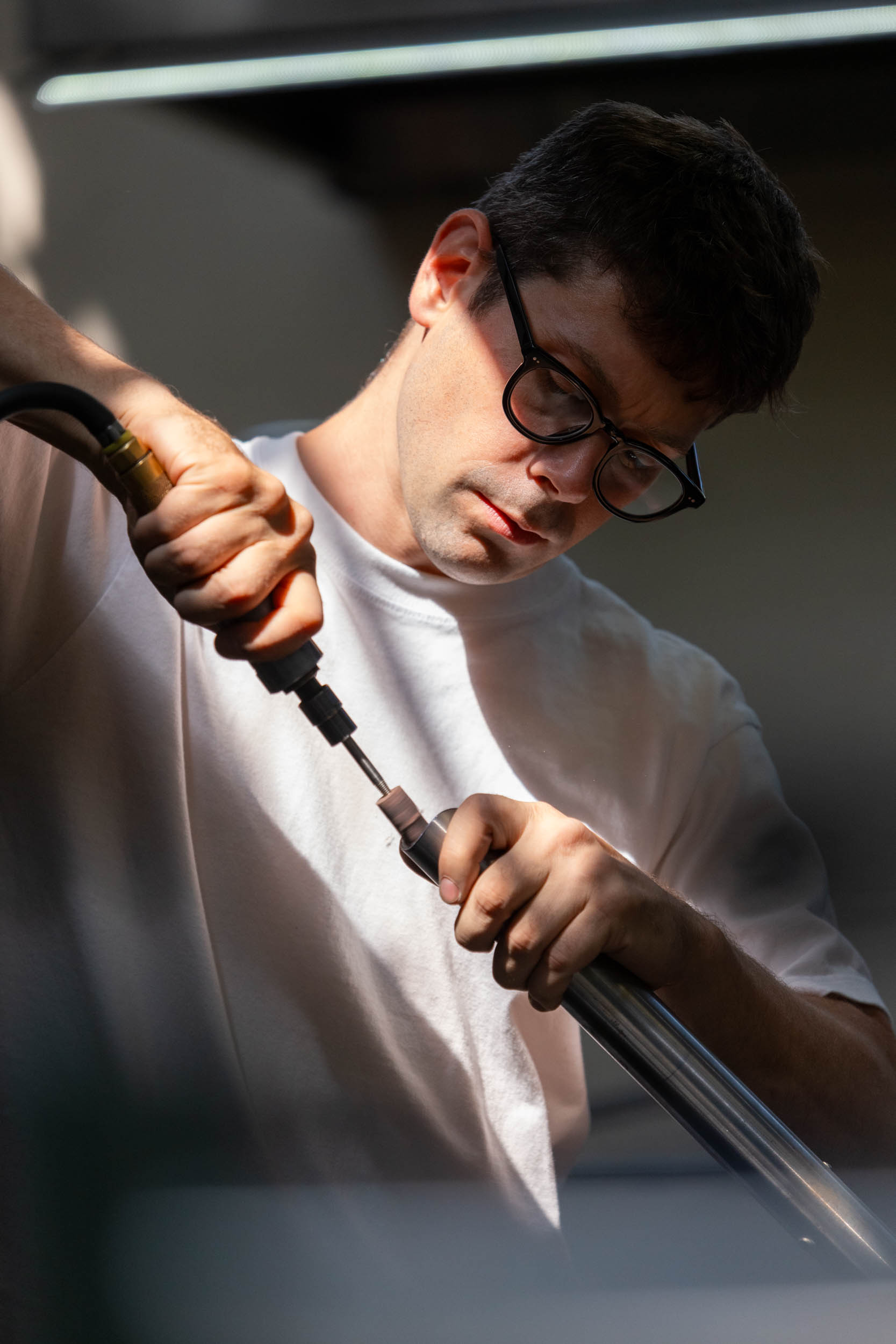
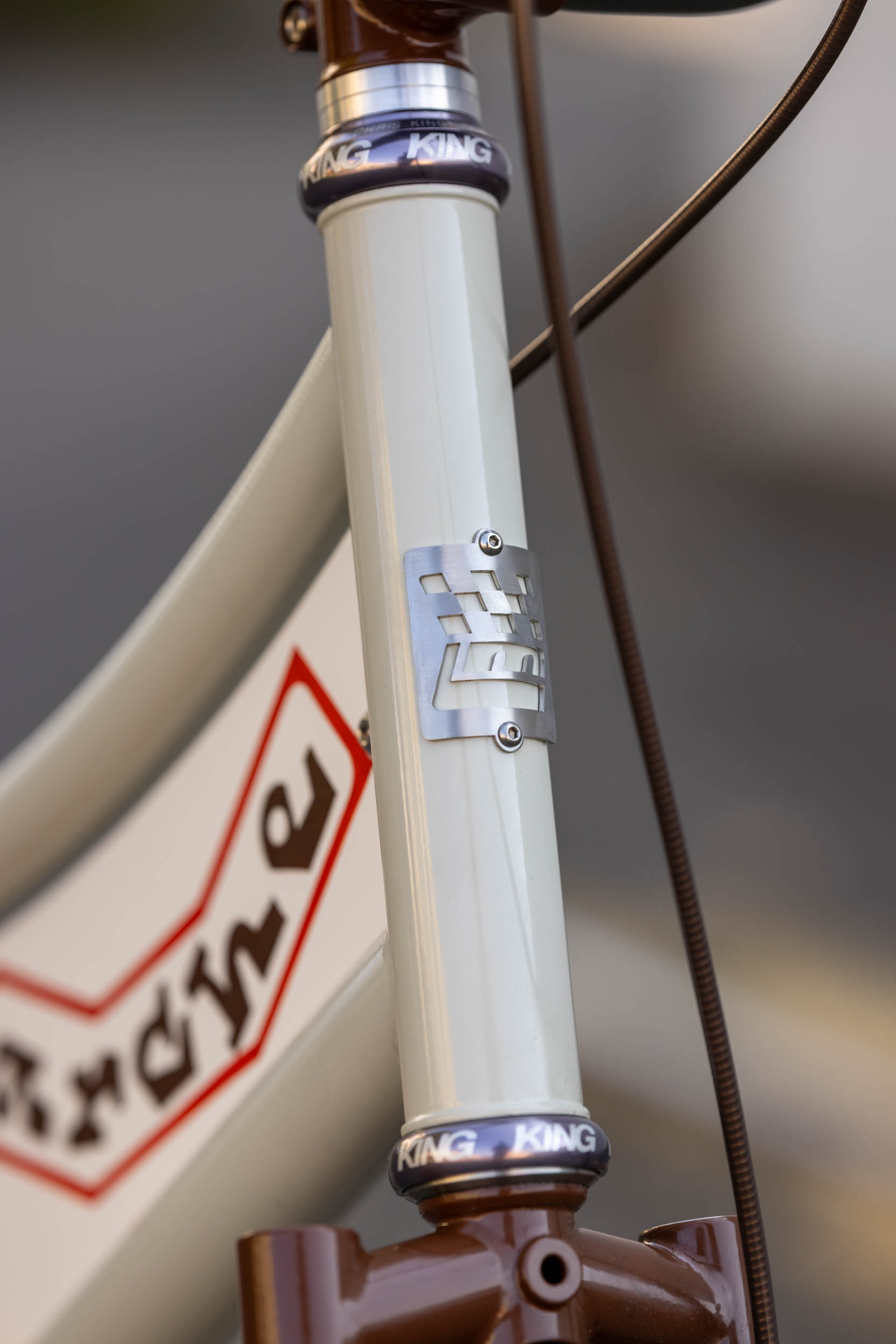

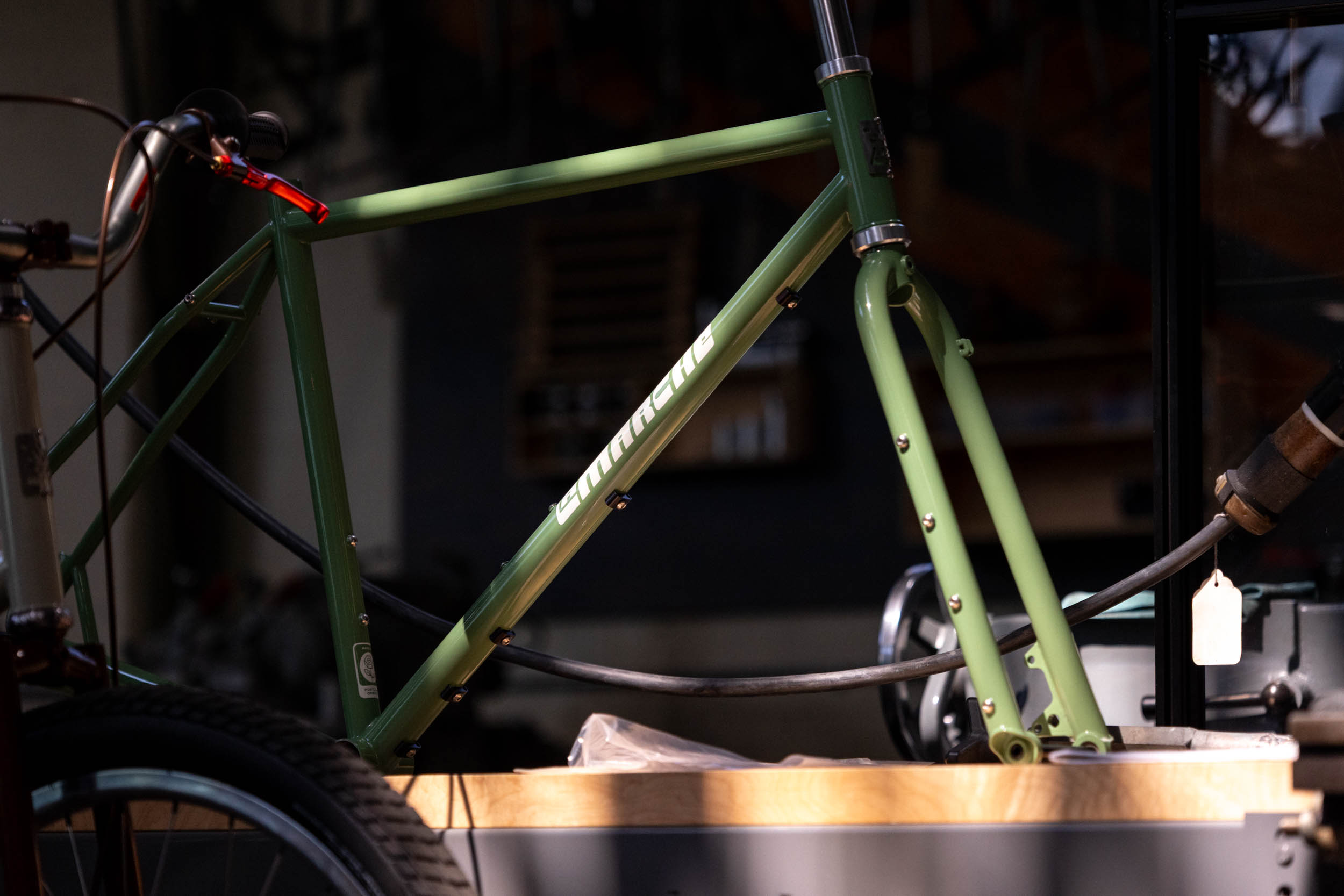
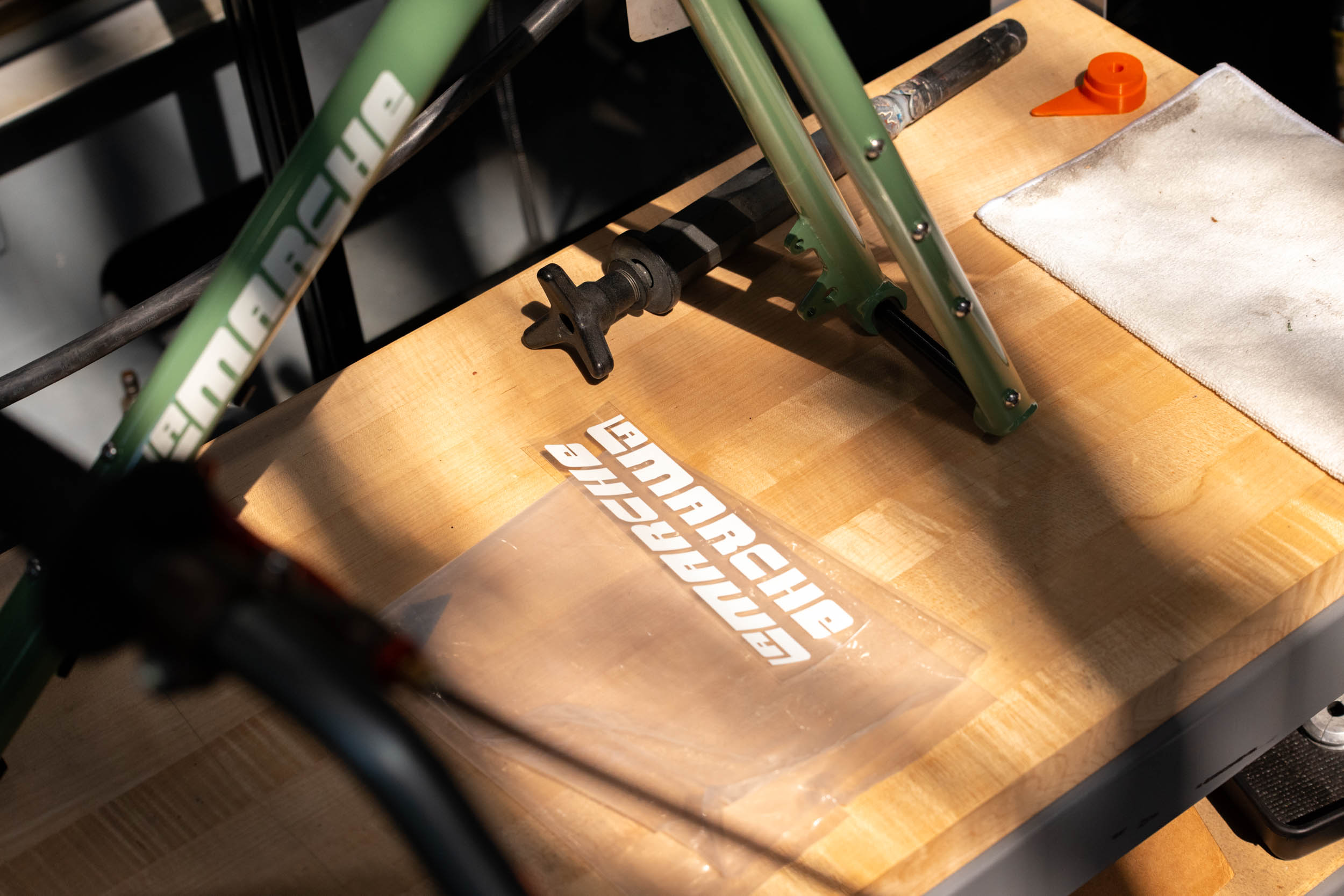

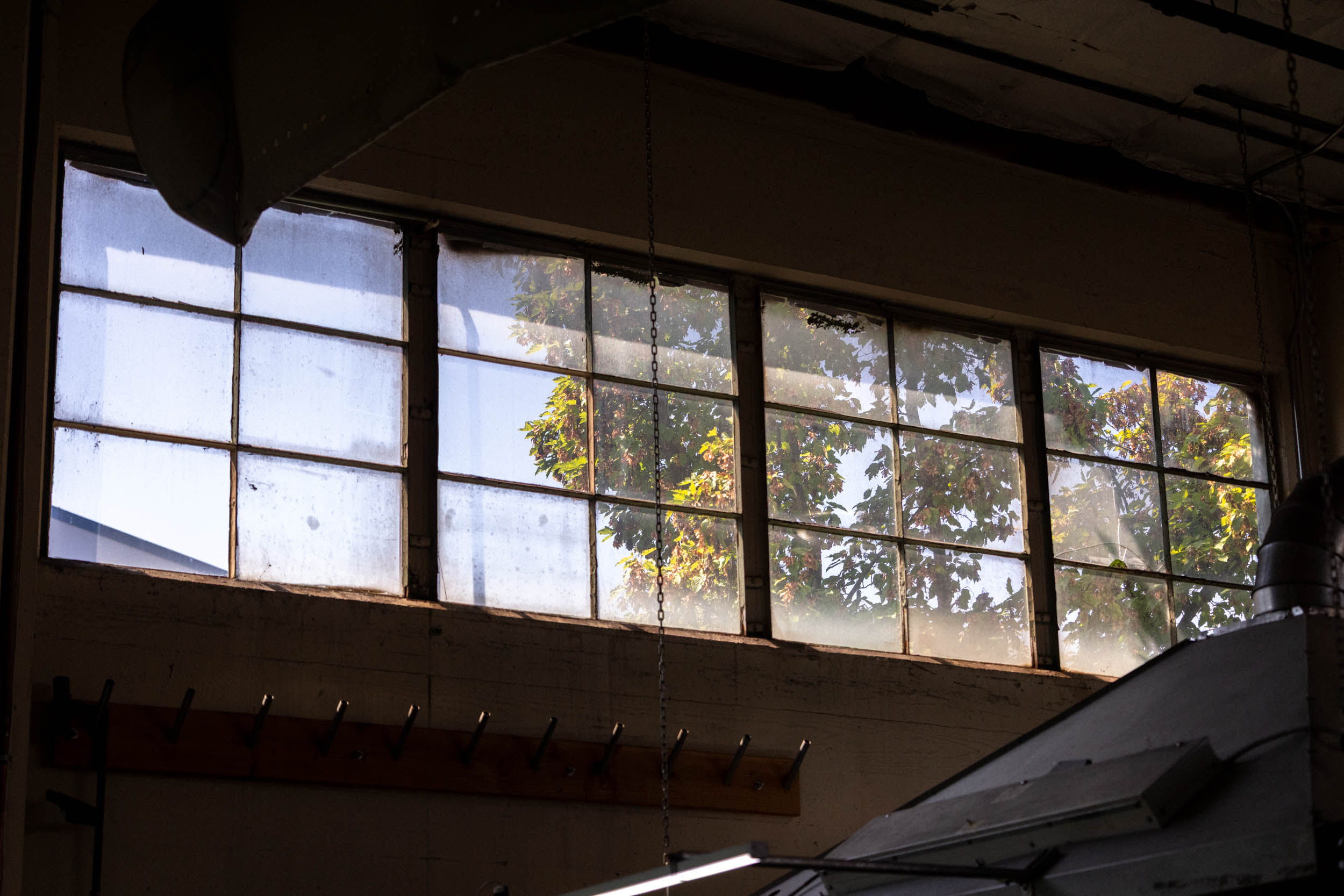
There’s a lot of energy inside the Chris King factory, where La Marche Bike Co. is based. Other framebuilders will sometimes use the space; Chris King has been operating there for over 20 years; Firsthand Framebuilding will be taking over another section of the building soon; and SimWorks USA also has a space there. Tom is excited to be a part of it all, to have access to so many talented people, and, most of all, to be on the West Coast, ride more trails, and find nice places to camp. Thanks for having me, Tom!

Further Reading
Make sure to dig into these related articles for more info...




Please keep the conversation civil, constructive, and inclusive, or your comment will be removed.