

 Mountain Bike (MTB)
 Gravel Bike
 All-Terrain Bike (ATB)
 Fat Bike


Letting Go: Memories of the Silk Road Mountain Race


For Leanne Bentley, riding in the 2025 Silk Road Mountain Race was an exercise in giving up control. From 30-kilometer hike-a-bikes to perilous river crossings and rationing a dwindling food supply, she learned to roll with the punches and was rewarded beyond measure. Find her hazy memories and reflections from Kyrgyzstan here…
PUBLISHED Aug 7, 2026
Before the Silk Road Mountain Race (SRMR) even began, Kyrgyzstan was testing me. I woke up in Sary-Mogul with a pounding headache and the sick, heavy feeling of a hangover, except I hadn’t drunk alcohol in weeks. The guesthouse sat at 3,000 metres above sea level, and my lowlands-trained body was struggling. The day before, a small group of us had left Osh in 42-degree heat, riding through dust, broken roads, and heavy truck traffic before the landscape slowly opened into something calmer, bigger, and more beautiful. We were touring the first 250 kilometres of the race route to acclimatise to the altitude—something unavoidable if you want to get to the finish line.

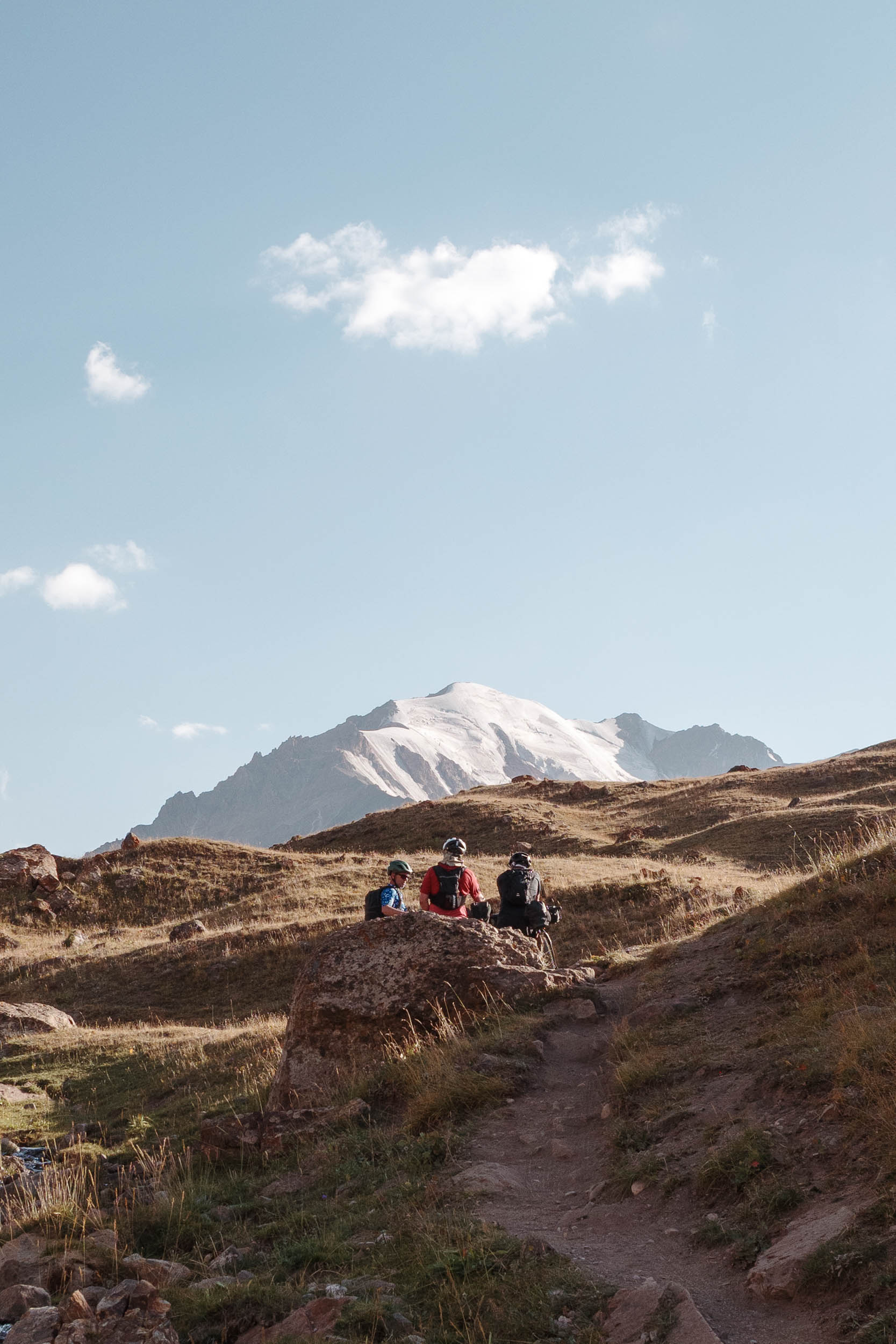
We made our way up to Peak Lenin Basecamp at 3,700 metres and spent three days up there, resting, hiking, and teaching our bodies to sleep up high. On the last day, a large group of us sat crowded around small tables enjoying hot food. My coach, Niel, looked around the yurt and smiled. “This has been the perfect trip,” he said. We all agreed enthusiastically, sharing similar sentiments. Why race when you can just go bikepacking in cool places with interesting people?
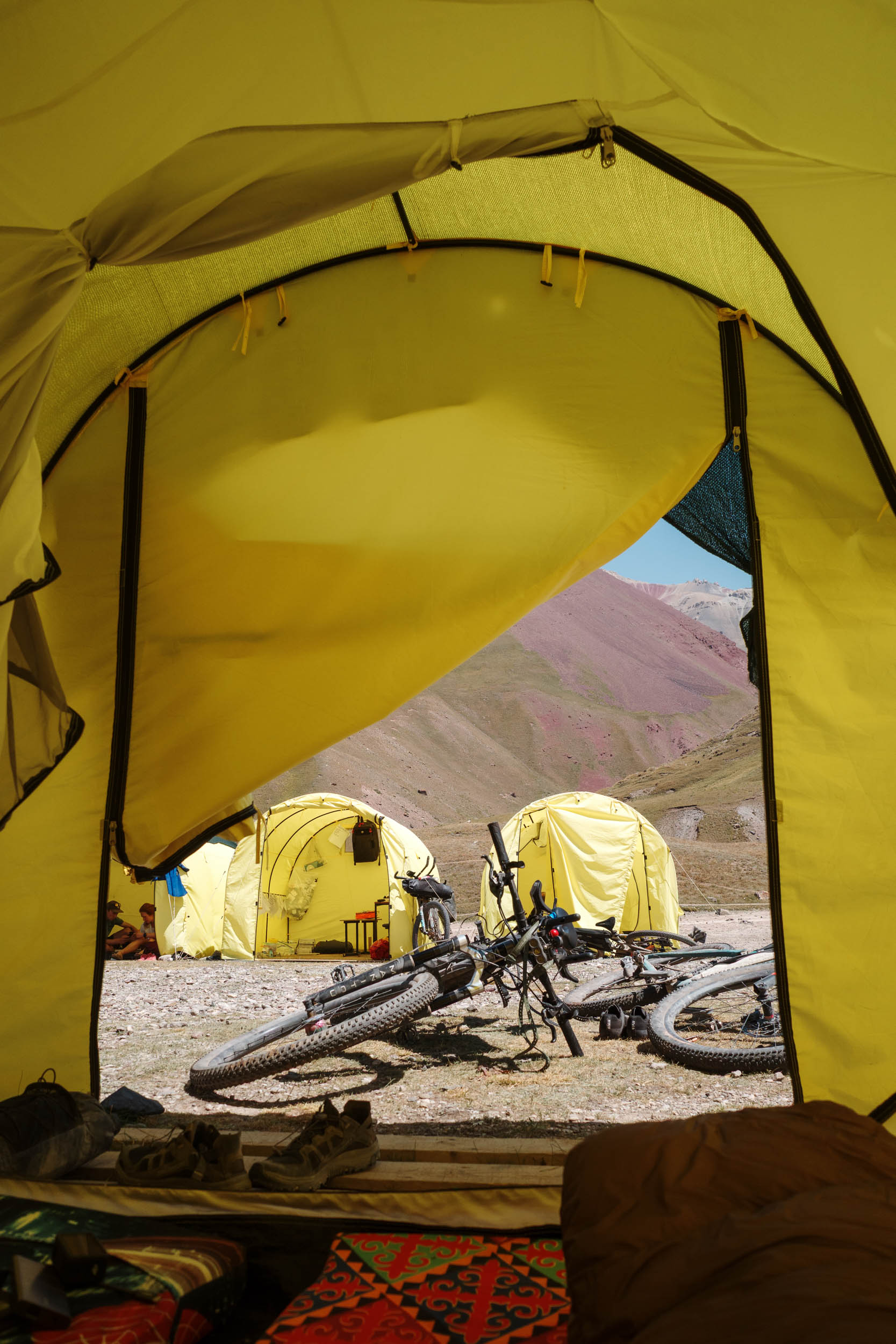

It was a question I carried into the first day of the race. We rolled out of Osh at 6 p.m. behind a neutralised police escort. I was nervous. I’d scratched my previous race with an Achilles injury, and the recovery window between that and SRMR was short. I’d done the rehab properly—heavy gym work, stiffer shoes, shorter cranks, a slightly lower saddle, trail shoes for rivers and long hike-a-bikes—but apparently, confidence is slower to come back than strength. My goal wasn’t to race anymore; it was to finish.
When the escort peeled away, and our GPS units took us left onto dirt, the field surged forward. Riders scrambled for position, and I kept calm. It felt deflating in a way I hadn’t expected. Normally, I love those first few hours when you know your heart rate is probably higher than it should be, but it’s too exciting not to push a little. This time, starting in the evening and deliberately holding back, I found it hard to feel engaged. At the base of the first big climb, I stopped for three and a half hours and tried to get some sleep.
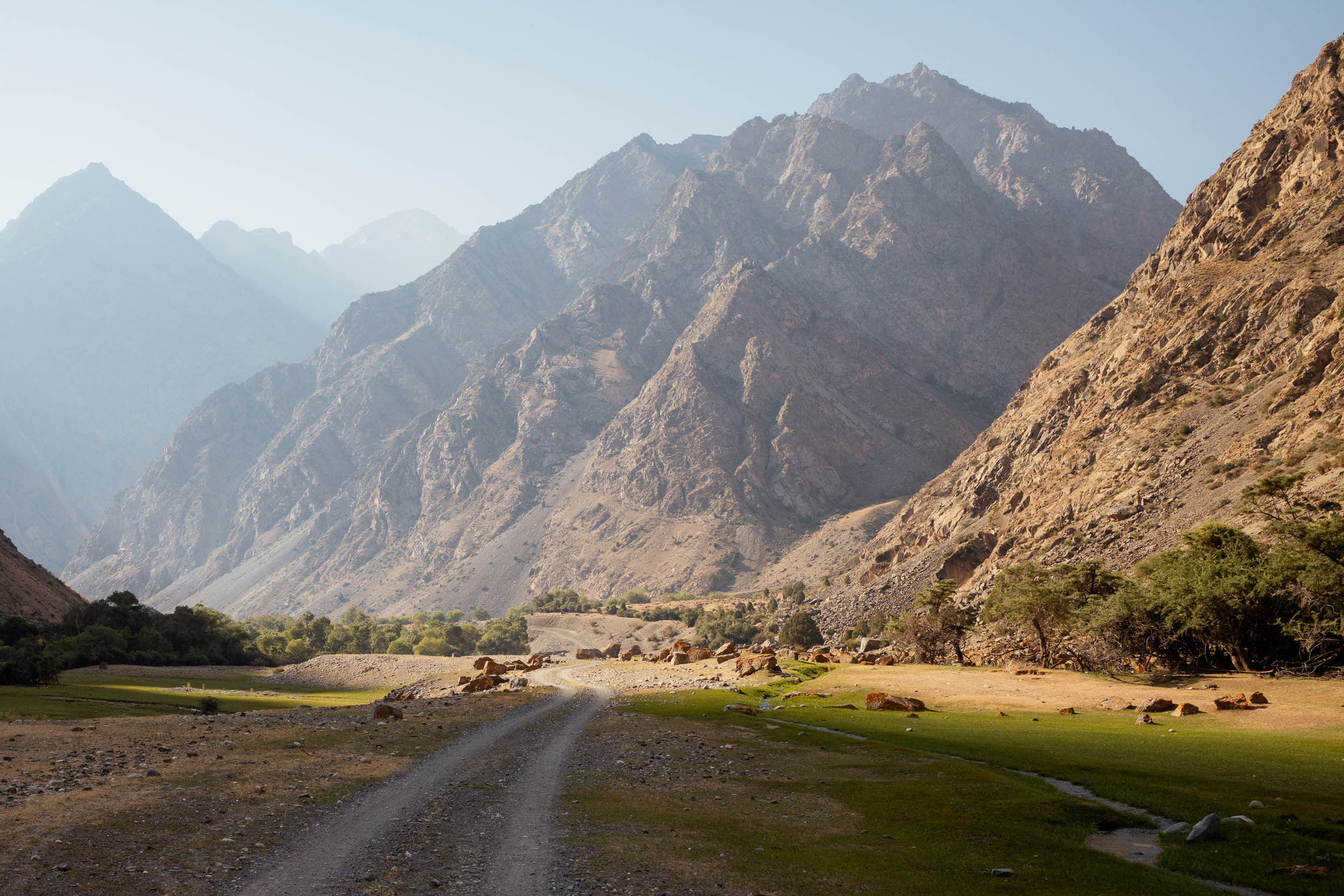


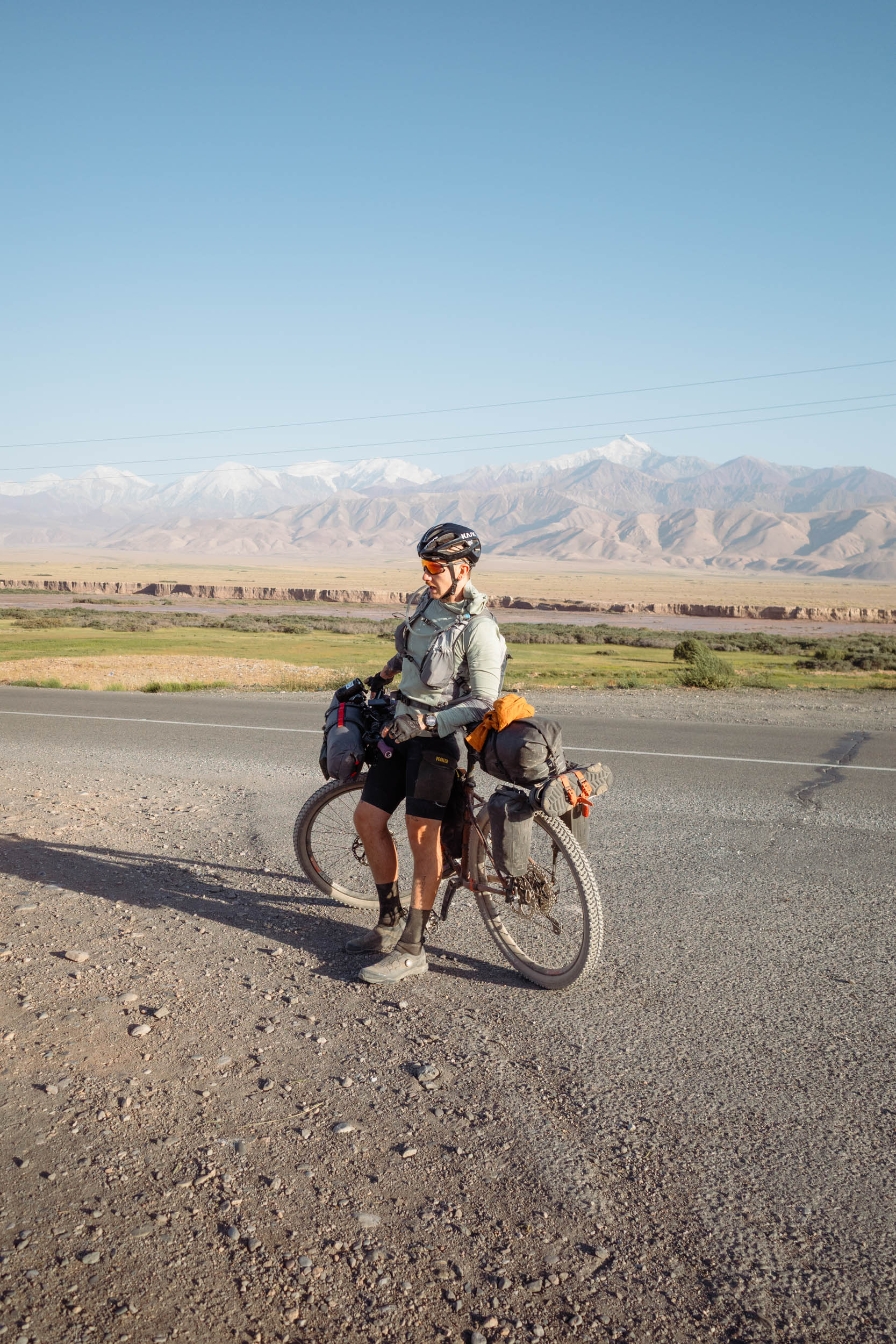
It was on the third day that I really settled into the race. With my Achilles feeling good, I settled into my aerobars on a long, gentle tarmac descent. Daylight faded, and I switched on my front light. People often question why you’d go somewhere as incredible as Kyrgyzstan only to ride some of the route in darkness, and I get it, but night riding is a unique joy of racing. There’s something special about it. I put on a playlist I listen to on every ultra, and each song triggered a strong sense of déjà vu. With just a small patch of light in front of me, I could have been on any one of those ultras, anywhere in the world, and feelings from all of those experiences came flooding back at once.
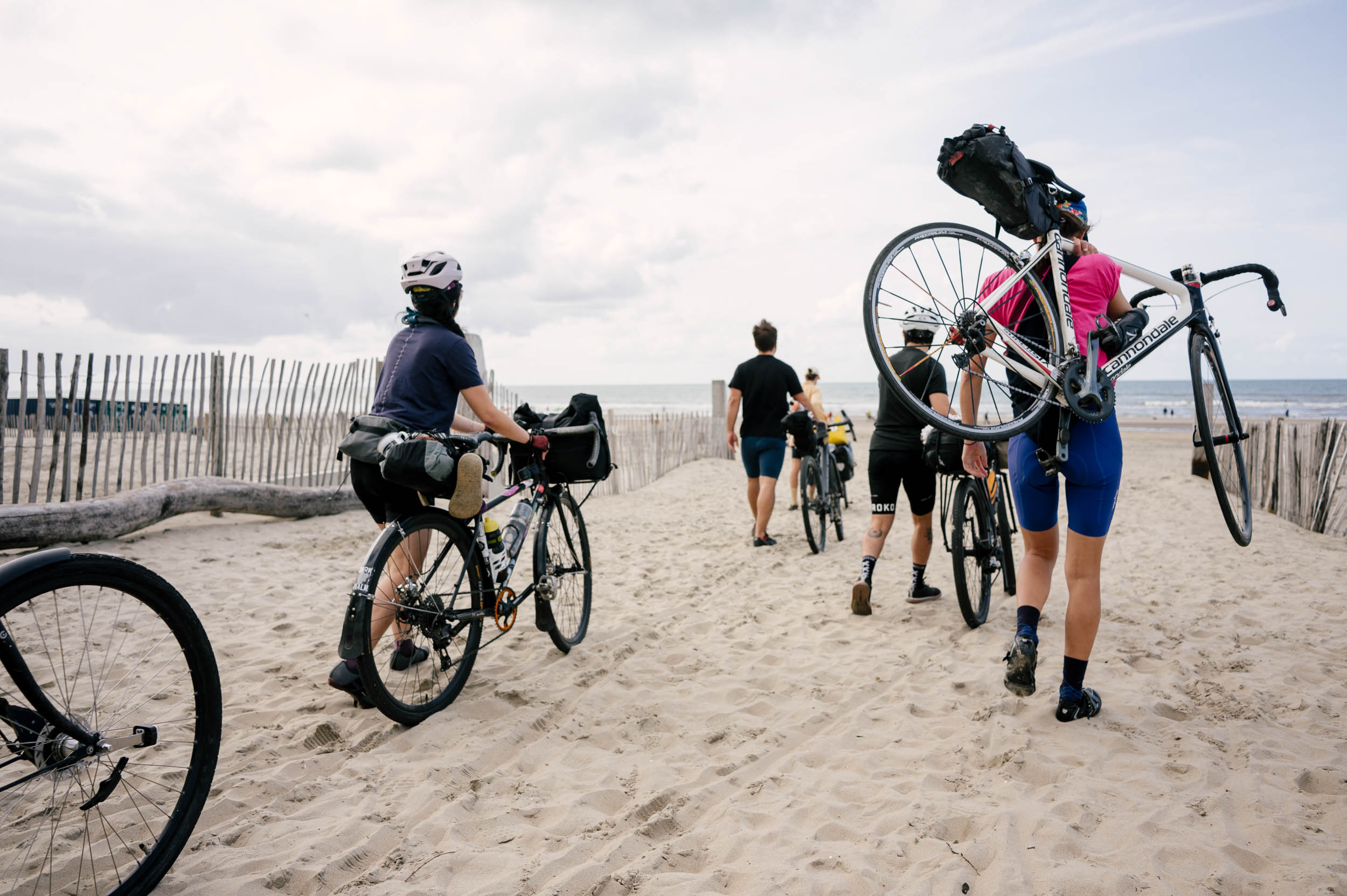
The Silk Road Mountain Race didn’t feel like a race to me, at least not like the ones I’d done before. I raced the rivers and the weather and ignored the tracker. I slept outside every night, often for a full eight hours, just so I could cross a raging torrent of a river when it was at its sleepiest. I switched shoes at crossings, hoisted my bike onto my shoulder, and scanned opaque brown water for the path of least resistance. Sometimes the river won, and I waited until first light to try again. My filter stopped working properly early on, and every time I filtered water, I hoped for the best. I ate Snickers bars for breakfast and finished most days with stale bread and hard cheese, shivering in my sleeping bag.


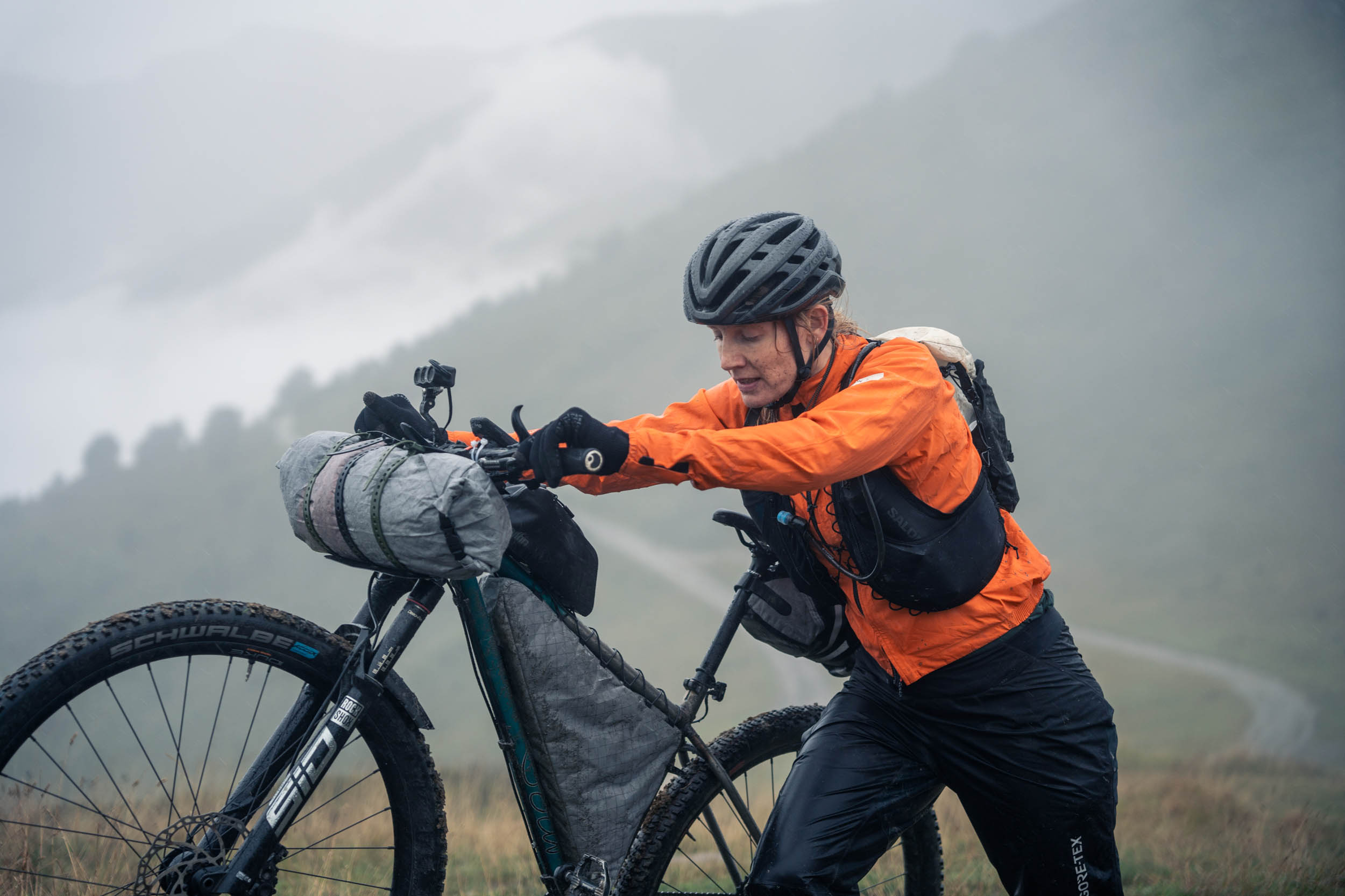
The physicality of the route was often relentless. I hiked my bike for 30 kilometres straight. Exposed goat tracks climbed steeply through loose scree and huge rocks that I had to lift my bike up and over, demanding more strength than I had to give. A descent that looked benign on the map turned into hours of pushing. On a plateau up at 3,500 metres, endless rain turned the track into peanut-butter sludge that jammed my drivetrain and wheels completely. As I struggled forward, it began to snow, and out of quickening desperation, I waded into a freezing river to clean my bike with my bare hands. The experience left me physically and emotionally depleted.


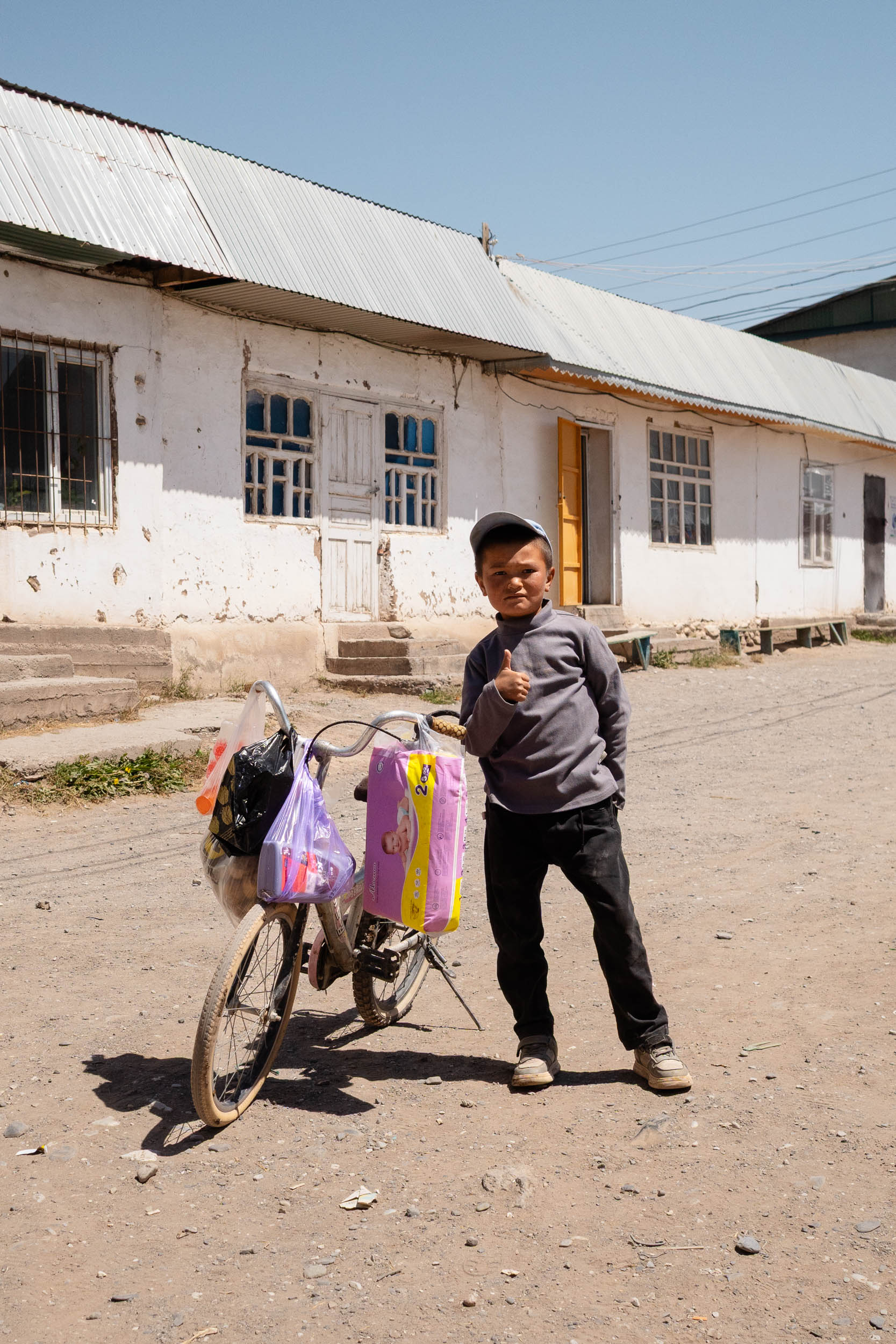

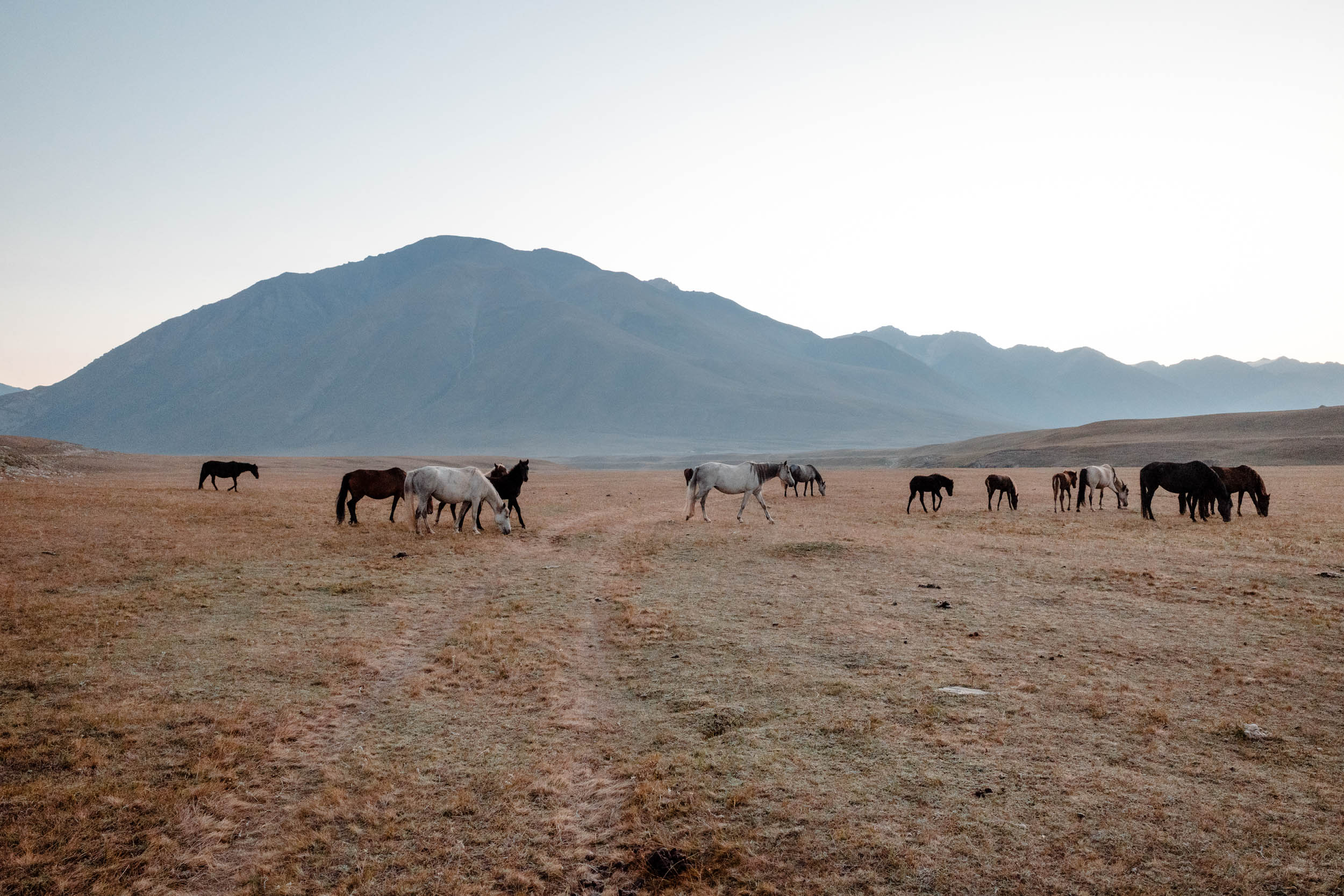
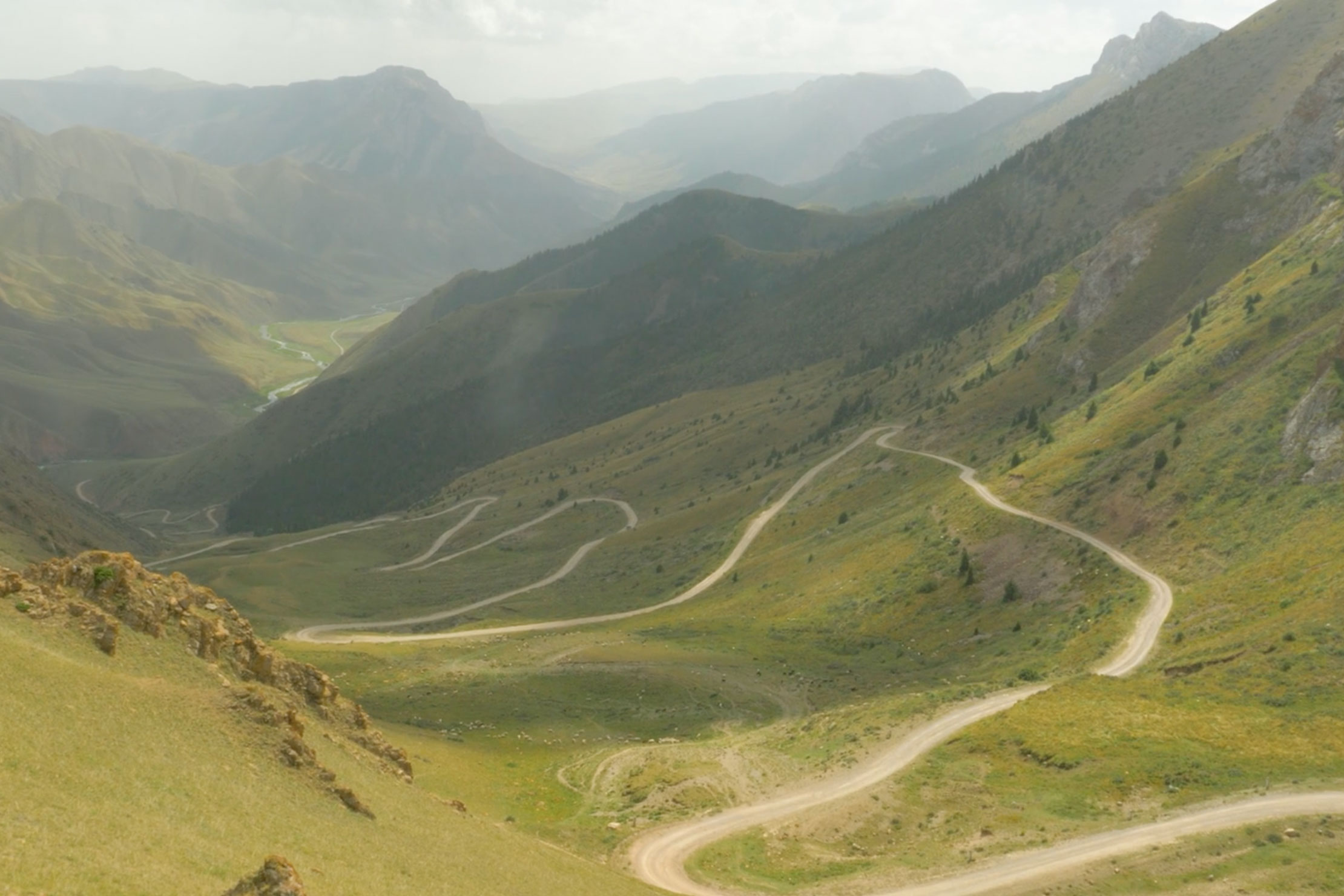
Every day, I saw a view more beautiful than the one I’d seen the day before. The scale of the place was truly hard to process. I rode alongside wild horses, then spent hours alone with only the sound of tires on gravel. I watched smoke billow from a lone yurt in the distance, the first sign of human life in hours. I passed hundreds of sleeping trucks up on the Chinese border road, as I made my way to the famous blue caravan, bundled up in every item of clothing I had with me.
I know I found the race really hard, not because I remember it that way, but because of the voice notes I sent my partner. Listening back after a few weeks had passed, I was shocked to hear how wrecked I sounded. They’re the only thing that brings me back to reality when my smooth brain tells me it was the best time of my life.
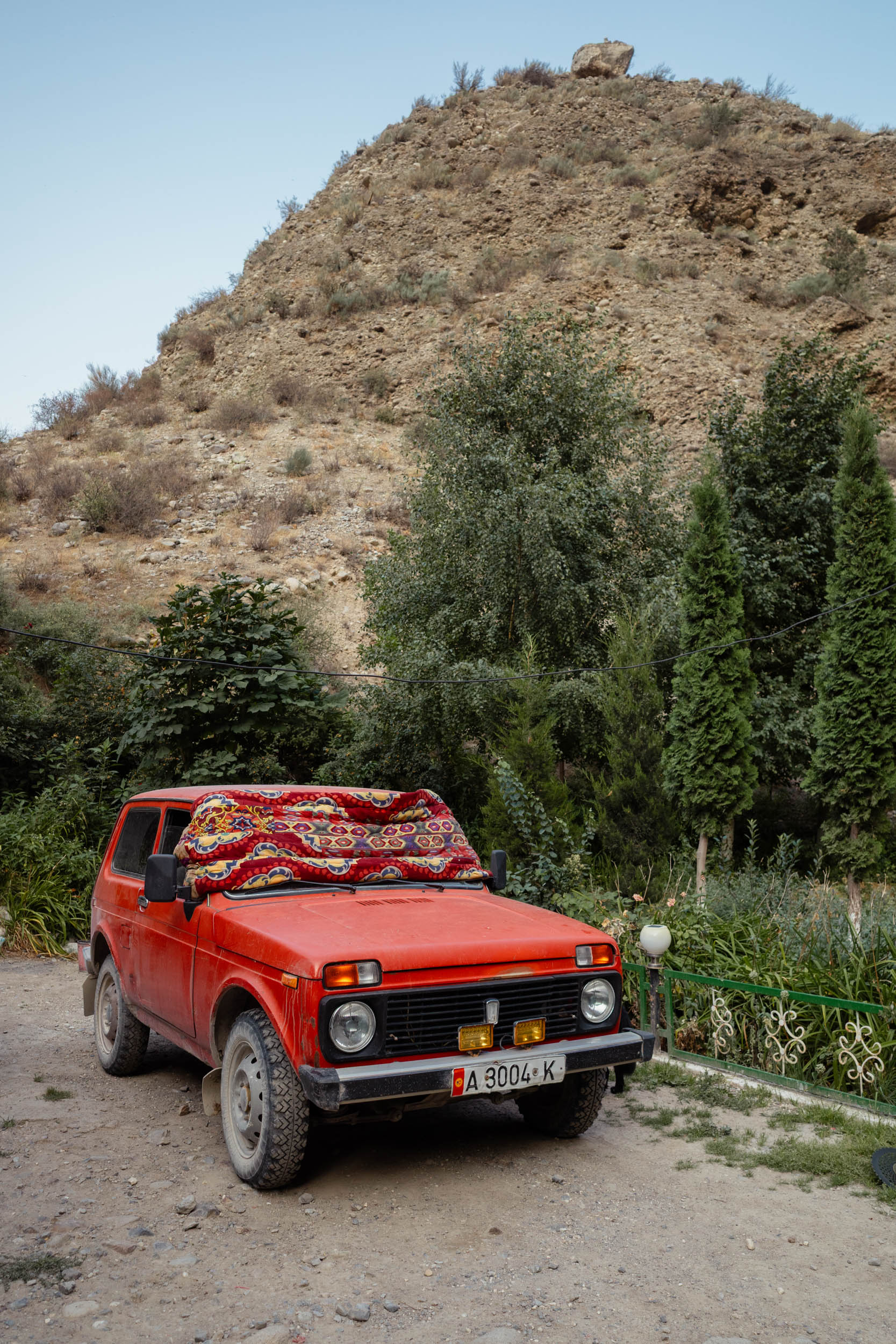


There were many moments that cut through the fatigue completely. Sharing hot food with other riders at checkpoints. Arriving at a Globus supermarket after days of eating not much. Seeing a snow leopard cross the road late at night on the final push—an impossibly rare gift at a moment I needed it most. Taking shelter in a yurt with a local family while snow fell outside. There was anxiety in stopping for 12 hours at that yurt, in watching time bleed away, but it remains one of the memories I cherish most.


The final 24 hours were dominated by hunger and headwinds. I misjudged resupply and had to ration, watching 10 minutes tick by on my head unit before eating a single Skittle. The last pass was slow and brutal, but the descent was incredible, and I savoured every second. Forty kilometres from the finish, I found a shop, ate until my stomach hurt, and rode the last stretch full and grateful. I rolled in around 9 p.m., third woman, twenty-fifth overall. The numbers mattered less than the feeling of taking on such a huge challenge and finishing it.
Silk Road Mountain Race was the first race I ever did that I immediately wanted to do again. Not because it was comfortable, or even particularly fun, but because it felt like a true adventure. It was a race where I felt the least in control, where what I wanted to do and where I wanted to get to was irrelevant. Kyrgyzstan chose the pace, and I just had to hold until it was over—and then immediately wish it wasn’t.
Further Reading
Make sure to dig into these related articles for more info...

Please keep the conversation civil, constructive, and inclusive, or your comment will be removed.