

 Singletrack/MTB
 Gravel/All-road
 Dirt-road Touring
 Fat-bike


Rider’s Lens: Shooting by Instinct with Pablo Selman



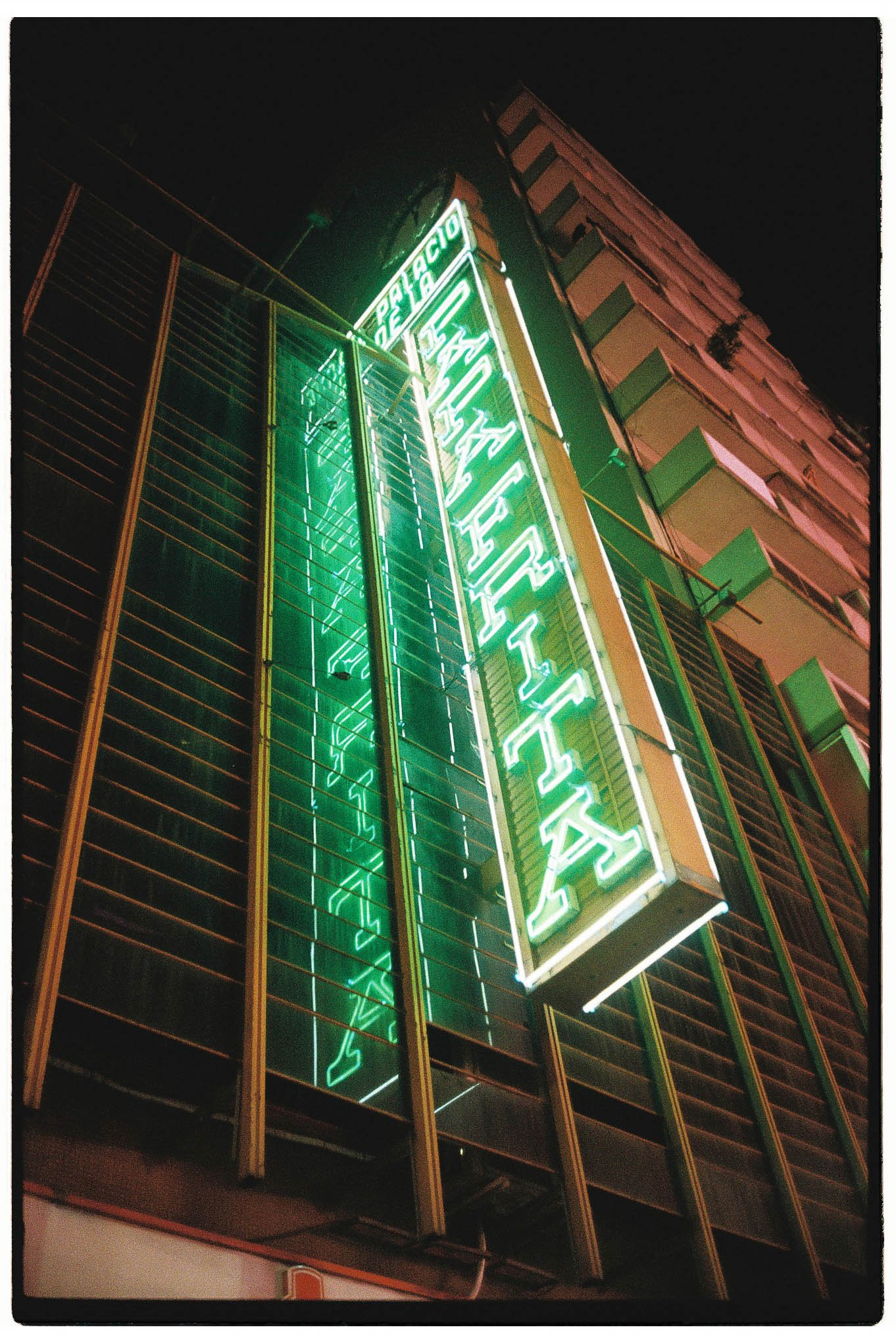
Our latest installment of Rider’s Lens introduces Chilean photographer Pablo Selman, who presents a selection of film and digital images documenting his new home in Colorado and his South American roots. Read Pablo’s story of learning to shoot from the saddle, flip through his printed photobooks, and learn about his way of seeing the world here…
PUBLISHED Aug 1, 2025
I’m Pablo from Chile, and a year and a half ago, life brought me to Boulder, Colorado, with little idea of what to expect. I’ve been working as a freelance photographer for the last 10 years, shooting for universities and community programs, so people have been the main subject of my work—humans doing humanities.

A couple of years ago, I founded a small publishing house focused on photobooks and artist books, and moving to Colorado gave me a new approach to photography. I primarily work on film for personal projects, learning all the processes at home, including developing and scanning. I love creating and growing my personal archive and family album. Photography has been part of my life since I was a teenager, and today, it’s my way of seeing and interacting with the world.
When I was a kid and held a camera for the first time, I fell in love with the beautiful little machine. Looking through the finder and seeing the world from a different perspective made me want to discover and rediscover everything I had seen up until that moment. Then, when I was a teenager, I shot my first roll of medium format film. After that moment, my life with a camera in my hand began.


I have always been a shy person, which made it hard for me to fit in with groups and meet new people. Being a photographer helps me to have a purpose in a community and to connect with people. In Chile, I documented the underground music scene and found many friends in those spaces. When my approach to photography became more serious, I started connecting with photographers who shared the same language of images. At some point, I realized photography would be a permanent part of my life.
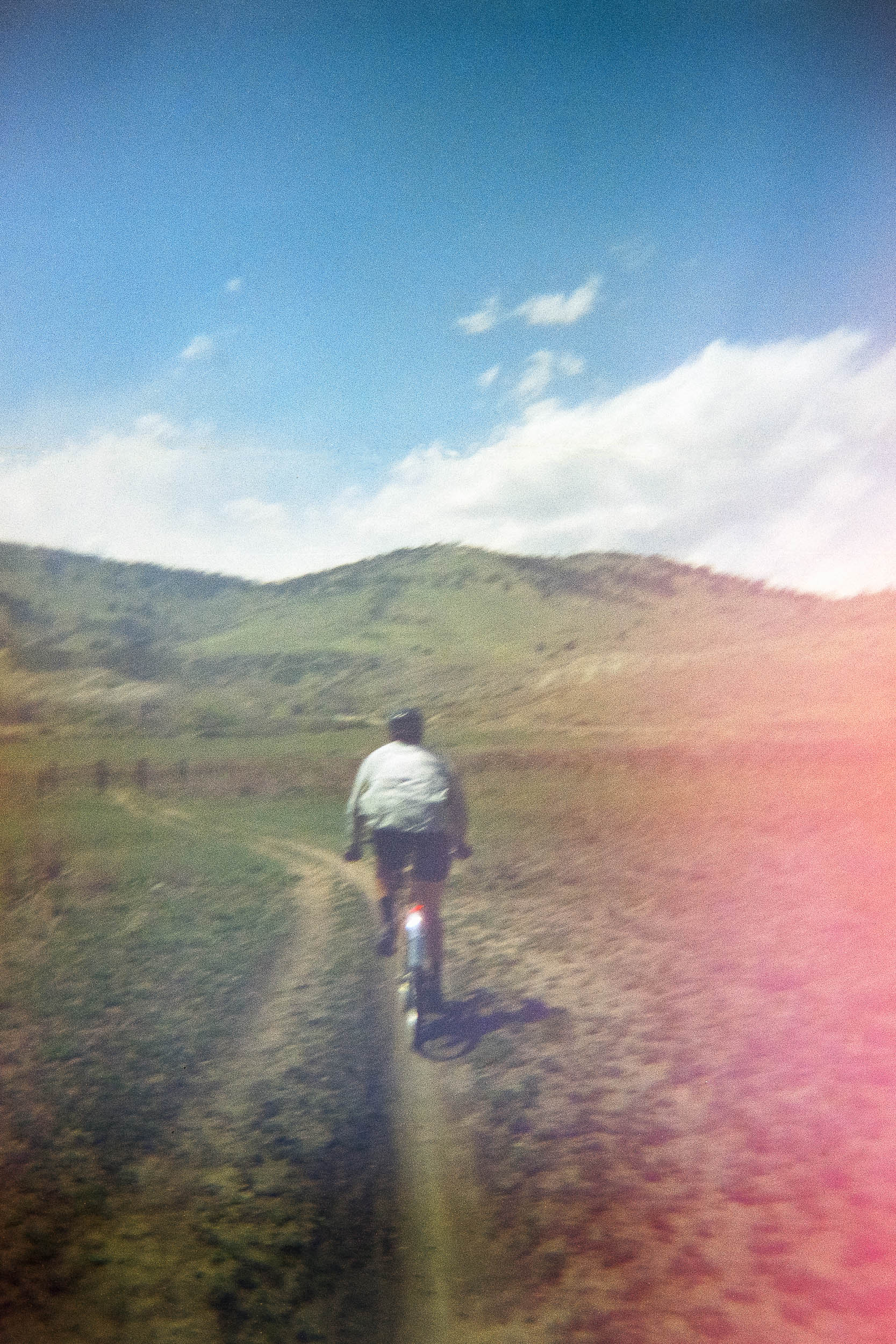
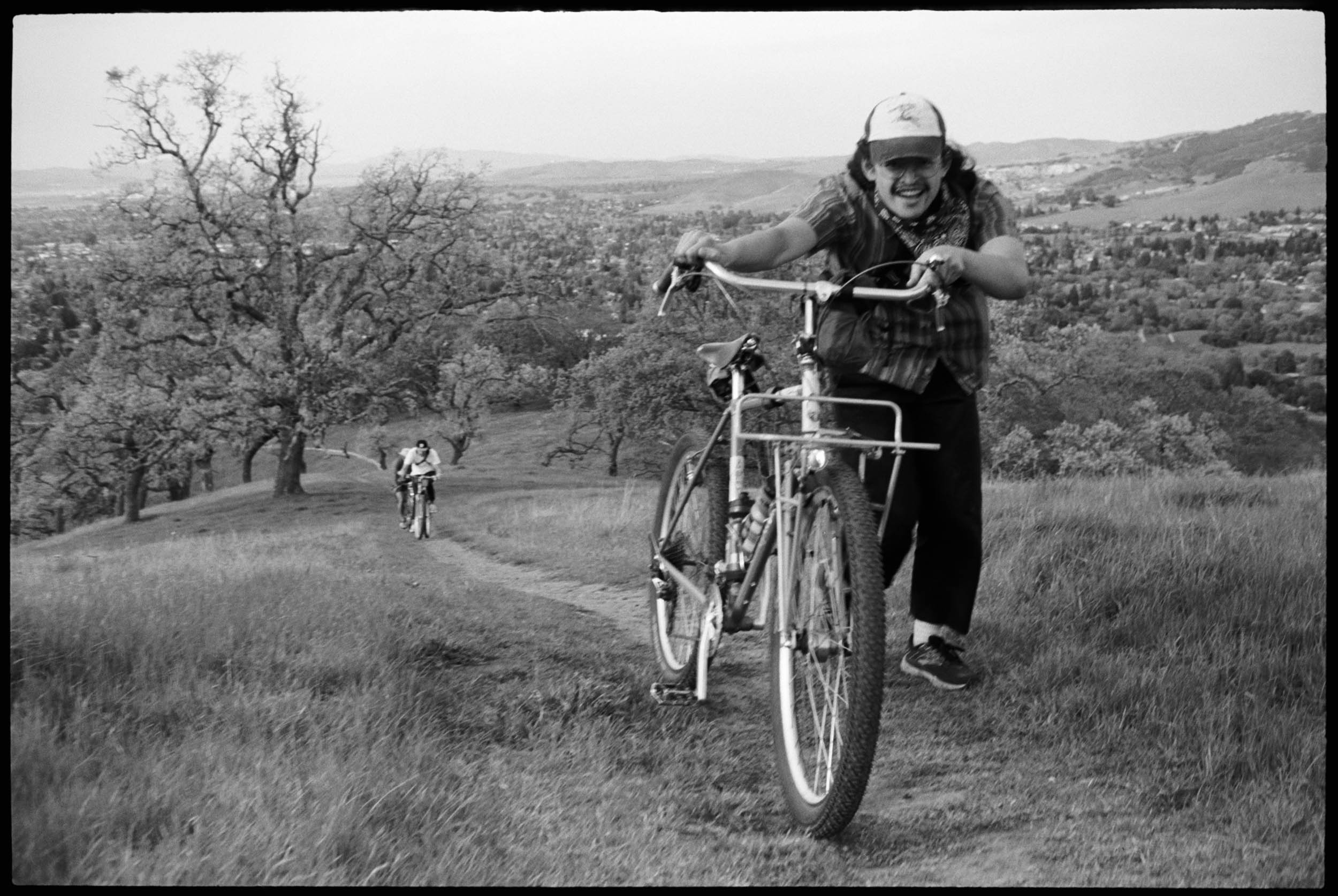
I like the idea of the photographic habit, almost like an obsession. When I moved to Boulder and started riding bikes more regularly, it seemed only natural to take a camera with me. First, I took the digital to practice and figure out how taking pictures and riding at the same time worked, and after some test rides, I started bringing my film cameras.
Taking photos during bike rides has presented an entirely new way of approaching photography. I love to shoot from the saddle, play with the shutter speed and low light, try different lenses and cameras, and shoot by instinct. It’s a very loose and spontaneous way to document my rides. There is a lot of room for error, and it’s always a challenge. I enjoy documenting various styles of rides. I see biking and bikes as an extension of people’s personalities, and it’s always fun to chase after riders to capture some great moments.


Moving to a small city in Colorado allowed me to spend more time outside and meet new people who are passionate about sports. This led me to explore the mountains more and realize that I can spend all day running or riding. Of course, I also like to spend time with my family at home, playing with my cat and dog, hanging out with my wife, reading graphic novels, and watching movies. Sometimes, we miss the big city life, but it’s been nice to have a slower pace of life.
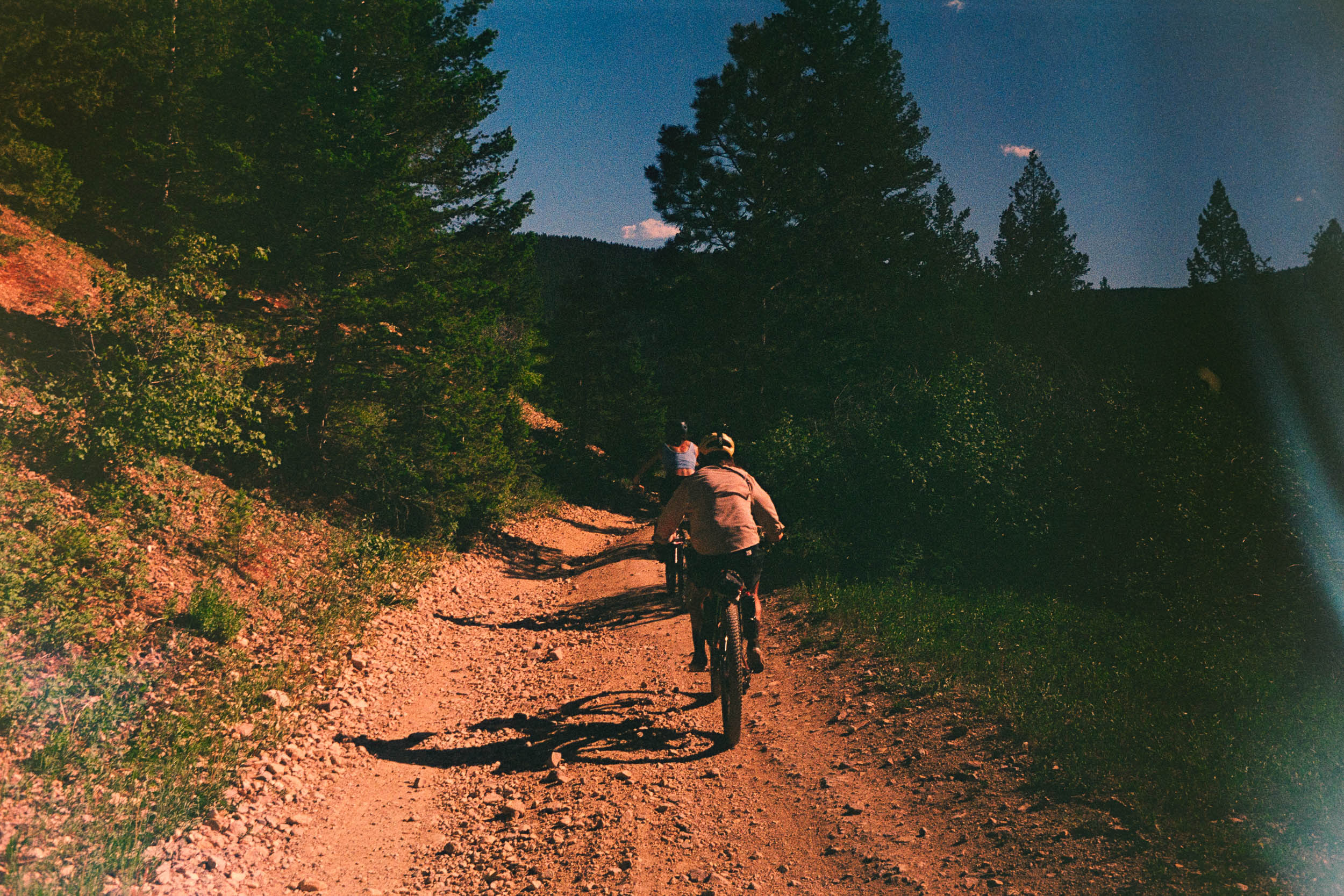


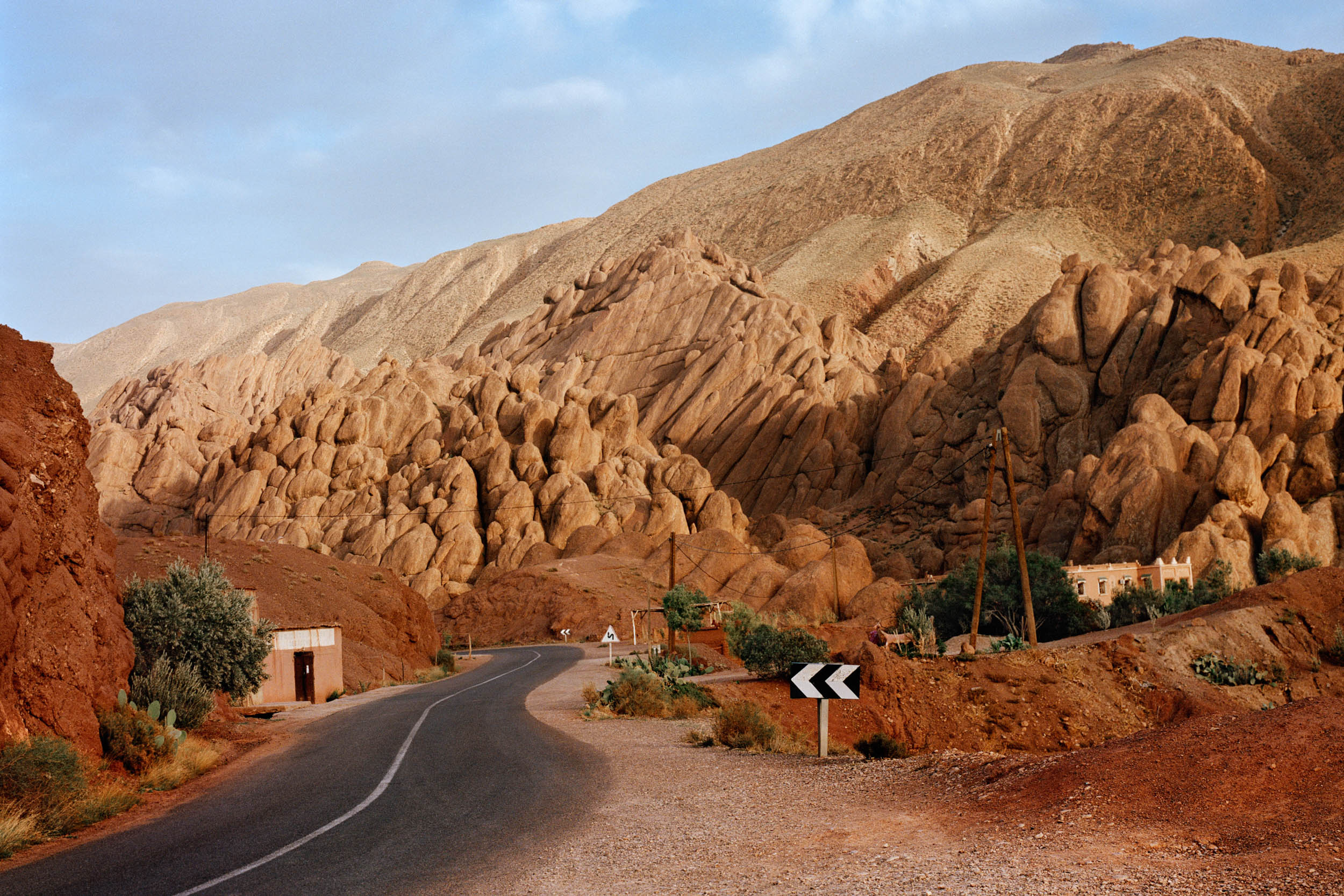
I enjoy working with cities and capturing how people interact with them. Every time I travel to a new place, recording it in photos is a top priority. Getting lost in a new city and discovering it through the lens is usually the theme of the trip. Documenting people and their lives is truly inspiring. Knowing their stories, the places they live, and how they mesh with their communities through their work is always a thrilling experience that inspires me to keep doing my job.
One of the leading photographers who has inspired and influenced me to be more serious about photography is a Chilean photographer named Marcelo Montecino. He’s been walking around with a camera in his hand since the 1960s. He photographed all the important conflicts in Latin America and also created a visual archive of Santiago throughout his more than 50-year career. Beyond photography, music has always been a part of my life. The creation of moods and atmosphere through sounds inspires me to produce something similar through images. And the Argentinian writer Julio Cortázar has inspired me to create short and simple tales, but in my case, with photographs.
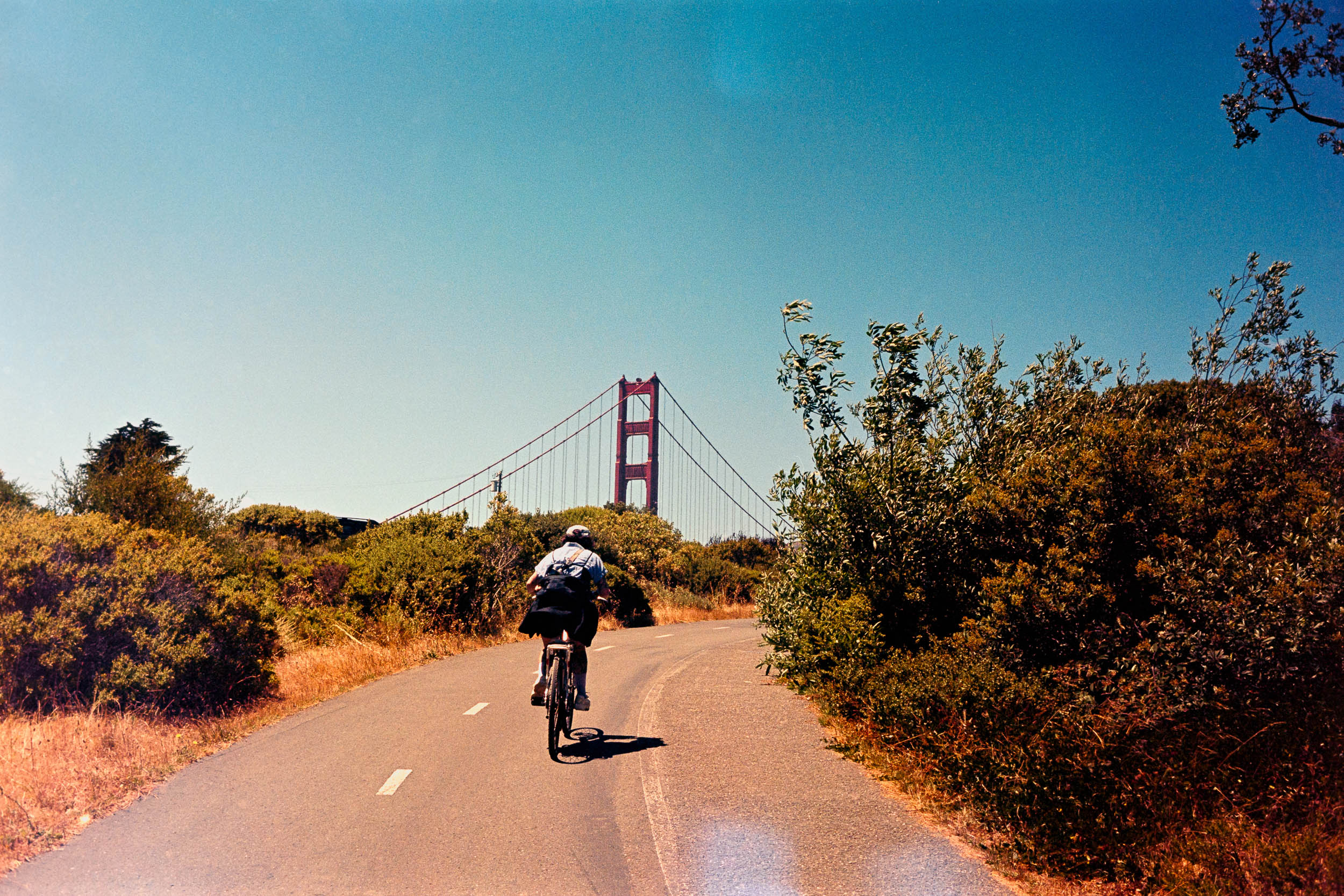


That led me, a few years ago, to create my own photographic publications. During the pandemic, I got obsessed with the photobook world. There, I discovered a captivating approach to visual narratives, utilizing the book as a medium beyond its printed pages to a material object that conveys stories through its physical characteristics. Photobooks, fanzines, and artist books are my go-to medium for telling stories.
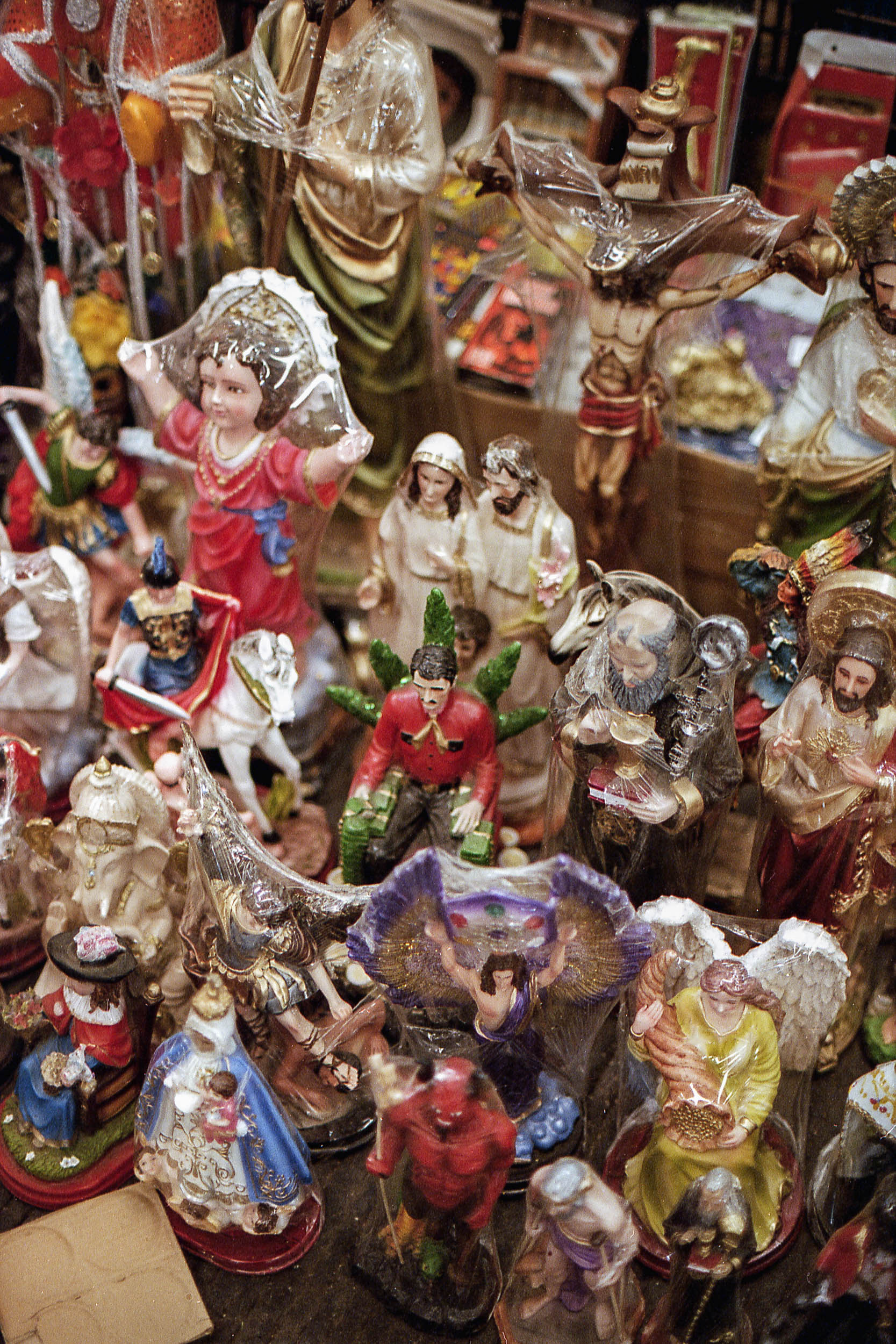


Everything is going to the digital world these days, and printing and materializing images seems like an act of resistance and an exercise of memory. Working with film also brings me that feeling. The creation of archives we can revisit in the future with new technologies means the analog format is never outdated. It’s like riding old mountain bikes. Shooting with sturdy cameras made of brass feels like the real deal. You learn a lot about the technical aspects of photography and can create your own style of shooting and visual language.


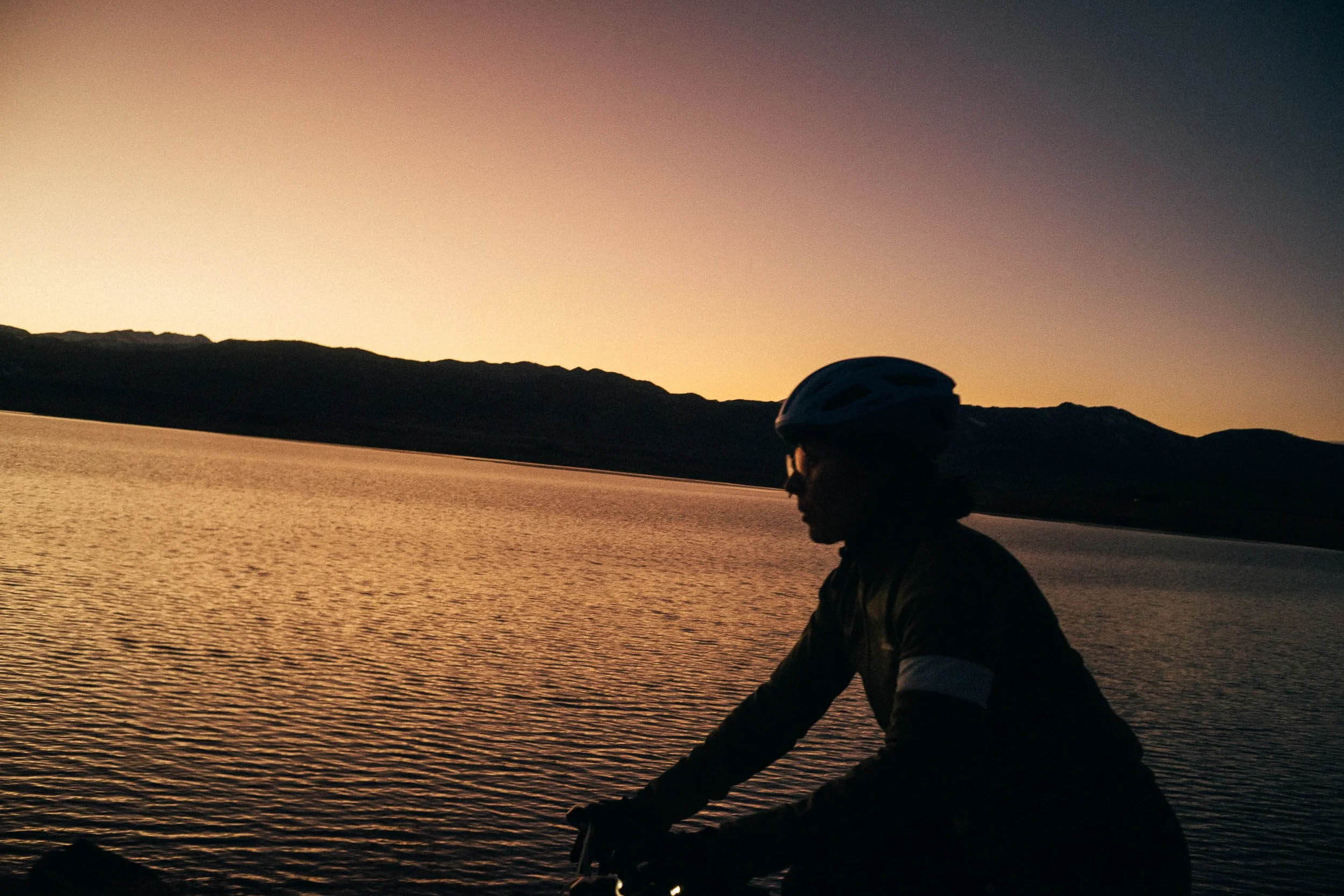

When I started taking pictures, digital cameras were uncommon and really expensive, so I naturally began with a film camera. One of the things I like most about film is the creation of a physical archive, something that, if well-maintained, will last for many decades. This archive, with the passage of time, will remain.
Currently, I’m pursuing a professional art degree, which has led me to adopt a more theoretical and philosophical approach to photography. This perspective enables me to understand the impact of images and how they contribute to shaping our memories and histories. After years of making pictures and creating images, you develop a deeper understanding of these images, and it makes you wonder about the future of your work or its purpose and contribution. During my studies, I’ve realized that the spontaneous documentation of daily life helps with the creation of communities’ archives, not only in a descriptive with, but also as an emotional register that can trigger emotional memories. These memories can create a common identity in a community.


Photography has had a profound impact on my life. Above all else, I’m a photographer, until the day I die. Every professional or personal decision will have some photographic input. I would love to work in a museum or image center where I can collaborate with others to explore and understand the past through photos and images, helping us know where we came from and why we are the way we are. Working with photography without taking photos seems like a good way to keep growing and learning in this world of images.


My advice for anyone interested in pursuing photography is to never stop shooting. Even if you’re just walking to the shop to get some groceries, carry your camera with you. You never know what you’ll see on the street. Document your family life and create your family album. Take pictures of your mom, dad, and loved ones. Take pictures of your friends and transform those moments into photos you can see again in the future. Be part of and document your community. Create memories in the shape of pictures.
Pablo’s Photography Gear
I use a mix of film and digital cameras. My digital is a Sony full-frame mirrorless with old Canon FD manual lenses. For film, my favorite camera is the Canon P with the 35mm f/2. It’s an all-mechanical camera, so it doesn’t need batteries to work—one less thing to worry about. Sometimes, when I ride alone for photographic purposes, I carry a medium format camera (Mamiya C220) and a Sekonic Digilite F for a light meter (or the Lux app on the phone). It’s a slower camera, and it’s kind of impossible to shoot with that thing while riding. My other option for medium format is the Holga, a really fun and light toy camera. I use a Peak Design strap that I can move easily from one camera to another, and a bungee strap with a carabiner hook to keep it fixed on me while riding rougher trails.
Featured Image

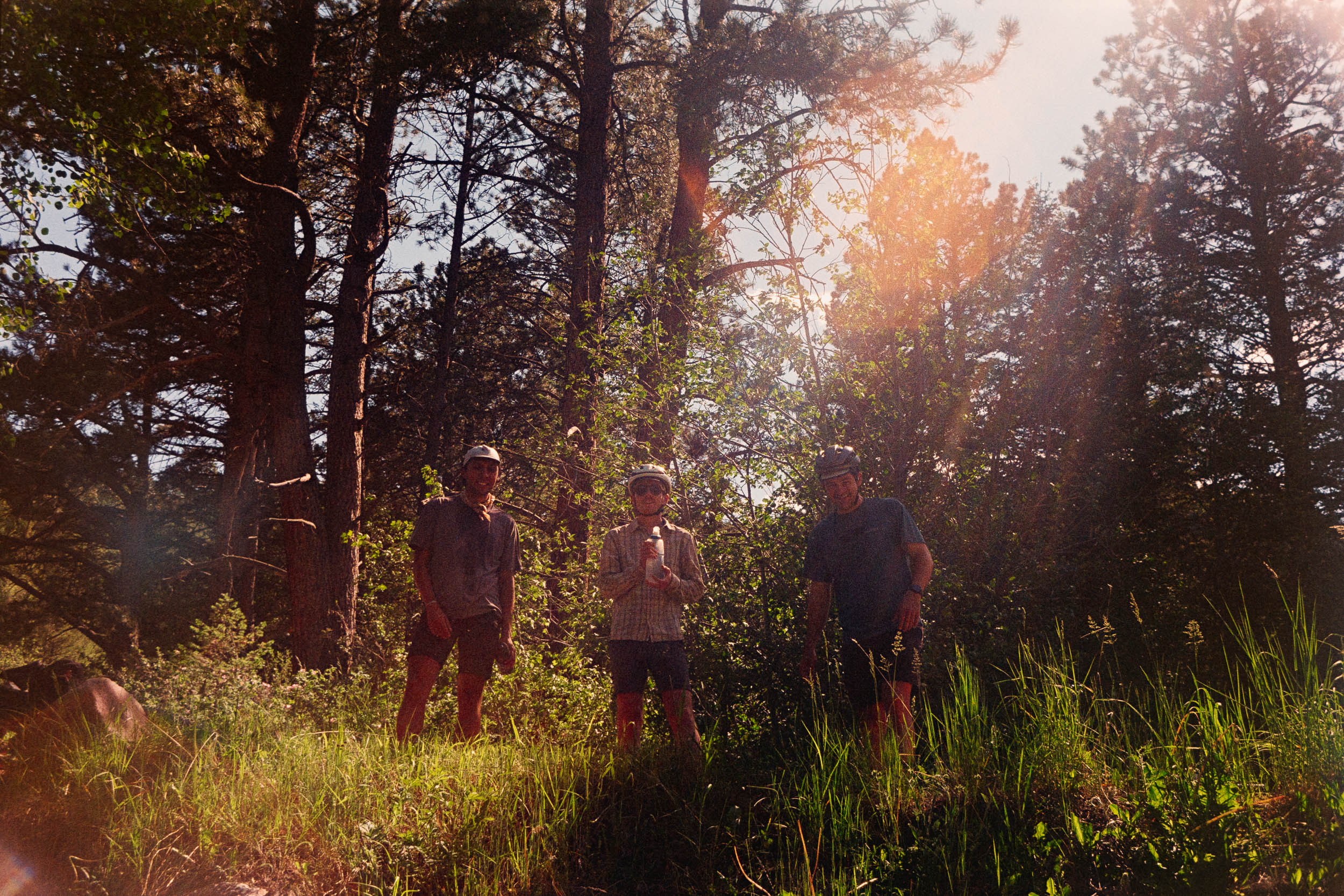
Colorado, 2025. I shot this photo the day I rode this year’s Brevet New World, which was my first ever bike event and my first time riding 200 kilometers. It was probably around noon. We had a really tough morning of riding on peanut butter mud trails, and it took us forever to get to the gas station. It was the first calm moment of the day, and the sky cleared to reveal a beautiful view. After the stop, we had a super fun ride all day. We completed the brevet with dignity, and I’m very happy with my photos from it. This image reminds me of a good day with friends, and is also a good depiction of what “home” means now.
You can explore more of Pablo’s work at PabloSelman.com.
Further Reading
Make sure to dig into these related articles for more info...

Please keep the conversation civil, constructive, and inclusive, or your comment will be removed.