

 Mountain Bike (MTB)
 Gravel Bike
 All-Terrain Bike (ATB)
 Fat Bike


Wheels Over Warlands: Bikepacking The Balkans

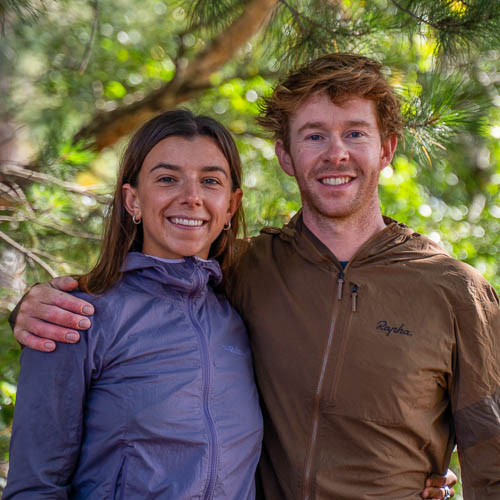
Last summer, Alan Danby, Britt Walker, and Ben Luckett connected for a two-week bikepacking journey across the Balkans. Their dynamic ride through the rugged region offered an up-close look at some of Europe’s most spectacular landscapes and a country still grappling with a painful recent past. Find a pair of videos, a brilliant gallery, and a story from their trip here…
PUBLISHED Jun 19, 2026
Videos and additional words by Ben Luckett
The Balkans boast a landscape of profound contrasts, eye-opening sights, and unexpected experiences. It’s a region that still shows the scars of brutal conflict, lingering quietly in the buildings, monuments, and memories of the locals. However, today, it provides some of the most beautiful, secluded escapism that Europe has to offer.
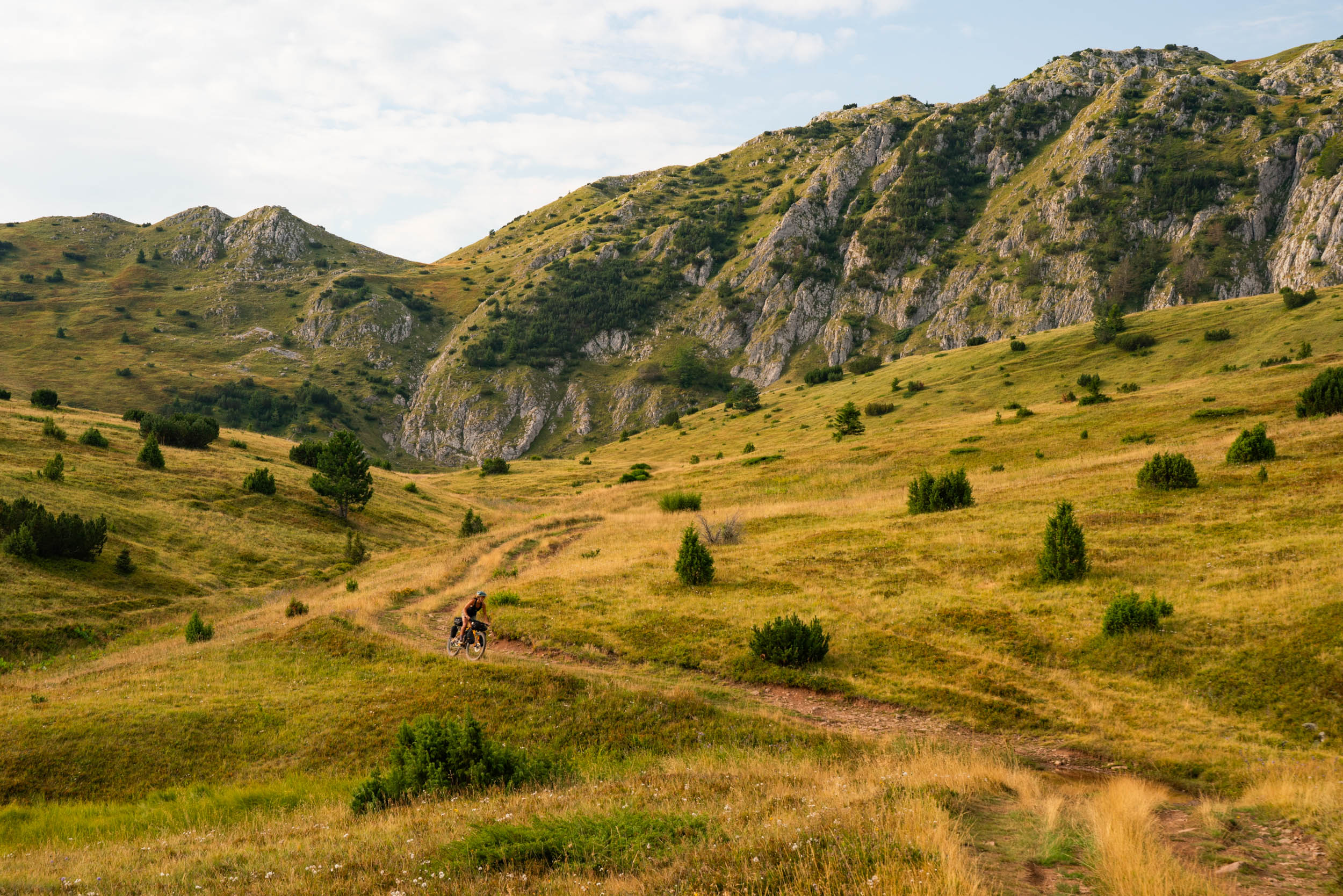

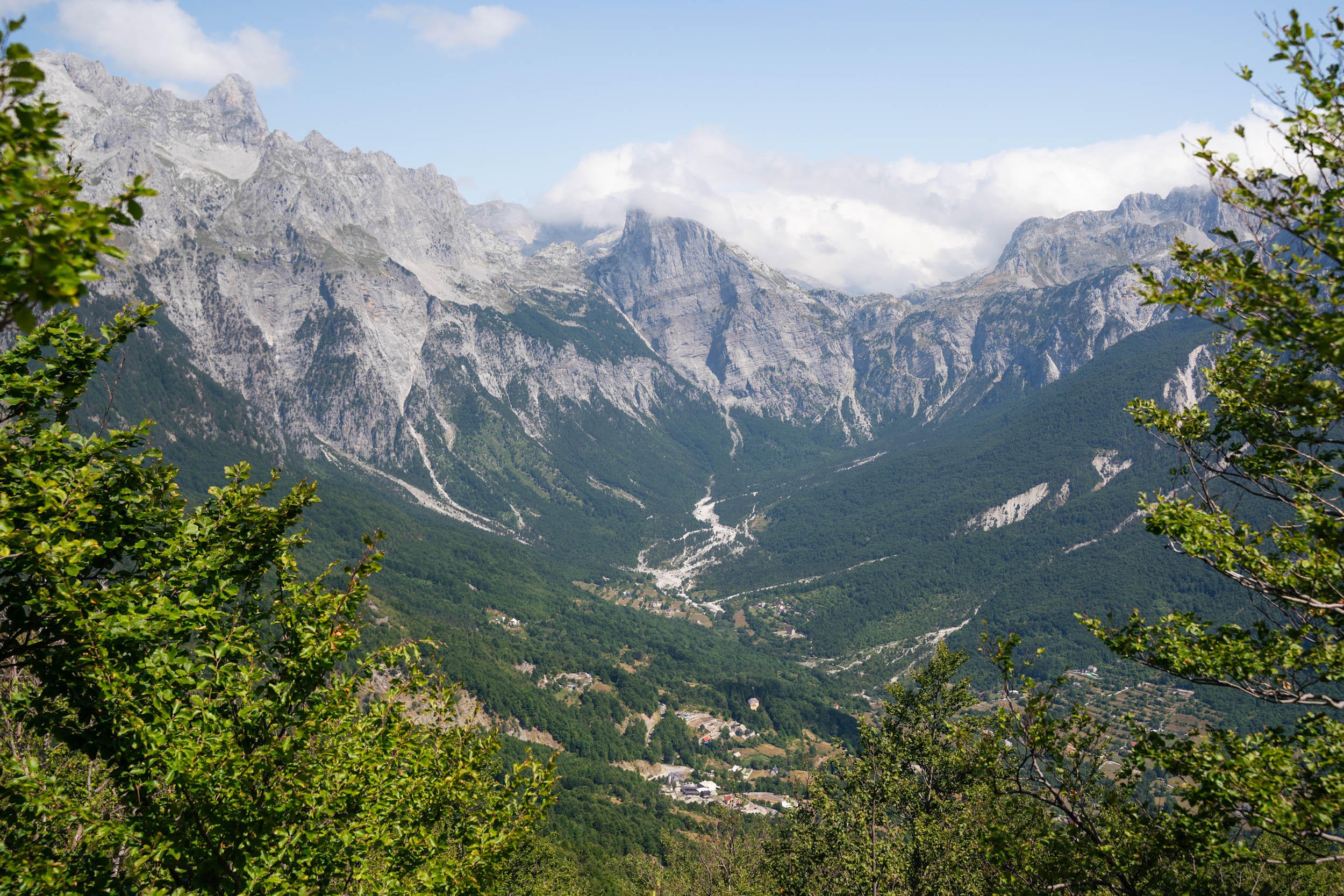
There were three of us on this trip, together taking in over 500 miles of remote wilderness, from the rolling mountains of Montenegro, across the rugged spine of Bosnia and Herzegovina, and down to the edge of the Adriatic in Croatia. This wasn’t a journey defined by speed, but by persistence and moments of poignancy in these old warlands.
Heated Beginnings
Montenegro
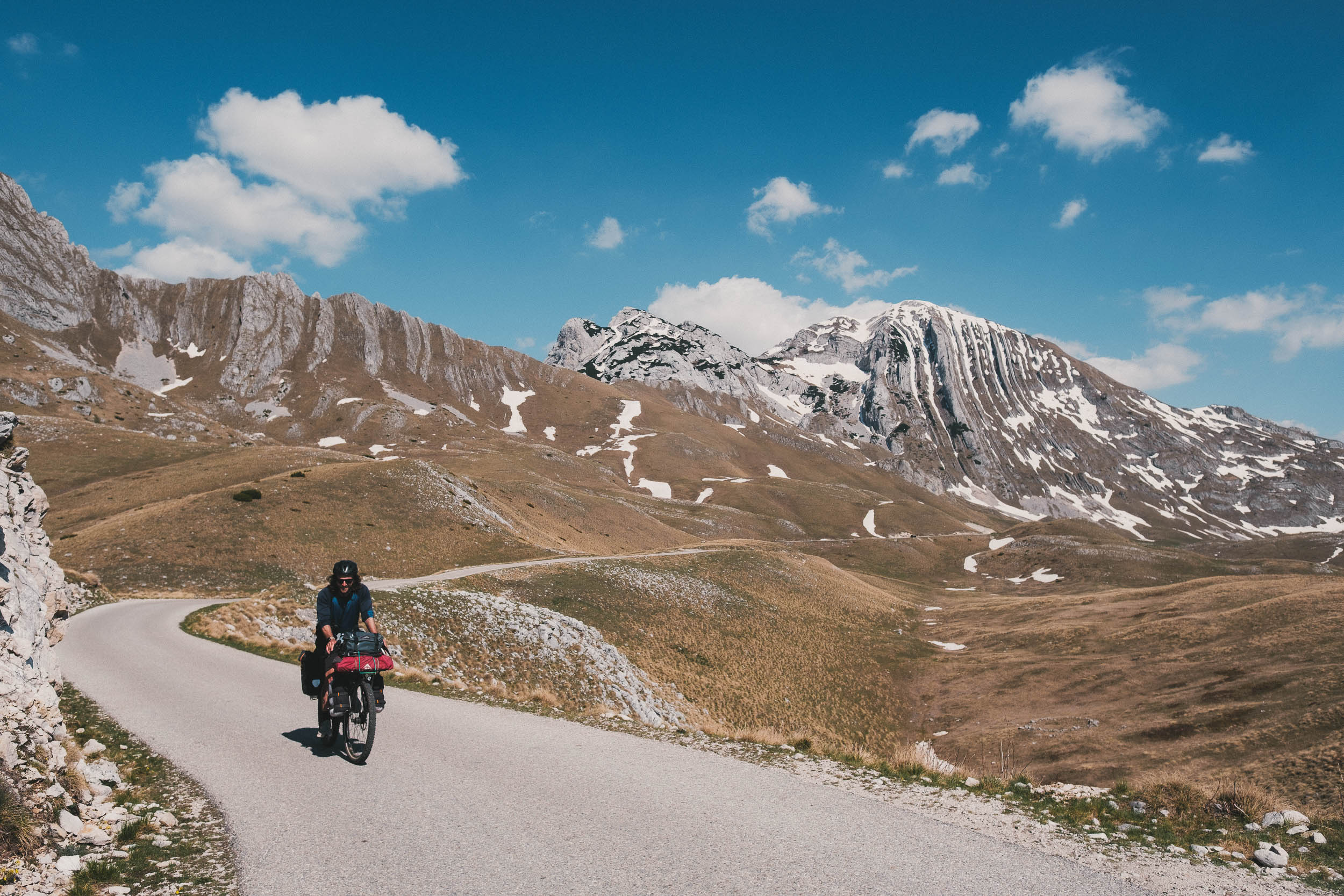
Our journey began in the small mountain town of Niksic, a bustling place well connected by train and sitting on the edge of the Dinaric Alps. It was the first time we had seen each other in just under a year, so we spent the first evening planning, eating, and having a chuckle over a beer. Day one threw us straight into the deep end: the combination of relentless climbing on hot tarmac and temperatures reaching 38°C. By the afternoon, there was a storm building at our backs as we entered Durmitor National Park. We reached our campsite with lightning on the horizon and looked for a spot to pitch our tents before darkness fell.


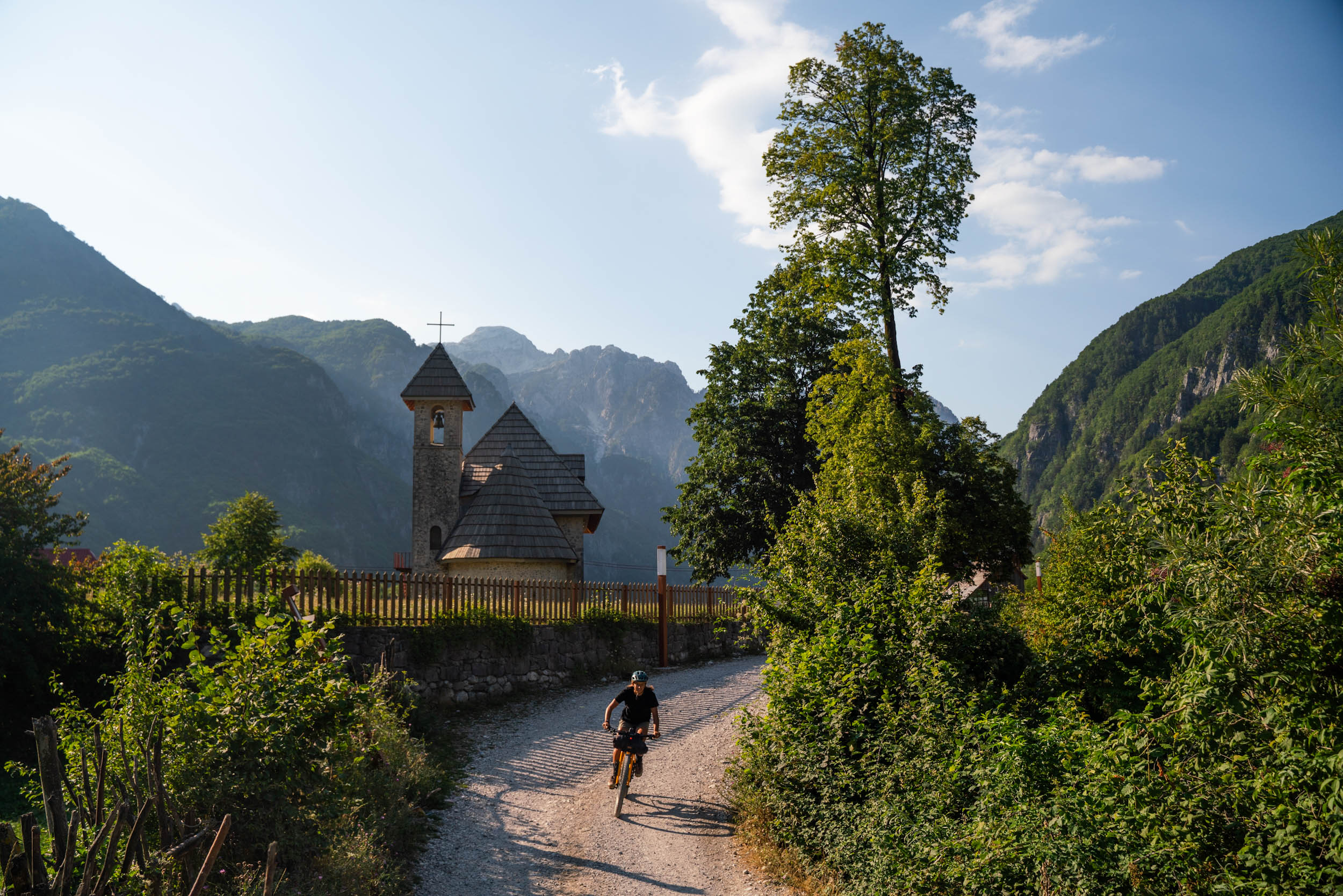

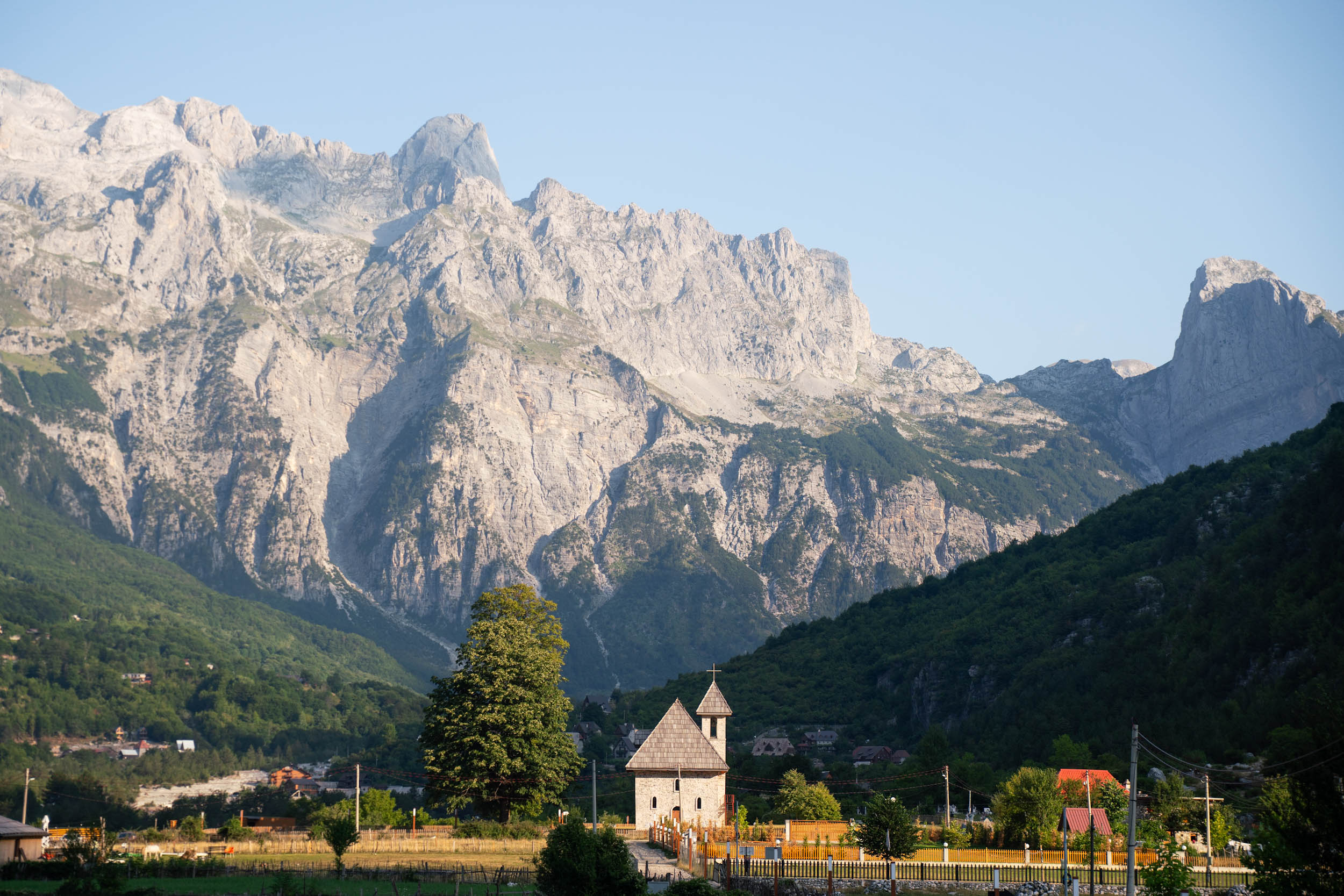
We awoke to the orange glow of the sun hitting the jagged white rocks in the mountain peaks around us. Having climbed up into the park the night before, we now had a day of rolling hills and big descents into Bosnia and Herzegovina. The roads were like a dream, smooth and flowing. As we got close to the border, we expected an off-road section, but to our surprise, it had just been tarmacked, and we enjoyed a long ribbon of fresh road that felt like a racetrack. No cars, just us flying along. We crossed the border over a rickety wooden bridge at Scepan Polje. It didn’t feel totally legit, but we made it through. We camped at a white water rafting centre where we were served goulash and beer.

Remoteness and High Mountains
Into Bosnia and Herzegovina
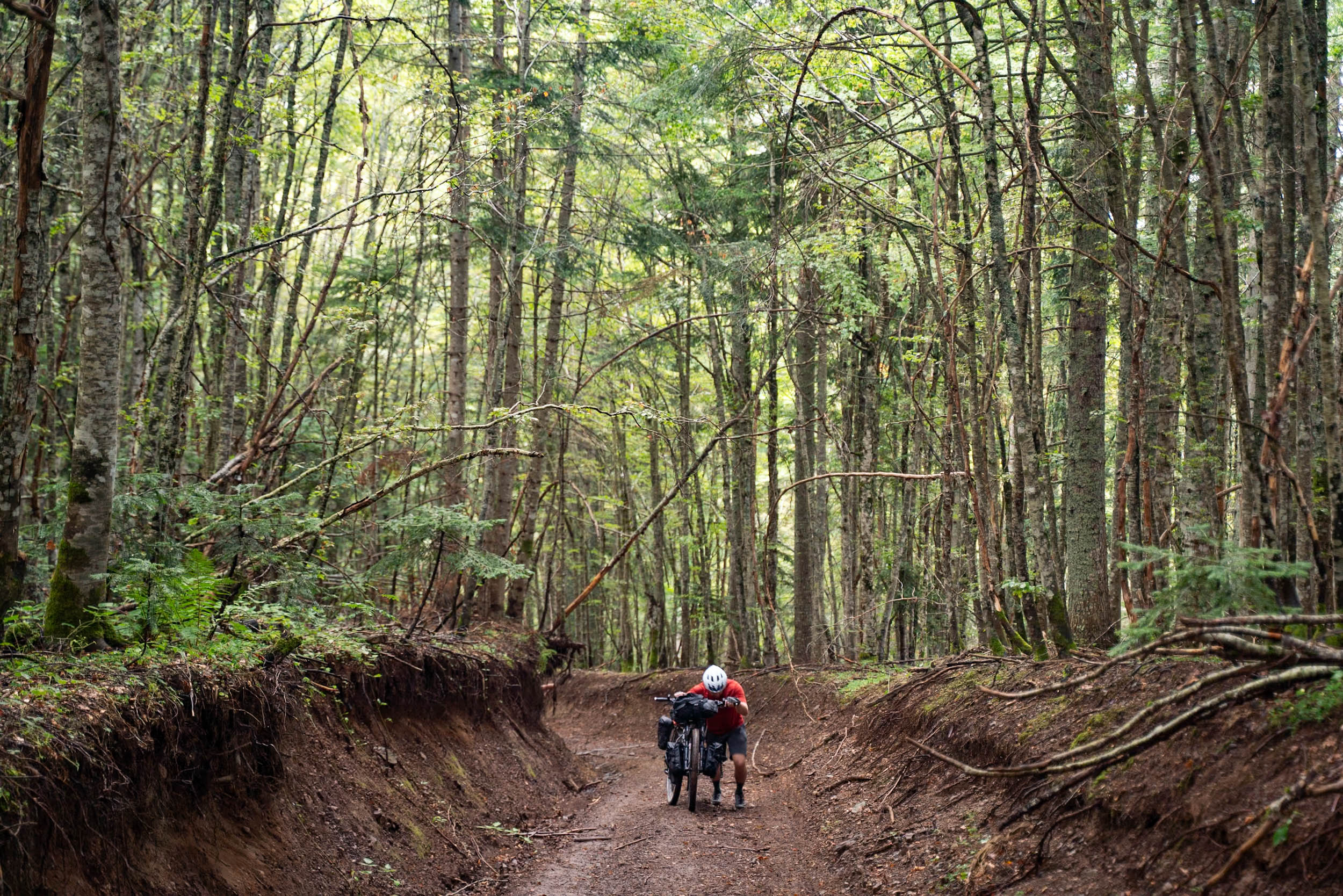
The Bosnian mountains quickly humbled us with breathtaking scale. After climbing all day through remote woodland, the sky turned purple, and the rain quickly caught up with us as we finished our climb up from the border. The trail was muddy, leaving us with a steep hike-a-bike to the summit, all while keeping a watchful eye out for bears in the dense tree line. With lightning all around, we set camp just below a saddle on the edge of Sutjeska National Park at around 1,600 metres. We spent the evening watching the sky light up and listening to the clang of cow bells filling the valley. This place felt so remote, the sense of adventure had truly set in, and we were feeling a touch of apprehension about just how small we felt in this unknown country we had only just arrived in.
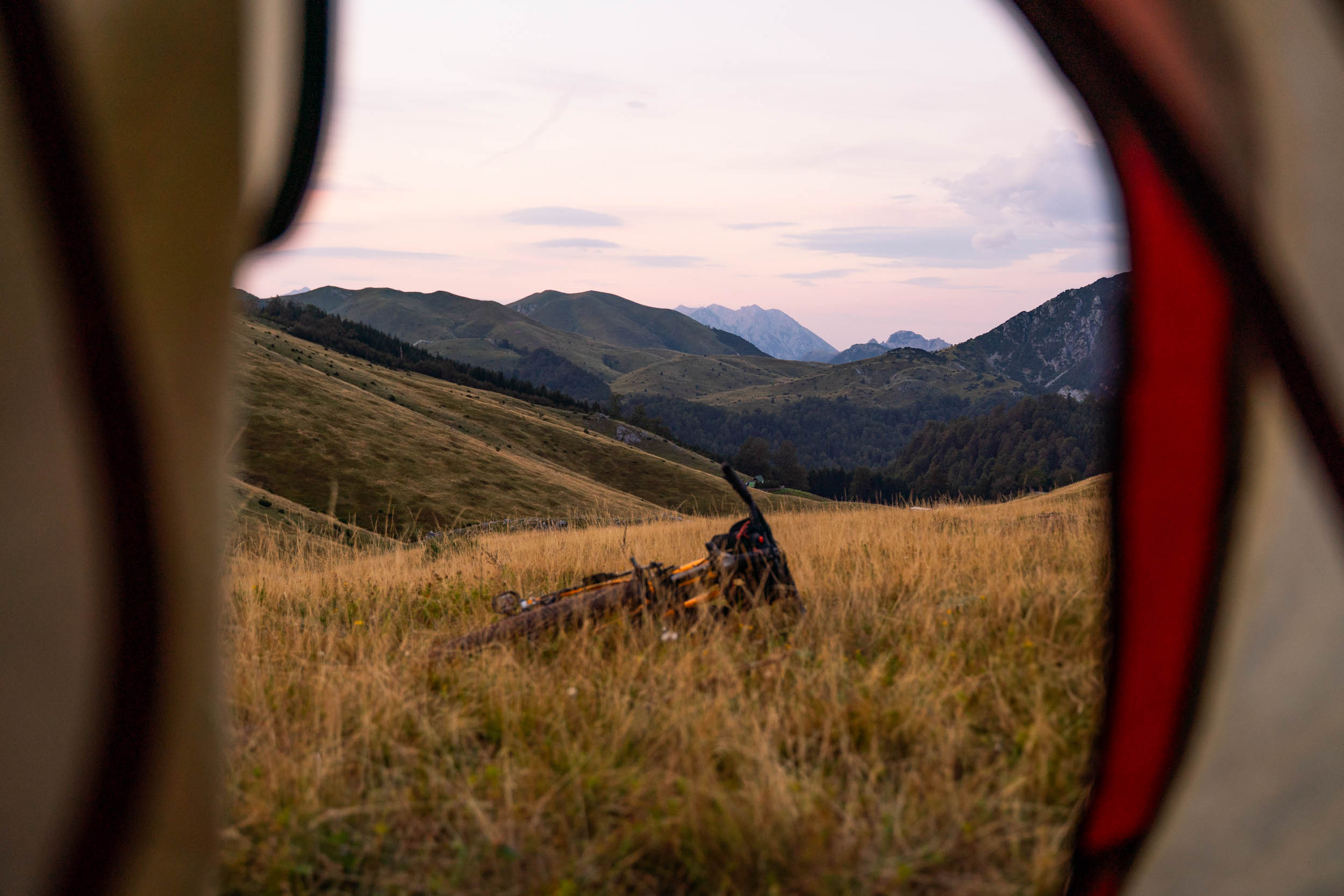
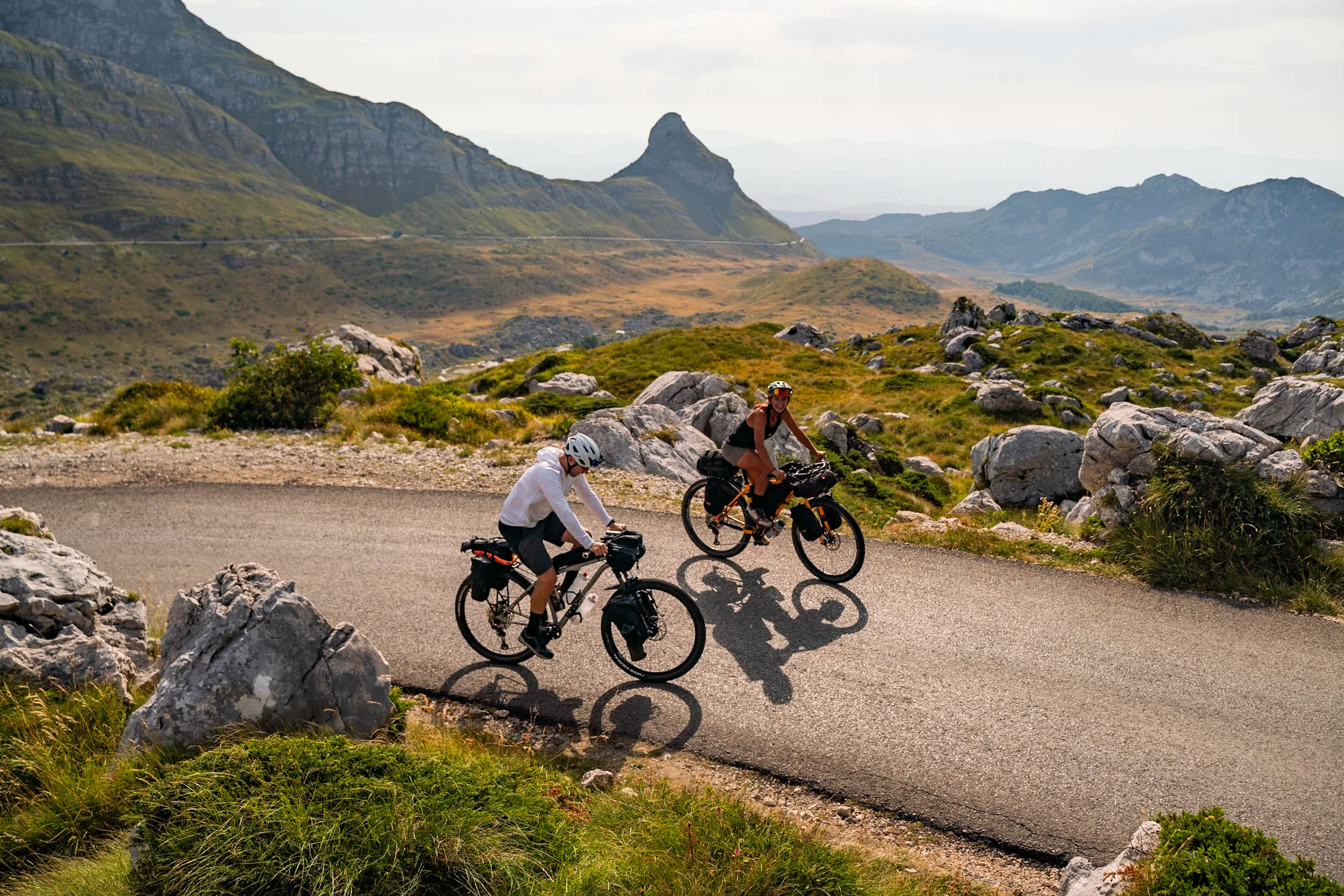

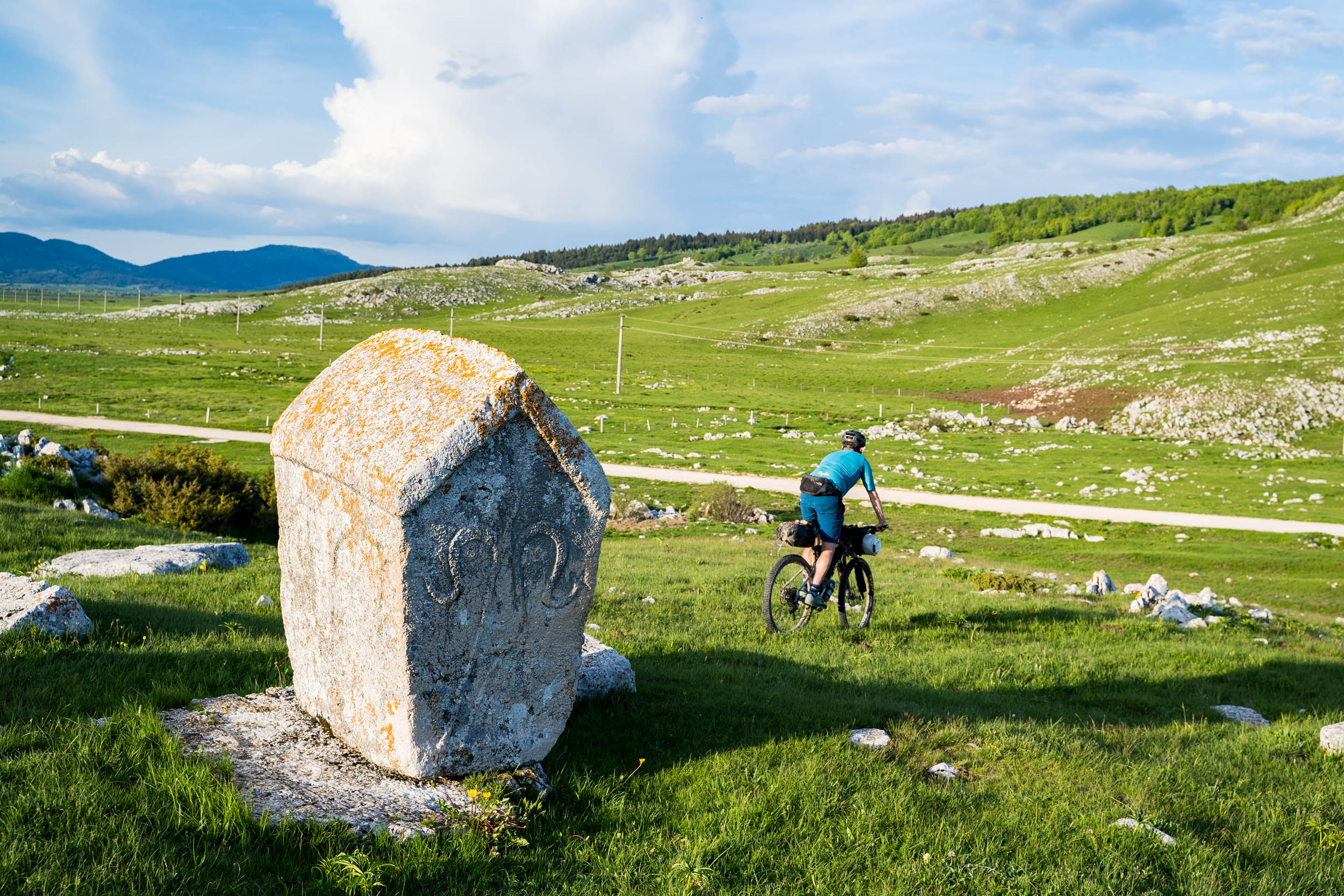
The morning light brought a deep, fiery yellow glow to the mountains, the long grass swaying in a light breeze around us. We set off deeper into Bosnia, passing through small settlements and farmland, where we saw the first memories of the Bosnian War: an abandoned military outpost with concrete gatehouses and barracks riddled with bullet holes. It was a sobering reminder of the recent past after such an idyllic morning.


Poignancy and Warmth
City of Mostar
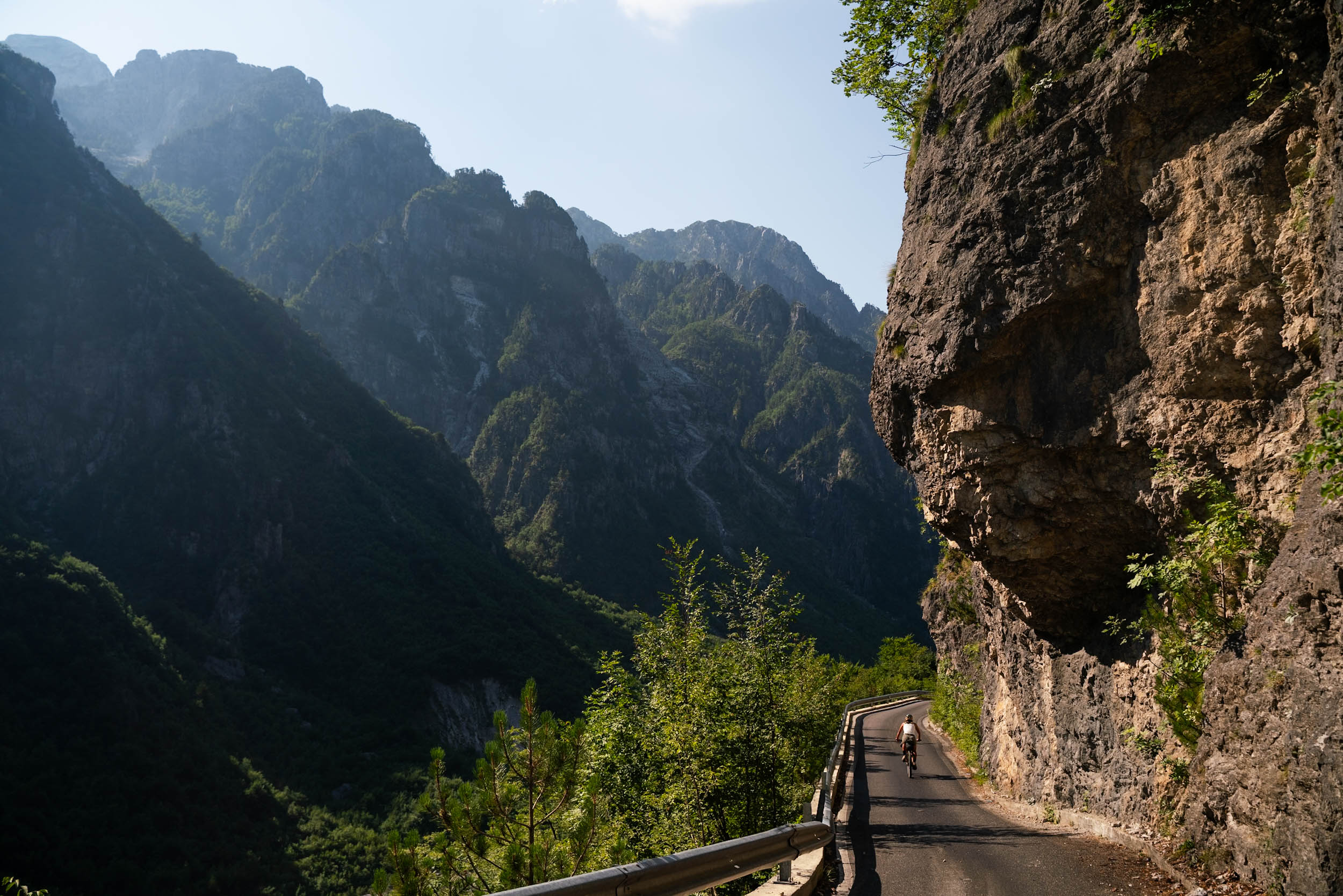
Next up was the historical and picturesque city of Mostar. Our route saw us cycle up to Rujište ski resort, situated at around 1,050 metres and home to a number of small cabins and a single one-man chairlift. It was an interesting mix of basic old structures and glass-covered new cabins. The old gravel road we had been enjoying suddenly met a rough road, leading to one of the best road descents we had ever seen. Winding its way down from over 1,000 metres, it was incredible. We all hit a few all-time max speeds as we flew down it. However, the elation of the descent was cut short as we rolled into the streets surrounding Mostar.

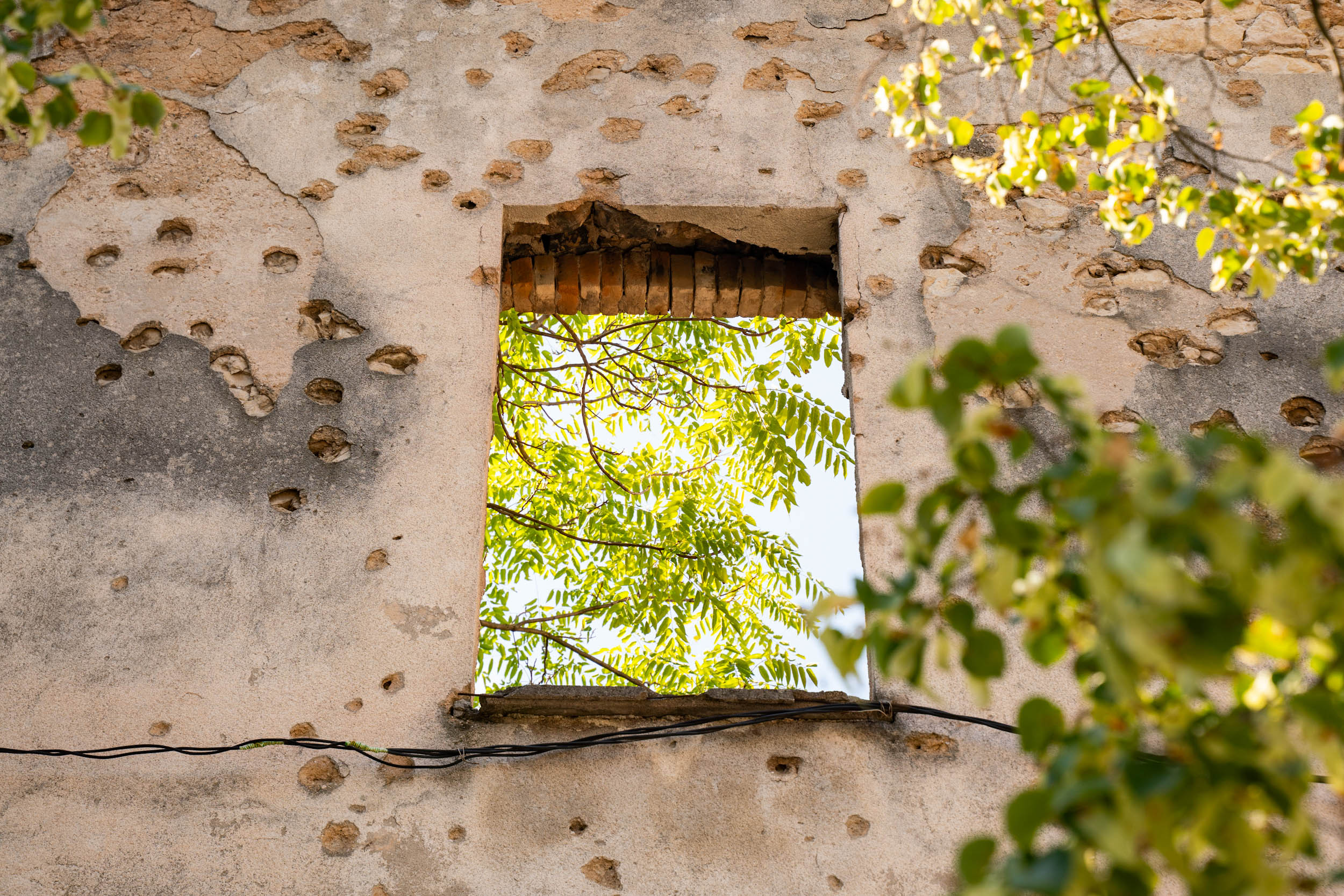

To understand Mostar is to understand it’s difficult history during the hugely complex Bosnian War. Between 1992 and 1994, the city was fiercely contested and heavily besieged, originally by Yugoslav forces and then torn apart by former allies. In November 1993, the iconic 16th-century Stari Most bridge was destroyed, shocking the world and symbolising the violent collapse of centuries of cultural coexistence. Walking the streets today, the scars and memories remain reminders of a painful past. The phrase “Don’t Forget 93” is etched into the walls throughout the city. Yet, in spite of its history, the resilience of the local people and their rich culture have triumphed. The Stari Most has been rebuilt, stone by stone. To us, the sheer beauty, warmth, and kindness we experienced represent true strength and hope. We fell in love with Mostar and left knowing we would one day return.
Heat and Bora Winds
Leaving Mostar
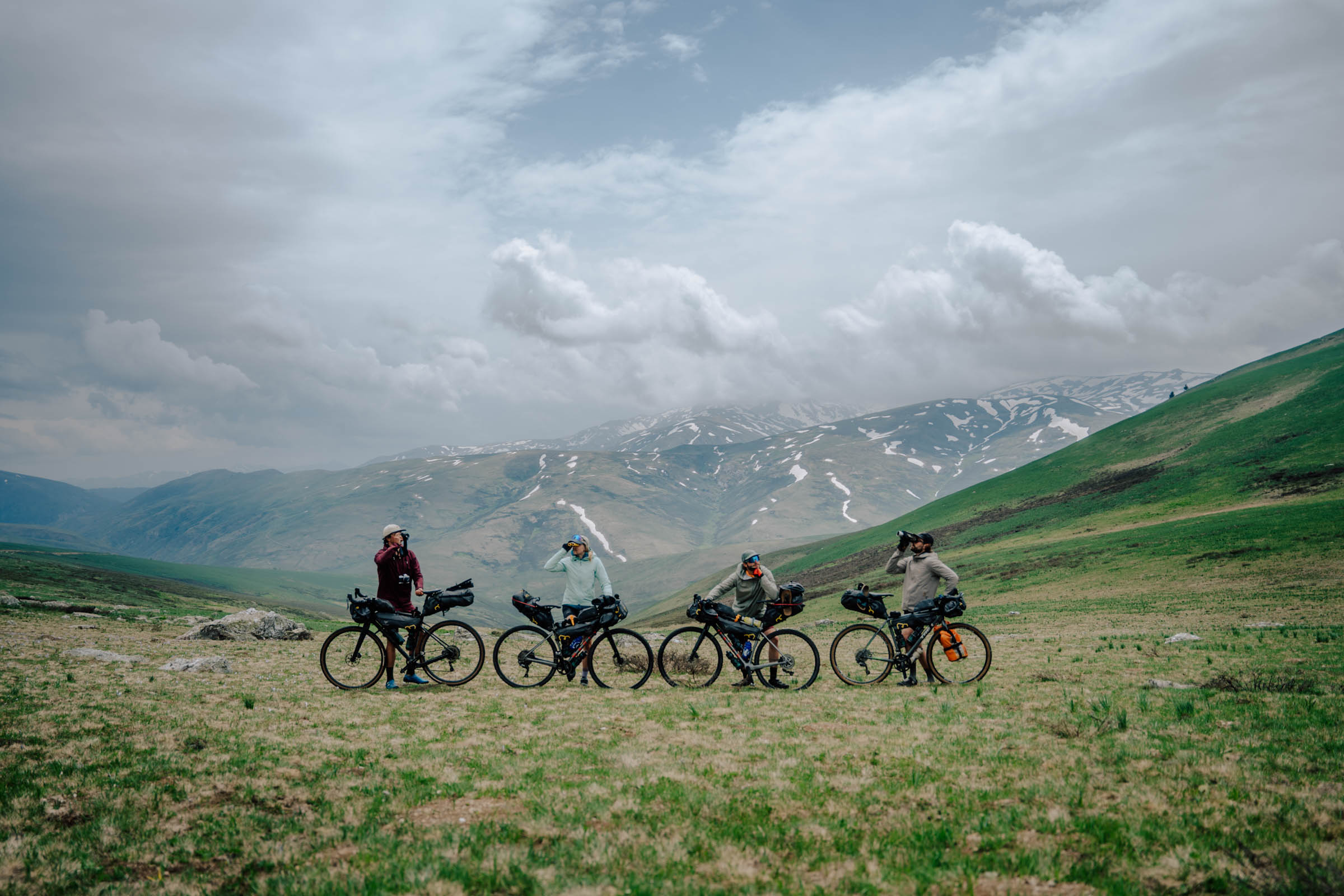
After two nights of resting our legs, eating our own body weight in local delicacies, and processing the emotional weight of Mostar, it was time to climb back onto the saddle. We began with a gruelling 1,000-metre climb out of the valley, towards Lake Blidinje, our next camp spot. The ride started in intense heat, the sun beating down on the tarmac, before the route transitioned to a steep and loose gravel track that made every meter of elevation gain a battle. However, as the grade finally leveled out, the effort was rewarded with even more spectacular views and an incredible camp spot right by the water, framed by a vast arena of mountains.



In the middle of the night, we awoke to the tents getting violently shaken. Strong gusts were firing off the mountains; you could hear them before they hit, and they were really testing the integrity of our tents, resulting in one snapped pole in Ben’s tent. This was the Bora, a notorious, katabatic wind that shoots down off the Dinaric Alps toward the Adriatic.
Tailwinds
Crossing into Croatia
Thankfully, the next morning, the intense Bora wind was at our backs, pushing us along as if we were gliding. We were running behind on our route, so we decided to use the tailwind to make a road-ride effort to the border. Looking back on our time in Bosnia and Herzegovina, we couldn’t believe how incredible the experience had been. The profound sense of remoteness, combined with the immense kindness of the locals, who had lived through a difficult past, left a permanent mark on us. We can’t recommend a visit enough. After a big day of riding, we crossed the border into Croatia. We were welcomed by an eerie, tense energy, and found sleep that night in a remote clearing, with a massive electrical storm flashing on the horizon.

As the morning light broke, the storm was still beating down on our tents. The facts remained the same: we were running behind, and so we headed to Knin, where we would catch a short train ride to Gospic, a town with its own complicated past. This would skip a chunk of our original route, but we felt it would be worth it so we could enjoy the experience, rather than flogging ourselves and not being able to soak up the amazing surroundings. We rode out of Gospic to our campsite just inside Velebit National Park, our next major waypoint on the route. This section promised rich, ancient forests and sweeping views over the Adriatic Sea. Our first night in the park would prove to be anything but ordinary.


Close Encounters
Velebit National Park
From the start, we had always been looking out for a glimpse of a bear or wolf, knowing that a sighting would be rare. But we kept getting told to be aware, so we kept our eyes peeled. As we searched for a camp spot on our first night in the park, we stumbled across a few cabins in the woods. There was smoke coming out of one chimney, so we knew someone was inside. We asked if we could camp in the meadow, to which the women’s eyes popped. They had seen a mum and three cubs wandering through earlier in the day and insisted we stay in the spare cabin. We couldn’t believe our luck. Dinner on, fire burning, we settled in with the hope of seeing some bears (from the window). Sadly, there was no sight of them, but knowing they were out there was cool enough, and being tucked up inside felt much better than shivering in fear out in the woods.

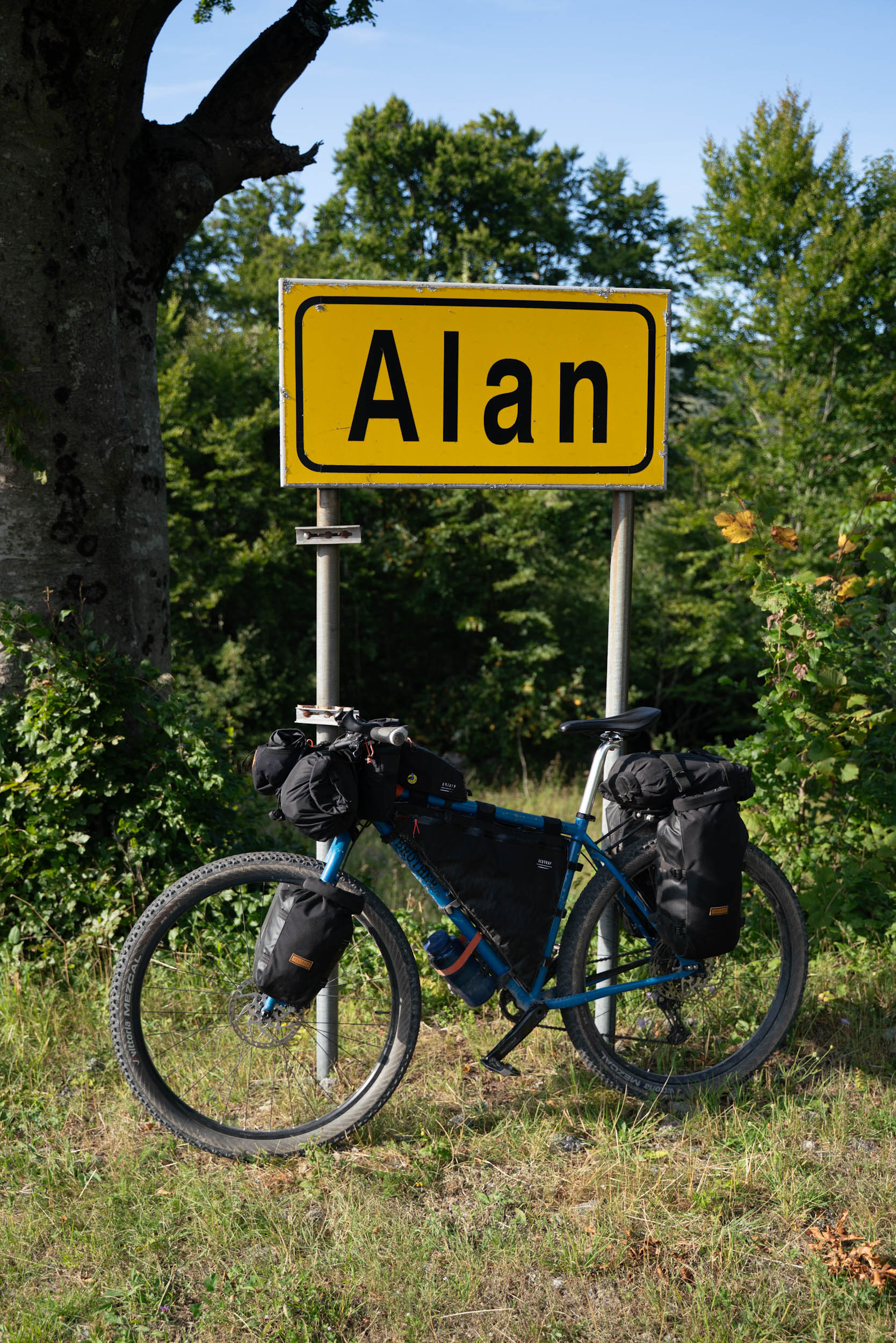

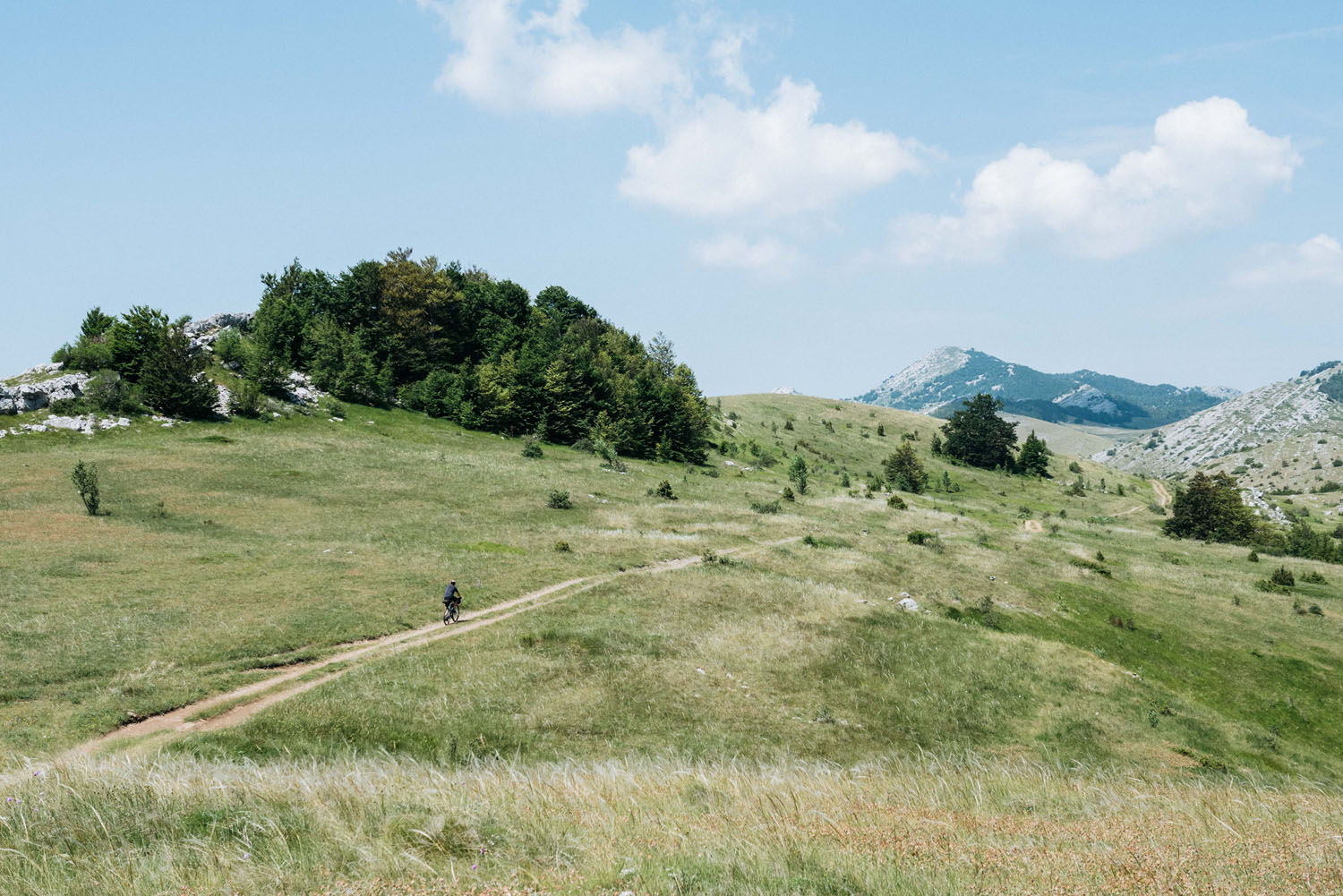
The next day, we continued through the park, left behind the thick forest, and enjoyed sweet views of the Dalmatian Islands along the Adriatic coastline. The terrain changed; we were still high up above the sea, but we were now rolling along smooth gravel trails, winding through open farmland and small villages. Funnily enough, we rode through the small settlement of “Alan.” It was a bit anticlimactic, frankly, but the size of the road sign made up for it. The sun was starting to dip on the horizon, so we called it a night. We pitched up with views along the coast. The colour got better and better, fading from deep oranges through to a deep red and finally purple. It was some way to see the last day in Croatia. That wasn’t the last of the show, though. As we tucked into bed after saying goodnight, we listened as wolves started howling around us. Shocked and in awe, we lay silent. Are we safe? Do wolves eat people? Luckily, wolves don’t like eating humans, even smelly bikers, so we dozed off and dreamed away.
End of the Road
Croatia, Slovenia, and Italy
The last couple of days seemed quite uneventful after what we had experienced along the way, but we rode through three countries on the final day, which isn’t something you can say on many trips. We left the shimmering turquoise waters of the Adriatic in Croatia, had a swift lunch in Slovenia, and then finished in Italy, with pizza, tiramisu, and some time to celebrate.


The two weeks we spent traversing these countries were special, and we were all grateful to experience them together. It felt quite emotional riding the final kilometers, but we knew we had made the most of every moment and encounter along the way. Big love to all the amazing people we met in the Balkans. It’s the daily interactions and little instances of kindness that truly make a trip memorable.
The Route
Further Reading
Make sure to dig into these related articles for more info...

Please keep the conversation civil, constructive, and inclusive, or your comment will be removed.