

 Mountain Bike (MTB)
 Gravel Bike
 All-Terrain Bike (ATB)
 Fat Bike




Slug Terrestrial Ti Handlebars Review: Extraterrestrial


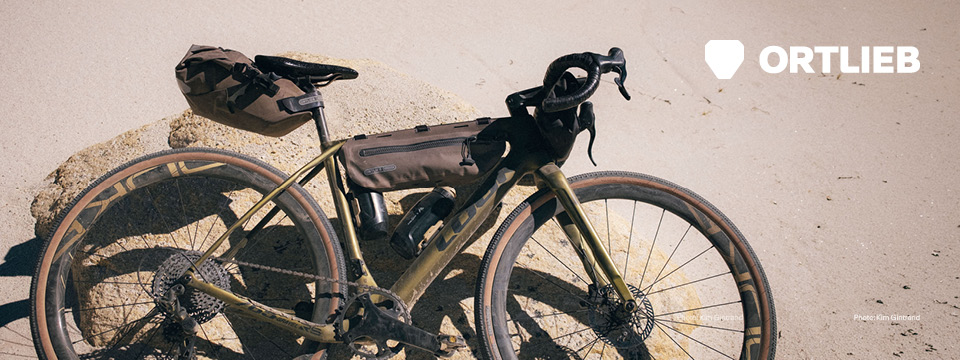


Having recently taken to rougher terrain, Nic sought new ways to make mountain biking more comfortable. In his review of the Slug Terrestrial Ti bars, he digs into the specifics of an experience with the material that seems to make a world of difference…
PUBLISHED Jan 19, 2026
Riding shots by Joe Redbeard
Last year was one of significant change. Moving to a new state, acclimating to unfamiliar terrain, and getting used to reviewing all kinds of cycling components was a lot in just 365 days. Mountain biking was just one of the many things I dove into headfirst last year. Call it love at first sight, I hung on to the Ritchey P-29er I reviewed in January of 2025. Not only has it been my guiding light to an entirely new style of riding, but it has also served as a template for testing components I had little experience with. In the ensuing 12 months, I rebuilt the bike several times to accommodate various drivetrains, forks, and wheelsets. After all the changes, one of the biggest difference-makers was a component I thought would go unnoticed: the Slug Terrestrial Ti handlebars.
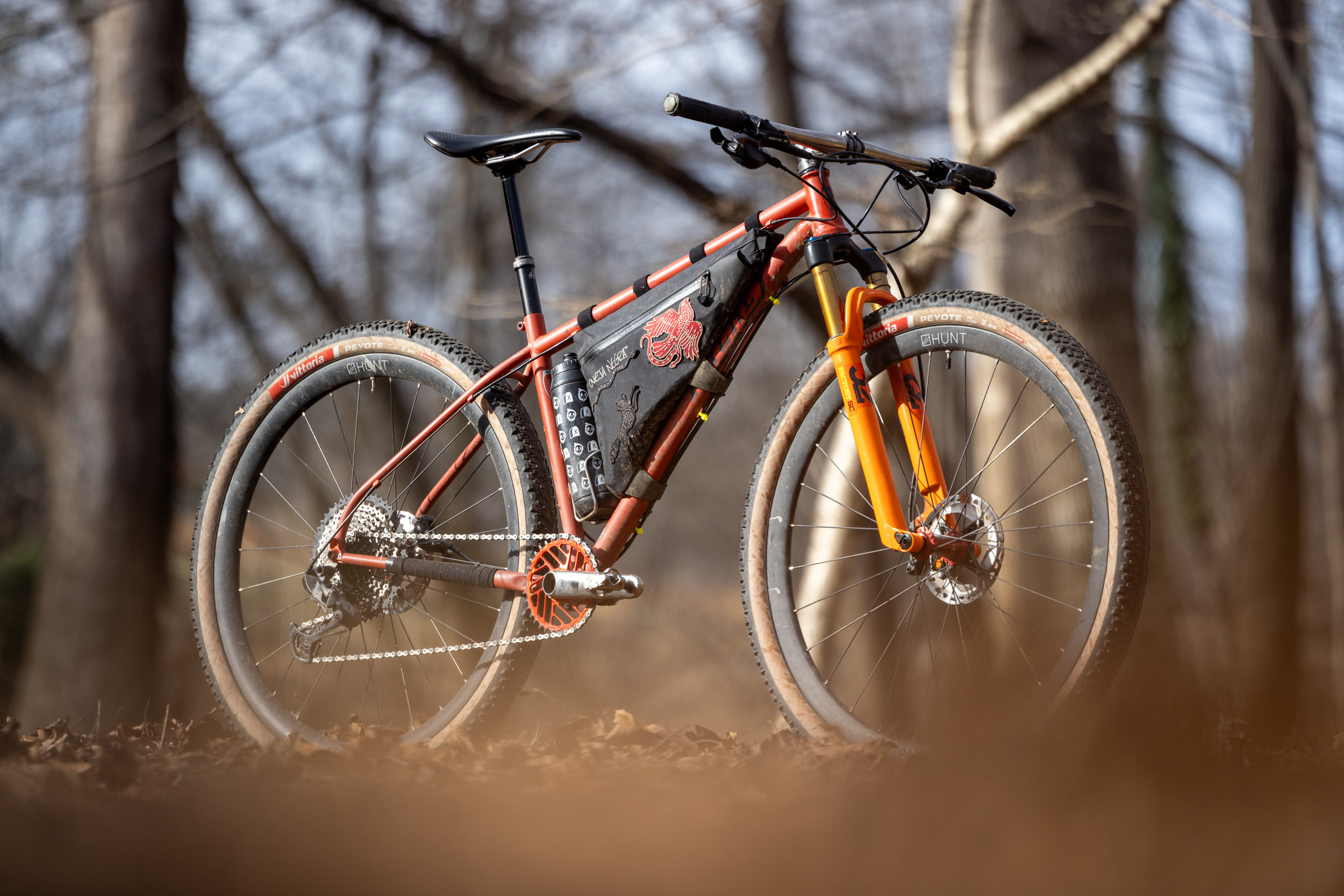
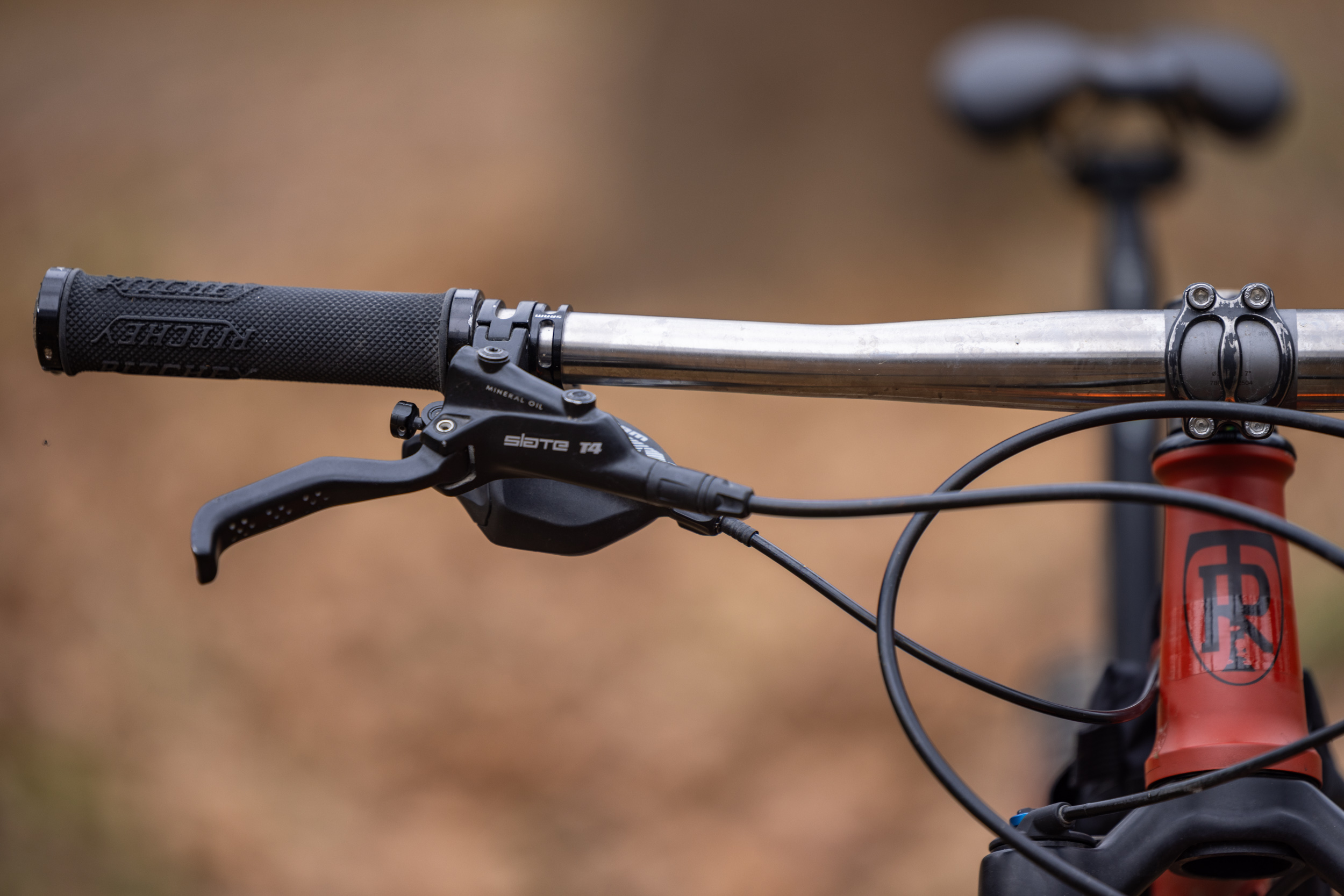


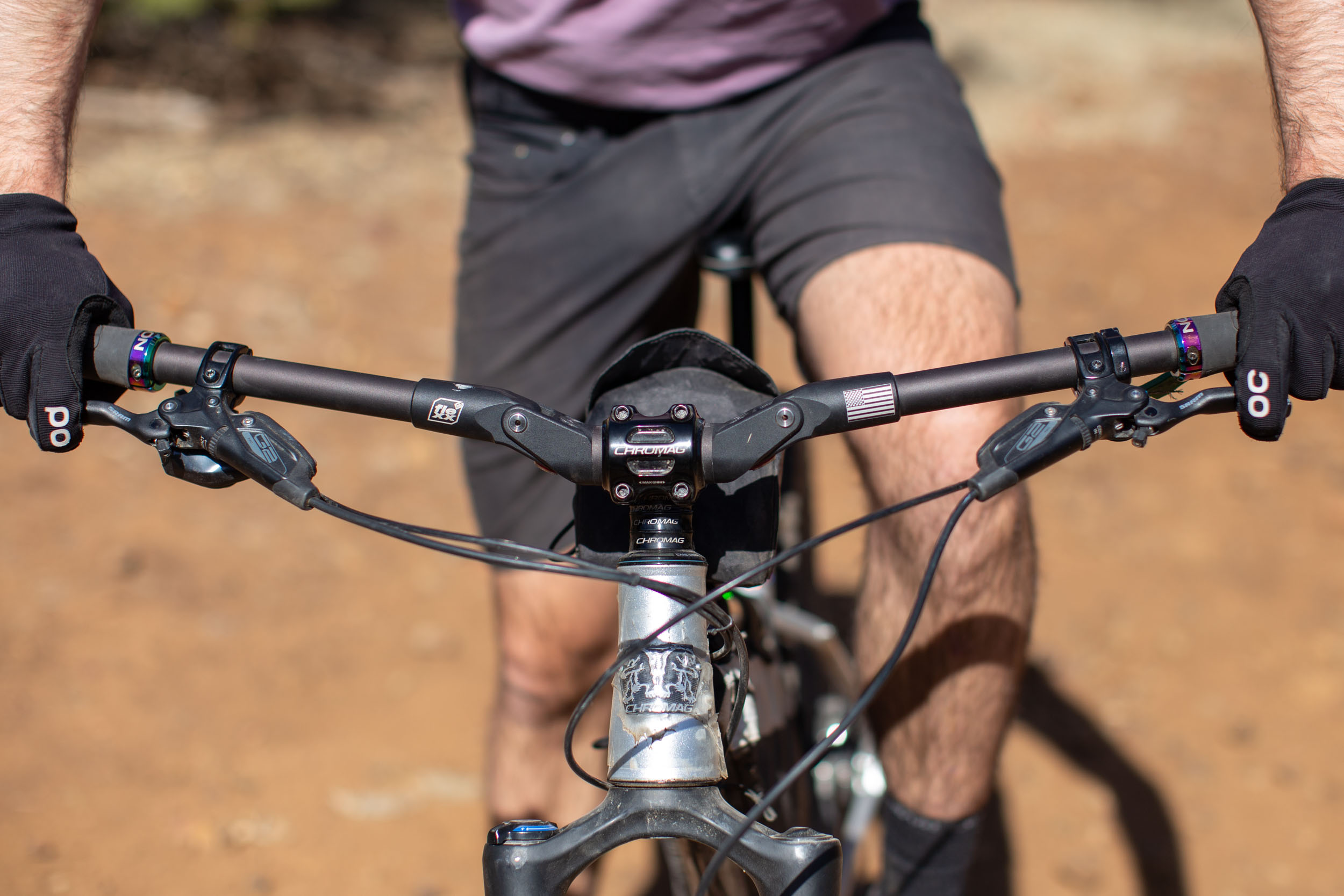
Flat bars made of seamless 3Al 2.5V titanium, I was initially skeptical of their ability to make much of a difference in comfort. But after several long, brutal days singlespeeding through Pisgah, I was desperate for any way to soften the blow. Though many other options, like those from Stooge, DOOM, and Oddity, are risers that use a 22.2mm clamp diameter, the bars I received from Slug feature no rise, 13 degrees of backsweep, and a 31.8mm clamp diameter. I’ll get into how this affects the ride feel below, but the use of the larger 31.8mm standard made things easier for me, as someone coming from a drop-bar background. As Logan mentions in his review of the Doom Bikepacker’s Delight, it can be difficult to find mounts for lights, computers, and modern bag systems in the smaller clamp diameter. All of my computer, light, and bag mounting systems are geared toward a 31.8mm diameter, so not having to re-orient my attachment systems or use shims is a plus, and it gives computers and bag straps more purchase. They’re also tested to ISO 4210 standards, which cover the basic safety requirements for their intended use.
Down to Earth
Like any set of titanium handlebars, the Terrestrial Ti bars are not cheap. Though certainly not the most expensive titanium flat bar on the market, as options from Roost and Sage both exceed the $285 price tag here, they still cost significantly more than alloy bars that will accomplish something similar. Heading into my test period, I had doubts about the bars’ ability to significantly alter ride feel. In the past, changes in width, position, and materials using another set of bars could yield better compatibility with bags, more control on technical terrain, or just a more comfortable riding position. But I’d always thought a discernible change in comfort was something reserved for marketing copy.
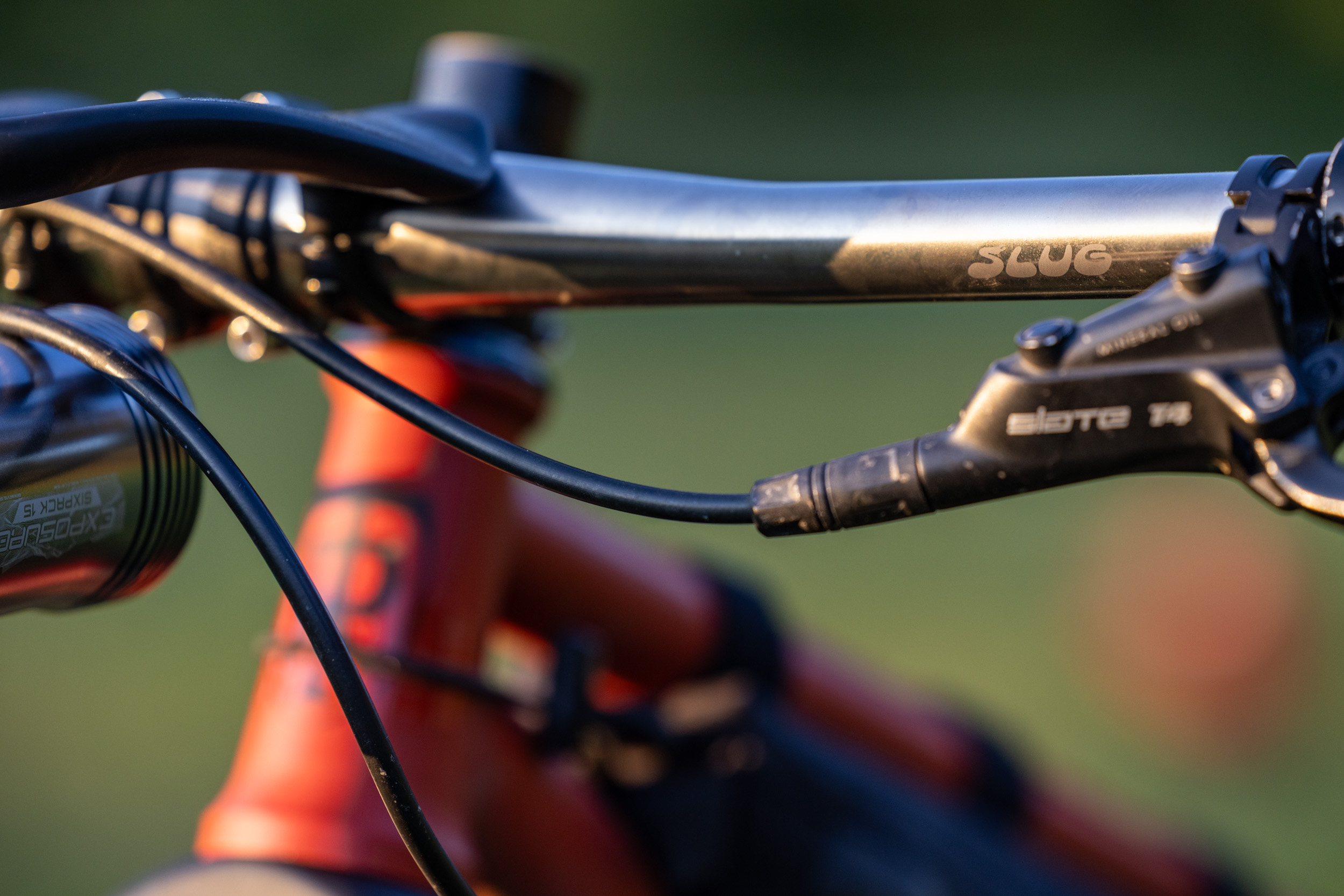


At first, I tried to separate the forest from the titanium extrusions. Though I had my doubts about the lack of rise present with my set of Terrestrial Ti bars, going from five to zero degrees of rise didn’t seem to make much of a difference. In fact, it had an unforeseen effect. I found the more aggressive position allowed me to position myself further forward, which helped in maintaining a proper position when descending technical terrain and through sharp turns. Size-wise, I’d initially kept the 780mm uncut width to see how they fared on my local trails. Though they felt satisfyingly firm at the ends, I eventually cut them down to 736mm for better clearance through narrow, technical sections. Within the flat-bar category, 780mm is a bit short for an uncut width, as many start closer to 800mm. For me, however, 780mm was far too wide for both my size and the kinds of trails I’ve been pedaling in my area. Dodging trees, carving through tight rock features, and in the overgrown sections of trails that get less attention than others, anything below 750mm has proved sufficient for my riding style. The 736mm width still provides ample leverage for technical handling, but lets me squeeze through spaces I was getting caught up on at their supplied size.


As the weeks turned to months, I was continually blown away by the difference in comfort at the cockpit. Again, most of my testing with these was when the Ritchey was set up single-speed, a riding style that underscores the quality of the bike’s touchpoints. Because there’s so much pushing and pulling happening at the bars, you notice whatever comfort—or lack thereof—is built in when grinding your way up a climb. Although the Ritchey WCS Trail bars never felt bad in that department, the juddering going down trails above my pay grade made me yearn for a slightly softer touch. All this to say, between the width, shape, and size of the bars, I found the majority of the differences felt came down to their material. After throwing on the Terrestrial Ti bars, I could legitimately feel a comfort improvement on the same trails with the same setup. They seemed to smooth out vibrations better, and the sore sensation I’d become accustomed to with aluminum bars was gone.
Myth or Magic
Unsatisfied with determining that these expensive bars were simply better, I sought out some material evidence for their empirical superiority. One video that has replayed in my mind over the past few years critiques the cycling industry’s claims about titanium and its ride quality. Though Lucas wrote a great piece dissecting that very phenomenon, the nerdier among us might find this analysis of material specifics from Peak Torque particularly interesting:
A mechanical engineer by trade, the cycling YouTuber claims that the only quantifiable difference in materials can be boiled down to two factors: Young’s modulus and second moment of area. Young’s modulus measures the tensile or compressive stiffness of a specific material when a force is applied lengthwise. The second moment of area provides insight into a beam’s resistance to bending. Per the video, when considering a parameter called “specific modulus,” titanium is stiffer than aluminum but heavier. So, after taking into account the insights from his analysis, I’d have to conclude that the comfort difference felt through titanium components is either a psychological effect or one related to how the bars are tuned.

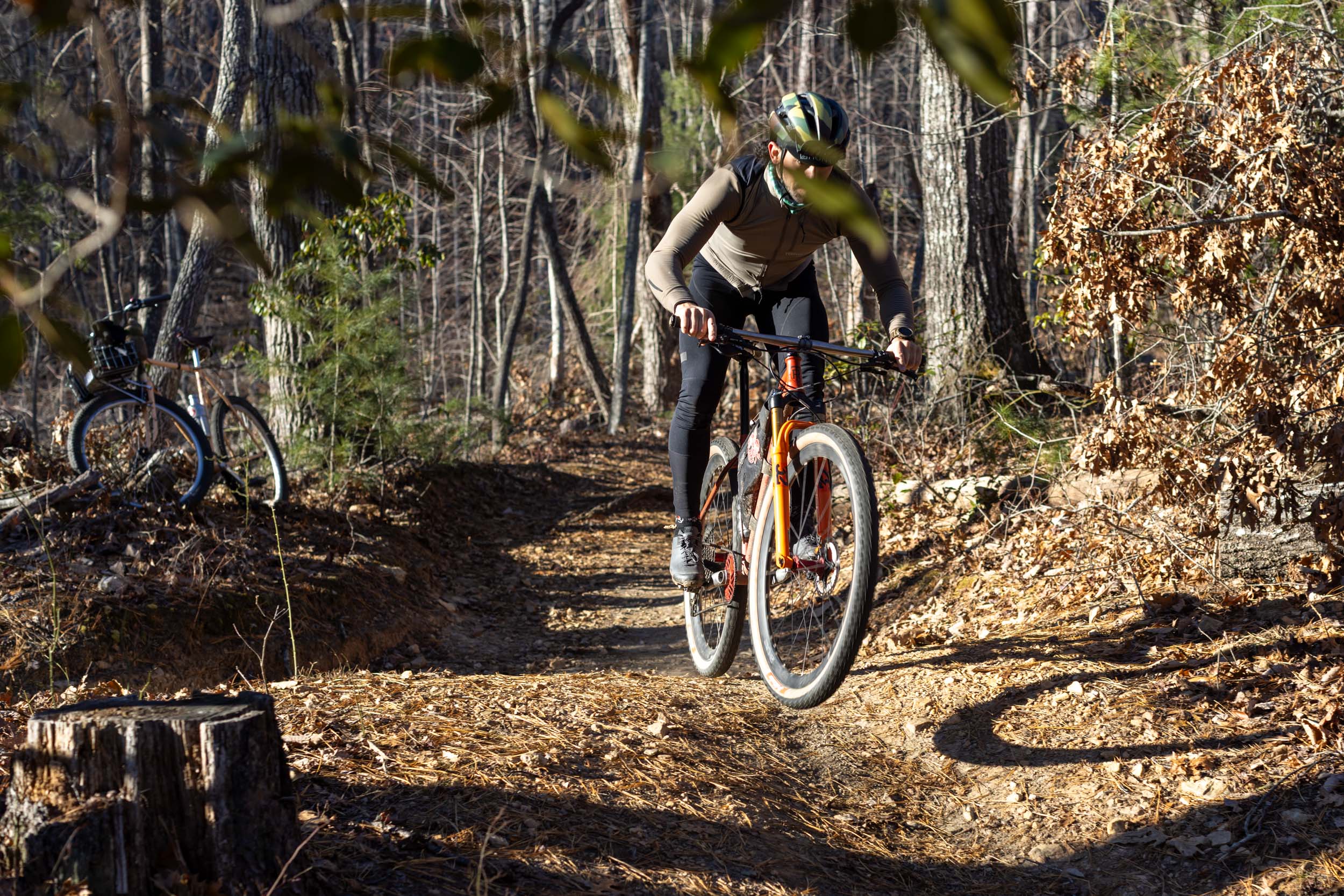
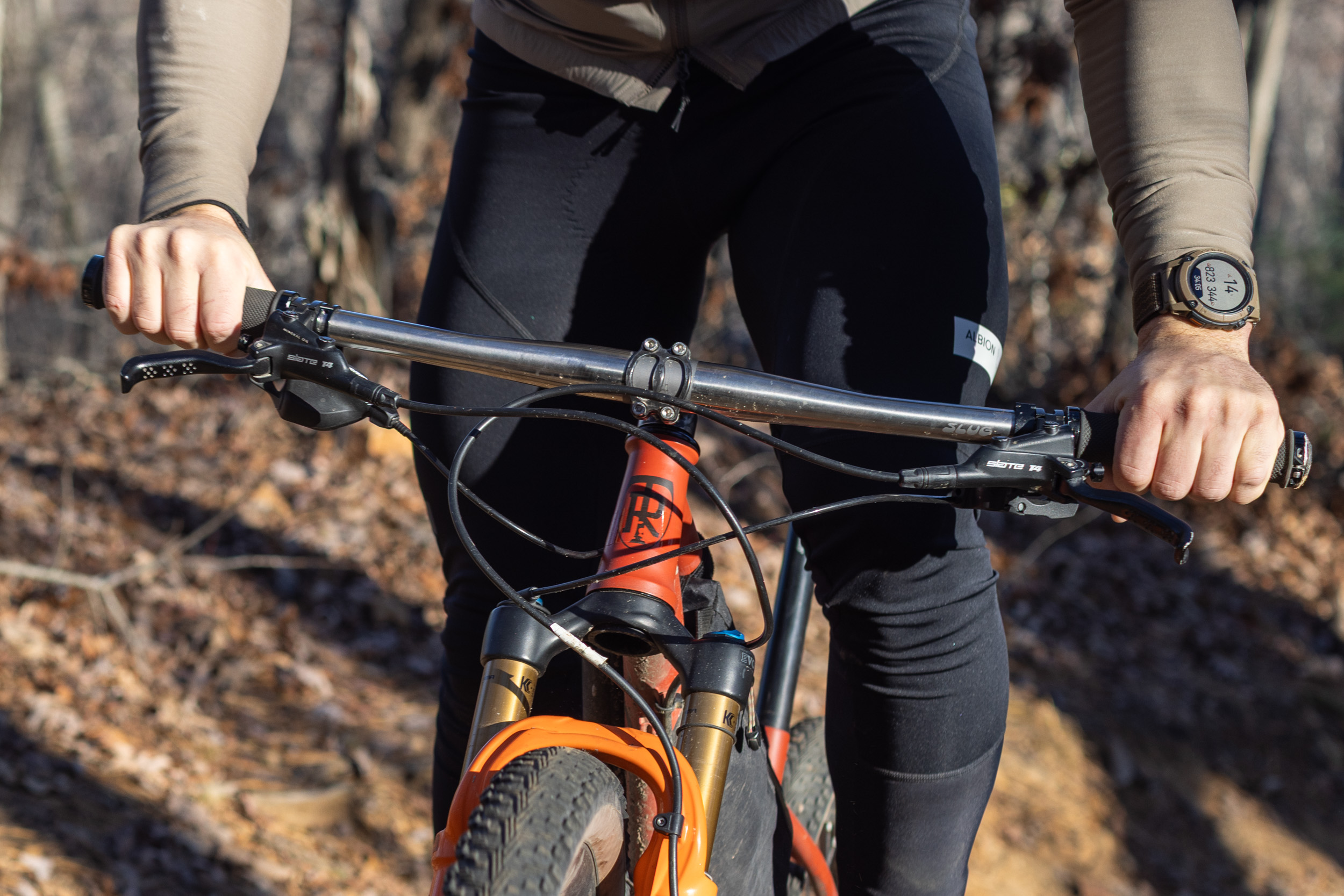
With some acknowledgement of biases around component material, the sensation felt through the titanium bars is palpably more comfortable. I find the material splits the difference between the stiffness of carbon and the give of aluminum. The stiffness felt when pushing and pulling up a climb gives way to a more comfortable stability on rough trails. In both rigid and suspension-equipped tests, they’re some of the most comfortable bars I’ve ever used.
Regarding their shape, I think the taper from a 31.8mm clamp to a much smaller diameter at the ends is what delivers this sense of comfort. The bars feel satisfyingly stiff to lean into, but they have some give at the ends where the hands are exerting the most force, either on a climb or technical descent. Even after cutting the bars down from their supplied 780mm width to a more agile 736mm, the benefits of the tubing taper are present. Again, it’s difficult to contrast what more empirical tests of materials seem to suggest. Still, with well over a thousand miles in the forests of western North Carolina on these bars, my hands and forearms can attest to their ability to smooth things over.
- Model Tested: Terrestrial Ti Handlebars, 0mm rise
- Actual Weight: 363 grams (12.8 oz)
- Place of Manufacture: Taiwan
- Price: $285 at Slug Bikes
Pros
- They make a palpable change in feel for the better on rough terrain.
- Over a thousand miles of rough riding and a few spills, the bars are entirely unscathed.
- It’s great that they’re offered in two rise options.
- The 31.8mm clamp diameter is more convenient for mounting lights, computers, and certain bag systems.
Cons
- Expensive, but consistent with other titanium offerings.
- 780mm might not be a wide enough starting point for some riders.
- The taper toward the grip area might complicate the attachment of specific accessories.
Wrap Up
Despite the price and a willingness to shield myself from the biases consistent with titanium components, the Slug Terrestrial Titanium bars made a meaningful difference in how the roughest trails felt. Whether it’s down to the material’s tuning or the material itself, these titanium bars feel far better than the stock aluminum option that came with the bike. At a similar weight, the only real hangup is the price point. Though it’s consistent with all the other titanium options on the market, nearly $300 is a lot to ask of people in 2026. If you’ve got a forever bike that warrants a fancy set of bars, or just want to make riding a little more comfortable, these offer solid value but are still a luxury component.
Further Reading
Make sure to dig into these related articles for more info...
Please keep the conversation civil, constructive, and inclusive, or your comment will be removed.