

 Mountain Bike (MTB)
 Gravel Bike
 All-Terrain Bike (ATB)
 Fat Bike


Salsa Fargo 32 Review: Old Dog, New Tricks



Neil got an early look at a refresh of a classic. For 2026, Salsa is revamping its storied Fargo model with 32″ wheels in both steel and titanium versions. After just a week and around 100 miles on the bike before Sea Otter, Neil’s first look at the new Salsa Fargo 32 is packed with insights. Find his impressions of the new wheel size and frame below…
PUBLISHED Apr 16, 2026
The Salsa Fargo has long been a staple in the adventure cycling world. It was one of the first drop-bar mountain bikes built for big, loaded rides, but it’s also comfortable for shorter spins and daily use close to home. It’s been Salsa’s tried-and-true steel drop-bar 29er for nearly two decades. Now, Salsa’s making another splash by releasing one of the first production 32-inch drop-bar mountain bike frames, the Salsa Fargo 32. I haven’t had a ton of time with it, but I have been able to get on a few rides before its official launch. Be sure to watch the full video and read my thoughts in the written version below.
For clarity, this bike got lost in the mail, and I should’ve had it sooner. With such a tight testing window before launch, this is more of a first look than a full review. I tested the bike for a week and have roughly 100 miles on it, which, all things considered, gave me a pretty solid understanding of both the 32” platform and the ride characteristics of the Salsa Fargo 32—a bike that carries a lot of history, but now with a very different wheel size.
Background on the Salsa Fargo 32
Nearly two decades ago, Salsa unveiled the original Salsa Fargo. Whether they knew it or not, it marked the beginning of what many now consider a cult classic in the world of long-distance adventure bikes. It was originally positioned as the ultimate bikepacking rig for mixed-terrain routes like the Tour Divide. Despite several updates over the years, Salsa hasn’t strayed far from that core idea.


While the Singular Gryphon was arguably the first production steel 29er mountain bike designed for drop bars, the 2008 release of the Fargo pushed the category forward in the adventure riding space. It helped define what a drop-bar mountain bike could be, especially for riders looking to cover big miles on rough terrain.
Early on, from 2008 to 2010, the Fargo was a rigid, steel, drop-bar mountain bike. In 2011, Salsa updated it with suspension-corrected geometry, added a replaceable derailleur hanger, and even introduced a Lynskey-made titanium version. By 2013, that titanium model shifted to overseas production in Taiwan. In 2014, the Fargo evolved again to properly support 100mm suspension forks, opening it up to even more terrain. By 2017, it became Salsa’s longest-running model after the El Mariachi was dropped from the lineup.

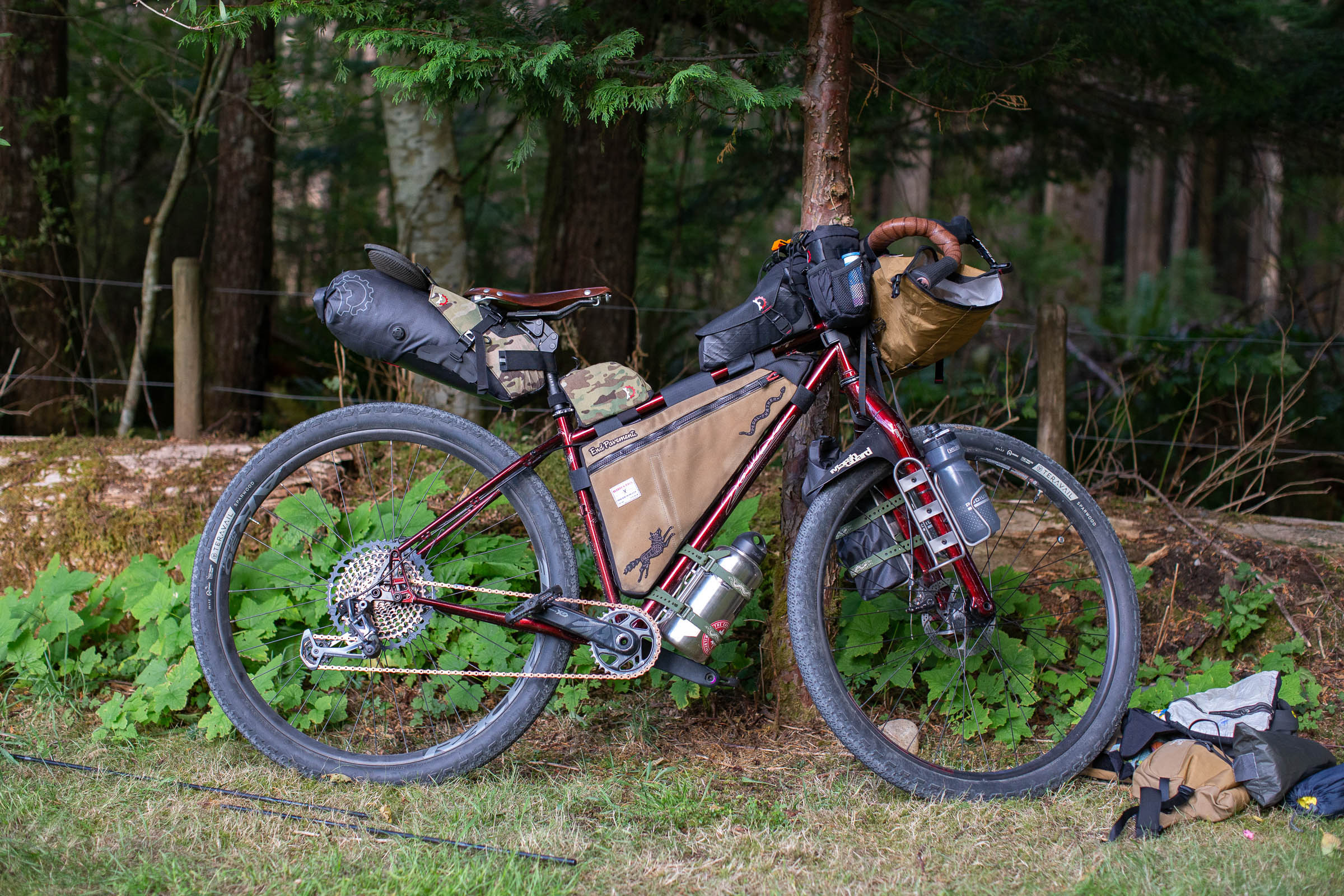
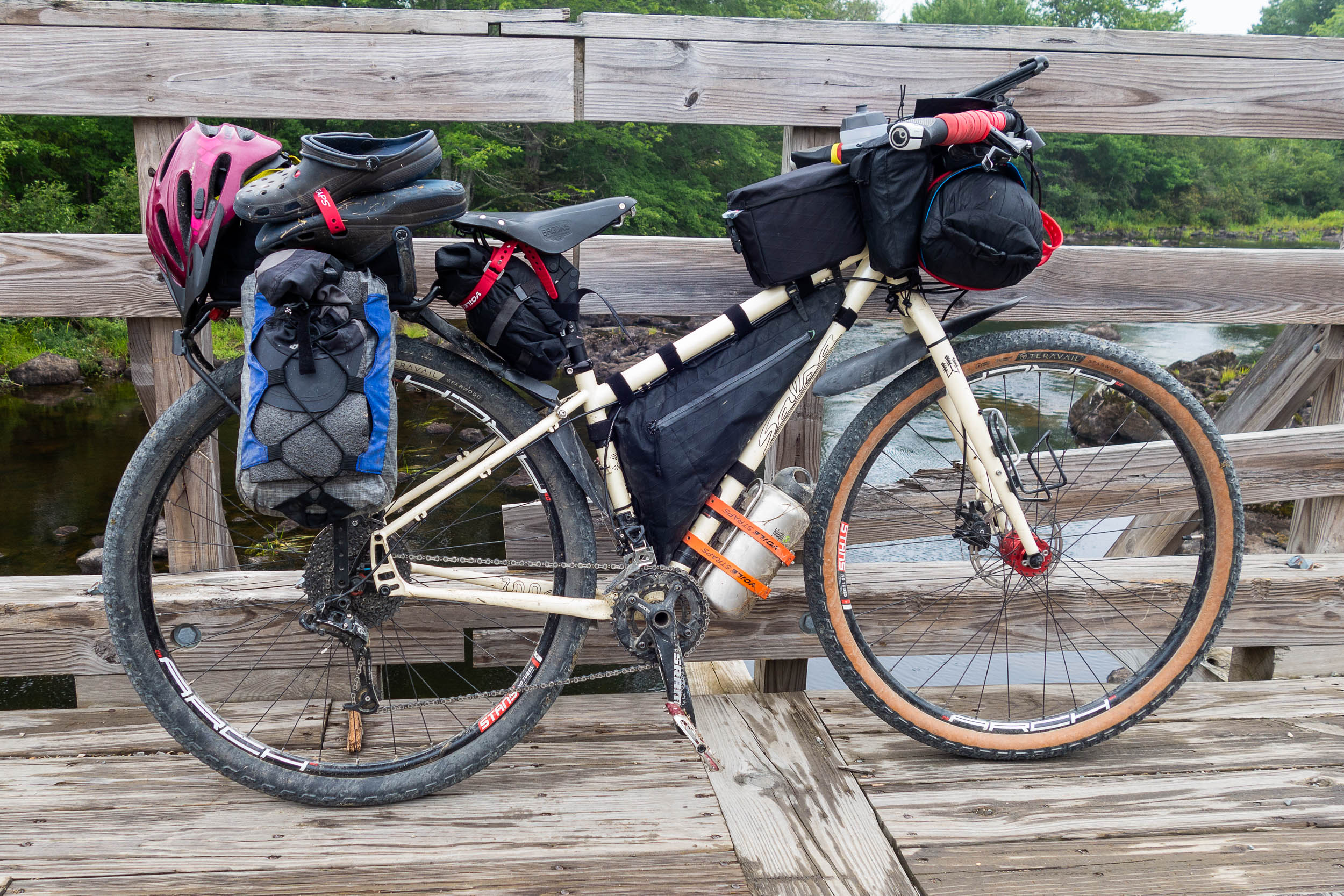
In the years that followed, Salsa made a series of smaller refinements. Increasing tire clearance, tweaking geometry, updating build kits, and refreshing the overall look. The sixth-generation Fargo, released in 2025, brought flat-mount brakes, a new aluminum scuff plate under the fork crown, updated colors, and revised builds. So, while quite a bit has changed along the way, the Fargo’s core identity as a drop-bar 29er adventure bike has remained largely the same.
Salsa Fargo 32 Specs
First things first: the 29″ Fargo you know and love isn’t going anywhere. The brand is simply adding a 32” version to their lineup. Like the other 32” bikes we’ve been seeing crop up from smaller brands, this one leans into the idea that the wheel size lets users roll faster and farther under the same amount of power—at least according to Salsa. But, this isn’t just a Fargo they slapped bigger wheels on. It’s been designed from the ground up around the 32” platform, and it’s also one of the first production 32” bikes to come in a full-size run, with sizes ranging from small to extra-large.


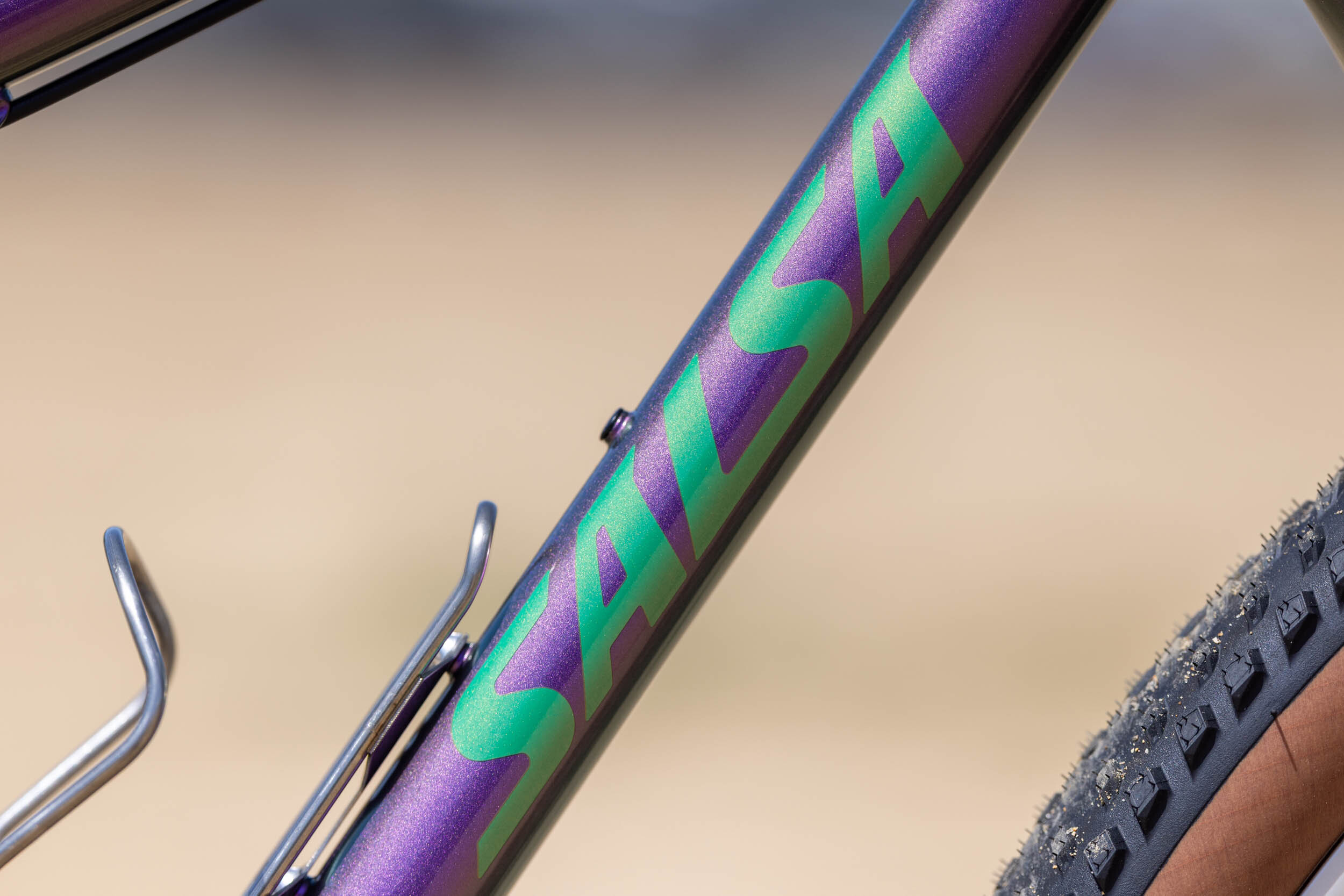

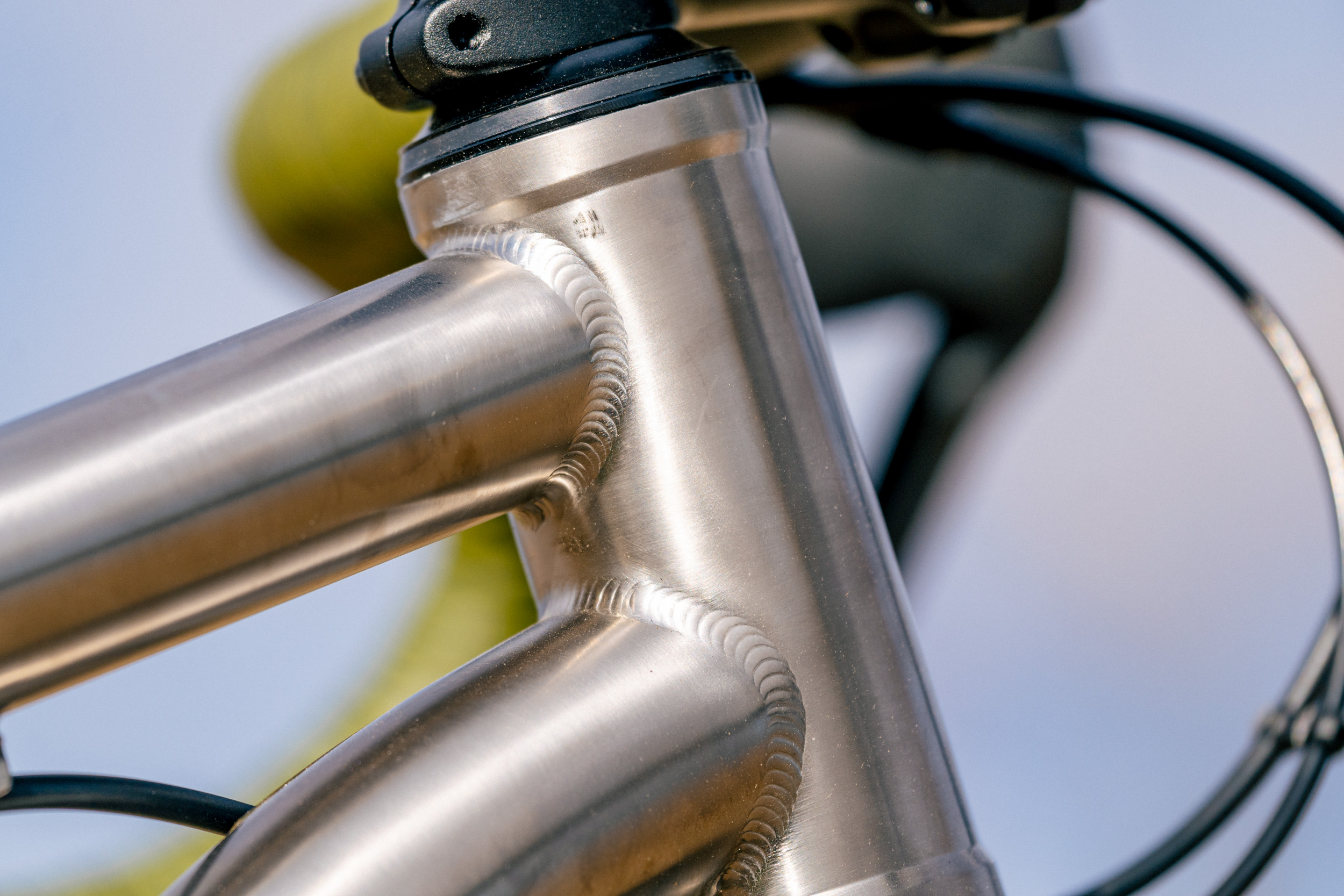
Despite being different from the 29” version, it still carries a lot of the same DNA. Just like their 29er options, Salsa is offering the 32” version in two frame options: a triple-butted chromoly steel version and a 3/2.5 seamless triple-butted titanium frame, which is the one I tested. Both come paired with a carbon fork that has a 51mm offset, though the frame is compatible with 44-51mm offset forks.


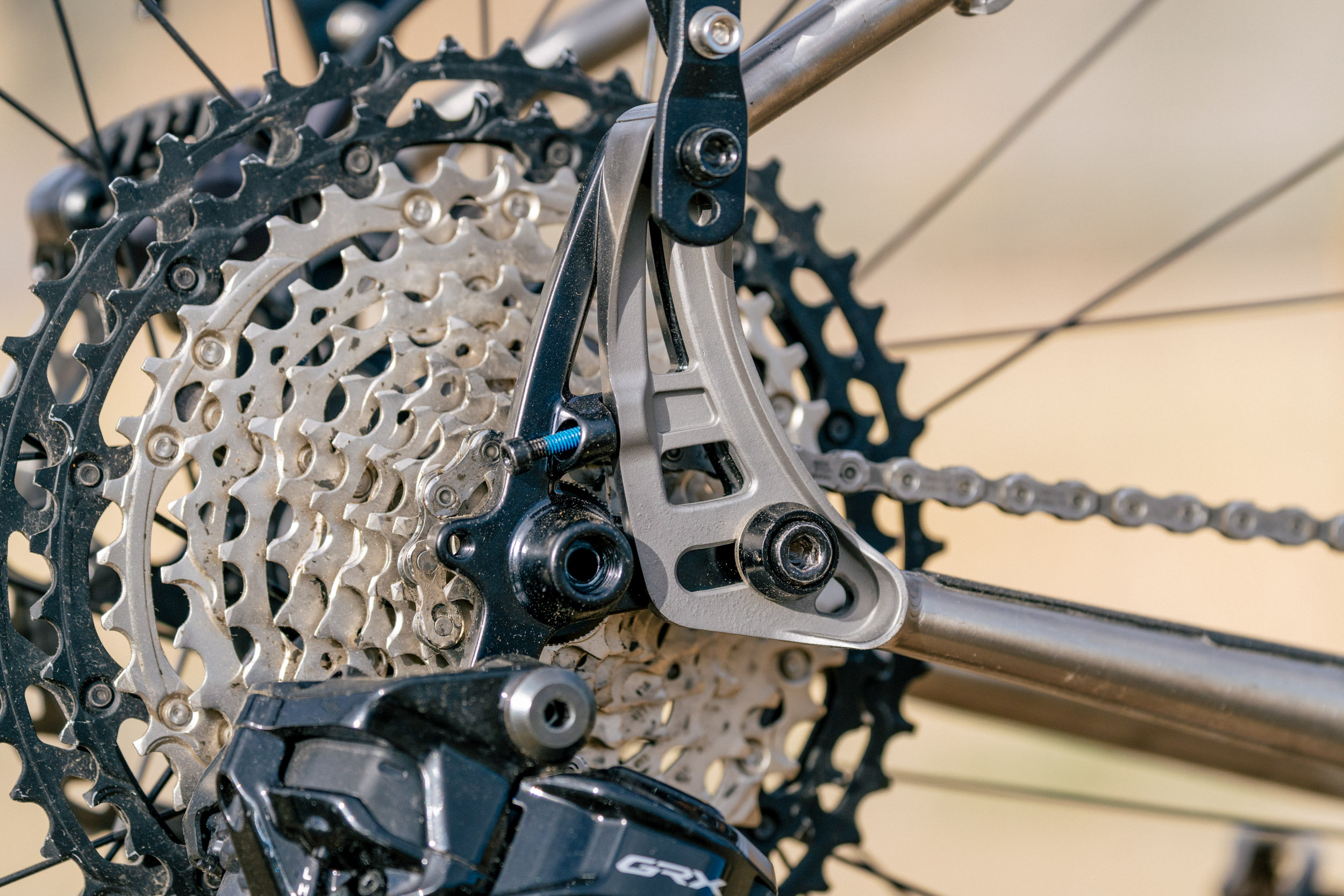

The Fargo uses Boost hub spacing front and rear, along with Salsa’s Alternator 1.0 plates, and can be converted to 142mm thru-axle or 135mm quick-release using Alternator Reduction plates. Tire clearance is built around 32 x 2.4” rubber, and the frame is suspension-corrected for 80mm of travel. Other details include external cable routing, a 27.2mm seatpost with internal dropper routing, and a 73mm threaded bottom bracket. In many ways, it sticks to the practical, serviceable standards the Fargo has always been known for.
Full Size Run
According to Salsa, the size range starts at small for riders around 5’2″ and goes up to XL, for a total of 4 sizes, excluding the XS found on the 29” frames. Despite the extra-small omission, a near full-size run of a 32” bike is impressive. I tested a medium, and fit-wise, it was good and definitely upright. Right away, I felt like I was sitting in the bike, with these two massive wheels on either side of me. That said, it didn’t feel entirely out of the ordinary, and I got comfortable on it pretty quickly.


The medium has a 585mm effective top tube and a 407mm reach, which is slightly longer than the 29” Fargo. It also has a tall 664mm stack, with a 115mm head tube. The bike is designed around a +/- 25° stem, and I think that design was intended to let riders run it in the negative position to bring the front end down a bit. Standover wasn’t an issue either. If anything, there’s more clearance than the 29er, with around 769mm on the medium. Overall, my thoughts on fit are positive. I’d prefer a lower stack, but that’s kind of the tradeoff with wheels this big. Outside of that, everything felt pretty dialed.
Geometry
The new Fargo’s geometry makes the bike feel purpose-built for the bigger wheels. It comes in with a 67° head tube angle, about two degrees slacker than the 29” Fargo. To balance that out, the seat tube angle is steepened to 75°. And as you’d expect with a larger wheel, the whole bike gets stretched out a bit.
Salsa Fargo 32 Geometry
| Size | SM | MD | LG | XL |
|---|---|---|---|---|
| Effective Top Tube | 560.0 | 585.0 | 610.0 | 635.0 |
| Stand Over | 728.3 | 769.0 | 810.0 | 850.0 |
| Reach | 385.7 | 407.0 | 428.3 | 449.6 |
| Stack | 650.6 | 664.4 | 678.2 | 692.0 |
| Total Seat Tube Length | 390.0 | 440.0 | 490.0 | 540.0 |
| Headtube Length | 100.0 | 115.0 | 130.0 | 145.0 |
| Headtube Angle | 67.0° | 67.0° | 67.0° | 67.0° |
| Seat Tube Angle | 75.0° | 75.0° | 75.0° | 75.0° |
| BB Drop | 106.0 | 106.0 | 106.0 | 106.0 |
| Chainstay Length | 481.9 | 481.9 | 481.9 | 481.9 |
| Fork Offset | 51.0 | 51.0 | 51.0 | 51.0 |
| Wheelbase | 1142.3 | 1169.5 | 1196.7 | 1223.8 |
| Rider Height | 157.0 – 170.0 | 168.0 – 180.0 | 178.0 – 191.0 | 188.0 – 201.0 |
The front end is longer, and the chainstays grow as well, coming in at 465–482mm depending on where you set the Alternator plates. In its longest setting, the wheelbase hits 1169.5mm. I ran it in the shortest 465mm position, and it didn’t feel quite as long as I expected. That said, it’s still longer than most medium bikes I’ve tested over the years.
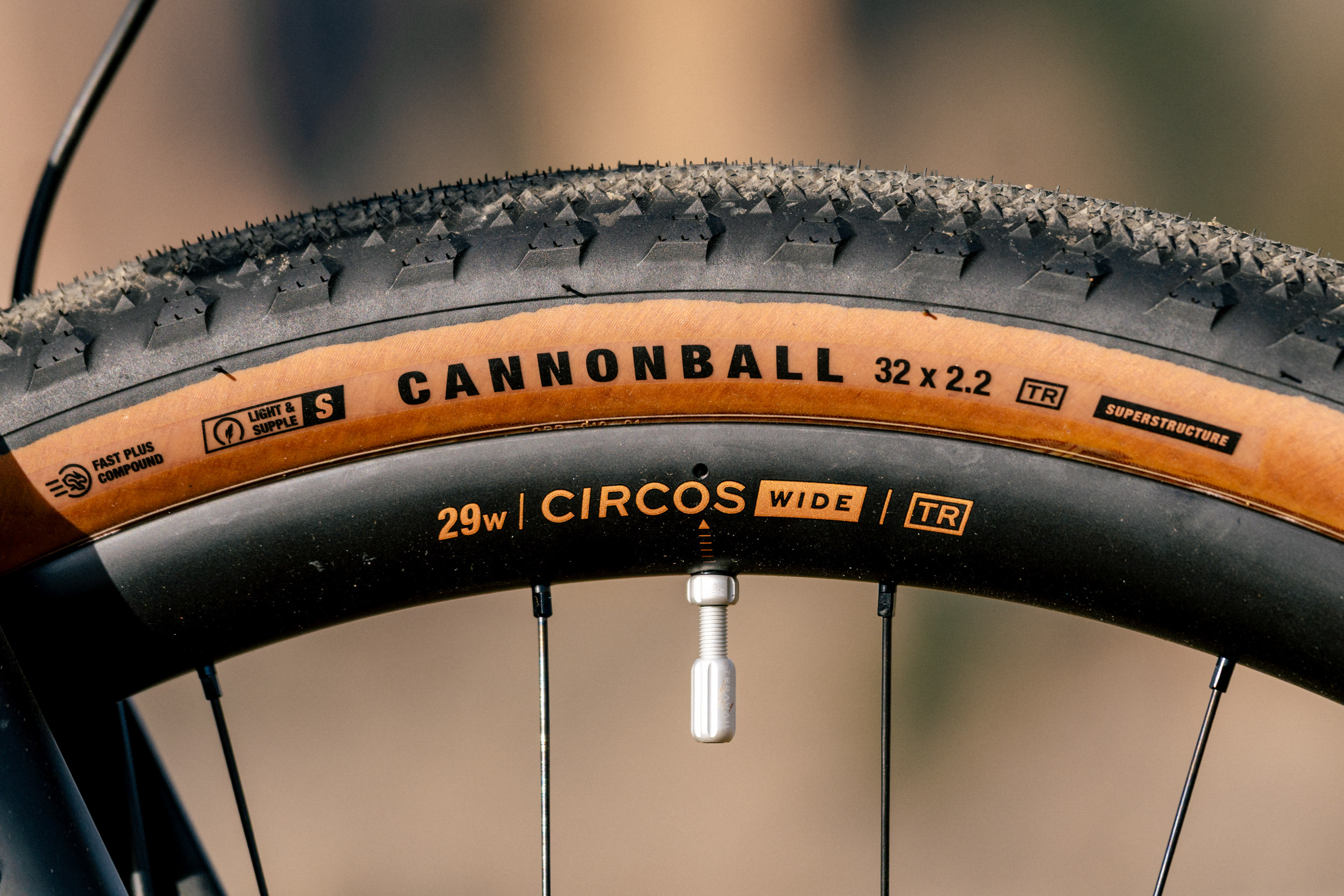
Finally, the bottom bracket drop is massive, on paper, at 106mm. But when you look at the actual bottom bracket to ground height, it’s normal. I measured it at around 291mm with Teravail Cannonball 2.2” tires, which is actually slightly lower than the 29″ version.
How does a 32” bike ride?
I was excited to roll around on the Salsa Fargo 32, given that it’s my first 32” bike. We’ve been fed a lot of talk about the pros and cons over the last six months, but there’s no way to understand it until you actually ride one. At first, it felt strange. A bit off. Like I was on some weird custom build. It’s wild how a 29″, or even 27.5″, bike feels normal, but when you jump all the way to 32”, it’s immediately noticeable. The transition feels like an even bigger jump than going from 26” to 29”.
Leaving the house, the first few pedal strokes took some effort to get the wheels moving. But once they did, they didn’t want to stop. There’s more rotational inertia. A bigger wheel puts more mass farther from the hub, so once it’s spinning, it takes more energy to slow it down. That whole “big wheels keep rolling” thing certainly applies here.
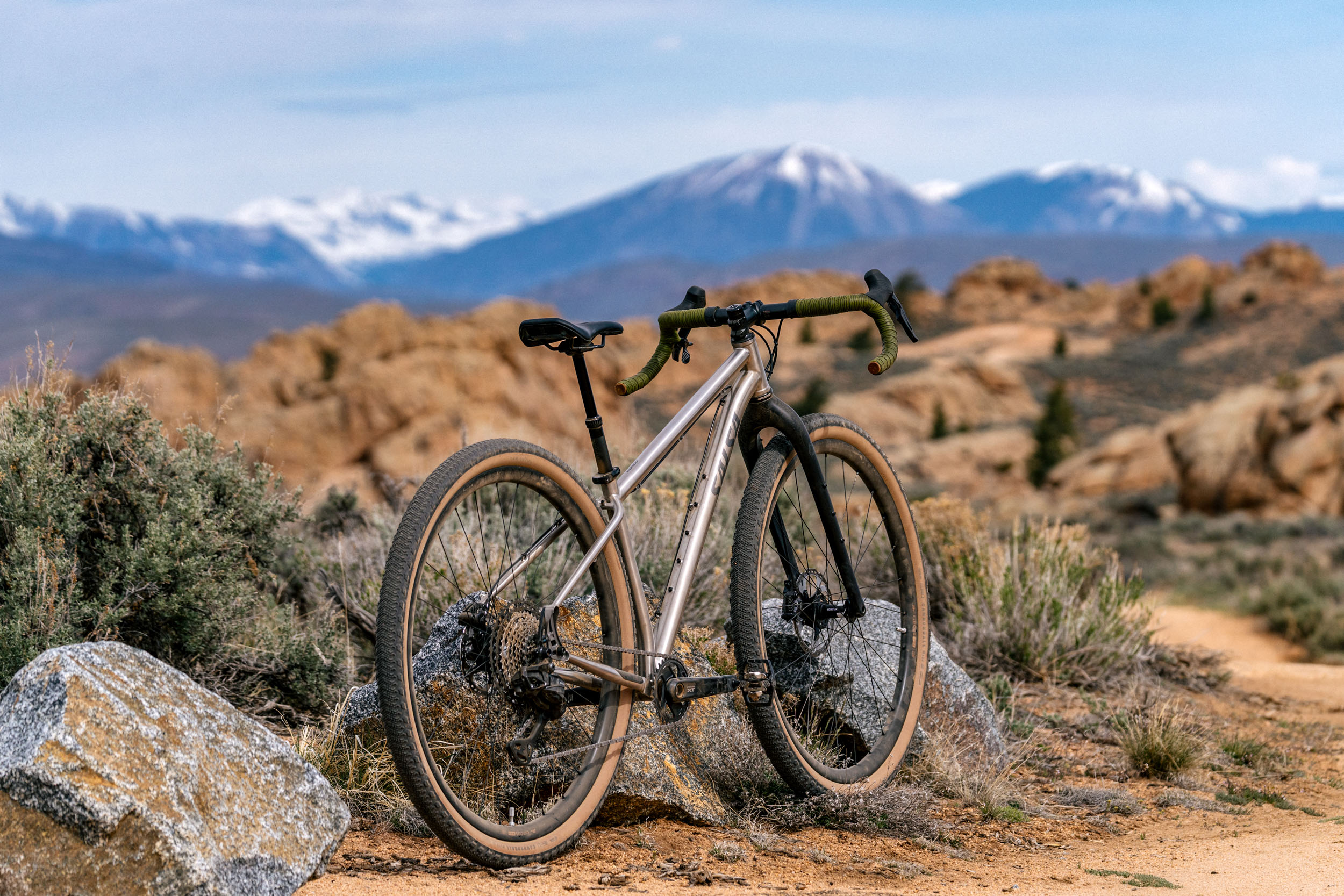
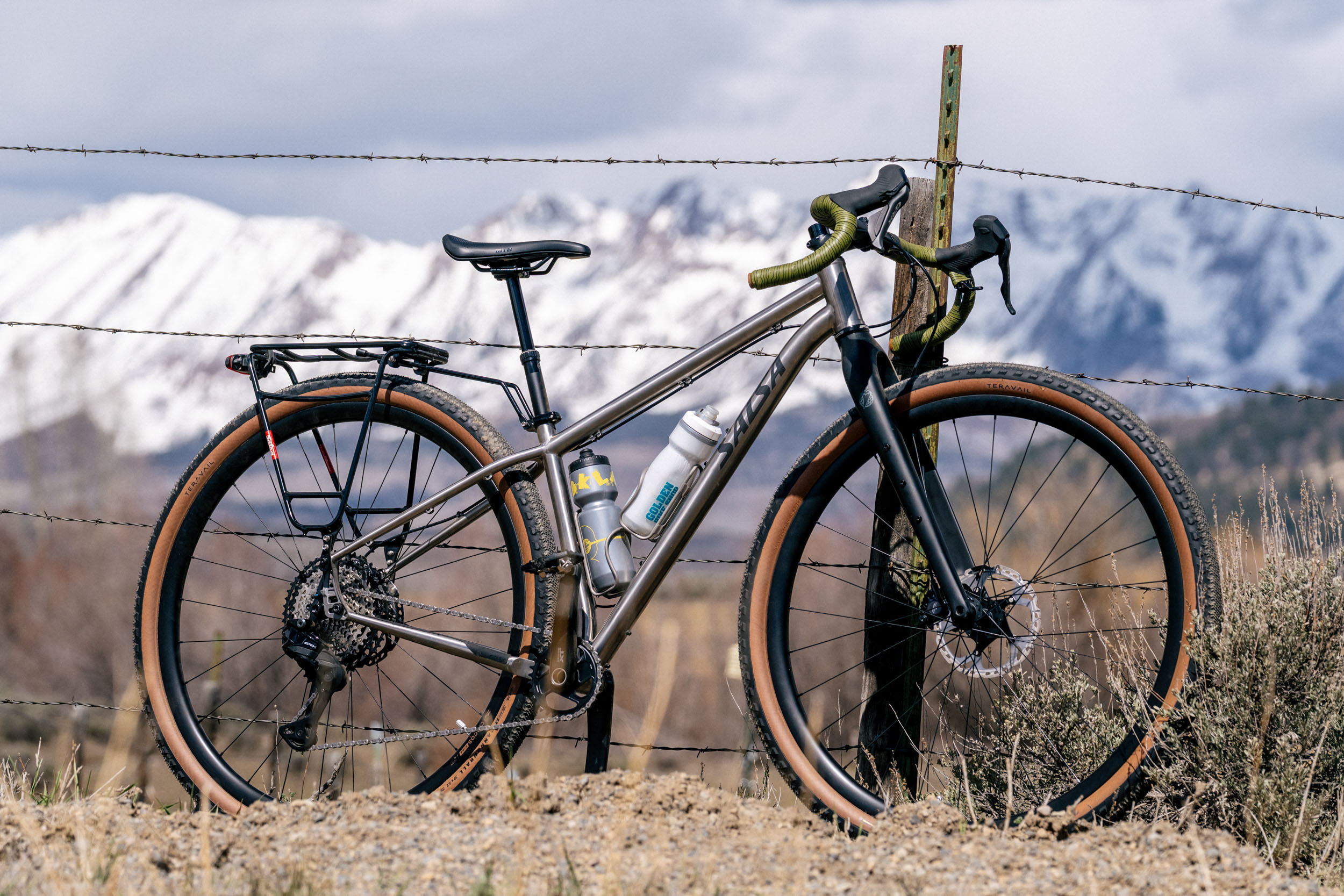
I also noticed I was getting more out of each pedal stroke. Like I was doing less to go farther. A bigger wheel covers more ground per rotation, so every crank turn moves you further down the trail. It’s hard to quantify exactly how that translates in terms of efficiency, but on the trail, it feels real. You’re not scrubbing as much speed on small hits either. Stuff that might slow a 29er down, the 32er just kind of floats over. You lose less momentum, and that adds up.
That said, there are a couple of downsides. The biggest one is how the bike tracks. It’s not playful at all. It likes to fast in a straight line. So while you’re saving energy when rolling over obstacles, it’s harder to make quick adjustments. The bike can be moved, but it’s not nearly as fast as other wheel sizes. Getting out of a rut or dodging something at the last second takes more effort. I learned that in the first 100 meters of singletrack, when I tried to make a familiar turn and washed out. Some of that could’ve been the new Teravail Cannonball 32 x 2.2” tires, which don’t have much bite, but a lot of it just comes down to how much wheel you’re trying to move around.


The other thing I noticed is climbing at slower speeds. On steeper sections, especially at speeds under about 7 miles per hour, it takes more effort to keep things turning. Same story as before—you’re dealing with more mass and more inertia.
But this is also where gearing becomes really important. Many new, higher-end mountain bikes come with a 1×12 setup, usually a 32T chainring paired with a 51 T cassette. On a 29” with a 2.4″ tire, that puts you at roughly 18.3 gear inches. Jump to a 32″ wheel, and that climbs to about 23.1. That’s a big difference. To get back to something comparable to a 29er, you’d need to drop to around a 26T chainring on a 32” bike. So, manufacturers might need to spec these differently. The question is, will they?

I find that having something around 18 gear inches for a true granny gear is pretty important, especially on a loaded bike in the kind of terrain I tend to ride. That said, with the way a 32” wheel carries momentum, you might be able to get away with slightly taller gearing and not feel as big a penalty.
All told, if you’re around my height and riding mostly gravel or smoother terrain, I think a 32” wheel could be faster and make a lot of sense. If you’re riding tighter singletrack, it starts to work against you a bit. From there, you can draw your own conclusions depending on your height and riding style.
How does the Fargo 32 ride?
Naturally, the wheel size dictates a lot of the overall feel, but how this bike actually rides comes down to the tubset, fork, and build. As I mentioned, this is a frameset-only offering, frame and fork, available in steel or titanium, both paired with a carbon fork. And if you start thinking about all the places this bike could flex, you could make a decent-sized list. Bigger rims, longer spokes, the same hub spacing, a longer fork (this one measures about 505mm axle-to-crown), and longer tubes in certain areas. On paper, you’d think this thing might feel a little noodly. But, in my experience, it was the opposite.

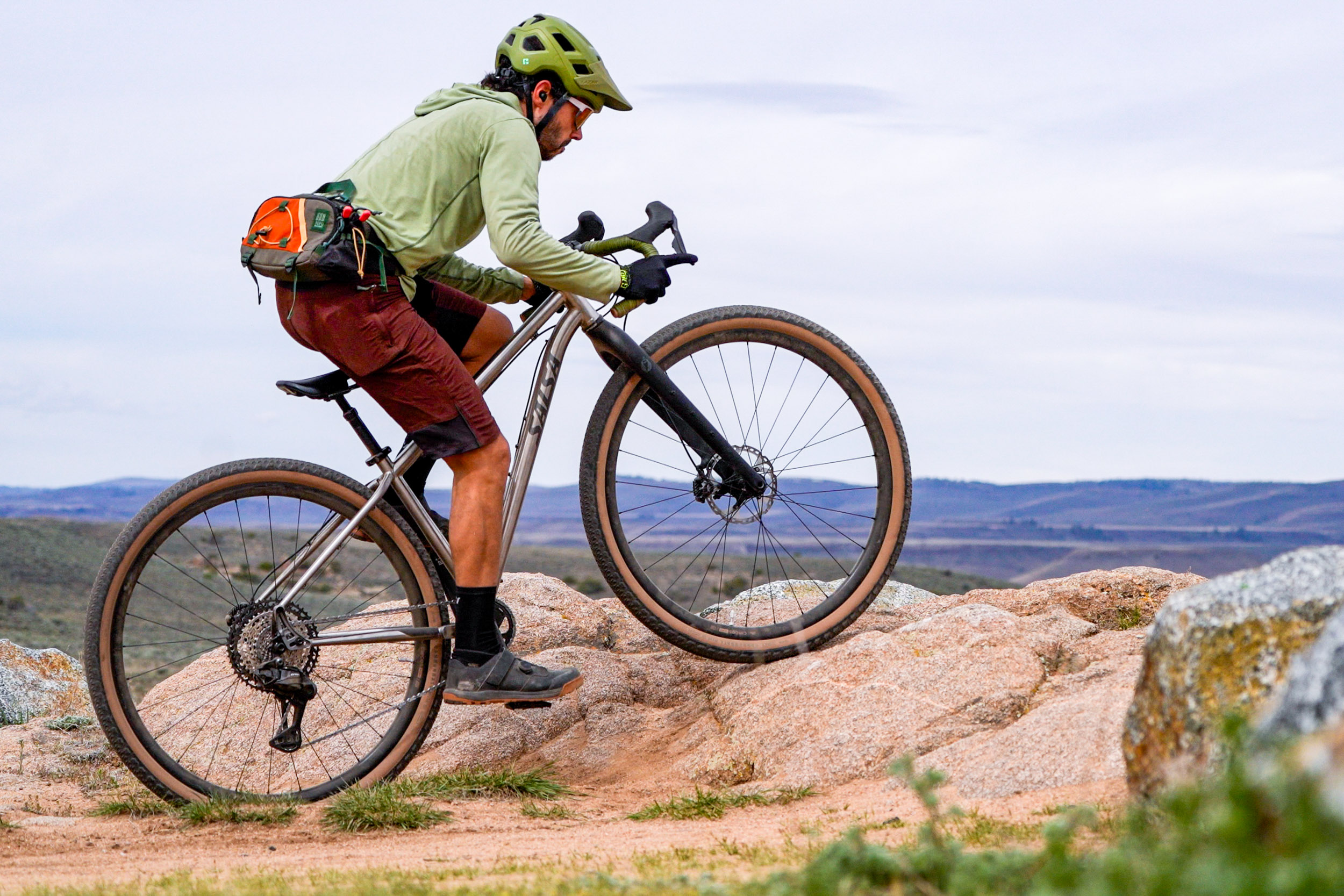

On dirt and paved climbs, especially with a slight grade, it felt quick. It holds momentum well, and when you put in short bursts of power. It’s snappy and responds best when it’s already moving. It feels like an efficient bike. The same goes for descents. Once it’s up to speed, it carries that speed well and builds it quickly. One thing that stood out, though, was a slightly harsh or unforgiving ride quality. When I got onto chunkier two-track, it didn’t have quite the vertical compliance I expected. It’s extremely stable, but I found the ride quality to be a bit less inspiring than I thought a 32” wheeled bike would offer.
That said, this was most noticeable on steeper, rougher terrain. On smoother gravel and dirt roads, it felt much more at home. I wonder if Salsa leaned toward stiffness here to keep things from feeling too flexible with such a large wheel. It’s also possible the medium doesn’t flex as much as larger sizes, and that things like head tube length and fork flex are going to matter more as 32” wheels evolve. Either way, this is a pretty stiff setup. I’d be curious to see how the steel version compares.


As I mentioned earlier, it’s harder to move the bike side-to-side on technical terrain. But when it comes to rolling over obstacles, it does a good job with enough speed. Roots and rocks that might hang up a 29er are easier to get over with the new Fargo, but the approach speed still makes a difference. At slower speeds, it can feel like the wheels are working against you. Again, that’s coming from a 5’9.5” rider on a bike that isn’t really designed around tight singletrack. It can handle the basics just fine; it’s just worth noting.
In the end, what stood out most was that this bike just kept going. On my first ride, I took the long way home without thinking. It carries speed, it feels efficient, even snappy when you hammer down on the pedals, and it doesn’t encourage you to slow down. I think that’s exactly what you want from a bike like this—something designed to be loaded up and ridden for days, weeks, maybe even months.
Bikepacking Features
As far as mounts go, it’s pretty well sorted. You’ve got fork leg mounts, low-rider rack mounts, and compatibility with the Salsa Alternator Plus Rack, along with their new lift kit for 32” wheels. The bike showed up with the rack already installed. It’s essentially the same rack as before, just with a small strut to lift it up for the bigger wheels—a pretty simple and sensible solution, rather than redesigning the whole thing.
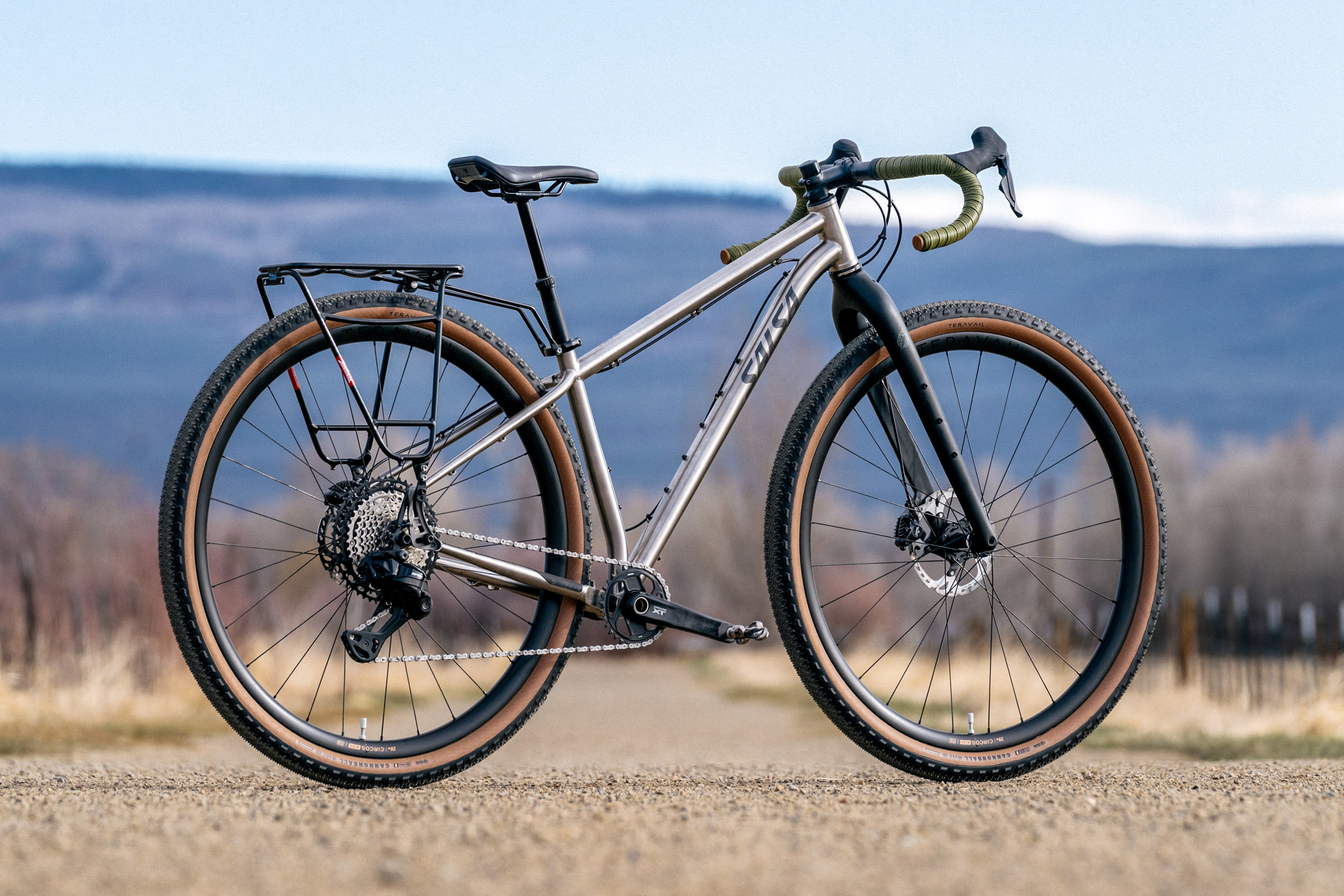


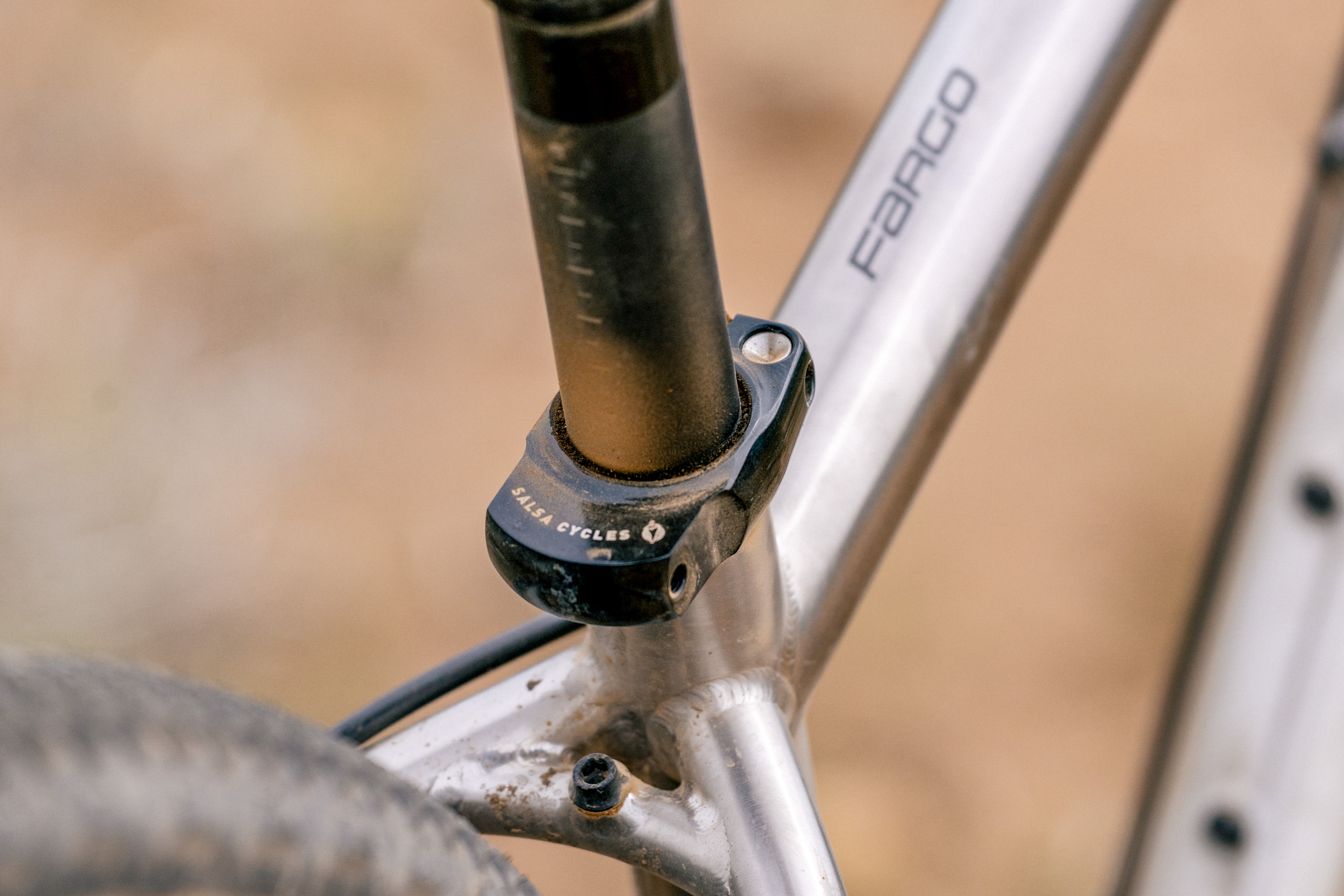
The frame doesn’t have dedicated upper rear rack mounts, but it includes Salsa’s Rack-Lock, a seatpost clamp with built-in threaded rack mounts. For bottle mounts, size small fits one inside the frame, medium fits two, and large and extra-large fit three. All sizes also have mounts on the downtube for cargo cages or additional storage. As for frame space, it’s not bad. The medium here looks a touch smaller than the 29er Fargo, at least visually, but without having them side by side, it’s hard to say definitively. Both the titanium and steel versions use Alternator 1.0 dropouts with a fixed UDH interface, and the frame is also designed to accommodate a belt drive if that’s your thing.
Build Kit
Specs-wise, this is an interesting one. While Salsa does offer full builds on their steel Fargo frames, they don’t typically do so with their titanium versions, so it’s not unusual to see this offered as a frameset-only. That said, I think a big part of the decision here comes down to parts availability. There just isn’t much out there yet in terms of 32” components, but I expect that to change pretty quickly. From what we’ve been hearing, a lot of what we’ll be covering at Sea Otter Classic this year will include new 32” parts, including quite a few Teravail components on this bike. So, stay tuned for that this weekend. For now, it’s a frameset only, but if the 32” trend takes off, I wouldn’t be surprised to see complete builds in the near future.



As for the fork, it looks pretty overbuilt around the crown, and I instantly thought it looked like a whiskey fork, and sure enough, Salsa did mention it was a fork in the Whisky lineup that Salsa has qualified to fit 32” wheels. It’s moving into the Salsa line, and that might explain some of the stiffness I felt. I expect this fork will change eventually, but I appreciate Salsa using post mount with a flat-mount adapter to give it a bit more flexibility.
Speaking of, if I were building this up myself, there are a few things I’d tweak. First, braking. This bike is equipped with two-piston Shimano GRX brakes with 180mm front and 160mm rear rotors, and I noticed slower stopping than I’d like. Personally, I’d go with a four-piston setup and 180mm rotors front and rear, especially with the added momentum of a 32” wheel. Wheel choice is another one. More options are starting to pop up, but I’d lean toward an aluminum wheelset to add more compliance to the overall system, especially compared to the carbon hoops on this build. Something around a 30mm internal rim paired with a 2.4” tire feels like a good match here.


And on that note, I’d also go with a more aggressive tire, something like the Teravail Camrock or Maxxis Aspen, something in the 2.4” category. With these bigger wheels, having a bit more bite goes a long way when you need that quick, sure-footed traction. The stem angle is worth thinking about, too. If you want to bring the front end down, running a -25° stem makes sense. I planned on trying that, but I ran out of time. I tend to prefer a lower front end, so that’s likely the direction I’d go. But if you’re riding all day on smoother roads, the more upright feel of a +/- 6° stem is pretty comfortable.
Finally, this is something Logan mentioned, and I noticed it too. The 32” wheel effectively amplifies your gearing. In the middle of the cassette, I found myself constantly micro-adjusting to find the right gear, either pushing a bit too hard or spinning more than I wanted. That feeling would likely be even more noticeable in proper mountain bike terrain. It’s less of an issue on gravel or bikepacking routes, but on a cassette where I’ve never noticed this on a 29er, it feels different on a 32” setup. All told, this build, which is pretty dialed and very nice, with some very light components, came in at 23.8 pounds with some dirt on it and no rack or pedals.
The Fargo 32 will be coming this fall, giving you time to simmer on things. The titanium version comes in at $3,499 for the frame and fork, and the steel version at $1,799.
- Model Tested: Salsa Fargo 32, Medium
- Actual Weight: 23.8 pounds
- Place of Manufacture: Taiwan
- Price: $3,499
- Manufacturer’s Details: Salsa Cycles
Pros
- Carries speed and momentum extremely well
- Rolls over obstacles better than smaller wheels
- Great for long-distance riding and bikepacking
- Stable and planted at speed
- Full-size run (S–XL) is rare for a 32″ platform
- Practical frame features (mounts, threaded BB, external routing)
- Solid weight for the complete build (23.8 pounds)
Cons
- Not very playful, prefers to track straight
- Harder to maneuver, especially in tight terrain
- Slower acceleration from a stop
- Climbing at low speeds feels more demanding
- Gearing feels off, especially mid-cassette
- Stiff ride quality, lacking vertical compliance
- Limited 32″ parts availability at the time of publishing
Wrap Up
Over the last few years, I’ve been trying to branch out and ride things I normally wouldn’t. I’ve spent more time on 27.5” wheels recently and have enjoyed them. I understand the benefits of 29” wheels and why the industry landed there. Still, I get why brands like Salsa are starting to explore this 32” platform. I’m excited to keep testing it over the next few months and years, but right out of the gate, I’d say the 32” platform is a mixed bag for me. The trade-offs are anything but small. There are some real upsides, like how well it carries speed and momentum and how it just wants to keep rolling, sometimes with surprising ease. And when a bike feels eager to keep going like that, it usually makes for a pretty great bikepacking platform.
But there are downsides. At my height, it’s a harder bike to manage, and it doesn’t have the maneuverability I’d want in tighter terrain. The gearing felt a little off in certain parts of the cassette, and this particular build felt pretty stiff overall. That said, I’d be curious to see how other sizes, and especially the steel version, compare. In all, if you’re looking to take on big gravel rides and want a platform that carries speed well and can handle a load, the Fargo is a pretty compelling option.
Alright, folks, 32 is here. What do you think? Let me know in the Conversation below, and stay tuned for our full coverage from Sea Otter Classic this week and next.
Further Reading
Make sure to dig into these related articles for more info...



Please keep the conversation civil, constructive, and inclusive, or your comment will be removed.