

 Mountain Bike (MTB)
 Gravel Bike
 All-Terrain Bike (ATB)
 Fat Bike



Trek CheckOUT Review: Category Defining, Not Bending



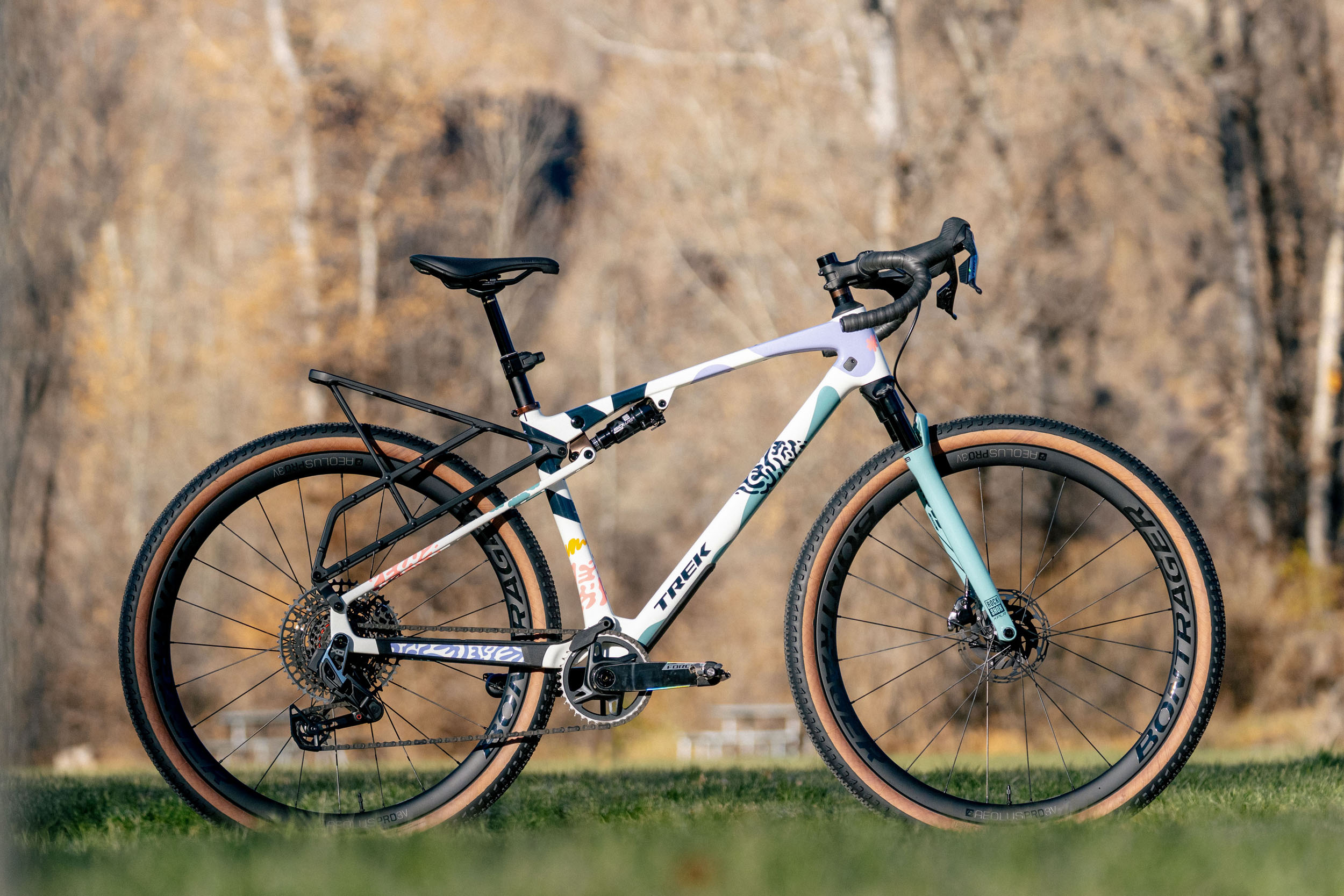
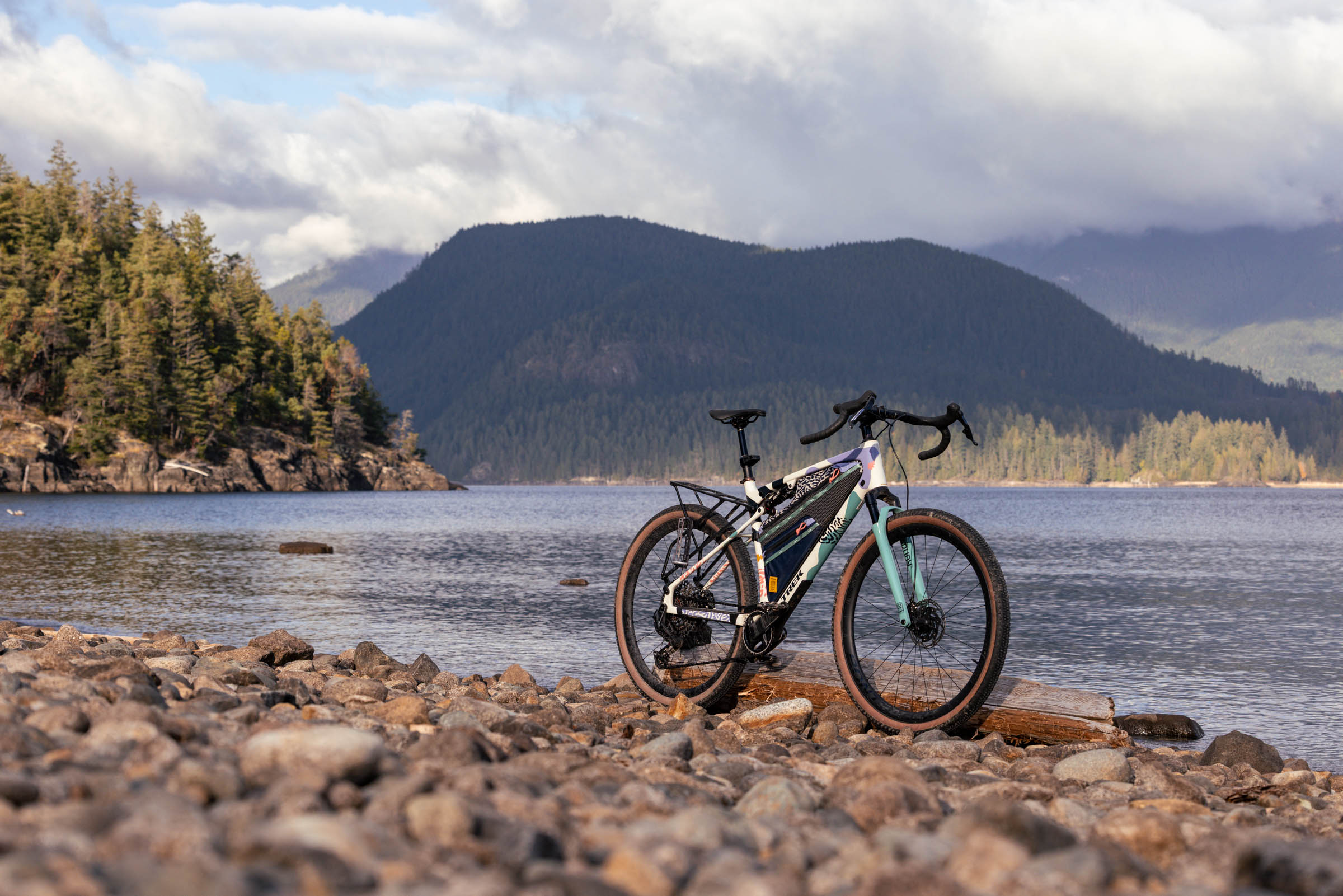
Released this fall, the Trek CheckOUT caused quite the stir with its washboard-eating full-suspension design, integrated rear rack, loads of mounting points, and option for a custom-fitted frame bag. Miles and Neil have spent months testing the CheckOUT on a variety of terrain and conditions to see where it falls between a drop-bar mountain bike and a gravel bike, all while answering the ultimate question: do we need full-suspension gravel bikes? Dig into their Trek CheckOUT review to find out…
PUBLISHED Dec 4, 2025
Additional photos by Neil Beltchenko
A common angle in bike reviews, one we’re guilty of taking, is to lean into their “category-bending” characteristics and attempt to discern why and how far they sway in a particular direction. Big tires and front suspension are specs found on a mountain bike, but non-boost axles and steep head tube angles are more common in gravel bikes. Are 2.25” wide tires even considered mountain bike tires anymore? That stack height (or lack thereof) guarantees this bike to skirt the traditional definition of this or that. There are so many details to consider when deciding on the exact style of bike, and sometimes organizing bikes into a specific category can be surprisingly tricky.
When the Trek CheckOUT was announced this fall, there was some chatter online about coming “full circle” and whether it was a new-old mountain bike, a joke, or something some folks would have preferred to see: a Supercaliber with a rack. Was the CheckOUT designed to challenge the illustrious Salsa Cuthroat, or was it a gravel bike through and through, and less of a drop-bar mountain bike? Regardless, the Trek CheckOUT caused quite the stir, and both Neil and I have been testing it in a wide range of conditions and terrain types to answer these questions and more.


A Development Story
The first time we heard about Trek working on a bikepacking/gravel bike was back in 2022, when we participated in a few development meetings to share our thoughts and wishes for what ultimately sounded like a “Tour Divide-style bikepacking rig.” According to Trek, the goal wasn’t to respond to a specific customer request, but instead to explore the boundaries of gravel. Naturally, the design team started experimenting with ideas borrowed from cross-country mountain bikes to see if they had legs in the gravel world.
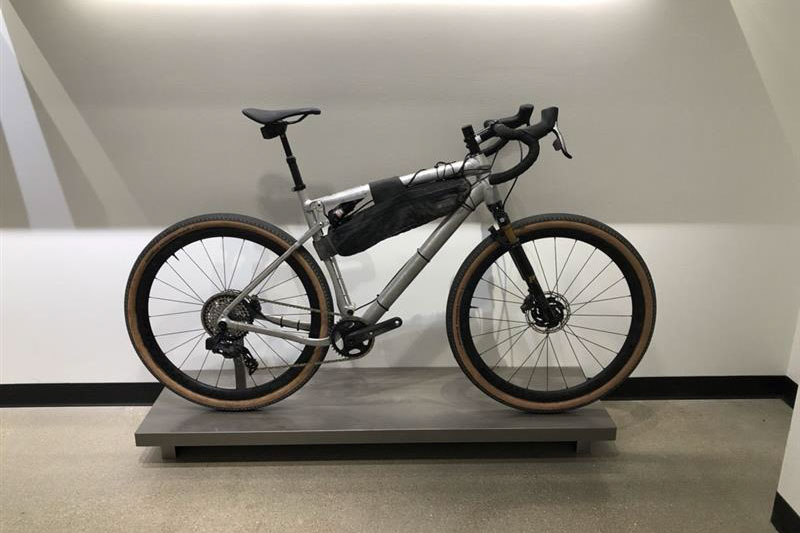
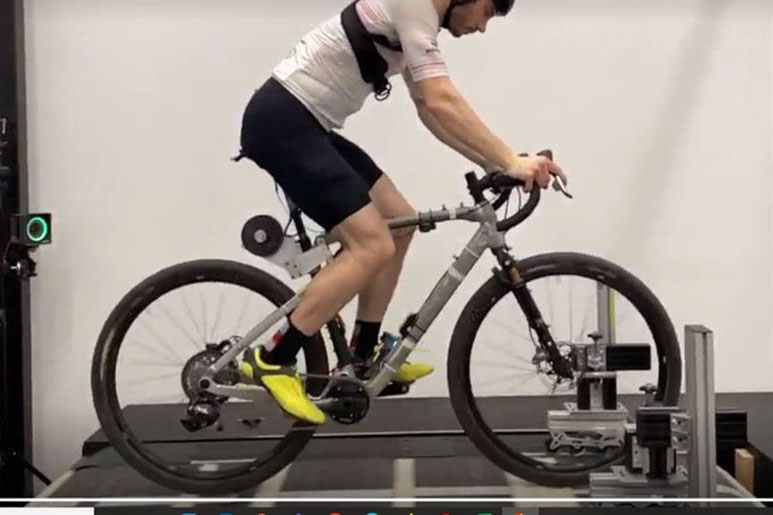
The project began as a rigid “monster-cross bike” that had geometry nearly identical to the final CheckOUT’s. They used this platform to test a bunch of short-travel forks, but they wanted more tire clearance, which helped lead to the development of the Rudy XL fork. Trek made five physical frame prototypes: a rigid frame with a steel fork; two alloy full-suspension frames with the ability to lock out the rear triangle and make them hardtails; one alloy frame with an IsoStrut and Supercal rear triangle; and one carbon full-suspension prototype before moving to production tooling. The IsoStrut prototype was tested in Asheville and around Wisconsin, but Trek couldn’t achieve the desired travel and progression of the leverage rate across all sizes. IsoStrut was dropped, and they landed on a rear end that looks closer to a full-suspension cross-country mountain bike than any gravel bike.
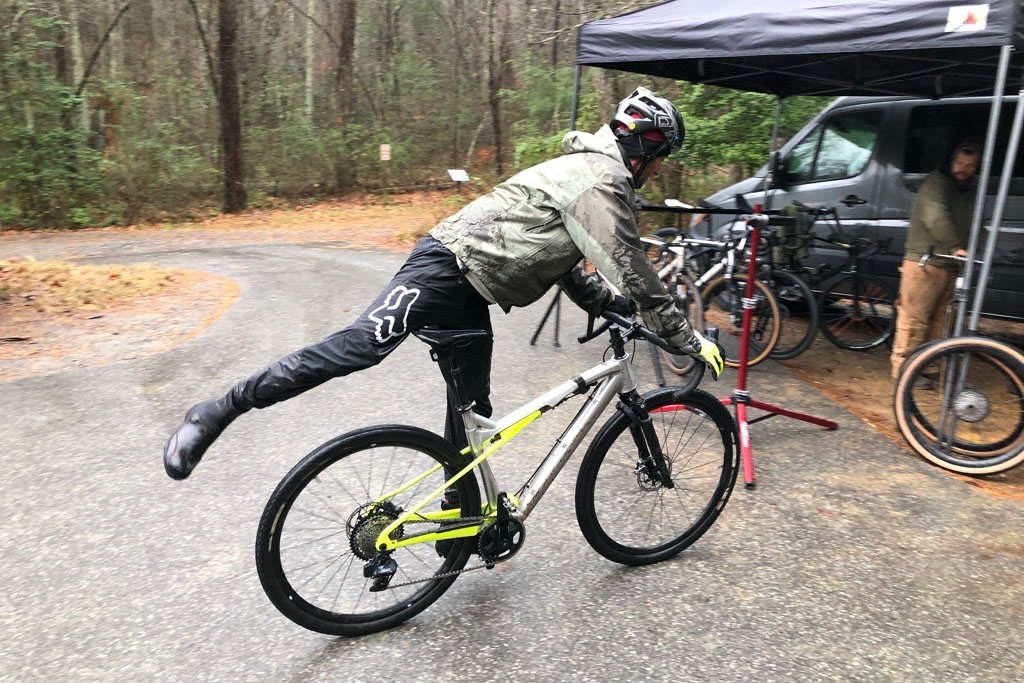


The original intent was to create a bike that excelled at massive day rides, didn’t sacrifice on-road performance, and could handle mountain bike trails. The final product morphed into something far more capable than the original concept, and even though customers weren’t directly asking for CheckOUT, Trek feels it solved many emerging needs. Alex Bedinghaus, a design engineer for Trek’s Road/Gravel lineup, was quick to point out that the CheckOUT isn’t meant to be an around-the-world bikepacking bike or drop-bar MTB. Rather, it’s more of a capable gravel bike for their road-favoring customers who desire increased confidence.
The result is a carbon full-suspension adventure-gravel bike with clearance for 29 x 2.2″ tires, built around the new RockShox Rudy XL 60mm fork and a RockShox SIDluxe shock with 55mm of travel. As Trek puts it, it’s designed to be “faster than a mountain bike on paved roads and more capable than a rigid gravel bike on singletrack.” They also helped prove the CheckOUT’s capability in the ultra-endurance/bikepacking scene with Justinas Leveika’s wins at The Accursed Race in May and at the Trans Balkan Race a month later.


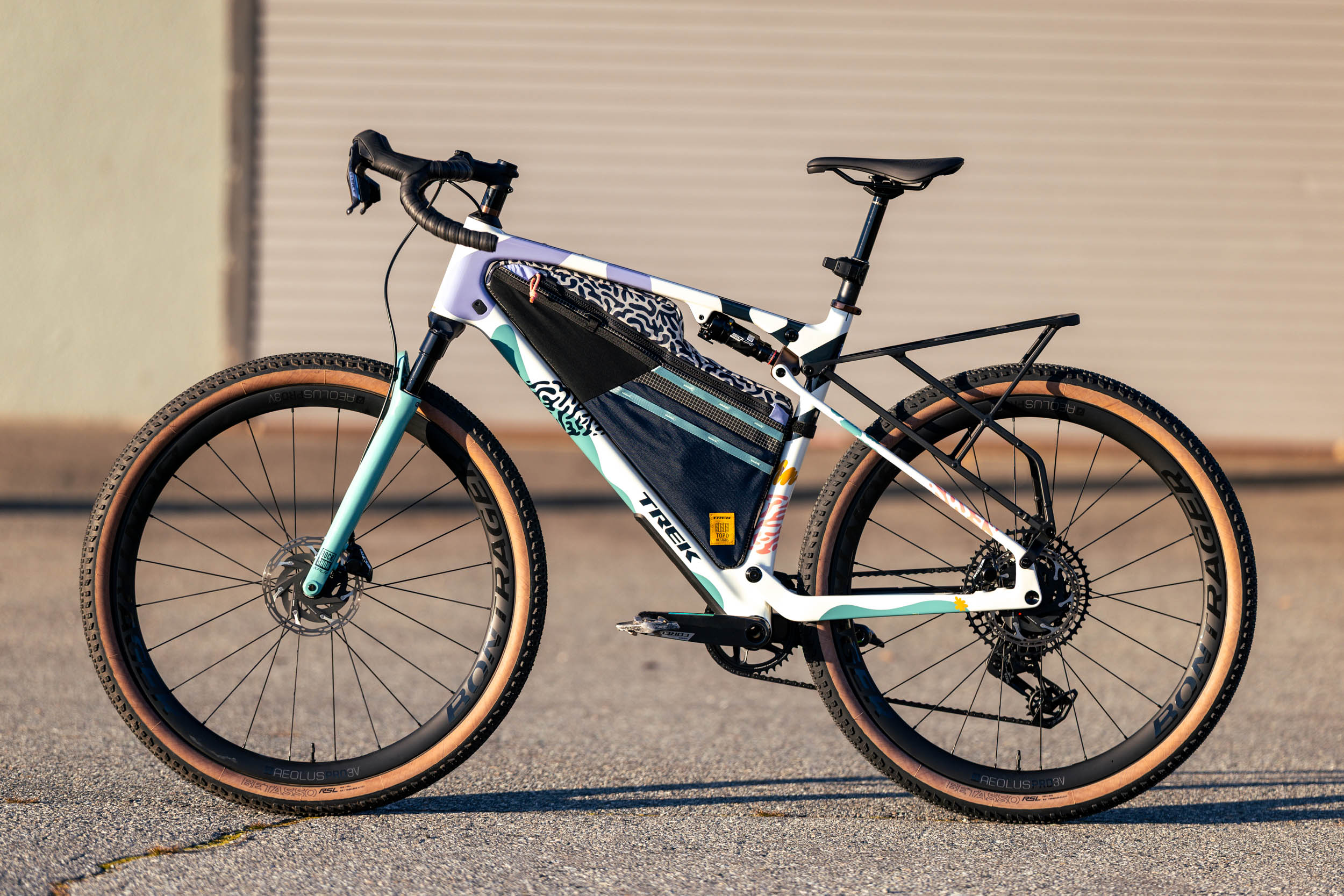


Full suspension gravel bikes aren’t new—the Niner MCR RDO, released in 2019, was one of the first production options—but they are few and far between. This speaks to Trek’s decision to design a bike based on curiosity, rather than demand; otherwise, there would likely be more options available in this segment of the gravel world. The CheckOUT sets itself apart thanks to a nifty integrated rear rack, the option for a custom frame bag, a new rear suspension design, and several other specs and features designed specifically for the CheckOUT frame. Trek really flexed its ability to go all-in with the CheckOUT, and it takes a thorough look at all the details to appreciate just how much went into it.
CheckOUT Specs and Fit
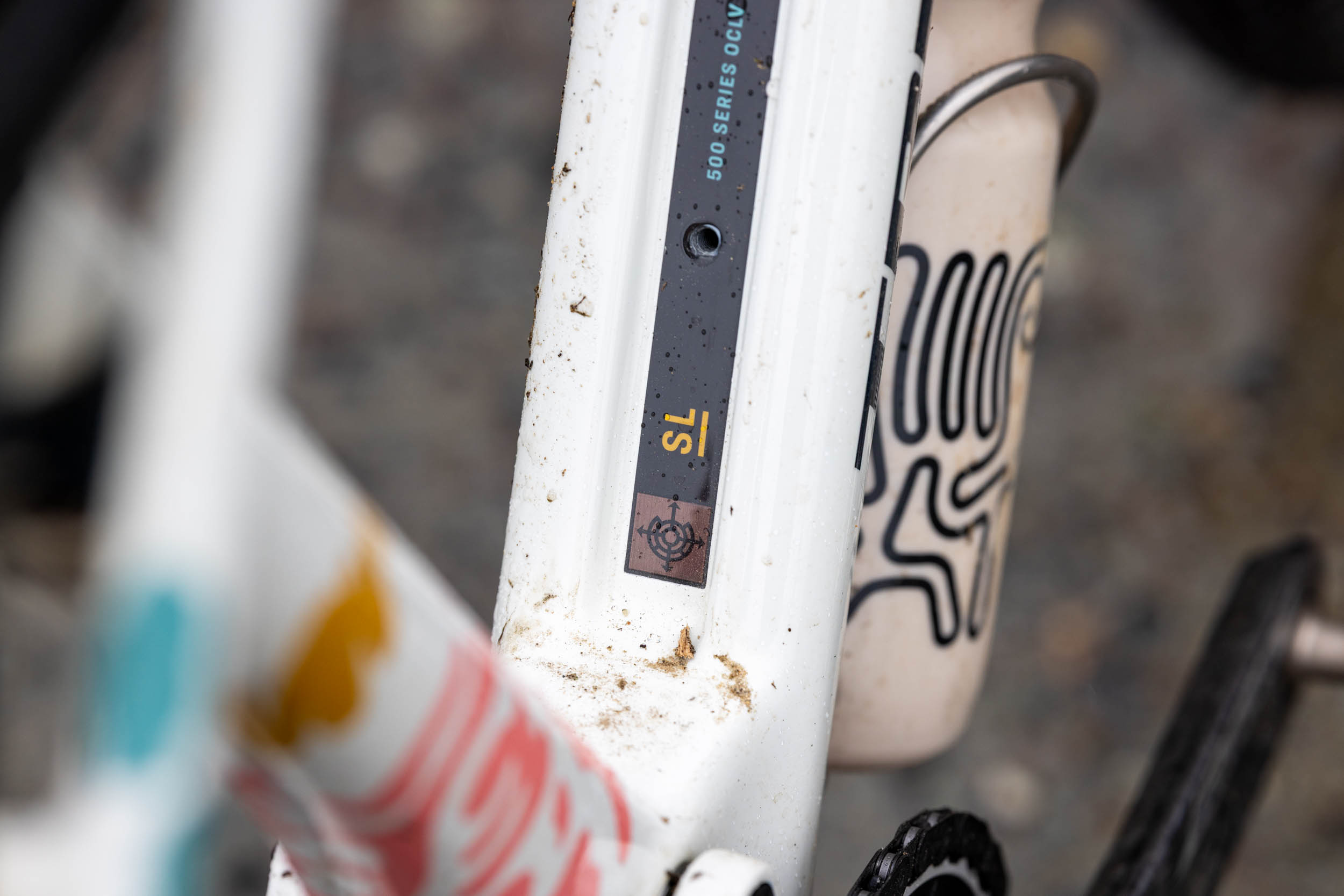
The CheckOUT is made from Trek’s patented 500 Series Optimum Compaction Low-Void Carbon (OCLV). Without getting too deep, the process by which their carbon frames and components are made relies on a closely guarded heat-and-pressure process that minimizes structure-weakening voids. The 500 series carbon is technically the most wallet-friendly layup Trek offers, which is funny given the CheckOUT’s $9,000+ price tag.
Trek took full advantage of modern carbon technology, packing many clever details and features into the frame. The bike’s shape and overall balance are aesthetically top-notch. There is a rubber bolt-on downtube cover and chainstay protector, and the top of the downtube features an interesting recessed channel with seven threaded bosses for bottle cages, the optional bolt-on frame bag, or the included Multi-Mount cargo cages. For even more carrying capacity, there are mounts on the top tube, downtube, and seat tube, and an additional 15 threaded mounts on the rear rack.

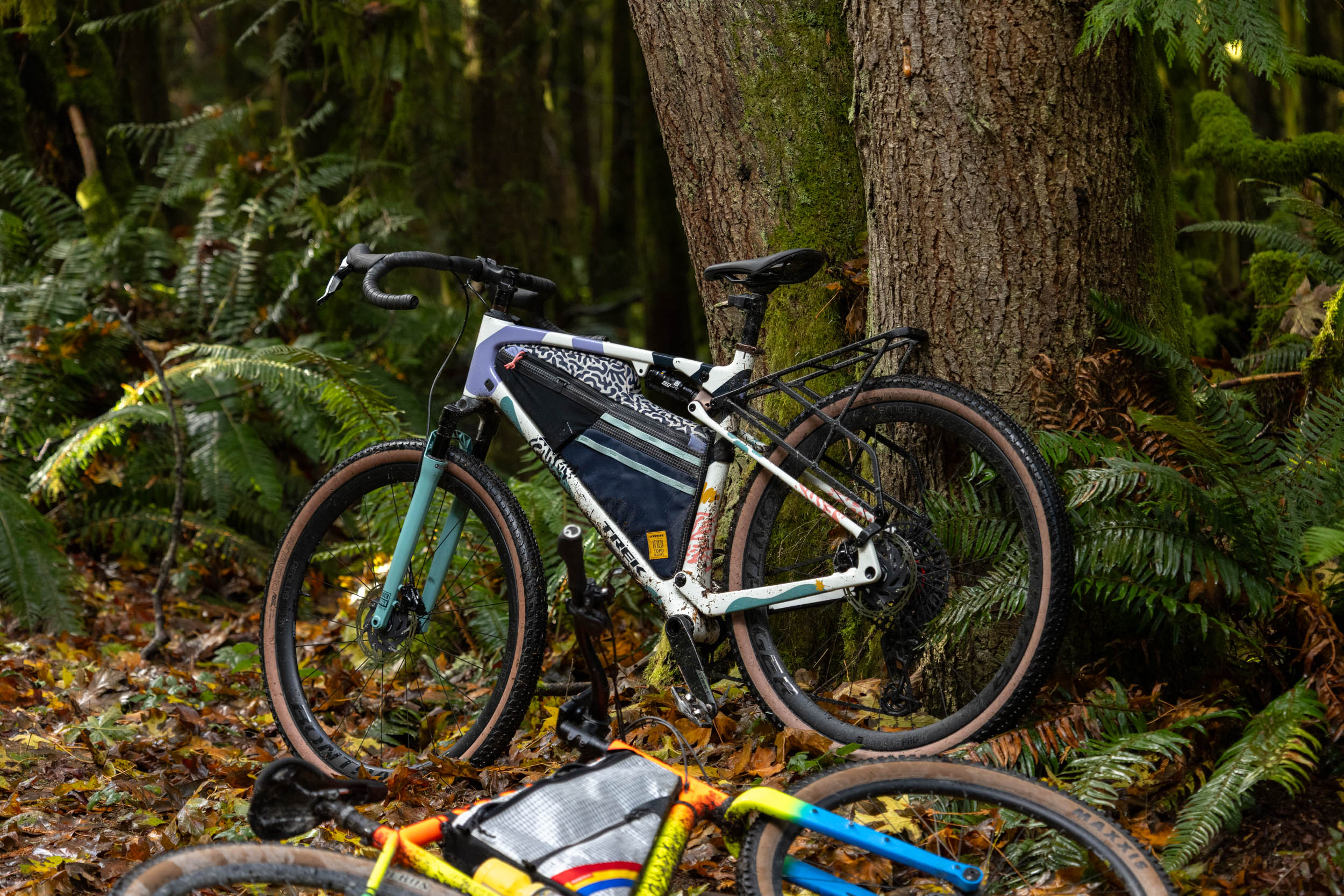

The CheckOUT offers both internal and external cable routing, thanks to the channel on the downtube. Internal routing can run through the headset or through ports near the headtube. It also has internal dropper post routing for mechanical droppers, but all complete builds come specced with a wireless dropper post. Other specs include clearance for 29 x 2.2” tires (the fork can fit 2.25”), a threaded T47 bottom bracket, a UDH rear dropout, and 12mm x 148/142mm thru-axles.
The CheckOUT is offered in five sizes, from small to extra-large, with a medium-large option in the middle. By comparison, it’s more upright and longer than the Checkpoint but less slack and slightly more relaxed than the Procaliber or SuperCal. Compared to the Salsa Cutthroat, the CheckOUT has a slightly longer wheelbase, a longer effective top tube, and a marginally sportier fit. It fits neatly between more upright bikes like the Salsa Fargo or Esker Lorax and other modern monstercross-style gravel bikes.
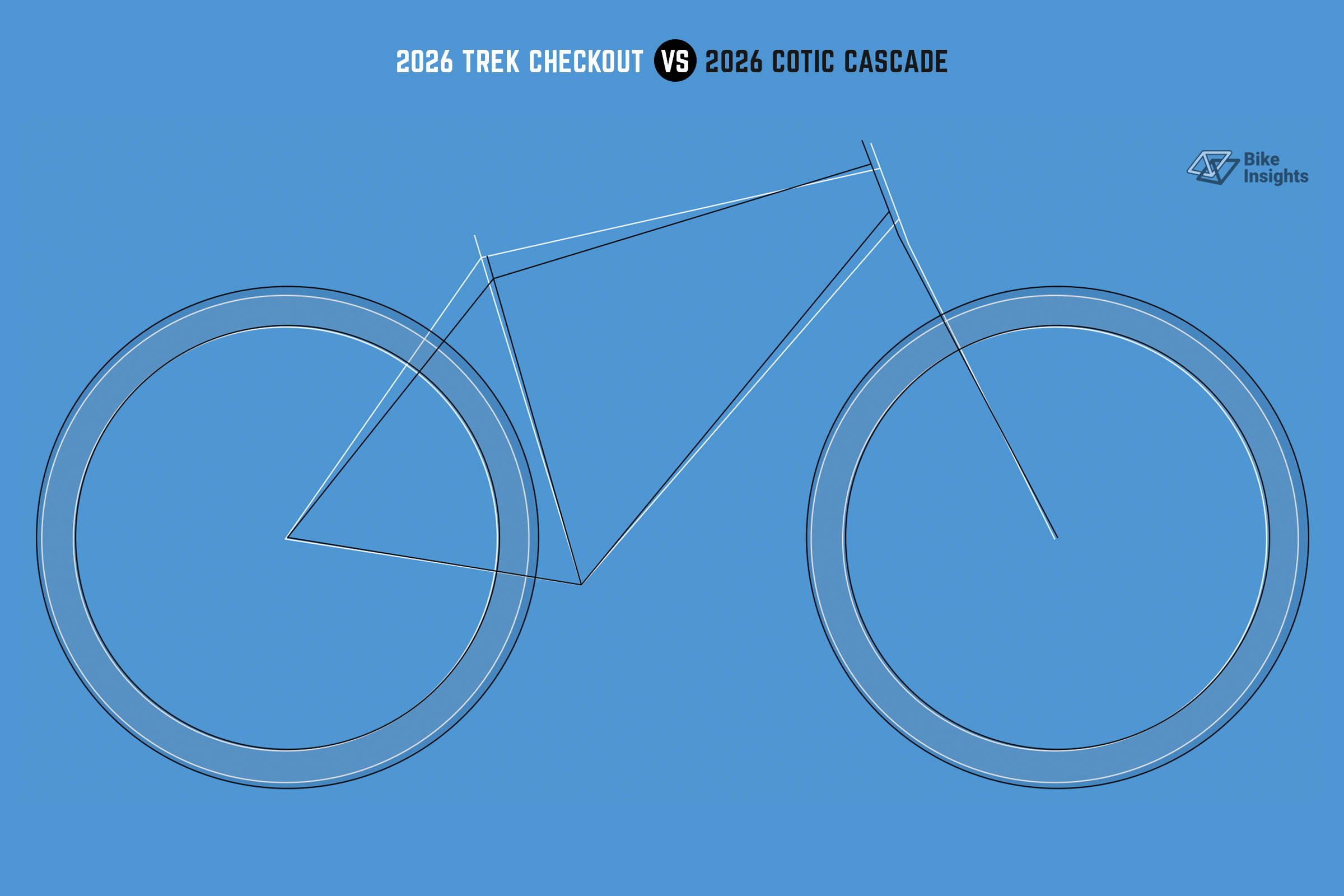


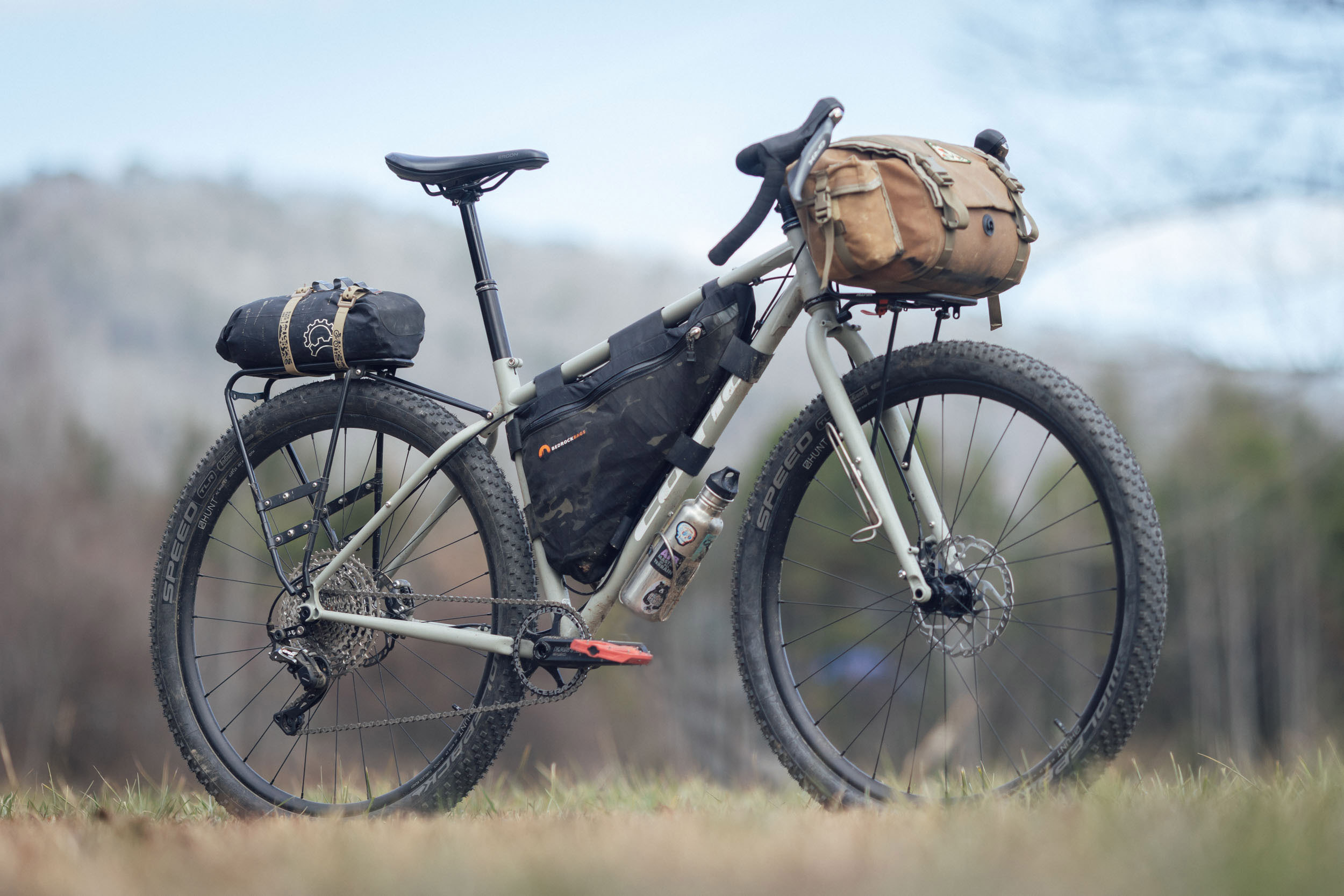
The gravel bike with the most comparable geometry I came across was the Cotic Cascade, which, as Logan put it, “diverges from other bikes in its class by way of its overt mountain bike demeanor.” The Cotic is a touch slacker in the front end, and the standover on the Trek is raised to increase framebag size, but otherwise, the two are surprisingly similar. Digging deeper, it seems the CheckOUT has more in common with cross-country mountain bikes than I originally would have imagined. However, despite some mountain-bike-inspired specs and angles, it really doesn’t feel like a proper drop-bar mountain bike, a point Neil and I agree on.
The CheckOUT has a categorically tall standover height due to the top tube’s height, which was designed to maximize the main triangle space for bags and bottles. The size large I’ve been riding is pushing my inseam clearance to the max when straddling the frame, and Neil actually had to switch his M/L out for a medium because he couldn’t fit over its high top tube. Otherwise, as far as fit goes, all I needed to do was flip the 70mm stem on my size large to gain a touch more height up front, and I found myself in a sporty but not too aggressive riding position that felt equally at home on fast one-hour rides and longer, back-to-back days.
Trek CheckOUT Geometry
| Size | SM | MD | ML | L | XL |
|---|---|---|---|---|---|
| Wheel Size | 700c | 700c | 700c | 700c | 700c |
| Seat Tube Length | 440 | 470 | 520 | 540 | 560 |
| Seat Tube Angle | 74.6° | 74.2° | 73.7° | 73.0° | 72.6° |
| Head Tube Length | 83 | 122 | 138 | 159 | 182 |
| Head Tube Angle | 68.8° | 69.0° | 69.4° | 69.5° | 69.4° |
| Effective Top Tube Length | 564 | 589 | 597 | 613 | 628 |
| Bottom Bracket Drop | 70 | 70 | 70 | 68 | 68 |
| Chainstay Length | 442 | 442 | 442 | 442 | 442 |
| Fork Offset | 48 | 48 | 48 | 48 | 48 |
| Fork Trail | 92 | 91 | 88 | 88 | 88 |
| Wheelbase | 1081 | 1105 | 1117 | 1135 | 1150 |
| Frame Standover | 772 | 804 | 840 | 861 | 861 |
| Frame Reach | 395 | 407 | 417 | 427 | 435 |
| Frame Stack | 580 | 617 | 634 | 652 | 673 |


Category Blending? Underbiking? Try Again.
It would be easy to look at a full-suspension gravel bike like the CheckOUT and immediately start comparing it to mountain bikes, but that would be a mistake. The CheckOUT isn’t a mountain bike. Despite some mountain bike influence, the CheckOUT is still a gravel bike, and I don’t think it does justice to be compared to anything else. Coincidentally, this is how Trek presented the CheckOUT in the first place: a super-capable gravel bike, rather than a category-disrupting drop-bar mountain bike.
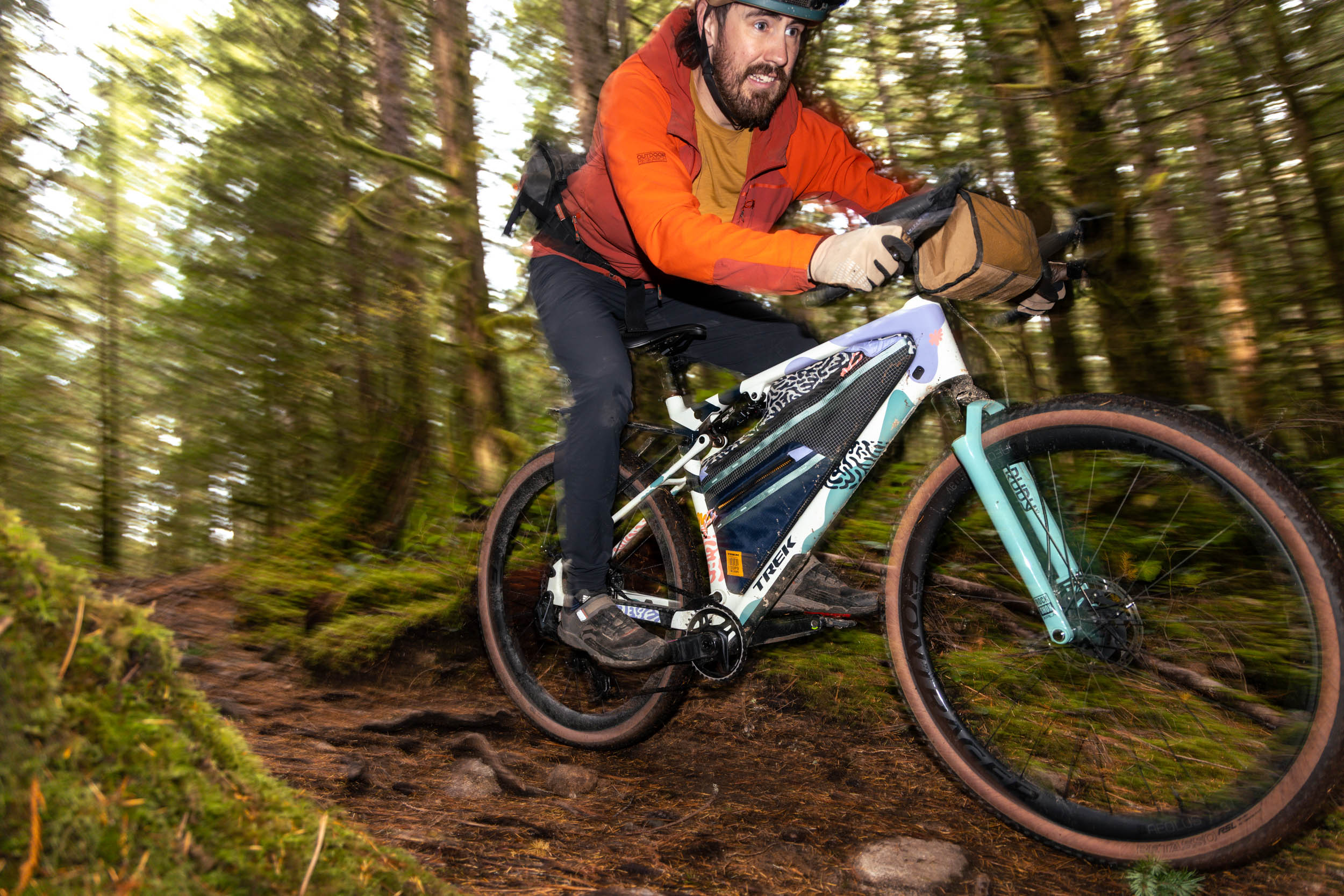
The CheckOUT rides like a dream, and unsurprisingly, its suspension plays a big role in that. The rear suspension design draws heavily on short-travel mountain bikes such as the Specialized Epic, Rocky Mountain Element, and Santa Cruz Blur. To maximize frame bag space and shed excess weight, the CheckOUT uses a single-pivot flexstay swingarm with a tiny swinglink tucked under the top tube. The folks at Trek explained that the rear swing arm’s leverage rate and position were specifically tuned for pedaling, which rang true in the real world. Whether I had the rear shock in the open, pedal, or lockout setting, there was a pleasant sense of firmness underfoot. Having tested several short-travel mountain bikes updated with flex stays, including the new Rocky Mountain Element, I’d say the CheckOUT’s flex-stay design offers similar benefits, such as responsiveness and speed.


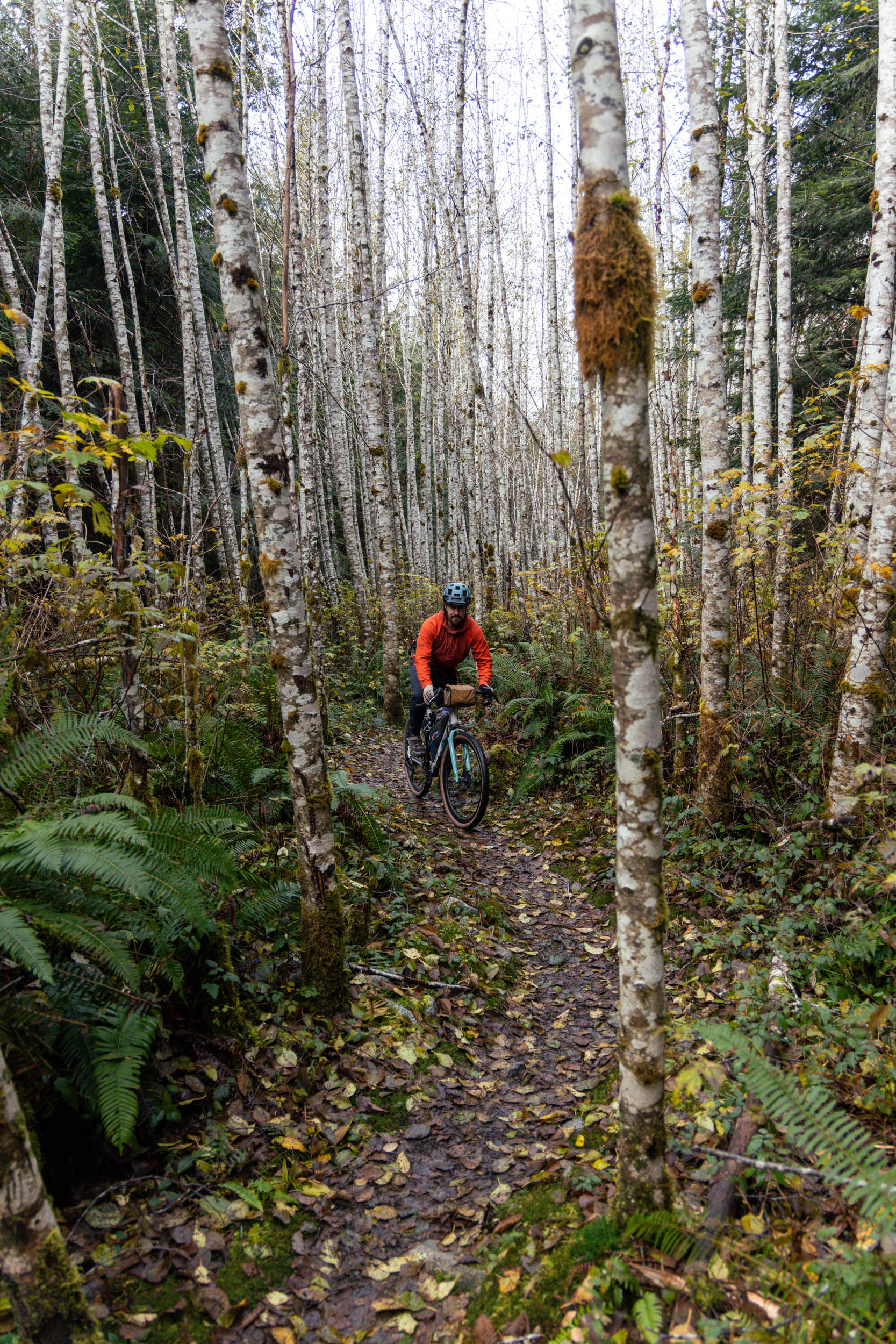


While the limited suspension travel doesn’t compare to a cross-country mountain bike or something with more travel, it feels impressively more comfortable than any rigid gravel bike off-road. I expected the suspension to feel good, but I wasn’t quite prepared for the “magic carpet” ride quality that felt like it was drifting over everything beneath me. Riding on the chunky, crushed rock and washboard that define our coastal logging roads, the CheckOUT felt efficient and fluid. The suspension and carbon frame worked flawlessly together to eliminate jarring bumps, resulting in the most plush gravel ride experience I’ve had. Pushed into slightly rougher terrain, including unpredictable quad tracks and the occasional stretch of singletrack, the fork and shock gave me a fighting chance to remain in control and maintain traction. Even when navigating awkward corners, slippery root gardens, the occasional skinny bridge, or finding my way down small drop-offs, the CheckOUT rarely felt out of its element.


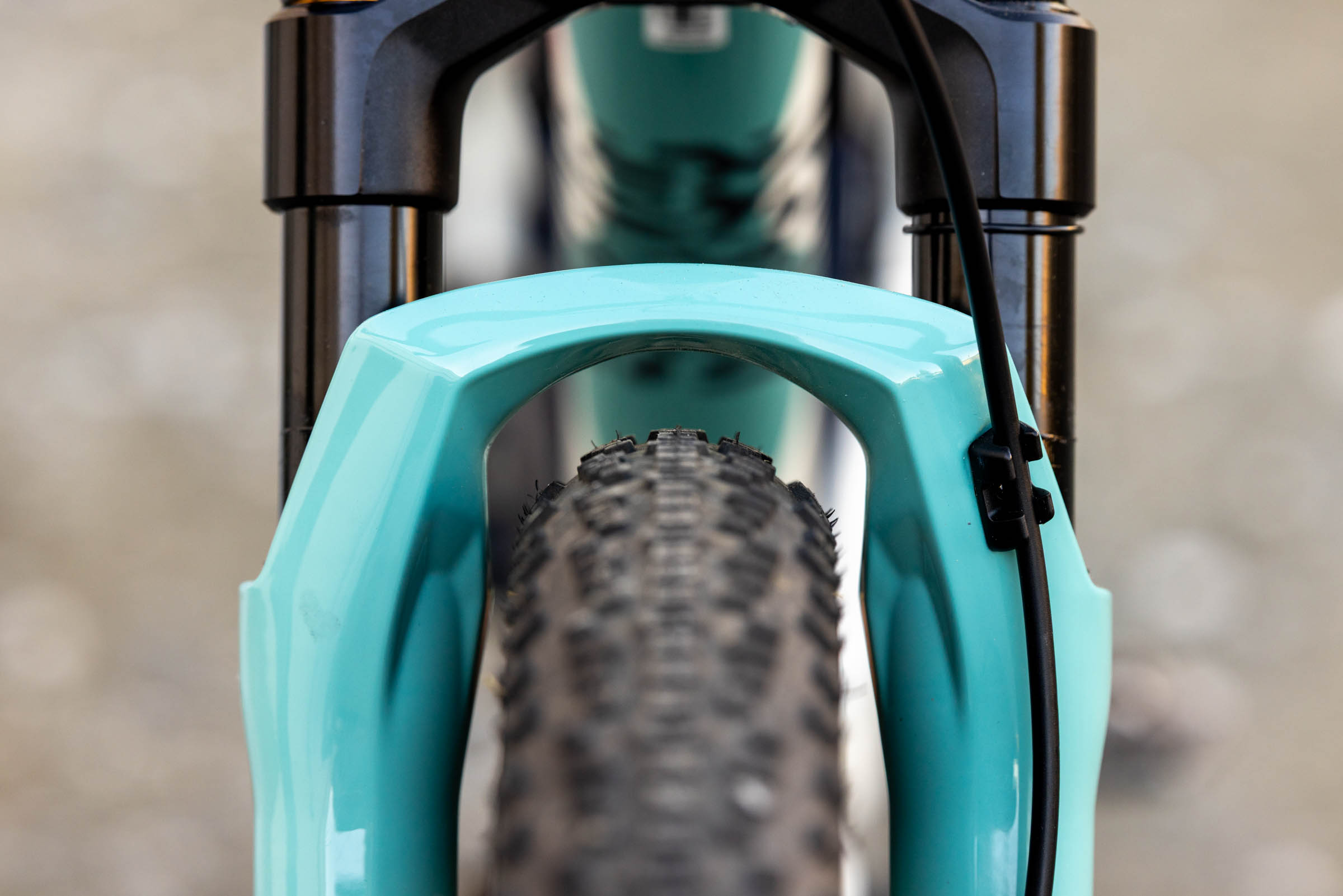
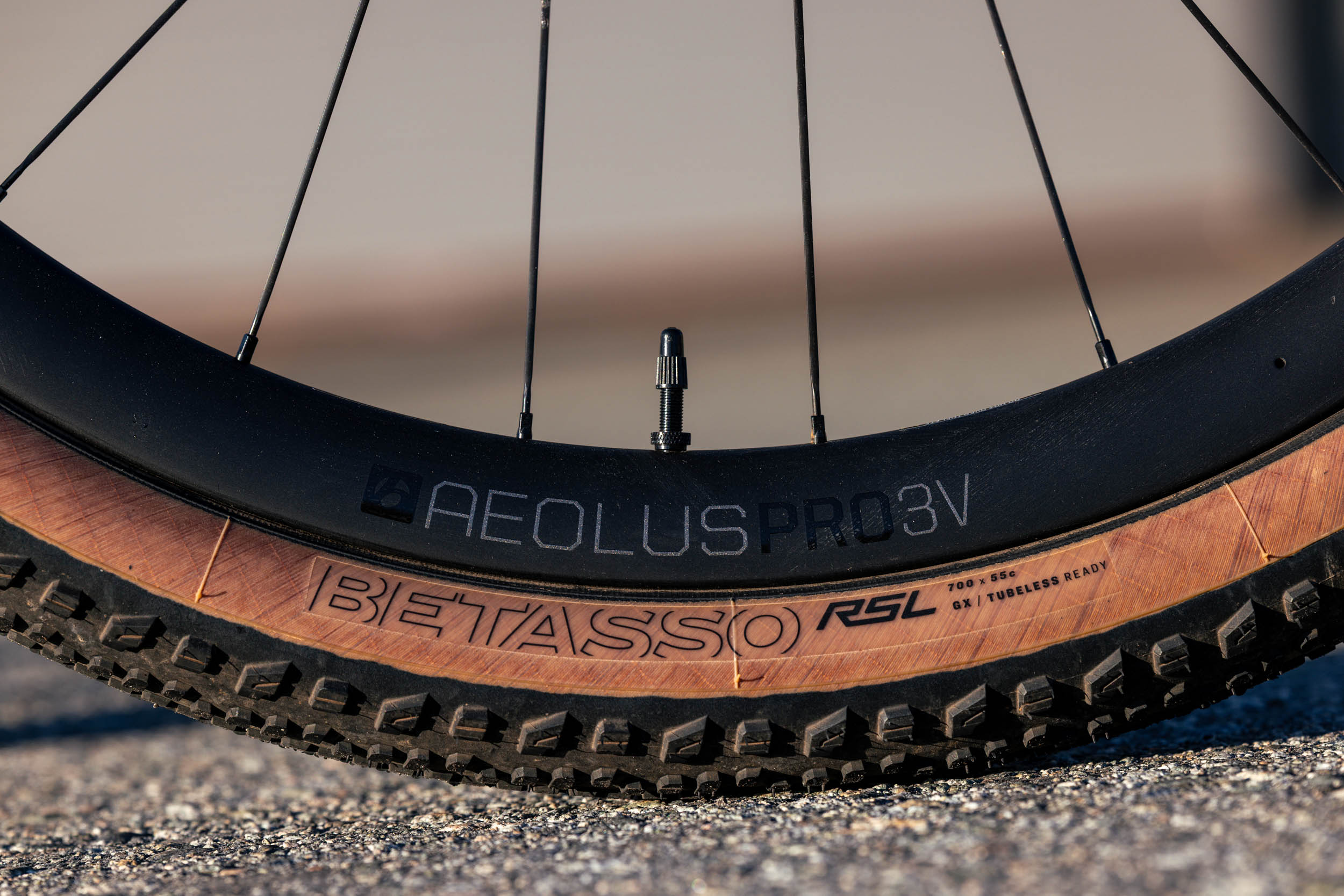
The CheckOUT’s Achilles heel was the slick tread of the Bontrager Betasso RSL GX 700 x 55mm tires. They suit the bike and have proven to be fast-rolling and surprisingly durable, but they simply don’t stand a chance navigating slippery roots and trails during a Pacific Northwest winter. Thankfully, there are mountain bikes for that. The stock 55mm (2.2”) tires measure true to size, with about another 7mm of clearance on both sides out back and closer to 4mm in the fork. It’s safe to say a larger tire would fit in the rear, but there’s limited extra clearance in the RockShox Rudy XL.
This brings me to another topic of discussion that I believe is crucial to the debate over whether the CheckOUT is simply an old cross-country mountain bike and whether we’ve come full circle: what is gravel?
Undefined Gravel
Gravel, and gravel bikes by extension, can mean many things, depending on who you ask. Here in the Pacific Northwest, our gravel is primarily forestry roads built for logging. They can be rough, riddled with potholes and rocks, and are built for massive hauling trucks that can weigh between 40 and 80 metric tons. In short, these roads aren’t always the smoothest or most maintained. In southern New Mexico, including the Monumental Loop, “gravel” consists of sand-covered tracks and loose doubletrack. Head into the mountains, and gravel can include massive passes, steep climbs, and babyhead-covered descents. Gravel can look like just about anything, and that’s where the CheckOUT shines.


The CheckOUT feels like a gravel bike, but the suspension takes the edge off gnarlier terrain. It might not accelerate as fast as a rigid gravel bike, and it doesn’t beg to always be pushed faster and faster like some racier bikes, but there’s a familiar, efficient feeling when moving along that reminds me more of a gravel bike than a drop-bar mountain bike. When zipping around trails and doubletrack in my backyard, it had a safe “in the bike” feel rather than feeling perched on top. Not only did this make the bike feel balanced and solid, but it felt natural to take advantage of the dropper post and lean the bike out of the way when heading into tight corners and berms.


Wide gravel tires and full-suspension provide a unique opportunity to ride fast and efficiently through whatever your definition of “gravel” might be. Once you start treating the CheckOUT like a gravel bike, not an under-equipped mountain bike, the comfort of suspension and big-ish tires starts to feel pretty great. If I had more time with the bike, I think I’d have enjoyed riding it without the rear rack and frame bag, which would have dropped the total weight closer to 26 pounds. However, the rack is truly the centerpiece of the CheckOUT, and with all the little hardware and small parts, most users will likely keep it installed. The rack has a lot to dig into, so let’s get right into it.
CheckOUT Rack: Complicated Cargo
Trek is no stranger to developing interesting cargo solutions for its bikes. One of the most shining examples of this, at least from a bikepacking perspective, was the Trek 1120. The 1120 came equipped with two proprietary aluminum racks—a fork crown-mounted cradle up front and a seastay-mounted rear rack and harness system. To this day, the 1120’s rack system stands out as one of the most unparalleled cargo-hauling solutions we’ve seen from a production bike.
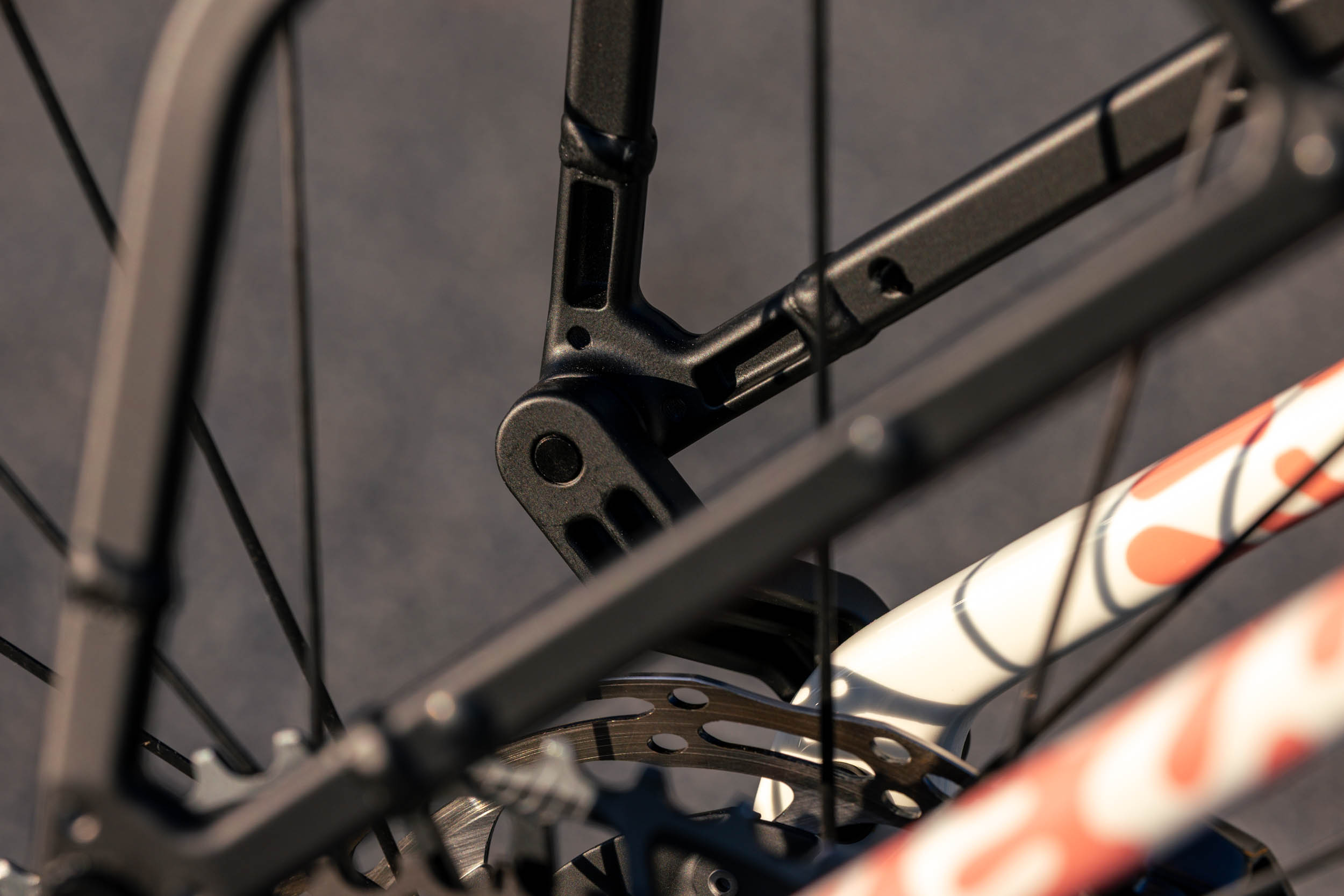
When designing the CheckOUT, Trek experimented with other standard racks, including Old Man Mountain, Aeroe, and prototypes that mounted to the seatstays or pinned directly to the seat tube. However, once rear suspension entered the equation, suspension performance was affected, so they designed their own. The Checkout SL Rear Cargo Rack features a lower linkage and three sets of bearings to compensate for movement between the front and rear triangles as it travels through its suspension. Adding linkages allows the rack’s top platform to remain almost entirely in place as the rear triangle moves. It’s not completely unsprung, but it’s close, having a limited effect on the suspension as weight is added to the rack. There’s a slight vertical oscillation of the rack early in travel to ensure tire clearance throughout.


Trek also considered a front rack or cradle, similar to the 1120, but ultimately the rear rack offered the most bang for the consumer’s buck. I agree with Trek’s approach, and I think a rear rack will be more useful to more riders than a dedicated front rack. However, the Checkout SL Rear Cargo Rack is easily the most complicated rack I’ve come across, and that comes with some downsides.
The most obvious disadvantage to the rack is that it has three sets of sealed cartridge bearings, which will ultimately wear out and require replacement. These pivot points also open up opportunities for failure and unwanted noise. Both Neil and I dealt with rattling noises in the rack that were due to a missing washer, and there’s also a small amount of horizontal play in the system from the linkages. The rack is attached to the frame with tiny 2.5mm bolts, which Neil ended up stripping when trying to figure out what was making so much noise. Trek said they were aware of this, and the next run of CheckOUTs will use 2.5mm torx bolts instead. Another detail I noticed was that the two three-pack mounts on the rack follow standard spacing diagonally along the struts but don’t match up vertically. This isn’t totally surprising, because that would require compensating for the slight variation in welding, but having the option to bolt cages vertically would have been nice. One workaround is to use cargo cages with slotted mounting points, such as the Widefoot CargoMount I used. Maybe it’s just me, but there’s something about mounting cages on a 45° angle that I just can’t get behind.


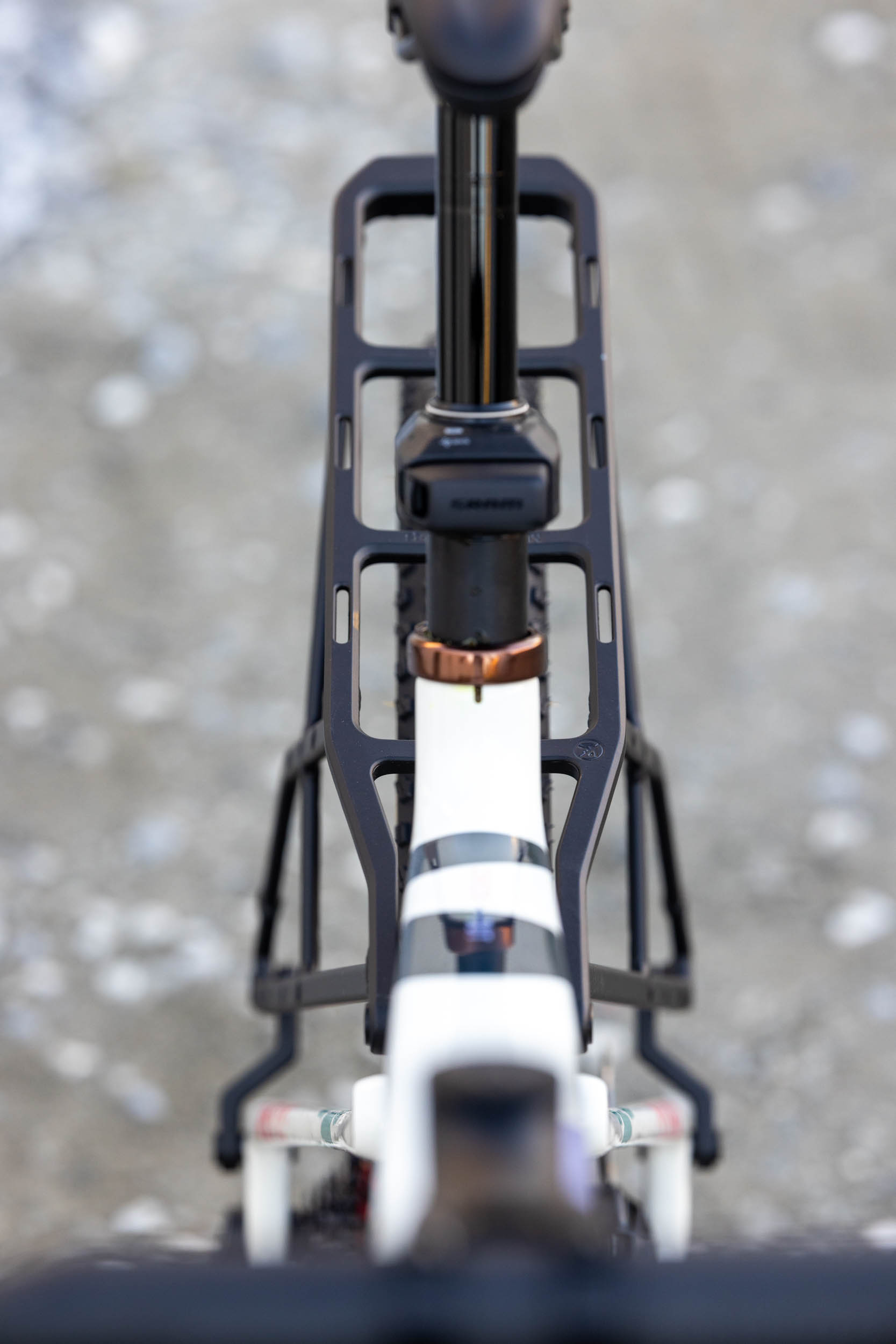
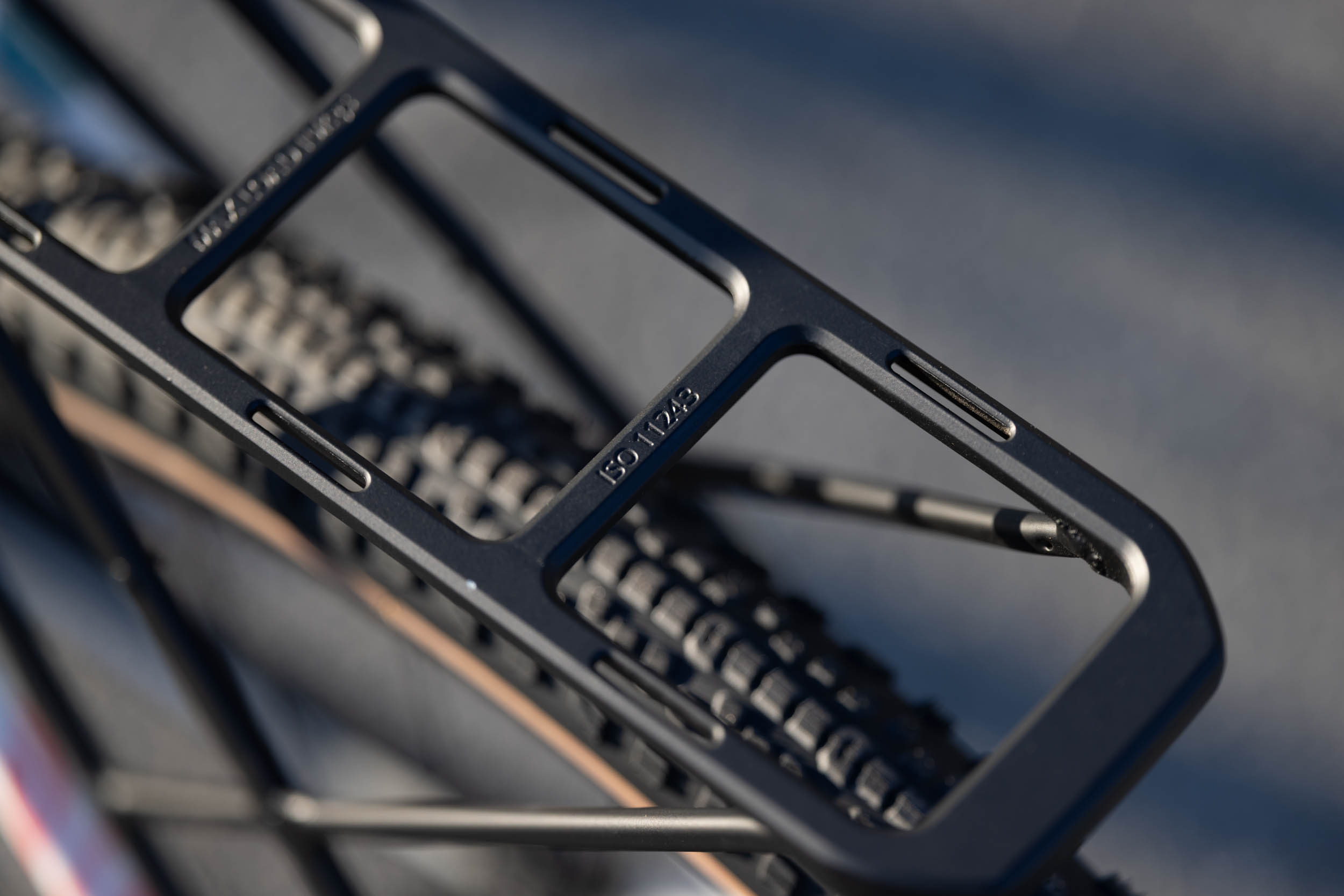
The aluminum rear rack on the CheckOUT has a high-end feel and feel, but during a bikepacking trip, Neil managed to crack the rack where one of the diagonally struts meets the top deck. We’re still not sure what the cause was, and Trek hasn’t seen this happen before. For the record, neither Neil nor I has ever broken a rack, and he was well within the rack’s 22-pound (10-kilogram) load capacity. The only theory we have is that loading panniers on the sides of the rack might have tweaked it, and Trek admitted it wasn’t tested for the unique forces panniers can apply.
Here’s Trek’s official statement regarding Neil’s broken rack: “During development for this rack, Trek tested many combinations of drybags and 3-pack mounted luggage carriers. The testing for this rack was rigorous and multifaceted. We have not seen this issue during our testing or in the field. The defect in question will be investigated, and Trek hopes to remedy anything that may be uncovered by this investigation. Additionally, Trek offers a robust warranty against defects in materials and workmanship for all original equipment and aftermarket products.”
Bikepacking on the CheckOUT
A series of health setbacks thwarted most of my fall bikepacking plans, but I was able to spend some long days riding the CheckOUT fully loaded, which gave me a good feel for how it rides while bikepacking. In short, its efficiency and comfort make for a fantastic multi-day bikepacking rig. Paired with a natural riding position that’s not too stretched out, too low, or too high, it was easy to zone out and just pedal for hours on end.
The suspension, despite being minimal, has a significant effect on confidence and traction on more technical terrain, and this becomes even more important when riding loaded. I’m all for a little bit of underbiking, but it’s less fun when dealing with the added weight of camping gear, a tent, food, and water. The CheckOUT feels markedly different than a rigid gravel bike in these scenarios, and it allowed me to clean sections of trails I’d typically shy away from or walk.


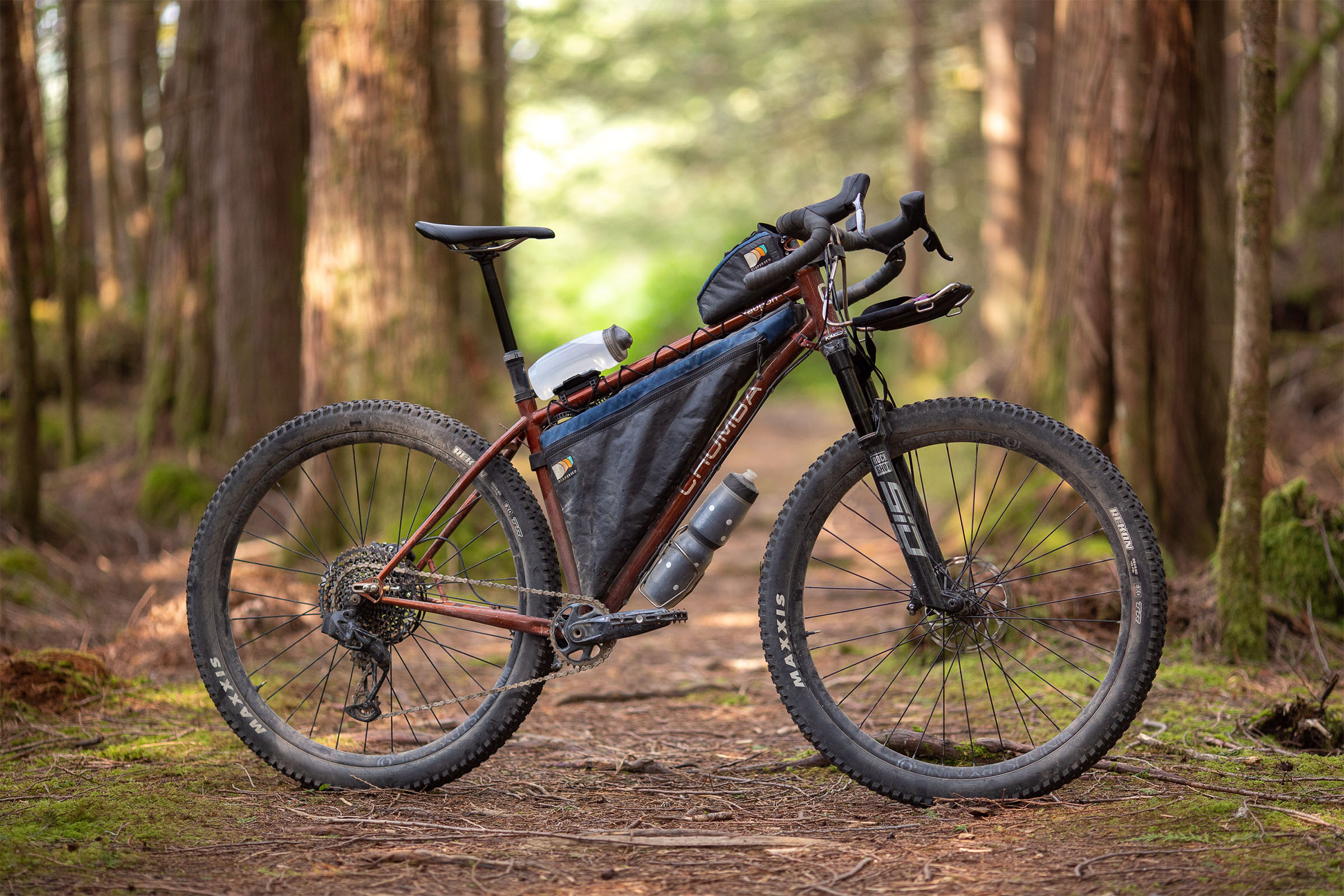
I originally thought I’d miss a more upright position of a true drop-bar mountain bike, such as the Chumba Yaupon I tested a few years ago, but the CheckOUT surprised me. For folks who are sold on drop bars and are happy with 2.2” tire clearance, the CheckOUT exists in a class of its own—as long as that class is “gravel.” It was comfortable riding cruisy gravel on the hoods, and because of the bar’s shallow drop, transitioning to the drops for more technical riding was a cinch. Plus, the resulting position isn’t so aggressive that it feels scary to point the bike down anything steep. I still prefer a flat bar for technical riding and singletrack, but the CheckOUT gave me a fighting chance.
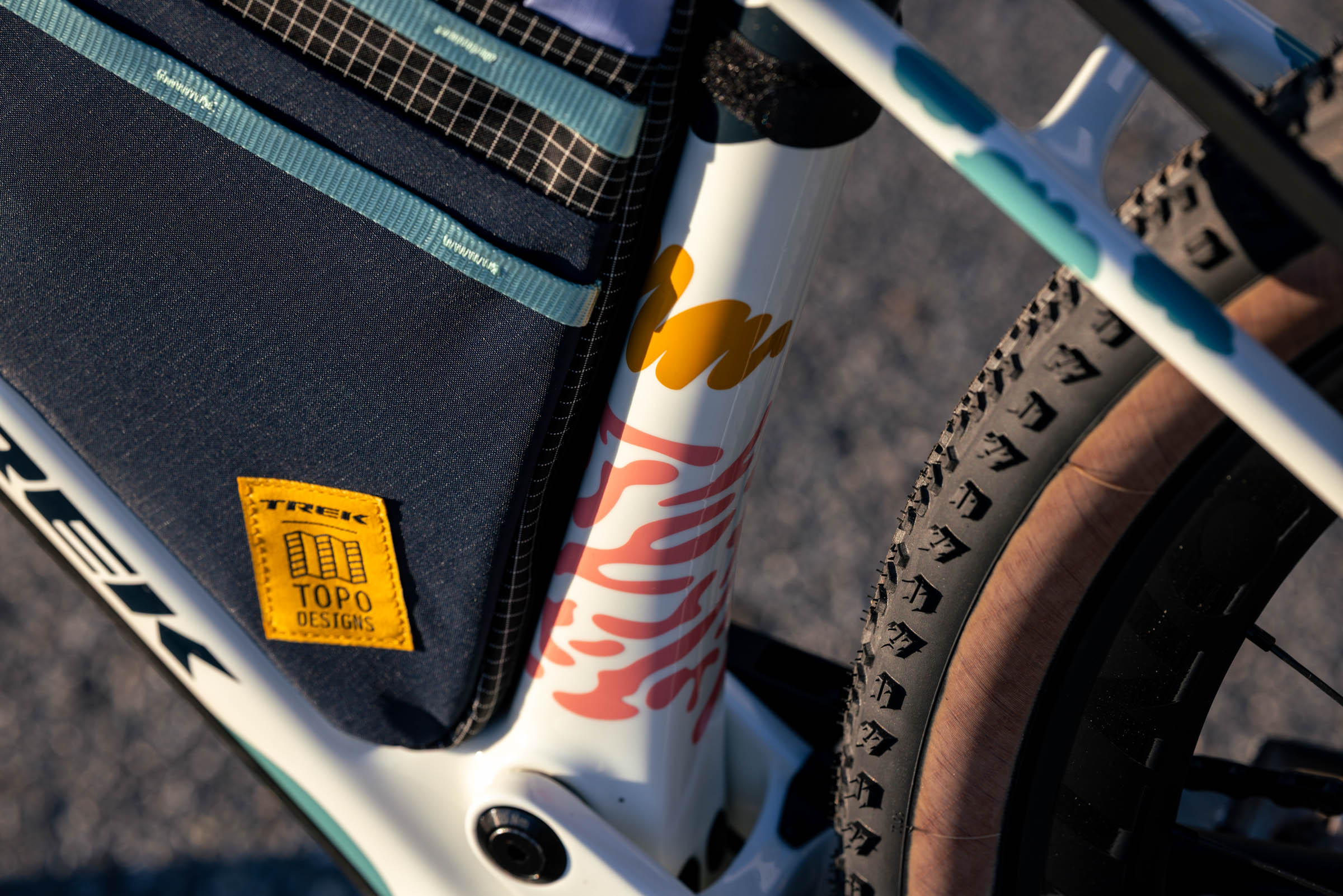
Of course, the frame bag, cargo cages, rack (despite some growing pains), and various mounting points all make loading up the CheckOUT easy. The frame bag, made in collaboration with Topo Designs, does a good job of making the most of every last bit of space inside the main triangle. It’s a sizeable bag on the large frame I was riding, but it’s also one of the narrowest I’ve used, which makes it less ideal for bulky stoves or other wide items. It’s well-built, and I really enjoyed the stretchy mesh exterior pocket on the non-drive side for quick-access items, as well as the thread-on frame bag mounts. Complete builds and framesets come with two of Trek’s new cargo cages, called Multi-Mounts. The aluminum cages have large slotted mounting holes to dial in the position along the downtube channel, which is covered in threaded holes. They can also be used on the rack; they have small strap slots and three threaded holes for mounting a standard bottle cage.


Trek lists a combined rider, bike, and cargo weight limit of 275 pounds (125 kilograms). This isn’t much once you start thinking about loading the bike down for longer trips, especially for someone who weighs over 230 pounds.
CheckOUT Build Kits
The CheckOUT is available in two complete builds, the SL5 and SL7. The more affordable SL5 features a mechanical Shimano GRX 1×12 drivetrain, alloy rims, and costs $5,799 USD ($7,499 CAD). The build I tested, the SL7, has a wireless 1×12 XPLR AXS drivetrain, wireless RockShox Reverb AXS dropper post, carbon rims, and costs $8,999 USD ($10,999 CAD). Both builds come with the new Bontrager GR CheckOUT handlebar, Bontrager Betasso tires, and the same suspension kit. The price of both builds, however justified by the amount of R&D that went into them, makes it challenging to recommend to the average consumer. The average buyer isn’t spending this much on a bike, so it’ll take a fairly specific type of rider to fork out the cash for the CheckOUT. It’s a bummer it’s so damn expensive, because it really is a fantastic bike.

As expected, I had no major complaints with the SL7 build kit or components. Out of the box, the dropper post is actuated by pressing both shifter buttons together, which was annoying at times and often resulted in accidental shifts. I tried changing it to one of the “bonus buttons” at the top of the hood, but they can sometimes be tricky to find. Neil and I both got along with the Bontrager GR CheckOut gravel handlebar. Its carbon construction, paired with a shallow drop, slight backsweep, and the flat area on the top, makes for a really comfortable perch. I’m not usually a fan of drastically flared bars, but the 30-degree flare means you’ve got a narrower aero position in the hoods and a much wider position in the drops for stability and comfort. Once you ride the bike, it’s easy to forget how silly ultra-flared drop bars look.


CheckOUT SL7 Build Kit
- Frame: CheckOUT, 500 Series OCLV Carbon (large)
- Fork: RockShox Rudy XL Ultimate, 60mm travel
- Shock: RockShox SIDluxe Ultimate 3P, 170mmx27.5mm
- Stem: Bontrager Pro 70mm, +/-7 degree
- Handlebar: Bontrager GR Checkout, carbon, 46cm
- Tape: Bontrager Supertack Perf tape
- Brakes: SRAM Force hydraulic, 160mm rotors
- Seatpost: RockShox Reverb AXS, 100mm travel
- Saddle: Verse Short Elite, 145mm width
- Wheels: Bontrager Aeolus Pro 3V, OCLV Carbon, 25mm width
- Hubs: Bontrager Rapid Drive 108
- Cranks: Sram Force 1 XPLR E1, 38T, 172.5mm length
- Rear Derailleur: SRAM X0 Eagle AXS, T-Type
- Shifters: SRAM Force AXS E1
- Cassette: SRAM Eagle XS-1295, T-Type, 10-52T, 12-speed
- Chain: SRAM X0 Eagle, T-Type
- Tires: Bontrager Betasso RSL GX, 60TPI, 700 x 55mm
- Bottom Bracket: SRAM DUB Wide, T47 threaded, internal bearing
- Accessories: Checkout rear rack + 2x Trek Adjustable Multi-Mounts
For my style of riding, the ultra-slick Bontrager Betasso tires were the only thing holding me back. However, I often find myself on slippery, rooty trails during my gravel rides. It’s also worth noting that the bike arrived perfectly packaged and tuned from Trek. Custom, plastic-free packaging, perfectly adjusted drivetrain and brakes, and grease where there should have been, had it unboxed and ready to ride within minutes. My bike weighed 28.3 pounds (12.8 kilograms) stock, with no pedals, which is heavy for a gravel bike, but it’s hard to know exactly what that should be compared to. I wouldn’t say the extra weight was noticeable or cumbersome while riding, but it could be frustrating for folks counting grams.


- Bike/Model Tested: CheckOUT SL7, Large
- Weight: 28.3 pounds (12.8 kilograms) no pedals
- Place of Manufacture: Taiwan
- Price: $8,999 USD
- Manufacturer’s Details: TrekBikes.com
Pros
- Impressively comfortable and efficient platform that expands what gravel can be, increases confidence off-road, and suits multi-day rides.
- Integrated rear rack is totally unique from a production bike and makes packing up to go bikepacking and hauling gear easy, but Neil’s experience makes it seem like there’s room for refinement.
- Several handy features/add-ons, including a custom frame bag, Multi-Mount cages, multiple mounting points, and a recessed downtube channel for external cables.
- RockShox Rudy XL and RockShox SIDluxe rear shock work together to provide a firm yet absorbing platform for pedalling all day.
- Comfortable riding position that’s just upright enough to be suitable for bikepacking and long days in the saddle.
Cons
- Unfortunately, the price of the CheckOUT means it will be out of reach for many. Seeing an aluminum option or a lower-tier build kit would be great.
- Some room for improvement, including bigger rack bolts, a wider frame bag, and some further refinement of the rear rack.
- High standover height is great for frame bag space but might make finding the right size difficult and/or unclear when using Trek’s sizing tools.
- It would have been really cool to see a front rack or cradle released as part of the package.
- Headset cable routing doesn’t help anyone or your headset bearings.
Wrap Up
When comparing the Trek CheckOUT to other gravel bikes, it’s downright impressive. While it’s easy to hate on the big brands, the development of the CheckOUT is a good example of what a massive budget and a team of product designers and engineers can accomplish. Between the supportive suspension design, rear rack, mounting points, reasonable tire clearance, and frame bag, there’s a lot to like and very little to complain about.
I’m slightly bitter about how Trek lost us in the shuffle after attempting to bring us in on the development of the CheckOUT, because I’m confident some of the issues Neil and I uncovered during our post-release test period would have been discovered earlier. After all, we’ve tested more than our fair share of racks, bags, and bikes over the years, so I like to think we know what we’re talking about. Ultimately, Trek created an exceptional gravel bike that will appeal to many people who view gravel as a broad umbrella term encompassing a wide range of surface types. No, it won’t replace a hardtail or a full-suspension mountain bike, nor does it leave me questioning which category it falls into. For me, the CheckOUT defines gravel as a category; it doesn’t bend it.
Neil’s Trek CheckOUT Review Video
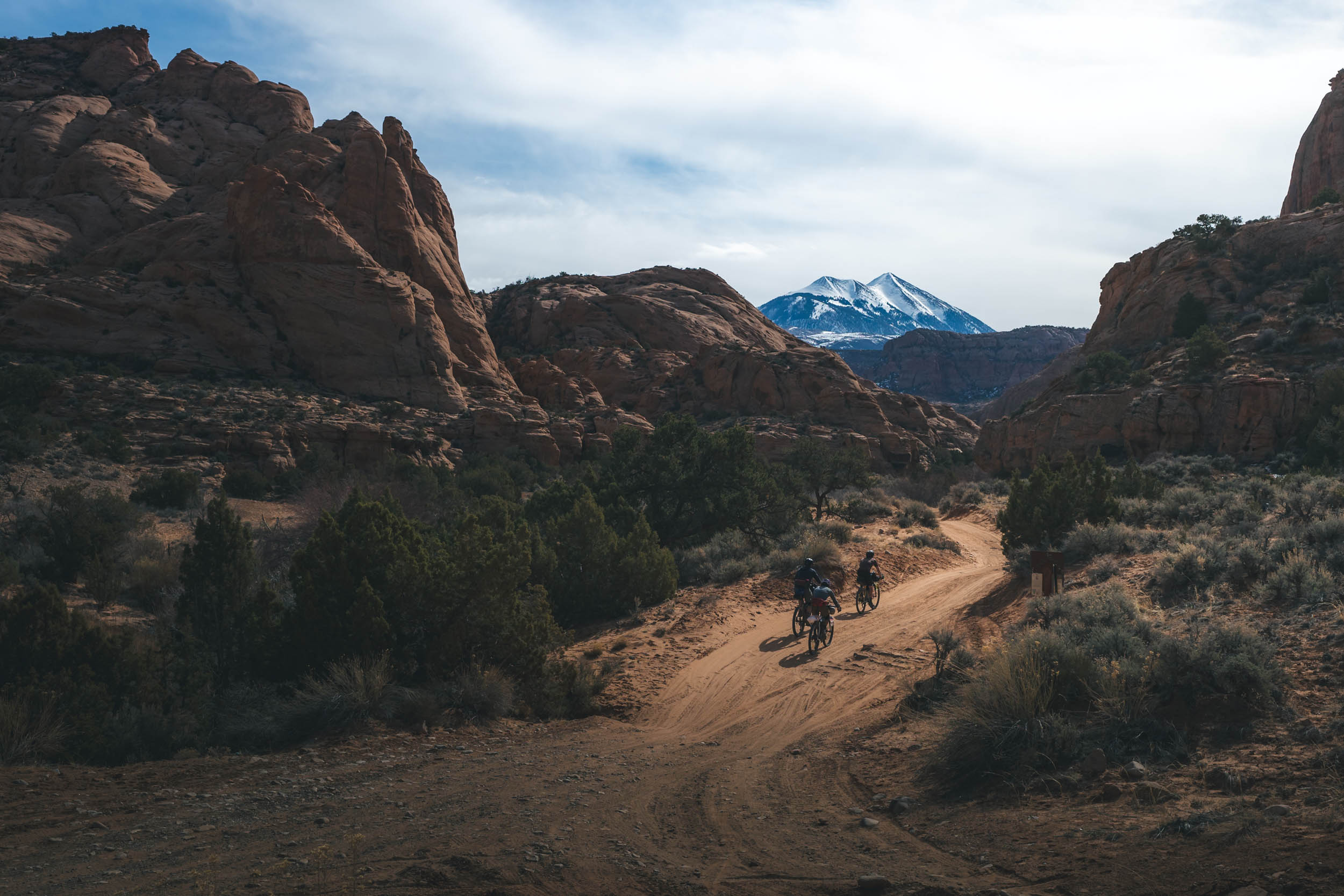
As mentioned, Neil also spent some time riding the CheckOUT, which included a fall bikepacking trip on the Peaks & Plateaus route in Utah. Much of what I’ve shared here aligns with his findings, but it’s worth giving his video review a watch for a detailed look at the type of terrain the CheckOUT can handle, as well as what went wrong with Neil’s rack. Watch it below.


Further Reading
Make sure to dig into these related articles for more info...
Please keep the conversation civil, constructive, and inclusive, or your comment will be removed.