

 Singletrack/MTB
 Gravel/All-road
 Dirt-road Touring
 Fat-bike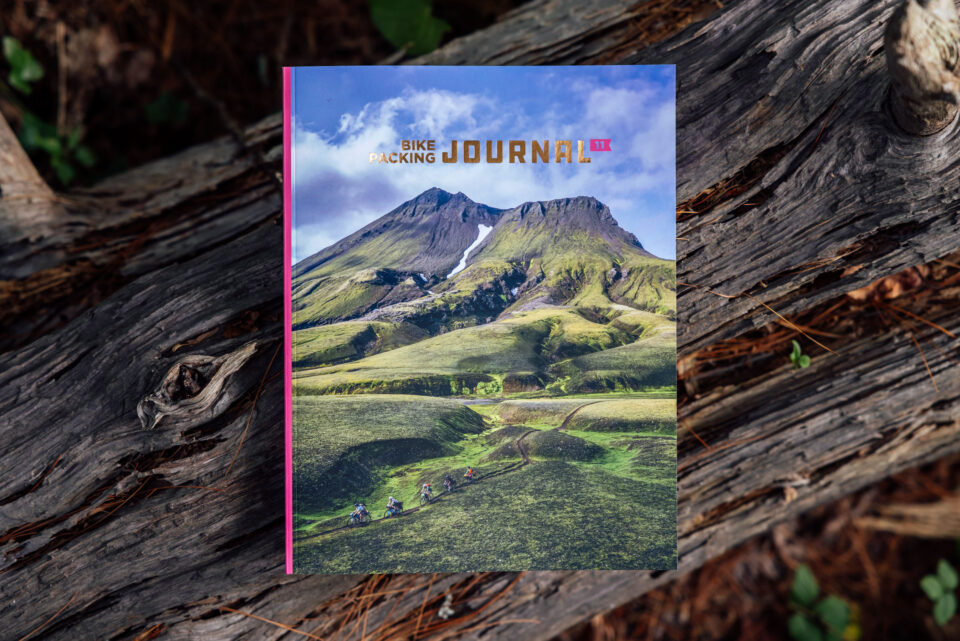


Editor’s Dozen: Lucas’s Favorite Gear and More of 2025



For his 2025 Editor’s Dozen, Lucas looks back at a whirlwind year characterized by a “less but better” approach and highlights a mishmash of mostly old and some new favorites. From pennies or less to ultra-premium, find his most-loved bags, bikes, apps, places, boats, foods, and more here…
PUBLISHED Jan 13, 2026
Continuing last year’s theme of selling, donating, and long-term loaning out more things than I acquire, my 2025 wasn’t centered on stuff. Rather, it was marked by trying to tune out the noise of buy! buy! buy! that shouts from every browser tab and inch of blank space here in the United States, where we have far more pressing concerns than keeping up with the newest must-have products.
Still, as a rider and a traveler, 2025 gave me all I could ask for in a year. I made it to Tucson for a winter escape, visited one of my favorite places in the country for the second consecutive year, attended the Bespoked bike show in Germany, went on my honeymoon, spent many weekends in the mountains, and made it out for a good number of weeknight group rides and overnight getaways.
With a busy work schedule and other projects and commitments, part of what made getting away for as many day rides and trips as I did possible was proactively making time for what matters. For me, that meant enjoying what I already own instead of over-researching and overthinking the tiniest details of every purchase, as I tend to do. As such, my 2025 Editor’s Dozen features a collection of mostly items I’ve owned for years or more and have earned their place in my permanent collection, as I’ll explore below.
Ortlieb Duffle Lite (60L)
Made in Germany / $275 at Ortlieb
It recently came time to replace my 15-year-old Outdoor Research duffel bag, which accompanied me on countless trips throughout its service, and the Ortlieb Duffel Lite fit the bill as the ideal bag for my next 15 years of travel. Maybe I’m old school, but I’d rather carry a bag over my shoulder than wheel a suitcase around. Bags are lighter, more compressible for storage, and, vainly, look cooler. The Duffel Lite is also super hardwearing and, in the cheerful Roobis color, easy to spot amid a sea of black suitcases.
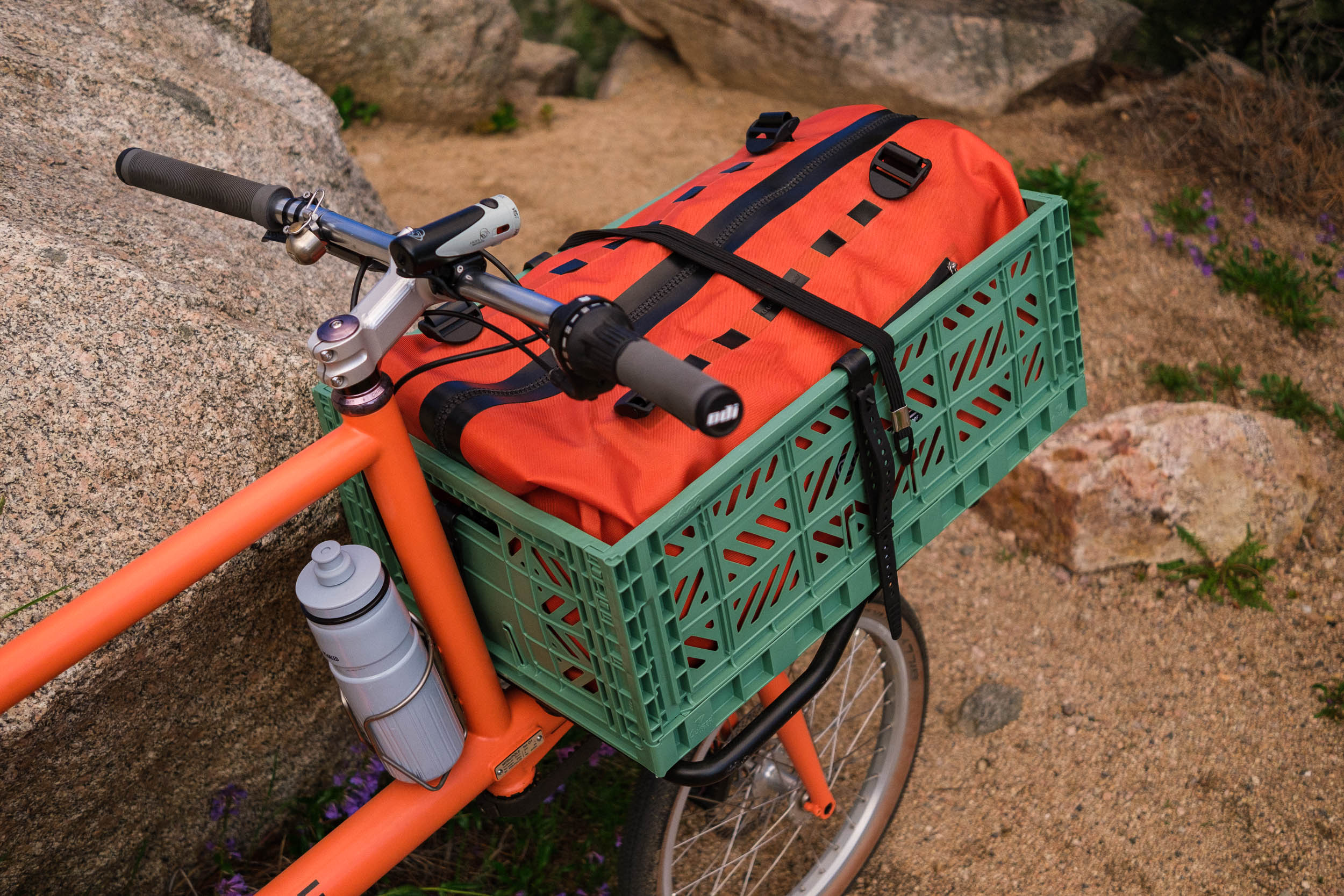
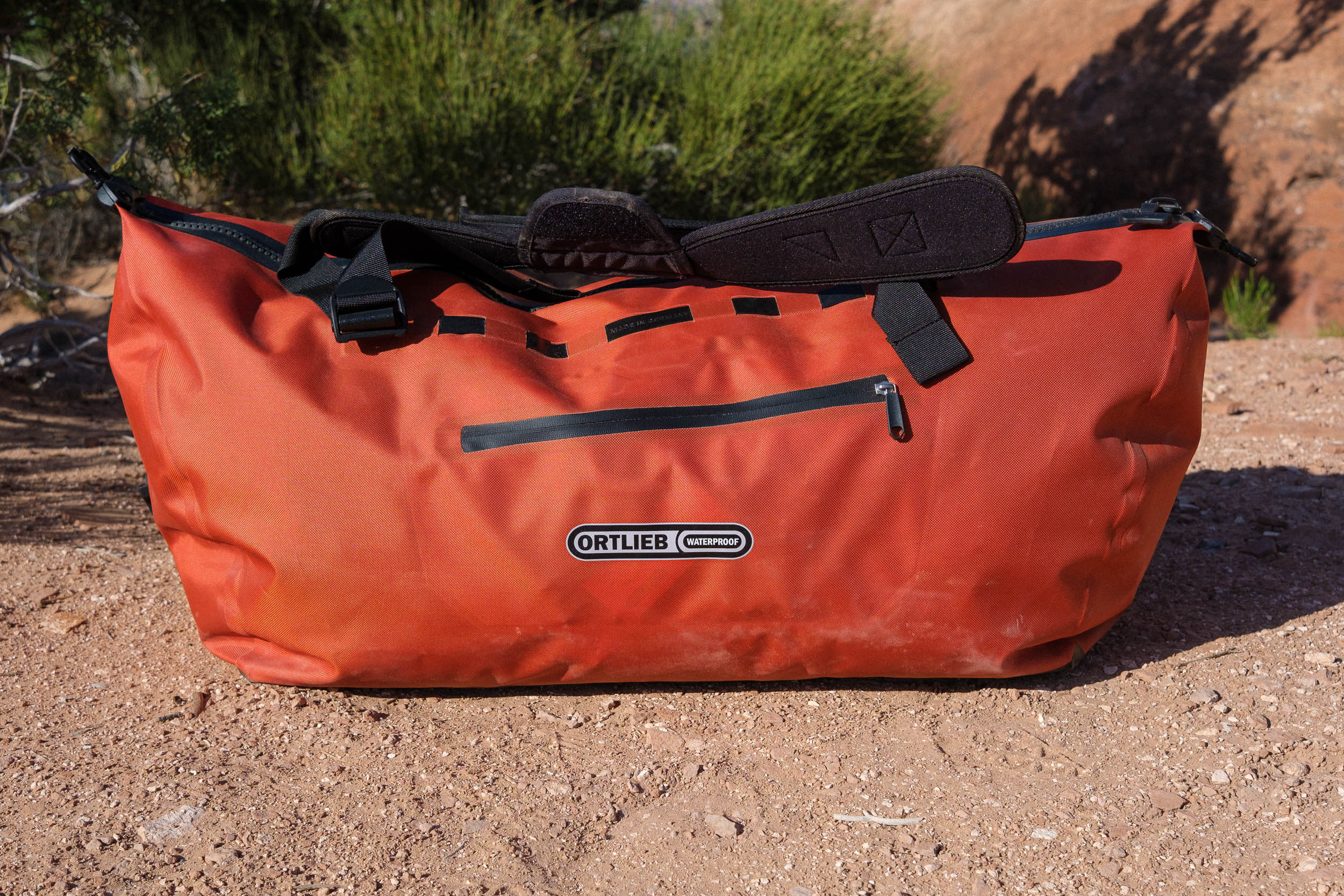
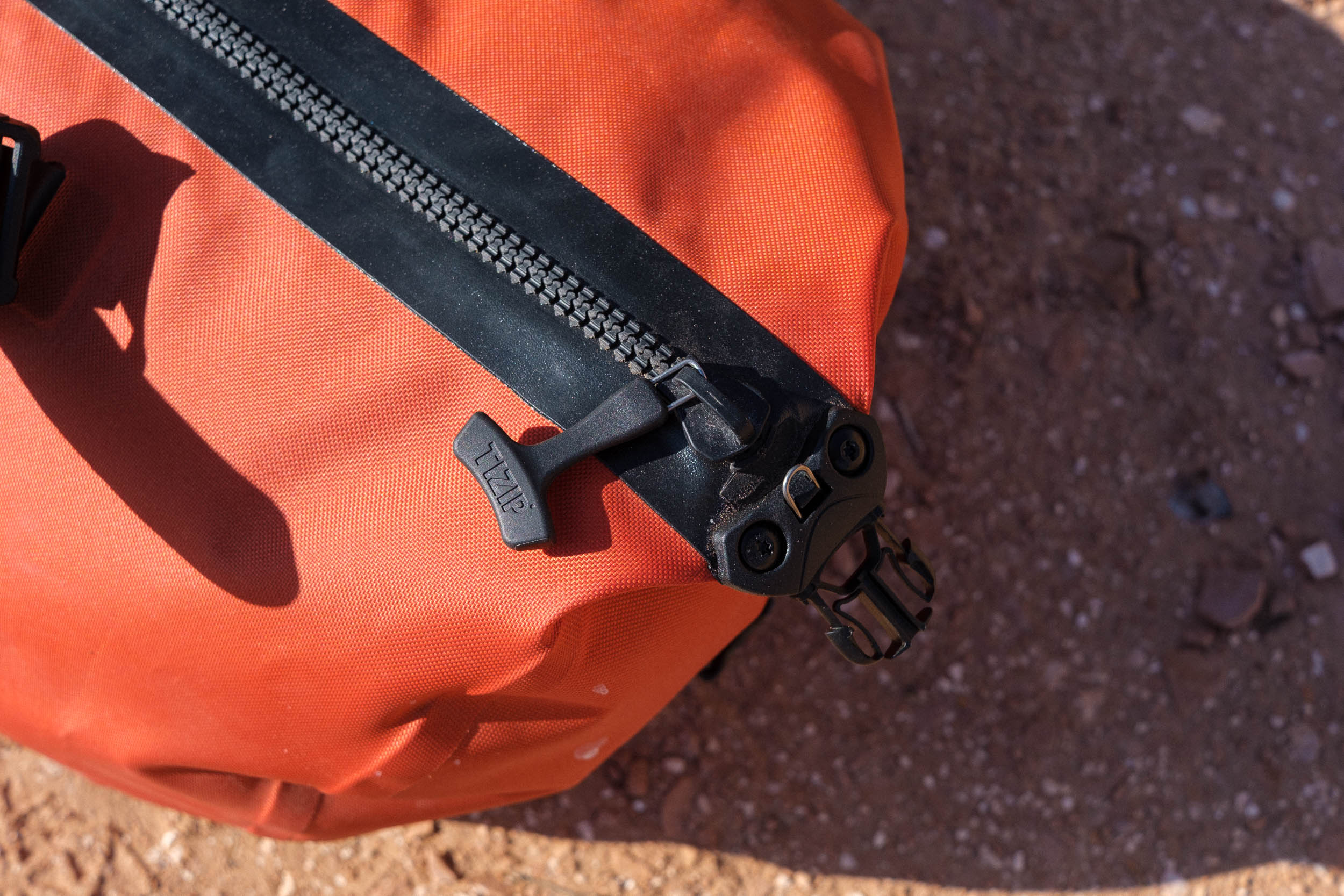
The 60-liter size fits everything I need for an extended trip away, and the backpack-style straps make it easy to haul comfortably. Being an Ortlieb product, it’s waterproof, and it happened to be the perfect size to fit in the front box of the Monopole Cargo Bike I rode around for much of the year and ultimately reviewed, helping realize my longtime cargopacking dreams.
Patagonia Work Apron
Made in Sri Lanka / $65 at Patagonia
I received this Patagonia Work Apron as a gift a few years ago. Frankly, I have no idea what makes a good shop apron, as my favorite builders and mechanics’ choices often surprise me, but this one does the trick with its three large pockets and sturdy hemp construction.

As I spend more time in my workshop, I value keeping my clothes free of grease and dirt and having a place to stash wrenches and other small tools while tinkering. There are cheaper aprons out there, to be sure—the Patagonia label isn’t doing any favors for the price—but $65 doesn’t feel altogether unreasonable for something well made, functional, and comfortable (if a tad heavy around the neck). On a more philosophical level, I enjoy how putting on and tying the apron helps me set the intention for a focused session of working with my hands and solving problems.
Gourmet Camp Food
It’s been at least a decade since I swore off freeze-dried camp meals, and I’ve never looked back. I’m told by my colleagues that they’ve come a long way, but being my frugal self, I prefer to pre-make a burrito for quick overnighters. Or, even better, when time and space permit, cook up and properly savor a real made-from-scratch meal at camp.


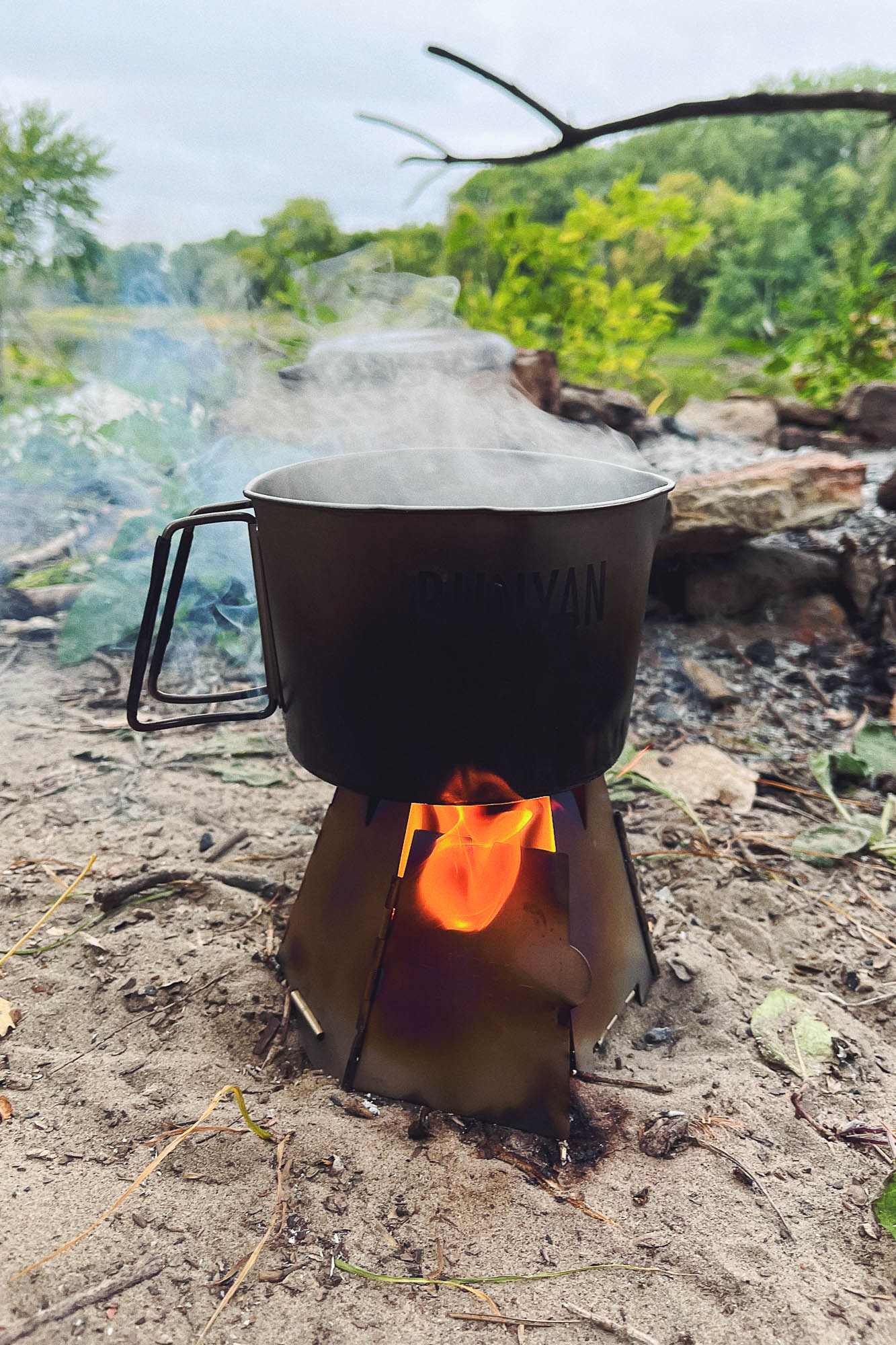
Rather than heating water and pouring it over something dehydrated in a bag, preparing a full meal at camp—particularly in collaboration with your riding partners—adds depth and flavor to any night out. Making a good dinner after a day of riding offers an opportunity to connect, and it tastes incredible after all that effort. It can even add a sense of whimsy, depending on what ingredients you produce from your frame bag. Plus, it’s uniquely satisfying to crawl into your sleeping bag after a delicious meal in an unlikely venue. I credit Josh Meissner for teaching me much of what I know about the value of hauling the good stuff for breakfast, lunch, and dinner on the trail.
Alpacka Caribou Packraft
Made in United States / $995+ at Alpacka Raft
After years of being intrigued by packrafts and hearing glowing reviews from friends who own them, I organized a loaner Alpacka Caribou for a handful of trips, and I’m so glad I did. Based on my limited experience as a thoroughly amateur packrafter, I don’t feel qualified to write a full review, but combining riding and rafting changed how I think about navigating the landscape. Paddling rivers I’d only ever pedaled beside opened my mind to new understandings of how places relate and exciting possibilities of how they can be connected.
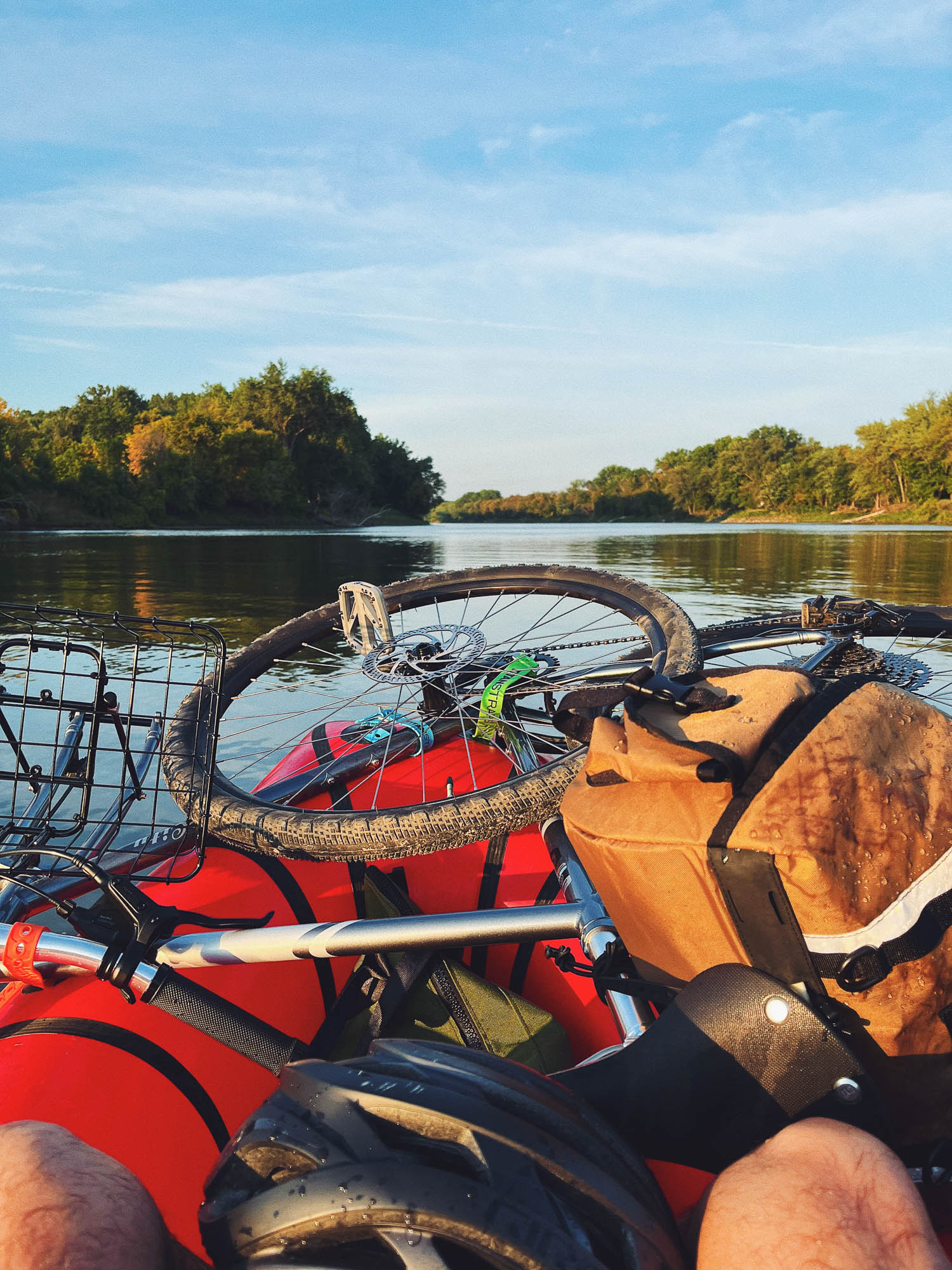


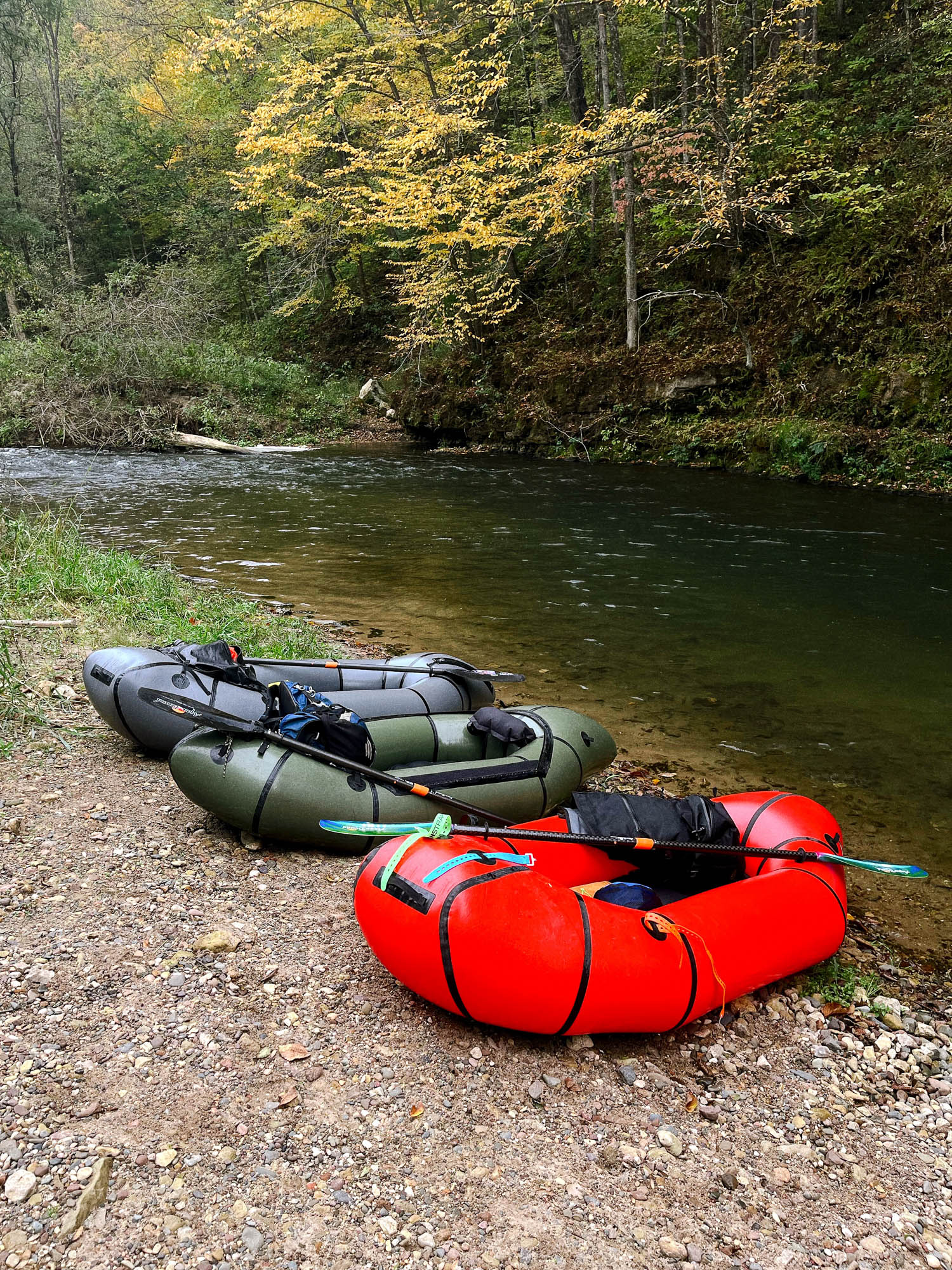
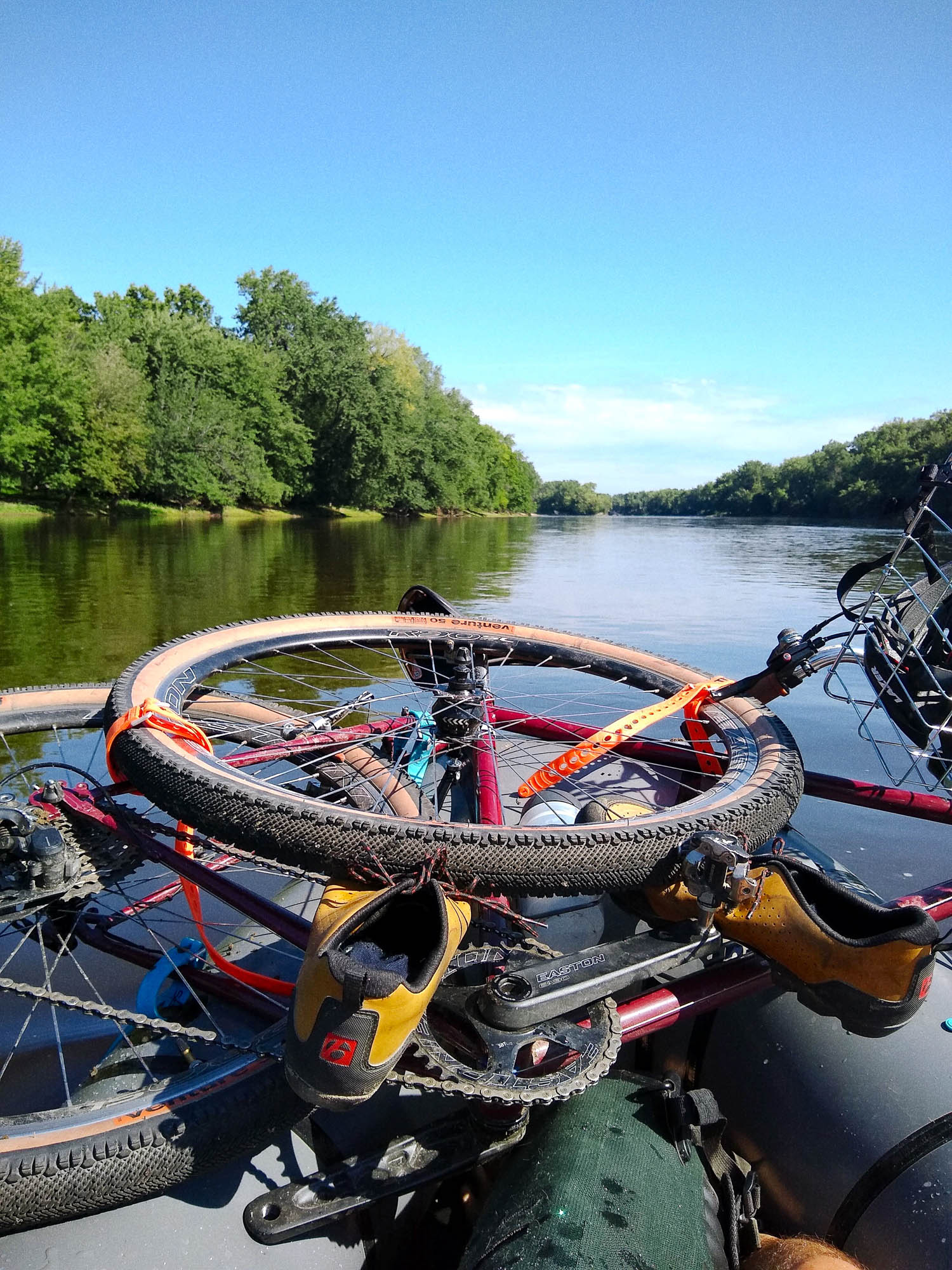
The Caribou is the Mancos, Colorado-based brand’s lightest multi-purpose raft, designed to carry bikes and other gear on flatwater and lightwater. In other words, nothing too hectic. I was impressed by how compact it was when packed—small enough to fit in my basket—and how stable it was on lakes and rivers. Owning one isn’t practical for me at this point, but the feeling of floating down the waterway with my bike strapped to the front, knowing the whole journey of connecting two previously unthinkable points on the map was made possible with only my own power, will stick with me.
Timex Expedition Titanium
$289 at Timex
I wear a watch every day, especially while traveling, where it’s infinitely useful, whether for keeping tabs on remaining daylight or staying on schedule to catch a train. Using a watch to tell the time also gives me one more reason to keep my portable distraction device tucked away or, better yet, turned off. The grab-and-go, always-ticking nature of a quartz (battery-powered) watch makes it ideal for picking up and wearing anytime, even if it’s been weeks or months since the last time. No need to worry about setting it, unlike an automatic watch.

This past year, my most-worn quartz watch on rides, hikes, and other getaways was my Timex Expedition Titanium. It’s a mid-sized 38mm field watch that’s tough, super light on the wrist thanks to its Ti construction, displays the date, and has 200 meters of water resistance (which, in reality, means it’s great for a mid-ride jump into a lake or river but probably not the watch you want to take diving). The Expedition is super legible at a glance, and I like the green dial, a nice change from my other black-dial watches. Other quartz watches that got a lot of wrist time this year were the Casio G-Shock I’ve owned for almost 20 years and my 1970s Seiko diver that might never quit.
Enough
I own enough crap to last a lifetime. More than one. I could never buy another bike bag, coffee mug, pair of shoes, or piece of camping gear again, and I’d likely be more than fine forever. As such, rather than rushing out to buy the latest of anything, where possible, I’ve shifted to more of a “buy it for life” approach. To me, that means only owning quality things—which doesn’t have to mean the most expensive—that I can maintain for many years to come, rather than buying the new versions each season. I touched on the subject in “Debt of Disrepair: An Ode To Maintenance” and “The Problem With N+1,” two pieces I wrote in 2025 that I hope you’ll read if you haven’t.
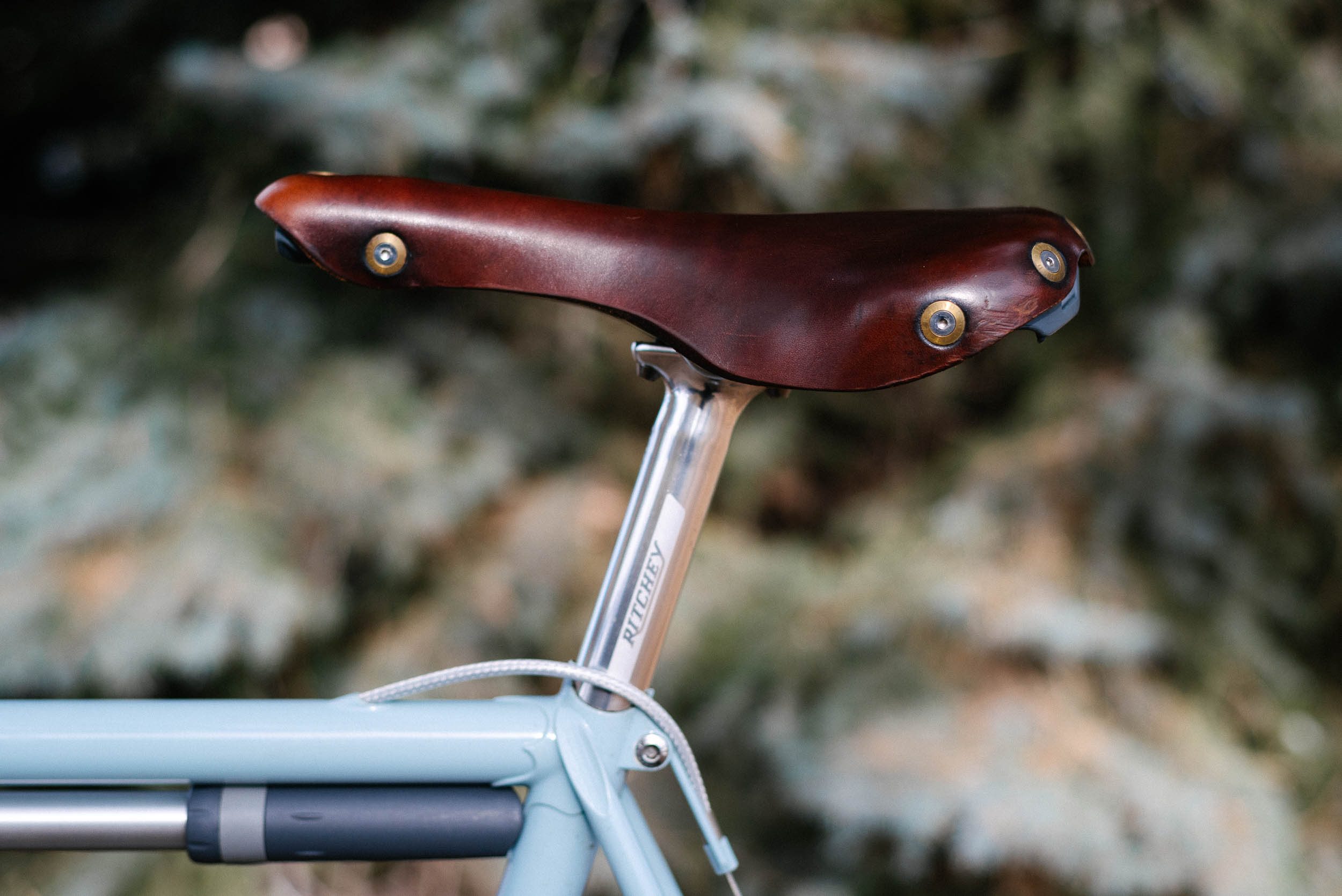
Having lived off my bike for six months and out of a suitcase for multiple years, I’ve long considered myself a minimalist. Even so, as a fairly new first-time homeowner, I see how things have a way of adding up and filling the empty spaces. To fight back against this tendency, I spent 2025 decluttering closets, cabinets, and gear tubs as time allowed. It’s a work in progress, but one thing the project revealed is that I’ve been using many of my most-loved things for several years or more, and quite a few of them were featured in previous Editors’ Dozens.
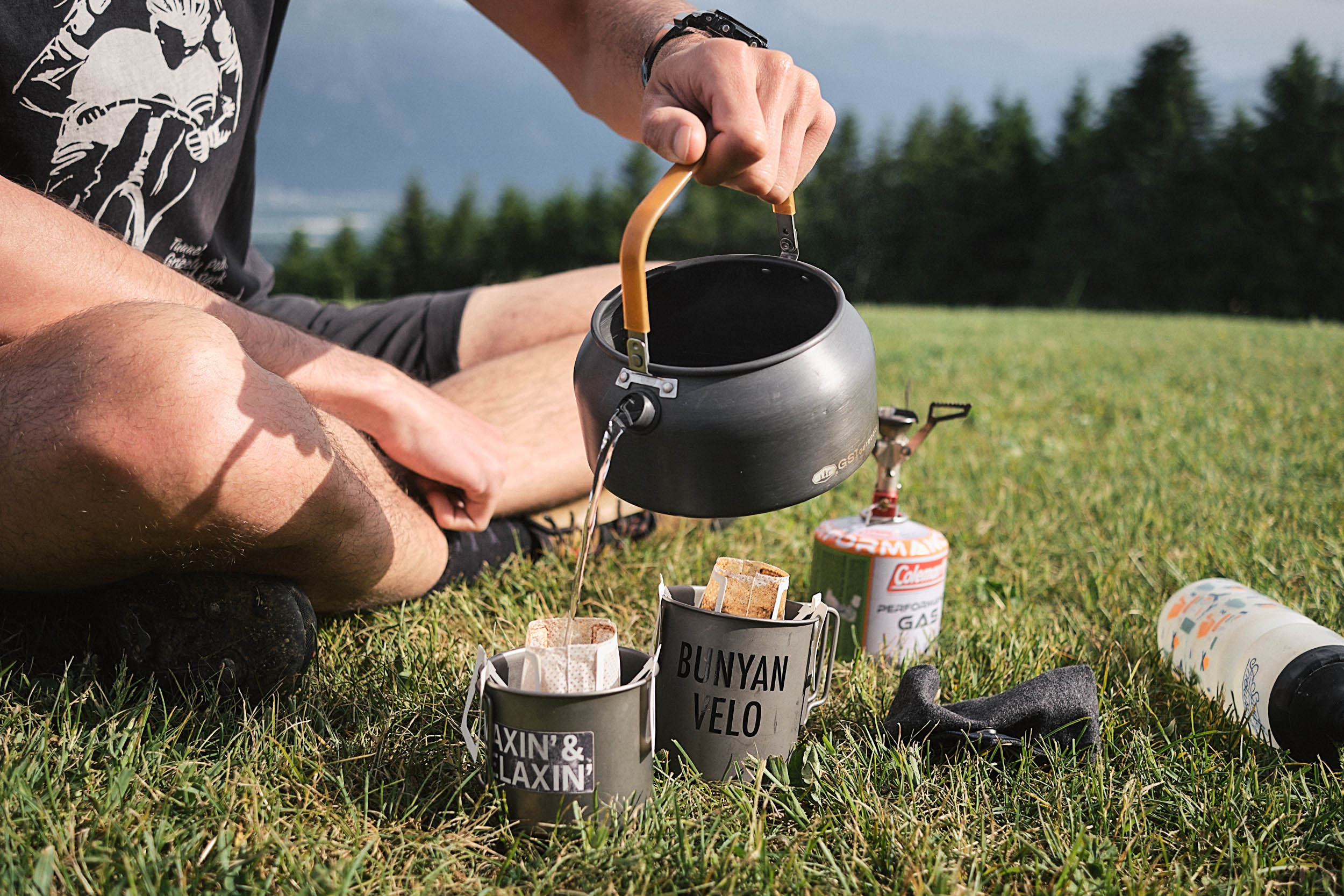
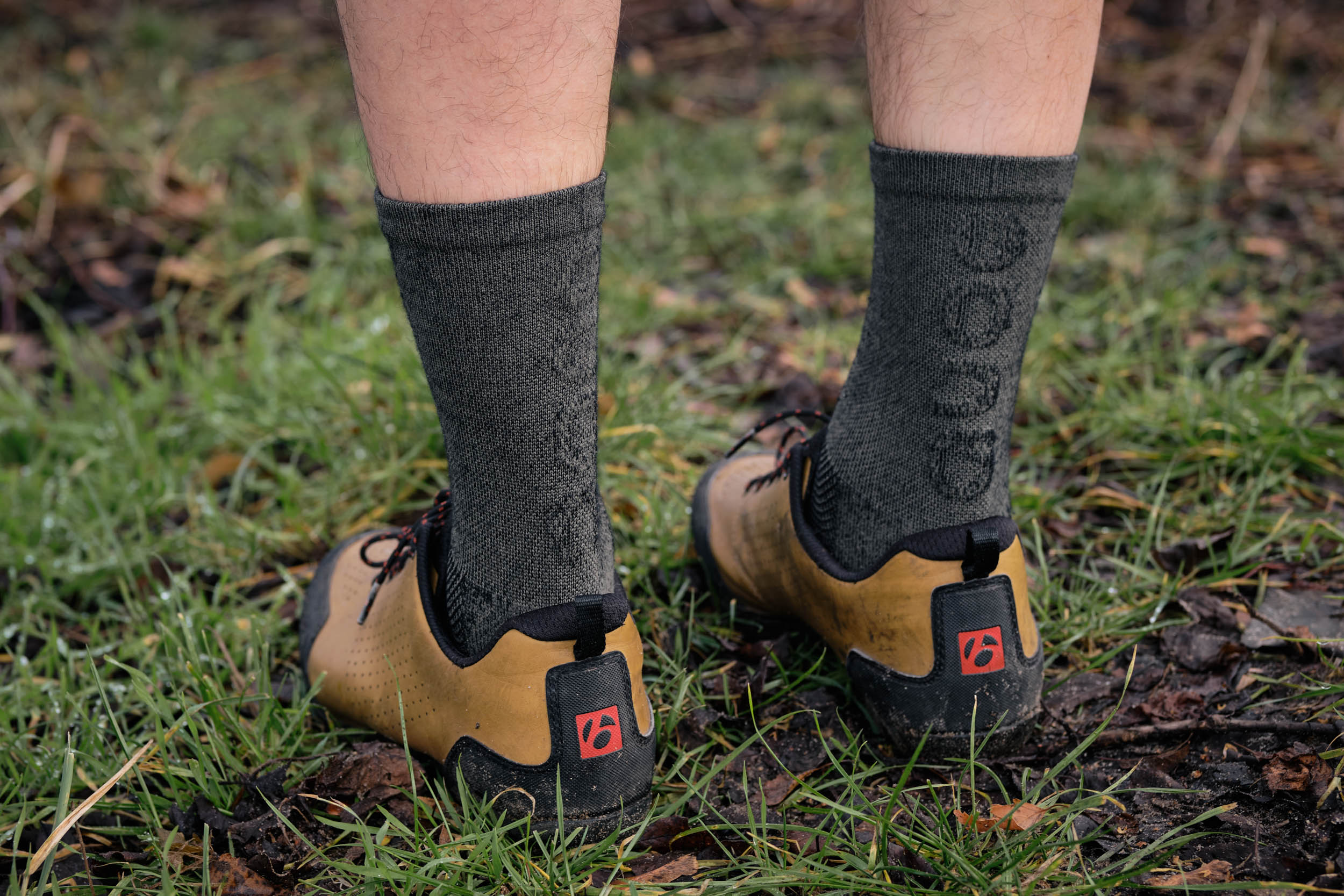
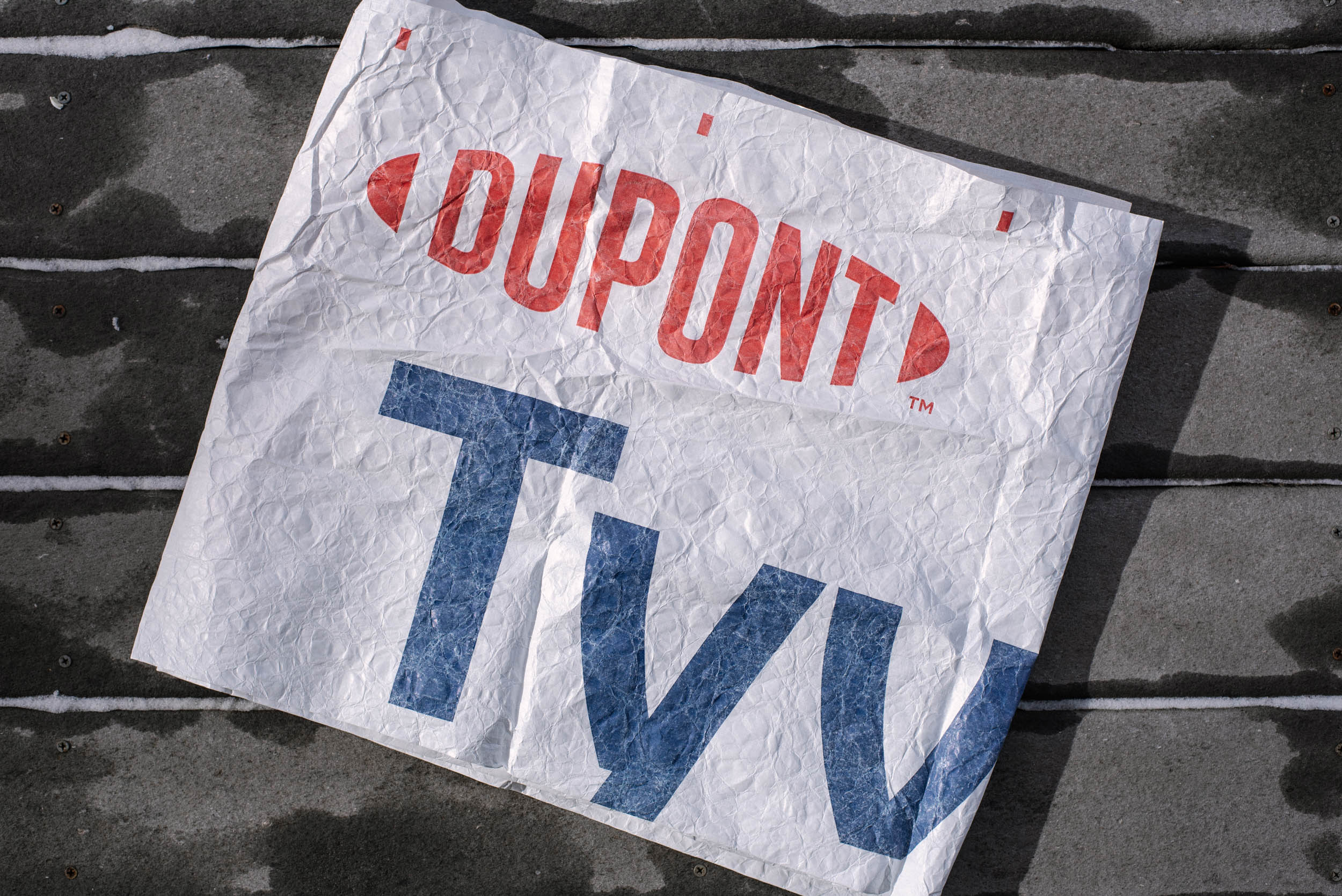
Browsing items from past posts, I still wear the same pair of QUOC socks from 2020, use the same kettle from 2021 to brew coffee outside, and sleep on the same old piece of Tyvek from who knows when, to name but a few. There’s some pressure to come up with fresh items for the Editor’s Dozen series each year, but I want to praise finding the right thing and being happy with it until it’s well and truly time to replace it.
Roka Oslo 2.0 Sunglasses
$200+ at Roka
Living in sunny Colorado, a good pair of sunglasses is essential. I’ve been wearing the Roka Oslo 2.0s daily for the last year, on and off the bike, and they’re the most comfortable sunglasses I’ve ever owned, especially after picking the right frame size to suit my face and swapping out the nose pads to dial in the fit. I’ve always worn cheap sunglasses, but switching to a higher-end frame and lenses has proved well worth it. They don’t slip around at all, and the optics beat anything I’ve ever experienced in terms of clarity.


Having broken more than my fair share of sunglasses on bikepacking trips, I know the price-to-performance ratio is a tricky one to unpack. Economically, it makes sense to wear cheap sunglasses, because it’s a matter of when they’ll break, not if. Stephen Fitzgerald said as much in his Editor’s Dozen last month. Still, given how many hours the average pair is worn and the fact that we perceive the world through them, I’m of the mind to splurge on nicer ones and try to be careful with them. If I can get two or three years out of my Rokas, worn daily, I think they’re more than worth the relatively high cost.
Buena Onda Hardtail
Made in Colorado, USA / $4,500+ at Buena Onda
Where my Brother Mr Wooden was my bike of the year in 2024, last year, it was unquestionably the Colorado-made Buena Onda hardtail. I rode it more than anything else, and it was an invaluable companion for filling in my mental map of nearby trails. From overnighters out the front door to regular group rides and a week away in glorious Crested Butte, I fell in love with it and was more than a little pained to send it back.

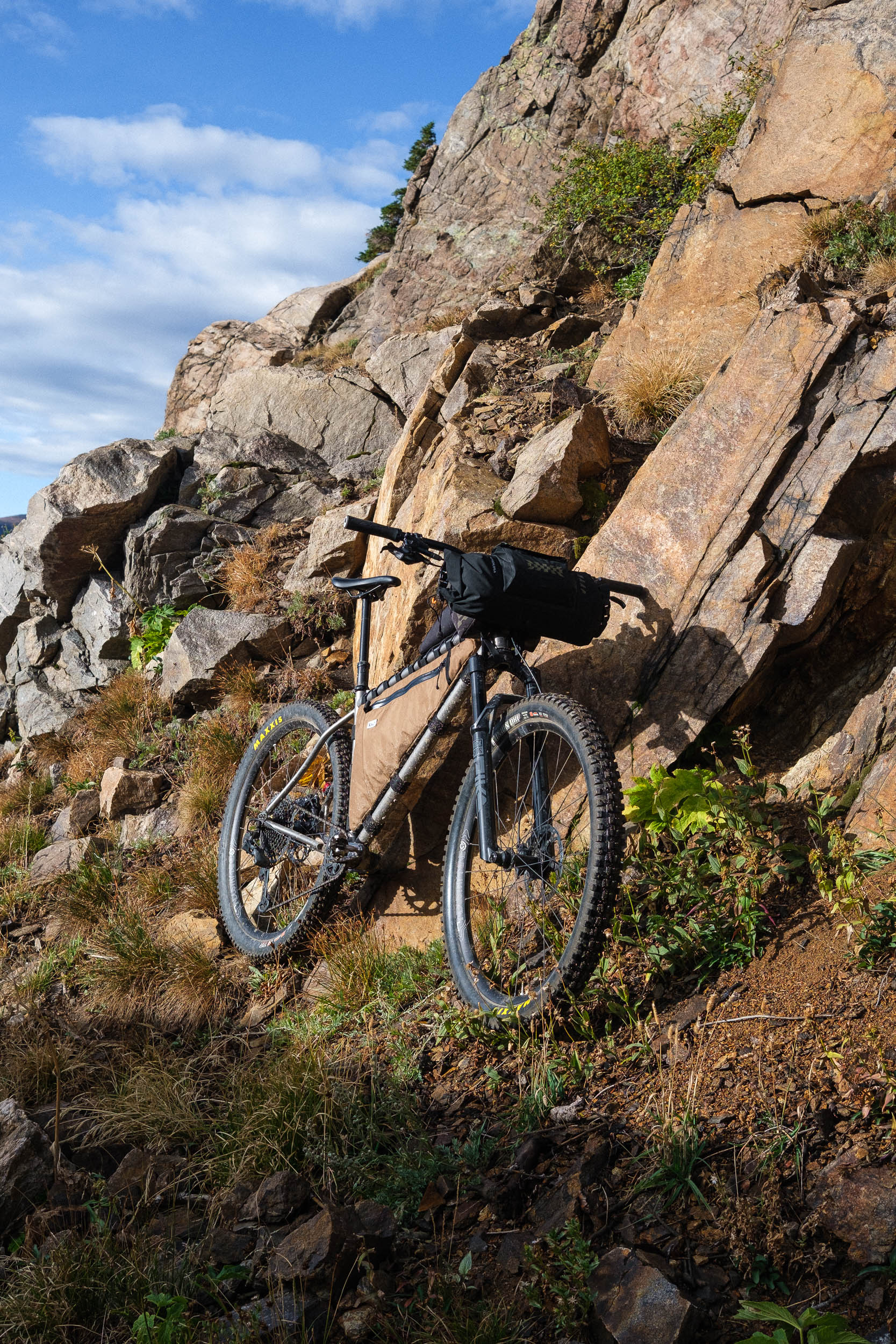


My full review is forthcoming this year, and I’m excited to share it with readers. In short, the Buena Onda is beautifully built, specced just right, and an absolute blast to ride on trails and lightly loaded for bikepacking. And how about that headbadge?! Stay tuned for more, and if you’re a Bikepacking Collective member, you can dig out your copy of The Bikepacking Journal 12 to read an interesting piece from Buena Onda co-founder and regular contributor Colt Fetters that shines some light on the small company’s origins.
Canyonlands
Covering more than 500 square miles of unforgiving terrain, Utah’s Canyonlands National Park comprises four districts: Island in the Sky, the Maze, the Needles, and the Rivers. I (finally) made my first visit to the park in 2024, riding the iconic White Rim Trail in the Island in the Sky district. It was an unforgettable experience and my favorite trip of the year. In 2025, I returned to the park, this time to the more rugged and remote Needles district, traveling with a friend I met on the White Rim trip. Both areas are among the most spectacularly beautiful places I’ve encountered in the United States, rich in Indigenous history and exceptional natural beauty.


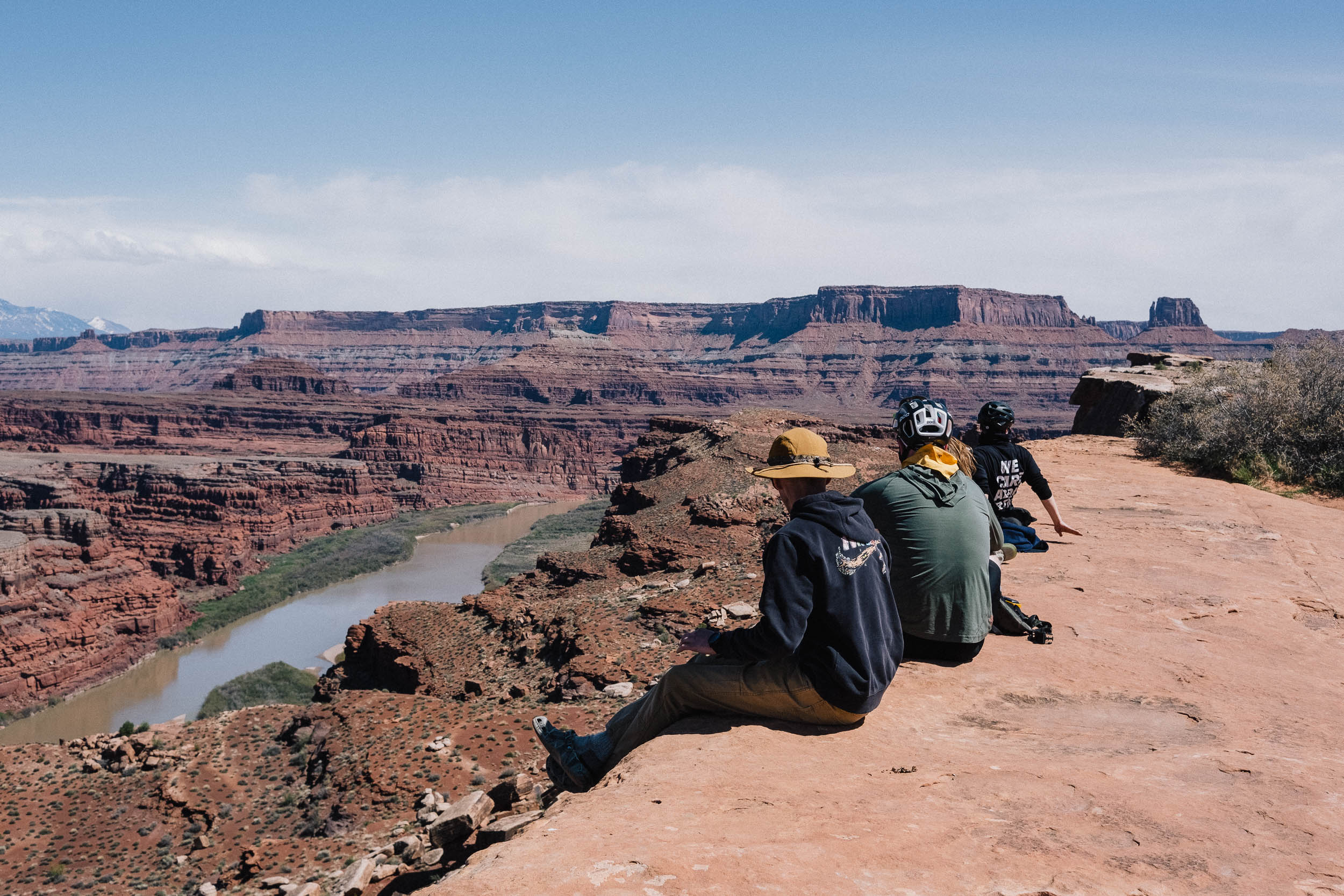

This year, I hope to make it to the Maze, and eventually, but not before I’ve built up my packrafting confidence, I’d love to paddle the rivers, too. Canyonlands is “only” a six-hour drive away—short by American standards—but it’s a world apart in terms of its scenery and sense of place. Whether it’s the expansive vistas of the White Rim or the slot canyons of the Needles, there’s an awesome, raw power to the region, one you must experience yourself to fully appreciate. If it’s on your list, I hope you can. Just remember to leave no trace!
Tracking Small Habits
Bear with me on this one. I’m a big believer in New Year’s resolutions, and yet I’ve failed at nearly every single one of them. I attribute this to my usual all-or-nothing approach, which inevitably leads me to give up entirely after the first slip-up or missed day of whatever I’m trying to do perfectly. Perhaps this sounds familiar.

For 2025, I adopted a system of observation and gradual change, rather than chasing some lofty goal. It has helped me reframe my definition of success in a positive, sustainable way. Instead of saying “ride 500 miles every month” or “eat only whole foods,” I now pick a rotating handful of small habits I want to develop or maintain each month and simply track them to see what patterns emerge and where I need to shift my efforts. Lately, these have included “go for a ride,” “eat a salad,” “read 10 pages,” and “send a friend a message.” I’ve yet to have a single perfect day since I began tracking habits, but I firmly believe my everyday life and well-being have improved in many ways just by bringing more awareness to whether I’m doing the small things I find important.
Osprey Katari 7 Backpack
$90 at Osprey
My wife and I picked up a pair of minimalist Osprey hydration backpacks a couple of years ago, and we’ve worn them on countless runs, rides, and hikes since then. I have the Katari 7, and she has the Kitsuma 7. If we’re doing something outdoors, we don’t leave home without them. They even came with us on a three-week trip to Türkiye in the fall, where we wore them daily.
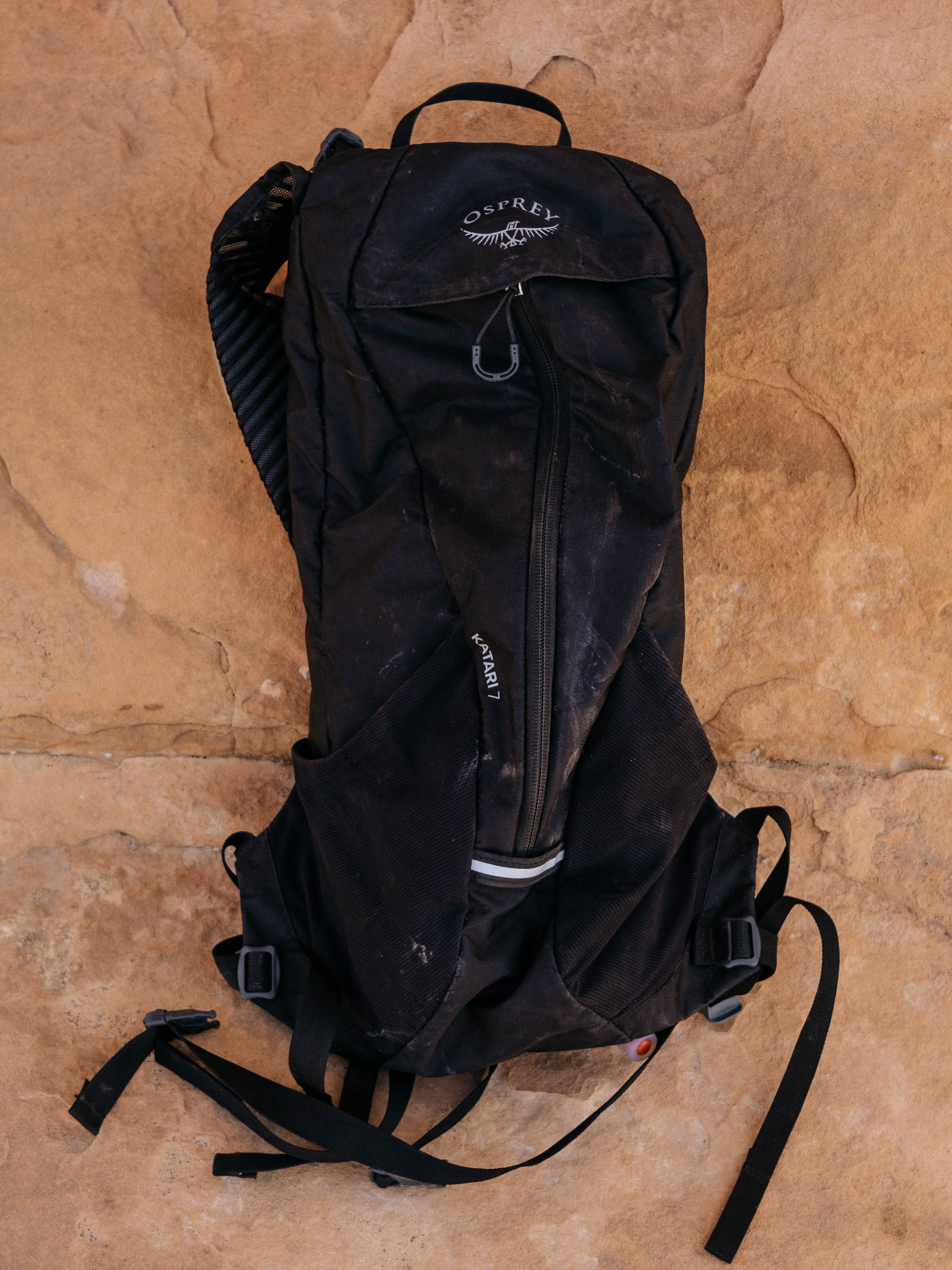

I appreciate that the Katari is impressively lightweight and comfortable, with the perfect amount of padding on the shoulder straps and back panel. It’s also the ideal size to be practical without encouraging me to overpack; I typically carry water, a snack, a point-and-shoot camera, and small essentials like keys or a wallet. I’ll sometimes add a light rain jacket, which roughly maxes out its capacity. There are a couple of stretchy outer pockets, a main zippered pocket with mesh organizers, and a hidden zip pocket inside the reservoir sleeve, which fits an included 2.5-liter bladder. These details add up to everything you need and nothing you don’t, making for a pack that feels invisible while proving invaluable.
iA Writer
$50 at Information Architects
In my long search for the ideal writing app, I stumbled upon a recommendation for the somewhat unfortunately named but truly excellent iA Writer in 2025. It’s a clean, pared-back text editor with a smart set of focus-friendly features, and it’s where I do almost all my long-form writing these days.
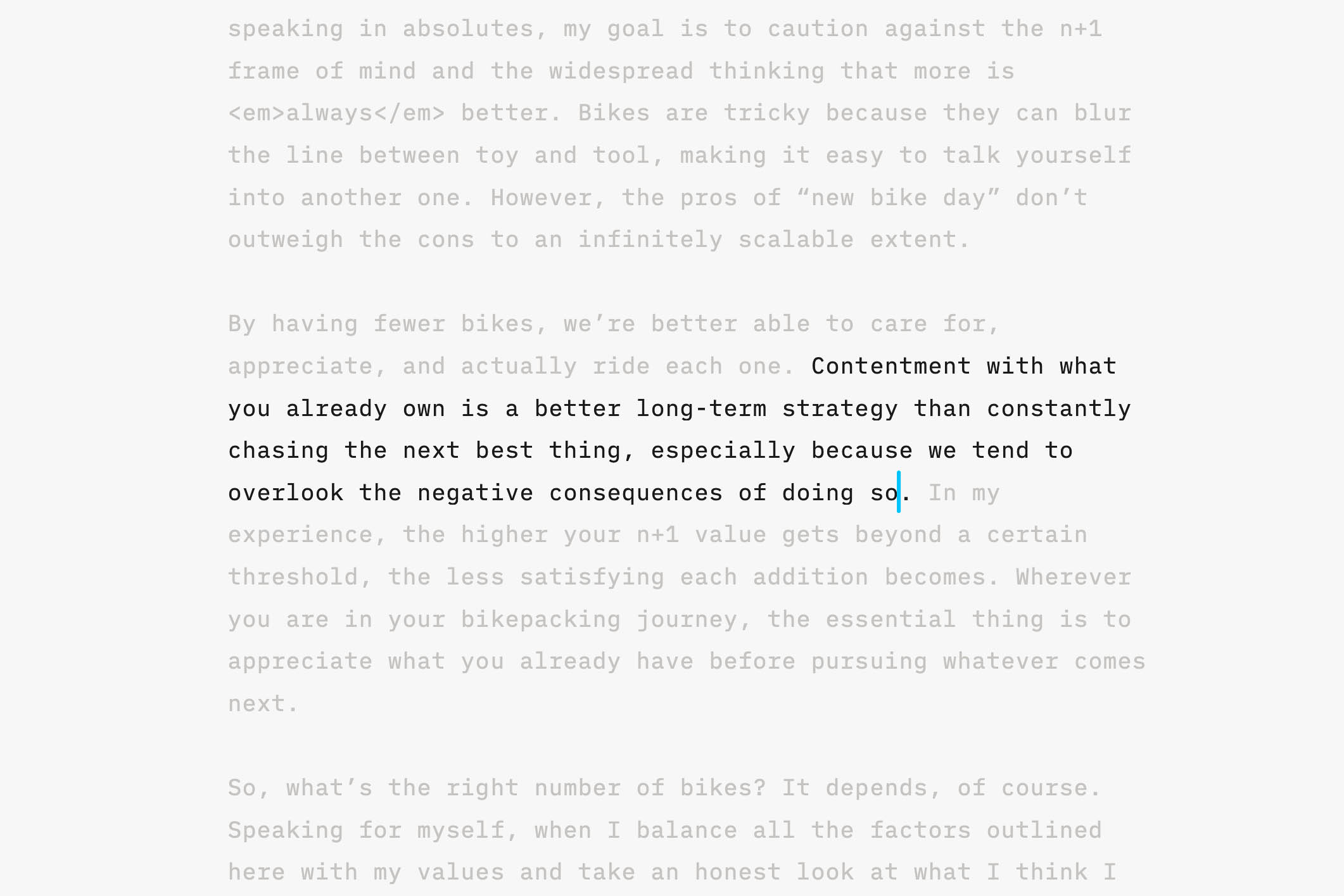
Unlike many other programs, iA Writer is neither bloated nor gimmicky. There aren’t a bunch of buttons crowding the screen, or any zen music playing in the background (that’s a real thing). It’s merely a blank canvas for writing, and it helps me find my flow in a way Google Docs never will… sometimes. I wrote “unfortunately” above as it should be noted that iA stands for Information Architects, the name of the company behind it, not Artificial Intelligence. You won’t find any AI-written content on this site.
There’s a free trial period, I think it’s two weeks, and the program is $50 to download for life. I appreciate owning my software instead of being forced to shell out an increasingly obscene monthly fee, à la Adobe Creative Suite.
Bonus: Tomato and Butter Bean Stew
Free at Dishing Out Health
Lastly, to make this a proper baker’s dozen, I want to leave you with the recipe I made more than any other in 2025—at least five times. I love soup, and this tomato and butter bean stew is one of the best I’ve ever had. It’s hearty, complex, flavorful, and incredibly satisfying on a cold day, especially when paired with a good rosemary bread.

My wife and I are vegetarians and cook many recipes from Dishing Out Health. It very rarely lets us down. If you end up making the tomato and butter bean stew and don’t love it, this post comes with a no-question-asked, money-back guarantee!
That’s it for my 2025 Editor’s Dozen. Thanks so much for reading and engaging with my pieces and those published across the site last year. As a team, we always value your feedback. If you have any questions or comments about my top picks from 2025, please let me know in the Conversation below!
If you’re interested in purchasing any of these products, please support your local bike shop and buy from them when possible. If you can’t, or they're only obtainable online, we’ve provided links to manufacturers and stores where they are currently available; some of these retailers offer a modest referral fee, which helps support this platform. This has no bearing on the review or selection.
Further Reading
Make sure to dig into these related articles for more info...


Please keep the conversation civil, constructive, and inclusive, or your comment will be removed.