

 Mountain Bike (MTB)
 Gravel Bike
 All-Terrain Bike (ATB)
 Fat Bike


Editor’s Dozen: Stephen Fitzgerald’s Favorite Gear and More of 2025

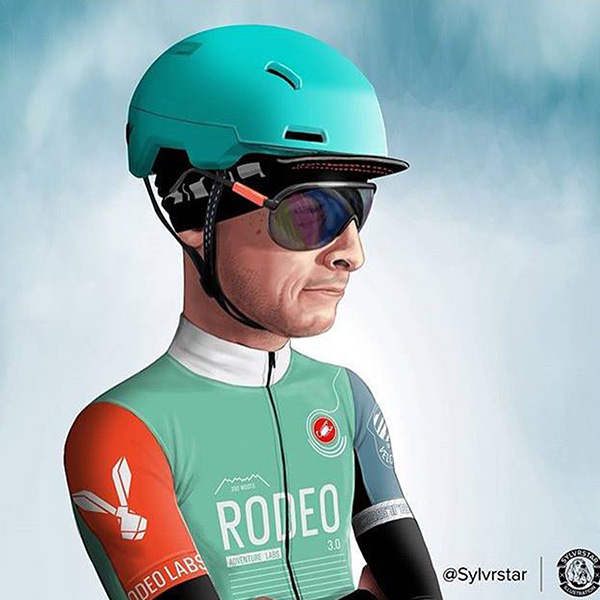
Contributing editor Stephen Fitzgerald reflects on a year of night riding, wheelies, and big rides with a dozen noteworthy products, ideas, and experiences. Find Stephen’s end-of-year 2025 Editors Dozen here…
PUBLISHED Dec 23, 2025
When the BIKEPACKING.com team asked if I’d like to contribute to the Editor’s Dozen this year, I did a bit of a double-take. Technically, I was given a Contributing Editor title a couple of years back, but I still have major impostor syndrome around here because, while I do get excited about bikepacking and love this cycling genre more than any other, I don’t feel like I have anywhere near the street cred of all of the other amazing contributors to this site.
Frankly, my core cycling identity isn’t “bikepacker.” It’s more accurately “biker.” Then again, maybe that’s okay. Almost all of my core memories from 2025 will come from days and nights spent on fat tires, across deserts, and over mountains.
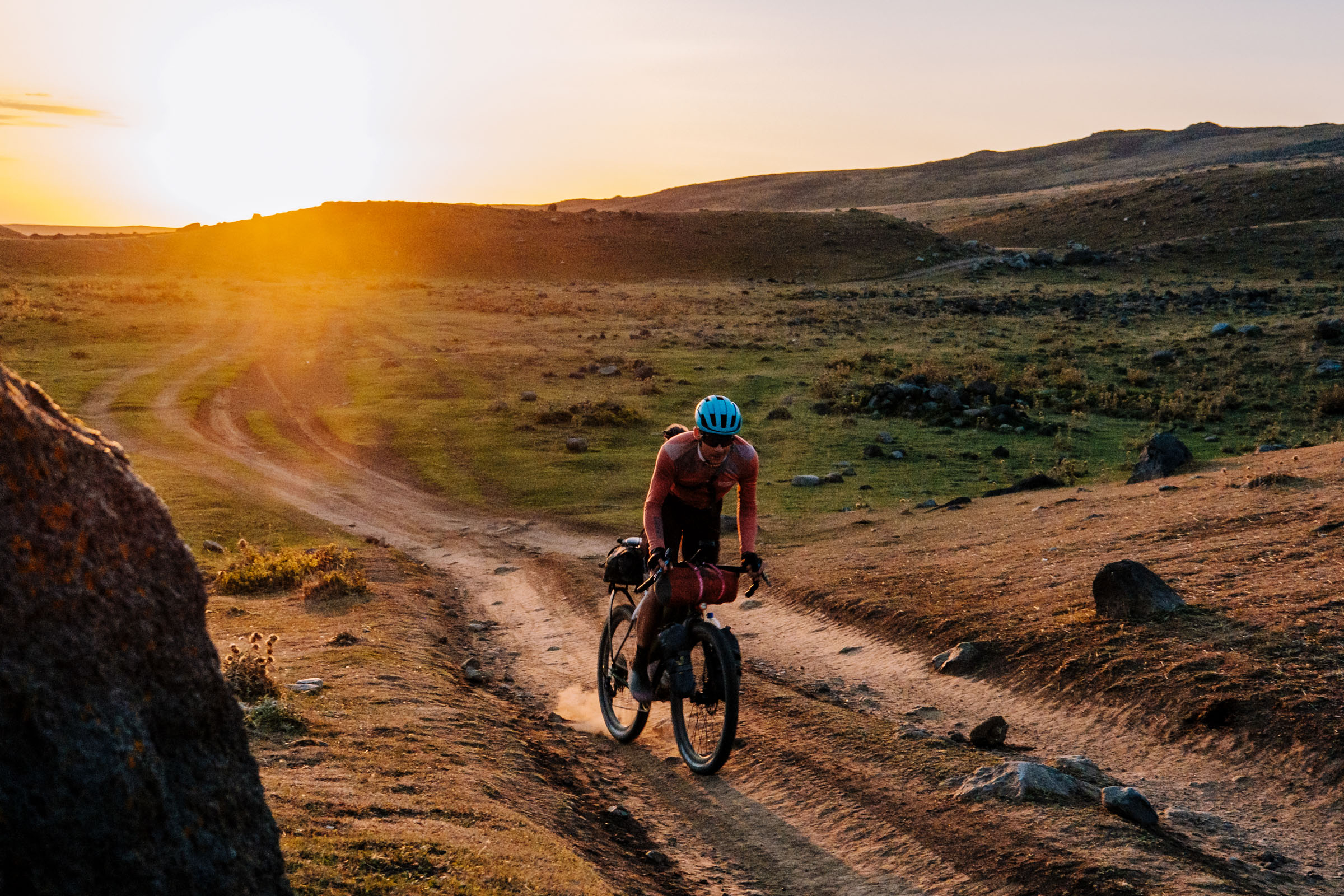
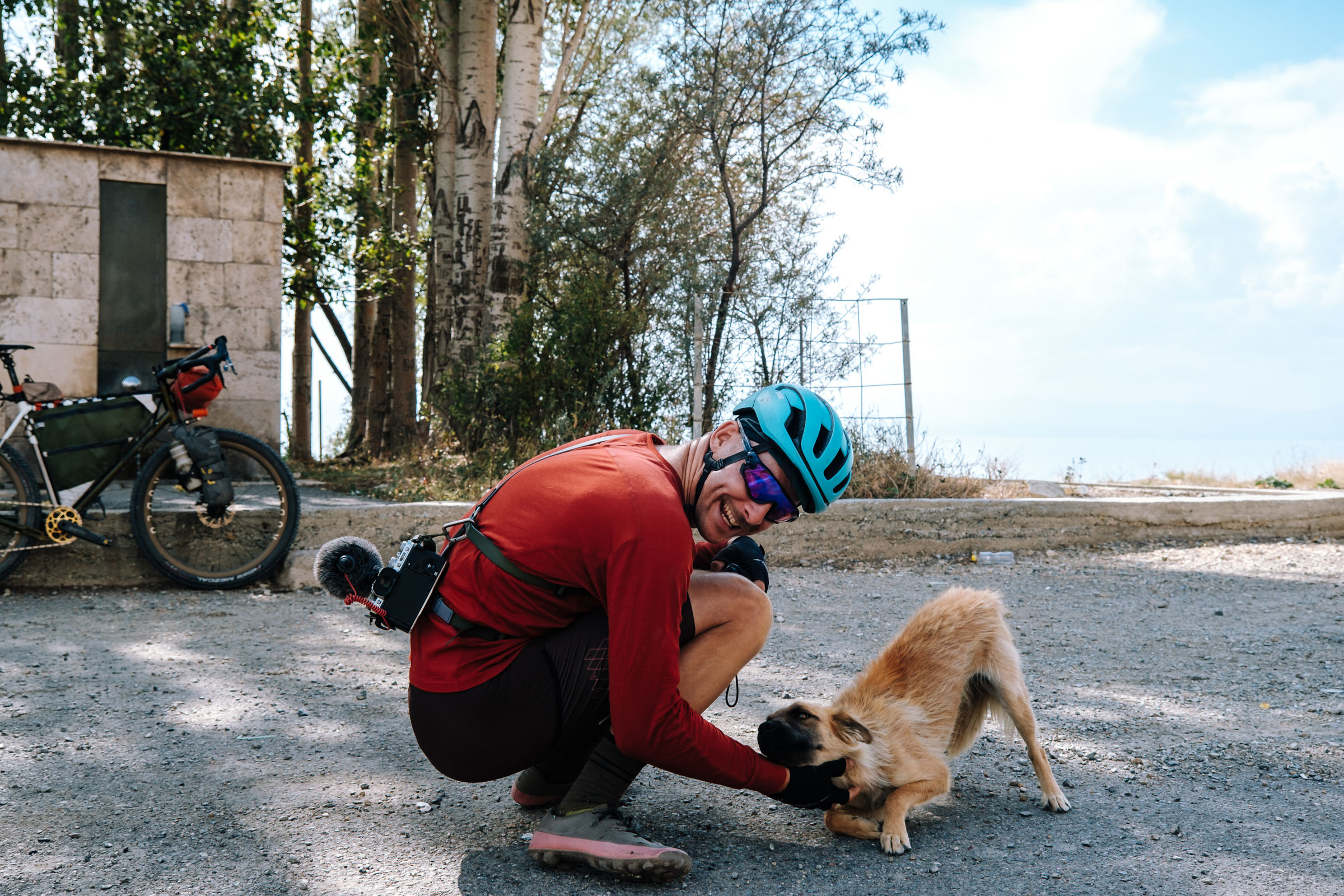
So, with that, I’ll give you my top 12 picks for 2025, but I’m going to maybe color outside of the bikepacking lines a bit. I’m also going to define for myself what a top 12 list looks like. Does it have to be only about gear, or can it include people, places, disciplines, or memories? Will the editors let this rebellion stand? I guess if you’re reading this, they did. For the sake of easing into this, let’s start with some favorite gear.
Fenix Lighting Systems
97 grams / Made in China / $99 at Fenix Lighting Systems
My journey with lighting began back in 2003 with the multi-day sport of adventure racing. Back then, the state of lighting wasn’t so great. LEDs were just coming onto the scene. Battery life wasn’t spectacular, and batteries were much heavier. Bike lighting was wildly expensive compared to now, often costing up to $1,000 for a light that was up to the task. Since then, I’ve tried so many systems, from commuter lights to dynamo-powered bikepacking systems. They’ve all worked, but the tech has always confounded me with its mix of wires, batteries, charging cords, and the rest.
Finally, this year, Cade Reichenberger, a very accomplished bikepacker himself, told me I should just adopt a system that was standardized around a single battery and call it good. He suggested Fenix lighting systems, so I opted for that. It was a great call. I’ve got a Fenix headlight that mounts on my bars or fork for normal night duties, and when in technical terrain at night, I also use a helmet-mounted secondary light.


The lights are as good as they need to be, with various outputs and modes, but the beauty is that they use standard 18650 battery cells that can be removed and charged or swapped between lights if need be. I even have a charging case for them that lets the cells act as a power bank for my other accessories if needed. More versatile still are batteries that feature a mini charging port built into the battery, eliminating the need for an external charging device.
For many, this might be old news, but considering how long I’ve been messing with lights and batteries, and how I just sorted out my system this year, there may be other people who benefit from knowing that standardizing your lighting and batteries can make your overnight trips just that much easier to manage.
Spring Energy Endurance Meals
110 grams / Made in USA / $7.95 at REI
I know that many in this community enjoy sharing recipes for delicious things you can make on the go. Some enjoy foraging for food as well. Spain has wild asparagus! To a lesser extent, a gas station with pizza slices under the heat lamps might be all that some have the time to manage.
I spent some time at race pace this year, where I very much struggled to put food into my body that it didn’t tire of quickly. On a trip up California’s White Mountain in 2024, my friend Adam introduced me to Spring Energy and their endurance meals. I didn’t know anything about the brand, but variety is the spice of life, so I added a few pouches to my frame bag. When I finally dug in and ate one on the trip, I was incredibly impressed not just by how good it tasted, but also by how the “meal” really packed a nice, dense calorie punch. Even better, I didn’t really get tired of it, and it never once upset my stomach. I’d found a new on-the-go quick fuel.
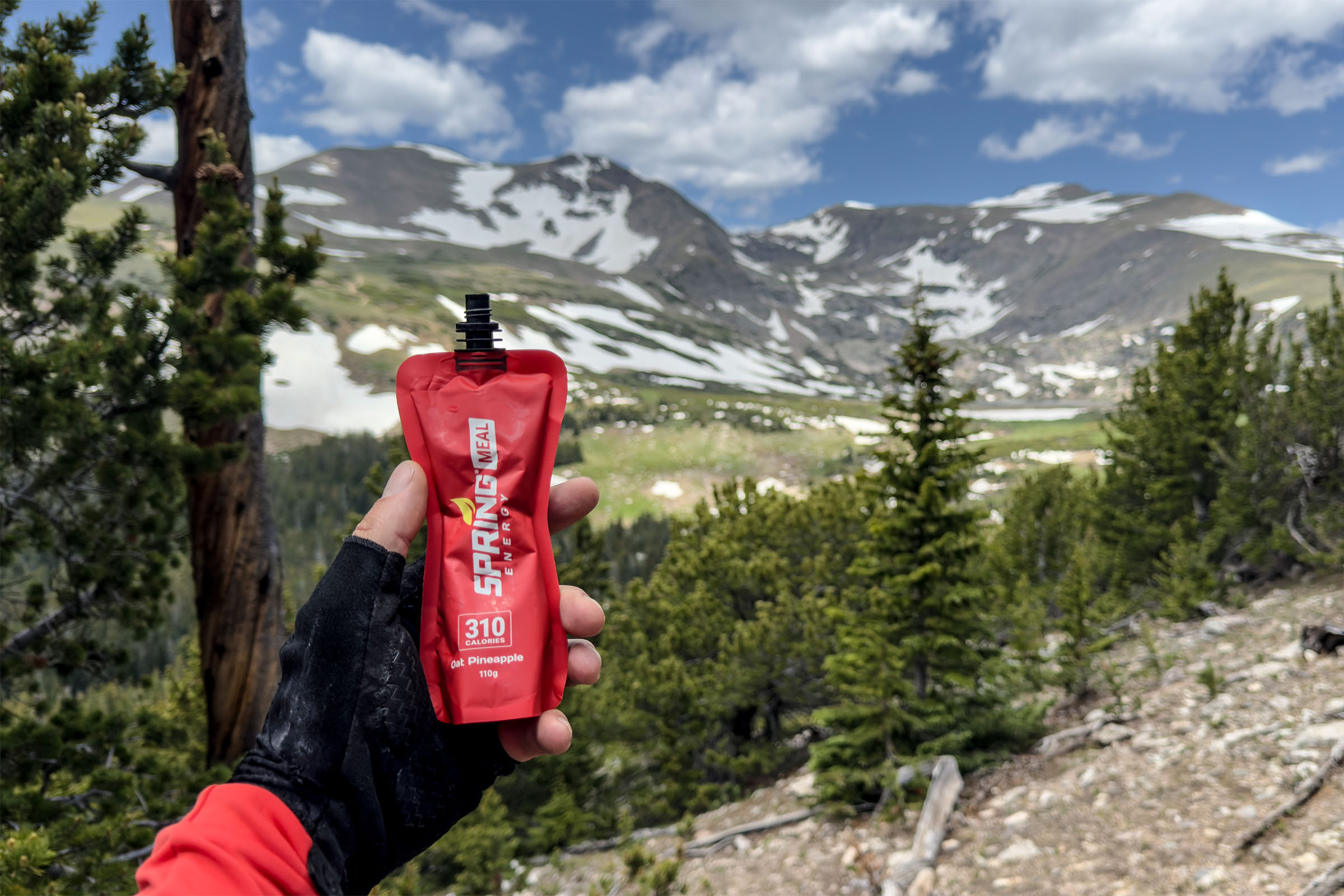
I put Spring Energy to the test again this year at the Pinyons and Pines bikepacking race, and I would like to credit their endurance meals for the fact that I didn’t have a nutritional meltdown in the second half of the loop. I had not scouted refuel points for the latter part of the race and was woefully underprepared in terms of menu diversity, but I had quite a few of the endurance meal pouches in my frame bag, and they absolutely got me to the finish. I even finished with far too many leftover pouches, which confirms that I do suffer from a food hoarding mentality.
The “magic” of these meals may be that they aren’t magical at all. If I were to oversimplify, I would say that they may just be glorified oatmeal or chia pudding in a convenient wrapper. I don’t find oatmeal or chia pudding very satisfying for long when I make it for myself, so perhaps there is some secret sauce in the mix. In the same way that I can eat on the cheap at home all day long, but sometimes I splurge on eating out, I would say these meals are the convenient splurge for eating on my bike. Early on, I would smash a whole pouch in one sitting, but later I realized it can be too much of a good thing. If you do try these, take advantage of the screw-top cap and eat a pouch over half an hour or an hour instead.
I consider the endurance meals pretty darn spendy at nearly $8 for each pouch. That’s pretty much the price of a solid burrito! But in some situations, you just need to know that the food you’ve brought is going to get you there. I’ve done plenty of rides where a burrito would sour, or I simply can’t take another bite of one. That’s where Spring Energy shines.
Riding to Work
Okay, let’s deviate from gear for a second and go to experiences and lifestyle. The single greatest “thing” I’ve done for myself as a cyclist, and as a human who wants to be physically healthy and capable, is to simply ride to and from work for the past six years. Most weeks, I ride to work a round-trip of 20 to 40 miles. Many of these miles are paved and incredibly mundane. Neither of those things fit well with the ideals of a bikepacking and adventure website. But hear me out. Riding to and from work on weekdays is exactly why I can pick up and head out on bigger adventures on the weekends, or perhaps enter a race and have a hope of making it to the finish line before the cutoff. If I were driving to and fro, I wouldn’t have the proper fitness for the big adventures.

I ride up to about 100°F and down to about 0°F. Learning about what gear works across those conditions and that I’m capable of riding no matter the weather has unlocked the confidence I hope to have when out in wild places, on genuine adventures, where I’m not quite sure what to expect.
Not everyone can ride to work. We all have different lives and different commutes. Or if you work from home, you may not have to commute at all. But I think many people never consider commuting by bike because it’s strange, complicated, or uncomfortable. Sometimes, I imagine what a pathetic figure I look like, picking through slush and getting splashed by traffic on the worst days. It’s funny how absurd things become less absurd once you normalize them for yourself.
Bonus perks: If you’re commuting by bike, no matter what else is going on in life, you’ve always got two rides a day to look forward to. That’s priceless! Speeding on your bike by cars stuck in traffic doesn’t hurt, either.
Vittoria Peyote Tires
790+ grams / Made in Thailand / $94 at Vittoria
The idea of a perfect do-it-all tire is a myth. But the age of the do-a-lot-of-things tire is definitely upon us. Right now, my personal favorite tire/tread is the Peyote. I run the 2.1” or 2.25” on my gravel bikes across all surfaces from pavement to trail, and I run the 2.4” on my mountain bike in the more rugged stuff. These tires served me right in conditions from White Rim to Arizona Trail singletrack this year, but the day when they shone most spanned about 80 miles of (boo!) paved roads, 20 to 30 miles of aggressive gravel, 20 miles of singletrack, and even a little bit of hiking. On a route like that, you’re bound to be annoyed by your tire at some point in the day, but I was thrilled to find that I never thought about the tires on that outing, which is the best compliment that I can give a tire, really.
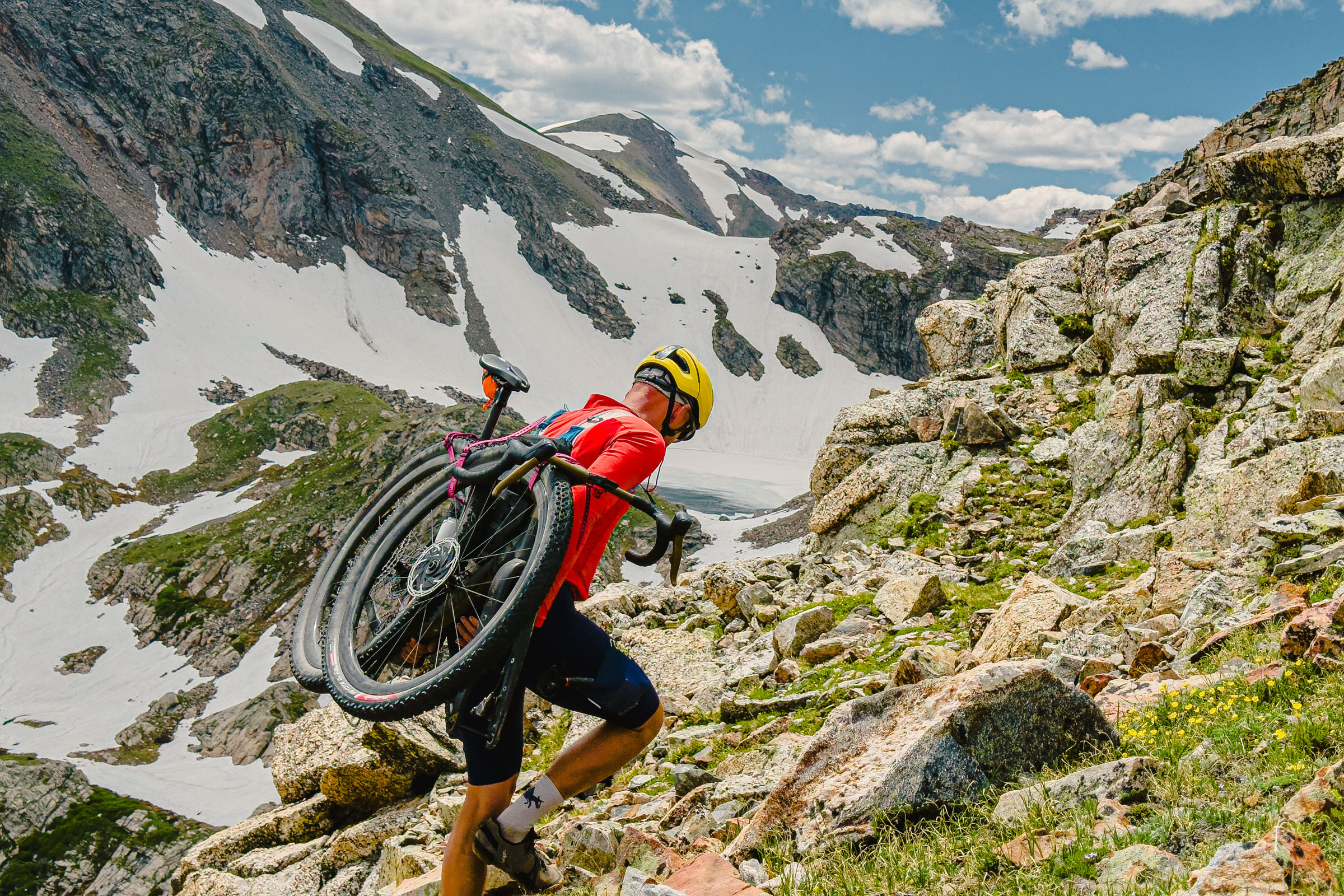
I won’t say that I’m the most skilled rider who leans his bike deeply into the brown pow and carves aesthetic turns. I’m more conservative in how hard I push my traction, so keep that in mind when considering your own style and terrain. My old go-to tire was the Mezcal, and it’s still a legendarily good tread, but the Peyote has mostly unseated it on my bikes. For you nerds out there, these rank in the top five for fastest-rolling tires in a couple of tests I’ve seen this year.
Riding Into The Night On Purpose
Normally, I start my multi-day rides early so I can get to camp before dark, set up camp, and have dinner. I also love a little lounge time at camp before taking my leave of consciousness for the night. But on my solo overnighter at White Rim last December, I started late in the day and rode into the night on purpose. I tried to really engage with aloneness, darkness, the stars, and the quiet state that comes with them. I came away so inspired by the experience that I immediately booked a campsite in February and put out an open invite to 10 other people, including folks I didn’t know, to come do the same thing again.


The second outing was an incredibly rewarding experience. About half of the people who came were strangers to me. About half were new to overnighters. There was magic as we set off. The assignment I gave the group was to find a moment out in the night to distance themselves from the group and truly ride alone in the blackness and awesomeness. People took me up on the challenge and came back relating some really sublime moments and experiences. It was like a brief but complete separation from everyday life and its noisiness.
(Mostly) Recycled Tires
550+ grams / Made in Thailand / $113 at Vittoria
I swear I’m not a Vittoria shill, but somehow they made my list twice this year. This second tip of the hat isn’t about a particular tire or tread; it’s about the compound itself. This year, after much teasing in 2024, Vittoria finally released a myriad of tires in its new recycled materials compound. They claim a 92 percent recycled content in each tire, which is impressive. They also claim better puncture protection and faster rolling resistance. They’re also a cool shade of adobe/dirt brown, which lends them a certain air of authenticity.
I haven’t really looked into the performance claims of the tires, but I was dying to ride a set, so I bought some and have been riding them for a few weeks, let’s say about 300 or 400 miles cumulatively. This isn’t enough mileage for a real review, but my impressions so far are excellent.

I’m running the 700 x 45mm T60, which, I know, is not really a modern bikepacking tire size. But so far, I’ve only been on gravel and pavement with them, so I don’t need anything larger. From what I can gather, they’re only using the compound on four gravel tires at this point, but I hear they are expanding into more tires with the recycled tire material. They’ve stated that they want to make it odd for a rider to be seen on tires that are not made with a recycled compound. What better pairing could there be than a bikepacking tire made of recycled materials that rolls fast and has better puncture resistance?
Hey Vittoria: MTB-sized tires in this compound can’t get here fast enough!
Sunglasses with Photochromatic Lenses
34 grams / Made in China / $15 at Amazon
I’ve learned from my various bikepacking outings that it’s really helpful to have dark sunglasses for daytime riding and clear glasses for nighttime riding, so my eyes don’t dry out. When riding in cold temperatures, it’s also important to keep your eyes shielded, as cold temperatures also often tend to be drier, which is doubly hard on your eyes.
The problem I have had is that no pair of sunglasses survives me for very long. Be it scratches from life on the trail, to getting smashed in a backpack, to dropping or getting stepped on, all of my sunglasses die a sad death; it’s only a matter of time. Because of that, I’ve decided that I can’t be trusted with expensive sunglasses, and thus began my search for something less precious.

In my searching, I stumbled across SCVCN sunglasses. These low-cost direct-from-China glasses are nothing to brag about, but they do three things well:
1. The optical quality has been great. Truly.
2. The photochromatic lenses go from clear to very dark quickly in sunlight.
3. I’ve purchased them for as low as $4 a pair from some sources, but they’re typically around $15. That’s a price that I don’t have to grieve when I hear the inevitable sad “crunch” of another pair that’s bit the dust.
I admit I’m embarrassed to be running cheap commodity sunglasses. I’m not saying they’re right for everyone, and the actual style of the glasses is more “racer” than “touring,” but they’re right for me. Regardless of whether you spend $4 or $250 on your sunglasses, I highly recommend photochromatic lenses for their versatility.
Tailfin Top Tube Bags
138+ grams / Made in China / $75+ at Tailfin
I can’t count how many top tube bags I’ve used in the last decade. In particular, I’ve had quite a lot of custom-made bolt-on top tube bags, but I’ve also had a few from the usual bigger names in volume production bags. I love personalizing my bike and shopping small as much as the next person, but when it comes to overall functionality, most of the top tube bags I’ve used have peaked at “fine,” and many fell well short of that. Specifically, half-baked, floppy construction or fastening on a number of bags caused them to lean over and rub my legs in a bothersome way. You can’t just run a hot poker through the bottom of a top tube bag and suddenly call it a credible bolt-on bag. Stability and construction are key
Now, it might be that any number of bag manufacturers have since solved this, but this is my list, so I would like to high-five Tailfin for making the finest top tube bags I’ve yet to experience. I find the overall design and construction of their bags to be very thoughtful, but the critical detail that I think they nailed is the rubber mounting points and fastening straps that somehow, finally, help their bags to stay wonderfully upright and in place on the top tube of every bike that I mount them on.


The bags can be mounted with fastening bolts for frames that support that, or straps can be used. I love banishing straps from my bikes whenever possible for a cleaner installation of bolts, but in the case of these straps, they’re so secure and so easy to put on and take off that I can’t even be bothered to use mounting bolts anymore.
The only bummer with Tailfin is that the bags are all black. I miss my colorful custom bags. They’re also spendier than many other options. But on that matter, I would say I could have saved myself a lot of money if these had been available 10 years ago, and I’d have been spared the hassle of shopping different brands to find the stable performance I was looking for.
Bonus note: I’m really into long, even full-length top tube bags these days. So much room for activities!
Search and Rescue (SAR) Insurance
$39 at Garmin
It almost goes without saying, but for this community it seems important to emphasize: If you’re getting out into nature alone or with friends, it’s incredibly smart to have a good search-and-rescue insurance policy. It isn’t a fun thing to think about; getting lost or injured out there, but if any of us needs to call for rescue, the costs of it all can add up very quickly. We’re talking potentially tens of thousands of dollars in rescue costs from a simple crash, a sudden storm, or a misreading of the map.

This insurance pairs well with a device that can send and receive messages via satellite. A lot of modern iPhones and Android devices can do that these days without a subscription, which is fantastic. I carry a Garmin InReach as well, and that is through whom I purchase the insurance. The Garmin and Spot are also great because you can call for emergency with the press of a single button instead of waving your phone at the sky, trying to align it with a satellite. In some states, like Colorado, you can add SAR insurance to various outdoor licenses for a nominal add-on fee, so some people may already have this insurance without knowing it.

If you’re going international, also check out medical evacuation insurance. With a policy like that, a team will find you, evacuate you, and fly you anywhere in the world that has the necessary level of care to treat any given injury. Either way, you and people who care about you will have that much more peace of mind that rescue is possible should the unexpected happen, and even more so if you know that rescue costs will be taken care of if you do make that call.
Supporting this Very Website
$39+/year at BIKEPACKING.com
Oh, geez. Really? Am I really going to slip this into a top 12 list? That’s a party foul, right?
Before you skip this section, hear me out. I somehow ended up with a minor title by my name, but I’m not on staff at BIKEPACKING.com. I’ve been a regular subscriber for I think four years, maybe five, and it’s been money well invested in both the staff and myself as a reader.
I come to this site for inspiration and information, just like anyone else. And when people ask me about how to get into bikepacking, I send them here for all the getting-started lists and routes to explore. I don’t think there’s another resource like this, and I think it deserves that people put some skin in the game to support it.

This world and the media are increasingly run by people who extract value out of audiences through manipulation, sponsored content, paid affiliate links, the sale of user data, and other less-than-transparent motives. Along the way, thoughtful stories, actual reporting, and the humanity of it all are being lost. I can feel it, and I’ll bet you can, too. There is no world where we don’t pay for what we consume one way or another, and in the case of a site that writes about the sport I love, I would like to acknowledge that transaction as fair and square by simply subscribing as a supporter.
Wow. I’ve never felt like a public radio fundraiser in my life until this exact moment. No regrets!
Tinfoil Under Insoles
If Logan can talk about innertubes in his list, I feel justified talking about tinfoil, the stuff you cook with and wrap burritos with, as it relates to feet.
On one particularly cold commute years ago, I realized that no matter how insulated the uppers of my shoes were, or how thick my neoprene booties were, the cold somehow found a way to creep in and freeze my feet through the soles. This vexed me.
Finally, it hit me: if people wrap burritos or tortillas in tinfoil to keep them warm, why not try something similar with my shoes? I experimented a bit and finally arrived at folding a piece of tinfoil three times into about the width of my insole, then gently stuffing it into the shoe and up around the toe area as neatly as possible before re-inserting the insole.

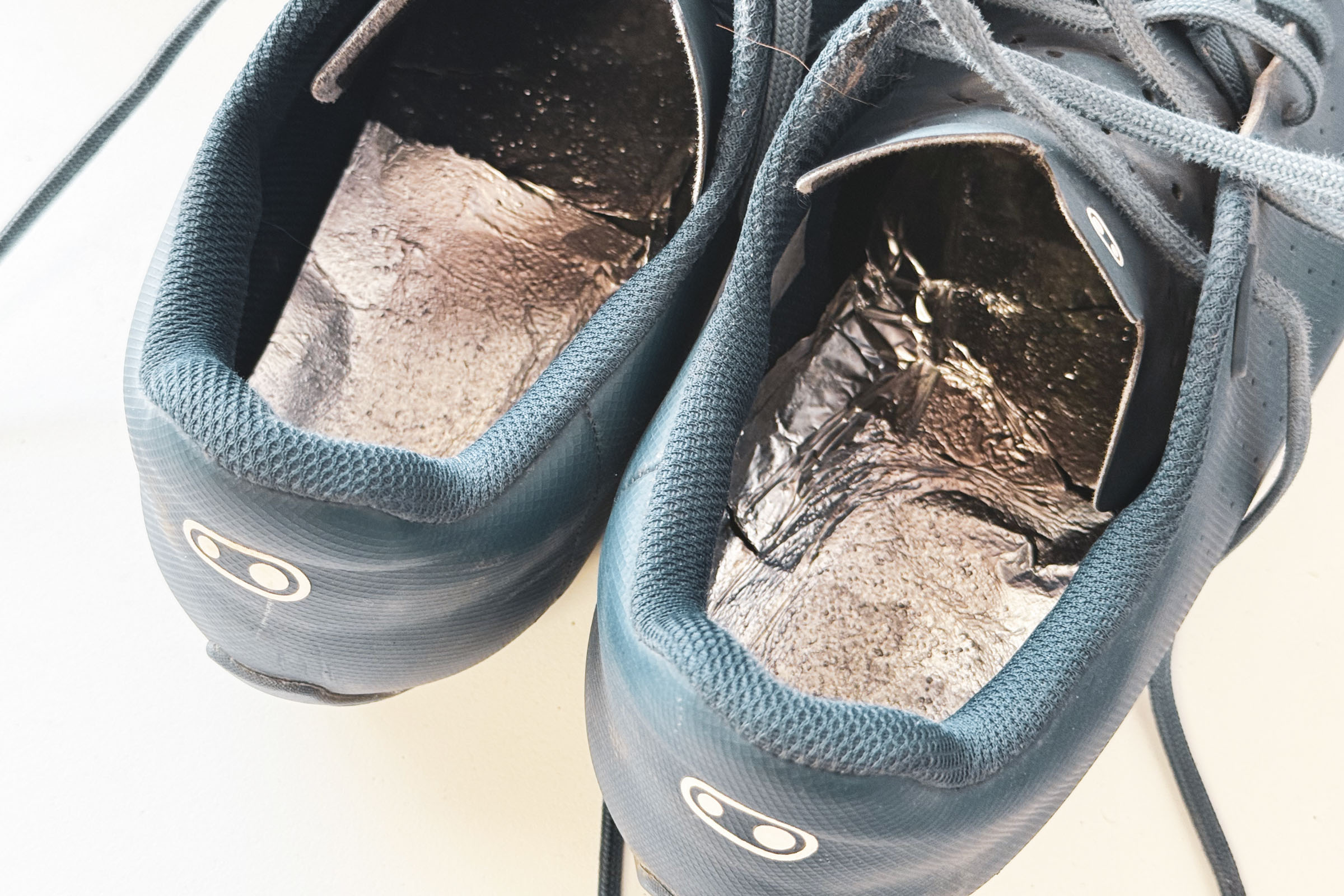
Voila! I could instantly tell that my feet stayed warmer. I’m not talking about the same effect as putting toe-heater packets in there, but it was noticeably warmer. You may have noticed that thick socks can reduce blood flow to the feet, leading to colder feet. Tinfoil won’t do that.
Once inserted, it takes a ride to fully compress the tinfoil, but it eventually becomes paper-thin, and you no longer notice it. When spring comes, remove the insole and marvel at how the tinfoil has been reduced to silver confetti, a sign of the arrival of the warm riding season.
Learning to Wheelie
This is a weird one to cap my 2025 list off with, but for me, this has been the year of the wheelie. It all started on a ride with my nine-year-old kid. One day, I stopped on us both on a ride and said, “Watch this,” as I barely managed to loft my front wheel off the ground with a handlebar pull and a push of the crank. That split-second wheelie was all it took for Ollie to get inspired to learn it on his own. He started much the same as most of us do: Endlessly frustrated with every attempt, and seemingly making no progress at all. Honestly, he was furious in the early days of learning.
But day by day, he kept at it in front of our house, 10 or 20 minutes per session. Progress came sparingly. He would call me to go out and practice with him, so I did. I’ve wanted to wheelie my entire life. It’s on my checklist of life goals right up there with backflipping on a snowboard or learning breakdancing windmills and headspins.

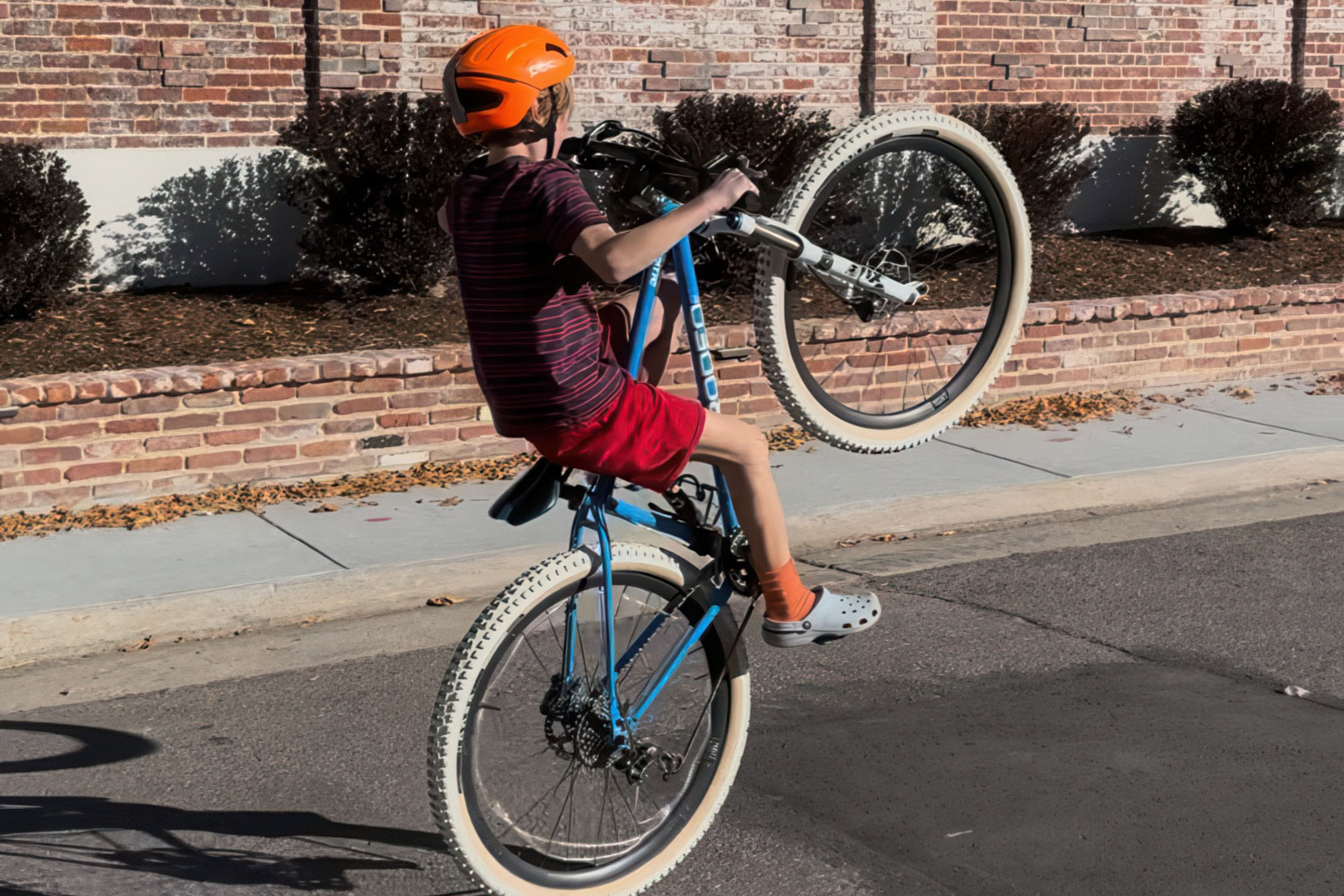
A funny thing happened: Ollie got good at wheelies this year. He can now confidently wheelie down the block nearly indefinitely. His relentlessness paid off. By going out and practicing with him, I also got better. I can’t match his skill, but I’m far better now than I’ve ever been, and at 47 years old, it was a solid reminder that it’s quite simply not too late in life to get better at something, or to finally do that thing you’ve wanted to be able to do for four decades. Adults can still learn to wheelie, and they’ll be happier if they do.
Learning to wheelie reconnected me to the simplest joy of riding a bike; that uncomplicated joy that drew me into the sport. It takes no gear, money, or even natural talent to learn to wheelie; it just takes practice and determination.
Bonus: The skills you learn while doing wheelies 100% translate to better bike handling while out on the trail.
Further Reading
Make sure to dig into these related articles for more info...

Please keep the conversation civil, constructive, and inclusive, or your comment will be removed.