


 Singletrack/MTB
 Gravel/All-road
 Dirt-road Touring
 Fat-bike



A First Look at the Redshift Top Shelf Handlebar





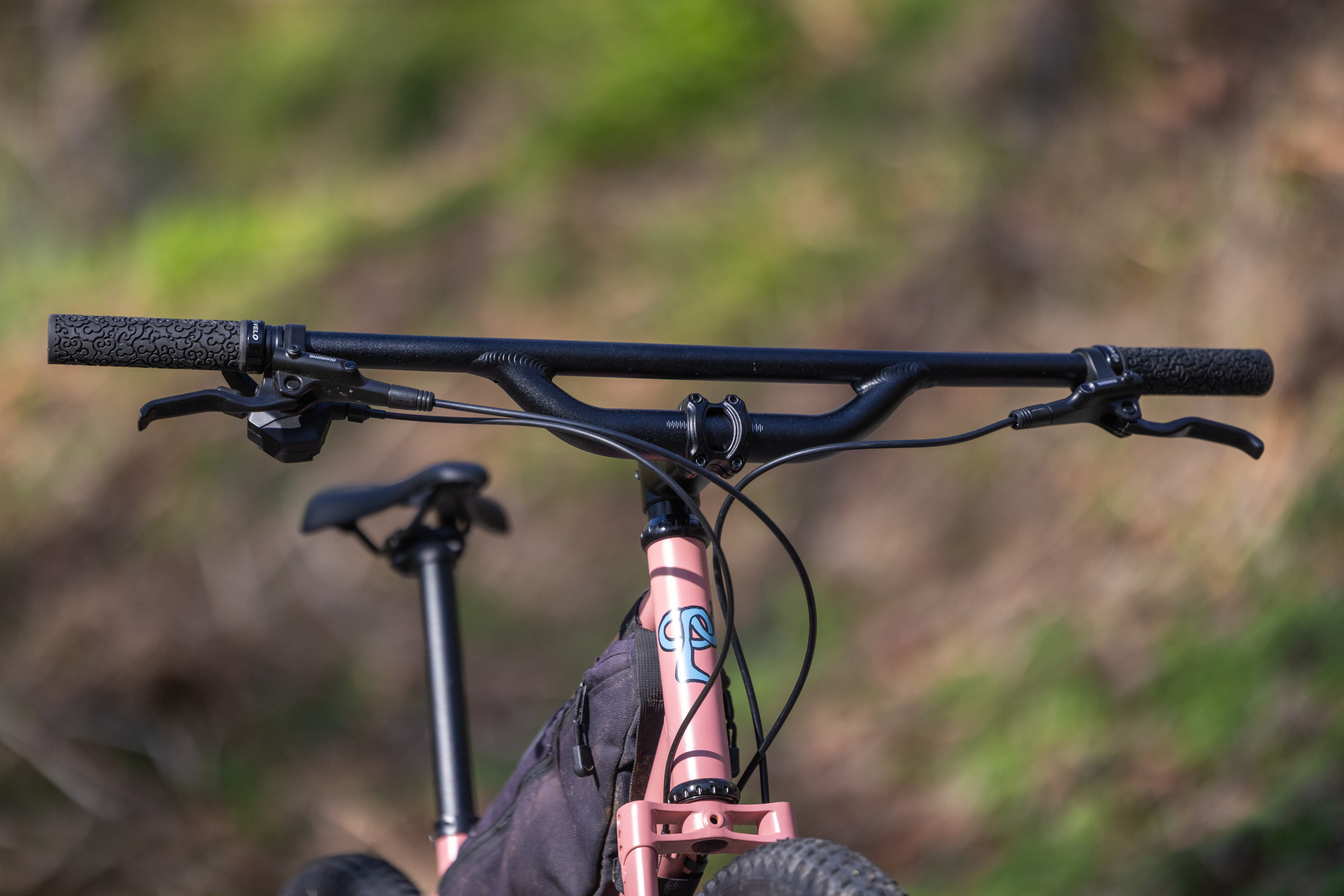
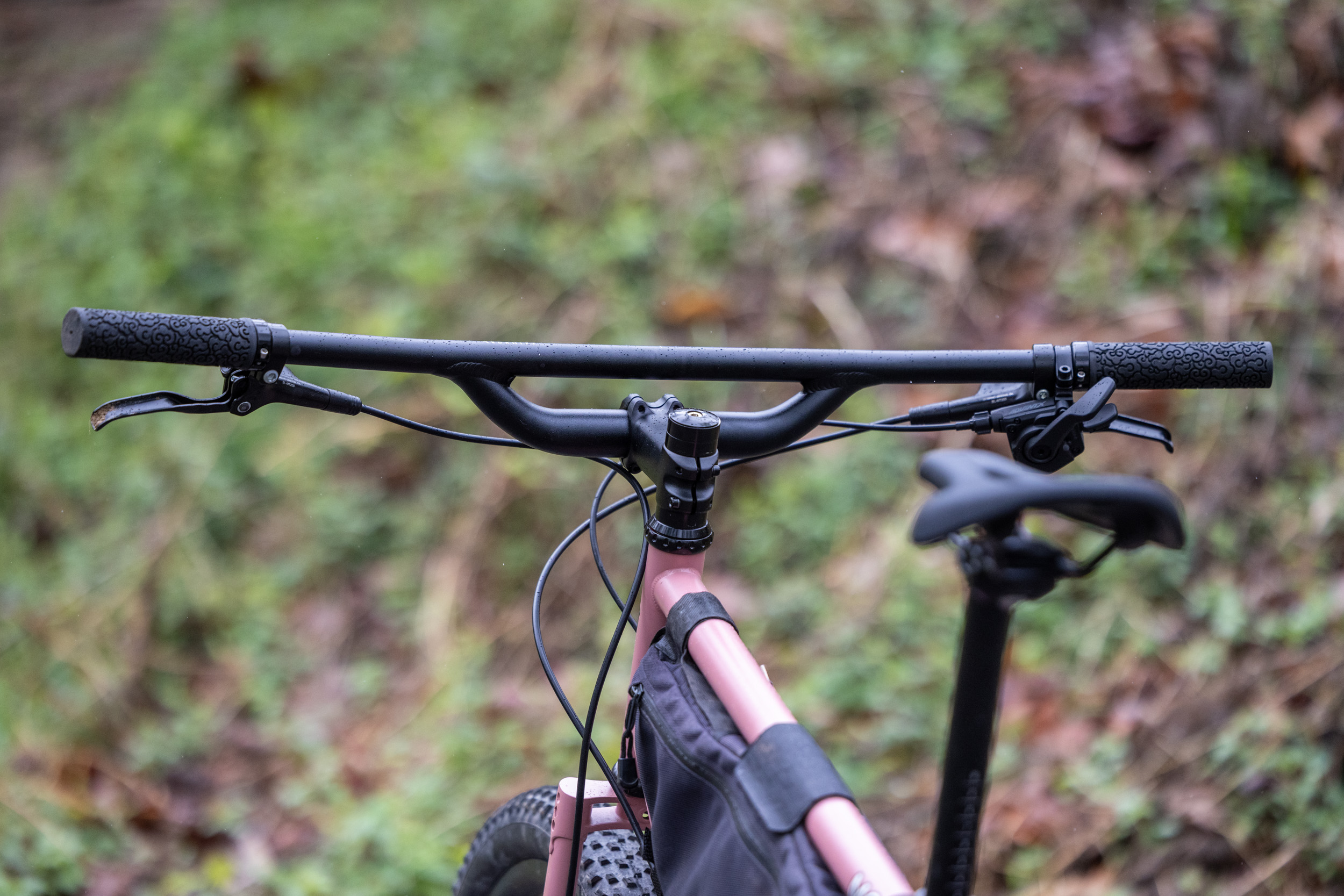
Following up on their Top Shelf drop bar, Redshift has adapted the core design to a flat bar. Featuring two rise options, these aluminum handlebars are designed for riders looking to clean up their cockpits for bikepacking trips through a double-bar mounting system. Nic spent some time with the Redshift Top Shelf bars before their release and shares thoughts about their unique, utilitarian design in this review…
PUBLISHED Apr 7, 2026
If you’ve ever gone on a bikepacking trip, you’ll have experienced one of the most common issues that result from strapping a bunch of bags to your bike. Whether flat bars or drops, handlebar space can get crowded between the basic point of attachment, a bike computer, lights, and a bag. Throw cables into the mix, and it can be a headache that only presents itself when you’re in the throes of packing.

Redshift’s newest product aims to alleviate that issue. With their new Top Shelf handlebar, the company has taken a BMX-inspired approach to solving one of the most common problems with mounting bags to the front of your bike. I’ve spent the last few weeks with these bars and have some thoughts on their core design and performance.
Specs and Design
The Redshift Top Shelf handlebar is an 800mm wide riser featuring 14˚ of backsweep and 5˚ of upsweep. There are two rise options, 50 and 70mm, and I spent most of my testing period with the former. The bars are made of 6061-T6 aluminum, come in black, and use a 31.8mm clamp diameter with a 22.2mm “top shelf” area. The design intent is to use the smaller, secondary bar to attach things you might need for a bikepacking trip, and clear up some of the clutter bags and other accessories introduce by effectively doubling the space users have for mounting accessories.
This isn’t Redshift’s first foray into a tiered mounting system, as their Top Shelf drop bar uses a similar design. Erik De Bun of Redshift told me that the flat-bar version was born out of feedback from customers who enjoyed the drop-bar variant but wanted something similar with flat bars. Redshift also felt there was an unmet need for a comfortable bar that wouldn’t compromise confidence in steering and braking on rough terrain.


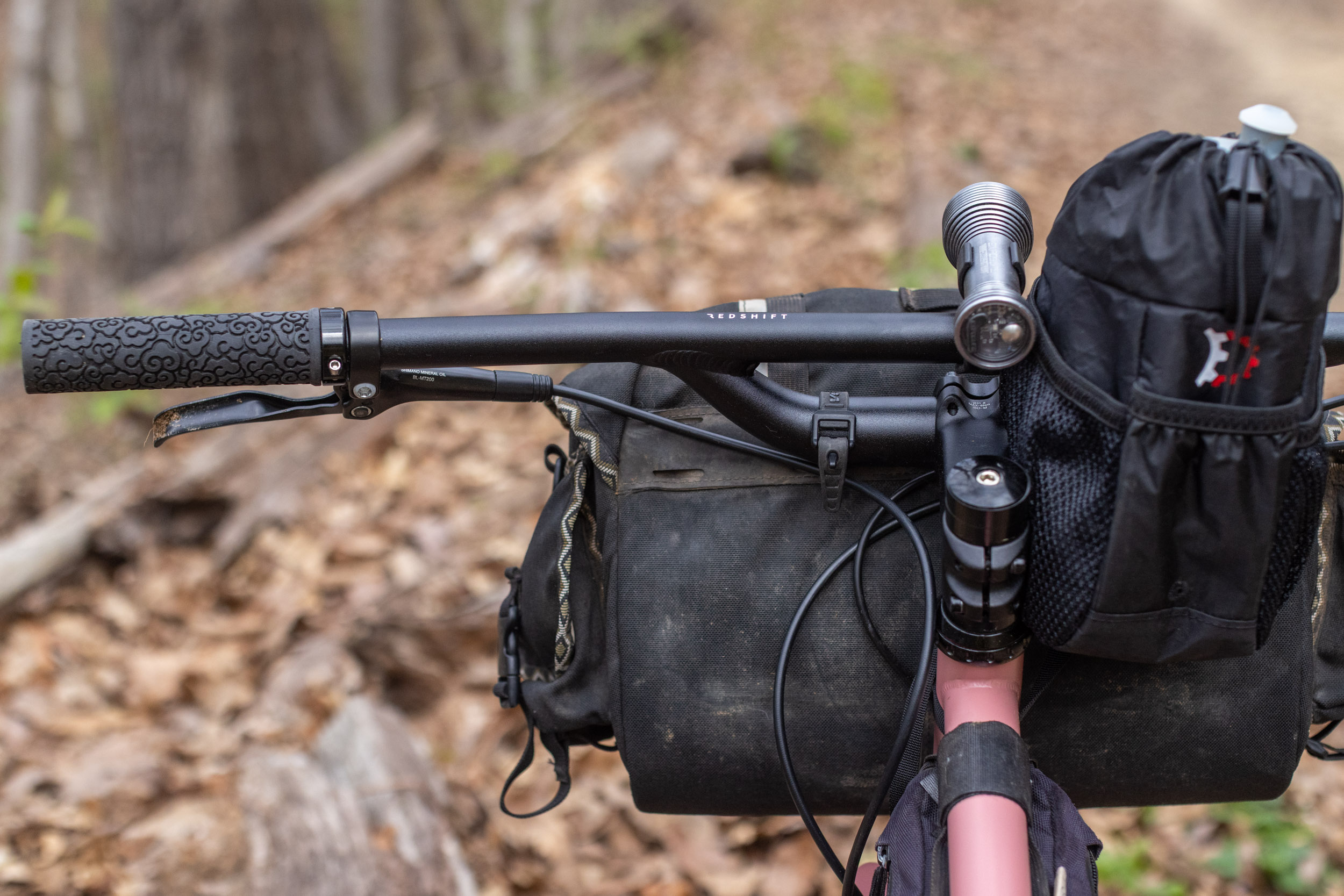
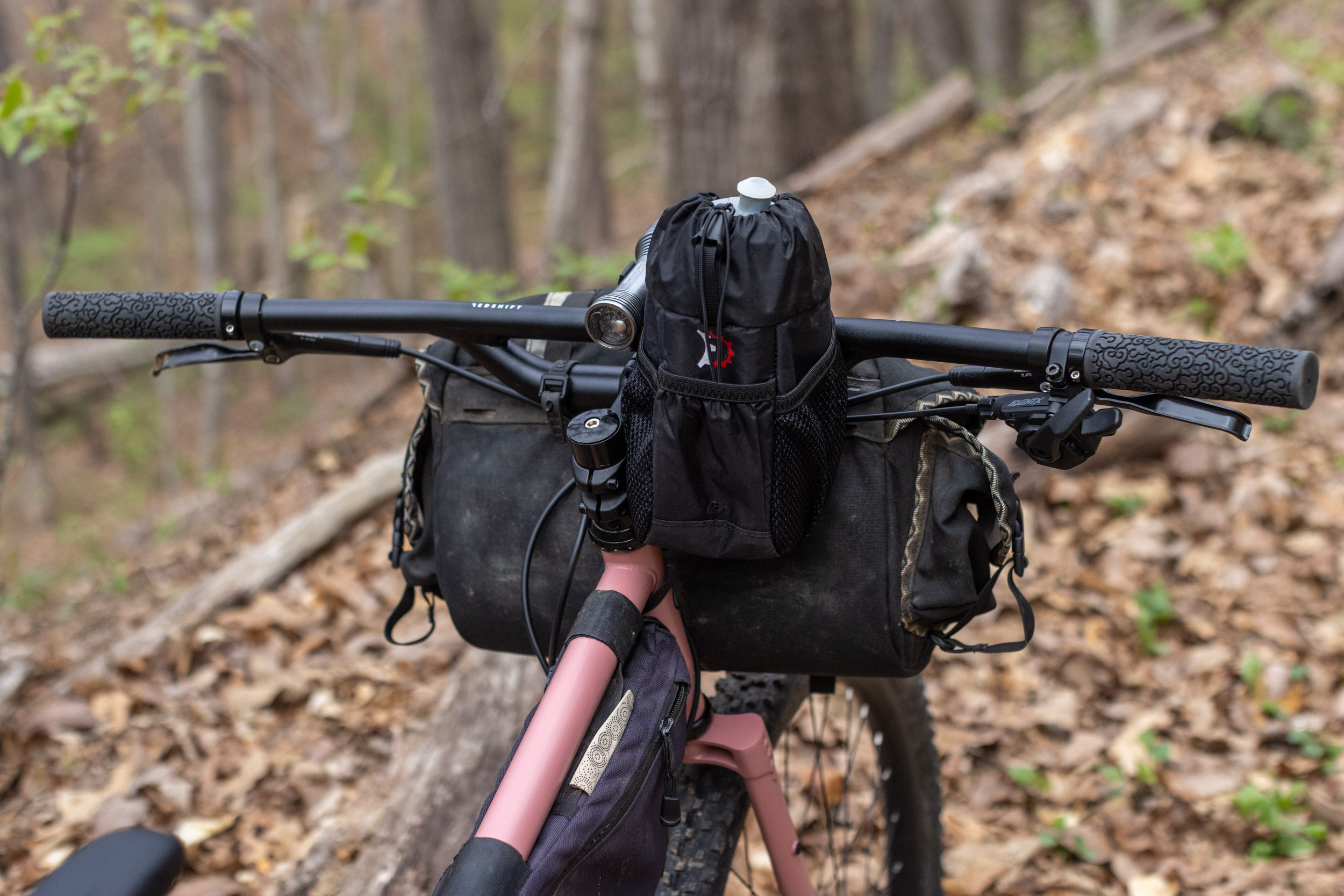
In practice, the tiered mounting system works well enough. My sole qualm is that, after maintaining a largely modern drop-bar quiver of bikes over the past few years, most of my mounts are 31.8mm. Finding or buying a computer, light, and any other mounts you might need for a 22.2mm standard may pose some issues if you share a similar background. But it’s nice to have a clear distinction for your gear and accessories once you have the right mounts. Redshift also sells shims $15-$20 for the crossbar attachment if you can’t find an appropriately sized mount. Generally, I attach a larger Carradice-style bag to the lower 31.8mm section and use the top area for everything else. This not only cleans things up and provides more space for accessories, but it also gives the top of the bag more room to open, since it’s on a lower platform than the rest of whatever’s mounted on the handlebars. It’s a much more organized experience than having everything on the same plane. It works especially well with large stem bags like the Revelate Designs Mountain Feedbag, as the higher mounting point stops the bag from interfering with handling.
With all that said, the design of this two-tiered system requires a specific handlebar style. Unlike their drop-bar counterparts, risers like the Top Shelf bar feel notably different from other flat bars. The drop-bar variant, while distinct given its rise, doesn’t necessarily deviate from the position of a typical drop bar. By and large, drop bars of similar width and flare operate and feel alike. In my experience, the same can’t be said of flat handlebars.

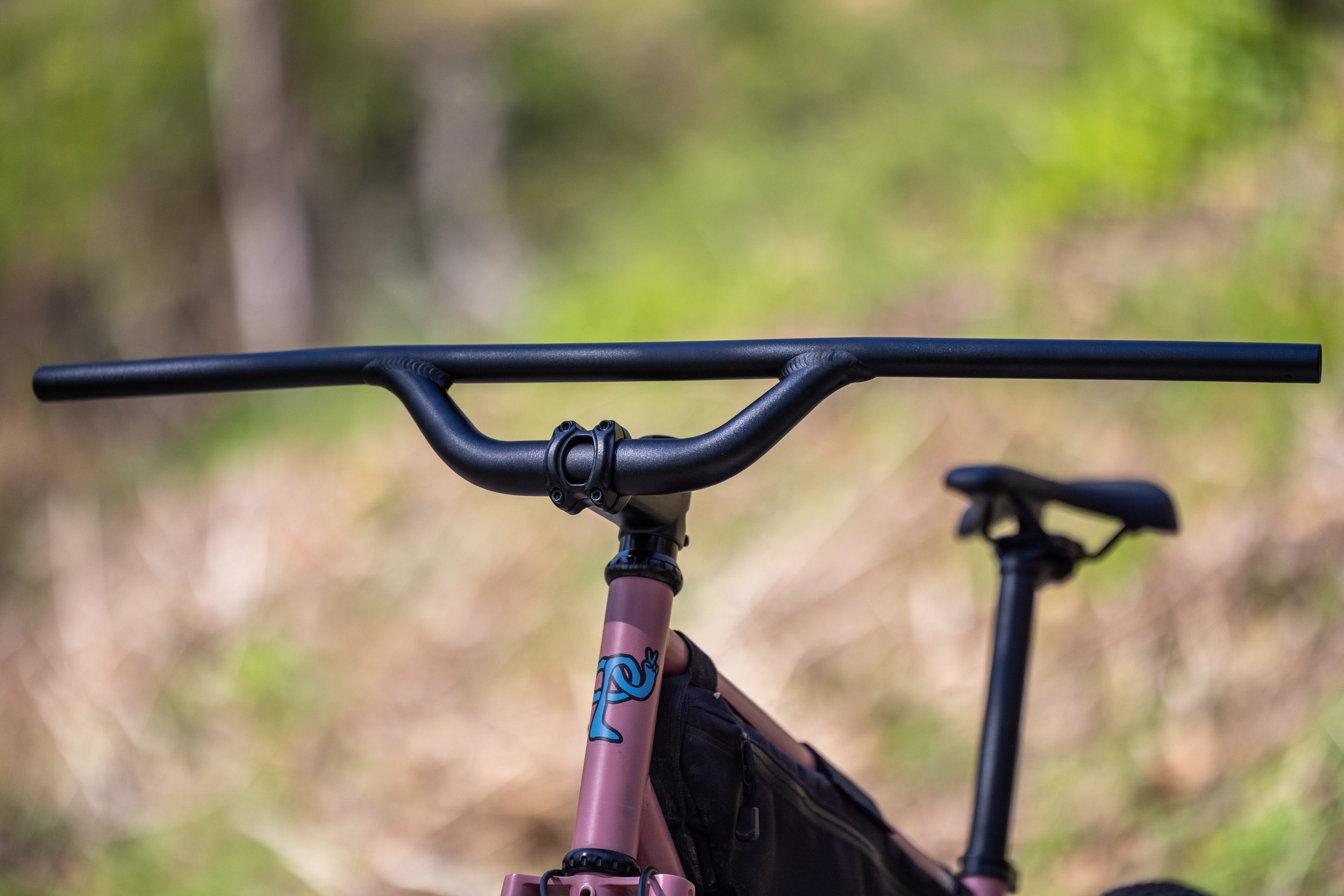


Because of my preferences, I’ve strayed away from riser bars. I like a low stack height and never find myself needing a higher position. As I touched on in my Slug Terrestrial Ti review, the nature of their zero-rise, flat design put me further forward on the bike. Not only do those bars align more with my natural position, but they also allow for a completely different fit. There’s more weight on the front tire, and the normal riding position is far more aggressive than what you could ever achieve with the Top Shelf bars.
In Use
Despite my aversion to the position they create, I ended up enjoying the Top Shelf bars. They haven’t come off the ATB I’m testing, and I have no plans to make any changes. Their width provides ample leverage on rough and steep terrain, the added benefit of the tiered mounting system is useful, and the quality of the aluminum has a nice feel. It took some getting used to, but I’ve really gotten on with them after more than a few miles on rough, rooty, challenging singletrack.


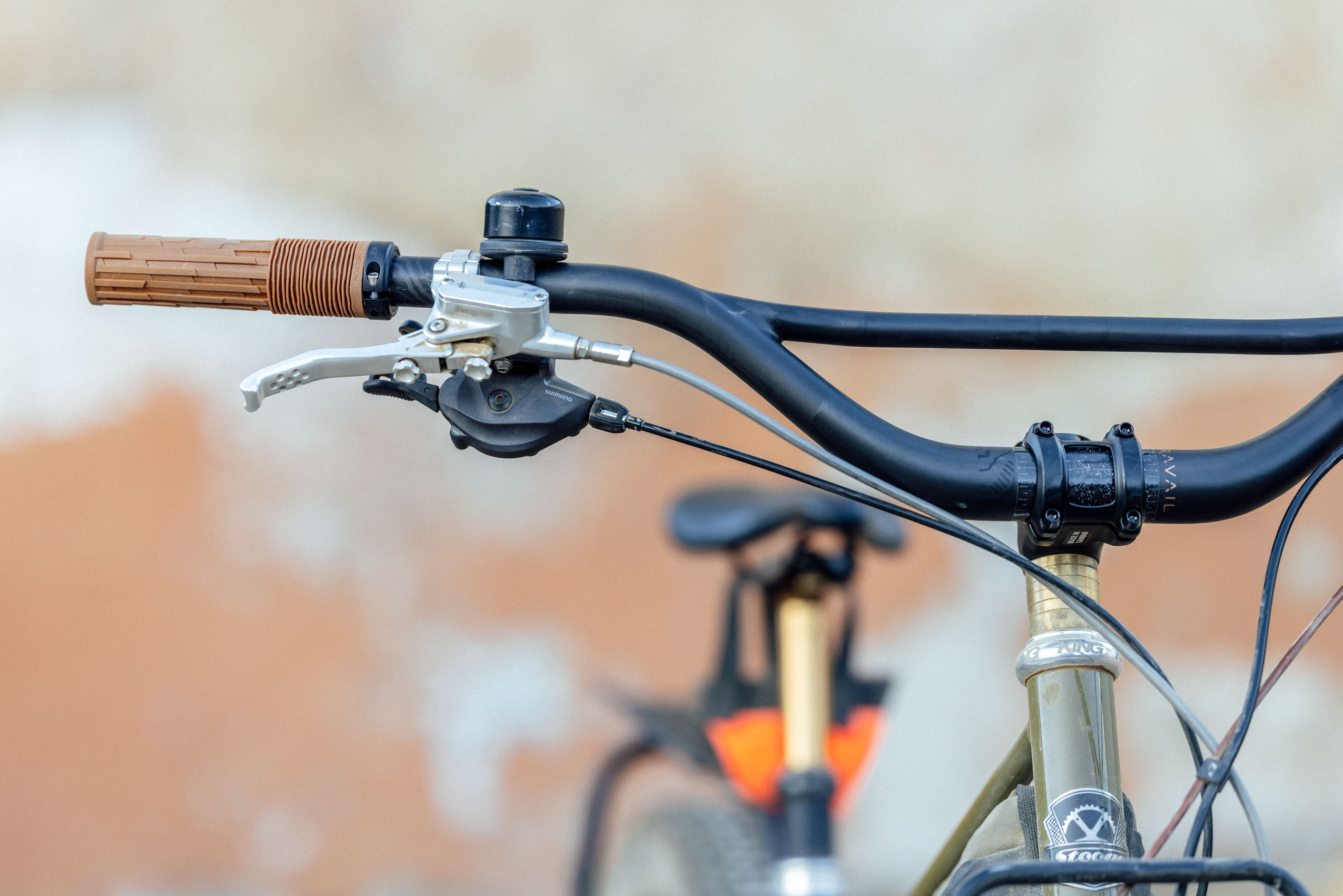
Because of the rise and more upright position, they take some weight off the front tire. It’s less noticeable with a fully packed bag, but when riding completely unloaded, it was something I had to get used to. Logan noted in his review of the Whisky Milhouse, now the Teravail Moonstone that bars with extra rise and backsweep are ideal for bikepacking. To quote him, “Not only can this improve the riding position for most folks, but it also keeps the brake levers and cables out of the way of the typical front bag setup.” The same is true here, given their similar design. With the added benefit of a lower bag position and less interference with brake and shifter cables, both sets of bars make for greater stability with a heavy front load.
In Comparison
For comparison, I looked at two other similar bars we’ve reviewed and found that, while the Redshifts are expensive for an aluminum offering, they’re among the most affordable for bars of the same shape.
| Handlebar model | Redshift TopShelf | Whisky Milhouse/ Teravail Moonstone | DOOM Lucky Riser | Marin Bedroll Bar | Oddity Razorbar |
|---|---|---|---|---|---|
| Weight (uncut) | 555 grams | 293 grams | 662 grams | TBD grams | 700 grams |
| Width | 800mm | 825mm | 880mm | 780mm | 800mm |
| Clamp Diameter | 31.8mm | 31.8mm | 22.2mm | 31.8mm | Shimmed 31.8mm |
| Material | 6061 T6 Aluminum | Carbon | Steel / Titanium | Aluminum | Steel |
| Rise (mm) | 50 / 70 | 70 | 50 | 50 | 60 |
| Price | $130 | $230 | $185 | $84 | $160 |
Although there are plenty of other aluminum riser options for far less money, almost none offer the added benefit of the tiered mounting system. I say “almost” because while writing this, I became aware of the Uprising Bars from Ahearne Cycles. I haven’t tested them, but they appear to function similarly, given their 31.8mm clamp diameter and 22.2mm crossbar. The Ahearne bars are slightly different in that they feature a massive 100mm of rise, 22˚ of backsweep, and 5˚ of upsweep, with an 830mm uncut width. Where the Top Shelf bars distinguish themselves is with their two rise options and slight changes in upsweep and backsweep.
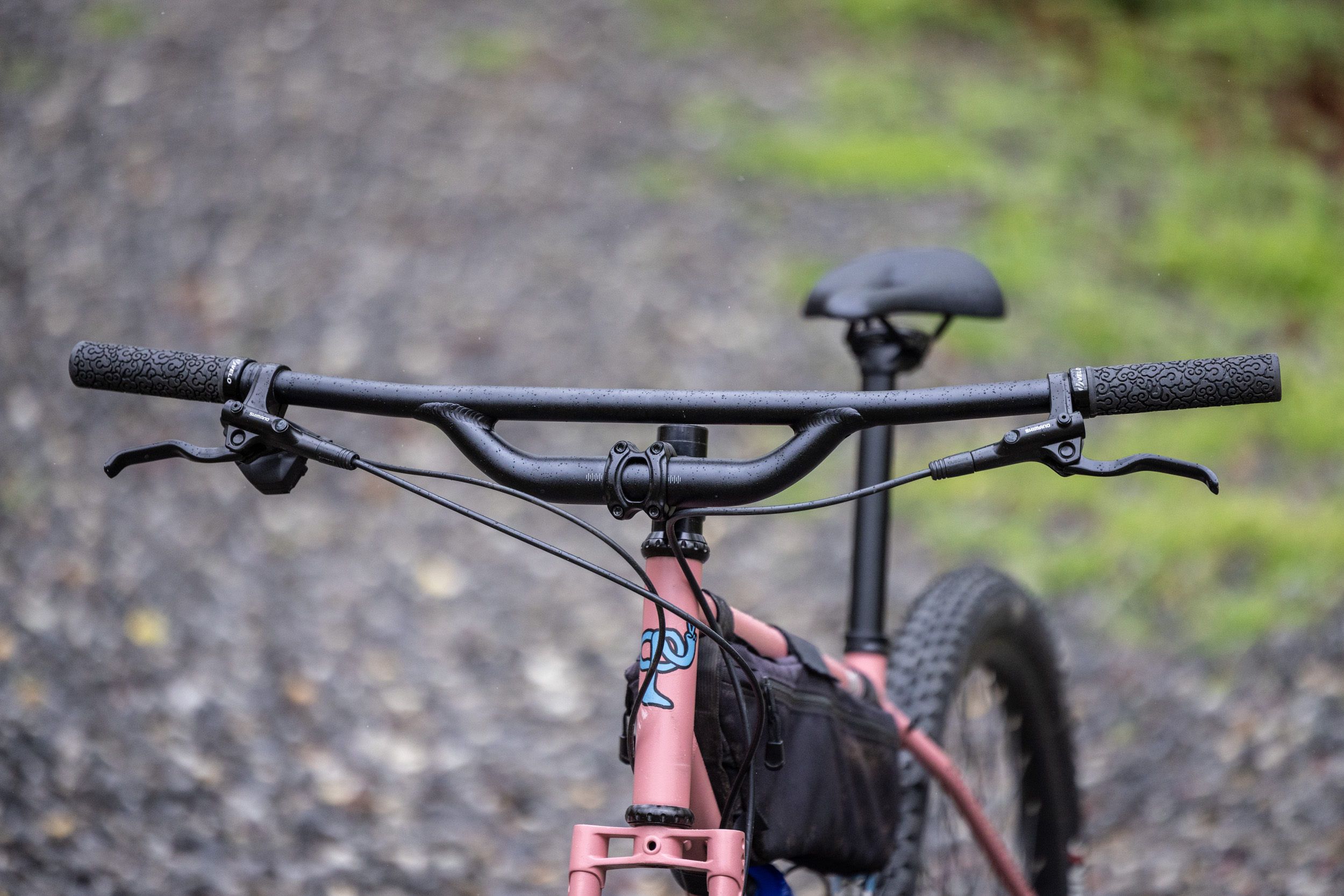
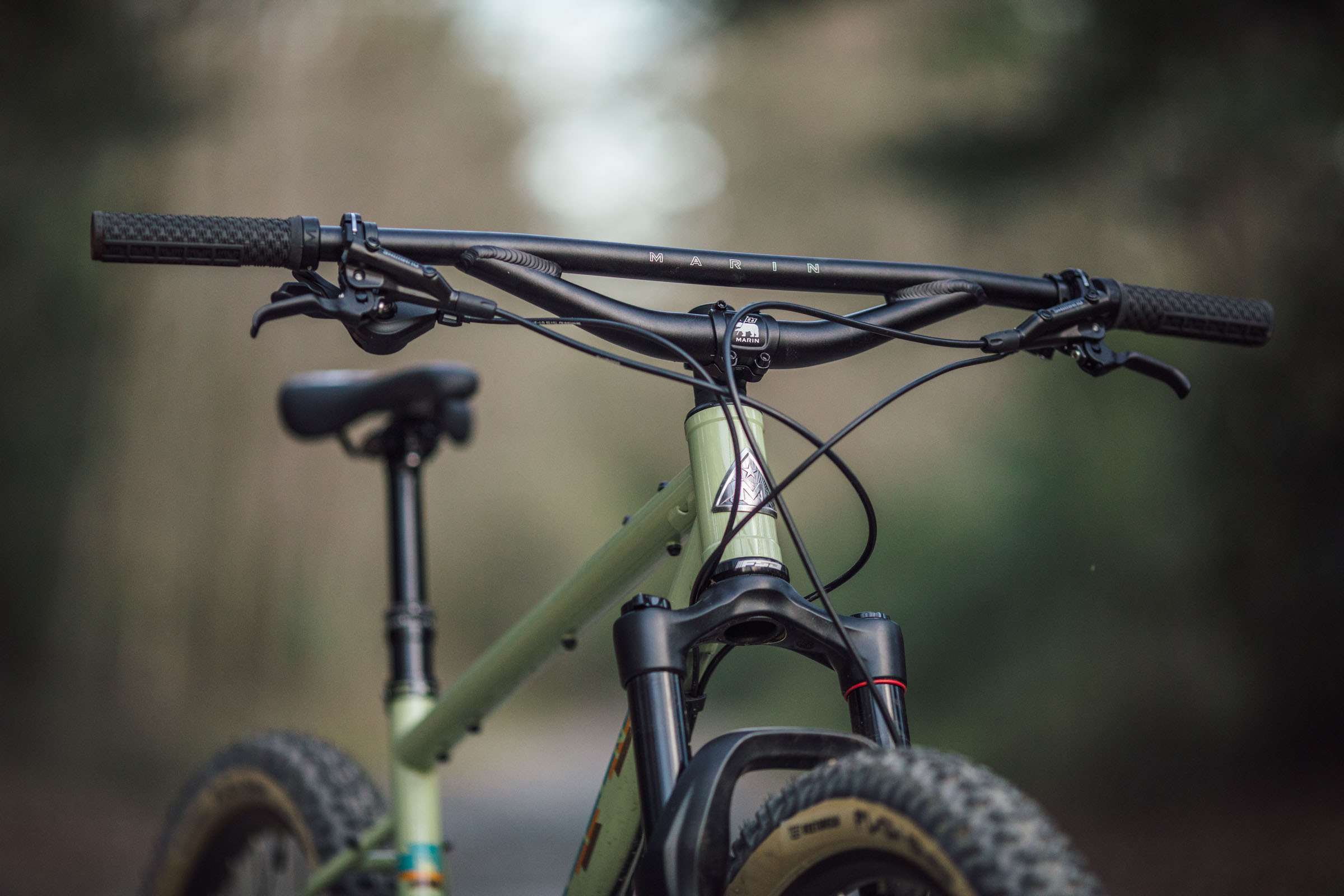
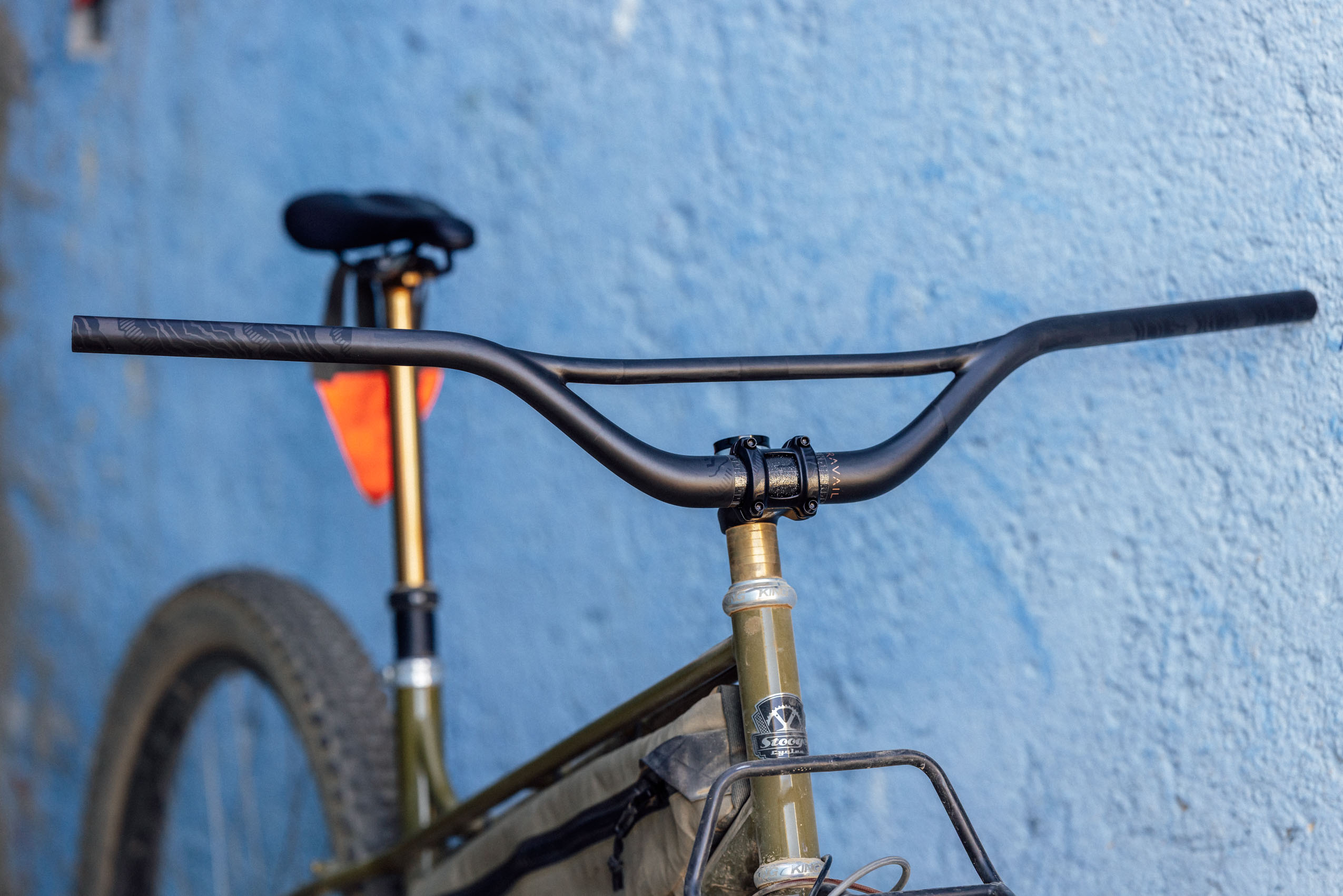
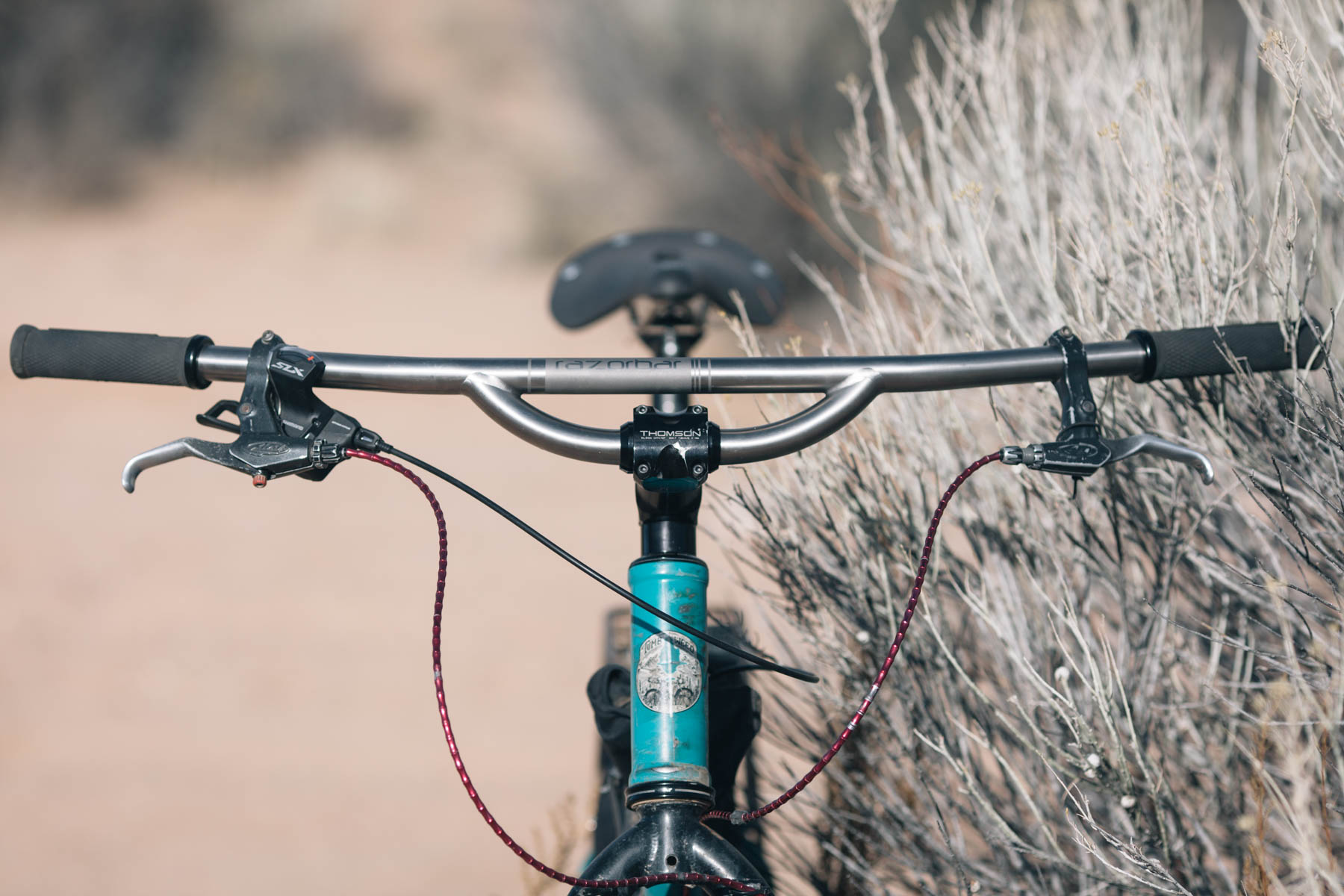
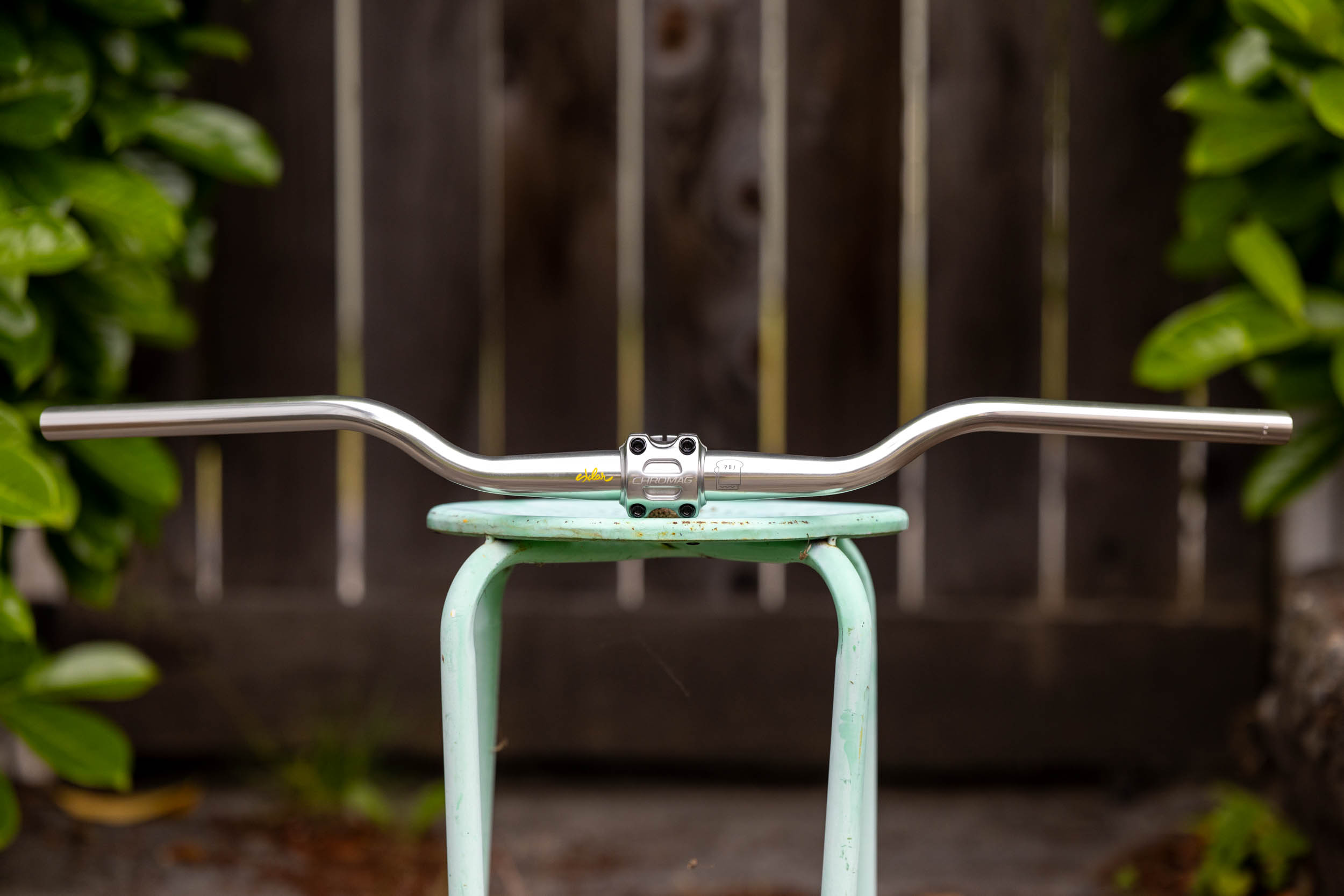
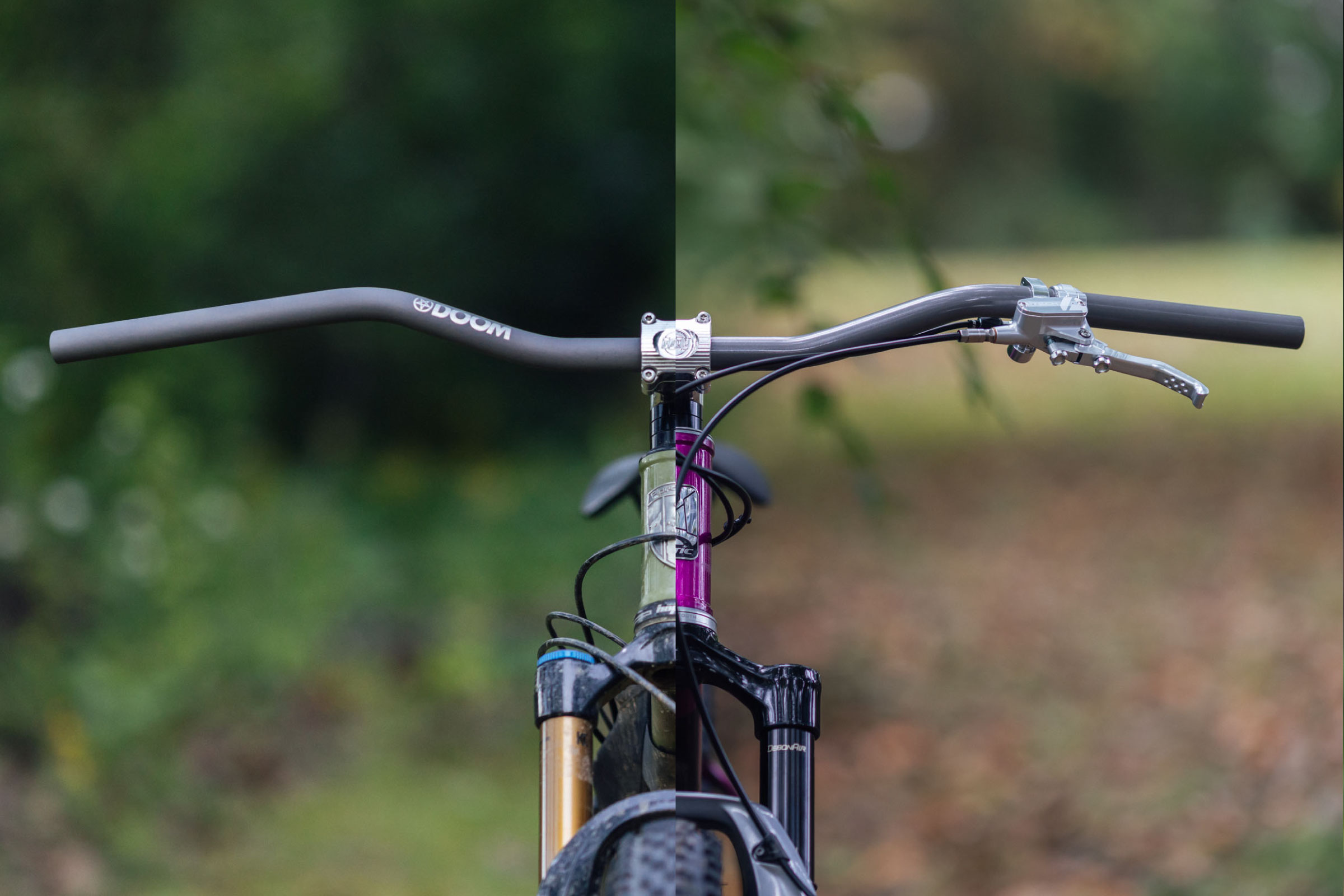
There are others as well, such as those in our List of Comfort MTB Handlebars Index. The Surly Sunrise bars, Oddity Razorbar, and Marin Bedroll bar all spring to mind, but differ in material, shim requirement, and other variables. While discussing the Top Shelf bars, Logan mentioned his negative experiences with the Marin Bedroll, claiming it was the harshest bar he’d ridden, and expressed skepticism about this shape in aluminum. The Redshift bars have a shorter bottom clamp area, which reduces the leverage on the 22.2mm top bar and could help make things feel more flexy, and Erik mentioned extra attention was put toward the butting profile and sidewall thickness given its welded design. He also noted that very small changes in backsweep and upsweep made a huge difference in comfort during their development. The Bedroll bars maintain 10˚ of backsweep and 6˚ of upsweep, while the Top Shelf bars have 14˚ of backsweep and 5˚ of upsweep. It’s seemingly minor, but makes a huge difference given that the Top Shelf bars are among the most comfortable aluminum bars I’ve used. Even after riding through rough singletrack on a rigid bike, my hands were completely fine. In my opinion, the Top Shelf bars present a relatively affordable alternative to the carbon Moonstones and other more expensive handlebars.
- Model Tested: Redshift Top Shelf Handlbar, 50mm rise
- Actual Weight: 547 grams (19.5 oz)
- Place of Manufacture: Taiwan
- Price: $129
- Manufacturer’s Details: Redshift Sports
Pros
- Two rise options fit a wide variety of riders and preferences.
- Well constructed and relatively light.
- Top shelf system works as intended.
- They provide a comfortable, laid-back position.
Cons
- More expensive than other 6061 aluminum bars.
- It’s a niche desire for both more mounting points and a significant rise.
- 22.2mm top shelf clamp diameter, while not atypical, is still a hassle for some to get accessories for.
Wrap Up
Although they’re more expensive than many other alloy bars on the market, the benefits of the Top Shelf bars’ tiered mounting system make them a solid option for bikepackers seeking more cockpit space. Coupled with their rise options, comfortable position, ample width, and quality, they’re difficult to look past. For anyone looking to add more rise to their bike and gain valuable space in a cramped area of their flat-bar bikepacking setup, these are a great option.
Further Reading
Make sure to dig into these related articles for more info...

Please keep the conversation civil, constructive, and inclusive, or your comment will be removed.