

 Singletrack/MTB
 Gravel/All-road
 Dirt-road Touring
 Fat-bike


Six Moon Designs Lunar Orbiter Tent Review



Neil’s latest review highlights his experience with the Six Moon Designs Lunar Orbiter, a one-person, single-wall tent. With plenty of nights across a multitude of seasons and bikepacking trips, explore his in-depth video look at this freestanding tent below…
PUBLISHED Mar 26, 2026
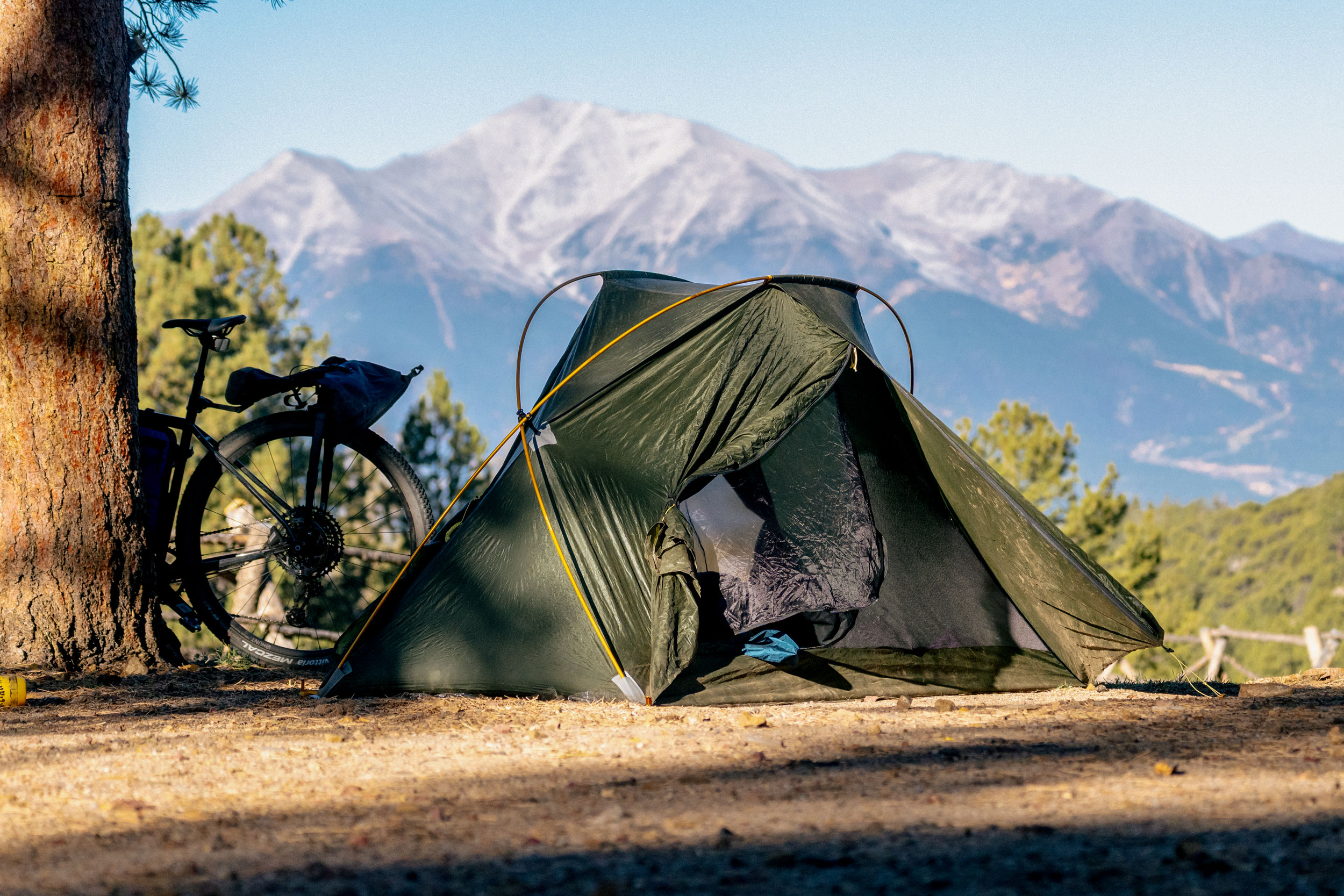
On bikepacking trips, your sleep system becomes home. And there’s nothing better than crawling into your home after a long day on the bike. This particular home is the Lunar Orbiter from Six Moon Designs, a freestanding, single-wall tent that’s a little different from anything I’ve used before. In this review, I’ll walk through the good, the bad, and everything in between. Watch the full video below, followed by a written version with photos.
History
Six Moon Designs emerged from the early 2000s ultralight movement, when thru-hikers started questioning why everything had to be so heavy. Ron Moak, founder and president of the company, was right in the middle of that, building his own gear and eventually turning it into a company in 2002. Six Moon Designs is based out of the Portland area, and that small, hiker-first mindset is clearly baked into everything they make.

Over the years, Six Moon Designs has built a reputation around doing more with less, lighter materials, simpler structures, and gear that leans heavily into the overlap between backpacking and bikepacking. Most of their shelters are rooted in ultralight philosophy, often relying on trekking poles instead of traditional tent poles to cut weight and pack size without sacrificing livability. However, their designs aren’t solely focused on saving grams. It’s about efficiency, adaptability, and creating systems that make sense when space is limited, and every piece of gear has to earn its place.

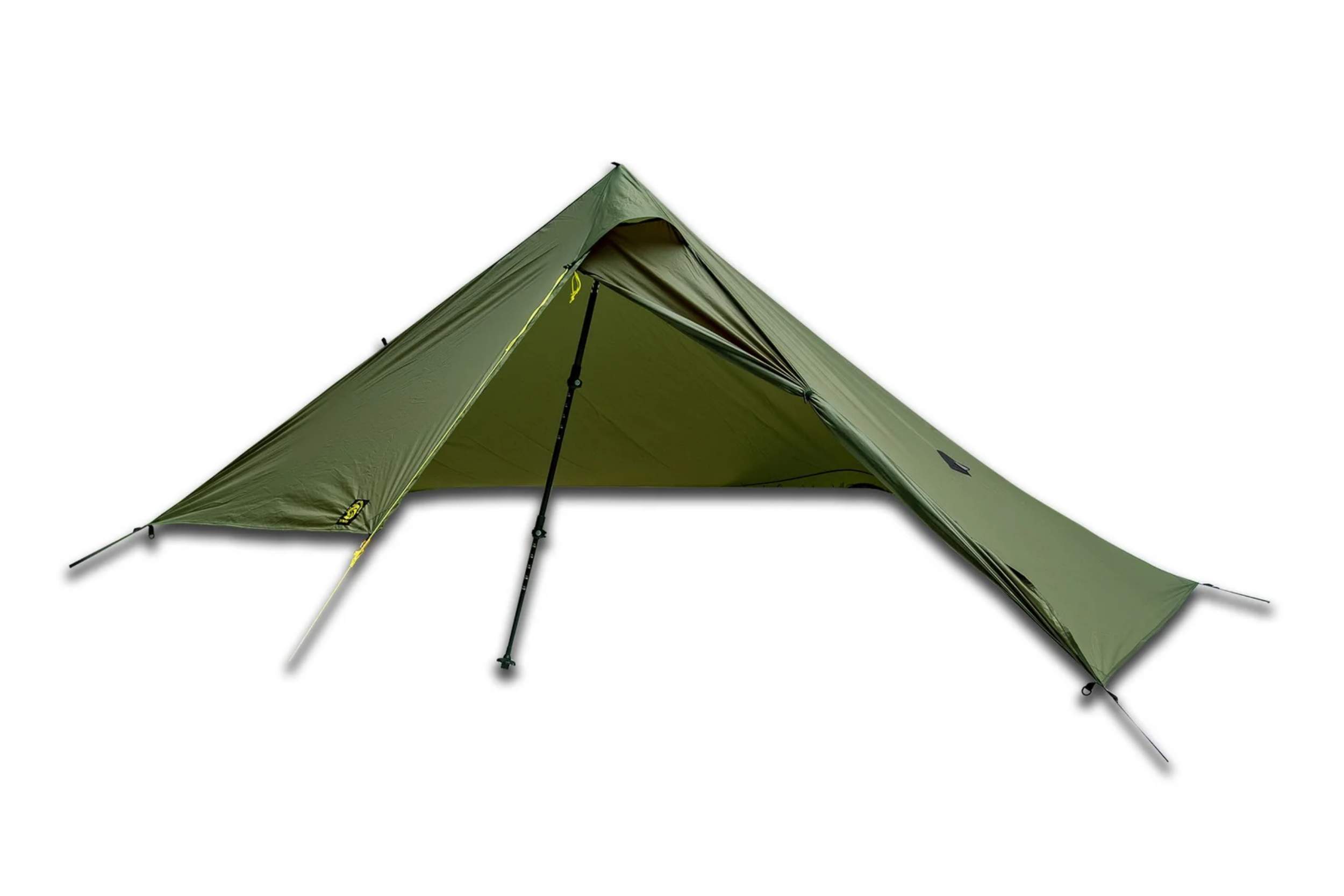

Their lineup generally falls into three categories. Tarps and minimal shelters, such as the Deschutes and the Gatewood Cape, make up the first category. Then there are their ultralight trekking-pole tents, which use either trekking poles or a center-pole setup for bikepacking. Now, they’ve added their first fully freestanding, two-pole system, the Lunar Orbiter, which I’ve been using on and off for the past eight months.
One thing that carries across almost all of their designs is a focus on single-wall construction. That usually means less weight, less bulk, and more usable space for what you’re carrying. But it also comes with a trade-off. You’re giving up a more meaningful separation between you and the elements, which means condensation becomes part of the experience. The question is, how big a deal is that, really? Let’s get into the specs, and I’ll share some thoughts on that and more.
Specs
The Lunar Orbiter is a simpler tent than it might look at first. The bathtub floor is made from 40D silpoly, the canopy uses a lighter 20D silpoly, and the side panels are constructed from 20D No-See-Um mesh. The mesh doors are sewn directly into the floor and canopy, creating a fully enclosed space.
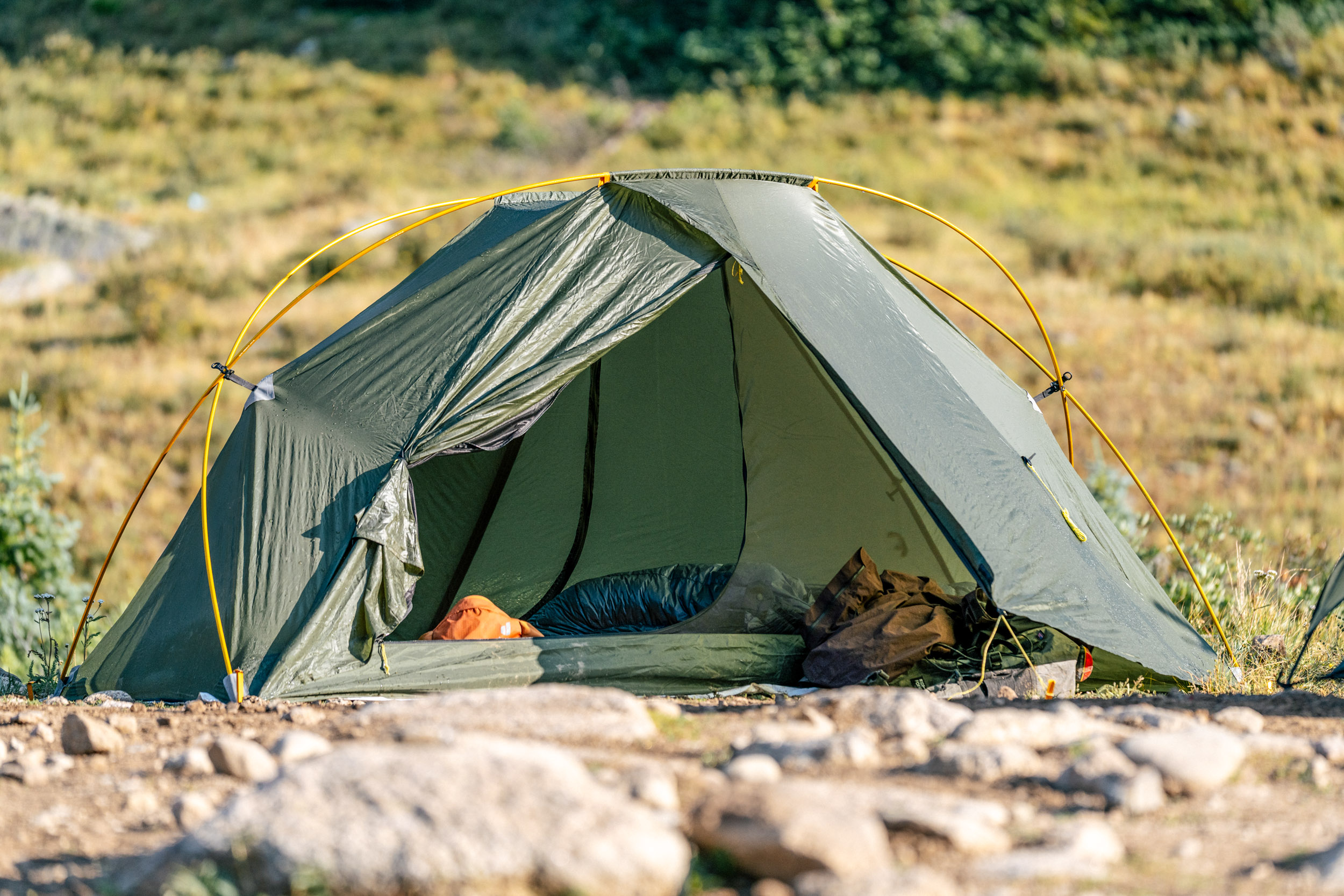
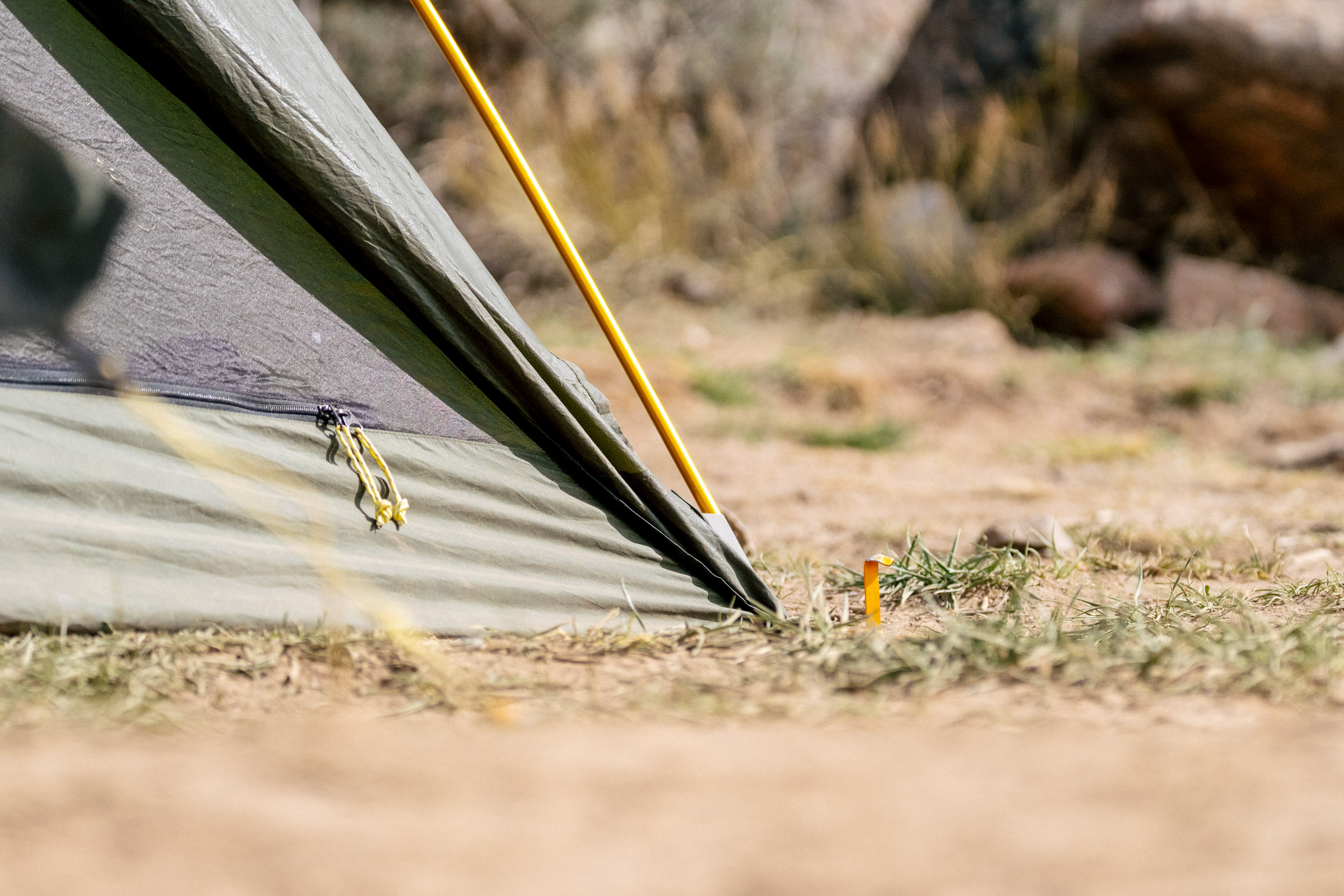

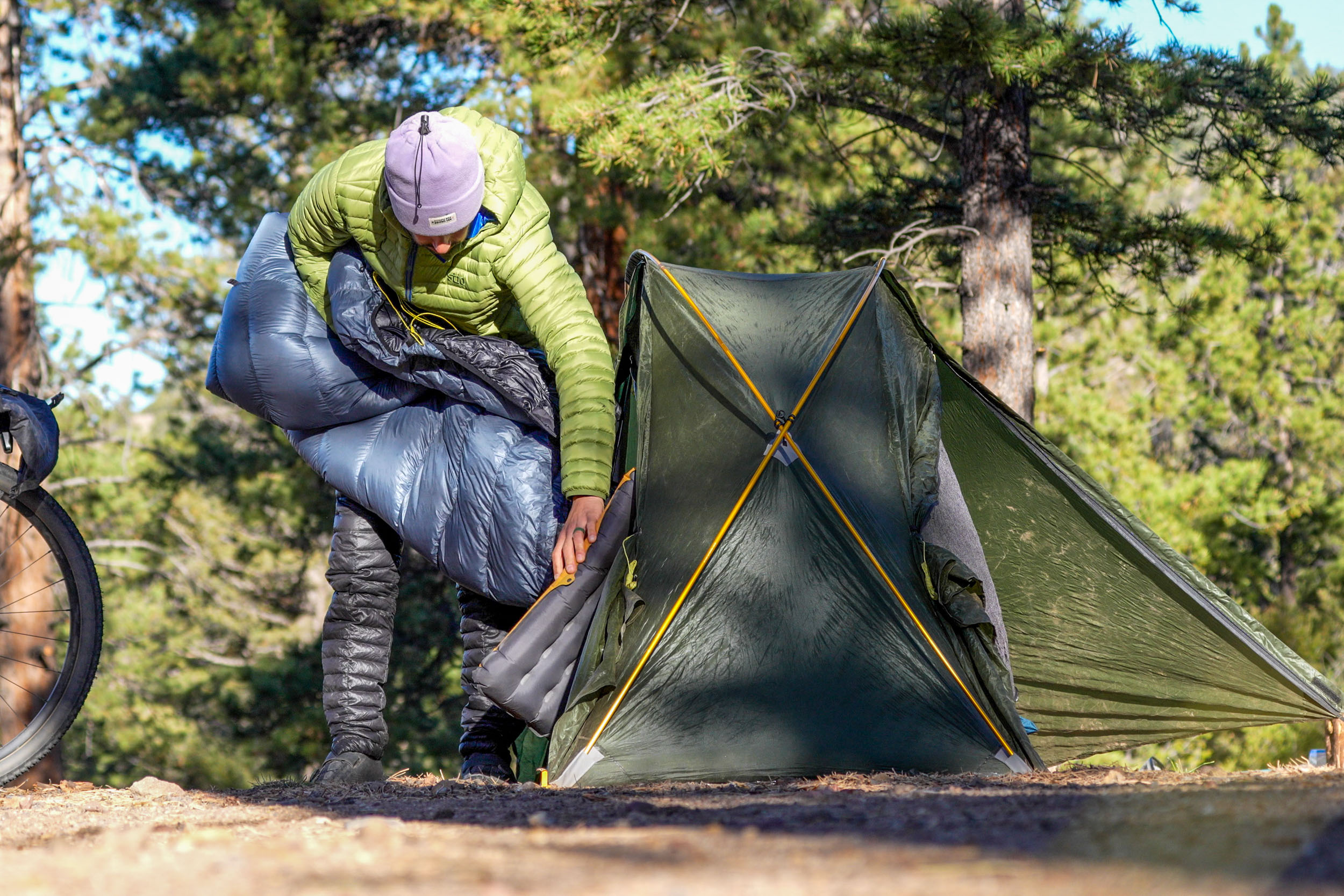
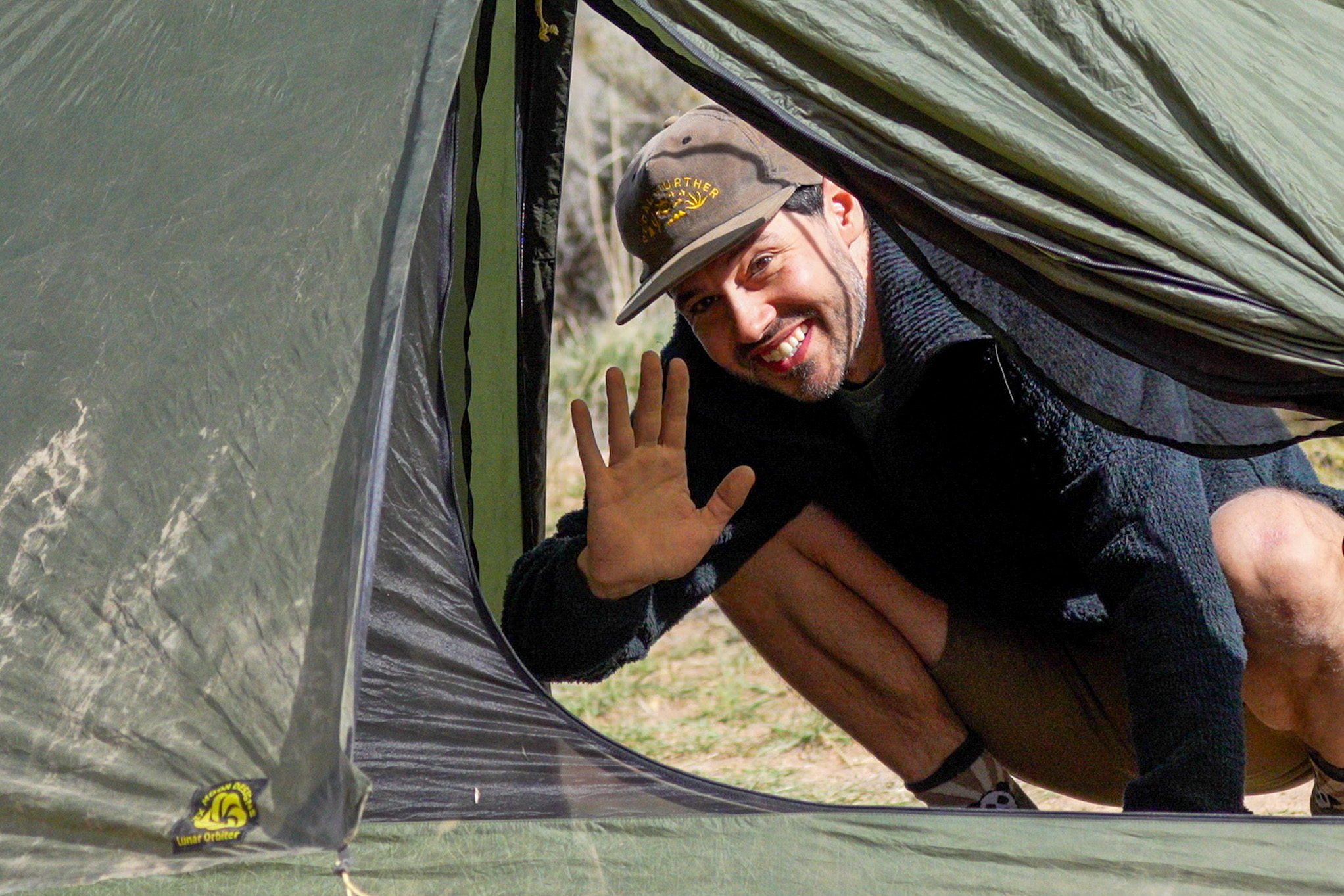
Each side of the tent has two uniform L-shaped zippers that form the doors and provide access to the vestibules, adding a good amount of usable storage space and making it easy to get in and out from either side. The vestibules are staked down on one side and open on the other, with a vertical zipper for access. The canopy can also roll back and secure with a small bungee and tie-back loops, allowing you to open just the mesh, just the vestibule, or both, which adds some nice versatility. That said, I wish each vestibule had dual zippers to improve ventilation.
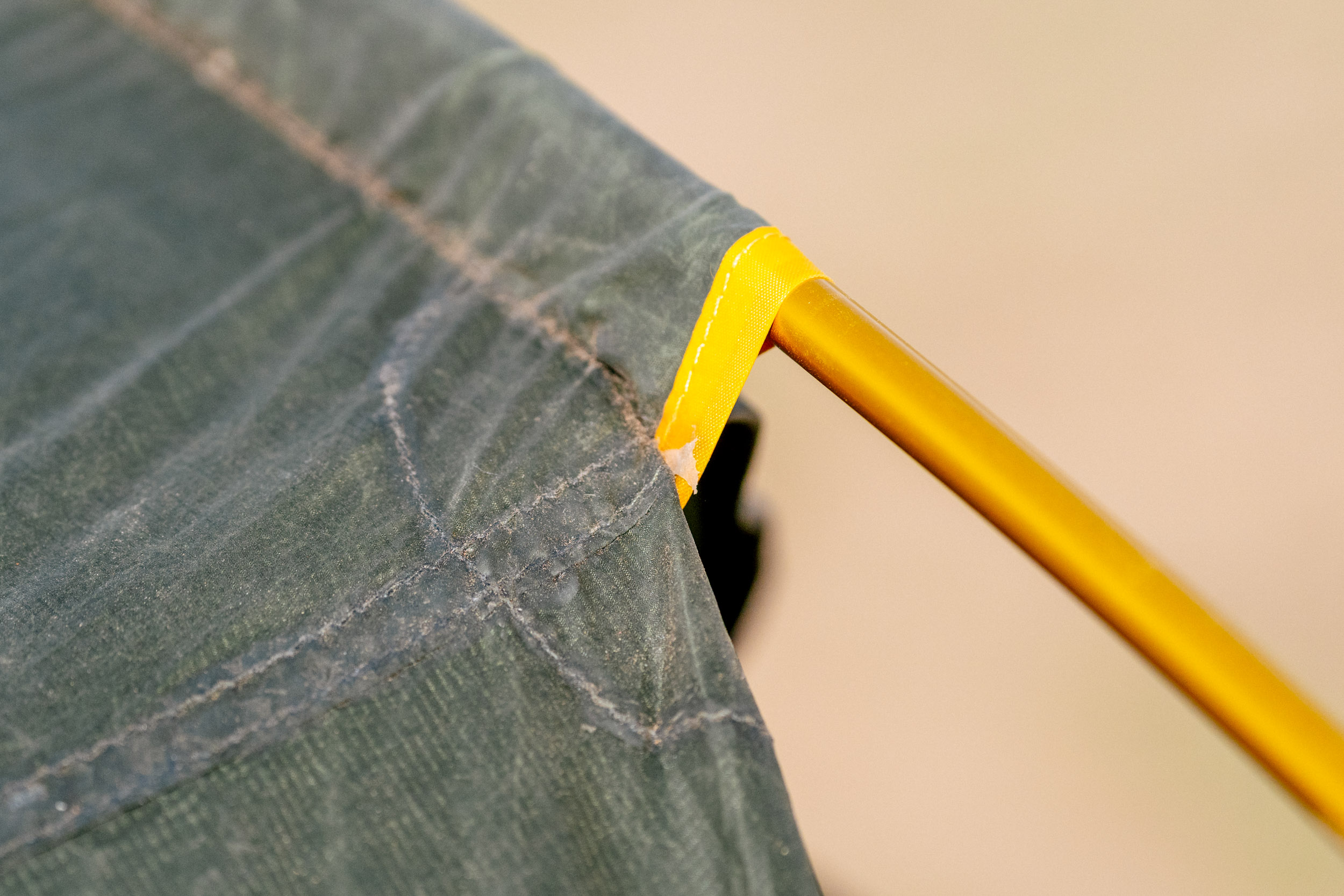
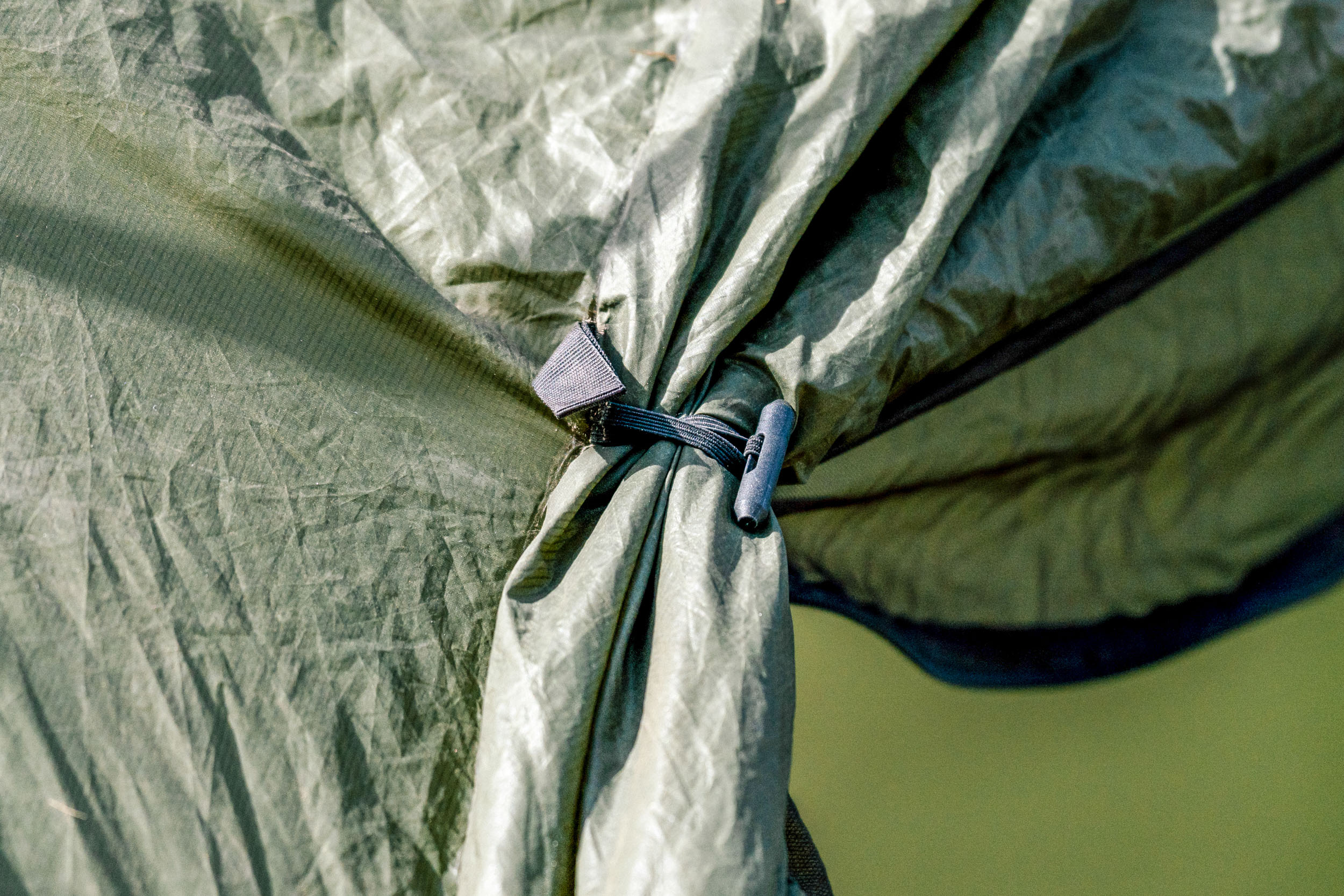
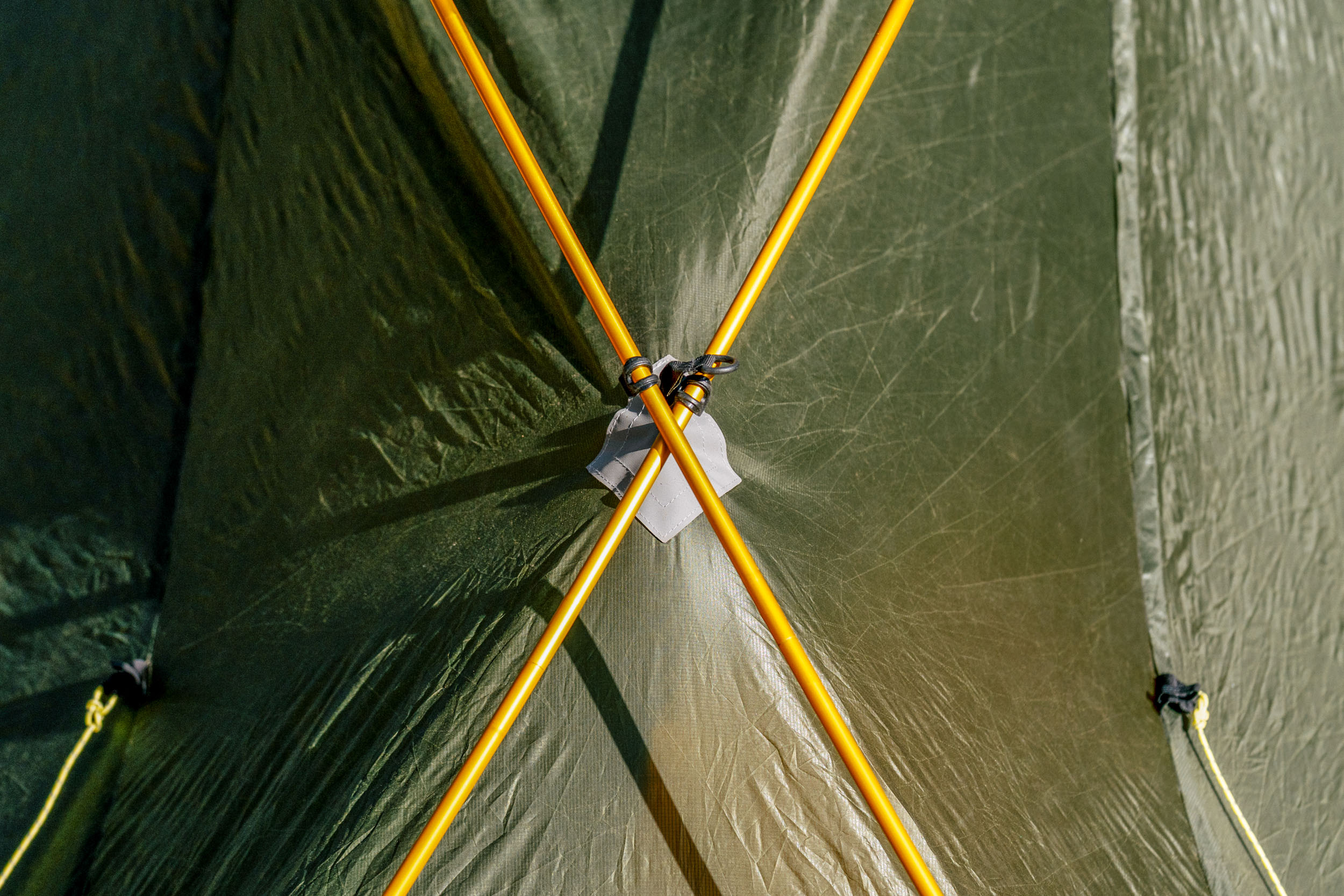
The structure relies on two equal-length, externally routed DAC aluminum poles that thread through a sleeve at the top of the canopy and slot into color-coded sleeves at each corner. The folded-up pole segments are relatively short at 15.5 inches (about 39 centimeters), making them easier to manage when packing on the bike. The tent also comes with a dedicated bag that holds the poles, stakes, and included accessories.
The stakes themselves are solid, about 10 grams each, roughly 6.2 inches (16 centimeters) long, with a flat top that makes them easy to push or tap into the ground, and they have held up great in my test period. They’re also bright orange, which is always appreciated when you’re trying to find them in the dirt. Along with that, you get a pole crutch and guylines, which all fit into the included stuff sack. As far as packing goes, I liked having that stuff sack for keeping everything organized and protecting the poles, and I usually ended up strapping it to a rear rack or tossing it into a frame bag. The shorter pole length helps keep things packable, even if they’re not quite as compact as some bikepacking-specific pole sets.
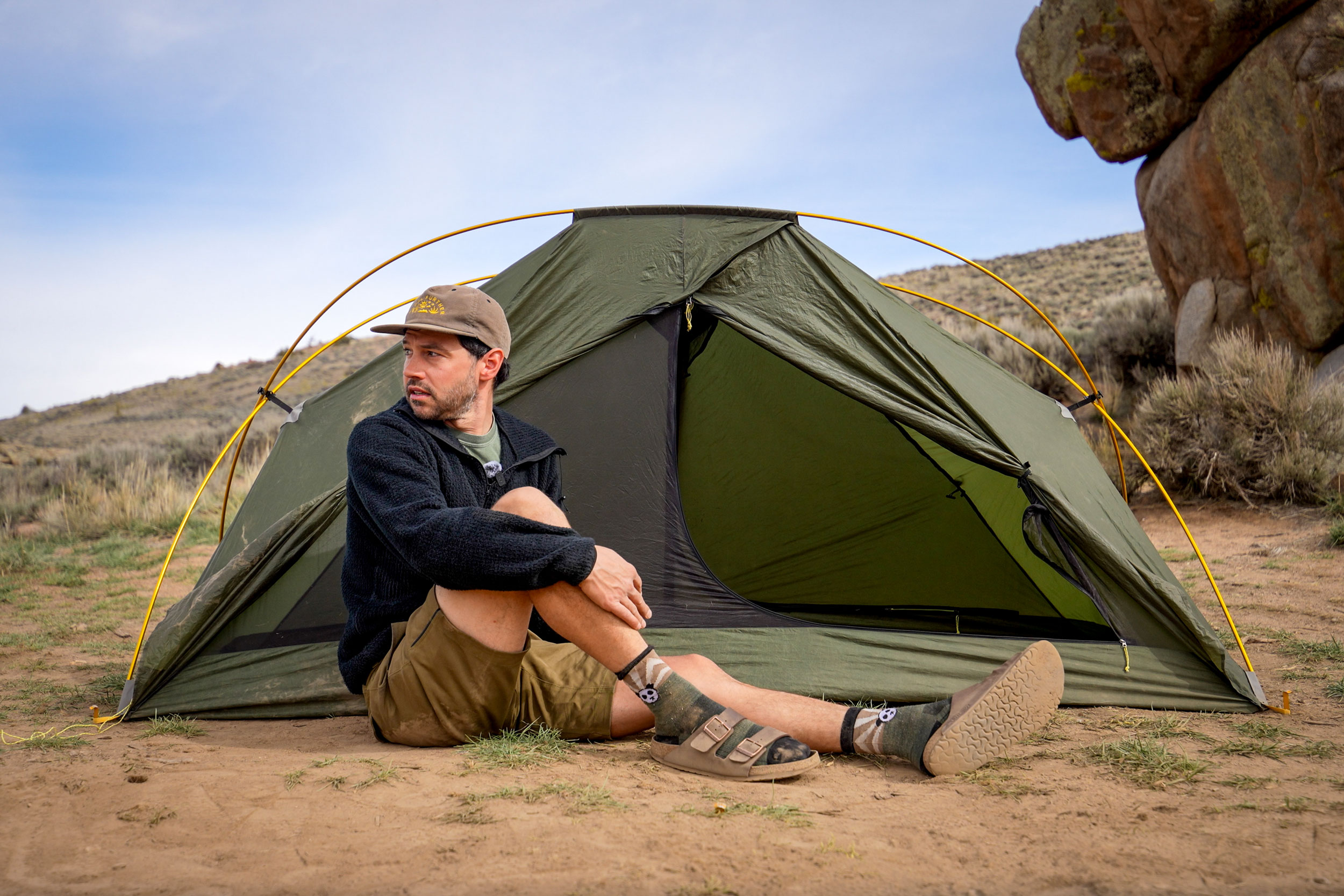

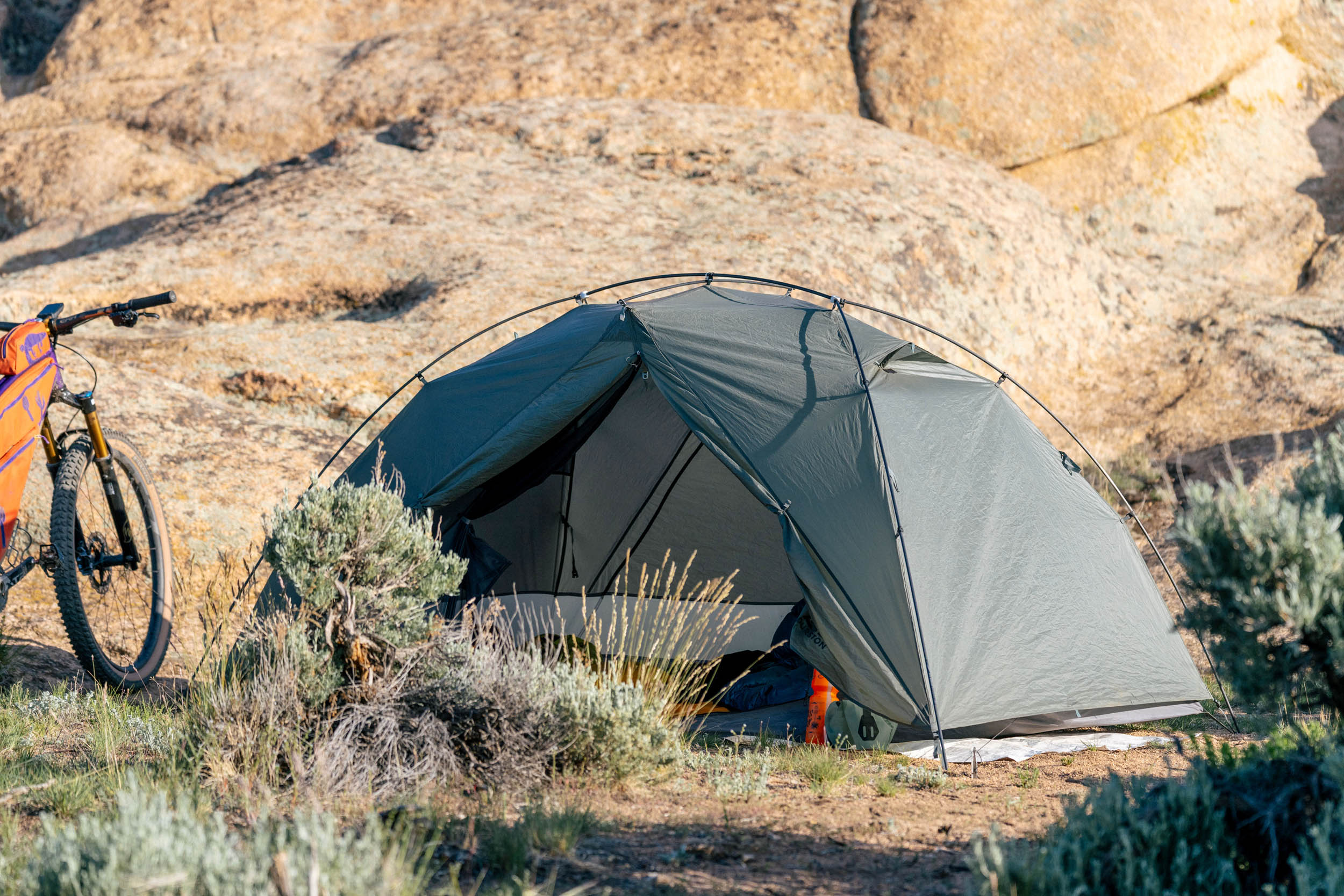
In terms of dimensions, this is a tall tent. The peak height is 48 inches (121 centimeters), and it maintains that height throughout much of the interior, making it feel noticeably more spacious than many other one-person tents. It’s actually taller than both the SlingFin Portal 1 and the Durston X-Dome 1+, something you notice right away when sitting up inside. The length is another standout feature at 90 inches (228 centimeters), making it one of the longer tents I’ve used in recent memory. That extra length ends up being more important than you might expect.
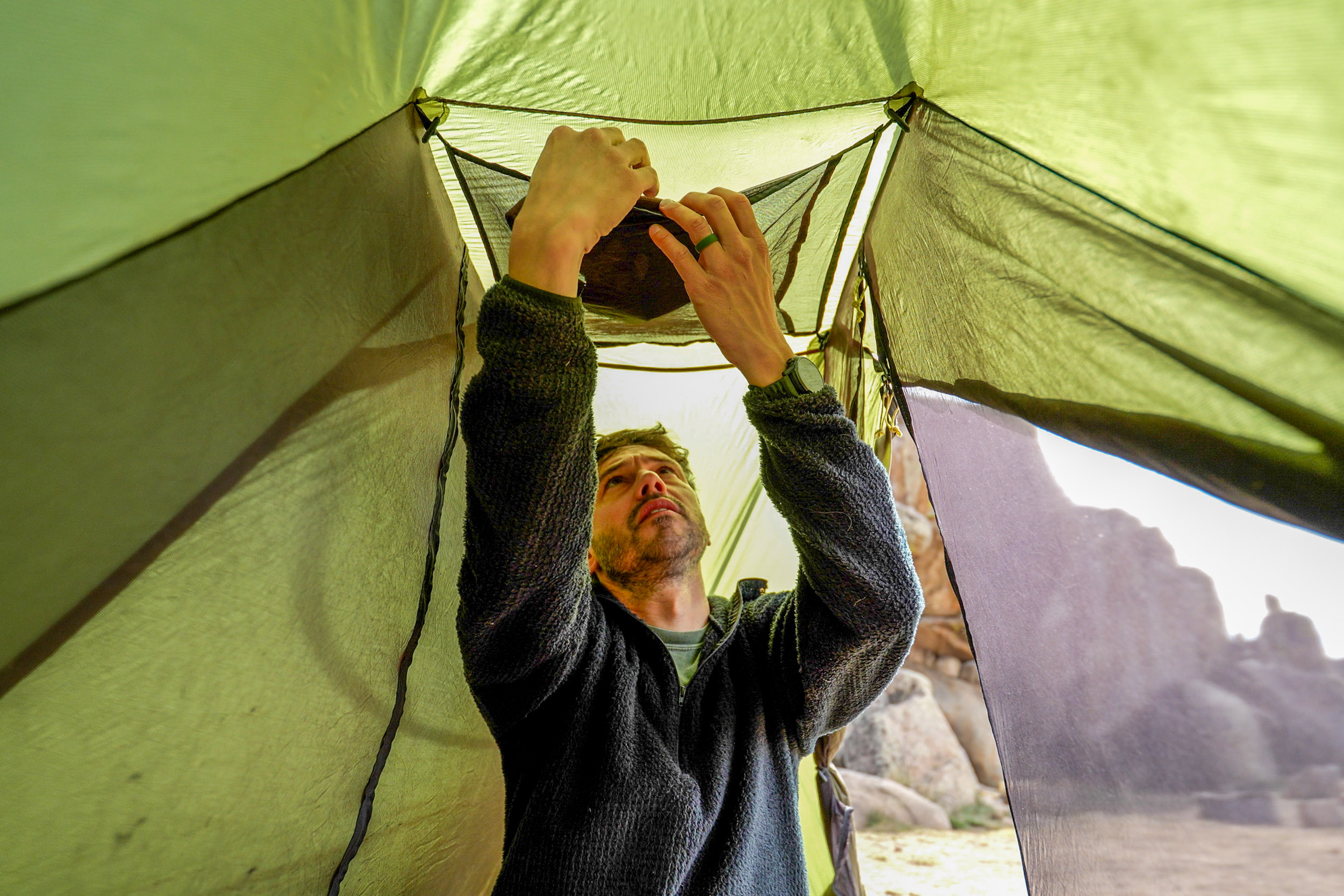
The width is a bit more modest at 34 inches (86 centimeters), so the overall profile is longer and narrower. That said, the dual vestibules on either side, each extending about 32 inches (81 centimeters), provide ample functional space for storing gear, cooking, or just keeping things organized and out of the weather. Inside, there are also a few small gear-storage options along the sides and a removable loft that I ended up using a lot. Since I’m not super tall, it never really got in the way unless I loaded it down with heavier items. But you could store a bunch of stuff there, and that loft even has a few compartments, making it really useful for organizing belongings or resting a headlamp.

All in, the tent packs down well and comes in at a reasonable weight. The body weighs 821 grams, the stuff sack adds about 30 grams, and the poles, stakes, and accessories weigh 396 grams. That brings my total packed weight to 1,217 grams, or about 2 pounds and 11 ounces. Given its fully freestanding design and ample interior space, it feels like a fair trade-off. Overall, it packs down to a pretty manageable size.
Setup
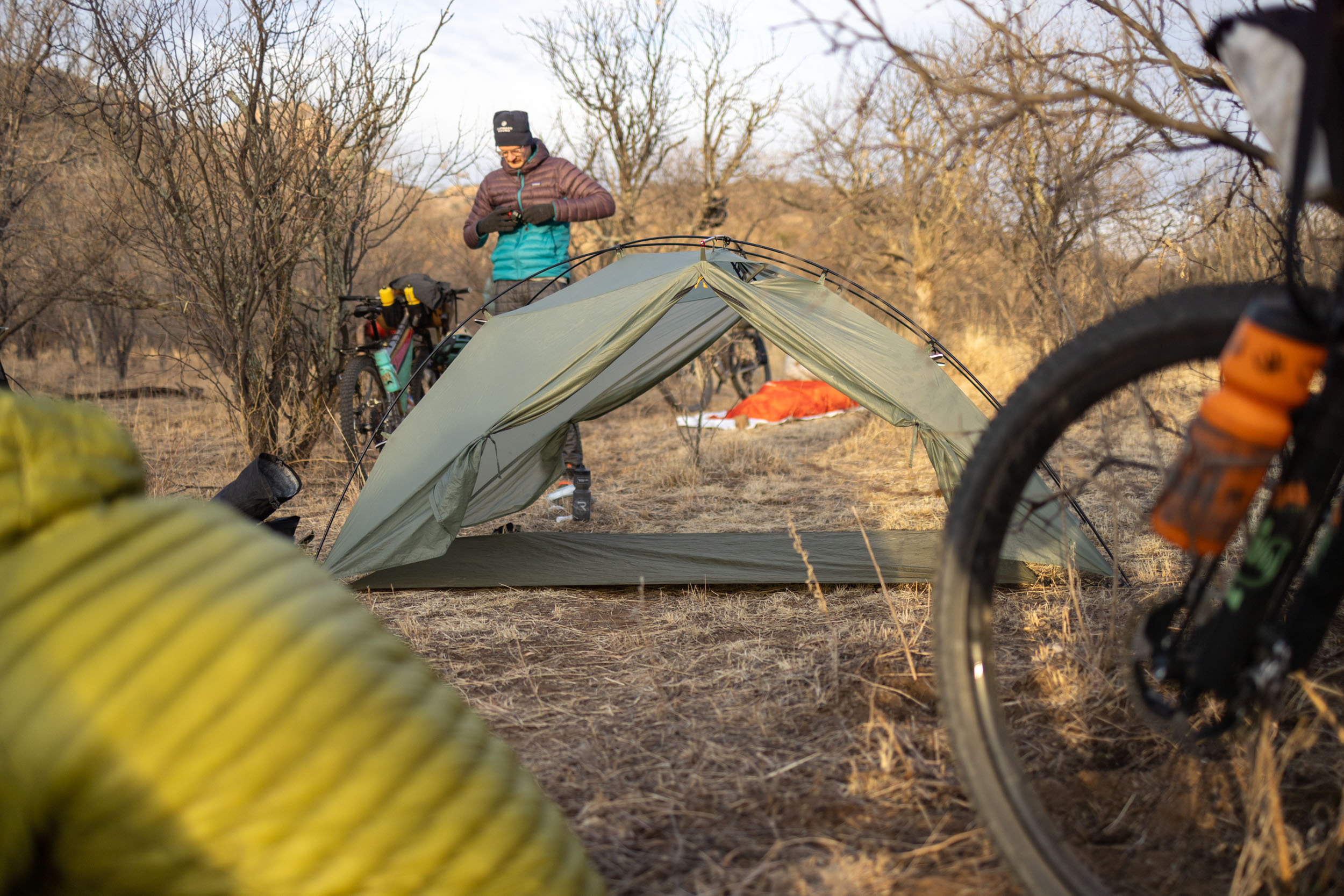
Setting up the Lunar Orbiter is pretty straightforward. Since it’s a single-piece design, there’s really only one way to do it. I usually start by laying the tent out flat and staking the four main corners, then assembling the poles. I’ve set this up in the rain a few times, and it’s actually pretty nice. The canopy keeps everything protected, and because the poles are routed externally, there’s not really a chance the inside of the tent will get wet during setup.
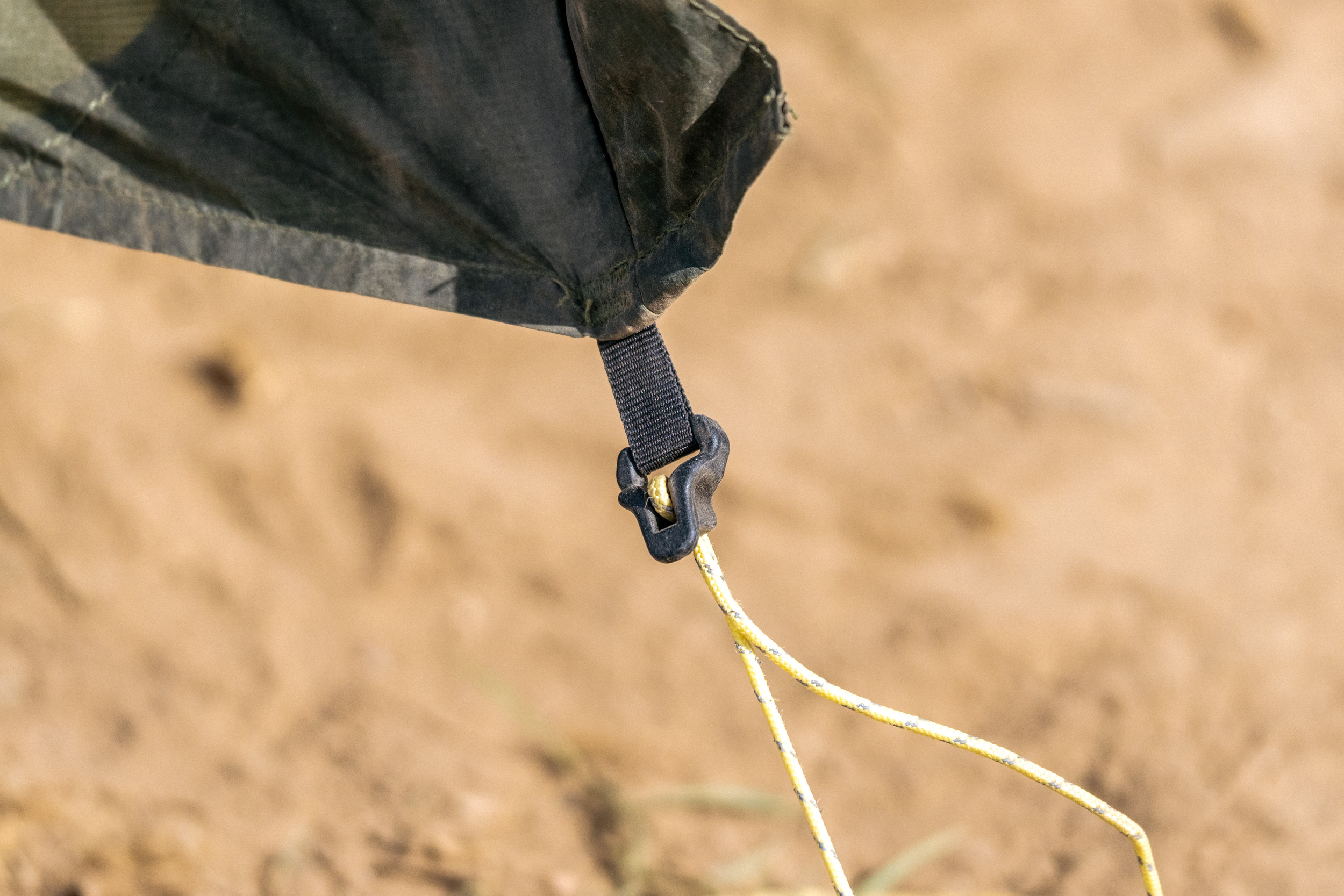
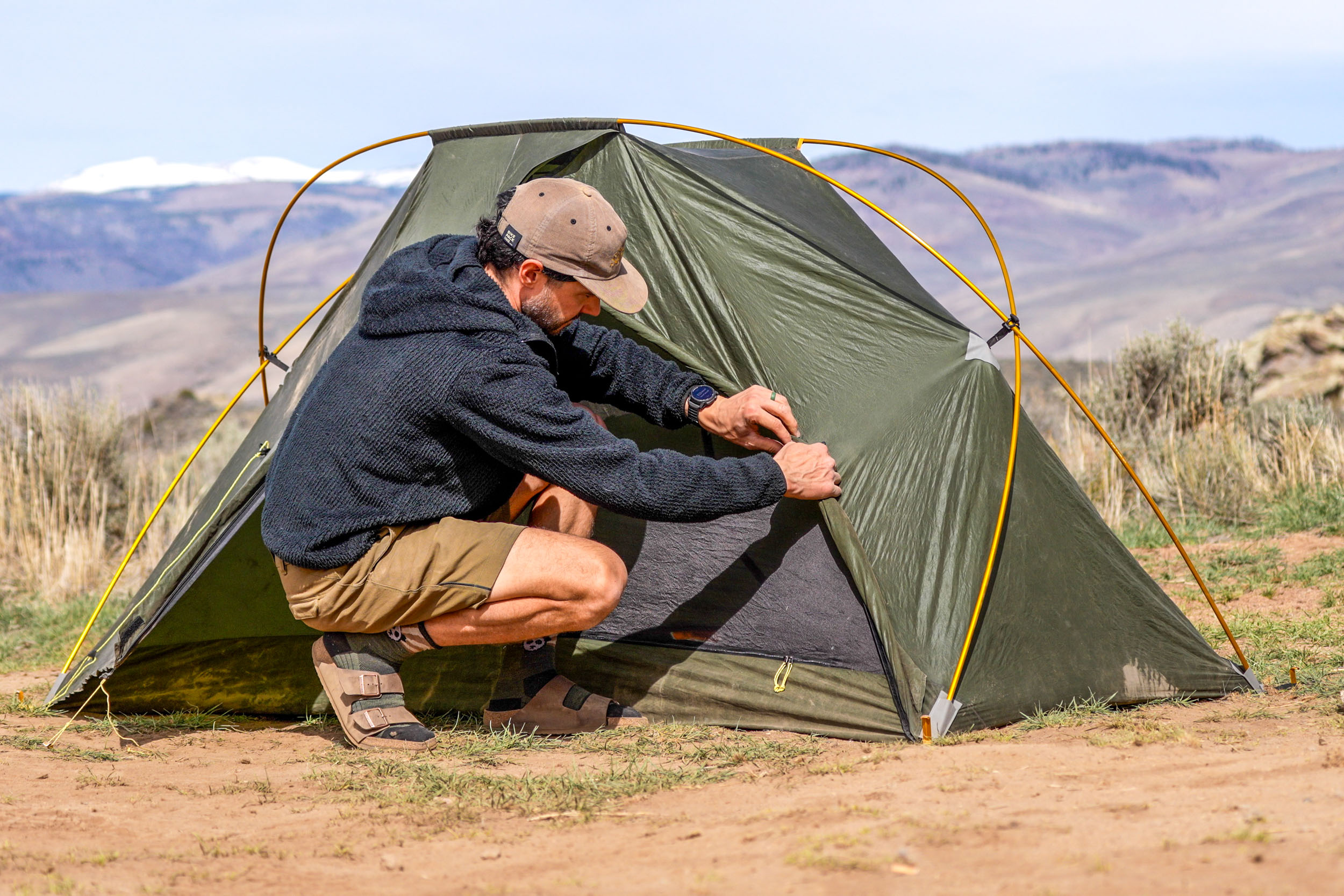
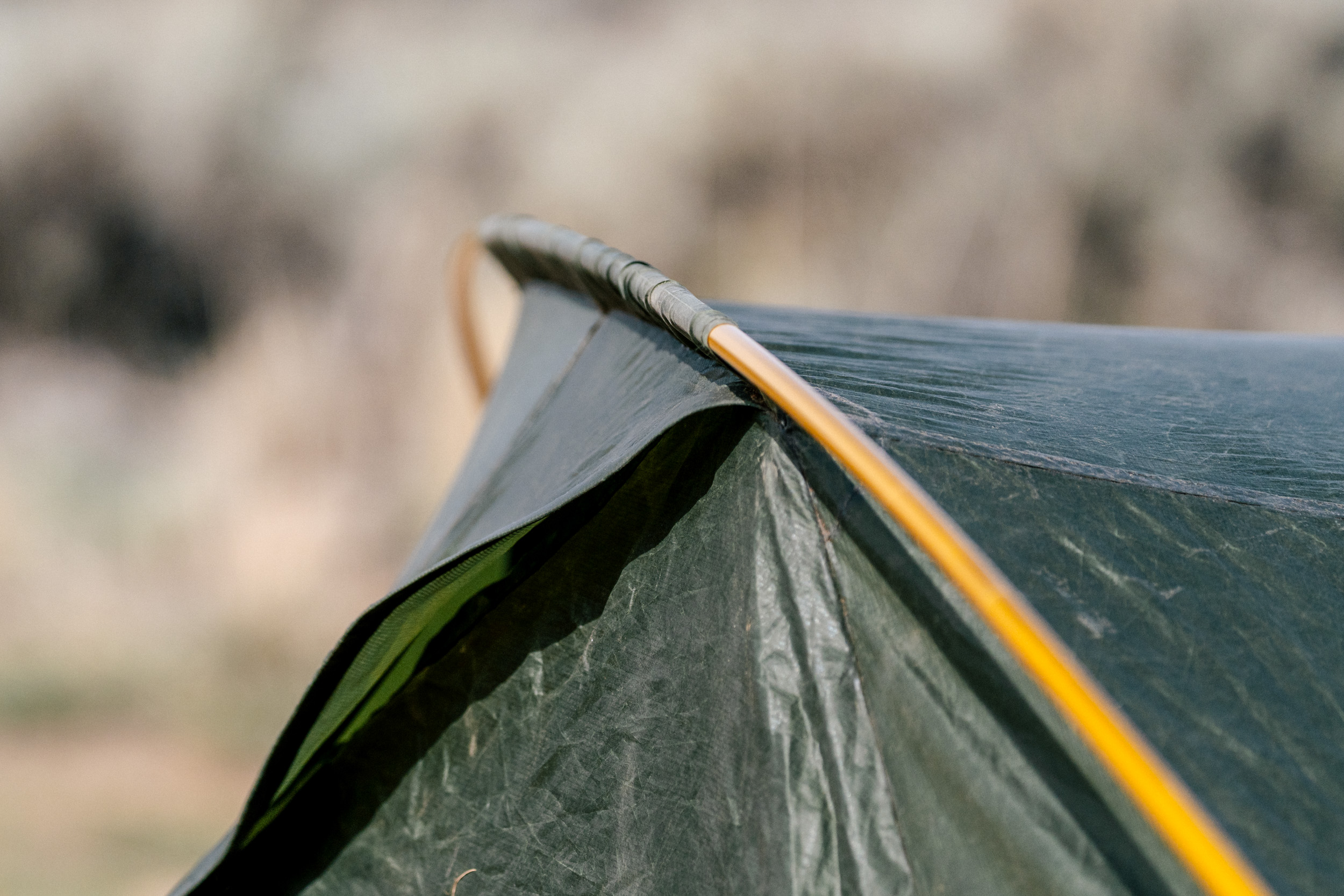
From there, the color-coding does most of the work for you. Yellow goes with yellow, so once you start feeding the poles through the sleeves, the assembly becomes pretty intuitive. The poles run through the two long sleeves across the canopy and slot into the corresponding corners, and once they’re in place, the structure starts to take shape. After that, you clip in the mid-canopy attachment points, which help with tension and keep everything centered, really bringing the tent together. Once the main structure is up, I usually finish by staking out the vestibules, and at that point, you’re pretty much done and ready to settle in for the night. On rare occasions, I needed to readjust a few of the corners, usually because I hadn’t staked the tent with an appropriate amount of tension to begin with.
In Use
I’ve been lucky enough to use this tent in all sorts of conditions. From warm, dry nights to wet summer evenings, cooler temps, and a fair amount of wind. It’s a pretty easy tent to find space for. At roughly 21 square feet, it’s not the smallest footprint, but it’s still compact enough to work in tighter camps. With two doors and the ability to sleep in either direction, there’s a good amount of flexibility when you’re trying to make a spot work. At camp, I often found myself hanging out with the door cracked open a bit, which helps with airflow and makes the space feel a little more open. With a slight overhang and a bit of drizzle, it also does a good job of keeping rain out, especially when the vestibule is zipped down just a touch.
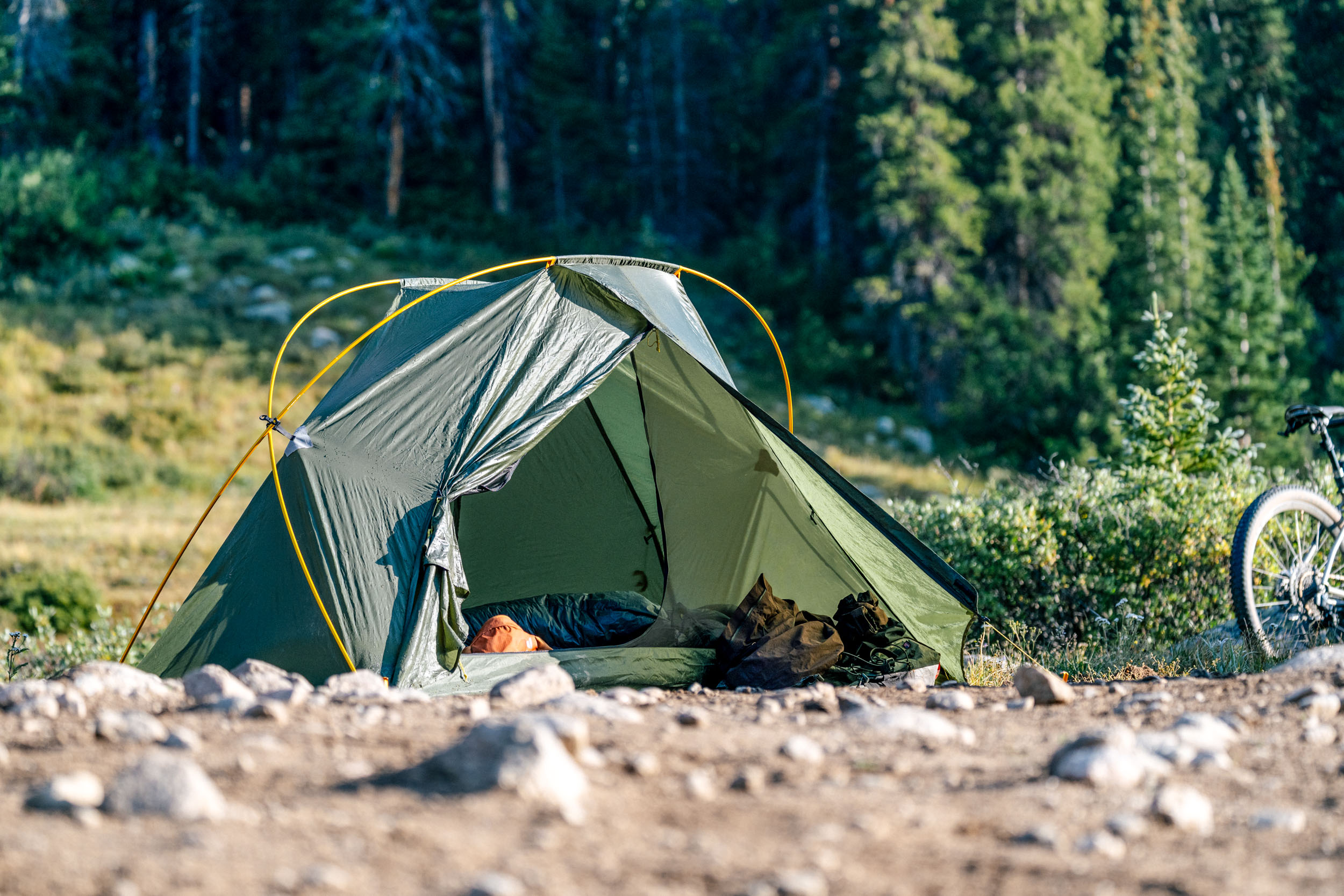
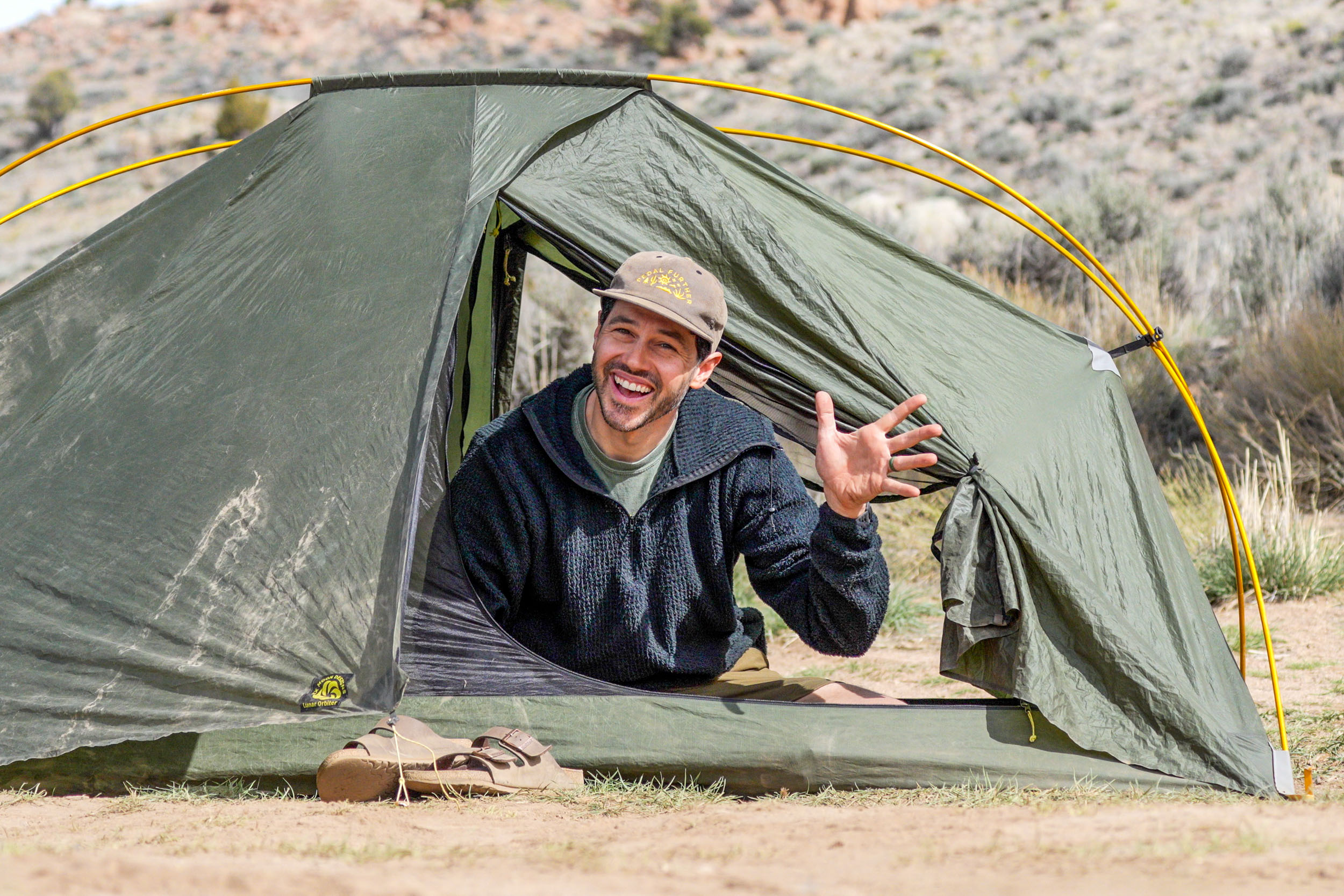

Once inside, this thing feels big. It’s really long, with plenty of headroom for me at 5’9.5″, or about 177 centimeters, even on a 2+ inch pad. The width is one of the first things you notice. It’s not overly wide, but it’s not all that different from something like the SlingFin Portal 1, which also feels a bit narrow, especially toward the foot. The big difference here is the length. Once I got everything set up, I noticed there was just a lot of extra room lengthwise, which is really nice. A lot of that usable space comes from the single-wall design.
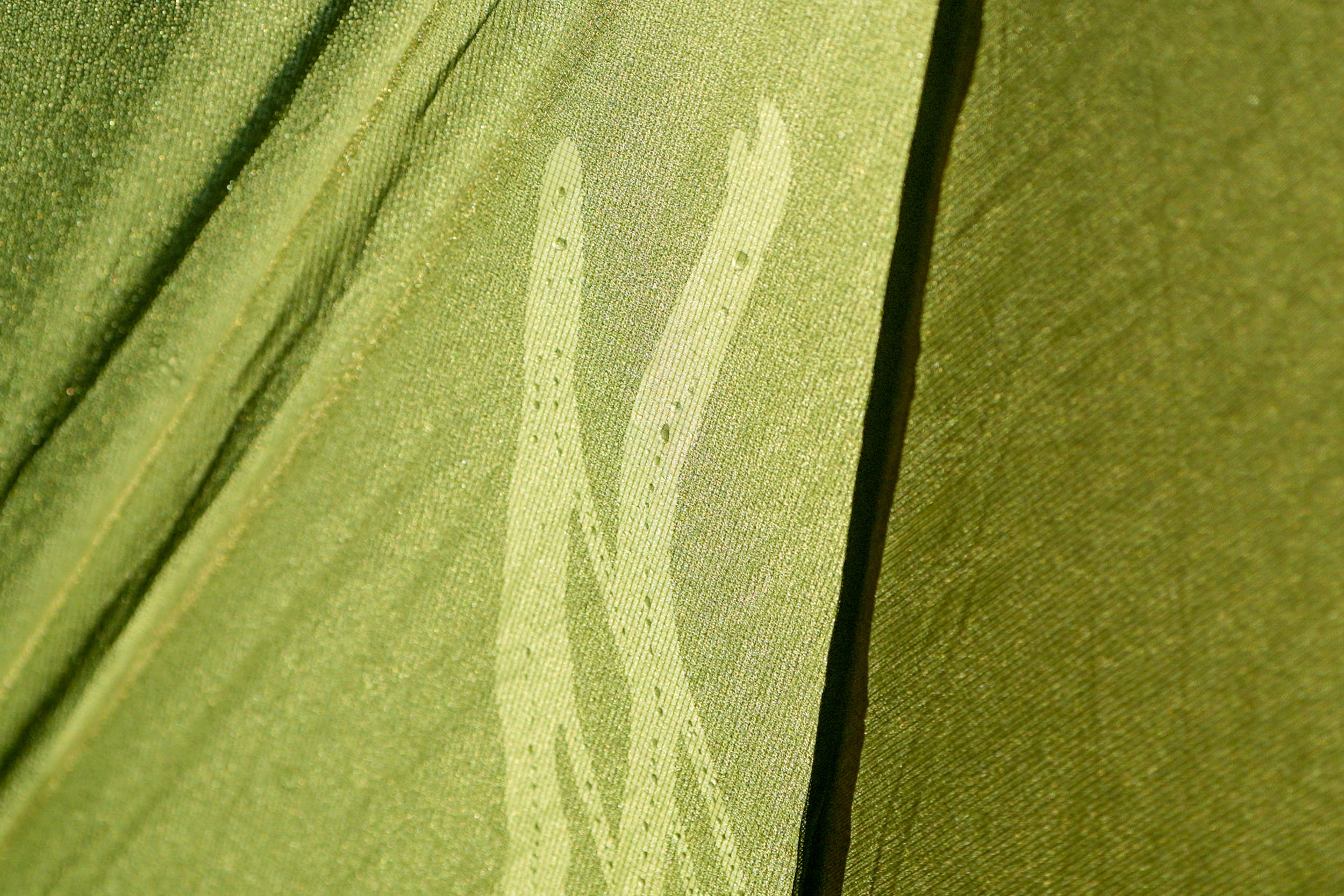

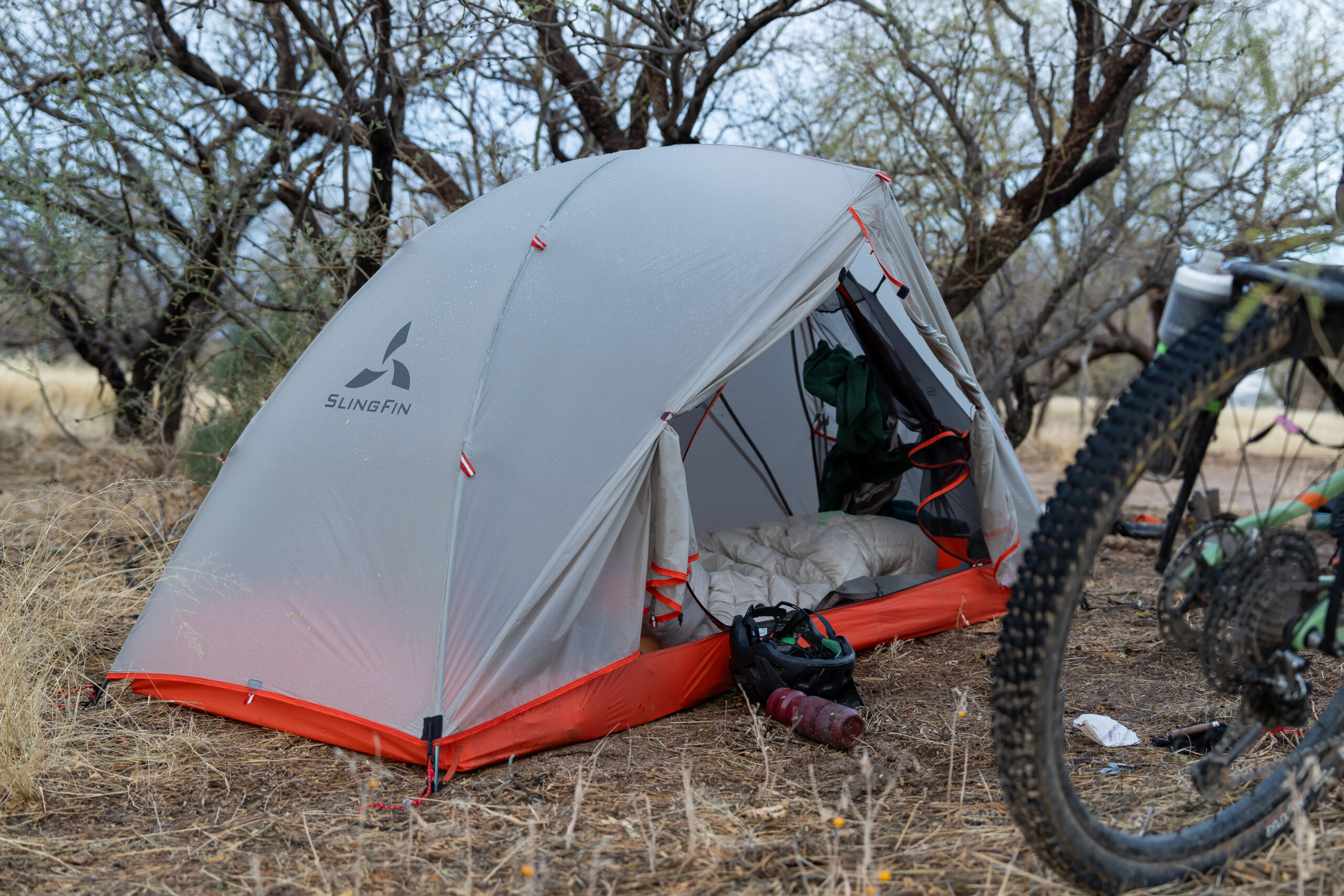
Single-wall tents have some clear advantages, and in this case, they keep the weight relatively low. The Lunar Orbiter uses a heavier-duty bathtub floor, which could eliminate the need for a footprint altogether. That said, it’s hard not to notice condensation in this tent. On a few nights, especially in higher humidity or when camped near water, moisture had built up by morning. If you brushed against the side of the tent, it would drip down, sometimes onto the floor or even onto my down bag.
The tent includes two vents near the top to help manage moisture, and while they help, I think this is just the nature of a single-wall design. One thing I appreciated was the length. Because it’s so long, I rarely found myself kicking the foot of the tent as I do with some other shelters, which helps keep me away from those wet surfaces.
And just to touch on that point more broadly, single-wall tents don’t create more moisture; you do. The difference is there’s nowhere for it to go. In a double-wall tent, condensation forms on the outer fly and stays away from you. Here, it’s happening right on the inside surface, so you’re just more likely to interact with it. The mesh in a double-wall tent provides a buffer that keeps things feeling drier.
Another thing worth mentioning is the fabric. This uses silpoly, which doesn’t absorb water or sag like silnylon can when it gets wet, helping maintain a tighter pitch and more consistent ventilation. Silnylon can take on a bit of moisture over time and start to sag, whereas silpoly tends to hold its shape better. In terms of condensation, both fabrics behave pretty similarly. You’re still dealing with moisture forming on the inside surface, and since silpoly doesn’t absorb it, those droplets tend to sit there, making it feel more noticeable if you brush up against it.
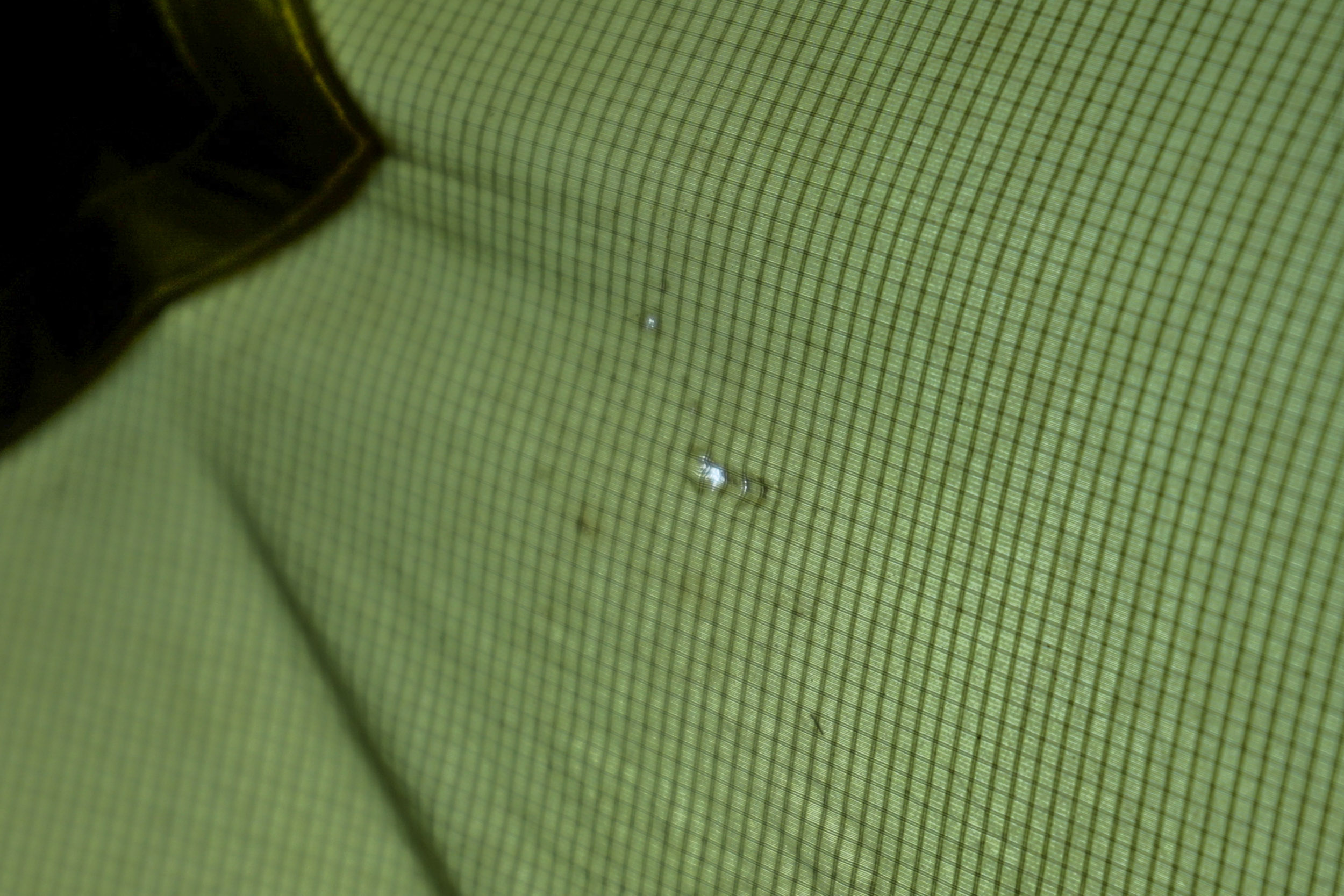

Regarding durability, this tent has seen some solid rain. While you do need to pay extra for seam sealing or do it yourself at home, it’s kept me dry and protected when it matters. The high-stress areas and joints seem well thought out, with reinforced corners and additional layers of silpoly, and overall, the construction feels solid. I also like the raised bathtub floor, which helps keep things contained and adds a bit of warmth retention when it’s cooler out. At the same time, the mesh walls run all the way up, so if you want maximum airflow, you can fully open and tie back both the mesh and vestibule doors, which is nice on warmer and drier nights.
That simplicity of the tent setup is both a good and a bad thing. You’ve got two vestibule tie-outs and a handful of guy-out points, which is usually enough, but there were times when I wanted to tension the sides more in windy conditions. Not because the tent felt unstable; it held up just fine, but I did notice that, at certain wind angles, the fabric would make some noise. I tried several guy-out configurations to minimize that, but it wasn’t always effective. That said, in more protected campsites, it wasn’t an issue at all, and those exposed, windy nights aren’t too common.
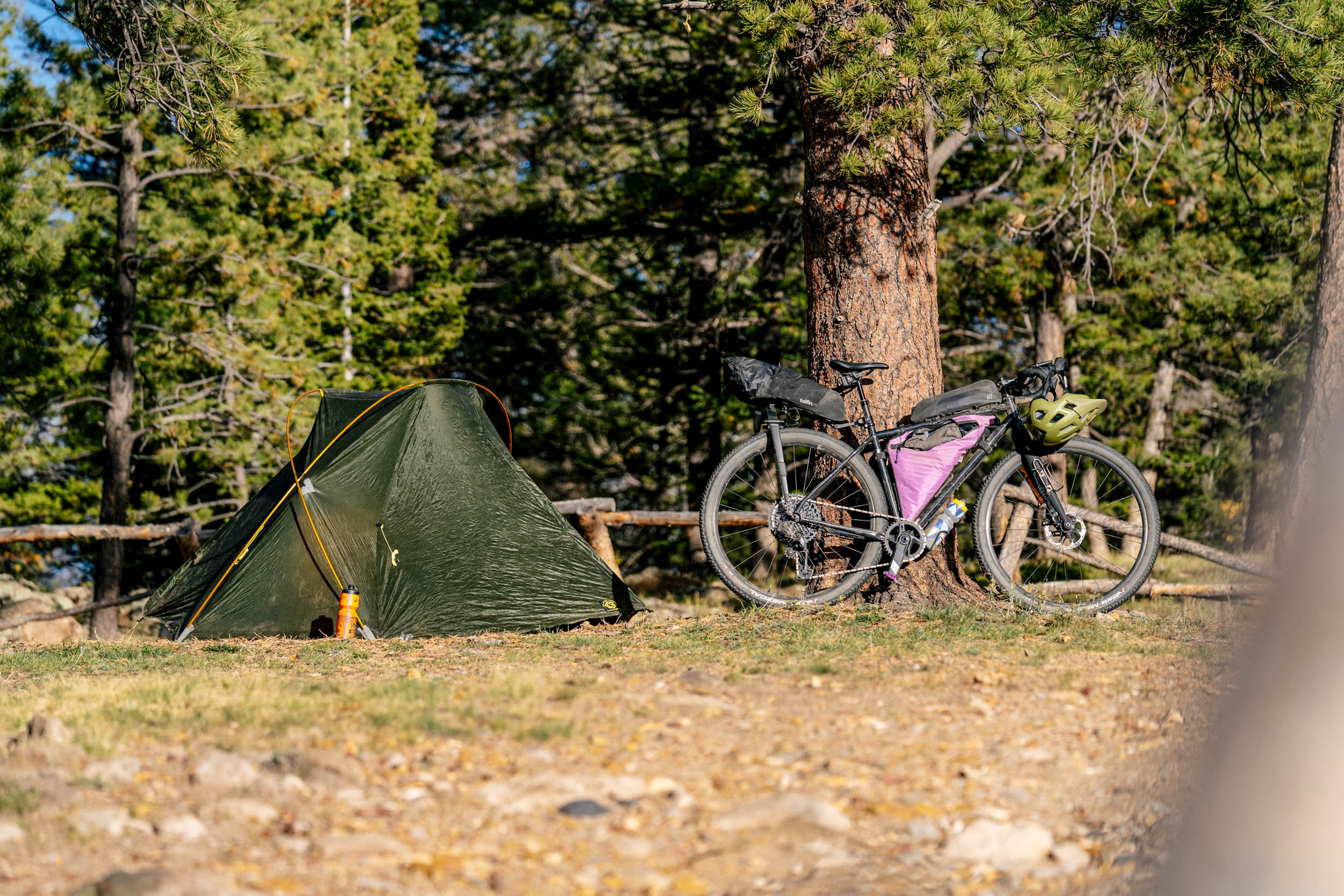
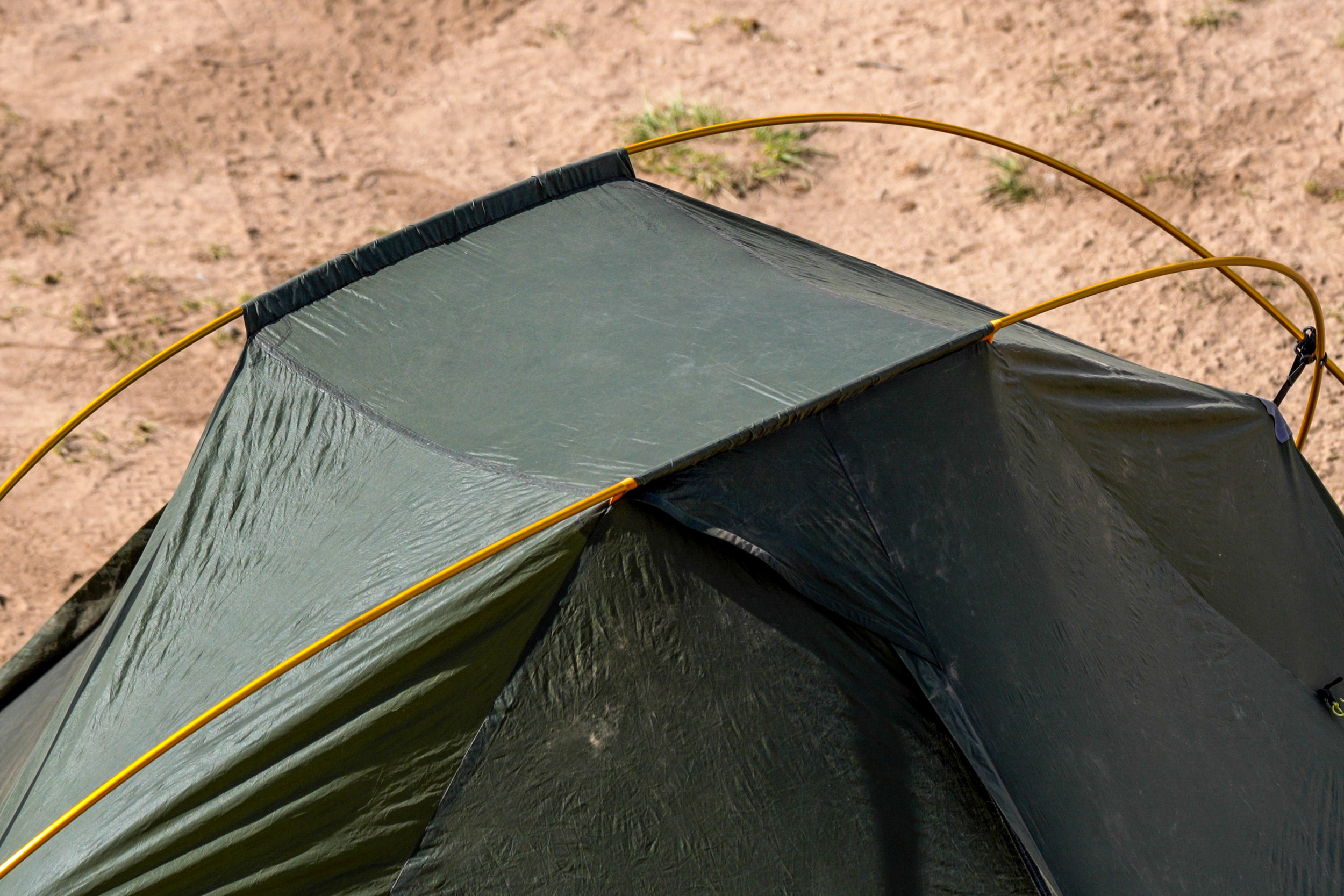
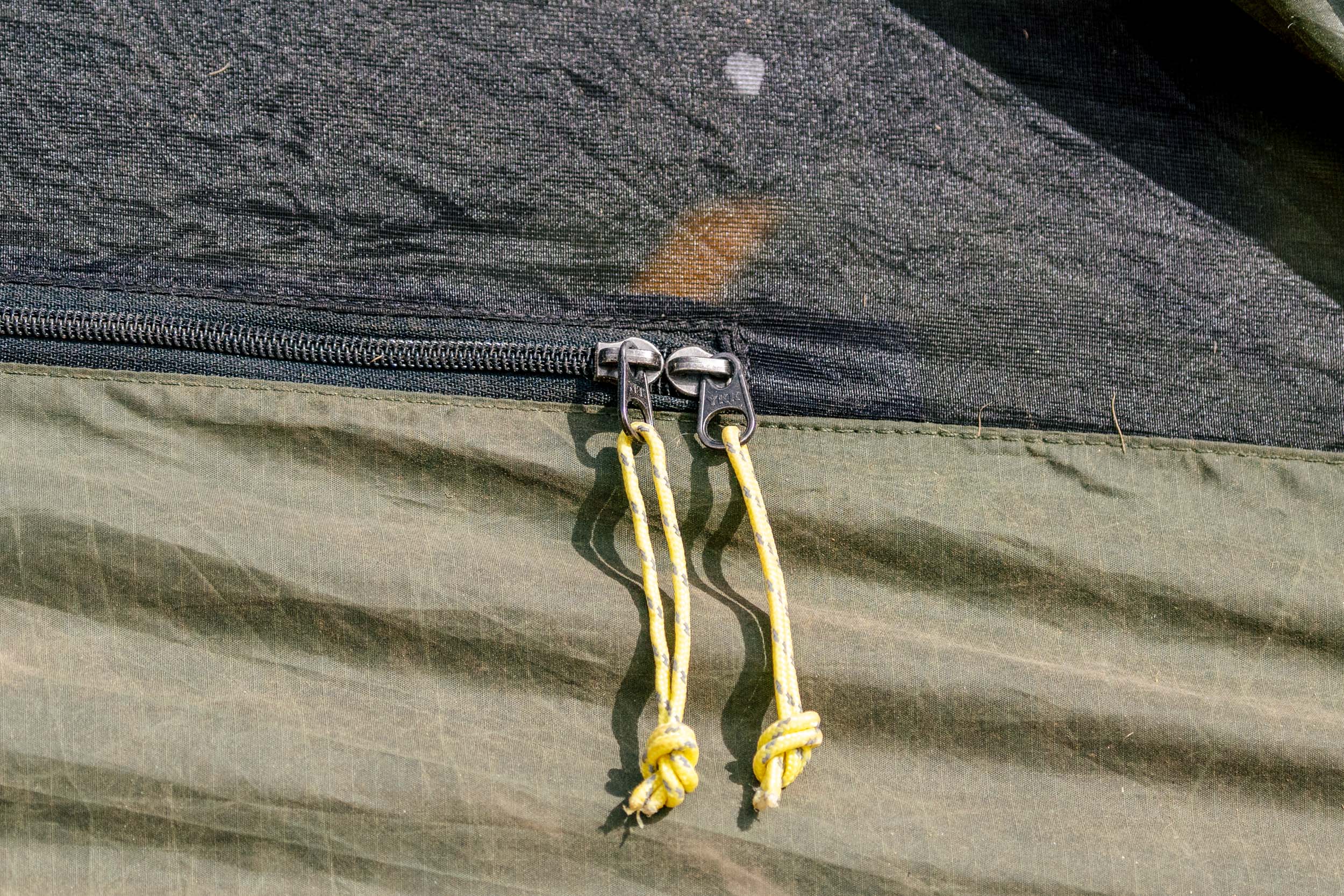
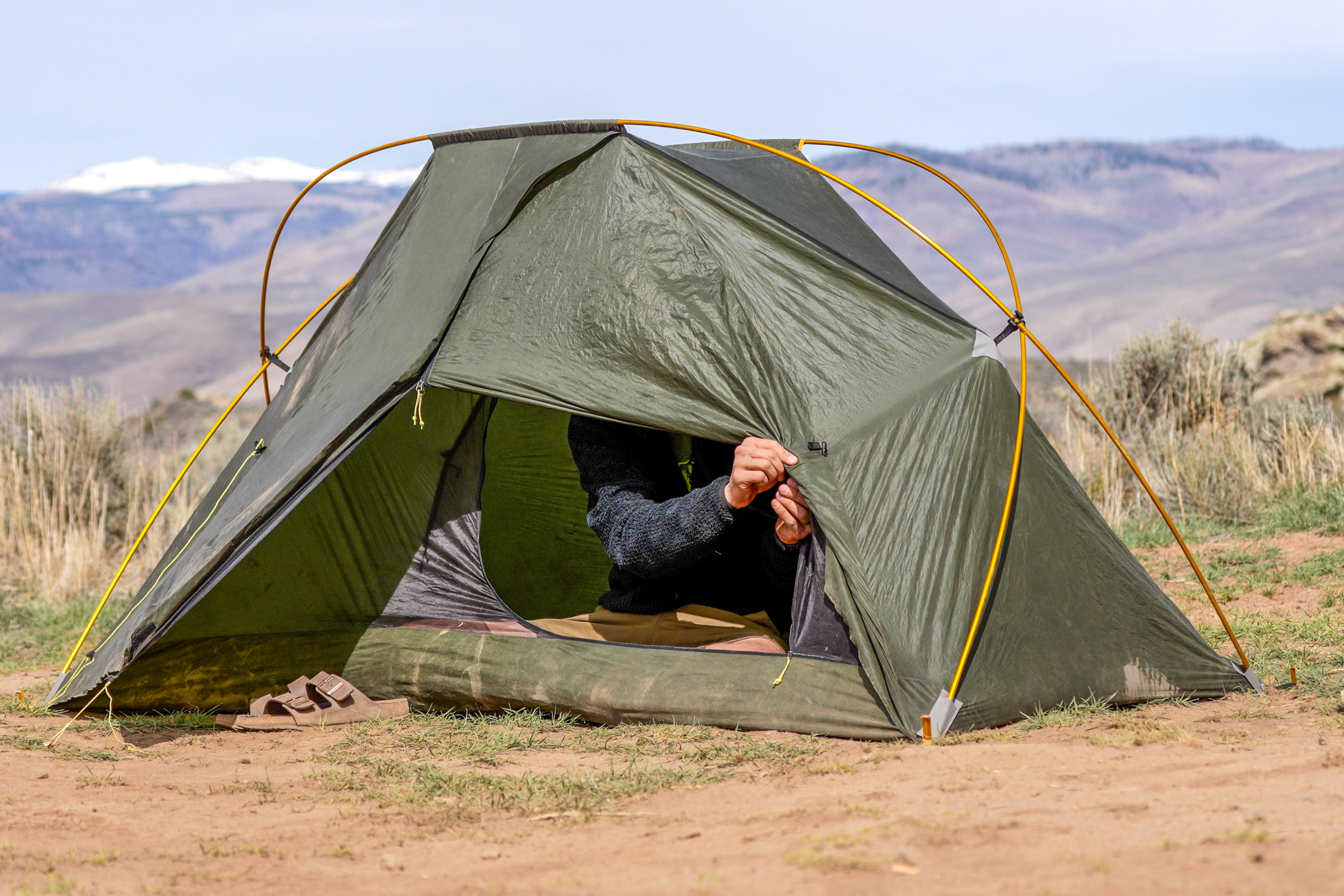
All told, the materials have held up well. The mesh still looks great, and the silpoly has performed as expected. One small area is showing a bit more wear than the rest, but honestly, this tent has seen a lot of abuse, and it feels more like normal wear and tear than anything I’d be concerned about.
In the morning, one of the nice things about a freestanding tent is that you can just pull the stakes, open the doors, and easily clean it out by tipping it on its side. All in all, if you break it down, this tent comes in at just under 10 bucks per ounce at $425, which puts it in a pretty solid spot value-wise. It’s not the lightest tent out there, but for a fully freestanding design with this much interior space and usable volume, it feels like you’re getting a lot for the price. It also uses external poles, which I’ve come to realize is a pretty important feature for many people and something I’ve found genuinely useful as well. Six Moon Designs is based in Oregon, but, like most brands in this space, it is manufactured overseas.
Final Thoughts
With other shelters I’ve recently tested in mind, I can confidently say the Lunar Orbiter is unique enough to stand on its own. It’s not a perfect tent. The lack of adjustability, the single-wall design, and ventilation could all be improved, and those things might turn some people away. But many of those trade-offs come with real advantages. The simplicity, ease of setup, packability, and overall stormworthiness all stand out.
It’s also a tent that works well for taller riders, and the usable space inside, along with the dual vestibules, makes it easy to manage your gear. You can store everything on one side and still have space to cook or move in and out of the tent on the other. All in, it’s a well-thought-out, simple design that I would easily recommend to anyone looking for a one-person bikepacking tent.
- Model Tested: Lunar Orbiter Tent
- Actual Weight: 1,255 grams (44.2 oz)
- Place of Manufacture: China
- Price: $425 at Six Moon Designs
- Manufacturer’s Details: Six Moon Designs
Pros
- Freestanding design.
- Dual doors and vestibules.
- Ample headroom and length.
- Shorter pole segments.
- Durable construction in key areas.
- Good overall value.
Cons
- Condensation is noticeable.
- Limited ventilation options.
- Narrow interior width.
- Limited adjustability and noise in windy conditions.
- Seam sealing costs extra.
Wrap Up
The Six Moon Designs Lunar Orbiter tent draws on backpacking design cues and is a solid option for bikepackers. Despite some ventilation and condensation issues, it’s still a solid, affordable option for someone seeking a freestanding tent that can withstand the elements. With ample interior space and plenty of creature comforts, like extra slots for gear you want to keep close, this single-person tent is a spacious, reliable offering from a company with a proven record in the outdoor space.
What are your thoughts on this tent? And on single-wall shelters in general? Let me know in the Conversation below…
Further Reading
Make sure to dig into these related articles for more info...


Please keep the conversation civil, constructive, and inclusive, or your comment will be removed.