

 Mountain Bike (MTB)
 Gravel Bike
 All-Terrain Bike (ATB)
 Fat Bike



The National Park Service is proposing a major rule change to how traditional bike and e-bike access is decided in national parks across the United States. Comments for or against the amendment are due by November 2. Learn more about the proposed rule change and read IMBA’s take below…
The National Park Service (NPS) has proposed a major rule change that would streamline the process for allowing bicycle access across a wide array of NPS trails, roads, paths, and parking areas. While national parks like the Grand Canyon or Yosemite are the most famous, the NPS manages 434 individual units covering more than 85 million acres in all 50 states, the District of Columbia, and US territories. These include national parks, monuments, recreation areas, historic parks, battlefields, parkways, and more.
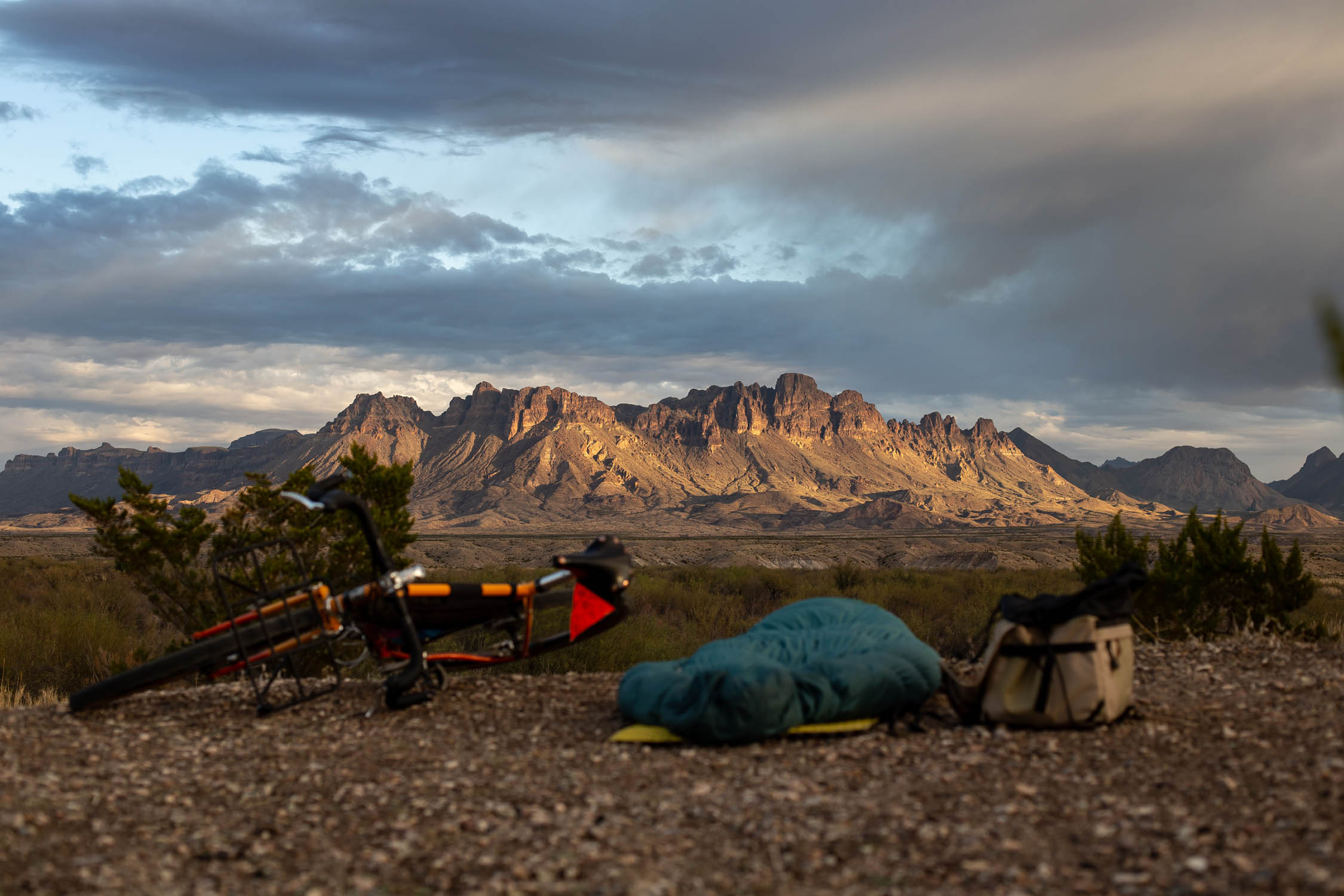
Currently, traditional bicycles and e-bikes are allowed virtually anywhere motor vehicles are, but beyond that, bicycle access has been rare at most NPS-managed sites. Changing that access requires a lengthy, overly burdensome process that has discouraged bicycle advocacy organizations and local land managers from pursuing increased access.
The new rule would effectively reduce the authority and public comment required for most redesignations. Examples include changing the rule to allow bikes on an existing 20-foot-wide paved pathway from a parking area to a visitor center or permitting bikes on an NPS service road where they are not currently permitted. Most notably, it could make it easier for local NPS managers to recommend changing a sustainably built natural-surface hiking trail to allow bicycles, as long as several conditions are met. It does not remove a high level of regulatory review and public input for new trail construction in areas where bicycles or motor vehicles have never been allowed, nor does it change bicycle access in congressionally designated wilderness areas.
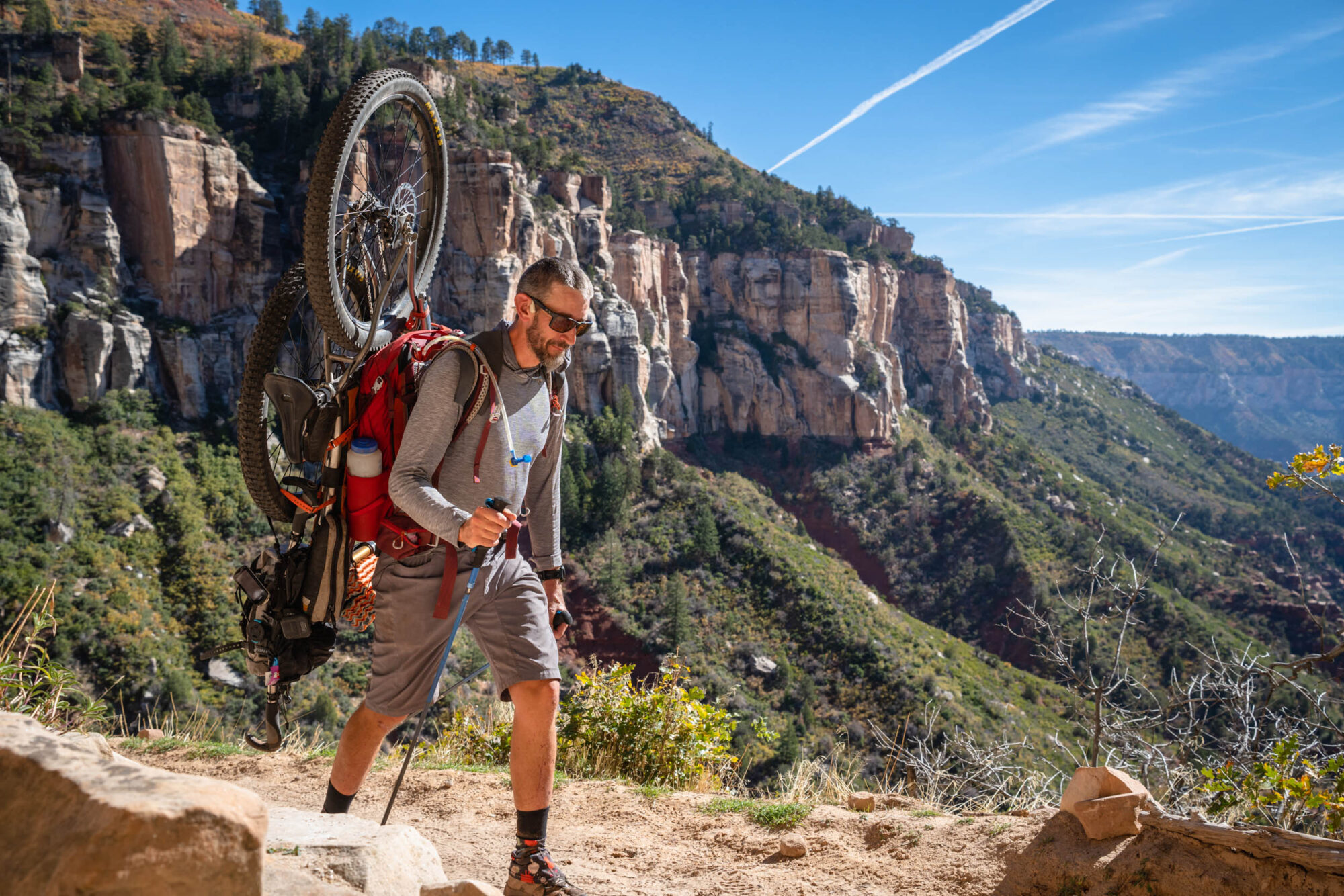
Another restriction on this streamlined process is that anything deemed controversial would still require a full environmental review and public input. As much as we’d like to think the Arizona Trail’s Grand Canyon portage could end, deregulation like this is unlikely to remove the strict rules that require intensive, deliberately burdensome review processes for famously crowded and popular NPS areas.
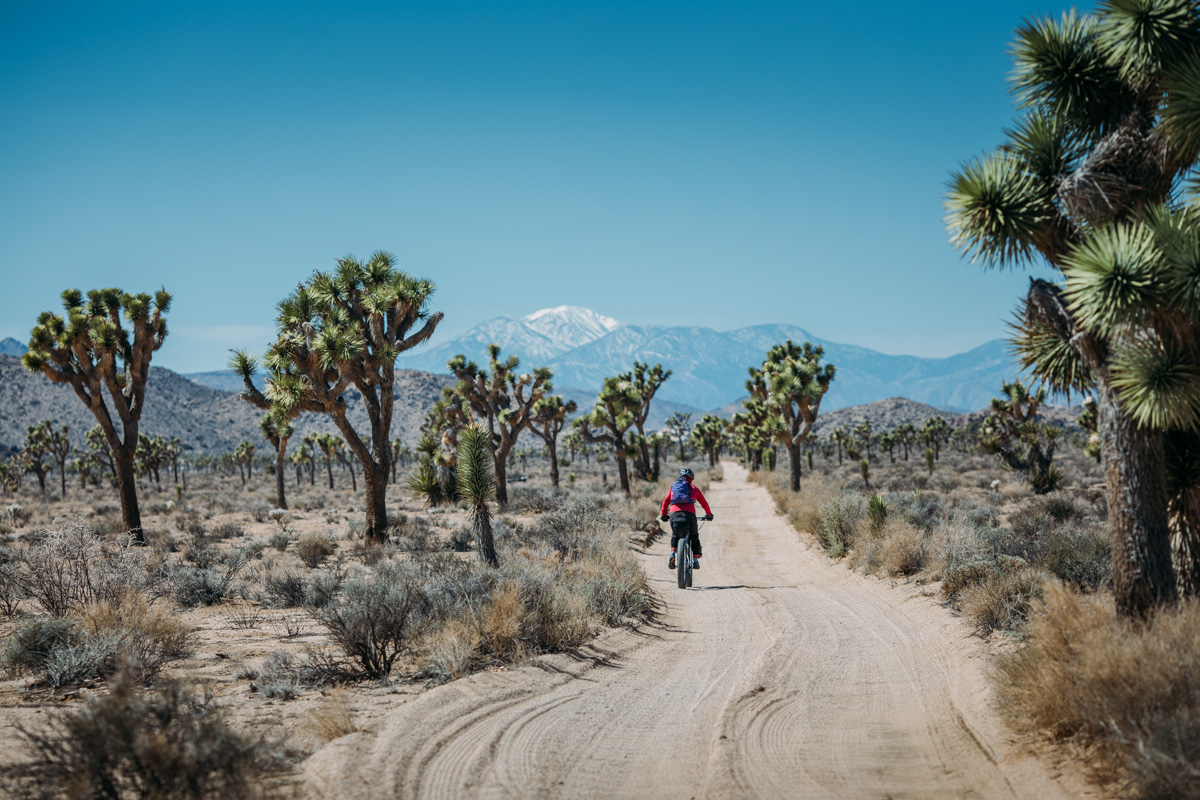

While the proposed rule change commonly references e-bikes and could include them if traditional bicycles gain access, it specifically states that throttle-assisted electric bikes (Class 2 in the US) will not be included in this deregulatory action. Those would remain restricted to roads and trails where motorized vehicles are allowed. The International Mountain Biking Association (IMBA) has come out in favor of this “common sense” rule change with only two recommended changes before the final rule is adopted:
- On trails, opening access to traditional bikes shouldn’t automatically open access to e-bikes, and shared recreational trails should be limited to Class 1 e-bikes.
- The proposal should strengthen sustainable trail design principles by referencing agency standards.
You can read more about this rule change and IMBA’s interpretation on their website. You can make your comments through IMBA’s site or directly in the Federal Register. Comments are due on Monday, November 2, 2026, by 11:59 p.m. Eastern Time.
Further Reading
Make sure to dig into these related articles for more info...


FILED IN (CATEGORIES & TAGS)
Dispatch
Please keep the conversation civil, constructive, and inclusive, or your comment will be removed.