



 Mountain Bike (MTB)
 Gravel Bike
 All-Terrain Bike (ATB)
 Fat Bike




What is the Best Bike Frame Material?





With experience on the big four, Nic started thinking about a question that seemed rather simple: what is the best bike frame material? Talking to some industry professionals, he contrasted his experiences on each one to try and provide an informed answer on which might serve you best…
PUBLISHED Oct 28, 2025
In the last calendar year, I’ve spent a significant amount of time on each of the four primary frame materials. With test periods and personal bikes making up the steel and aluminum categories, I also reviewed and tested both carbon and titanium bikes. Within that process, I started pondering: what is the best bike frame material? Obviously, “best” is a contingent term. If you’re a crit racer, your priorities are going to be more focused toward aerodynamics, stiffness, and a general sense of performance. If you’re looking to go on a world tour, something that’s repairable and contains as few, if any, proprietary parts and standards as possible is going to be better suited. Point being, while there is likely no definitive “best,” all frame options and categories have their pros and cons.


Yet one of the things we run into here at BIKEPACKING.com is constant hand-wringing over which frame material is superior. Some claim that their old Bridgestones have an unparalleled ride quality, while others suggest that modern techniques applied to tried-and-true materials have made bikes completely different from their older counterparts. Though many elements ultimately shape a bike’s ride feel, frame material and quality are still discussed more than most other factors. While that’s more than likely down to how much space a bike frame takes up in the overall purchase, there’s no denying it plays a huge role in how people decide to spend their hard-earned money.




Running through the thought exercise of where each material excels and falls short might seem a little arduous at this point, particularly because everyone has a preference and a reason they might favor one over the other. But if there’s anything my time studying philosophy taught me, it’s that thought exercises and a dialectic with those around you is the best way to refine your beliefs. Stress-testing your own biases and ideas—making sure they’re up to scratch or need adjusting—is important. So, let’s dive into each to see what’s truly “best.”
Steel is Surreal
Our editorial team’s favorite frame material is undoubtedly steel. It’s by far the most common bike frame material on earth, and because it’s readily available in most corners of the world, refining and purposing the material for bikes hasn’t been as much of an issue as other frame options. In addition to its broad reach, steel also technically maintains “infinite” material fatigue. This means that, in theory, steel can be loaded below its stress limit an infinite number of times without failing. The study that reported this observation compared steel and aluminum alloys, with the latter failing after a significant number of load cycles. Obviously, that doesn’t mean steel is indestructible and alloy will crunch into nothingness if impacted, as the kinds of steel and alloy in that study are more closely related to those used for industrial applications. Still, a well-cared-for steel frame could very well last the lifetime of a rider. We’ve all heard stories of steel frames being recycled or passed down across generations, and that’s partly down to the material’s resilient and long-lasting properties.
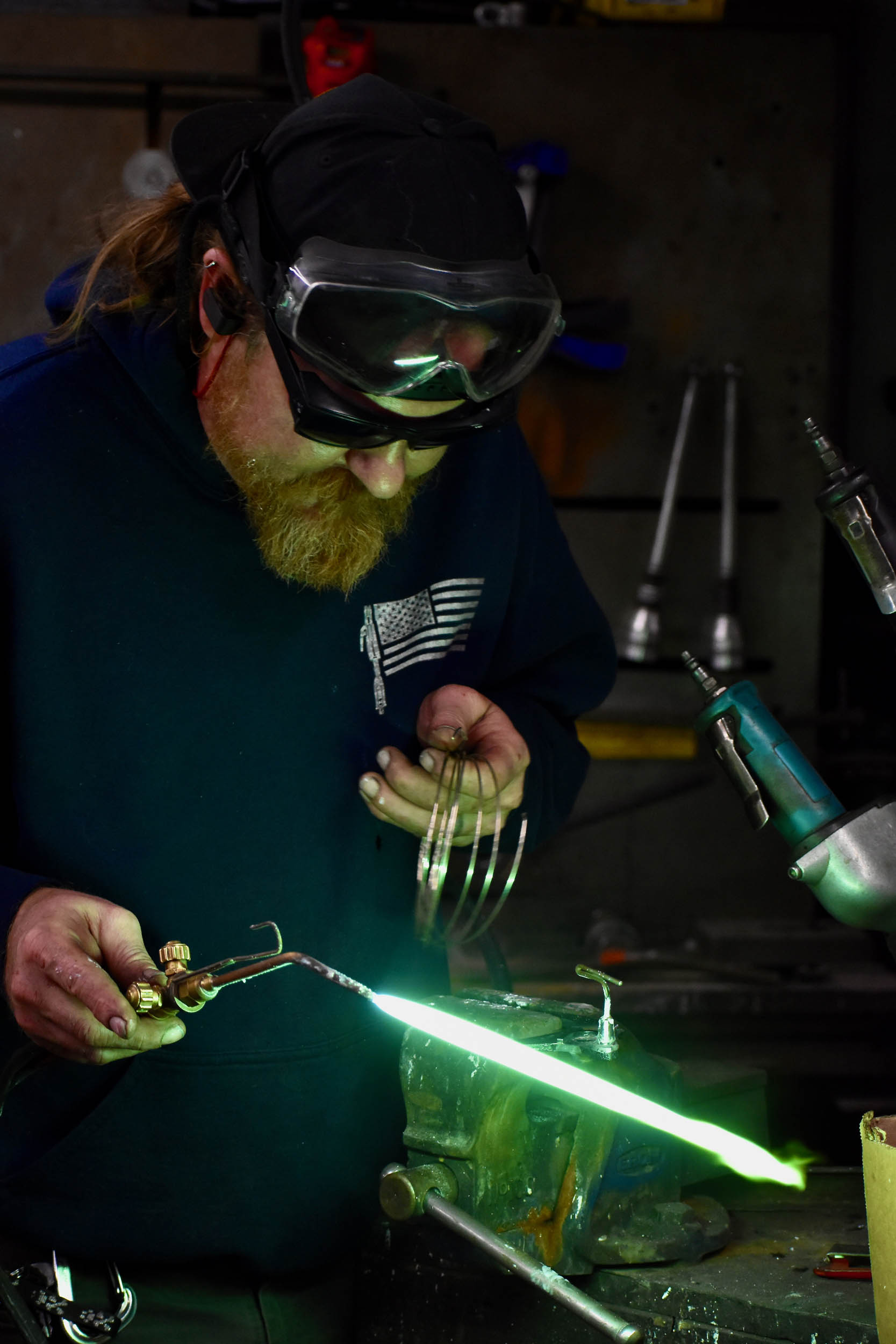


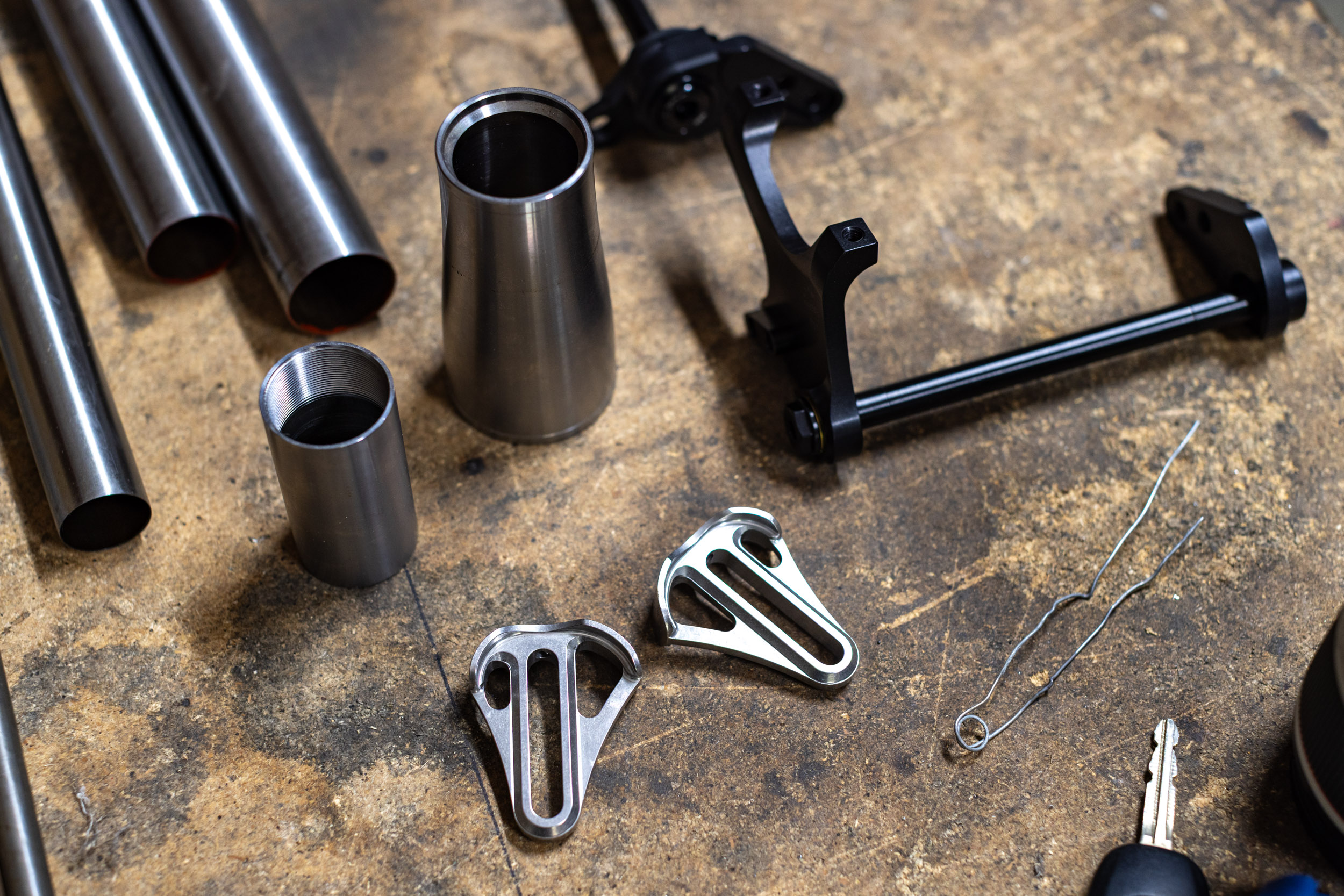
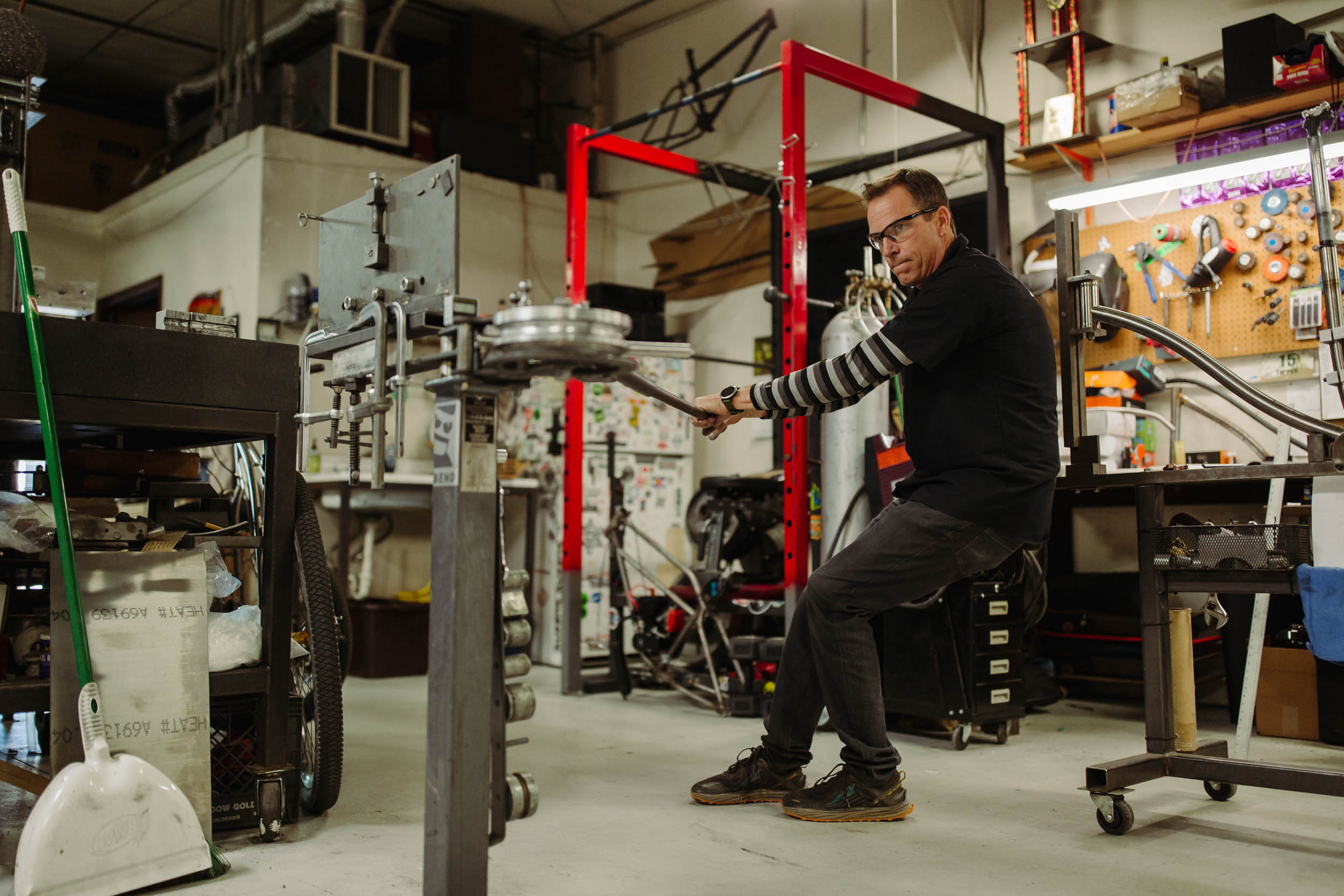
I’d argue, however, that steel’s best attribute is its repairability. Unlike some other materials used in manufacturing, a bodge job with a home welder can put some bikes back on the road. In more ideal situations, most bike-crazed cities across the country are home to small framebuilders or even production shops that can fix a broken or cracked frame, with some even willing to modify older standards for modern use if you ask the right person. Jesse of Slow Southern Steel in Fayetteville, Arkansas, for example, is a framebuilder who modified a customer’s request to make their Surly Ogre UDH compatible. Sure, the customer could’ve easily just purchased a different bike with a UDH, but it’s a testament to the material that lopping off the dropouts and welding in new ones isn’t just theoretically possible—it’s entirely doable with a skilled hand.
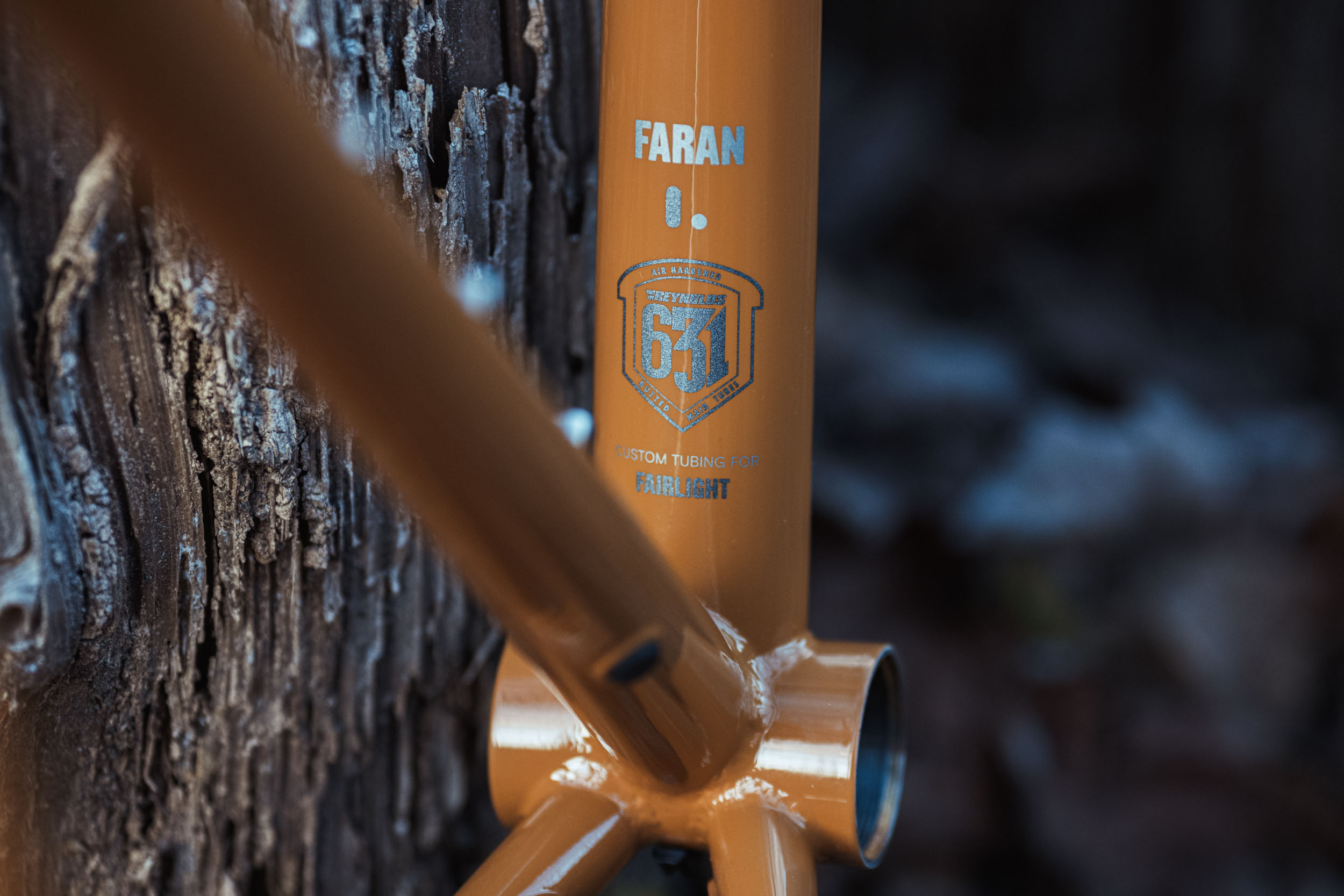



I reached out to Jesse to speak to steel a little further. He said, “For me, steel is the most accessible material to start building bikes. People have been building with it for over a hundred years, and there’s not much mystery or risk in using it. It’s cheap compared to other materials—the steel itself and the tools needed—so it’s an obvious choice. On a personal level, I just really like metal bikes. The looks, durability, repairability, and physical properties just make a lot of sense for building bicycles.”


However, one aspect of the steel conversation that goes underdiscussed is the weight of steel frames. It’s a blind spot of mine as I’m a lifetime athlete and someone who didn’t struggle to pick up the strength element of bikes at all, but it’s something I think about when it comes to other kinds of riders. Typically, when I introduce someone in my life to bikes who isn’t athletic, they struggle with the weight of the lower-end steel bikes they’re willing to purchase. Generally speaking, though high-fidelity steel tubing can offer some weight savings, steel is the heaviest of the four primary frame materials. I’d say this is the biggest drawback of the material, as some might feel turned off to cycling after feeling like they’re not fit enough to ride. Still, I’d argue that the material’s benefits outweigh the weight penalty. There’s also the question of corrosion, as steel is the most susceptible material to corrosion through moisture that gets trapped in the frame. That said, a good portion of production companies nowadays take steps to treat their bikes against this eventuality, and having lived in rainy, wet, humid Florida for most of my life, I didn’t find it to be much of an issue as long as the bike was kept inside.
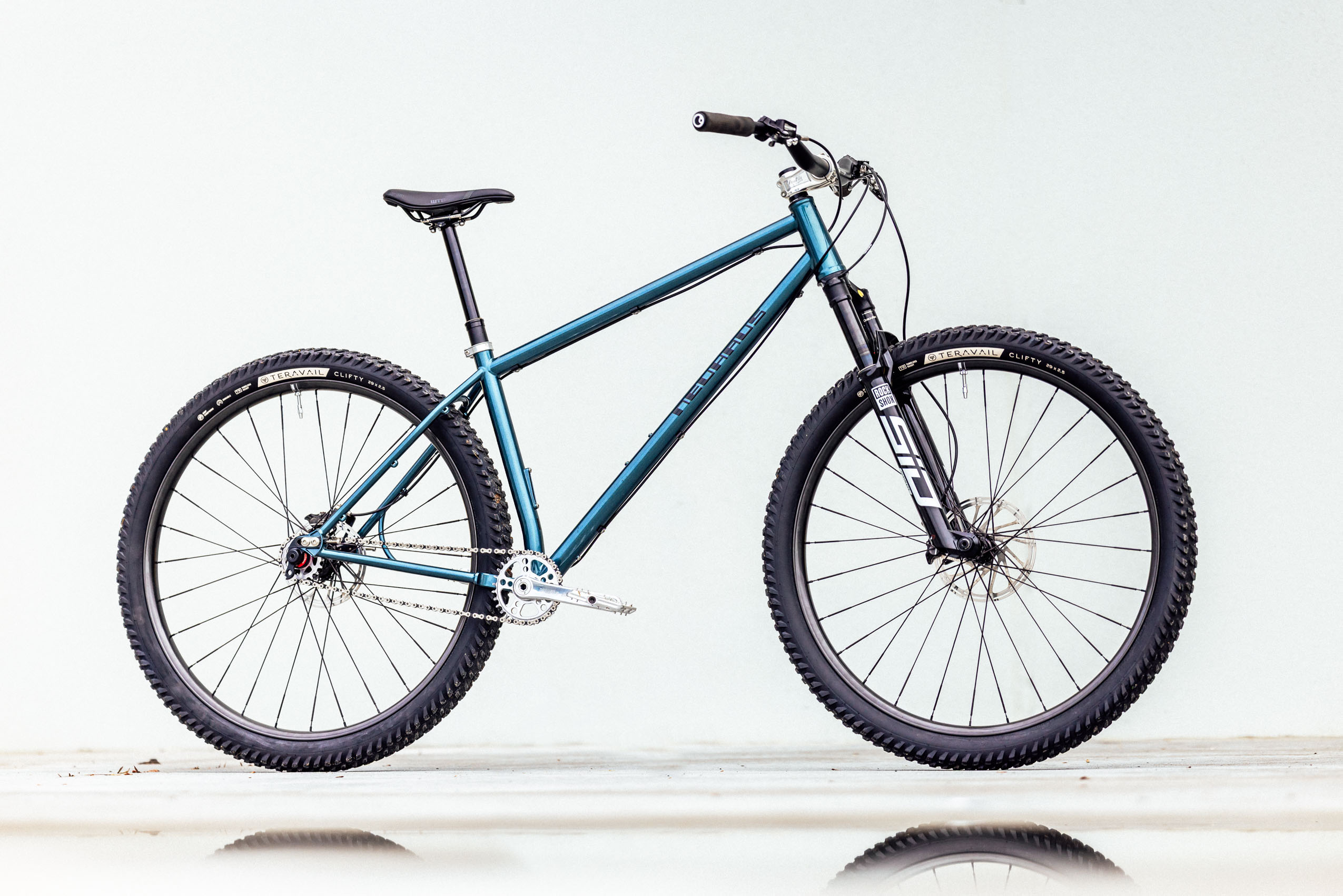



Ultimately, due to its ubiquity, affordability, wide-ranging fidelity, and repairability, it’s no surprise that steel makes up some of the best-value bikes on the market. Though there are environmental concerns when discussing the impact of iron ore mining—one of the most carbon-intensive industries in the world and a material needed for steel production—the fact that these machines are so long-lasting and move the world toward a better, greener future counts for something. There’s also literature suggesting that high-quality bike steel, like that produced by Reynolds, is actually much greener than some other frame materials. When looking at the cycling industry from afar, it’s interesting to see how well the material has stood the test of time, despite technological advancements that have favored other frame materials and construction techniques. My recent experience with the Fairlight Secan, for example, was that it’s one of the nicest framesets I’ve ever ridden, and it has a truly incredible ride quality thanks to the newly tuned and formed rear end. Reynolds 853 is among the highest-quality production tubing, and I could absolutely feel how much work went into creating the tubeset for that bike. Neil had a similar experience when reviewing his REEB Sam’s Pants, and there are tons of other examples on the site where a steel bike, despite its weight, has impressed with its ride feel because of high-quality tubing.
Well worth including in the discussion but not one of the four most common frame materials, stainless steel blends characteristics of steel and titanium. It’s highly durable, repairable, looks good unpainted, and won’t corrode. It’s more expensive than steel and is generally lighter than most steel tubesets, but cheaper than titanium. It has a smaller but very loyal following of builders and riders who praise its balance of stiffness and compliance.
Pros
- Affordable, and the value scales with higher quality framesets.
- Practical and repairable.
- Long-lasting and can be a “forever bike.”
- Steel tubing can be formed and tuned for many different applications.
- There’s a certain romance to steel that can be alluring.
Cons
- Weight, even with higher-quality framesets, can be a concern.
- Corrosion in high-humidity environments can present an issue if not properly treated or maintained.
- Steel refinement and production can be taxing on the environment.
Aluminum: Under-Appreciated or Over-Estimated?
Aluminum is probably the least understood and most decried frame material. Initially positioned as steel’s lightweight counterpart before the proliferation of production carbon fiber frames, aluminum didn’t enjoy the limelight for long before being replaced by carbon fiber for those seeking a high-performance frame. However, despite somewhat unsightly welds, larger tubing profiles, and a reputation for a harsher ride, the material has seen a resurgence in recent years. With some boutique options like Al Dente from Beach Club or the Gravel AL from Blackheart rivaling the cost of modern steel frames, some might wonder if the material has undergone a considerable change to its construction. Being lighter than some steel frames, it’s not as readily repairable, as most local framebuilders don’t have the necessary experience or tooling to work with modern hydroformed tubesets, and modern alloy construction sometimes makes repairs impossible. I found this out the hard way when my Velo Orange Chessie was run over by a car. I wasn’t able to get it repaired, and had to get a new frame sent over.


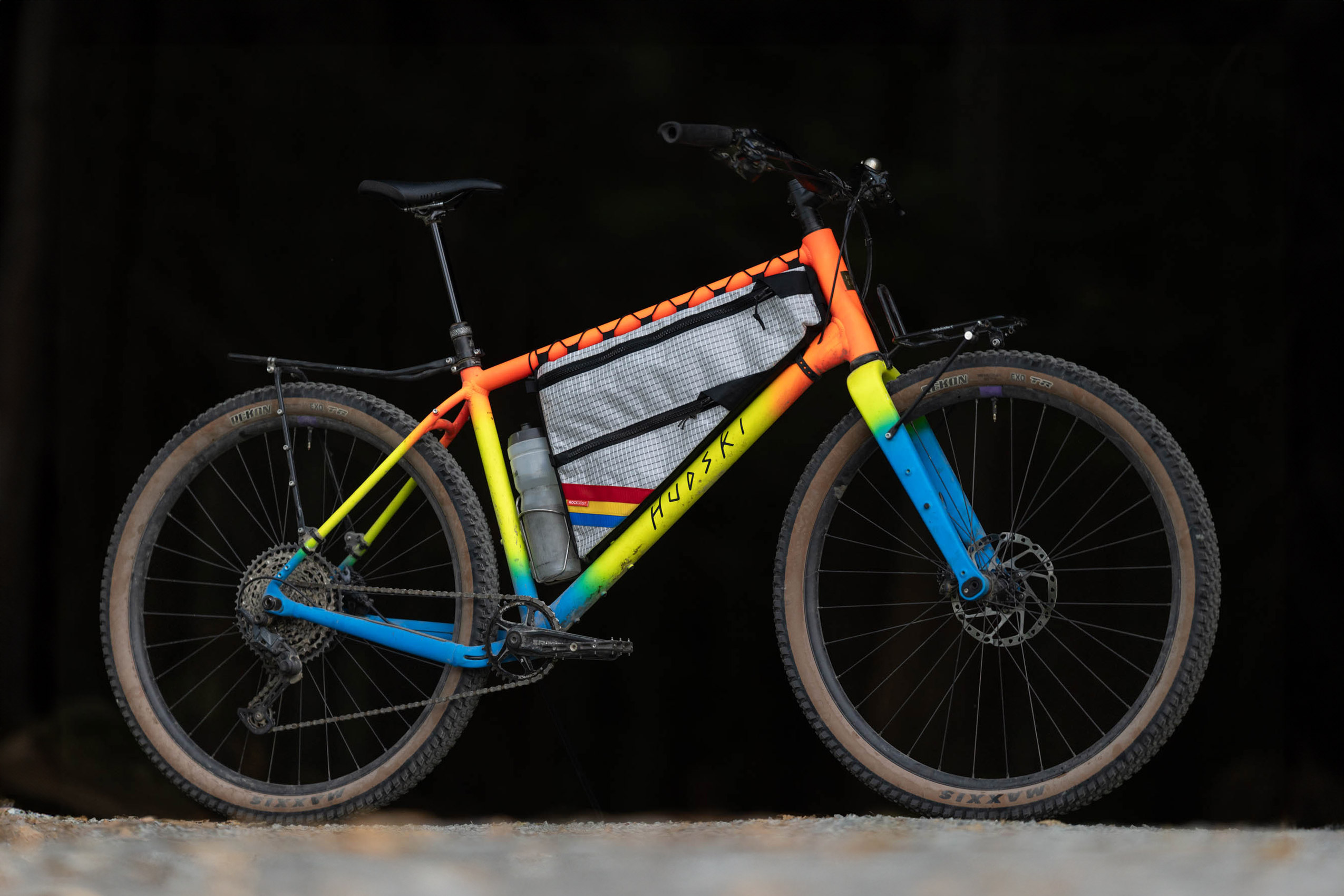
That said, there are plenty of contemporary production bikes made of aluminum alloy that make great use of the material. Offering a lighter-weight package for bikes that can fit large, two-plus-inch tires is where modern aluminum alloy excels. And while the ride quality can sometimes be harsher than that of steel-tubed frames of equal or greater quality, the use of tubeless tires and high-quality touchpoints makes most modern aluminum bikes essentially indistinguishable from their steel counterparts.
To get a better idea of what working with aluminum is really like, I reached out to industry legend Frank the Welder for some insight. He said, “Simply put, aluminum tubing, by way of its cost and mechanical properties, is the best way to propel a configurable machine and operator further and faster per dollar spent over a short period of time… Welding aluminum is nothing like steel or titanium. It’s very noisy, and aluminum transfers heat very quickly and melts suddenly with no color change. When machining, it cuts five times faster with much greater chip load. You also need a lot more aluminum than any other material to do the same amount of work, usually one and a half times more than other materials.”


When asked about what material he thought was best for bicycles, Frank responded, “There is no simple answer. If you want the lightest/fastest, carbon is the best but expensive, and it becomes less ideal the lower the production quantity is. Aluminum is excellent for inexpensive, simple, efficient race frames that will eventually be crashed hard or retired.”
After speaking to Frank, I also asked Ronnie Romance about his thoughts on the materials. Being both an experienced cyclist and someone who has gotten into producing and developing his own models, I found his insight informative. Ronnie said, “The best bike frame material changes depending on the use case. When I was touring more, steel made the most sense. Weight wasn’t a consideration, and you can bend things back easier out in the field when things go wrong. For what I ride now, I prefer aluminum, mostly because I spent 10 years on really heavy bikes and I just haven’t spiritually come around to the short-term relevance of carbon designs. I want something light and fuss-free that I don’t have to baby. Aluminum fits the bill there. When it comes down to it, all my tires are wide and nice enough to make the frame material not matter much in terms of ride feel.”



Though it’s been years since I’ve ridden a bike with sub-38mm tire clearances, I have to agree with Ronnie. There’s a lot to be said about how modern bike construction—now having to account for wider tires, the standardization of disc brakes, and the forces they apply to the frame—has changed ride feel as a whole. If aluminum is a cheaper, lighter way to achieve the ride quality of modern steel, I can understand why manufacturers would be compelled to use it. That said, material weight doesn’t matter that much to me right now, I’ve never been blown away by an aluminum frame’s ride quality, and I’d argue that losing steel’s best attribute for the sake of shaving what can be a considerable amount of weight is a tradeoff that doesn’t apply to my needs. Moreover, losing some sense of longevity and repairability is less appealing, as are practical benefits such as reduced inner-frame space from thicker tubing and construction techniques.
While I’ve been impressed with the ride quality and feel of the Velo Orange Chessie, and Miles can’t seem to stop riding his Hudski Dualist, aluminum still presents a complex use case for me. Subject to a middle-child syndrome, I always end up thinking another material is better for a specific application. I’d prefer steel for the reasons listed above. If I were just chasing weight savings, carbon is undoubtedly the better choice. If I wanted the highest-performance frame without the weight of steel and the fragility of carbon, I might just spring for titanium. With questions about aluminum’s environmental impact and its true recyclability when it comes to painted frames, which complicate recycling, I wonder where the material really shines. That said, I understand why people like Ronnie, who are trying to keep high-quality manufacturing in the US, where they can assure people of working conditions and overall quality, might prefer the material over something like carbon.
Pros
- Usually a cheaper entry point for cyclists.
- Can often be much lighter than steel and doesn’t incur the cost of titanium.
- Modern alloy on larger tire bikes has a nice ride quality.
- The material can be hydroformed for performance, comfort, or both.
Cons
- Not all that practically repairable.
- Some boutique options can be as expensive as other frame materials.
- The ride feel can be noticeably worse than other materials.
- The welds are thicker and more unsightly unless machined down.
Carbon Quandries
With carbon bikes being the most common among high-earning cyclists, it’s no wonder the material has gained an elitist reputation. Given that the standard material for bikes in the WorldTour and Lifetime Grand Prix is carbon, it has long been seen as performance-focused and reserved for high-end users. Taking a look at the complete options for carbon gravel bikes from some of the largest bike companies in the world, such as Trek, Cannondale, Specialized, Canyon, and Giant, the median cost is around $3,500 USD, with many build options exceeding $5,000 to $6,000, and some even entering the $10,000 USD+ range.


Carbon bikes like the new Specialized Diverge 4.0 and its Future Shock, the prior iteration of the Canyon Grail’s hoverbar design, or even the new Trek Chekpoint’s OCLV inner frame suspension system are all examples of features that seem to date these models within a few years of release. While the technology in and of itself deserves questioning, it speaks to how long these companies think their target demographic will keep their bikes. If the technology advertised on one frame is superseded or redesigned within two or three years, I don’t think it’s unfair to say that’s the intended life cycle of the product.
With a divide between cyclists who prefer carbon over other materials, the distinction in frame materials goes deeper than price or applied technology alone. Rightly or wrongly, the choice of frame material signals more than just a desire for a specific kind of bike, but also a particular type of experience. That said, some recent tests with carbon have made me rethink my skepticism toward the material.


For one, as much as one might speak to other materials’ repairability, the proliferation of high-end carbon bikes, and what I would put down to a dour economy, has fomented a rise in people and businesses capable of performing carbon repair. When I spoke to Alex Bryenton of Valentine Bikes here in Asheville, I was shocked to discover that after a history of making steel bikes, he’d also learned how to repair carbon for a few reasons. For him, it extended the life cycle of the bikes and ultimately kept them out of landfills, offset the purchase of overseas frames with US labor, and helped him keep the lights on. While there are specifics and techniques one would be better off learning from a professional, home mechanics like Peak Torque—an engineer with a relatively popular YouTube channel—have shown how to perform carbon repairs at home. Carbon itself isn’t the most environmentally friendly material, but if someone can learn carbon repair or find someone capable of doing so within the bounds of a relatively large city, that reduces waste and keeps things out of landfills.
There’s also the fact that many companies, outside the bigger ones I listed above, use more traditional, less fickle designs that extend product life cycles. Chief among them is Rodeo Labs in Denver. I reached out to owner Stephen Fitzgerald about his take on carbon bikes, and he spoke to his experience with the material: “Carbon is massively labor-intensive. To create a durable structure, tens and hundreds of different pieces of carbon fabric must be hand-placed into the tooling that creates the overall shape in a very exact order and orientation. It’s a very, very human process, and thus very, very prone to human error if done even slightly wrong. Once formed, carbon also has to be finished and sanded by hand. The manual labor involved in creating carbon frames is pretty eye-watering, and it’s grueling, which is why there is a near-total lack of US-based carbon bike manufacturing anymore.”
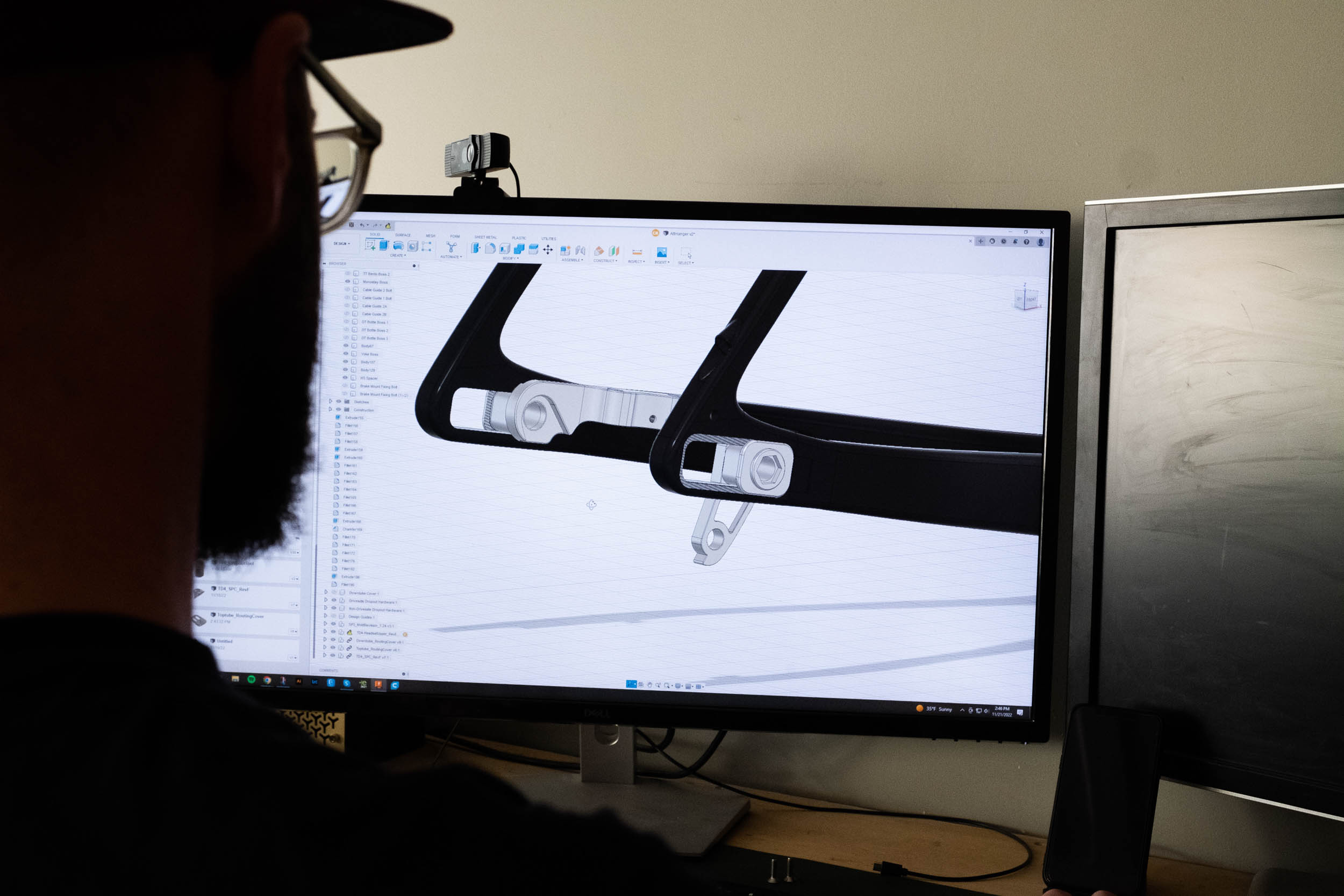


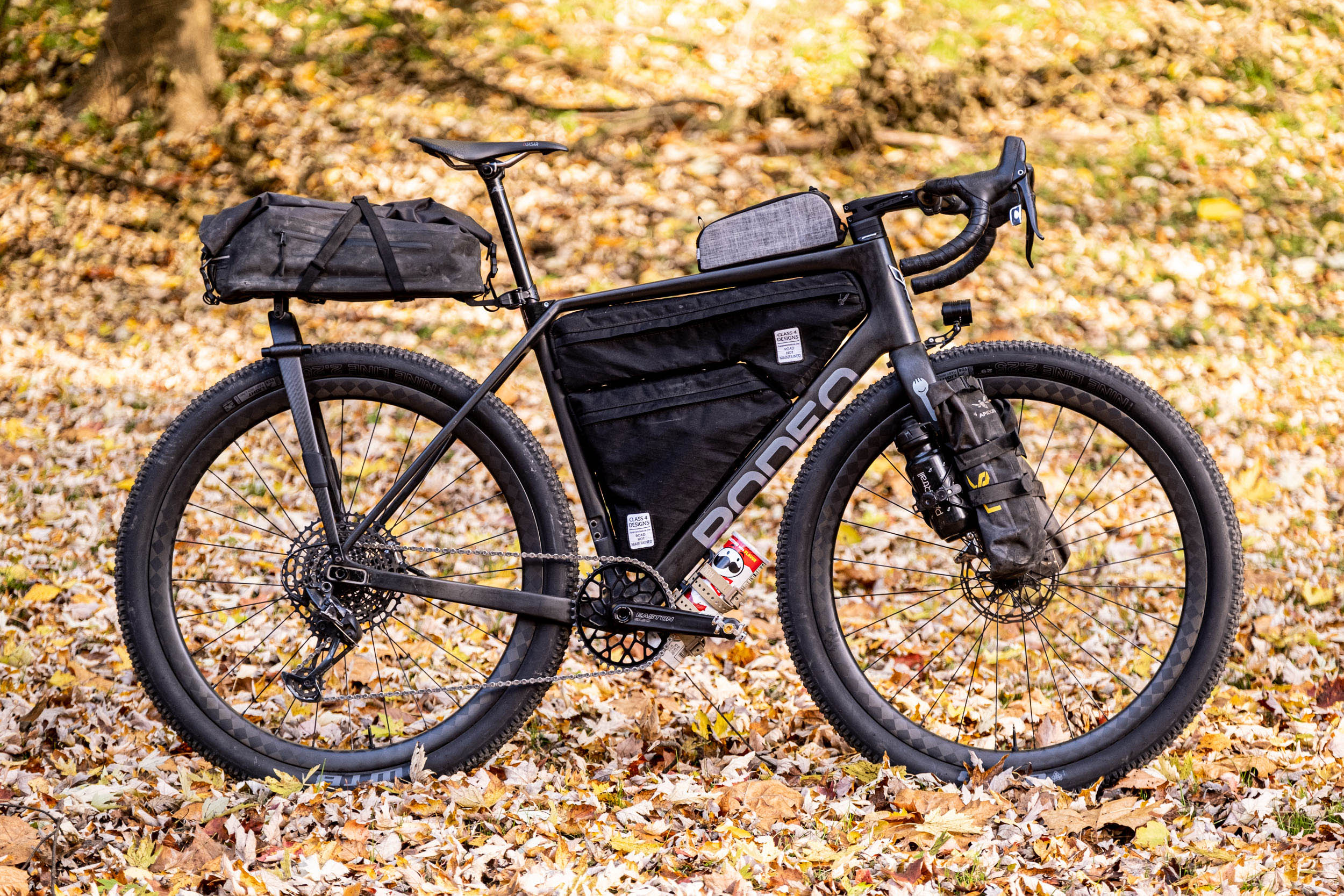
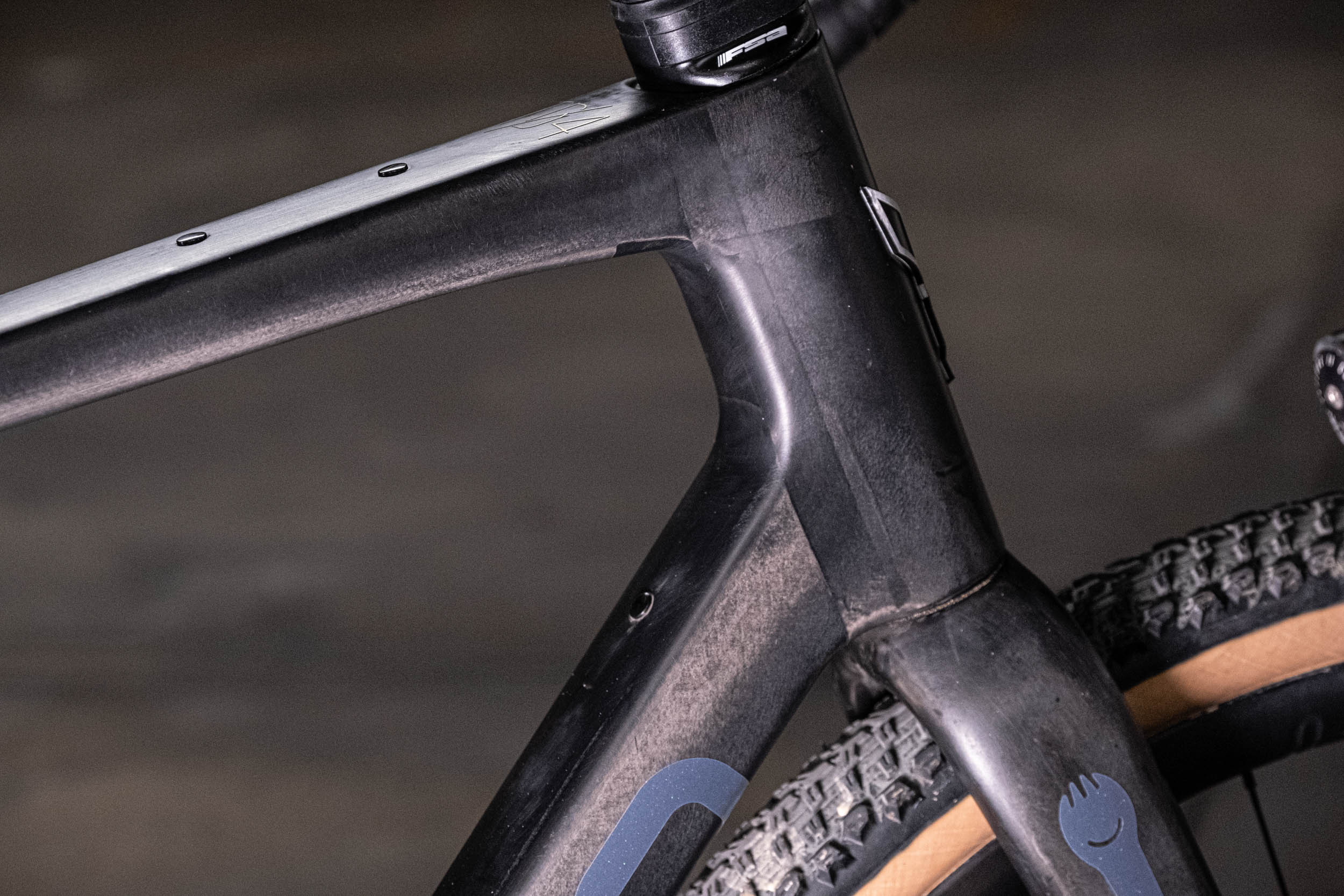
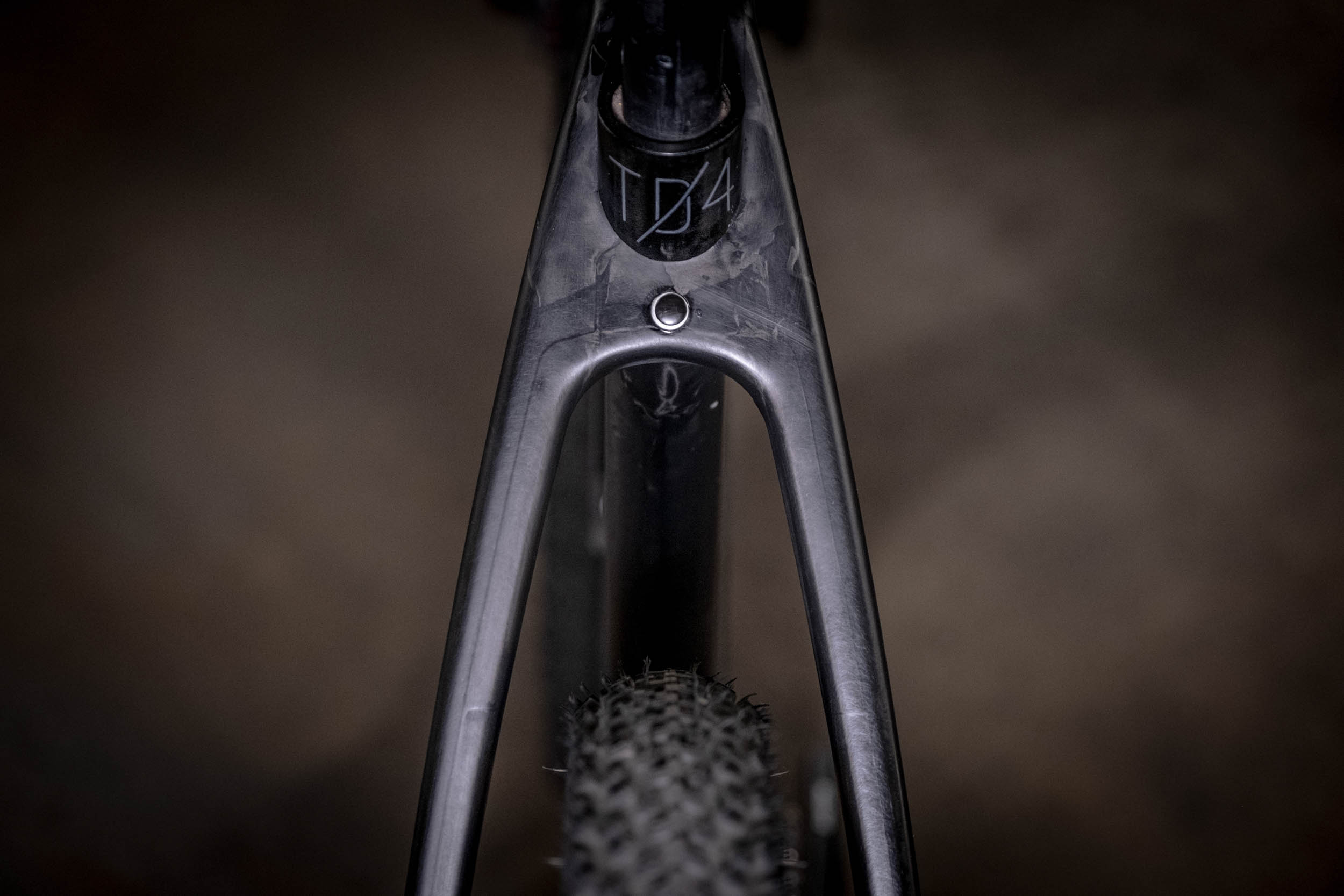
Stephen offers a wealth of information on these topics, as his experience owning and running Rodeo Labs keeps him uniquely informed on the minutiae of the bike industry. Within the larger conversation we had about carbon, I wondered if the material had simply gained a bad rap. As he went on to say regarding repairability, “[Carbon] is very often quite repairable if damaged… Rodeo will often take the loss on repairs because we simply see our frames as deserving of a long, useful life as a part of the responsibility profile that comes with being a frame manufacturer brand.”
Without the increasingly rapid product life cycles pushed by larger brands and a bit less mystery about how carbon is constructed, would the material hold less of a high-end bias? Though I still have my qualms about the nature of its strength in what I would consider normal use for a bike, my previously held conceptions about carbon are something I’m willing to reconsider. With environmental concerns about every frame material being a murky sea of largely unanswered questions, it’s worth considering how the romantic views on alloy bikes shade our conceptions of what is a useful material in some cases.
Pros
- Likely the best strength-to-weight ratio of any major frame material.
- While costs are typically a lot higher, the division of carbon layups has introduced some entry-level options.
- The material is becoming more readily repairable with each passing year.
- The freedom of overall design has improved over time and makes it better for non-racing applications.
Cons
- Typically one of the more expensive materials.
- Carbon tends to be more susceptible to cracks, breakages, and failures—especially after impacts.
- Carbon’s elitist reputation is something some folks just can’t shake.
- QC issues with large-scale manufacturers can present issues.
- The longevity of the material is in question.
Titanium: Too Good to be True?
In my experience with titanium components and frames, the material presents an impossible quality. Harnessing the stiffness of carbon, but the “comfort” and give of steel and some aluminum alloys, I’ve been blown away by my time with Cane Creek’s eeWings, Slug’s titanium bars, and a titanium seatpost from a smaller producer. It has made the ride quality of my rigid mountain bike that much better on rough trails, and when I reviewed a titanium gravel bike some years ago, I was impressed by both its weight and ride quality. Lucas dove into the specifics of the material in a great piece that dissected the larger-than-life quality that titanium has taken on, but perhaps no greater explanation exists than Tim Kreuger of Esker Bikes’ comment on that piece.
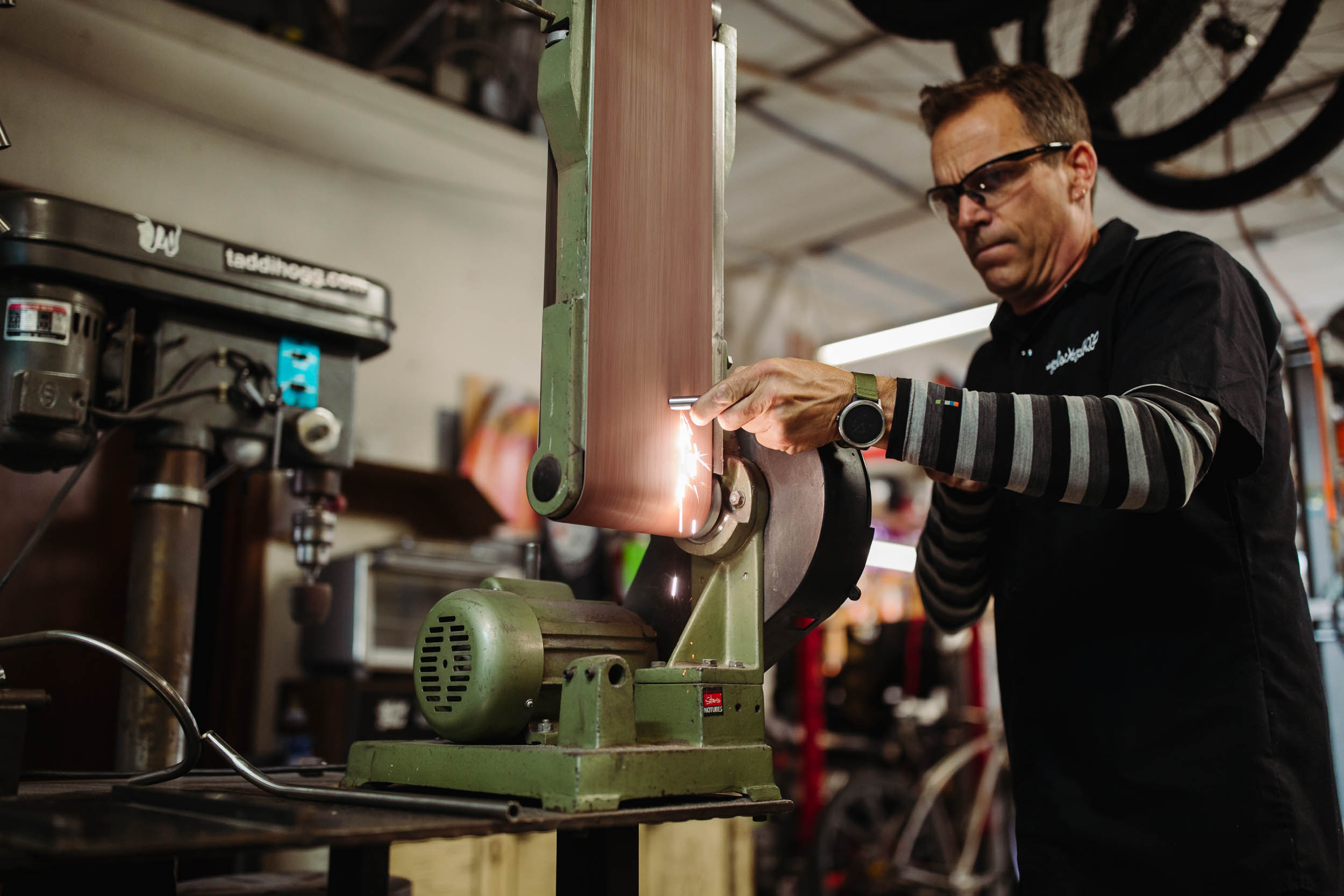
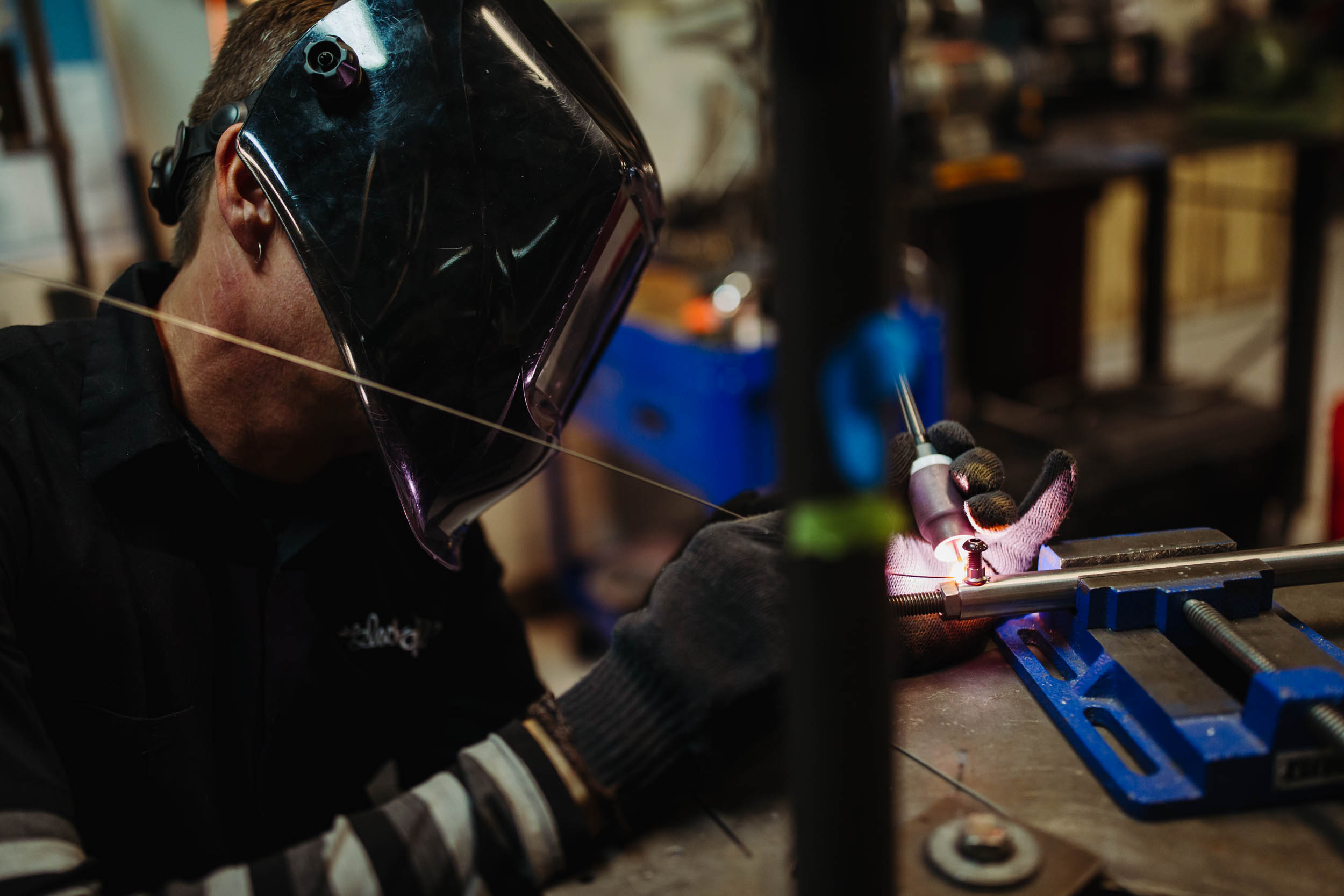
Though the full comment is worth a read, one aspect that resonated was Tim saying, “Titanium is a bit harder to make a bicycle frame with because there is a lot less ‘flexibility’ with the material. Drawn-over-mandrel butting has become more mainstream in titanium in recent years, but only ten years ago, there was really only one factory in the world doing it. Bending, squashing, and mechanically forming titanium is way more challenging, so there is less you can do. This is why you tend to see titanium frames looking more ‘plain’ than steel frames, also why you see things like chainstay plates more commonly, because you just can’t squish a titanium tube like you can a steel tube.”
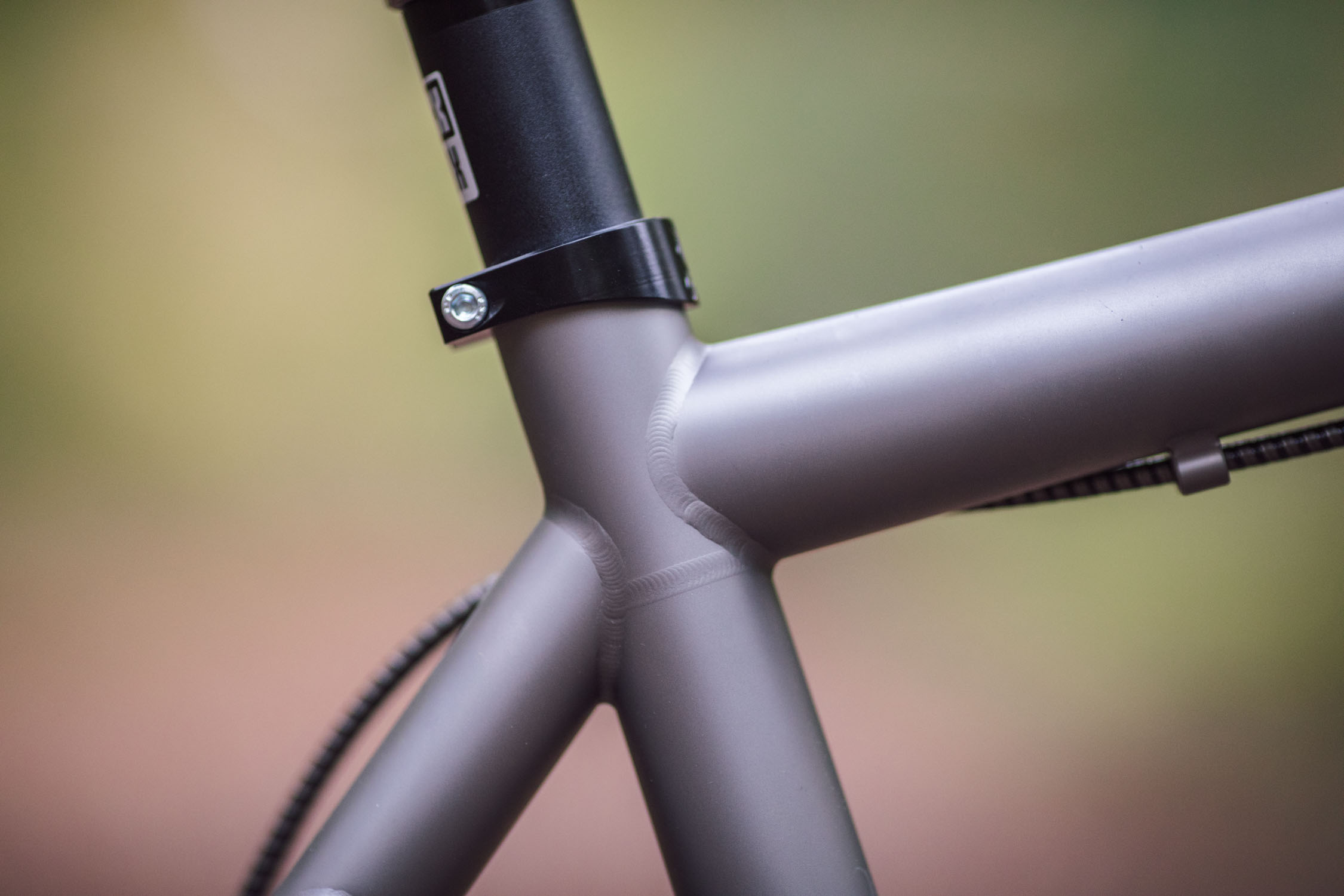

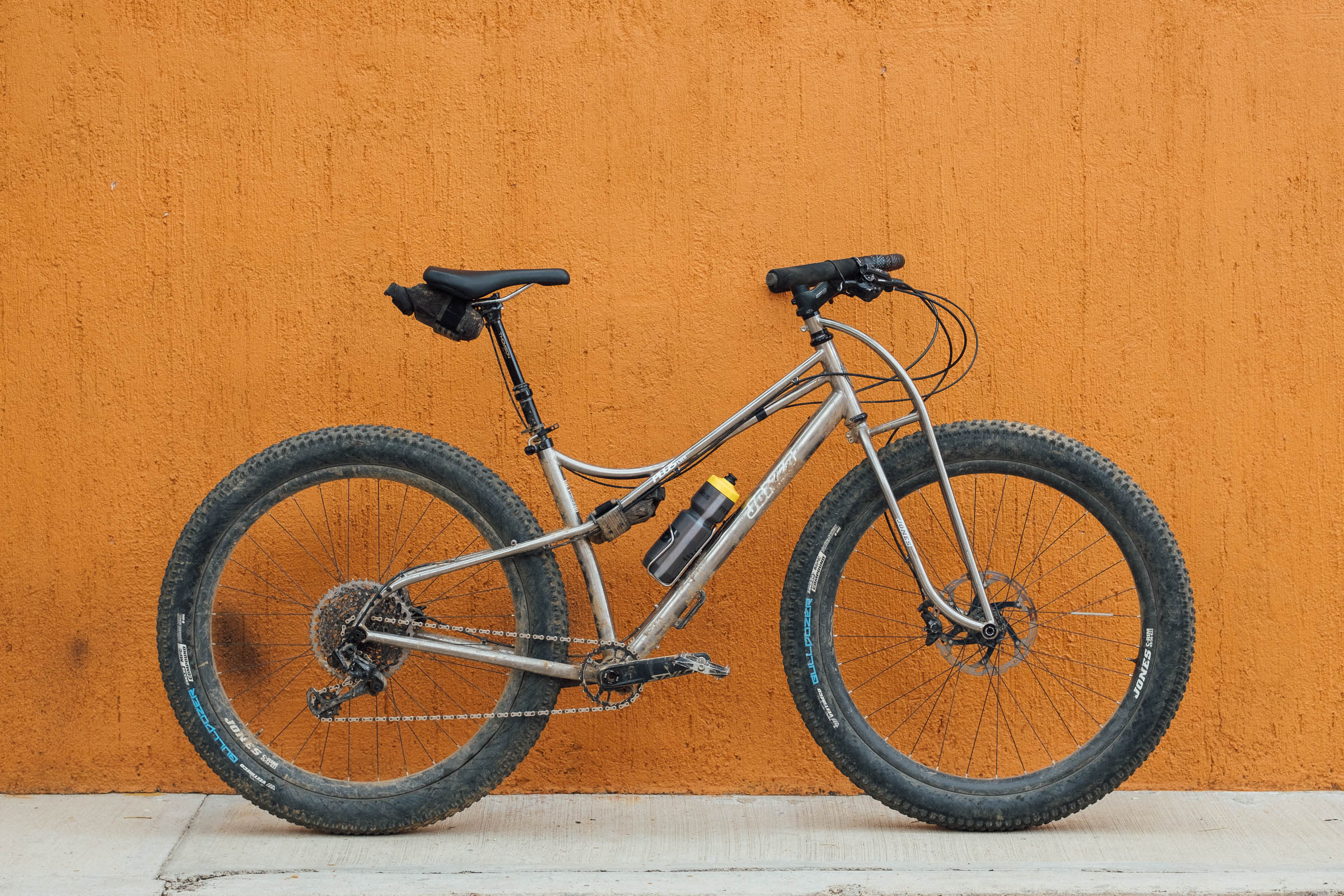
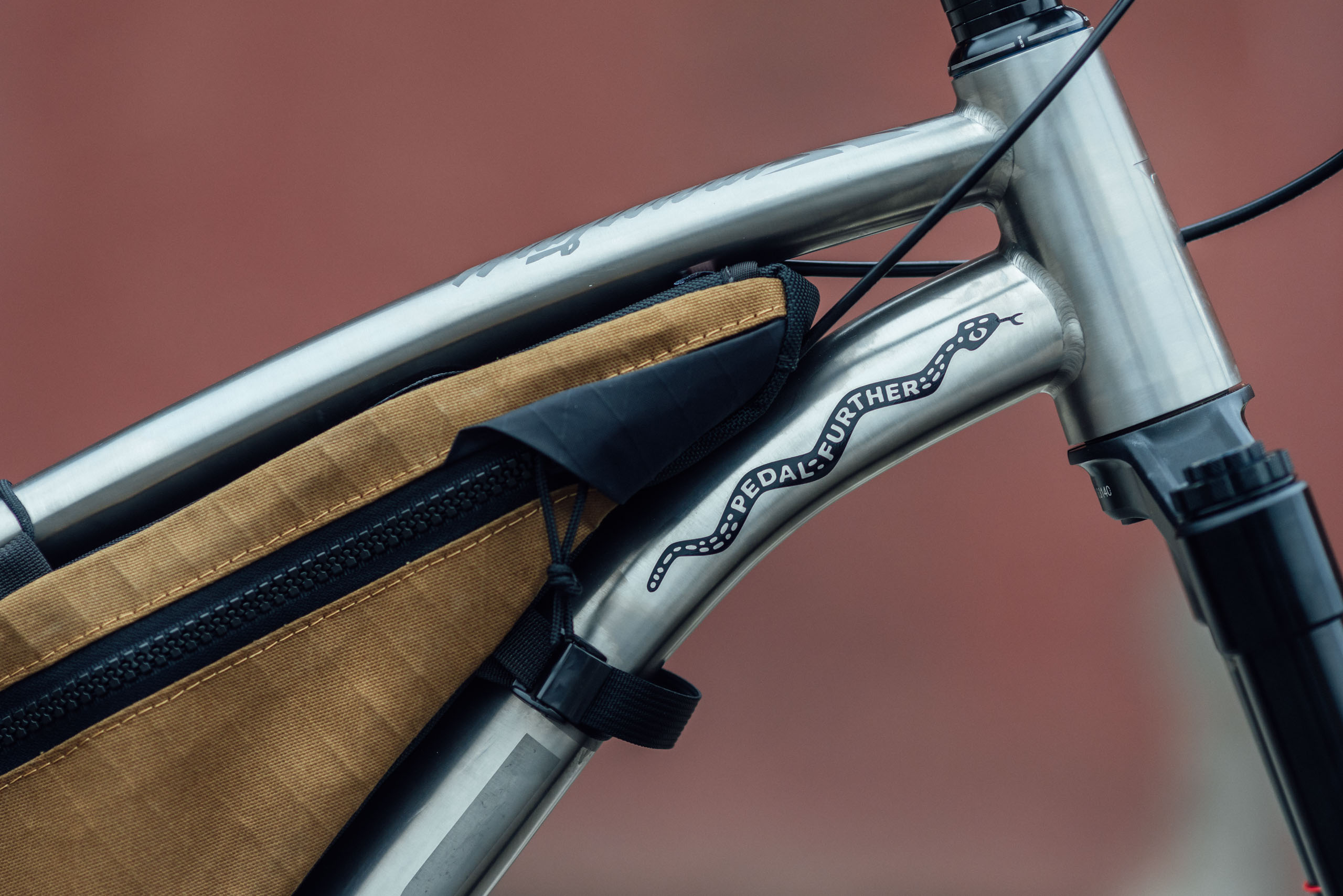
Taking it back to Stephen Fitzgerald of Rodeo Labs, he spoke to his preference for titanium in saying, “If I had to pick the best material with no explanation, I’d probably pick titanium because I think it’s resilient to impacts, reasonably light for performance riders, is impervious to corrosion, and it has an agreeable ride feel. It can also be fragile and crack if poorly engineered or welded incorrectly, but generally speaking, titanium frames last for a very long time and have an indefinite service life.”
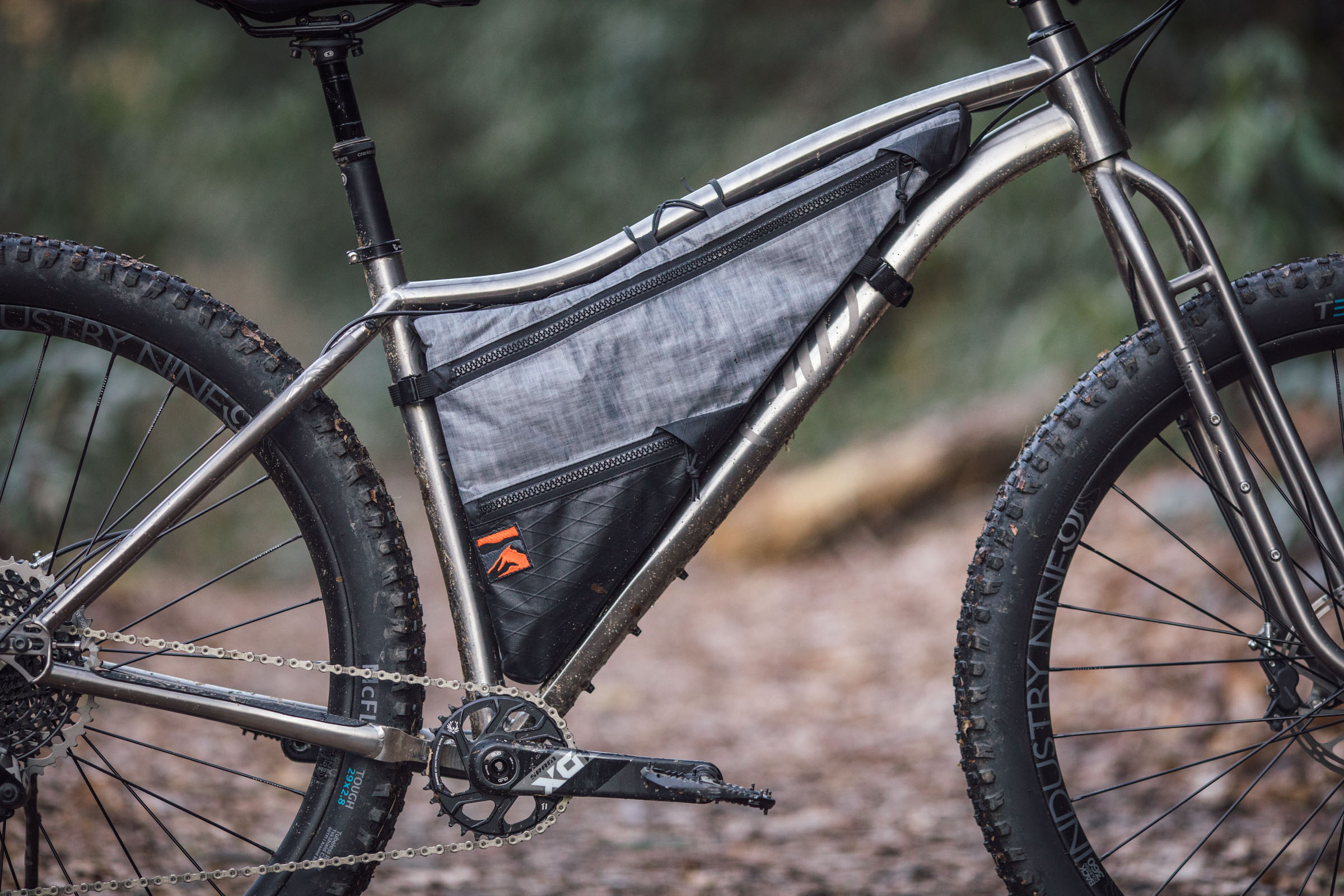


He went on to contextualize his answer, speaking to the specific needs of each rider and the importance of picking a frame material that suits them best. However, what both Stephen and Tim’s answers reveal about titanium is perhaps its fatal flaw. Because it’s a more delicate metal to work with and weld, it’s less susceptible to the economic forces that have driven the other frame materials down in price. The increased cost of both the base material and the higher skill needed to work with it means a much higher cost to produce and thus purchase. Despite all the benefits of titanium in and of itself, the much higher cost can offset the value customers experience. I spoke to others on background, like Sam from Singular, whose titanium frames are among the best in the market, and while most agreed that titanium’s properties make it one of the best choices for bikes, the cost is something most just can’t get over. As Lucas noted in the aforementioned piece, a titanium frame will generally run customers “well over twice as much (130 percent)” when compared to steel counterparts.
Pros
- The strength, stiffness, and weight of titanium frames are generally unmatched by equal aluminum or steel counterparts.
- Corrosion resistance and general longevity make it extremely durable and long-lasting.
- Tuned tubing and skilled builders can make titanium frames ride better than almost any other material.
- Somewhat immune to nicks and scratches through its ability to have blemishes removed with an abrasive pad (if unpainted).
Cons
- One of the most expensive materials.
- Frames and components can be finicky and not play nicely with other materials.
- Lesser quality titanium construction is subject to failure.
So, which is best?
As stated, one person’s definition of what the “best” frame material is might differ wildly from another’s based on use, intention, monetary disposition, or general outlook. For me, the best bike frame materials are those with the greatest longevity in relation to their cost, as they’re likely to deliver the best use value. Whether that’s a lifetime of first-owner use or the ability to enter the resale market more than once, bikes that can stand the test of time from a durability standpoint are going to benefit everyone more than those that are hyper-specialized.



With that said, after everything discussed above, I find it hard to look past steel. For what a customer ends up paying for a high-quality steel frame from any high-quality producer, these frames last for ages and have provided a lot of use for both me and the friends I’ve passed them on to. As of writing, I’ve only broken one frame, and that was due to a car. Every other steel frame—from Surlys to Fairlights and everything in between—has endured loads of abuse, crashes, bikepacking trips, and tons and tons of miles. While I’ve been impressed with my experiences with titanium frames and components, the price point compared to steel seems like a diminishing return. Whether something is “worth it” depends on available resources. Given the state of the economy, I’d venture to say a steel bike offers a lot more value than a similar titanium or carbon bike. If you can afford it, great, but I’m not sure there’s the same level of dollar-to-dollar value when “upgrading” to another material.
However, all this is a broad, hopefully informative overview of what each frame material offers. There are tons of rabbit holes to dive into with each material—including a deep dive on the environmental impact of manufacturing with each frame material—and a number of other factors. But, what do you think? What are your experiences with the four major frame materials, and which one do you rank as “best?” Be sure to let us know in the Conversation below…
Further Reading
Make sure to dig into these related articles for more info...



Please keep the conversation civil, constructive, and inclusive, or your comment will be removed.