

 Mountain Bike (MTB)
 Gravel Bike
 All-Terrain Bike (ATB)
 Fat Bike

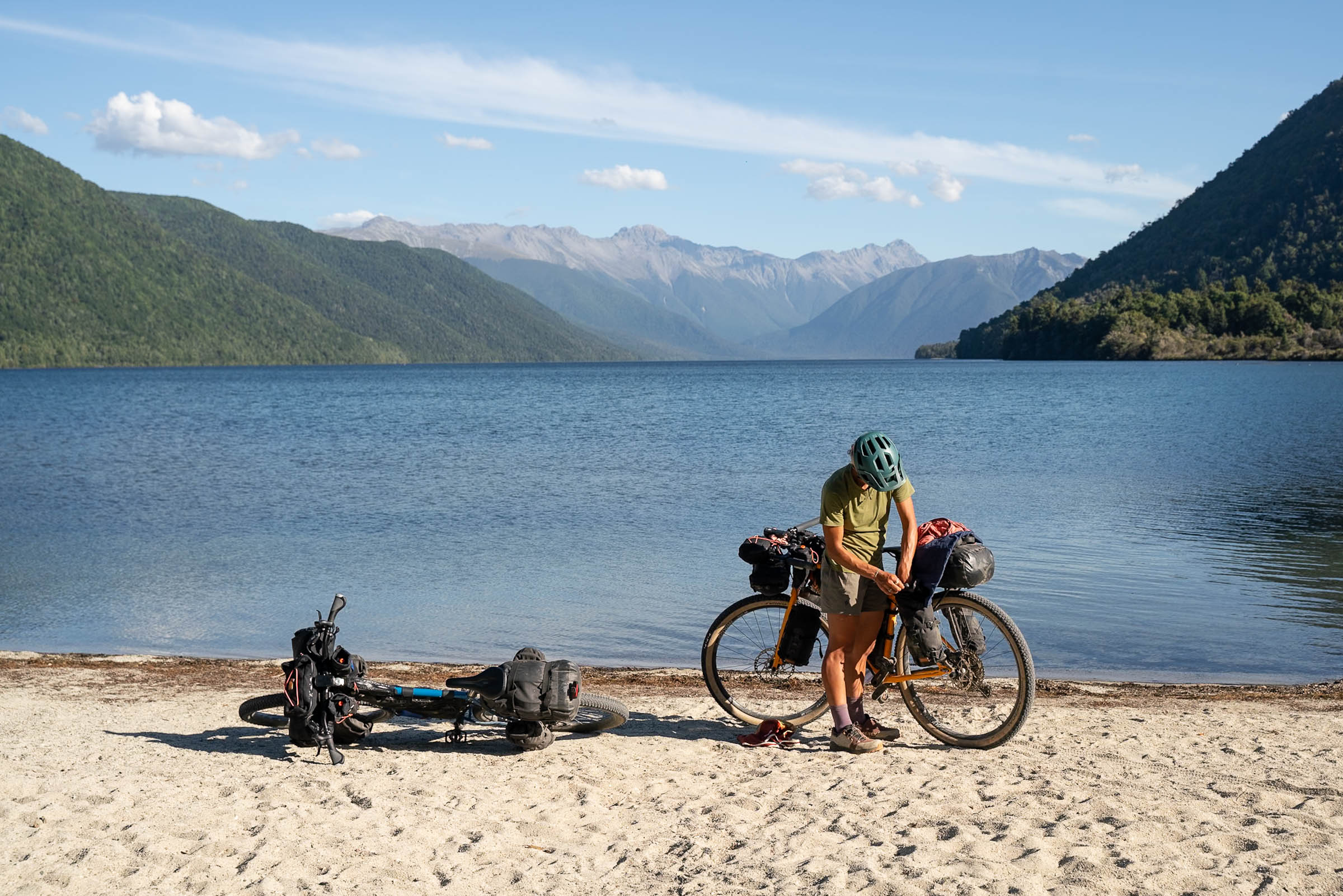
The Menstrual Cycle Map: A Trail Guide for Period-Positive Bikepacking


Six months into an ongoing bikepacking trip around the world, Britt Walker compiled this brief guide to help others navigate their menstrual cycles while traveling by bike. Find a compact collection of useful resources and her period-positive tips and tricks learned on the go here…
PUBLISHED Jul 14, 2025
Photos by Alan Danby
Mud, sweat, and blood. What a winning combo! Over the last six months of travelling around the world by bike, I’ve learned a lot about my body. More specifically, I’ve learned how to navigate living on the bike whilst on my period. I am certainly no expert in this field and am still very much figuring it out, but I wanted to share some of the things that have helped me along the way as I ride the wildly unpredictable route that is the Menstrual Cycle.

Tracking and planning
If your cycle is somewhat regular, using a period tracking app or making note of how you feel at different points in the month in your diary can help anticipate when you may need to slow down or adjust plans. I’ve found these apps especially useful for putting time aside for rest days when I’m premenstrual or aiming to stay near facilities when I expect my period to start:
That said, even with tracking, your period can still catch you off guard (classic!) or not come at all when you’re doing lots of activity. Learning to listen to my body has been invaluable. Slowing down, taking an unplanned day off, choosing a detour with less climbing, or even rerouting to somewhere more comfortable have all saved me from burnout at times.


It’s not always easy to let go of plans guilt-free (especially when your emotions are all over the shop), but I’ve found that learning to accept and adapt, rather than pushing on, often saves energy and leads to a happier ride for everyone.
Period Product Options
Access to tampons, pads, pain relief, or birth control can be tricky depending on where you’re travelling. Before leaving, I stocked up and spoke to my GP, who organised a bulk prescription for pain medication and my pill, which saved a lot of faff down the line. I was also lucky to have friends visiting who kindly brought out a top-up.

It’s worth researching the availability of menstrual products in your destination. In some countries pharmacies can be few and far between once you’re away from cities. Reusable options like menstrual cups or period pants are an amazing alternative that reduce waste, are space-efficient, and can last the whole trip if you can wash them regularly.
- Tampons & pads: If using this option, make sure to dispose of them responsibly. I always carry extra zip-lock bags for waste. Leave no trace!
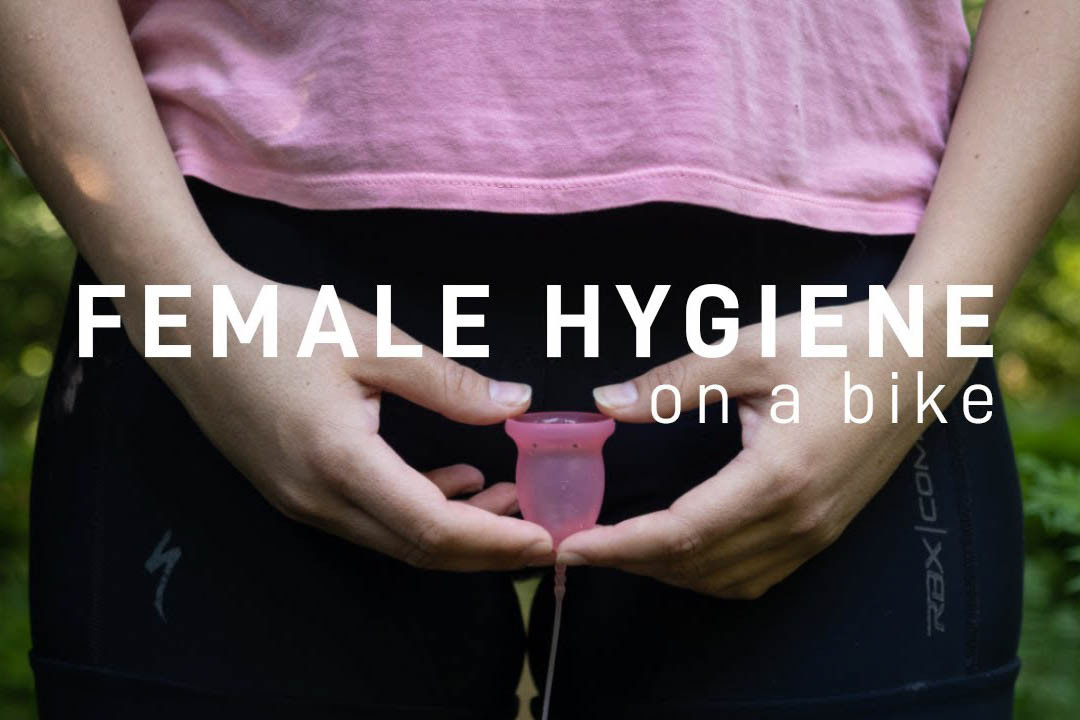
- Menstrual cup: An amazing alternative. It’s worth testing out if it works for you before setting out on a big trip. Fewer supplies to pack, no need to change as regularly, and less impact on the environment. If there are no facilities, make sure to dig a hole (like you would for going to the toilet) to bury your blood, and do so away from any water sources.
- Period pants: Also reusable, super comfy, but not always the one for wearing with padded shorts.
- Free bleeding: On lighter days, I sometimes find this a more comfortable option, and I wear merino underwear that is easy to wash, dries quickly, and doesn’t smell. I’ve done this with chamois; just wash them straight after your ride.
The Period Toolkit
I always carry a backup kit in my frame bag (or somewhere easily accessible) in case my period starts unexpectedly or we are in a rural area longer than expected. It contains the following:
- Tampons and pads (even if using a cup or period pants)
- Tissues/biodegradable wipes/cloth
- Ibuprofen/Paracetamol
- Biodegradable and phosphate-free soap
- Ziplock bags for waste (again, leave no trace!)
Comfort (and Dealing with Pain)
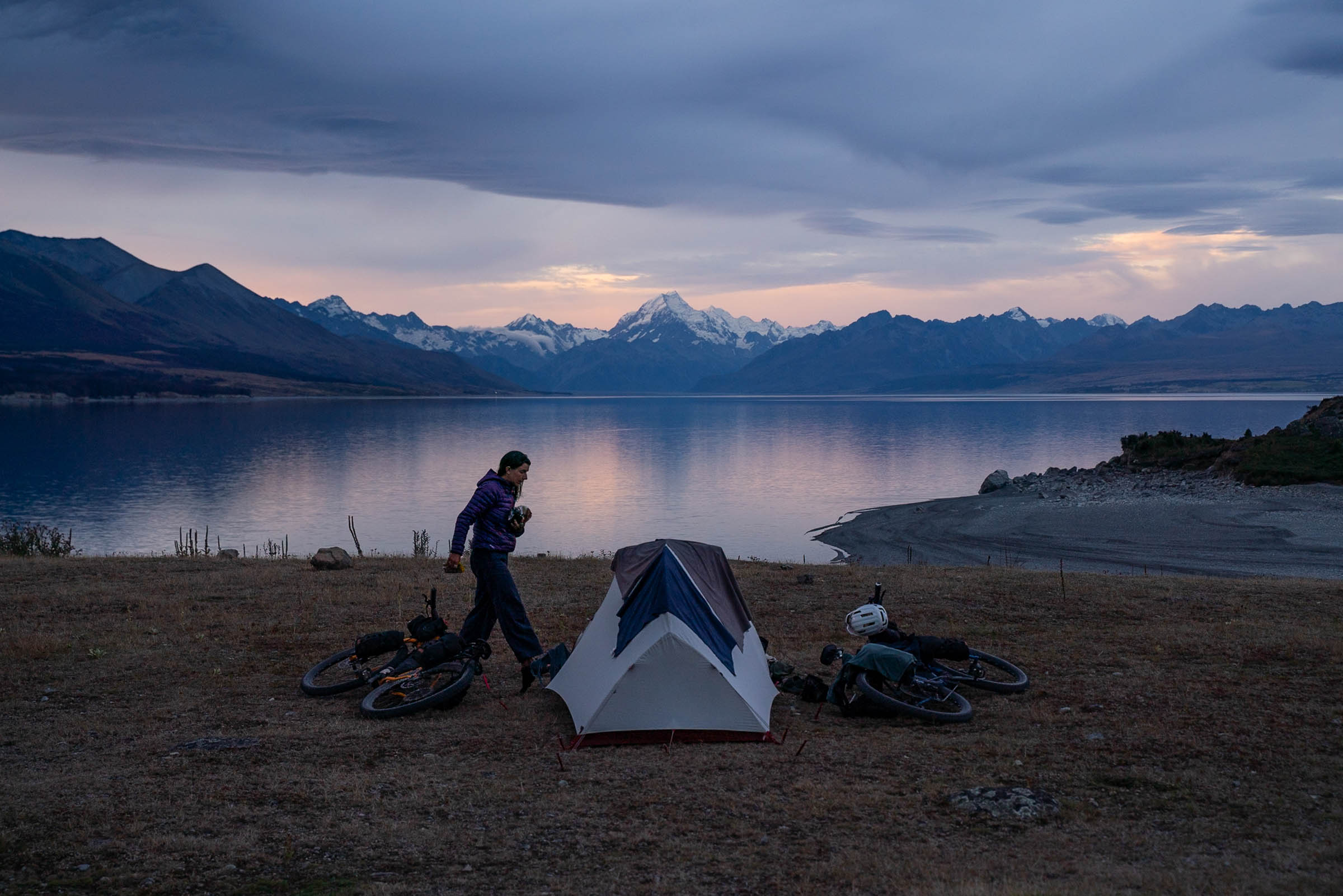
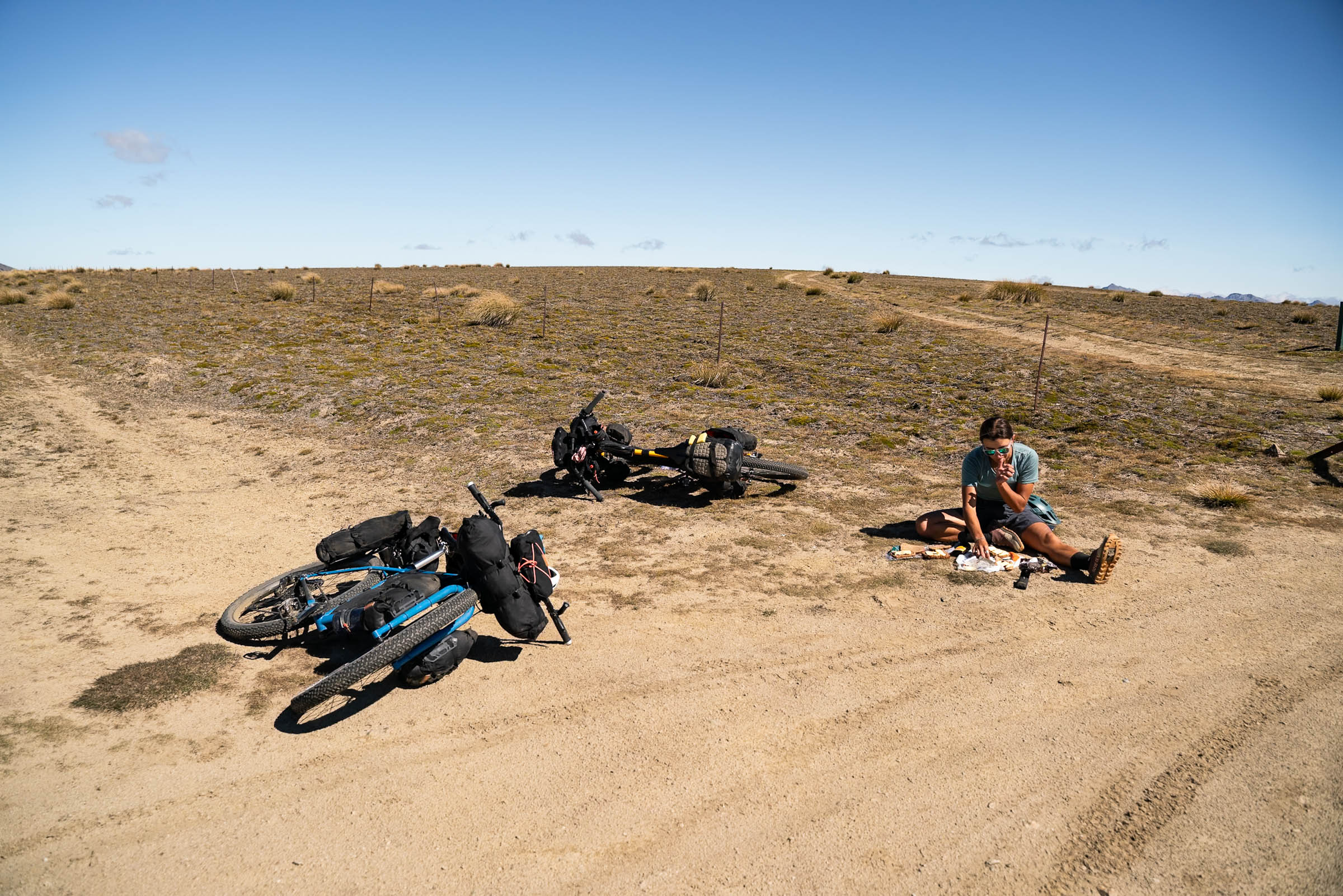
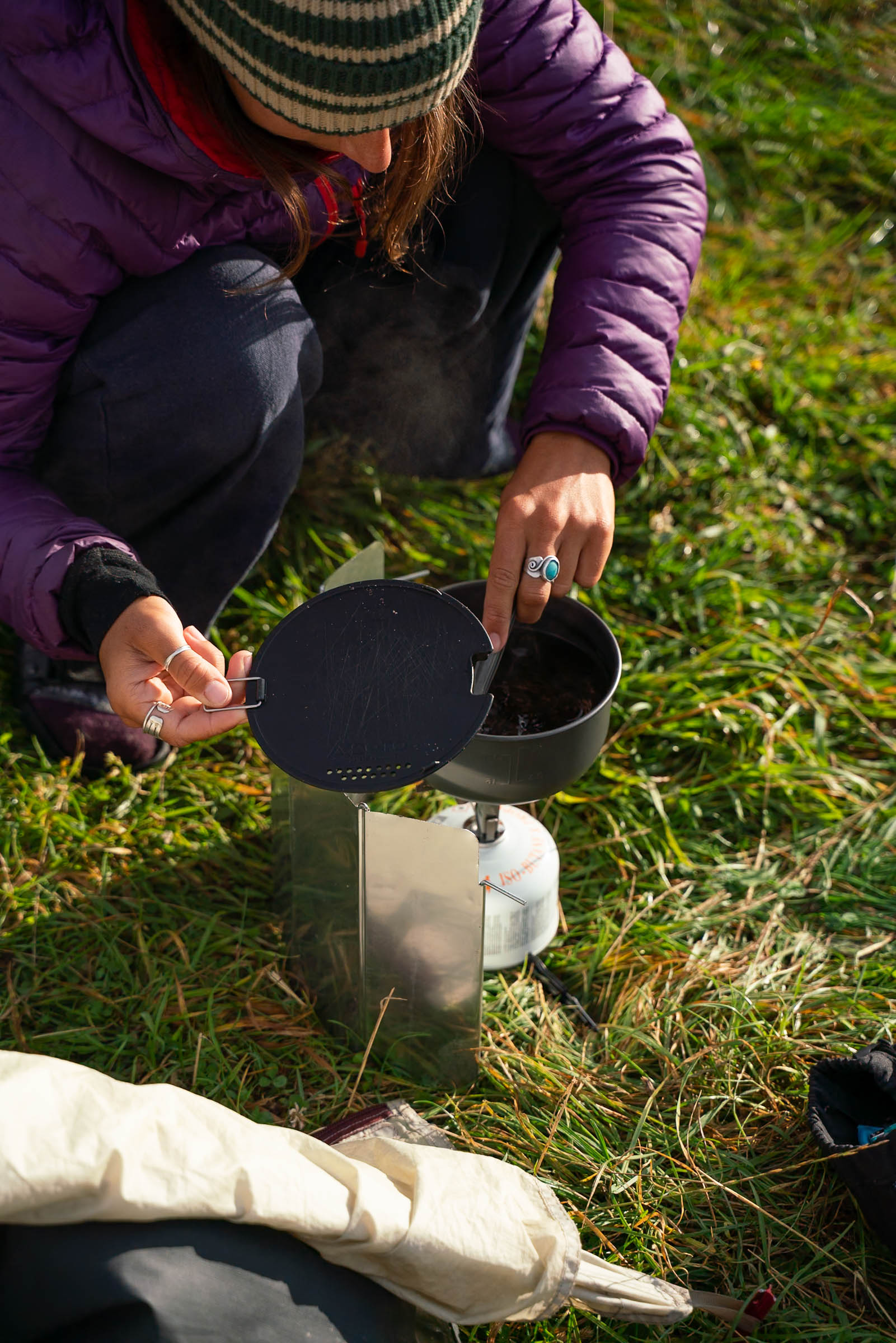
Drink lots of water and eat lots of yummy food. Snacks save many problems. A DIY hot water bottle is great. Boiling water in a metal drinks bottle is a great hot water bottle substitute! Prioritise campsites with facilities on heavier days or a camp spot near a water source. Gentle movement can relieve tension, release endorphins, and increase circulation. I find that slow spinning, stretching, yoga, and breathing exercises often help alleviate some of the pain.

Hygiene
Proper hygiene is essential to your physical well-being, and travelling by bike presents some unique challenges that most of us wouldn’t otherwise face at home. In particular, pay attention to these three topics:
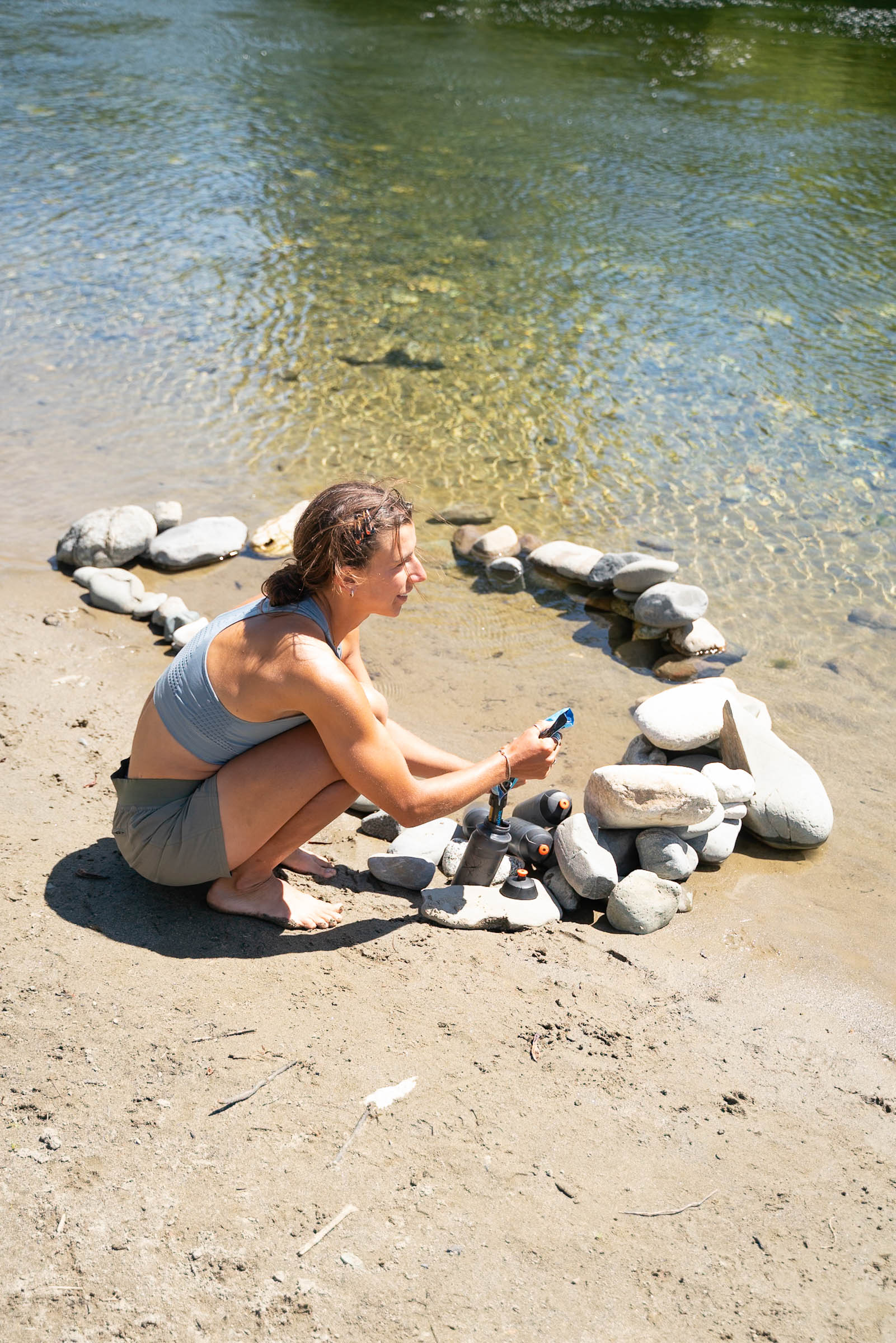
- Water sources: Country dependent, I always try to find fresh water sources every day, such as rivers or lakes, for washing. Remember to never use soap near these water sources, even if it’s biodegradable. If this is not an option, my water bottle or biodegradable wipes will suffice.
- Washing underwear and period products: Wash your underwear and bibs daily. I’ve found not wearing bibs more comfortable and hygienic on a long tour. Handlebars and guy lines make for great washing lines! I try to wash everything early on in the day to give it a chance to dry. Thoroughly dry reusable menstrual products in the sun or with a towel to prevent bacterial growth.
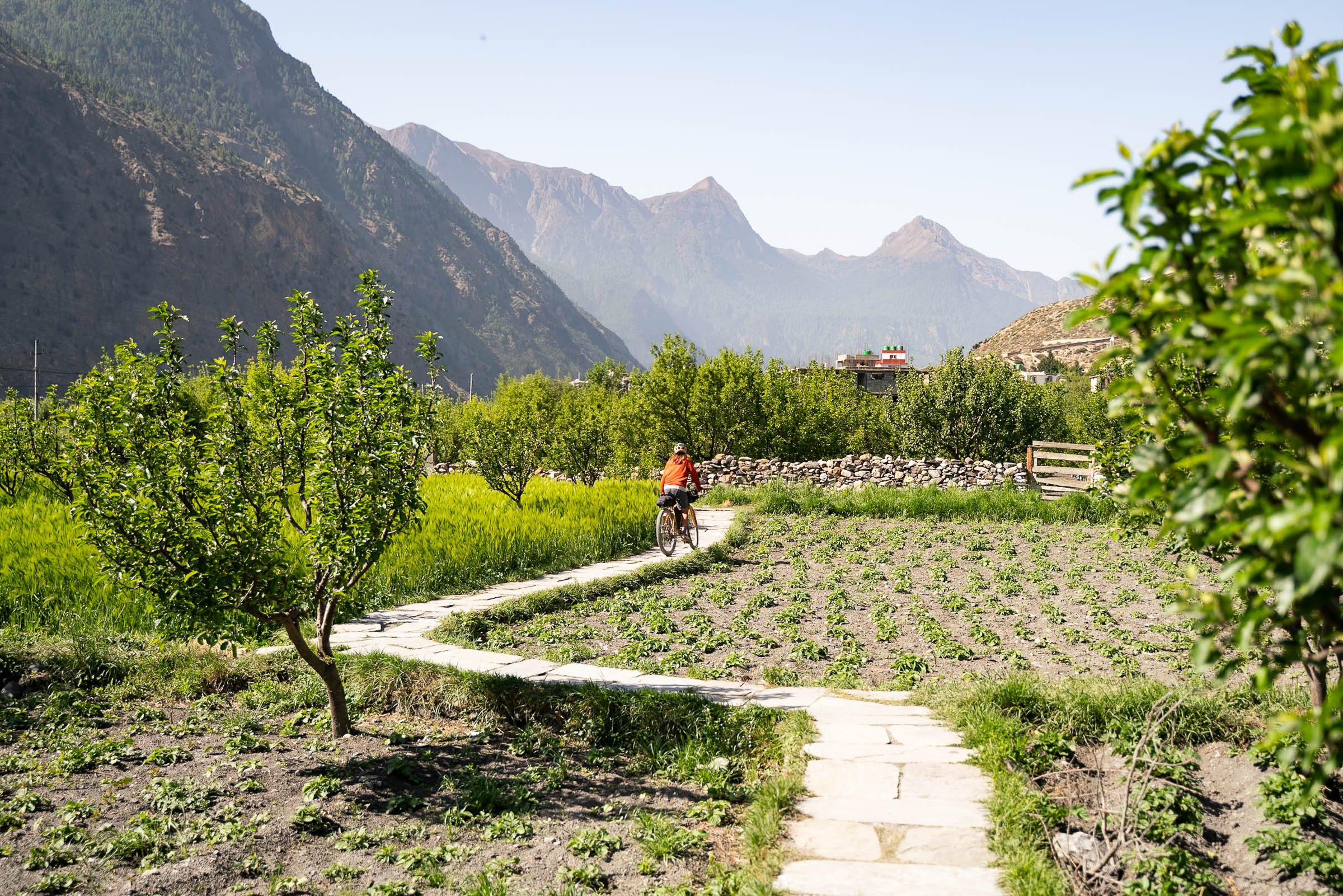
- Managing waste: Carrying zip-lock bags for waste is often essential. They come in handy in the backcountry and in many countries where facilities may lack disposal options. For example, in Nepal, I normally carry tissues and a waste bag that I leave in a separate compartment in my frame bag and deposit when I next see a bin.

Cultural Sensitivity
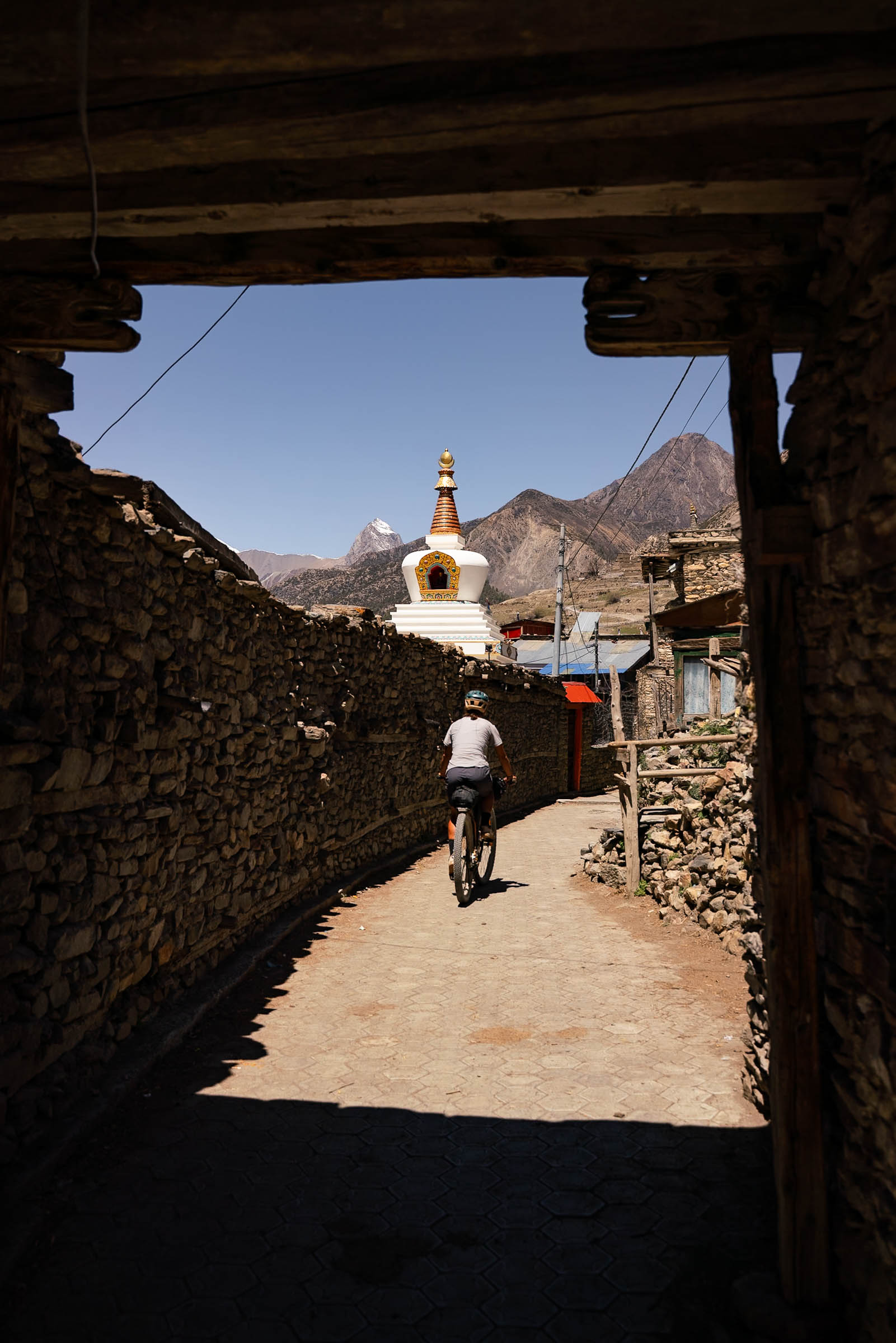
Menstruation is still a taboo subject in many parts of the world, and Nepal is no exception. Whilst riding here, I’ve seen how cultural beliefs around periods can shape daily life (particularly in rural areas). The traditional practice of chhaupadi, where women are forced to isolate during their period, has been officially outlawed, but its influence still lingers in some communities (UNICEF, 2025).
Despite ongoing efforts from grassroots activists, NGOs, and international organizations like UNICEF to improve education and destigmatise menstruation, major challenges still remain in some regions of the world. There’s a serious lack of period-friendly public toilets, inadequate workplace support for menstrual needs, and limited access to affordable, eco-friendly products (Brookings Institution, 2024). Add to that the weight of restrictive social norms, and it becomes clear how difficult managing your period can be for many individuals who menstruate (UN ReliefWeb, 2024).


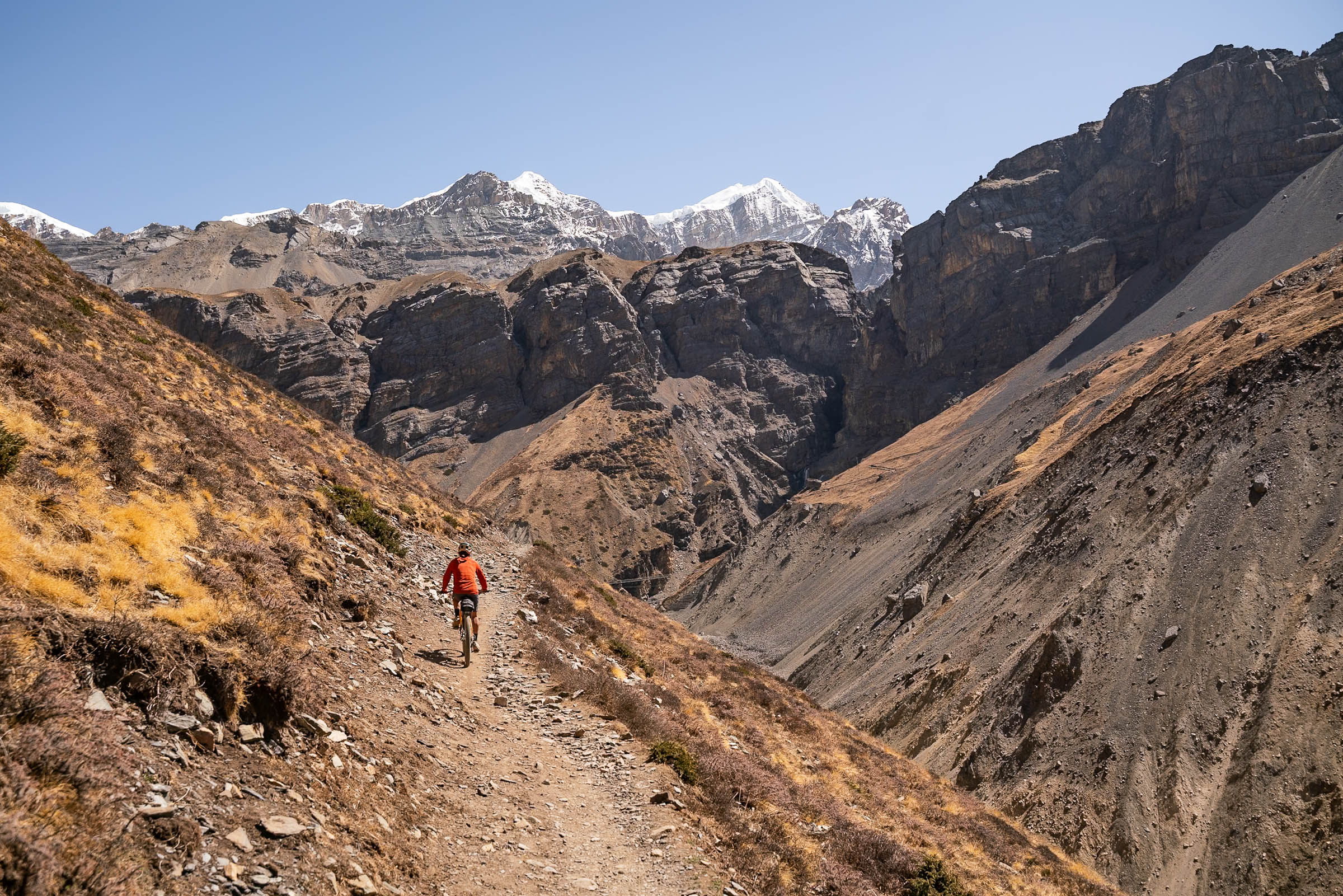
On the road, this translates into some real practical considerations. In the case of Nepal as an example again, toilet facilities are typically basic here; most places (unless in the cities) have squat toilets and a bucket of water for cleaning. Most Nepali people don’t use toilet paper, opting instead to wash with their left hand. When on my period, I have found it more convenient to carry tissues or biodegradable wipes. Sometimes there’s a designated bin, but in more remote areas, you most probably need to pack out your used products as they cannot be flushed. Hand sanitiser has also been useful for days on the bikes when running water and soap isn’t readily available.
Mindset and emotional well-being
Managing your period on the trail isn’t just about physical comfort; it’s also a mental game. I’ve found that being in tune with my body can really help. Taking a minute to stretch, breathe, or sit quietly can help reduce discomfort and improve my mood. Open communication with your cycling partner or group is super important. Being honest helps build understanding and support that makes for a much better time on the trails.
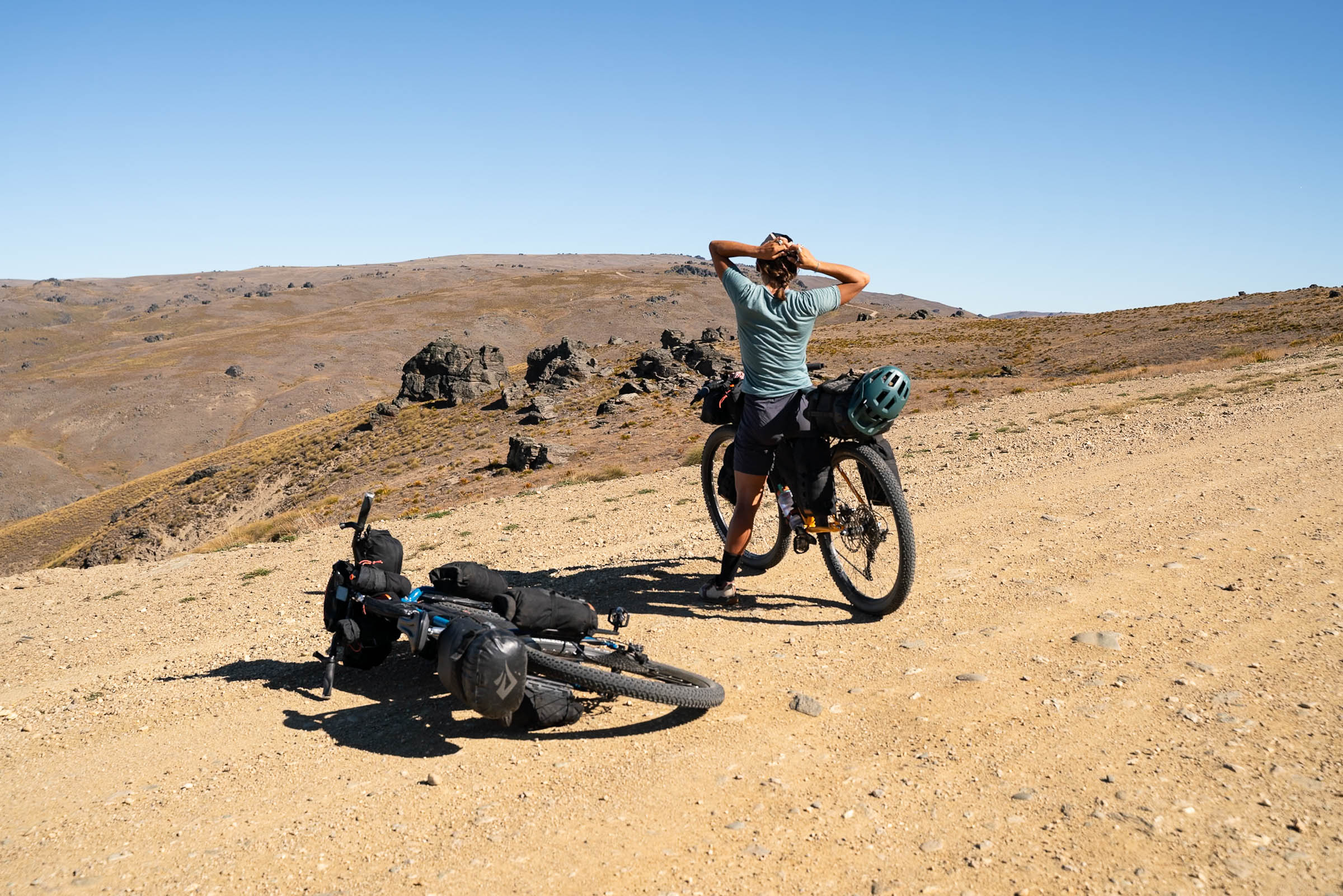
At the end of the day, cycling on your period isn’t always fun, but it’s an incredible achievement and feels empowering. Pedalling through cramps, low energy, and emotional ups and downs deserves some serious credit, and we should all be celebrating our bodies!
References
- UNICEF (2025). Menstrual Health and Hygiene Management in Nepal.
Brookings Institution (2024). Menstrual health as a public health and human rights issue. - UN ReliefWeb (2024). Menstrual Hygiene Day Report: Nepal Progress and Challenges.
- Bikepacking.com. (2020). A Guide to Bikepacking on your Period.
If you’ve got your own tips and tricks for bikepacking on your period, I’d love to hear them in the Conversation below!
Further Reading
Make sure to dig into these related articles for more info...
Please keep the conversation civil, constructive, and inclusive, or your comment will be removed.