

 Singletrack/MTB
 Gravel/All-road
 Dirt-road Touring
 Fat-bike


10 Things I’m Not Buying in 2026



After a recent experience forced him to confront the overwhelming amount of stuff he’s accumulated in recent years, Lucas paused to reflect on the reality that he’s not nearly as immune to the firm grip of consumerism as he once thought. From new bikes to electronic gadgets and more, explore his list of 10 things he’s swearing off in the year ahead here…
PUBLISHED Apr 8, 2026
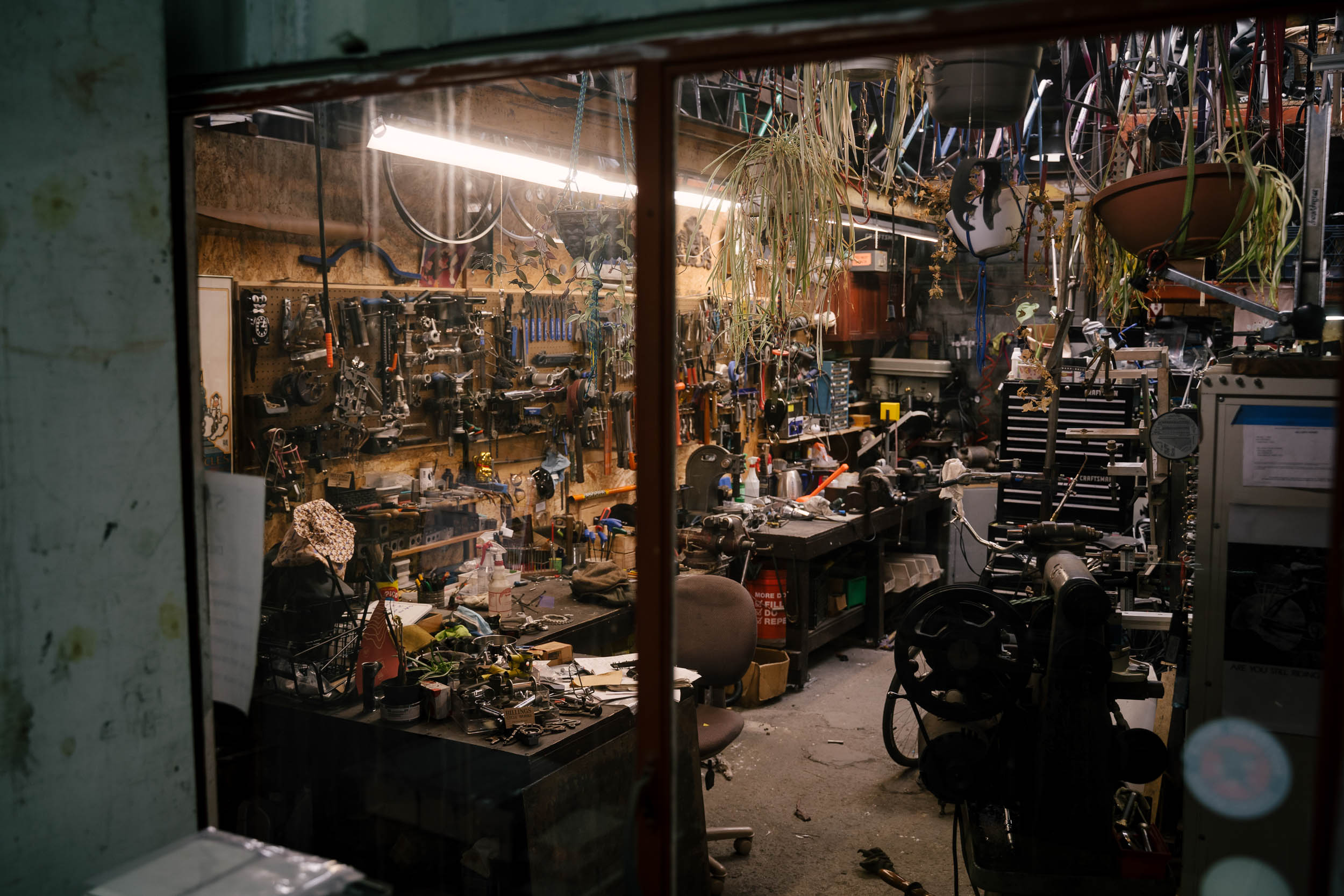
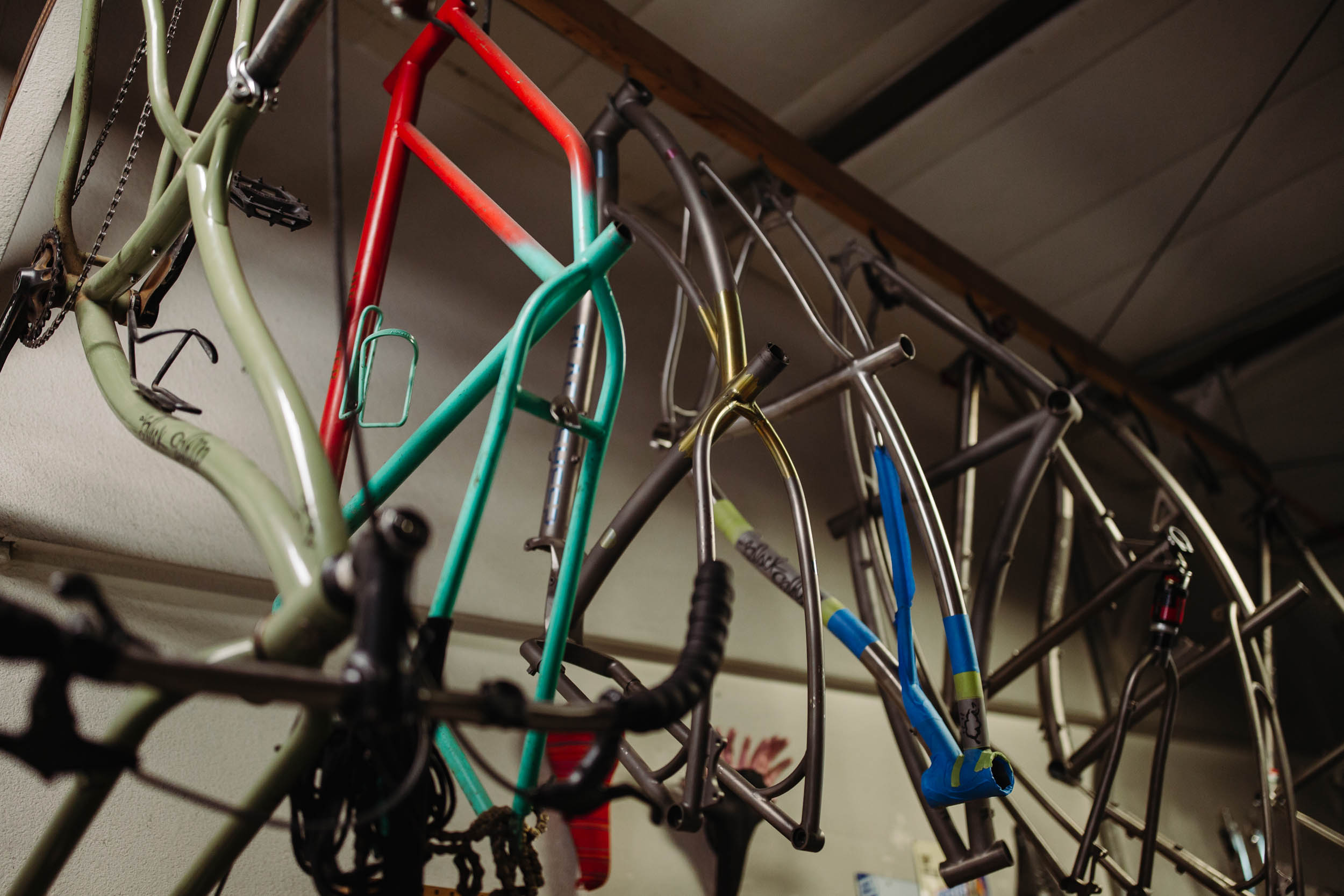
At my wife’s not-so-subtle suggestion, I spent most of a recent weekend thoroughly spring-cleaning and organizing my basement workshop. She was right: the clutter had spiraled out of control over the past year, and getting it back in order was long overdue. Drawers couldn’t even close, parts overflowing from each one, and half-finished builds hung precariously from the rafters. Components were strewn about in piles, and I could hardly see the top of the workbench, let alone use it.
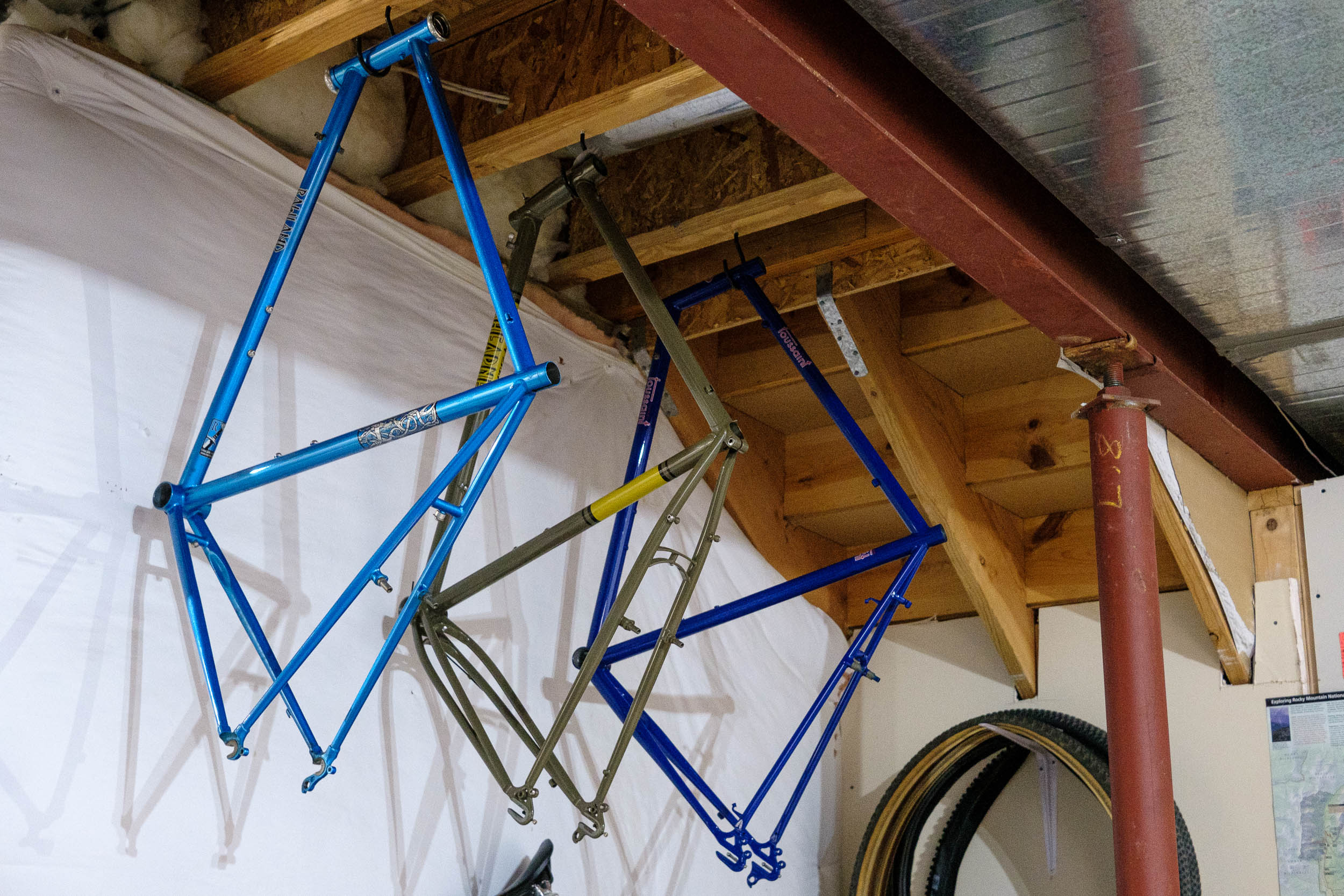
The shop has mostly been tidied up and feels much calmer and more open now, but the stuff at the root of the mess remains. The overwhelming, time-consuming experience of putting everything back in order made me regret many of the impulse projects my past self thought it’d be wise or fun to take on, and I found myself wishing I could snap my fingers and make much of it vanish. Instead, I have more work cut out for me, donating some items to my local bike co-op and eventually listing others for sale online.
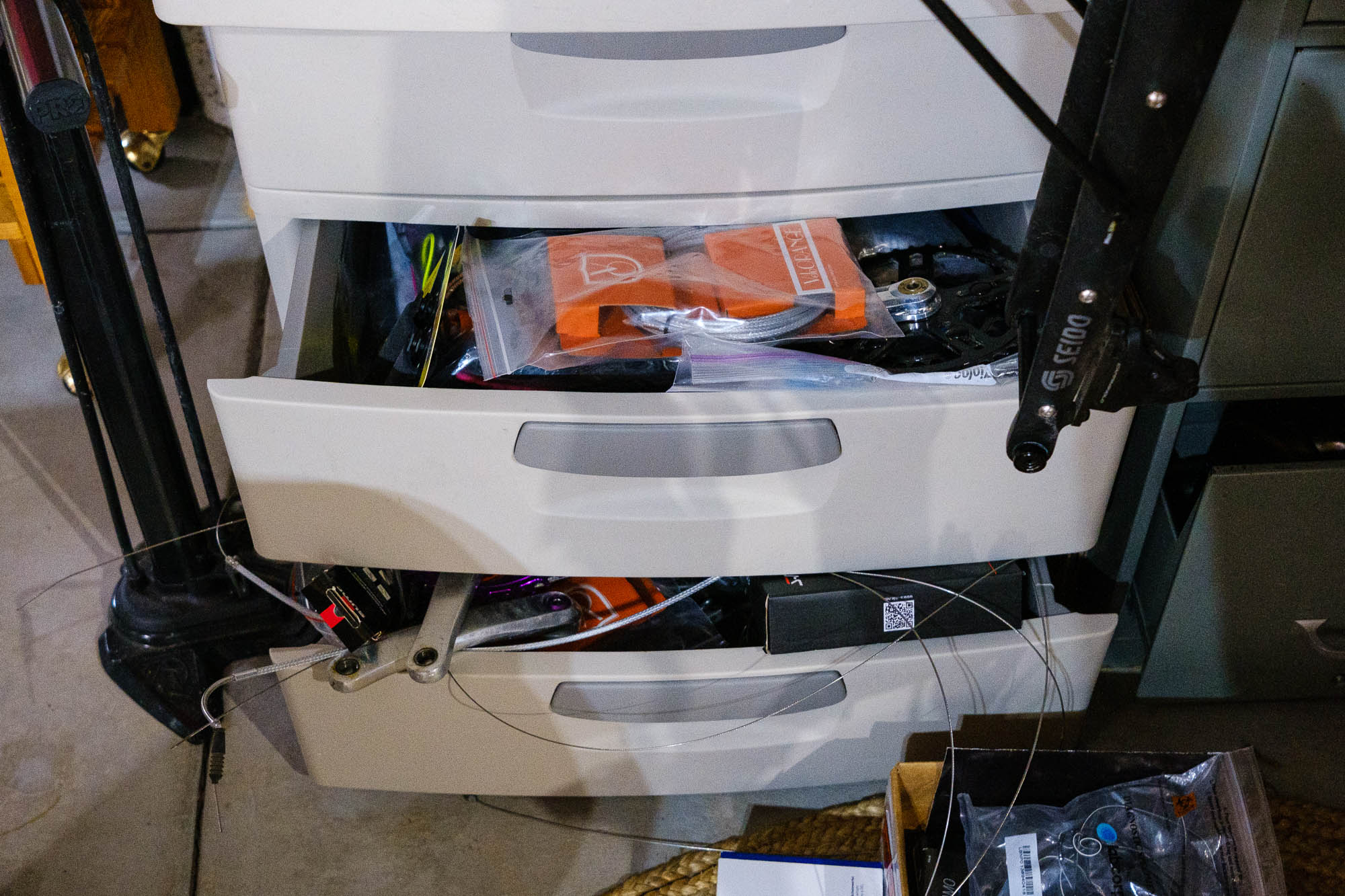

Despite bikes and gear being a serious blind spot, I think I’m pretty good at resisting consumerism in most of its other forms. And in hopes of saving myself from ending up back here this time next year, I’ve been adopting new habits and drawing lines in the sand. I started the year with a trendy no-buy challenge, where I tried not to purchase anything beyond the bare essentials for a month, and it was illuminating. However, despite having saved considerable money, I didn’t find it to be a sustainable approach. Instead, I’ve identified many purchase categories I’m opting out of for 2026. Find a list of 10 below, but before you dive in, let me clarify that this isn’t intended to be buying advice or to tell anyone how to live their life. It’s highly individualized and totally non-prescriptive—what works for me might understandably not suit you.
Electronics
Grab any random electronic device off the shelf today, and it’s almost certainly more powerful and capable than anything I could have imagined back when I was playing Number Munchers in the school computer lab in the ‘90s or shooting blurry photos on my four-megapixel Sony digital camera in the early 2000s. All things tech have advanced and breakneck speed, and for my purposes, I genuinely believe everything I could ever need already exists.
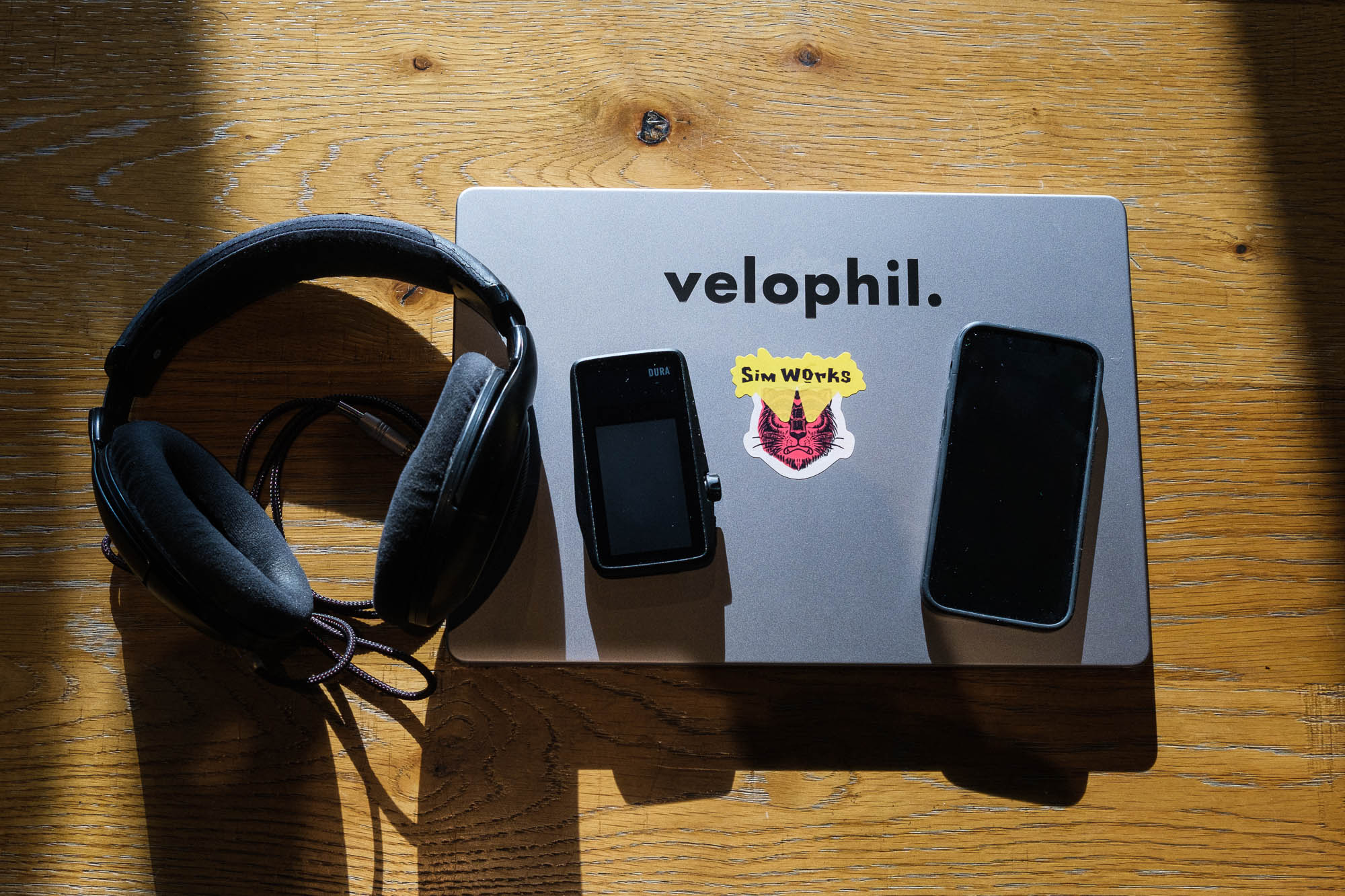

Planned obsolescence and the corporate need to sell more stuff mean ever-shorter product lifespans, but the upgrade cycle isn’t really yearly. Far from it. Despite being “outdated” by now, I still rely on my MacBook Pro from 2021, Fuji X-T3 camera from 2018, iPhone 13 Mini from 2021, COROS DURA from 2024, and Sennheiser headphones from a decade ago. Many years on, they all work phenomenally well, and I’ll continue using them until the break, which I don’t suspect will be any time soon. Sure, I’m missing new features, power, and megapixels, but none of that is compelling enough to abandon the perfectly good devices I already own until the need arises.
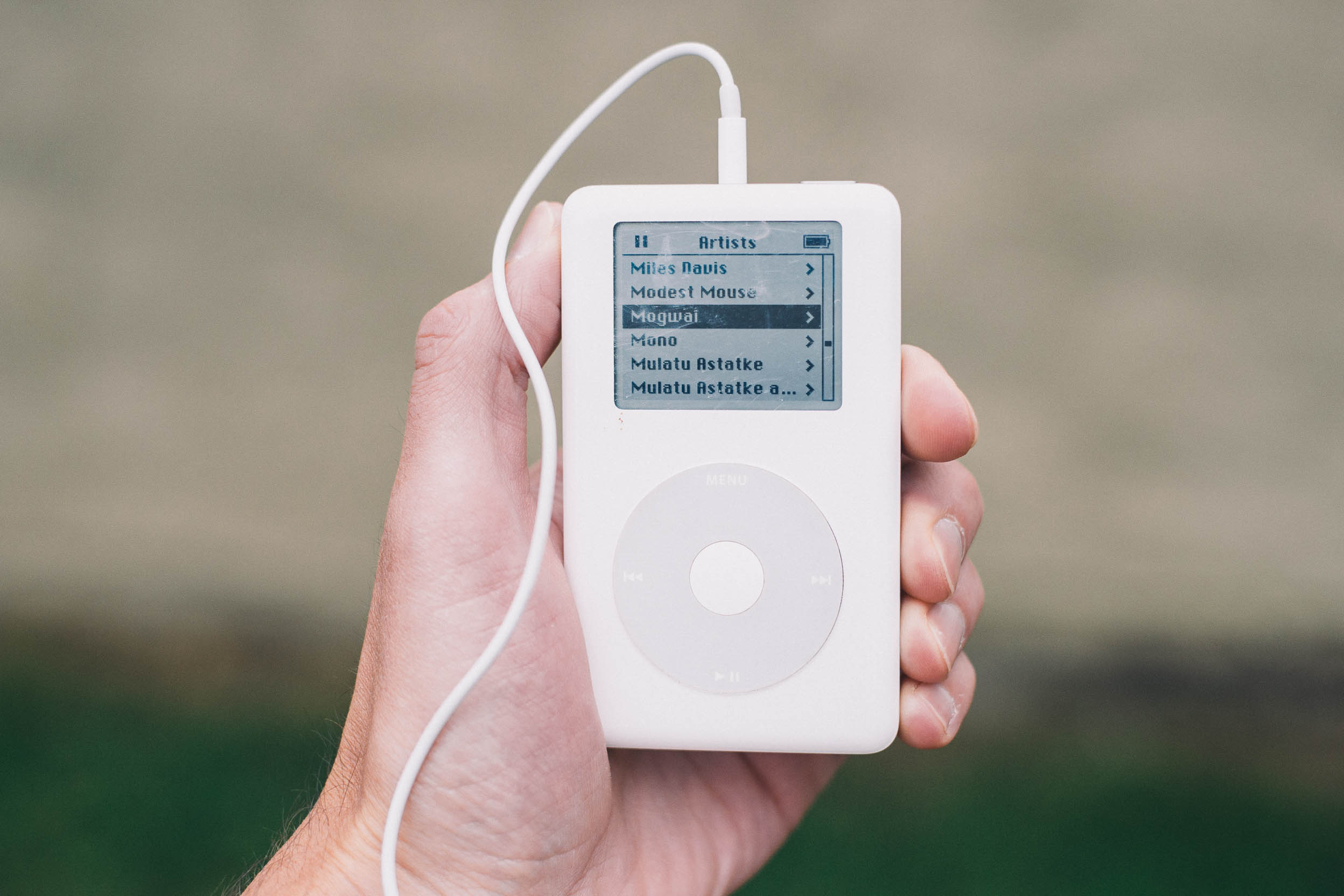
I don’t tend to feel much toward my electronic gadgets, but one of my all-time favorites was my old iPod, which I bought new in maybe 2004 and used daily until the iPod itself was a thing of the past. No ads, no need for wifi, no nonsense—just a charmingly simple way of playing the hits. I ended up selling it to a guy in Berlin for 20€, a decision I’ve regretted more than a few times since then. I told him I could wipe it for him or give him my entire music archive, and he chose wisely. I like to think he’s still out there, somewhere, listening to my favorite Mogwai albums.

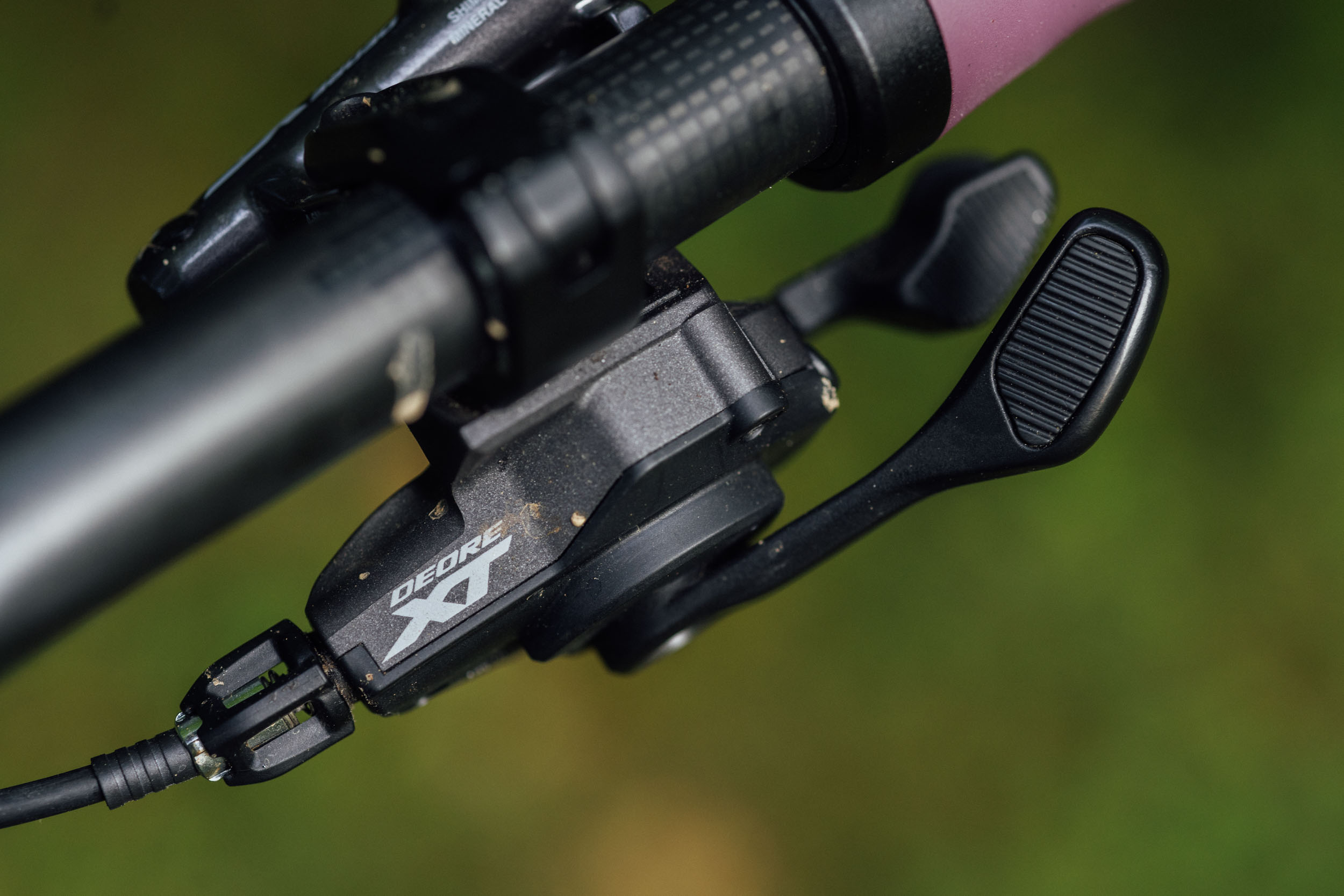
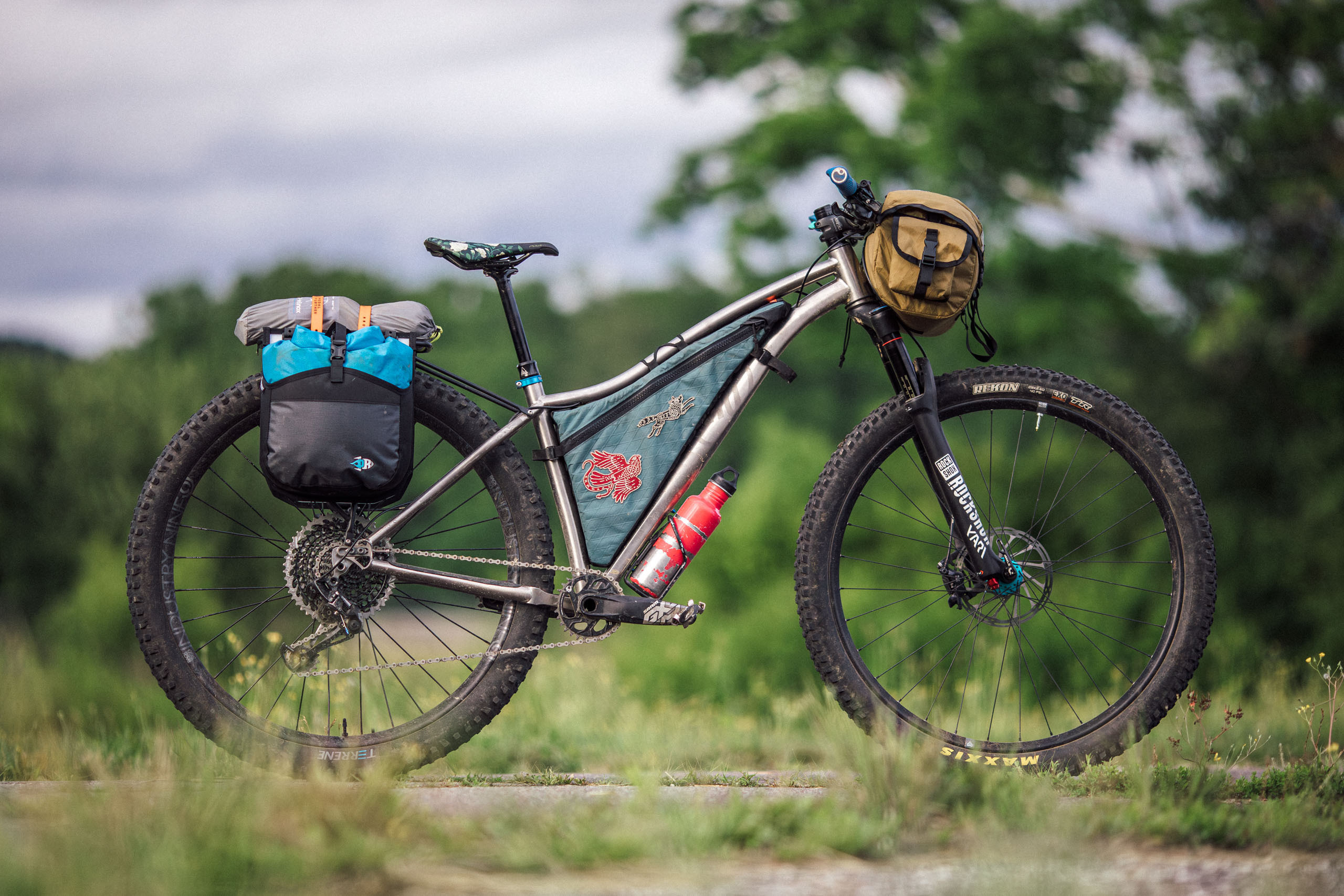
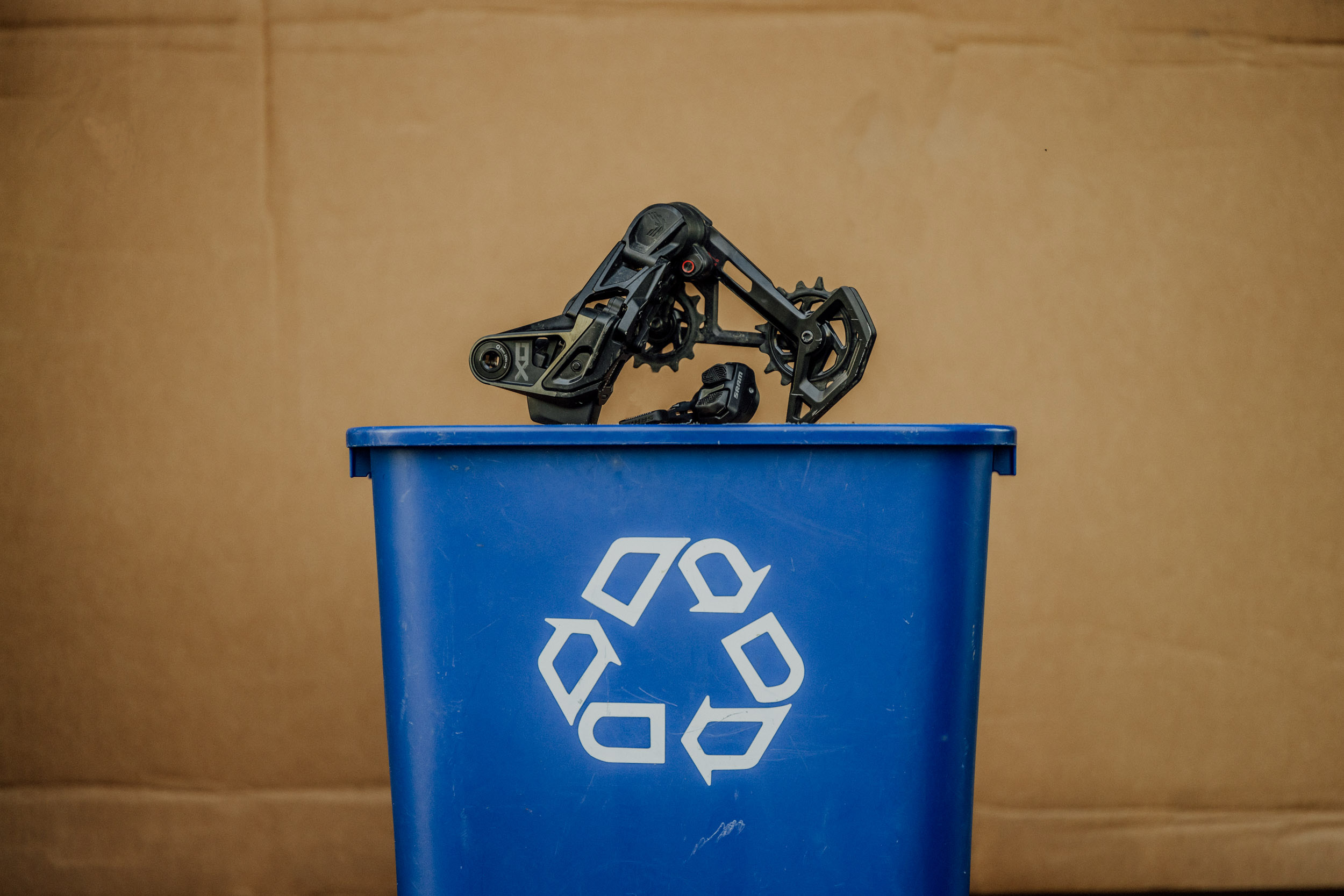
Also included in my buying embargo are electronic groupsets, not so much because of any strong feelings against them, but because I’m perfectly content with 11/12-speed mechanical shifting on my bikes. Having ridden a handful of electronic groups on review bikes, I don’t need any convincing about the merits of their incredibly smooth and accurate shifting, but considering their high cost—even with industry connections—they’re not solving any real problem for me, and I don’t need extra battery anxiety in my life. I picked up a 12-speed Shimano XT mechanical groupset for the hardtail I’m currently building, and it feels like the perfect choice in terms of cost-to-performance.
Things I Can Do or Make Myself
Go back far enough in my cycling history, and there was a time when I needed a bike shop to change a tube for me. Fast forward a while, and it was installing a headset or setting up tubeless tires. I’m still the furthest thing from a brilliant mechanic, but I’ve taught myself a lot of bike maintenance skills over the past couple of decades, which has been an empowering journey. No matter where you are in your relationship with working on bikes, learning the next skill is a worthwhile pursuit, whether it’s something simple like swapping brake pads or disc rotors, or a more involved task like building a pair of wheels or bleeding your first hydraulic brake.
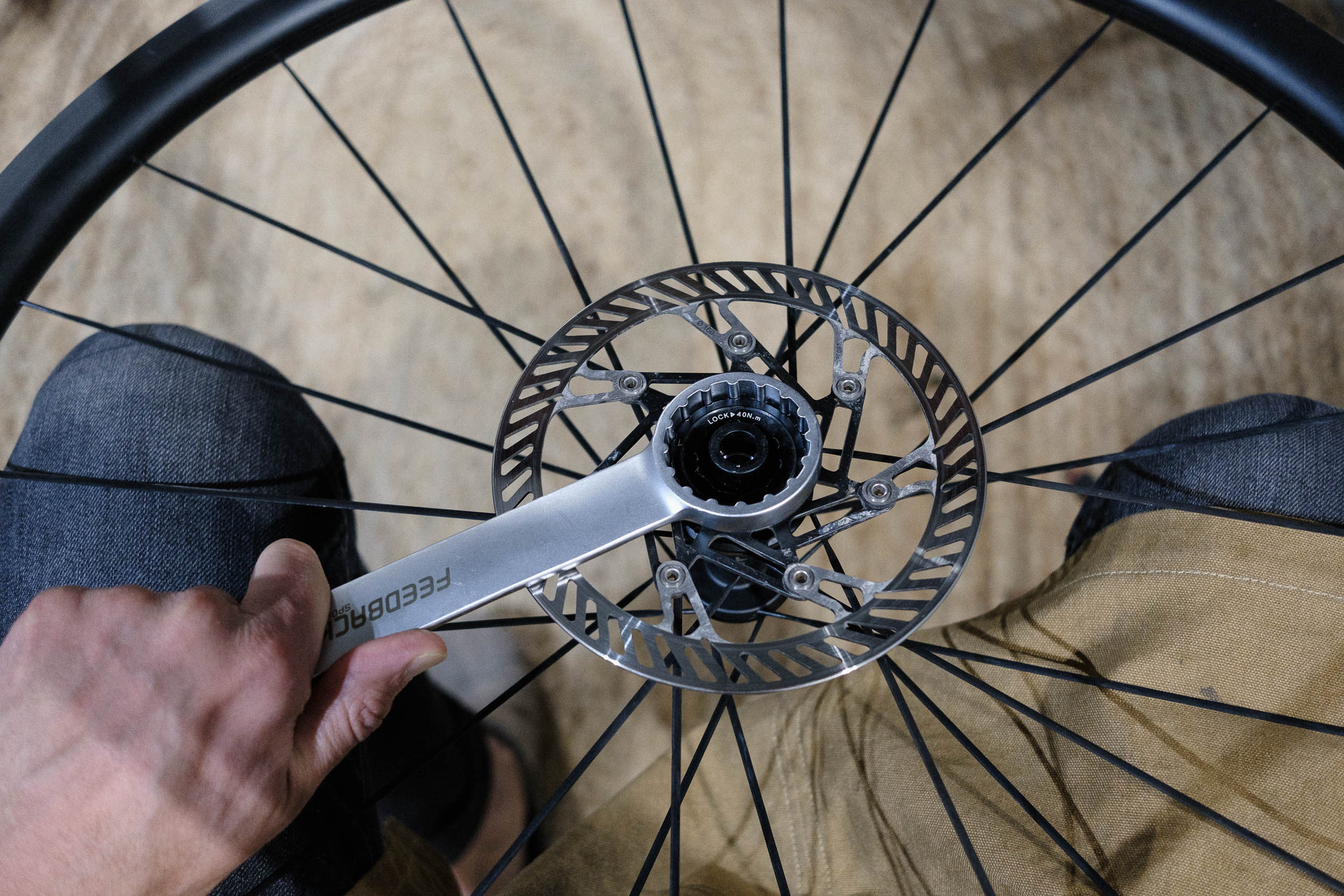
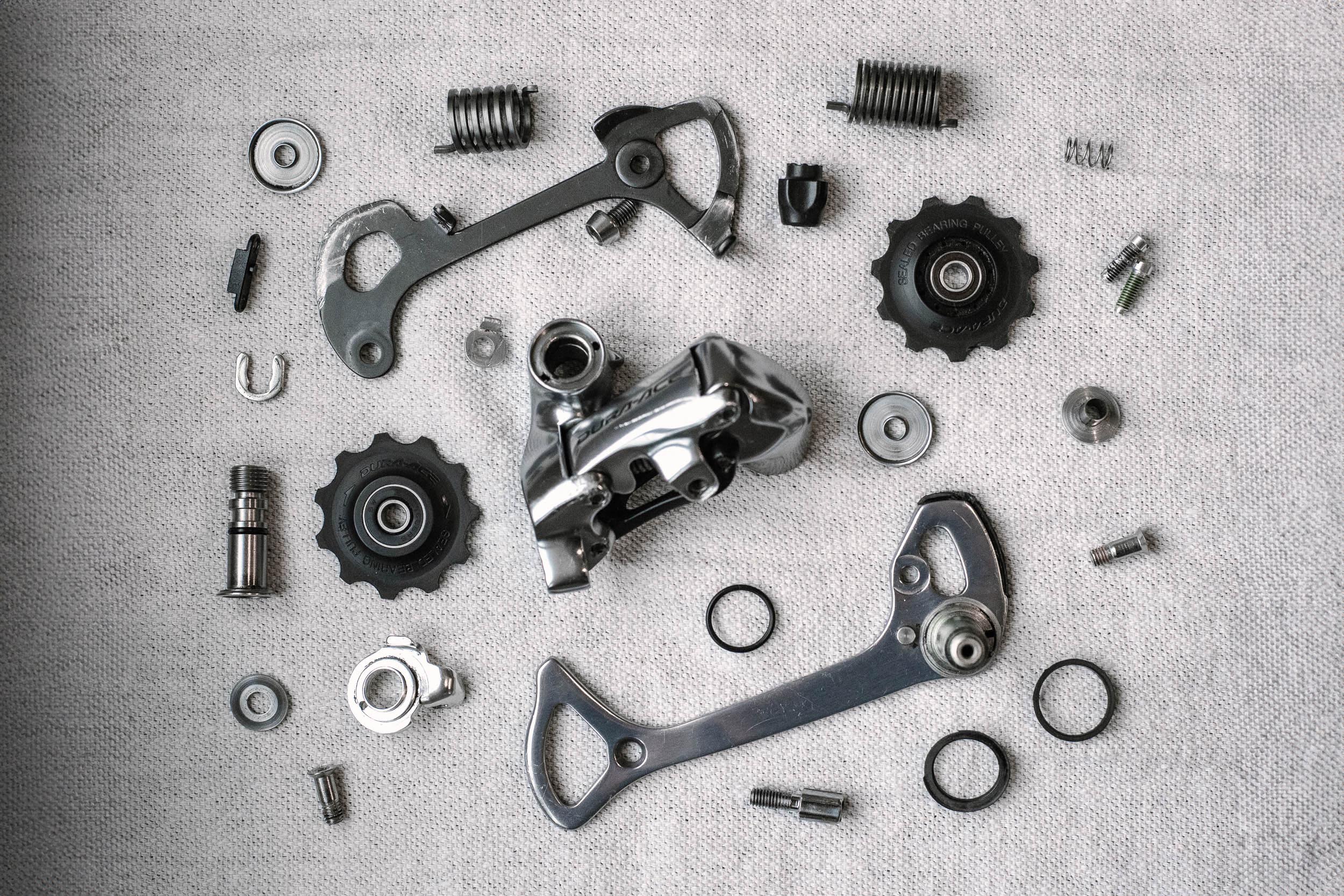
For as eager as I am to work on my bikes, owning my first home has been enlightening, revealing how many common DIY skills in other realms I’ve subconsciously always viewed as off-limits. This year, I’m not buying stuff I can learn to do myself, whether it’s around the house, in the kitchen, or in the workshop. I’m continuing to embrace a do-it-myself approach to many things that once felt foreign but are only a video tutorial or phone call to a knowledgeable friend away. The savings add up unimaginably fast, even from a single project, especially if you can borrow or rent tools you’re only likely to need once.
Expensive Bike Travel Cases
There are some impressively feature-rich bike-specific travel cases on the market these days, a few of which we’ve shared in recent months. But after owning a couple myself, I’ve gone fully back to good old-fashioned cardboard boxes. The cost of a dedicated travel case might be easier to justify if I flew more often, but for the one flight I take with my bike on average each year, a ~$1,000 hard or soft case is squarely in the ultra-luxury category. It’s also yet another thing to figure out where to store throughout the 11 months of the year I’m at home.
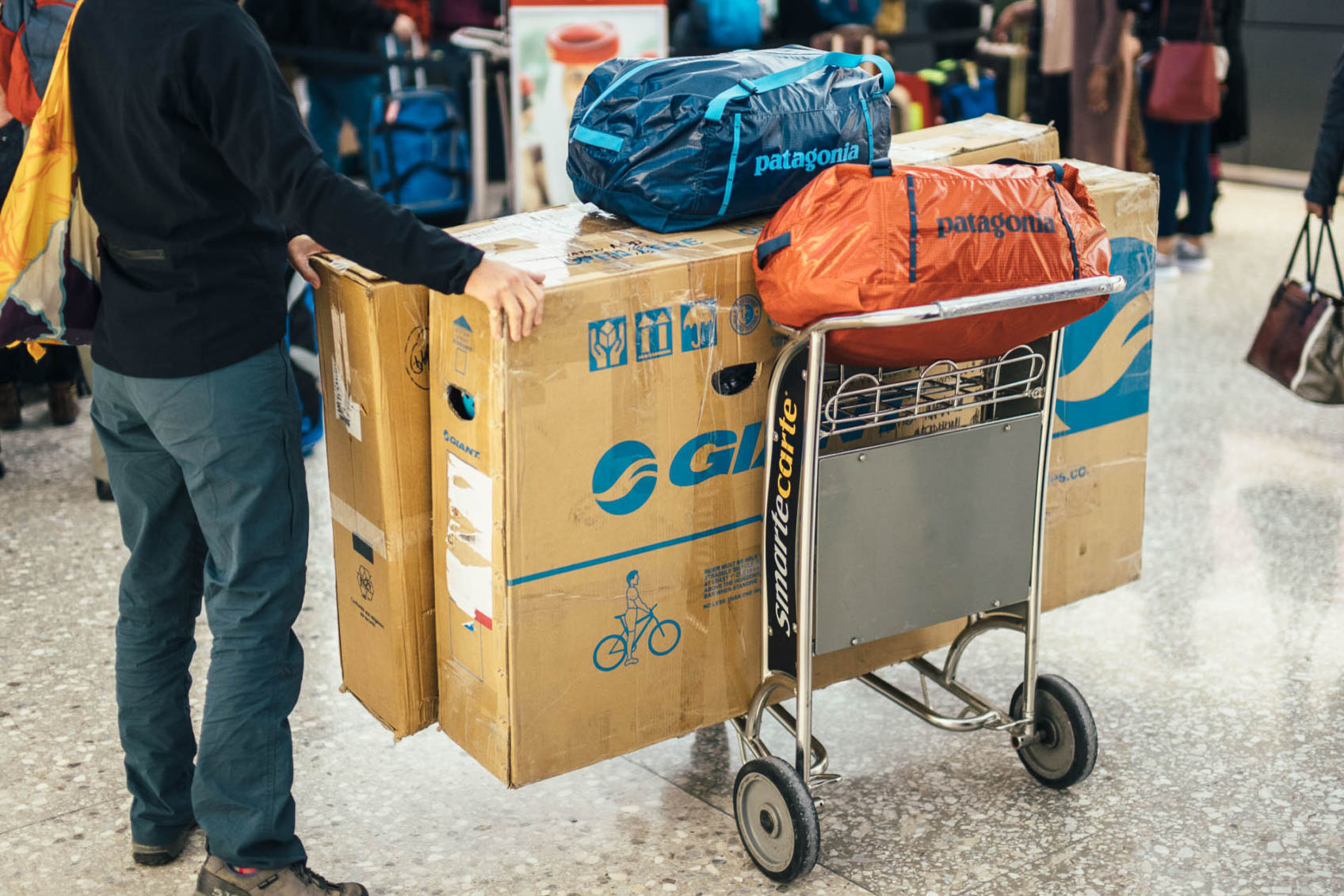


With a little planning and a friendly phone call, a quality cardboard box is likely available from your local bike shop—just be sure to buy a tube or a bottle of chain lube when you stop in to pick it up. A purpose-made bike case can create logistical headaches upon arrival at your destination, requiring you to arrange storage or figure out how to forward it to wherever your route ends. Cardboard boxes can easily be recycled or passed on to fellow bicycle travelers. I’ve lucked into several “take a box, leave a box” situations at hostels or just tracked down a fresh box from a local shop at the end of my ride on many occasions. This approach costs next to nothing and helps give a cardboard box a second (or third) life before recycling.
The Cheapest or Most Expensive Option
This one’s slightly more abstract, but it’s a general principle that has long helped me when making purchases and will continue to do so into 2026 and beyond. In short, I rarely buy the absolute cheapest or the highest-end option. Most of the time, I believe there’s a sweet spot somewhere in the middle. You pay a premium for products in this zone, but that added amount usually gets you something that’s better designed and made from higher-quality materials.

Too many times in the past, I’ve cheaped out and bought something substandard to save money, only to regret it when whatever it was broke or wore out shortly after (note that this isn’t the case with generic versions of things like medicine or cleaning products, which I always buy). Conversely, I’ve fallen for marketing and paid a premium for something that was merely rebadged and available for significantly less elsewhere, or relied heavily on brand recognition despite not being anything special.

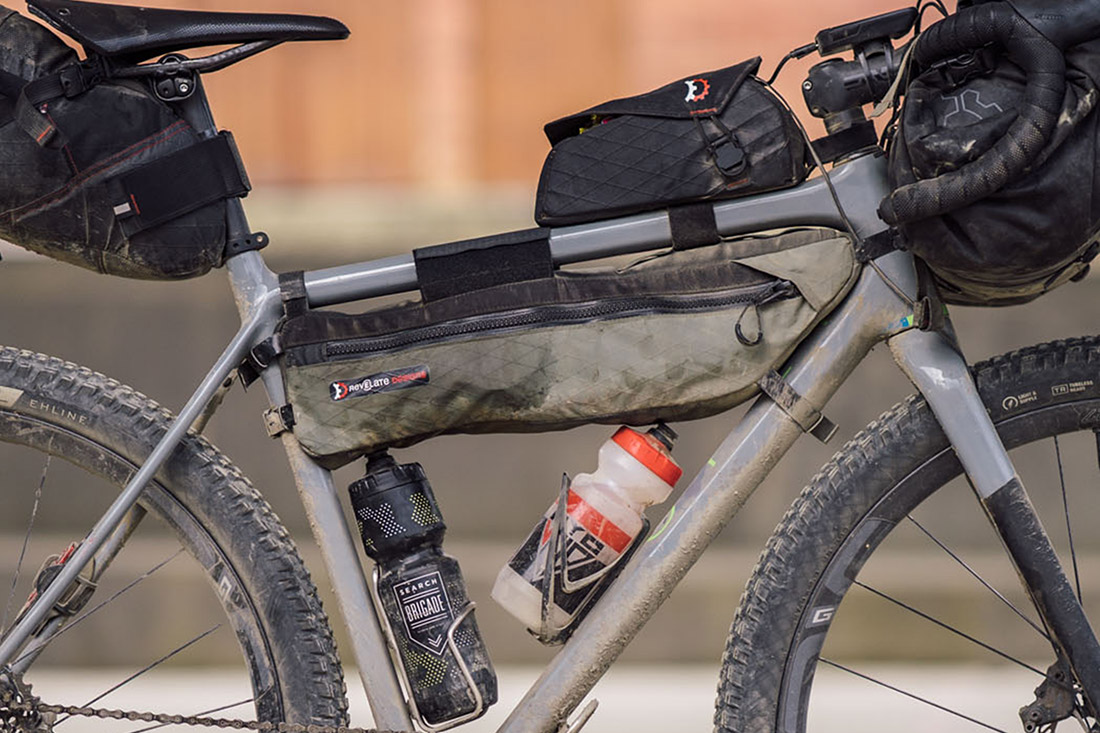
A few assorted items I consider to be in the sweet spot are my Red Wing boots, which I paid around $250 for and will probably have for the rest of my life; my Allen wrench set from Wera; my Casio G-Shock watch; my Snowpeak Ti spork; and the various bikepacking bags I’ve owned from Revelate Designs and Ortlieb. Production bike brands I’d put in the sweet spot category would include Esker, Sour, and Tumbleweed, to name a few. For everything in this list, which is by no means exhaustive, there are many cheaper and more expensive options, but they’re all benchmarks of good value in my opinion. As a final example, if choosing among a hypothetical $59 Walmart rain jacket, a $200 REI-branded one, and a $500 Arc’teryx option, I’d likely go with the REI one for my money—after researching each, of course.
“Bargains”
As a follow-up to the point above, just because something is a good deal or on sale doesn’t mean I’m buying it. Exercising restraint is just as important as being a savvy consumer, no matter how much disposable income you have. In 2026, I’m not buying new hobbies on a whim or thrift store scores, no matter how good they are. This is how I’ve ended up with a vinyl record collection, various broken film cameras, books I’ll never find time to read, and who knows what else.
Airbnb Stays
In my experience, there are few better examples of enshitification than Airbnb. It was a genuinely innovative idea when it launched nearly 20 years ago, and there was a time when I enjoyed staying in Airbnbs, often on either end of a bike trip. In those days, I’d often meet the owner in person, who was renting out their characterful place, and it was a cheaper alternative to a hotel. Over time, Airbnb’s nature changed dramatically, and it’s now better known for cheaply furnished, poorly cleaned units that are often operated by people who manage many properties, squeezing every last penny out of guests with exorbitant cleaning and service fees. It’s also understandably unpopular among locals, adding to housing shortages and ultimately making cities less livable—nothing new here.

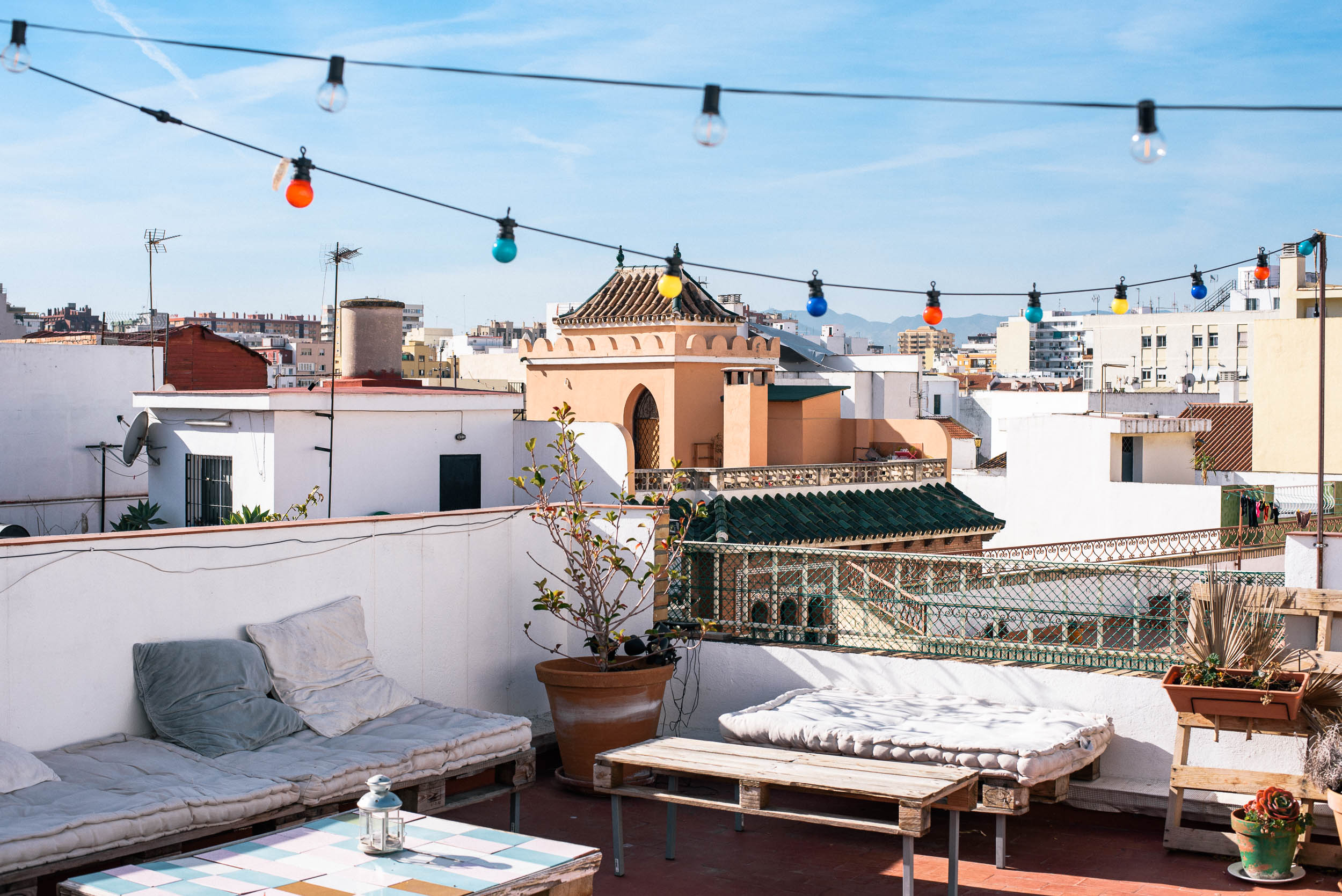
Having admittedly stayed in a couple of Airbnbs while traveling last year, when there weren’t better easy options, I’m making a more deliberate effort to avoid them in 2026. Instead, I’m making a point to stay at locally owned hotels and B&Bs and to take more friends up on their offers to stay on their couches or in their spare rooms, a welcome chance for connection and rides together.
Pre-Made Camp Meals
As I wrote about in my 2025 Editor’s Dozen, I swore off freeze-dried camp meals sometime around 2015. Despite knowing they’ve come a long way since the mushy Mountain House meals I was hauling around back then, simply pouring hot water into a packet means missing out on the enjoyment of cooking up a scratch-made meal, however basic it may be.
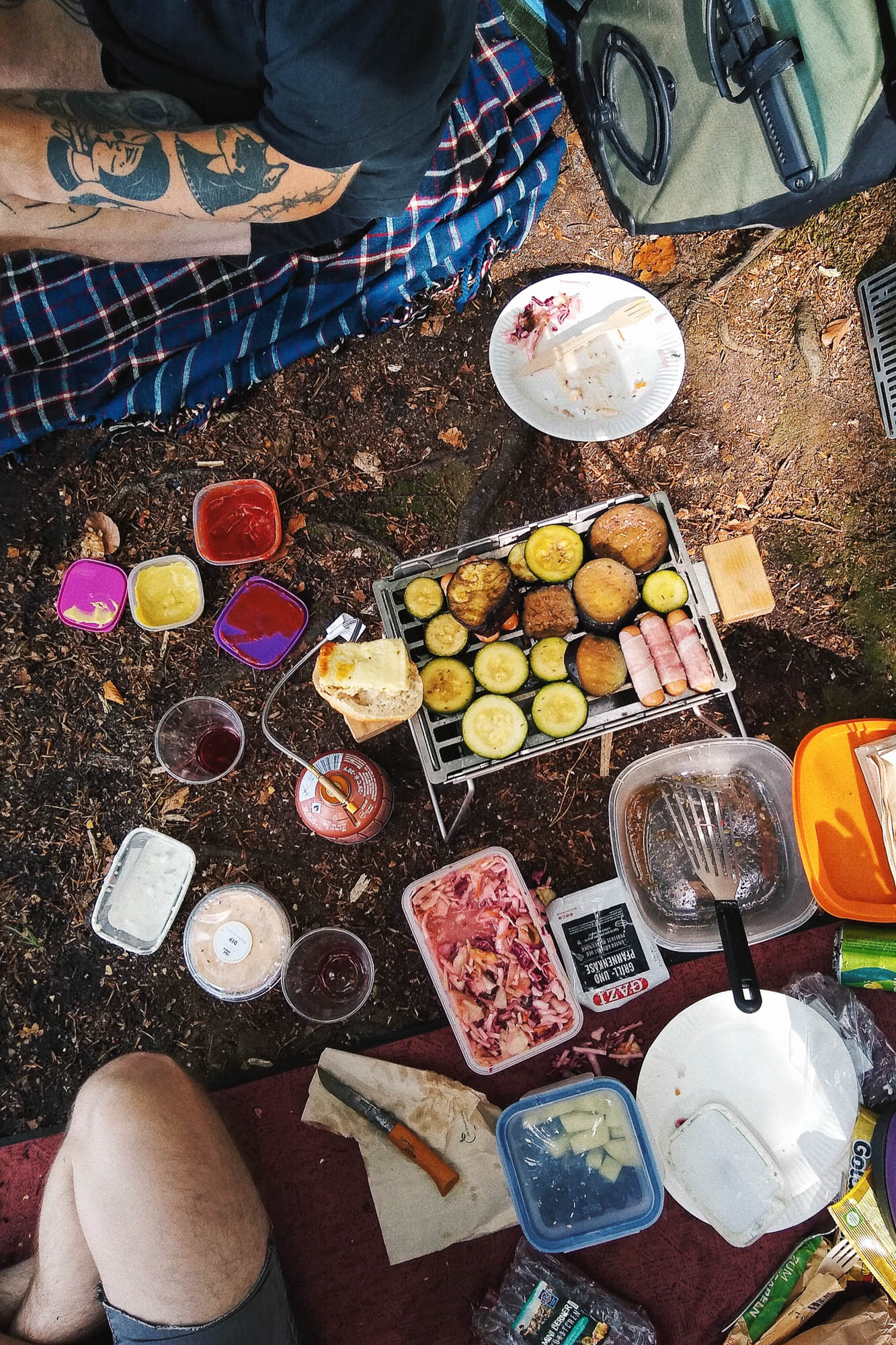
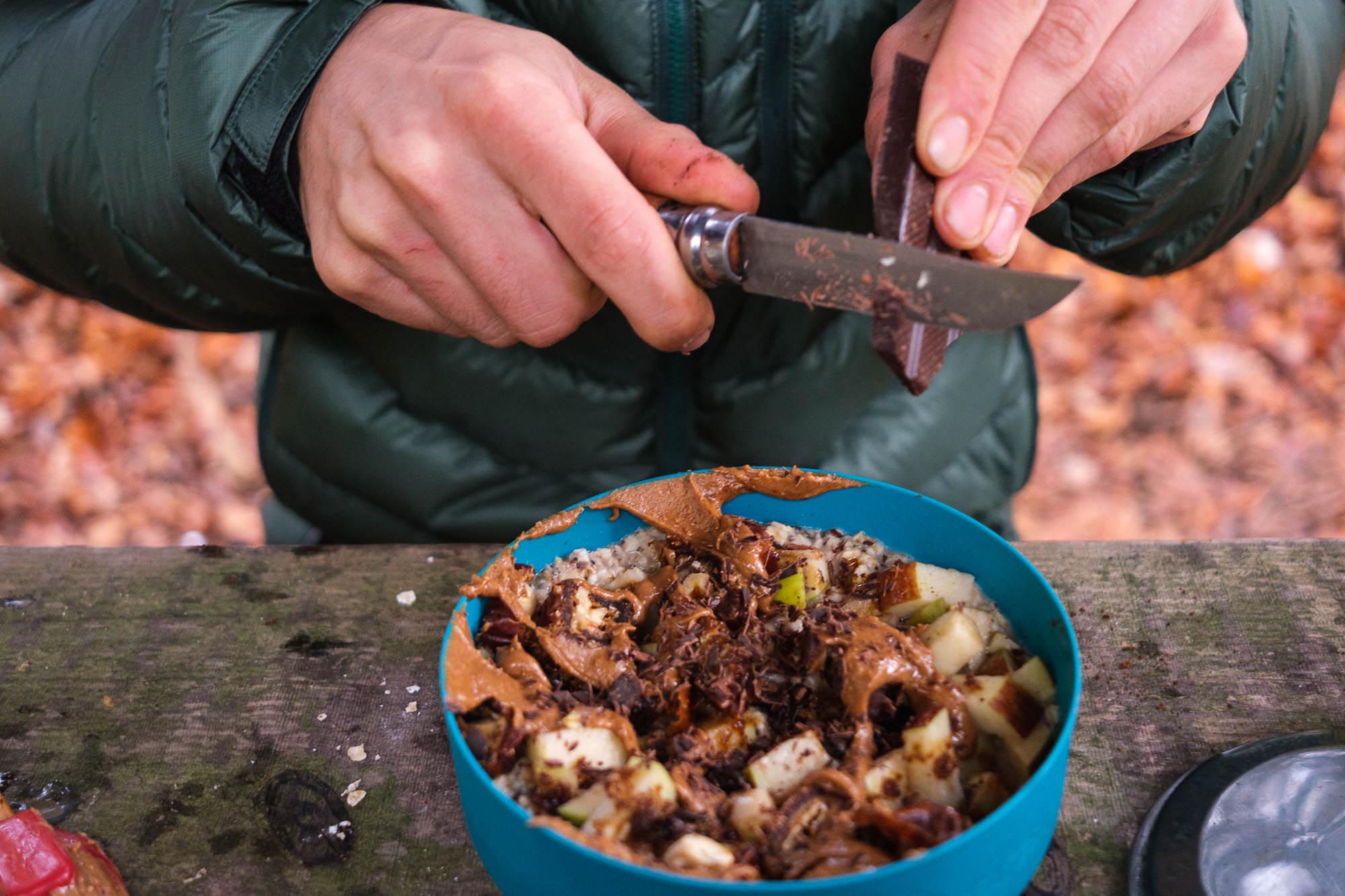
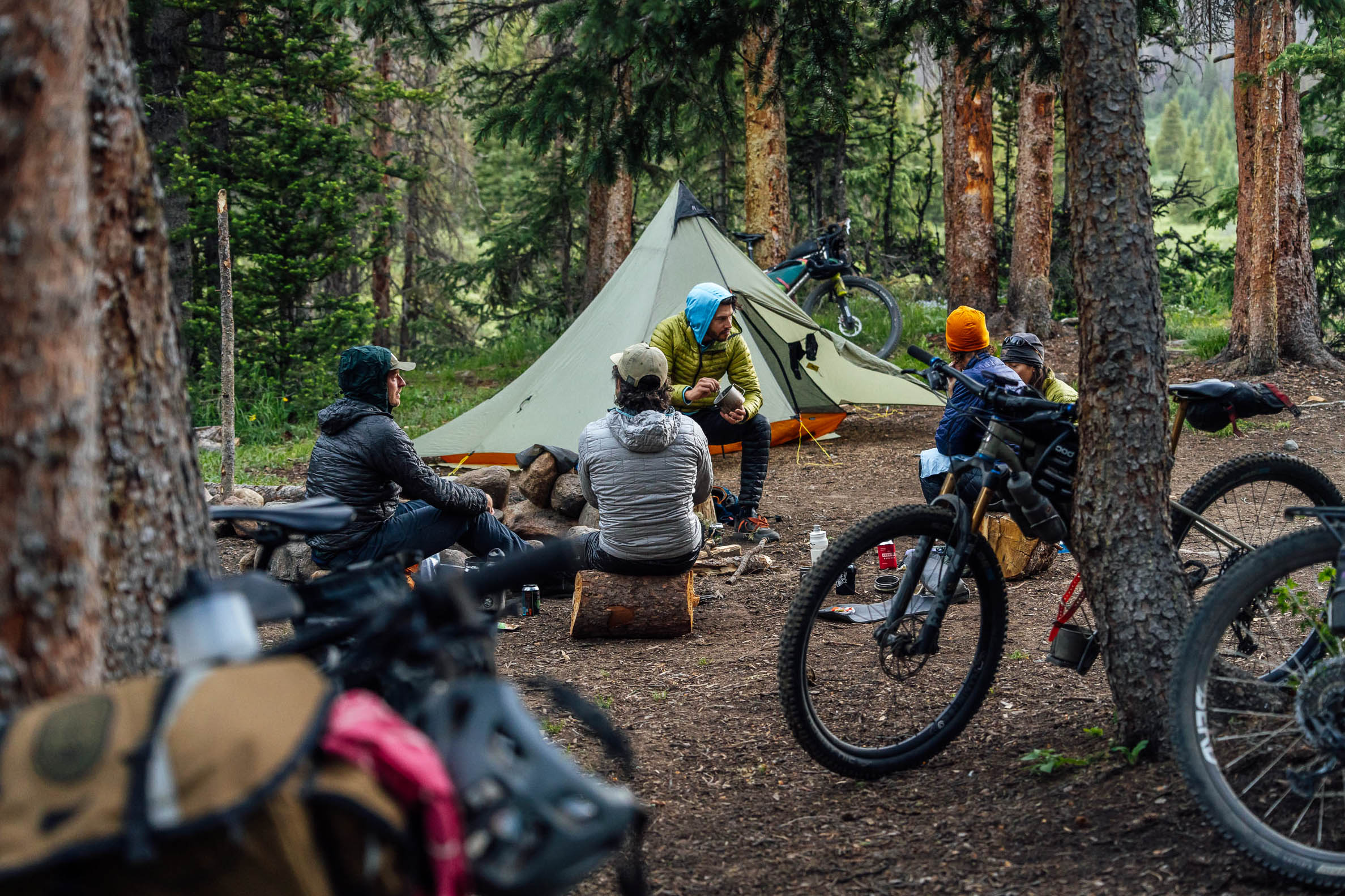
Slowing down and preparing a proper meal at camp creates some separation between the pedaling and camping portions of any trip, and convening with riding partners around a picnic table or a nice patch of ground and improvising recipes by combining the various ingredients you each hauled is one of my favorite post-ride activities—even better if you were able to forage or find something new along the way. In the year ahead, I’m prioritizing overnighters, weekend trips, and day rides fueled by healthy, homemade, hard-earned food cooked in collaboration with friends.
A New Car
You have my word that this isn’t going to become a site celebrating car culture, but vehicles occupy a surprising amount of my brain space these days. Mainly, I can’t help but think about the shocking statistic that the average price of a new car here in the United States is $50,000 in 2026, with an average monthly payment of more than $750. And around half of all trips are under three miles. None of this makes any sense, and it feels like a dangerous bubble that will eventually burst, likely accelerated by the senseless war with Iran.
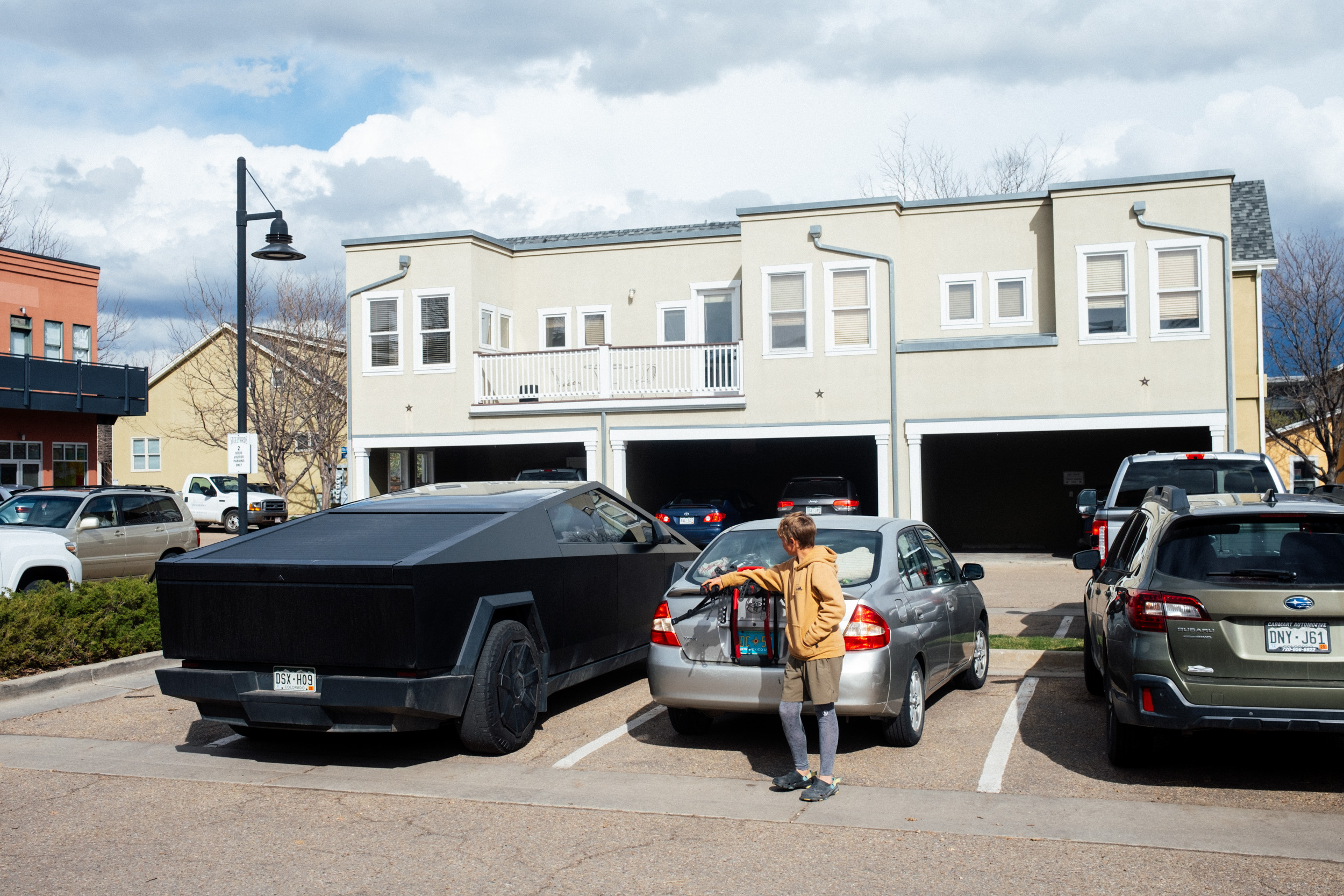
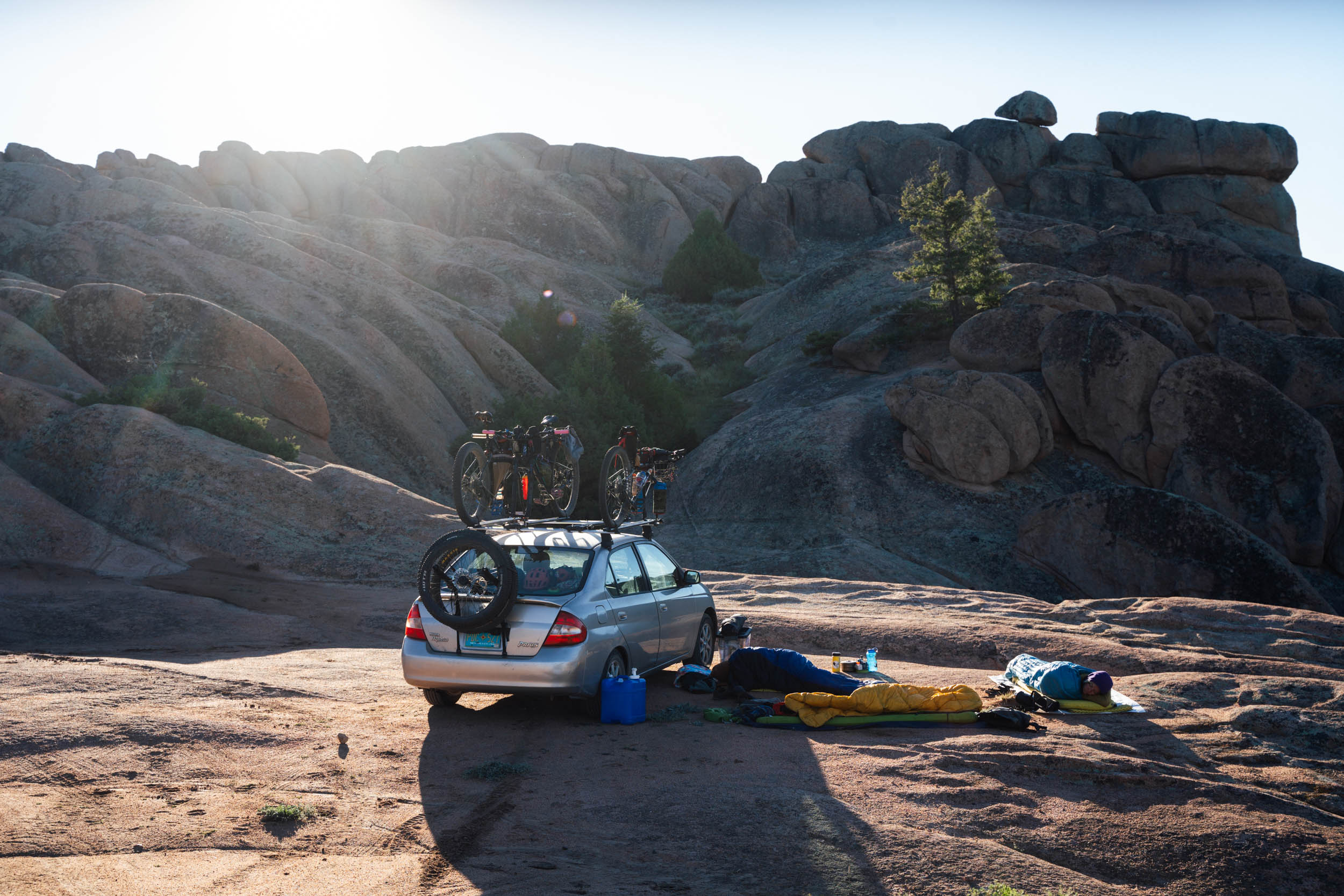
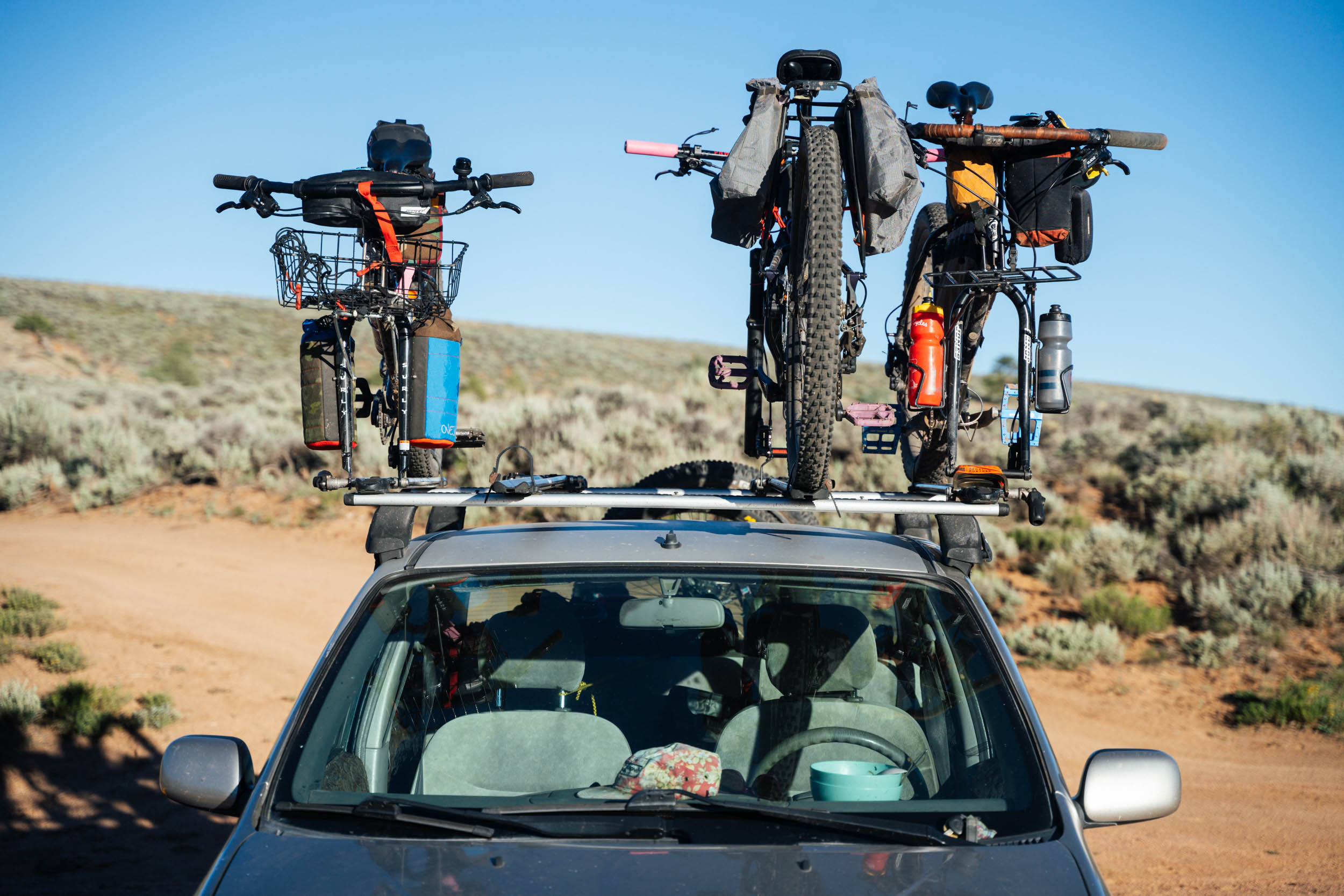
Still, despite being proudly car-free for most of my adult life, I made the decision to buy one last year, a 25-year-old Toyota for about the price of a quality steel bike frame. Knowing I’ll lose some readers on this point, restoring and maintaining it—with the help of YouTube—has been a source of joy. Keeping an old car out of the scrapyard and running for many years to come feels good, and buying it at the very bottom of its depreciation curve was the right financial decision.

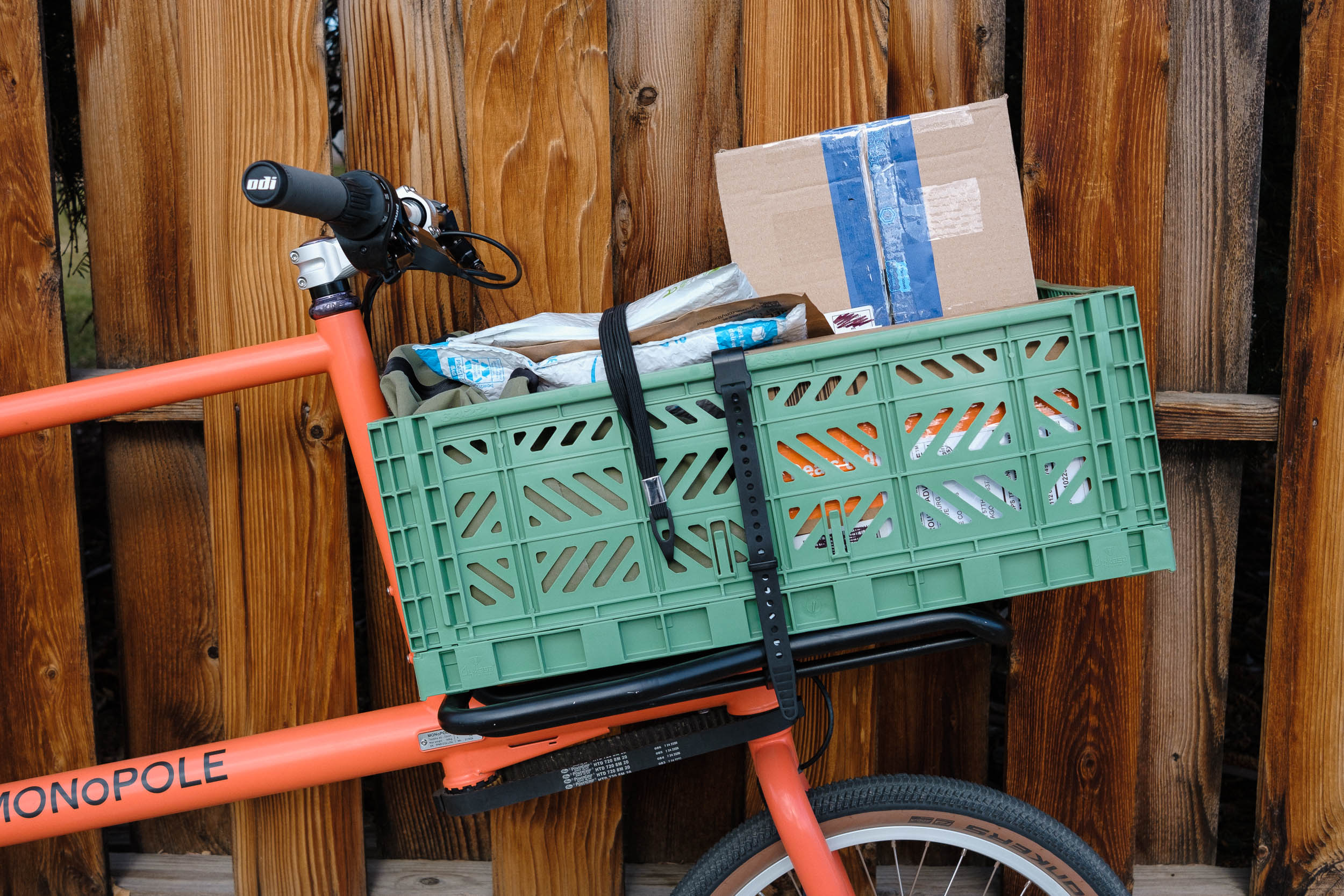
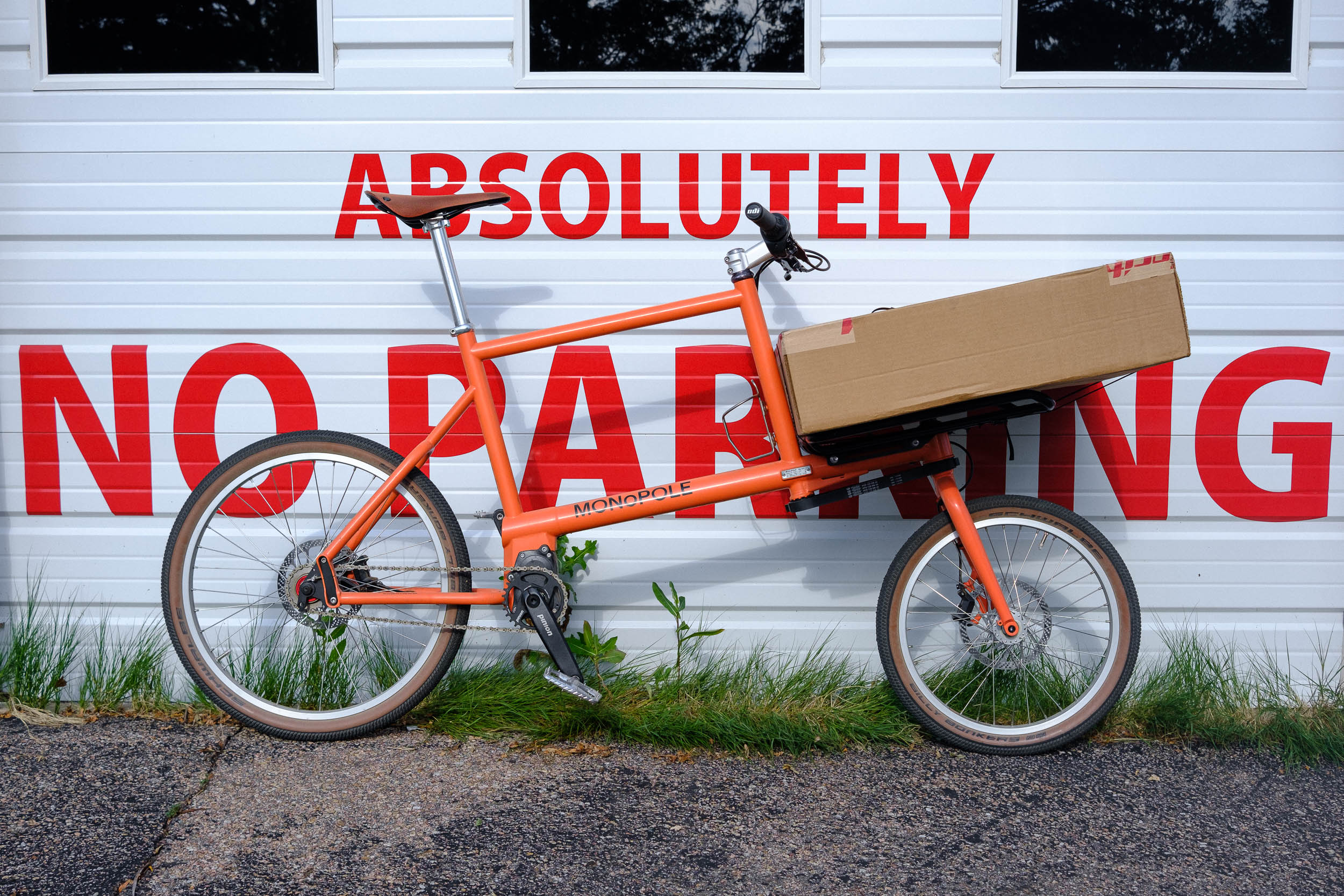
Nothing beats a cargo bike or basket bike for short trips around town, and I’m lucky to live in an area where I can walk or ride for most of my errands, which I continue to do. Working from home means I can keep my driving miles low, and I plan to use the old Toyota mostly to see more of my home region, especially the many amazing bikepacking routes scattered across Colorado, Utah, and Arizona.
Coffee-Brewing Gear
If you caught my reviews of the Kalita Wave, Picopresso, or AeroPress Go, you might have correctly gathered that I have far too much coffee-brewing stuff, and I’m putting a hard limit on buying any more this year. Whether for home or at camp, I have enough brewers, filters, and accessories to last a lifetime.
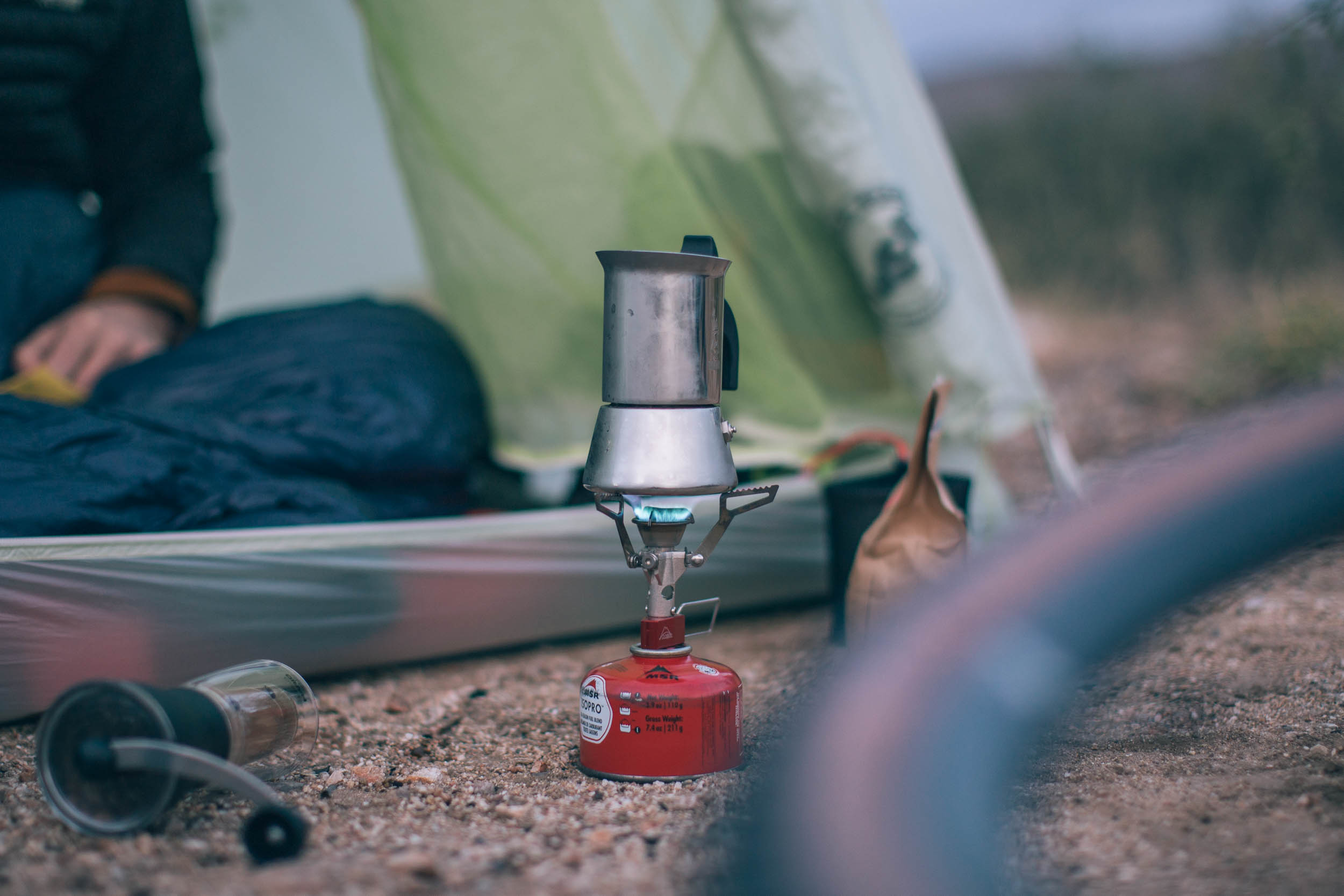
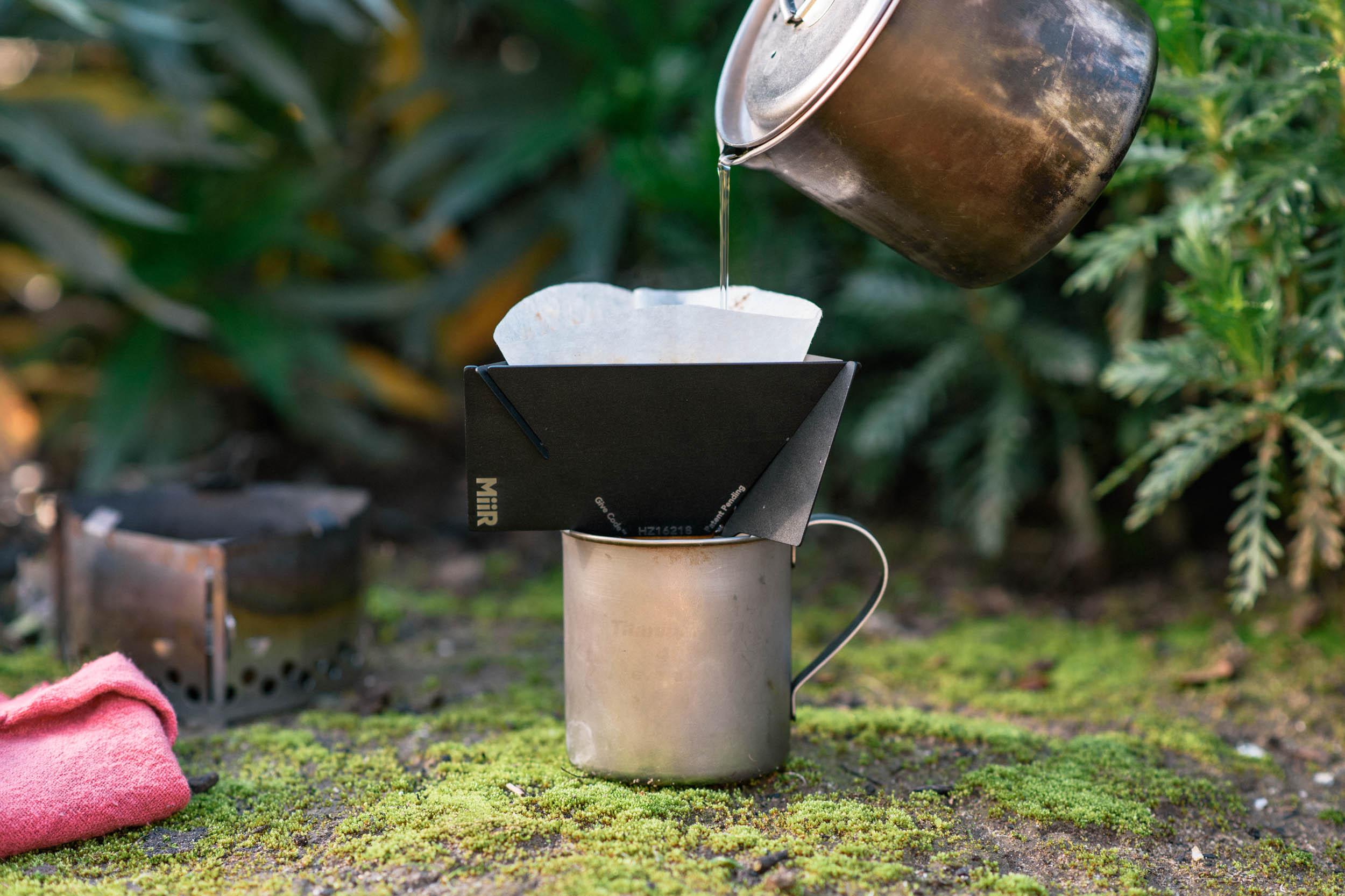
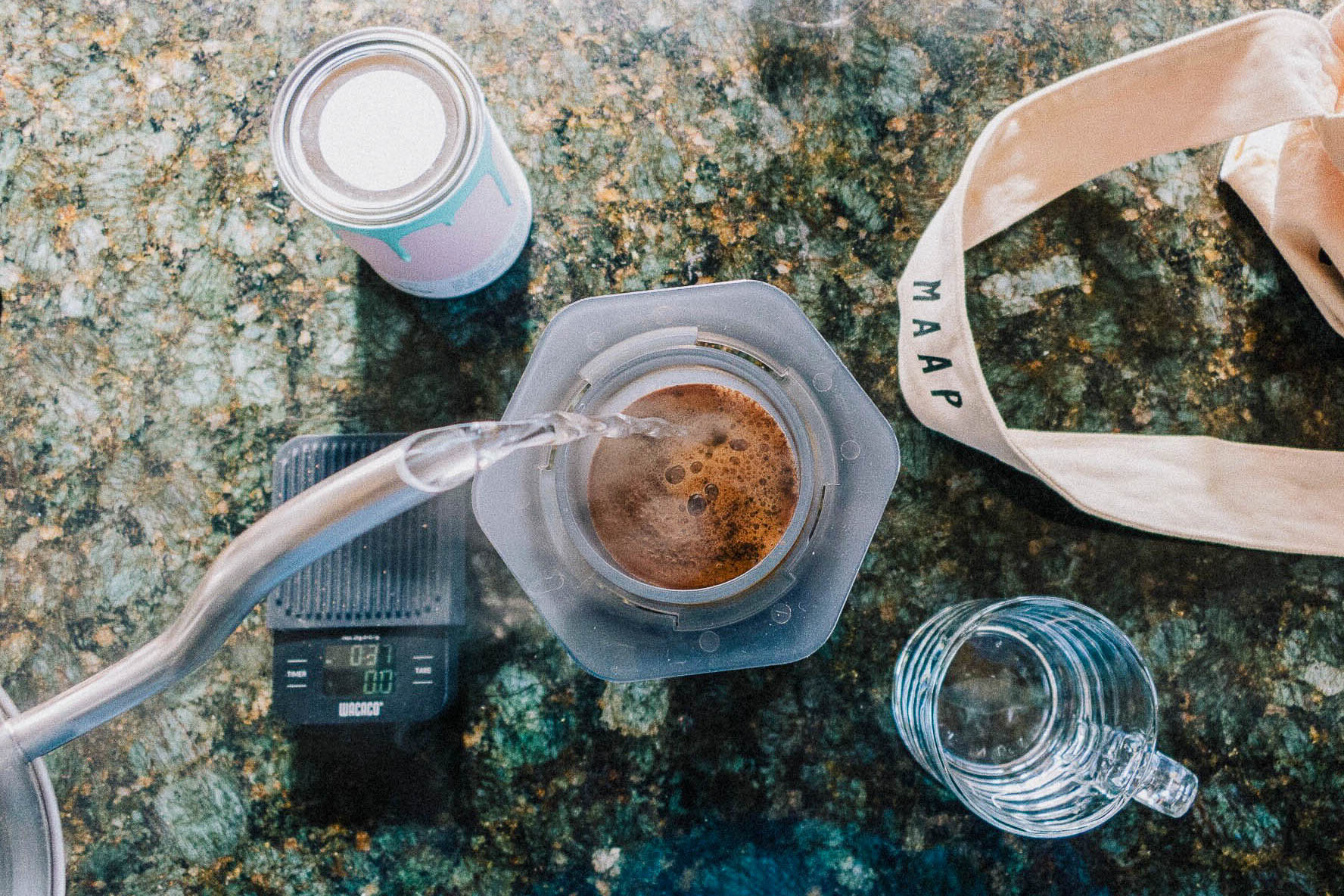

Rather than buying new coffee-making devices to keep me engaged and help me inch closer to the perfect cup, I probably need to take a break from drinking coffee altogether. That way, when I’m ready, I can come back to it with a fresh perspective. As with many all-consuming interests and hobbies, I’ve found that when you emerge from the depths of the rabbit hole, they have a way of ceasing to matter much—like before you took the initial leap. Sometimes, a little time away is exactly what you need to reignite the spark.
Another Bike Project
Bringing it all back home and attempting to tie the thematic elements of this piece together, the key thing I’m absolutely not buying in 2026, above all else, is yet another bike project. “Don’t even look!” is what I tell myself every time I pass by my local thrift shop, which usually has a few old 26ers for sale out front for $20 or $30.
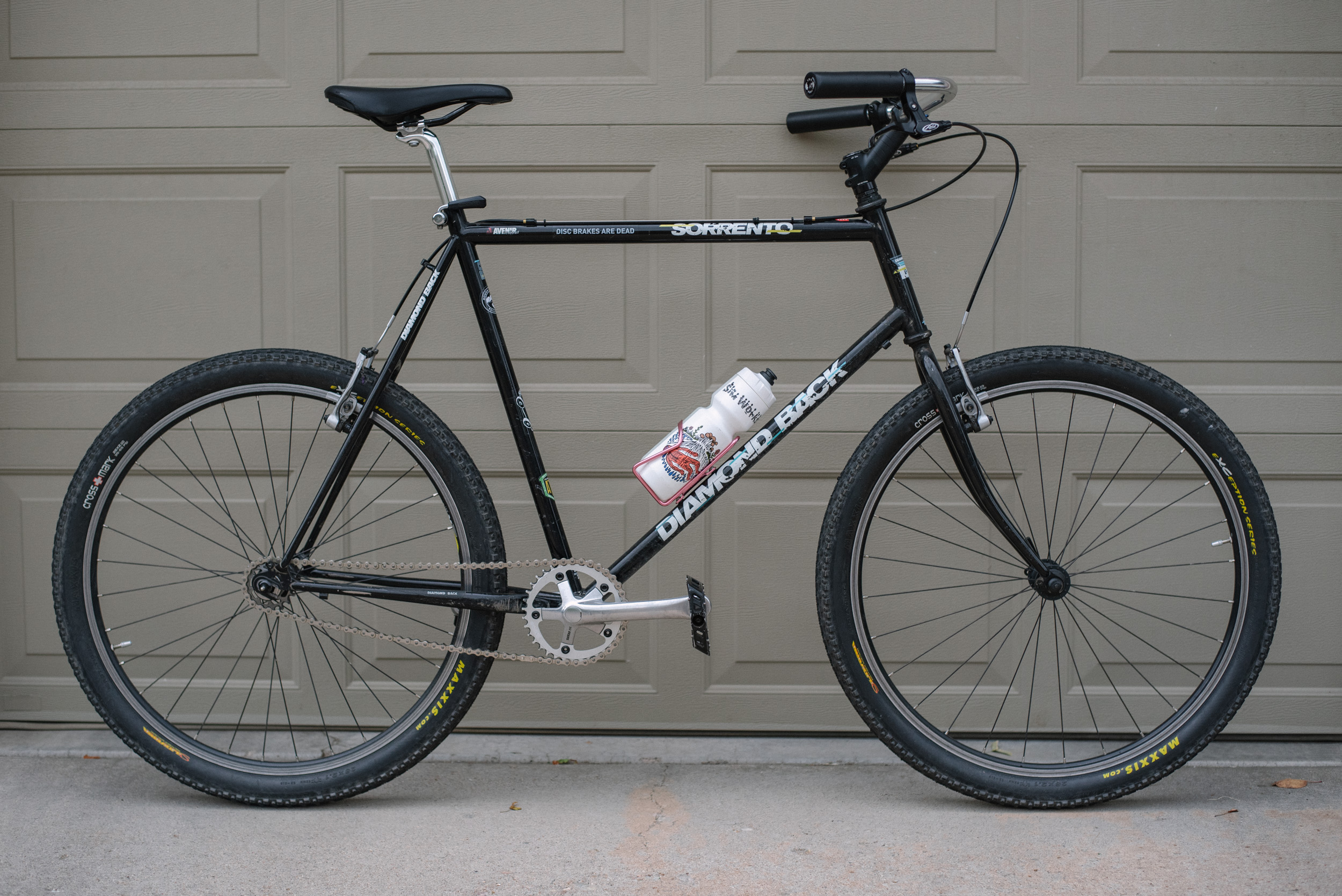

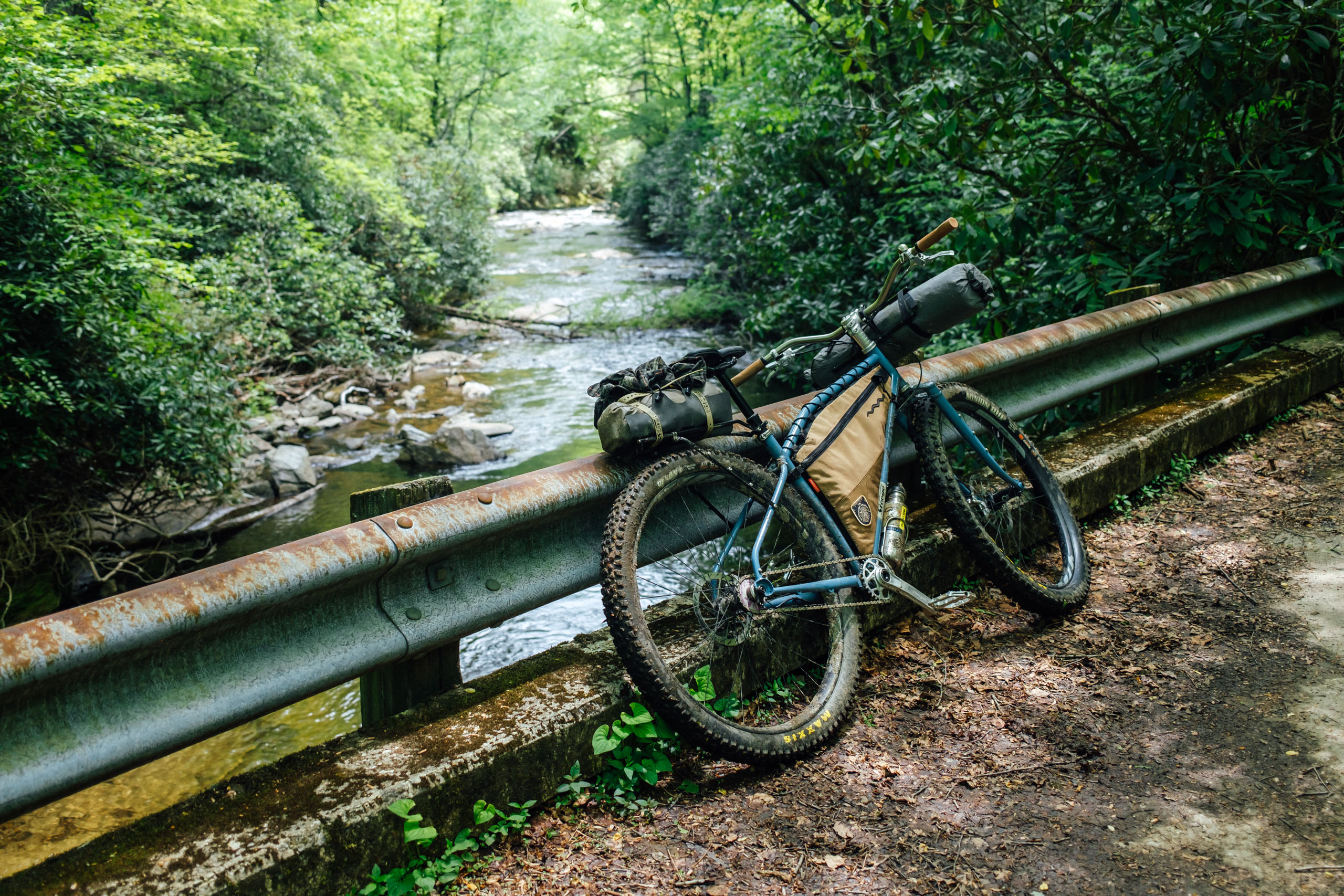
In my experience, the energy that goes into amassing bikes and parts for builds tends to replace the actual riding of them. Having fewer bikes at my disposal has always equated to more time in the saddle, which is a big motivation for my goal of winnowing down to just five ready-to-ride bikes in my stable, as I wrote about in The Problem with N+1. The right five can cover every base imaginable (two or three would cover them, too), and even having the space for that number is a privilege I should appreciate, rather than crowding it with ever more half-built projects.
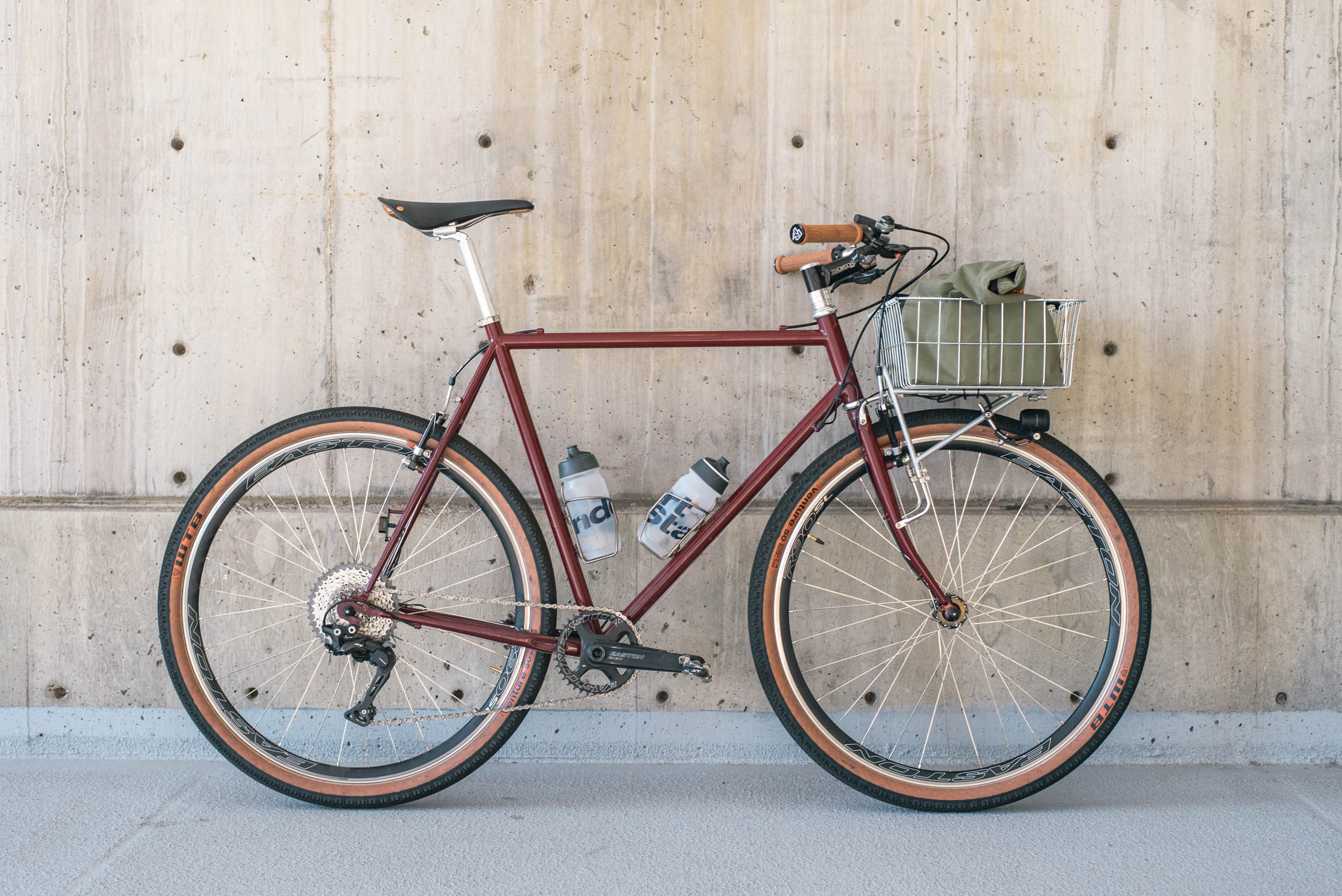
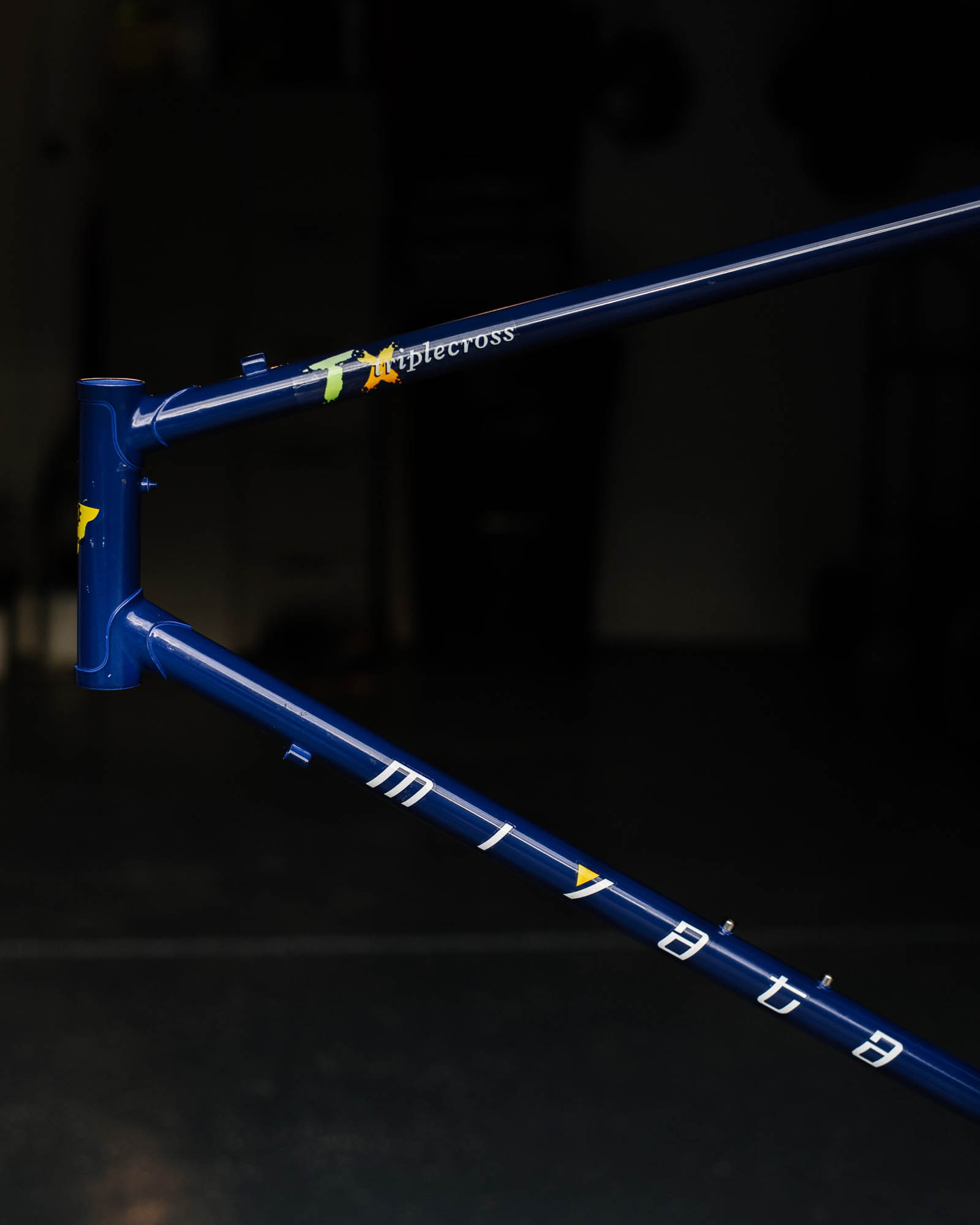
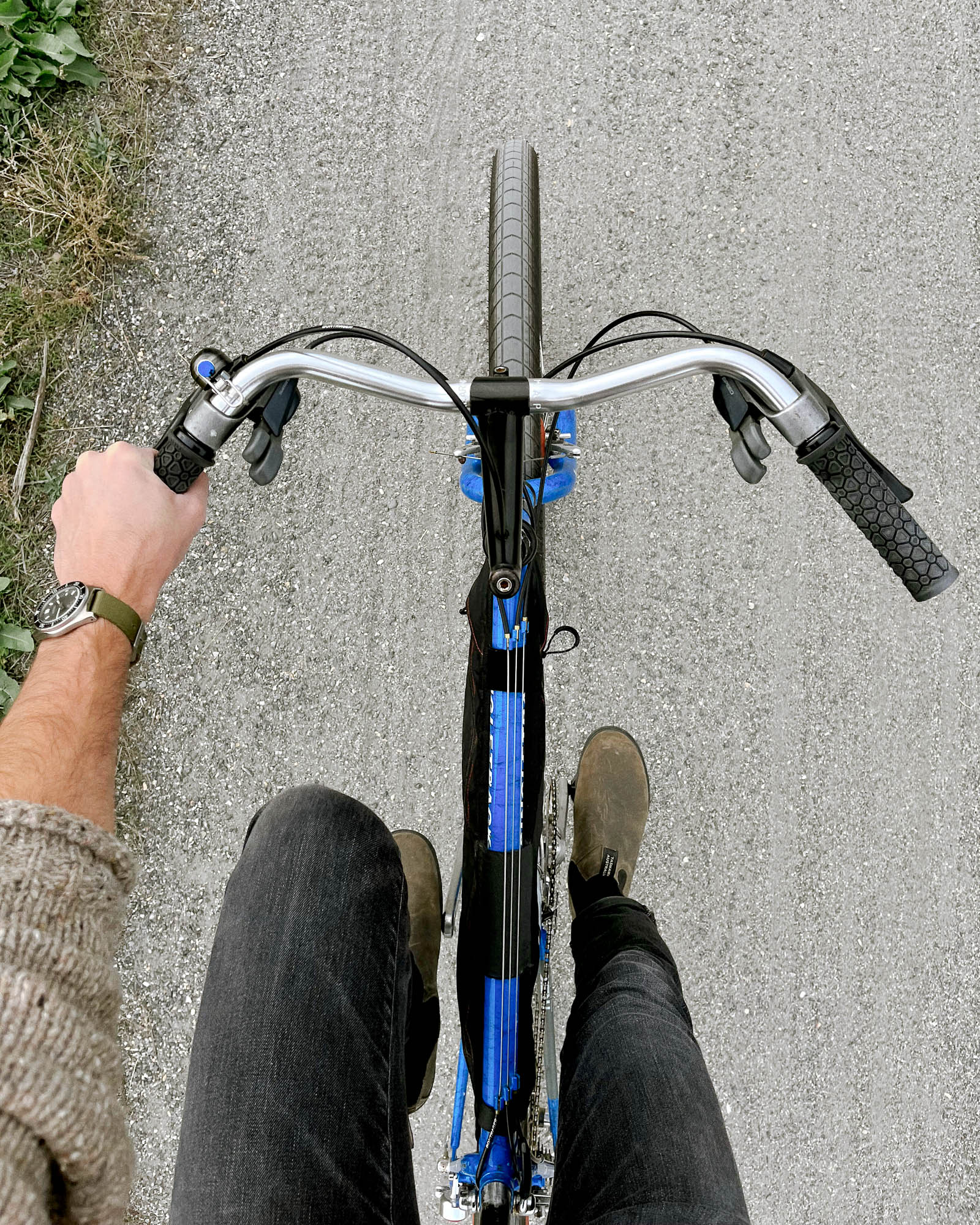
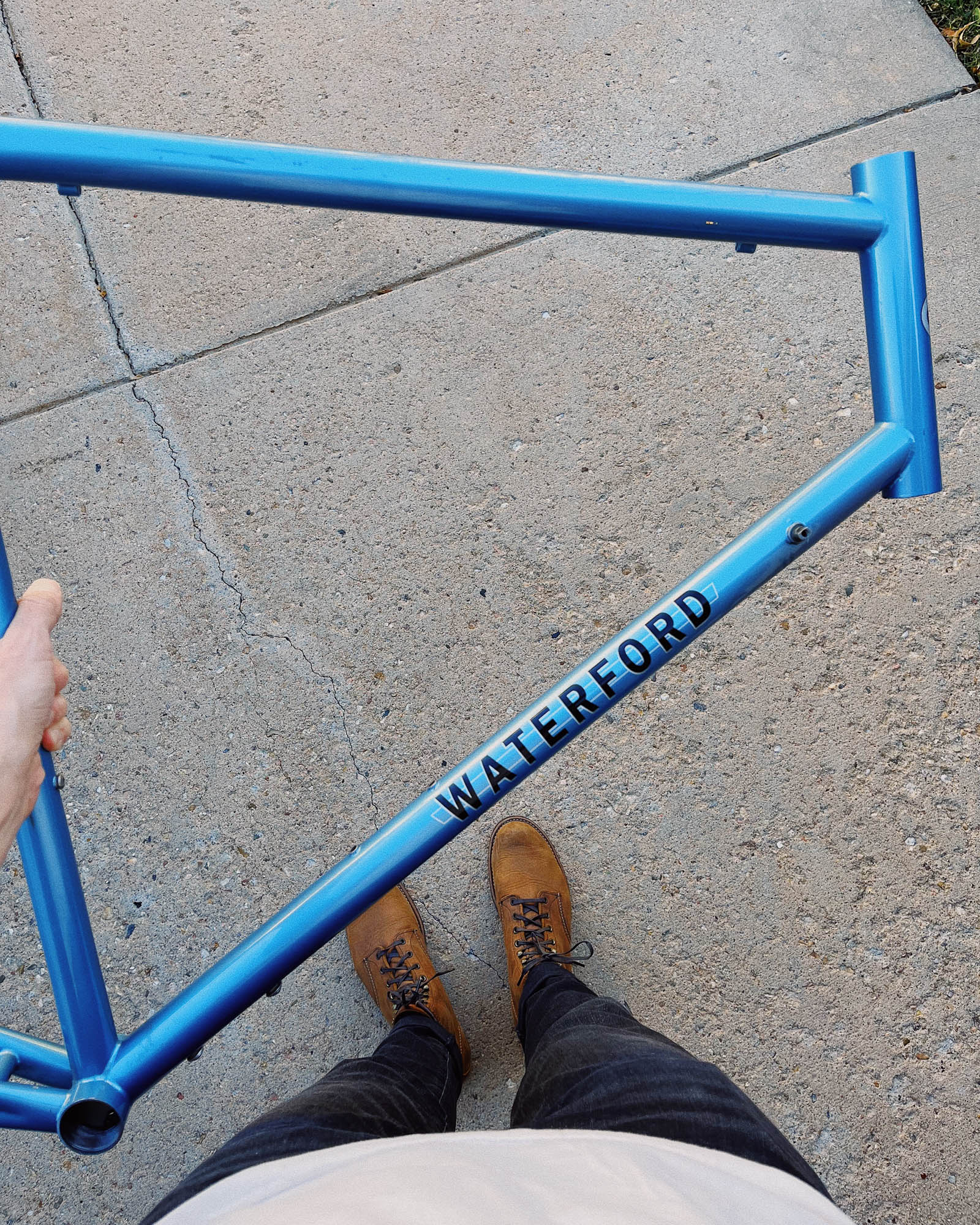
In sum, for me, the exhilaration of a good ride is unmatched, whether it’s feeling the air rush by as I fly down a mountain pass or catching bits of dappled light as I slowly pedal along a trail through the forest, and it’s a shame that I’ve let consumerism creep in and replace or obscure some of that zeal for the thing itself. Identifying that the pursuit of stuff is ultimately empty feels like a good step.
Parting Thoughts
In addition to not to buy anything from the blanket categories listed above this year—which isn’t to say I could, even if I wanted to—a broader guiding principle is to make purchases only in response to needs I’ve identified, rather than anticipating future scenarios. Running all the way out of consumables before restocking them has been good, helping prevent three half-used tubes of bike grease or toothpaste from lying around.
Especially for bigger purchases, making 14- or 30-day waitlists before buying has been informative, and I’ve been surprised by how many things I no longer want by the end of that period. Buying gently used is something I always consider these days, which can usually save a considerable sum. And once I have something in my possession, I try to act more like a steward than a consumer, being mindful to properly maintain it to ensure it lasts as long as possible and to help retain its value should I decide to sell it down the road.
What are your blind spots, and what are you opting out of buying this year? And what skills or decisions have saved you the most money? Let me know in the Conversation below!
Further Reading
Make sure to dig into these related articles for more info...
Please keep the conversation civil, constructive, and inclusive, or your comment will be removed.