

 Singletrack/MTB
 Gravel/All-road
 Dirt-road Touring
 Fat-bike

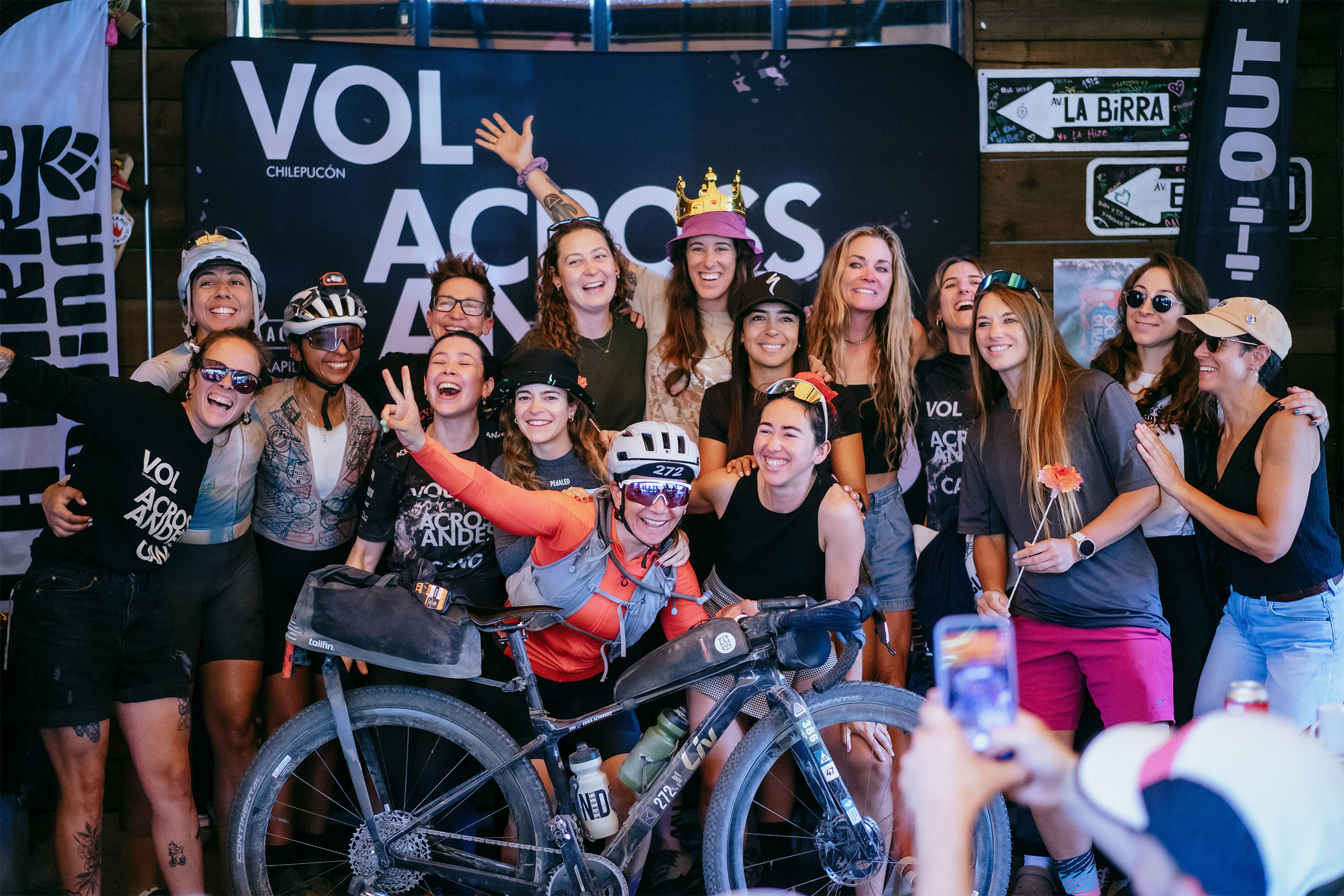
Across Andes 2025: More Women in Ultra-Cycling


The 2025 Across Andes event in Chile saw a record number of women participating, a milestone shaped over the last six events and spearheaded by folks such as Sami Sauri. Find a stunning selection of photos from this year’s event, paired with an introduction from founder Mariano López and a reflection from Sami here…
PUBLISHED Dec 15, 2025
Introduction by Mariano López; photos by Clemente Dias Pavone, Pablo Ramirez Arias, Alkima Audiovisual, Relieve Company, and Francisca Martinez
Over the years, Across Andes has become more than a sporting event. It is now a community shaped over six years, bringing together cyclists from all corners of the world, blending cultures and inspiring stories, united by a shared love for bikepacking and adventure. In 2025, the female presence was stronger, more diverse, and more inspiring than ever, thanks to the collaboration with groups and individuals who have elevated their principles into something even greater.


Across Andes was born from a simple dream: to see more cyclists explore remote corners of the world, especially in this long, solitary strip of land called Chile. A country with an overwhelming and diverse natural environment, where the Andes form a giant protective wall with evergreen forests and breathtaking views, wild and challenging enough to push many to brave long-distance riding.


In 2019, during the first edition, only 30 people dared to face the unknown. Among them, just one woman: Ashley Wedelich from the United States. Without realizing it, she opened a door that would shape the event’s future. Her presence marked a before-and-after, a clear sign that something needed to change: more women on the start line.
Three years later, in Araucanía 2022, and boosted by the growing post-pandemic interest in these events, Across Andes reached a historic milestone: 32 women at the start line, making it, at the time, the long-distance event with the most women participants in South America. It was a significant step, although not a stable one. Across Andes then moved to Coyhaique, in the extreme south of Chile. The harsh, cold, and punishing Patagonian weather kept many folks from returning the following year, not because of a lack of ability, but because the environmental conditions and the limited resupply points made it simply too difficult.


That was when a key figure appeared: Sami Sauri, cyclist, adventurer, photographer, and one of the strongest voices for women’s inclusion in cycling through W Collective and Adventure More. We spoke with Sami, and this is her vision within Across Andes.
More Women More Adventure
Words by Sami Sauri
Across Andes 2025 was probably the highlight of my year, not just because of my result, but the entire experience. And this year was full of beauty. The Adventure More project, which documents and showcases the culture, landscapes, and people through ultracycling races, took me to many spectacular destinations. I chose events of all kinds, starting with Traka, which I sadly had to scratch from, followed by Bright Midnight, an amazing event where, as a photographer, I was amazed by the endless day and by the 35 women who were participating.
And then the most well-known and gnarly event, the Silk Road Mountain Race, which also surprised us with 30 women+, who challenge themselves with some of the most hardcore hike-a-bike I’ve ever done, battling freezing temperatures, weather conditions, river crossings, and so on. It was not a race about speed but rather a survival effort. Despite it all, this kind of race definitely makes you stronger, no matter what. I loved it.

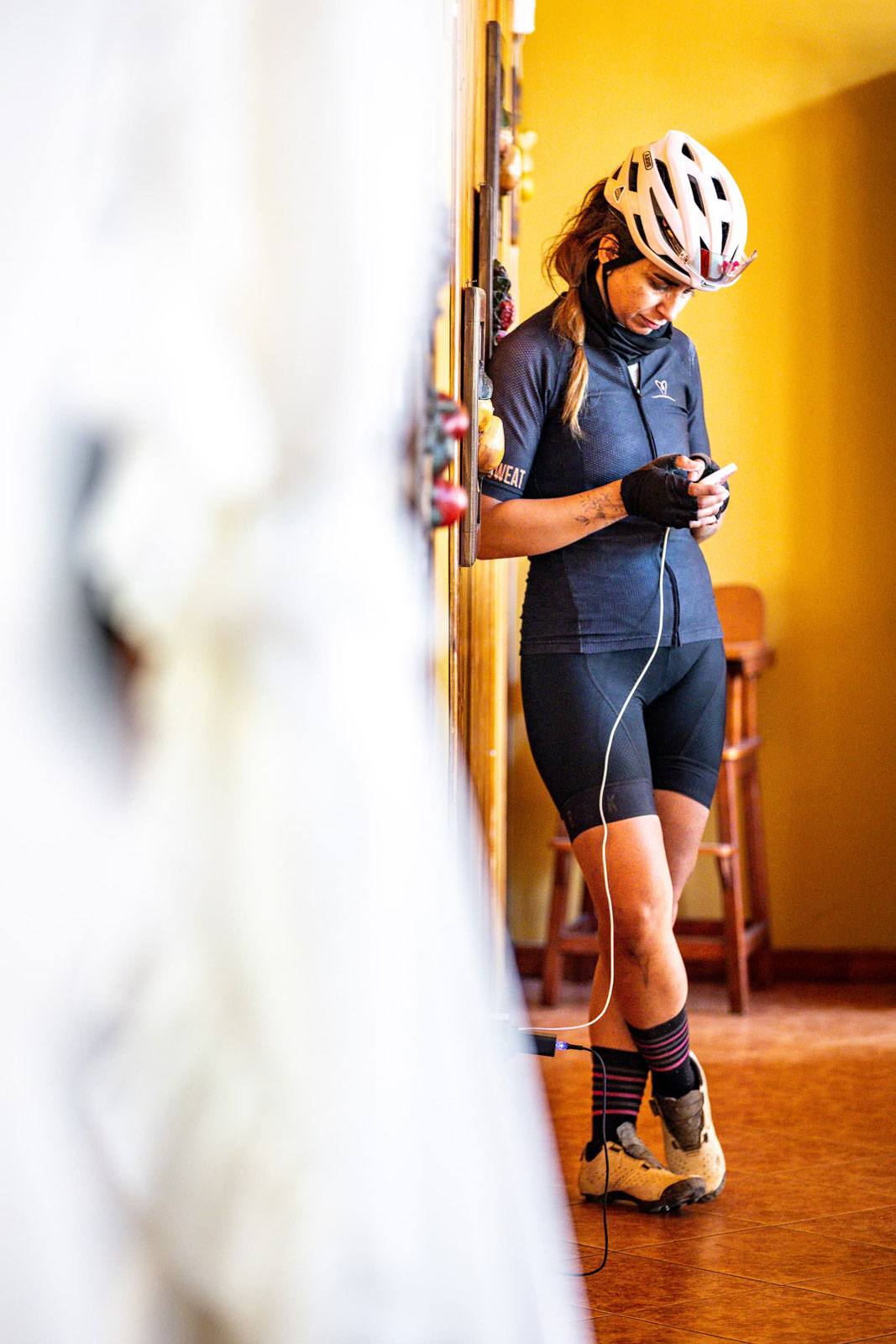
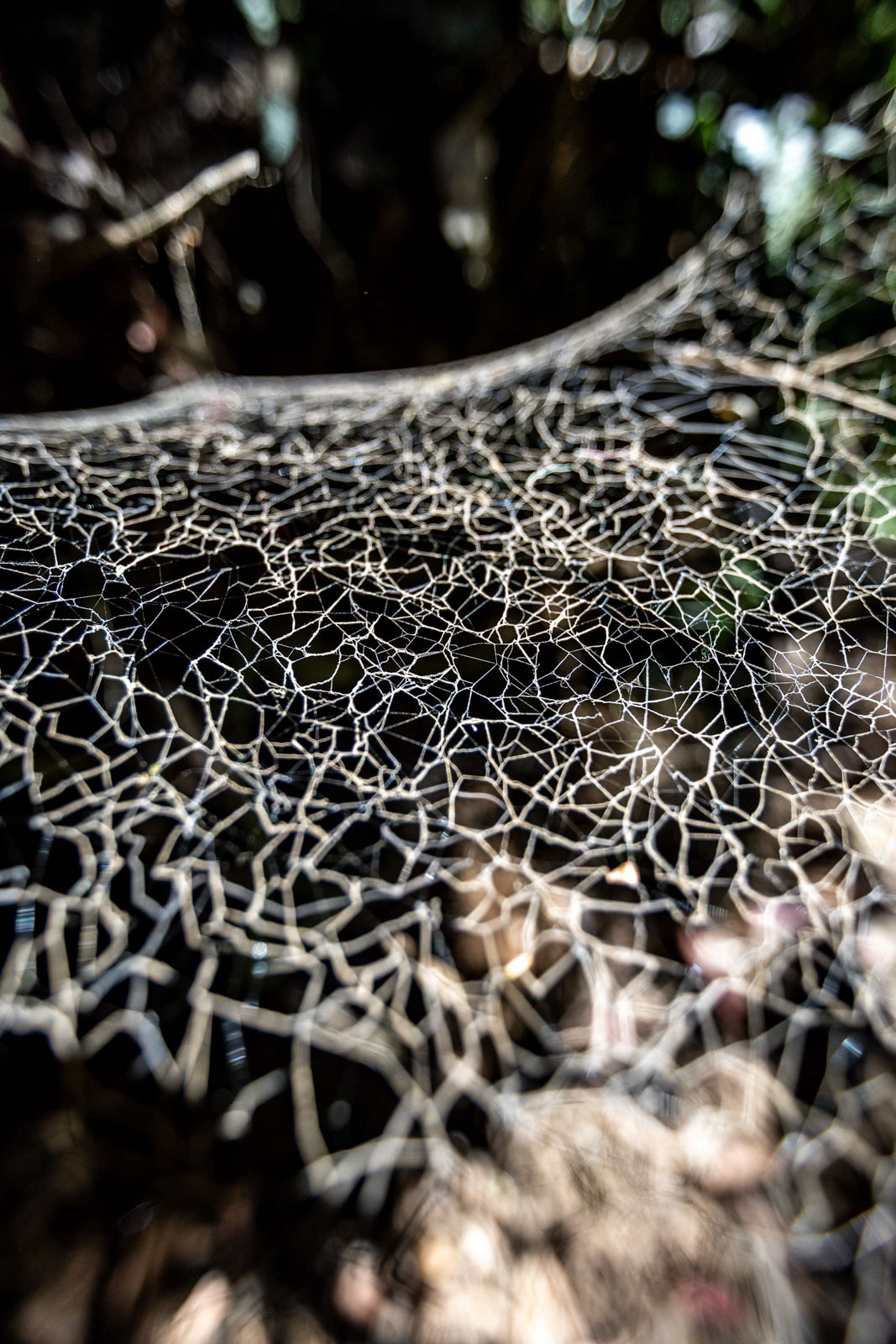

We can see that women are more willing to push their limits, conquer fears, and go out and explore. However, we also need help and examples from organizers. We need early entries for women only, reserved space and tickets, WhatsApp groups, etc. The W Collective, this year consisting of Corina, Claudia, and me, is focused on getting more women on bikes and supporting events to get more women on start lines, because we think it’s about time. And as a lot of experts say, women are built for ultras; I mean, we sometimes carry a baby for nine months, so an ultra should be easy compared to that.
Last year, the Across Andes organizers, Mariano and Paulina, and I noticed very few women participating in their event. I am aware that traveling to Chile is not the easiest, but I found the event incredibly welcoming and an excellent test for ultra cycling. After seeing the lack of women, coupled with my love for Chile, I was motivated to do something and help people gain greater awareness of this incredible country, landscape, culture, and people. And so we created More Women More Adventure AA2025, reaching out to people around the world and offering free webinars to help them prepare for their races, as well as a WhatsApp group where women+ can feel safe to talk, ask, and converse without judgment.
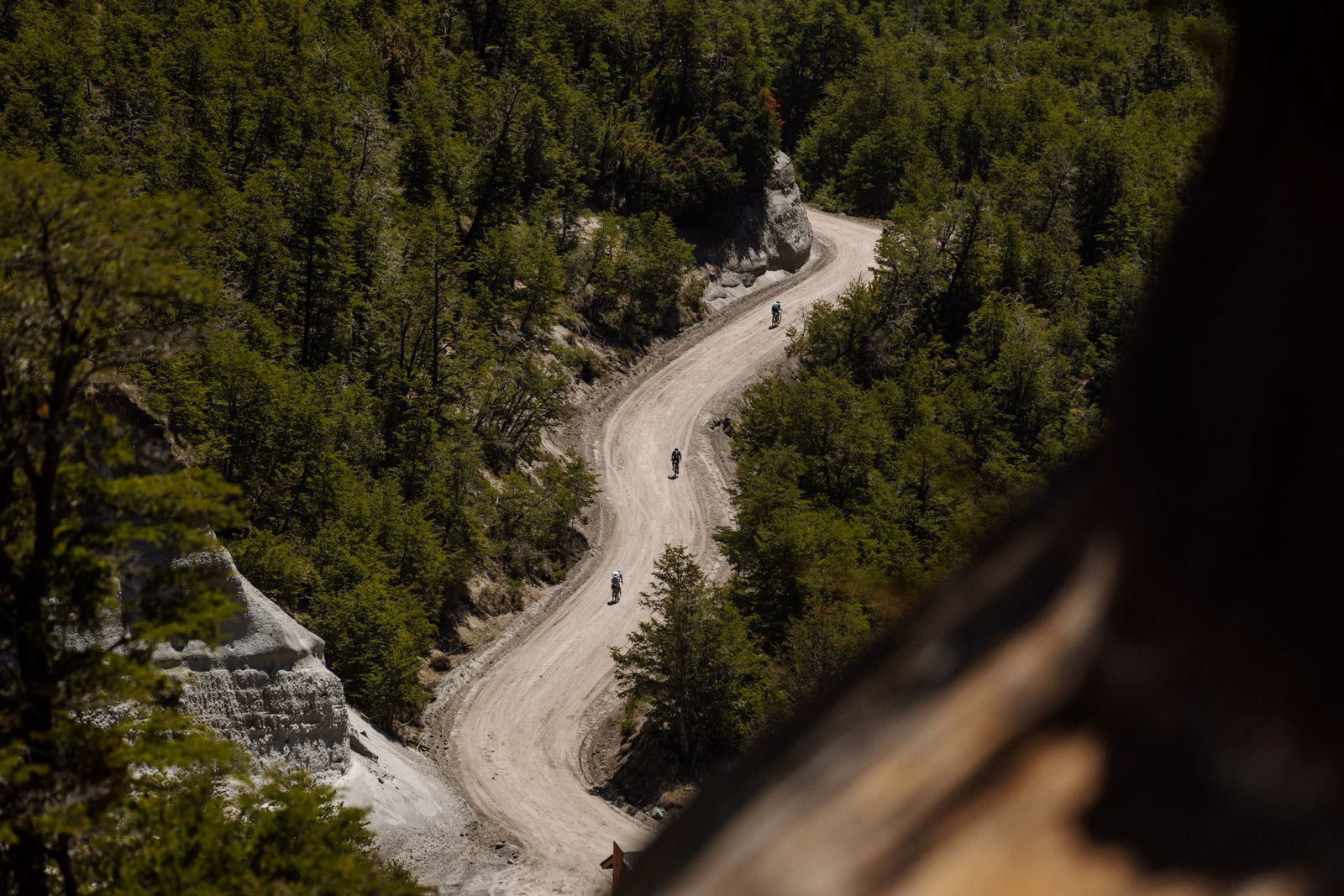

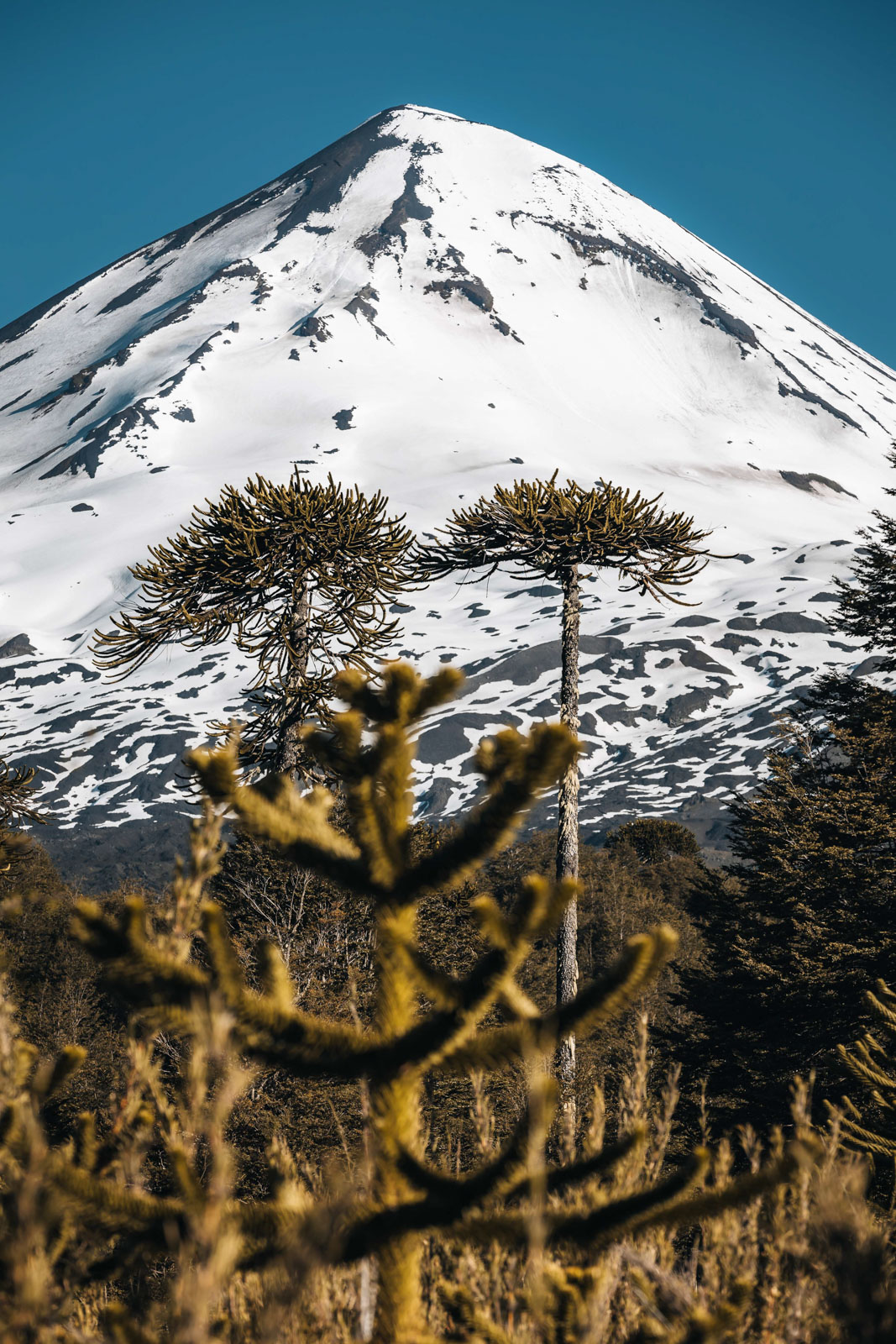

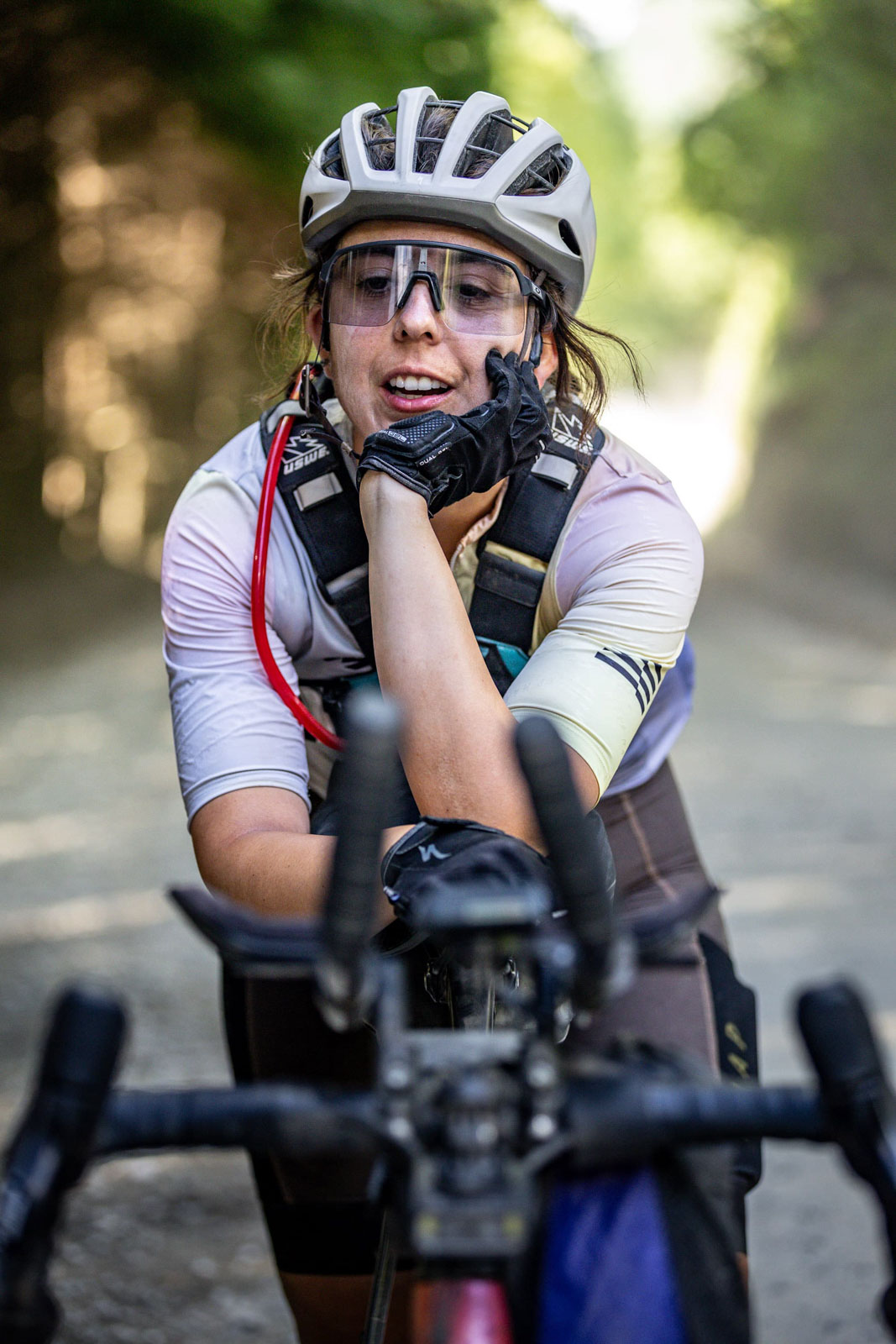
The organization opened its entries first to women and then to men. Another idea that we had was to save 70+ spots specifically for women. Small things like this make women more comfortable and help them feel reassured about attending an event like this. Riding 800 kilometers with 13,000 meters of climbing is not a small journey, especially for people who are challenging themselves with their first ultra. Planning can be intimidating, but it’s always possible, and I try to encourage everybody to give it a shot.
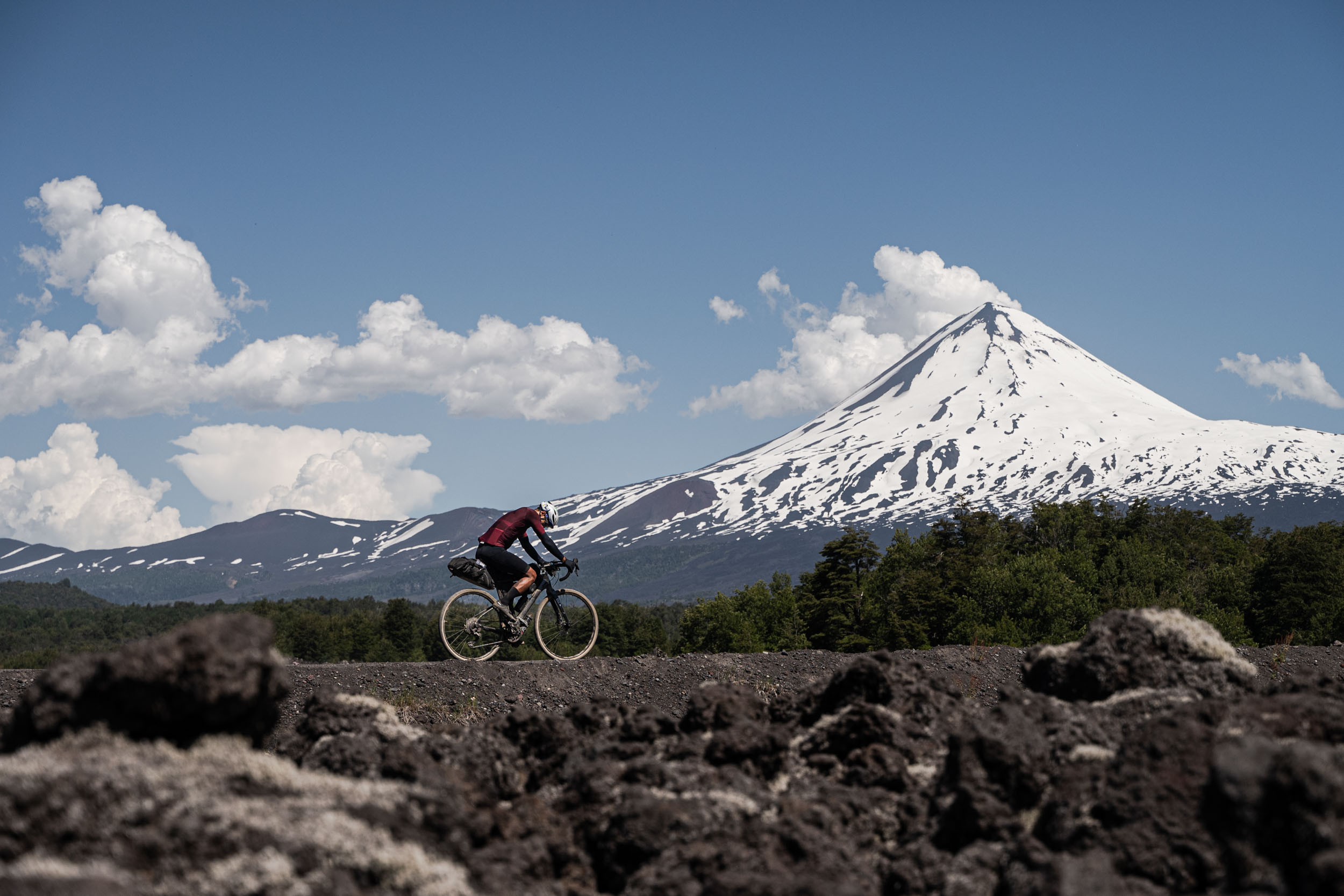
The culture of Chile is very humble, very open, and very welcoming. You will always find help or somebody willing to help. The landscapes, especially at this Volcano Edition, are stunning. You ride around eight beautiful volcanoes, one of them the most active in Chile. There are “evacuation routes” throughout the track, and you cross some lava fields. Here in the land of Mapuches, you have to respect their beautiful land. Navigating through the country and seeing so much stunning vegetation, centenary trees like the araucarios, stars, and clear skies like no other place, it’s undoubtedly the ideal place to host a challenging bikepacking adventure.

For race directors Mariano and Paulina, the vision was clear: if they wanted more women in Across Andes, wishing was not enough. Structural, logistical, and strategic decisions were needed. The first and most impactful was moving the event from extreme Patagonia back to Araucanía, the ideal environment for women entering ultracycling for the first time. Why? Because of better access to markets and resupply points, more predictable and stable weather, more lodging options, safer and easier bivouac opportunities, more accessible route segments, and an impressive natural environment that is still wild but not brutally unforgiving like Patagonia. All of this significantly increased women’s interest in joining, as they value taking part in a safe event.


Pucón was chosen as the start location, a city where adventure sports are part of its identity. With its rivers, lush forests, and the Villarrica volcano towering above, it became the perfect stage for the rebirth of Across Andes. The second decision was very practical: reducing the route from 1,000 to 800 kilometers. The challenge remained, but psychologically, 800 kilometers feels more achievable, especially for those new to long-distance riding.
The third major decision was to reserve 70 spots exclusively for women and to open registration for them before opening it for men. A clear message, this was not symbolic inclusion; it was a priority. The impact was immediate and enormous. More than 1,200 applications arrived from around the world. The 70 women’s spots were filled in record time. Highly experienced bikepacking and adventure riders also joined, turning Across Andes into an international reference point for bikepacking and long-distance racing. And it wasn’t just the numbers. It was the diversity. Trail runners, mountaineers, MTB riders, DH riders, triathletes, road cyclists, gravel enthusiasts, a mosaic of disciplines never before seen at Across Andes.

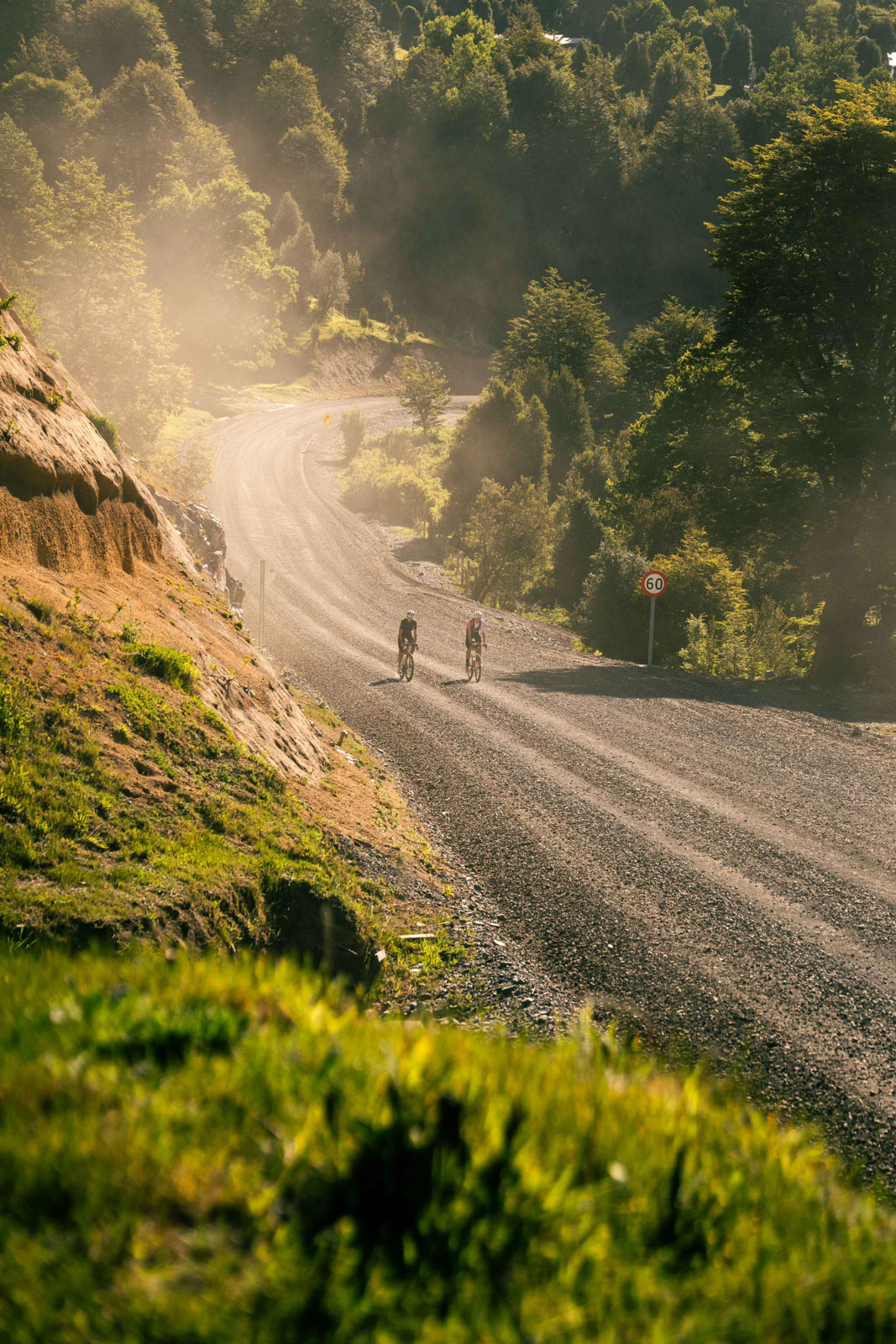


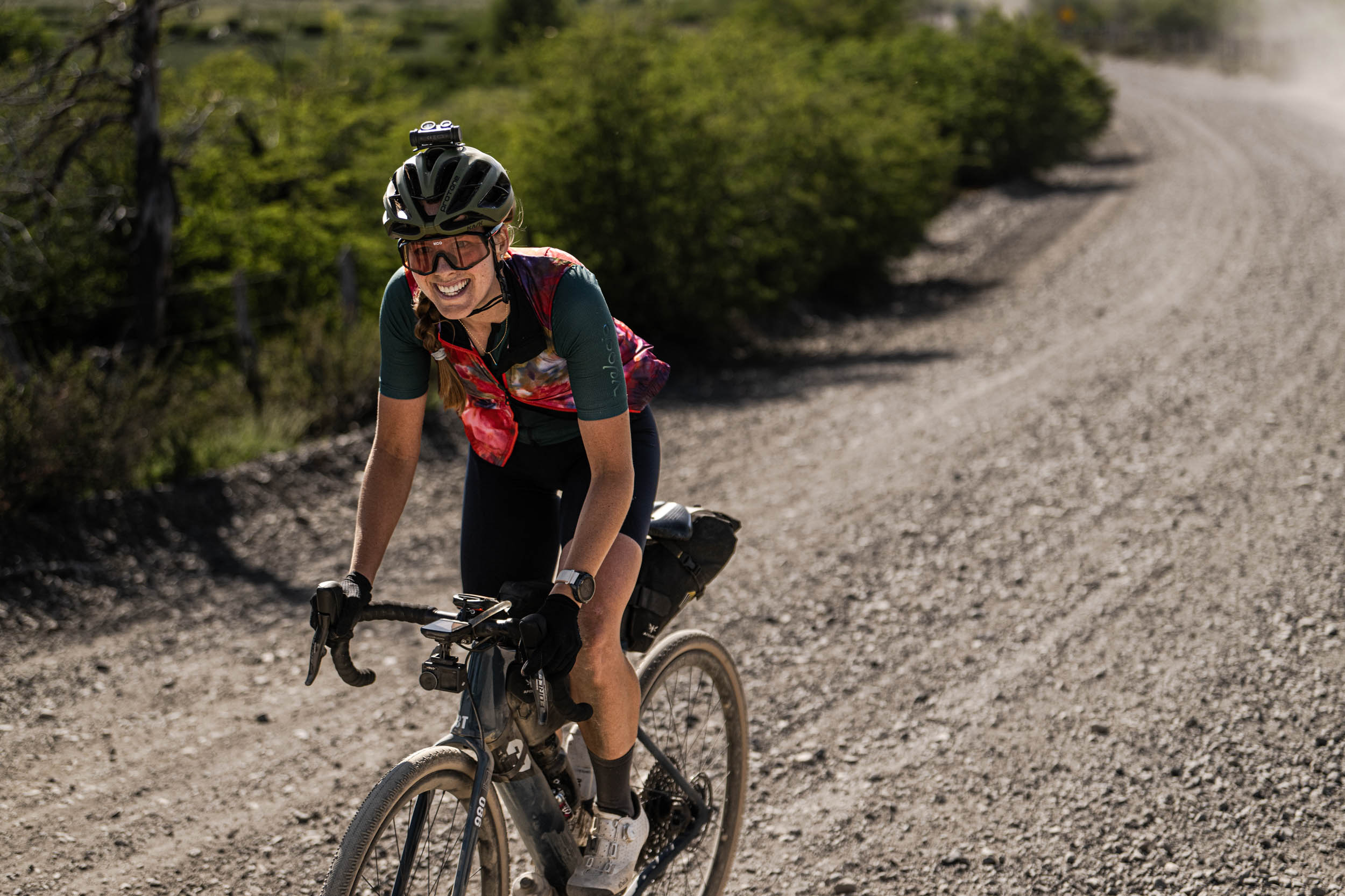
In the end, on race day, 54 women lined up at the start. The energy was different, stronger, more united, and filled with friendship. What happened on the route felt like a dream. Only one woman didn’t finish, and it was due to an accident. The remaining 53 crossed the finish line with a smile. Three women finished in the top ten, a first.

The emotional embrace among participants and the organizers at the finish line was more than a celebration; it proved that this change was necessary, a much-needed renewal in a scene that often focuses on competition rather than the true spirit of adventure. Across Andes 2025 became an end-of-year celebration of diversity and adventure in a country offering some of the most spectacular routes on the planet.


Although the event marks the start of the season in the Southern Cone, for riders coming from Europe and the USA, it is the perfect way to end the year, with a challenge that blends nature, culture, and a community that opens its arms to everyone. This year was extraordinary, with 262 riders in total, proving that while this event is competitive, most people are here to have fun, make new friends, and reconnect with the spirit of bikepacking, and 2026 promises to be even better.
Next year, we want to see even more women in Araucanía, enjoying the Andes, and that is why today, December 15th, we will open applications for More Women More Adventure, with 100 spots available exclusively for women. We want Across Andes to be the starting point that inspires women to adventure and explore a beautiful country that is safe for women and filled with extraordinary human warmth. We look forward to welcoming you to enjoy and close out your year at Across Andes 2026.


Women of 2025 Across Andes
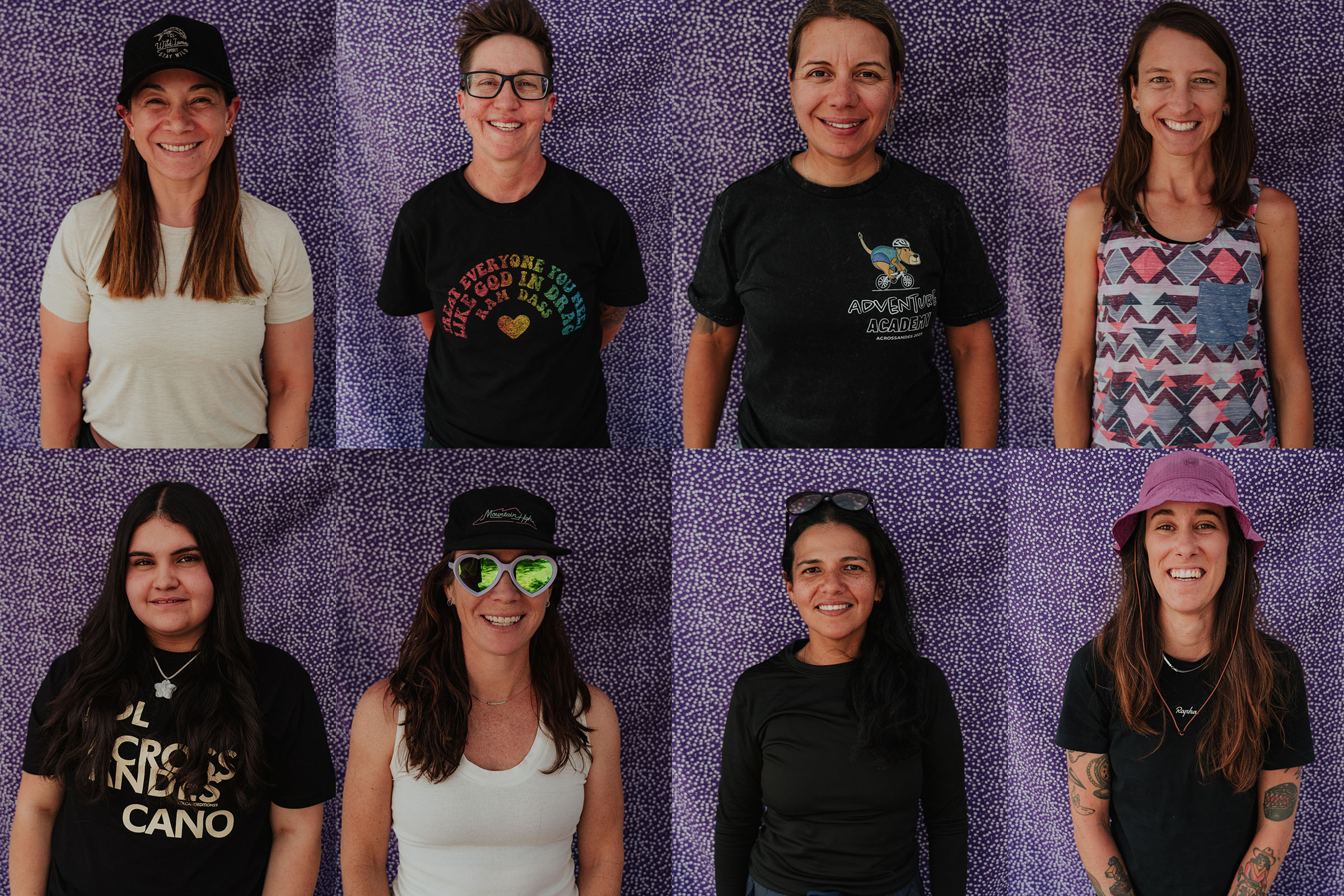
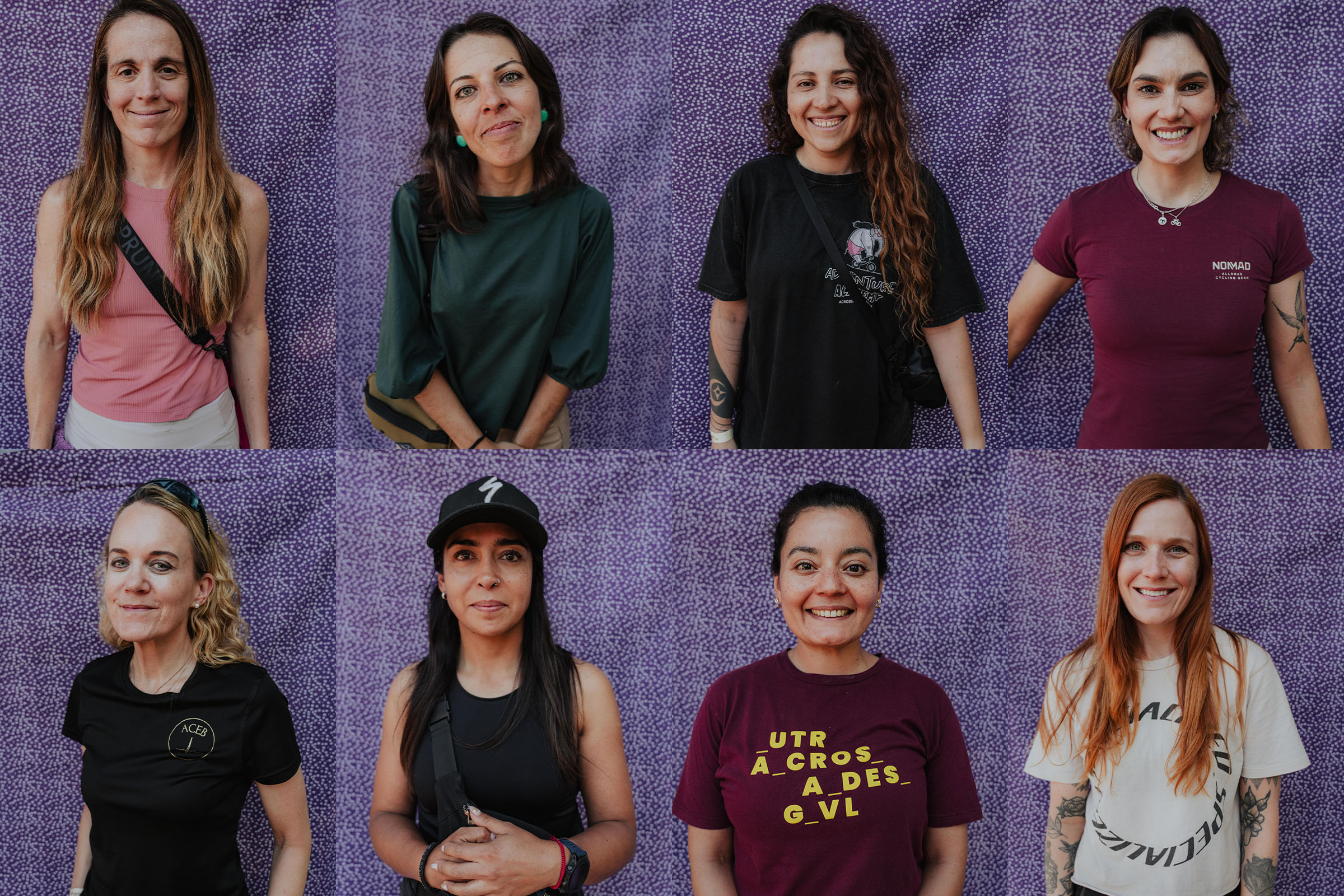
During the pre-race dinner, Sami Sauri captured headshots of all the women who took part in the 2025 Across Andes grand depart. You can scroll the gallery below. And if you’re interested in learning more about the event or registering for next year’s edition, head over to AcrossAndes.cc for details.




Further Reading
Make sure to dig into these related articles for more info...


Please keep the conversation civil, constructive, and inclusive, or your comment will be removed.