


 Mountain Bike (MTB)
 Gravel Bike
 All-Terrain Bike (ATB)
 Fat Bike
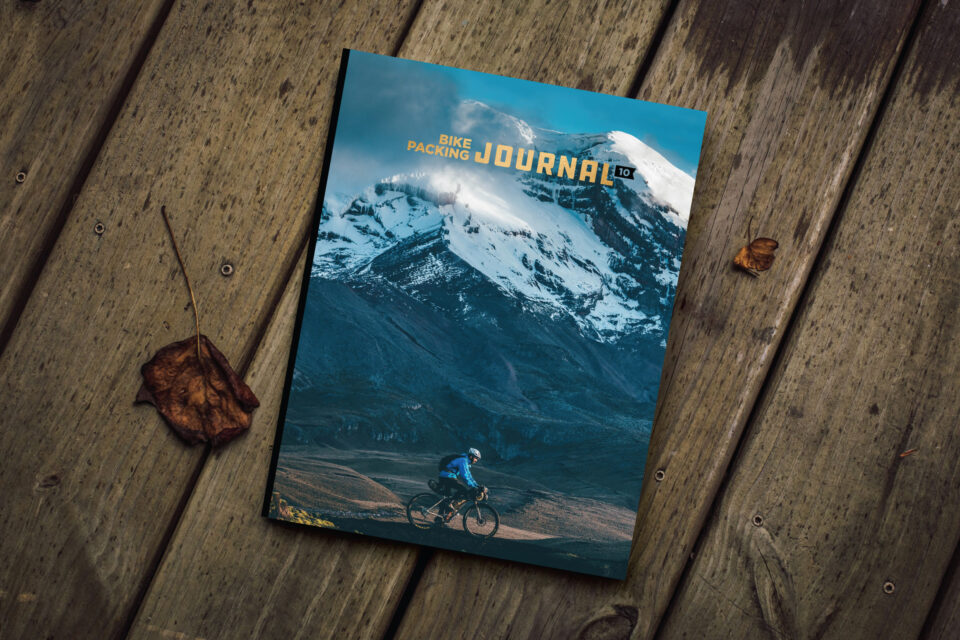
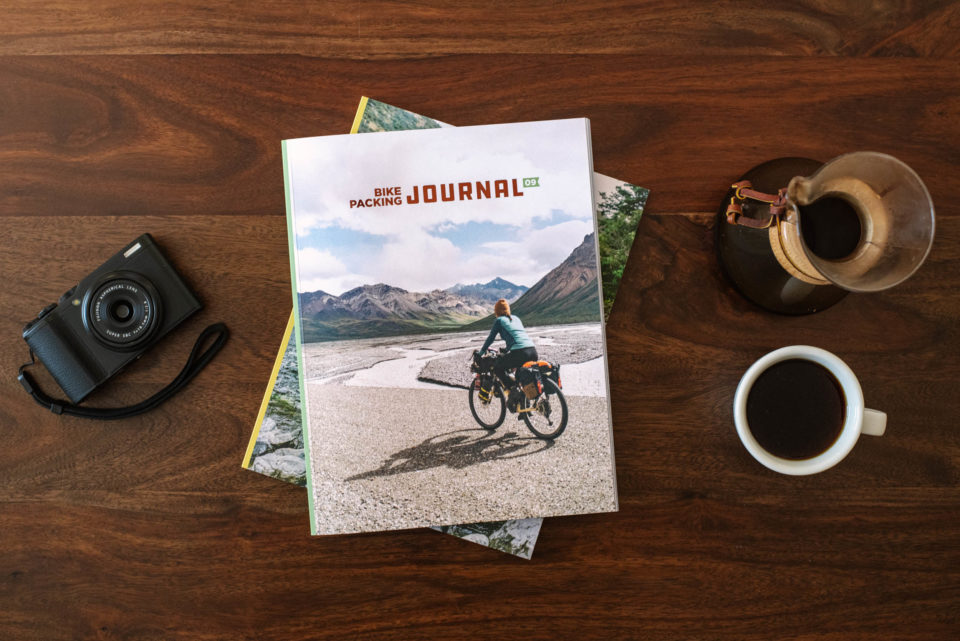


Modern Machines: Do Bikes Still Make Us Free?




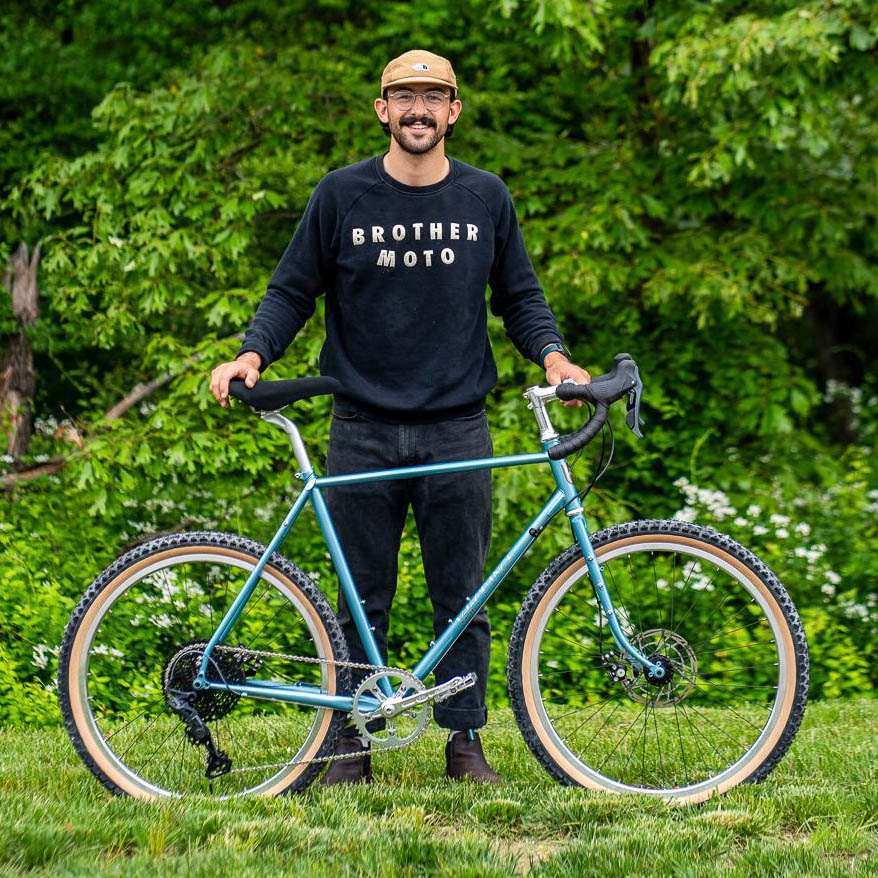
After years of trial and error, becoming a competent home mechanic has added another dimension and a greater sense of freedom to Nic’s cycling experience. But following some recent incidents with contemporary bikes, he began to wonder whether the crucial sense of agency he’d found through tinkering was fading in the face of modern designs. In this piece, he tries to answer one simple question: Do bikes still make us free? Find out below…
PUBLISHED Jun 3, 2026
I stood at the counter patiently waiting as my local mechanic dug through his pile of obscure ends—yet another odd request.
“Never straightforward with you, is it?” He said.
“Sorry,” I chuckled.
I’d recently purchased a bike with some unusual brake standards because it was one of the first of its kind, and I needed an IS-to-post brake-mount adapter. Not that odd in the grand scheme of things, but outside the spectrum of a typical customer, he assured me, as he haphazardly searched for the part he knew he had.
“Yeah, I’m not really a tinkerer,” said the man standing at the next counter over, “so, whatever works. I don’t really care to do my own work.”


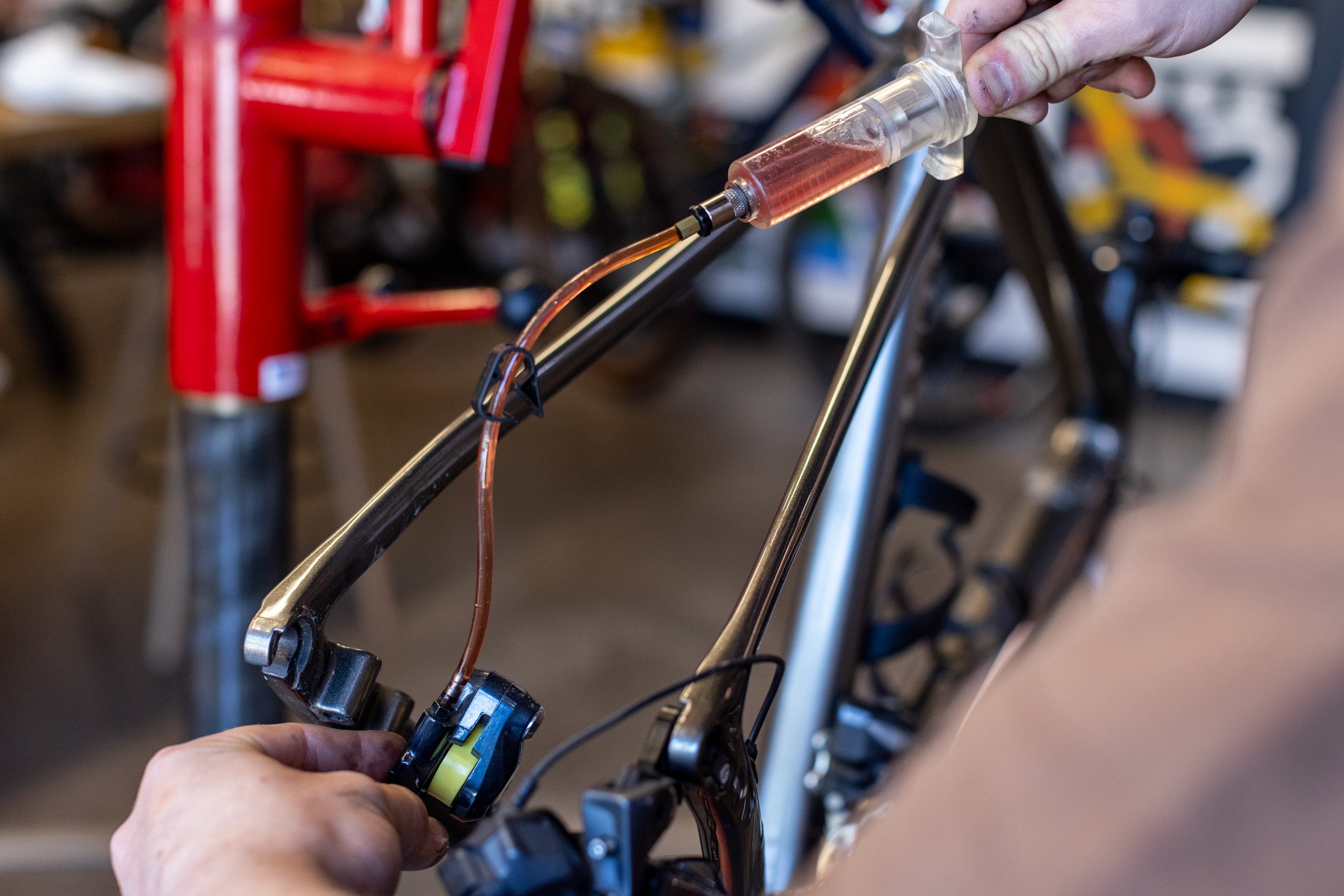
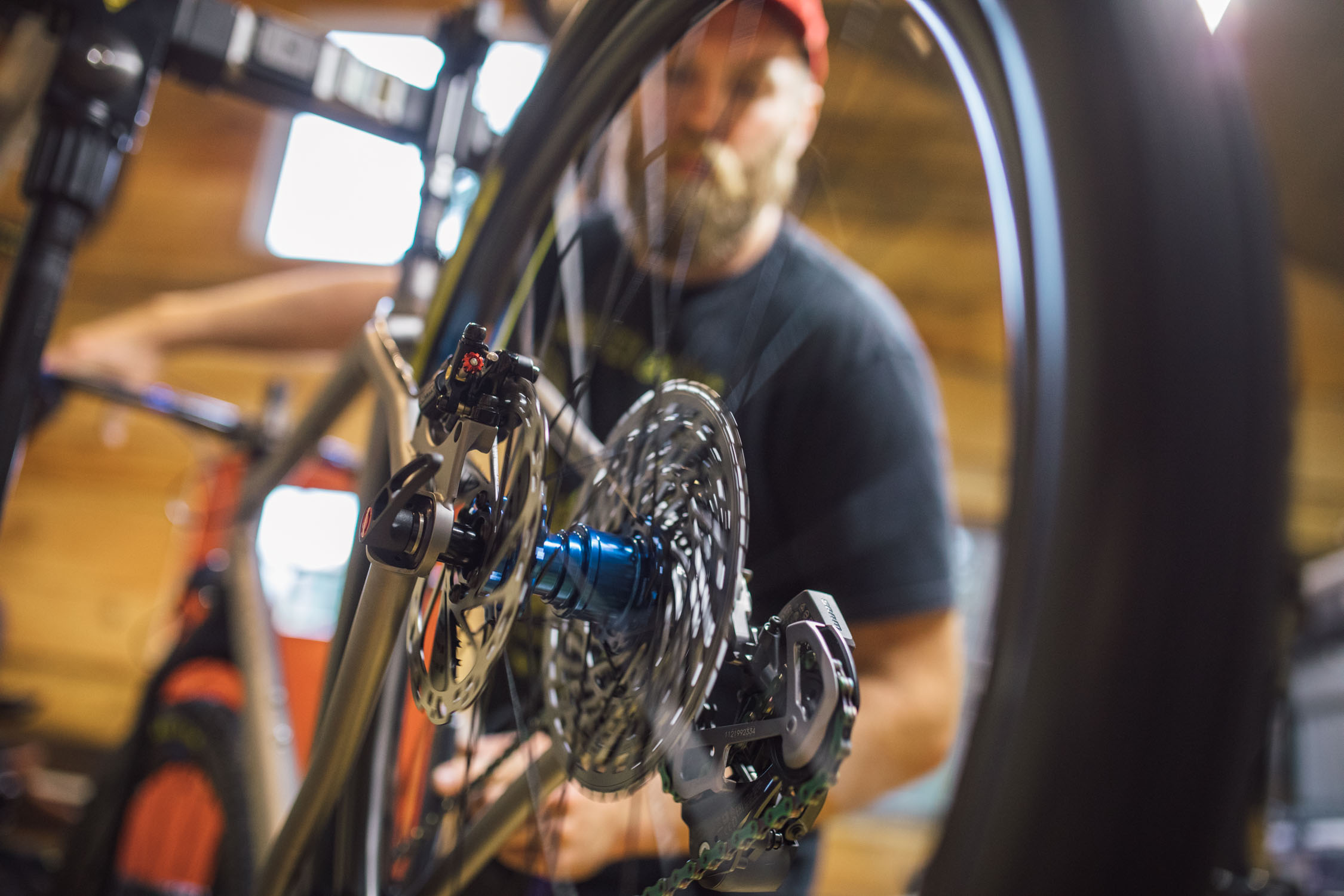
“It was one of the more cooked cassettes I’ve ever seen, so we’d need to replace that, the chain, and potentially some other bits to get it back in order,” the other mechanic remarked over the loud rustling of parts bin noises coming from behind him.
“All good. Whatever,” he said, brandishing a credit card.
“Okay, I’ll give you a call when it’s ready.” Before the sentence ended, the guy was out the door.
I eventually got my brake mount and went home. Cables and adapter in hand, I thought more about what I’d just witnessed. It’s an interaction I’d be mistaken for passing harsh judgment on, but part of me couldn’t help but sit and stew on it as I assembled and disassembled what seemed like my fifth bike in as many months later that day.

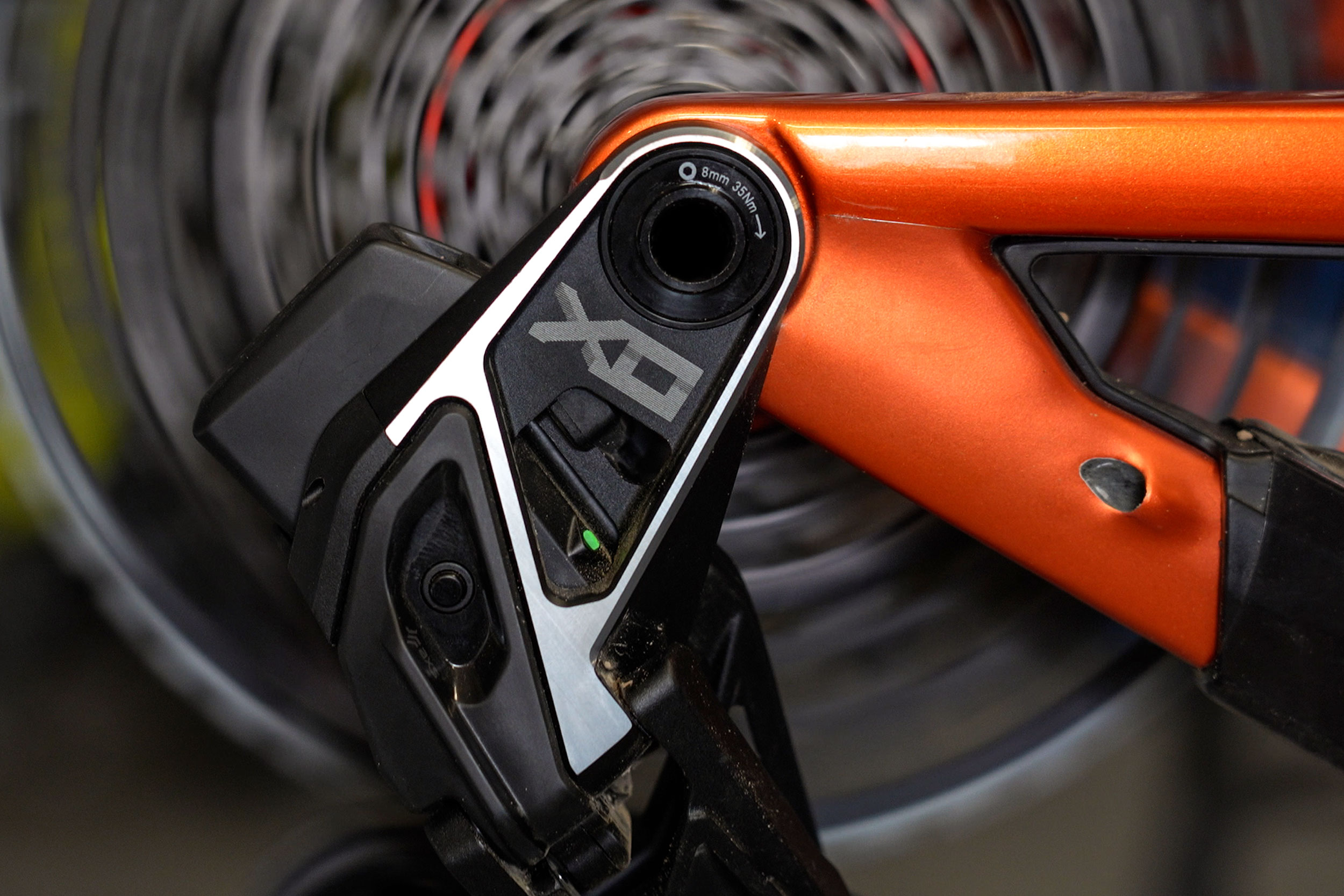

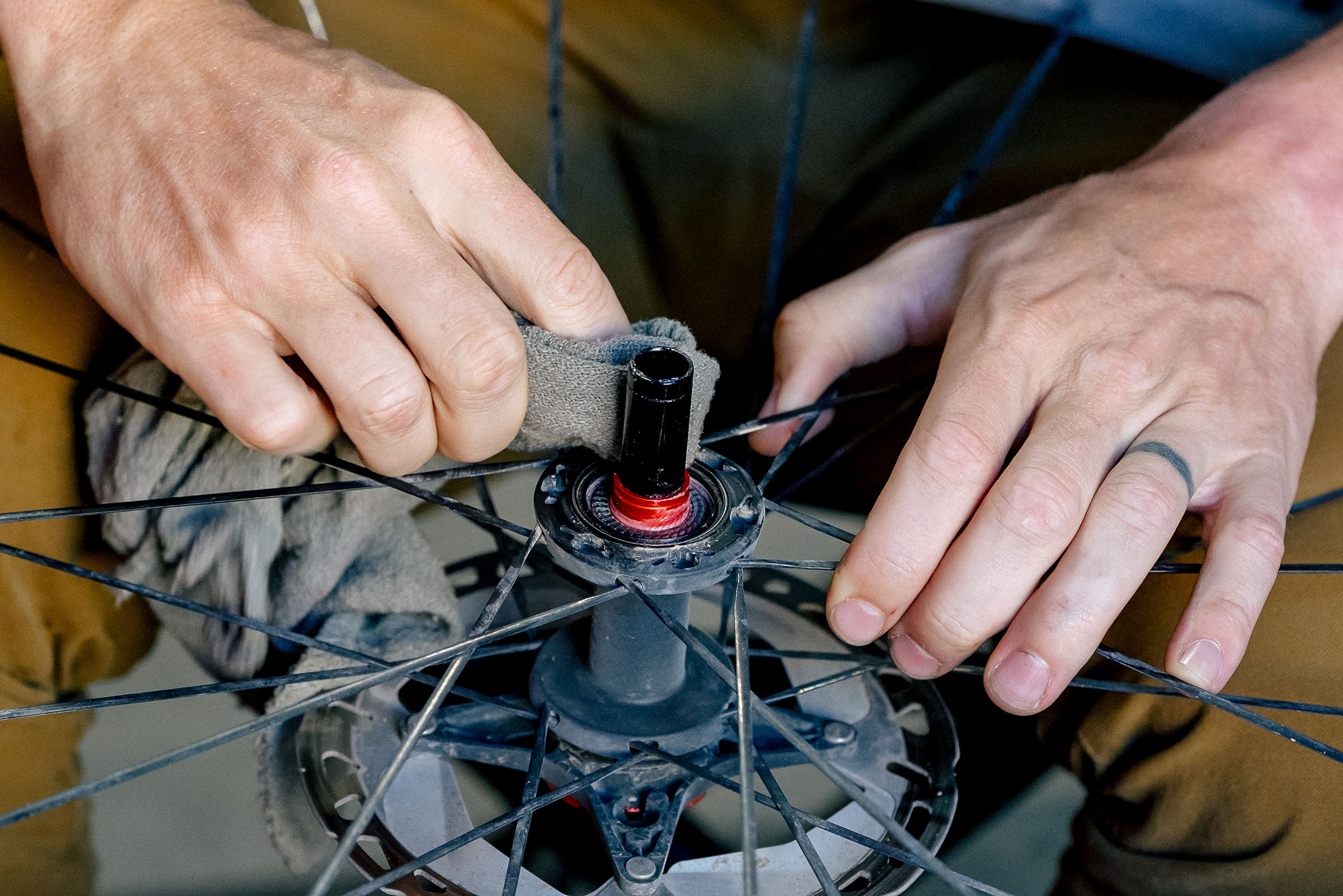
As I mounted the brake caliper onto the adapter, I suddenly remembered a time when this was all so foreign to me. When I faithfully watched and rewatched videos of Calvin Jones from Park Tool and even our very own Neil Beltchenko, as a mix of direct advice and context clues guided me through drivetrain setups, tubeless tips, and minor repairs. As greasy hands ruined the keys on my old laptop, words went from jargon to identifiable terms and eventually to actionable knowledge. I vividly recall the sense of pride I felt as I fixed my first-ever flat. It was just a tube replacement, but the feeling I got as the bead snapped back onto the rim after about 30 minutes of wrestling with it was as satisfying as summiting a climb or hitting a new distance goal. It felt good.
That sense of competence, however premature, led me to feel like I could change my brake pads. They were squealing and no longer had the power I felt months before, so they must’ve been worn out. By the time I managed to pull them off, I felt like I was really getting somewhere. With the arrogance of someone who thought they had it all figured out, I slid some new ones in and called it a day. Before long, the brakes no longer functioned. An even louder squeal, accompanied by a crunching sensation at the levers, left me feeling a little embarrassed. Soon, I sought the help of a mechanically inclined friend, who surmised I’d contaminated the brakes with greasy hands and offered to show me how to do it properly.



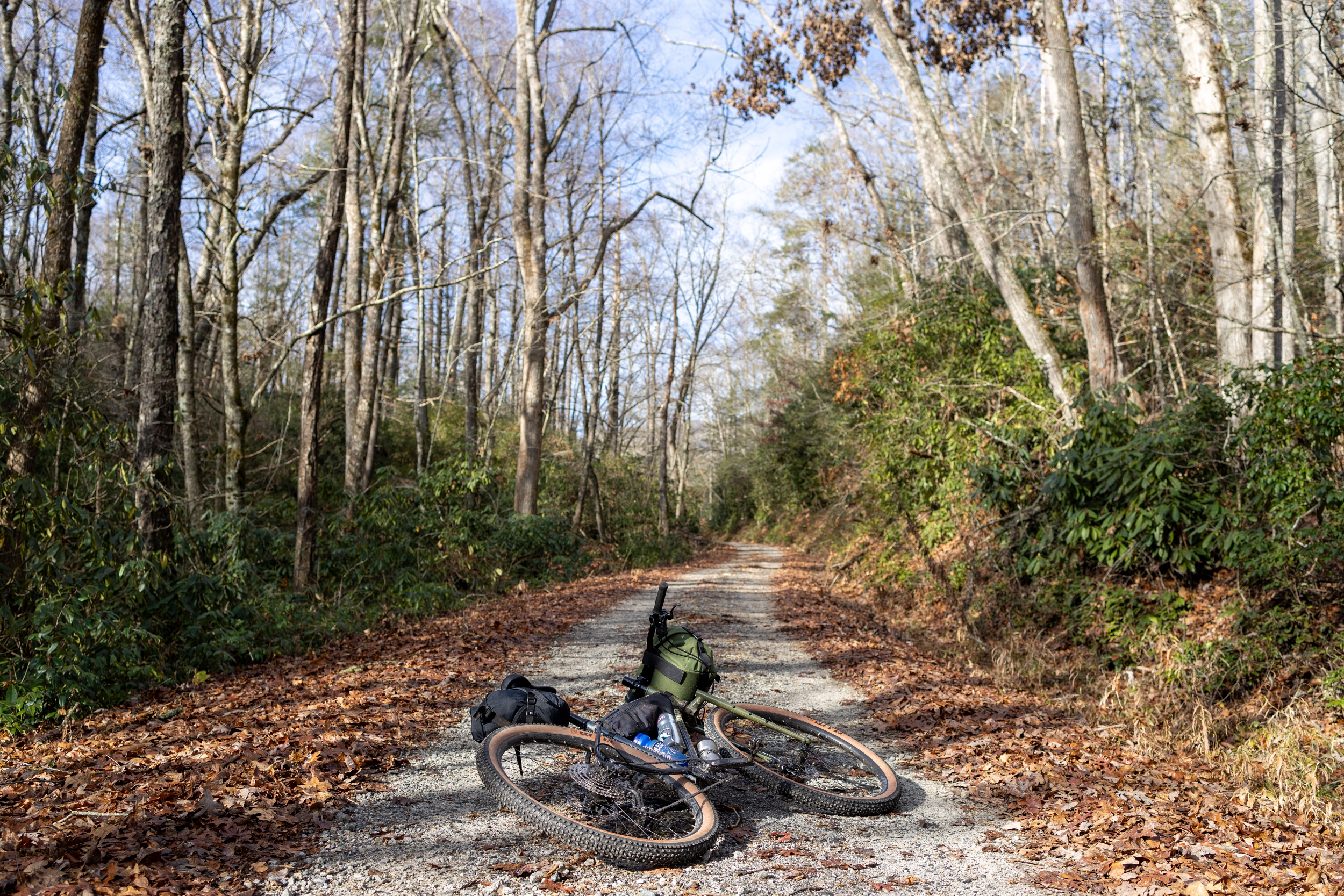
Some variation of the above continued for years. With each minor task performed, messed up, and re-worked, I learned. I gained enough confidence to trust my work, and soon I stopped taking my bikes to shops for minor and even mid-level repairs and installs. Sure, visions of careening into traffic or a ditch kept me on the straight and narrow, but that was part of the fun. As I passively engaged with tech videos and guidebooks, real-world experiences reinforced what I learned online. During a three-day bikepacking trip, a friend’s cable snagged on one of the stops of his retro mountain bike and inhibited him from being able to use the largest sprockets on his cassette. That tracked as it limited the amount of cable that could be pulled from his shifter. Snag located, found, and fixed. It’s an obvious concept to people who understand how these things work, but these were the material experiences that helped me understand how they actually function. The mechanical intricacies of bike components became self-evident, creating a sense of agency over my own experiences.
The point being: the bikes and components available to me at the time made this possible. They weren’t rife with black-box technology, components, and designs created largely for convenience and aesthetics at the expense of serviceability.
What Do We Stand to Gain?
When I first joined the BIKEPACKING.com team, I wrote a long-winded and perhaps overly complex take-down of electronic shifting. It was an idea that had been kicking around my brain for some time, and one I still agree with. In it, I present the problems with the proliferation of electronic shifting, from its manufacturing process to the drawbacks it imposes on frame makers and builders. It comes up often in my interactions in the bike industry, and though I’m proud to have written it, I know some have taken it as an attack on those who use electronic components. I don’t look down on anyone who opts for electronic or even modern designs, such as fully internal routing. My critical examination of them is born of a life spent scrutinizing my own beliefs. Whether as a philosophy student or simply as a person who enjoys introspection, I like examining every aspect of something and drawing out its logical endpoints through my own perspective.



Every day, I see more bikes and components made with convenience as their core impetus, from electronic-shifting-specific frames to drivetrains that promise an almost tool-less user experience and a host of products that aim to take the learning out of bikes. I understand why this is the case, and I don’t think it’s inherently wrong. I don’t believe these companies are trying to take away people’s agency, or even rob the DIY community of its joys. It’s simply what the larger system demands. An endless synthesis toward the path of least resistance and greatest yield. After all, these impossibly good components cost time and money to engineer. If they truly deliver a seamless, near-perfect experience, surely they’re “worth” more than something you have to figure out, right?
But a big part of what has guided my life on two wheels is the holistic fulfillment provided by riding, tinkering, fixing, and wrenching. It’s one of the best things about bikes. I truly believe anyone can learn about them and become at least somewhat self-sufficient in their upkeep and maintenance. When YouTube videos and manuals aren’t cutting it, bike shops have served as beacons of knowledge and experience. Of course, much of what I’ve learned comes down to the privilege, resources, and environment I enjoy. But, by and large, I think it’s something that sits within reach for a decent portion of the population. That is, until the direction of travel for modern systems started to move away from that sense of engagement.

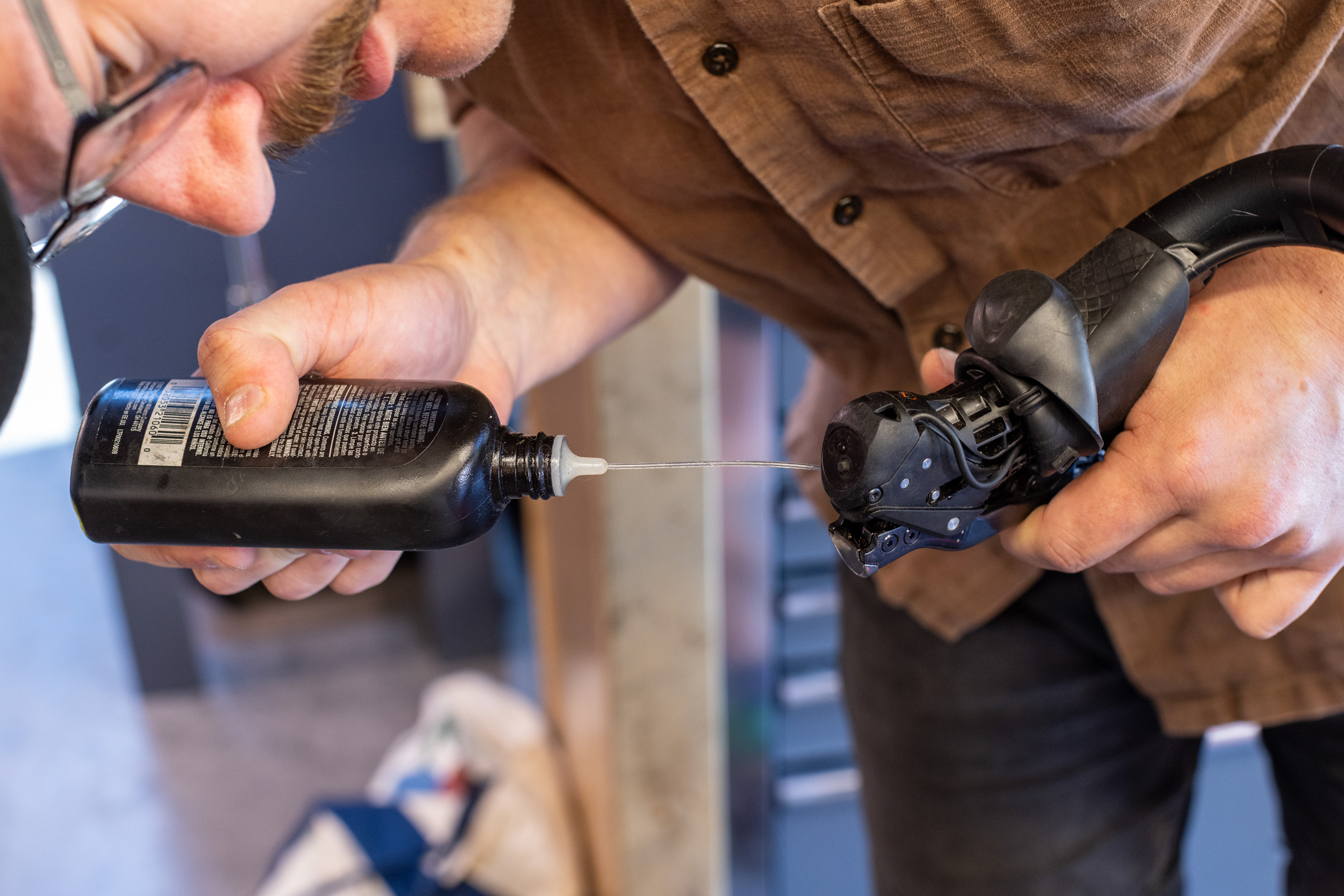

As I adjusted the wayward shifting of an electronic drivetrain on a review bike recently, I wasn’t filled with the same sense of satisfaction as I would with a mechanical counterpart. Through the app on my phone, micro-adjustments to the system were just a tap away, and the shifts were perfect. It makes for a great user experience, but there was nothing to chew on. Nothing to dive into. Nothing to understand. The black boxes of the derailleur and phone app did all the work: no screws, no tension, no physical knobs. Just an invisible ether in which perfect shifting exists, communicated through the terminal screen of my personal doom brick.
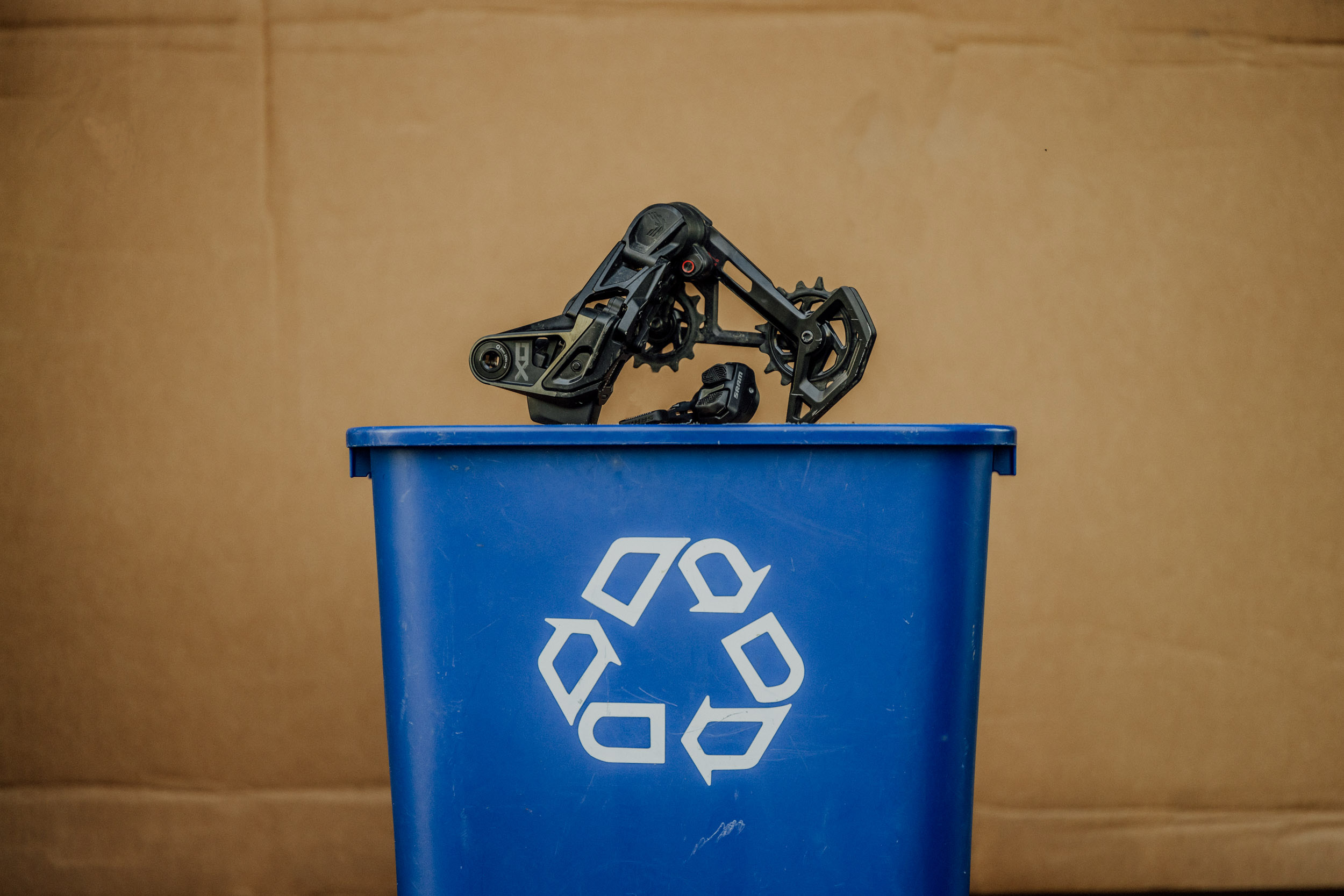
Aside from the obvious downsides of having effectively no solutions if the black box stops working (almost every minor and major race I attended in 2025 featured someone cursing the heavens because their electronic shifting system had inexplicably gone kaput), recent experiences like the one at the start of this piece sit heavily on my mind. It’s far from the first time I’ve witnessed someone show little interest in how their bike works and how to fix it themselves, and it makes me wonder: What kind of customer is the bike industry trying to create?
What We Stand to Lose
In the best of times, bikes are a tool for good. They create equitable pathways for most members of our modern society to interact. They provide a healthy, largely independent means of traversing urban and rural environments, and they bring people together through achievement, community, and a shared real-world experience. Commuters in bike-friendly cities are going to have a lot more in common and interact far better than a bunch of people sitting on a jammed-up highway. Every part of the system, from bike shops to sites like ours, plays a role in people figuring it all out. From the complexities of bottom bracket standards to remembering which way you’re meant to turn the Allen wrench when you want to remove a pedal (it’s up, toward the rear of the bike), it’s all a part of the big bike community we know and love.



But bikes are not immune to the same fate that other modern machines have succumbed to. Closed loops and proprietary designs are already present and being slowly cemented into contemporary design. While a number of companies proudly boast a more traditional, repair-friendly ethos, convenience is a slippery slope. As with AI and other parallel technologies that promise to ameliorate our increasingly busy lives, it’s not impossible to see how bikes could just become another avenue for extraction and commodification. Especially when their modular, accessible aspects are seen as hurdles to a more seamless user experience.
So, as I think back to the times I’ve witnessed a line of people mindlessly dropping off their bikes, hurriedly attending to the other parts of their lives, I question my suspicion of the individual. I wonder if part of the reason people engage with these machines in a removed way isn’t that they don’t want to, but because they have to. As bikes and their components become increasingly proprietary, is there still space for people to learn how these machines work? Does the industry still leave room for the tinkerers? Or is that being crowded out so products can achieve some idea of seamless perfection? Taking this thought to its logical conclusion, I’d venture to say that what’s lost when we move toward that end isn’t just accessible parts, mechanical shifting, or bike design that elevates more traditional means of operation. Rather, what’s lost is the freedom we’re so quick to say is inherent to bikes.


I believe a big reason we experience such a profound sense of freedom through bikes isn’t solely because of the sensation we get when careening down a massive climb with all our gear in tow, or the sense of accomplishment we feel when traversing great distances off our own power; it’s because the bike has always been an accessible and understandable vehicle. One that, with enough effort, can be fixed and made to fly with just a few simple tools. Furthermore, the nature of accessible bike design isn’t solely predicated on one person’s ability to fix it. It’s based on its capacity to be fixed by anyone.
Until very recently, knowledge has often been an easy-to-disseminate, low-cost resource that has elevated entire communities’ ability to benefit from learned experiences. Fixing one’s bike is the result of many people acquiring the necessary knowledge and tools, eventually arriving at a solution. Be it on the side of the road during a bikepacking trip, in the dimly lit corner of a shed, or at a bike shop after kindly asking to be shown the way, the merit of the designs we stubbornly insist are still “better” today is found in the people who engage with them, not just in those who designed them. Abandoning that shared sense of knowledge, the kind we’ve all derived from each other, for bikes that purport some kind of functional perfection not only robs us of the knowledge that has kept them rolling to this very day, but the freedom we often assume is inherent to the thing we all love.
What do your experiences tell you? Let me know in the Conversation below…
Further Reading
Make sure to dig into these related articles for more info...


Please keep the conversation civil, constructive, and inclusive, or your comment will be removed.