

 Mountain Bike (MTB)
 Gravel Bike
 All-Terrain Bike (ATB)
 Fat Bike

I’m Done Bikepacking by the Rules

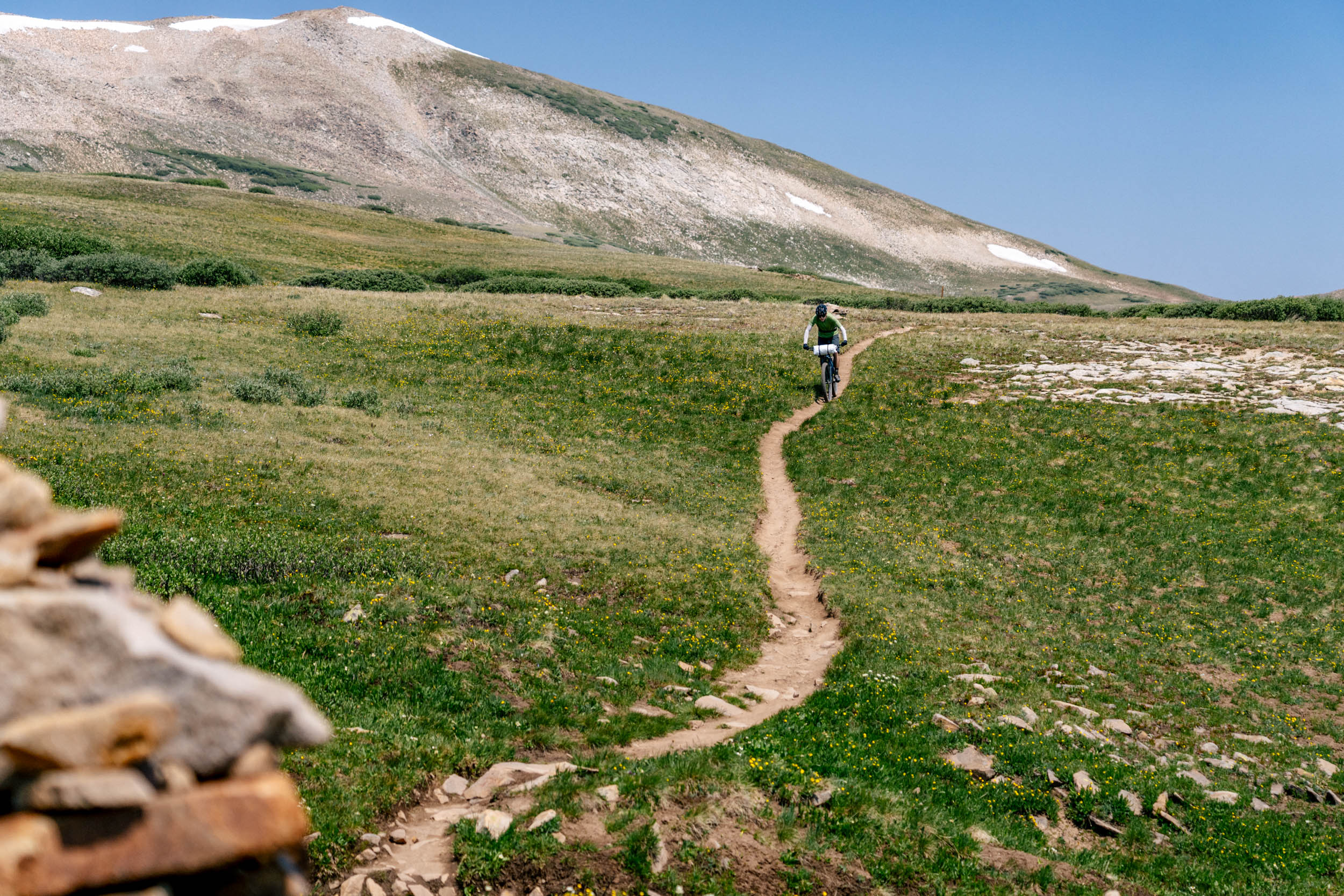
Neil’s latest video is a thoughtful look back at a recent journey along the picturesque Colorado Trail. Reflecting on how his outlook on life, bikepacking, and more has changed as he’s gotten older, it’s an insightful personal story with lessons for everyone. Watch it and find a written version with photos here…
PUBLISHED Jul 17, 2026
There was a time when I thought there was a right way to bikepack. Follow the line. Carry your own gear. Avoid support. Ride every inch. Finish what you started. If you could do it all faster, cleaner, and with less gear, even better. For a long time, that was my version of adventure. I’m not saying it was right or wrong, but it shaped the way I looked at routes, effort, and success. But life has a funny way of changing the rules.
Over the last few weeks, I have been humbled and reminded just how much things can change. There has been joy, sorrow, pain, beauty, and a lot of complicated emotions mixed together. Somehow, through all of that, a recent trip on the Colorado Trail helped me understand something a little more clearly: bikepacking does not have to adhere to a single rigid idea to be meaningful.
Here, I want to talk about the Colorado Trail, what it means to me, why this trip felt different, and why I am starting to think the best version of bikepacking might be the one you make your own. Check out the full video below for my thoughts, followed by a written version.
Why The Colorado Trail?
This past winter, during my year-in-review and looking-forward video, I told myself I wanted to stop testing so many drop-bar bikes and get back to my roots: singletrack, more time in remote locations, and less time on roads.

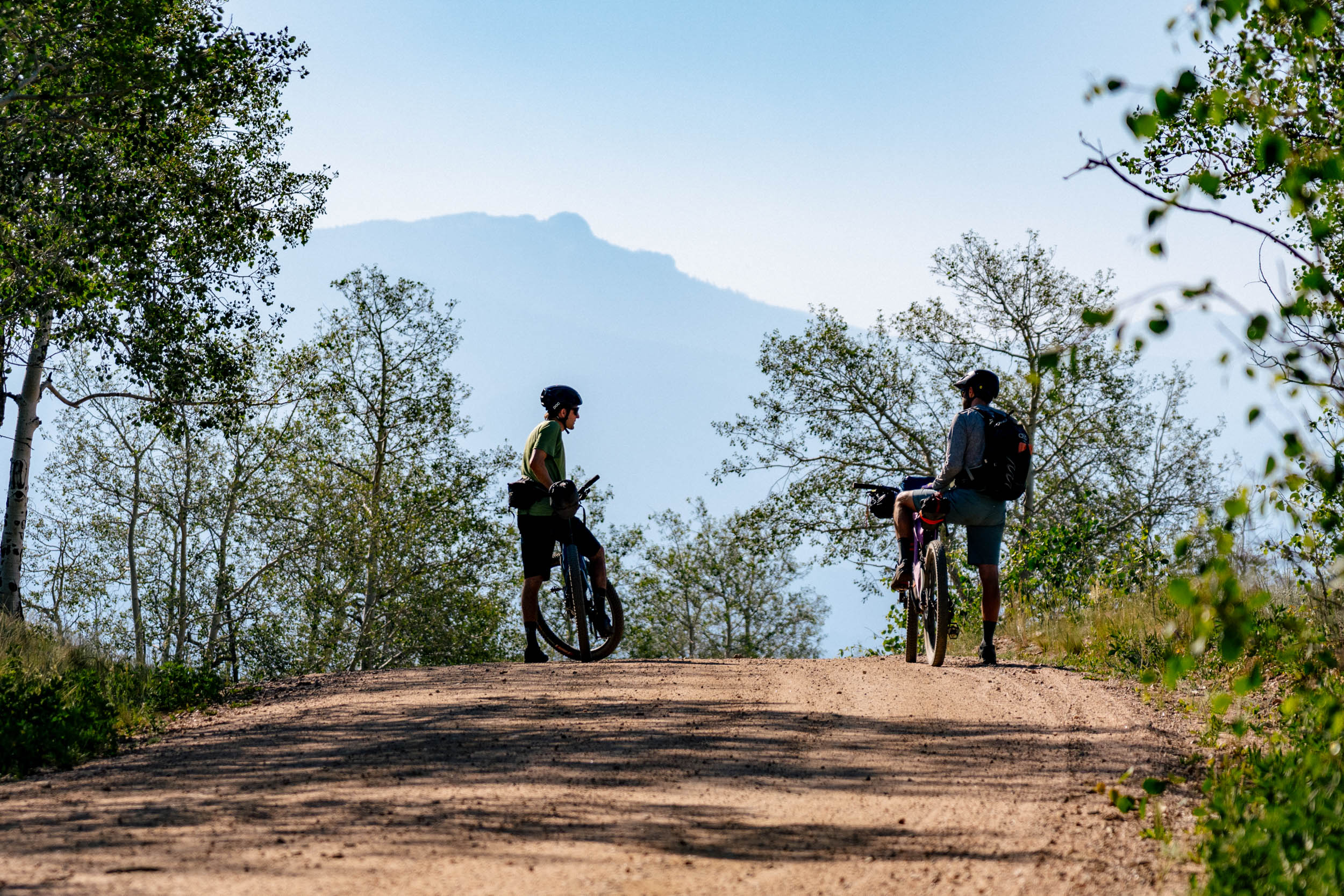
So, I set my sights on testing more mountain bikes while committing to a few clear objectives. One of those was the Colorado Trail, a route that is near and dear to me. It was my first bikepacking trip back in 2012, and it’s a route I’ve raced multiple times. There was a time when I was obsessed with the speed on this route. I thought nothing was worse than not riding as hard as I could, not following a route to a T, accepting support, or not keeping the experience as pure and human-powered as possible. That was my chosen adventure at the time. Again, I’m not saying that was the right or wrong way to do it. But my rules of bikepacking have changed.
Life Changes The Rules
Before we get into the ride itself, I need to back up a bit. I have been lucky to experience a lot of joy in my life. I found an incredible home in Colorado, married my life partner, got the dog of our dreams, witnessed the birth of our two children, and watched them grow into these amazing little humans who surprise me every day. Being with family has become my main focus.
But as you get older, sorrow starts to mix with all the joy. It butts its head into your life whether you’re ready for it or not. Our dog, Bowie, turned 15 in May, and we knew his time was coming to an end. We would talk to our kids about it, which in turn reminded us of the reality we were facing. That reality became very real about a week before I headed out on this trip.
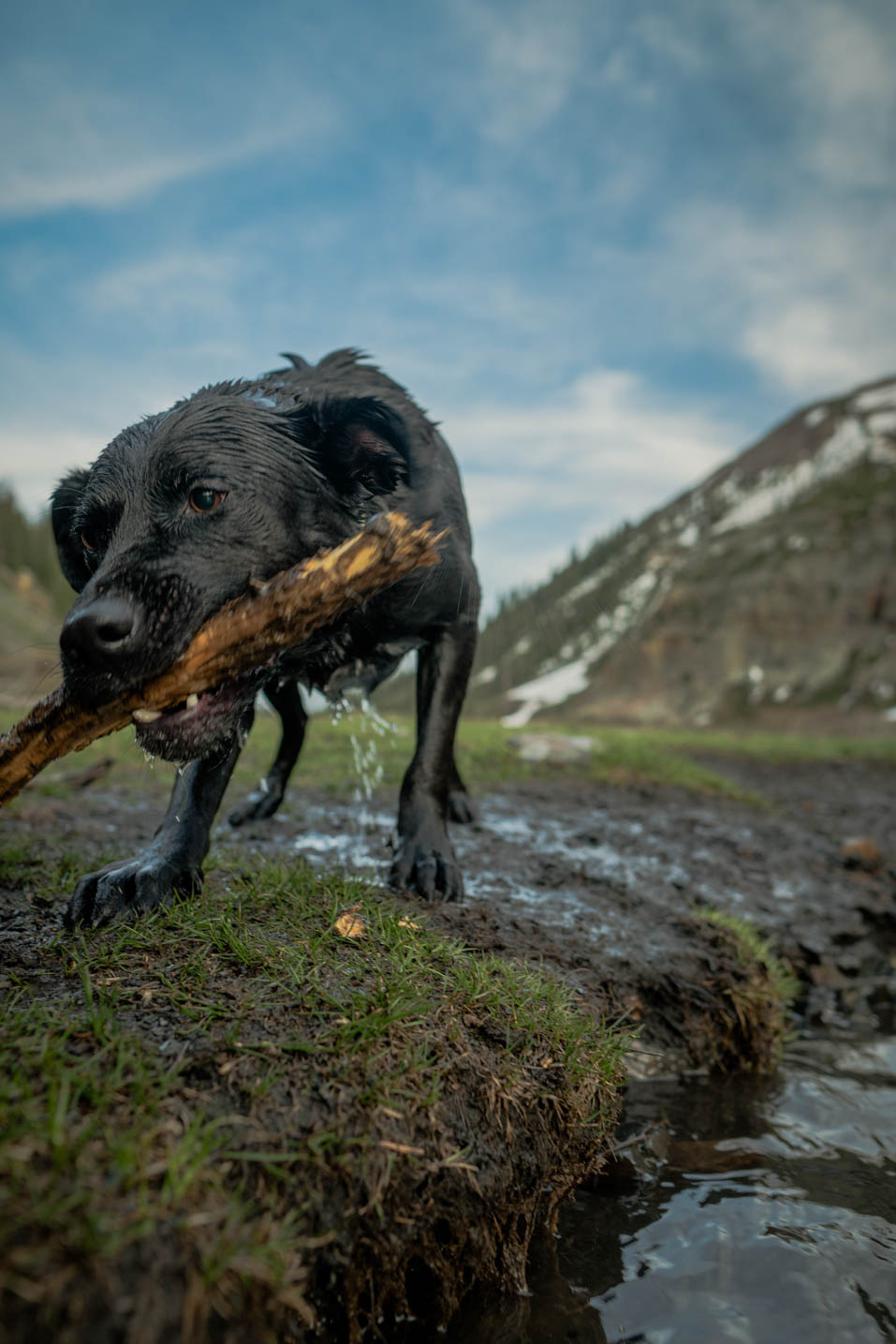
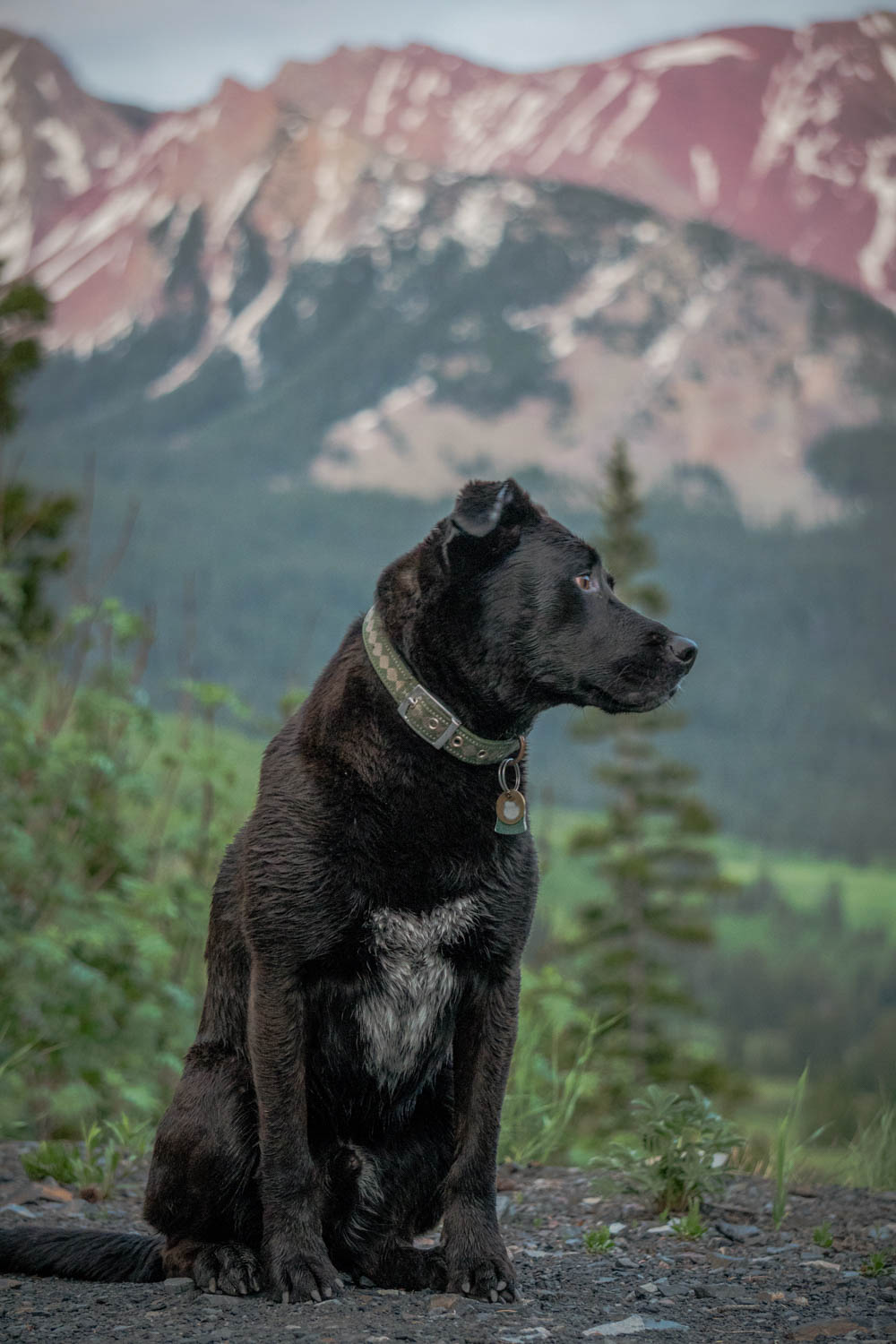
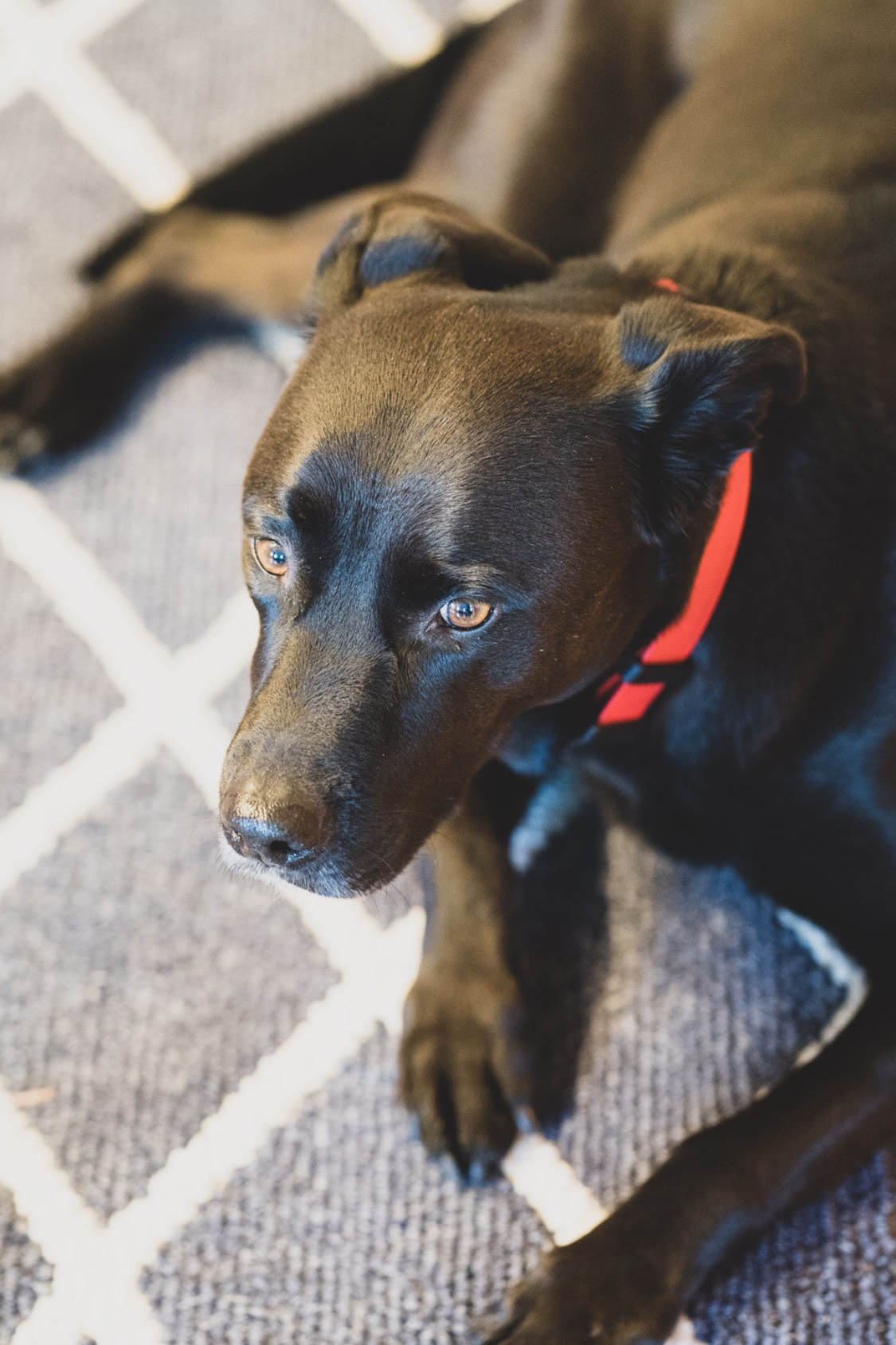
Some people might not think the loss of a dog is that big of a deal. For me, it was the hardest week of my life. Bowie was everything to our family. Lindsay and I got him just out of college in 2011. In fact, we got his brother first, but he passed away from a heart condition only a few days into our time with him. In hindsight, having Bowie for as long as we did was truly special. But it also made saying goodbye that much harder.

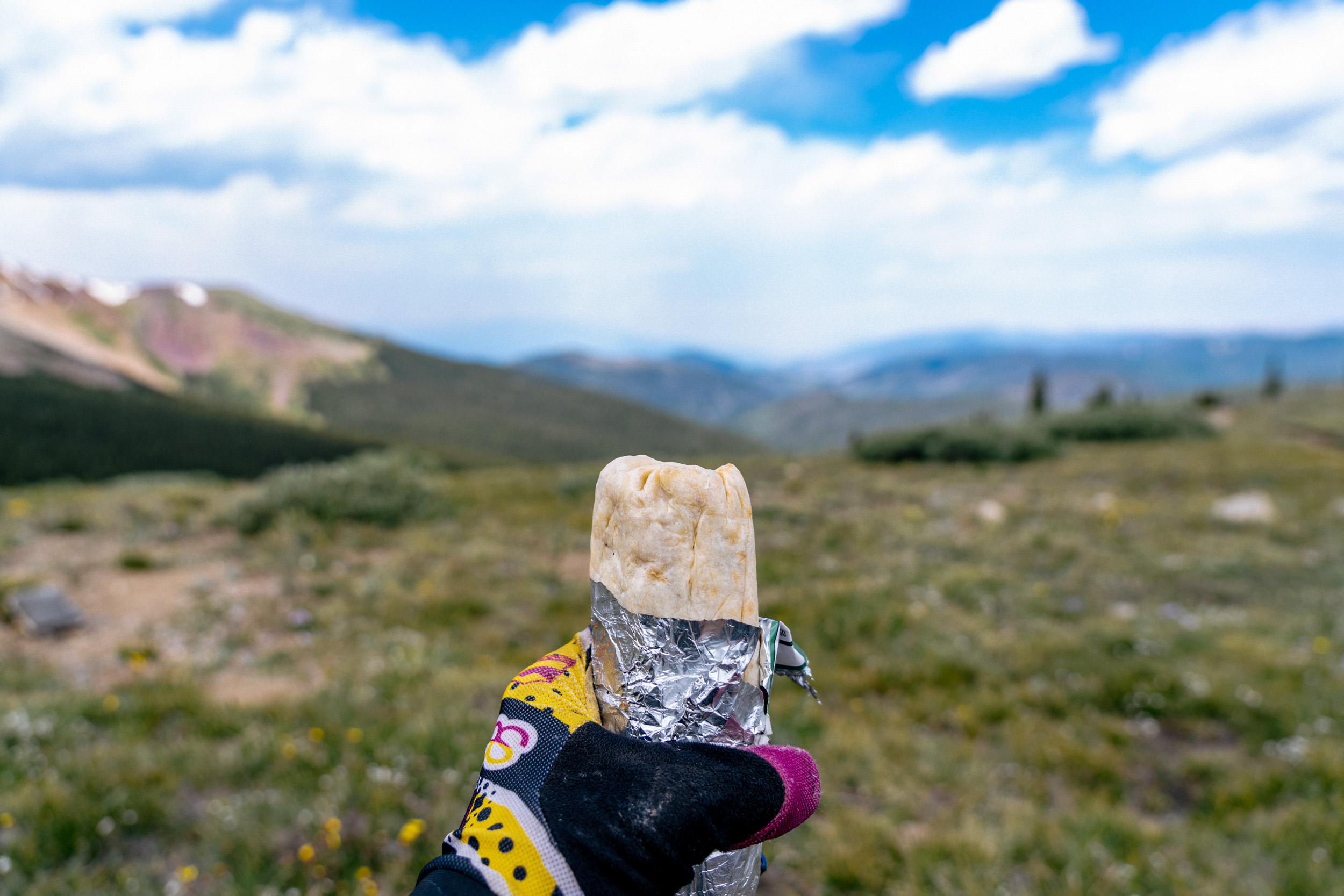
When the time came to ride the Colorado Trail, I had mixed emotions. I was a mess emotionally and mostly wanted to be around family. But I also knew that getting out of the house might be a good idea. Fewer reminders of the loss and more time with friends. Time with a trail that means so much to me. Time outside in the wild. Nature is the best medicine, as they say.
The Goal
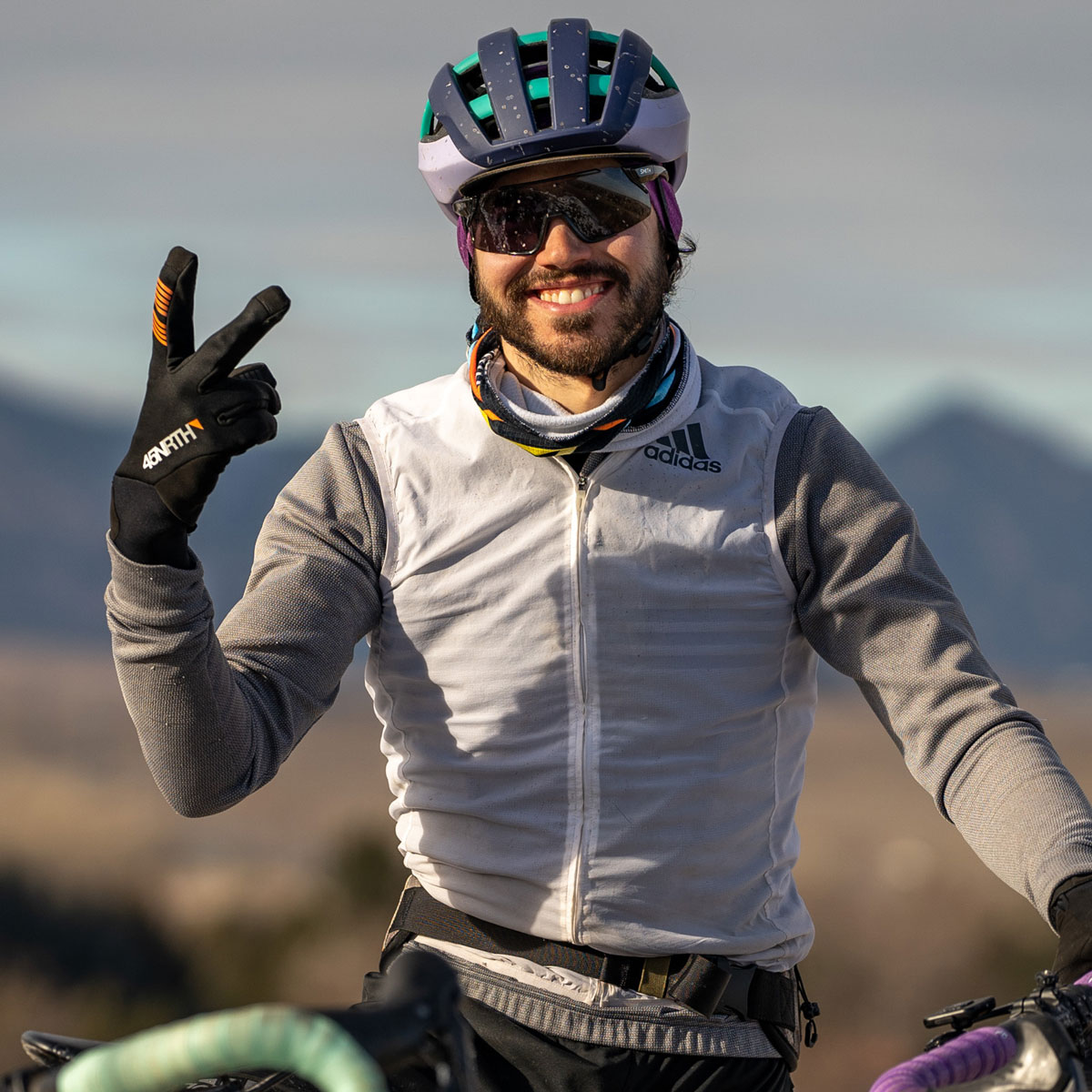
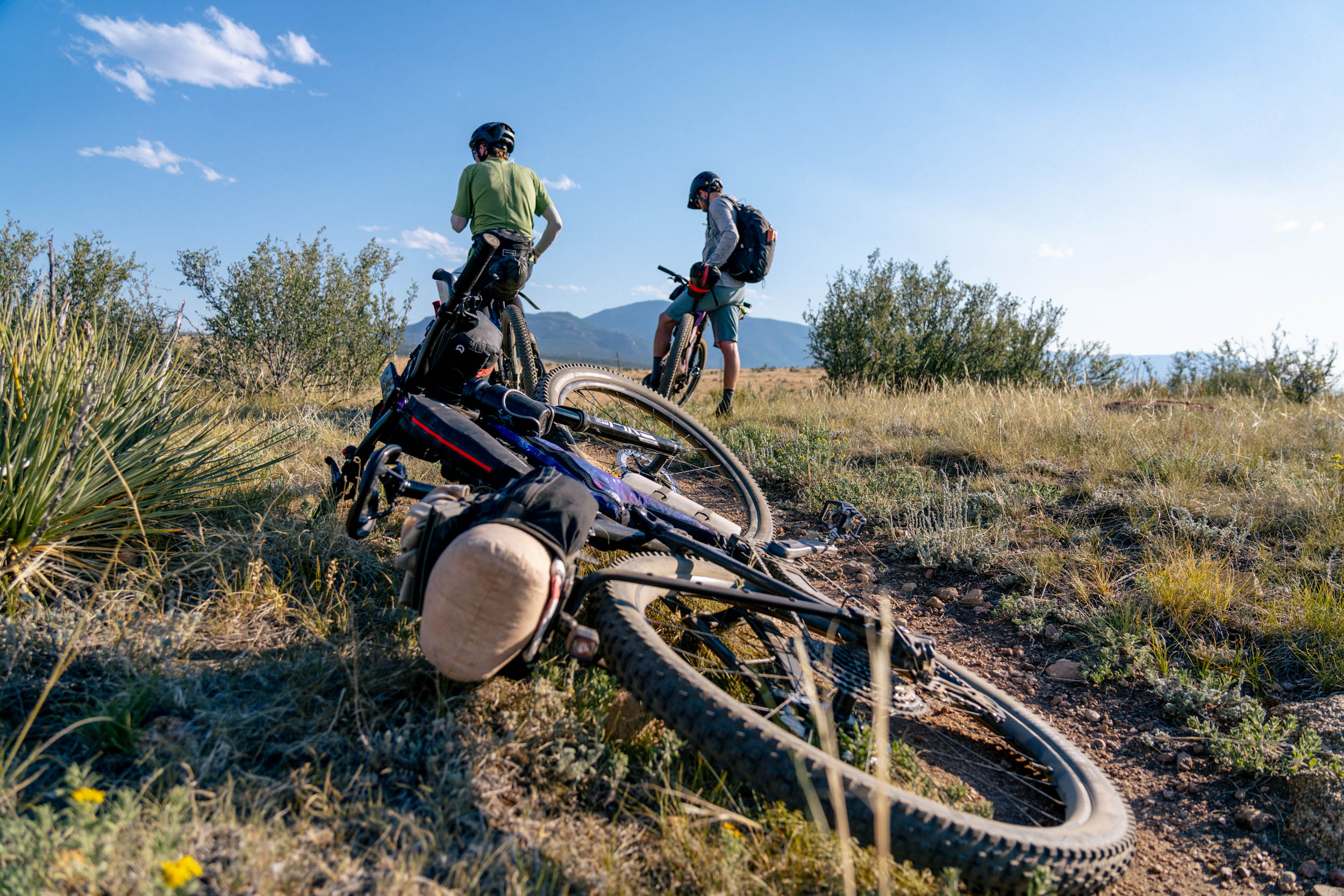
The plan was to be on the trail for eight or nine days, but no more than ten. That plan included sleeping well each night, trying to enjoy our time on the route, and enjoying what we could, knowing full well how hard this route is. I had two friends joining me, JT and Travis, both of whom also have kids in the same class as my oldest. A dad’s trip, so to speak.
More time to chat and less time to think was comforting in this situation. And let’s be honest, bikepacking with friends is just more fun. I have come to dread bikepacking by myself a little. Not because I don’t enjoy solo time, but because I really do have a better time with people. If I can inspire someone to bikepack for the first time, or help them hone their bikepacking skills, I will take that over going alone.
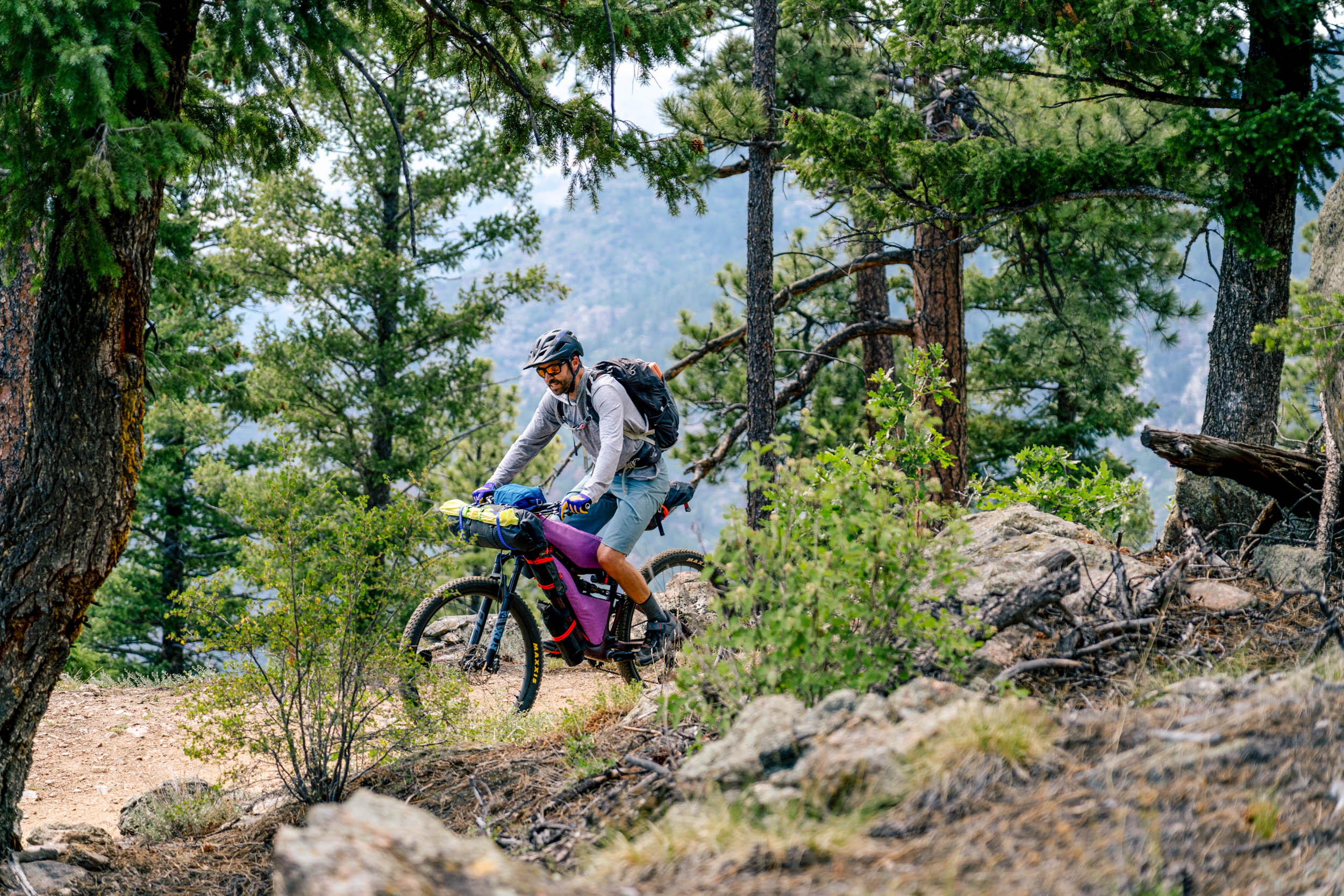
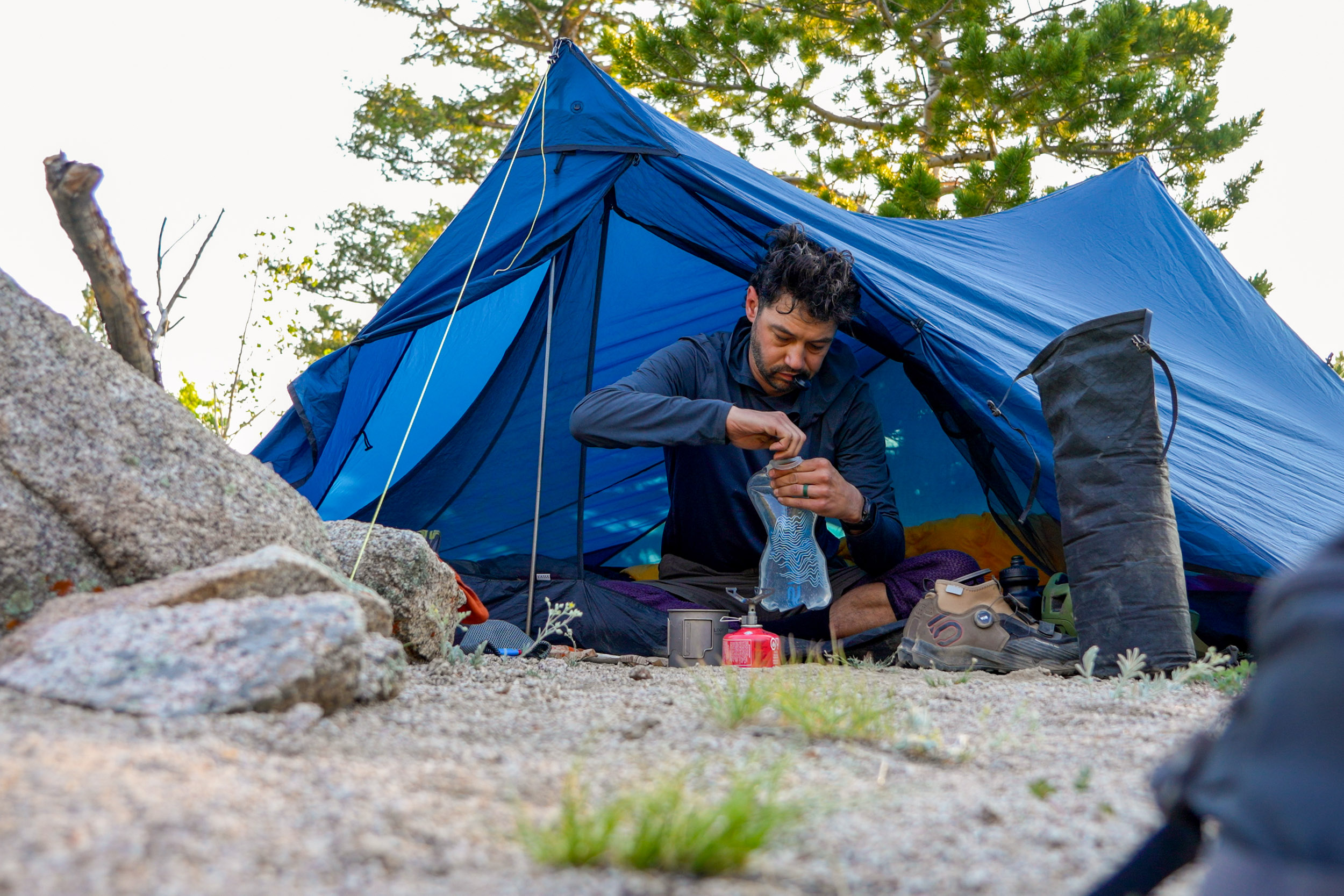
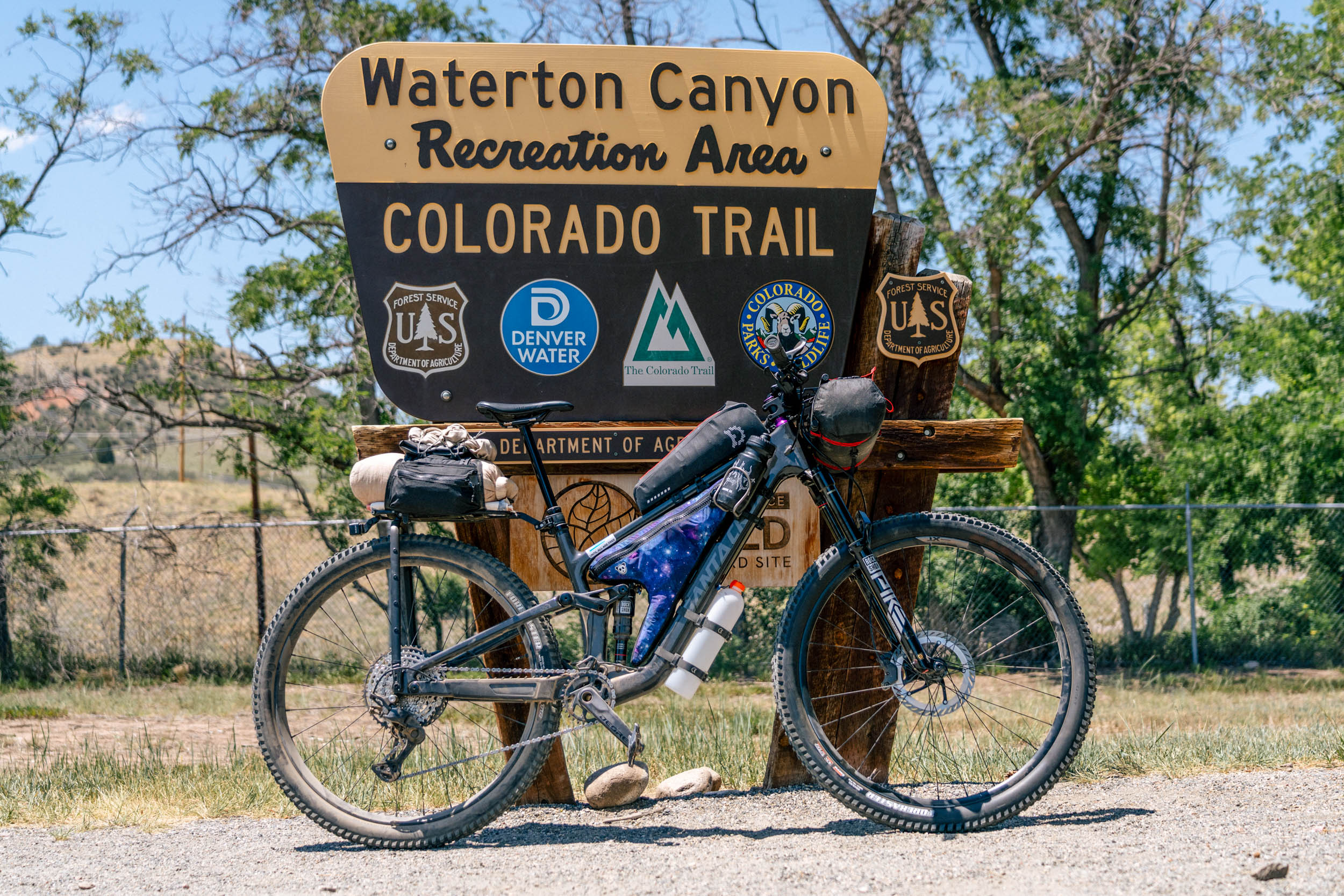
The other beauty of going with friends is that you create a bond that you simply can’t get on a day ride or in most other situations. Even during the difficult moments on trail, you know you are struggling in the same place and toward the same goal. When you get back together a week, a month, or a year later, those memories do not go away. Creating memories with other people is better than not creating them at all. Without friends, there is only one side of the story, and that can get a little boring.
As we started the trip, we began to work out the kinks. I will admit, I went into this trip with less-than-ideal fitness. But the beauty of having a lot of miles under my belt on this trail, and many other hard efforts, is that after a few days, I started to feel right at home. It’s a physical sensation I call “cruise control.”
Colorado on Fire
Colorado was already having a rough summer. After a historically poor winter, massive drought, and a growing wildfire risk, the window for this trip felt fragile. Normally, you can’t ride the full Colorado Trail until mid-to-late July, with snow lingering in the high country and downed trees still blocking sections of trail. But with the route melting out quickly and crews clearing trees earlier than usual, our timeframe seemed like it could work. The hope was to beat both the fires and the monsoons.

And by monsoons, I mean the usual Southwest summer pattern in which shifting winds pull subtropical moisture northward, fueling afternoon thunderstorms, heavy rain, lightning, and flash-flood risk. On paper, it felt like we were just ahead of that. But with the drought, dry conditions, and high winds the week before and during our ride, what looked like a clean weather window changed quickly. Several major fires started in Colorado, including one in the western part of the state that tragically took the lives of three wildland firefighters. It is incredible what those folks do, and I wish their families, friends, and crews nothing but the best.
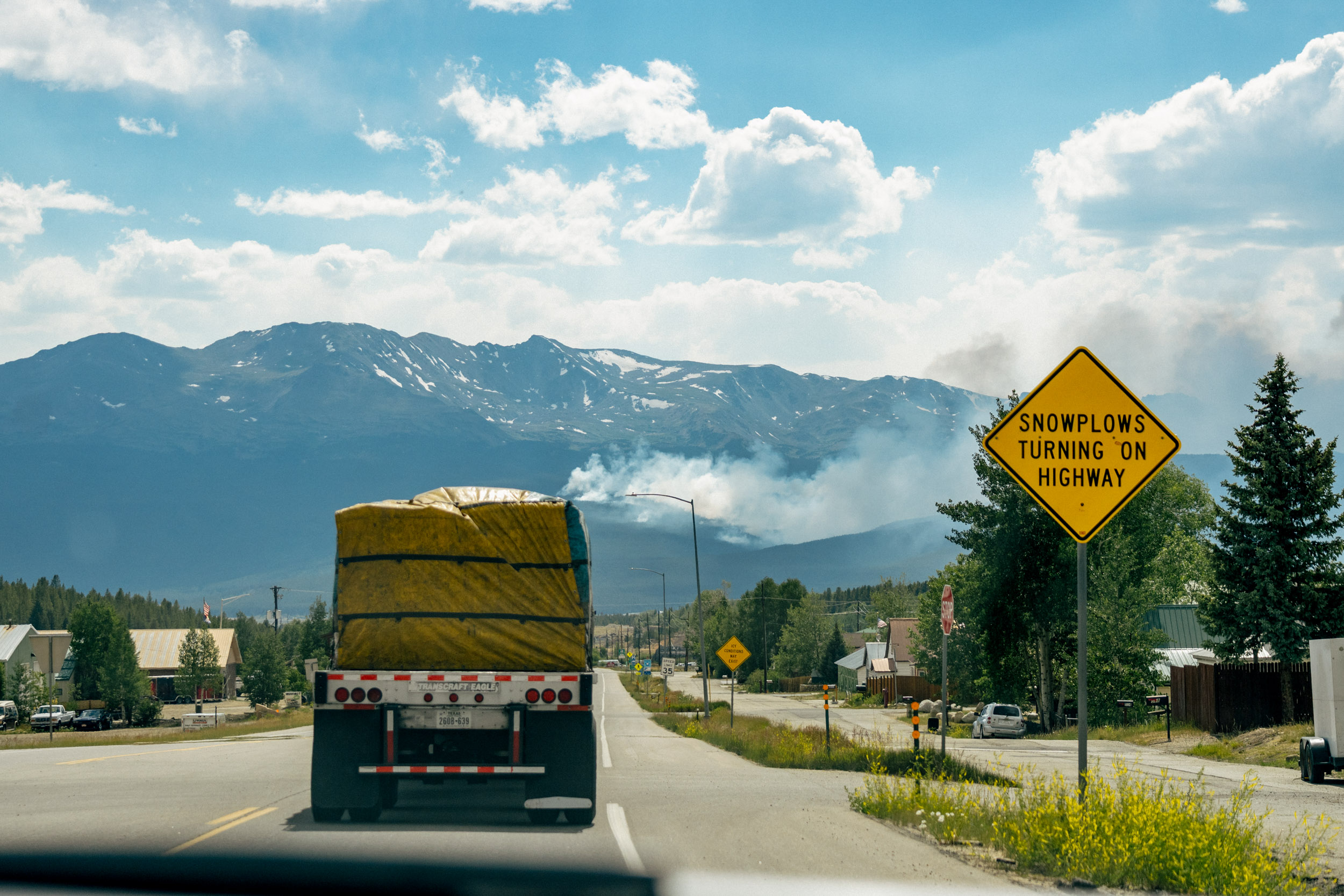
In the early evening of our first day on route, I turned airplane mode off and got two texts about a wildfire breaking out just east of Leadville. There were evacuations ordered and a closure on segments 9 and 10, basically from Tennessee Pass to Twin Lakes. Wildfires happen exceptionally fast. Sometimes, they produce a lot of smoke. Other times, they don’t, and outside of that, there’s not much you can do. You adapt, keep riding, and hope the wind is in your favor.
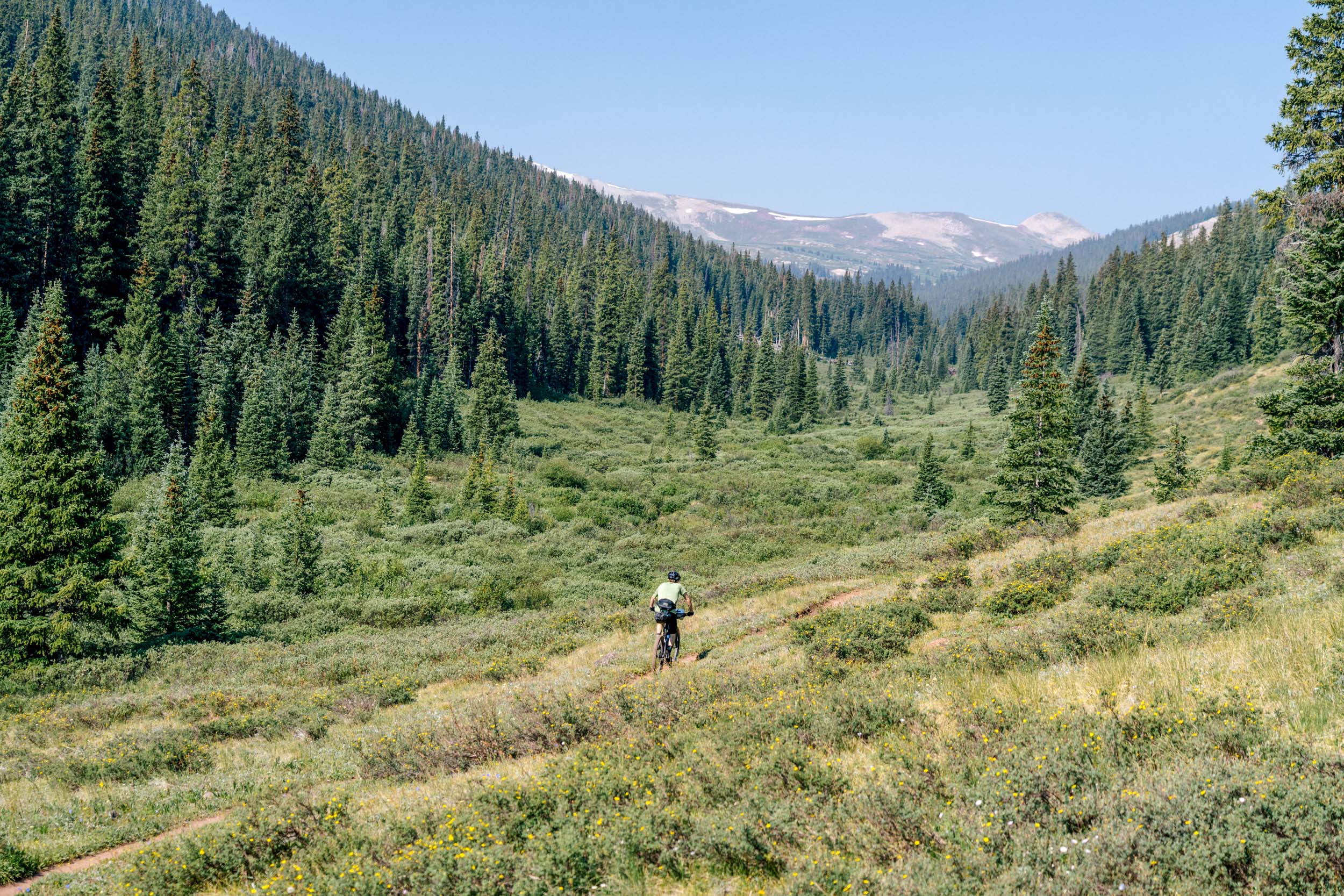
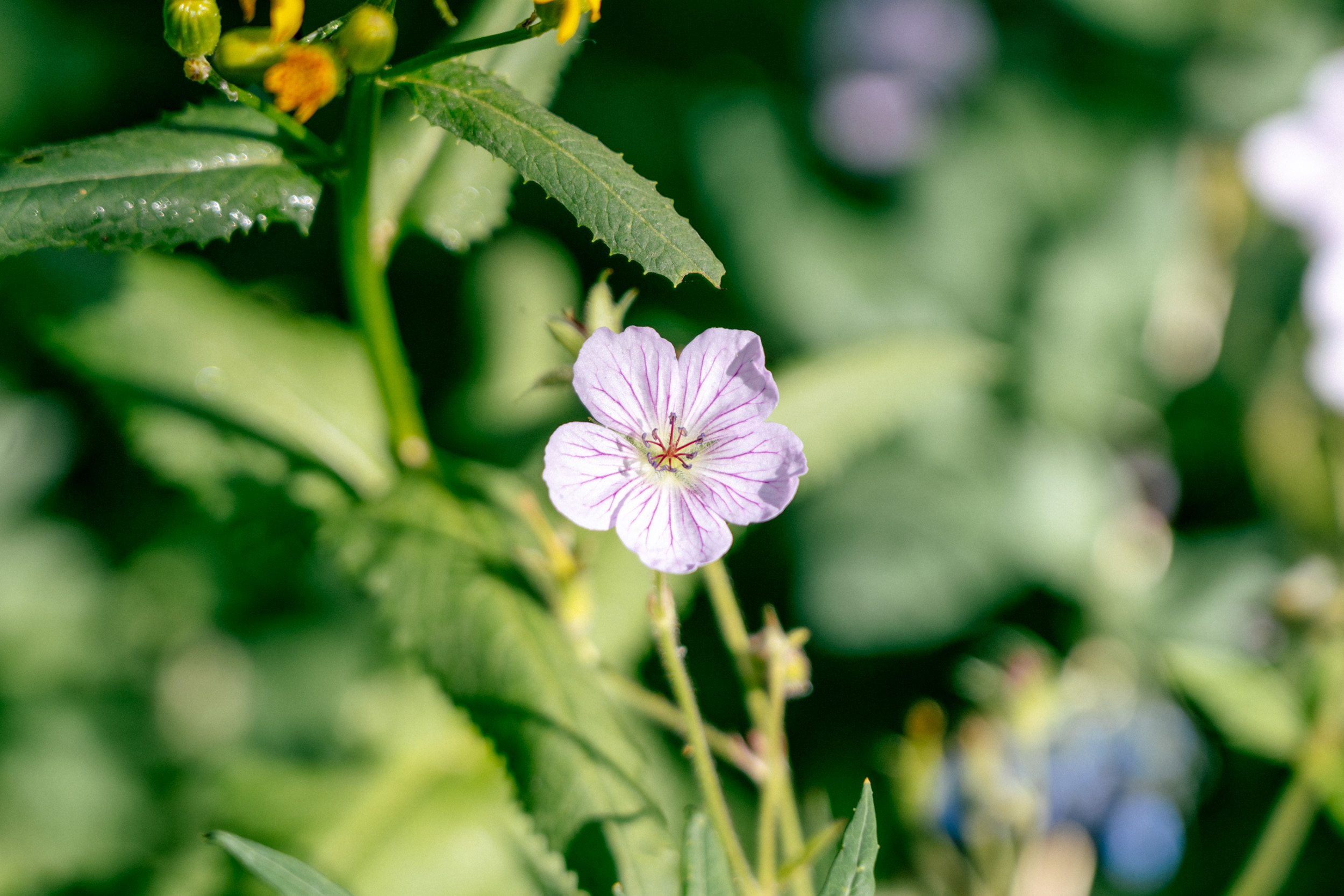
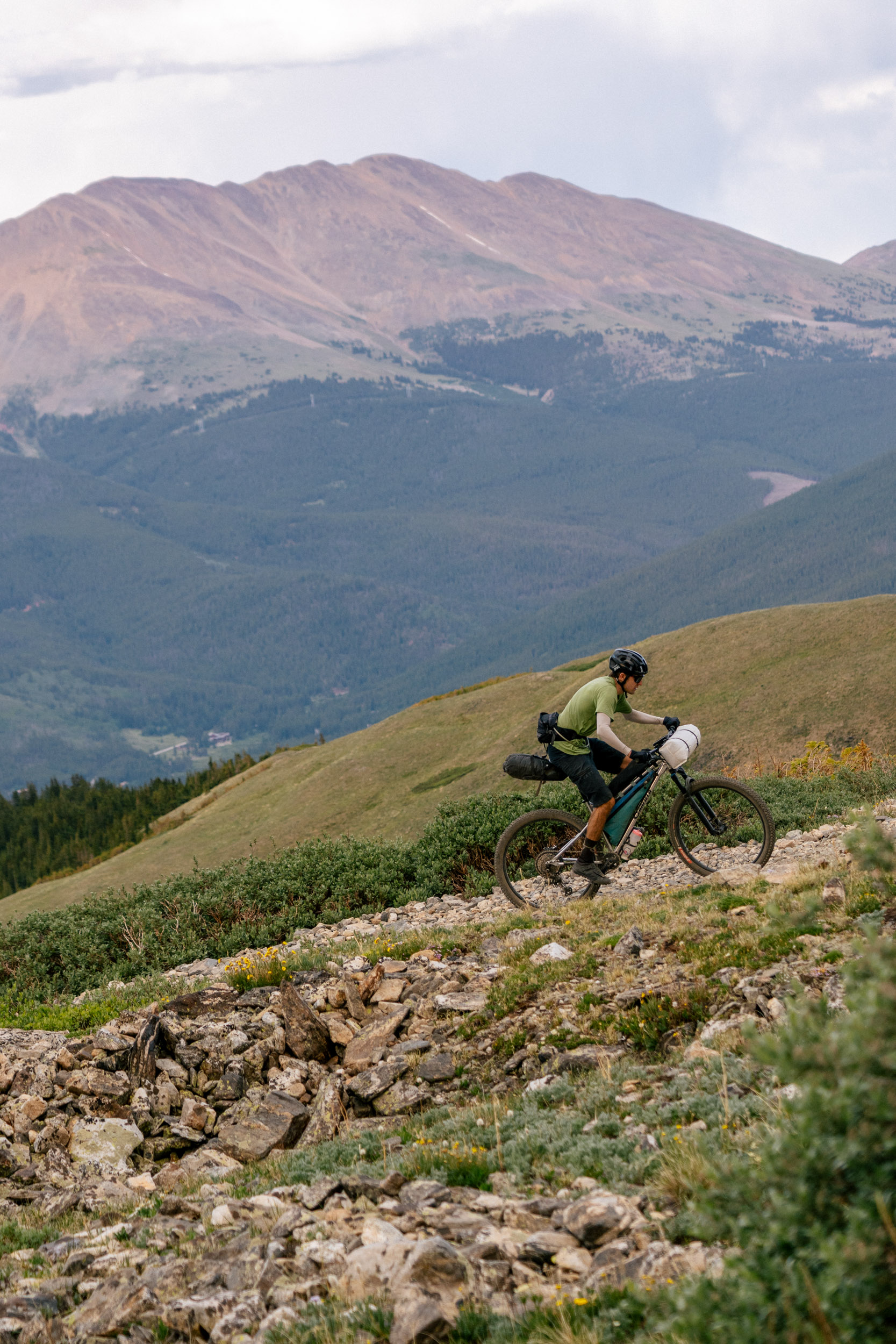
For the most part, we got lucky. The wind largely kept the smoke at bay, though it got bad at the end of days two and three. One of the beautiful things about the Colorado Trail is that it sits at high elevations. The trail averages around 10,300 feet, so we often woke up to clearer skies after the smoke settled into the valleys overnight.
Beyond the smoke, thunderstorms were basically a non-issue, which was a relief, especially as we climbed over 12,000-foot passes. There is nothing worse than trying to find shelter above treeline. Thankfully, we didn’t have to, although I would have gladly taken the moisture if I had to choose between that and fires.
Changing My Rules
By day two, Travis had a friend help us out with a resupply at the top of Kenosha Pass. That is something I would never have considered in the past. But now, my mind has changed. There is nothing better than a stockpile of food and drinks at a spot where resupply is a bit challenging, especially since the place we were counting on was closed when we passed it the day before. A friend named Brett hooked us up with so many goodies and burritos, which was a huge boon. Travis decided to bail on his trip there, leaving JT and me to continue on. That’s when I realized that many of my old rules didn’t matter as much as I had thought. It was the start of breaking all sorts of rules I used to hold onto.
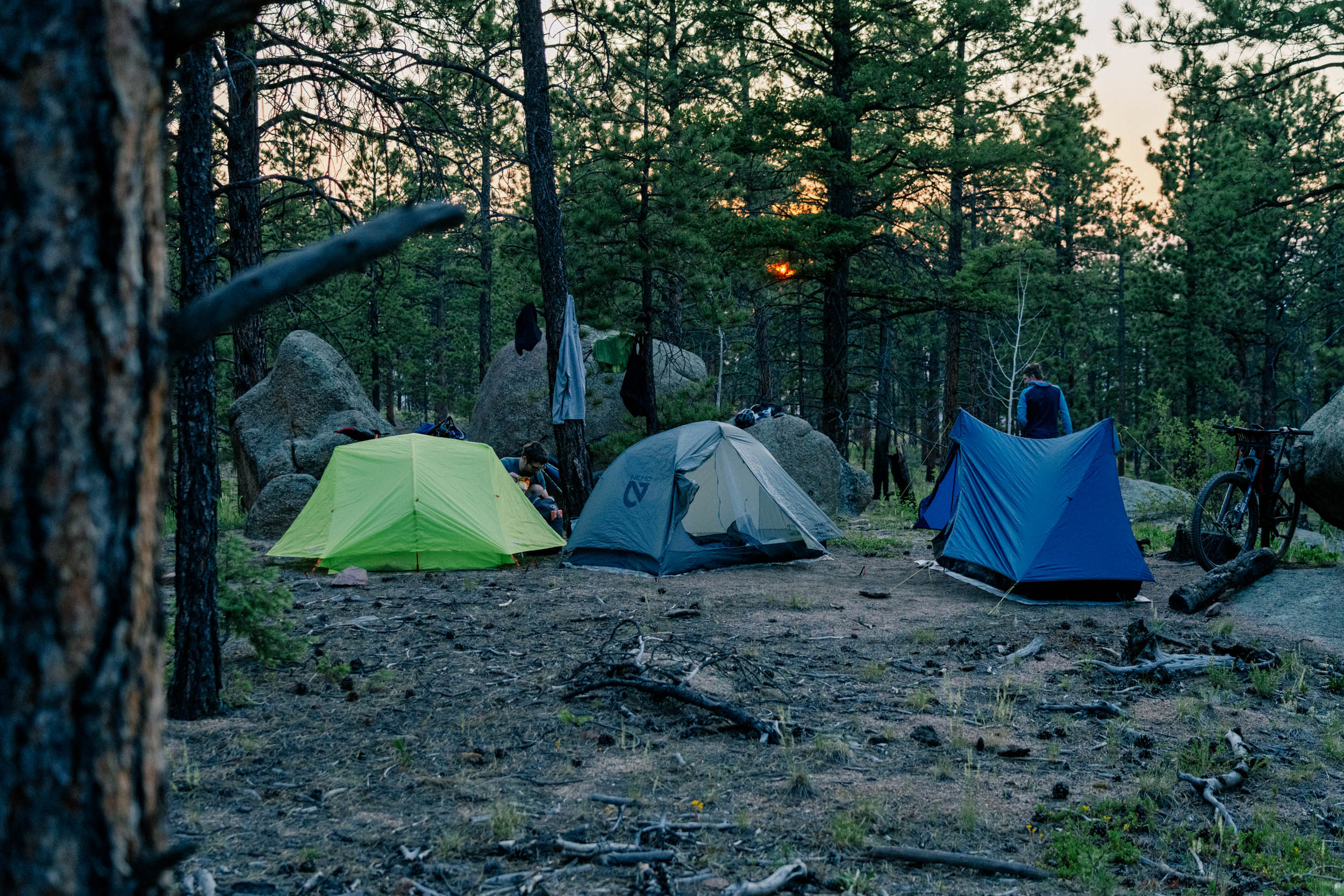
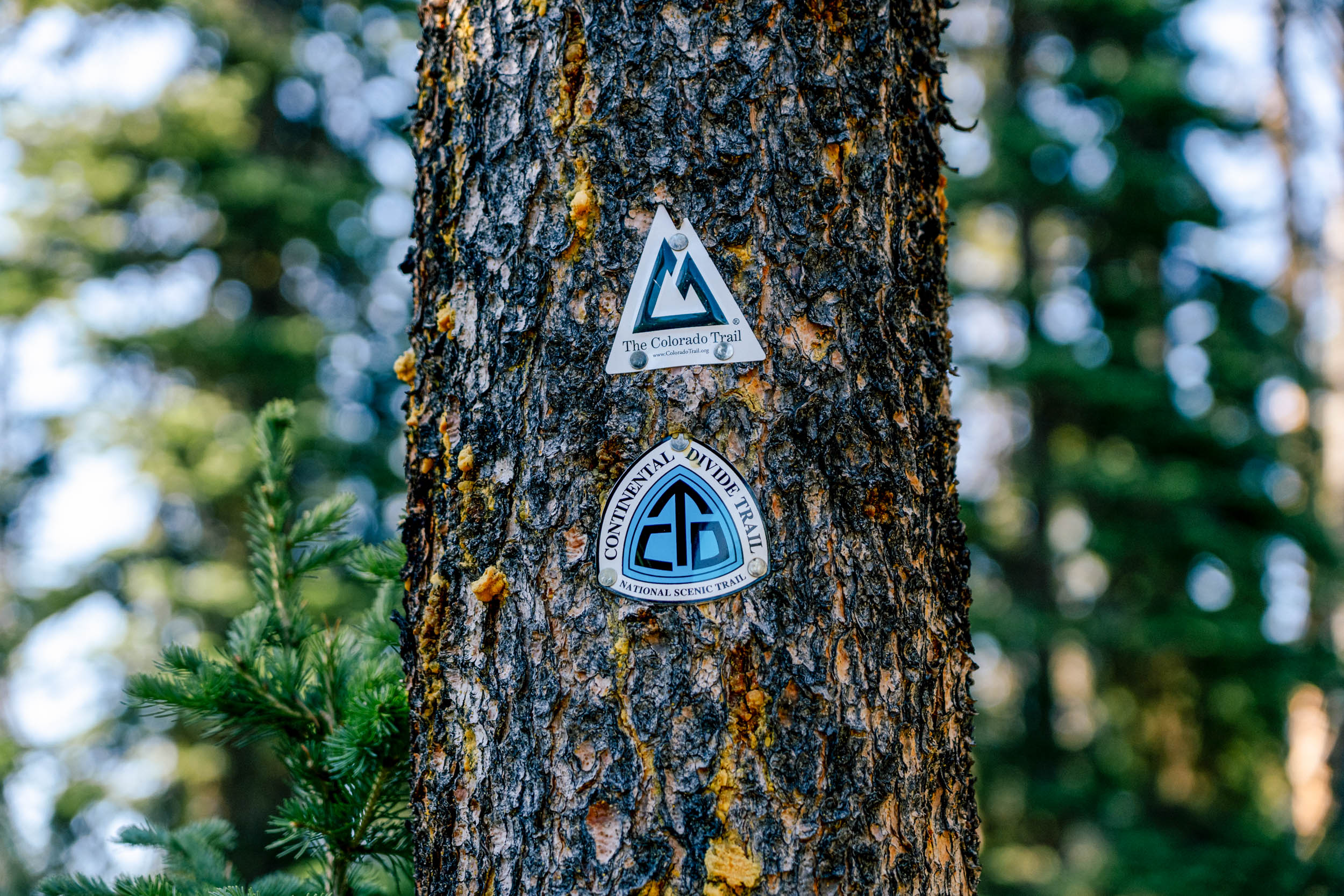
We accepted a resupply. We cut off some trail early to get into Breckenridge. We pedaled out of Breckenridge the easy way, up the resort toward Wheeler Pass, instead of taking the rugged Miners Creek Trail. We stayed in a hotel. We sat, drank a beer, and watched the World Cup in Copper. We hitched a ride from Leadville to Buena Vista. And eventually, we stopped our trip before Durango.
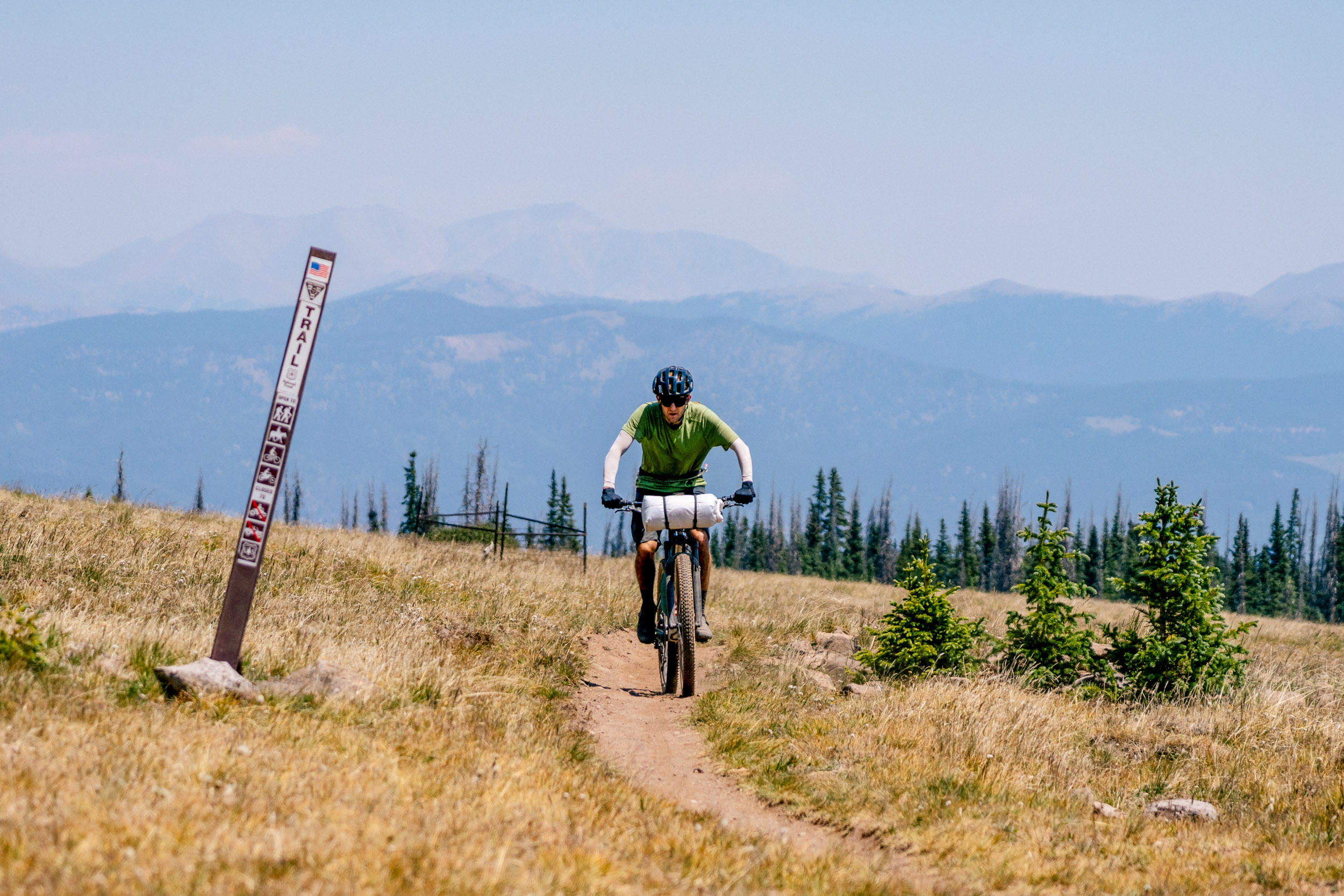
We also slept from about 9 or 10 at night until roughly 6 in the morning. We didn’t get rolling until around 8 a.m. most days, and we usually finished pedaling around 7 p.m. We often made the trip easier on ourselves. In the past, most, if not all, of those things would be sacrificed for more time on the bike—more focus on the end goal. And yet, none of that made the trip feel less meaningful. If anything, it made it feel more honest and allowed me to feel more present.
The State Of The Colorado Trail
Even after breaking all those rules for the sake of comfort, the trail still beat us up. Mile for mile, the Colorado Trail is one of the hardest trails in the world. Some people might argue with that, but once you add in the elevation, the rough terrain, the steep pitches, and the constant need to recover, it starts to add up.
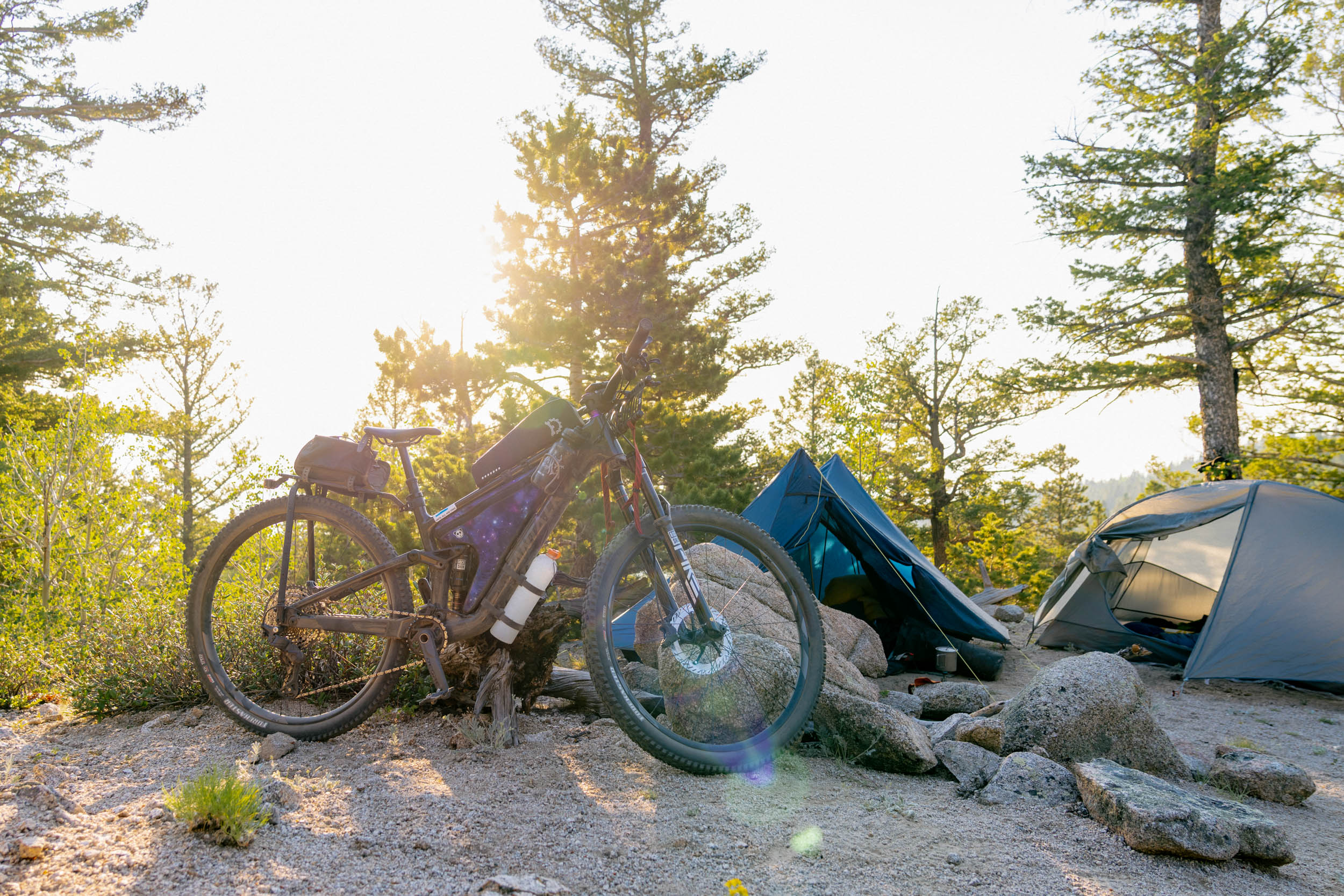
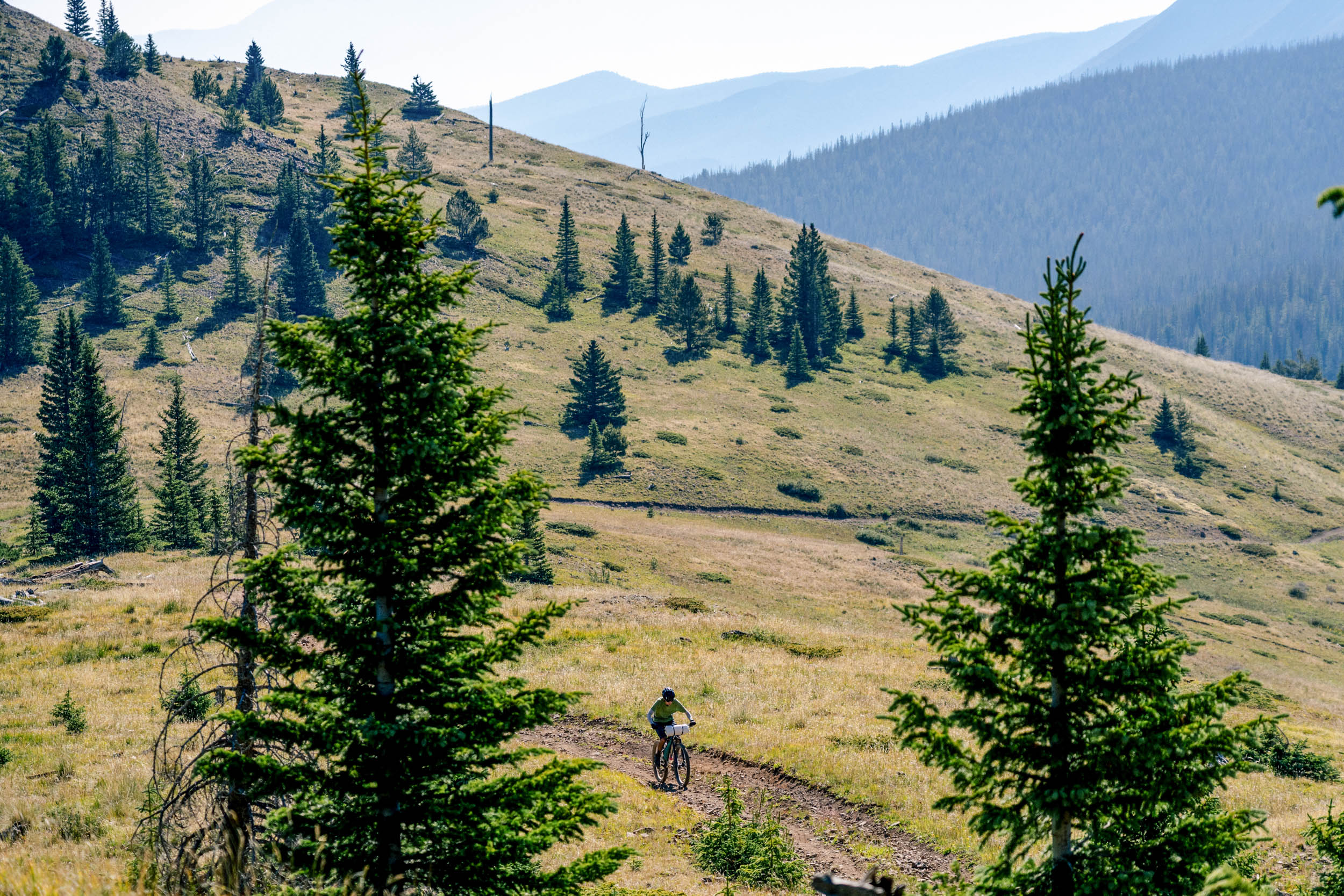
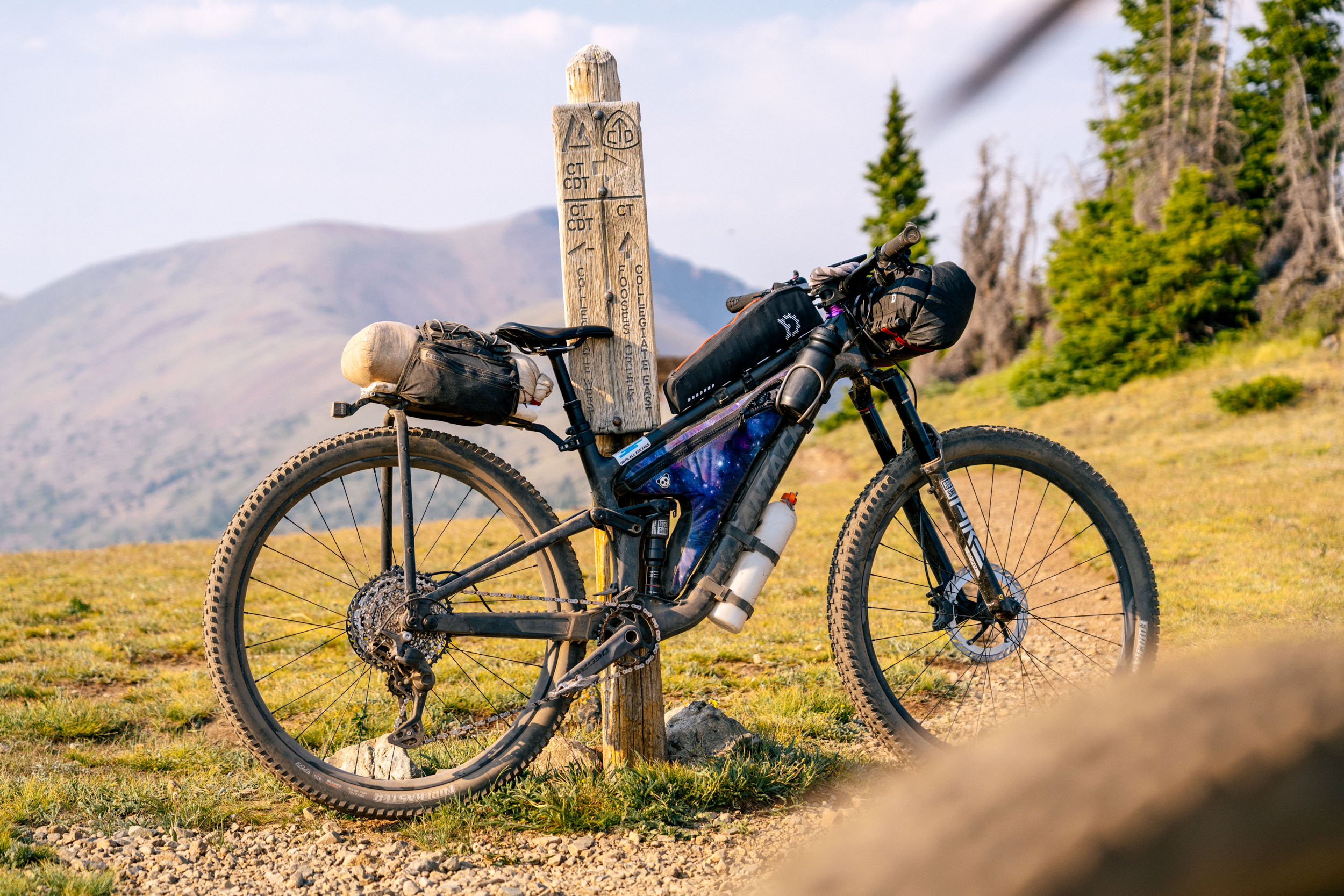
The elevation doesn’t just affect your breathing. It affects how quickly you recover. Rocks and steep sections meant we had to walk our bikes instead of pedal them. That’s the nature of the trail, and it’s something I have always appreciated about the CT. It will humble the strongest riders, and that’s part of the draw.
Despite the trail being blown out in some areas due to a lack of moisture, it is in better shape than it was five years ago. It feels more fine-tuned. There are thoughtful realignments, drainage improvements, added bridges, cattle rollovers, and many downed trees removed. There were still a handful of trees down, likely freshly fallen, given the heavy beetle kill in Colorado right now. But overall, the trail, built for hikers, is now slightly better optimized for cyclists in certain places.

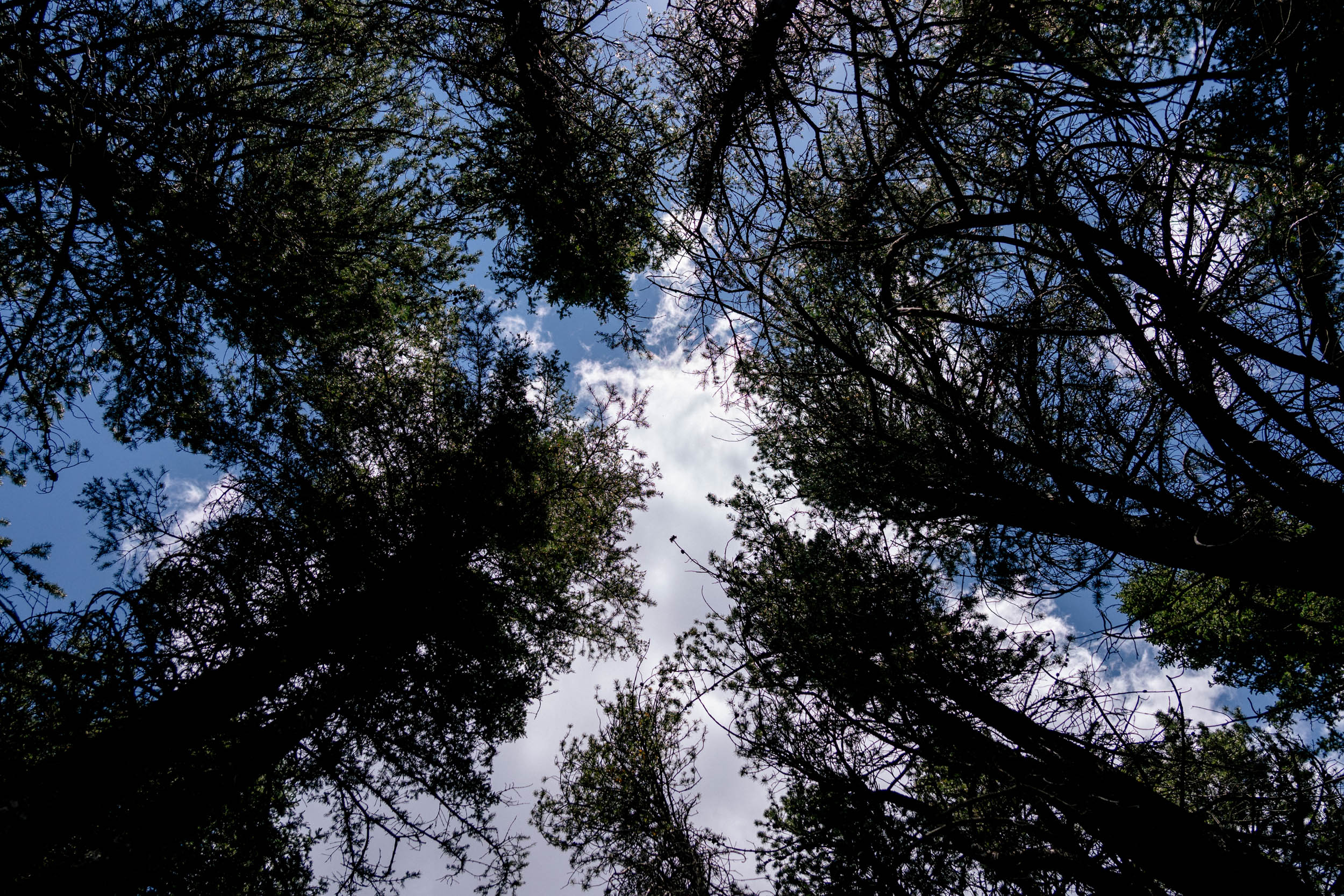
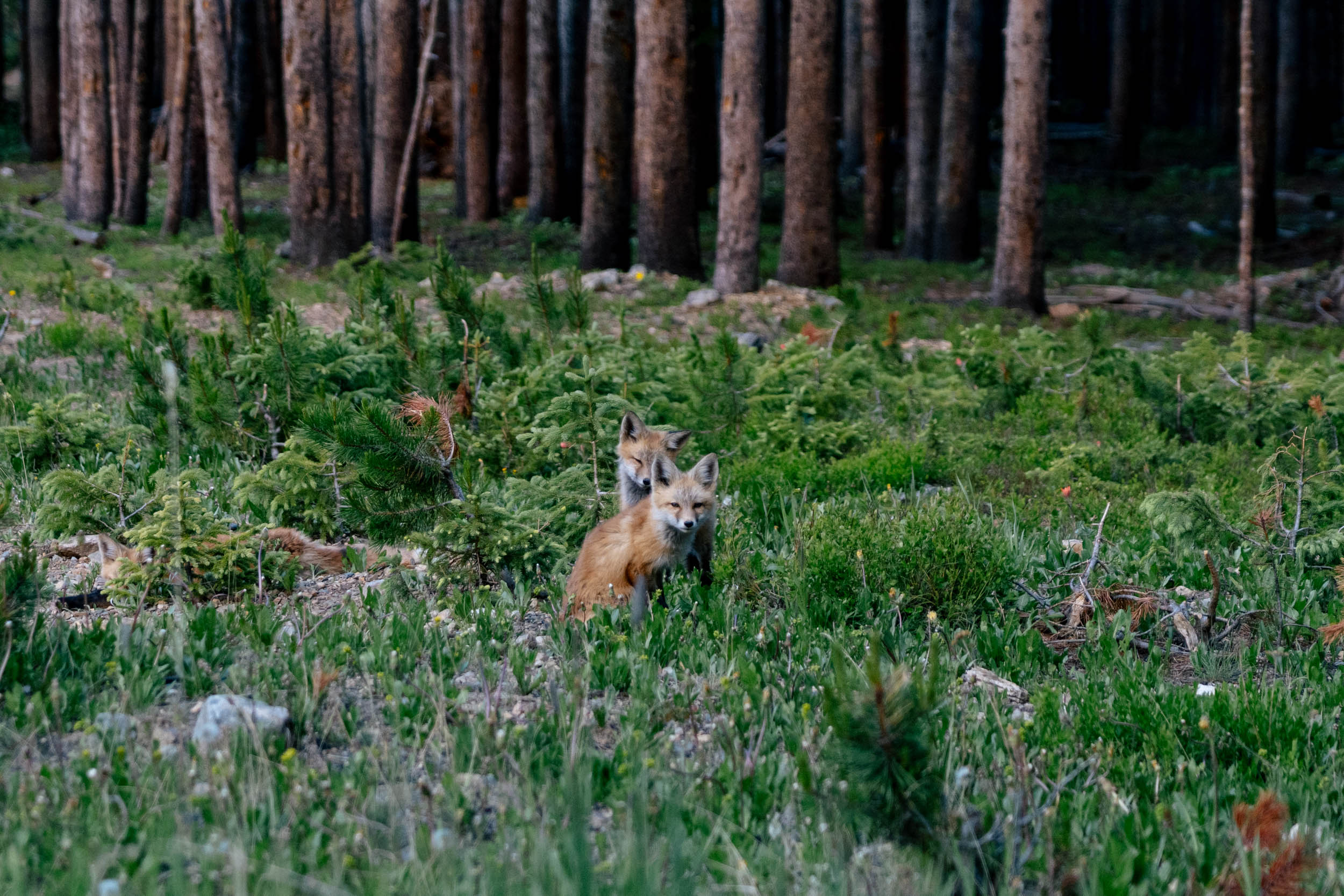
Fooses Creek is a good example. The downhill might not be as raw or as fun as it once was, but climbing the switchback alignment now lets riders stay on their bikes to the top instead of hiking straight up, saving the hillside from erosion or pain in your Achilles. As I’ve told myself before and will probably tell myself again, the Colorado Trail is a big pinball machine. The more you can dampen the trail, the more comfortable everything else becomes. That’s why I’ll die on the hill of choosing a full suspension bike. It leads to less fast-twitch muscle use, improves rear-wheel tracking, takes the edge off your sit bones on climbs, and helps your hands, wrists, and shoulders on descents.
You get up faster, you get down faster, and you have more fun while doing it. That’s why I ended up riding a bike with 130mm of rear travel. This Tallboy still pedals incredibly well, but it also has a little more life to eat up the chunder when needed. I highly recommend it for this kind of trail riding and bikepacking.
This is Vacation?
All that said, I have always known the Colorado Trail to be two things: stunning and hard. We kept using the word “vacation.” And when we were bombing down 3,000-foot descents, it felt like vacation. When we were eating food as the sun set and shooting the shit with friends, it felt like vacation. Waking up to incredible views with coffee in hand? Yes, vacation.
But this kind of vacation comes with a healthy dose of type-two fun. There are moments when you stub your toe on a rock during a hike-a-bike, get going after a 10-minute stop, and your legs are screaming at you, or you’re sweating bullets up a massive climb while trying to stay on your bike at 12,000 feet. There are boring road stretches that simply connect you to the good parts. There are moments when you would love to stop early, set up camp, hang out, eat dinner, and actually relax, but the loose time goal keeps you moving.
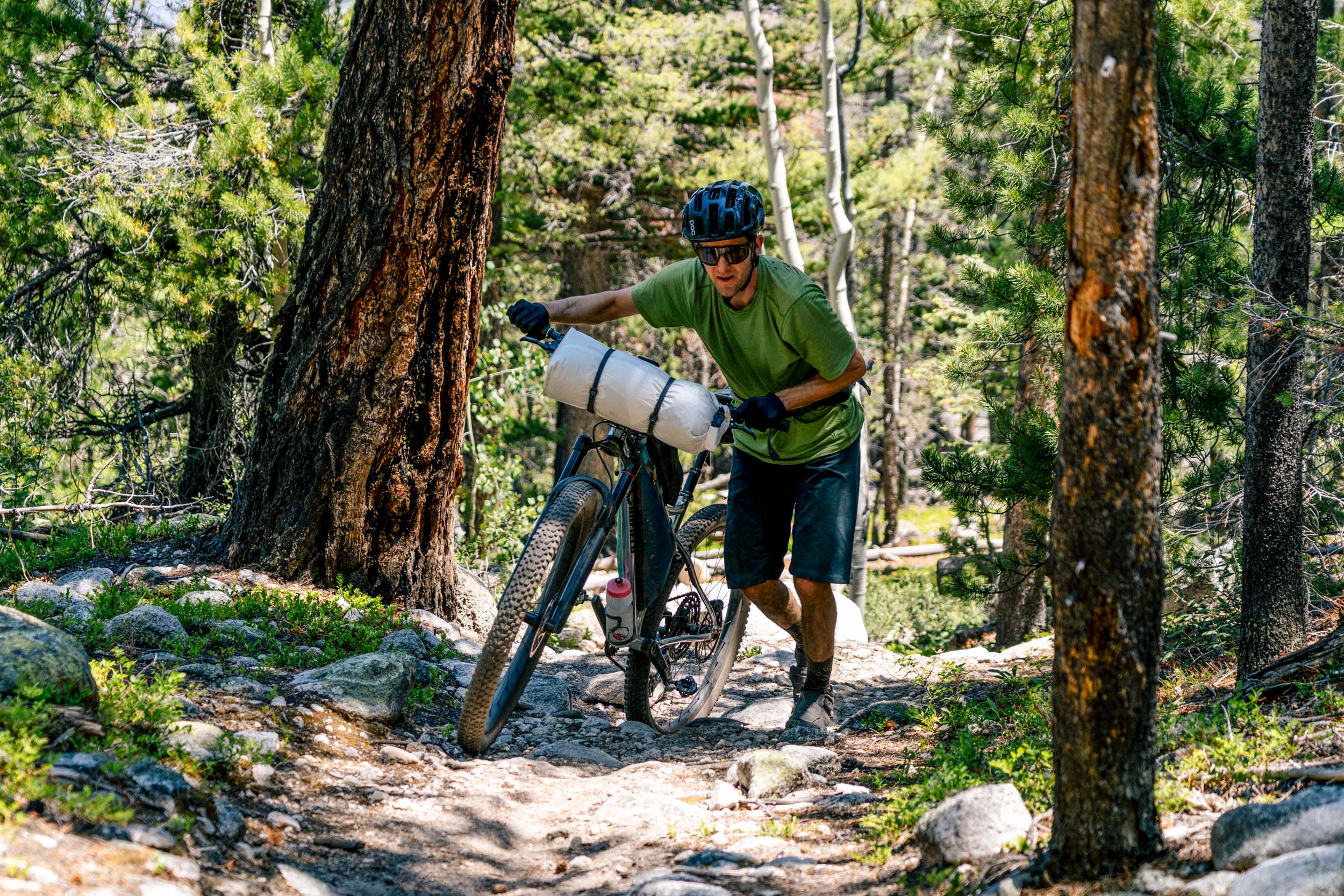
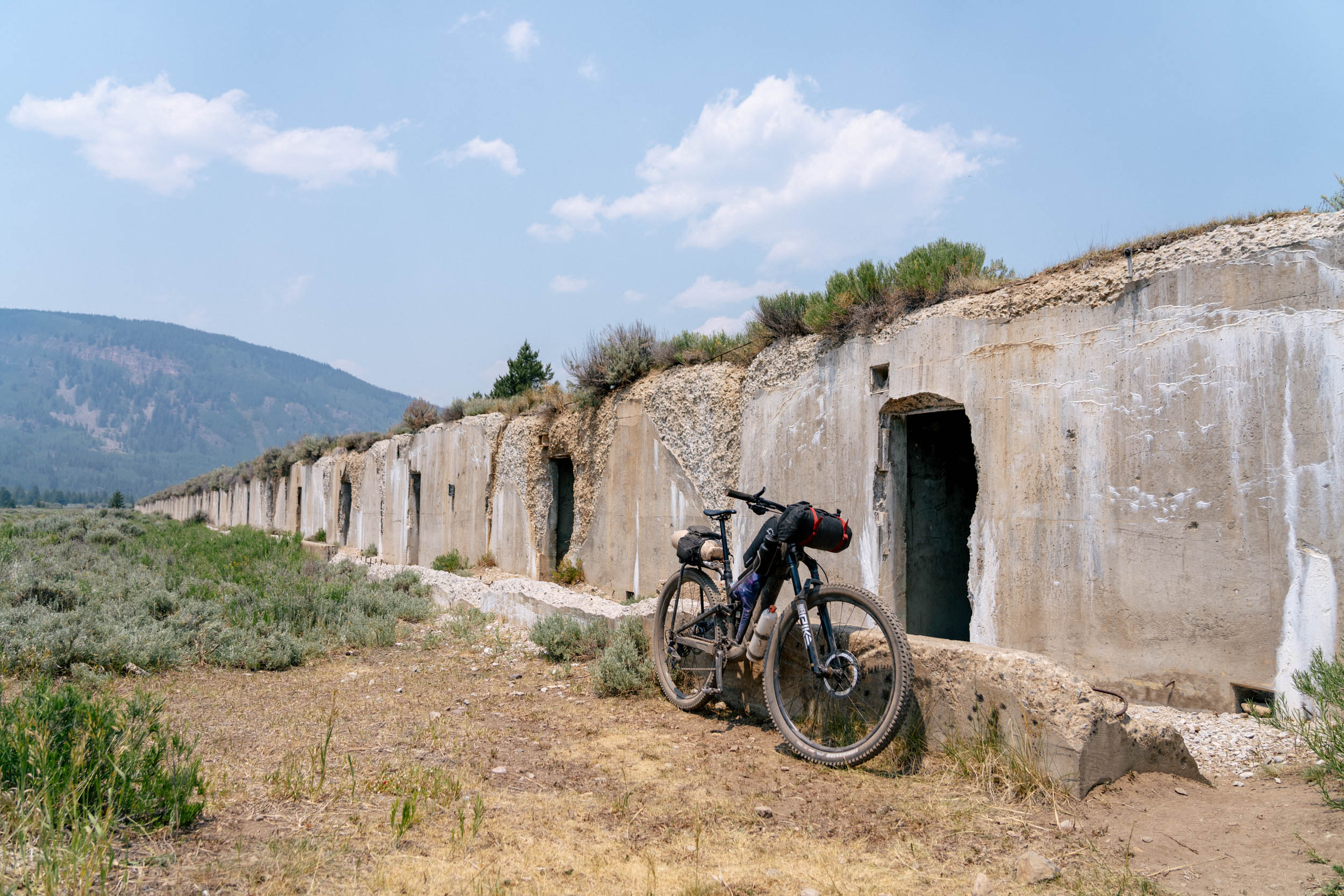
So yes, we had a lot of hard moments. But this trip reminded me that vacations don’t have to mean sitting around all day. Vacations can be hard. Really hard. And what I realized is that those moments, those days, and those trips often stick with you longer than a chill beach getaway ever could.
What This Trip Taught Me
With each passing day, I thought about Bowie a little less. Time has a way of healing, or at least softening the edges. It wasn’t that the loss became less emotional. It was that those moments were slowly filled in by so much adventure, conversation, and life that it happened naturally.
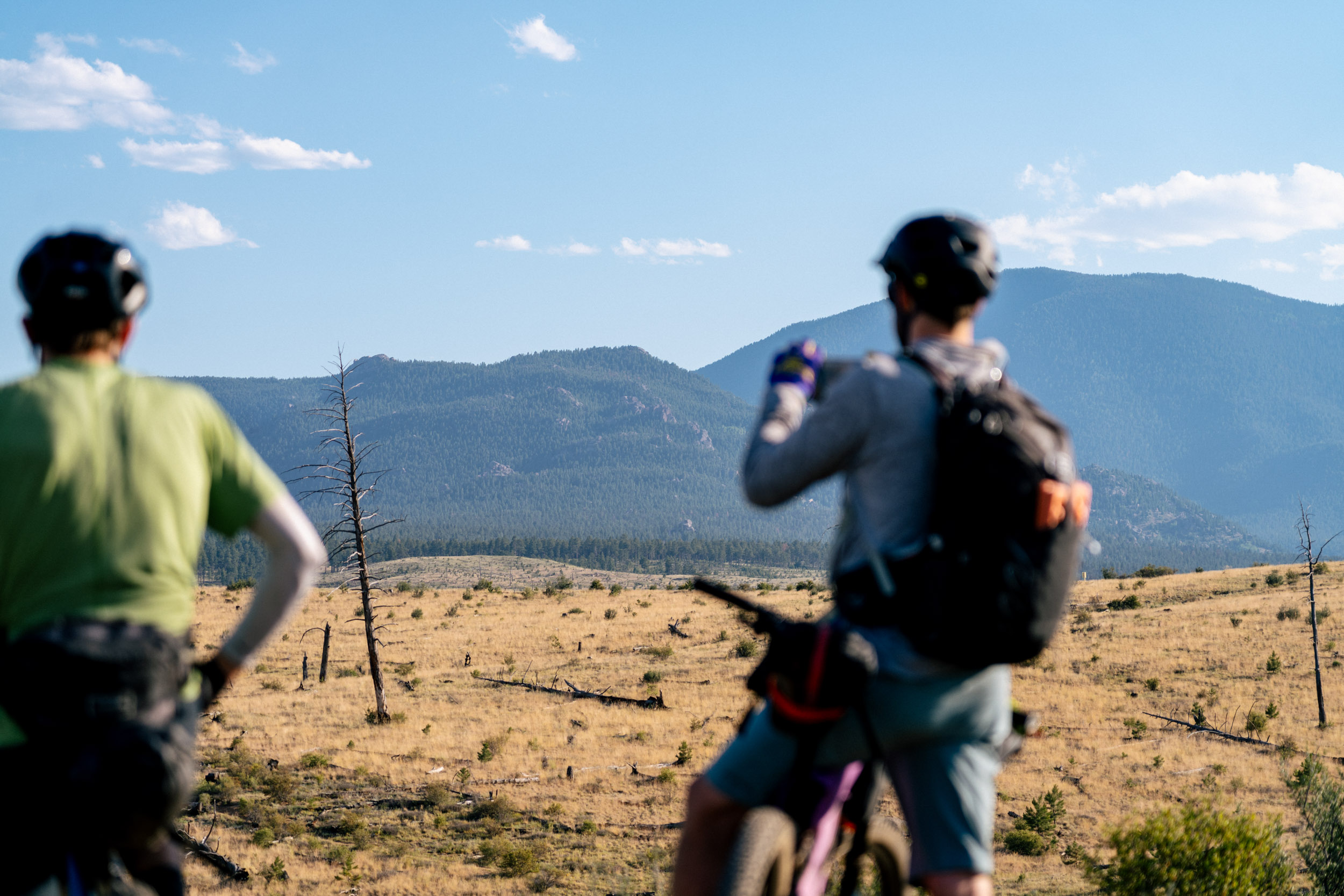
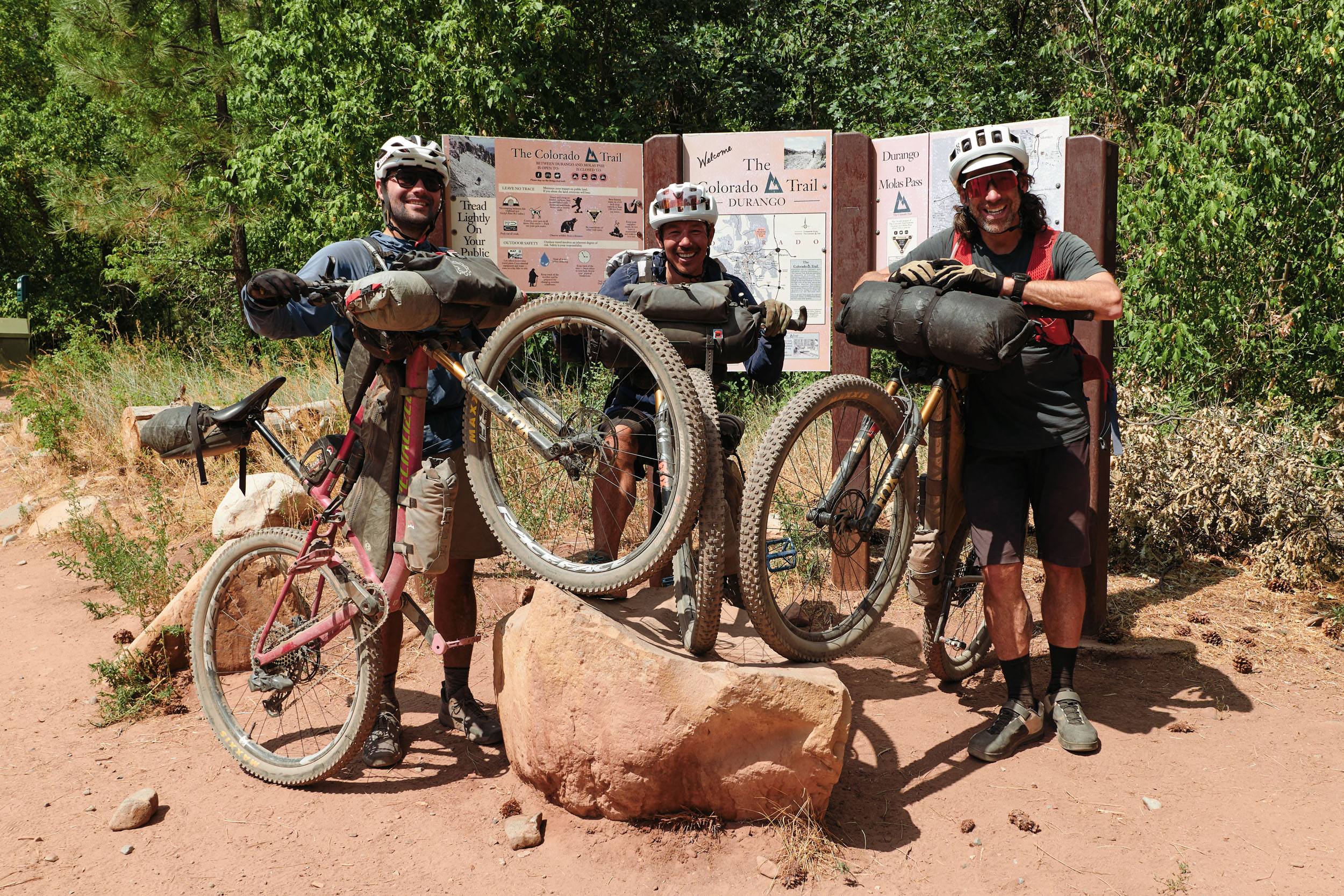
Eventually, after covering roughly 35 miles in 8.5 hours from Marshall Pass to Highway 114, JT and I had a conversation. We laid out a plan, then another, then another. We convinced ourselves that our ride was done for now. Postponed until a later date. The San Juans would have to wait another day. It was exactly what I needed, at exactly the right time. I don’t know what would have happened if we had kept going, but that’s not something I’m going to dwell on. I used to think there was a right way to bikepack. The Colorado Trail is where that mindset started for me, and racing only reinforced it. For years, success meant following the line, moving fast, staying self-supported, and finishing what I started.
This trip reminded me that the experience doesn’t disappear when you change the plan. Skipping a section, rerouting, accepting help, sleeping in a hotel, or stopping before the end does not erase the adventure. In some ways, it makes it more honest. The Colorado Trail demanded a lot from us. It was hard, slow, beautiful, frustrating, and deeply rewarding. But this time, I wasn’t out there to prove anything to the route or to myself. I was out there to ride with friends, move through the mountains, process a hard moment in life, and make the trip our own.

More than anything, that’s what I am proud of. Perhaps bikepacking does not need to adhere to a single rigid idea to be meaningful. Maybe the best version of the trip is the one that actually works for you in that moment. Maybe making it your own isn’t a shortcut but the whole point. And even when you loosen the rules, the Colorado Trail is still very good at being hard.
Further Reading
Make sure to dig into these related articles for more info...


Please keep the conversation civil, constructive, and inclusive, or your comment will be removed.