


 Mountain Bike (MTB)
 Gravel Bike
 All-Terrain Bike (ATB)
 Fat Bike




Colorado Trail 2026: What’s Changed, What to Expect (Video)





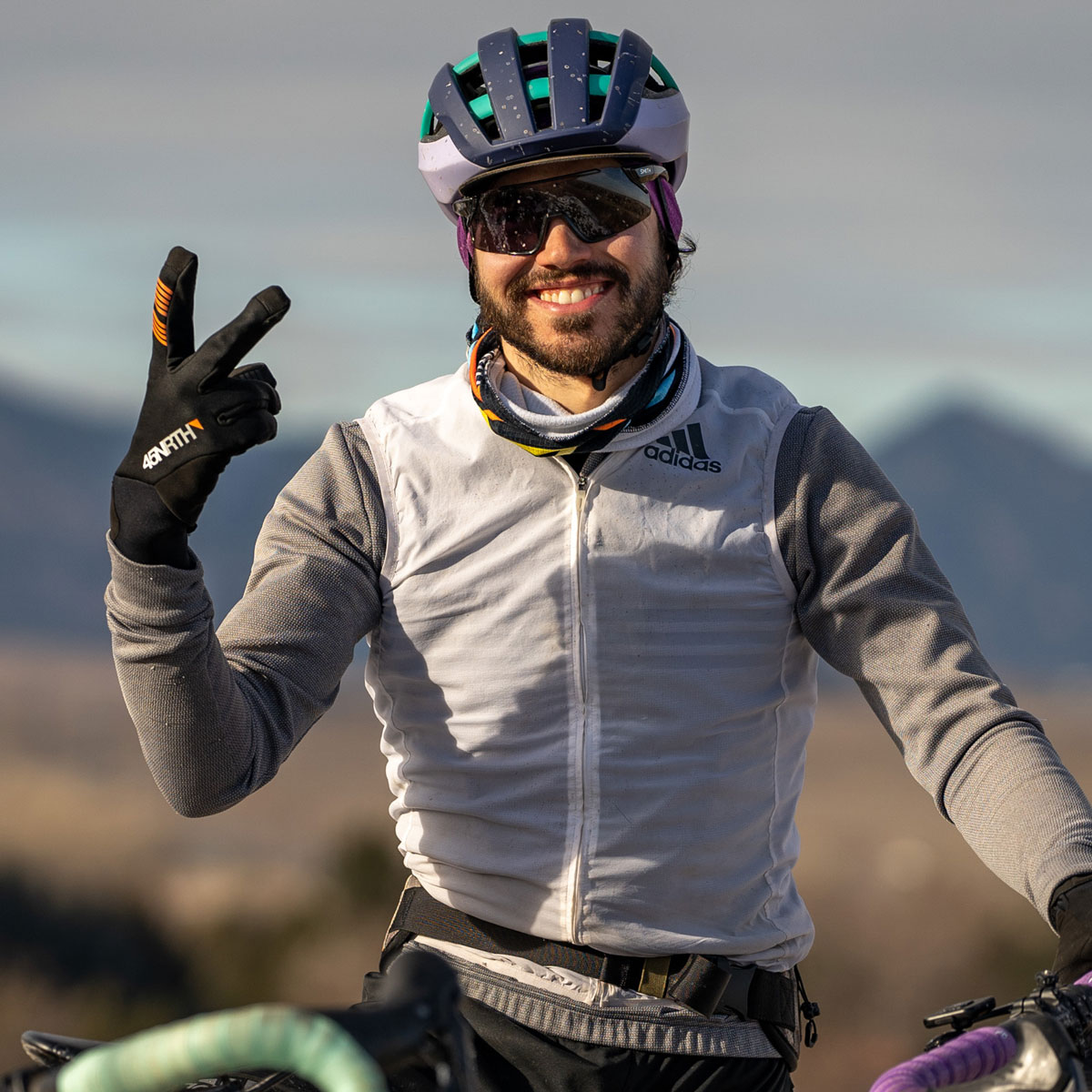
In our latest video, Neil sits down with Paul Talley, the Colorado Trail Foundation’s executive director. Paul has been in the role for two years, but his history with the Colorado Trail goes back to 2018, when he bikepacked the entire route. They talk through everything you need to know about the Colorado Trail in 2026, including what the foundation does, trail work, how it actually gets done, what’s new this year, and more…
PUBLISHED May 7, 2026
Our latest video features an in-depth conversation with Paul Tally, executive director of the Colorado Trail Foundation, offering a behind-the-scenes look at how the iconic Colorado Trail is built, maintained, and continues to evolve. Tally shares his personal journey from riding the trail in 2018 to leading the foundation and explains how a small core staff coordinates a vast, volunteer-driven operation spanning 567 miles of trail. With just four full-time employees and a seasonal crew, the organization relies heavily on 600 to 800 volunteers each year, contributing up to 15,000 hours of trail work to keep the route in top condition.



Watch the video below for the full interview, and find more resources in our Further Reading grid at the bottom of the post.
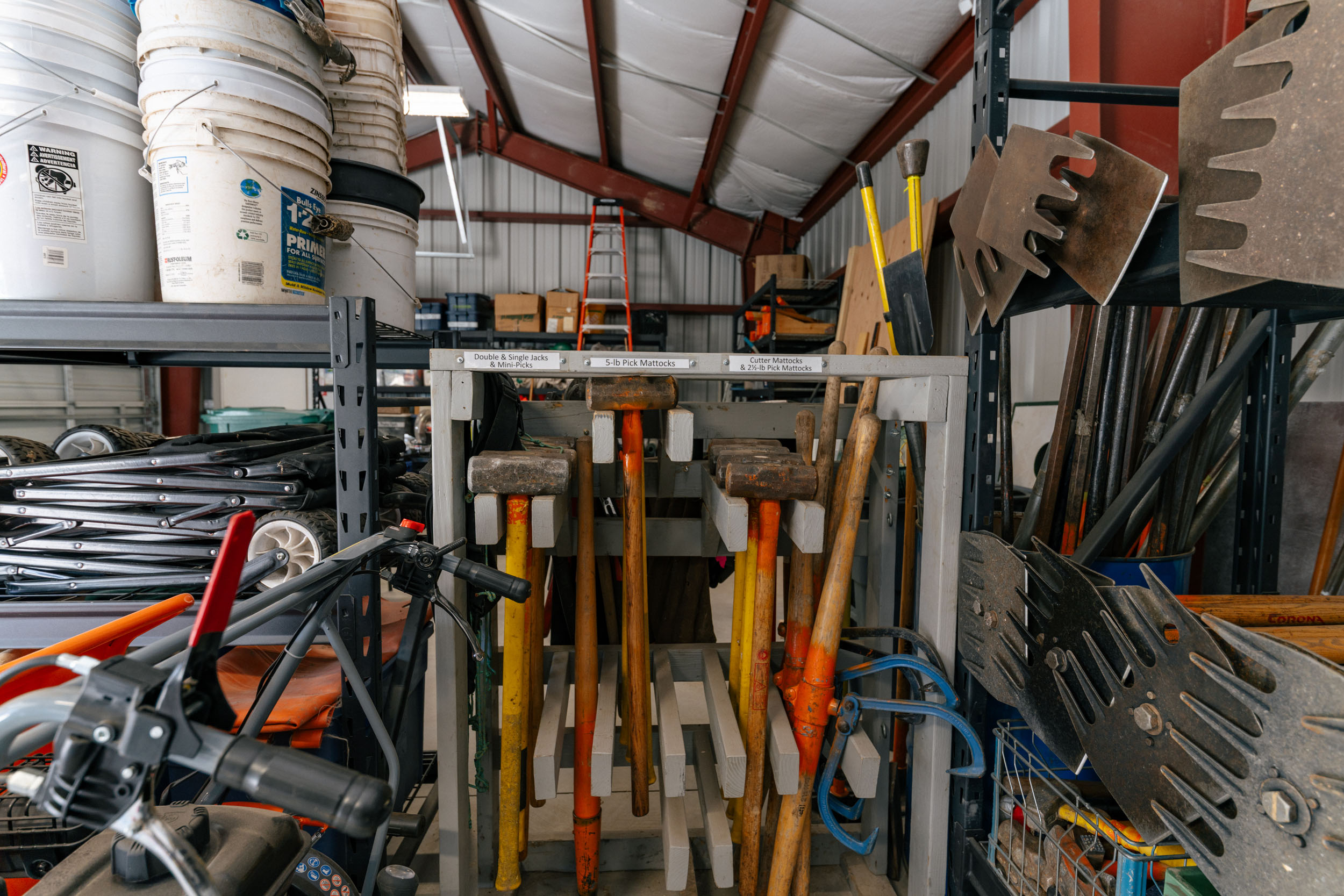
A major focus of the discussion is how the foundation manages such a heavily used trail, which sees an estimated 500,000 users annually. That includes hikers, bikers, bikepackers, equestrians, and even motorized users in certain sections. Tally outlines the layered approach to maintenance, from individual “trail adopters” handling routine upkeep to large, multi-week basecamp crews tackling major projects like reroutes, bridge repairs, and damage from avalanches or washouts. Another highlight is the foundation’s trekking program, which introduces new users to the trail and often serves as a gateway to volunteer involvement.


Looking ahead, the current challenges include the impacts of reduced federal staffing, increased wildfire risks, and changing trail conditions driven by climate change. Despite these pressures, the Colorado Trail remains relatively resilient thanks to its strong volunteer base and primarily private funding model. Tally also discusses recent improvements, such as major reroutes to make sections more rideable, and ongoing efforts to enhance cyclist safety, particularly around highway detours.
The conversation ultimately underscores the importance of community involvement, encouraging riders and hikers alike to volunteer, donate, and stay informed as stewards of the trail. Whether you’ve been inspired to ride the Colorado Trail or just admire it from afar, you can get involved at ColoradoTrail.org.
Further Reading
Make sure to dig into these related articles for more info...
Please keep the conversation civil, constructive, and inclusive, or your comment will be removed.