

 Mountain Bike (MTB)
 Gravel Bike
 All-Terrain Bike (ATB)
 Fat Bike

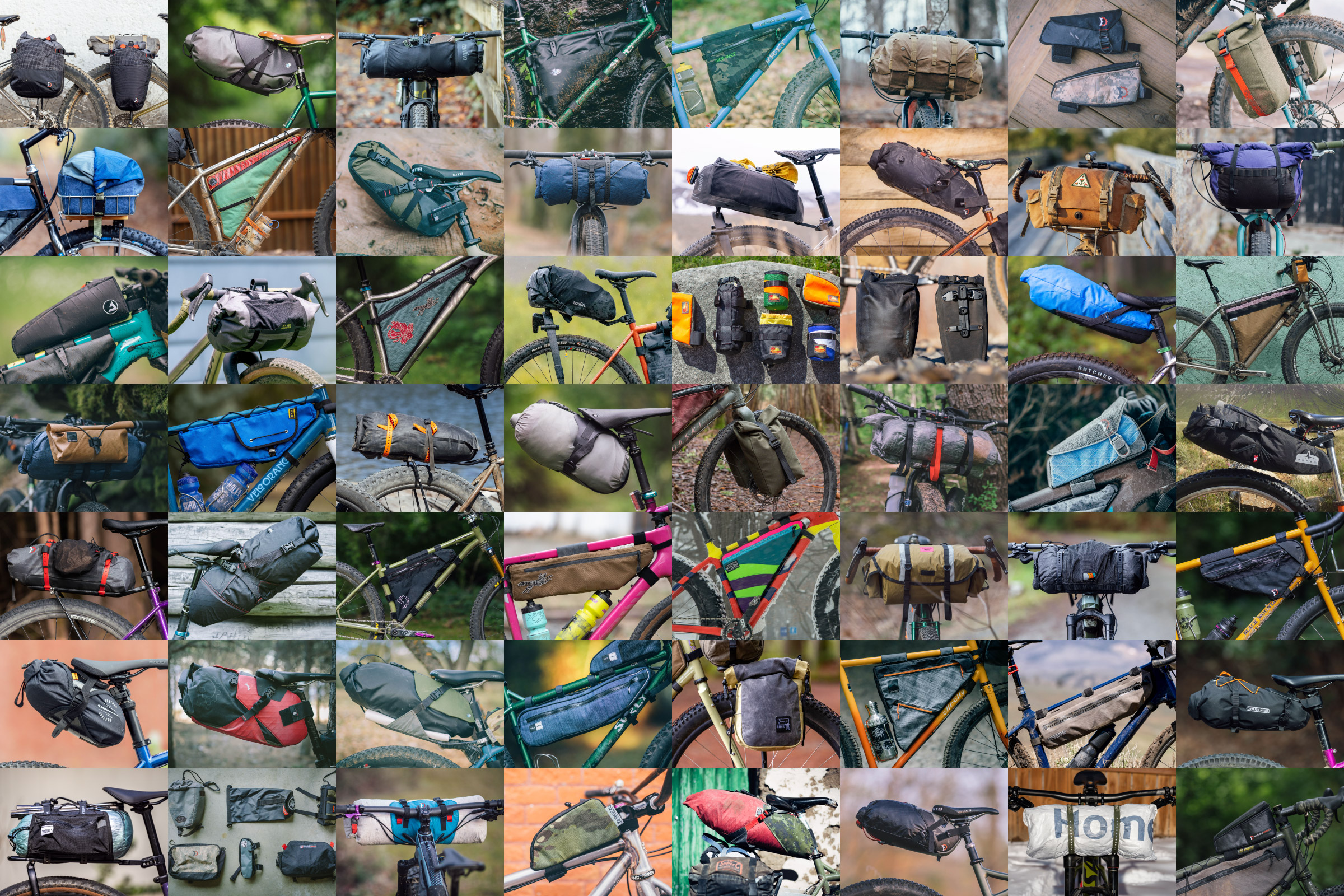
Gear Overload: Unpacking 13 Years of Bikepacking Bags


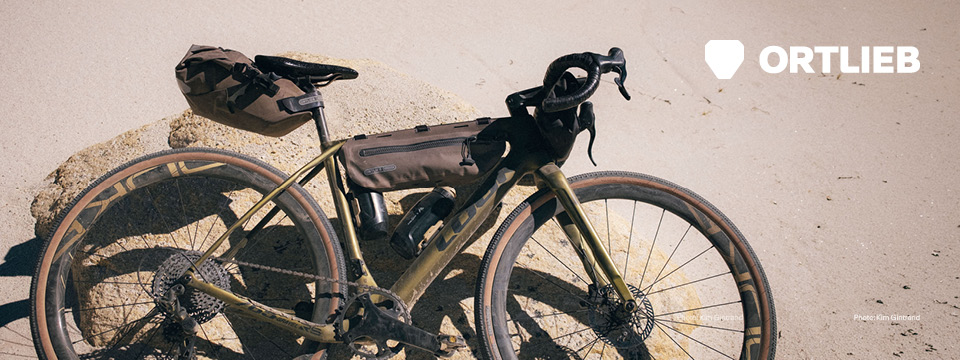


Neil has used tons of bags and gear-hauling systems over the years. From his days as a racer to his recent exploration of modern design, he has bins full of bags and racks that show how carrying stuff has changed since he started bikepacking. In his latest video, he digs through his boxes of bags and explains what worked, what didn’t, and why. Watch the full video below…
PUBLISHED Oct 9, 2026
When the team here at BIKEPACKING.com told me they were putting together a new series called The Cut List, I started thinking about what I’d cut from my bikepacking setup. But the more I thought about it, the more I realized that a lot of the gear I’ve moved on from wasn’t bad. My riding has changed, the gear has evolved, and sometimes I’ve even gone back to an older way of doing things.
So, instead of making a Cut List like Logan and Lucas (and others to come), I approached the question from a different angle. I dug into my bottomless bins of bikepacking bags and looked back at how my rigs and bag choices have evolved since my first bikepacking trip. What did I stop using? What have I replaced? And what might deserve another shot? Check out my full video below, followed by a written version.
I’ve been reviewing bikepacking bags since 2013, and I’ve always tried to keep an open mind. Even when I was racing, I turned down sponsorship offers from bag brands because I wanted the freedom to try different setups and talk honestly about what worked for me and what didn’t. That holds true today, as I work my way through all kinds of gear. When I see something that takes a different approach, no matter the brand, I’m intrigued. That’s one of my favorite things about this industry: so many makers, big and small, have their own ideas about how to carry gear on a bike. I love seeing what they come up with, and how they try to solve the problems riders face. Let’s look at the different kinds of bikepacking bags and how they’ve evolved.
Top Tube/Accessory bags
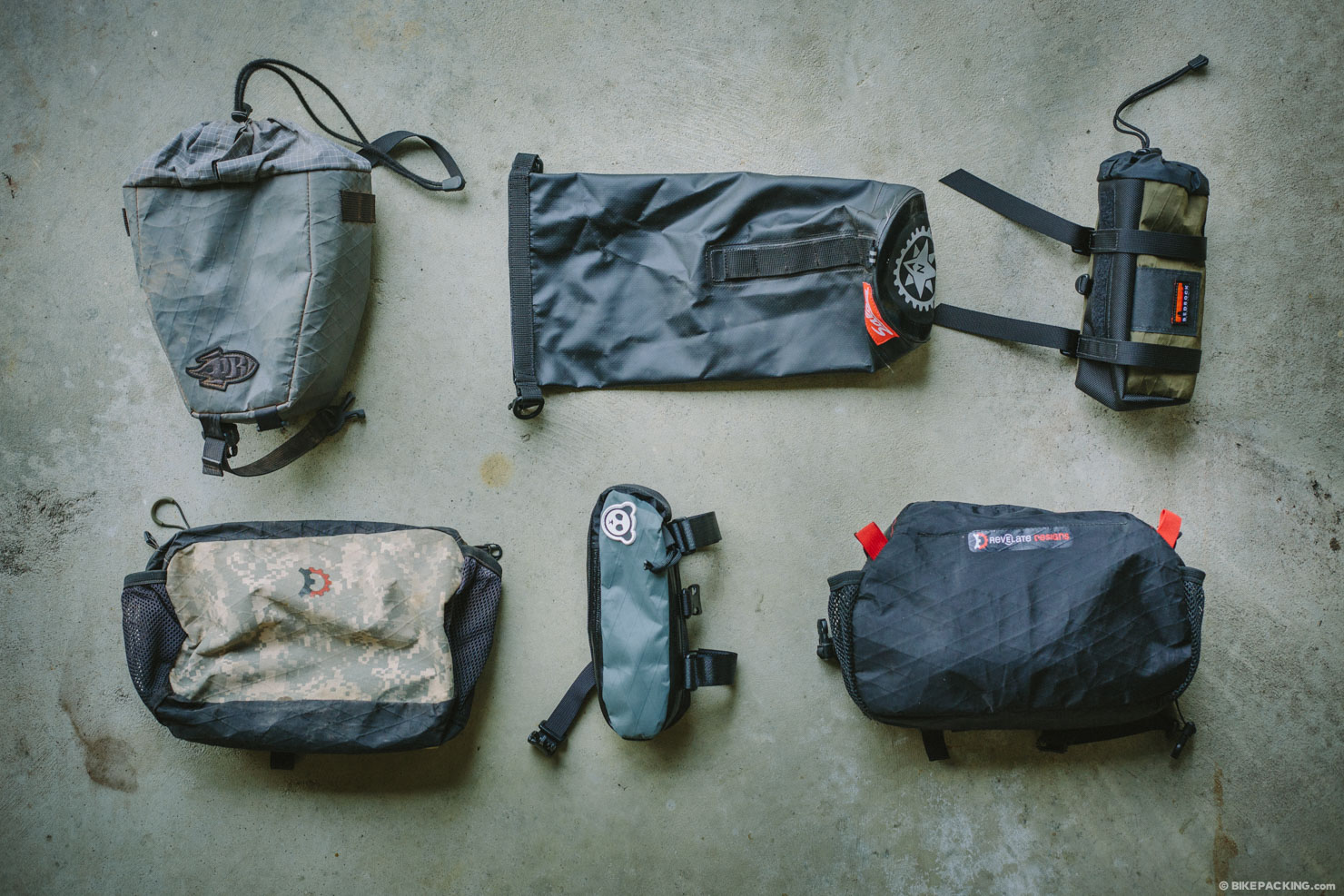
When I started bikepacking, I used accessory bags everywhere: front and rear top tube bags, stem bags—if there was a spot, I put a bag there. My bag collection includes some relics, like the Revelate Designs Jerrycan. It was one of my first bikepacking bags and came along on my first trip on the Colorado Trail in 2012, along with a few other Revelate bags. After all, there weren’t many bag makers back then.


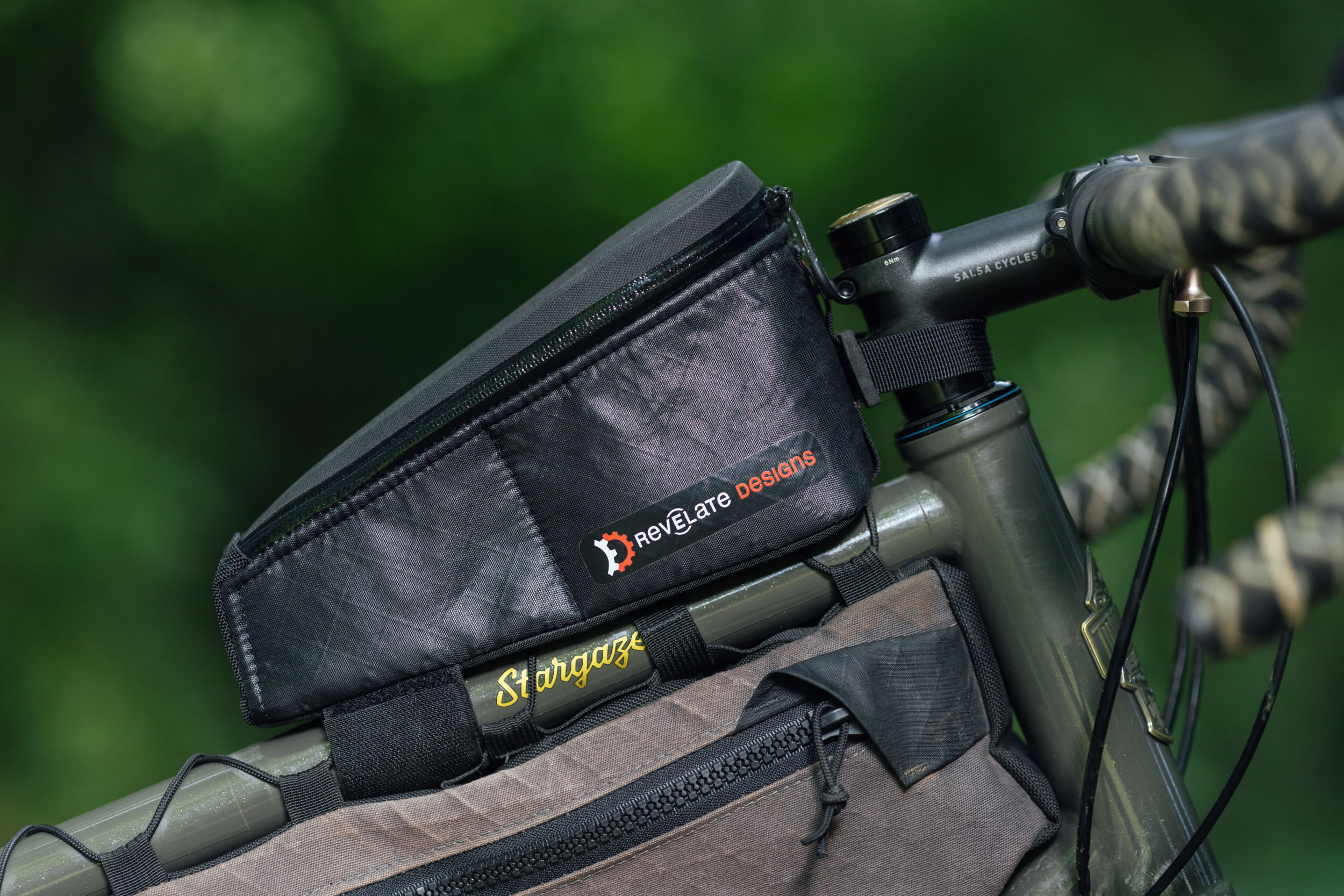
One of my past favorites is the Bedrock Tapeats To-Go. It lived on my bars, and it had a fork-crown attachment that let you open it with one hand. The easy access was great when I was racing. But after I stopped, my priorities changed. Having a bag within reach became less important, and I became more bothered by how these bags crowded the front end or interfered with steering. Eventually, I stopped using stem bags altogether. They had served me well, but I preferred the feel of my bike without them.
I also have a very old Everything Bag from Cleveland Mountaineering. It came with clamps and a bracket for mounting it to a suspension fork, but it could also mount to a fork with three-pack mounts. I used it on my old Moonlander for winter commuting up in Crested Butte. This thing felt ahead of its time. It had a rigid backer, an X-Pac wrap to hold a bottle, loose gear, or a small dry bag, and cam-buckle straps to cinch everything down.
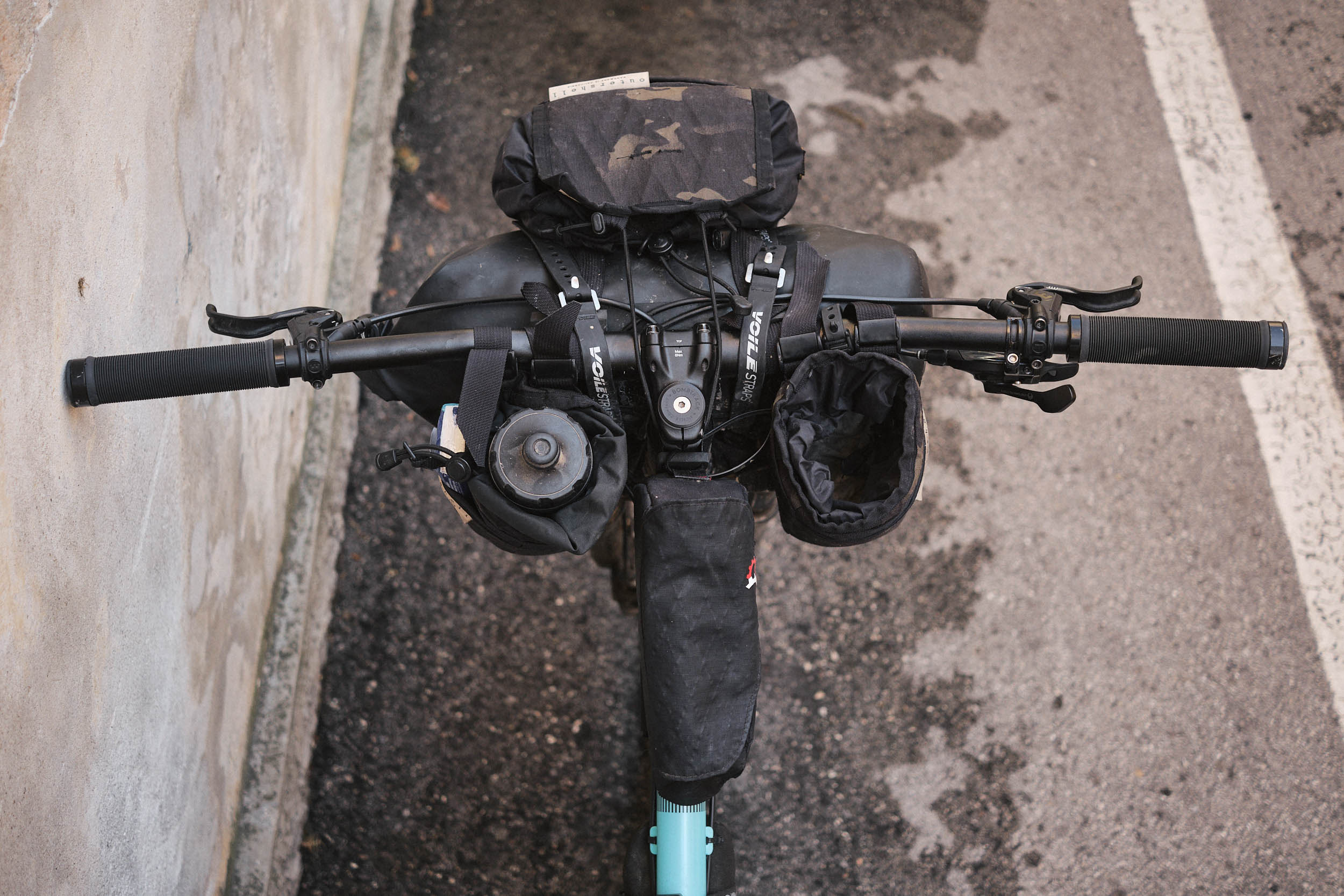
Although it’s a little dated, it’s still useful. I’ll have to find a spot for it on a rig soon. Of course, cargo cages have become much more common, and there are endless options now. Pair one with a couple of Voile Straps, and you can accomplish much the same thing with less material. That said, this bag’s approach still excites me. It’s been sitting in a bin for years, and I want to use it again.
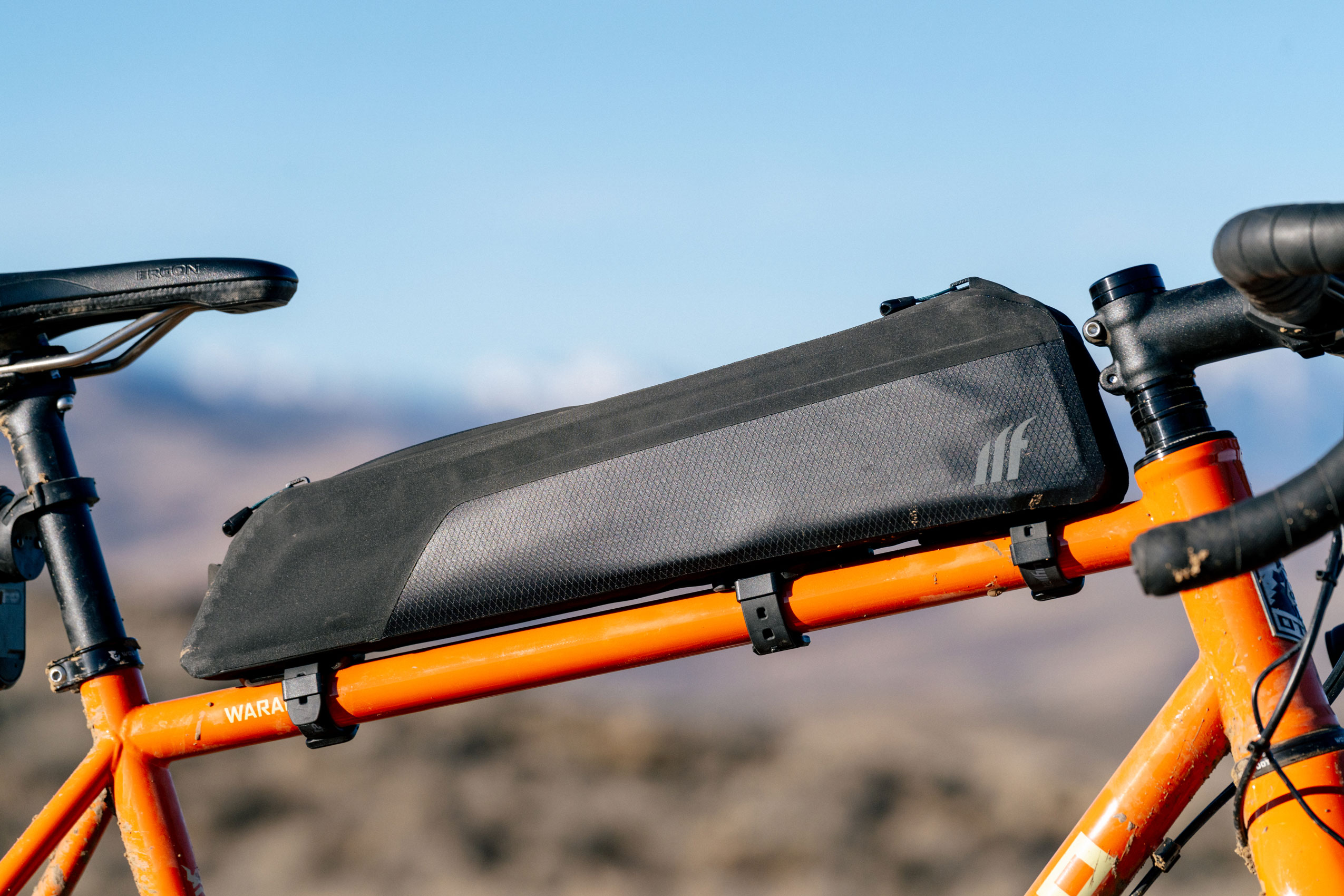
Then there are the early top tube bags. I still love these, and they’ve changed quite a bit over the years. I’ve gotten rid of most of the floppy ones that never stayed upright. Those usually relied on hook-and-loop straps around the top tube and another strap around the headset spacers. Even then, they’d lean to one side. This is one area where I think things have improved, with sturdier designs and more bolt-on options.

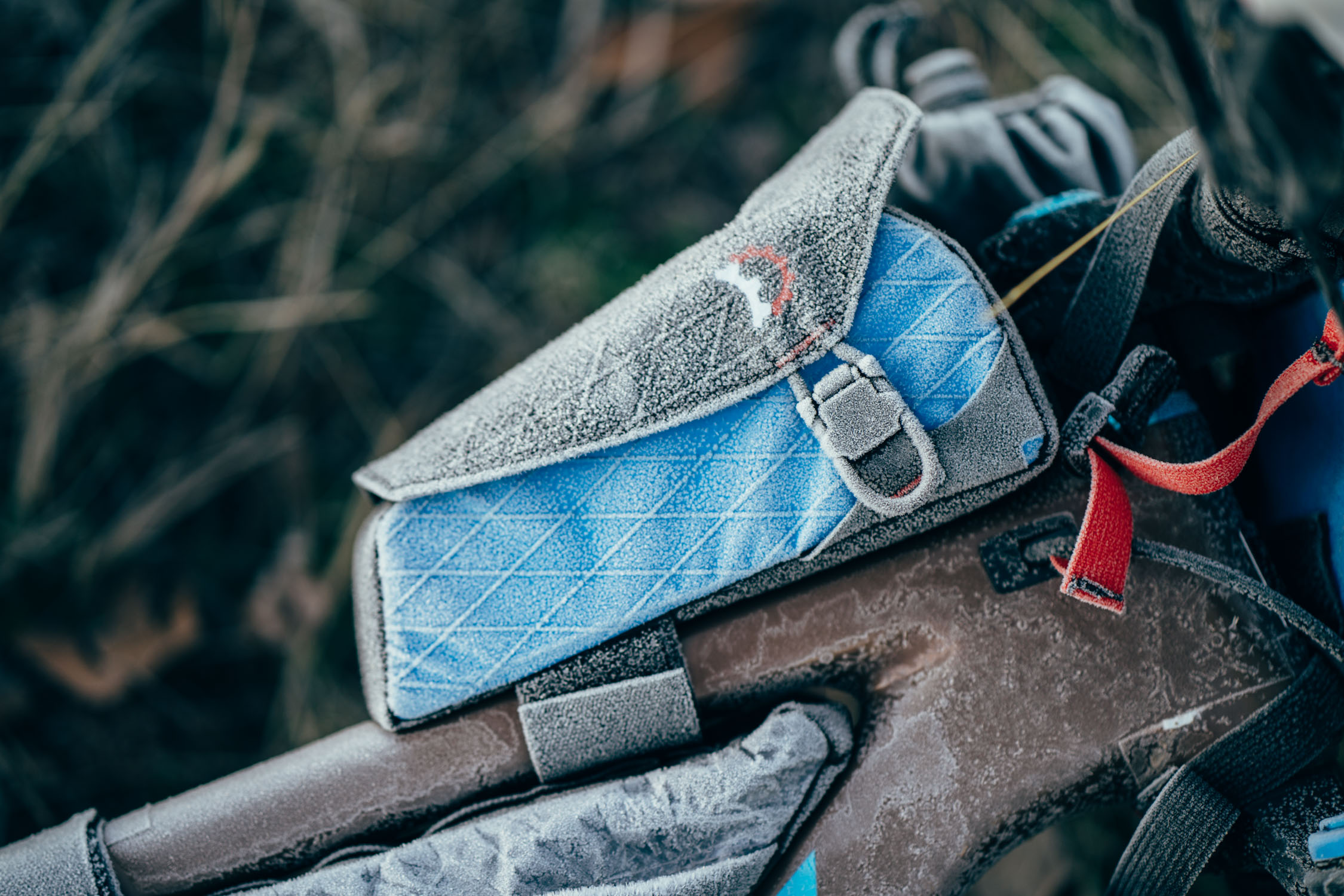

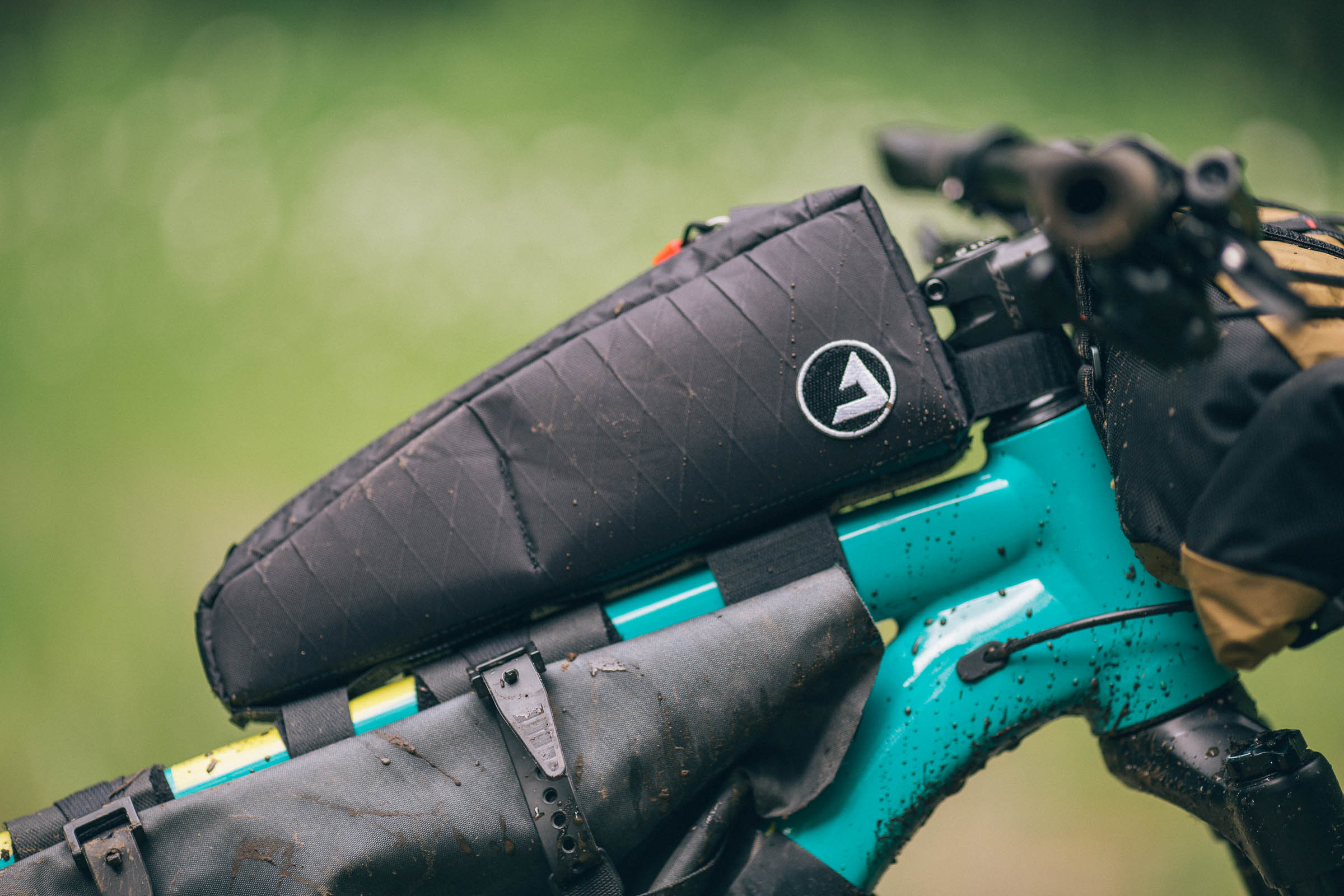
My favorite, however, is one from Andrew The Maker. I’ve used it a ton, along with newer options from Rogue Panda and Tailfin, which offer bolt-on or strap mounting, hold their shape, and stay put without needing that front attachment around the steerer. The systems companies have developed to keep these bags from slipping around are pretty slick. Of course, long bags now run almost the full length of the top tube. I resisted these for a while because they looked silly. But after testing one, I came around to the design. They hold a surprising amount of extra gear and keep it within easy reach.
Saddle bags
A recent resurgence in rear racks and their complementary bags has largely replaced the seat pack. We’ve seen rear racks on touring bikes forever, but using them off-road has led to slimmer, more refined setups. People often call it coming full circle, and in some ways, it is. But we’ve learned things along the way. I wonder whether we’d have the rack systems we have today without that stretch of experimenting with seat packs and figuring out what worked and what didn’t. Sometimes, moving away from something helps us see how we could improve it. I have two long mounts on my wall dedicated to hanging these awkward racks.
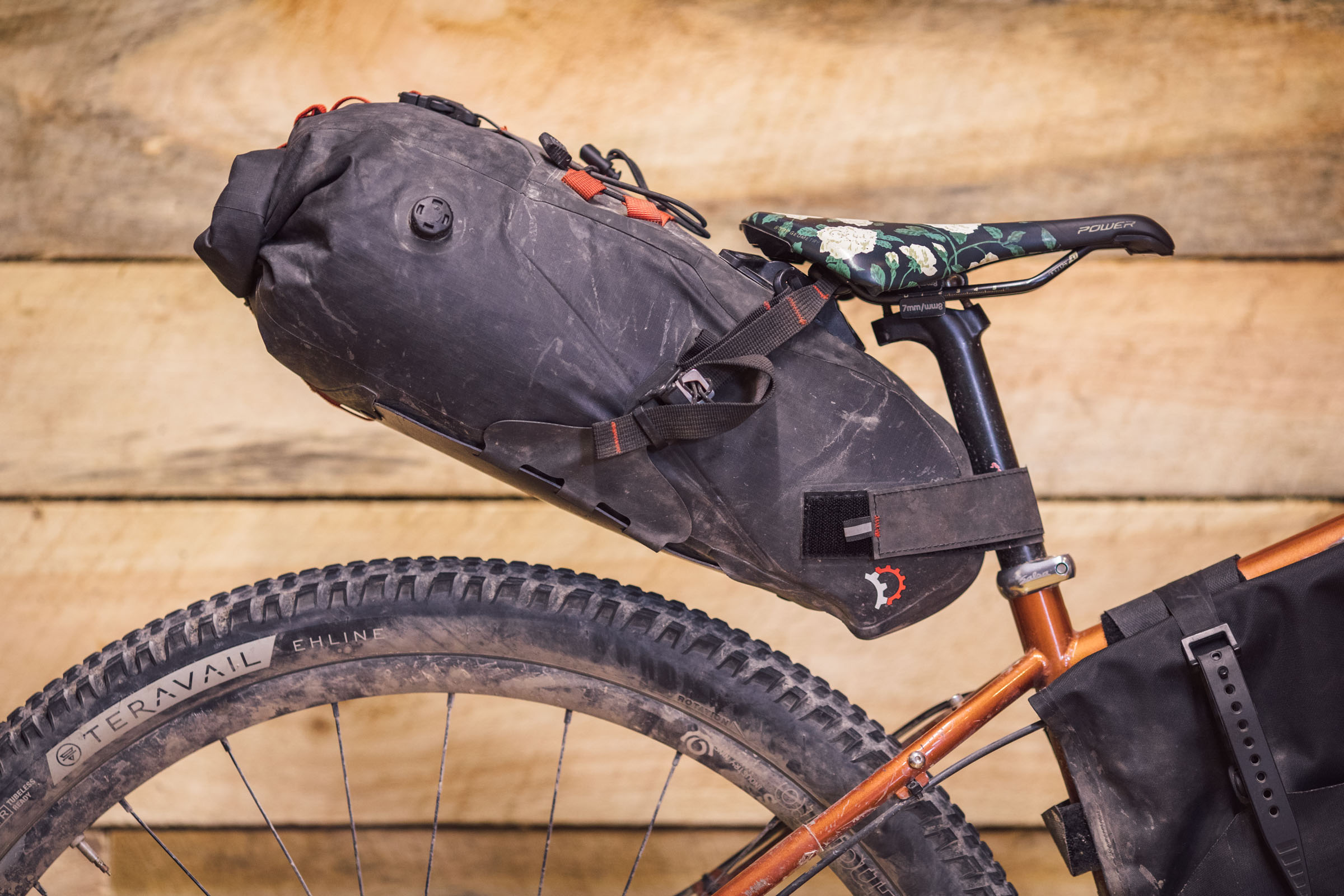
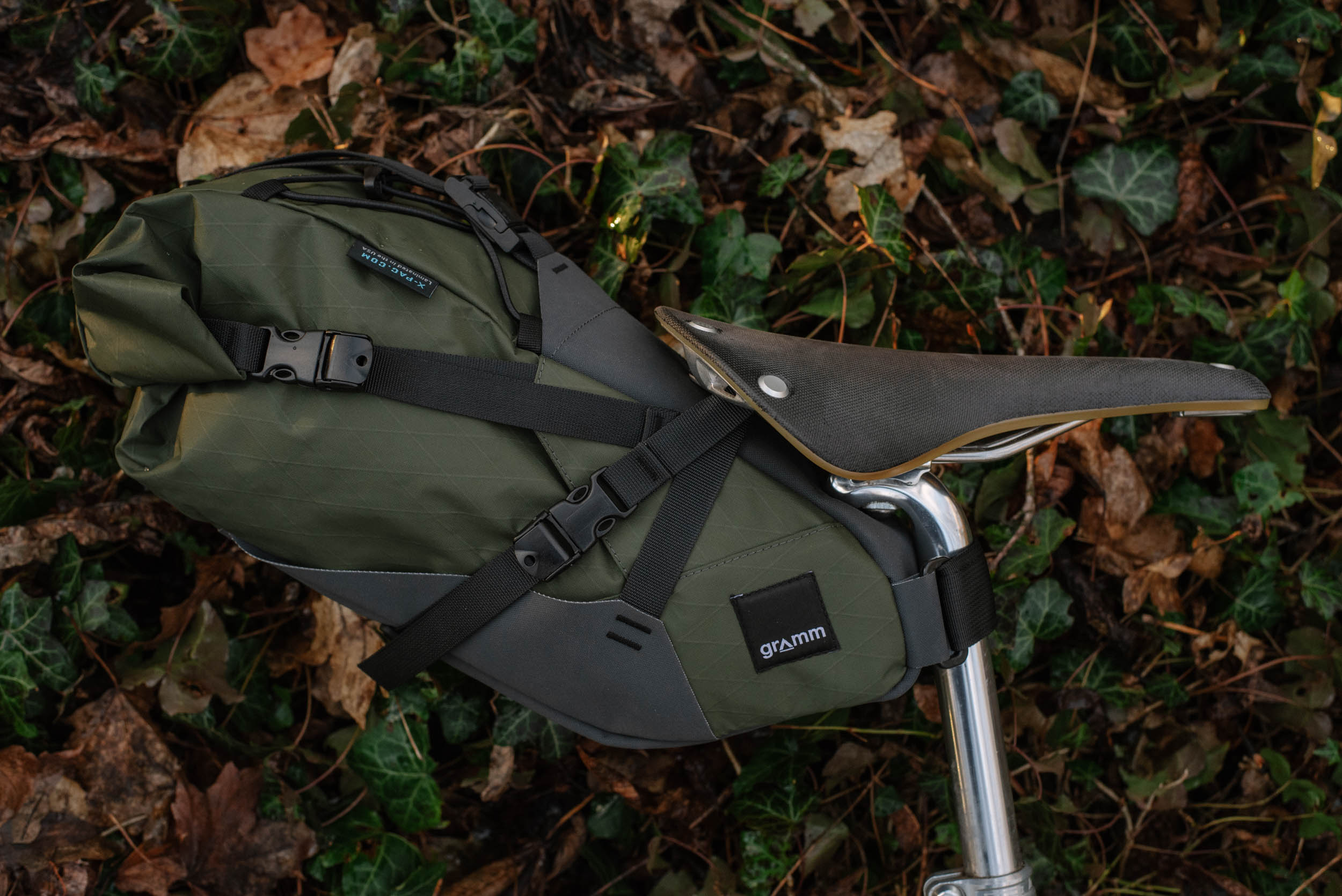
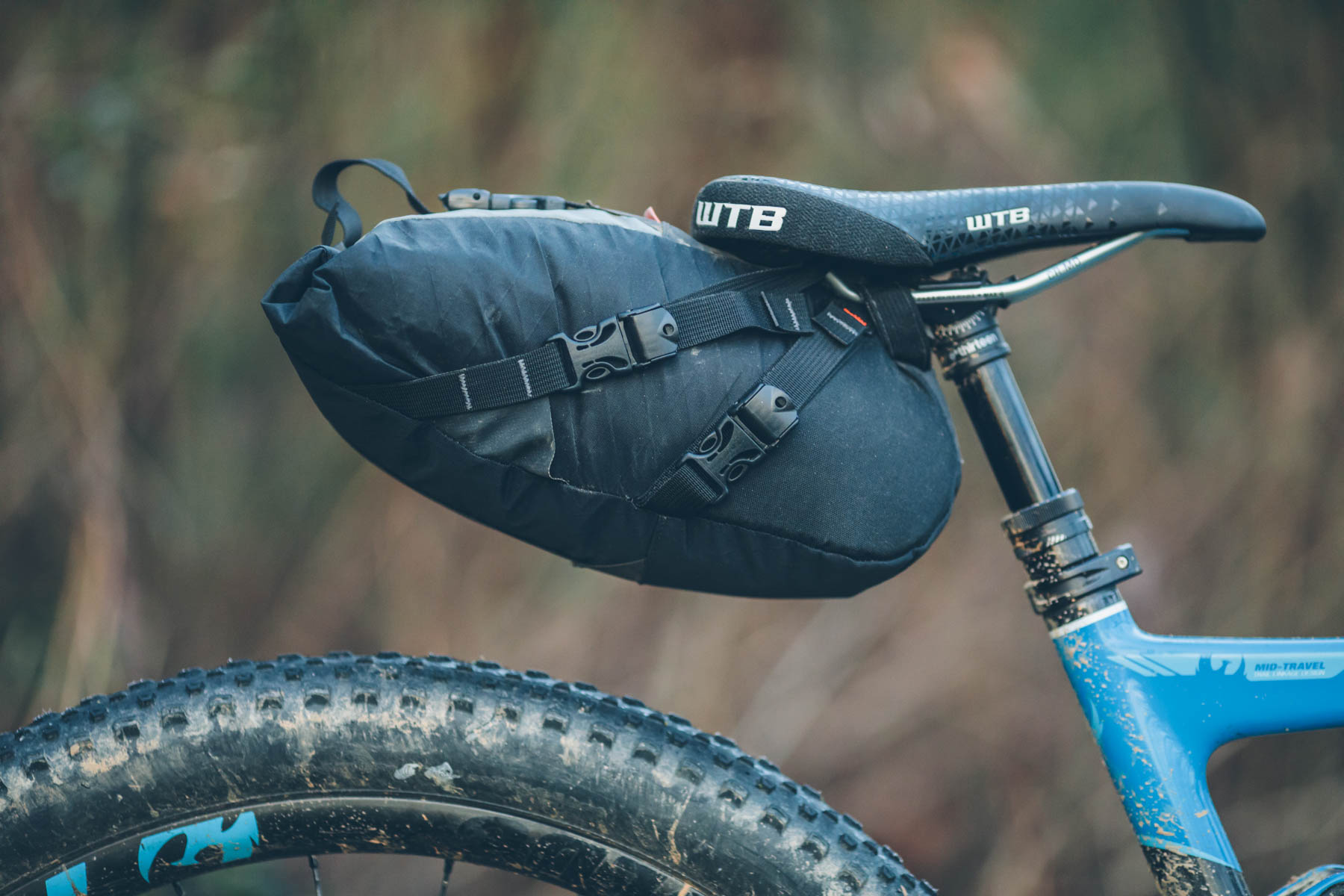
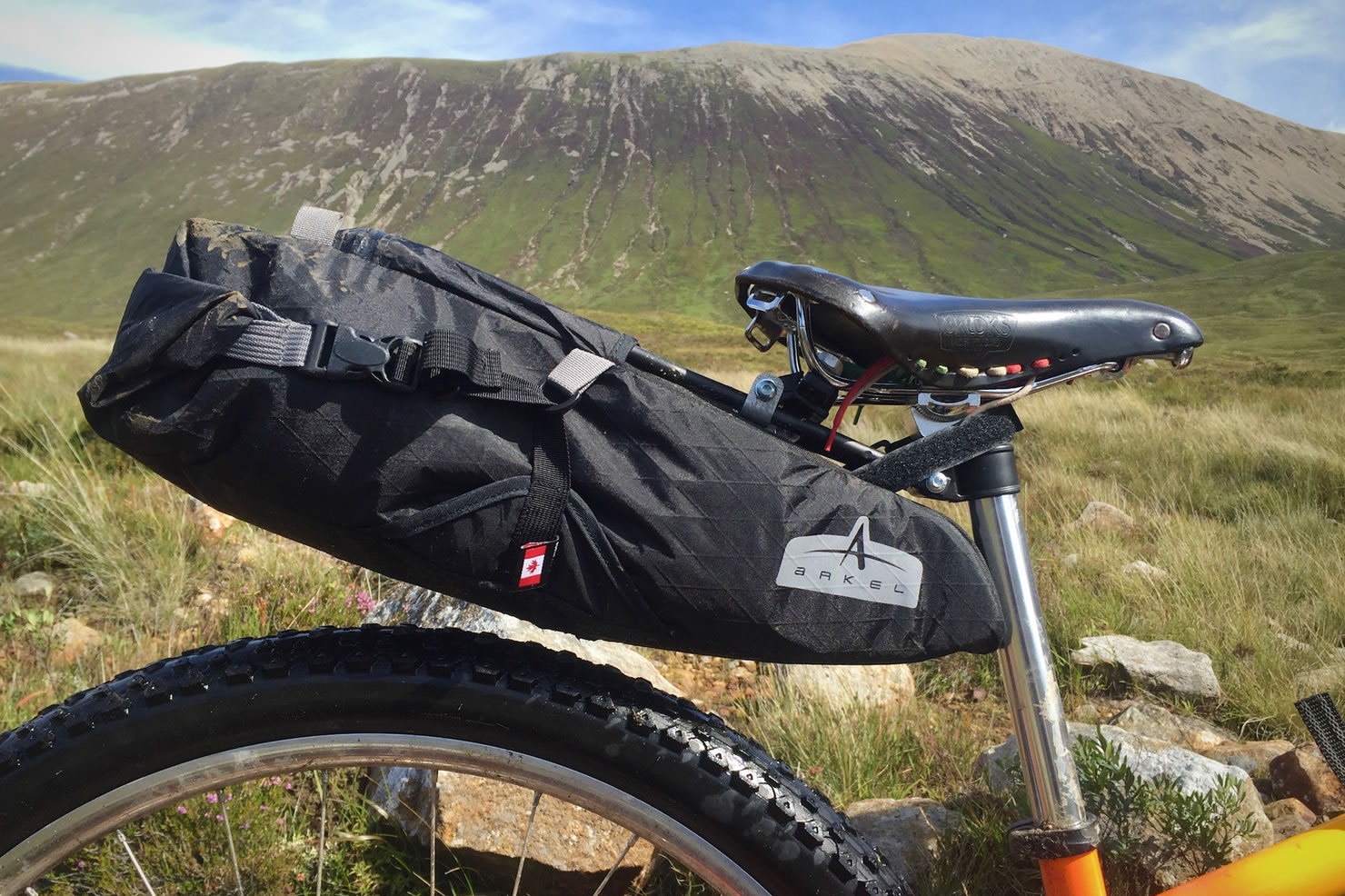
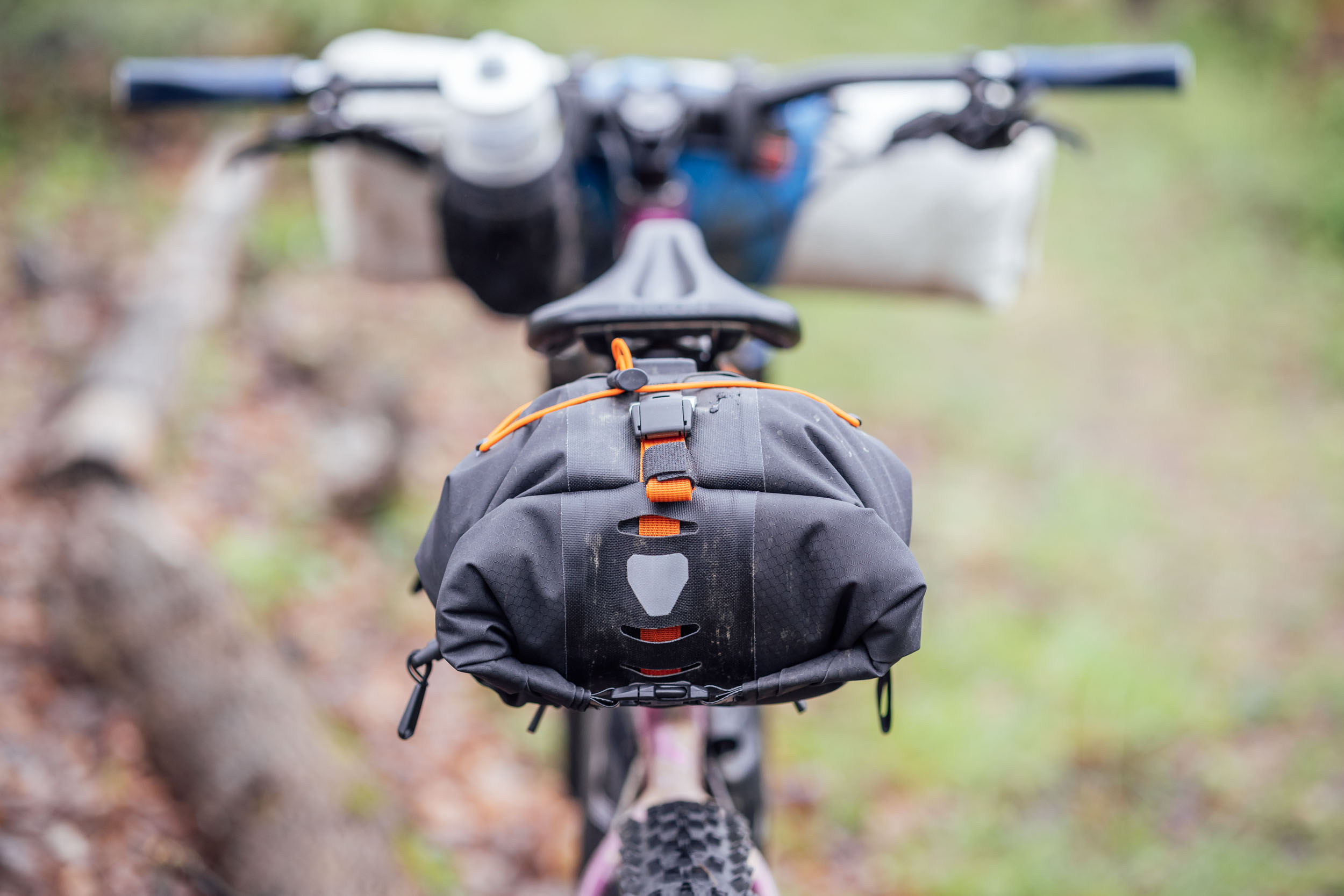
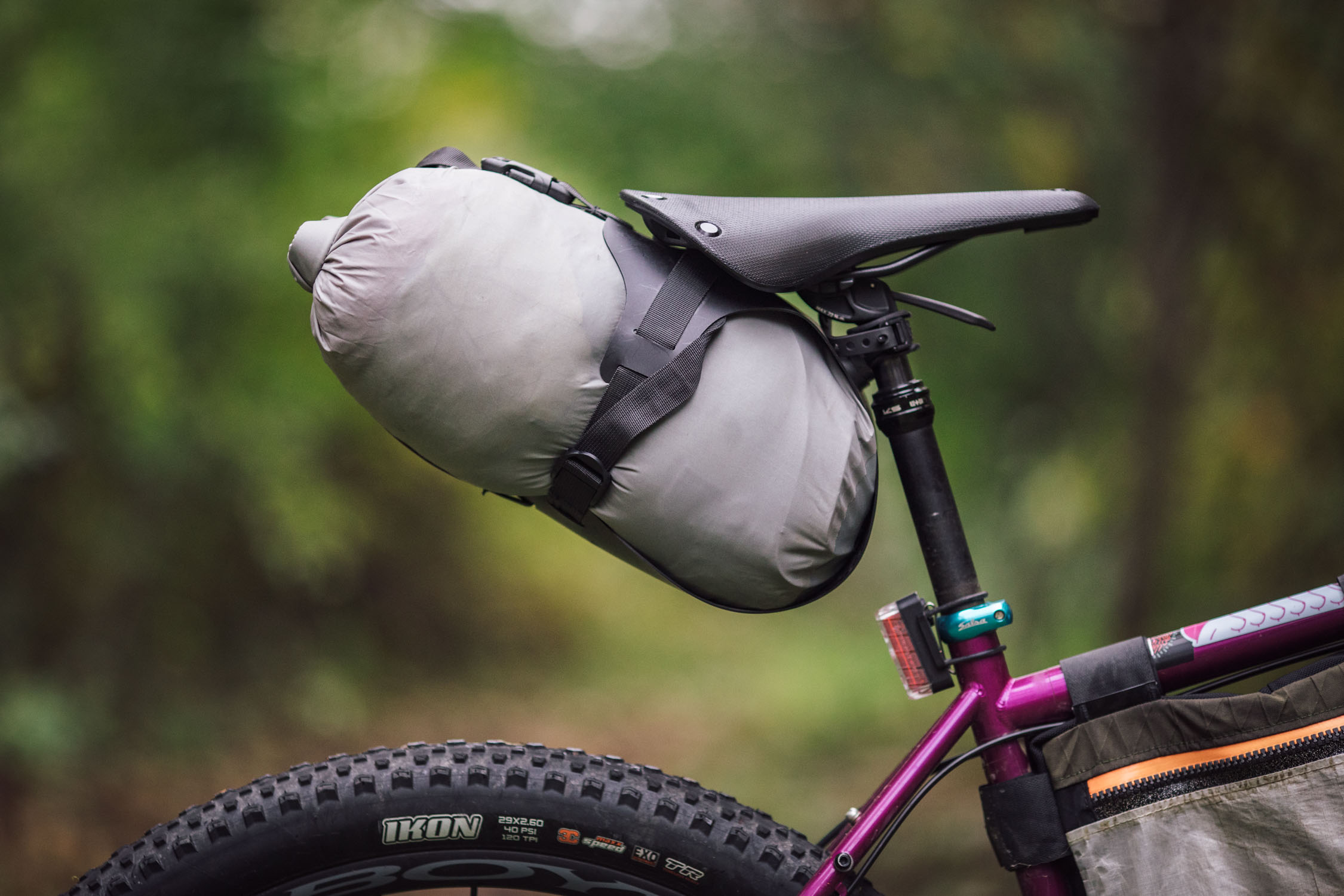
Despite moving away from the seat pack, I keep one around for sentimental reasons—the Revelate Viscacha. This was my first bikepacking bag, and while I’ve retired it, I’ll always cherish it for helping me get started. I even sent it back for repair after I wore a hole in the bottom while using it on my full-suspension bikes.
A few others in my collection have more than a few memories, including the Porcelain Rocket Mr. Fusion and Albert. These are still some of my favorite bags, and both felt ahead of their time. When Scott Felter released the Mr. Fusion, it brought some of that rack stability to the seat pack world, with a removable, welded dry bag that made packing easier. It was such a creative approach. Then the Albert showed me that a seat pack and a dropper could actually work together, and boy howdy, that opened up some possibilities. I’ll never get rid of those bags.
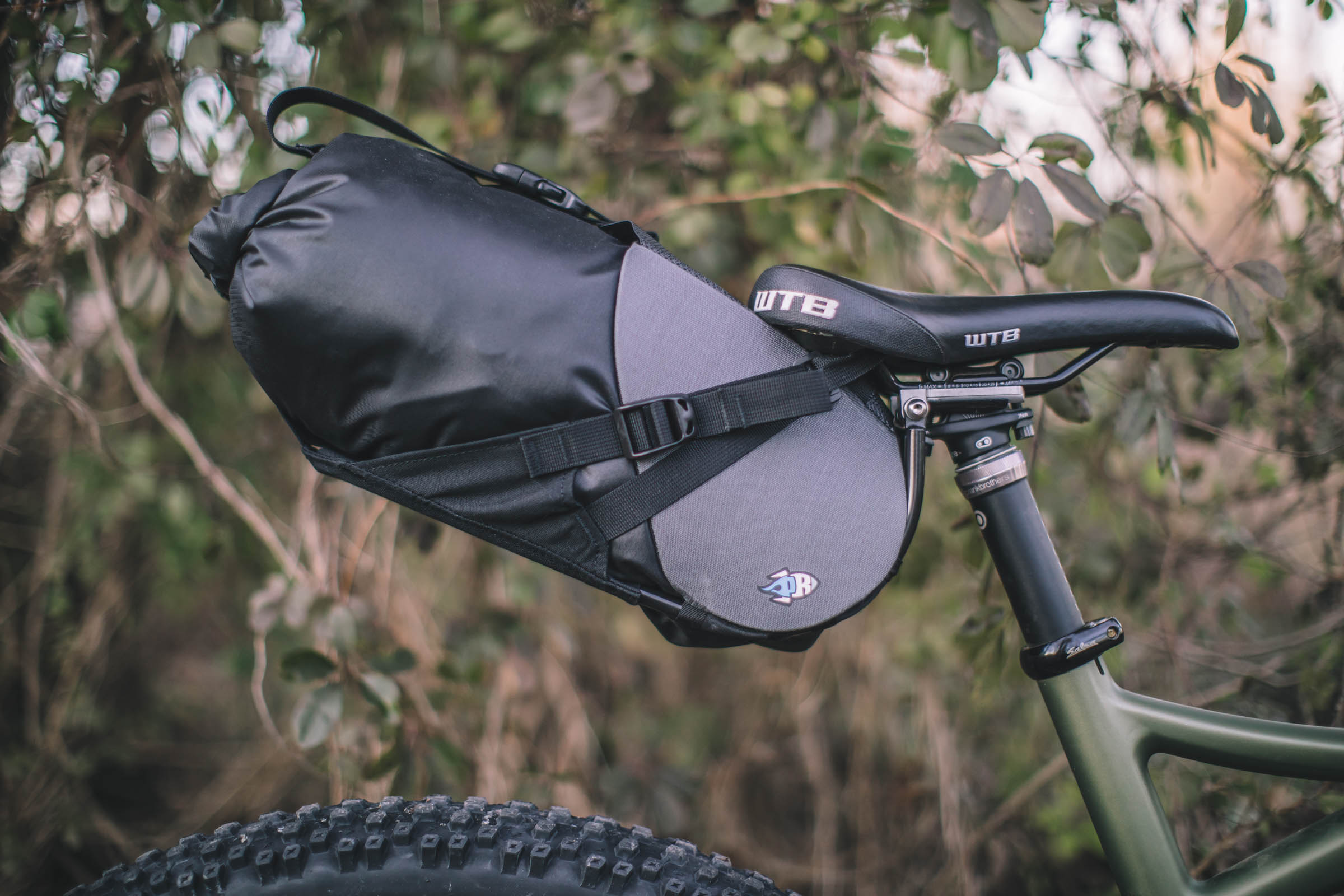
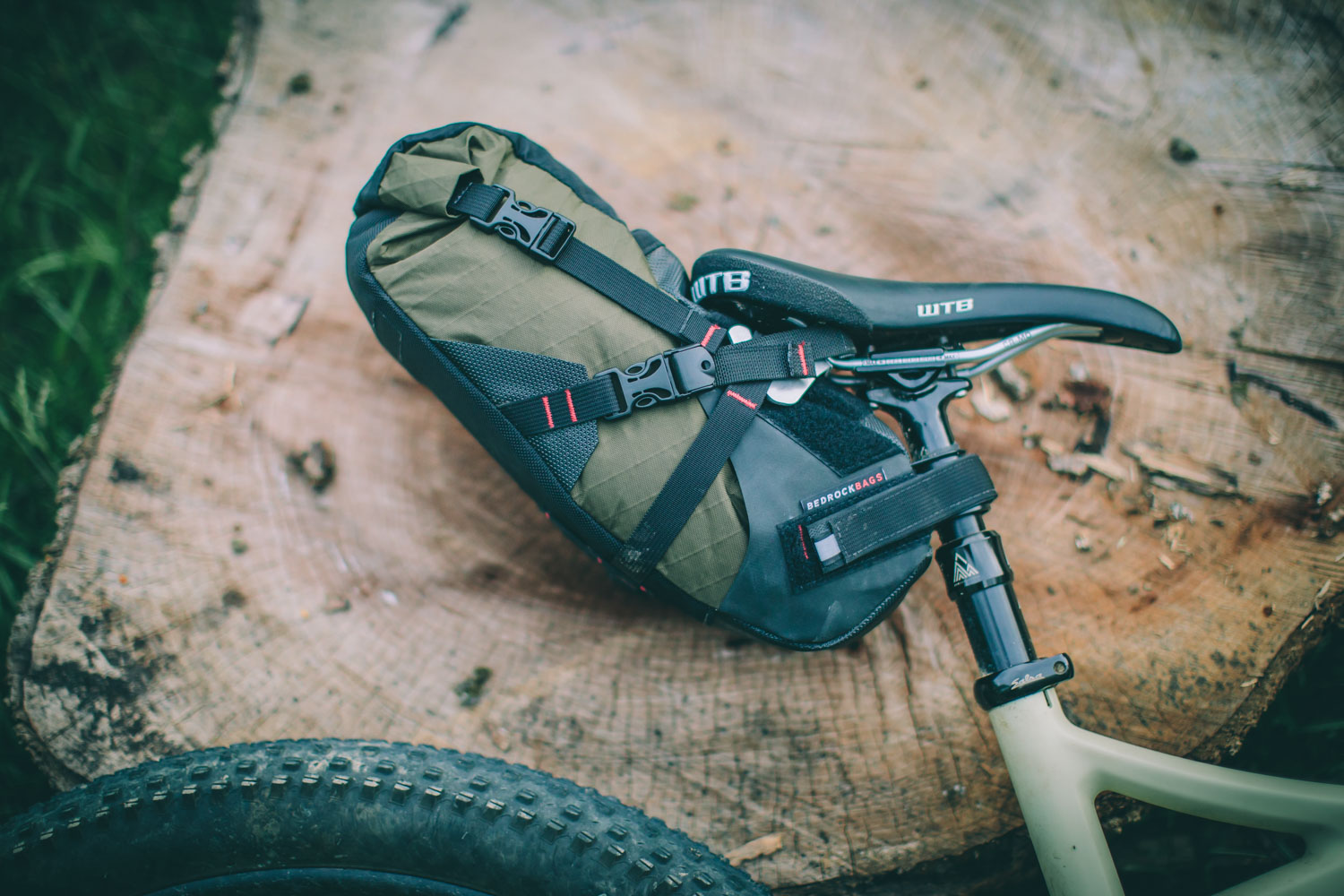
Since then, I’ve tested and used options like the Bedrock Black Dragon, Revelate Vole and Spinelock, Ortlieb’s quick-release seat pack, and plenty of others. As I experimented with these setups, the big question was how to carry gear behind the saddle while still getting the benefits of a dropper. But there were compromises. Some posts struggled to return with the extra weight, and fitting the bag often meant sacrificing travel, whether for tire clearance or an attachment like the Wolf Tooth Valais. When I ran a 125 or 150mm dropper, losing even 25mm sometimes made me question the whole setup.
That’s what pushed me toward racks. I could keep the load off the dropper and use its full travel, while gaining room for a bag on top, mounting options on the sides, and the ability to run micro panniers when the trip called for them. That versatility has worked really well for me, and it’s where I’ve landed lately.
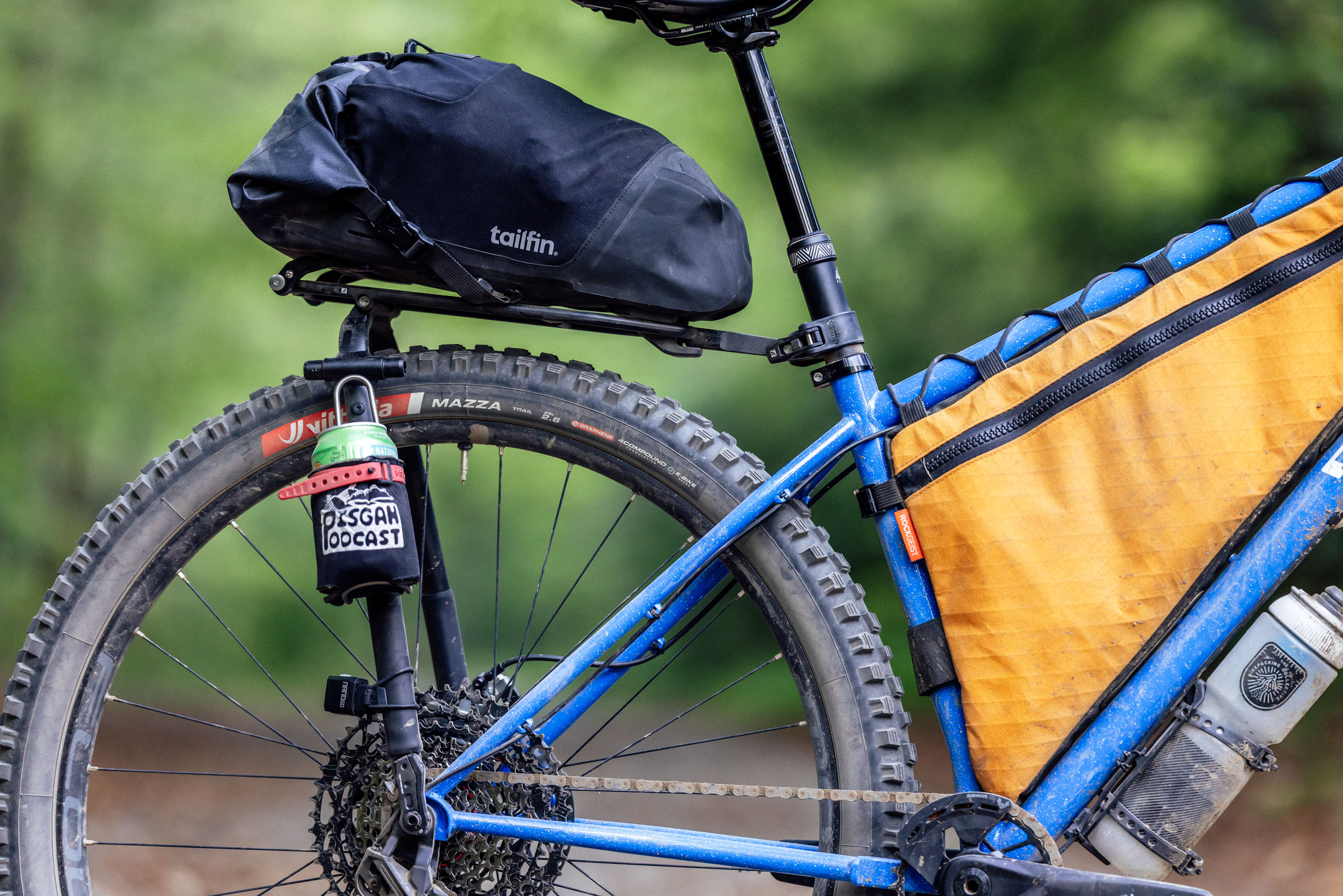
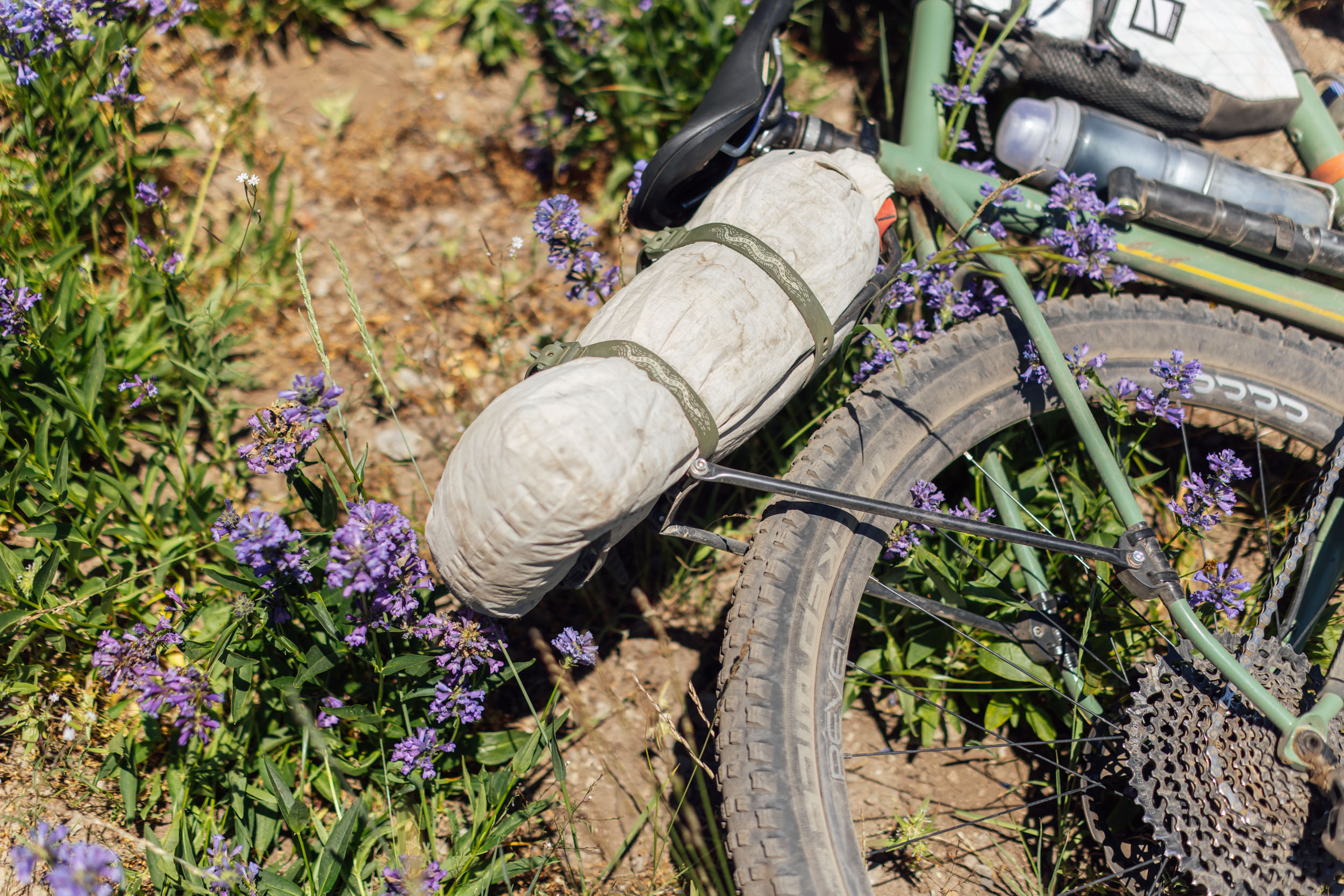
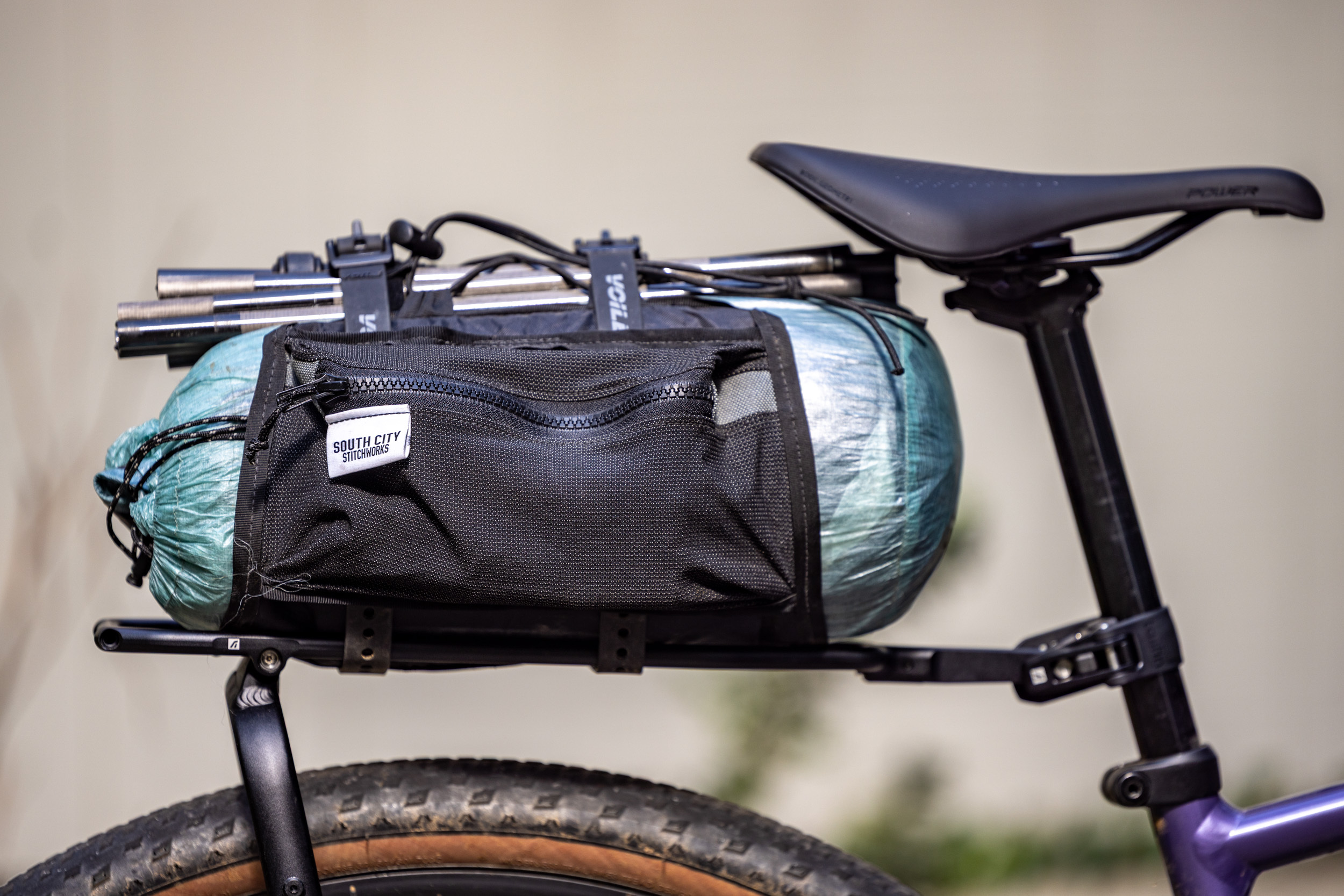
But bike geo and droppers have changed, too. With bikes built around longer-travel options and improved posts, I’m curious about trying seat packs again. There are still trade-offs: post weight, a load that moves with the saddle, and clearance to figure out. But a seat pack can also be a pretty simple setup, and I’ve got a few options right here to experiment with. Maybe some of these bags deserve another shot.
Handlebar bags
Moving on to the handlebar bags, modern ones are more like systems. Bags are only half the story now. Aluminum, carbon, and plastic elements play a big role in how handlebar systems work, along with fabric harnesses and the bags themselves. Before we get to the biggest and best, let’s talk about what doesn’t work for me anymore.
I hardly use small burrito bags or older, traditional handlebar packs that attach directly to the bars. Packing those often meant stuffing your gear into the bag while keeping your bike upright, or packing while your bike leaned on the ground. Still, some people found creative approaches. Bedrock had the Entrada, a compression-style bag that let you cinch down the contents once everything was packed, which was a neat way to make the most of the space.
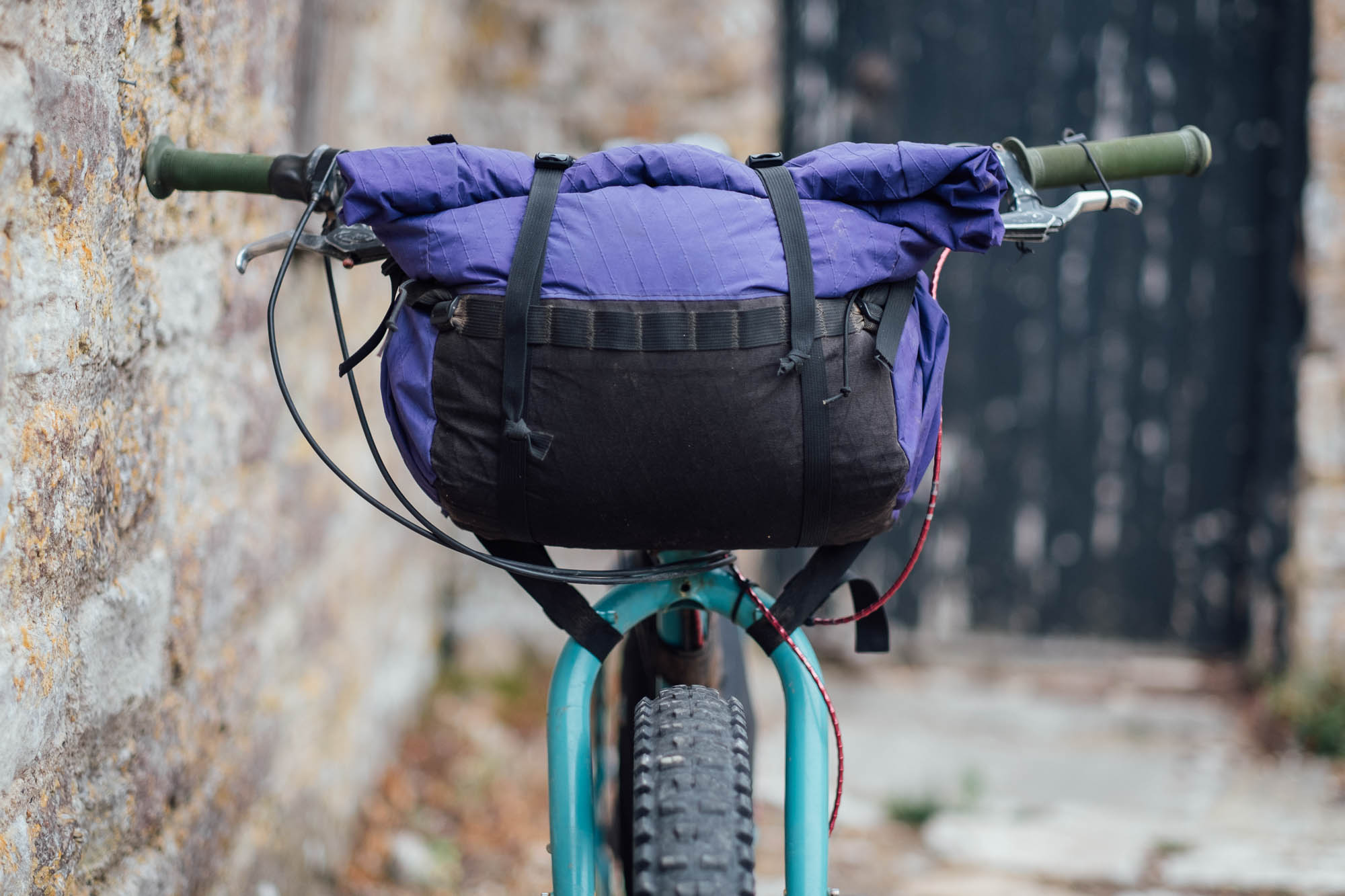

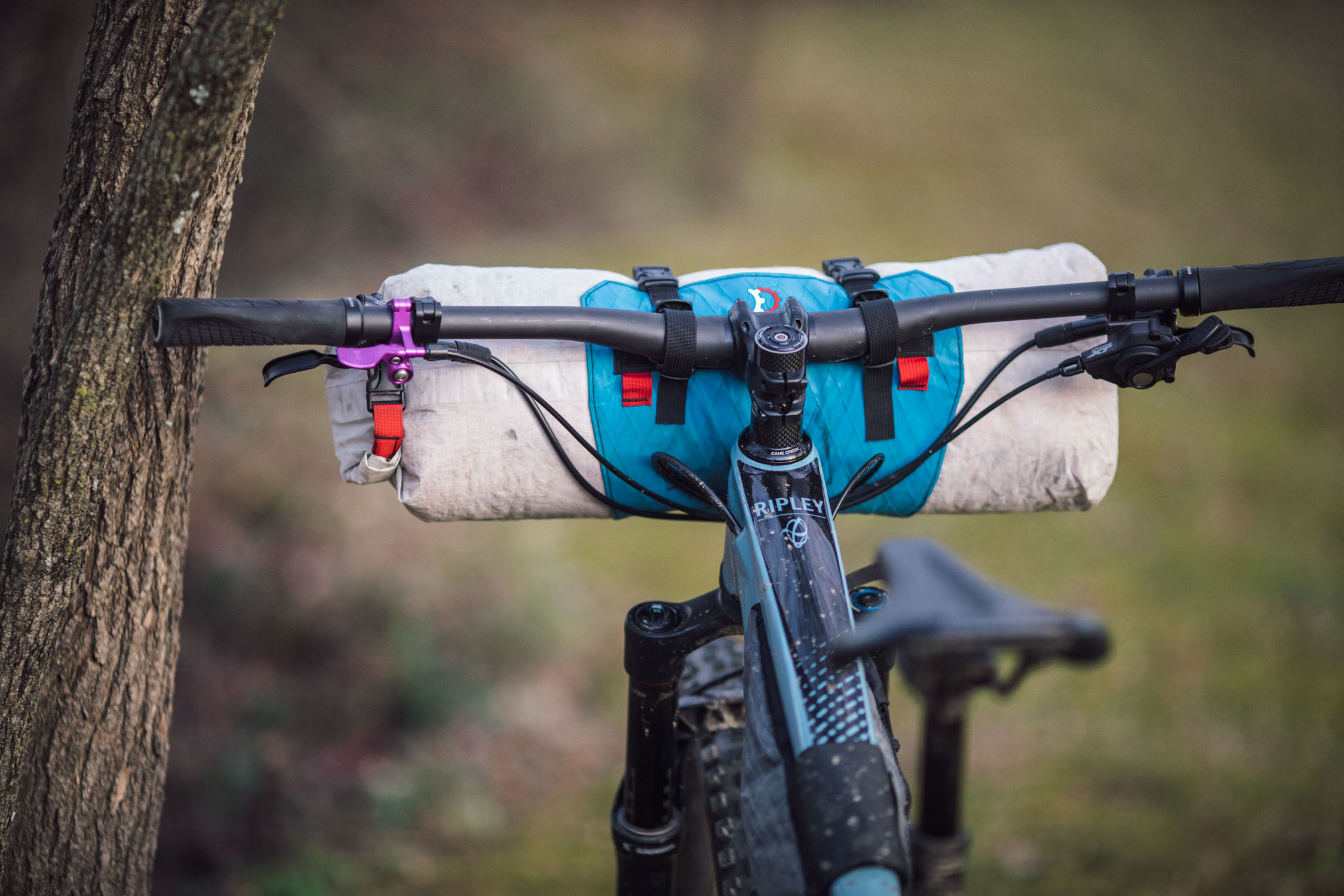
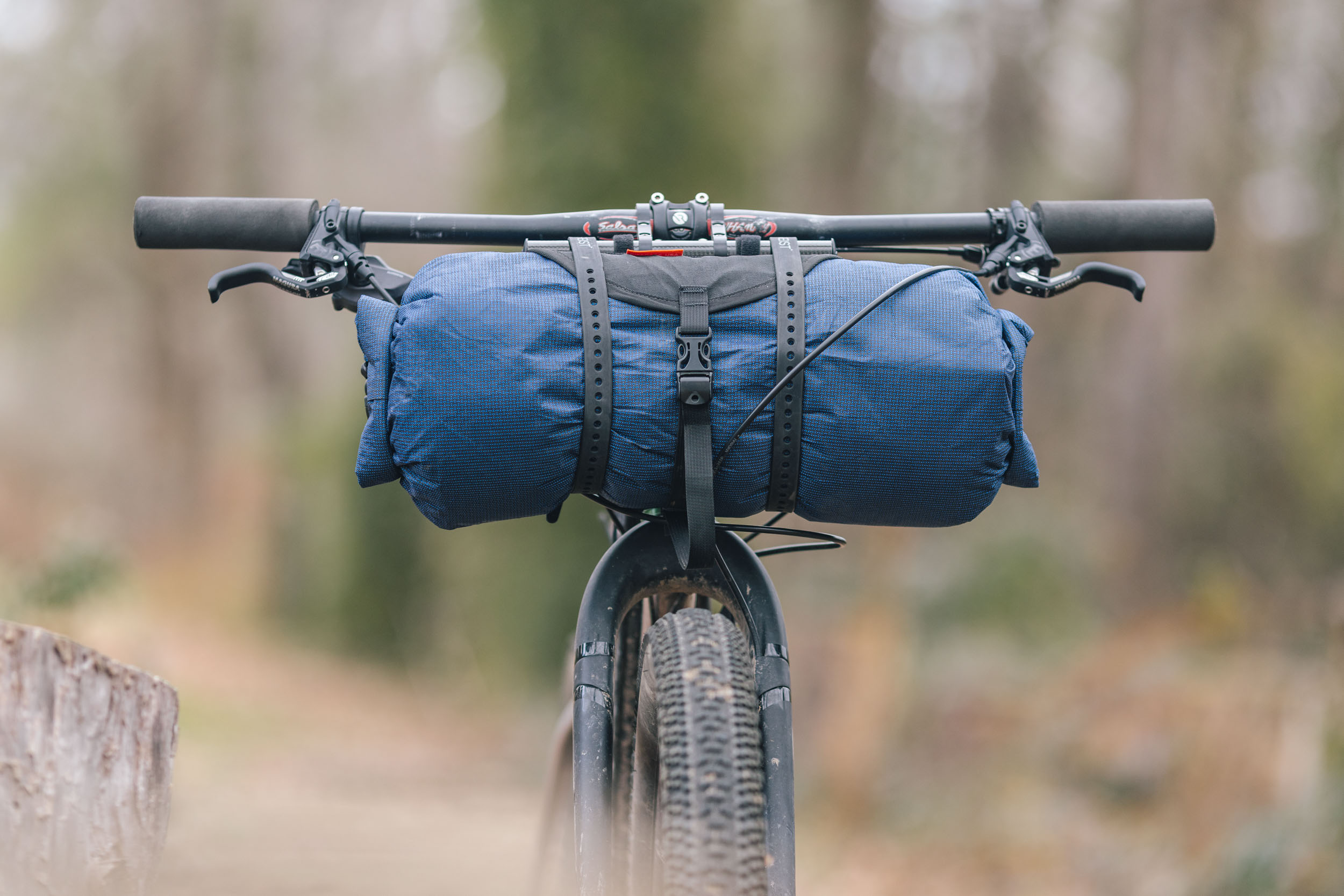
Eventually, I started using systems like the Revelate Pronghorn and the Alpamayo Designs harness. The Alpamayo became one of my favorites for a long time because of its rigid structure and how easy it was to take a dry bag on and off the bike. That approach made a lot of practical sense to me. You could leave the harness installed and bring the bag into your tent, carry things around camp, or even use it separately as a bear hang bag.
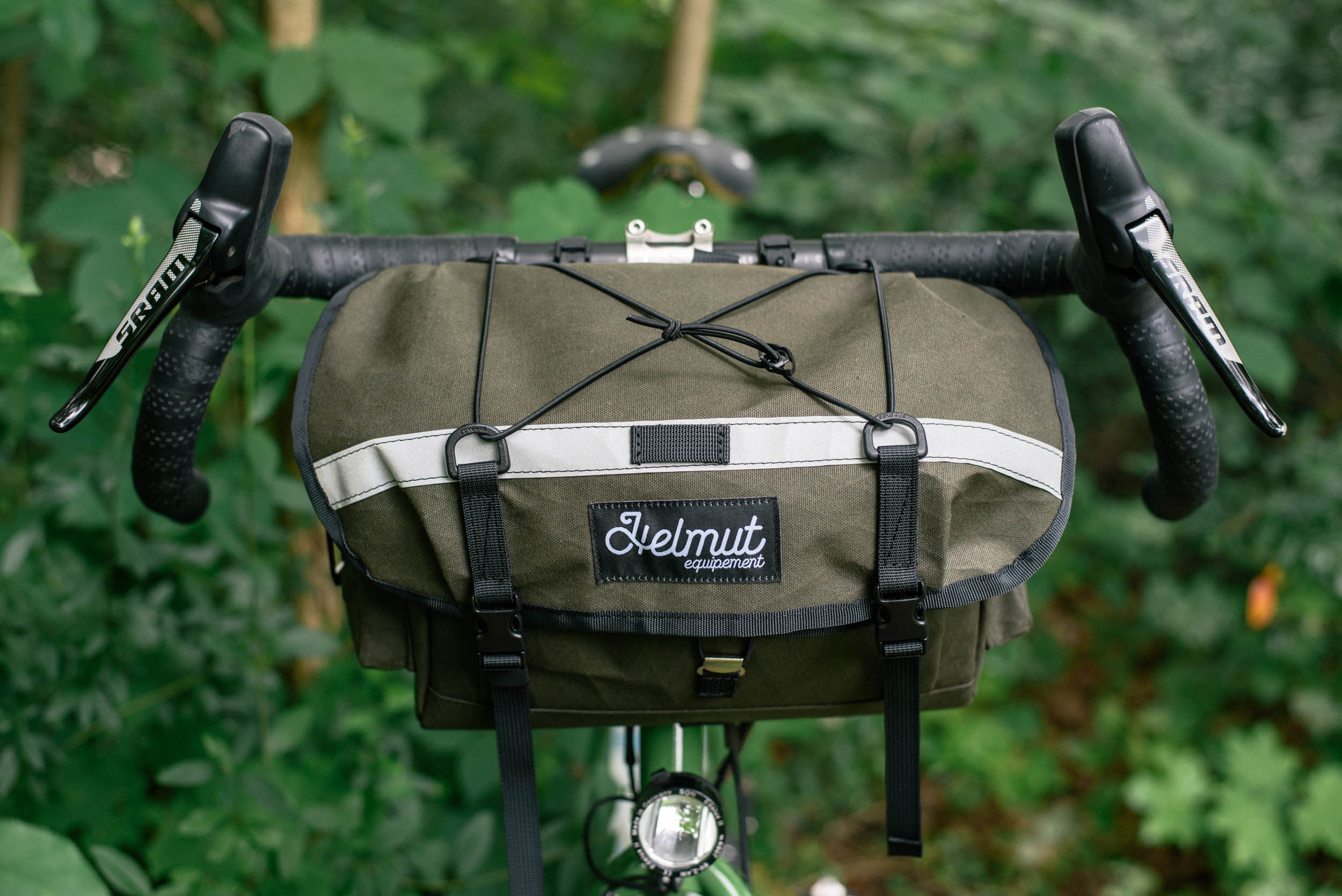
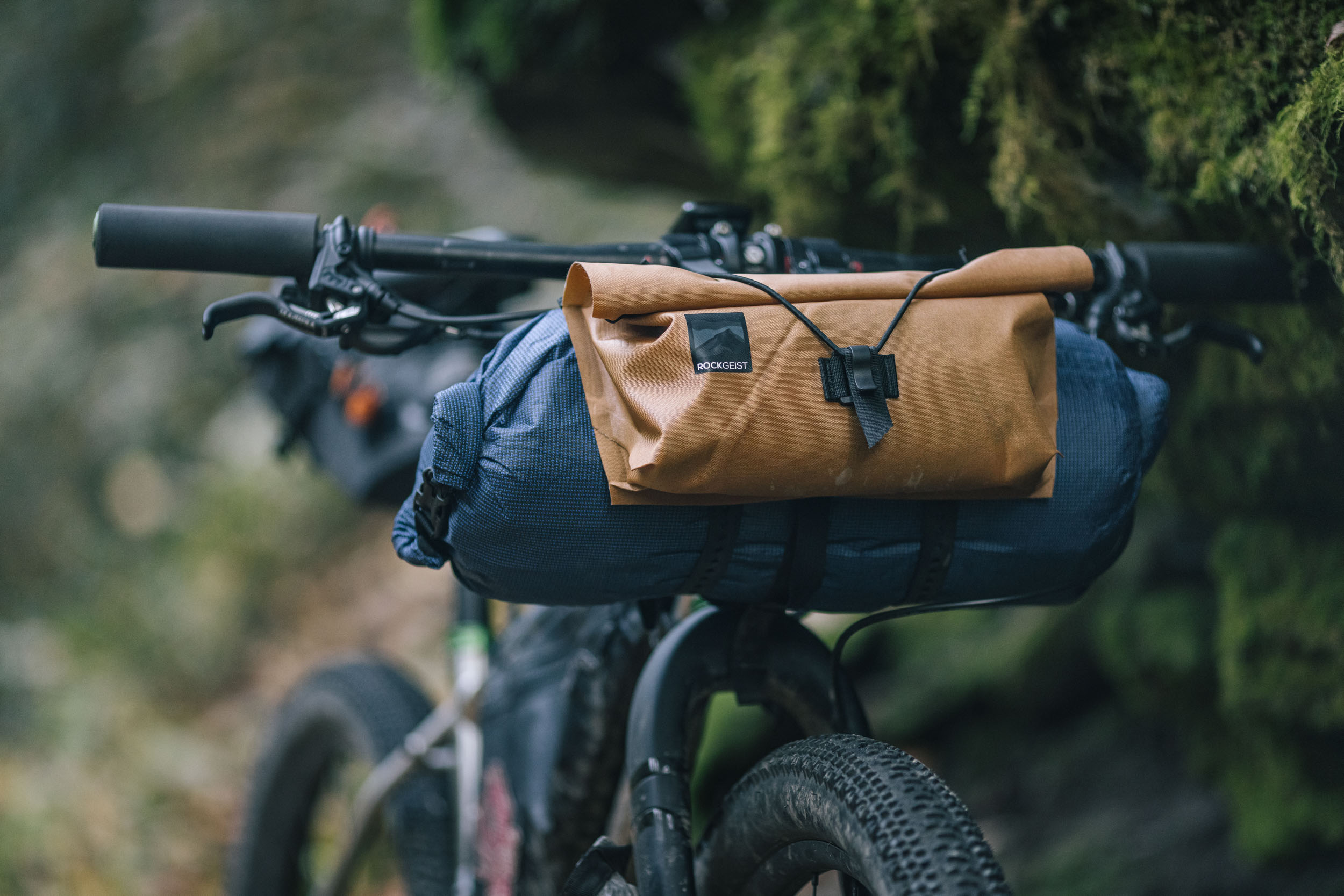
Since then, handlebar systems have evolved into one of the most competitive categories in bikepacking gear. We’ve seen more rigid designs, some with hardly any fabric beyond the straps. The Miss Grape Ilcoso was a creative approach, and Rogue Panda has explored several designs, from the mix of rigid parts and fabric in the Canelo to the Blue Ridge, still one of my favorites, and now the steerer-mounted Kaibab. And Tailfin has really added a lot to this space with their bar cage and bar bag system, which fits multiple bar types and offers plenty of accessories that help your cockpit feel like it doesn’t skip a beat when you mount something on the bar.

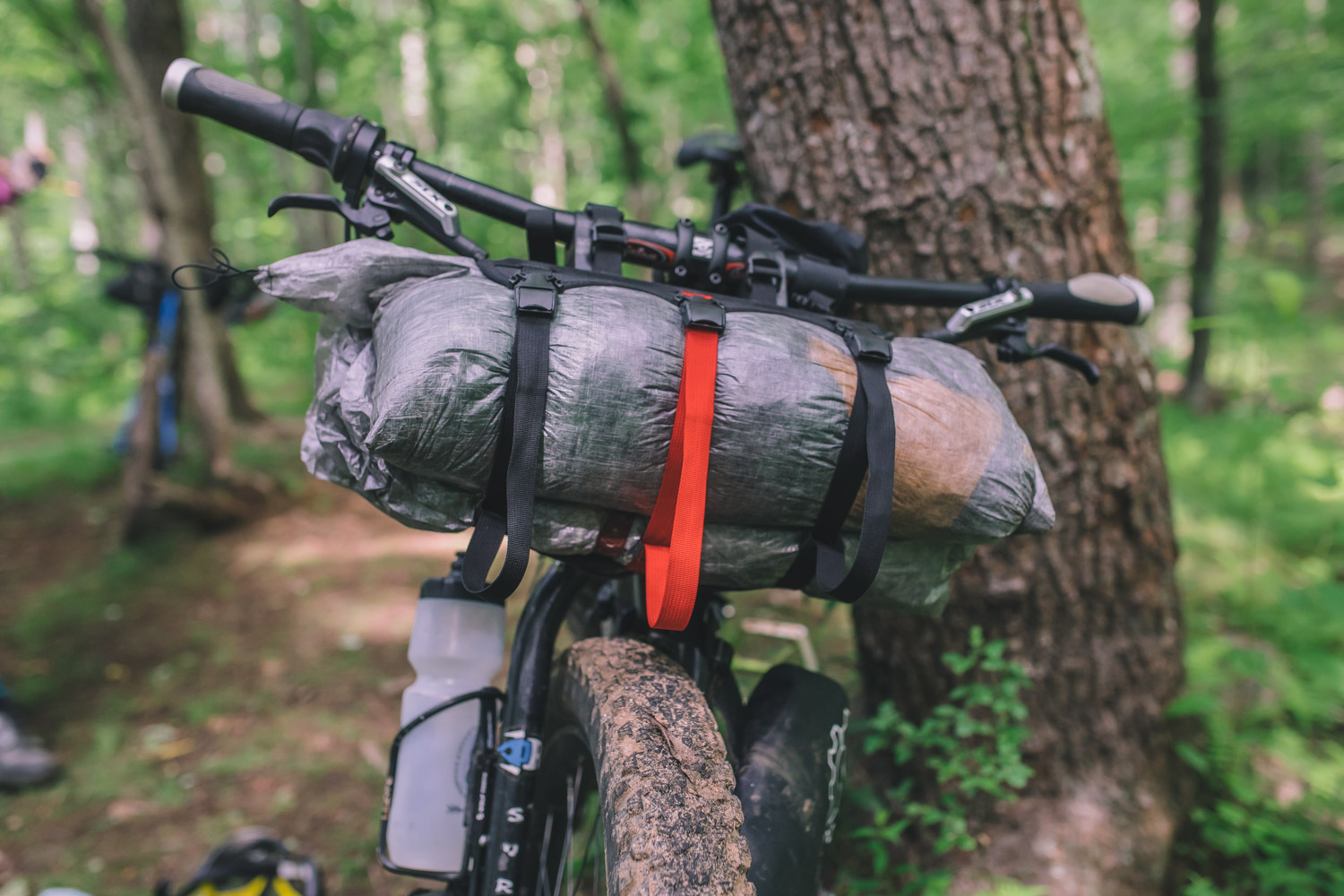
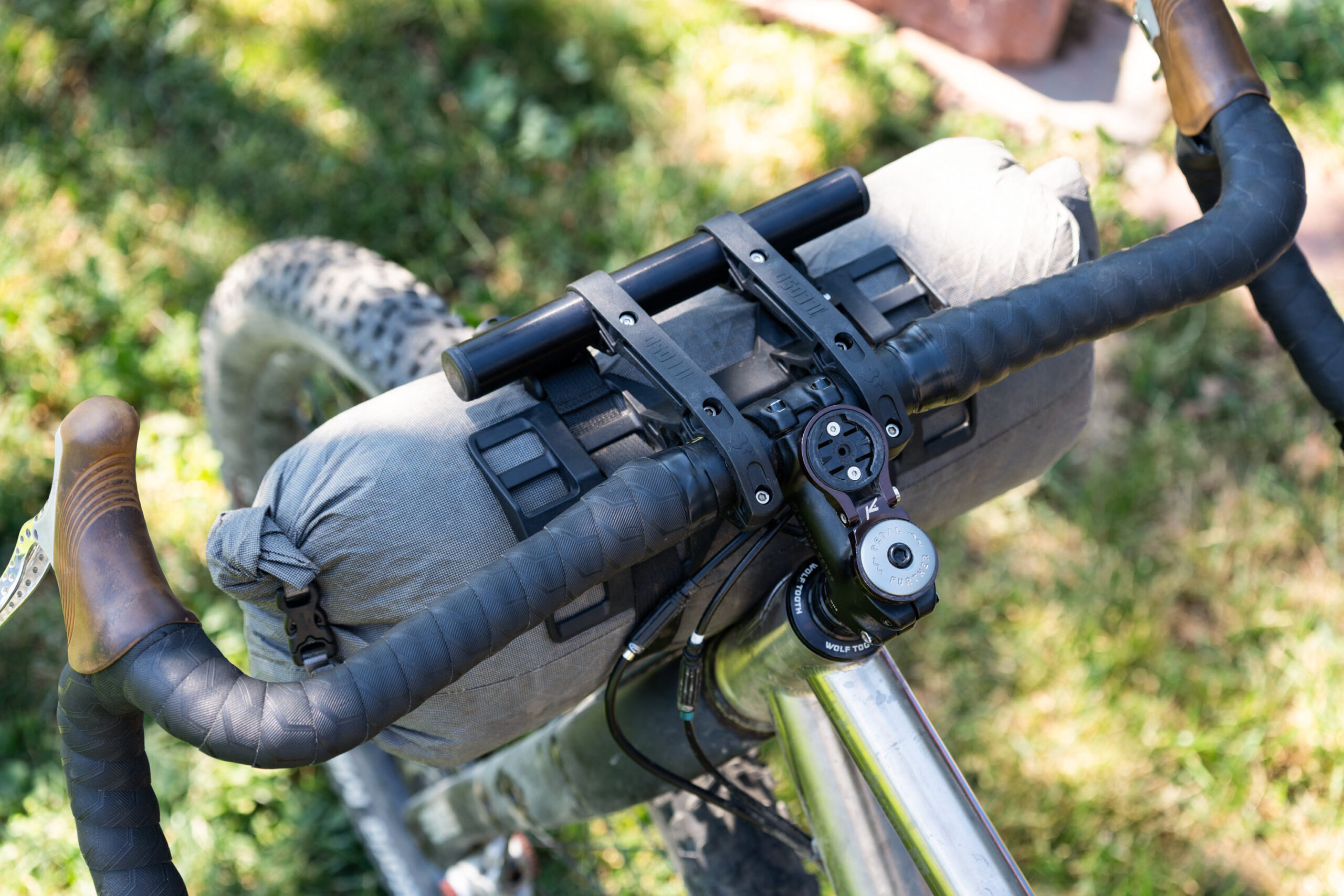
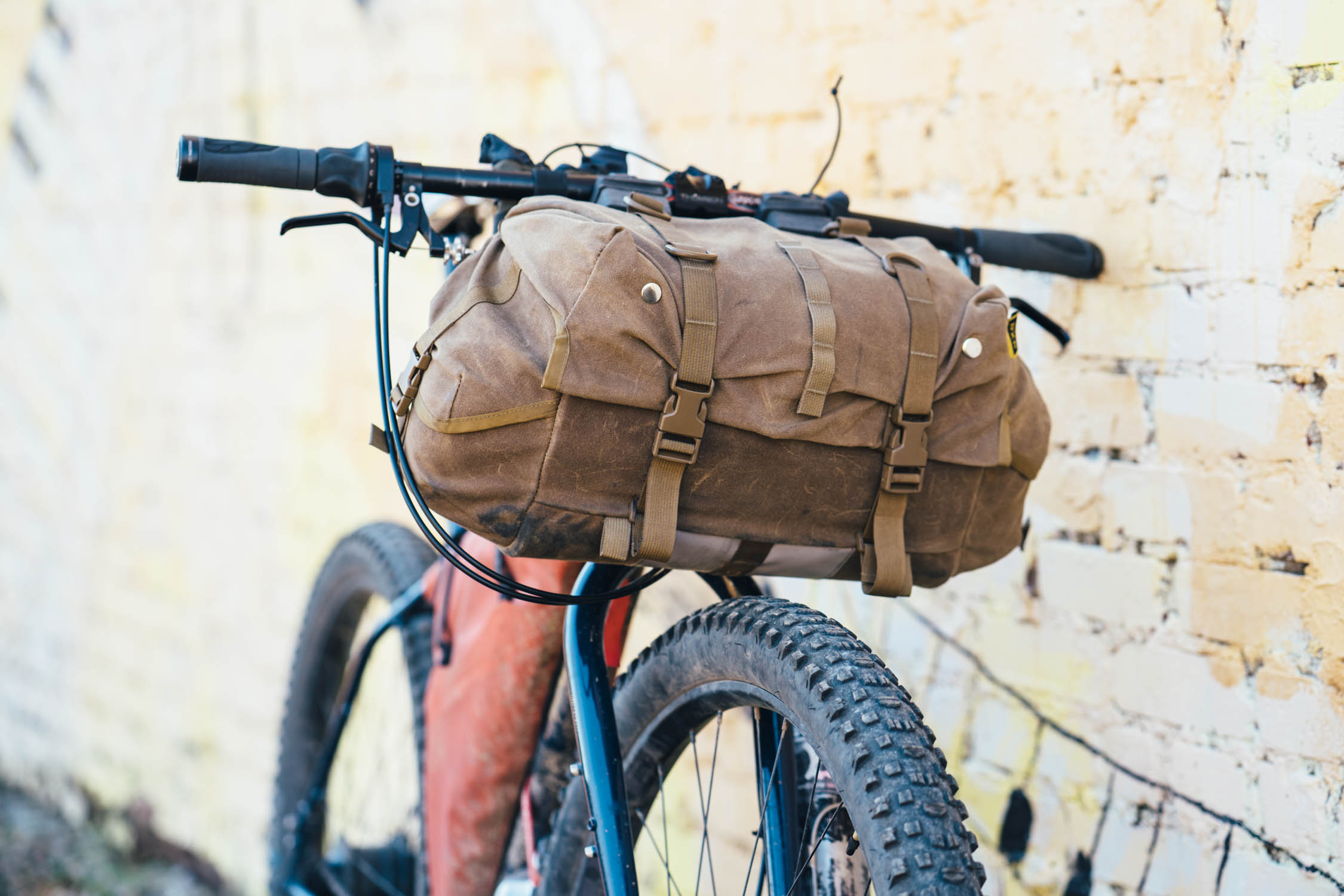
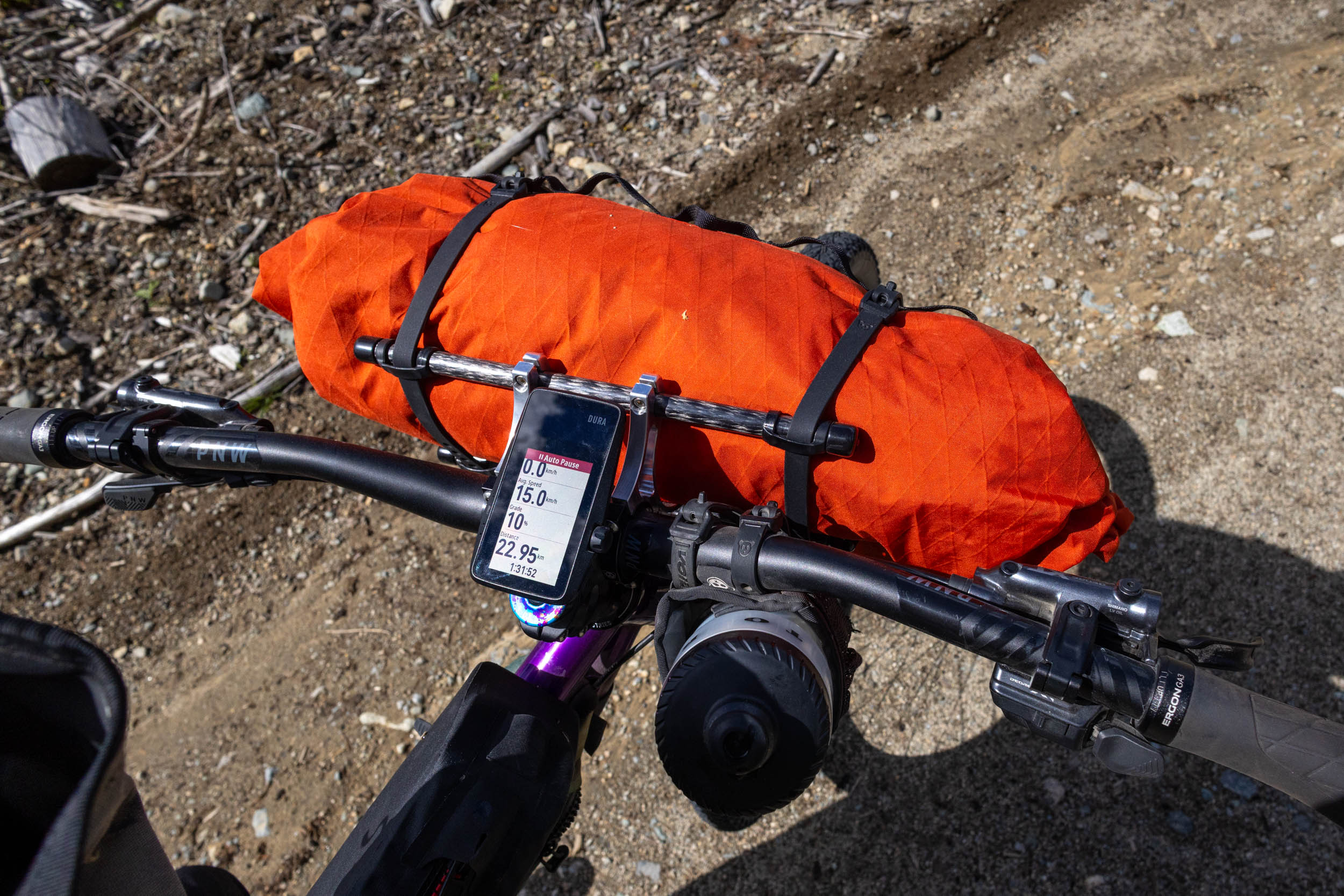
It’s been fun to see how makers approach the same challenge differently: carrying gear securely while keeping it clear of cables, the frame, and the front tire. A loaded bike always feels different, but these systems have helped keep the load stable and made the front end feel more predictable. For me, that’s been a big improvement.
I’m still using and testing top-loading bags, too, like the BxB Piccolo. This style offers a different kind of convenience: easy access to your gear and lots of capacity, all while the bag stays on the bike. But if I had to pick one approach for today, tomorrow, and next year, I’d lean toward these rigid systems. The ones I’ve enjoyed most have improved how the load sits, how the bike feels, and how everything fits together, with less rubbing against the head tube and fewer compromises around cables.
Frame Bags
This bag category has changed the least. The funny thing is, while many newer bags are designed to work across different bikes, even custom frame bags can be more versatile than you’d expect. Several bags I’ve had made for a specific frame have ended up fitting other bikes. But having this many options is still relatively new. I remember trying to find a custom frame bag for my Colorado Trail trip in 2012, and it felt next to impossible. There were so few makers that your options were pretty much to make one yourself, find someone handy with a sewing machine, or settle in for a long wait.
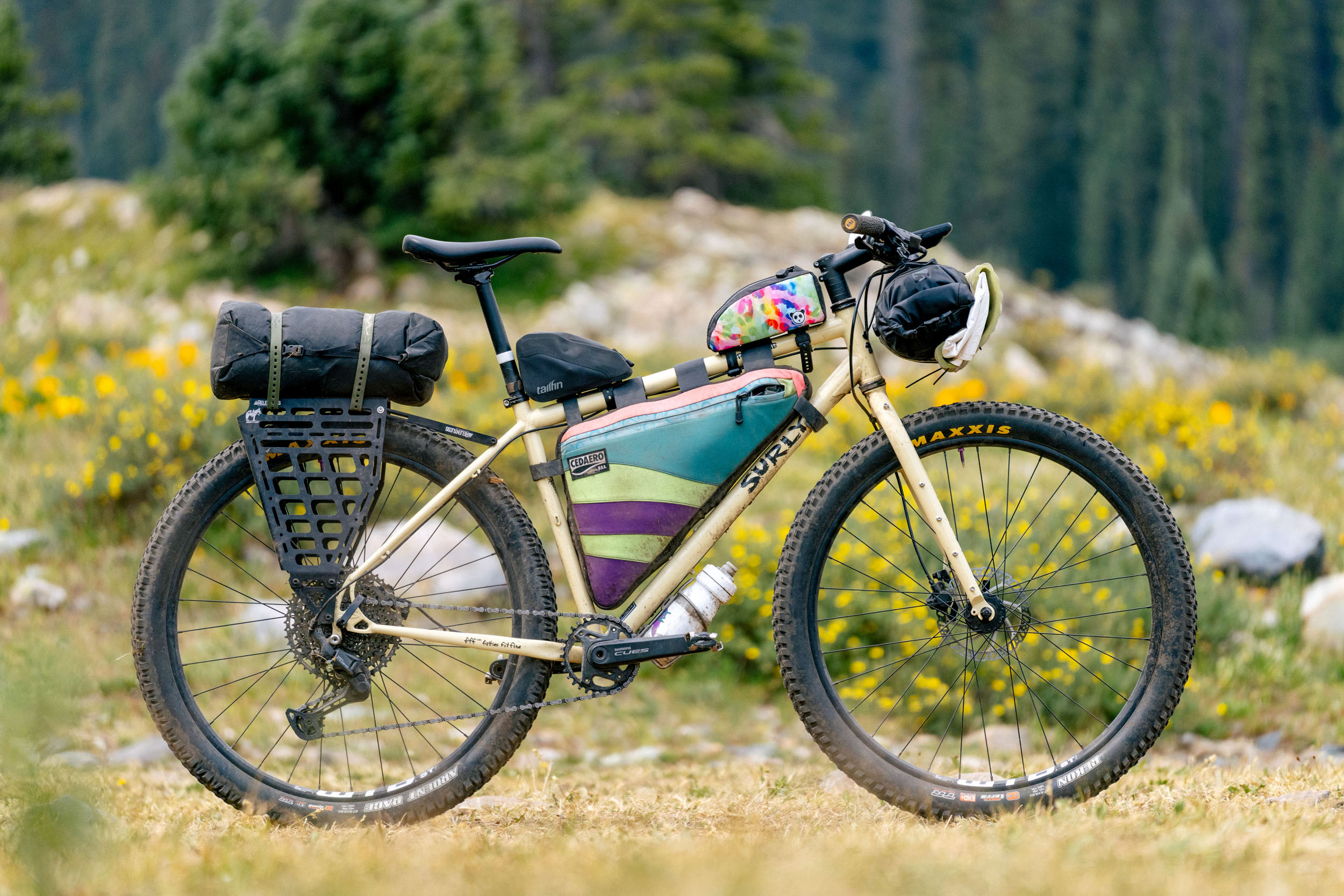
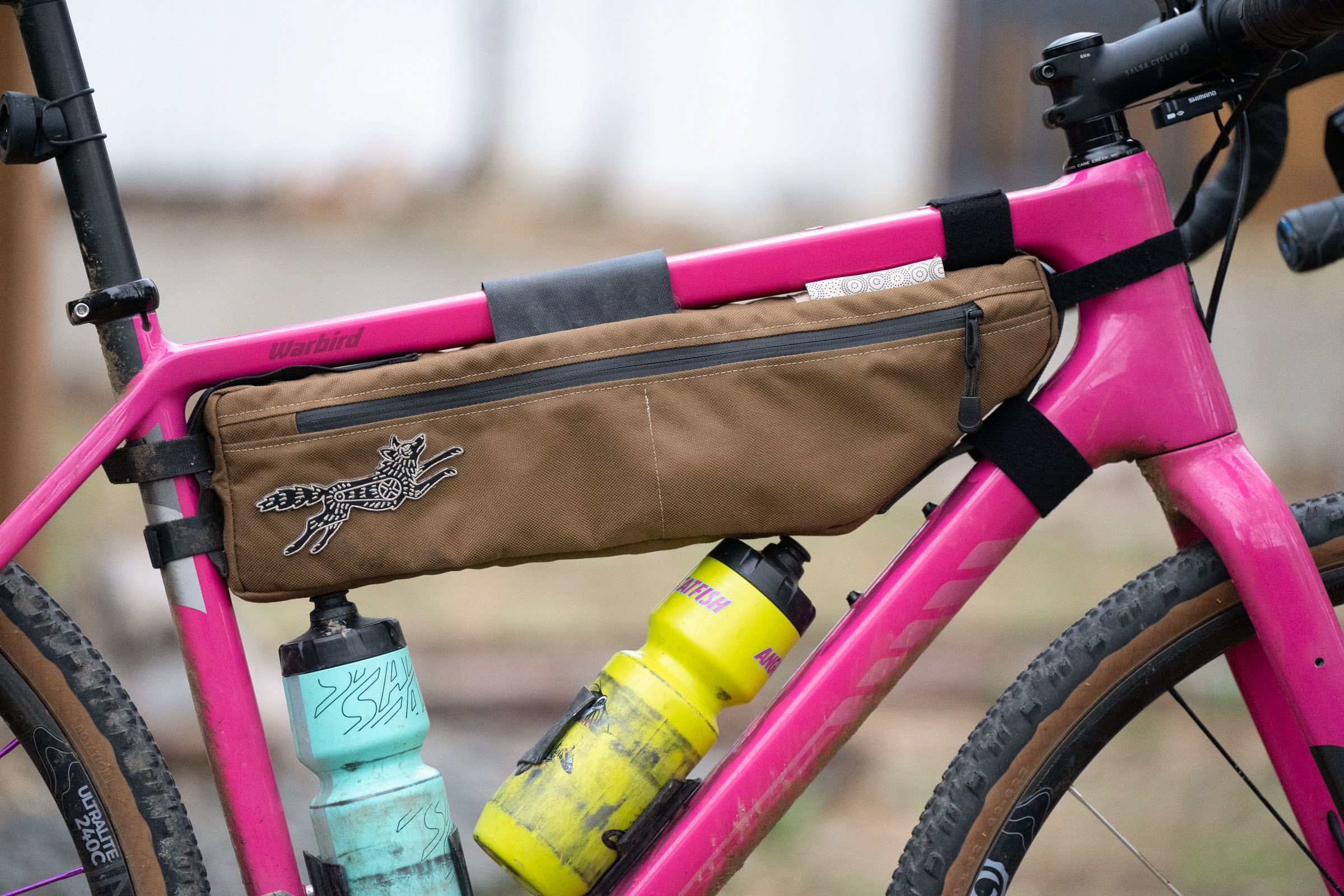
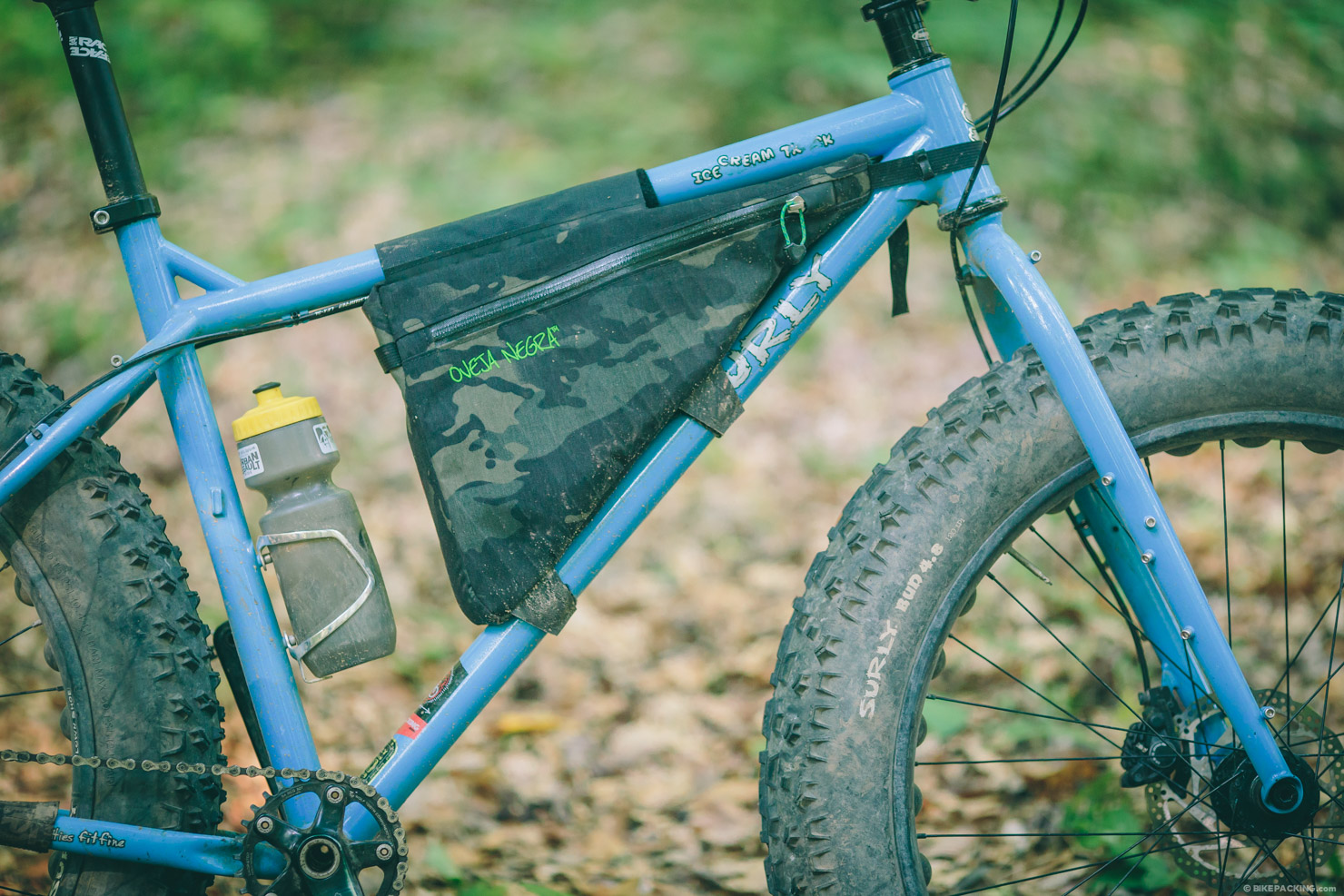
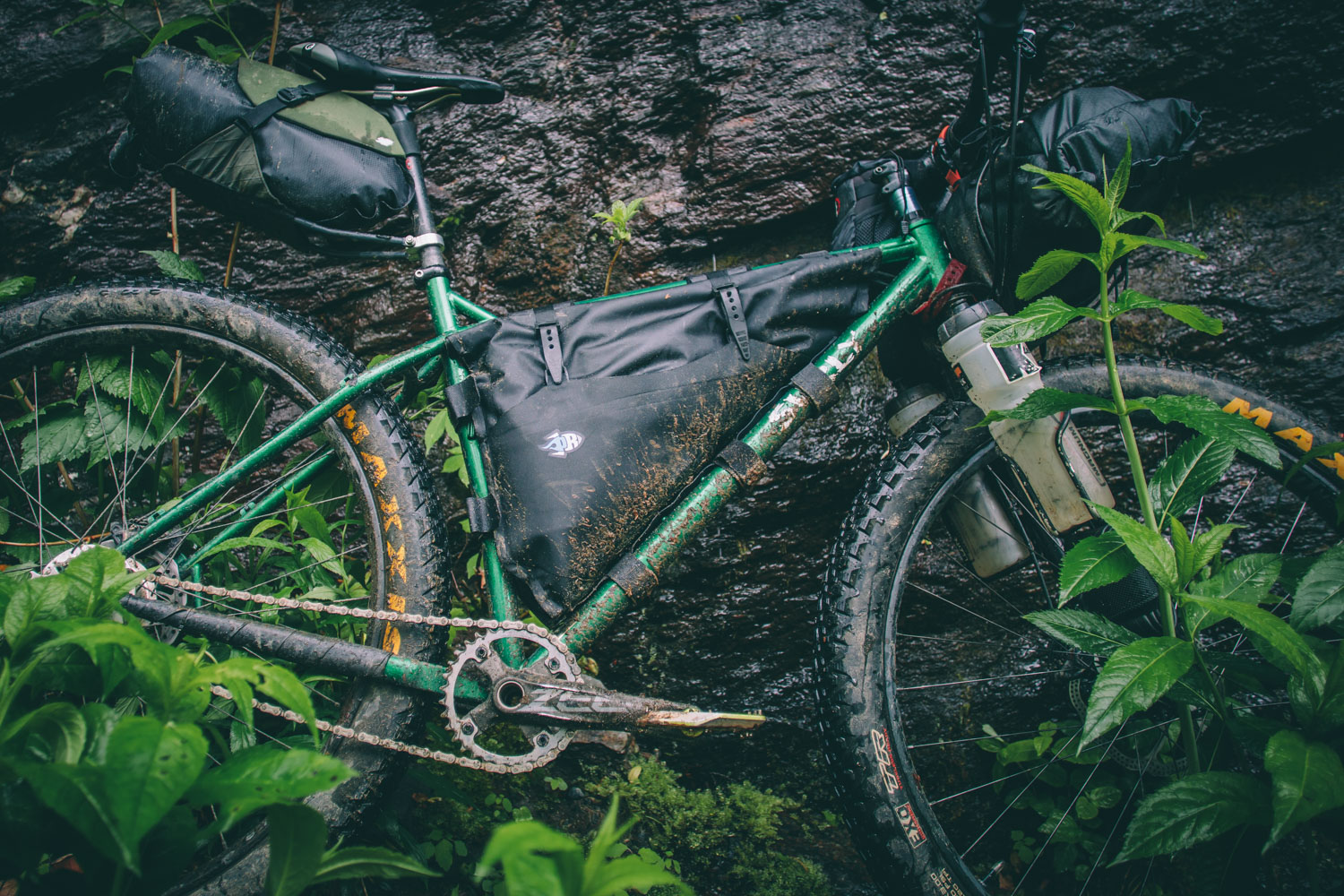
One of the oldest bags I own, and one I still use, is this custom Oveja Negra frame bag made for a medium Proudfoot hardtail. It’s outlasted the bike it was built for and has since found a home on several of my review bikes and some friends’ bikes, too. It was even made for direct mounting, and somehow I’ve only had to burn four additional mounting holes in it to keep it going. I love when a bag can get recycled across different setups.
I still have others with less versatility, though. Some haven’t fit another bike, and others just didn’t work the way I wanted. That’s the somewhat wasteful side of custom gear, although many of these have seen plenty of use. In a few cases, I simply forgot to include the bag when I sold the bike it was made for. That’s something I could have done better, because a perfectly good bag sitting in my bin could still be useful to the person riding that frame.

Near the top, there are many half-frame bags that have worked on different bikes or could easily be used again. It’s nice to get a bike in for testing and work through a few options I already have. This colorful Cedaero bag with the double zipper is another one that’s kept finding a home. It was made for a Salsa Beargrease, but it’s fit a few other bikes well over the years.
Of course, many of the frame bags I use regularly aren’t in this bin. They live on the bikes they were made for. While the basic idea hasn’t changed much, plenty of details have, including how they attach. Bolt-on bags, hook-and-loop straps, TPU straps, and combinations of those are common. Material choices have expanded, too, with X-Pac, ECOPAK, Ultra 200 and 400, and Dyneema, alongside waxed and regular canvas. There’s a lot of room to choose something that suits your needs and your style.
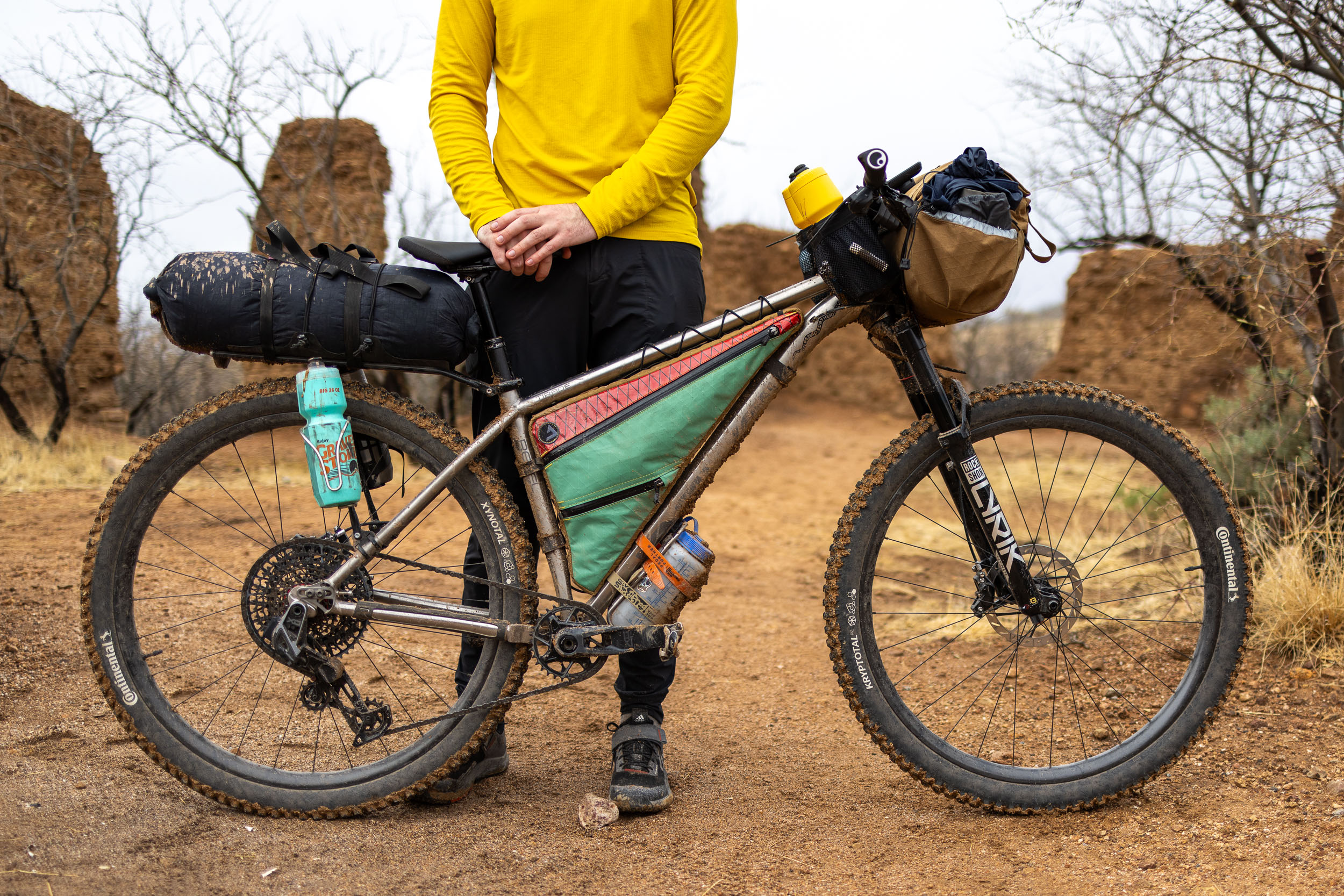

Many talented makers in this space bring their own ideas to a bag that fits inside a frame. With a photo, maybe some measurements, and a little direction from you, they can create something specific to your bike and how you want to pack it. So, while a lot has stayed the same, looking closer reveals plenty of changes in the details. Judging by some of the bags in this bin, a custom fit doesn’t always mean it’s limited to one bike. I’m not moving away from frame bags anytime soon.
Panniers and Fork Packs
My fork pack and pannier bin are among the newest additions to my collection. I created this one this year, which probably says a lot about how often I’ve used these bags. As I’ve mentioned before, I never really came into this through traditional touring. My first bikepacking trip was on the Colorado Trail, and most of my trips since have leaned toward a fairly minimal setup, sometimes with a rear rack and a bag on top.
Panniers haven’t played a big role in my longer trips, mostly because I struggle to leave that extra space empty. If I have room, I tend to fill it. Before I know it, I’ve packed more than I need, and the bike feels heavier and less balanced than I’d like. Keeping my setup lean has helped me enjoy the riding, especially on singletrack, and that still guides how I pack. That’s more about my own packing habits than a problem with panniers, but it also helps that packing light is easier than it was a decade ago, with more compact camping and clothing gear overall.
But they have their place, and smaller options have made me more interested in experimenting. Some fork packs can work as little rear panniers with the right mounting setup, giving you a bit of extra room without a huge increase in capacity. Micro panniers can also be really nice on a dirt-road trip, where the riding is mellower and having space for a meal and a beverage from the store is a welcome luxury. Those trips are less common for me, but I can appreciate what these bags offer.
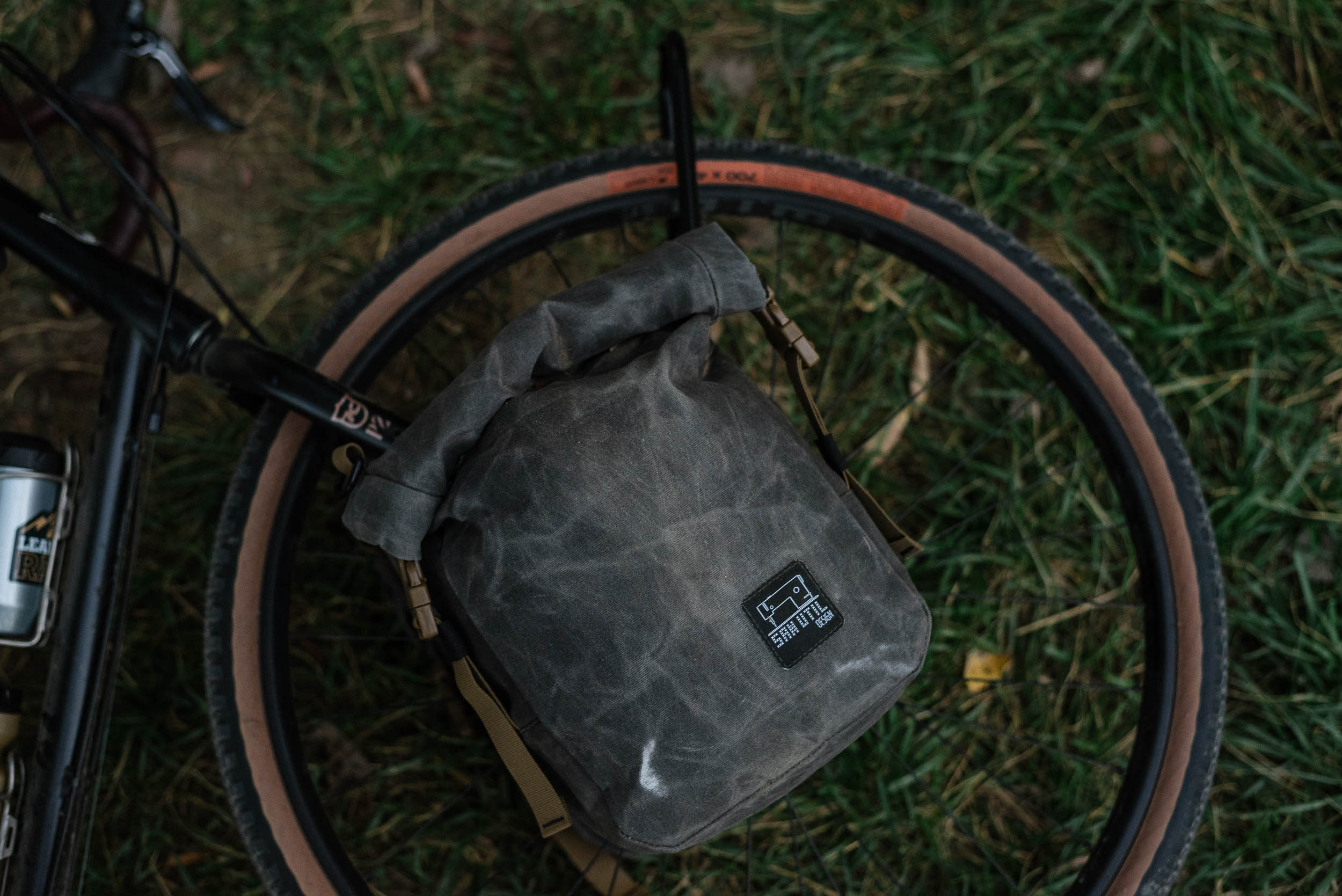

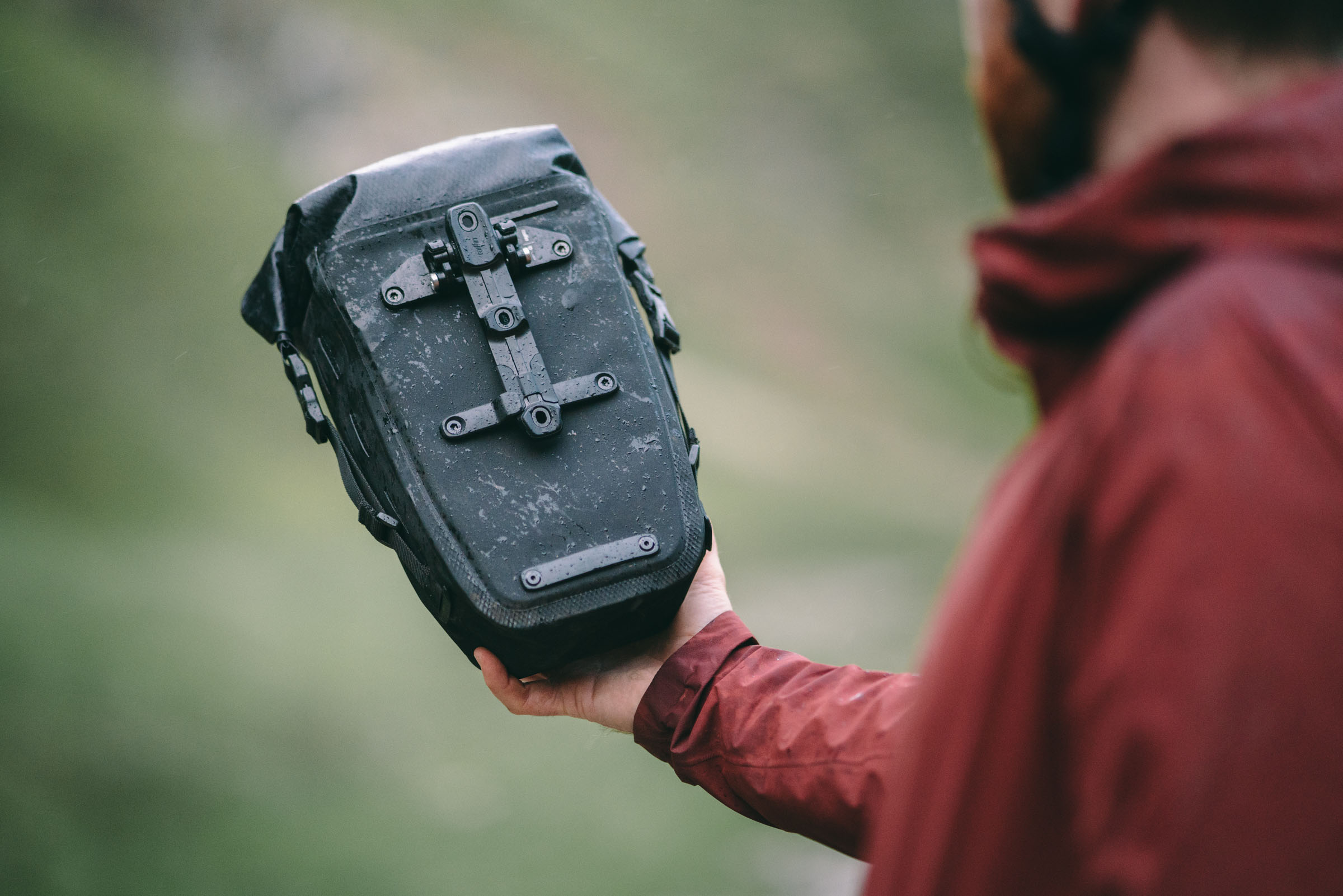
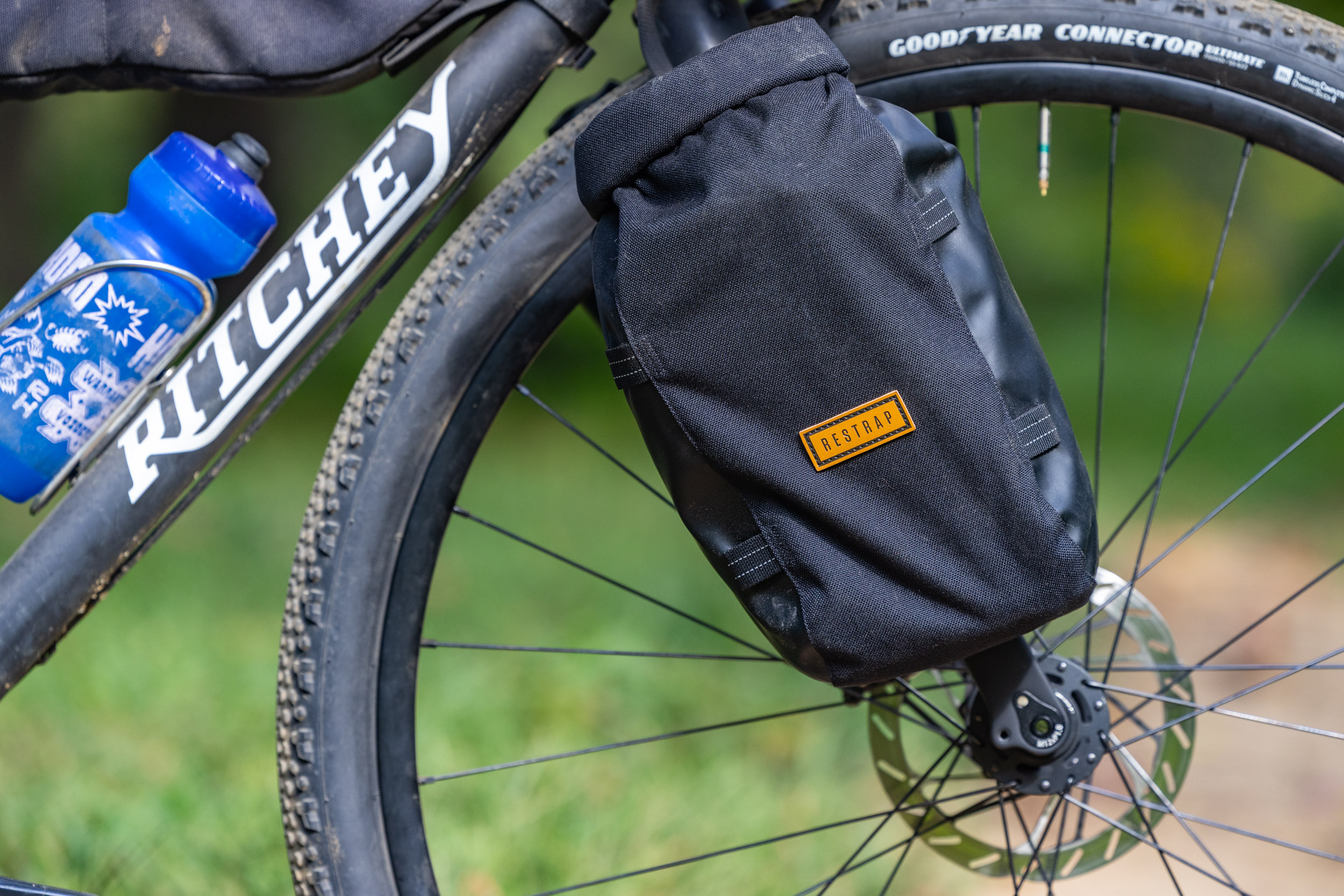
The industry keeps giving me reasons to reconsider, though, and the fact that I finally have a dedicated bin for this category is a small sign of that. I’m curious to see whether some of these smaller bags can give me the room I occasionally need without encouraging me to bring everything I own. There’s probably a middle ground here that I haven’t fully explored yet.
Dry Bags
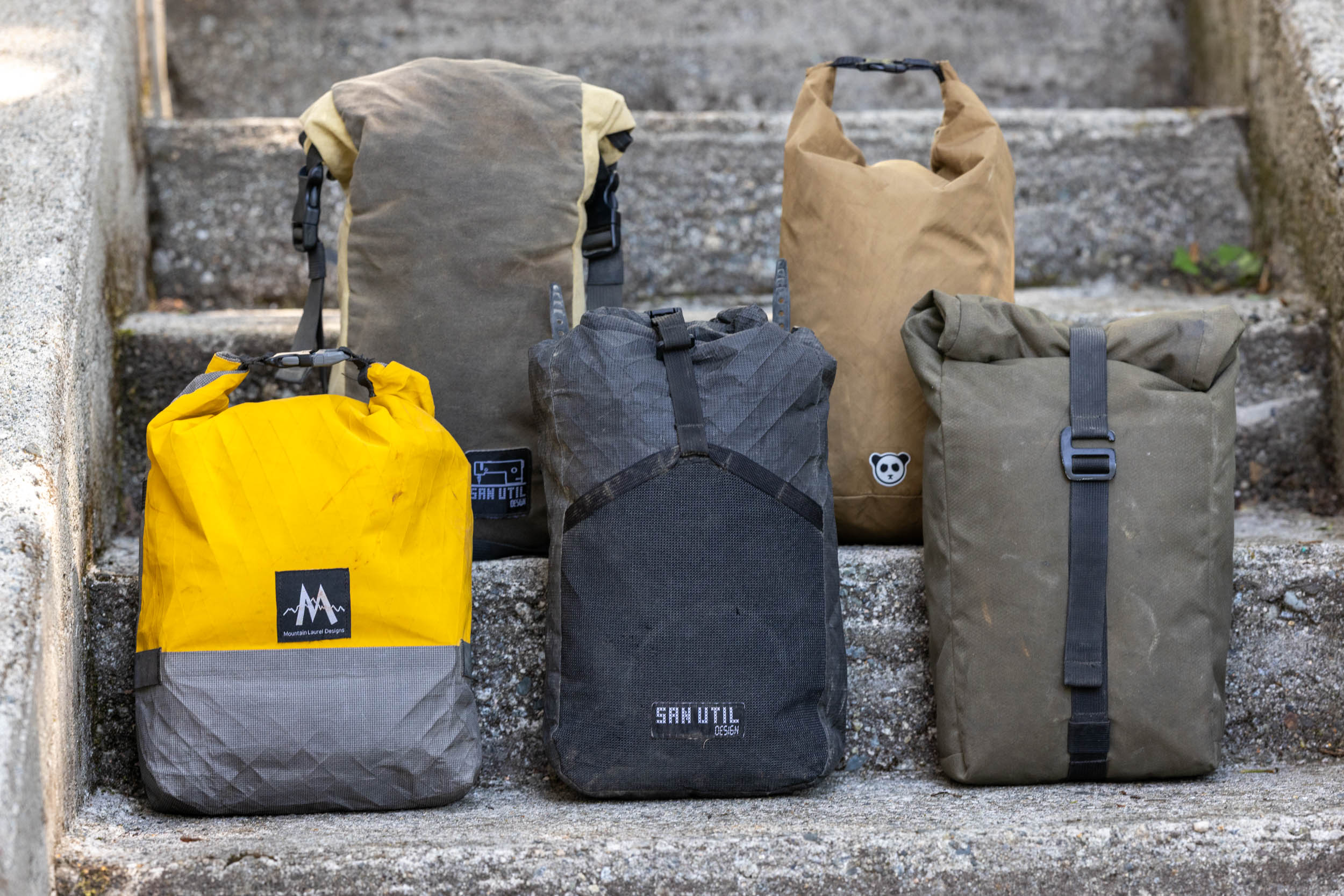
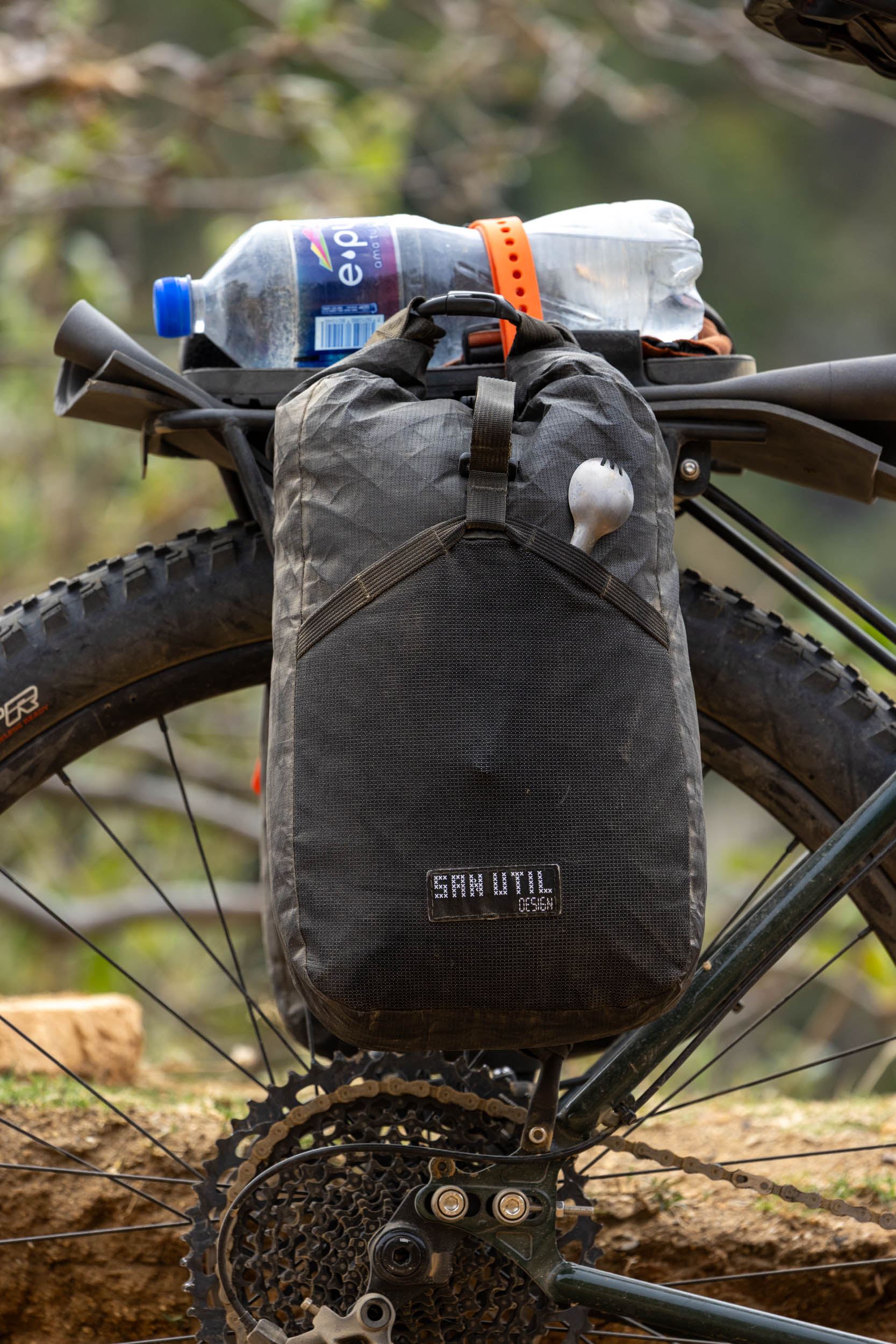
The final bin is filled with dry bags and stuff sacks. This is almost an extension of the accessory bin, but it’s grown enough to deserve its own space. I didn’t need so many separate bags when my seat packs and handlebar bags had built-in storage. Now I can use the same dry bag on a rear rack or in a handlebar harness, giving me more ways to mix and match.
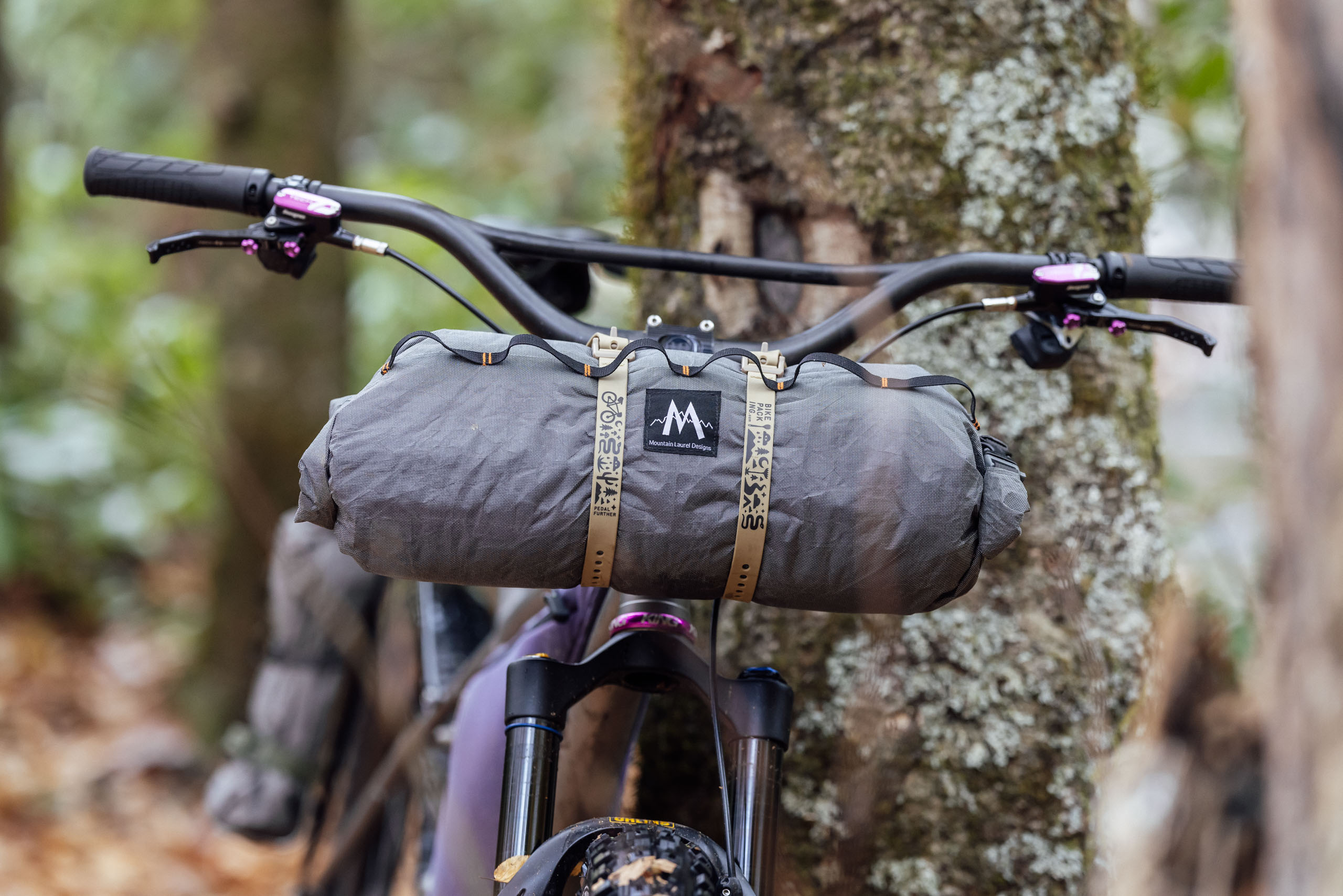
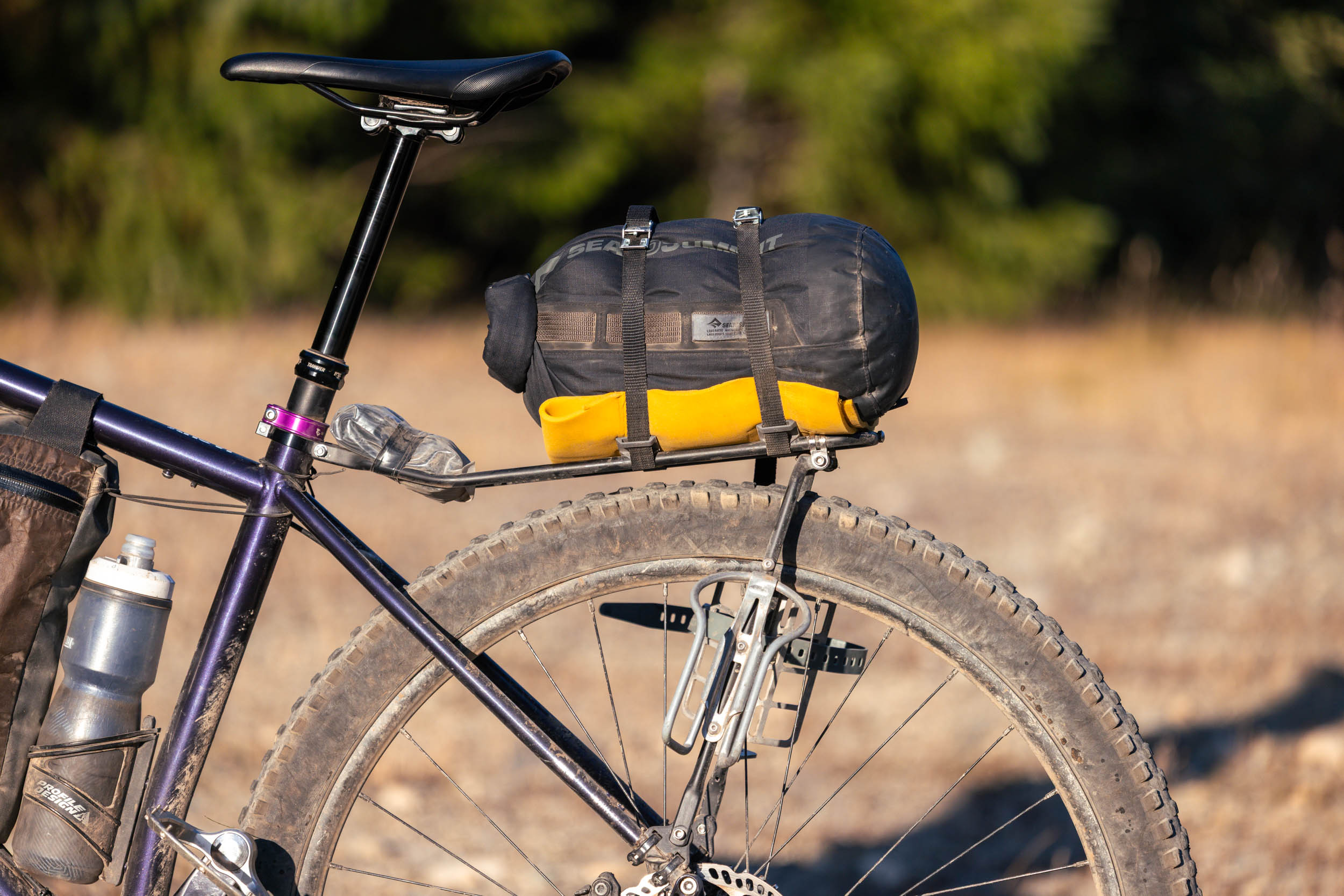
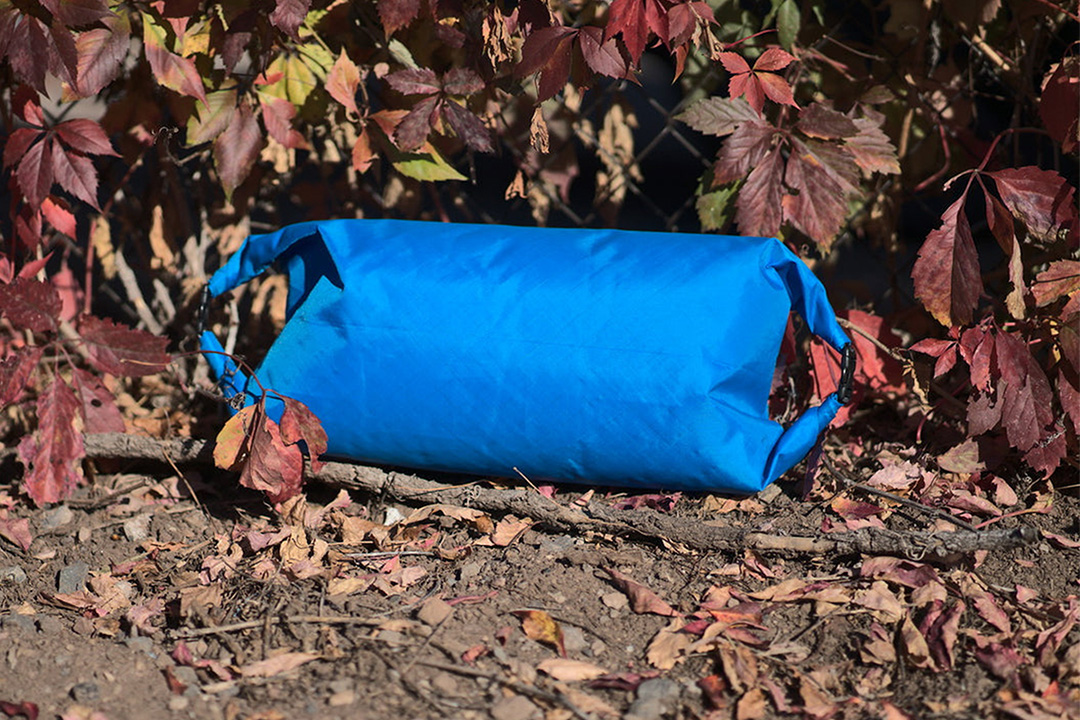
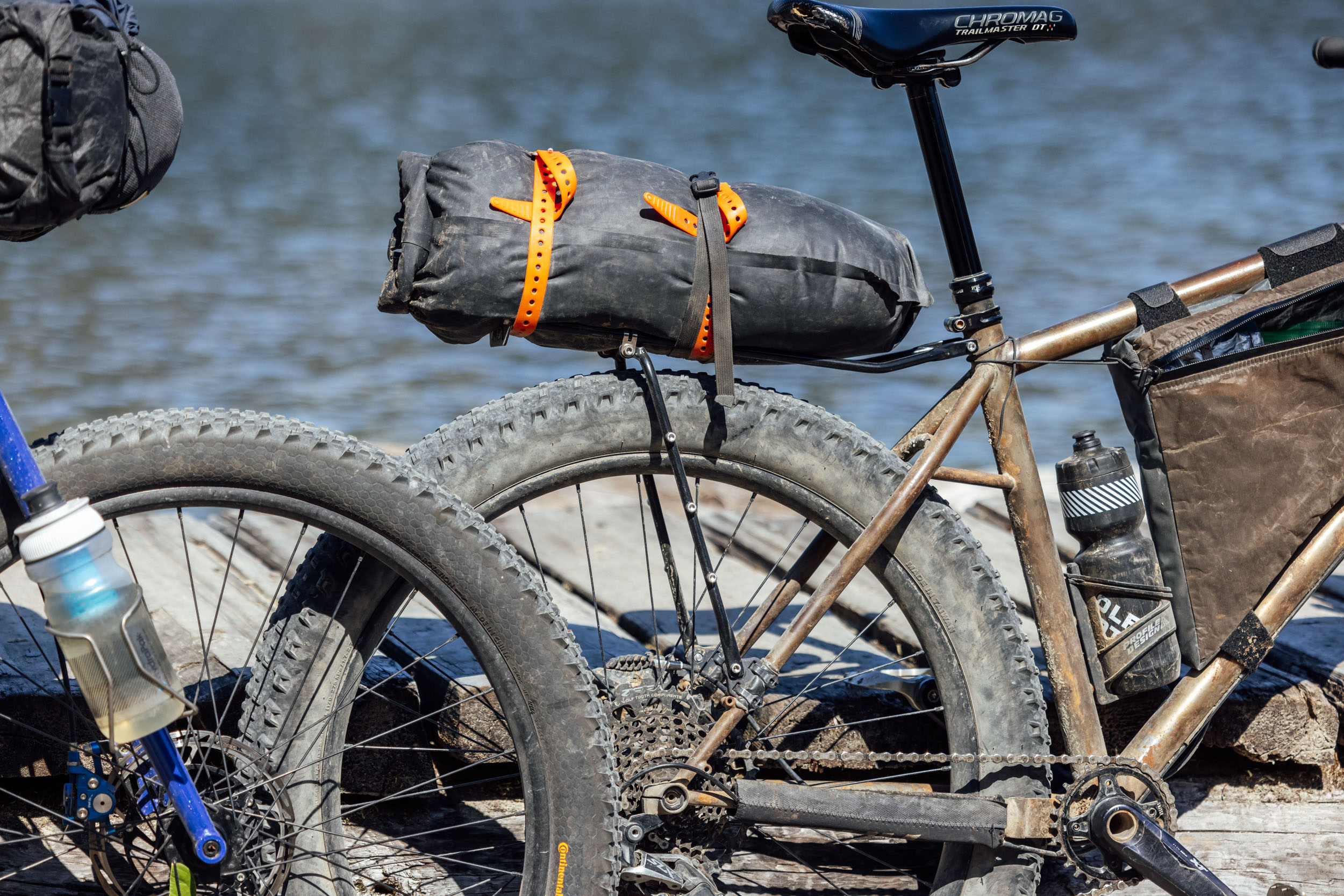
You’ll find all sorts of shapes, sizes, and fabrics here, from huge bags I used in Alaska for a bulky sleeping bag to small, long, skinny ones that pack my full clothing system. Some have welded seams, some are seam-taped, and others are simple stuff sacks that organize gear without much water protection. They’ve all seen use, and most will probably find a new home in another setup. It’s a pretty simple bin, but it gives me a lot of flexibility without needing a whole new bag every time I test a new harness or rack.
Wrap Up
My riding has changed, my priorities have changed, and the gear has changed along with them. Something that made sense when I was racing might not be what I want for a relaxed trip with friends. And something I moved away from years ago might make sense again on a different bike or a different route.
Looking through these bags reminds me that newer gear doesn’t automatically make older stuff less useful. Plenty of what I used 10 years ago will still get the job done, and some bags have found a home on bikes they were never designed for. Others would probably be better off with someone who can actually use them instead of sitting in my bins. At the same time, I appreciate the creativity makers have put into solving the little problems we run into: bags shifting around, awkward packing, lost dropper travel, or straps rubbing against a frame. Those improvements can make a real difference, even when the basic idea stays the same.
I’m excited to see what comes next, but I’m also excited to put some of these older systems back on a bike. There’s no need to replace something that’s working for you, and there’s no reason you can’t revisit something you thought you were done with. For me, the best setup is the one that carries what I need and lets me enjoy the ride.
Further Reading
Make sure to dig into these related articles for more info...

Please keep the conversation civil, constructive, and inclusive, or your comment will be removed.