

 Mountain Bike (MTB)
 Gravel Bike
 All-Terrain Bike (ATB)
 Fat Bike

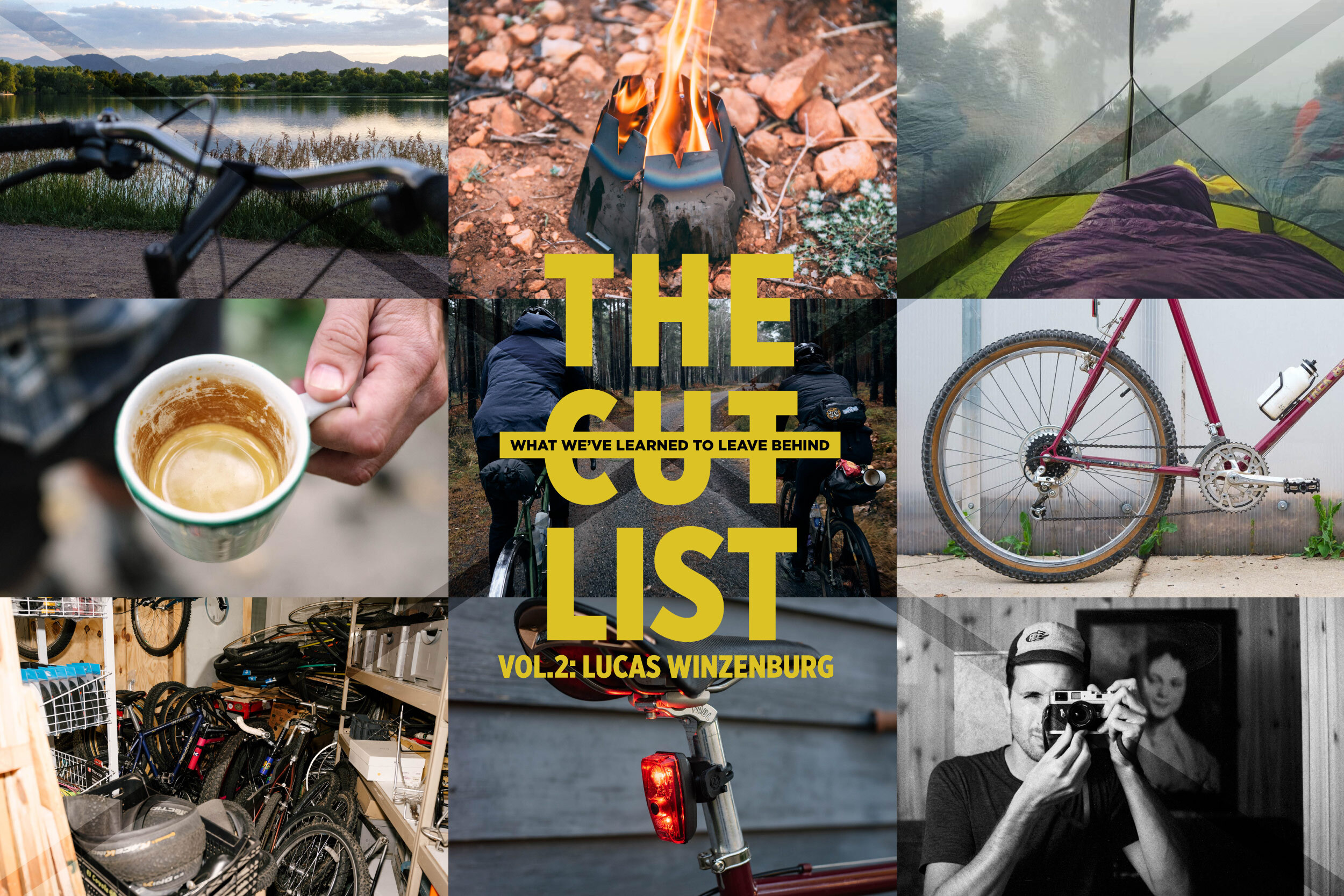
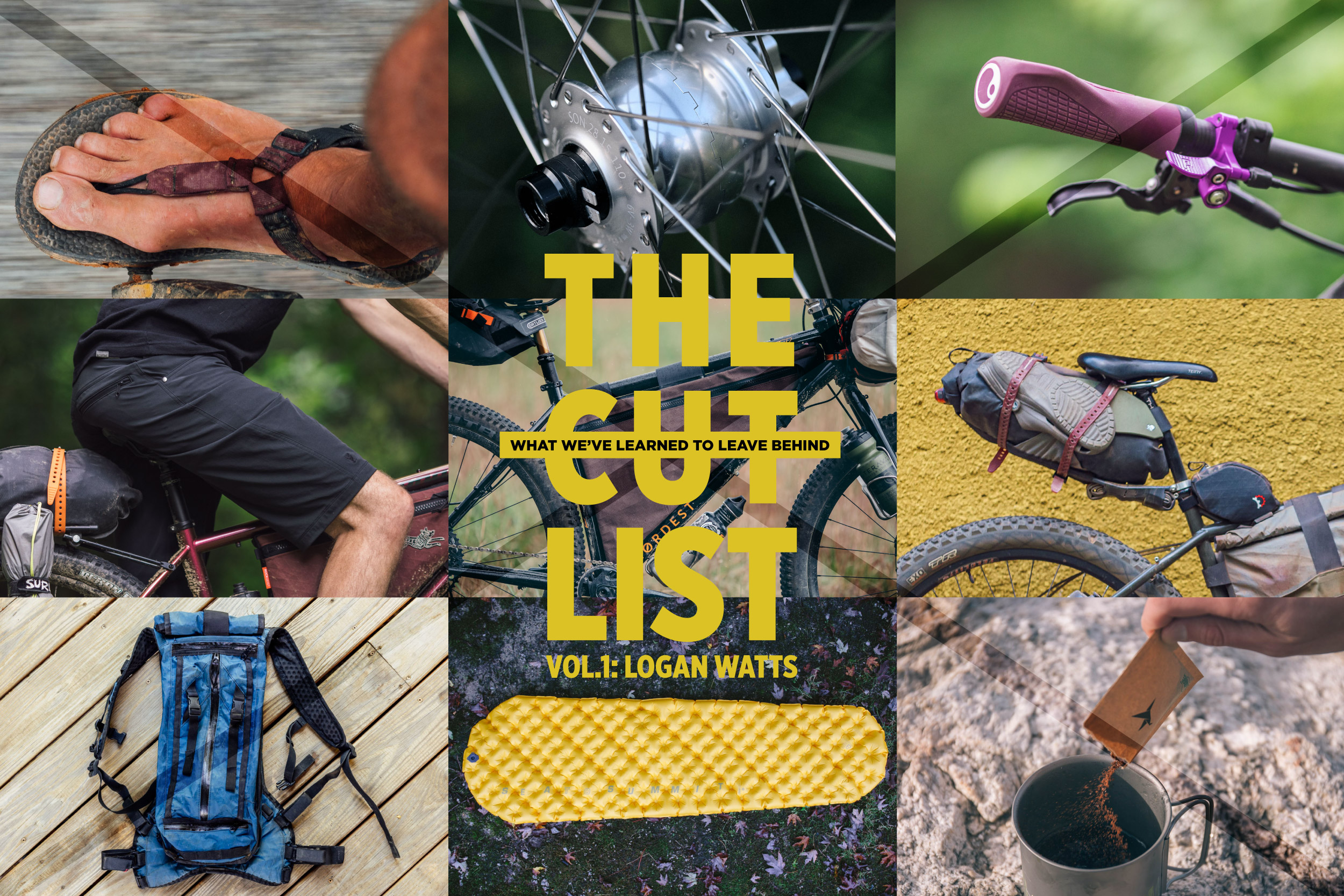
The Cut List (Vol. 2): Gear Lucas Has Left Behind

In the second installment of The Cut List, Lucas shares a dozen things he once considered essential but now sees as dead weight after two busy decades of bikepacking, traveling, and obsessing over gear. Find a sweeping mix of habits, equipment, and beliefs he’s learned to leave in the dust in The Cut List Vol. 2 here…
PUBLISHED Oct 1, 2026
After Logan’s excellent debut edition of The Cut List last month, I’ve been thinking a lot about my last 10 or 20 years of tinkering and tweaking, and the many pieces of gear that have come and gone. Much has changed in the bikes I’ve ridden and the places I’ve pedaled them, and all kinds of trends have come and gone, but when I zoom out and consider the burdens I’ve been dragging, I’m led to a slightly less literal approach to the series.
The last decade-plus has had a record share of precipitous ups and downs—probably for all of us—including moving countries several times and navigating a grave disease. A love for bikes and the outdoors has been a constant amid the tumult, and that steady presence has helped me learn a thing or two. I’m excited to share a handful of those lessons and findings in this piece that loosely resembles a reverse Editor’s Dozen.
Before diving in, to reiterate an important note Logan made in his opening, The Cut List isn’t meant to be prescriptive or universal. This list is based purely on personal experience. I expect that you might have conflicting opinions and preferences. They’re more than welcome here, and the intent here isn’t to go after any particular brands or beliefs!
26ers
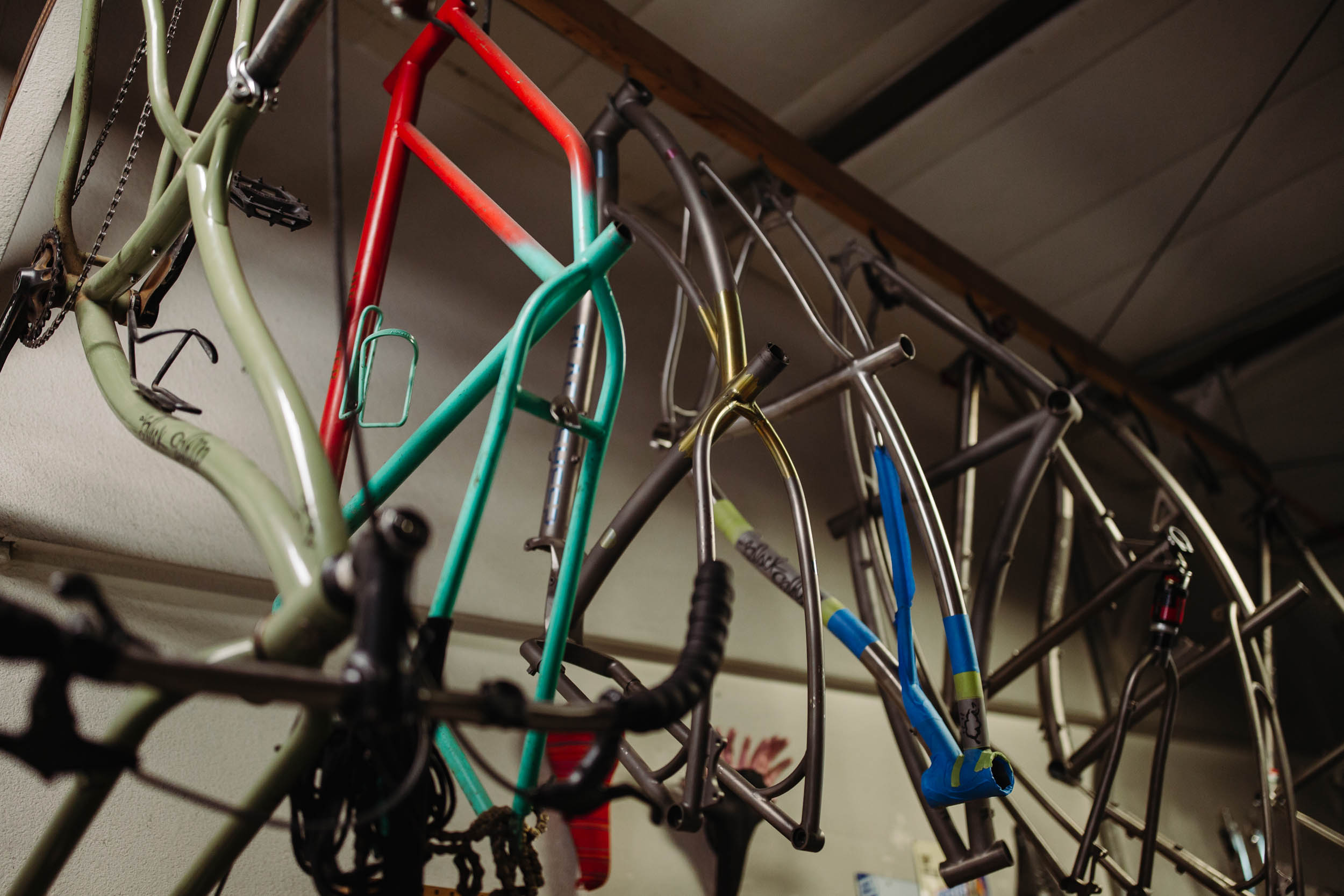
Let’s start with what regular readers might be most surprised to find on this list. I’ve been singing the praises of 26-inch mountain bikes from the ‘80s and ’90s on the site for years. They’re affordable, capable, and incredibly cool. Even remotely cared for, they’ll last damn near forever. I’m still (very slowly) working on my This Old Trek project, but after years of living in denial and building 26er after 26er, I’ve come to terms with the fact that it should be my last one.
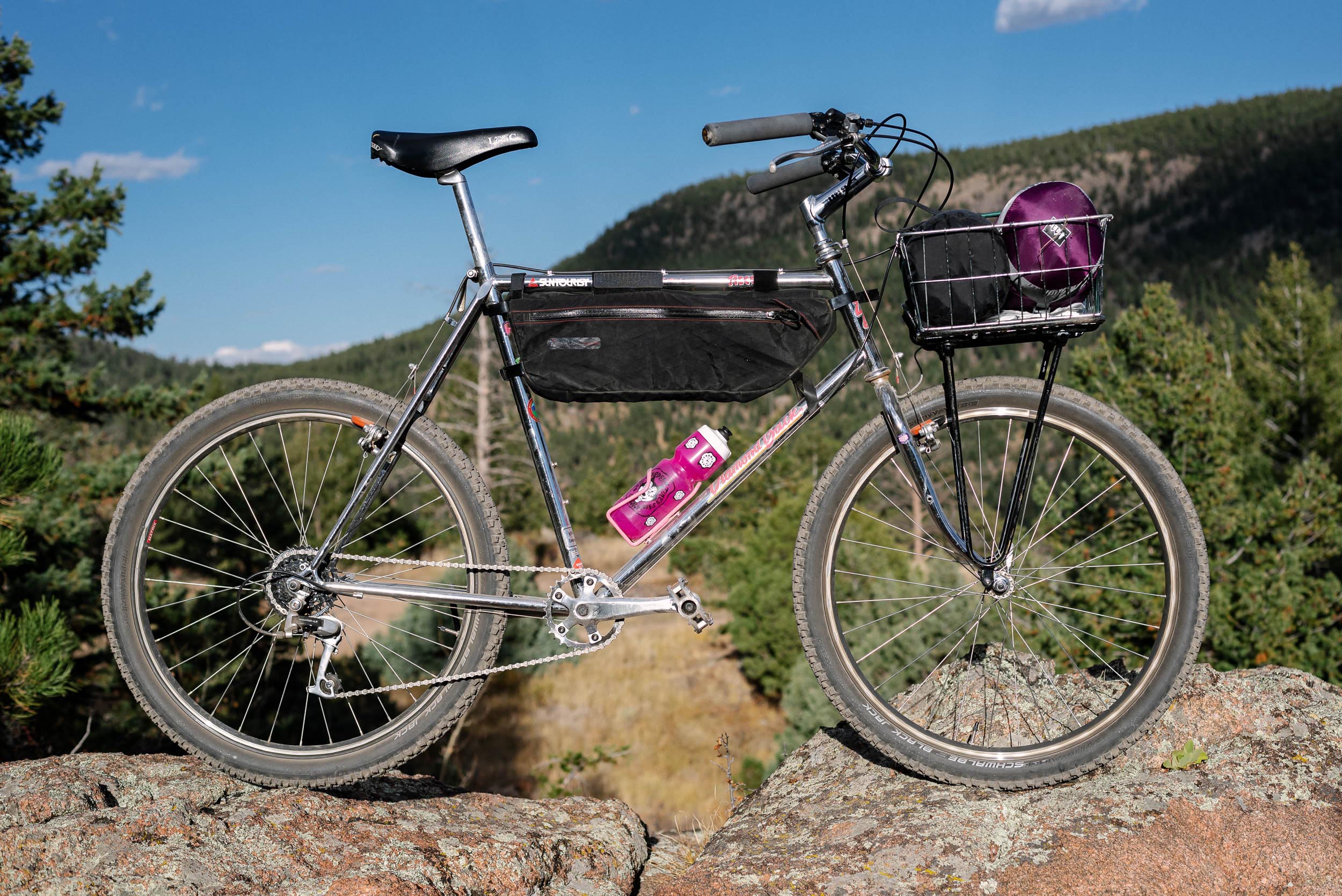

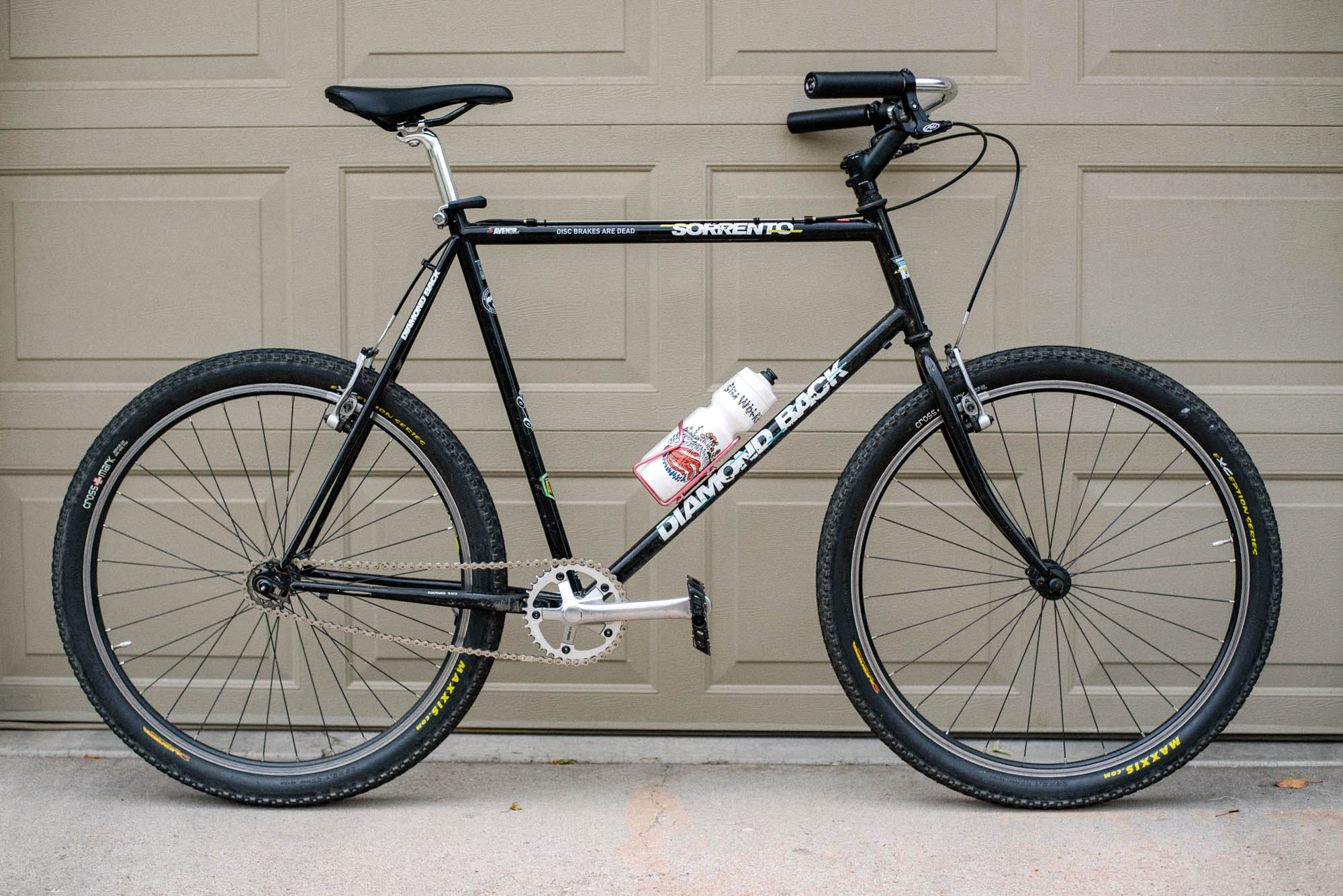
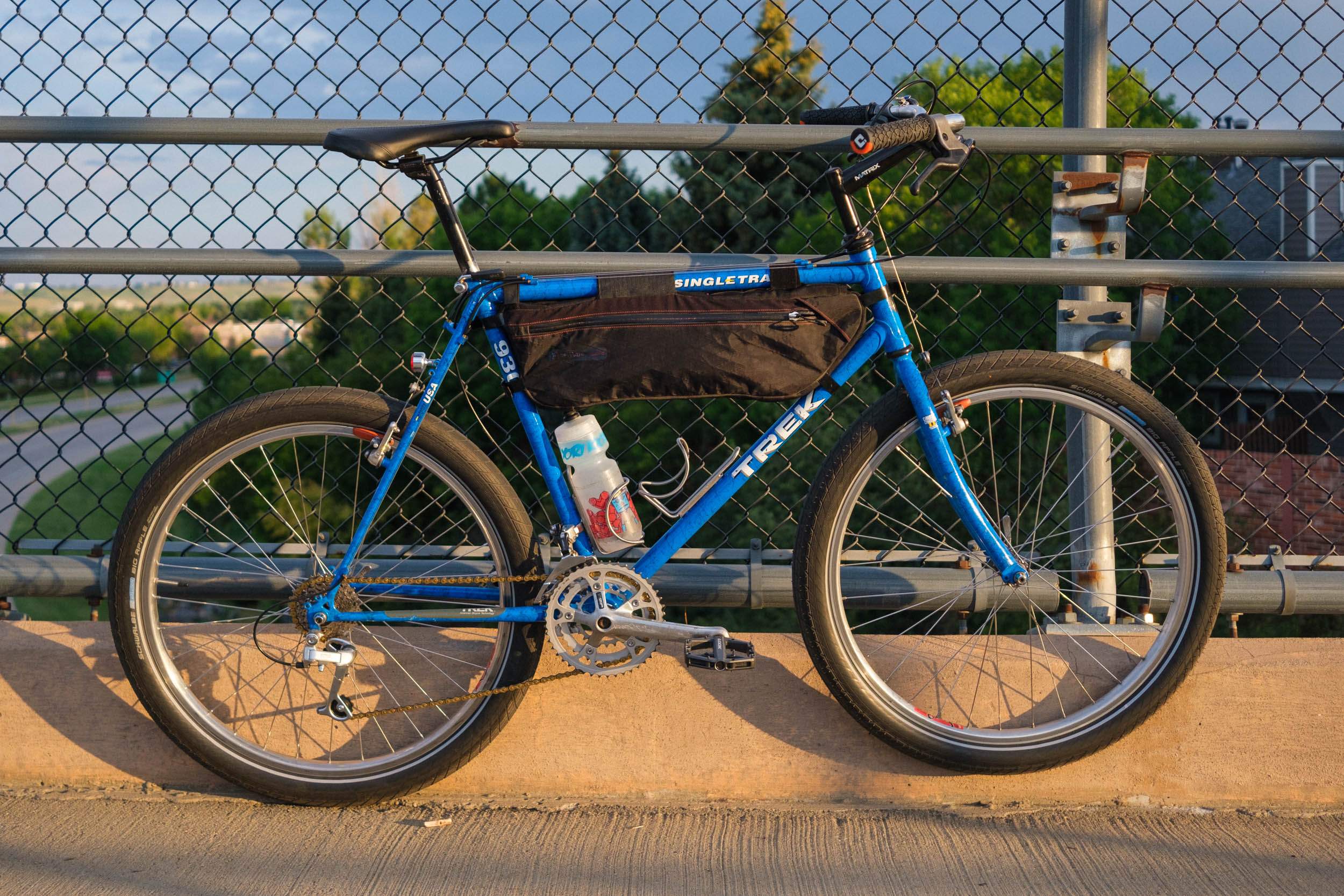
The reason I’m finally over 26-inch MTBs is purely practical: at a gangly 6’3”, I’m simply too tall to fit on them. Even the largest frames (and I’ve found some huge ones over the years) have weird fit issues or end up looking a little goofy once they’re modified to fit me. It’s possible, and I’ve seen taller riders pull off 26ers with some semblance of proportionality, but it just doesn’t feel like it’s meant to be. I’m super happy with 29-inch wheels (and have almost zero interest in 32ers, for the record) and look forward to spending more time riding my well-fitting bikes and less time scheming up and building 26ers that inevitably get listed on Facebook Marketplace weeks or months later.
Shooting Film
A decade and a half ago, I was so deep down the film rabbit hole that you’d never have convinced me I’d someday be happily shooting only a single digital camera. Back then, I bulk-rolled my own film, home-developed and scanned it with various flatbeds and a Pakon, and spent most evenings in the community darkroom. I accumulated an unthinkable amount of gear and accessories and never left home without a 35mm or medium-format camera, sometimes both. There were 40 rolls of Ilford HP5 in my dry bags for our 2016 Tian Shan Traverse route-scouting trip across Kyrgyzstan!
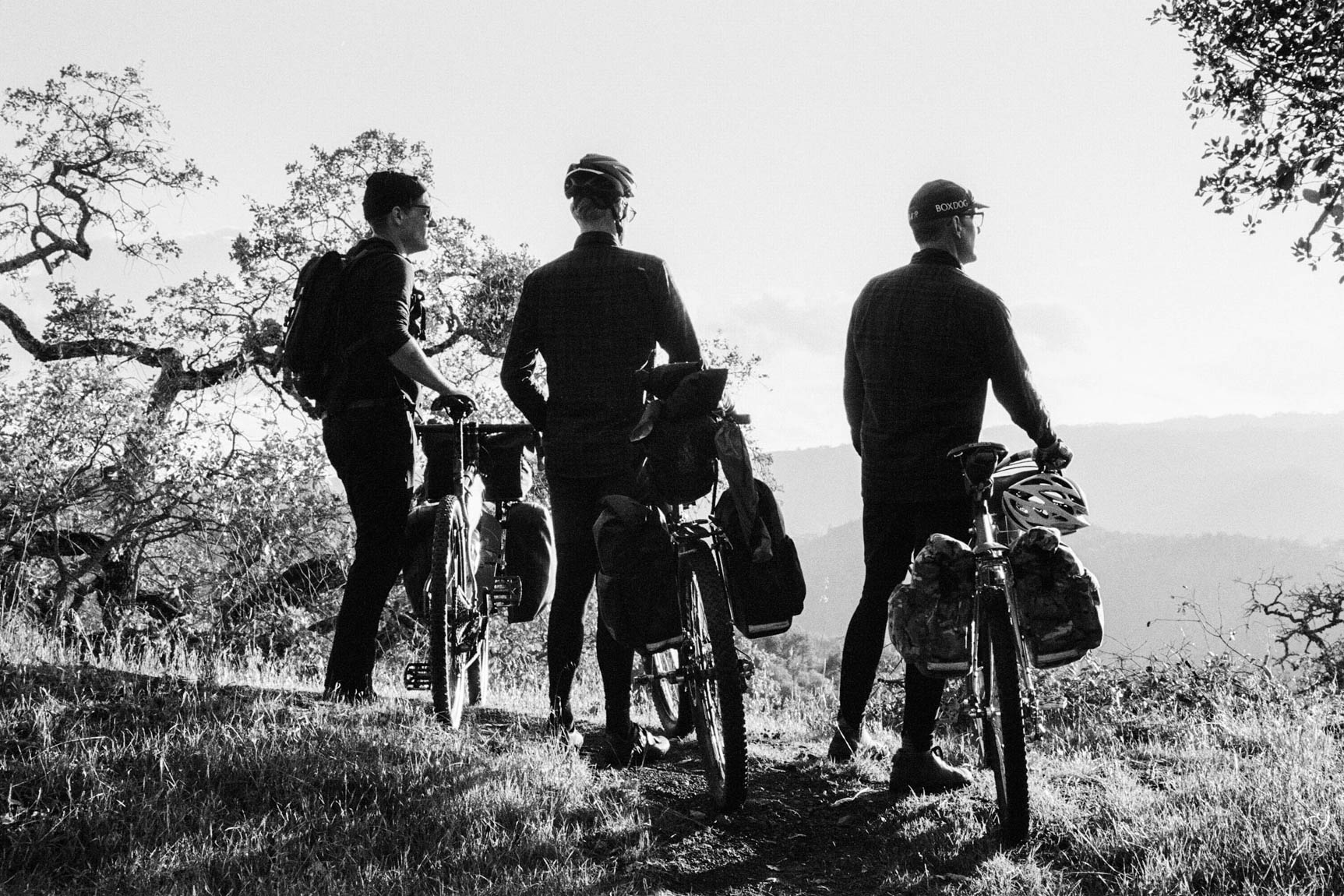

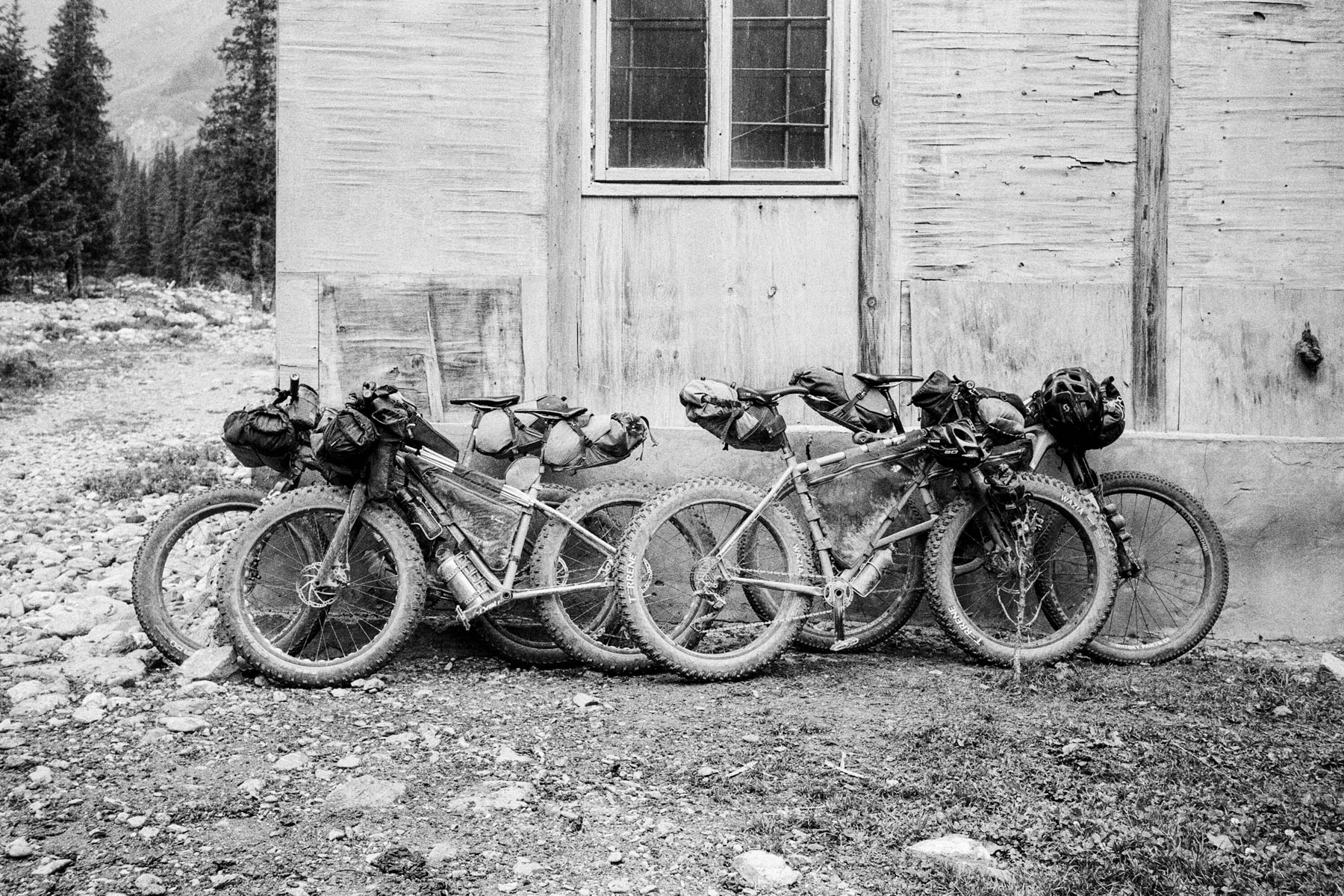


As die-hard as I was for the longest time, skyrocketing costs and the impracticality of moving and storing all the associated stuff led me to a slow exit. It started with selling off my Leica and Mamiya gear and moving to a couple of little point-and-shoots, then eventually the odd disposable camera when I got the itch, and now I haven’t owned a film camera in years. I still love the look of film, especially grainy black and white, but I no longer think it’s the only way. Hauling cameras, lenses, and rolls of film to unlikely places was once a point of pride, but these days, I blissfully tote my little Fuji around in a stem bag, even if I sometimes miss the magic and delayed gratification of printing contact sheets and seeing what I got only after developing everything.
Wood-Burning Stoves
For a couple of seasons, I was all-in on wood-burning stoves. The idea of them is undeniably alluring. Romantic, even. There’s something beautiful about gathering free twigs and biomass around camp and using them to cook—no need to haul fuel. Wood-burners are generally simple and solidly made, with few parts to wear out or replace. They’re timeless, and using your skills to start a fire is undoubtedly more satisfying than pressing a Piezo ignitor to fire up a stove burning isobutane. Conceptually, I’m sold.
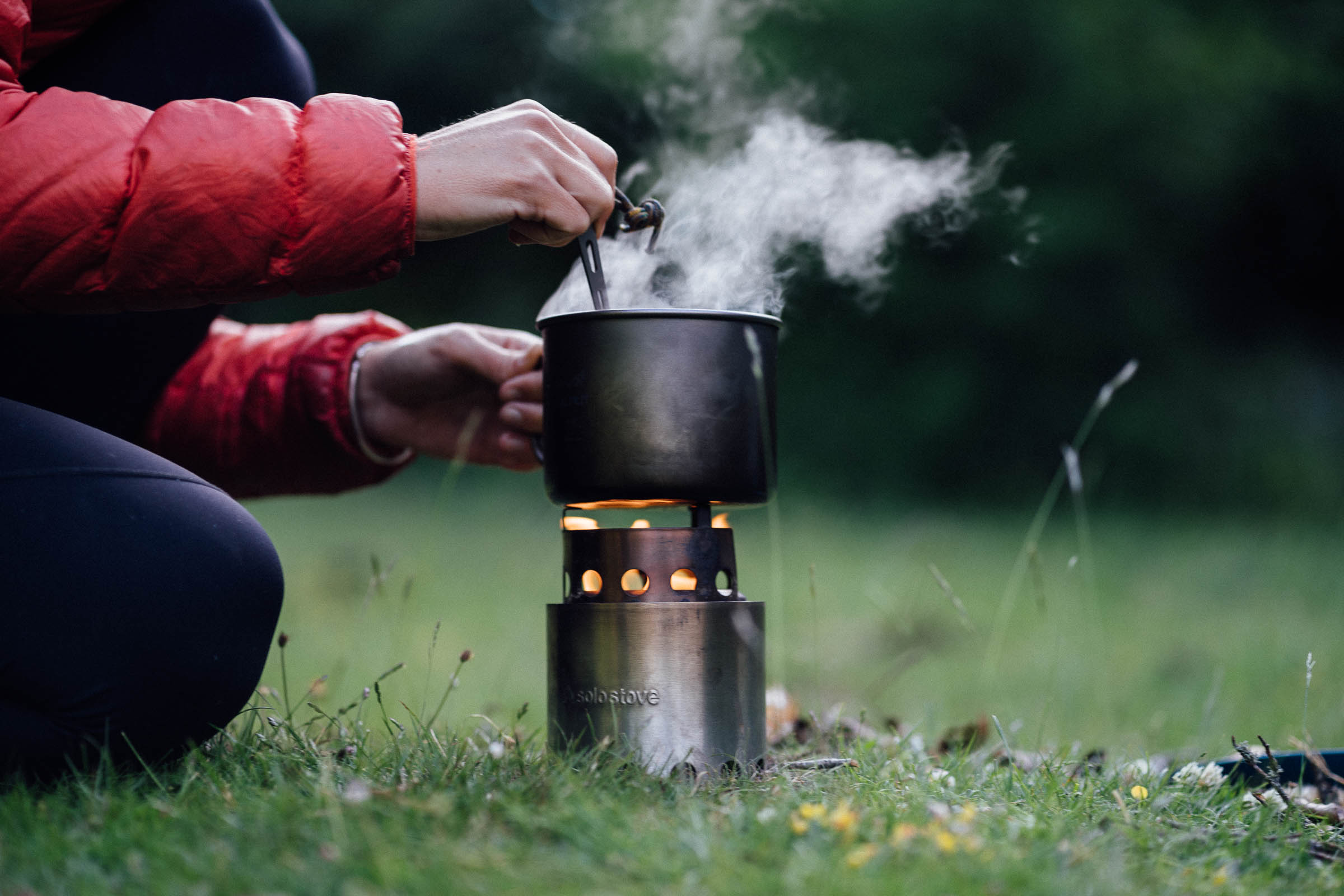
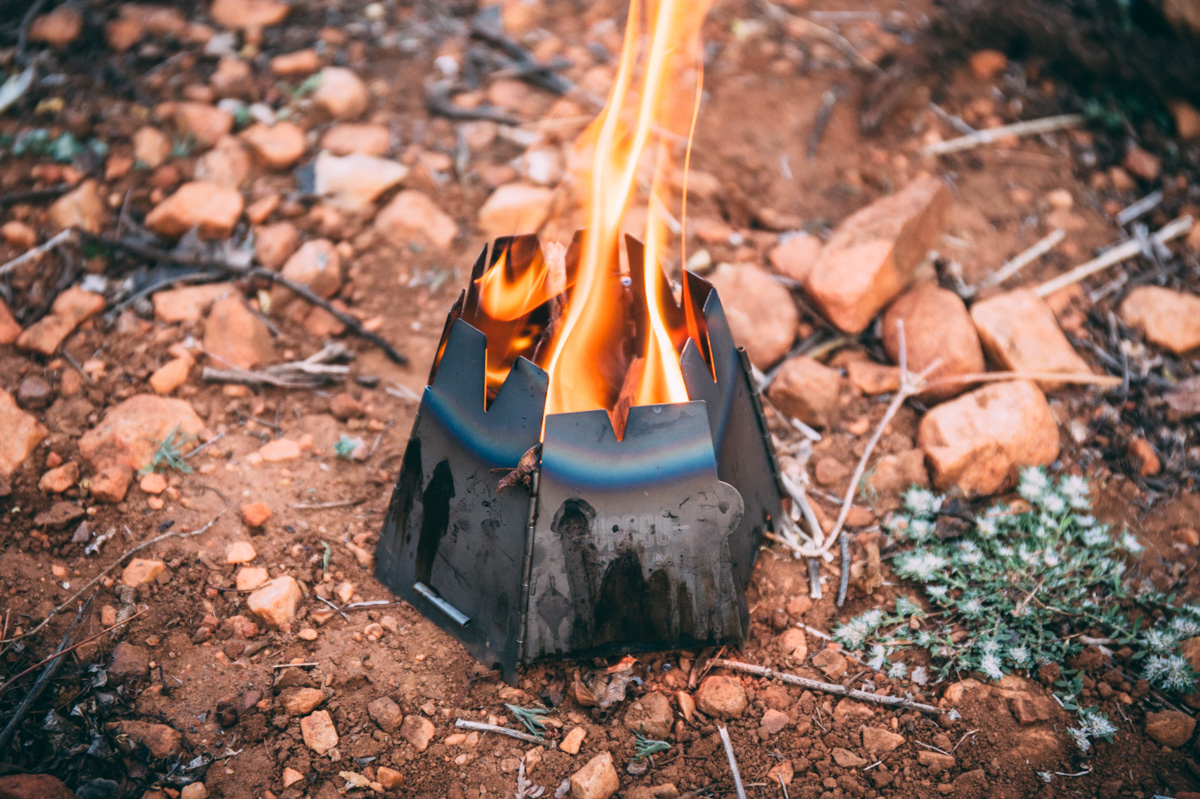
In reality, though, I’ve found that using a wood-burner can be a real pain in the ass. Beyond being time-consuming to get a fire going—depending on the conditions and how damp everything is—it also makes a sooty, pot-blackening mess. The couple of stoves I have are relatively heavy, too. More critically, it feels increasingly irresponsible to have any kind of fire here in Colorado. Some part of the West is almost always on fire, and it doesn’t feel worth the risk. Partly out of laziness, I’ve been using my Soto WindMaster and a small canister these last few seasons. It’s compact and efficient, but I don’t like going through wasteful canisters, and I’ve been considering switching back to an alcohol stove as a middle way. Our Gear Index has a ton of bikepacking stoves if you’re curious to see what’s out there.
Posting on Social Media
Far from ever seeking the spotlight, I’ve always been quite a private person who prefers to keep a low profile. As such, maintaining any social media has always been somewhat conflicting. I shared scenes from bikepacking trips and other adventures regularly for years, and it mostly felt like part of the fun, but somewhere along the way, it stopped serving me. I started to question the point and who it was ultimately for.

Perhaps it’s just part of getting older, but it’s been about two years since I properly posted anything on Instagram, which isn’t to say I’ll never do so again, but it no longer comes naturally or feels like it’s a relevant part of traveling. These days, I’m content to catch the sunrise from a mountaintop or ride a spectacular stretch of singletrack without broadcasting it to the world. The experience is enough.
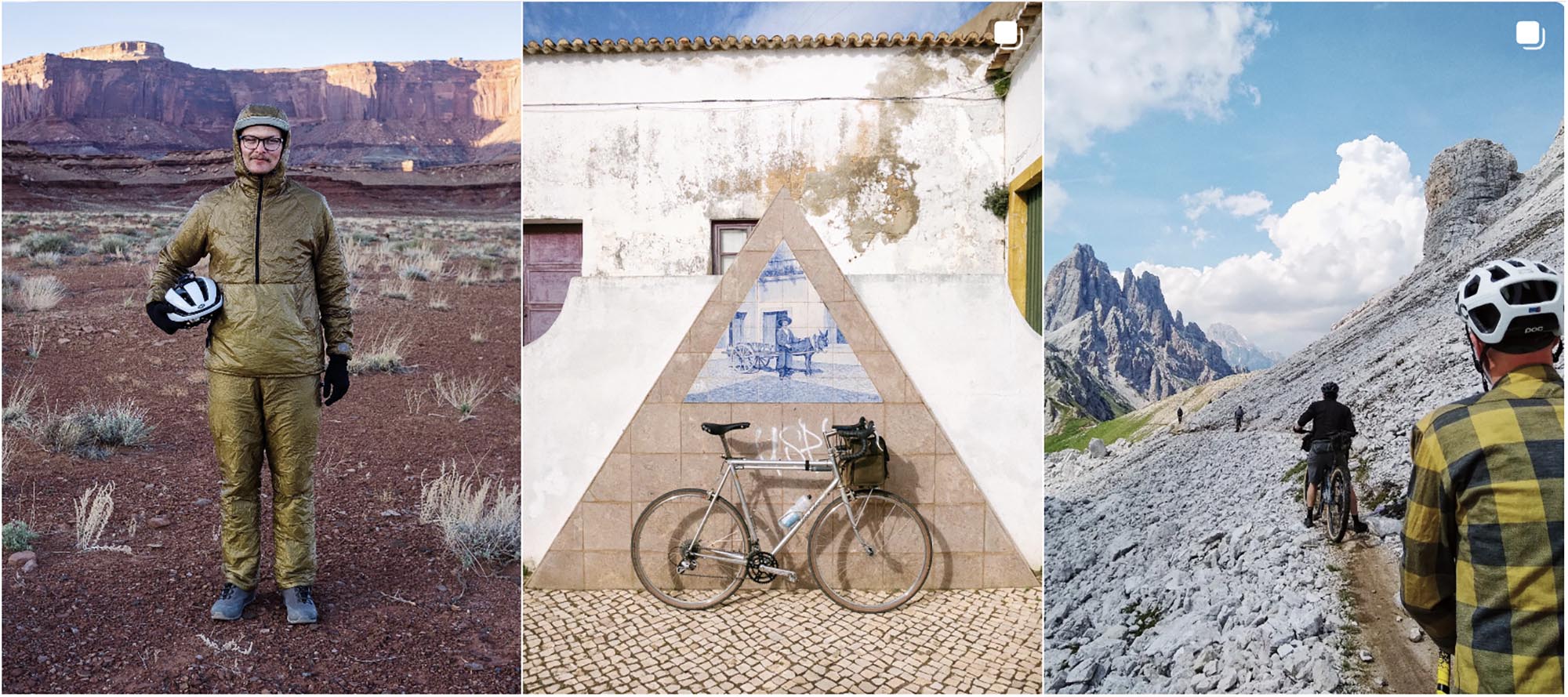
Beyond posting, I’ve tried to reduce my social media use to just a few minutes a day, somewhat successfully. Much has been written about the downsides of scrolling, so I’ll spare you, but in my experience, I rarely feel better after. My wife and I have recently gotten into the habit of spending a few minutes working on a puzzle during downtime that we’d otherwise spend online, and it’s been a surprisingly satisfying—if slightly geriatric—new activity (I’m not quite ready to call it a hobby).
Riding with a Backpack
For years, wearing a backpack on bikepacking trips was my secret cheat code to a clean-looking rig with minimal bags. Unlike our own Joe Cruz, who can somehow get away with only the smallest of bags, I long relied on a backpack to make it all work behind the scenes. The Acre Hauser was my favorite, and I wore one on countless getaways to haul water and excess gear.
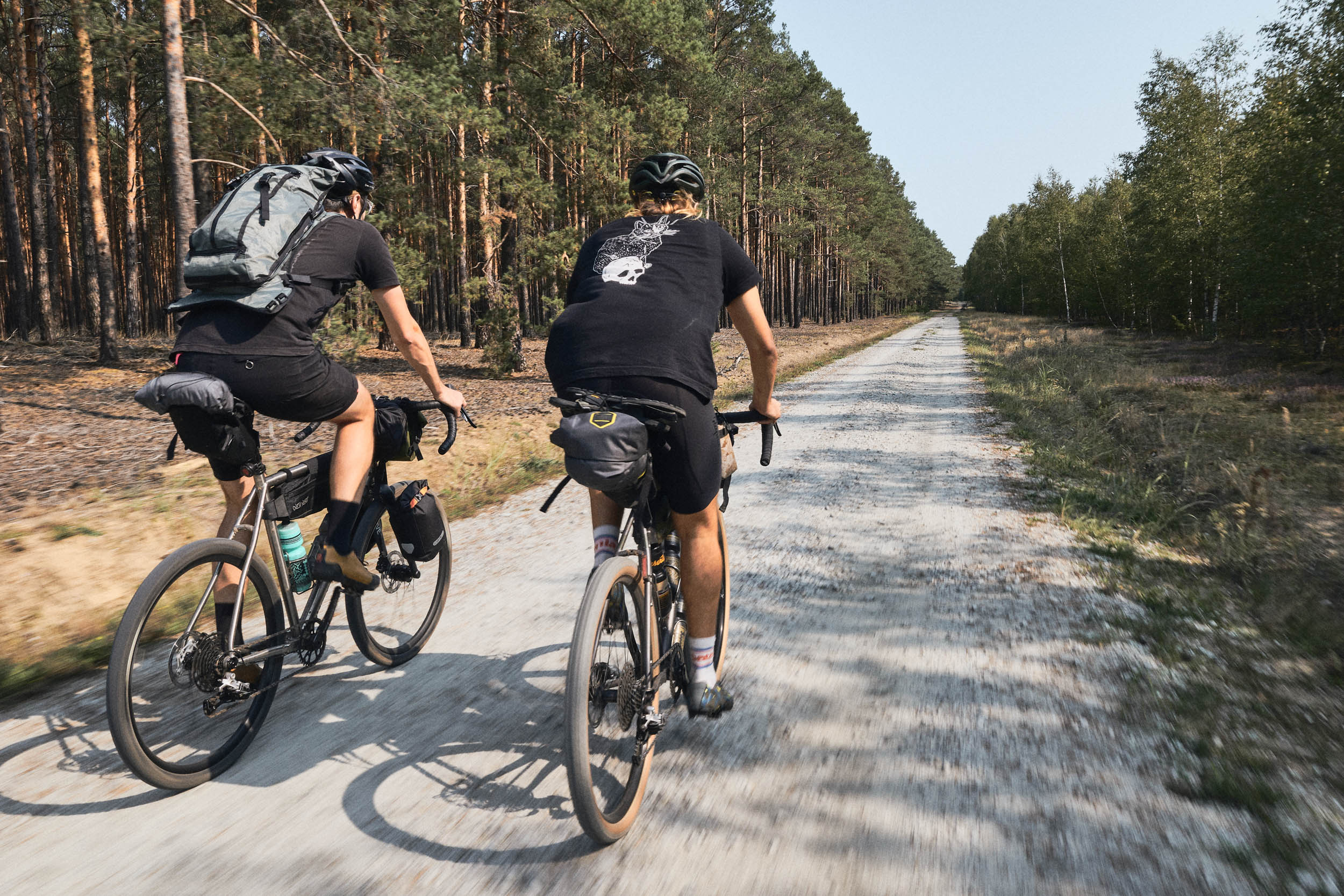
In his Cut List, Logan also wrote that he stopped wearing a backpack while riding, but he hung it up due to an injury. In my case, it was a matter of breaking the habit and realizing I’d been convincing myself it was a necessary evil. For me, riding is so much better without one. Shedding the backpack meant rethinking how I pack and leaving a few things at home, but I wouldn’t have it any other way.
Hoarding Gear
Some degree of consumerism seems baked into nearly every hobby these days—at least all of mine. Hell, consumerism is a hobby for many here in the United States. The combination of bikes and camping gear can create a powerful overconsumption cocktail, but it doesn’t need to. Take it from me: I love gear and having exactly the right piece of kit, but my obsession with stuff eventually led me down a path that didn’t align with my values. Years of browsing Pinkbike, iBOB, eBay, and other marketplaces left me with a small mountain of cool but completely unnecessary “someday” and “what if” components that I mostly regret buying and am now slowly selling off.
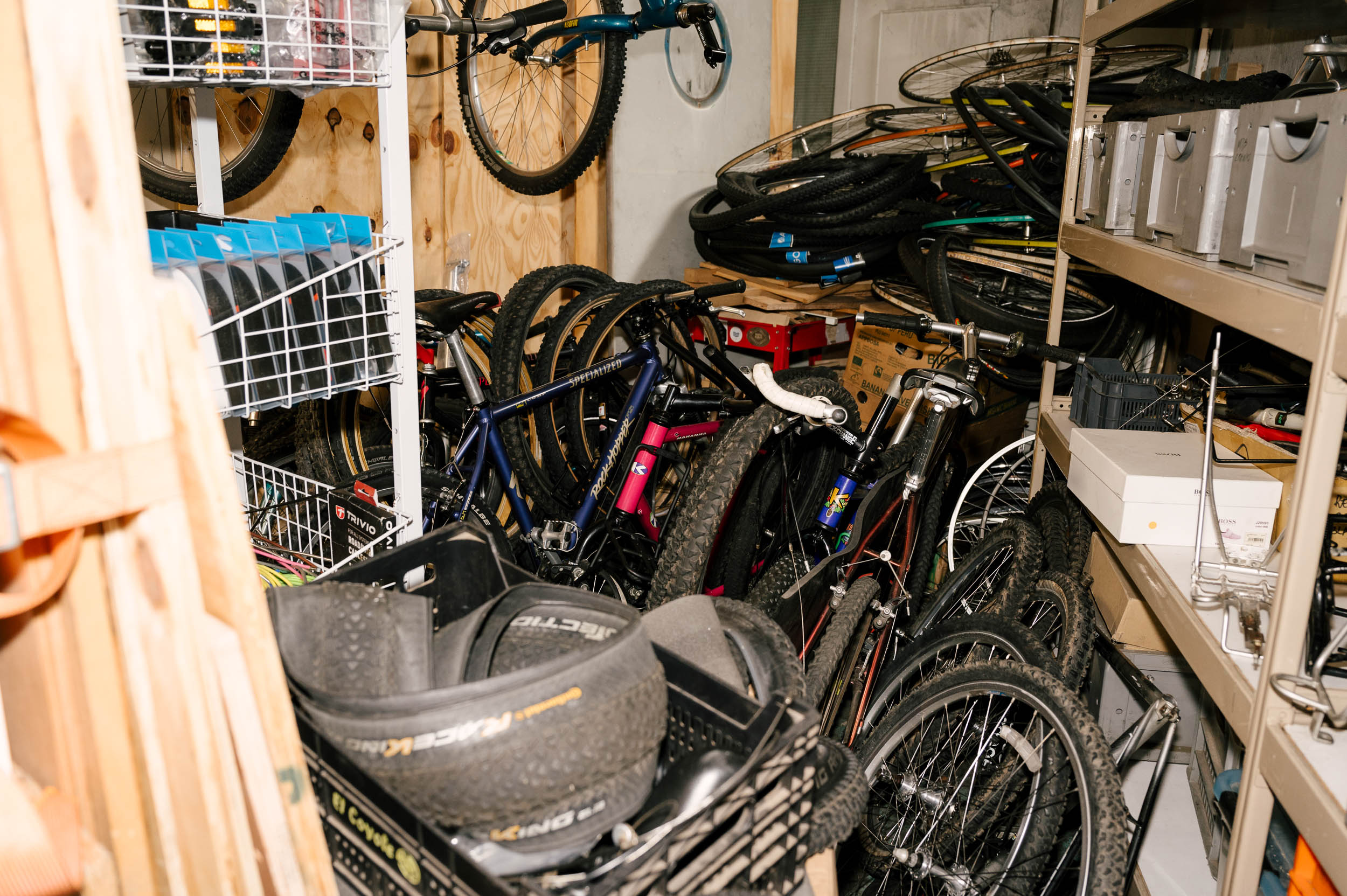
I don’t know the source, but a while back I stumbled on a simple guiding question that has been instrumental in helping me reevaluate how I add new things to my life. When I catch myself wanting to purchase something, I ask, “What result do I want from buying this?” If there’s no clear, precise answer, I know it’s just a want, not a need, and passing on it is that much easier. You might try it next time you have some blingy bike bit in the cart. I find that 30-day waiting lists help, too, and a surprising number of items fall completely off the must-have list before that time is up.
Battery-Powered Lights
Good bike lights are essential, but I have a frustrating history with them. From having lights stolen off my parked bike to breaking them in crashes and loaning them out only to never see them again, the expenses have added up. Plus, when I do manage to keep them around, I often forget to charge them before riding. Long-term battery life has also been disappointing in a few cases, with some lights losing their ability to hold a full charge surprisingly fast.
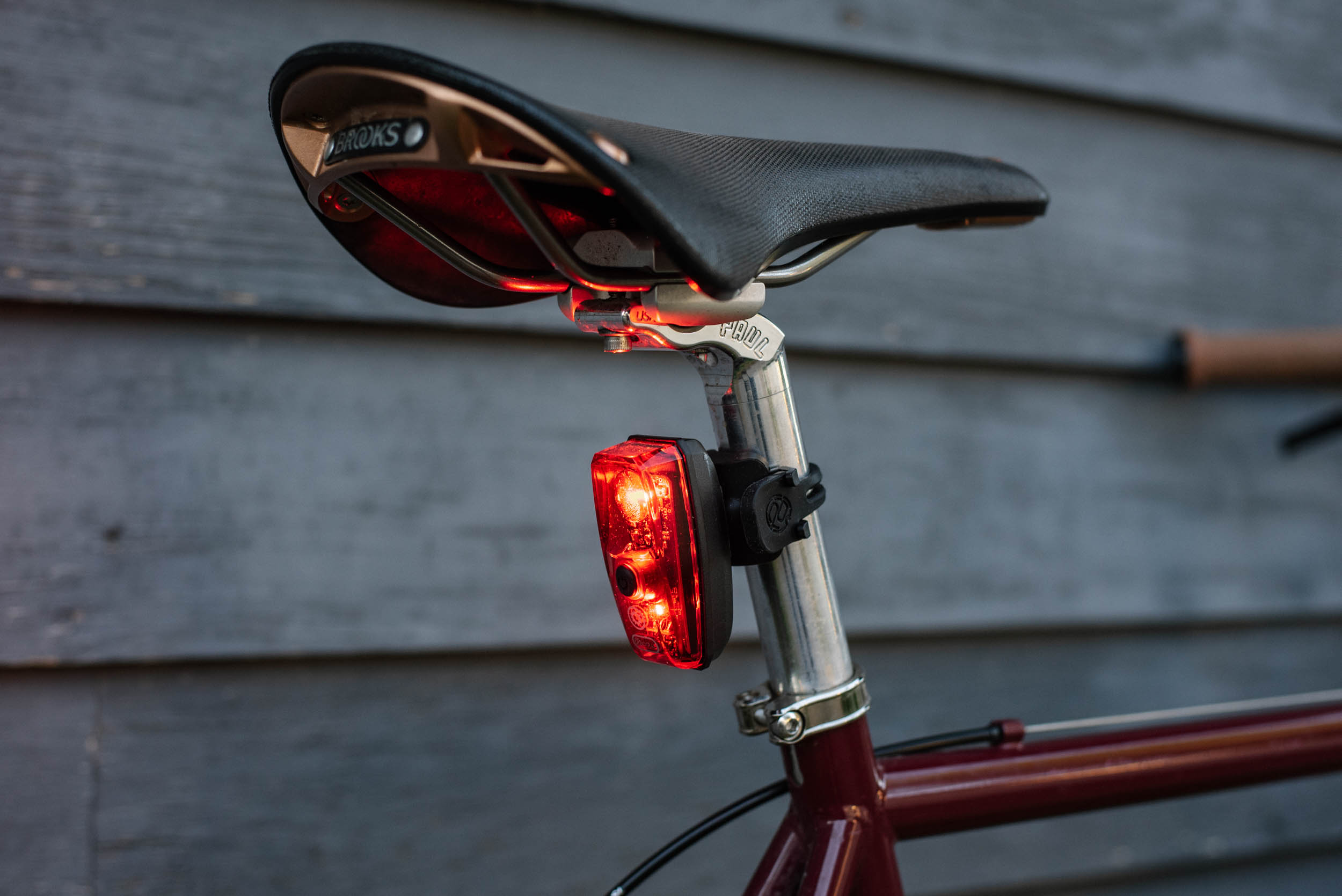

To avoid future frustration, as time and budget allow, I’ve been slowly switching to all-dynamo lighting on my personal bikes. They’re expensive, but always-on, always-present lights can be a literal lifesaver. Running a dynamo also removes one consideration from pre-ride planning and erases the worry of being caught out after dark. I’m not using 100% dynamo power yet and will always have a pair of good battery-powered lights on hand, especially for review bikes, but I view it as a worthwhile long-term investment. Plus, the lofty prospect of an all-dynamo fleet is a good excuse to get rid of a couple of bikes rather than invest in dynamos for them.
Headphones
For most of the time since I became aware of podcasts, I’ve used them to fill most empty, “wasted” hours. Reply All in its prime, random episodes of 99% Invisible and Planet Money. Along with train rides, dog walks, and household chores, I’ve listened during untold spins. If it wasn’t an episode of something, music was a constant soundtrack to my rides, helping motivate me or perfectly matching the ambiance of a sunset ride.
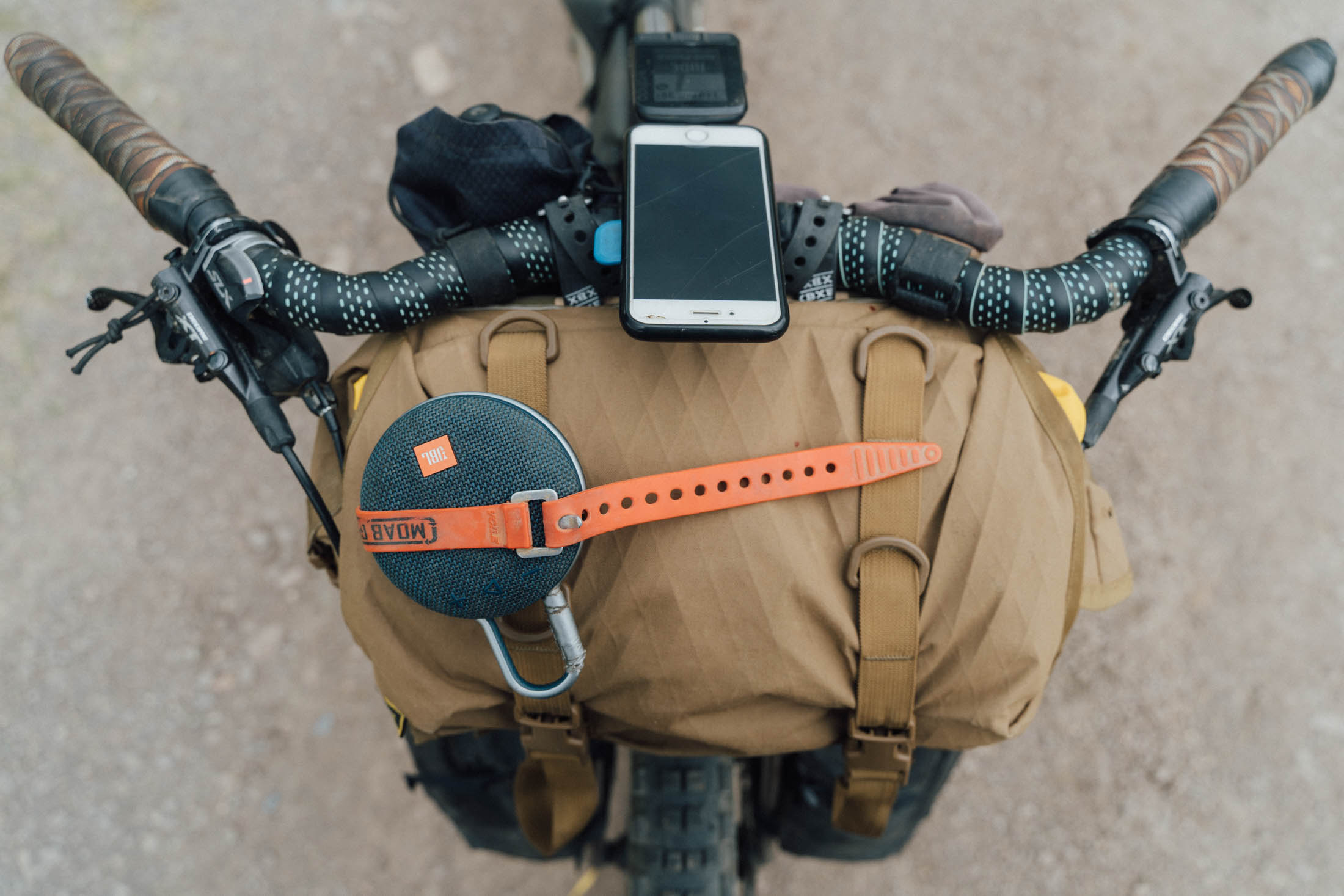

Only fairly recently have I truly come to understand the many negative consequences of not making space for silence and all I’ve missed out on as a result. More and more, I’m learning to appreciate tuning in to the subtle sounds of the trail, whether it’s my dog’s paws pattering, birds passing overhead, or gravel crunching beneath my tires. I’m glad to have headphones in my frame bag as an emergency anti-bonk reserve, but I relish the rare quiet and will continue working to make more space for it amid the endless noise and inputs of life in 2026.
Needing to See It All
I spent a good chunk of my 20s and 30s traveling and living abroad, including many years living off the bike or out of a duffel bag. They were exciting times packed with escapades, connections, and cultural immersion. As thankful as I am to have lived a freewheeling lifestyle for so long, I don’t feel that same wanderlust today. I almost feel ashamed to admit it here so publicly, but there are layers.
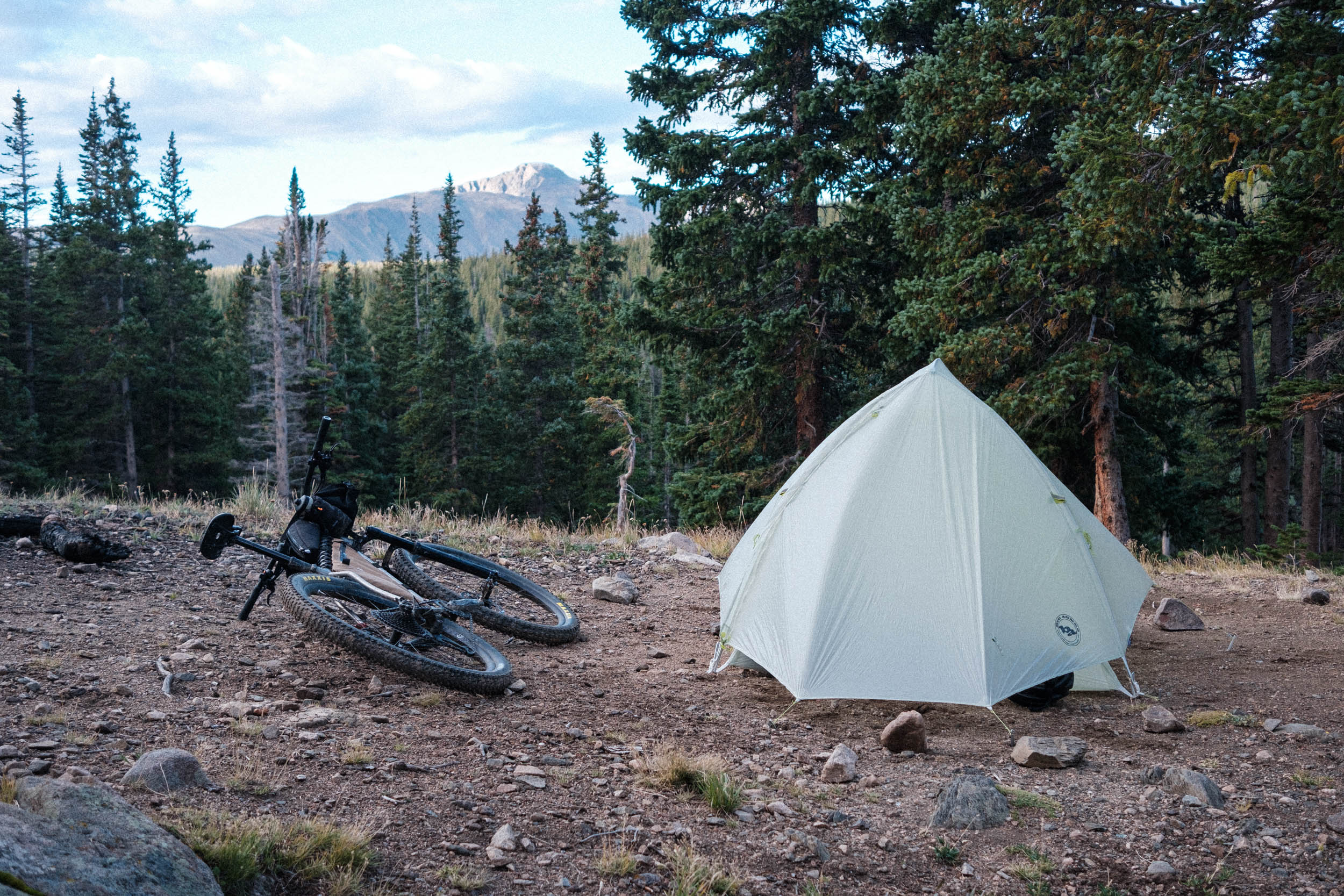
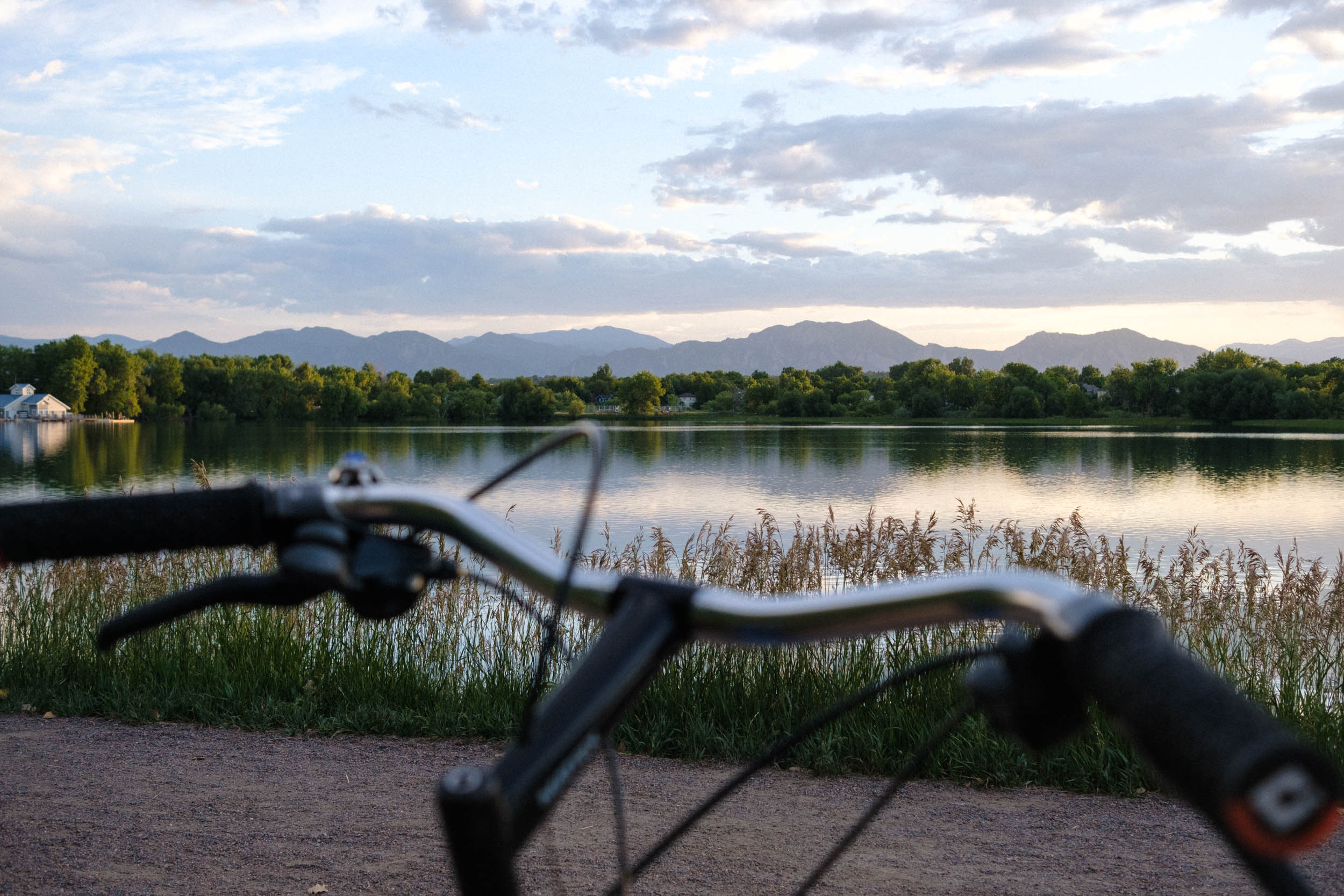
Even on a shoestring budget, having the means to travel is an incredible luxury I don’t take for granted, and I’m eager to do more of it. Still, at 40, now a couple of years married and having lost my first parent, I’ve found a fresh appreciation for what’s right here in front of me at home. For re-riding and walking the same nearby trails and noticing something new each time. For the yearly trip to my favorite Colorado mountain town with my dad. Contrary to what my past self might have thought, ditching the urge to see new places non-stop has opened up exciting ways of being, and I look forward to seeing where it takes me, even if that’s nowhere at all.
Seat Packs
I still use a classic seat pack for quick, easy getaways on a whim, but if I have time to be intentional about my setup, I prefer a lightweight rack and rack-top bag or small panniers. This configuration doesn’t sway or rub, looks good, and is far more forgiving when you need to lash something on or shift your payload around. I’ll always have a soft spot for the silhouette of a seat pack and a handlebar roll—both still perfectly viable today—but having thought far too much about the ideal way to pack my bike, I’ve mostly moved on from them.


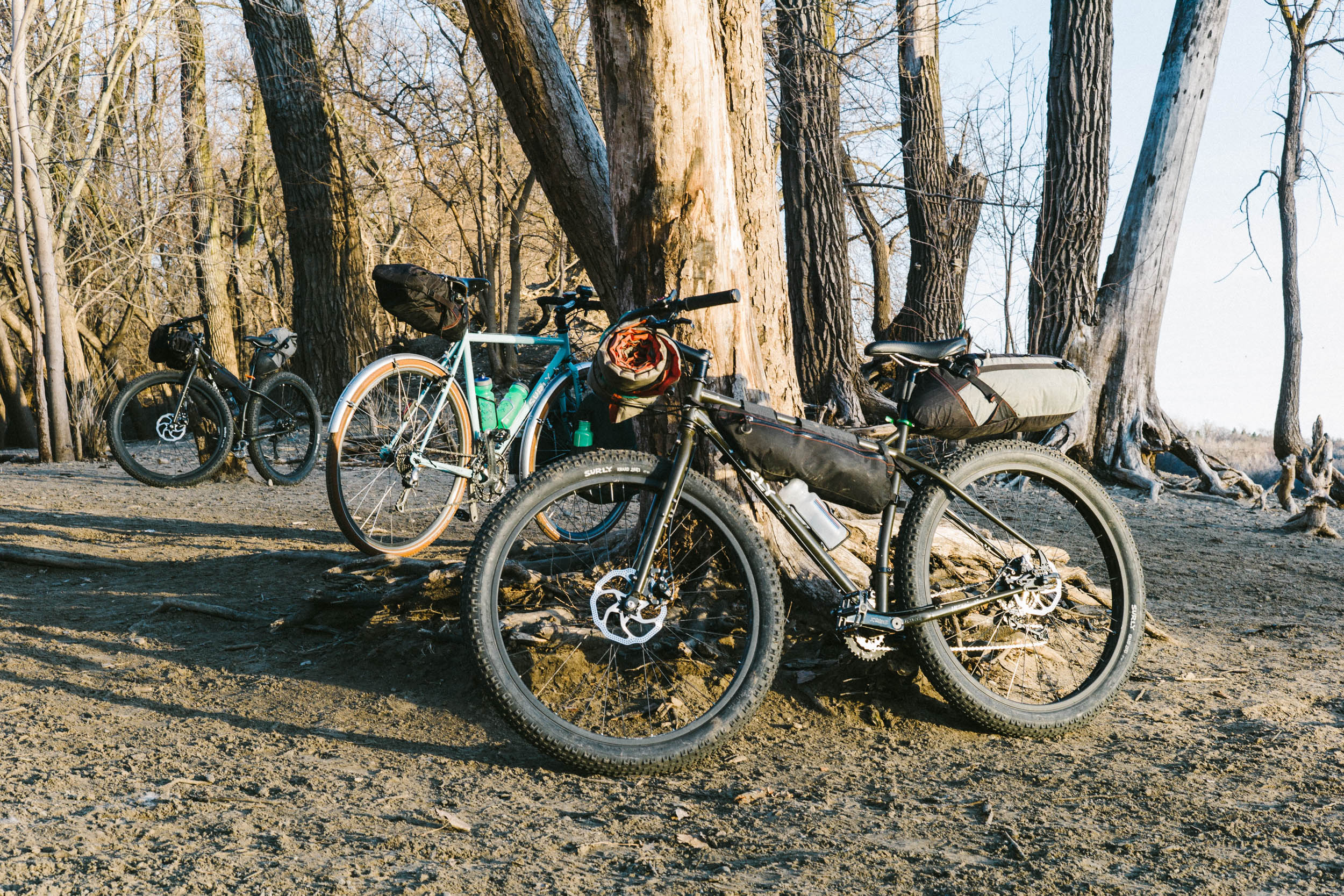
And to address the irresistible first comment every time we publish something about a rack: no, we haven’t “come full circle.” I’ll happily die on this hill. Racks are back in favor, but everything about them has changed. They’re lighter, stronger, smarter, and more adaptable now. There’s all kinds of new hardware, the attachment methods have improved, and the bags are typically smaller and easier to install and remove. It’s an exciting time in the space, and cynics are missing out.
High-Precision Coffee
Contrary to Logan, who mentioned in his Cut List that he’s giving up “fast coffee” and only drinking the good stuff while camping these days, I’ve been drifting in the opposite direction. I’ve reviewed a handful of bikepacking-friendly brewers here on the site (Picopresso, Kalita, Aeropress, etc.) and genuinely enjoy taking my coffee too seriously, but reframing camp coffee from disappointing to plenty good has helped me enjoy it far more.
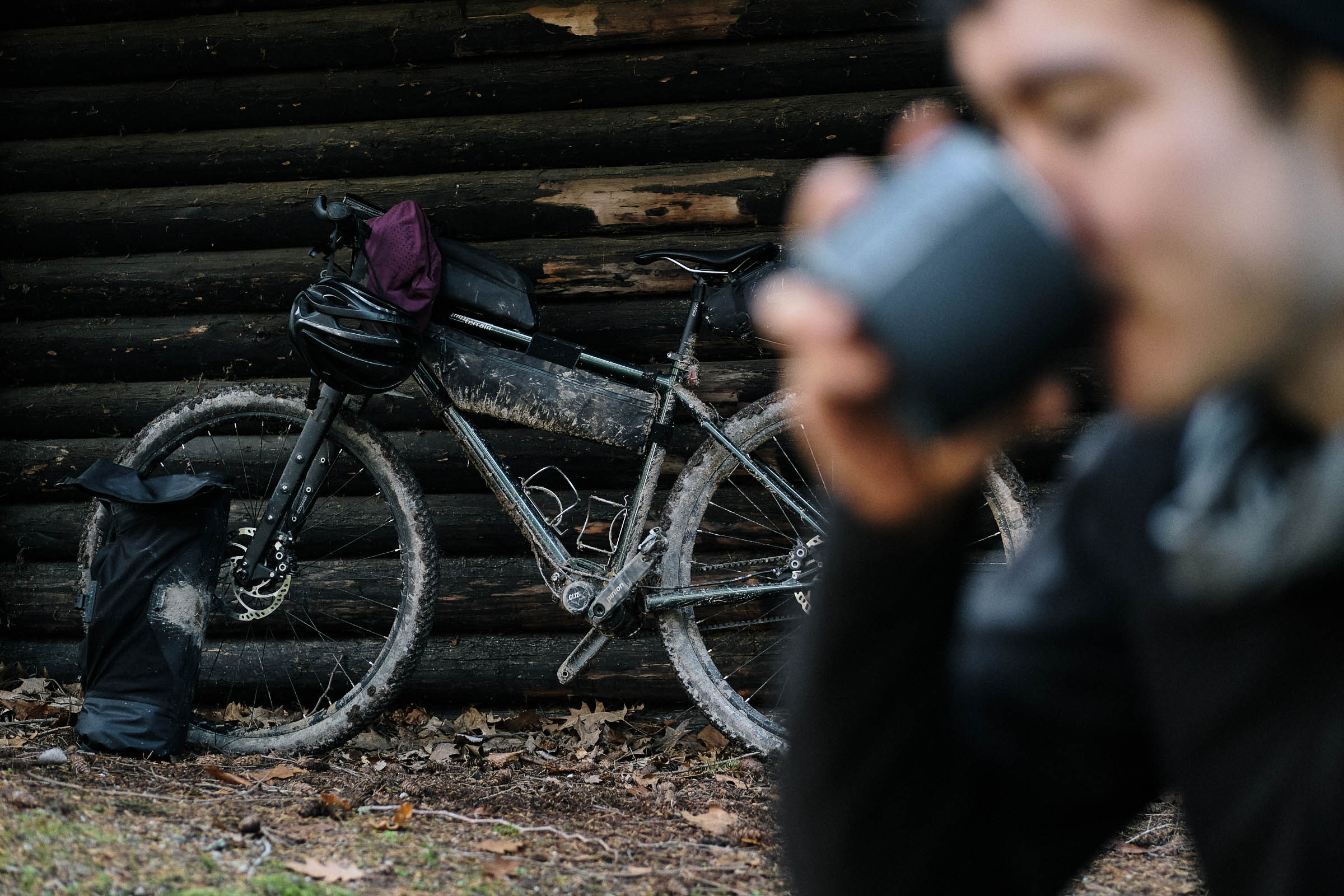

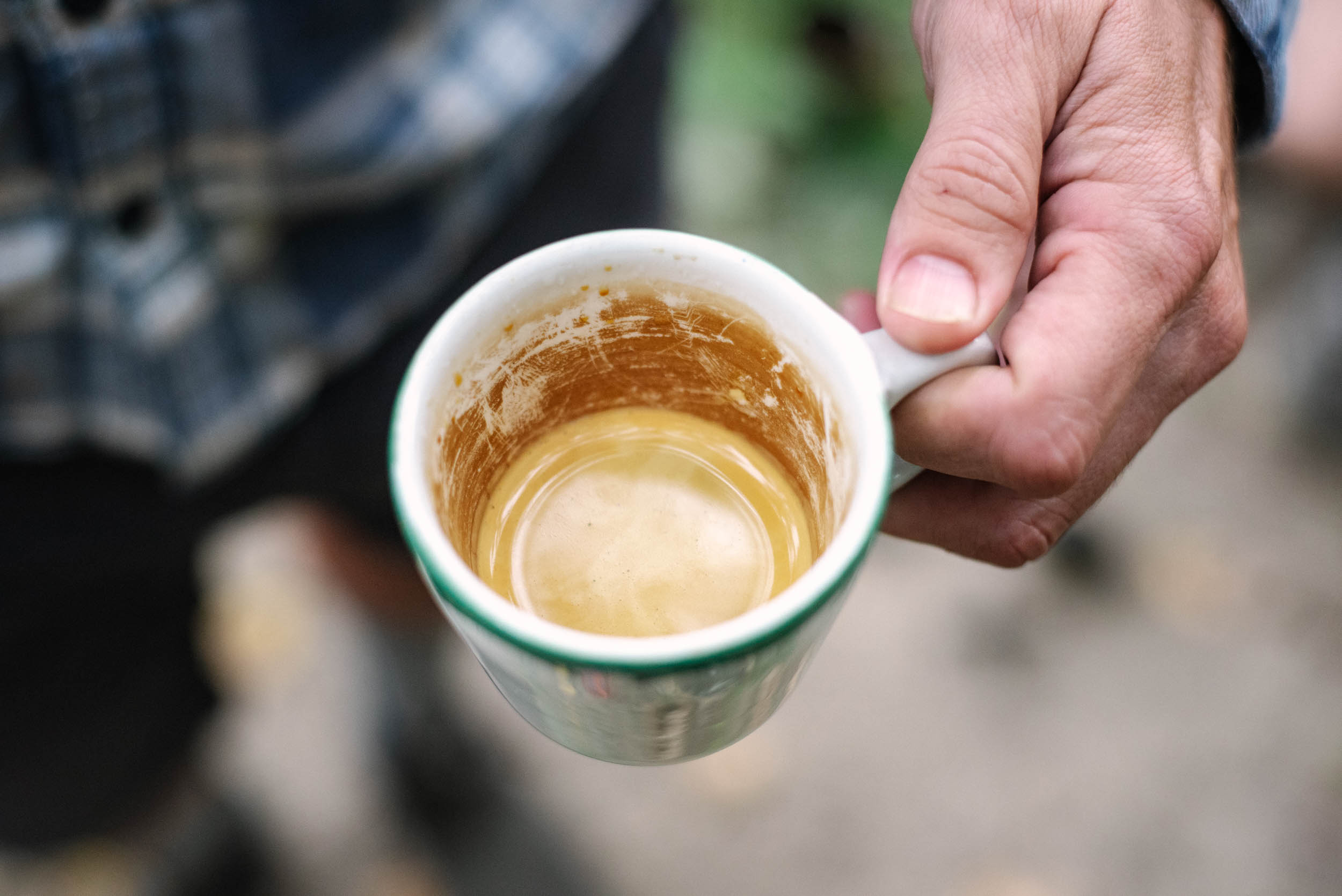
Learning to lower my expectations and separate the freshly ground, carefully weighed coffee I brew at home from whatever’s convenient and available while bikepacking also helps me remember to be grateful I’m sitting somewhere beautiful and savoring a cup of coffee in the first place, even if it’s watery instant or some cheap pre-ground beans picked up en route. Sure, it’s a trivial thing, but applying that same thinking to other areas of life has offered some good peace of mind.
Forgetting What It’s All About
In closing, I’m including a last-minute addition that was never intended to be on this list but hopefully summarizes its salient points. While searching for photos to accompany this piece on Dropbox, a few dozen poorly organized folders deep, I stumbled upon this portrait of my friend Danny on his first overnighter in 2019, and it stopped me in my tracks. To me, it perfectly captures the spirit of bikepacking—one that’s all too easy to lose sight of in the era of influencer marketing and endless high-resolution dream builds.
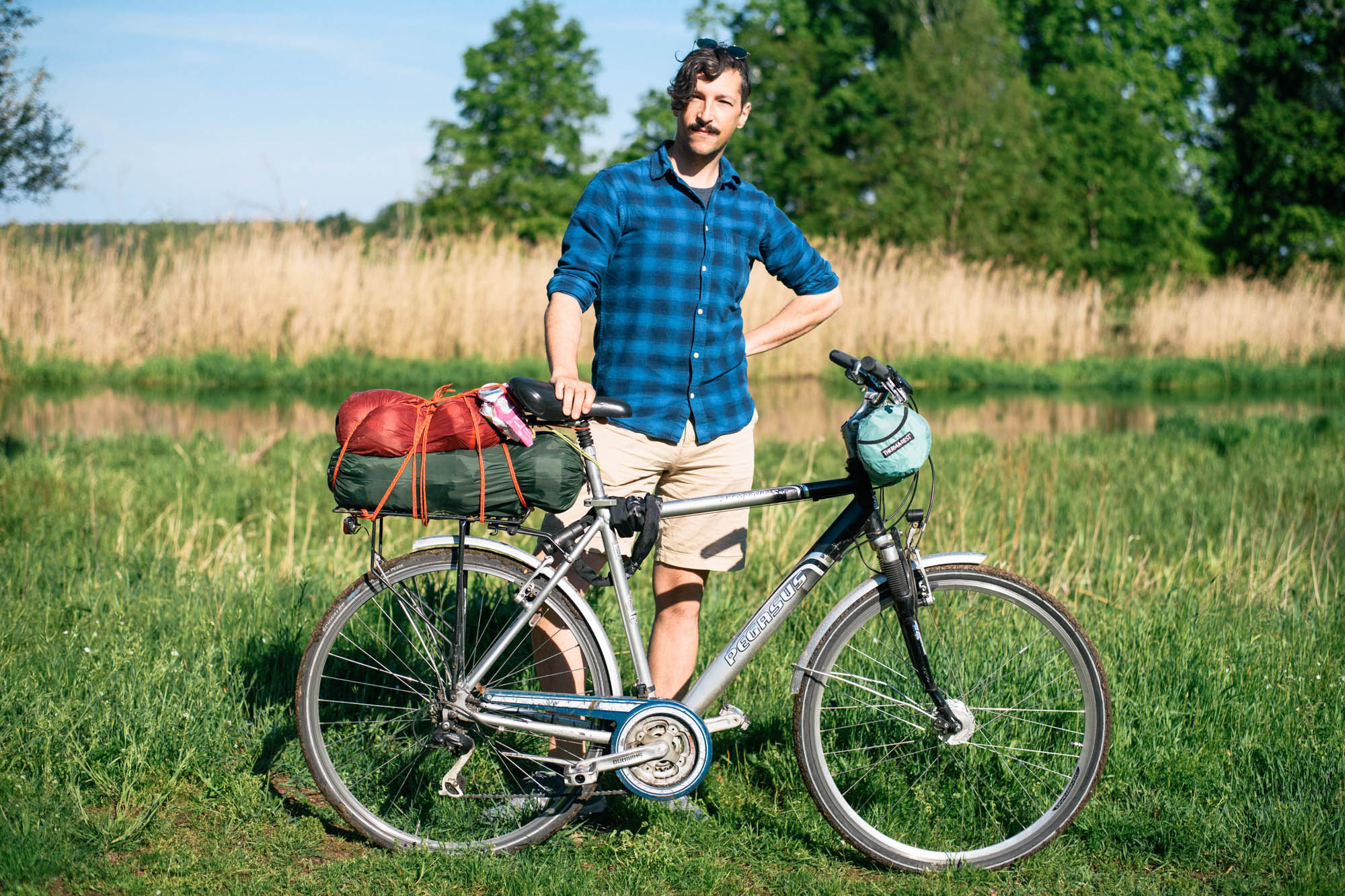
Accepting my spontaneous last-minute invitation, Danny scraped together the basic gear needed to outfit his €40 Pegasus city bike for our one-night, 80-kilometer bikepacking trip to an idyllic riverside campsite outside Berlin. No color-matched custom bags or tire PSI calculator required, just some air in the old Schwalbes and a few bungee cords. Particularly on the heels of Miles’s resonant piece about rejecting cycling labels, stumbling upon this image and reliving the memories of Danny keeping up and having a blast while riding his own ride is hugely inspiring and a powerful reminder of what bikepacking is really all about. I’ll do my best not to forget.
Thanks so much for reading my Cut List. I’d love to hear your comments and questions in the Conversation below. Stay tuned for a couple of additional installments in the weeks ahead!
Further Reading
Make sure to dig into these related articles for more info...


Please keep the conversation civil, constructive, and inclusive, or your comment will be removed.