

 Singletrack/MTB
 Gravel/All-road
 Dirt-road Touring
 Fat-bike




Singular Spitfire Review: Born to Fly



UK-born Singular Cycles has applied the name “Spitfire” to scores of made-to-measure titanium hardtails—nimble, quick, and built to dogfight on modern trails. The template is speed and agility, but the execution evolves based on rider preferences. Miles spent months aboard founder Sam Alison’s own Spitfire to see if it truly lives up to its name—read the full Singular Spitfire review to find out.
PUBLISHED Oct 1, 2025
Singular Cycles is owned and operated by Australian transplant Sam Alison, and was born from a lifetime of racing, wrenching, and riding bicycles. In 2006, Sam launched the brand with a mountain bike, the Swift—one of the first production 29” rigid mountain bikes available. Singular’s current lineup includes four stock models manufactured in Taiwan, but since 2010, Singular has offered full-custom bikes as an option for folks who can’t find exactly what they need in its production lineup or that of another brand—whether you’re on the hunt for a wild titanium dream machine or you just want some extra bottle bosses or tweaked geometry to achieve the perfect fit.
Perfecting and taking elements from their custom work to production models is a familiar story among small framebuilders. After designing and fabricating hundreds of custom frames, it’s no surprise that they find recurring themes, features, and configurations that people want. The new Singular Spitfire is an example of this, existing in a space between a production model and a custom frame—a platform for customers to begin their journey, which can then be tweaked to perfection.


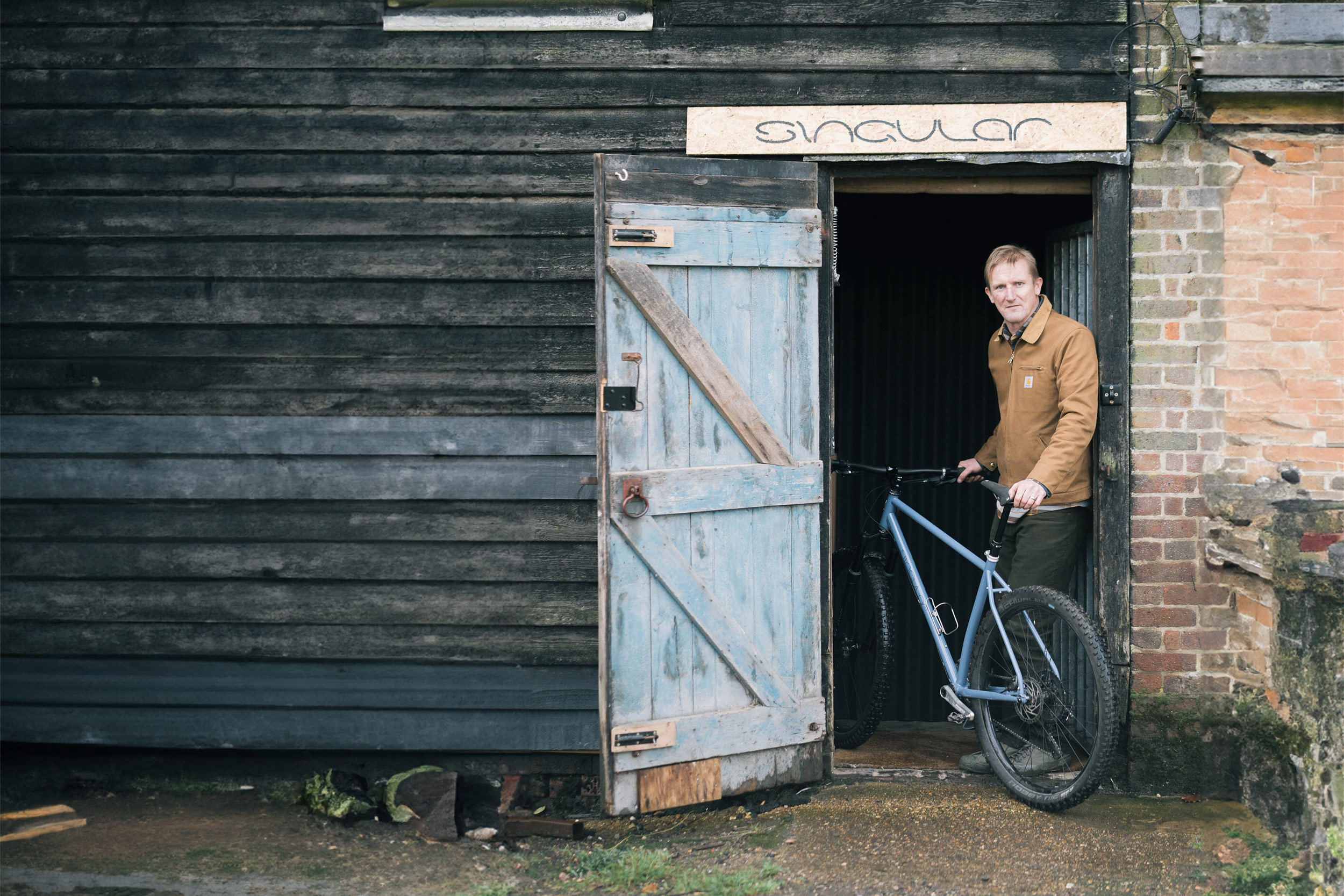
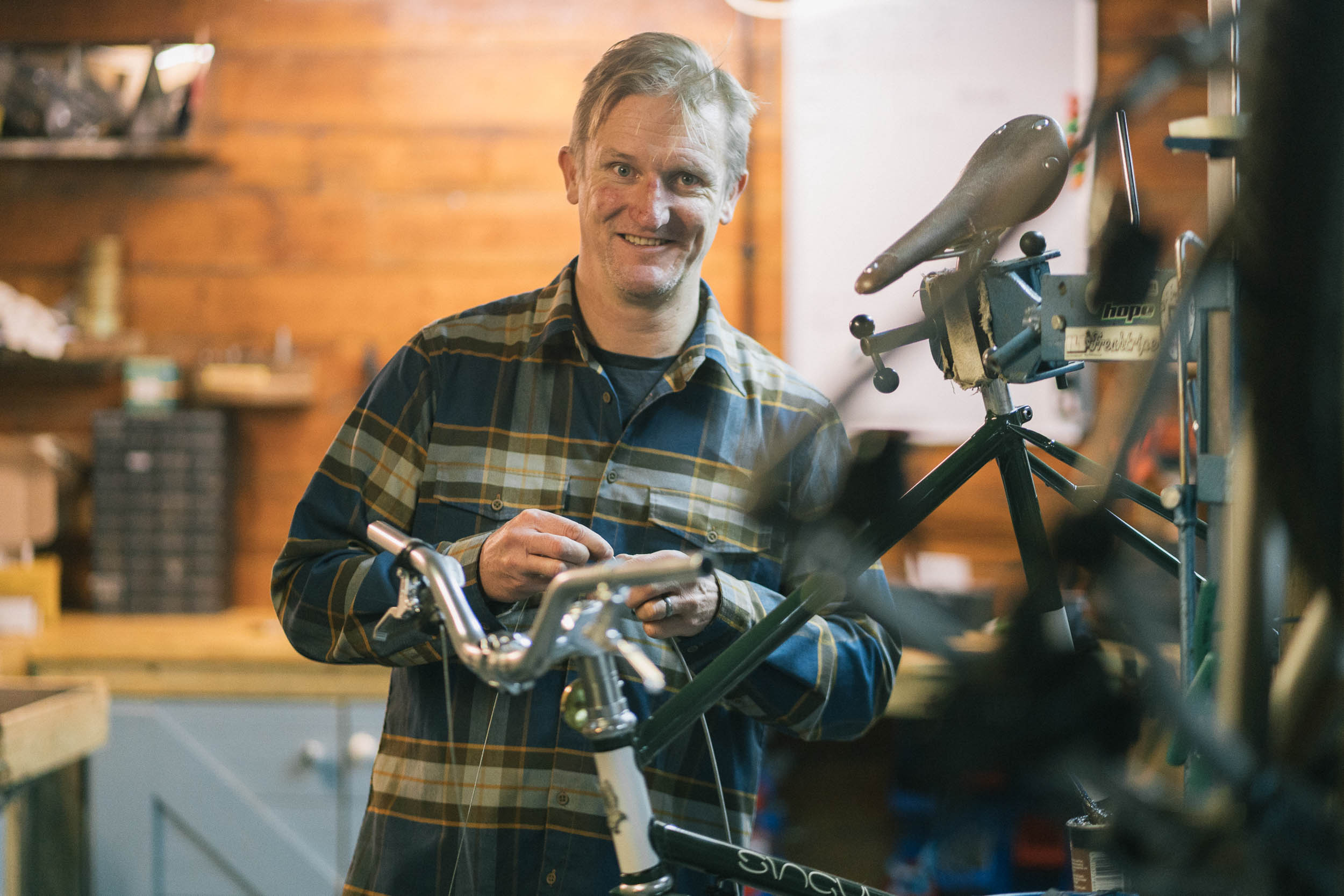
Earlier this year, Sam showcased his personal Spitfire at Bespoked Manchester, which we covered here, and it arrived at my front door shortly after. I wasn’t entirely sure whether to review it, considering it’s a custom bicycle, but Sam assured me that the Spitfire platform has earned its place in the Singular lineup, and he was eager to get my thoughts. I’ve been curious to try something from Singular for a while, so I jumped on the opportunity.
Singular Spitfire: At A Glance
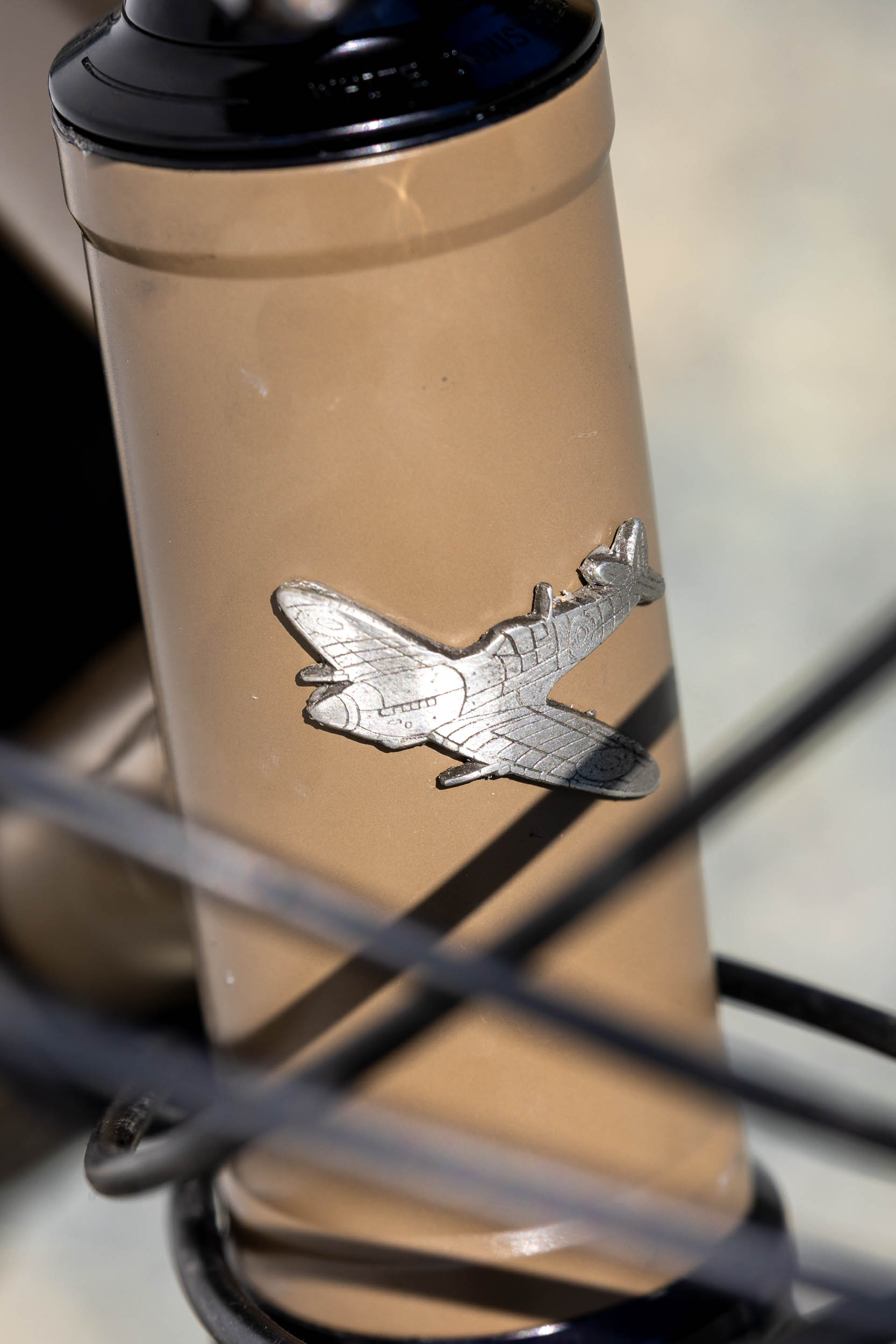
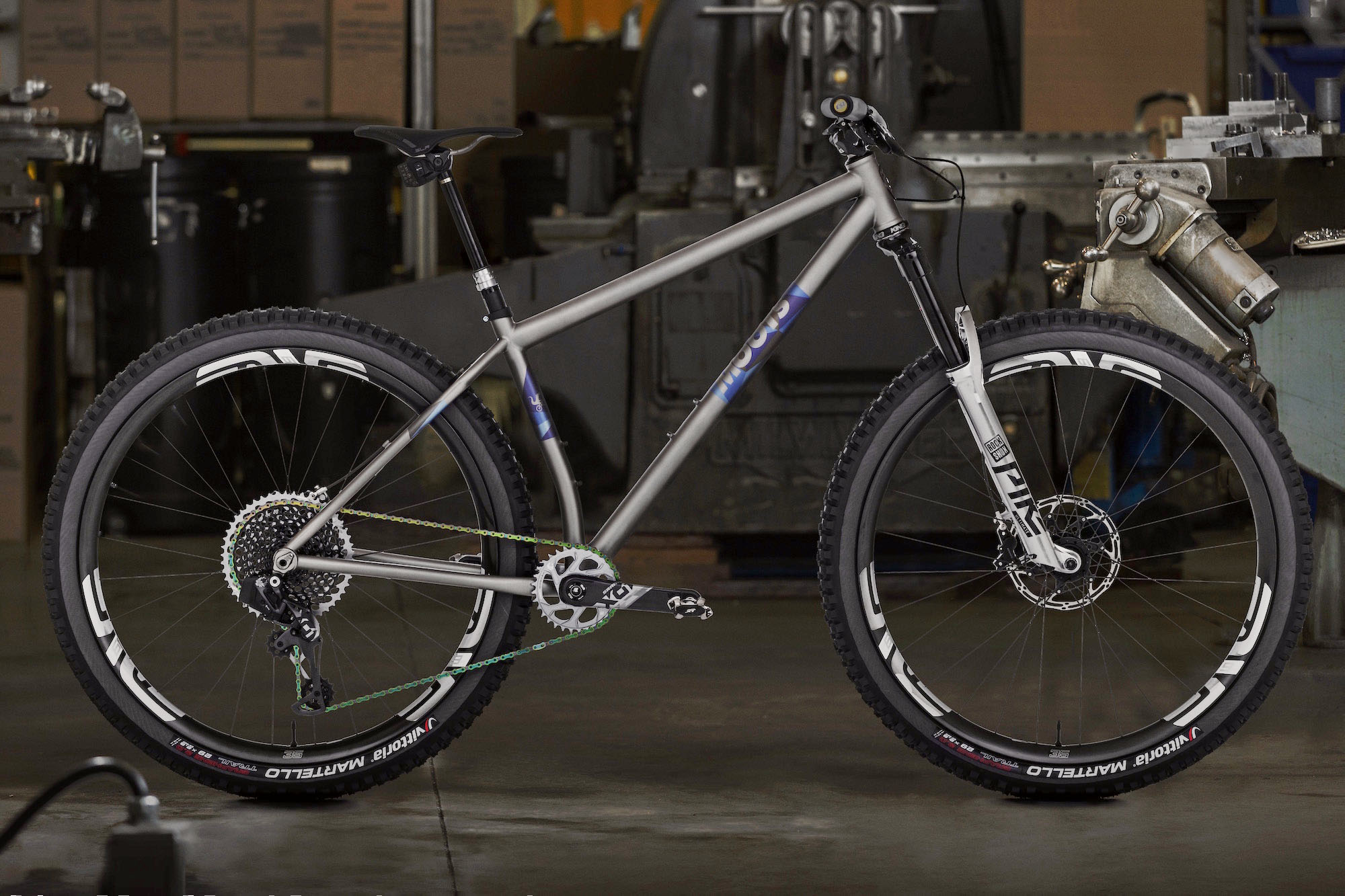
According to Sam, the Spitfire is “made for riders of a more aggressive, hard-charging nature,” which aligns with its namesake, the British WWII fighter aircraft that was known for its powerful Rolls-Royce Merlin engine and elliptical wing design. Every Singular model is named after a bird, and the Spitfire is the first that’s named after a bird of a different nature. There’s an air base near Sam’s UK workshop, which happened to be a Spitfire training facility in its heyday. They still have a small fleet, and Sam sees them flying around from time to time. Each Singular Spitfire is made from a rider-specific selection of butted 3AL 2.5V titanium tubing and begins with angles that are a little longer and a little more slack than those of the Swift.
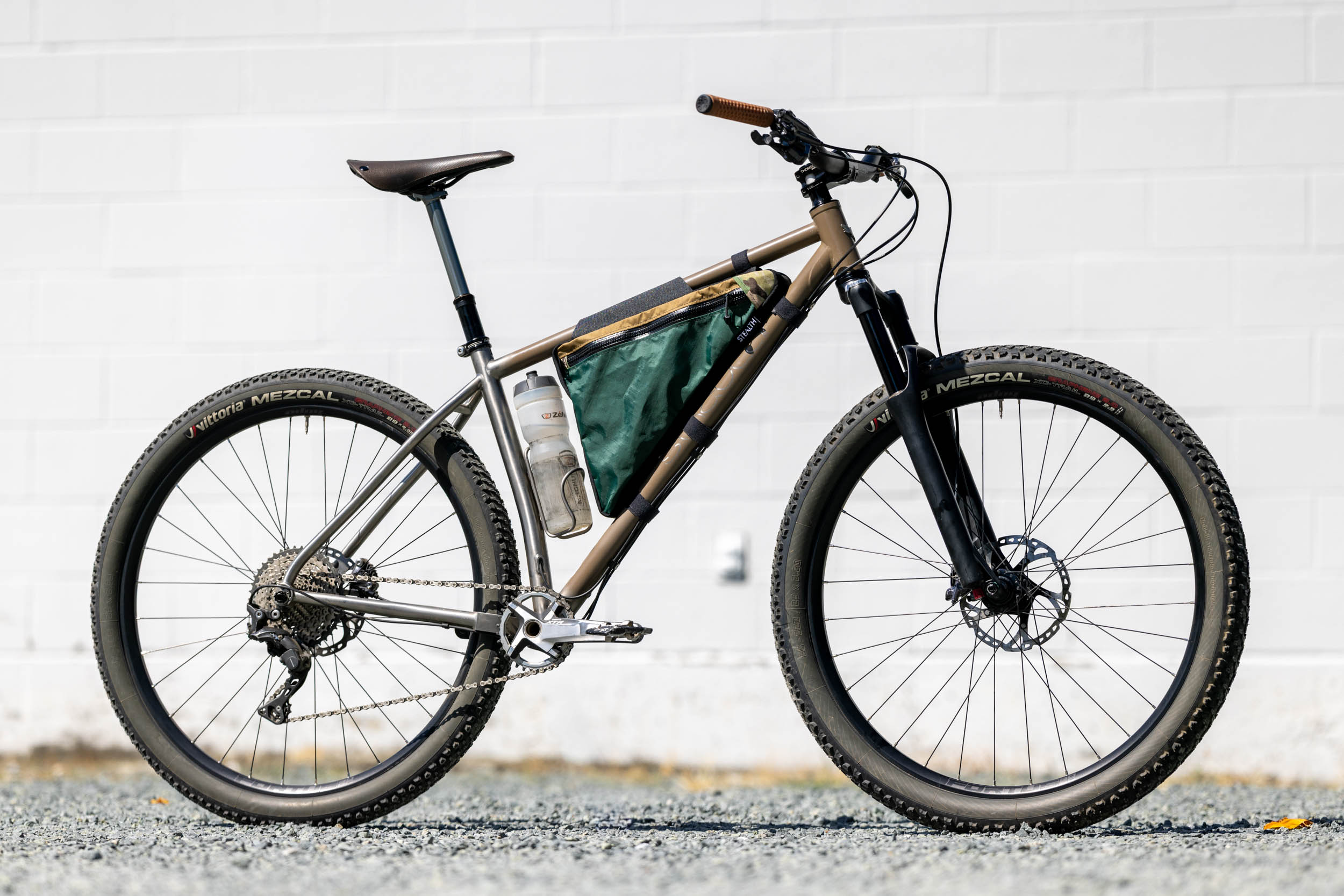


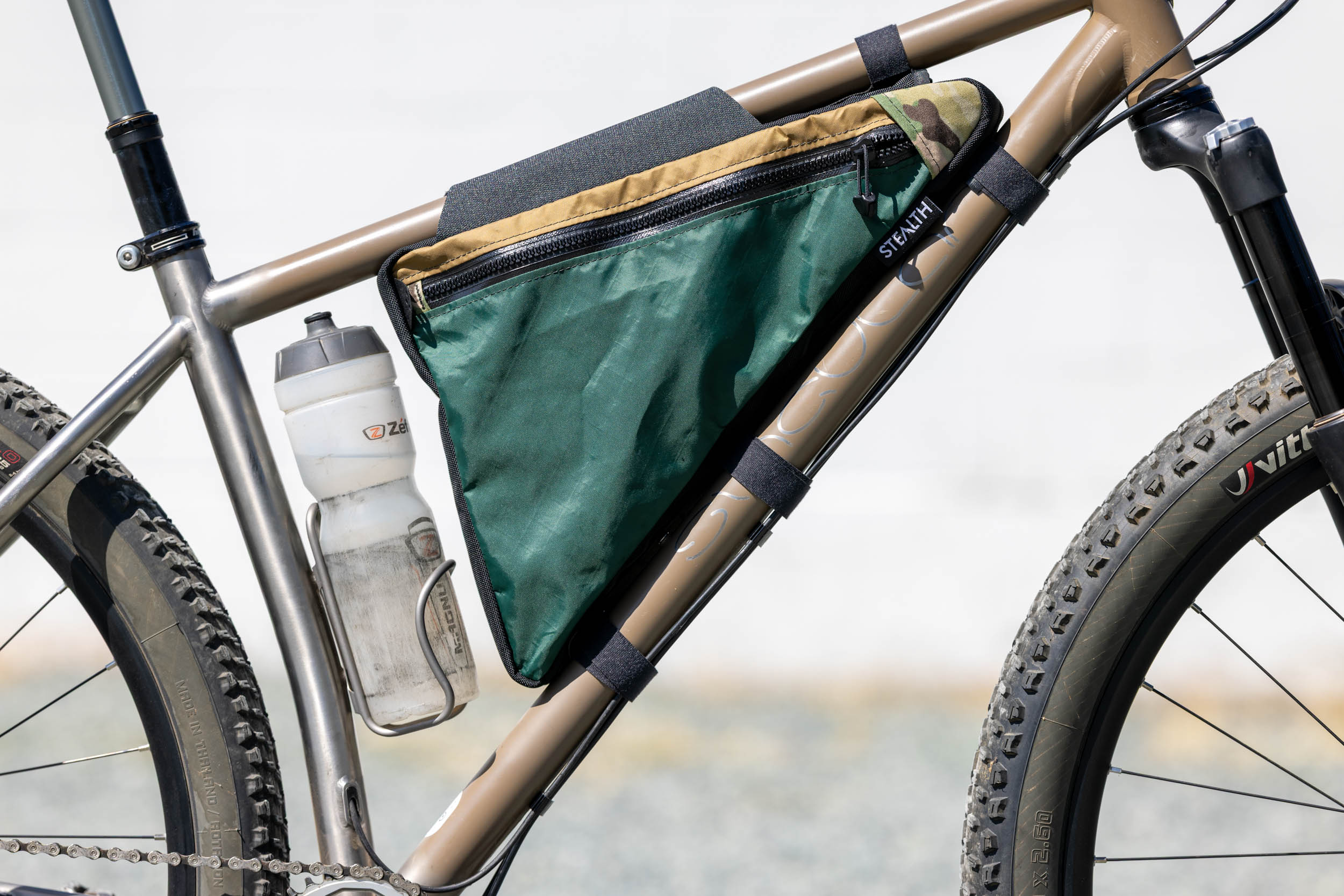

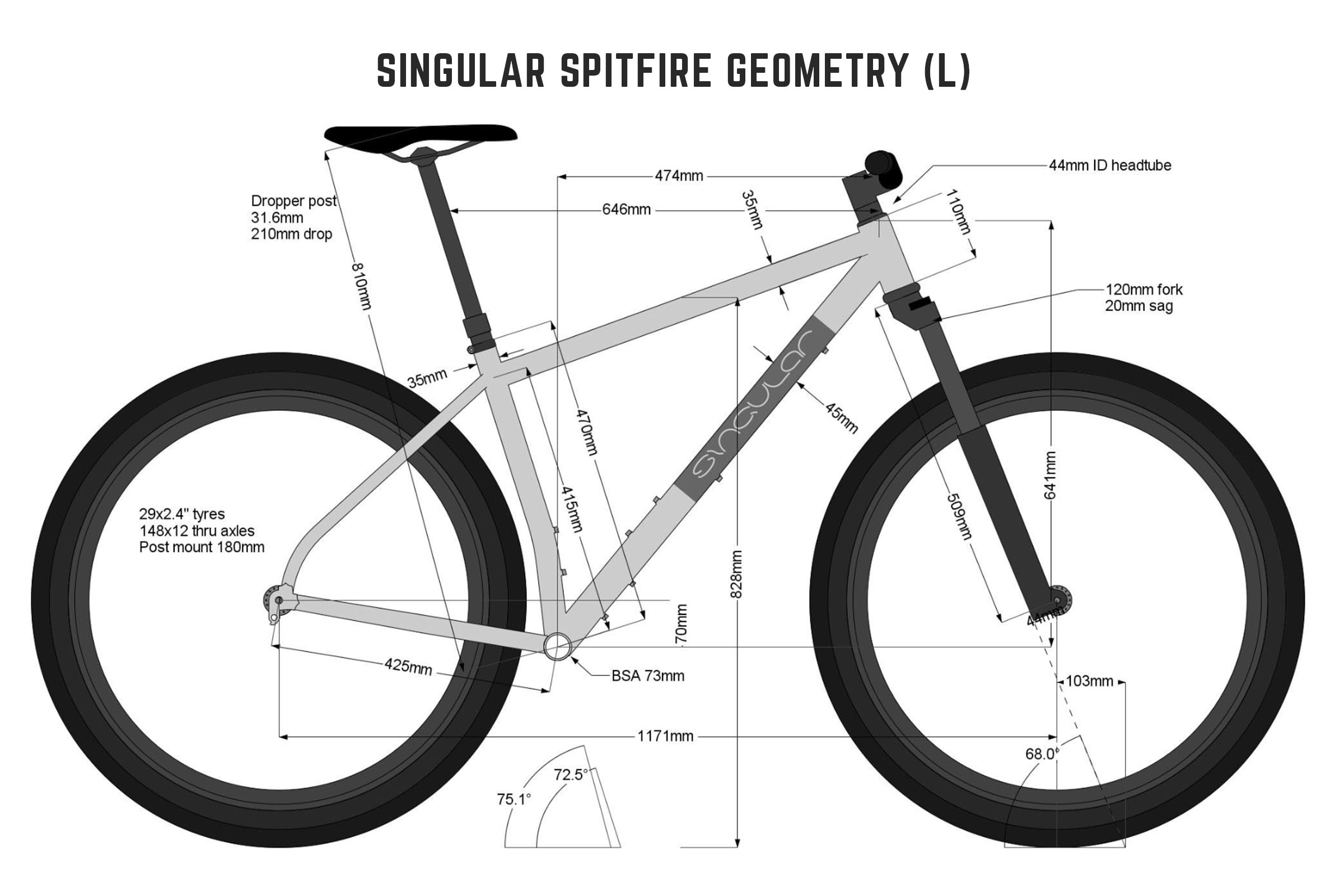
The Spitfire is typically designed for a 120-140mm travel fork (or longer, depending on the customer’s desires and riding style), with a head tube angle in the 67-68° range. The chainstays are characteristically short, and the front center is relatively long. From there, customers can choose from various headtube and bottom bracket standards, tweak the geometry, and determine the quanity of mounts and their placement for cages and cargo. ther ideas and modifications are available, too, such as cable routing options, frame specs, and more.
Looking at the Spitfire by the numbers, it’s not what I would consider a modern hardtail, but it trends in that direction without sacrificing its cross-country DNA for long days and big climbs. The way Sam describes it, “the heart of the Spitfire is speed, confidence, and control in more technical riding terrain. You could call it downcountry, but really it’s just the bike you grab when you want to ride bigger mountains, cover ground, and have fun doing it.”
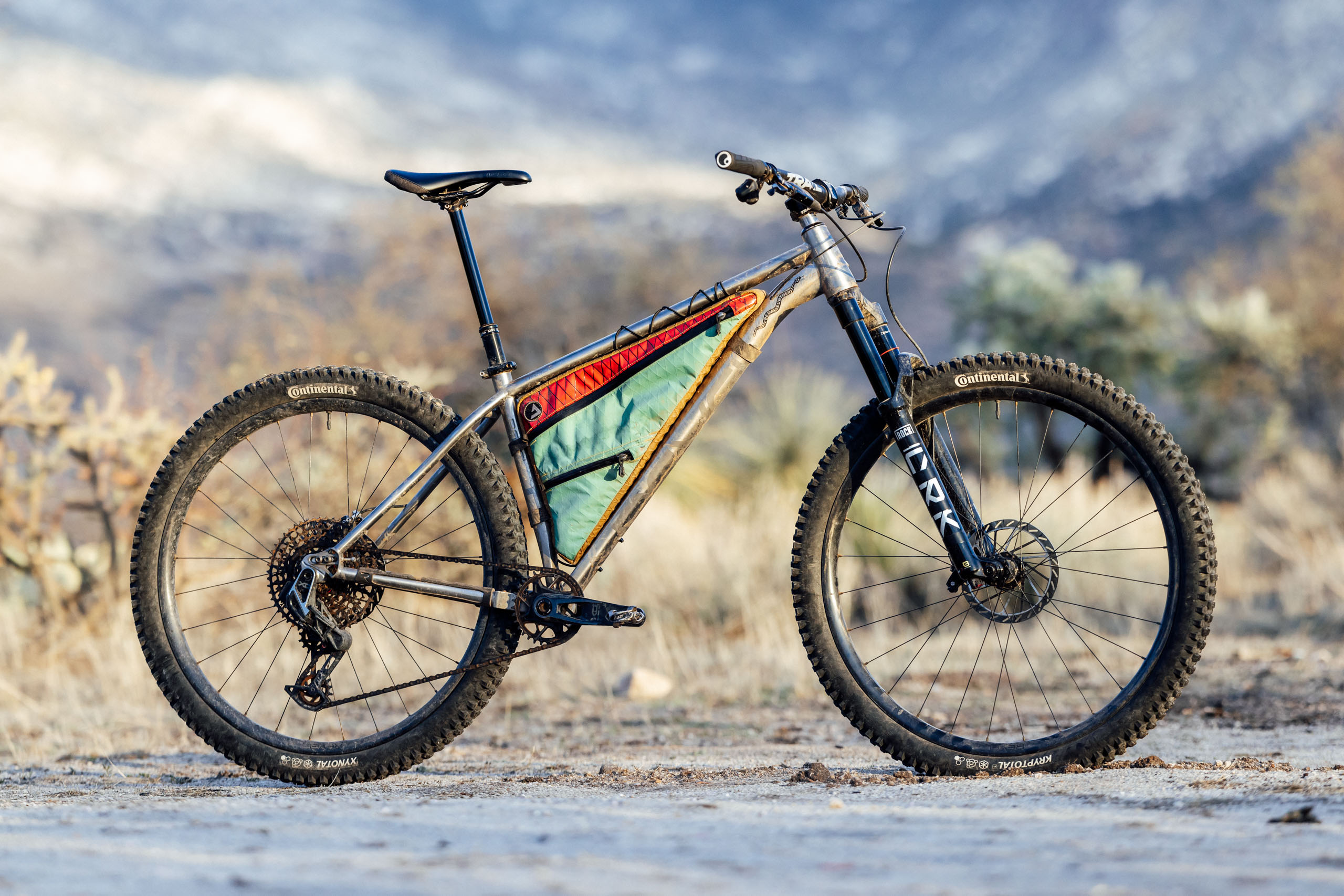
The Spitfire I was sent is designed around a 120mm fork, and it’s essentially a size large. Sam is 6’2” tall, and I’m not far behind at 6’1” with a 33” inseam. It has a 68° head tube angle, a 1,171mm wheelbase, 425mm chainstays, a 75.1° seat tube angle, a 70mm bottom bracket drop, and a 474mm reach. Comparing those numbers to other bikes in its class, it’s most similar to the Breezer Thunder, Kona Unit X, and the Bassi Coyote I tested last year. Aside from its handmade titanium frame, the Spitfire’s short chainstays and generous stack height separate it from the ones listed above. Although Singular describes the Spitfire as a downcountry hardtail, I’d suggest it’s more of a purebred cross-country bike, at least where I ride.

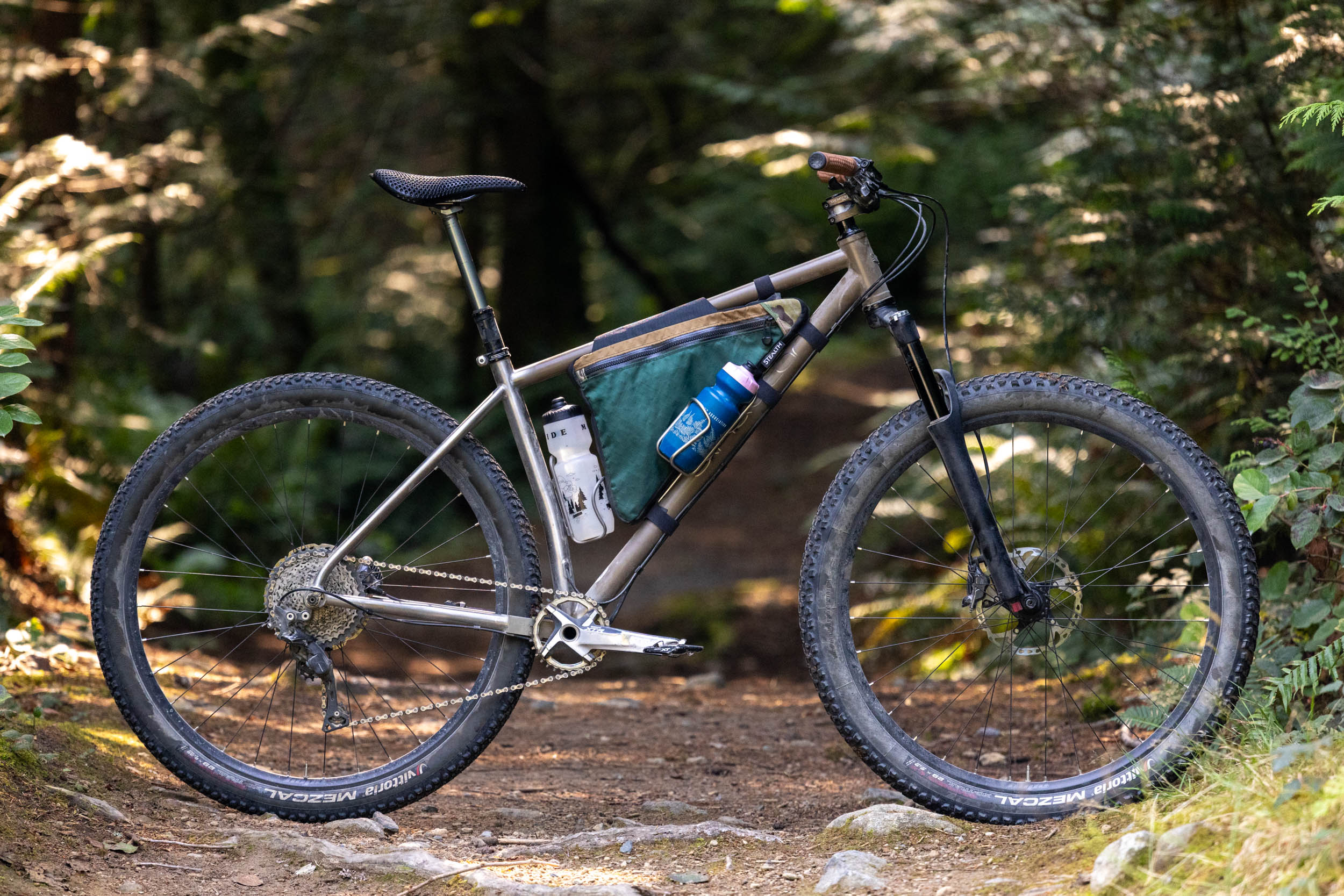
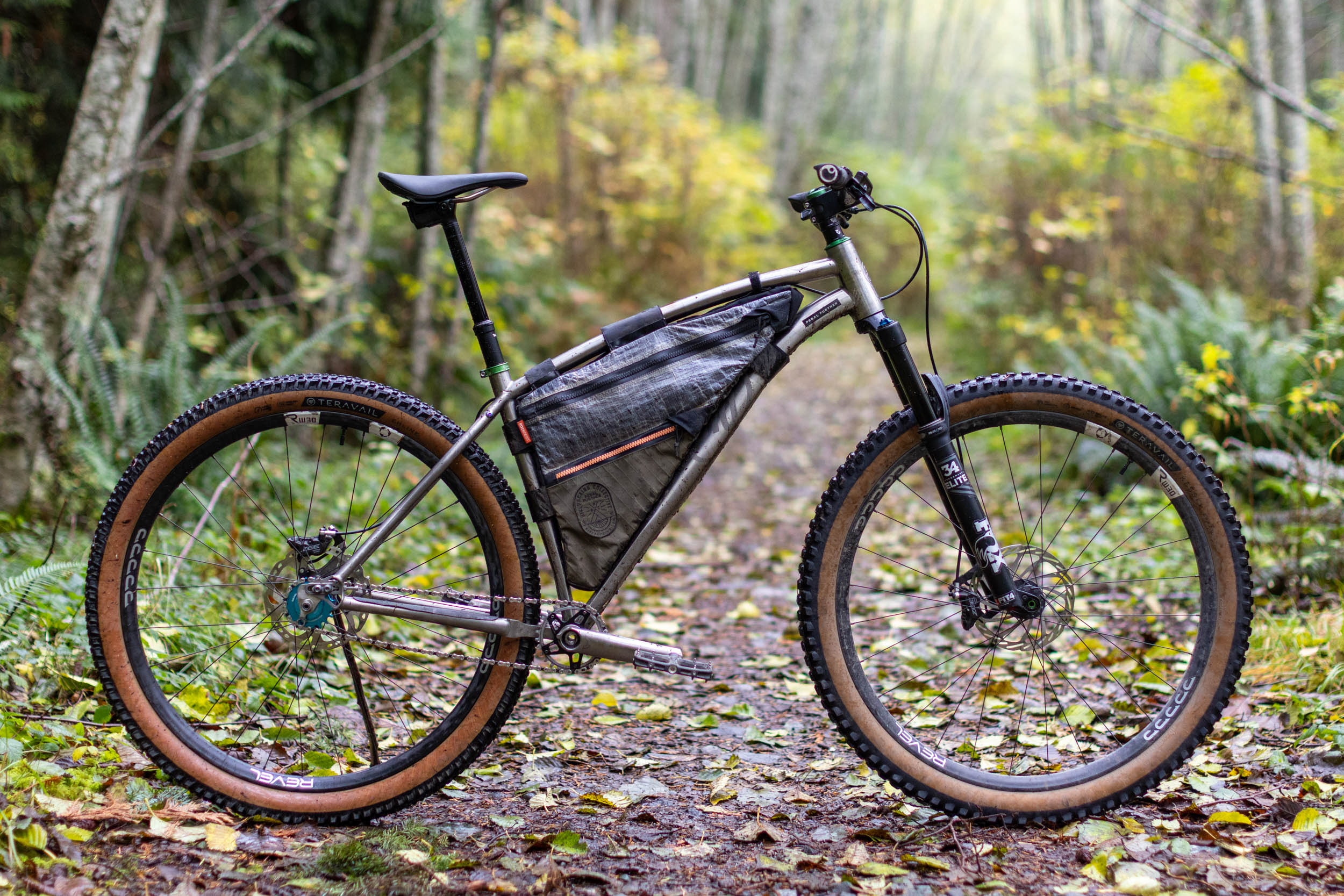
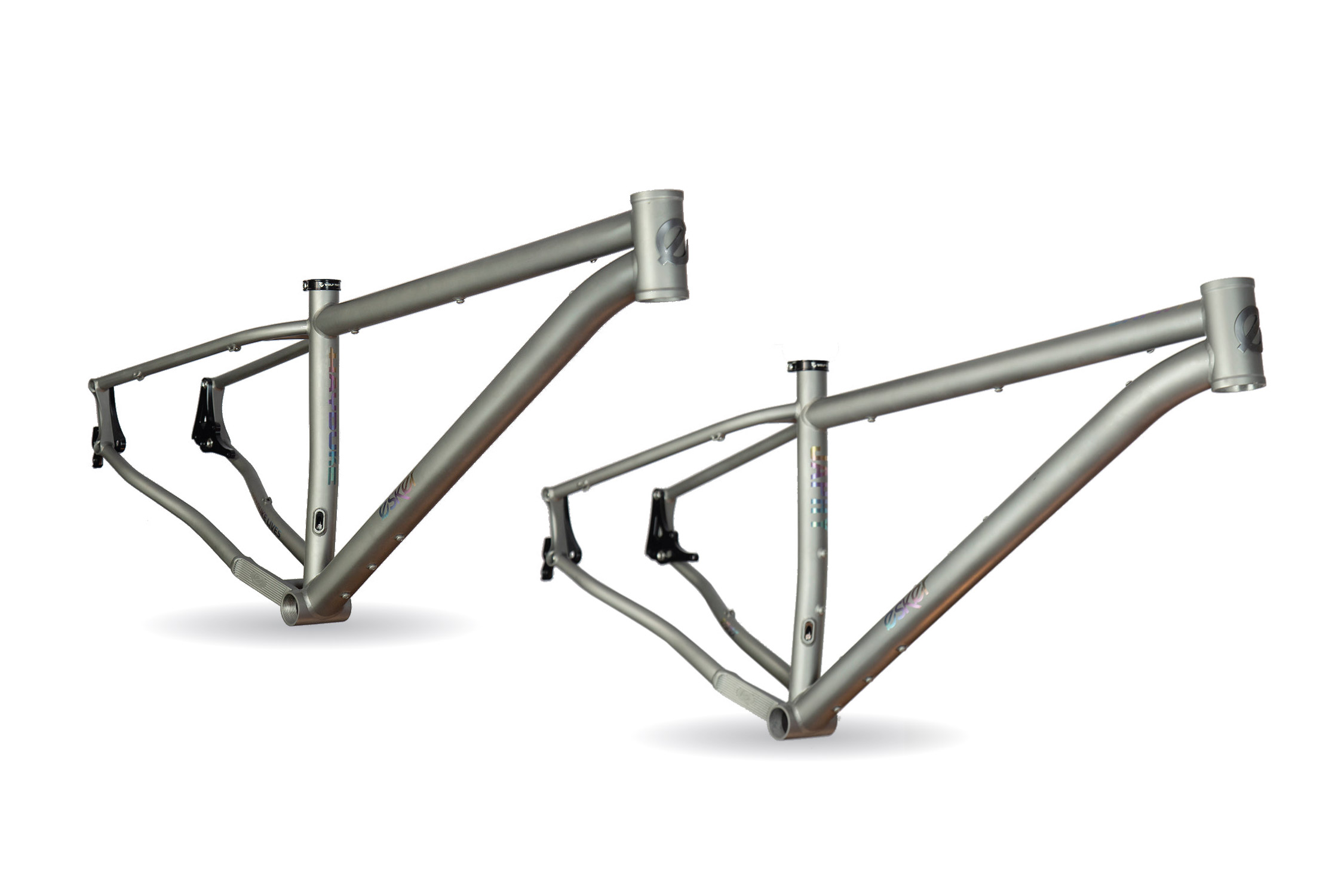
Other titanium bikes I’d compare it to include the Chumba Sendero, Moots Womble, Esker Hayduke Ti, Revel El Jefe, or Curve UpRock. All of these bikes, including the Singular Spitfire, lean more towards the XC side of mountain biking, which is a little different from the last few hardtails I’ve reviewed, where long chainstays and slack headtubes are favored to offer more control and tracking on steep terrain.
Ti Hardtails Compared
Bike Model (size)
Reach
Stack
HTA/STA
WB
BB Drop
A-C Length
Singular Spitfire (L)
474mm
641mm
68°/75.1°
1171mm
70mm
509mm
Revel El Jefe (L)
474mm
615mm
67.5°/75°
1167mm
68mm
510mm
Esker Hayduke Ti (L)
470mm
630mm
67.5°/74°
1183mm
65mm
495mm
Chumba Sendero Ti 120mm (L)
461mm
632mm
67.5°/74.4°
1167-1187mm
48mm
530mm
Moots Womble (L)
470mm
640mm
67.2°/75.3°
1191mm
57mm
TBD
Curve UpRock (L)
440mm
649mm
67°/72°
1181mm
57mm
531mm
The Spitfire is for Moving
| Bike Model (size) | Reach | Stack | HTA/STA | WB | BB Drop | A-C Length |
|---|---|---|---|---|---|---|
| Singular Spitfire (L) | 474mm | 641mm | 68°/75.1° | 1171mm | 70mm | 509mm |
| Revel El Jefe (L) | 474mm | 615mm | 67.5°/75° | 1167mm | 68mm | 510mm |
| Esker Hayduke Ti (L) | 470mm | 630mm | 67.5°/74° | 1183mm | 65mm | 495mm |
| Chumba Sendero Ti 120mm (L) | 461mm | 632mm | 67.5°/74.4° | 1167-1187mm | 48mm | 530mm |
| Moots Womble (L) | 470mm | 640mm | 67.2°/75.3° | 1191mm | 57mm | TBD |
| Curve UpRock (L) | 440mm | 649mm | 67°/72° | 1181mm | 57mm | 531mm |
It didn’t take long to find my groove on the Spitfire, and I blame my Why S7 for this. Maybe it’s the S7’s swoopy top tube or the fact that it’s currently hanging in my basement without a rear wheel, but I didn’t begin to consider that the Spitfire would have a similar vibe. It turns out the two bikes share a handful of kindred angles, and of course, they’re both titanium, so it’s probably the most comparable bike I’ve ridden.



I love the zippy feeling of a titanium frame. If you’ve ridden steel bikes before, it doesn’t take an expert to identify the unique characteristics of a titanium cross-country frame like the S7 or Spitfire. I recall a conversation during my visit to Naked Cycles on Quadra Island, in British Columbia. Owner Sam Whittingham explained that the reason titanium tubing is so challenging to work with is because of its tendency to spring back into place. To achieve the bend on a chainstay, for example, framebuilders must contort it past the desired position and let it spring back into place. I’m sure calculating this is an art in itself, but it’s how these characteristics are harnessed and manipulated that impress me.
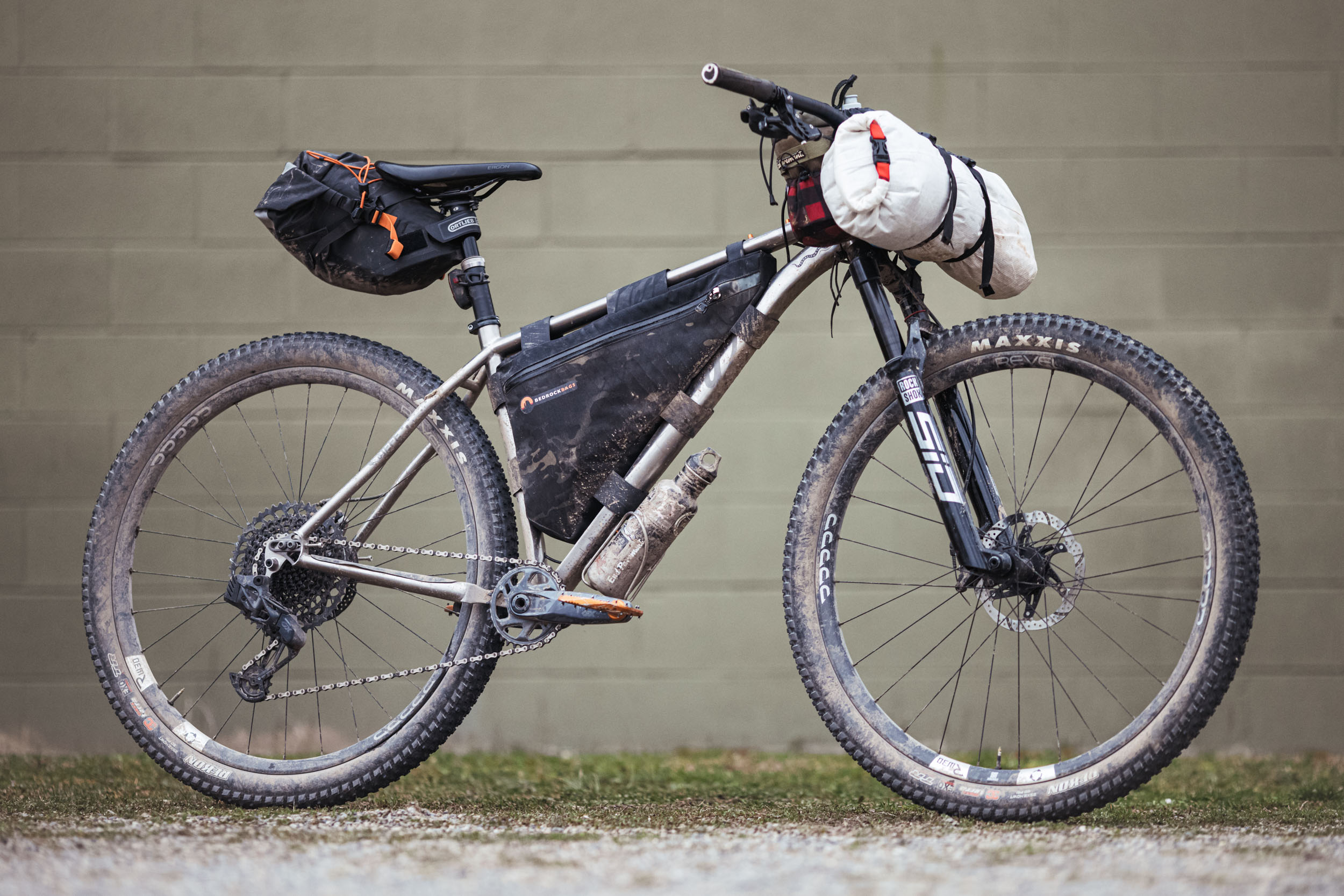
The Singular Spitfire, like my Why S7, has a playful ride feel that feels equal part snappy and springy. The more energy you put into it, the more it bounces back, making it extremely fun for zipping around tight singletrack, rallying into berms, and hammering out of corners. The short 425mm chainstays and relatively long front end (but not as long as some of my recent hardtail reviews) created a nimble and compact platform. However, with slightly more stack height—and the addition of riser bars—I found myself in a comfortable upright position that was still pleasant during long rides and out on extended, multi-day bikepacking exploits. It never felt like I was forced into racy cross-country riding position, although it has the potential to be set up that way if that’s what you’re after.


The only time I missed a longer, better tracking front end was during chunky, steep climbs and descents. It pedaled well, but sometimes I found the handling to be a little too twitchy. Of course, this comes from someone who’s been riding more progressive mountain bikes almost exclusively for the last few years, so it’s no surprise that it felt different. With the addition of a handlebar bag and bikepacking gear, the twitchiness was substantially subdued. And when loaded up, the Spitfire was one of the most comfortable mountain bikes I’ve ridden all year.
From the standpoint of speed, harkening back to its namesake, the Spitfire’s geometry felt efficient, particularly when paired with fast-rolling tires. I found myself zipping through rough gravel, doubletrack, and cruisy singletrack with precision that I can only imagine is reminiscent of the control and agility of a Splitfire plane—slicing through the air ahead.
As for frame details, I would have added rear rack mounts if this was a frame built for me. Of course, each frame is made-to-order, so Singular could easily add them upon request. Thankfully for strictly testing purposes, there are plenty of dropper-friendly bags and minimalist racks available that don’t require rack mounts.

The Proof is in the Puds
Instead of dedicating several paragraphs to the Spitfire’s build kit, I thought it would be a better use of my time to talk about Singular’s approach to design. Tom Powell summed it up well in his shop visit with Sam at Singular, when he wrote, “Singular is synonymous with elegance and innovation in the cycling world.”
Every Singular we’ve shared here on the site, whether it’s a Reader’s Rig or a new model announcement, has an unmistakably clean aesthetic that I imagine resonates with a lot of people. Instead of making bold claims or pushing loud marketing tactics, Sam has stayed true to what he believes in and creates bikes he likes to ride. For Sam, it’s about getting away from the business of everyday life, loading up for a quick overnighter or weekender when he can, and keeping his designs simple and functional for their intended purpose. In the case of the Spitfire, it’s meant to be fast, efficient, and comfortable, and Sam nailed that.

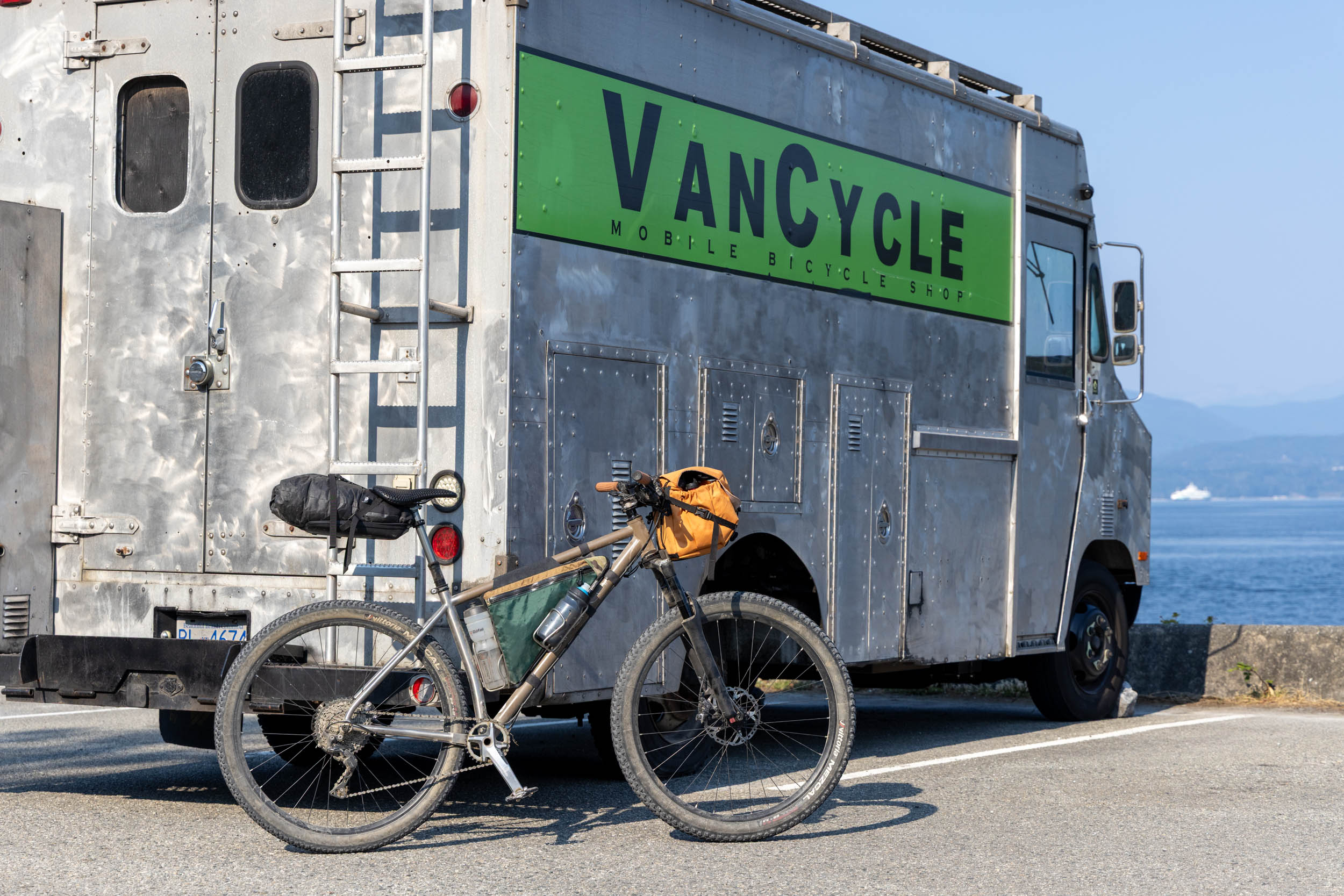
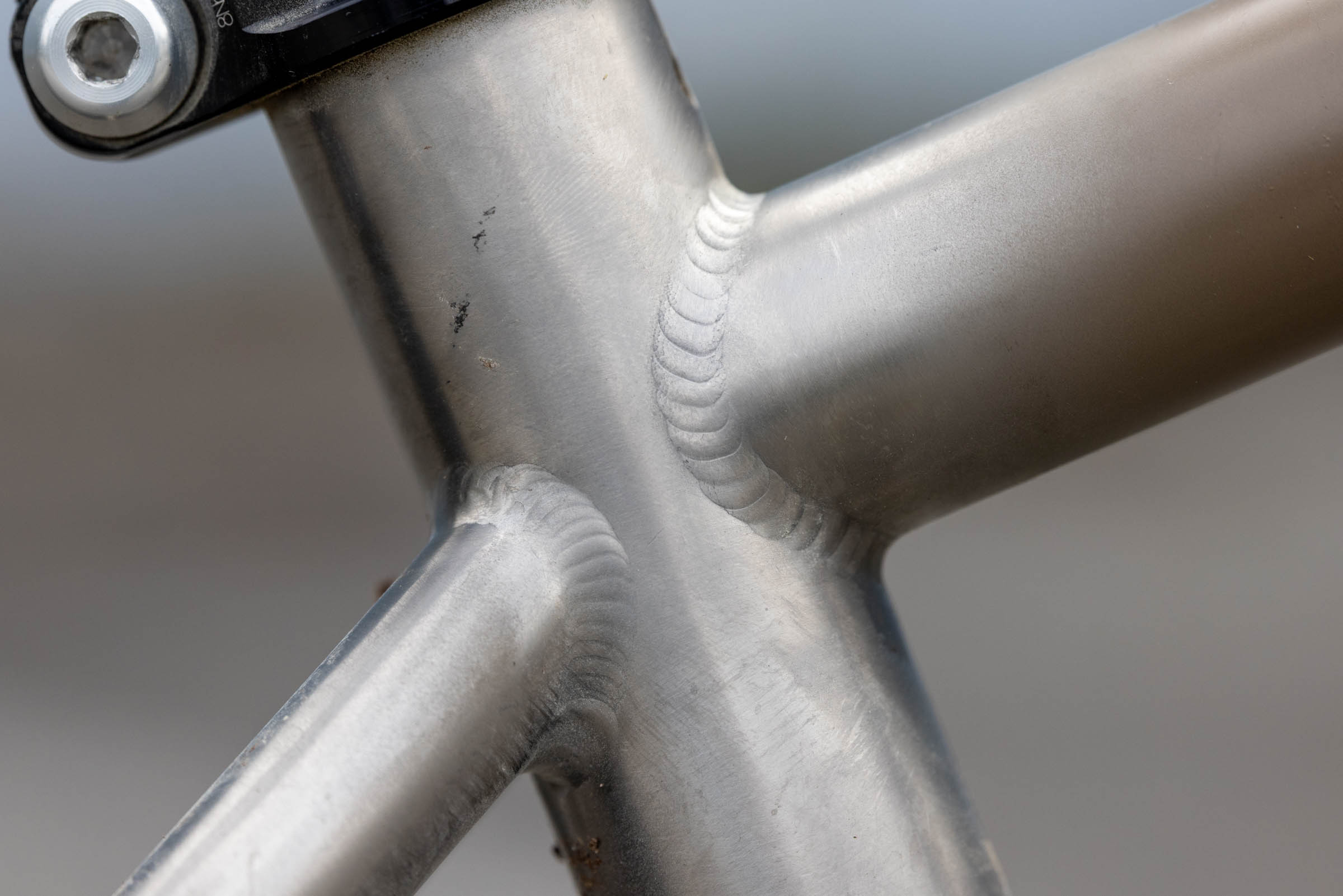
The aesthetic of the frame also aligns with Singular’s vision. I love its timeless, clean lines, slightly curved seat stays, simple dropouts, and the brown-to-raw titanium fade that I can only assume is a homage to its namesake’s British military dark brown aesthetic. The downtube-routed cables are clean and easy to access, and there aren’t really any specs or choices that leave me scratching my head. A closer look at the frame reveals flawless welds and an attention to detail that only comes with experience.




Build Kit
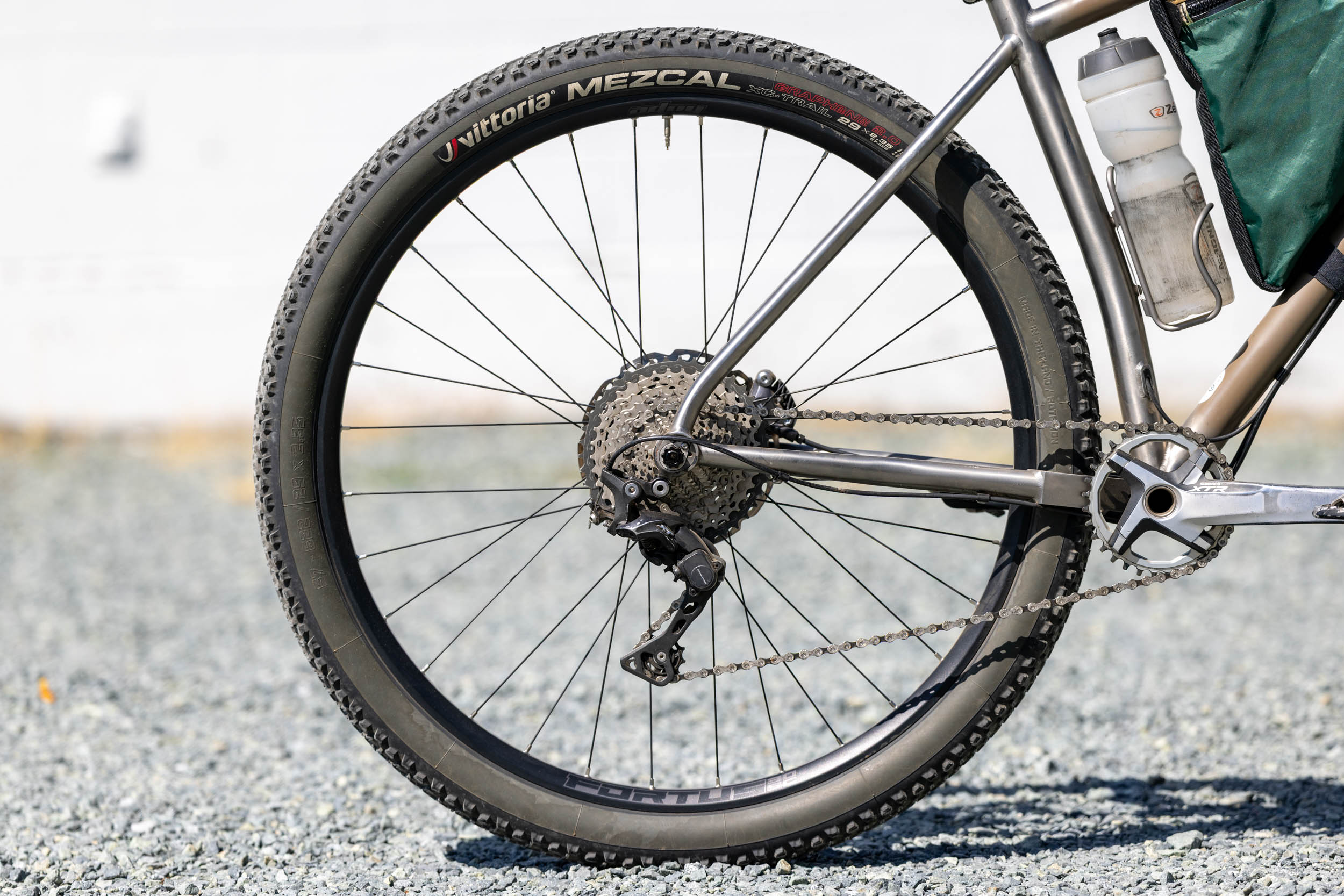
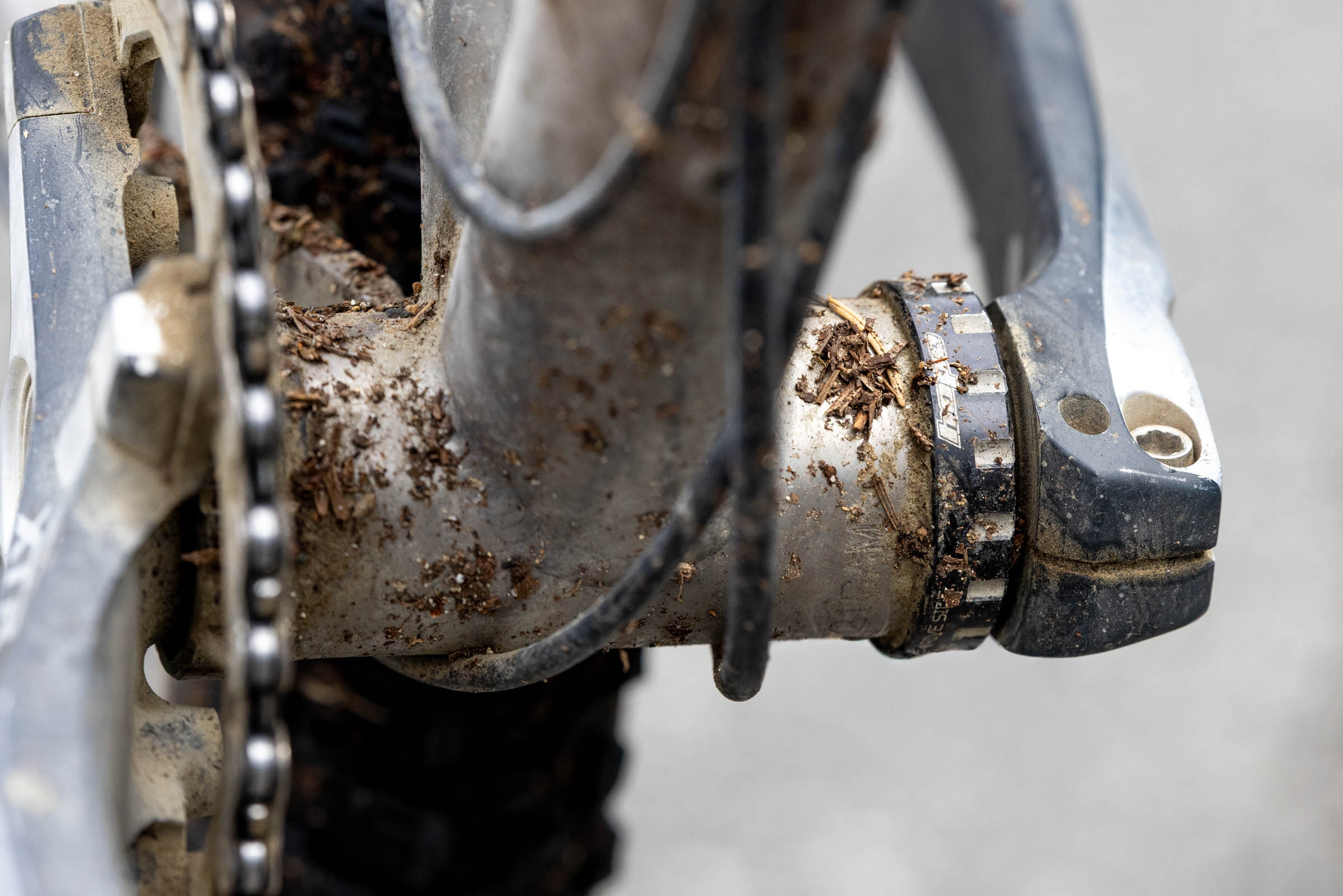
The build kit leans into the idea that flashier isn’t always better. When I first unpacked the bike, I was a little worried to see well-loved parts almost everywhere on the bike. I’m far more accustomed to brand-new bikes arriving with the latest and greatest parts, so seeing old XTR cranks with years of foot rub caught me off guard. I decided to ask Sam about the build, and he spoke fondly about the high-quality Hope parts and the high-value X-Fusion dropper post and fork. I respect Sam for not slapping the latest and greatest parts on frame, which can sometimes distract the rider from what’s actually important: the frame.
- Frame: Singular Spitfire, Cerakote to raw ti fade finish
- Fork: X-Fusion
- Hubs: Hope Pro 5 32h
- Rims: Hope Fortus 30
- Tires: Vittoria Mezcal 29 x 2.6″
- Headset: White Industries
- Dropper Post: X-Fusion
- Crankset: Ancient XTR
- Bottom Bracket: Hope
- Brakes: Shimano XT, Four Piston
- ShifterShimano XT
- DerailleurShimano XT, 11-Speed
- Cassette: Shimano XT, 11-42T
- Saddle: Brooks C17
- Handlebar: Stooge Moto Bar


Purchasing a Spitfire
Ordering a custom frame from Singular starts with either an in-person conversation or online chat. Once all the details are hashed out, Sam provides a detailed frame drawing for approval. From there, the customer pays a 50% deposit, and the finished frame is delivered between 10 and 12 weeks. Custom titanium frames are made by their manufacturing partner in China.
For US-based customers, Singular also has a US workshop. The US location is hidden in the back of the Chris King factory in Portland, Oregon, and is operated by Stefano Spedini, who also runs Biciclista. It serves as a distribution center, a workshop for custom builds, and a showroom with a small fleet of demo bikes. The workshop is open for visitors by appointment only, as Stefano is only there part-time. You can book your initial appointment with Sam here.


The price for a Spitfire frame starts at £2,500 ($2,500 USD), including custom geometry, tube selection, and any required braze-ons. Some options come with an additional charge, such as EBB insert, internal cables, internal headset, or custom finishing. Singular offers finish options including anodising, wet paint, or Cerakote that can be applied to custom frames or other bikes. The price itself seems very reasonable for a custom frame from a brand with nearly two decades of experience. Several production titanium frames, including the Revel El Jefe and Esker Hayduke Ti, retail for the same price as a Singular.


- Model/Size Tested: Singular Spitfire (Large)
- Weight: 28.5lbs (12.9kg)
- Place of Manufacture: China
- Price: $2,500 USD (frame only)
- Manufacturer’s Details: SingularCycles.com
Pros
- Handmade with custom geometry, tubing, and frame specs.
- Lively, responsive ride quality with geometry that suits it
- Clean, timeless aesthetic
- Extremely competitive pricing when compared to production titanium frames
- Nearly two decades of framebuilding experience and attention to detail that shows
- One of the most efficient pedalling hardtails I’ve ridden
Cons
- Currently only available as a custom, made-to-order frame, not a production bike
- Twitchy handling on climbs takes some extra attention
- Personally, I’d opt for a slacker head tube angle for a do-everything hardtail where I ride, but that’s personal preference
- Handmade in China, if that’s important to you
Wrap Up
One thing I admire about smaller makers in the bike industry is that their brand identity has such a significant impact. Although big bike brands play an essential role, I doubt people are choosing their bikes because of the owners or the people who make them. Brands like Singular, on the other hand, are a direct extension of the individuals behind them, which makes it far easier to feel connected. It’s easy to track the evolution of smaller operations and find a bike that aligns with your values, which makes it far easier to decide where to spend your money. Honing in on those makers is part of the fun.
The Singular Spitfire stays true to Sam’s wheels-on-the-ground style of riding, which is something I align with myself. I’ll pop off a little jump or drop now and again, but for the most part, I value how stable and pedalable a bike is over its over huckability. A lot about the Spitfire reminded me of one of my all-time favorite and oldest bikes, the Why S7. It simply seems to want to move forward, and it feels energetic and responsive—like the more you put into it the more you receive. This style of bike makes a great all-rounder here in the Pacific Northwest, handling rough logging roads, light singletrack, and nearly everything in between with style and grace. The fact that I had this experience on a custom bike that wasn’t built for me makes me think anyone would be in good hands when choosing Sam for their next dream bike.
Further Reading
Make sure to dig into these related articles for more info...

Please keep the conversation civil, constructive, and inclusive, or your comment will be removed.