

 Singletrack/MTB
 Gravel/All-road
 Dirt-road Touring
 Fat-bike

Sklar PBJ Review: What an ATB Should Be?
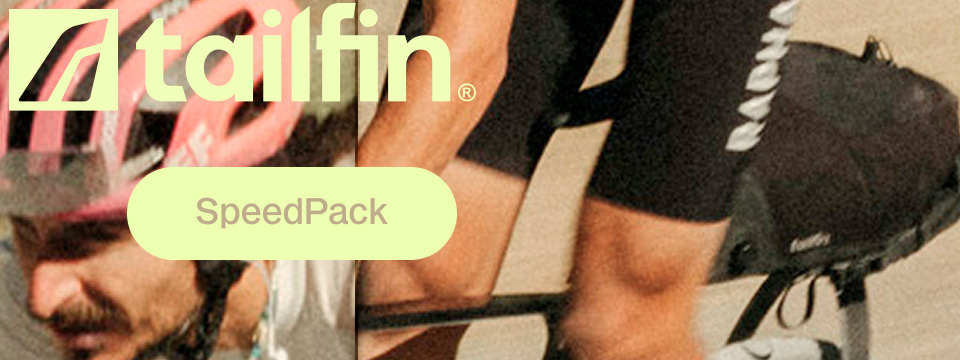


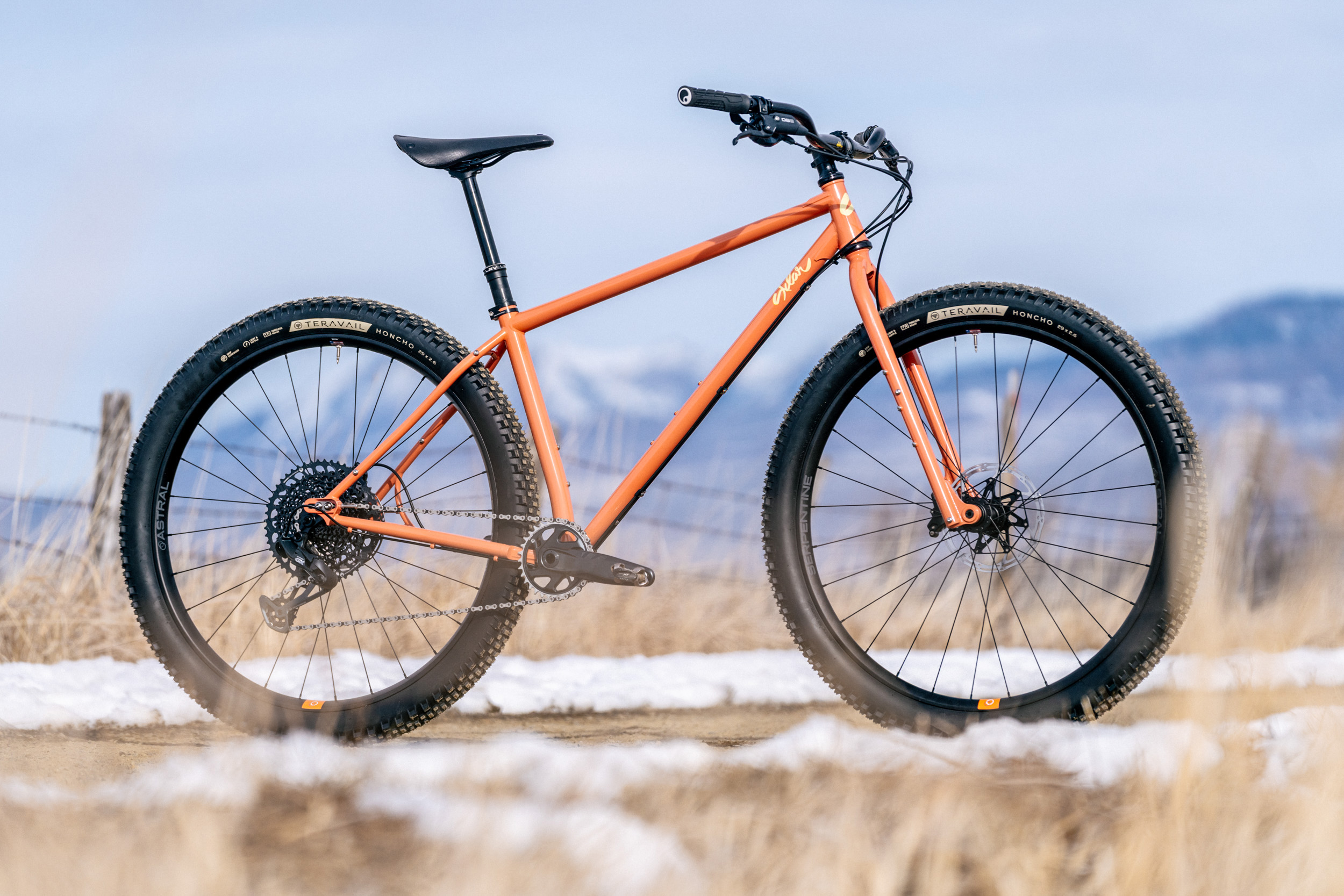
Featuring a thoughtful design, a standout steel fork, and exceptional ride quality, the Sklar PBJ is a unique production ATB that offers a refreshingly simple yet highly capable platform for riding a wide range of terrain. After 350 miles of testing, learn why it left a lasting impression and renewed Neil’s appreciation for what a well-executed rigid bike can do. Find his full Sklar PBJ review here…
PUBLISHED Mar 18, 2026
I’ll admit that there’s one style of bike I’ve been pretty bad at testing. Despite being a great platform for bikepacking, the rigid flat-bar bike is a category I’ve largely ignored over the last few years. Some call them ATBs. That distinction isn’t all that important, but what is important is my time on the Sklar PBJ, a unique take on the genre. In the video and written reviews below, I share all the details on Sklar’s third production bike and my overall experience riding it.
A Style of Bike I’ve Mostly Ignored

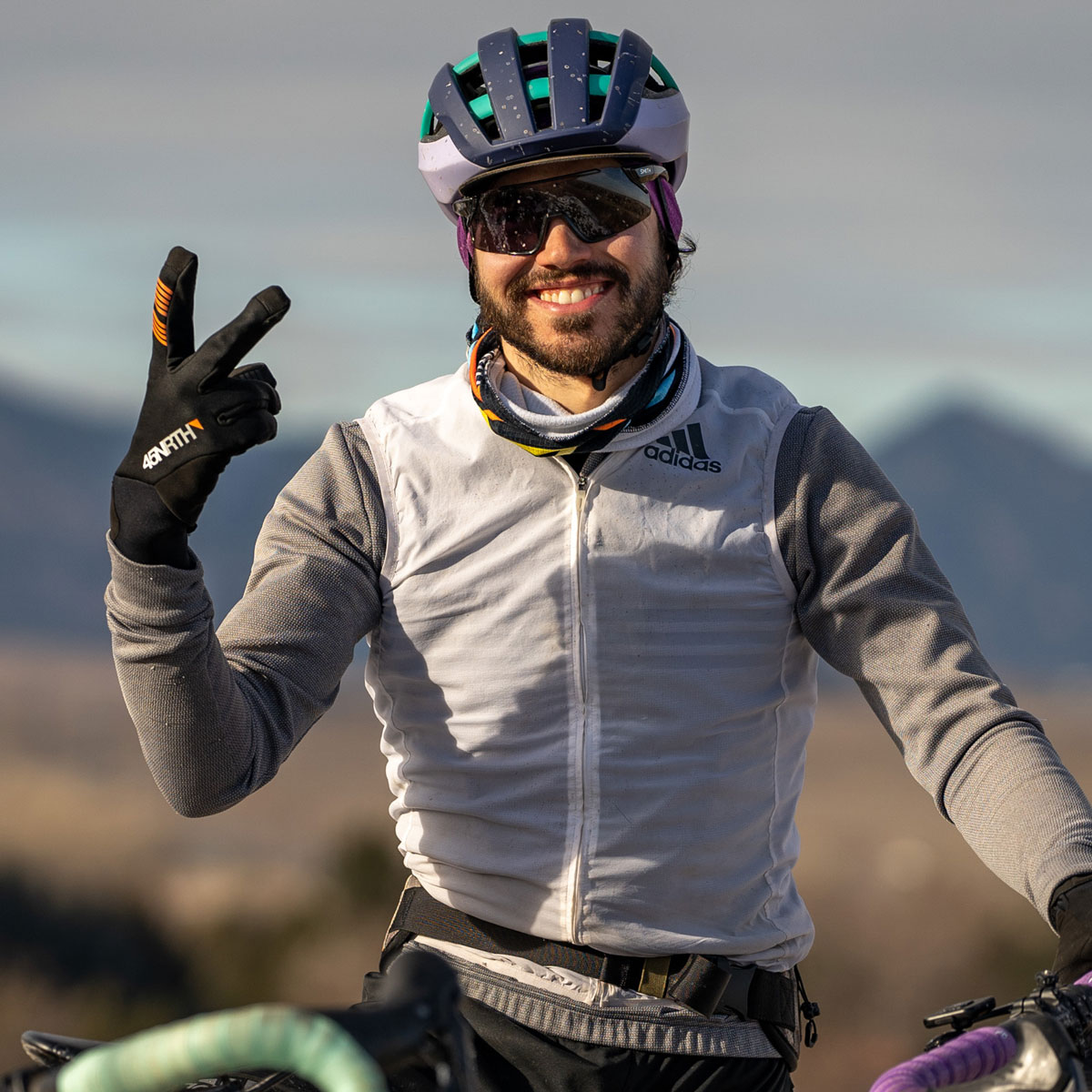
As I’ve mentioned over the last few months, I’m a mountain biker first. However, that doesn’t mean much these days. I’ve tested countless drop-bar bikes, both narrow and wide, and plenty of mountain bikes over the years, both full-suspension and hardtail. I don’t like to pick a favorite. So many people bikepack and ride in so many different ways, and that’s why I continue to ride the full spectrum of bikes.
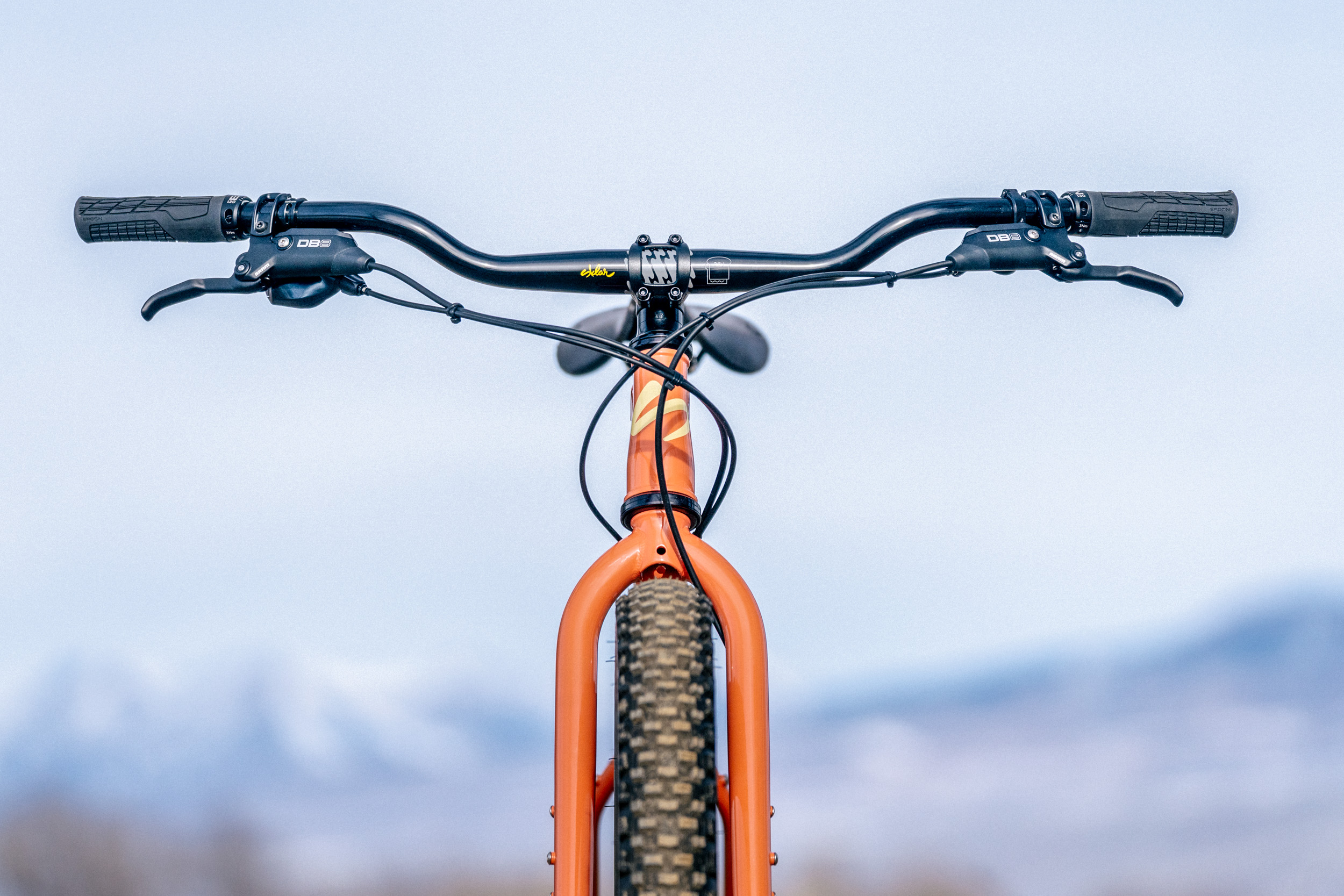
But, there’s one type of bike I haven’t spent much time on: the rigid flat-bar mountain bike, otherwise known as the all-terrain bike (ATB). When it comes to bikepacking, it makes a lot of sense on paper. It’s a practical platform for loading up gear and can handle all kinds of terrain. But Adam Sklar, the man behind Sklar Bikes, put a twist on this bike style, and it’s no surprise that, despite its simple design, it offers a somewhat unique and complex ride quality that I don’t think I’ve experienced in any other category.
Sklar Bikes Background
For the longest time, Adam ran a dedicated custom brand, working directly with customers to build their dream bikes. Choosing that path meant walking away from a more traditional engineering career after studying mechanical engineering. It was a good decision, but it came with its challenges.
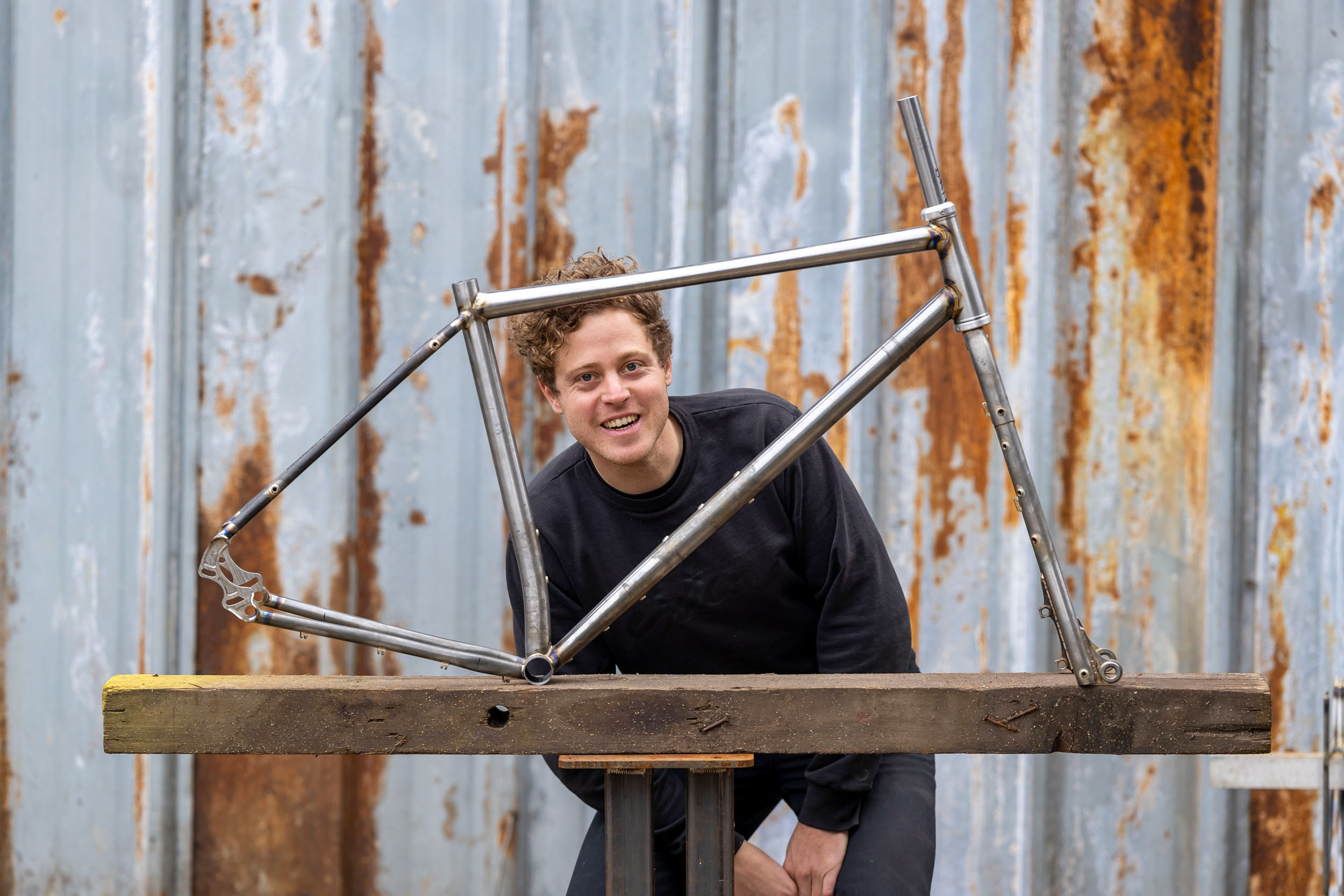
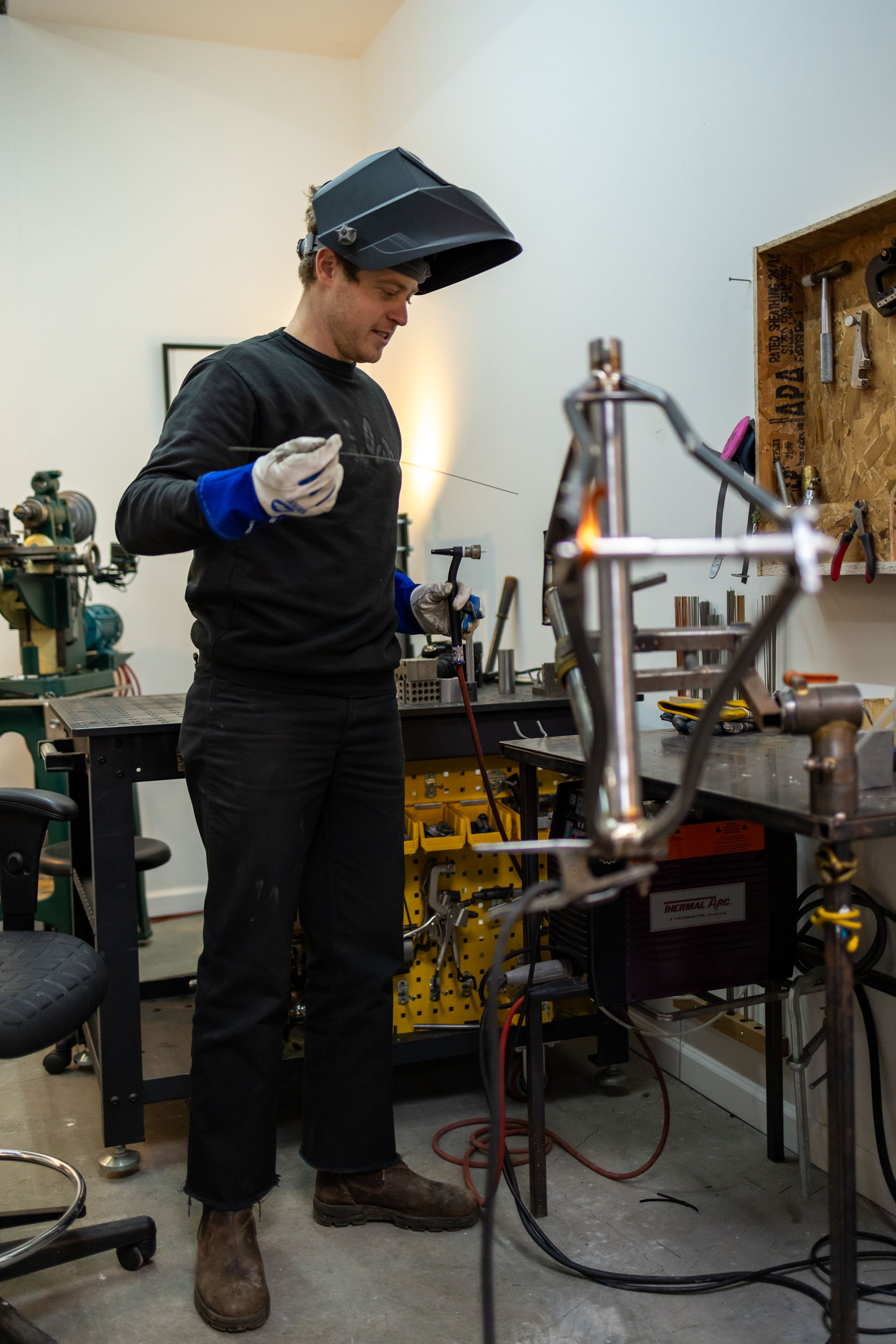
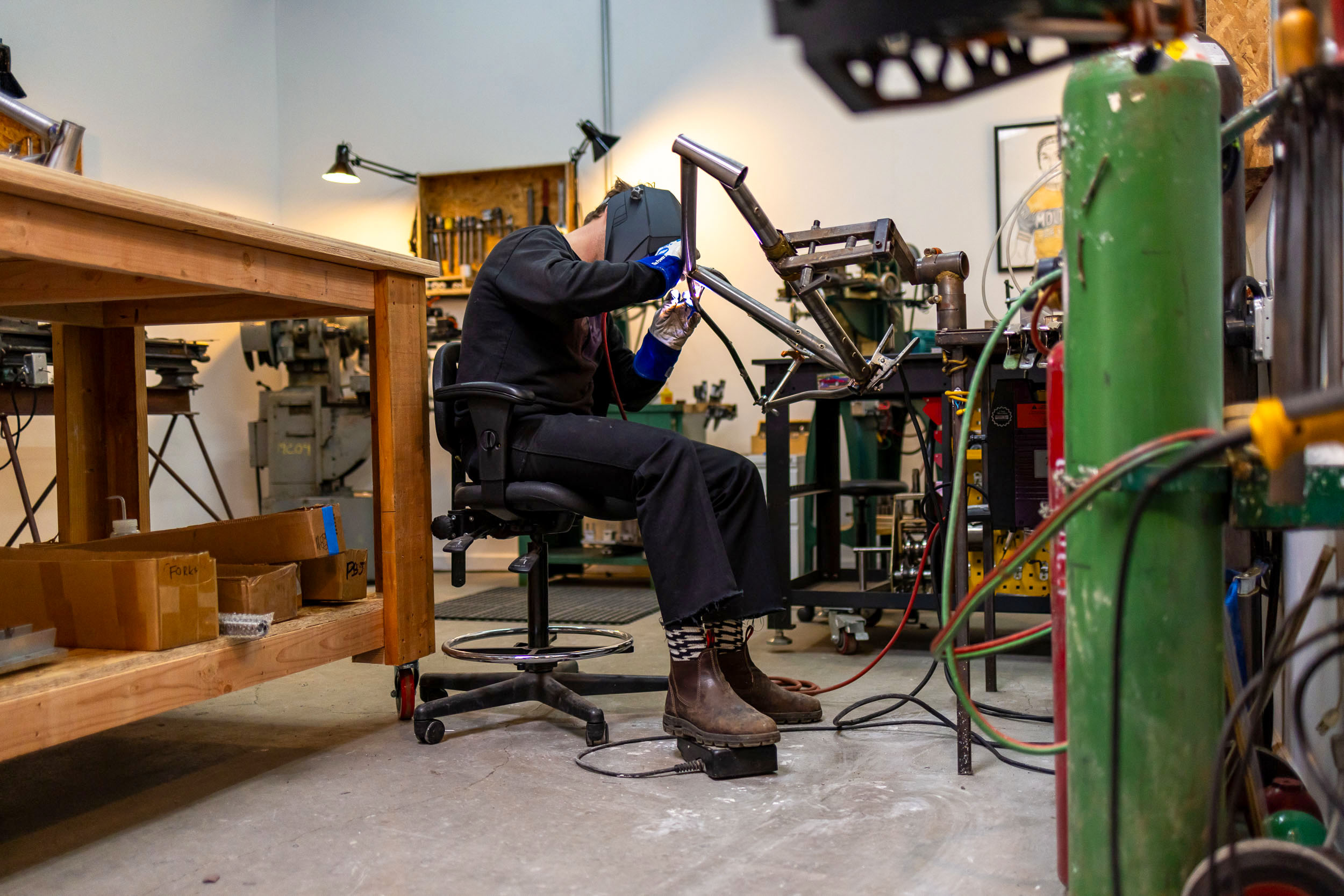
At the peak of his time as a custom framebuilder, Adam was building around 50 frames a year. That meant communicating with 50 customers and designing 50 completely different bikes. As you might imagine, the waitlist grew longer and longer, and eventually the workload led to burnout. In 2019, he shifted to producing small-batch, non-custom bikes. That gave him a chance to gauge interest in a different model. With that success, he started considering Taiwan-made production bikes. Eventually, he took that leap and began shipping his first production bike, the Super Something, in 2023. Despite his longer custom background, Adam’s small-batch and production history is still relatively short, but it’s been successful enough that he hasn’t taken a custom order since 2019 and has no plans to.
PBJ History
The PBJ is his third production model. Adam is proud that he’s no longer just a framebuilder; he’s running a full bike brand. It’s a pretty compelling one at that, considering how many people have been asking me about the PBJ. It’s been teased in several of my videos and reviews over the past few months. And even though the production version only became available toward the end of last year, the concept isn’t new.
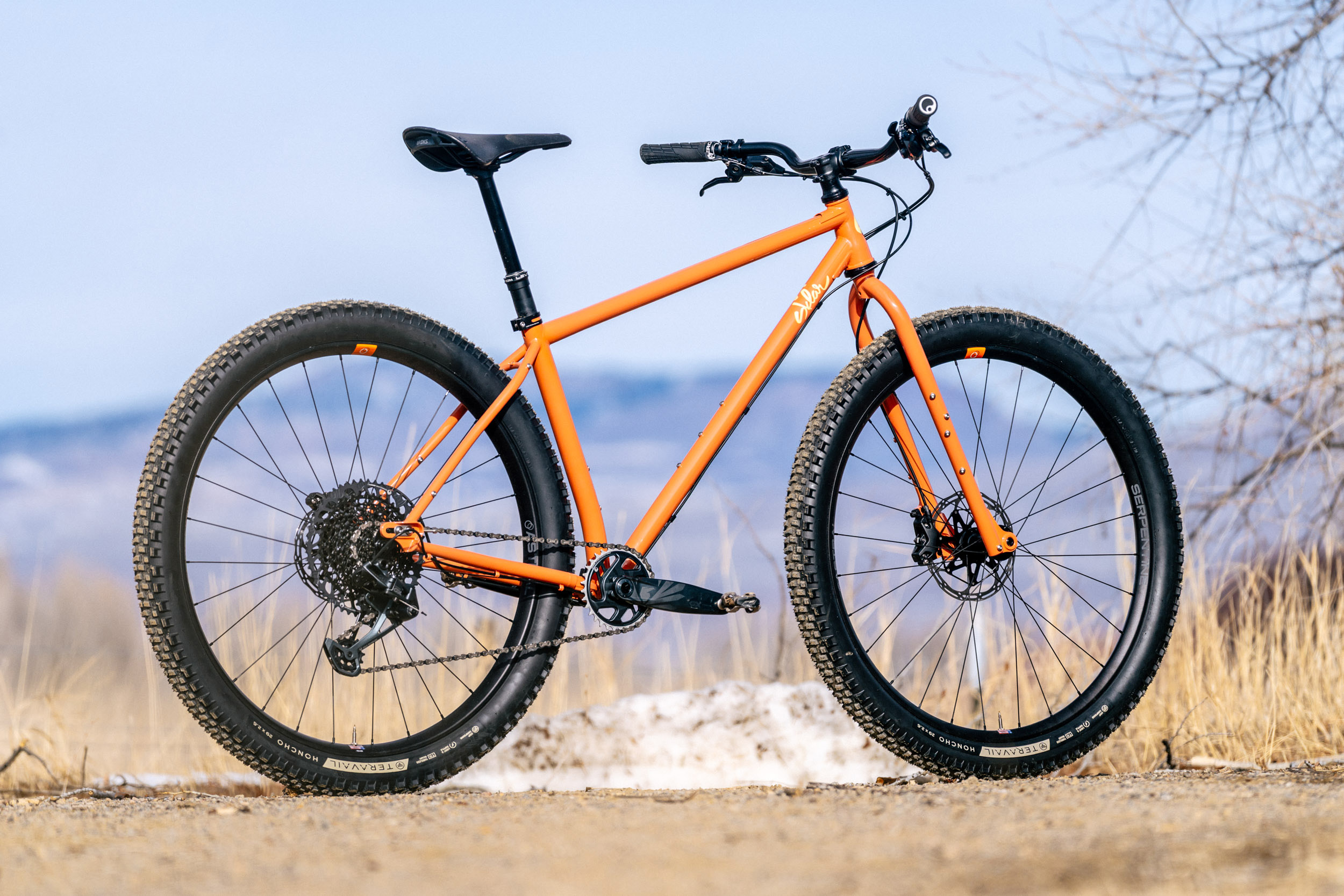

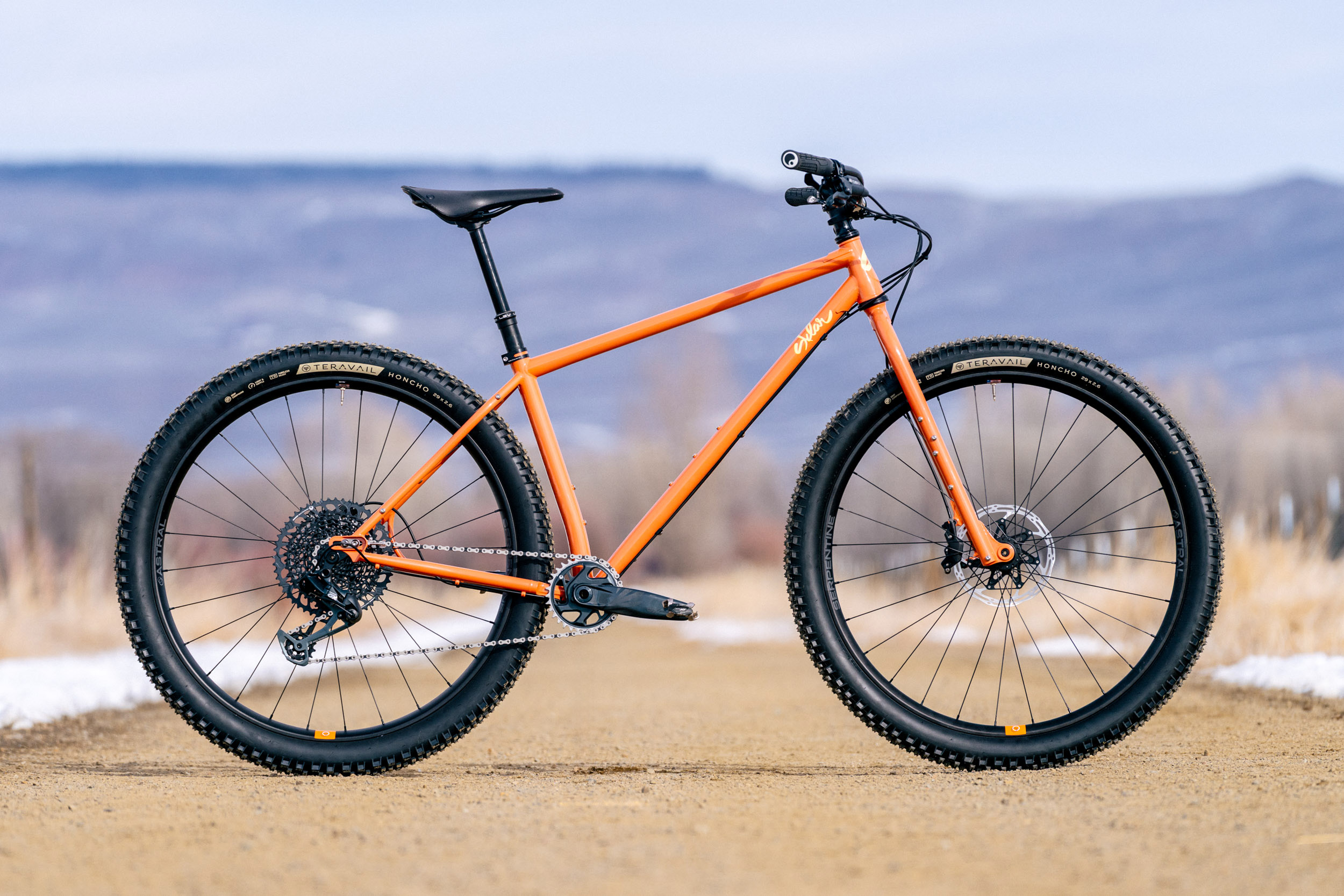
The PBJ is based on a prototype Adam originally built for himself in 2019, which eventually turned into a small batch of US-made versions in 2023. From the start, the idea was a rigid or short-travel mountain bike that could act as an all-rounder—an ATB. In many ways, the idea hasn’t changed.
The PBJ in Focus
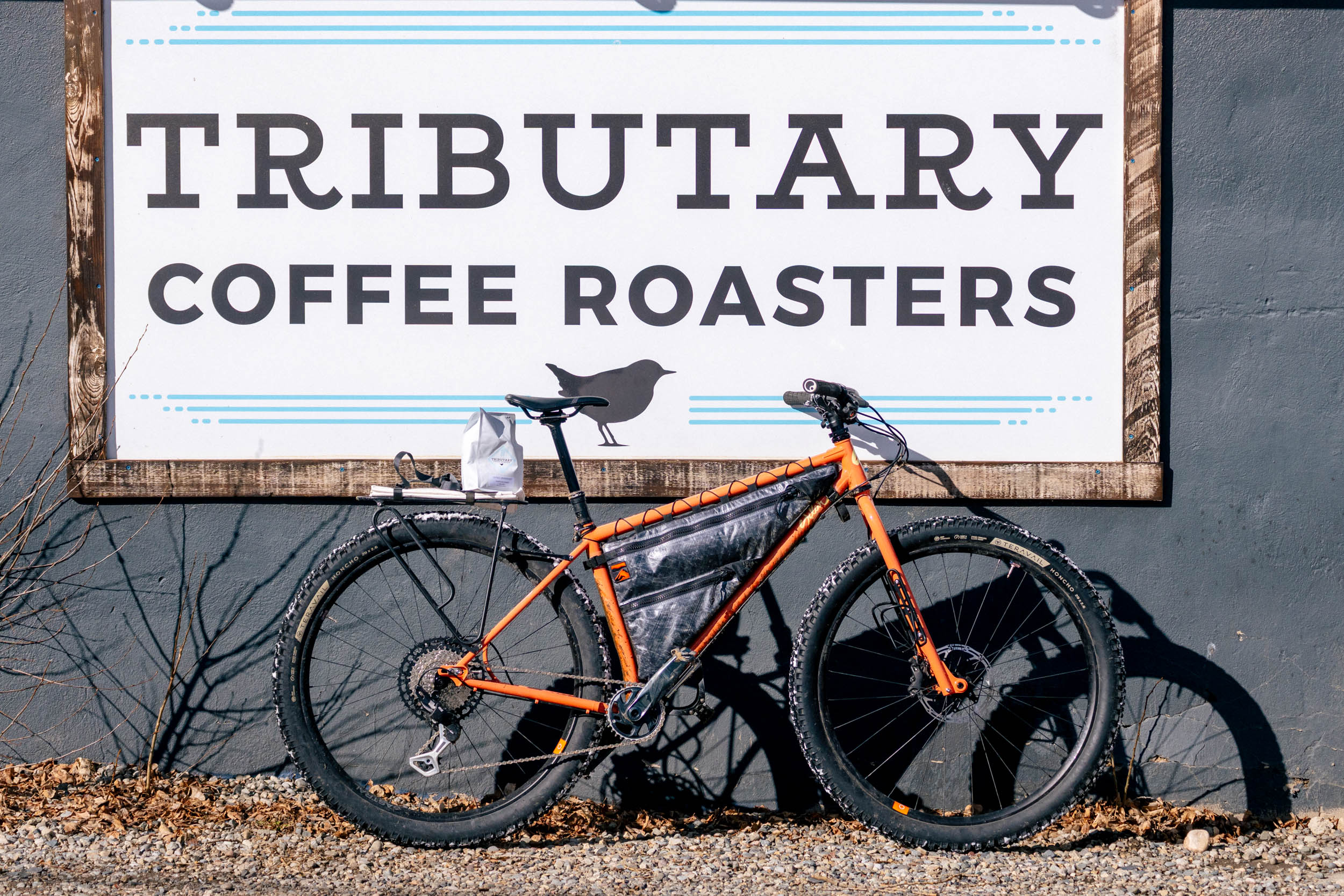
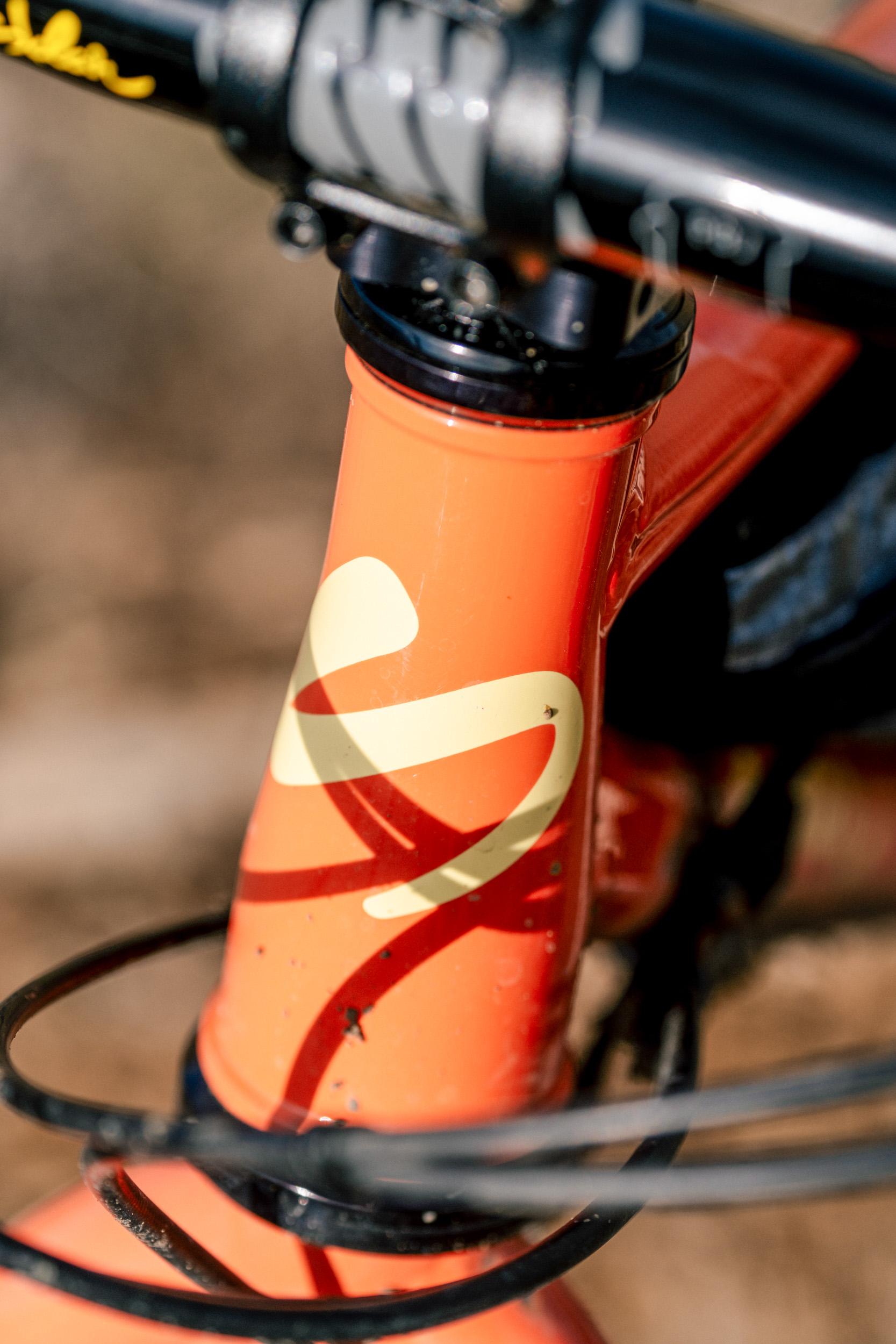
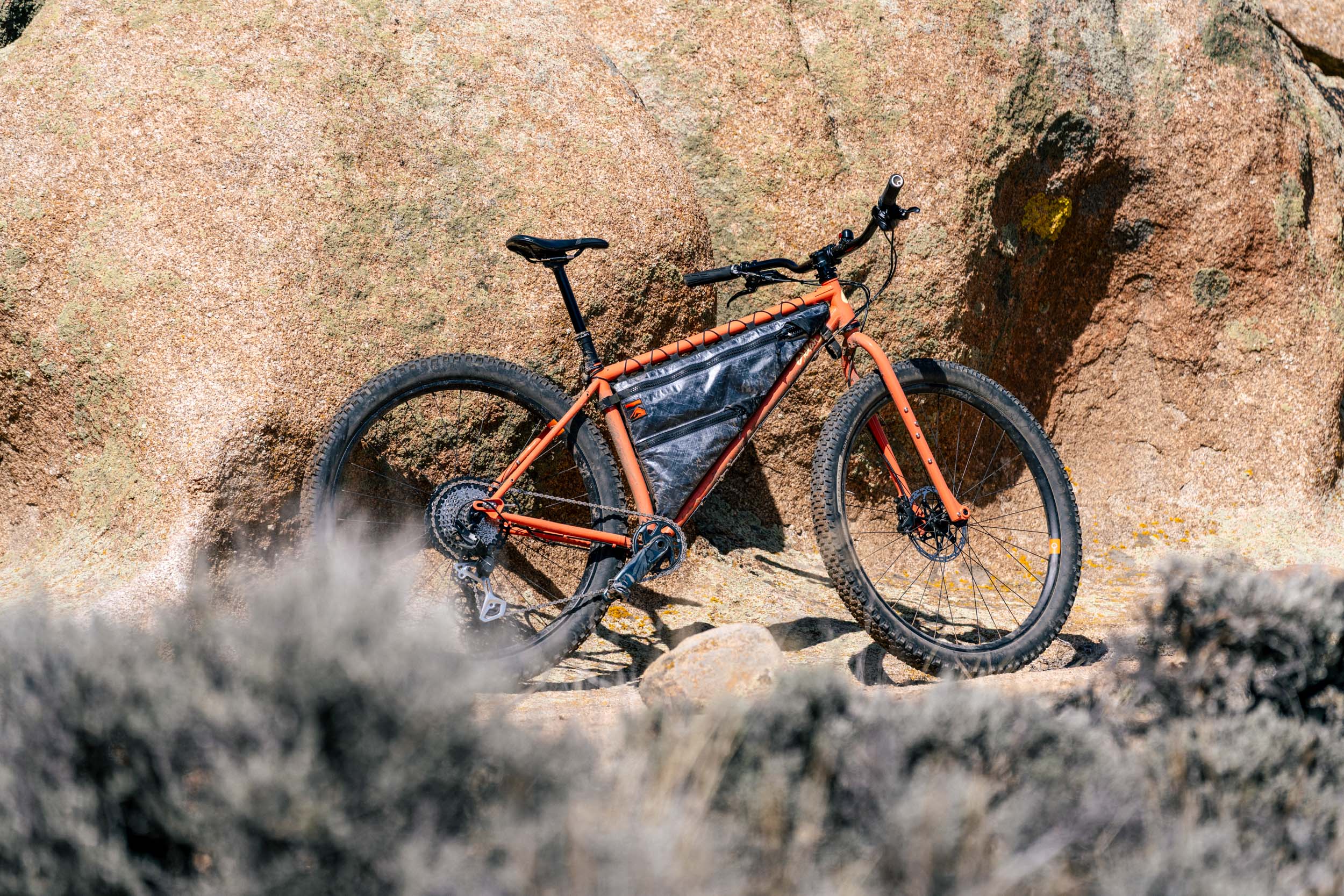
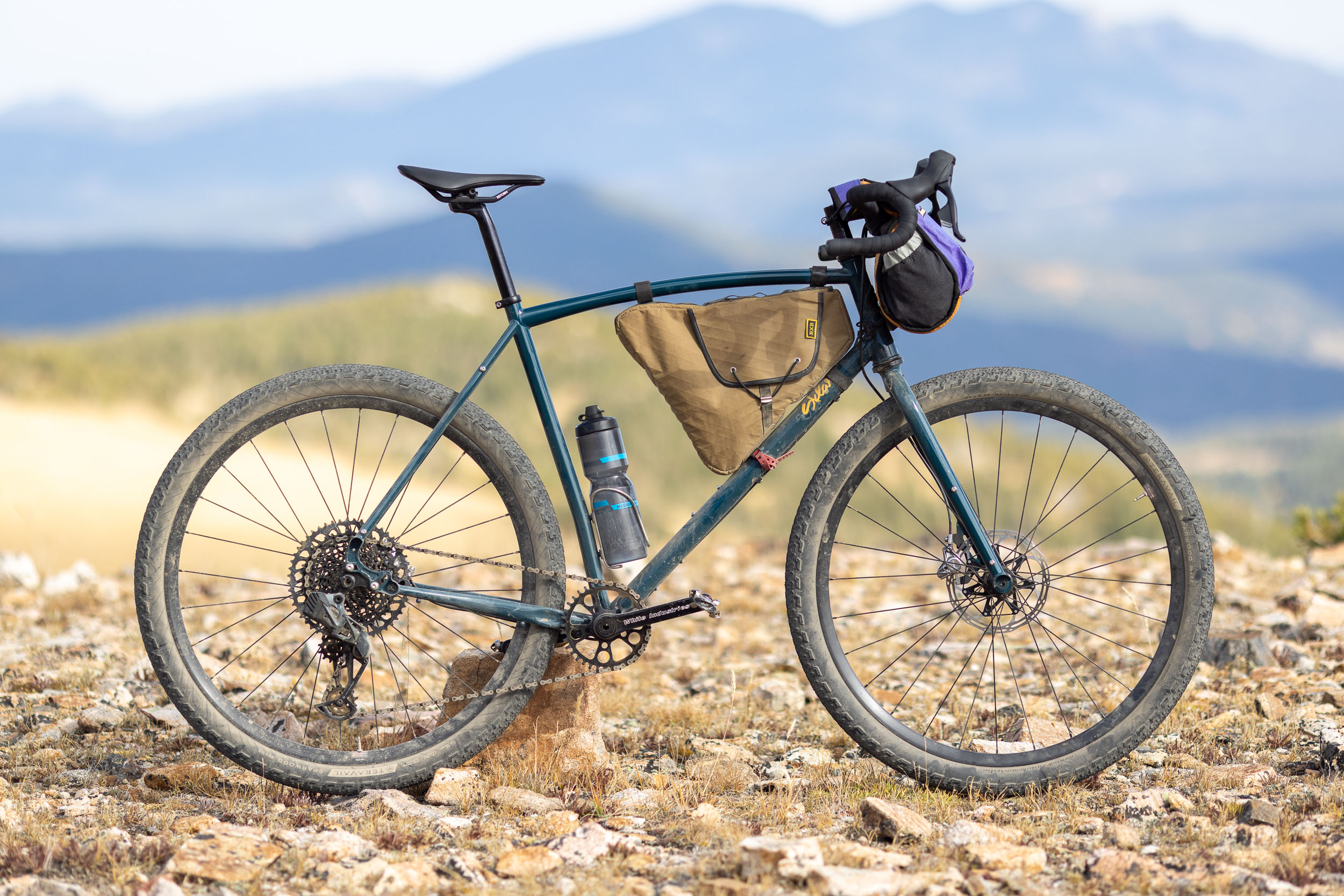
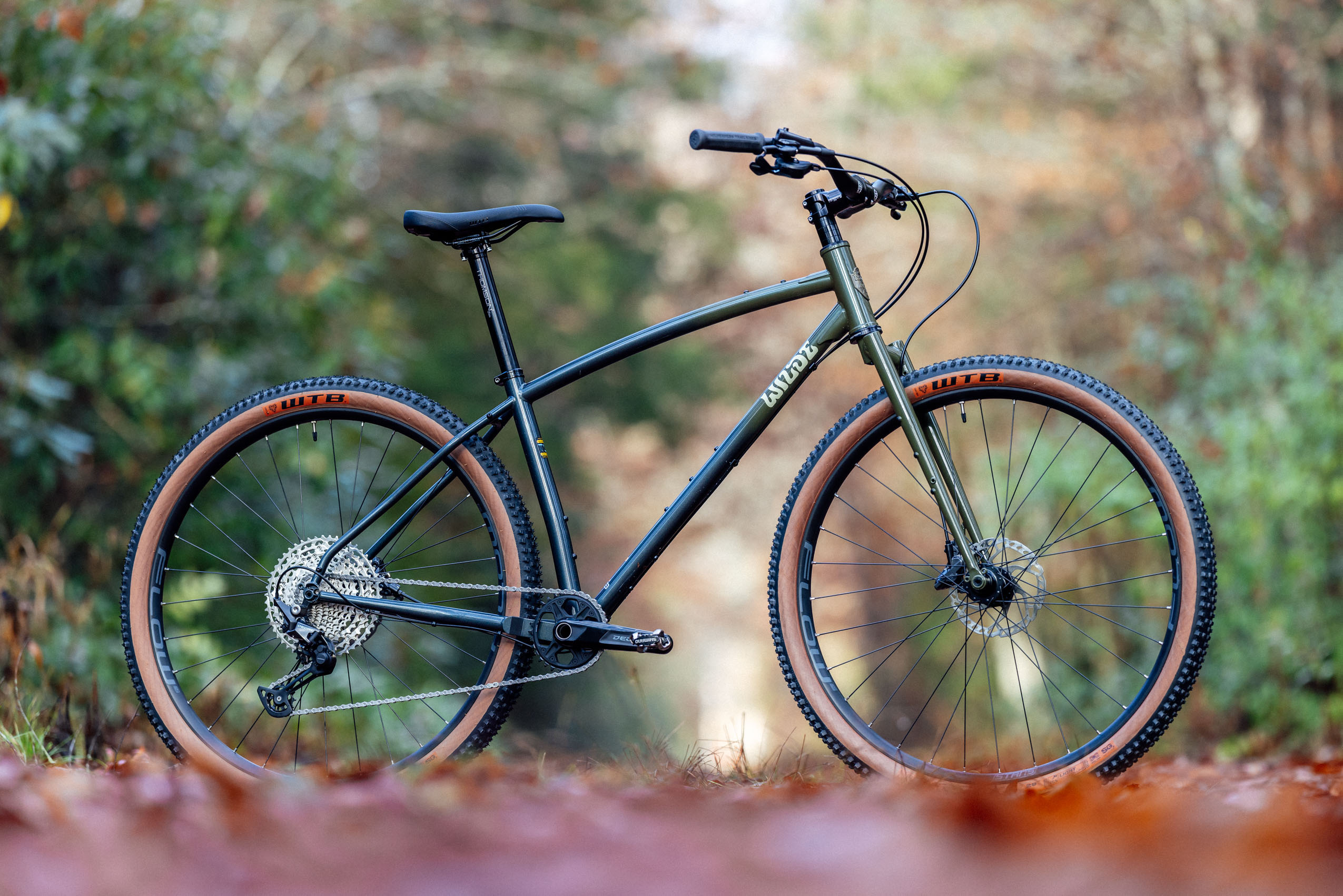
In short, the PBJ is, as Adam puts it, “Sklar’s rigid mountain touring all-arounder fun all-terrain bicycle.” PBJ stands for Performance Basket Jammer, and despite the naming convention, I never actually used it with a basket. Instead, the “performance” part of the name stood out to me more than anything, but more on ride quality in a bit. The PBJ is made from double-butted chromoly with size-specific tubing, meaning each frame size is tuned to maximize ride quality across the size range. While the top tube isn’t bent like some of Adam’s other frames, the design still aims to deliver the laterally stiff, vertically compliant ride quality thanks to the ovalized tubing profile. Another interesting detail is the ovalized down tube near the bottom bracket, which helps with heat distribution during the welding process while also increasing stiffness in that area.
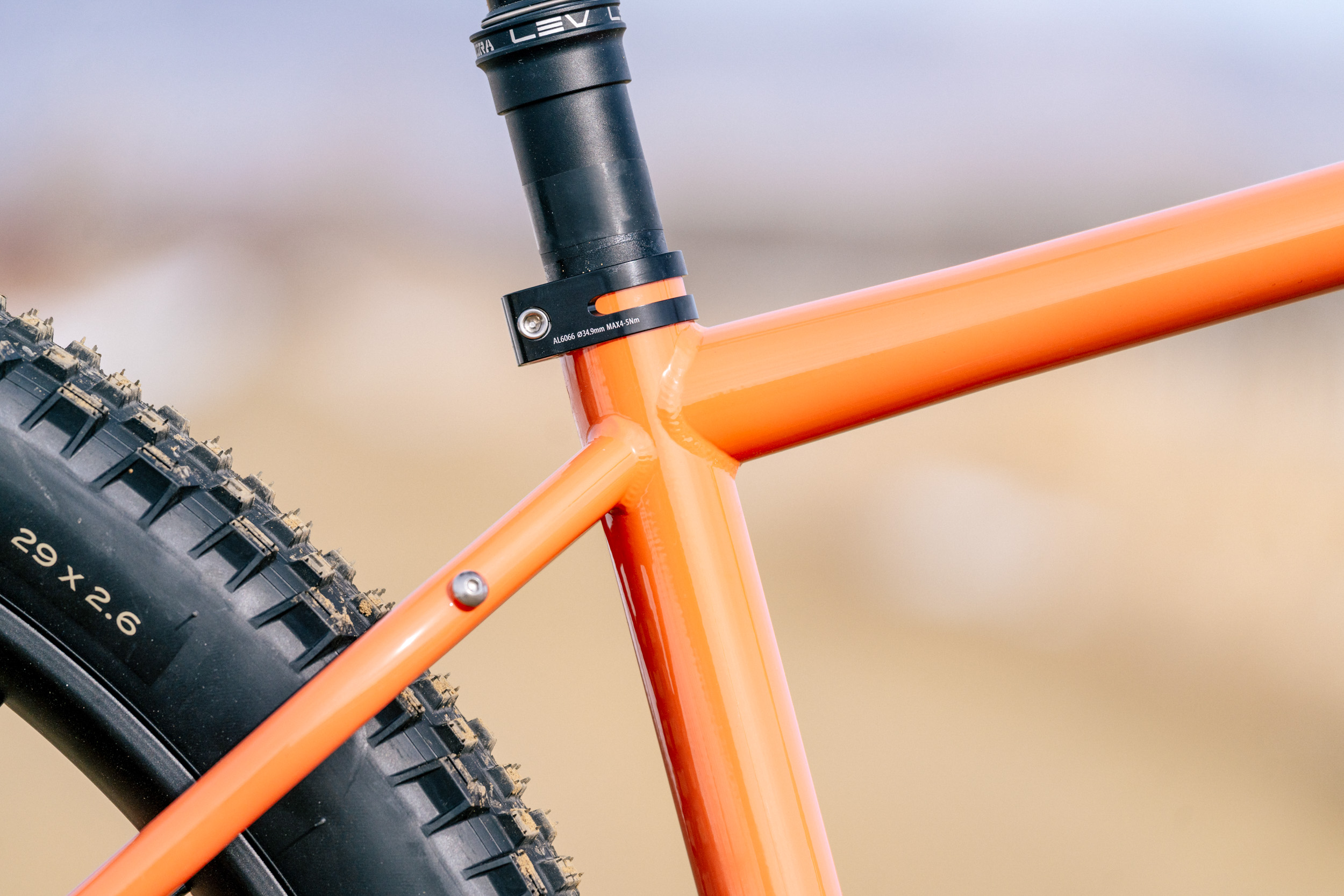
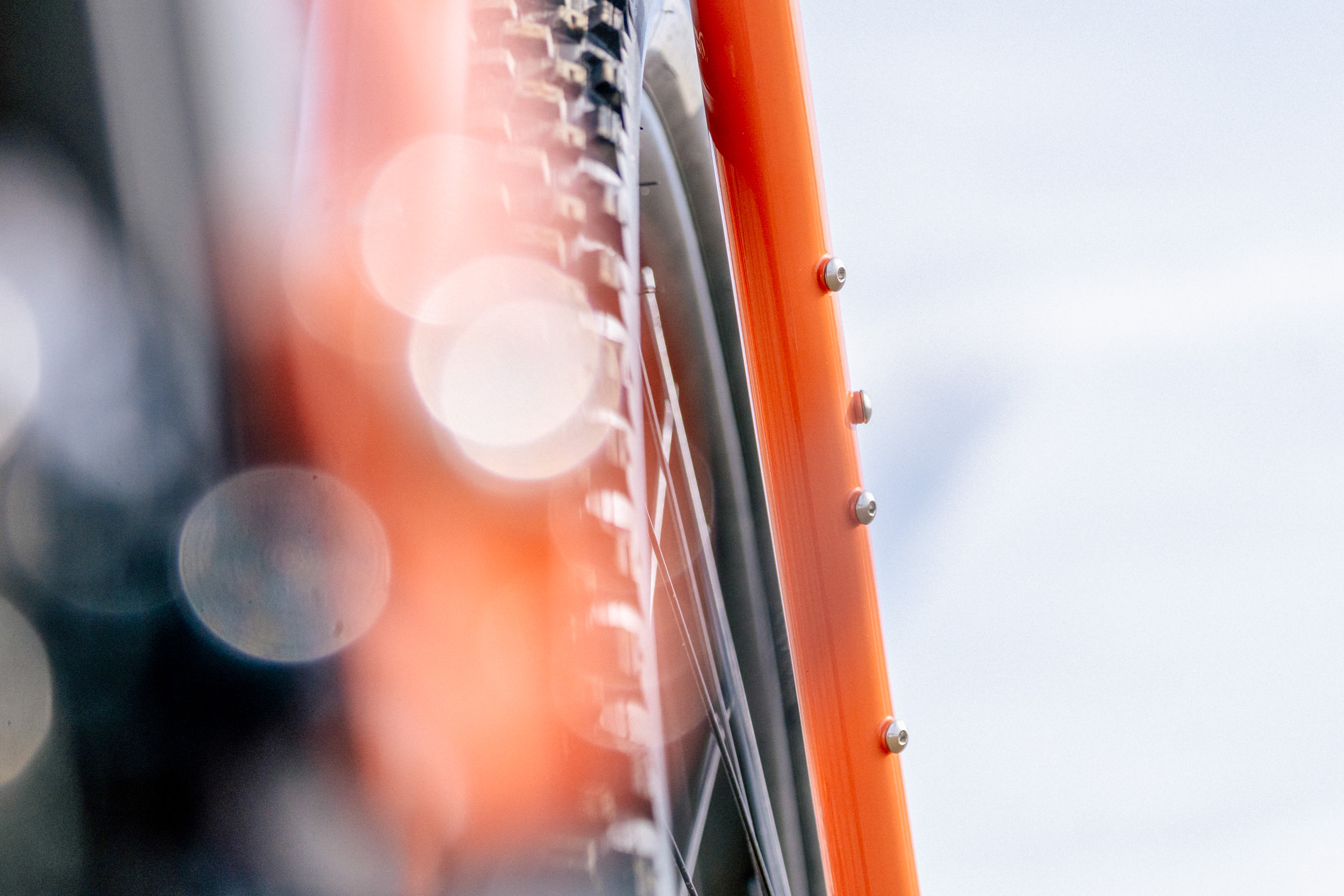
Speaking of that area, the bike uses a BSA-threaded bottom bracket and a 31.6mm seatpost, with internal dropper routing that enters on the non-drive side. Also worth noting here is that the chainring size maxes out at 36T. Moving to the rear triangle, the PBJ is built around Boost spacing and uses adjustable dropouts that let you adjust by about 25mm, allowing users to experiment with drivetrain setups and chainstay length. The frame is designed for 2.6-inch tire clearance, but you could probably squeeze in a 2.8-inch tire if you wanted, thanks in part to the cast rear triangle yoke.
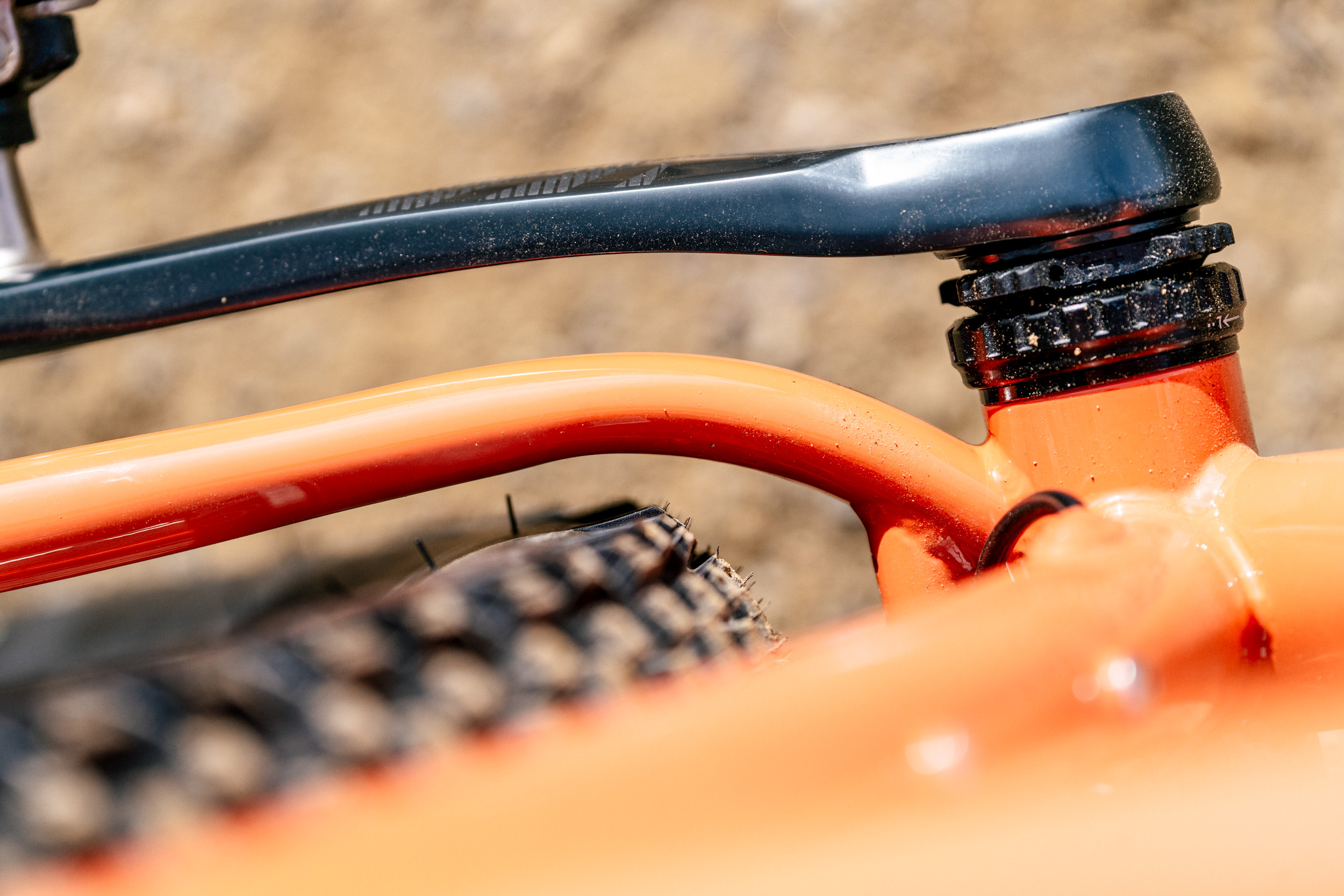
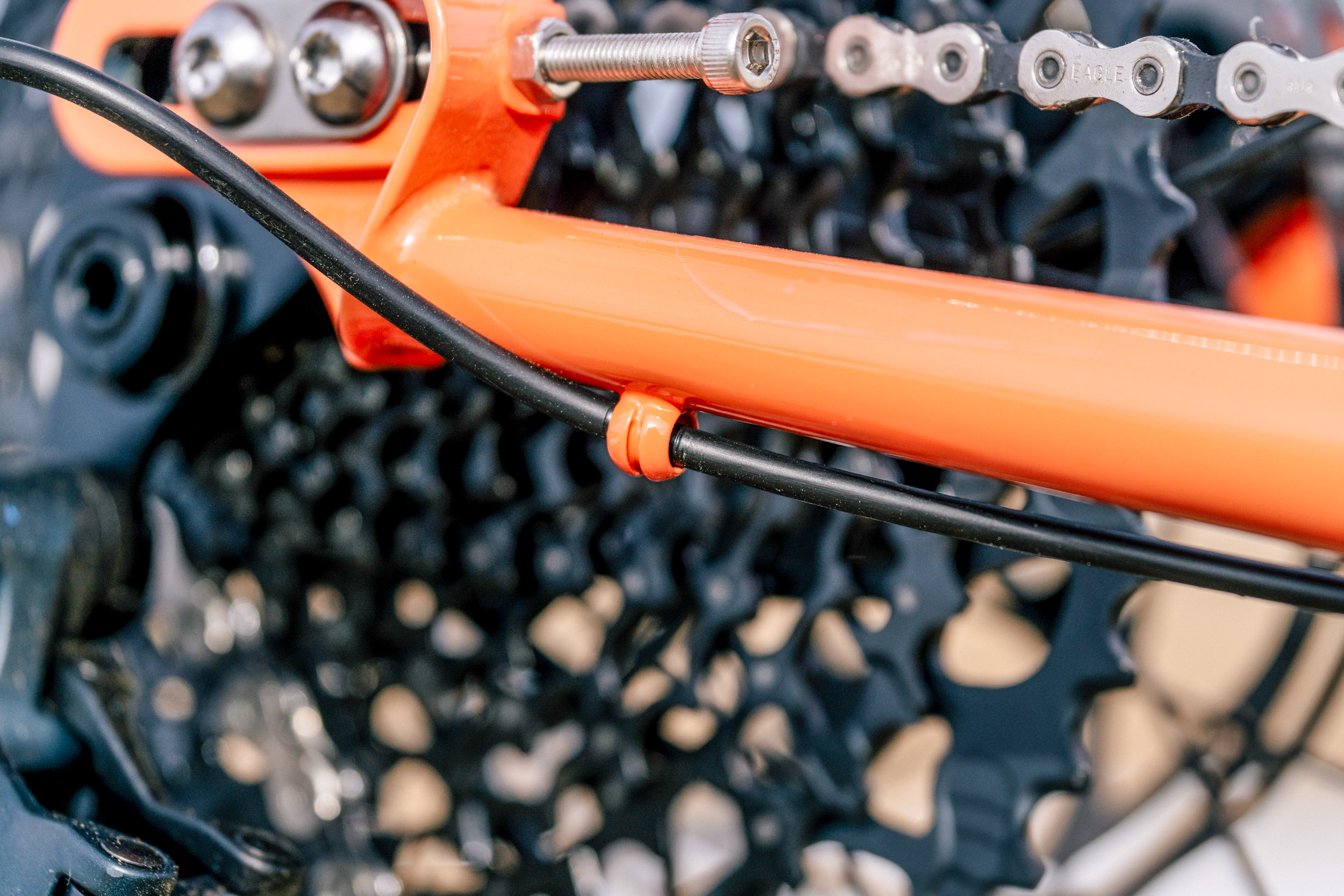
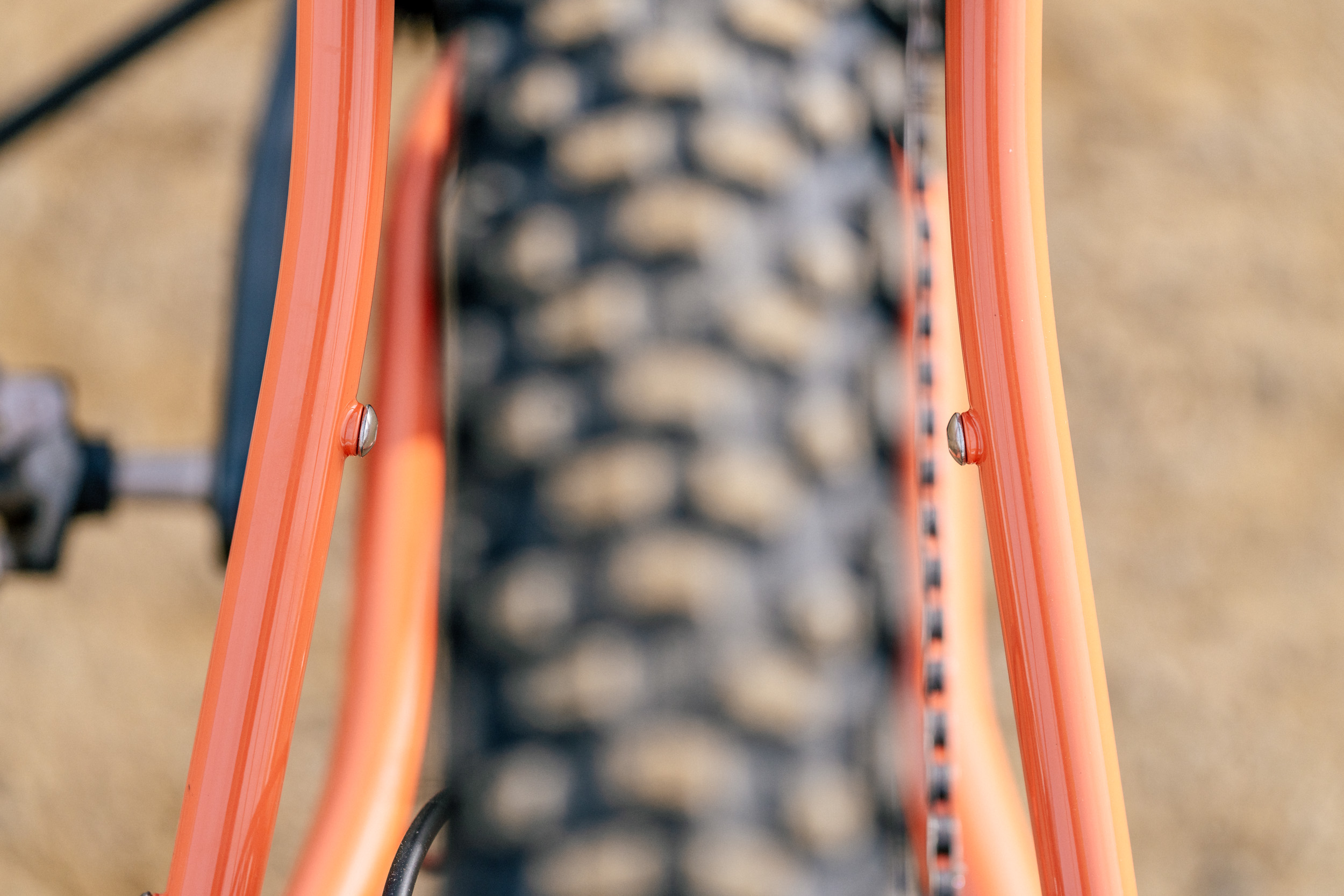

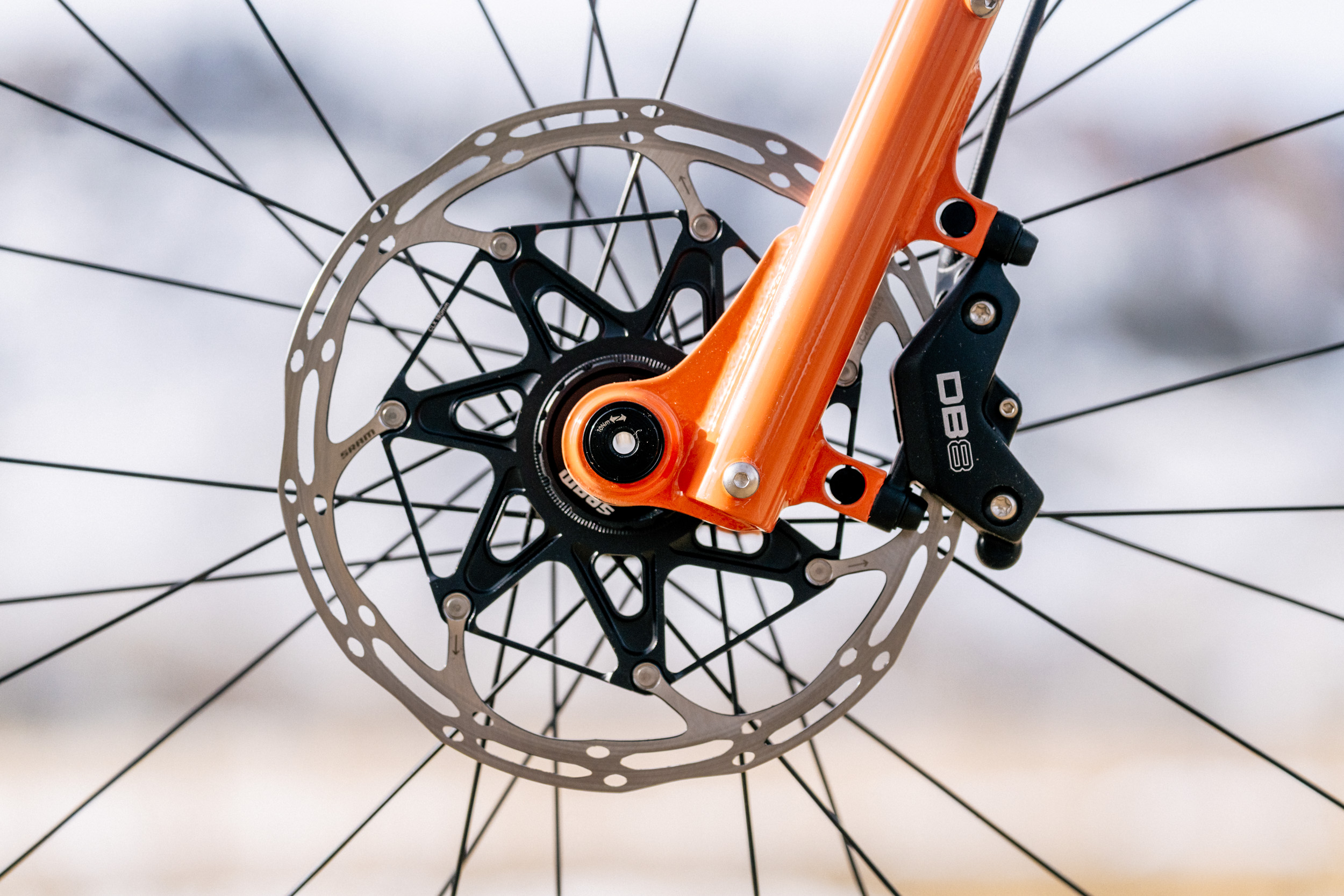
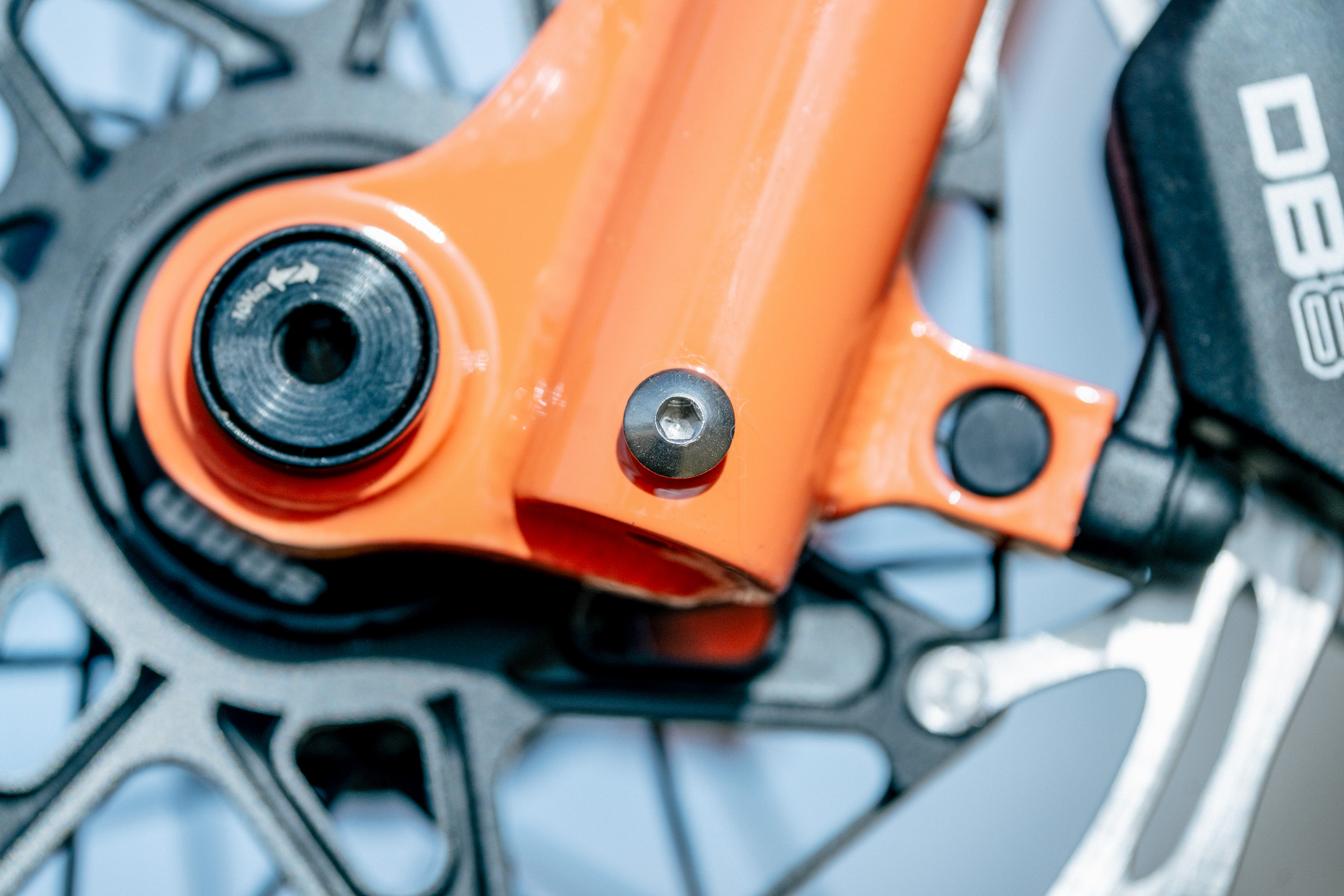
The chainstays are asymmetric, and the seatstays are size-specific: larger sizes get slightly larger-diameter seatstays, and smaller sizes get thinner ones. The goal here is to keep the ride quality consistent across the size range by maintaining similar flex characteristics regardless of frame size. All bikes ship with standard derailleur hanger dropouts, but Sklar also offers single-speed dropouts or UDH compatibility if you want to run a drivetrain like a SRAM Transmission. The frame uses a 160mm native post-mount brake standard in the rear, paired with a 180mm post-mount on the fork, with fully external cable and brake routing.
Speaking of the fork, it’s really the bike’s special sauce, or maybe the special jam in this case. It uses a unique butting profile that keeps it strong while still offering surprising compliance. As you’ll read later, it’s probably one of the best steel forks I’ve ridden. It also comes with plenty of mounts and uses cast BMX-style dropouts with 110mm Boost spacing. The fork is suspension-corrected for a 100-110mm fork and pairs with a tapered head tube. Interestingly, it’s not an oversized straight head tube but a tapered one. At first, I wasn’t totally sold on the tapered setup, as I’ve always liked the look of a straight head tube, but it’s grown on me. An important detail is that the PBJ fork uses a 1 1/8-inch straight steerer, which, according to Adam, helps save nearly a pound and contributes to vibration damping and a responsive ride feel.
Geo and Fit
Looking at the numbers, I tested a medium, and it fit me well. Sklar offers five sizes, from extra small to extra large. They also have a fit finder on their website where you enter your height and saddle height. It doesn’t allow half-inch heights like my 5’9.5”, so I entered 5’9” with a 730mm saddle height, measured from the spindle to the saddle, and the system suggested either a medium or a large. I then bumped the height up to 5’10”, and it still suggested either a medium or a large. I had already ridden my buddy Eric’s bike, which is a medium, and it felt good, so I decided to go that route. However, it’s clear I’m living on the edge of this size.

The bike has a 649mm effective top tube and a 461mm reach, and it’s designed around a short stem. My test bike came with a 35mm stem mounted. The stack comes in at 615mm, which I like. If you prefer a more aggressive riding position, it works well for that, but paired with Sklar’s PBJ riser bar, the riding position becomes a bit more upright and comfortable. So, depending on bar choice, you can set the bike up in a few different ways.
| Size | XS | Small | Medium | Large | XL |
|---|---|---|---|---|---|
| Stack | 574 | 588 | 615 | 641 | 670 |
| Reach | 411 | 433 | 461 | 475 | 508 |
| Eff. Top Tube | 588 | 617 | 649 | 671 | 700 |
| Head Tube Length | 70 | 85 | 110 | 140 | 170 |
| Front Center | 675 | 698 | 730 | 755 | 795 |
| BB Height | 317 | 317 | 317 | 317 | 317 |
| Head Tube Angle | 68 | 68.5° | 69° | 69° | 69° |
| Eff. Seat Tube Angle | 74.5° | 74° | 74° | 74° | 74° |
| Chainstay Length (Min) | 432 | 432 | 432 | 432 | 432 |
| Axle to Crown | 485 | 485 | 485 | 485 | 485 |
| Sus Corrected | 100 | 100 | 100 | 100 | 100 |
| Fork Offset | 52 | 52 | 52 | 52 | 52 |
| Wheelbase | 1098 | 1124 | 1165 | 1182 | 1222 |
| Seat Tube Length | 360 | 410 | 440 | 505 | 530 |
| Standover Height | 720 | 770 | 800 | 852 | 879 |
| BB Drop | 68 | 68 | 68 | 68 | 68 |
As for the angles, the PBJ uses a 69-degree head tube angle on medium and large, 68.5 degrees on the Small, and 68 degrees on the XS. That’s paired with a 74-degree seat tube angle across most sizes, while the XS gets a slightly steeper 74.5-degree seat tube angle. The chainstays measure 432mm in the shortest dropout position, and the overall wheelbase on the medium is 1165mm. The bike also has a 317mm bottom bracket drop, which keeps the center of gravity nice and low for confident handling without being so low that you’re constantly striking pedals on rocks in tighter, technical terrain.
Ride Quality
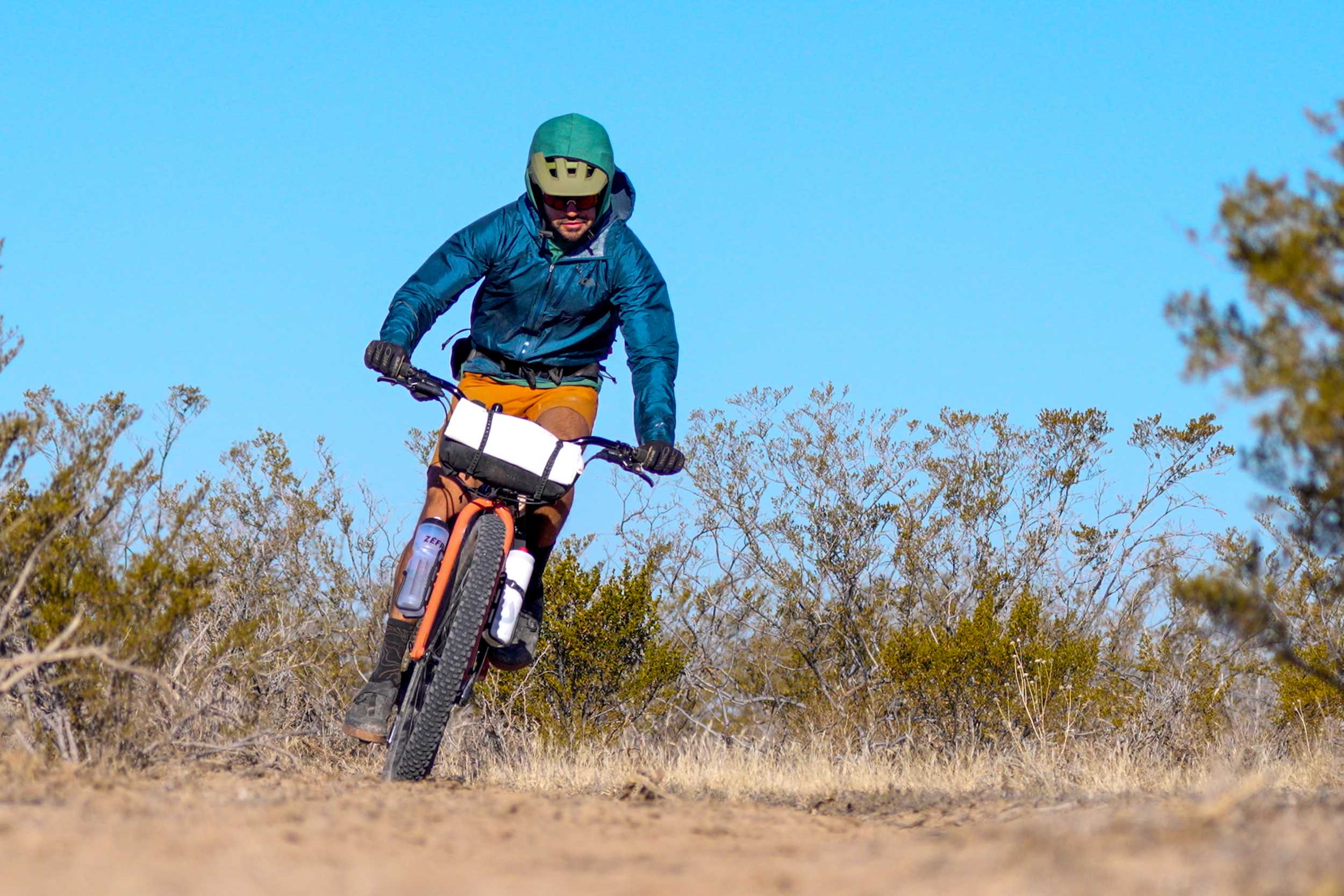
I’ve had this bike longer than most review bikes. Winter is hard. In Gunnison, it usually means frigid temperatures, snow, and ski season. While we did get a bit of that this year, it was short-lived and mild. Even still, having the PBJ throughout the winter was a joy. Not only did it give me more time to understand the bike, but it also gave me time to think about it—and really, this whole style of bike. Despite the mild temperatures and lack of snow, it saw plenty of dirt in New Mexico and, more recently, the record-fast melt-out of dirt roads and singletrack here in Gunnison.
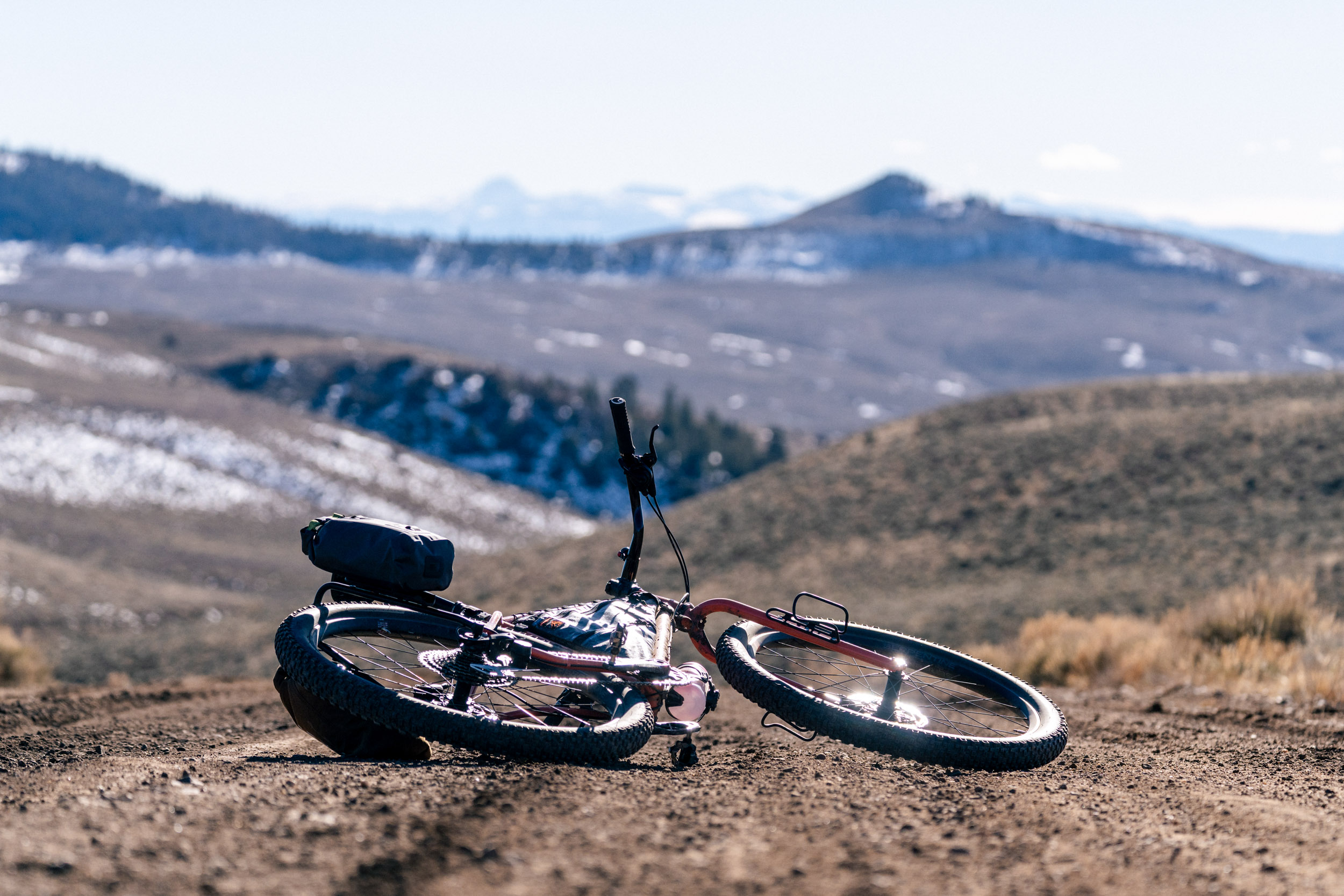

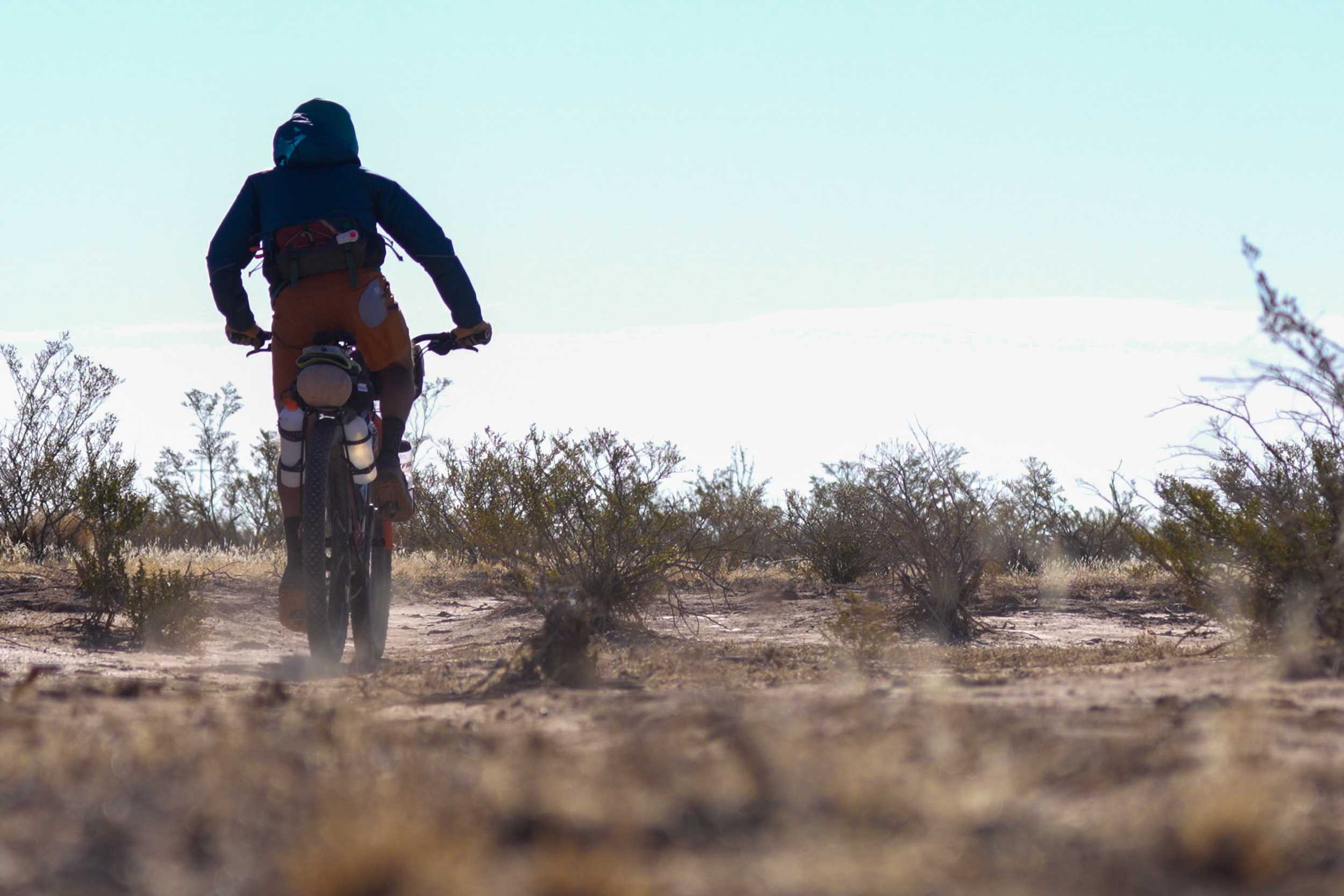
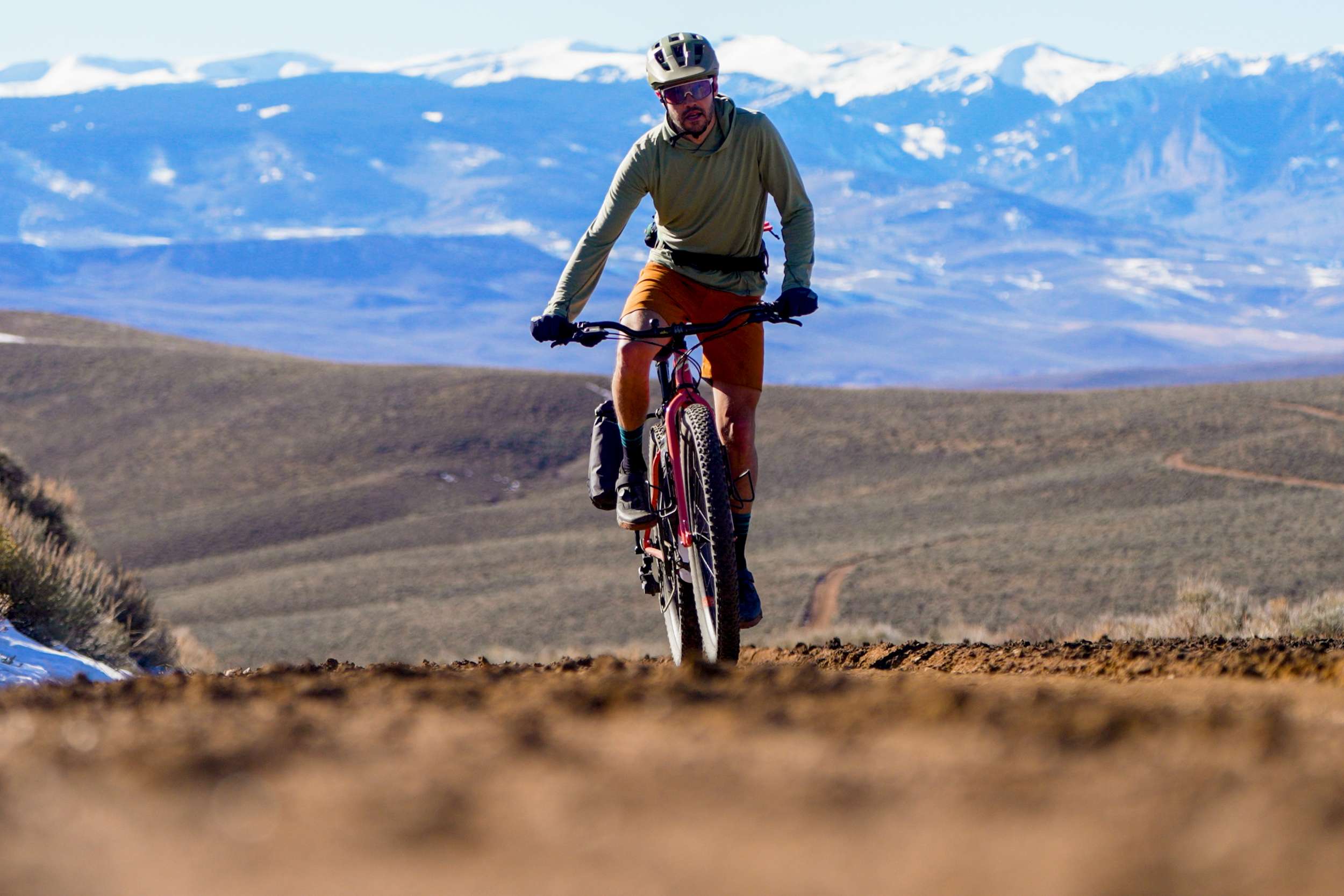
The best way to describe how this bike rides is by recalling the experience I had with it on the Monumental Loop. I was riding with three friends, all on hardtails with front suspension, and then Eric and I were both riding PBJs. Eric is a good friend, and he was the one who told me I needed to test this bike. His excitement for it was pretty obvious. We had gone on a few rides and trips together before I got mine, and after watching him ride it and hearing him talk about it, I was pretty intrigued. Watching him pedal that thing through rough terrain was impressive.
During the ride, our other buddies kept commenting on how surprised they were at how well we were riding through chunky terrain and fast singletrack. The funny thing is, I hadn’t even thought about the fact that I didn’t have suspension up front. I think a lot of that comes down to the longer, slightly slacker geometry, paired with the frame’s compliance and the fork’s flex. It gave me enough confidence to just ride the bike like I would a hardtail.
There is a limit, of course. After a full day on rough terrain, I could feel it in my body. One thing I noticed pretty quickly is that the PBJ likes speed. When you slow down too much, especially in rock gardens or rough sections, the ride can start to feel a bit harsh, and the flow disappears. But when you keep the bike moving, it really smooths things out. From singletrack to pavement, the PBJ does most things well, and it does so in a really simple way. On singletrack, it’s just a fun bike to ride. The wheelbase is long enough that I found I could slow down, adjust my line in tight technical sections, and then push back on the pedals and keep moving through the trail. But it’s not so long that the bike feels cumbersome in tight, twisty sections, something I often notice with really long modern bikes.
The same goes for dirt roads. The bike feels very stable and confidence-inspiring at speed, but still short and balanced enough to hammer up a climb when you want to. It’s not the fastest bike out there, and it’s not designed to be, but it’s not slow either. Another thing I noticed was a distinct sensation when transitioning from descents into steep, technical climbs. I often found myself standing up to keep momentum and balance my weight. At first, I thought maybe it was related to the 74-degree seat tube angle, but I’ve ridden plenty of bikes with similar angles that didn’t feel that way. What I eventually realized was that the riser bar likely shifts your center of mass slightly backward, forcing me to compensate by standing a bit more upright in those situations. Riding a rigid bike tends to put you in a more dynamic riding position anyway, but I wonder if a longer stem, lowering the stem on the steerer, or a different bar would have alleviated this.
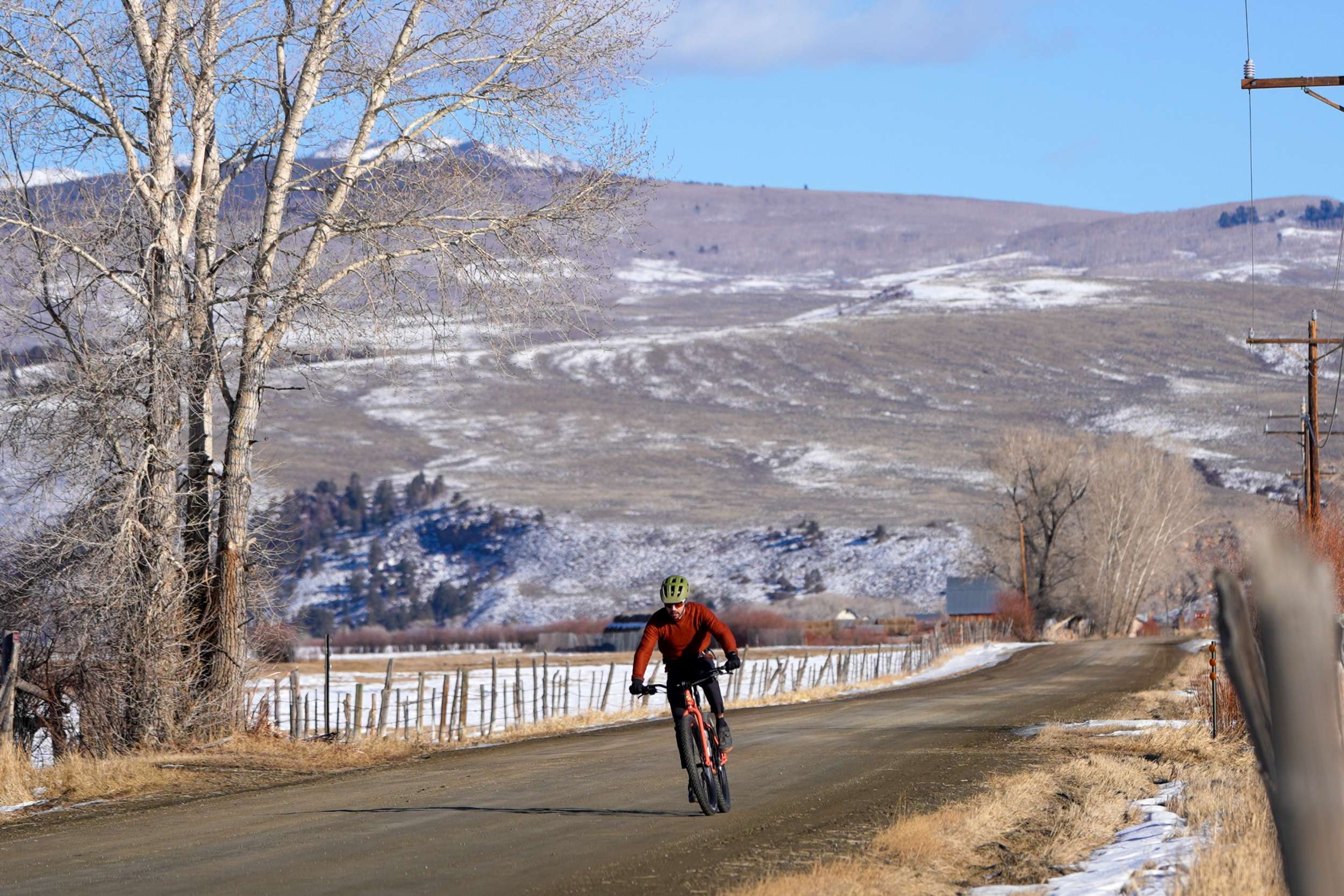


As for the frame itself, there’s noticeable flex in the tubing, but I wouldn’t describe it as overly flexy. It gives you the compliance you want without ever feeling vague. The fork behaves similarly. You can feel the flex when you need it, but it’s still stiff enough when you’re pushing hard.
I suspect a lot of that comes from the bike being suspension corrected, meaning the fork is a bit longer than many steel forks I’ve tested. Longer tubes naturally introduce a bit more flex, and in this case, it works really well. All told, when I got off my final ride on this bike, which happened to be unloaded, I was left with a feeling of simplistic freedom. A rigid hardtail can be incredibly fun. Ripping tight technical singletrack, cruising smooth fast trails, commuting around town, riding gravel roads, loading it up for bikepacking—this bike does it all.
My time with the PBJ reminded me that we often overcomplicate things in search of fun. I have no doubt that Adam carefully considered the butting, ovalized tubes, size-specific tubing, geometry, and tire volume to make the bike ride the way it does. But at the end of the day, it also reinforced something simple: you can do just about anything on a rigid bike. Riding a rigid bike is not only a great way to get into mountain biking, but it will also probably make you a better rider, too, if you’re into that sort of thing.
While Out Bikepacking


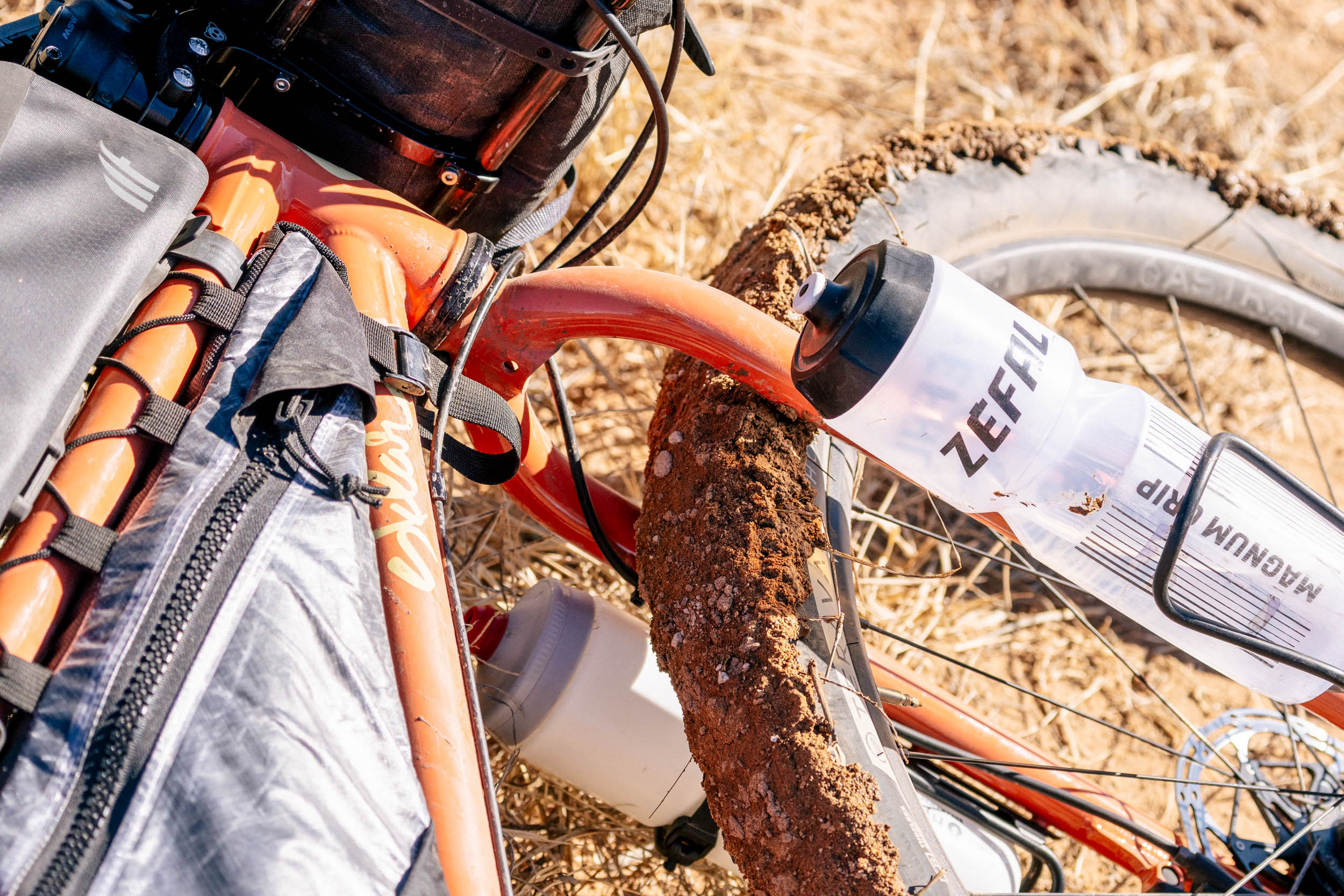
Loading this thing up was a pleasure, and it’s clearly designed that way. From the mounts to the large frame space to the overall comfort from the tubeset and handlebars, it’s very much a bikepacking bike. There are mounts everywhere. You’ve got rack and fender mounts, and even bag support mounts for something like a large saddle bag. I ended up testing the bike with Sklar’s new rack, which naturally worked well with the frame. I’ll be doing a separate review on the Sklar Lightweight Rear Rack once it’s available, but so far, I’ve been really enjoying it.
Another upside is the frame space. It’s very much optimized for a large frame bag. I actually ended up buying this frame bag from Rockgeist because I needed something built up pretty quickly, and it looks the part. Nothing beats a bike with a ton of frame space when it comes to running a good frame bag, and that’s the case here.
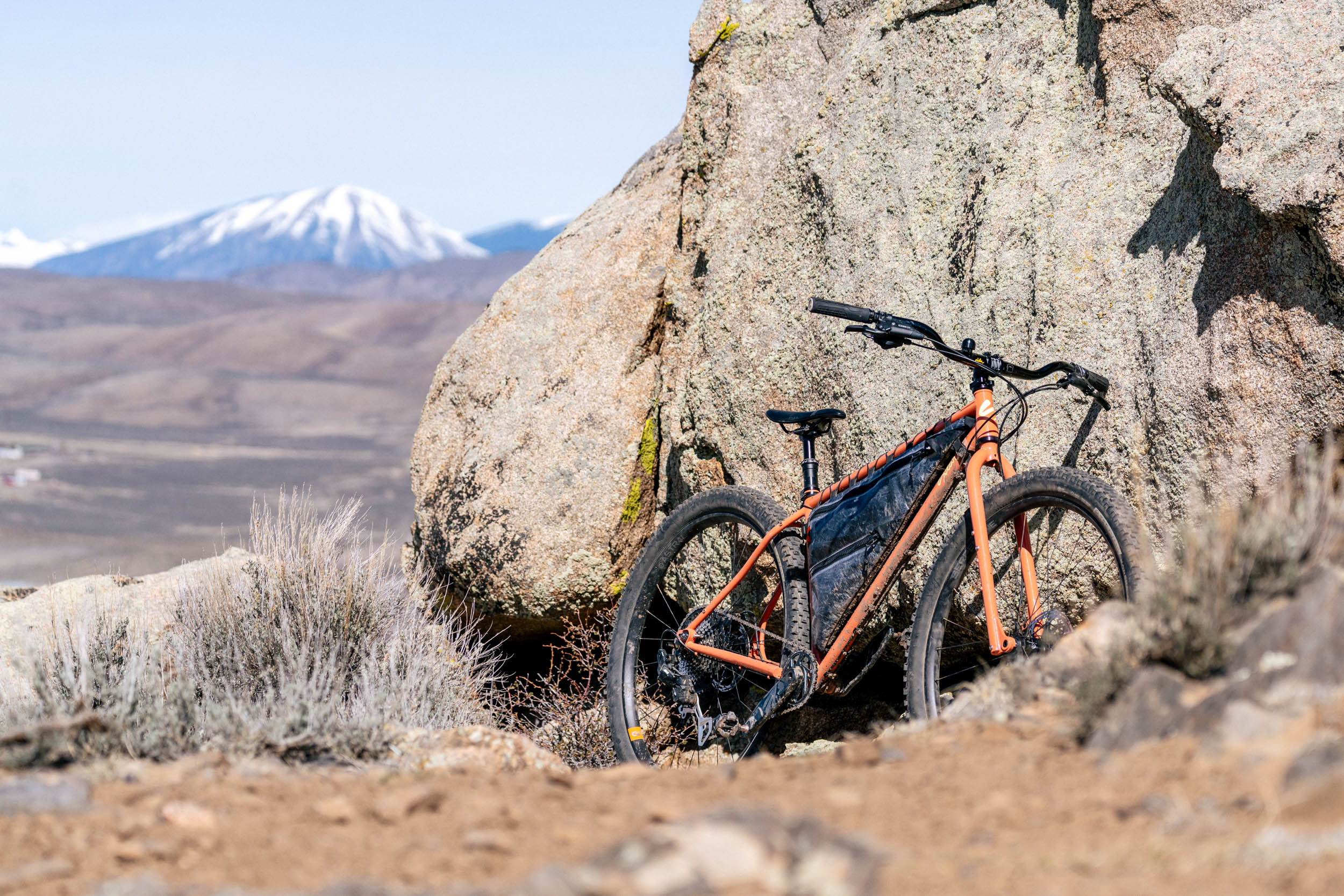


As for the fork, it’s great for bikepacking. Not only does it offer noticeable compliance on the trail, especially when the bike is loaded, but it also handles extra weight really well. I ended up running a liter bottle on each fork leg without issue. I absolutely love the offset three-pack mounts on this fork. I really only ever use fork mounts for bottles, and having the water slightly closer to me just makes more sense. It’s easier to reach, and it looks a lot better, too. That said, it will still work with cargo cages and even some smaller fork bags. The fork also includes dynamo routing, which is a really nice touch, as well as rack and fender mounts.
Specs and Build
Getting into the specs, the build I tested is outfitted with SRAM GX, which brings the complete price to $4,300. I rode it with the GX drivetrain for a while before swapping over the microSHIFT Advent MX group I reviewed a few weeks back, and it worked great. GX is a solid groupset, but I’ve been extremely impressed with the microSHIFT setup and wasn’t eager to take it off right away. I will note that the chain is loud on an unprotected chainstay. With both drivetrains I tested, I wouldn’t mind seeing a nice protector on there. One component I want to mention is the Sklar BPJ Riser Bar. It’s made from 7000-series aluminum, has 40mm of rise, 28 degrees of backsweep, and measures 795mm wide.
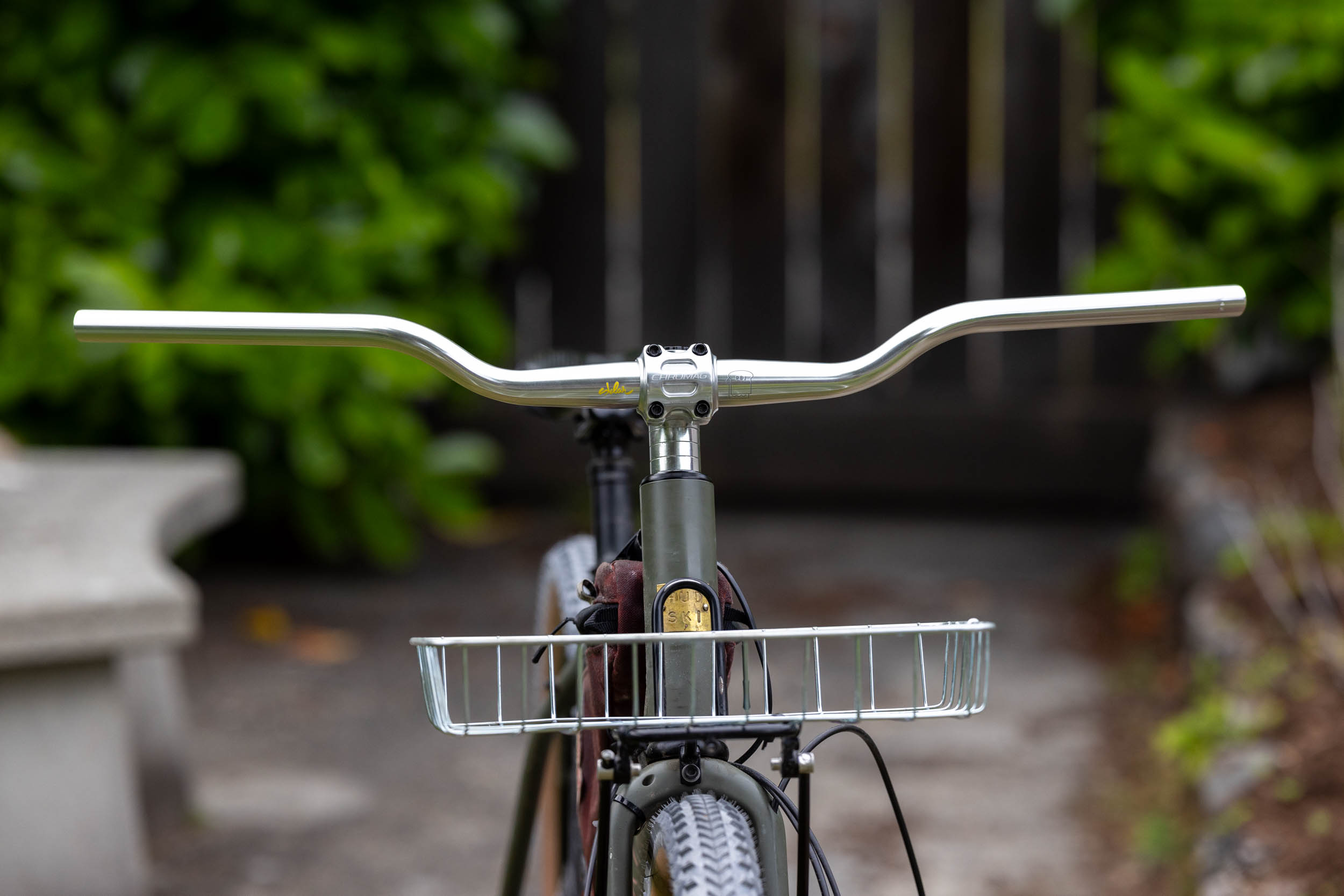

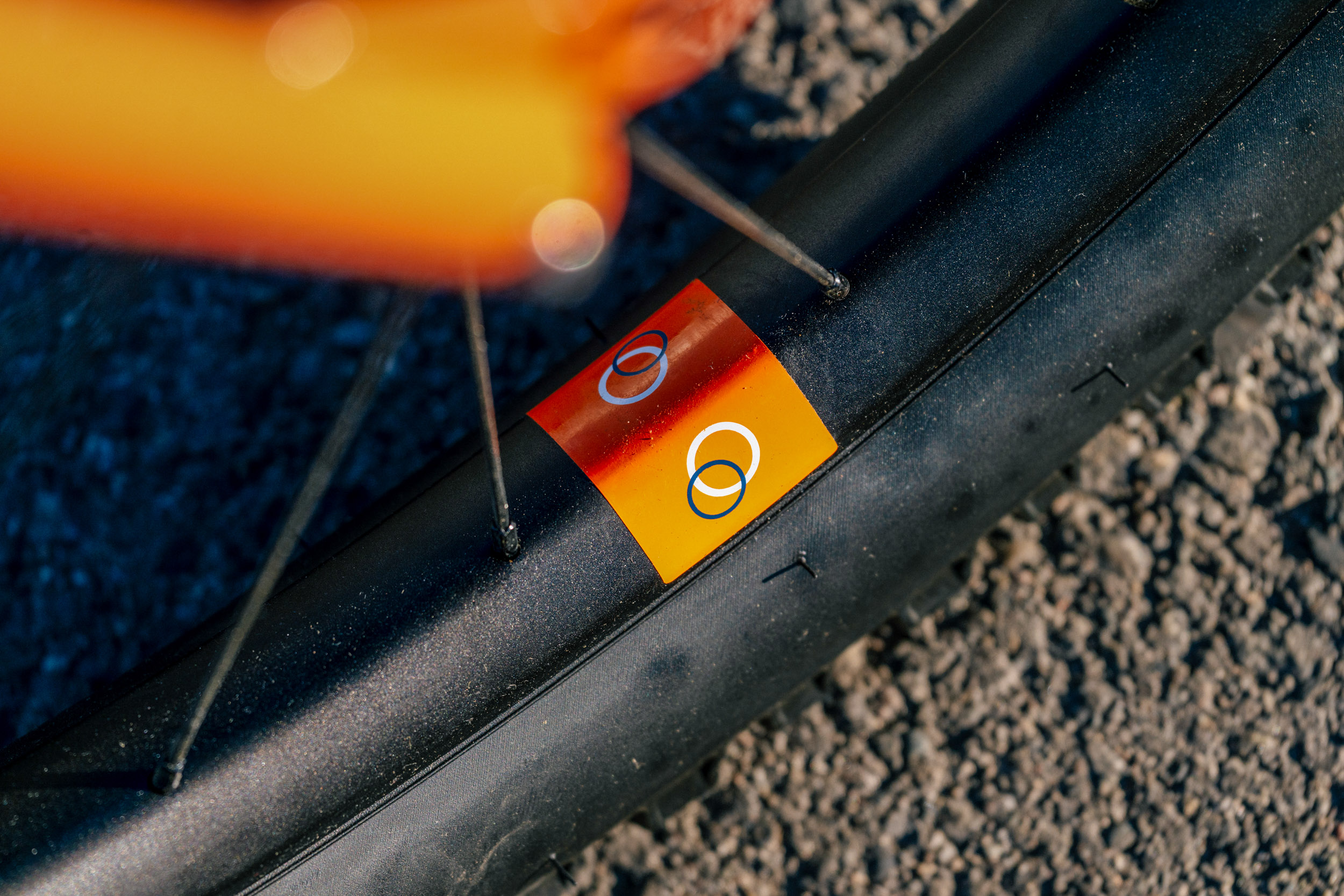
It puts me in a pretty upright position, sometimes a little too upright, as I mentioned earlier, but for most of my riding, I appreciate it. It strikes a nice balance between stiffness and flex, and it has a large flat clamping area in the middle, which is great for handlebar bags or other accessories. Overall, it just makes the bike feel really comfortable and cruisey. Another standout component is the Astral Serpentine 29” wheels. These are aluminum asymmetric rims with a 32mm internal width, and they’ve proven to be solid. After plenty of extra weight, rough terrain, and general abuse, they’re still holding tension well.
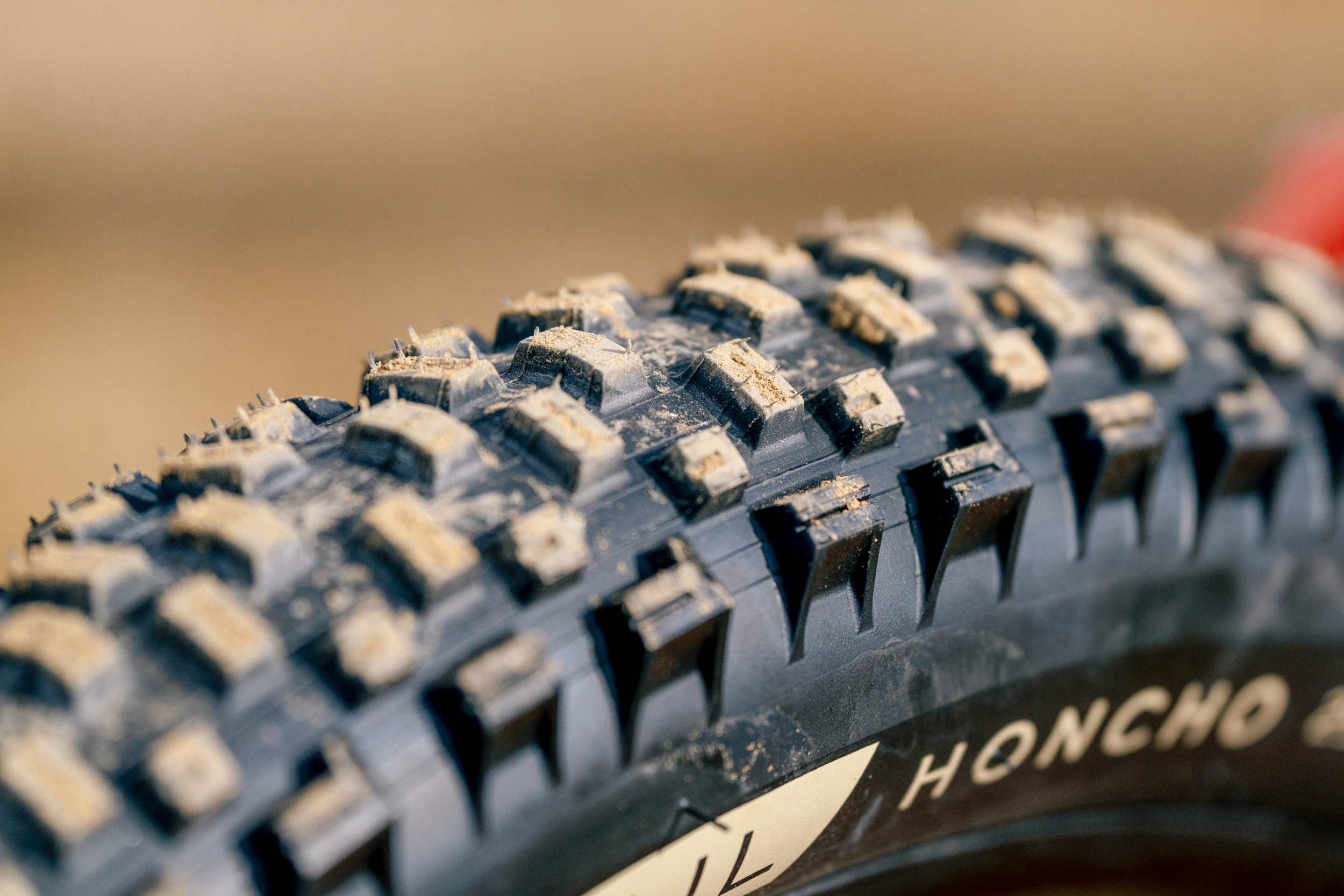
I hadn’t ridden Astral wheels before this build, but I’m sold on them now. The hubs are Astral’s Approach model, manufactured by their sister company, White Industries. They’ve been reliable, roll great, and just work. Those are usually mounted with Vittoria Mezcal tires, but I ended up running Teravail Honchos. I’ve always liked the Honcho, and I like the Mezcal too, but the real story here is the 2.6-inch tire size. It’s such a great middle ground. You get enough volume to take the edge off rough terrain and add confidence on trail, but they’re not so big that they start to feel slow or sluggish. I also appreciated the extra bite and braking traction the Honchos provided.


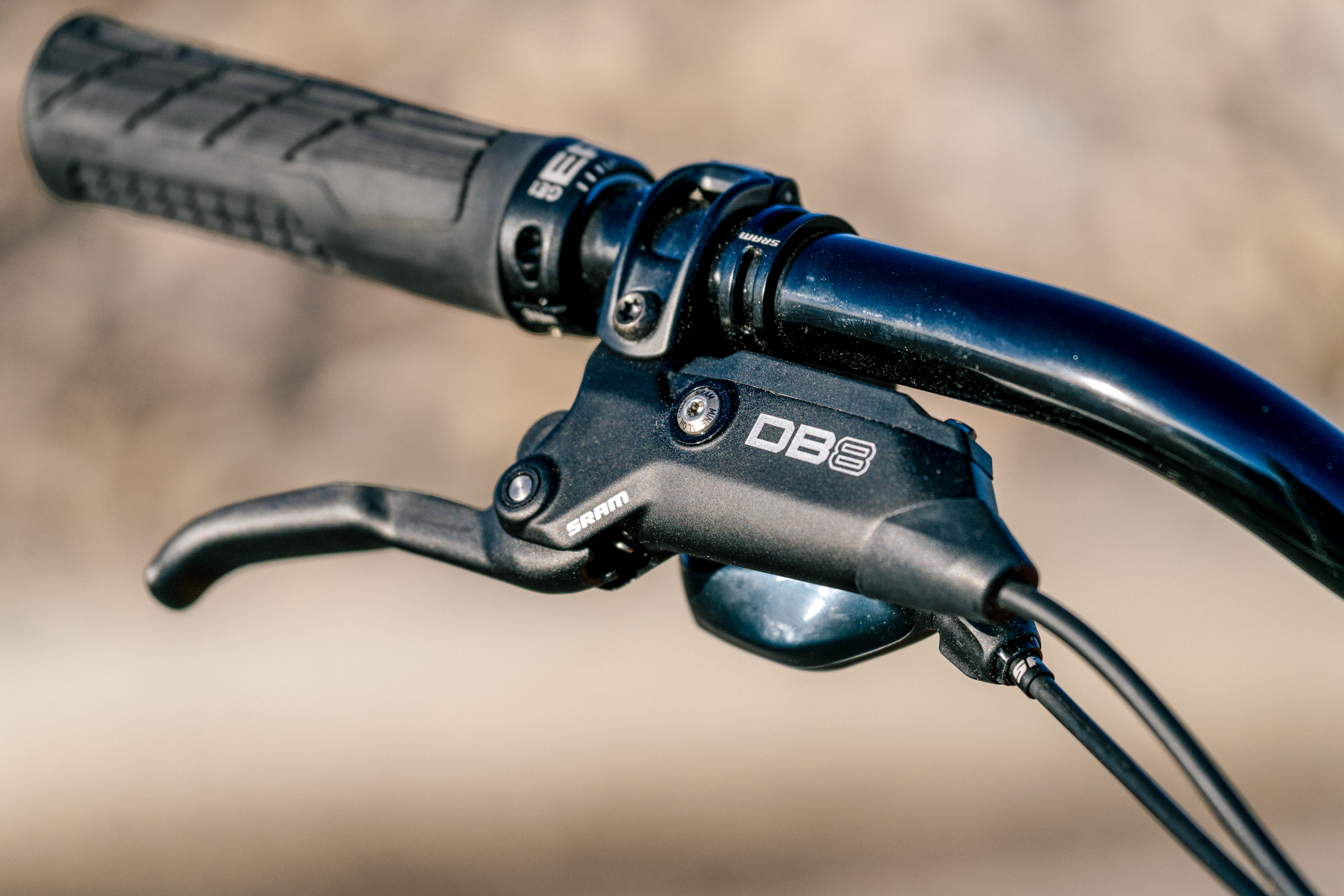
As for the dropper post, the medium came with a 150mm dropper, and given what this bike is capable of, I’d say a dropper is pretty much non-negotiable. I did try running a Cambium C17 saddle, but I just couldn’t get along with it, so I swapped it out. One thing I struggled with was the SRAM DB8 brakes. My front brake gradually started losing power, and the lever kept pulling closer and closer to the bar. It may just need a bleed, but it’s worth noting. I’ve had good luck with newer SRAM brakes, but I haven’t spent much time with their mineral oil systems yet. All in all, though, I think this is a really solid value build. If you wanted to build one up yourself, the frame and fork cost $1,600 USD, and the top-end SRAM X0 build is around $5,800 USD. The bike is available in a variety of colors, but it’s hard not to love this salmon option.
- Model Tested: Sklar PBJ, medium
- Actual Weight: 28.5 pounds (without pedals)
- Place of Manufacture: Taiwan
- Price: $1,600 (frame and fork) at Sklar Bikes
Pros
- Excellent ride quality.
- One of the best steel forks I’ve ridden.
- Versatile ATB platform.
- Great bikepacking features.
- Adjustable dropouts.
- 2.6+” tire clearance
Cons
- Riser bar shifts weight rearward.
- Loud chainstay without any protection.
- SRAM DB8 brake performance was inconsistent.
- Chunky terrain at slow speeds can feel rough.
Wrap Up
All told, the PBJ left a strong impression. On paper, it’s simple, and that’s a great thing. But after spending a few hundred miles on this bike, you start to appreciate how well thought-out it really is. The geometry feels balanced, the tubeset has just enough compliance to take the edge off, and the fork is one of the best I’ve ridden.
What stood out most, though, is how versatile it is. I rode it on tight singletrack, fast and slow dirt roads, commuting around town, and on fully loaded bikepacking trips. It handled it all without skipping a beat and maintained comfort no matter what. It’s not trying to be the fastest or most aggressive bike out there, and it’s built to ride well and carry a load like a dream. More than anything, the PBJ reminded me that we often overcomplicate things. A well-designed rigid bike like this encourages you to connect with the trail in a way that’s hard to replicate. Sure, it might be a little more capable with a 100mm fork, but it would take a lot to get me to take this steel one off.
I’ve been loving jamming on this thing, but I’d love to hear your thoughts. Are you into the Sklar PBJ? Let me know in the Conversation below…
Further Reading
Make sure to dig into these related articles for more info...


Please keep the conversation civil, constructive, and inclusive, or your comment will be removed.